
Atmosphere, Affect, and the State of American Art
Whitney Museum of American Art New York March 8 – August 23, 2026
The 82nd Whitney Biennial opened to the public on March 8, 2026. Co-curated by Marcela Guerrero, the DeMartini Family Curator, and Drew Sawyer, the Sondra Gilman Curator of Photography, this edition arrives without an explicit overarching theme, a deliberate choice that distinguishes it from recent iterations of the survey and one that opens as many questions as it resolves.
Curatorial Framework: Mood Over Manifesto
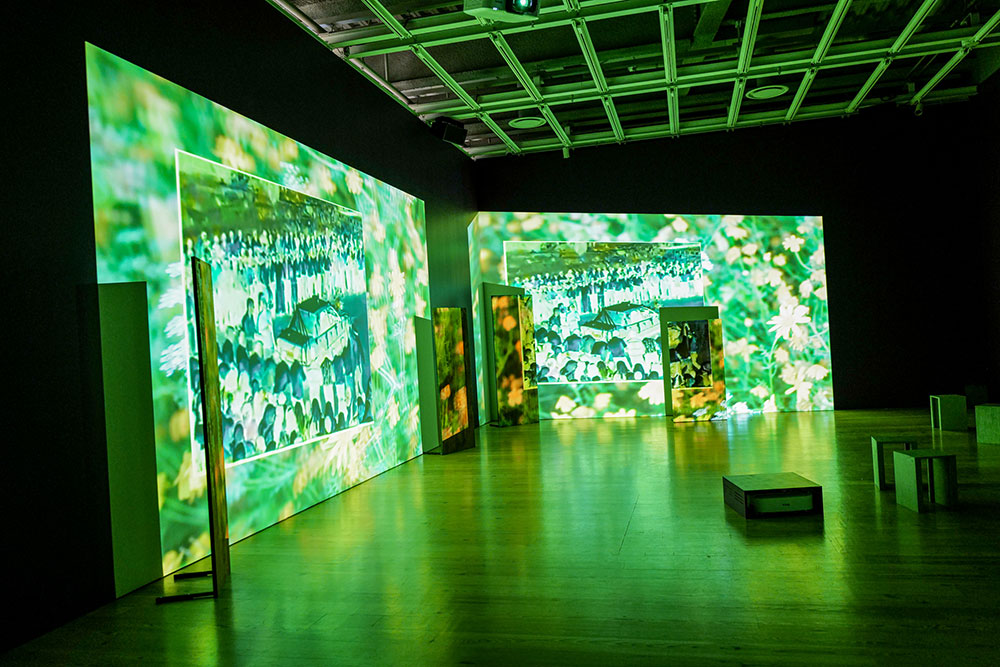
Guerrero and Sawyer have framed the exhibition around what the Whitney describes as “mood and texture,” prioritising the phenomenological experience of art over declarative argument. Rather than organising the show around a legible thesis, the curators have invited 56 artists, duos, and collectives to produce environments that “evoke tension, tenderness, humor, and unease.” The language is deliberately open. This is a biennial that asks visitors to feel their way through the galleries before they reason their way through them.
The curatorial team was assembled in-house, with Beatriz Cifuentes serving as Biennial Curatorial Assistant and Carina Martinez as the Rubio Butterfield Family Fellow. Their approach situates the work within several intersecting fields of inquiry: interspecies kinships, familial relations, geopolitical entanglements, technological affinities, shared mythologies, and infrastructural supports. These are not themes so much as registers of attention, and they produce a show that is thematically porous, which has been received both as a strength and a limitation by early reviewers.
This “feelings-first” approach carries implications for how the show functions as a bellwether. The biennial has historically served as an index of dominant currents in American art. That indexical function is no less present here, but it is diffused across affect rather than concentrated around ideas. What this edition reflects, above all, is a field in which artists are responding to instability through sensory and material means rather than discursive ones.
Geographic Reach and Questions of Representation
The exhibition draws artists from across 25 US states, alongside participants from Afghanistan, Chile, Iraq, Okinawa, the Philippines, Puerto Rico, and Vietnam. The curators describe these as places “marked by the reach of US power,” a framing that situates the biennial explicitly within a post-colonial understanding of American influence. Among the most established figures on the roster are Palestinian artist Samia Halaby, performance artist Andrea Fraser, and Okinawan photographer Mao Ishikawa.
Medium and Material Tendencies
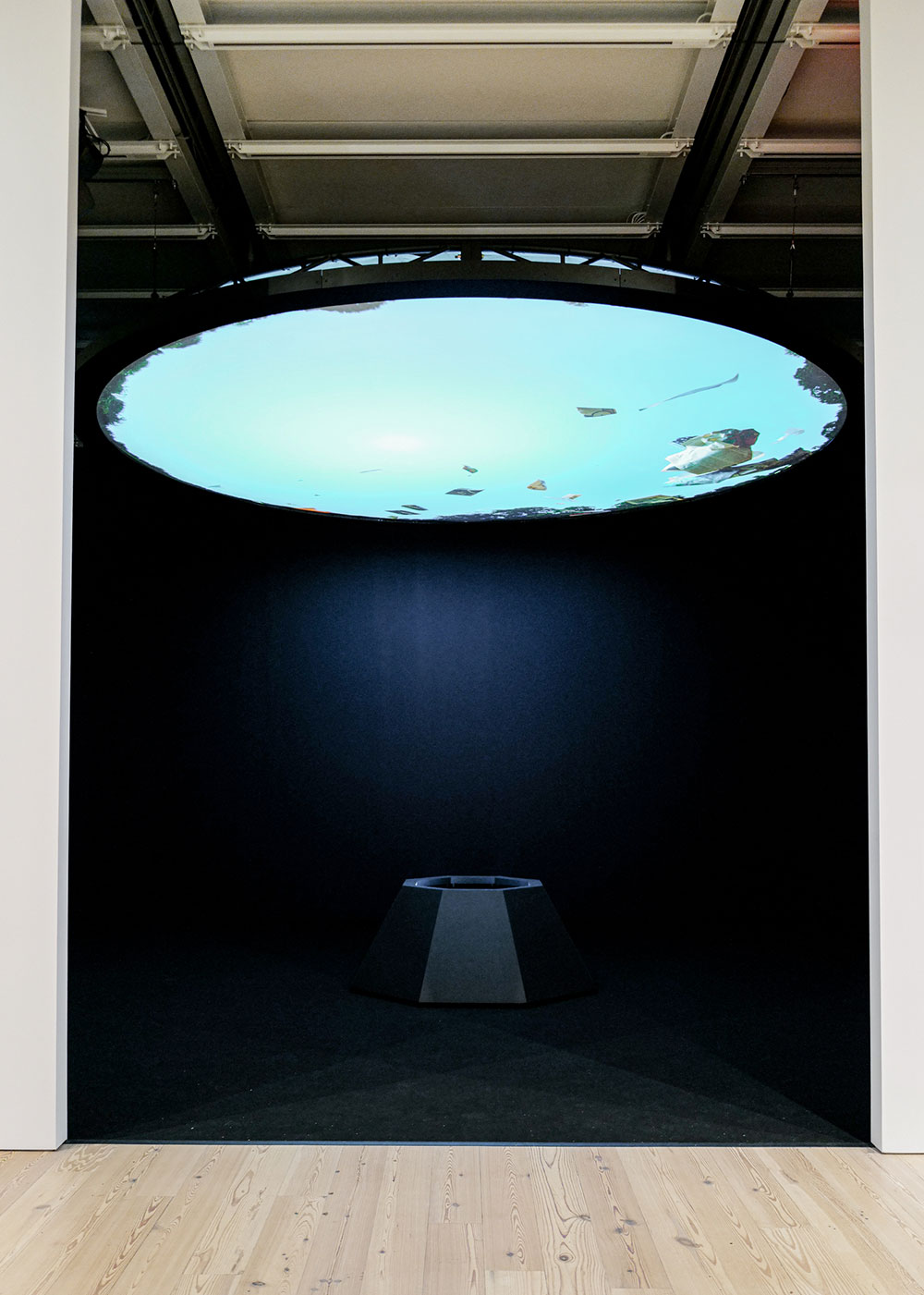
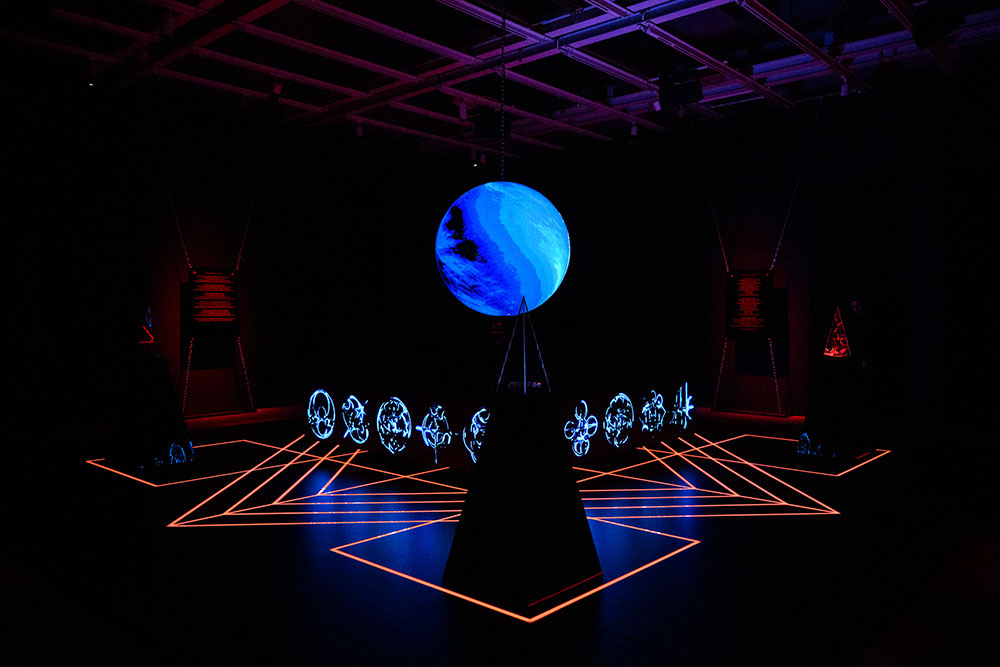
One of the most immediately observable characteristics of this edition is the relative scarcity of painting with the exhibition weighted instead toward sculpture, installation, performance, video, and emergent media including artificial intelligence.
Several works engage directly with technology and its social consequences. Cooper Jacoby’s “Estate” series reconfigures decommissioned intercoms into flesh-like sculptural objects, each memorialising a deceased individual. AI trained on each subject’s social media posts animates the works intermittently, raising questions about data, mourning, and the persistence of digital identity. The piece sits at the intersection of surveillance critique and elegy.
Kelly Akashi’s terrace commission, Monument (Altadena) (2026), is among the most discussed works in the exhibition. Responding to the Eaton Fire, which destroyed her family home in Los Angeles’s Altadena neighbourhood in 2025, Akashi has reconstructed the chimney that survived the blaze in cast glass, embedding doily imprints from her grandmother’s textiles alongside Corten steel forms. The work functions simultaneously as personal memorial and climate warning.
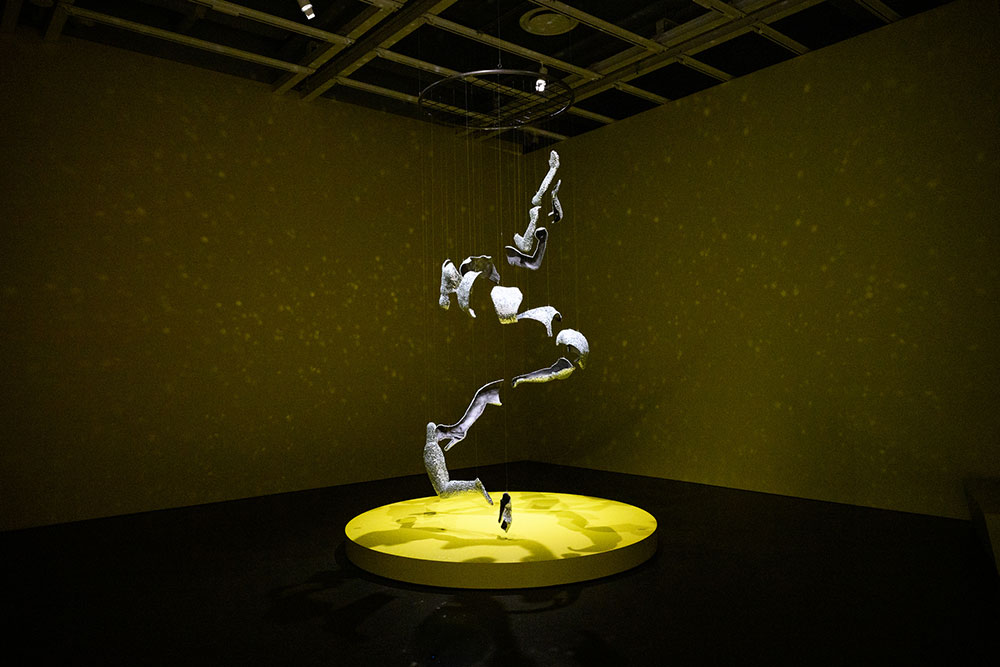
Elsewhere, Young Joon Kwak’s Divine Dance of Soft Revolt (Anna, Travis, Me) (2024) presents body casts of the artist and their chosen family inlaid with mirror fragments, installed in a spiralling vertical composition within a chartreuse-painted room. Sula Bermudez-Silverman juxtaposes hand-blown glass with rusted iron animal traps. Both practices engage the body’s fragility through materials that seduce before they unsettle. The exhibition also features a video game designed by Leo Castañeda that can be accessed by audiences at home, marking one of the more unusual extensions of a biennial’s reach beyond the museum walls.
Critical Reception and Institutional Significance
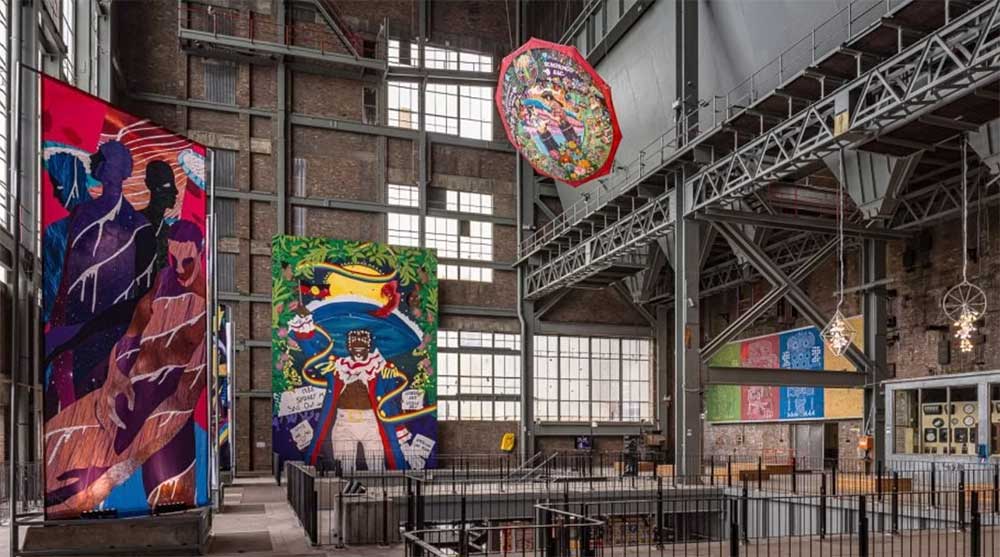
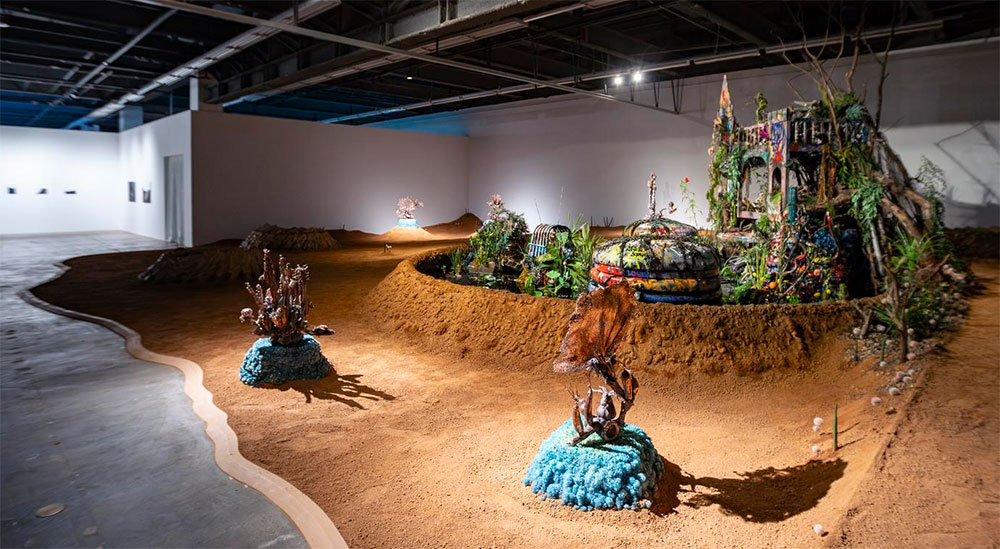
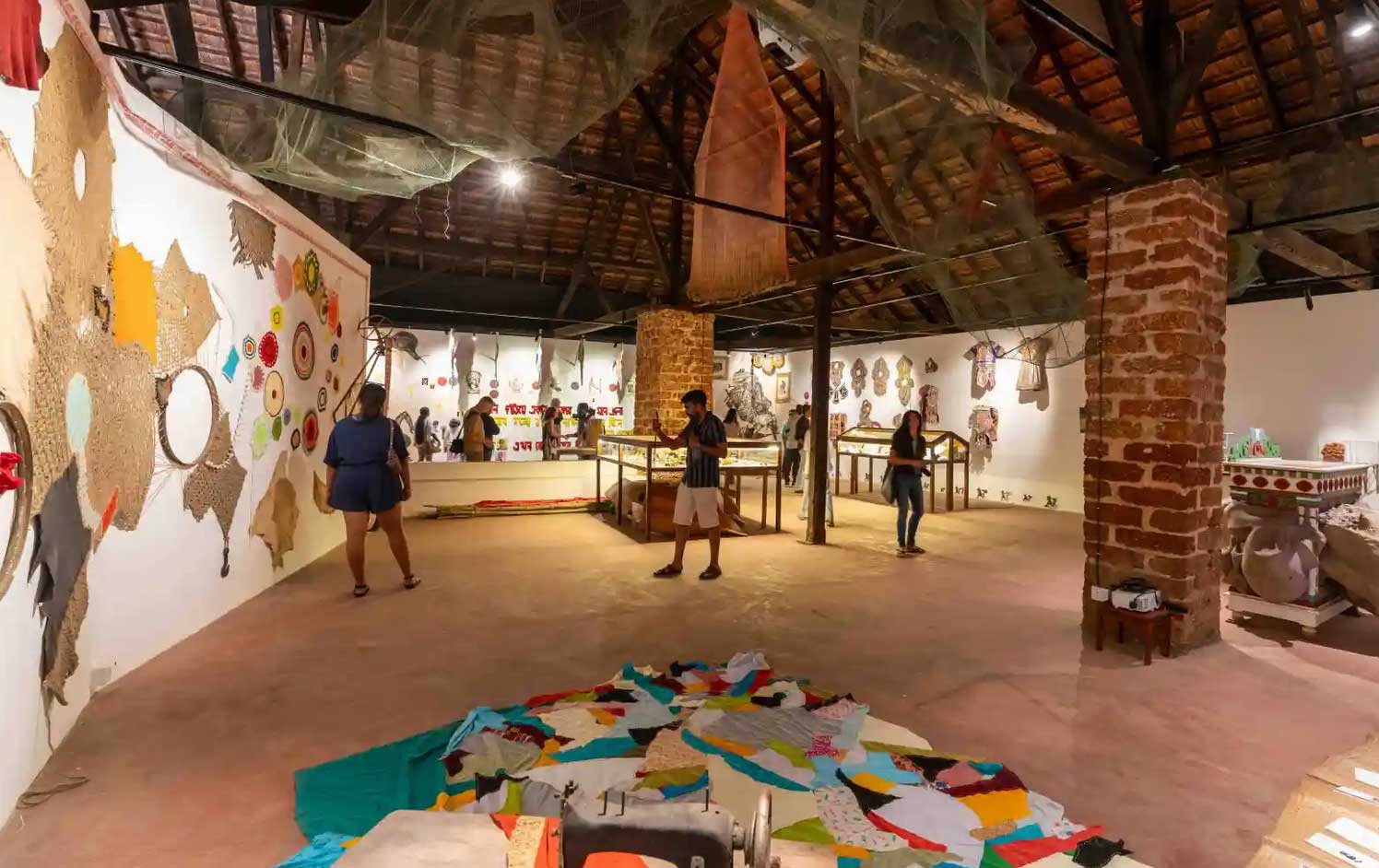
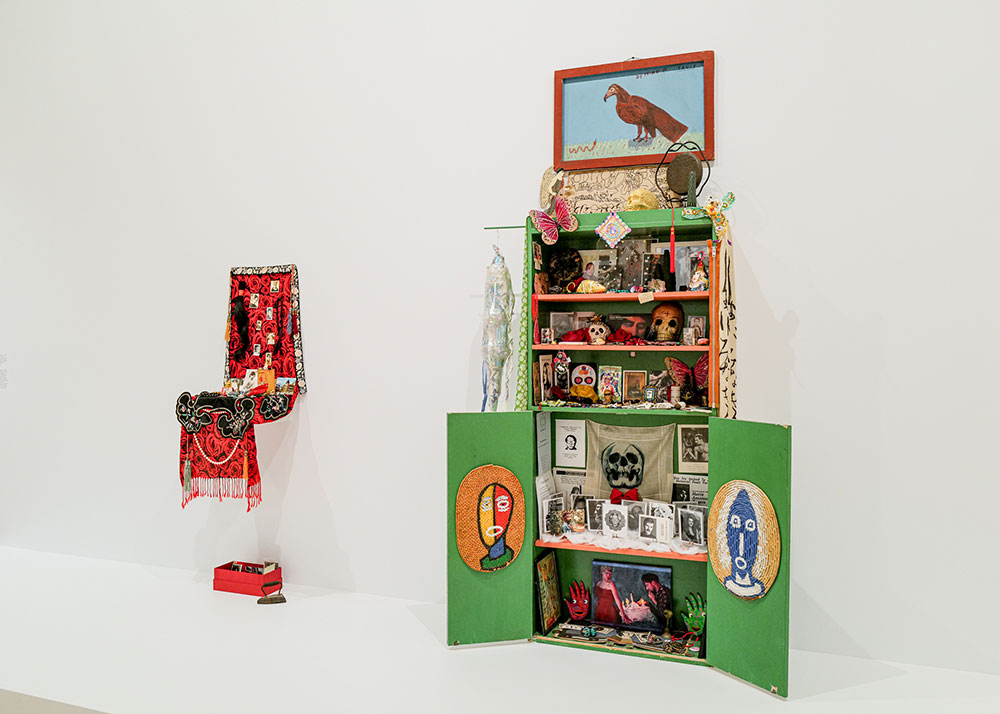
Early critical reception has been notably divided, which is itself characteristic of the biennial’s history. What reviewers agree on is that the exhibition rewards extended engagement. Its maximalist installation design incorporating painted pedestals, wallpaper, and hand-drawn murals, creates a series of distinct environmental zones rather than a neutral hang. The exhibition runs through August 23, providing a substantial window for related programming, artist talks, and curatorial dialogue.
As the longest-running survey of contemporary American art, the Whitney Biennial retains its status as the most consequential recurring exhibition of its kind in the United States. whitney.org/exhibitions/2026-biennial