
Art as Proposition: Ho Tzu Nyen and the 16th Gwangju Biennale
Opening in September 2026, the next edition of Asia's oldest and most established biennial takes a significant turn, placing an artist rather than a curator at its helm for the first time in recent memory.
When the Gwangju Biennale Foundation announced the appointment of Ho Tzu Nyen as Artistic Director of the 16th edition, it signalled something more than a routine selection. The Singaporean artist and filmmaker — known for his immersive film and video installation work, and for an ongoing encyclopaedic project called The Critical Dictionary of Southeast Asia — represents a conscious departure from the Biennale's long-standing tradition of appointing high-profile curators to the role. Where previous editions were shaped by the intellectual frameworks of figures such as Okwui Enwezor, Nicolas Bourriaud, Harald Szeemann, Charles Esche, and Hou Hanru, the 16th edition will be fashioned from the inside of an artistic practice.
The distinction matters for institutions considering participation or partnership. Ho's work characteristically resists single, fixed interpretations. His films and installations draw on mythology, colonial history, and cultural identity across Southeast Asia, constructing elaborate layered arguments through image and sound rather than through discursive proposition. His appointment as Artistic Director is less a handover of the Biennale's intellectual direction to a curatorial voice, and more an invitation for the event to think through an artist's sensibility — one that, in Ho's own words, is more drawn to questions than answers.
Collective Practice and the City
Ho has described his vision for the edition as one that foregrounds collective artistic practices and solidarities, framing art as a shared instrument for responding to what he calls the intersecting crises of our time. Climate change, the democratic backsliding visible across multiple continents, and the lingering social disruptions of recent pandemics all figure in the conceptual territory the Biennale aims to address. Rather than prescribing a single curatorial thesis, Ho has indicated that the edition will function as a set of propositions — plural, open, and shaped in dialogue with participating artists and publics.
This approach has particular resonance in Gwangju, a city whose civic identity is inseparable from the memory of the 1980 Democratic Uprising — the violent suppression of a pro-democracy movement by military forces that left an enduring mark on Korean political consciousness. The Biennale was founded in 1995 specifically in relation to that history, as a means of channelling Gwangju's legacy of democratic aspiration into a cultural form. Ho has been candid about his interest in exploring how the practice of artistic transformation speaks to, and is informed by, that legacy. For institutions weighing participation, the Biennale's civic rootedness gives it a character markedly different from events organised primarily around art market circuits or prestige biennial tourism.
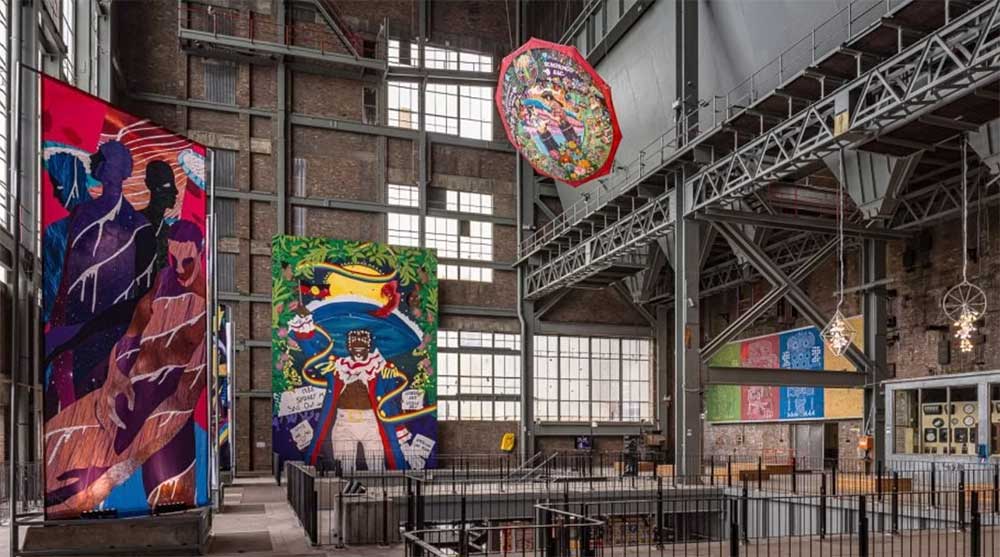
The Biennale will be spread across multiple venues throughout the city, with the main exhibition anchored at the Gwangju Biennale Exhibition Hall alongside a Pavilion programme that has expanded substantially in recent years. The 2024 edition attracted over 700,000 visitors and saw 31 cities, institutions, and countries present independent pavilion projects — a considerable growth from the programme's inauguration in 2018. The 16th edition is expected to continue in this direction, with the Pavilion structure serving as a framework through which international institutions can engage with the event and the city on their own curatorial terms, in dialogue with local artists and communities.
An Anomaly Within an Established History
Ho's appointment is, by the Biennale's own acknowledgement, something of an anomaly. The Gwangju Biennale has historically been among the more curator-centric of the major recurring international exhibitions. Enwezor's 2008 edition was notable in part as a predecessor to his Venice Biennale in 2015; Bourriaud's involvement helped consolidate the event's relationship to European discourses in contemporary art theory. Placing an artist in the directorial role shifts that dynamic, and it will be worth monitoring how Ho negotiates the administrative and conceptual demands of the position alongside what is clearly a desire to make the edition feel more like an extended work than a surveyed field.
Ho is not without experience in a curatorial capacity — he co-curated the 7th Asian Art Biennale in Taiwan in 2019. He has also participated in the Gwangju Biennale itself on two previous occasions, in 2018 and 2021, giving him an understanding of the event from the position of an artist working within it. His most recent major solo survey, which opened at the Singapore Art Museum in 2023 and has since continued to travel internationally, demonstrated the scale and ambition of his practice to new audiences. At M+, his commissioned work addressed themes of nostalgia and historical memory through the lens of Hong Kong cinema. These projects suggest an artist accustomed to working within institutional frameworks while maintaining the particular character of his own questions.
What Institutional Participation Looks Like
For galleries and art institutions considering engagement with the 16th Gwangju Biennale, the Pavilion programme offers the most structured entry point. Applications from international institutions were accepted by the Foundation on a rolling basis through late 2025, and several national programmes have already confirmed participation. Austria's contribution, selected through an open call administered by Phileas — The Austrian Office for Contemporary Art — will see artist Birke Gorm, curated by Attilia Fattori Franchini, present work at the Eunam Museum of Art. Malta's participation is being administered by Arts Council Malta, with a brief that specifically encourages site-specific, multidisciplinary work developed in residency within Gwangju over a sustained period. These models illustrate the range of approaches the Biennale accommodates: from conventional national pavilion formats to more embedded, community-facing projects.
Institutions that have participated in the Pavilion in earlier editions include Palais de Tokyo (France), HIAP – Helsinki International Artist Programme (Finland), Kunsthaus Pasquart (Switzerland), the Taipei Contemporary Culture Lab (C-LAB), and the Contemporary Art Network (Philippines). The diversity of those organisations — ranging from national arts agencies to independent residency programmes and publicly funded contemporary art spaces — reflects the Biennale's genuine interest in convening different models of institutional practice, not simply the most prestigious names.
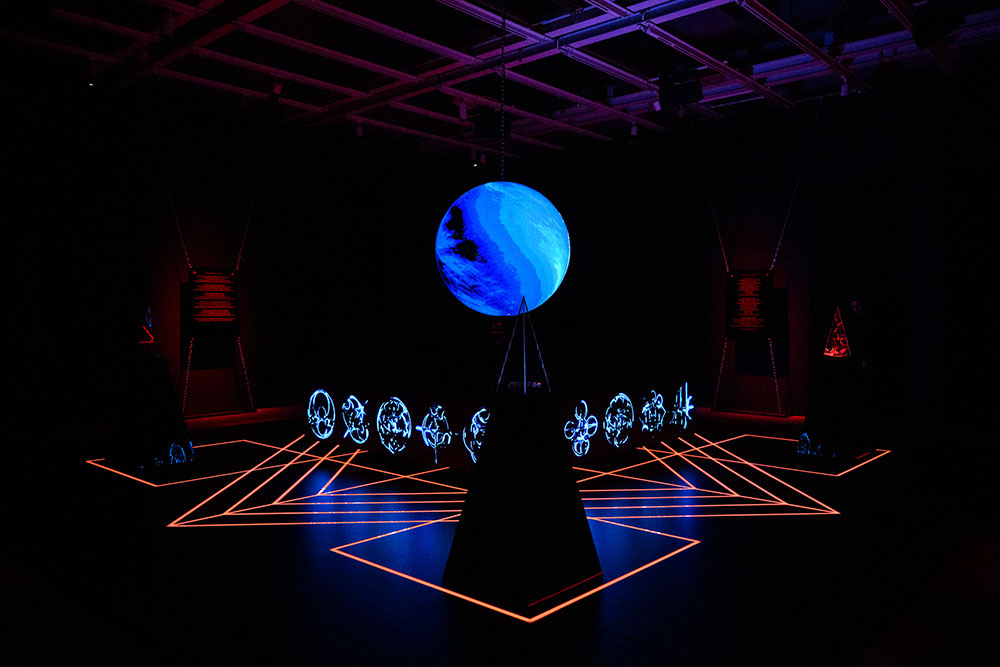
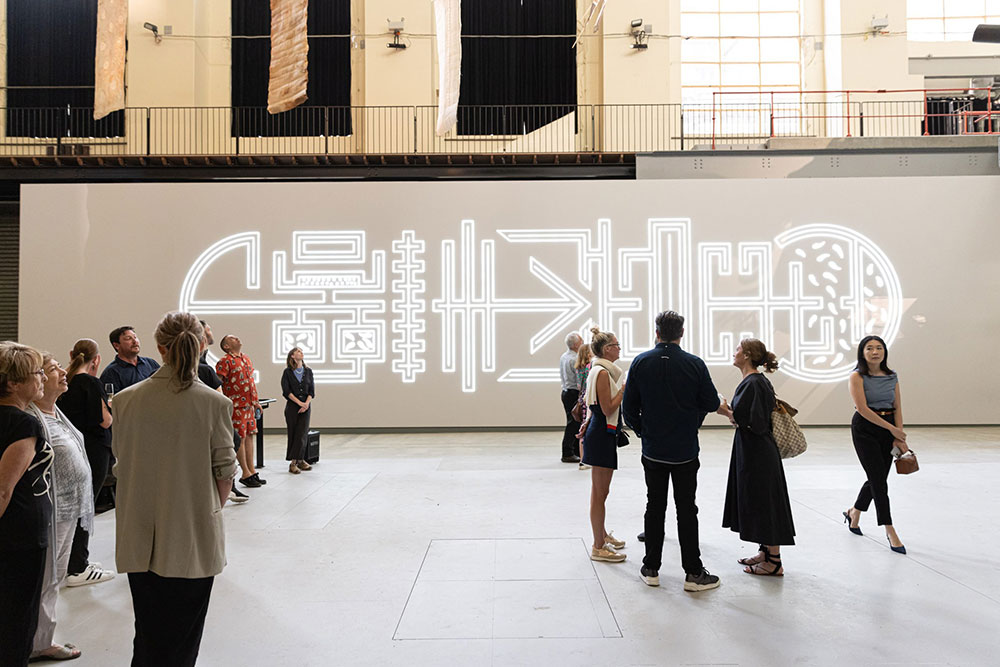
The main exhibition, meanwhile, will encompass film, sound, installation, and archive-based work distributed across the Exhibition Hall and city venues. Ho's own practice in these media gives the selection process a particular coherence: he is unlikely to assemble a survey of media work for its own sake, and more likely to draw on artists whose approach to image-making and historical inquiry aligns with the propositional character he has outlined. For galleries working with artists in these areas — particularly those engaging with histories of colonialism, regional identity, and political transformation — the edition merits close attention.
The Broader Biennale Context in 2026
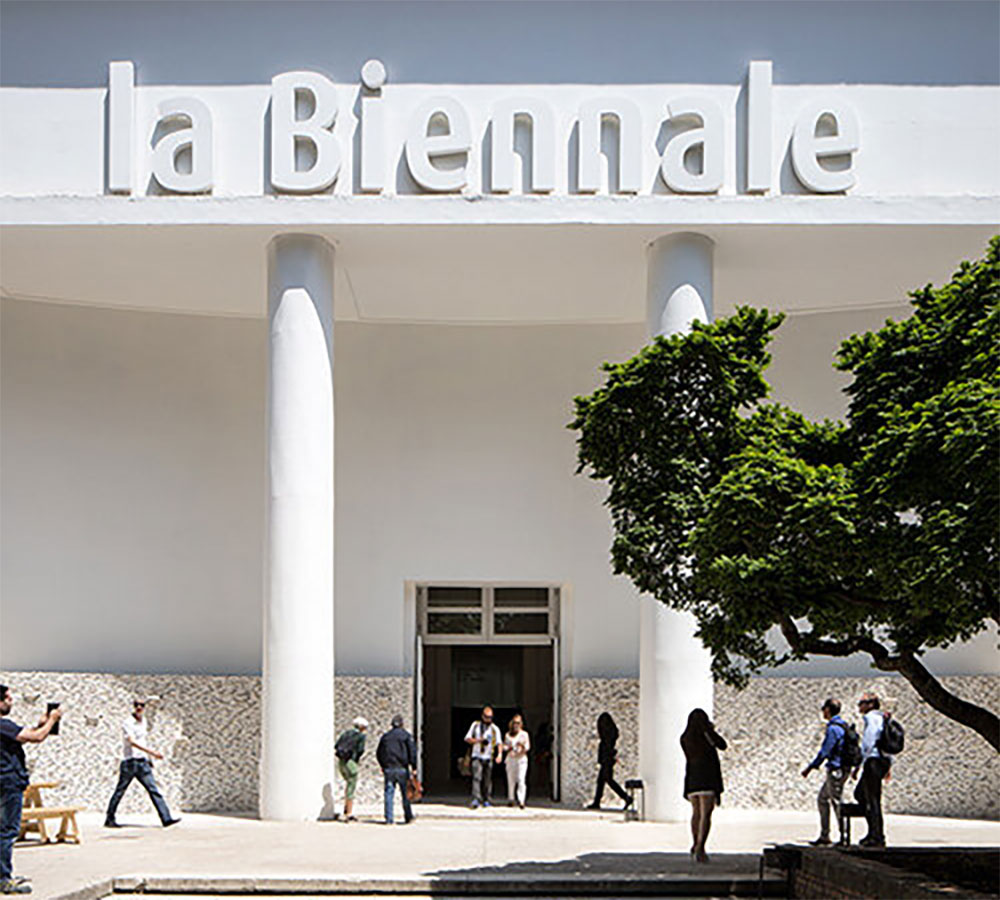
The 16th Gwangju Biennale opens in a year in which several major recurring international exhibitions are taking place simultaneously, including the Venice Biennale. Institutions managing schedules and travel budgets across multiple events will need to weigh their priorities carefully. That said, Gwangju's operational model — which combines a main institutional exhibition with a genuinely decentralised, city-wide programme of pavilions and satellite projects across venues including museums, community spaces, and residential neighbourhoods — offers a different quality of engagement from the concentrated infrastructures of Venice or Basel.
The city is accessible from Seoul by high-speed rail in approximately two and a half hours, and the Biennale's September-to-November run allows for a visit at a time of year when South Korea's climate is generally temperate and comfortable. For institutions with existing relationships in East and Southeast Asia, Gwangju presents a natural point of connection. For those without, it offers a well-organised entry point into a regional contemporary art ecology that is both substantial and, in the anglophone art world, still comparatively underattended.
Ho Tzu Nyen has said he is returning to Gwangju not as an artist this time but as someone responsible for shaping conditions in which propositions for change can be shared and collectively developed. Whether that framing results in an edition of particular coherence and force will only become clear once the exhibition opens. What can be said in advance is that the appointment is a considered one, and that the edition's conceptual parameters — collective practice, political resonance, art's capacity to generate rather than merely reflect meaning — align in a coherent way with the history of the place in which it is staged.
The 16th Gwangju Biennale opens September 2026 and runs through November 2026 at the Gwangju Biennale Exhibition Hall and venues throughout the city of Gwangju, South Korea.