
The Courtauld Gallery: Collection, Scholarship and the Ongoing Life of a London Institution
Few galleries in London occupy so distinctive a position in the professional landscape of the art world as the Courtauld Gallery at Somerset House. It is, at once, a public museum, a teaching collection, a centre for conservation research and an active exhibition venue — and it is the particular integration of these functions that makes it a meaningful point of reference for those working across art institutions and galleries internationally.
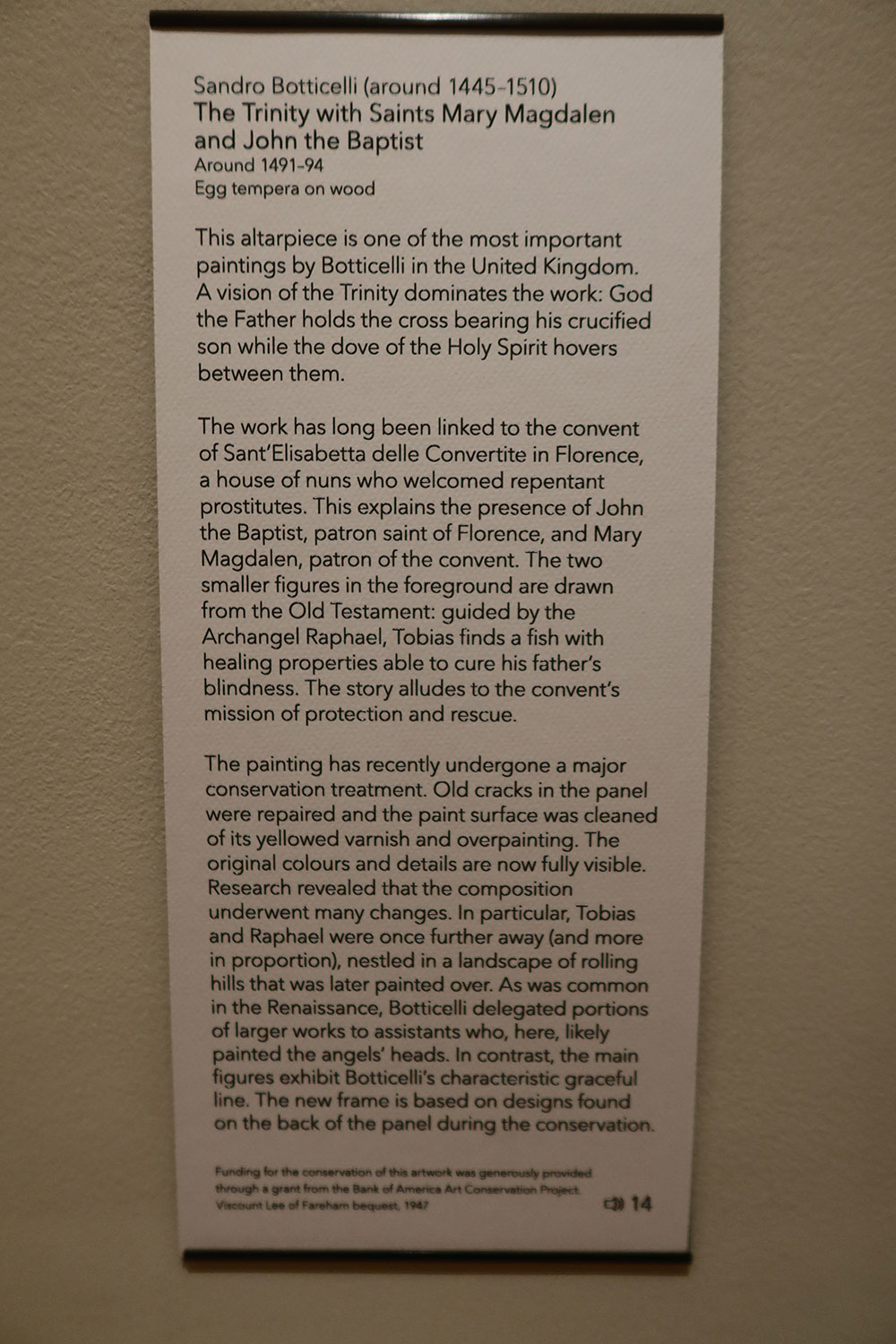
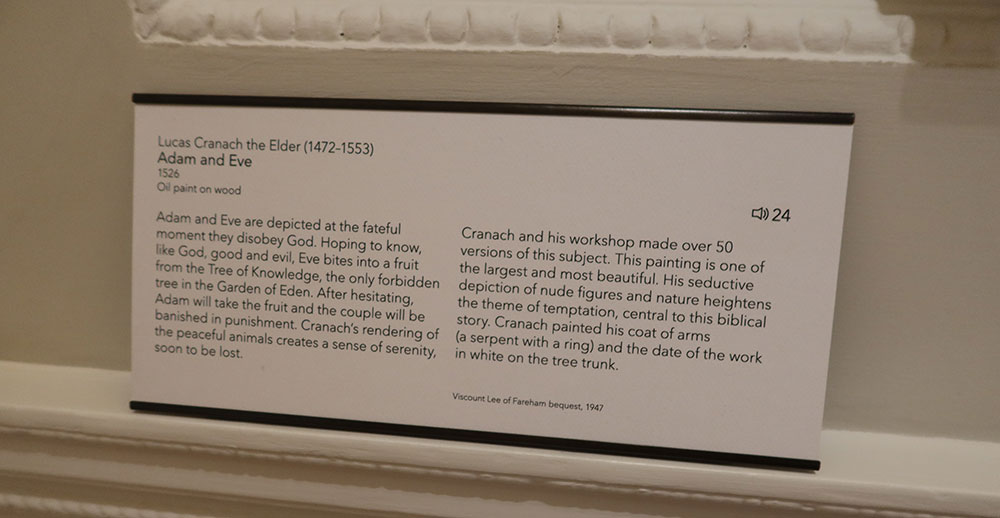
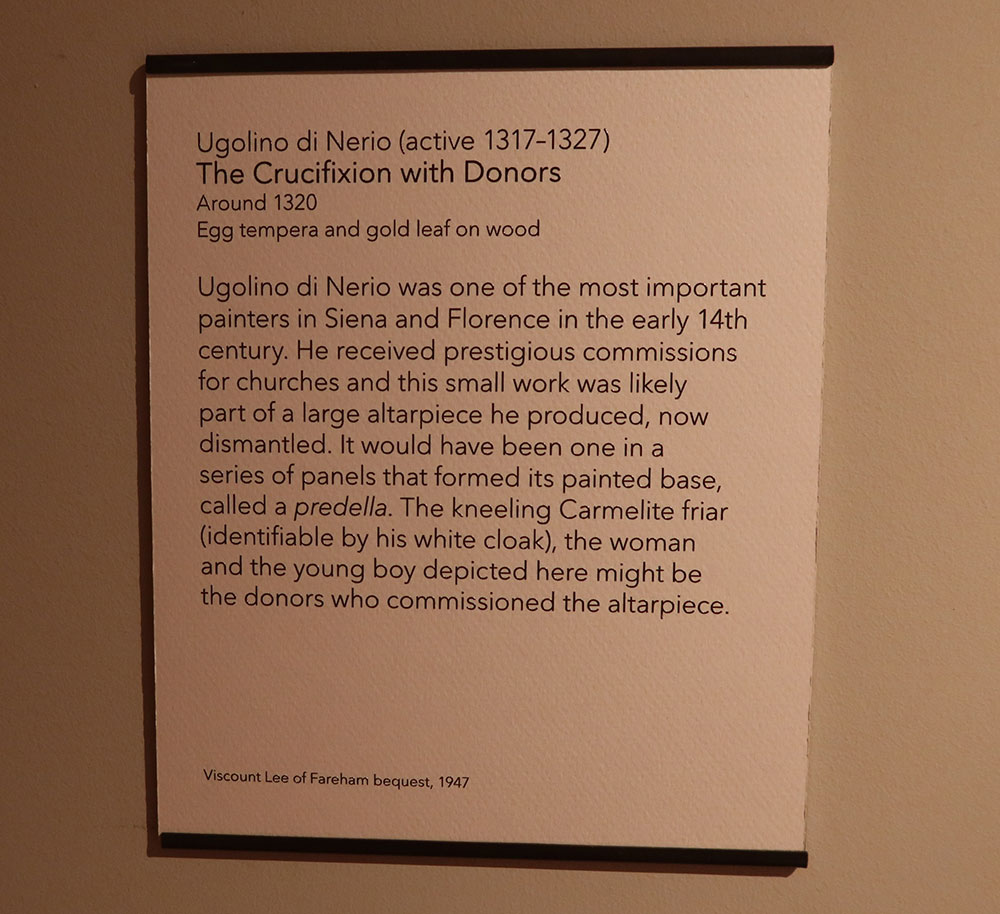
The Courtauld was founded in 1932 through the philanthropic efforts of the industrialist and art collector Samuel Courtauld, the diplomat and collector Lord Lee of Fareham, and the art historian Sir Robert Witt. In planning the institution, two of its founders, Witt and Courtauld, visited Harvard University's Fogg Art Museum, and it was the intention of all three that the Courtauld train its students through direct engagement with original works of art. This founding philosophy — that scholarship and the physical encounter with objects are inseparable — remains central to how the gallery operates today.
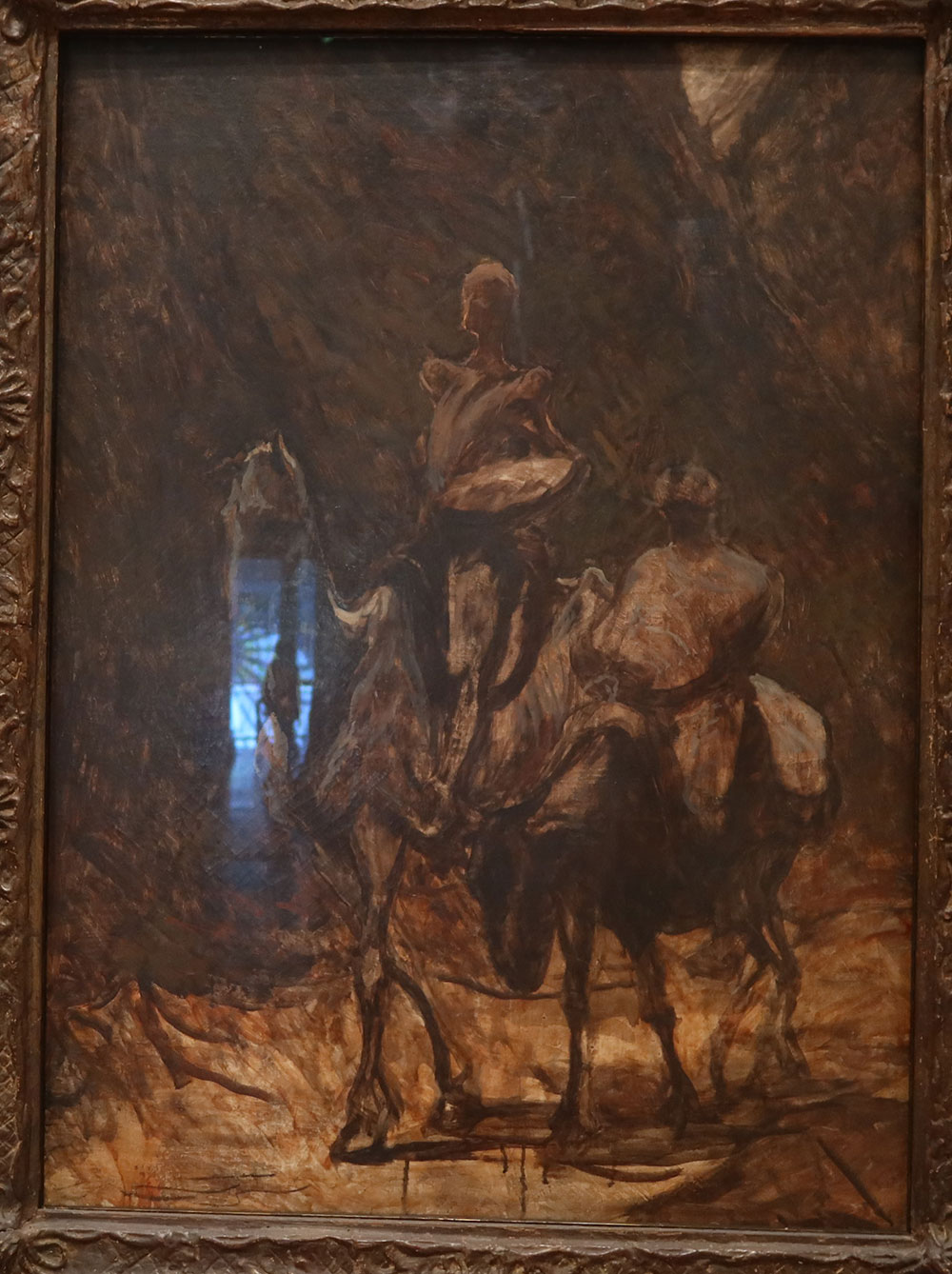
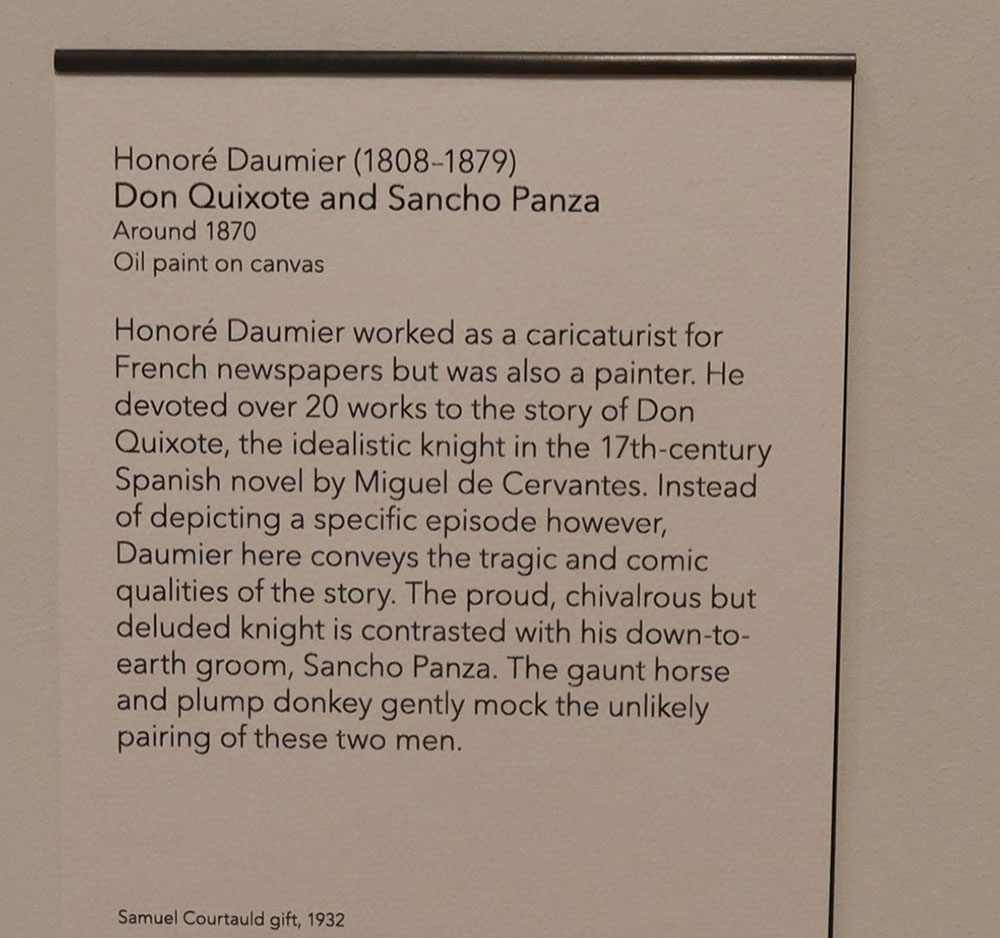
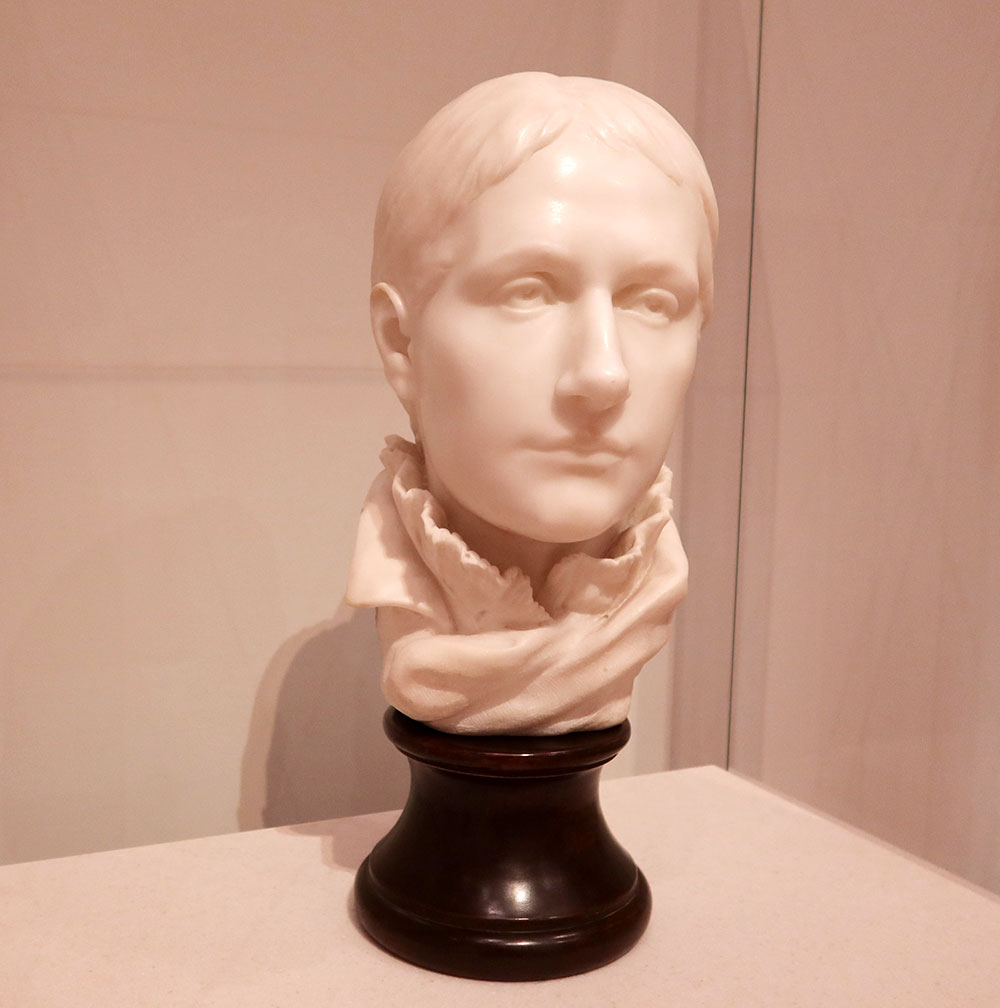
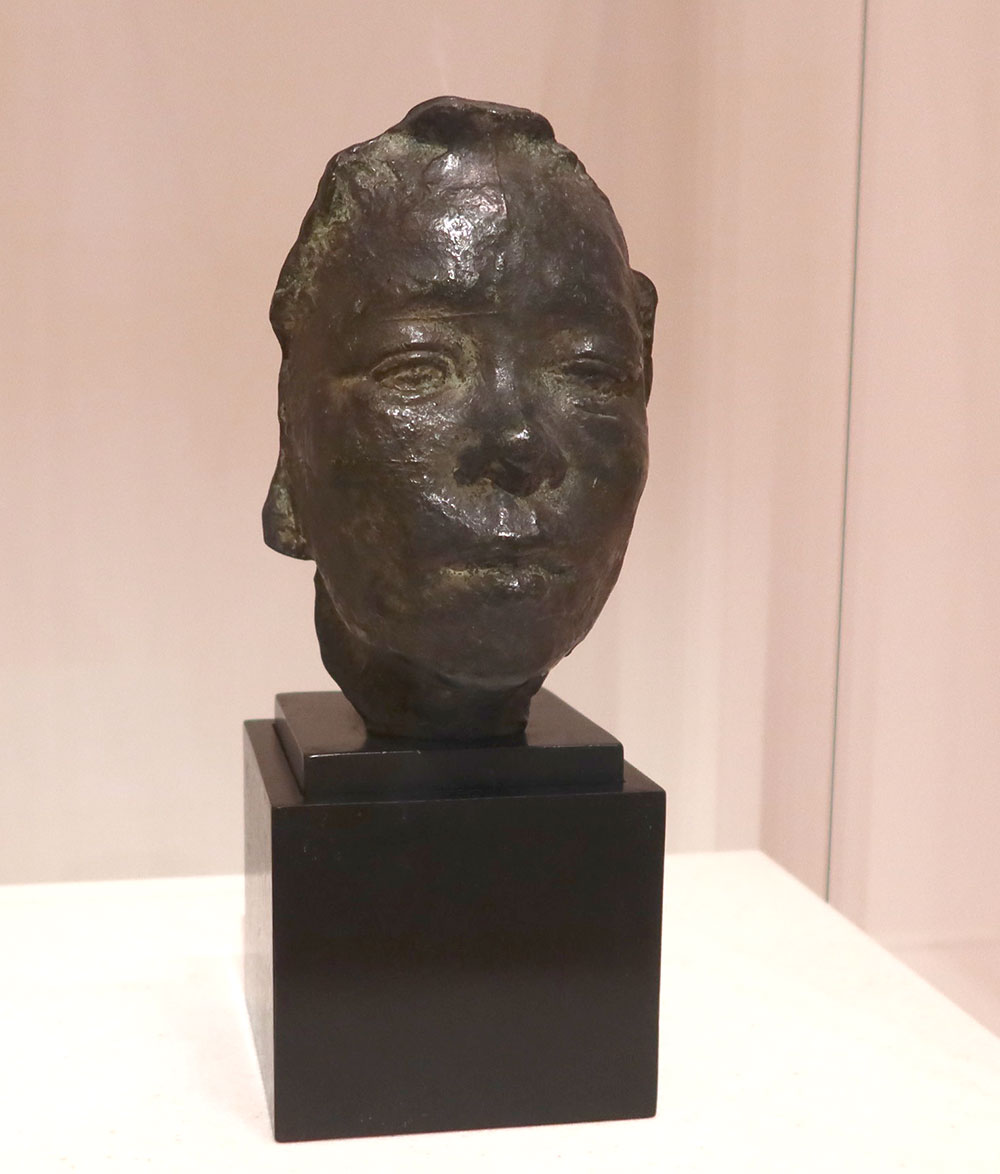
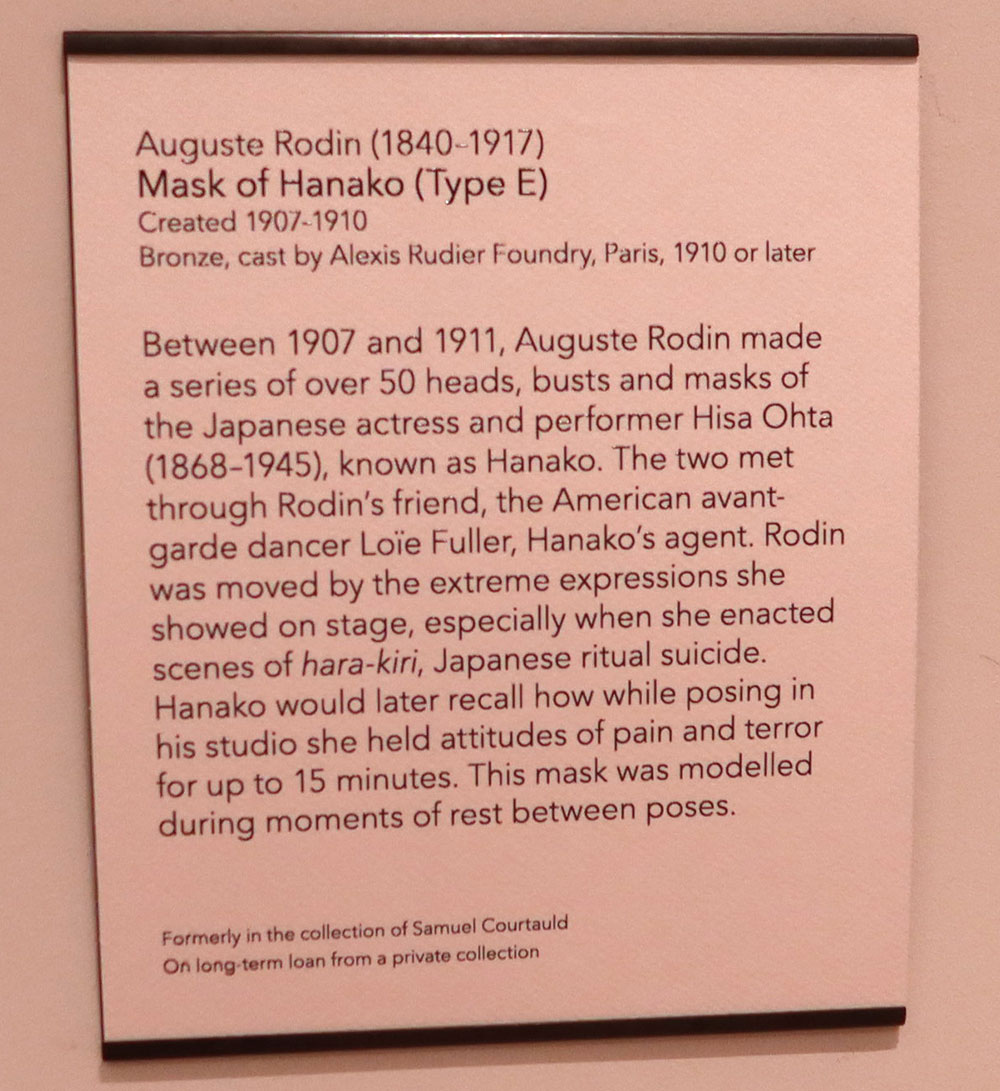
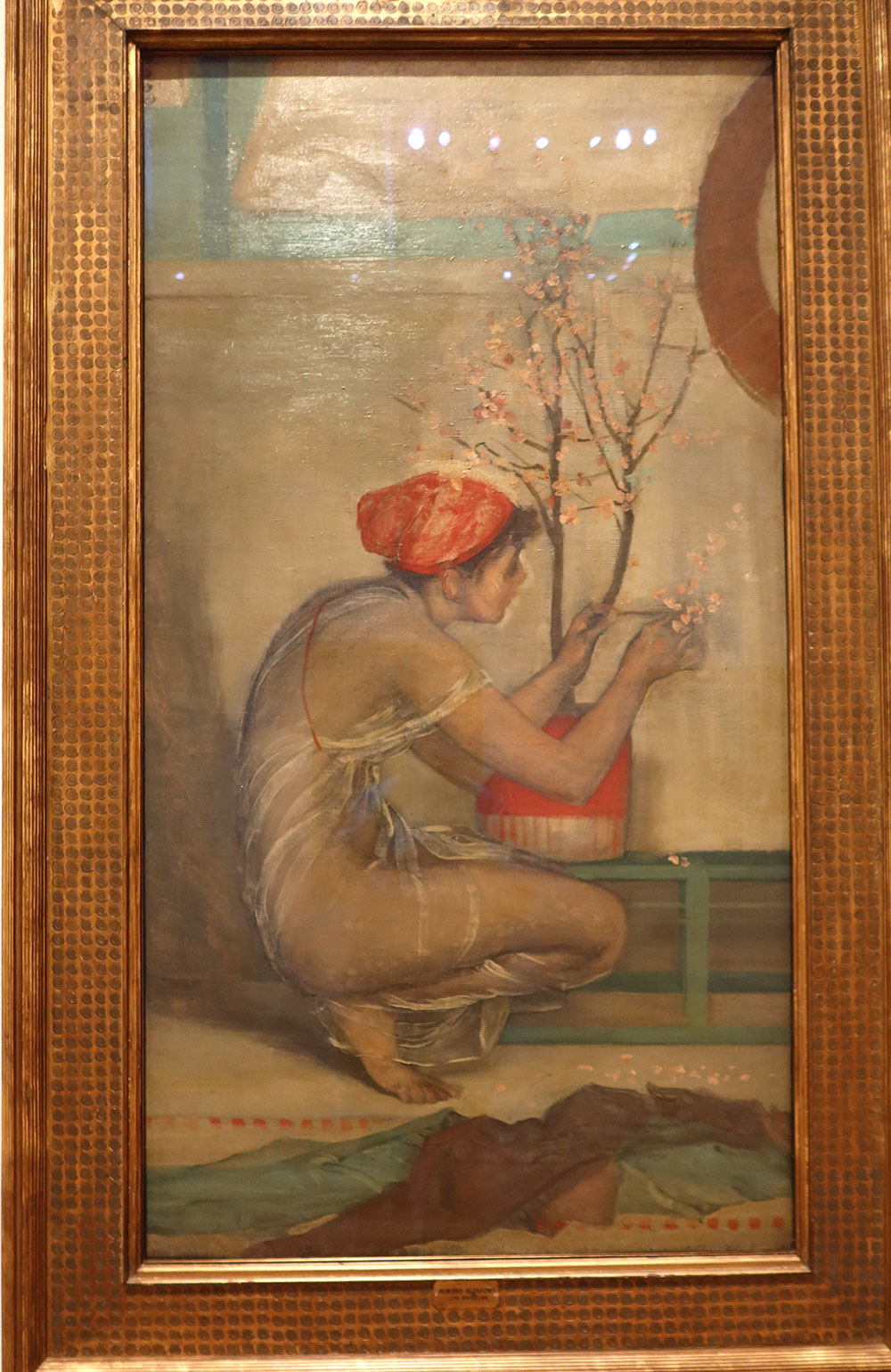
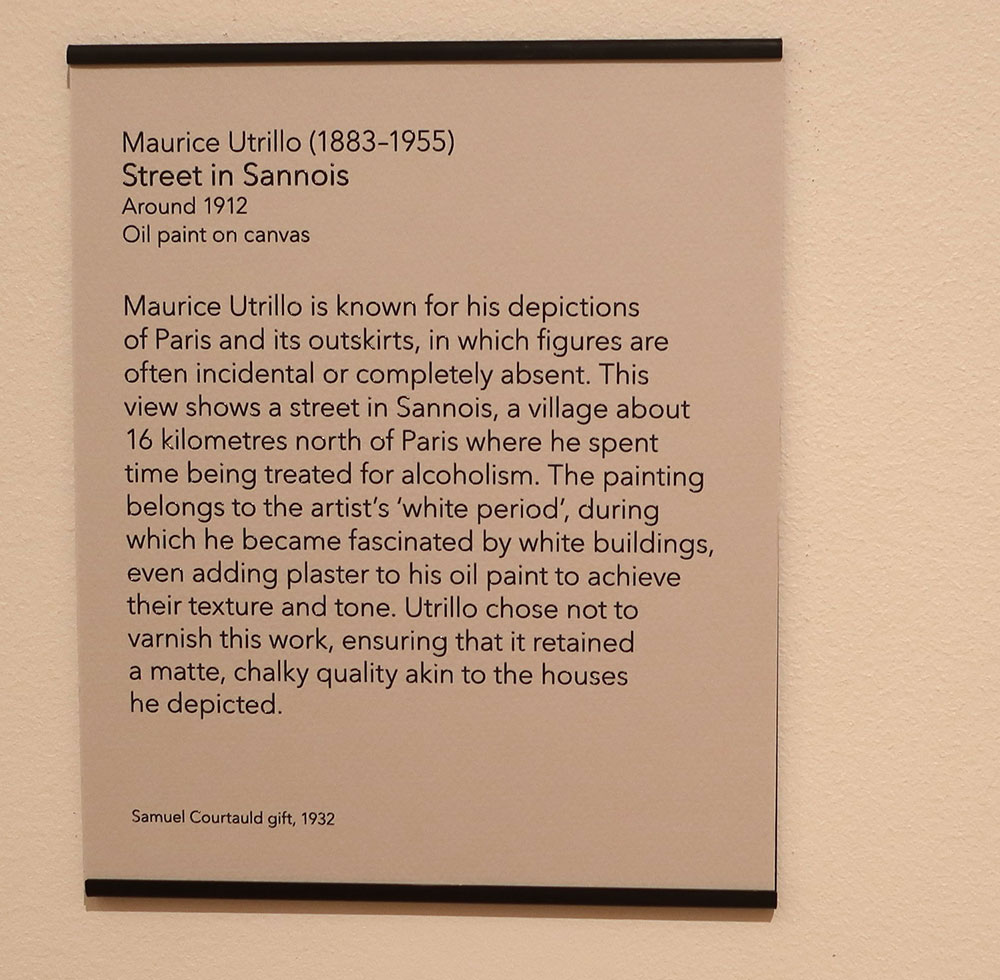
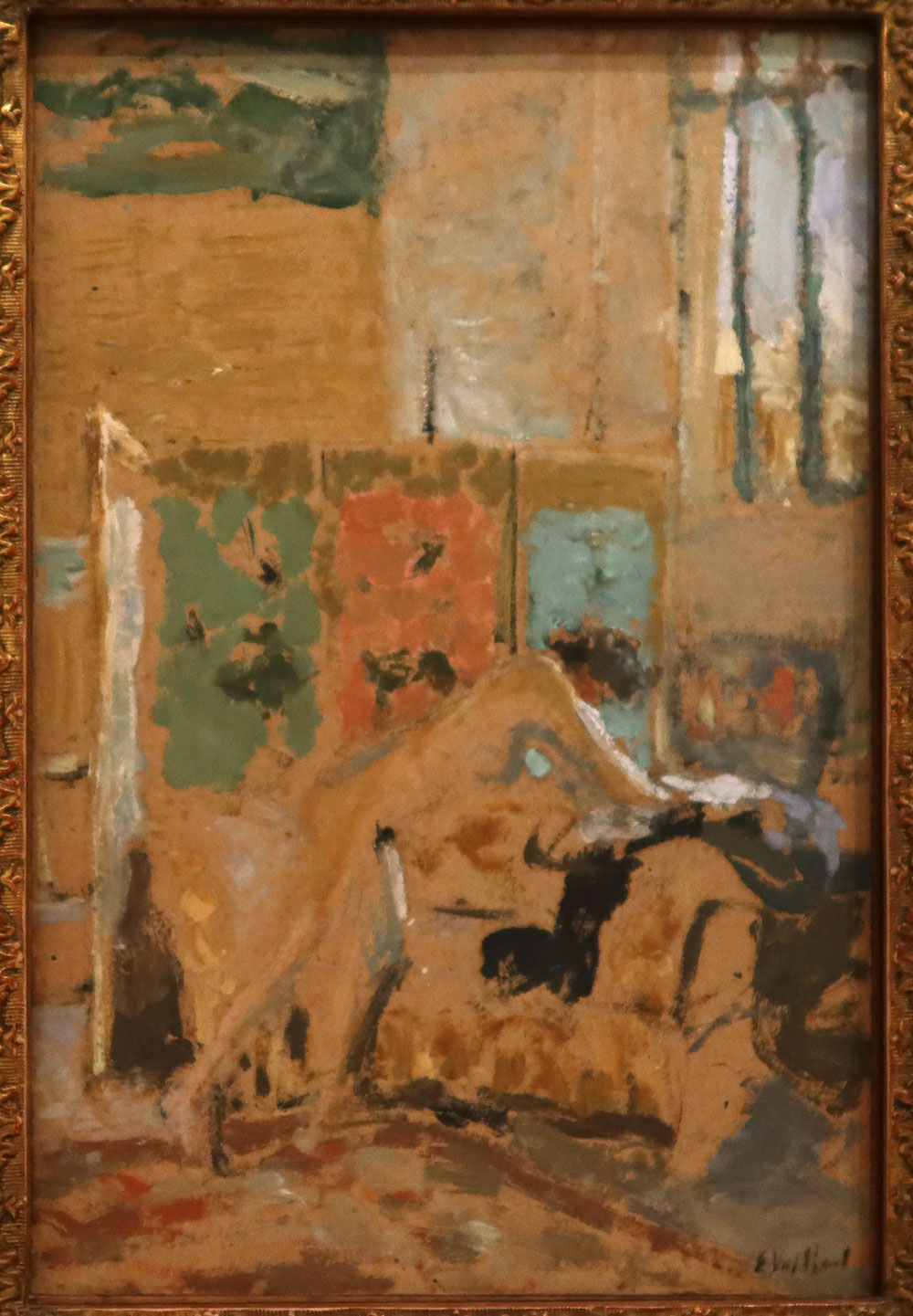
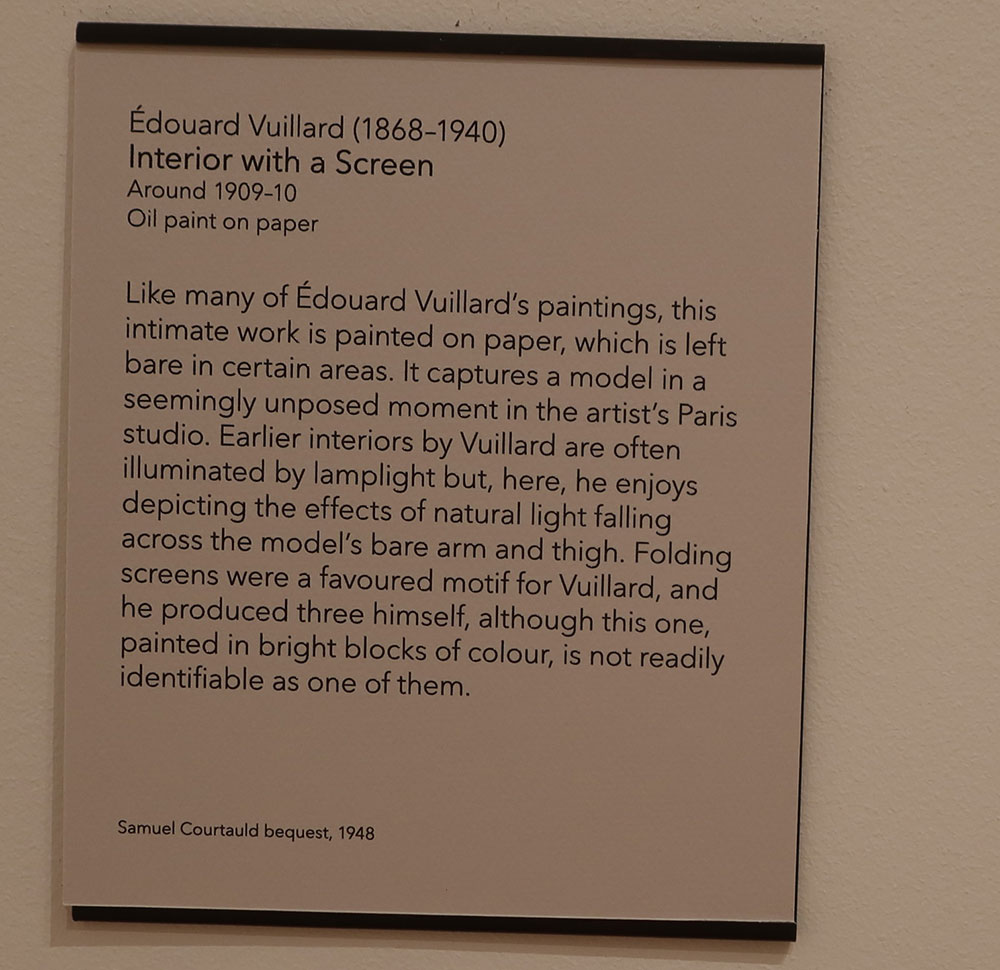
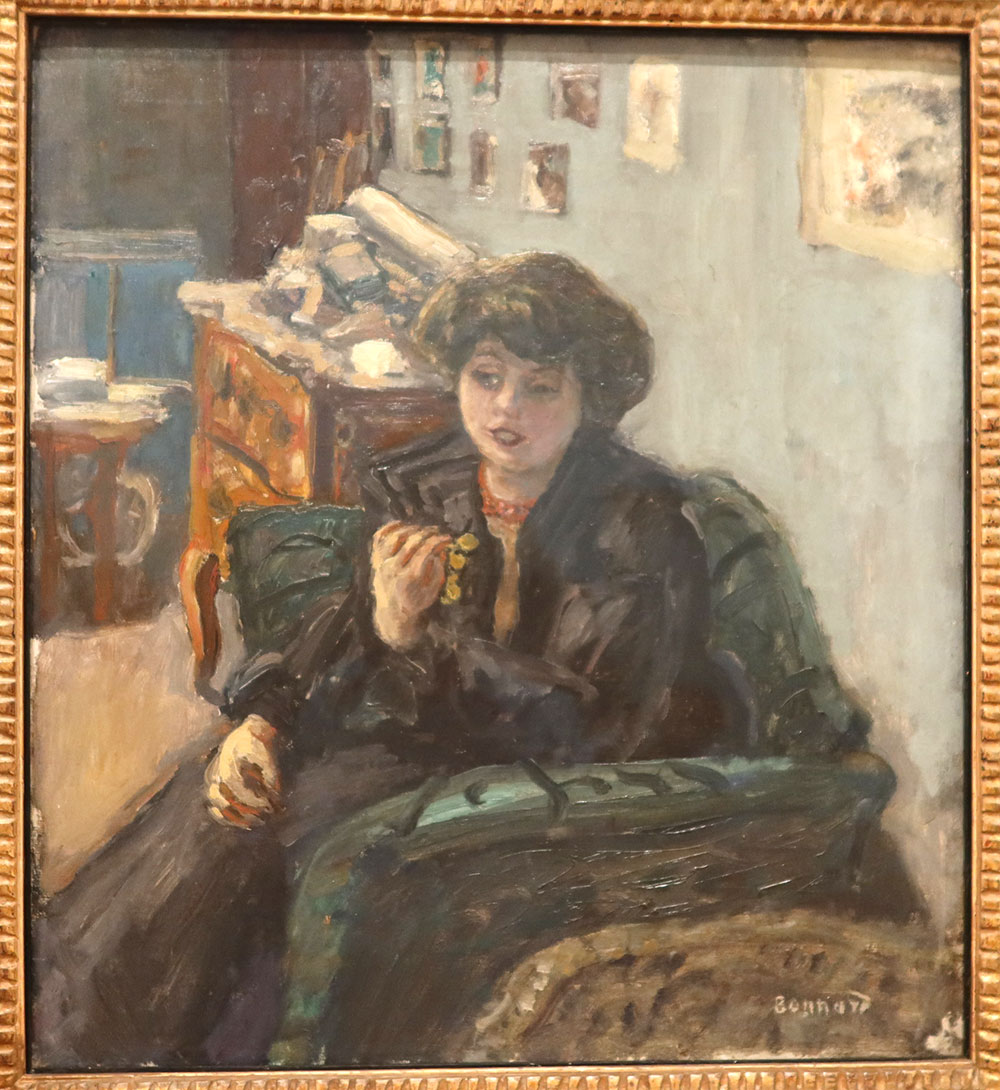
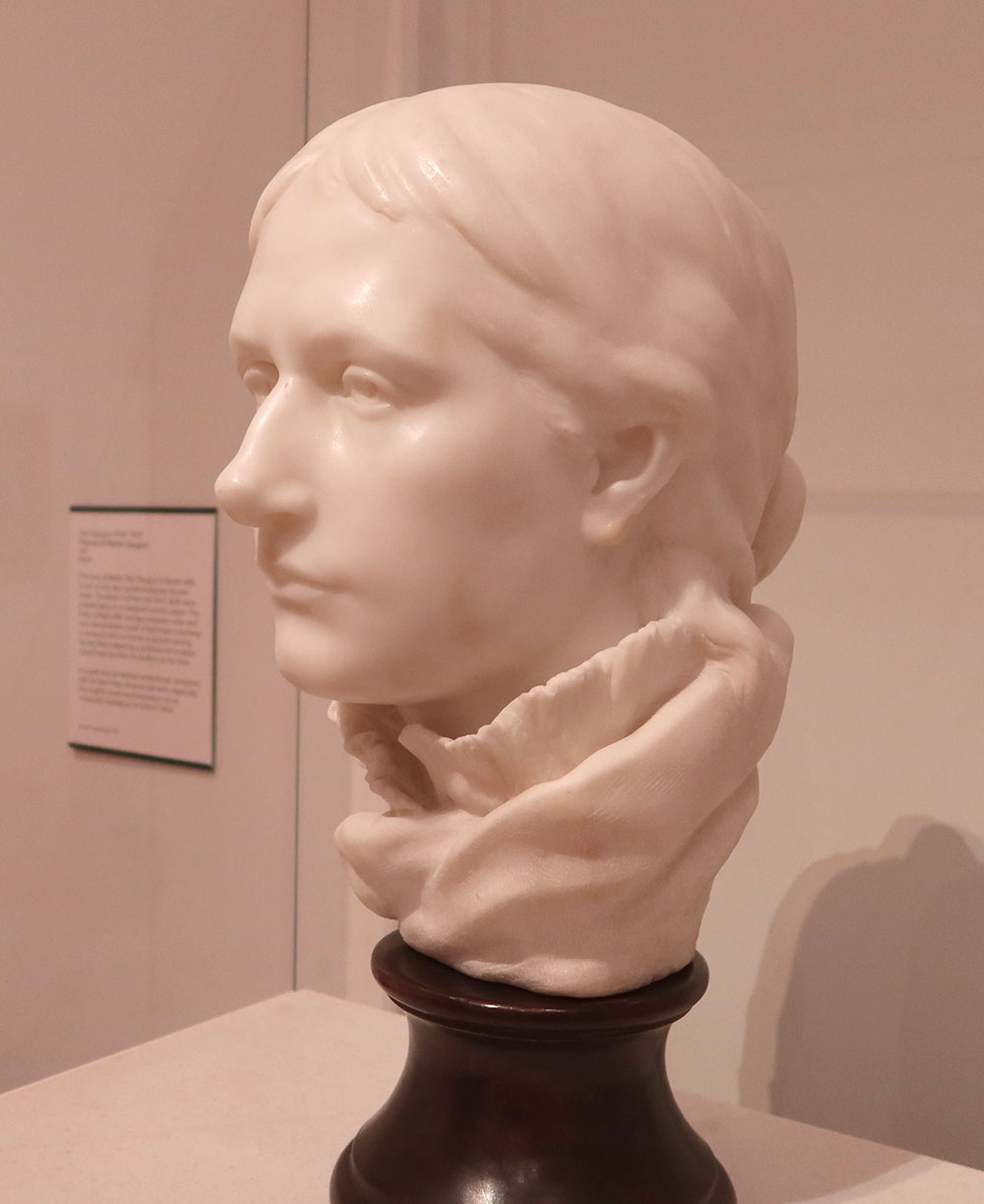
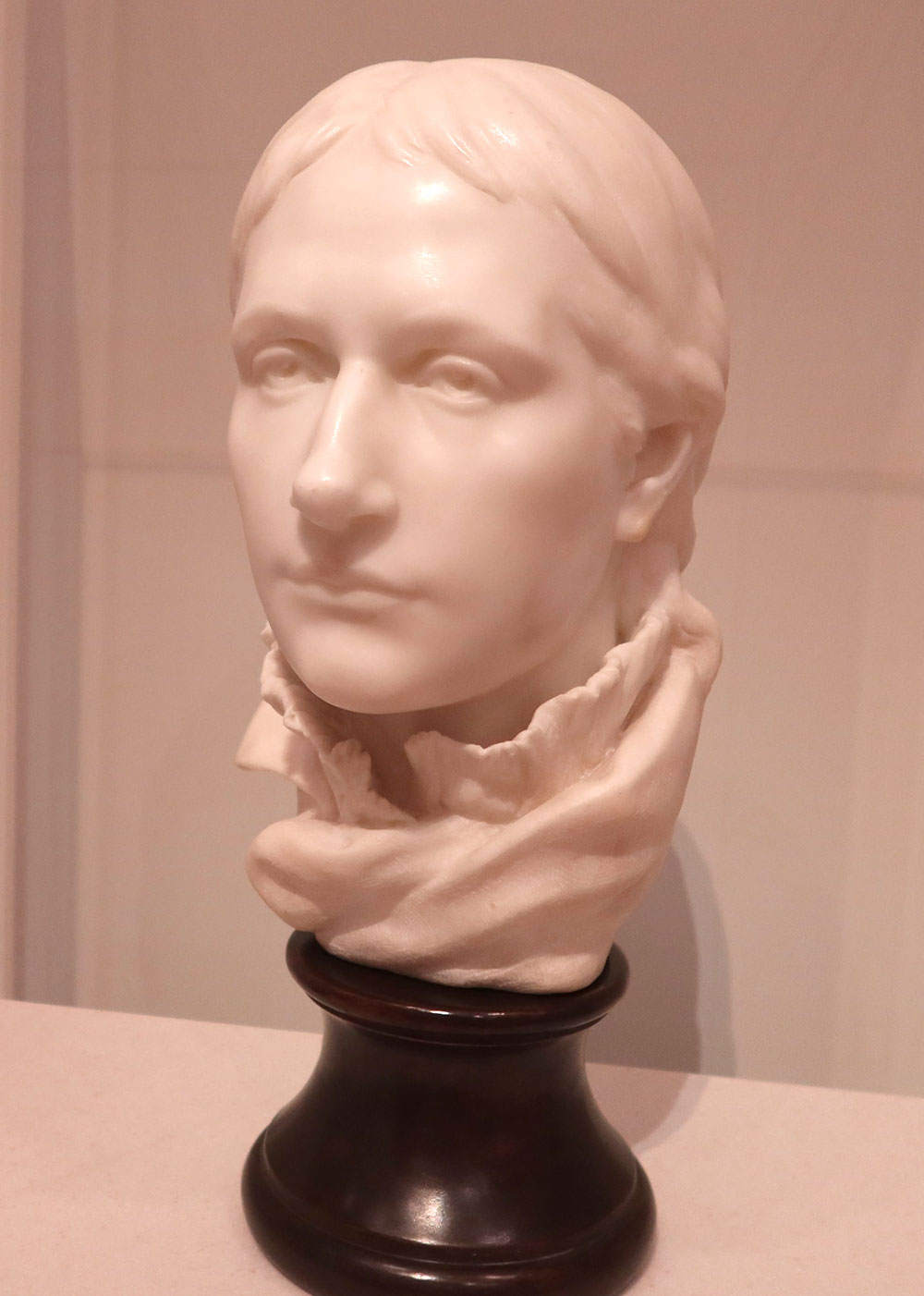
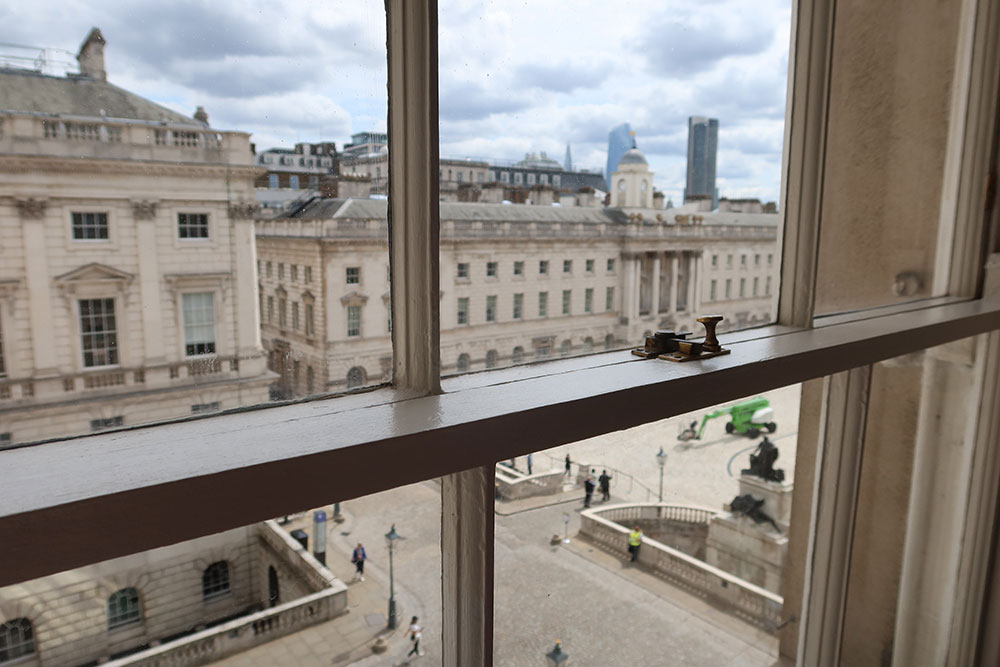
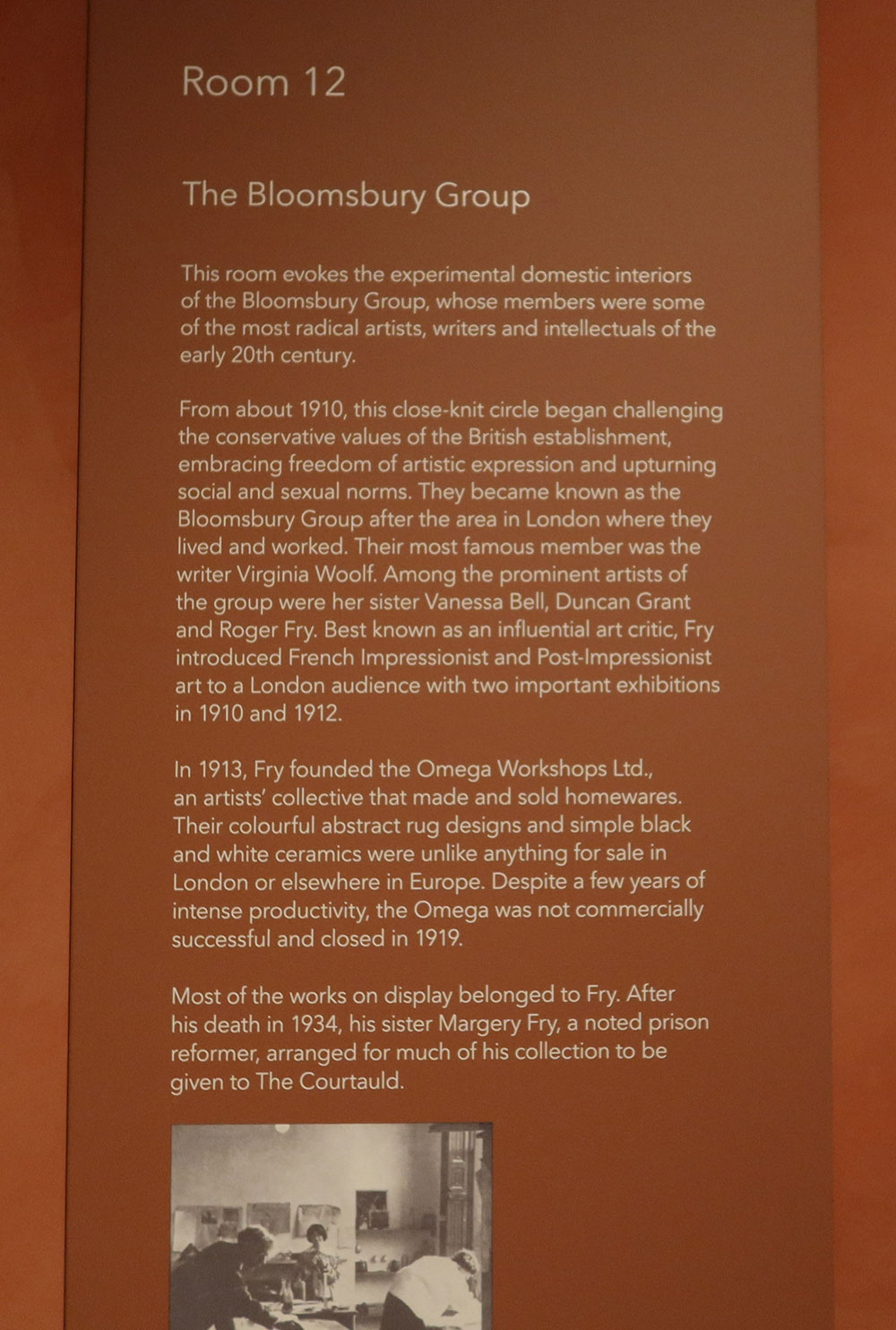
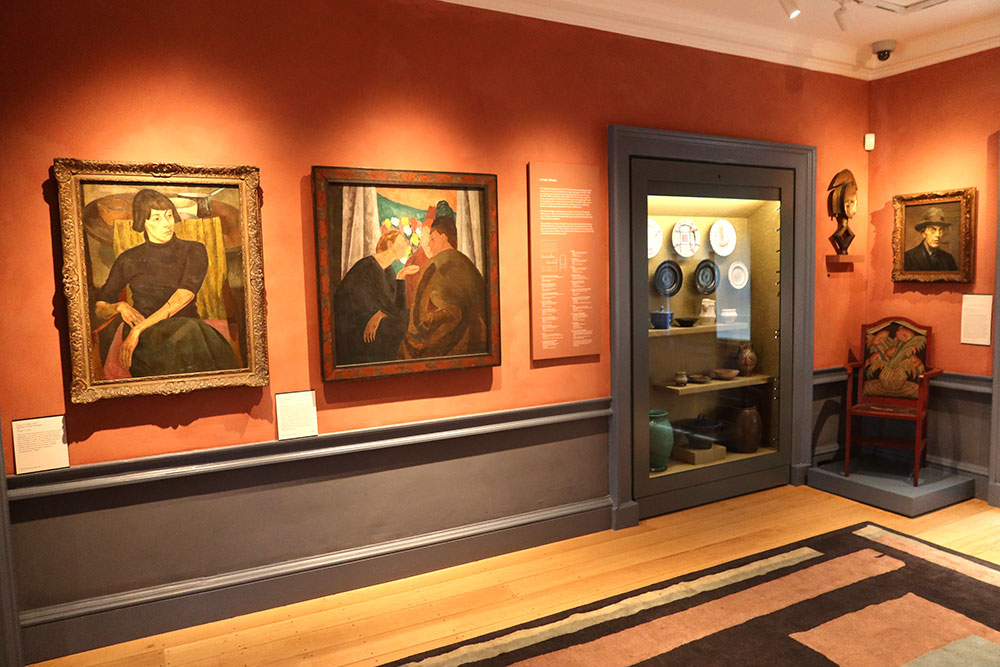
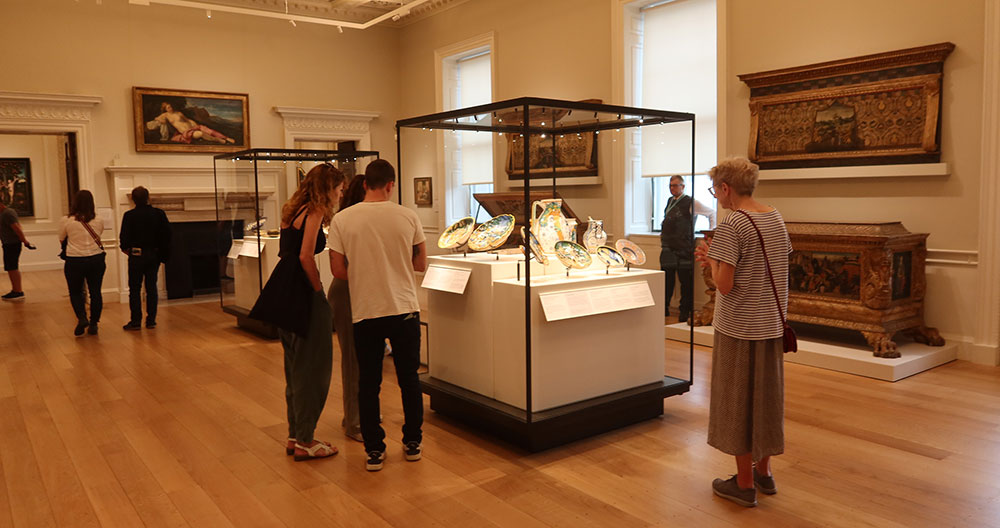
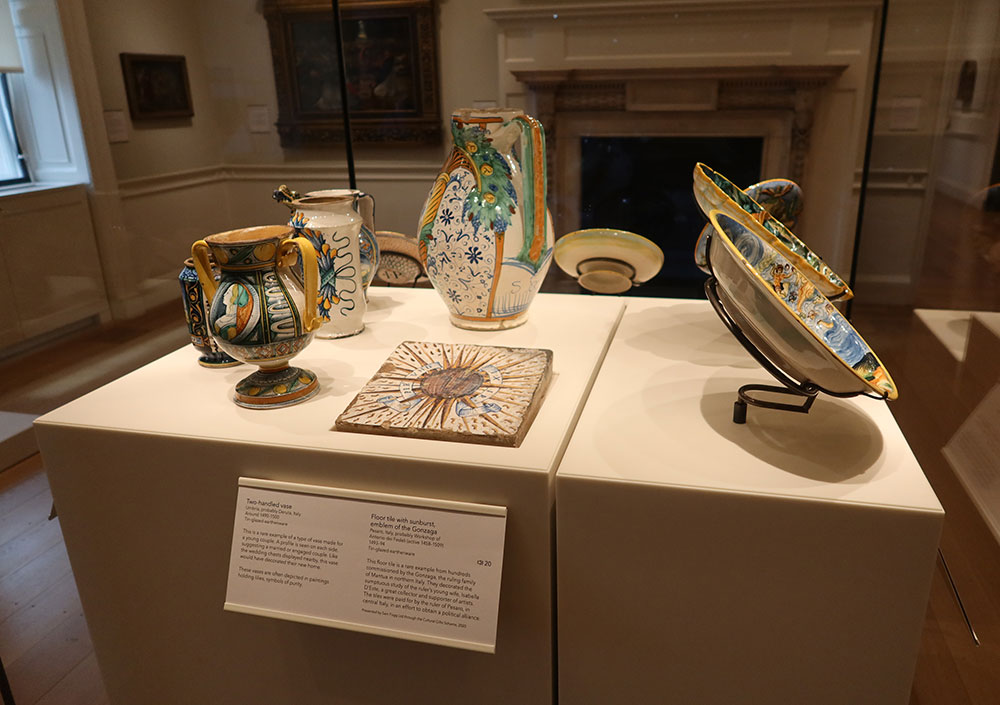
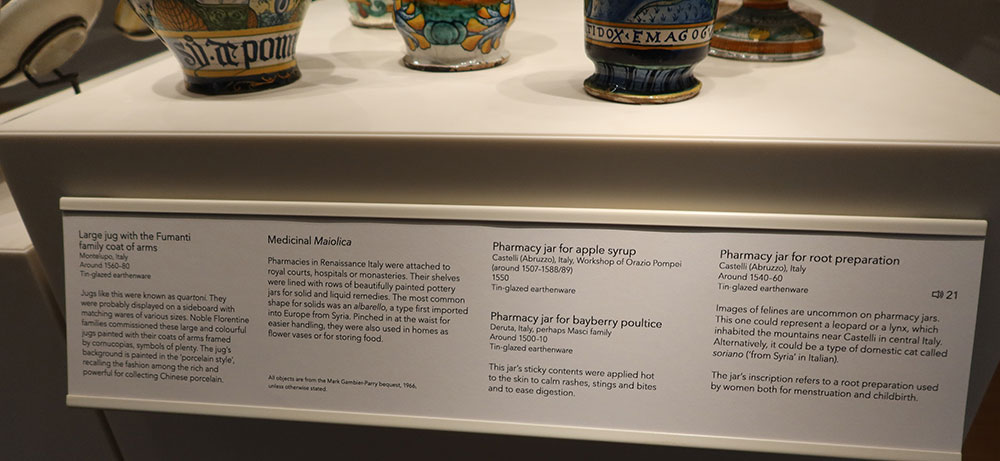
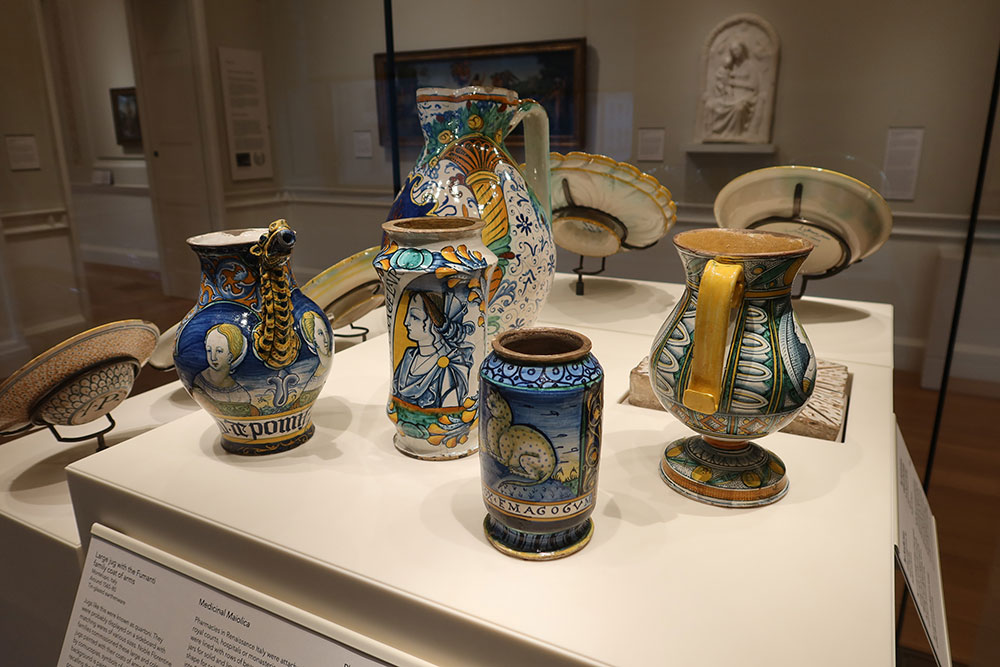
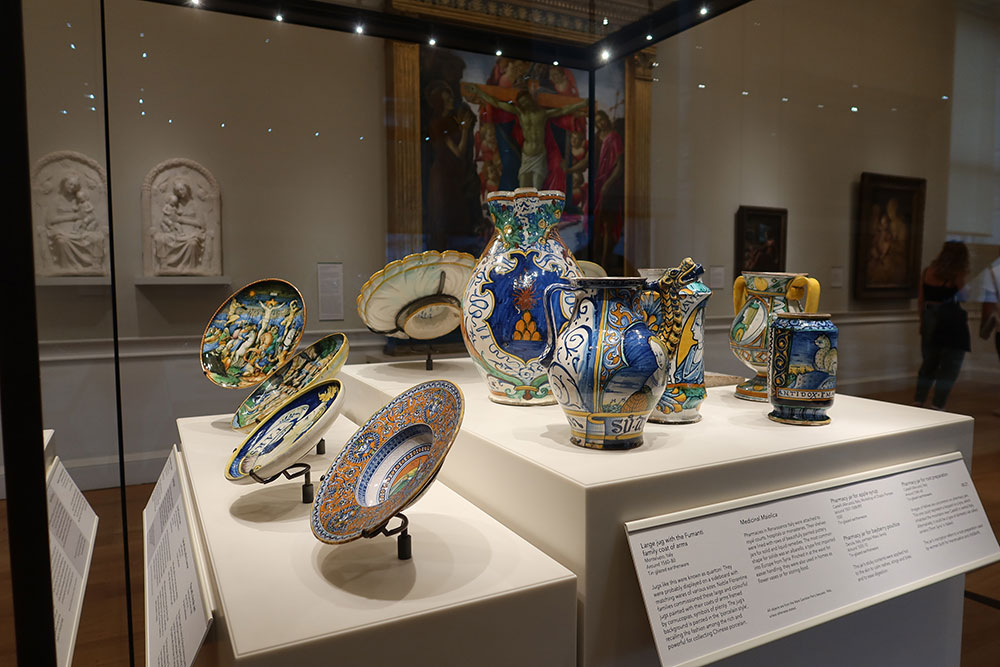
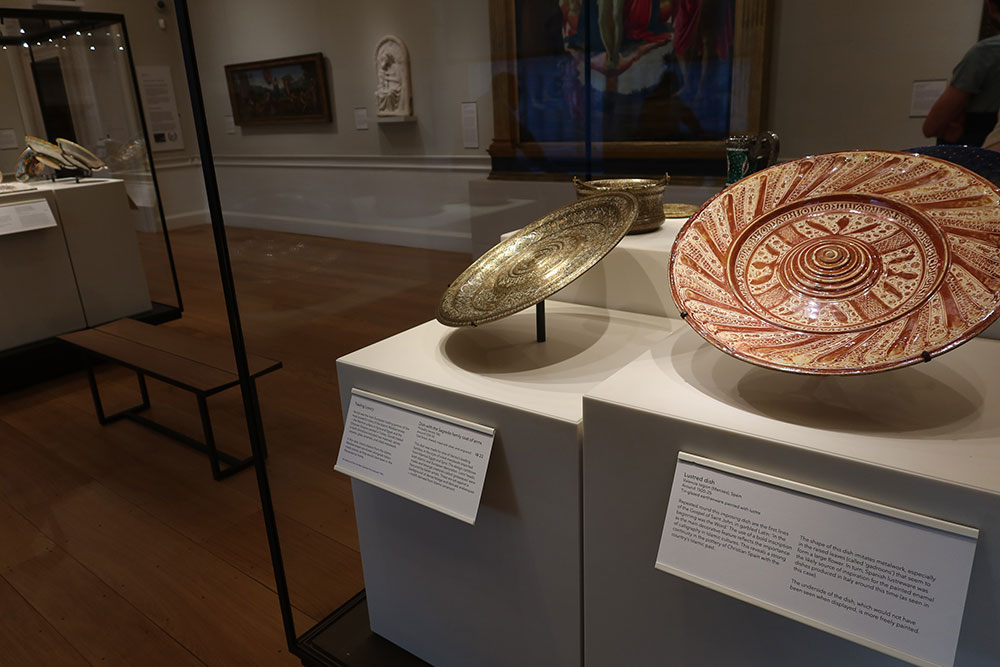
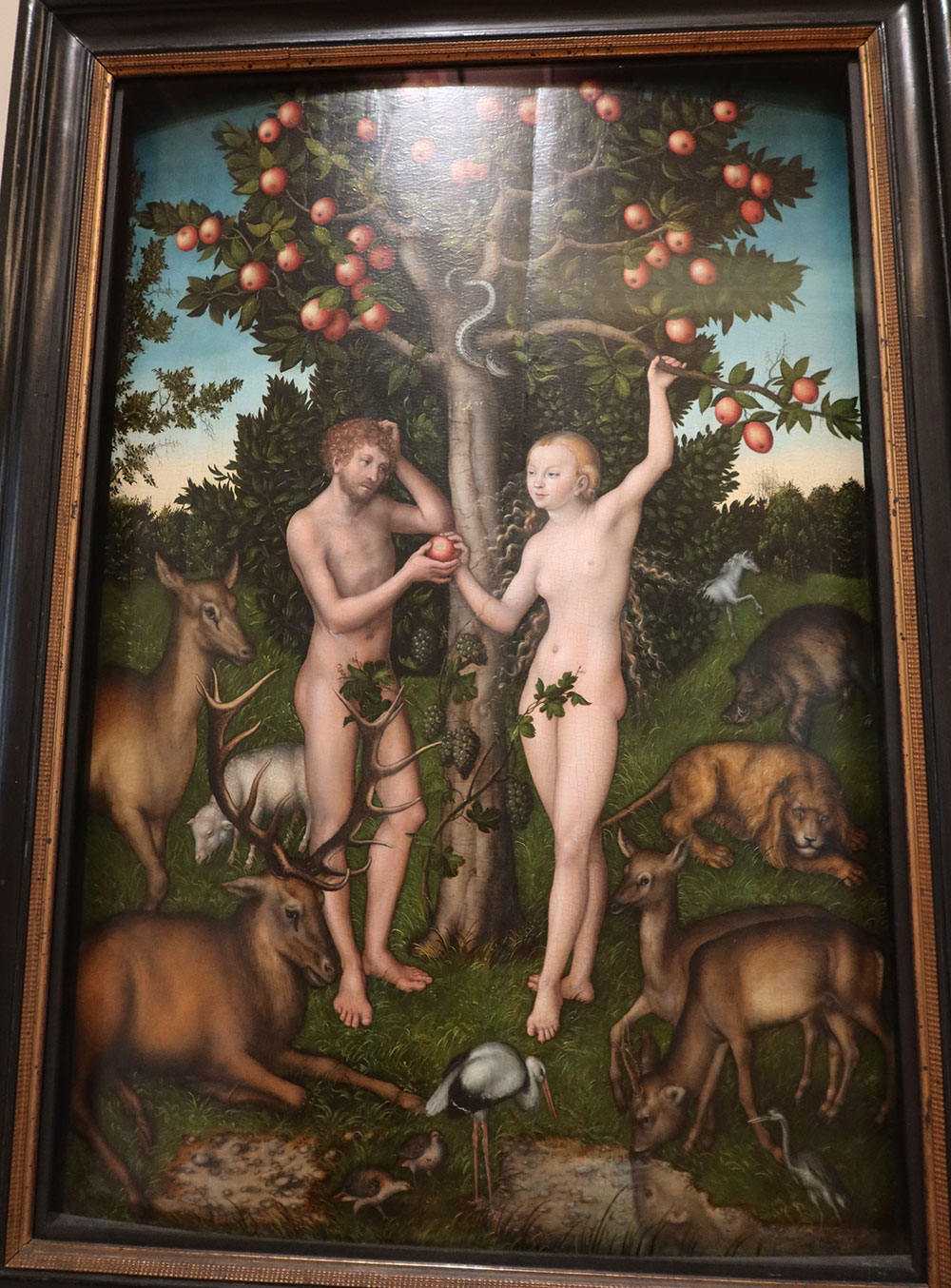
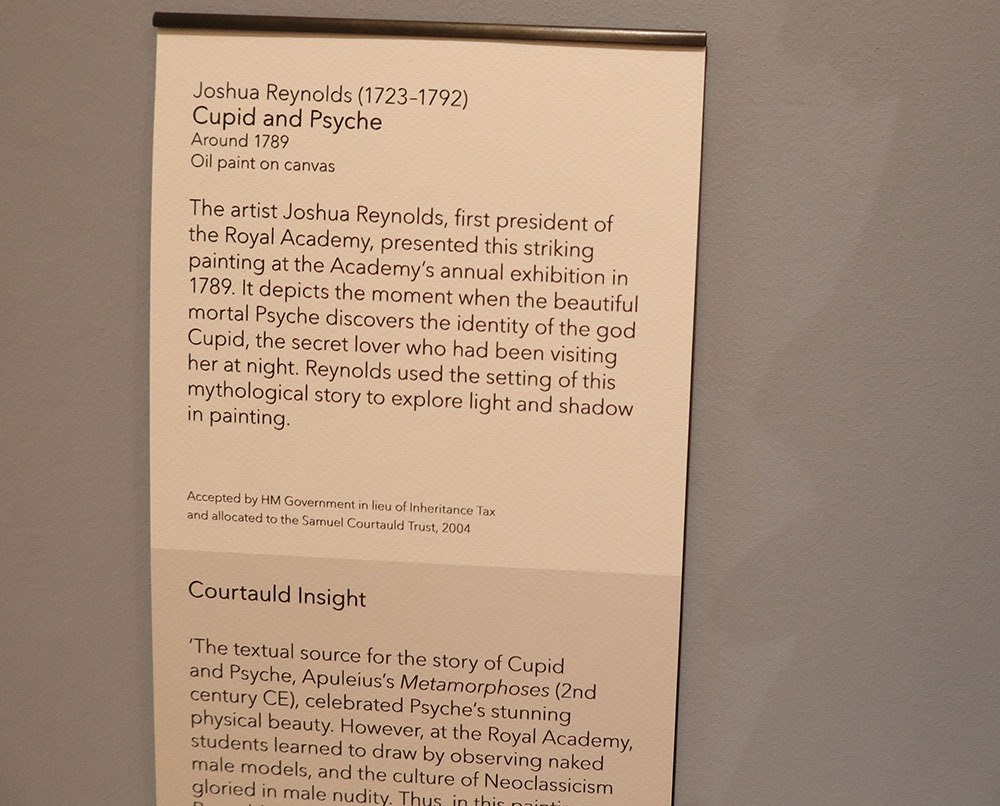
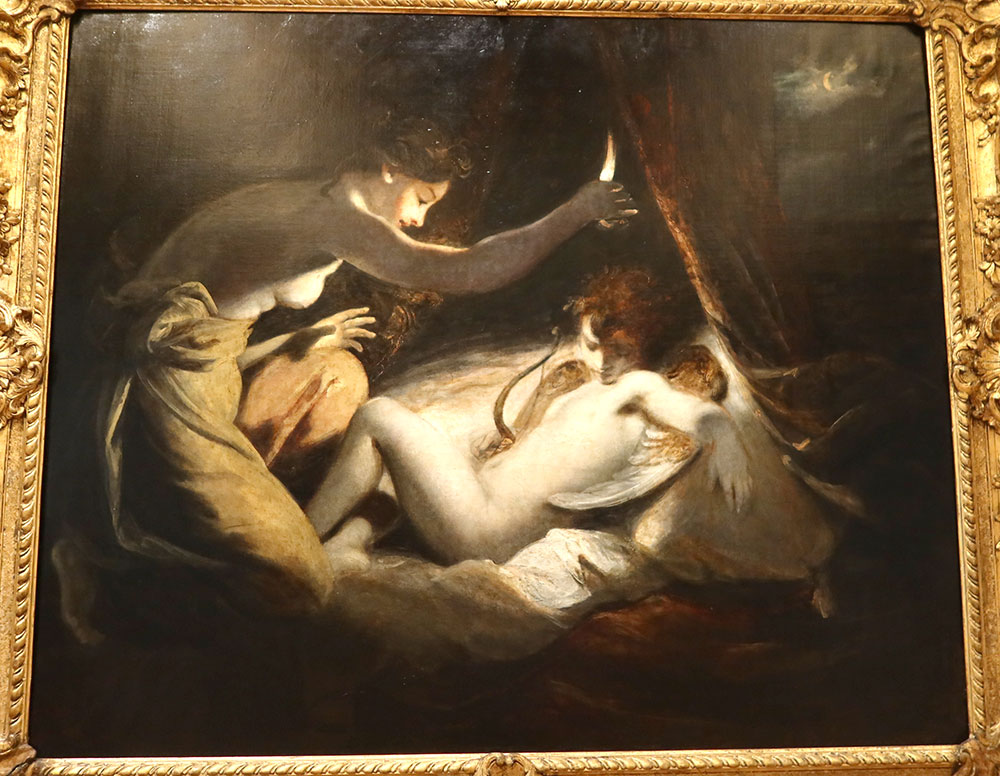
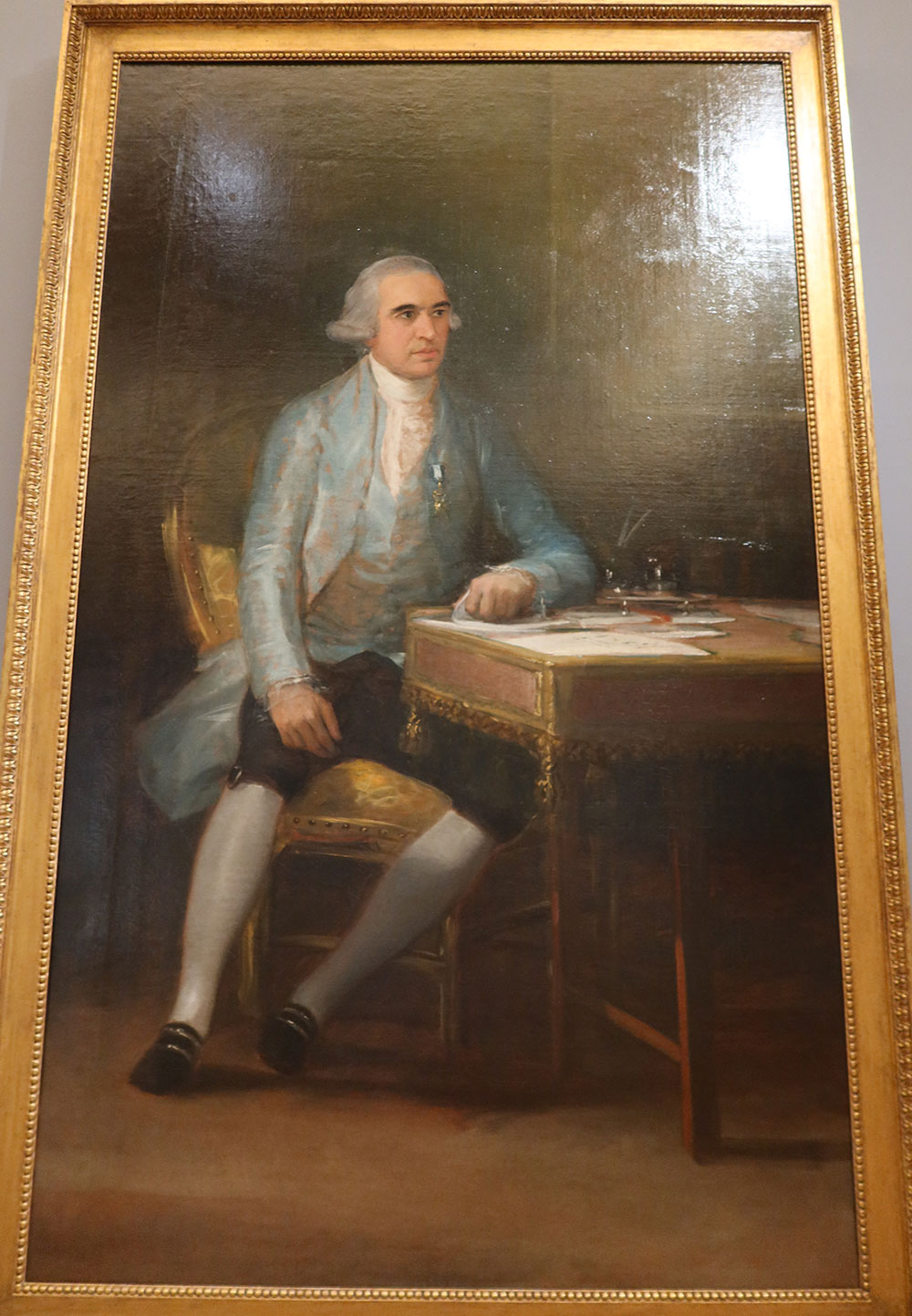
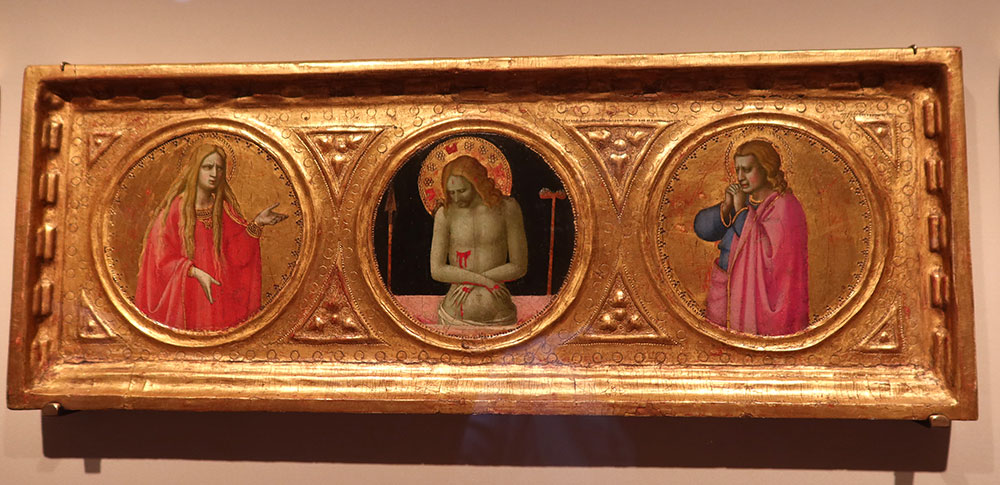
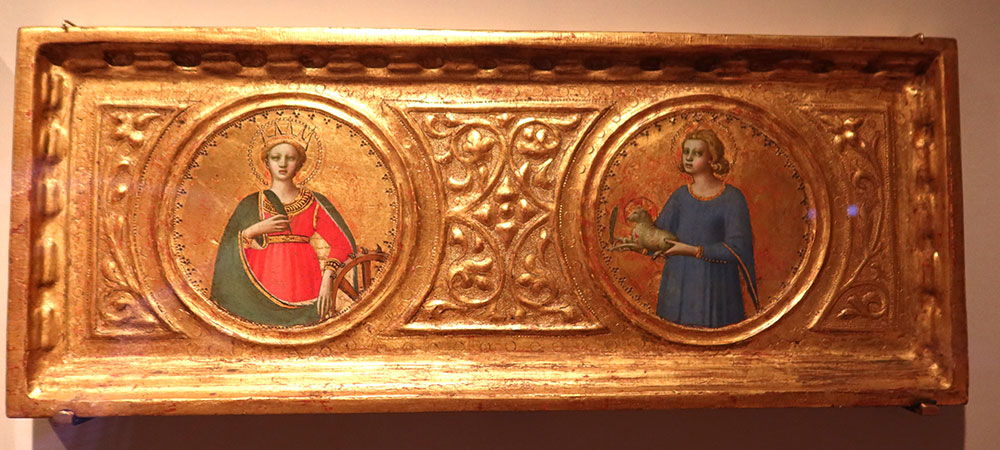
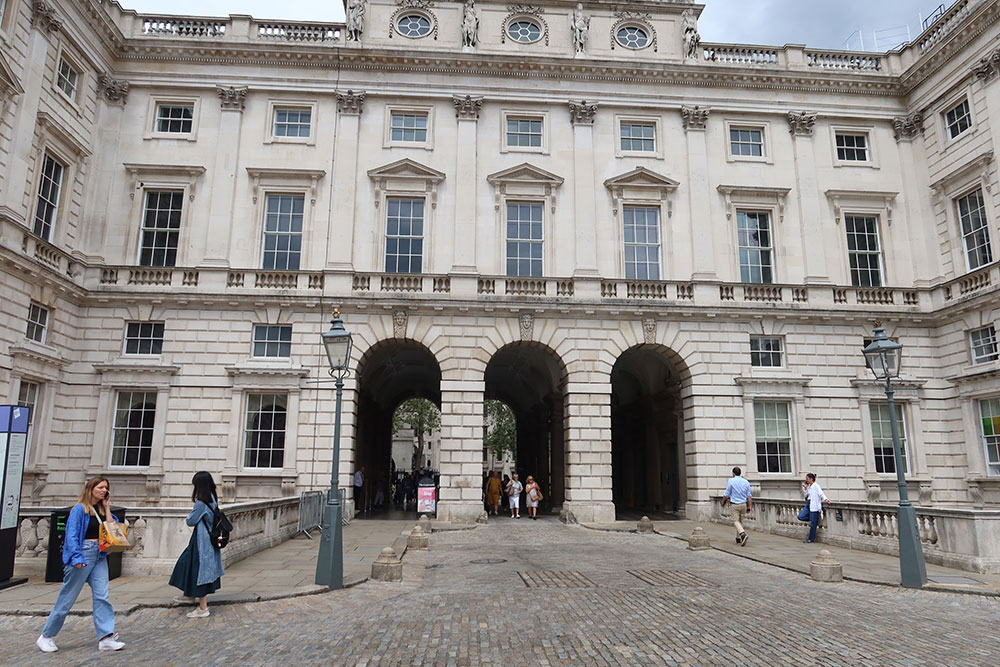
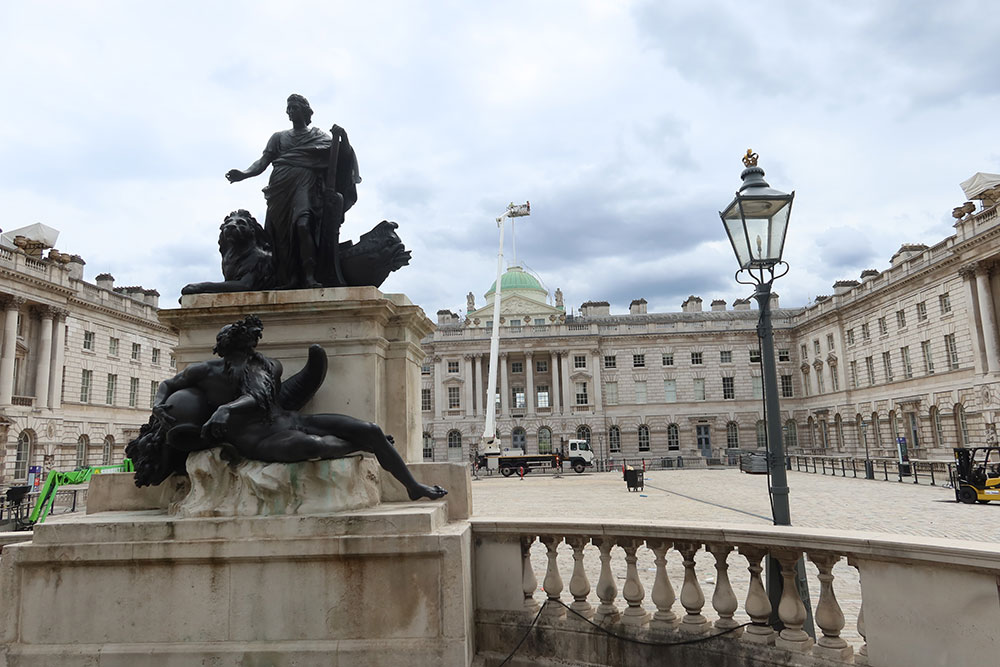
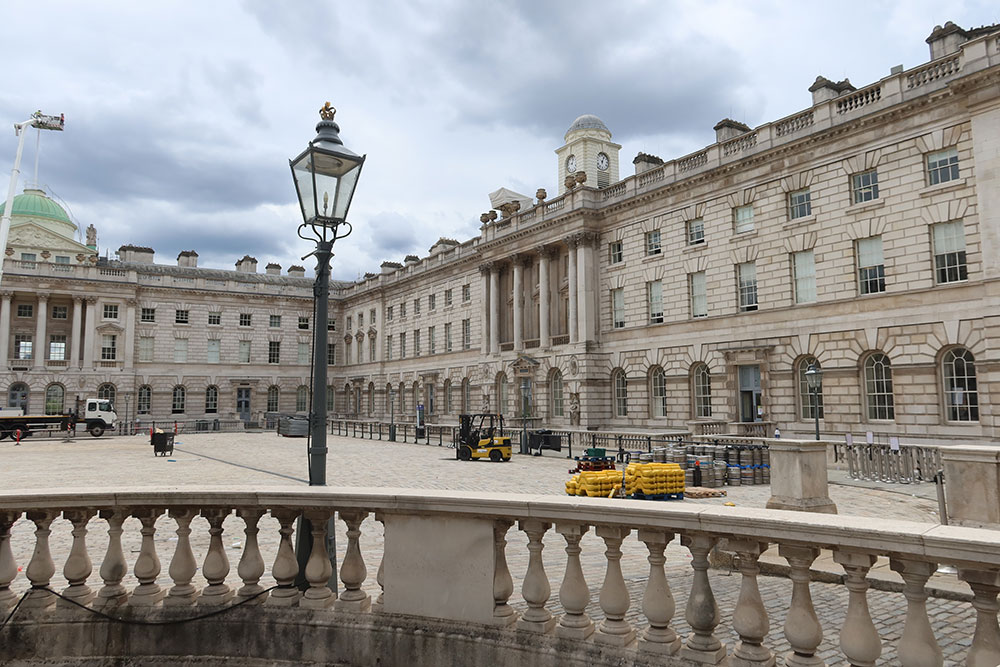
The Courtauld Gallery is housed in Somerset House on the Strand in central London. It operates as an integral part of the Courtauld Institute of Art, and the collection was formed largely through donations and bequests, encompassing paintings, drawings, sculptures and works from the medieval period through to modern times. The collection now comprises over 33,000 objects ranging from the Middle Ages to the 21st century, including paintings, drawings, ceramics and sculpture.
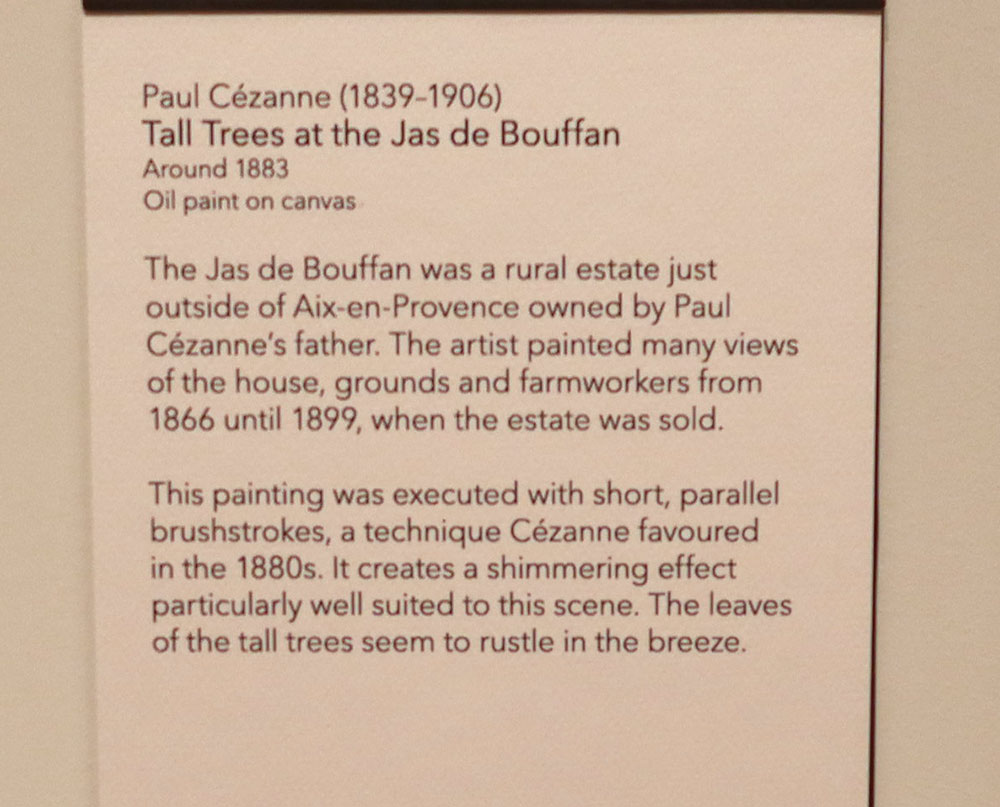
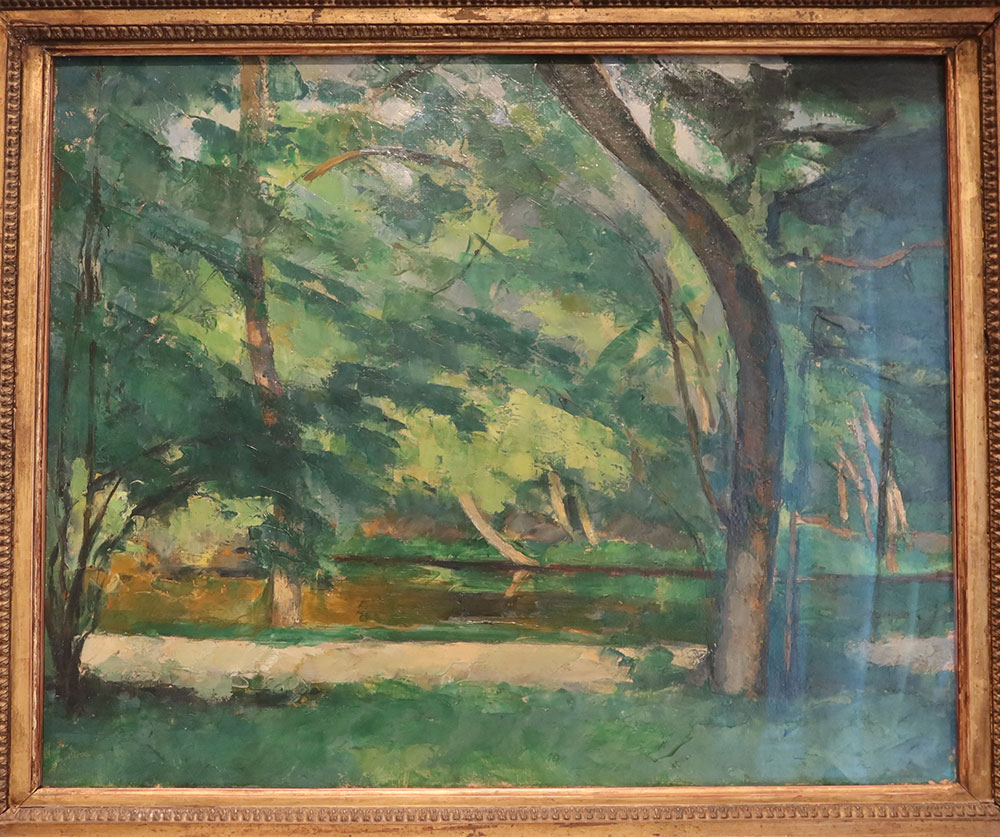
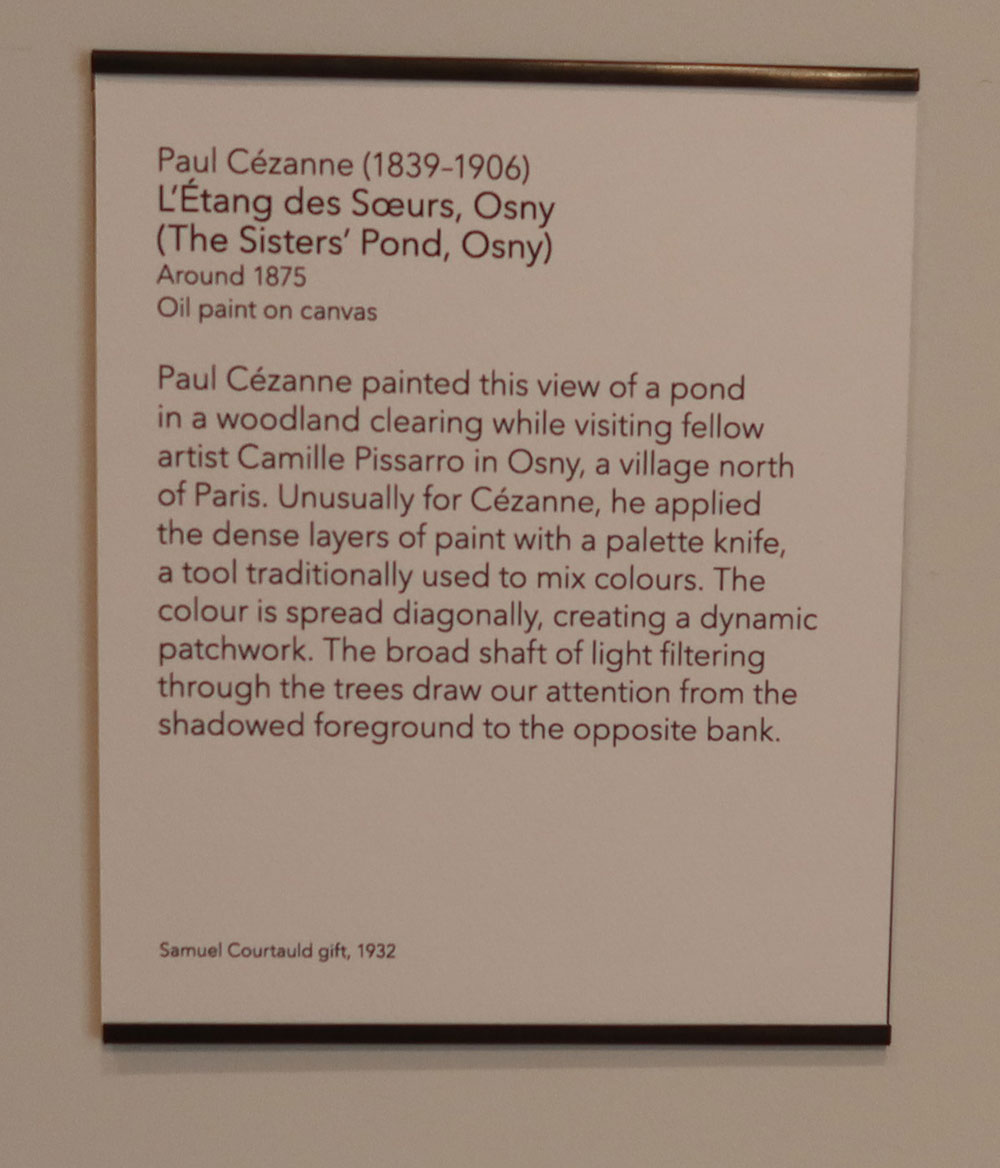
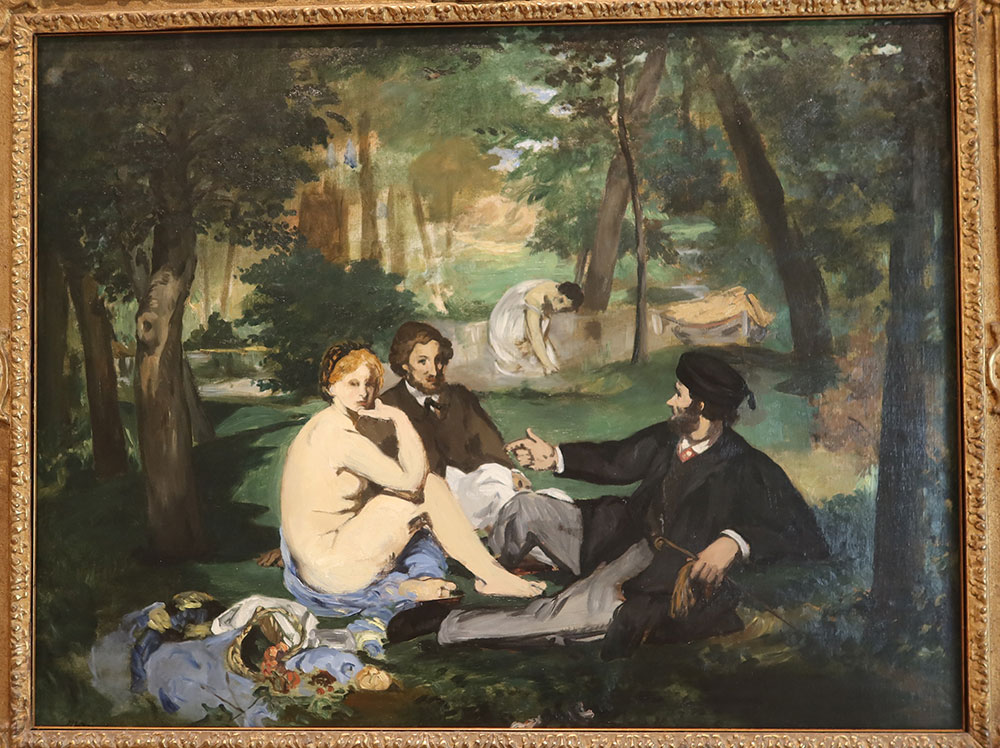
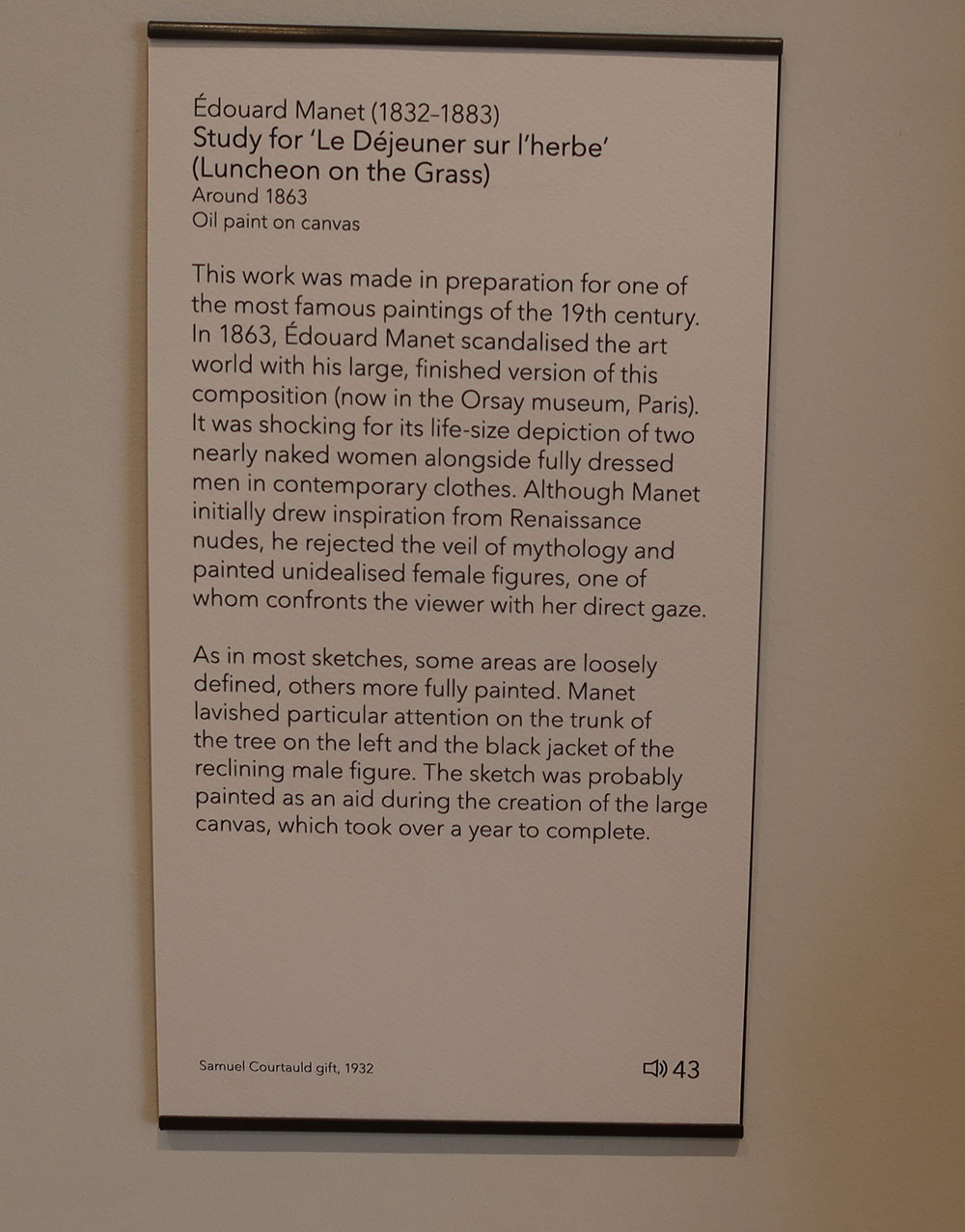
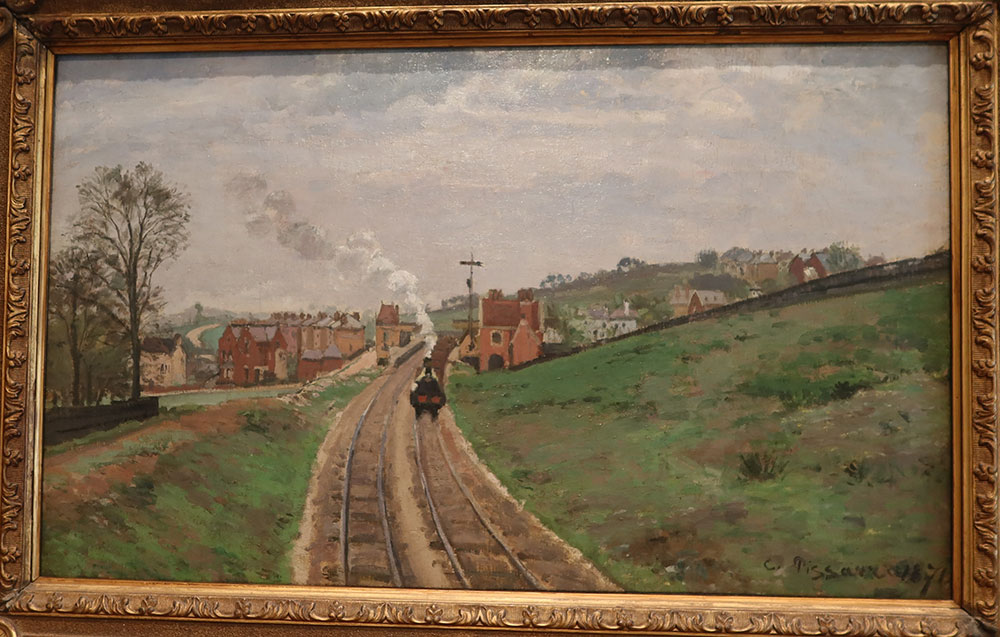
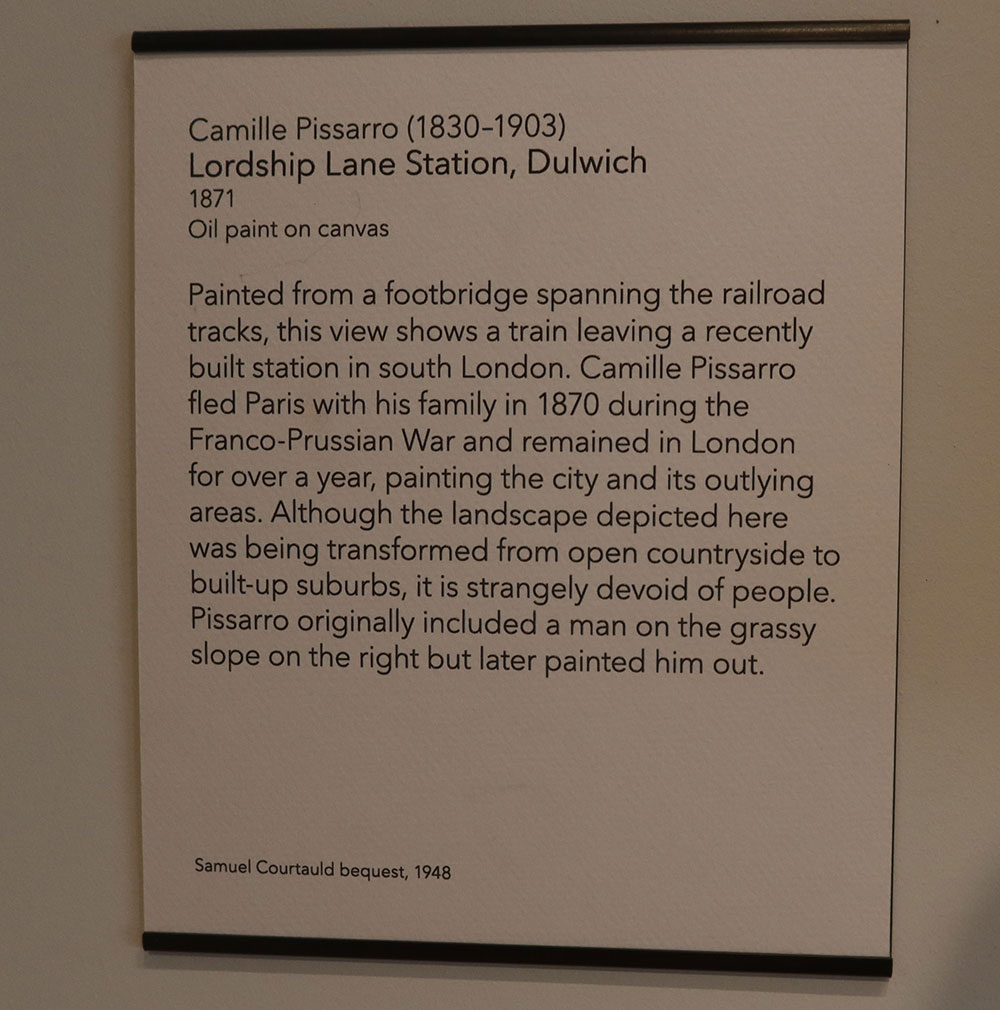
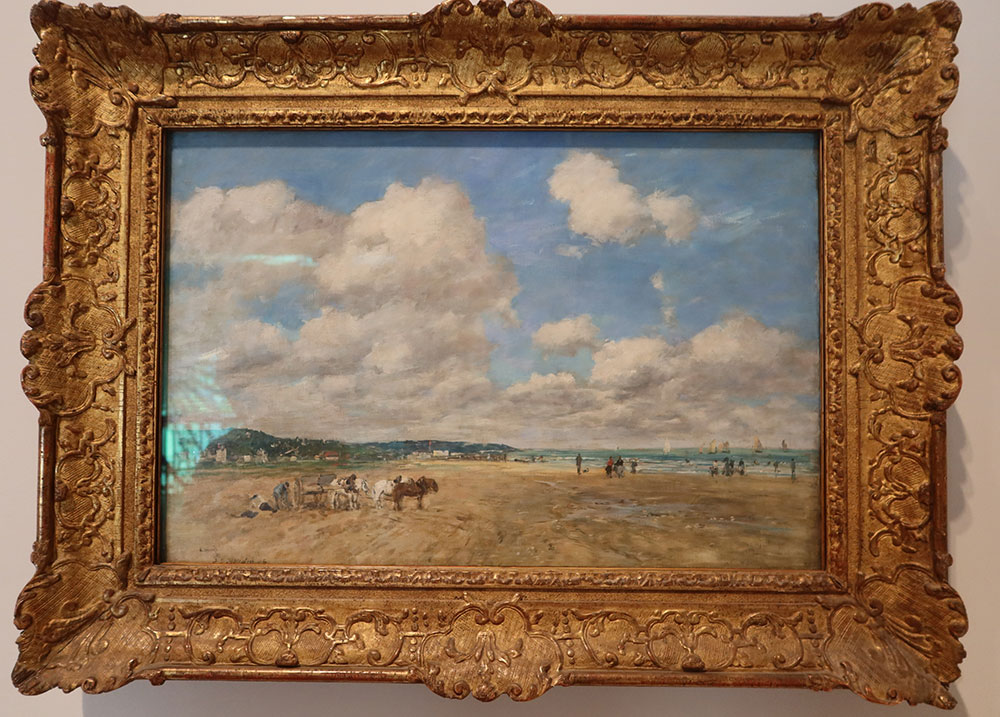
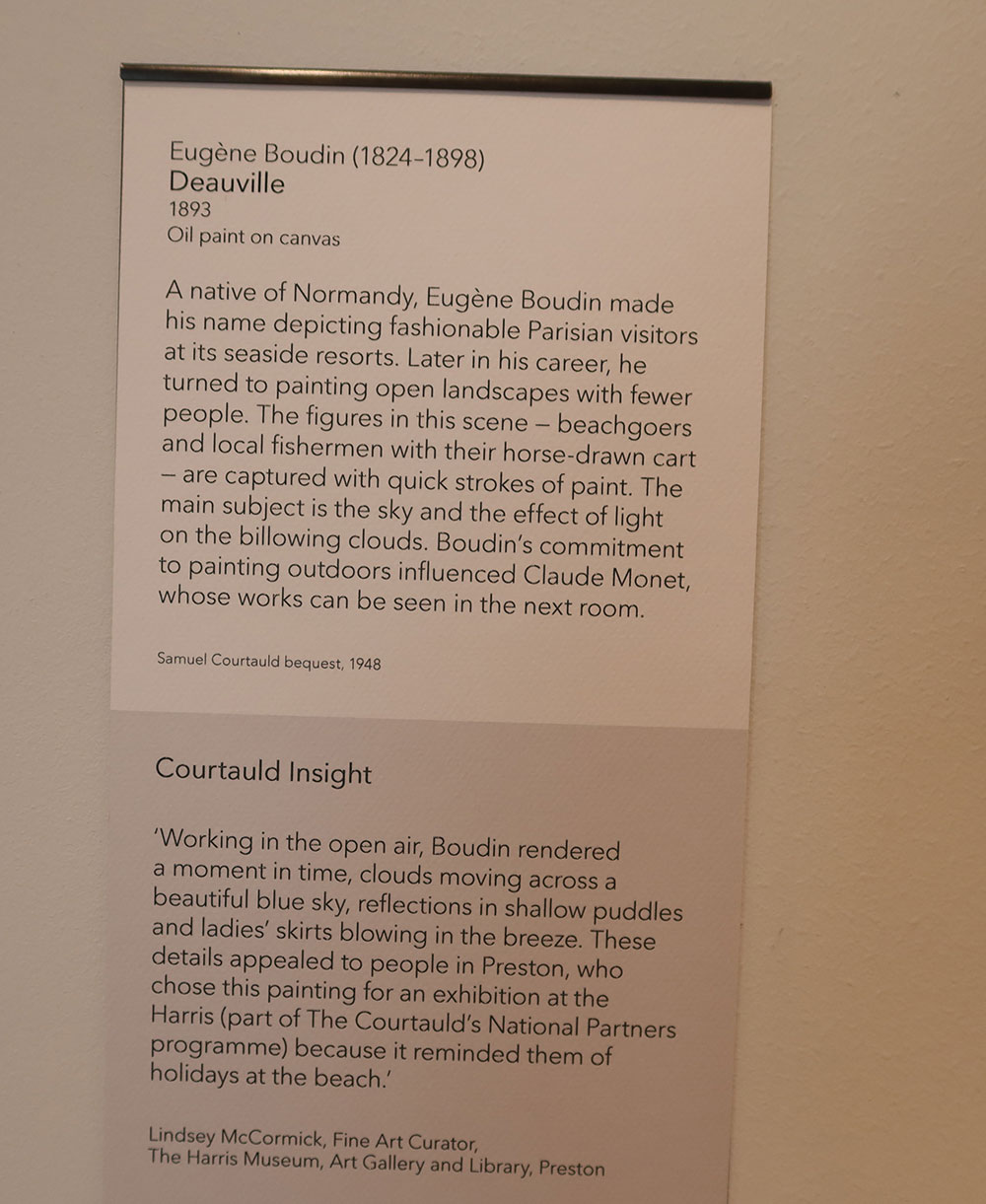
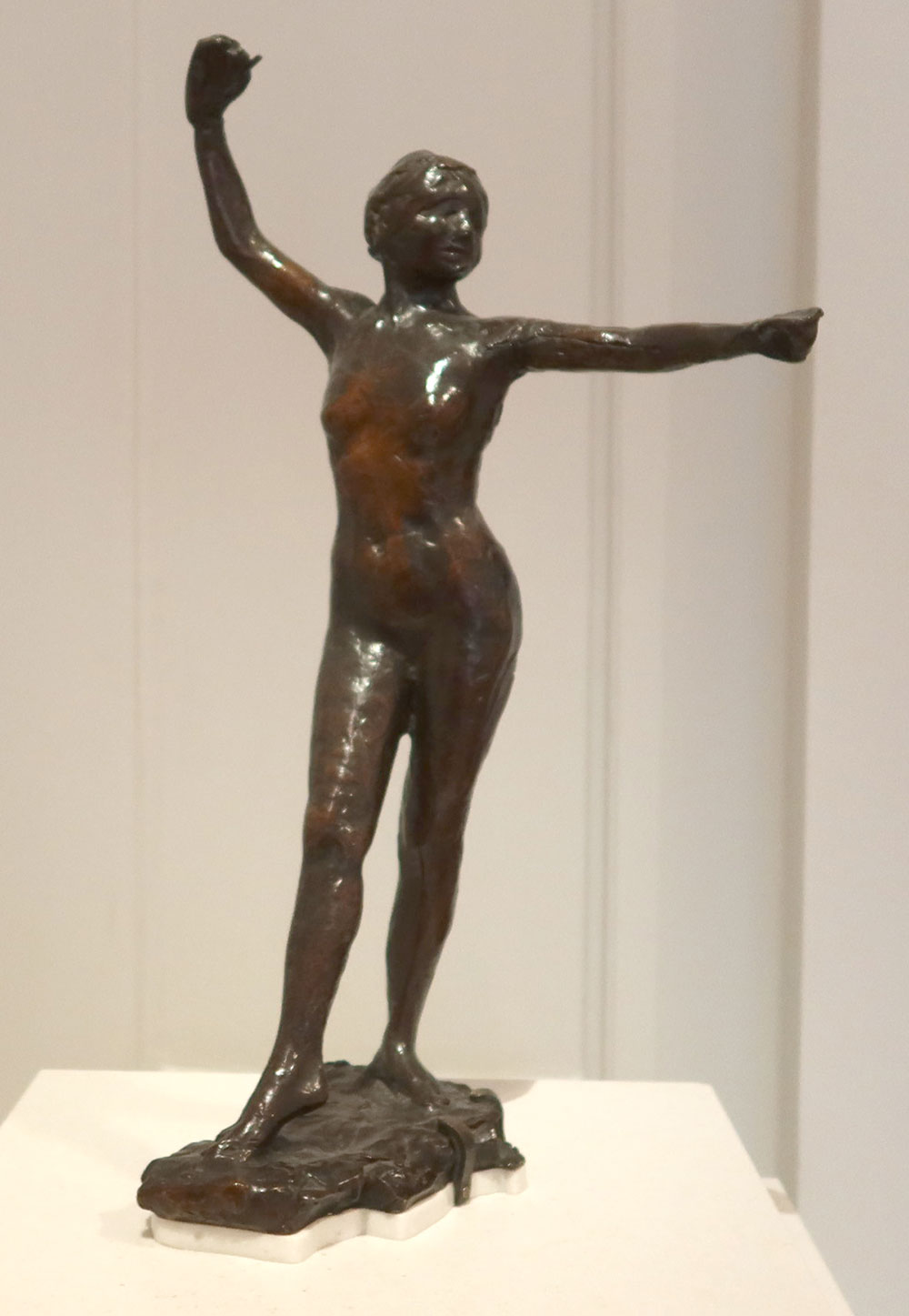
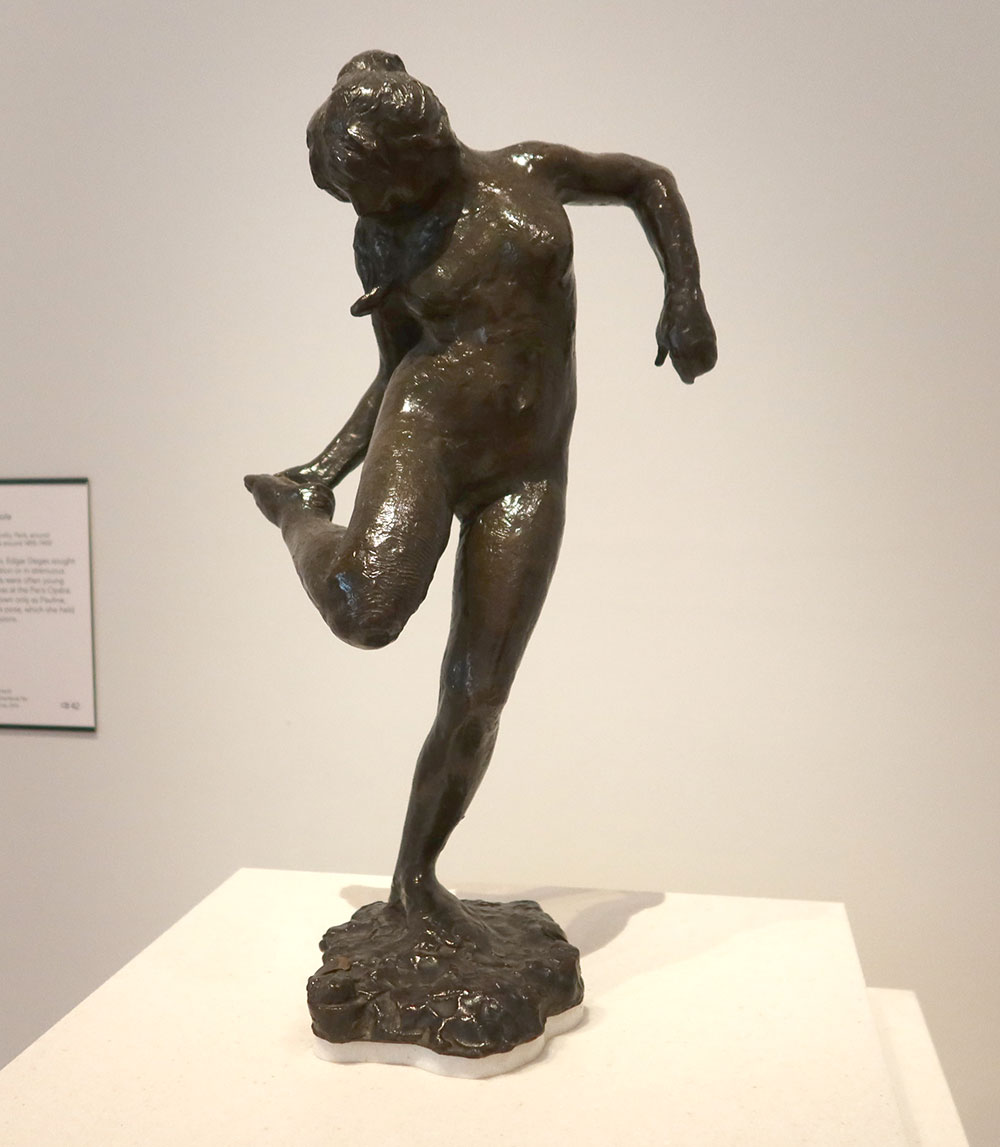
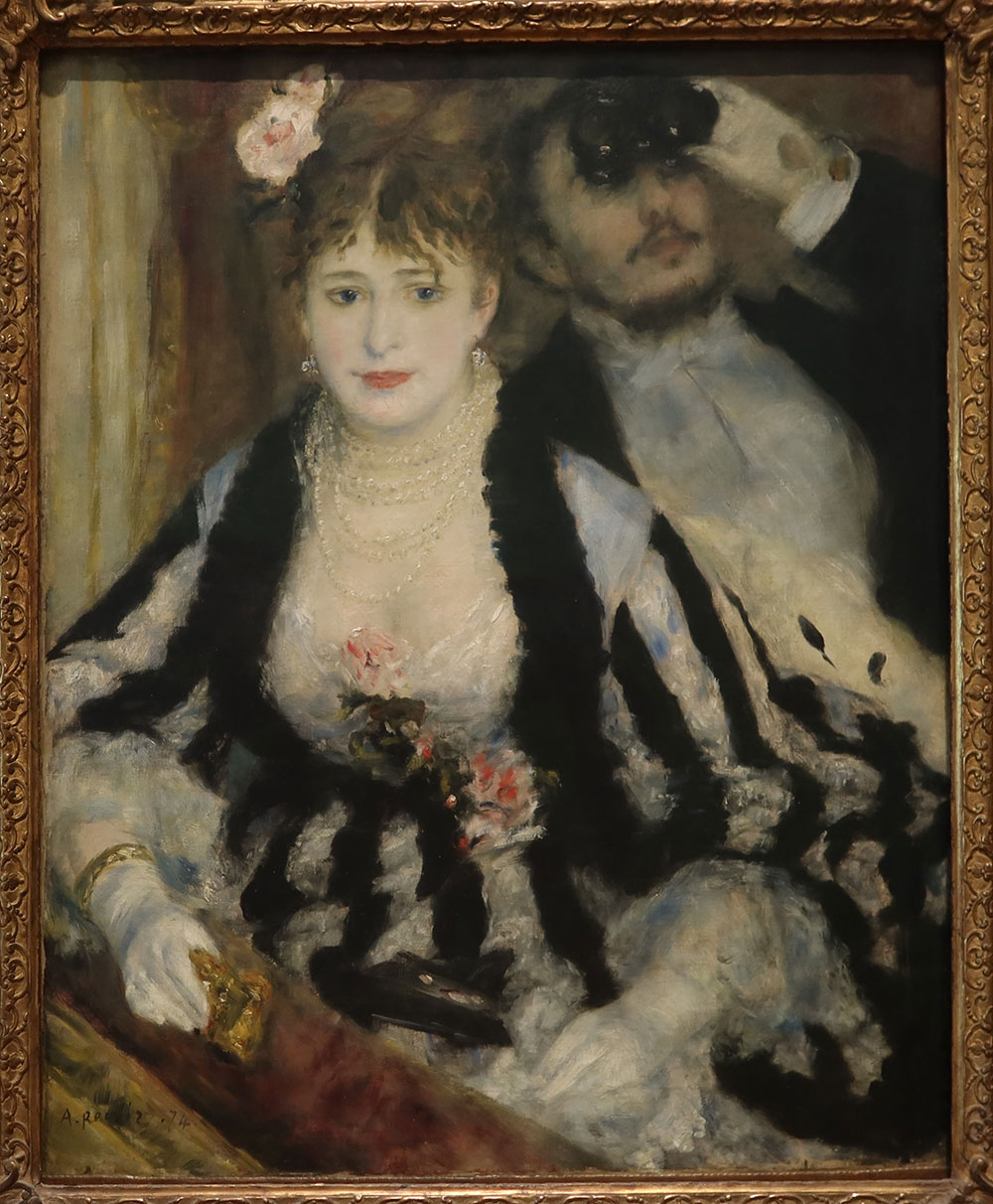
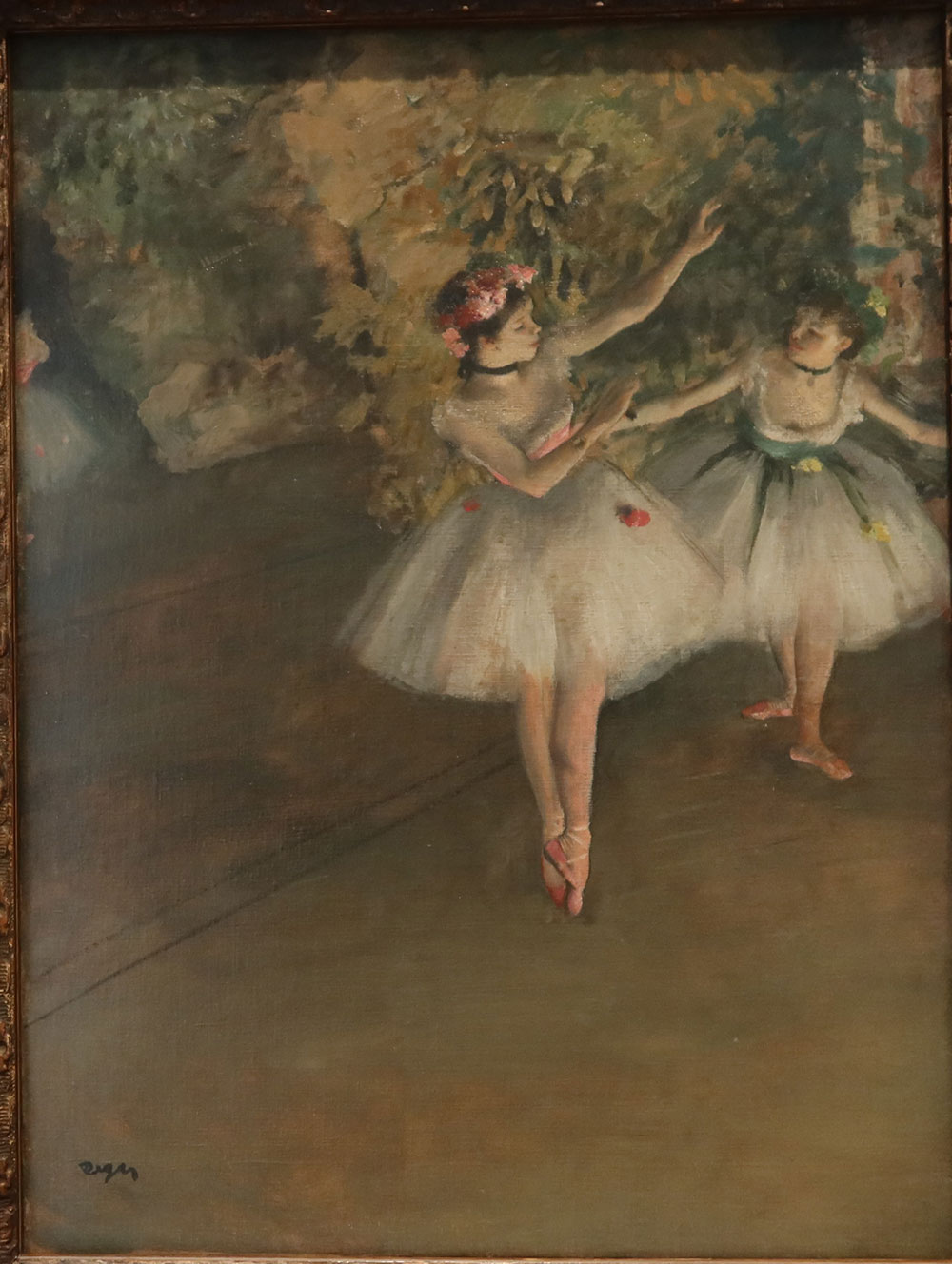
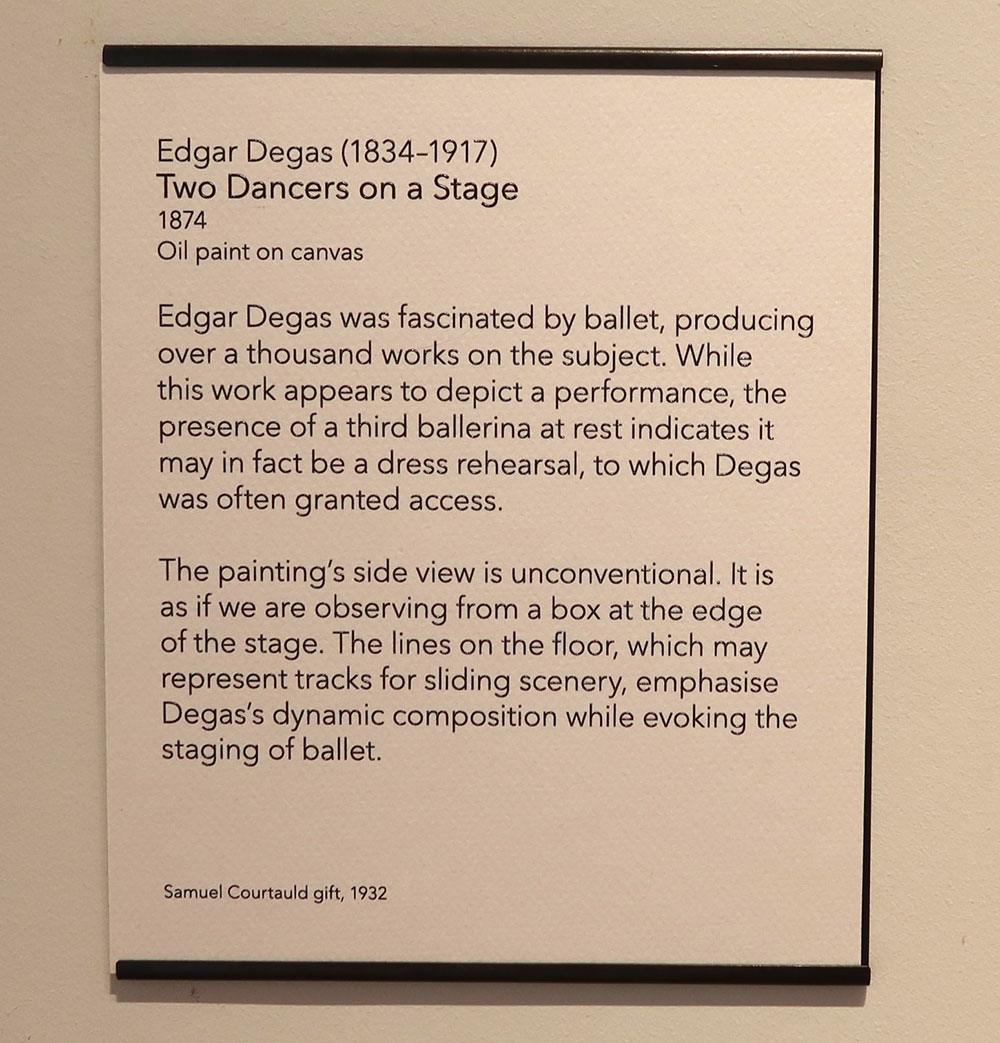
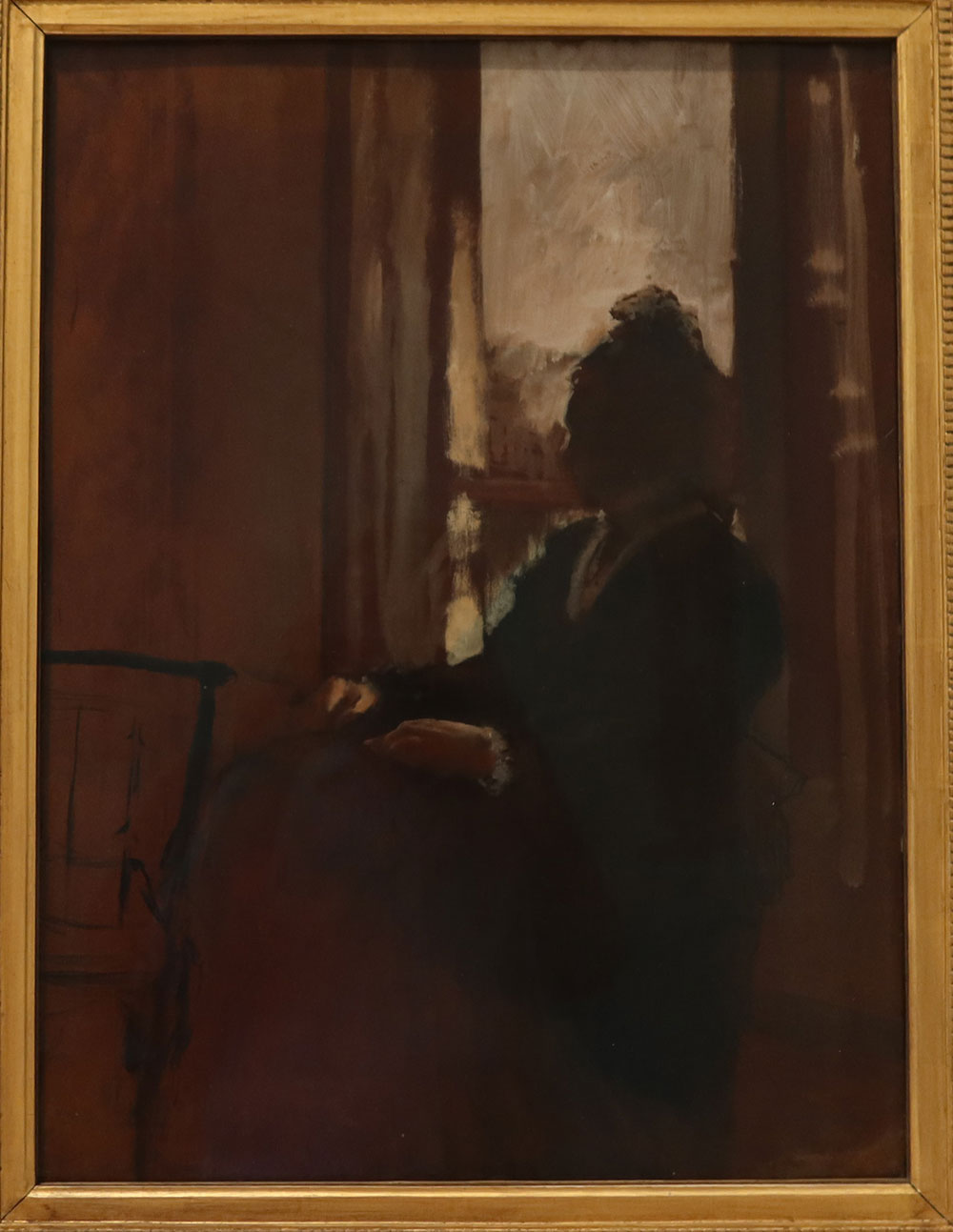
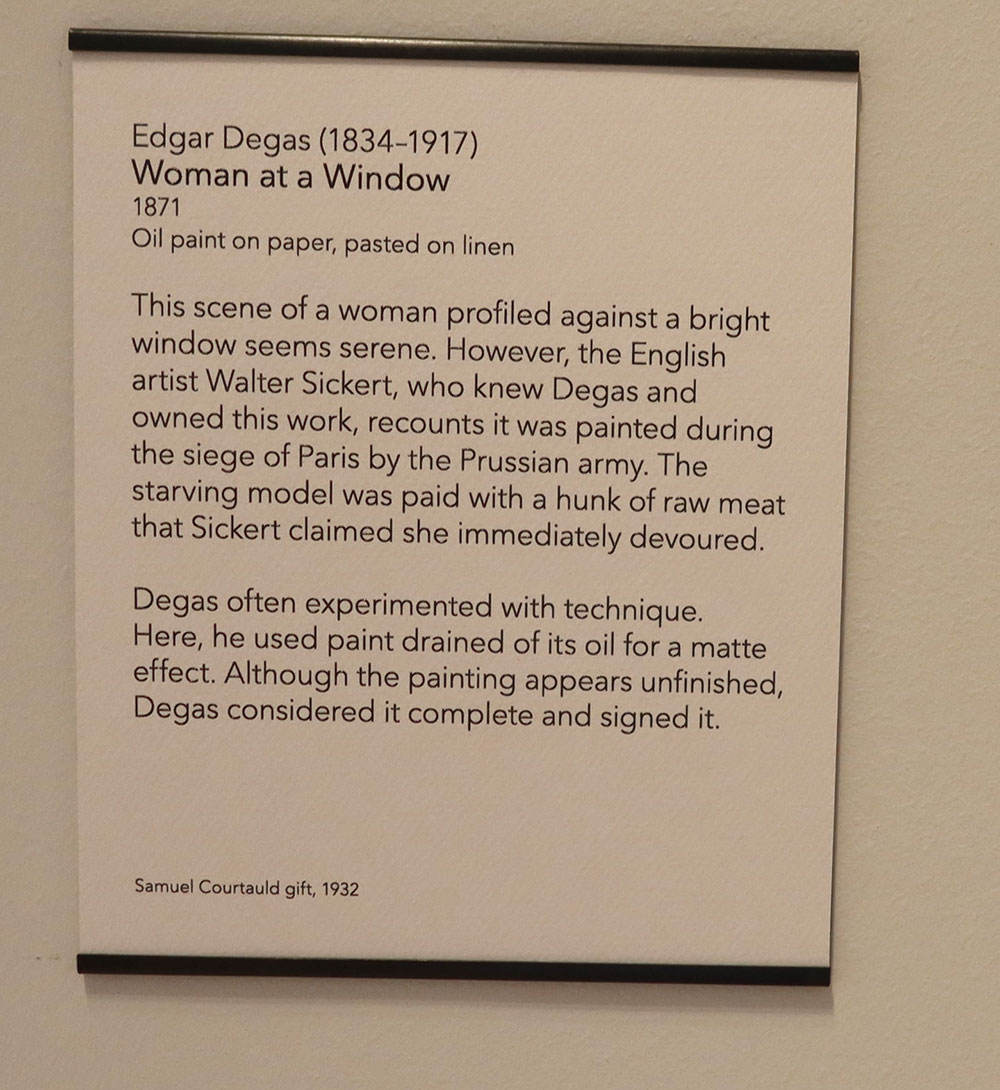
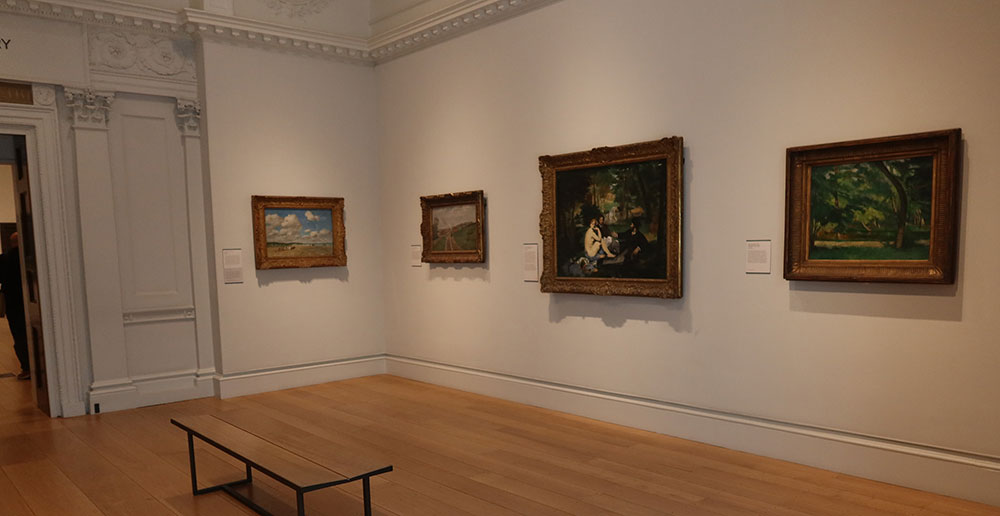
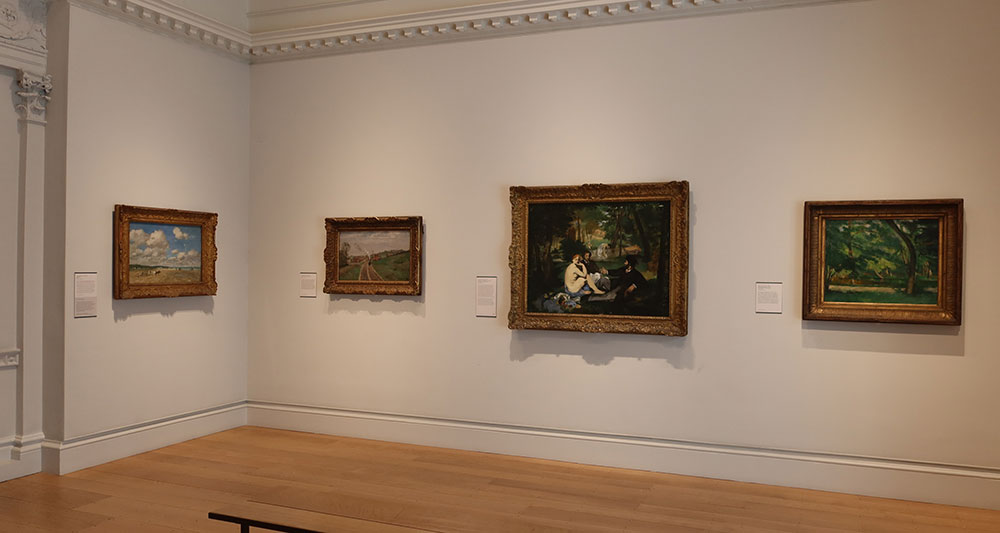
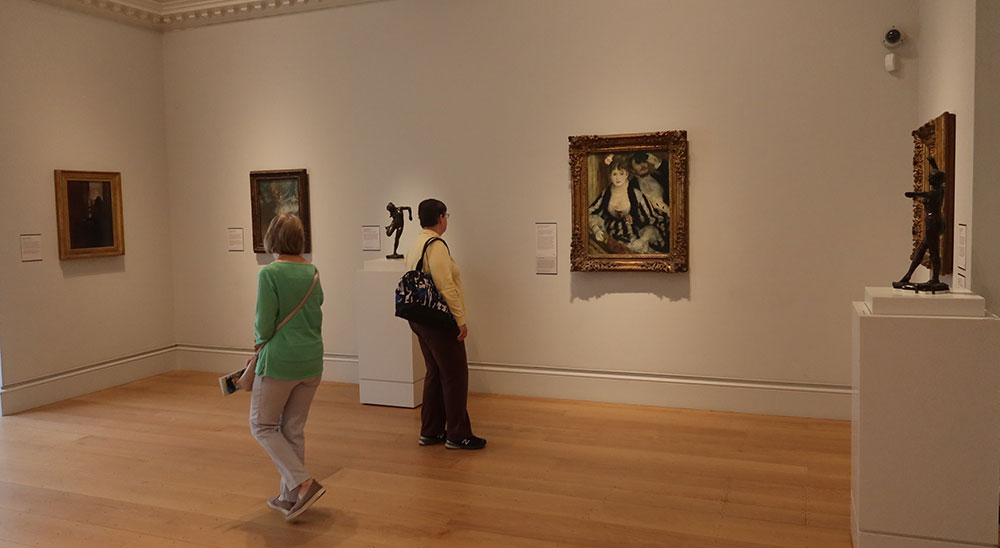
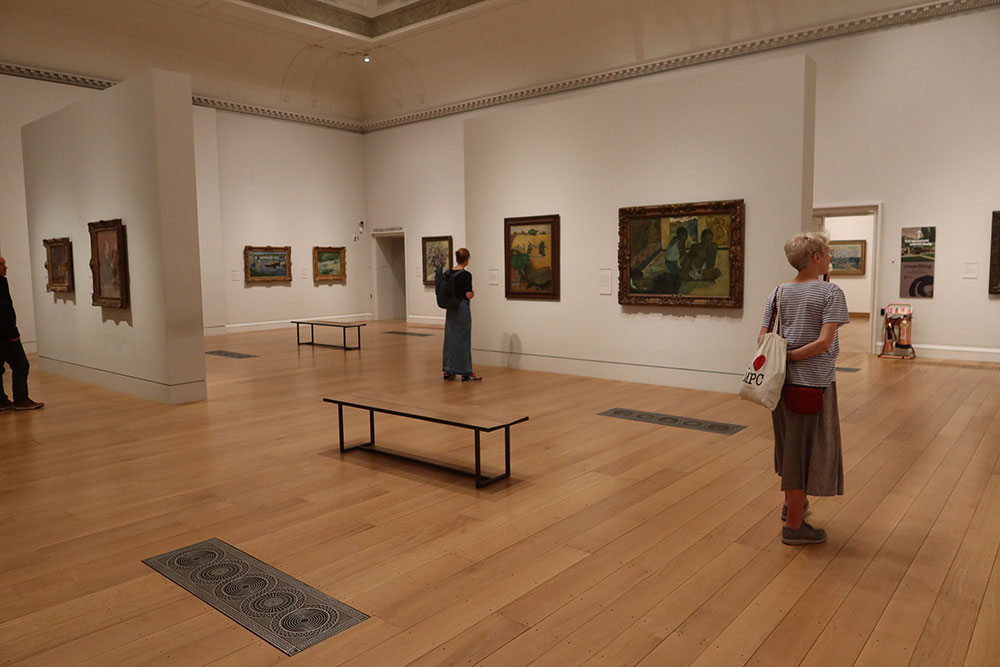
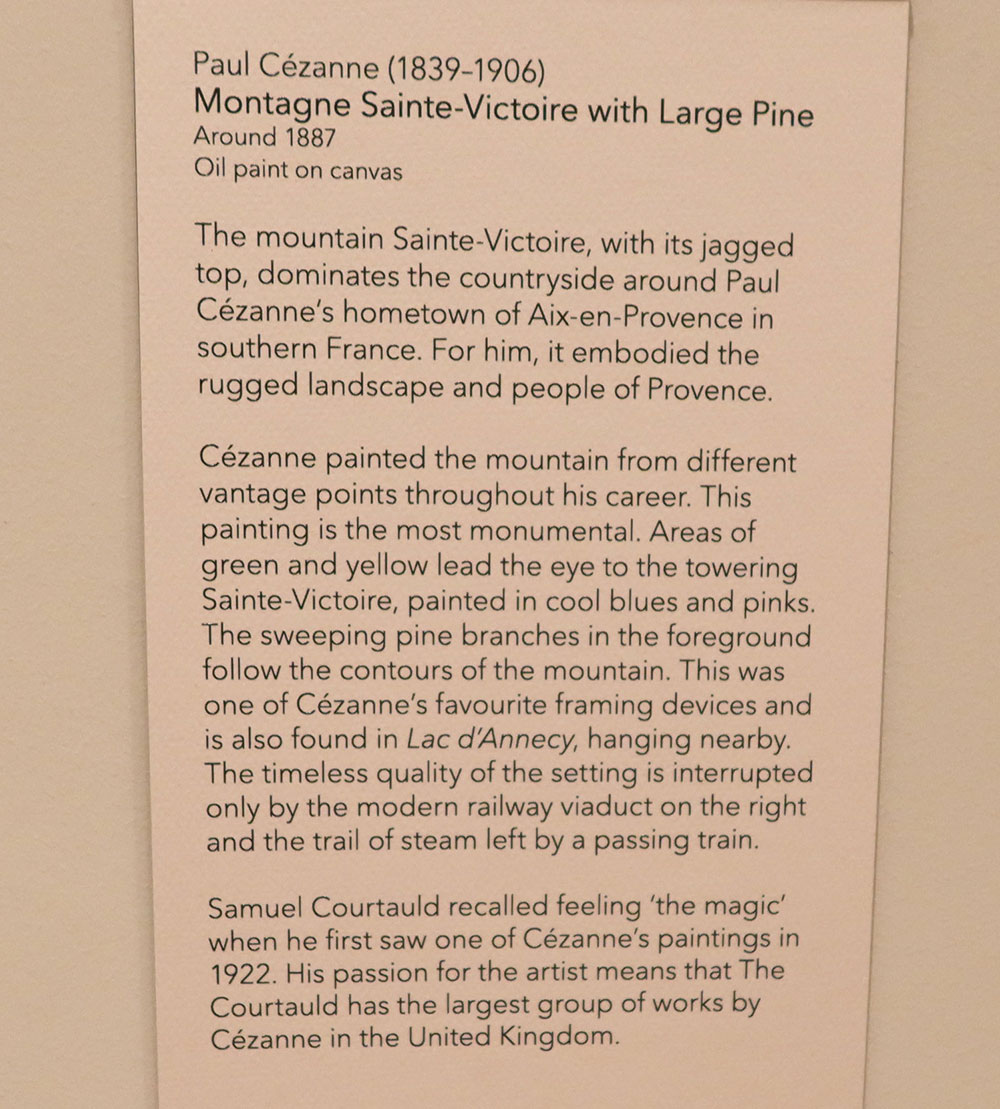
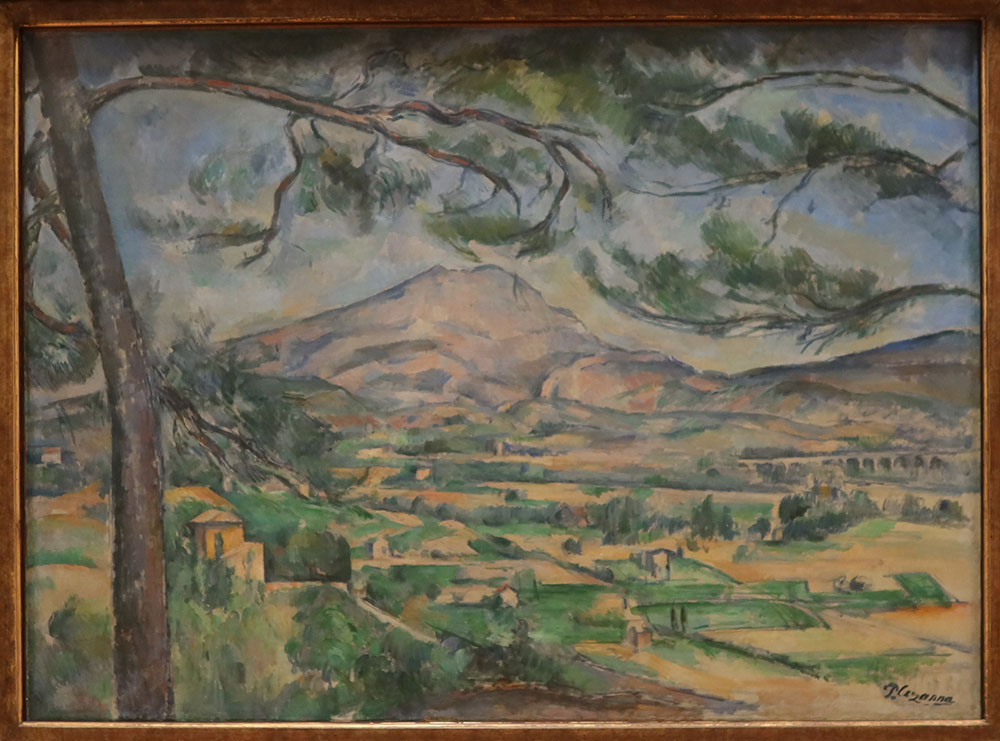
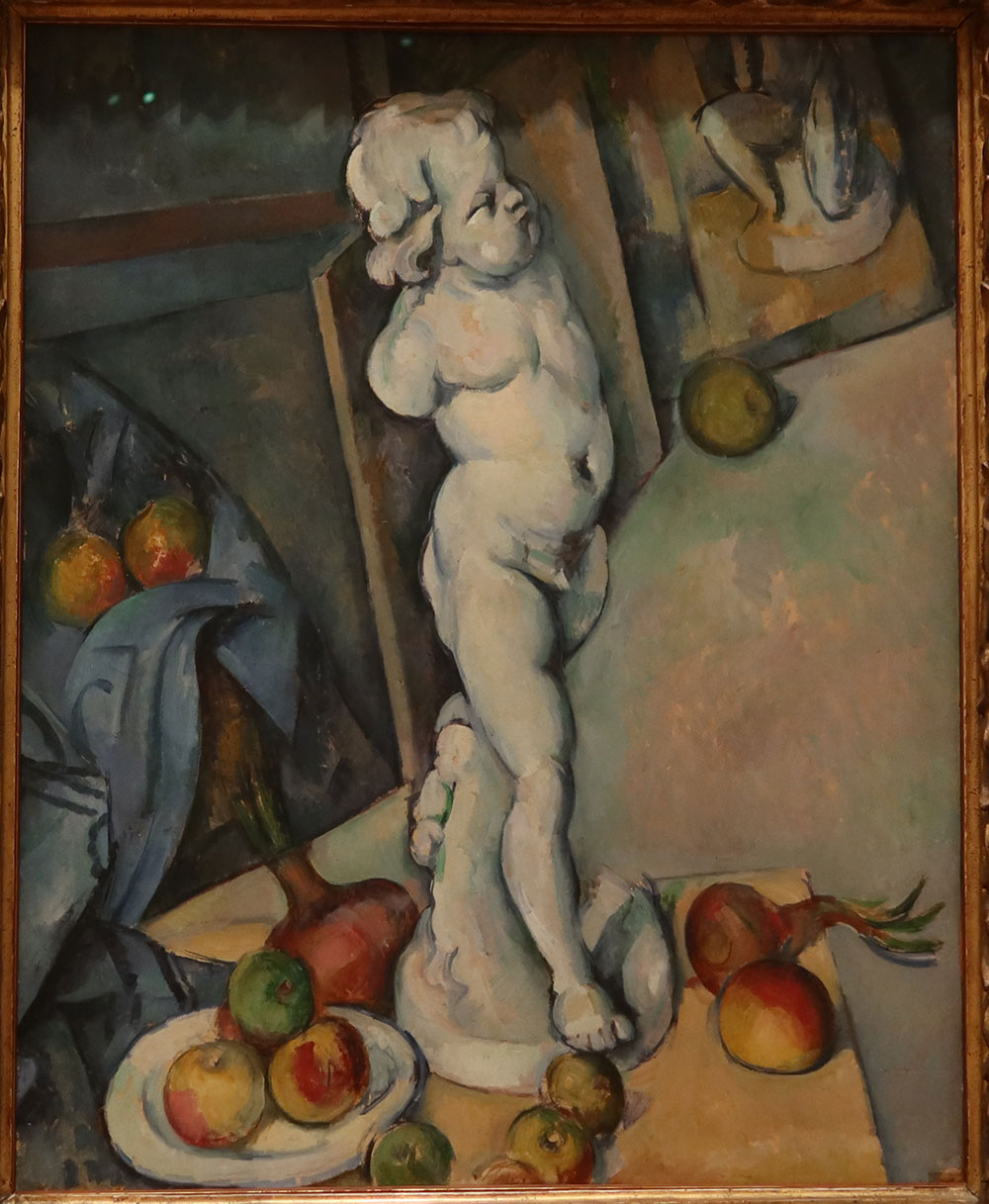
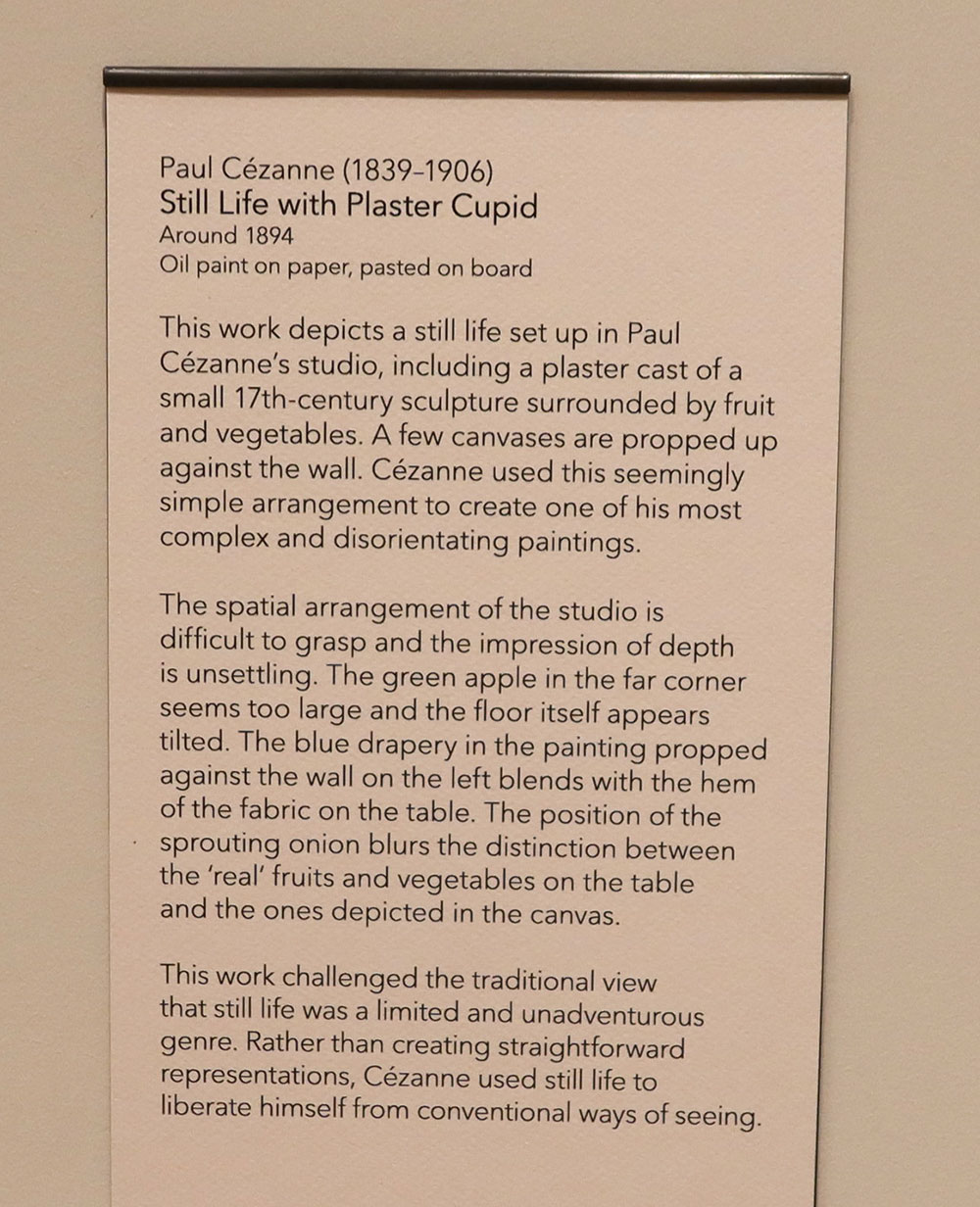
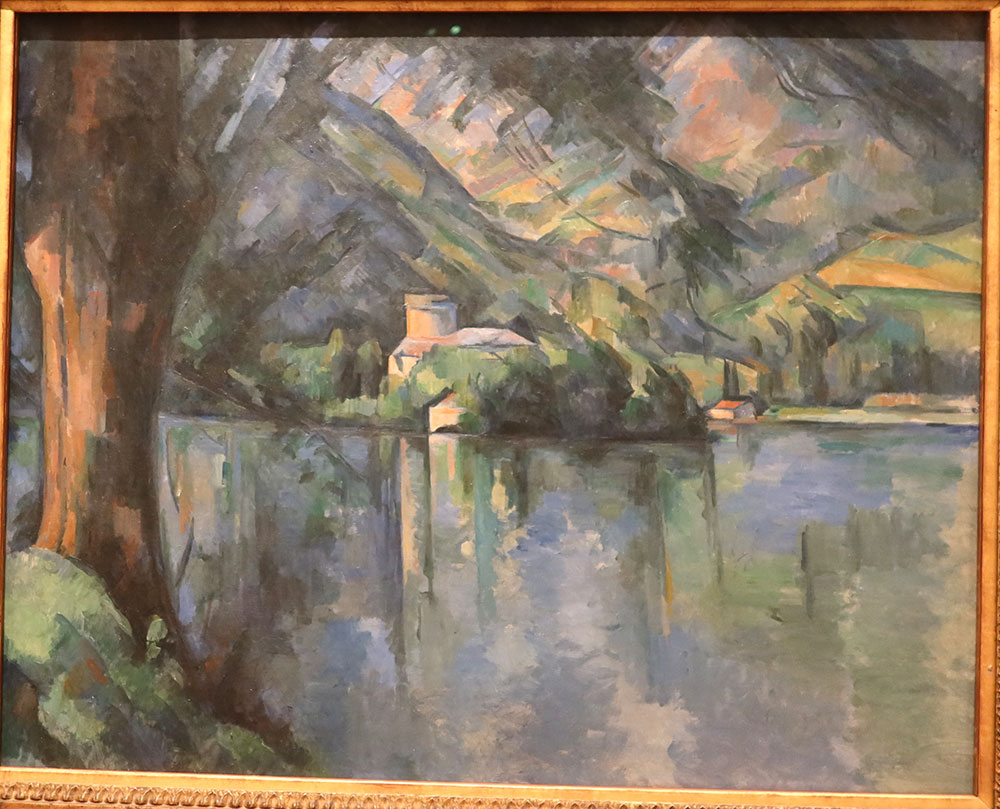
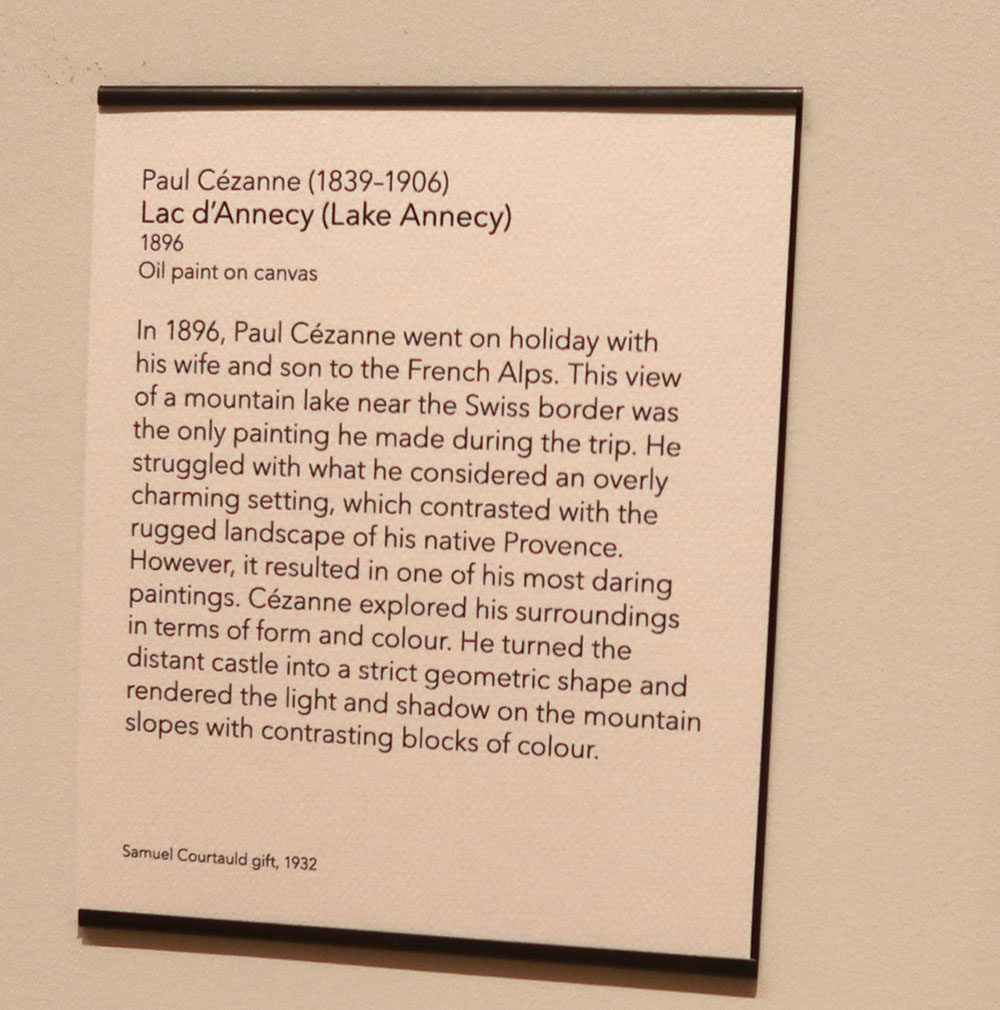
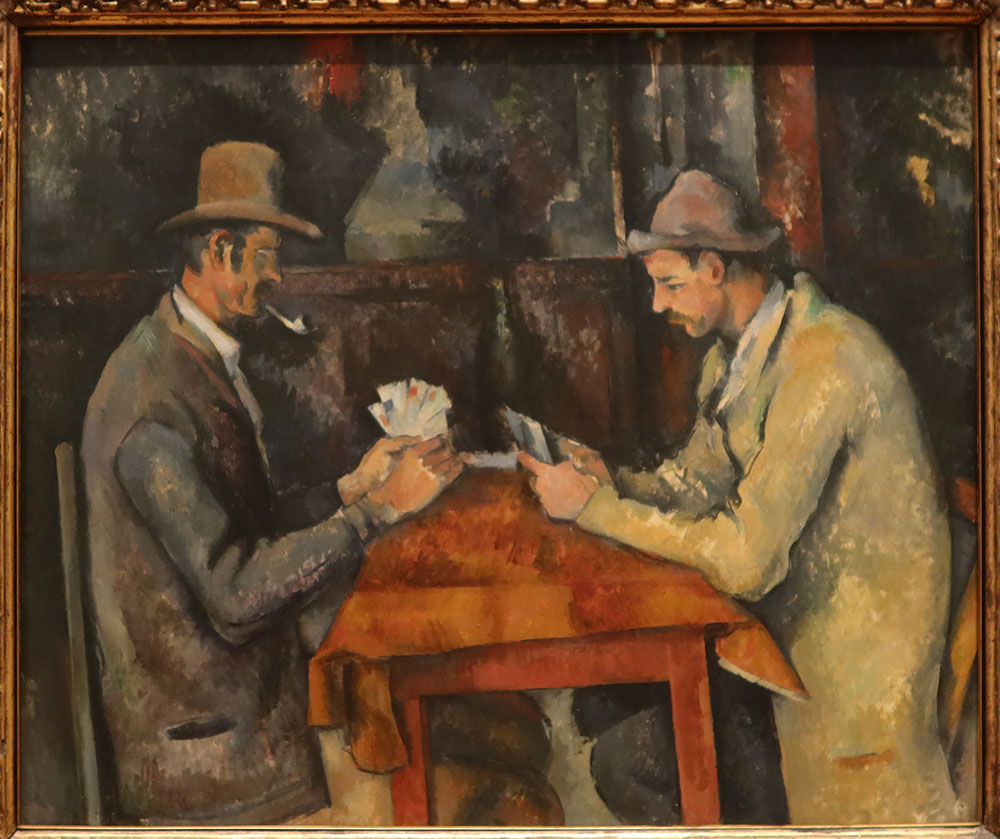
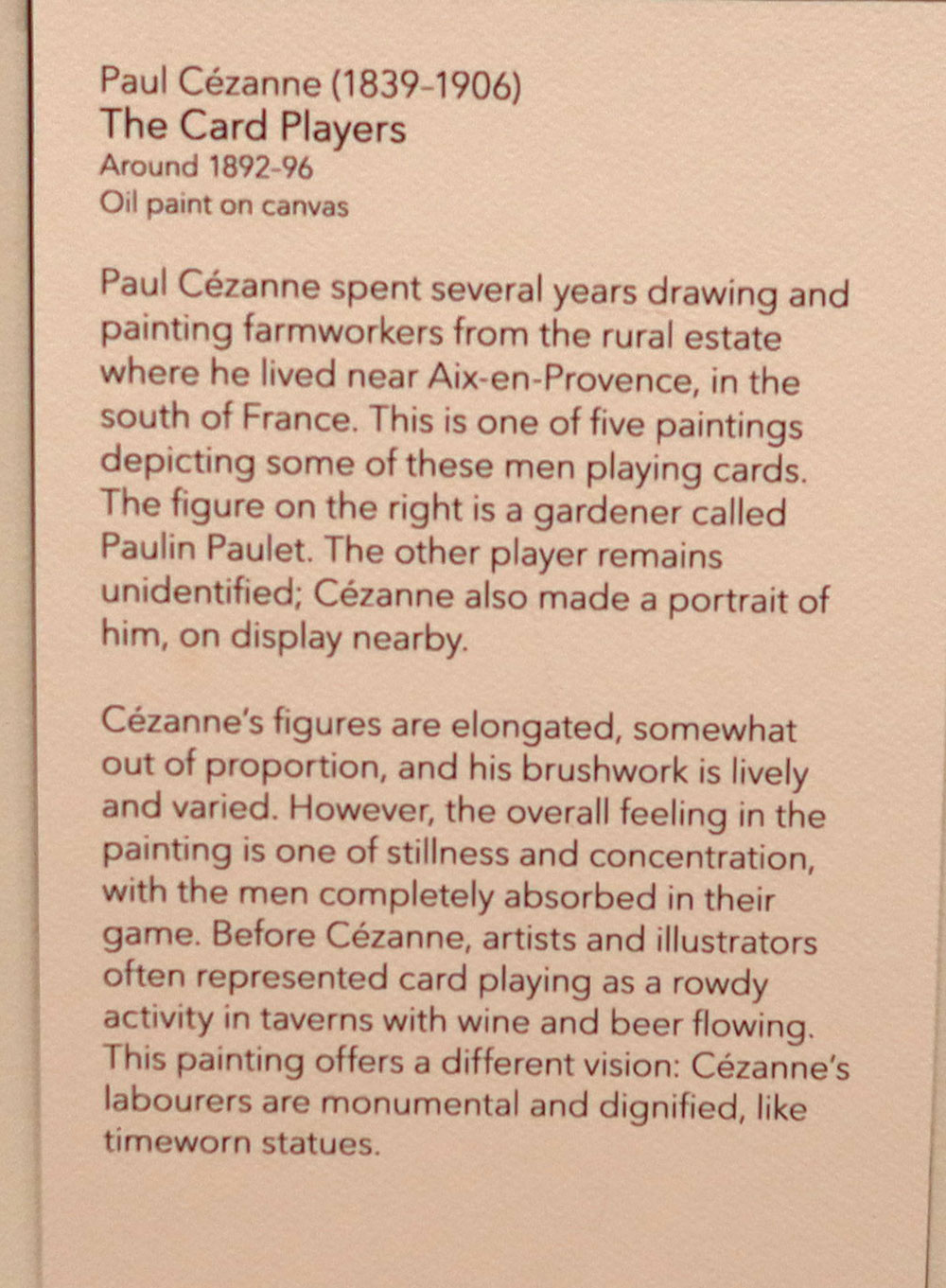
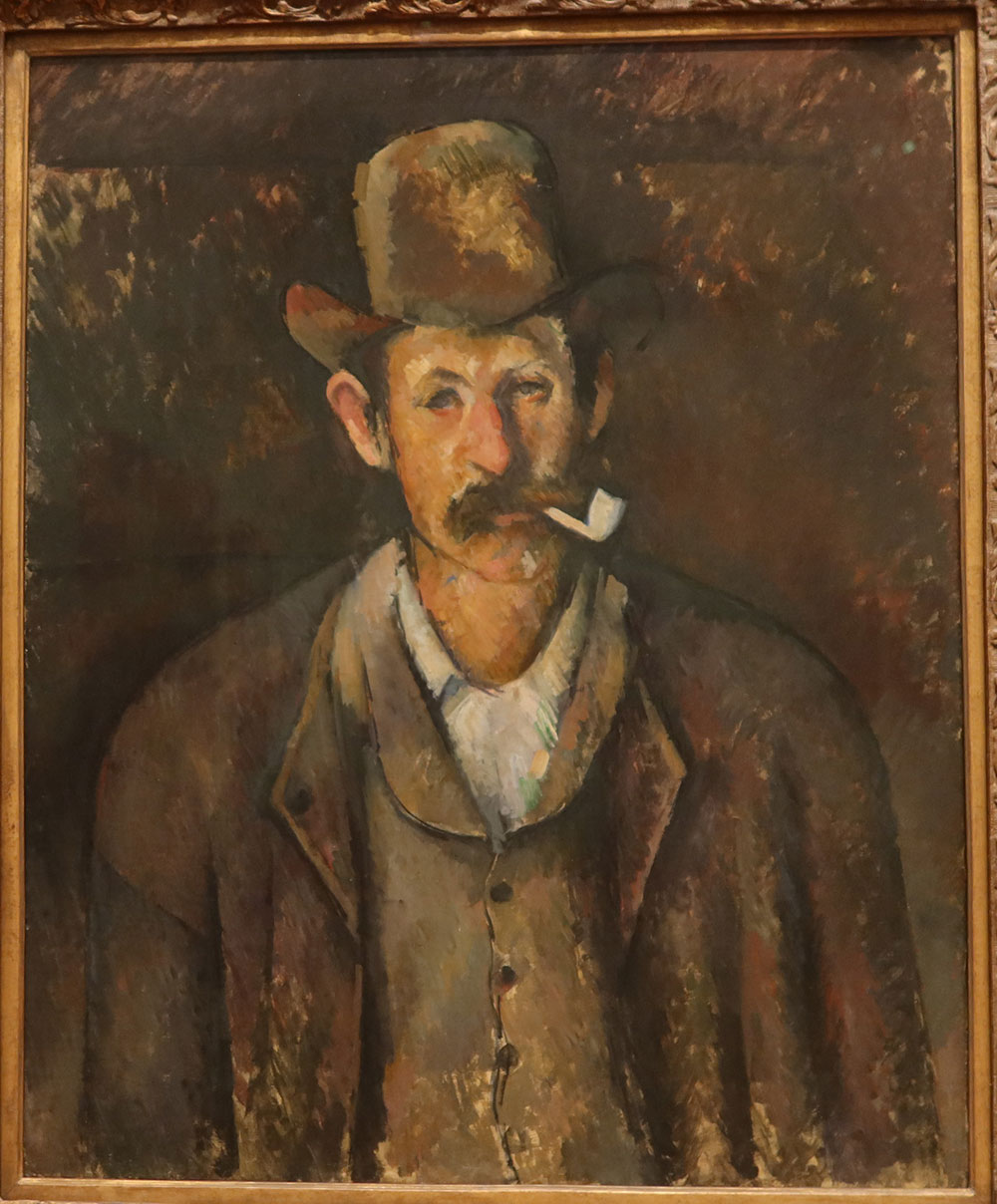
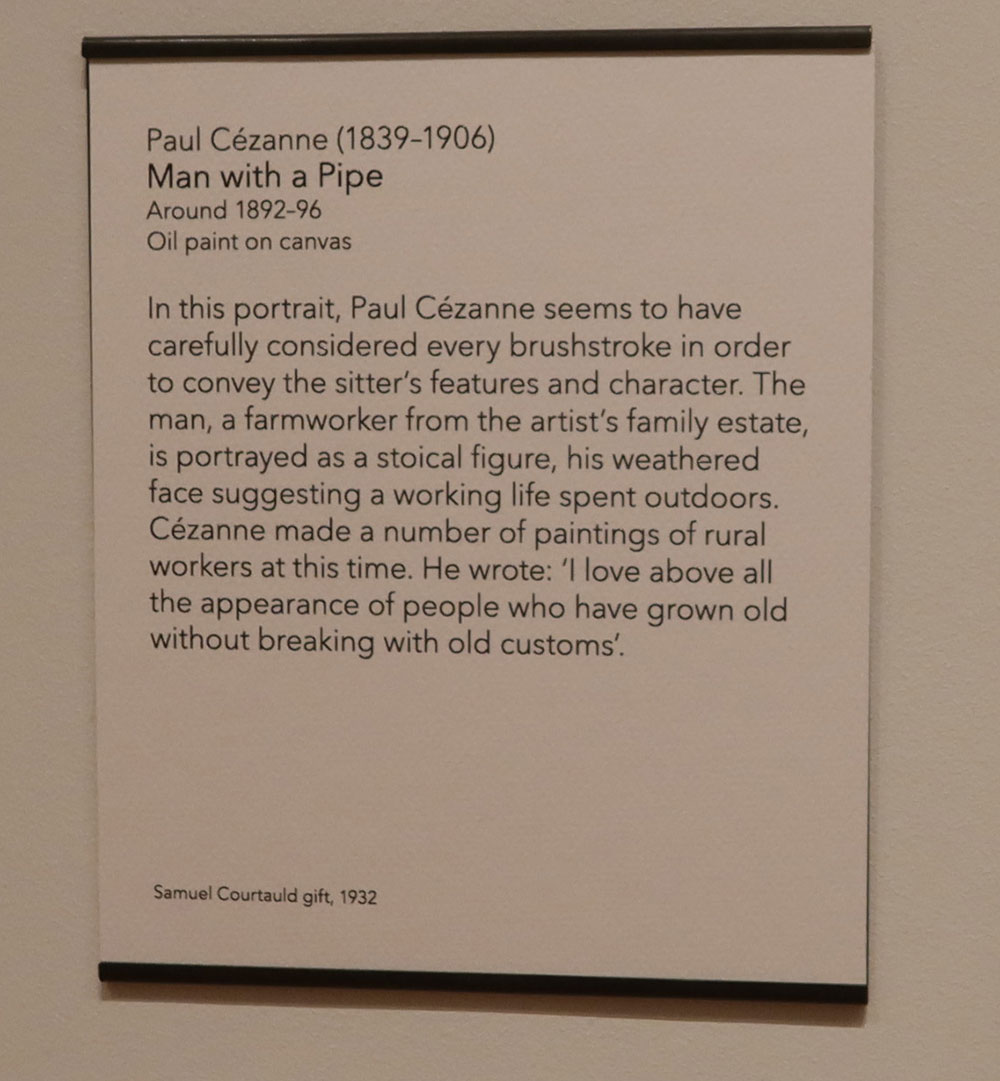
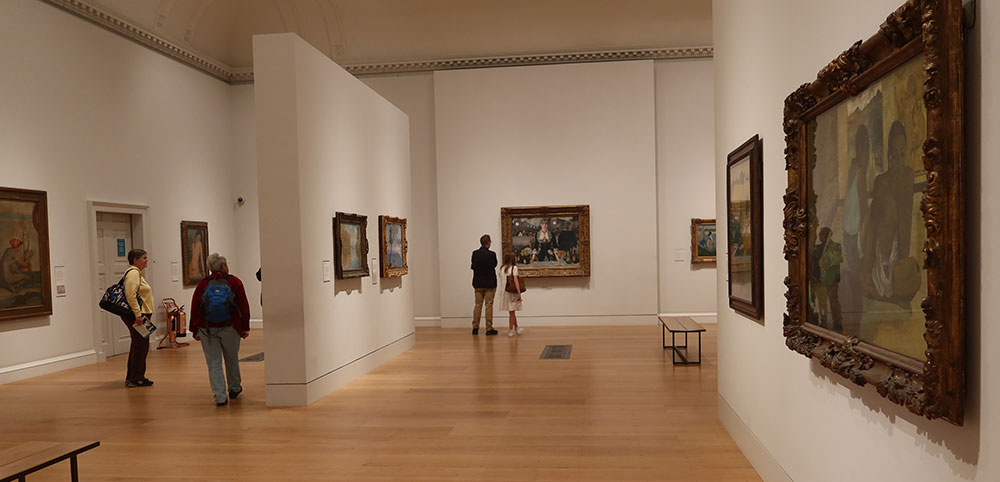
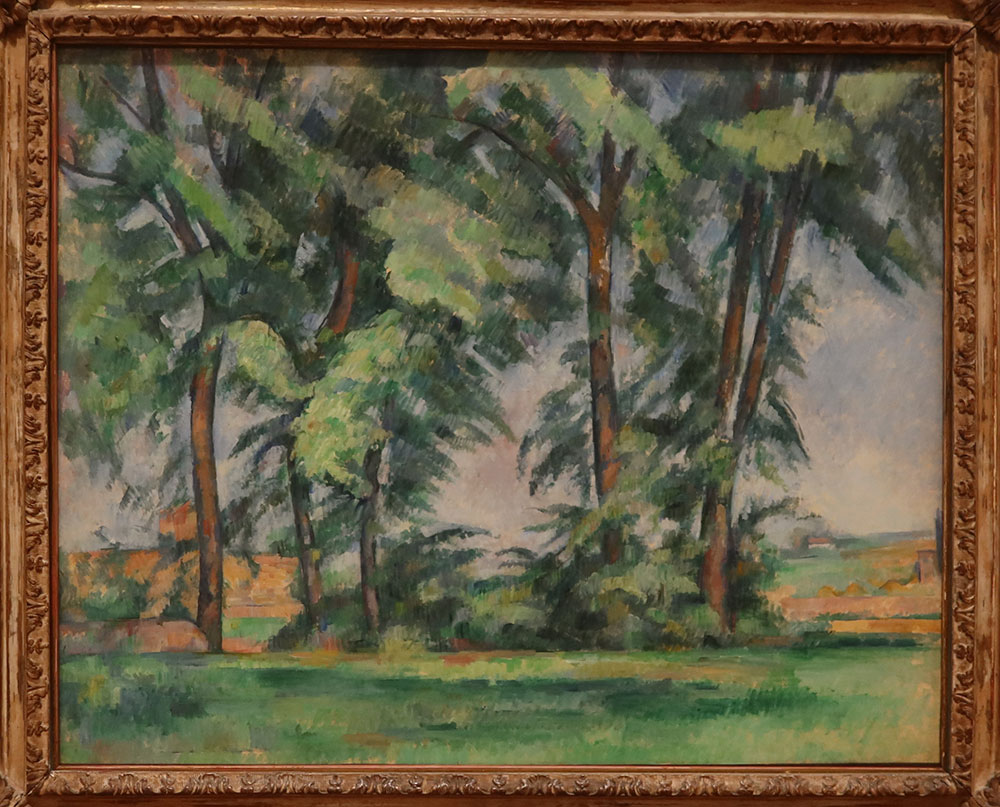
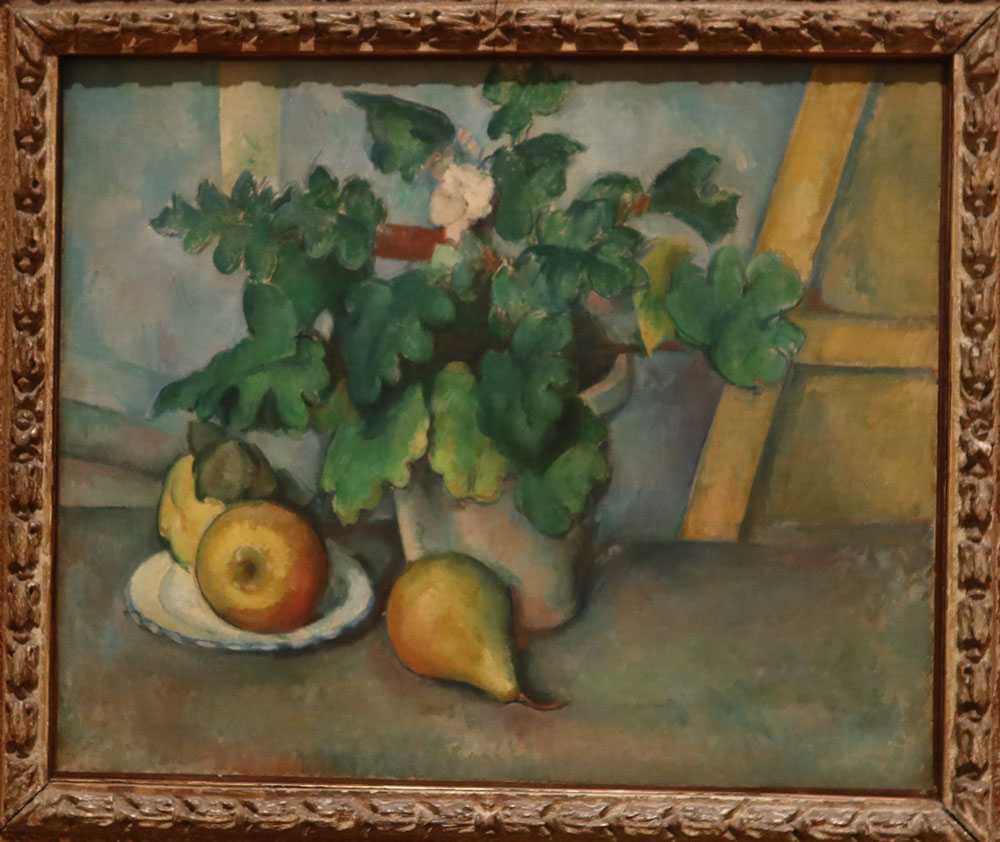
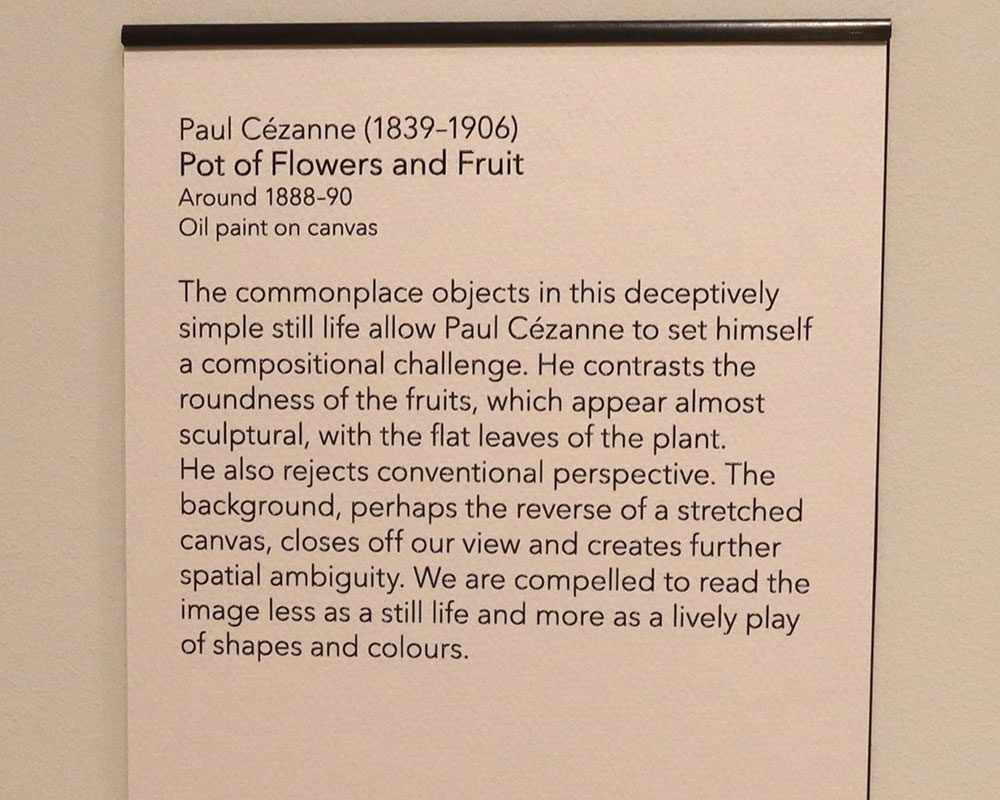
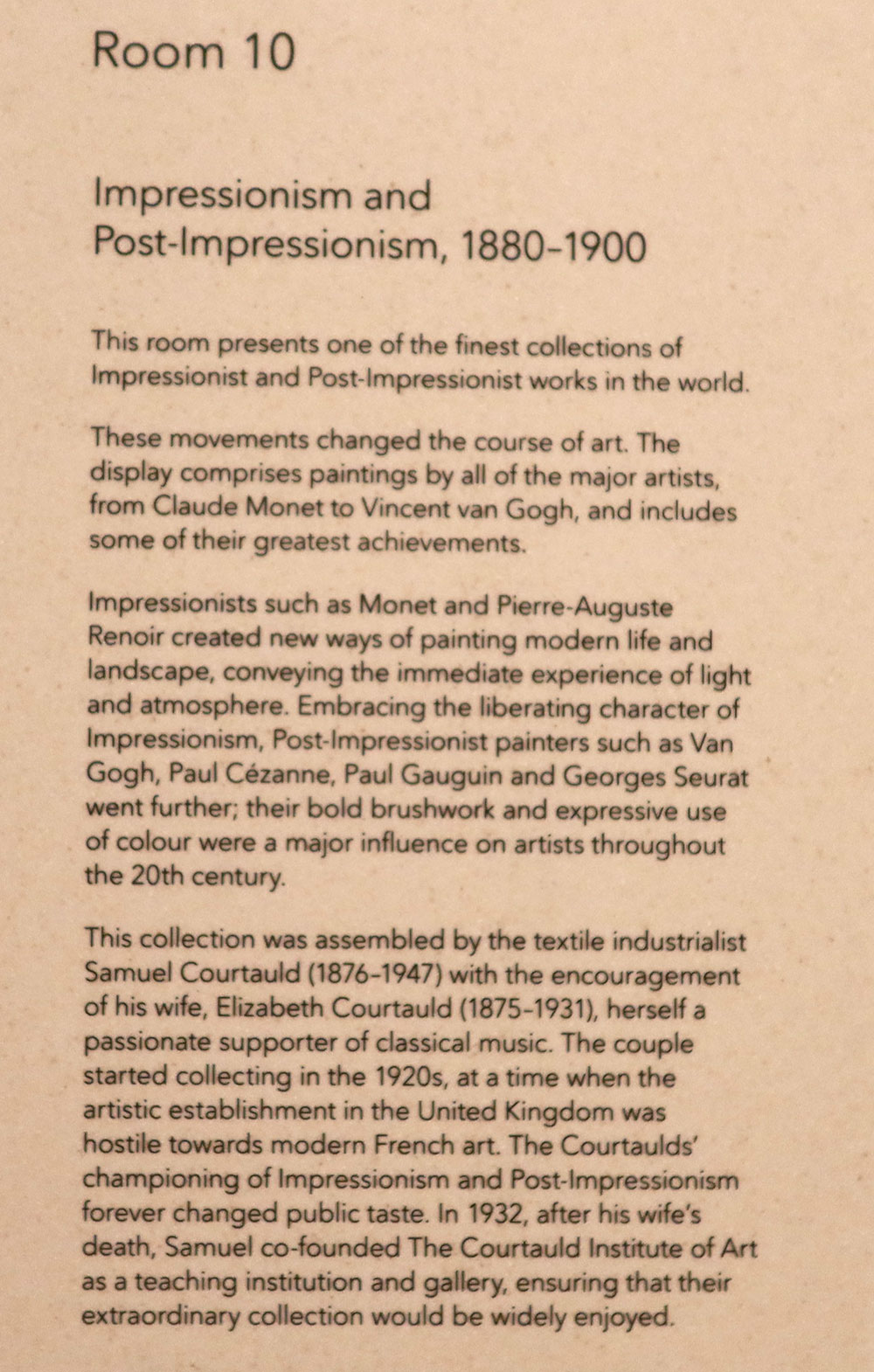
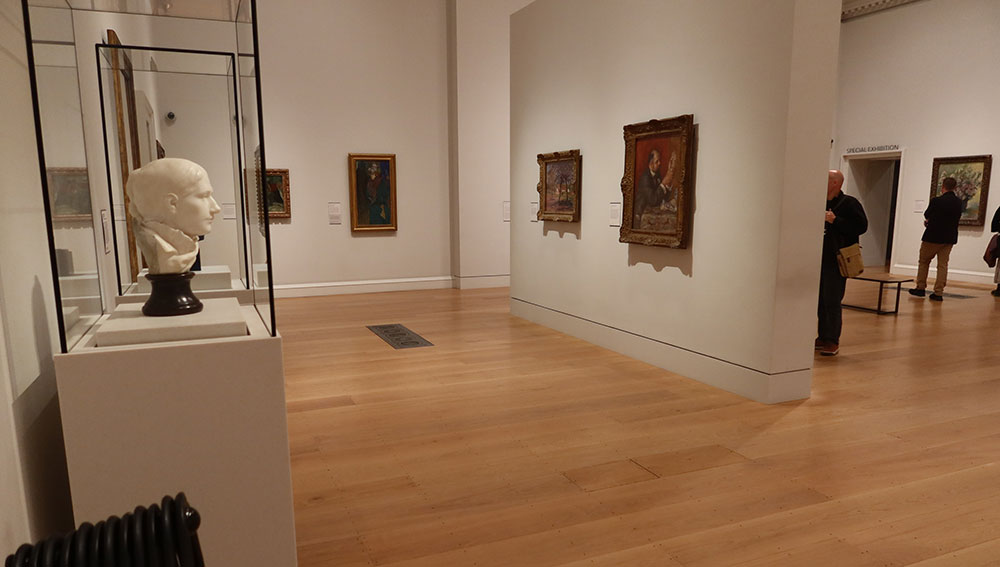
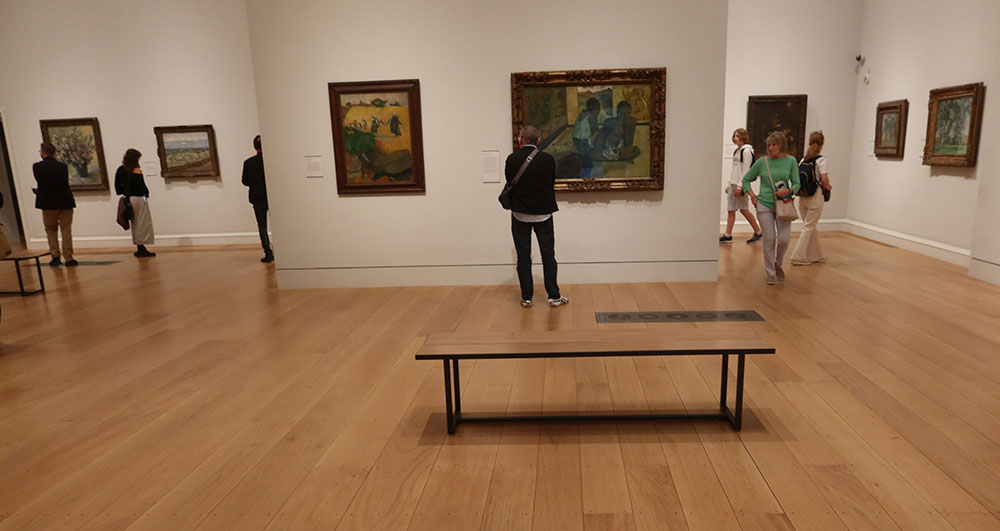
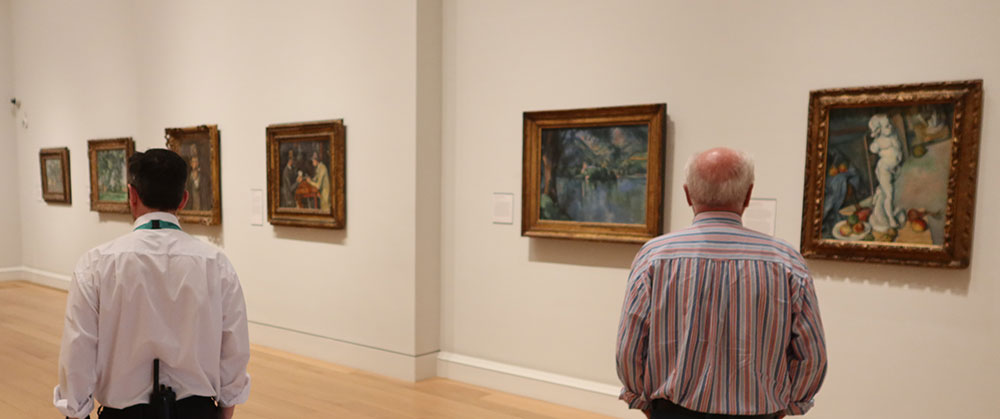
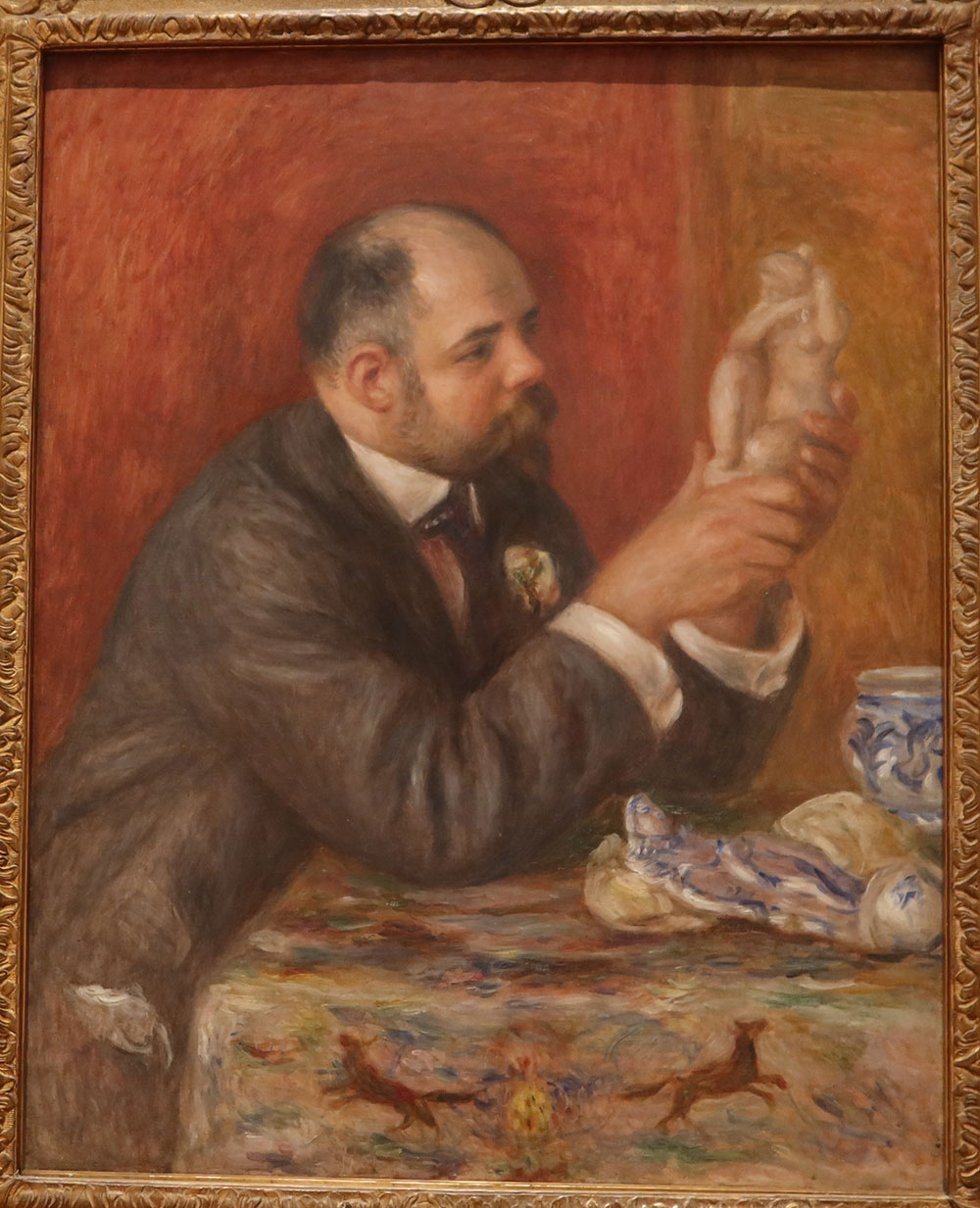
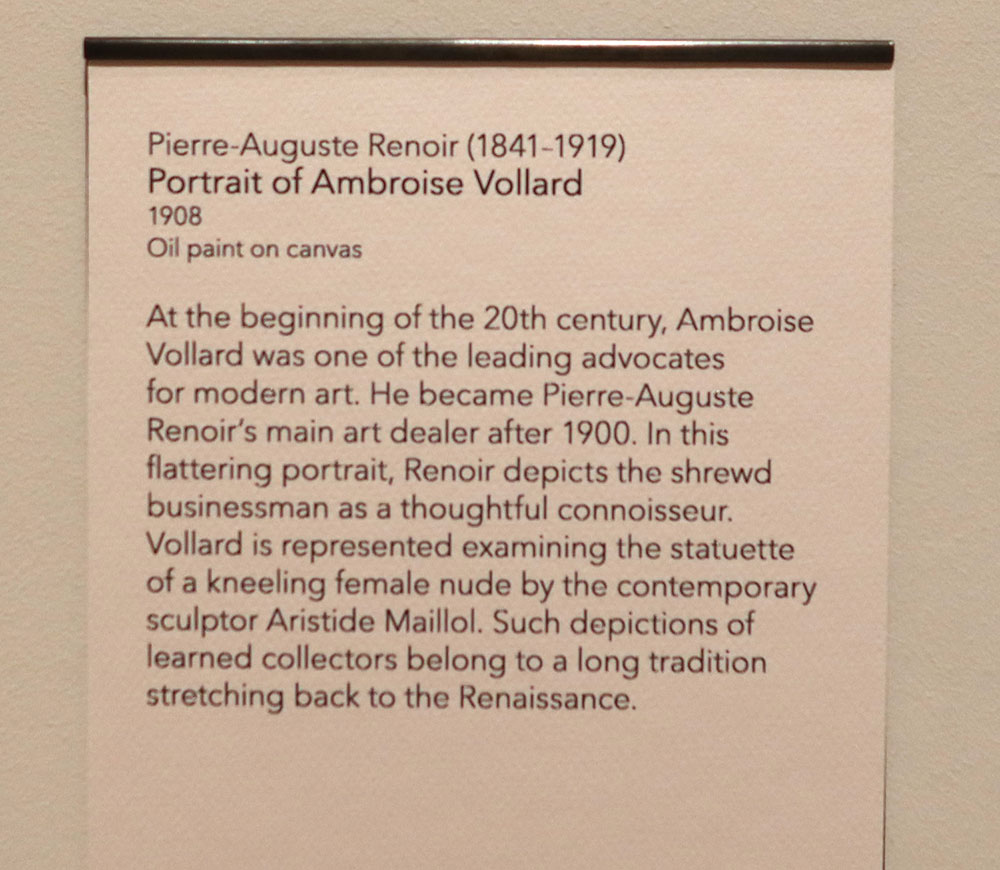
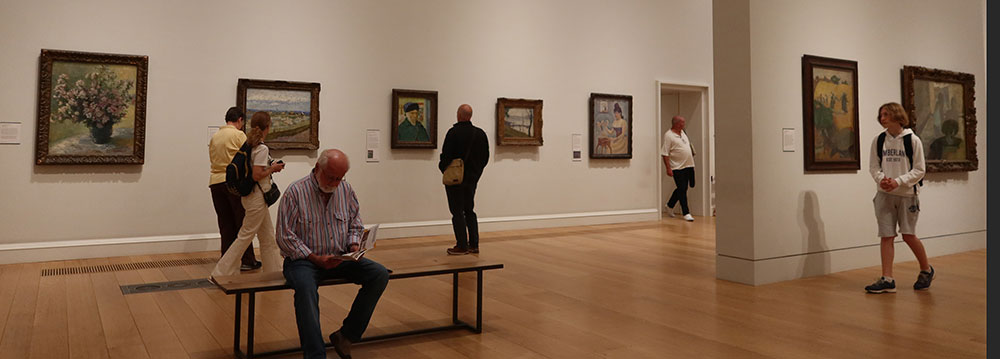
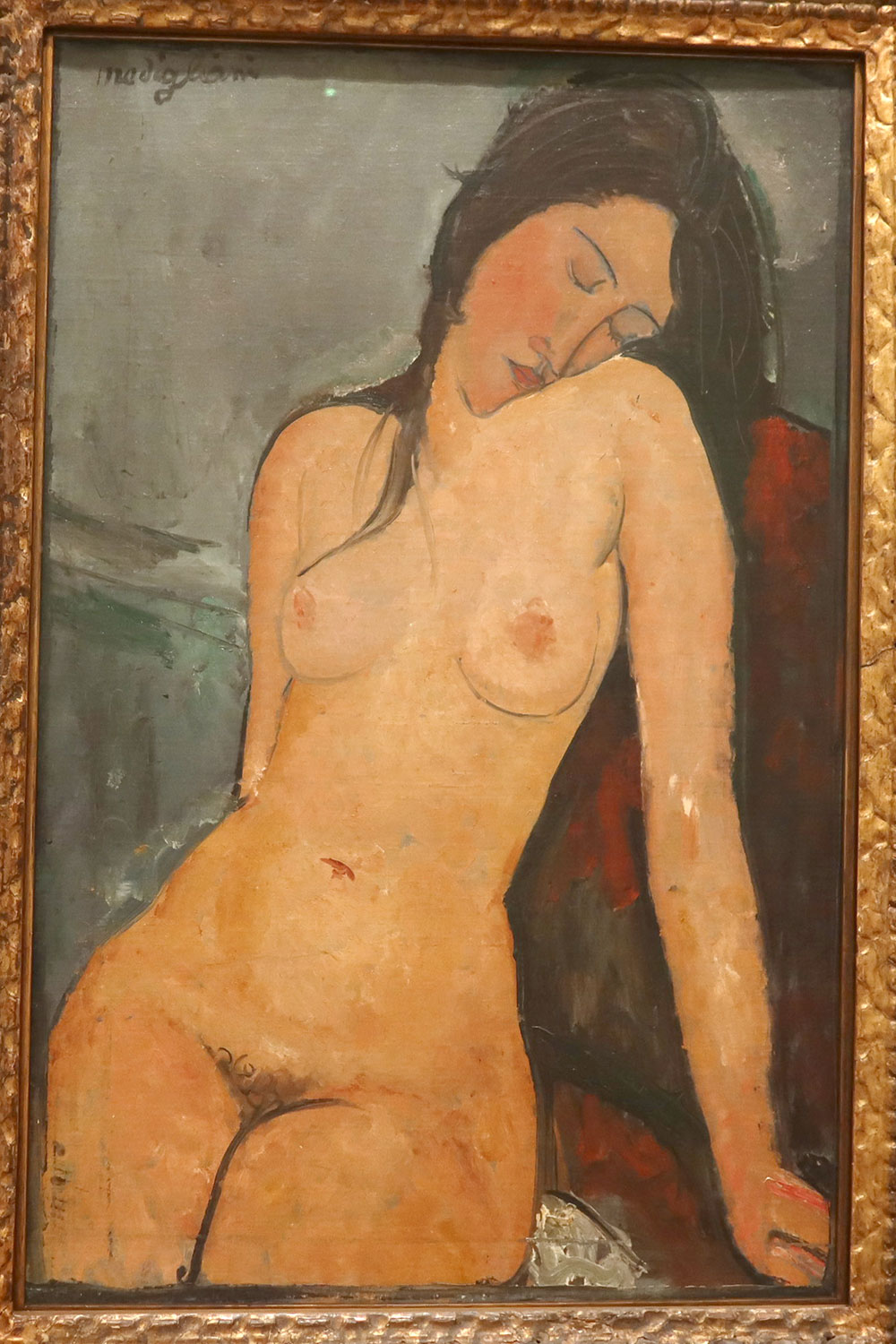
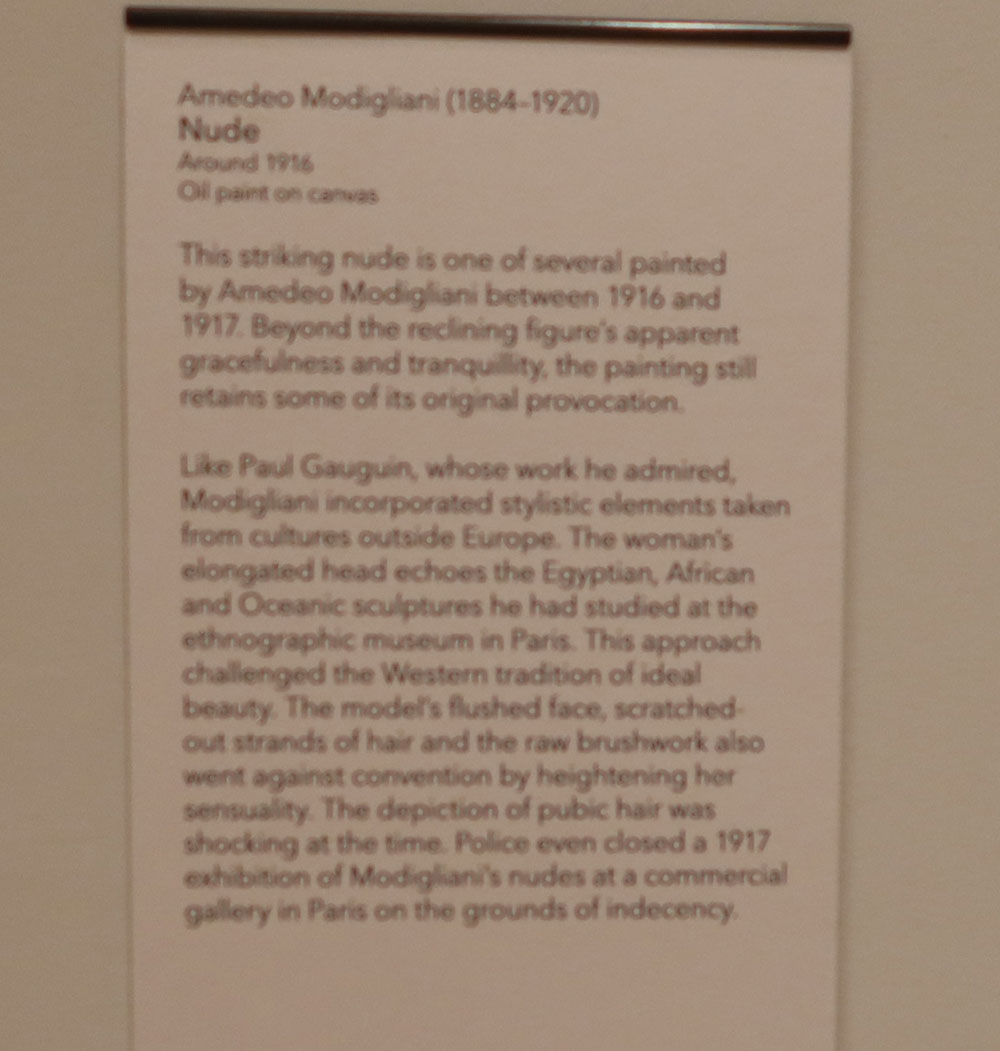
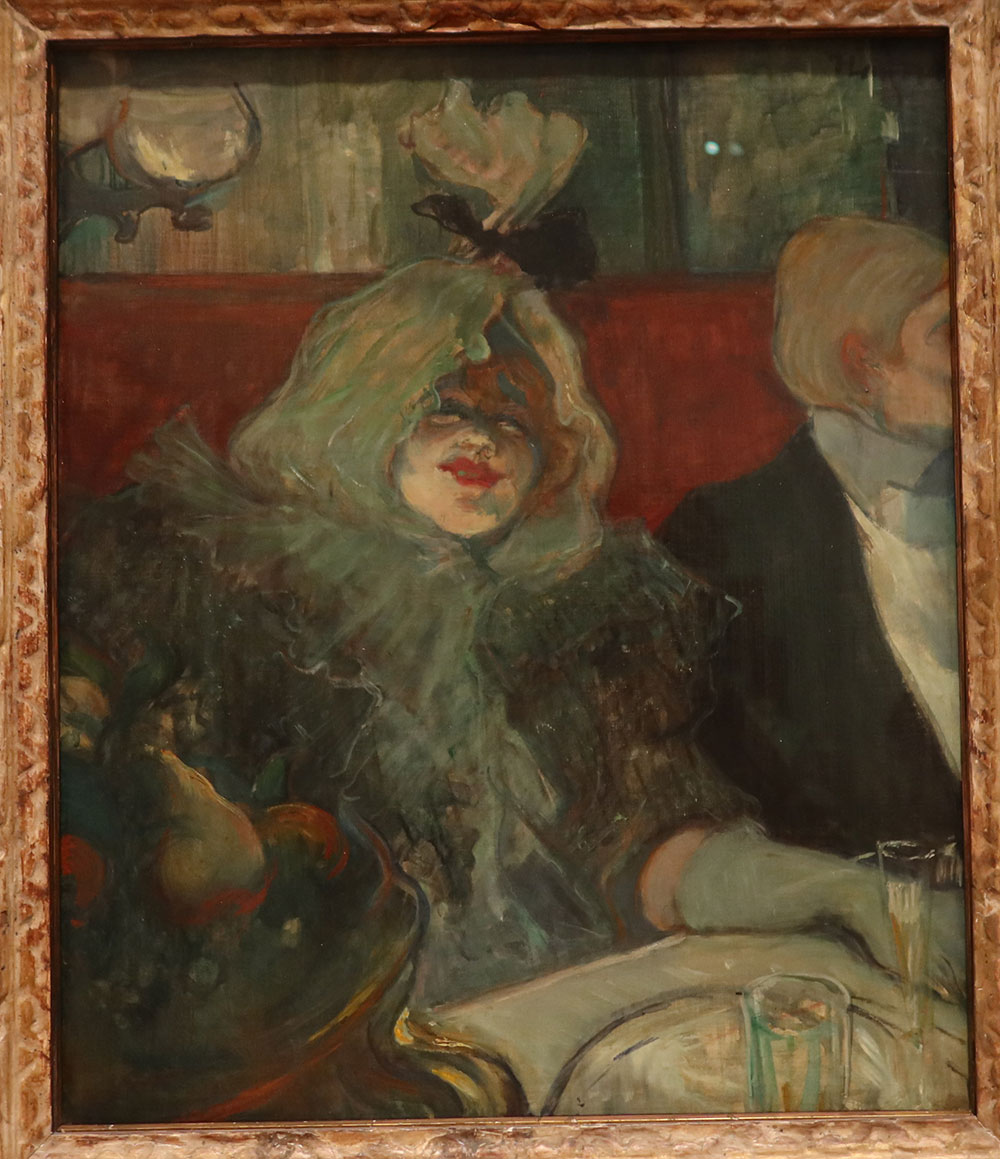
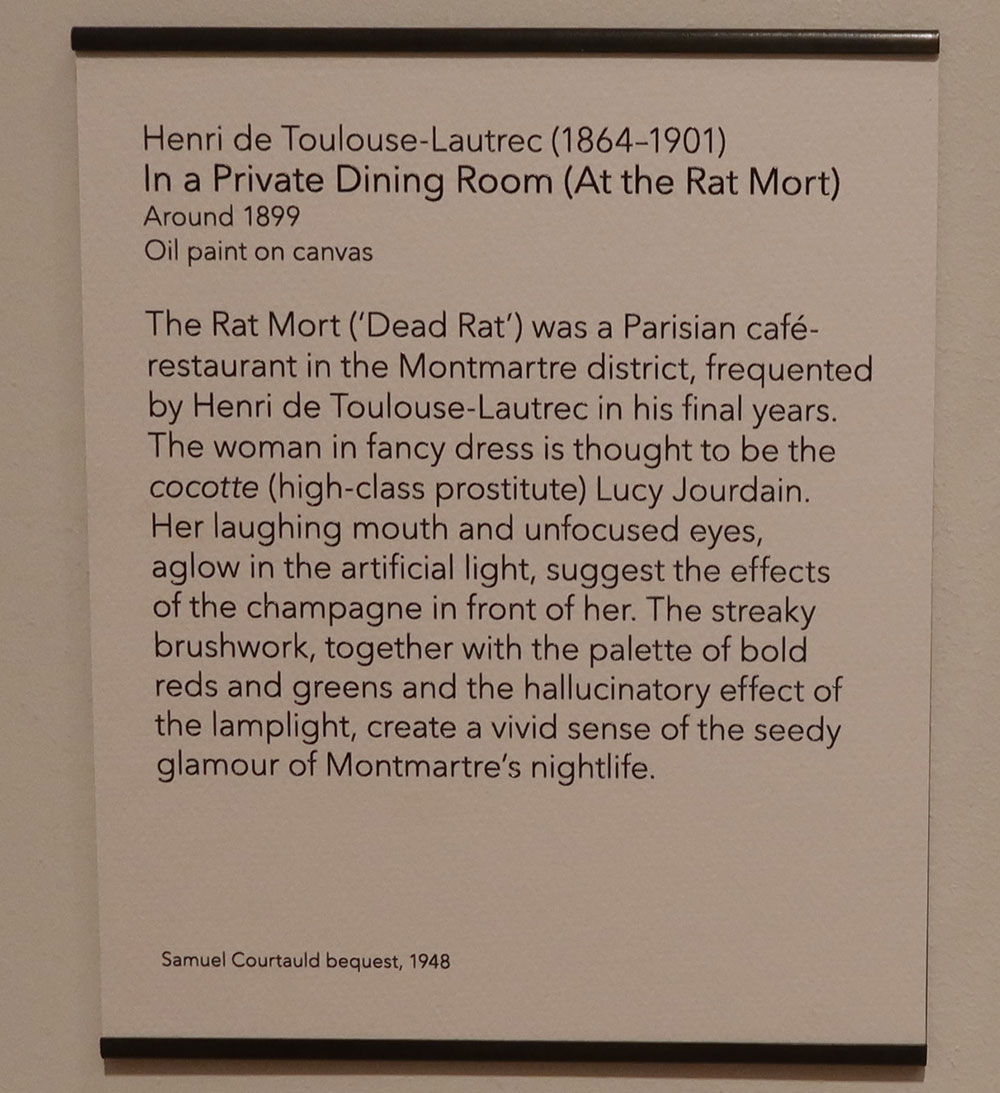
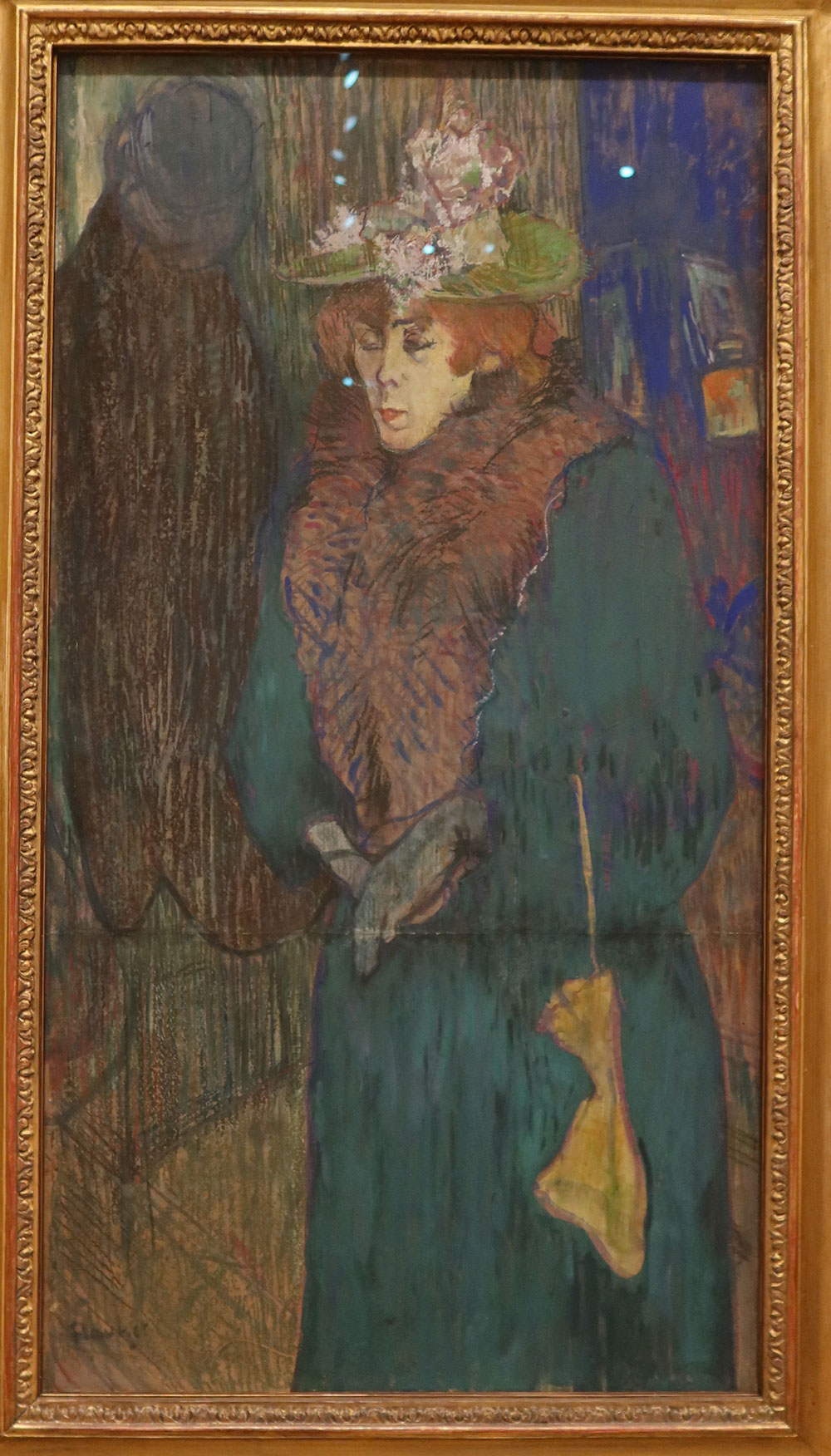
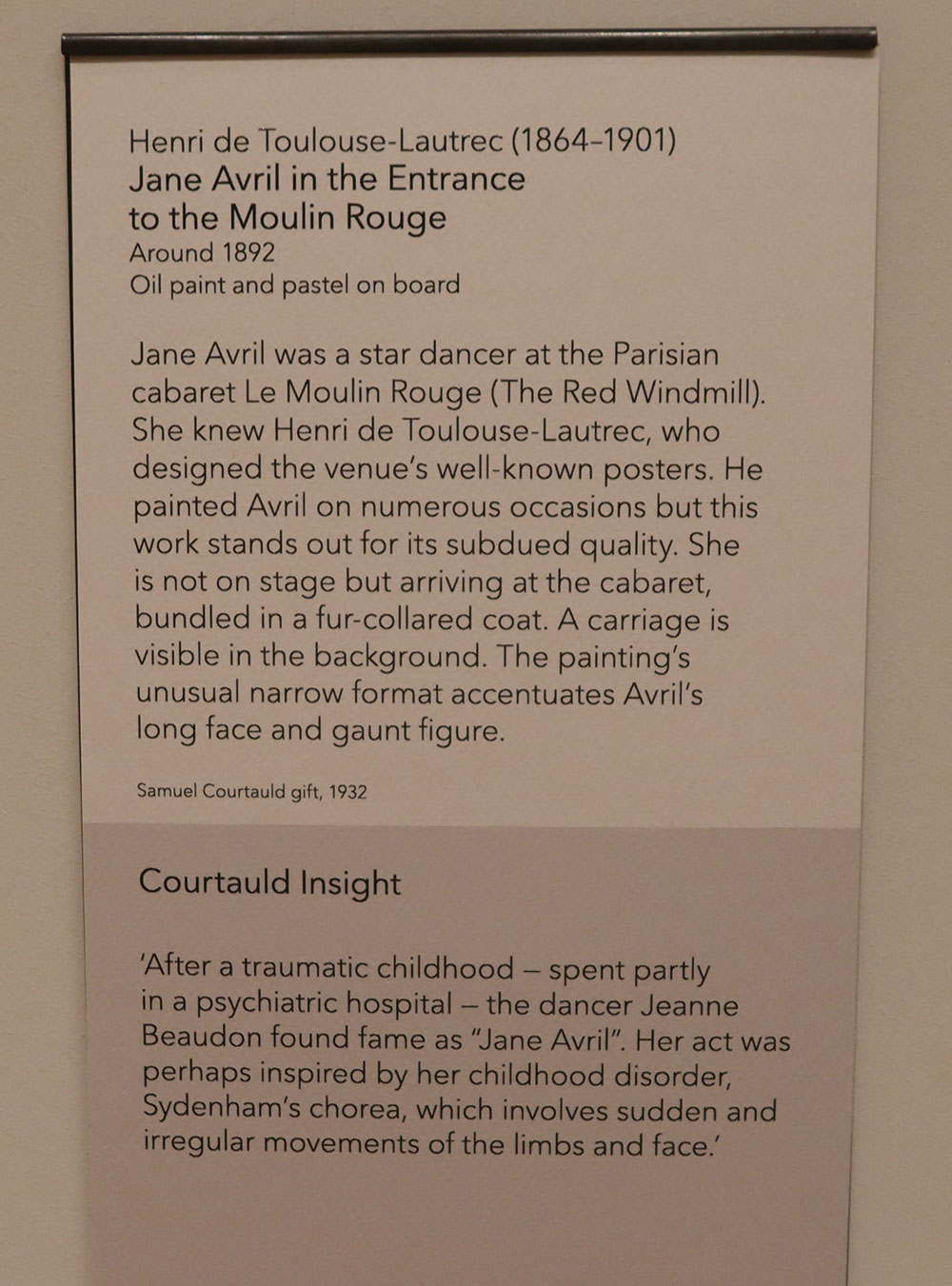
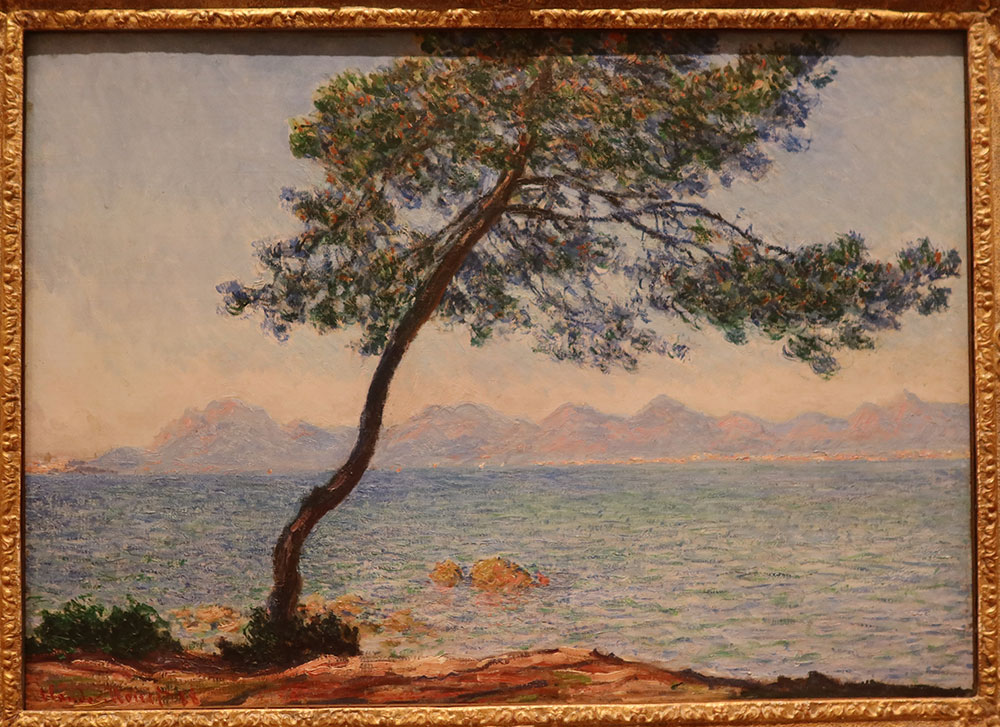
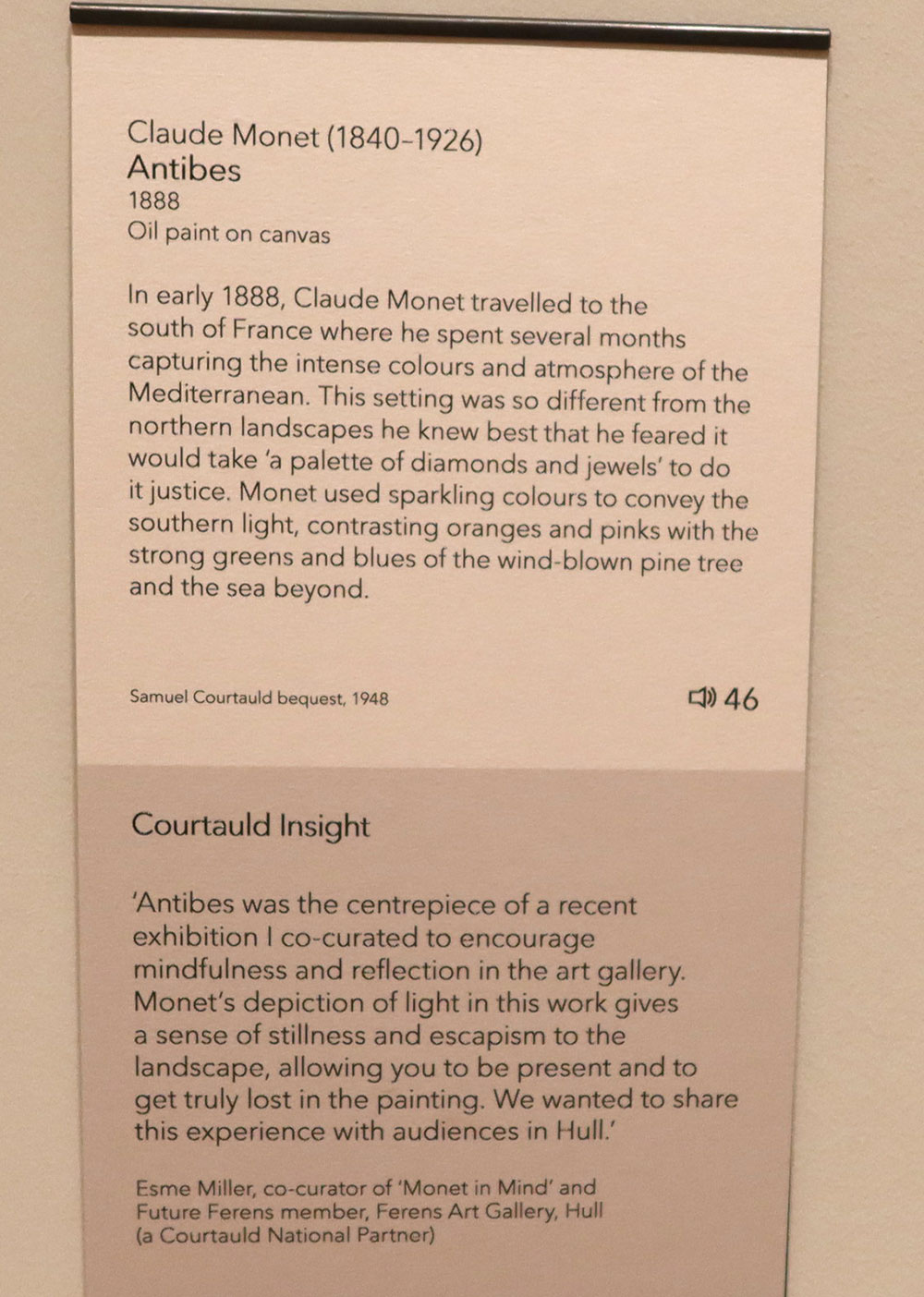
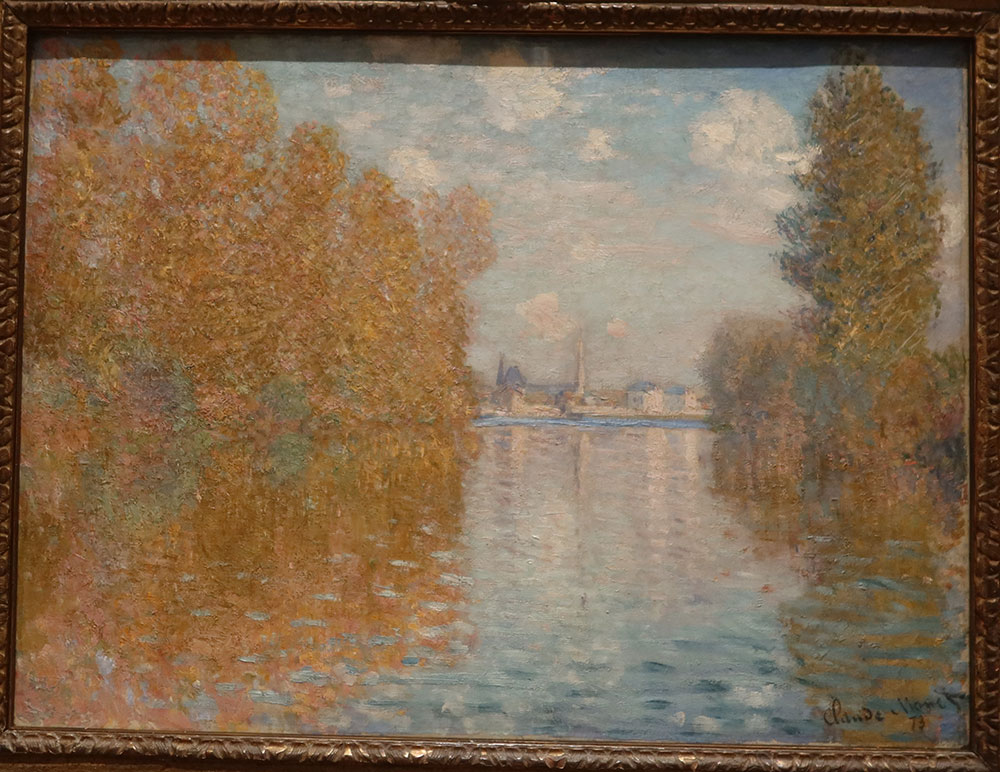
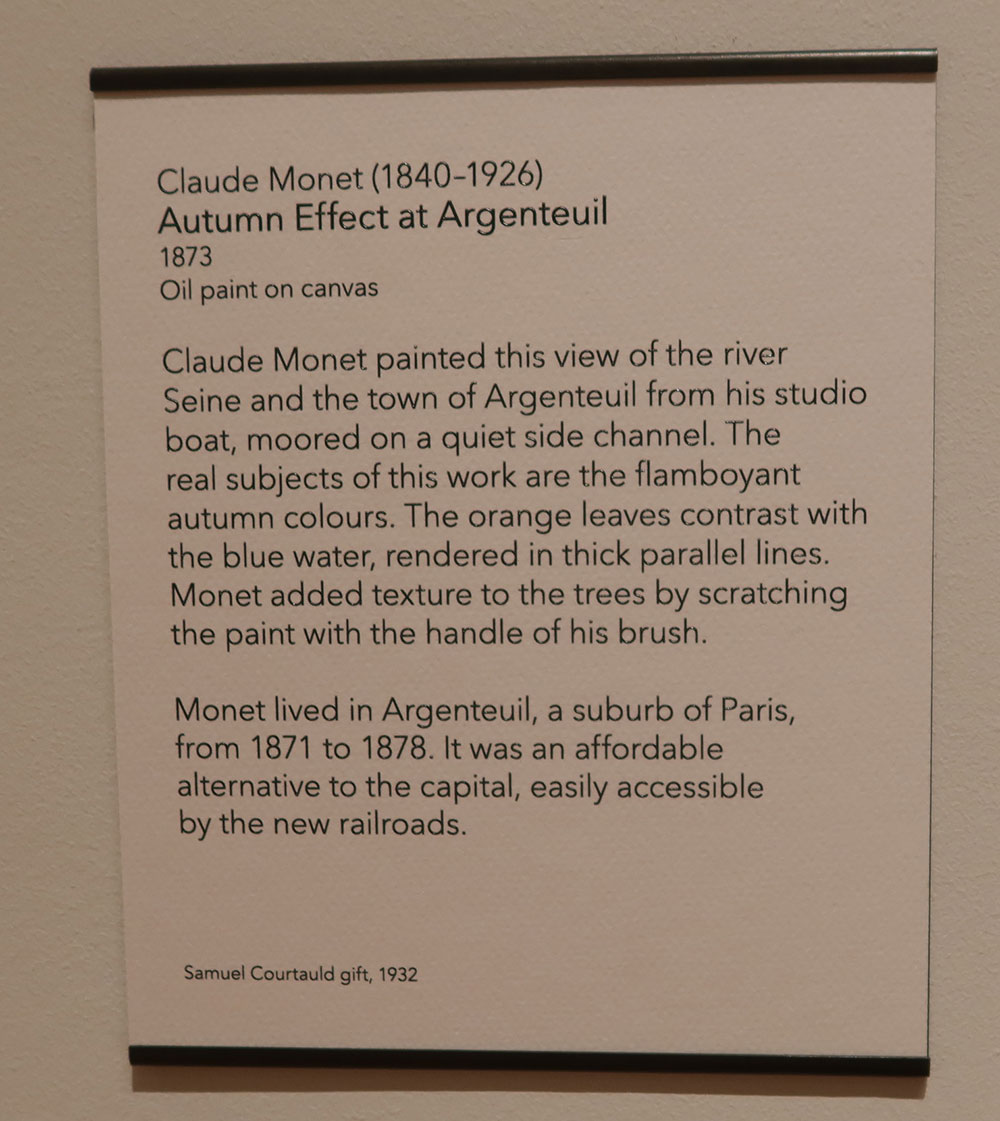
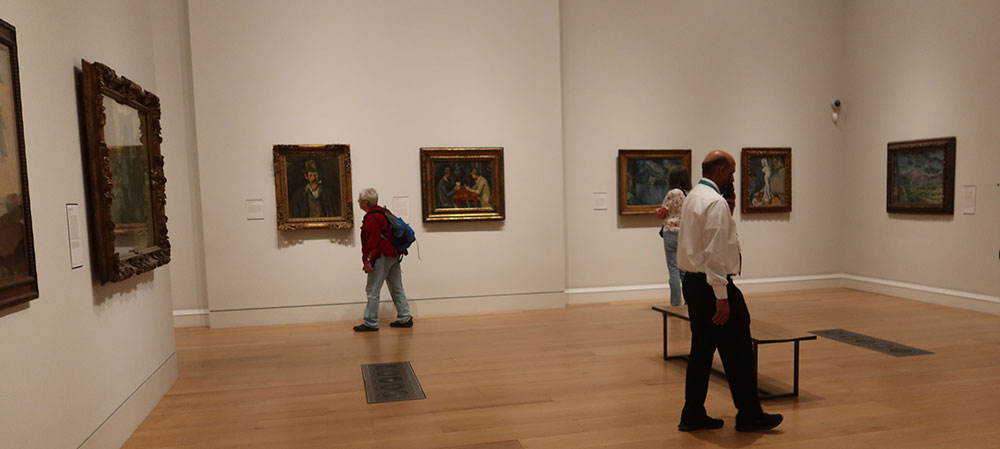
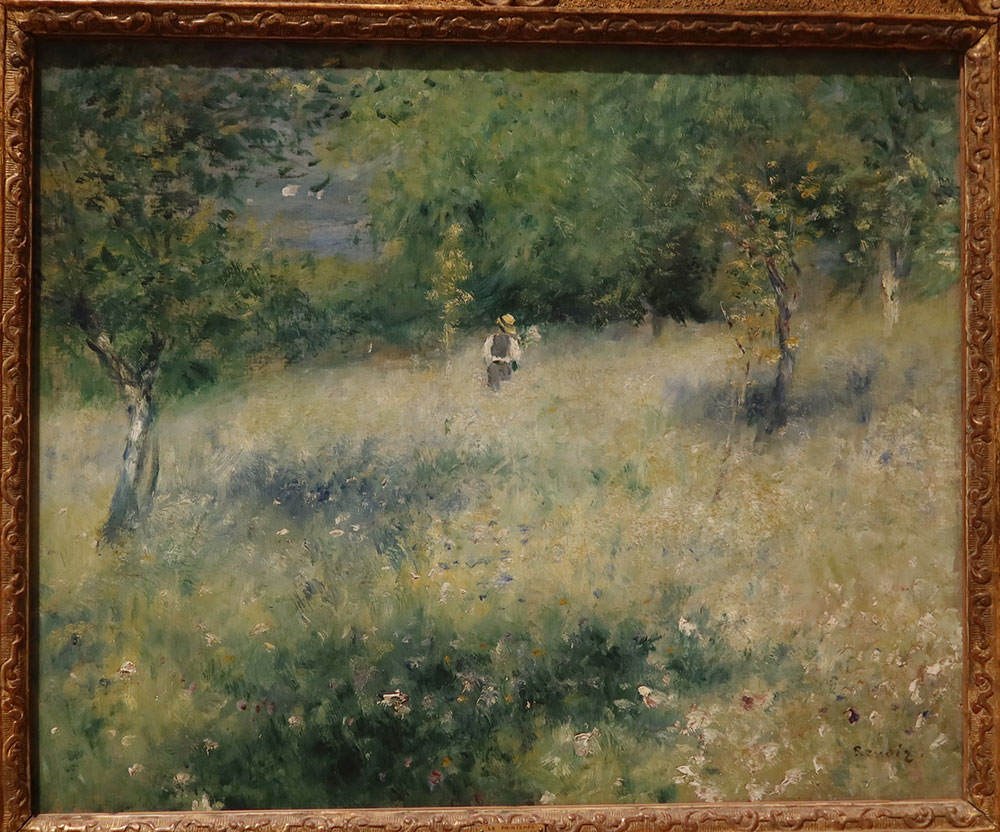
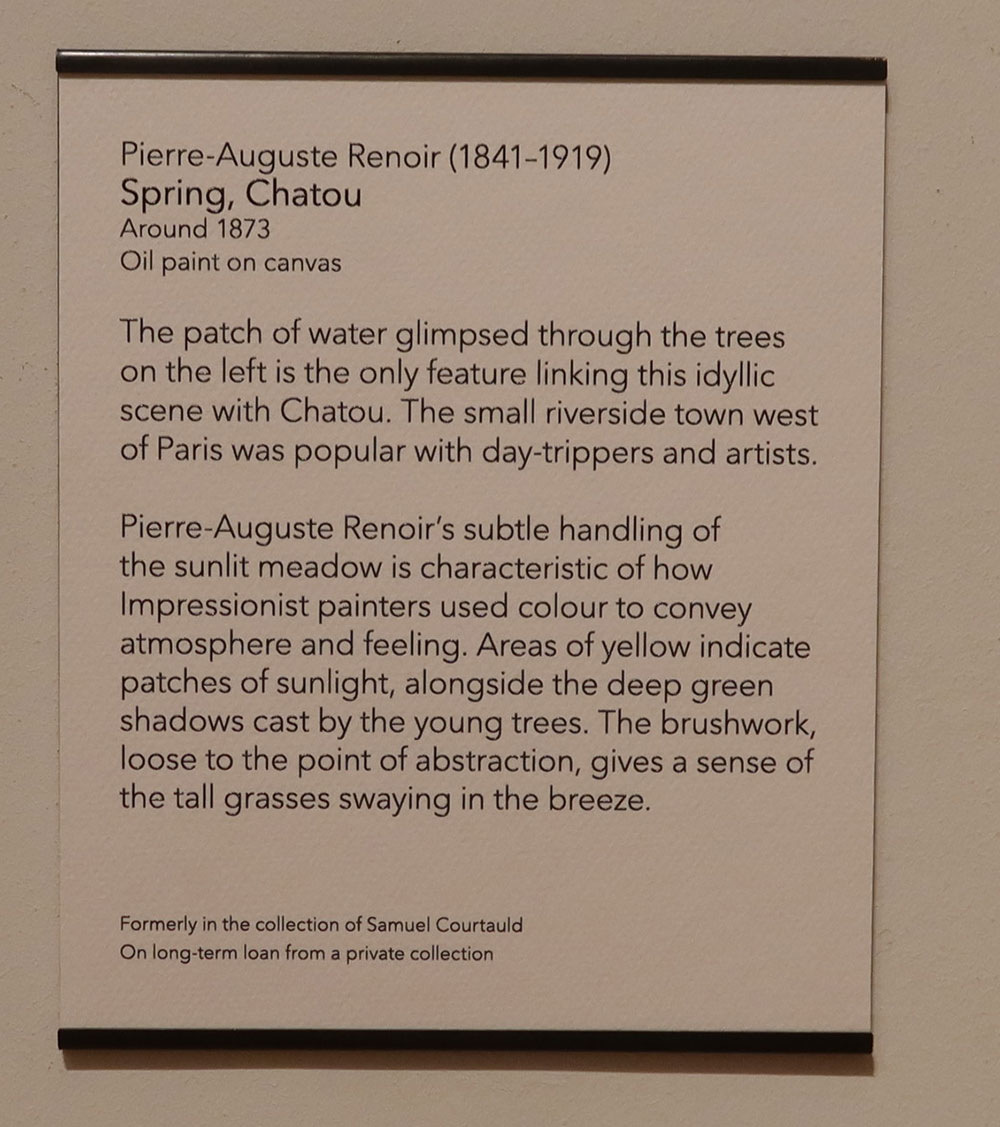
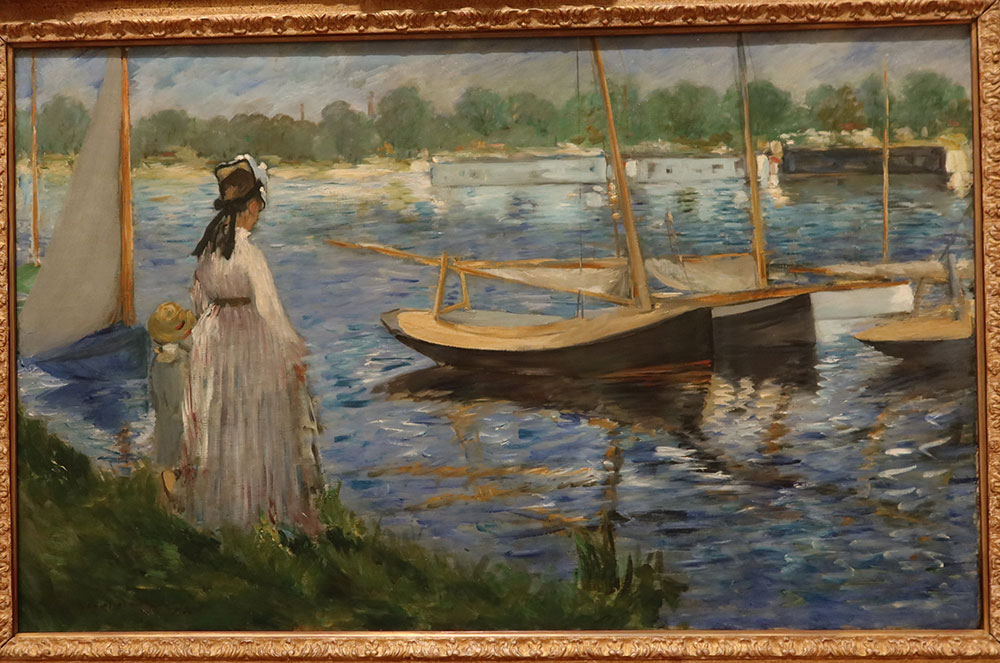
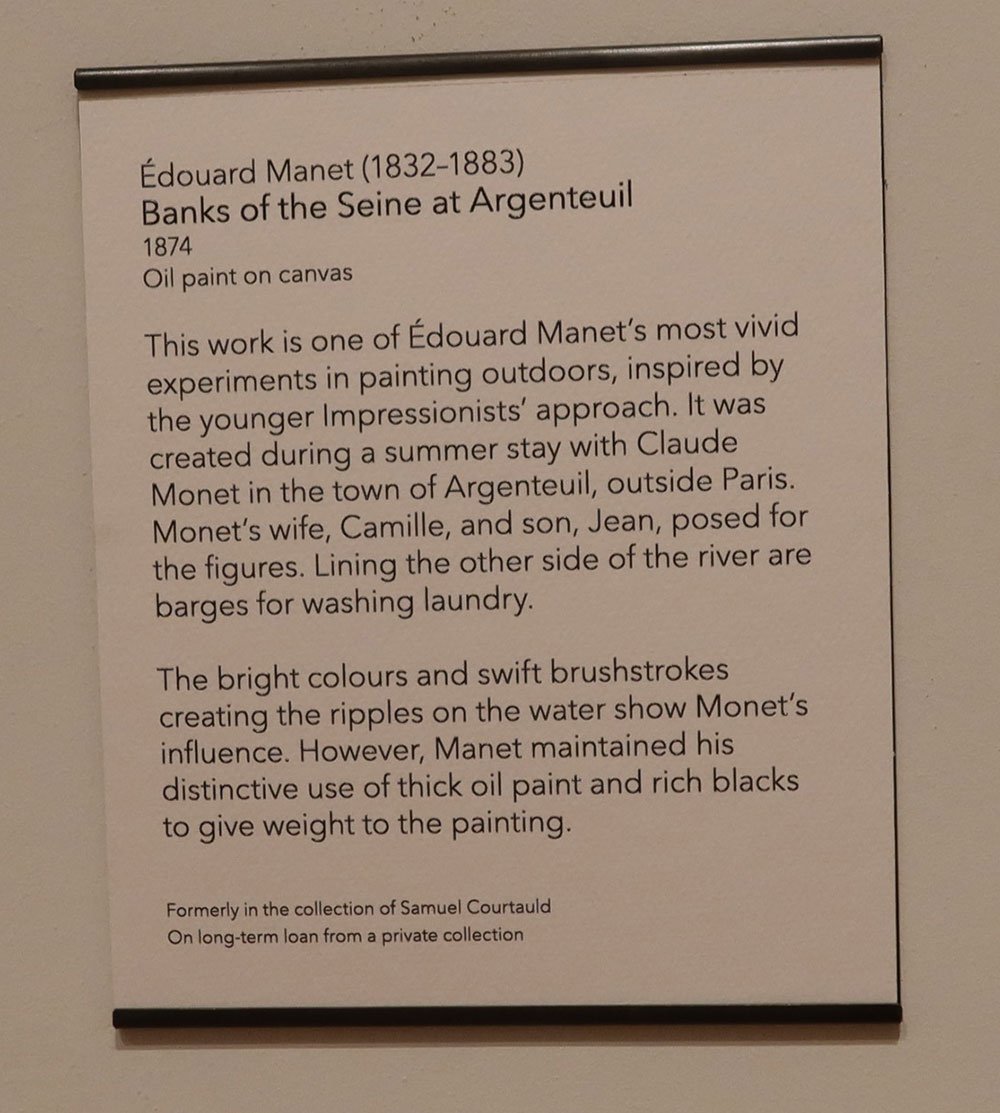
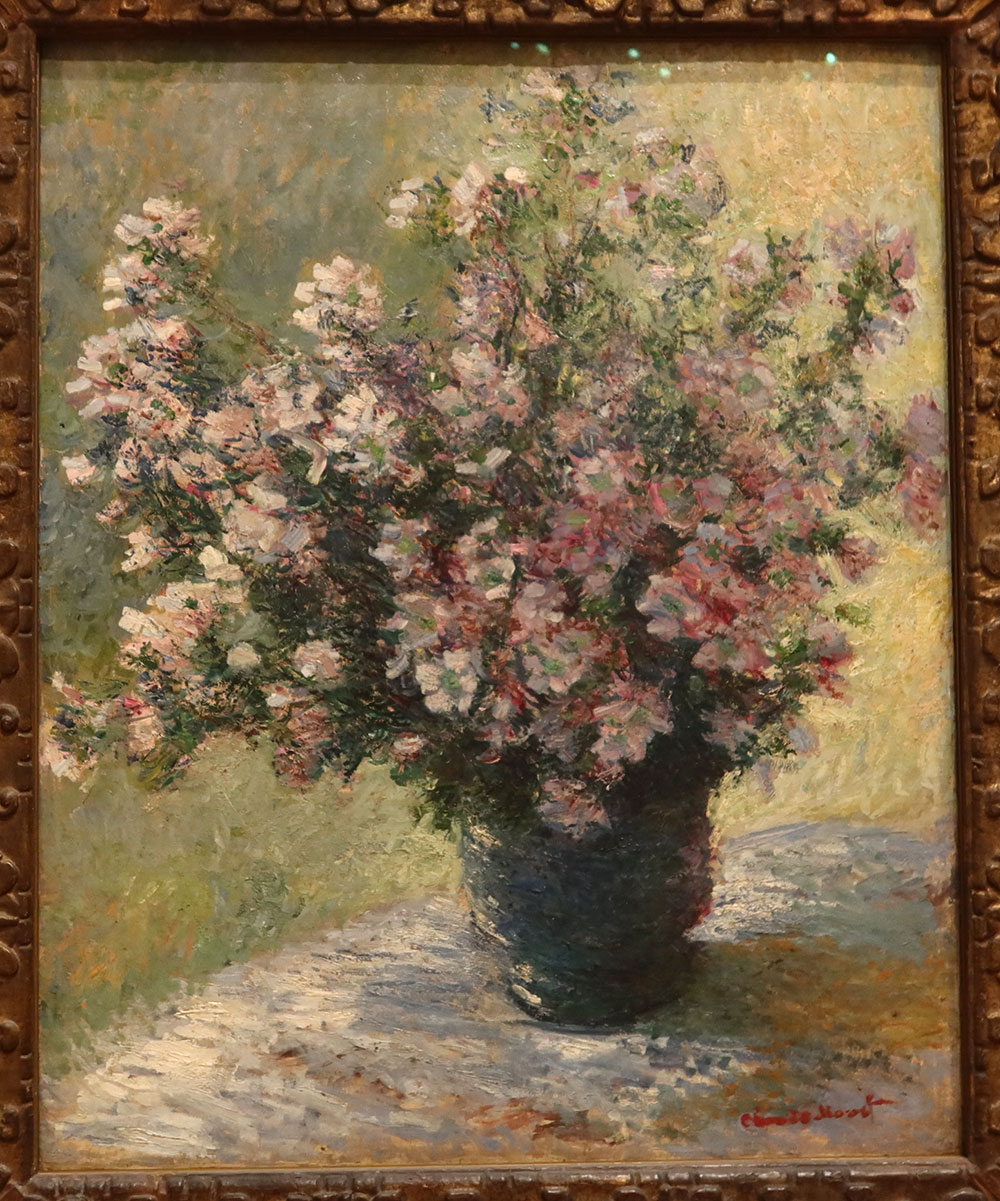
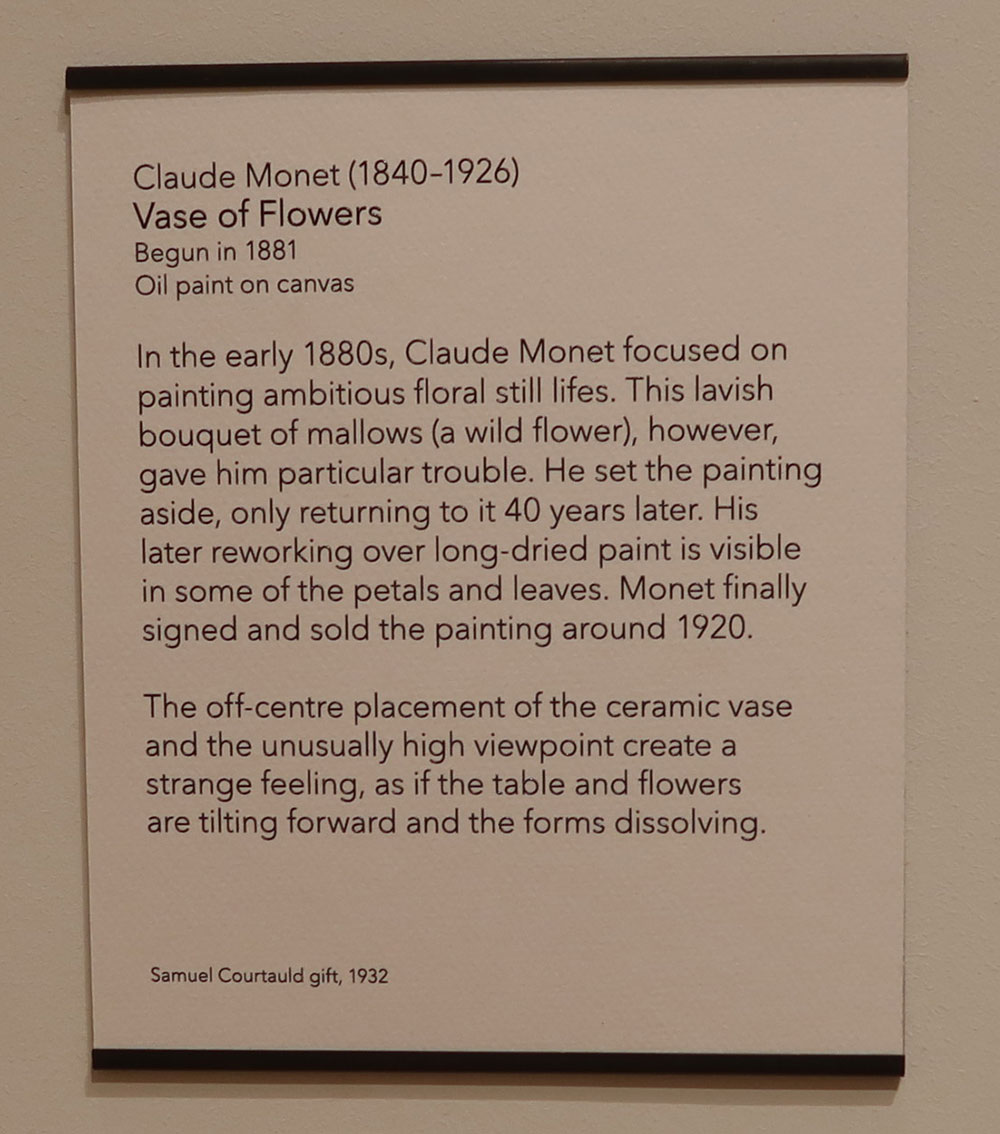
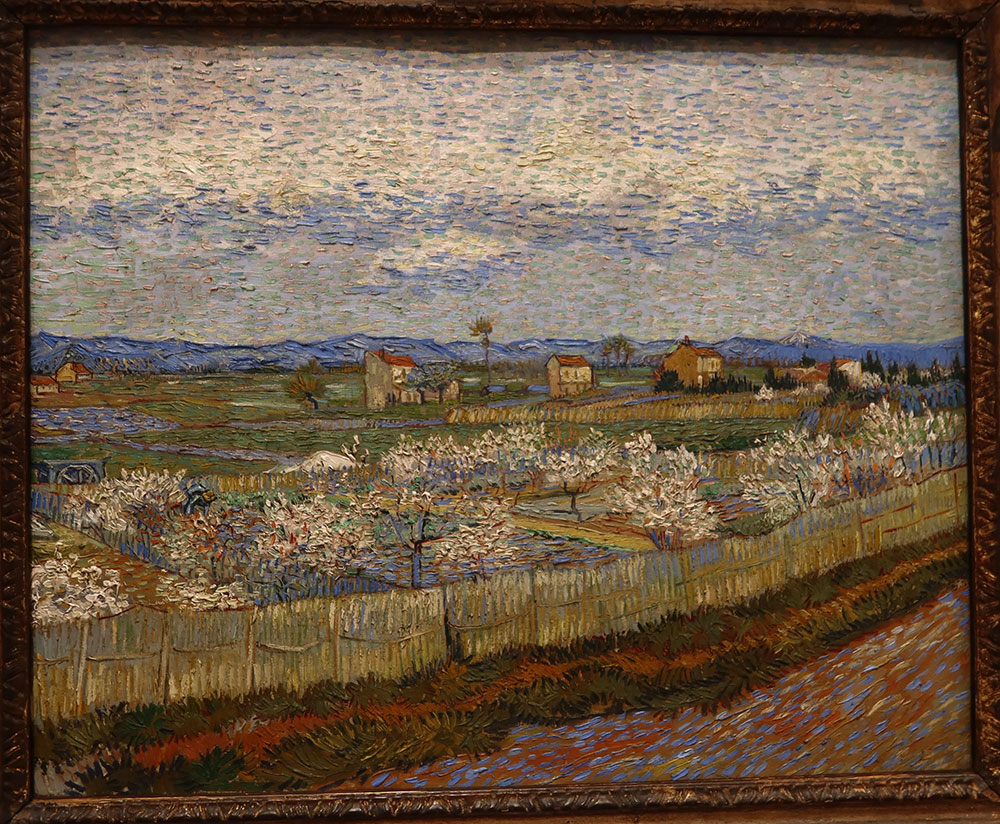
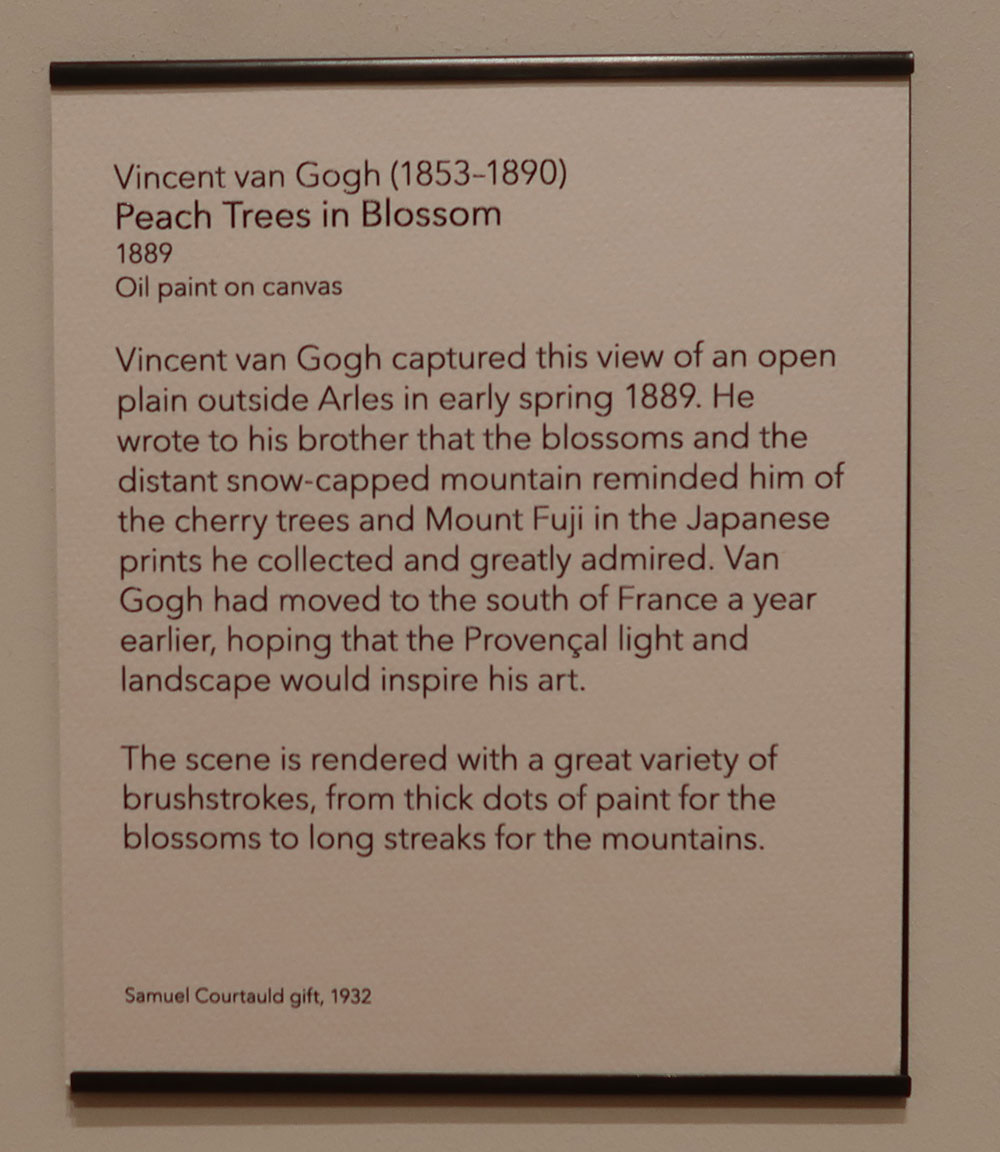
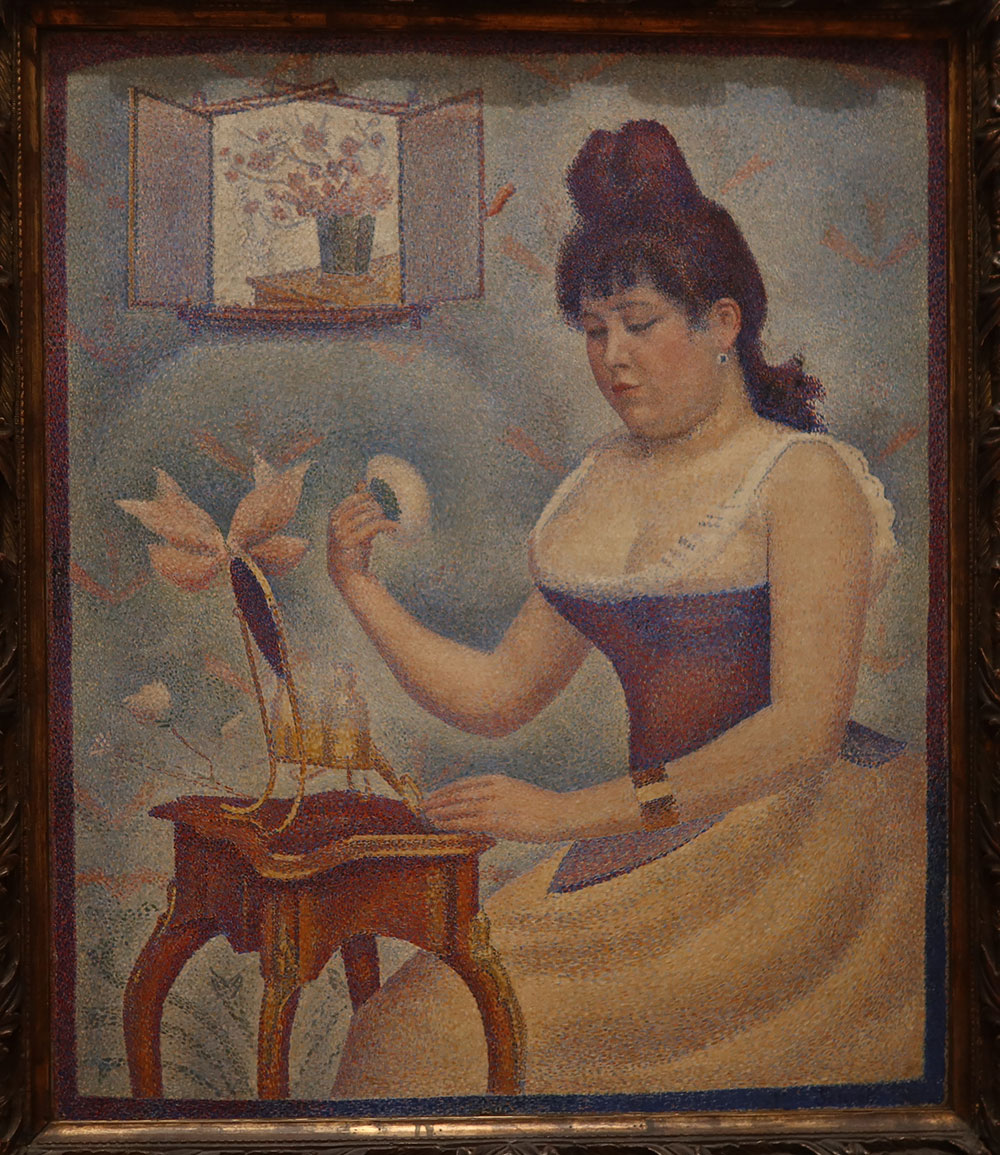
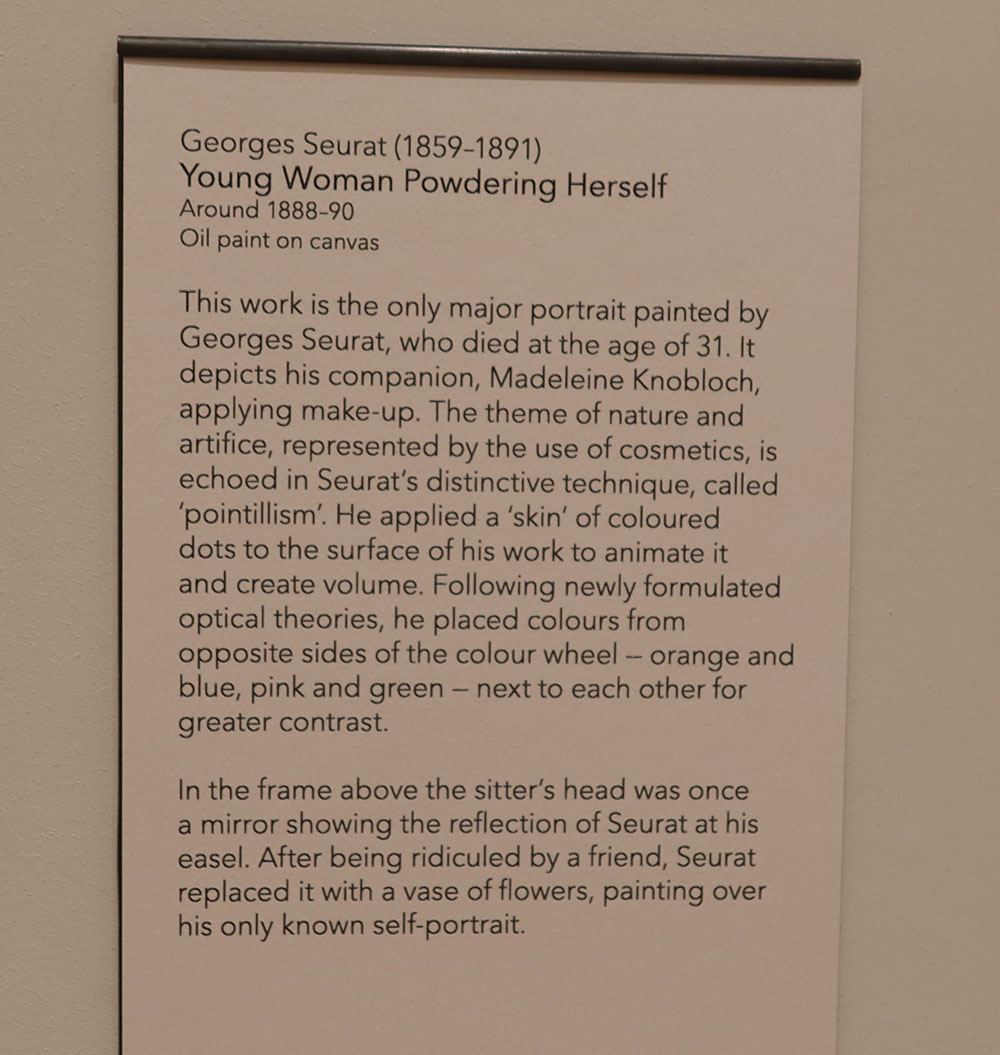
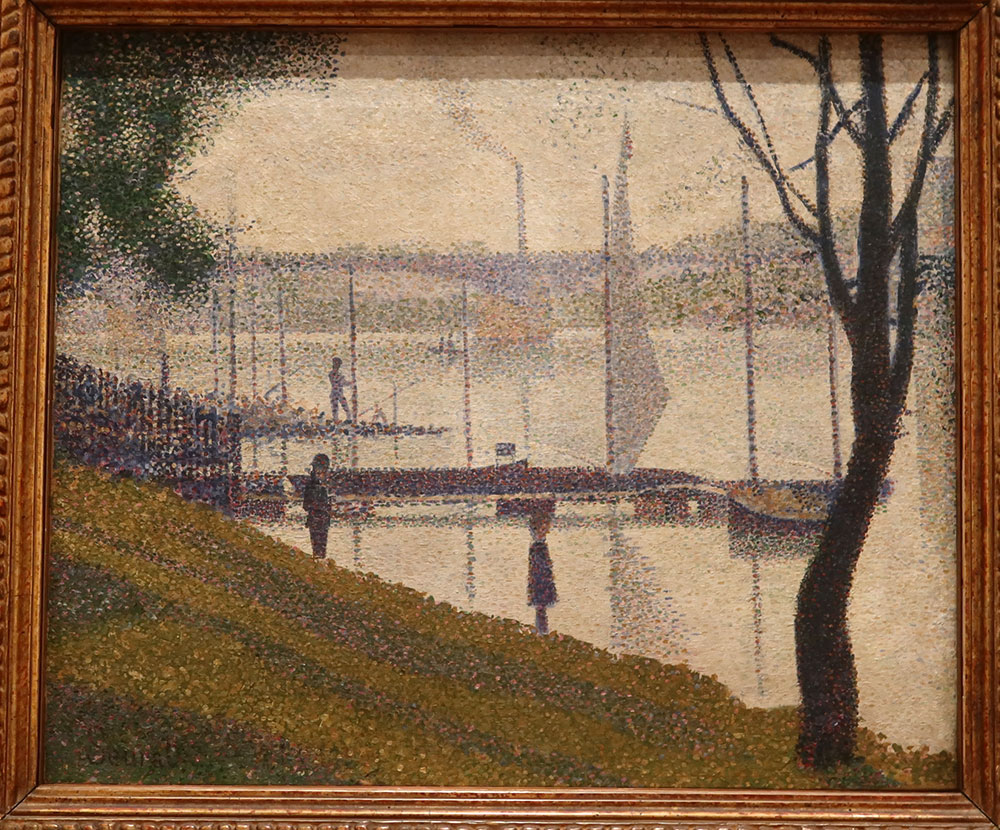
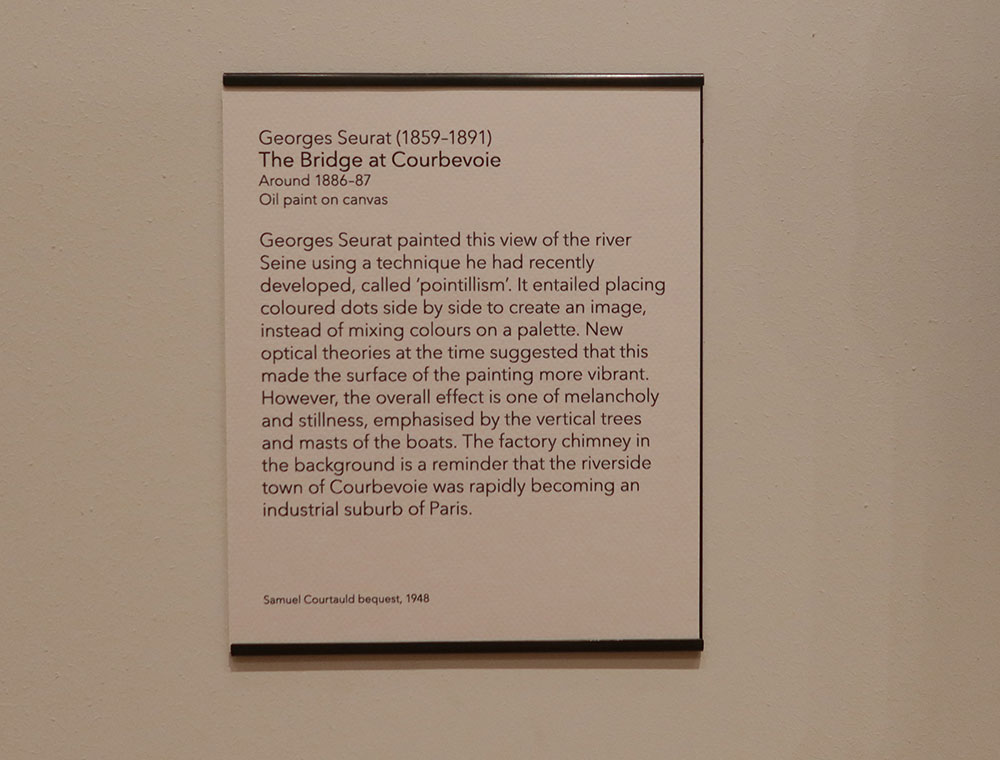
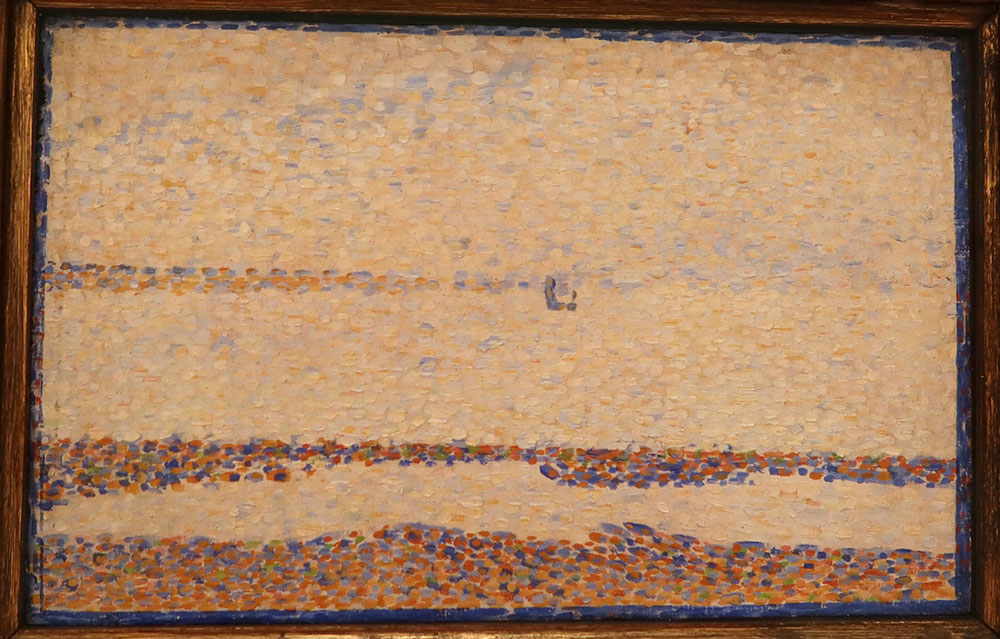
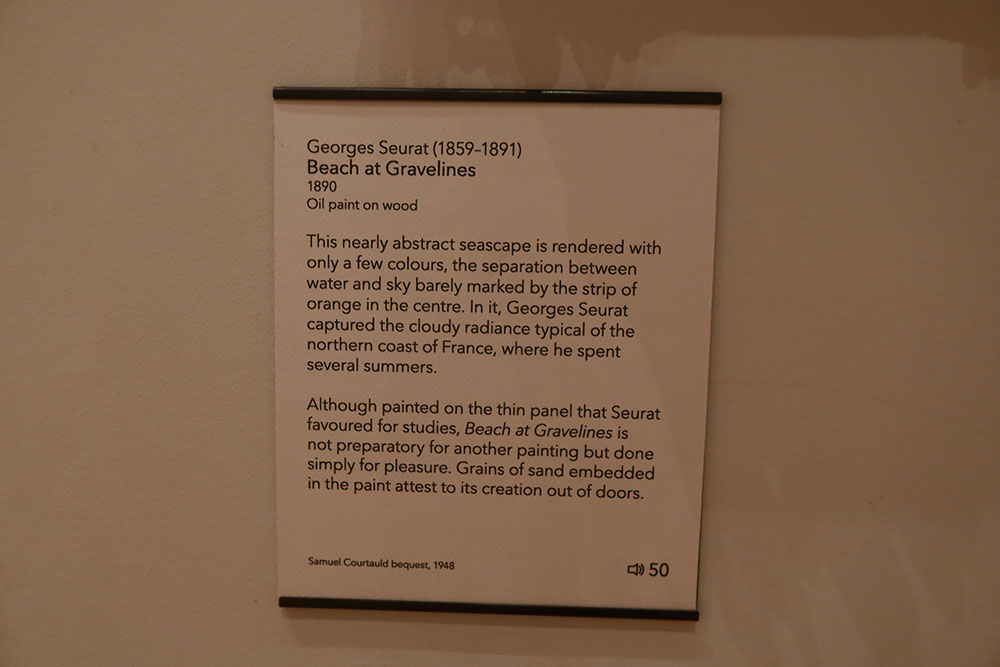
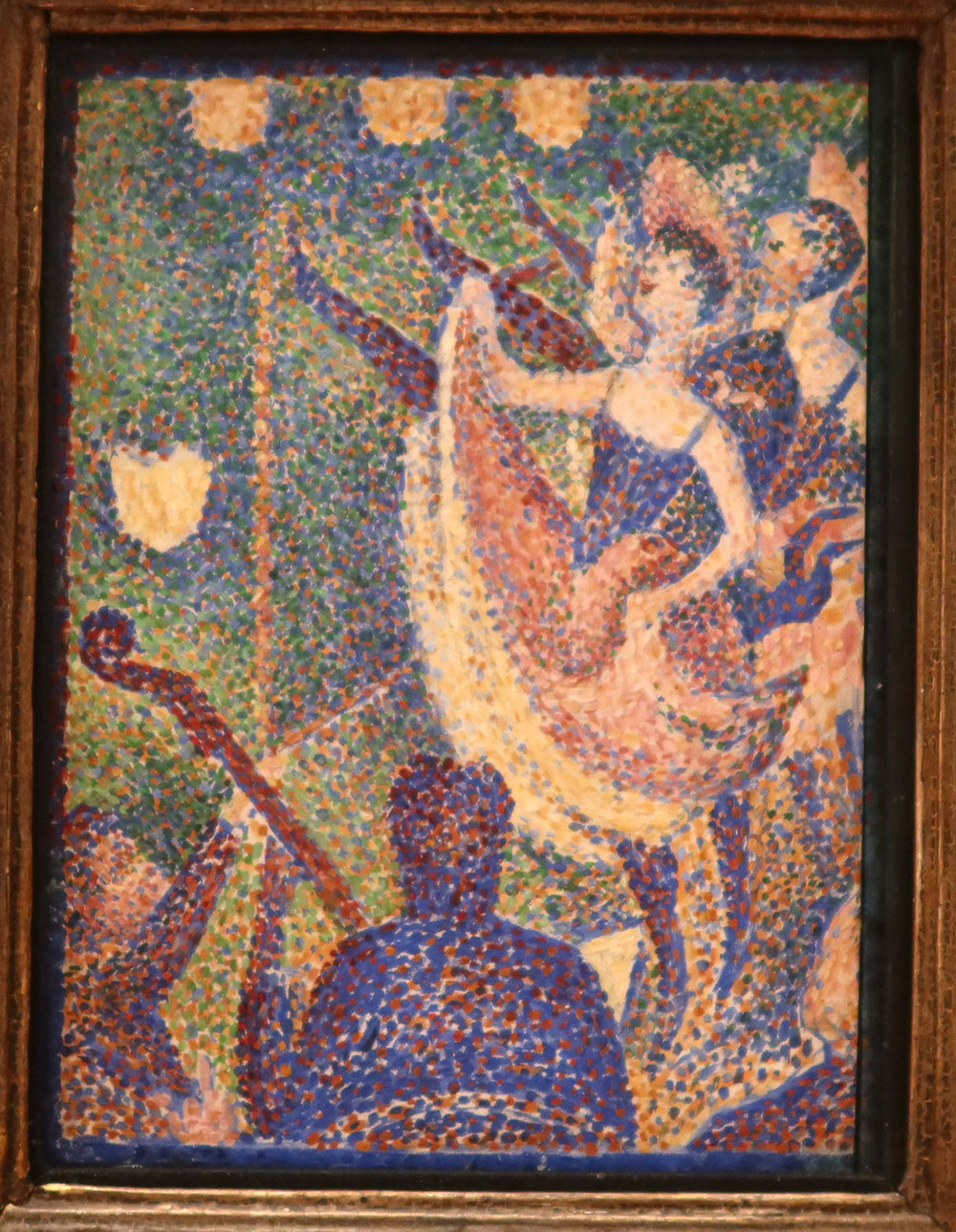
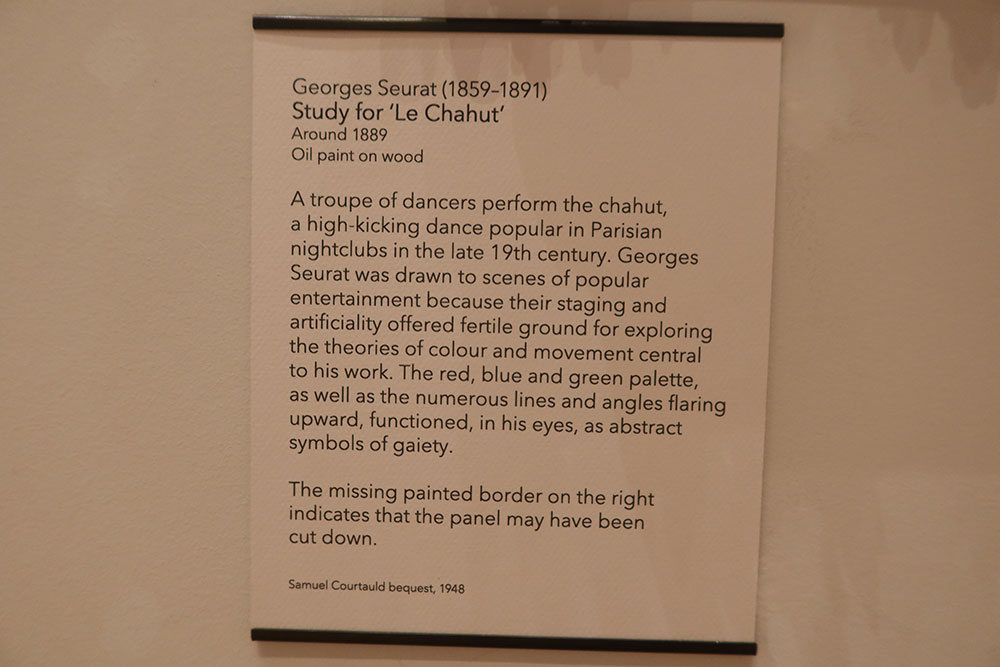
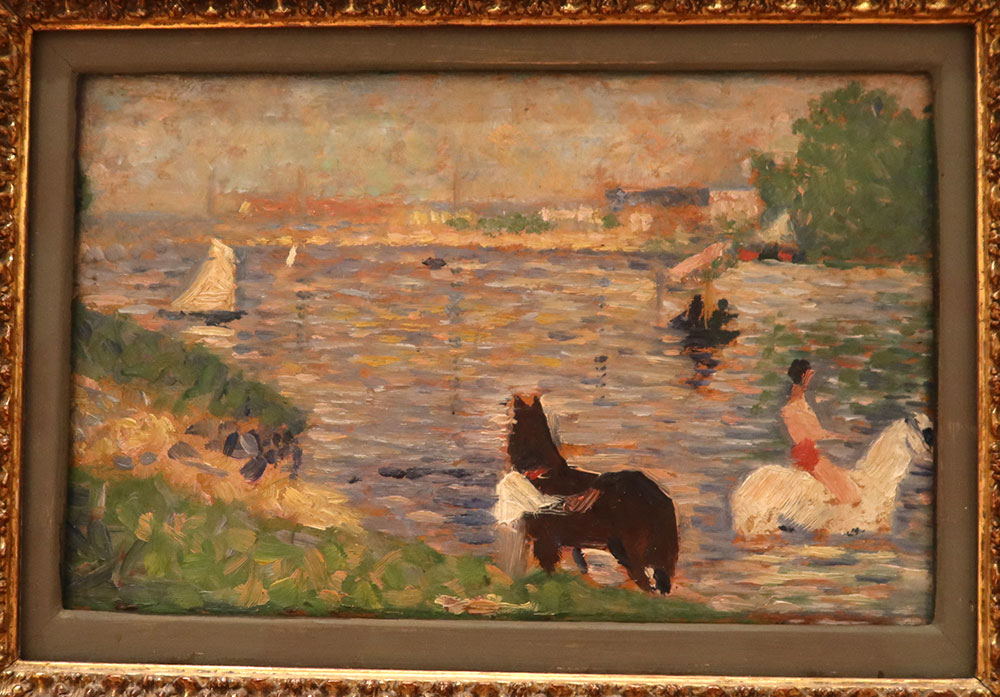
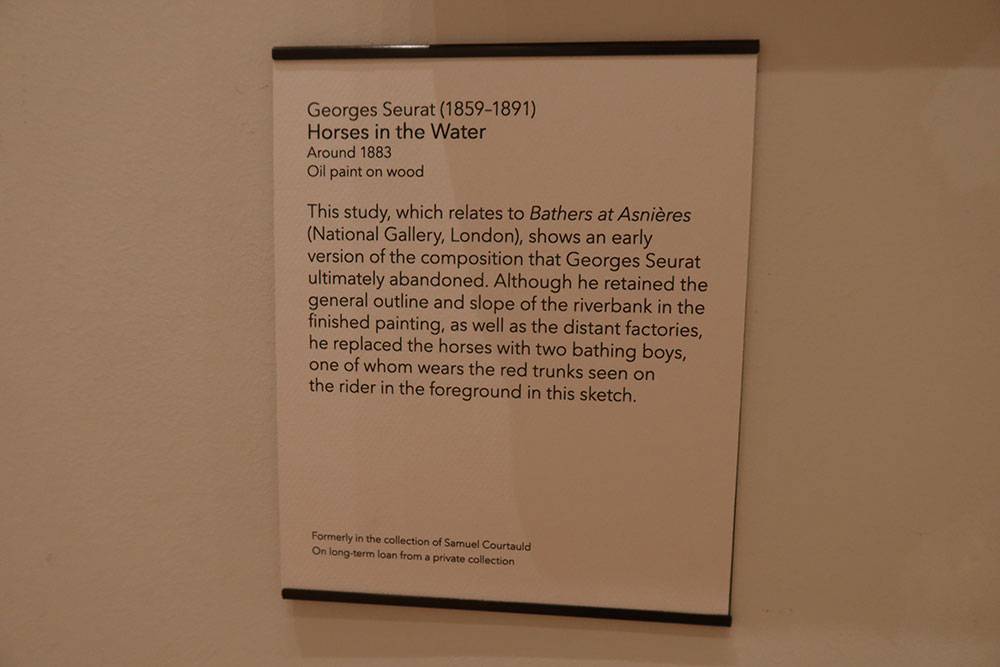
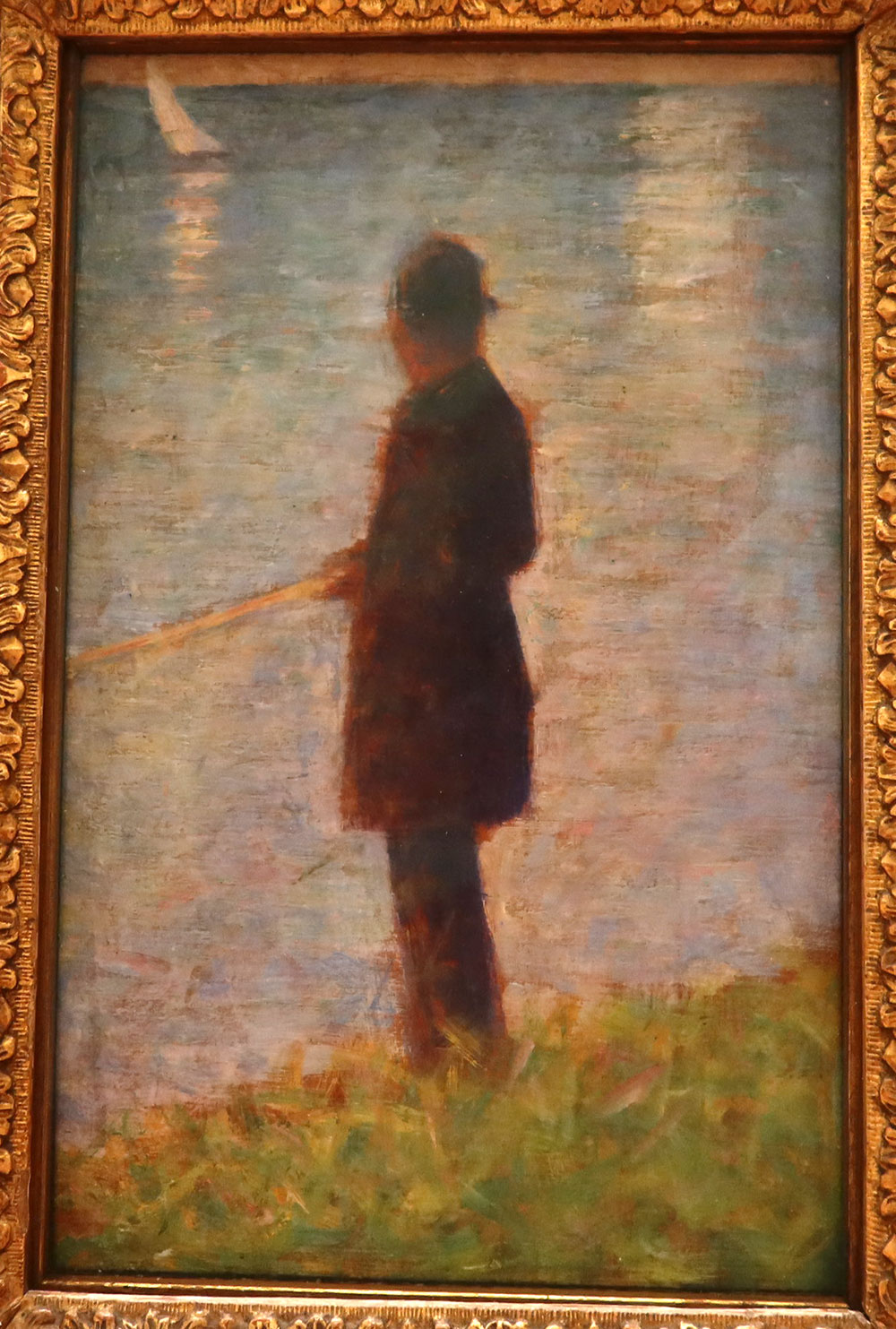
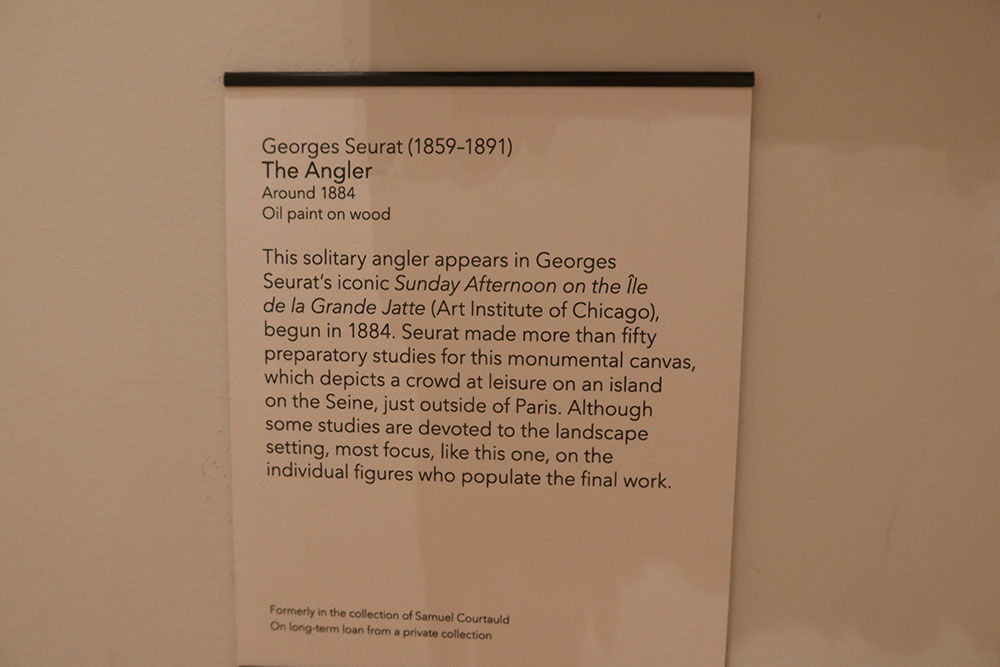
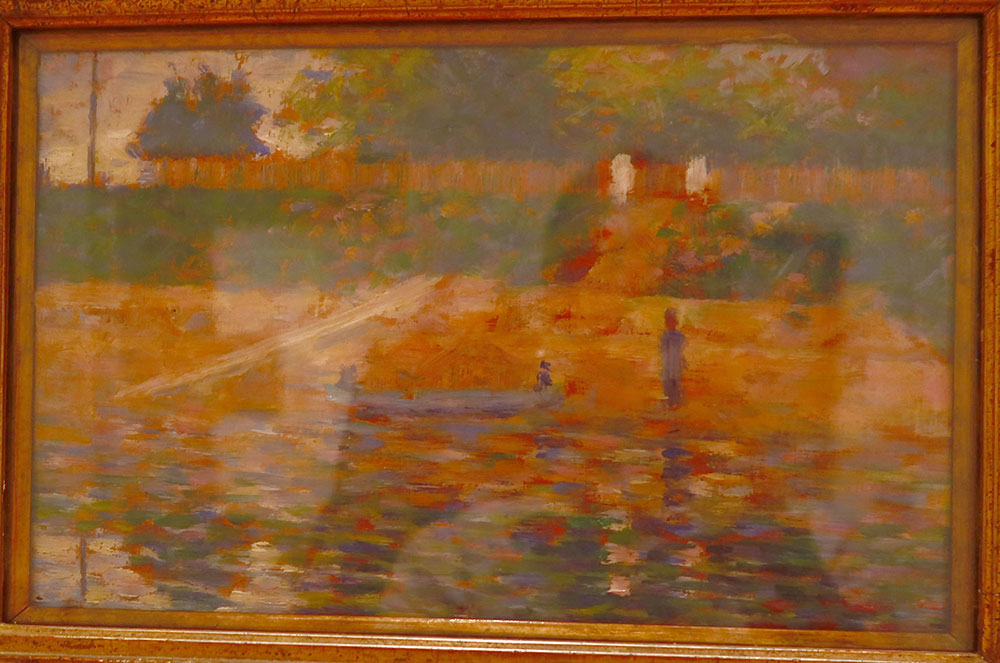
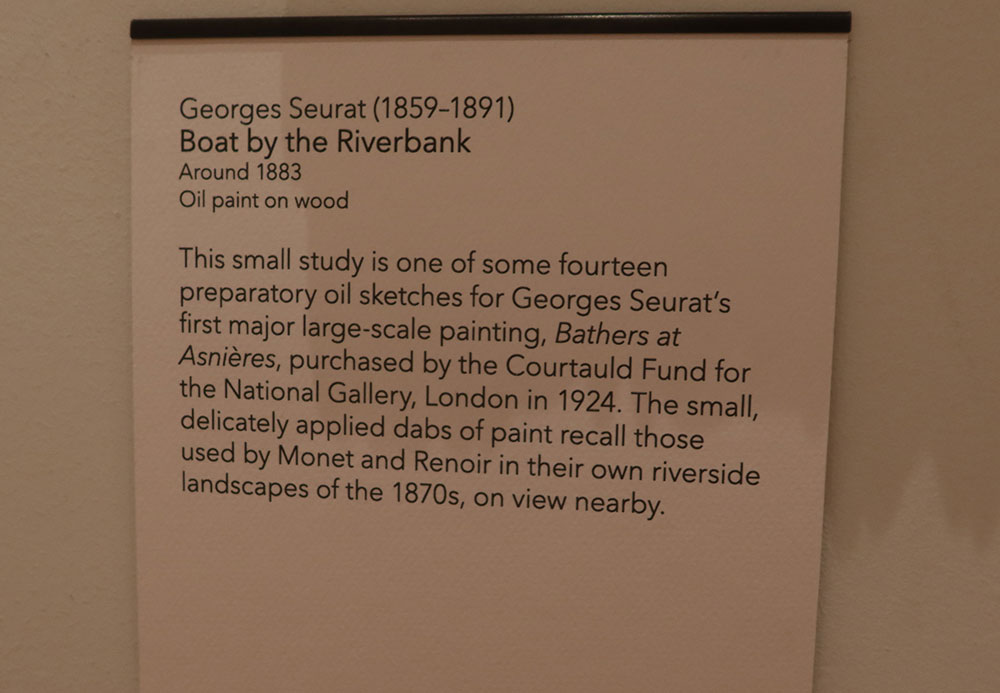
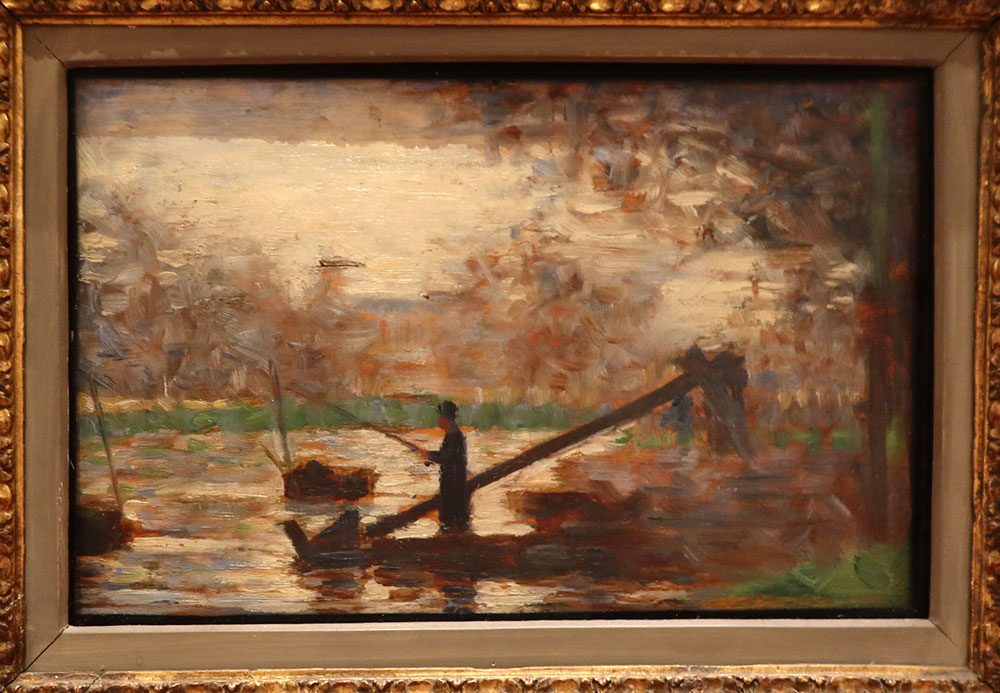
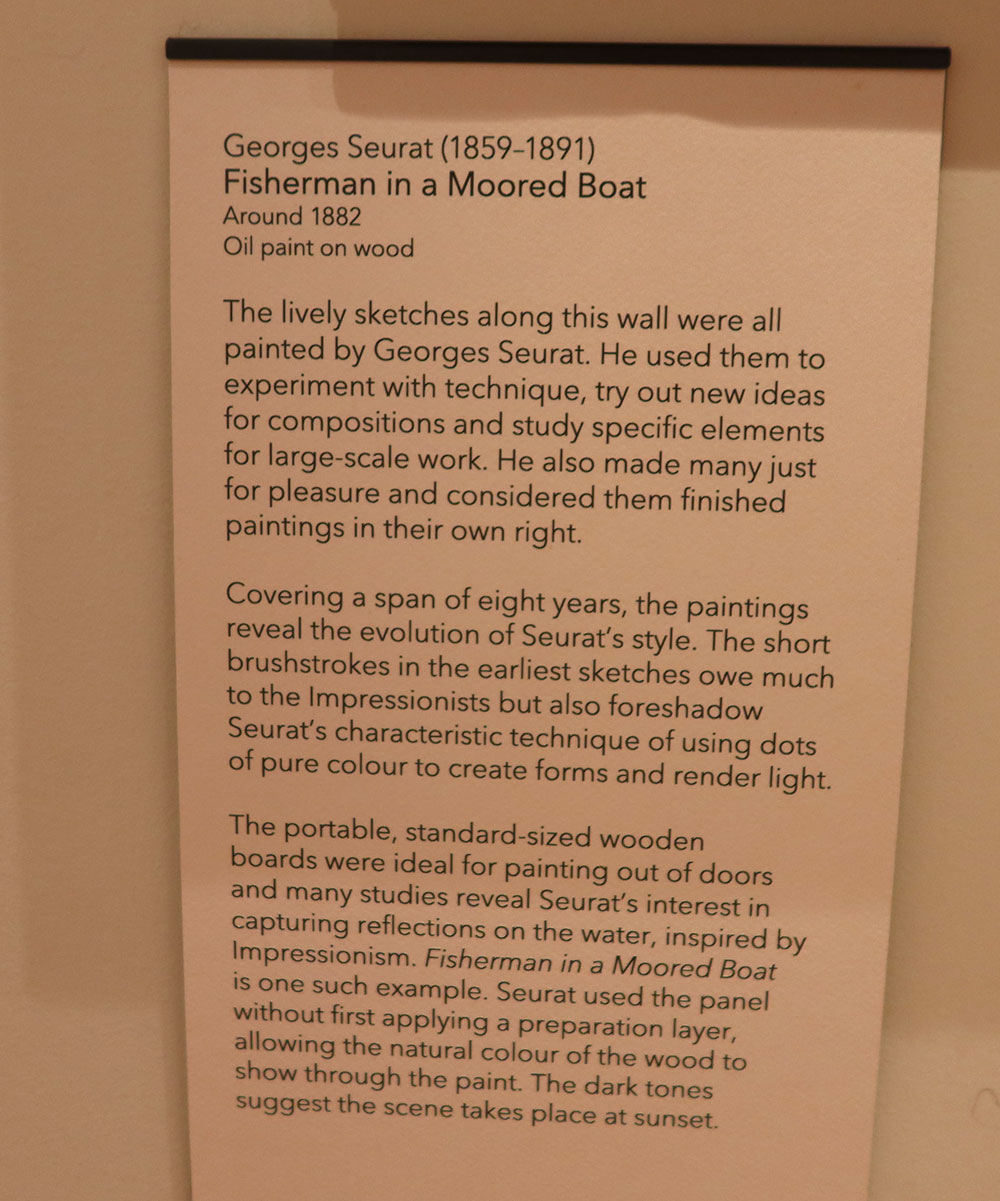
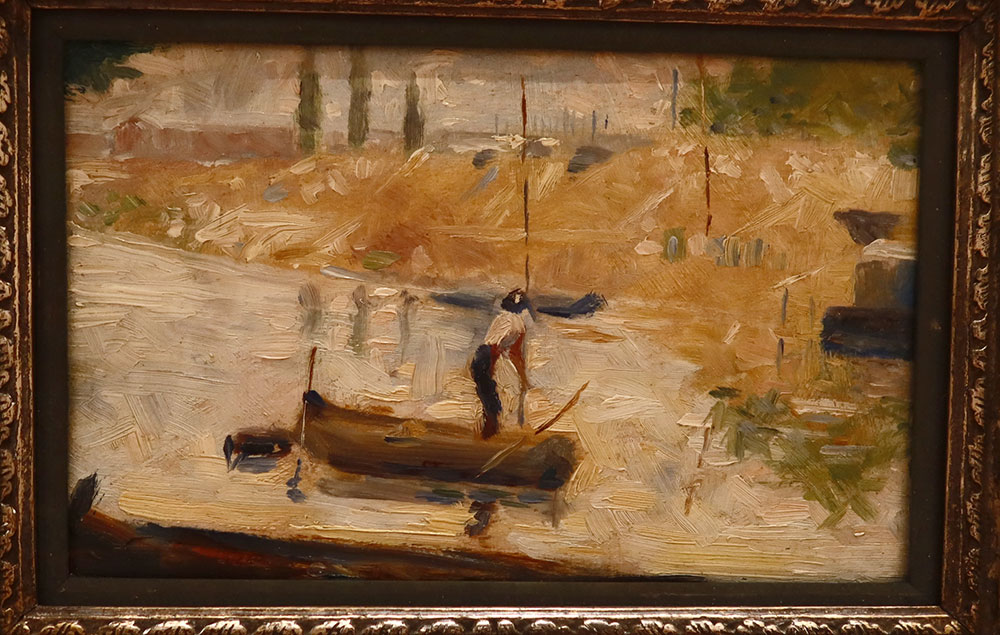
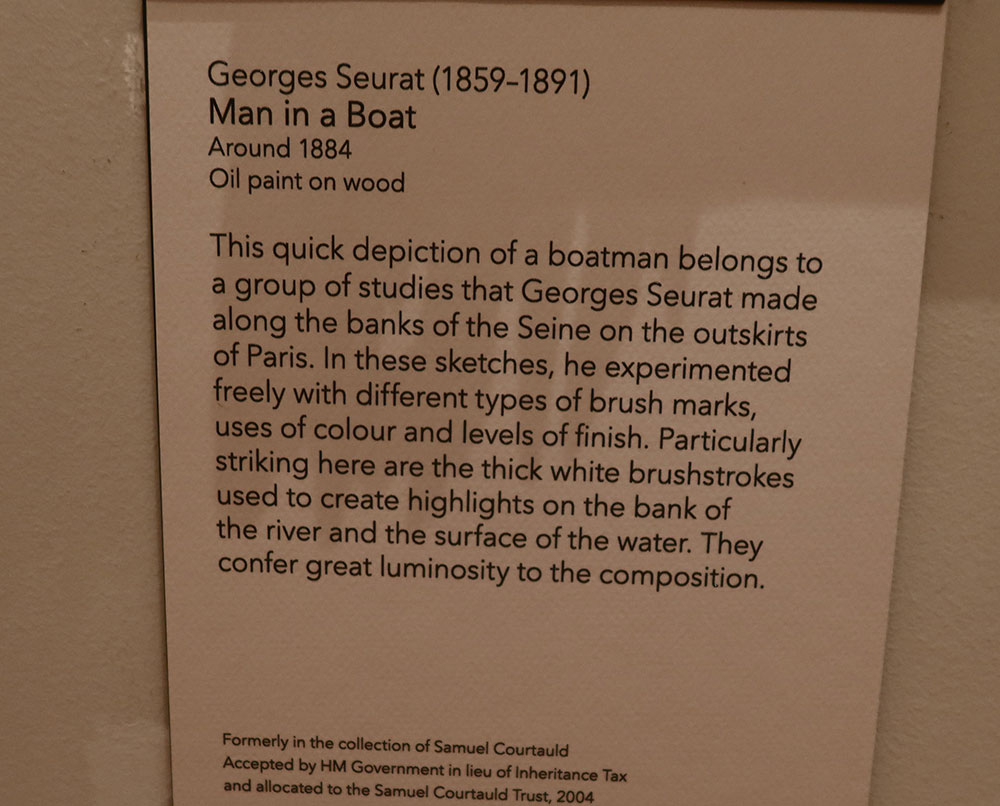
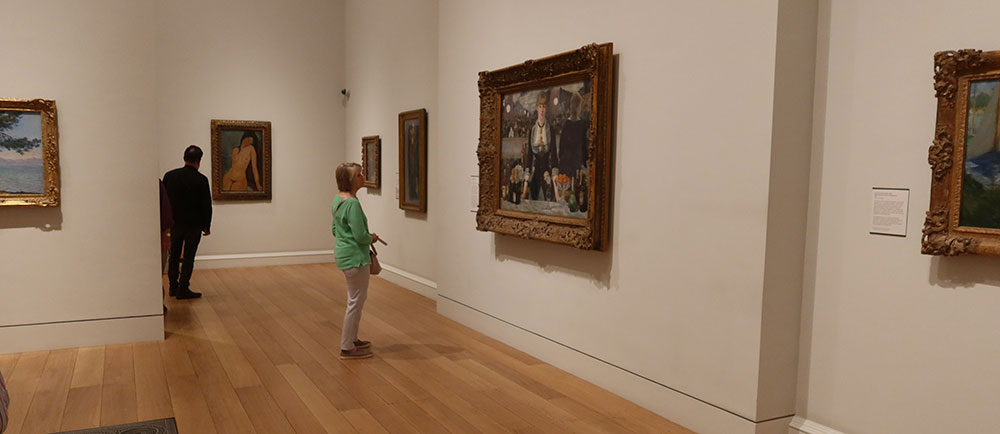
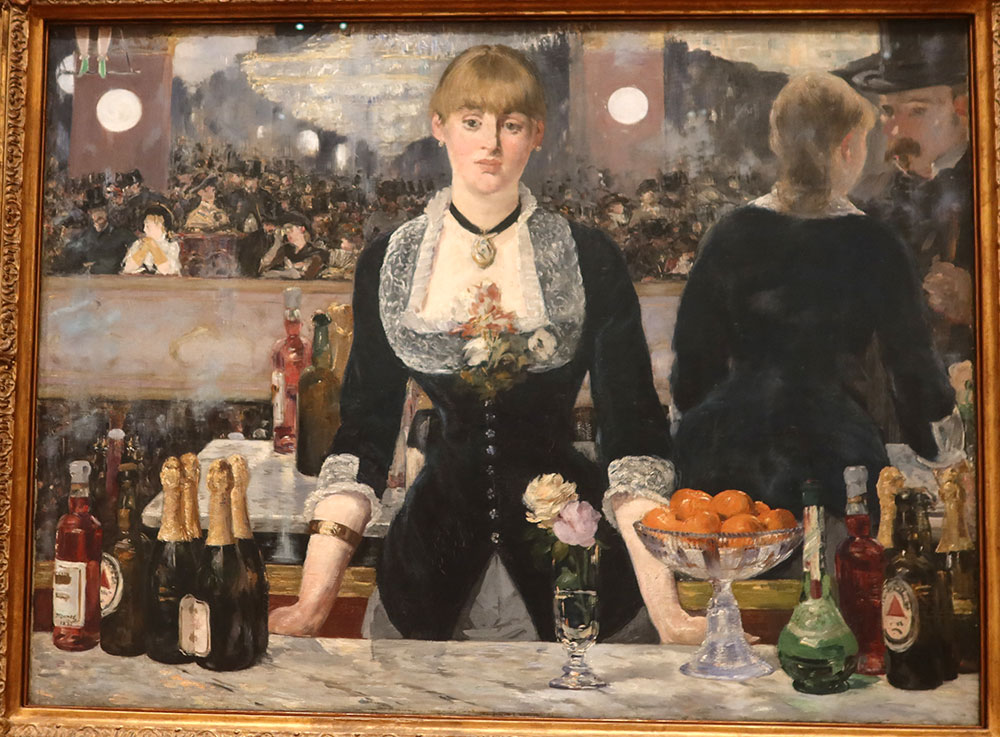
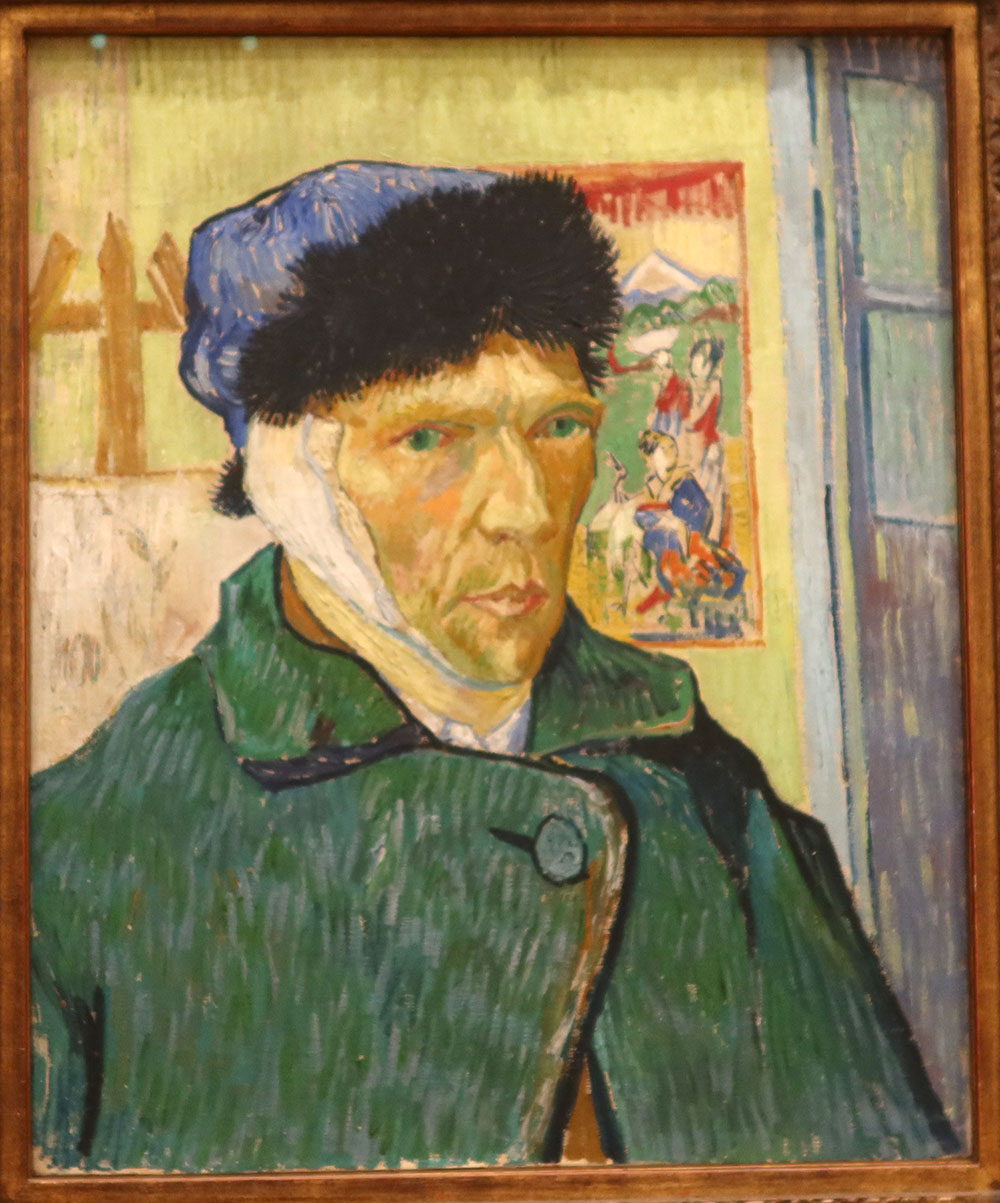
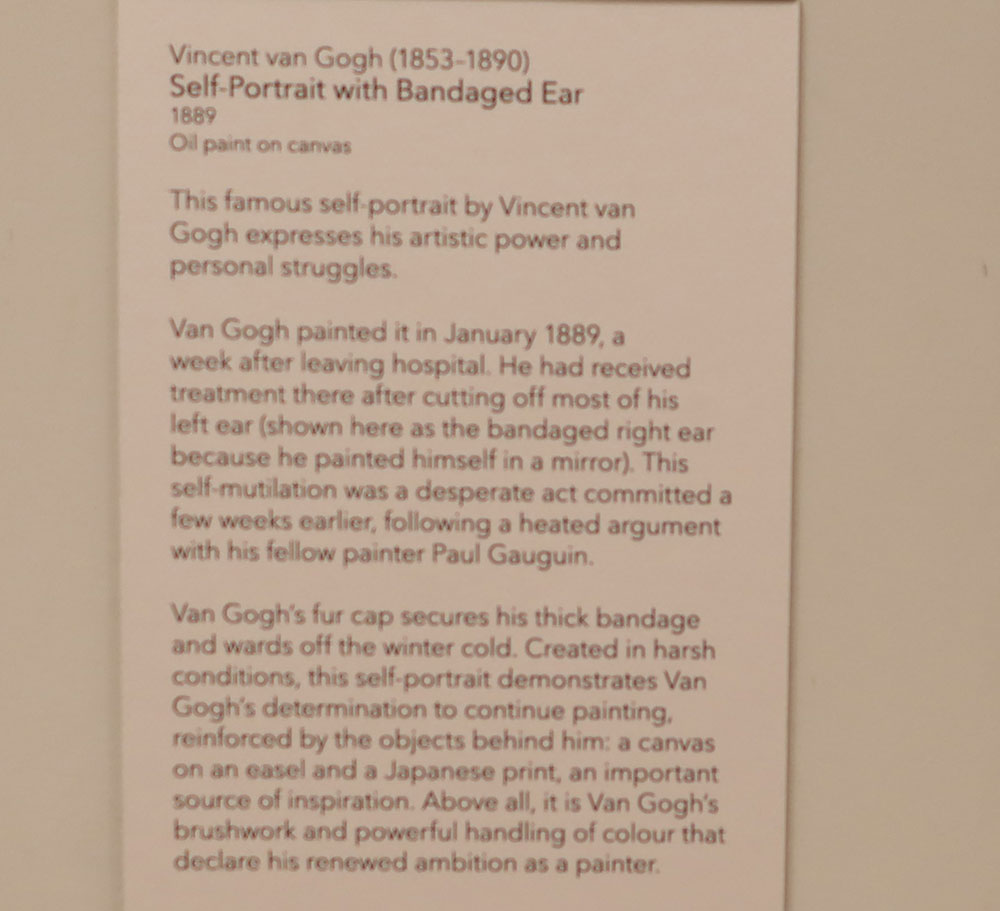
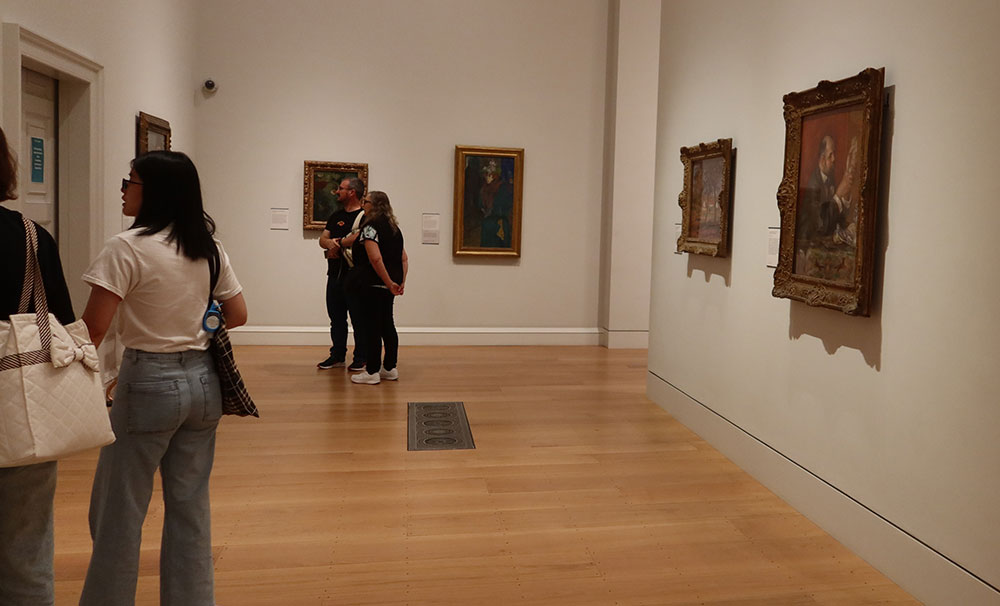
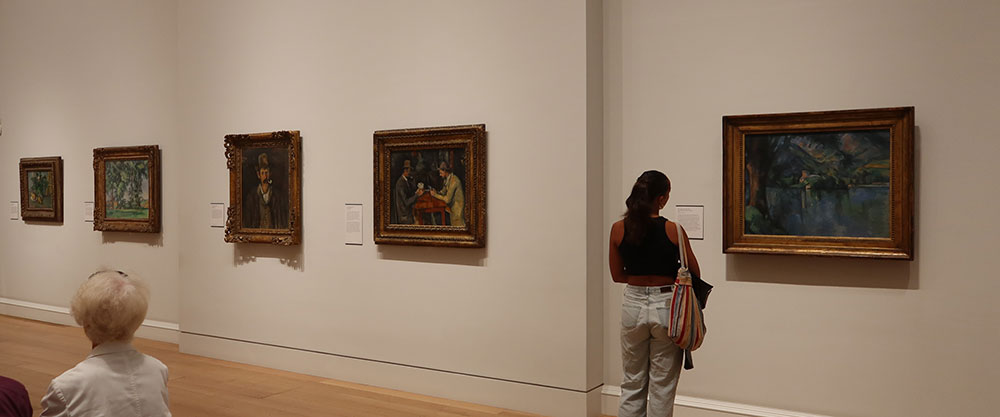
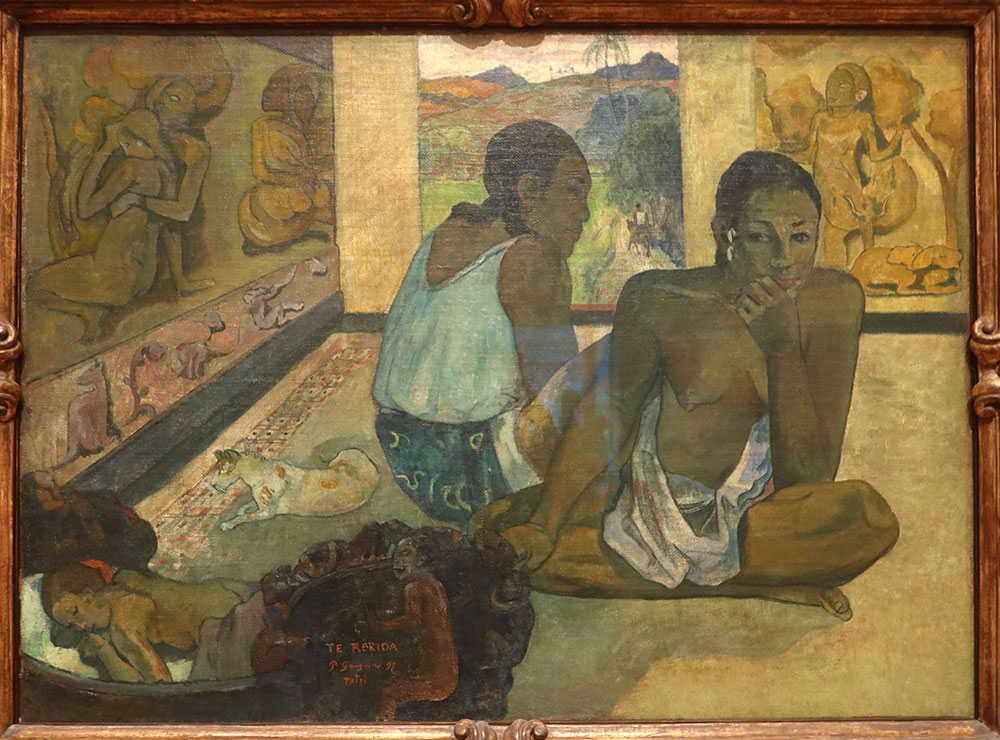
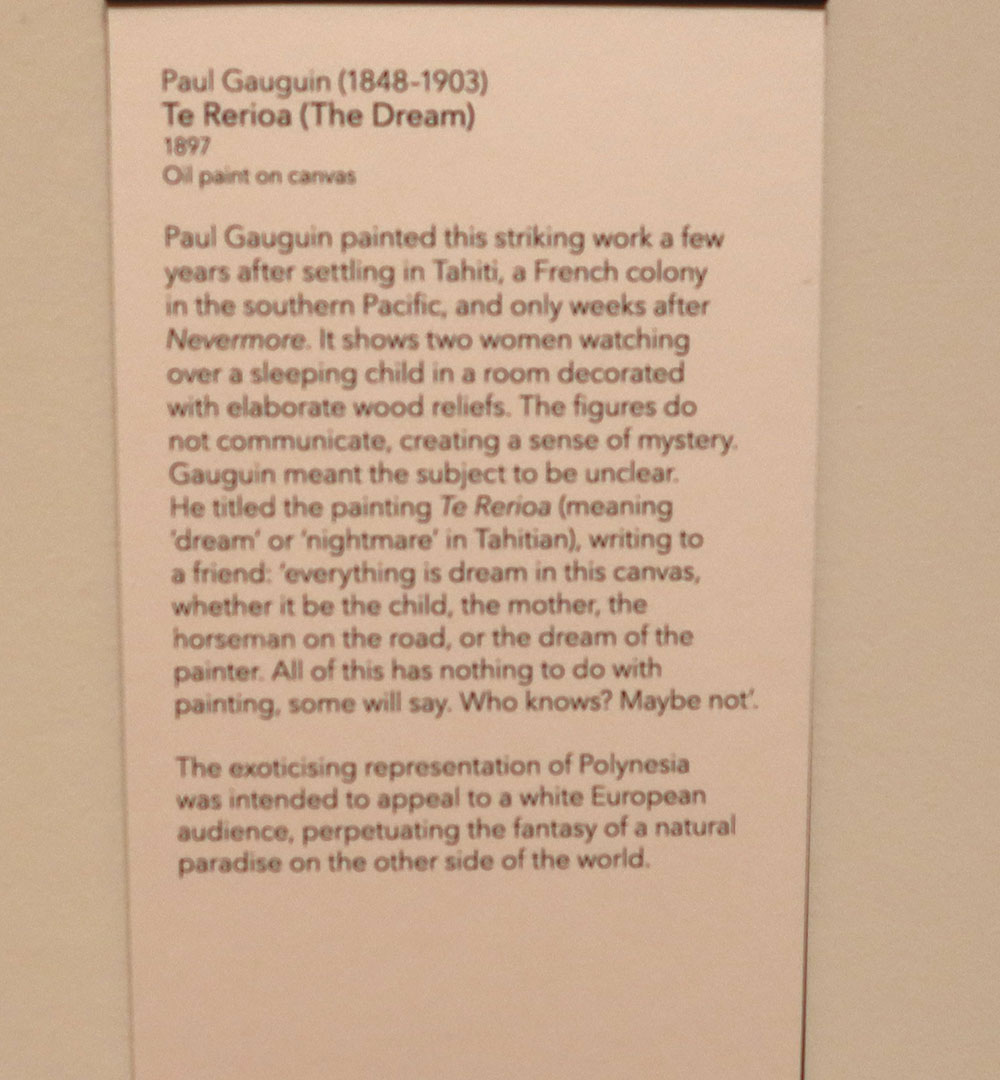
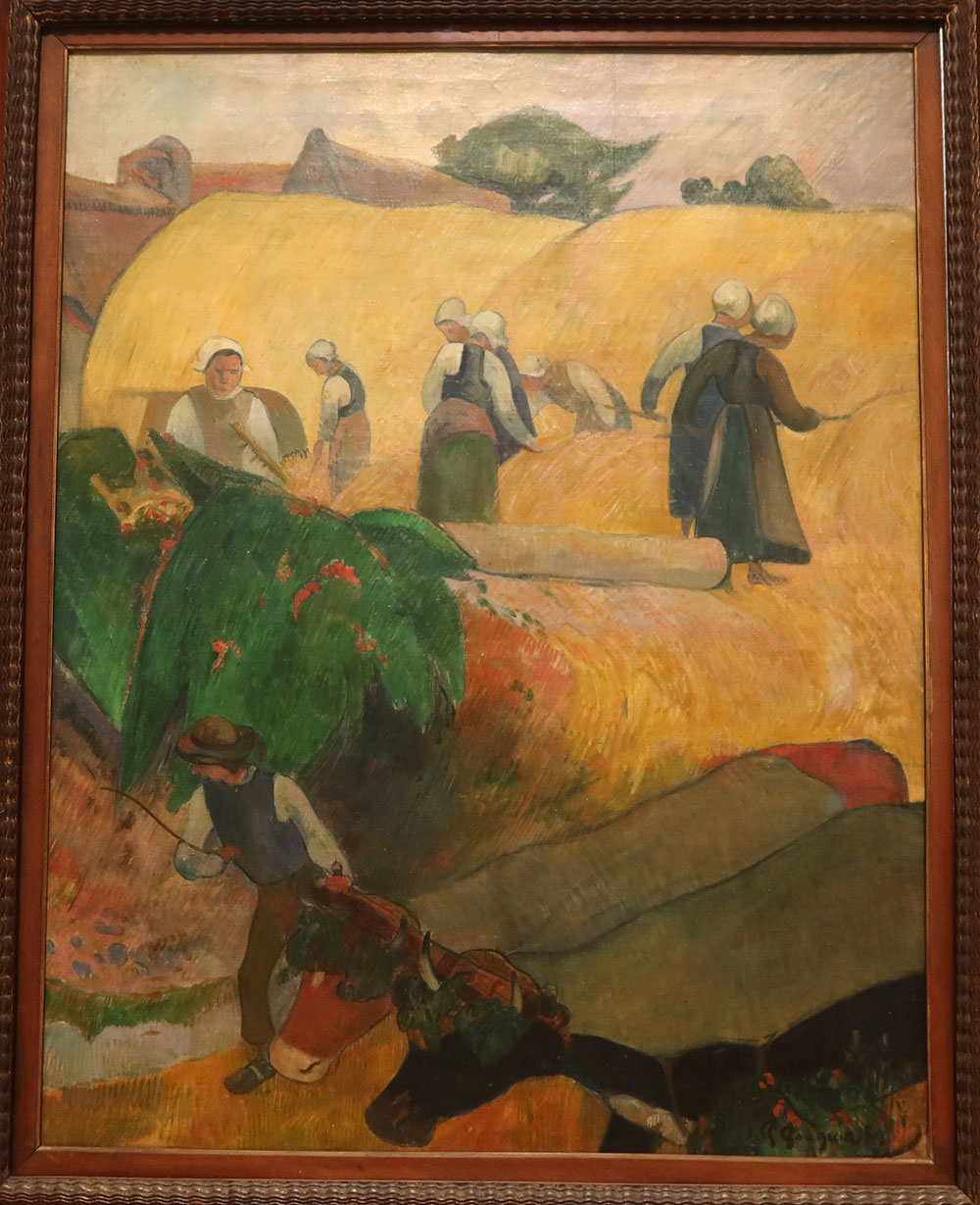
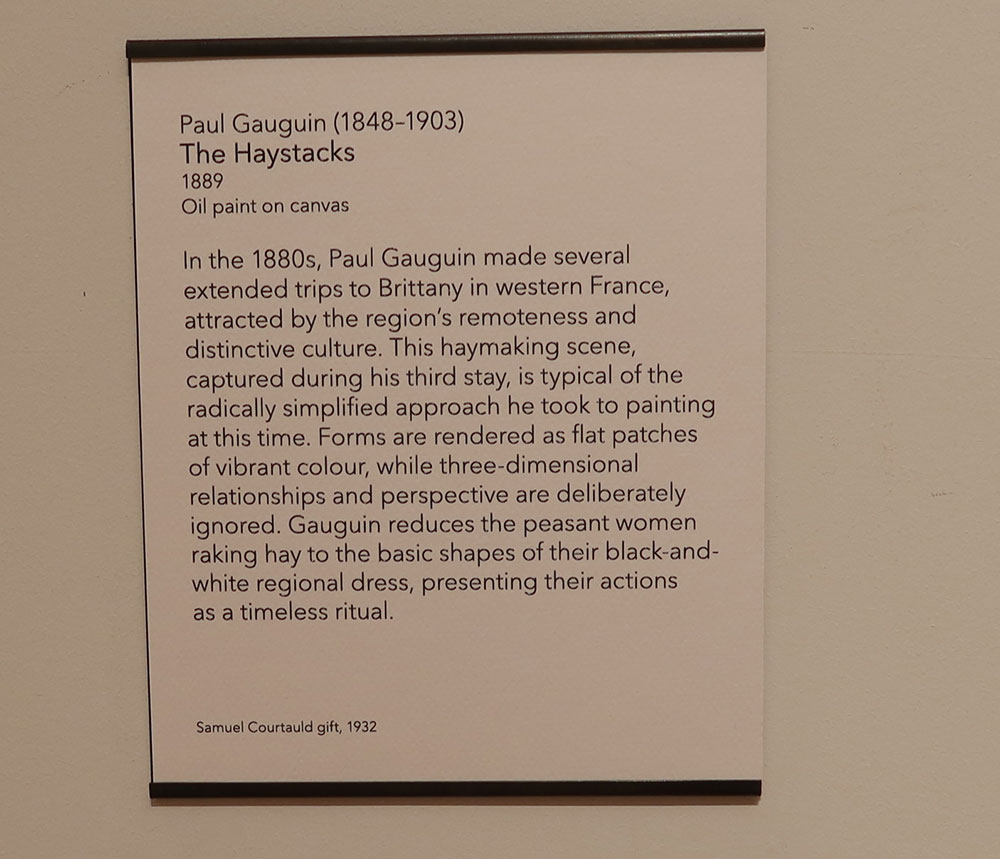
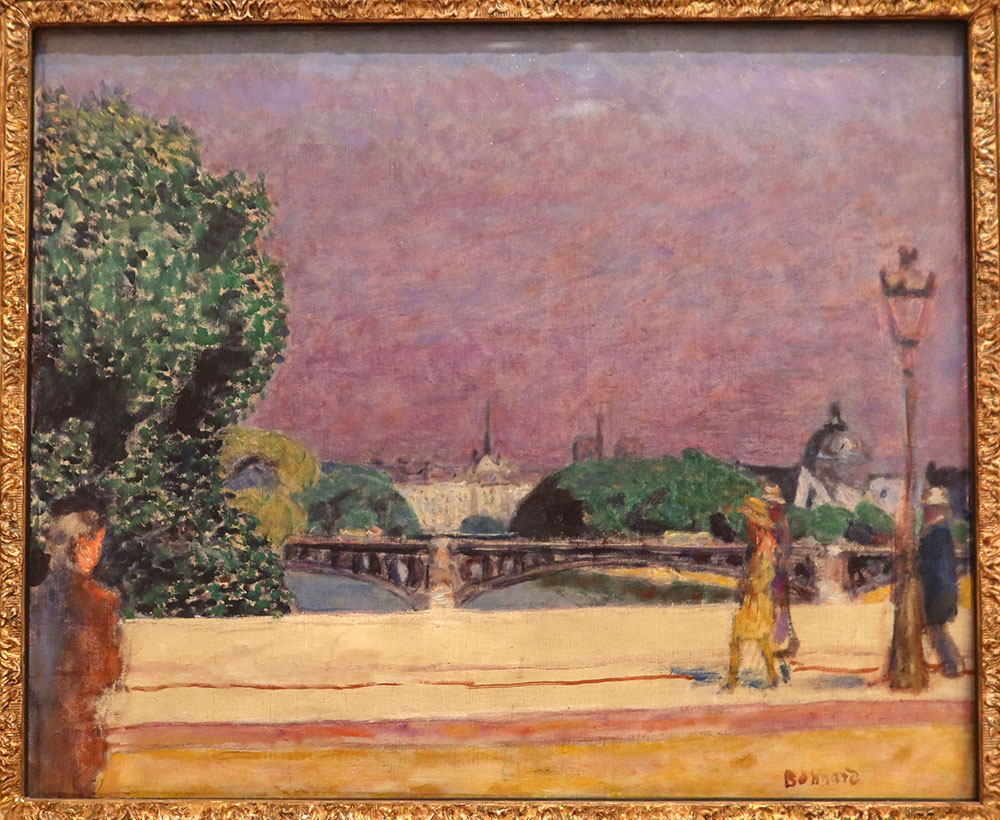
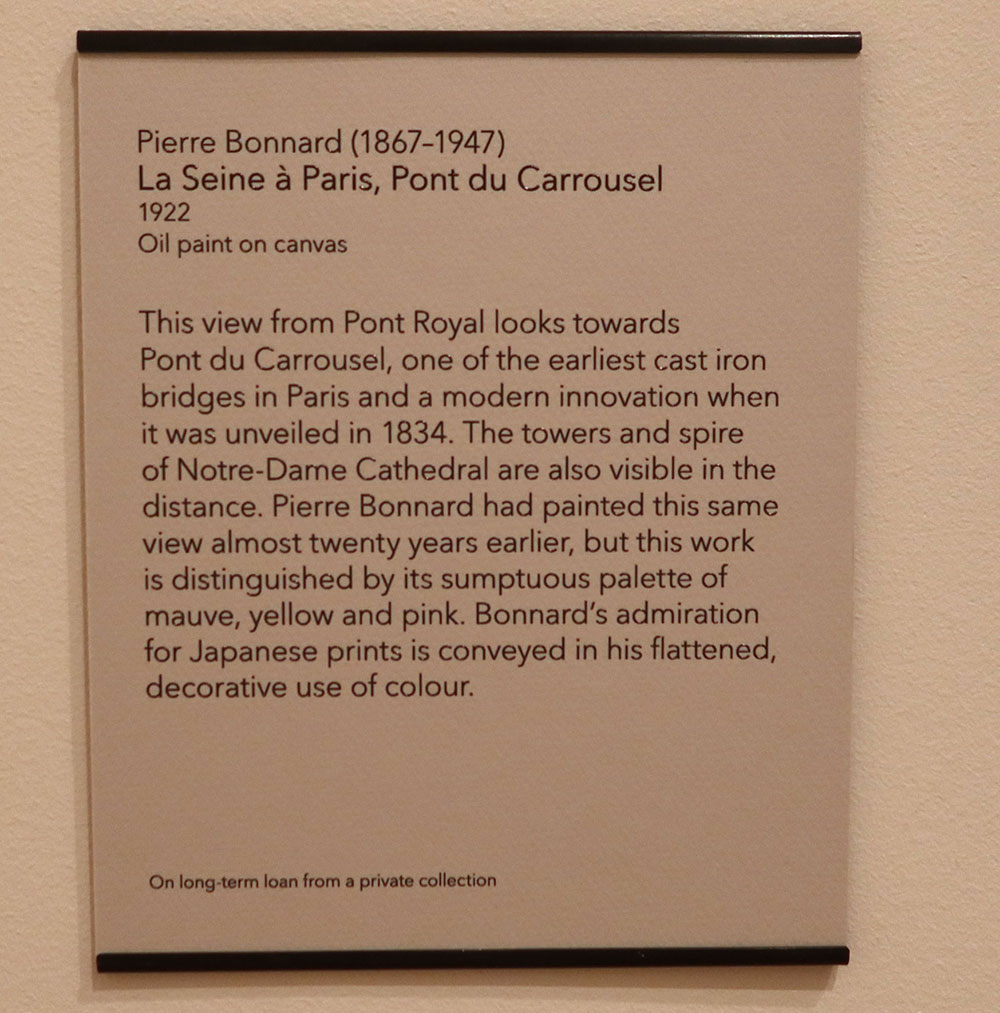
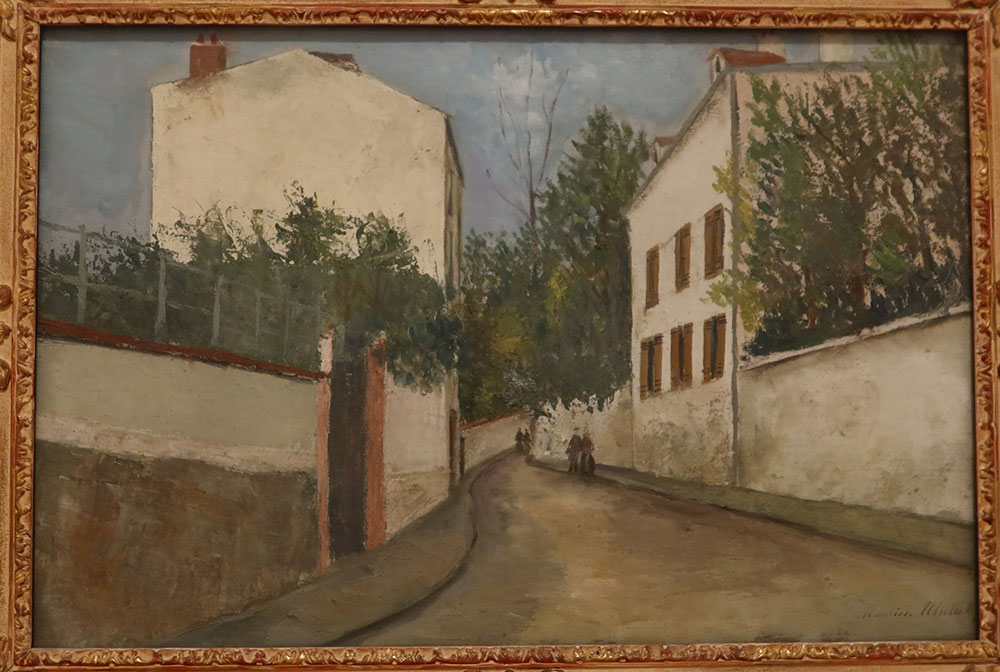
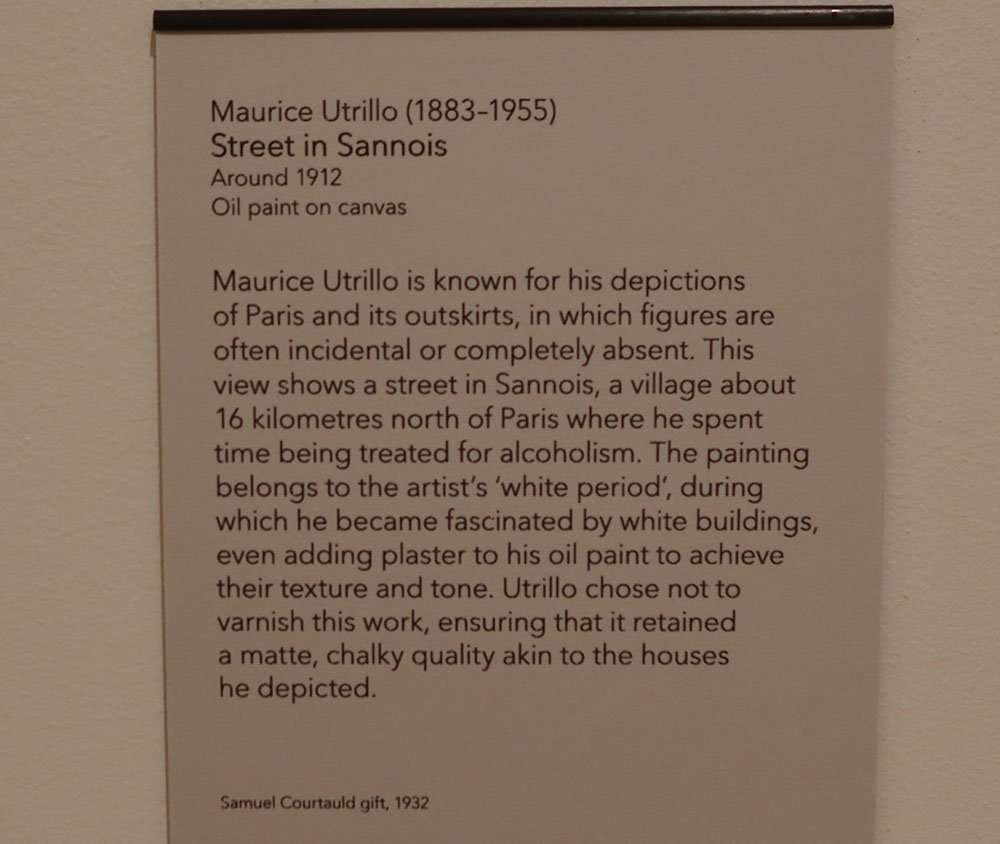
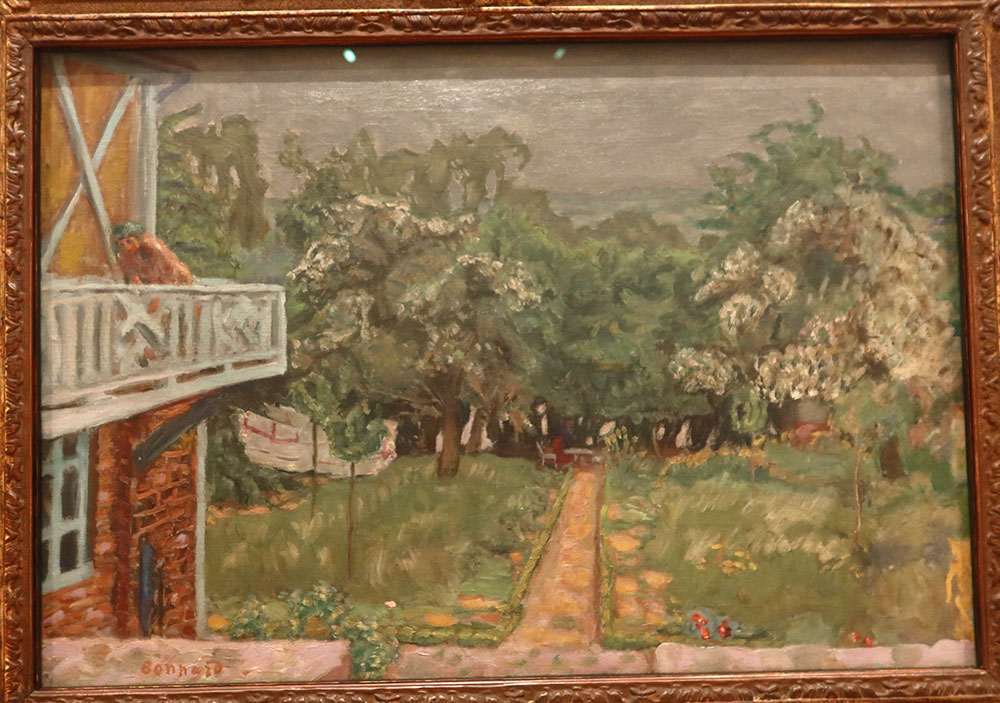
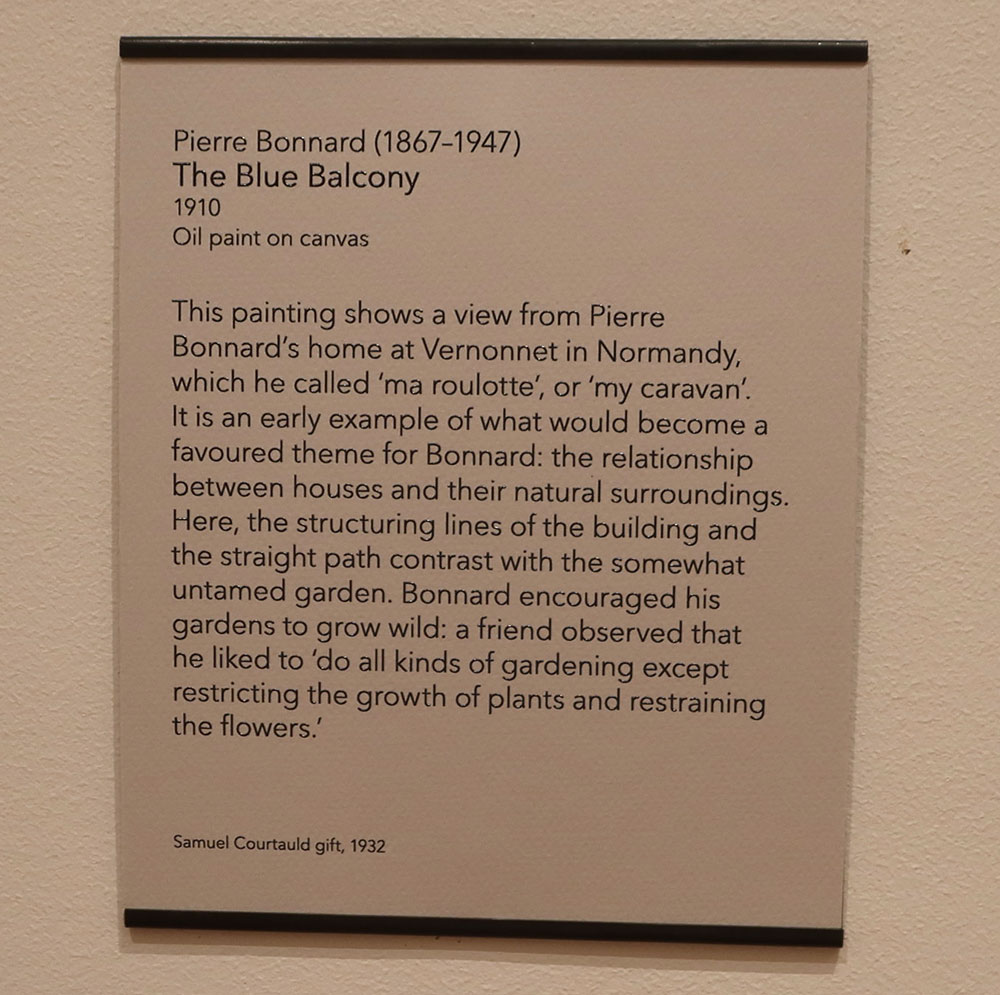
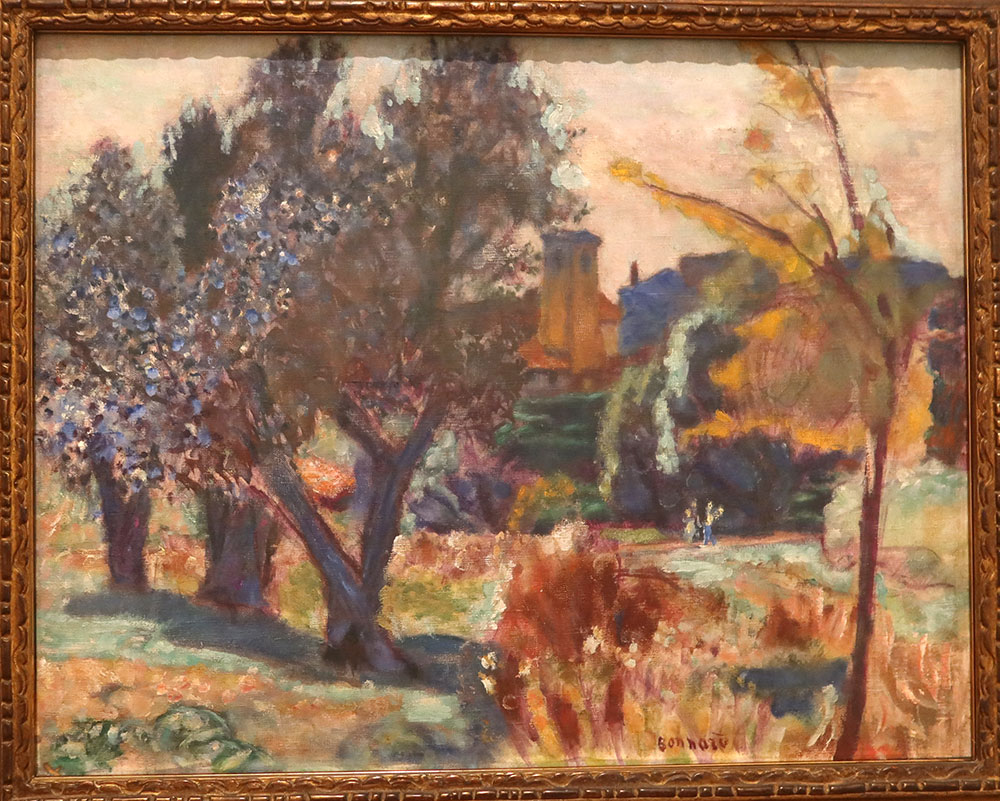
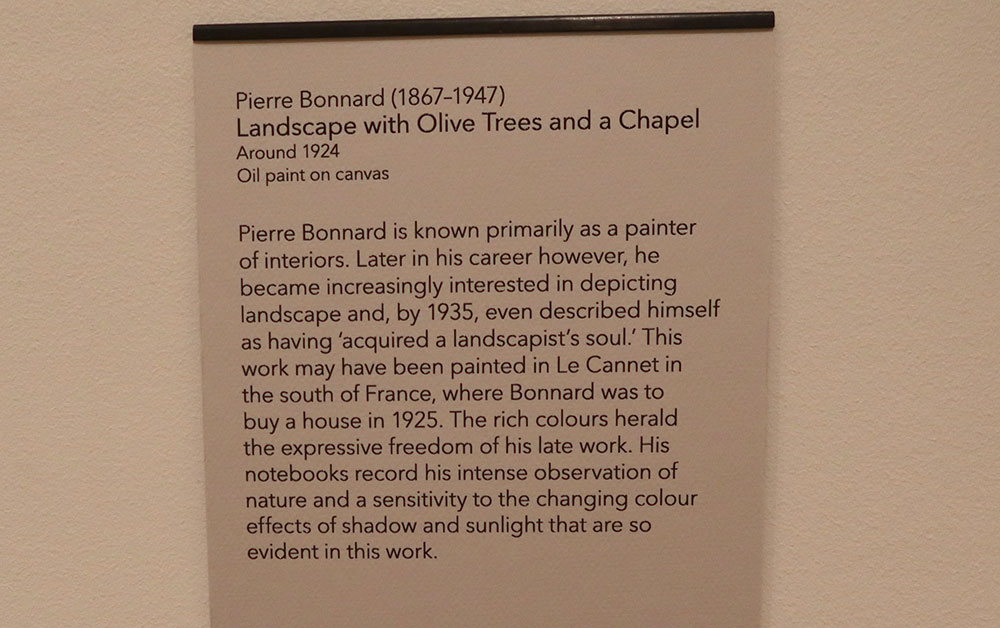
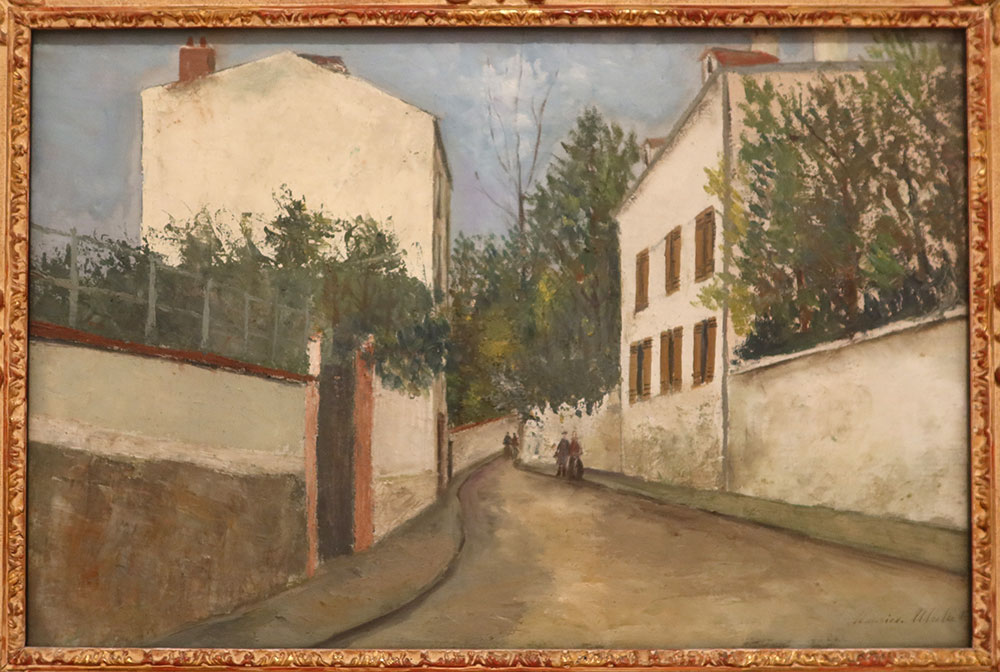
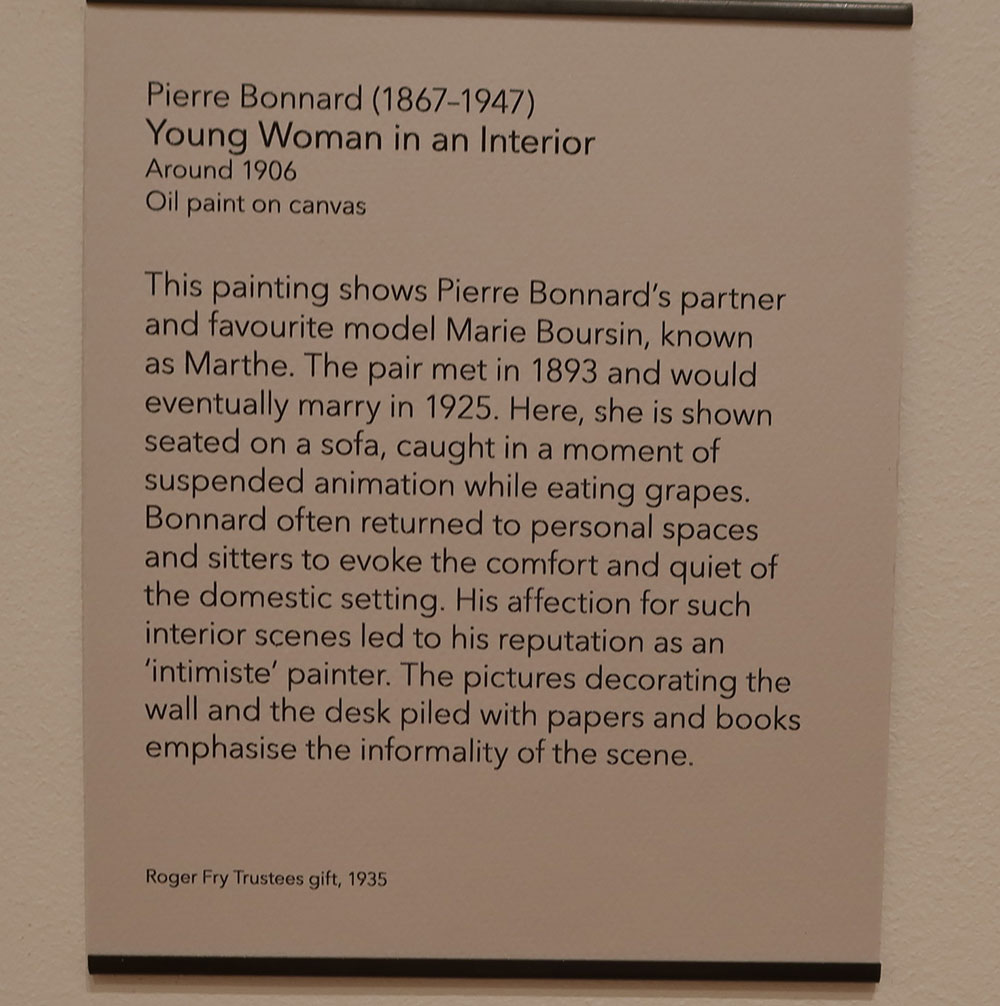
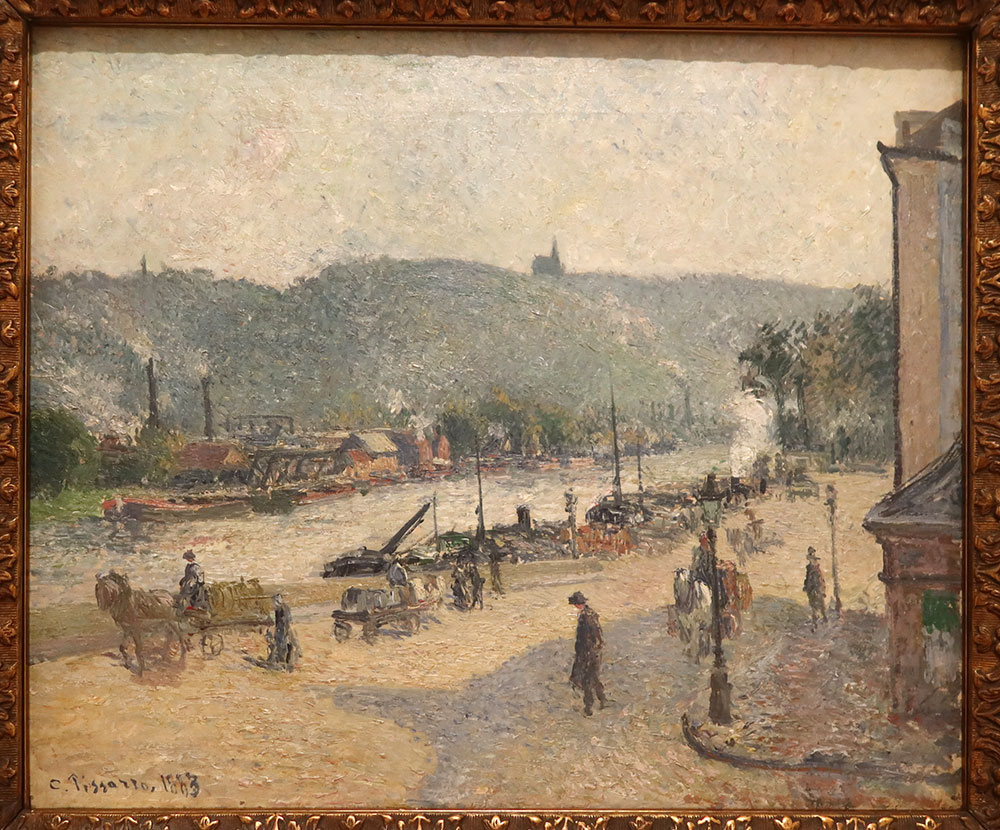
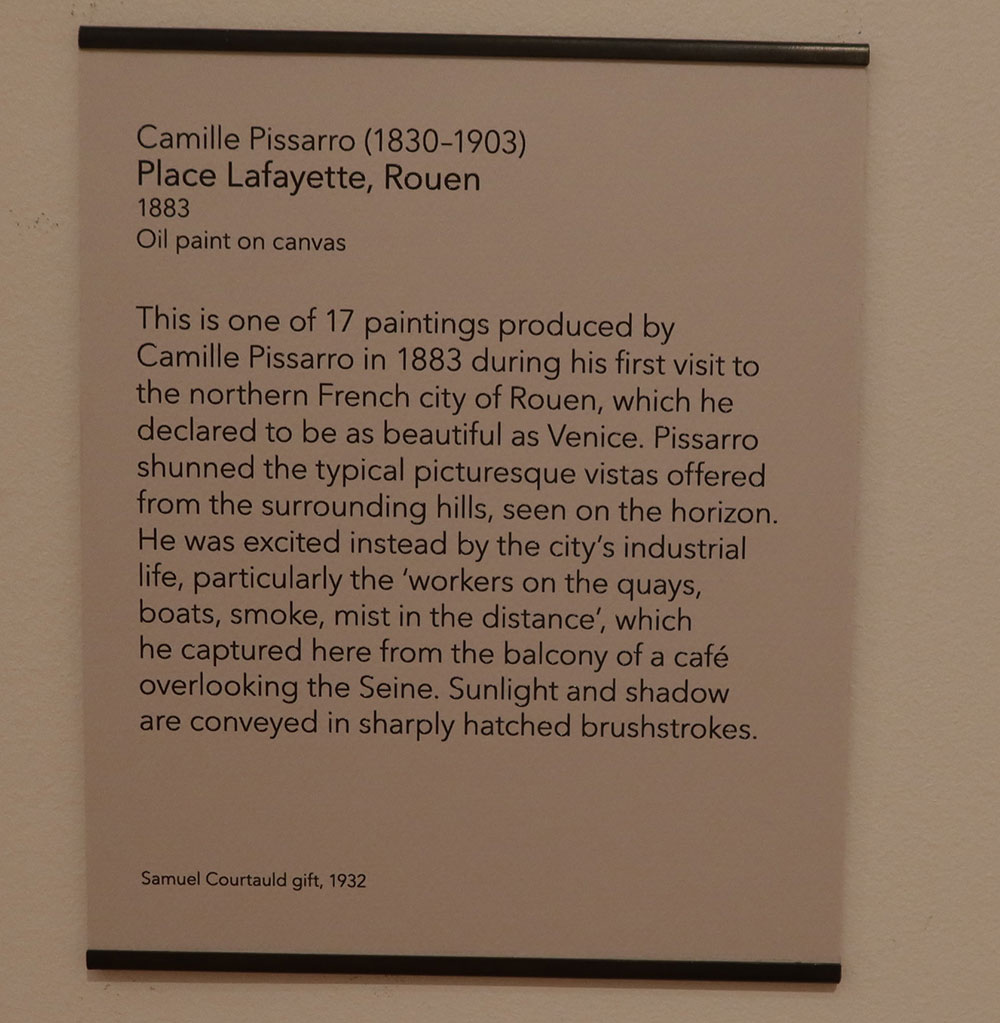
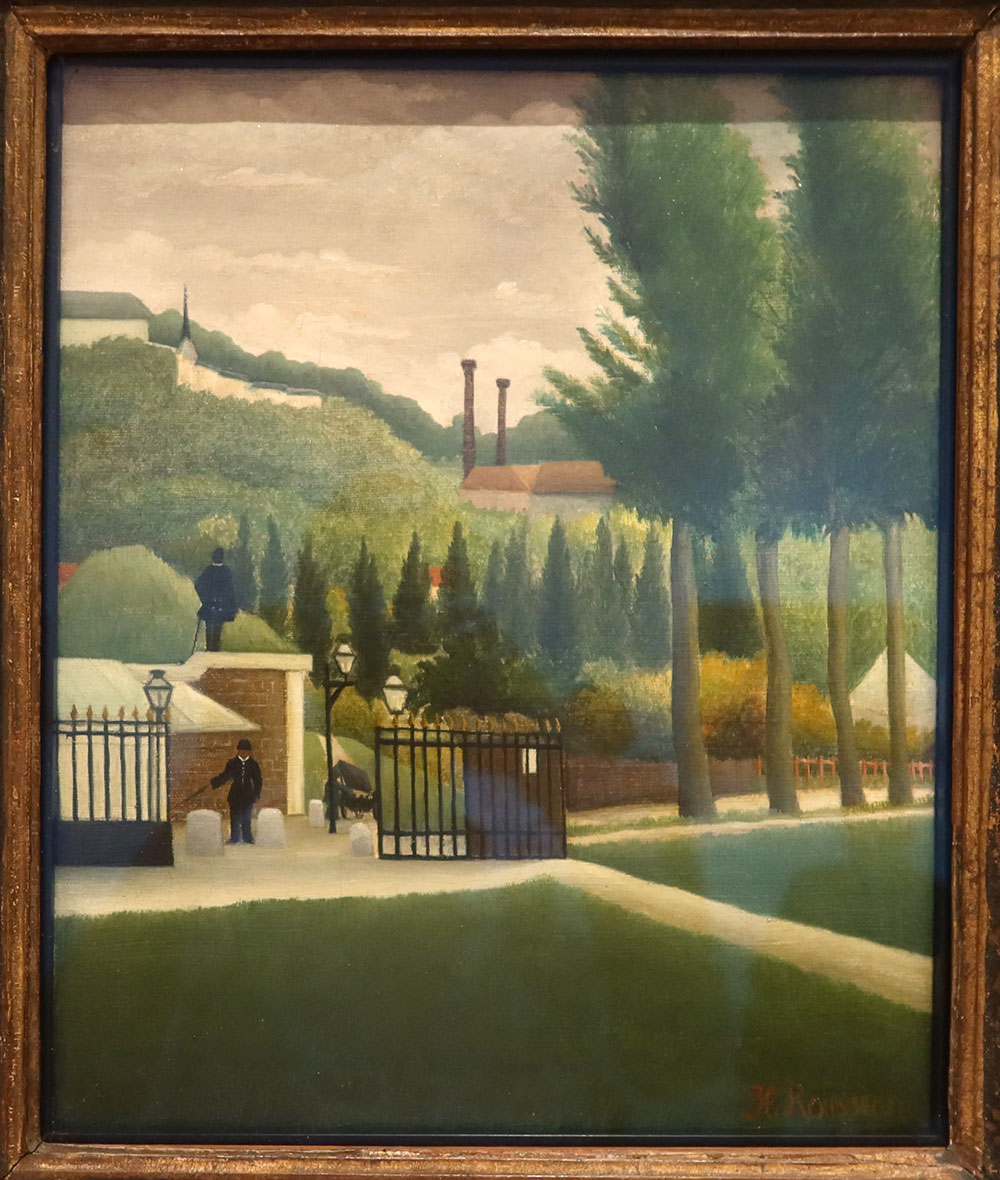
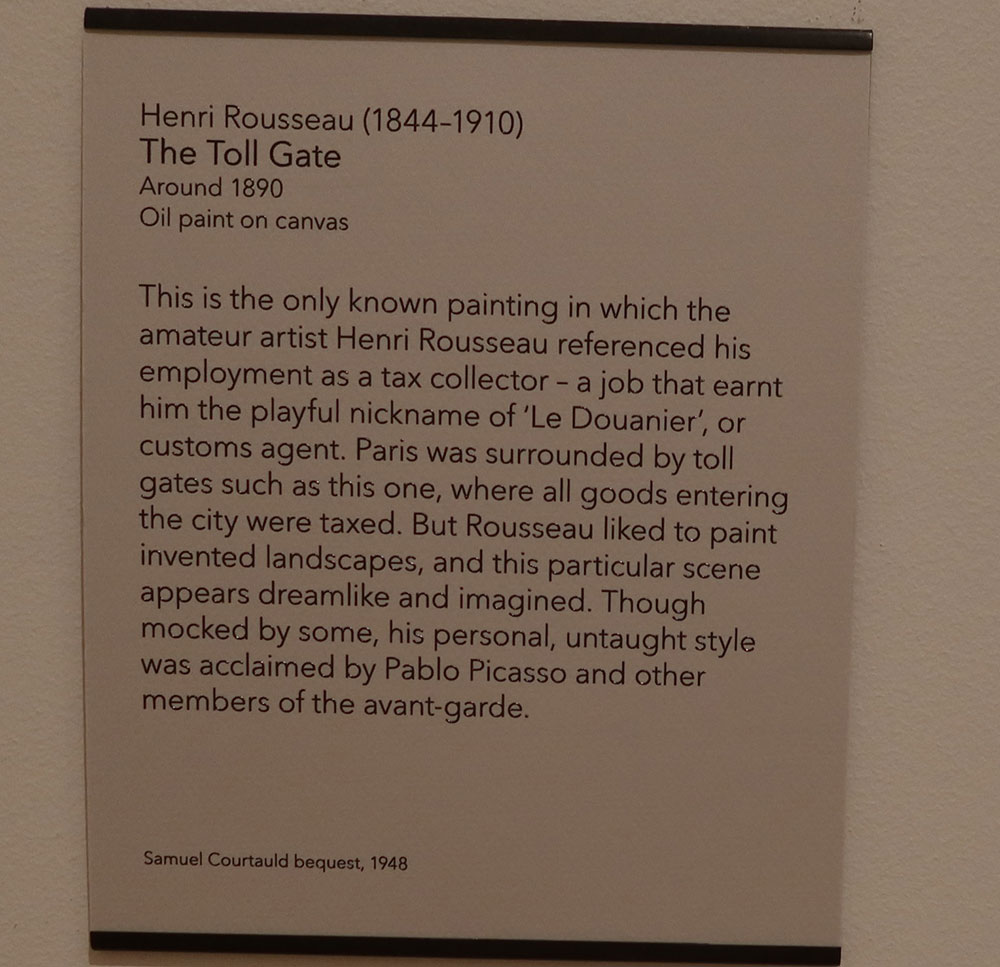
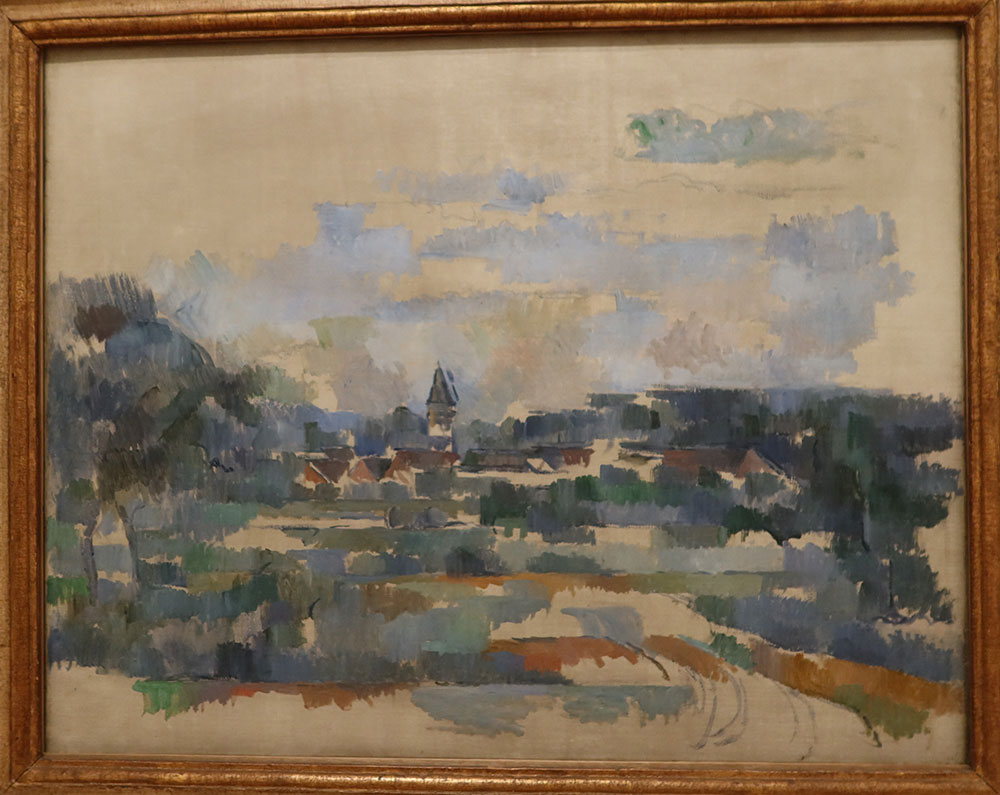
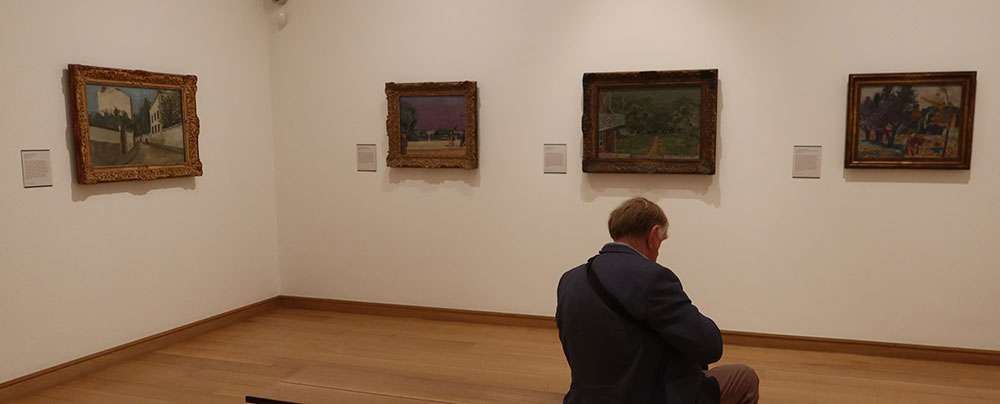
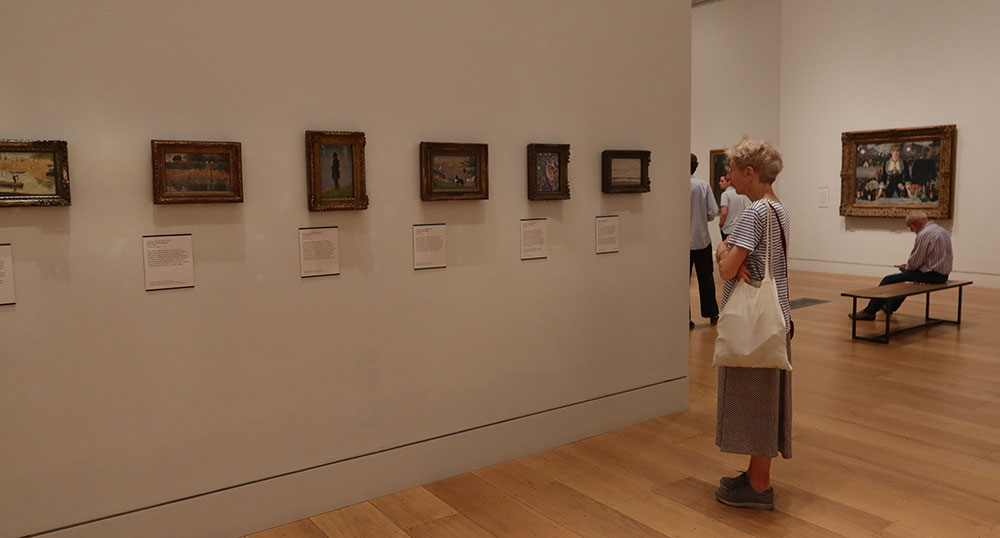
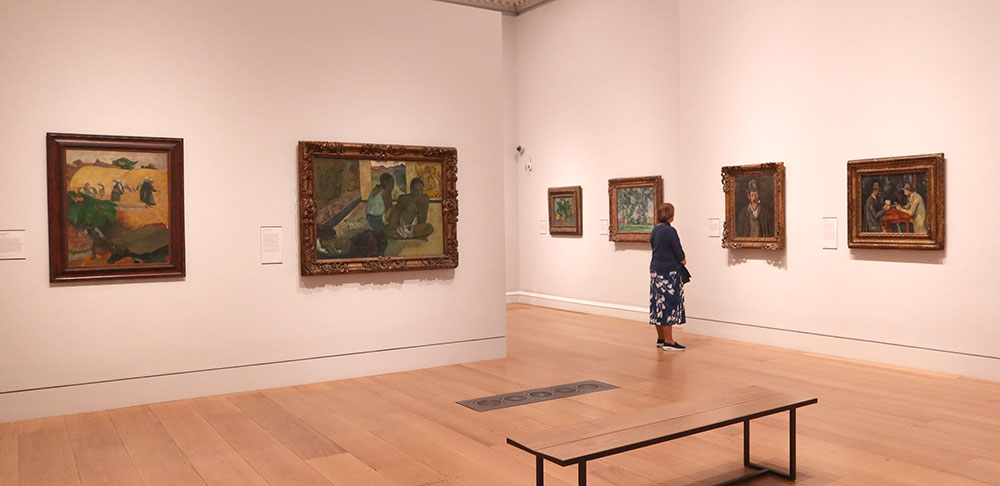
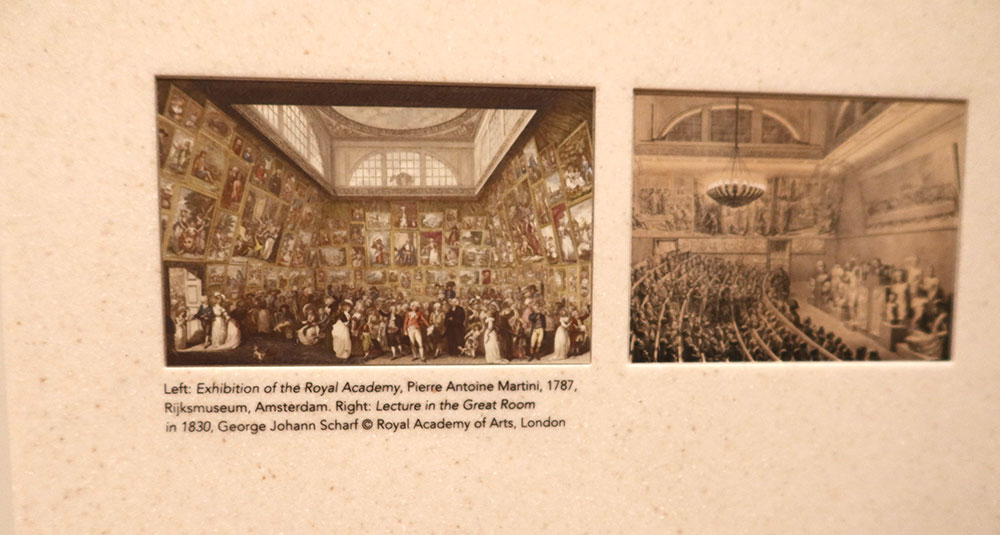
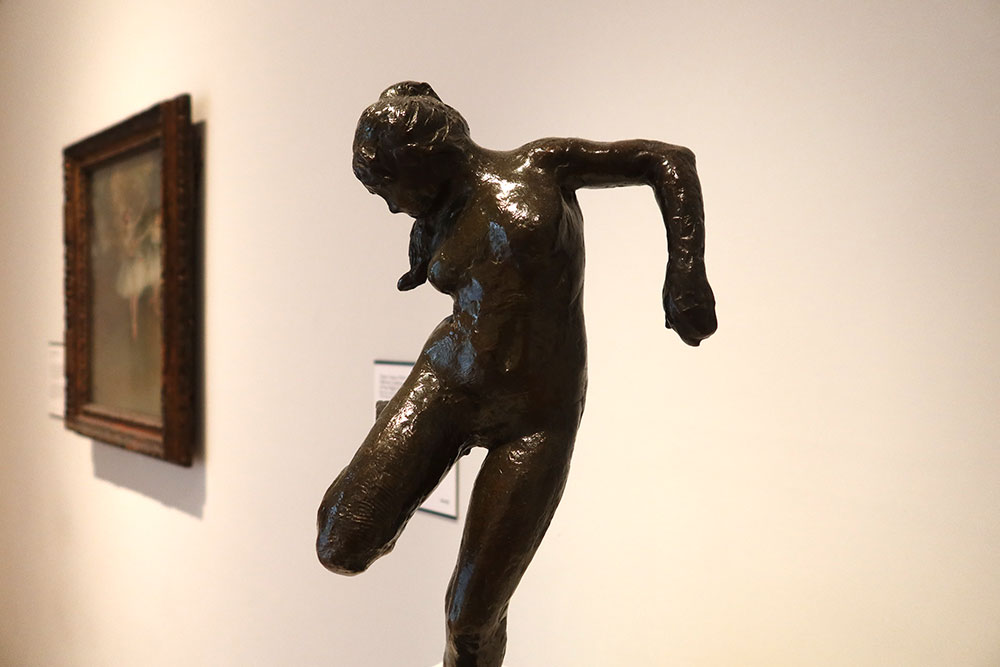
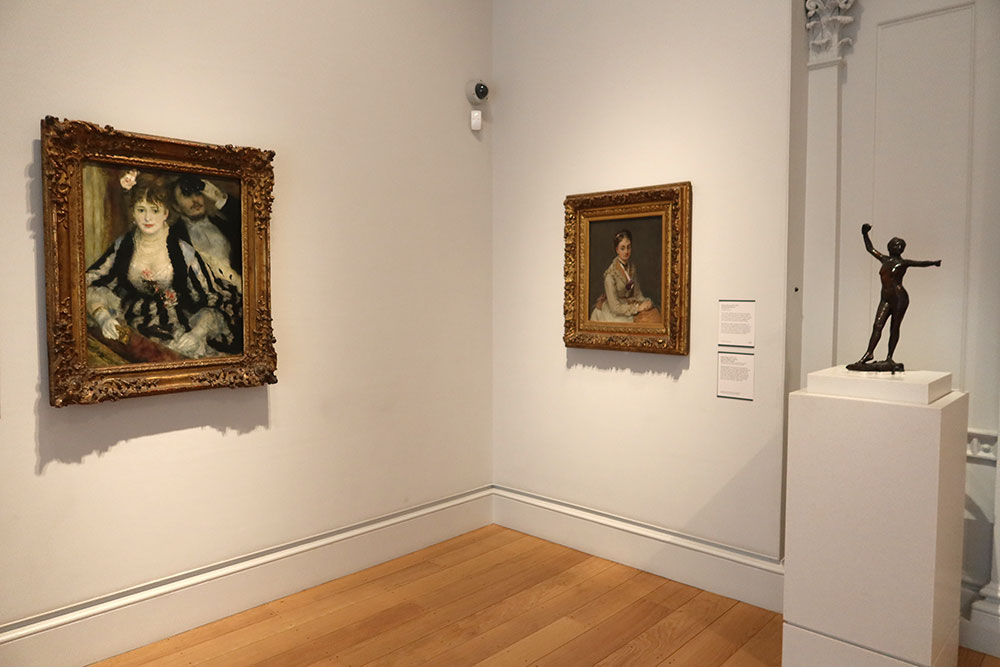
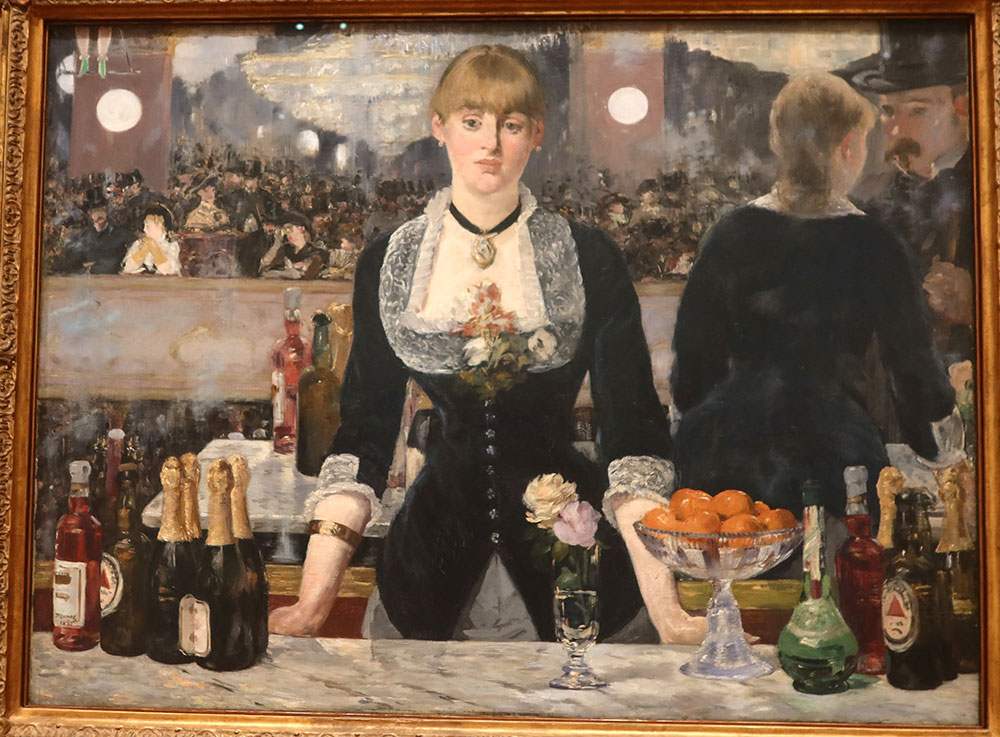
The gallery's reputation rests substantially on its Impressionist and Post-Impressionist holdings. Samuel Courtauld's original gift included Manet's A Bar at the Folies-Bergère and a version of Déjeuner sur l'Herbe, Renoir's La Loge, landscapes by Monet and Pissarro, a ballet scene by Degas, and a group of eight major works by Cézanne. Other paintings include Van Gogh's Self-Portrait with Bandaged Ear and Peach Blossoms in the Crau, Gauguin's Nevermore and Te Rerioa, and significant works by Seurat, Rousseau, Toulouse-Lautrec and Modigliani. These works are displayed in what is now called the LVMH Great Room — London's oldest purpose-built exhibition space.
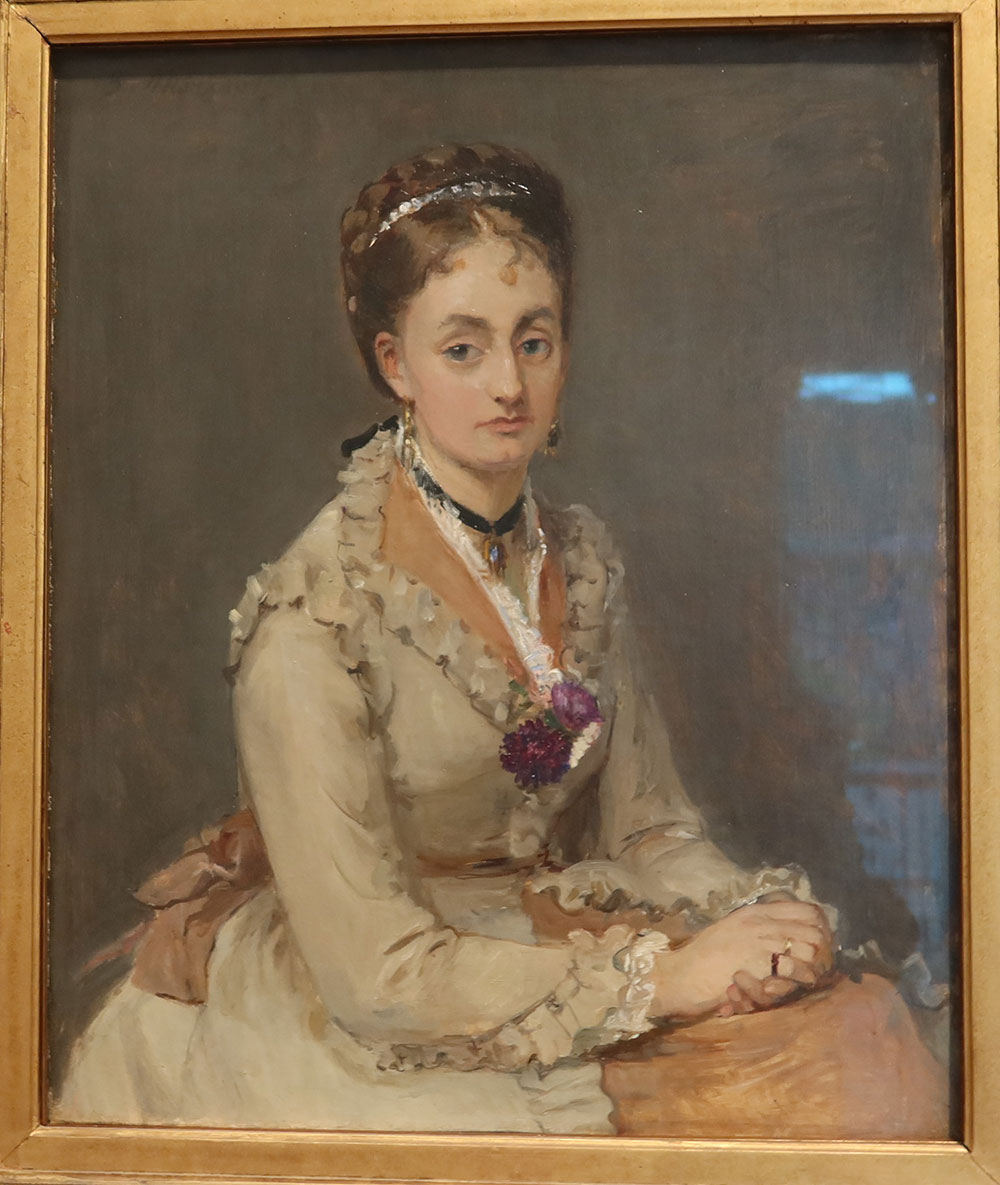
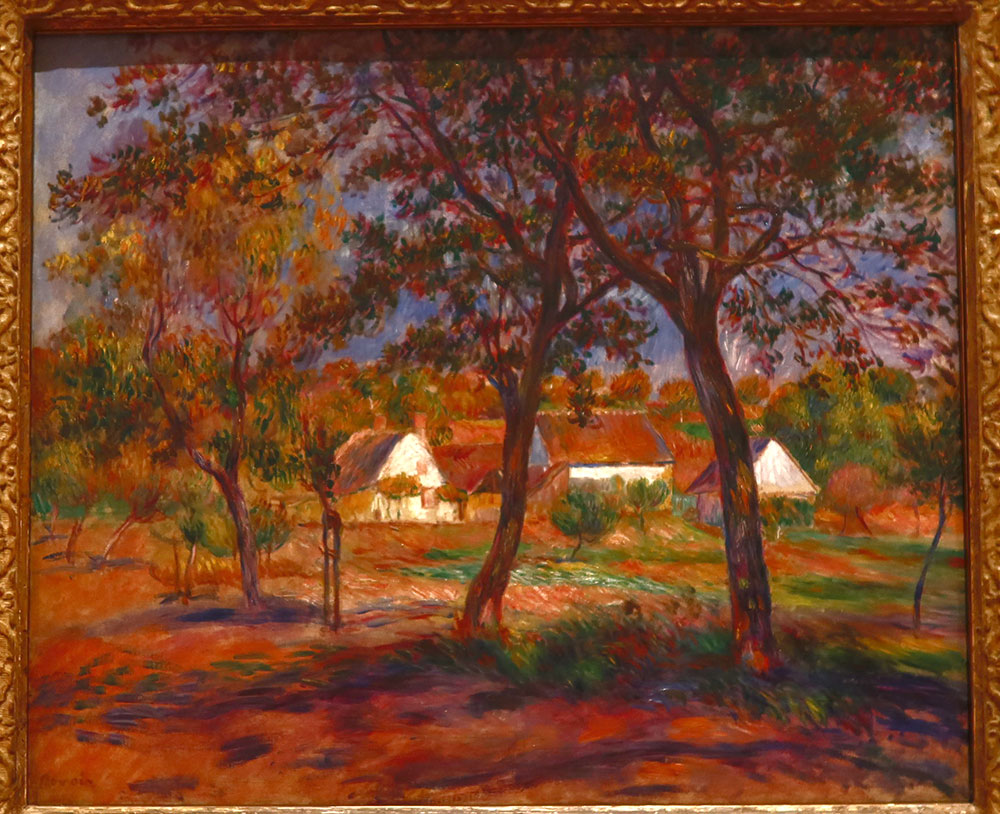
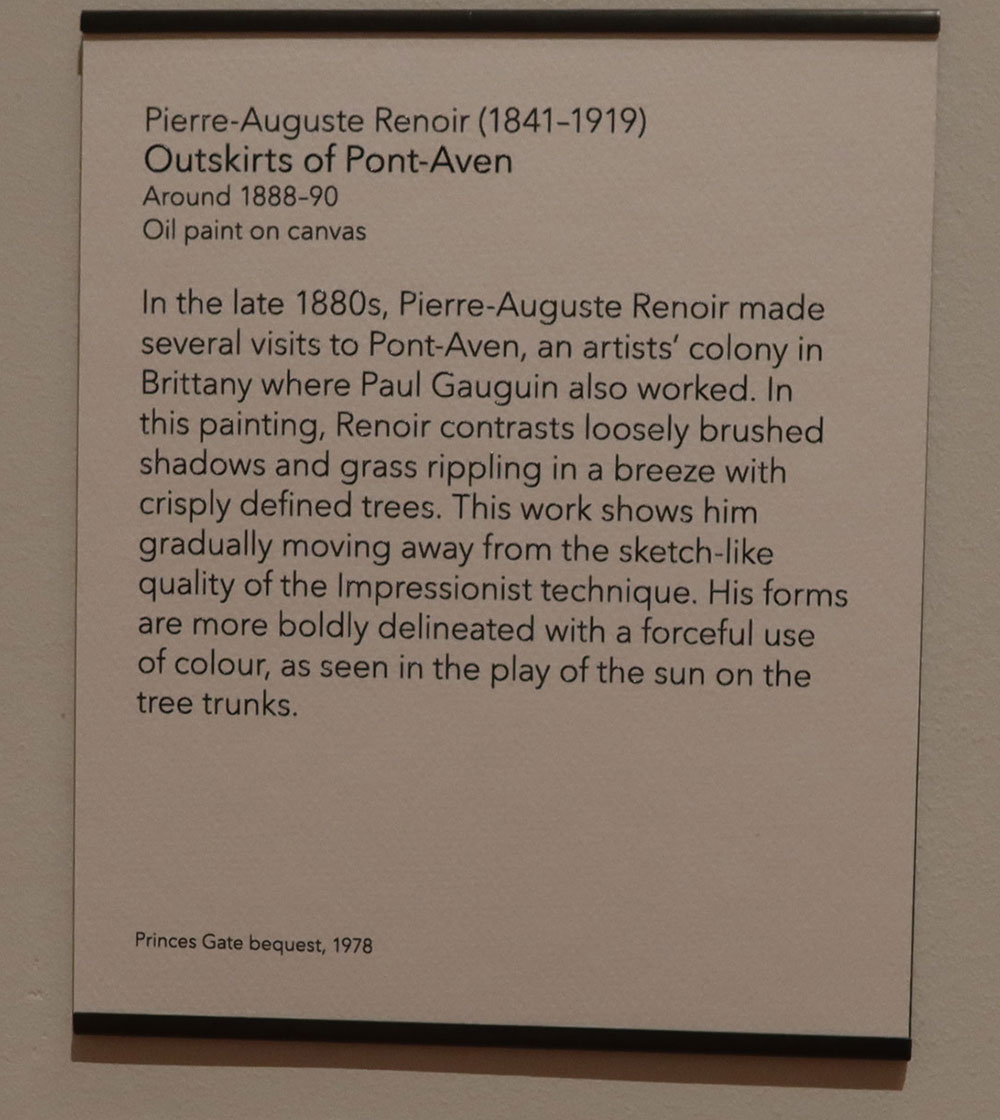
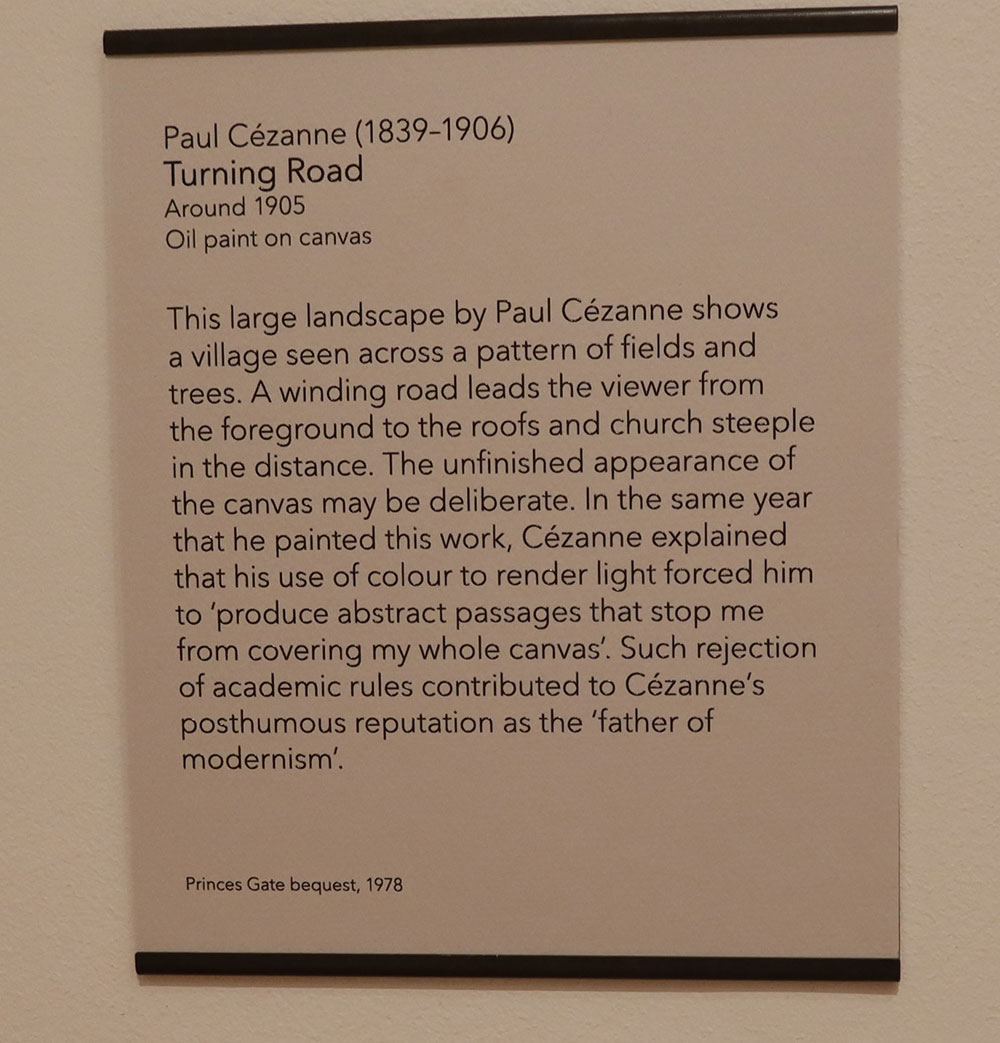
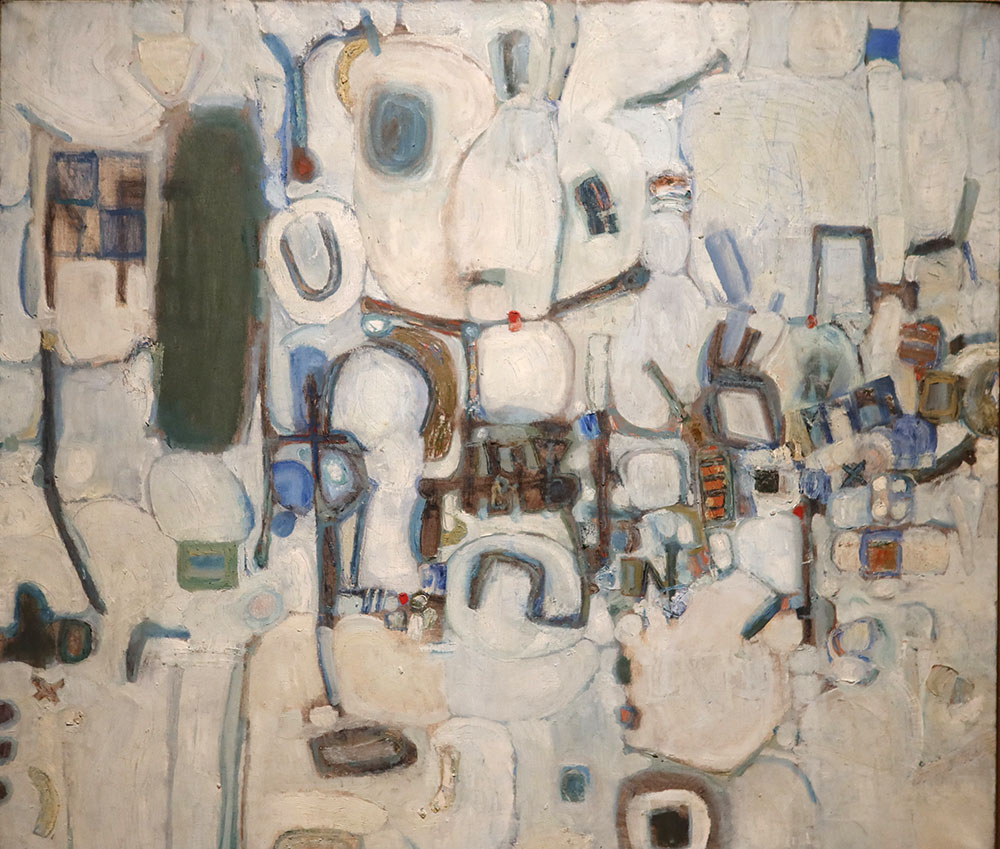
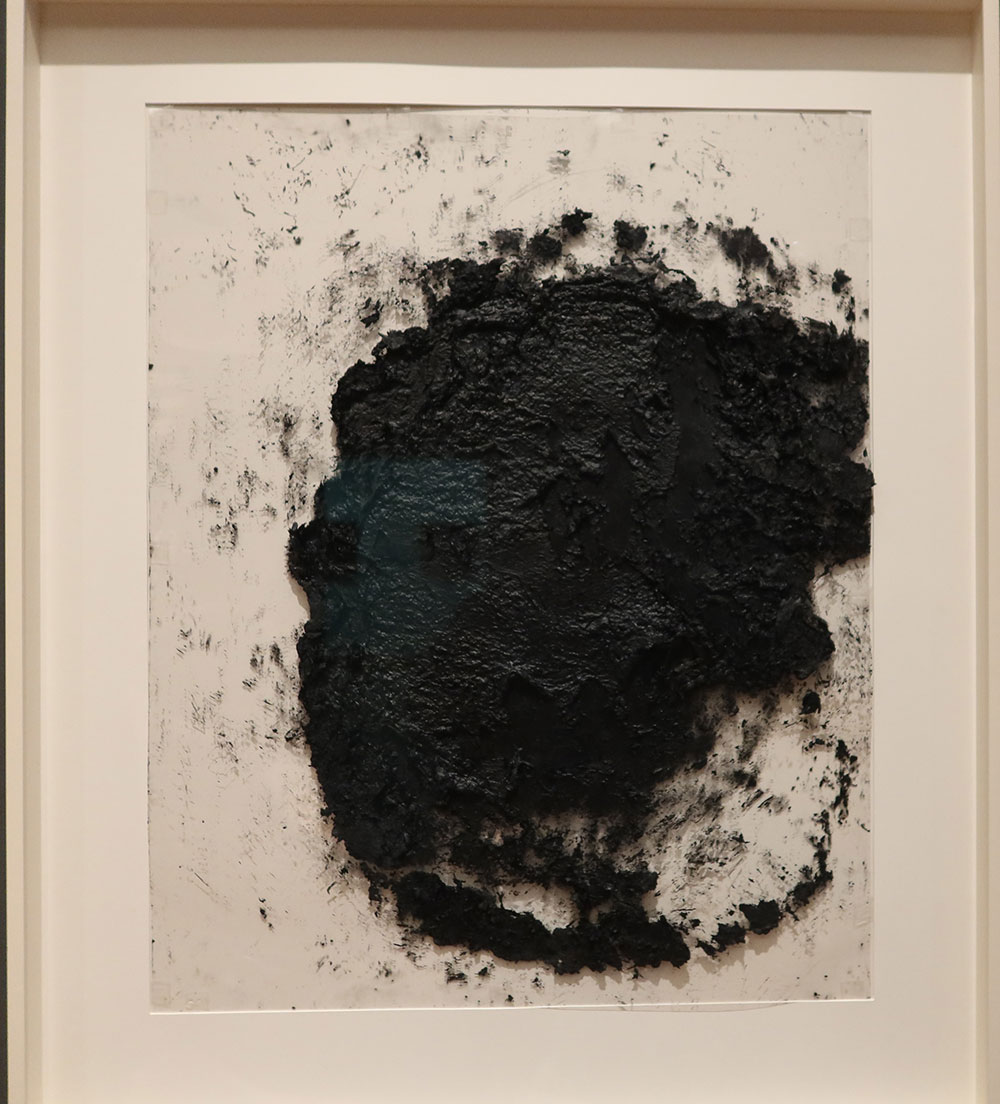
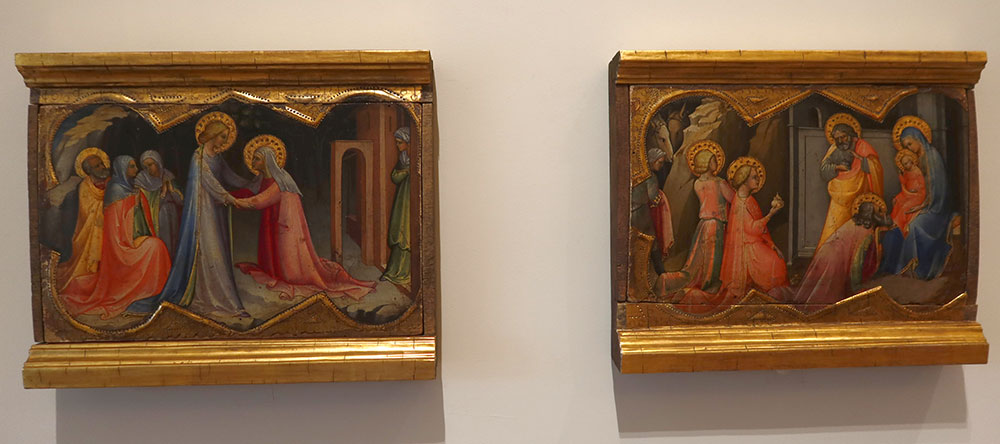
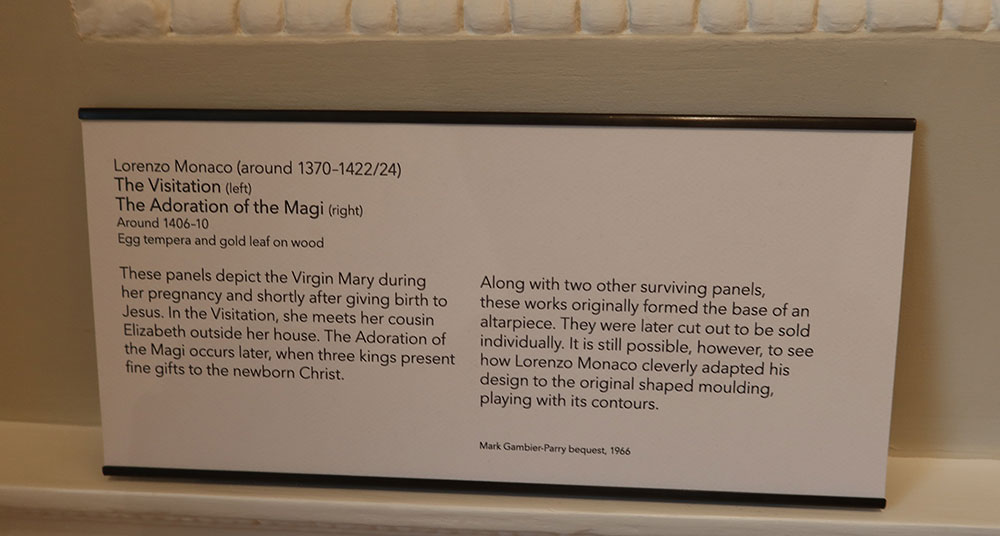
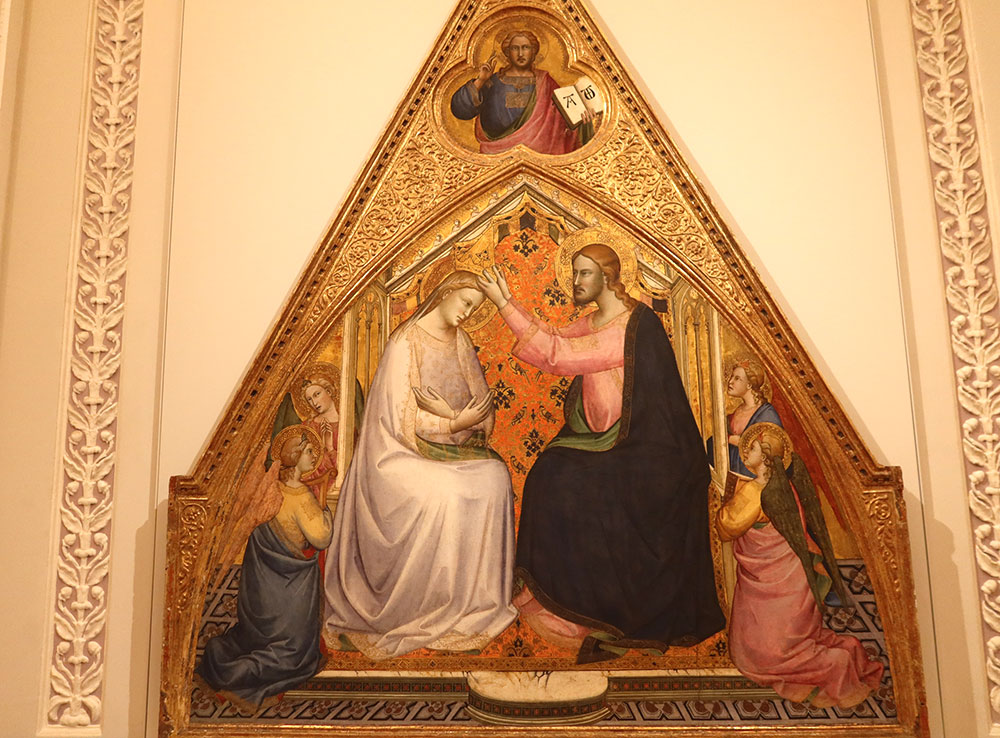
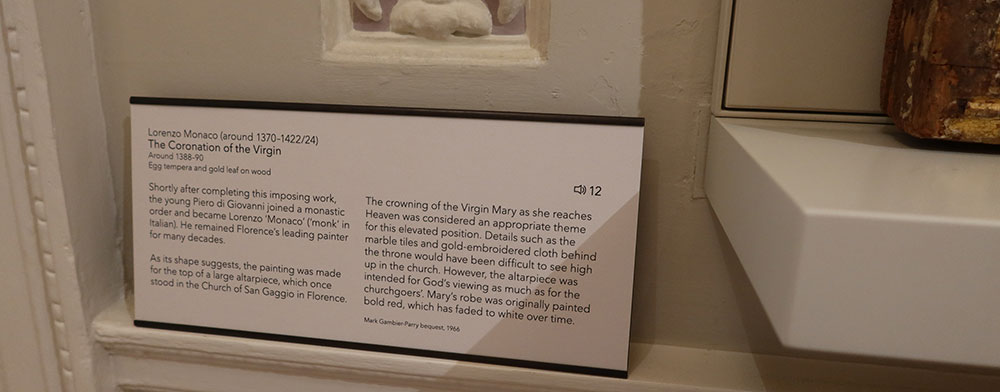
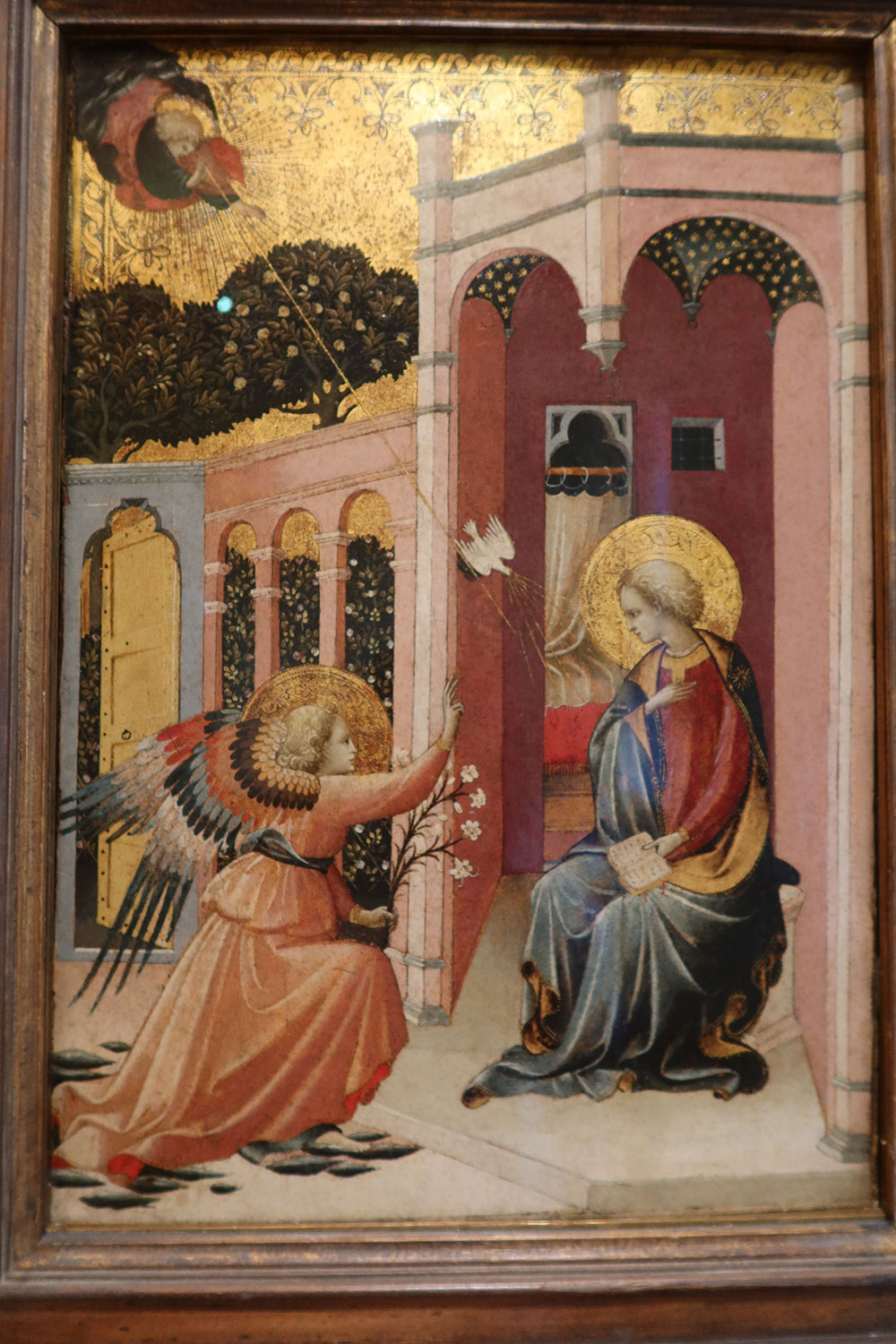
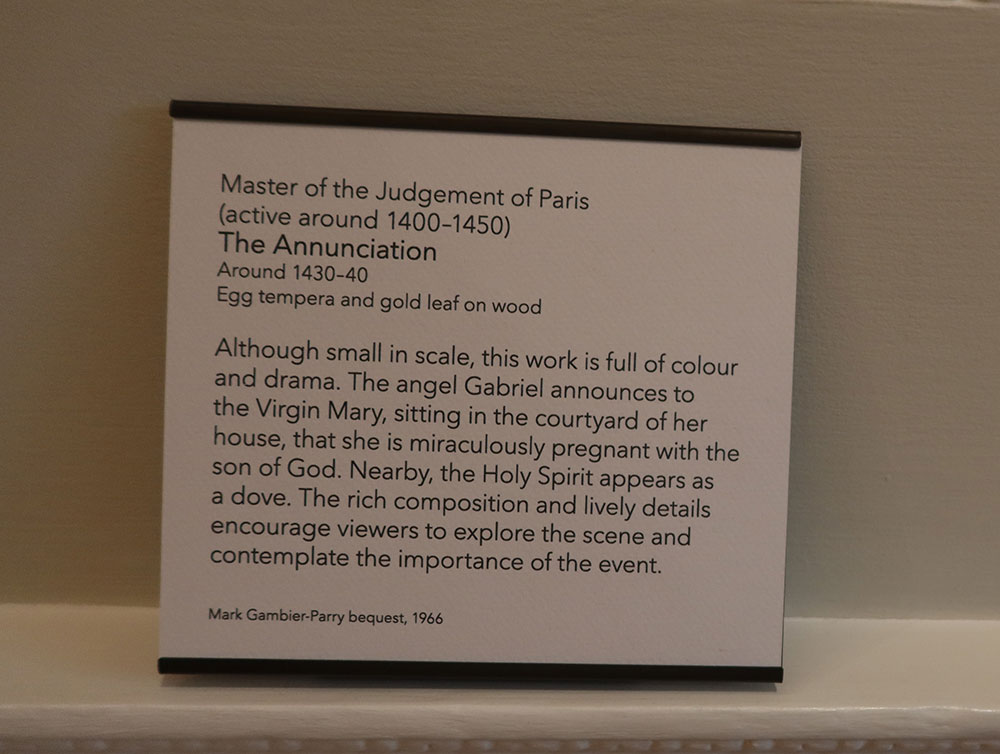
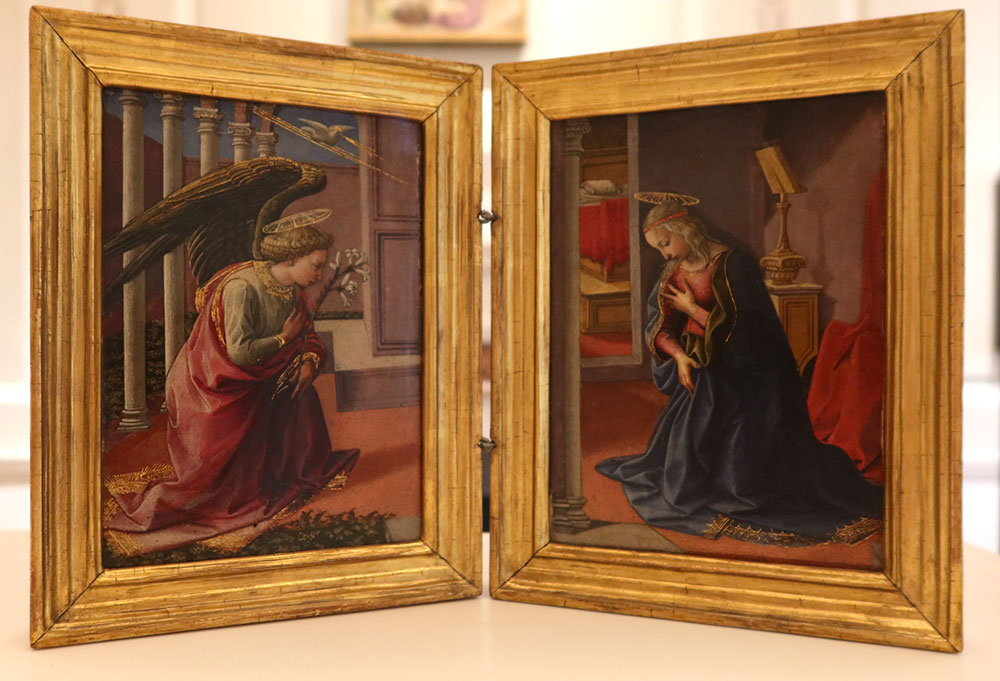
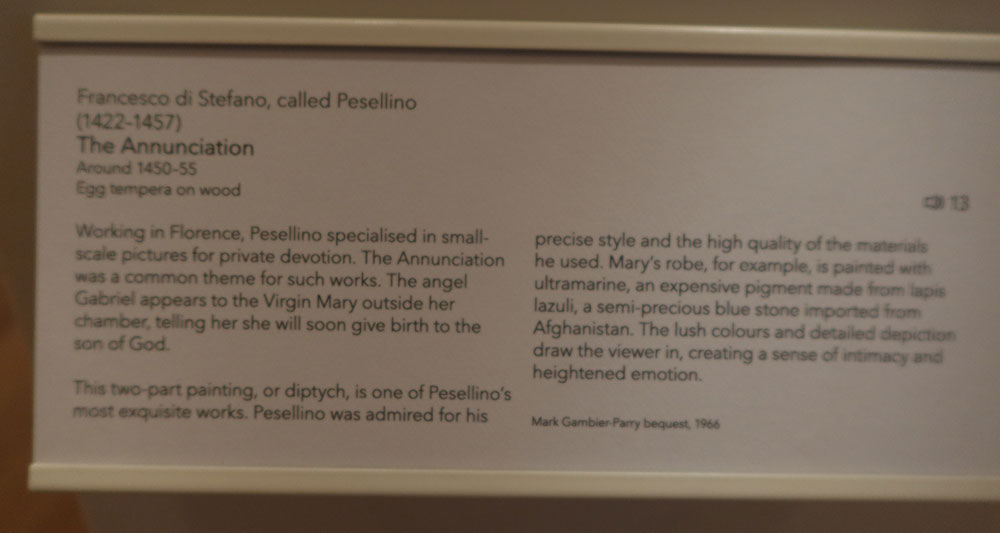
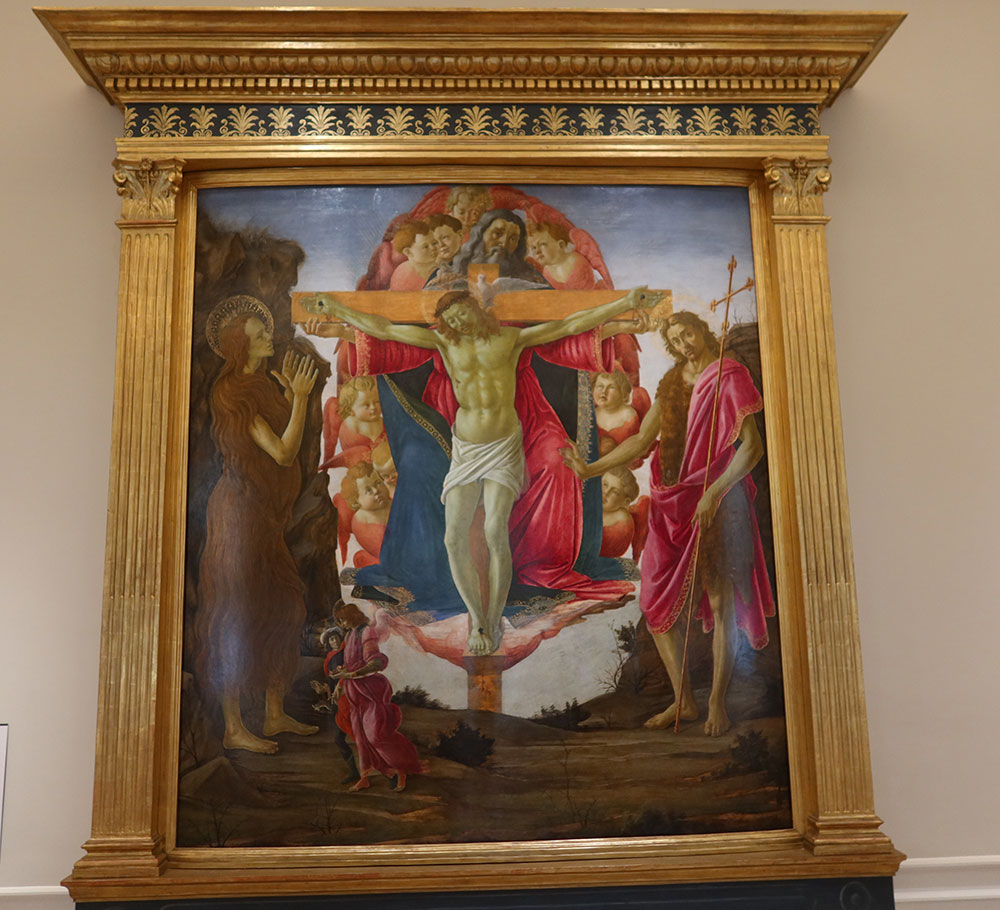
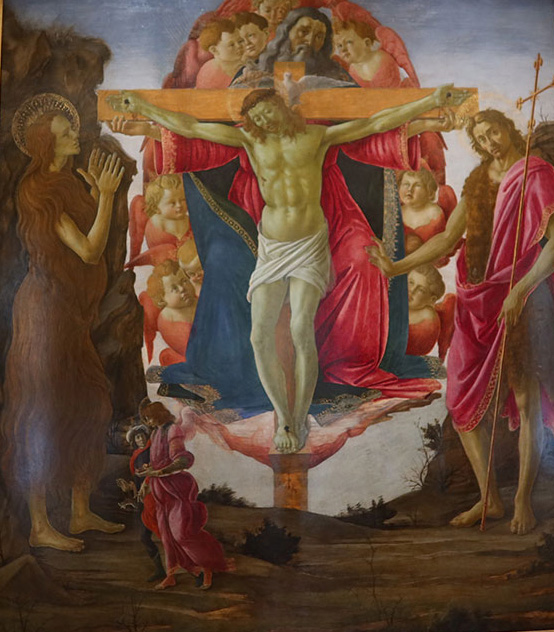
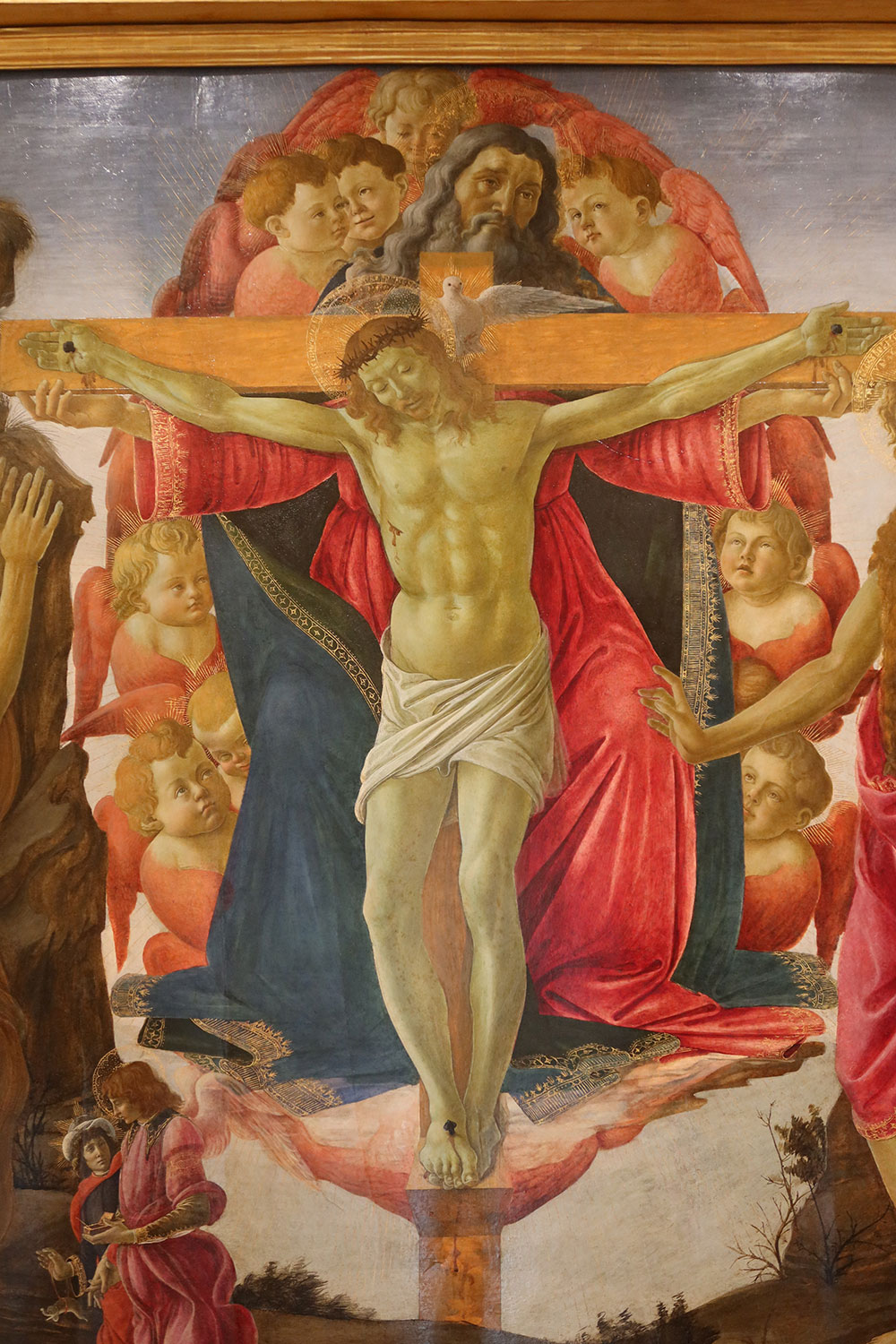
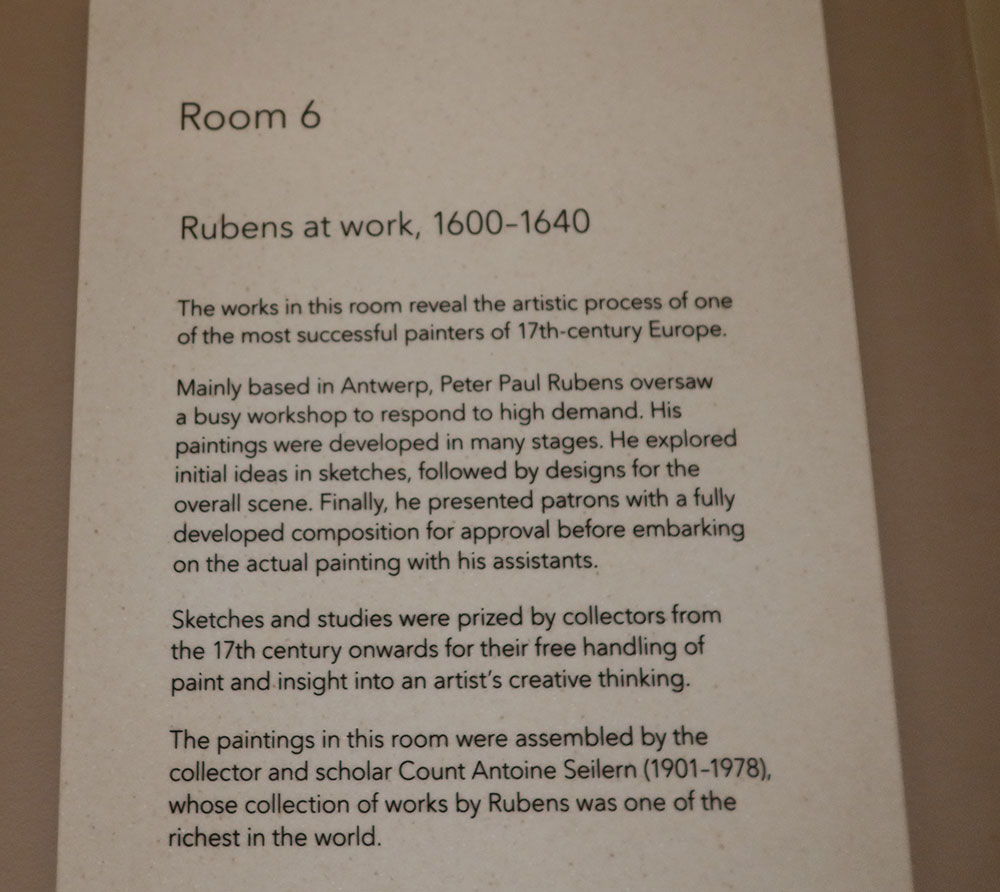
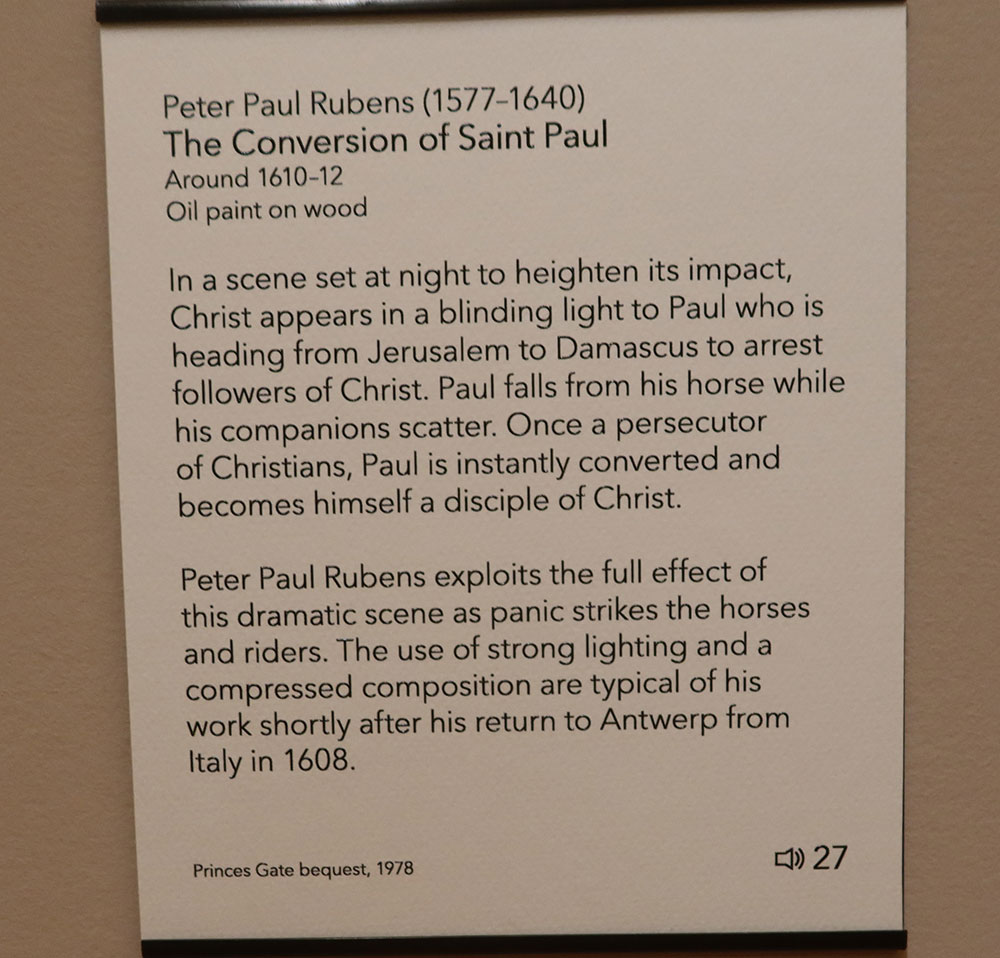
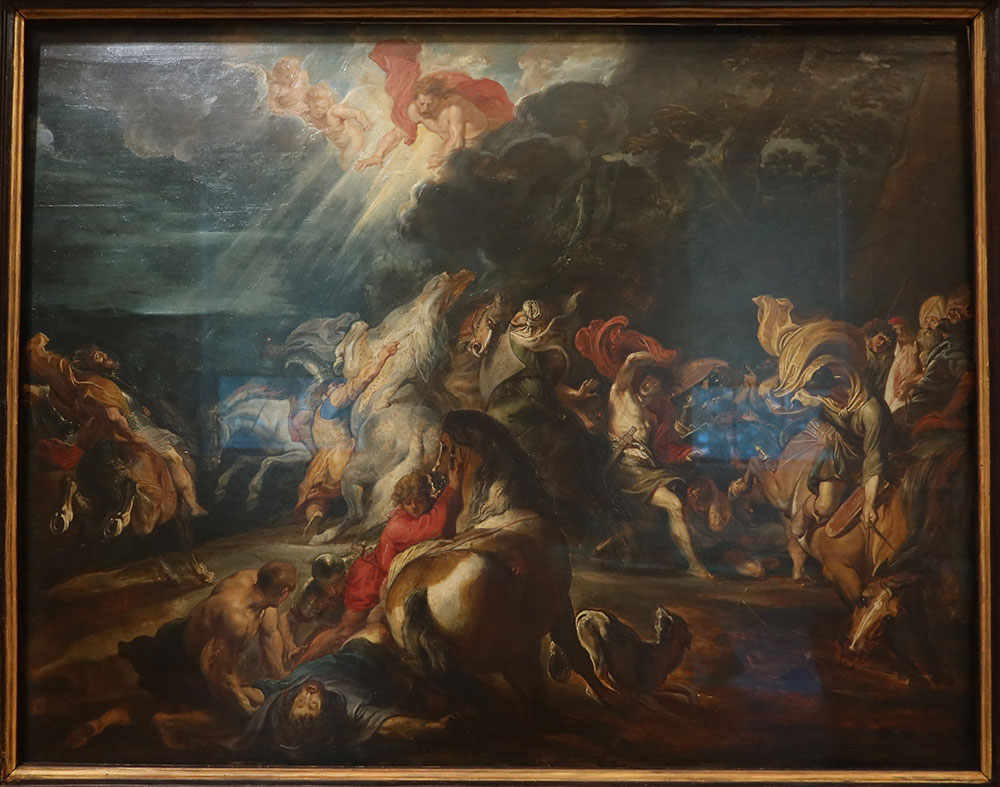
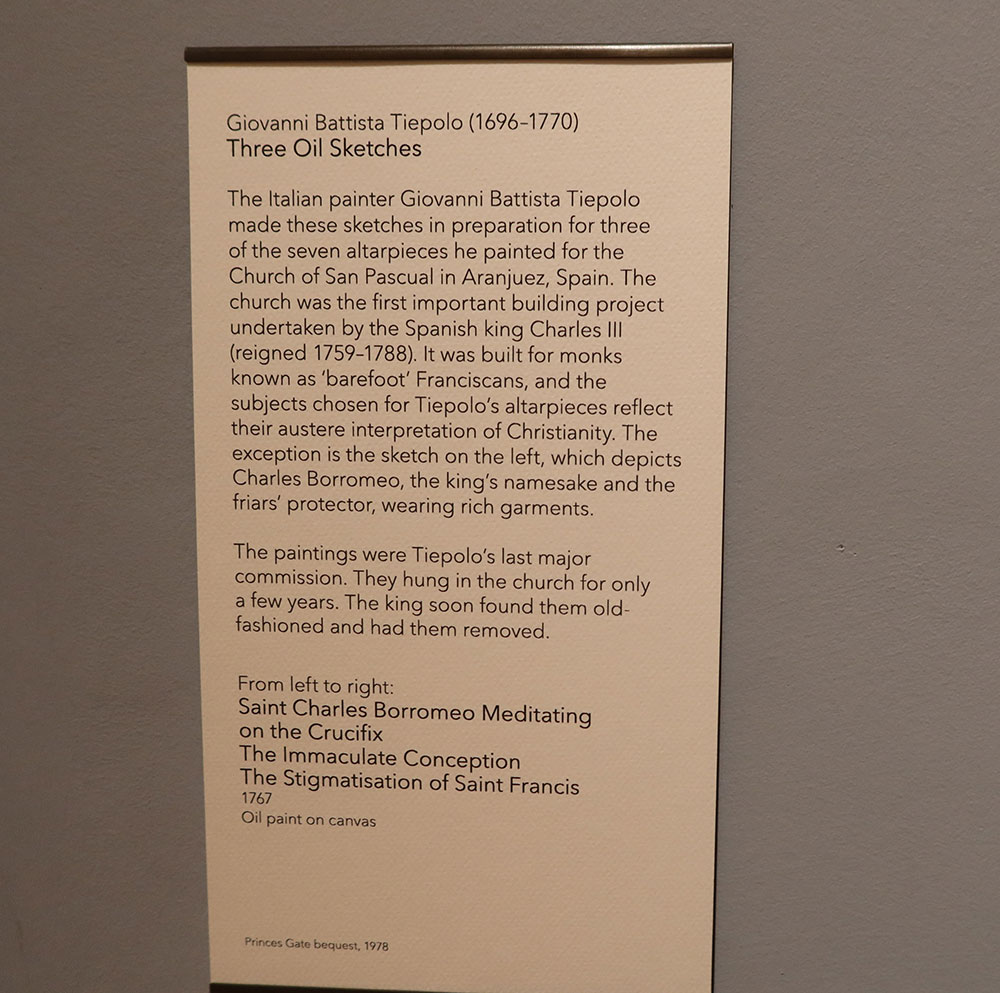
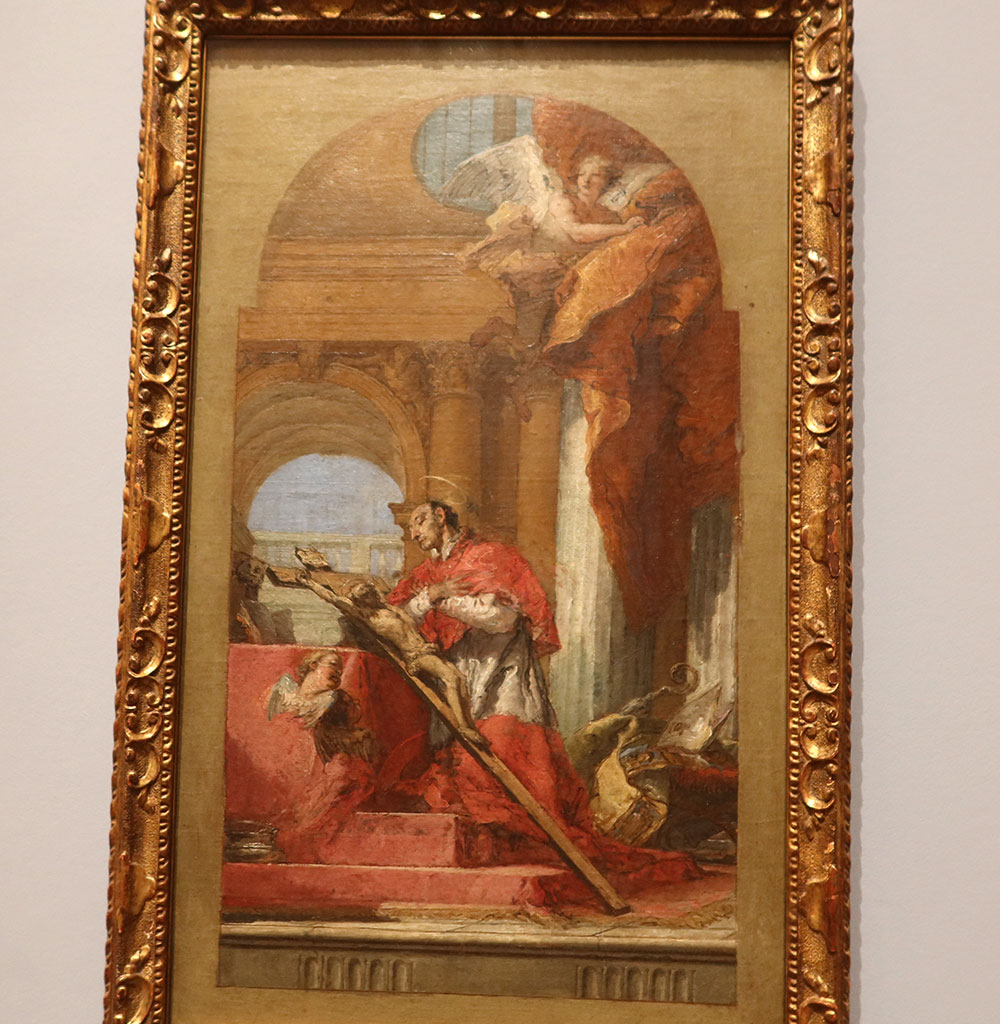
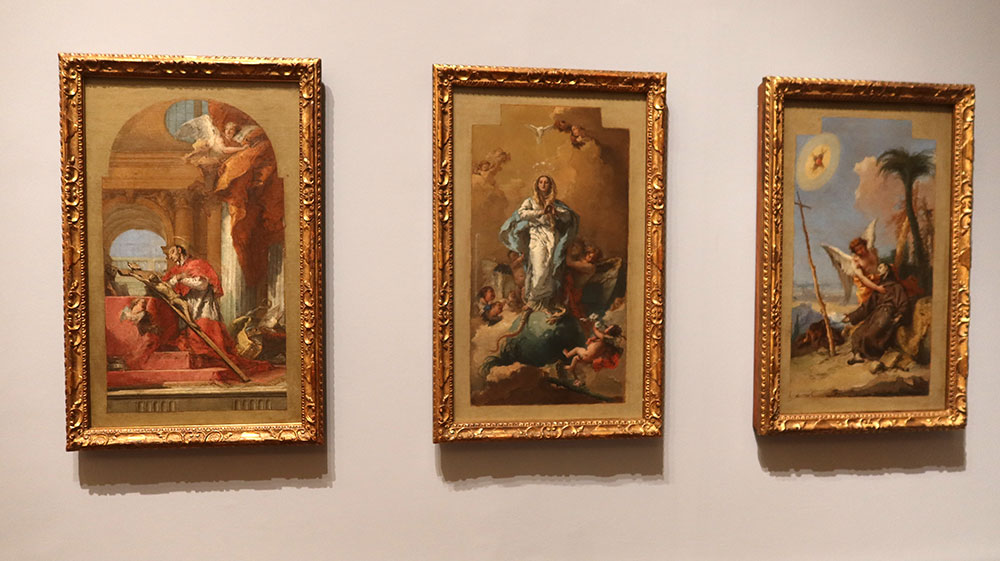
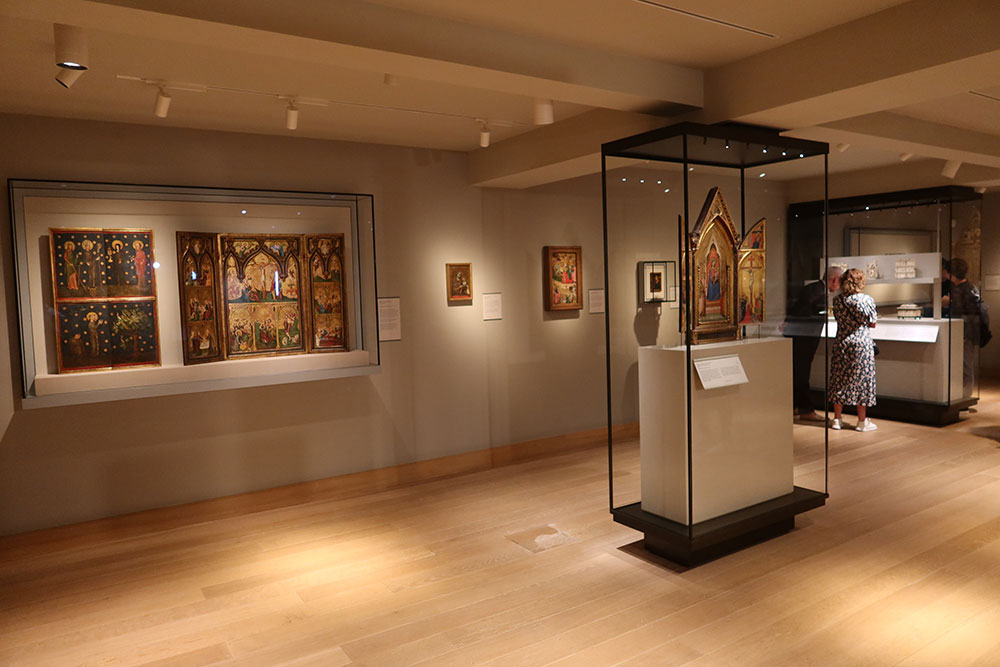
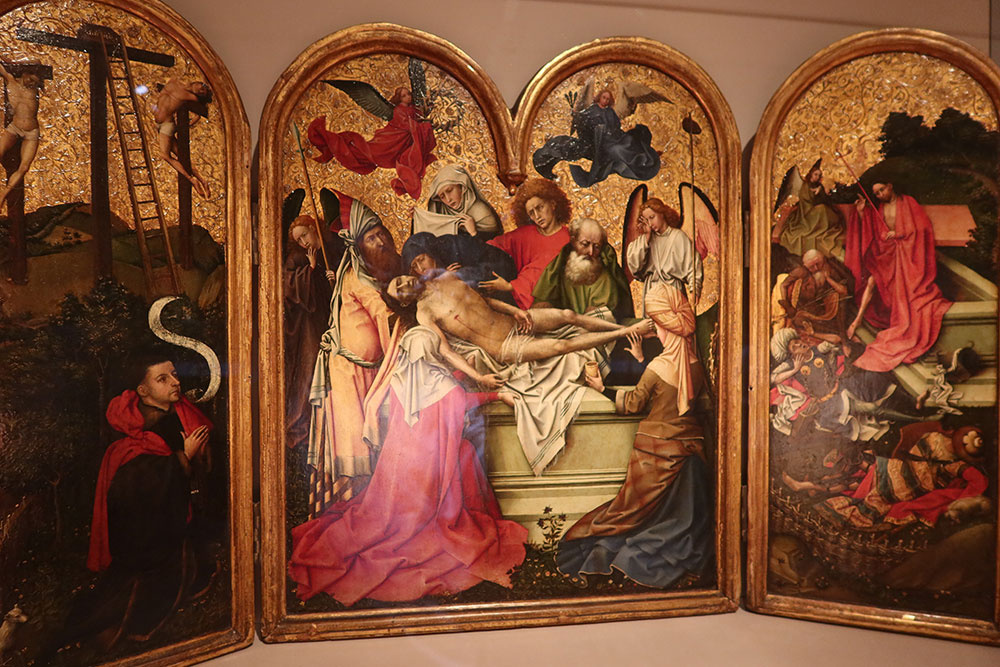
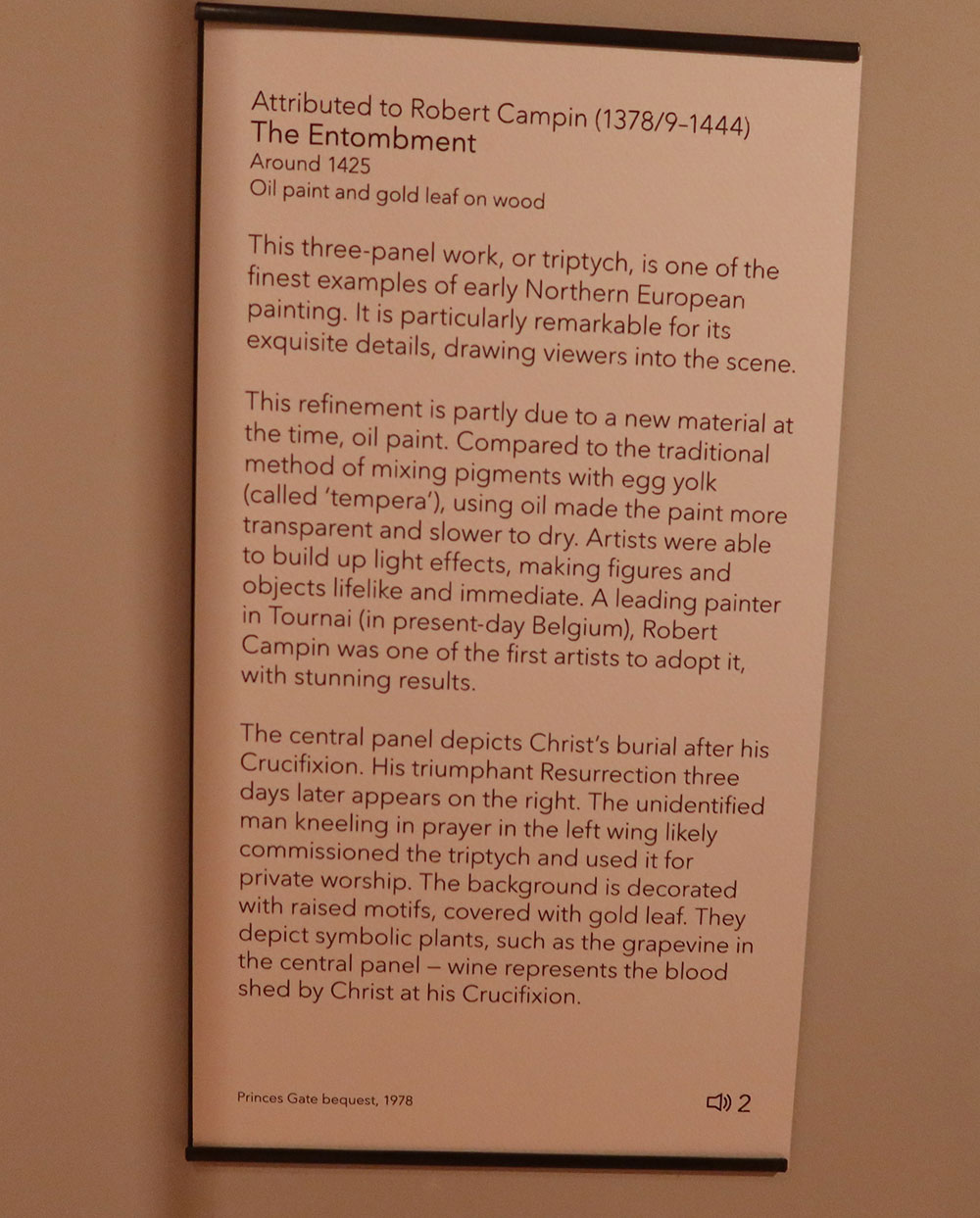
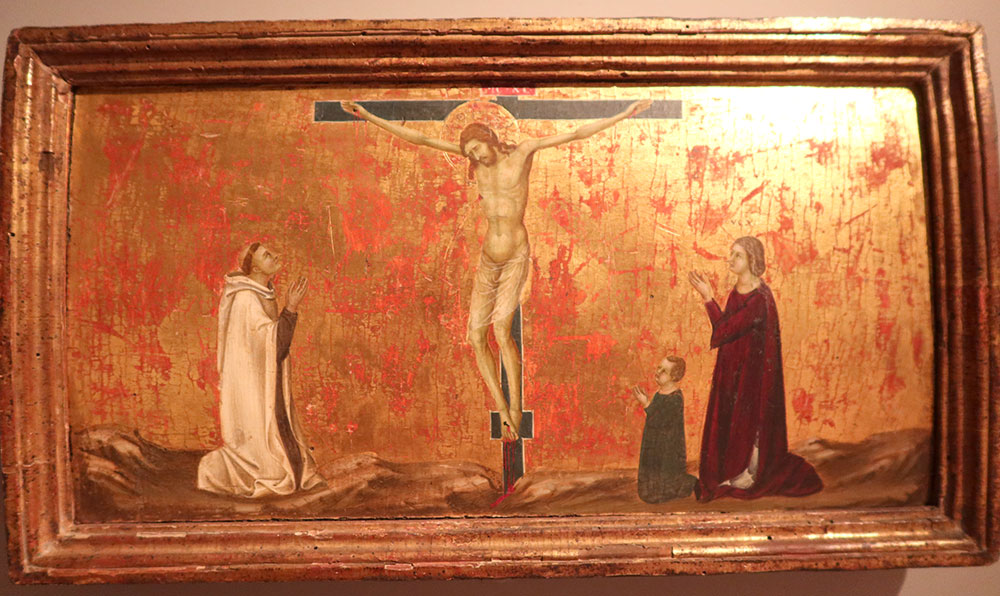
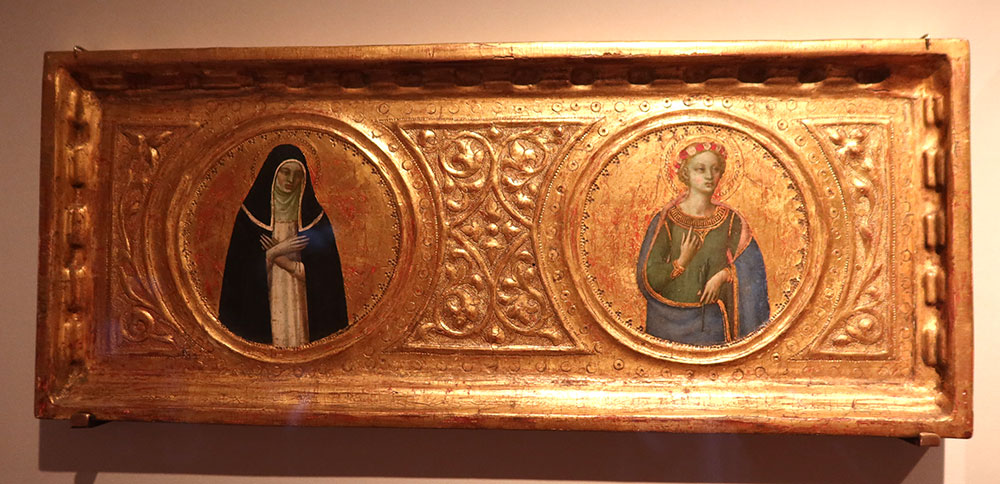
But the collection extends considerably further than Impressionism. The Princes Gate Collection, received in 1978 and formed by Count Antoine Seilern, includes paintings by Bernardo Daddi, Robert Campin, Bruegel, Quentin Matsys, Van Dyck and Tiepolo, and is strongest in works by Rubens. The breadth of the holdings — from Early Italian Renaissance panels to English watercolours, from Baroque canvases to post-war works — gives the gallery an intellectual range that sets it apart from institutions devoted to a single period or tendency.
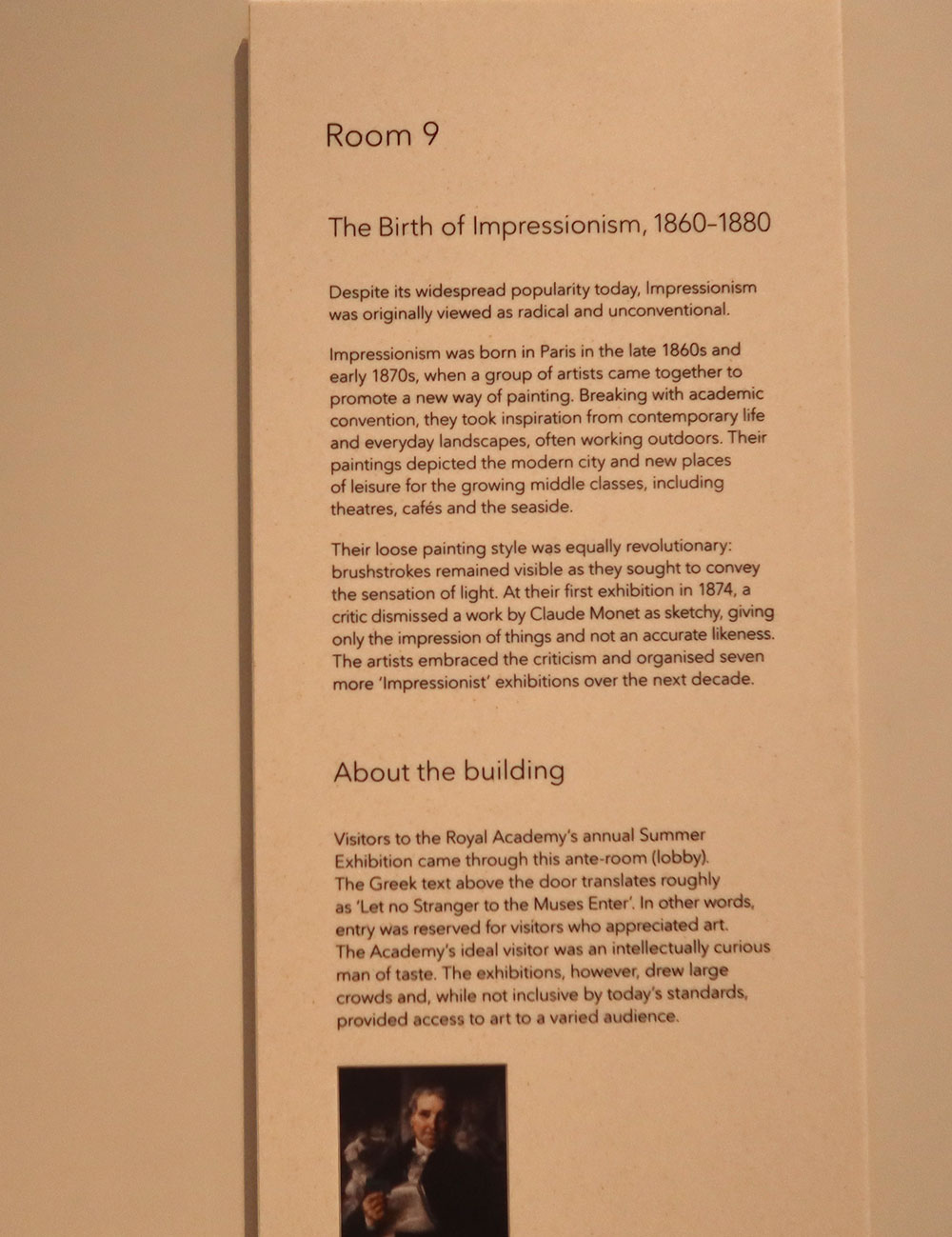
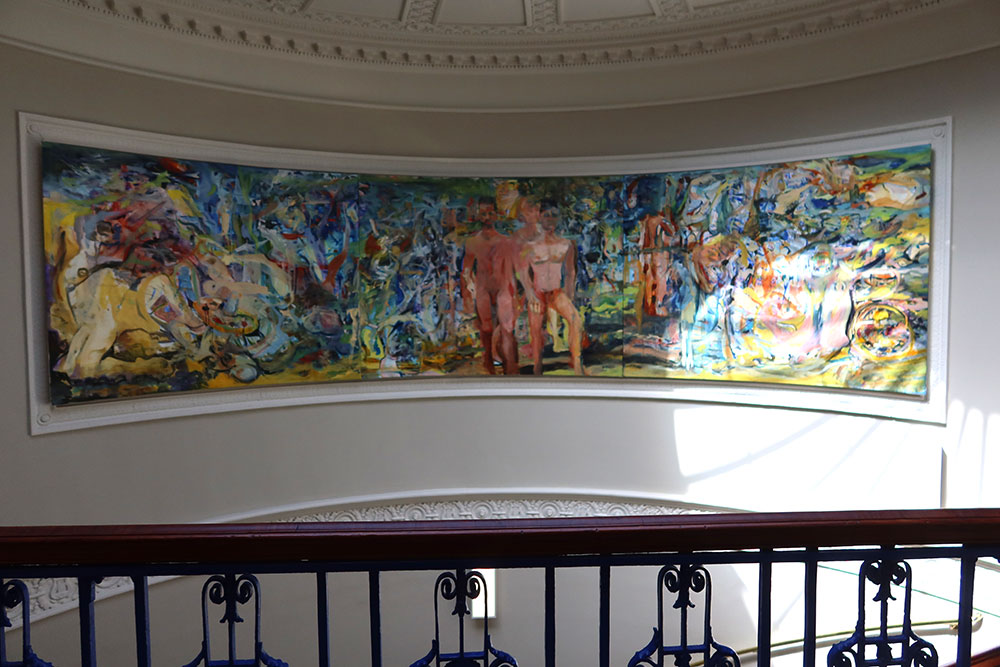
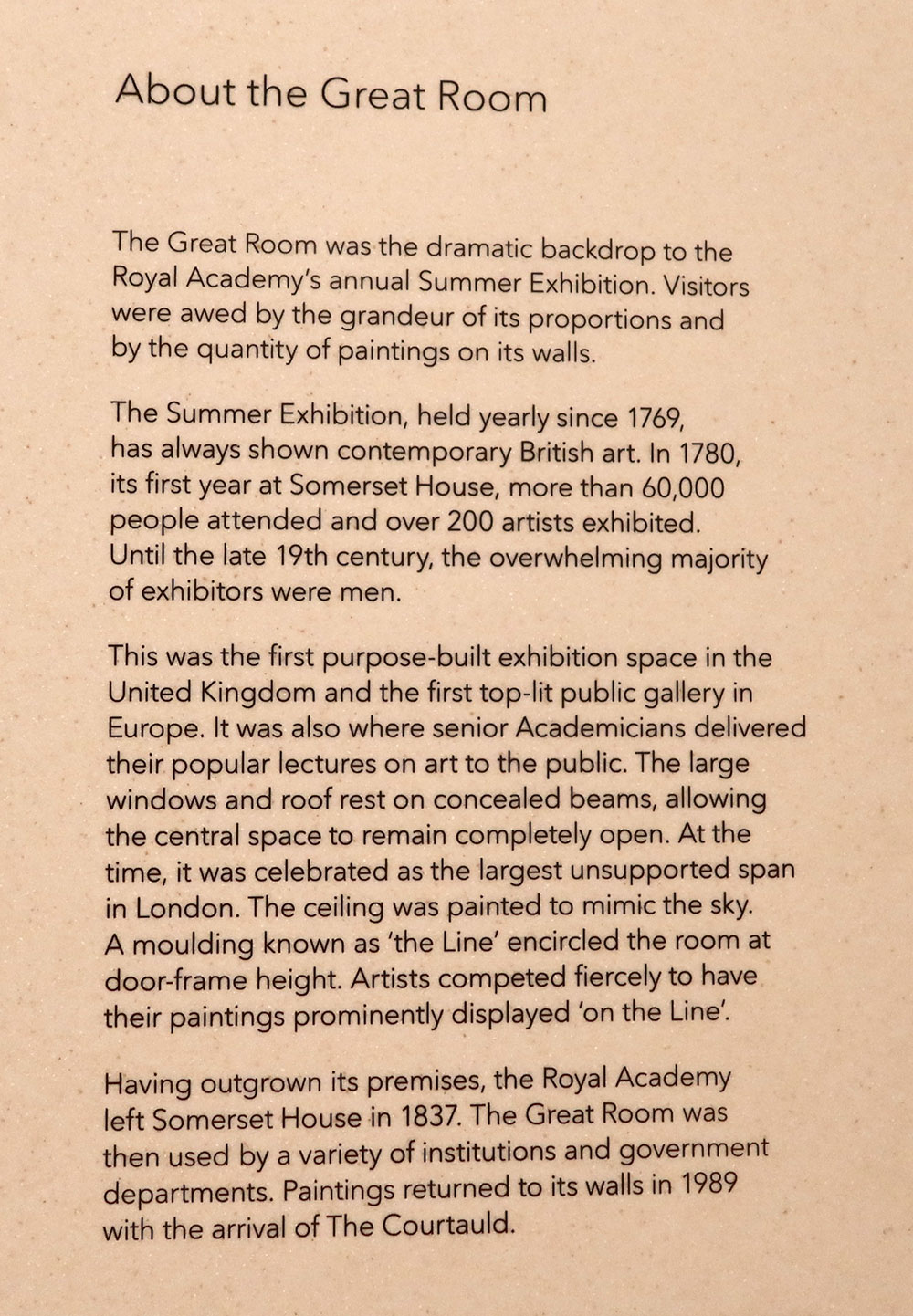
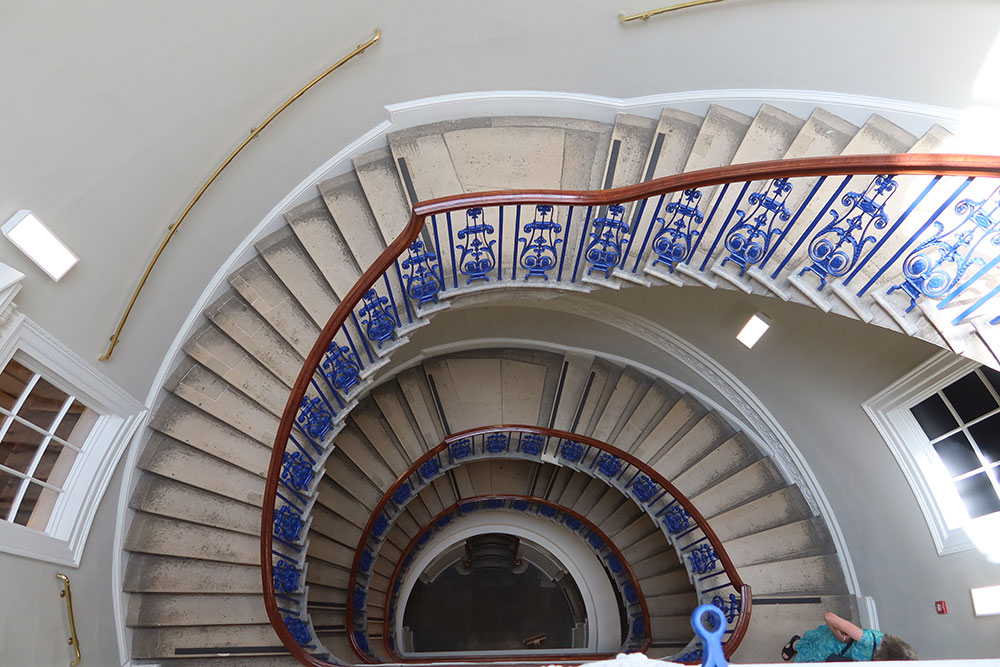
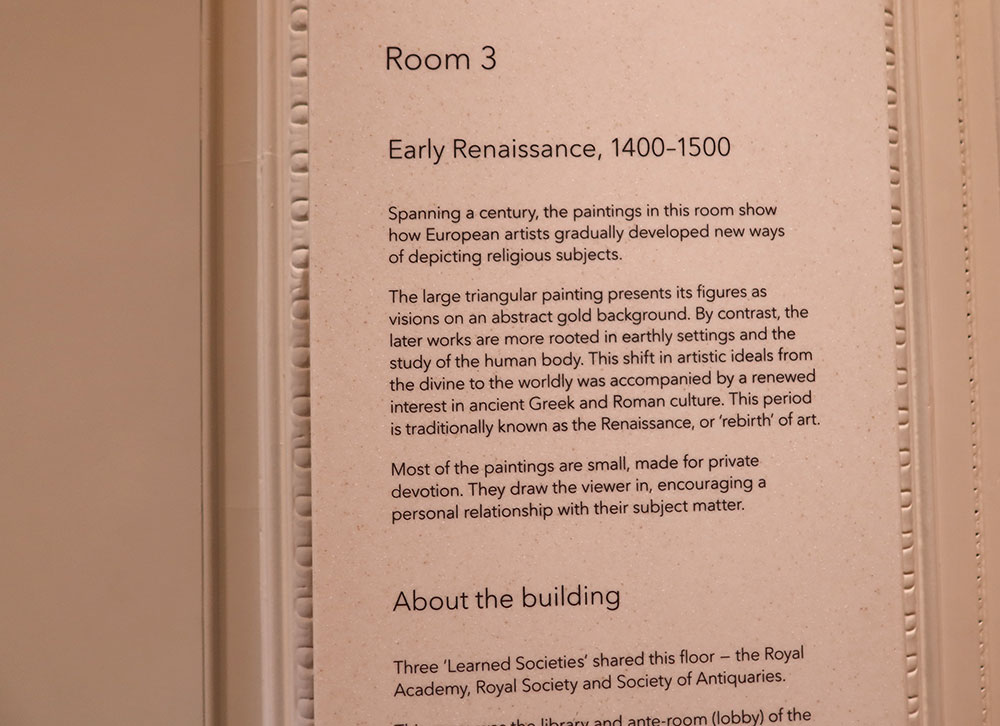
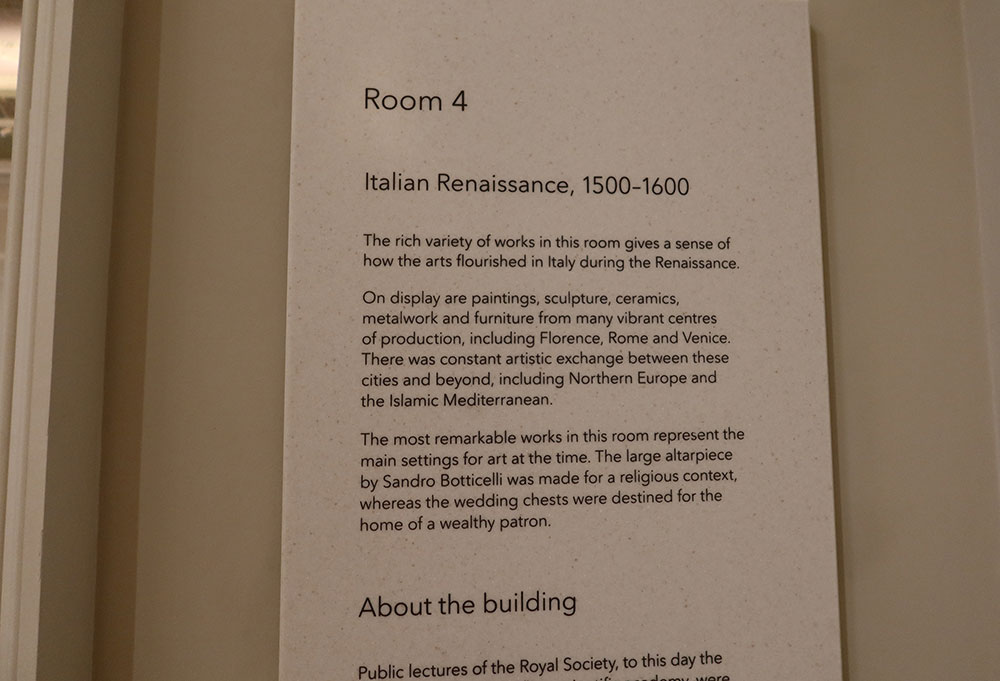
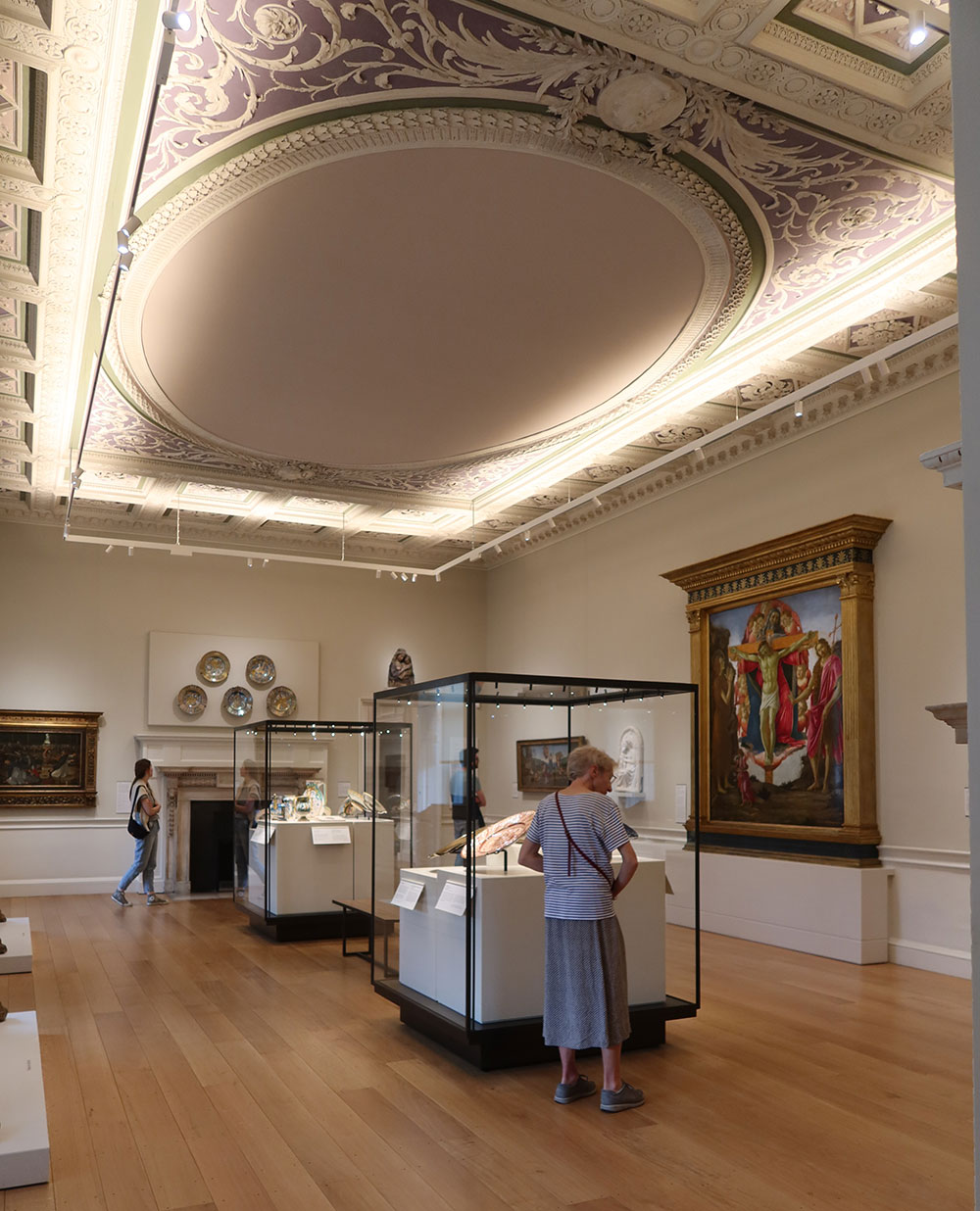
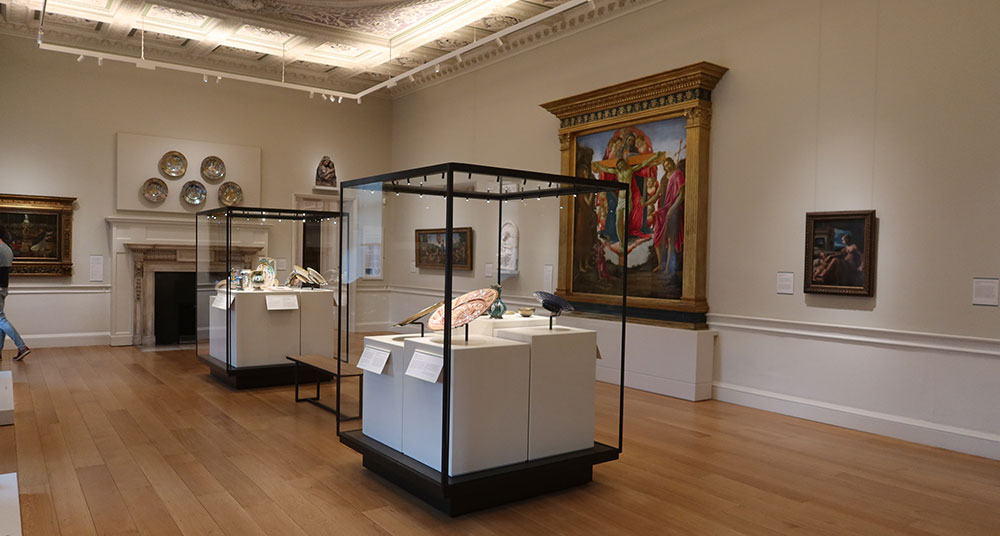
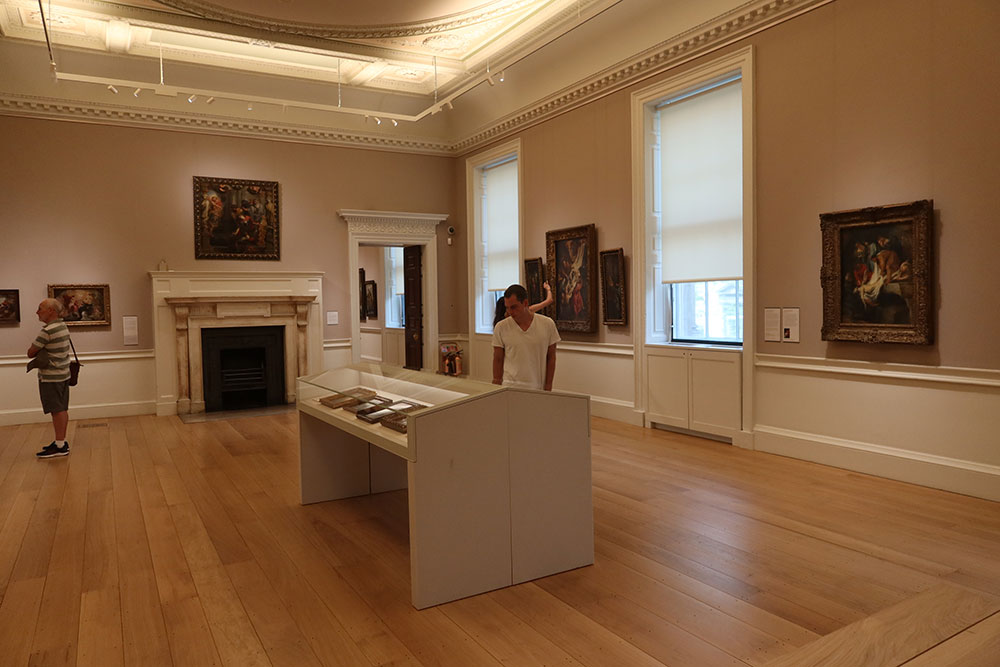
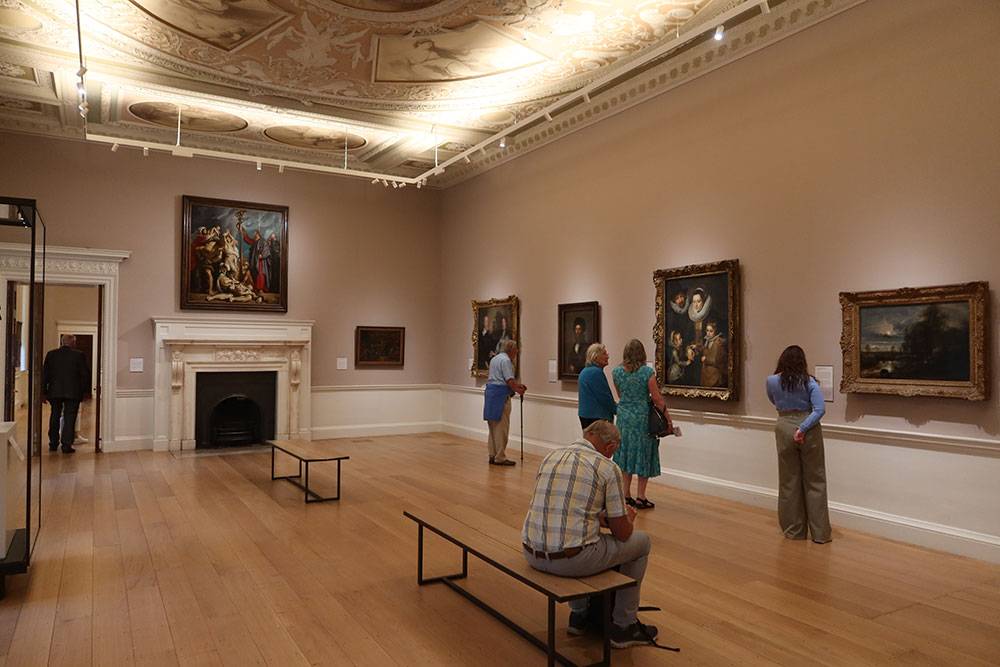
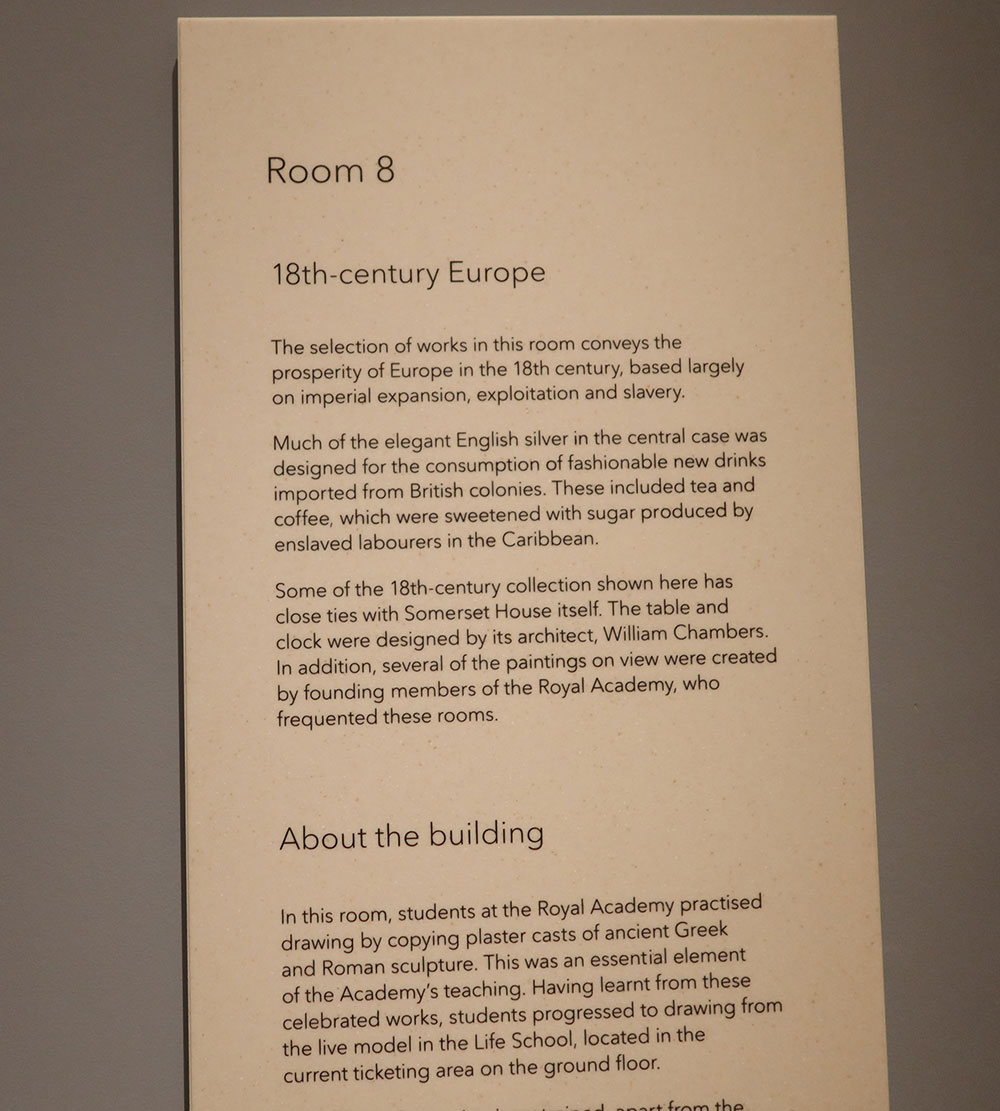
The physical setting of the gallery also carries significance for professionals in the field. Since 1989, the gallery has been housed in the North or Strand block of Somerset House, in rooms designed and purpose-built by Sir William Chambers for the learned societies — the Royal Academy, the Royal Society and the Society of Antiquaries. The Royal Academy occupied these spaces from their completion in 1780 until moving to Trafalgar Square in 1837. Inscribed above the entrance to the Great Room is the Ancient Greek phrase meaning "Let no stranger to the Muses enter" — a declaration of intent that, in a different register, still resonates.
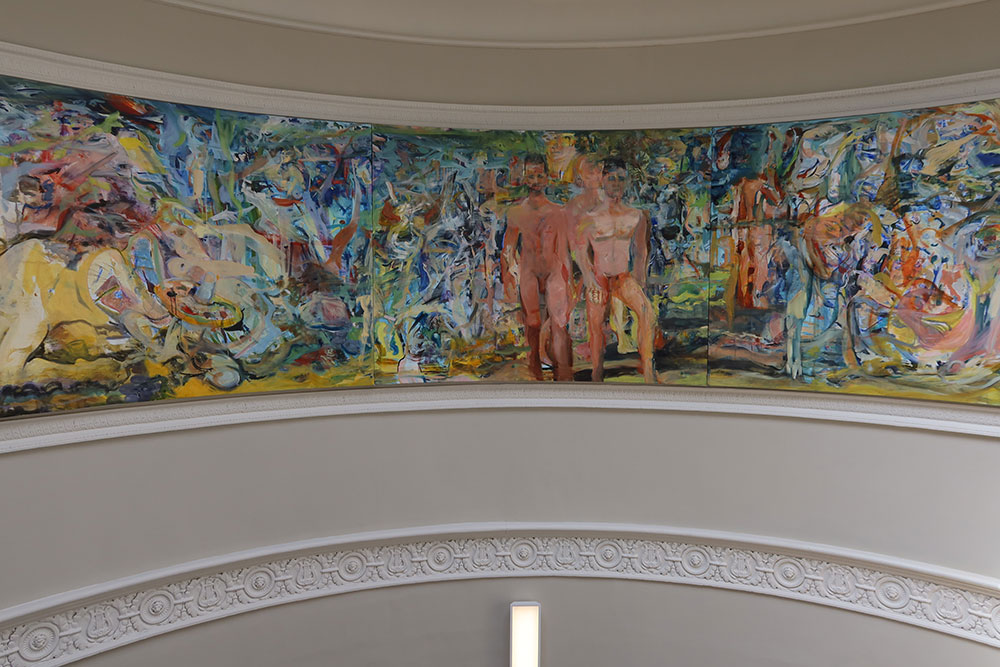
The gallery closed in September 2018 for the Courtauld Connects redevelopment project and reopened in November 2021. The renovation addressed long-standing structural and curatorial needs, allowing the permanent collection to be rehung with greater clarity and the gallery's conservation and research functions to be better integrated into the visitor experience.
For gallery professionals, one of the most relevant aspects of the Courtauld is its position as a working institution in which the academic study of art and its public presentation are not separated. The Courtauld faculty constitutes the largest community of art historians and conservators in the UK, carrying out research on subjects from creativity in late Antiquity to contemporary digital artforms. The Courtauld is well known for its many graduates who have become directors of art museums around the world, including the Metropolitan Museum of Art, New York; the Museum of Modern Art, New York; the National Gallery, London; the National Portrait Gallery, London; the British Museum; and Tate. The gallery's influence on curatorial culture, in other words, is not only through its exhibitions but through the professionals it trains.
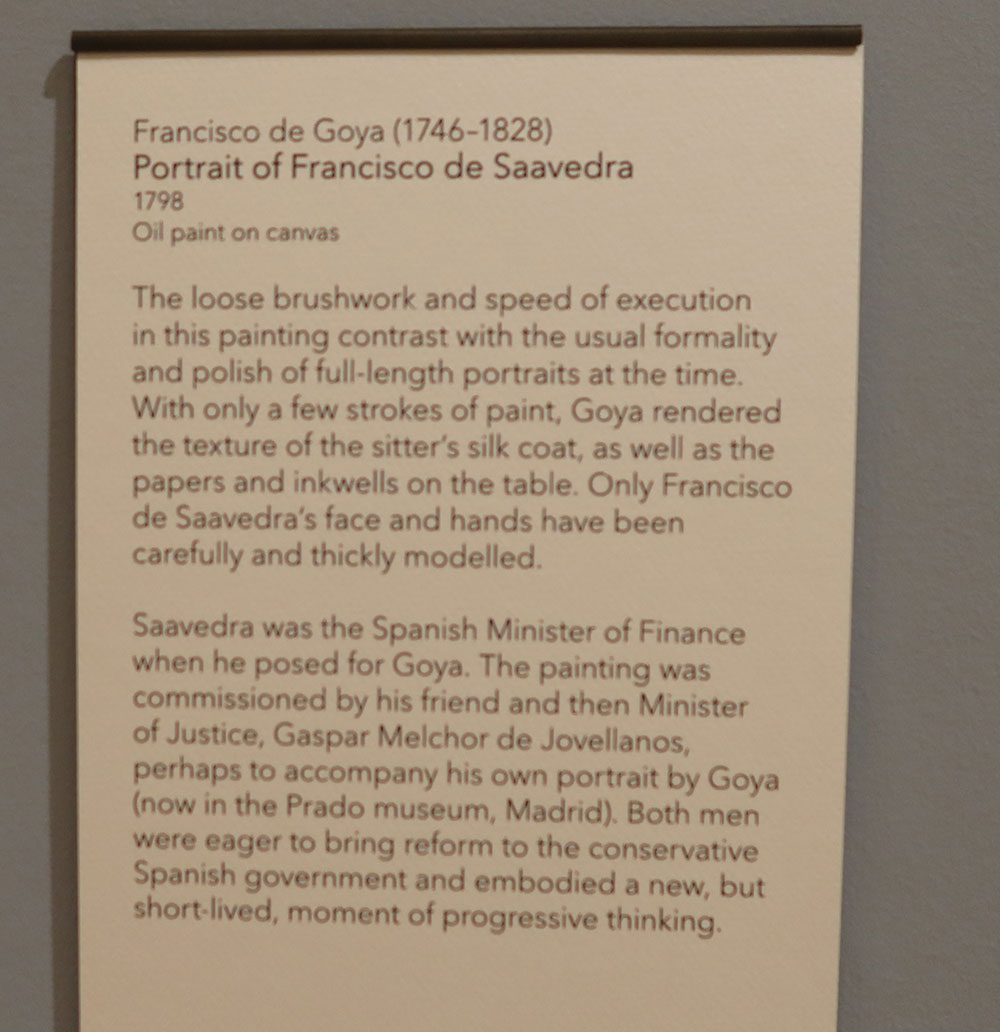
The exhibition programme reflects this scholarly orientation without becoming inaccessible to general audiences. Recent years have seen focused presentations that draw directly from institutional expertise and collection depth. The 2024 exhibition Monet and London: Views of the Thames reunited for the first time in 120 years an extraordinary group of the artist's Impressionist paintings of the city, depicting Charing Cross Bridge, Waterloo Bridge and the Houses of Parliament. The exhibition realised Monet's own unrealised ambition to show the works in London, near the sites from which they were painted. Looking ahead, the 2025 programme includes Goya to Impressionism: Masterpieces from the Oskar Reinhart Collection in spring, a presentation of works by Wayne Thiebaud in autumn — the first museum exhibition of his work to be staged in the UK — and drawings by the Franco-Belgian poet and visual artist Henri Michaux.
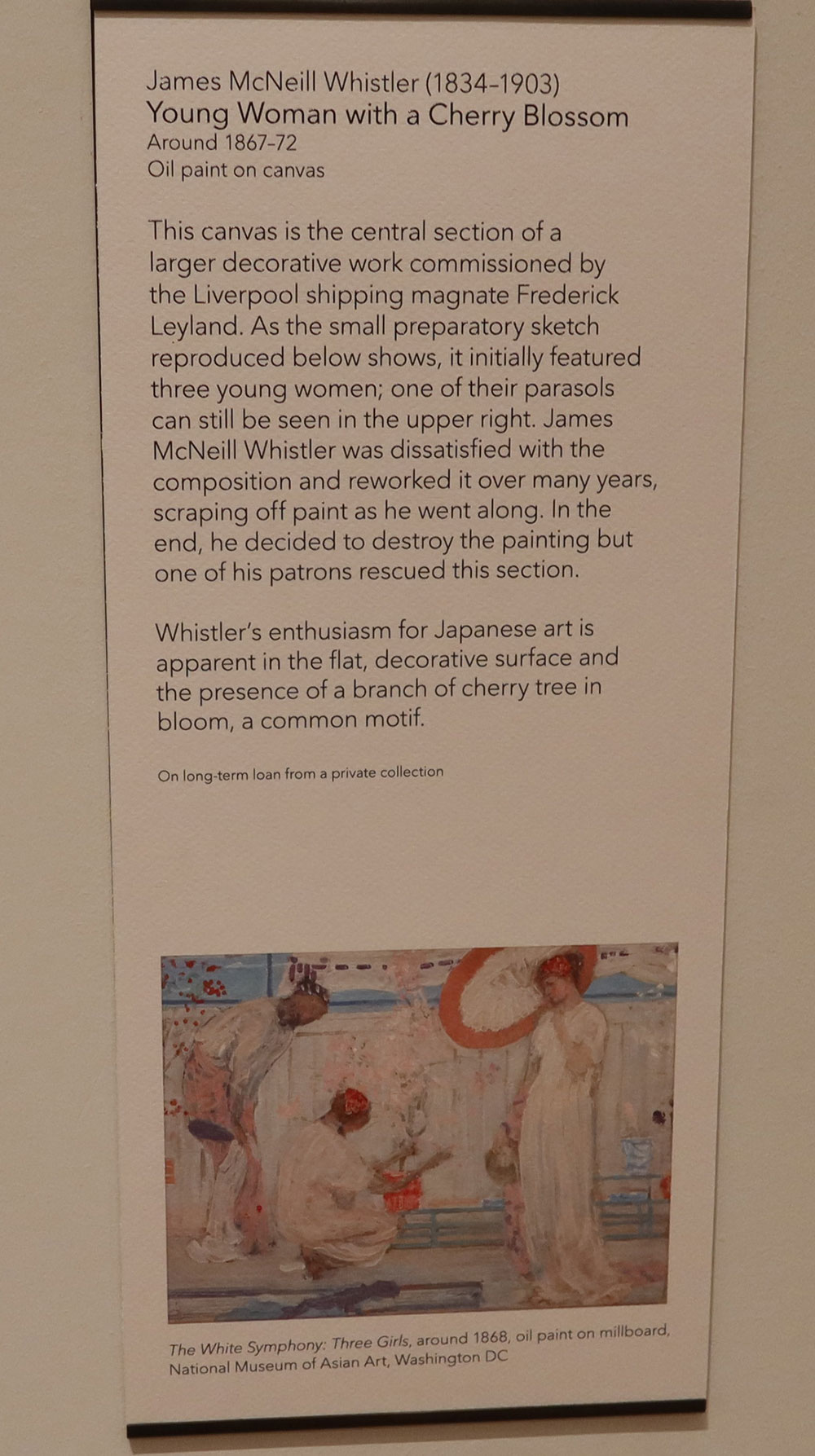
The gallery has also hosted significant loans and partnerships, extending its reach and reinforcing its role in the broader ecology of the sector. From May 2025, the gallery is hosting a significant group of paintings from the Barber Institute of Fine Arts, University of Birmingham, including works by Frans Hals, Vigée-Lebrun, Rossetti, Monet, Degas and Toulouse-Lautrec, while the Barber undergoes a major refurbishment.
In November 2025, the Institute announced a further £82 million redevelopment of its Grade I-listed Somerset House campus, intended to consolidate teaching, research and gallery functions within a unified site, with completion projected for 2029. This commitment to long-term investment in the physical infrastructure of both the atelier and the gallery speaks to the institution's understanding that the conditions in which art is studied and displayed are not incidental to scholarship, but constitutive of it.
For those working in collecting institutions, commercial galleries or arts education, the Courtauld offers a model worth attending to — not simply for what it holds, but for how it holds it: with rigour, continuity and a clear sense of why the encounter between trained eyes and original works of art continues to matter.
The Courtauld Gallery is located at Somerset House, Strand, London courtauld.ac.uk/gallery