
The National Gallery of British Art and Its Evolving Mission
Situated on Millbank in the London Borough of Westminster, on the site of the former Millbank Prison, Tate Britain stands as the national gallery of British art, housing the most comprehensive collection of its kind in the world. The gallery opened on 21 July 1897 as the National Gallery of British Art, though from the outset it was commonly known as the Tate Gallery after its founder Sir Henry Tate, a name it officially adopted in 1932. For art institution professionals and gallerists seeking to understand the stewardship of a national collection over the long term, Tate Britain offers a study in institutional adaptation, curatorial ambition, and the shifting demands placed on public galleries across more than a century.
Founding and Architecture
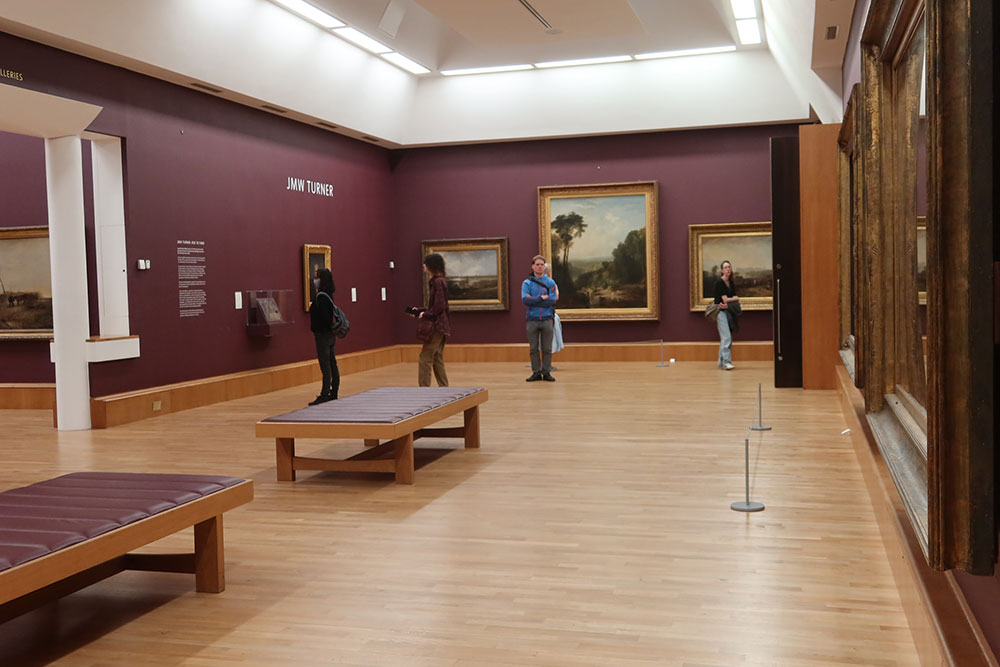
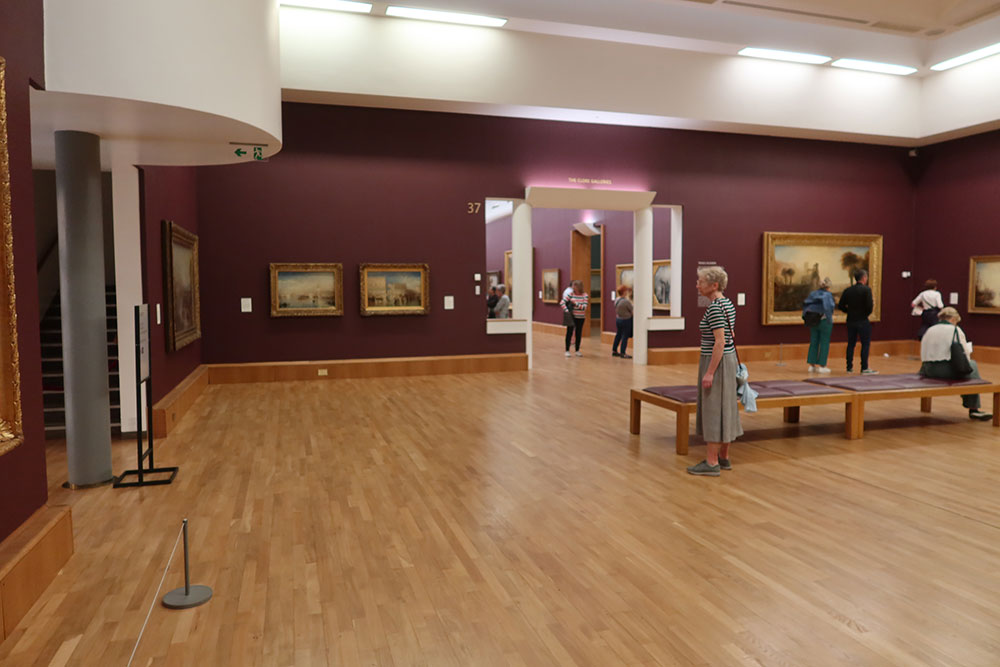
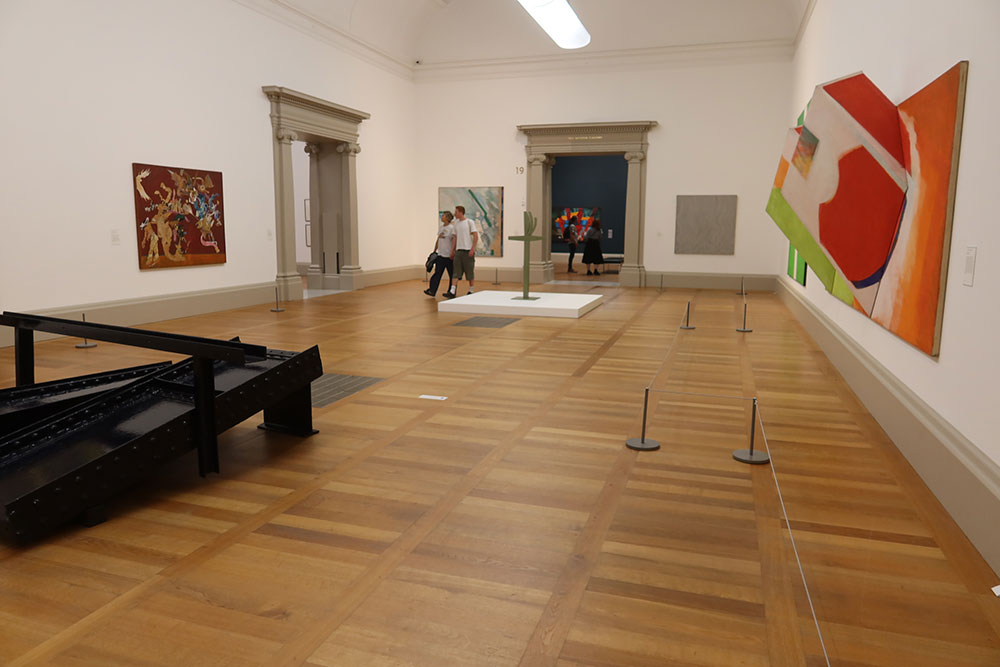
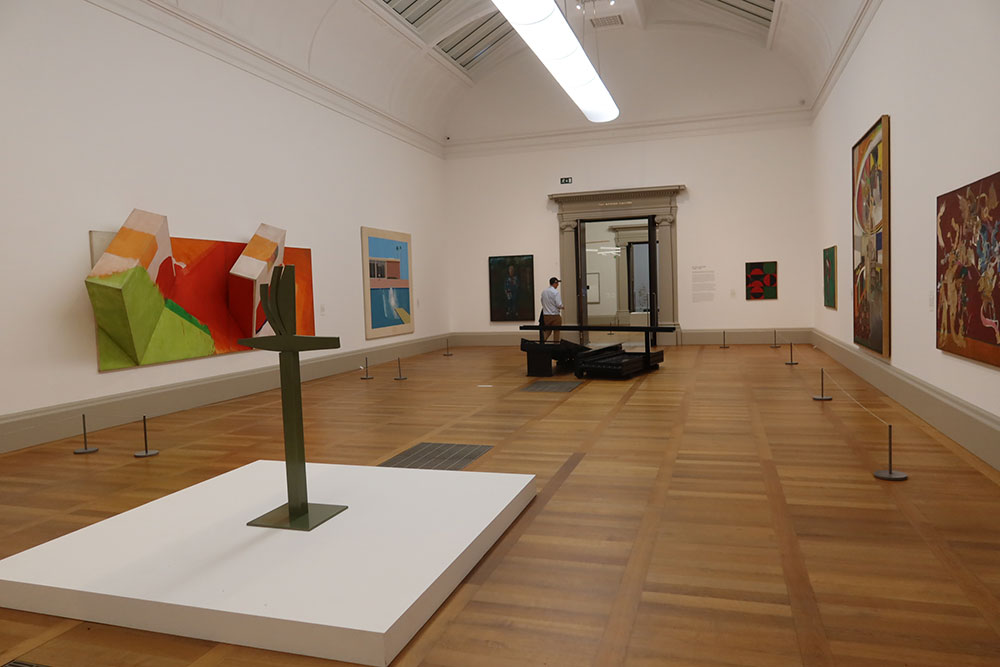
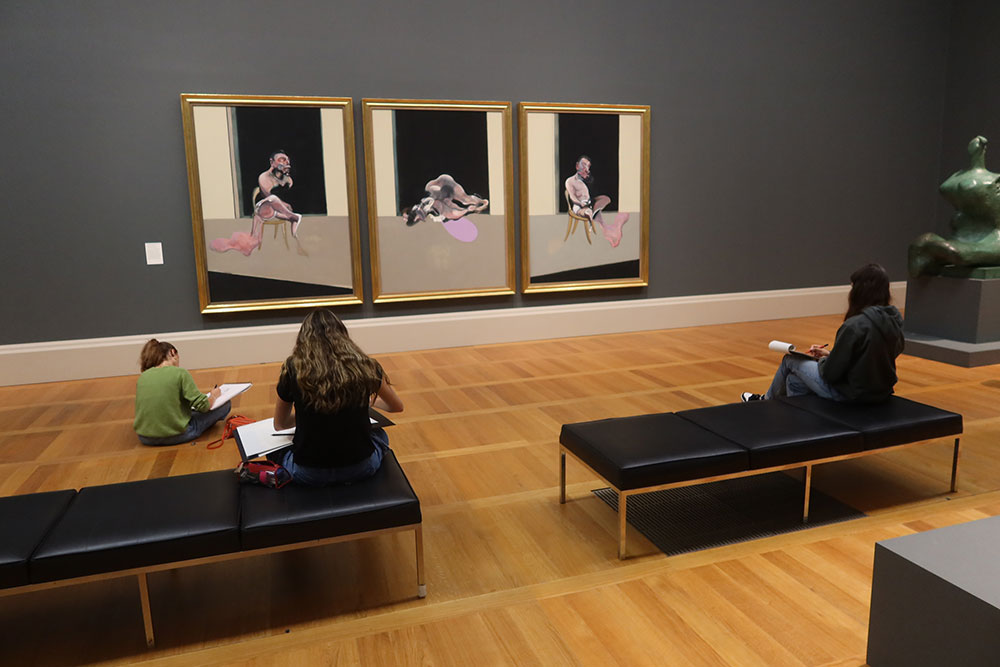
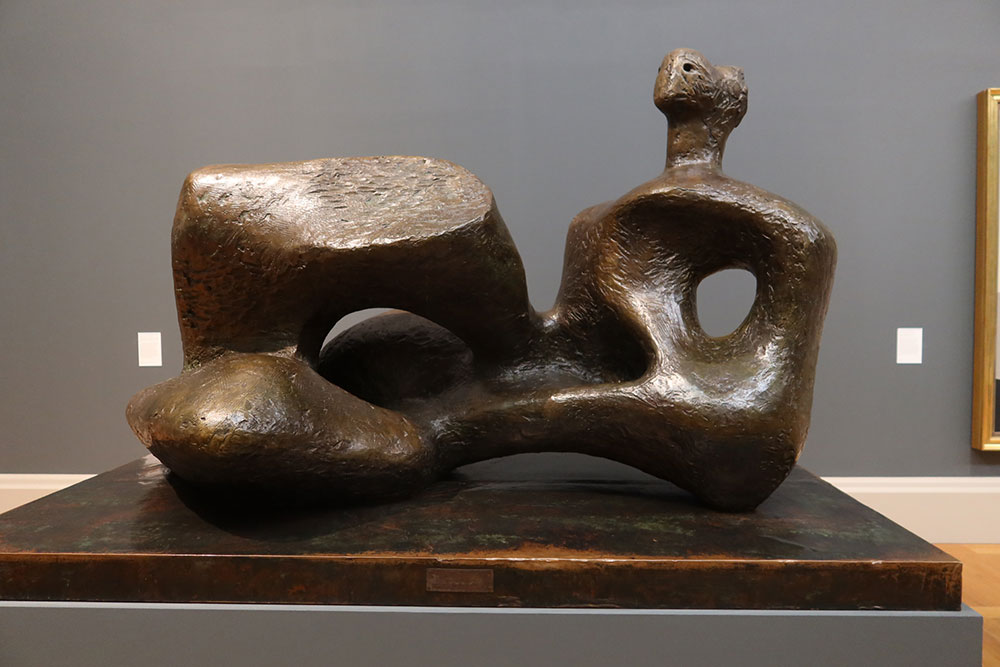
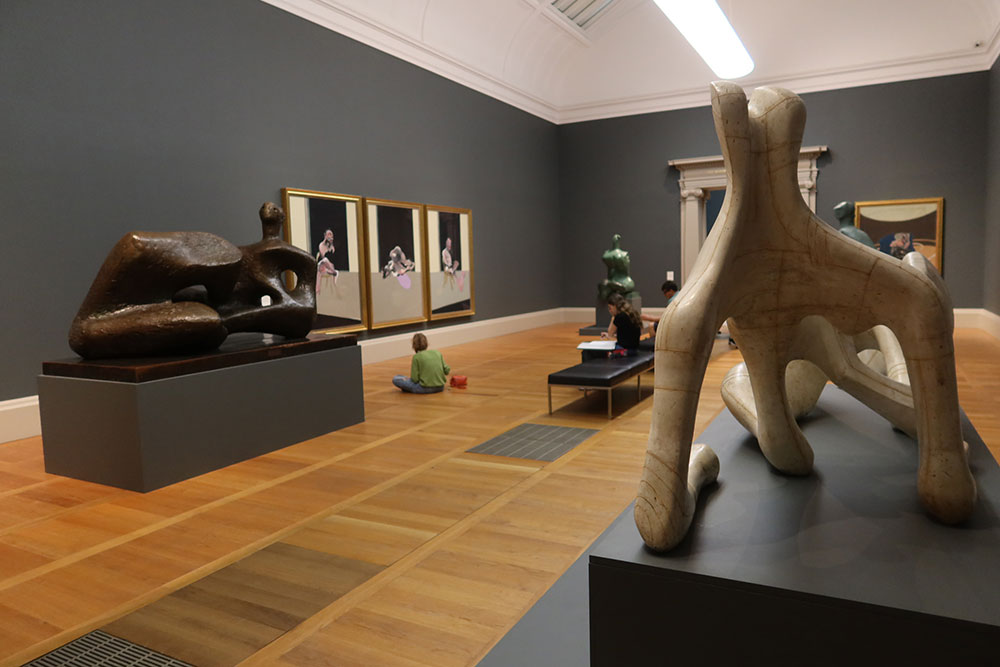
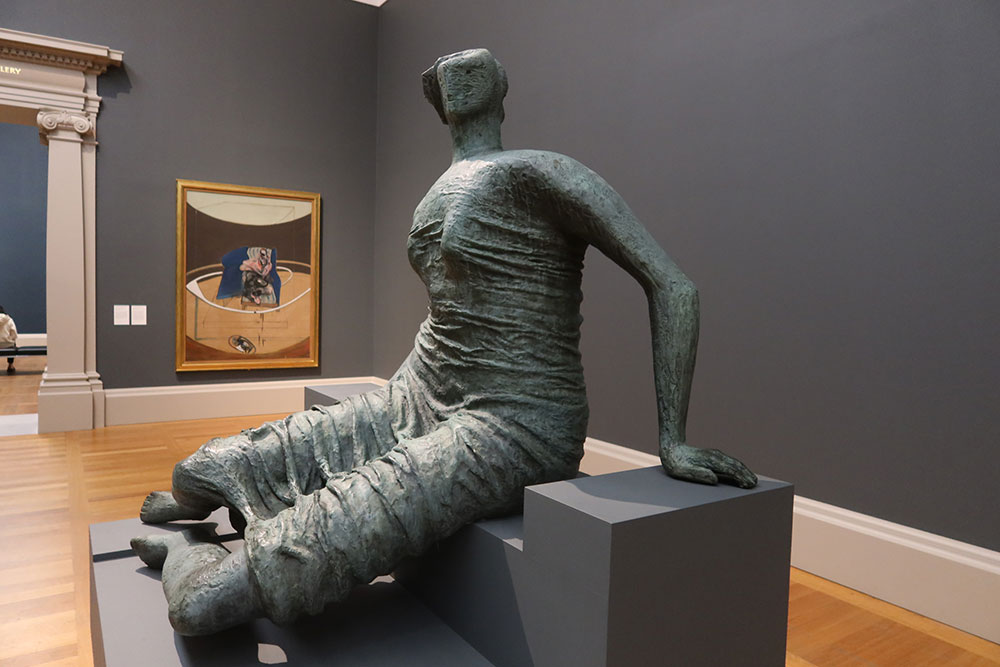
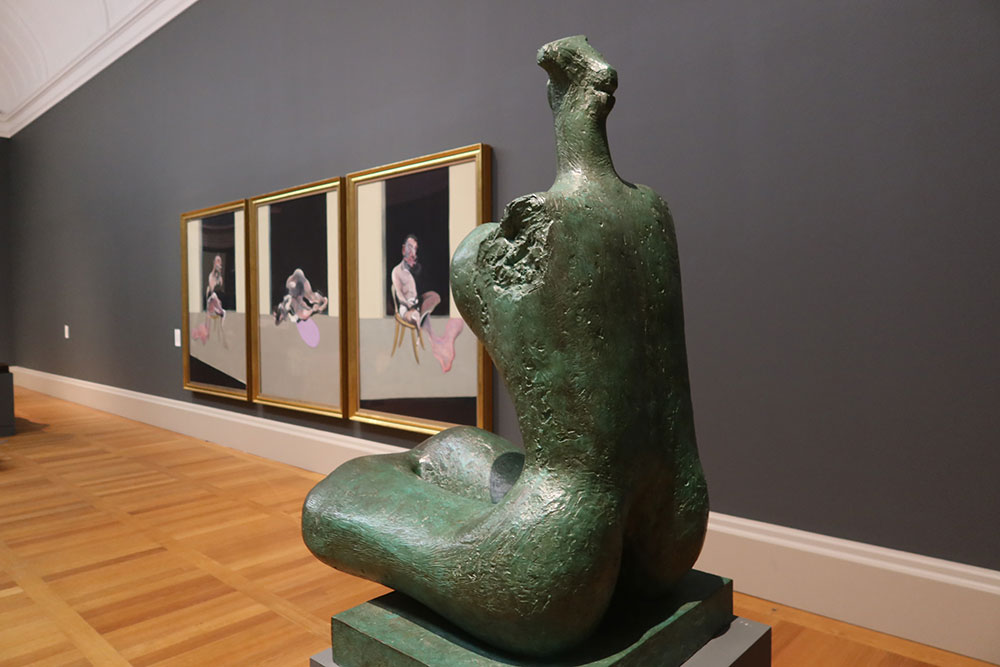
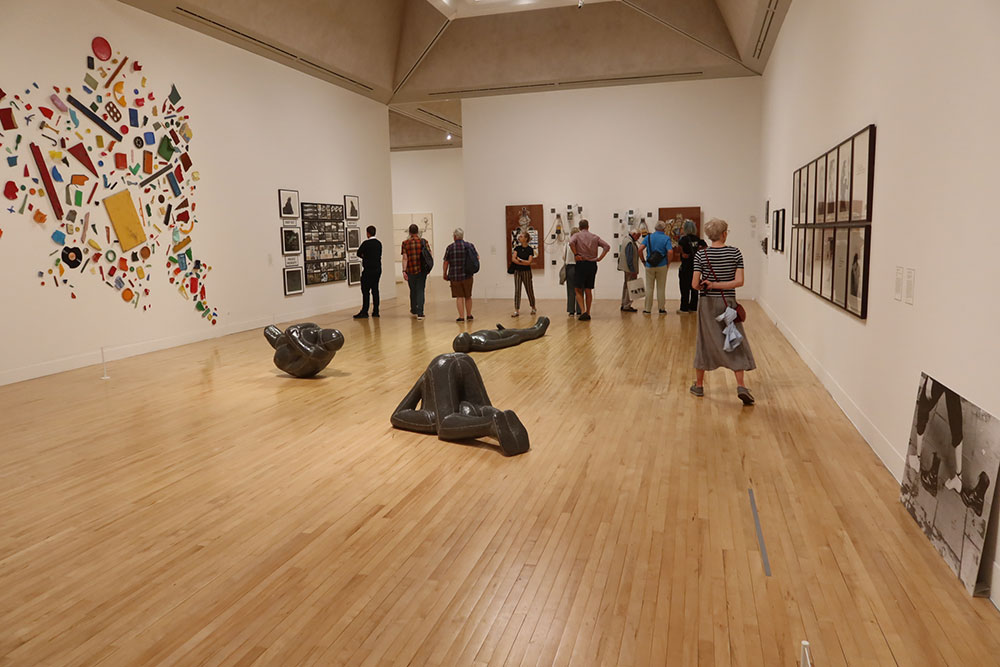
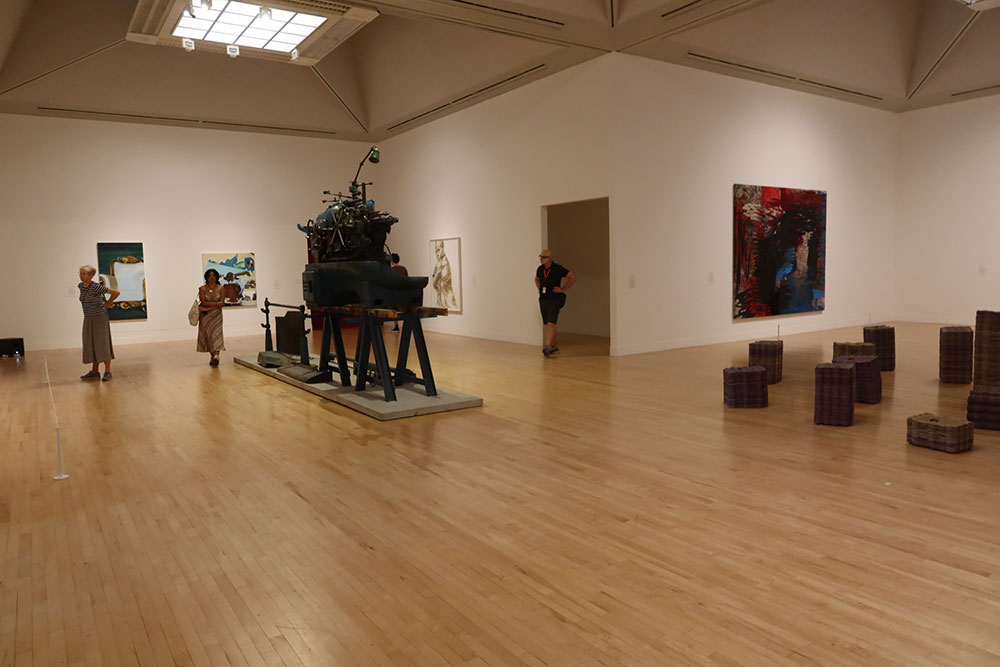
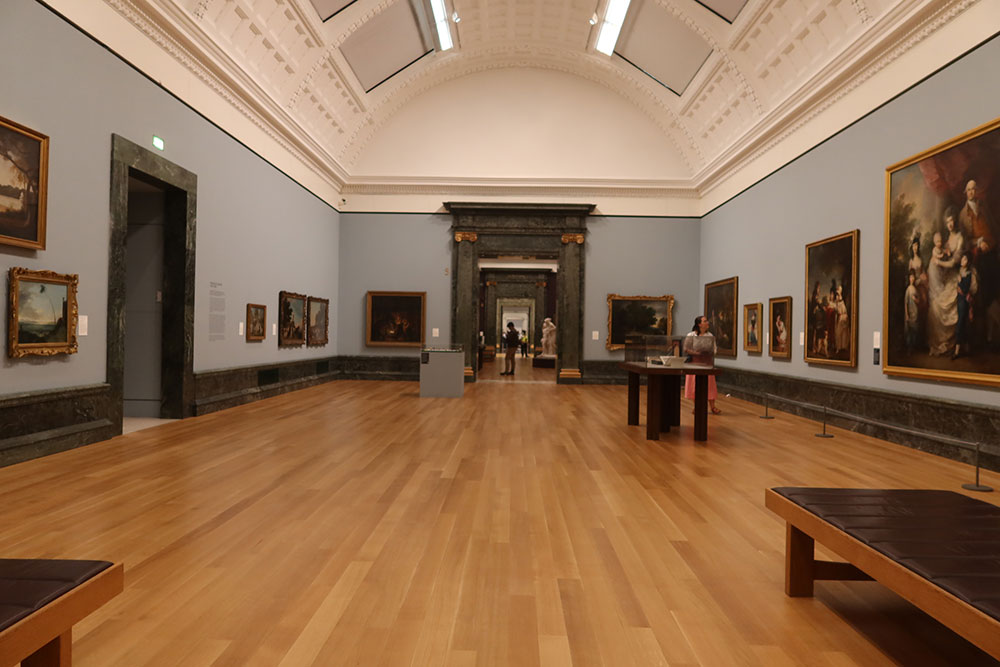
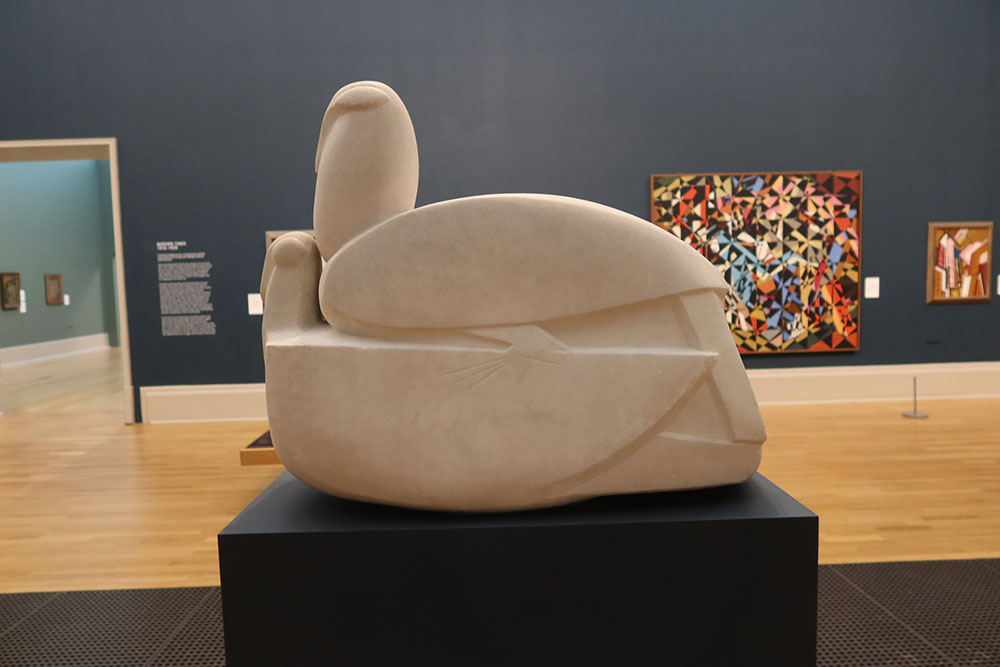
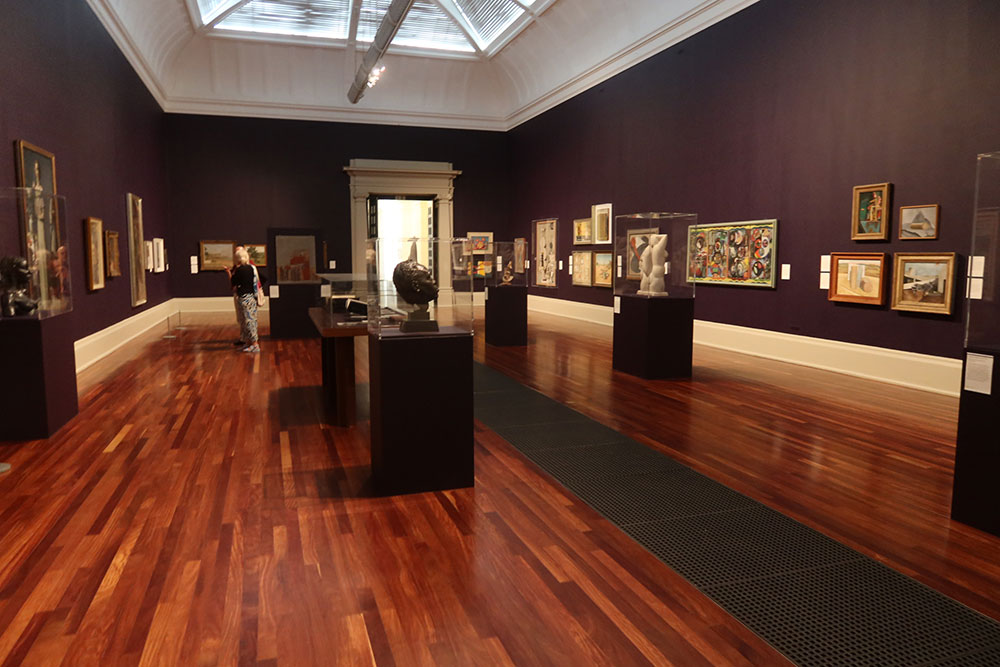
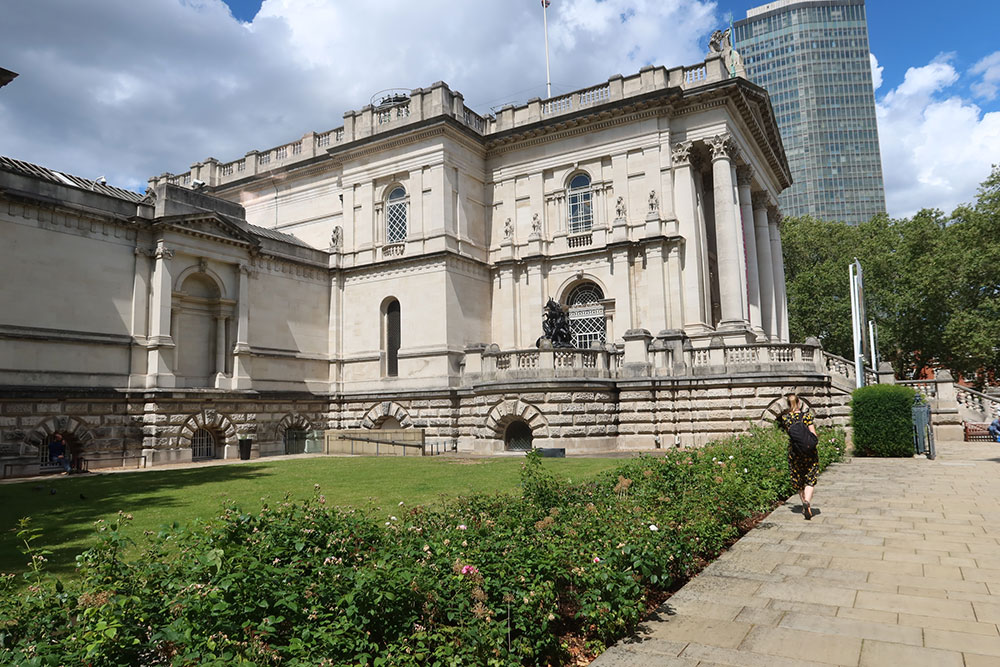
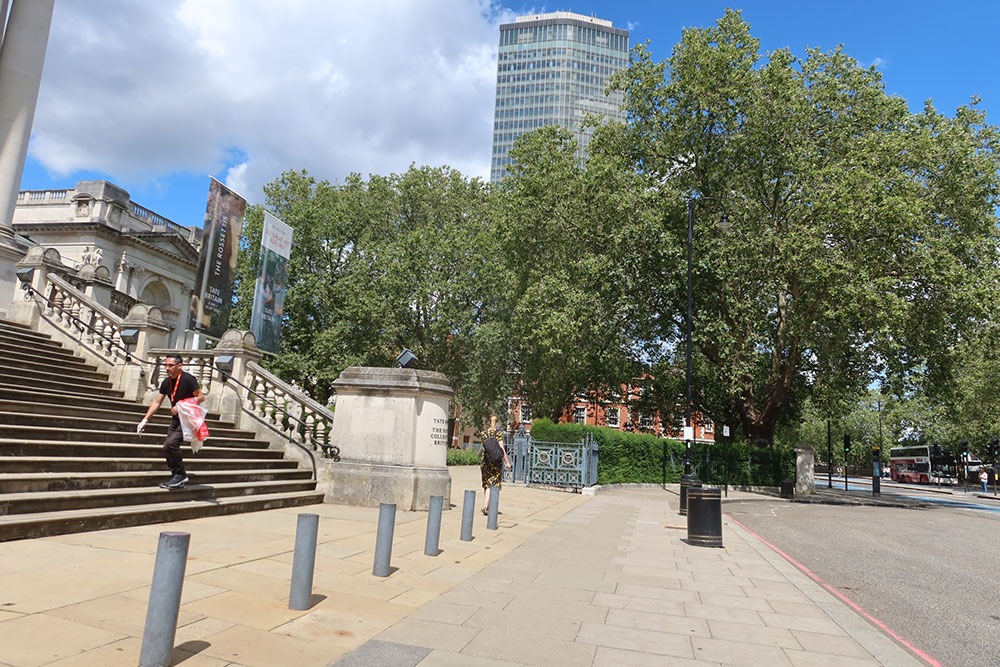
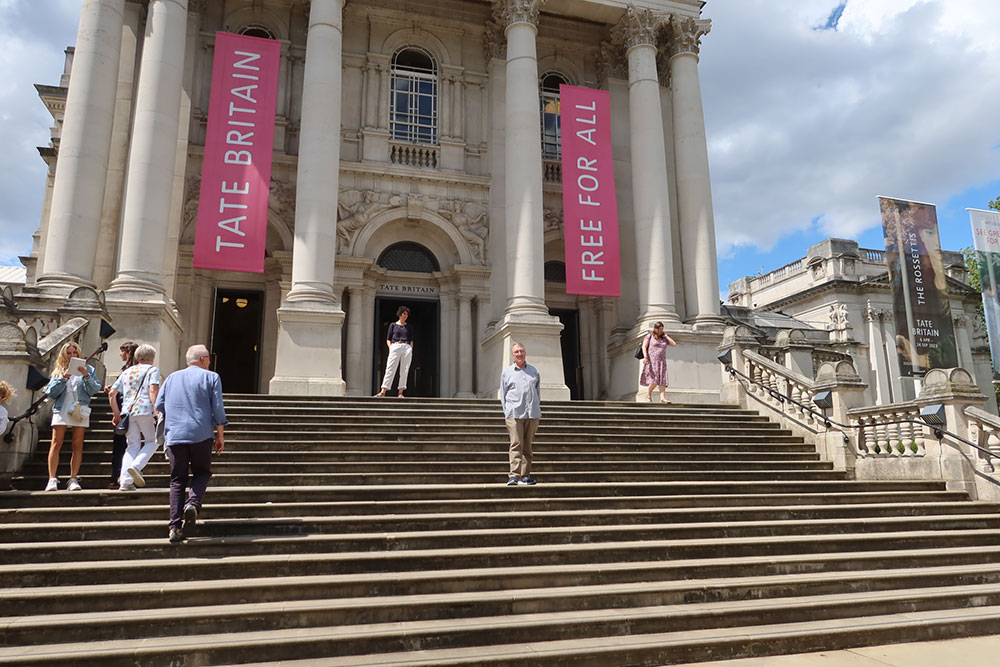
The front part of the building was designed by Sidney R. J. Smith with a classical portico and dome behind, and the central sculpture gallery was designed by John Russell Pope. Tate Britain includes the Clore Gallery of 1987, designed by James Stirling, which houses work by J. M. W. Turner. The building received Grade II* listed status in 1970, acknowledging its architectural significance as well as its cultural function. In 2012, Tate Britain announced that it had raised £45 million required to complete a major renovation, largely thanks to a grant from the Heritage Lottery Fund and a contribution from Tate members, with the completed renovations in 2013 conceived by the architects Caruso St John, including a total of nine new galleries with reinforced flooring to accommodate heavy sculpture.
The Collection and Its Scope
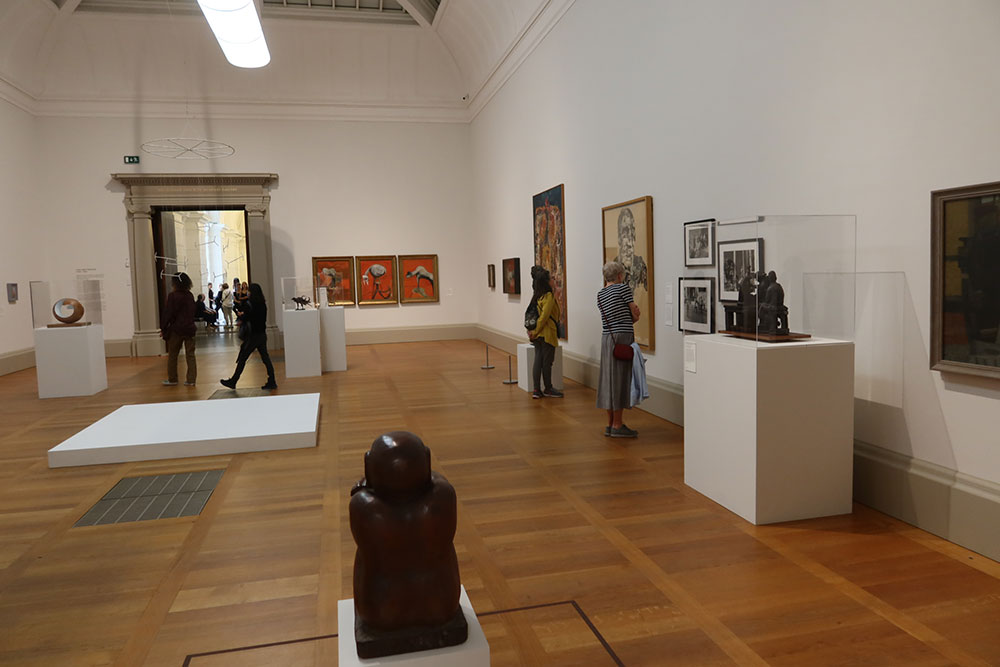
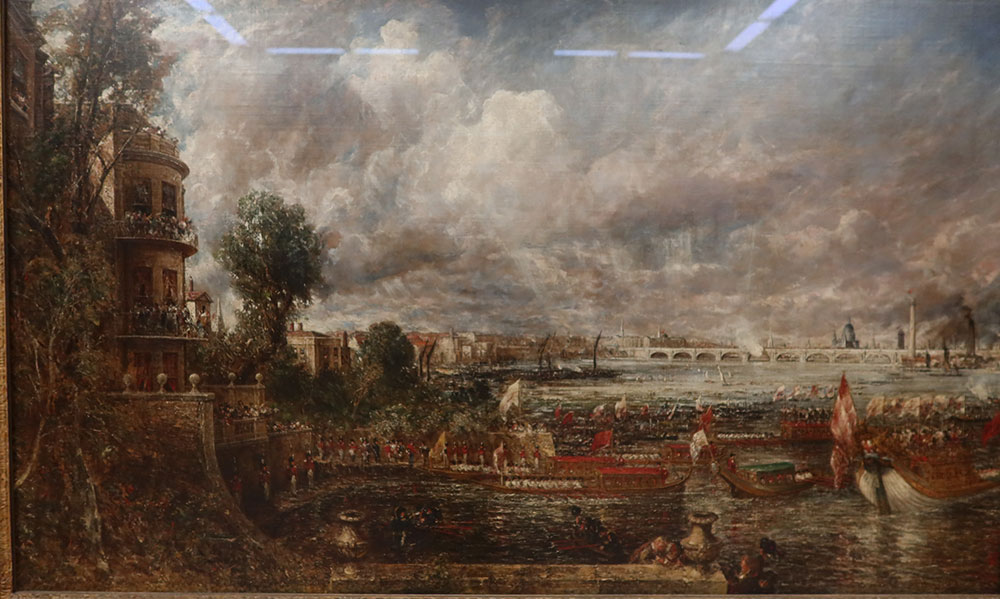
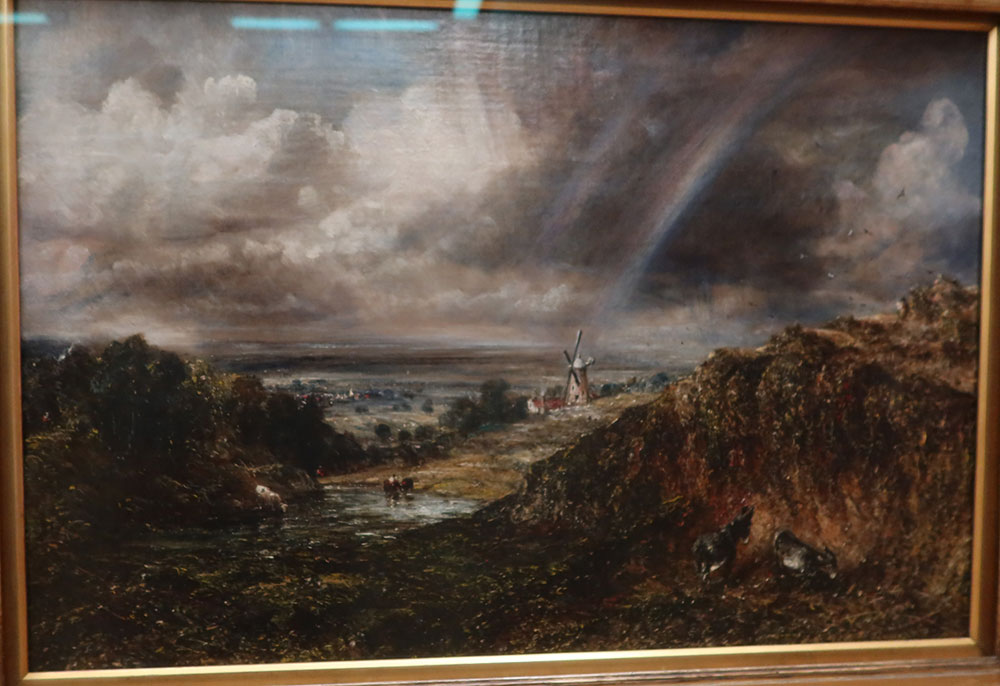
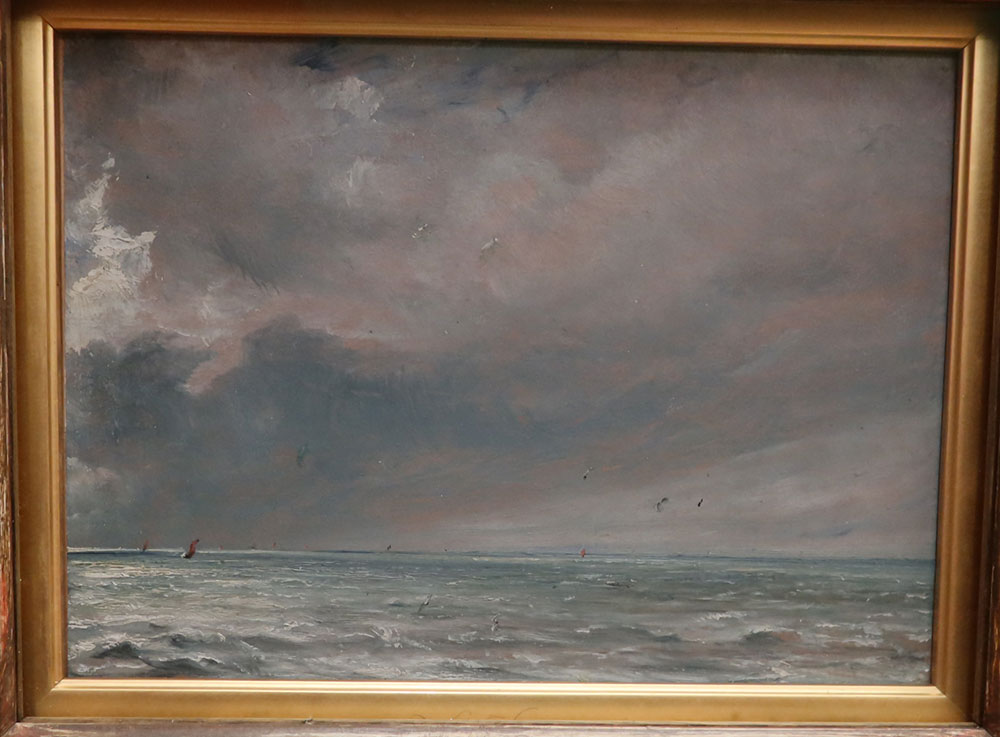
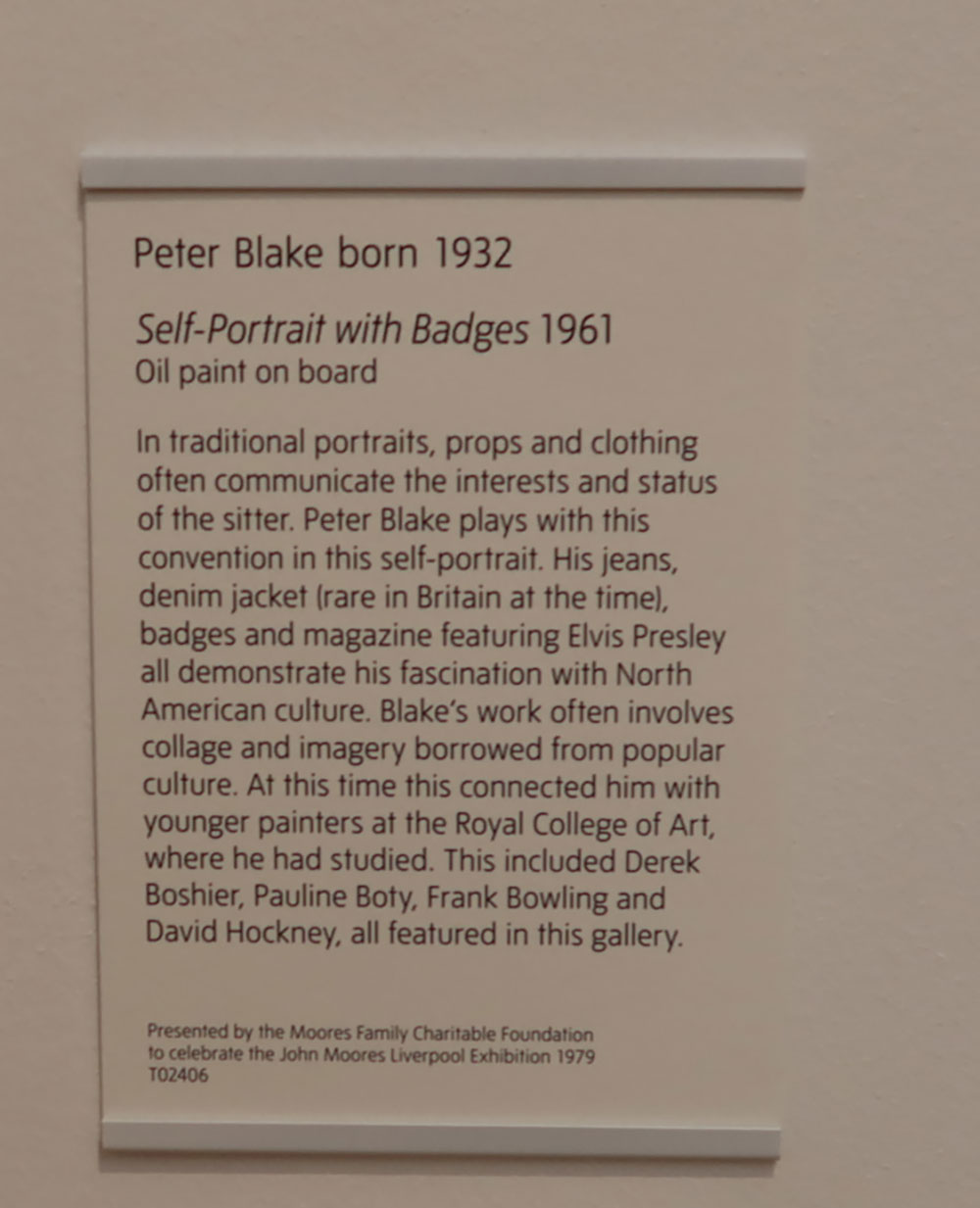
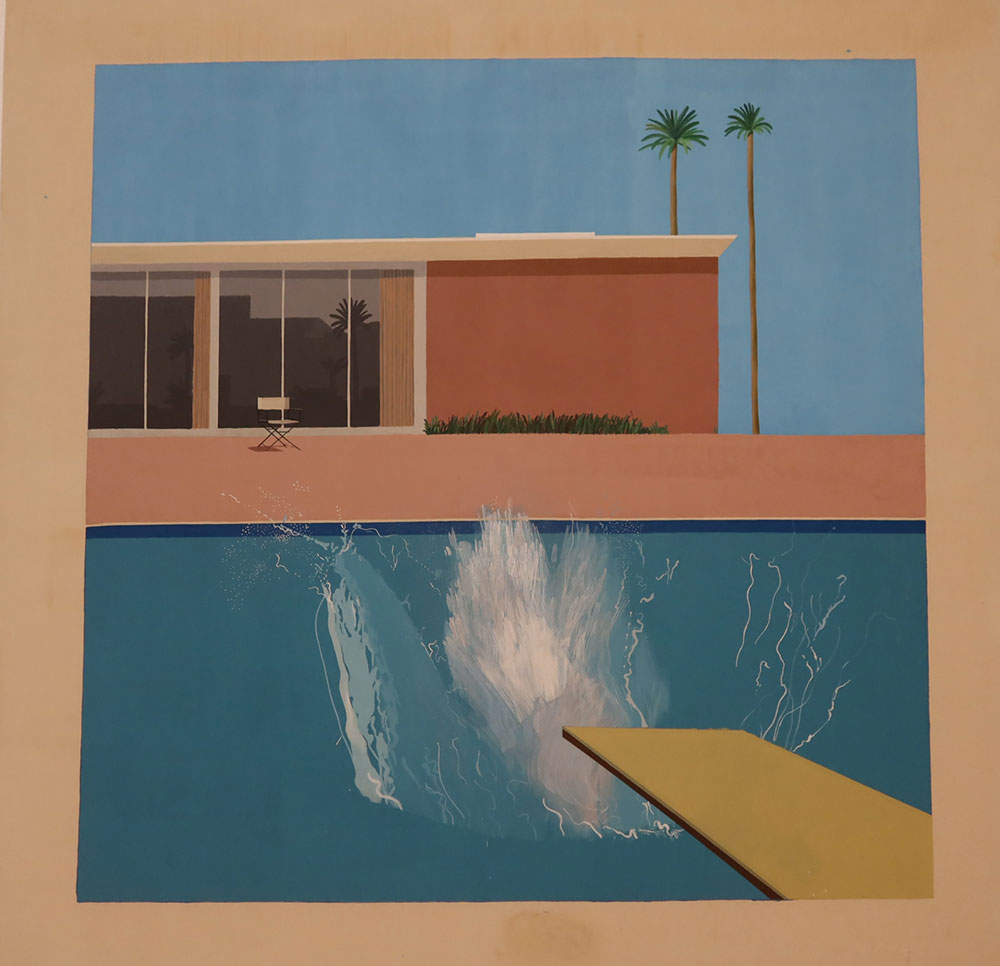
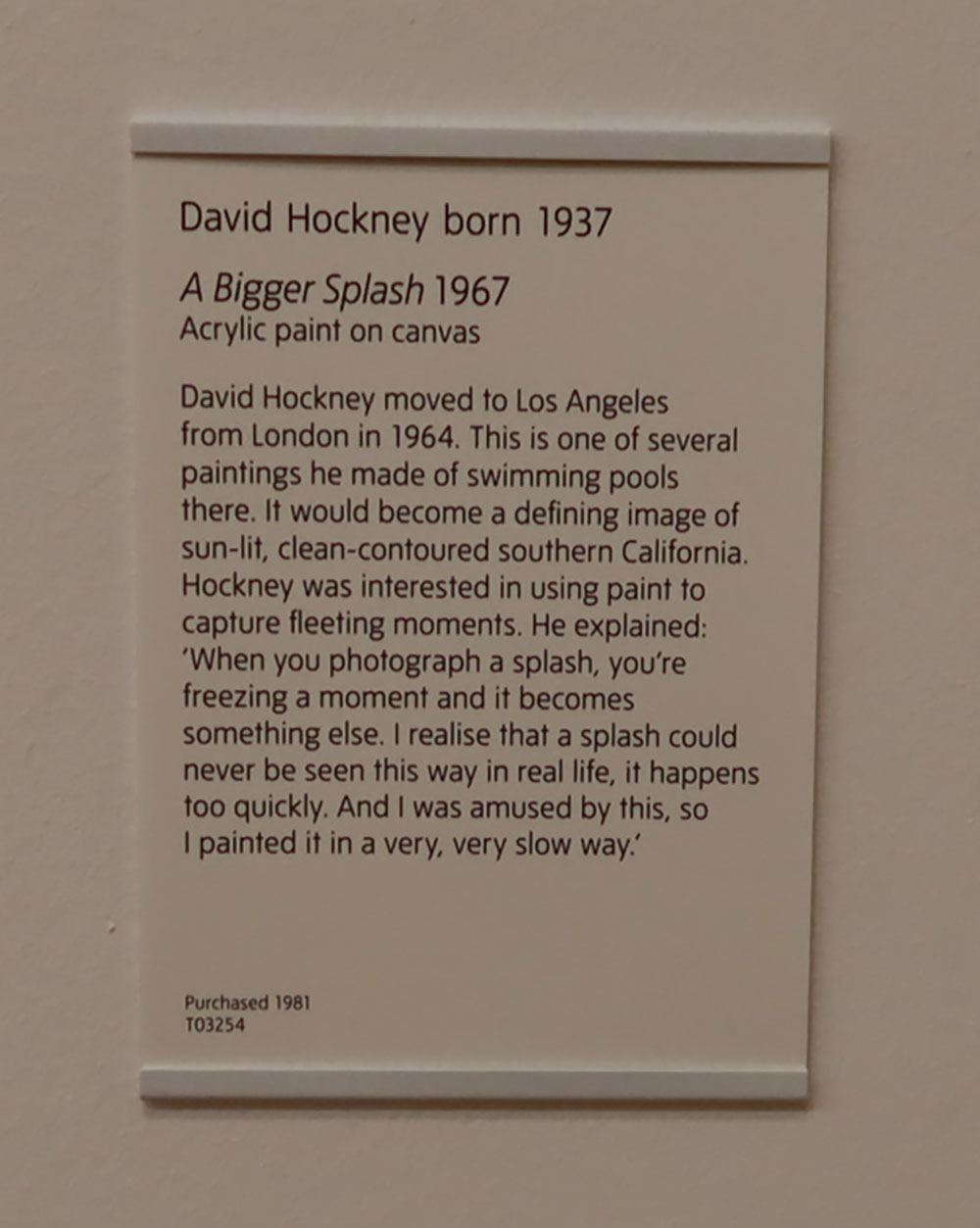
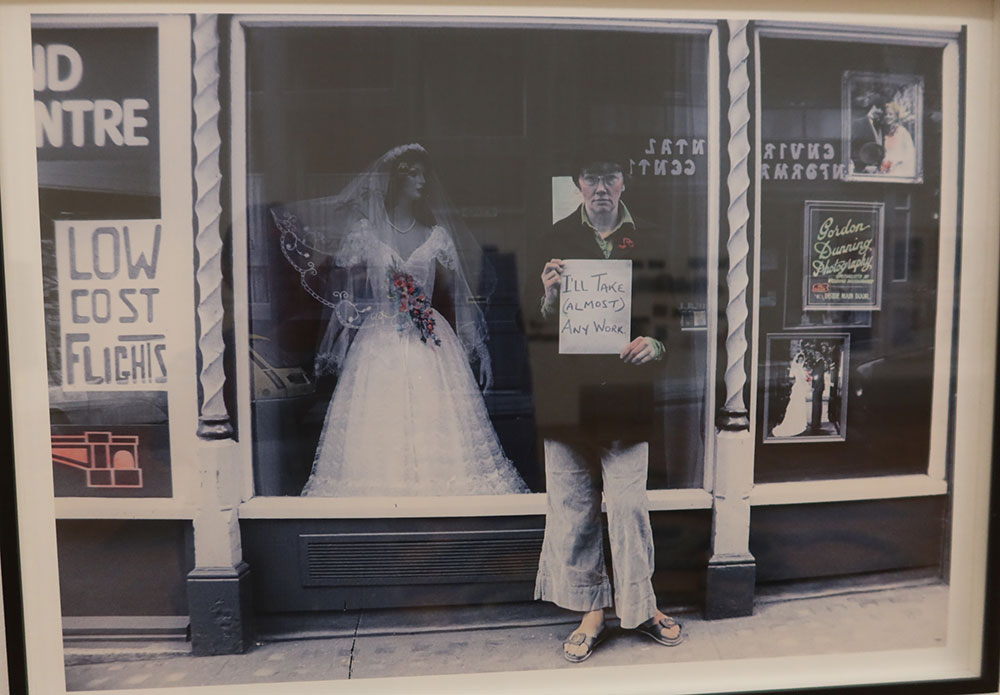
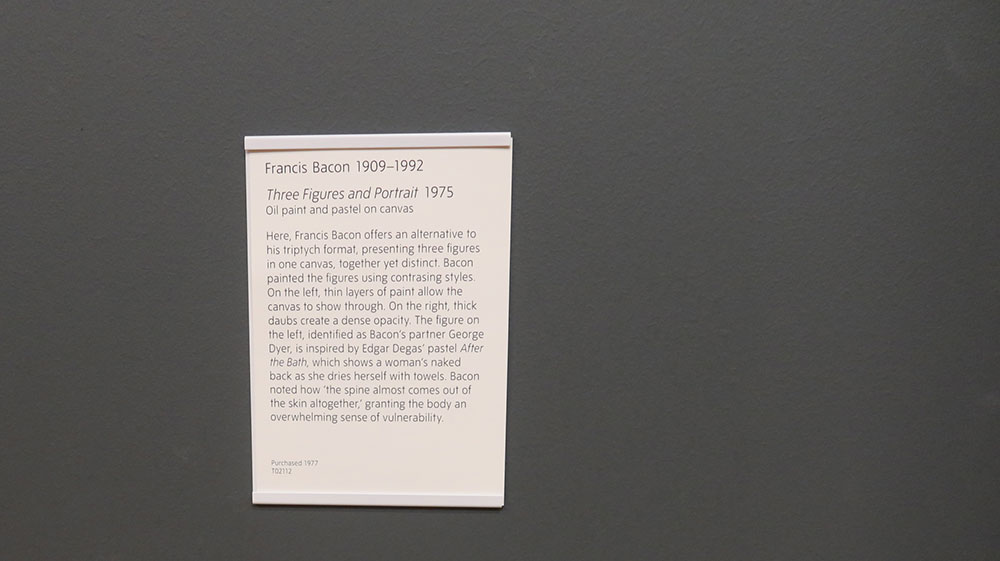
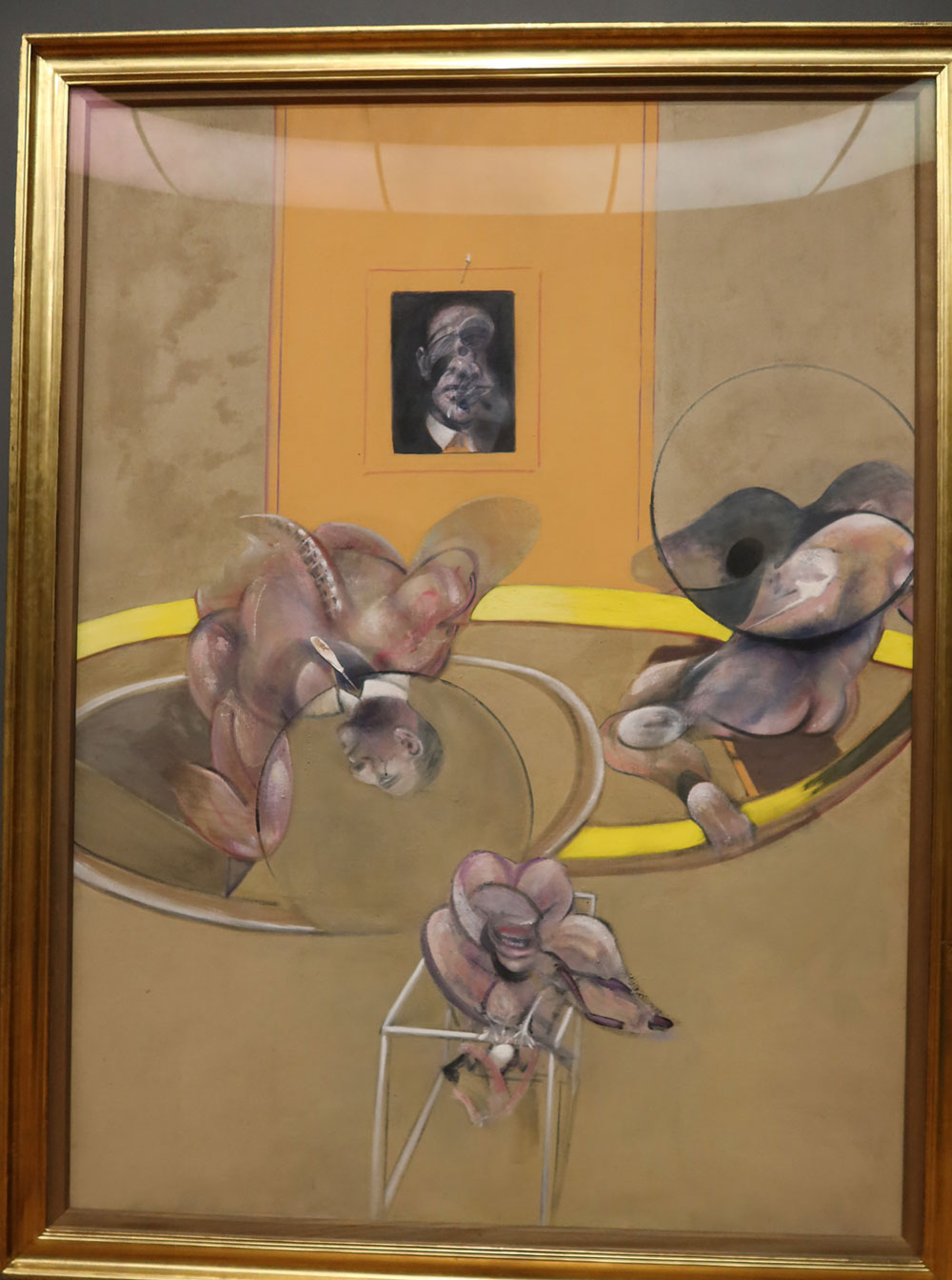
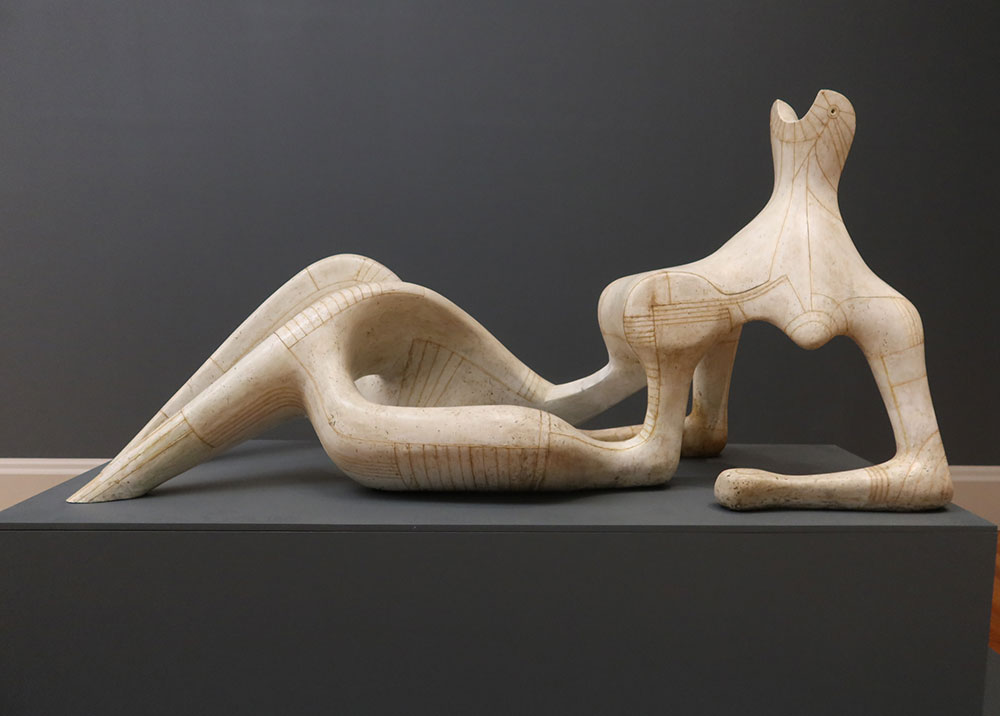
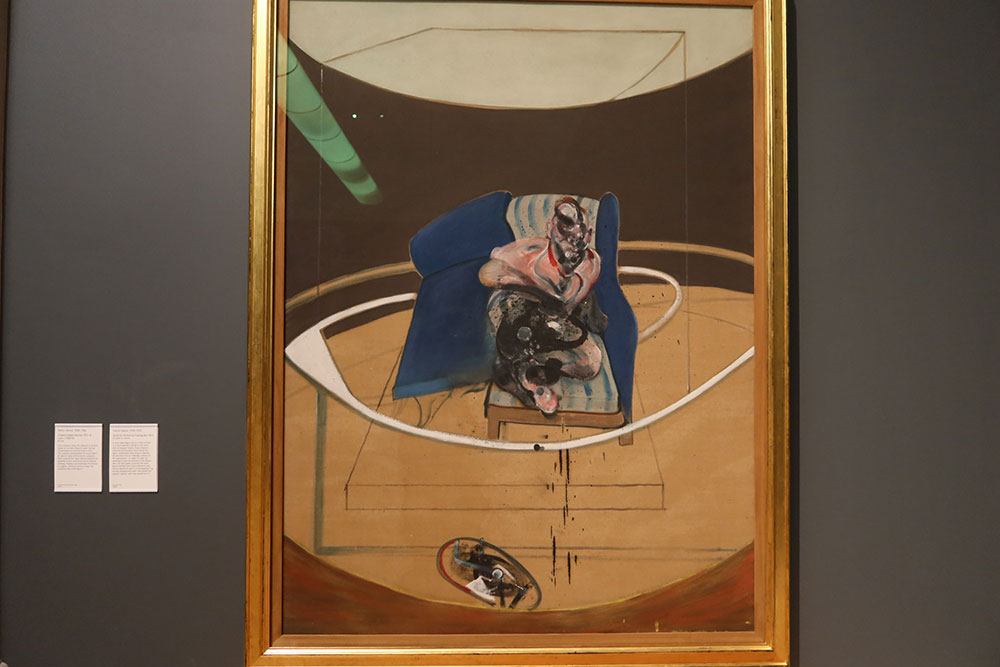
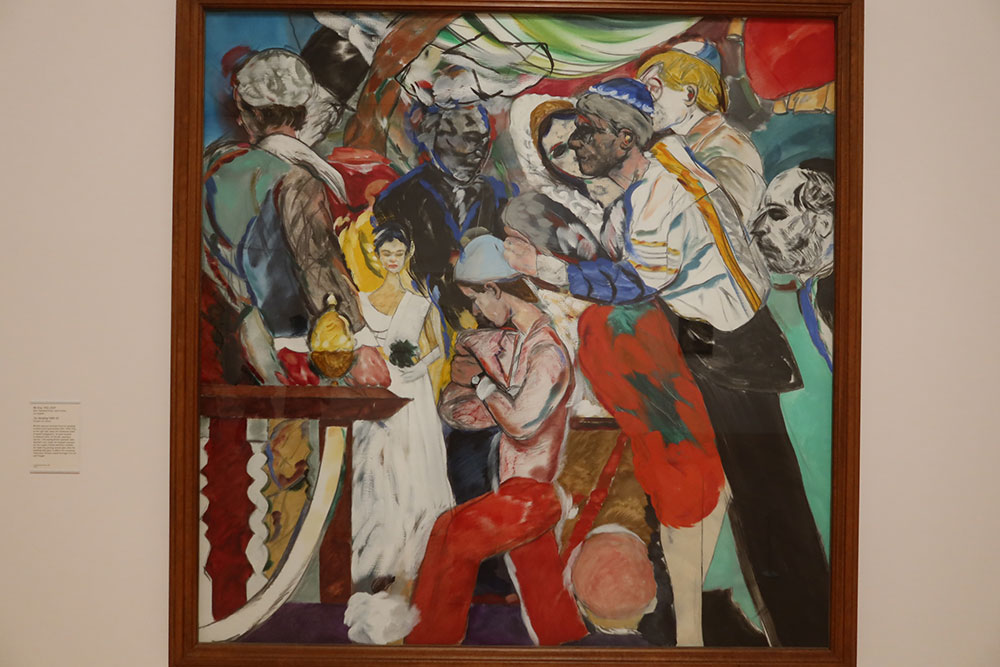
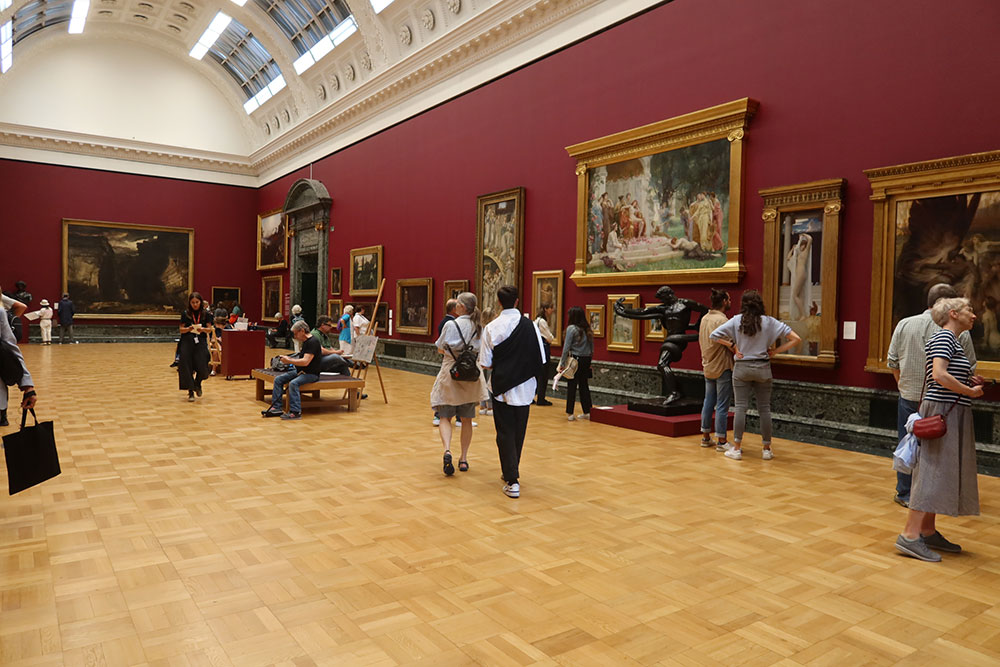
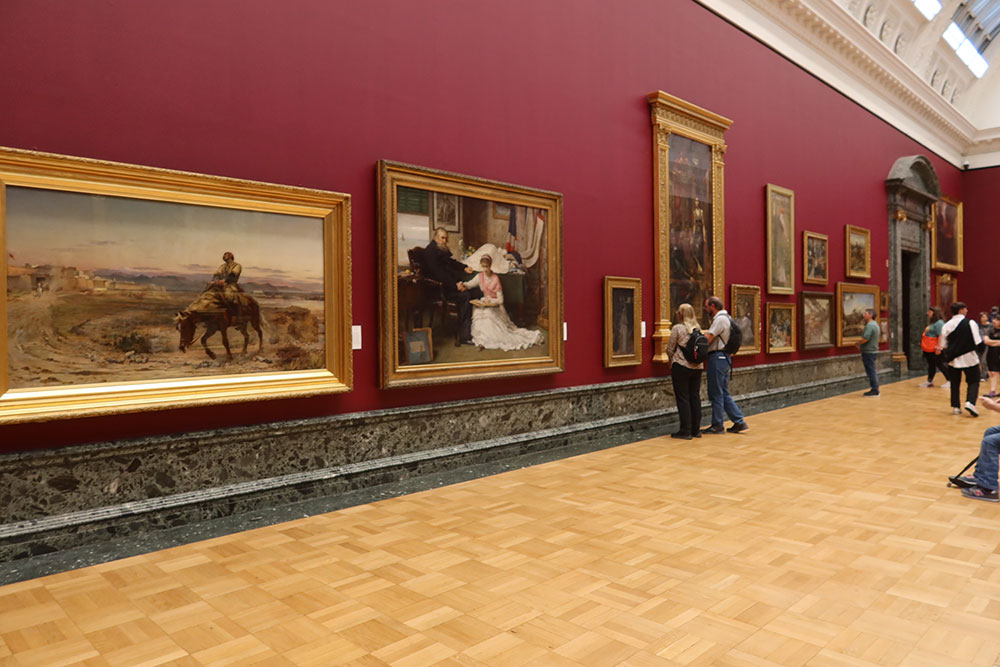
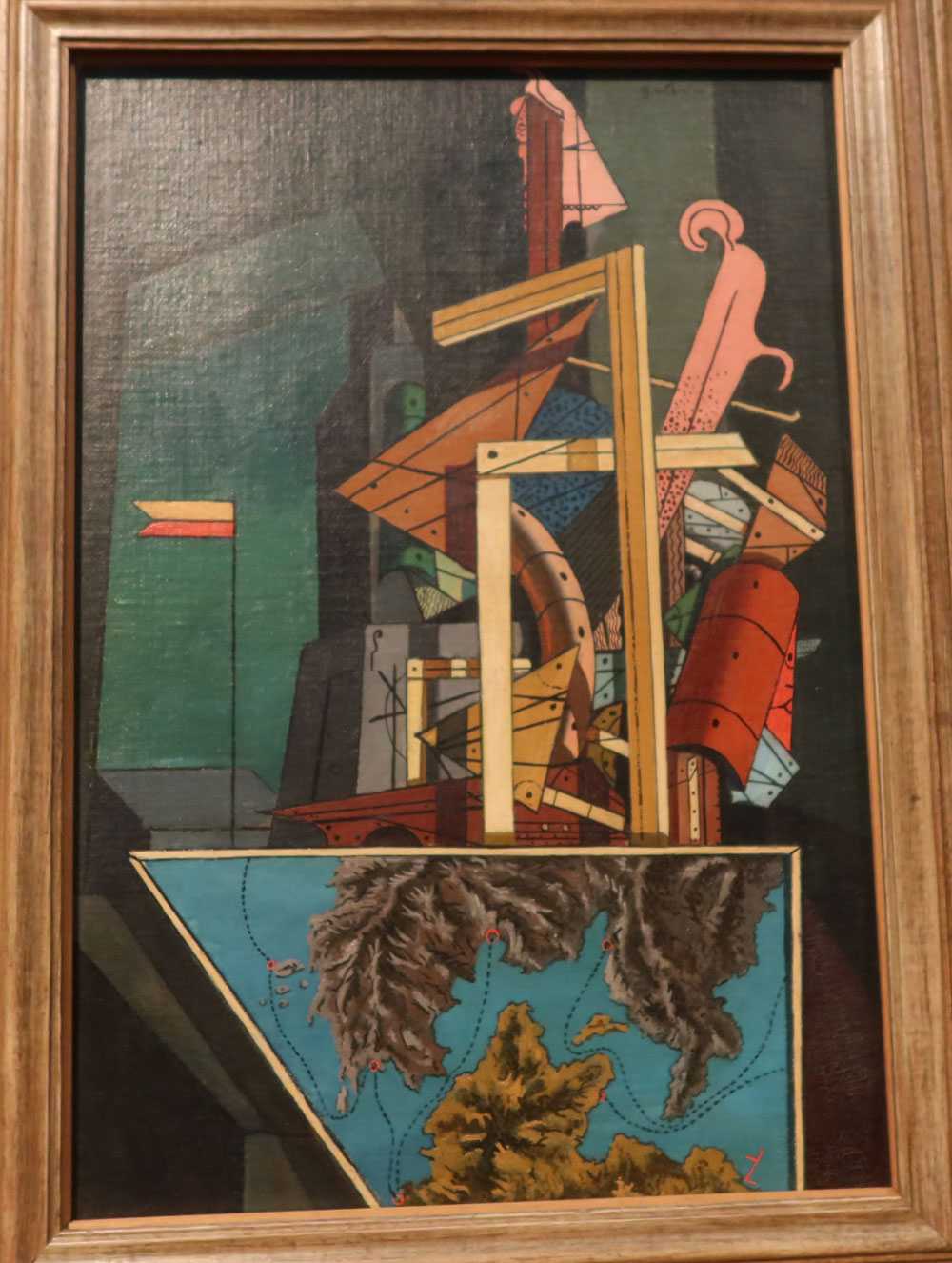
Tate Britain is the national gallery of British art from 1500 to the present day and is the most comprehensive collection of its kind in the world, with only the Yale Center for British Art able to claim similar expansiveness, though with less depth. The permanent collection spans painting, drawing, sculpture, printmaking, photography, film and installation across that extended timeline, from Tudor portraiture to contemporary commissions. The collection is free to visit, encompassing much-loved works alongside newer acquisitions, from the Pre-Raphaelites to David Hockney, Bridget Riley and Lubaina Himid.
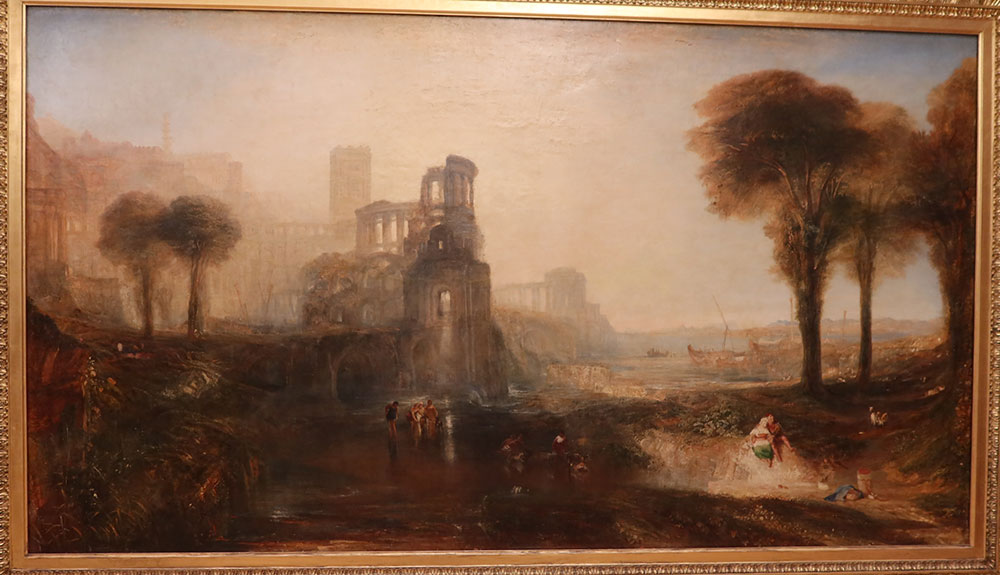
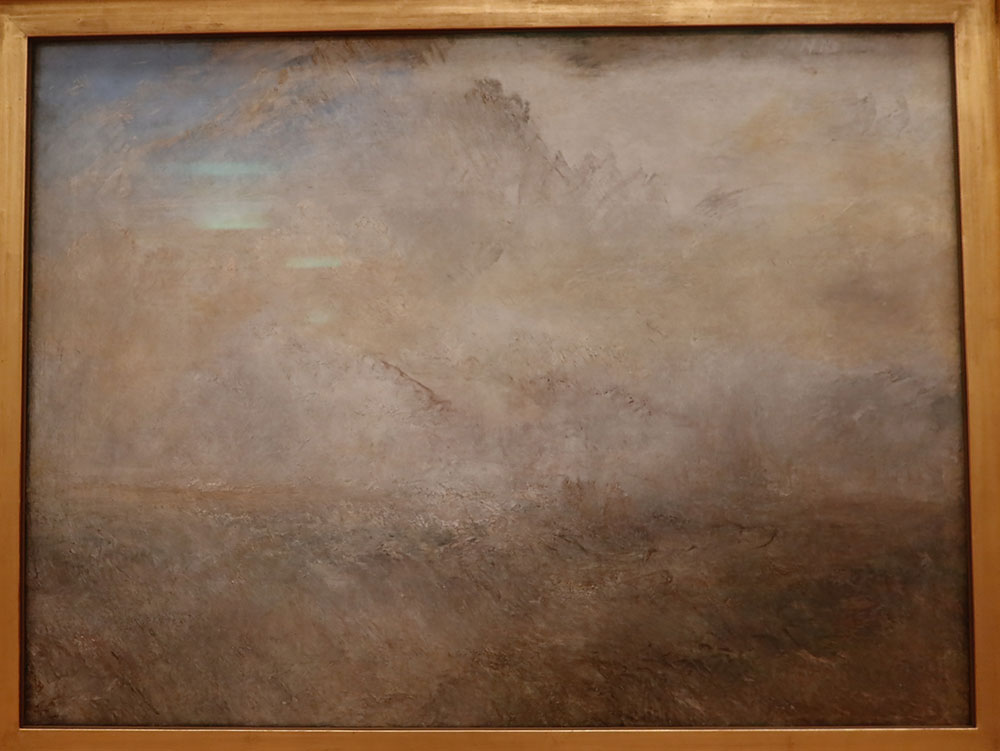
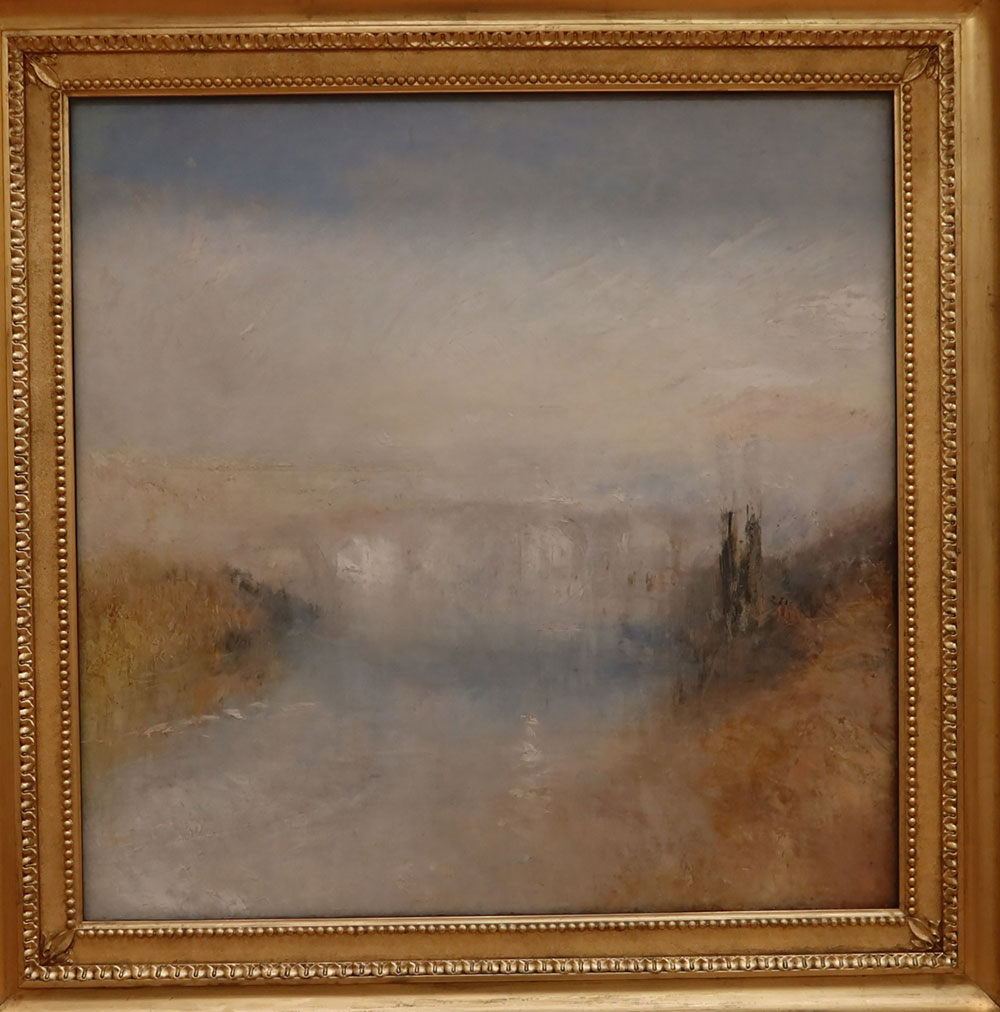
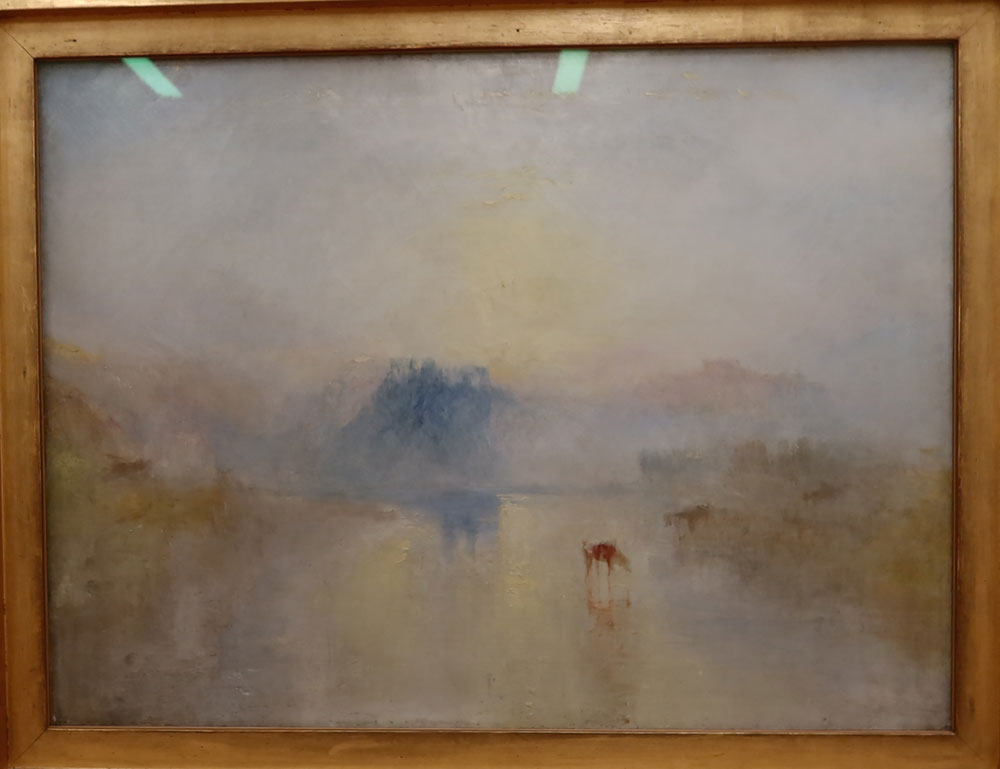
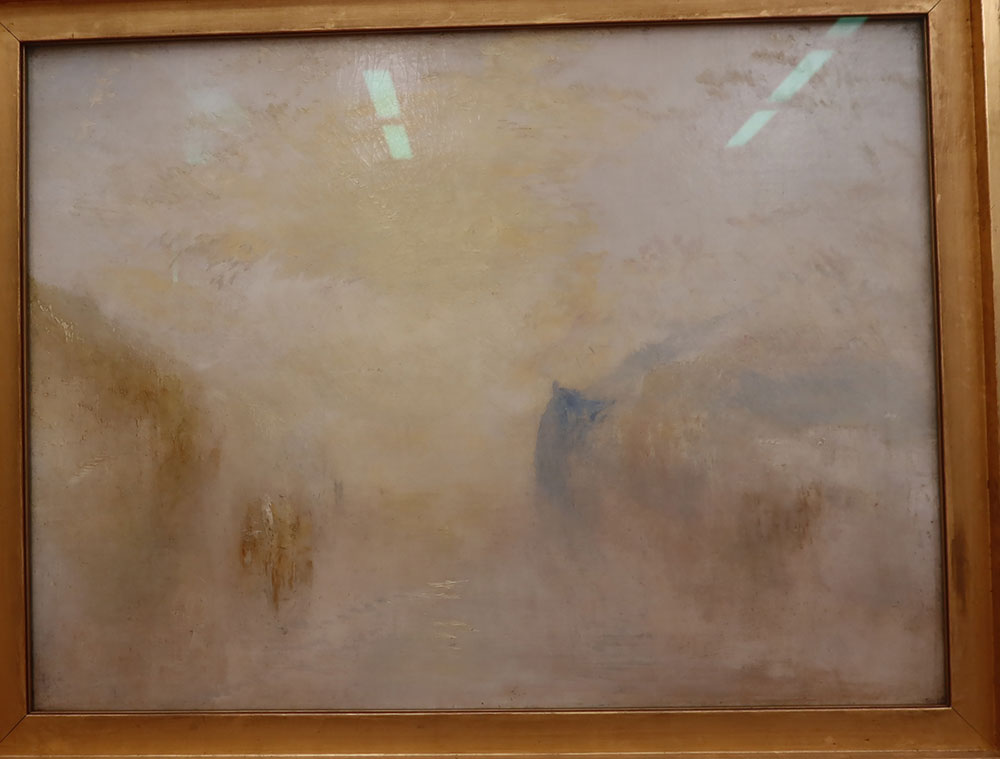
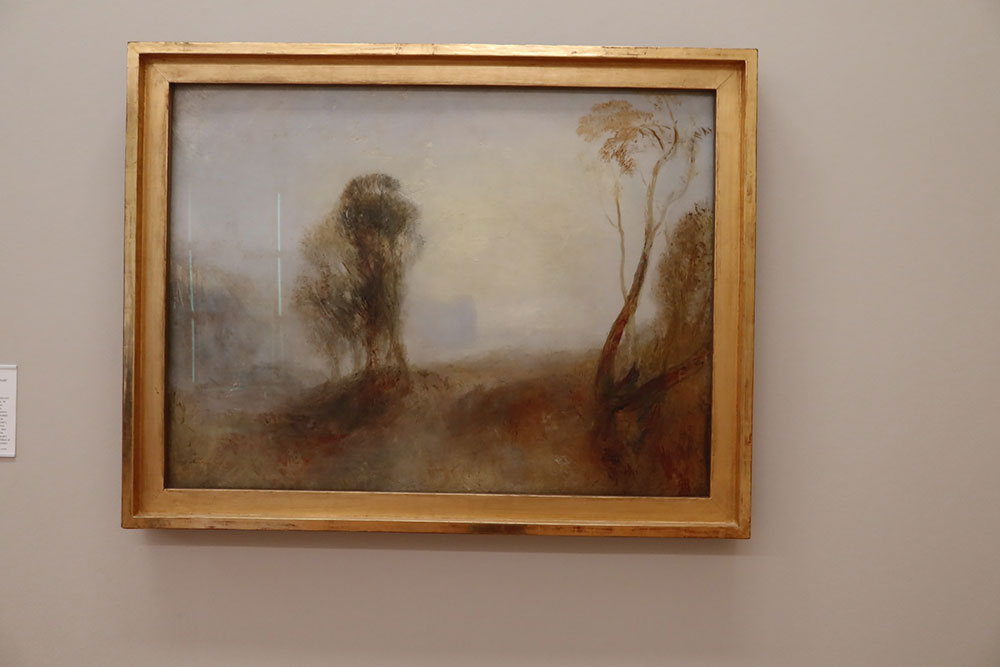
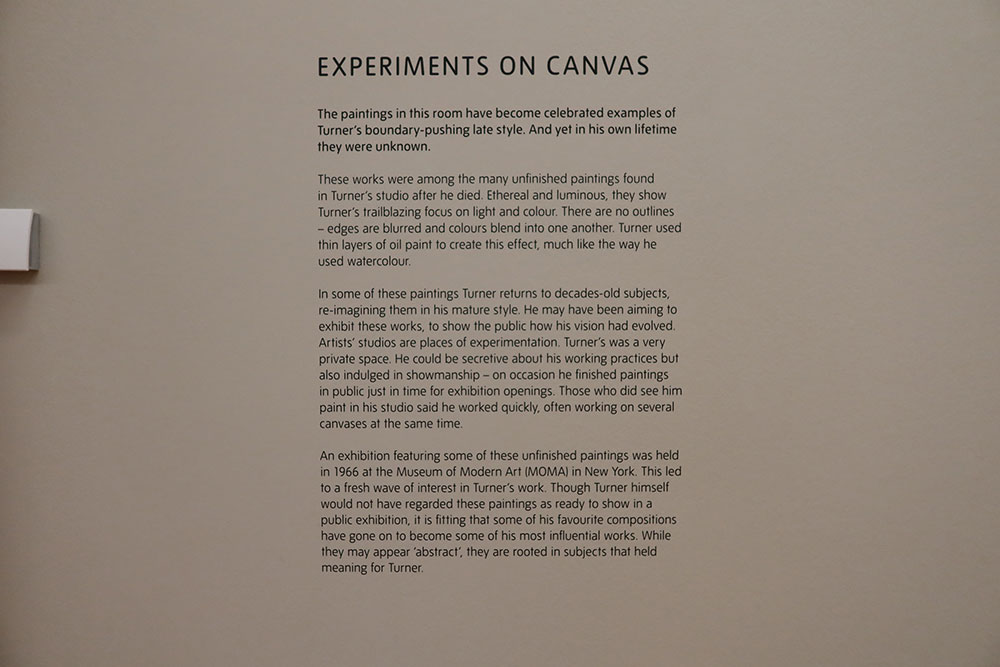
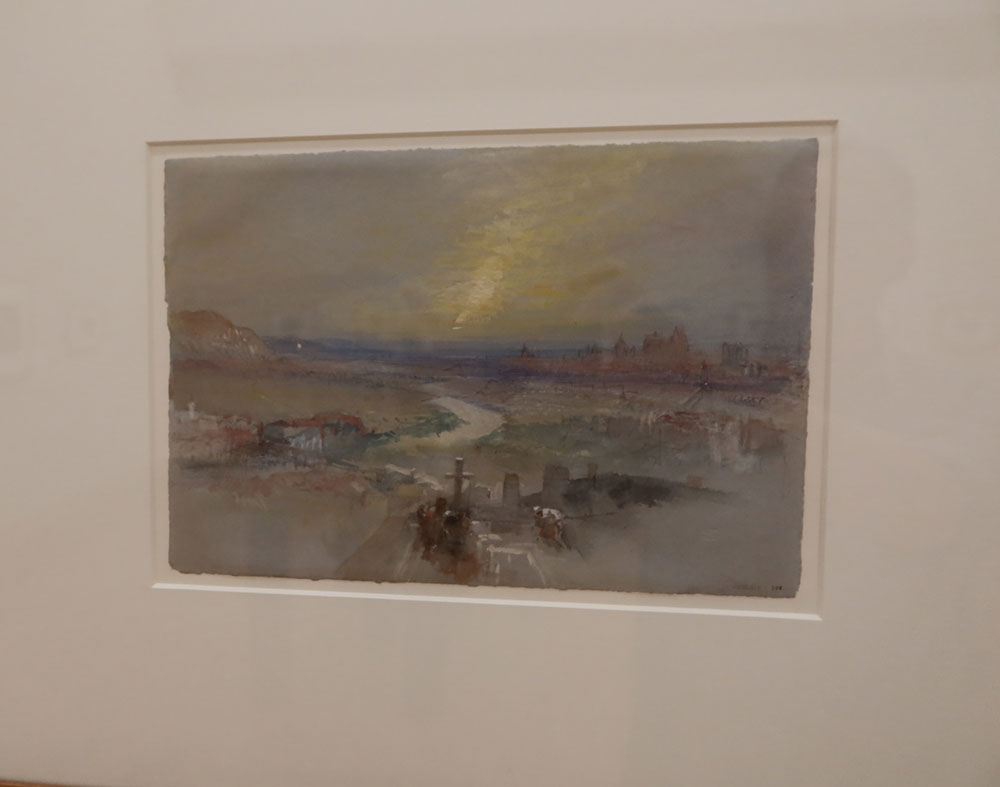
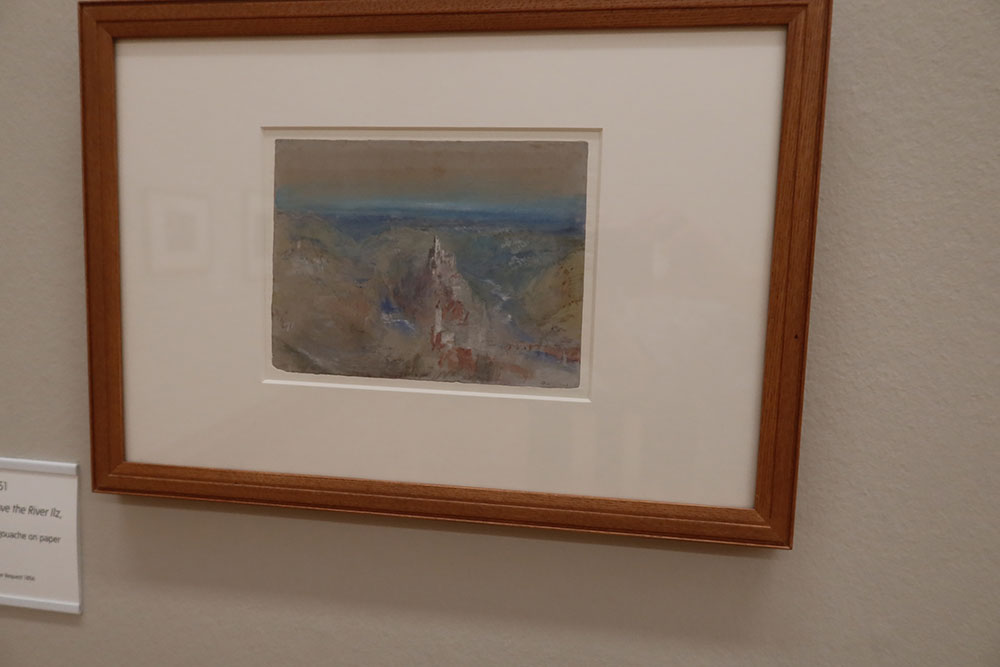
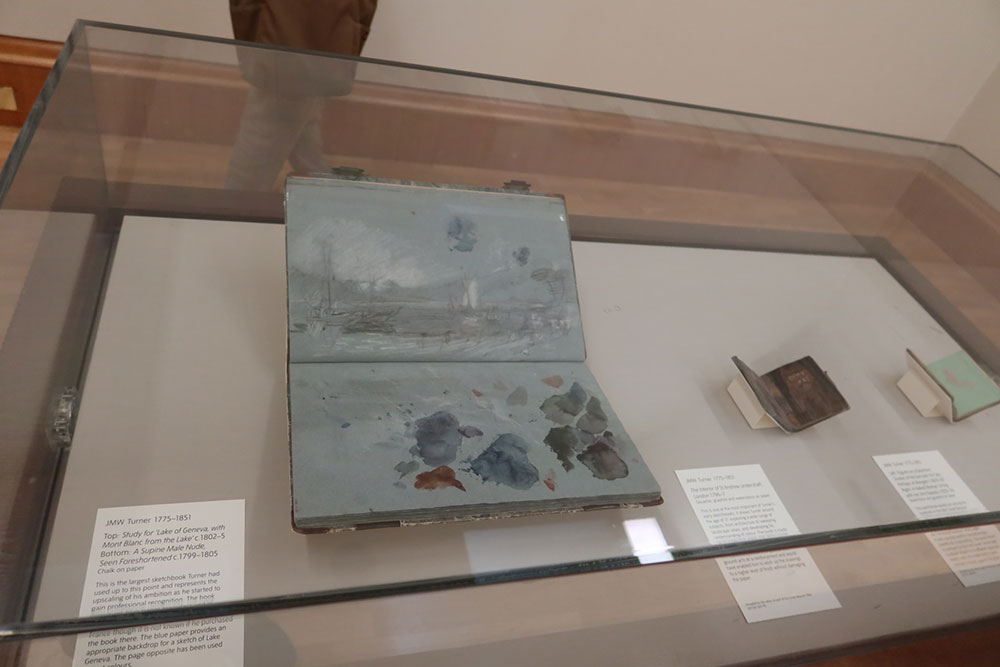
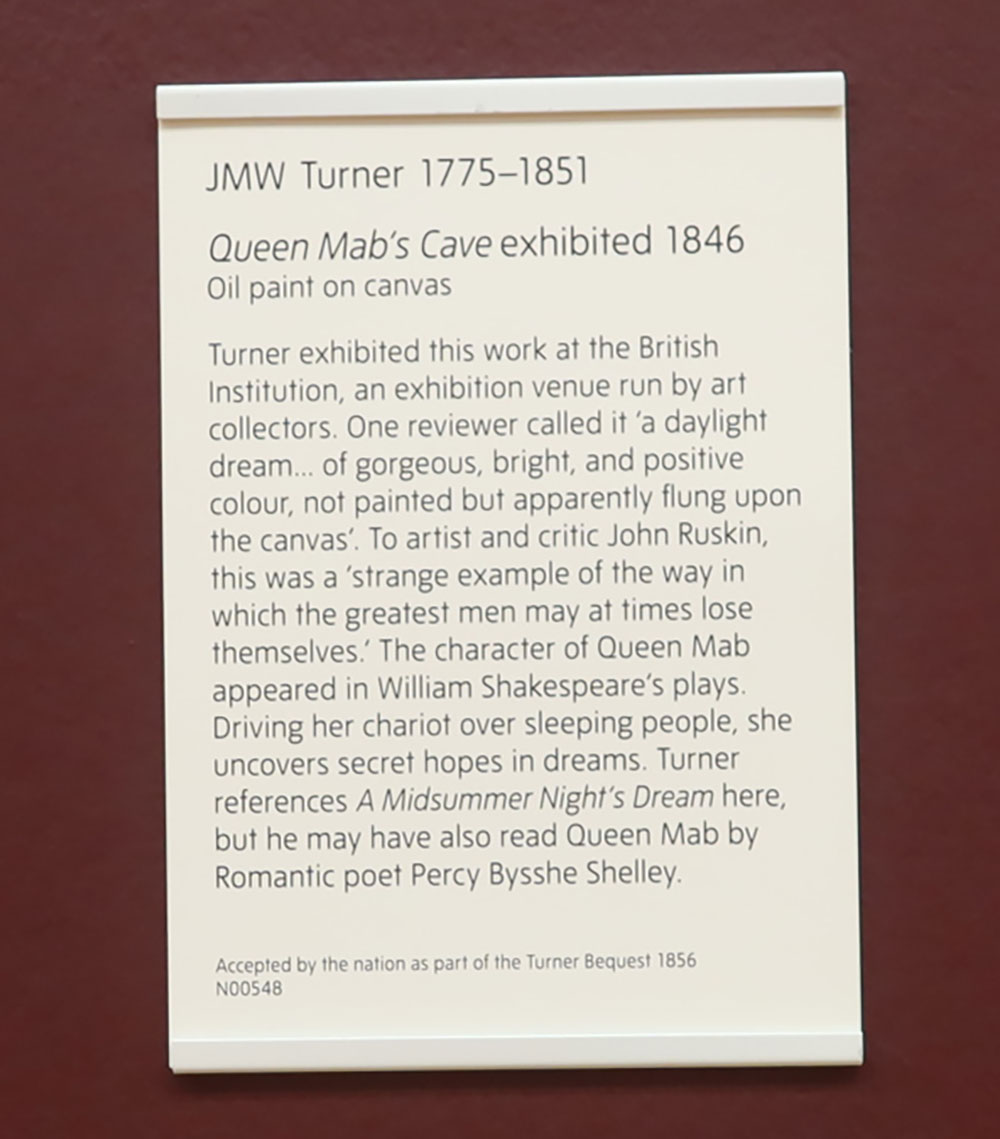
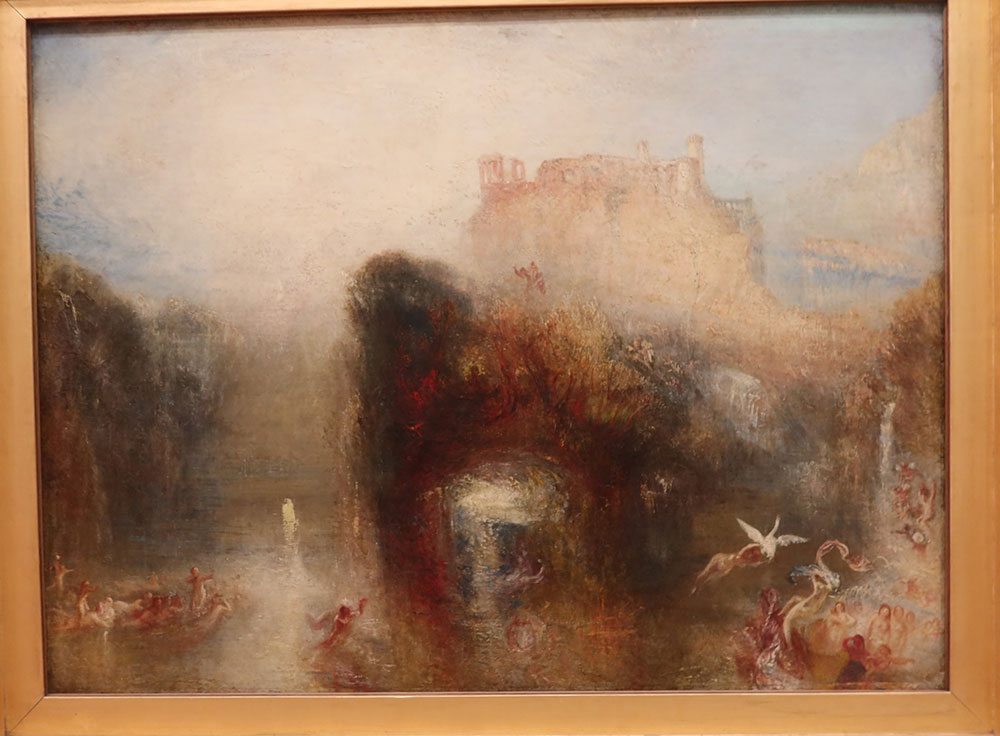
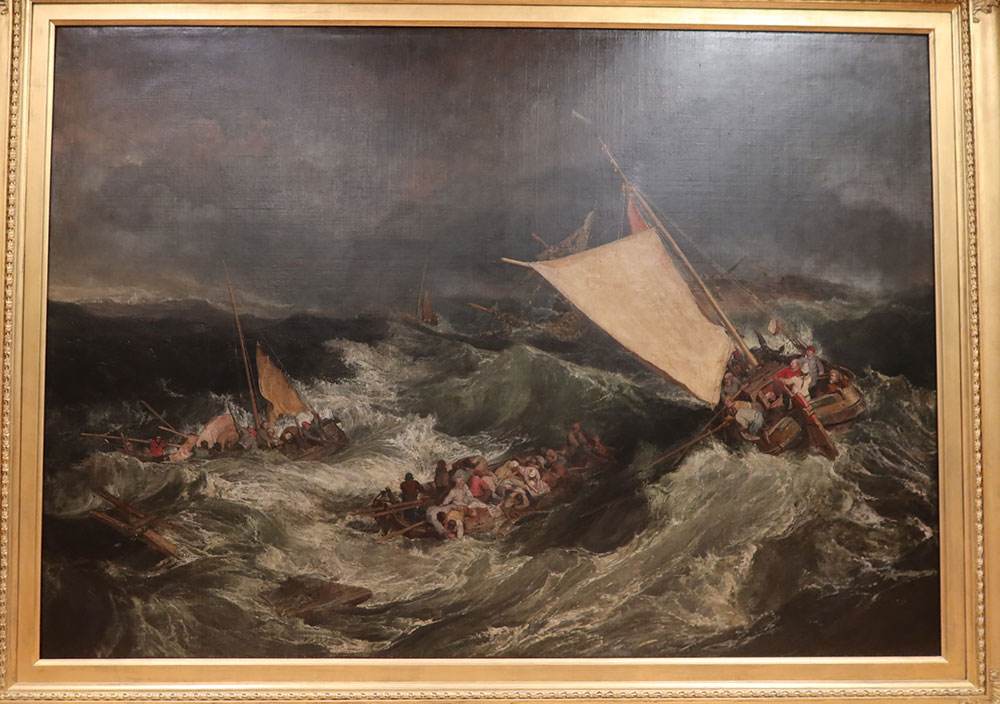
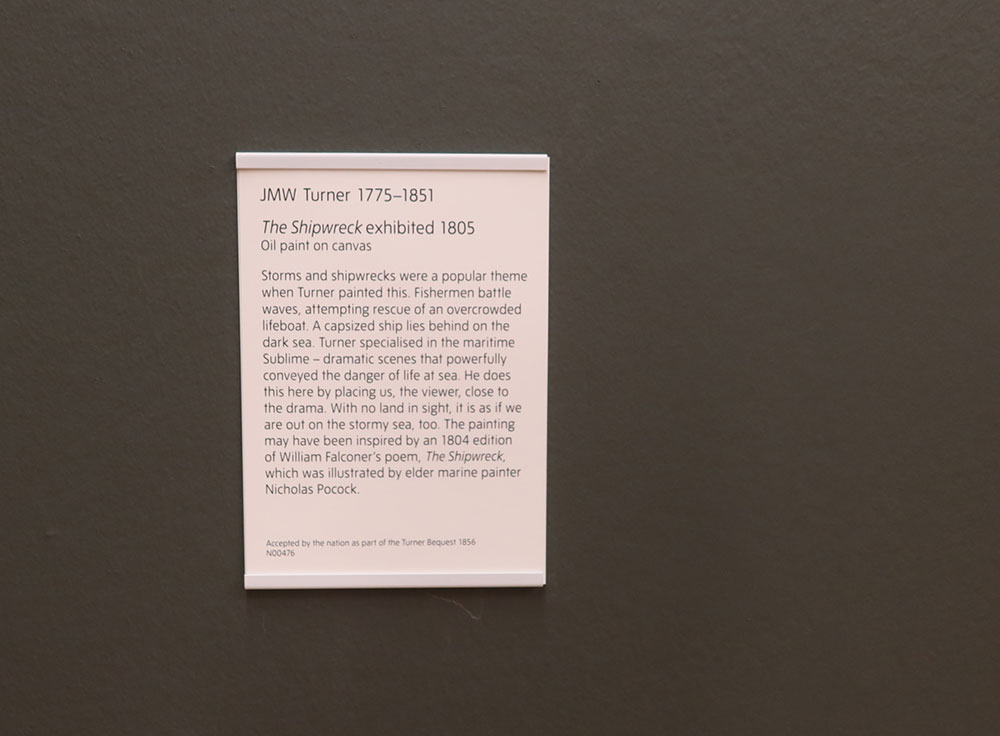
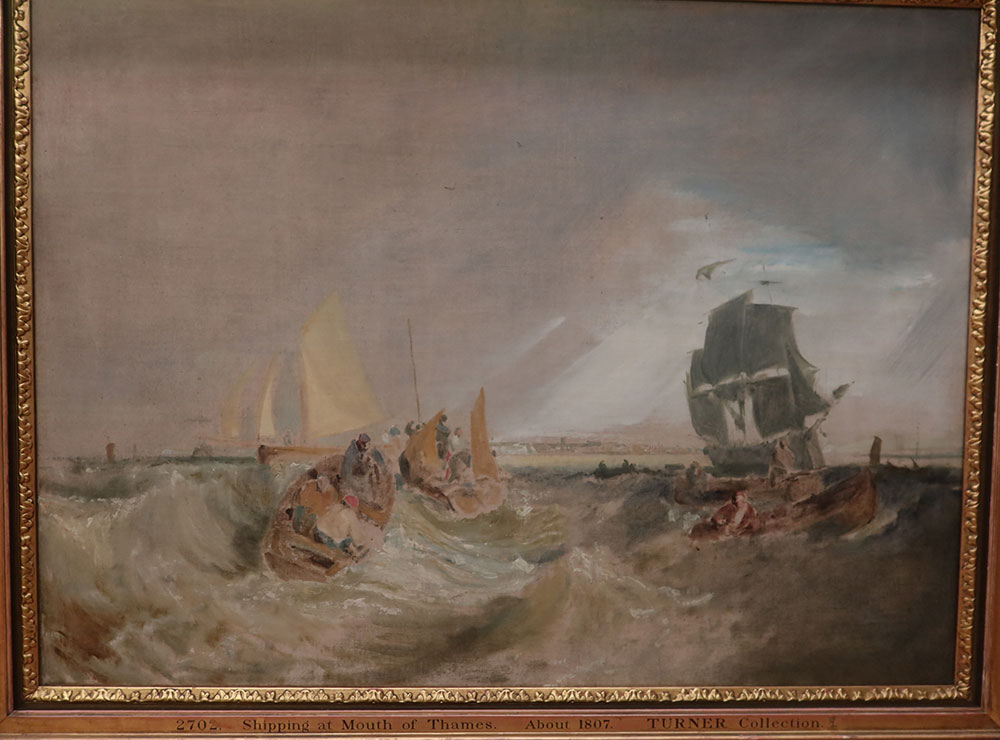
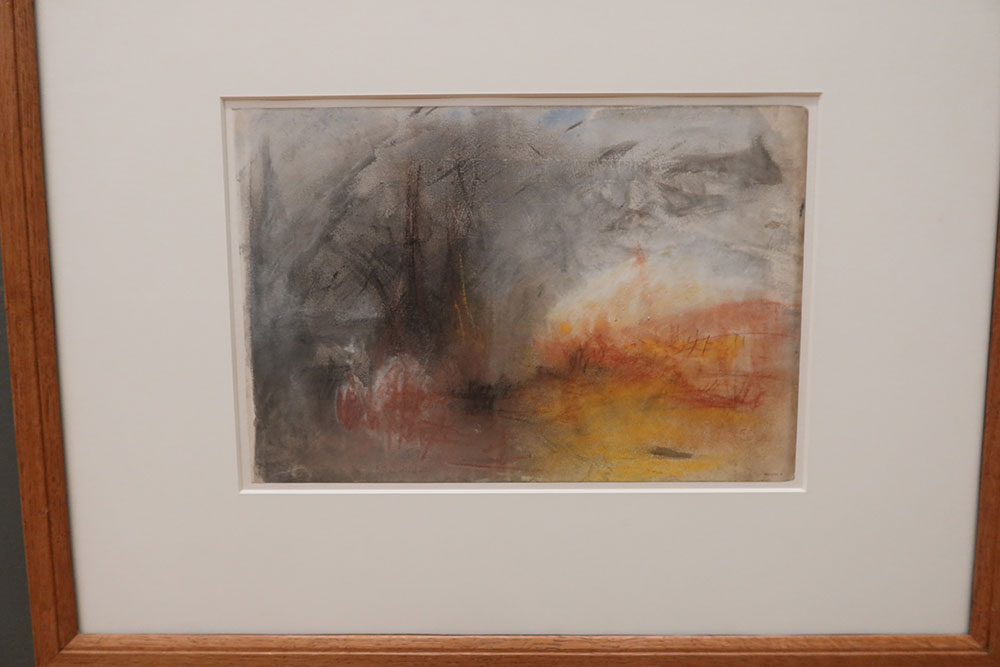
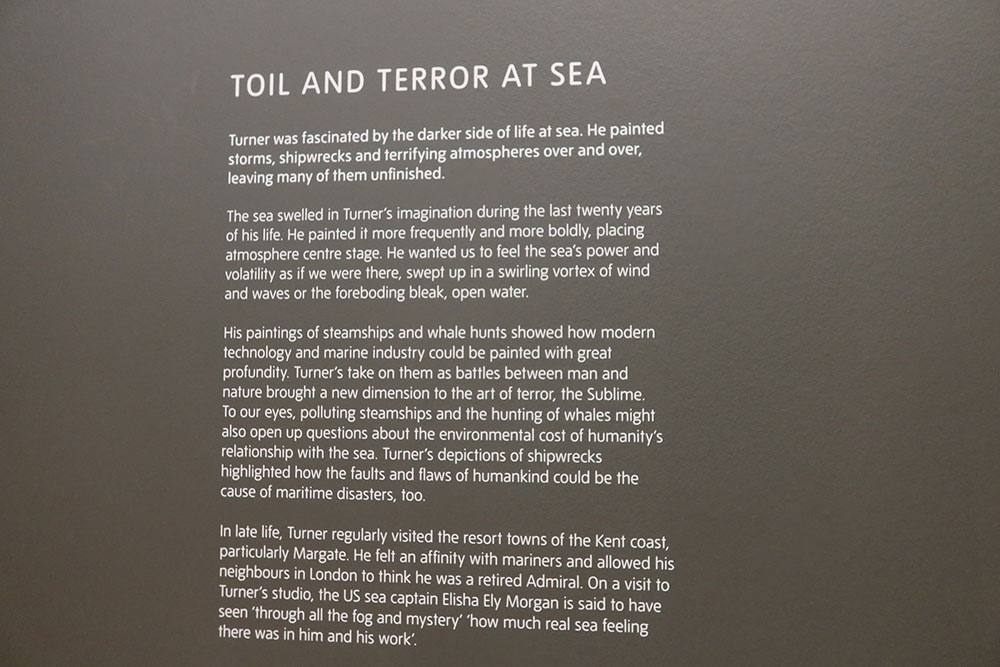
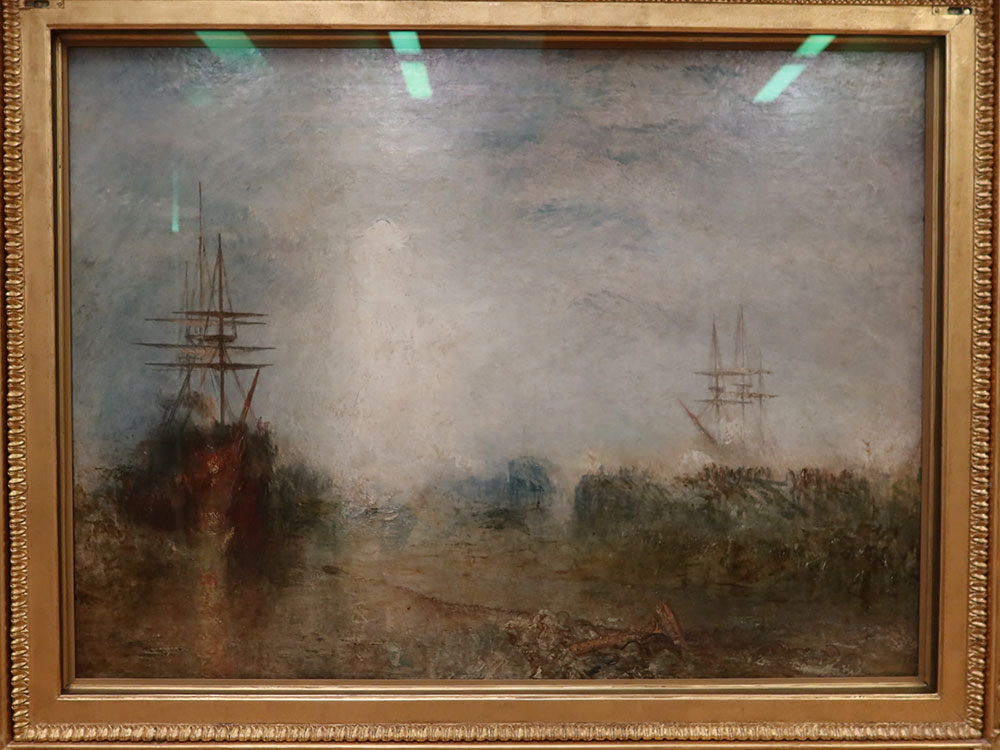
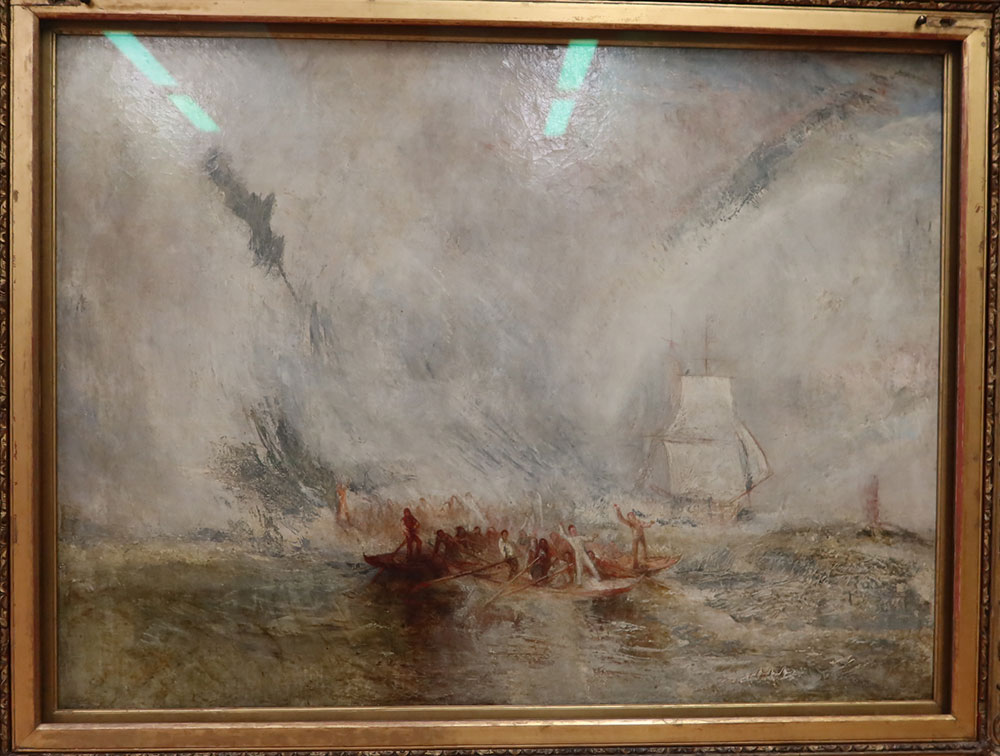
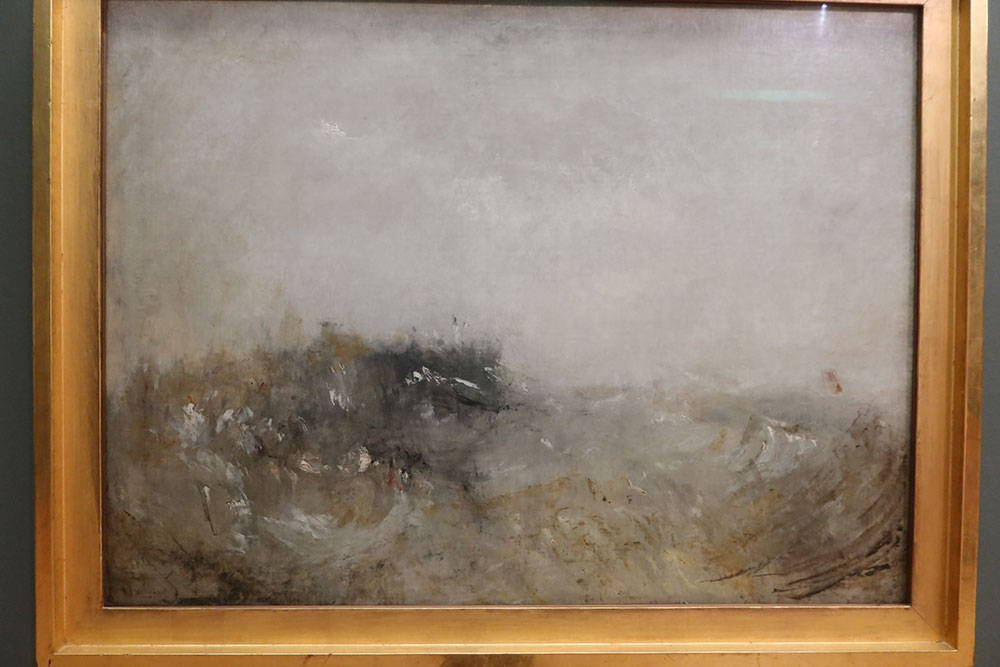
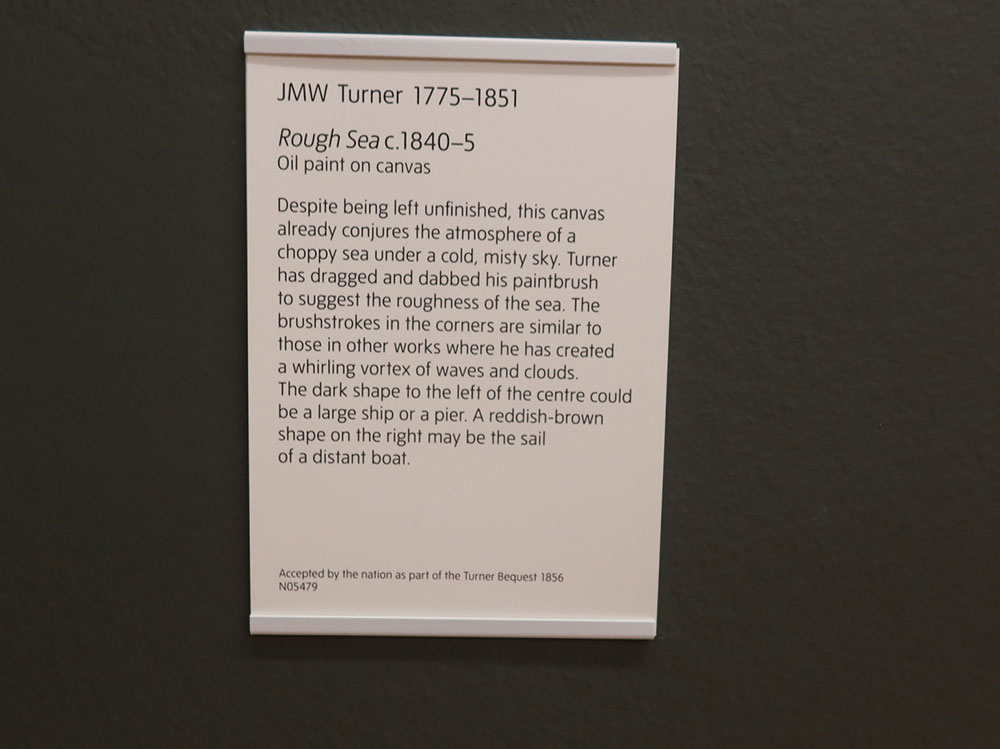
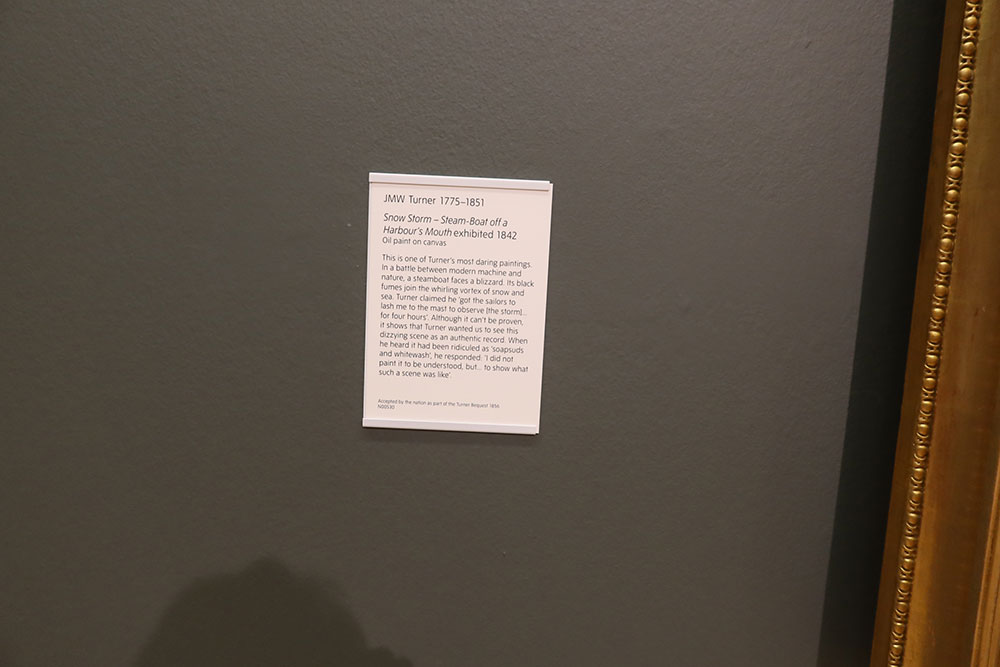
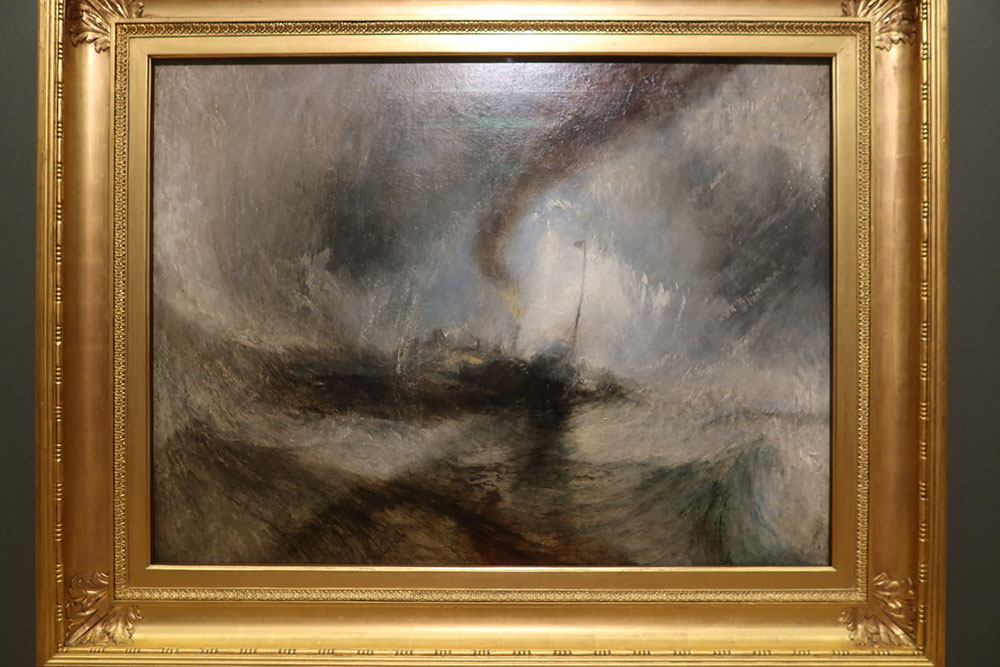
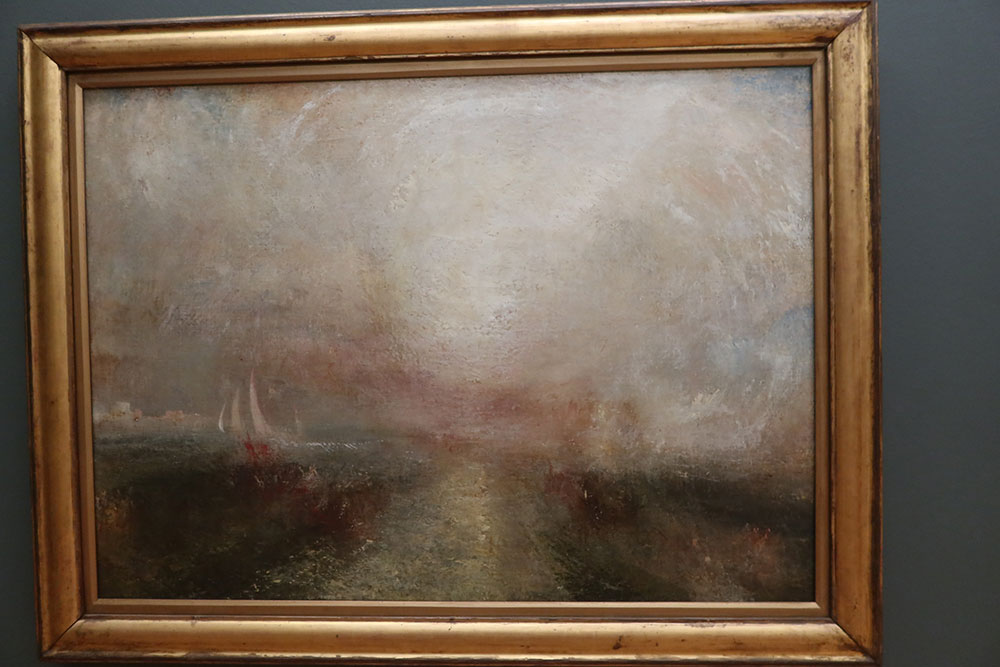
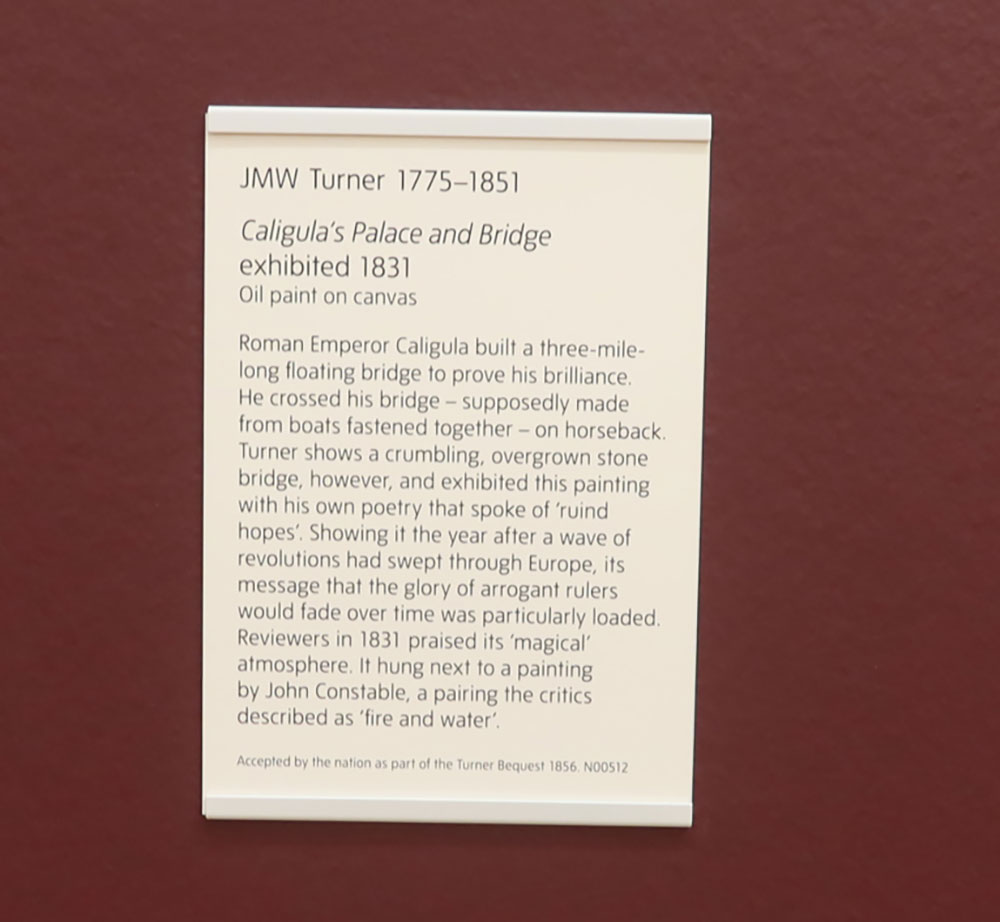
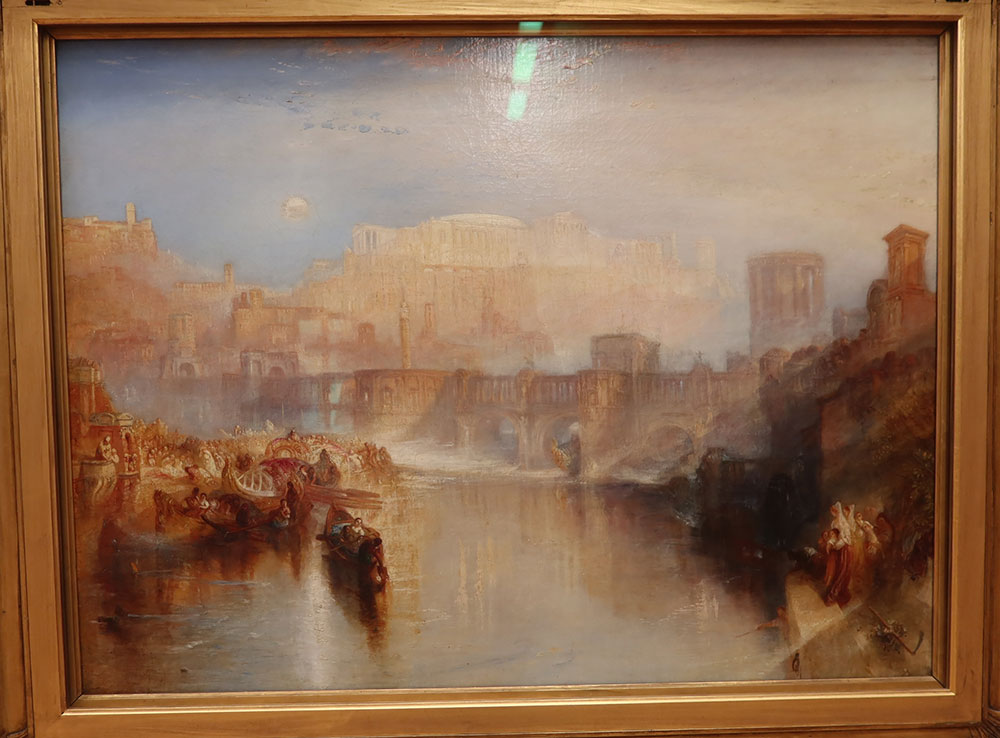
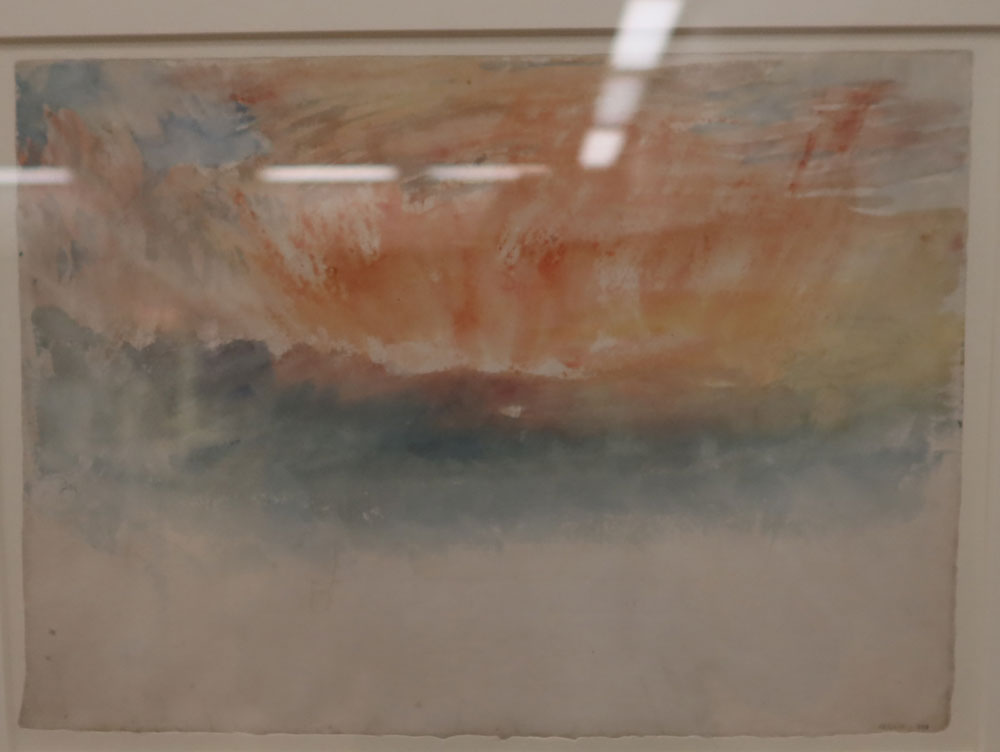
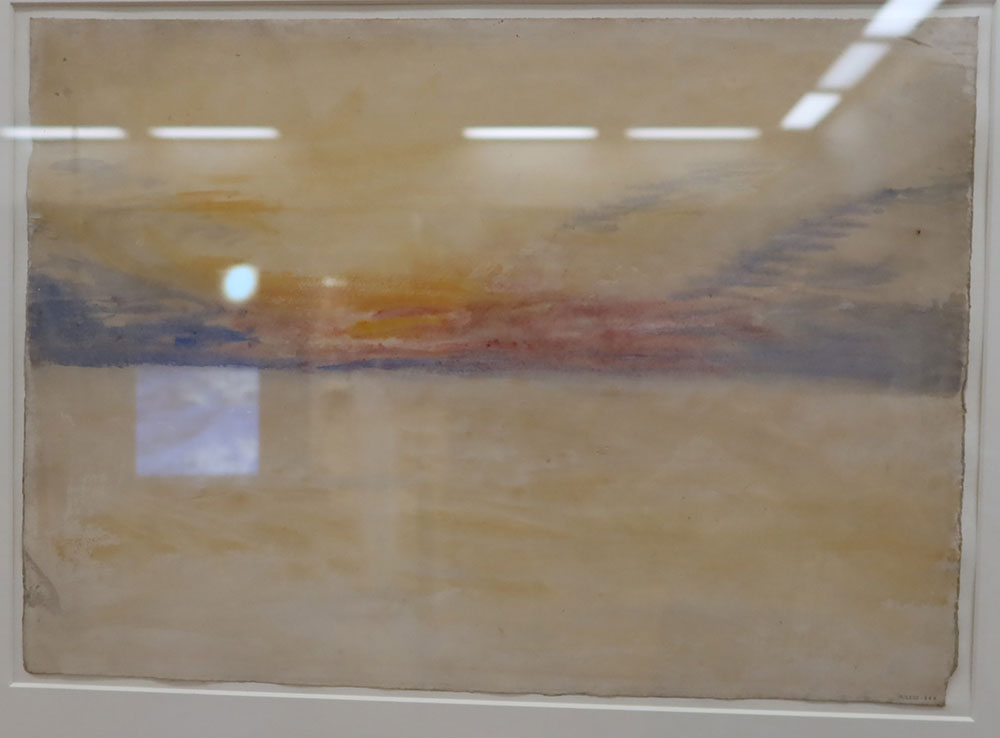
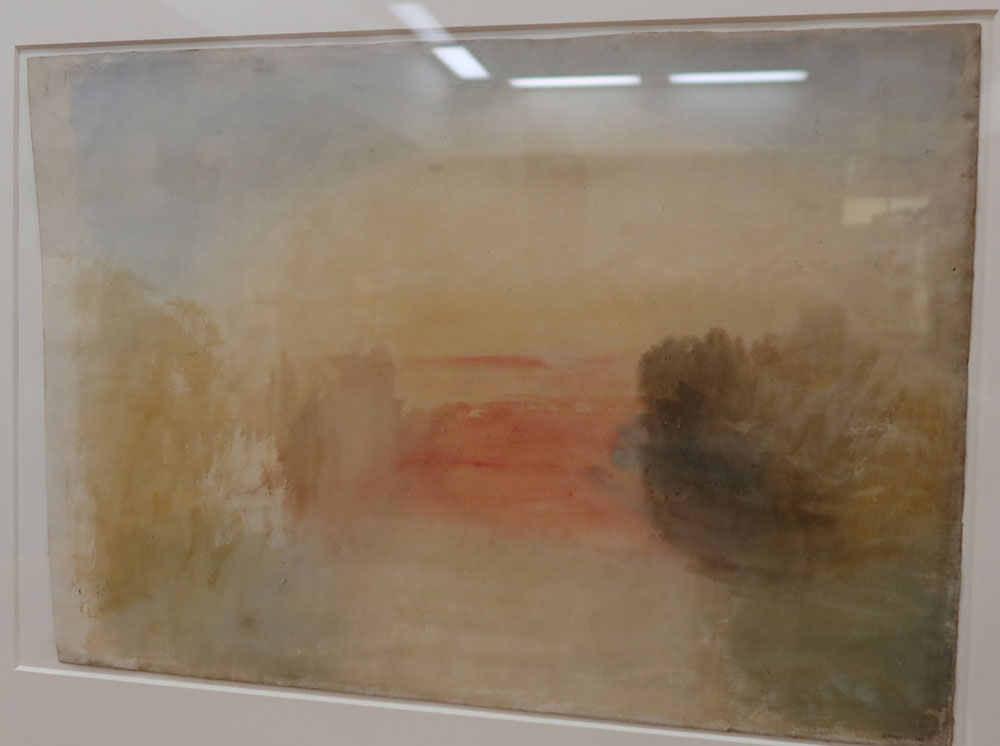
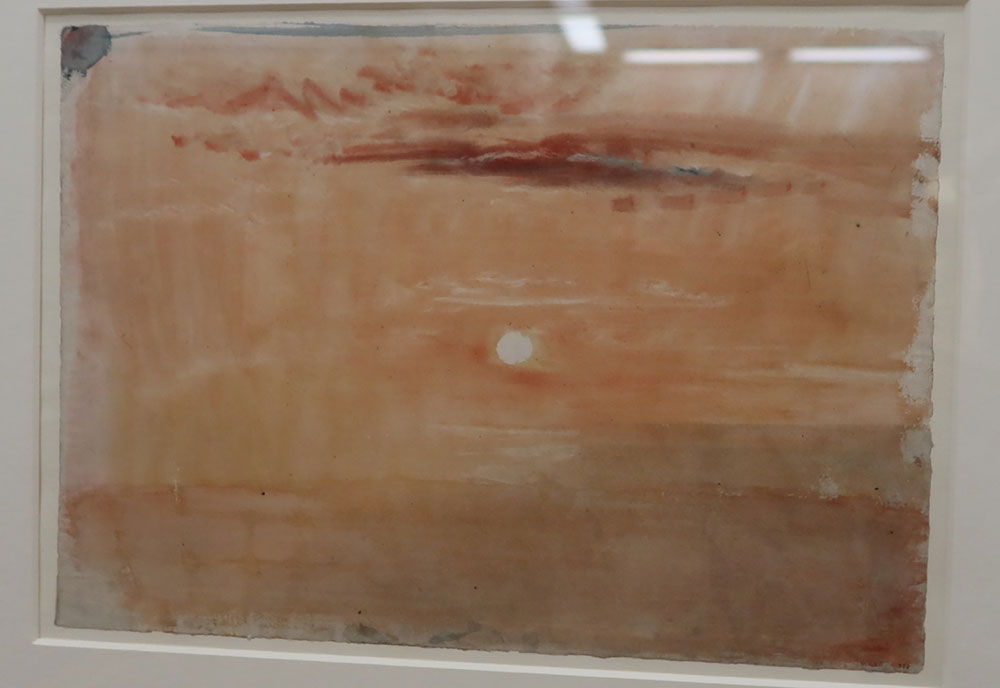
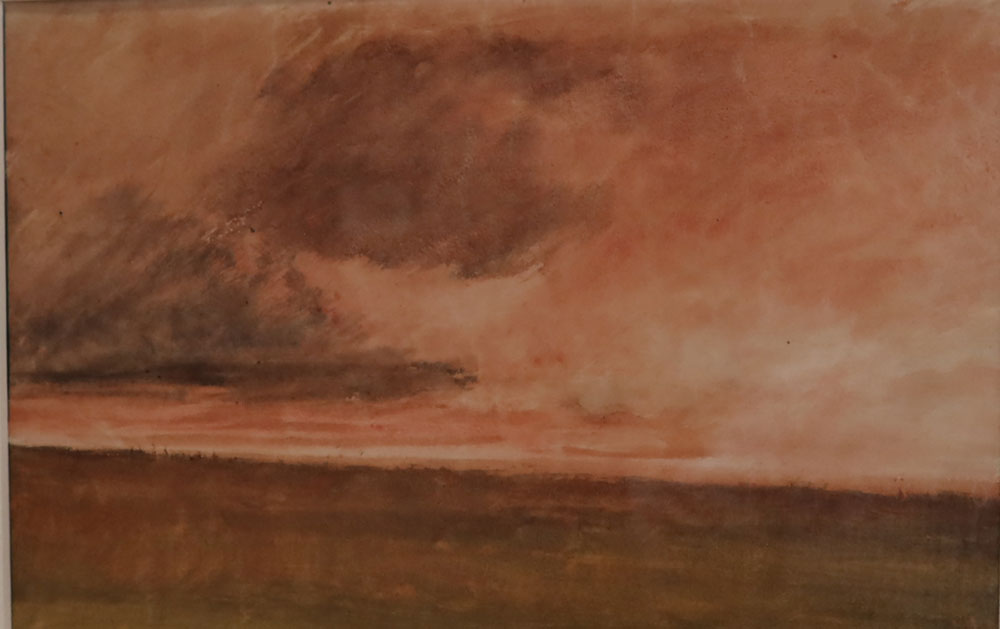
Central to the collection is an unparalleled holding of work by J. M. W. Turner. Over twenty years in the making, Tate's comprehensive online catalogue of the Turner Bequest's 37,500 sketches, drawings and watercolours was completed in 2025 and made available to all for free, supported by the Paul Mellon Centre for Studies in British Art. For curatorial departments and researchers internationally, this represents a significant development in the accessibility of primary source material relating to one of the most studied figures in Western art history.
The 2023 Rehang and Curatorial Repositioning
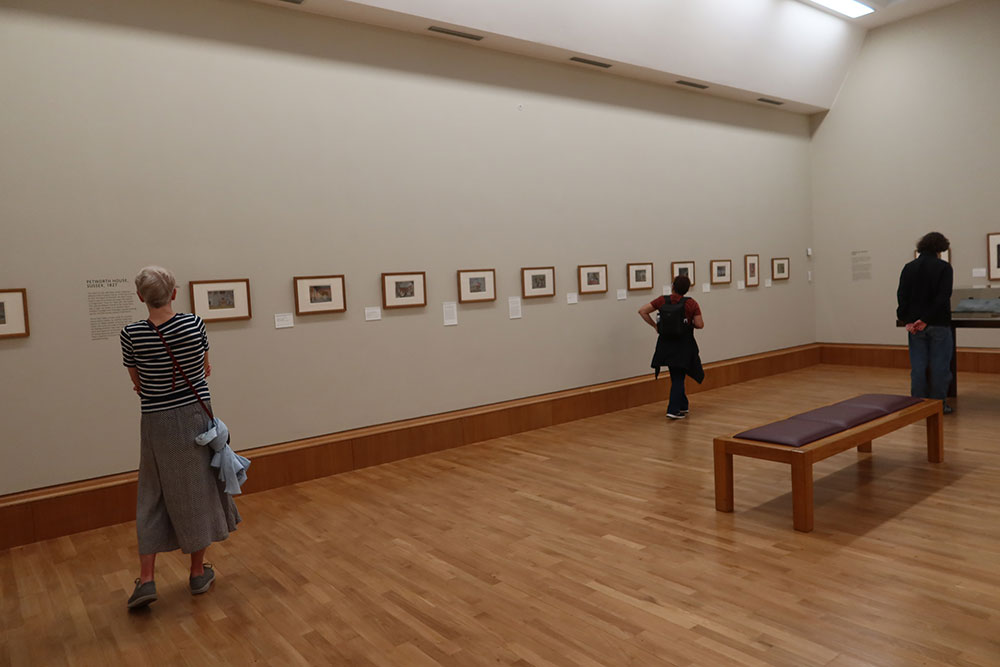
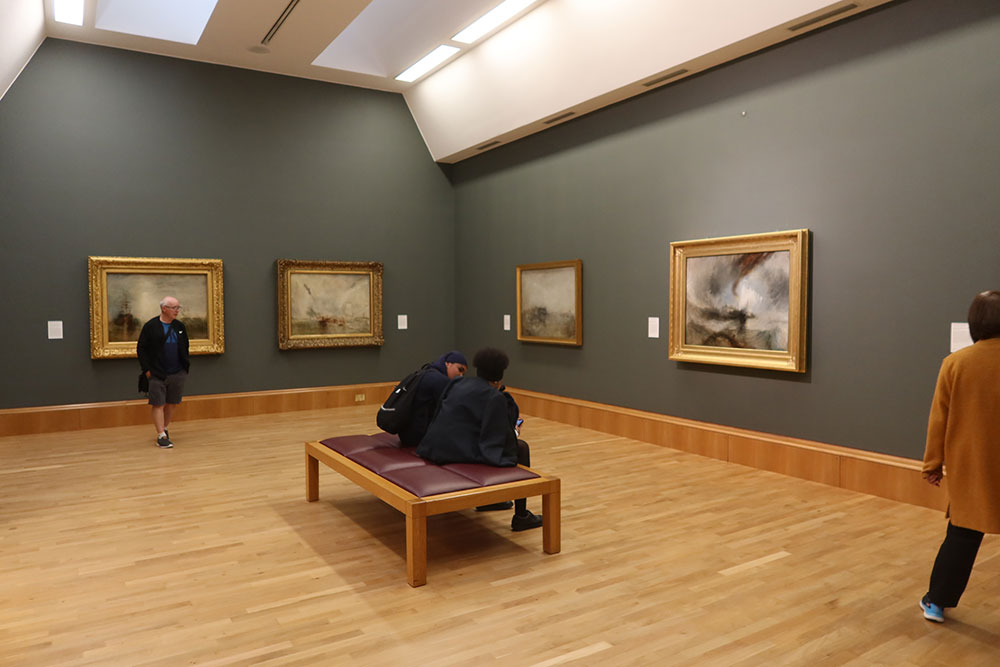
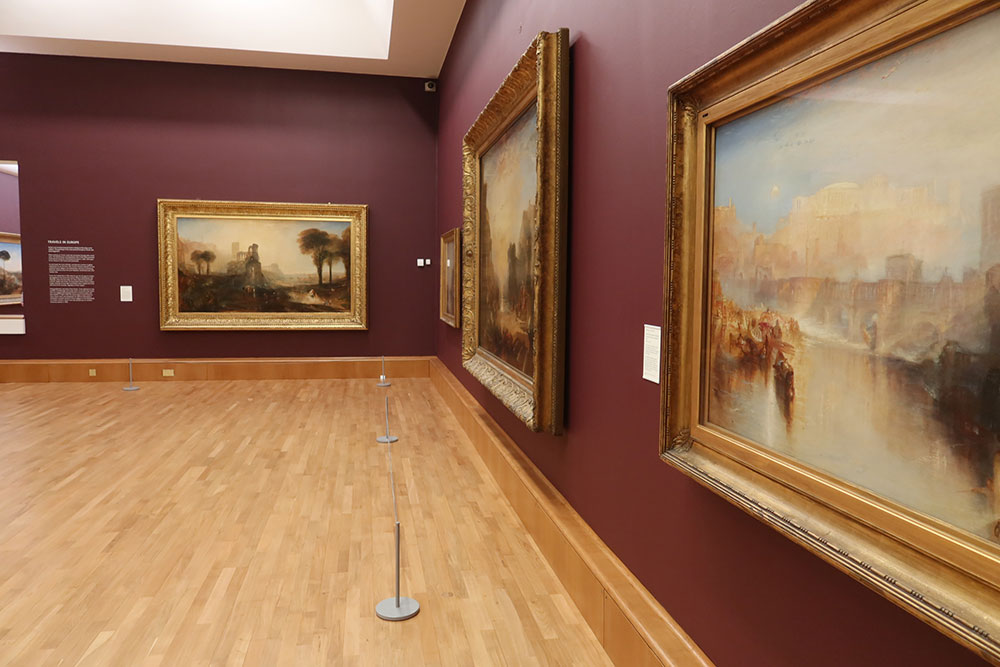
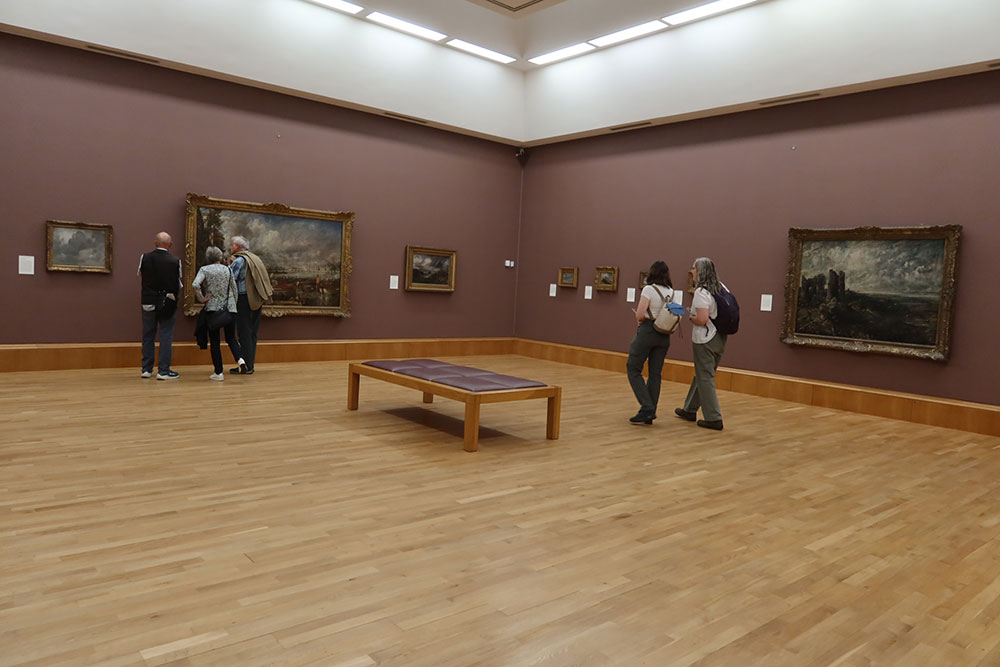
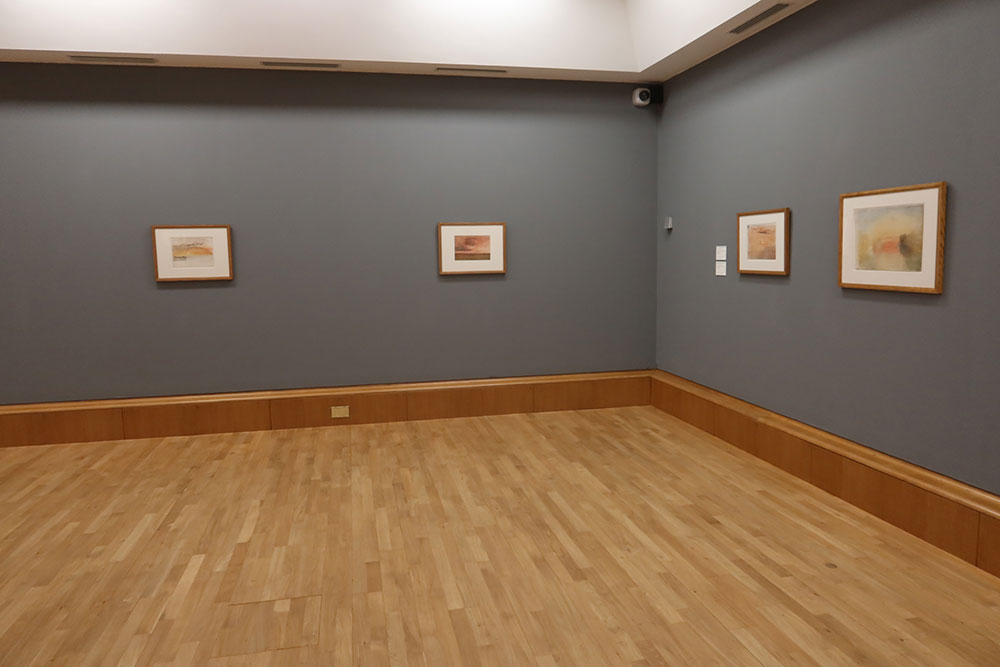
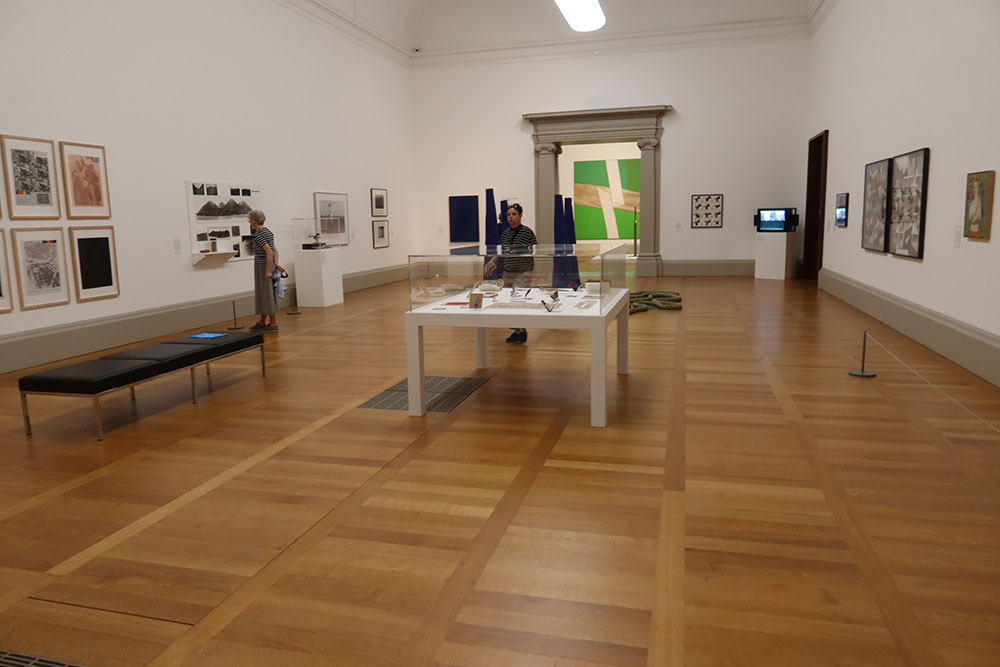
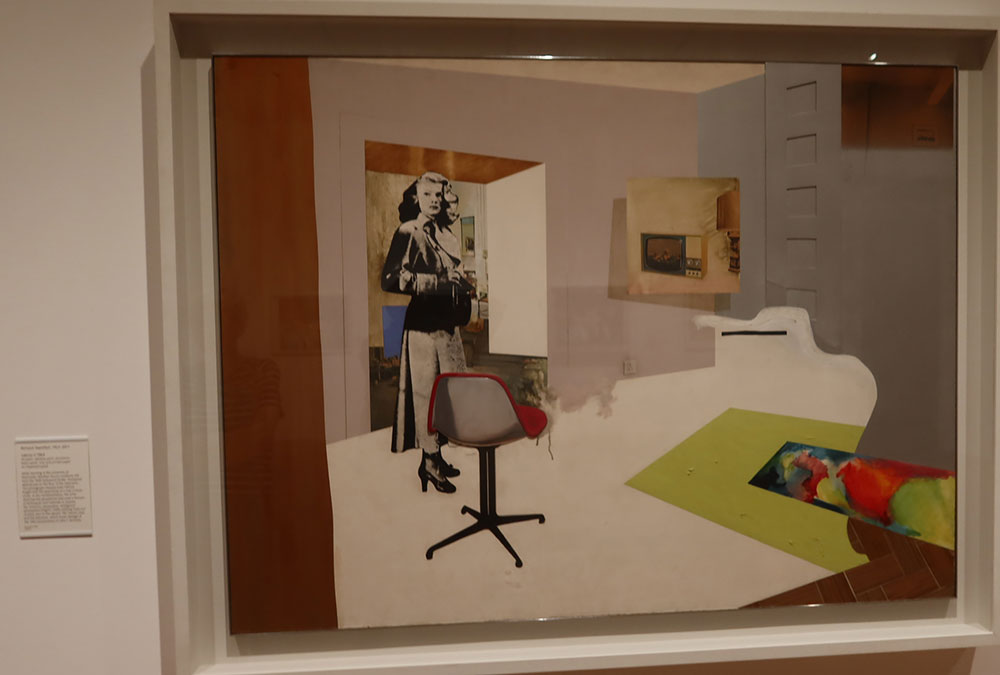
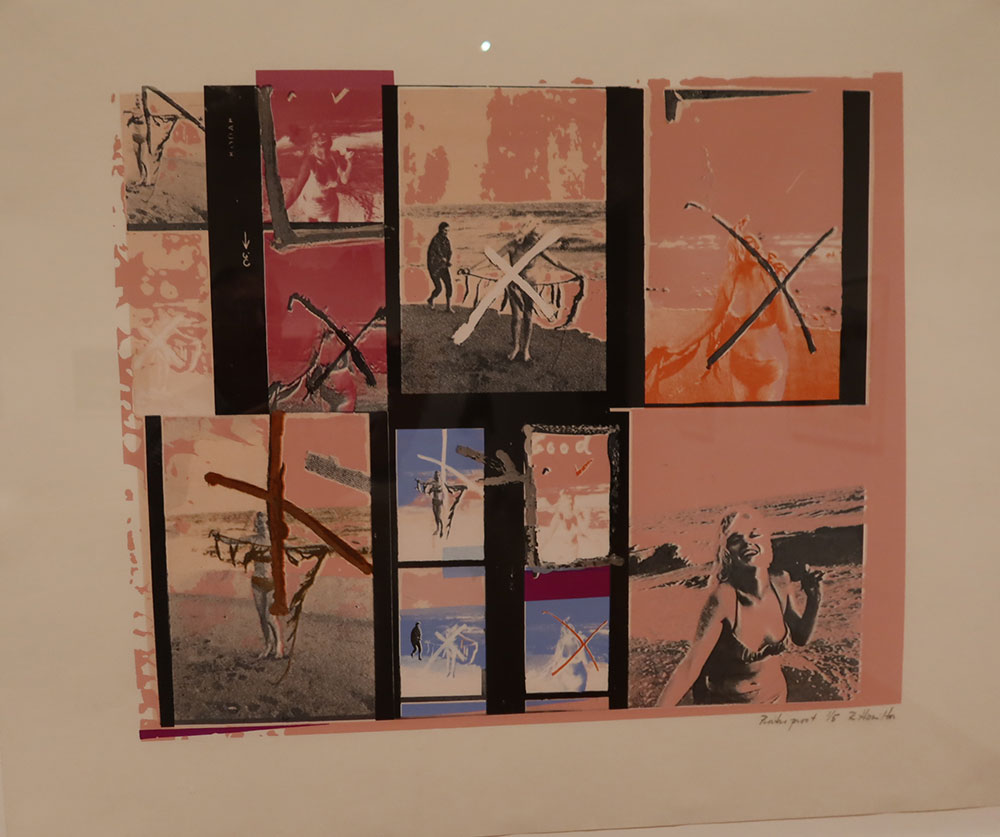
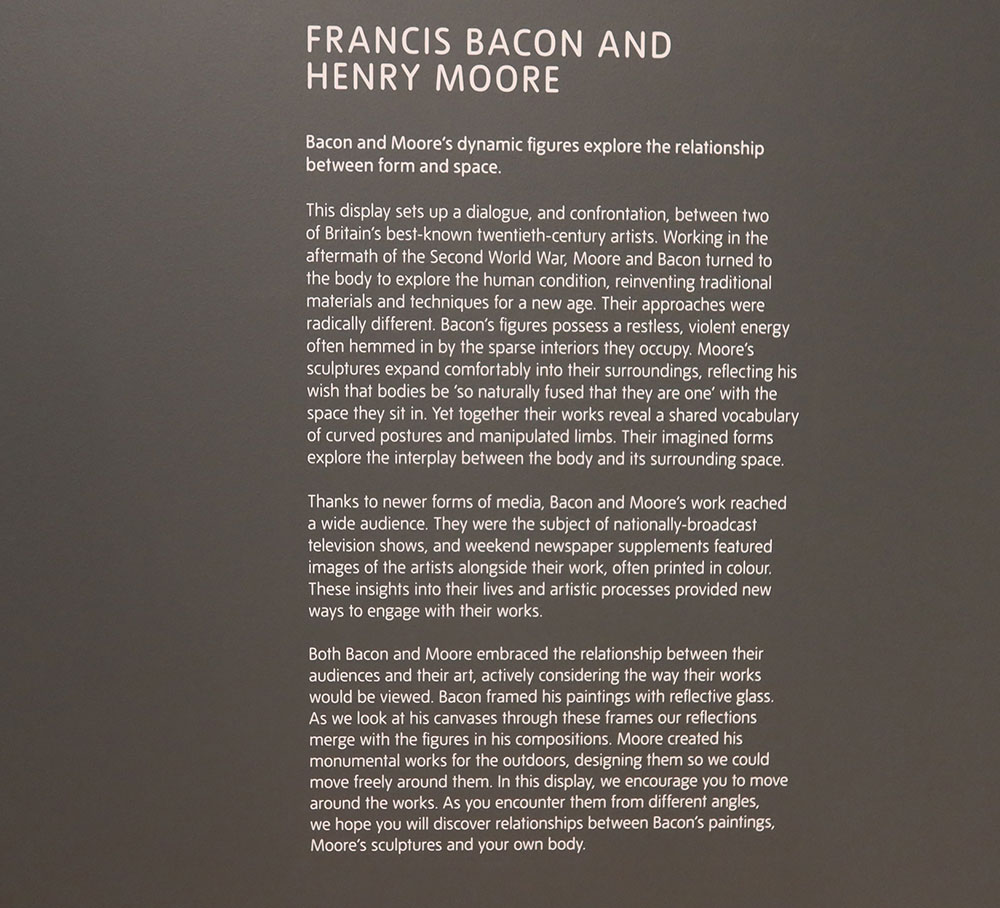
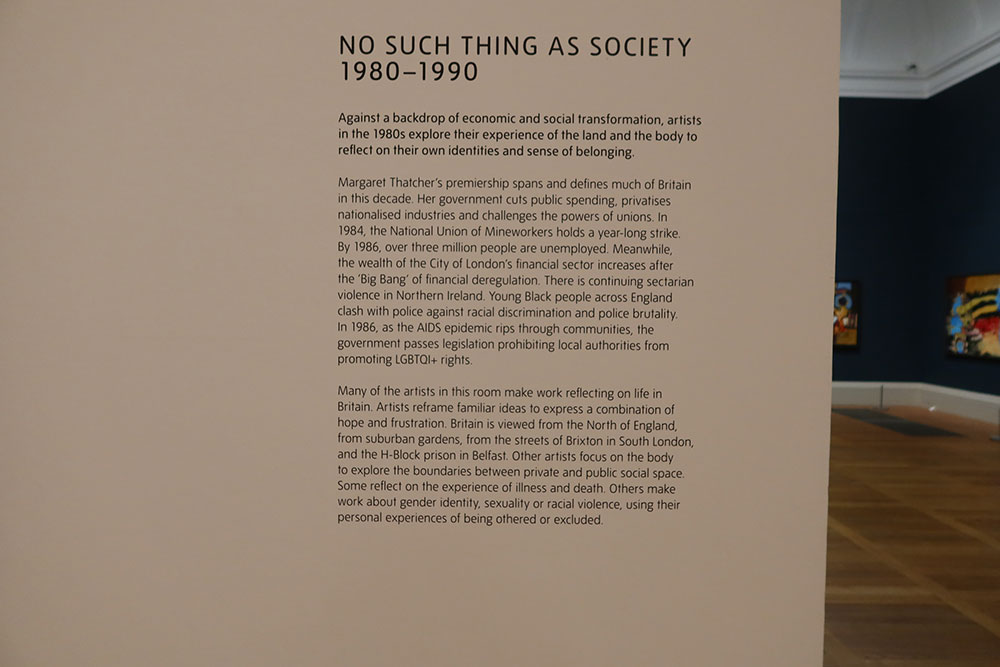
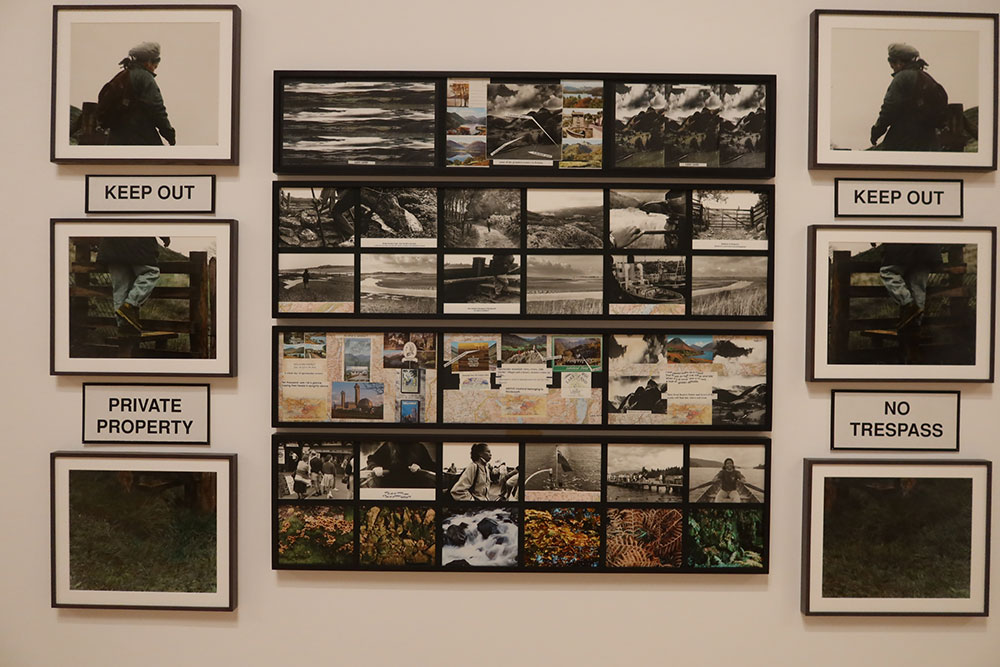
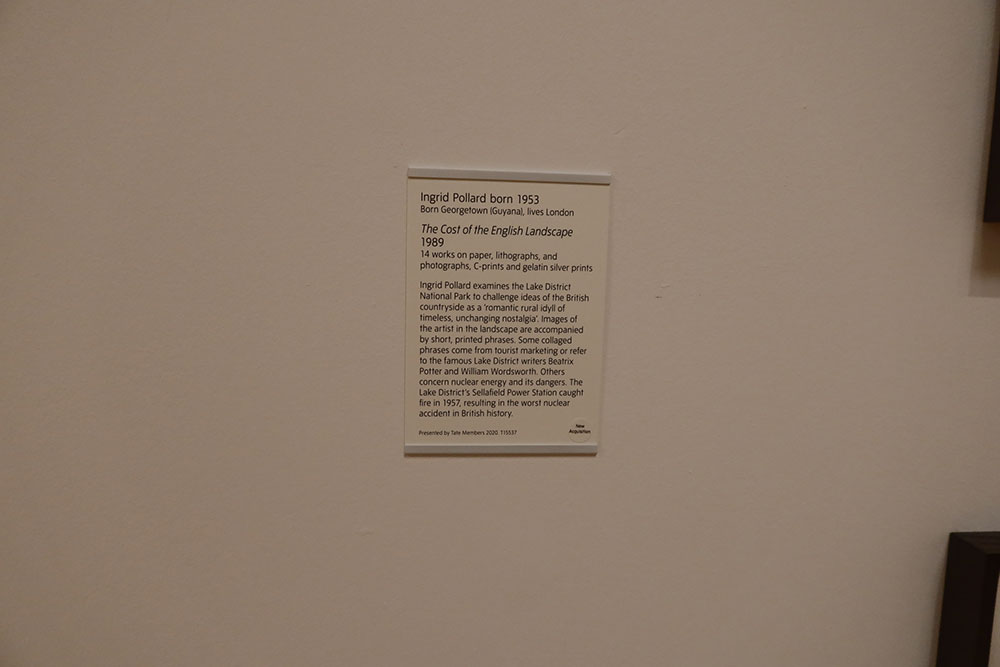
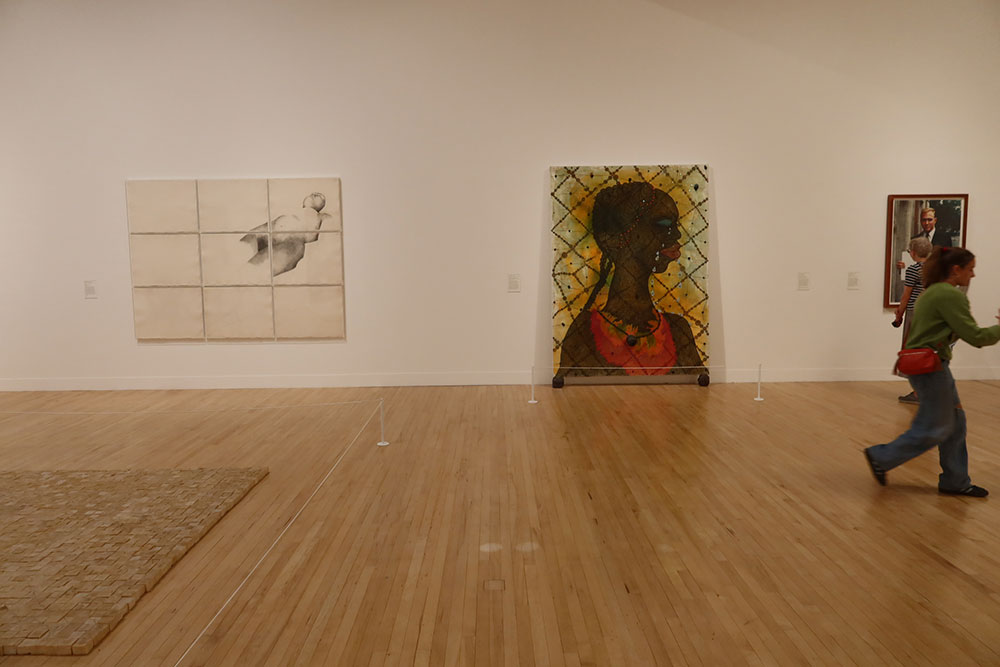
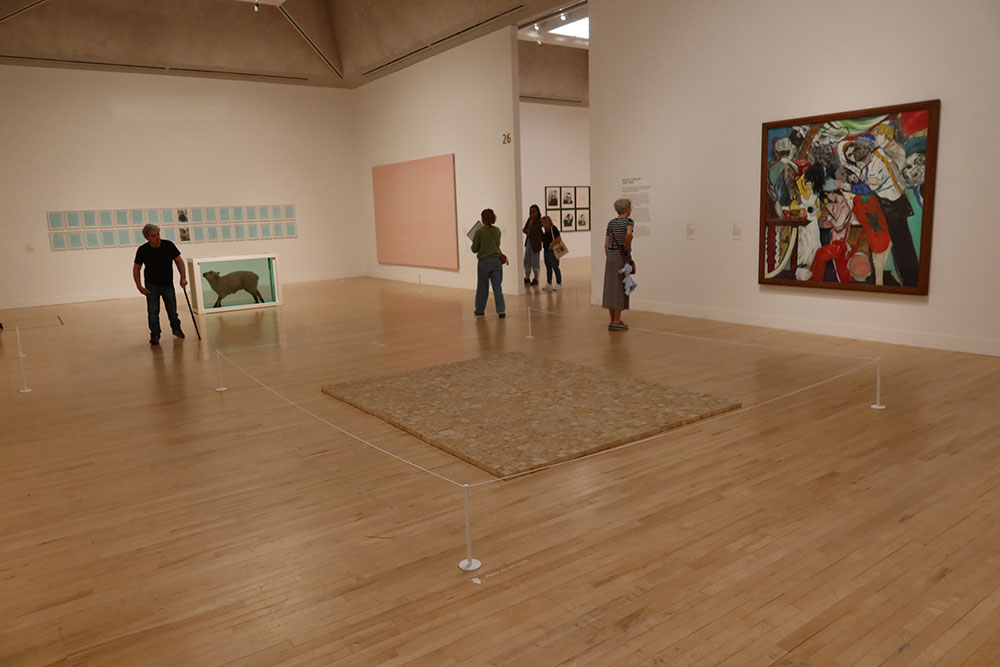
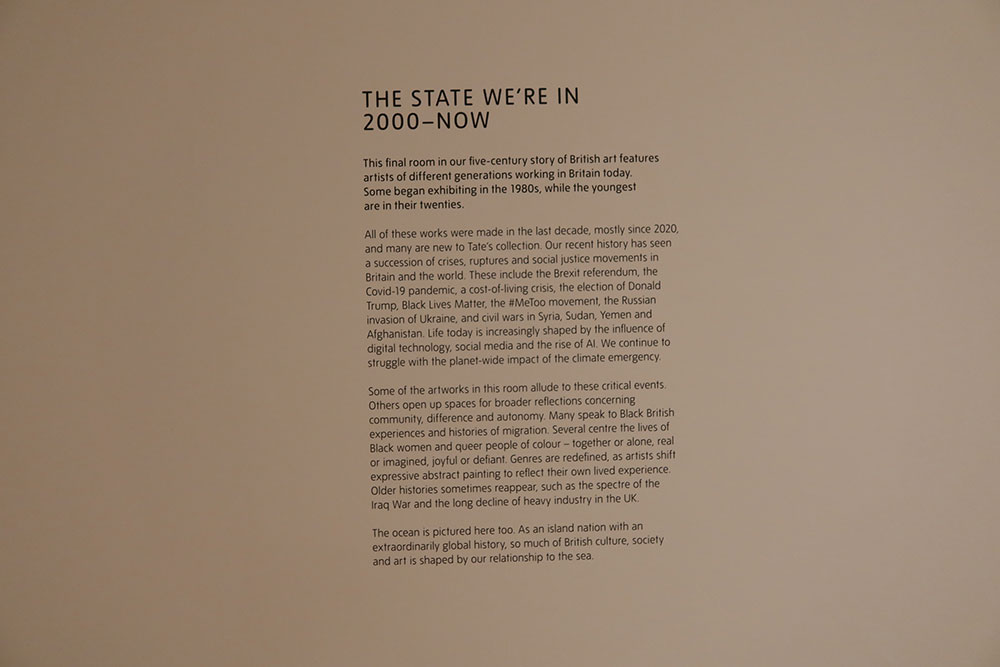
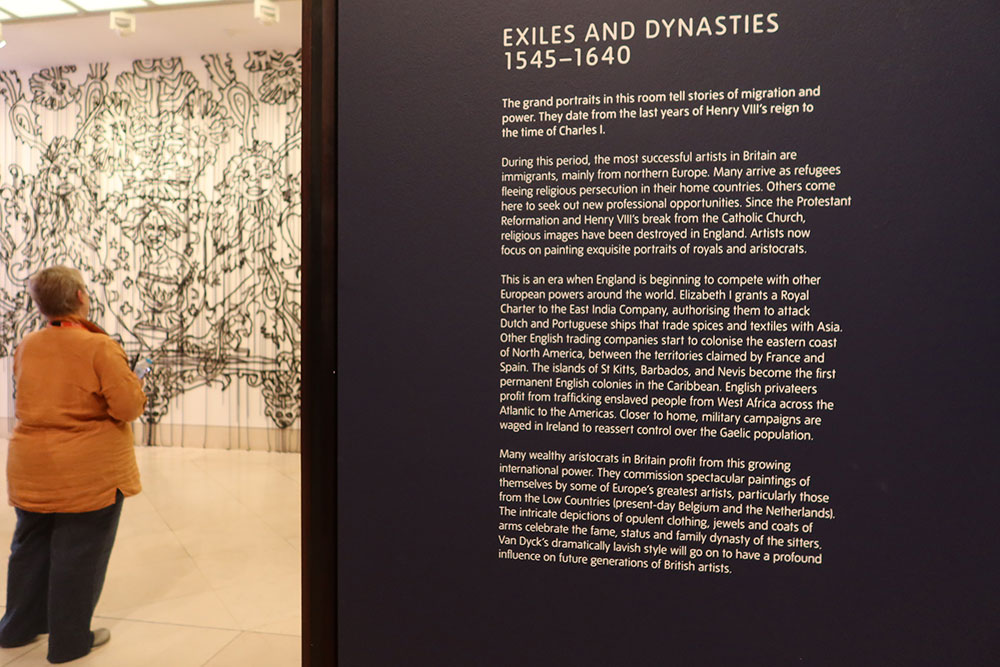
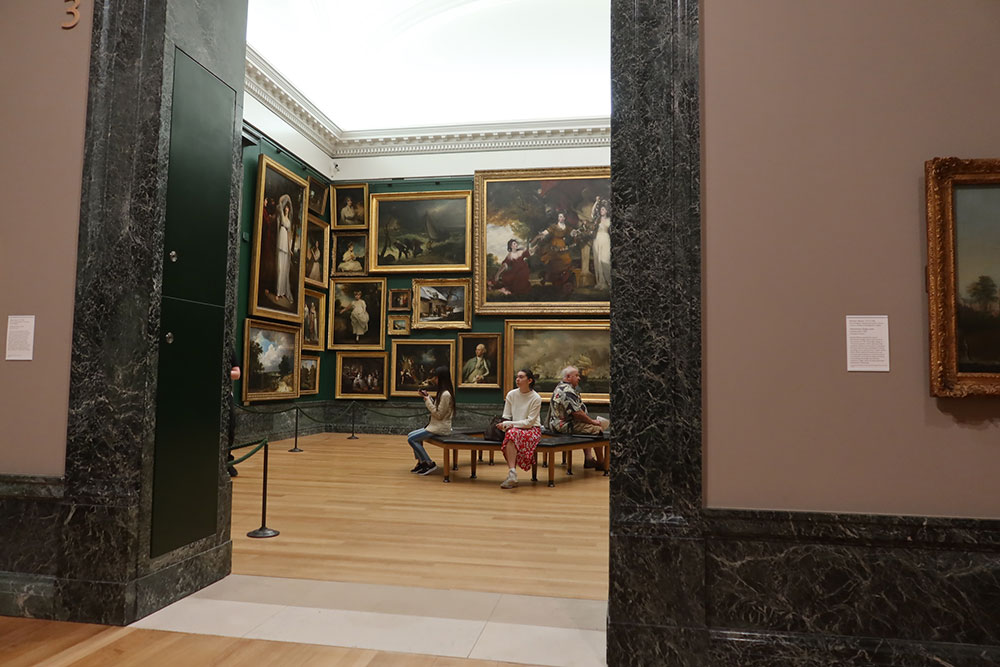
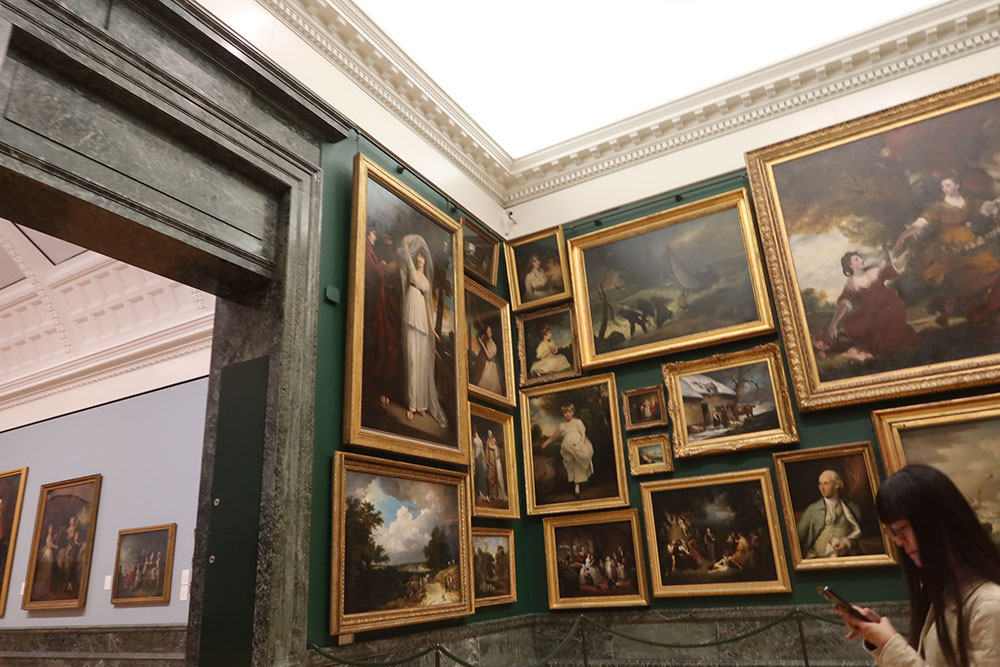
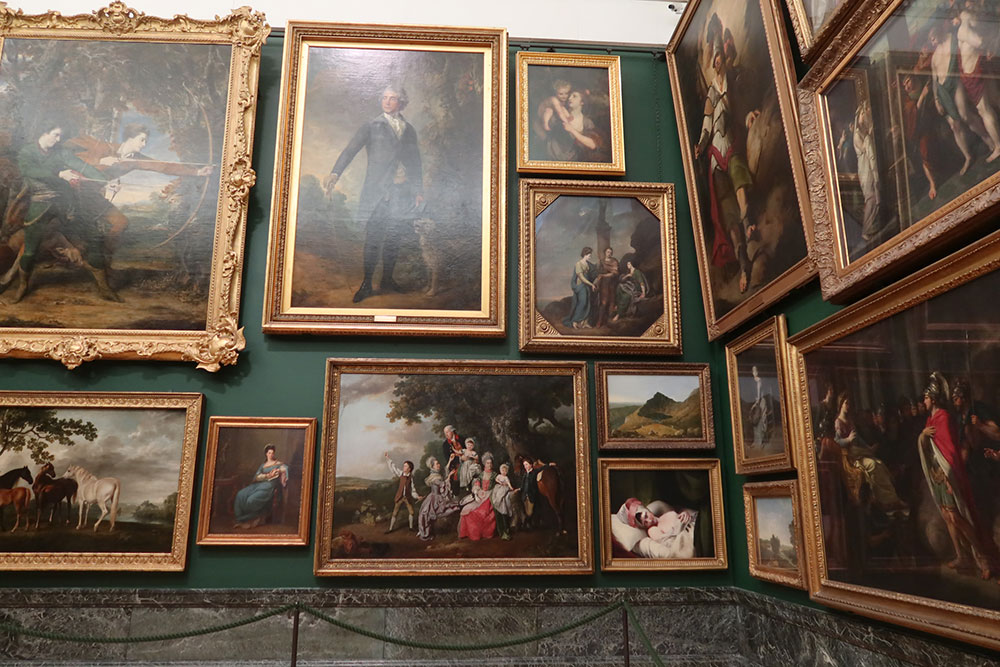
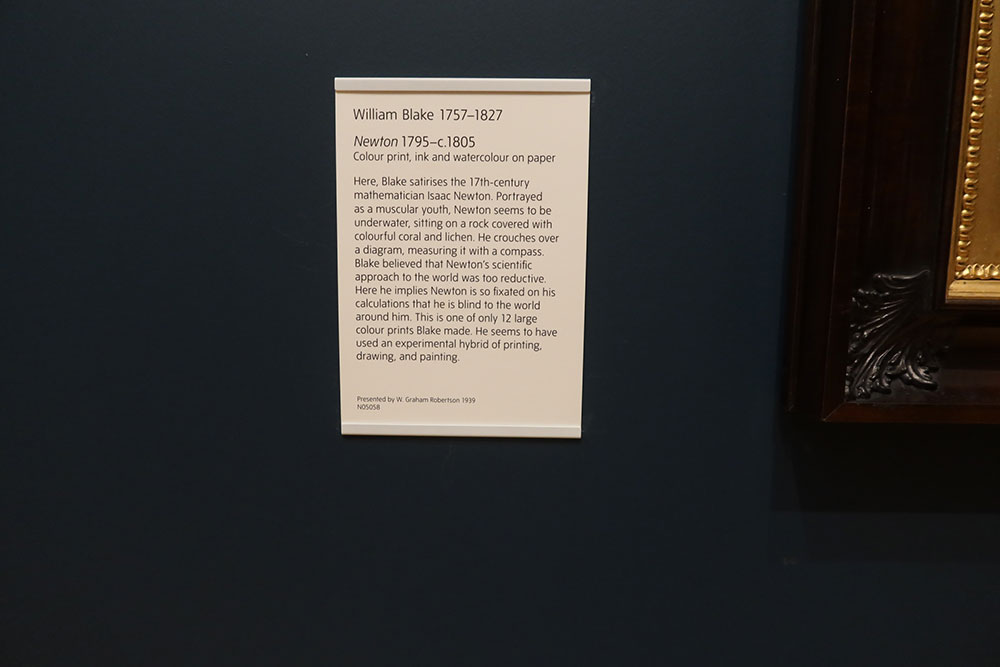
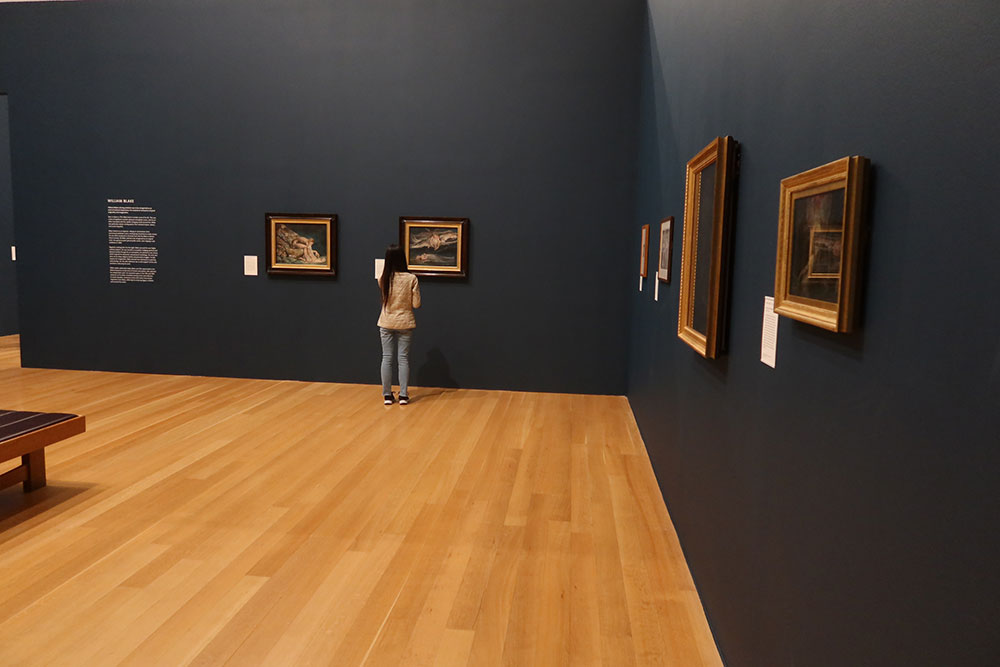
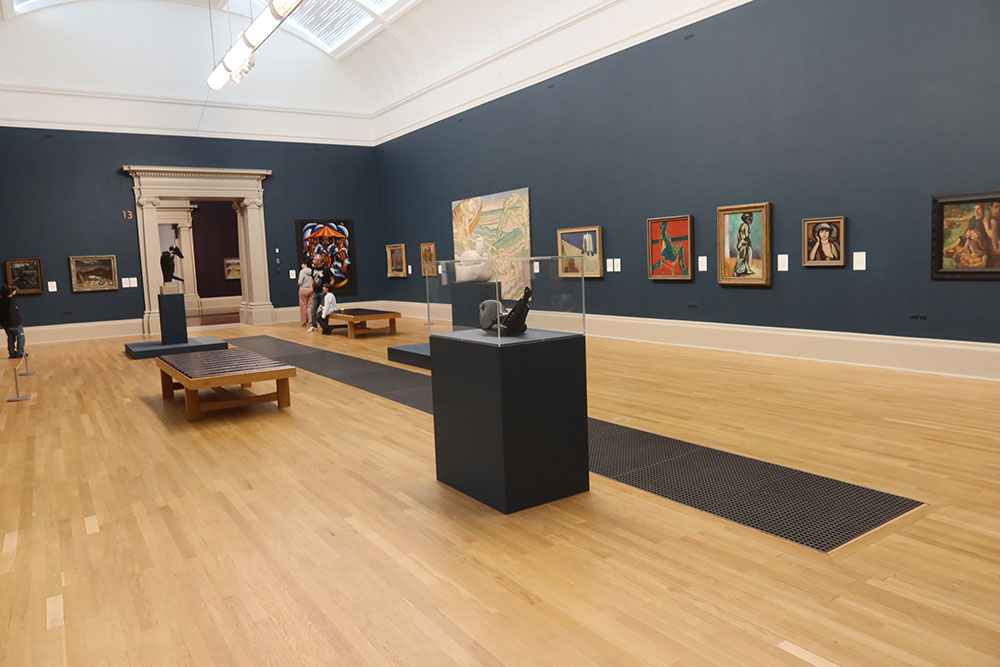
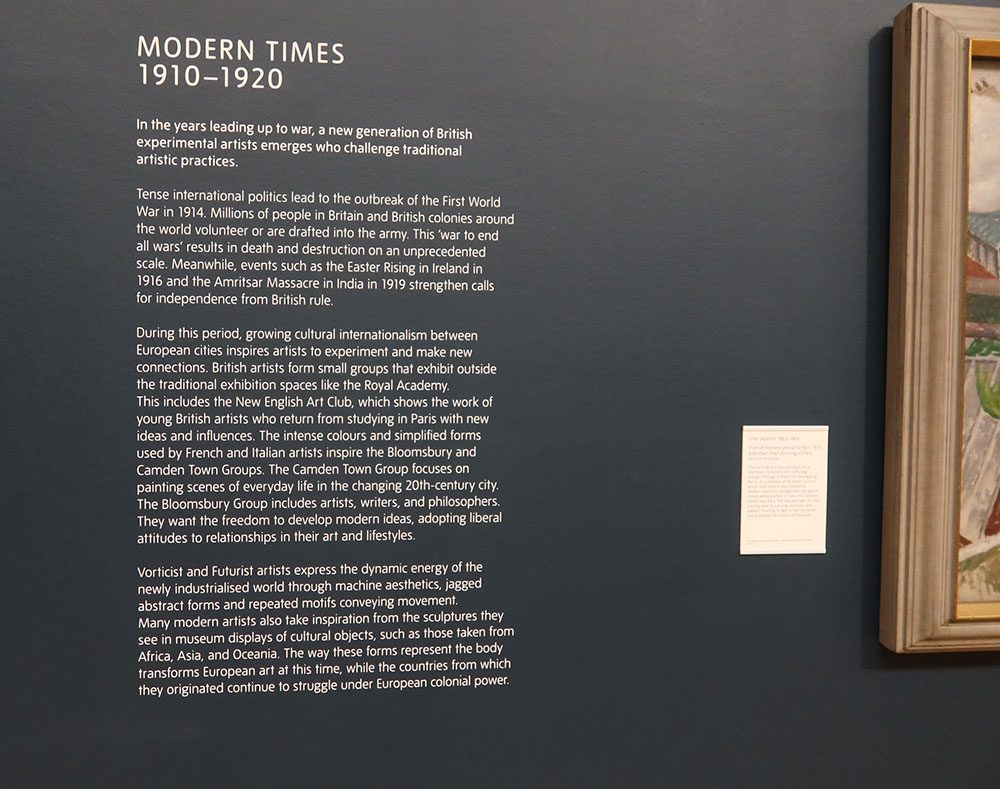
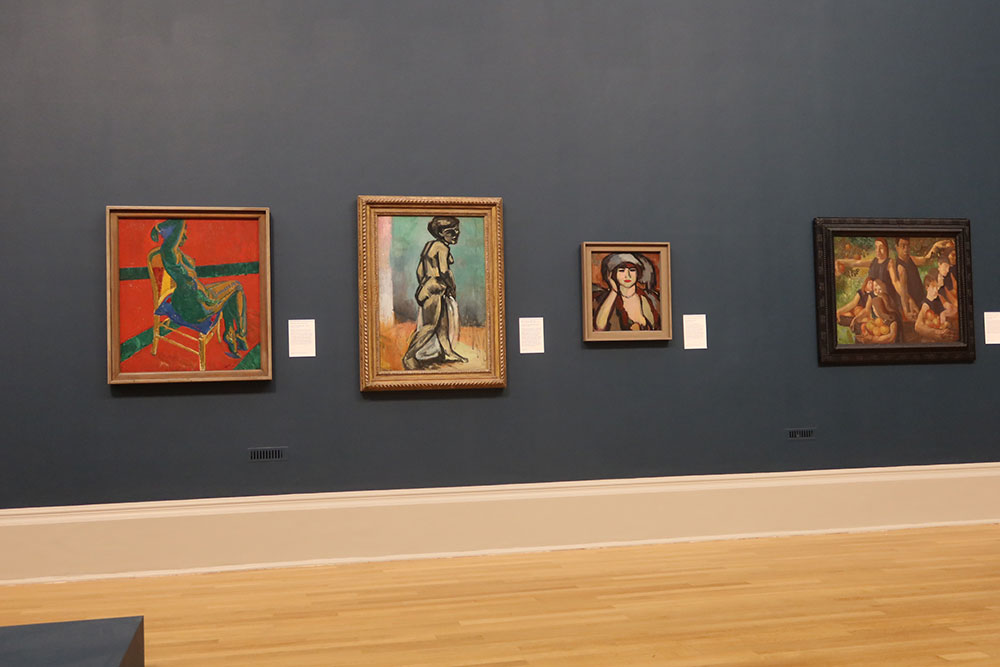
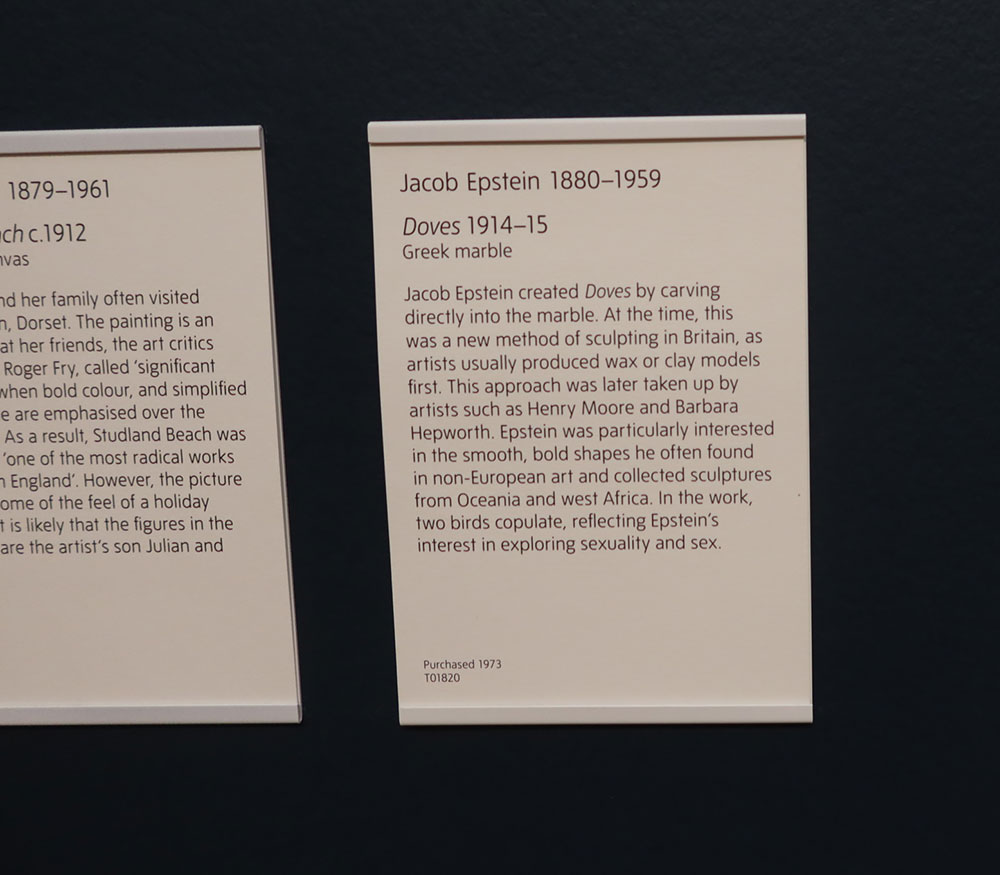
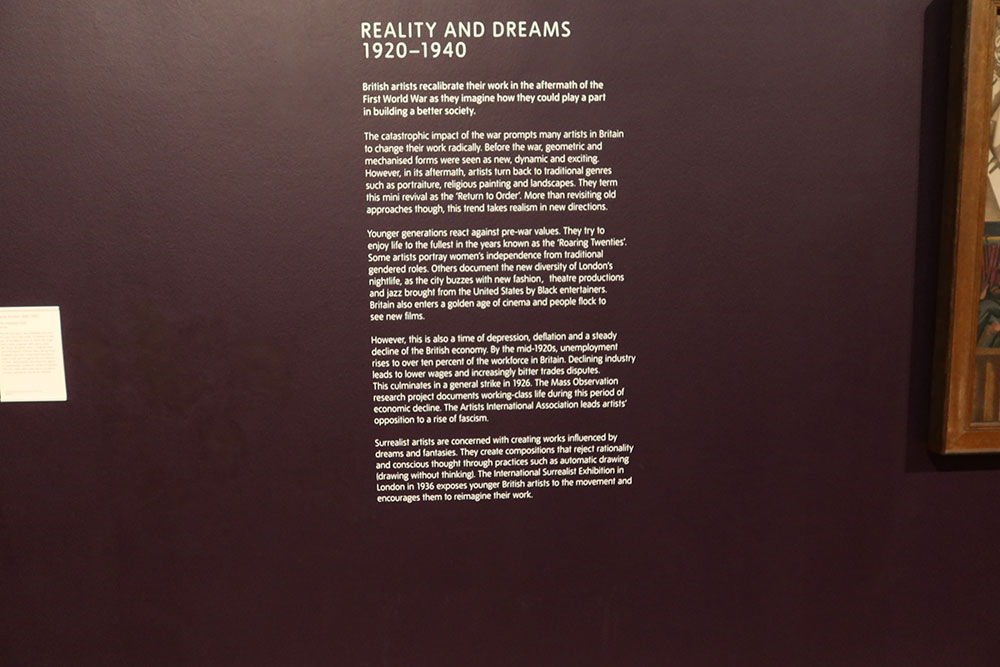
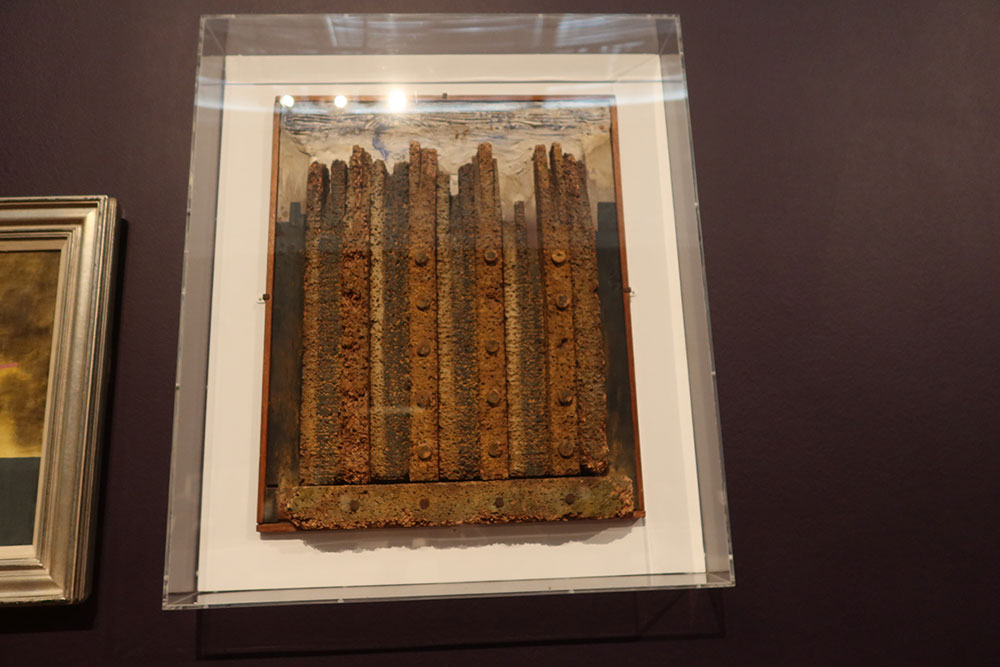
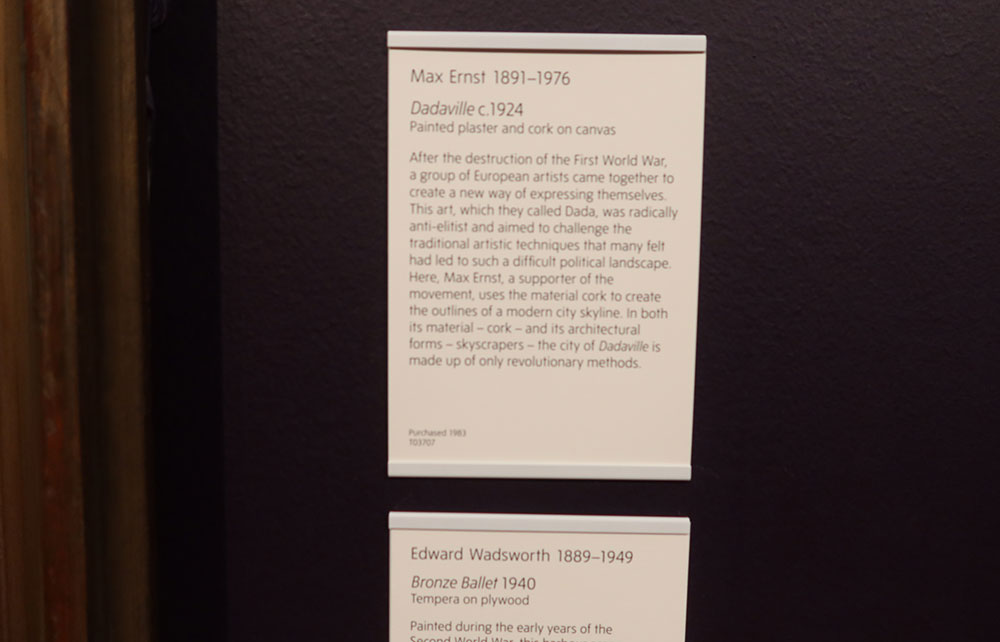
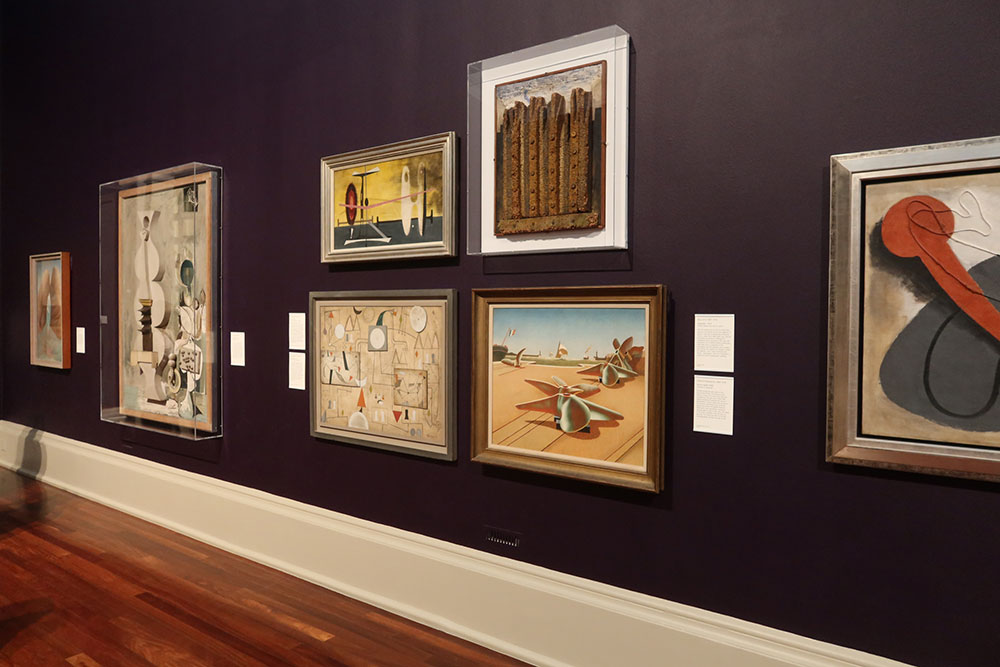
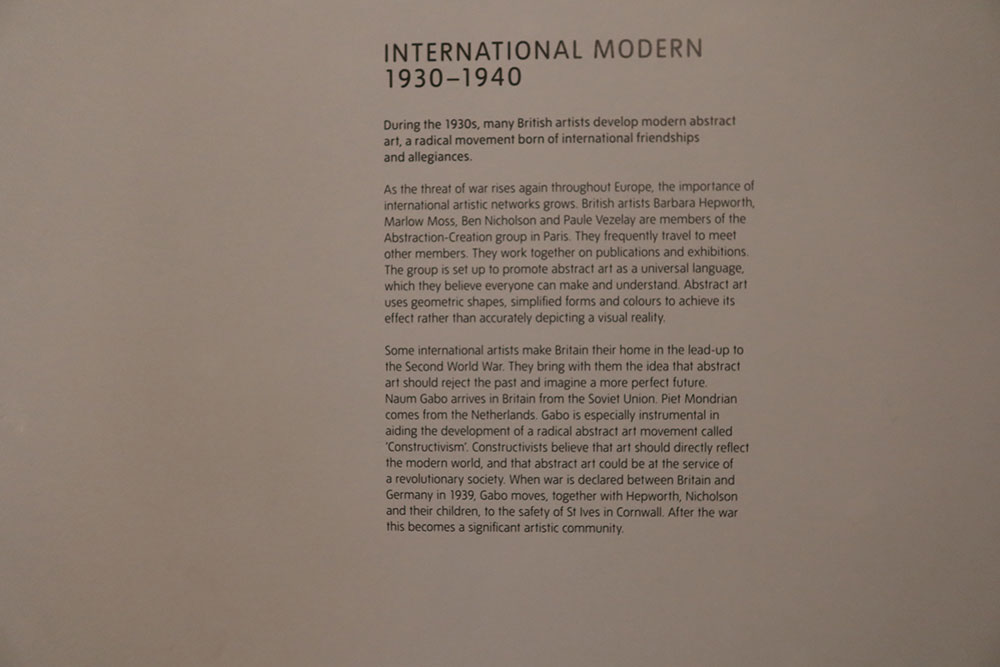
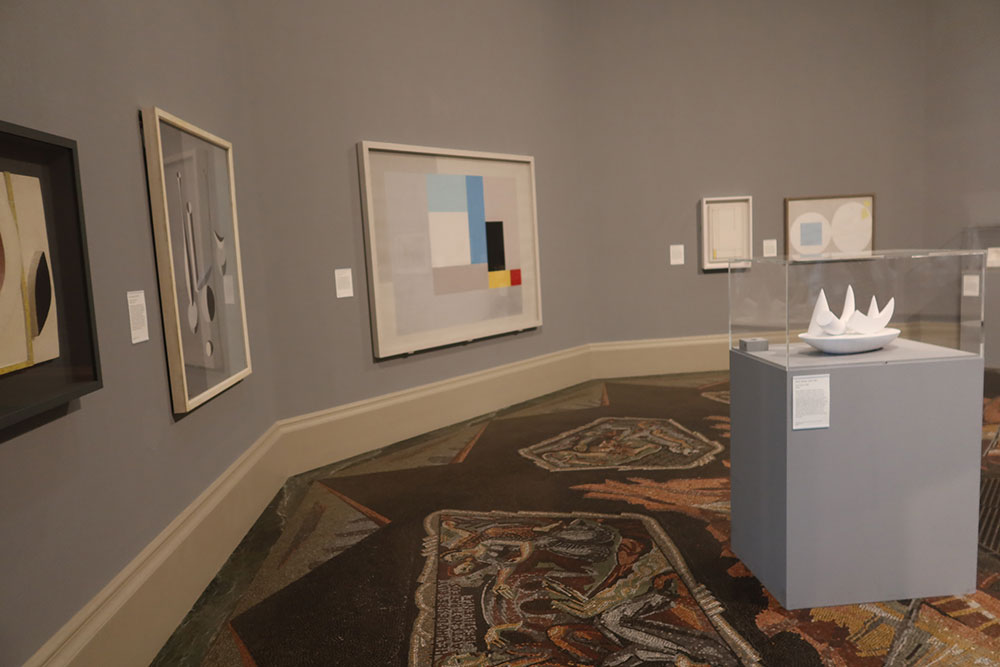
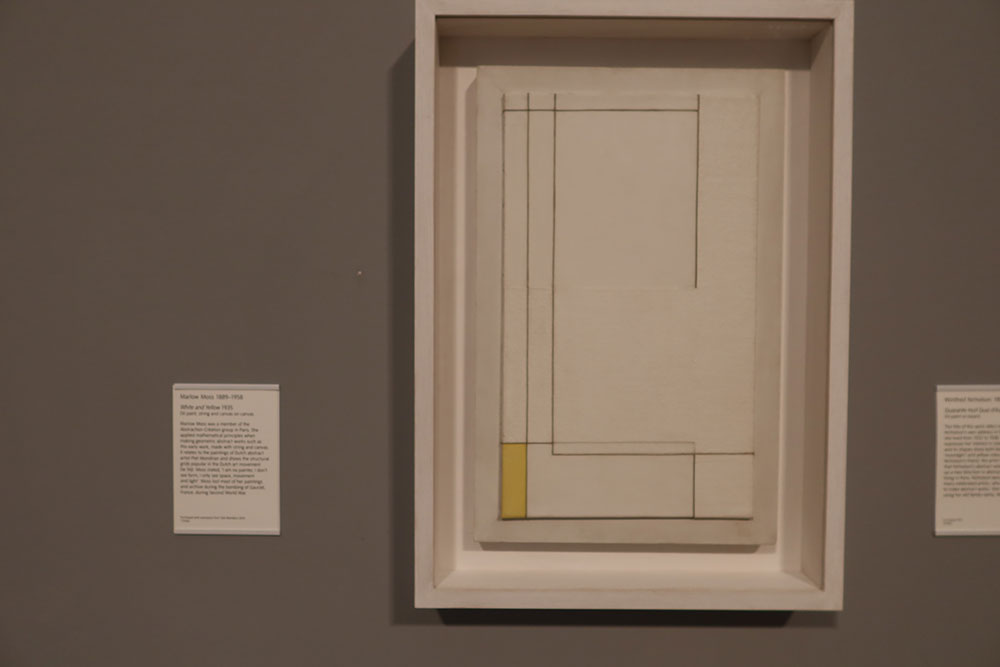
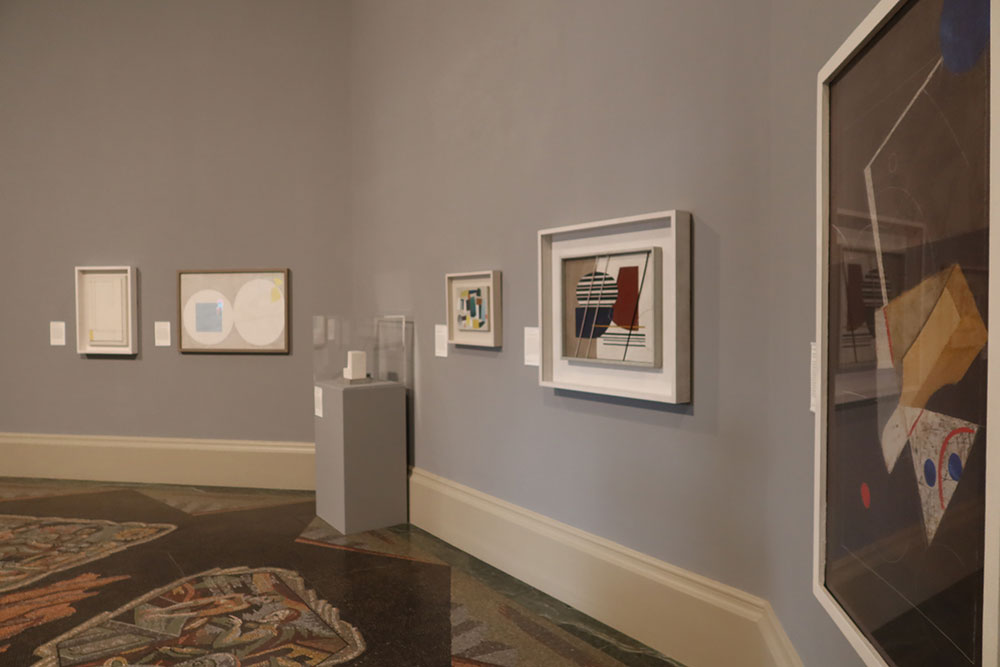
In 2023, the gallery undertook a complete rehang of the collection, a project whose scale and methodology drew considerable attention from the sector. The rehung galleries are laid out chronologically, from the 1500s to the present day, with each room given a distinct wall colour, title and theme. The displays explore art in its social context, revealing how artists responded to cultural, political, economic and technological changes — from the rise of the urban metropolis in the era of Hogarth, to the Pre-Raphaelites' engagement with industrialisation, to the place of abstract art in Britain's post-war reconstruction.
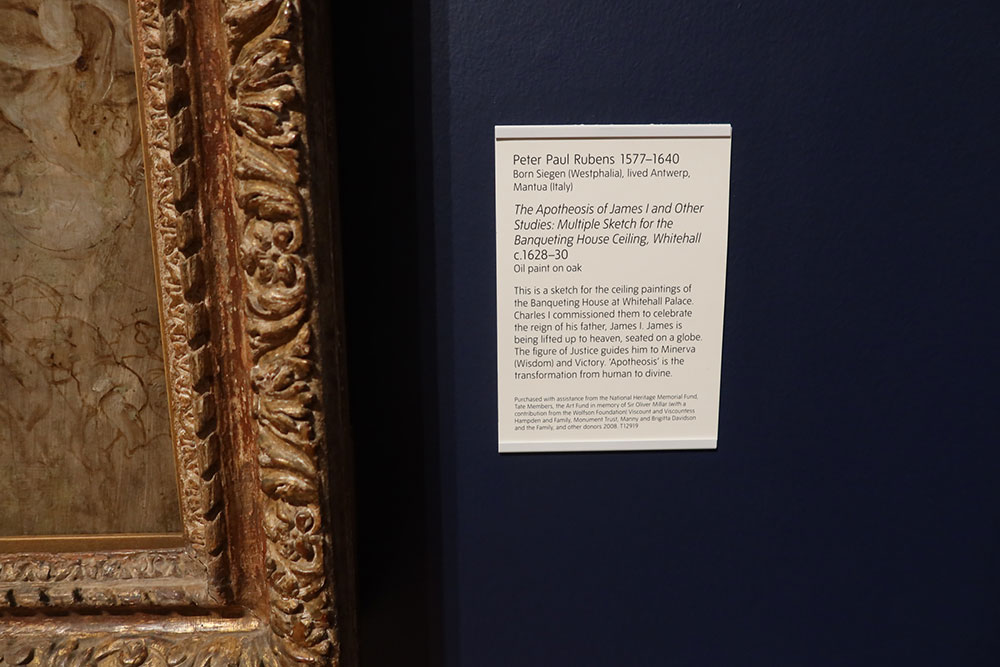
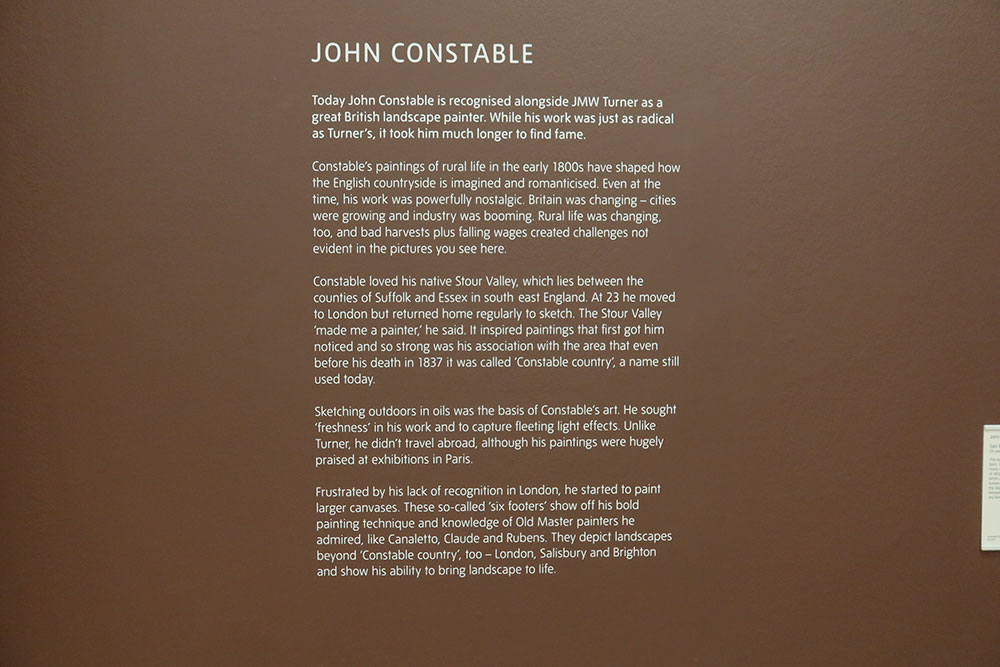
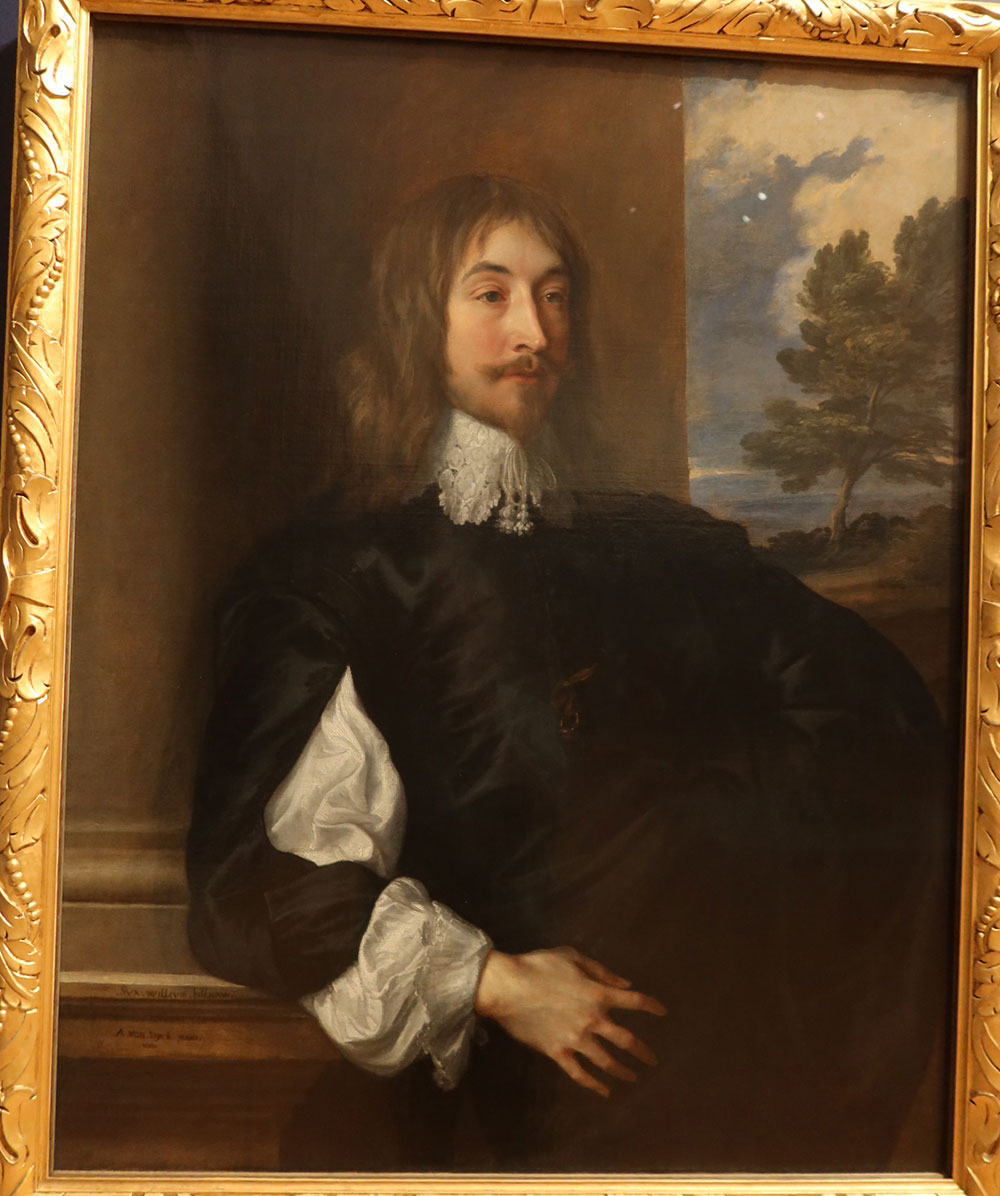
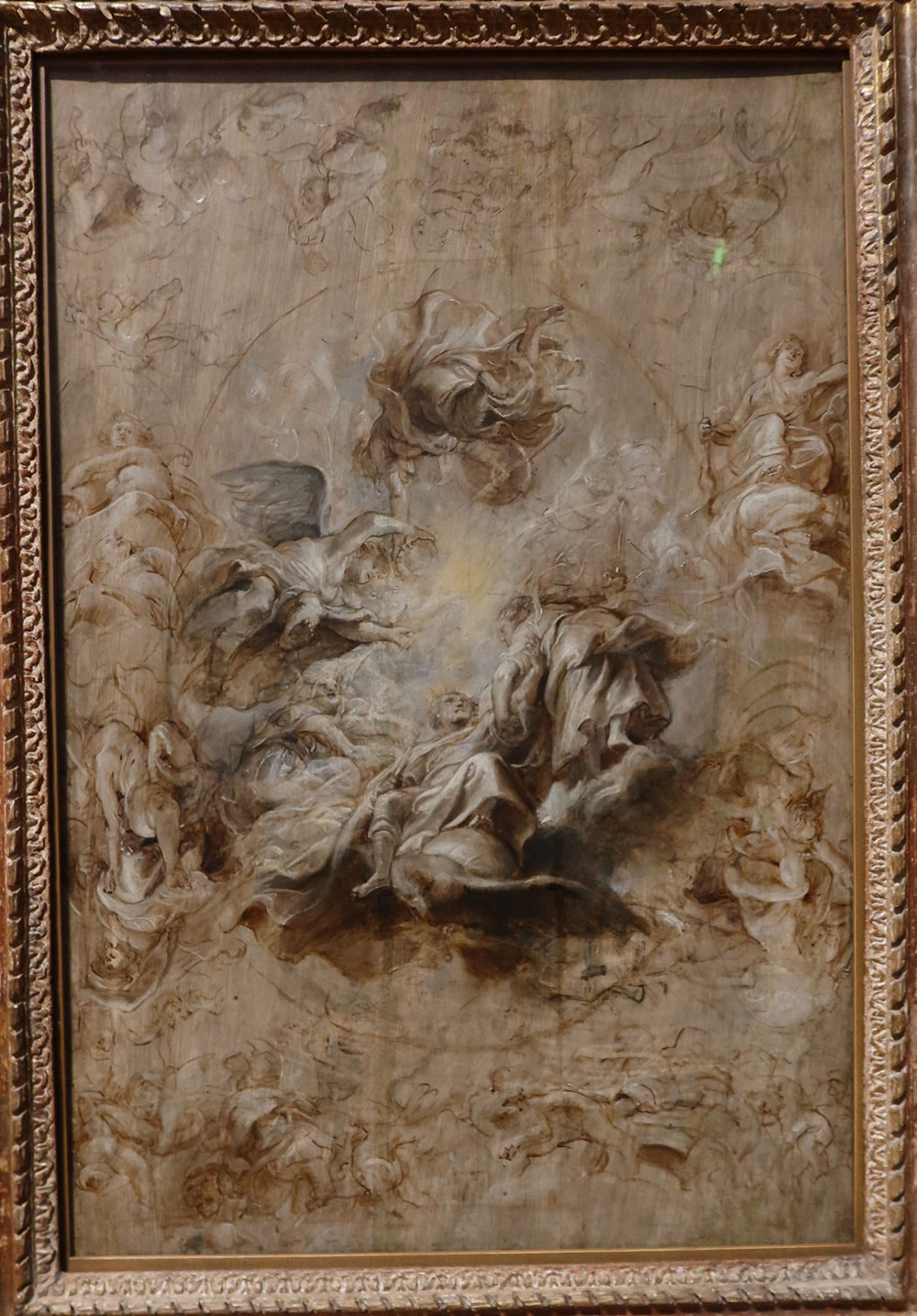
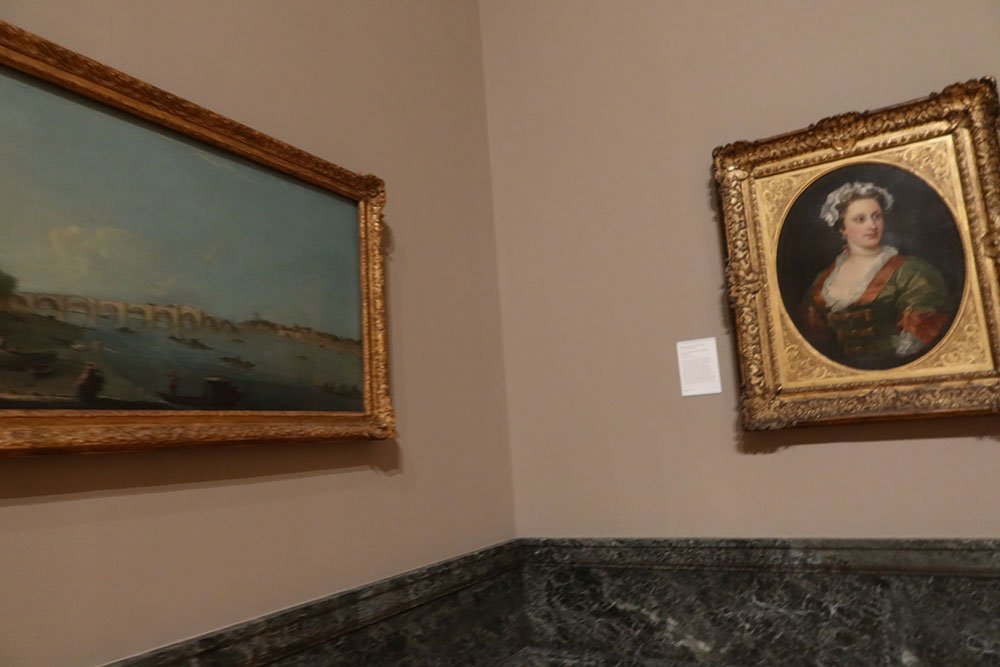
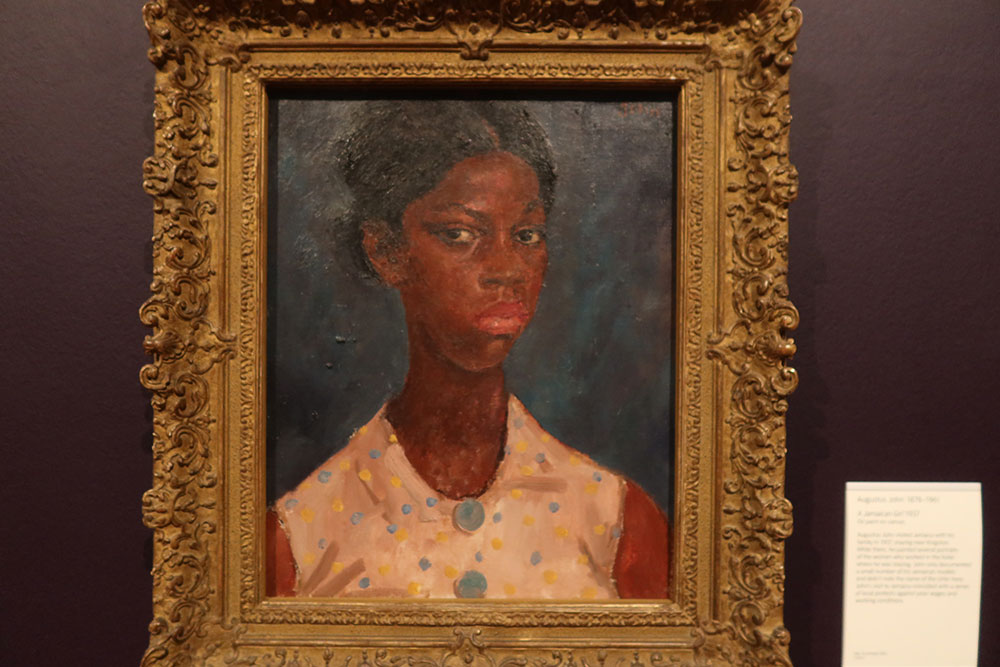
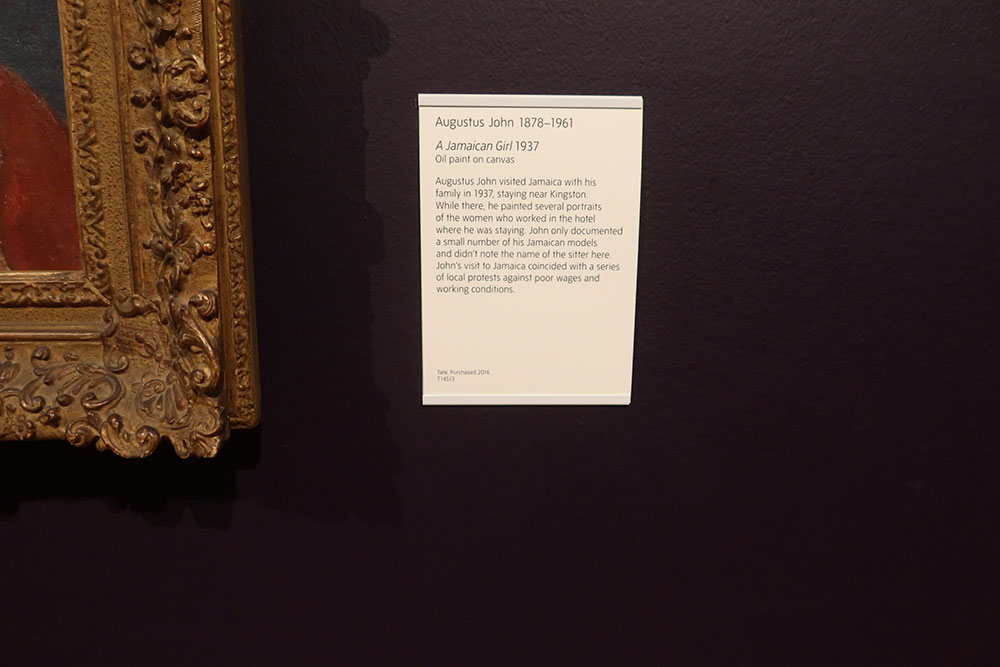
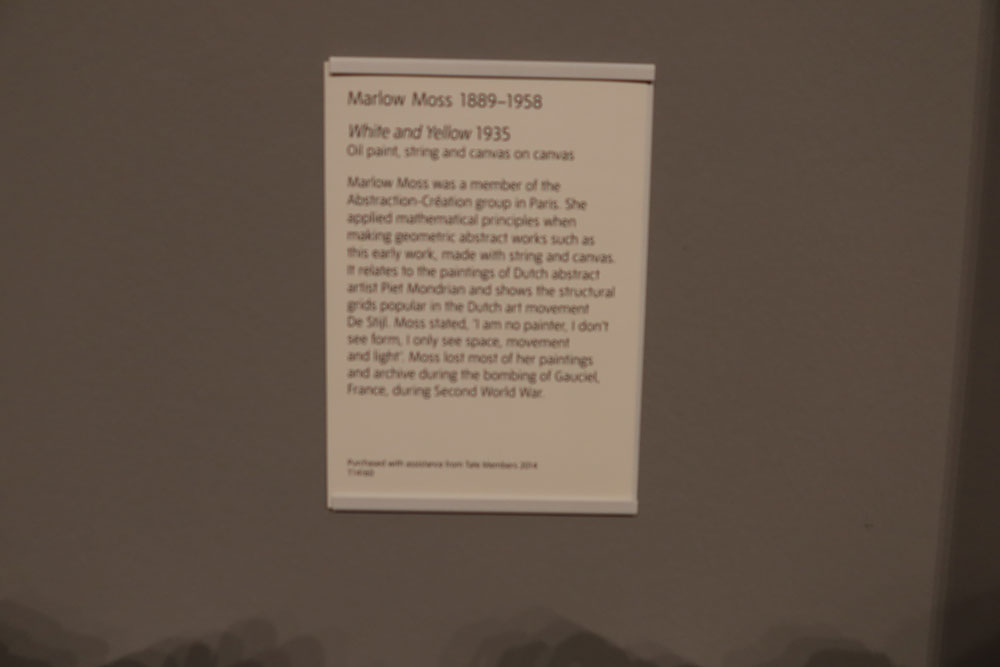
The rehang also signalled a deliberate broadening of the collection's representative scope. Reflecting the internationalism of Britain's history and its multicultural present, many of the artists on display were born outside the UK, from Rubens, Van Dyck and Canaletto to Frank Bowling, Paula Rego and Mohammed Sami. The rehang also better reflects the contribution of women artists, from Britain's earliest professional female painters like Joan Carlile and Mary Beale, to modern masters like Gwen John and Ithell Colquhoun. Polly Staple, Tate's Director of Collection, British Art, noted at the time that the rehang offers a broader and more complex picture of British art, made possible because of the way Tate's collection has been extended, deepened and diversified in recent years.
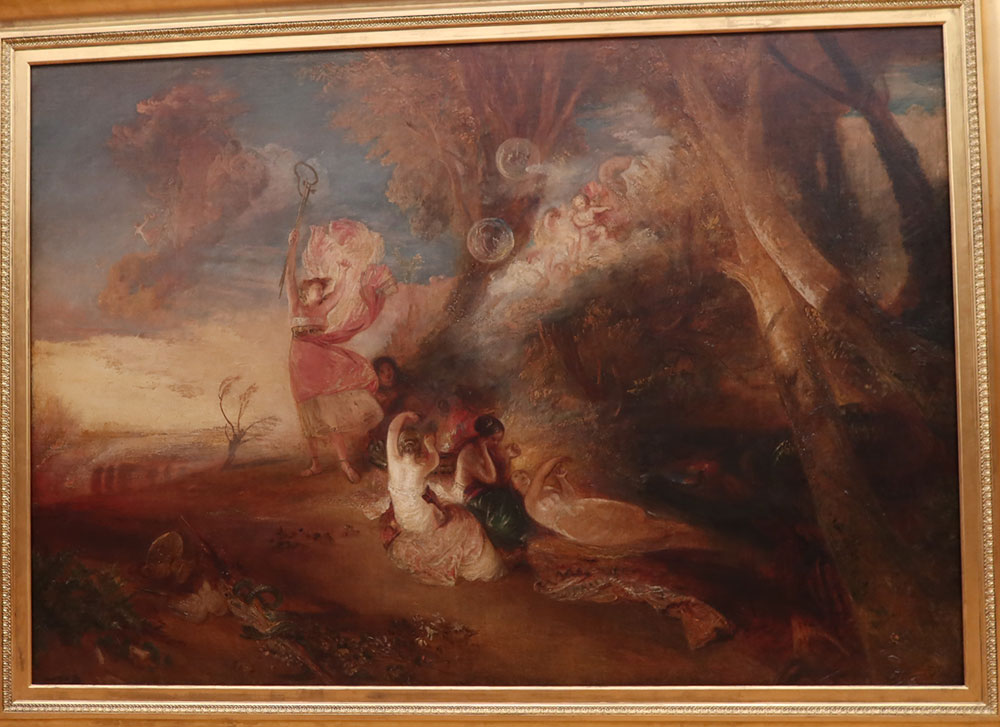
The process was not without friction. A public dispute over curatorial decision-making during the rehang — involving the placement of a Turner painting in relation to colonial history — drew commentary in the British press and prompted broader discussion across the sector about the boundaries of institutional curatorial authority and the role of external scholars in shaping permanent displays.
Contemporary Atelier and Living Artists
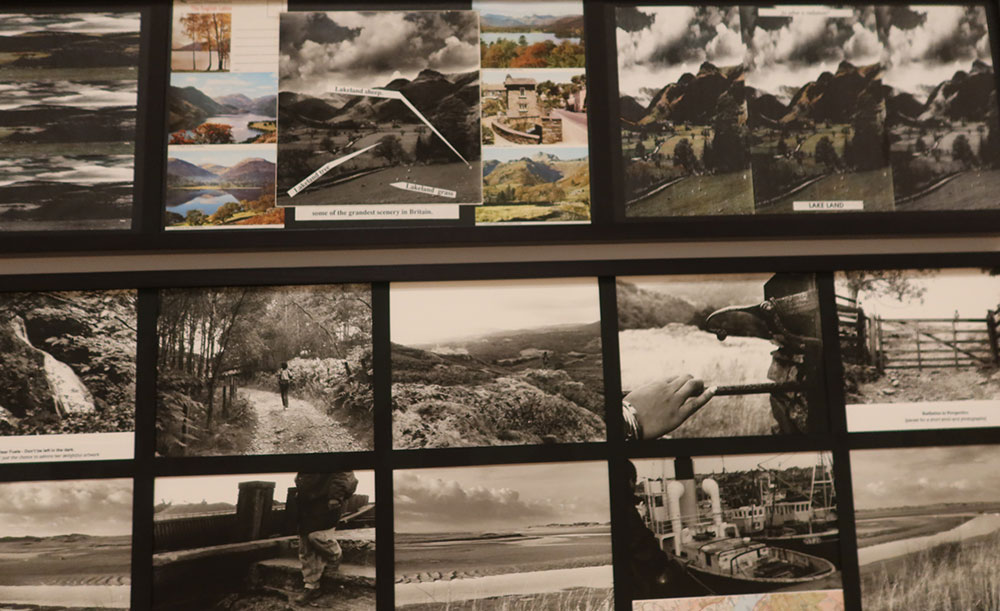
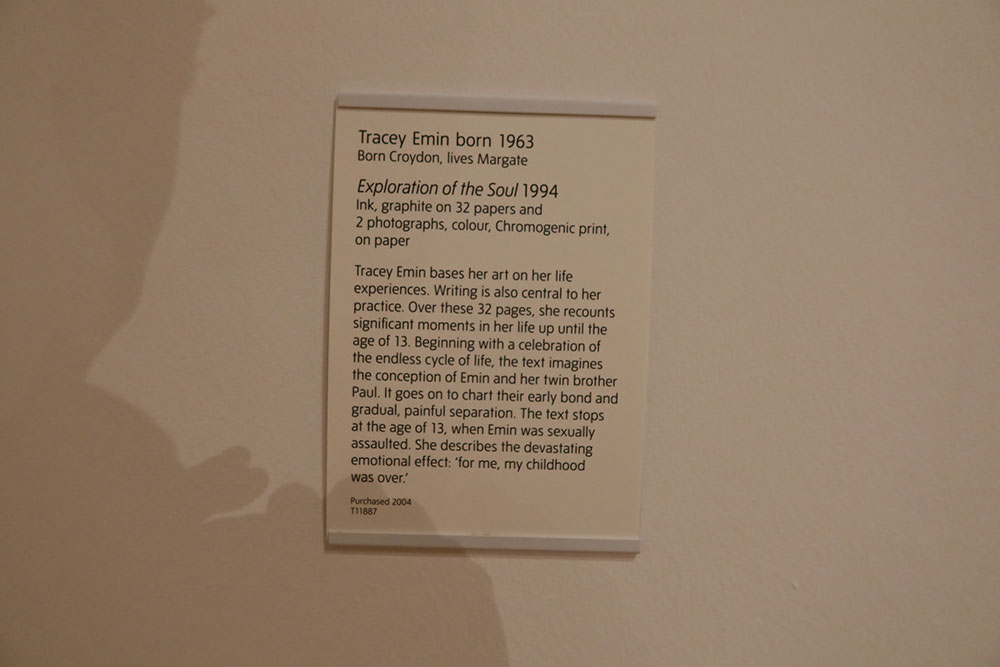
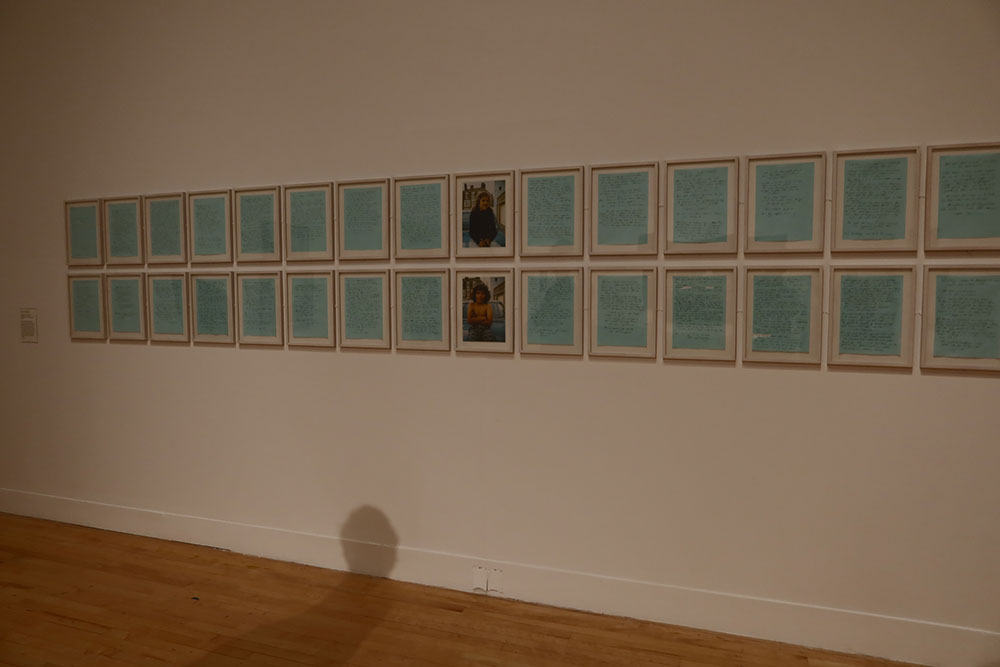
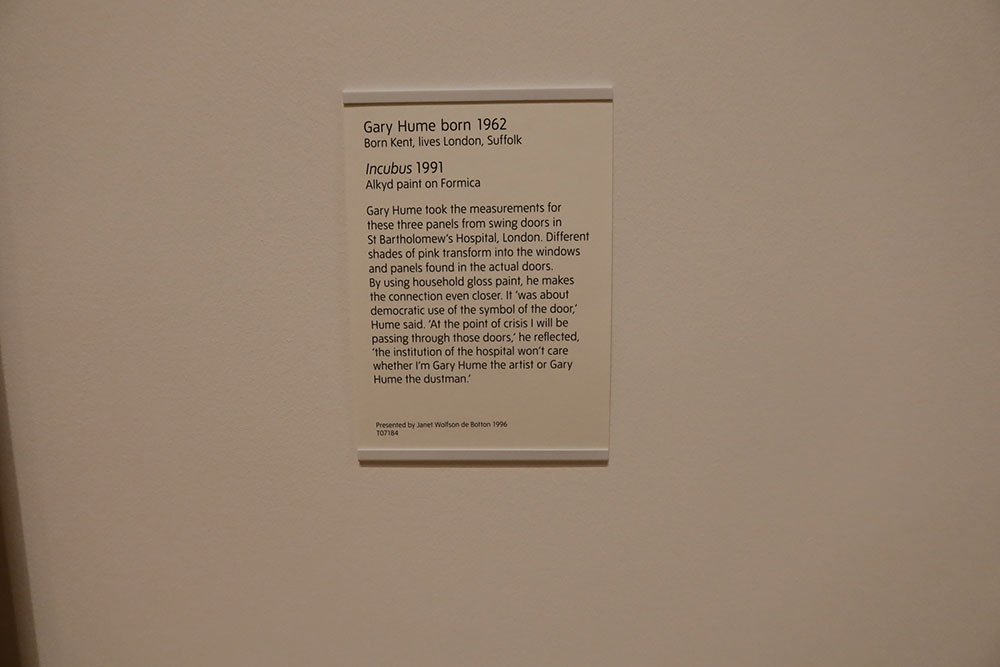
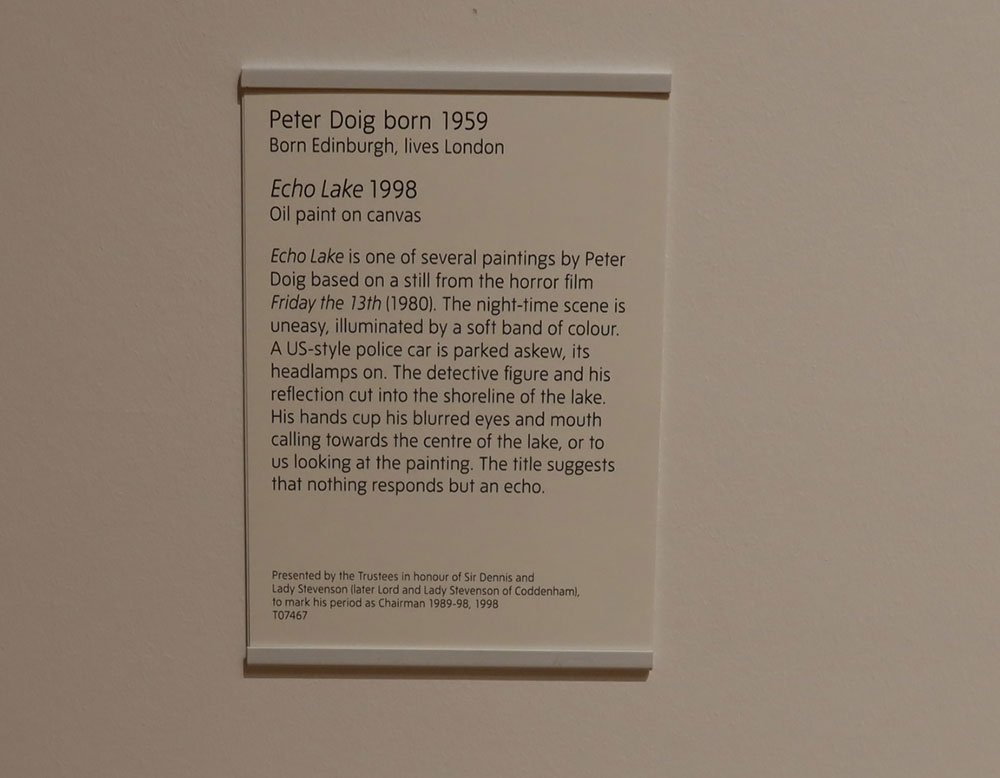
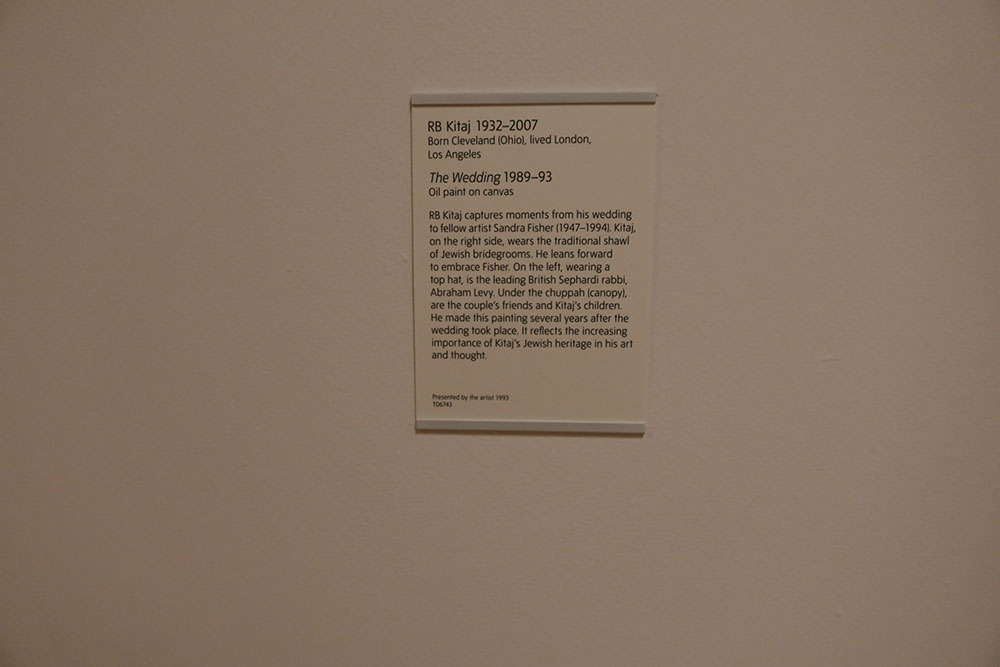
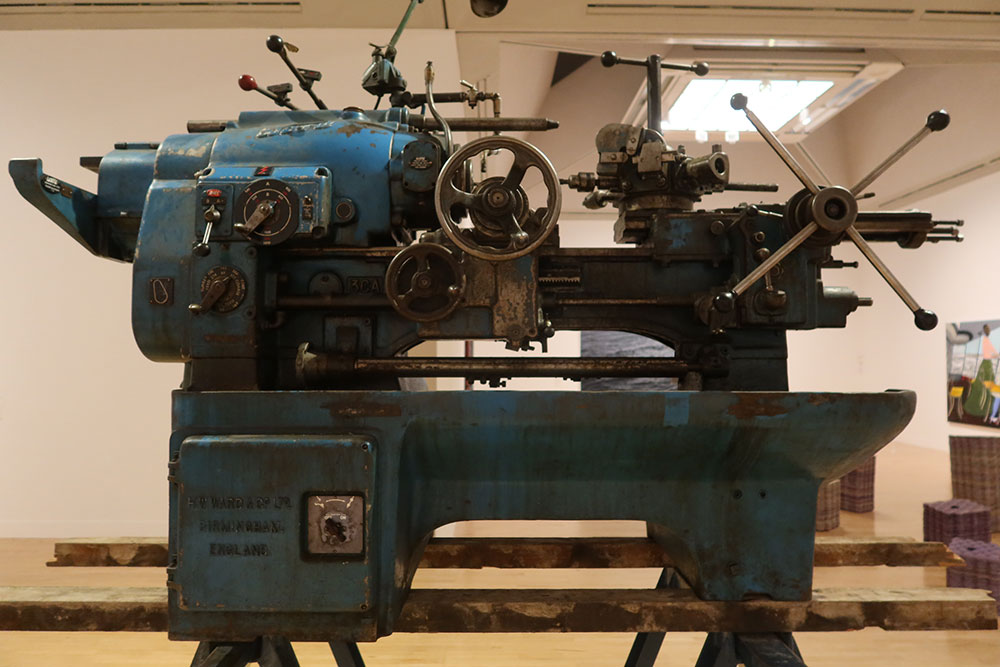
Tate Britain's engagement with living artists extends well beyond passive collection. The gallery commissions new work for the building itself and regularly introduces artist interventions within the permanent displays. Found ceramics painted by Lubaina Himid feature in the room exploring the rise of the urban metropolis in the era of Hogarth, while archive materials from Stuart Brisley's workshop documenting the experience of inhabitants of Peterlee New Town are included in the display on post-war reconstruction. These interventions signal an approach to collection display that treats the permanent galleries as a living environment rather than a fixed institutional statement.
In 2025, the gallery received a significant gift from Bridget Riley, one of Britain's most significant figures in abstract art. Concerto I, 2024, was generously donated by the artist, joining Tate's holdings of her work and spanning a remarkable six-decade working life. A dedicated display of Riley's paintings ran through to June 2026.
The Turner Prize
Since its founding in 1984, the Turner Prize has served as the most publicly visible mechanism through which Tate Britain engages with contemporary British art. Established in 1984 and named after the radical British painter JMW Turner (1775–1851), the prize is awarded to a British artist for an outstanding exhibition or other presentation in the preceding year, with £25,000 awarded to the winner and £10,000 to the other shortlisted artists.
Every other year the prize travels to a non-Tate venue in the UK, widening access to contemporary art by bringing it to a local leading arts venue. In 2025, marking the 250th anniversary of Turner's birth, the prize was hosted at Bradford's Cartwright Hall Art Gallery as the centrepiece of Bradford 2025 UK City of Culture. The 2025 winner was Nnena Kalu, and the award prompted sustained critical commentary about the relationship between institutional recognition and the long-term integration of learning-disabled and neurodiverse artists into mainstream art history — with some critics and curators calling for sustained commitments to collecting, critical evaluation, and genuine inclusion rather than symbolic validation alone.
The Archive and Research Infrastructure
For professionals engaged in art history and research, the Tate Archive at Tate Britain is a resource of considerable depth. The archive collects and makes accessible material primarily relating to the history of British art from 1900 to the present, comprising letters, diaries and financial records, sketches, photographs, exhibition histories, audio-visual material and increasingly born-digital material — all relating to artists, their atelier environments, and art world figures and organisations. The holdings include over 900 individual archive collections, more than 100,000 documentary photographs of artists and their studios, 3,500 audio-visual accessions, and 2,500 artist-designed posters.
Governance and Funding
Tate is an executive non-departmental public body, sponsored by the Department for Culture, Media and Sport. Alongside government sponsorship, Tate now spends around £1 million of its general funds each year on purchasing acquisitions and their related costs. Membership, philanthropy, corporate partnerships and individual show sponsorship together supplement the public funding base. The institution operates across four sites — Tate Britain, Tate Modern, Tate Liverpool and Tate St Ives — all of which share the Tate Collection.
For art institution and gallery professionals, Tate Britain's ongoing evolution — balancing historical depth, contemporary relevance, archival responsibility and public access — offers a useful institutional reference point. Its curatorial decisions, collection development strategies and public programming represent one of the more closely watched models in the sector, not always without controversy, but consistently engaged with the questions that define the role of the national art institution in the twenty-first century.
tate.org.uk/visit/tate-britain