
A Palace Repurposed
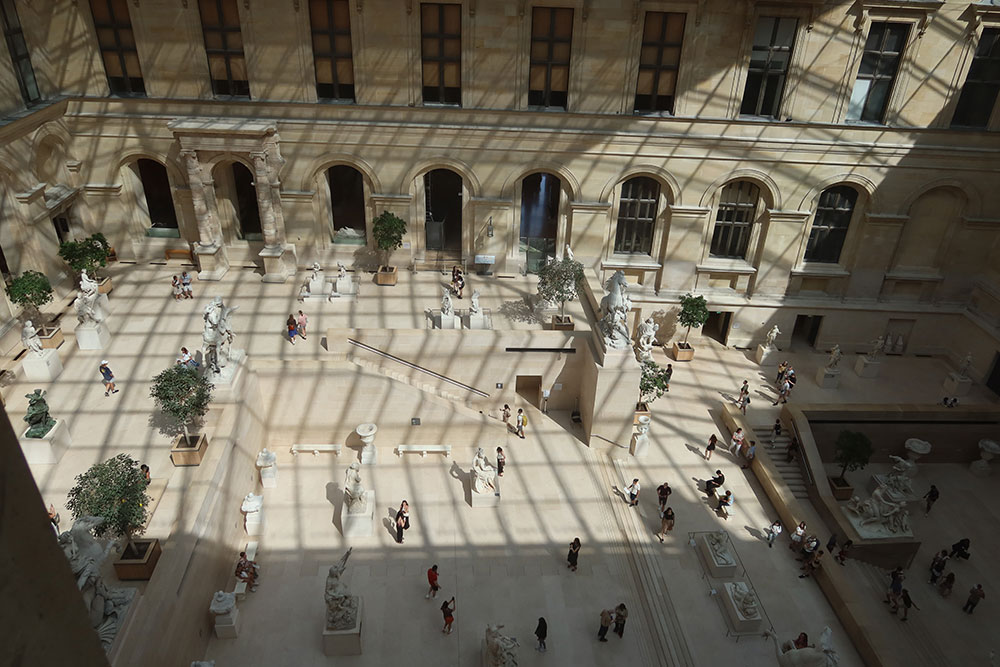
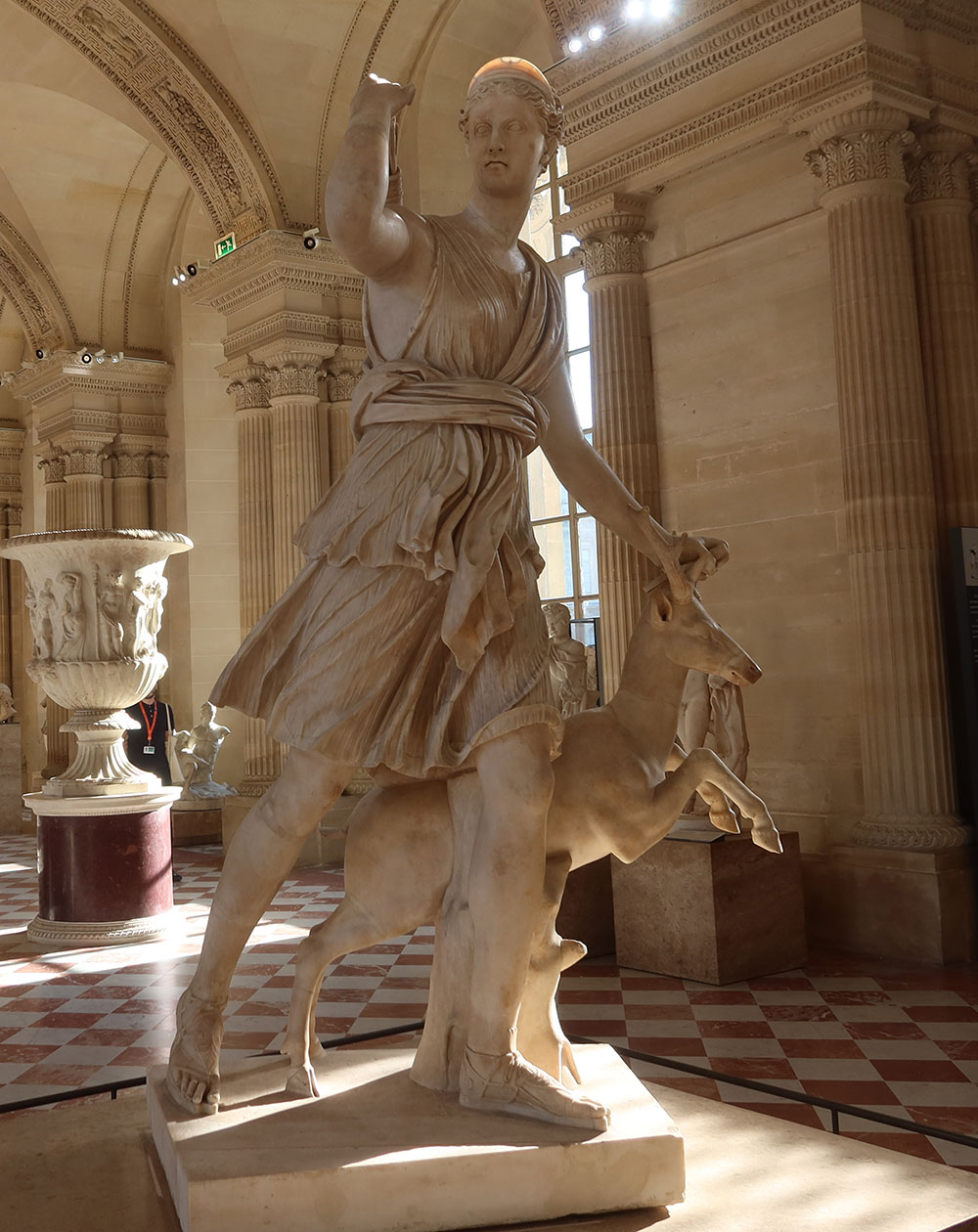
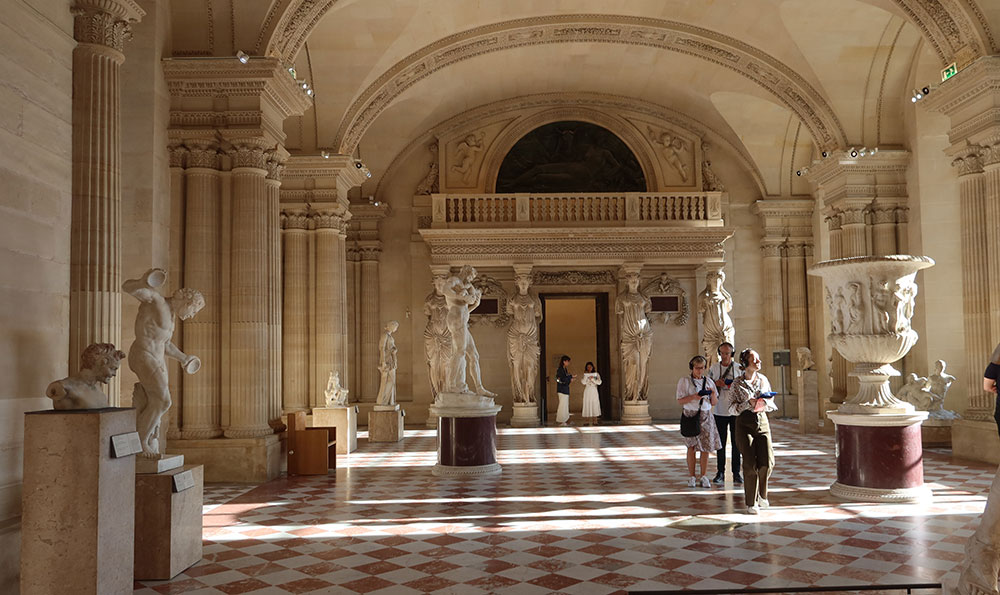
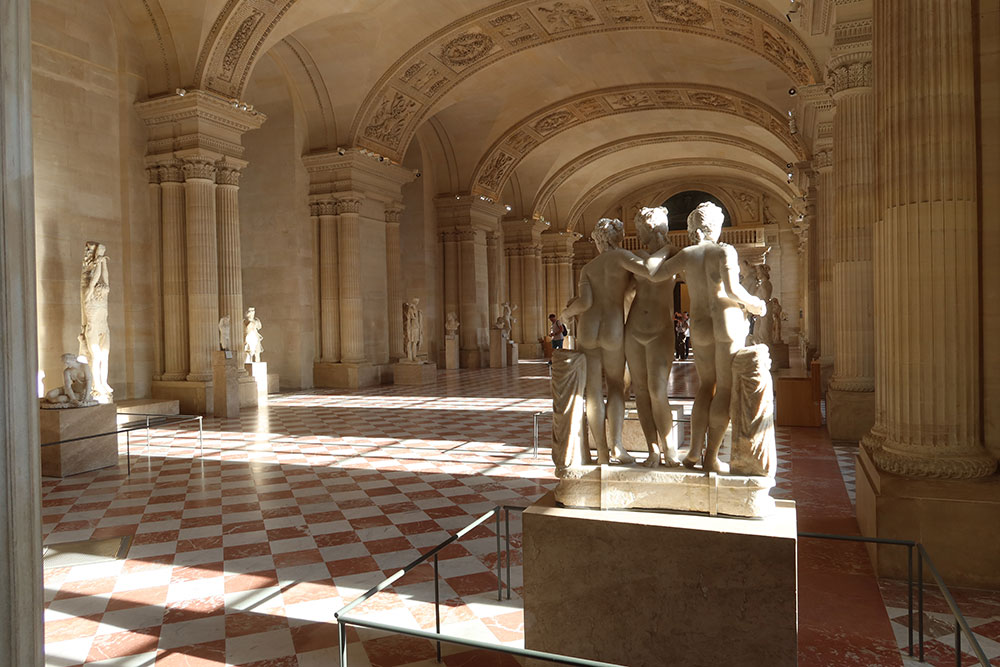
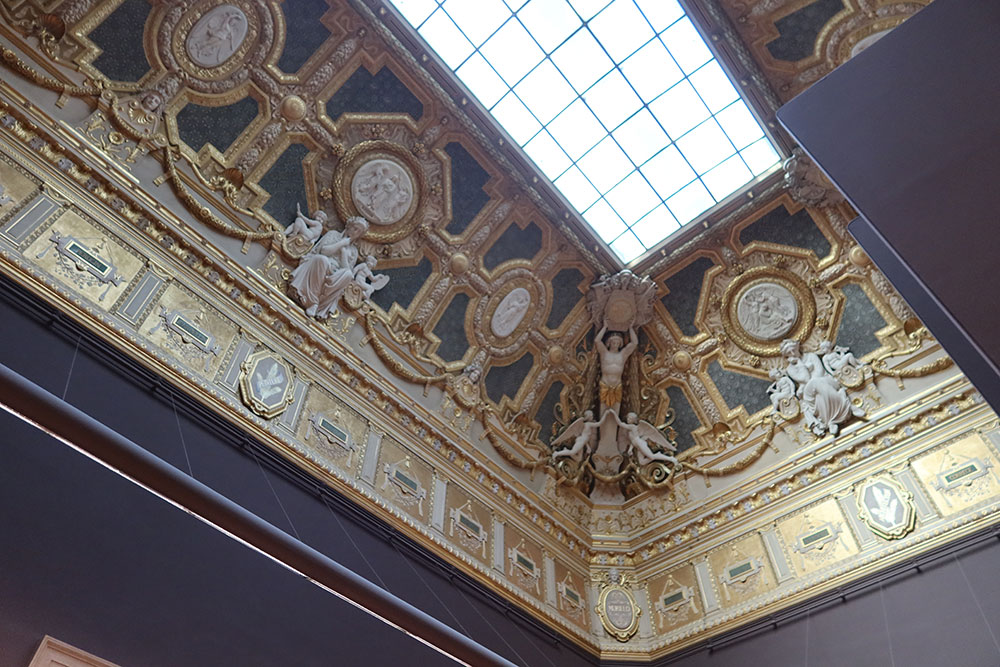
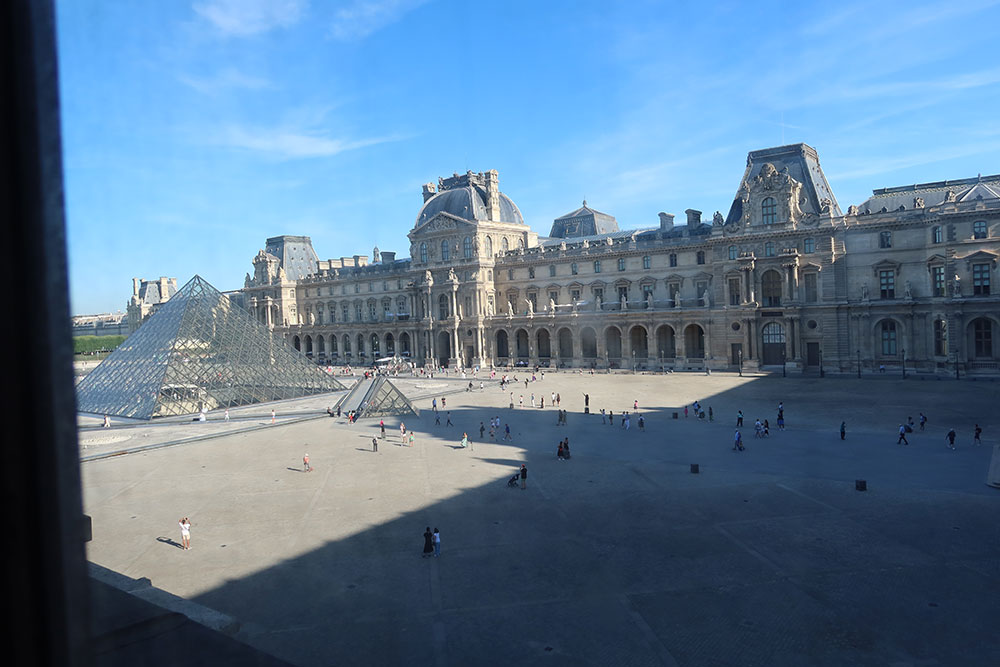
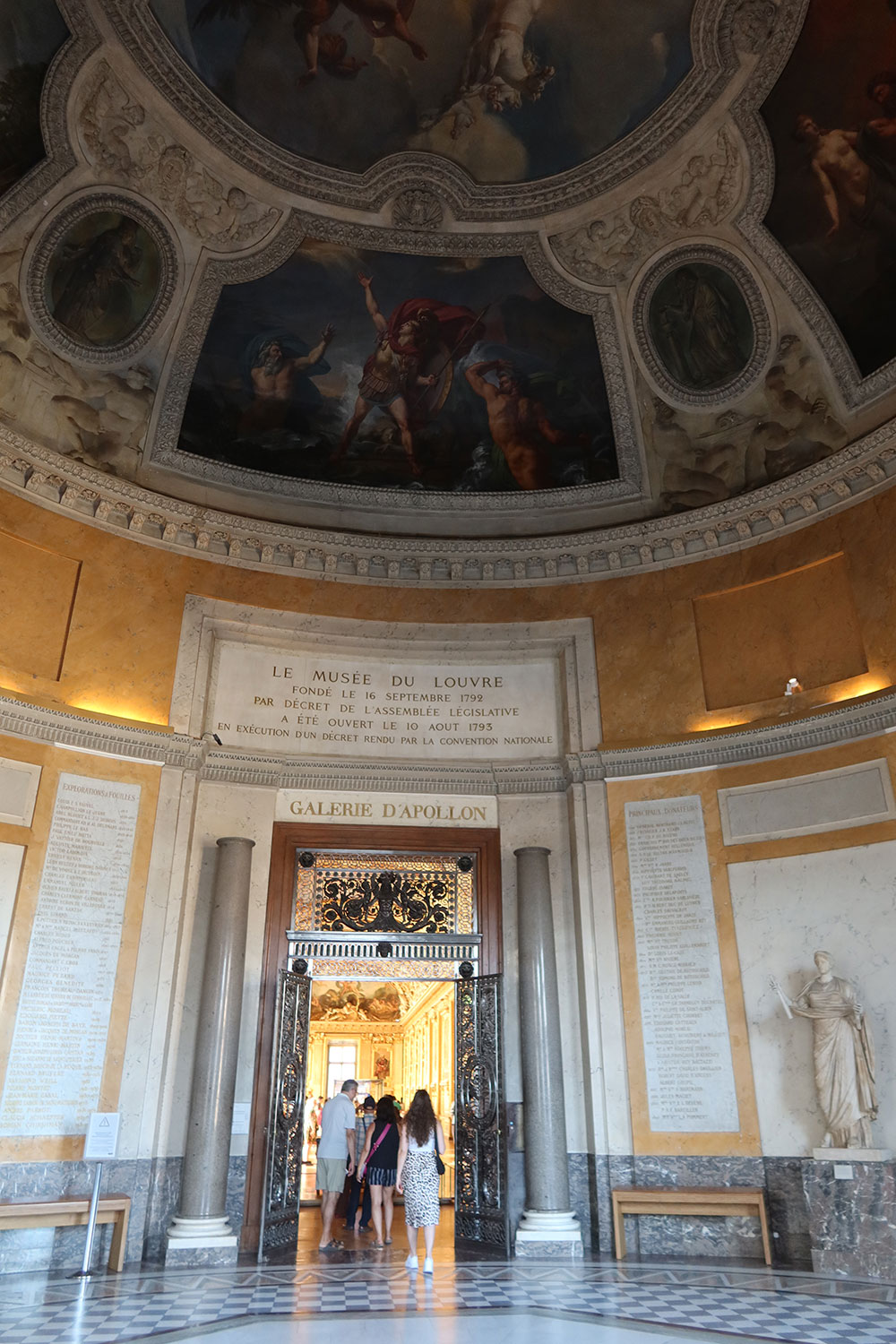
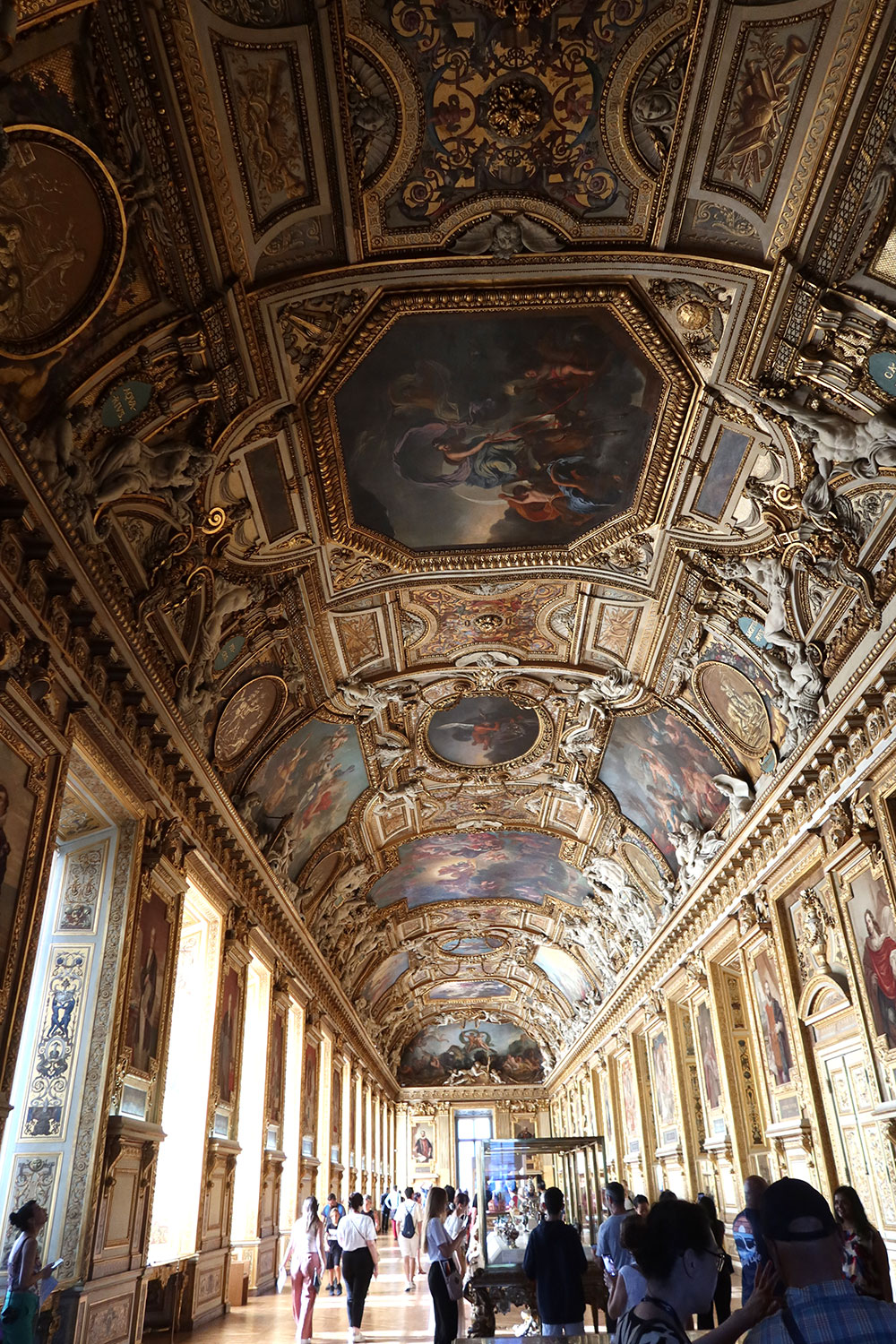
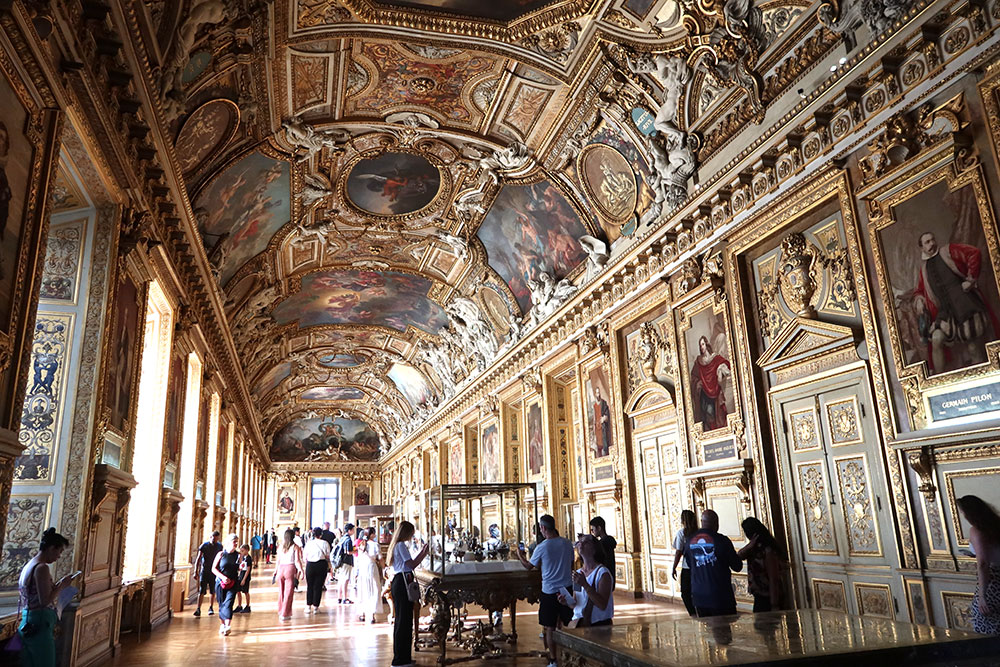
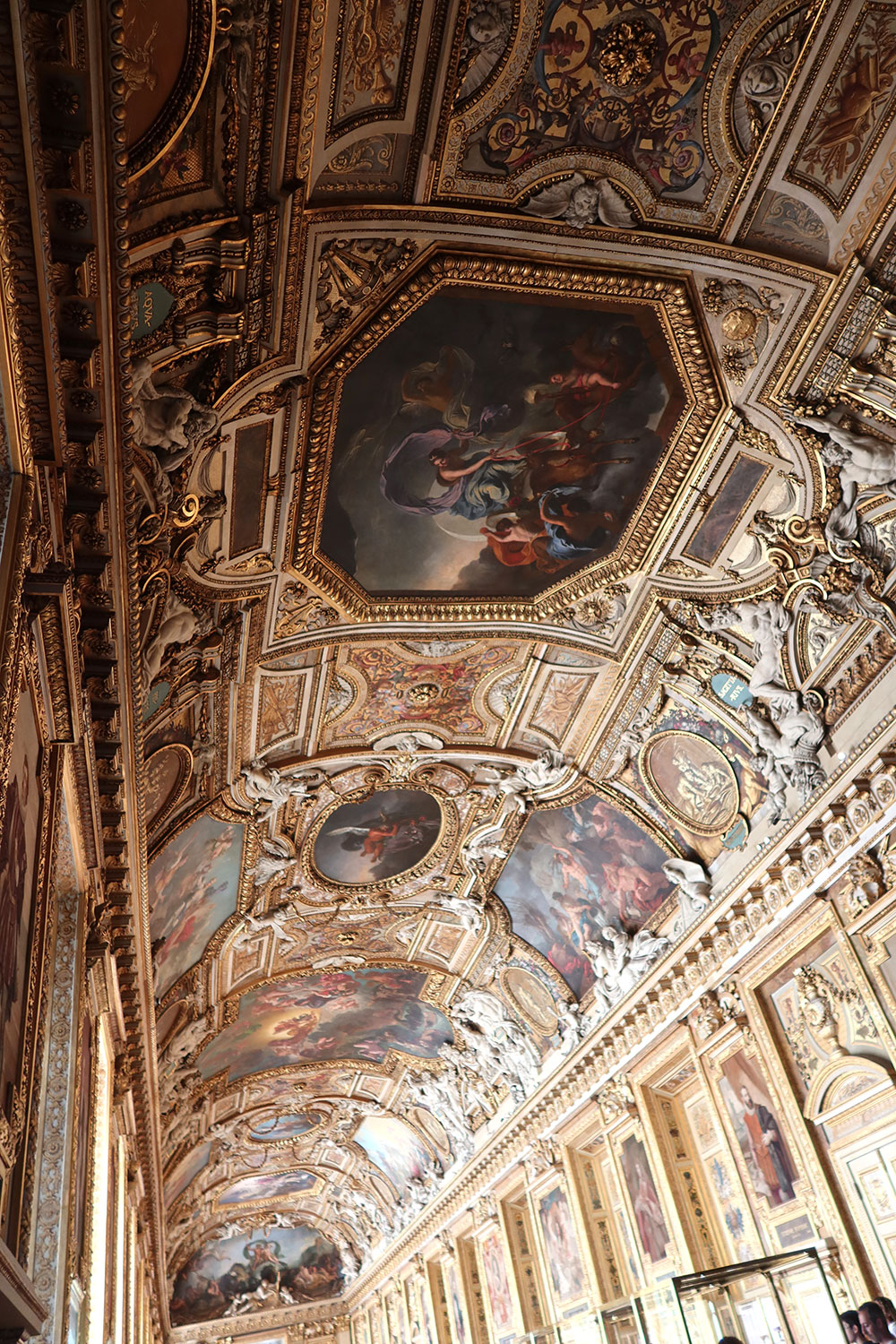
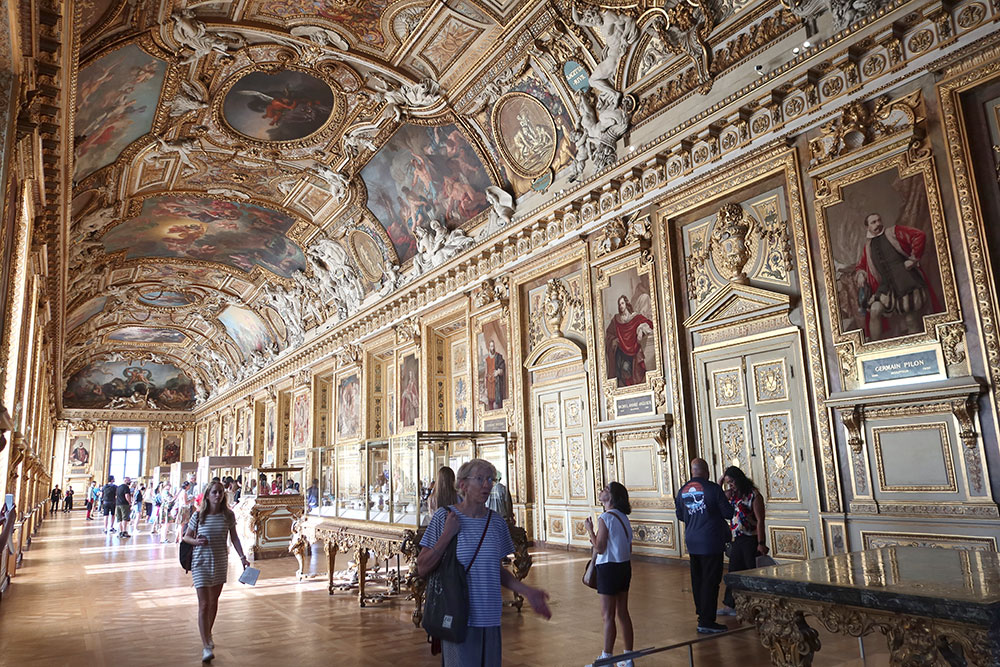
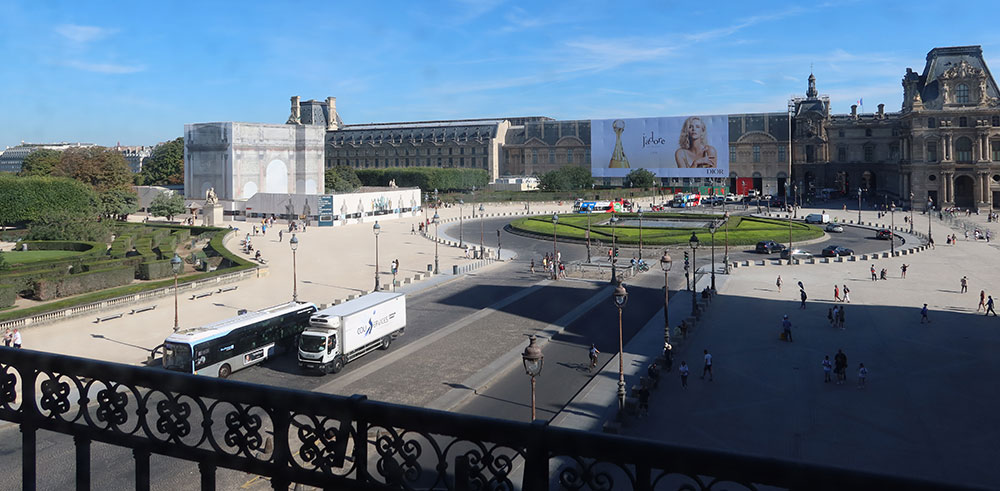
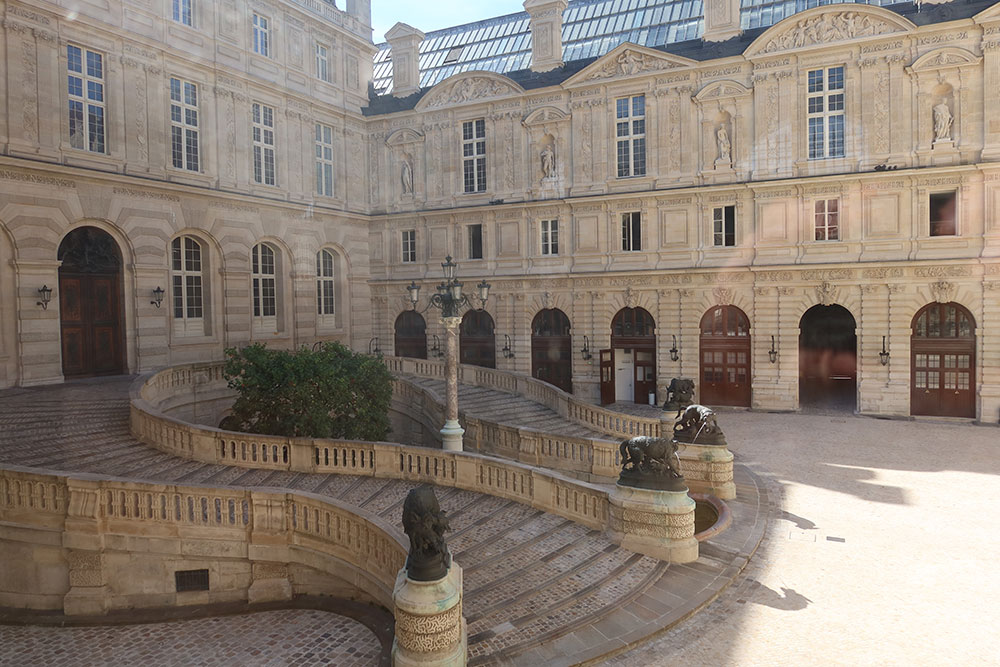
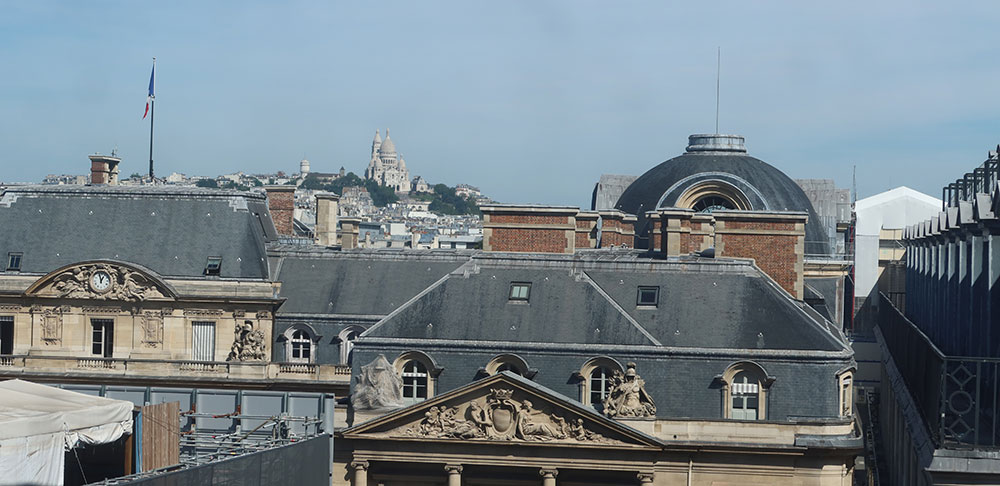
The building that houses the Louvre tells its own institutional story before a single object is encountered. Originally constructed as a fortress in the late twelfth century under King Philippe II, then progressively expanded as a royal palace over several centuries, the structure did not become a public museum until 1793, during the Revolution. That transition — from an instrument of sovereign power to a civic institution dedicated to collective heritage — remains a defining tension that the museum continues to negotiate. For those working in gallery and institutional contexts, understanding this history is more than background knowledge; it shapes how the Louvre frames its collection, communicates its authority, and positions itself within international debates about the purpose and ethics of encyclopaedic museums.
The museum now occupies a complex of interconnected buildings covering the Palais du Louvre on the right bank of the Seine in Paris. The addition of I. M. Pei’s glass pyramid in 1989 — still the principal visitor entrance — marked a deliberate architectural intervention that acknowledged modernity within a historic envelope. The pyramid has since become inseparable from how the museum presents itself publicly, and it remains a useful case study in the institutional politics of architectural commissions: contentious on arrival, now largely canonical.
The Scale and Composition of the Collection
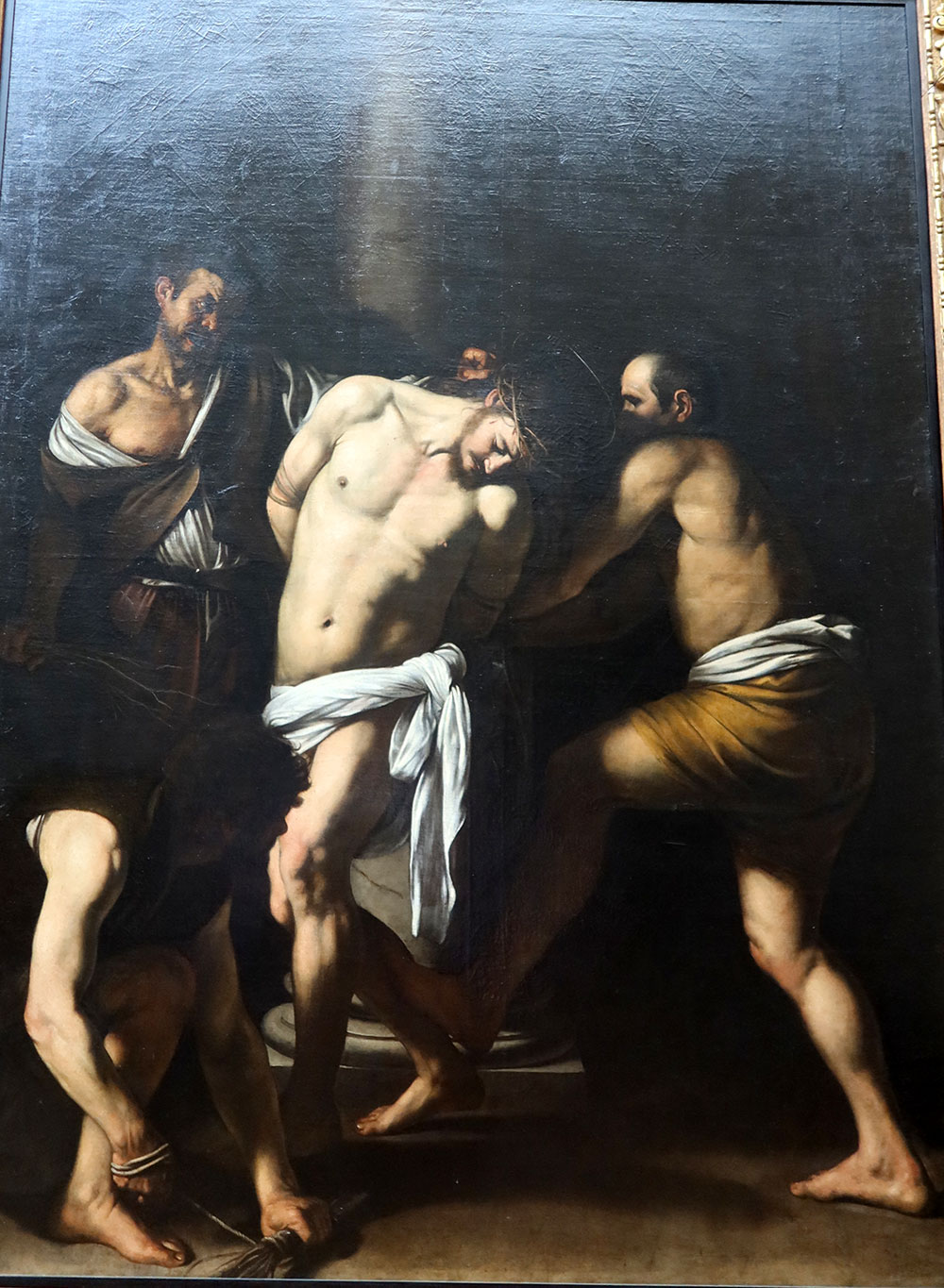
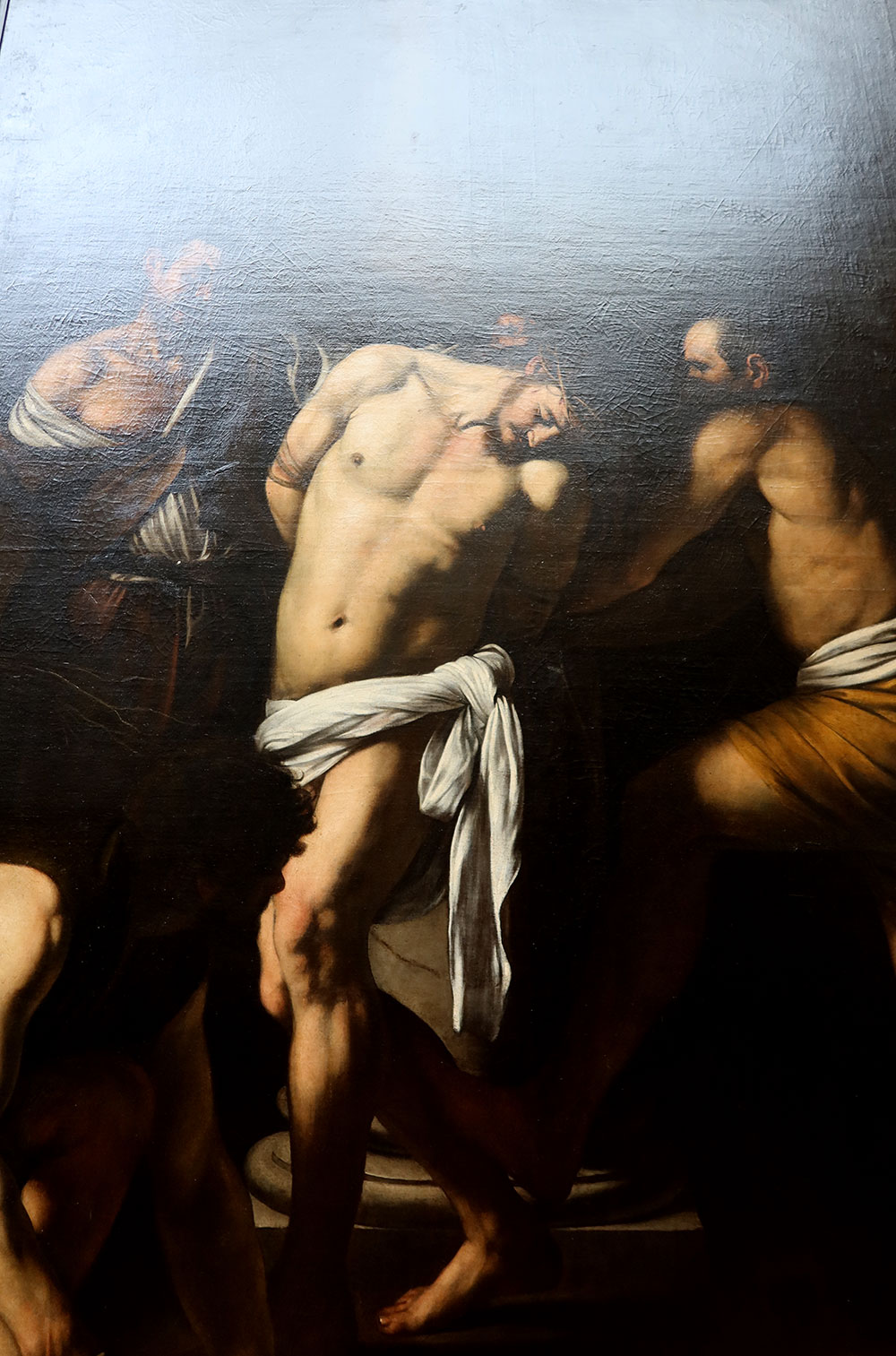
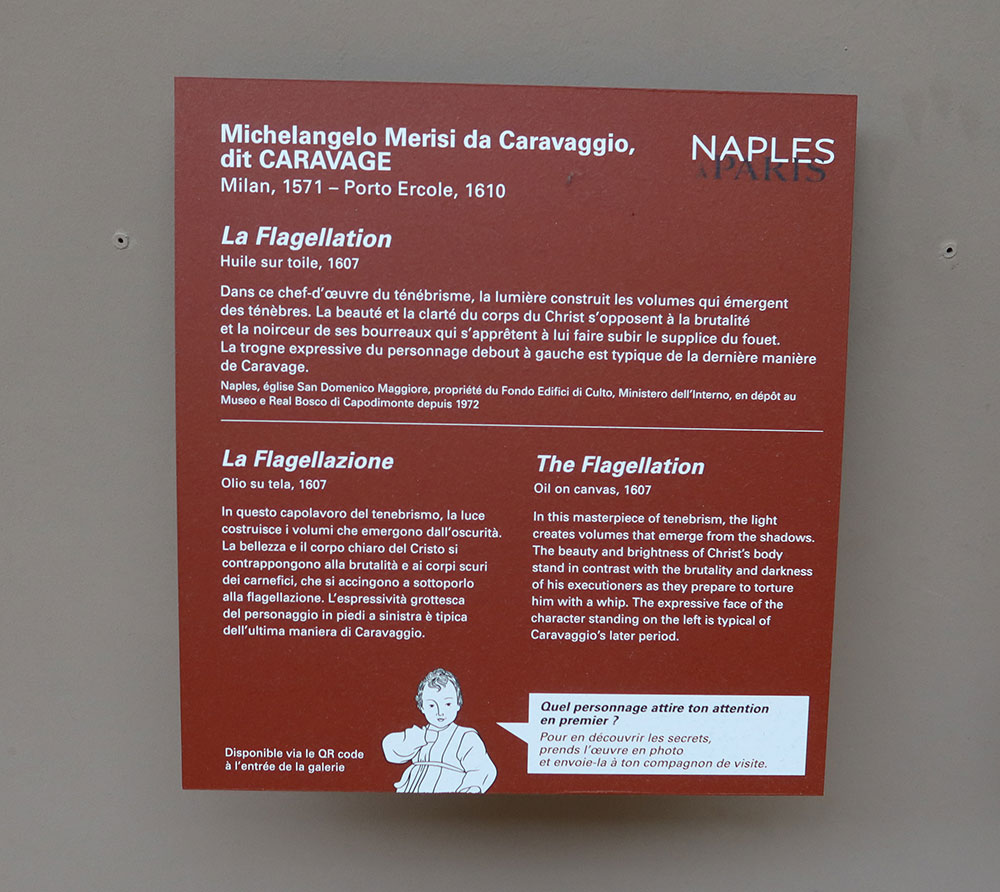
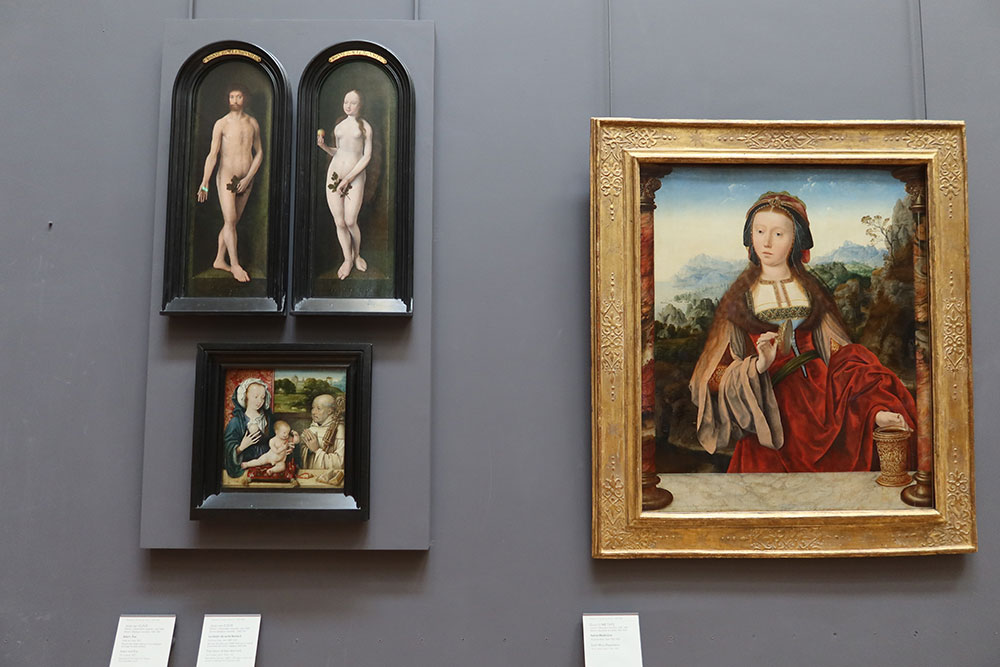
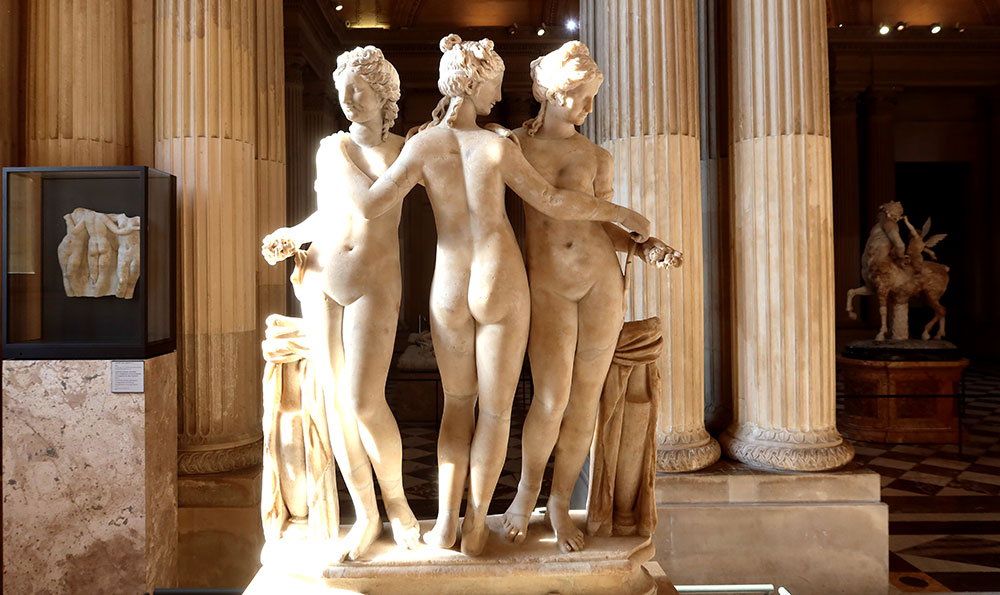
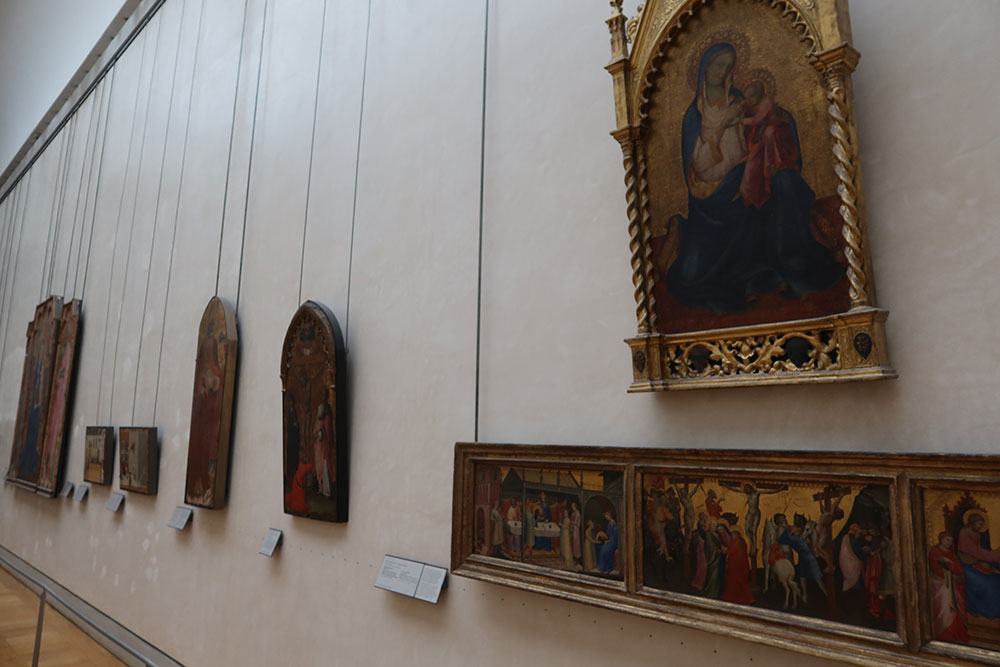
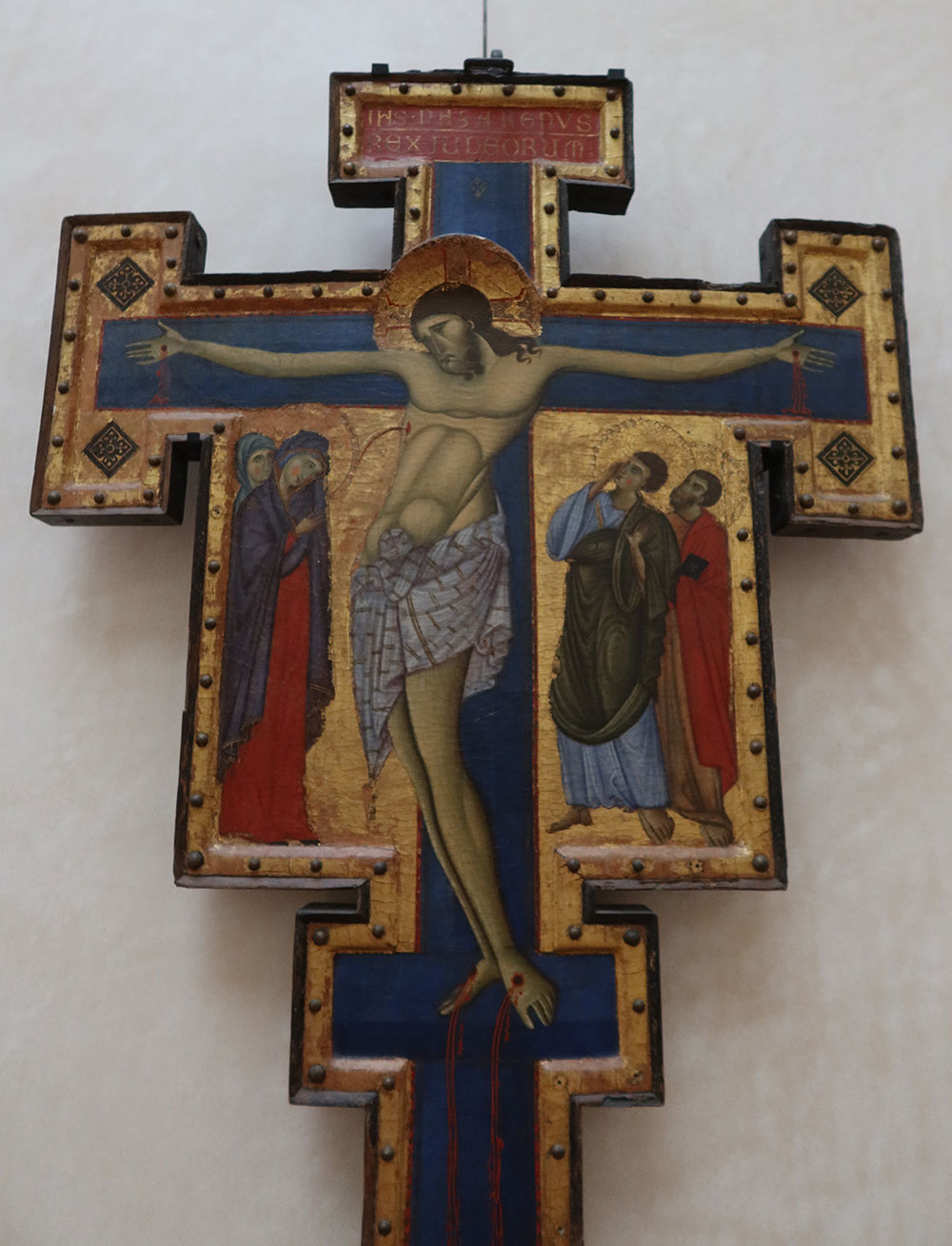
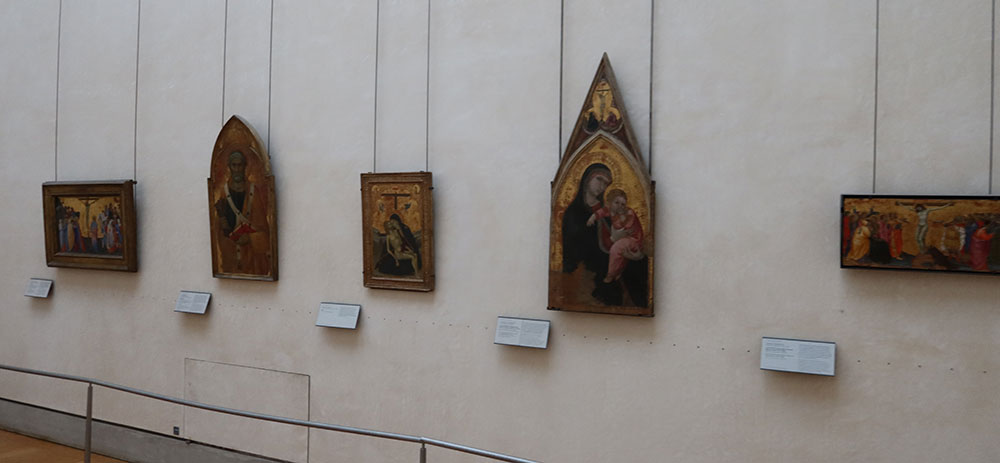
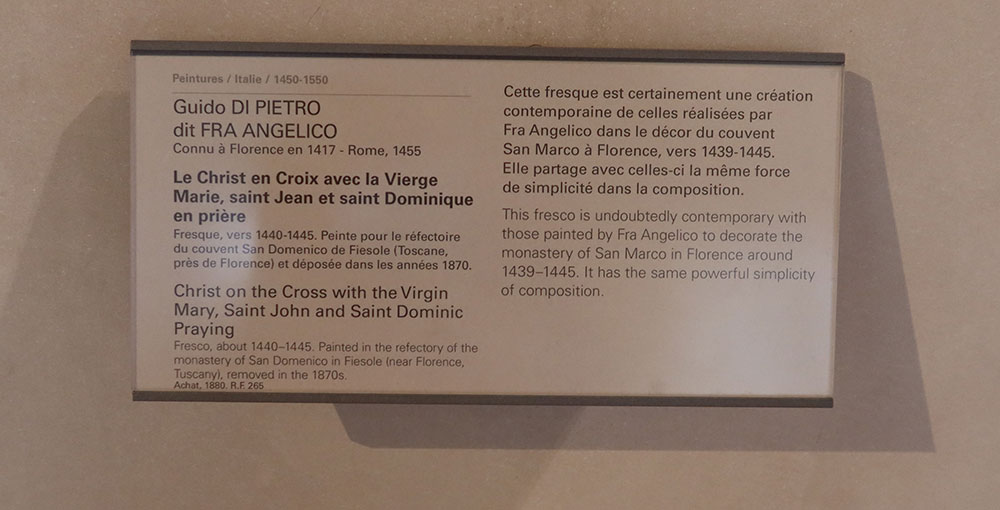
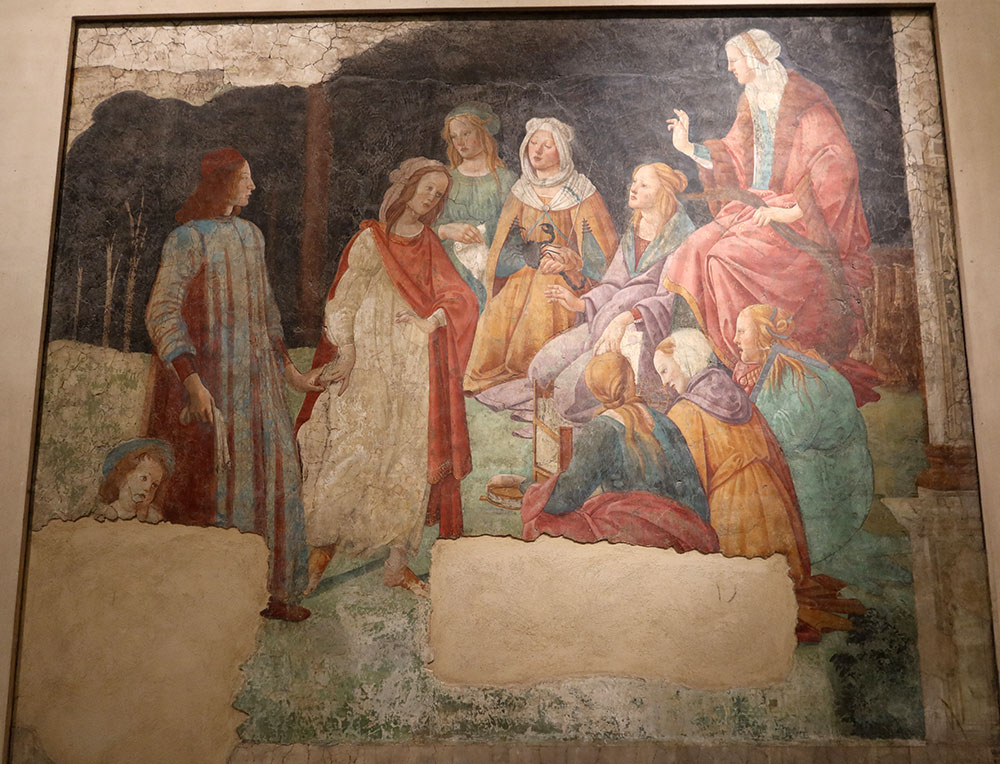
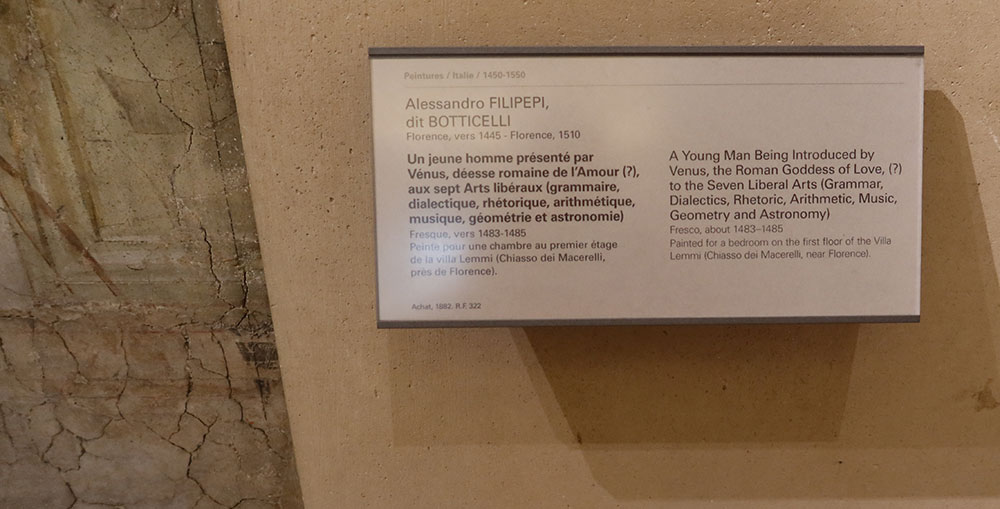
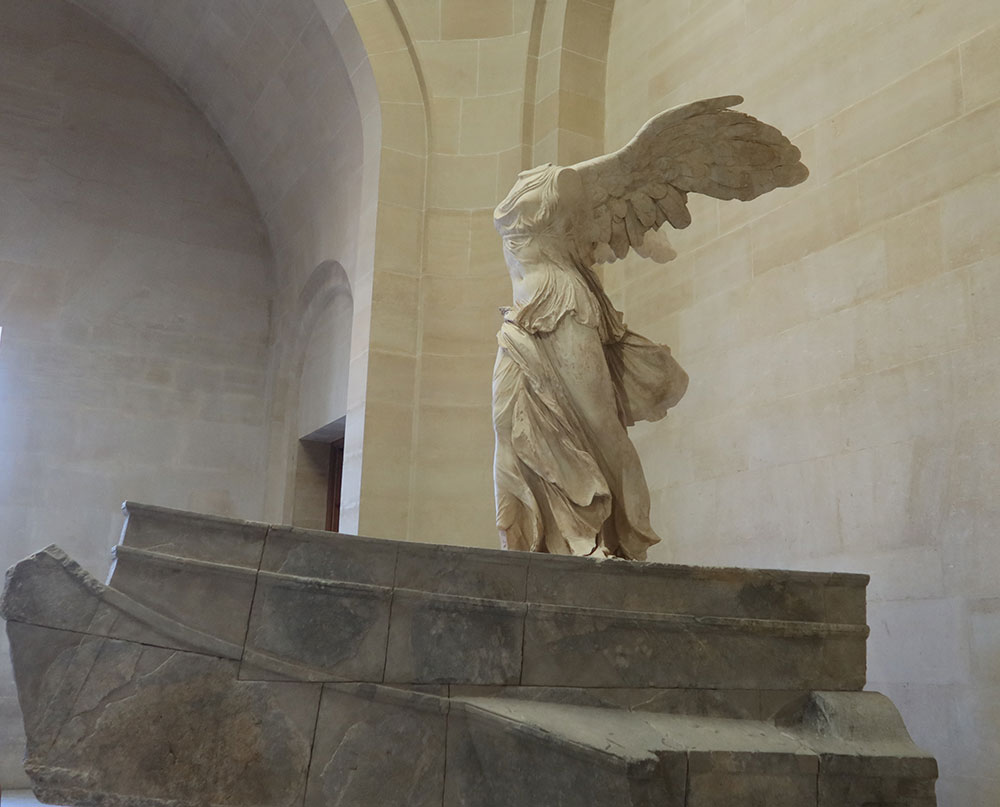
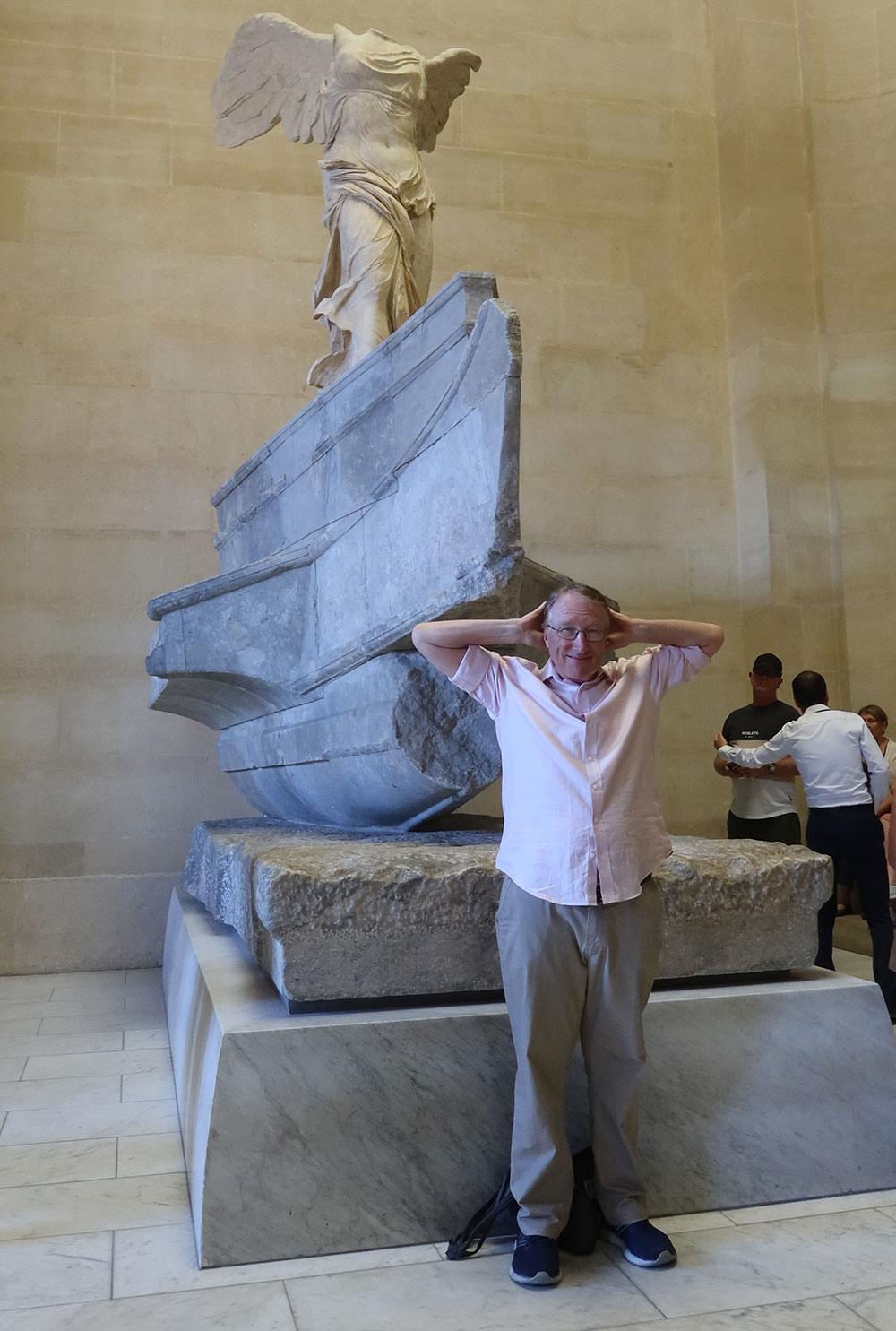
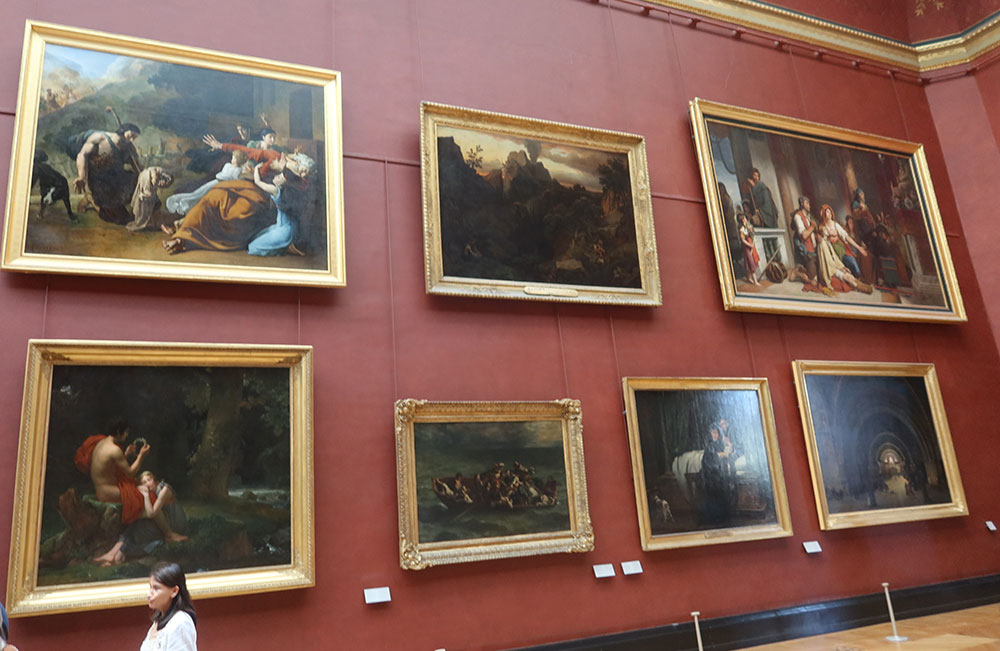
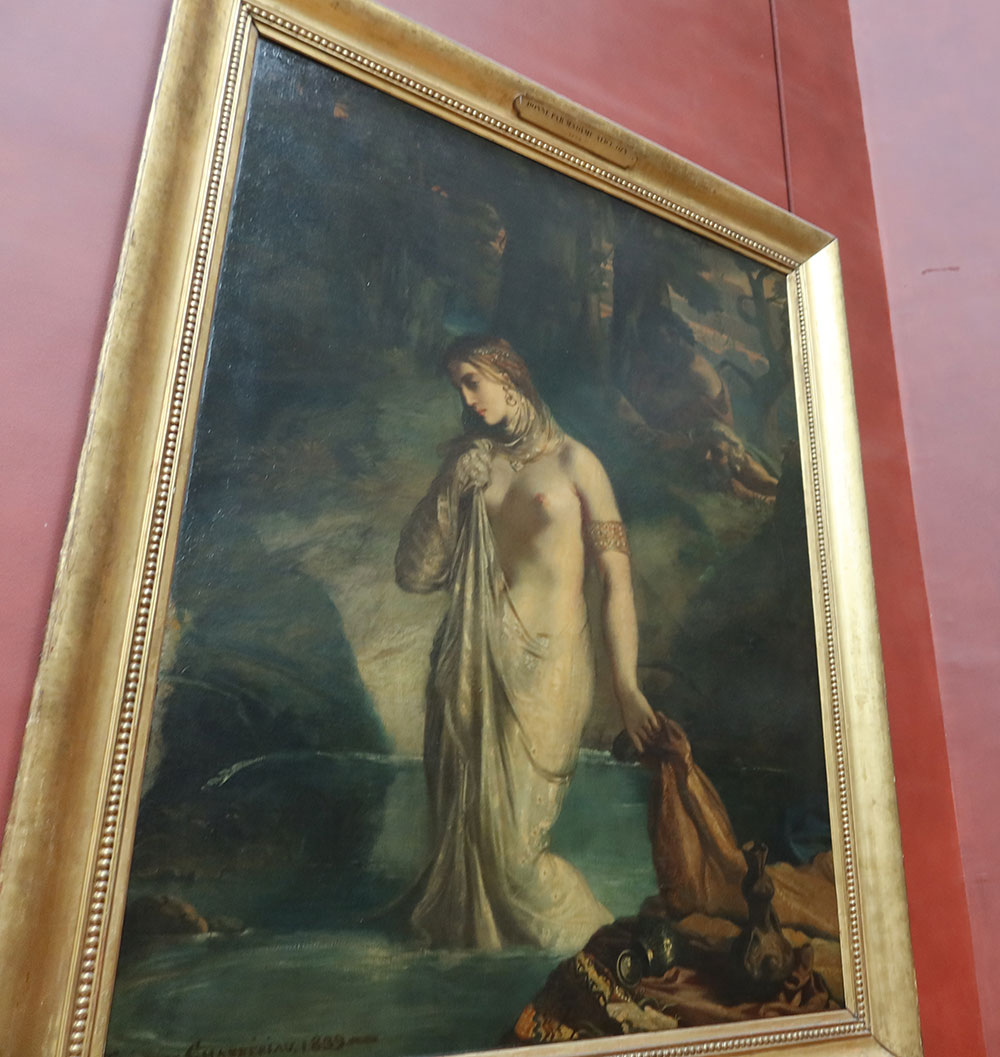
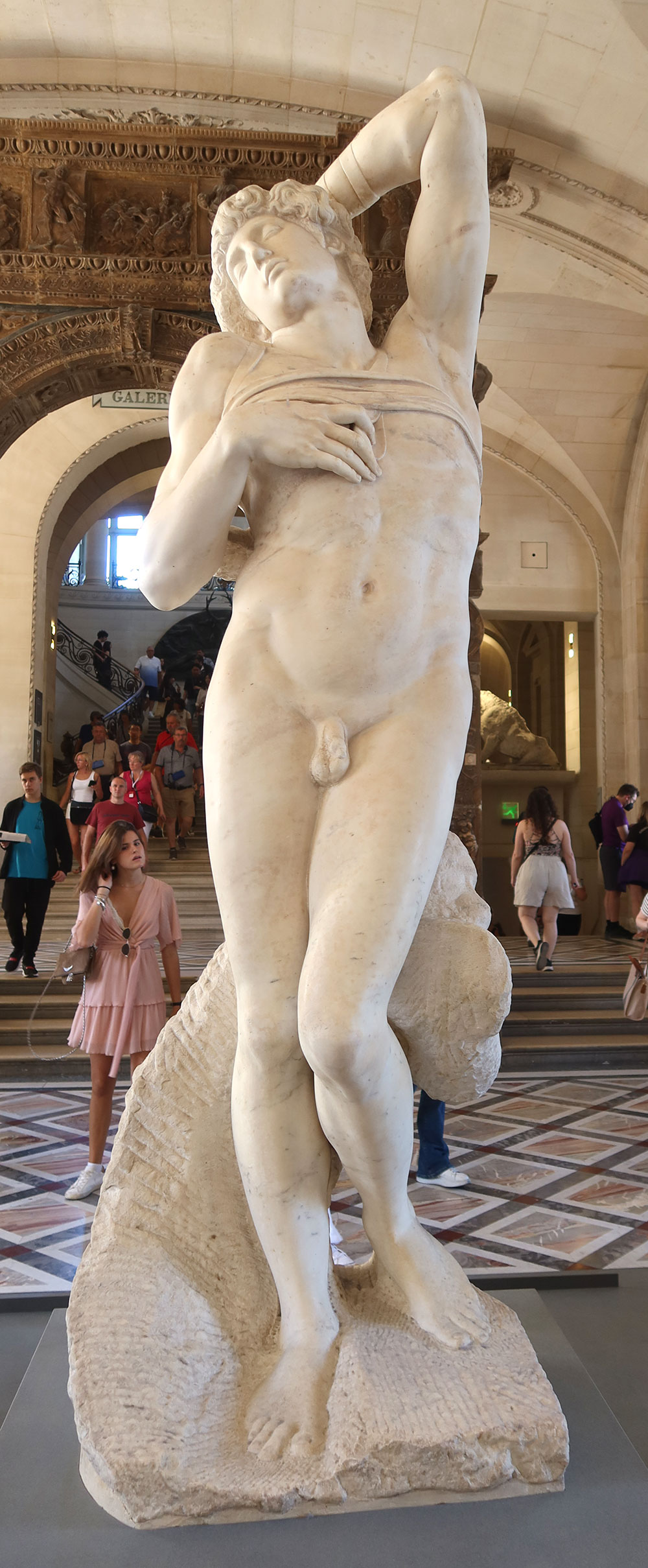
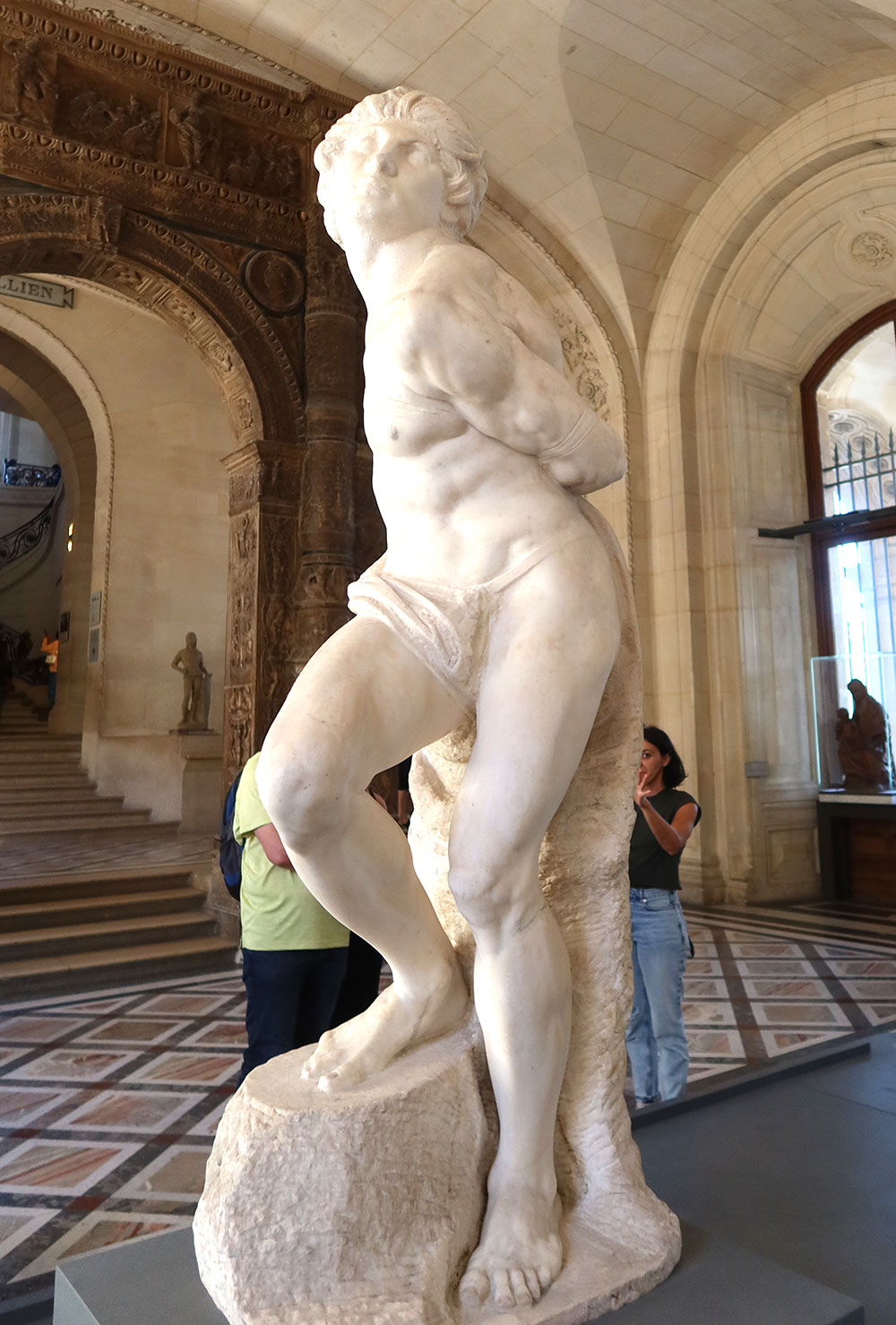
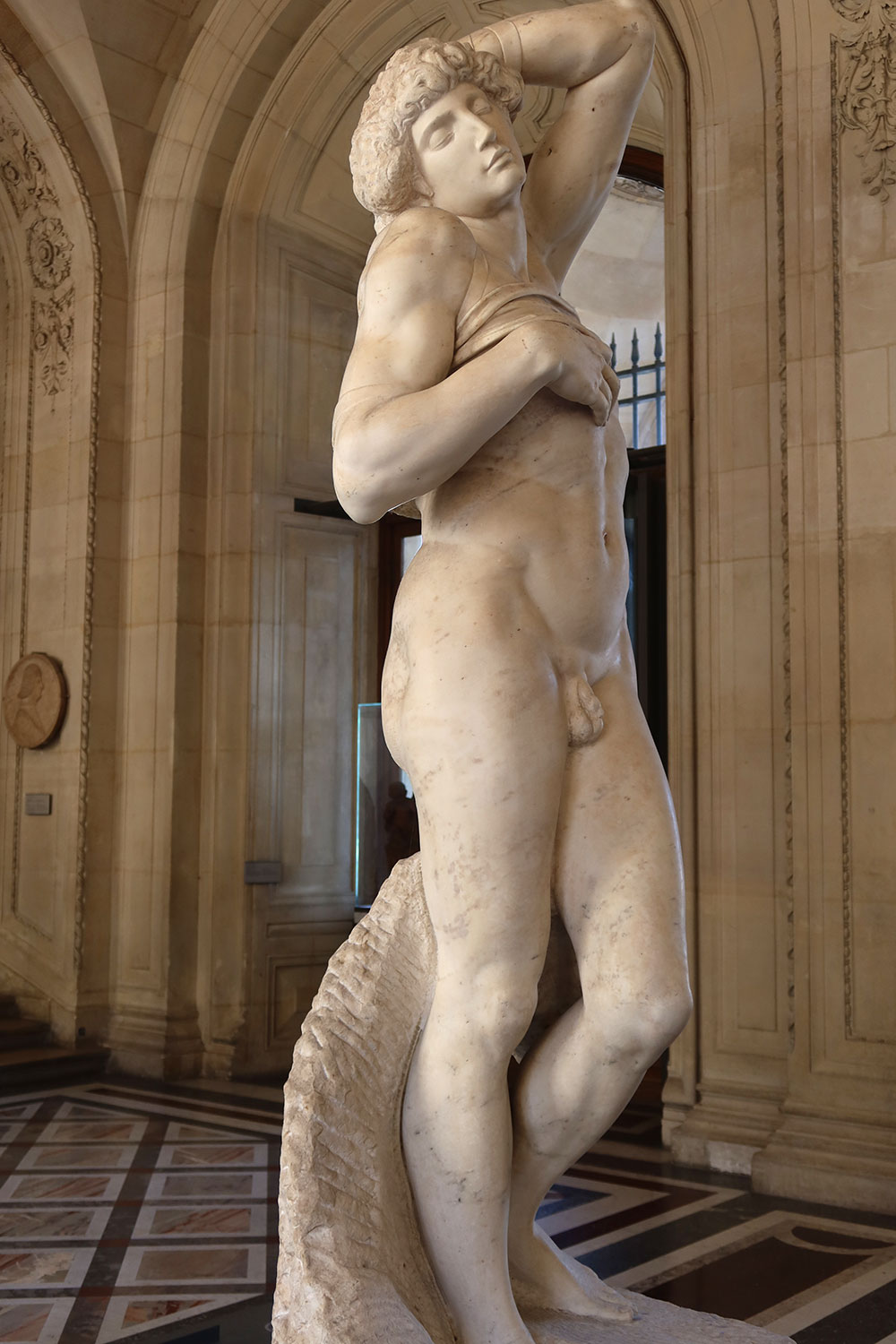
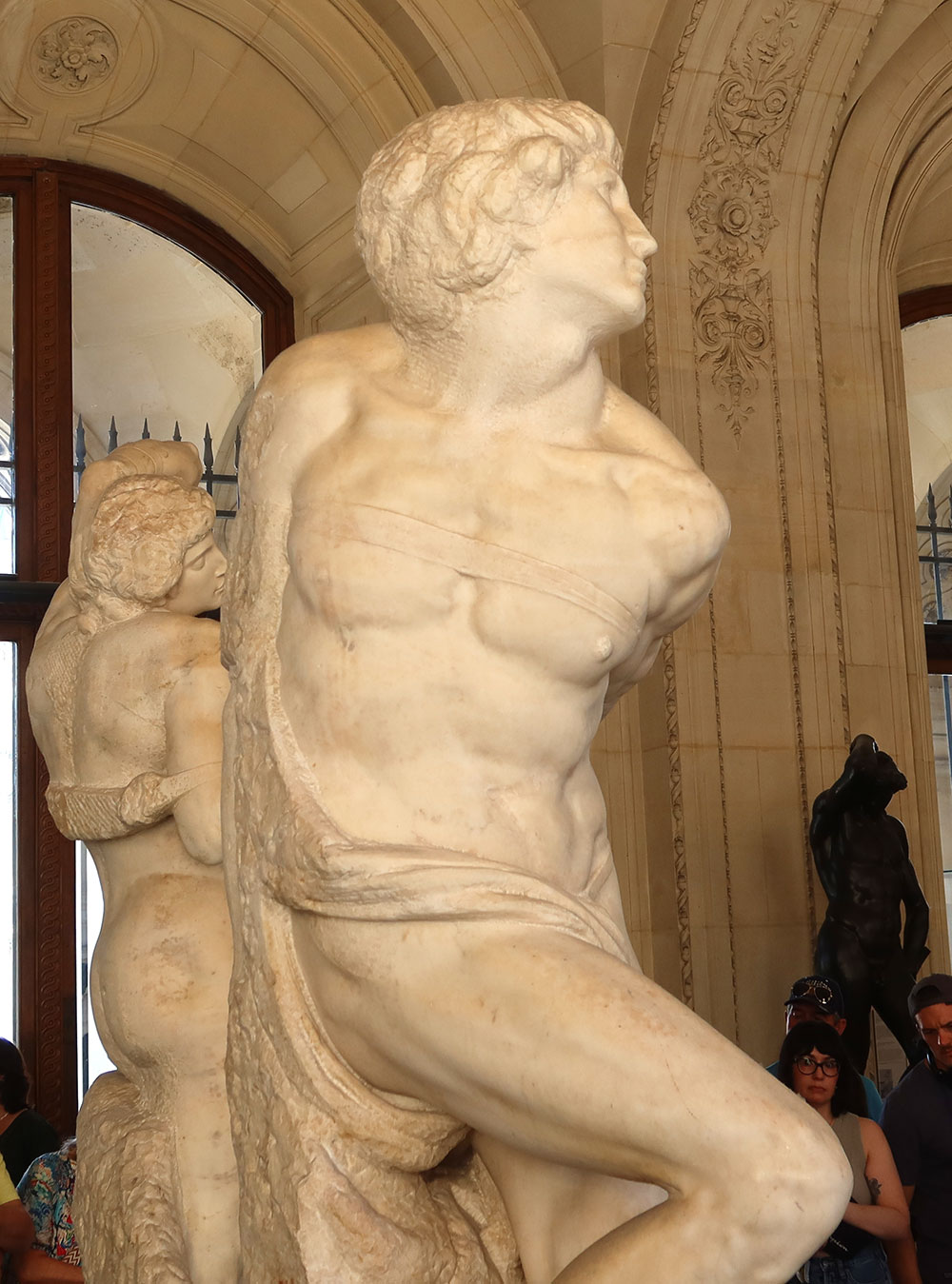
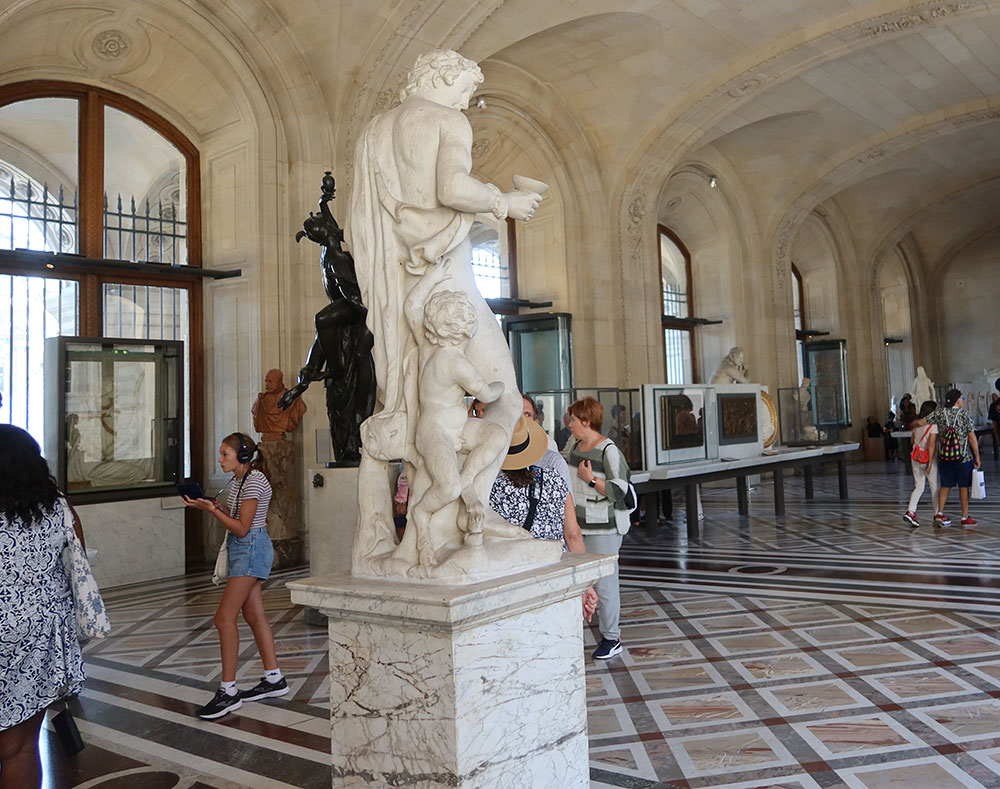
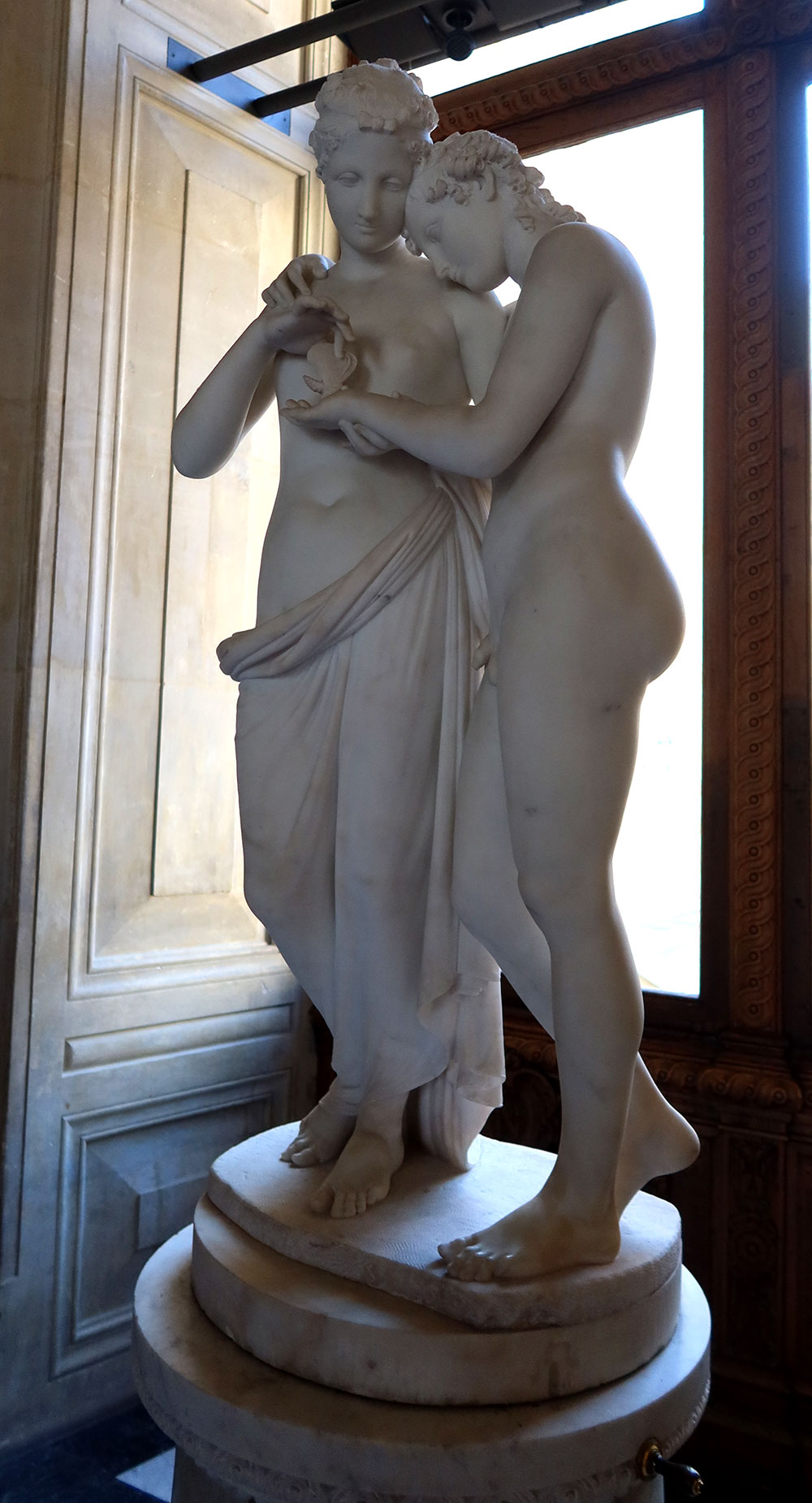
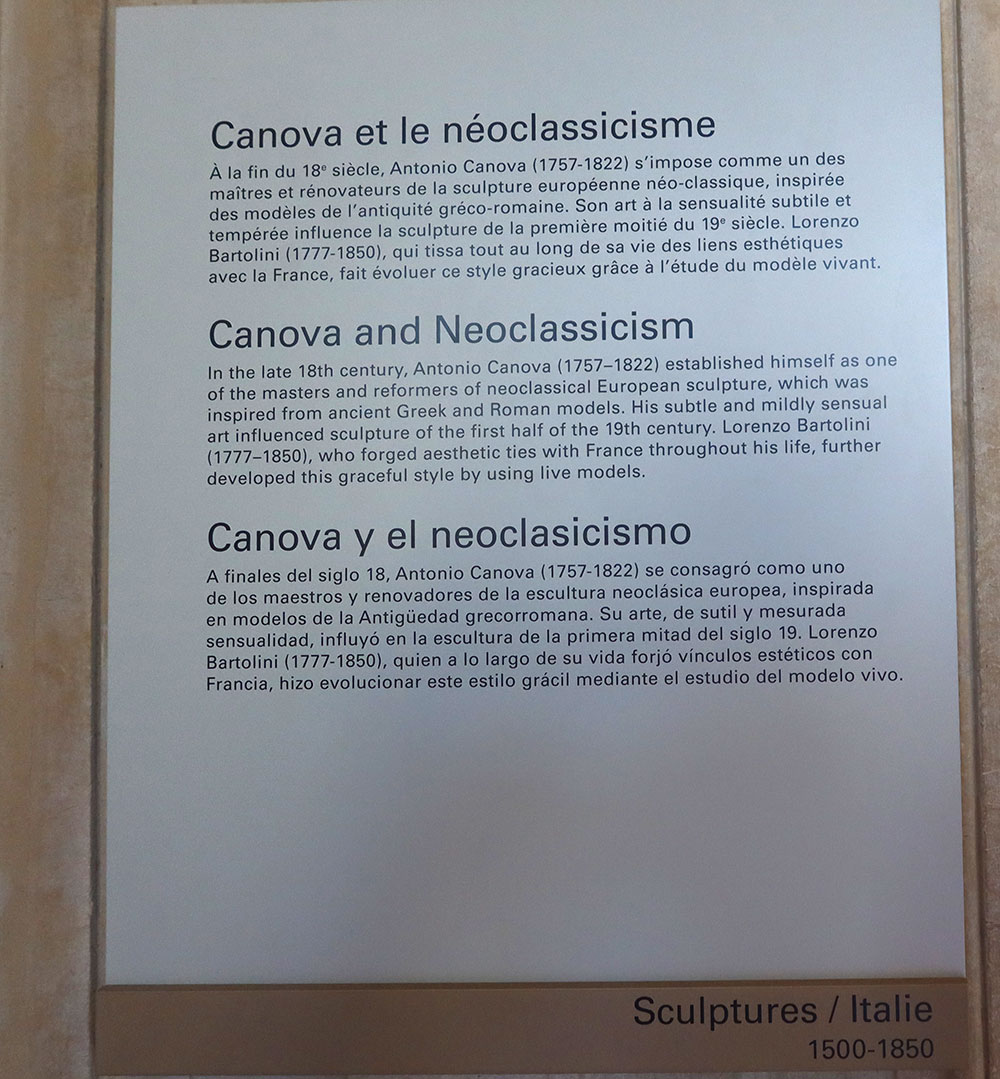
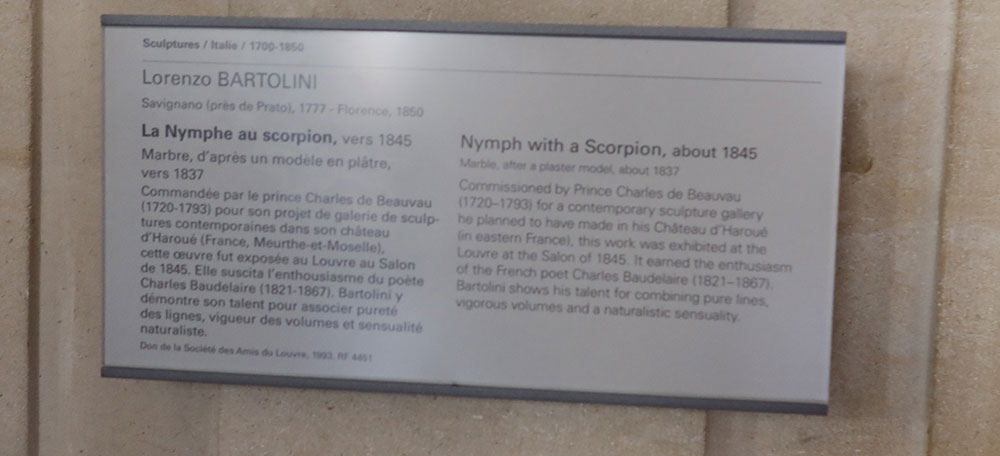
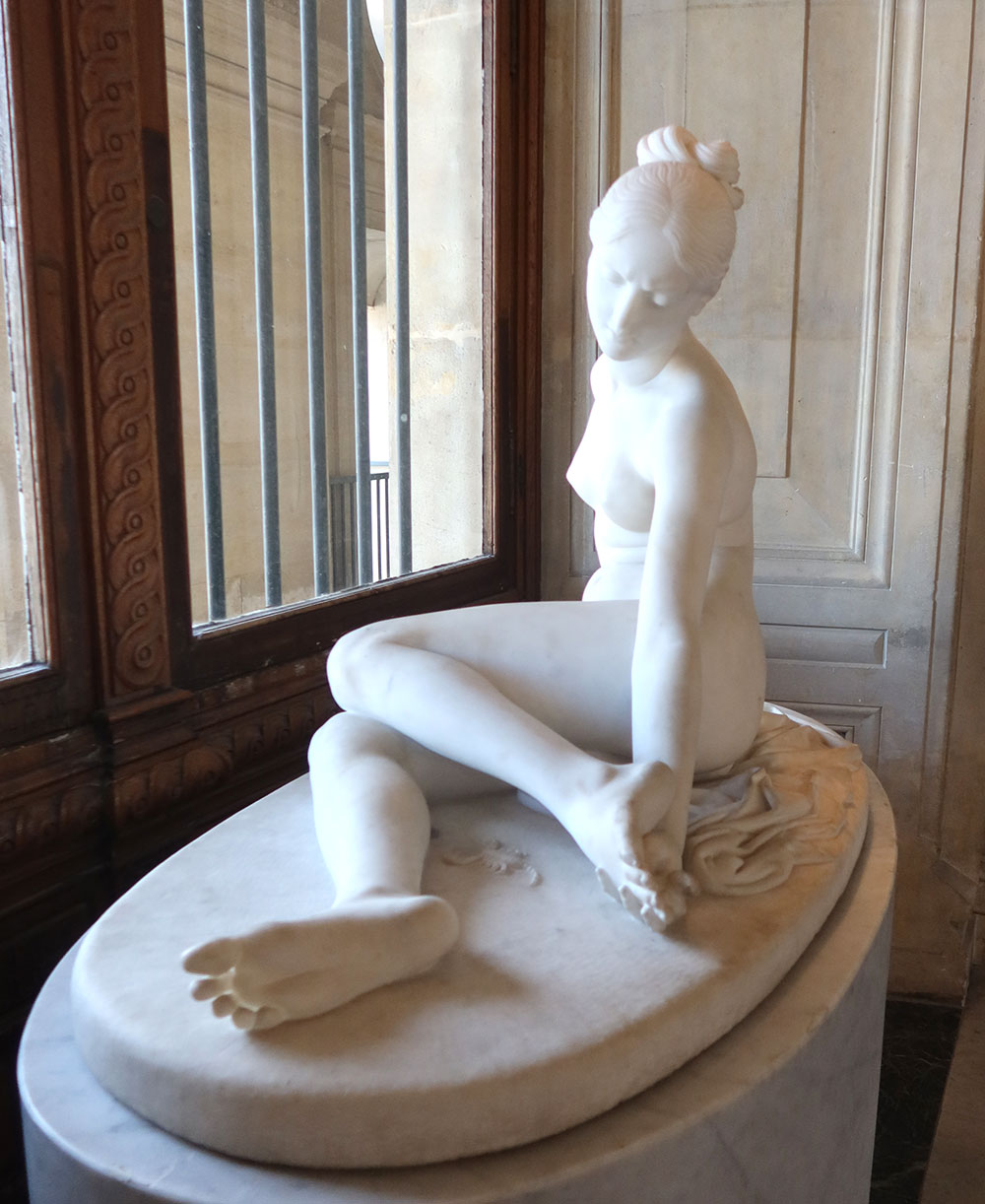
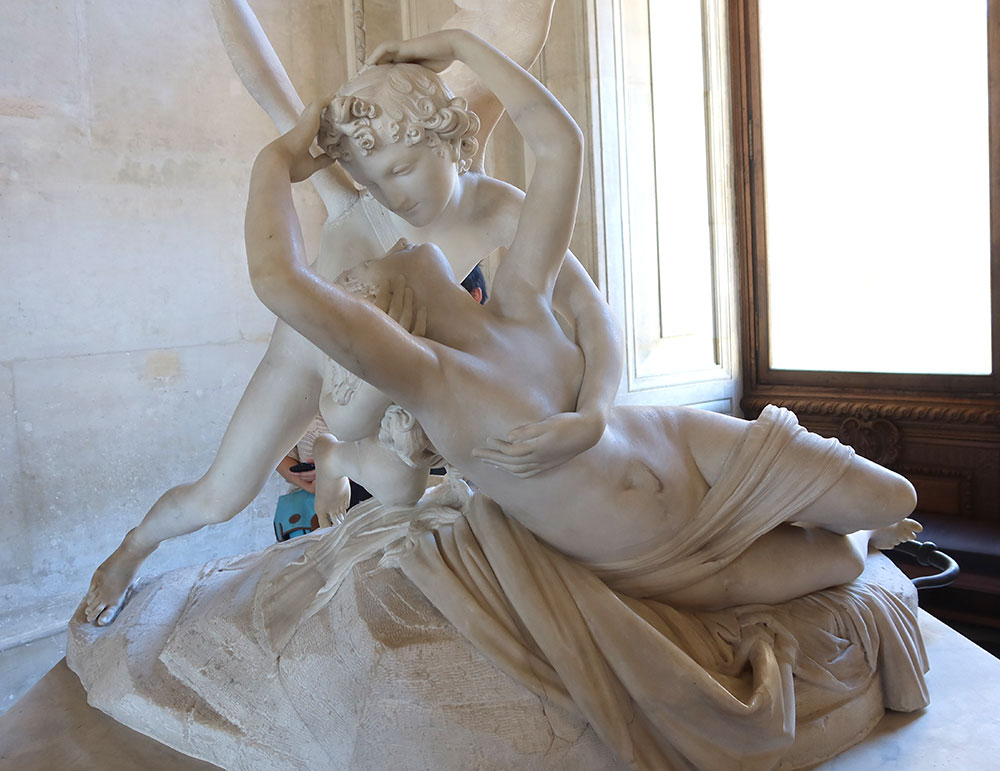
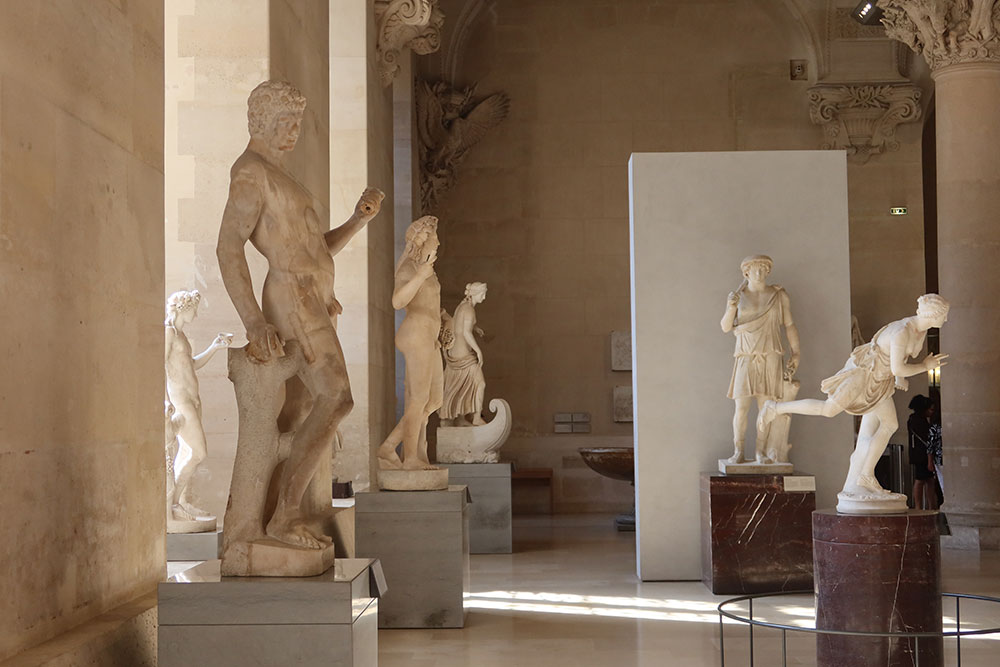
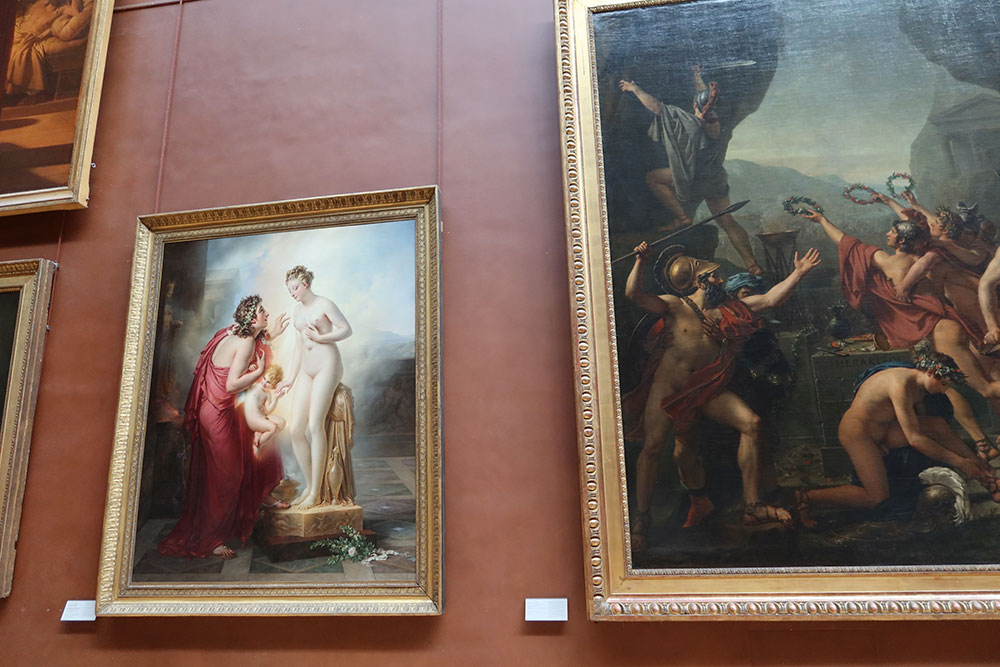
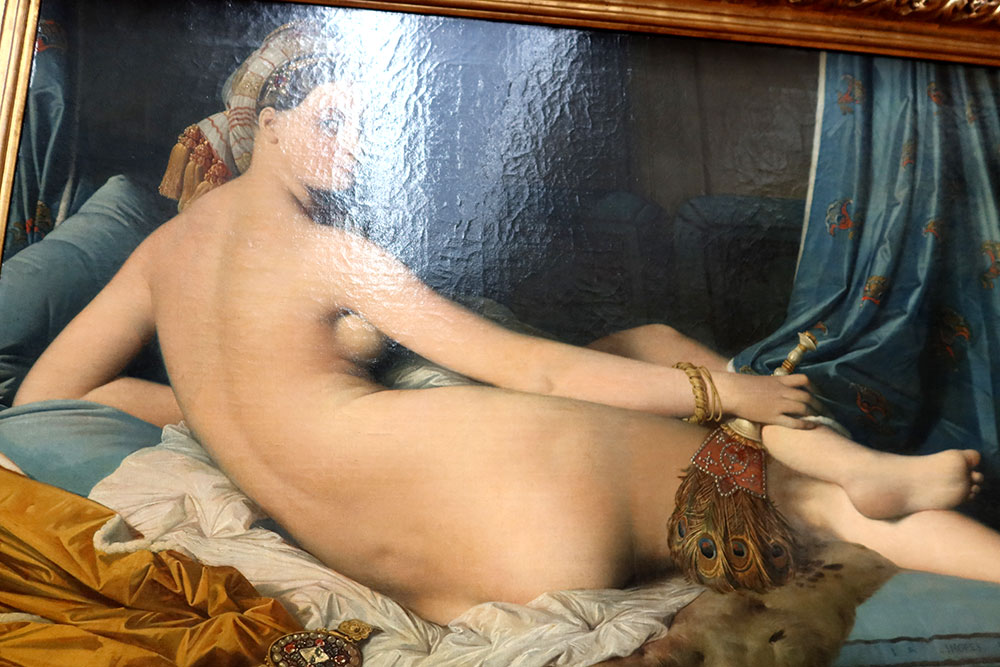
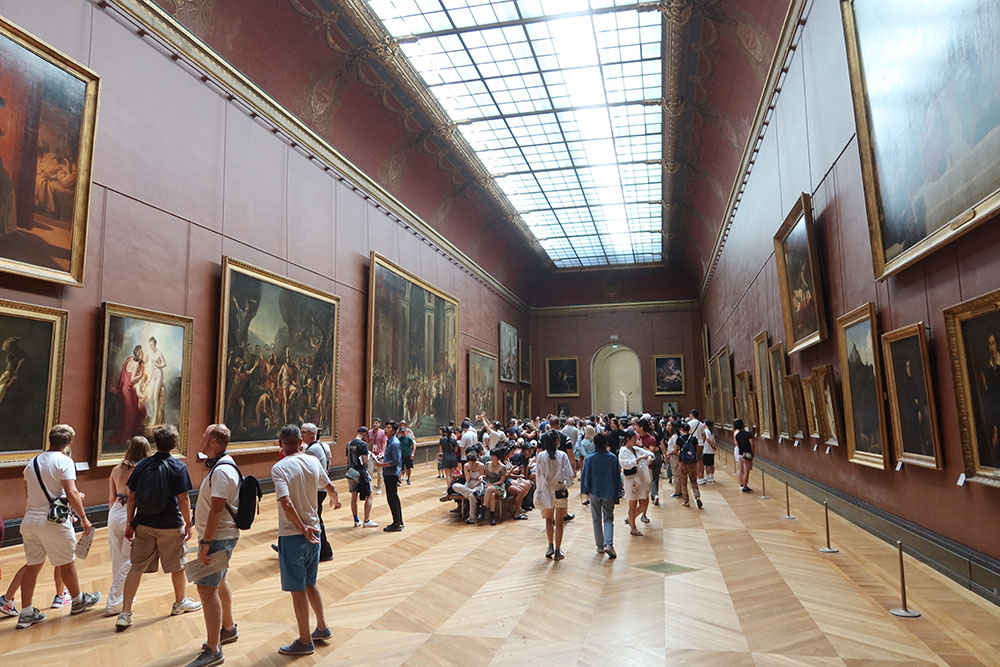
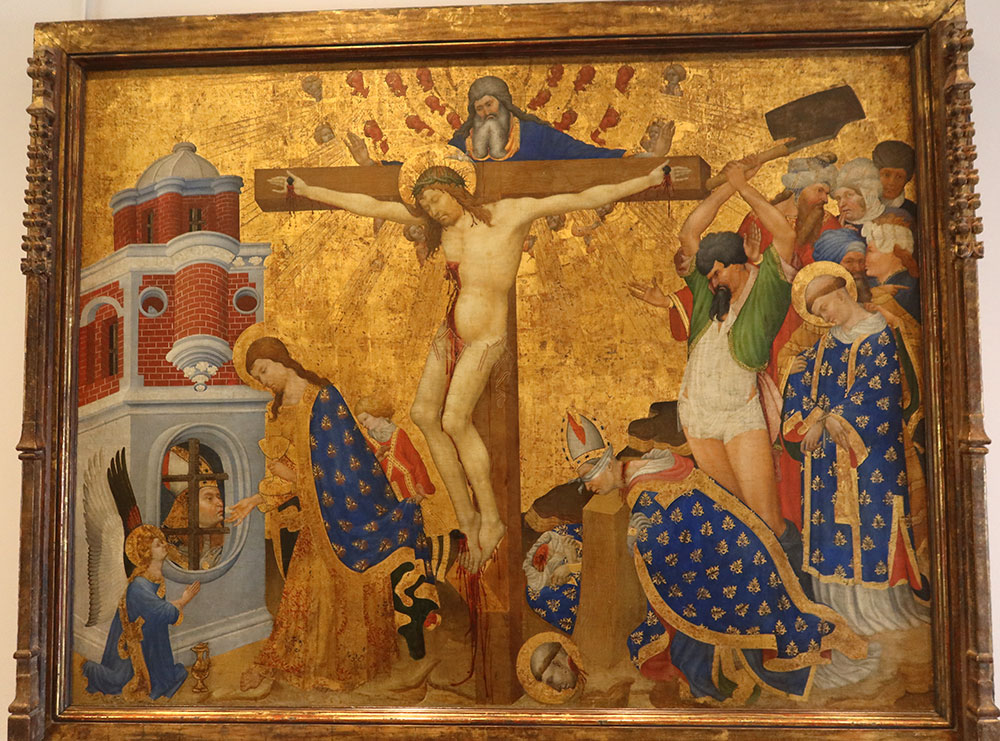
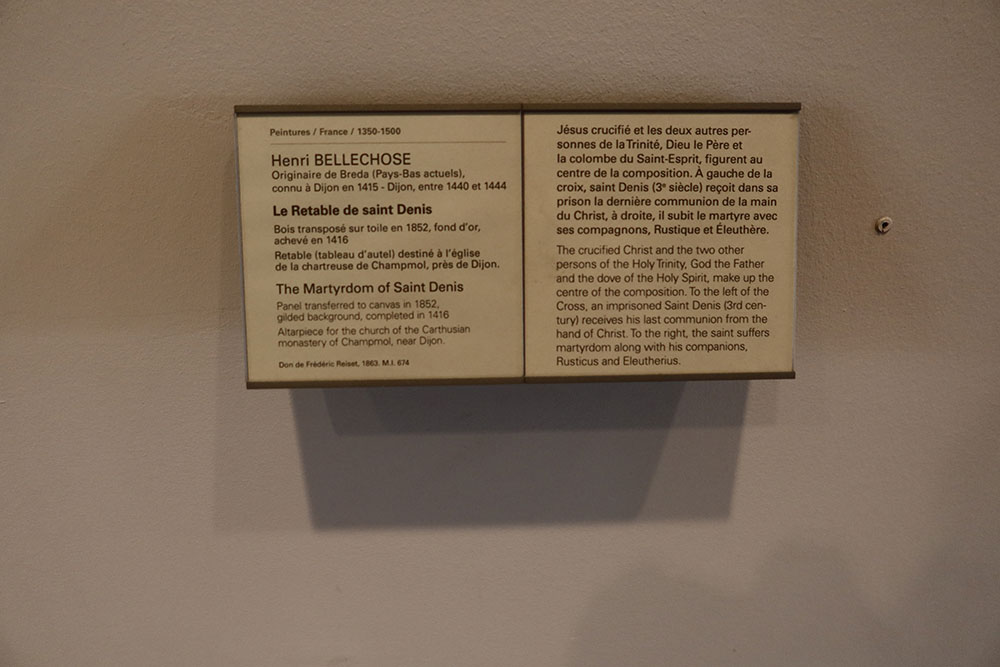
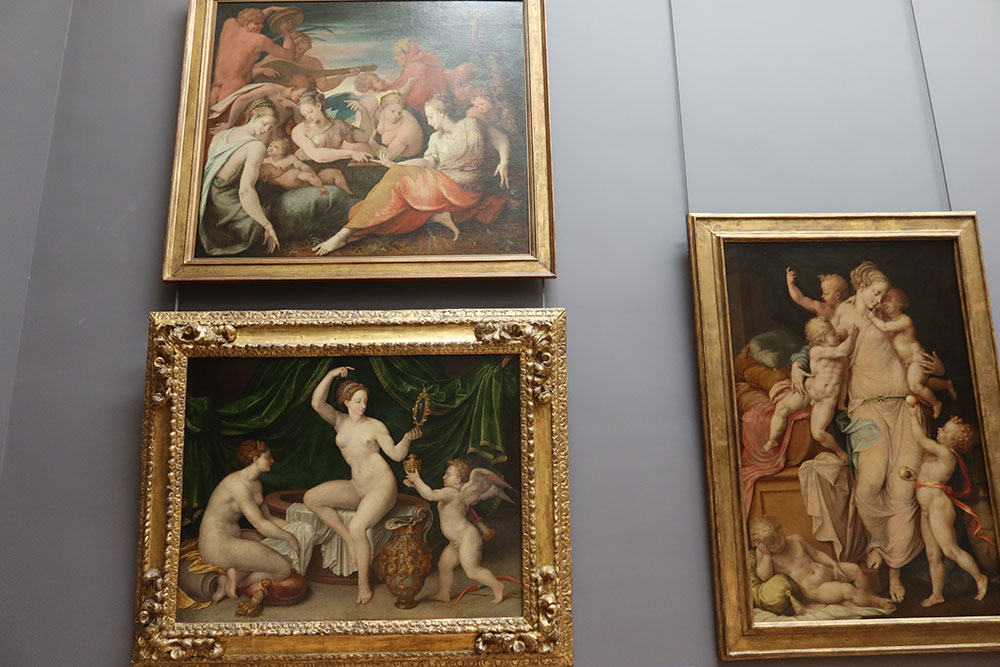
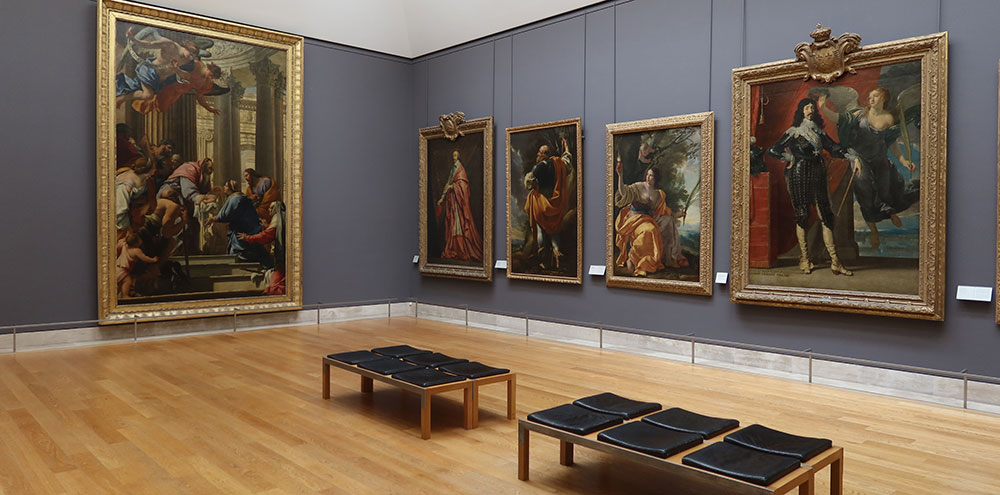
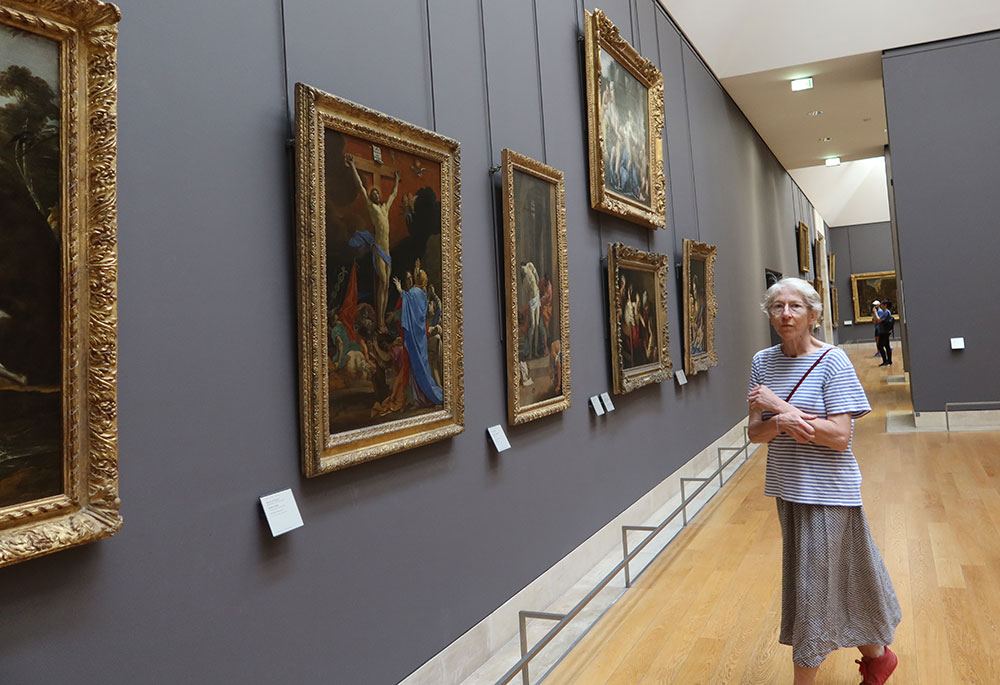
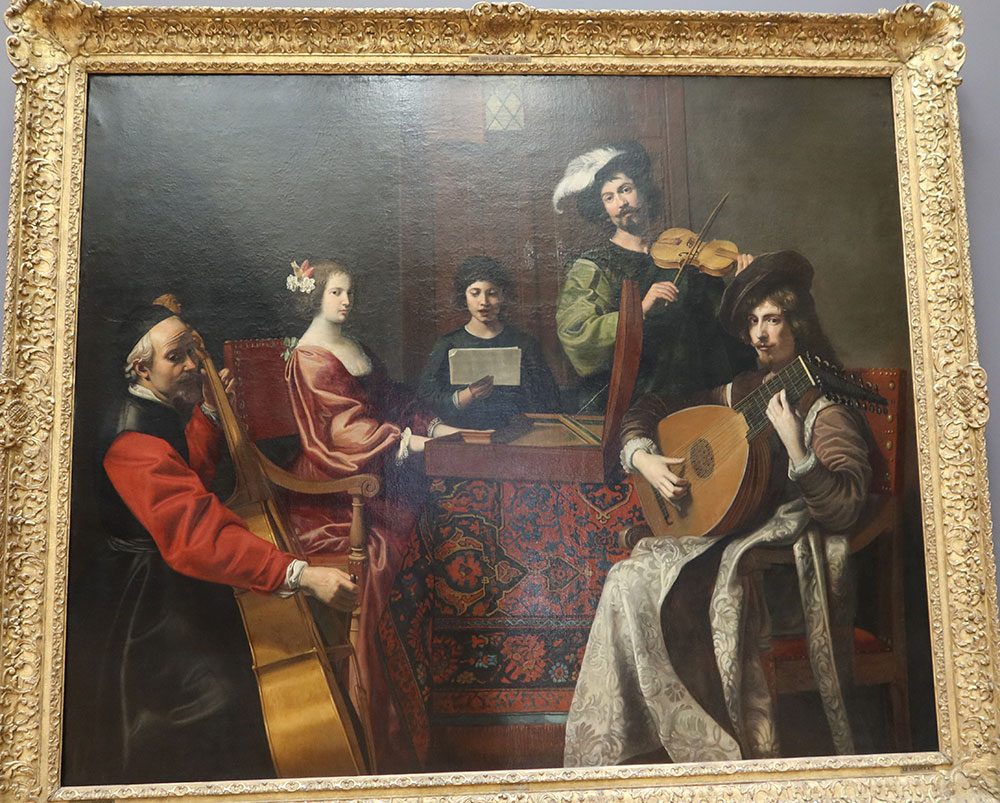
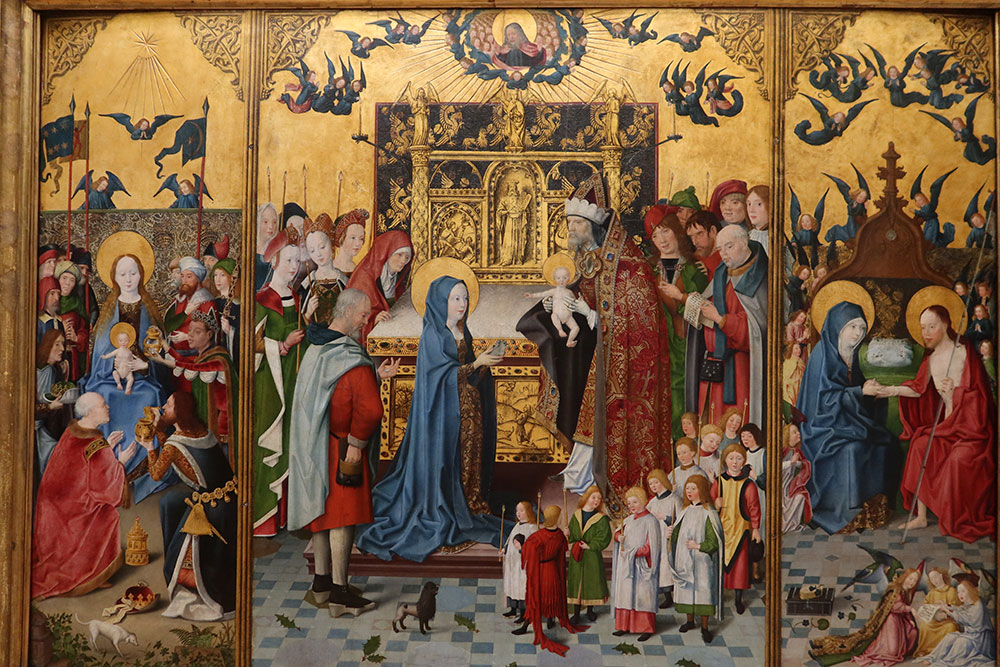
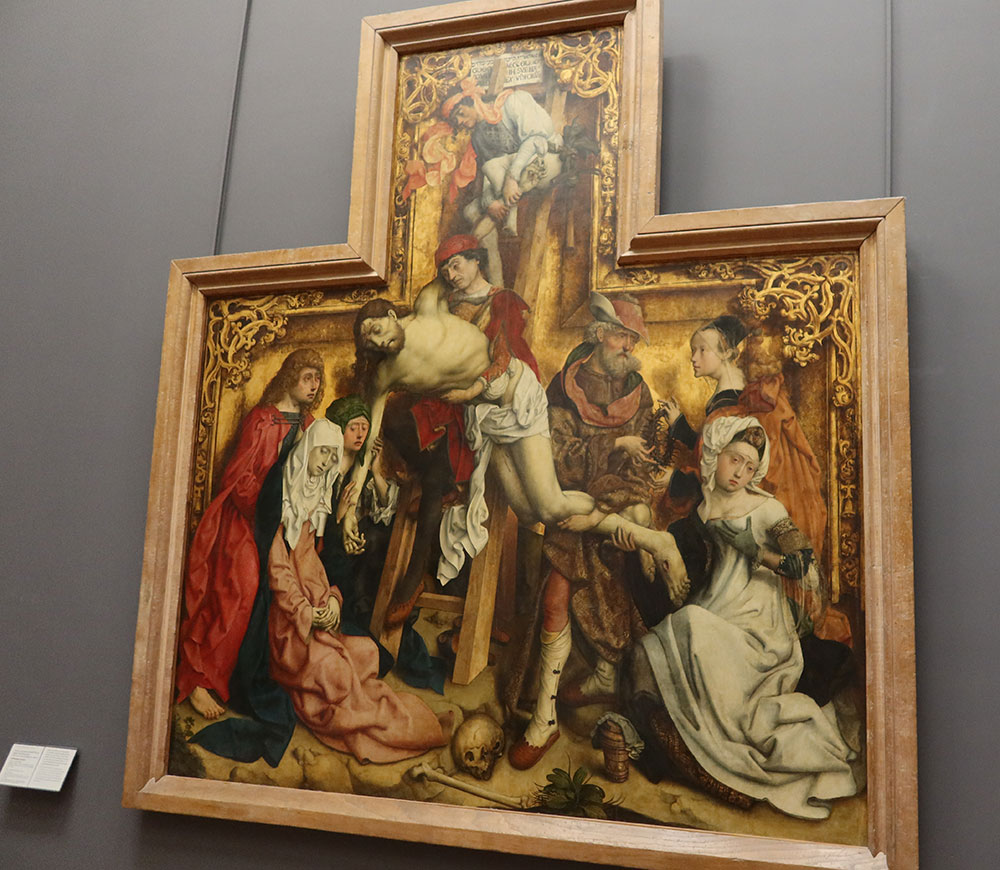
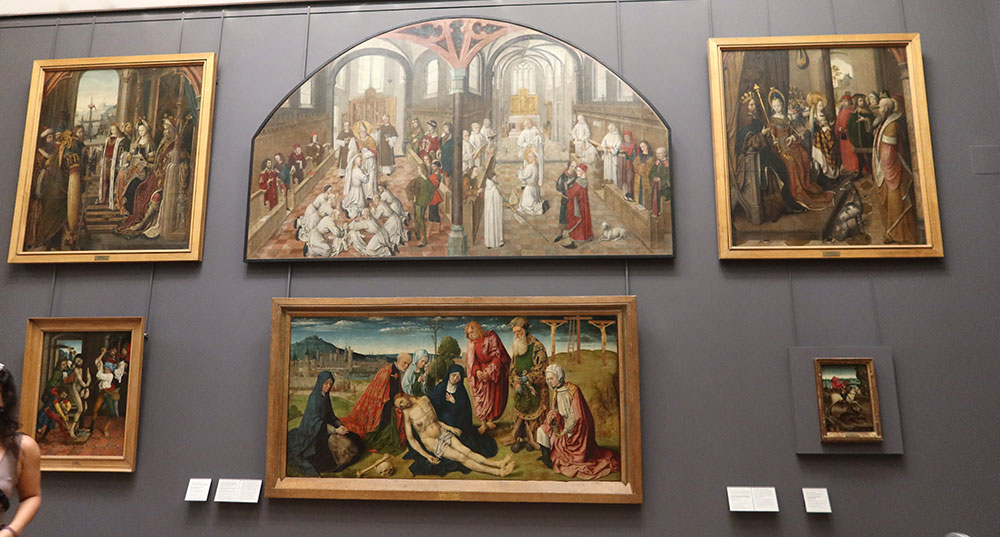
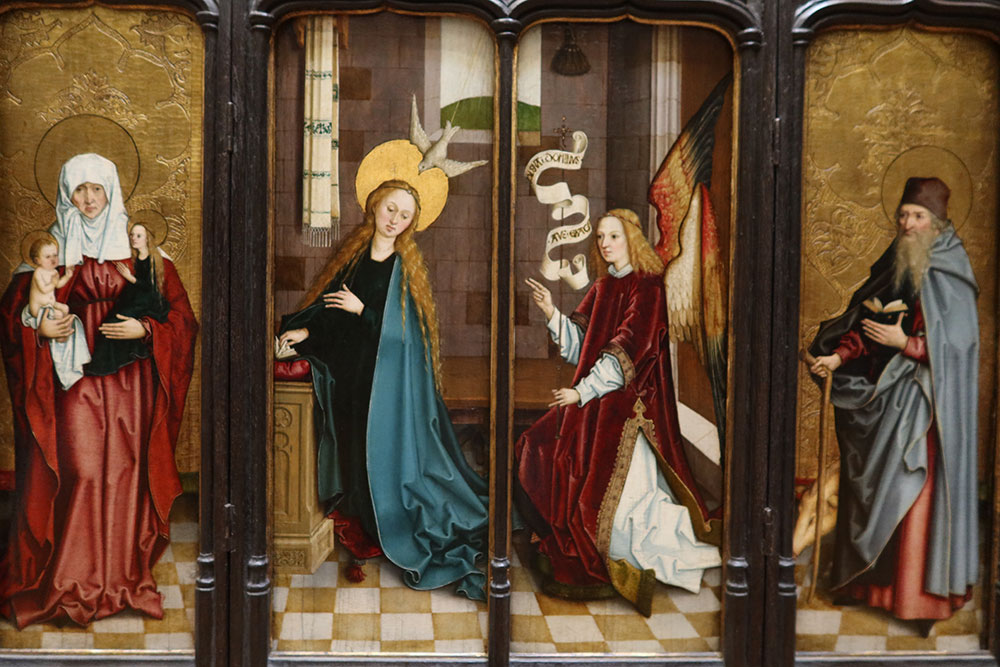
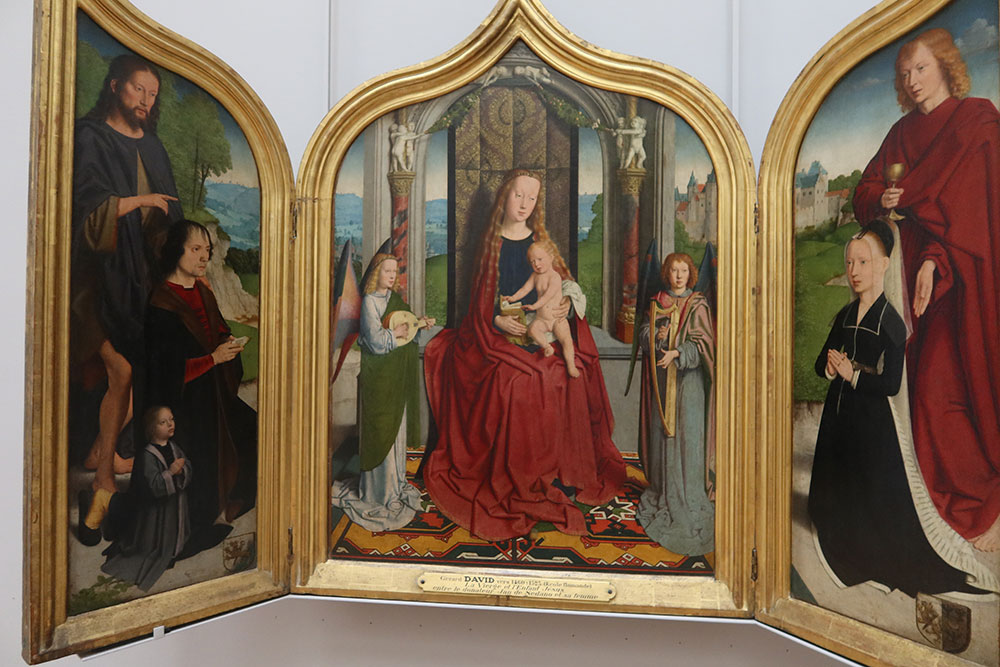
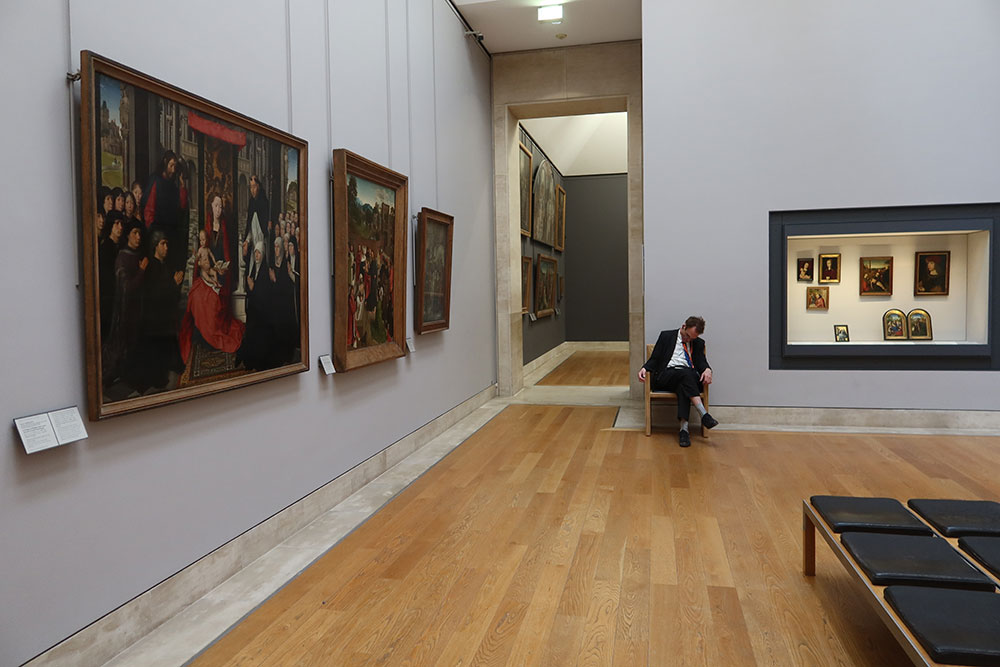
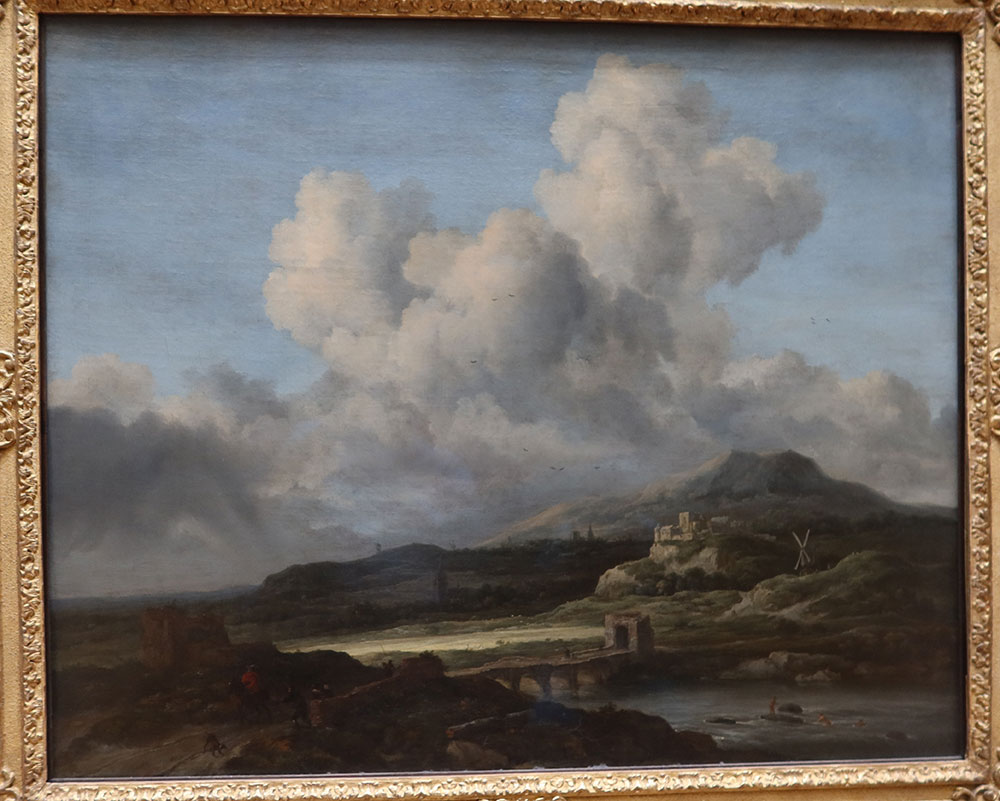
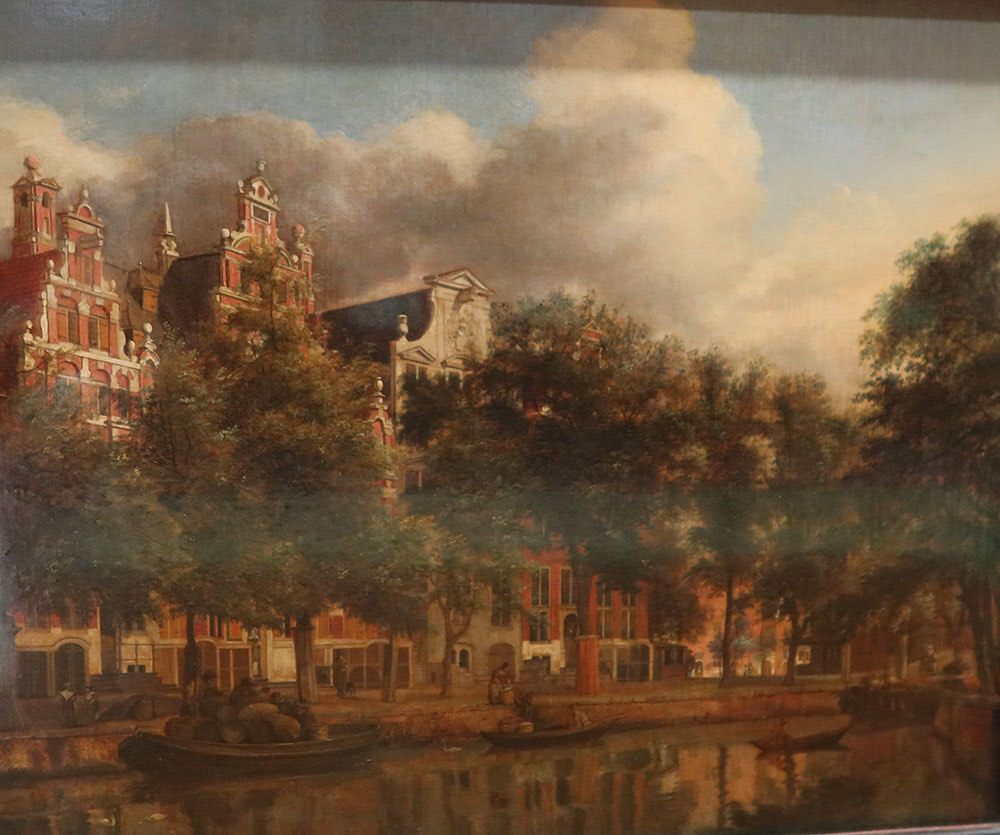
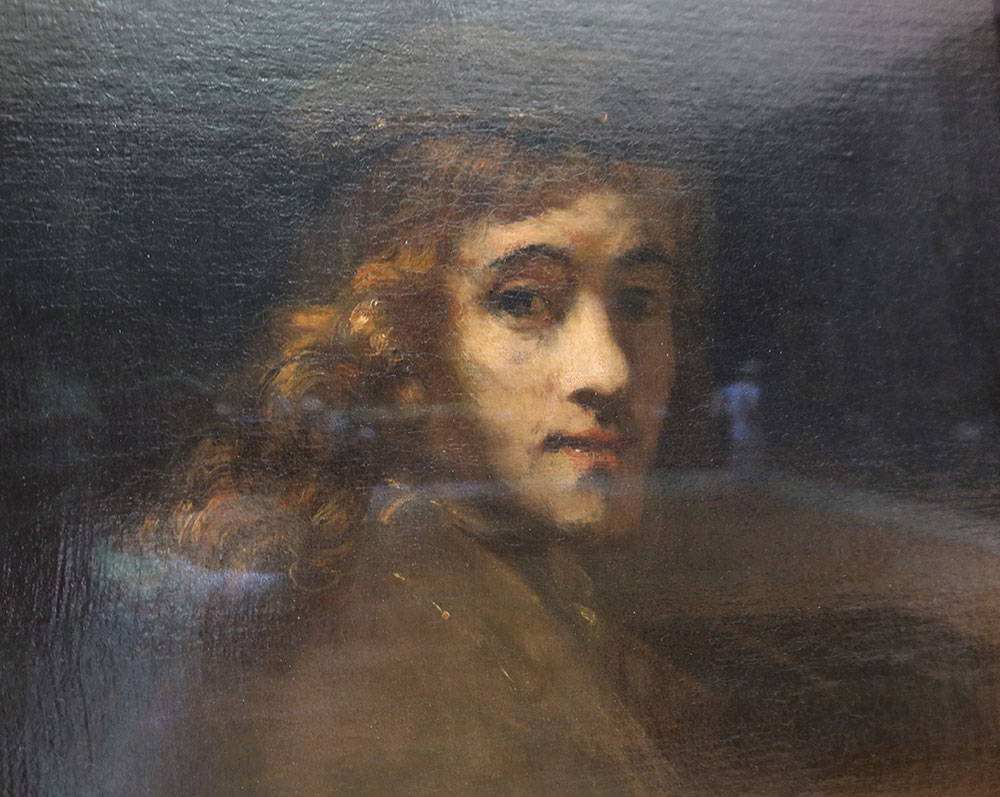
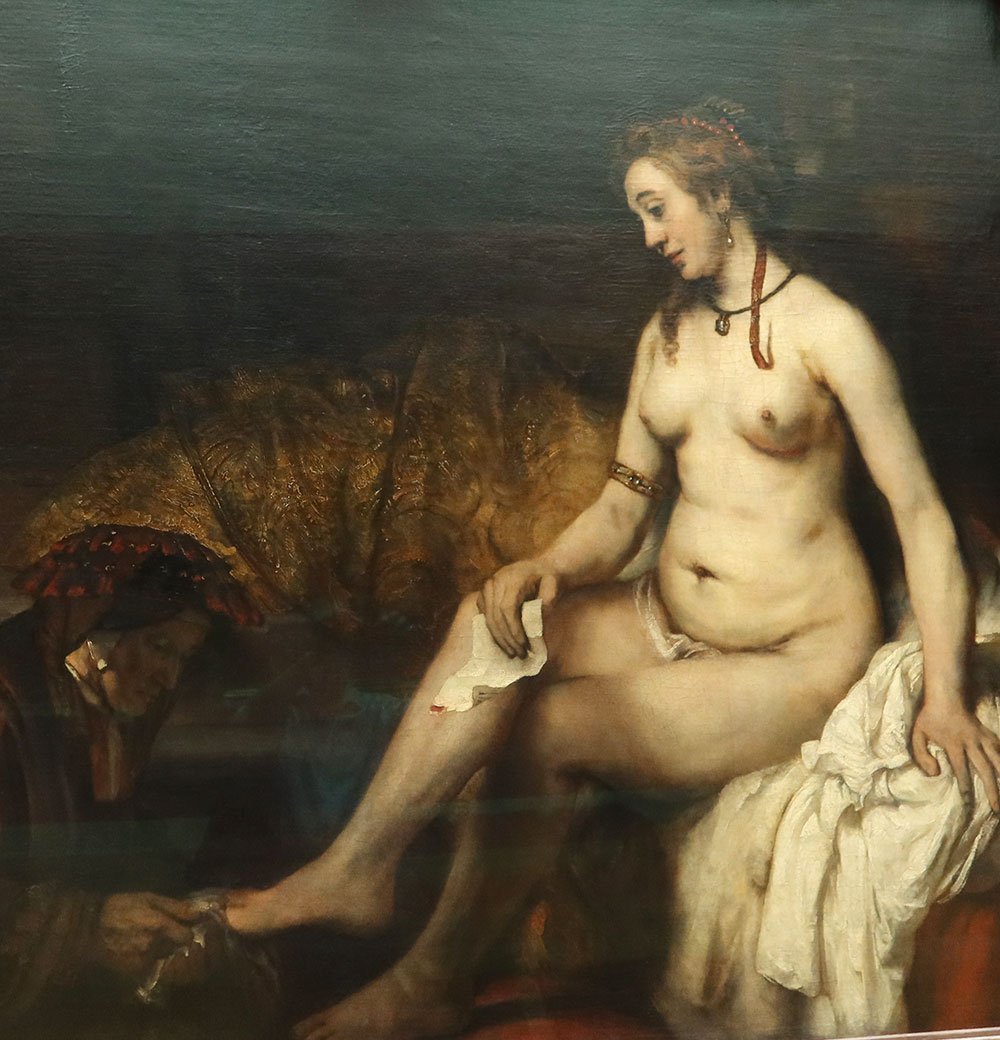
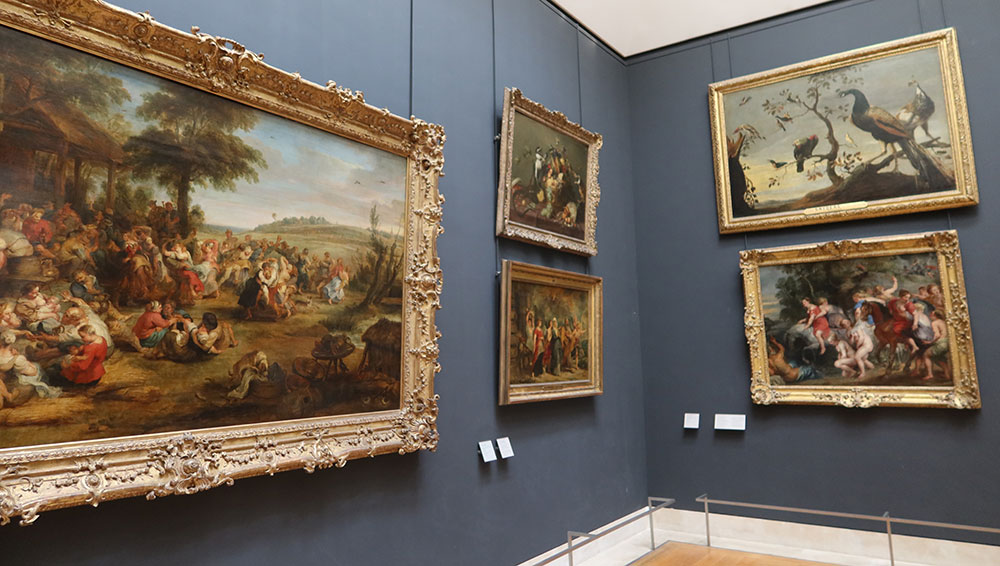
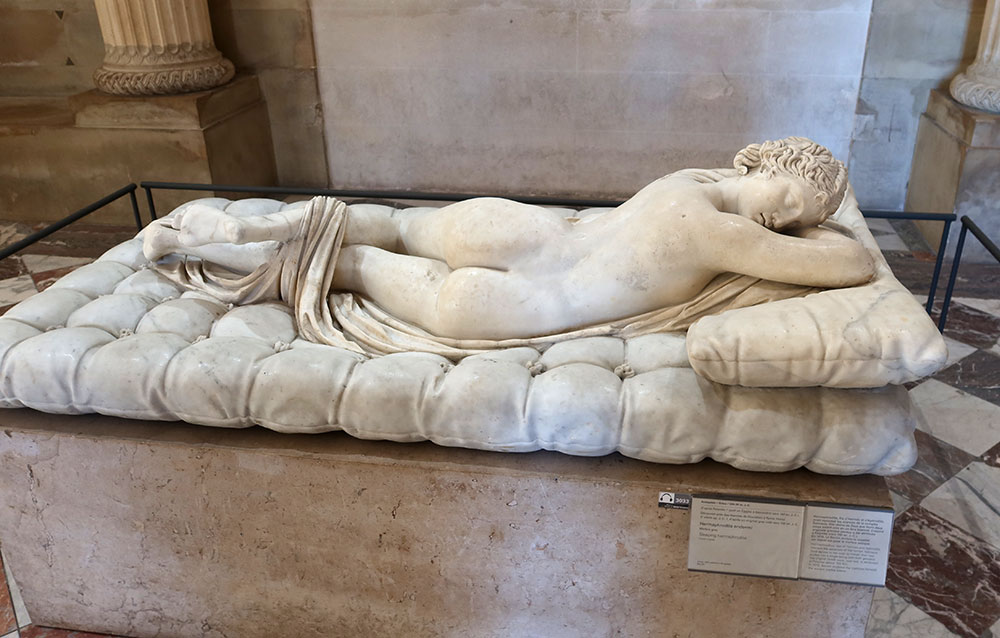
The Louvre holds approximately 550,000 objects, of which around 35,000 are on permanent display across eight curatorial departments. The departments — covering Egyptian Antiquities; Near Eastern Antiquities; Greek, Etruscan and Roman Antiquities; Islamic Art; Sculptures; Decorative Arts; Paintings; and Prints and Drawings — reflect both the historical formation of the collection and the disciplinary conventions of nineteenth-century European art history. For contemporary curators, this departmental architecture raises familiar questions about the adequacy of such categories and the assumptions embedded in how objects were originally classified and interpreted.
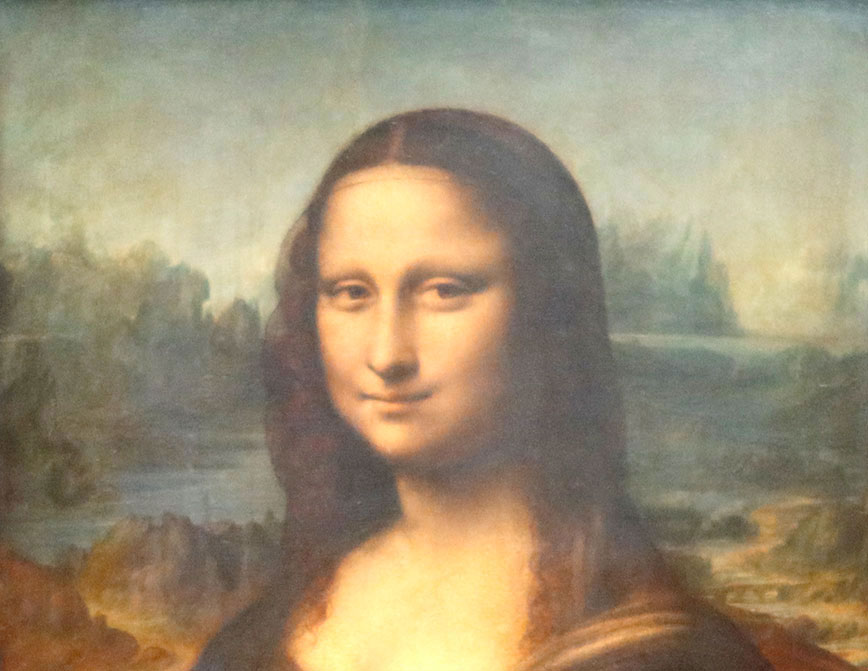
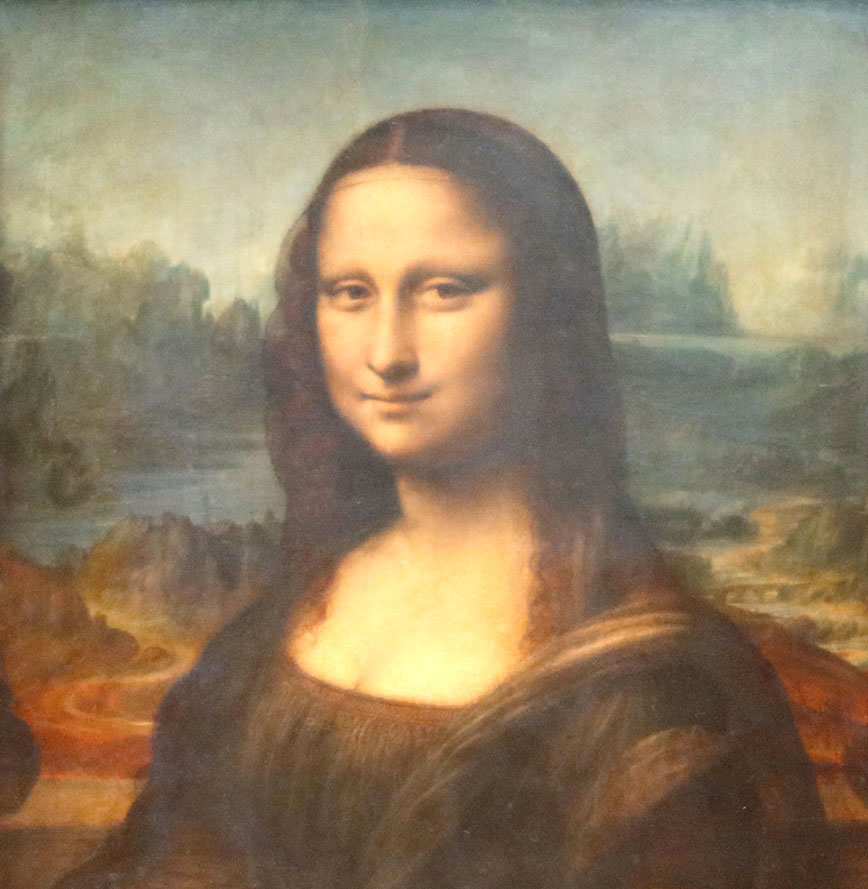
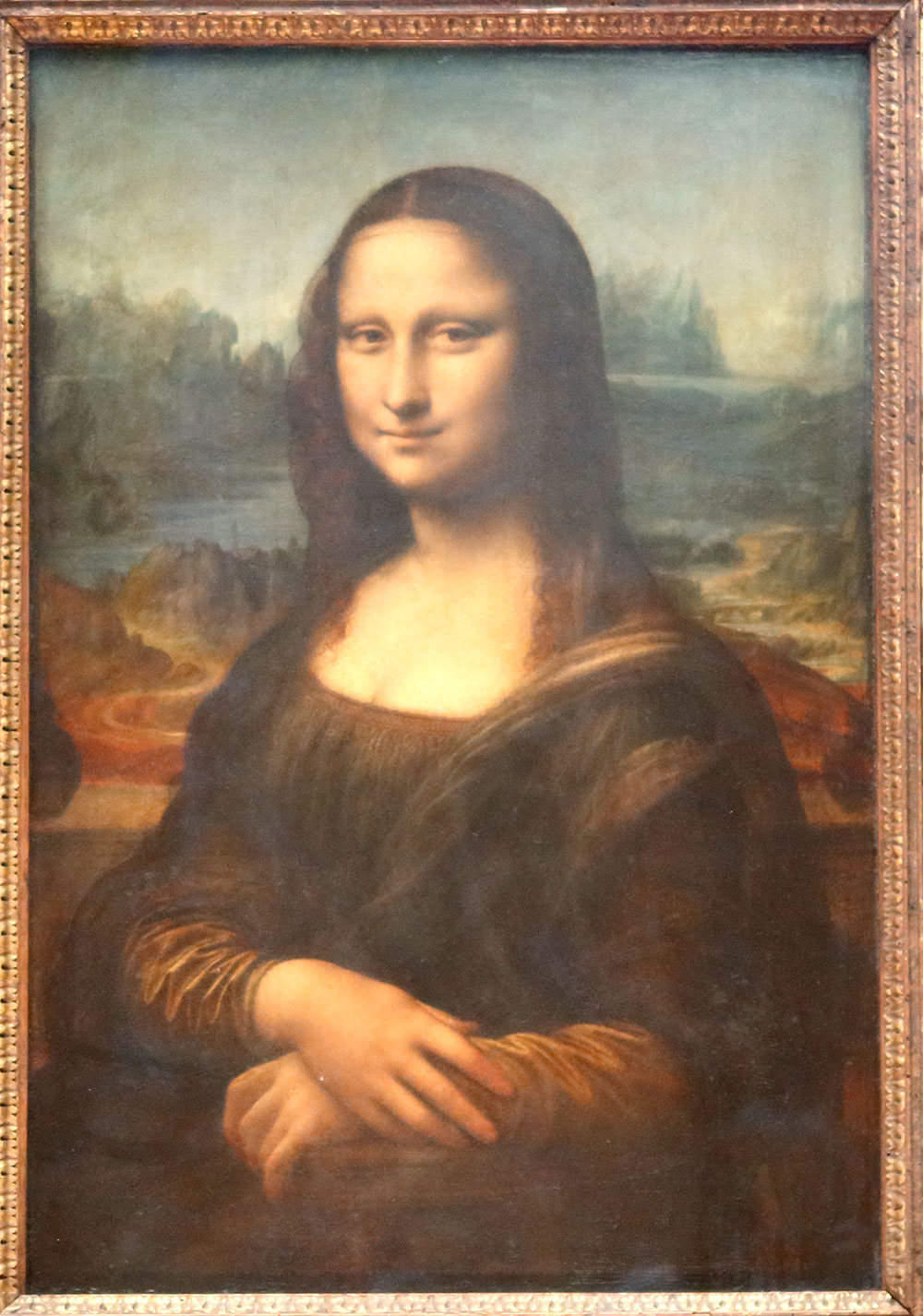
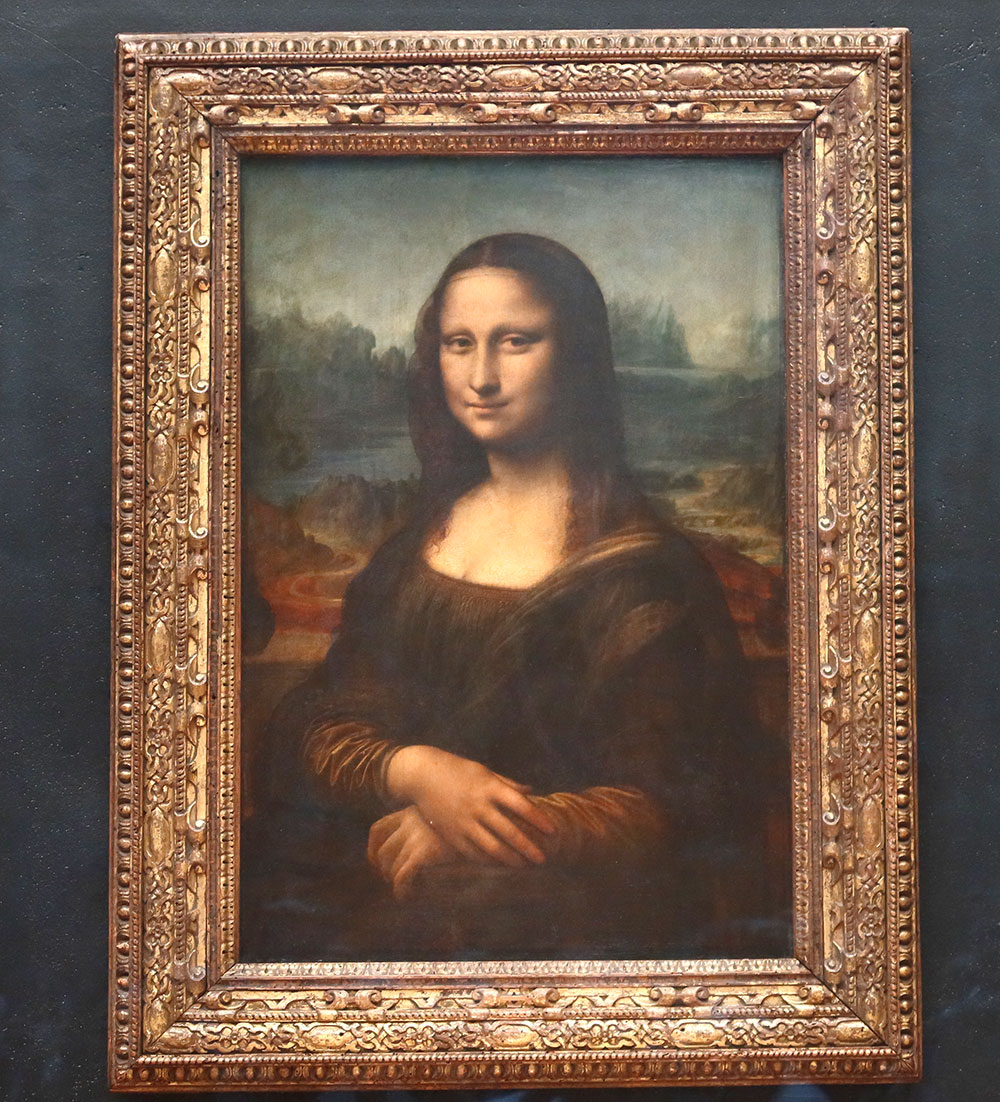
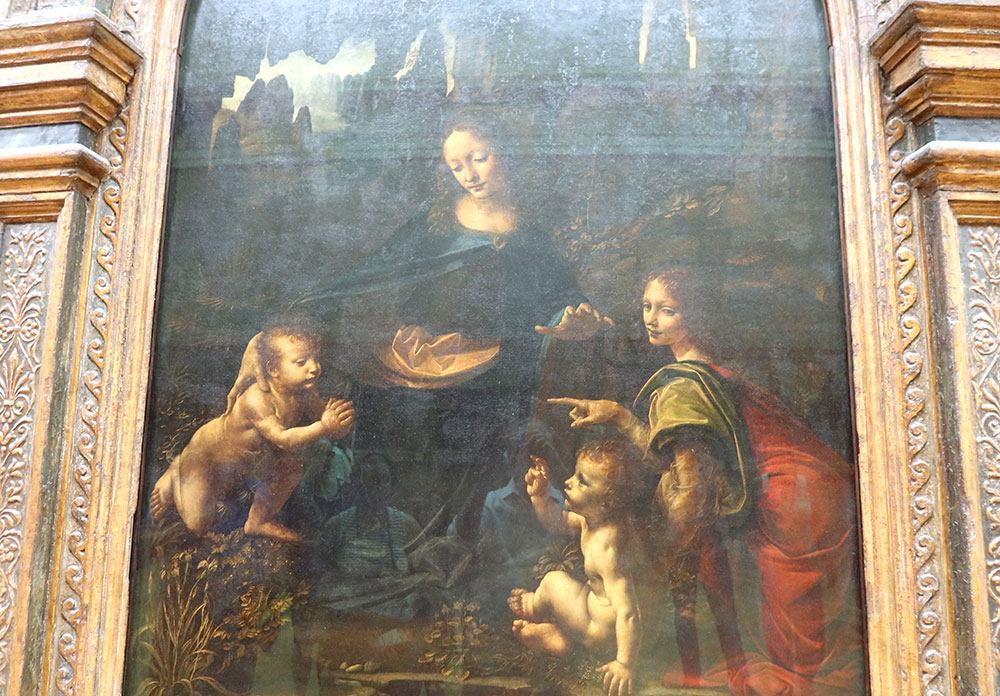
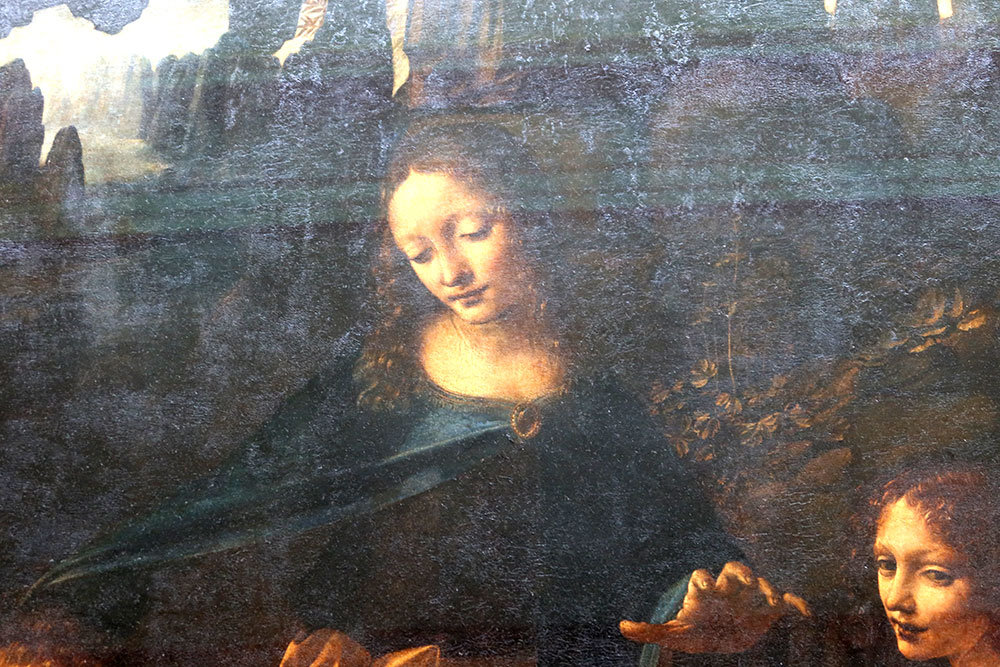
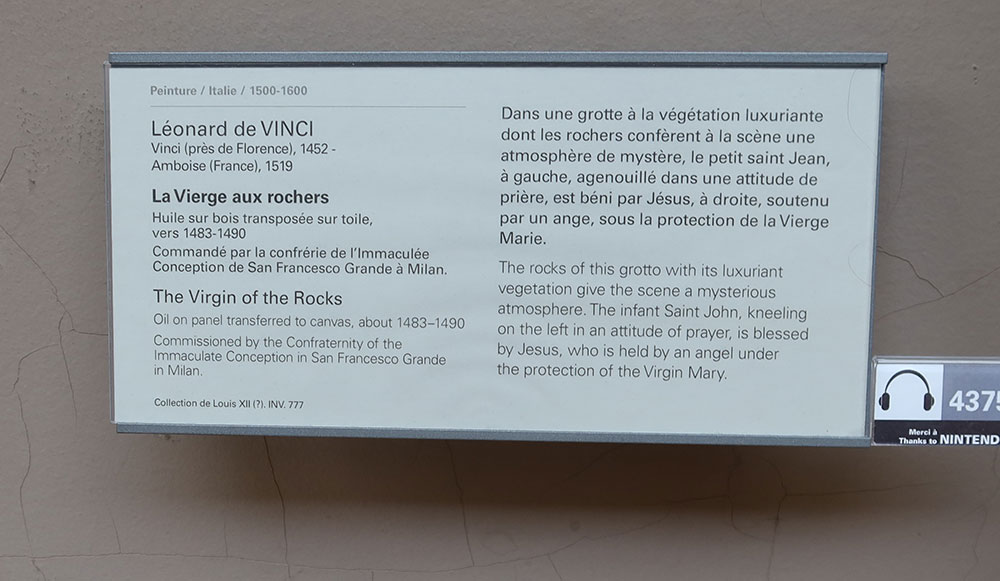
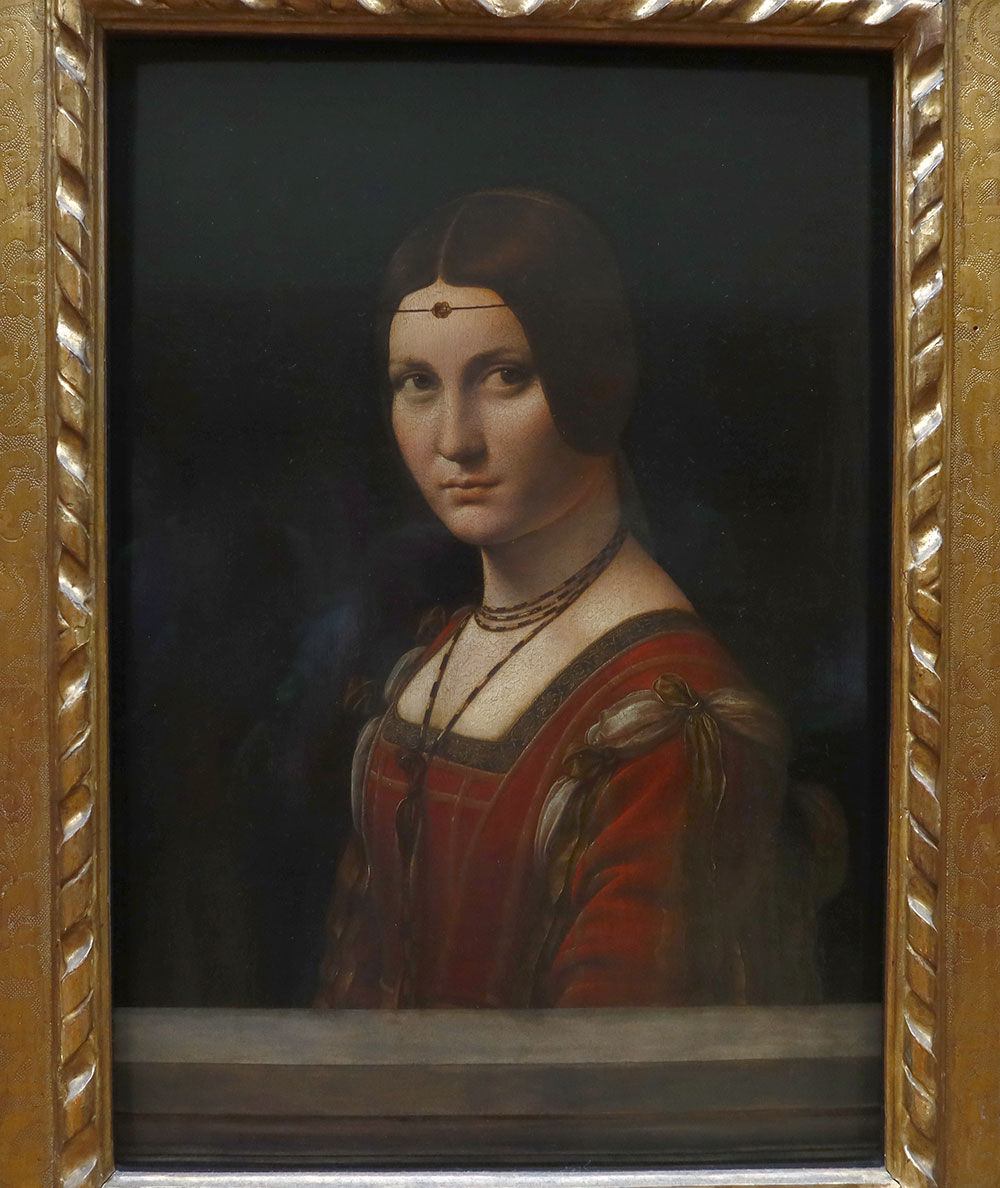
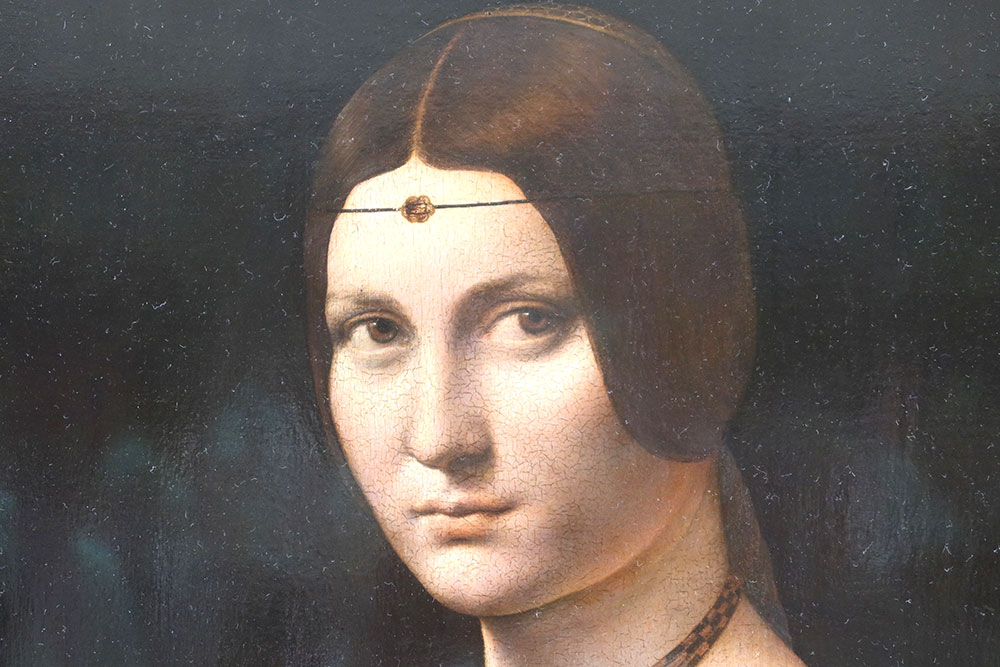
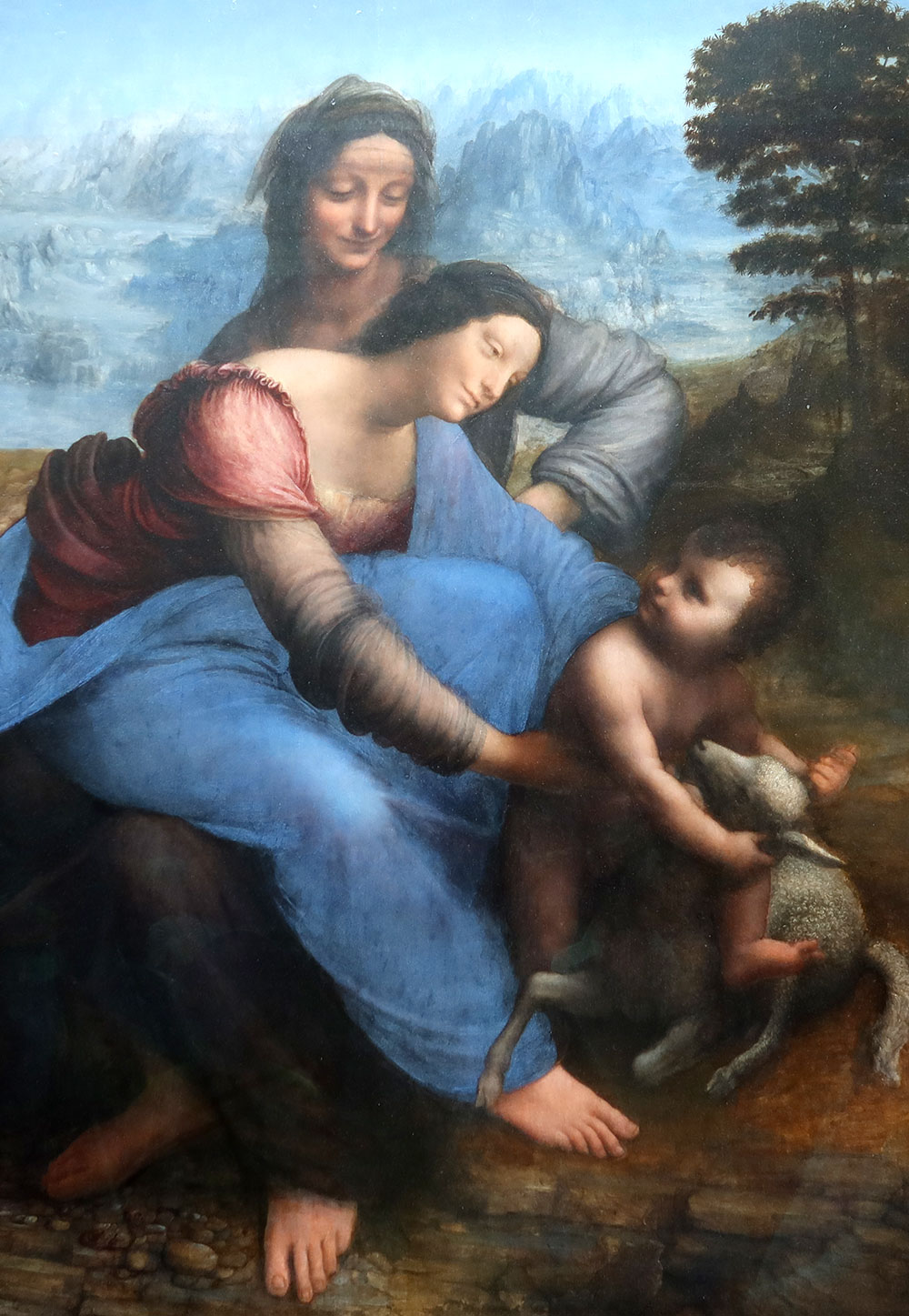
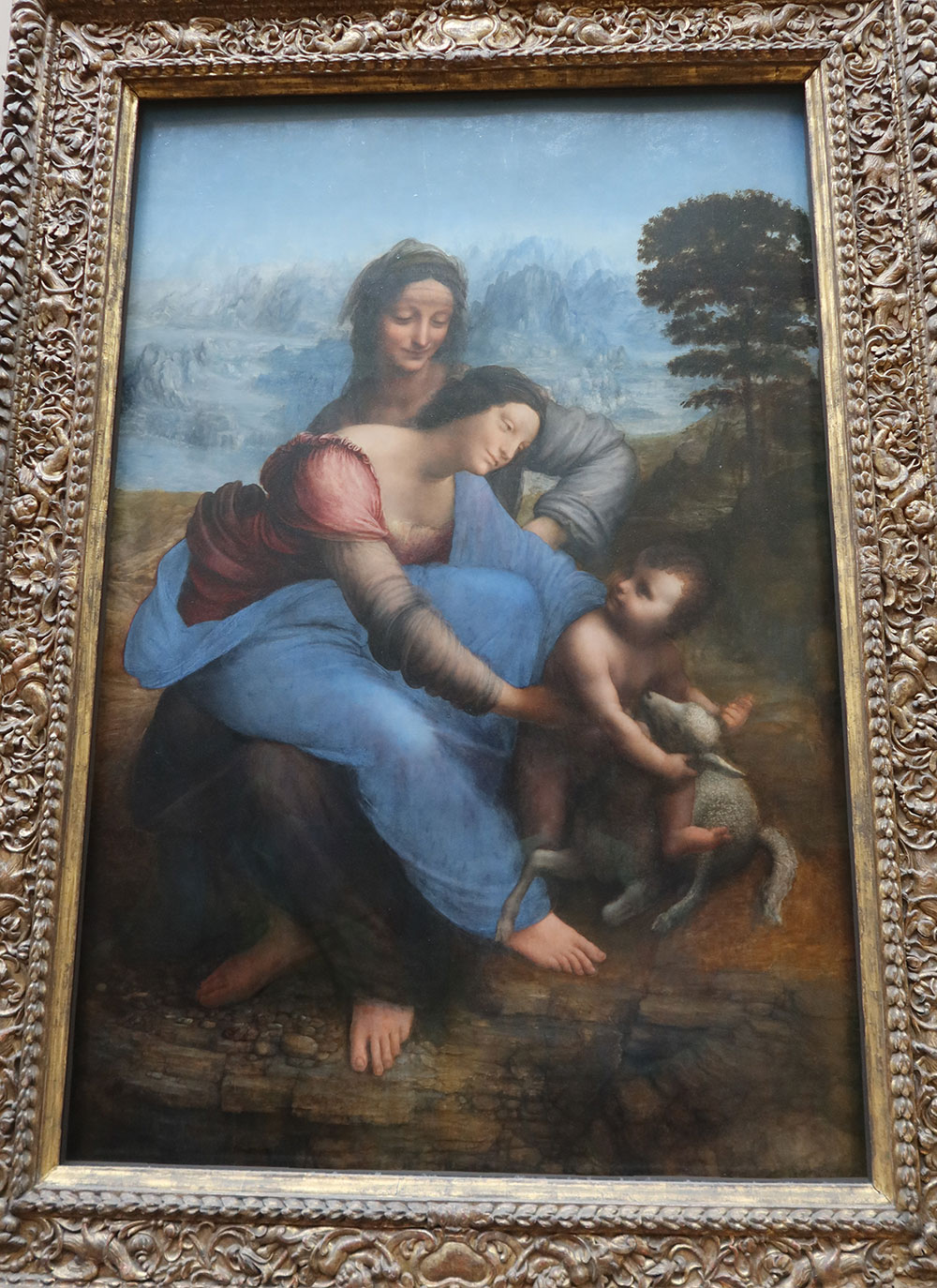
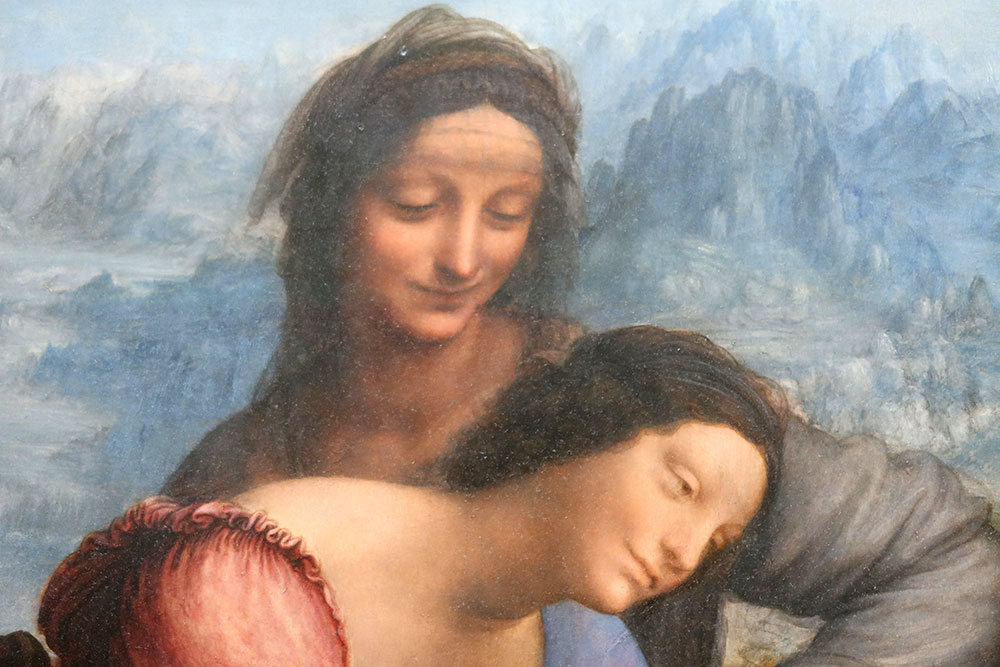
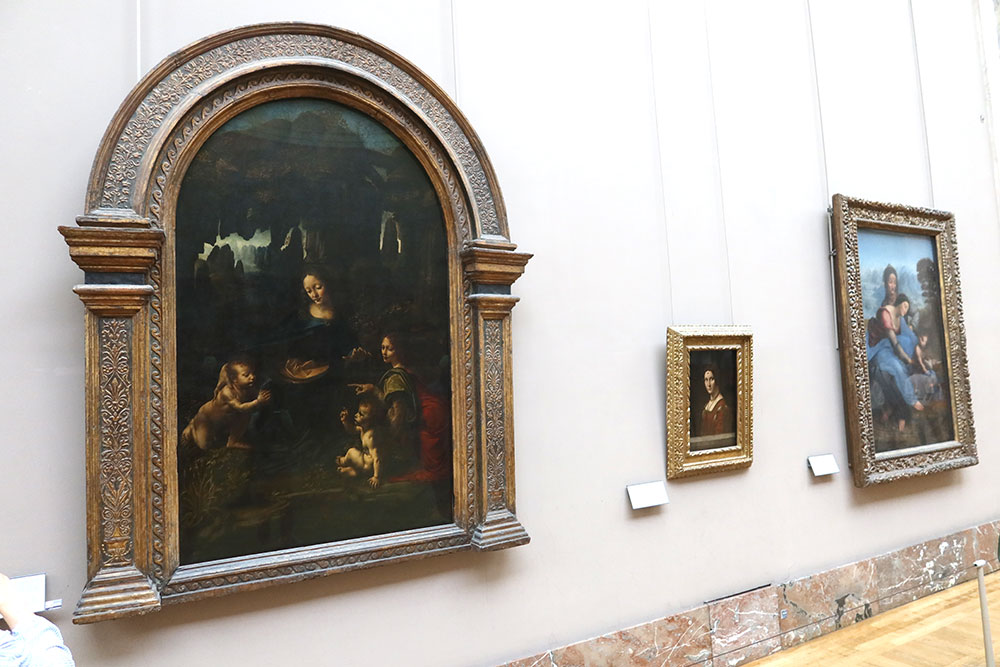
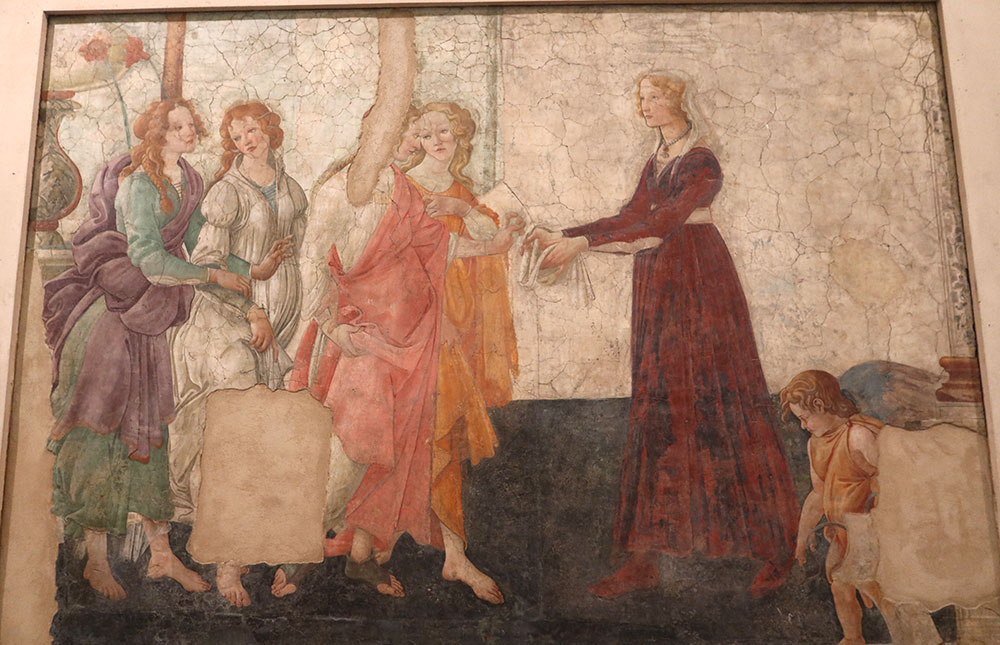
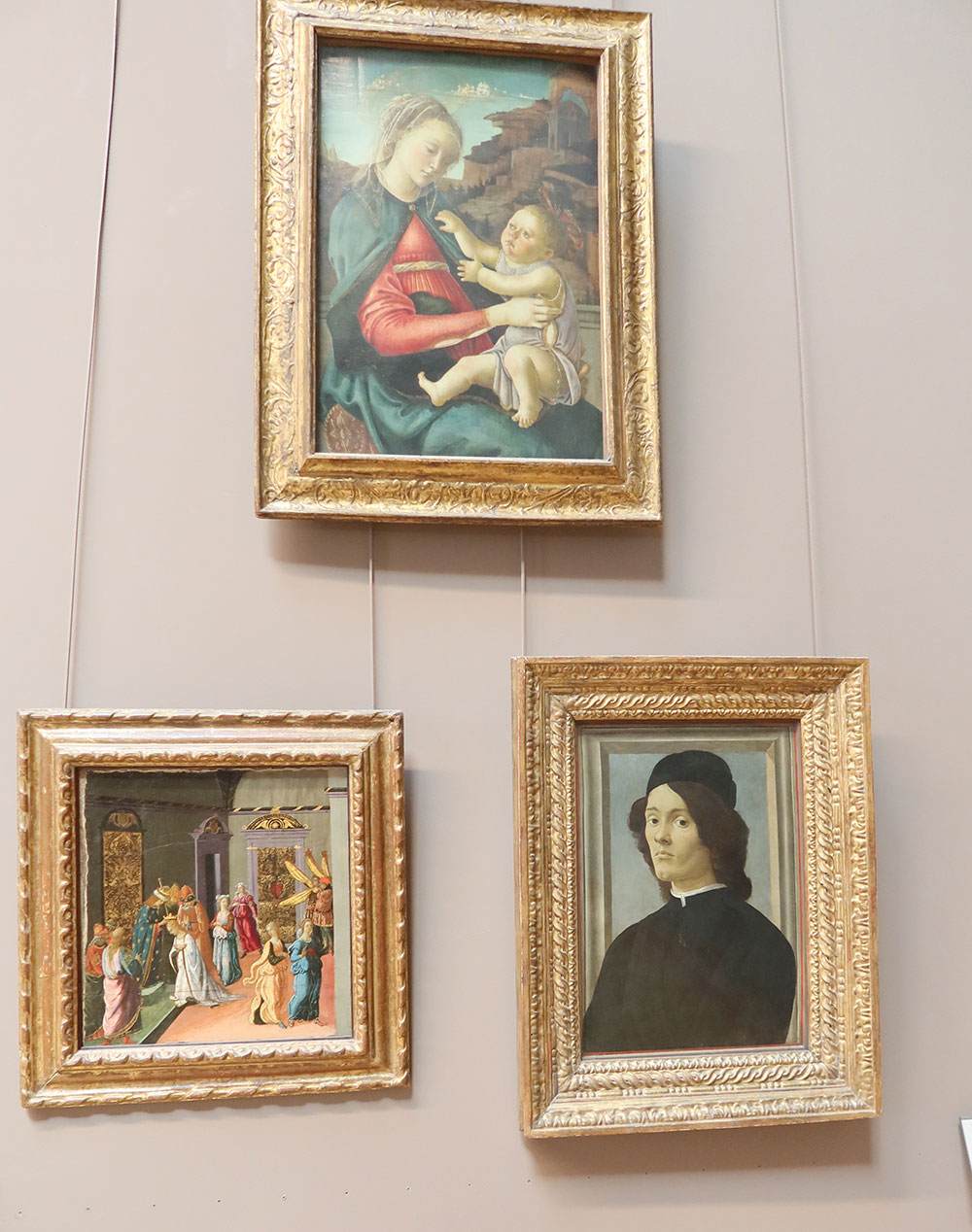
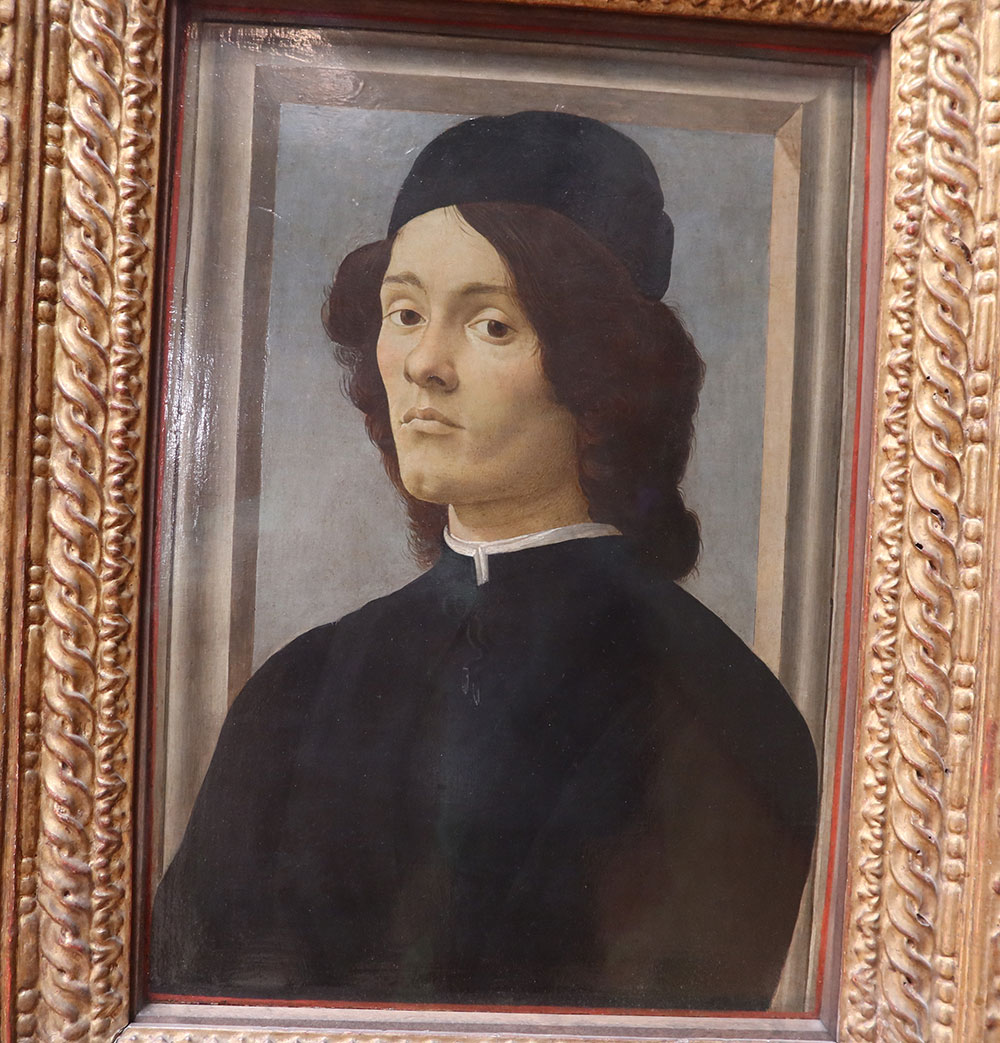
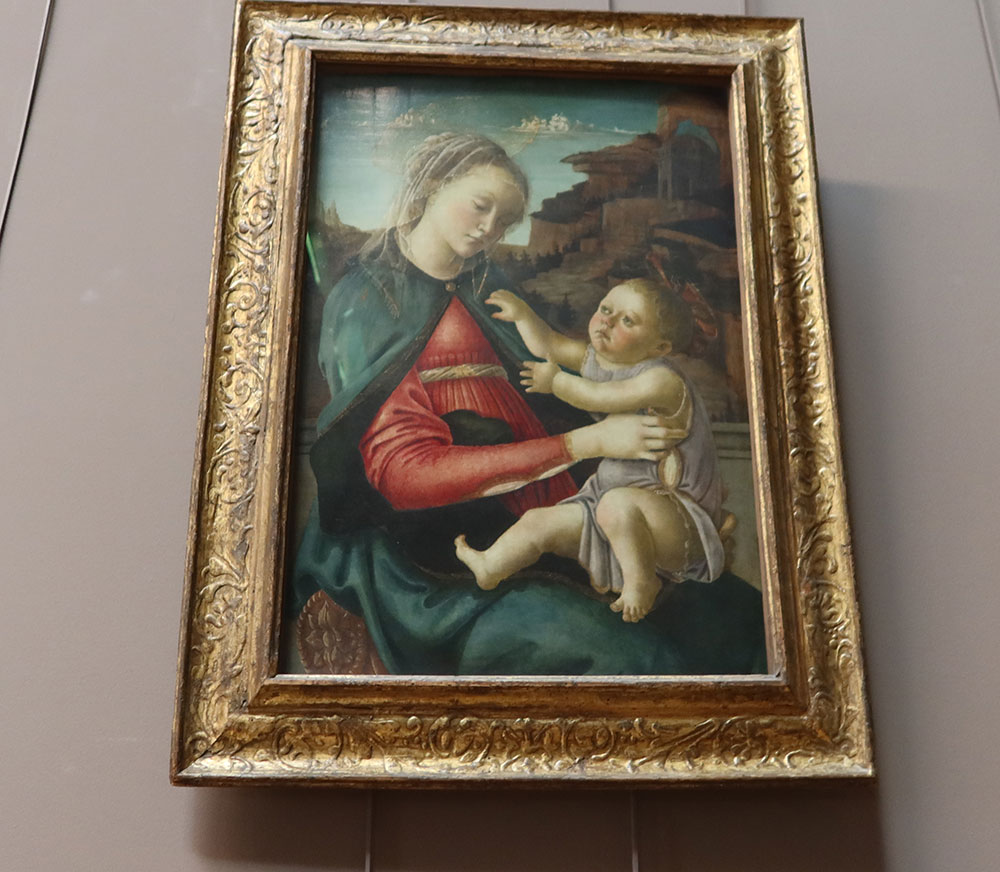
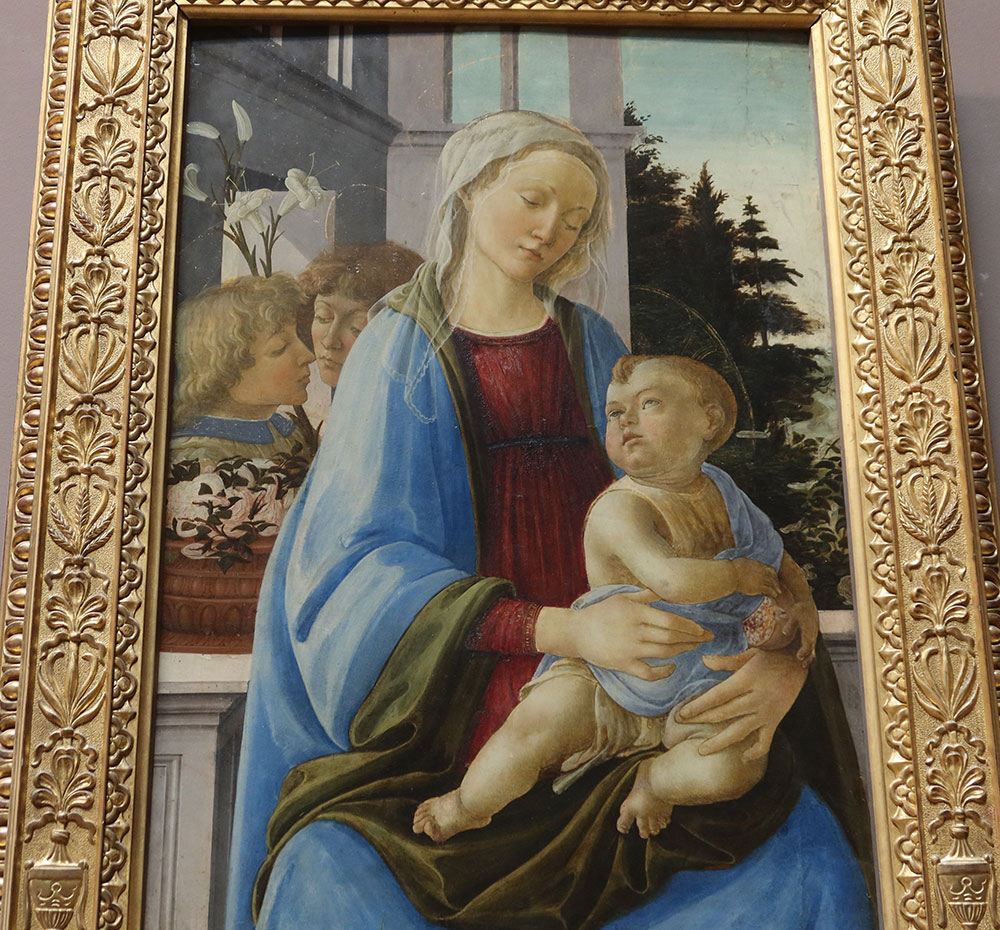
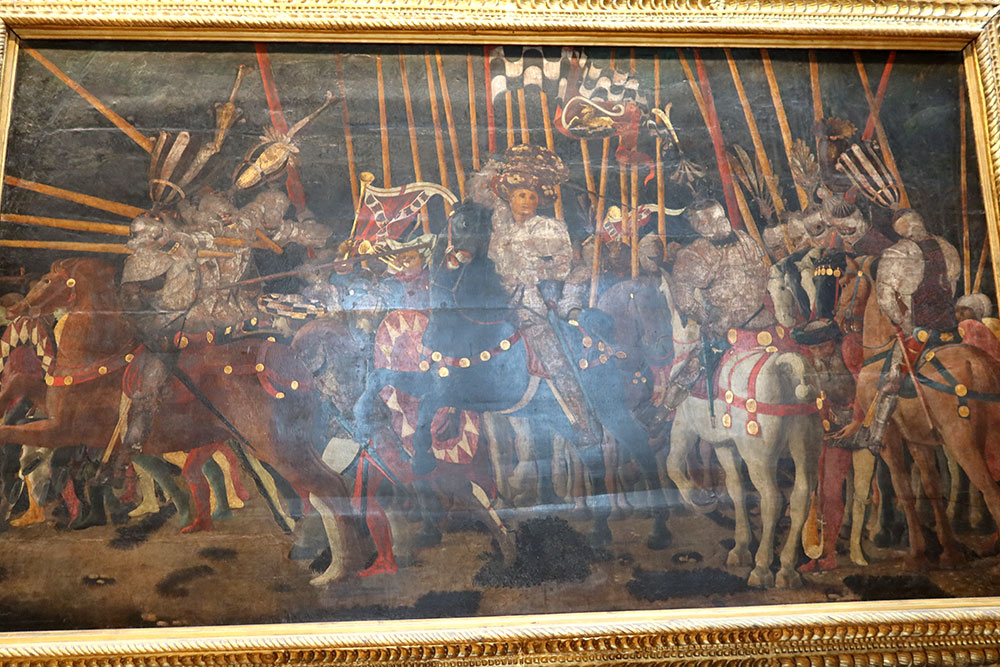
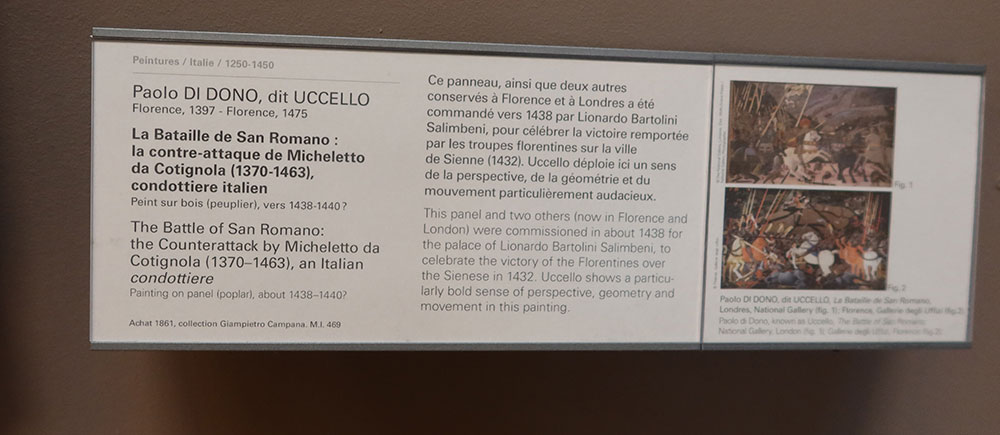
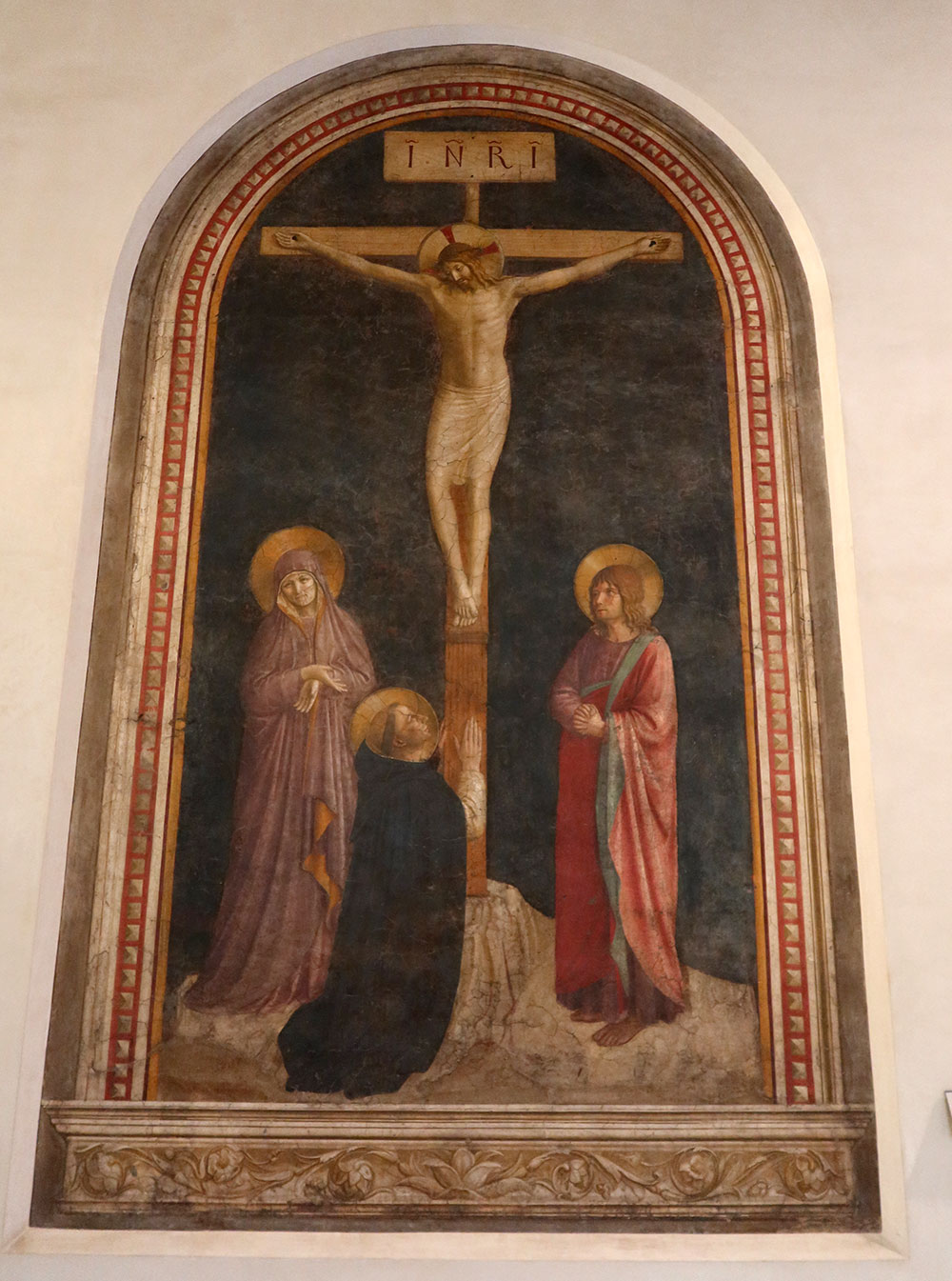
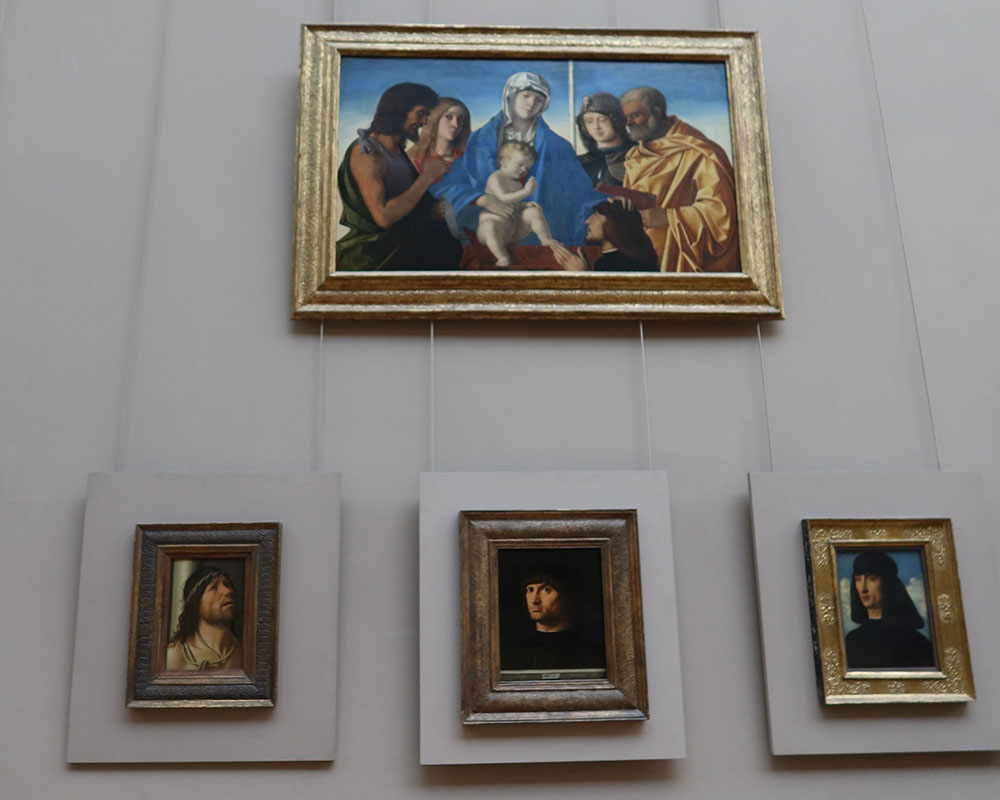
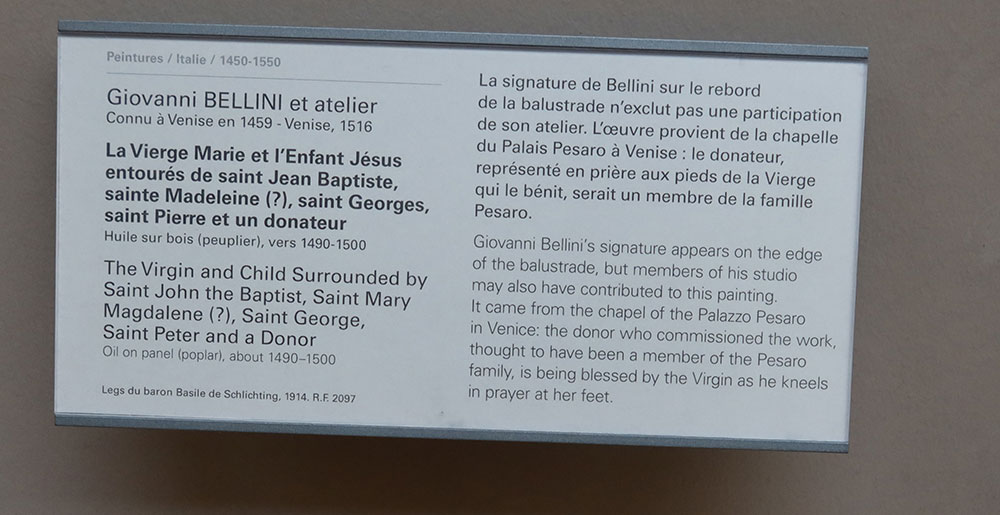
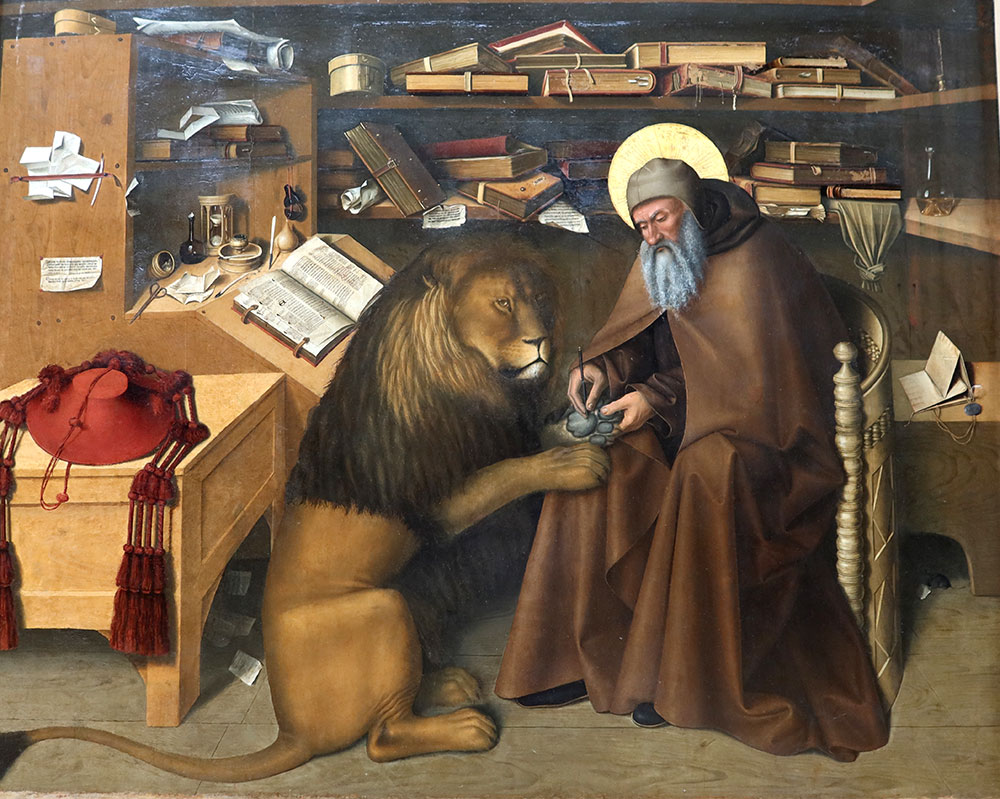
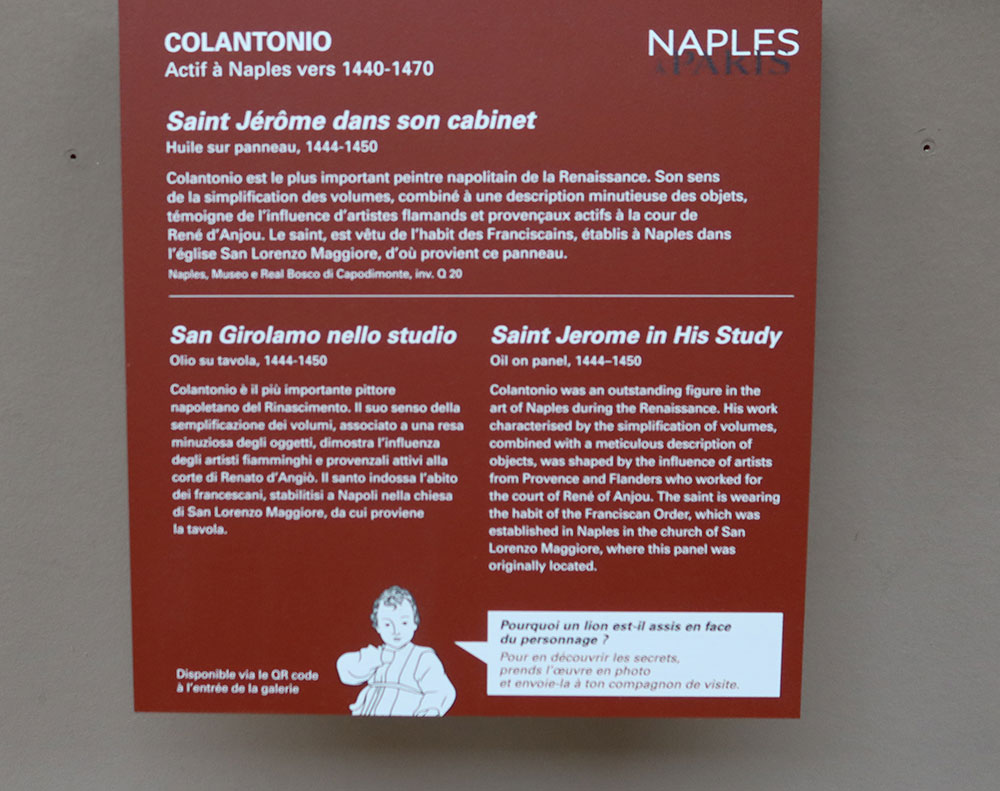
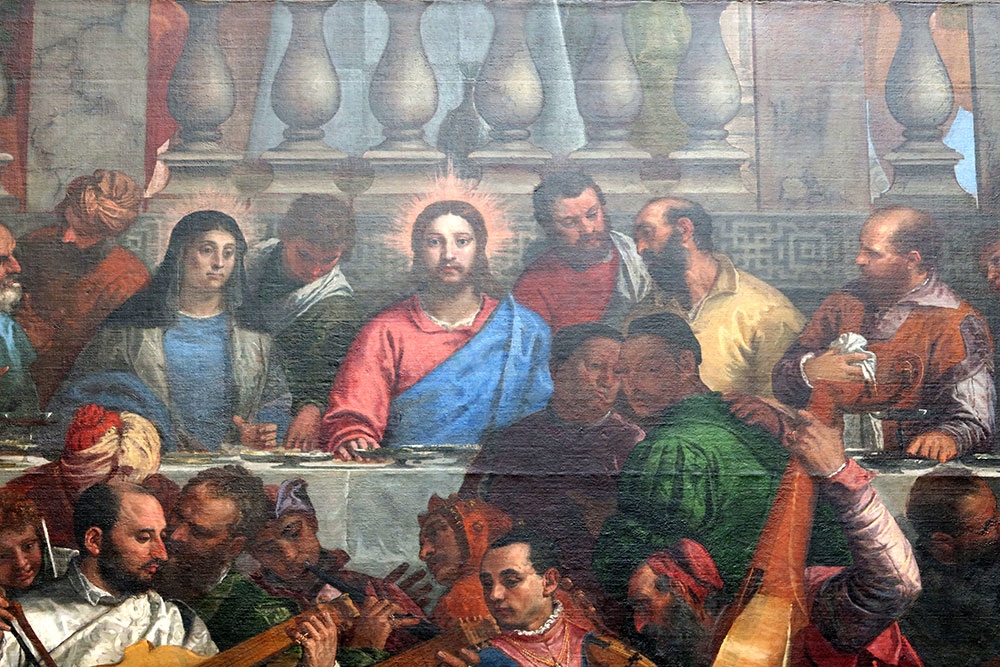
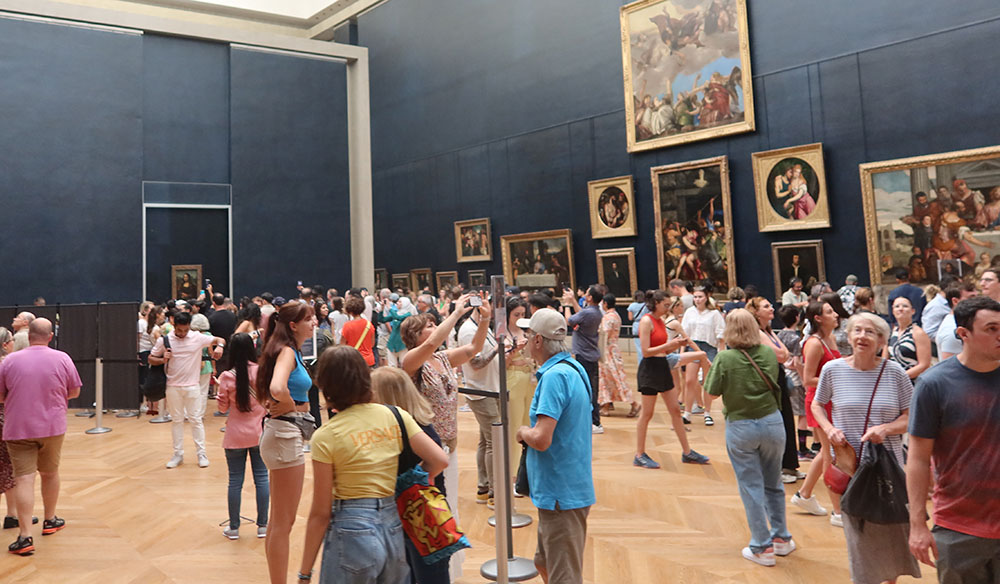
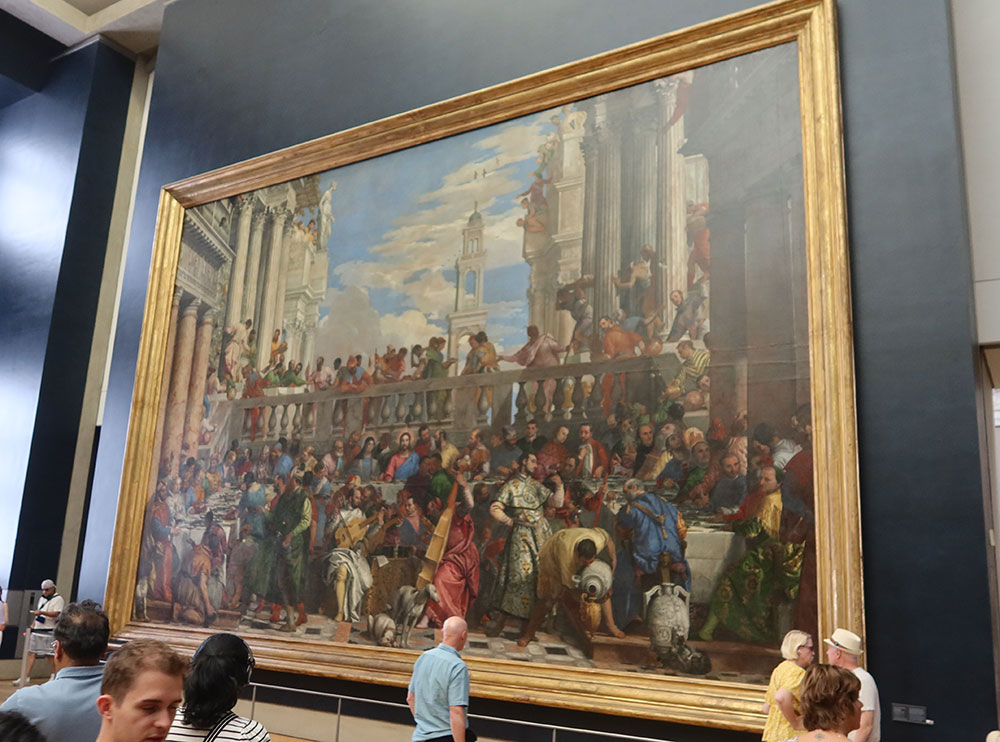
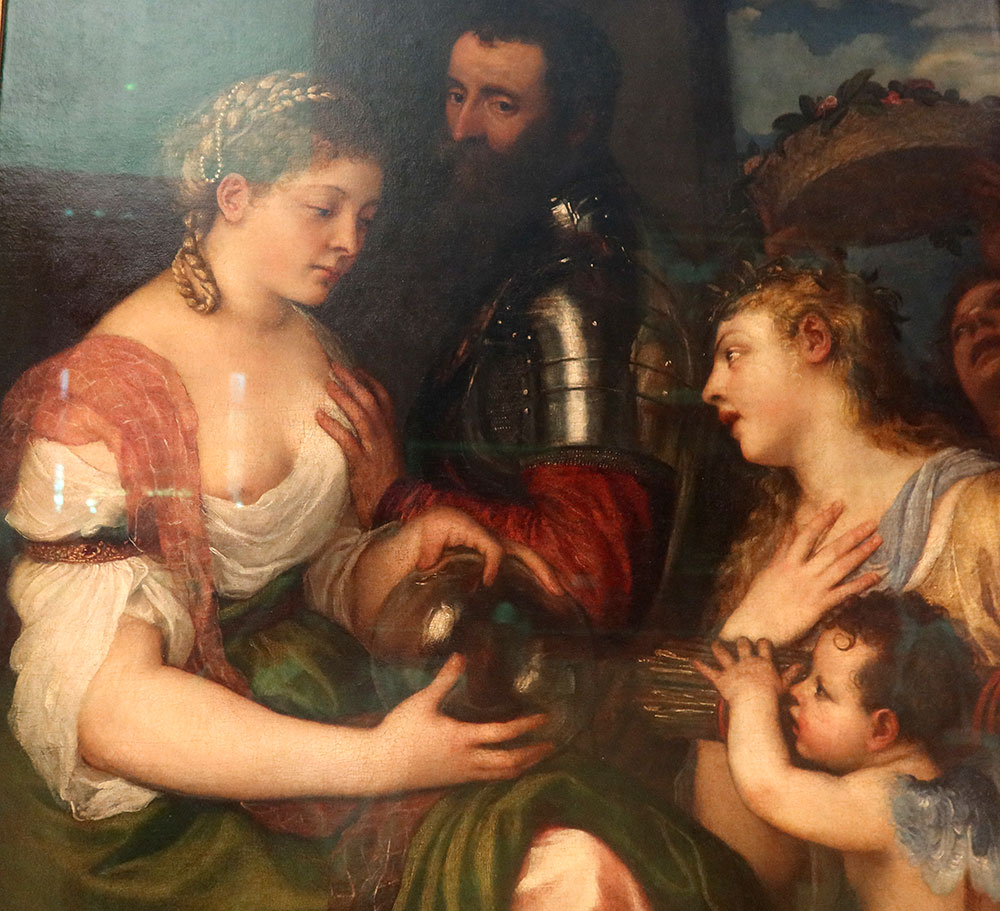
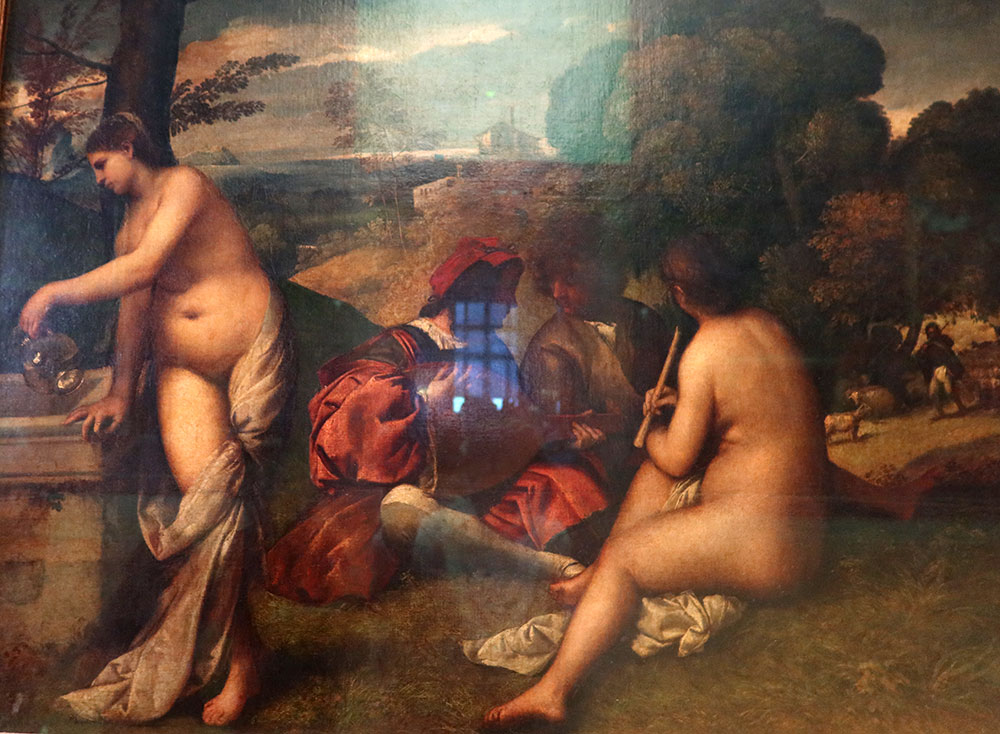
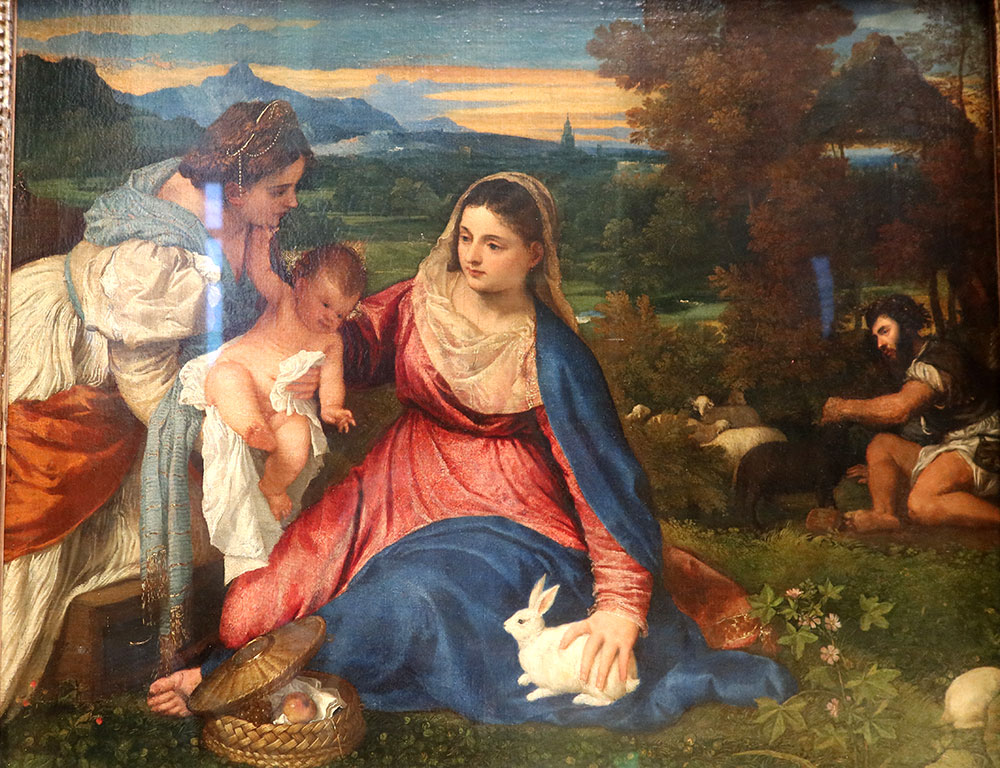
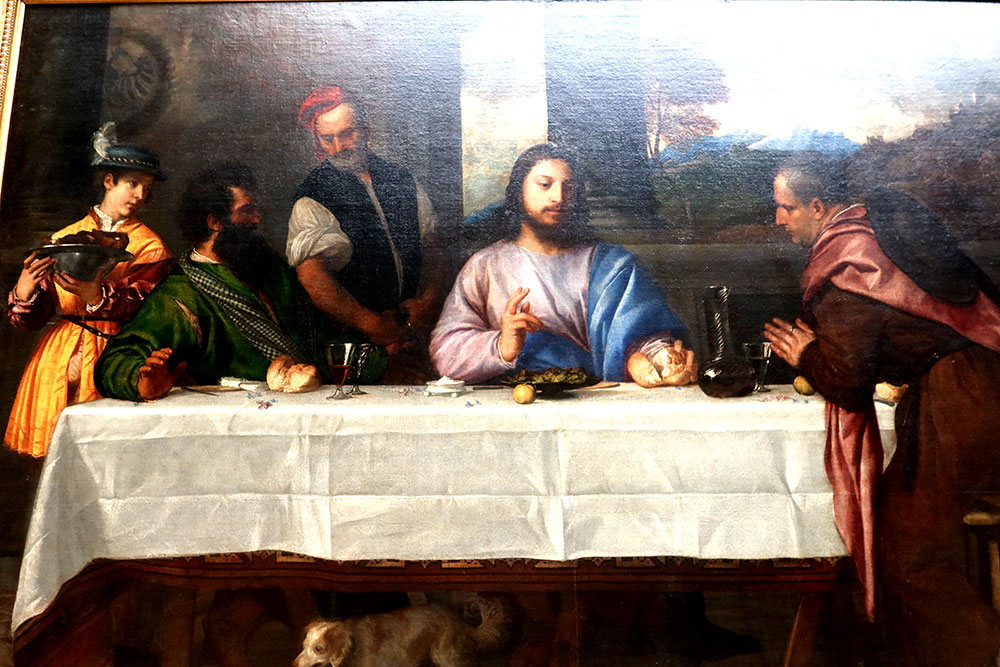
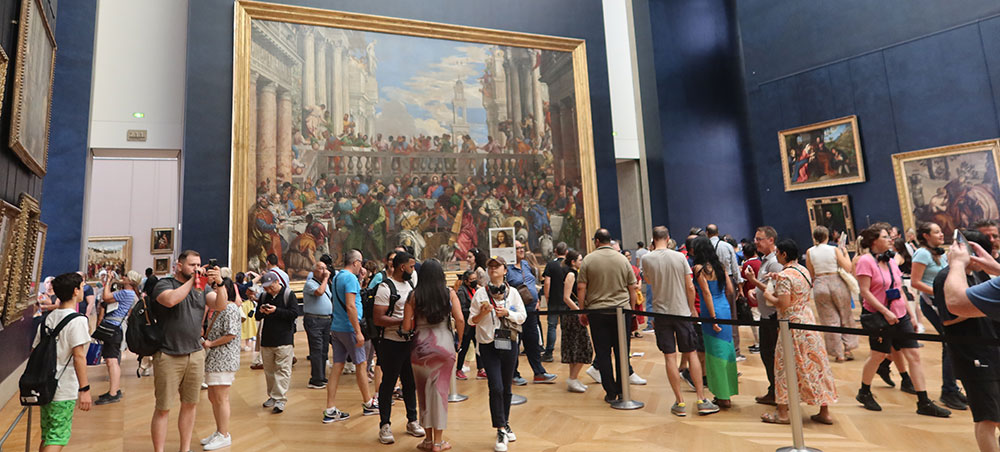
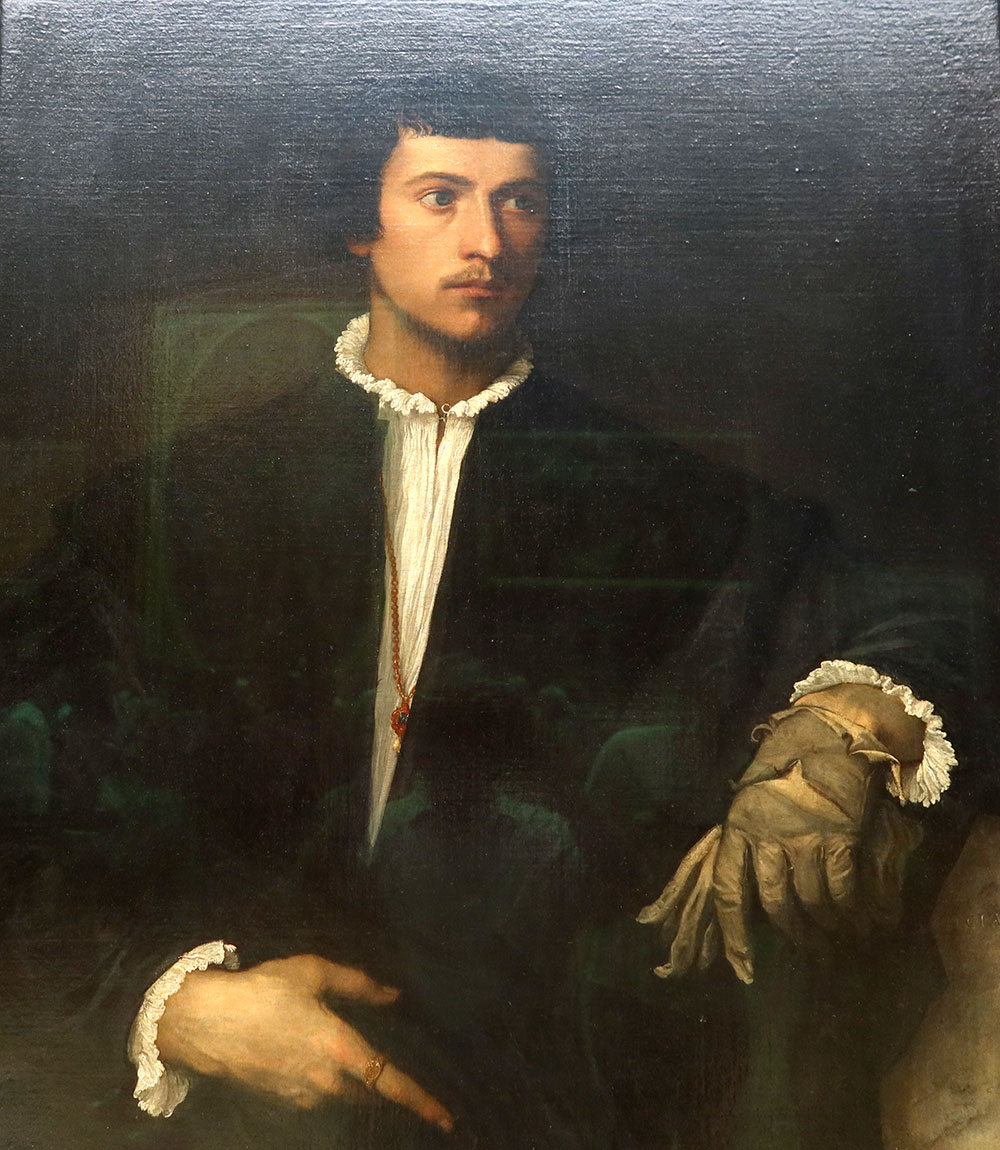
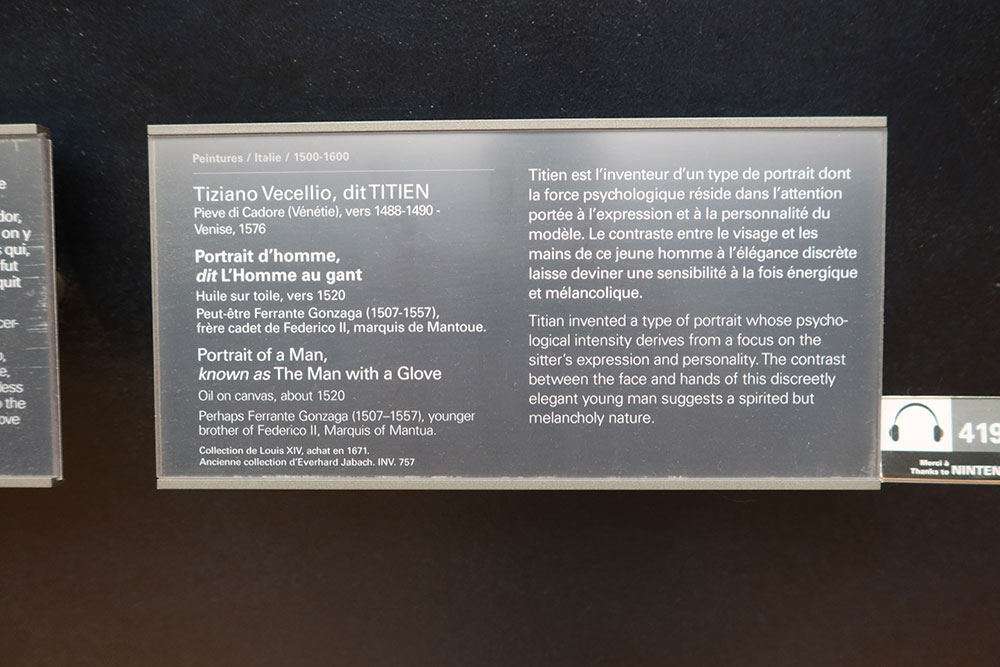
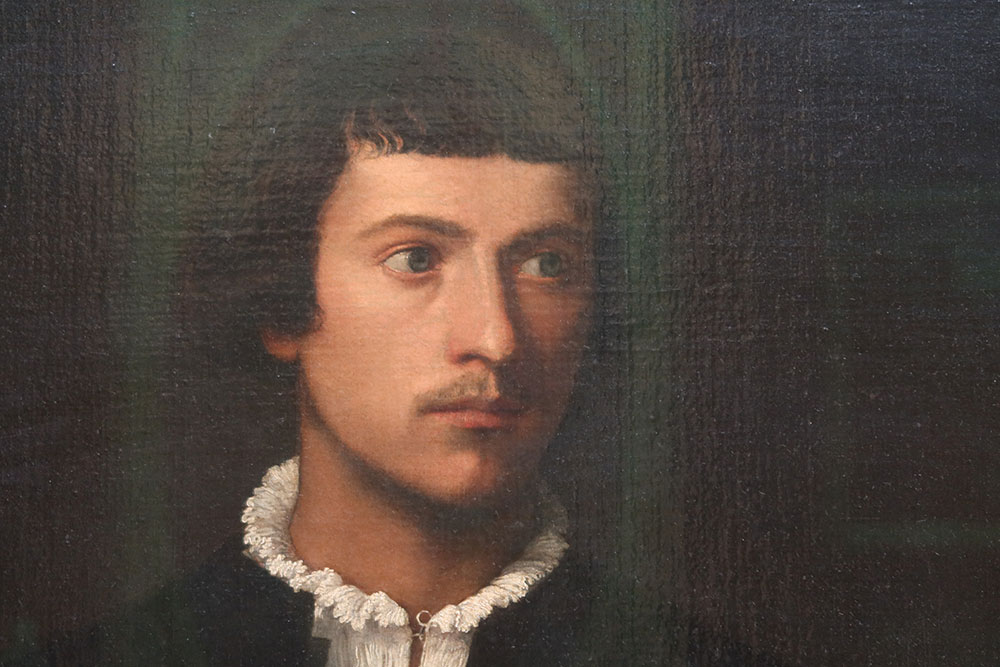
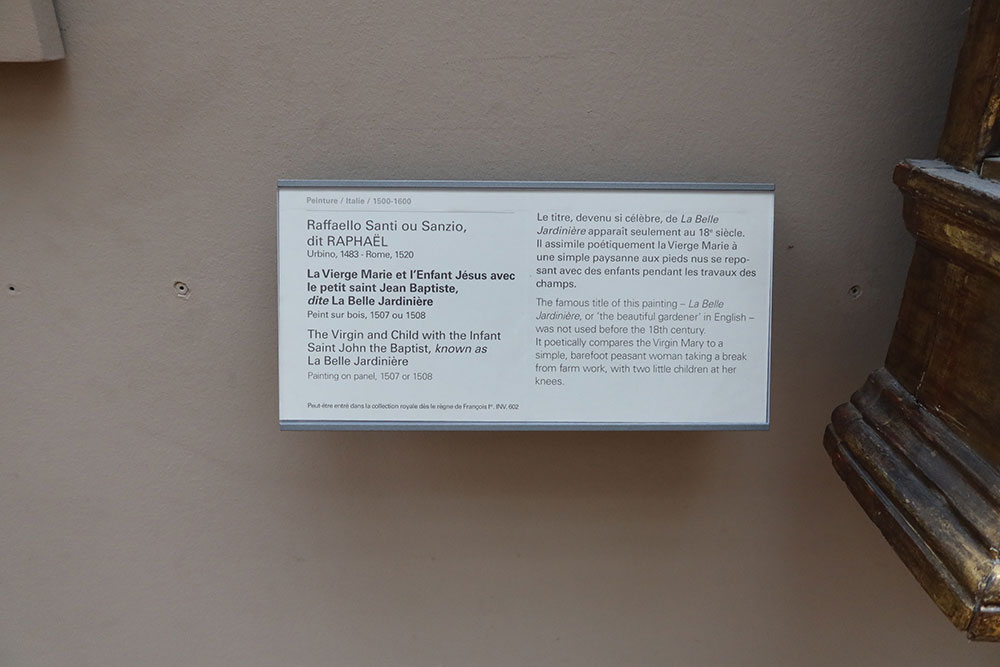
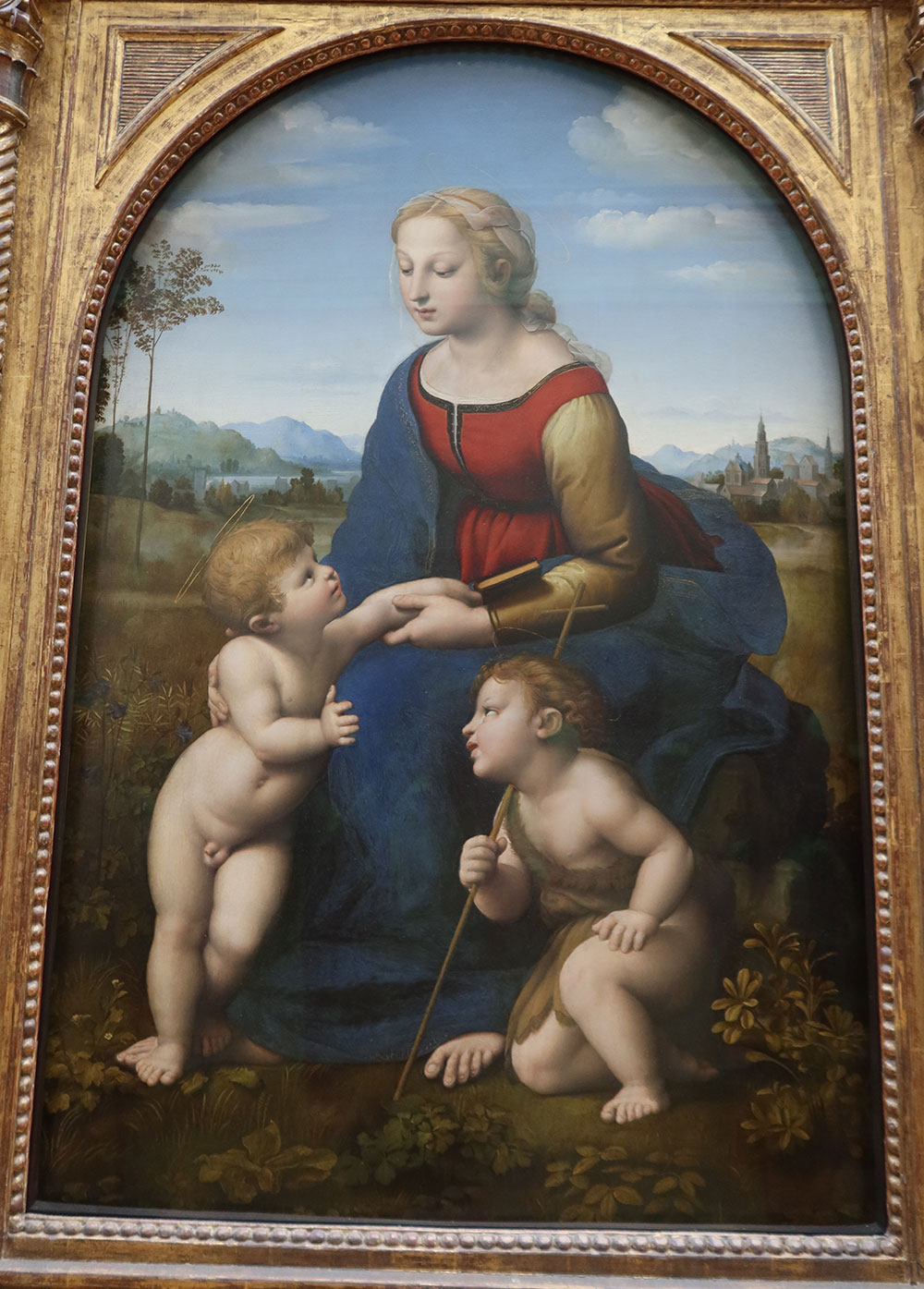
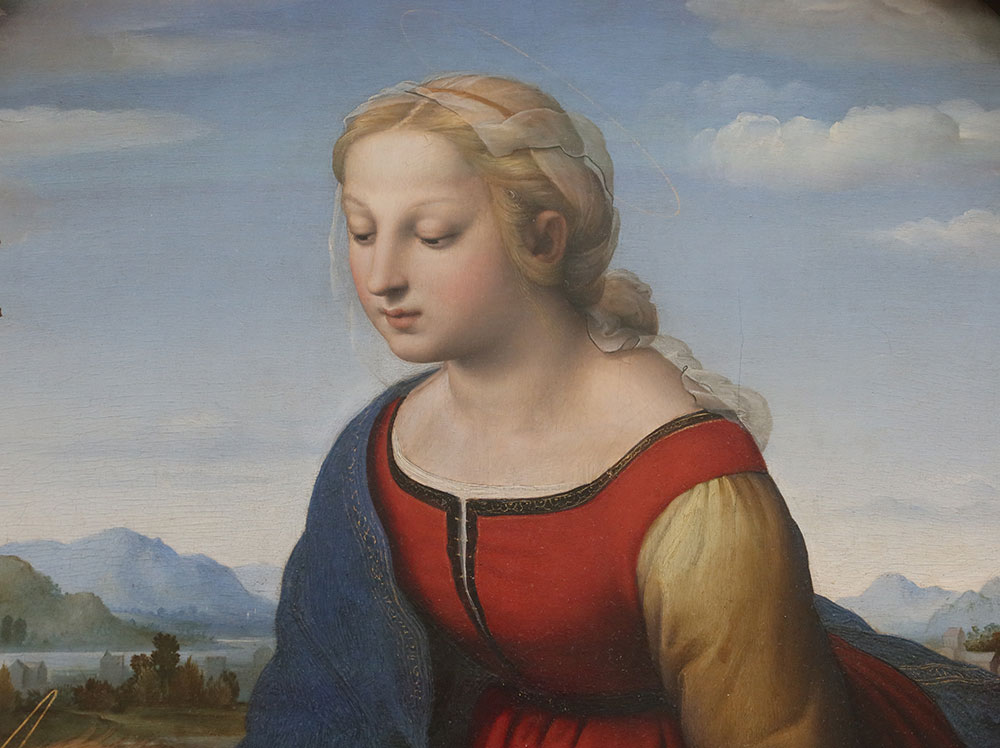
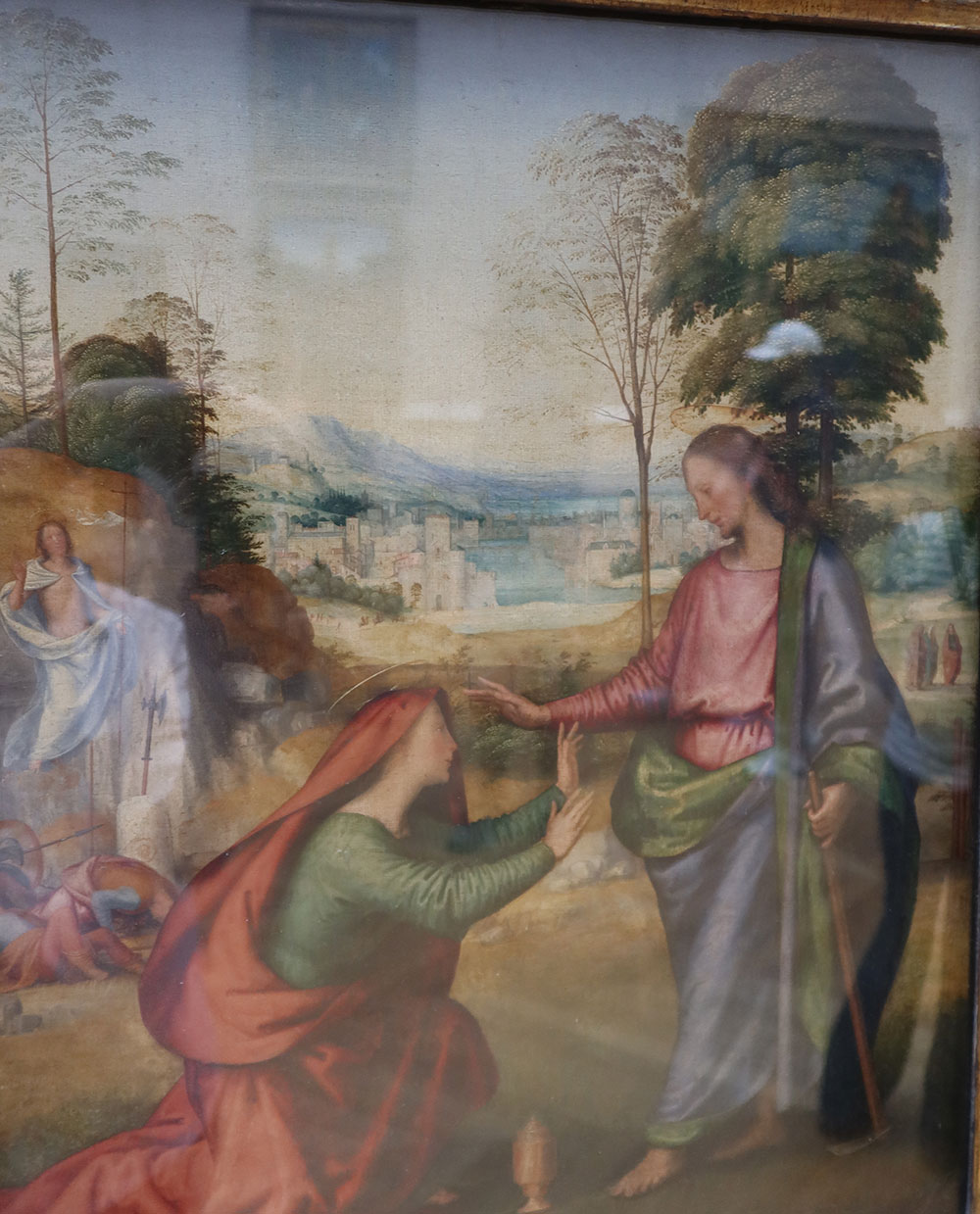
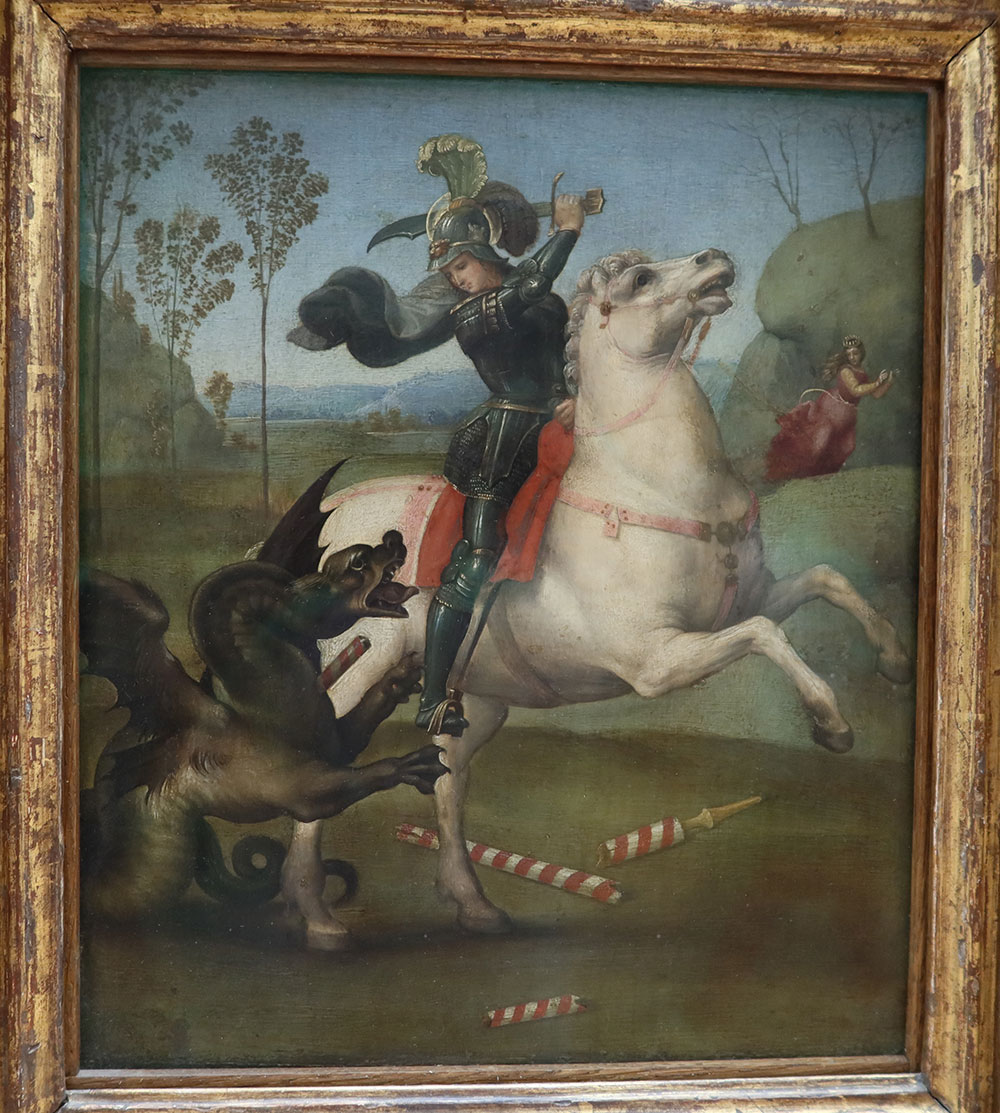
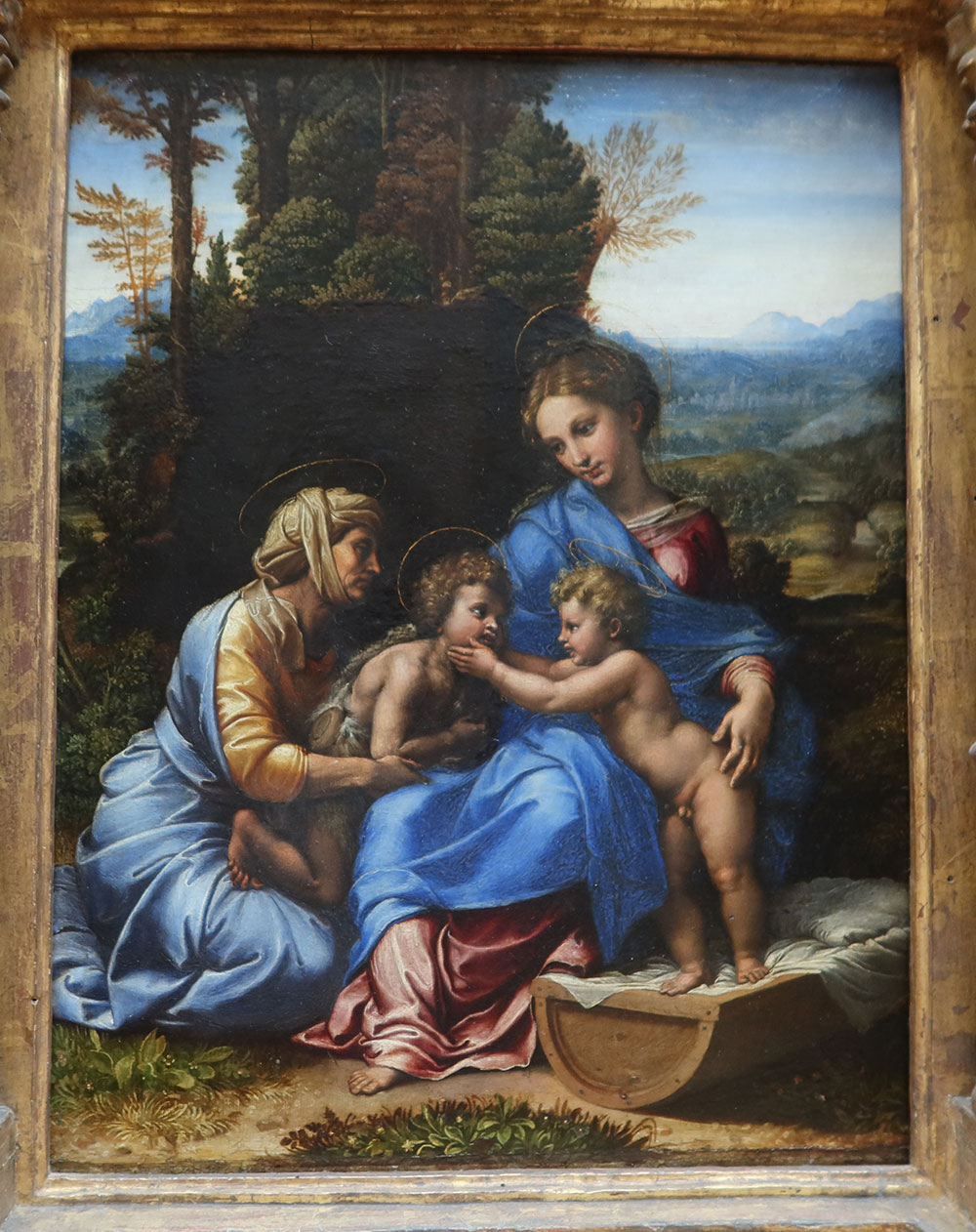
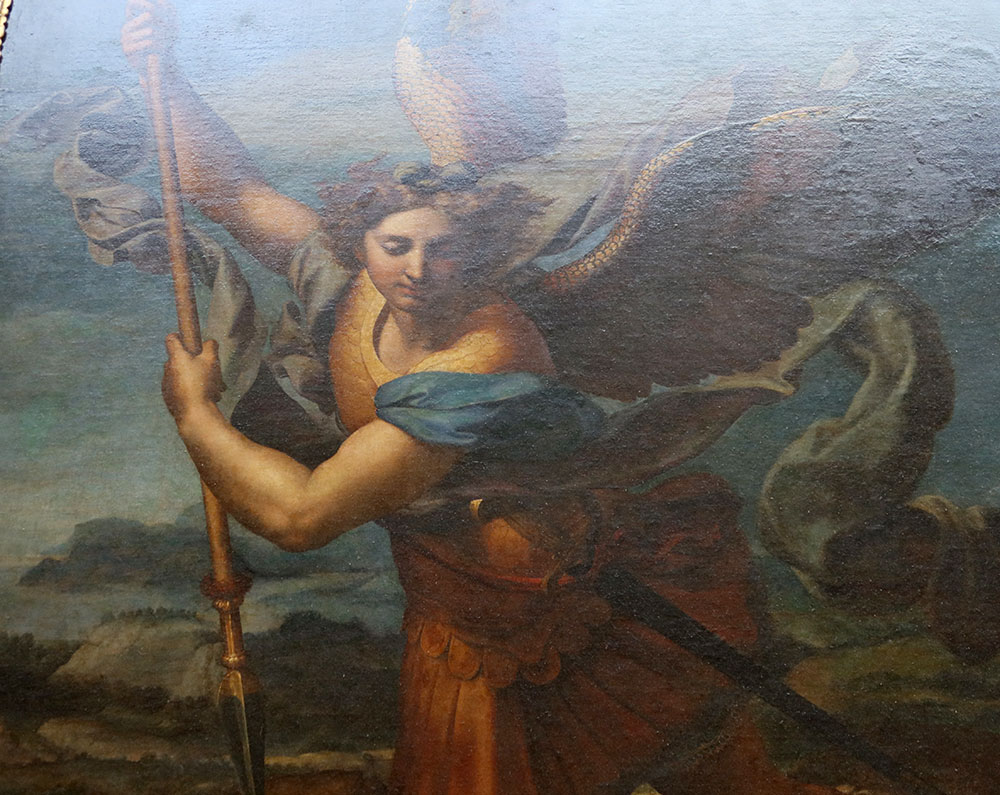
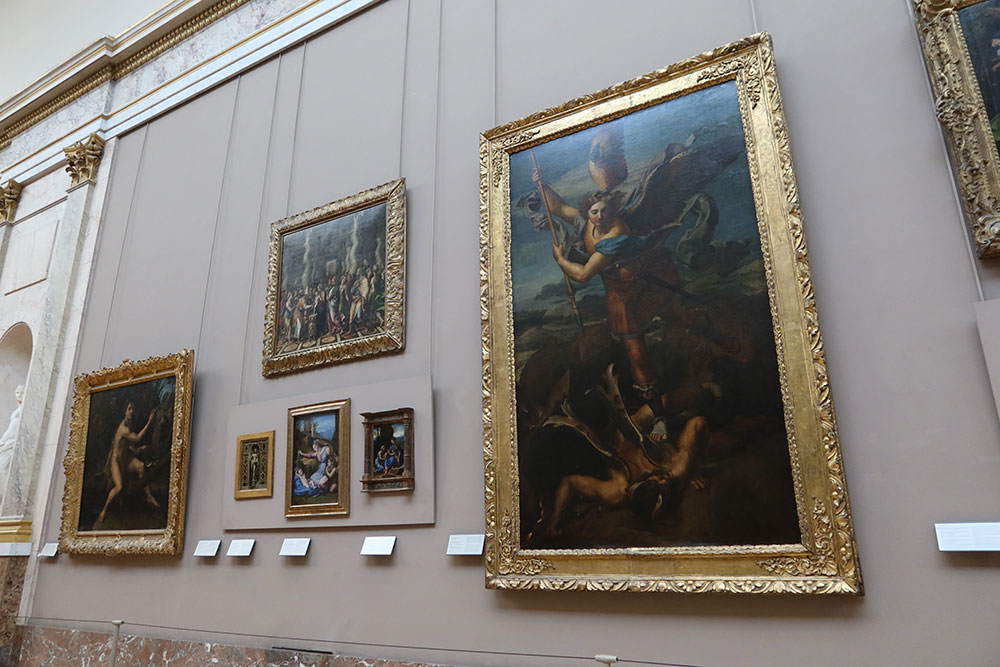
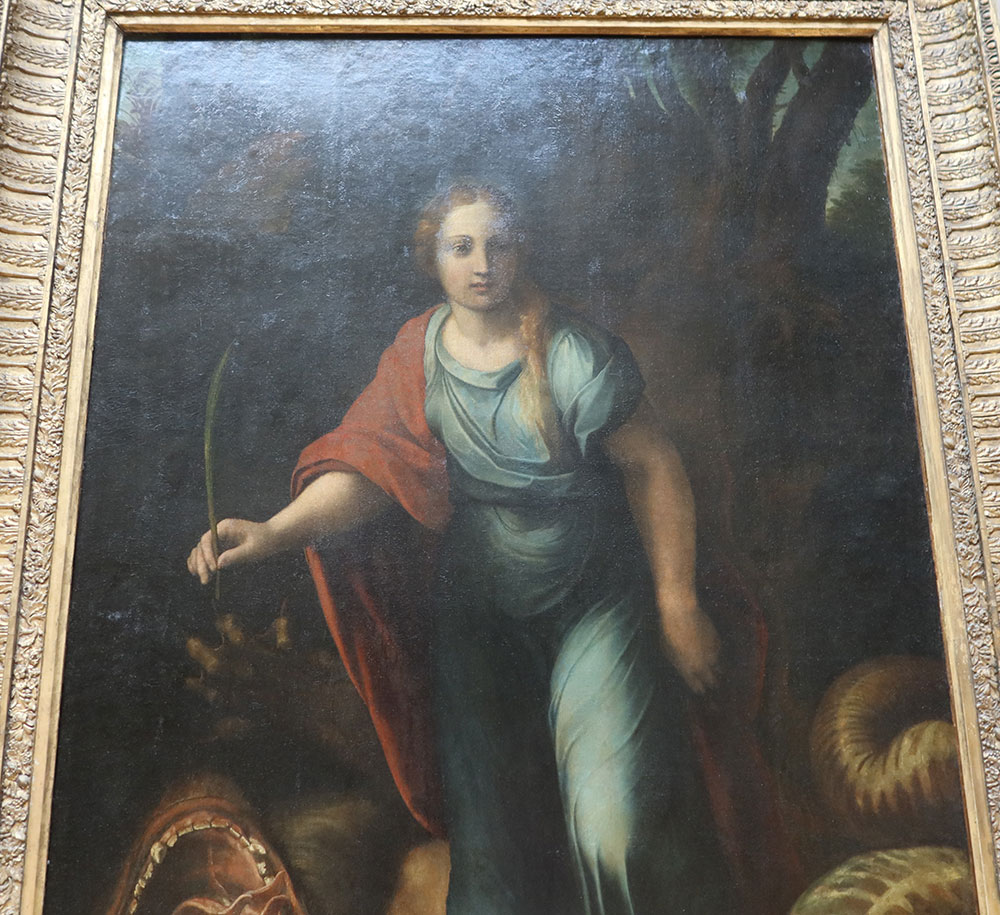
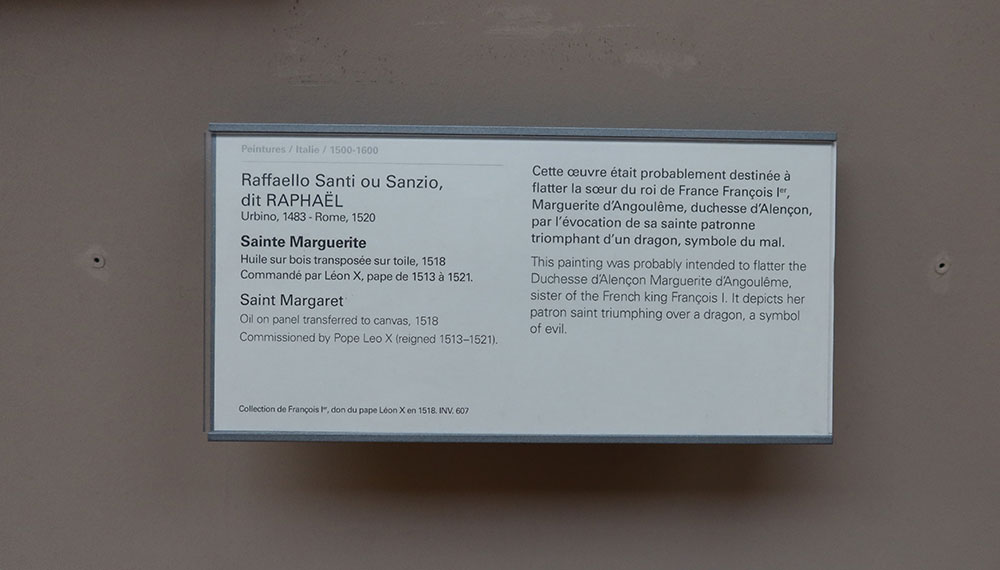
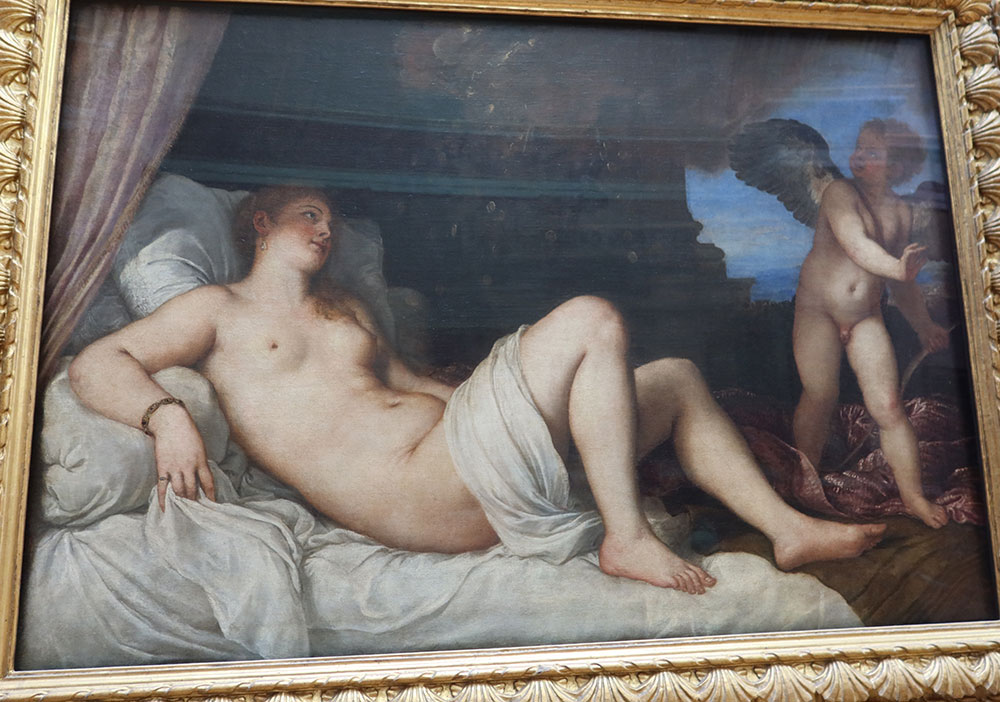
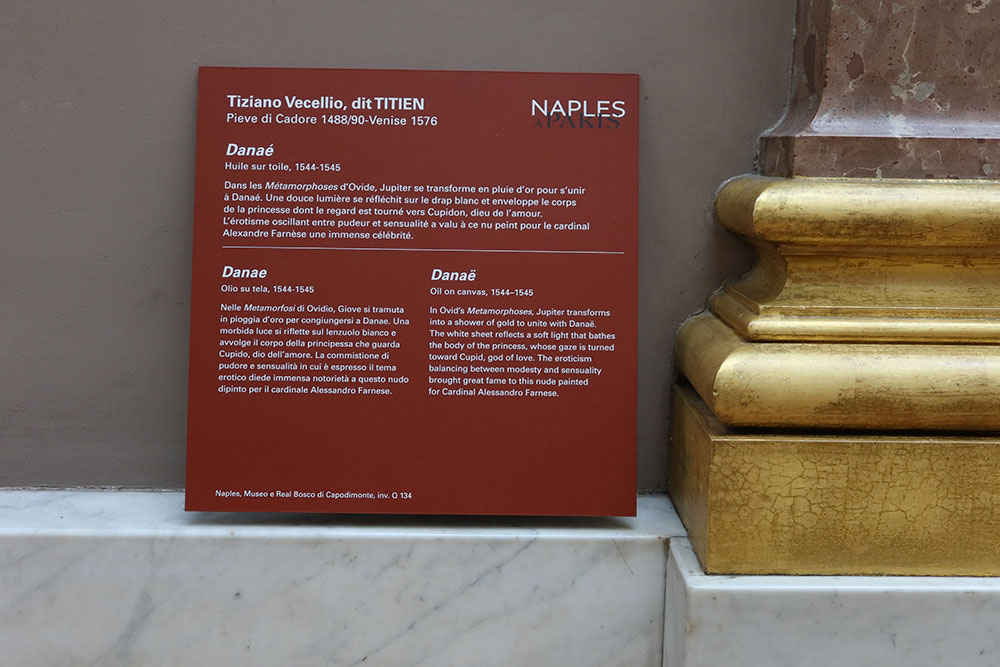
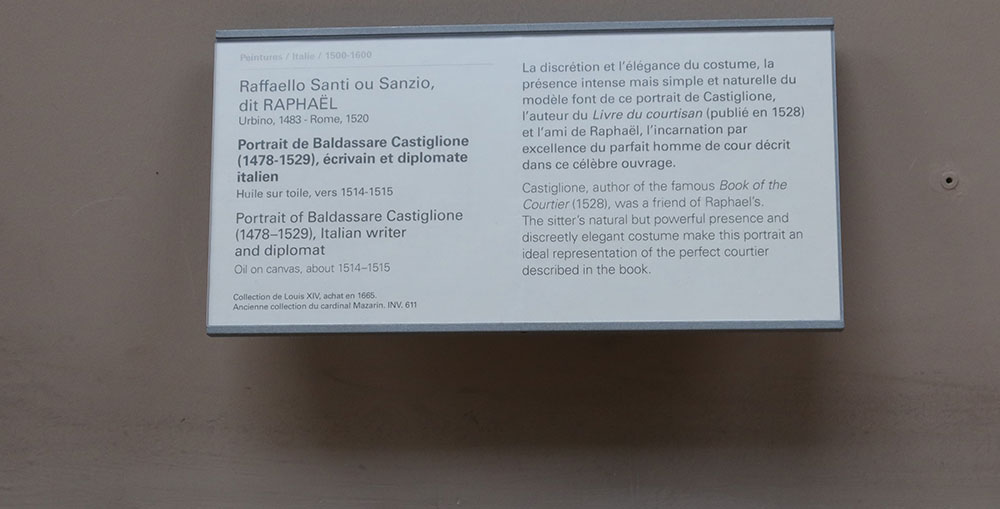
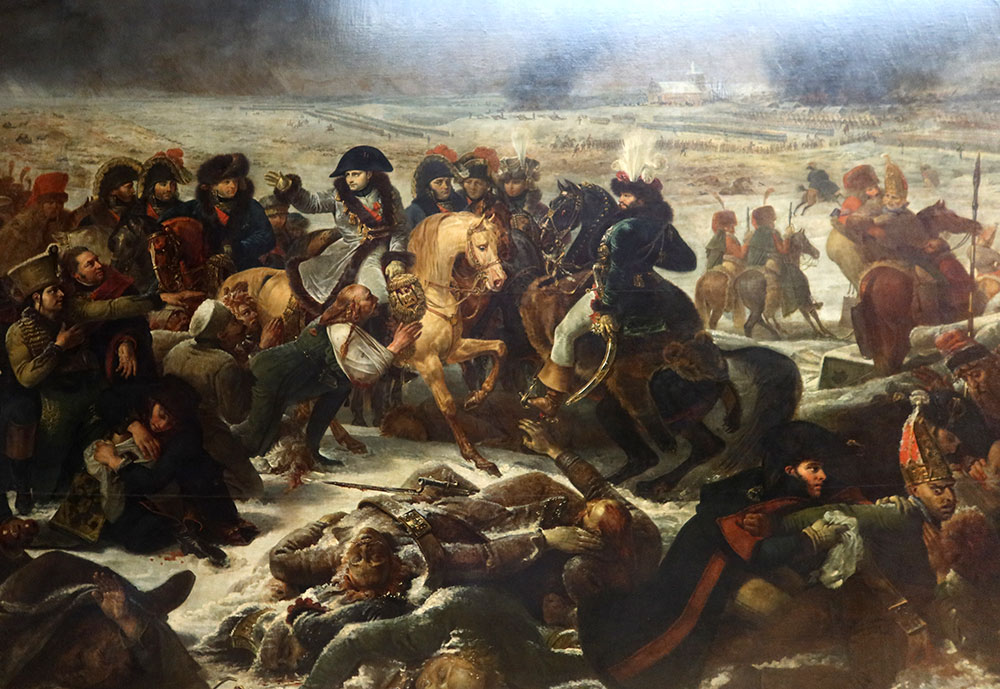
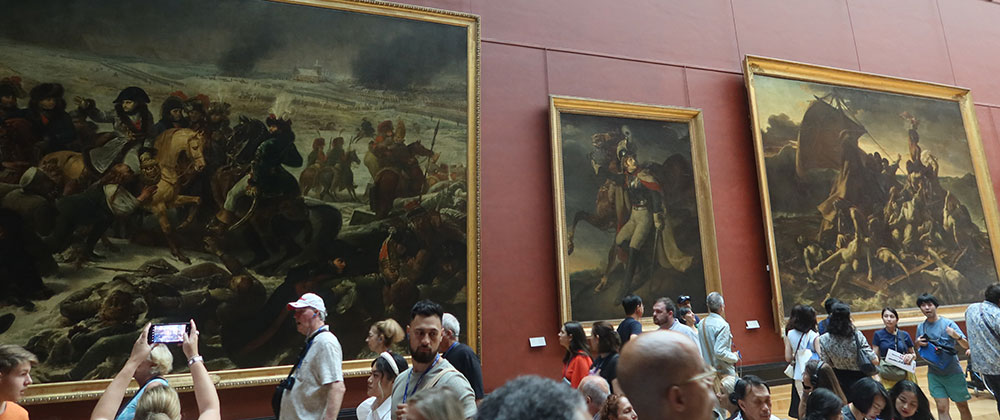
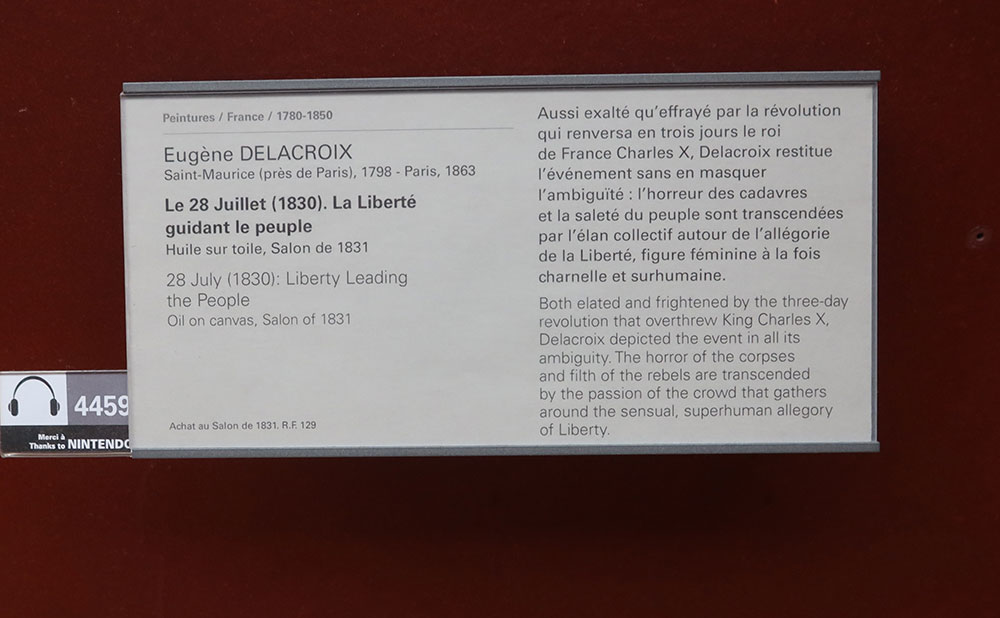
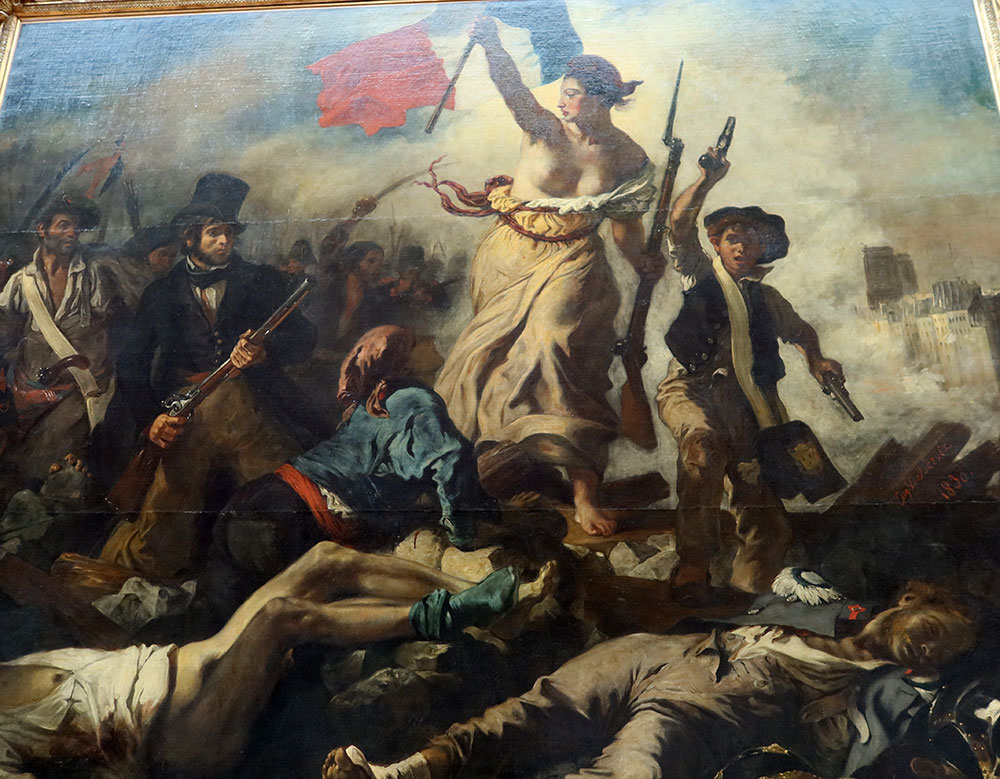
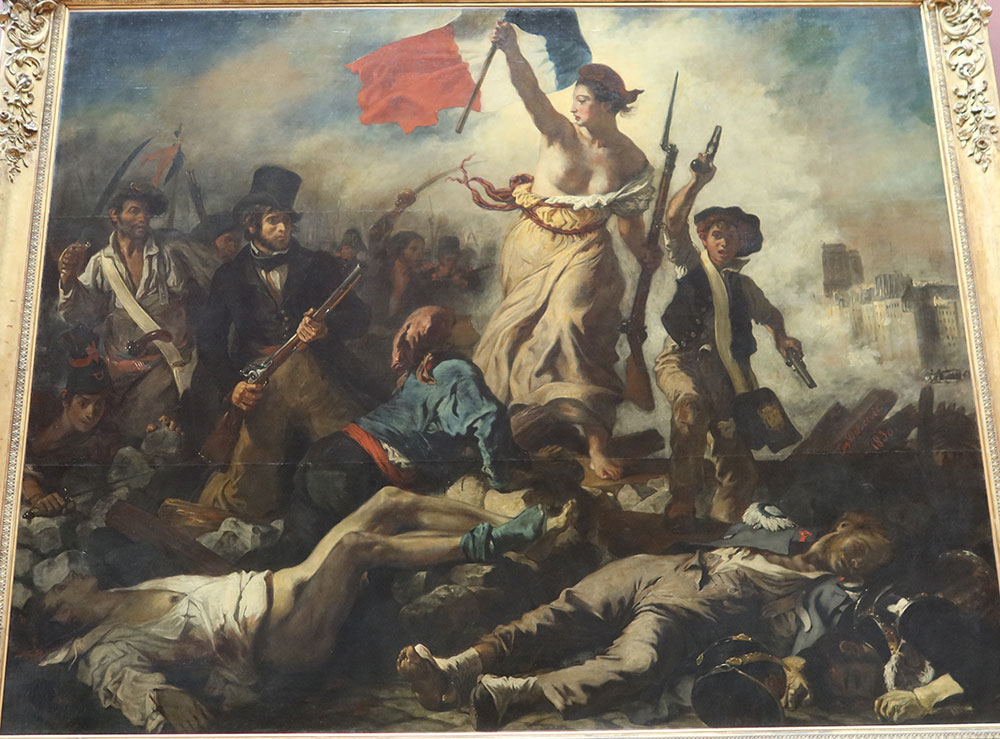
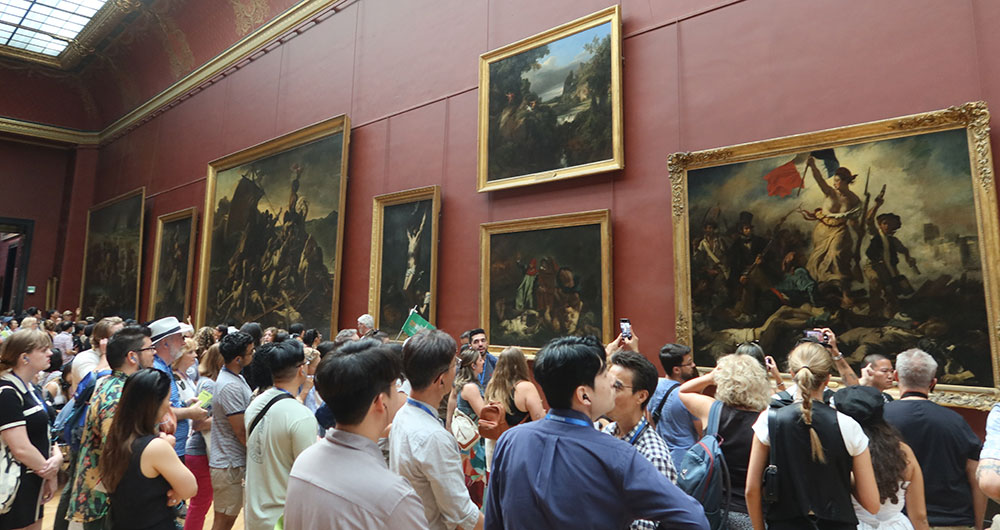
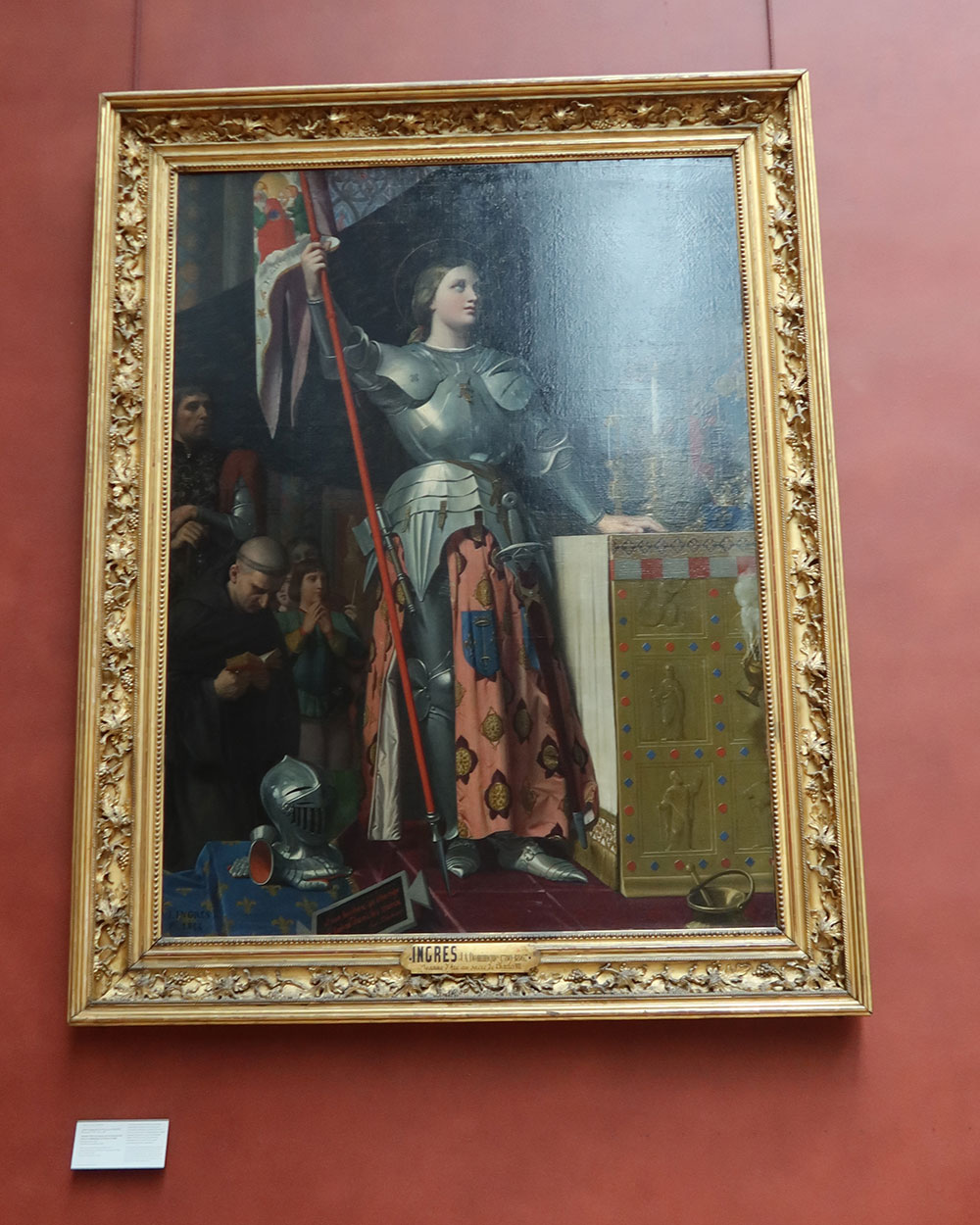
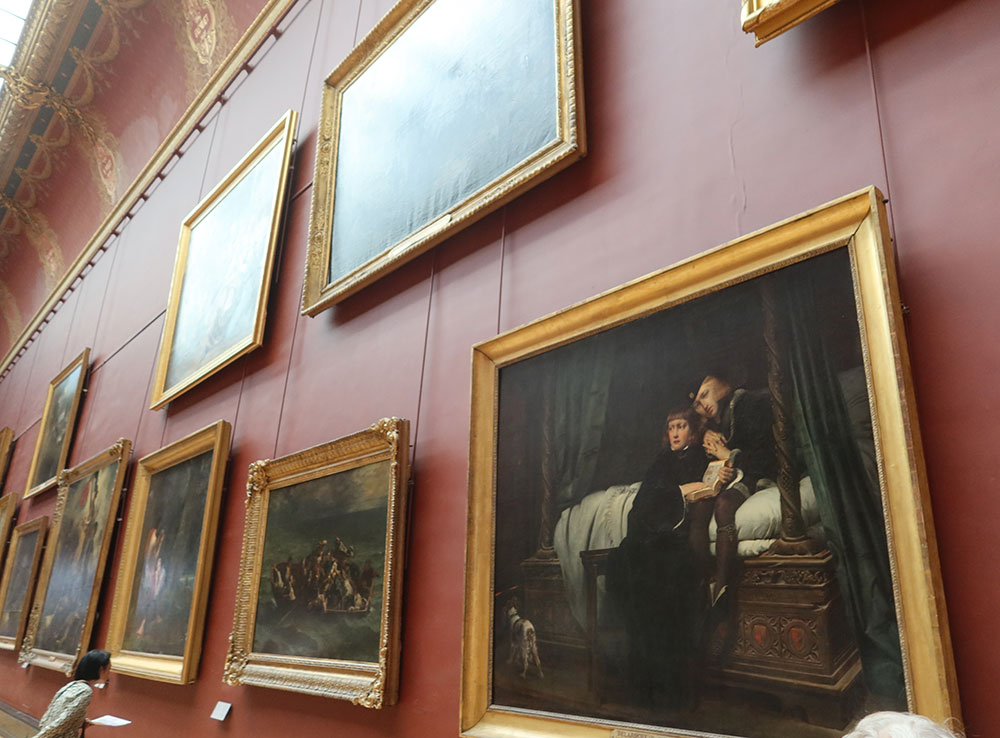
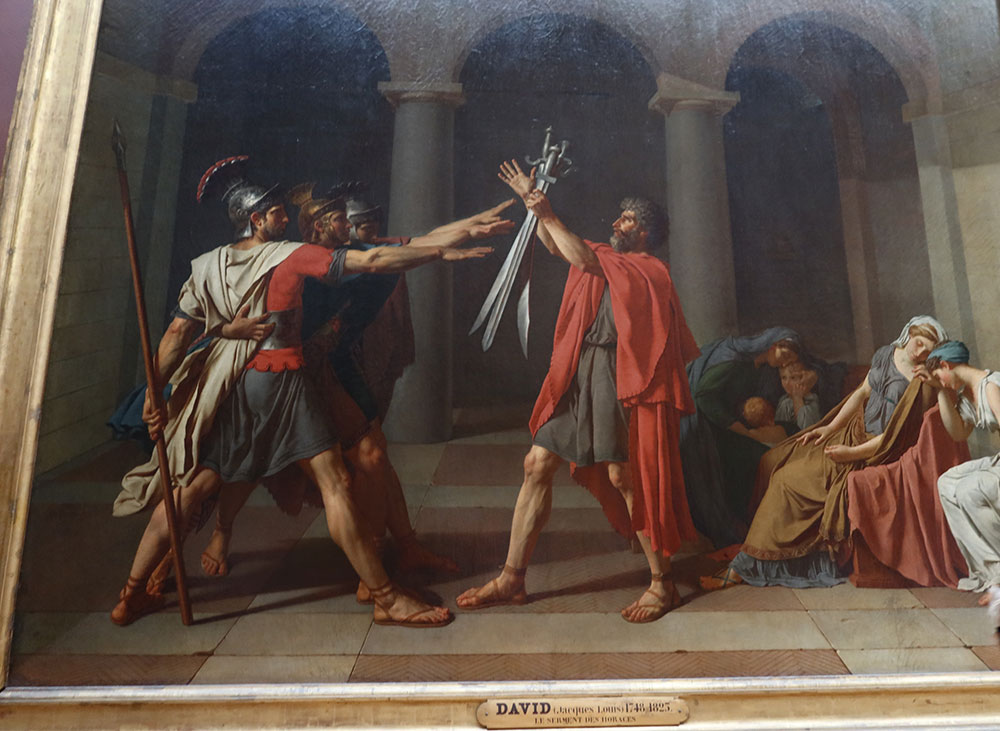
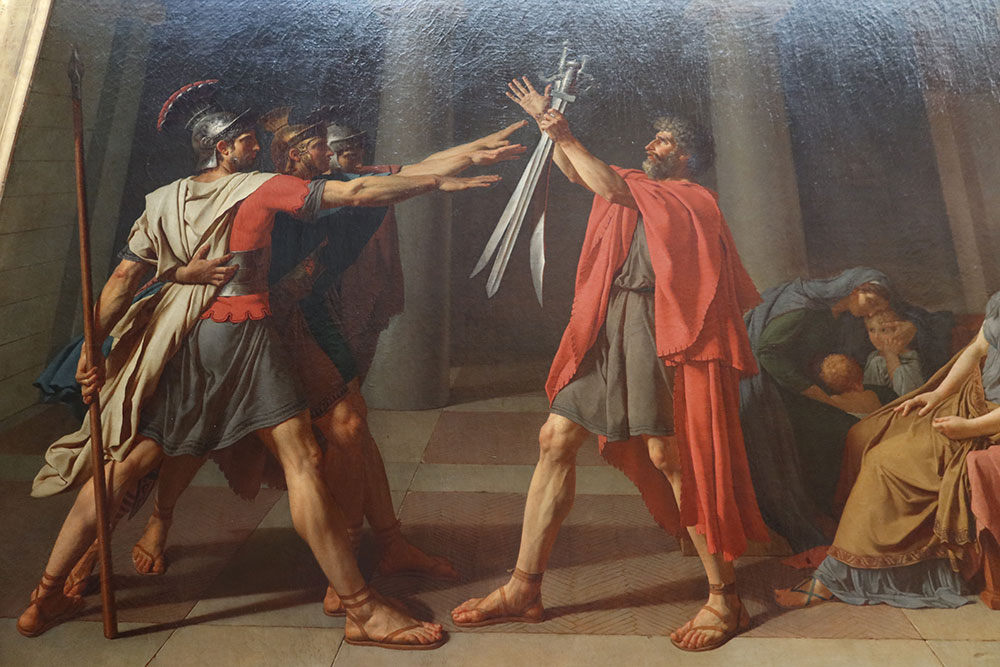
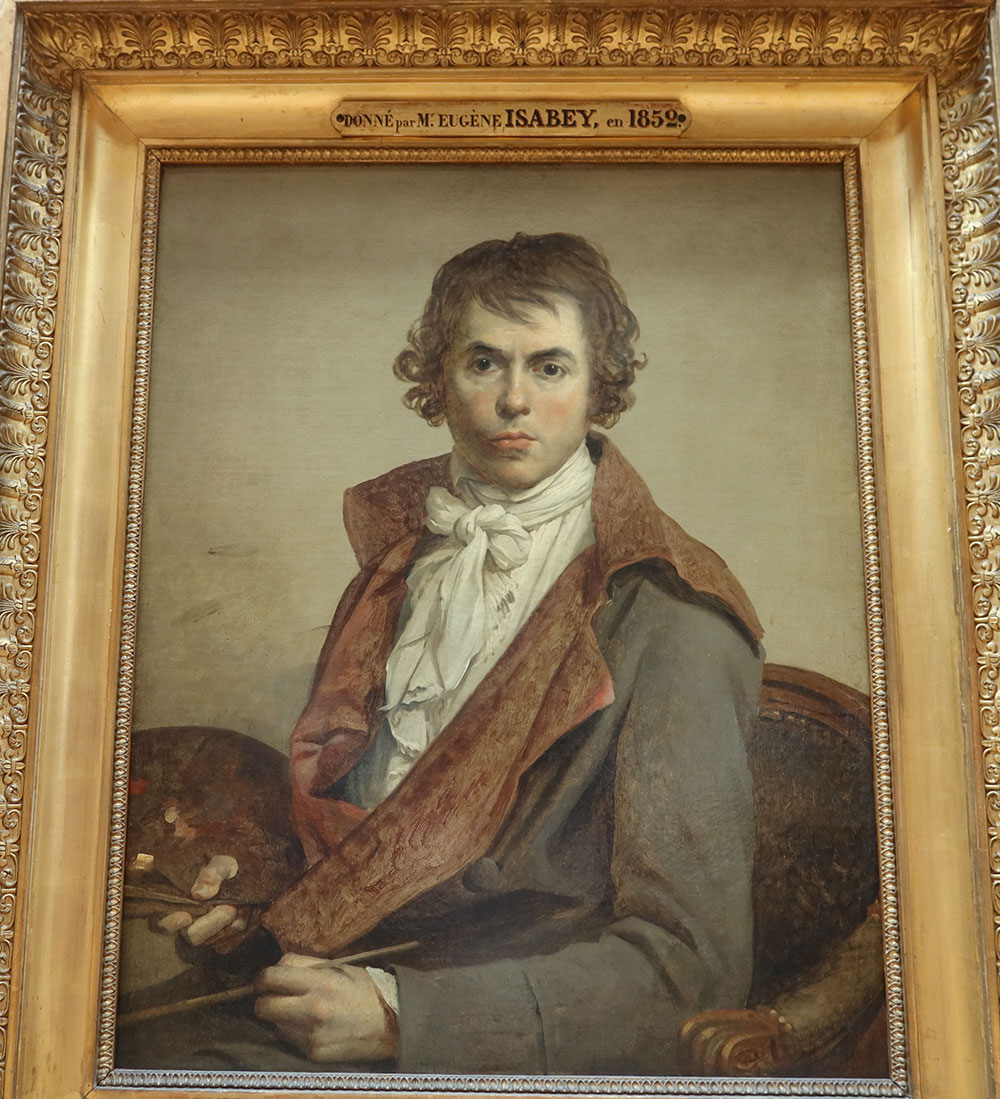
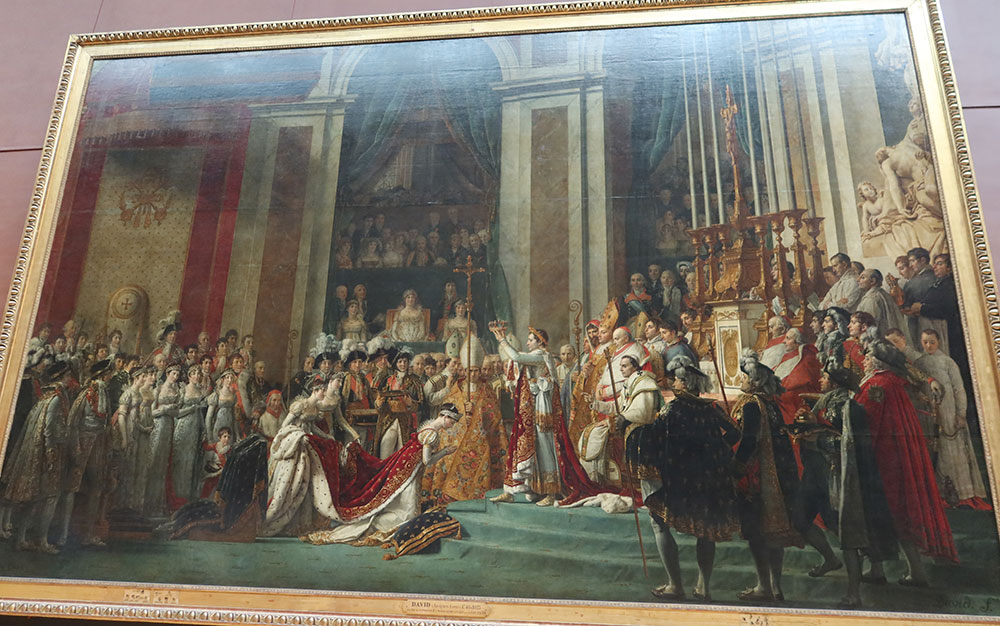
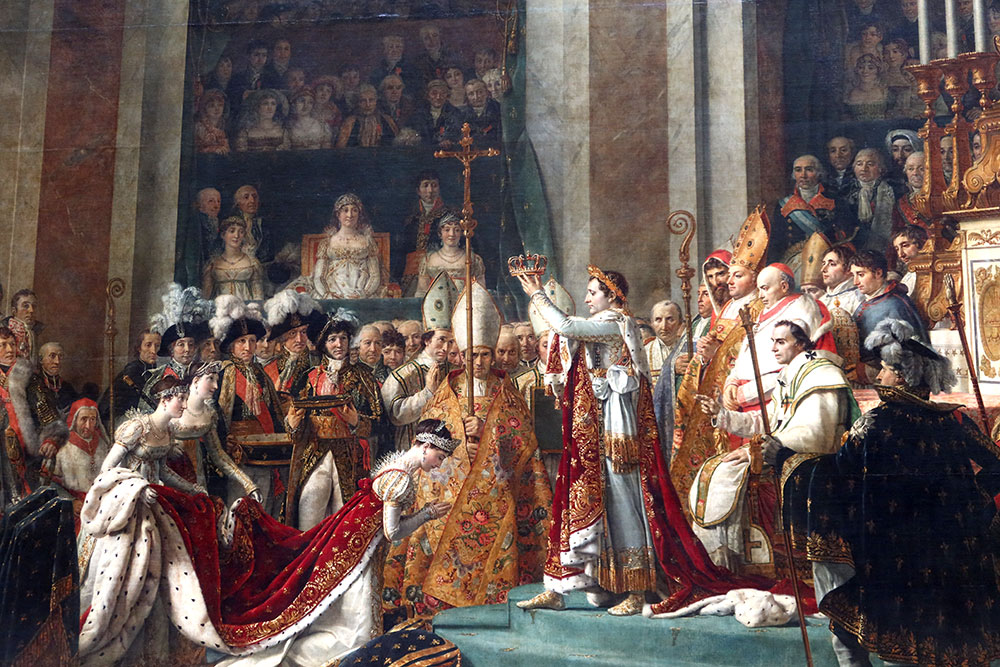
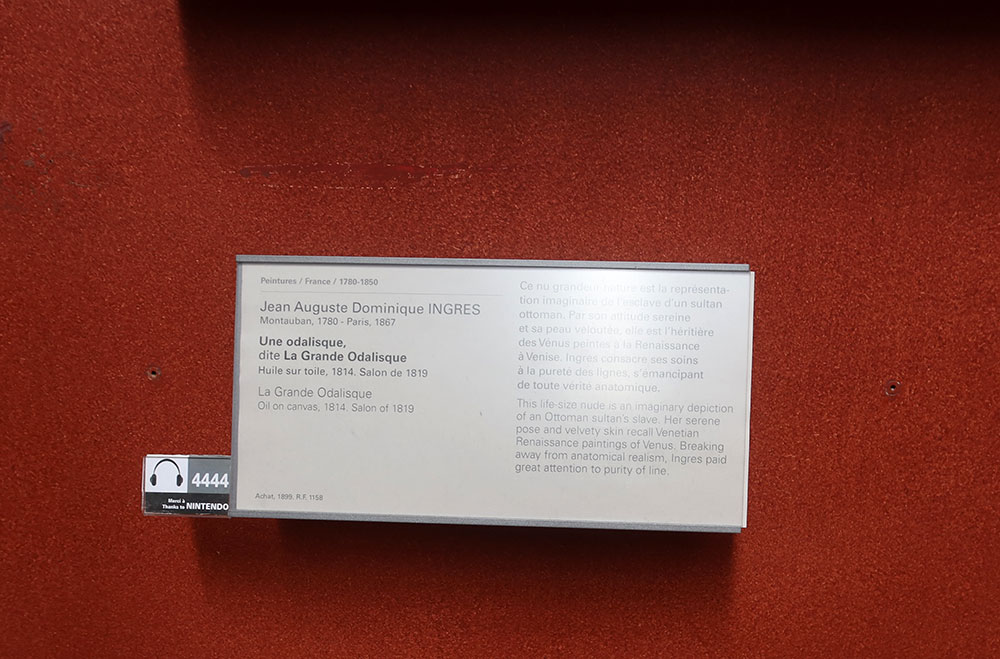
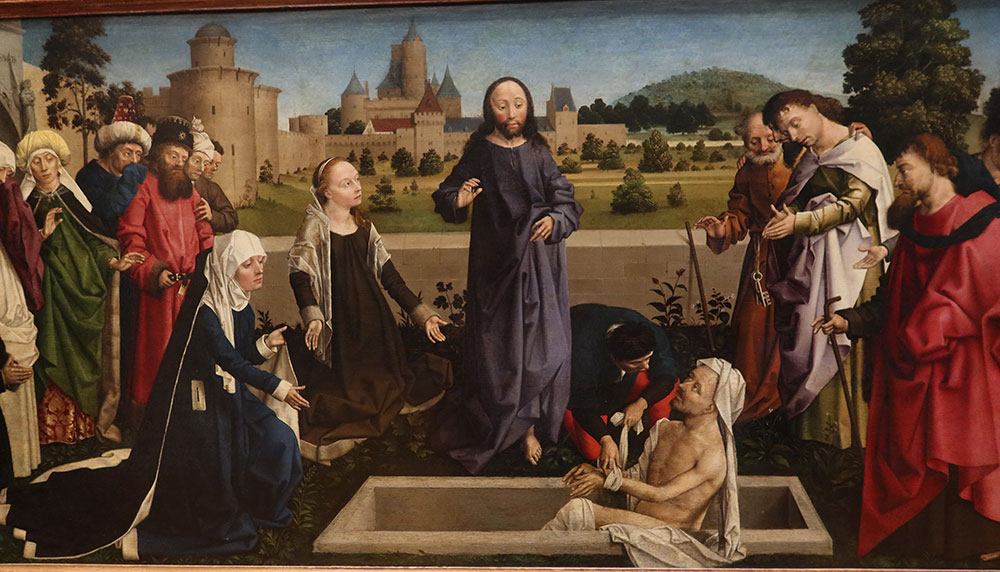
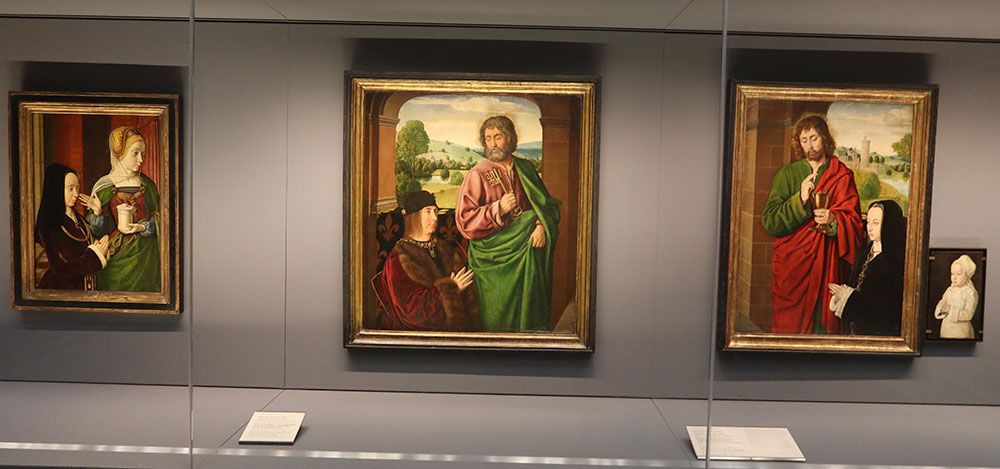
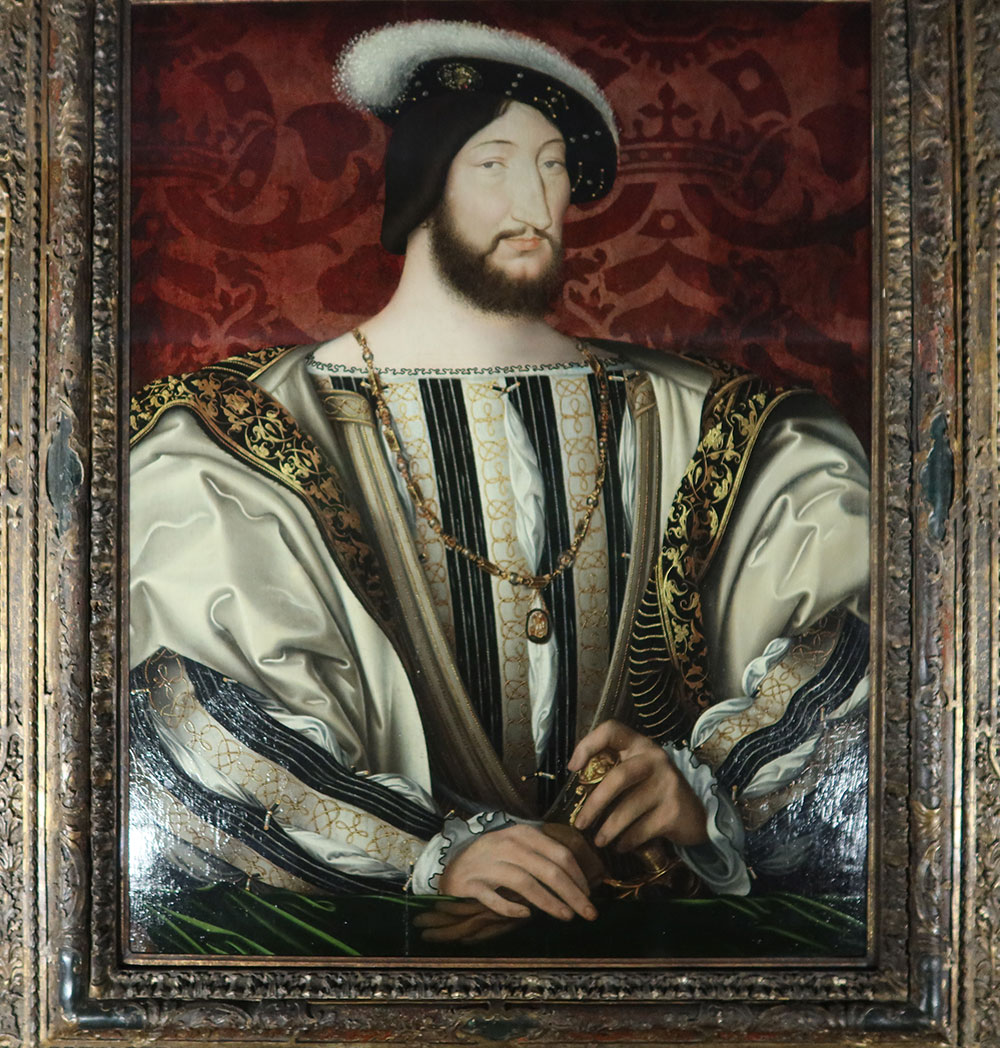
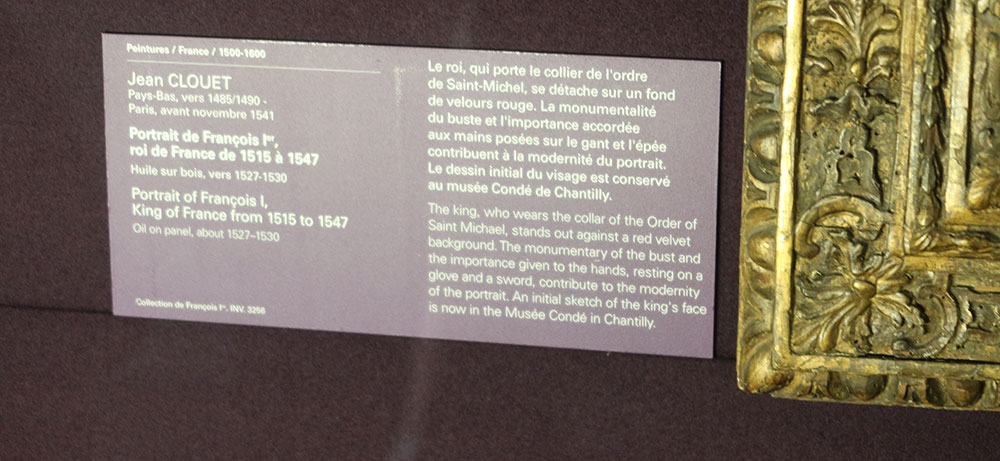
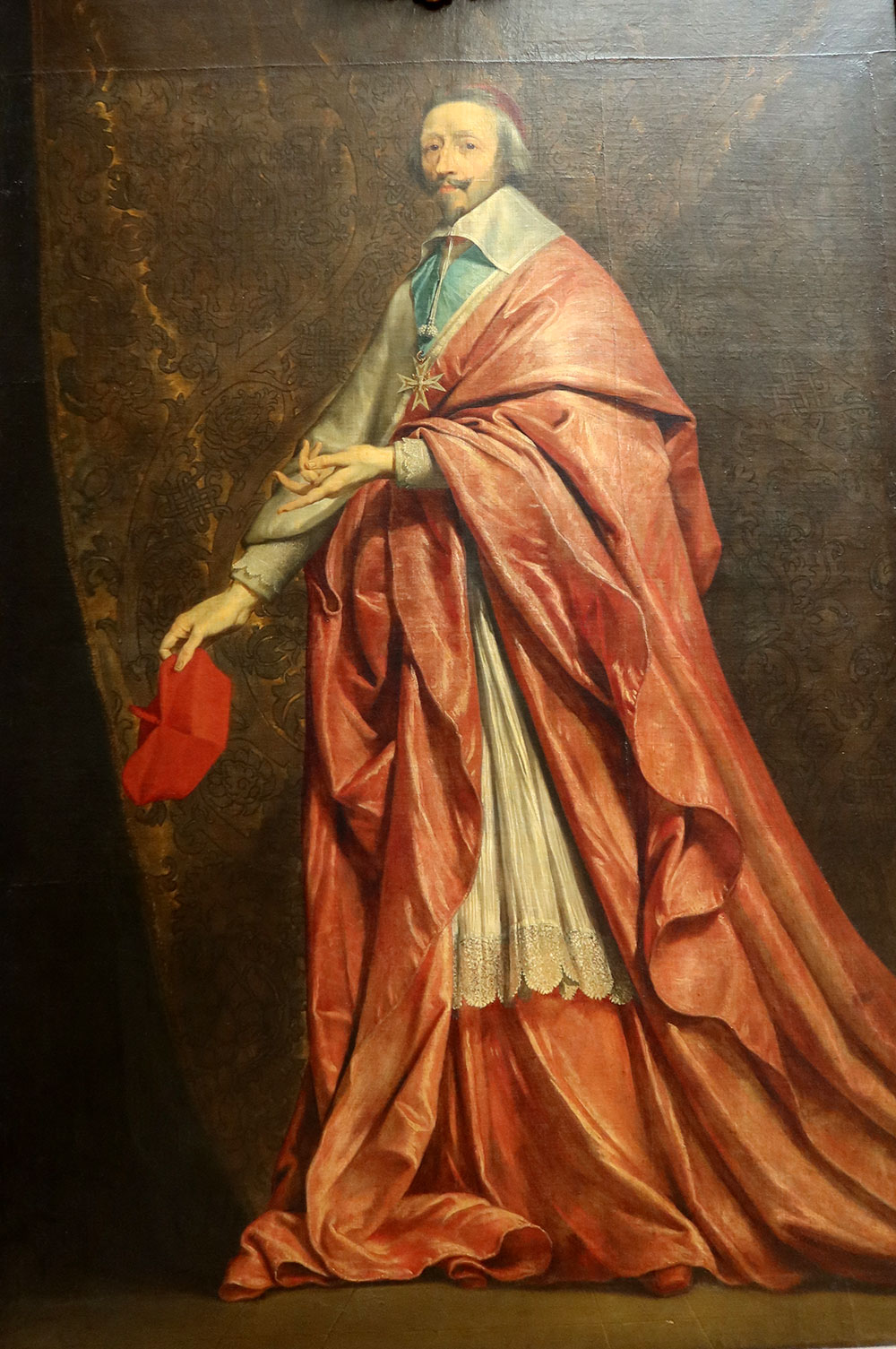
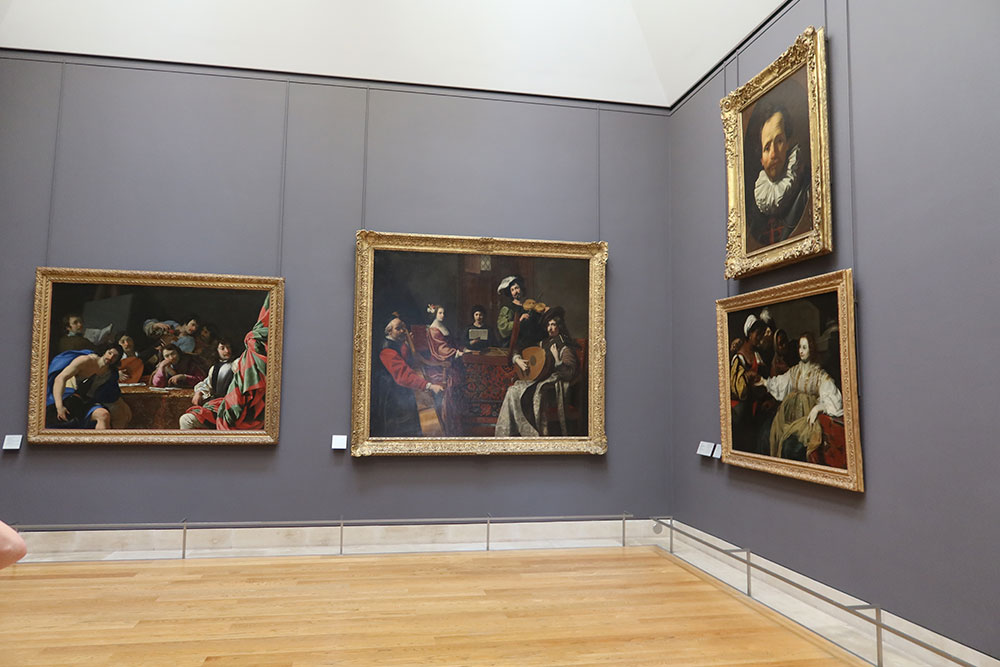
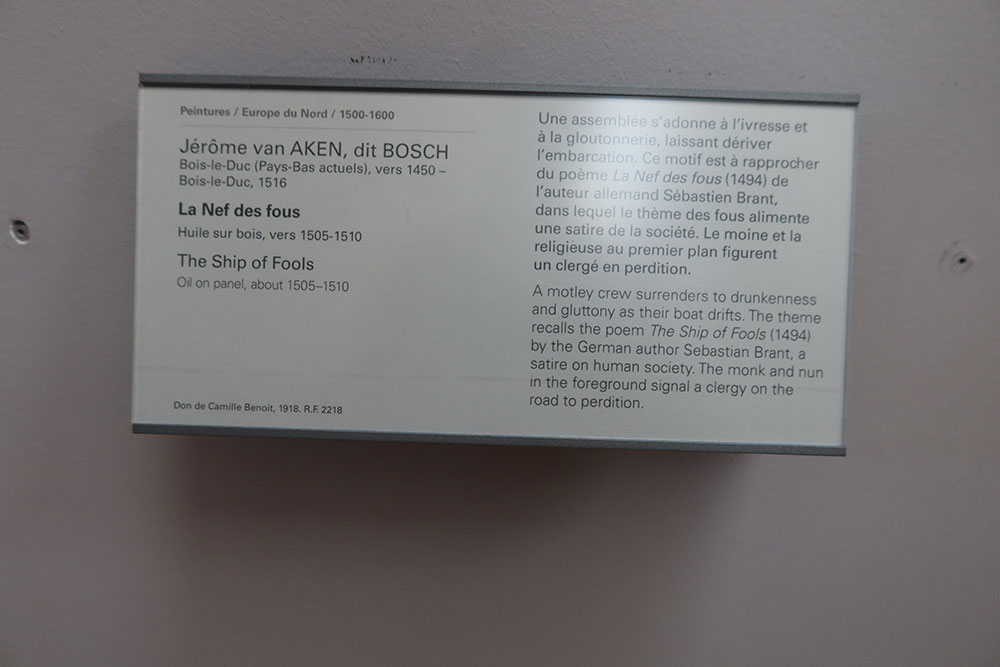
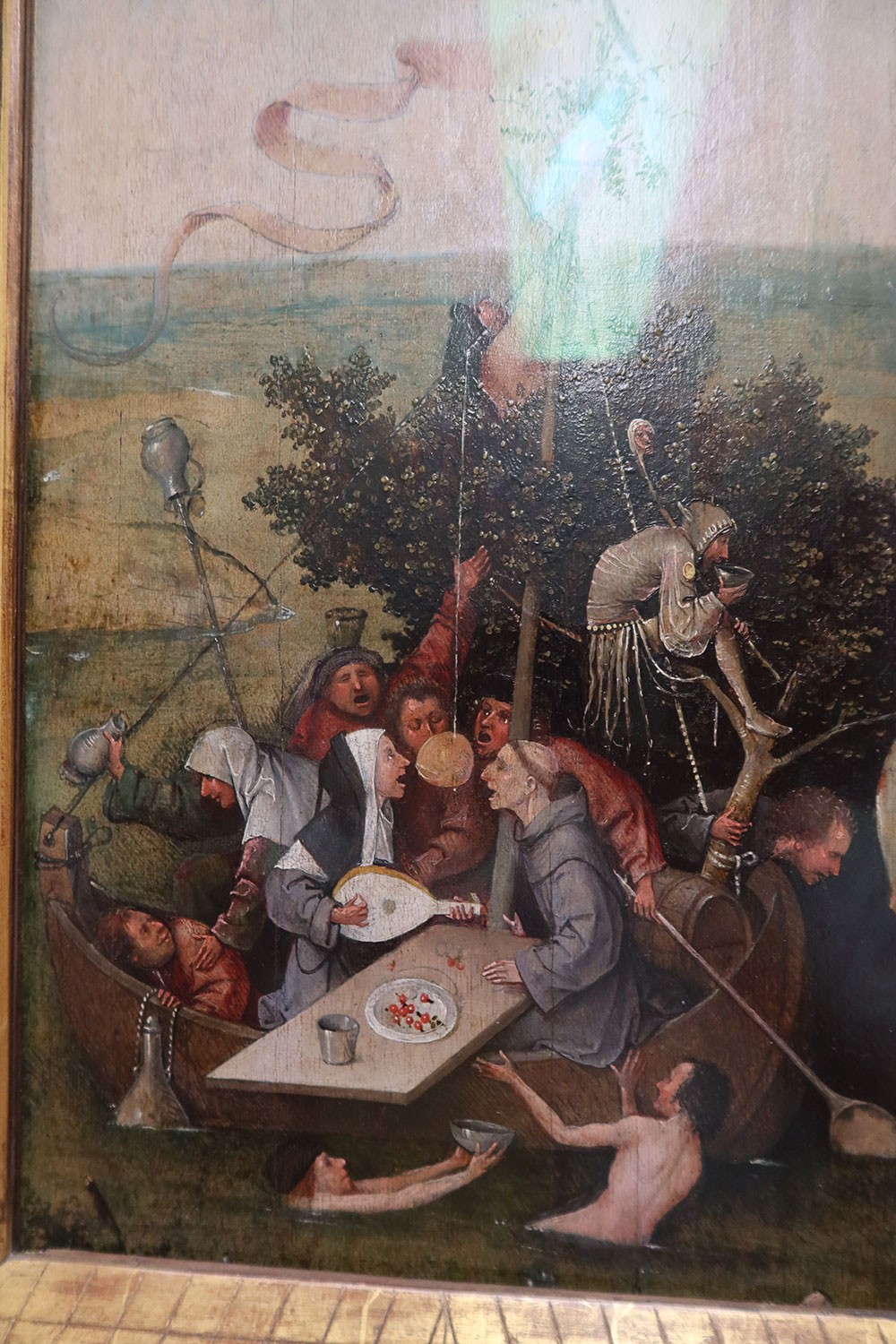
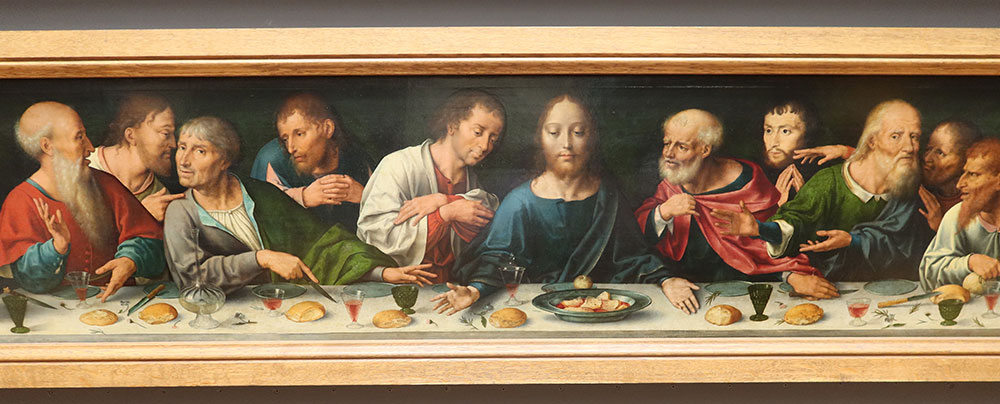
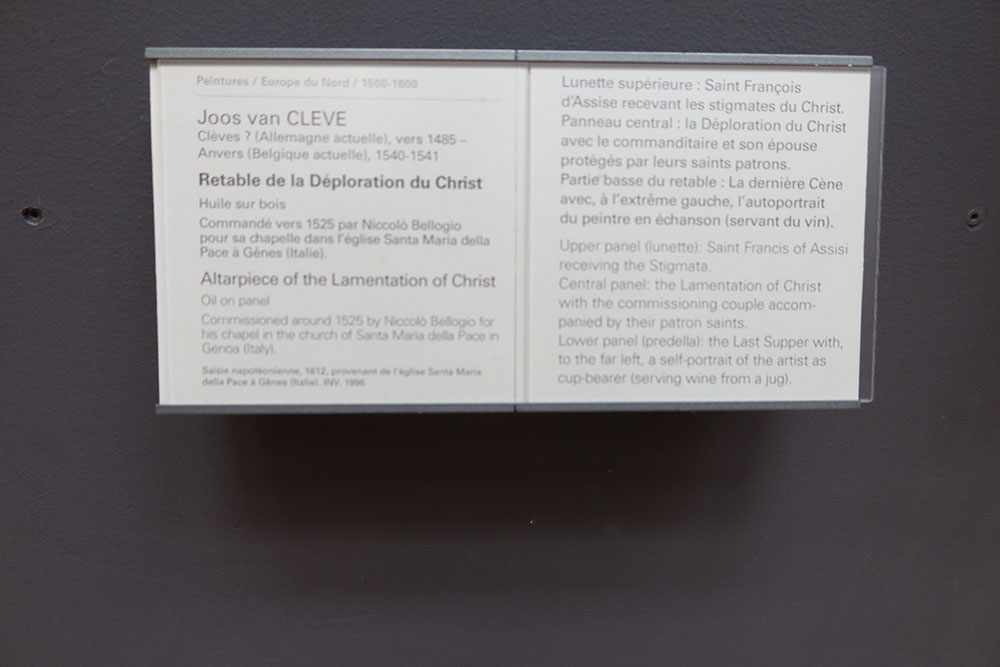
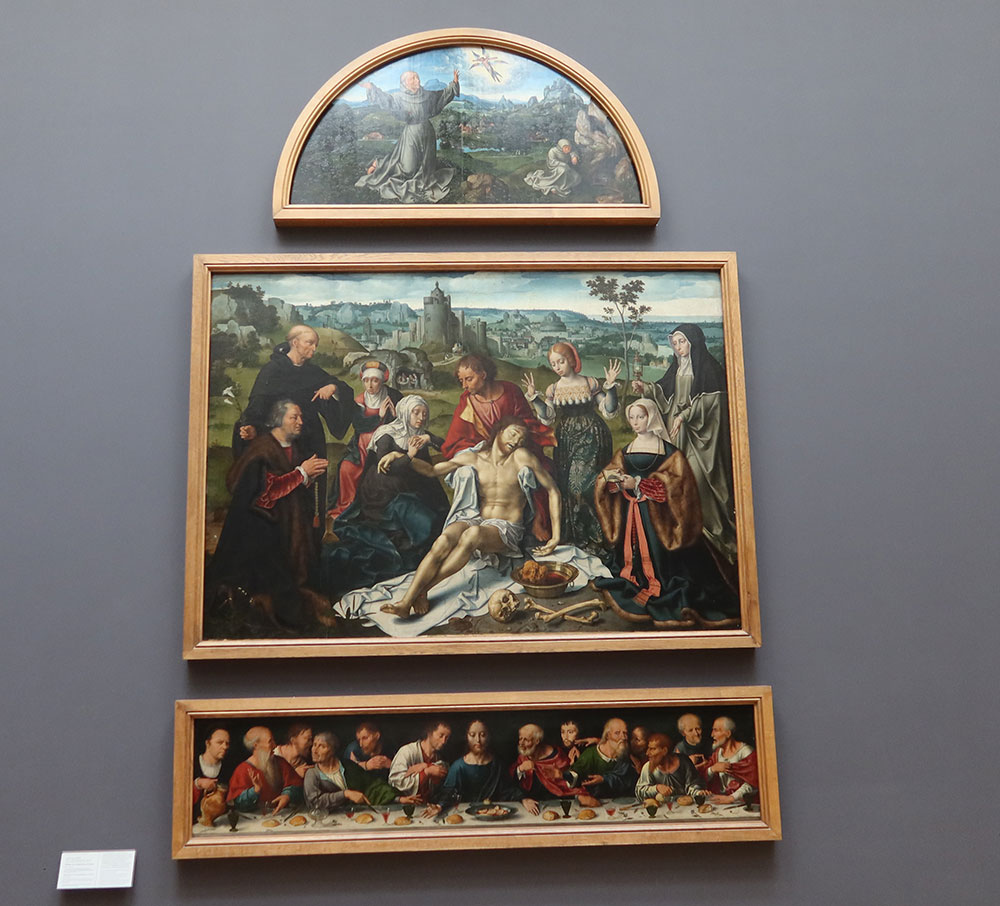
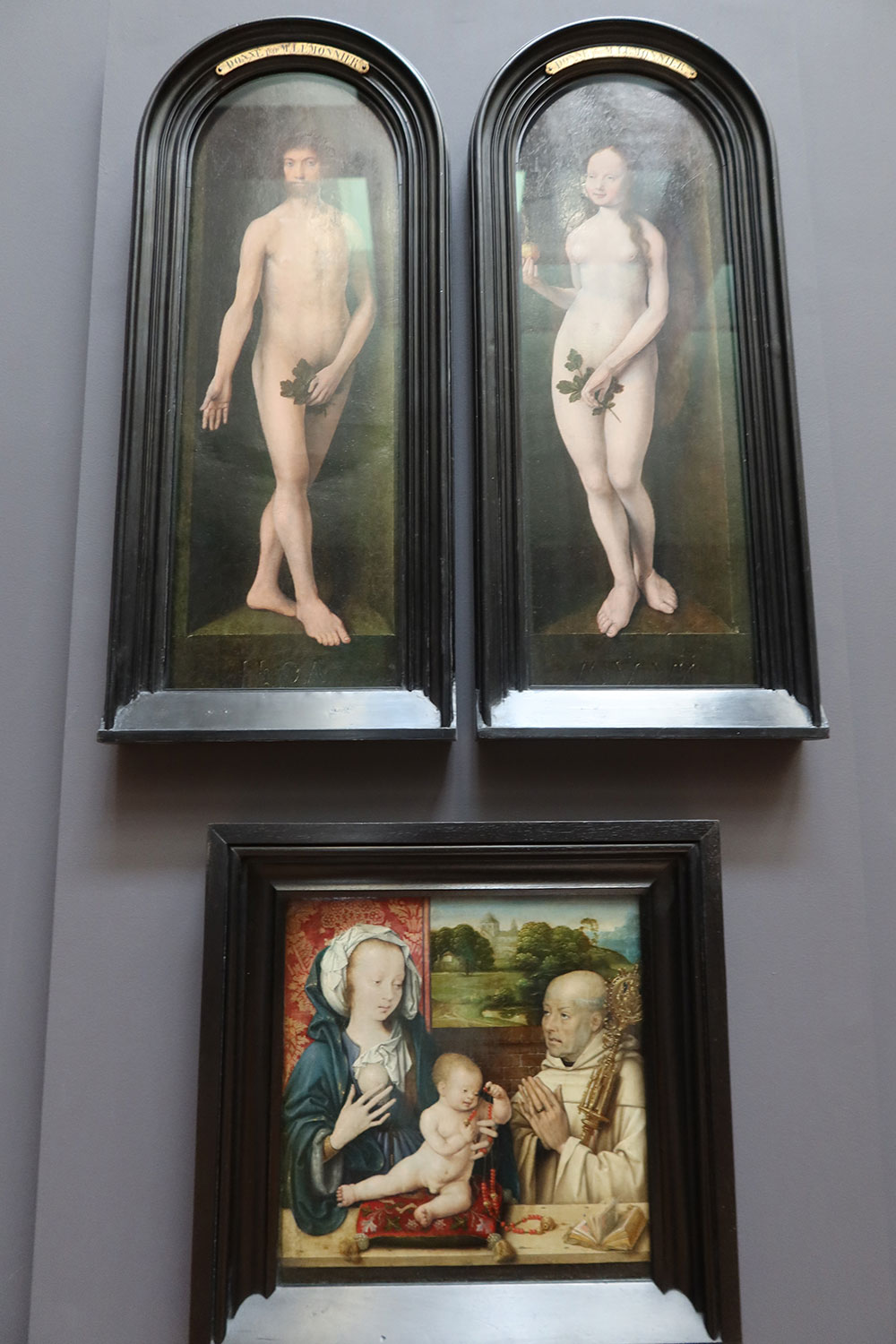
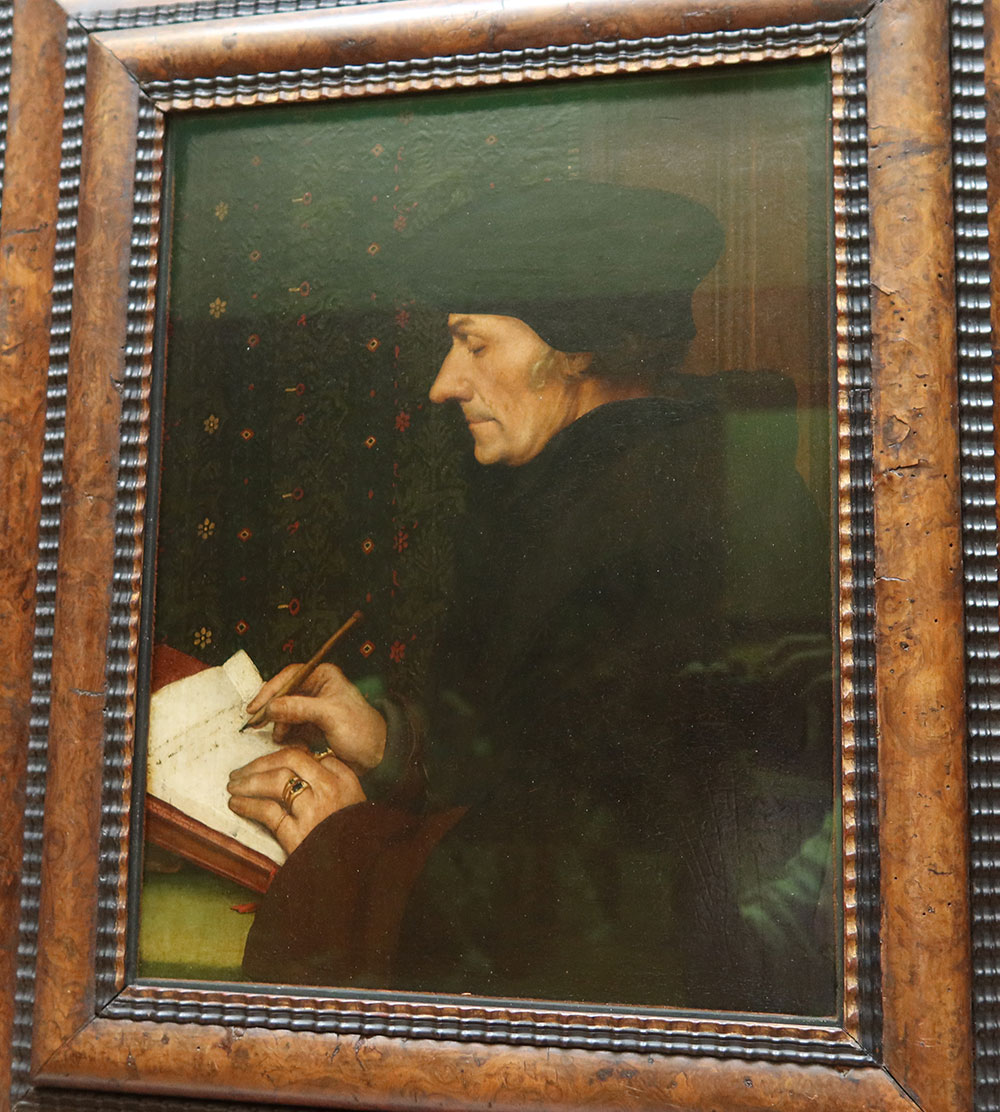
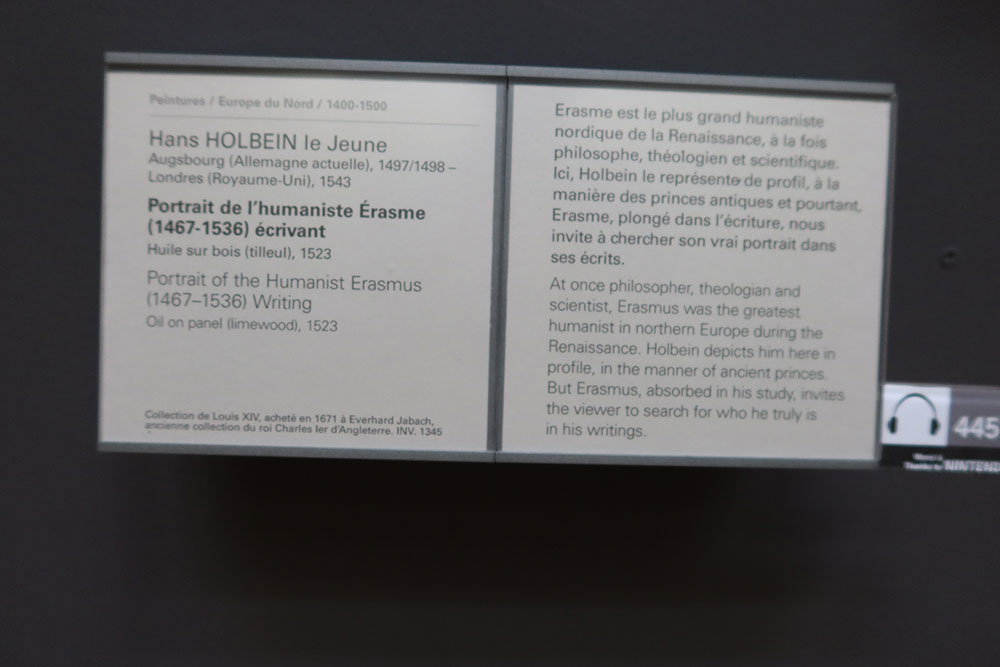
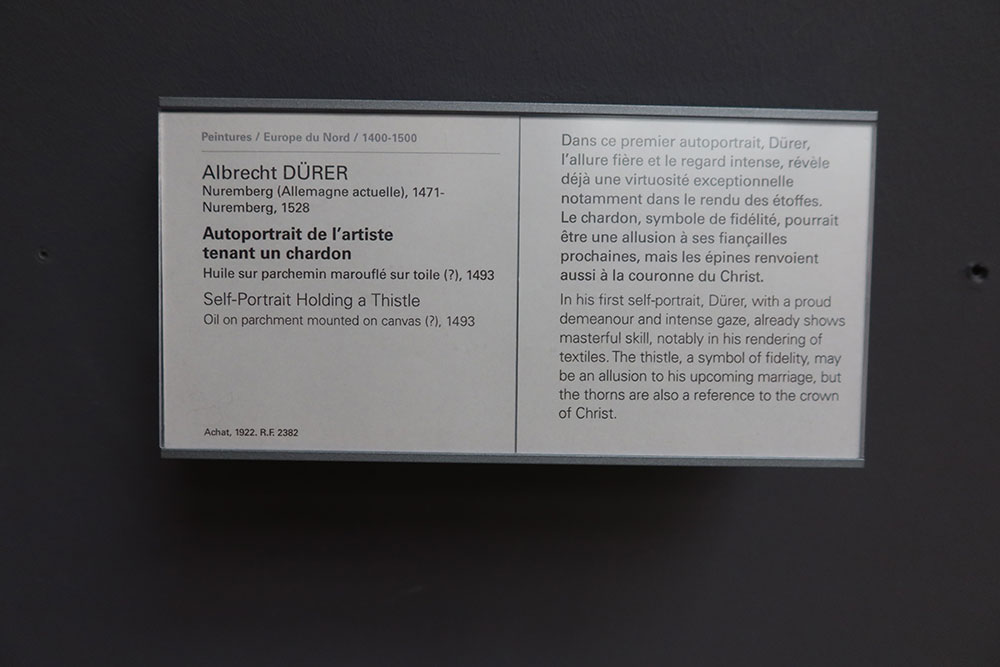
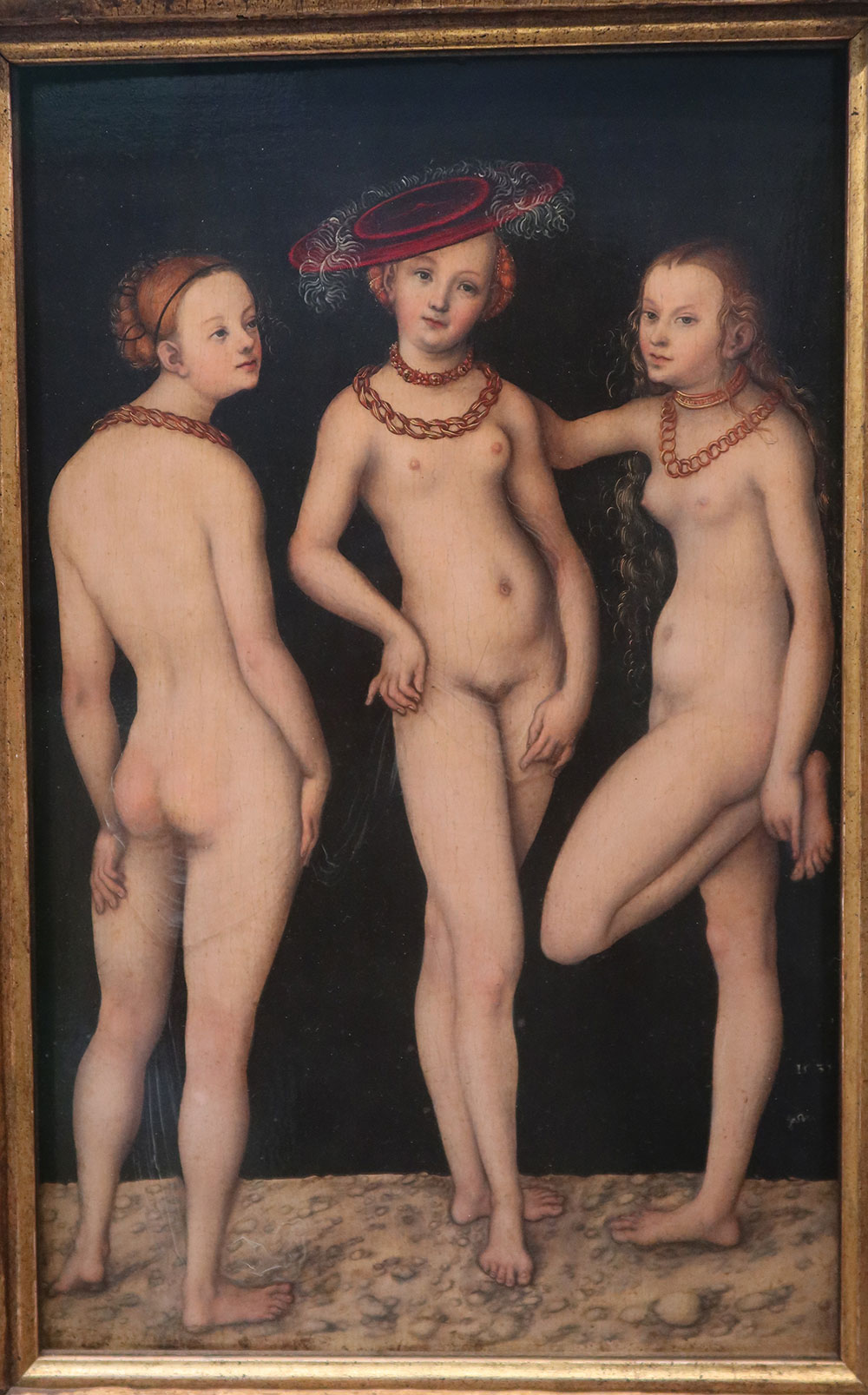
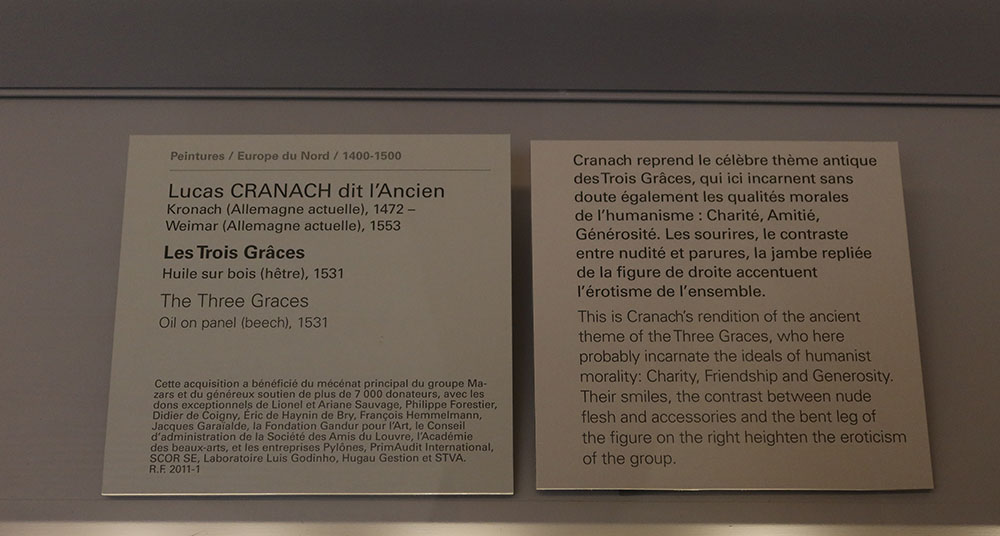
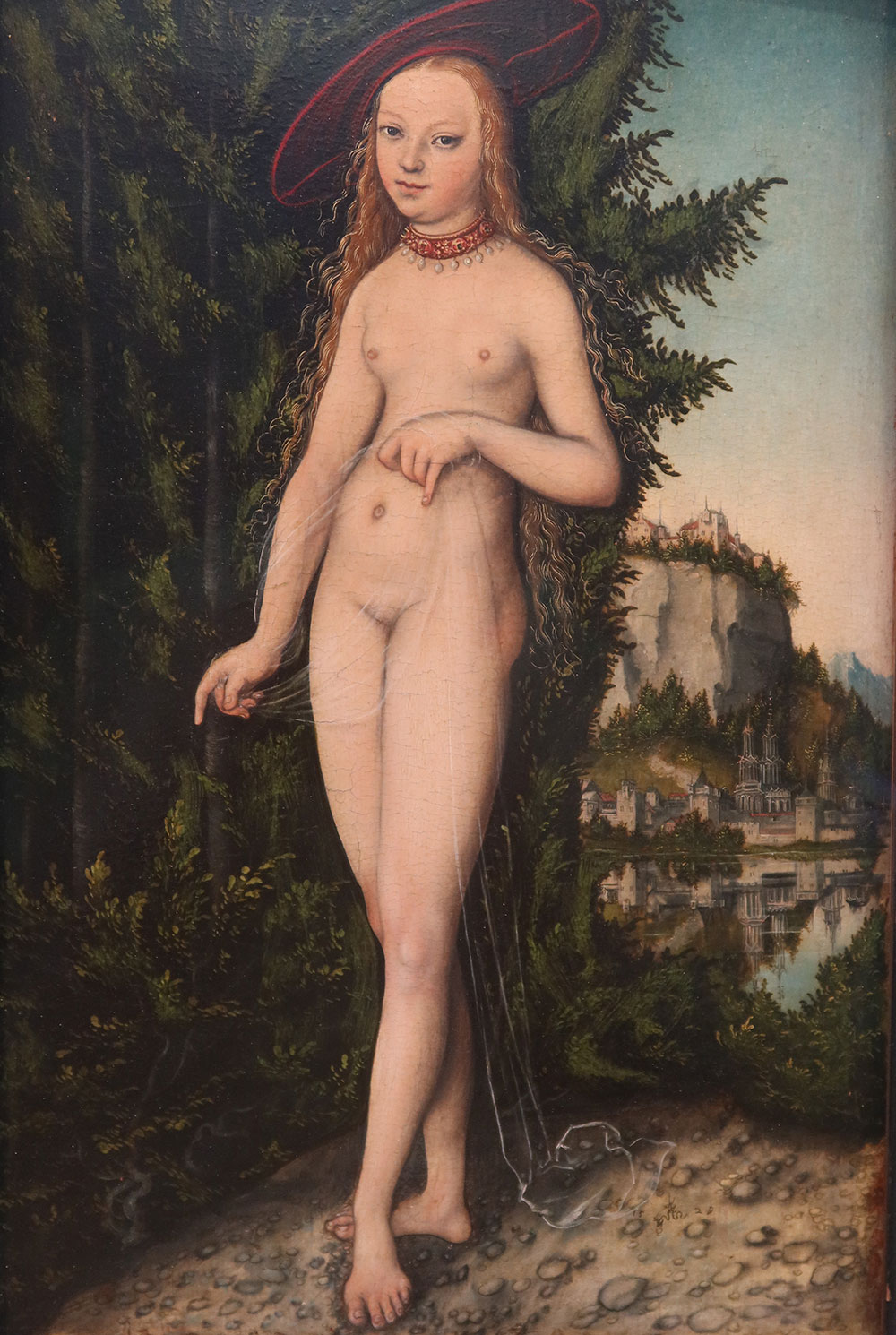
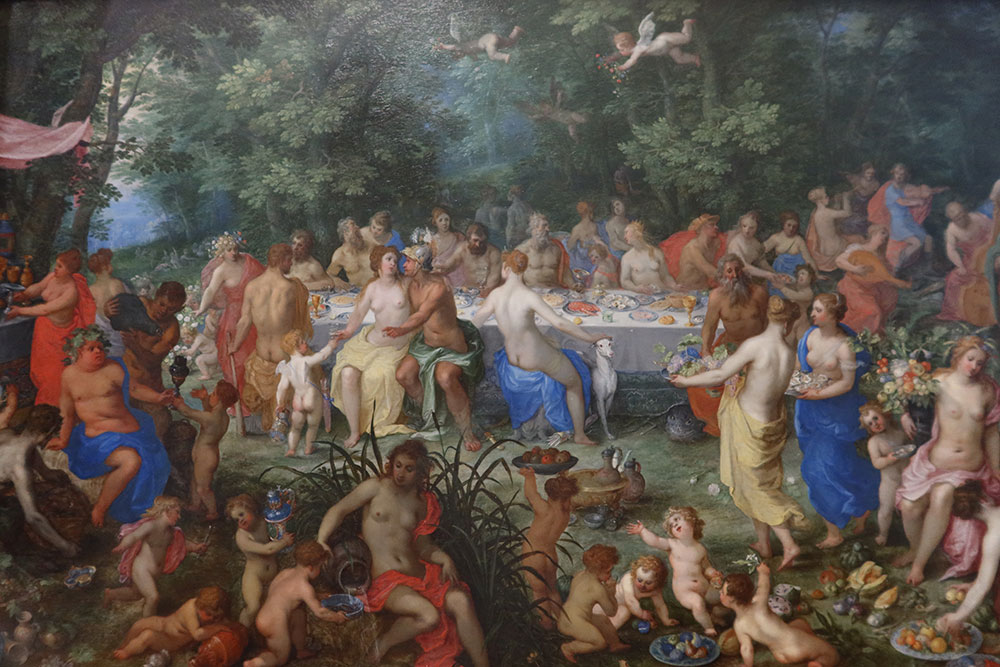
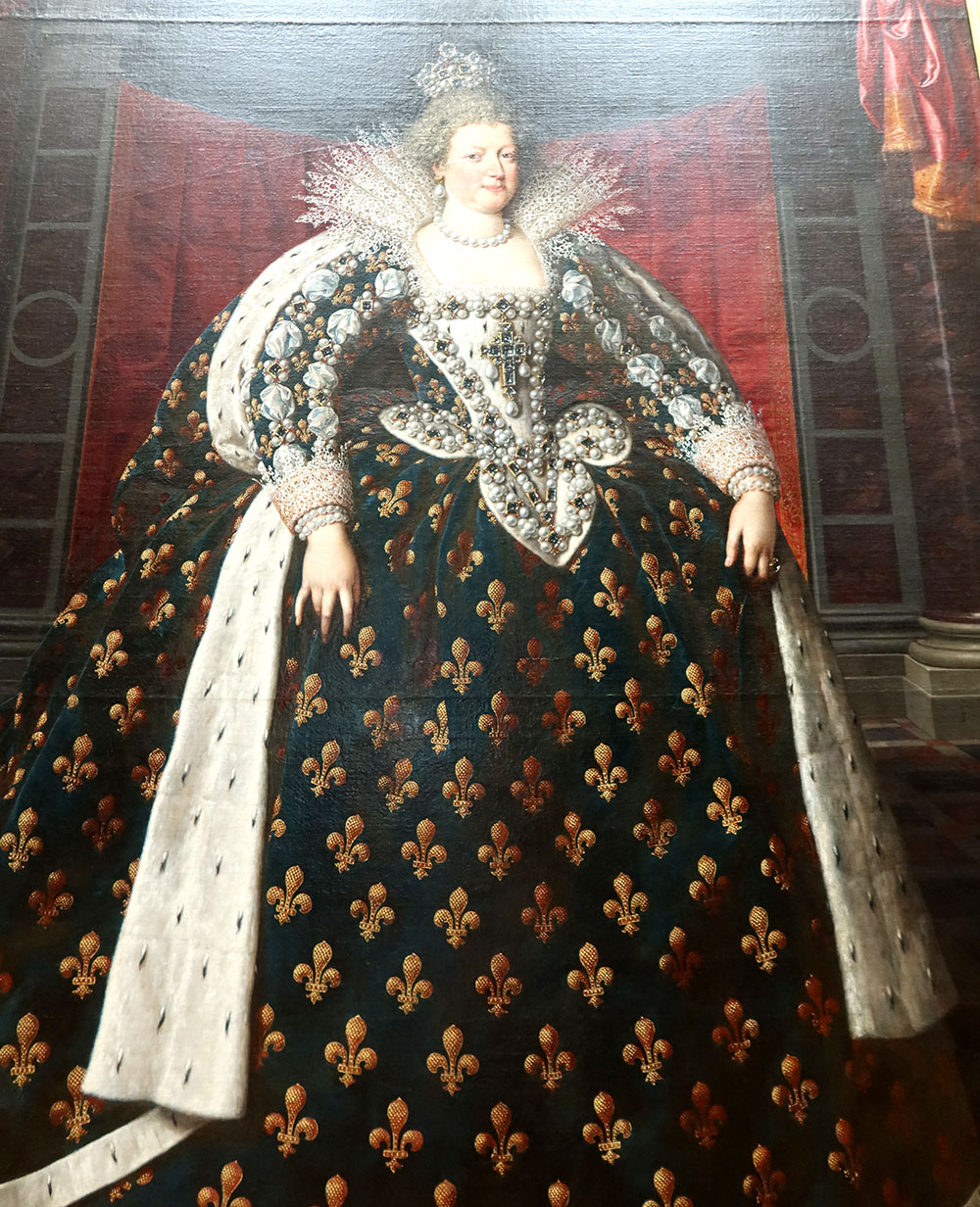
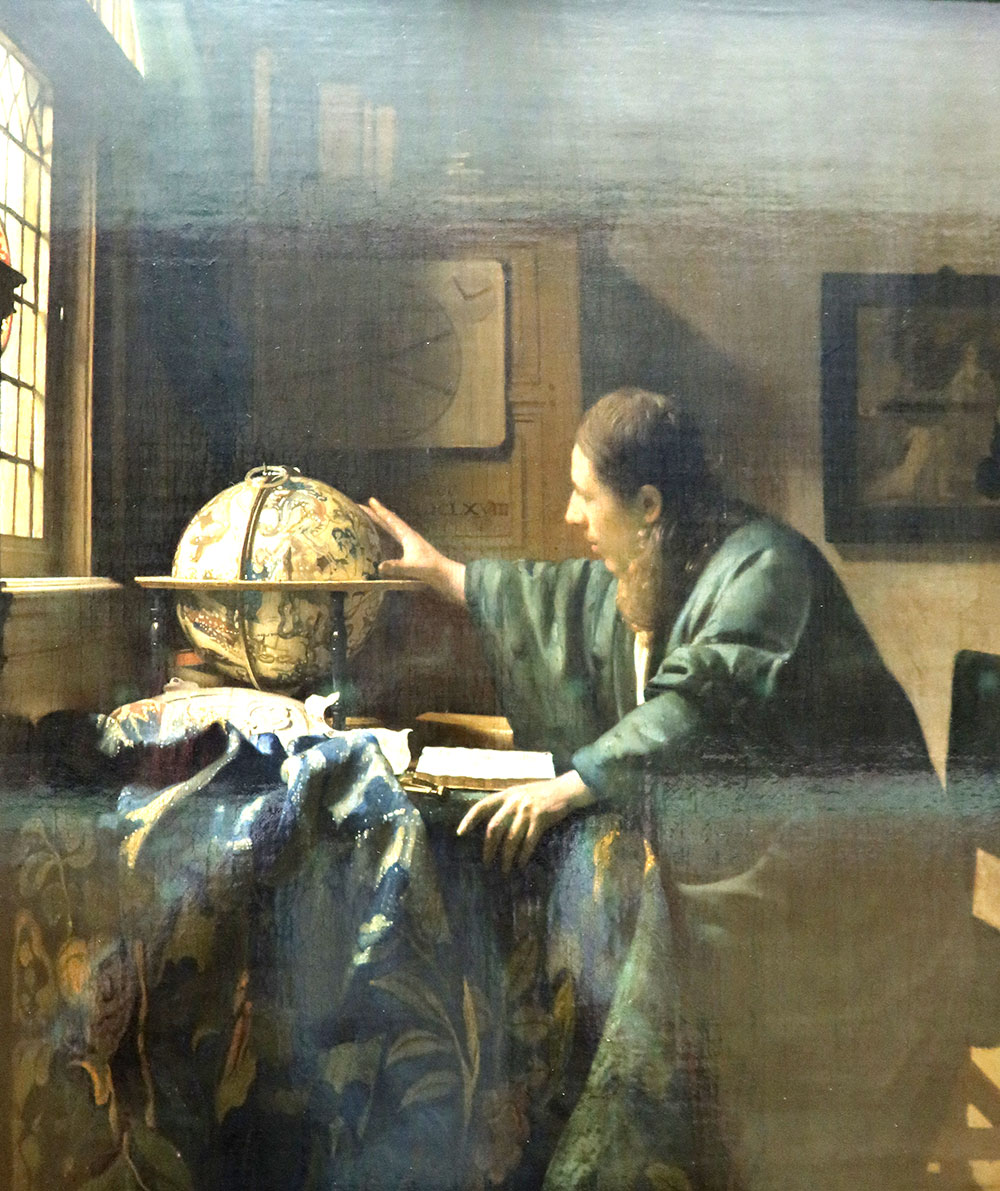
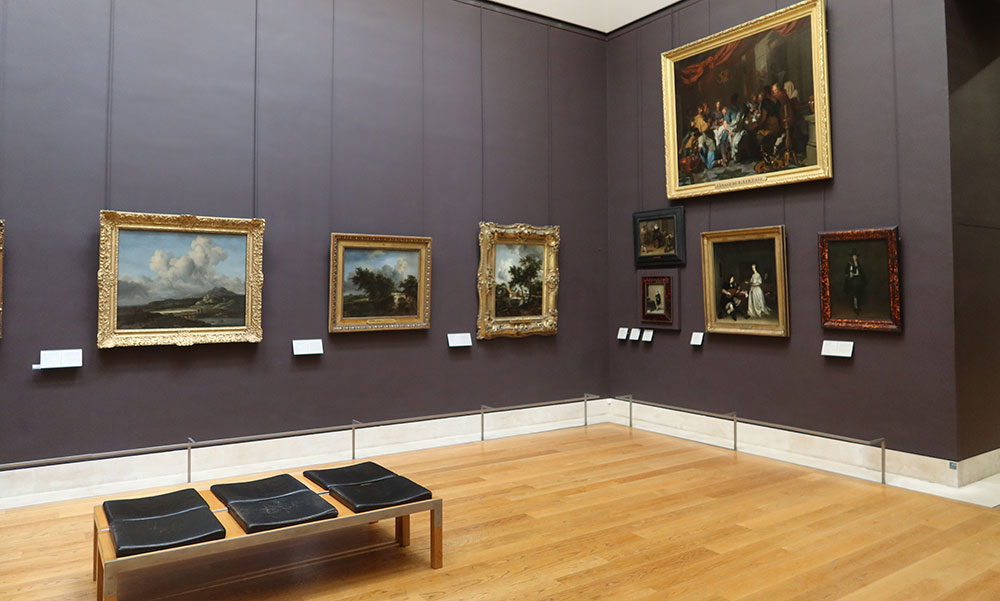
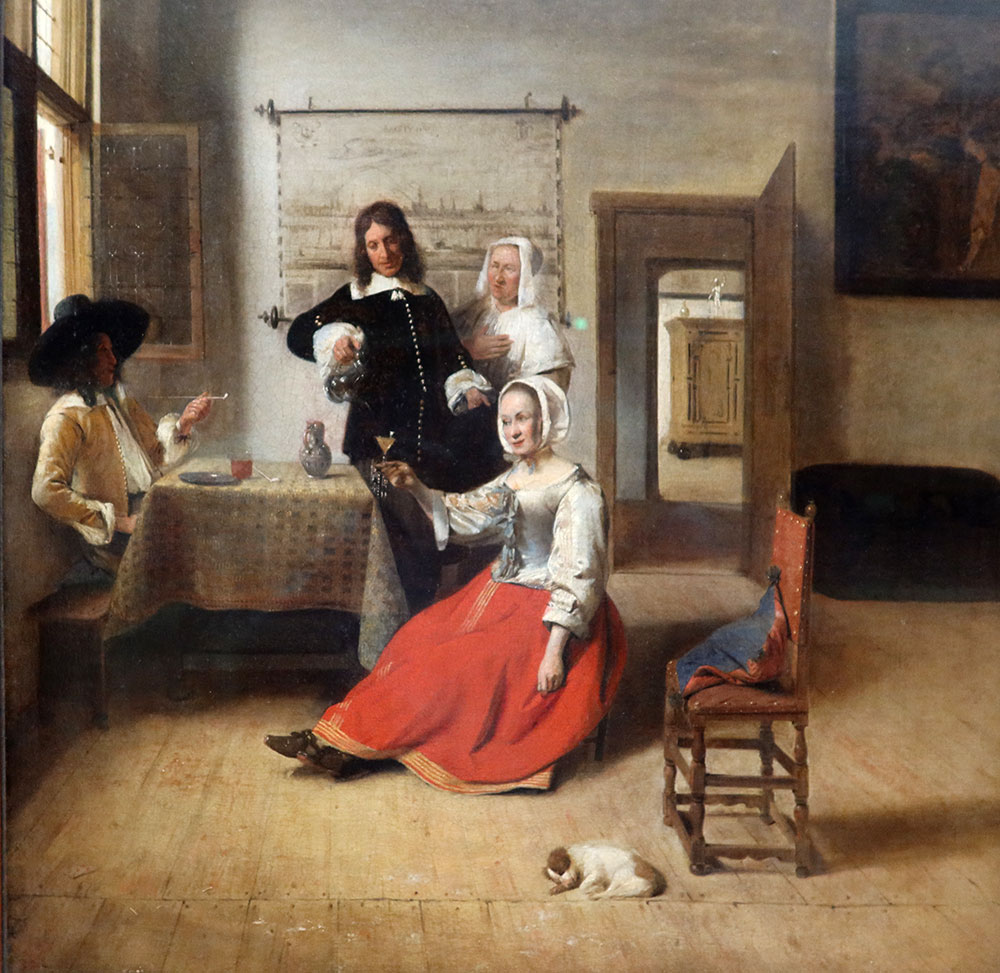
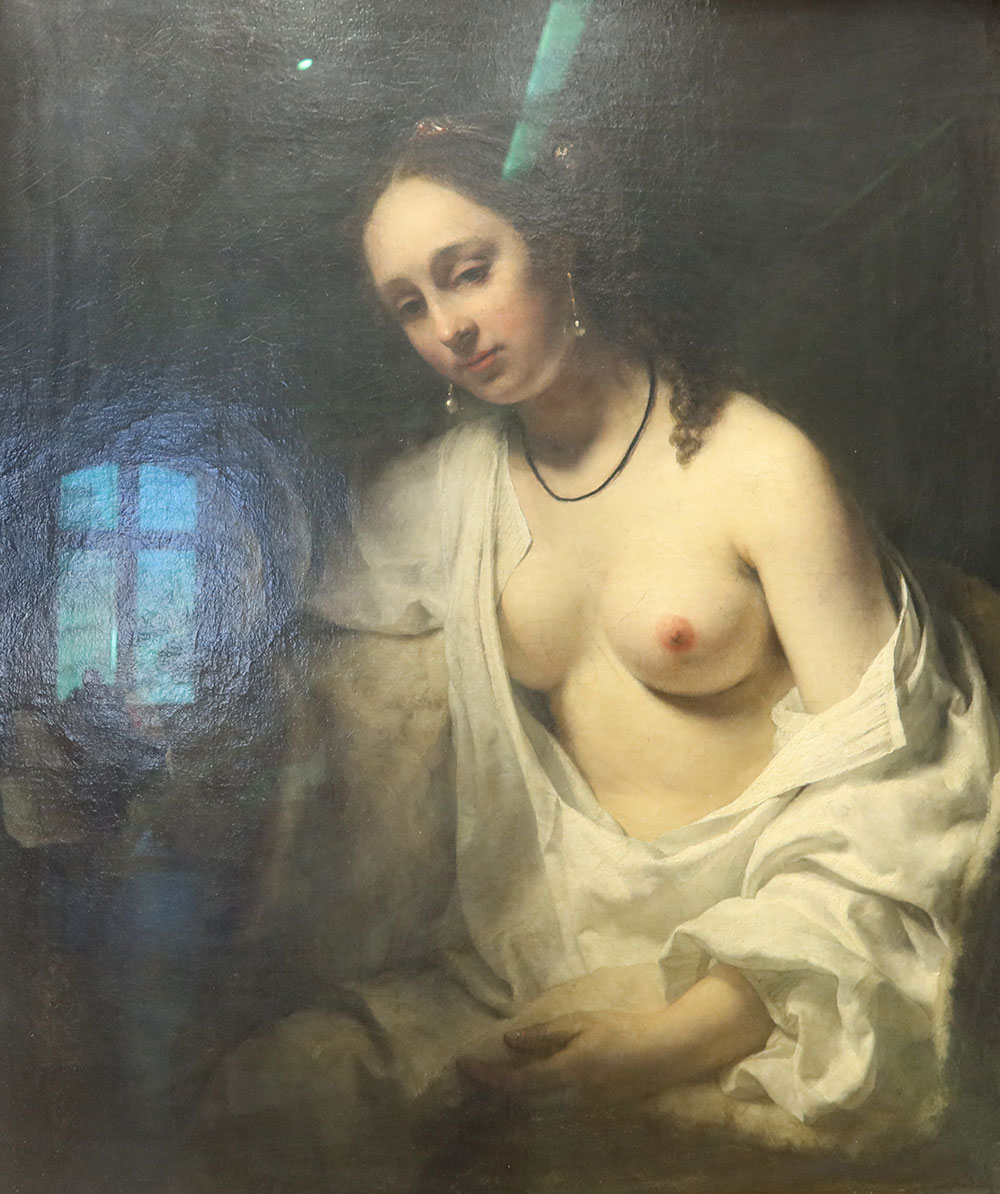
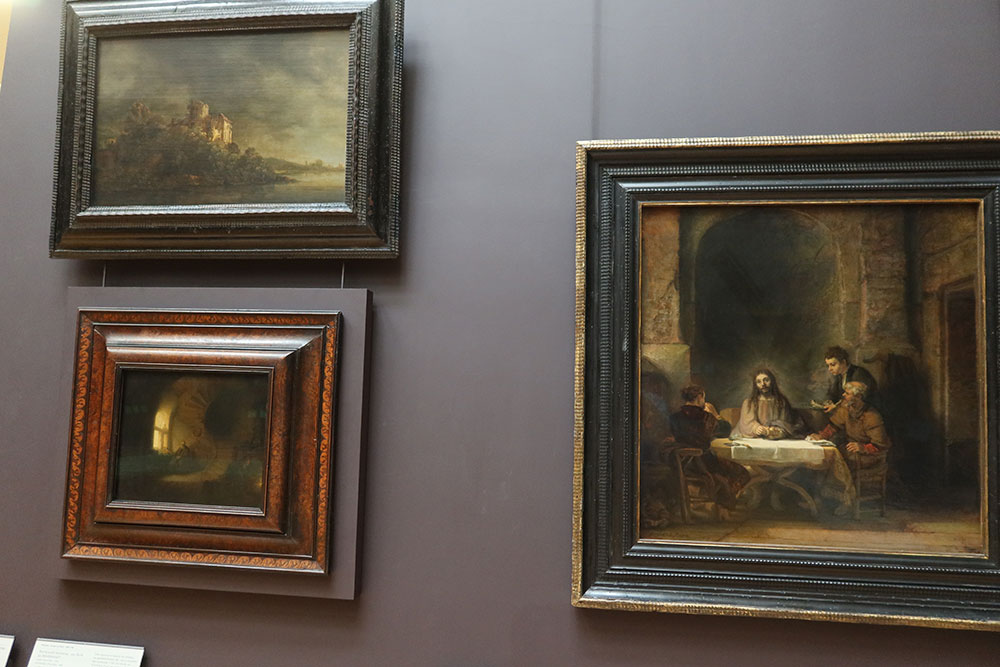
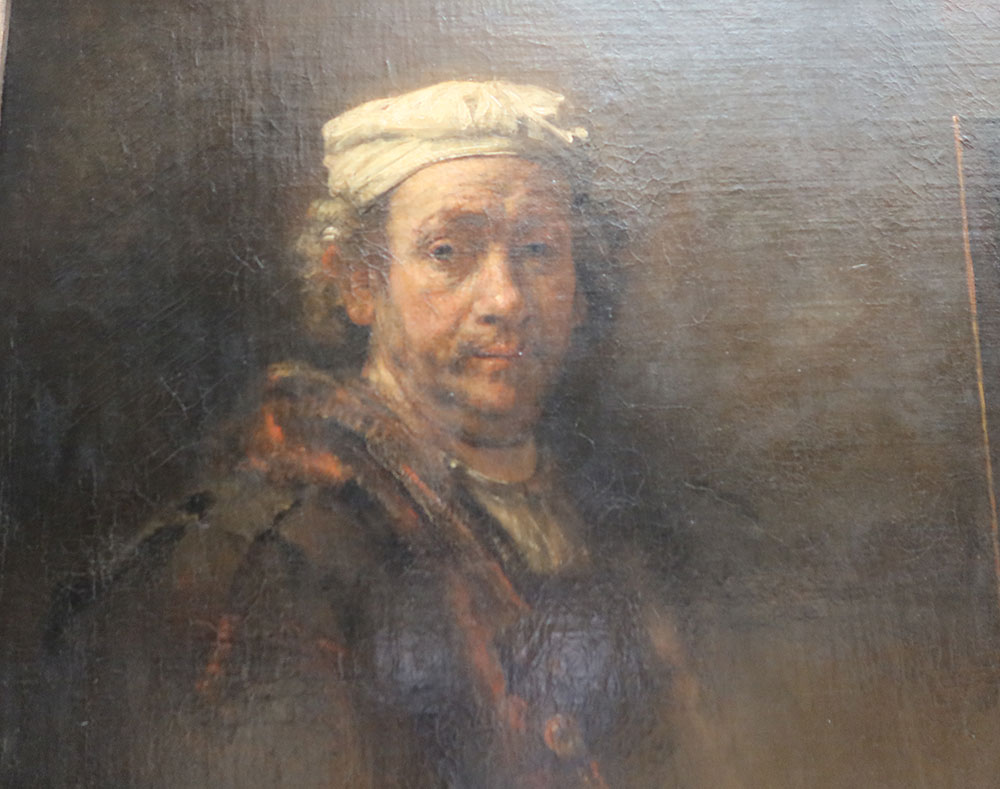
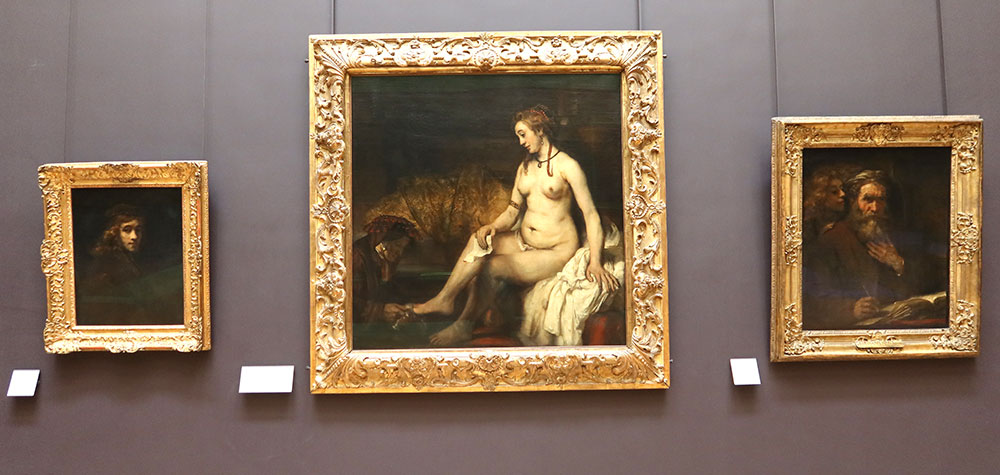
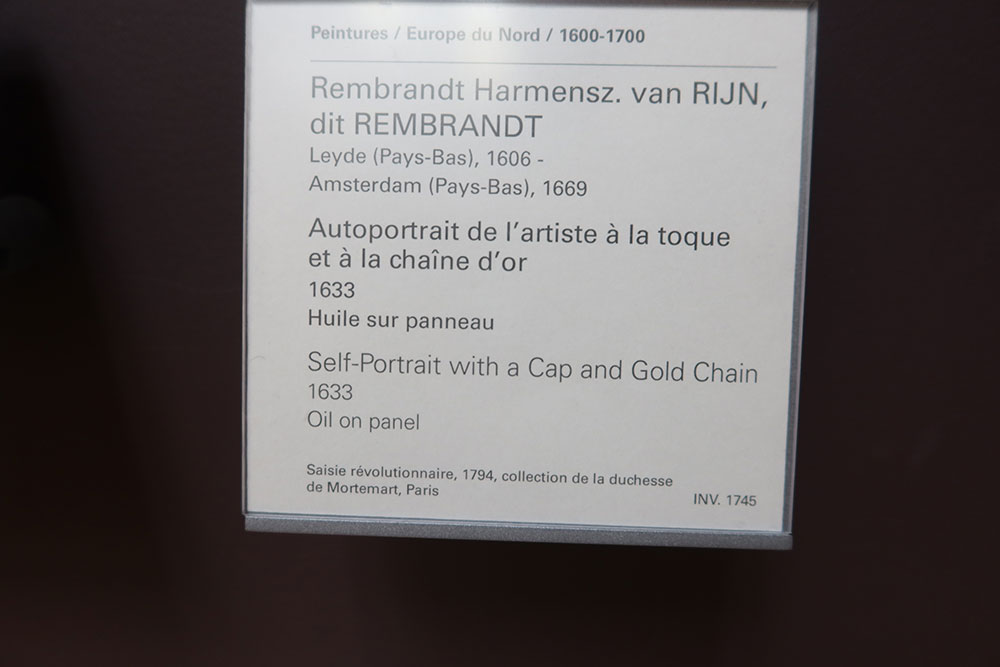
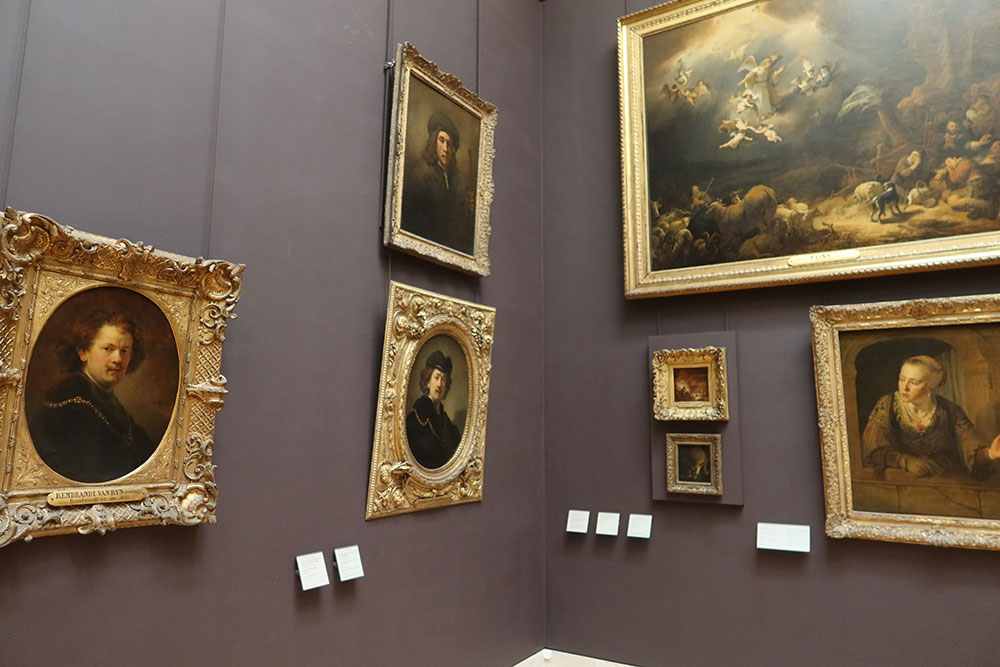
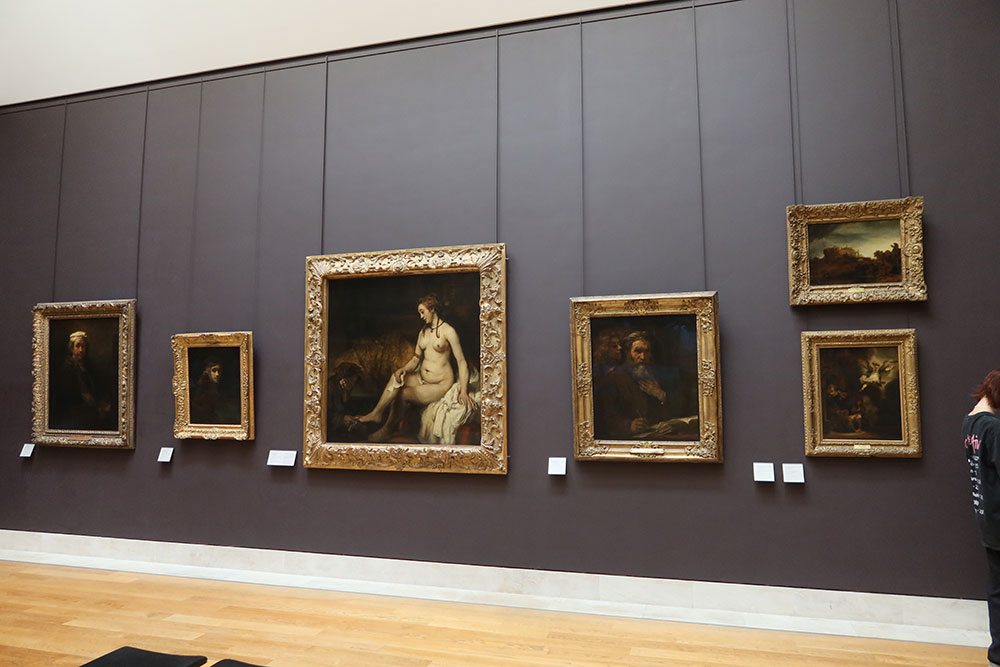
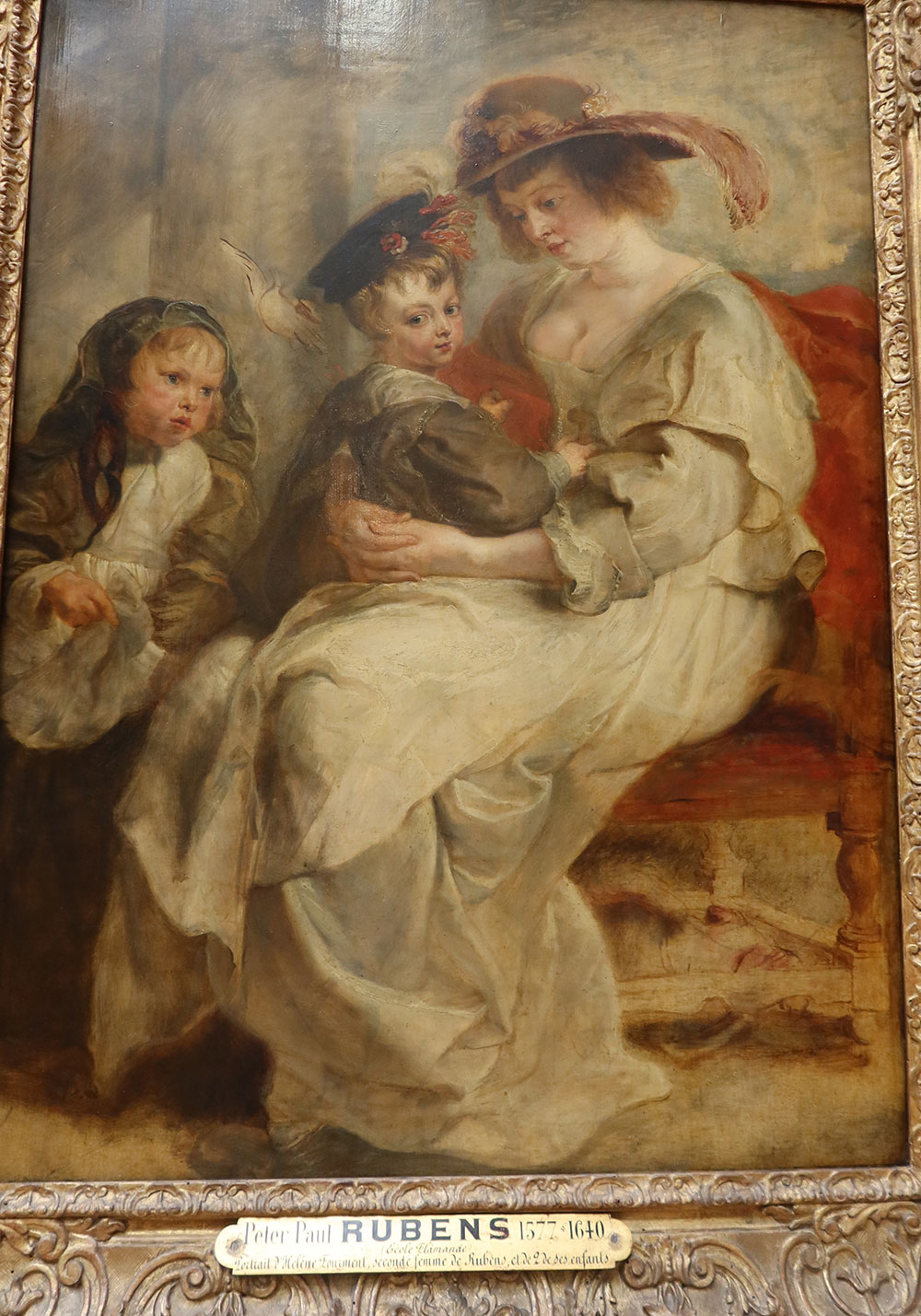
The paintings collection is the most heavily visited, anchored by works including Leonardo da Vinci’s Portrait of Lisa Gherardini (commonly known as the Mona Lisa), Véronèse’s The Wedding at Cana, and Delacroix’s Liberty Leading the People. These works are so deeply embedded in popular cultural consciousness that managing visitor expectations around them represents a distinct curatorial and operational challenge. The gap between their symbolic status and the physical encounter with them — particularly the Mona Lisa, now displayed in a dedicated enclosure in the Salle des États — is a question every major institution with a “signature” work will recognise.
The Department of Islamic Art, substantially expanded with the opening of the Cour Visconti galleries in 2012, represents a more recent effort to address the collection’s historical gaps and to give appropriate visibility to works that had long been inadequately displayed. The department holds over 18,000 objects spanning thirteen centuries and three continents. Its development signals the museum’s awareness of earlier blind spots and its willingness, at least in some areas, to revisit how geographical and cultural scope has been defined.
Conservation, Access, and the Research Infrastructure
Managing a collection of this scale requires a conservation infrastructure that operates largely out of the public eye. The Louvre maintains specialist conservation laboratories and has longstanding relationships with scientific institutions engaged in materials analysis and technical art history. For external researchers, the Centre de Recherche et de Restauration des Musées de France (C2RMF), which is based partly at the Louvre, provides access to technical study of works across French national collections. This kind of institutional resource — available to qualified researchers on application — is relevant to professionals engaged in provenance research, authentication, or the study of historical techniques.
The museum’s published collections database, accessible through its website at www.louvre.fr, allows open online access to records and images for a significant portion of the permanent collection. The database is a working research tool rather than a finished product; coverage and image quality vary across departments, and records are updated as scholarship progresses. Professionals using it for loan research or comparative study should cross-reference with departmental curators where precision is required.
Loans, Partnerships, and the Louvre’s International Model
The Louvre’s loan programme is extensive, and its objects appear regularly in exhibitions at institutions across Europe, North America, and Asia. Loan requests are handled through the Direction des Collections, and the museum has developed a reputation for being a constructive partner in international exhibition projects, provided that conservation and security conditions are met. Works that are in active conservation treatment or that have known condition vulnerabilities may not be available regardless of institutional relationship; this is standard practice but worth establishing early in any negotiation.
The development of Louvre Abu Dhabi, which opened in 2017, represents the most consequential extension of the Louvre’s institutional model in recent decades. Operating under a thirty-year intergovernmental agreement, the Abu Dhabi institution uses the Louvre name and benefits from loans, expertise, and organisational support from the Paris museum. The arrangement has attracted both interest and criticism within the museum world: interest in its financial model and its demonstration that major brand licensing can generate resources for the originating institution; criticism from those who question the conditions under which cultural authority is exported and the implications of aligning cultural infrastructure with sovereign wealth.
For gallery and museum professionals, Louvre Abu Dhabi is worth studying not only for its governance model but for how it approaches display. Its permanent collection — assembled independently, not transferred from Paris — is organised thematically rather than by period or culture of origin, reflecting a curatorial approach that departs from the Parisian encyclopaedic model. Whether that approach succeeds in its stated ambition of presenting a unified history of human creativity, or whether it risks flattening significant differences between traditions, is a question that curators working on cross-cultural programming will find worth examining.
Provenance and the Ongoing Restitution Debate
No assessment of the Louvre directed at institutional professionals can avoid the provenance questions that apply to encyclopaedic collections assembled under imperial and colonial conditions. A substantial portion of the Louvre’s collection entered French possession during the Revolutionary and Napoleonic periods, through confiscations, military campaigns, and the systematic removal of objects from territories across Europe, Egypt, and the Near East. Further acquisitions accumulated throughout the nineteenth century under conditions that, by contemporary ethical standards, would not withstand scrutiny.
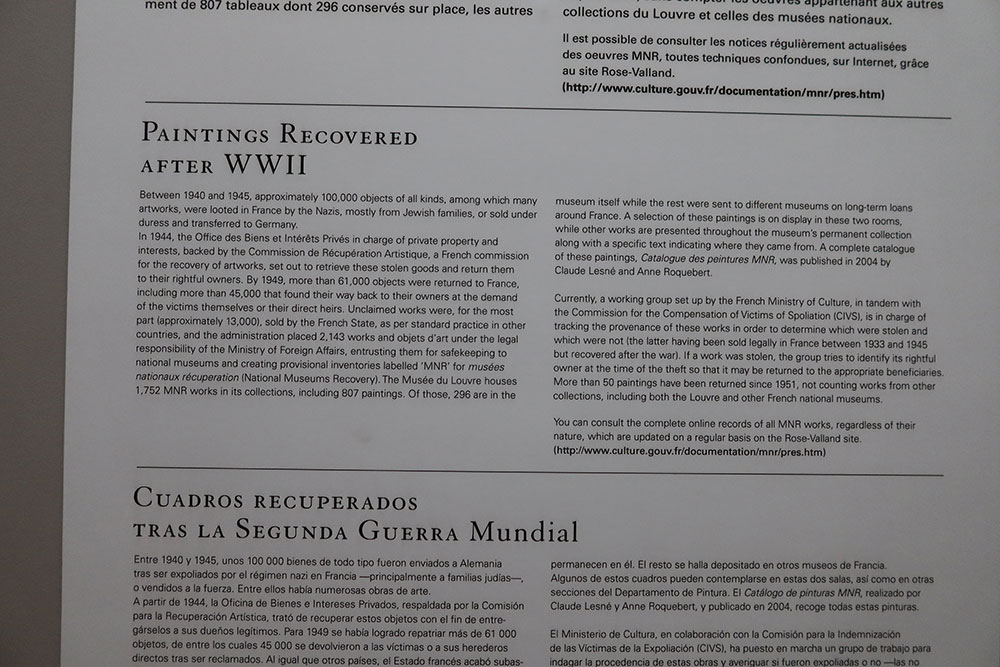
The 2017 Sarr-Savoy Report, commissioned by the French government and focused specifically on African heritage objects in French collections, accelerated a debate that had been moving slowly for decades. The Louvre’s own engagement with restitution claims has been measured and case-by-case rather than systematic. The return of works looted during World War II — pursued under a separate legal and ethical framework — has been more consistent, though researchers continue to identify objects whose wartime history warrants further investigation.
For professionals at institutions that engage in loans or acquisitions involving objects from the Louvre’s collection, understanding the state of individual provenance research is essential due diligence. The Louvre’s provenance documentation is publicly available in many cases, but coverage is uneven, and gaps in documentation do not necessarily indicate clean histories. The museum has demonstrated willingness to engage with researchers and source-country institutions on specific cases, and direct contact with curatorial departments is the most reliable approach.
Visitor Infrastructure and Institutional Pressures
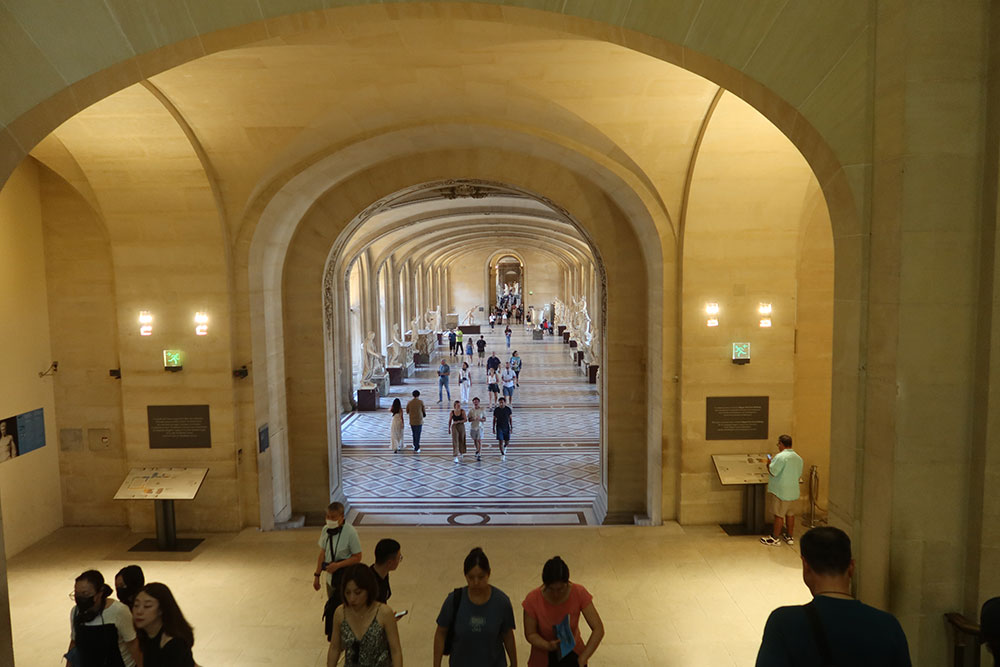
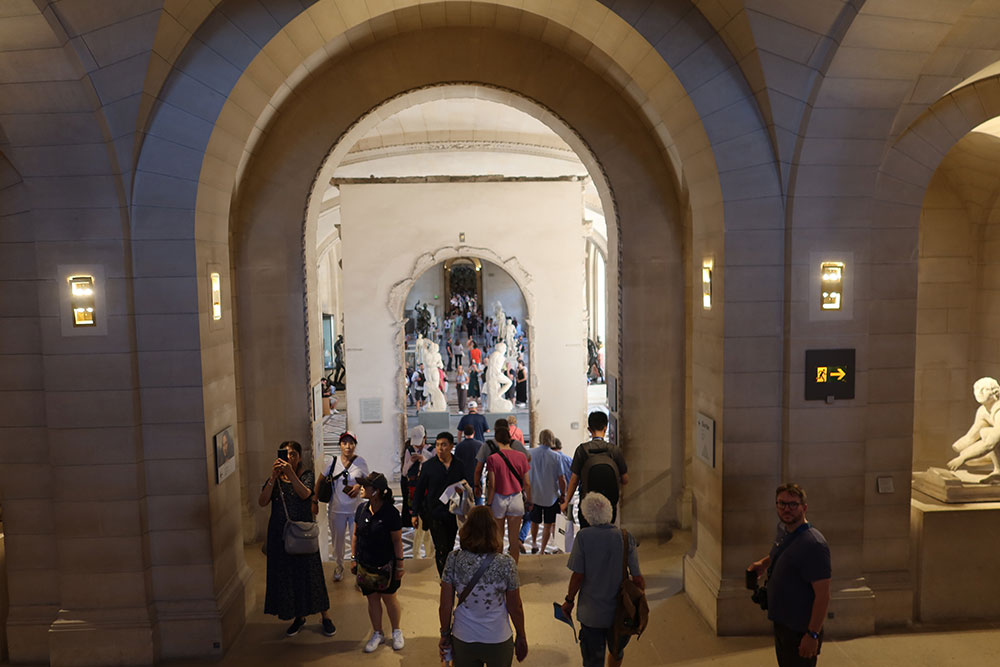
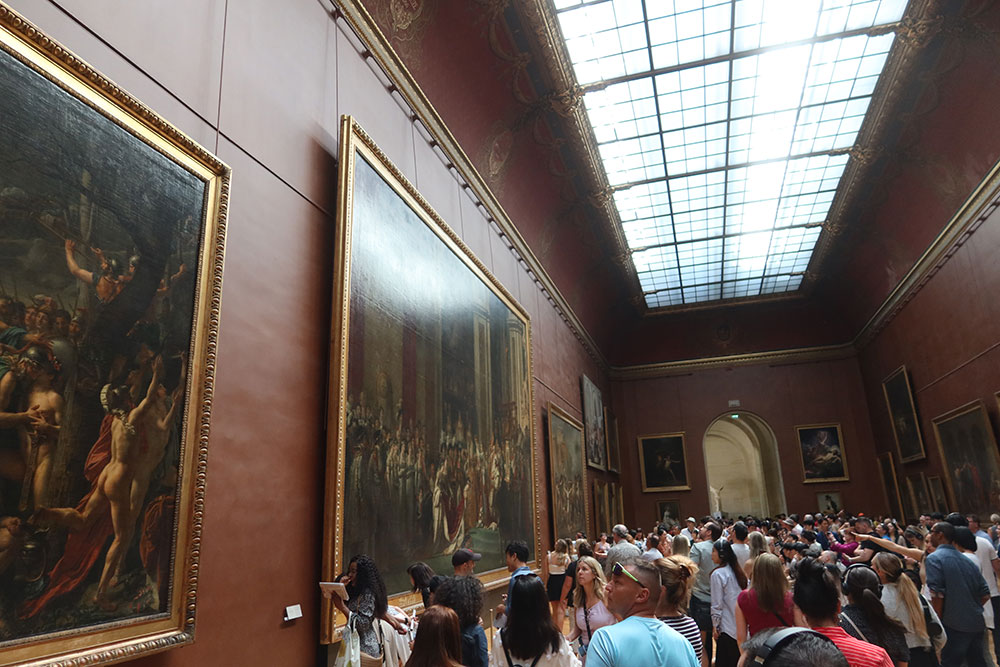
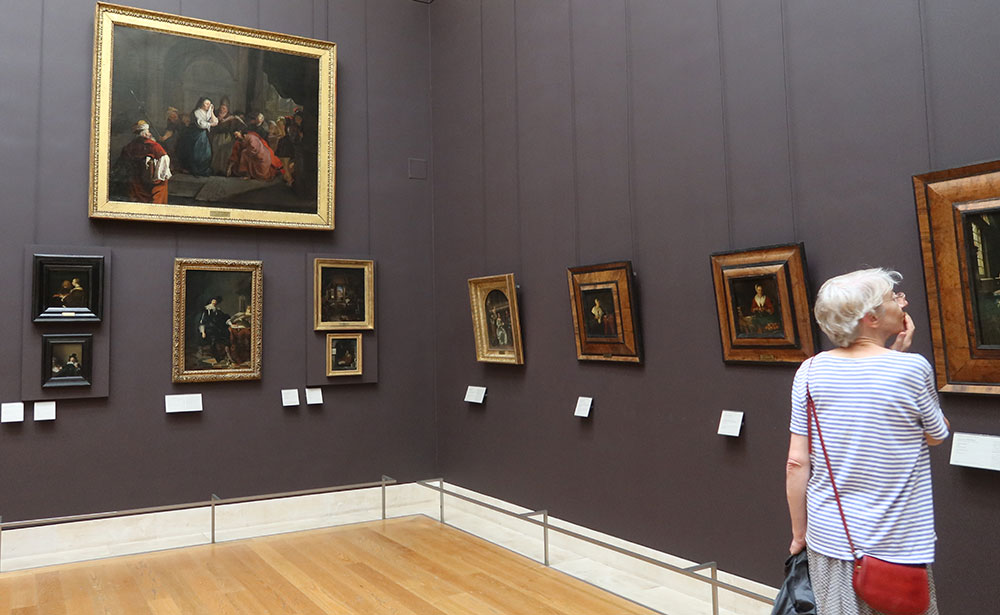
The Louvre received approximately 8.9 million visitors in 2023, recovering toward its pre-pandemic figure of over nine million. Managing visitor flow through a historic building not designed for mass access is a chronic operational challenge. The museum has experimented with timed-entry systems, dedicated routes for iconic works, and extended opening hours, but the fundamental tension between conservation conditions and public access has no clean solution. This is a problem shared by many major institutions, and the Louvre’s approach — pragmatic rather than resolved — is instructive for any gallery considering how to manage demand for specific works.
The question of whether the Mona Lisa should be moved to a dedicated space — a proposal that has circulated seriously within the museum and been reported in the French press — illustrates a broader institutional dilemma. The work generates enormous visitor numbers but those visitors often express disappointment with the encounter, dominated by crowds and screens at a considerable distance. Whether relocating it would improve the experience or simply redistribute the problem is unresolved, but the fact that the debate is happening openly is itself a sign of how seriously the museum takes questions of visitor experience alongside conservation.
A Resource for the Profession
The Louvre publishes extensively, both in print and online. Its scholarly catalogues, produced in conjunction with departmental curators, remain standard references across several fields. The museum also produces accessible public programming, a podcast, and digital content intended for general audiences. For professionals, the departmental catalogues and the collections database are the most directly useful resources; the public-facing digital content is of more variable quality but occasionally contains useful orientation material for less familiar areas of the collection.
The Louvre’s professional access programme allows museum and gallery professionals to enter without charge on production of relevant credentials; this should be confirmed in advance through the museum’s ticketing and professional services channels, accessible via www.louvre.fr. For those researching specific works or seeking study access to reserve collections, contact with the relevant curatorial department is the appropriate route, and the museum’s administration has been generally responsive to professional enquiries made through formal channels.
The Louvre is not a neutral institution, and it does not present itself as one. Its collection reflects the particular circumstances of French political and cultural history, and its authority rests in part on that specificity. For professionals in the field, it functions simultaneously as a primary resource for scholarship and loans, a case study in institutional scale and its associated problems, and an active participant in the international debates that now define museum practice. Engaging with it on those terms — rather than simply as a repository of celebrated objects — is likely to be more productive for anyone working seriously in the sector.
Musée du Louvre, Paris. www.louvre.fr