
A Living Institution in Transformation
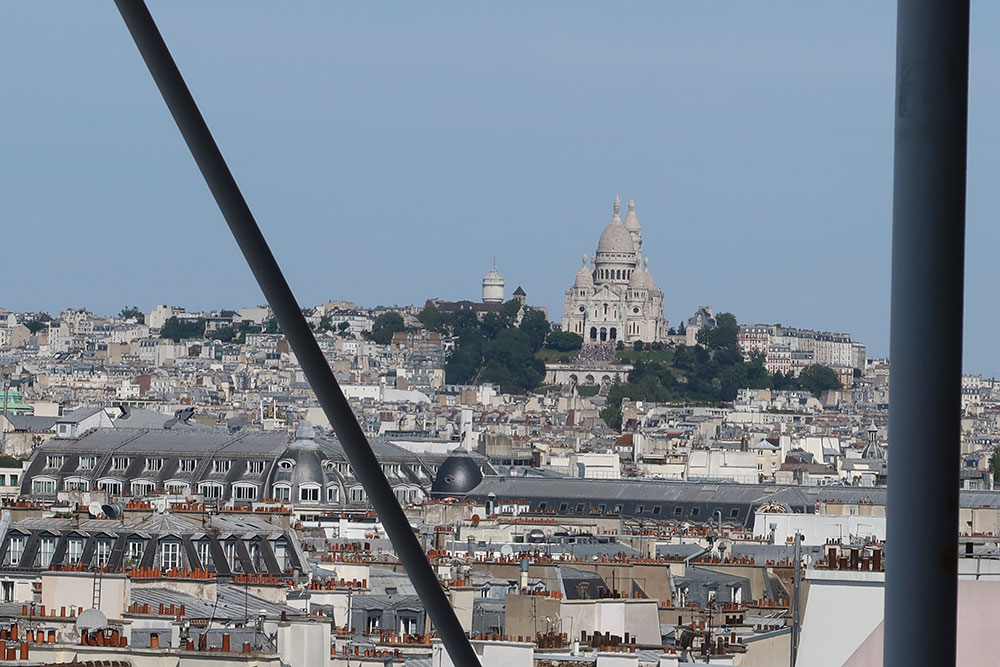
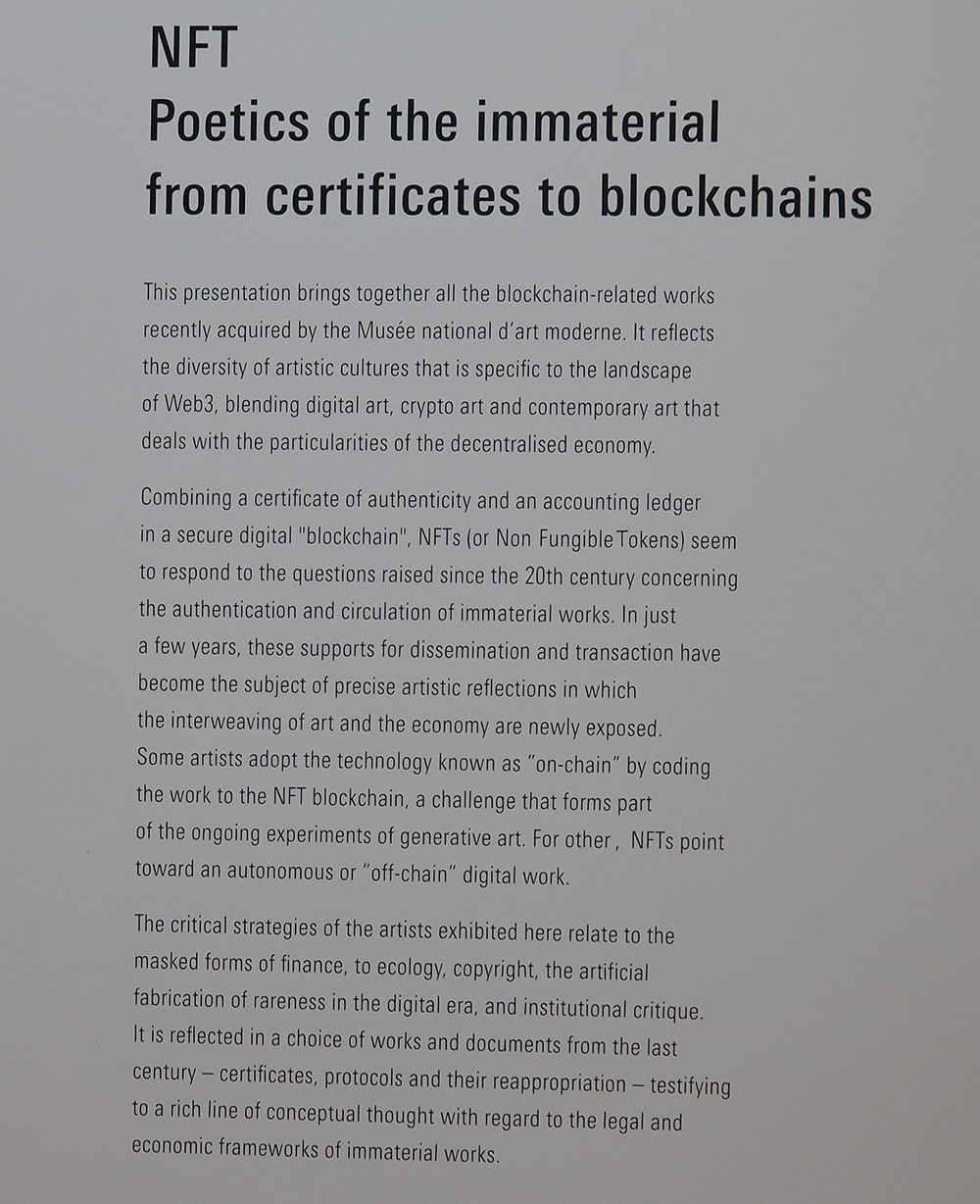
The Musée National d'Art Moderne (MNAM), housed within the Centre Pompidou in the 4th arrondissement of Paris, occupies a singular position in the global museum landscape. It holds the largest collection of modern and contemporary art in Europe — and the second largest in the world after New York's Museum of Modern Art — comprising more than 100,000 works by some 6,400 artists drawn from ninety countries. For art institution professionals and gallery directors navigating questions of collection strategy, public programming, and international partnership, the MNAM offers both a model and a mirror.
Origins and Institutional Formation
The museum's lineage traces back to the Galerie royale du Luxembourg, established in 1818 under King Louis XVIII as the first dedicated museum of contemporary art in Europe. That institution was conceived as a transitional space: works acquired from living artists were held there for ten years before transfer to the Louvre. It was, in essence, a waiting room for canonical status — a curatorial premise that reflects the hesitation with which the French state long regarded the living art of its own moment.
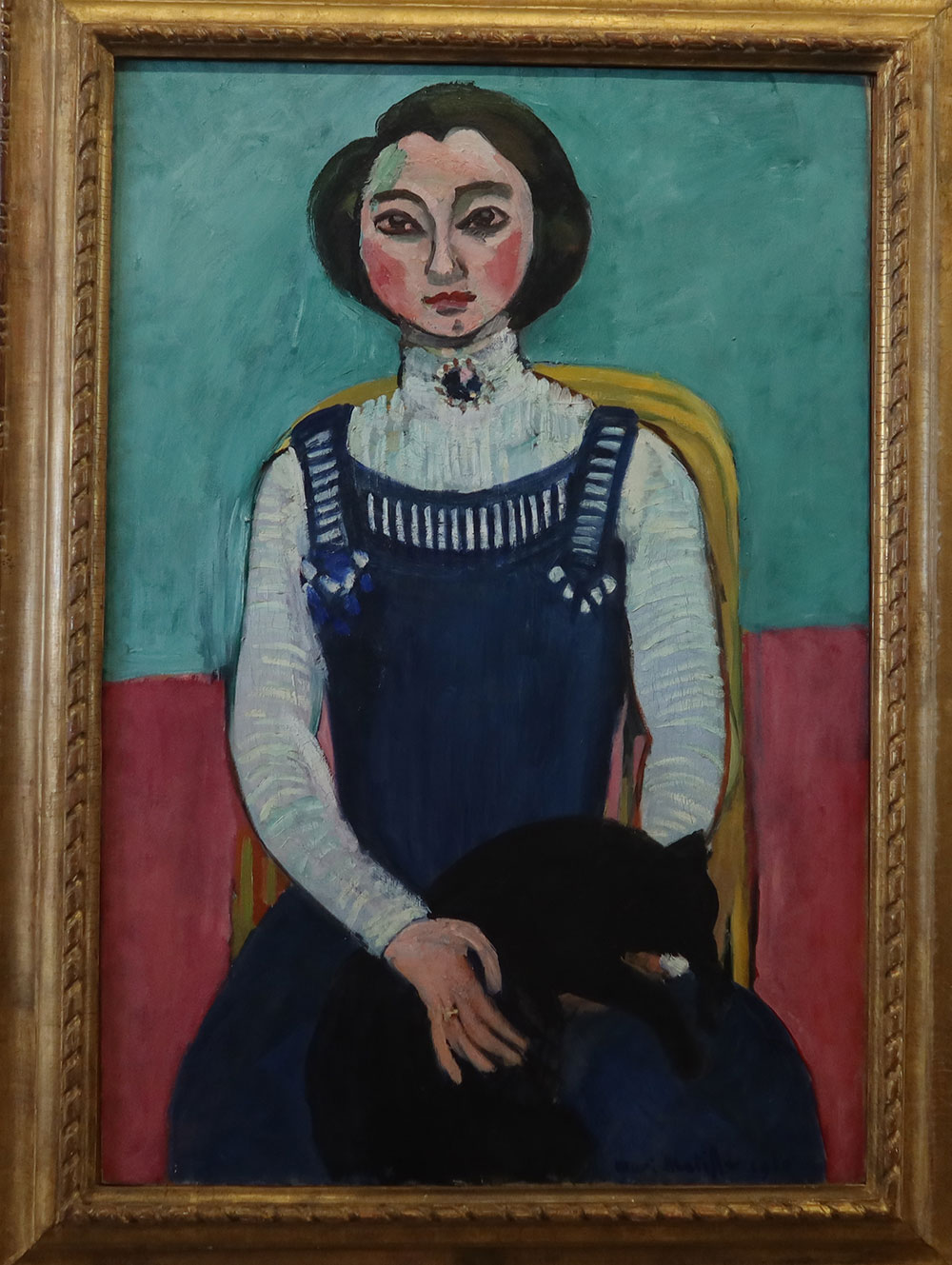
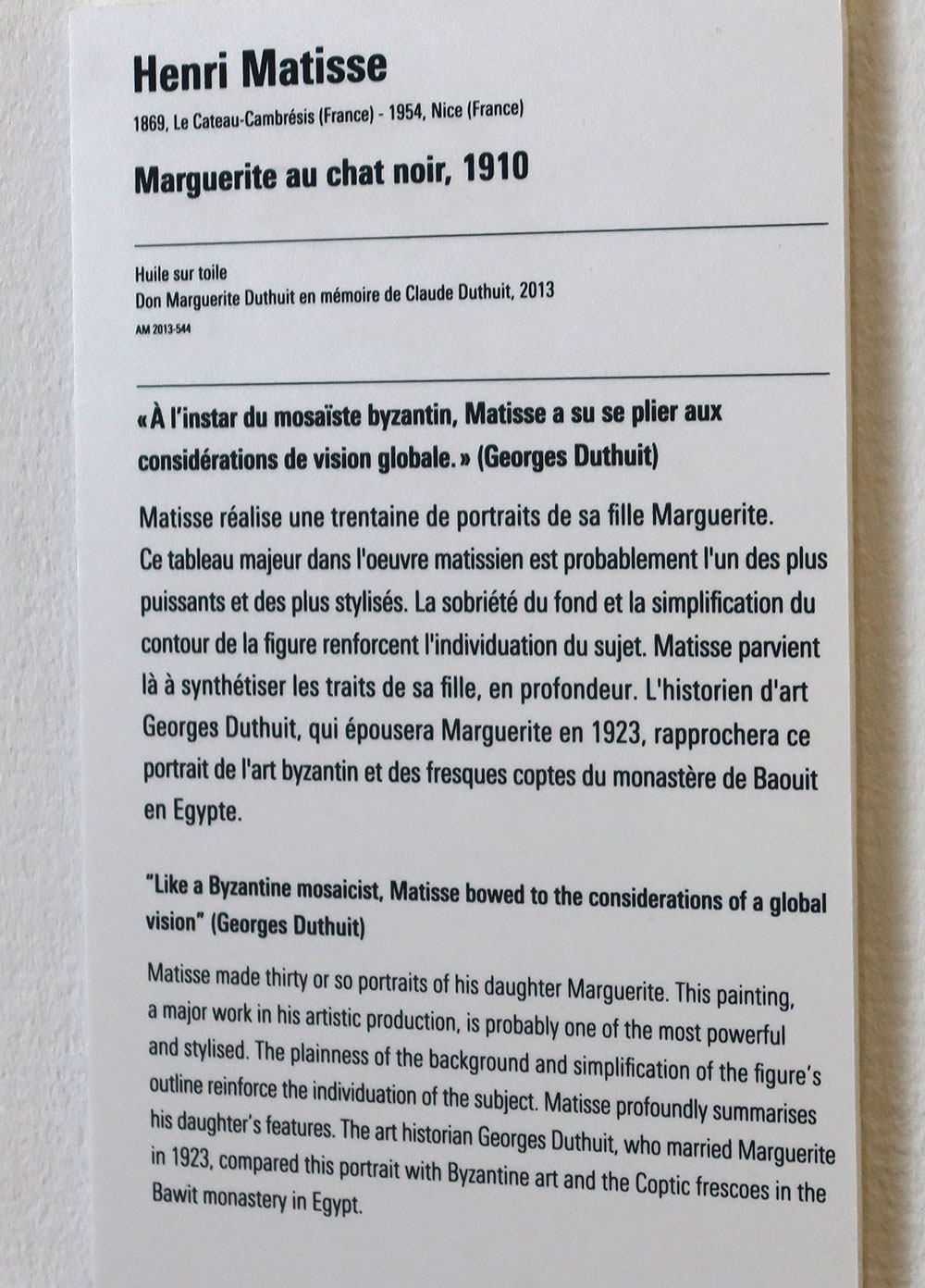
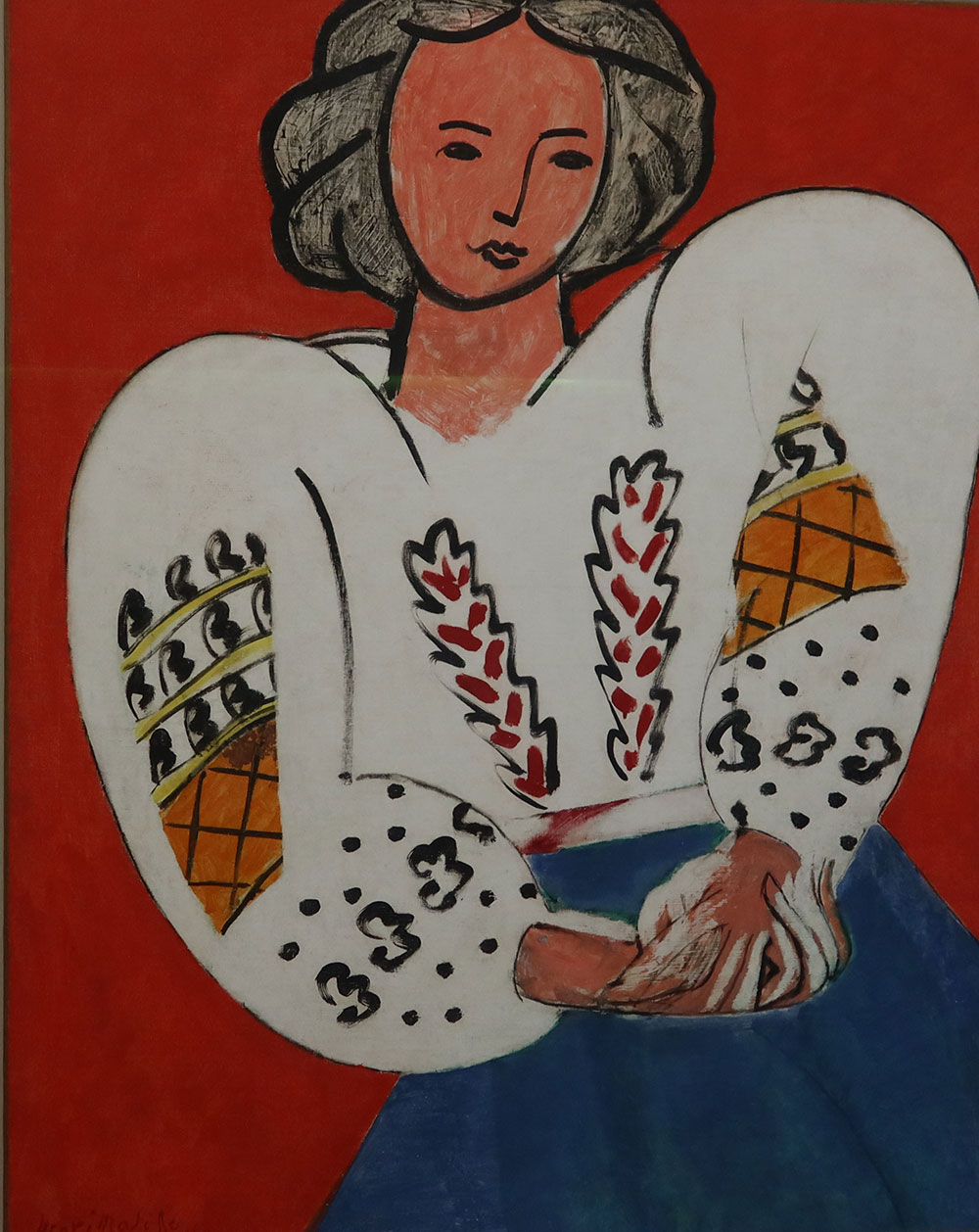
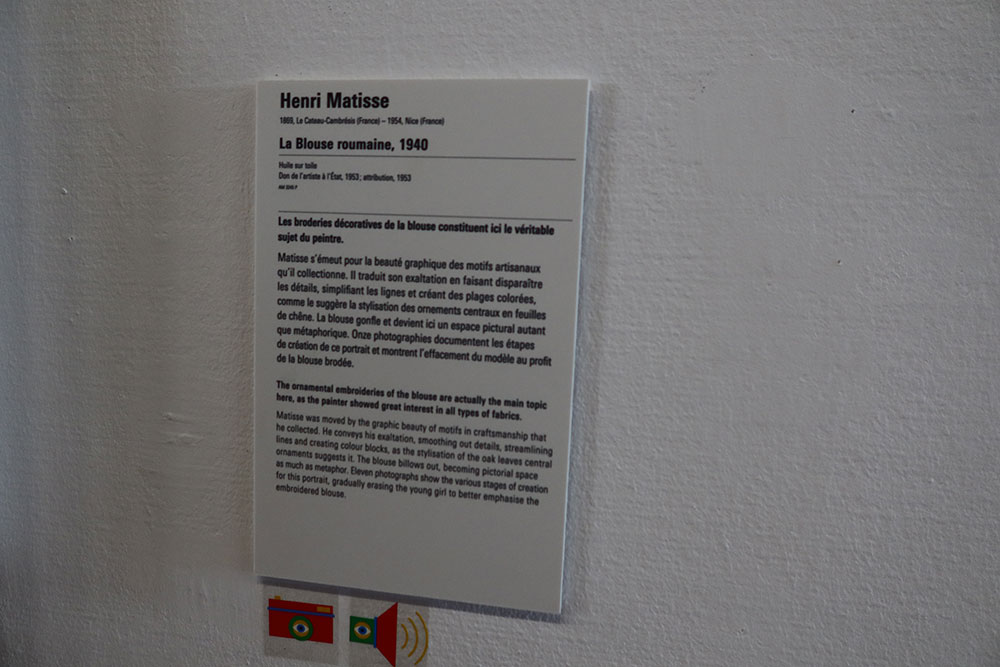
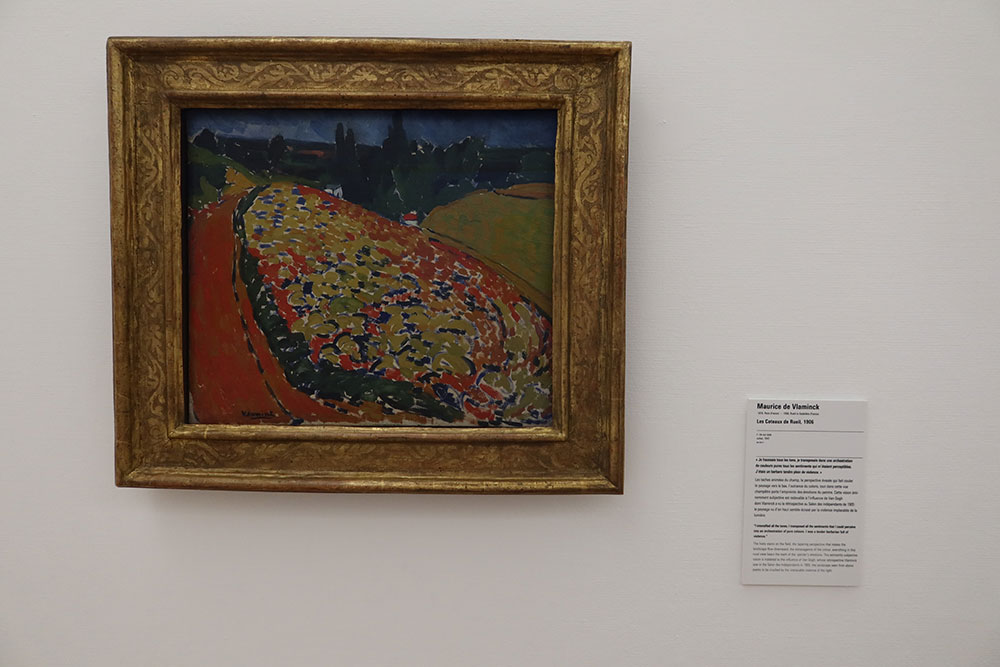
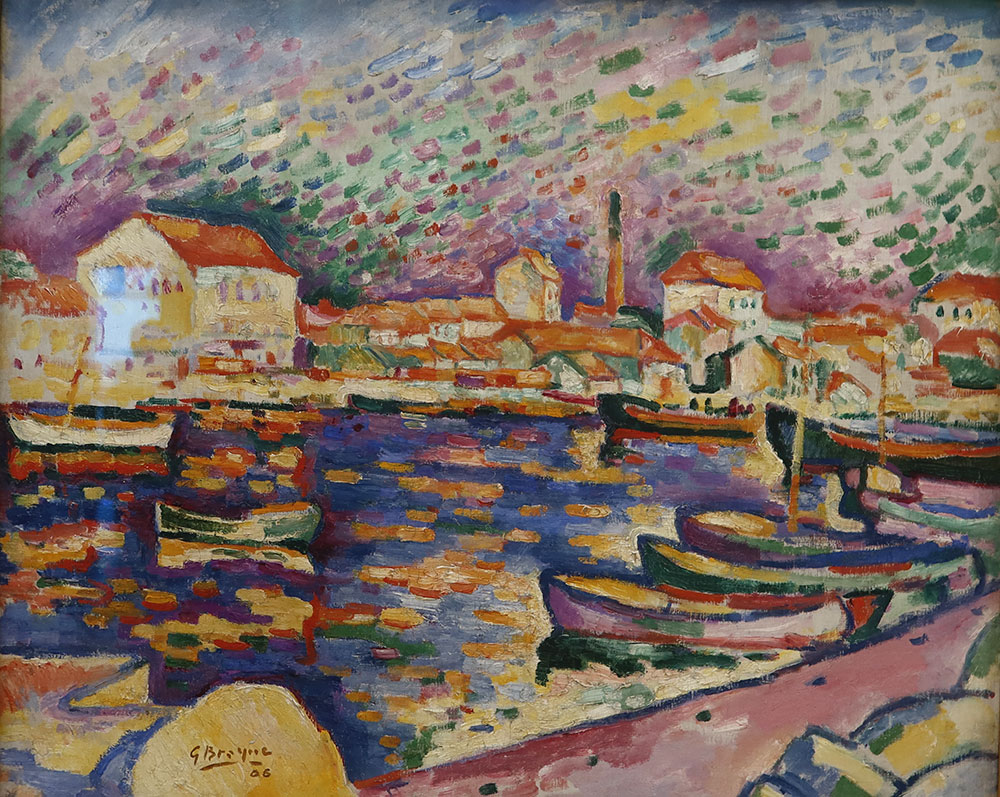
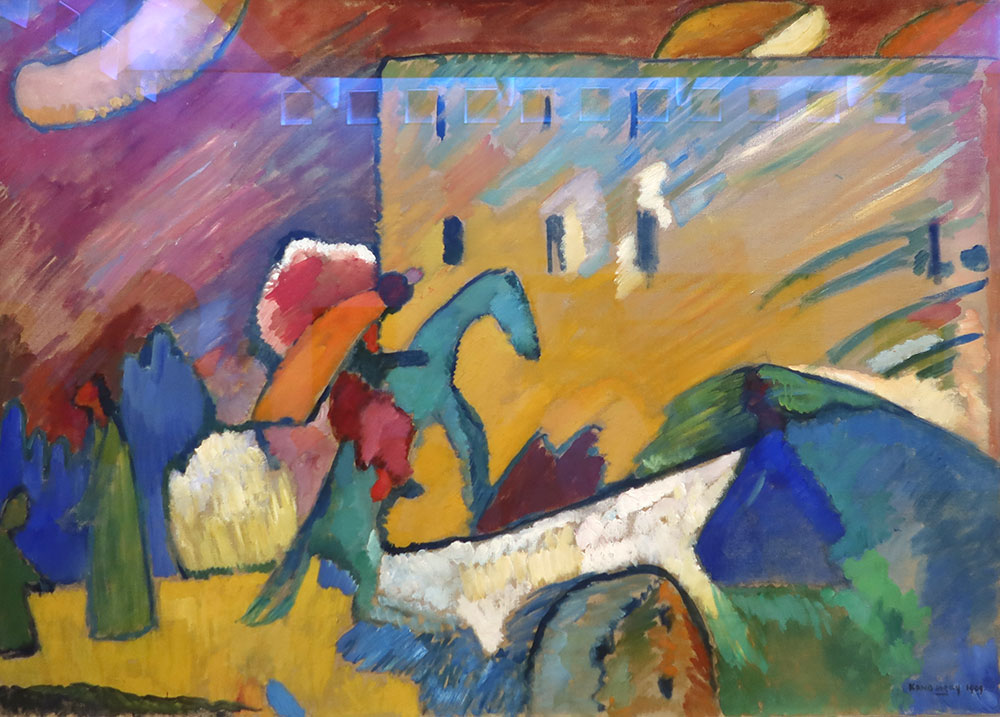
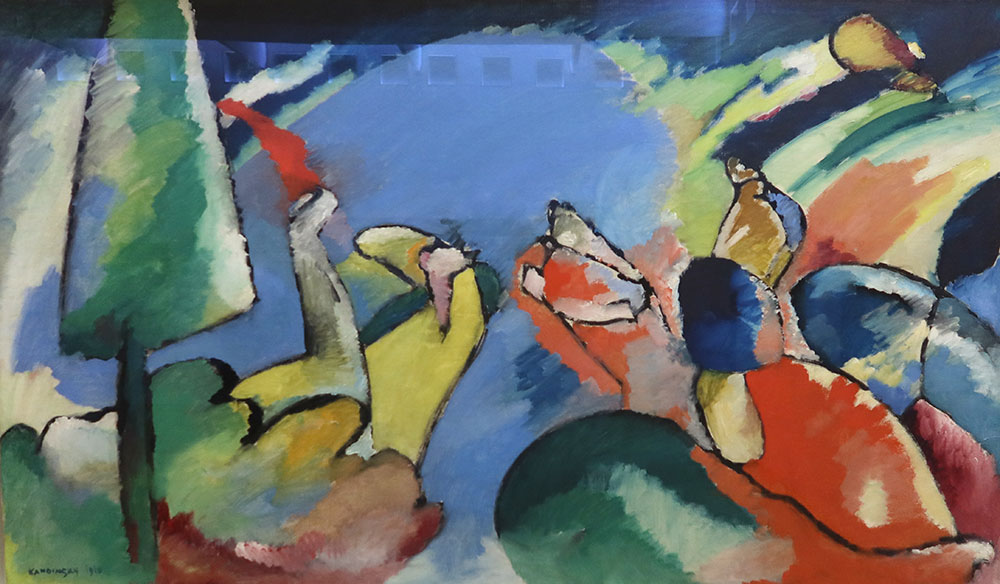
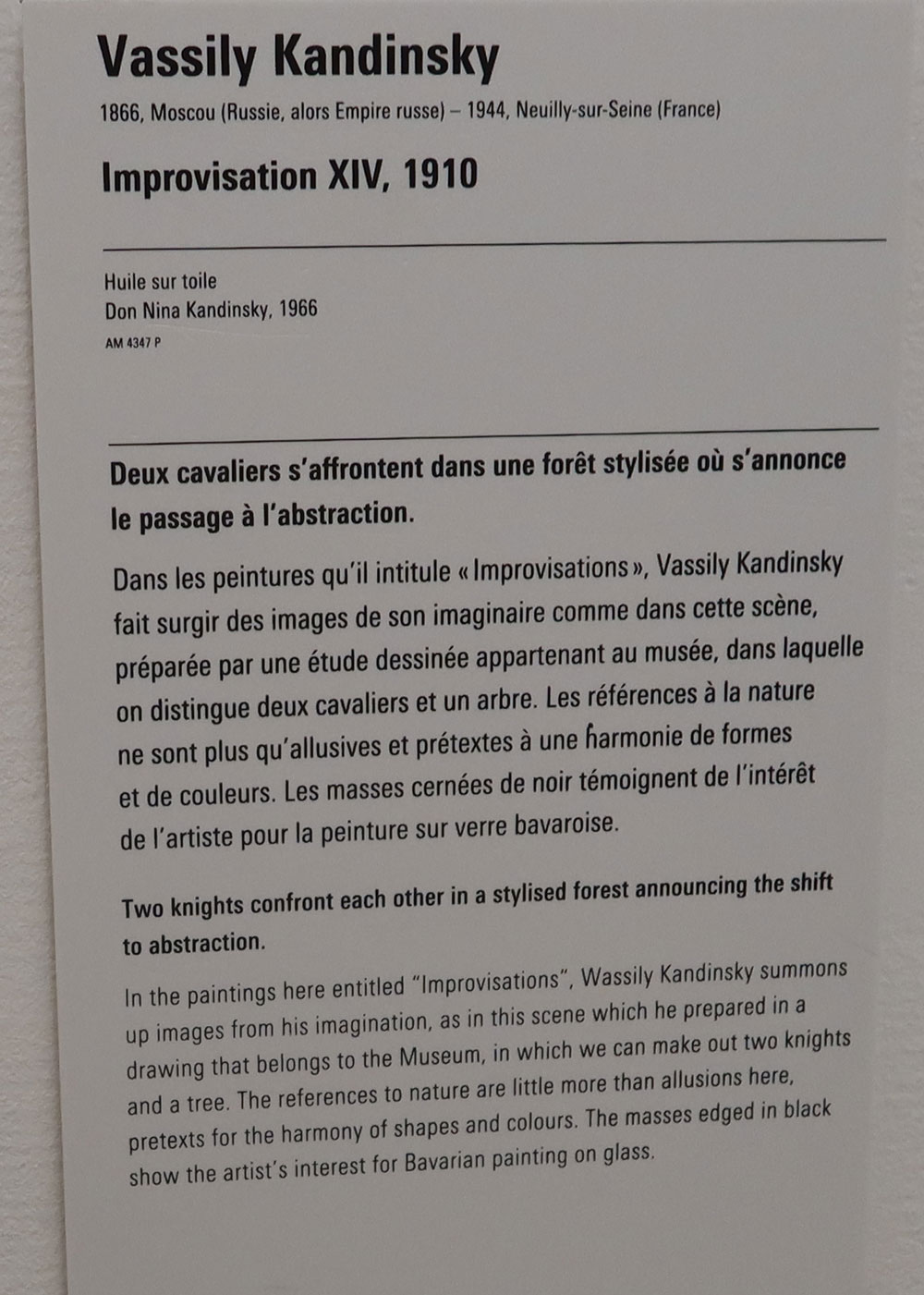
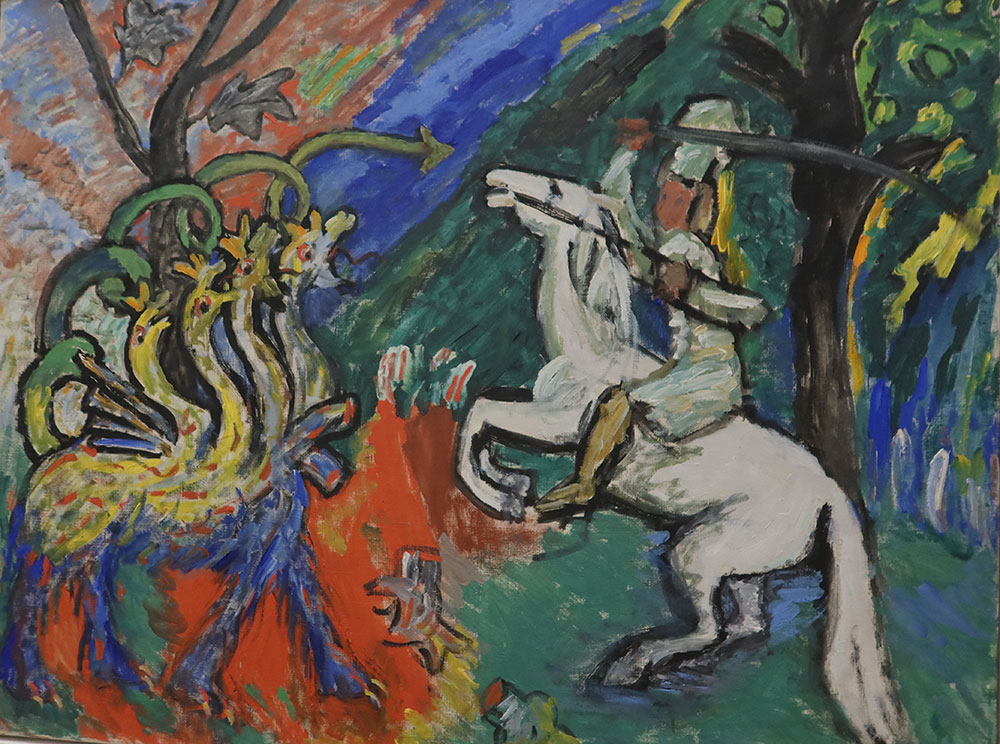
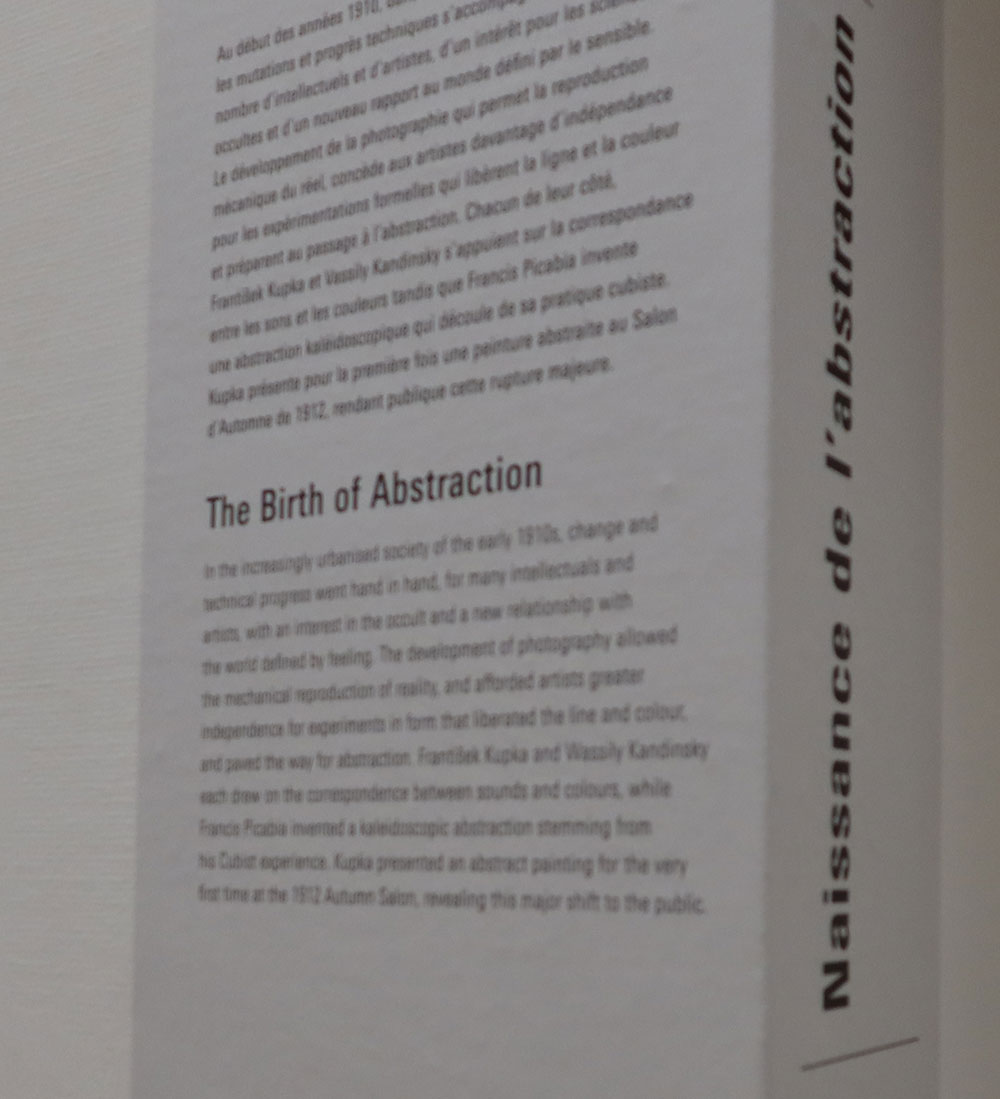
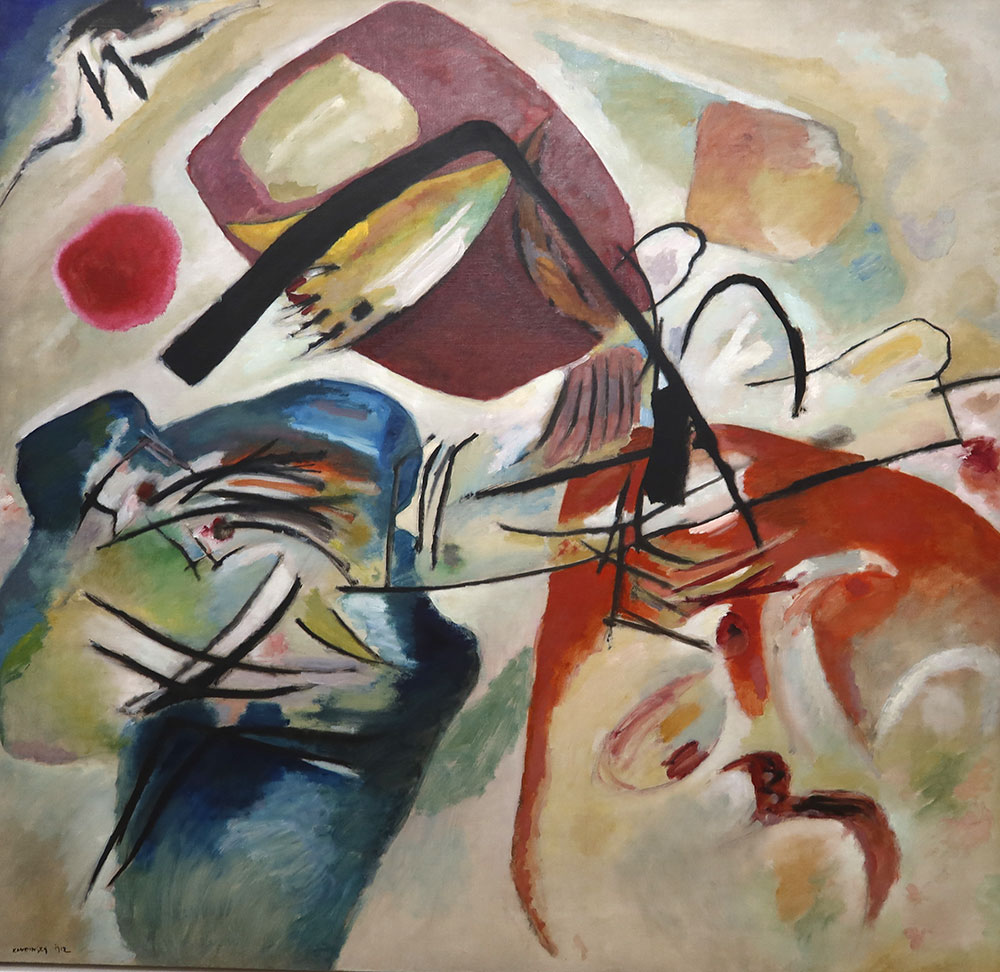
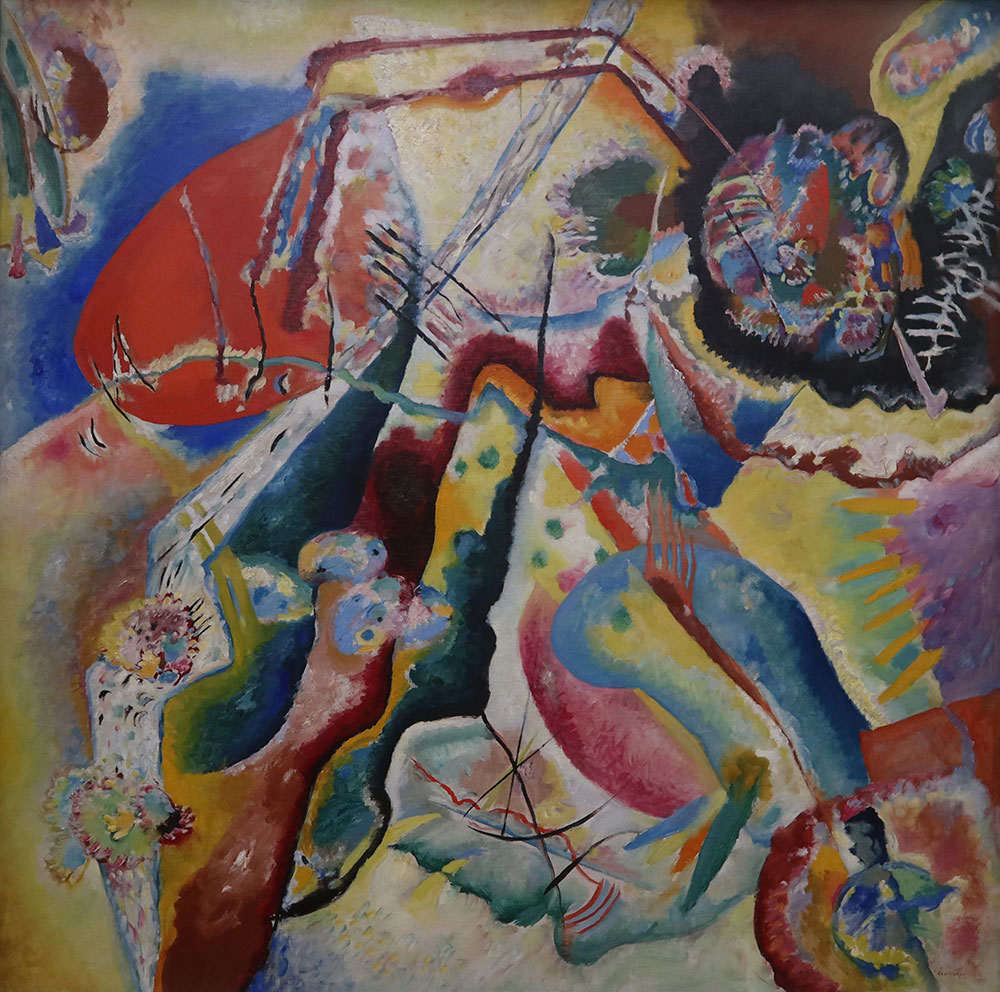
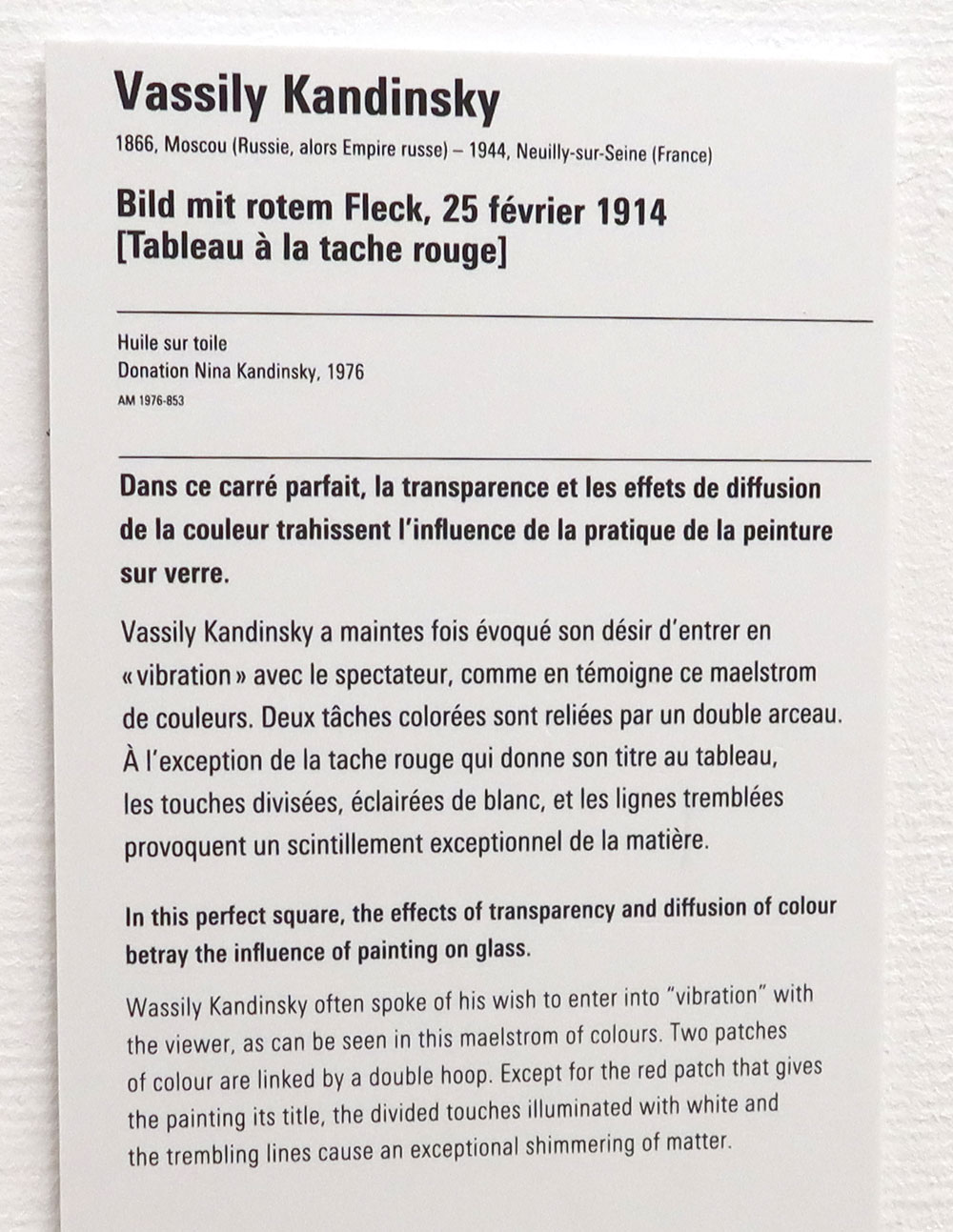
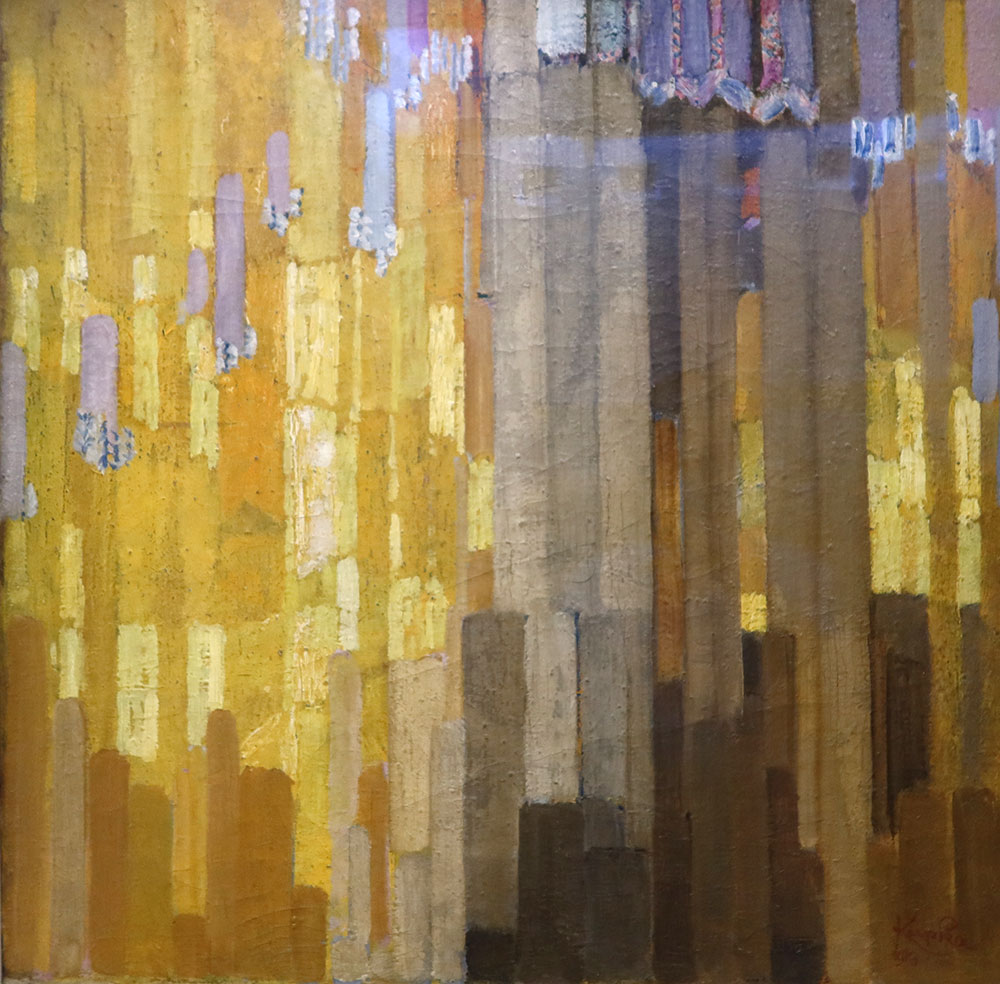
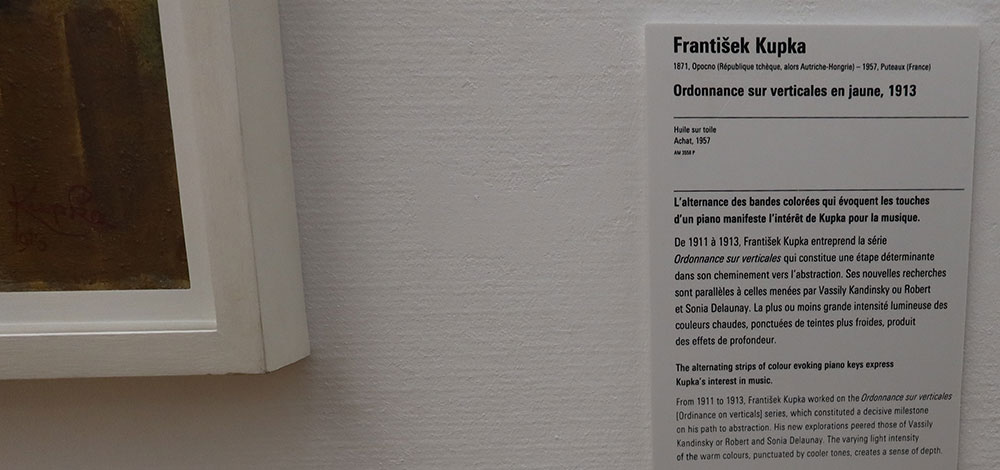
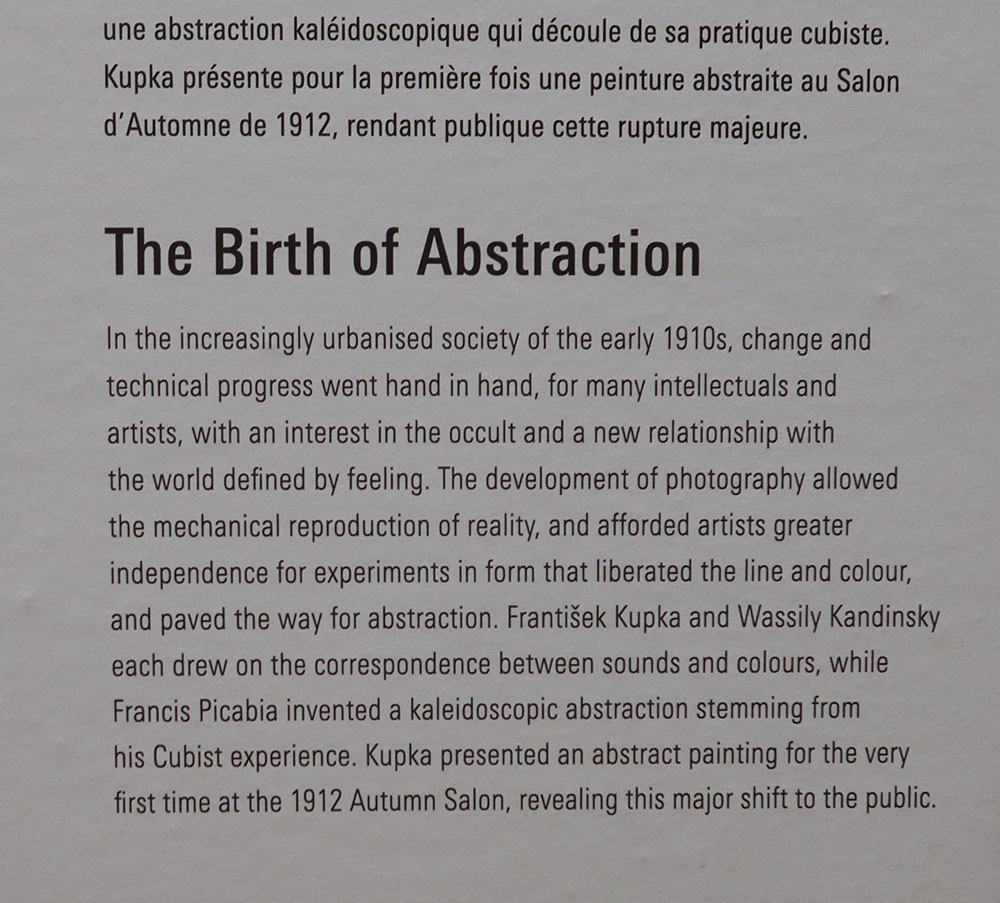
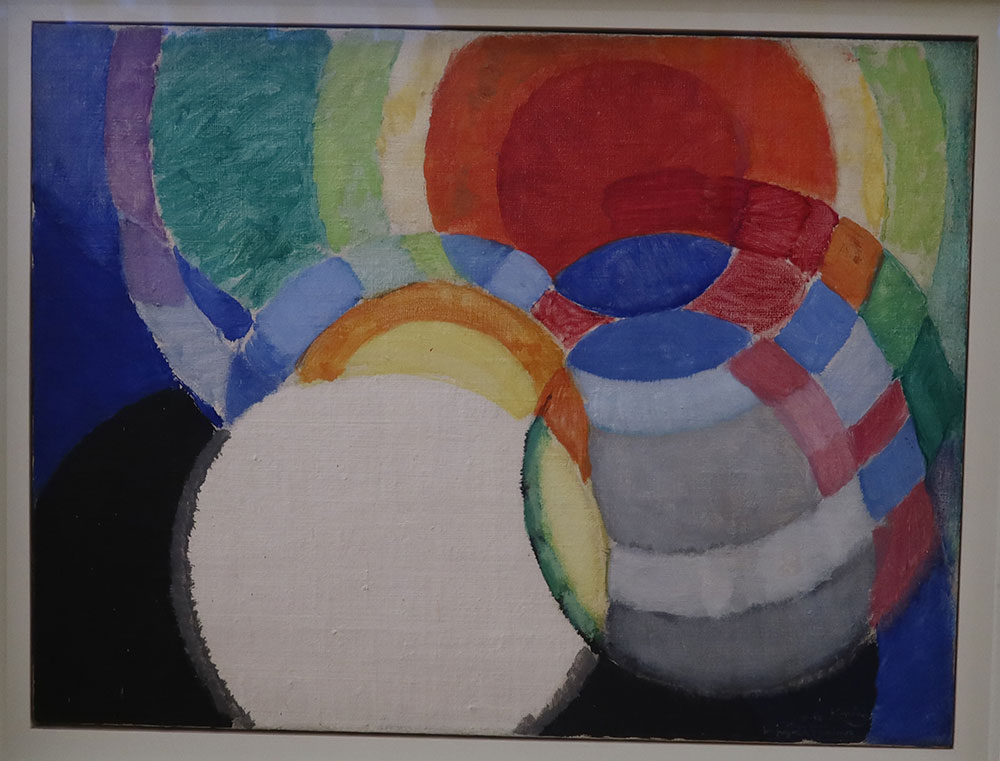
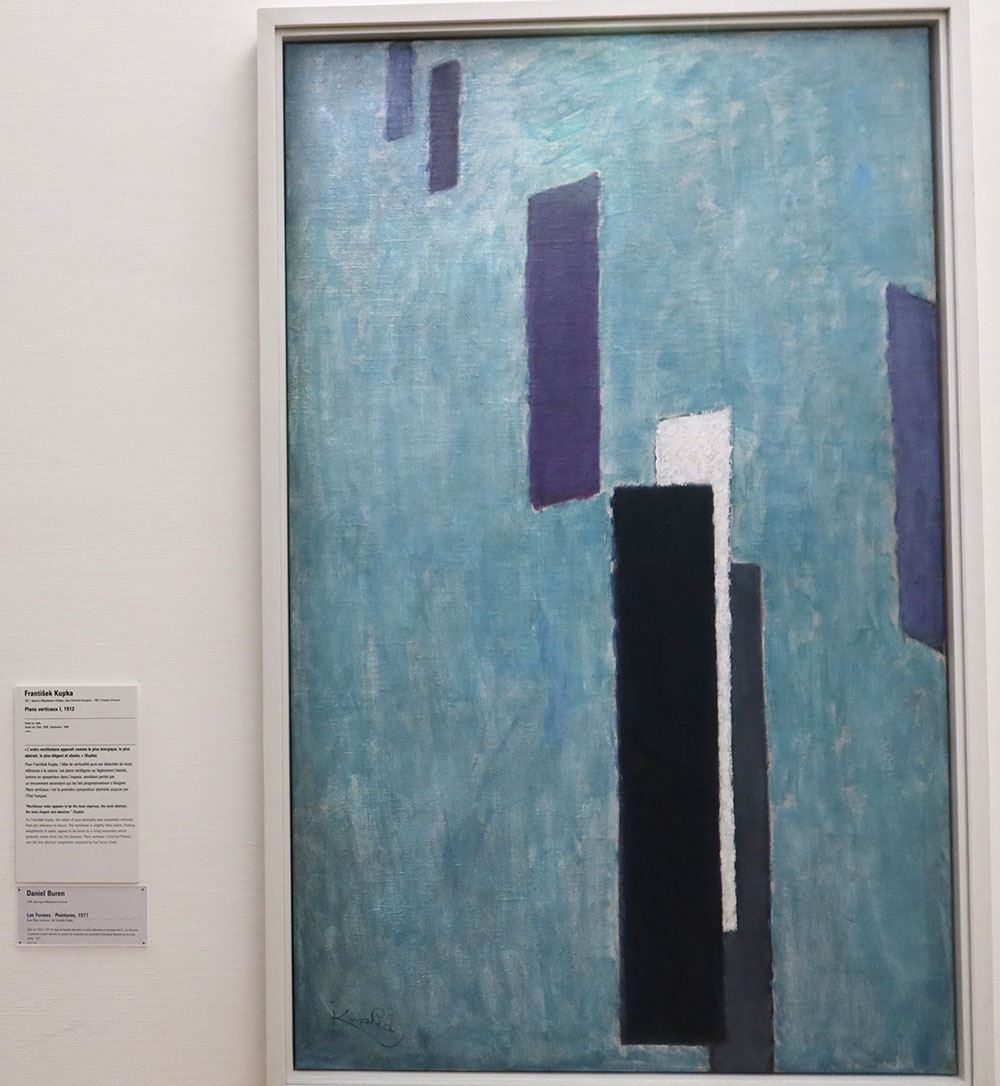
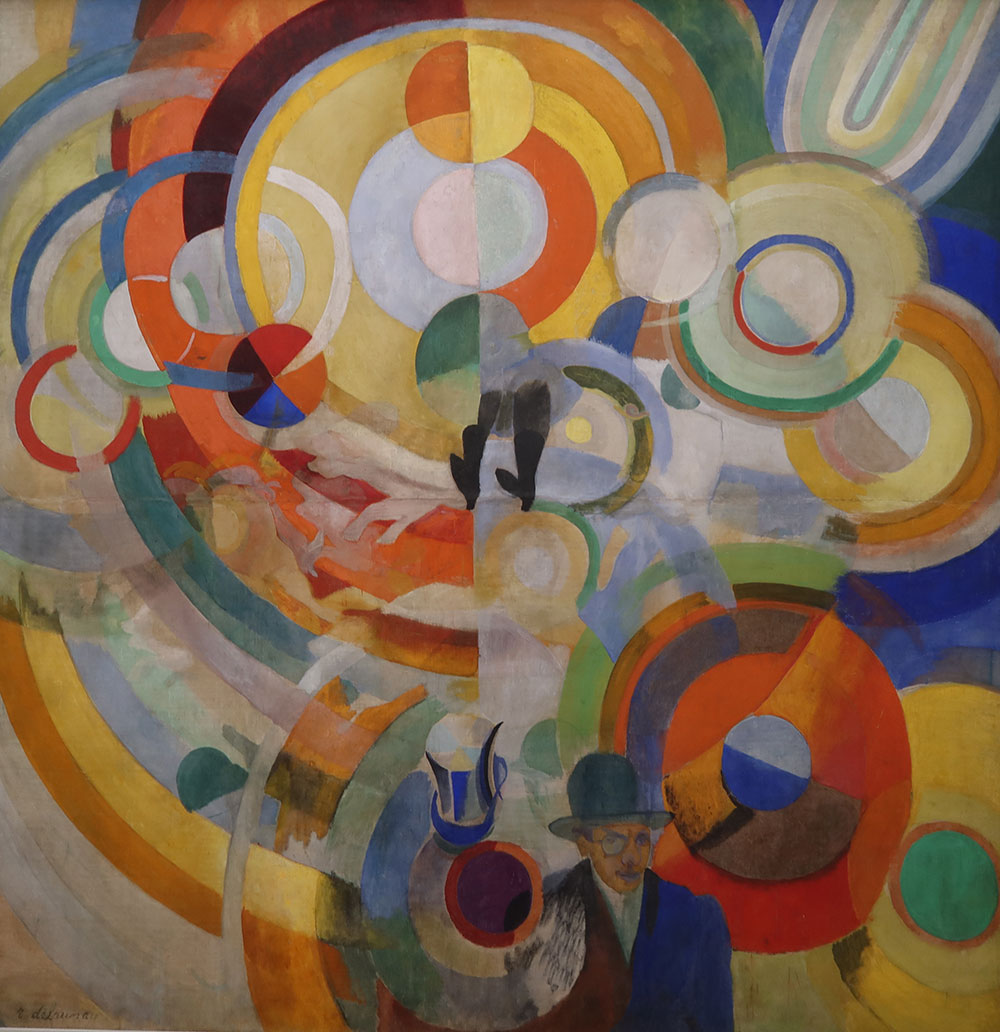
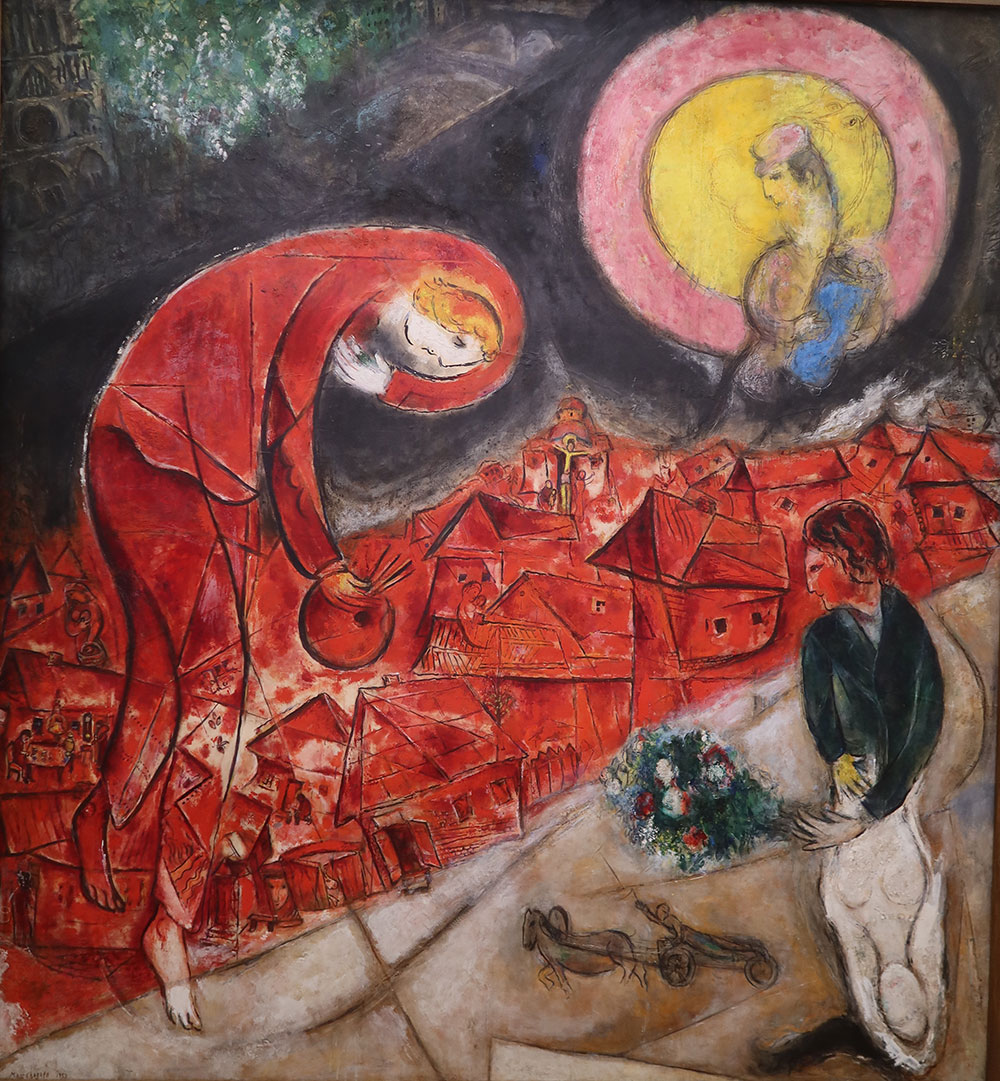
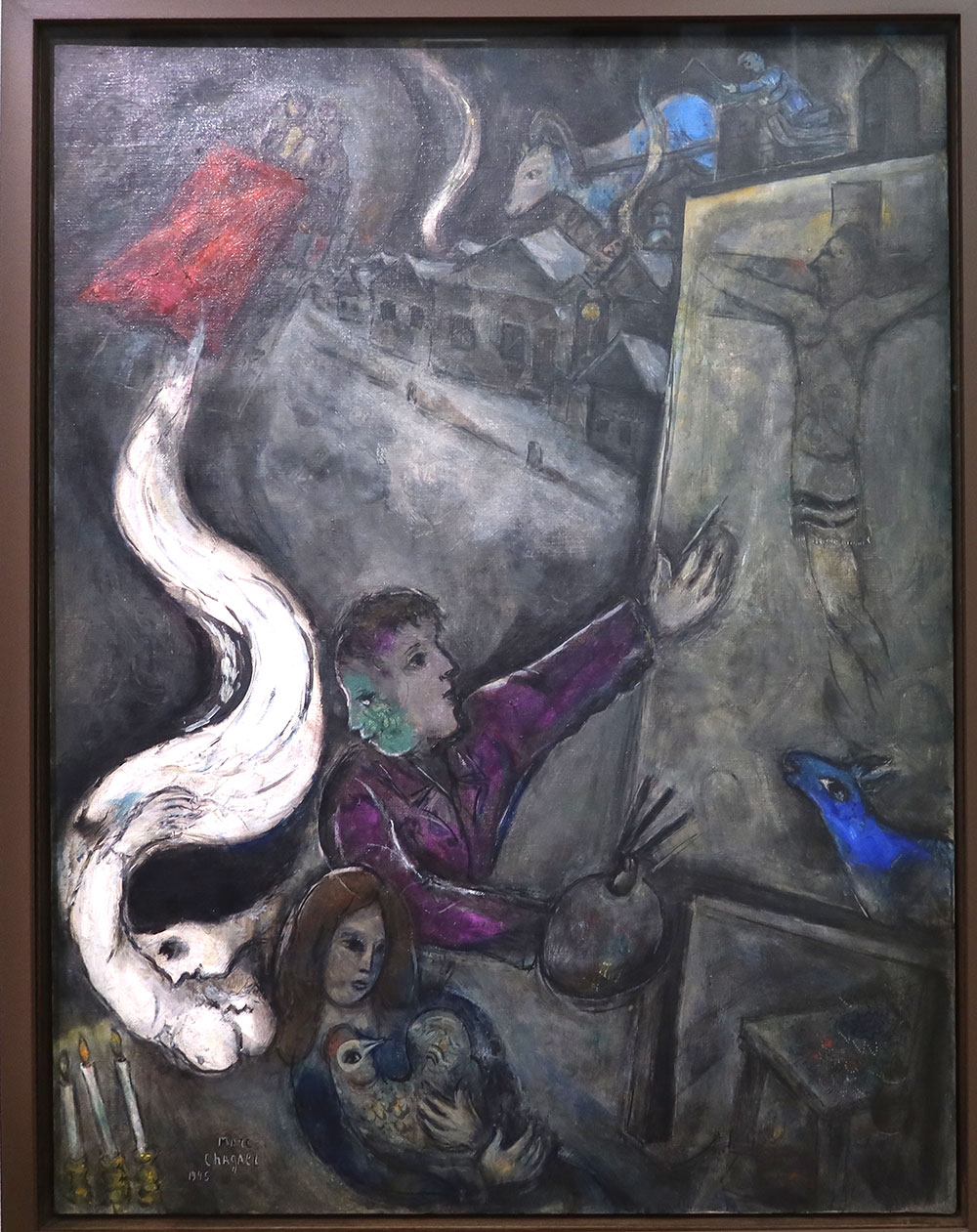
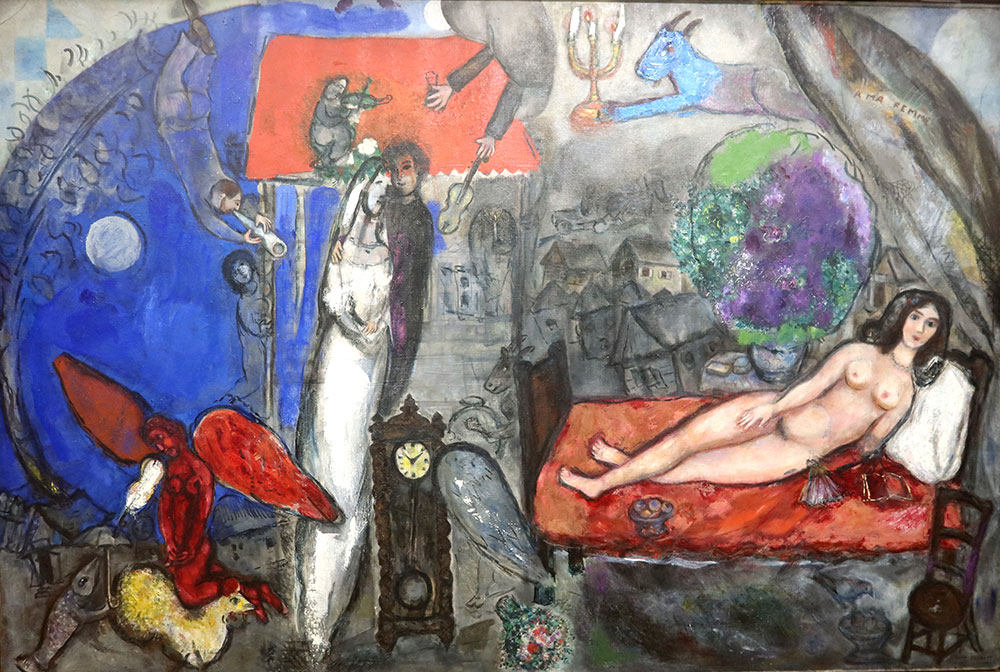
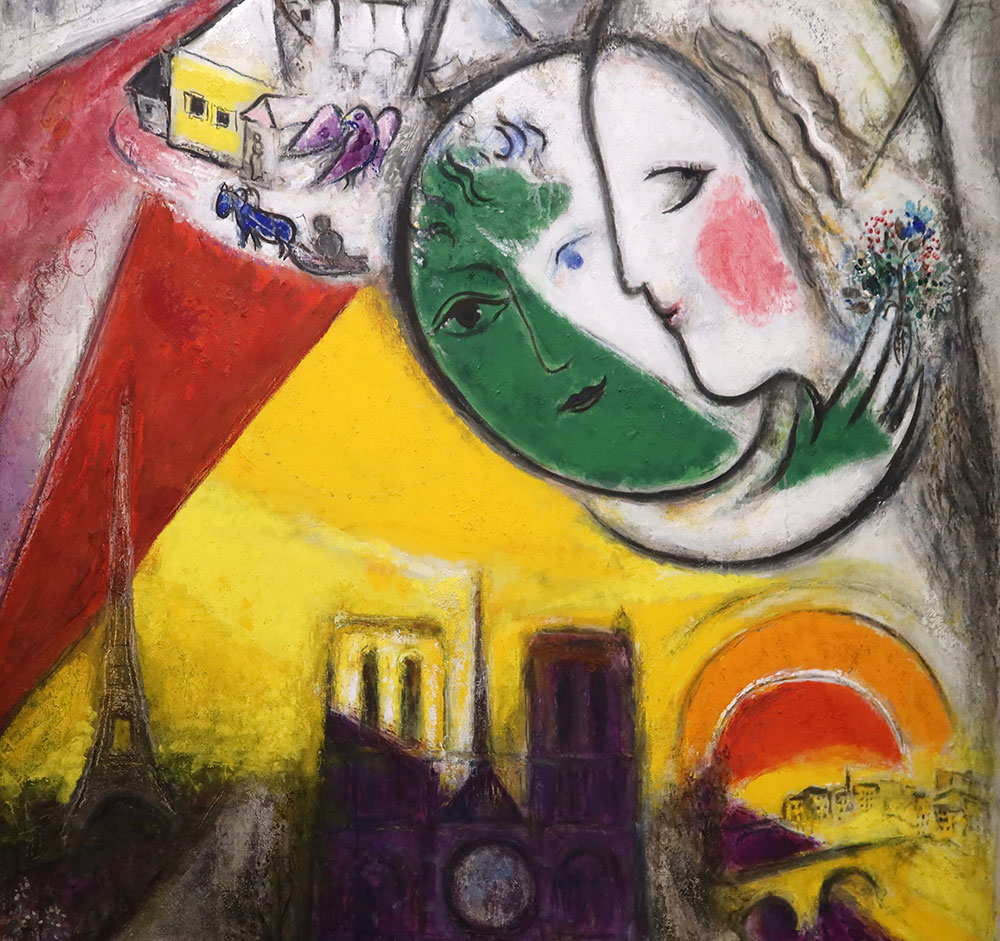
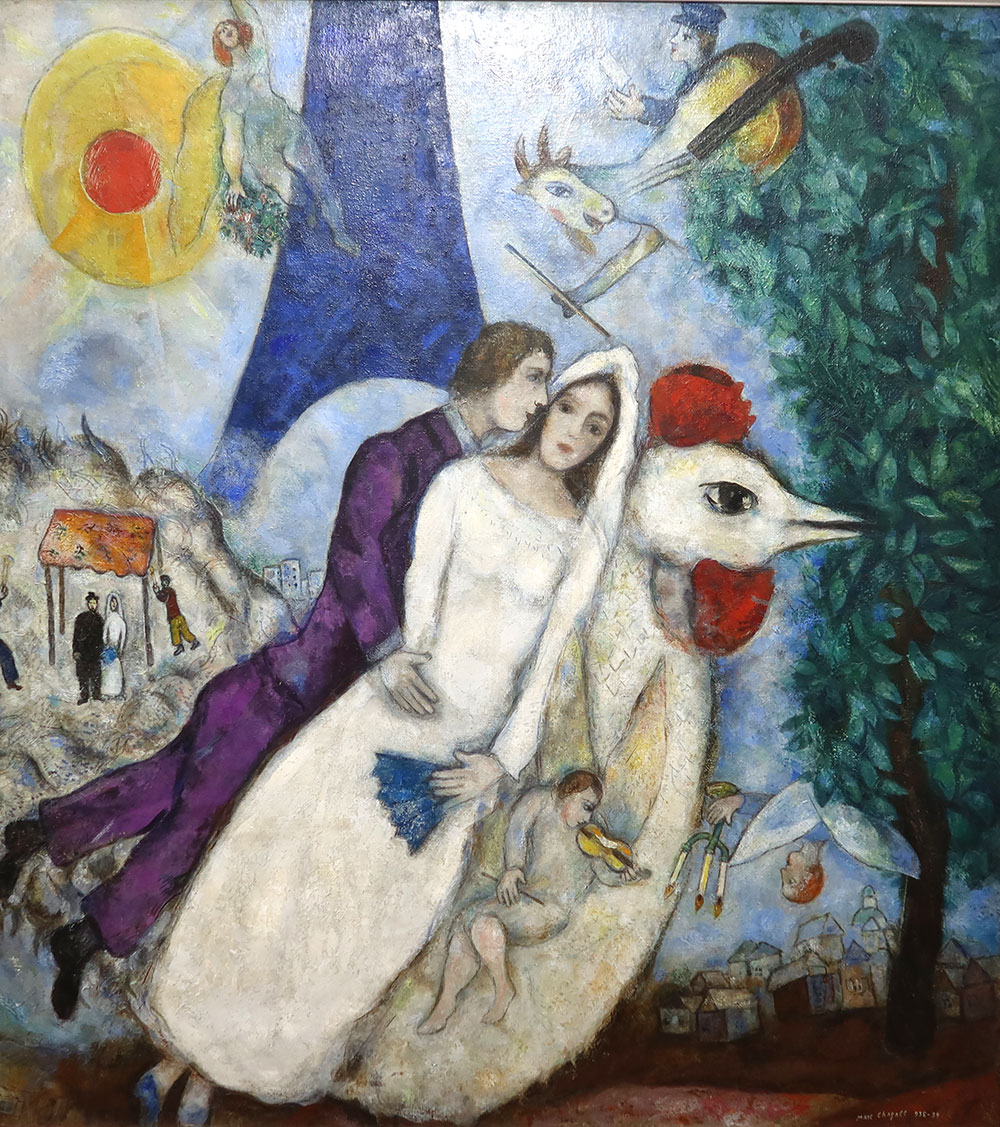
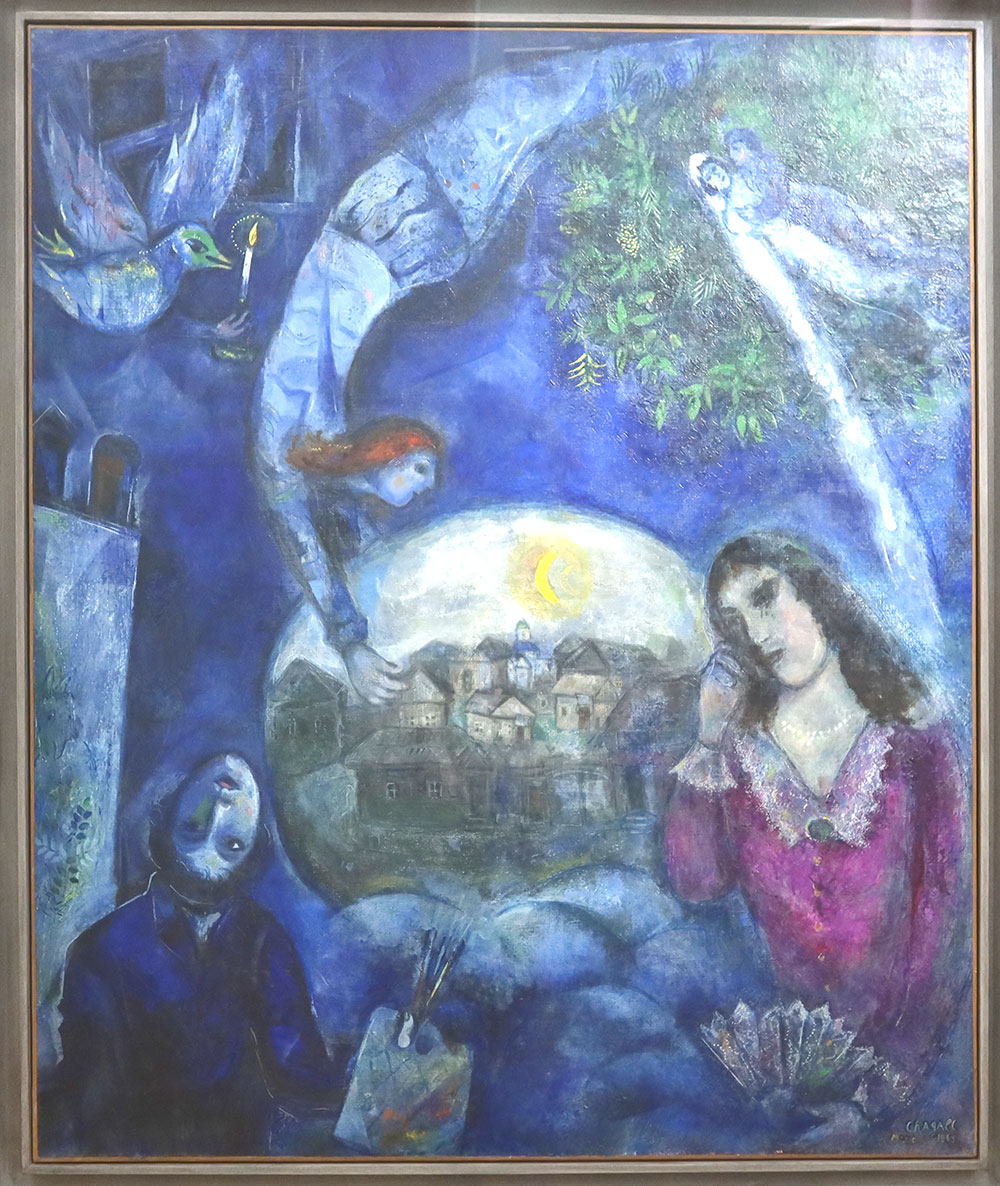
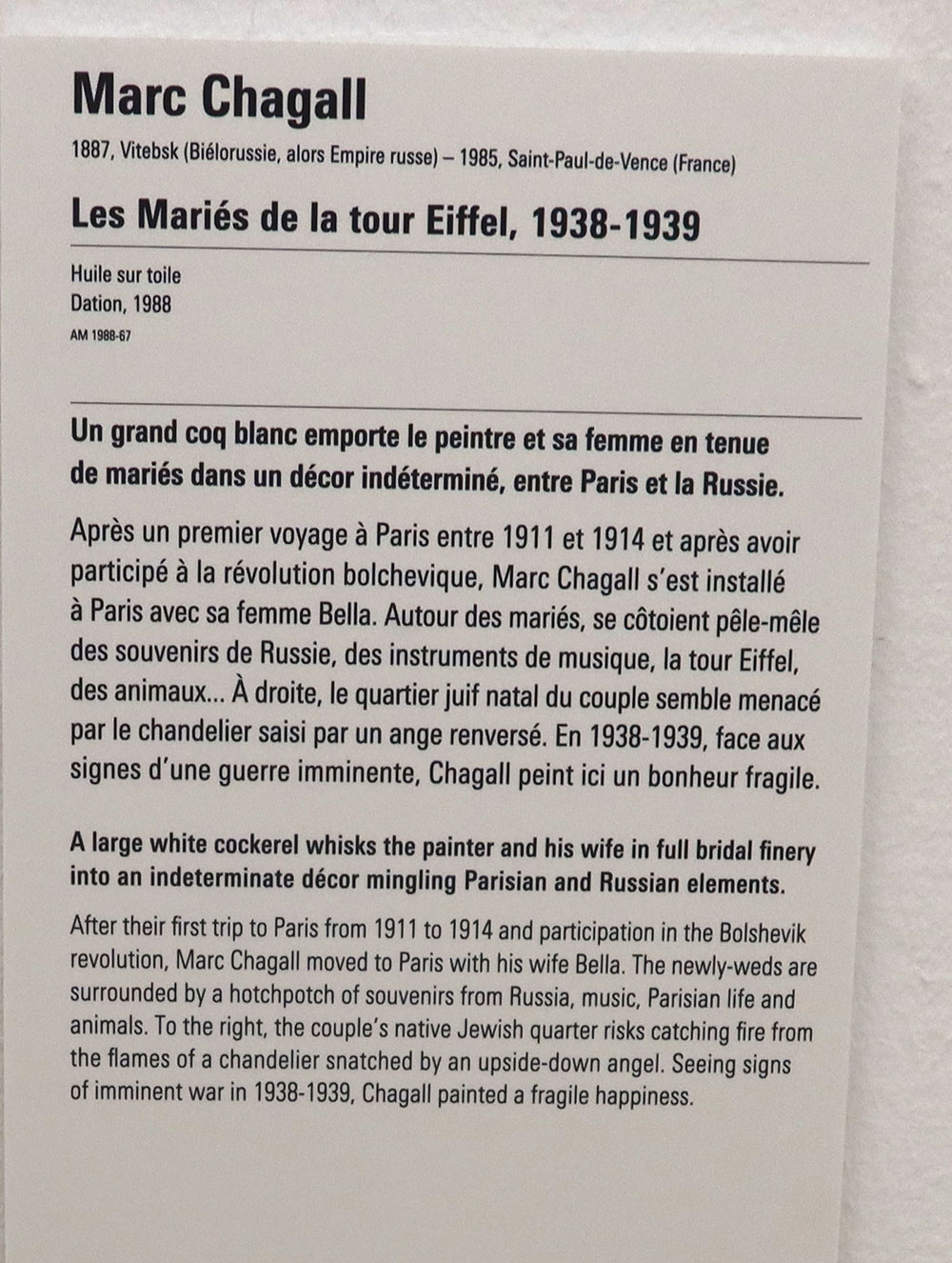
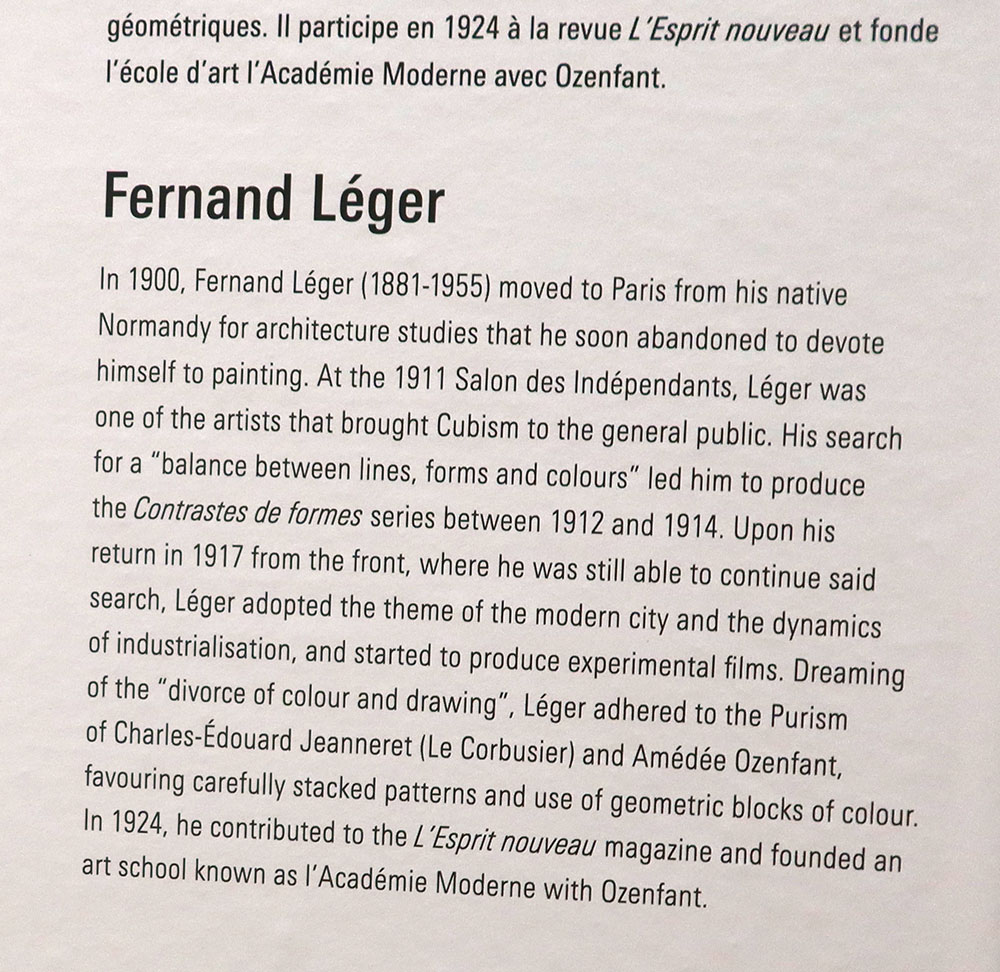
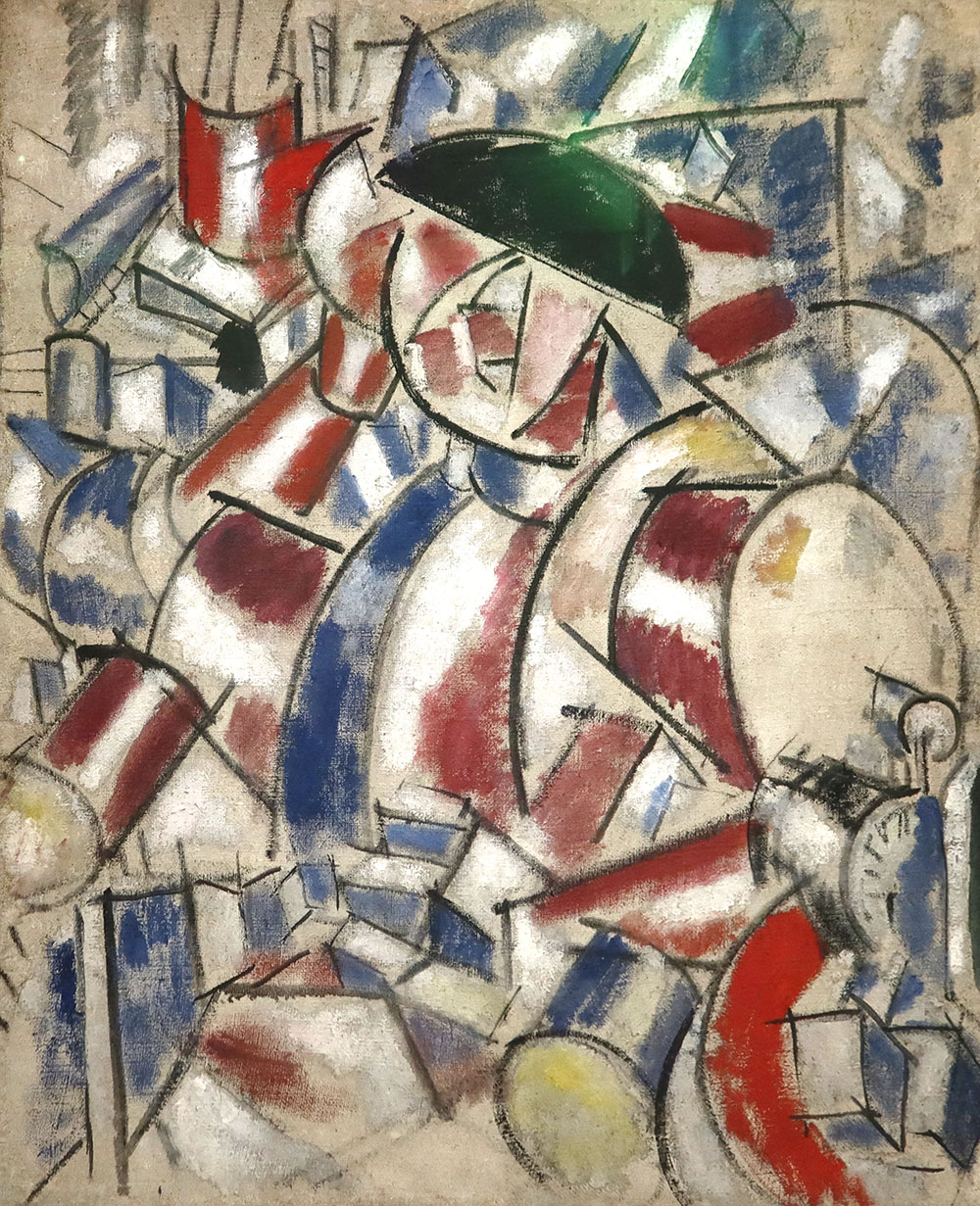
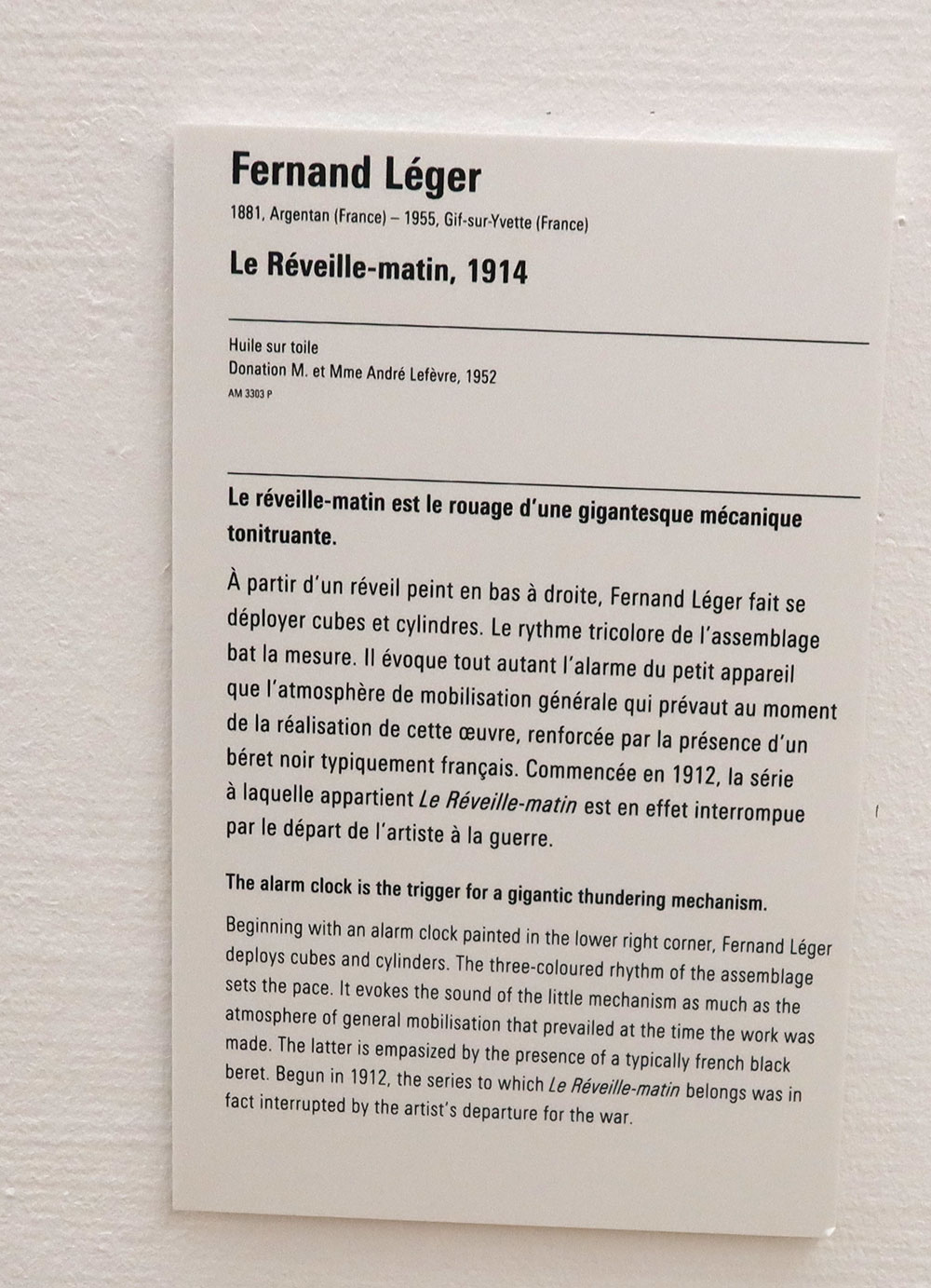
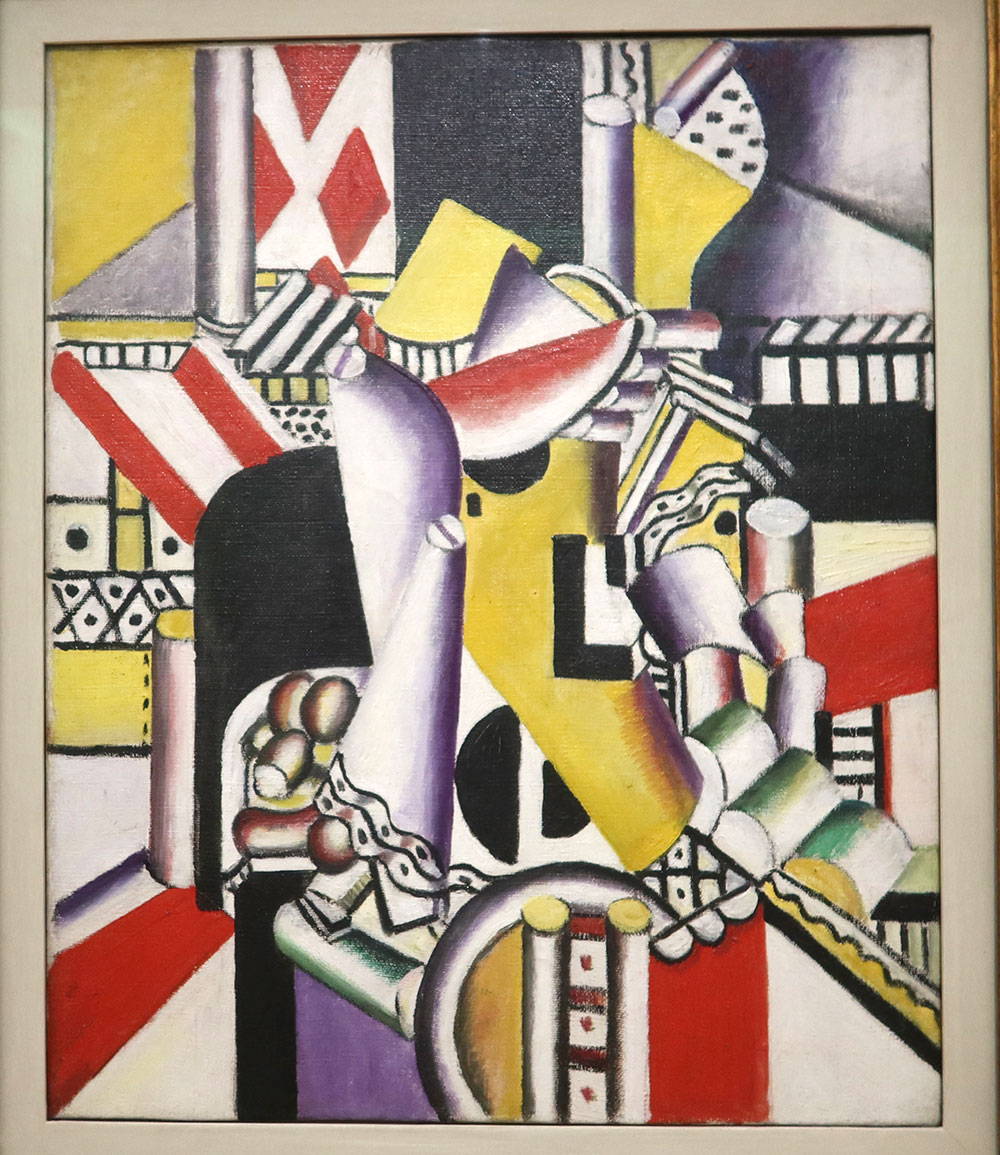
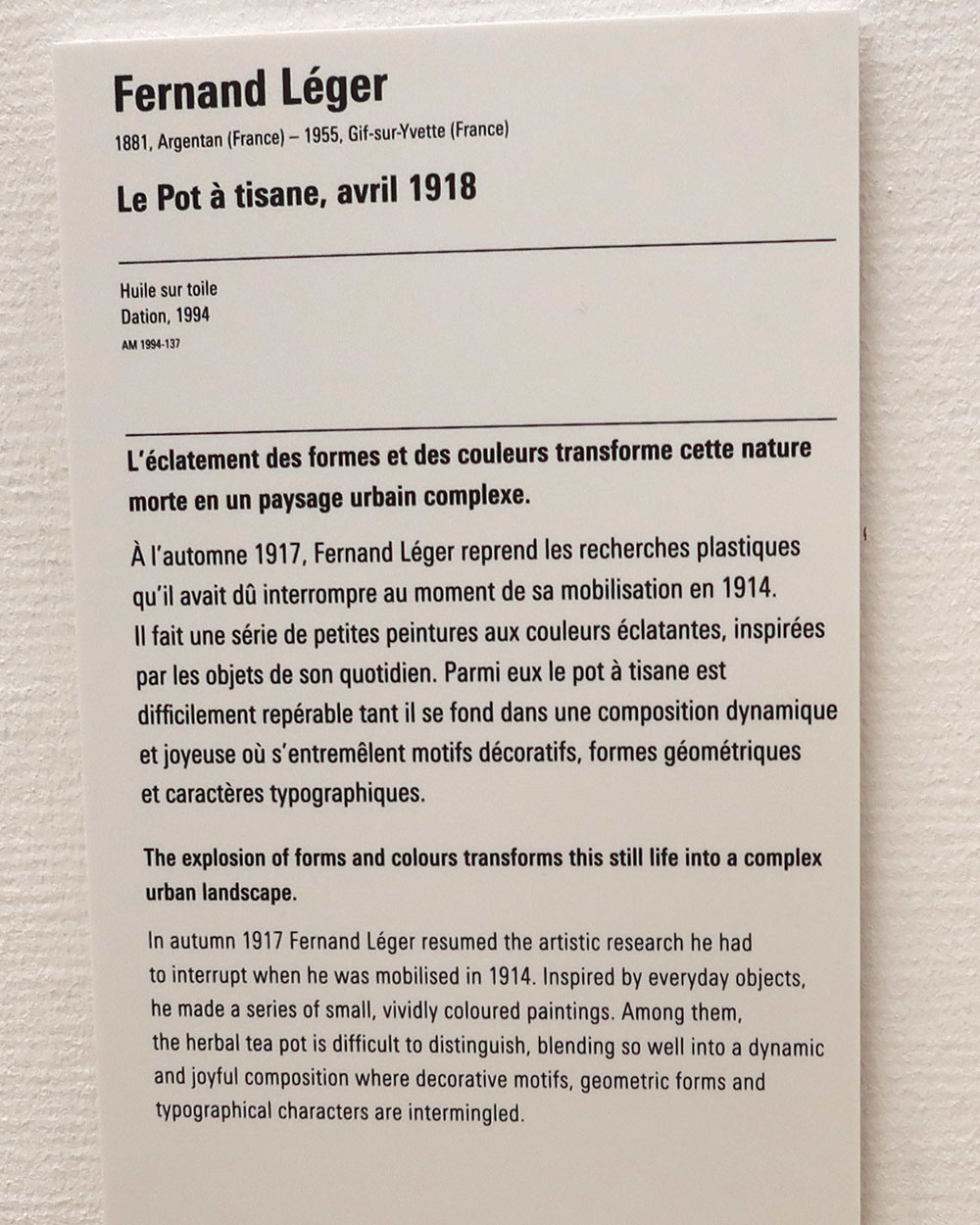
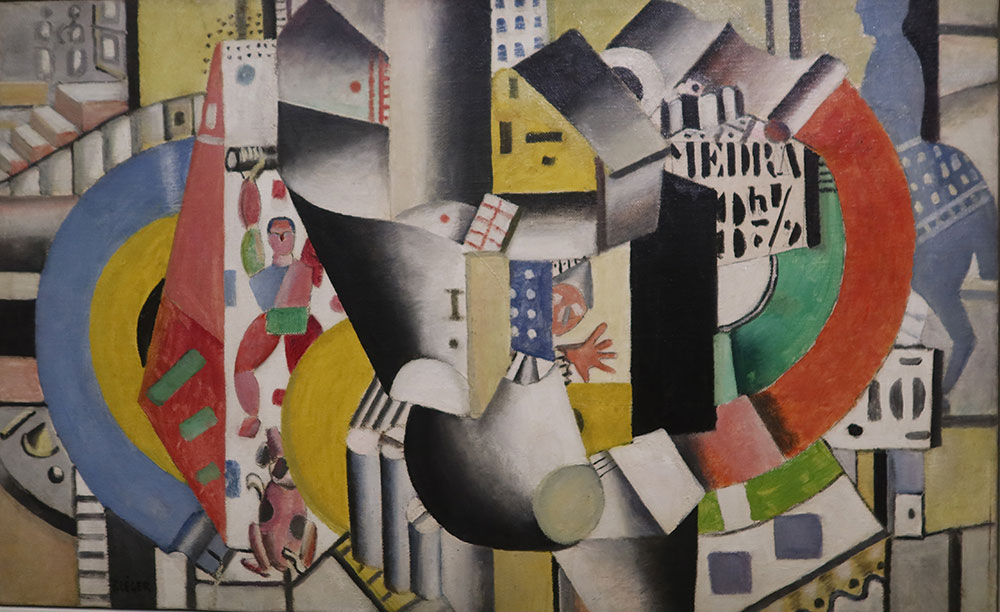
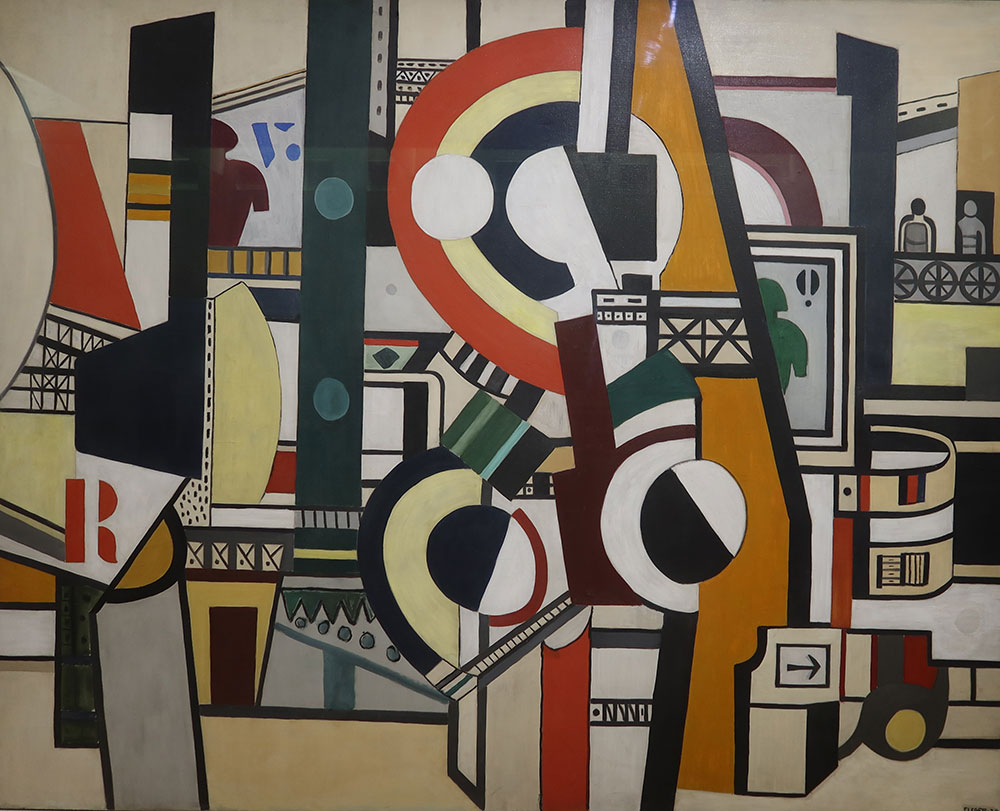
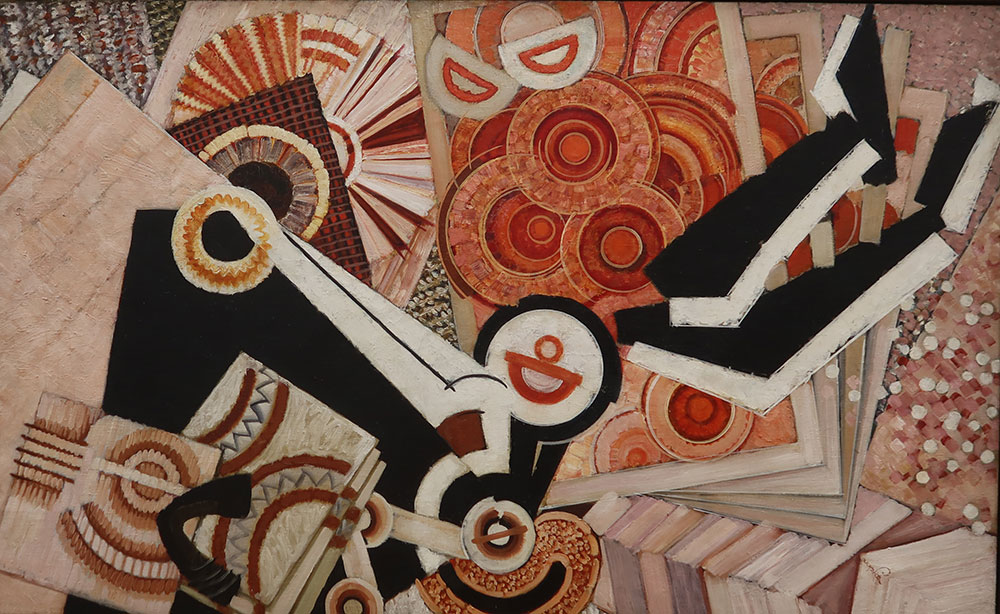
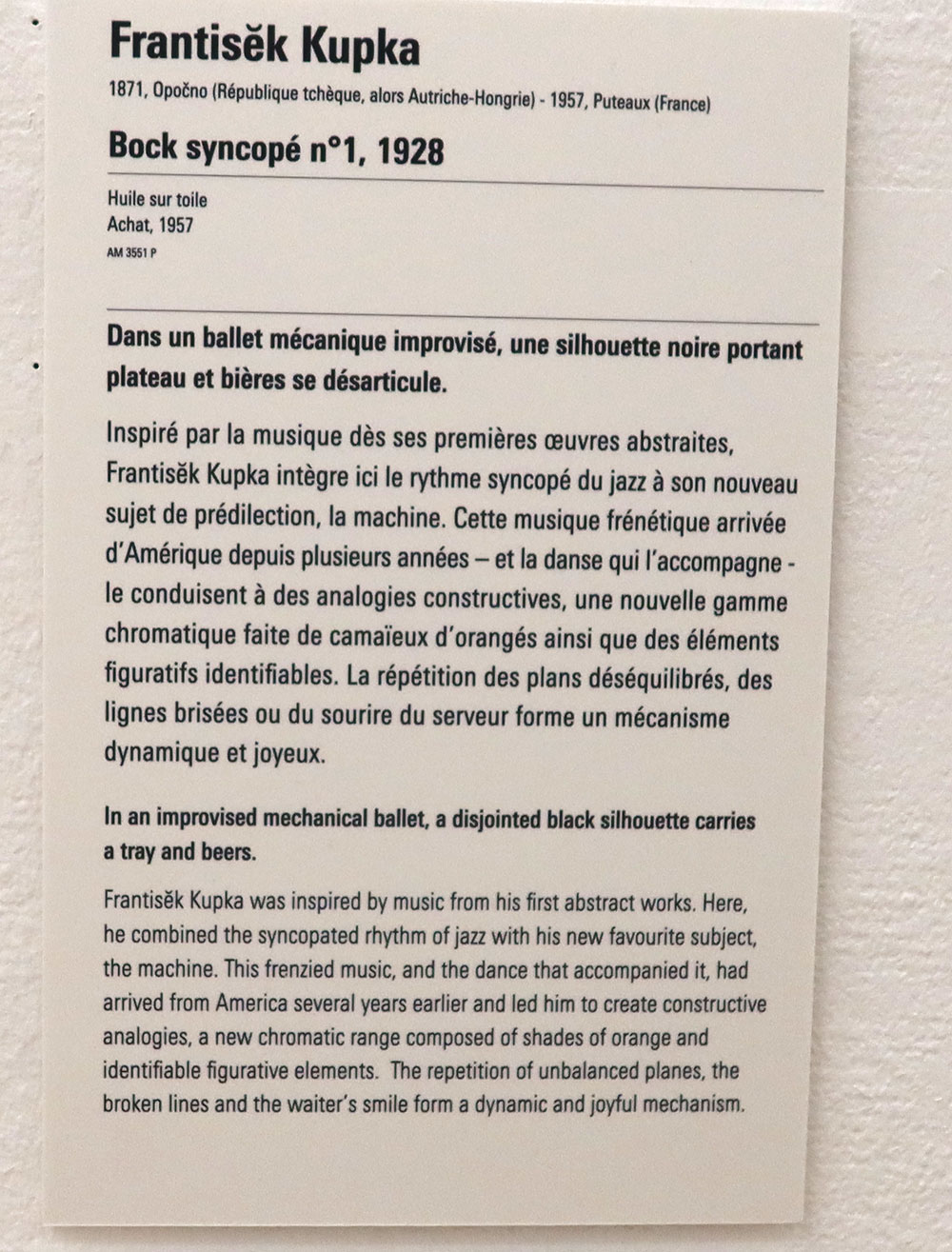
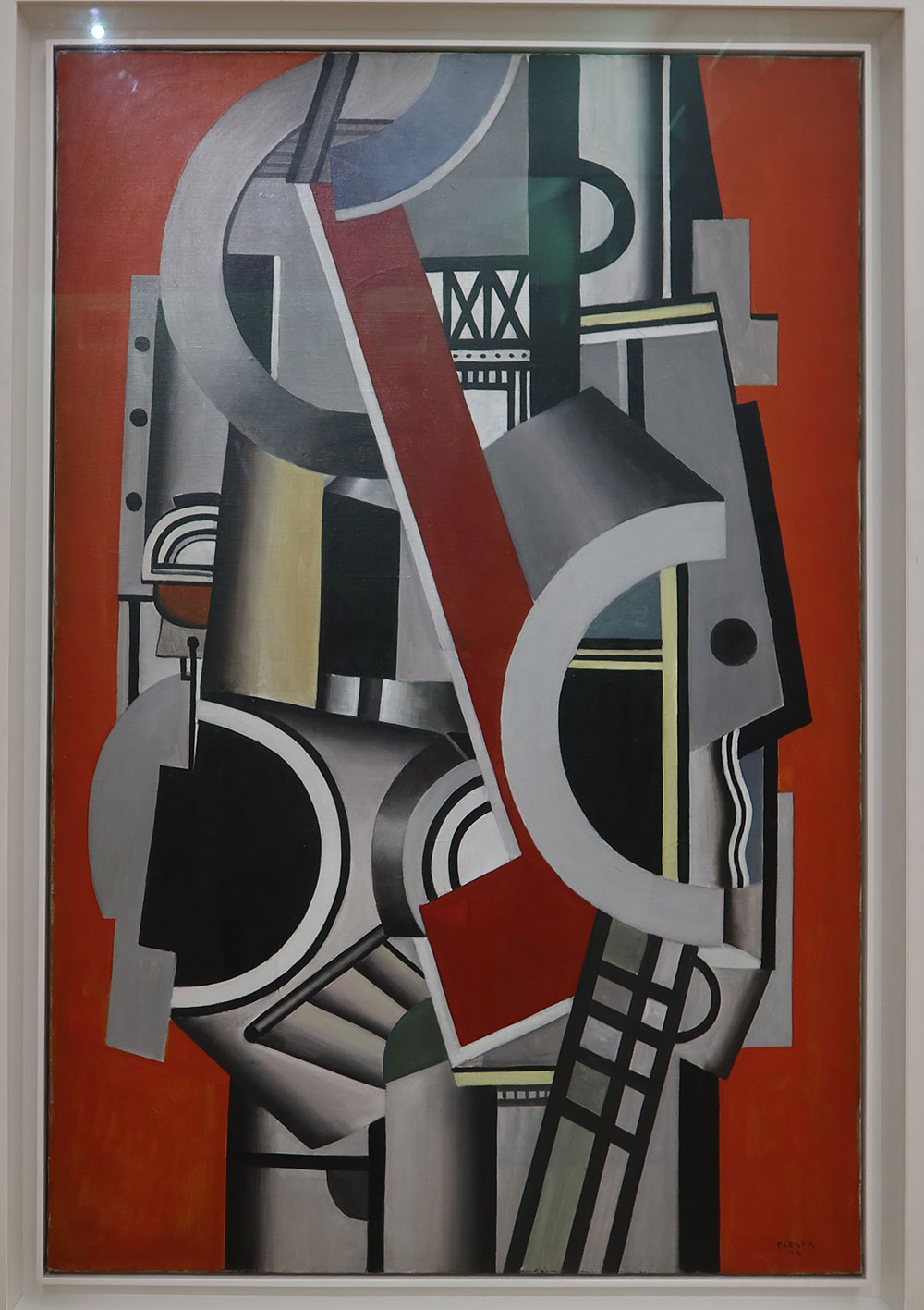
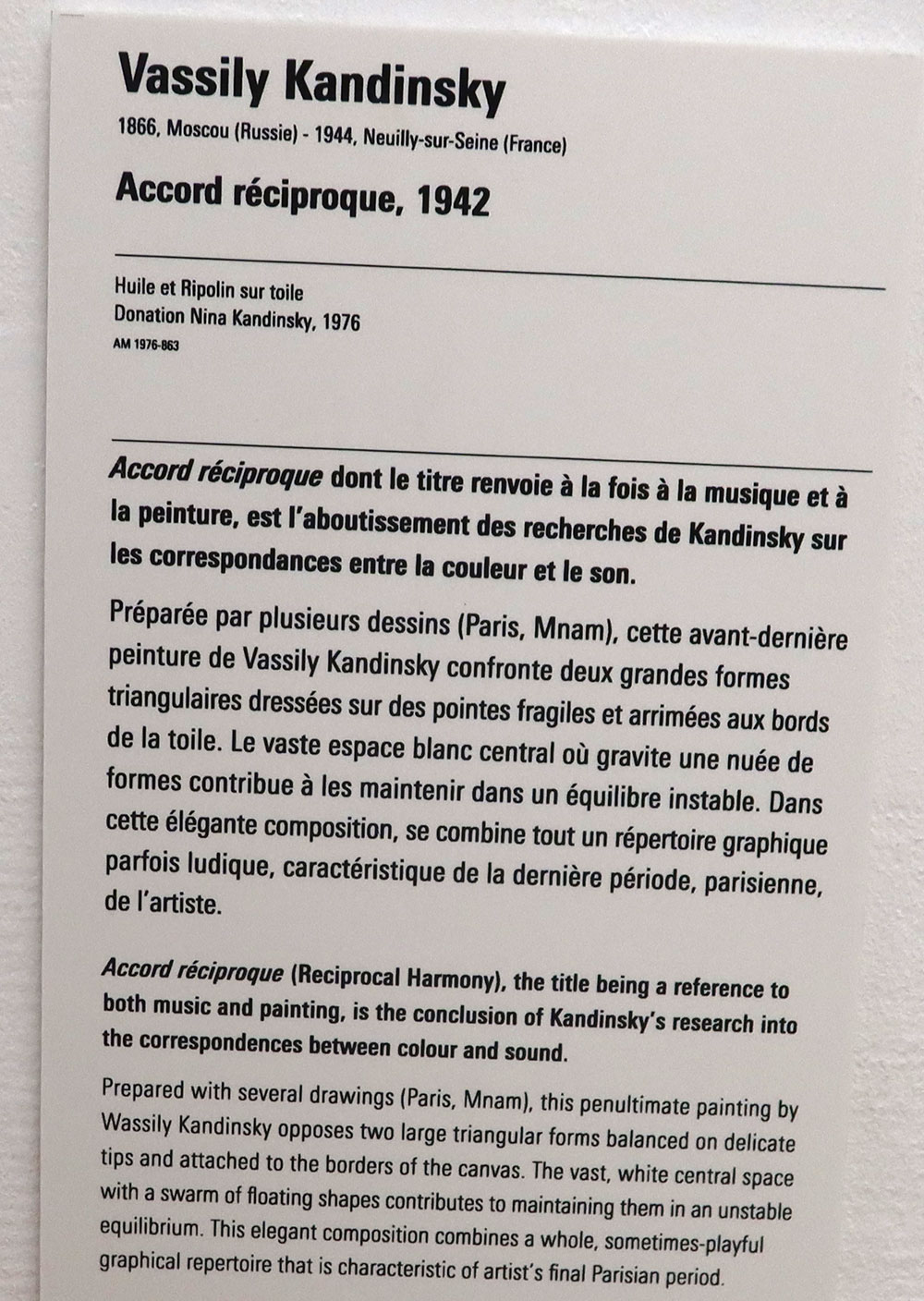
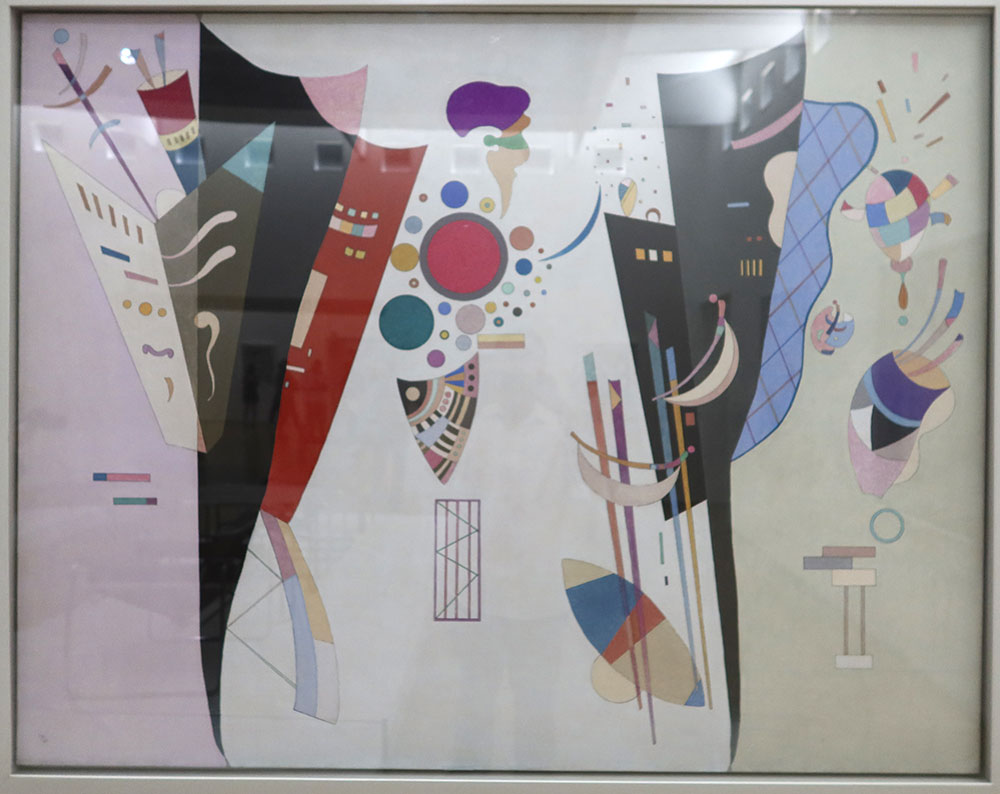
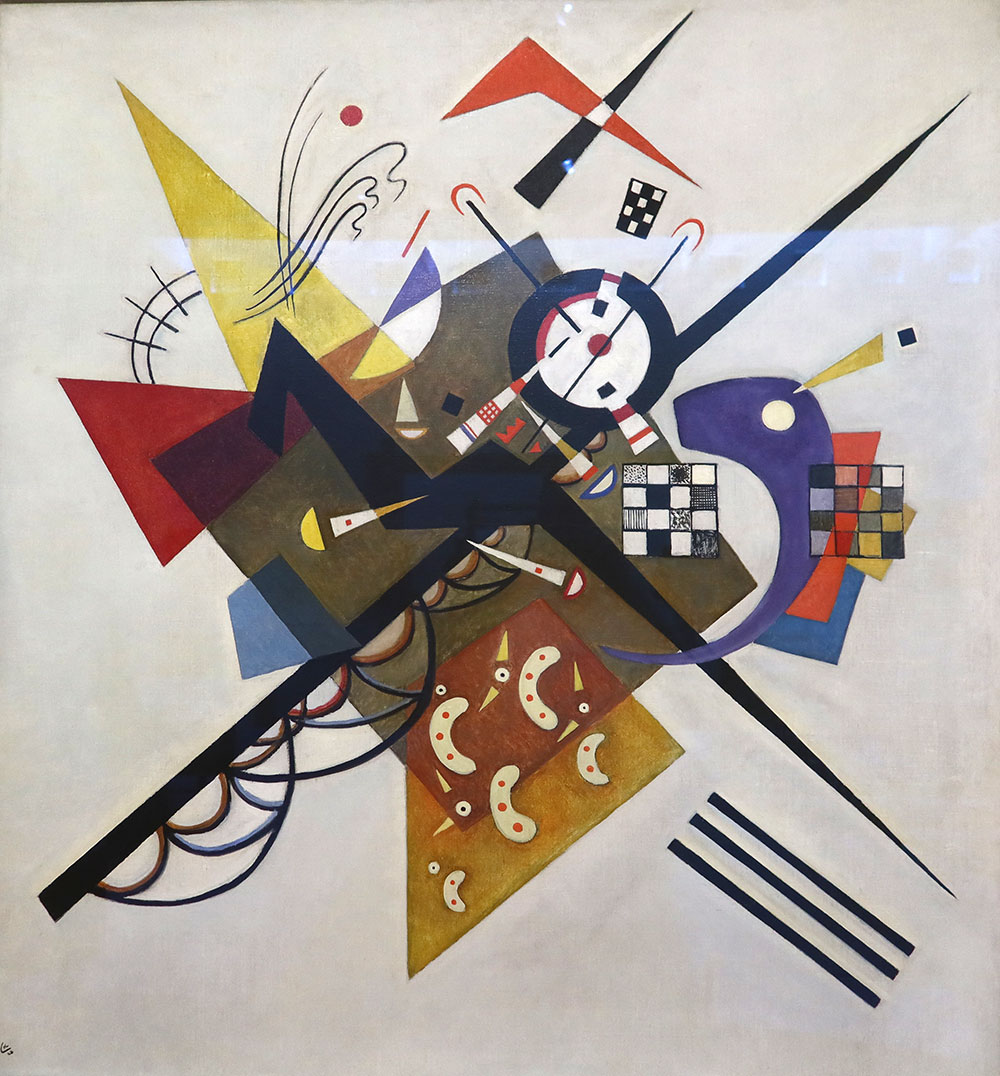
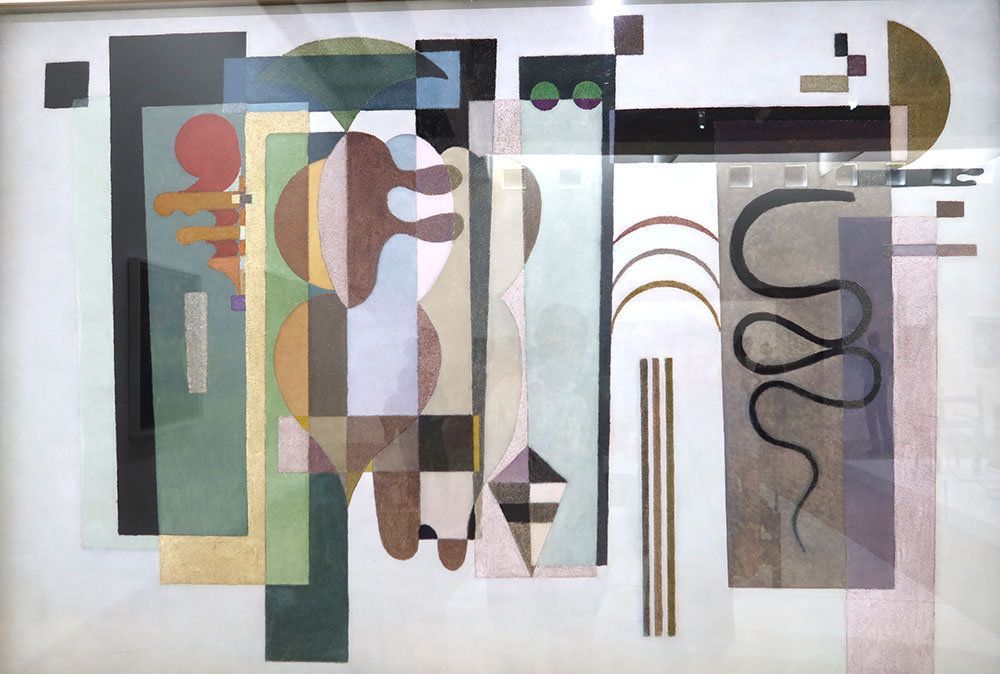
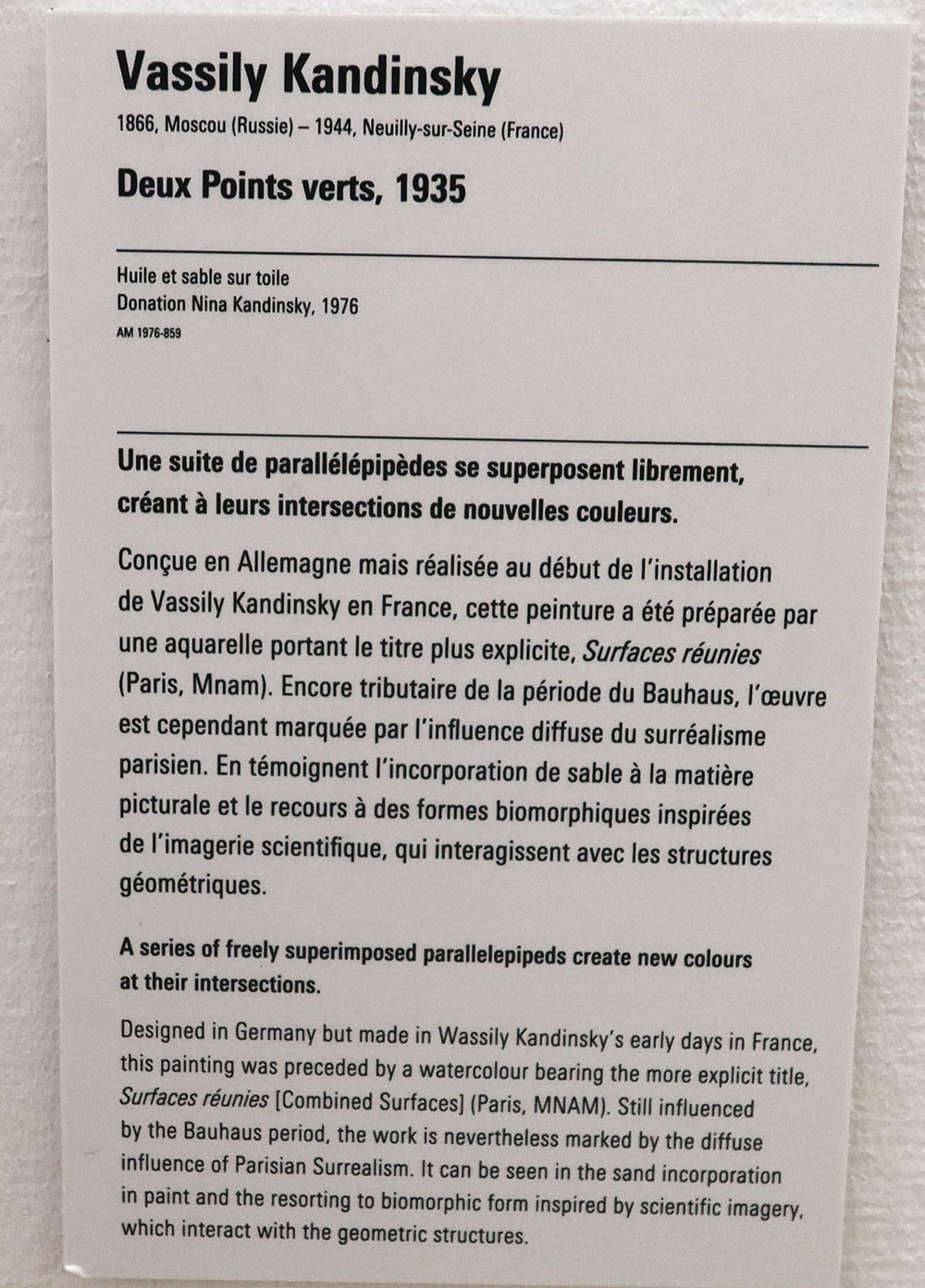
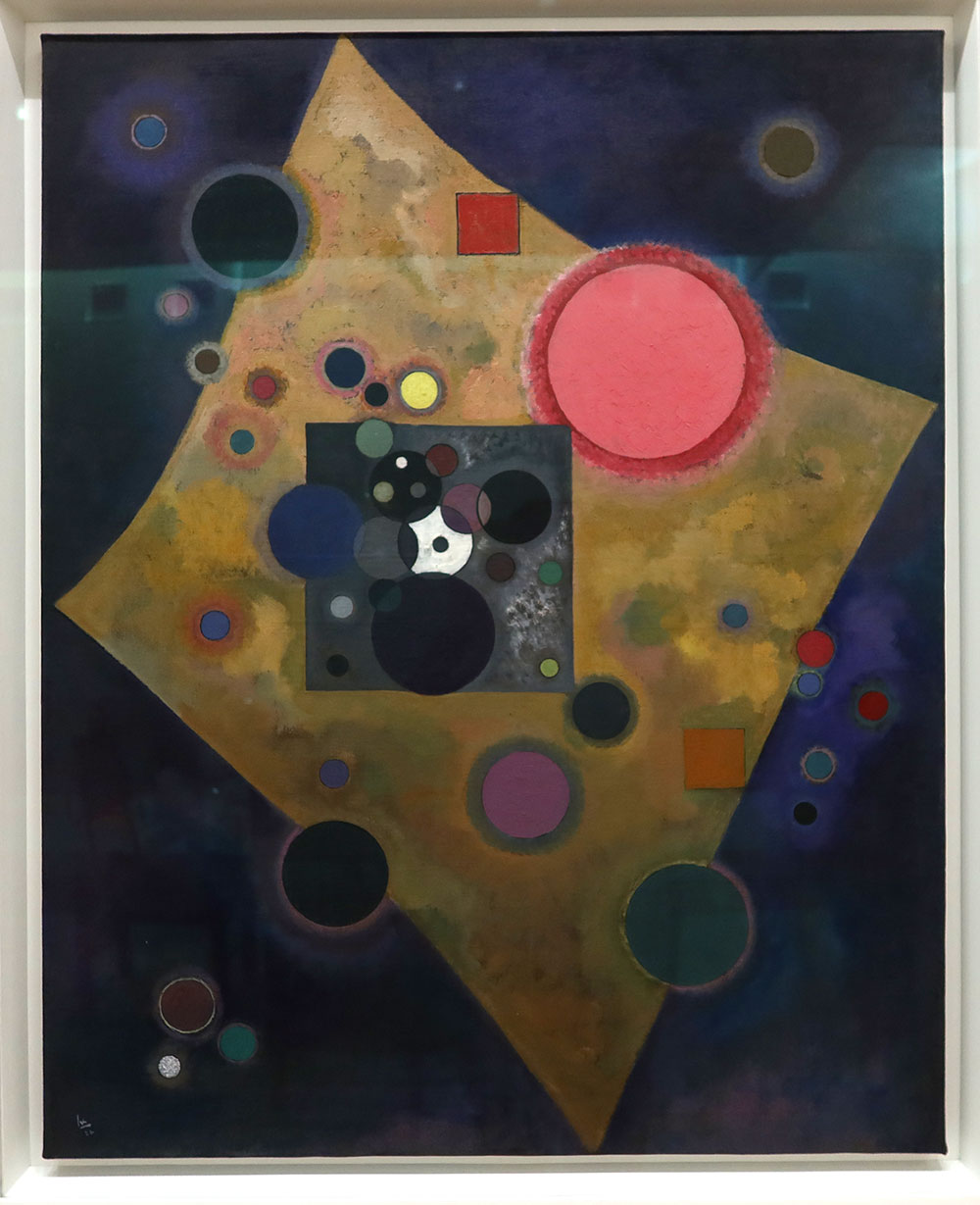
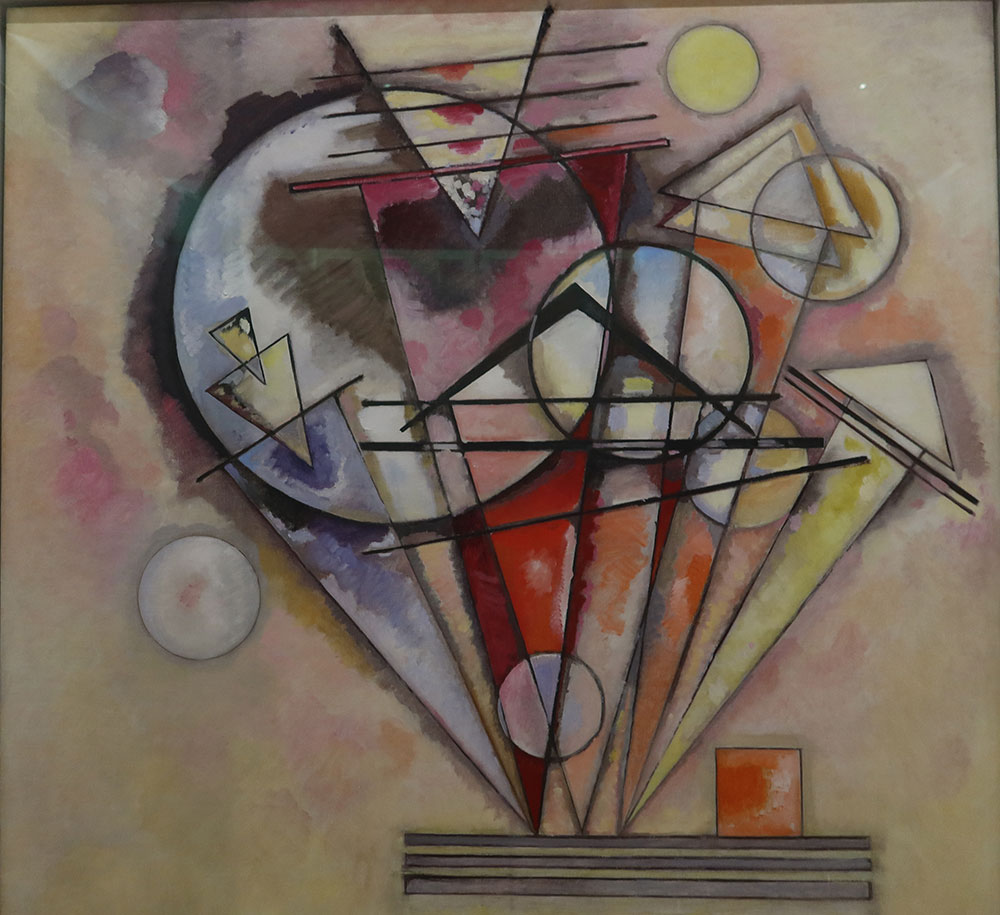
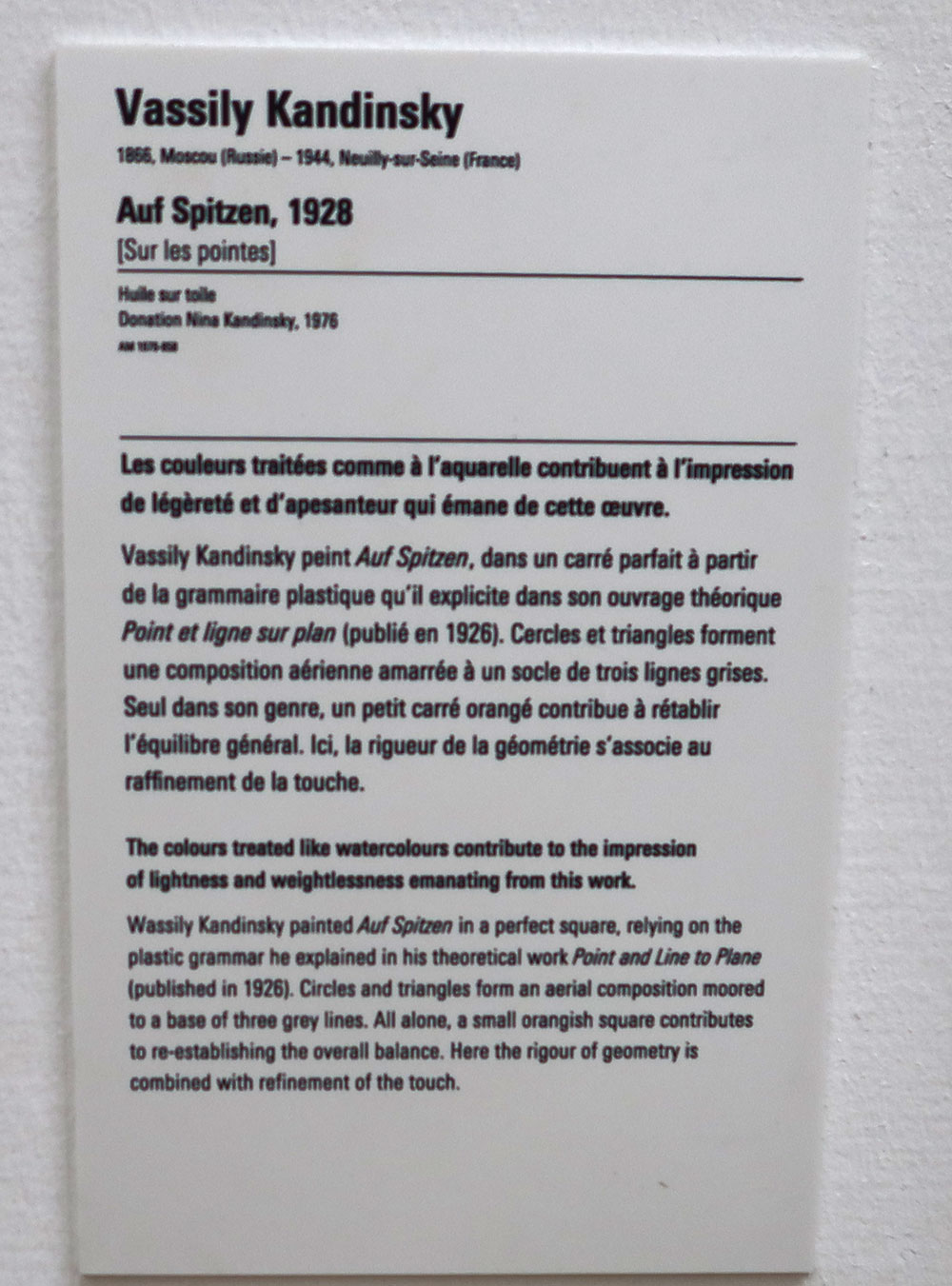
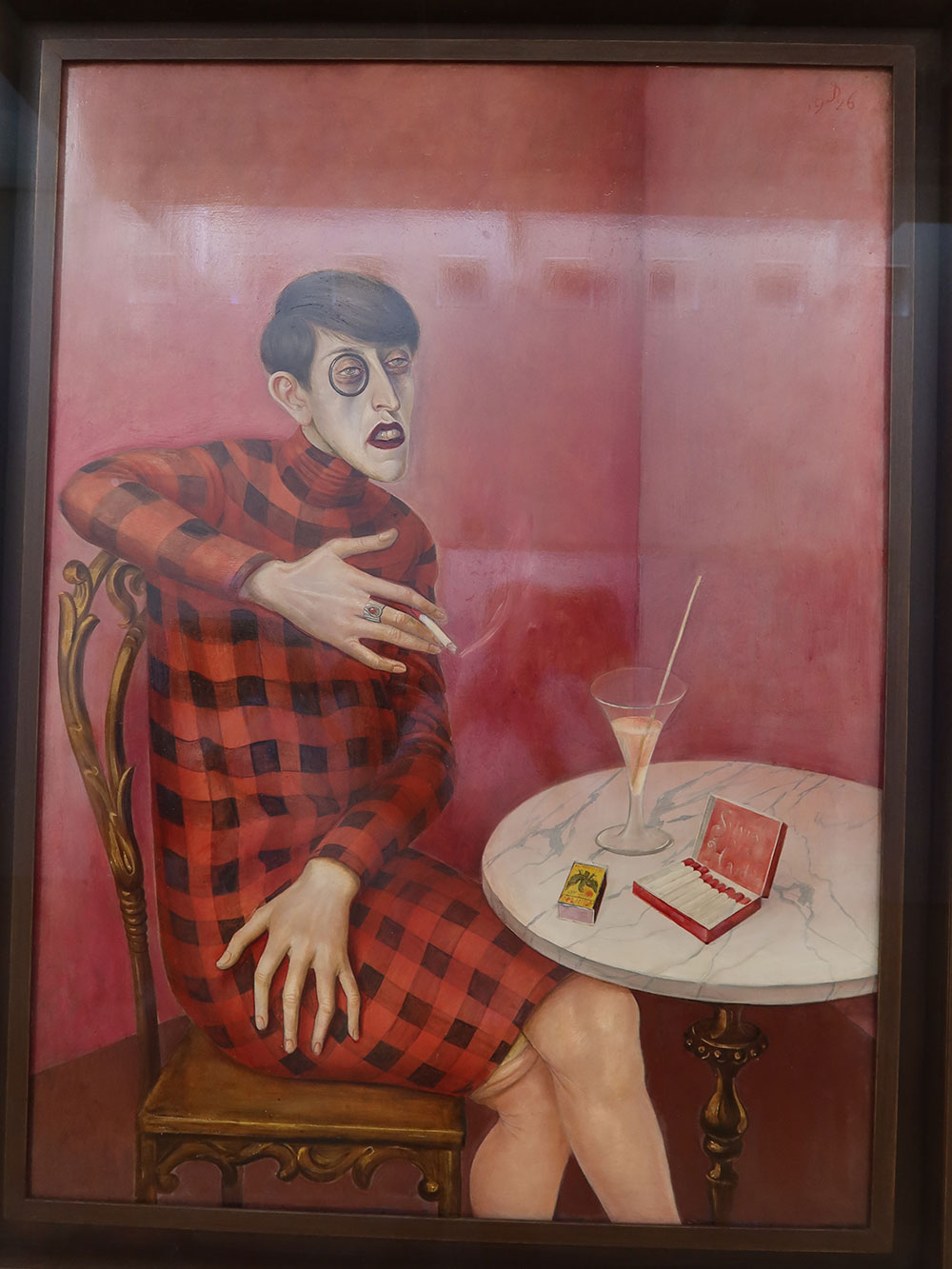
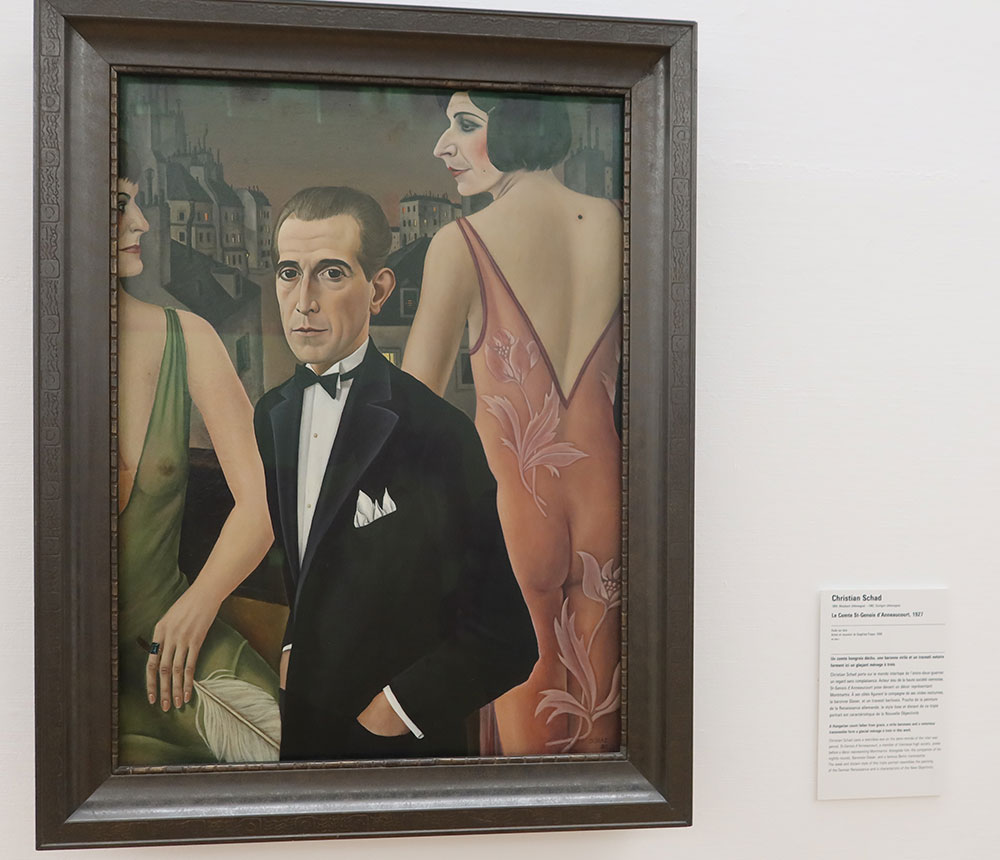
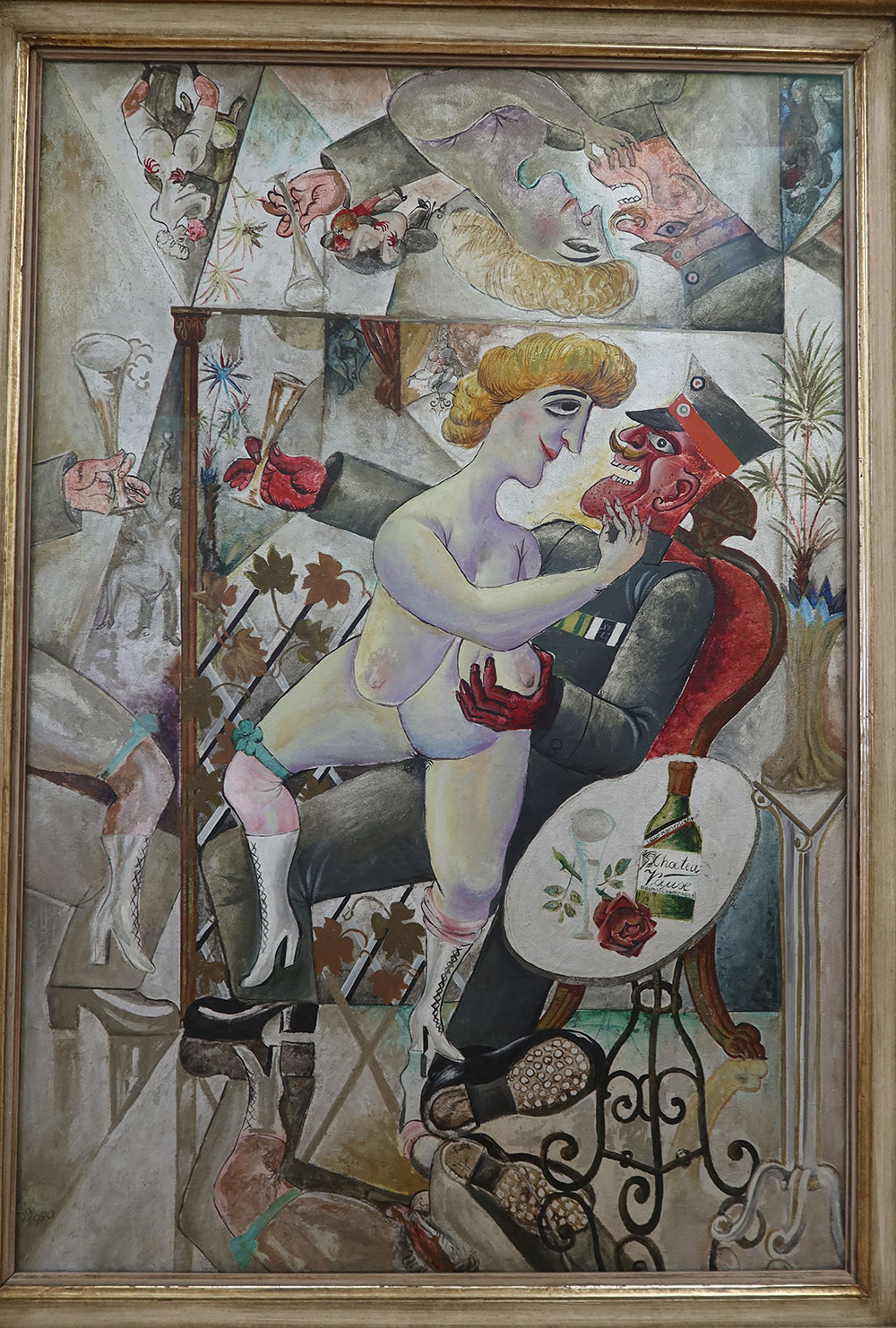
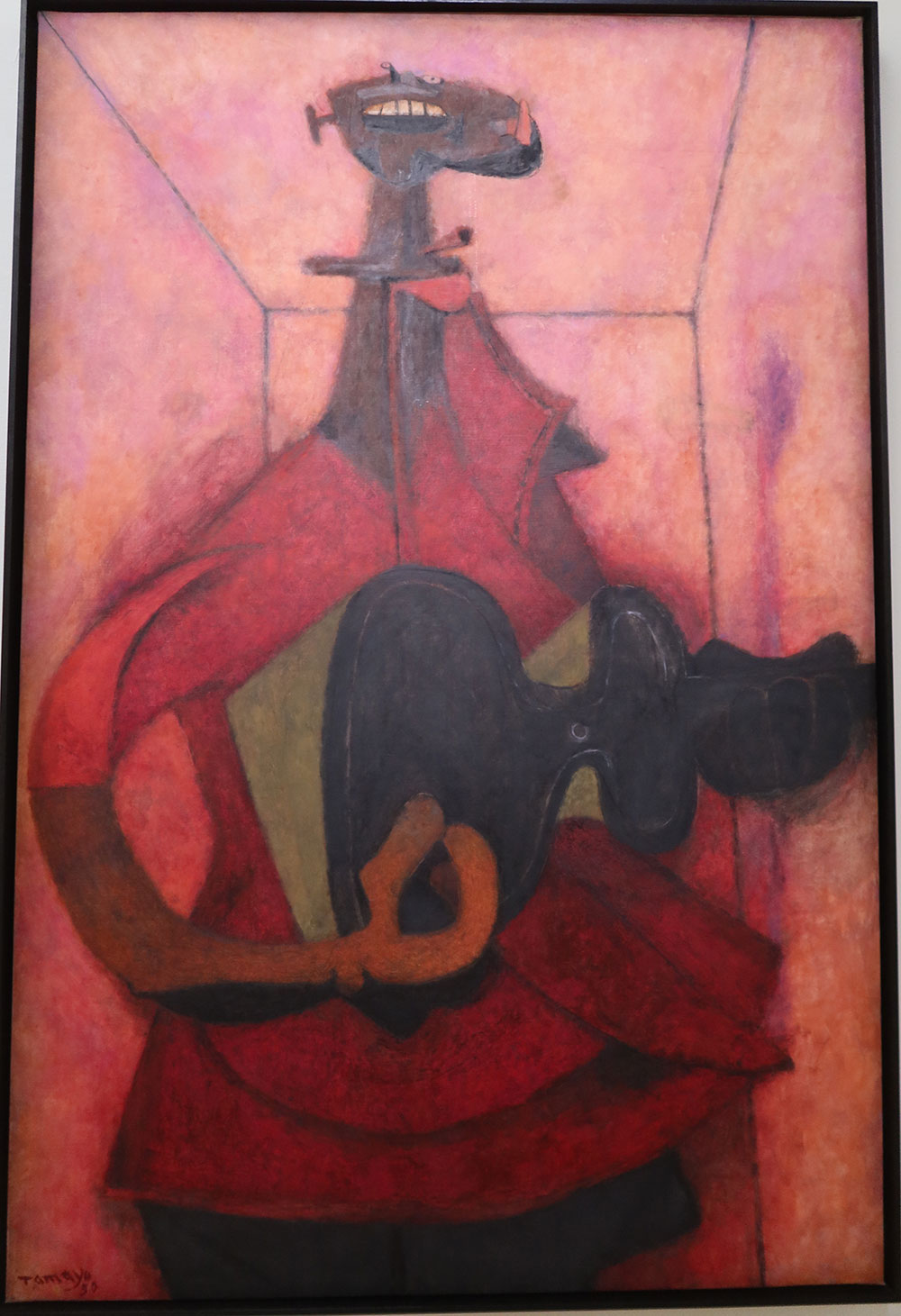
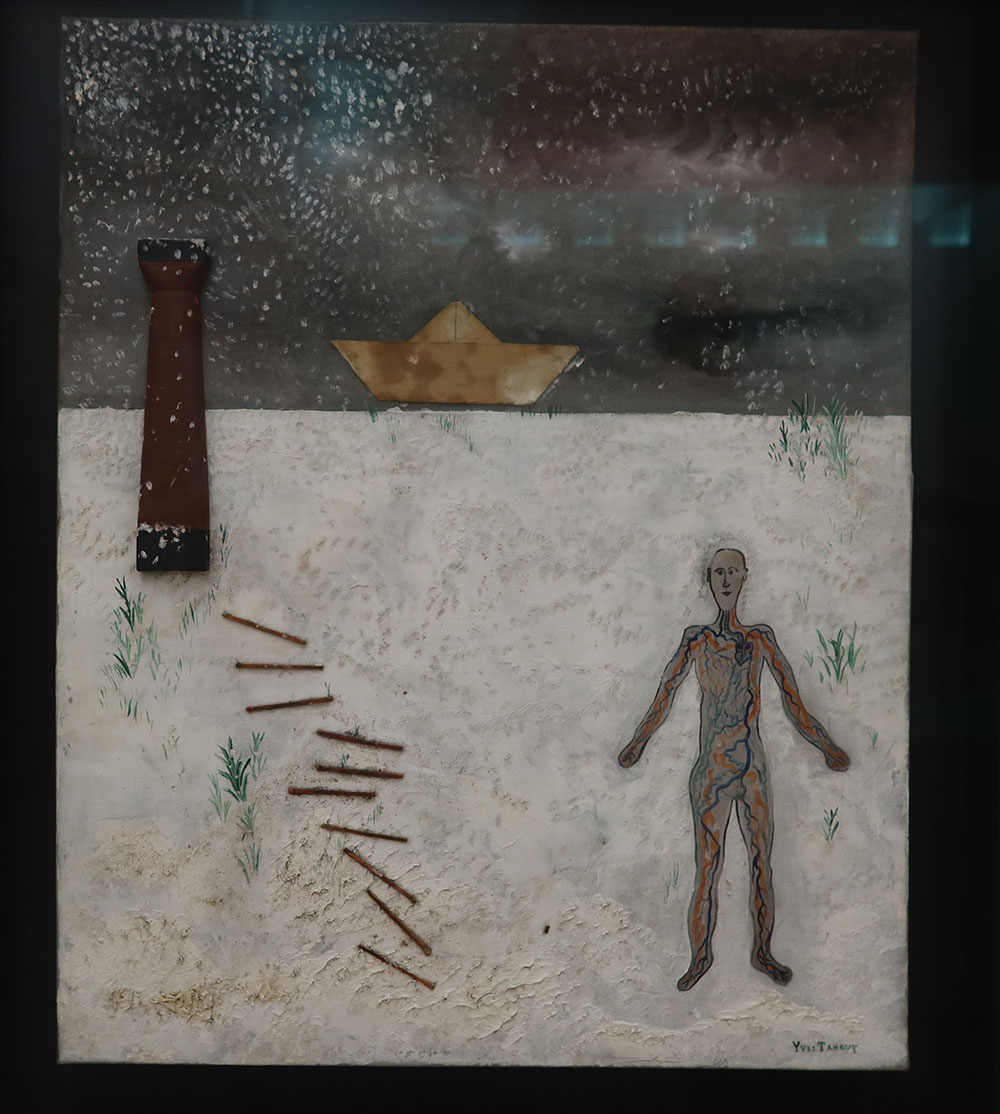
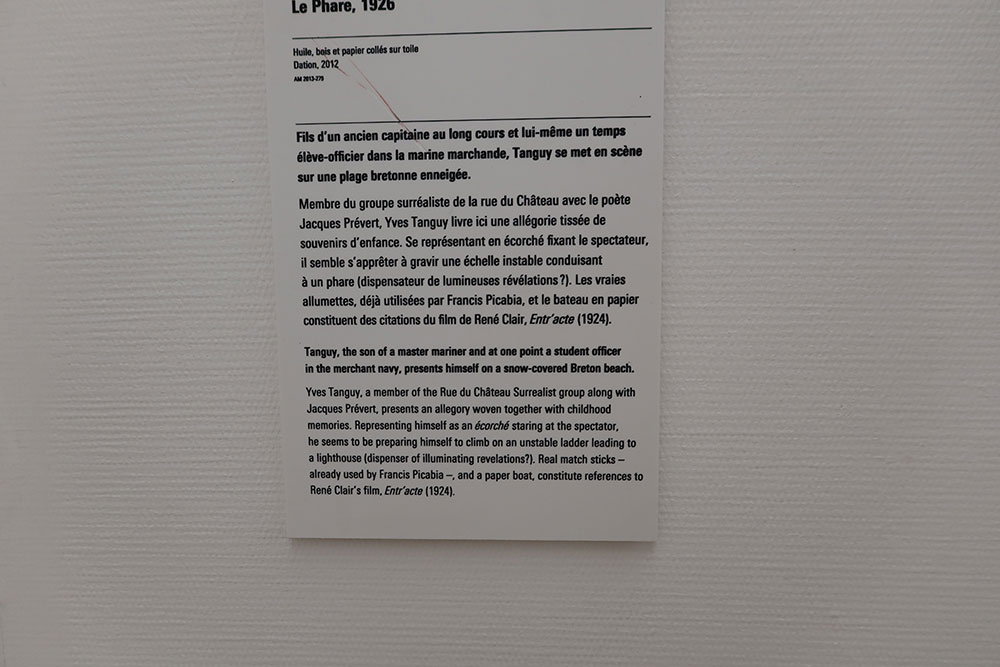
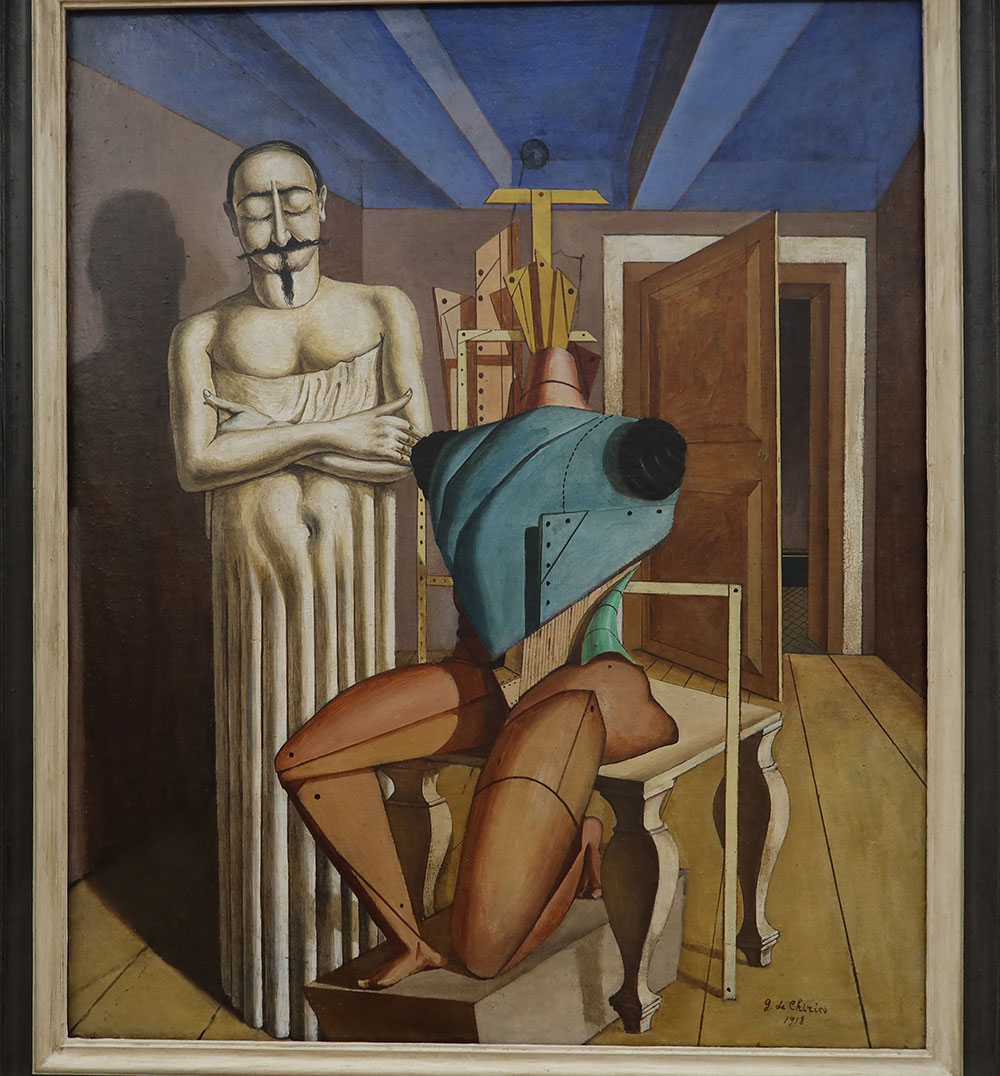
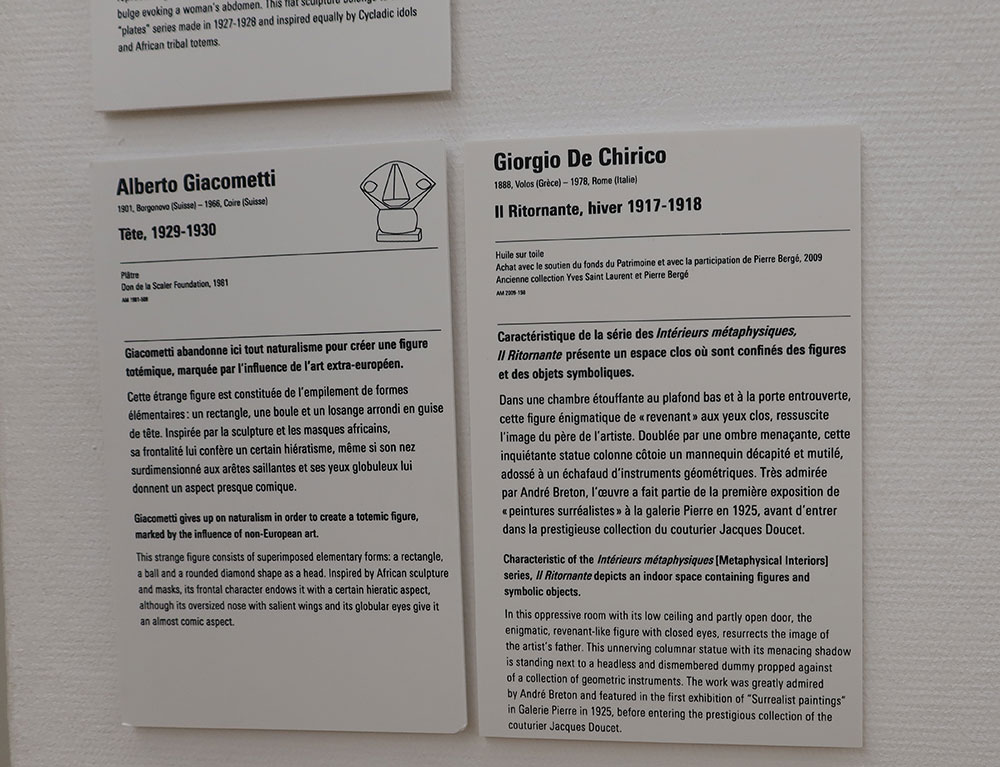
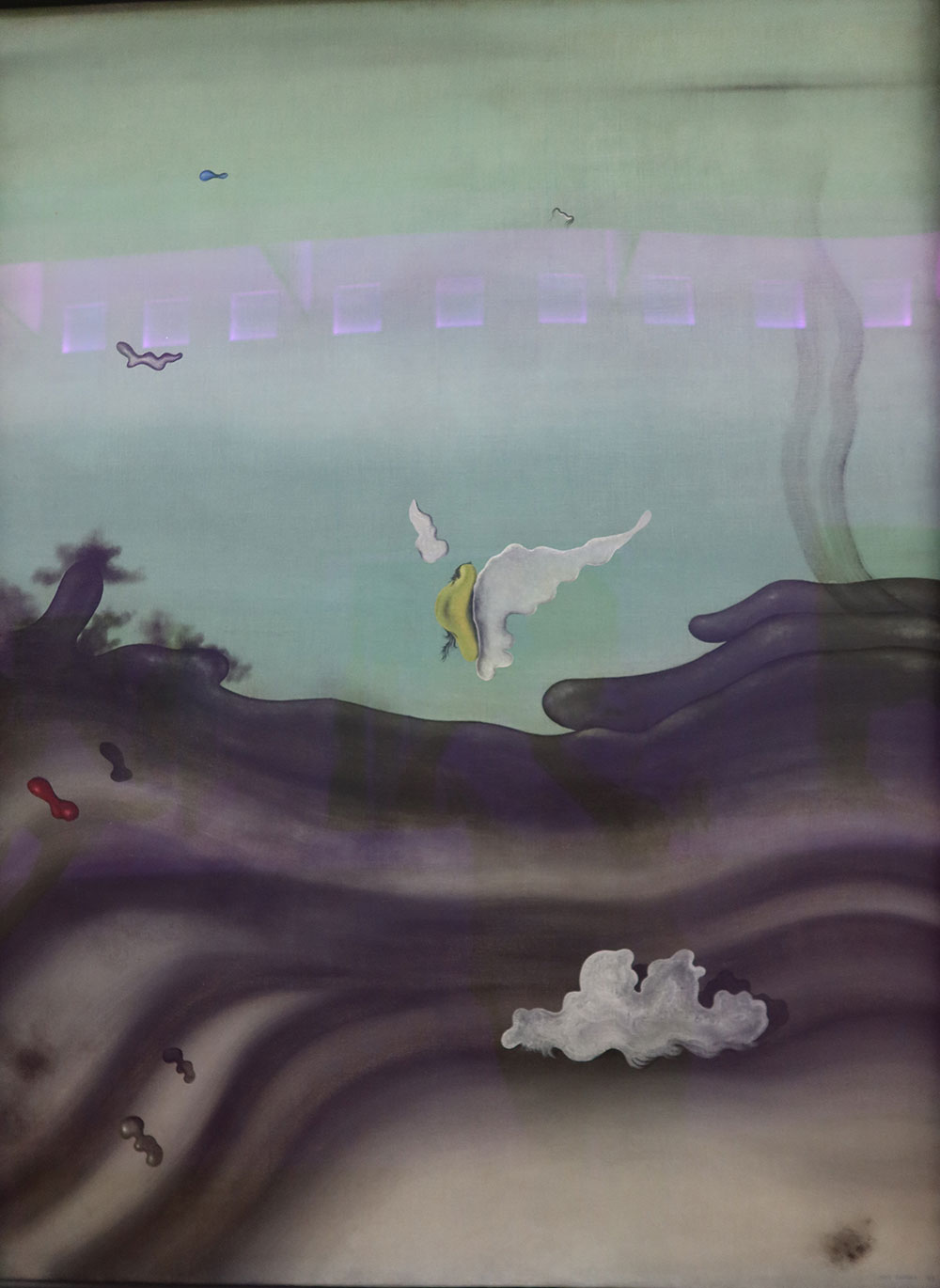
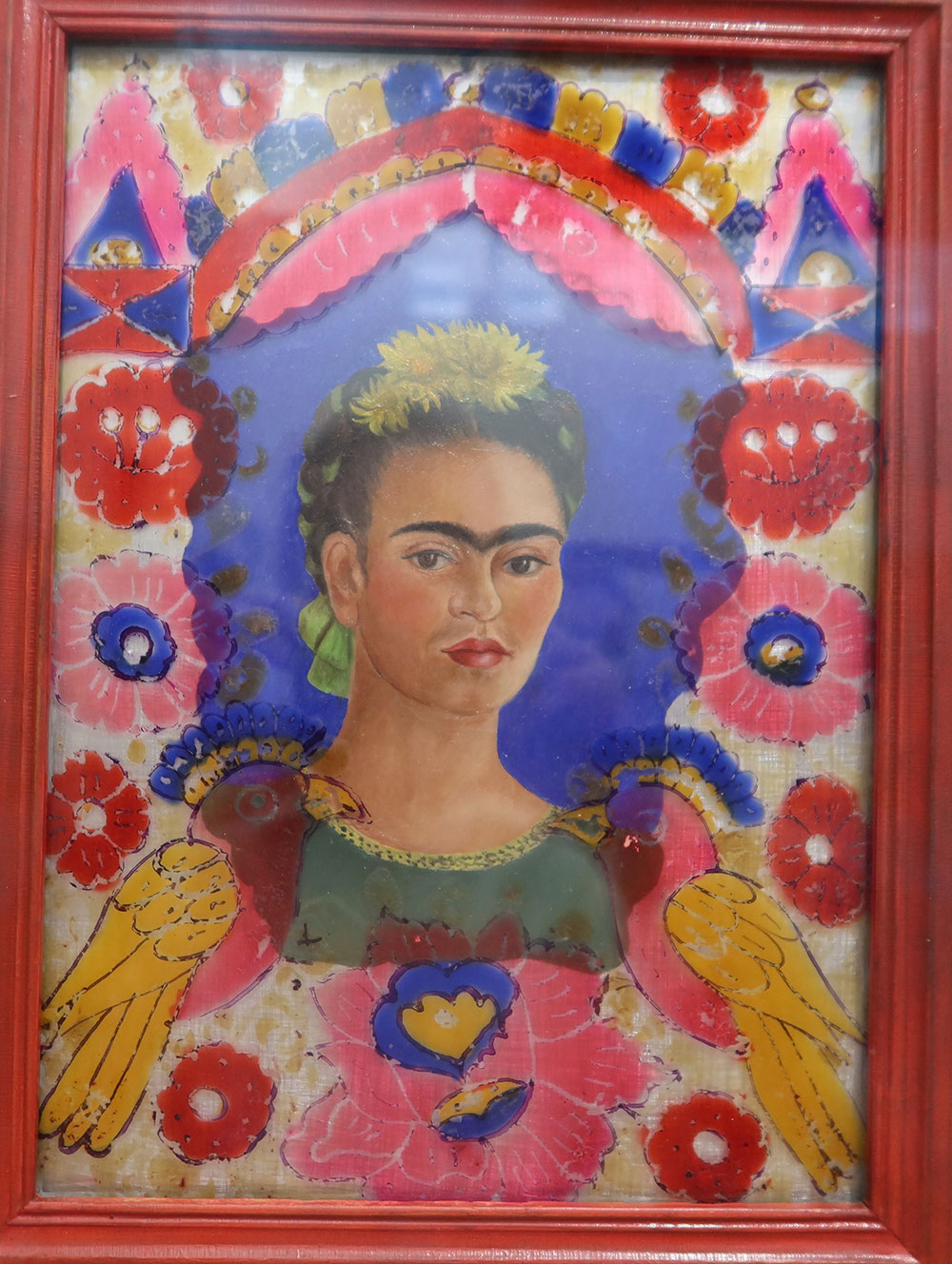
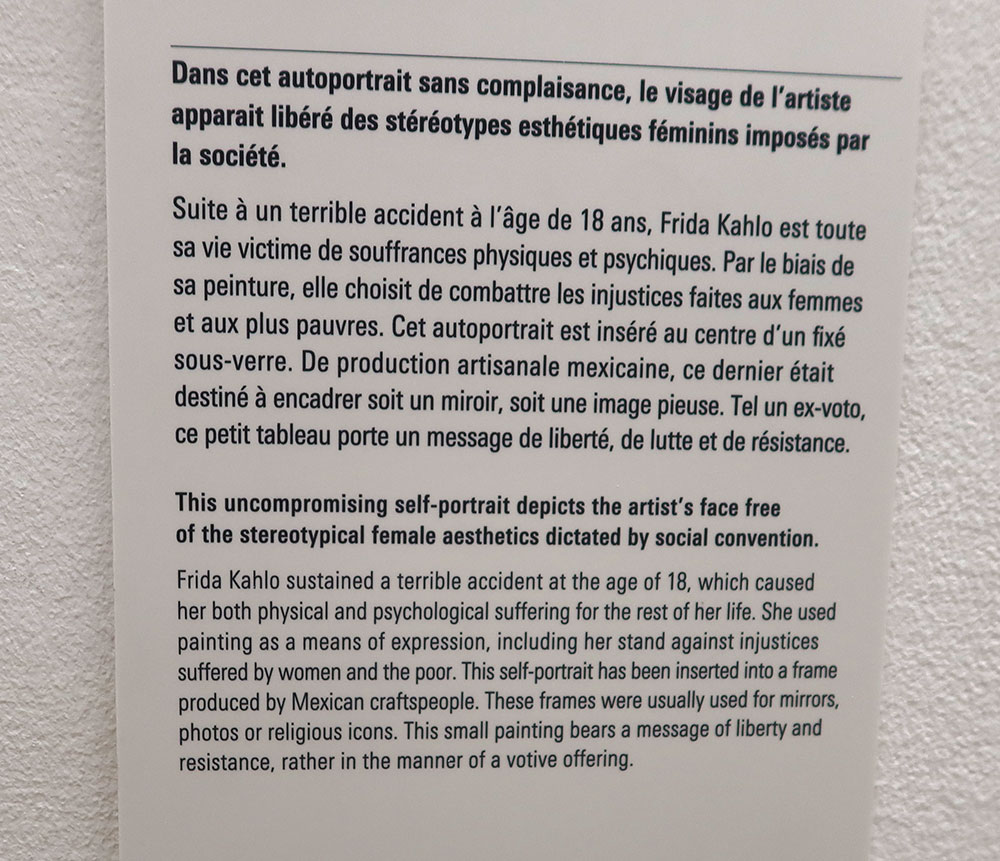
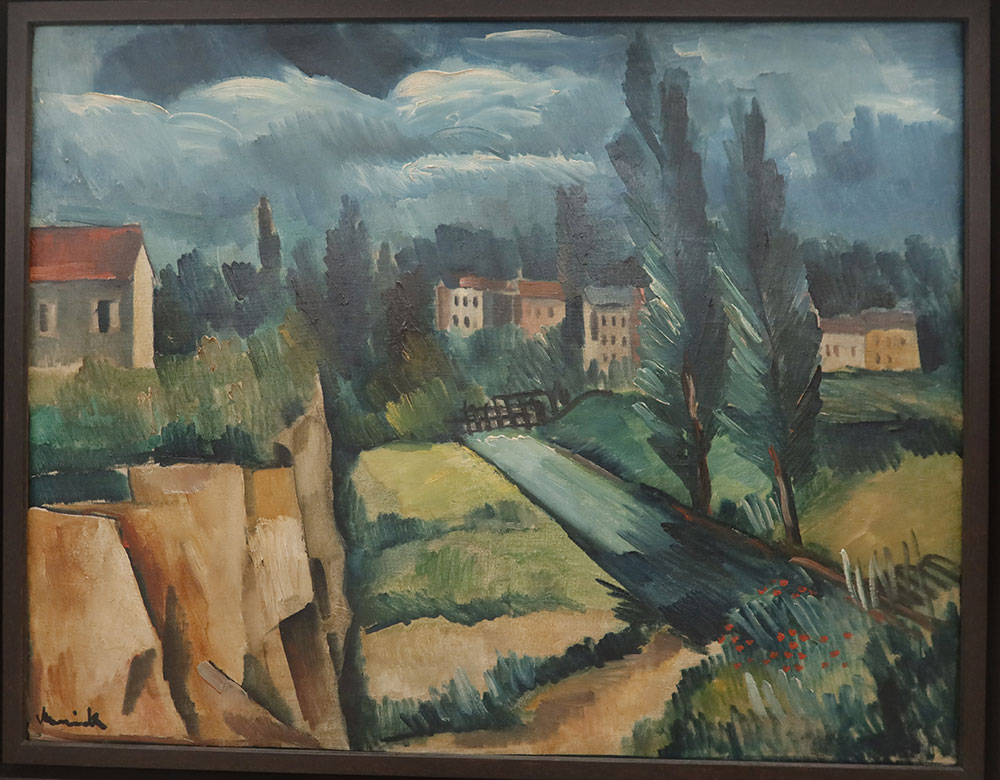
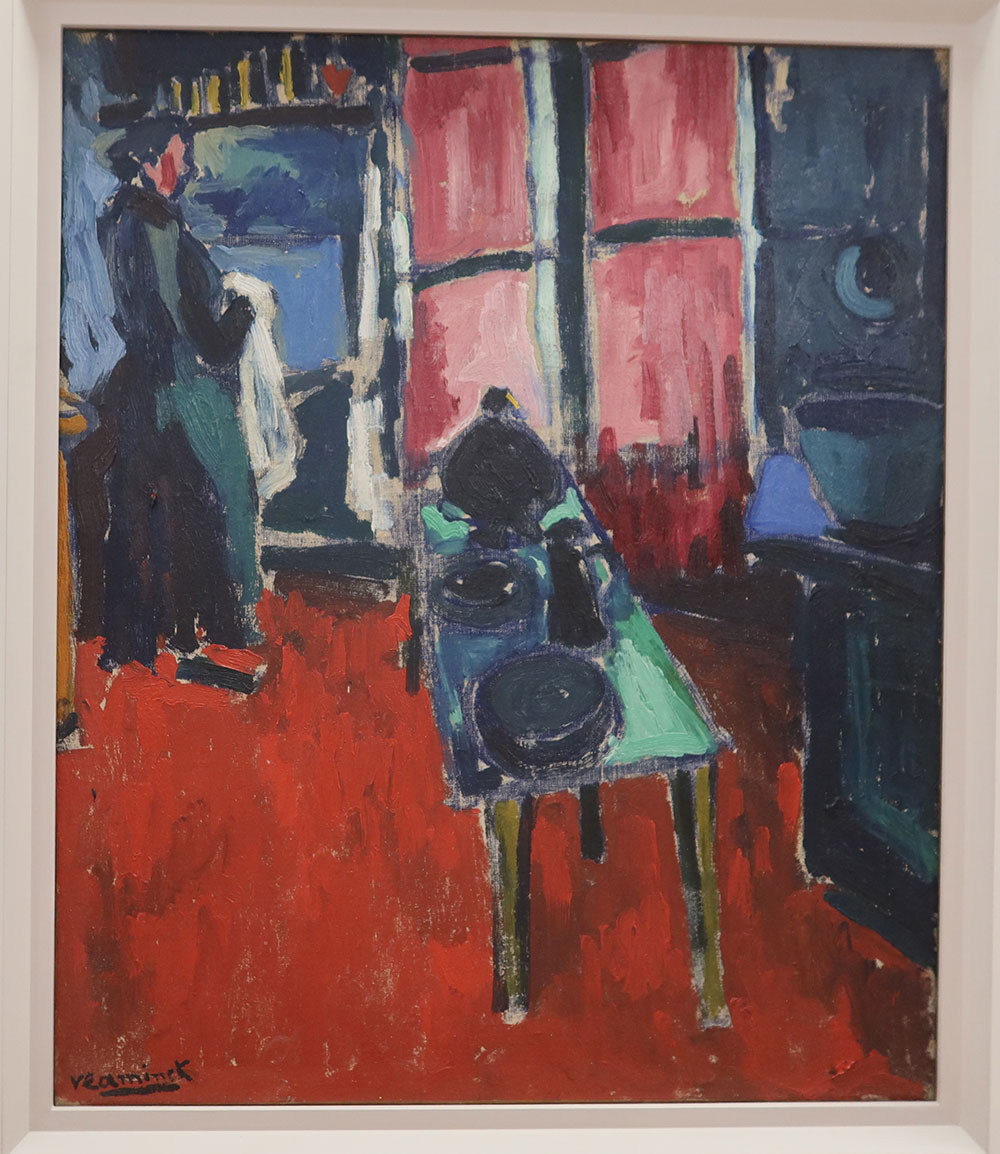
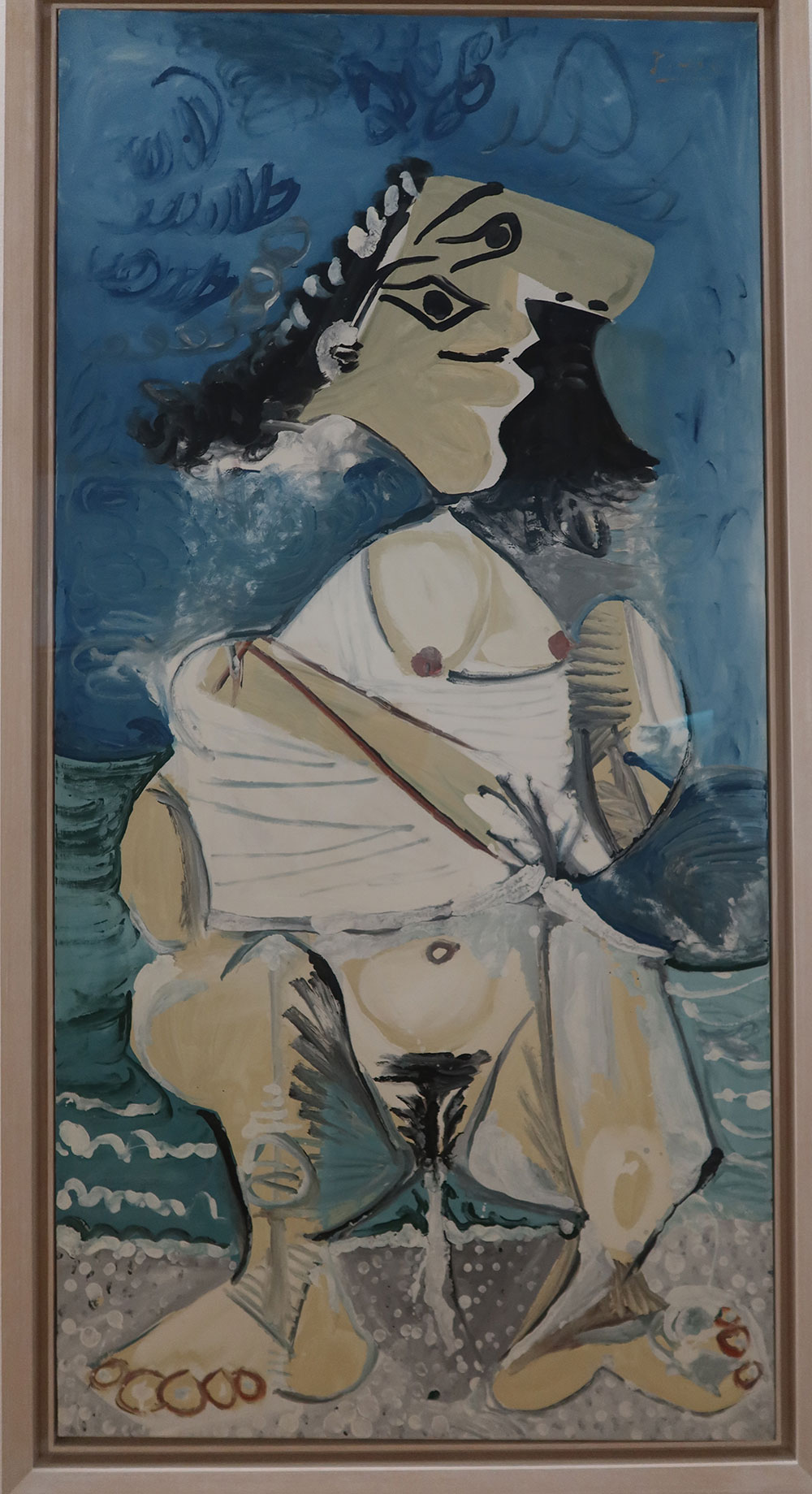
By the early twentieth century, the Luxembourg collection made only tentative acquisitions in what was then called modern art. Henri Matisse, Albert Marquet, Maurice de Vlaminck and Suzanne Valadon were among the first artists admitted, followed in the 1930s by Georges Braque, Robert Delaunay, Fernand Léger and Yves Tanguy. Meanwhile, a parallel institution — the Musée national des Écoles Étrangères Contemporaines, installed in the former Jeu de Paume in the Tuileries Gardens — had been granted administrative autonomy in 1930, under André Dezarrois, to represent foreign artists. It was there, under administratively difficult conditions, that the first works by Marc Chagall, Pablo Picasso, František Kupka (the collection's first abstract work), Wassily Kandinsky, Salvador Dalí and Frida Kahlo entered French public ownership.
The artificial division between French and foreign artists was subjected to growing criticism, and in preparation for the 1937 Exposition internationale des arts et techniques dans la vie moderne, curator Louis Hautecœur persuaded the state to commission a dedicated building to unite both collections. The result was the Palais de Tokyo on the butte Chaillot, designed by four architects notably reluctant to align themselves with the modernist movement. The museum opened there formally under its current name in June 1947, under director Jean Cassou — though the outbreak of World War II had already delayed and complicated its founding years considerably.
The Pompidou Era and the Move to Beaubourg
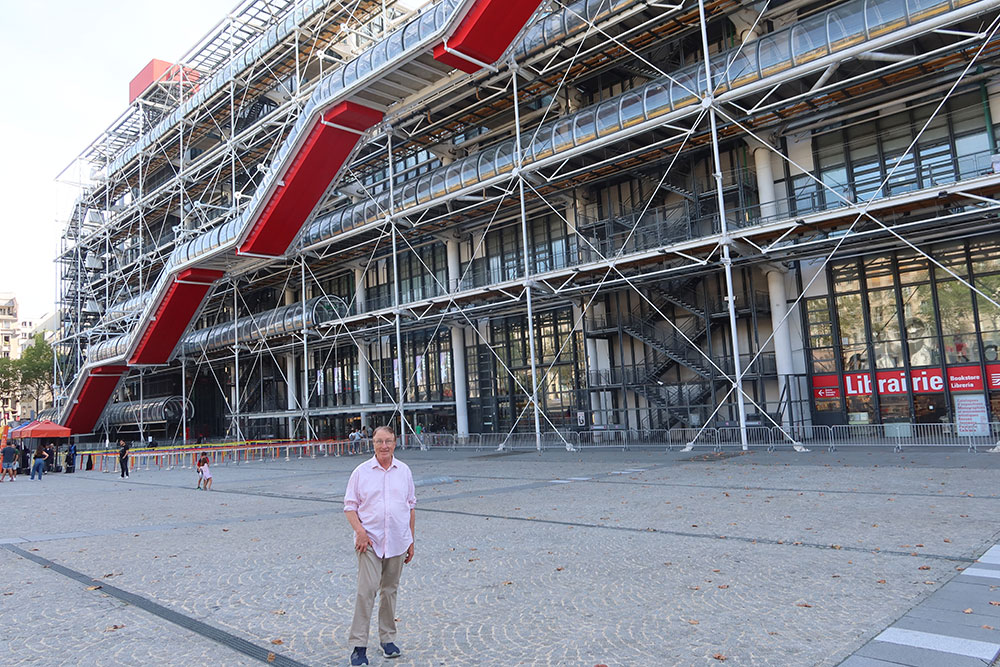
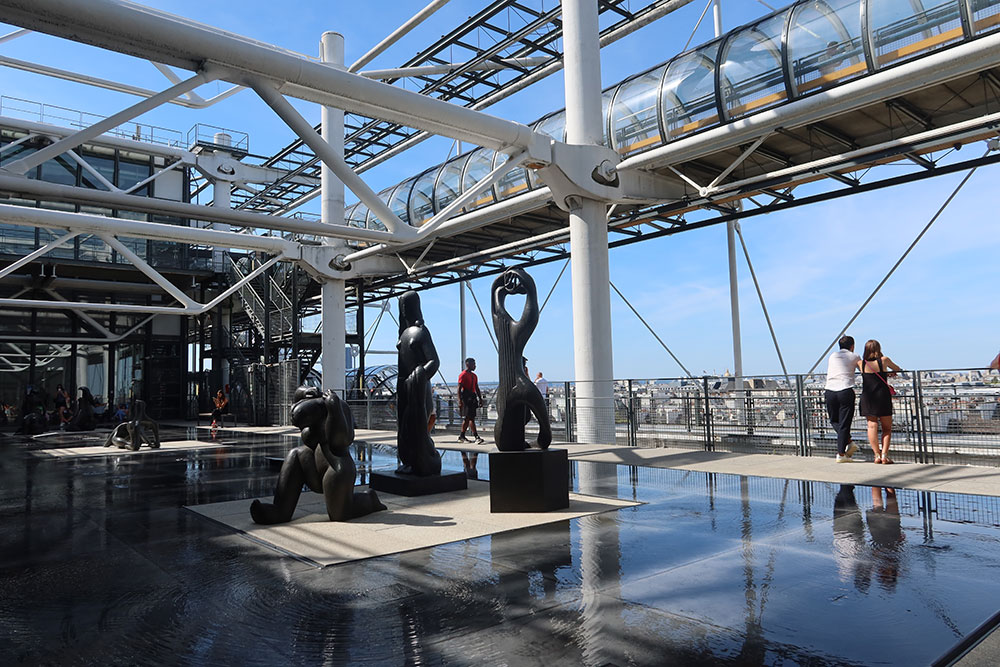
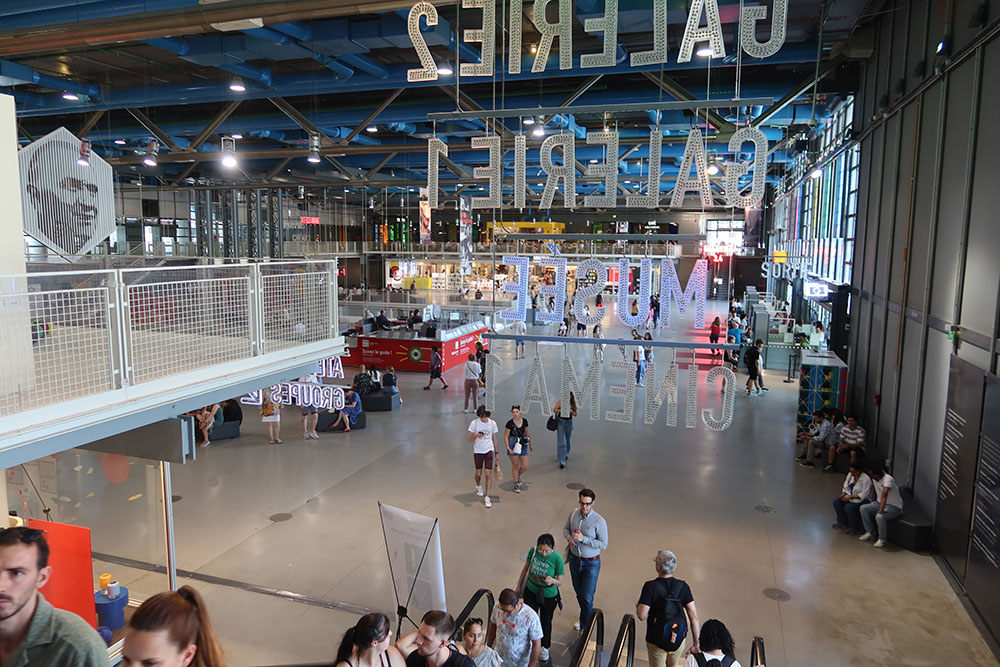
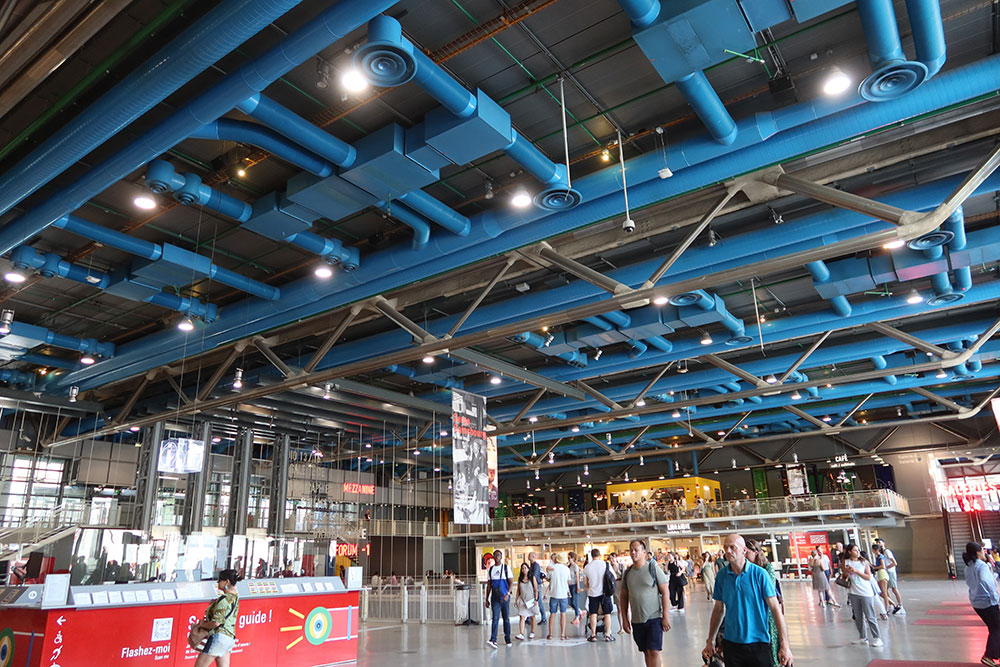
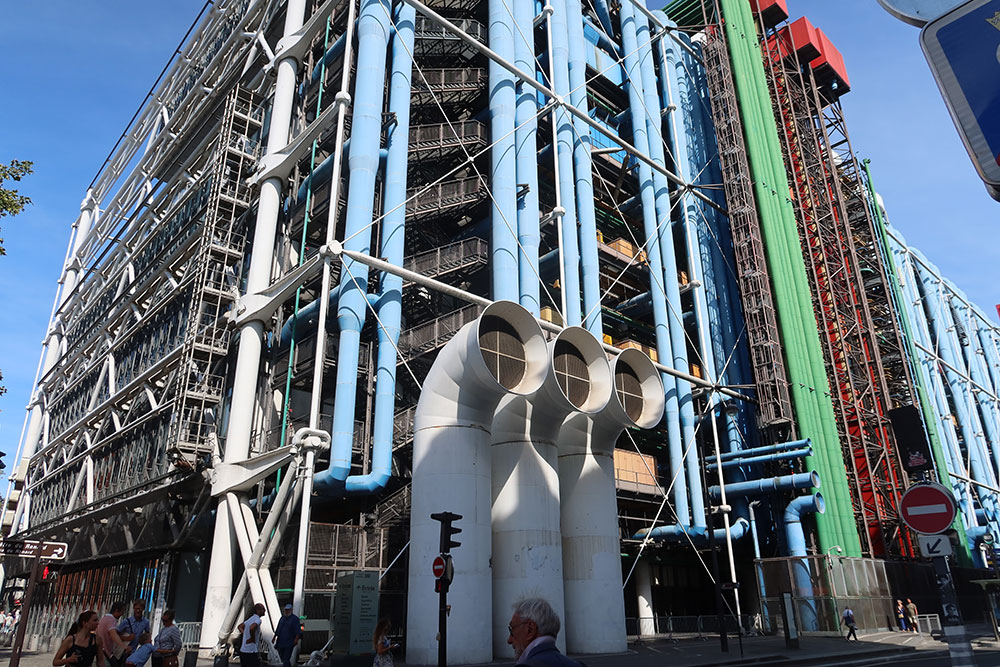
The contemporary form of the institution owes its character to the ambitions of President Georges Pompidou, who in 1969 proposed an arts and culture centre of broad scope for the former market district of Les Halles. The international architectural competition — the first of its kind in France to include foreign submissions — produced the now-iconic building by Renzo Piano and Richard Rogers, which opened in January 1977. Its exposed structural systems, colour-coded service ducts and reversal of conventional museum logic — placing the building's infrastructure on the exterior to liberate the interior — made the Centre Pompidou immediately controversial and enduringly influential.
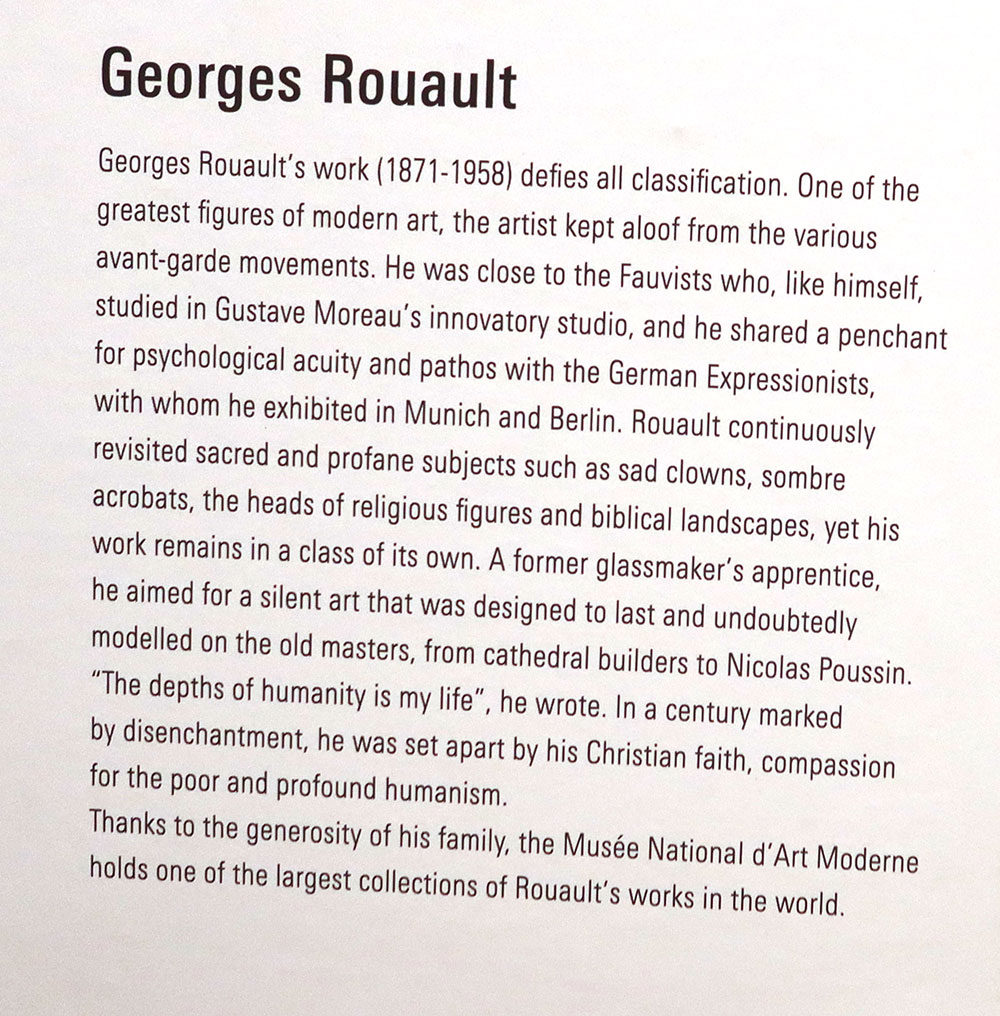
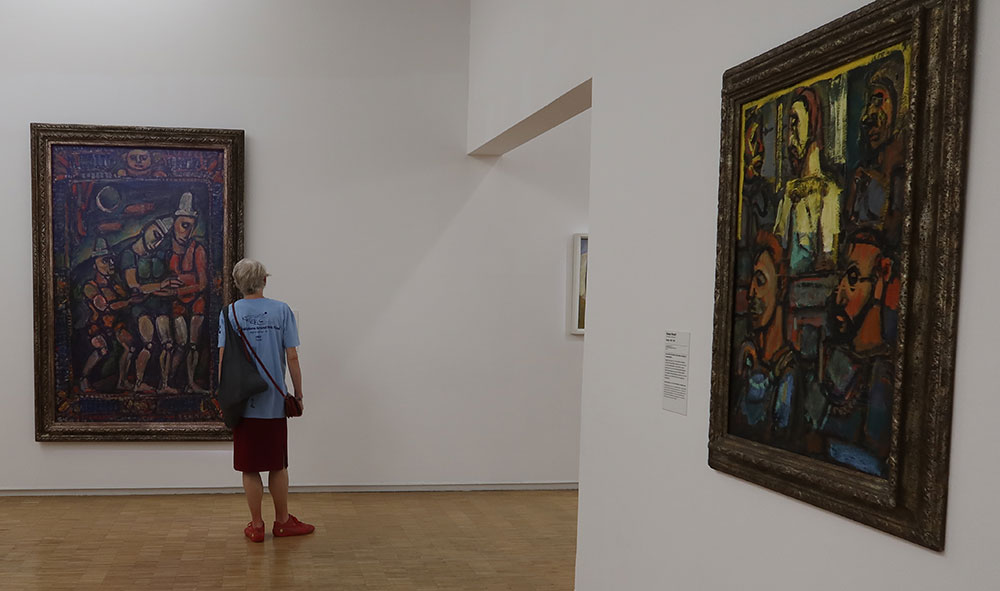
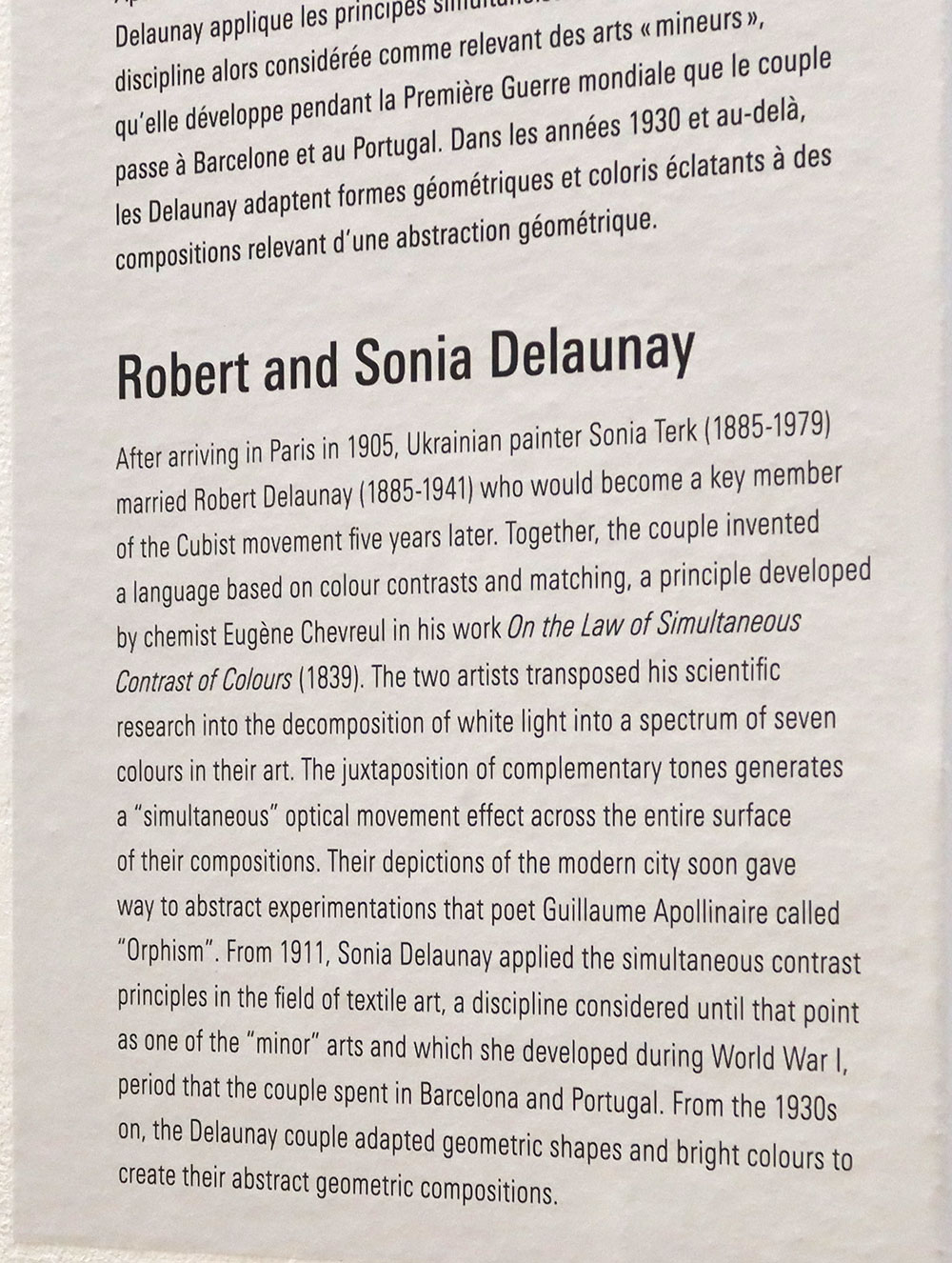
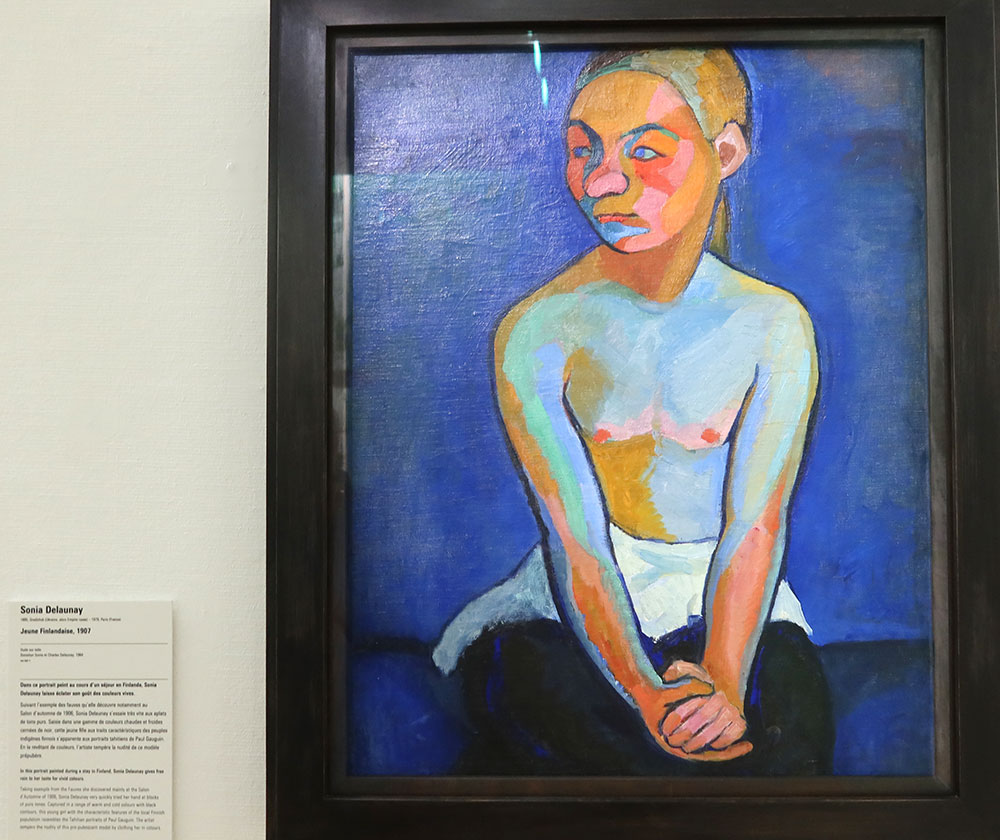
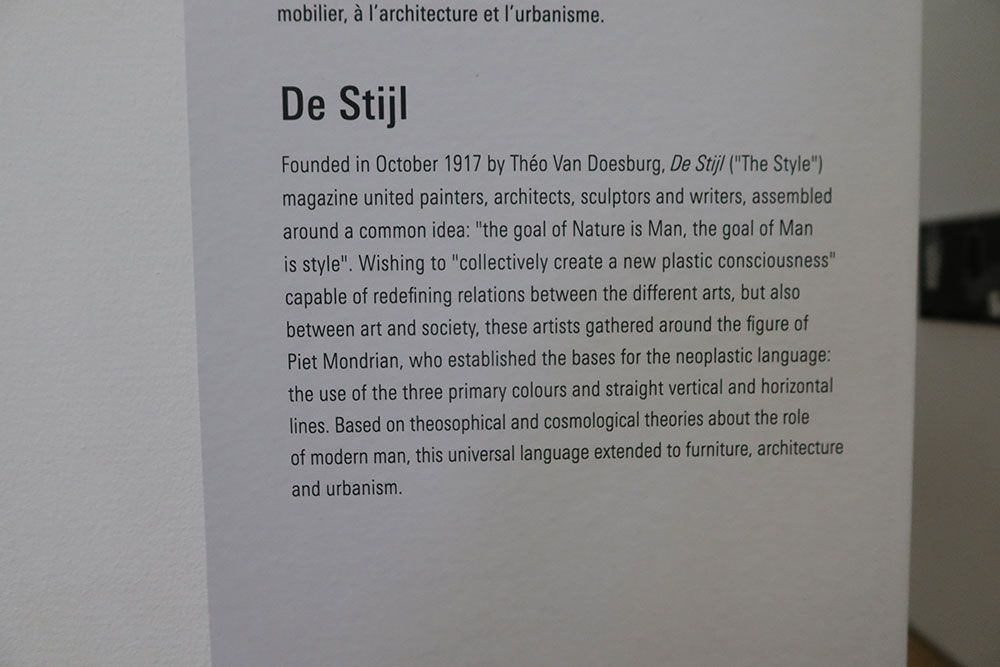
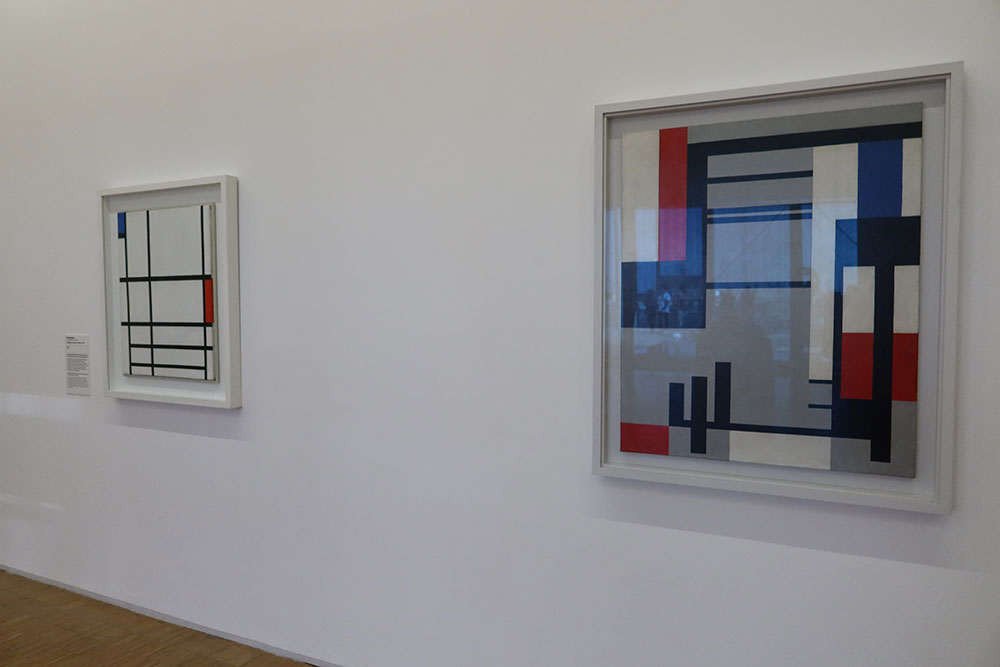
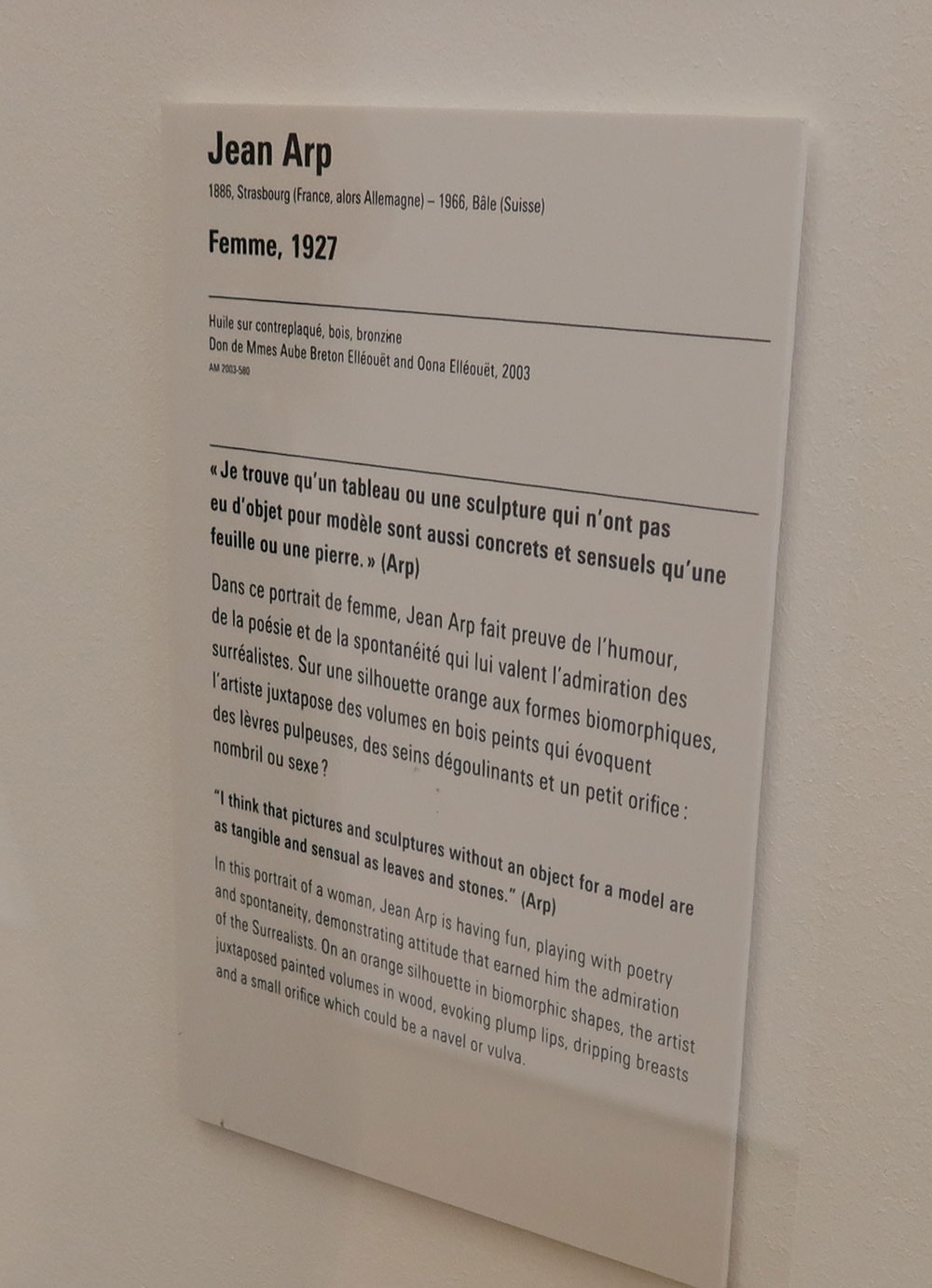
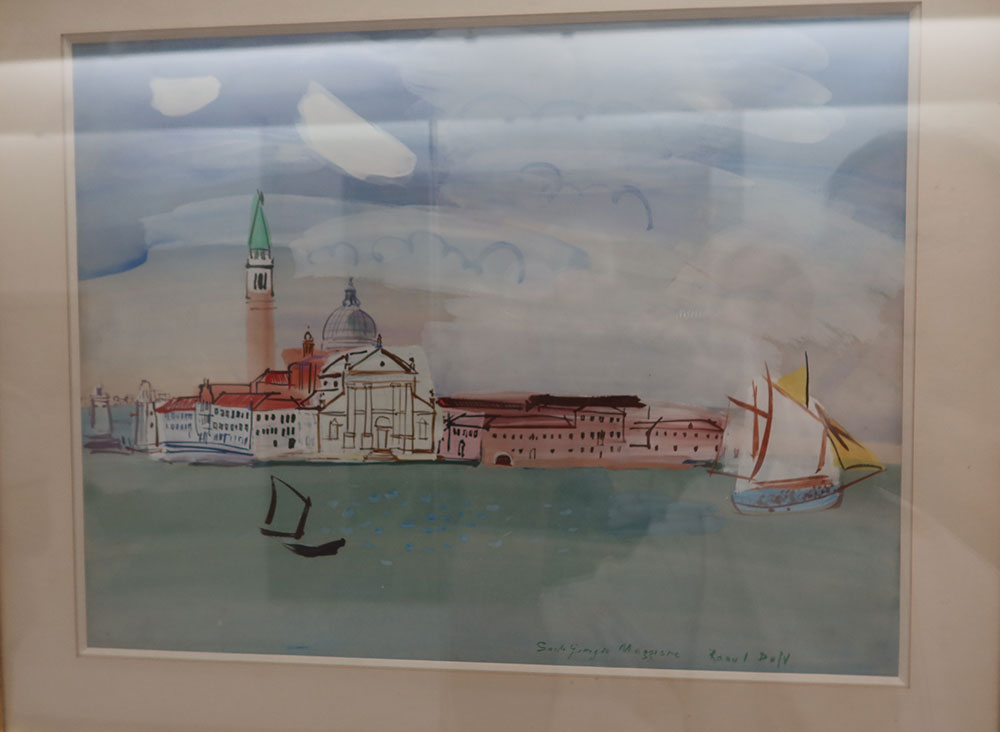
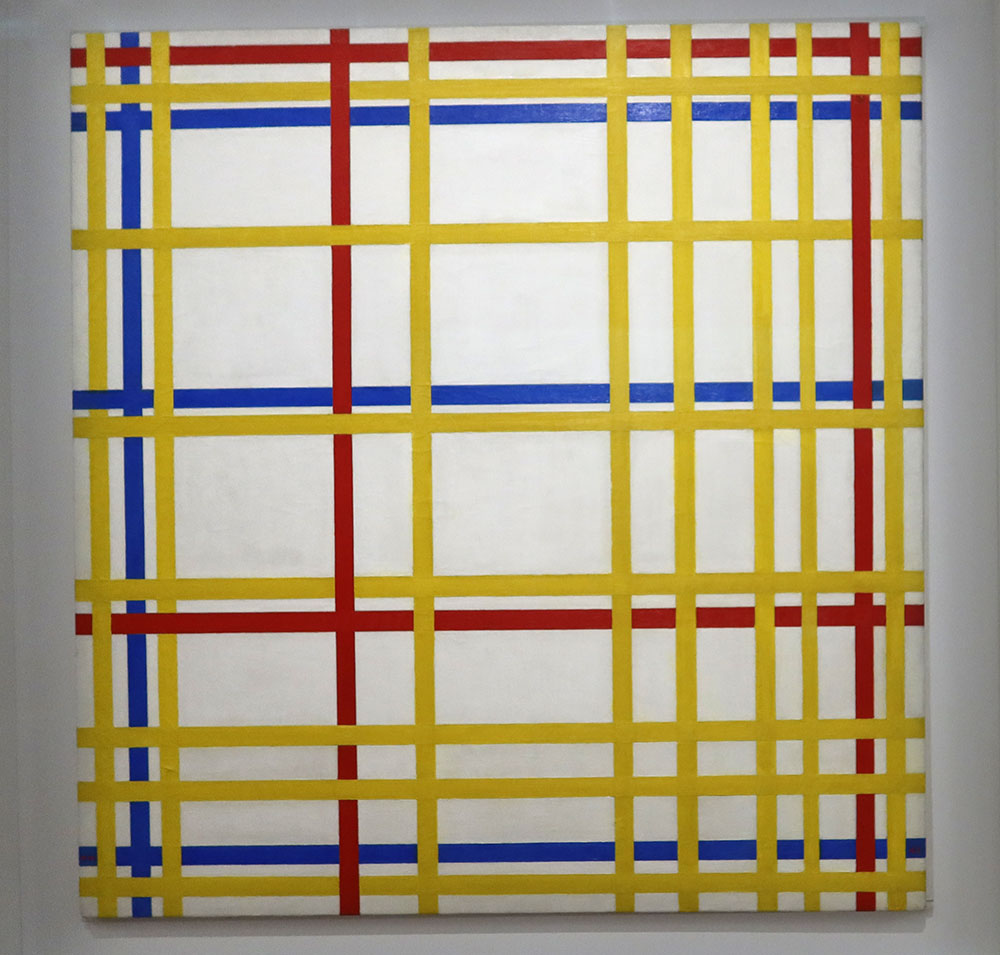
The MNAM moved to its new home at Beaubourg in 1977, bringing with it a collection that Pontus Hultén, appointed director of visual arts in 1974 from Stockholm's Moderna Museet, had worked systematically to strengthen. Hultén was given an independent acquisition budget, allowing him to address pressing historical gaps — the first Piet Mondrian entered the collection in 1975 — while expanding the museum's representation of contemporary work. Significant donations from artist estates had already given the collection much of its depth: the heirs of Jean Arp, Antoine Pevsner, Robert and Sonia Delaunay, Raoul Dufy, František Kupka, Henri Laurens and Georges Rouault had contributed monographic holdings that, as the museum's own historians note, continue to endow the institution with a considerable part of its identity.
The Collection as Architectural Argument
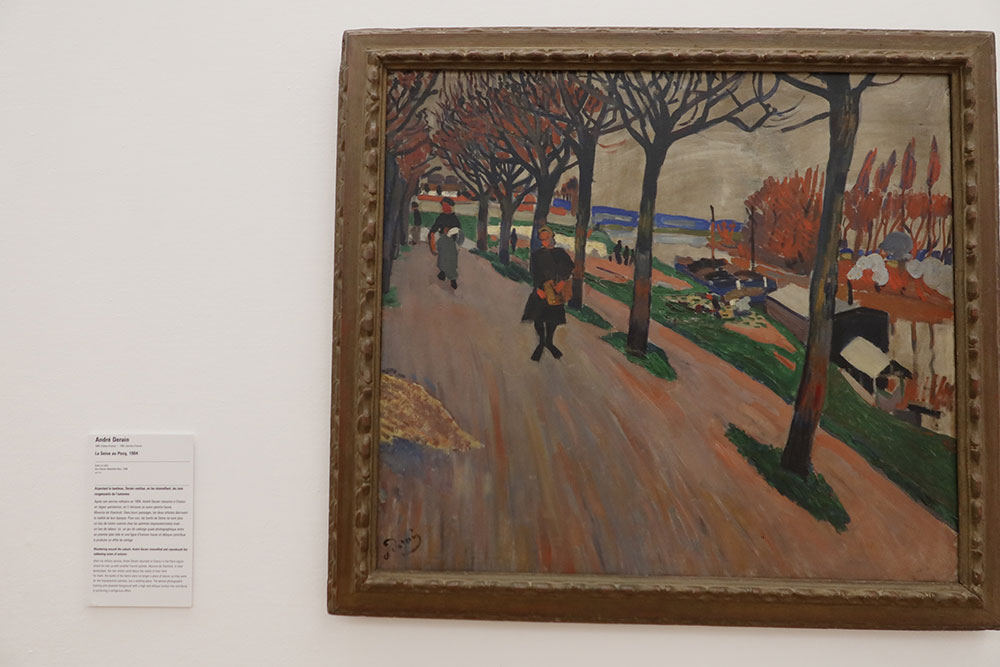
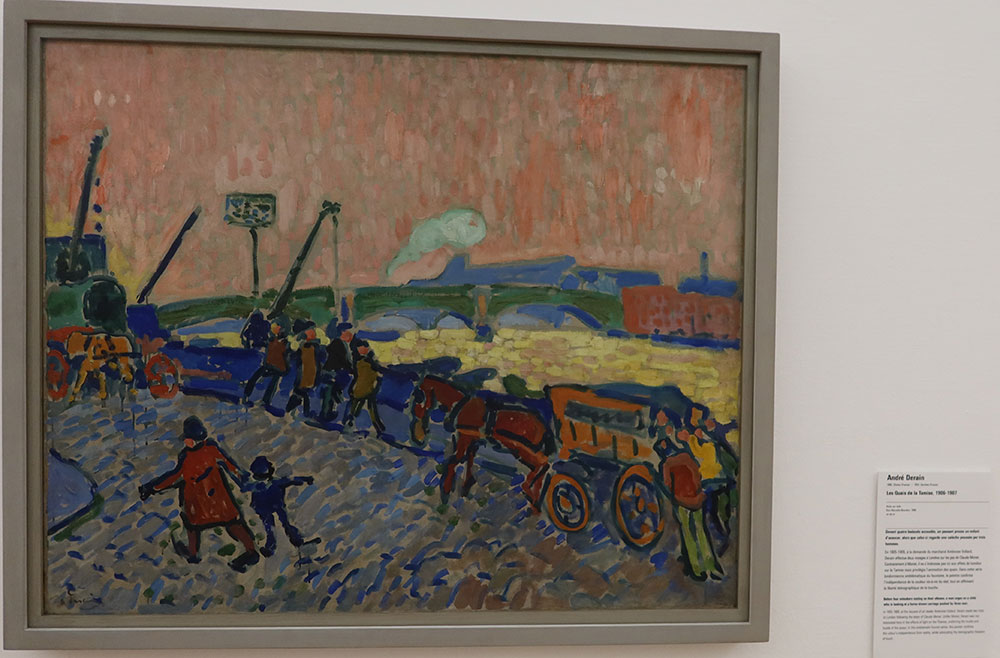
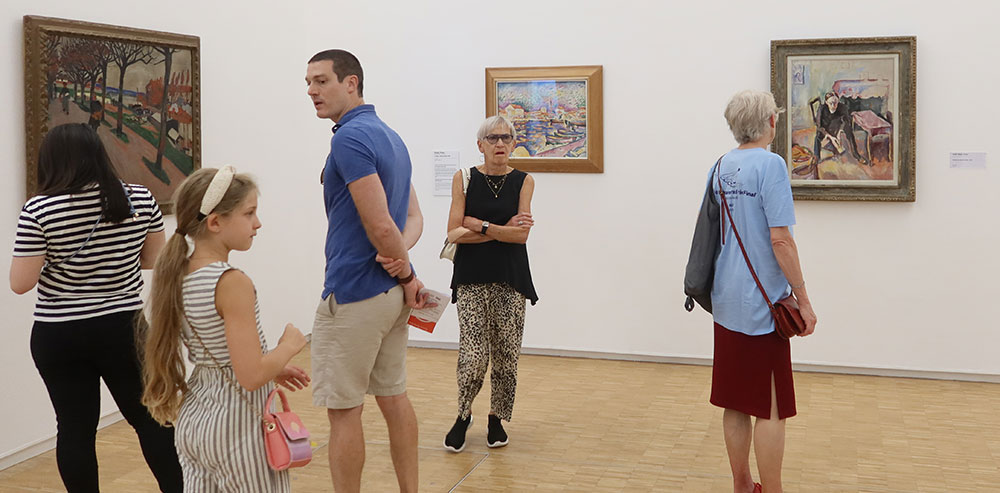
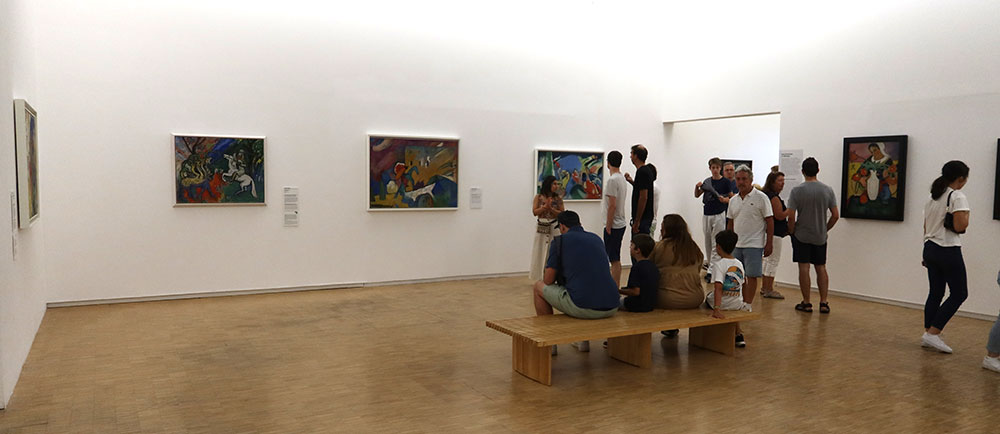
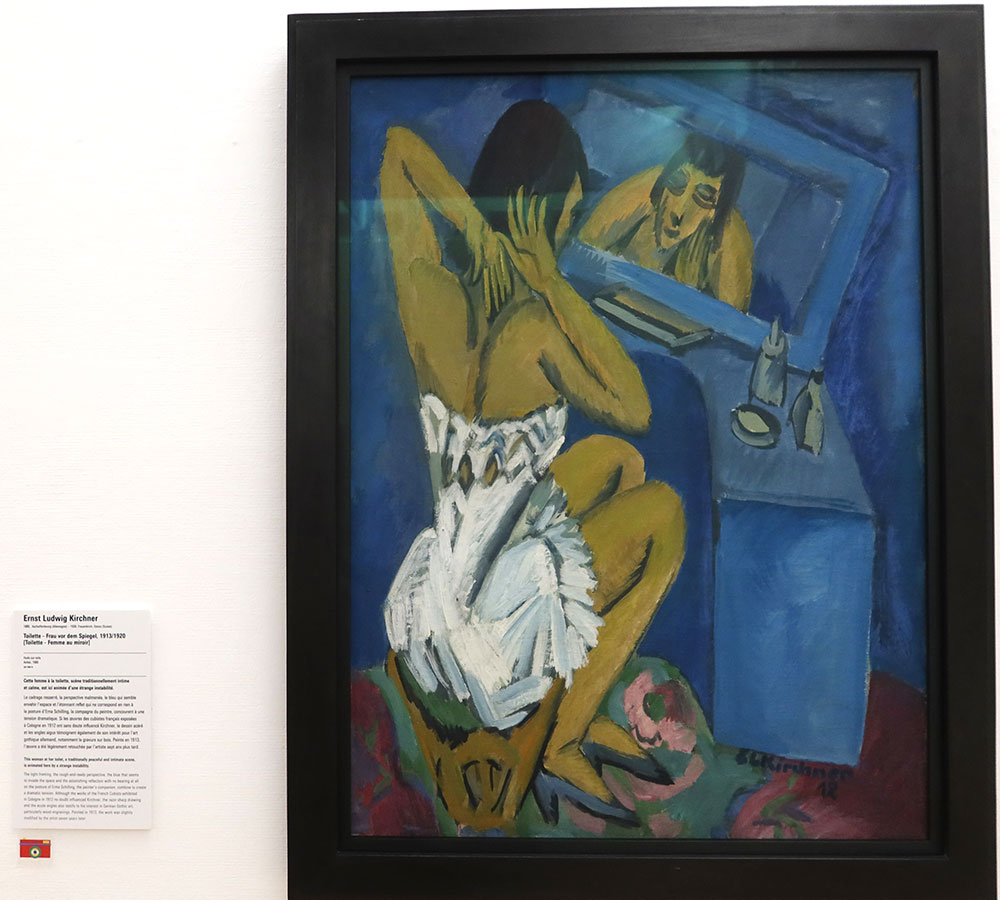
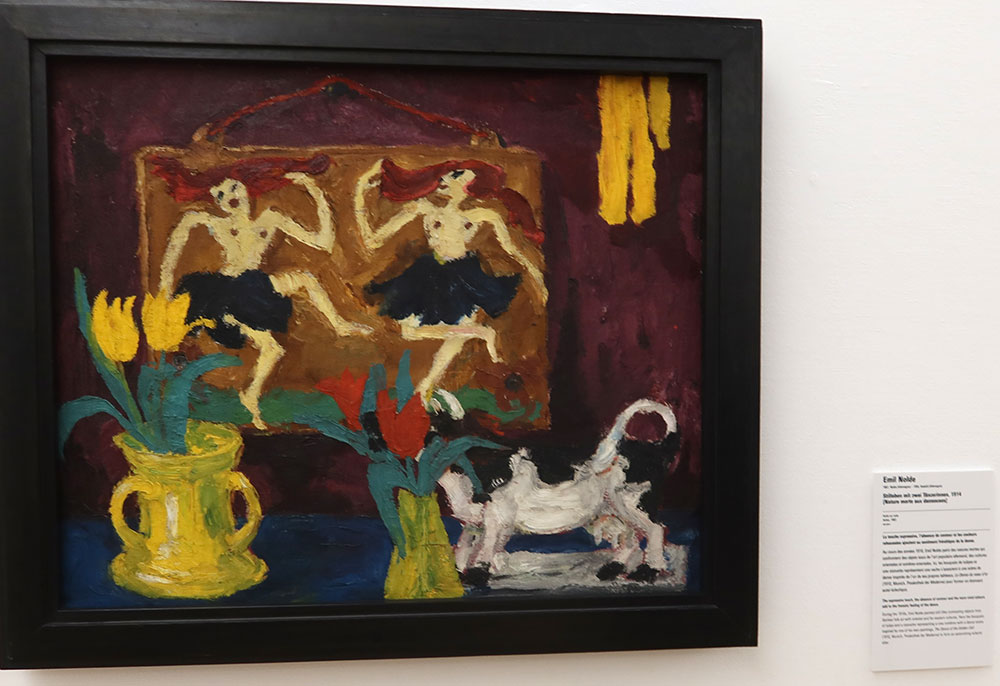
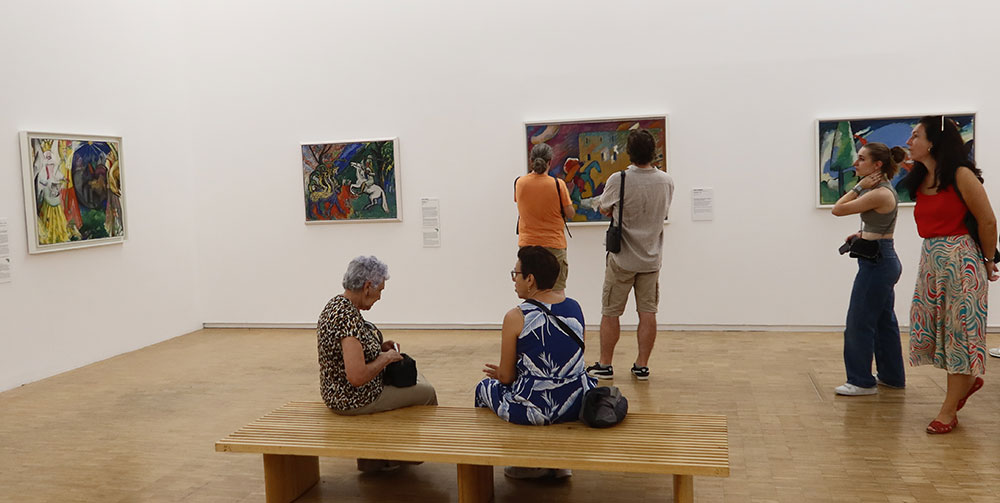
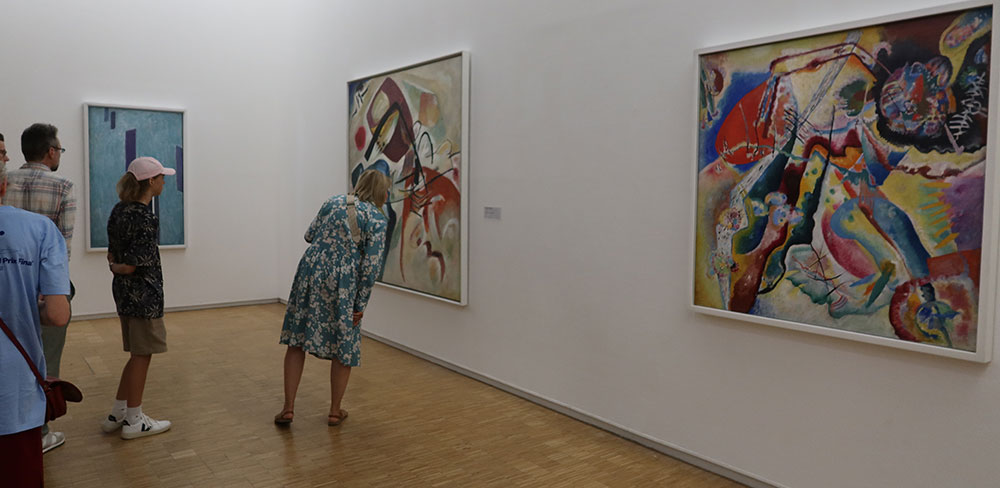
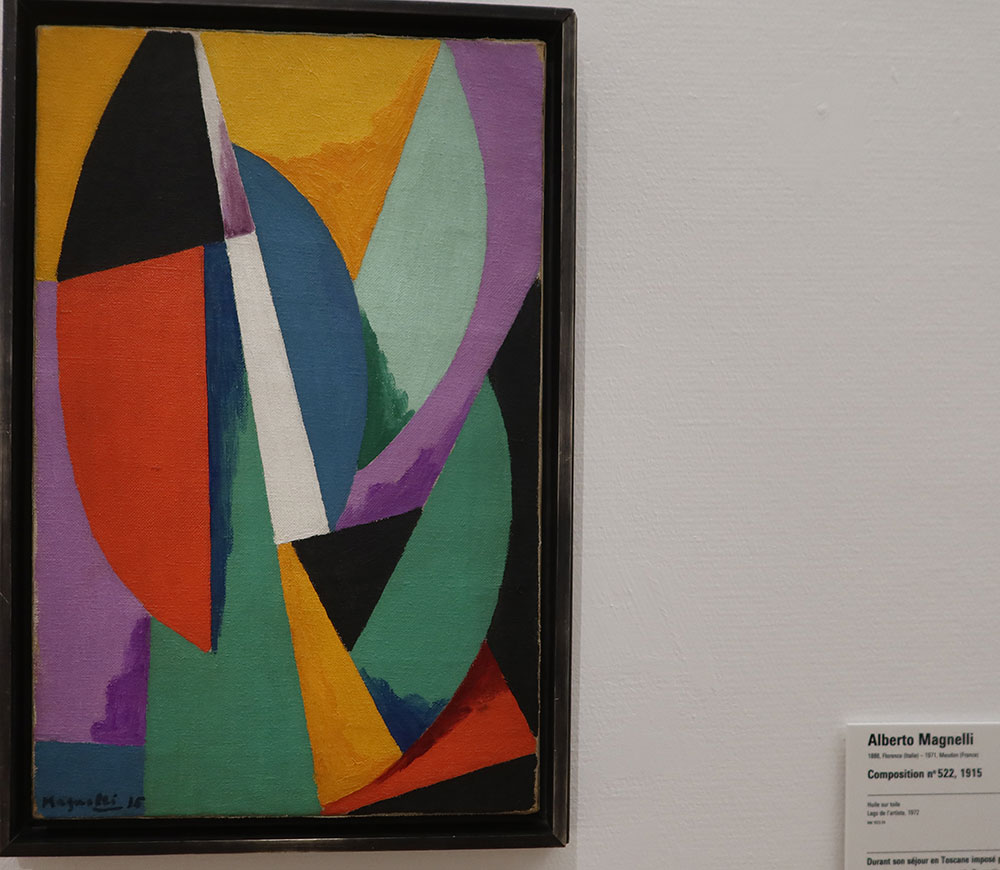
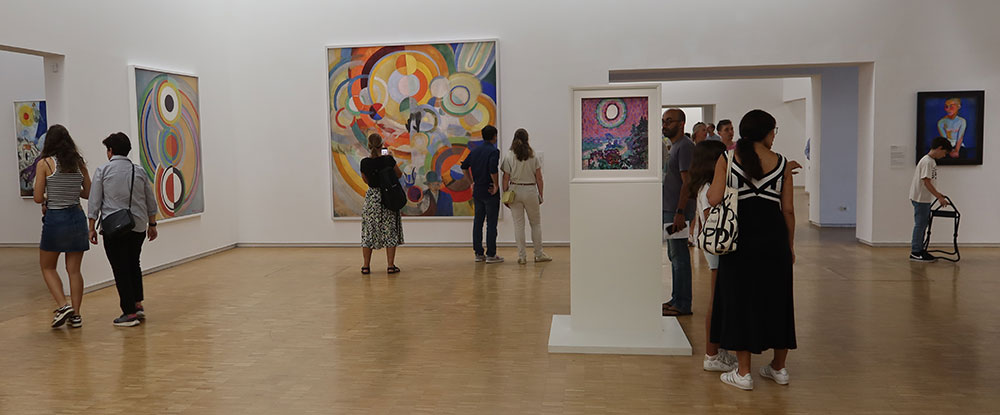
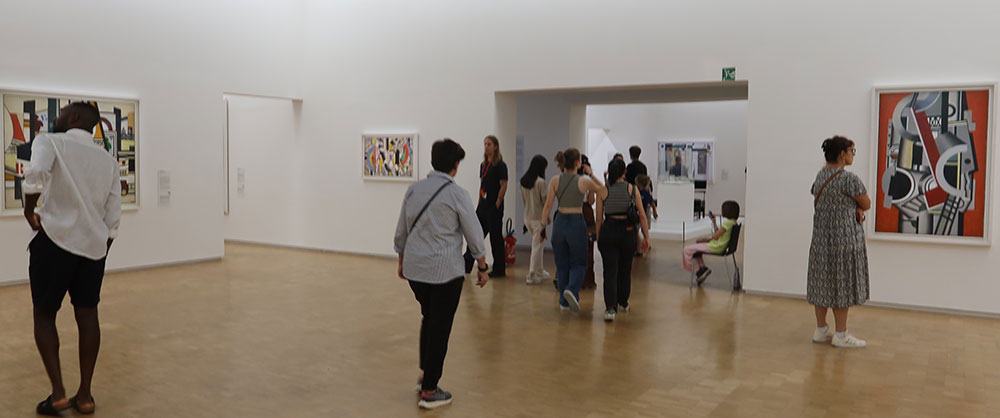
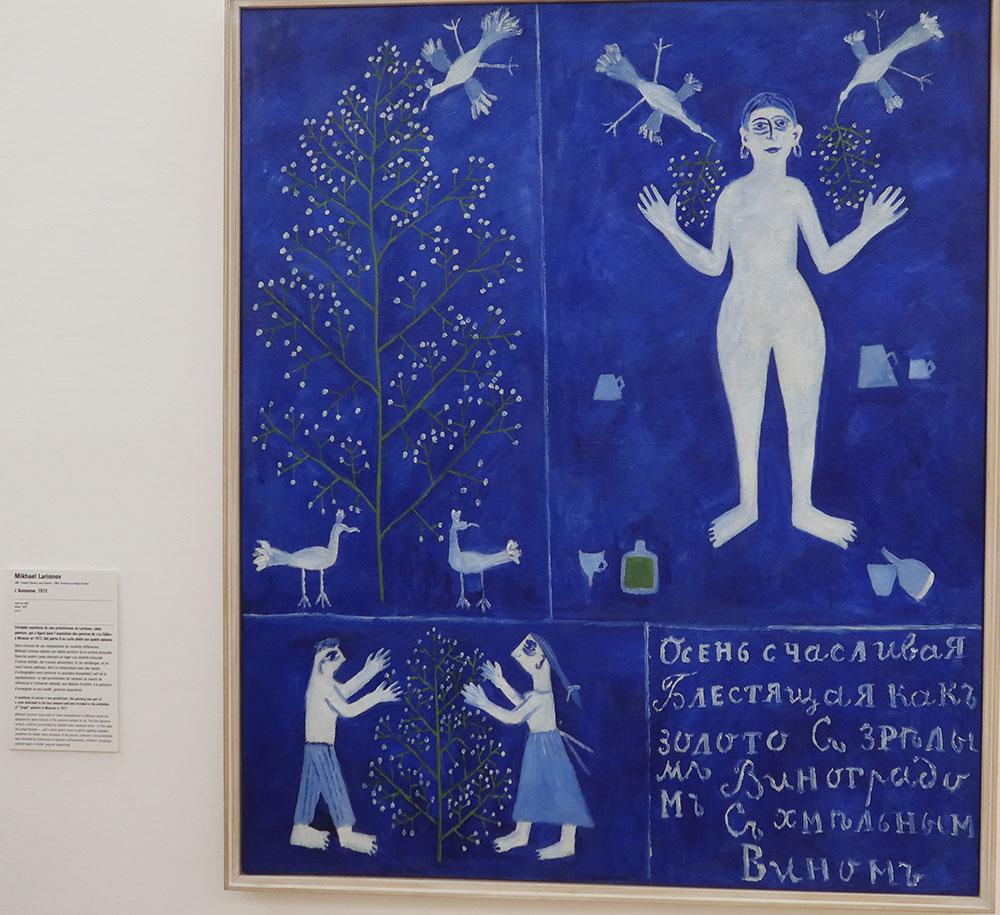
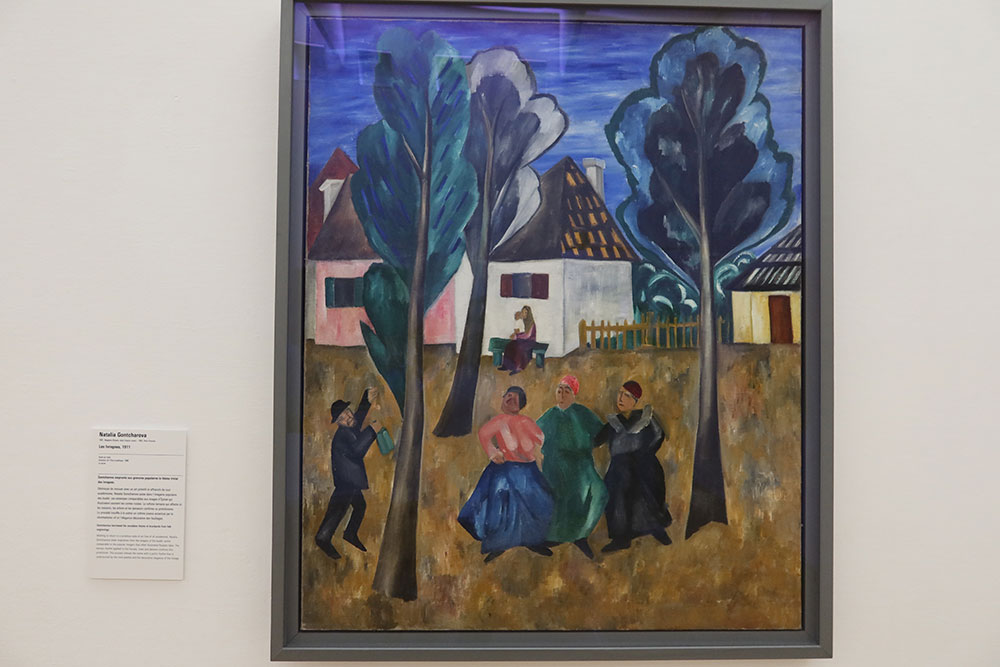
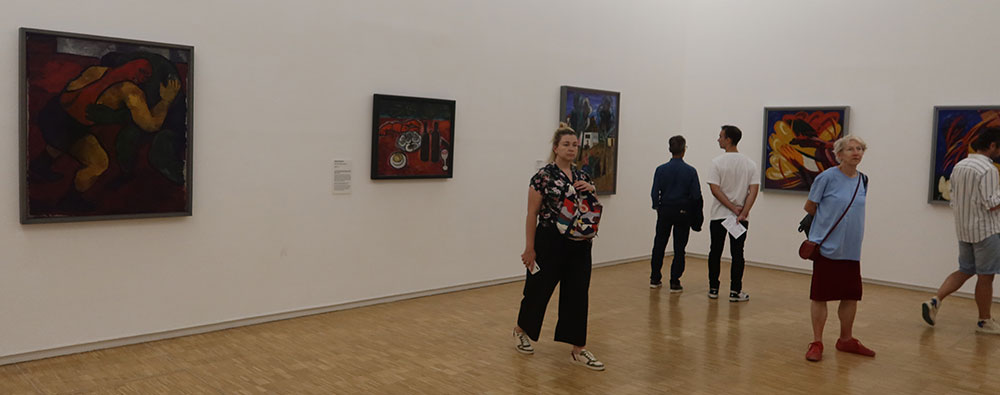
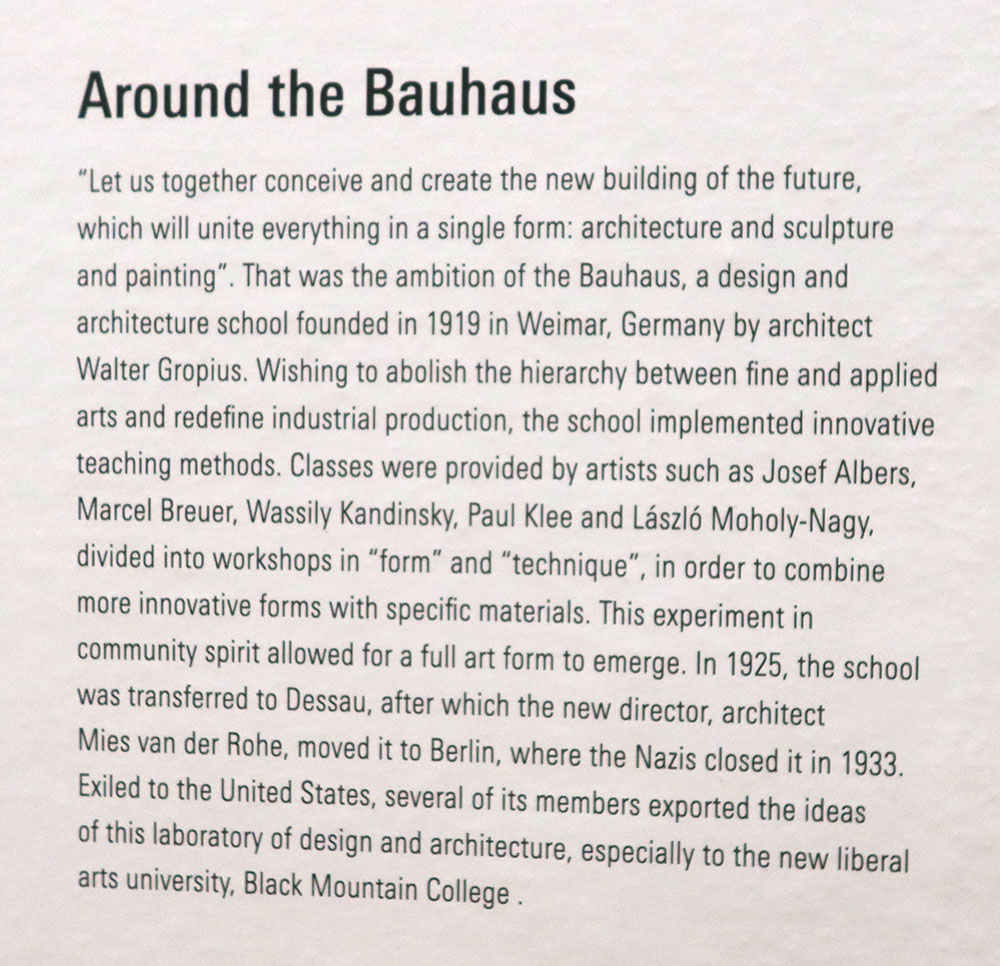
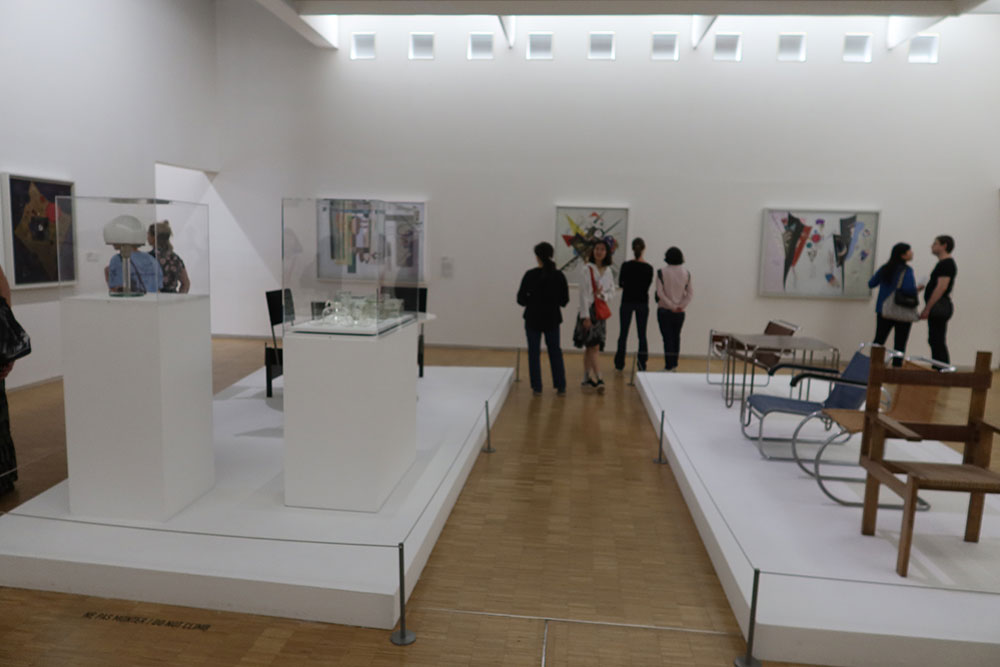
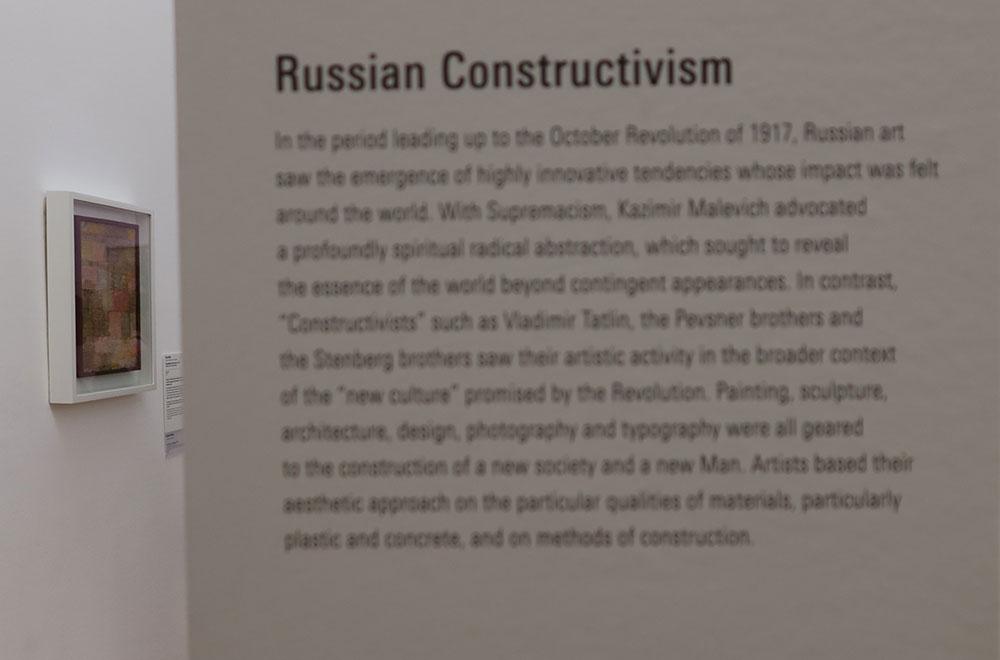
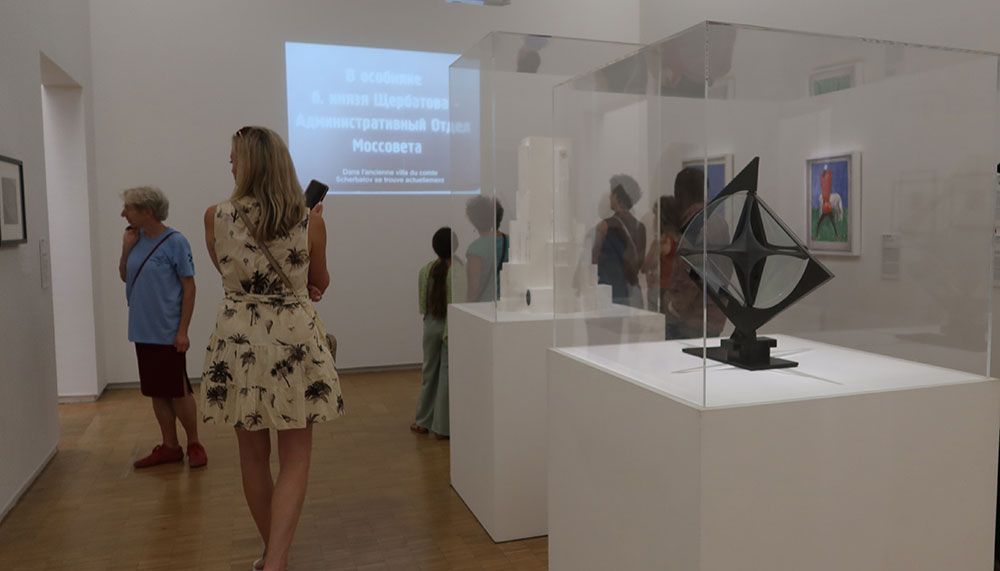
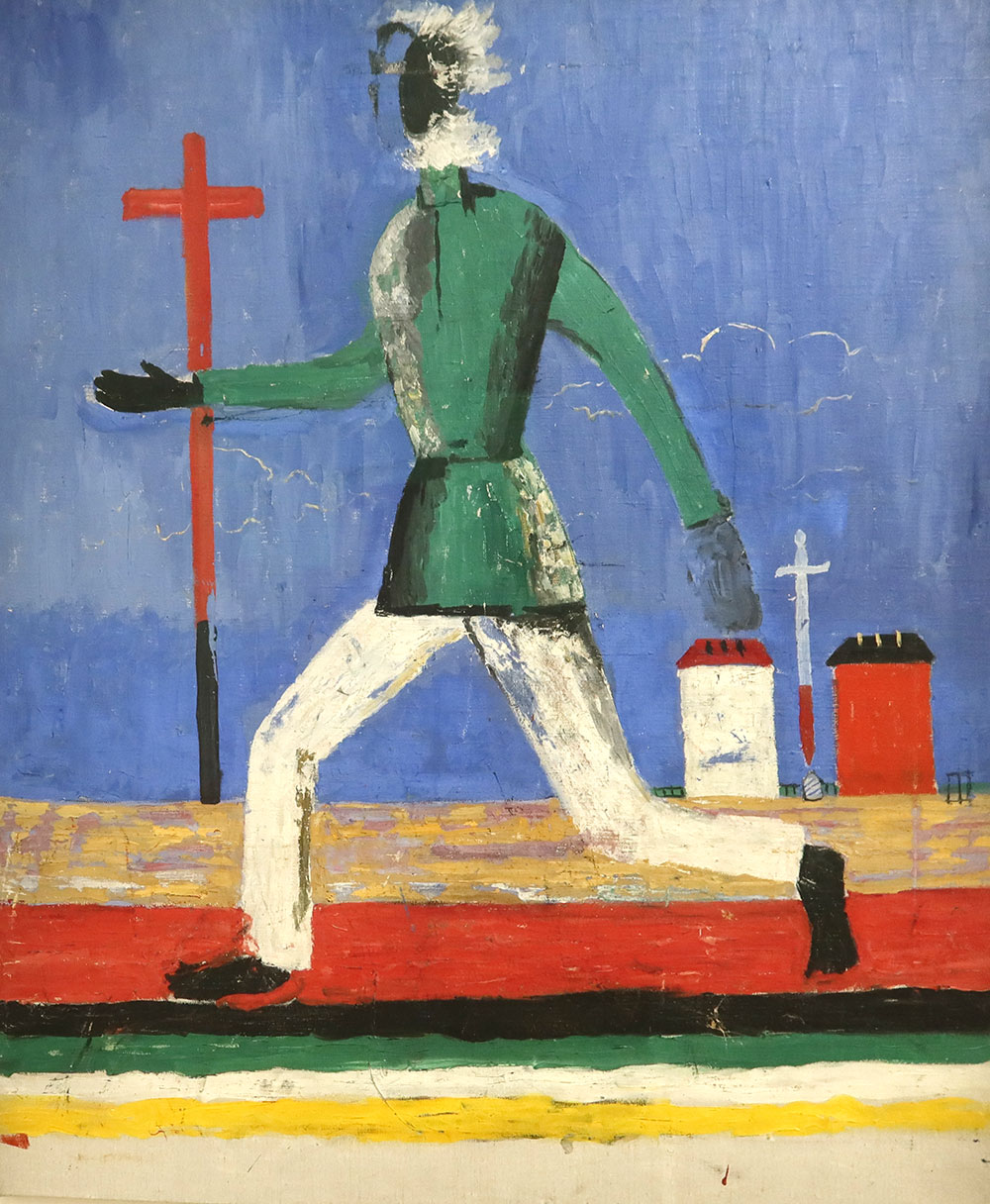
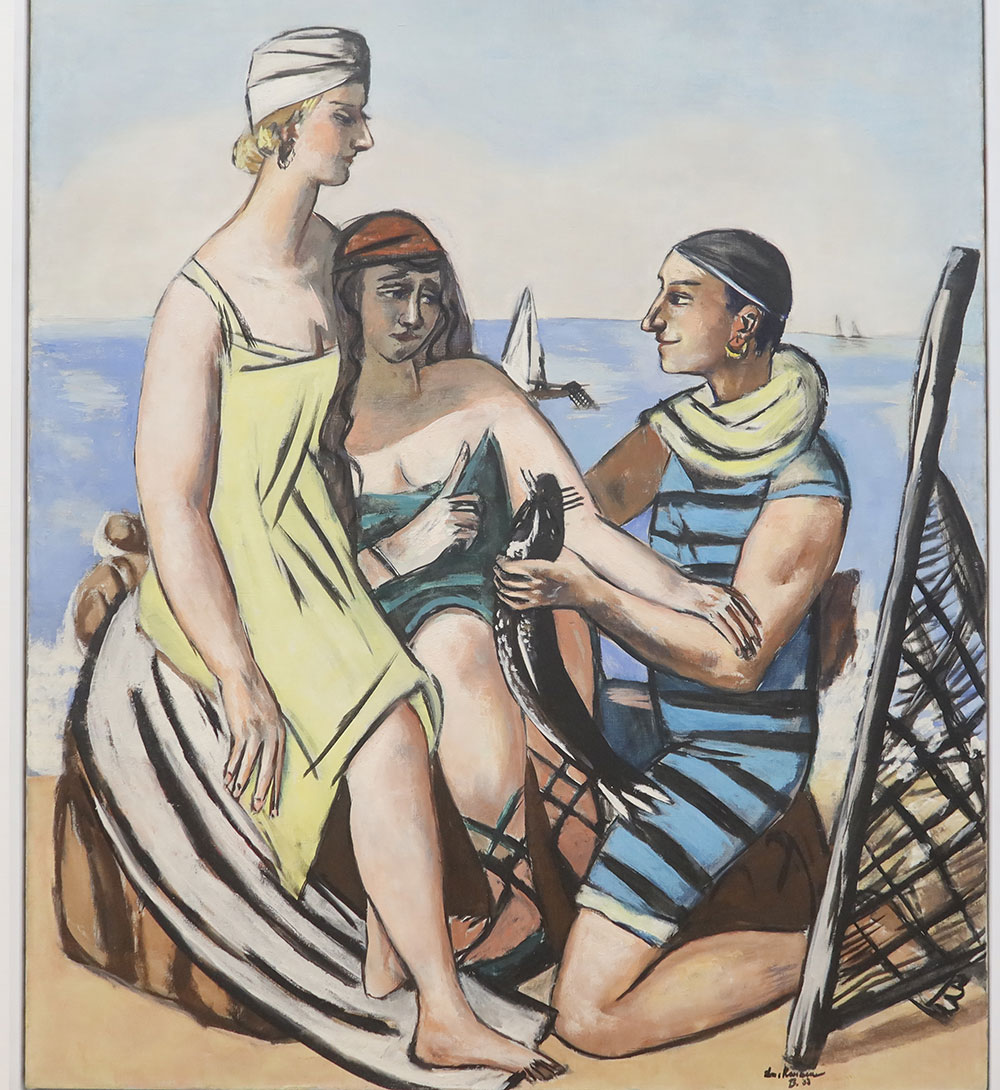
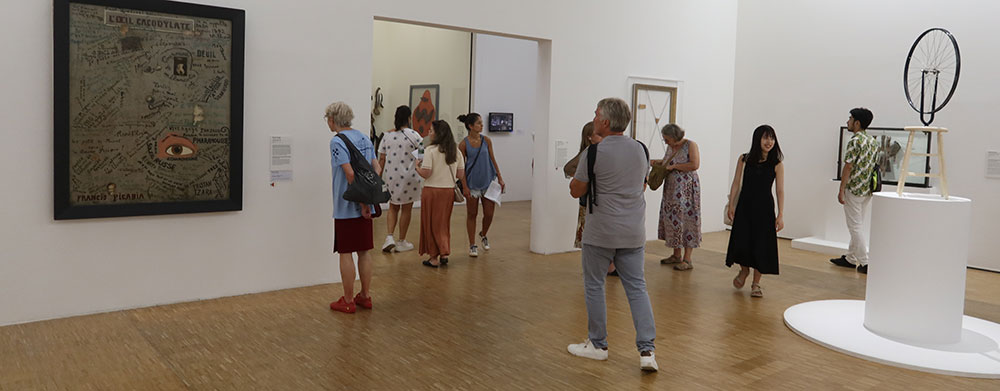
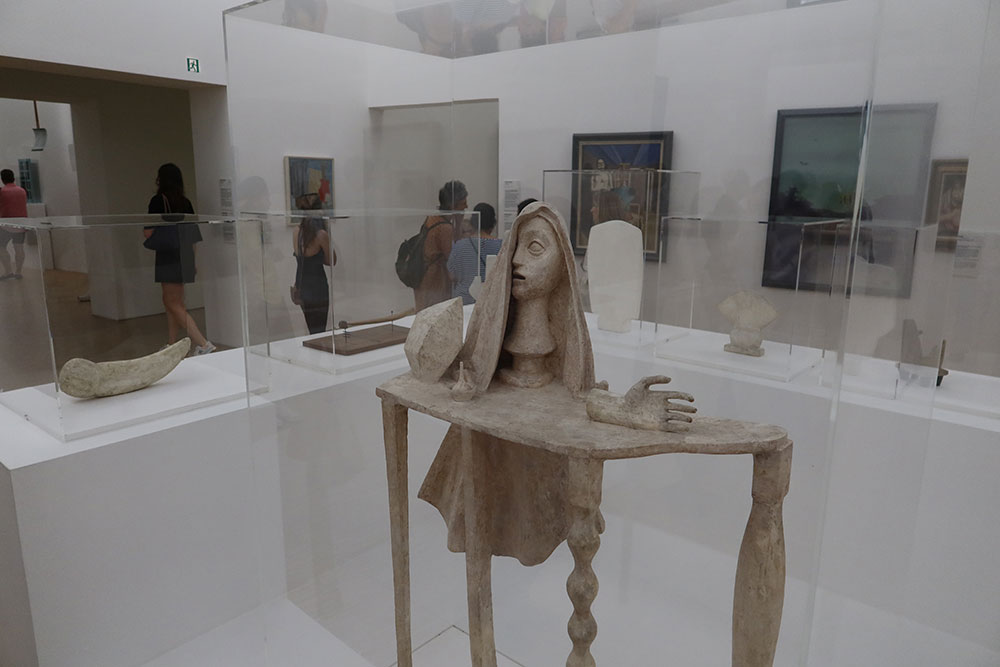
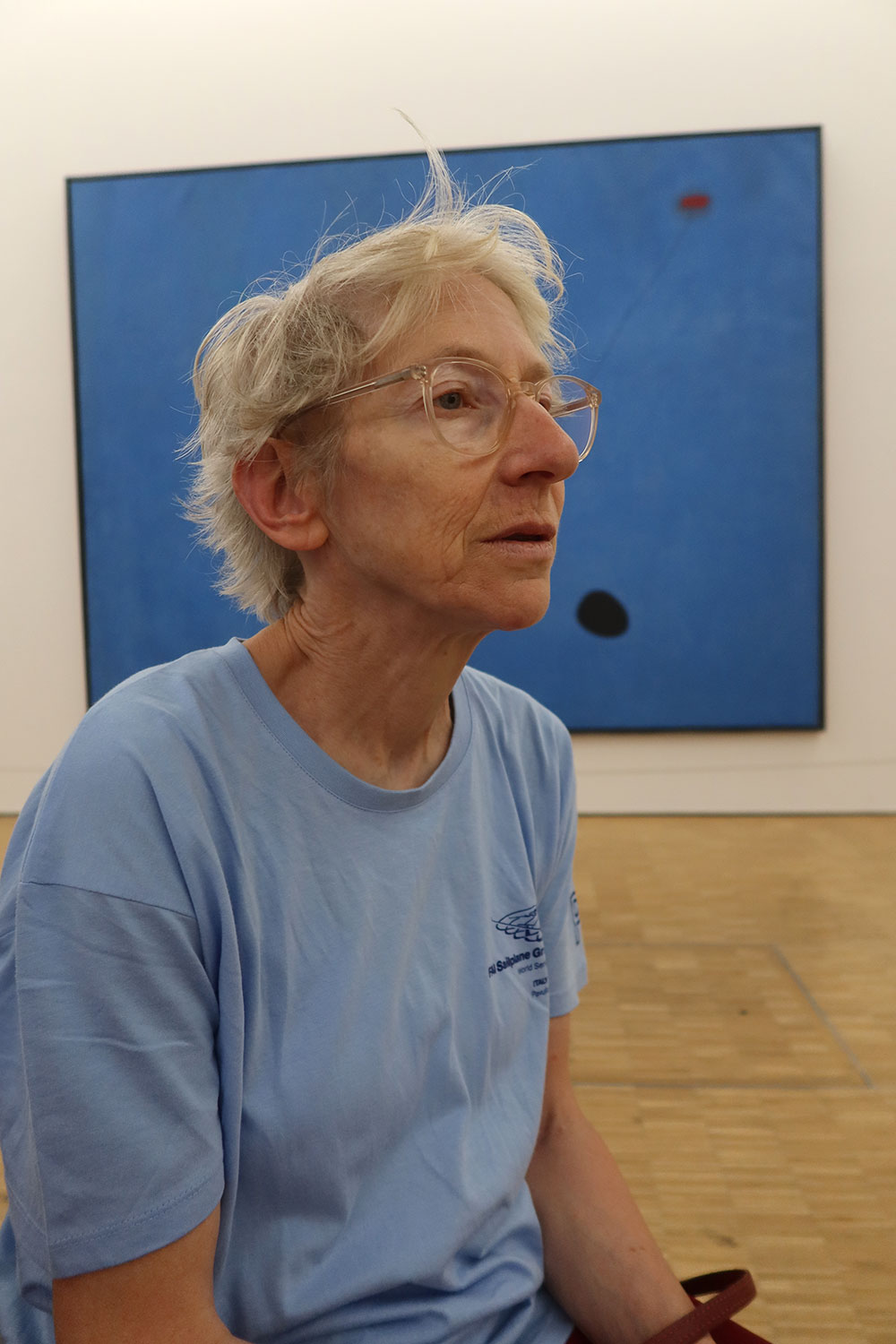
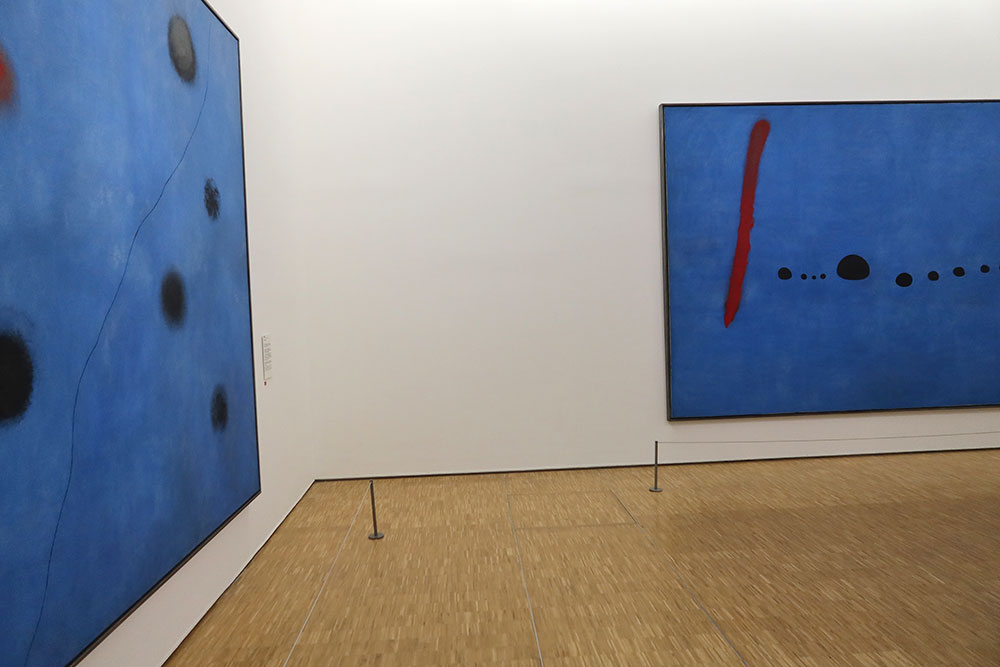
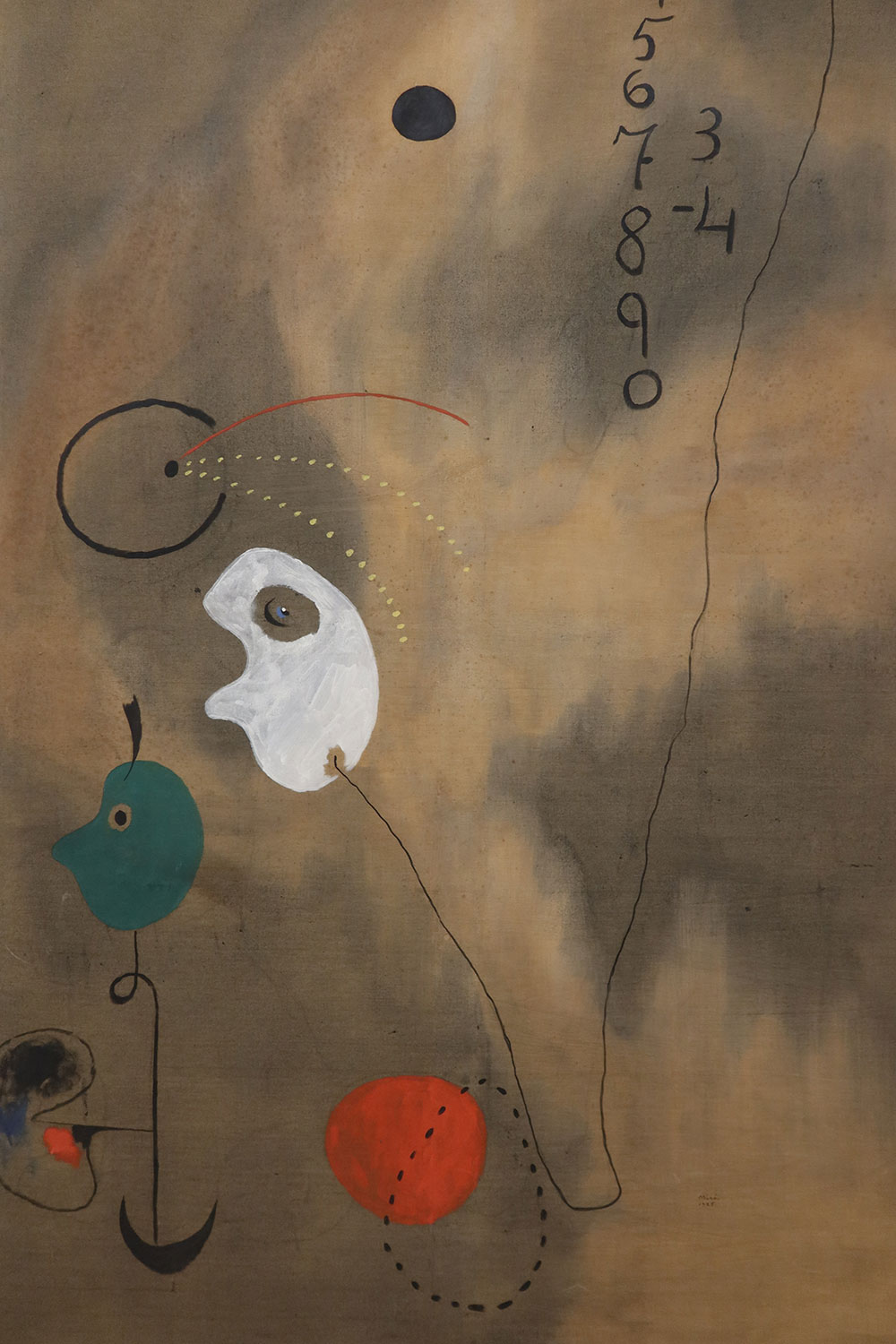
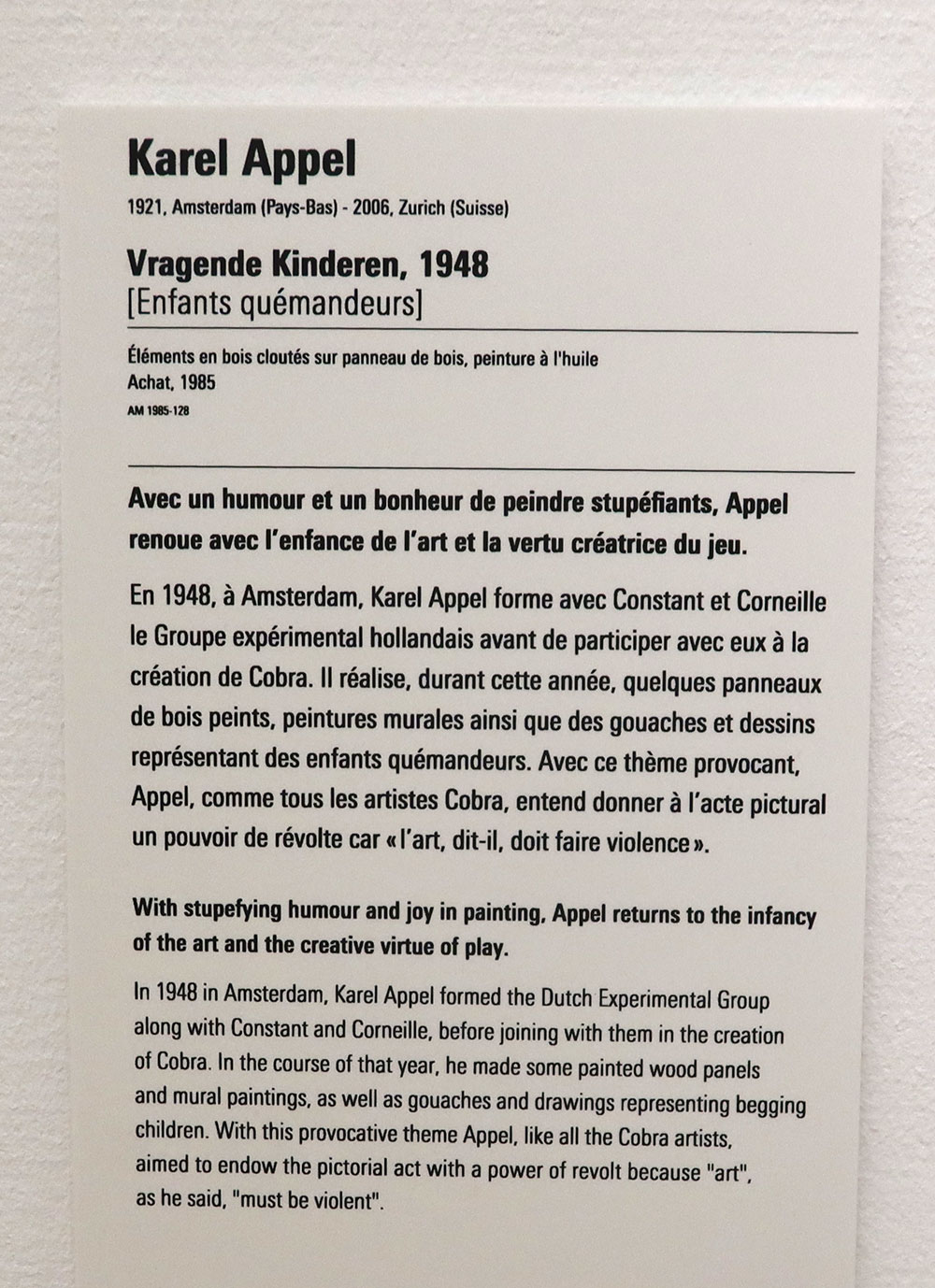
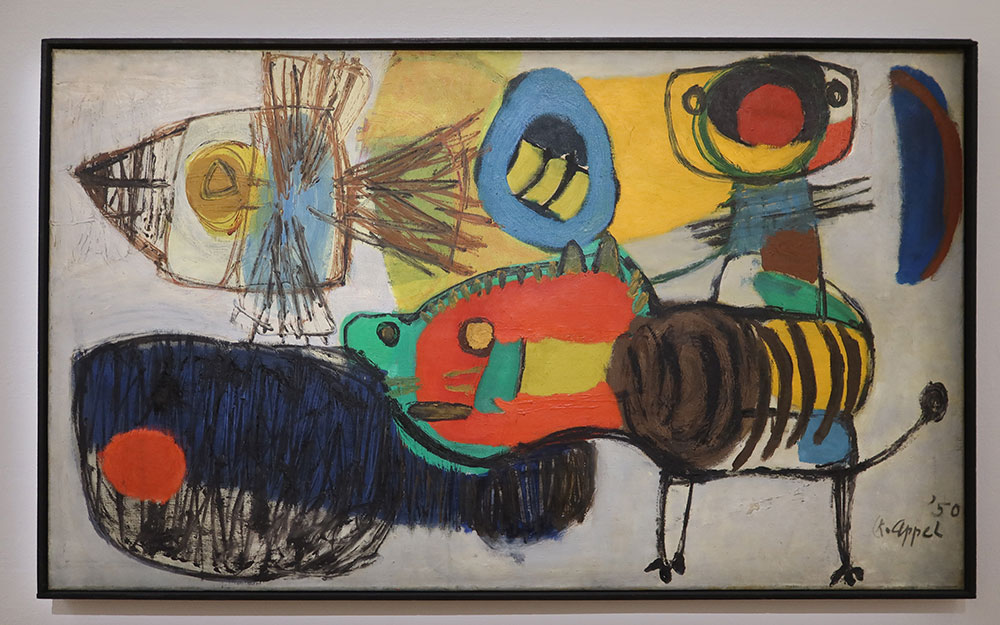
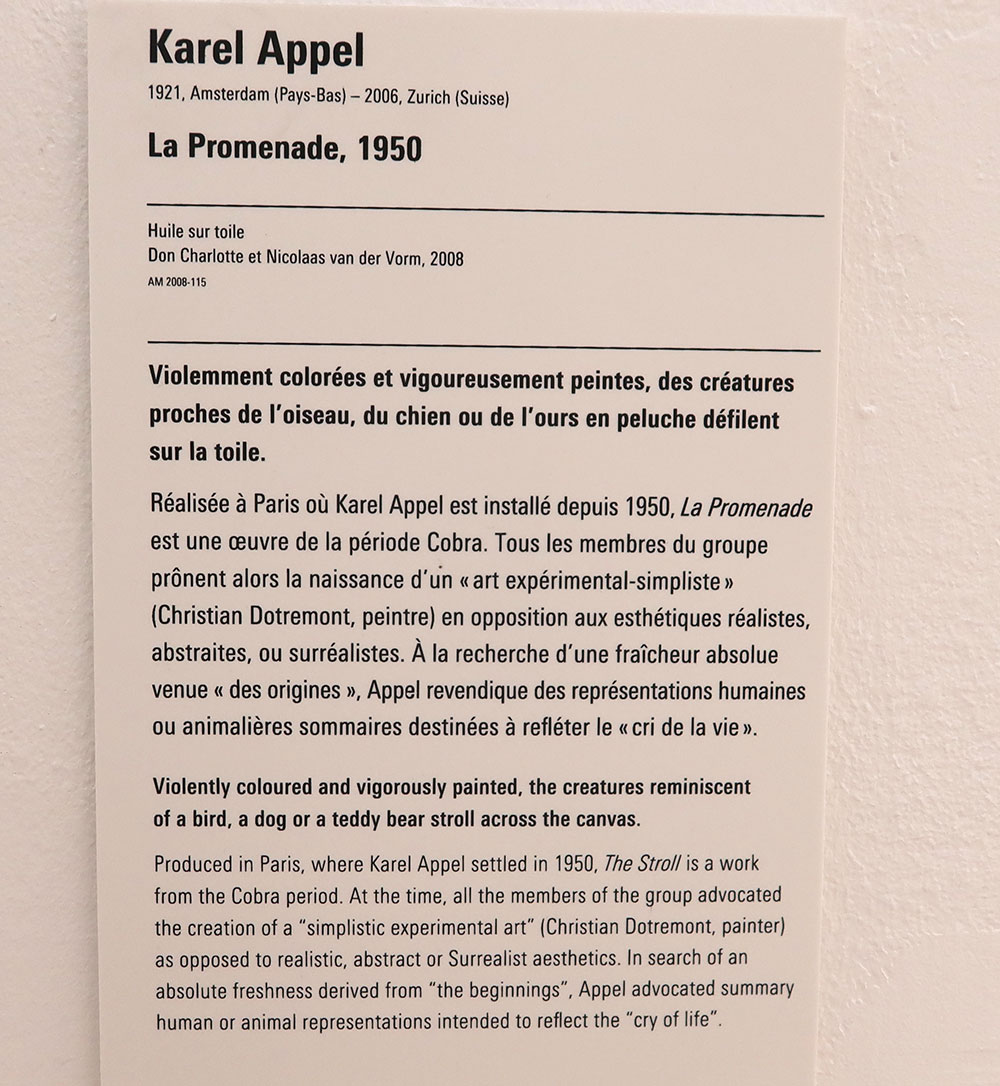
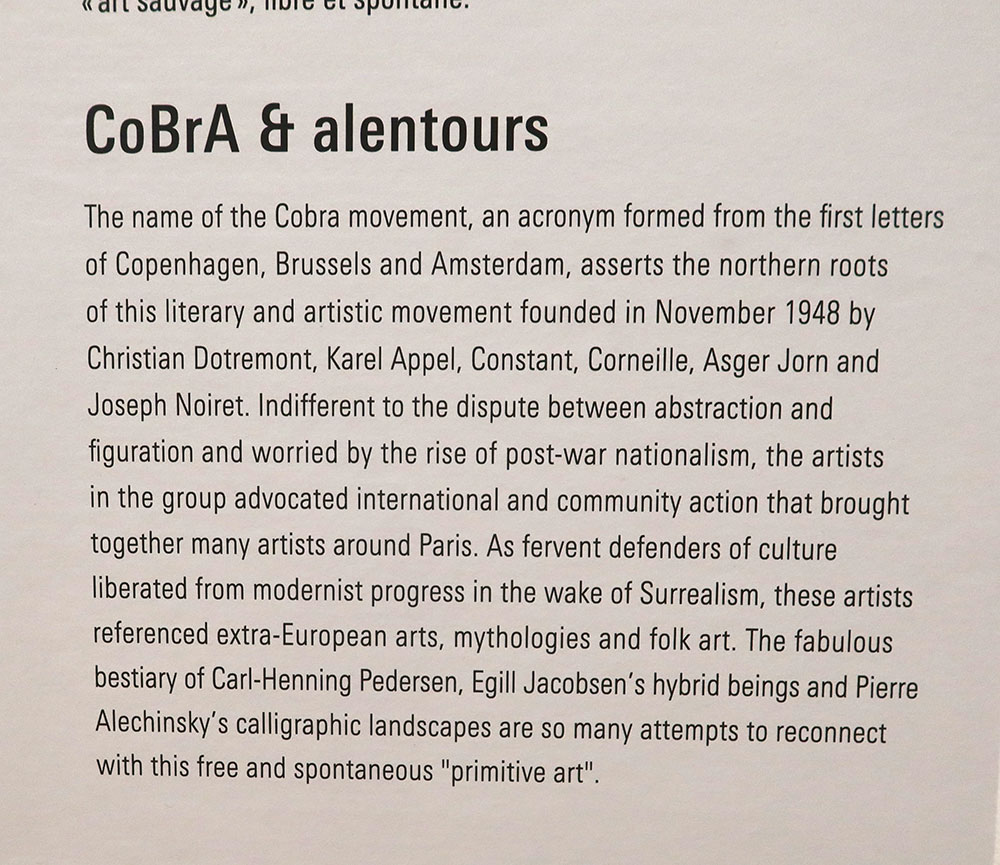
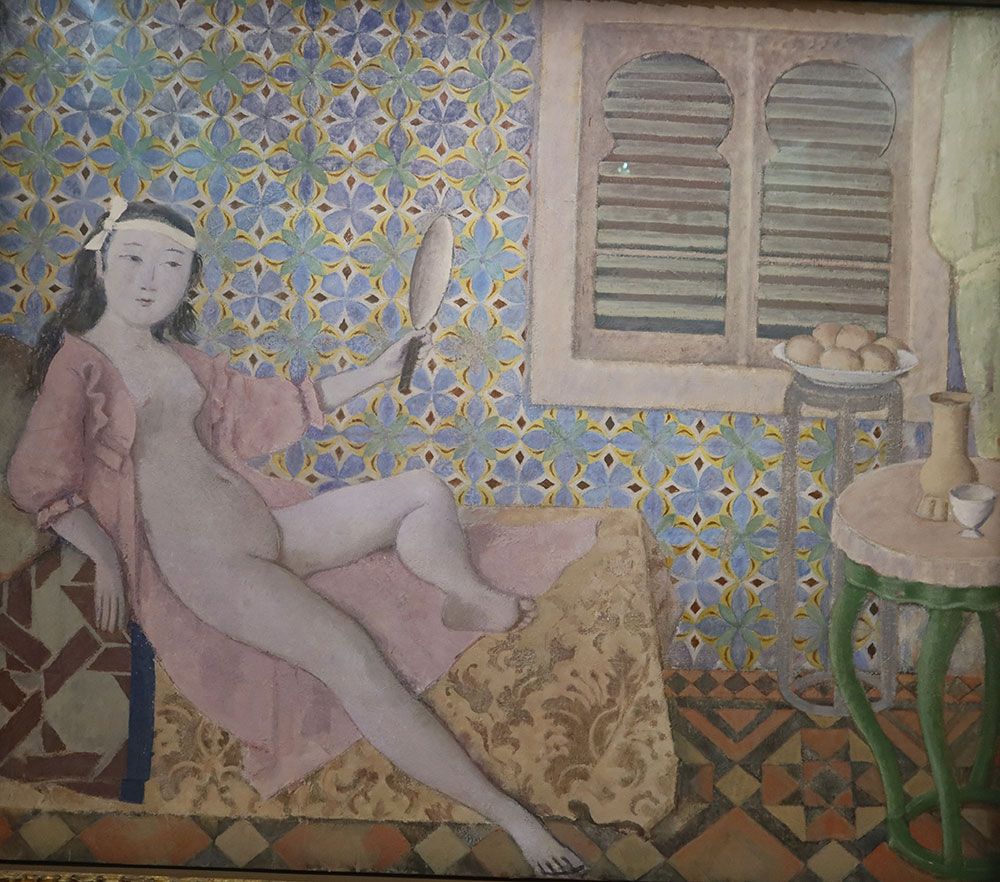
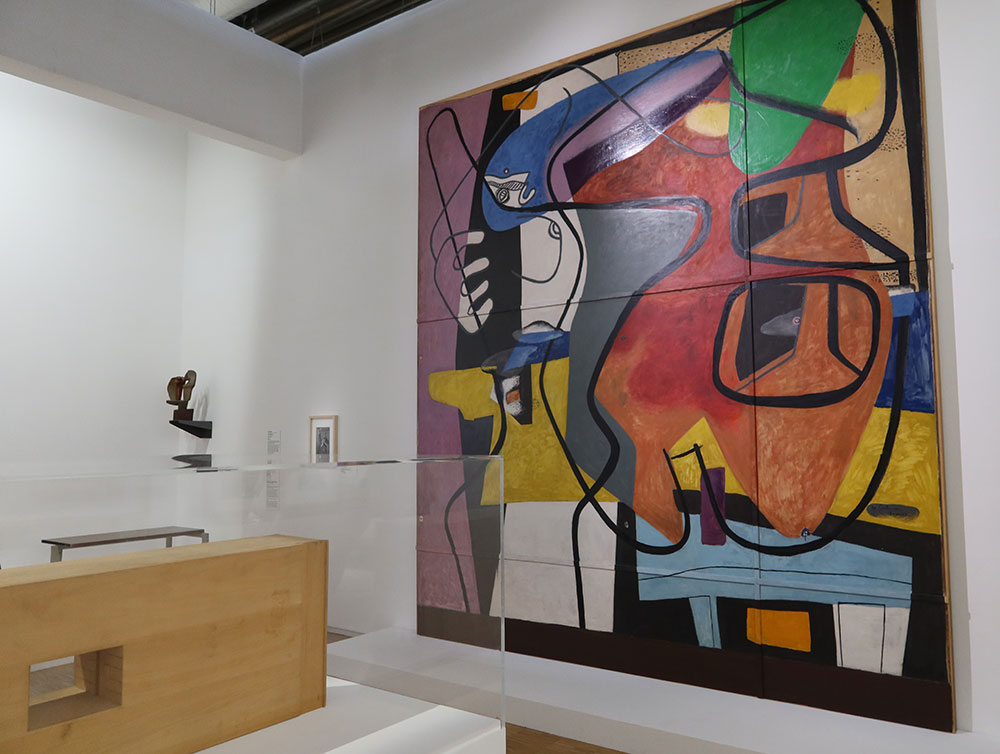
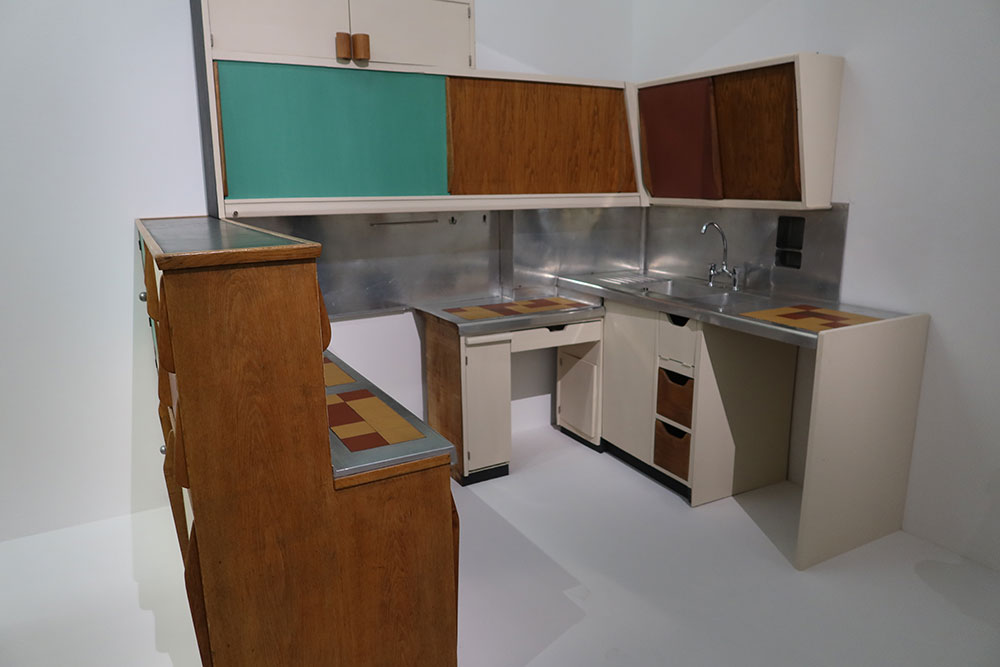
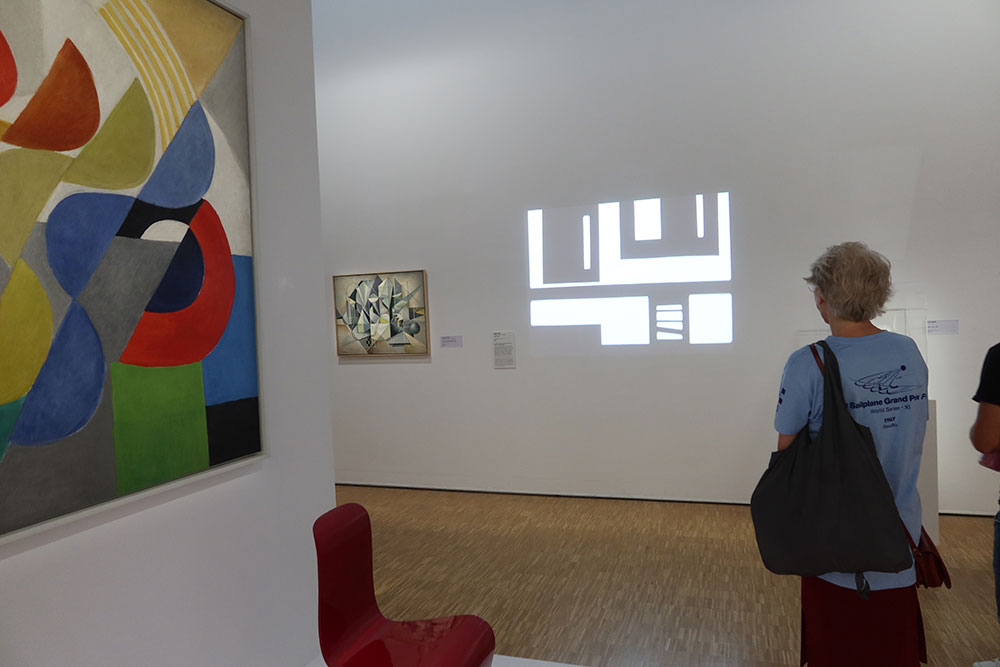
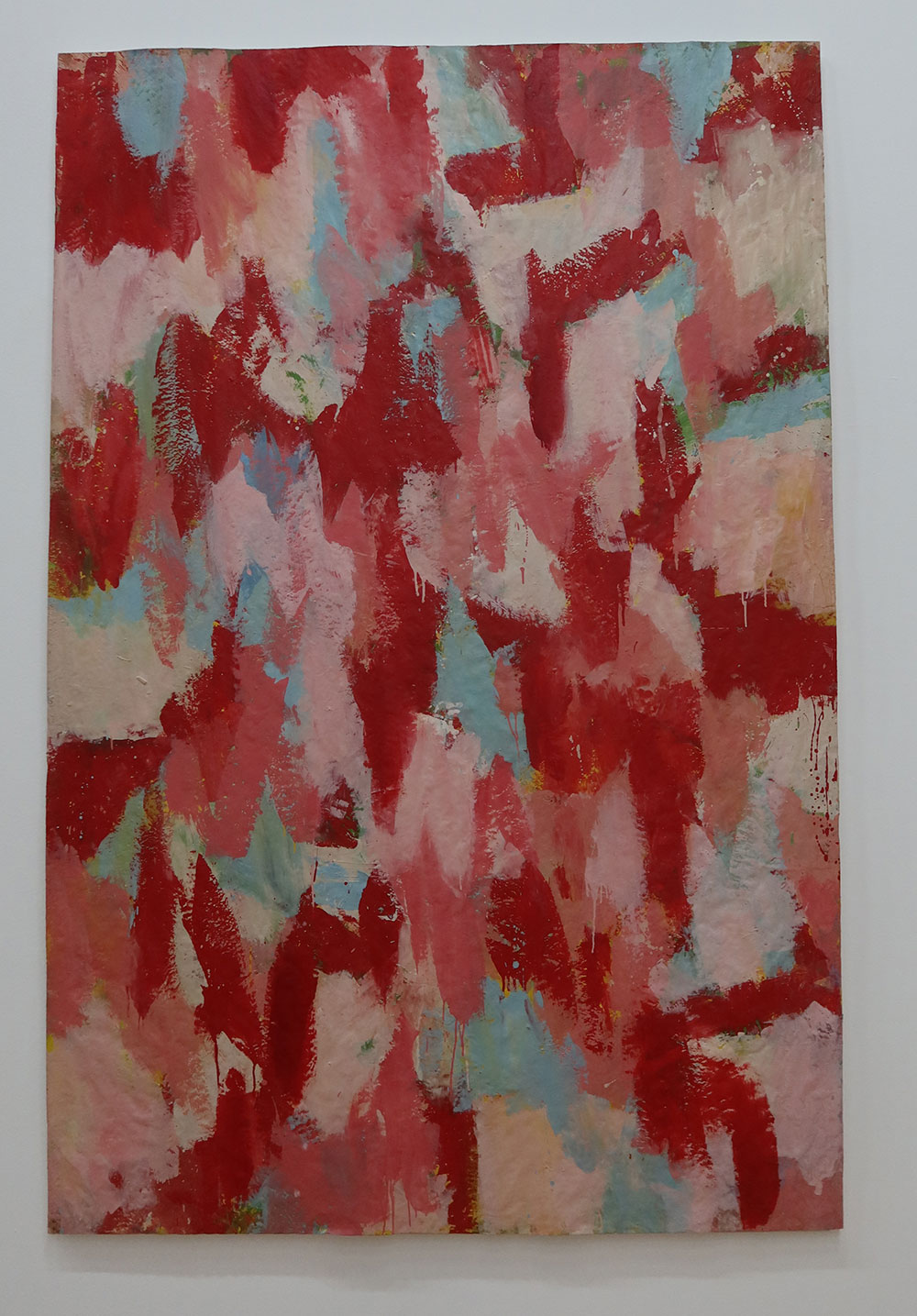
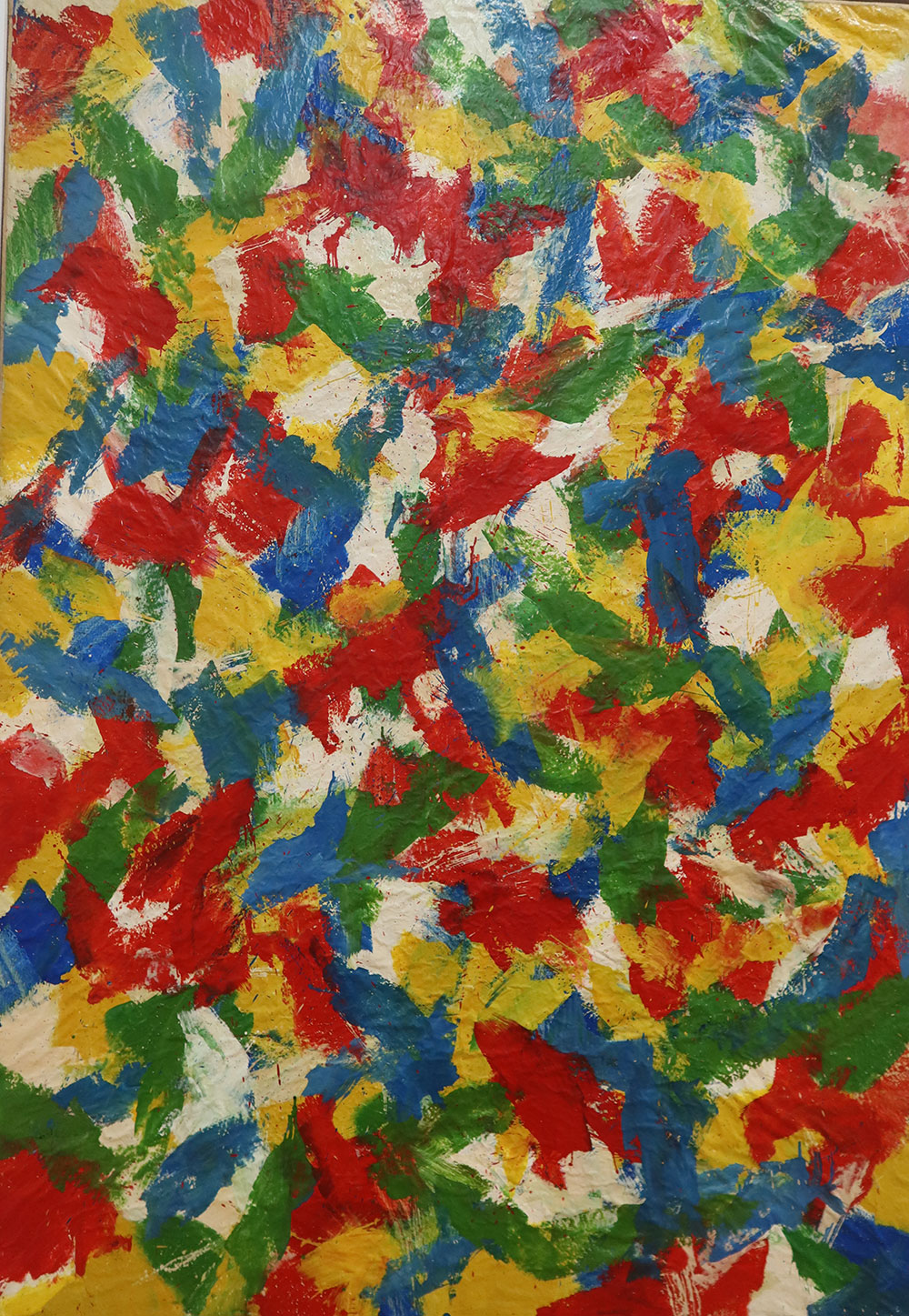
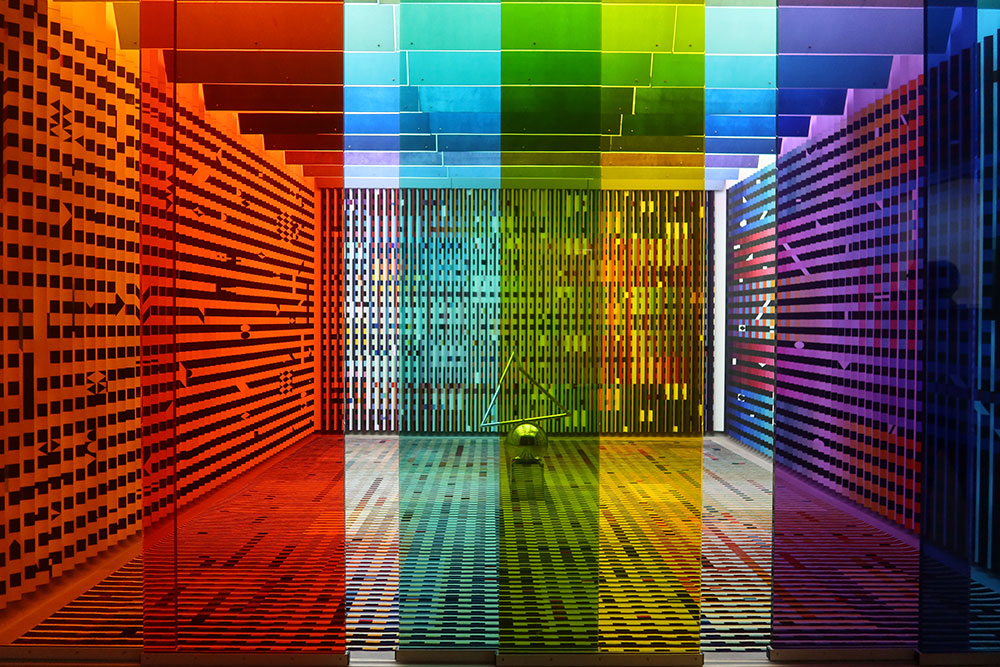
The MNAM's permanent collection occupies approximately 18,500 square metres across two floors within the Centre Pompidou: the fifth floor dedicated to modern art from 1905 to 1960, and the fourth to contemporary art from 1960 onwards. The museum's founding historical moment is Fauvism — the collection's chronological narrative begins with the charged colour and vigorous brushwork of artists working from 1905 — and it extends continuously through a century and more of artistic production across painting, sculpture, drawing, printmaking, photography, cinema, new media, architecture and design.
The collection's presentation rotates on a two-year cycle, drawing on the full depth of holdings to present alternating chronological, monographic and thematic arrangements. This rotation is not merely logistical; it is an argument about how modern and contemporary art should be encountered — not as a fixed canon but as a field of ongoing reinterpretation. For gallery professionals, the model raises familiar questions about the authority of the permanent hang and the relationship between scholarly arrangement and public accessibility.
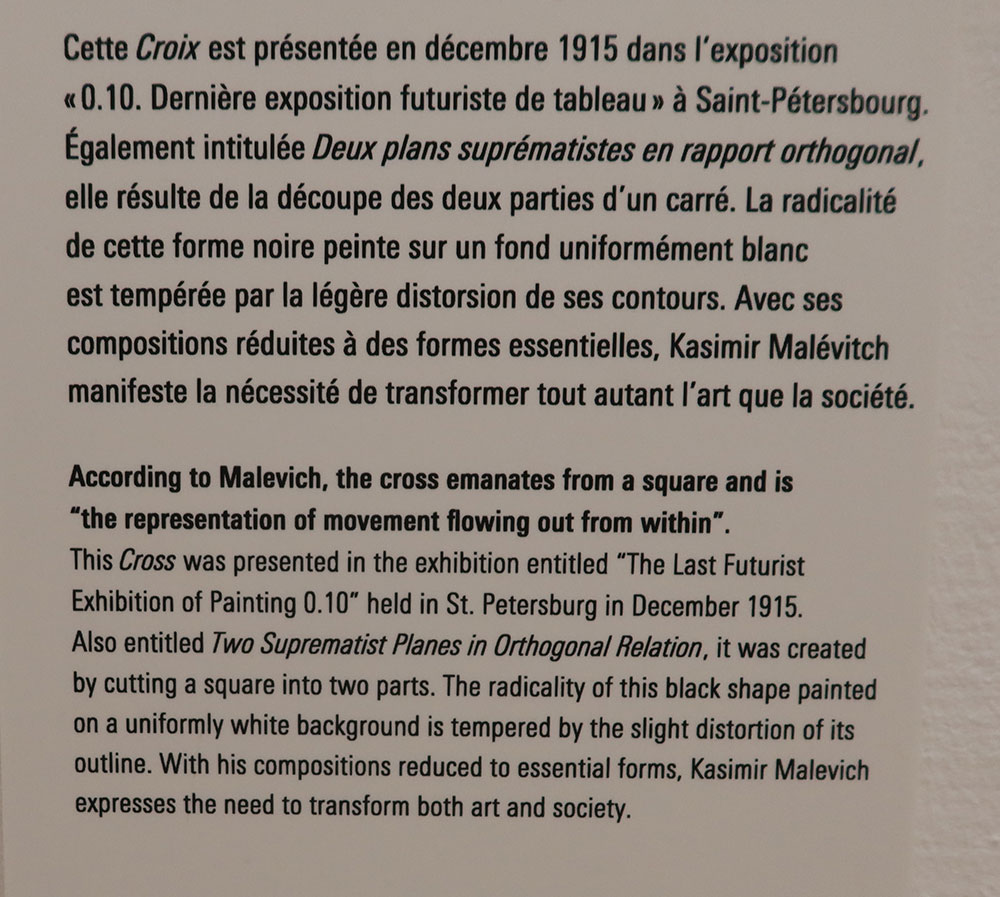
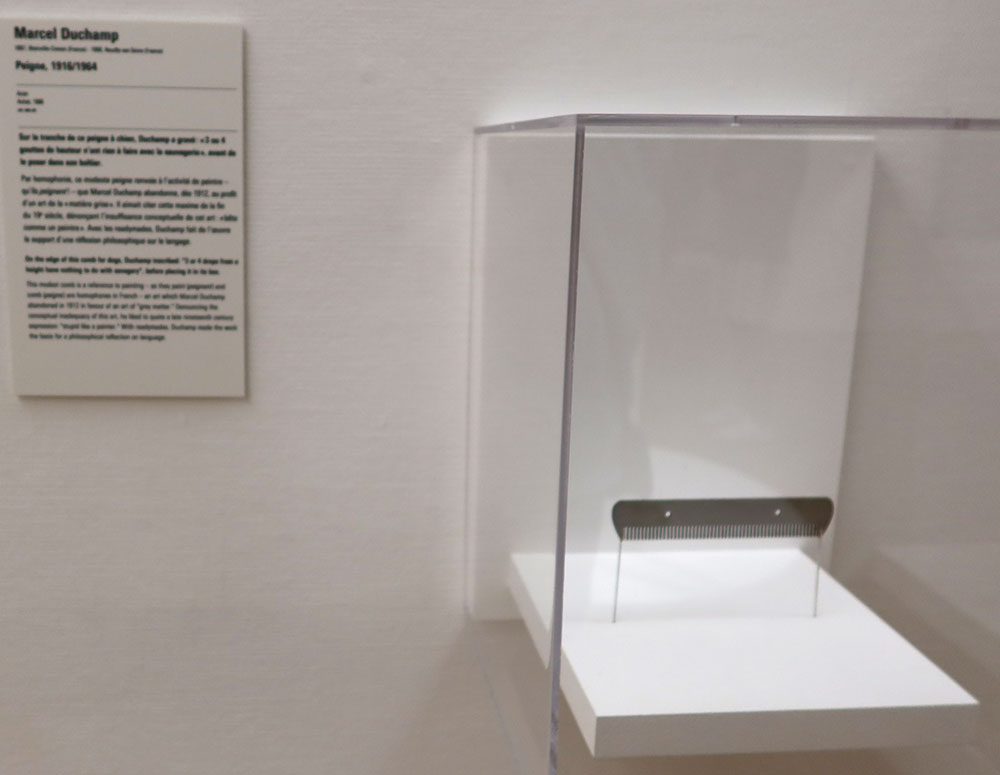
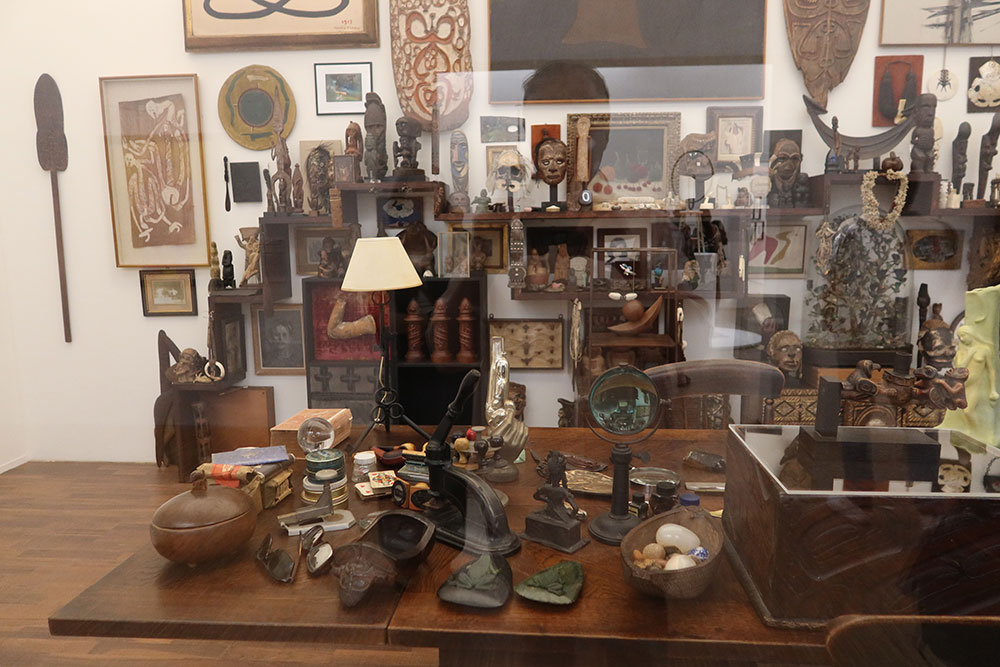
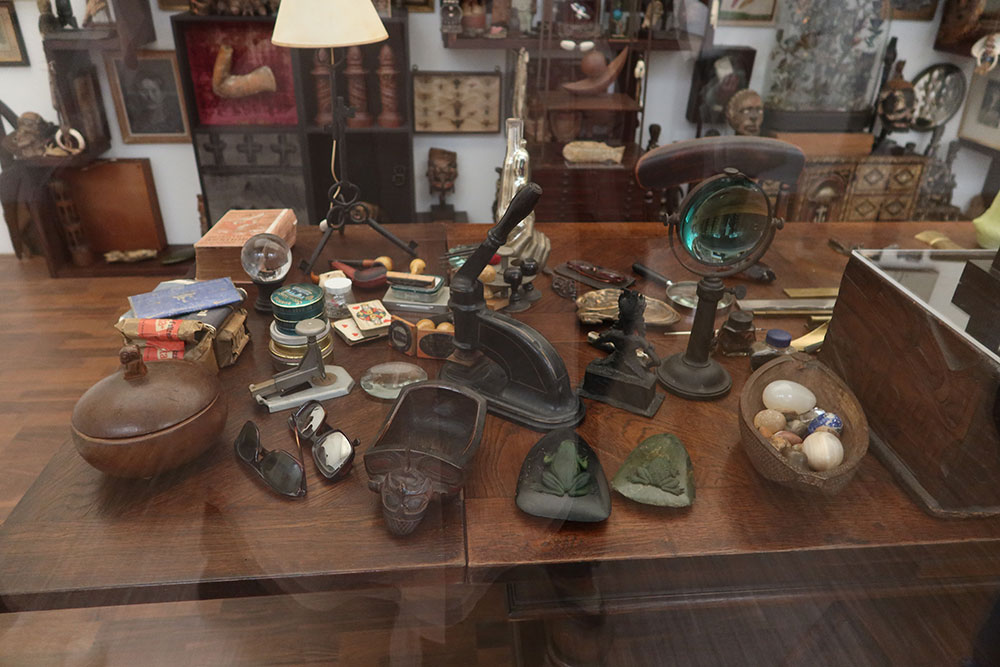
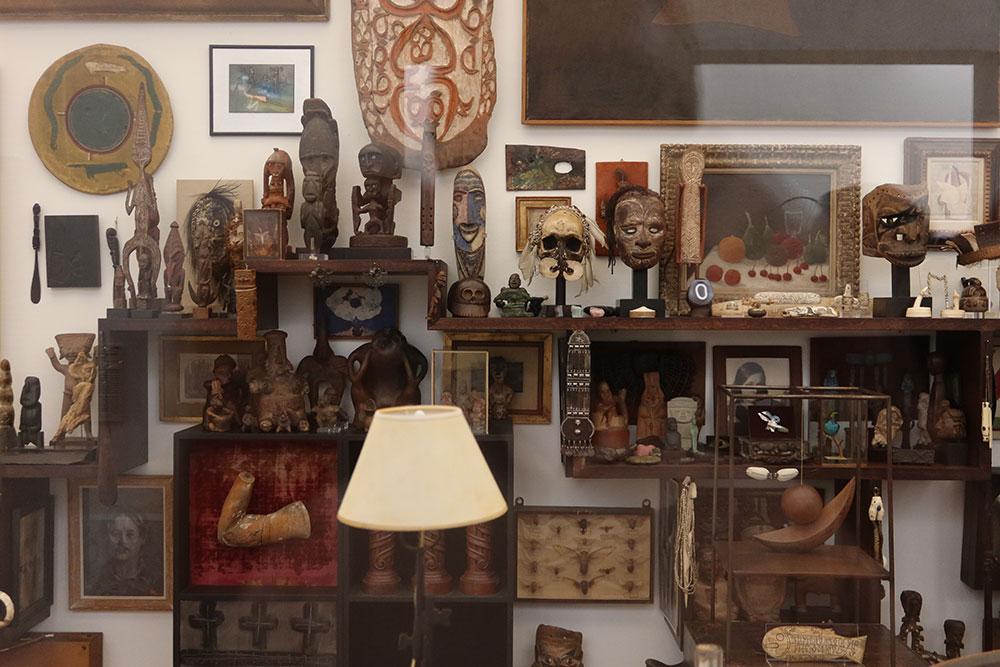
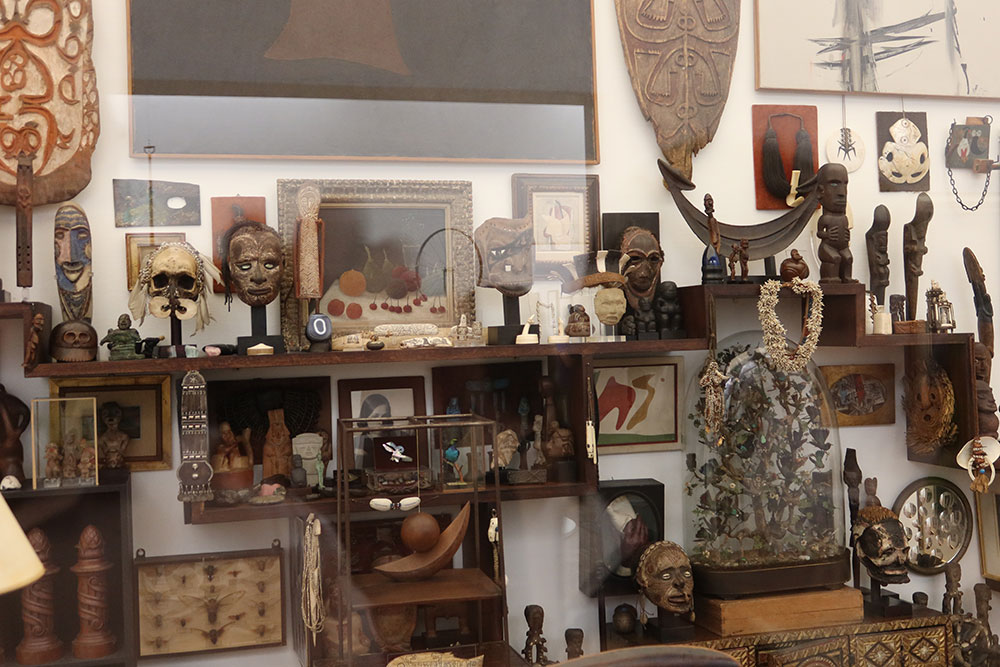
Among the most significant adjacent spaces is the Atelier Brancusi, located in its own building beside the museum. This reconstruction of the Romanian sculptor Constantin Brancusi's Parisian atelier — preserved in its entirety according to the artist's will and transferred to the Centre Pompidou — represents a particular form of institutional stewardship in which the artist's working environment is itself treated as a work, and as a document of creative method.
Provenance, Restitution and Institutional Responsibility
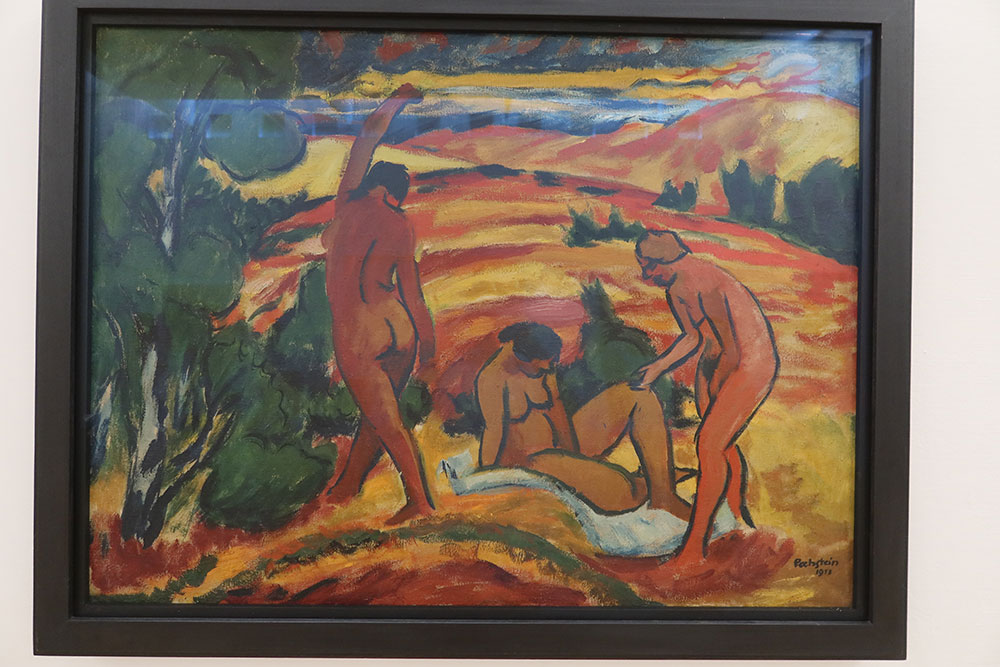
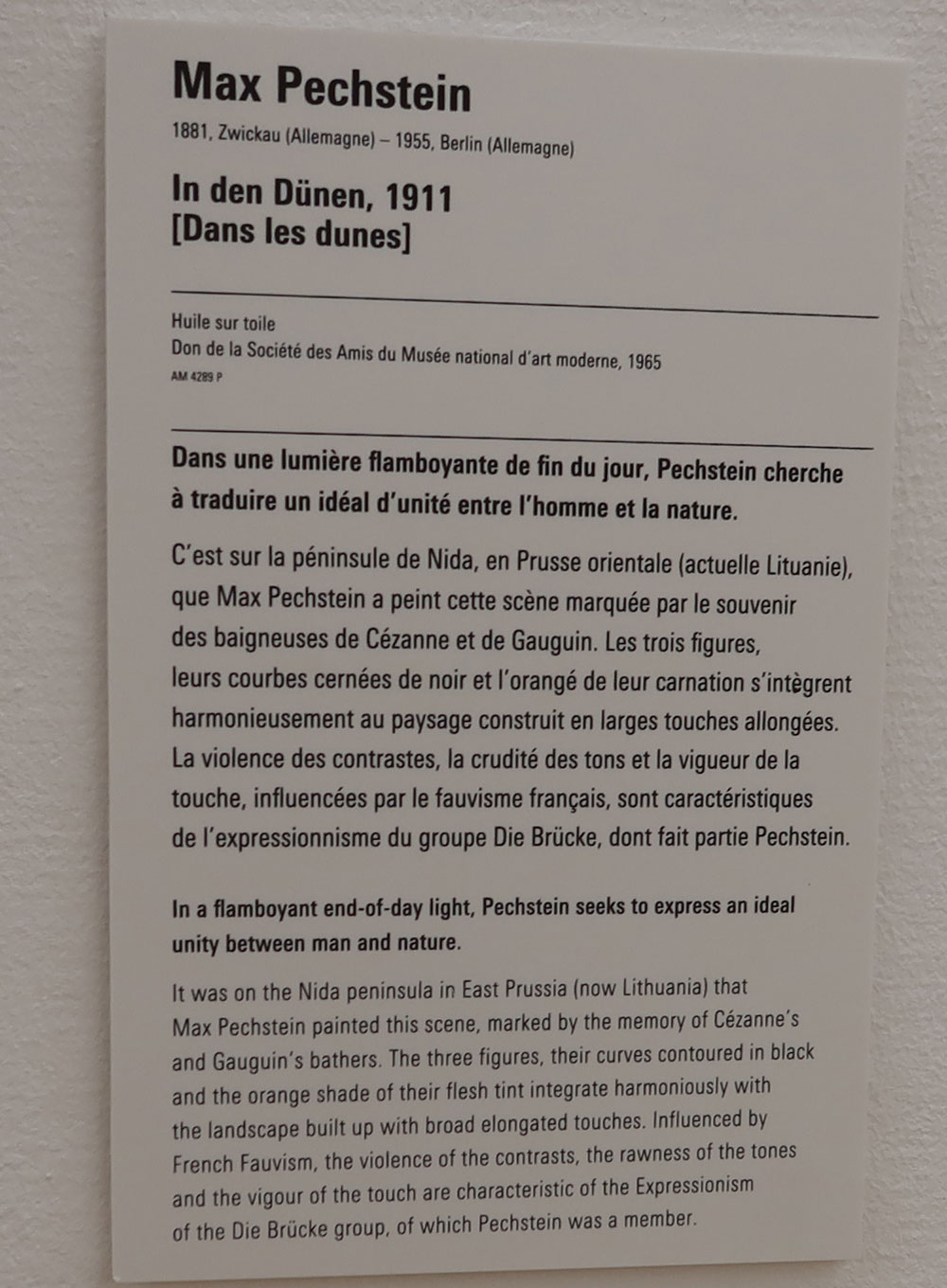
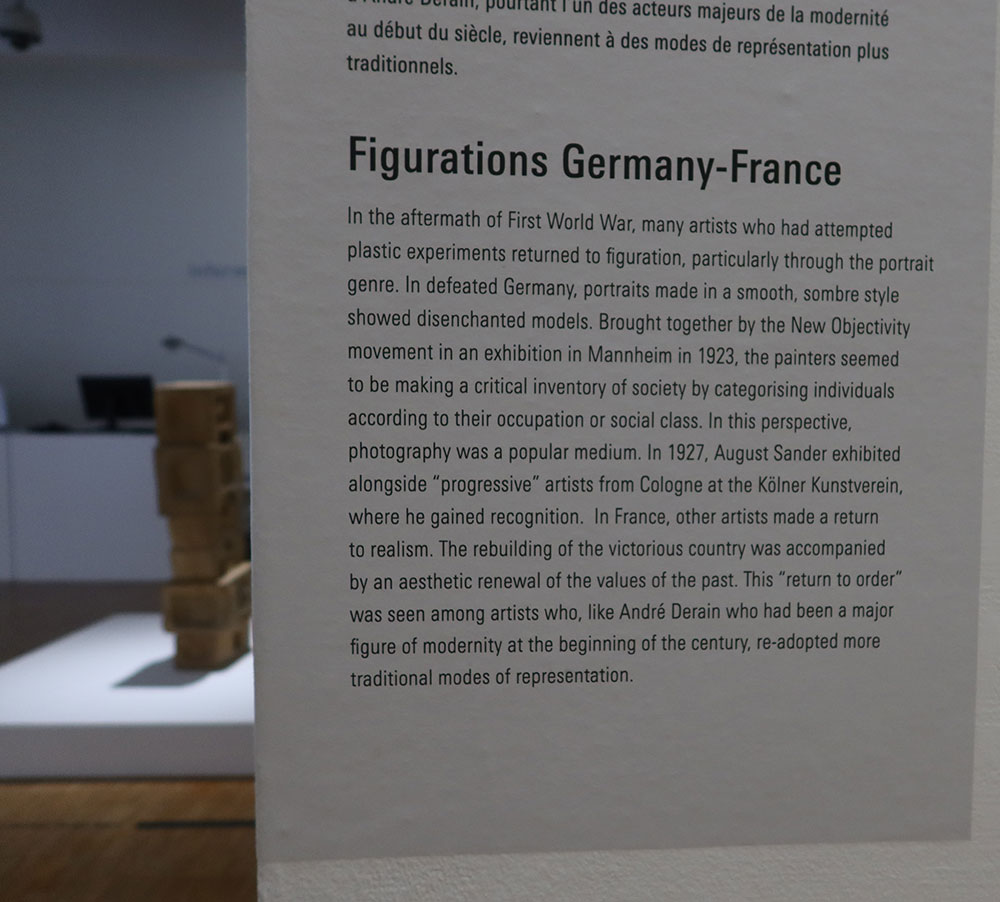
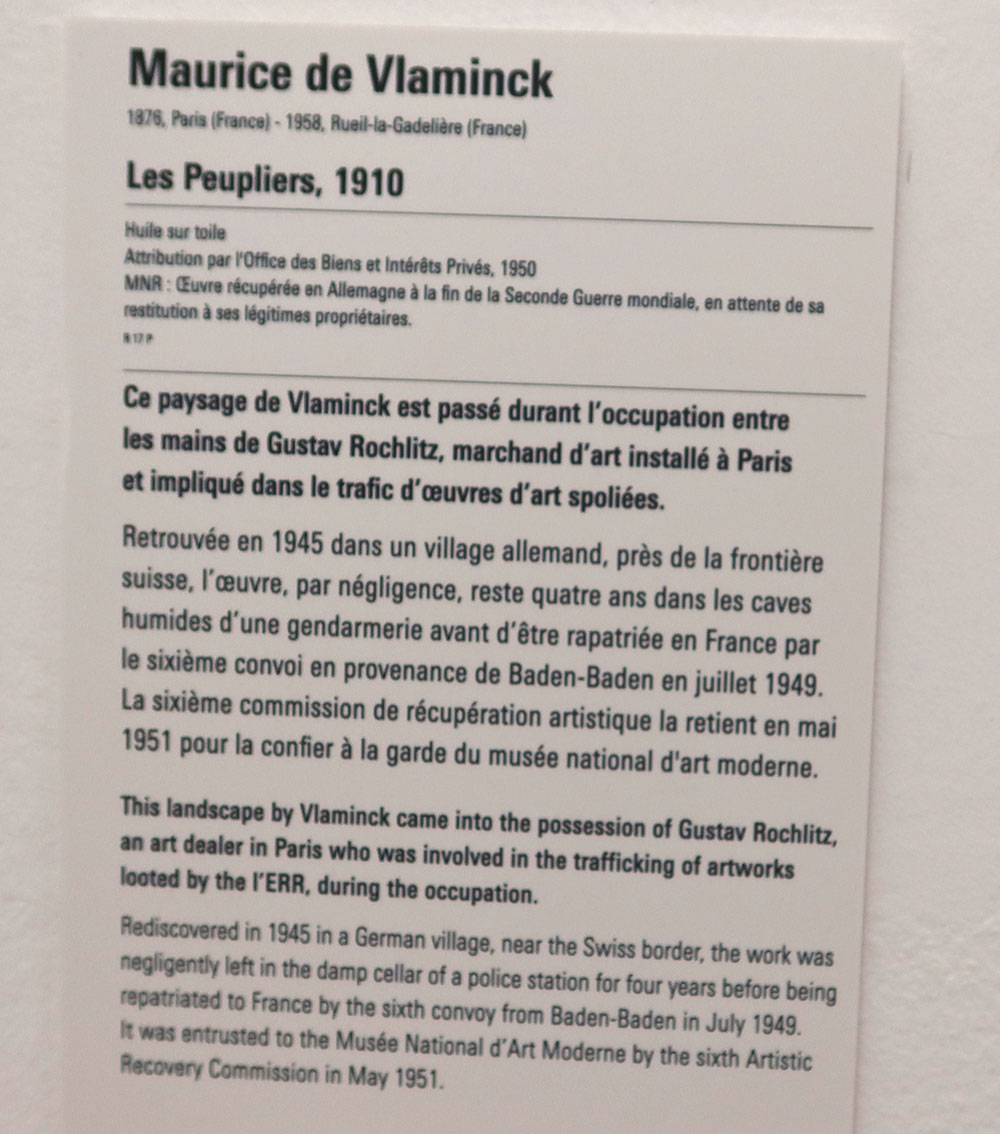
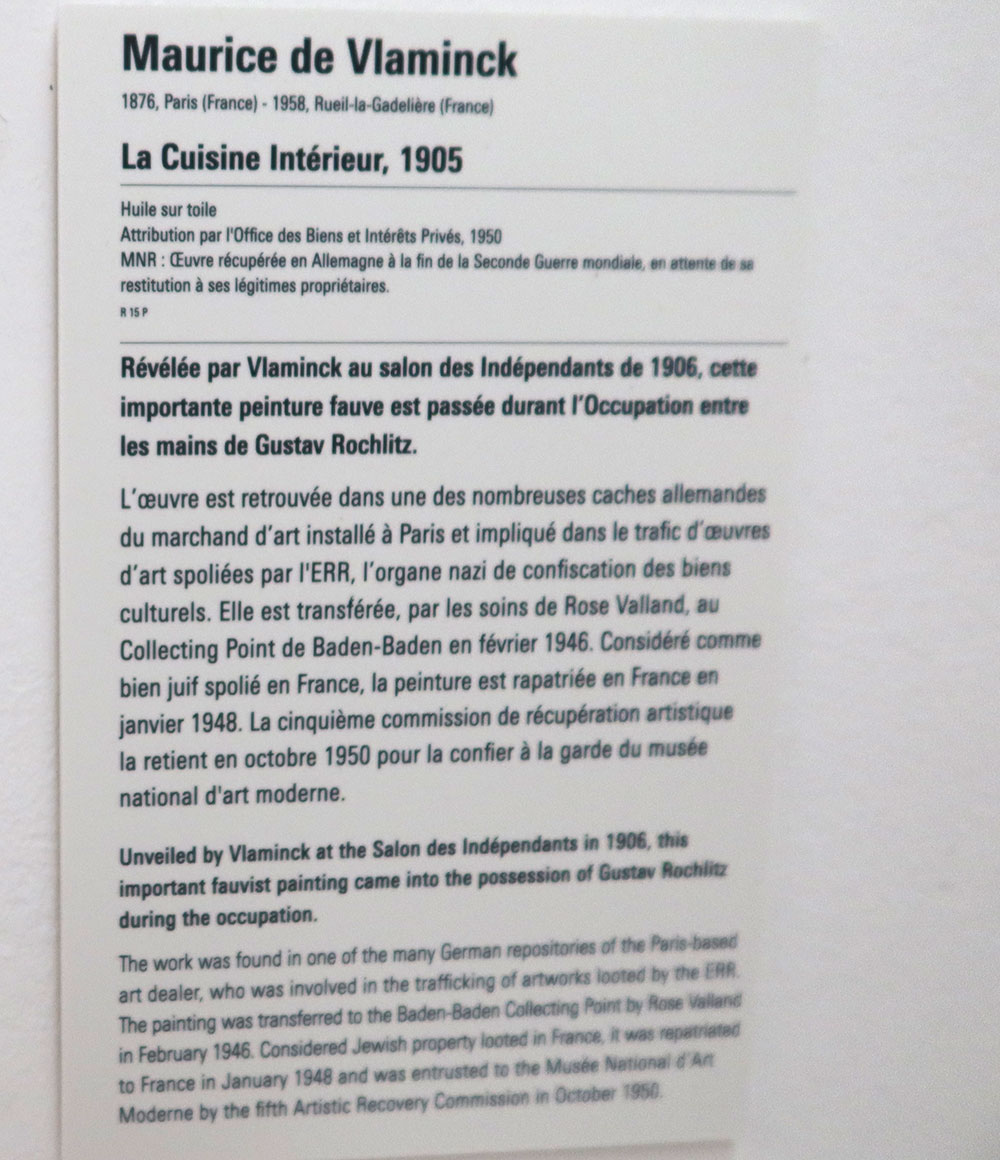
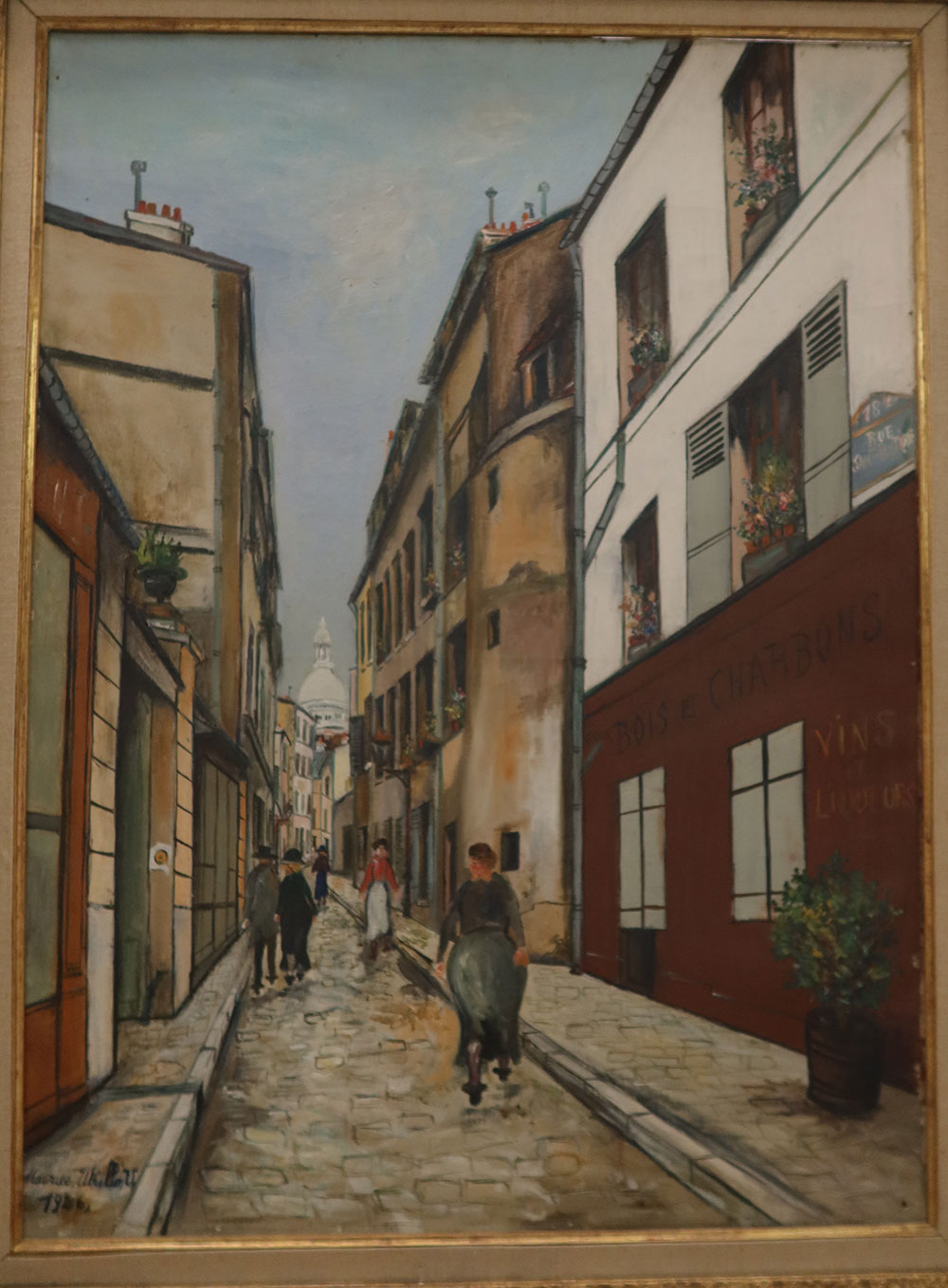
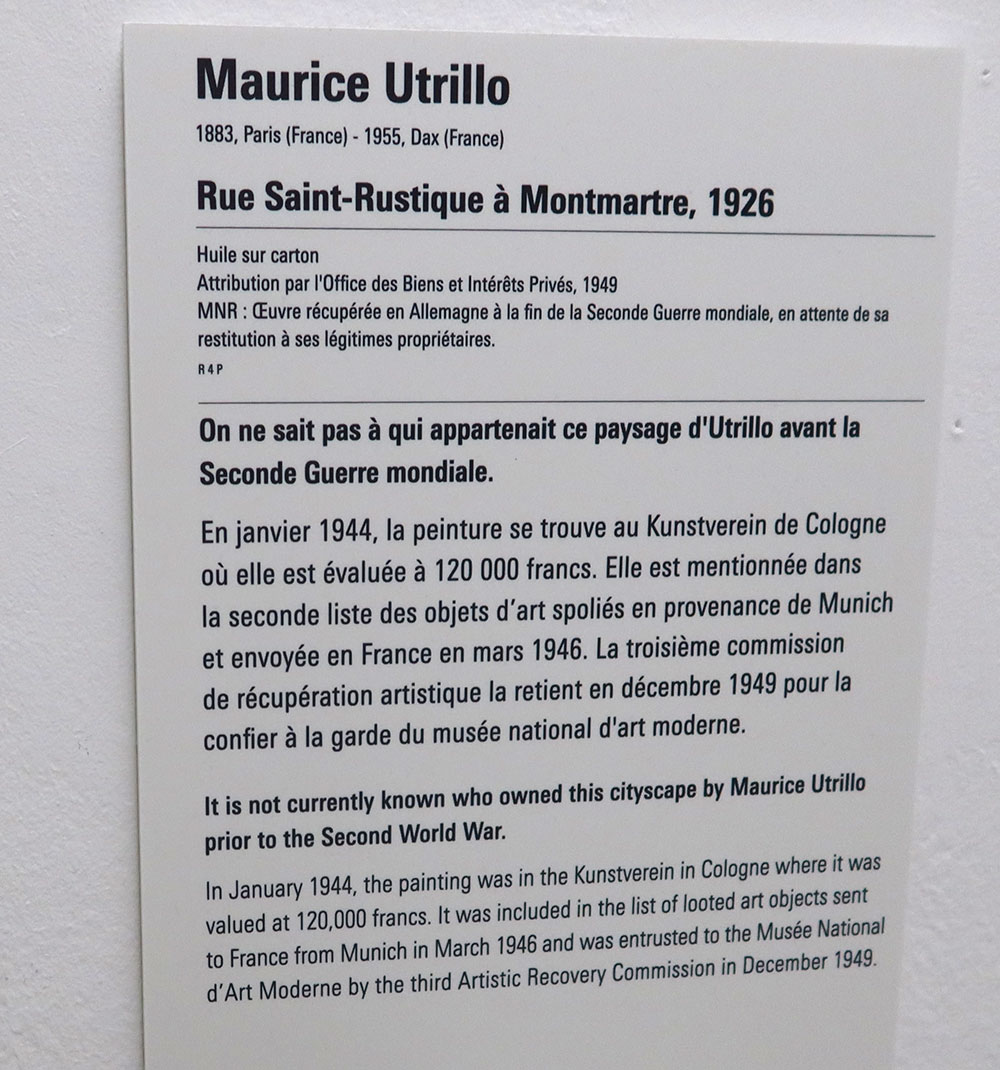
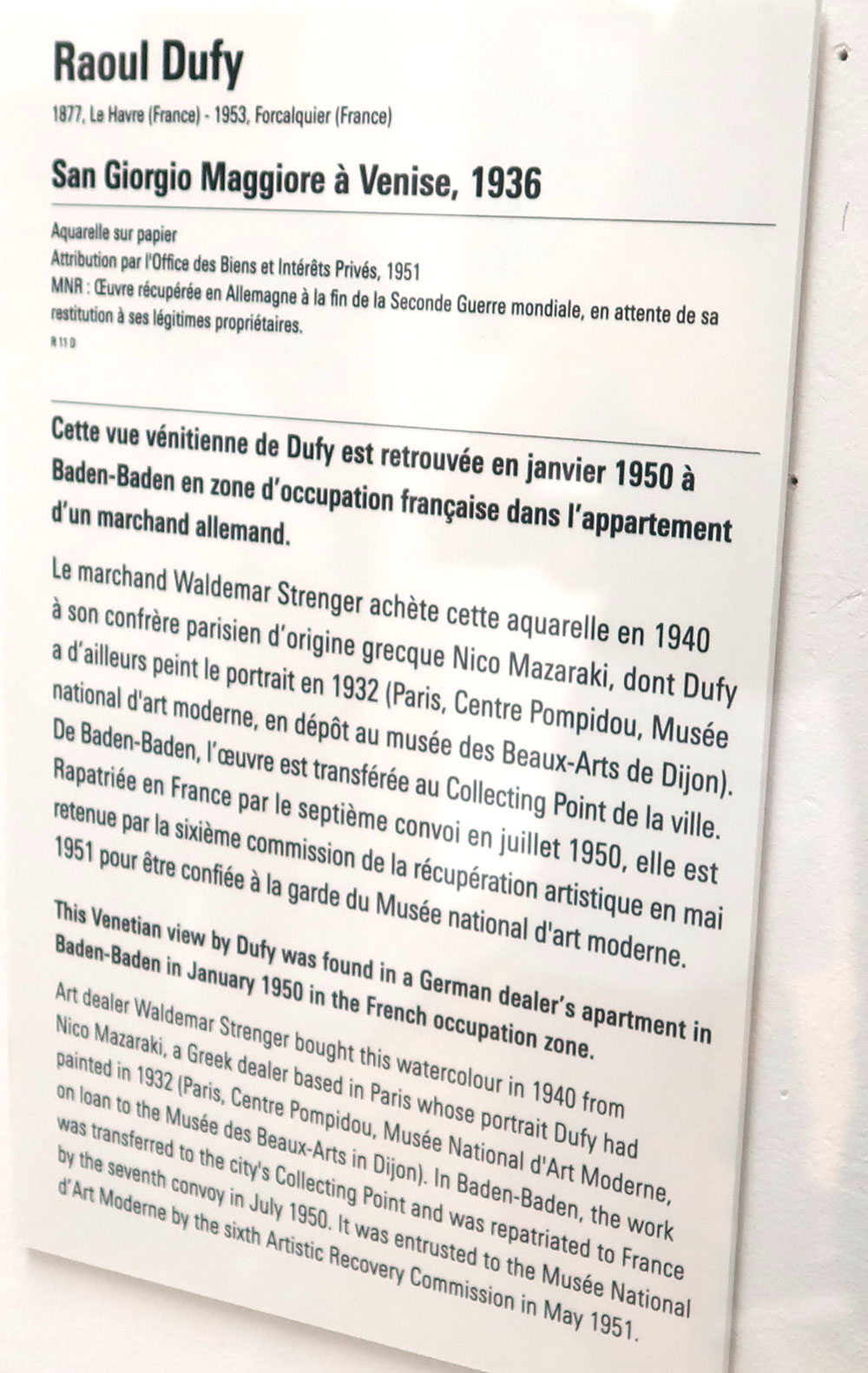
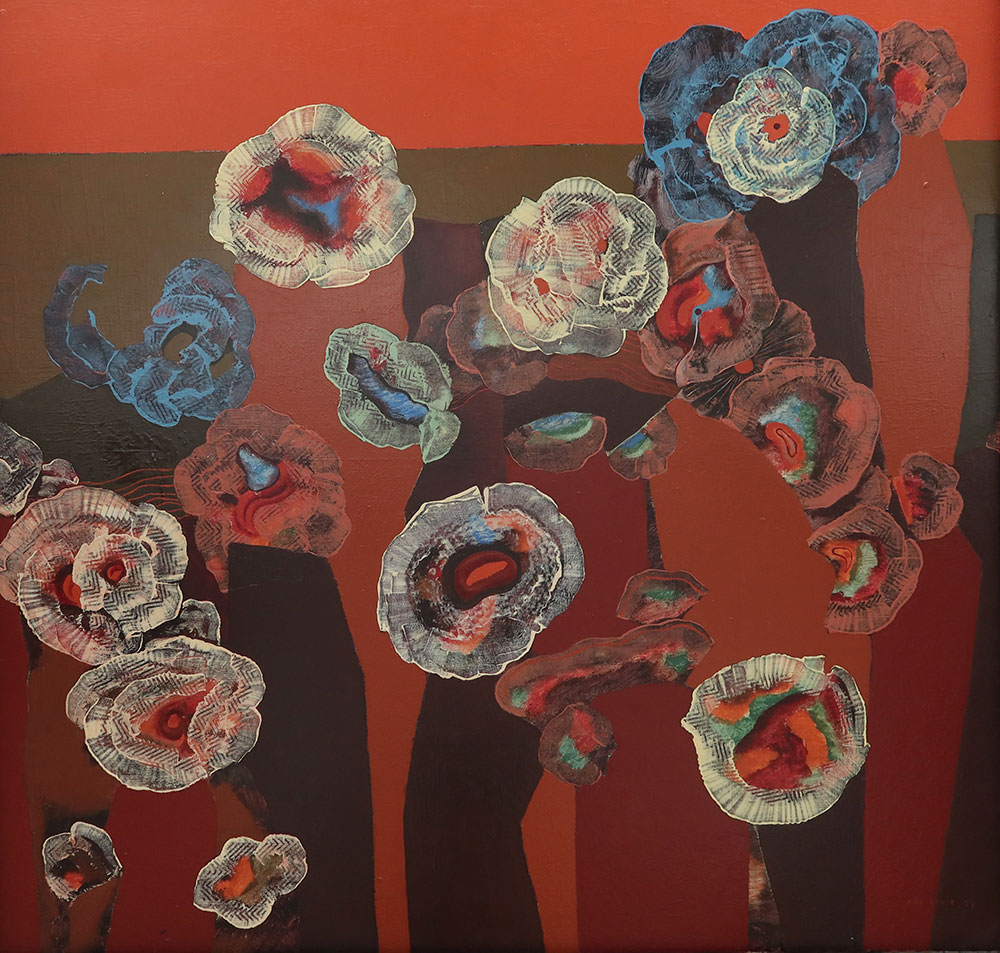
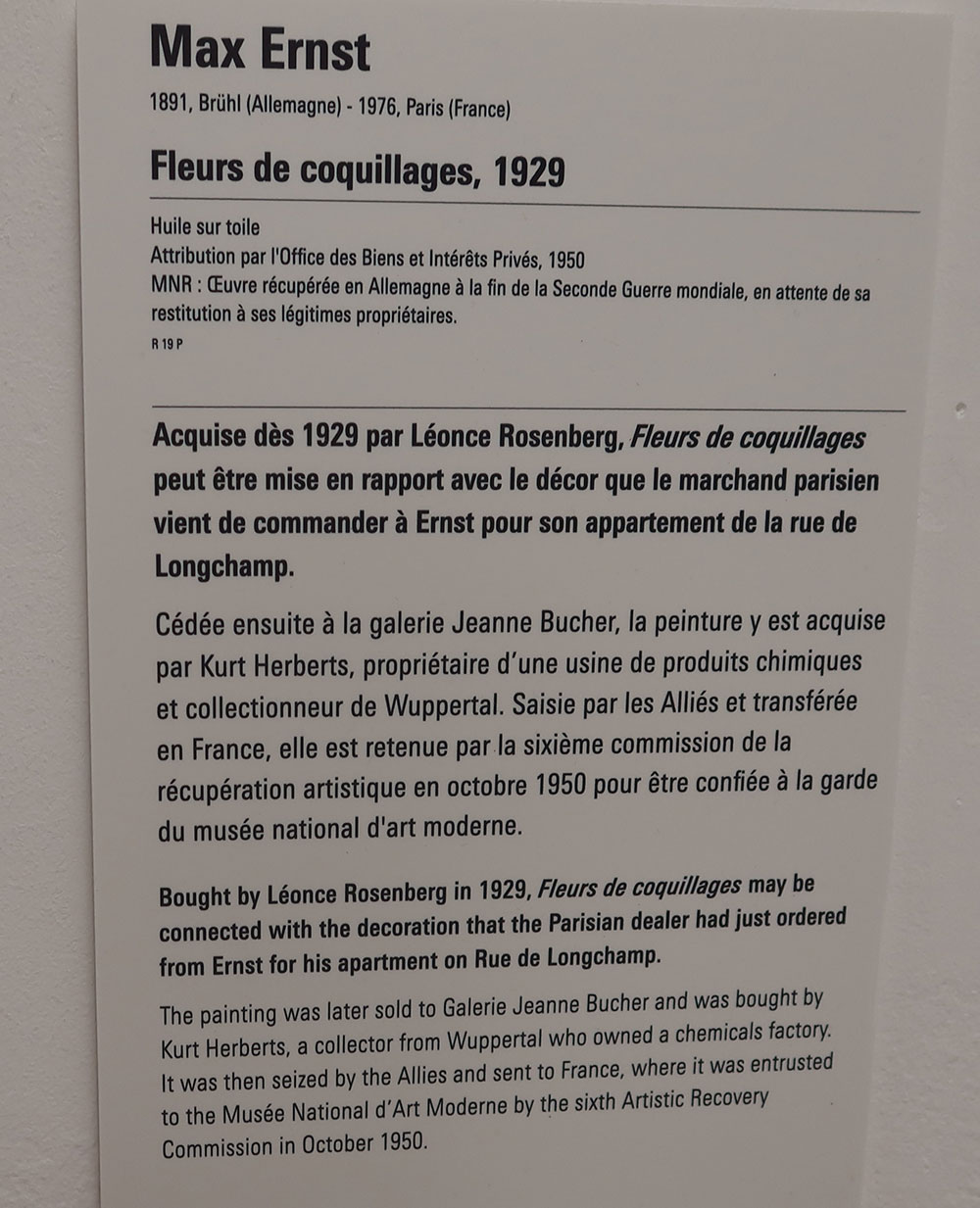
The MNAM has not been insulated from the wider reckoning over art looted during the Nazi occupation of France. In 2011, the Centre Pompidou acknowledged holding three paintings by artist Fédor Löwenstein — Les Peupliers, Arbres and Composition — that had been looted during the occupation. In 1999, the heirs of Alphonse Kann had requested the return of Georges Braque's The Guitar Player, which the museum had acquired from dealer Heinz Berggruen in 1981. In 2021, following the French government's restitution of a Max Pechtstein painting to the heirs of Hugo Simon, the Centre Pompidou mounted an exhibition in tribute to the persecuted collector. These cases reflect the continuing obligations institutions carry toward a history that collections cannot be cleanly separated from.
Gender, Archives and the Visibility of Women Artists
The MNAM has formalised its commitment to the visibility of women and non-binary artists through its partnership with AWARE — Archives of Women Artists, Research & Exhibitions — which has joined the museum to extend research and documentation in this area. The integration of AWARE into the institutional framework signals a recognition that collection histories have been shaped by structural exclusions, and that redress requires dedicated archival and scholarly infrastructure rather than isolated exhibition projects.
International Reach and the Constellation Programme
The Centre Pompidou closed for comprehensive architectural and programmatic renovation in September 2025, with the full closure expected to last until 2030. Rather than treat this as an interruption of its public mission, the institution has reframed the period under the name Constellation — a dispersed programme through which works from the MNAM travel to partner venues across France and internationally, reaching audiences beyond the Paris building.
In Paris and Greater Paris, exhibitions are being held at the Grand Palais, the Philharmonie, the MAC VAL and other venues. Regionally, presentations are active in Auxerre, Lille, Metz, Bonifacio and Toulon, among other locations. Internationally, the Constellation programme extends to the Centre Pompidou's established satellite locations in Málaga and Shanghai, as well as to partner institutions including the H'Art Museum in Amsterdam, which is presenting five major exhibitions between 2024 and 2028 — on Kandinsky, Brancusi, Matisse, Surrealism and Léger respectively.
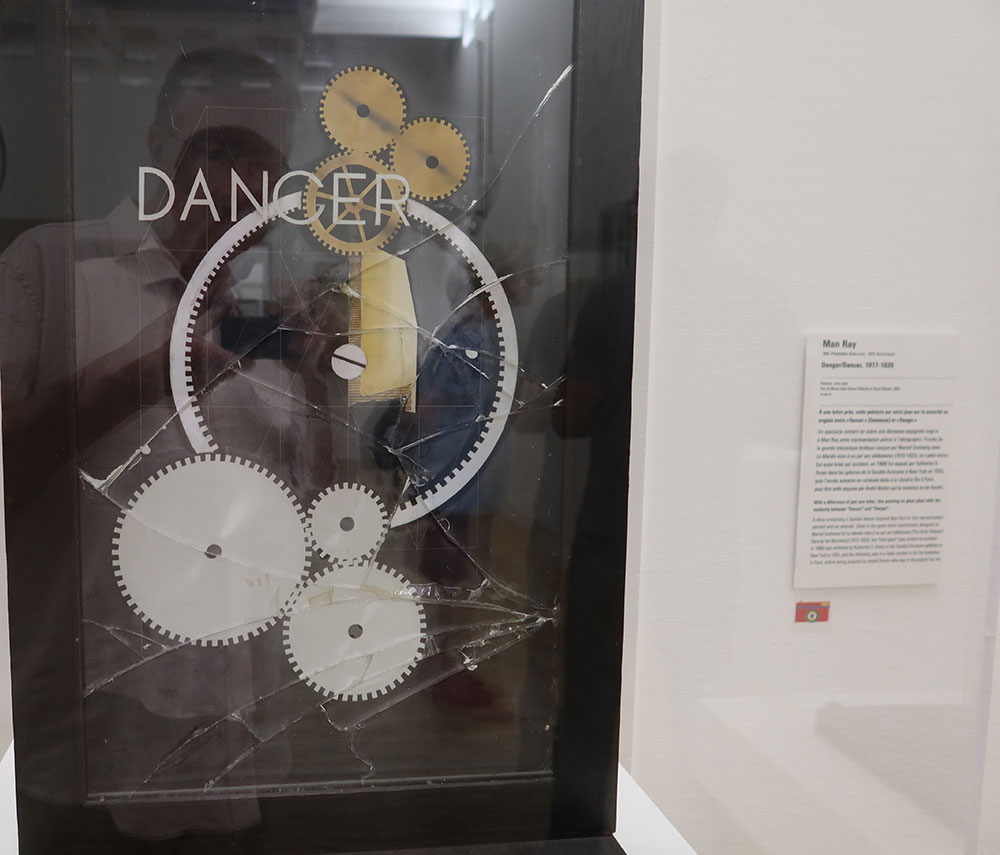
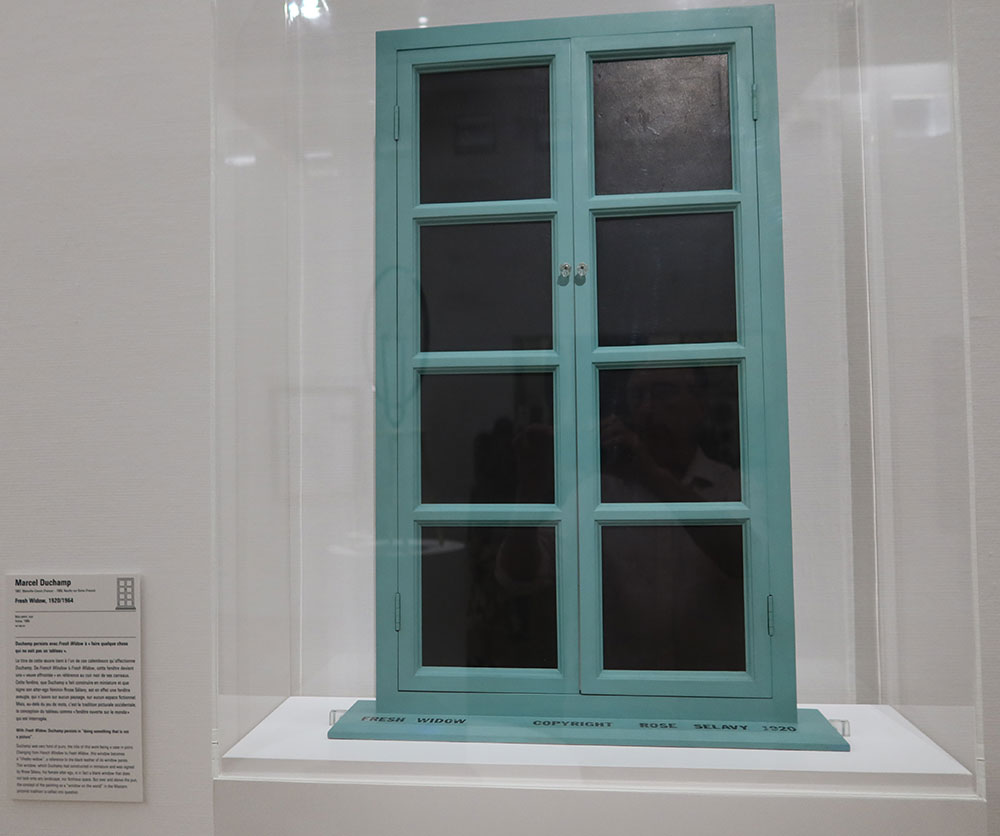
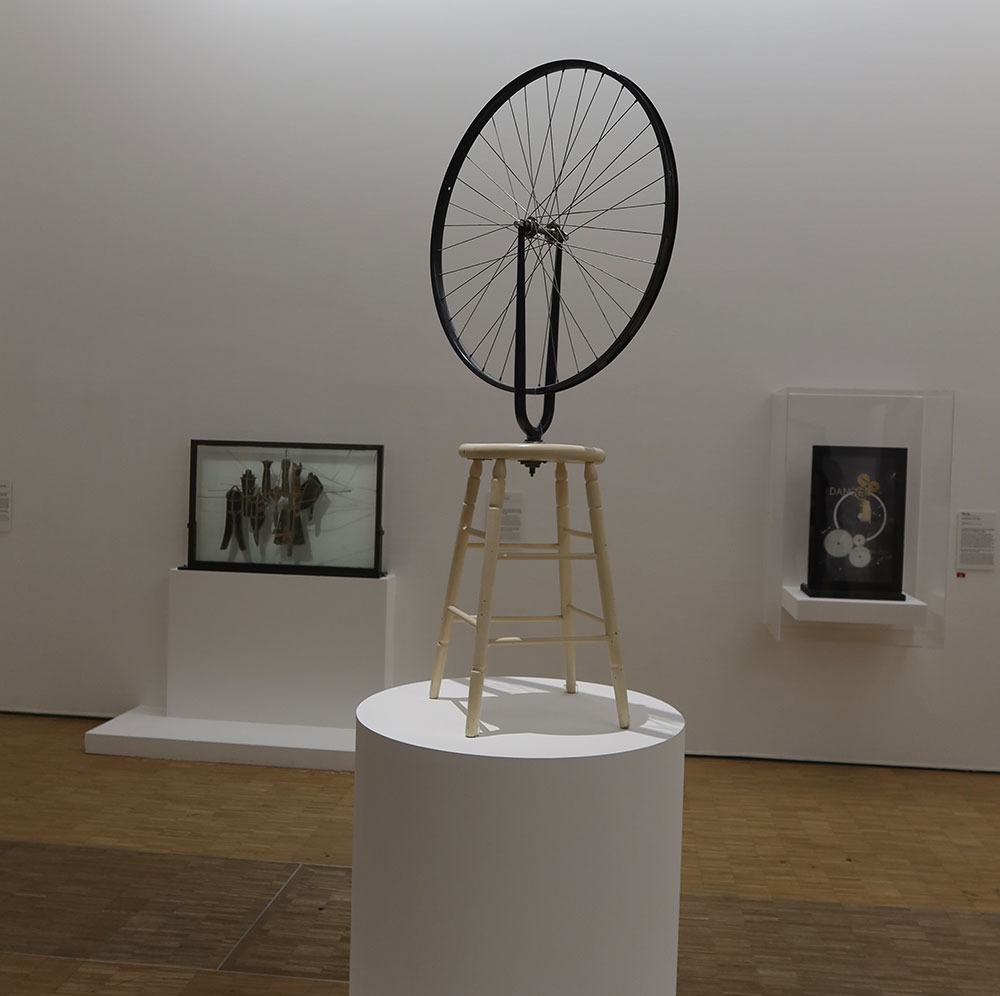
The institution's longer-term international programme includes a Marcel Duchamp retrospective with the Philadelphia Museum of Art in 2026, a Man Ray exhibition at the Metropolitan Museum of Art, and a Vieira da Silva presentation with the Peggy Guggenheim Collection in Venice. A presentation of the MNAM collection in Rome is in preparation for 2026, across the Roman Forum, the Villa Medici and the MAXXI. A new five-year memorandum of understanding with the State of Paraná, Brazil, signed in spring 2025, anticipates the creation of a Centre Pompidou in Foz do Iguaçu — a multidisciplinary centre at the convergence of Brazil, Argentina and Paraguay that will combine exhibitions, live performance, cinema, artist residencies and education.
This global dispersal during a period of institutional closure is, in itself, a position on the purpose of a national museum. The MNAM under renovation is choosing active presence over protective withdrawal — a choice with direct implications for how peer institutions think about the relationship between a building and its public mission.
The MNAM as Professional Reference
For gallery directors and museum professionals, the MNAM presents a number of questions worth sustained attention. Its commitment to rotating the permanent collection rather than stabilising a canonical hang reflects a particular theory of collection stewardship — one that values reinterpretation over authority. Its handling of wartime looting, however incomplete, illustrates the institutional courage required to address provenance honestly and publicly. Its integration of archival infrastructure for underrepresented artists suggests that equity in collection history requires organisational resources, not only acquisitions. And its Constellation model during renovation demonstrates that a major institution can use a period of enforced physical absence to deepen, rather than contract, its public reach.
The Centre Pompidou is expected to reopen in 2030 with a building renovated to meet the demands of the next half-century of art. What returns will be a collection shaped by nearly a century of accumulation, donation, debate and restitution — housed in a building that, when it first opened, was itself a provocation about what a museum could be.
The Centre Pompidou's international programme and loan availability during the renovation period can be explored via the institution's professional liaison teams. centrepompidou.fr