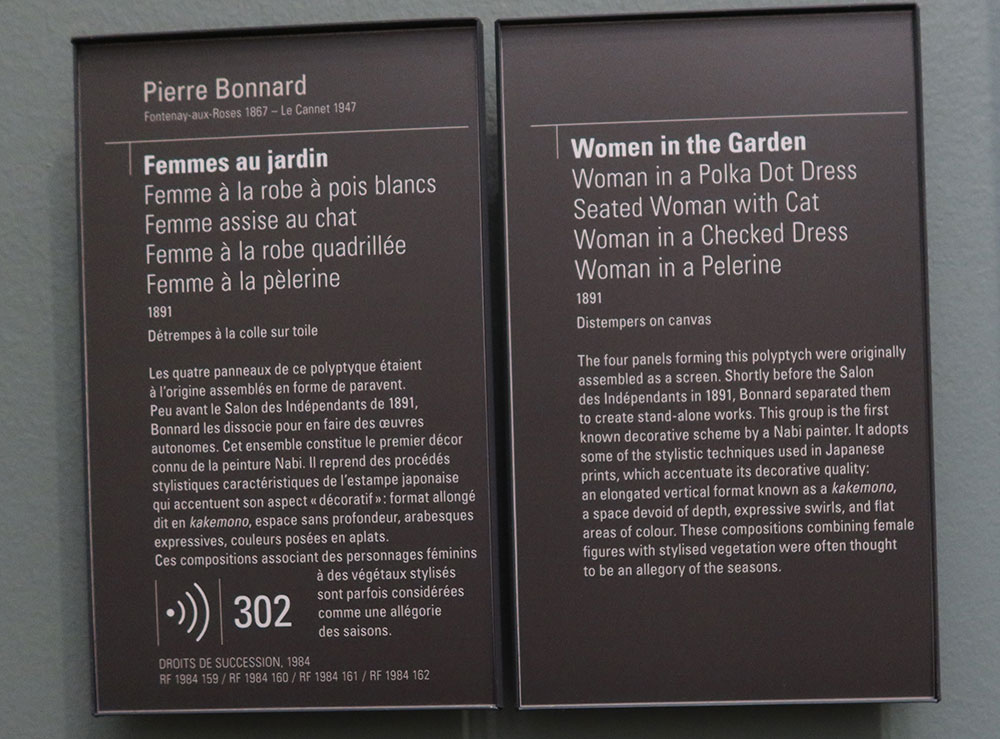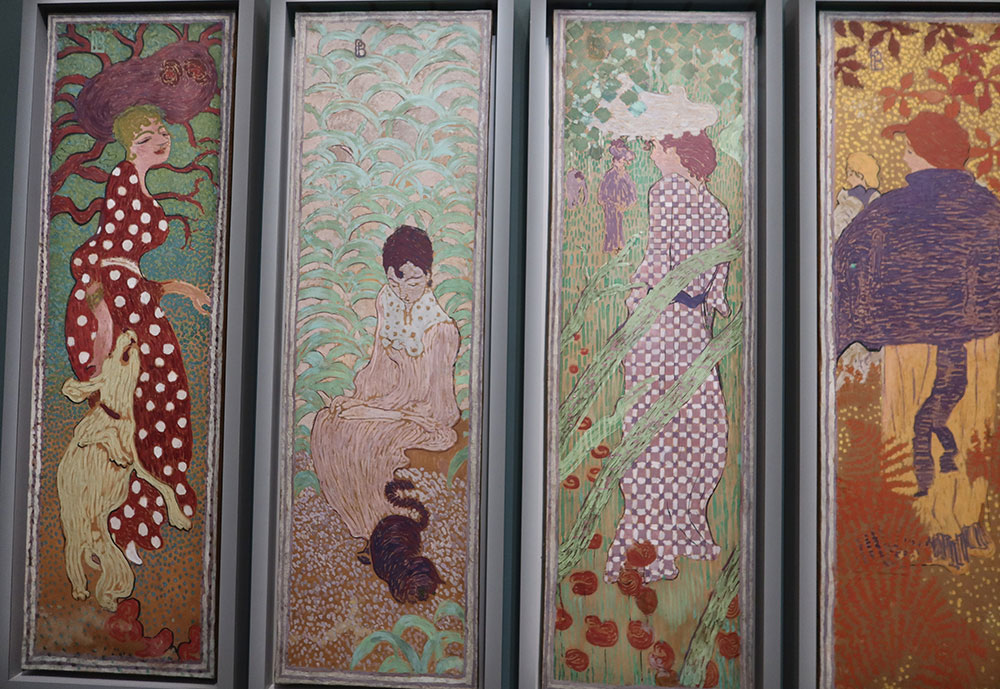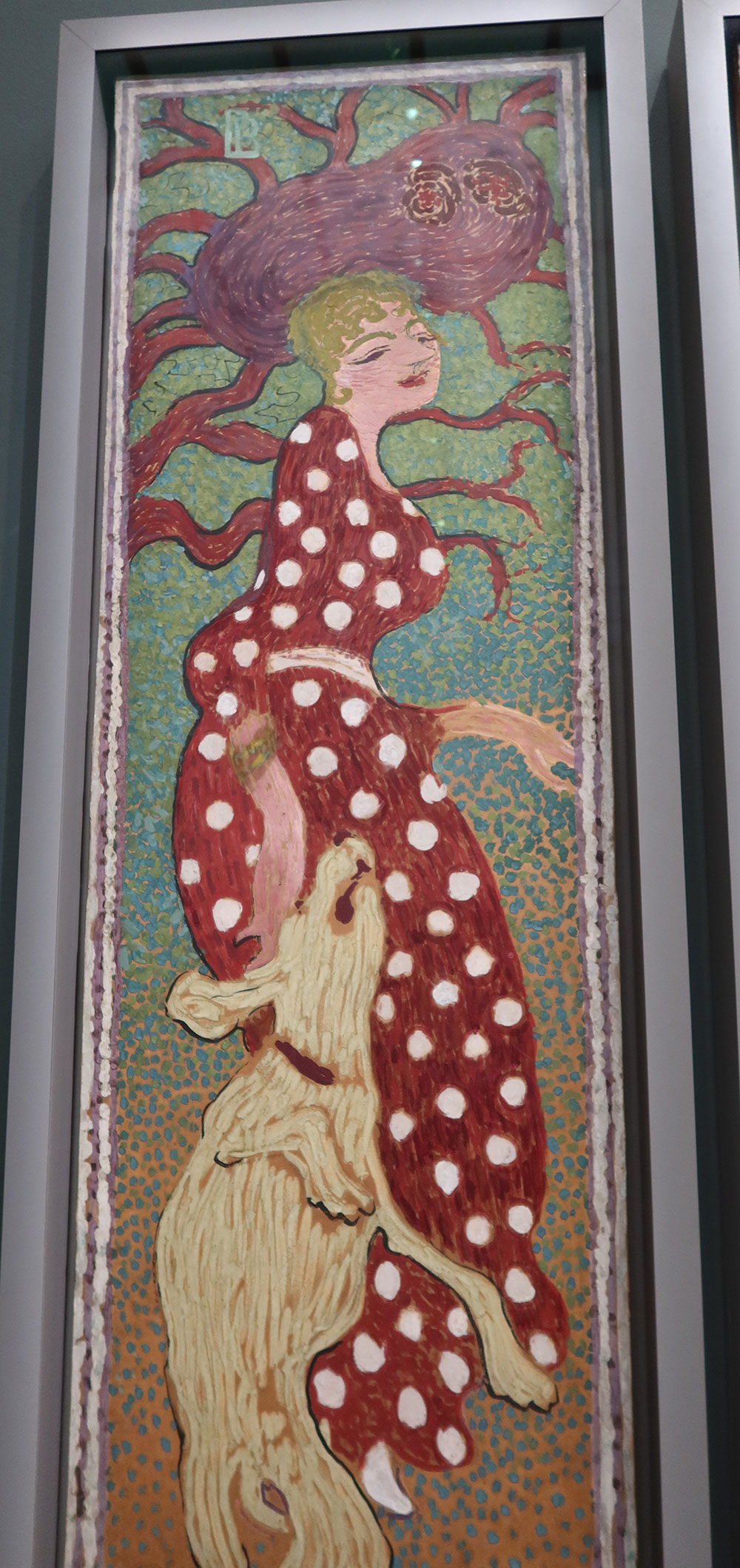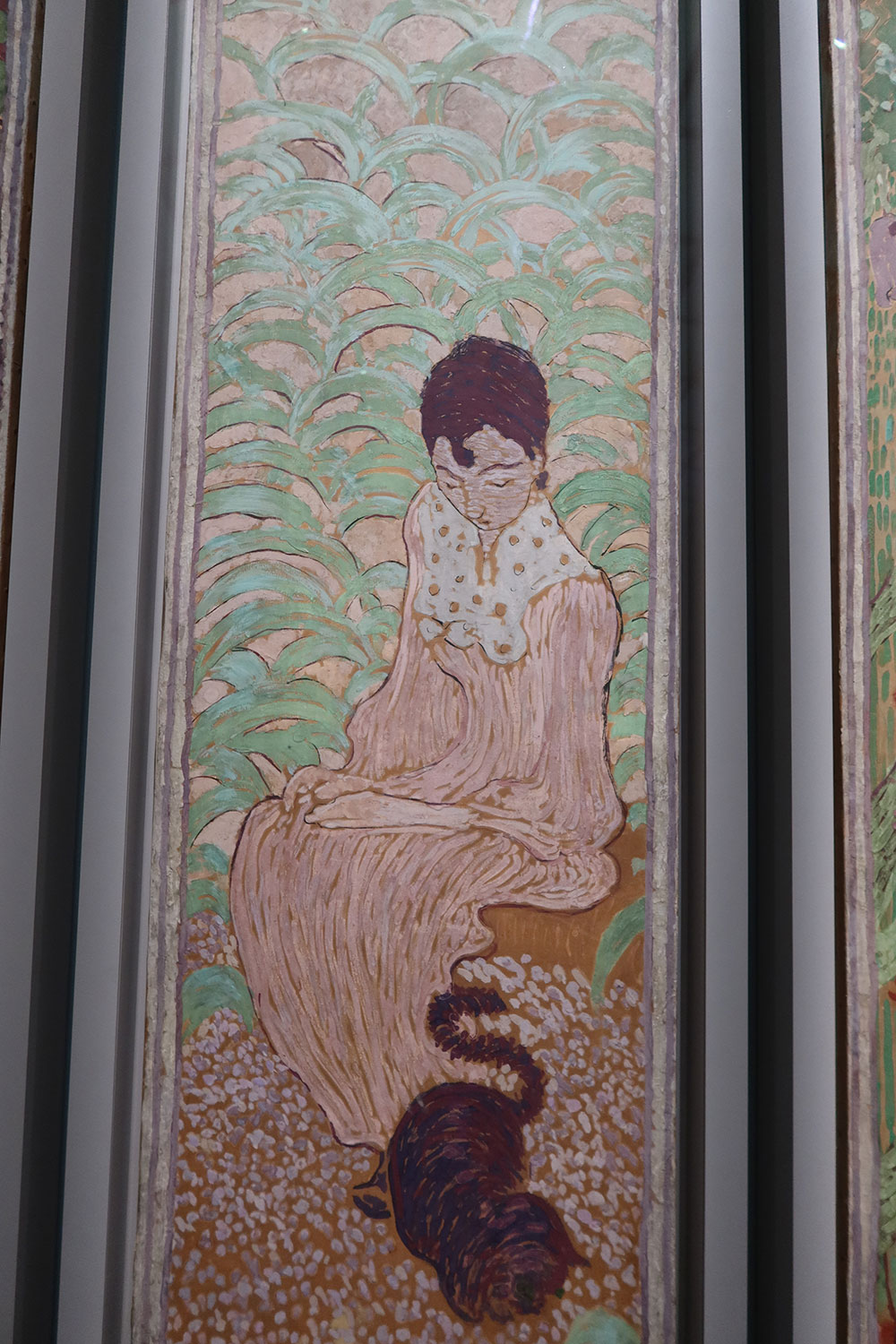

Musée d'Orsay September 2023
Between Station and Museum:
The Musée d’Orsay and the Architecture of a Collection
Forty years after its inauguration, the Musée d’Orsay continues to define how art institutions approach the period between Realism and early Modernism.
A Building That Determined a Collection
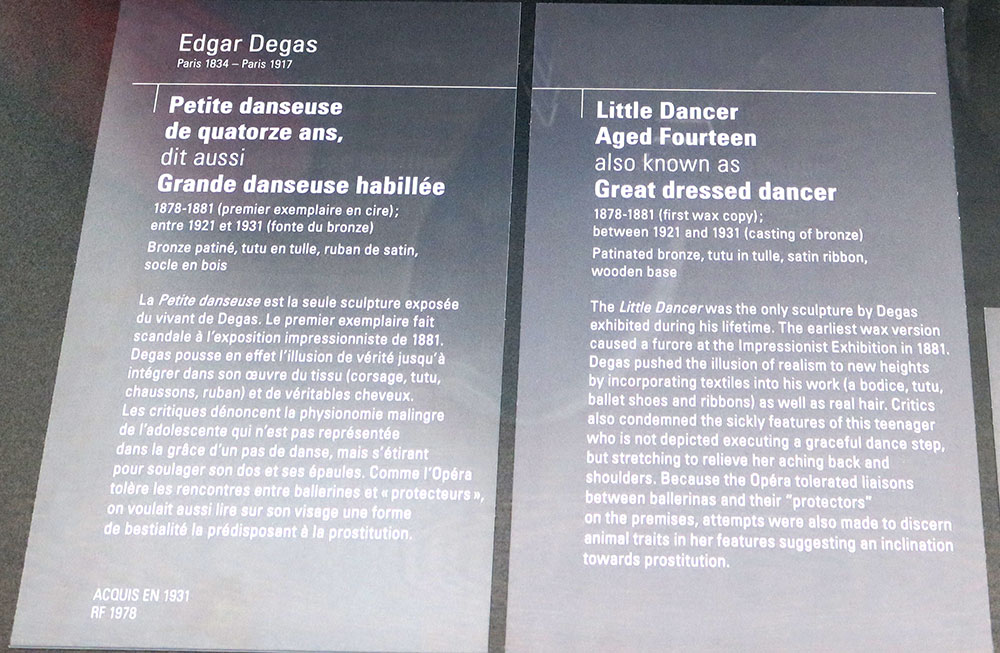
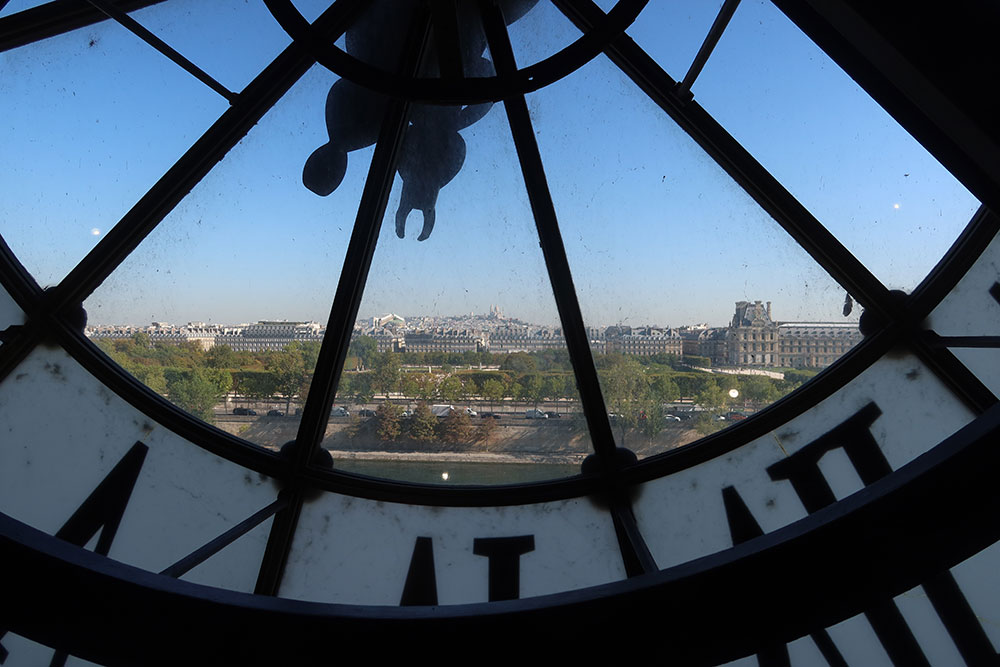
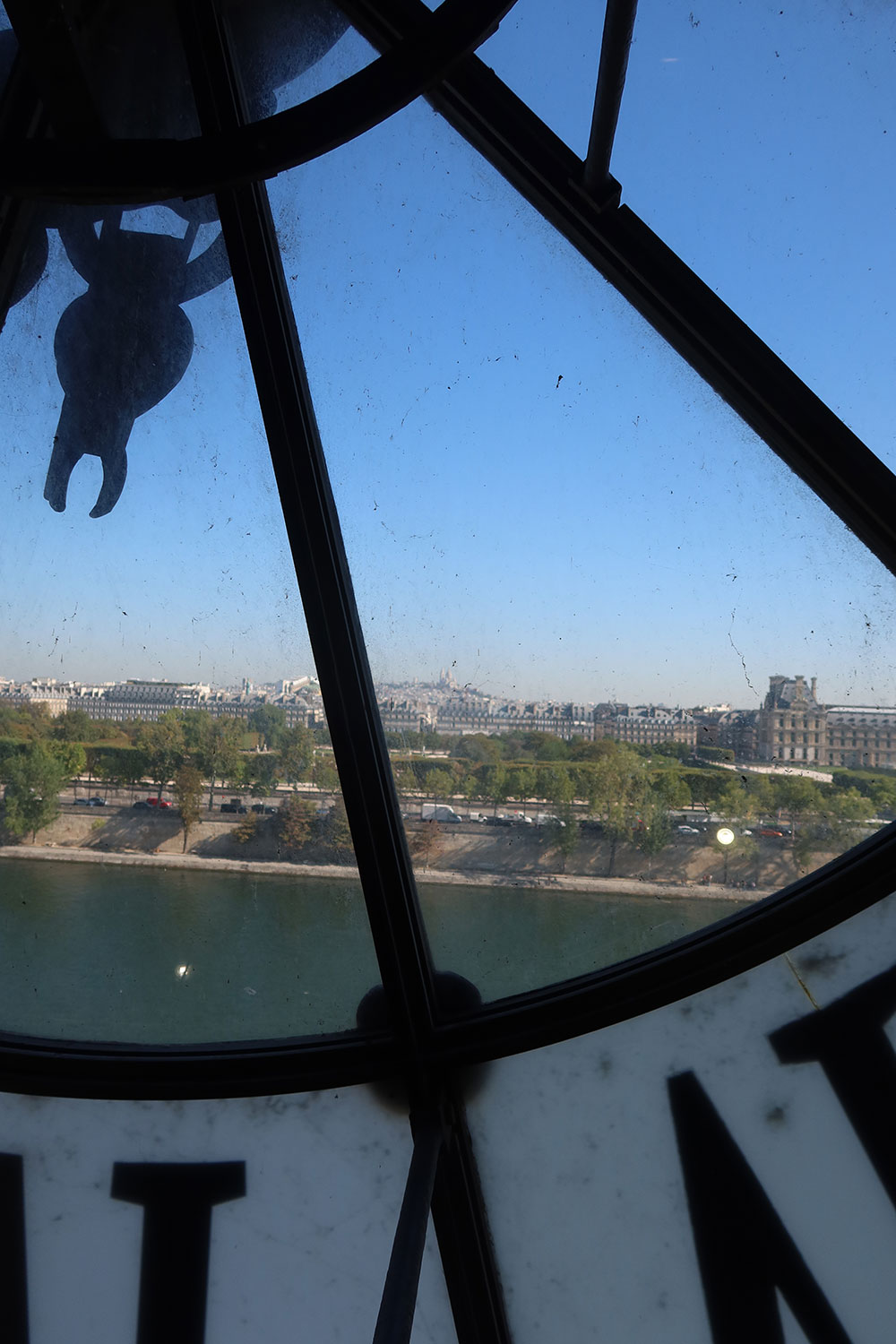
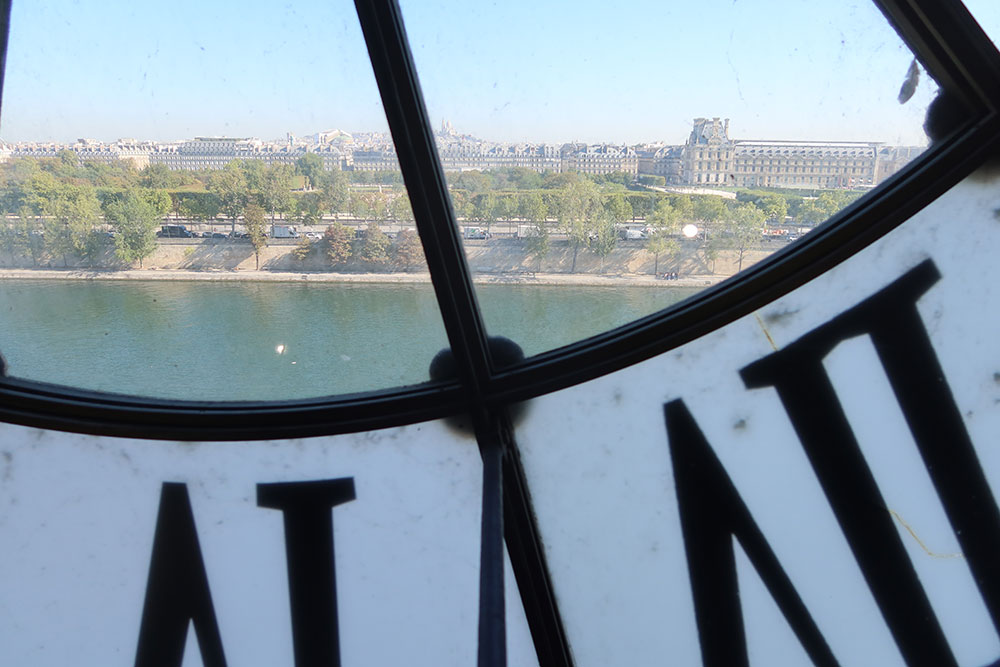
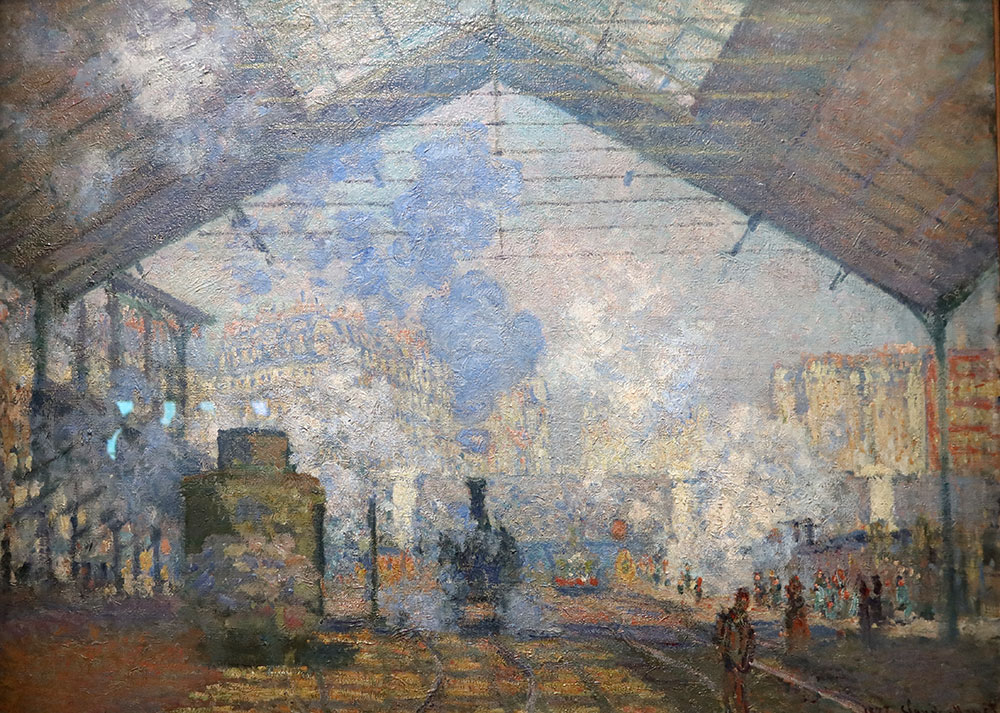
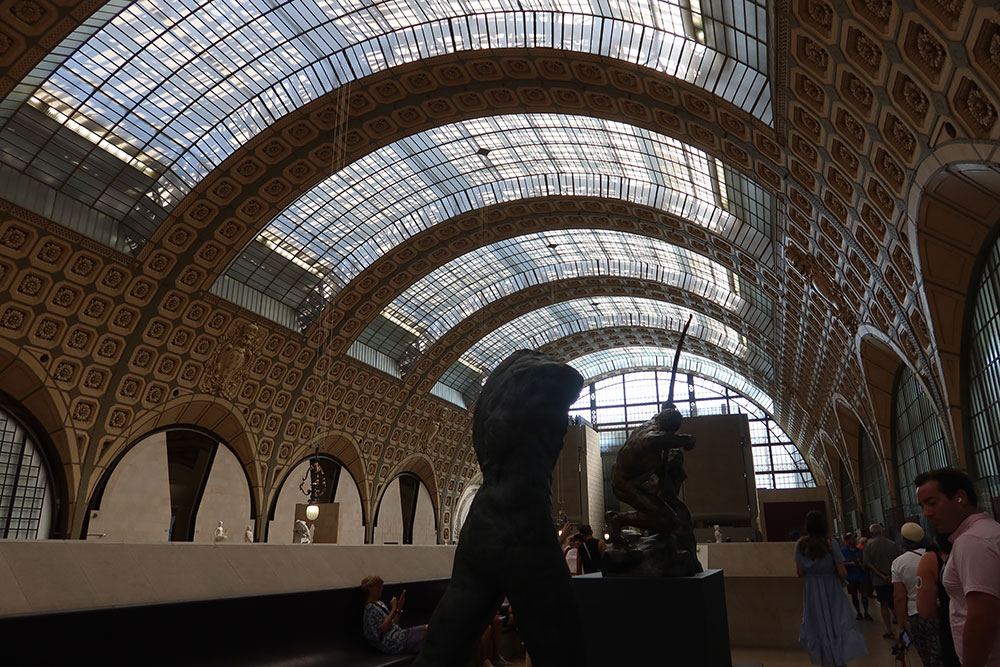
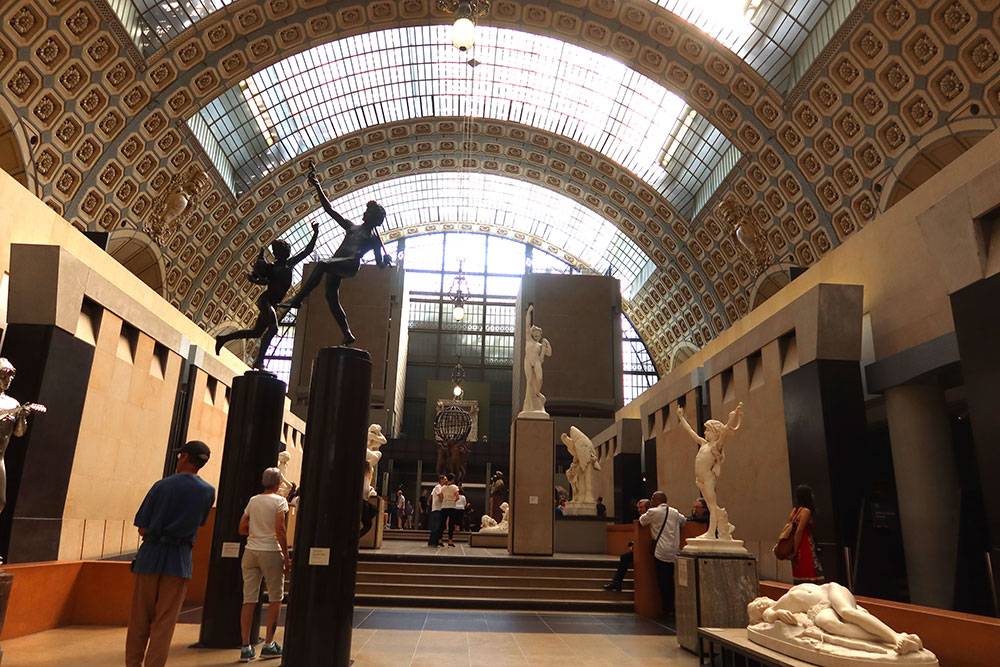
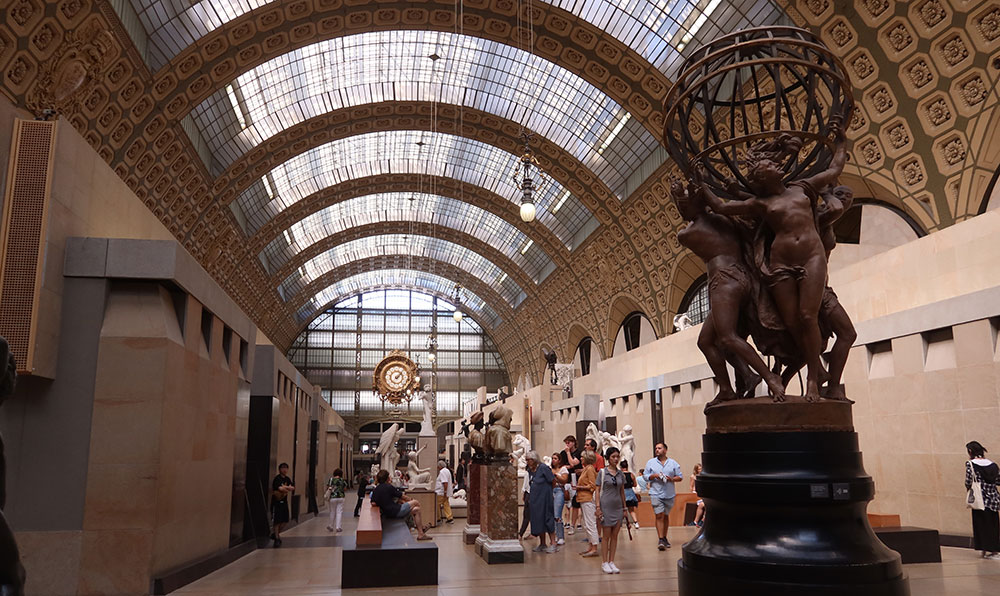
The Musée d’Orsay occupies the former Gare d’Orsay on the Left Bank of the Seine, a Beaux-Arts railway station designed by Victor Laloux and built between 1898 and 1900 for the Exposition Universelle. The decision to repurpose the building rather than demolish it was a consequential one. The station’s long central nave, its iron-and-glass barrel vault, and the generous overhead light on its upper floors would go on to shape not only the physical experience of the collection but the institutional logic of the museum itself.
The station closed to rail traffic in 1973 and was listed as a historic monument the same year, receiving full classification in 1978. The conversion to a museum was driven by a convergence of institutional pressures: the Louvre had insufficient space for its late nineteenth-century holdings, the Jeu de Paume had grown overcrowded with its Impressionist collection, and the National Museum of Modern Art, upon its move to the Centre Pompidou in 1977, left behind works that no longer aligned with its revised programme. The new museum would absorb all three inheritances.
The architectural firm ACT Architecture (Pierre Colboc, Renaud Bardon, and Jean-Paul Philippon) won the design competition in 1978, while the Italian architect and designer Gae Aulenti was commissioned to create the interior layout. Aulenti’s solution introduced substantial stone structures along the central nave to house gallery spaces and sculpture, creating a deliberate tension between the industrial scale of the original architecture and the more intimate requirements of a permanent collection. The upper floors, which benefited from the station’s natural skylighting, were reserved for the Impressionist and Post-Impressionist works that have since become the museum’s most frequently visited galleries. President François Mitterrand officially opened the museum on 9 December 1986.
The Scope and Logic of the Collection
The museum’s collection is defined by a deliberately chosen historical bracket: works produced between 1848 and 1914. These dates were selected on political rather than purely artistic grounds. The year 1848 marks the wave of European revolutions, while 1914 signals the outbreak of the First World War. This framework has proven both useful and occasionally constraining, as it situates the collection at the moment when the Realist challenge to Academic convention gave way to the full plurality of Impressionist, Post-Impressionist, Symbolist, and early Modernist art.
Today, approximately 100,000 works are held in the collection, with around 3,000 on permanent display at any given time. The holdings span painting, sculpture, decorative arts, architecture, graphic arts, and photography, making the Orsay one of the few major encyclopaedic institutions to have built photography and design into its founding conception rather than adding them as supplements to an existing fine arts programme.
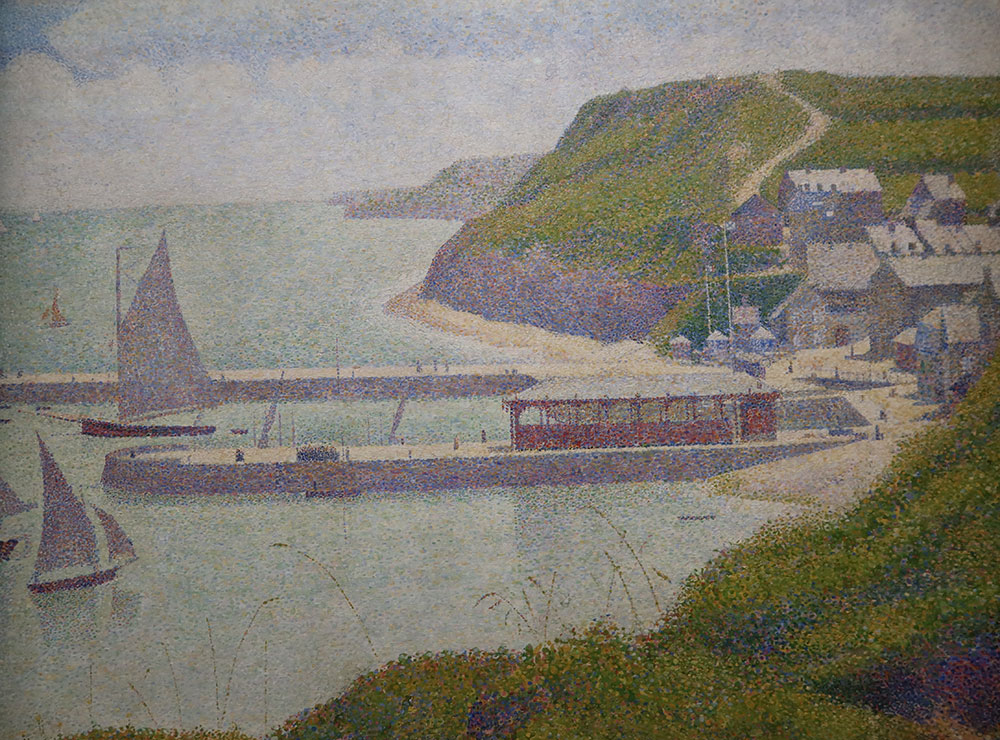
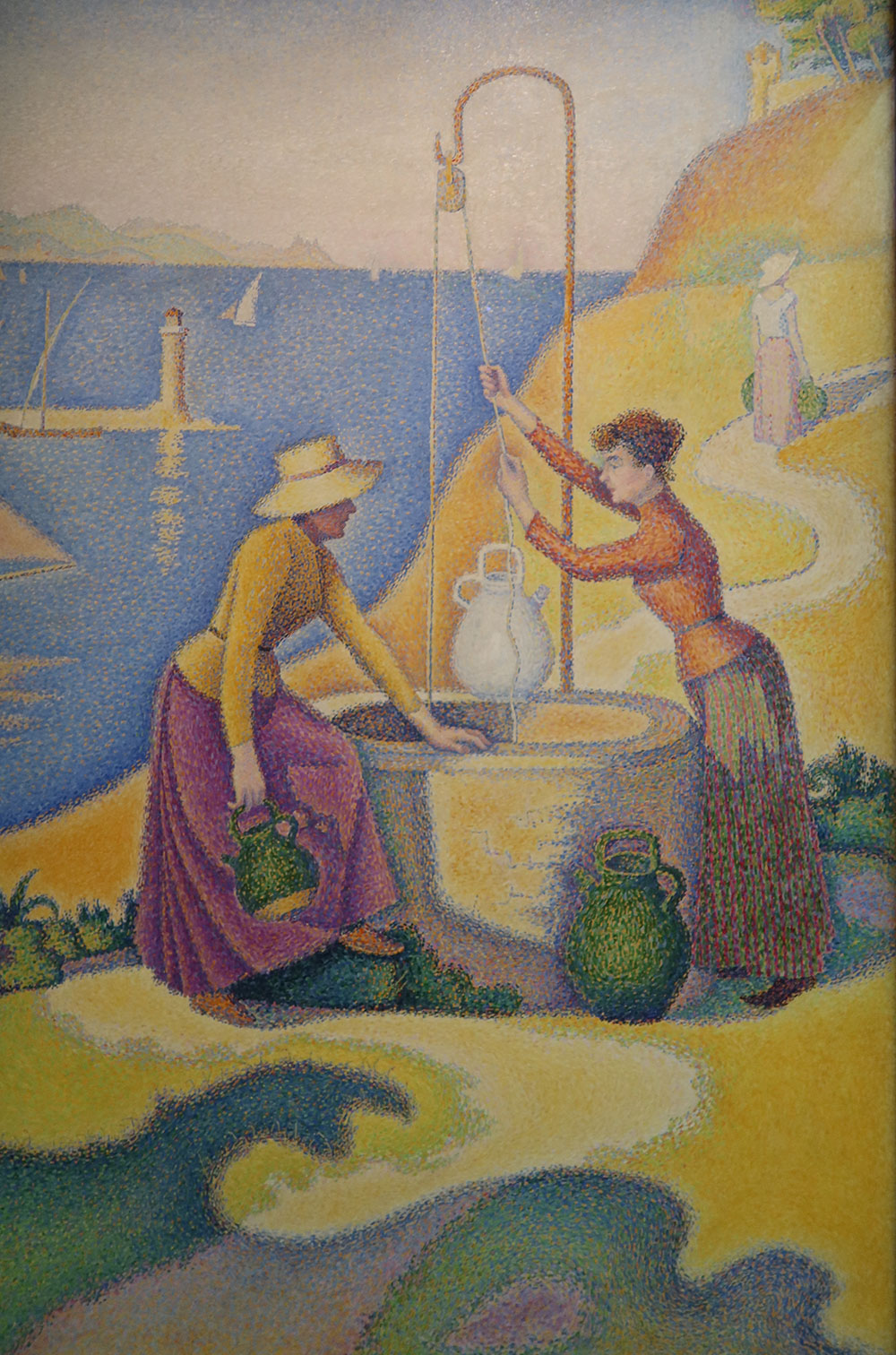
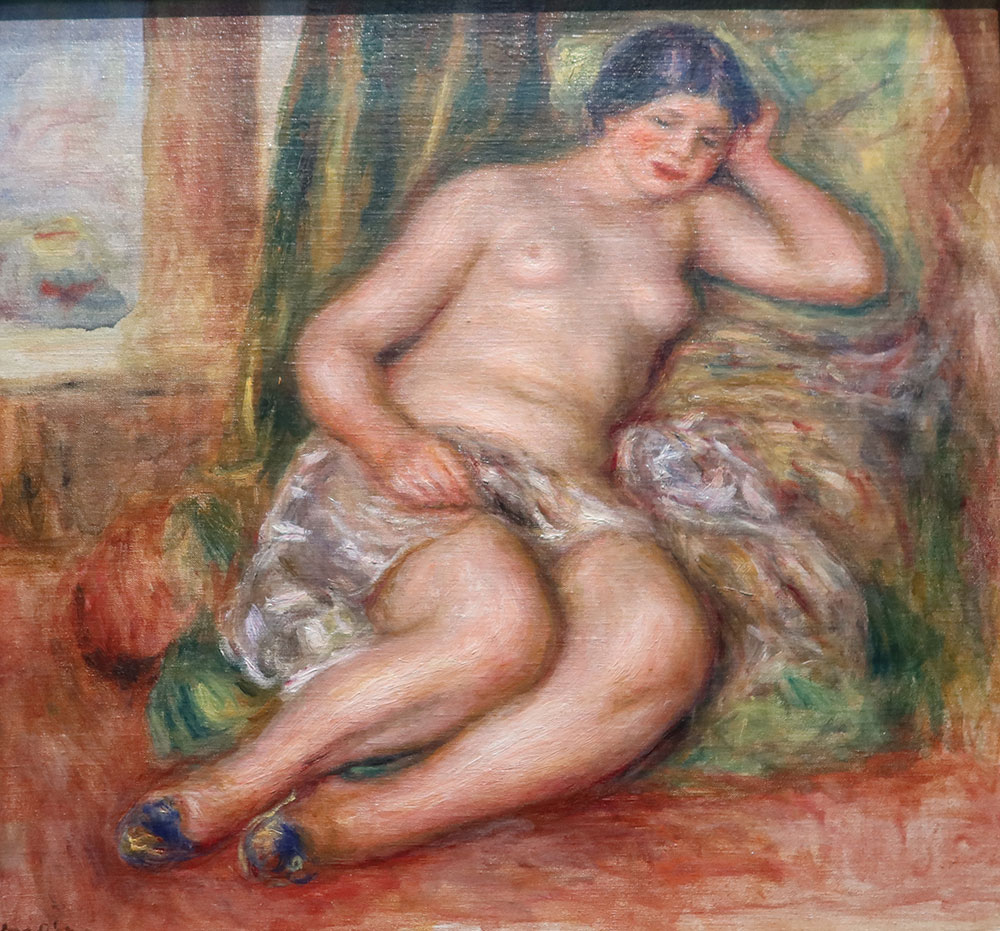
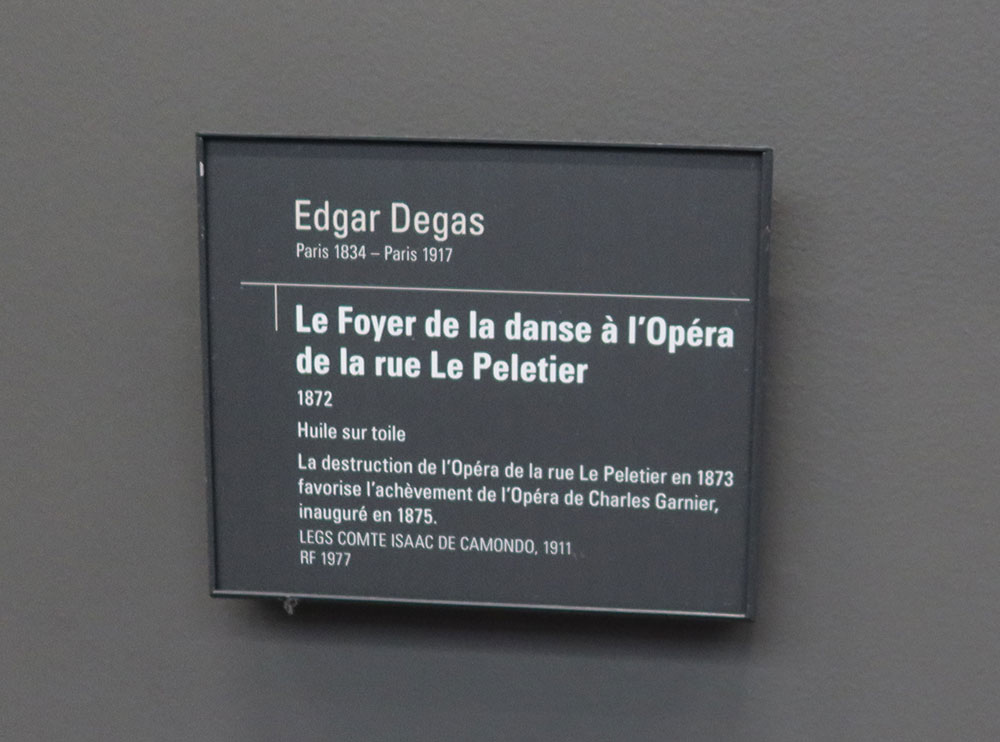
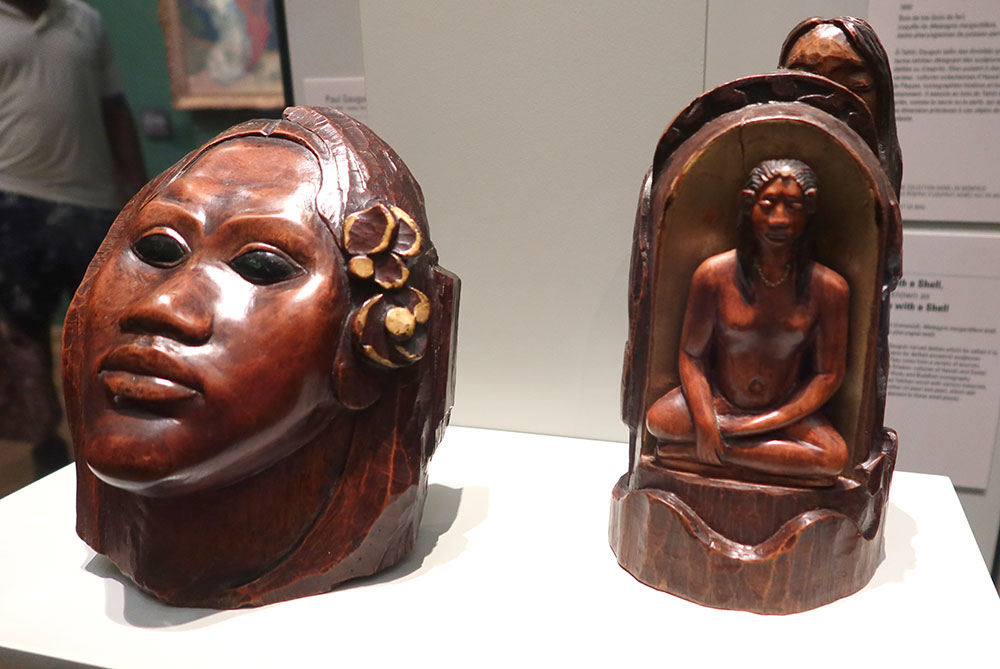
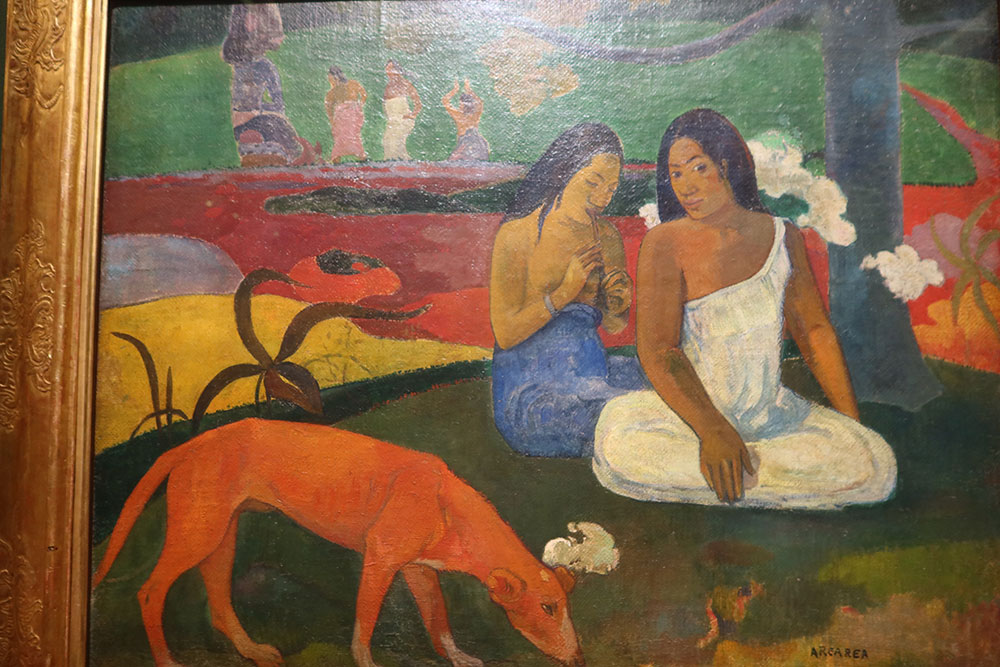
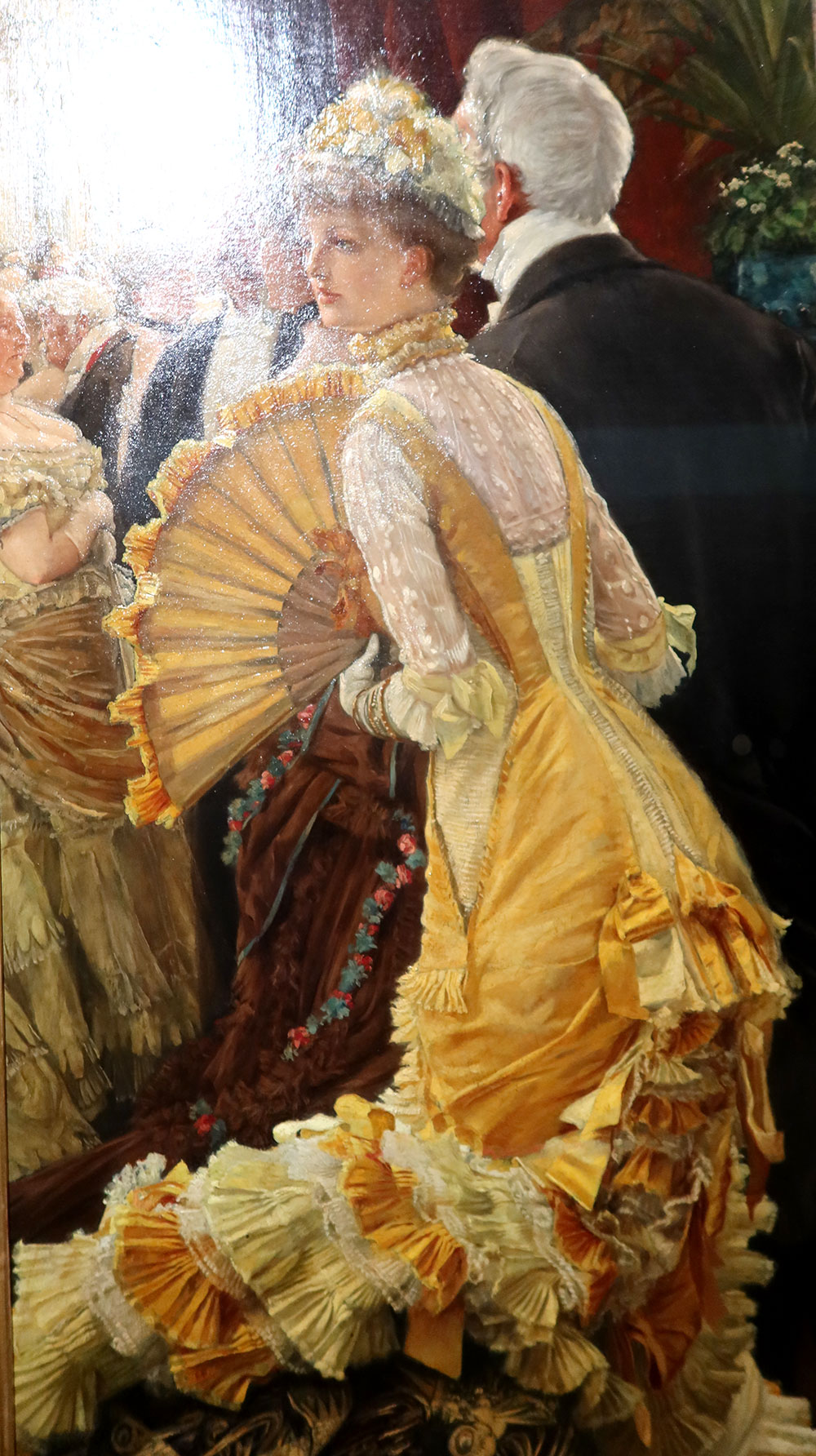
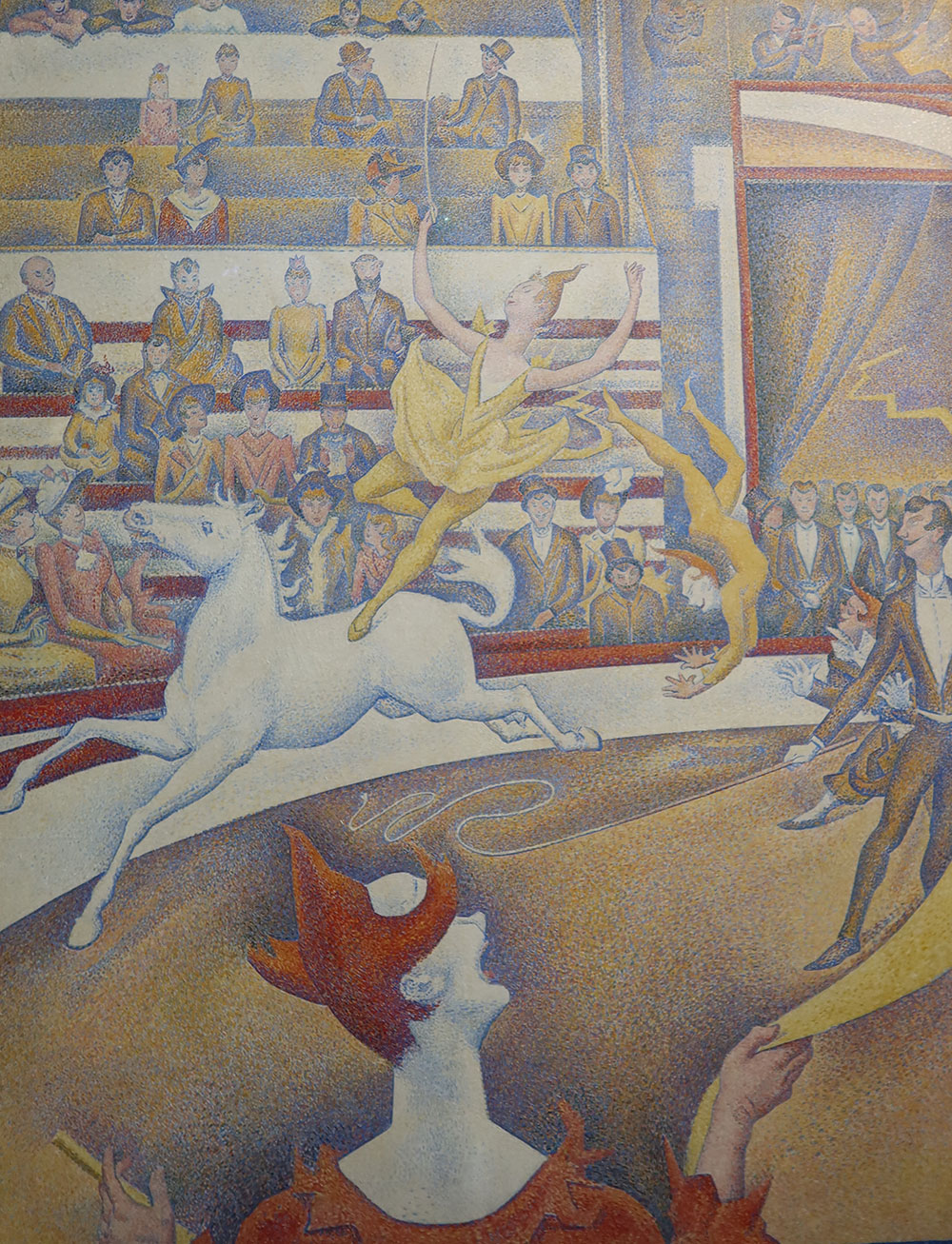
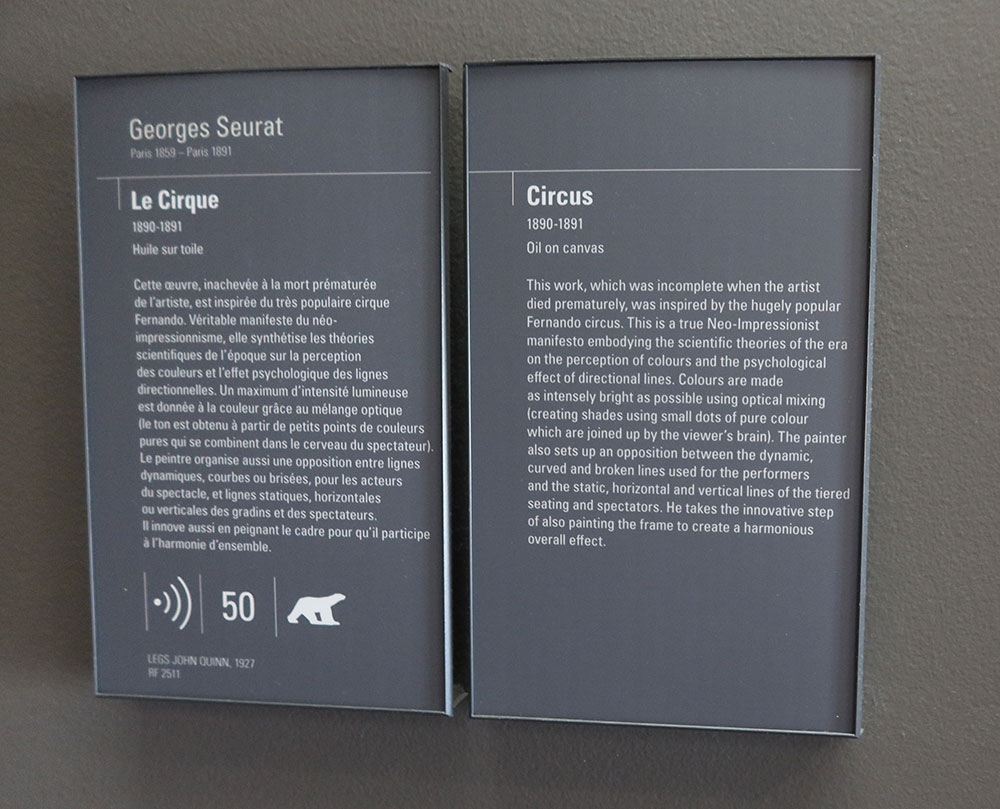
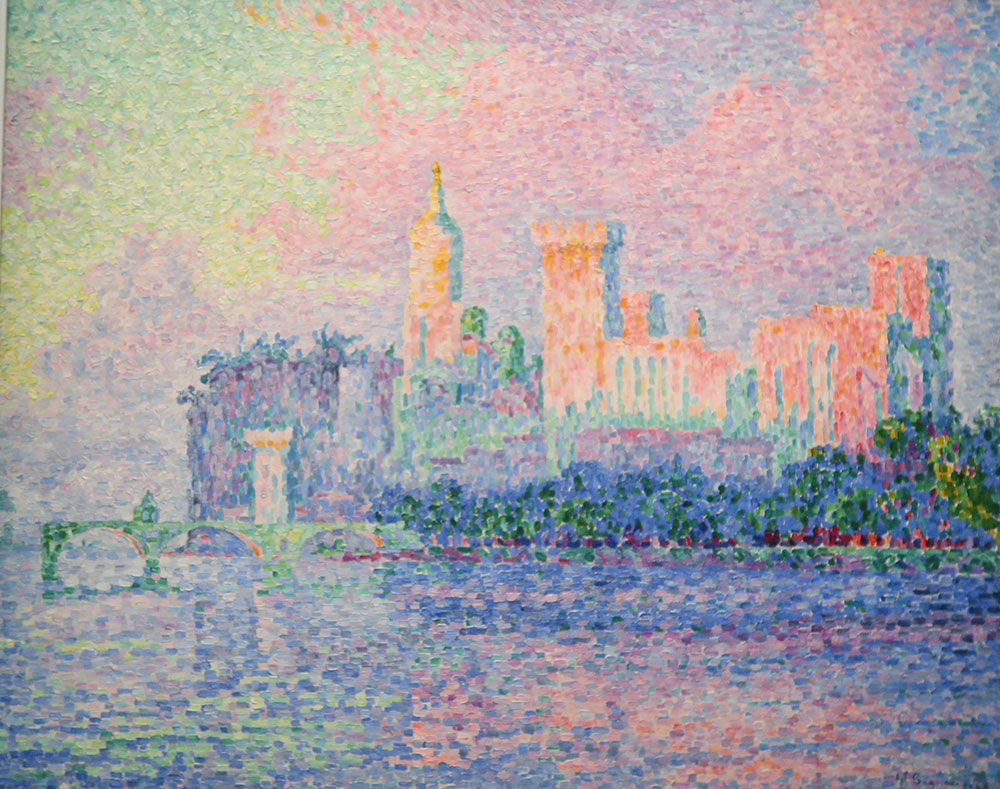
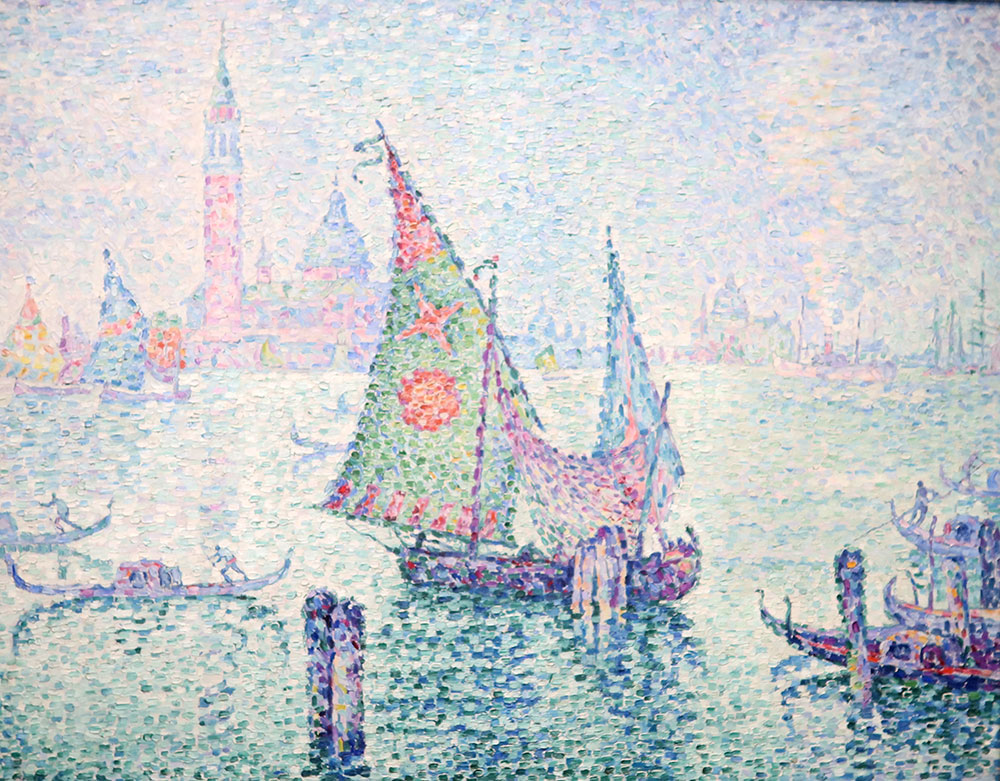
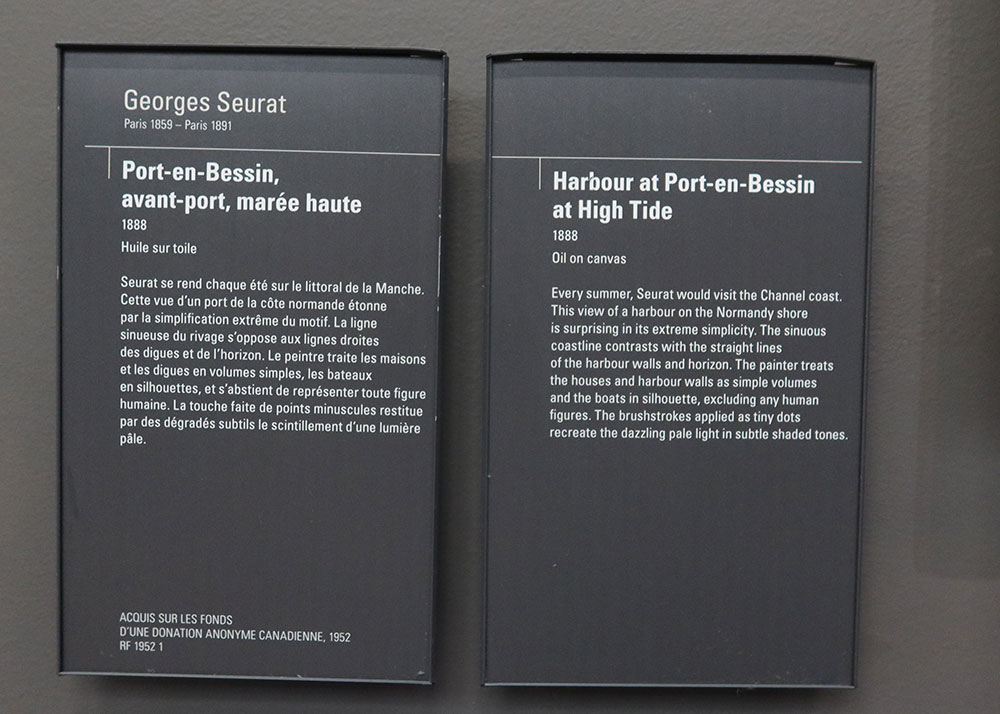
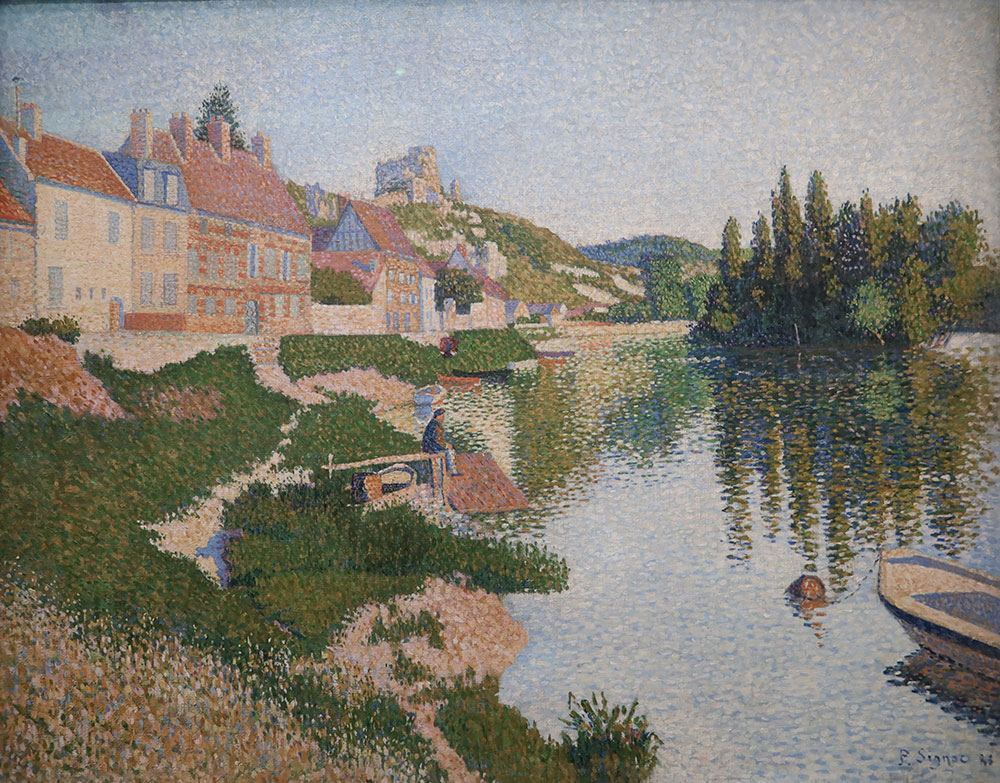
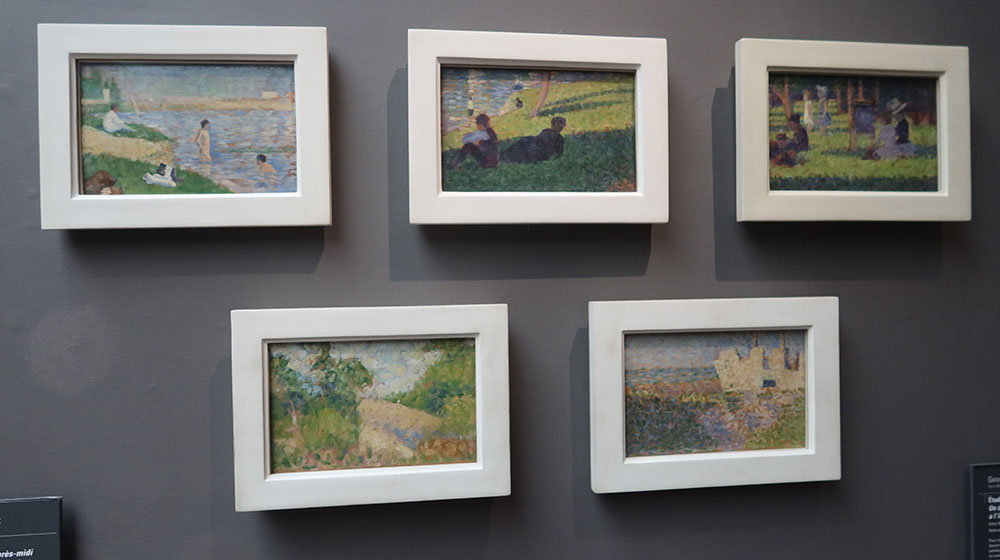
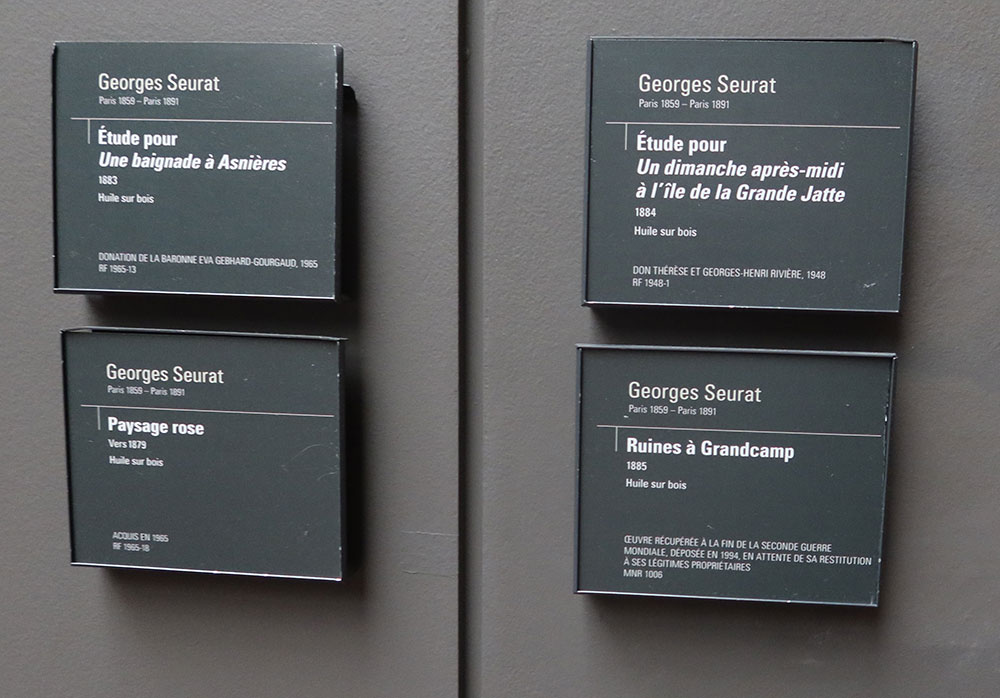
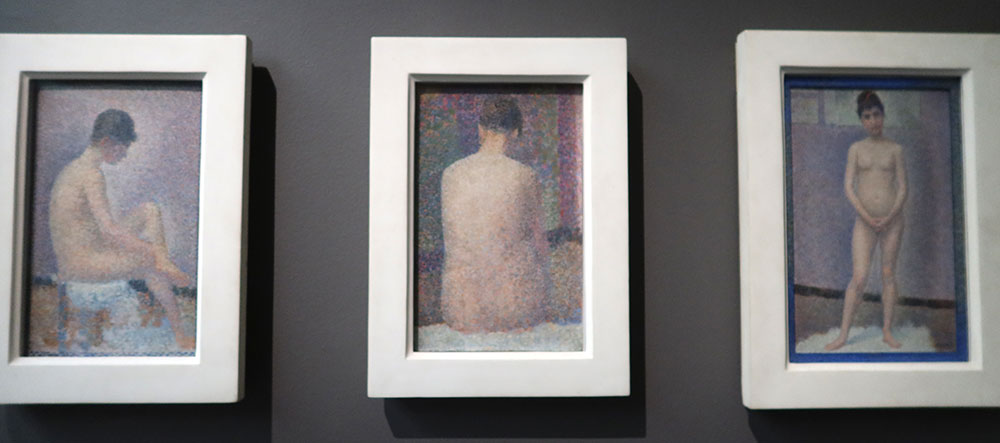
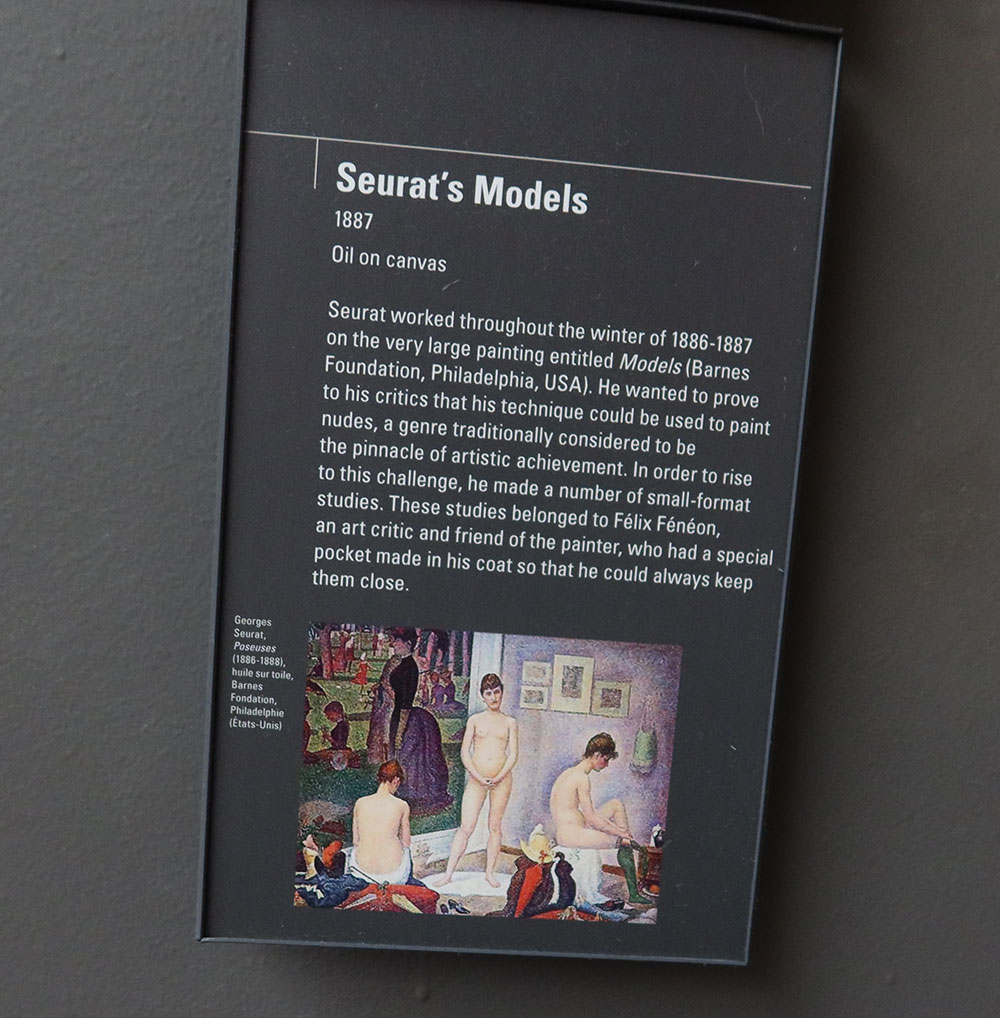
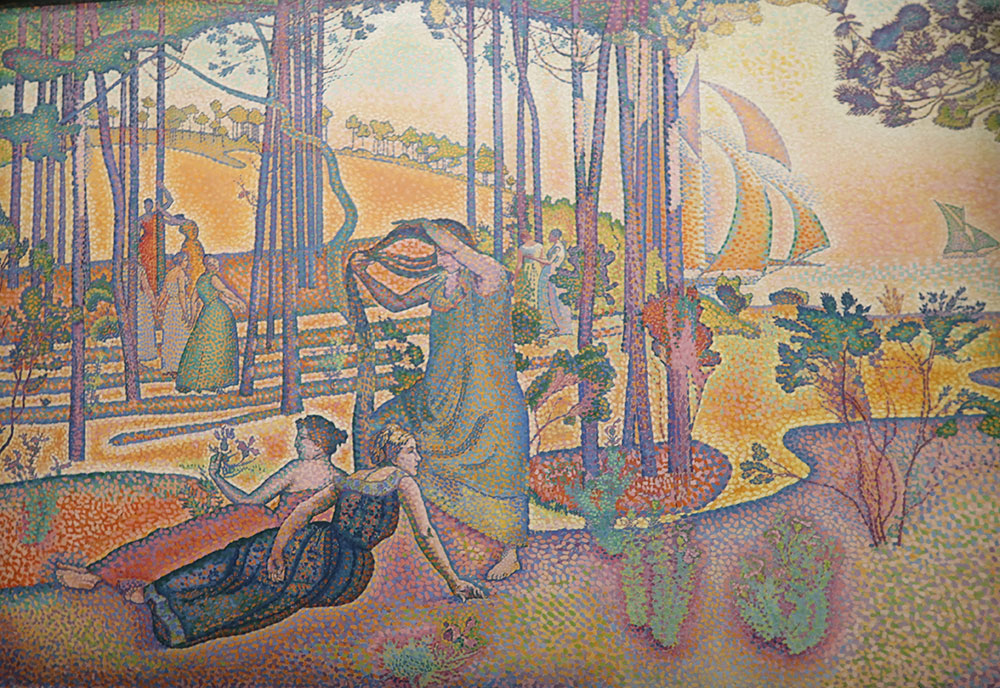
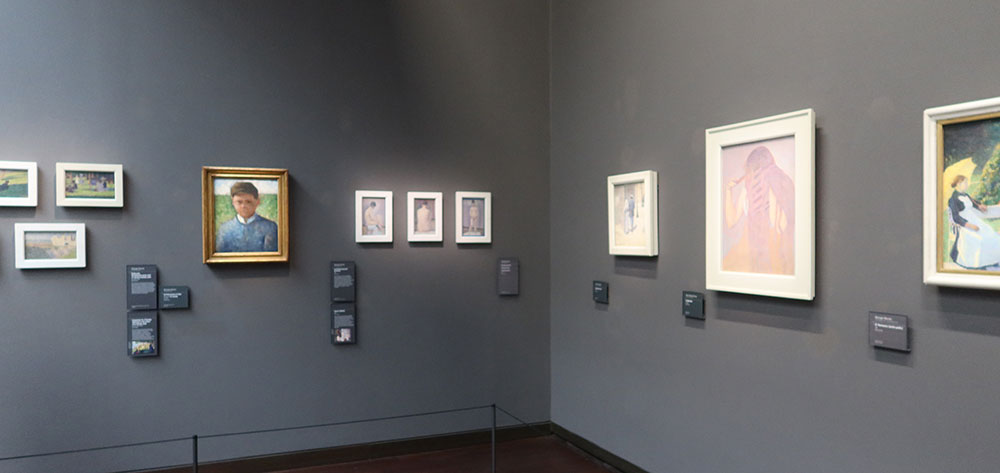
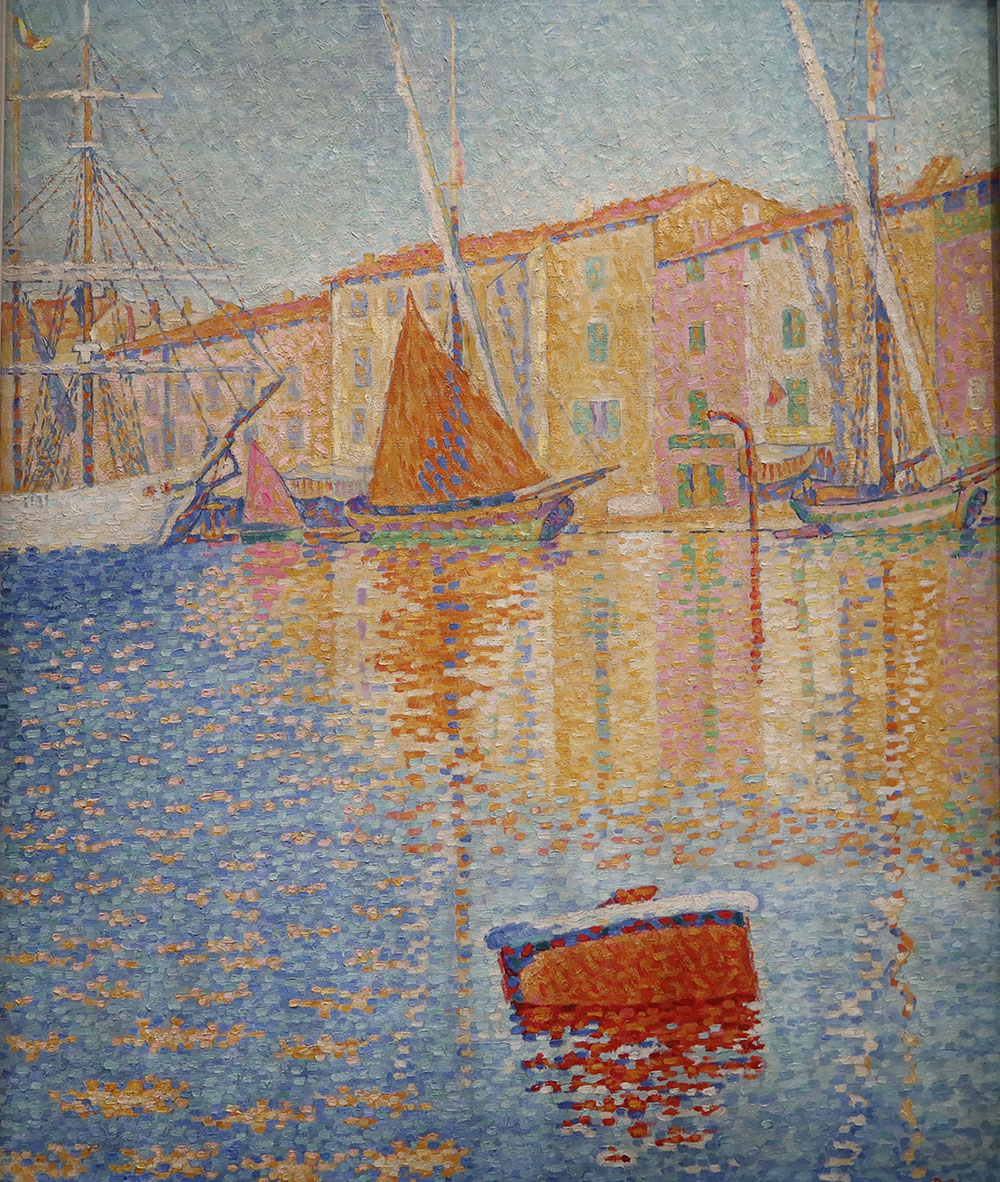
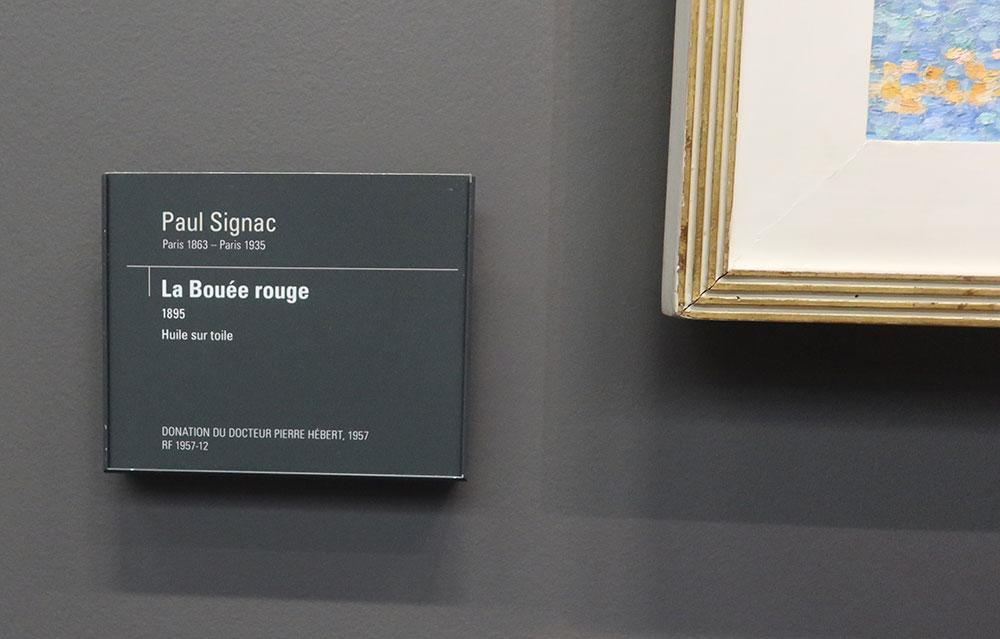
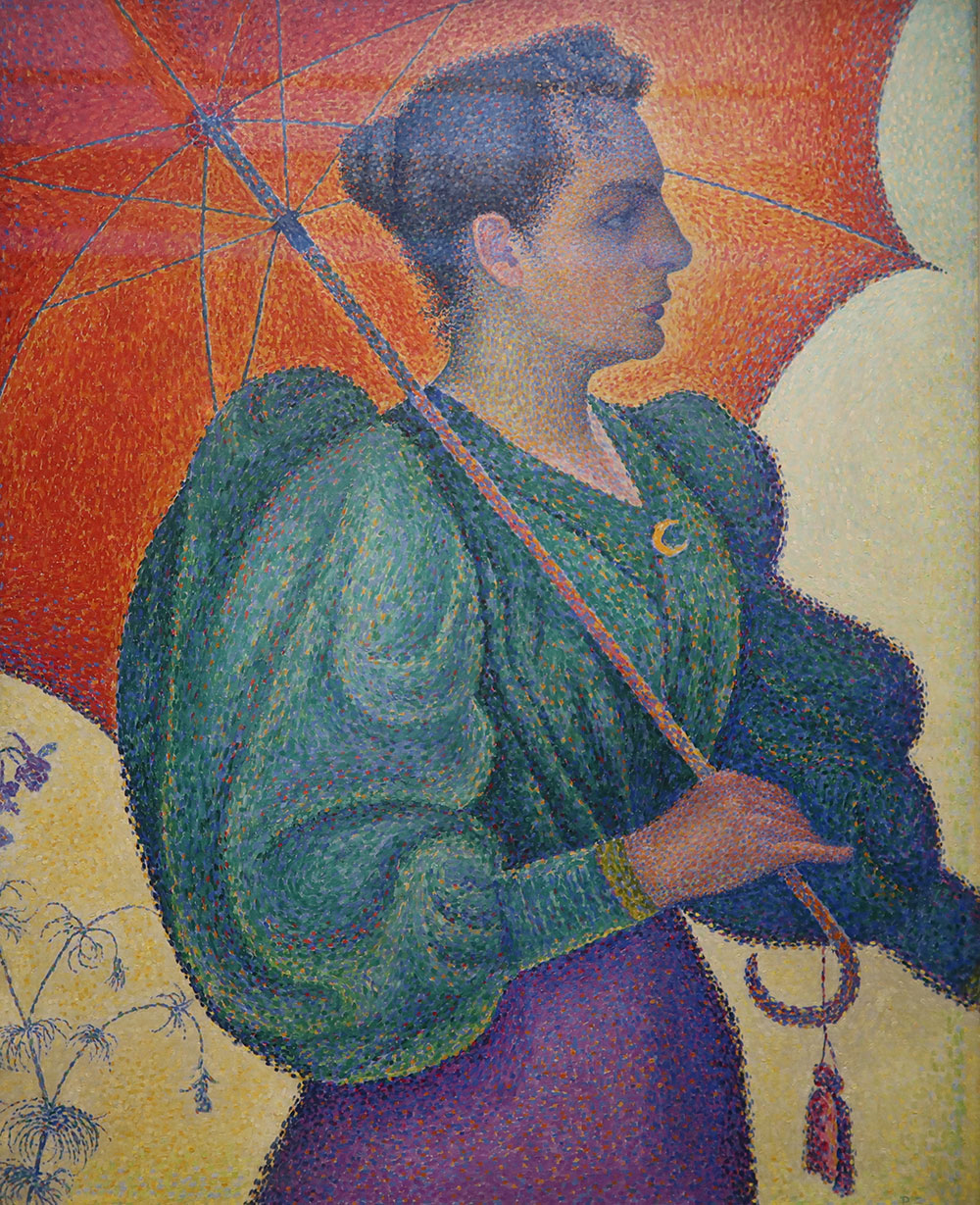
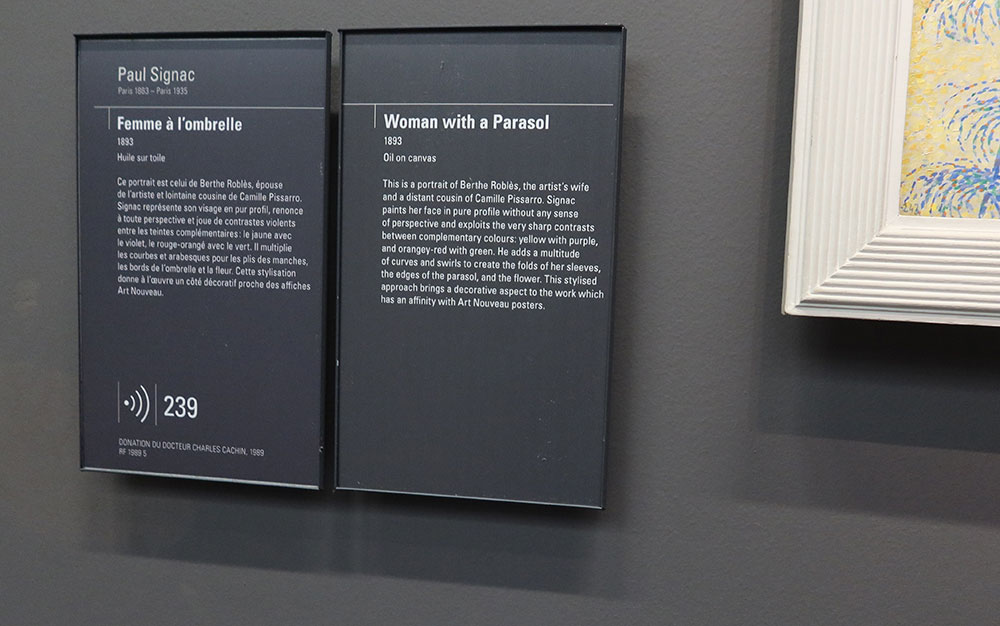
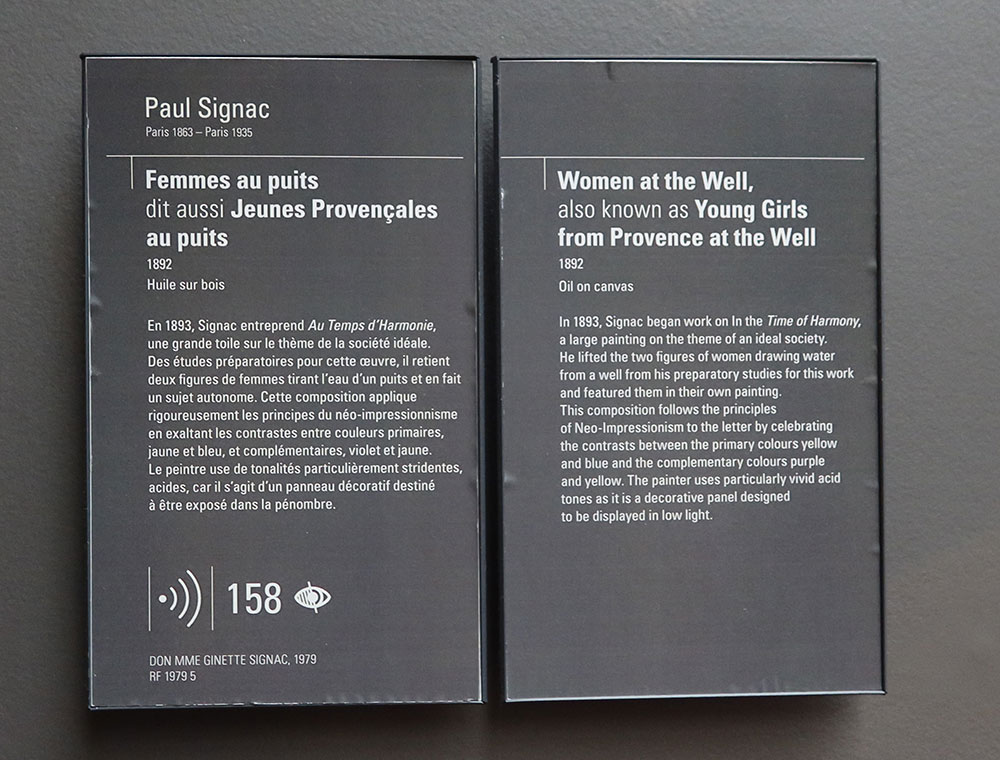
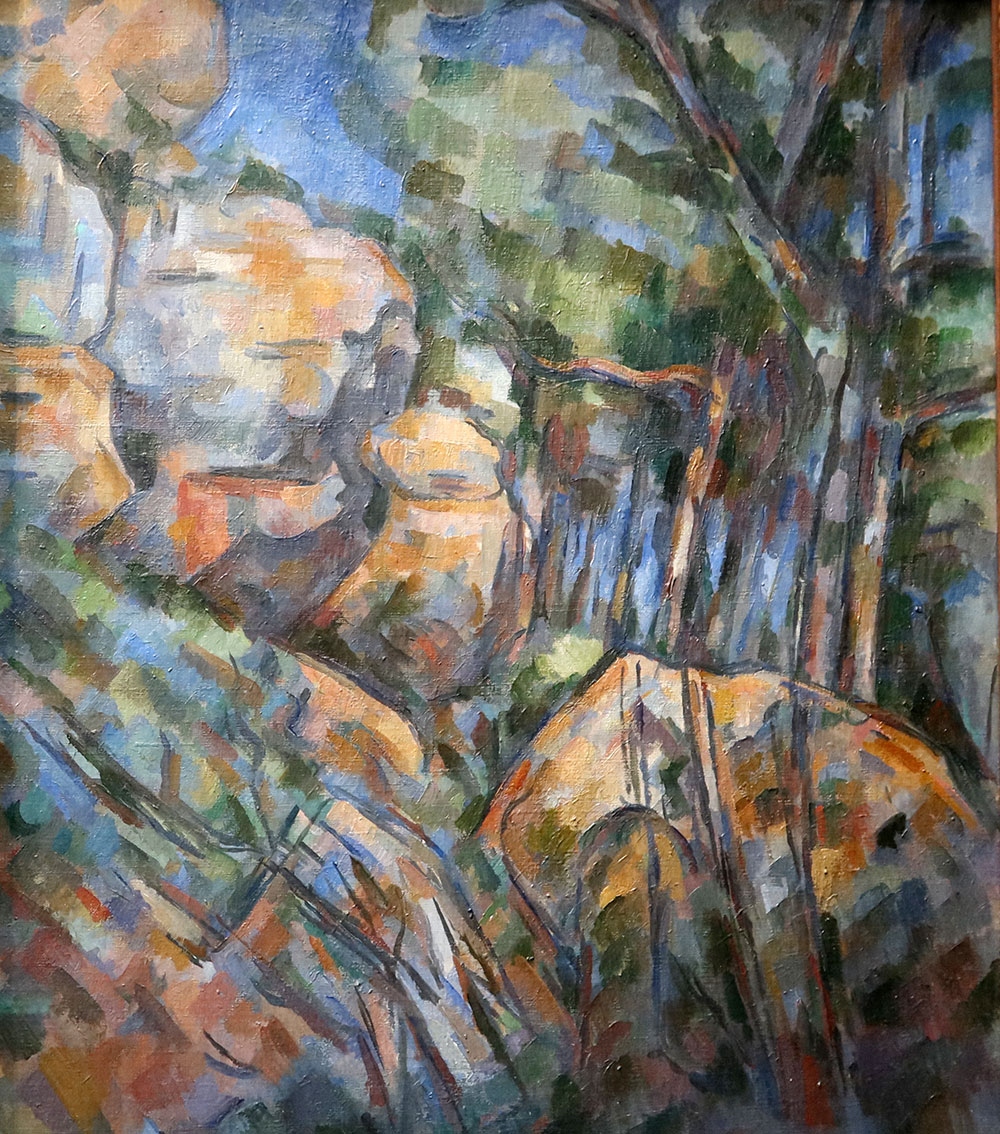
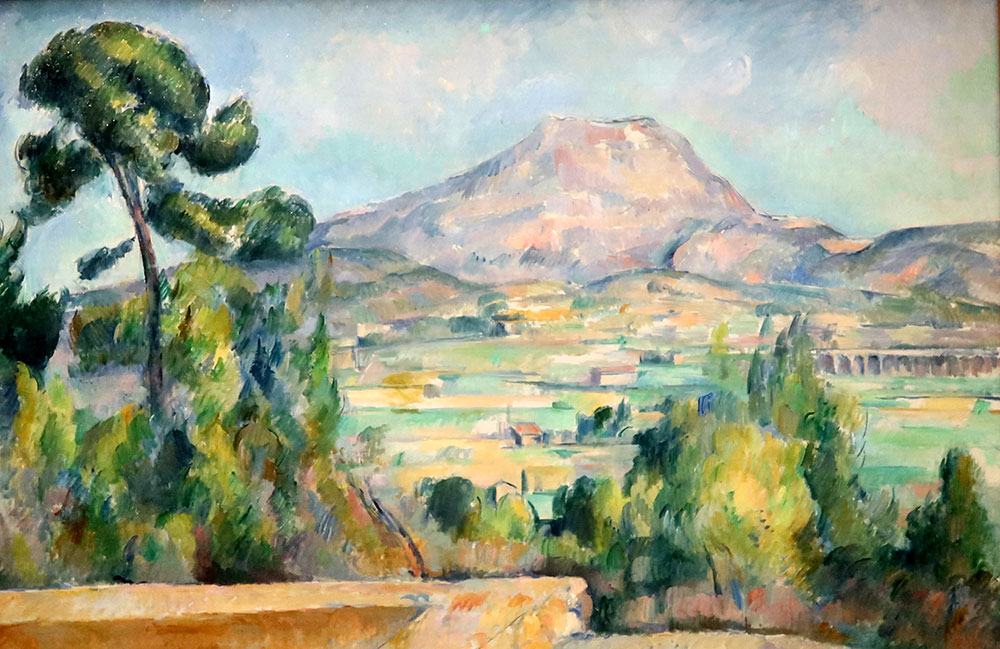
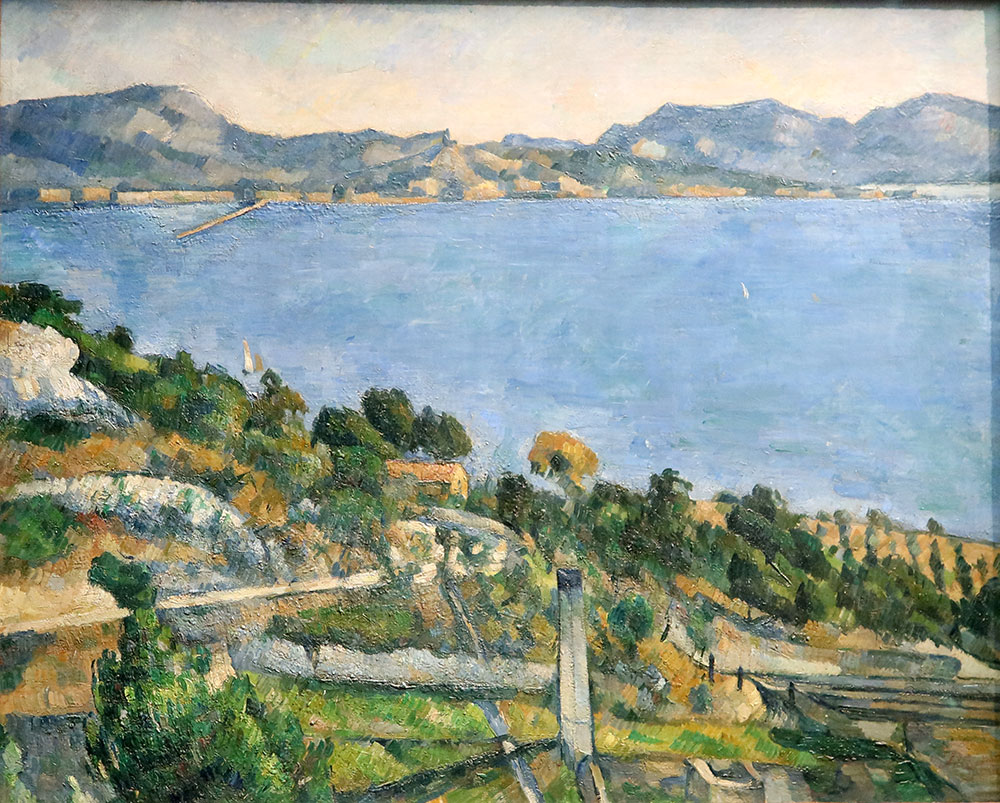
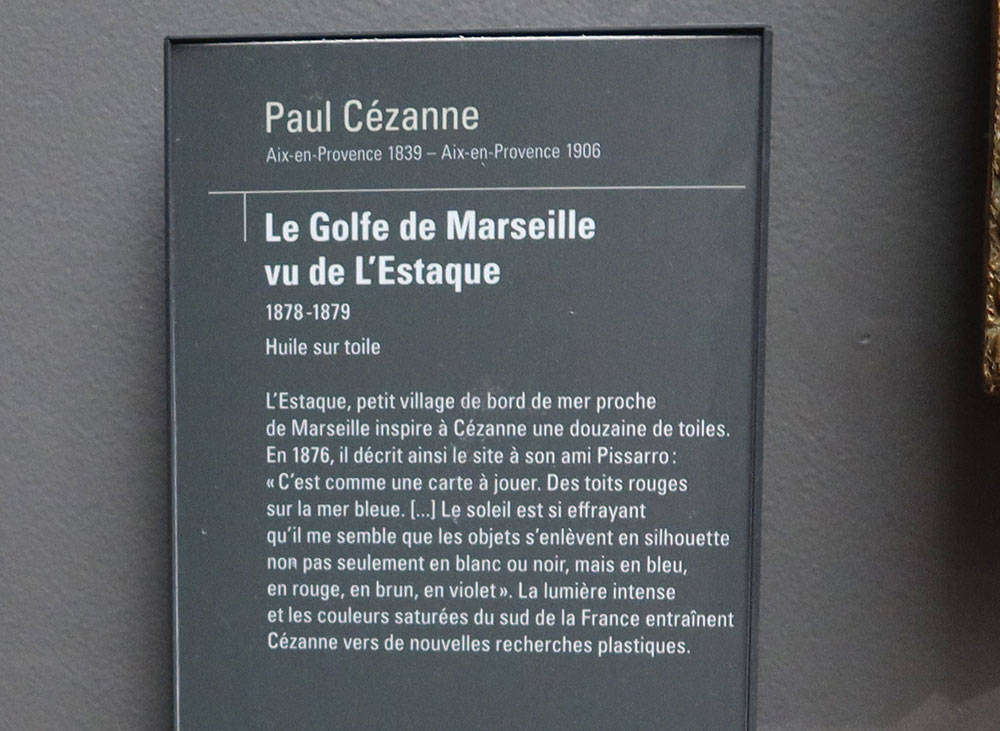
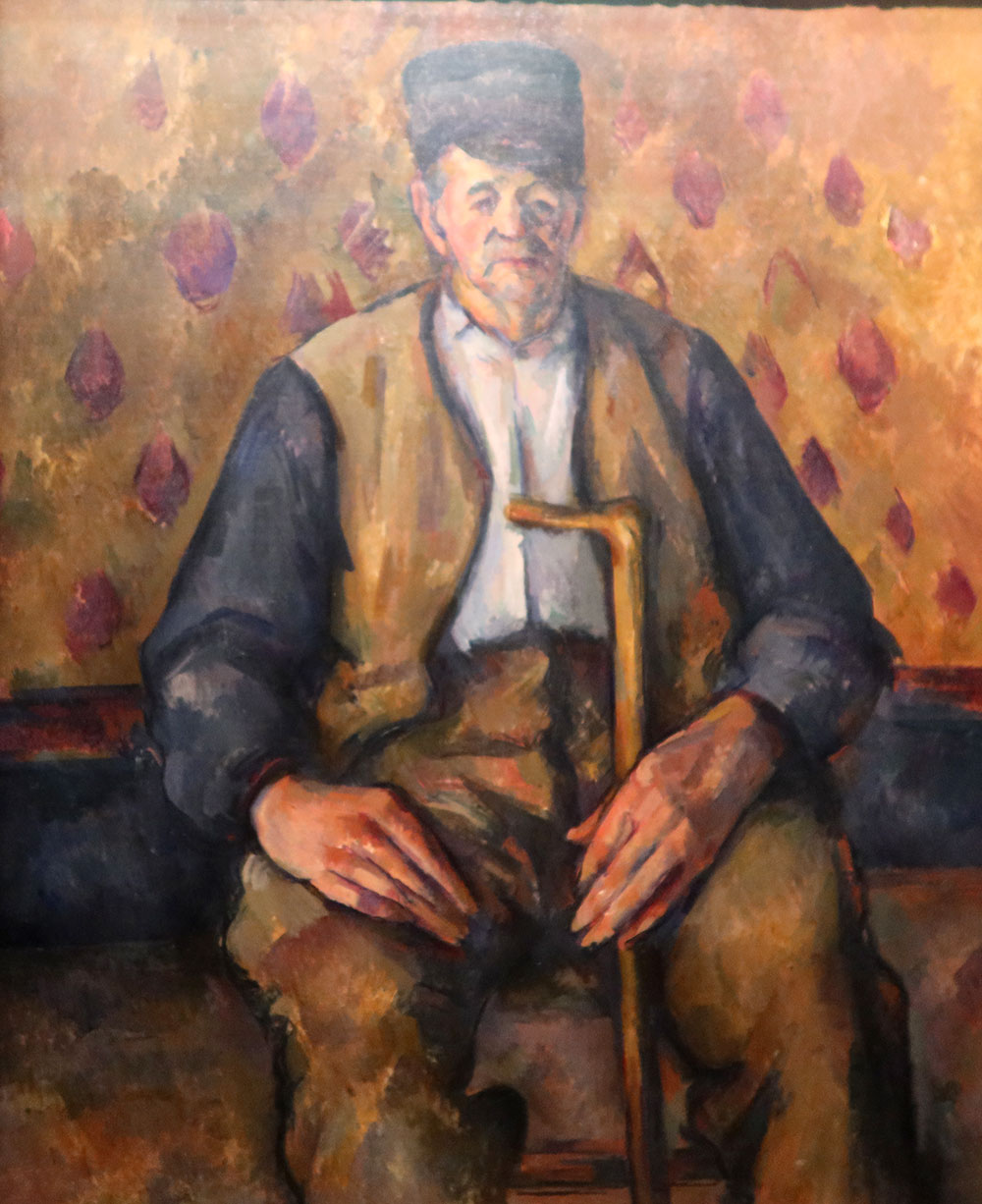
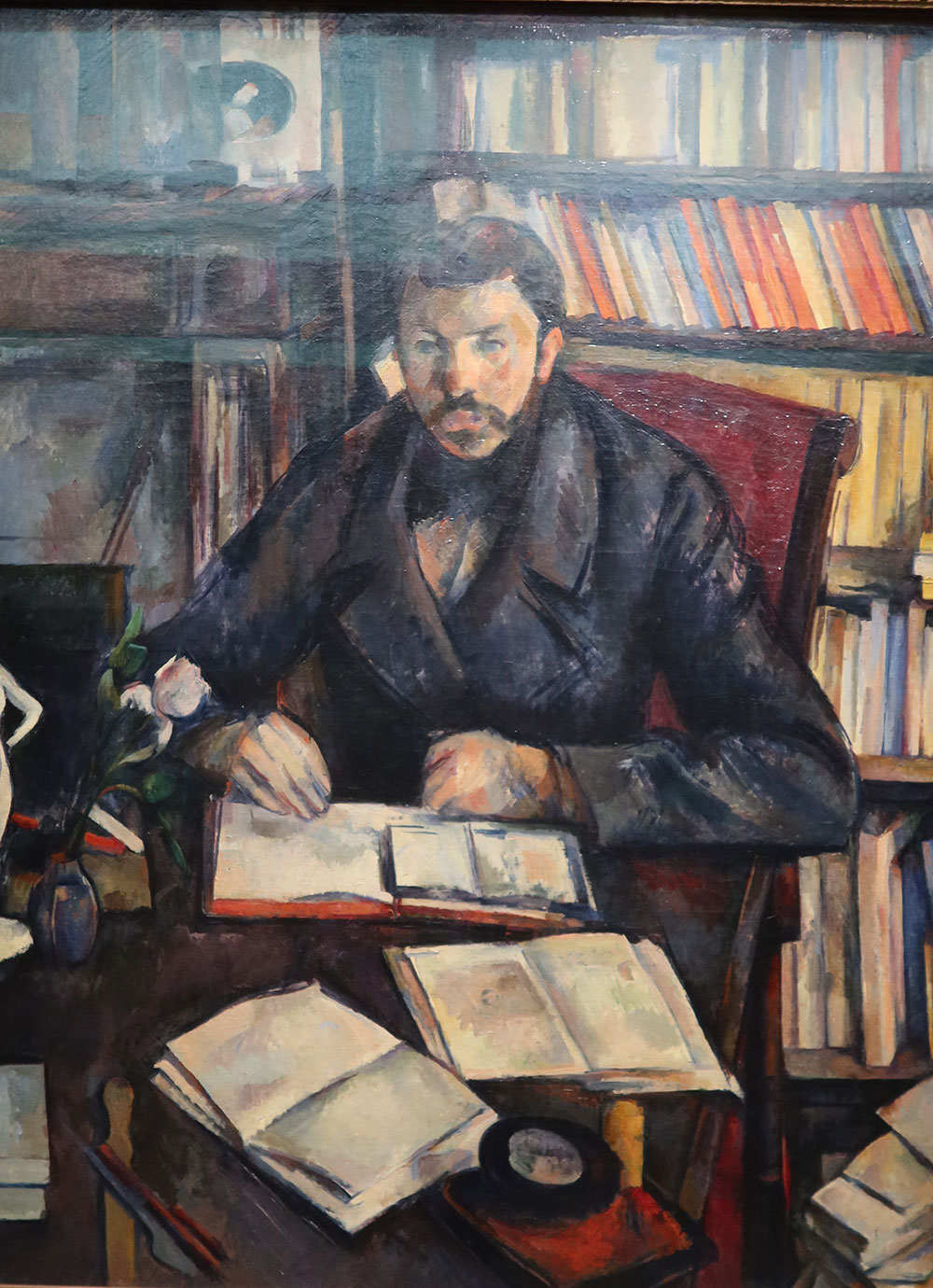
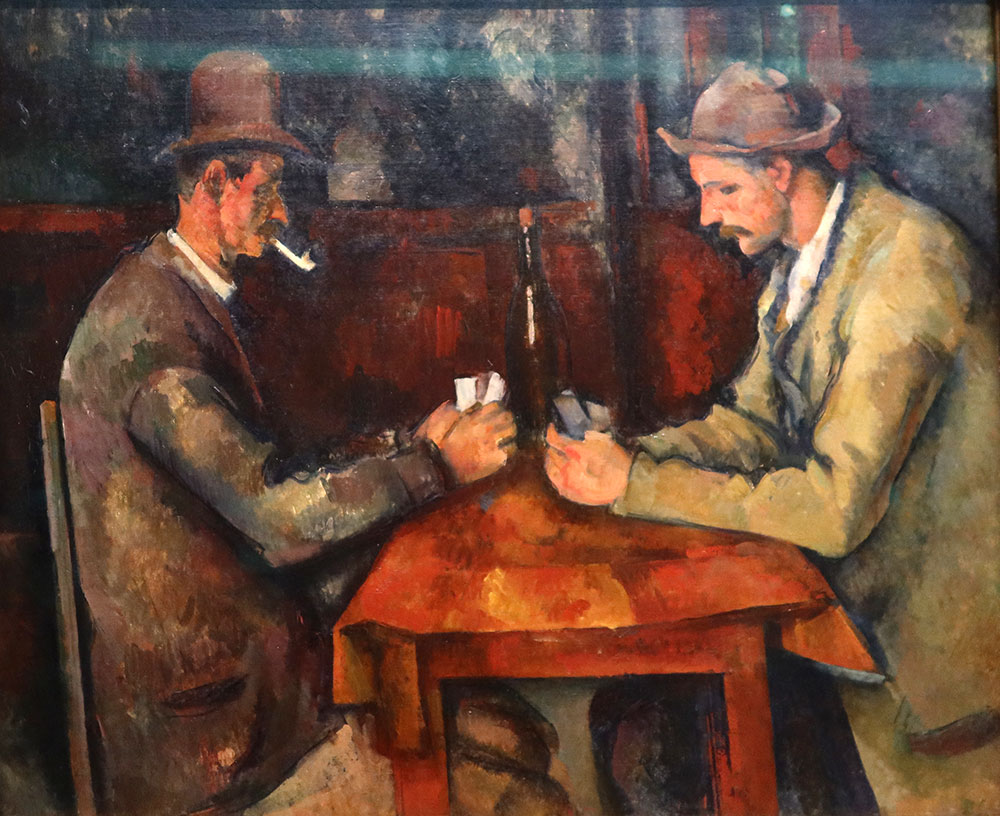
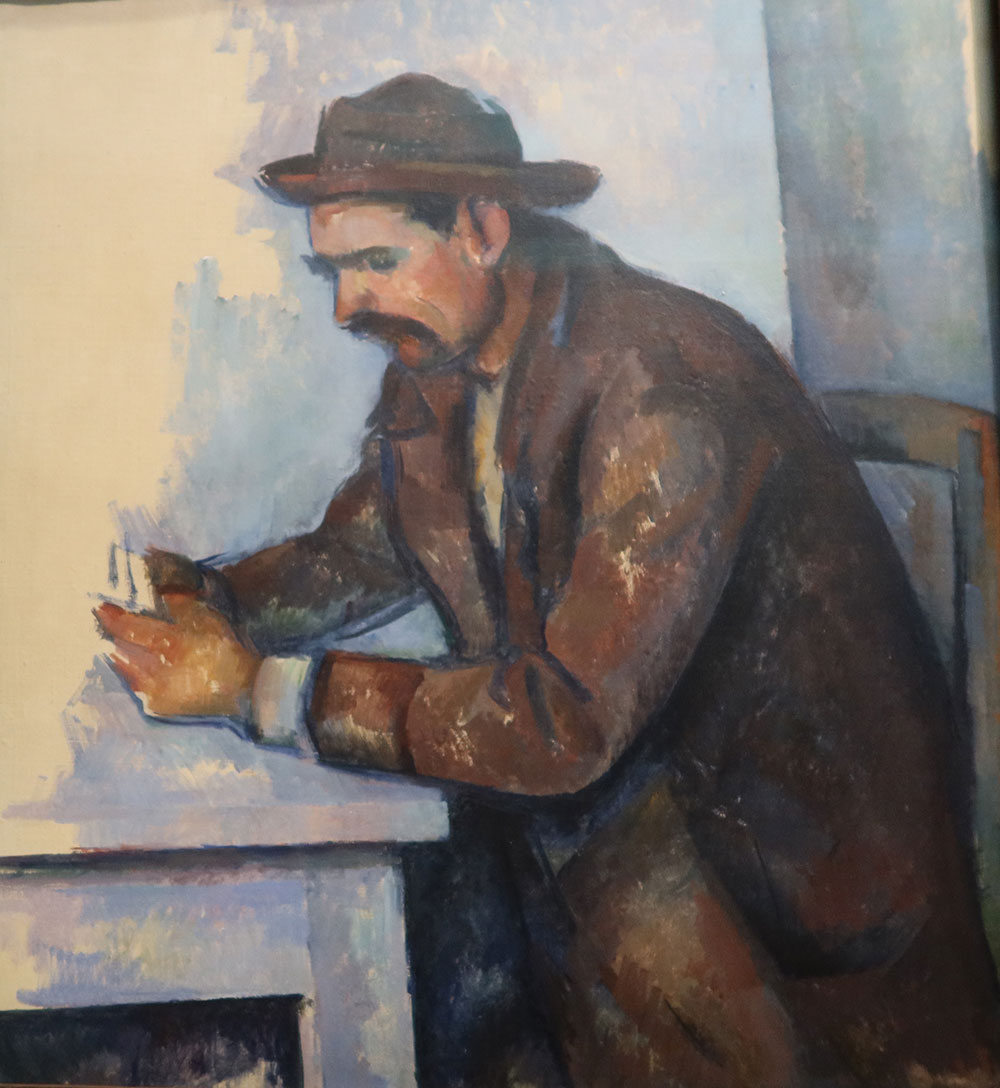
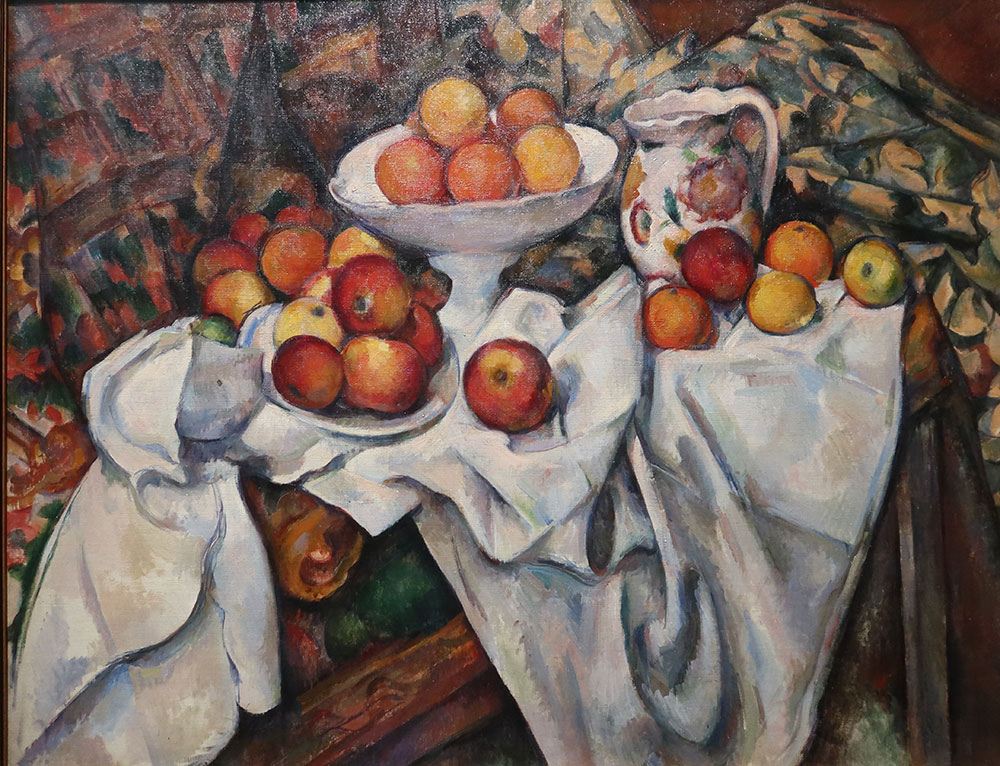
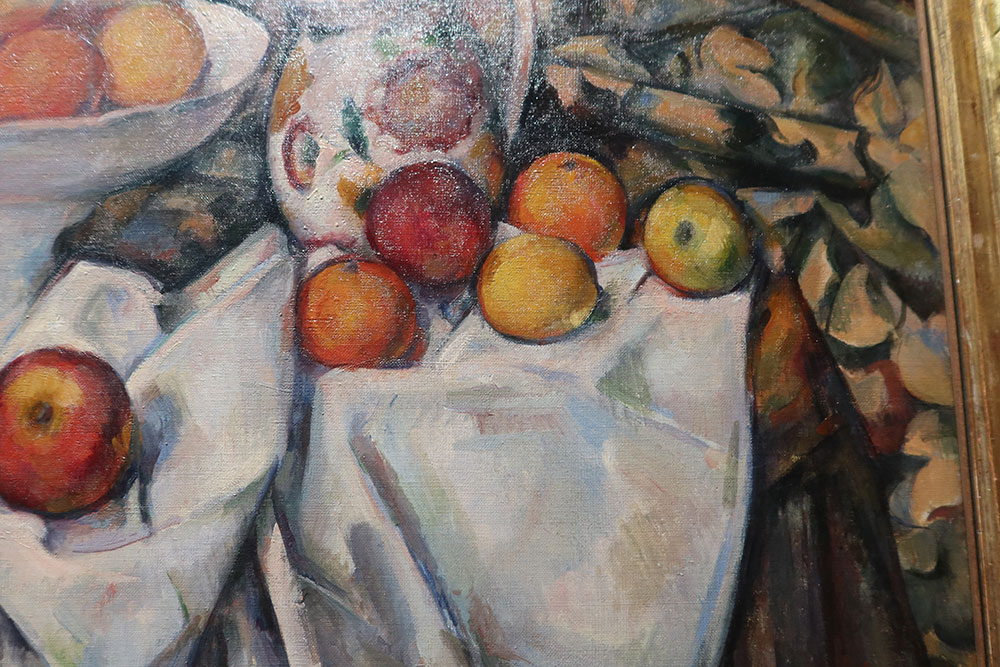
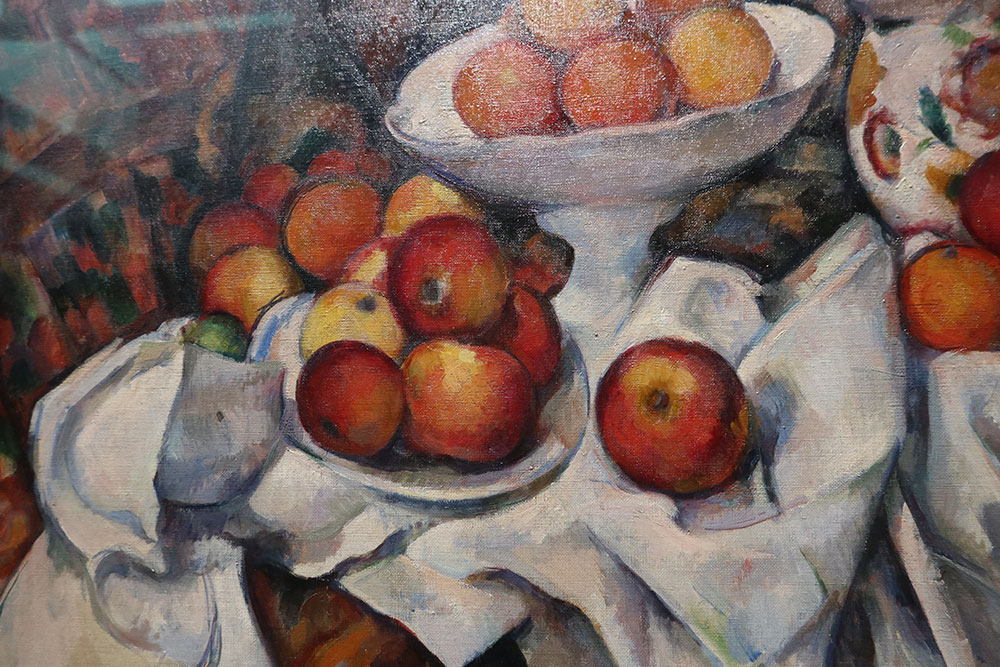
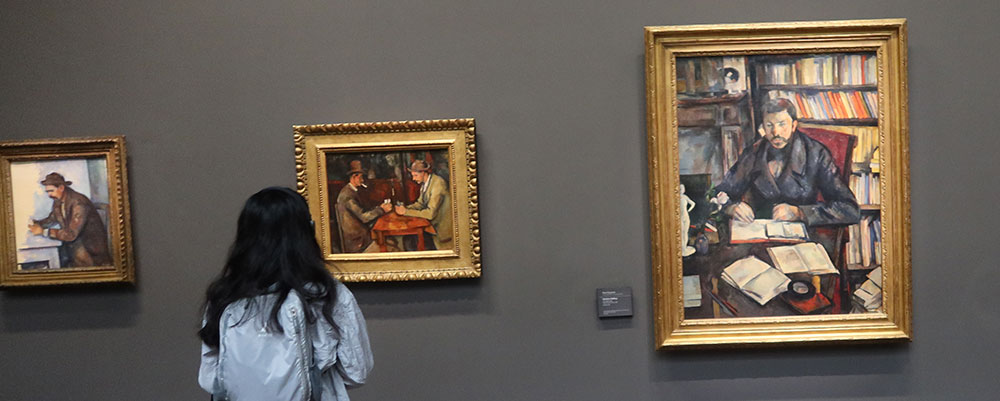
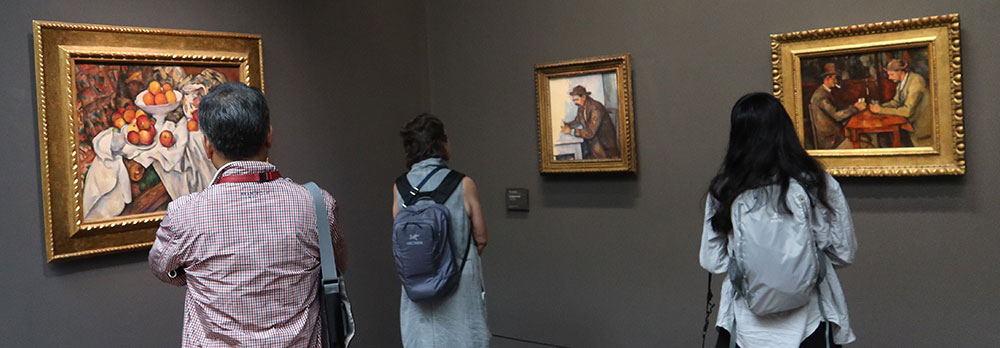
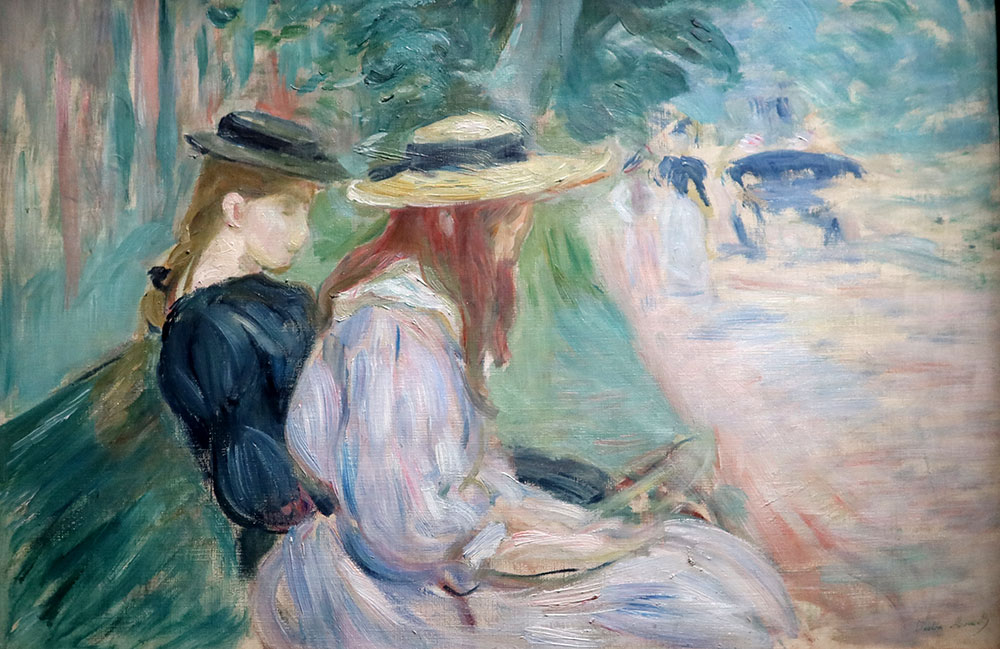
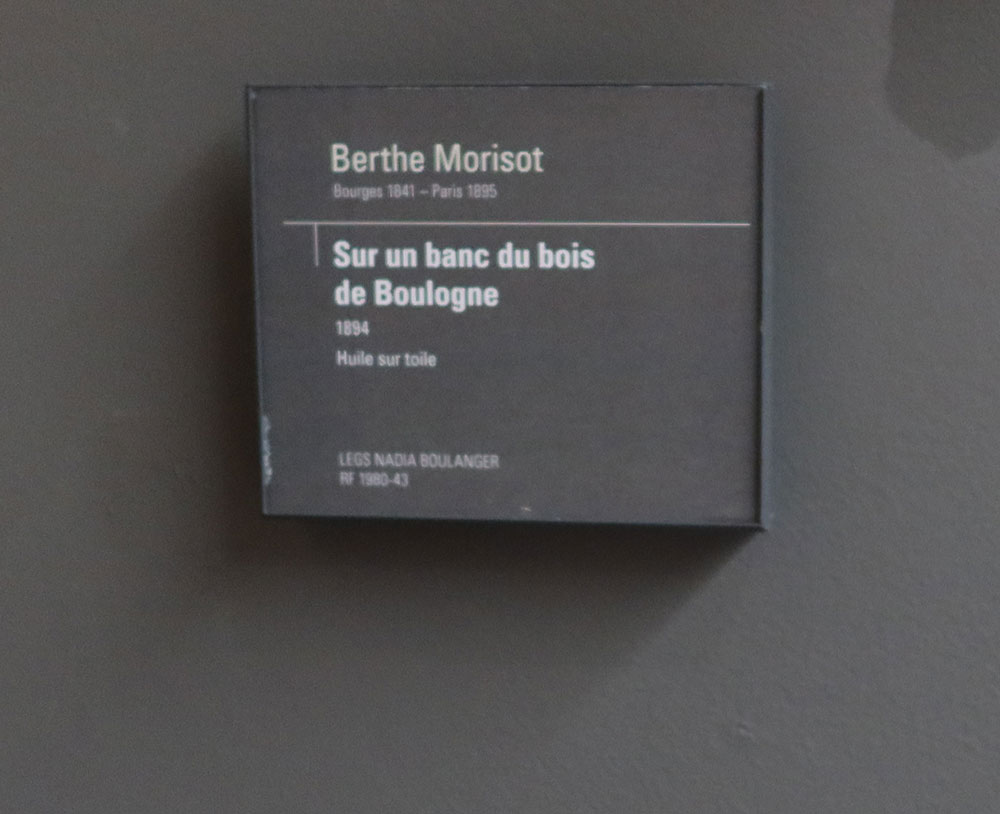
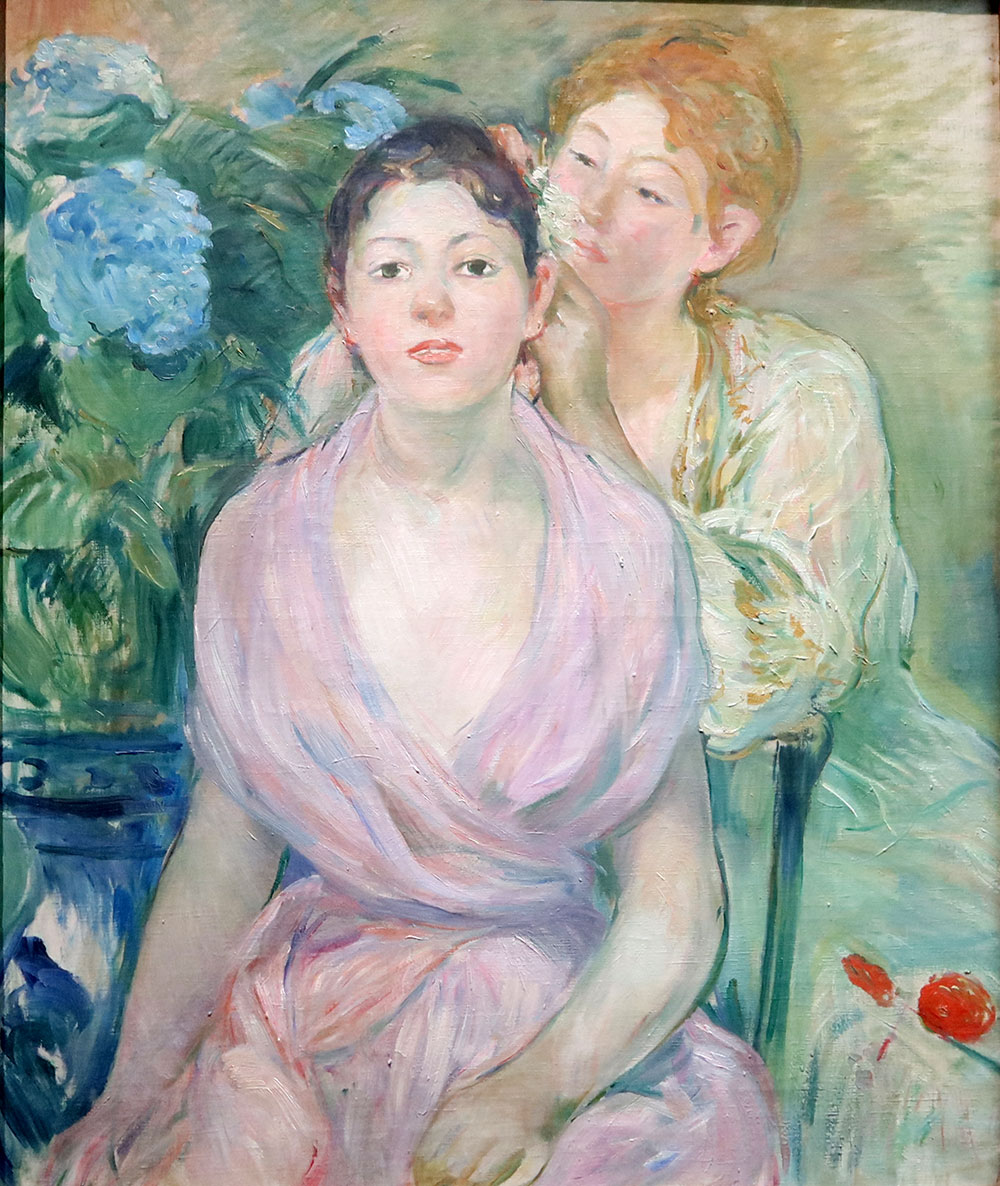
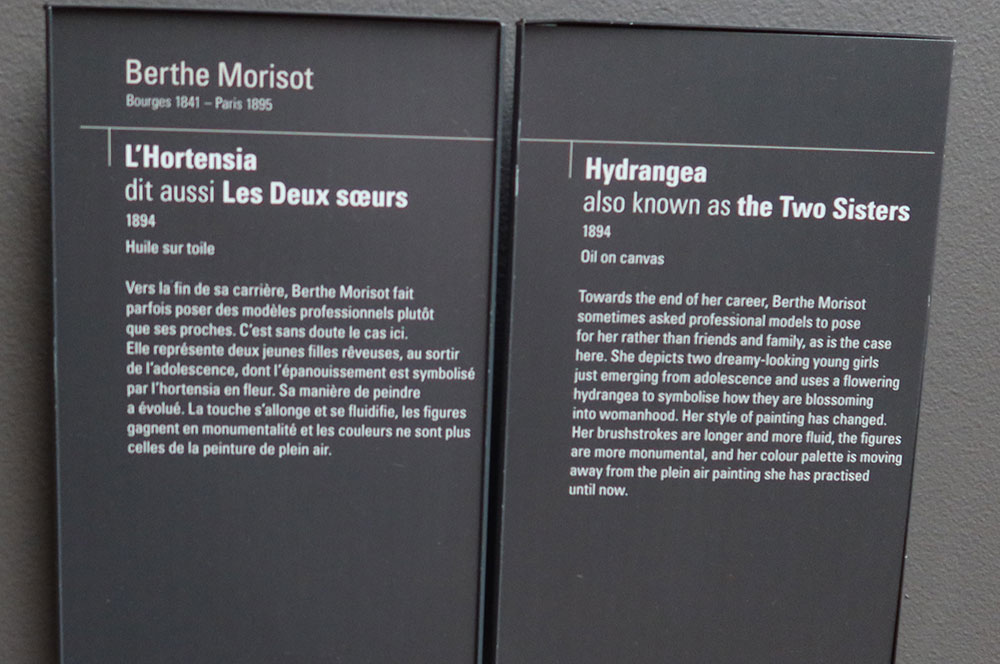
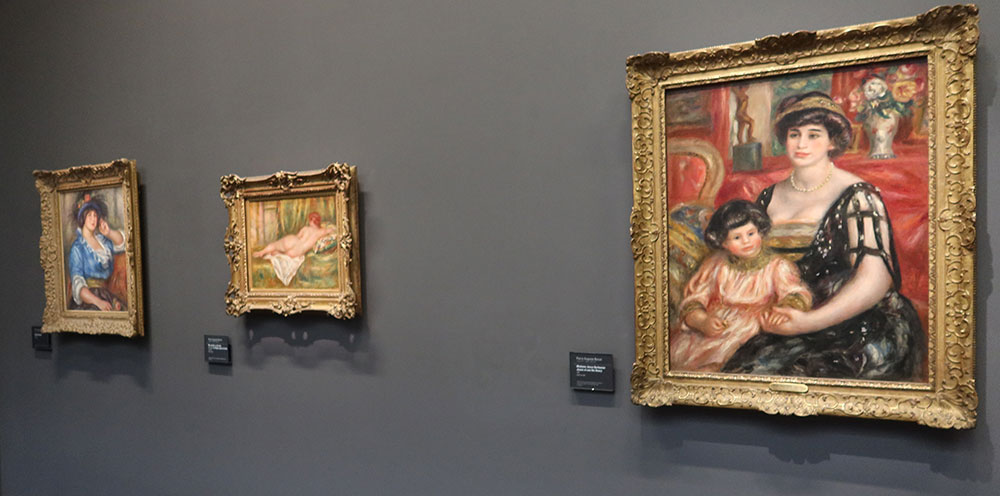
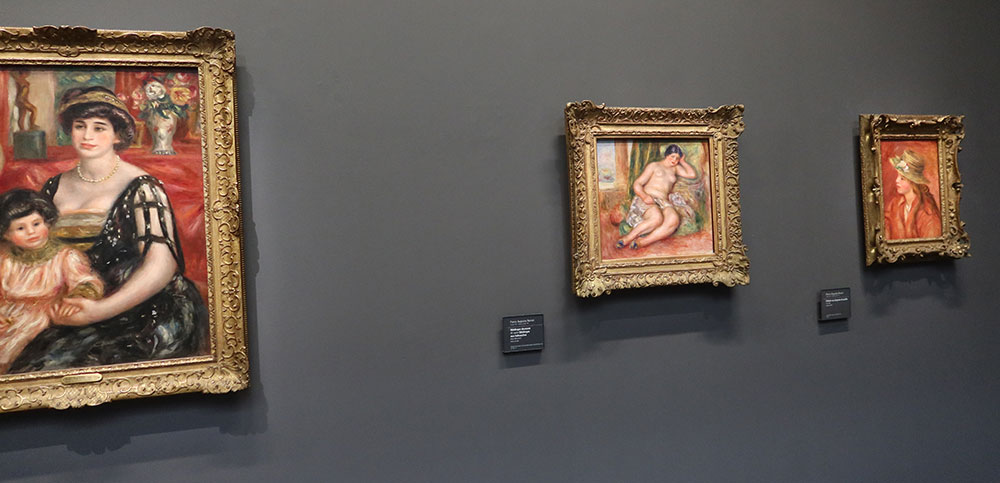
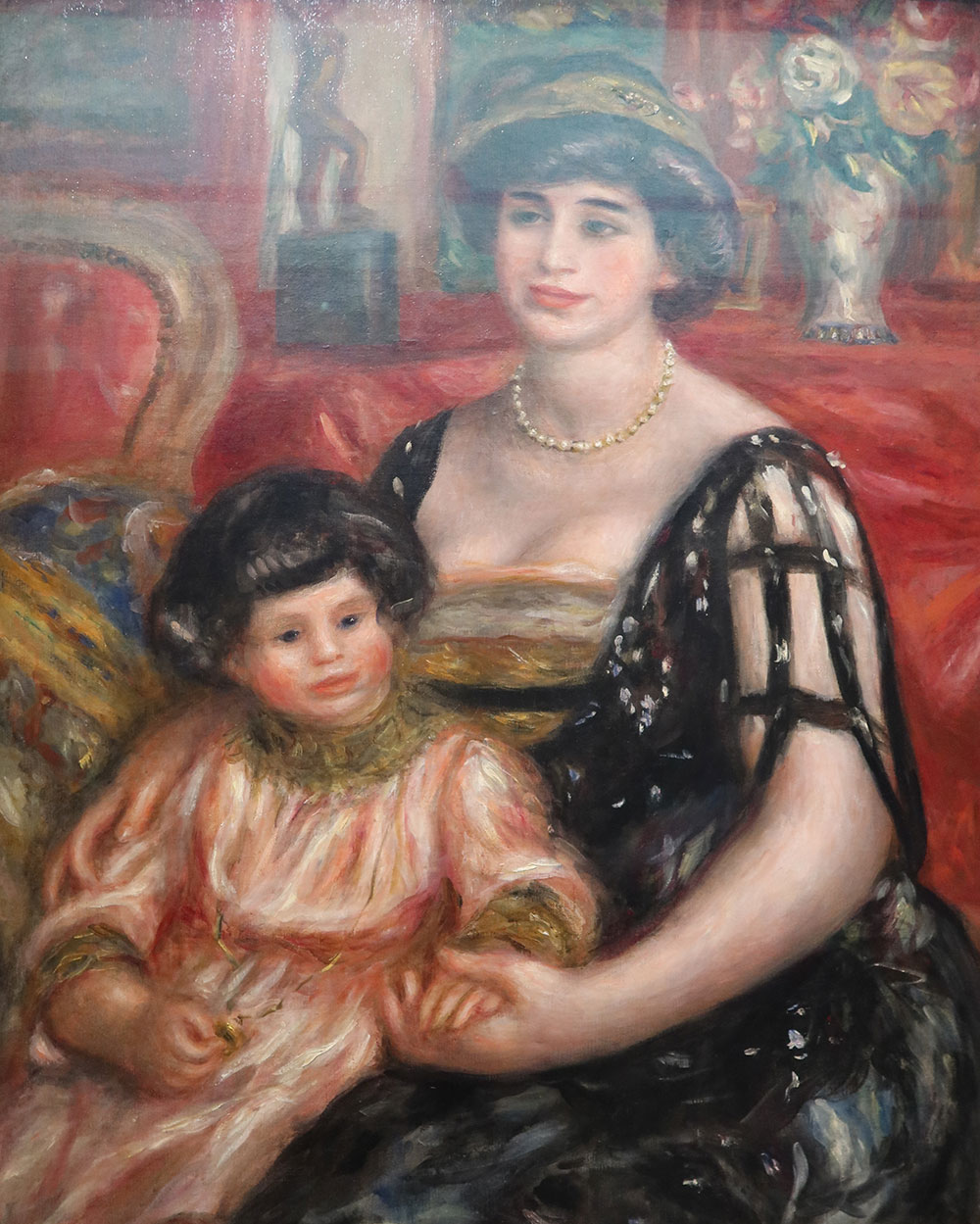
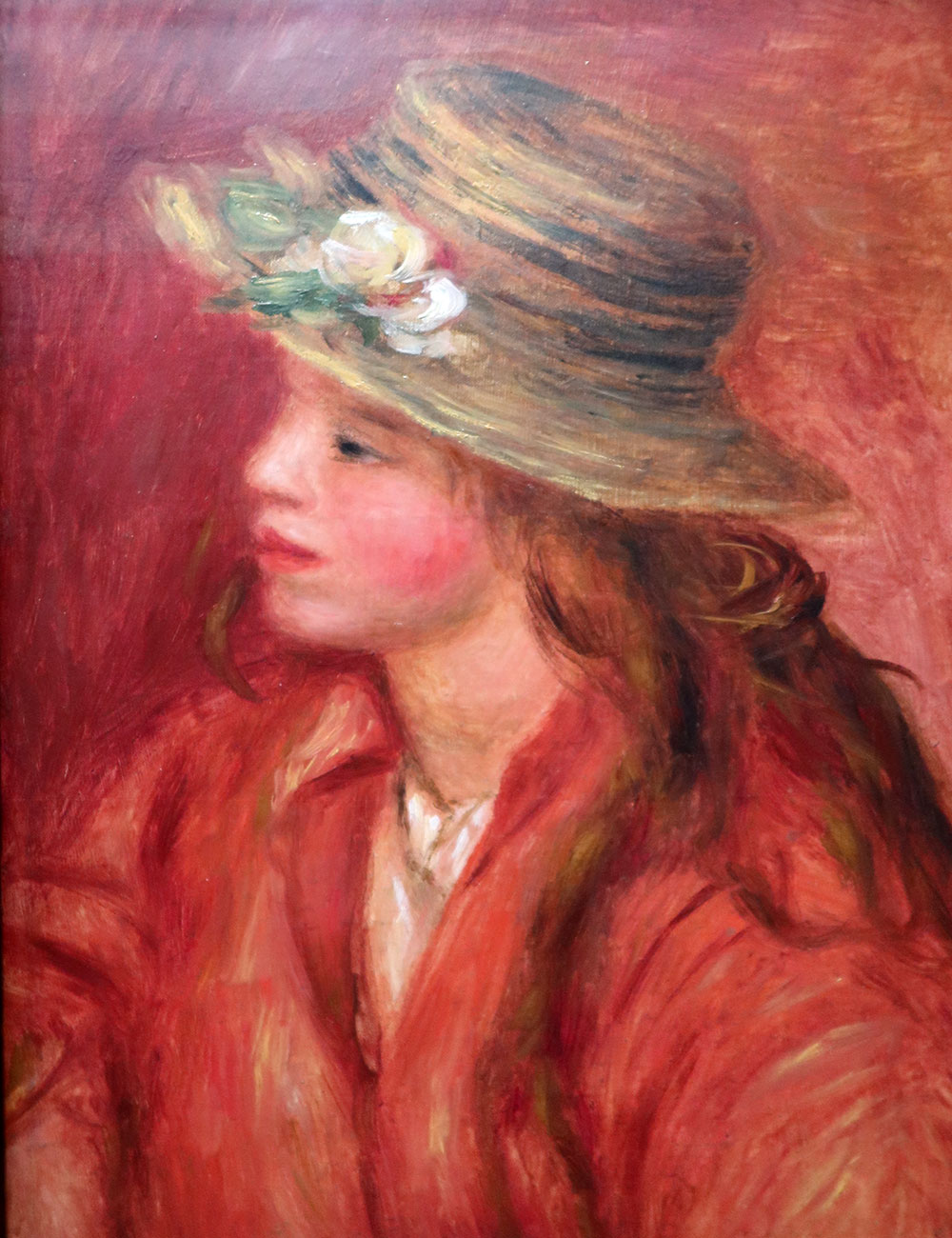
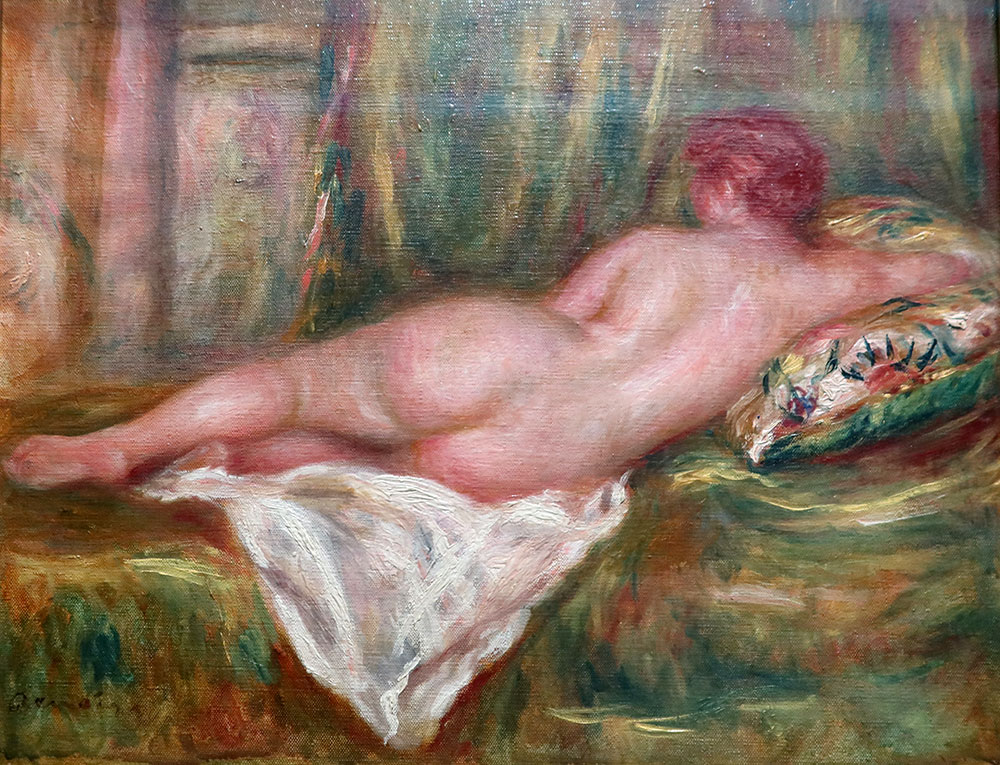
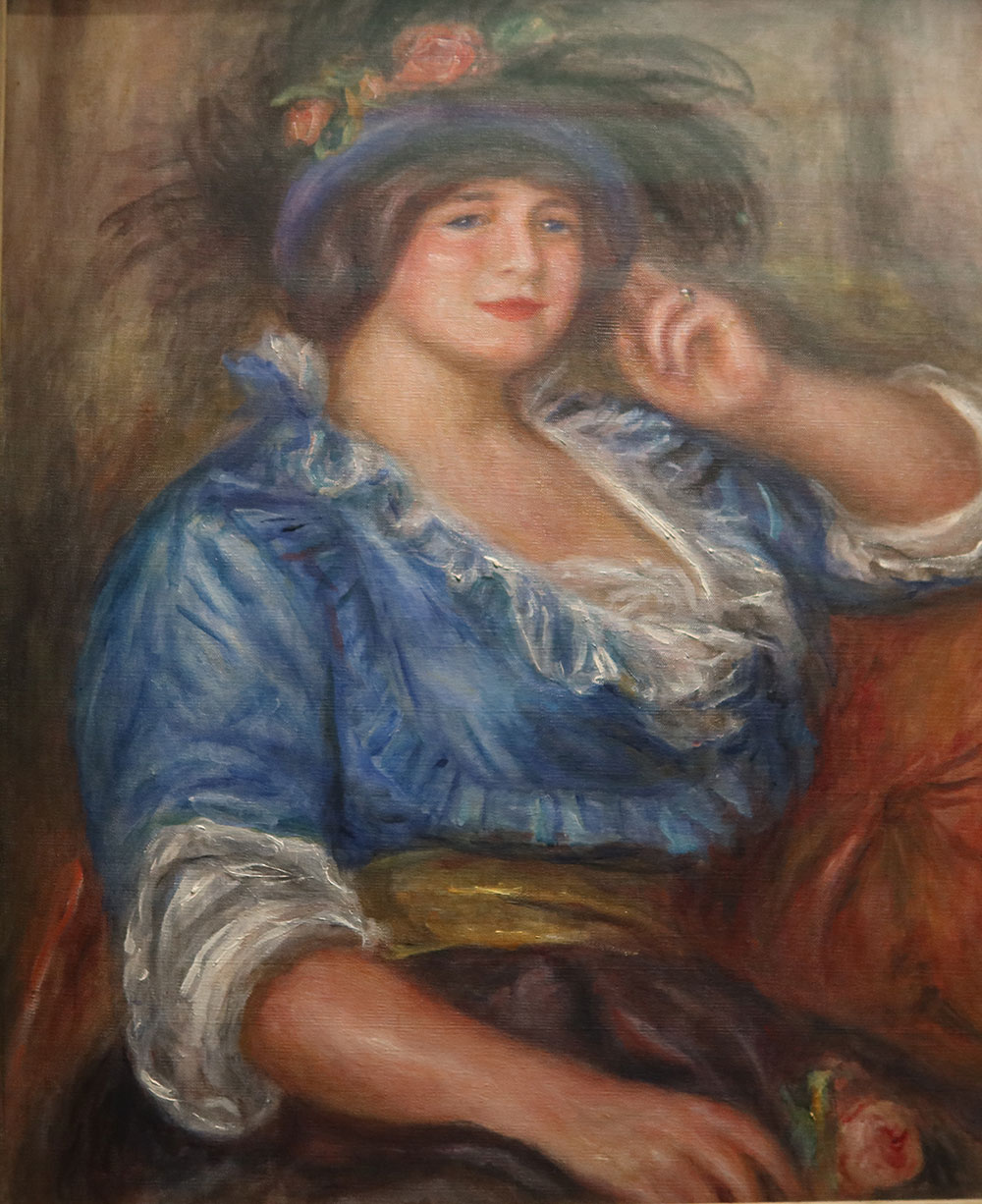
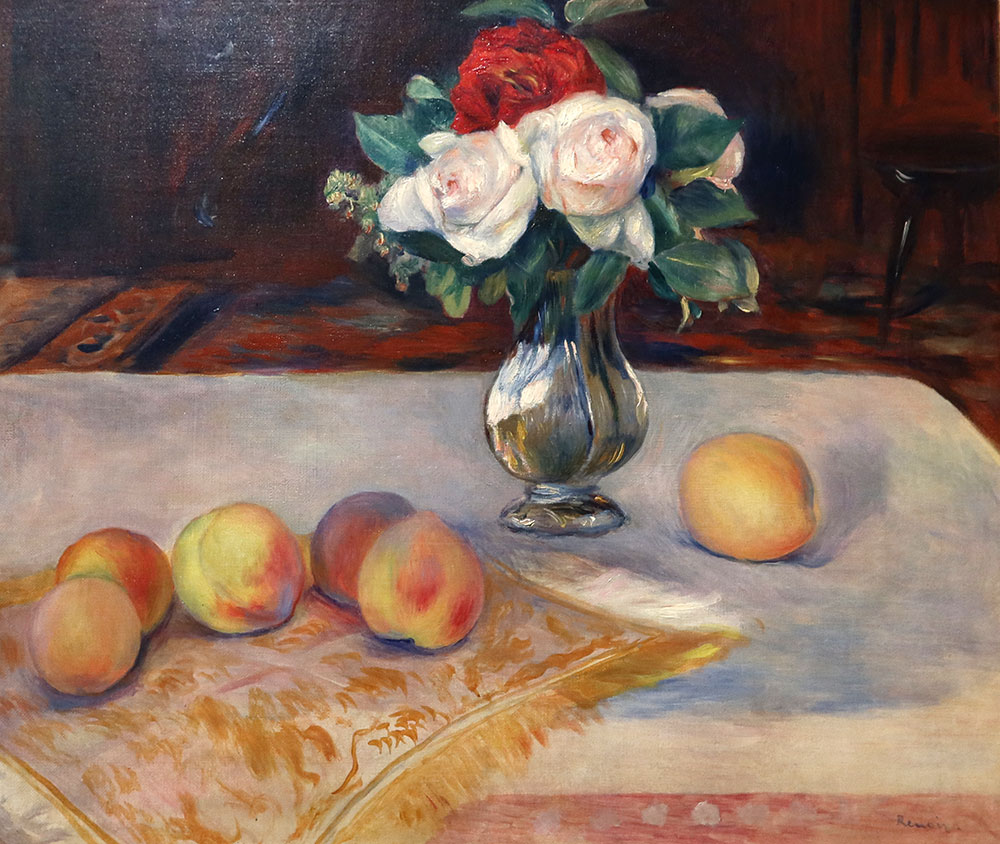
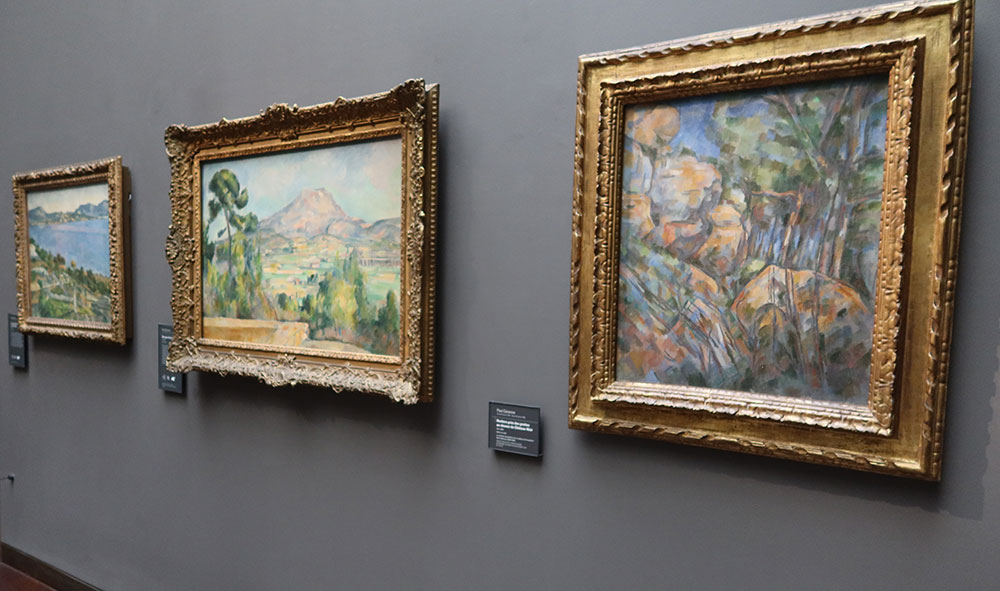
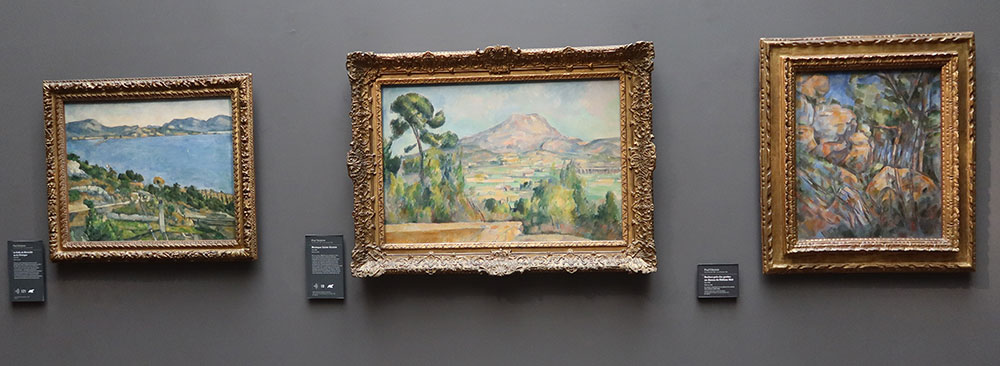
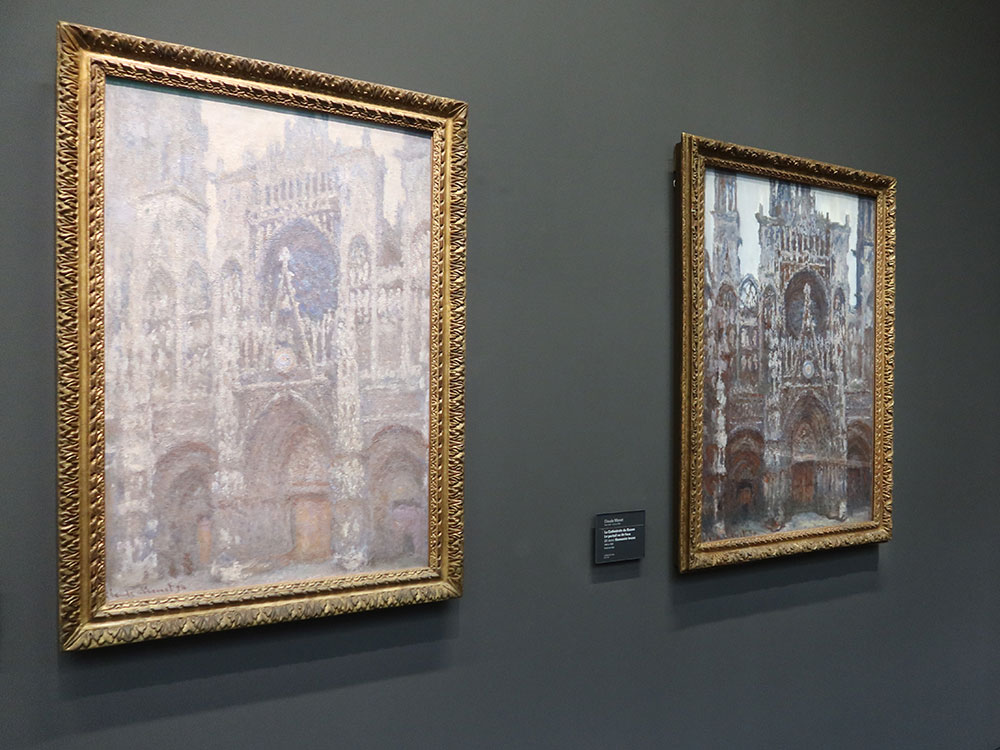
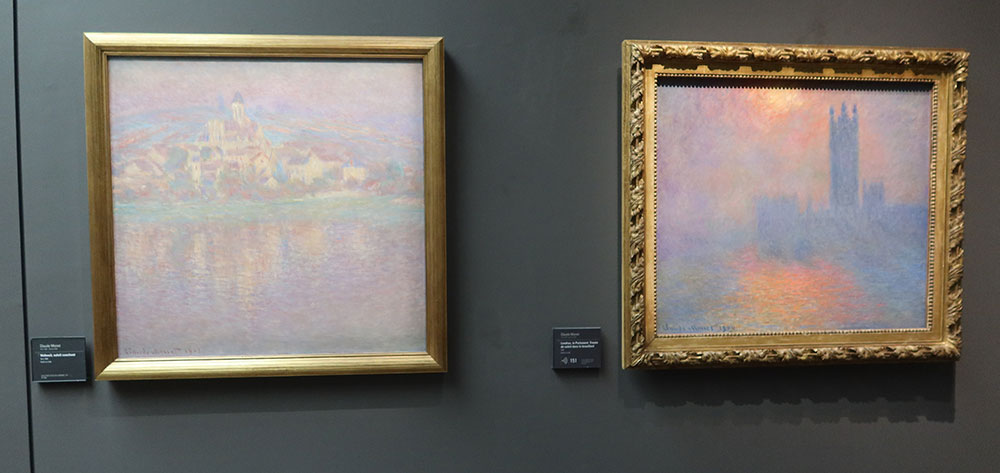
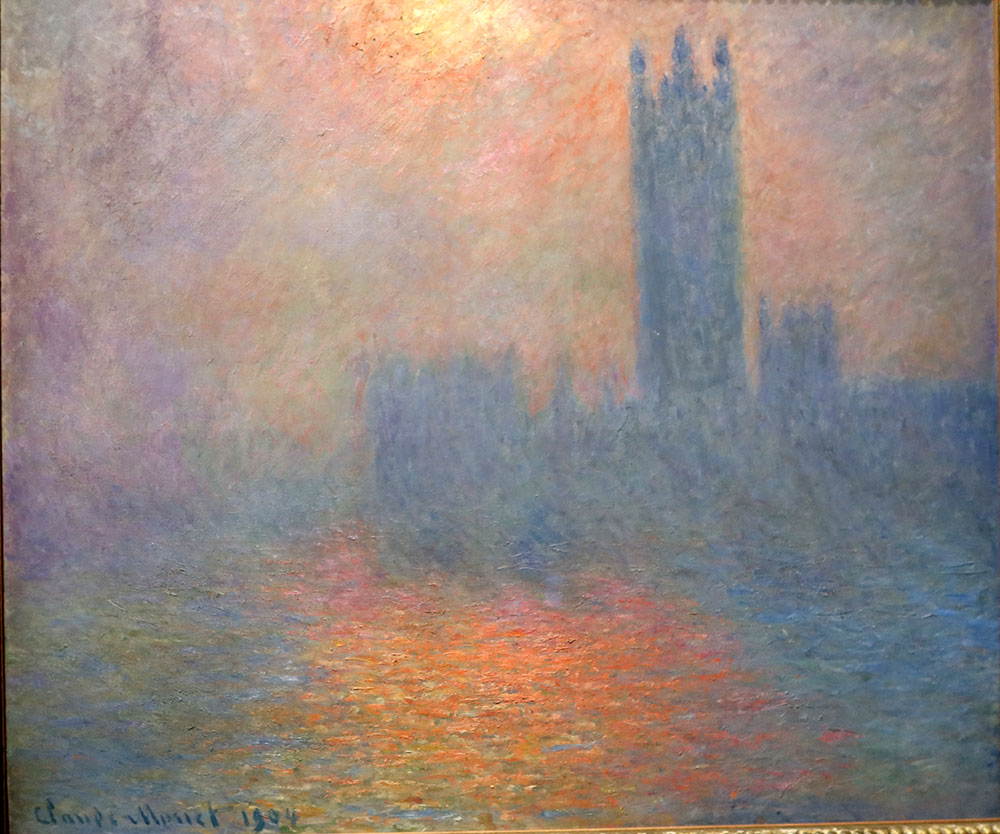
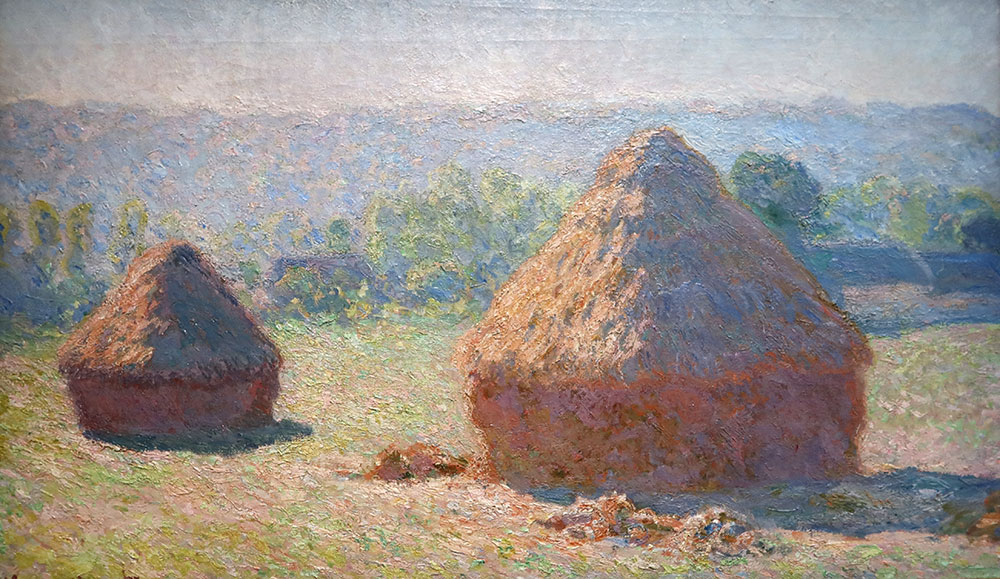
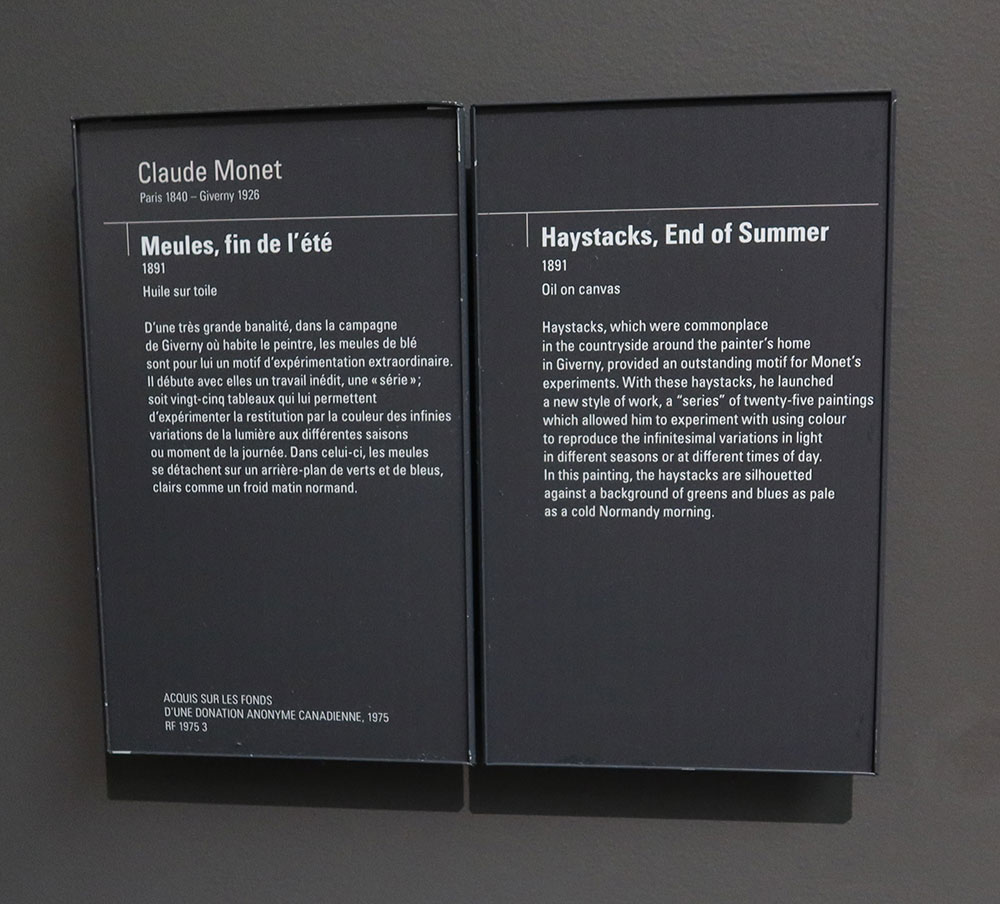
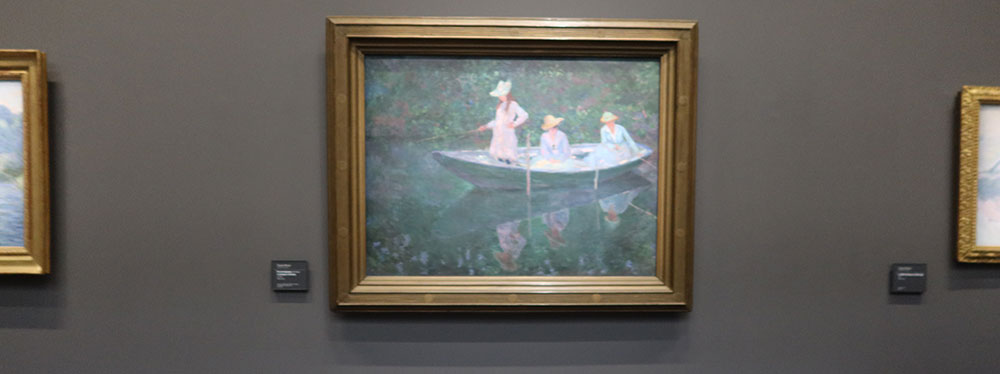
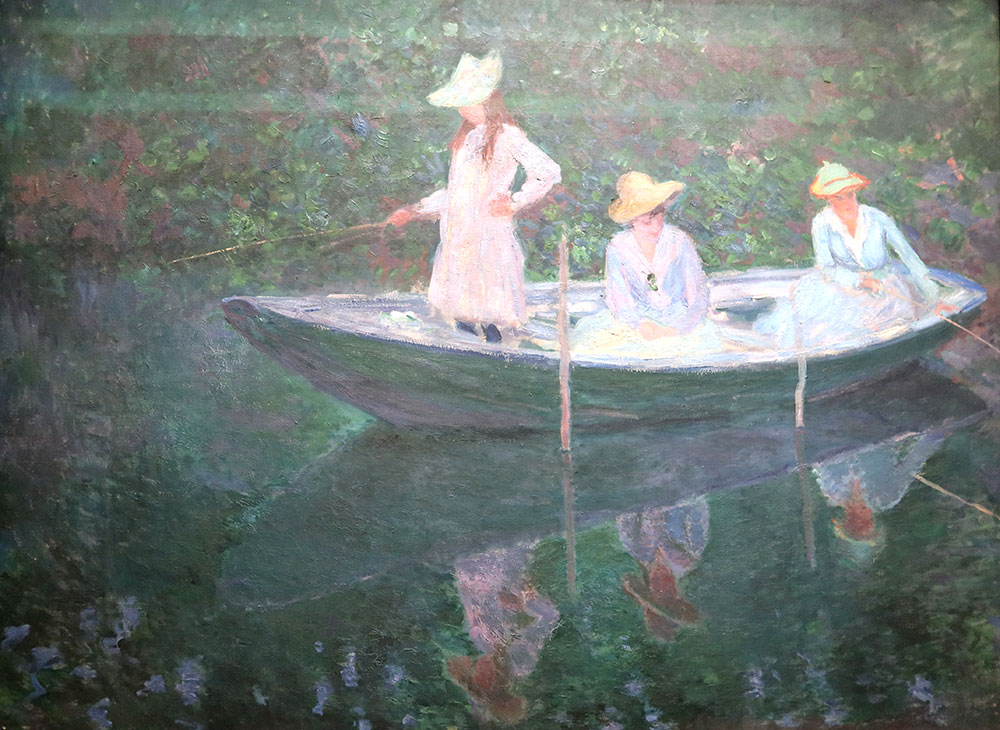
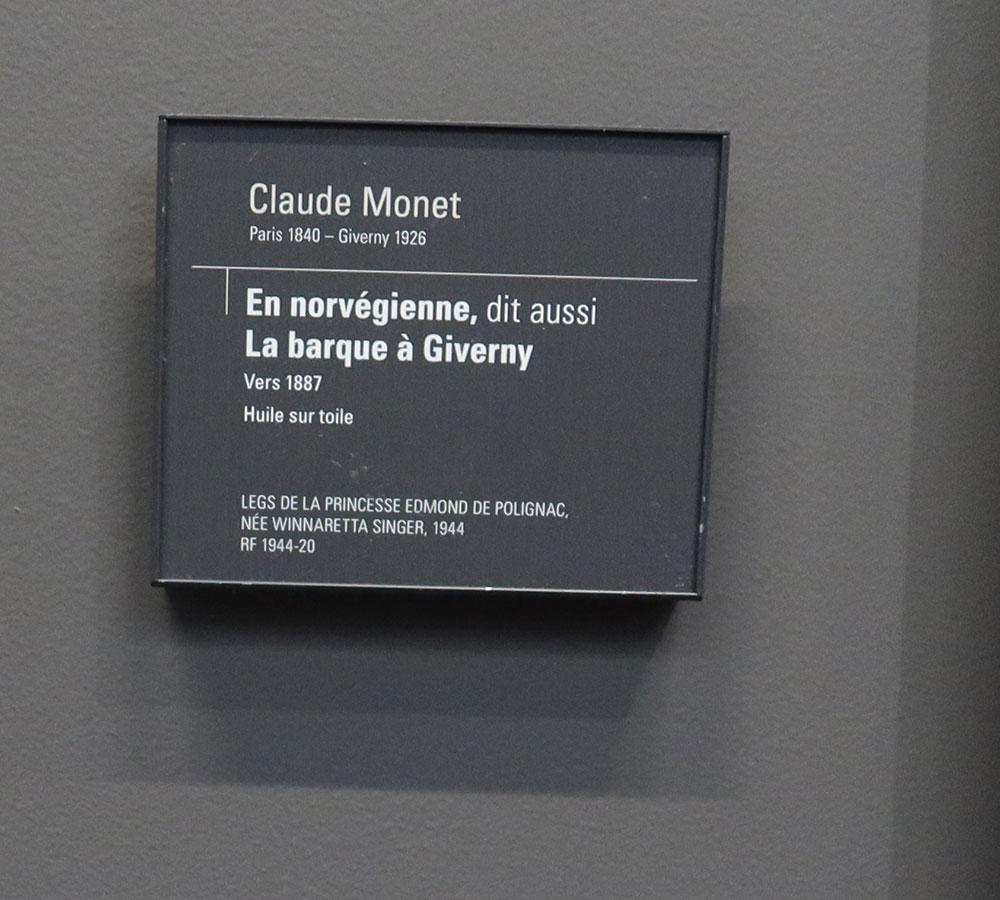
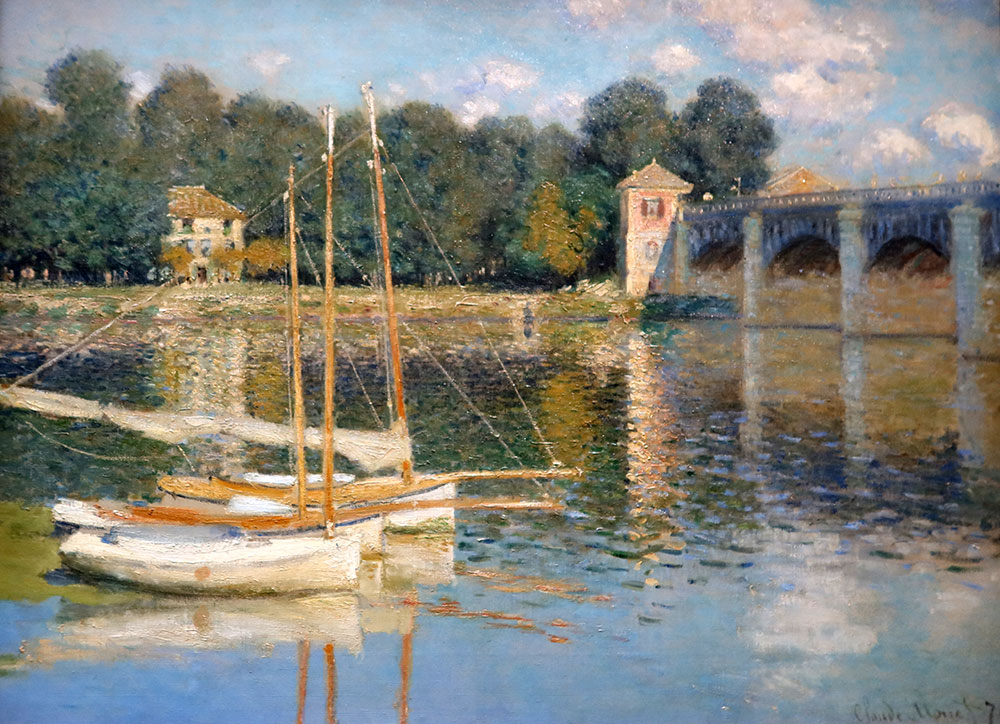
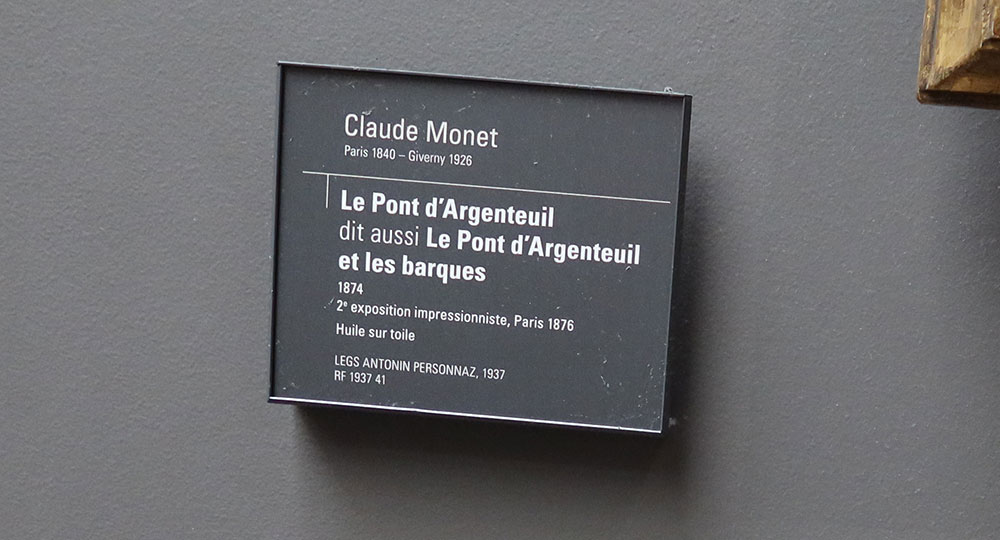
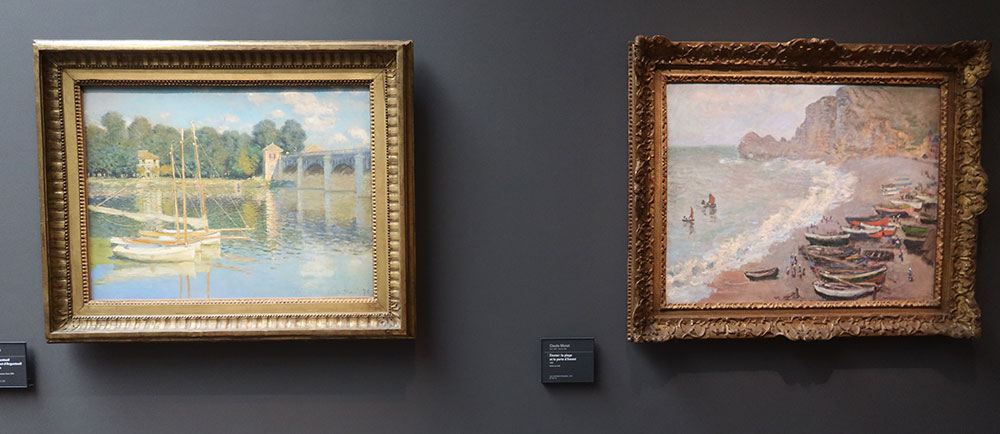
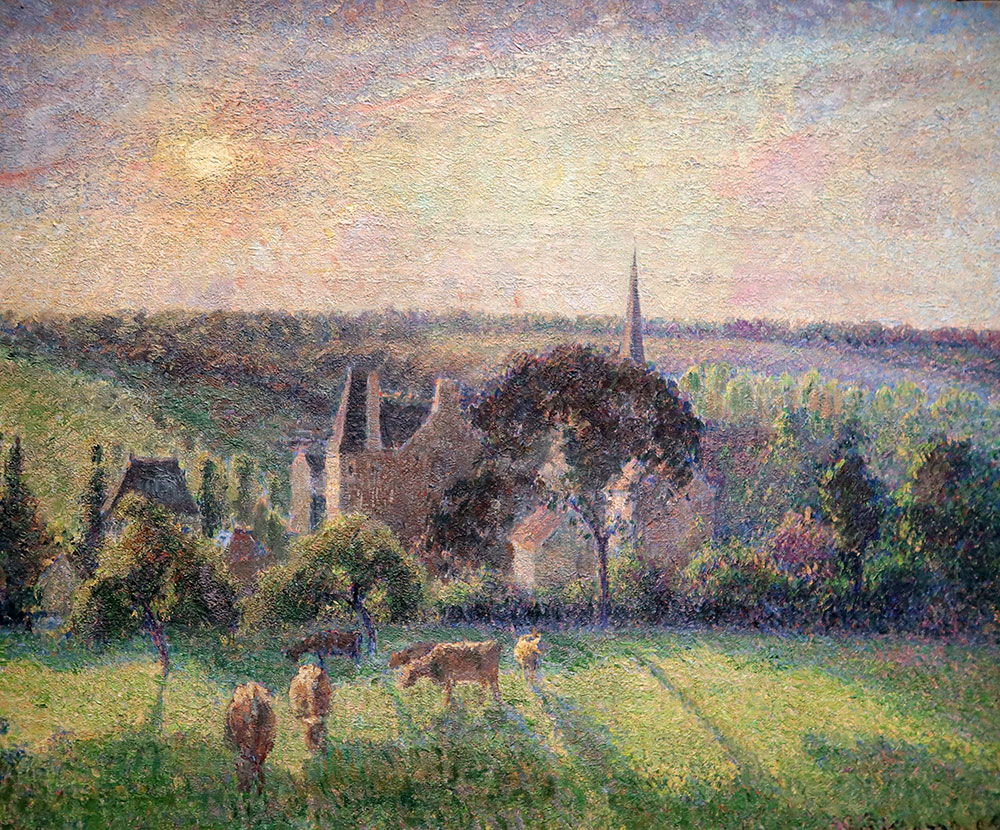
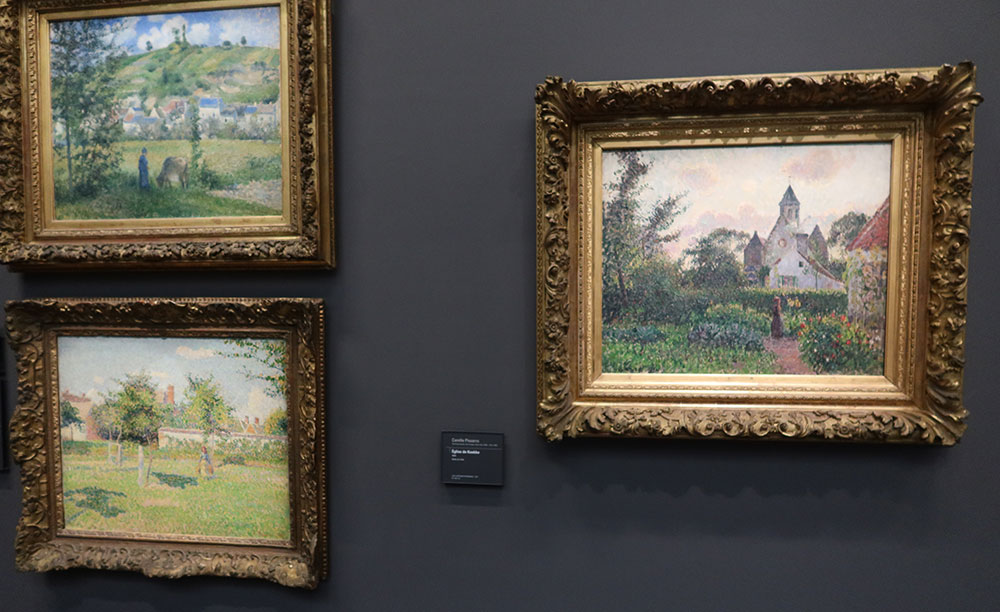
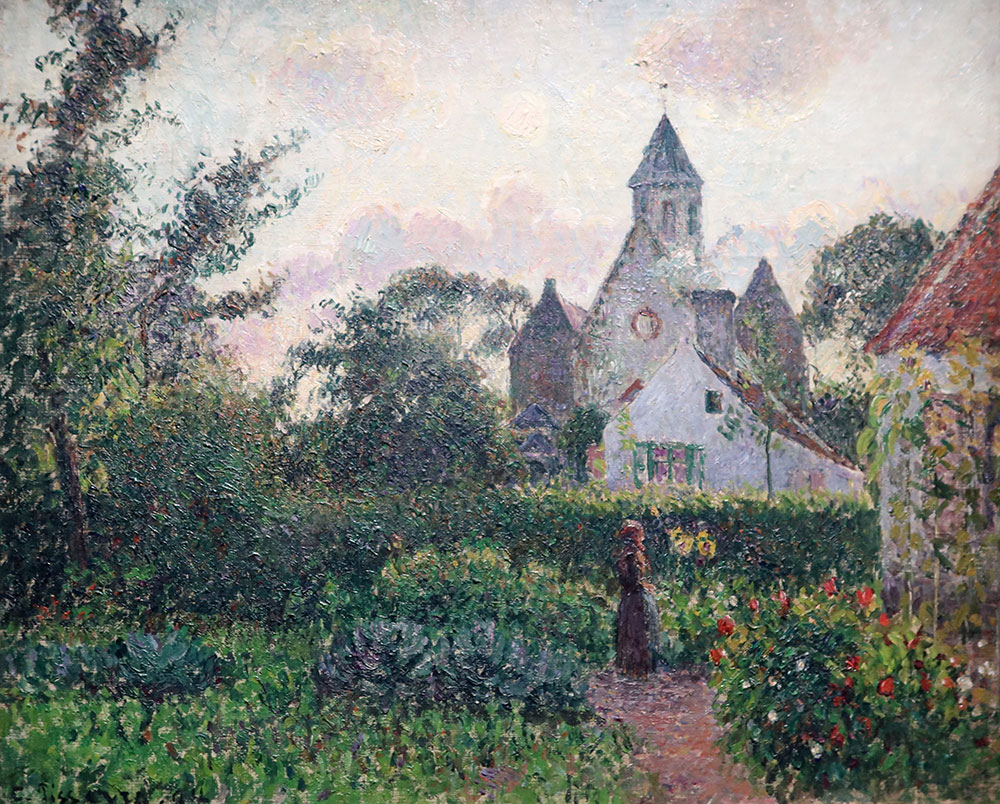
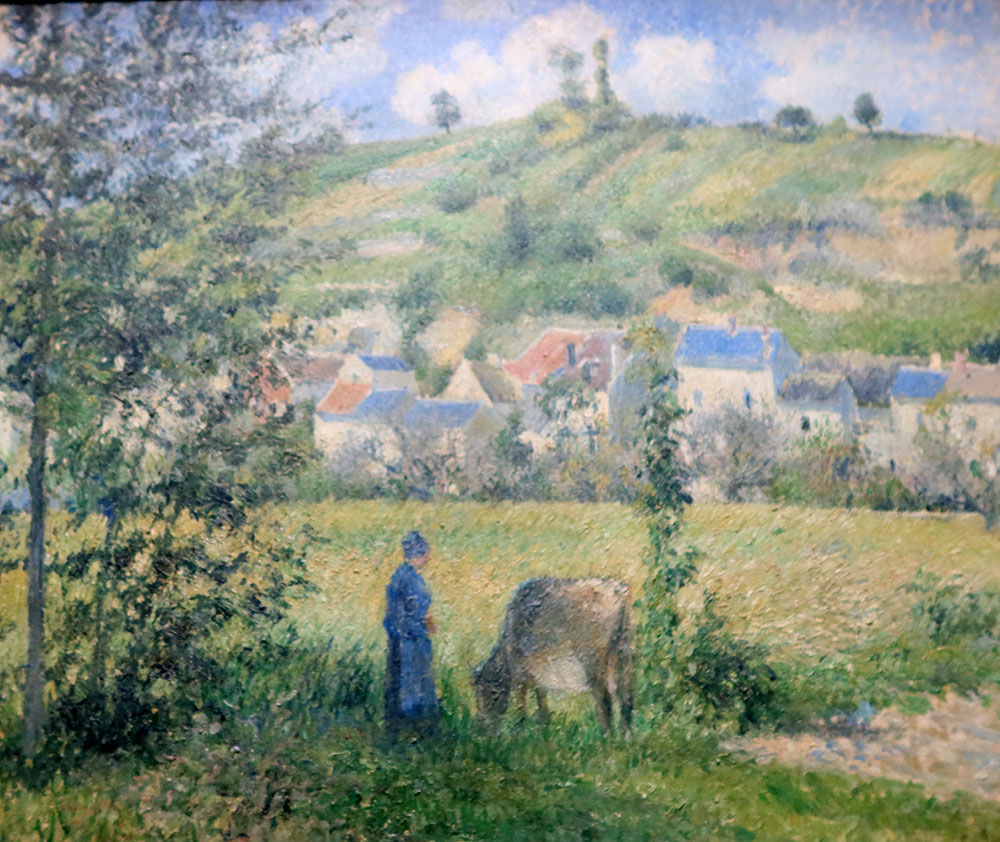
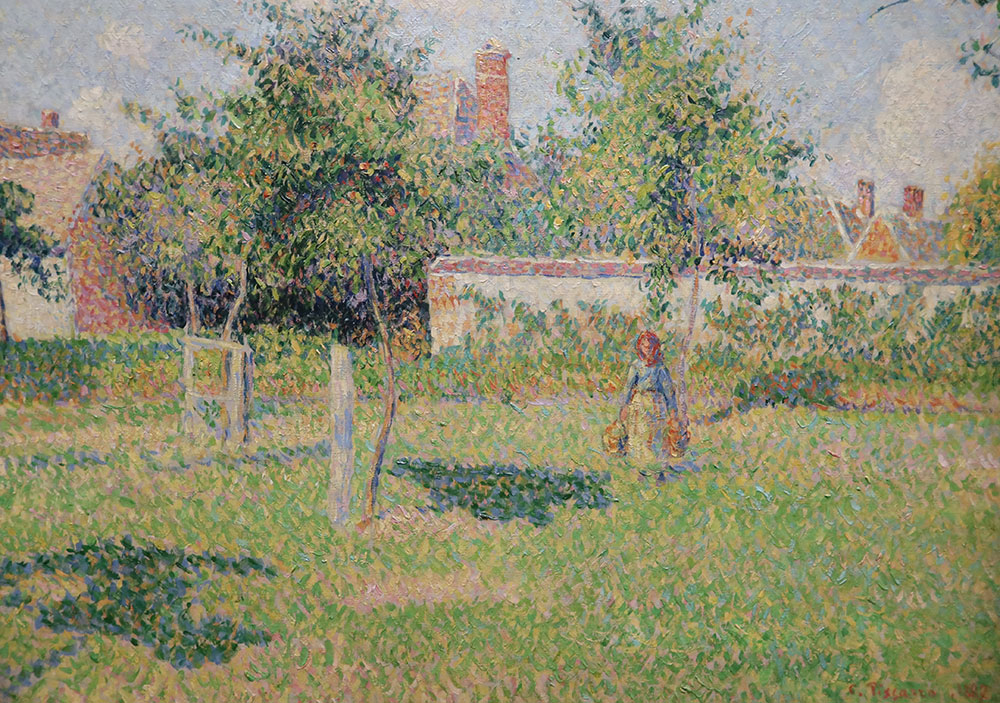
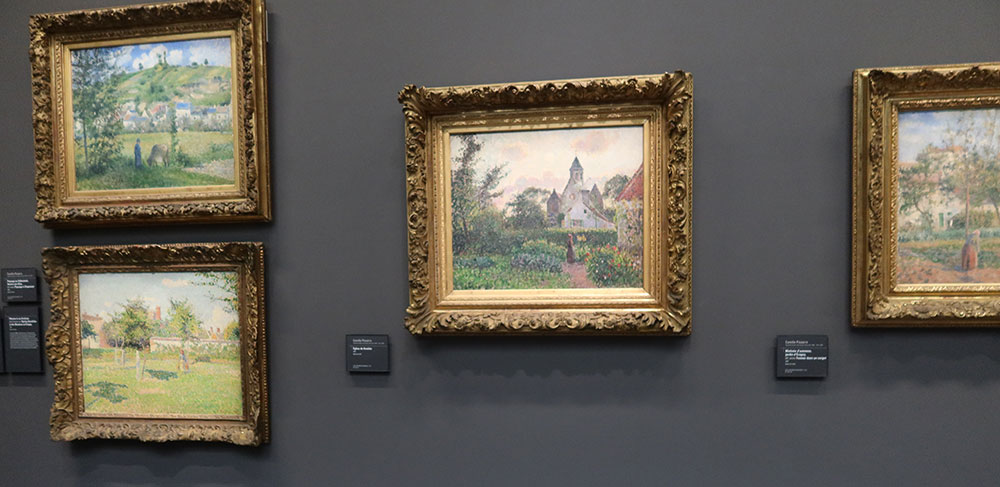
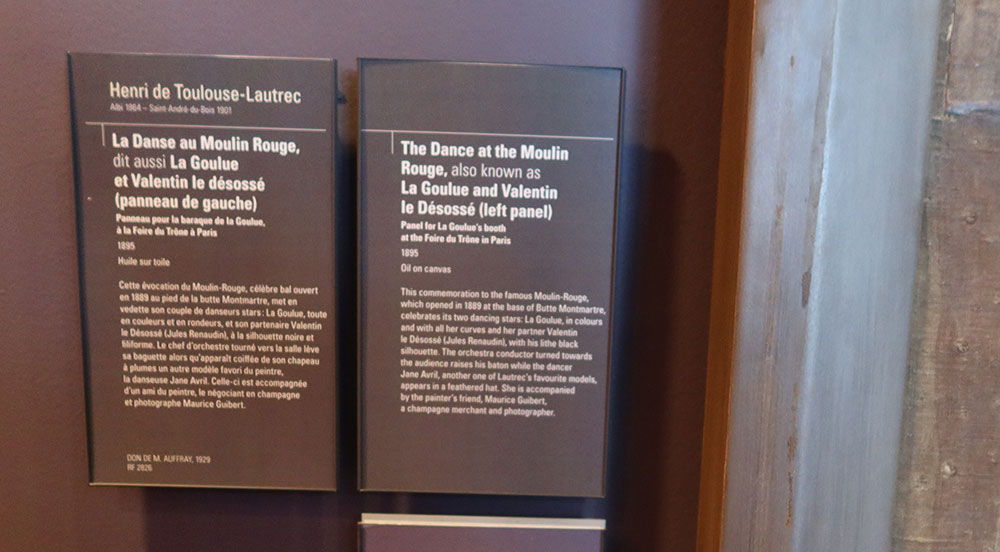
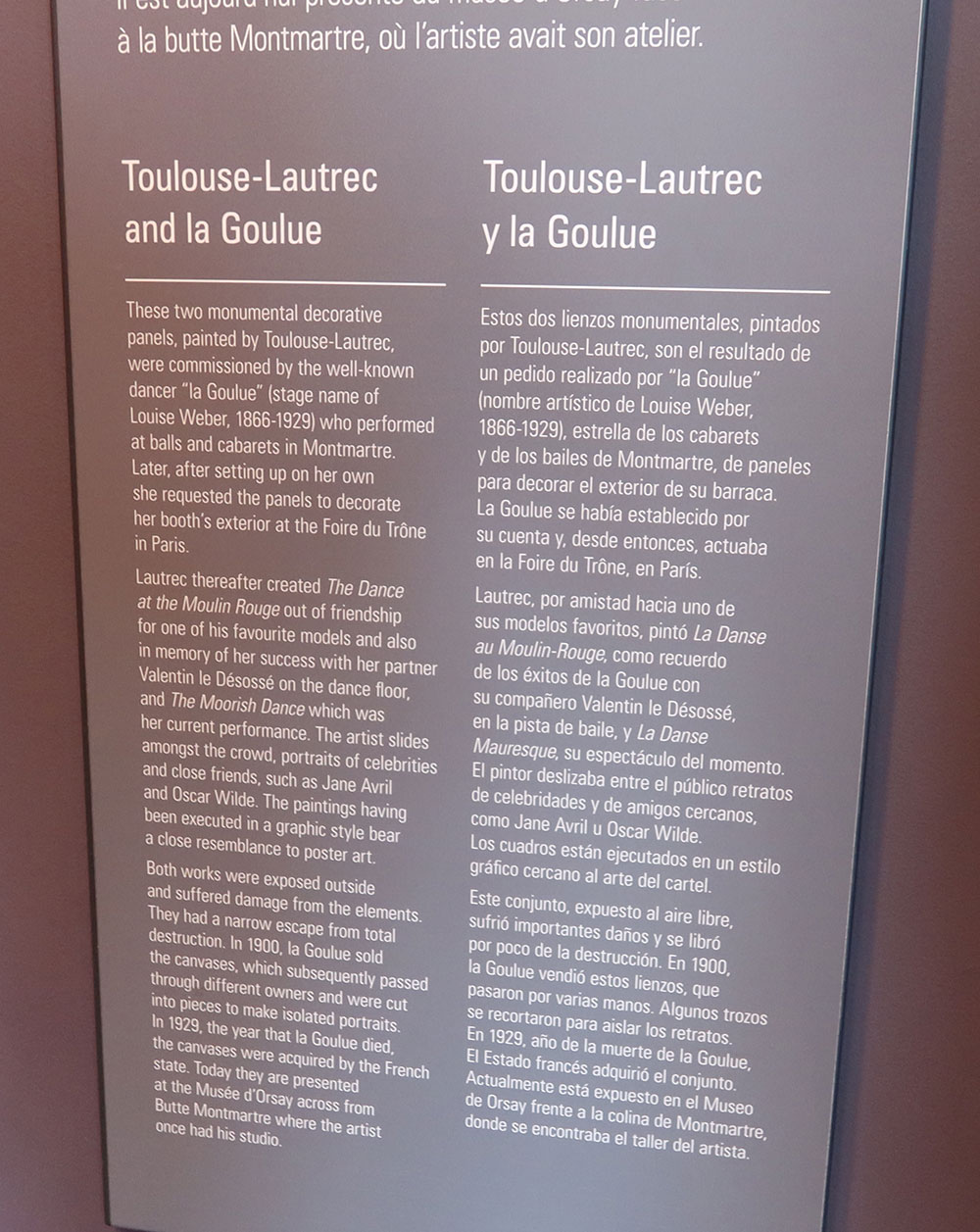
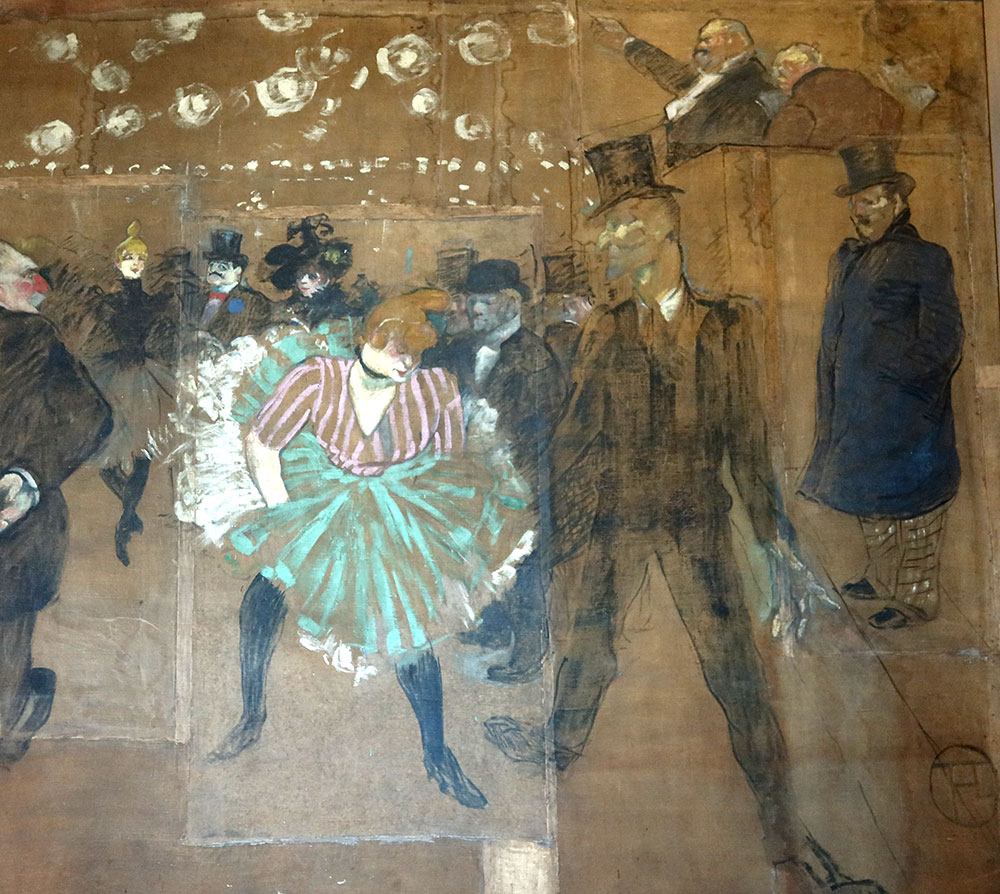
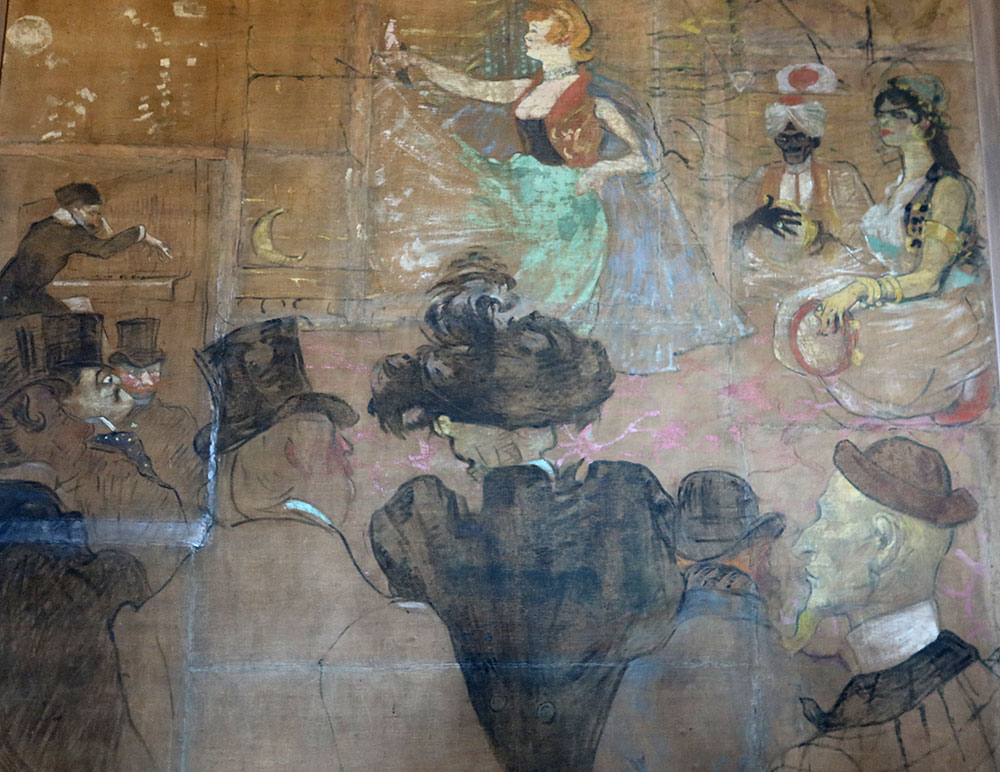
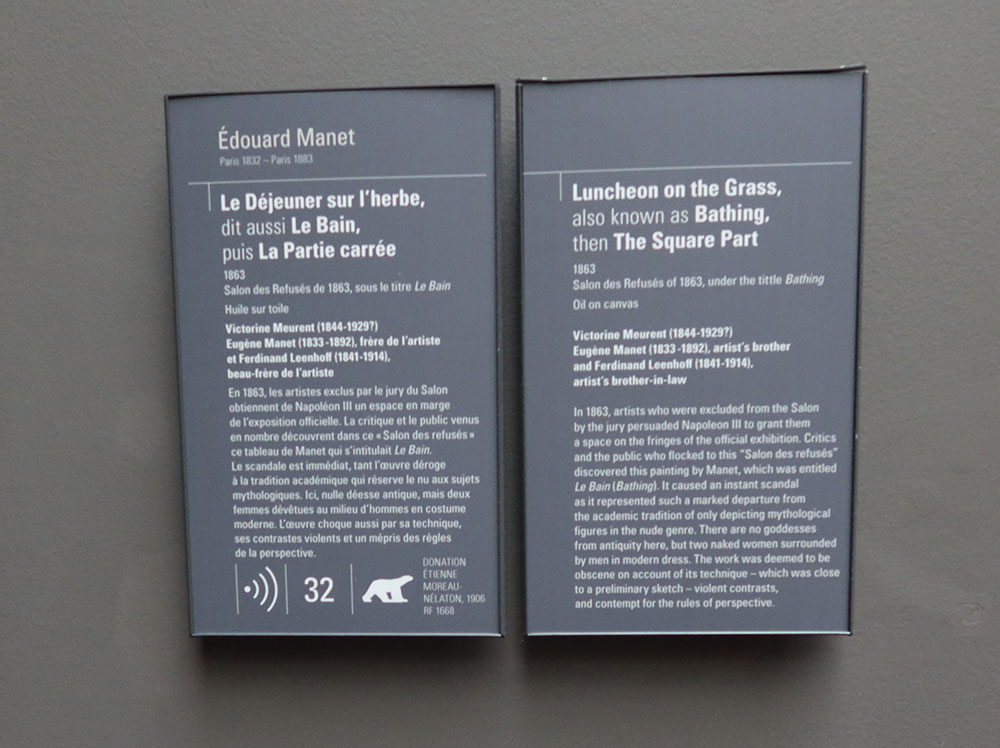
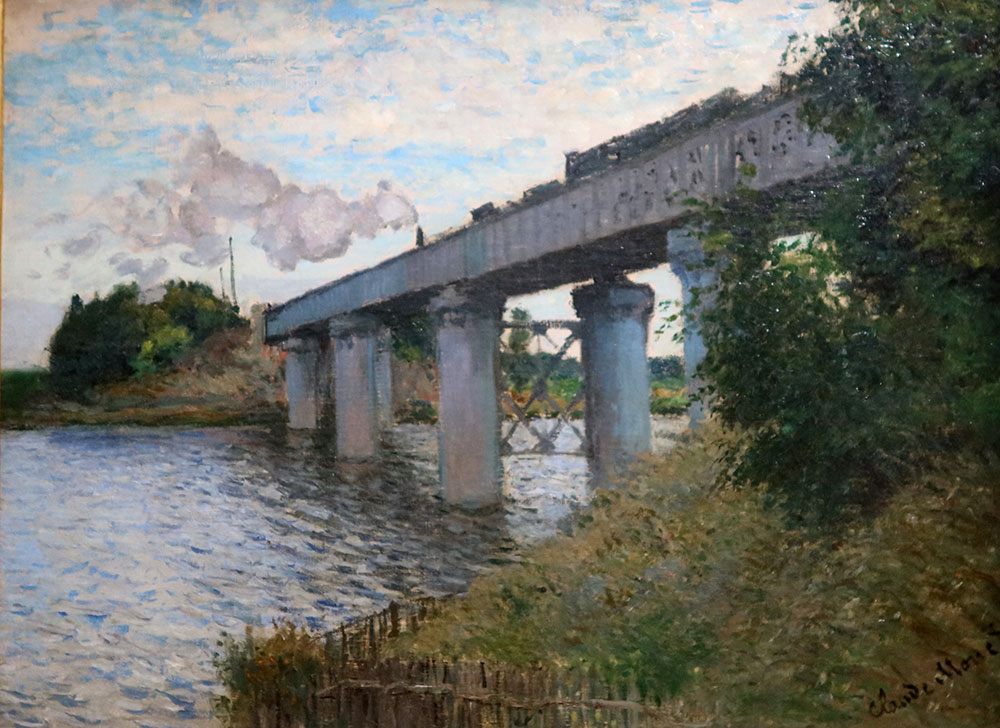
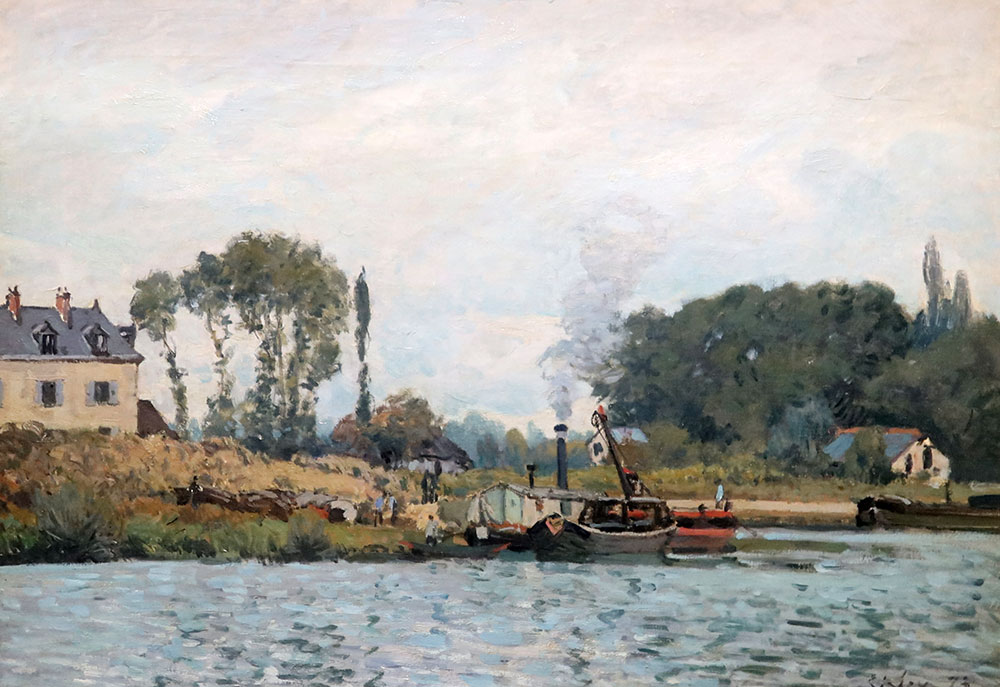
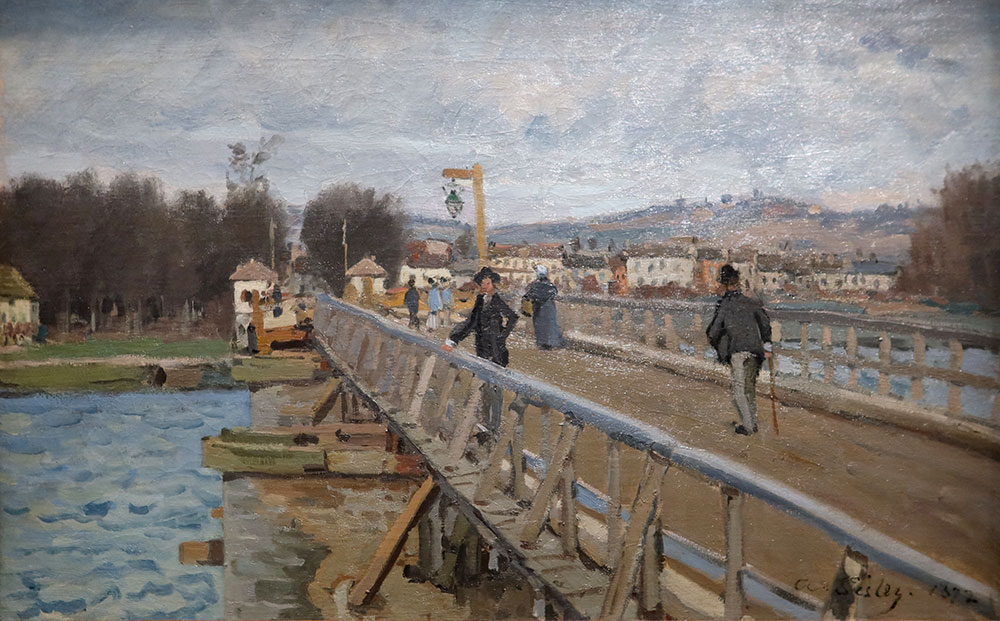
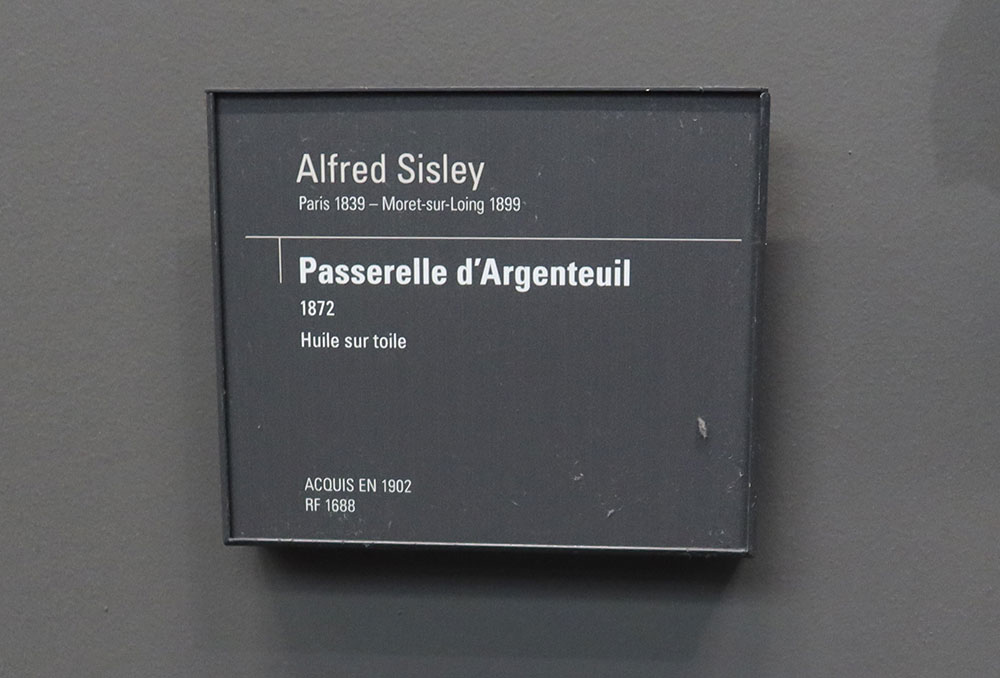
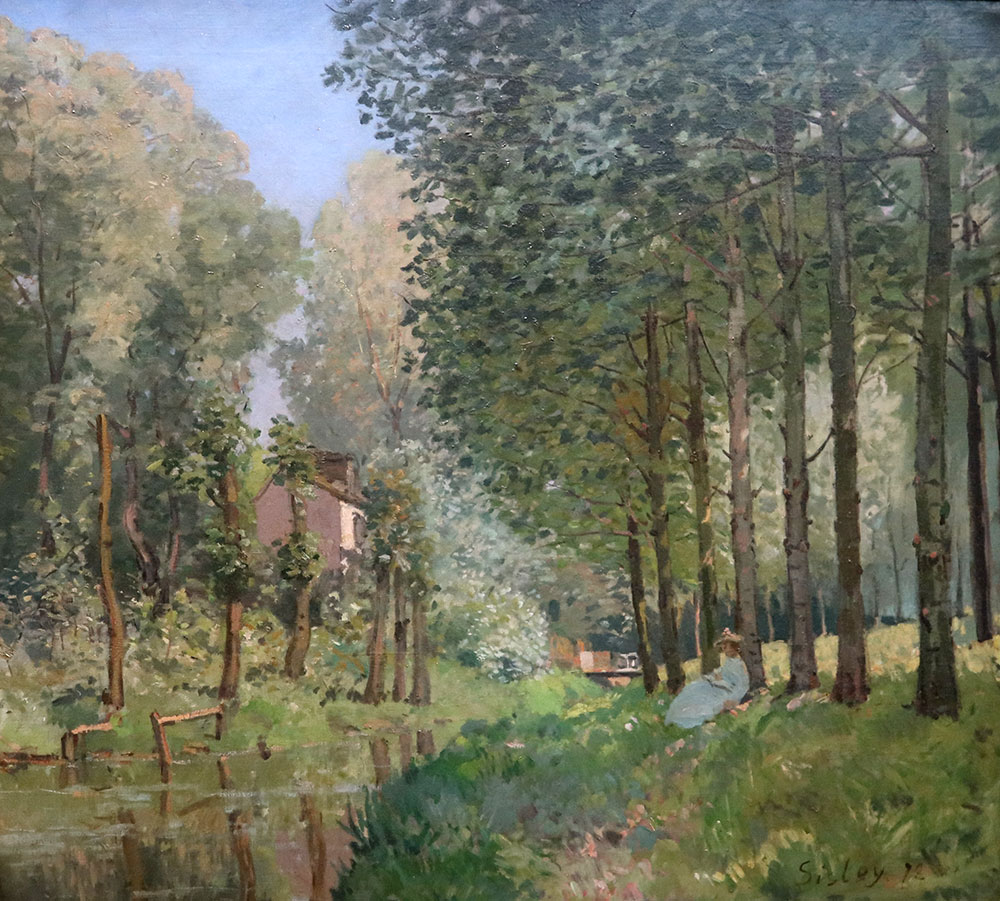
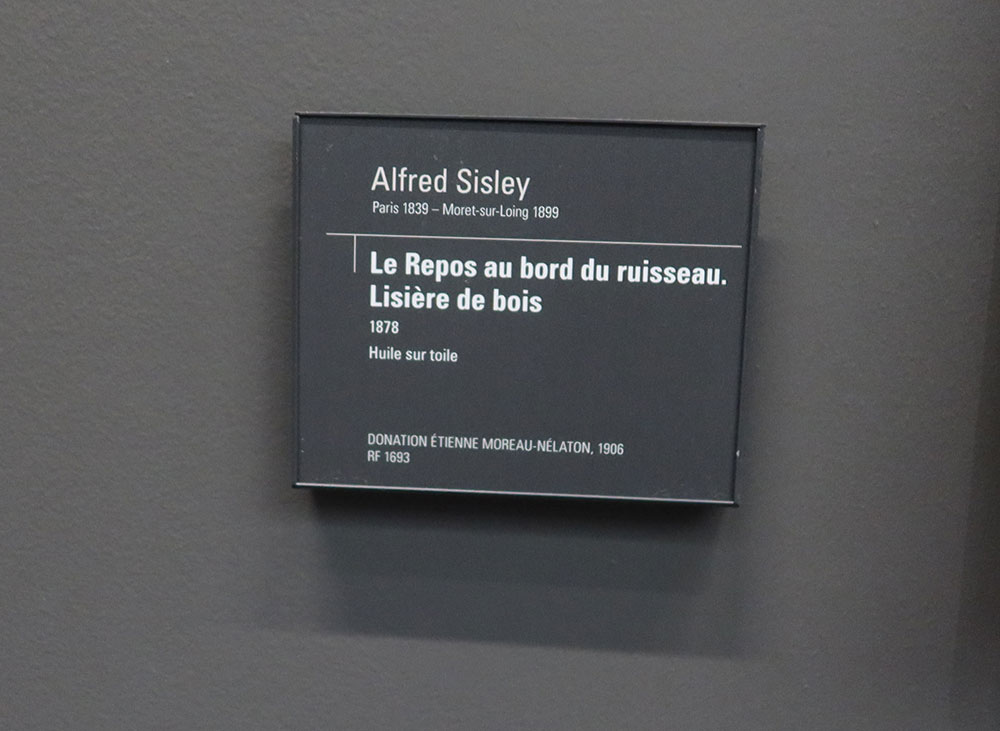
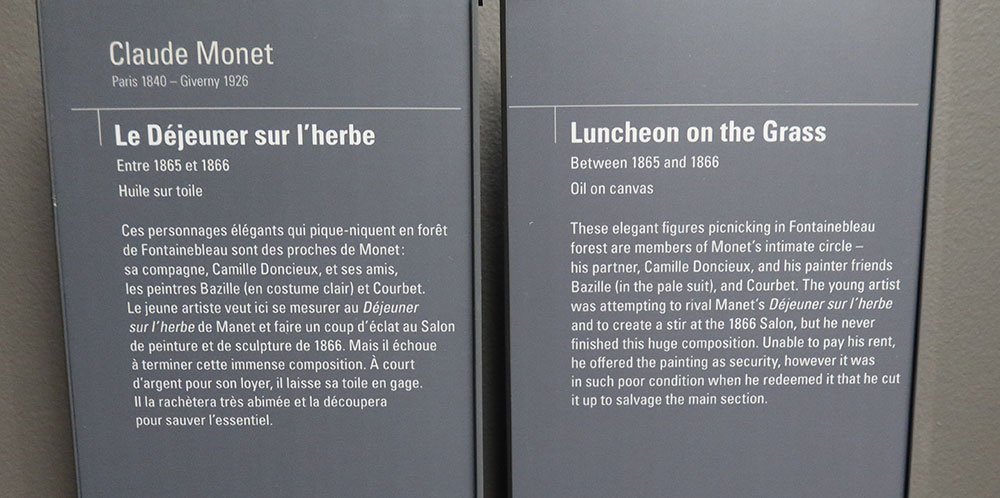
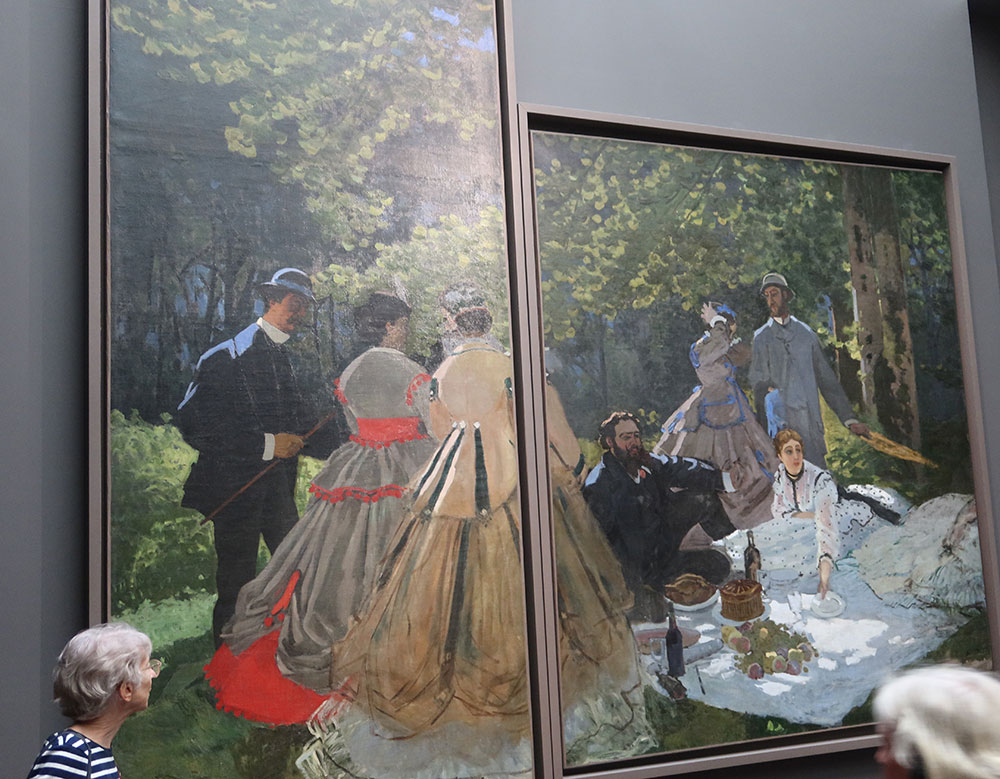
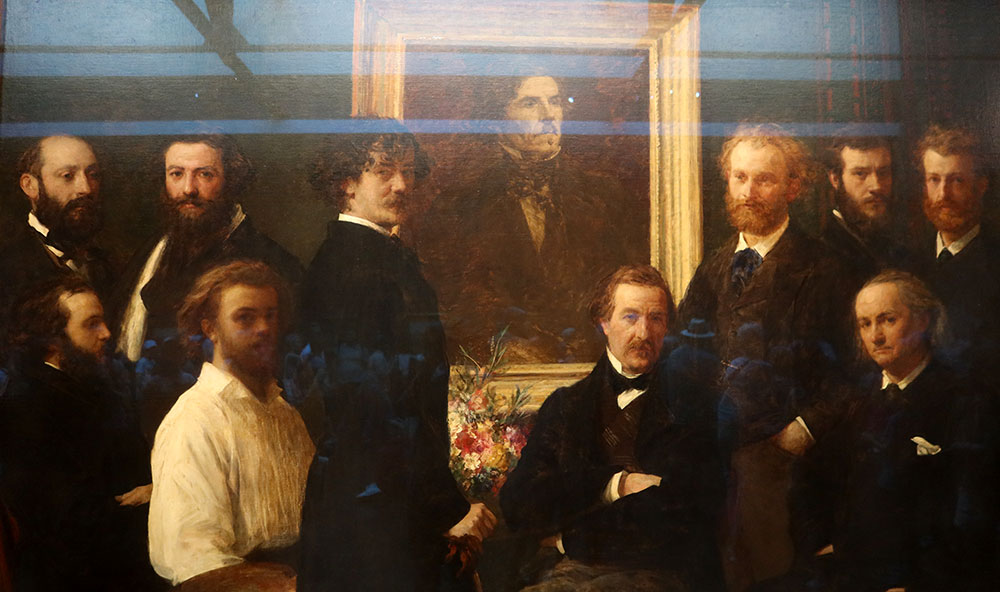
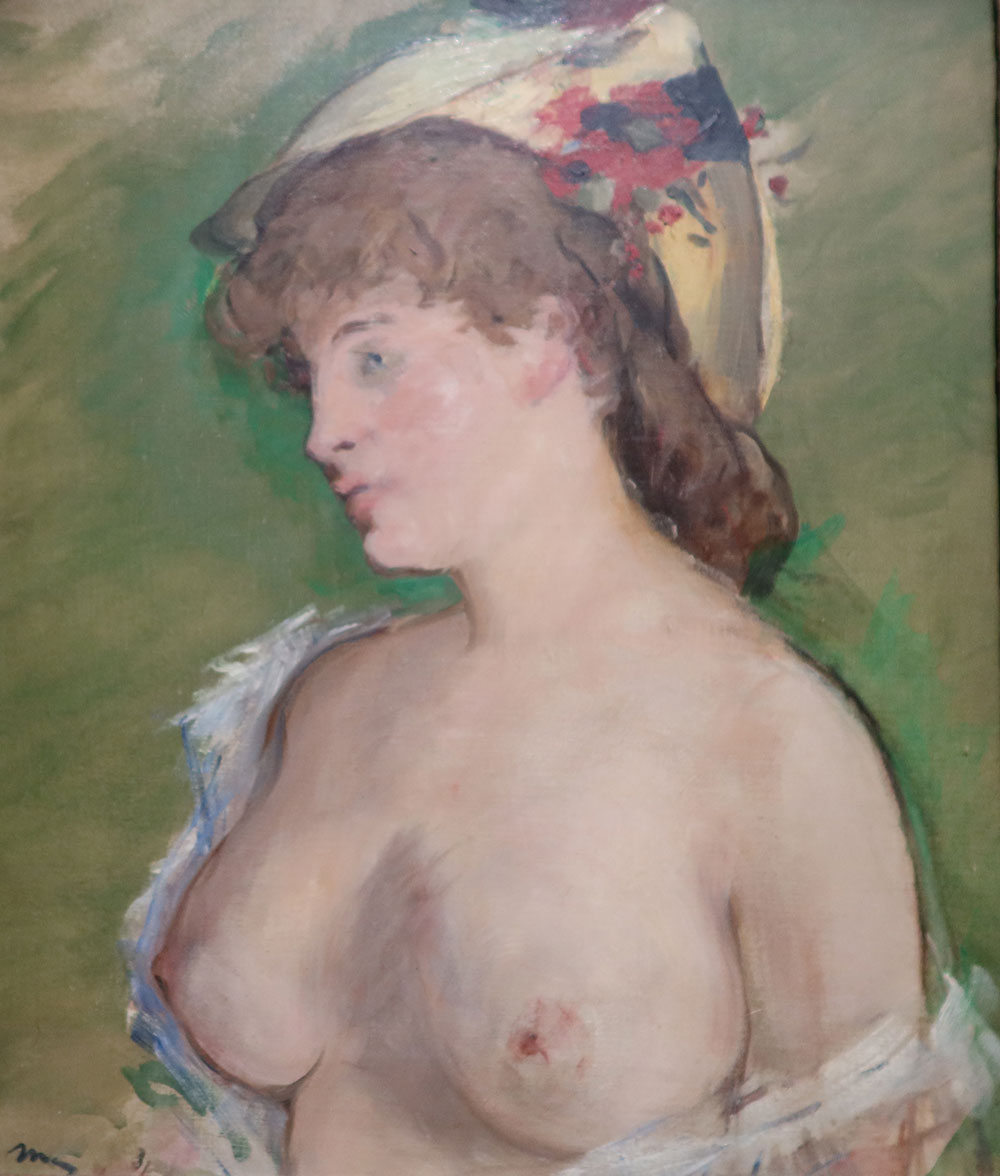
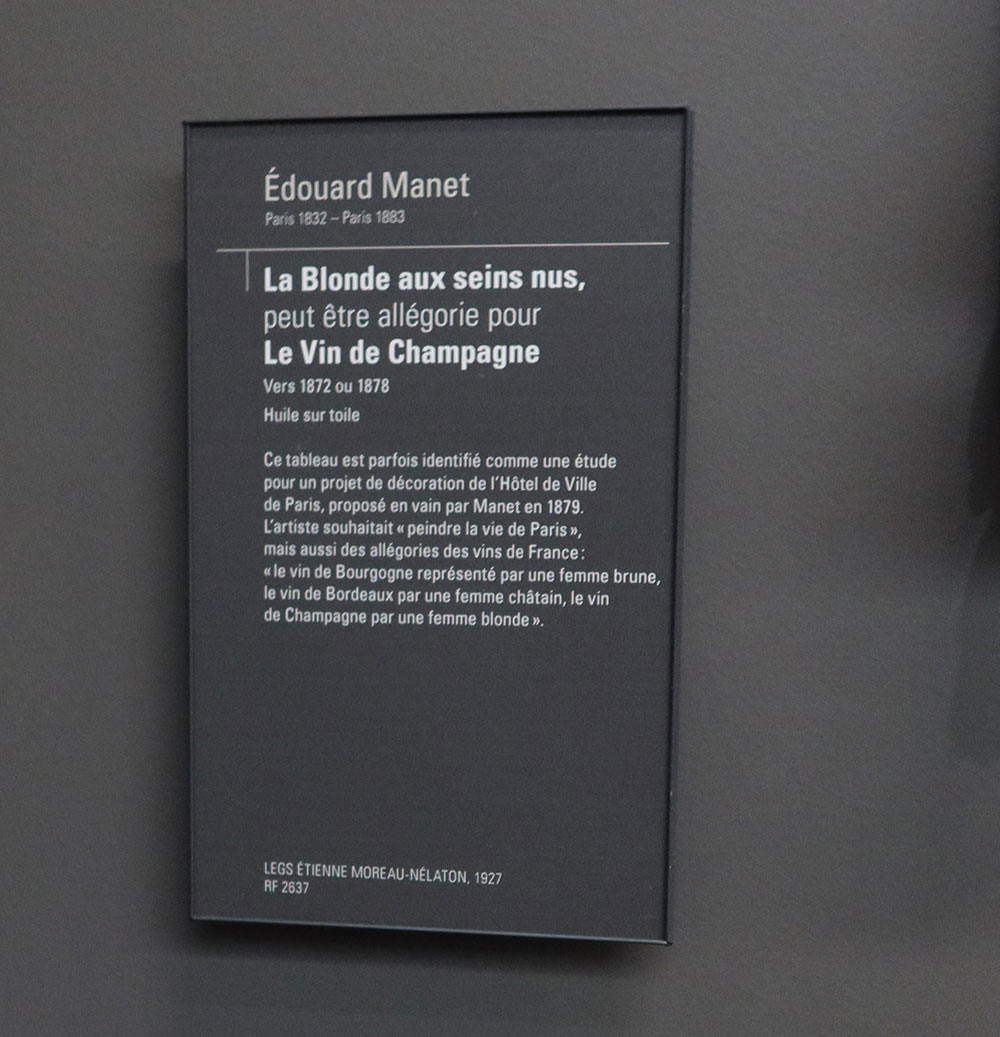
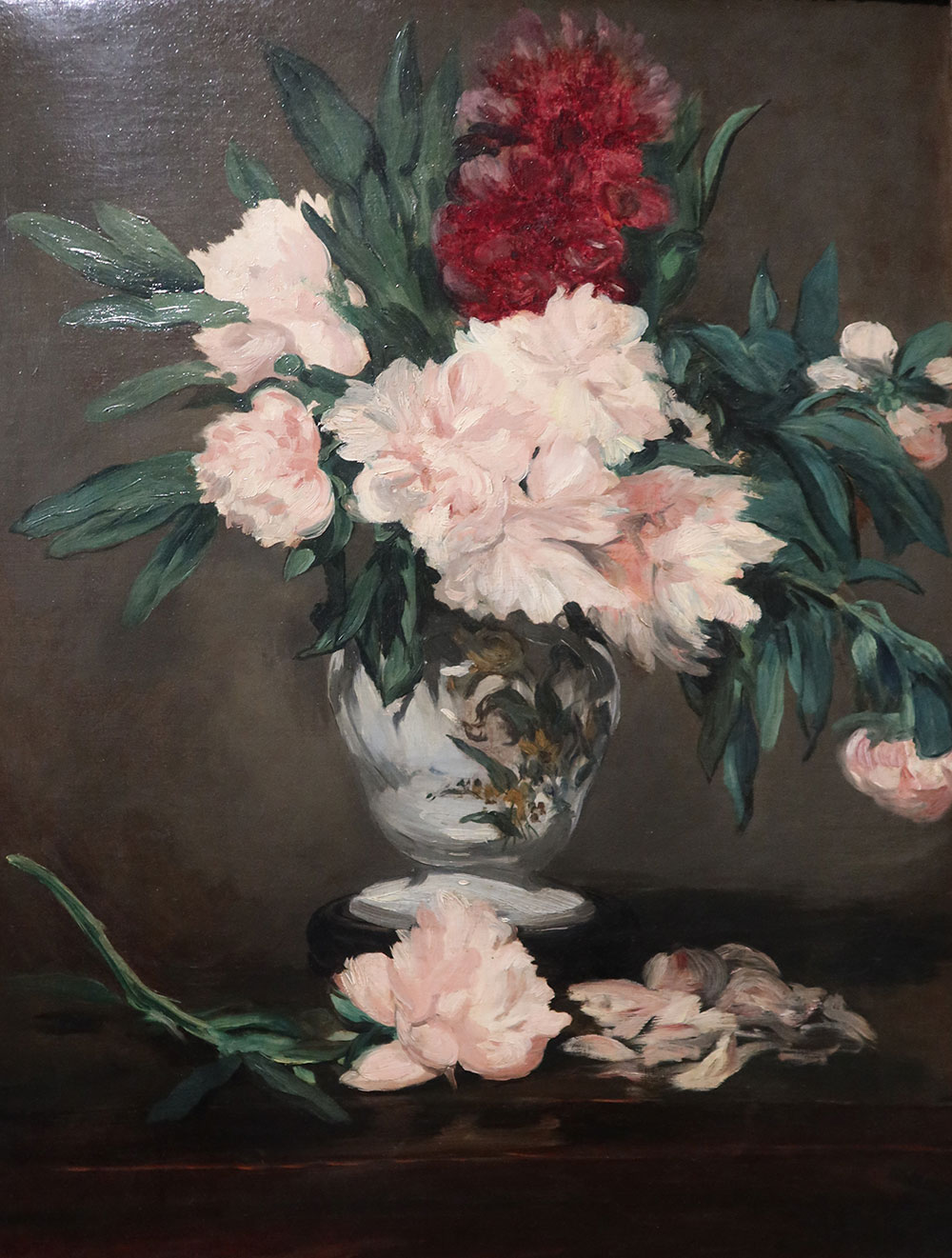
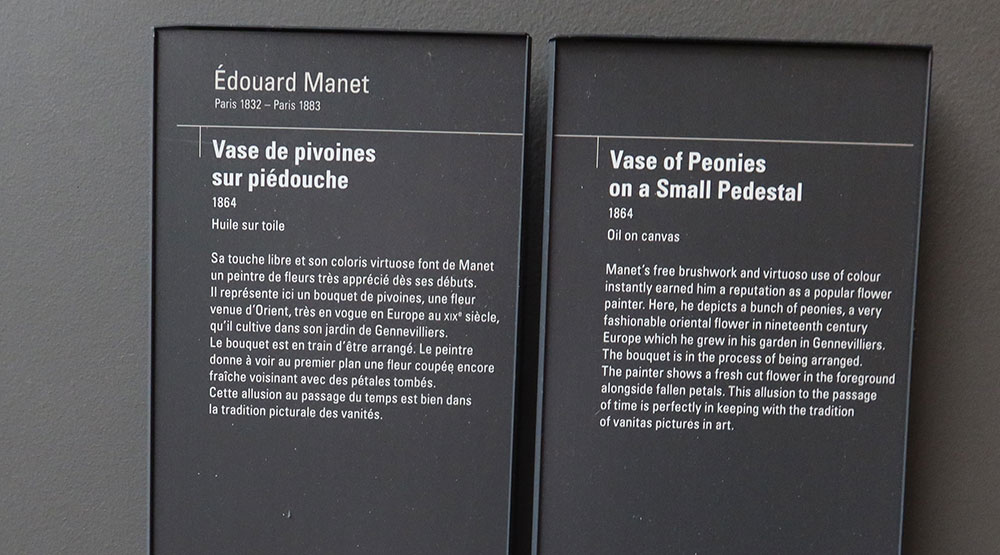
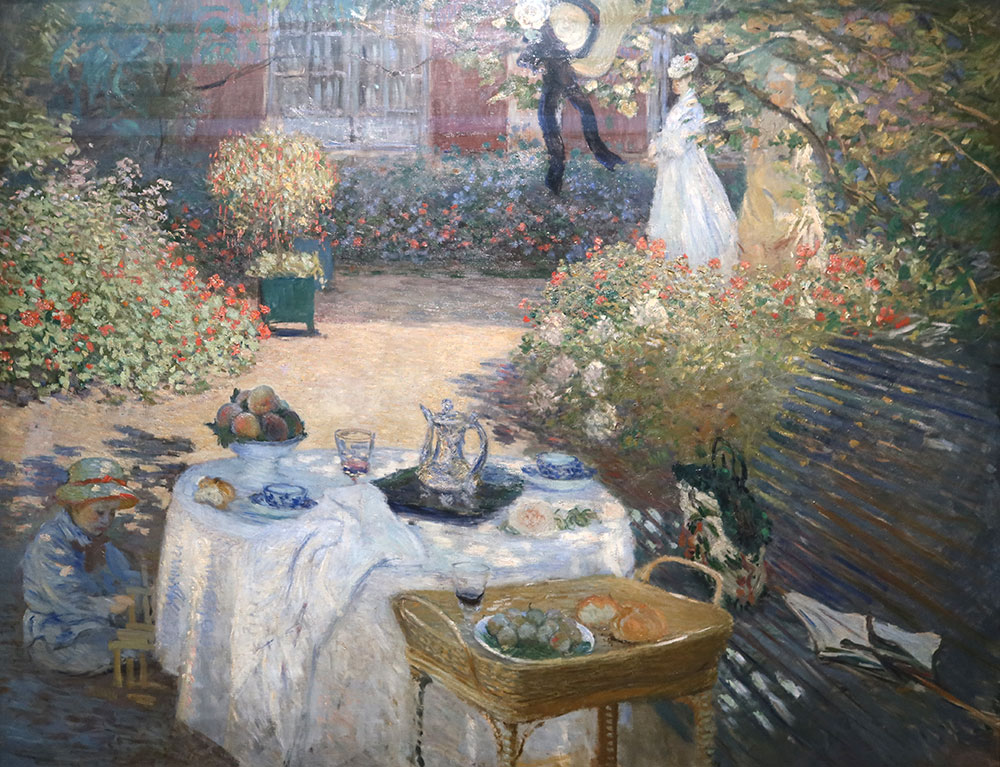
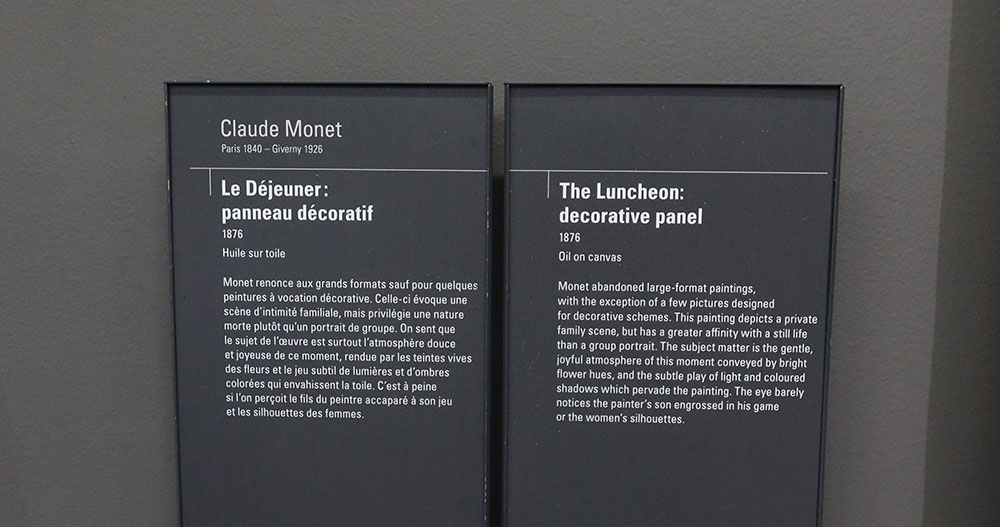
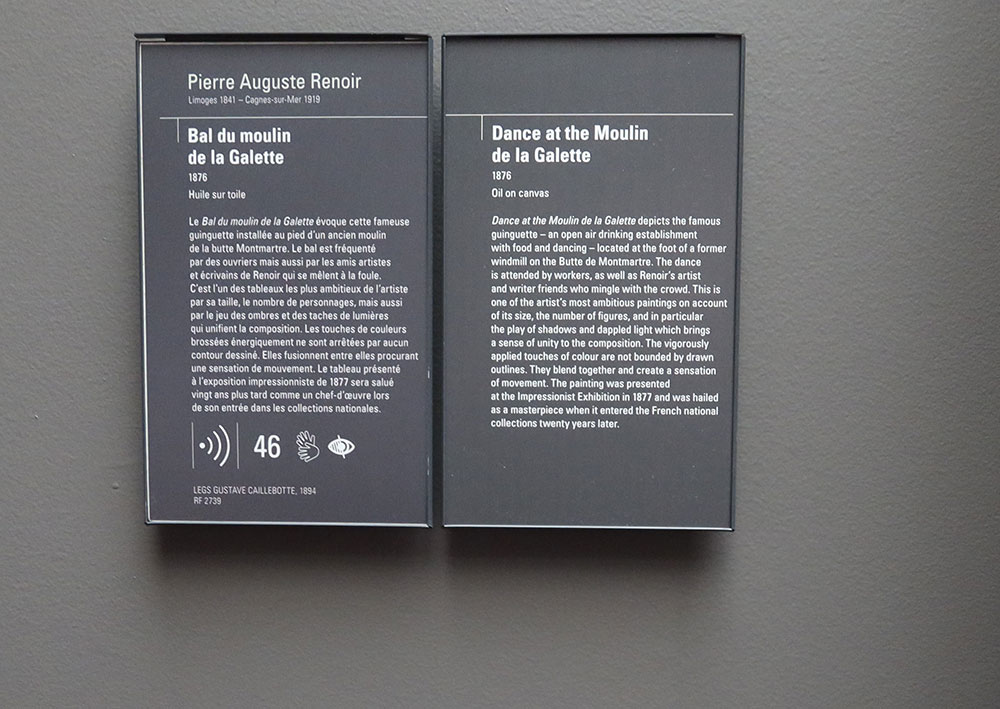
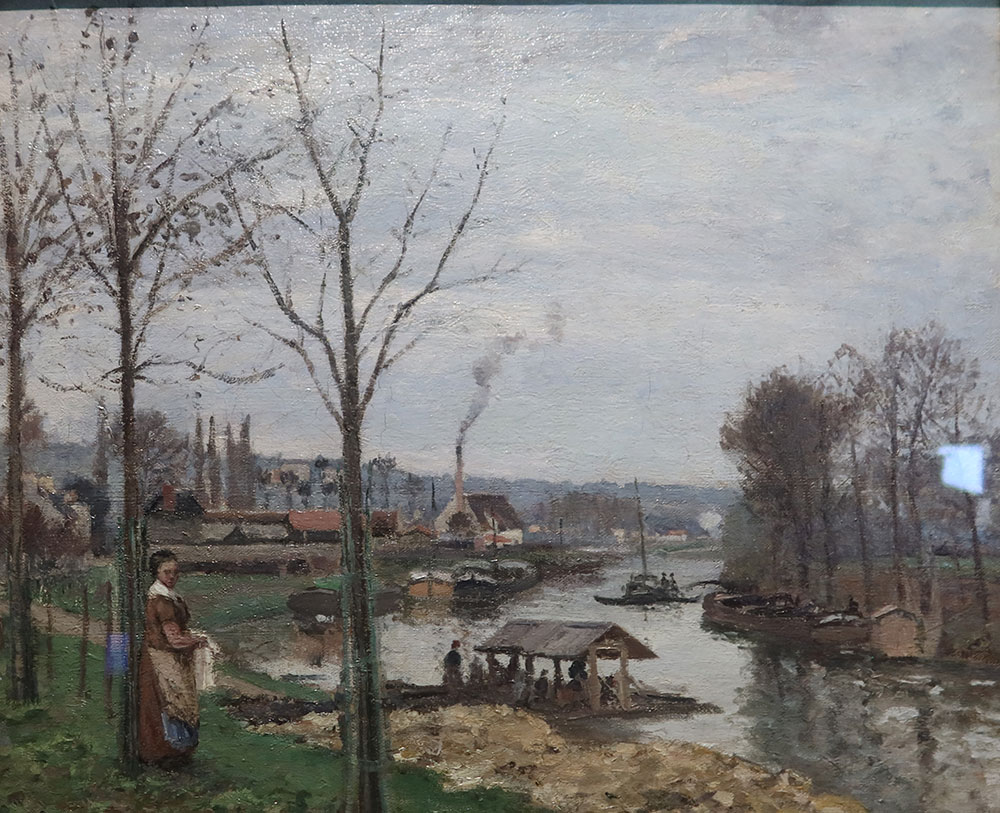
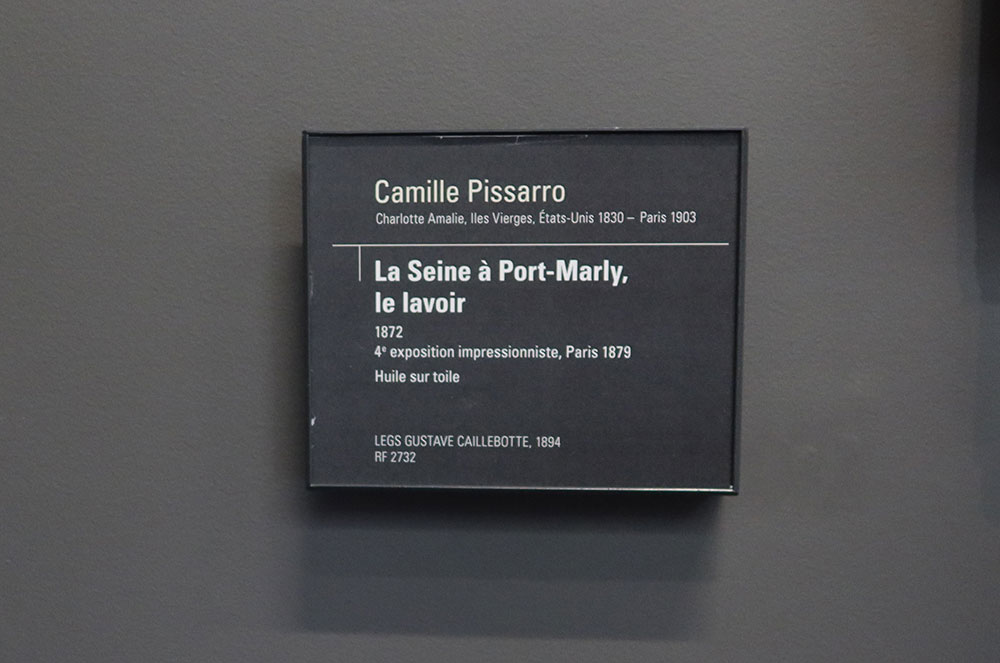
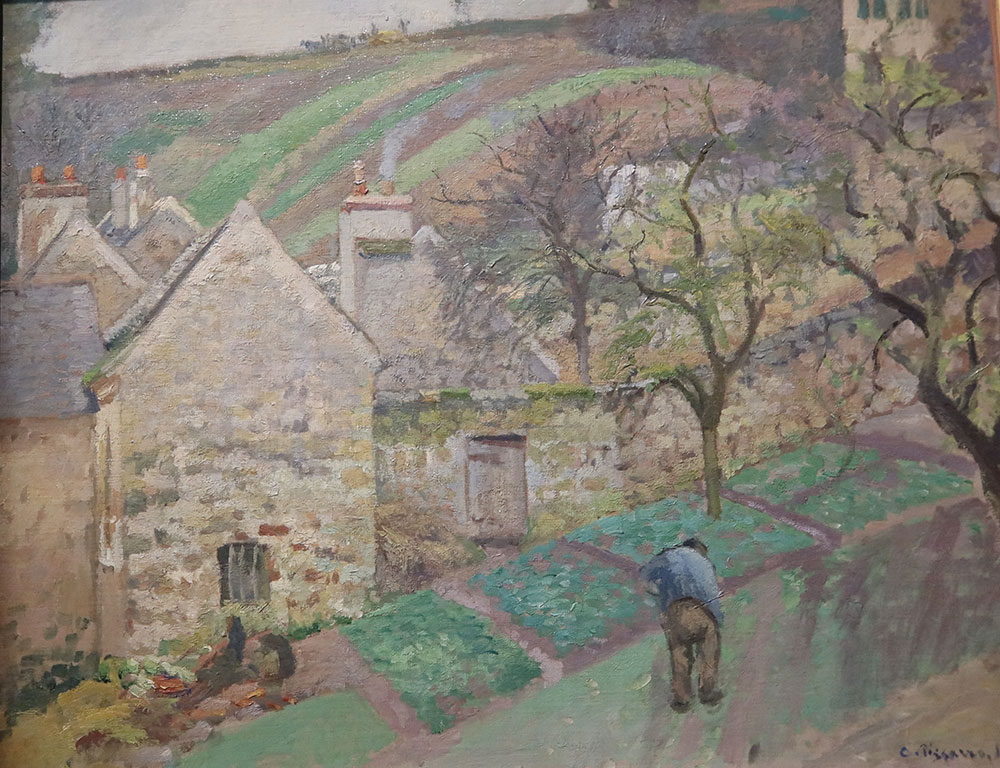
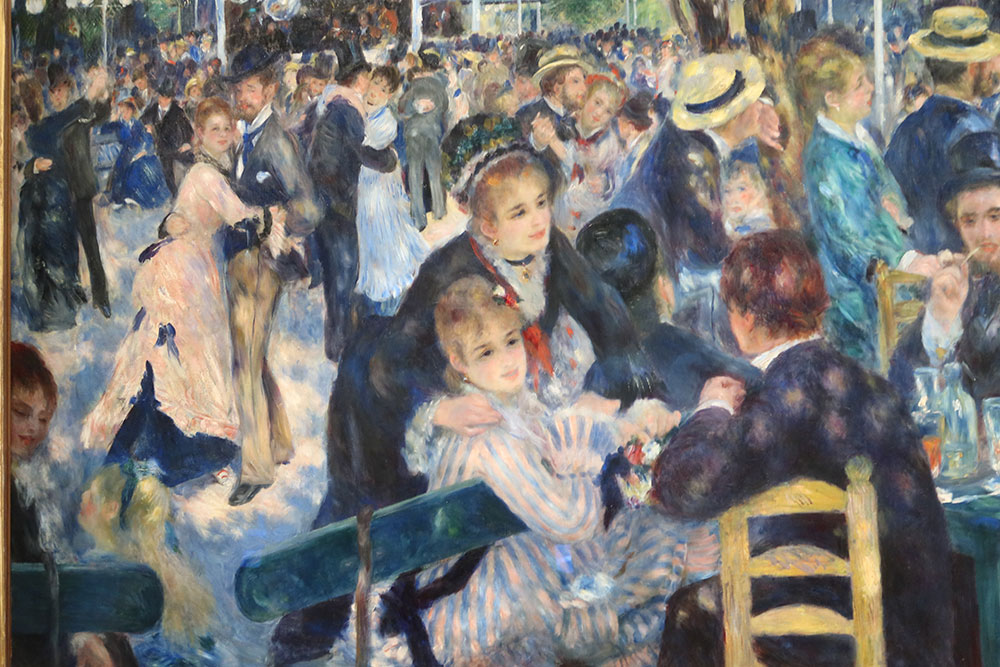
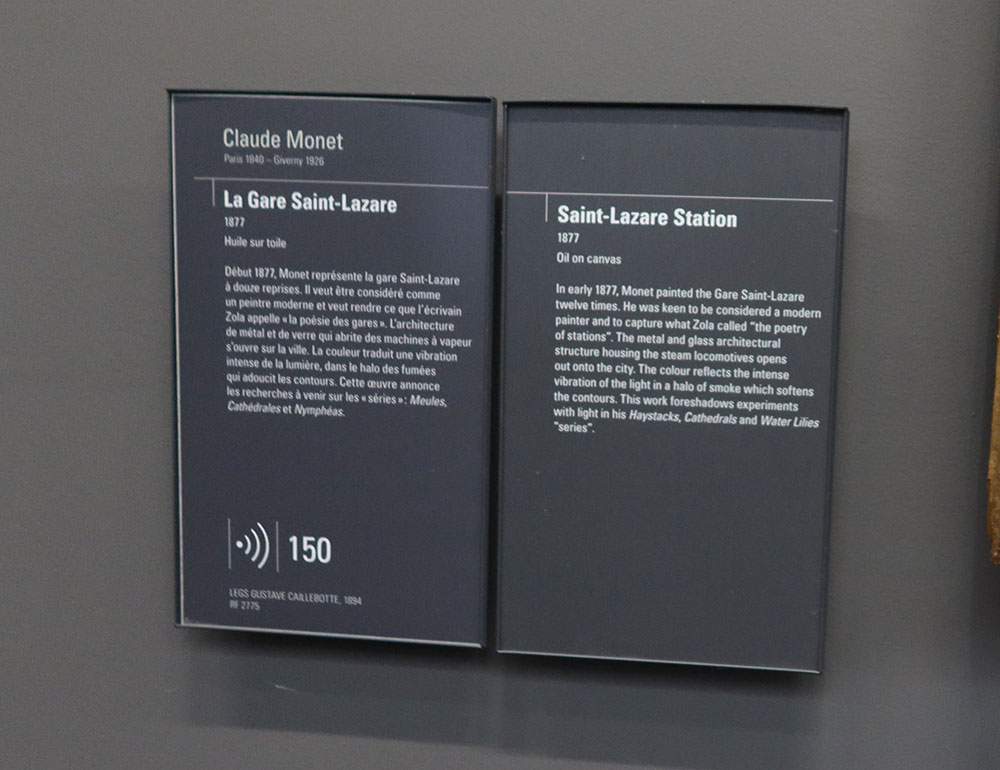
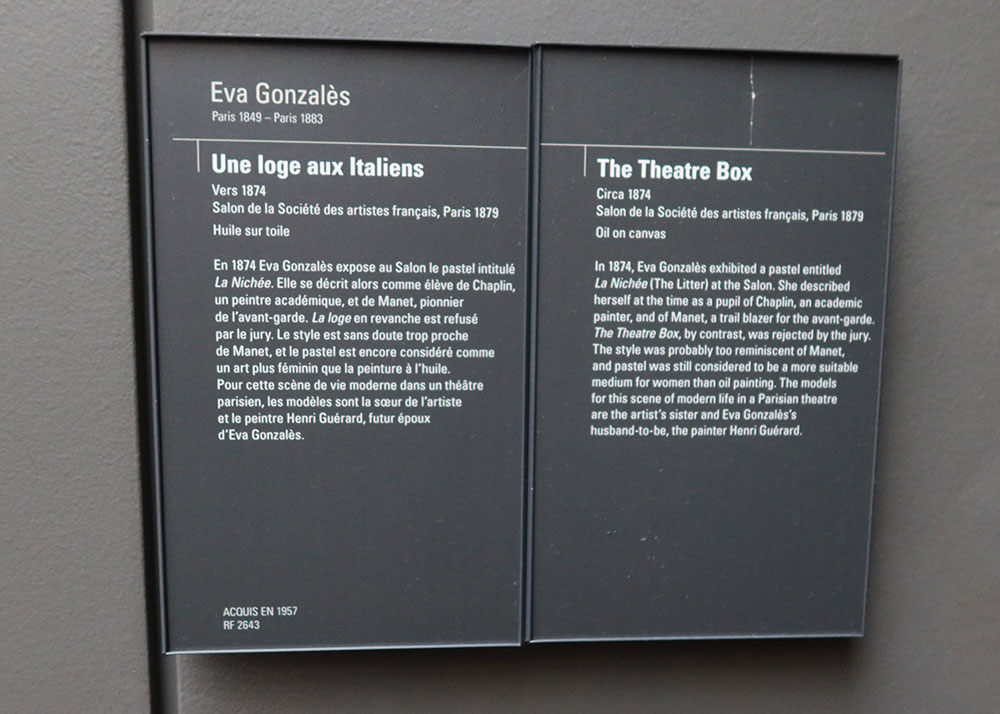
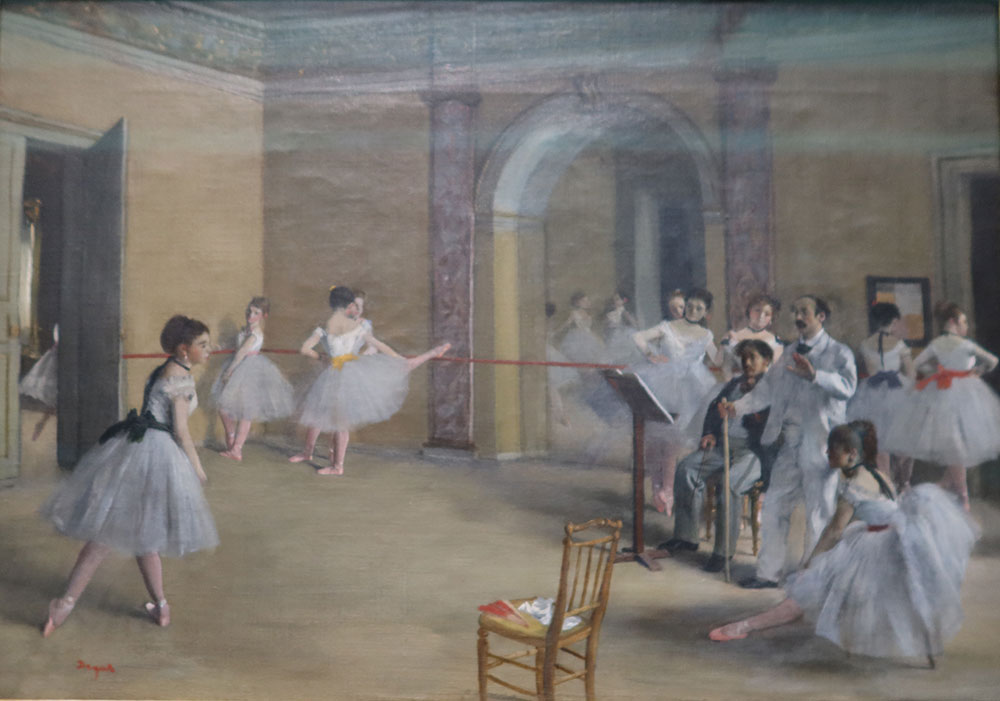
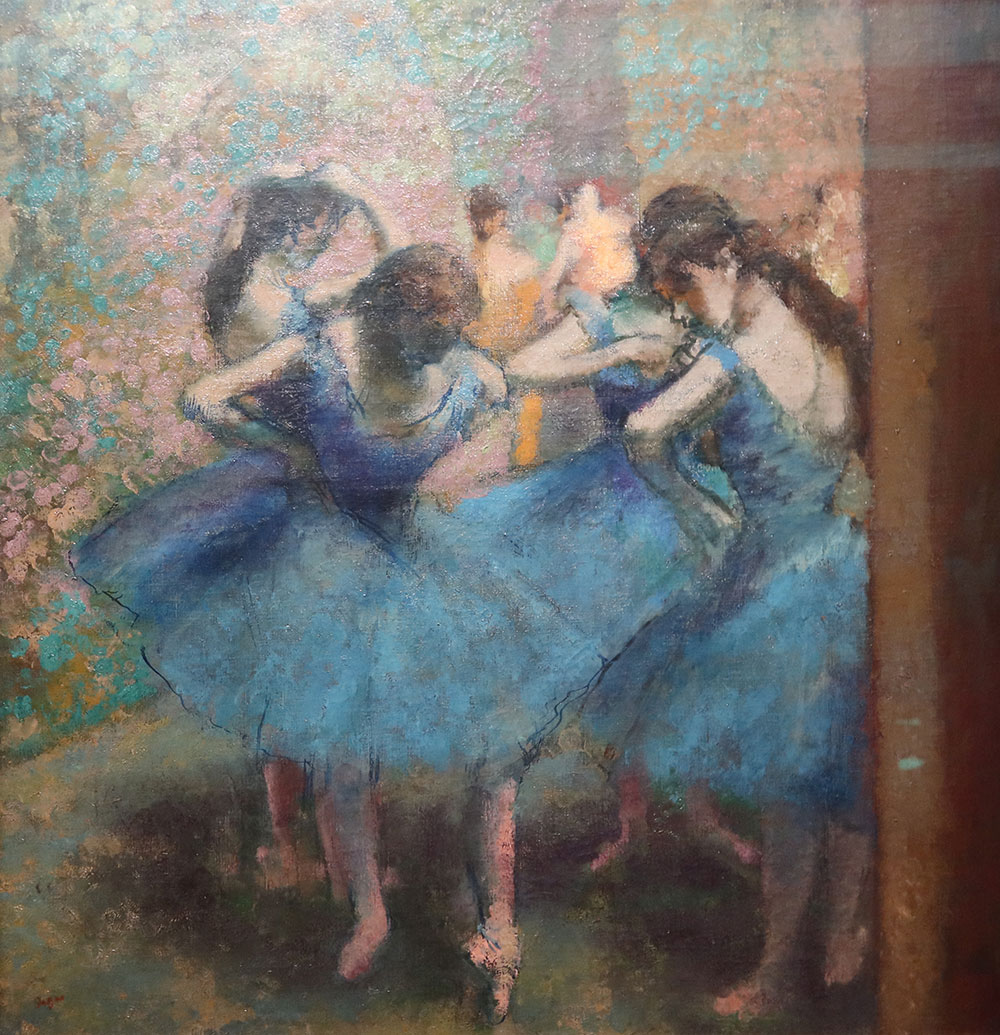
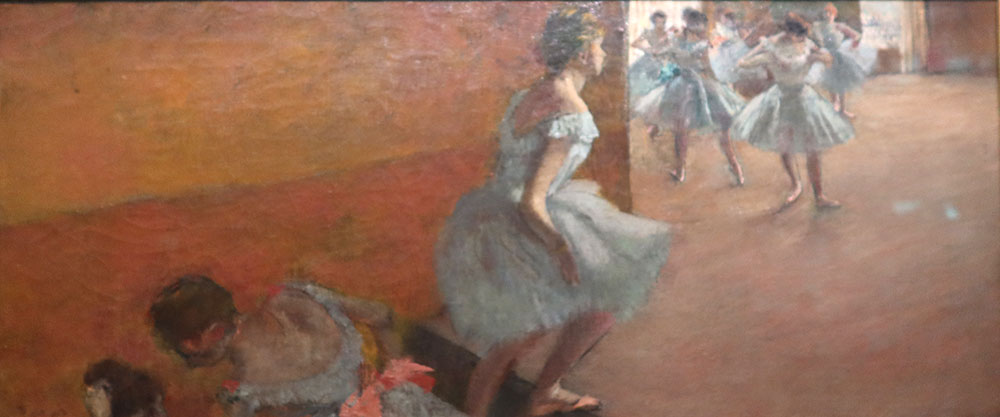
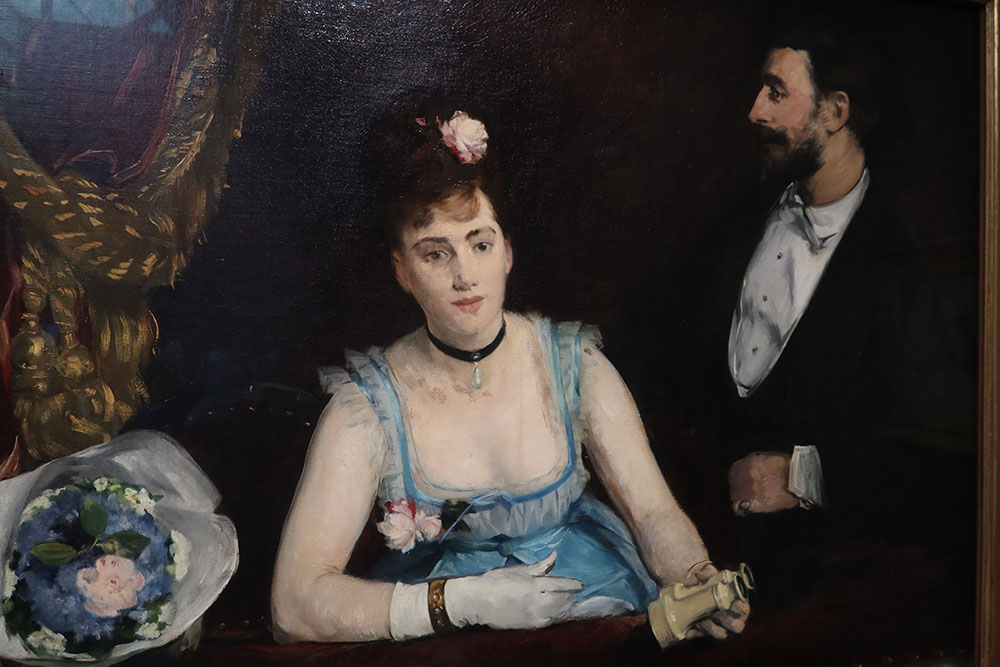
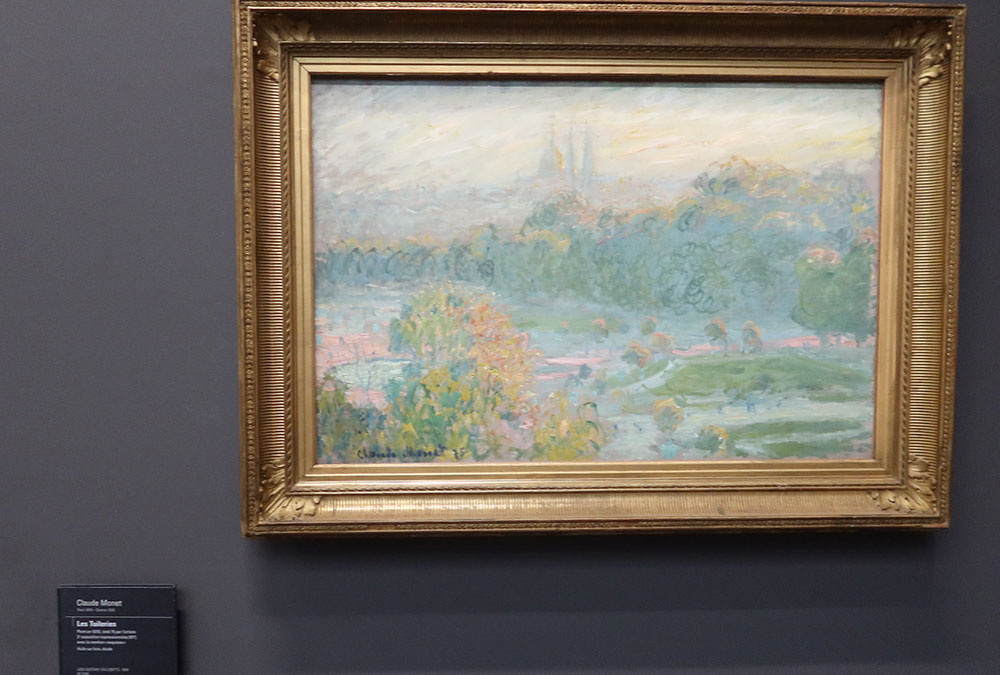
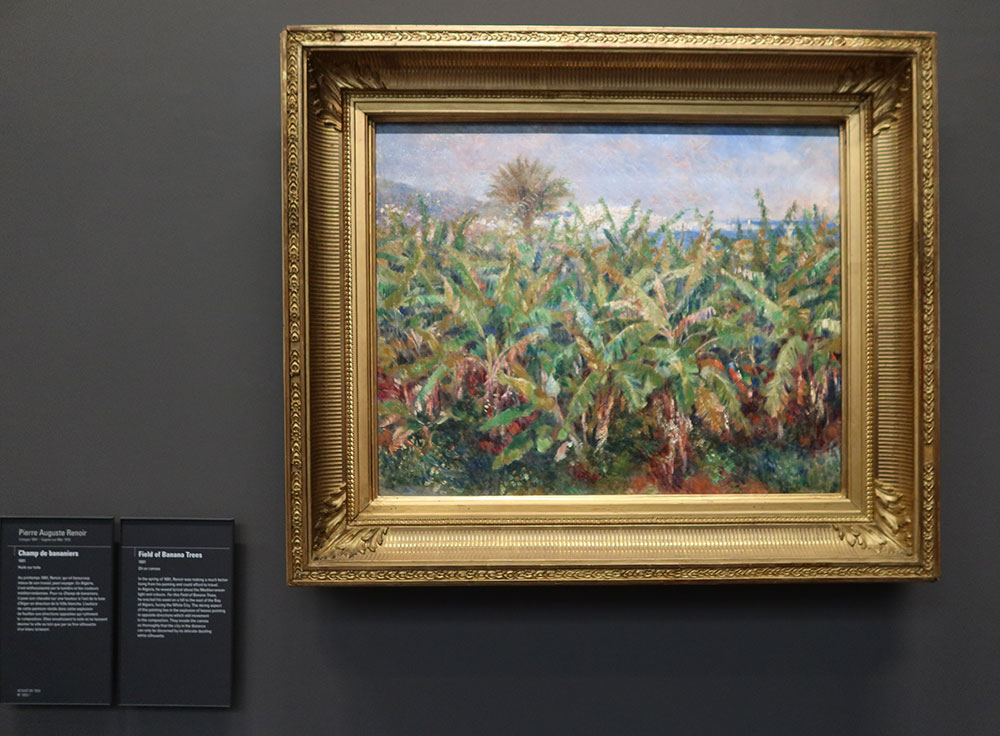
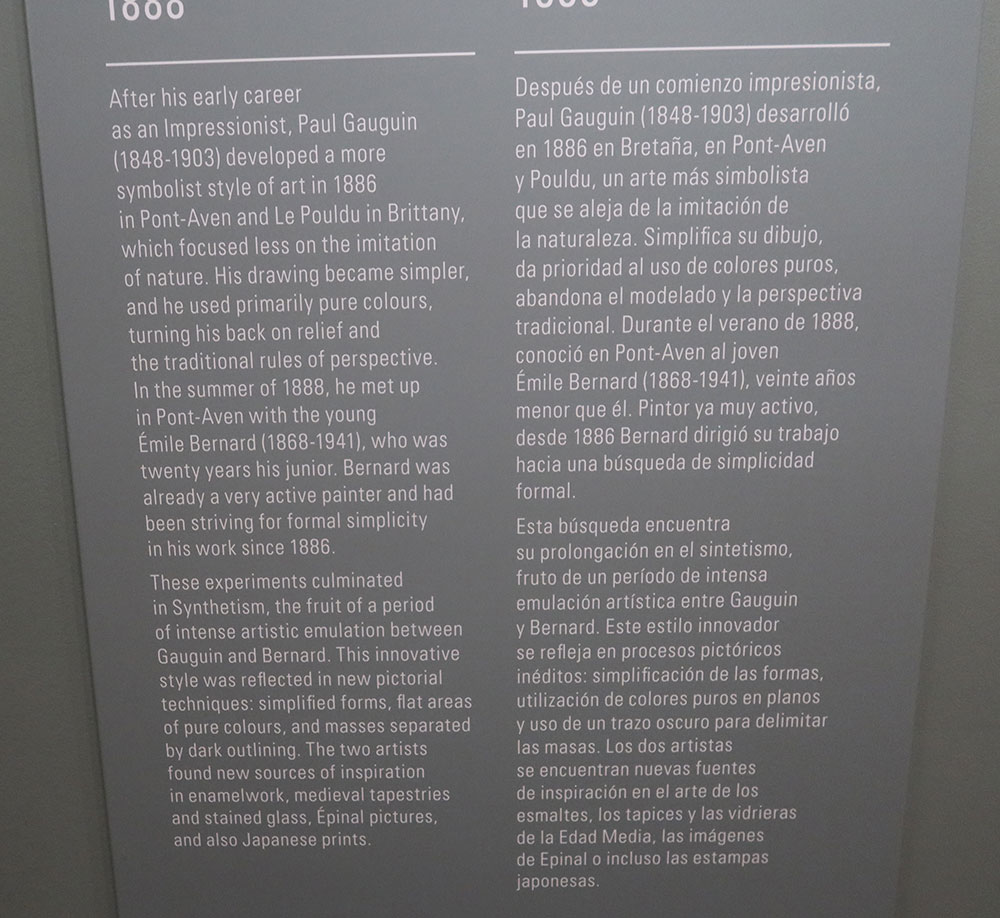
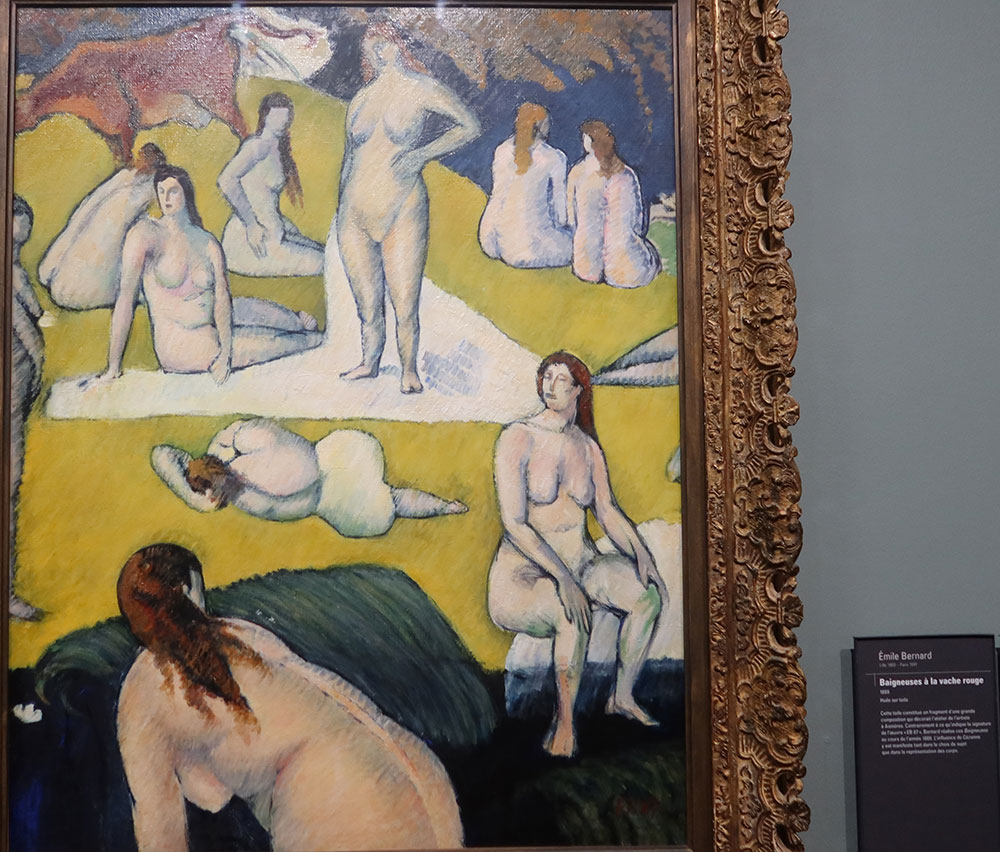
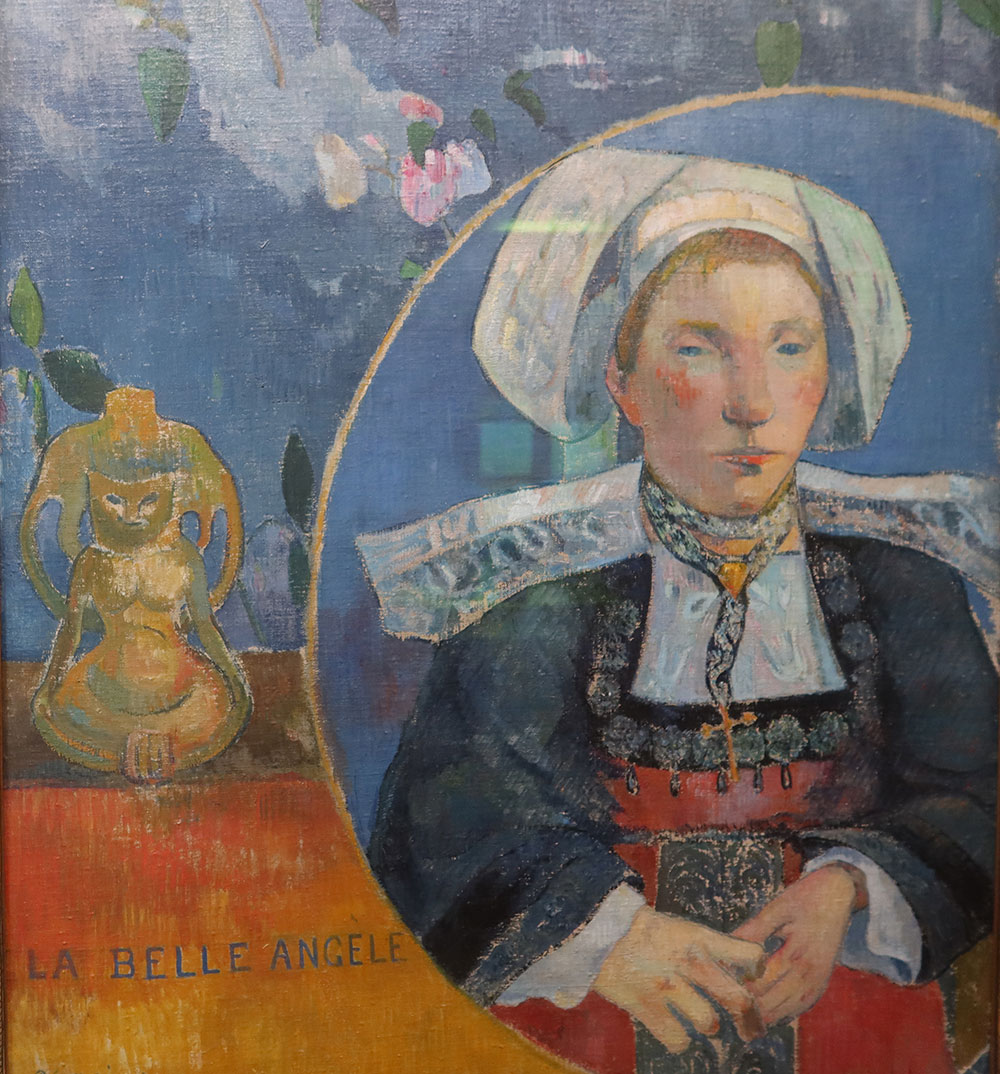
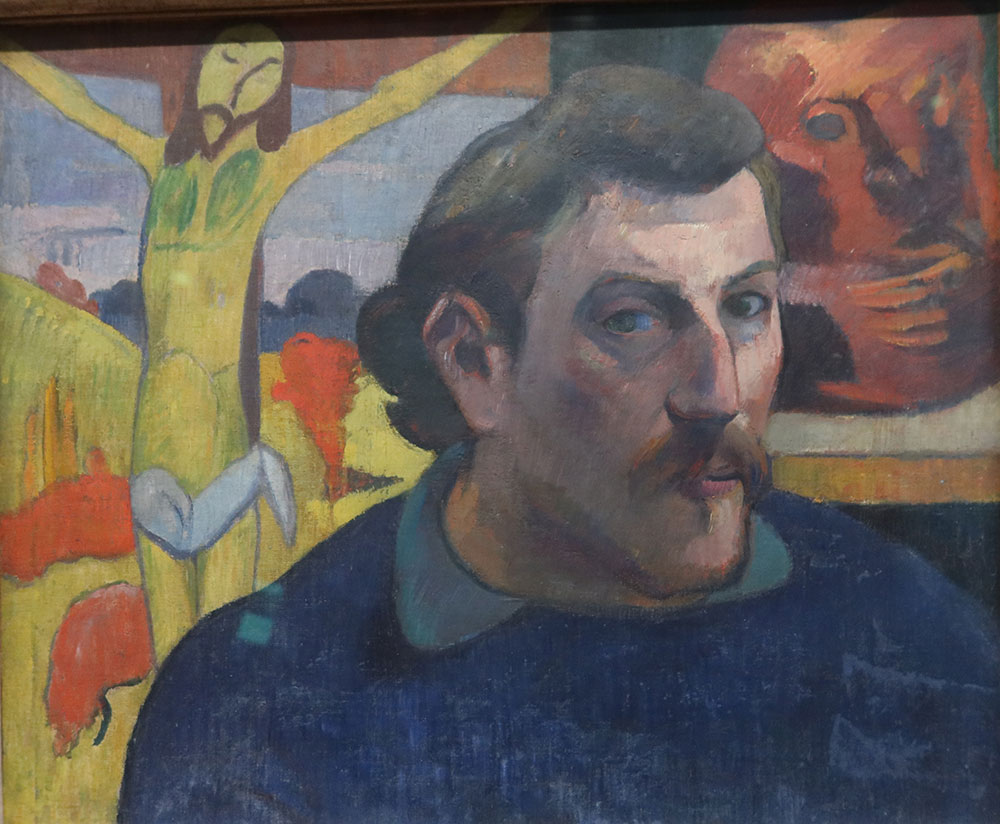
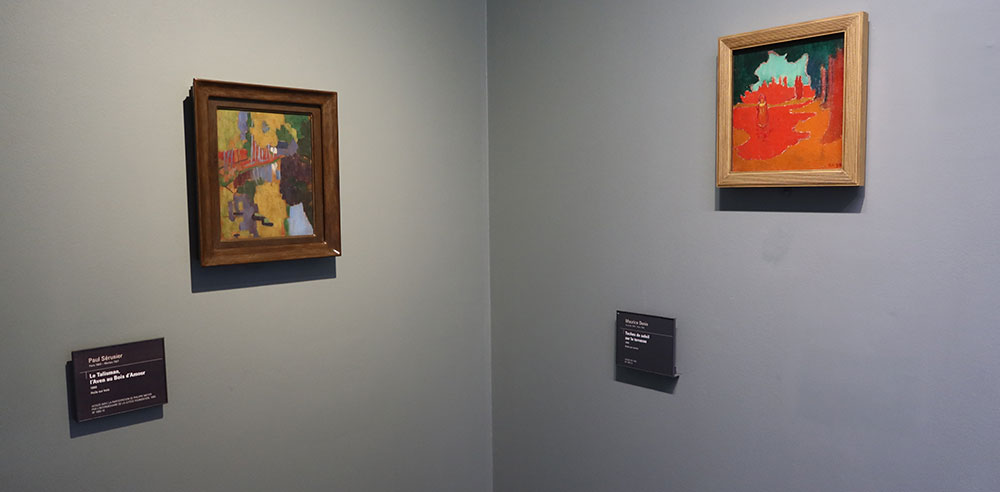
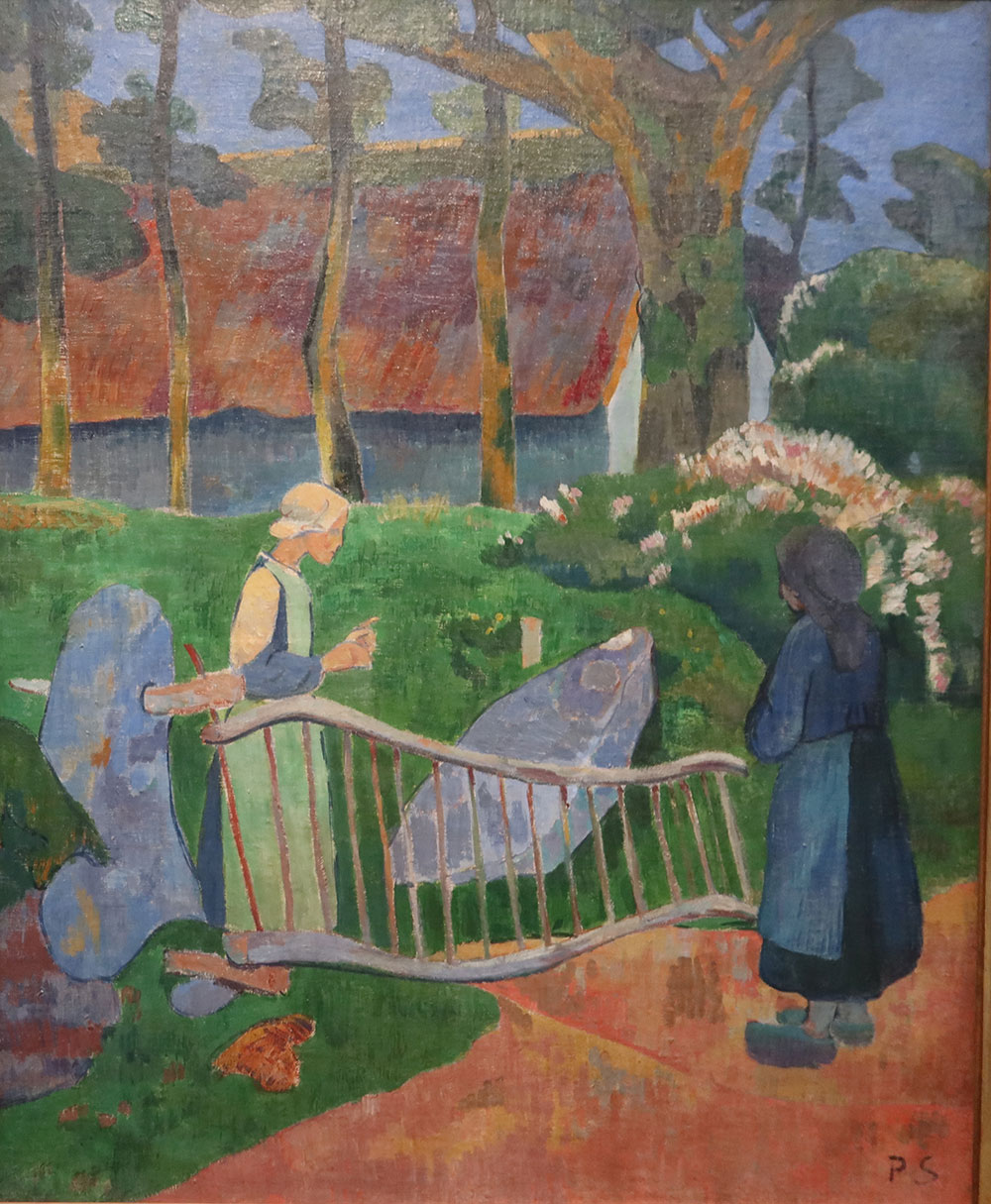
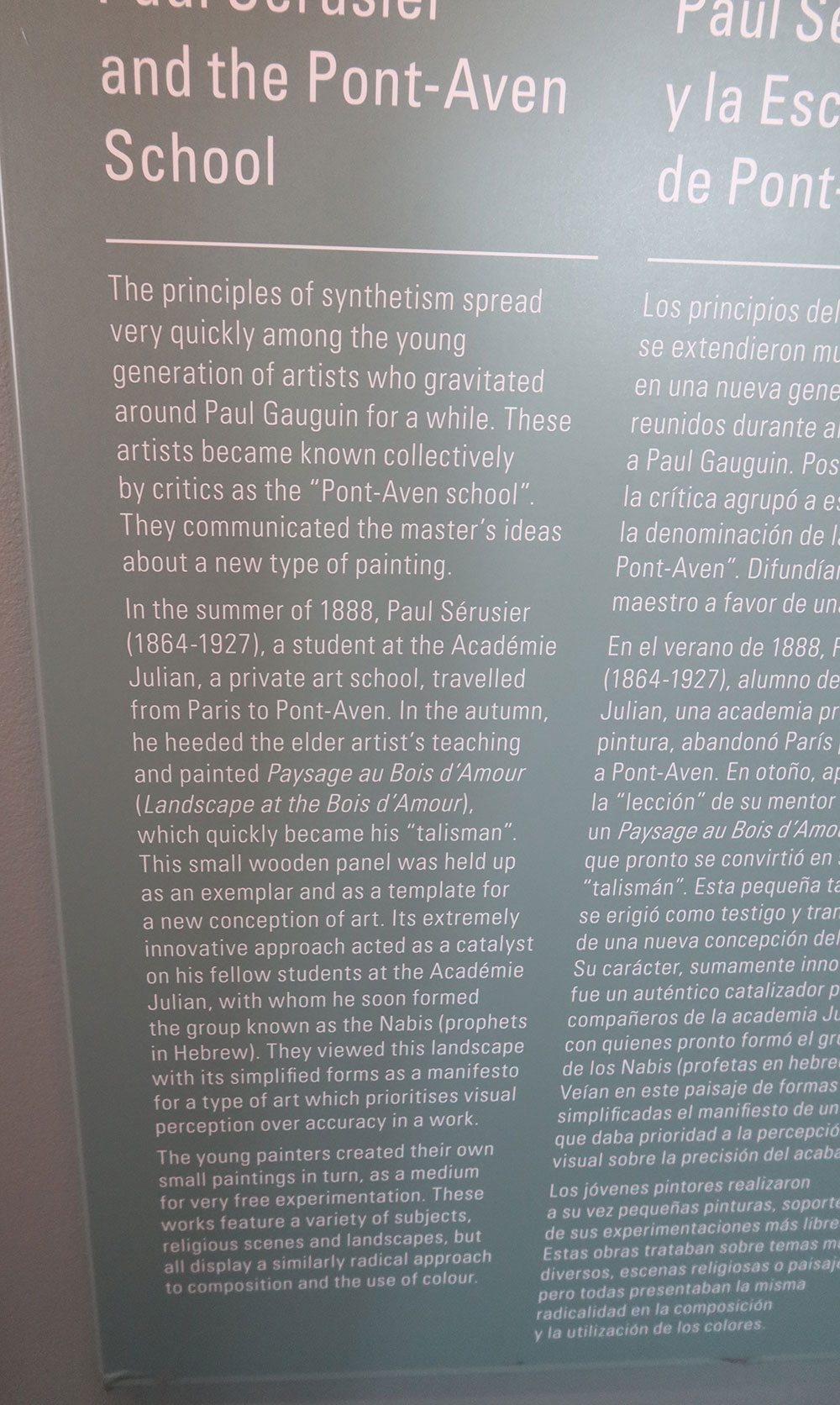
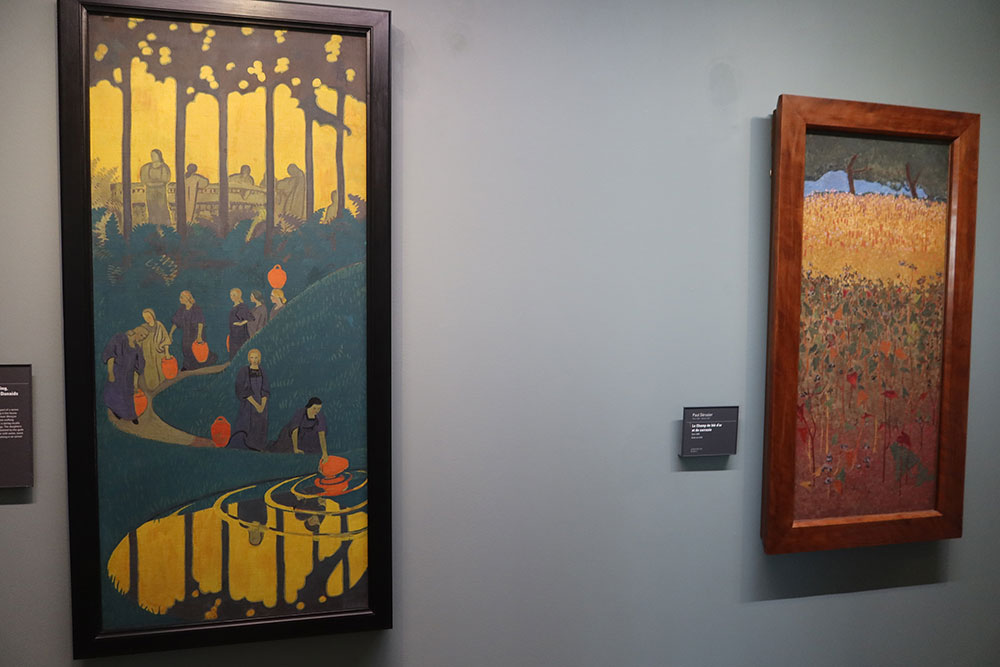
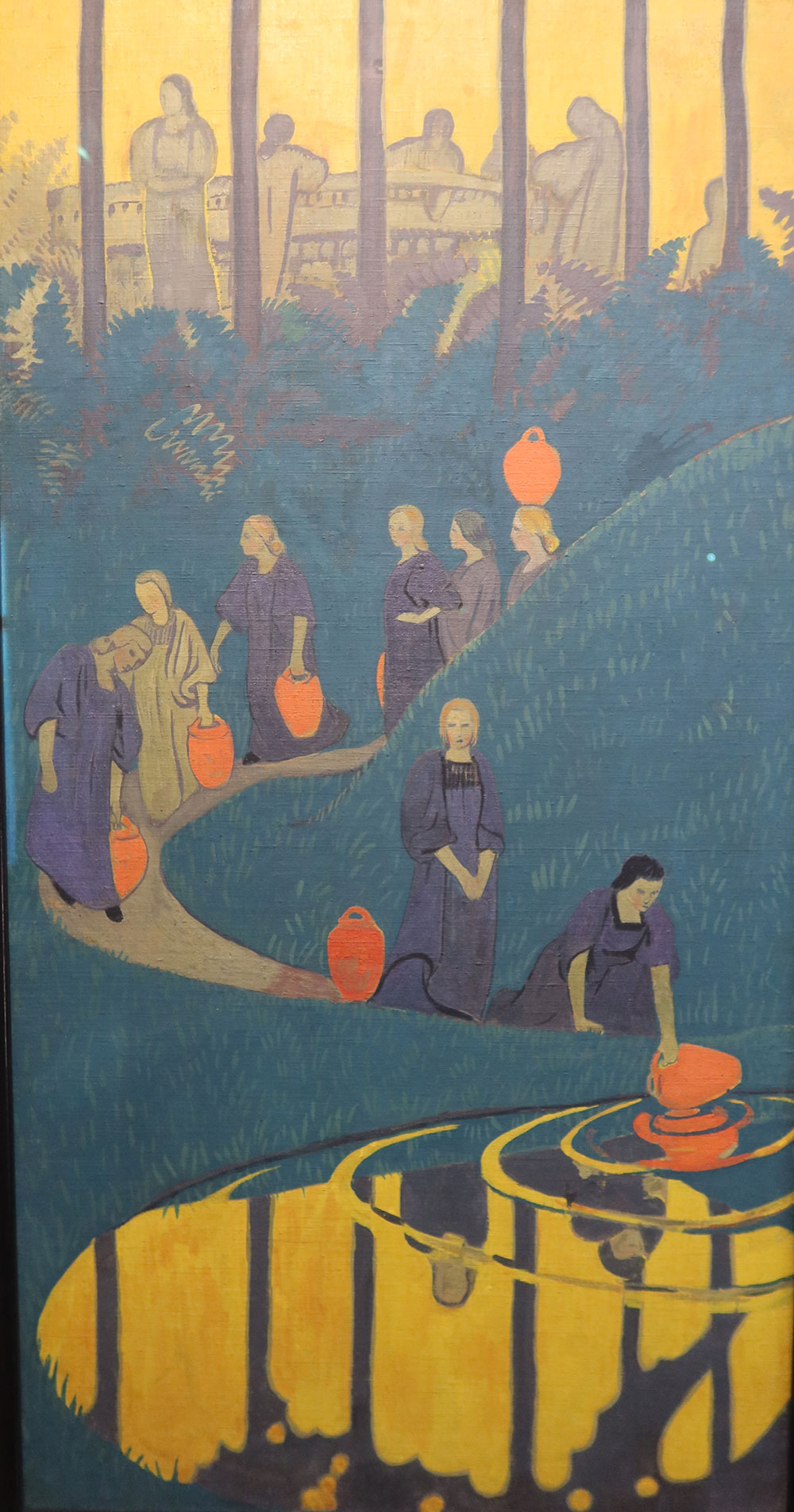
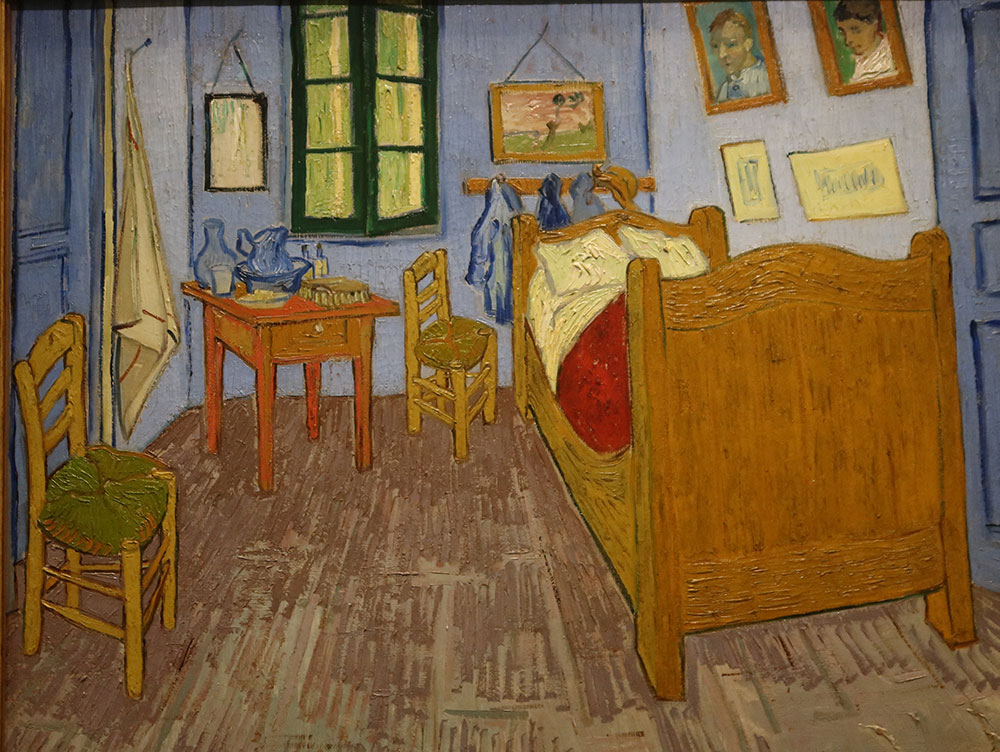
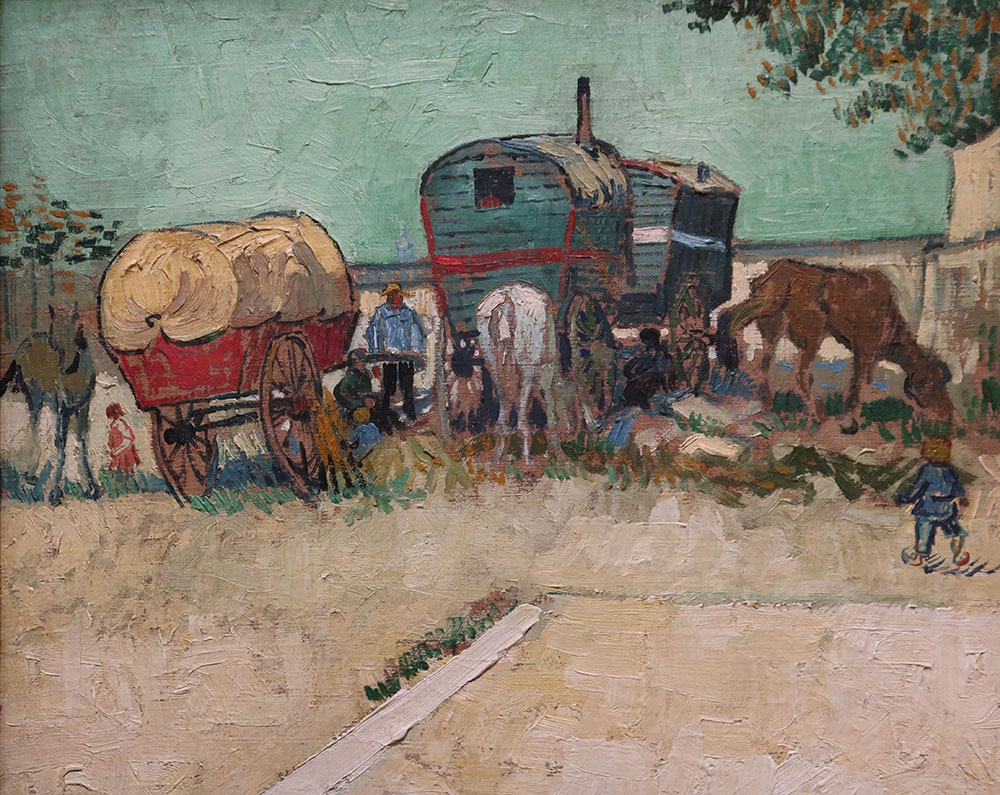
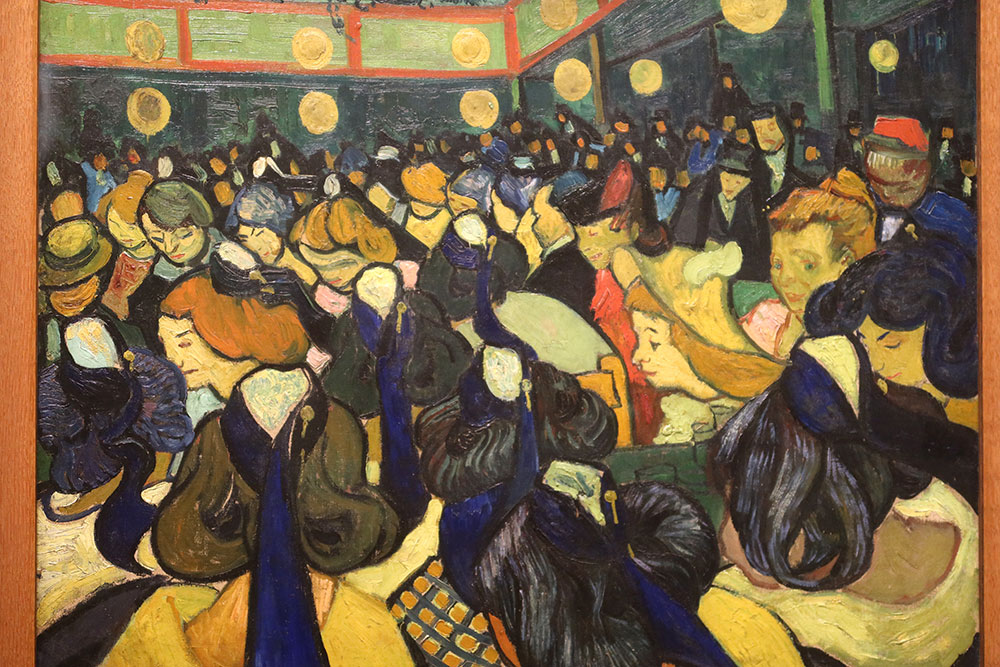
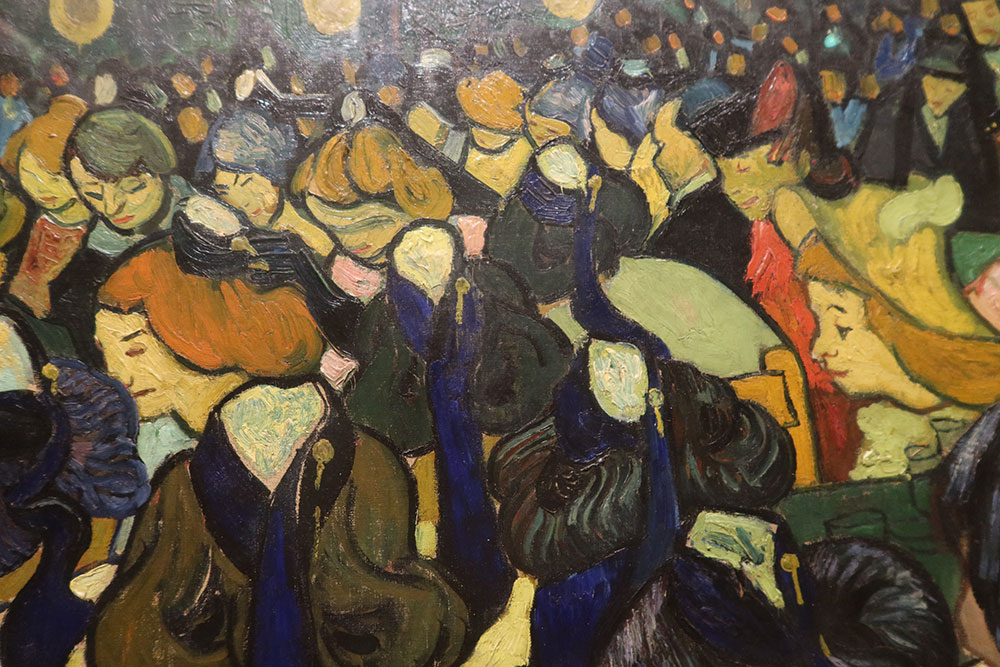
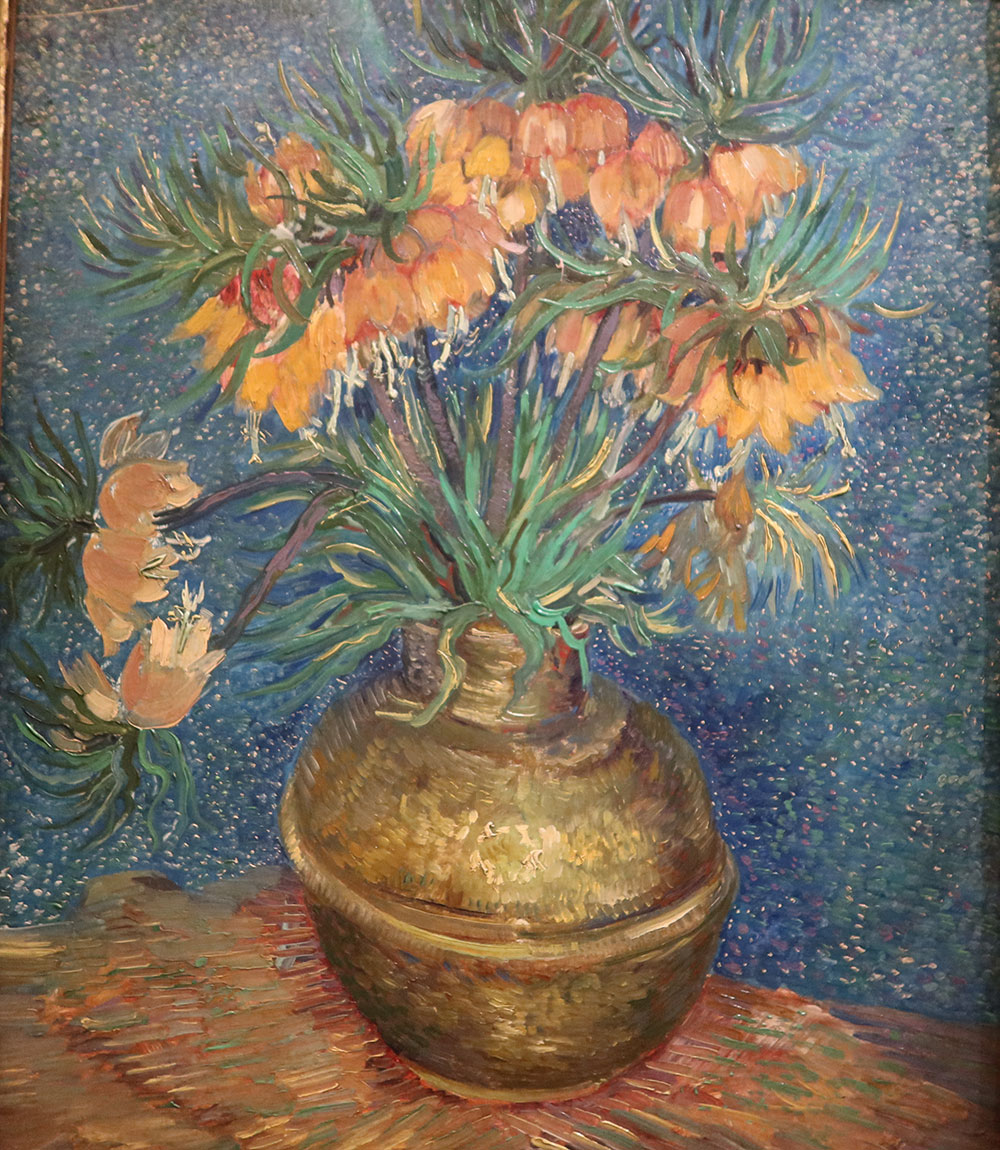
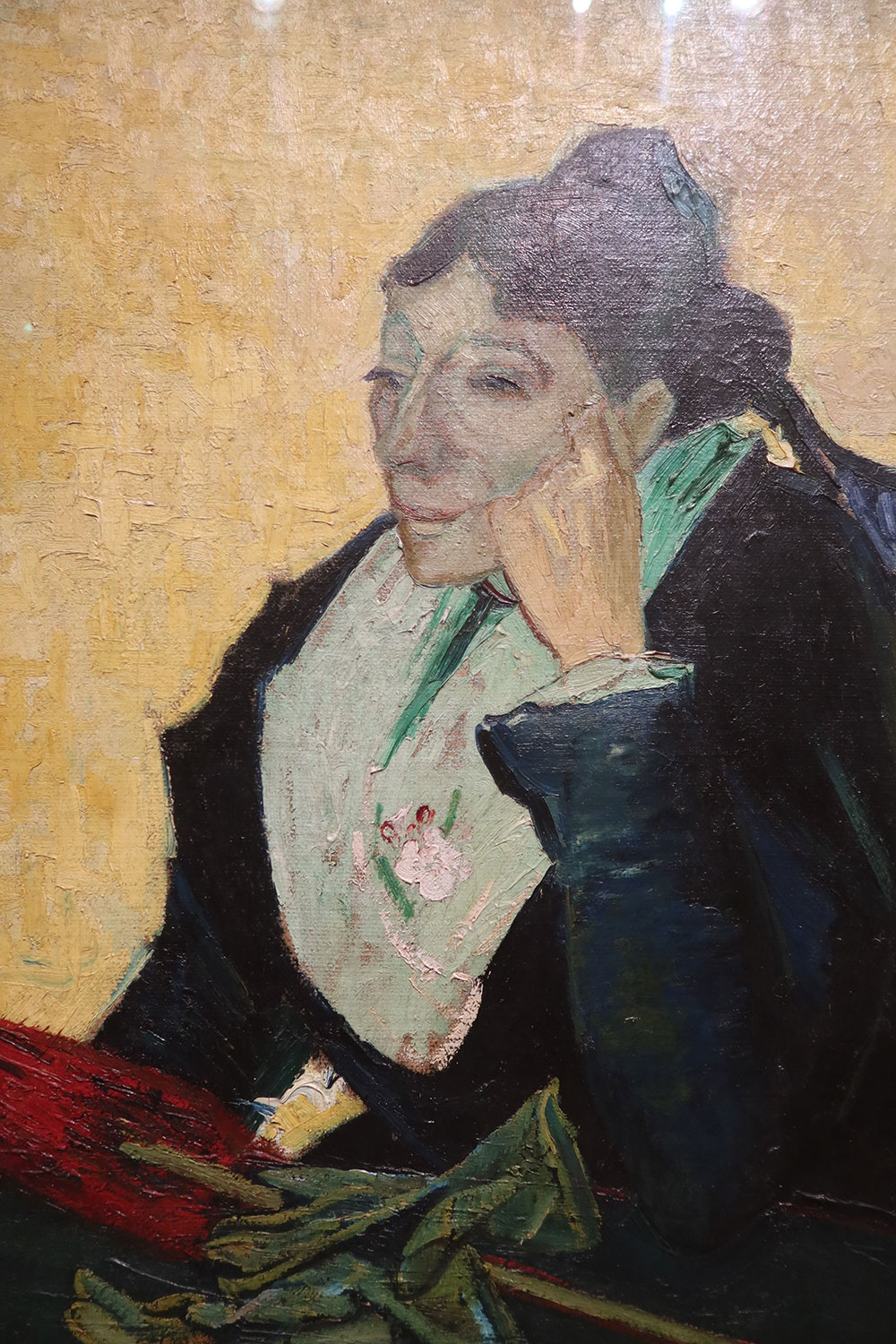
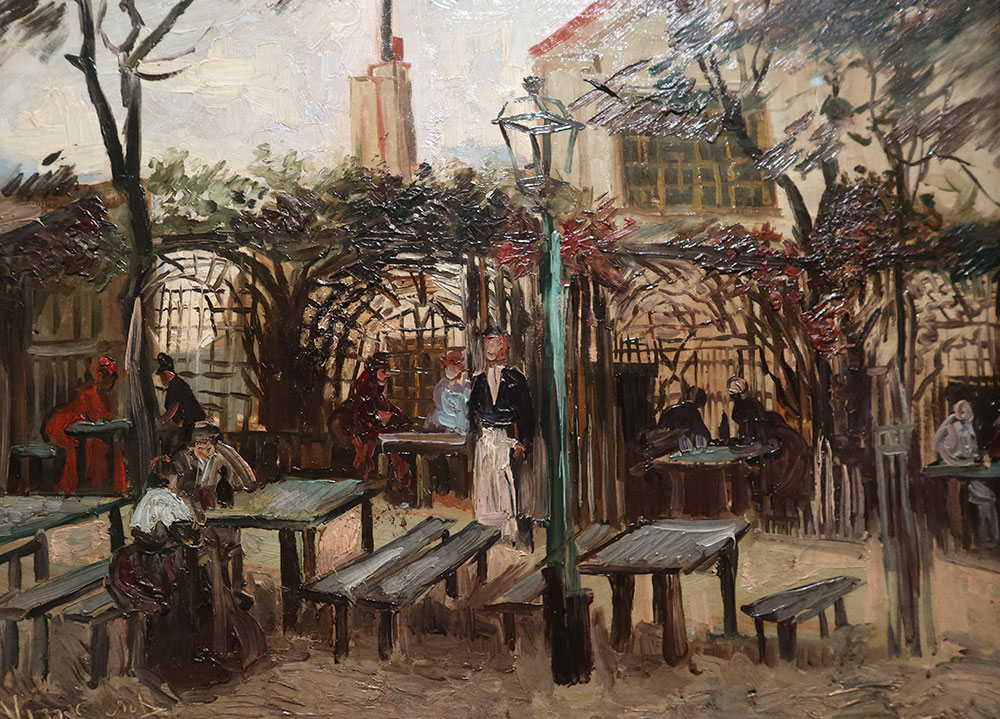
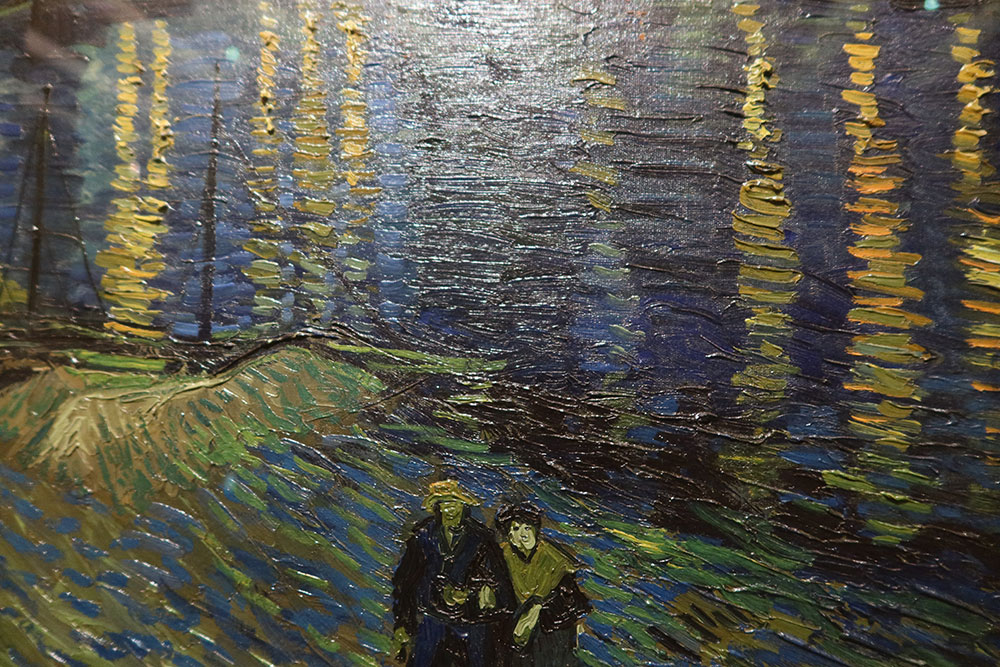
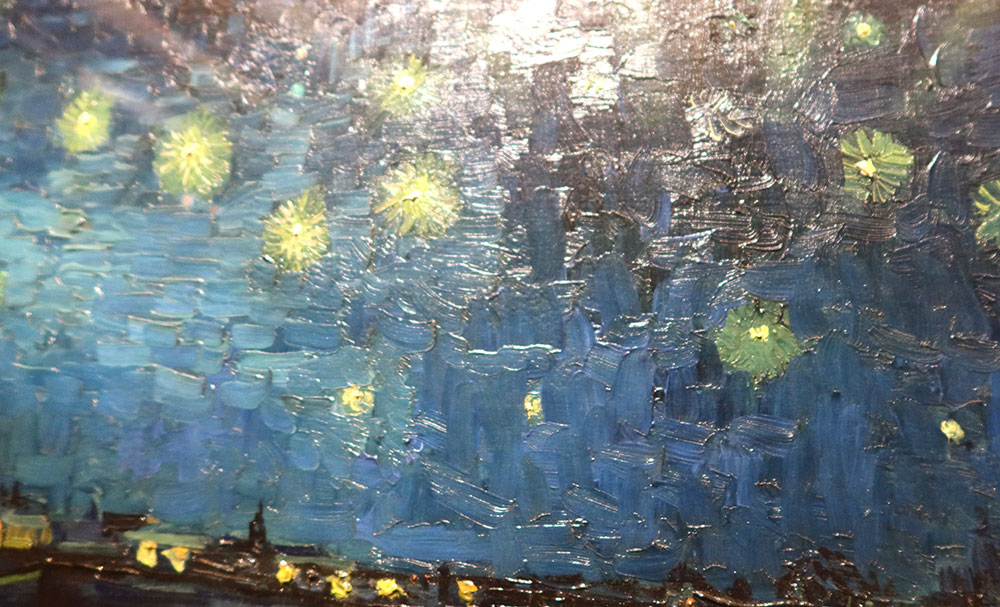
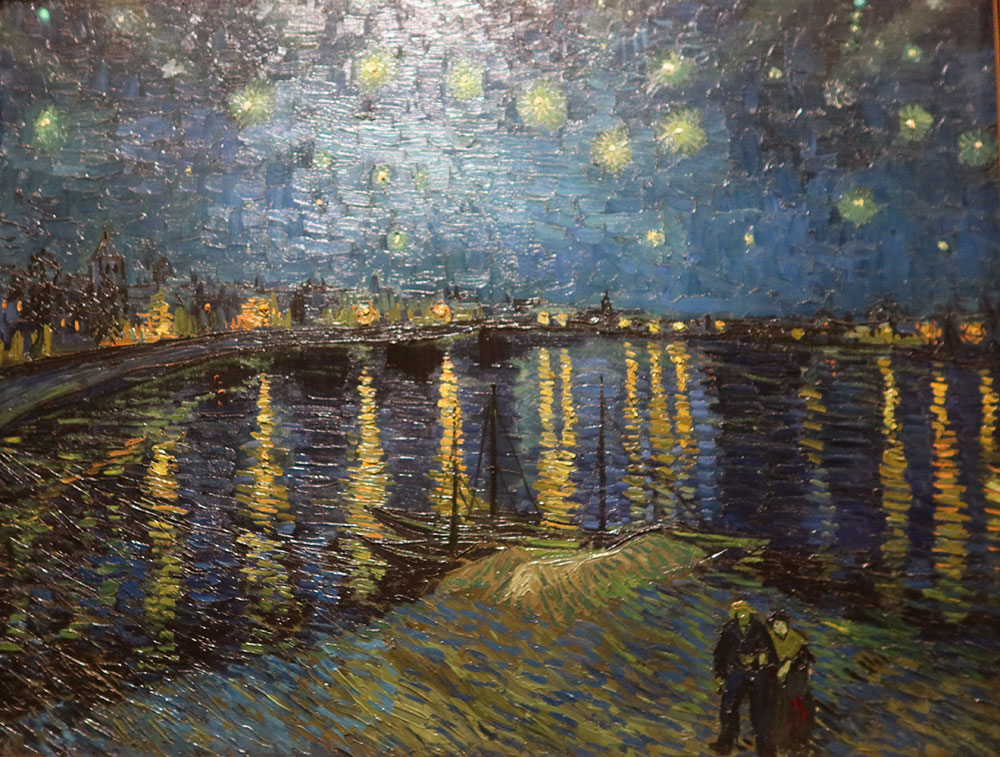
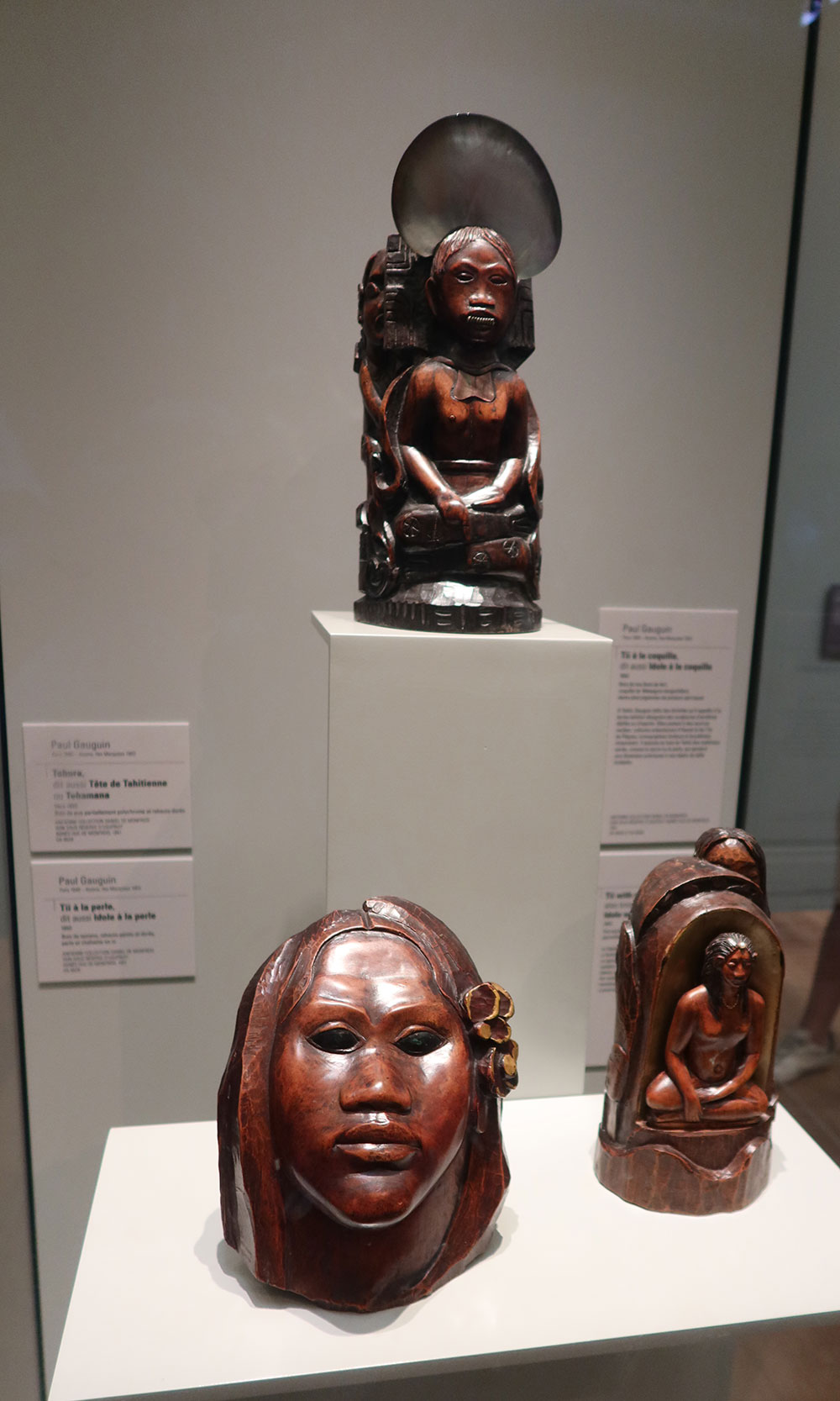
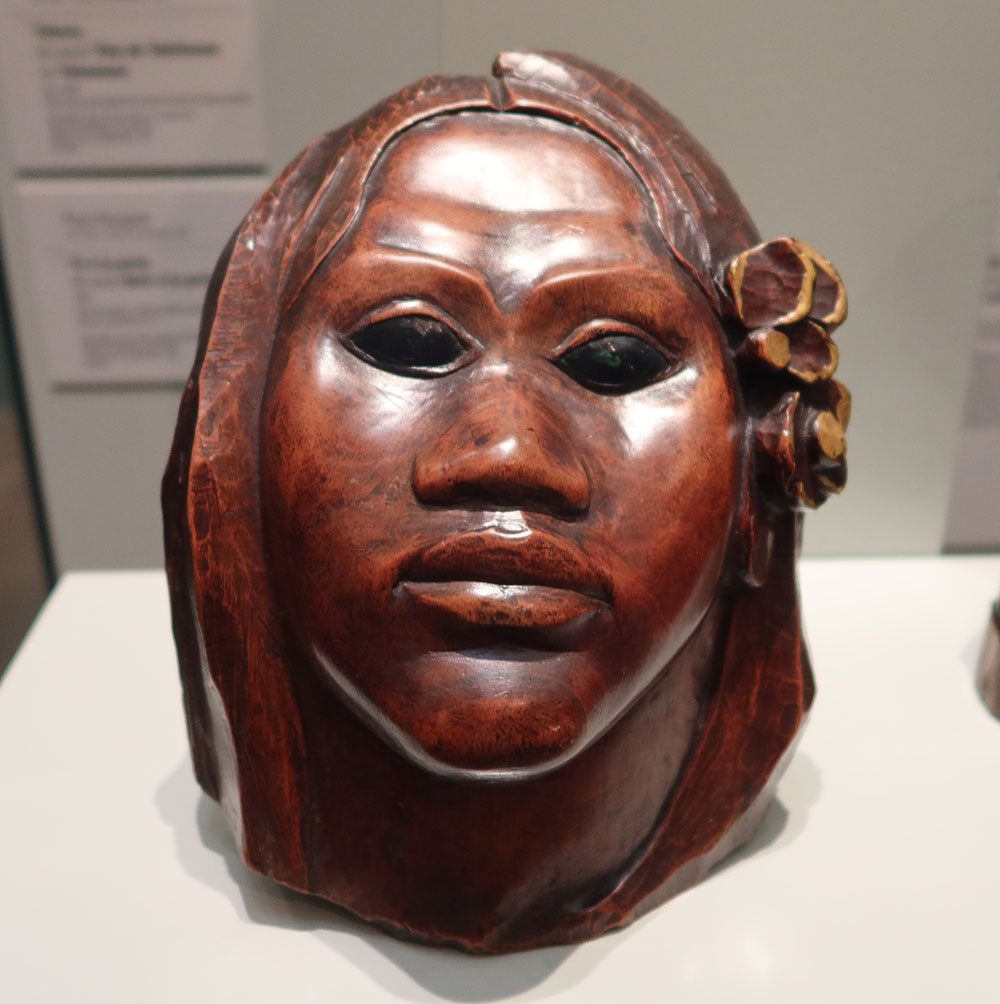
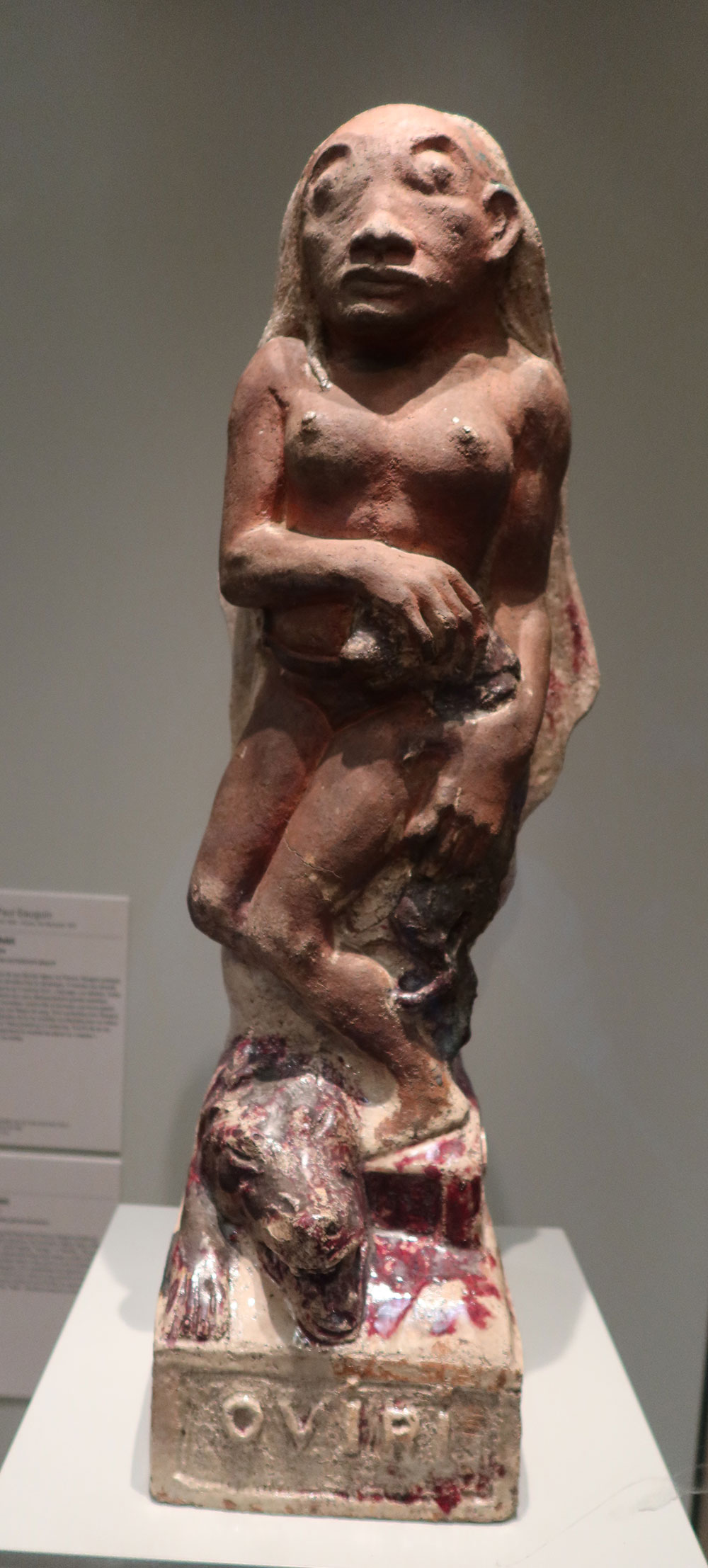
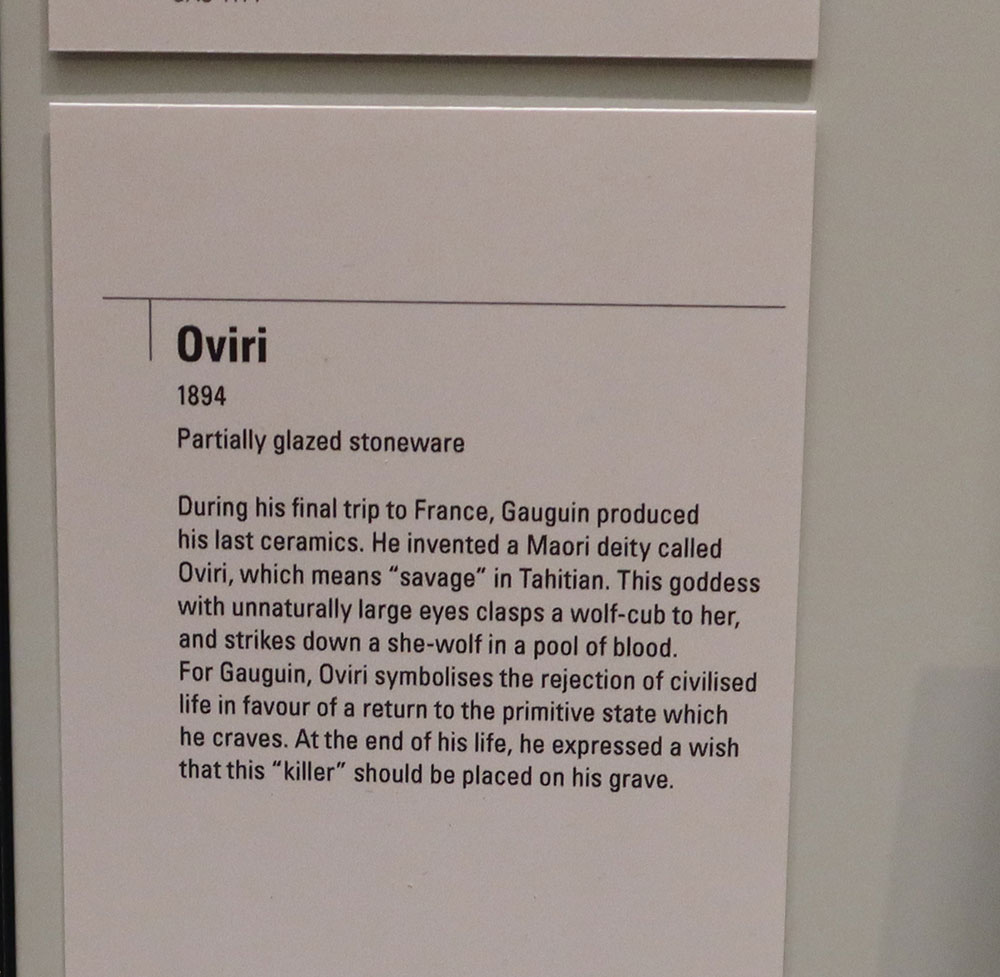
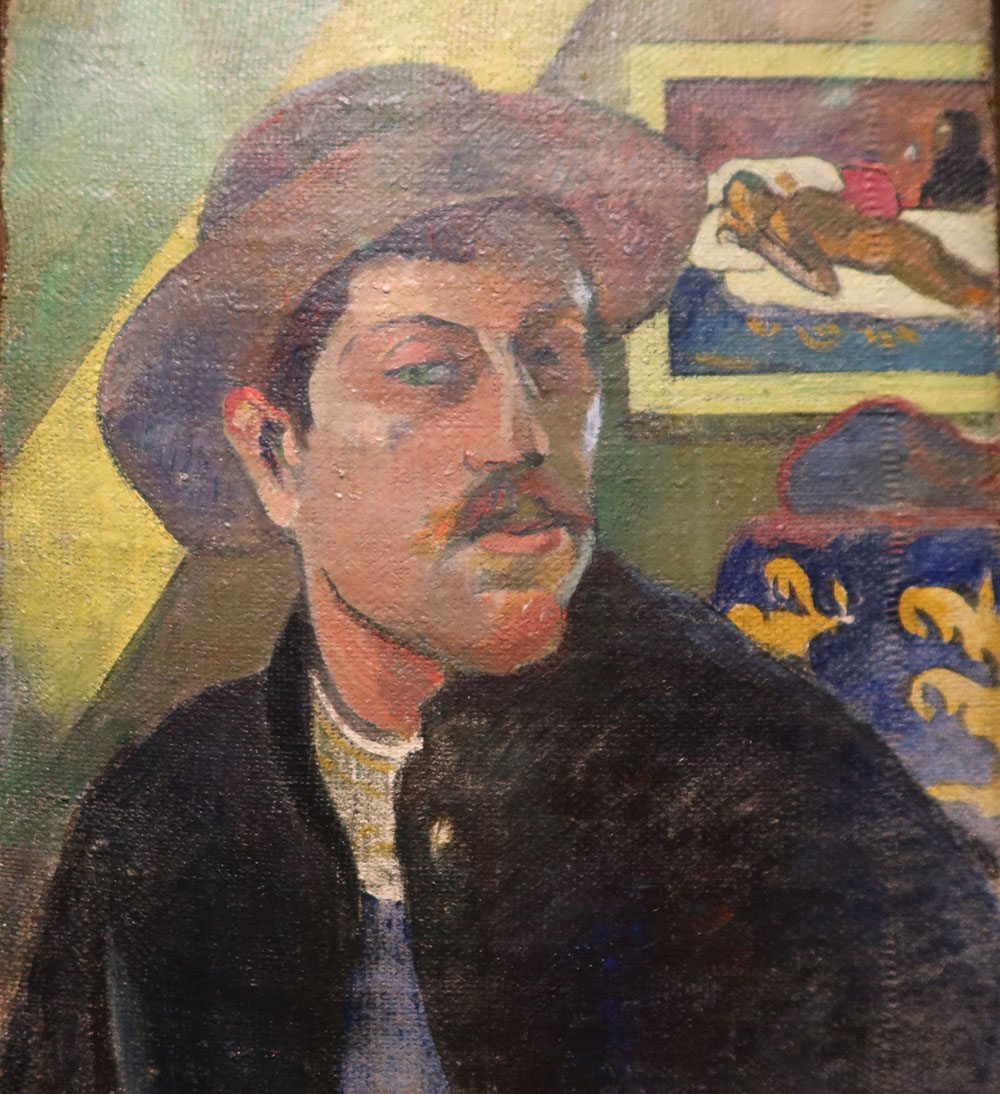
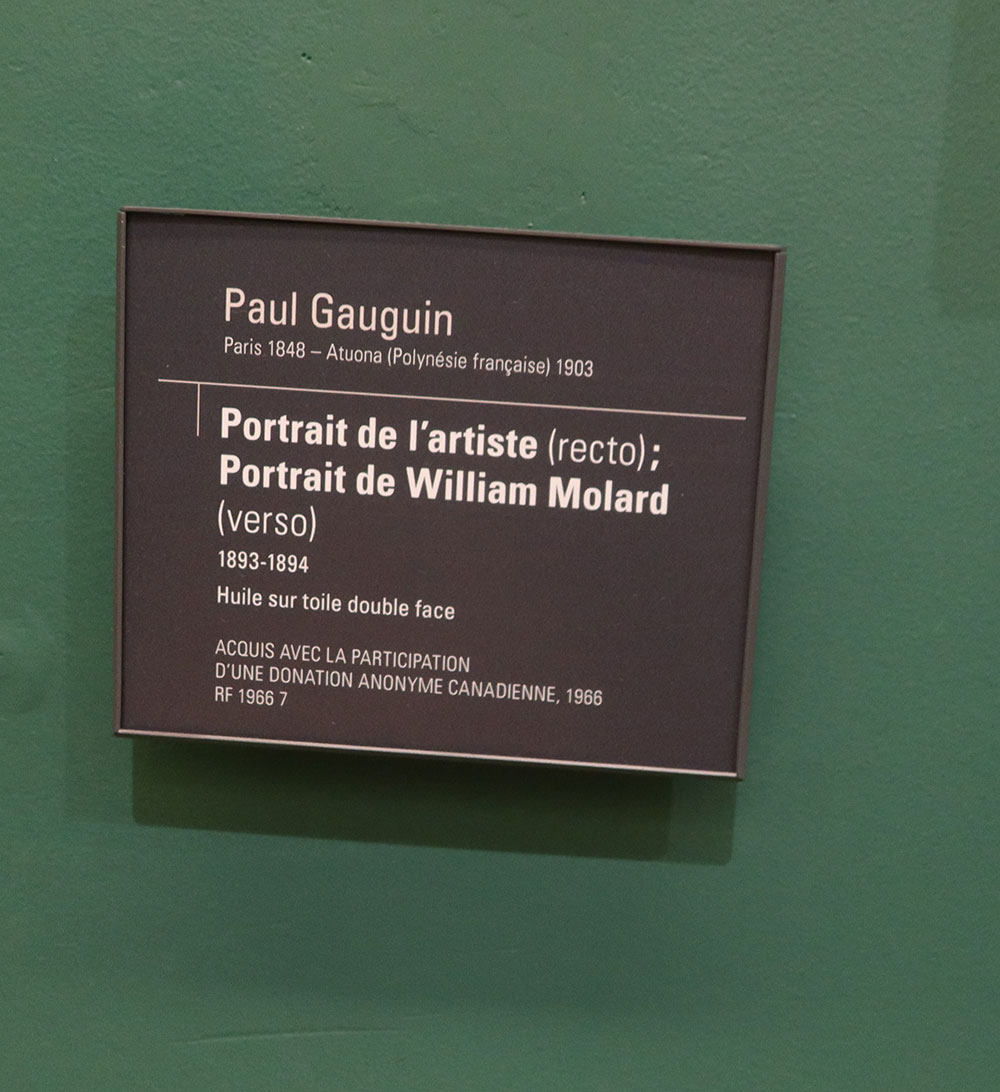
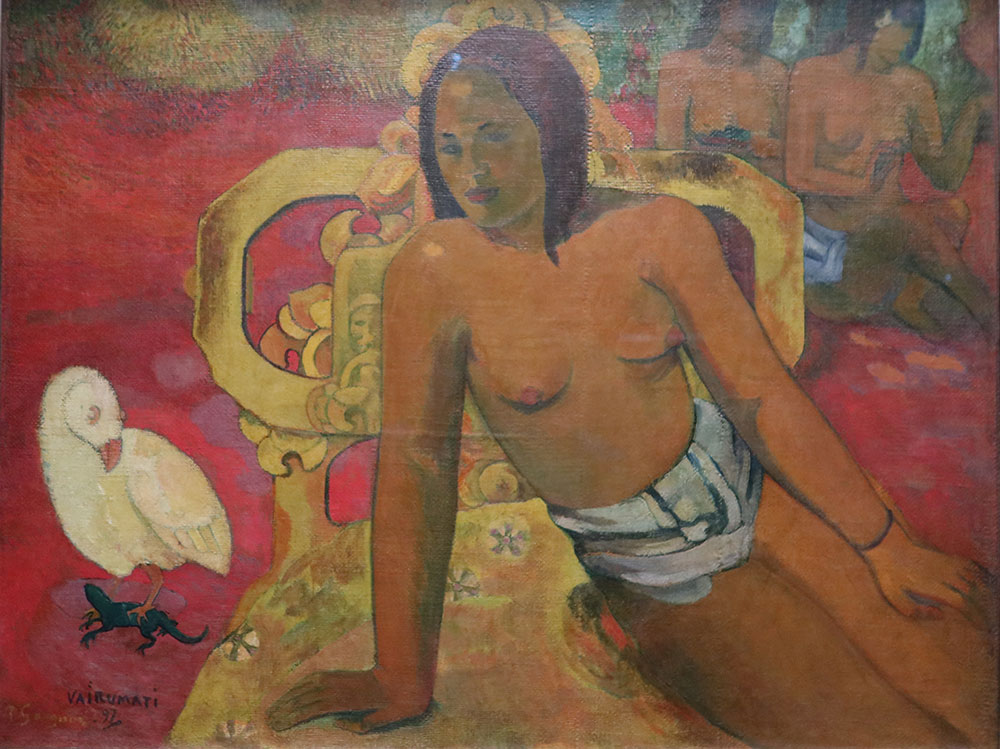
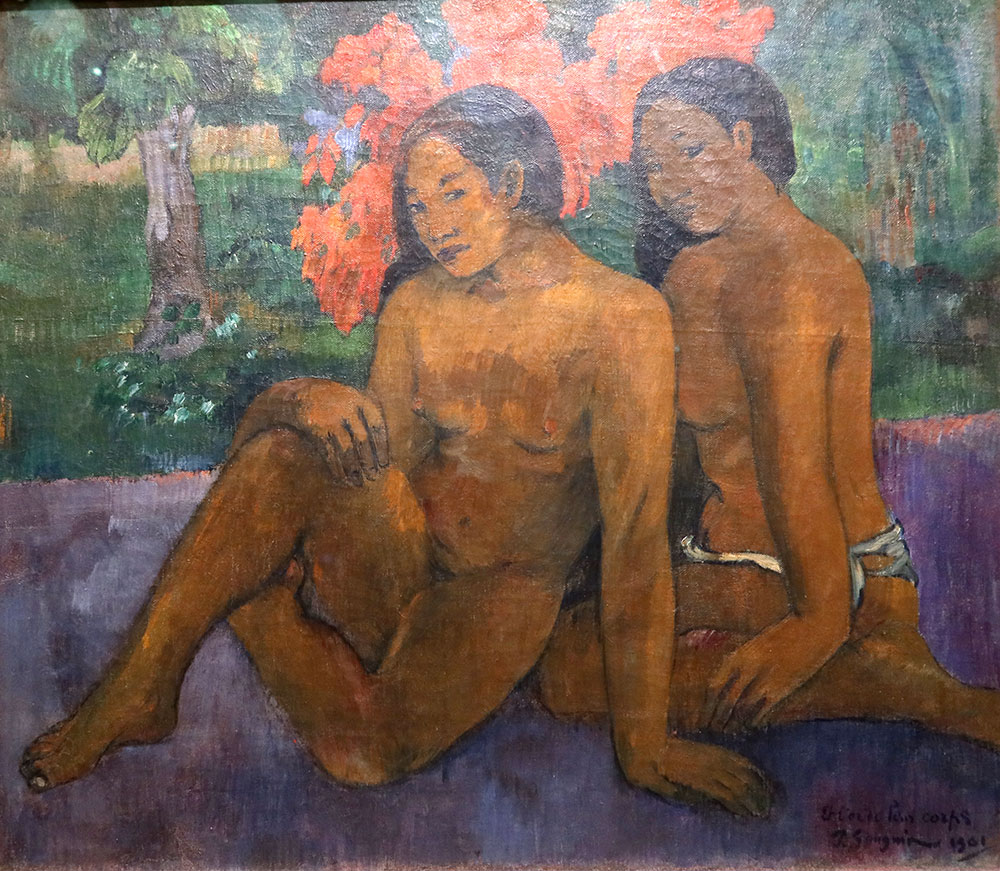
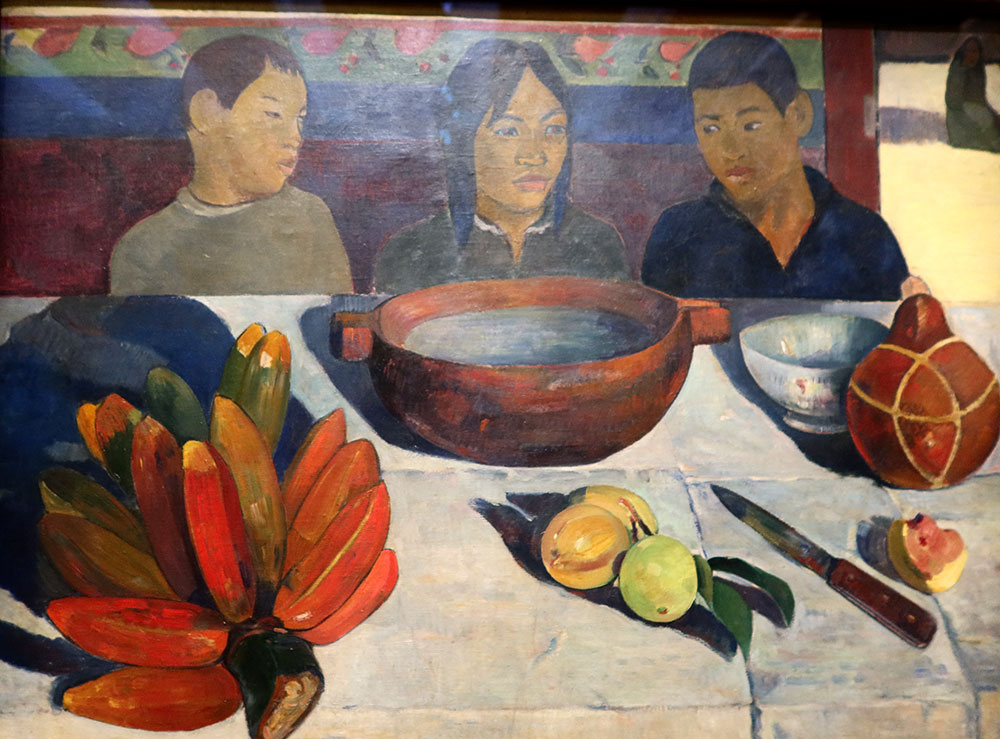
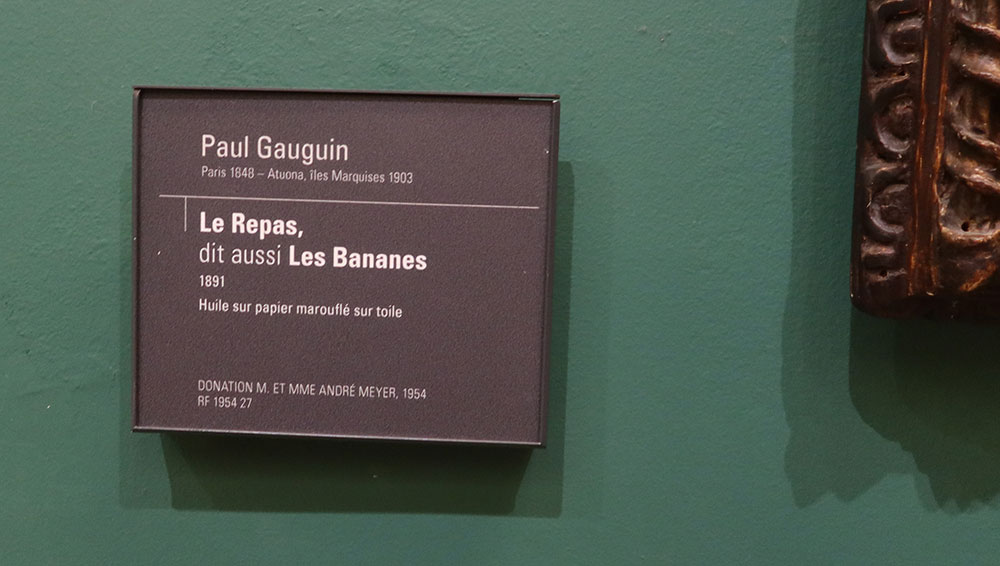
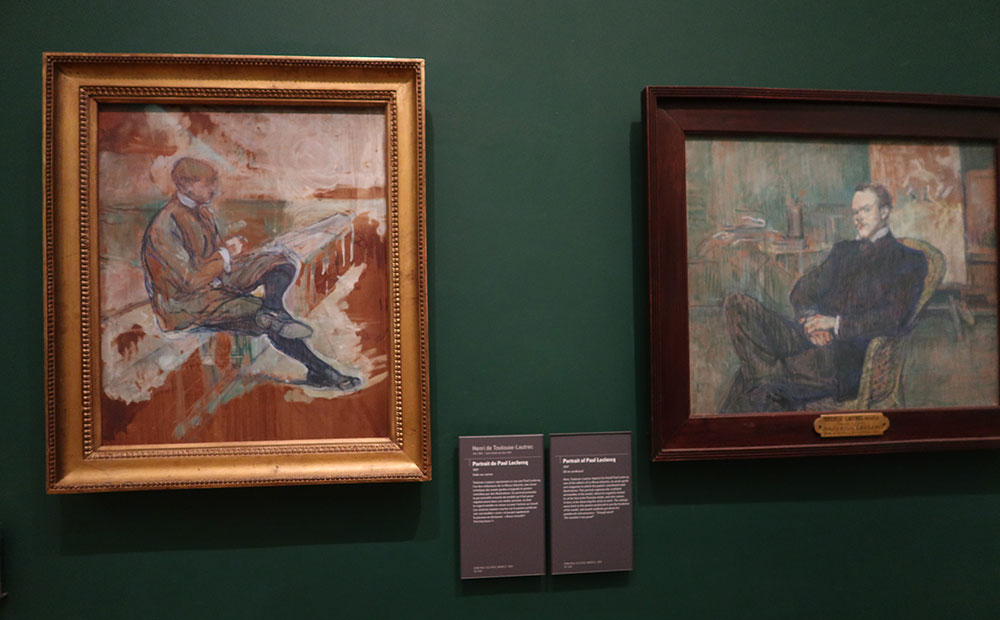
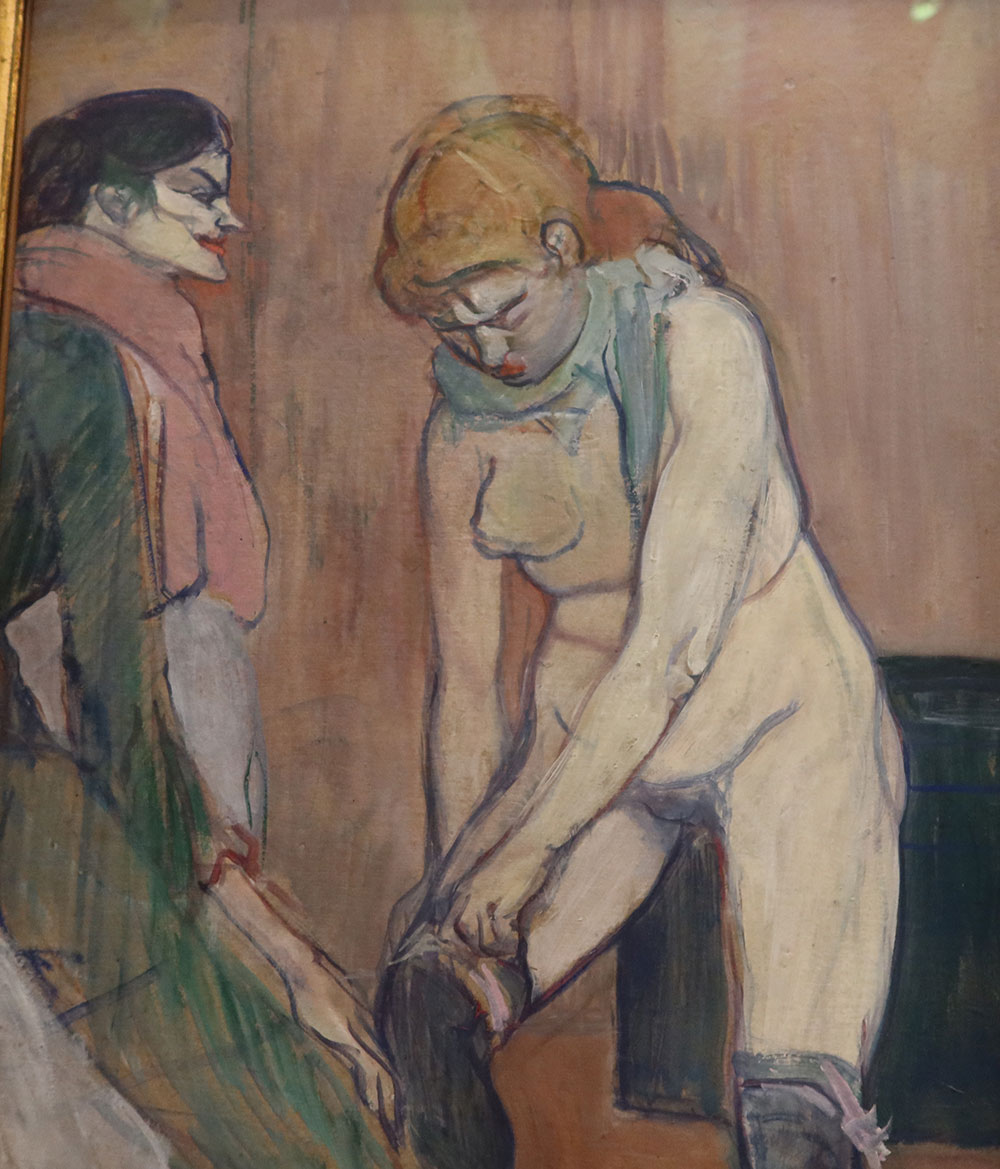
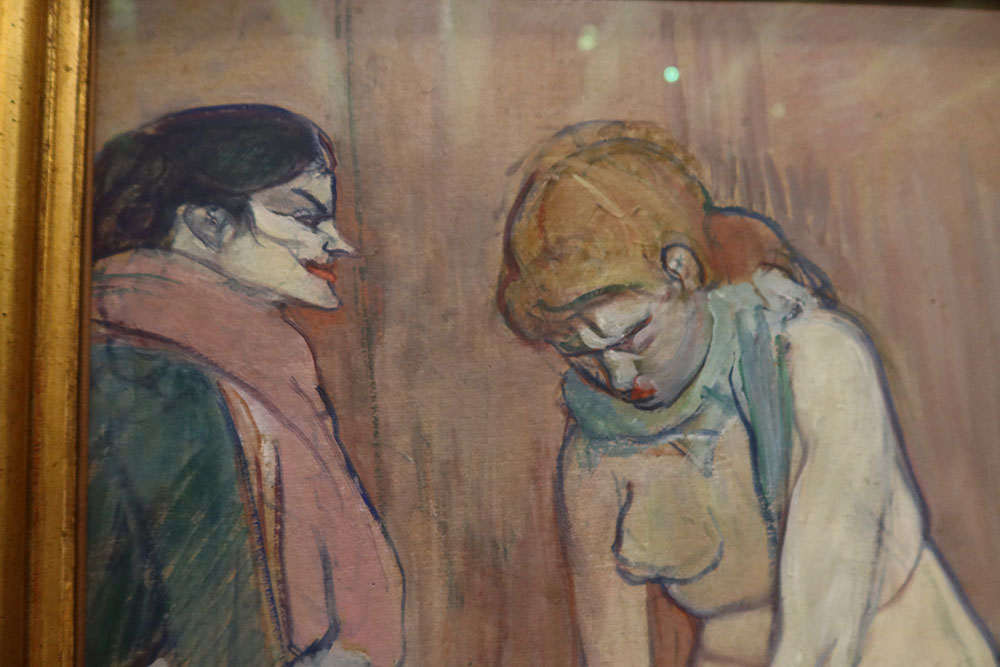
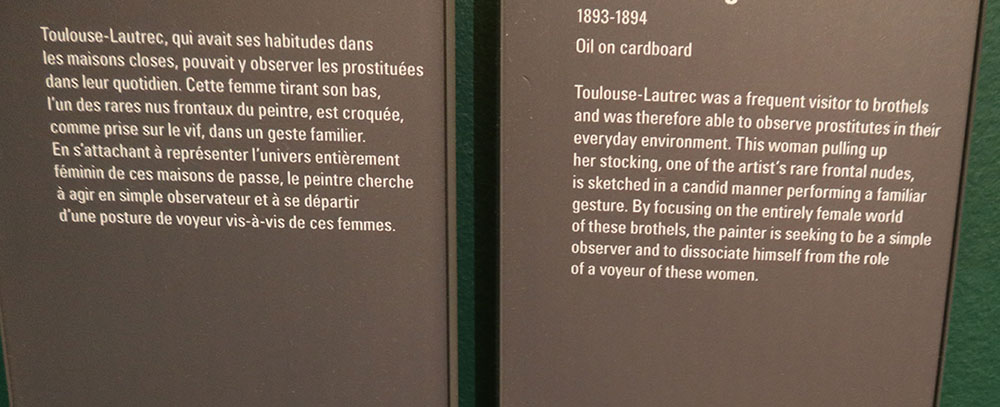
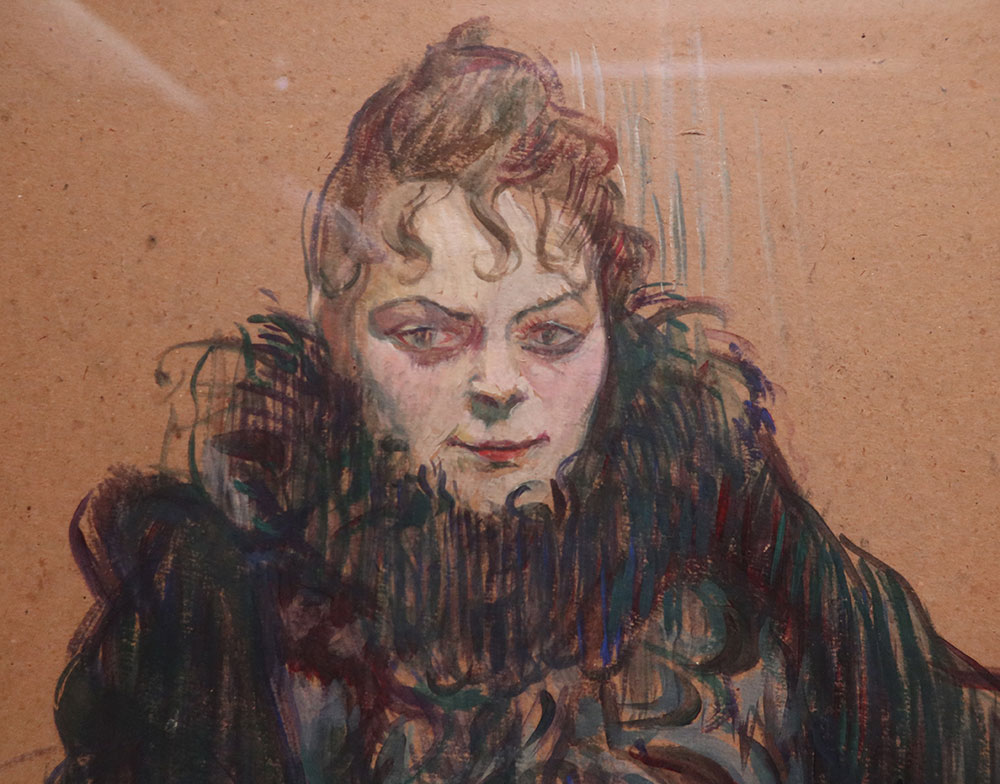
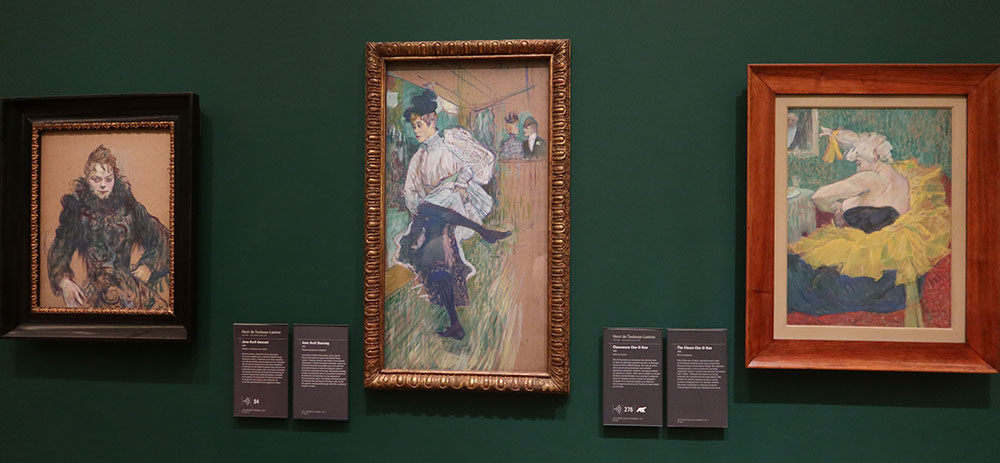
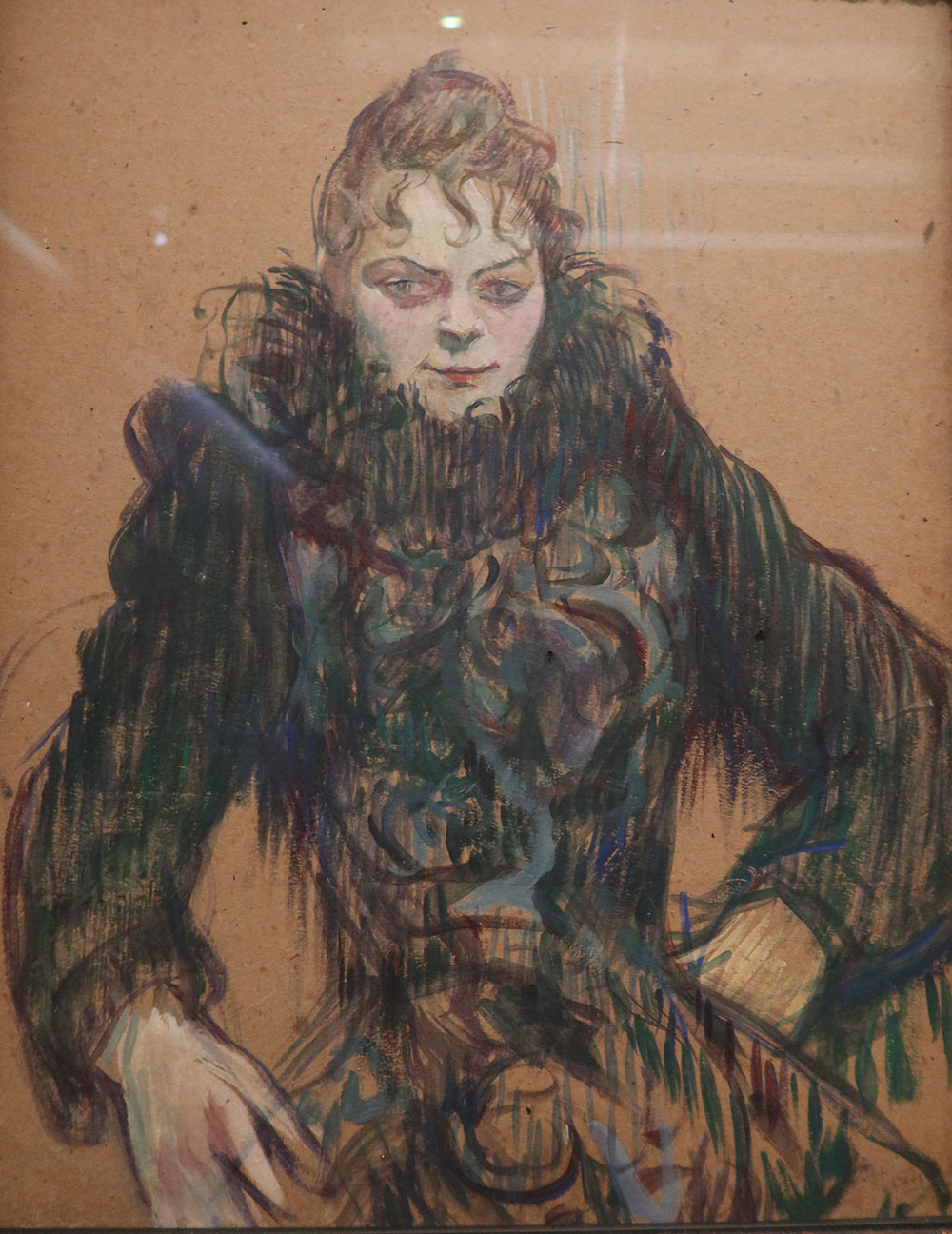
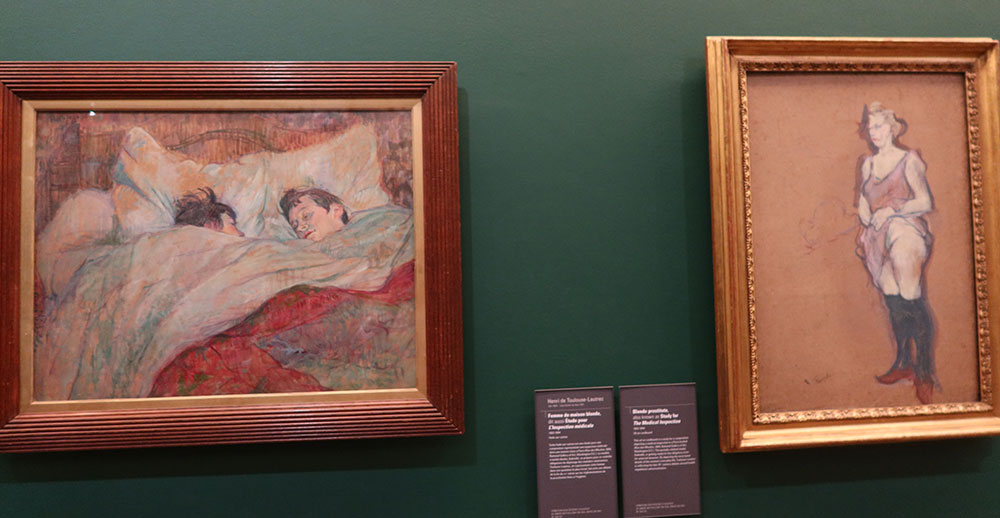
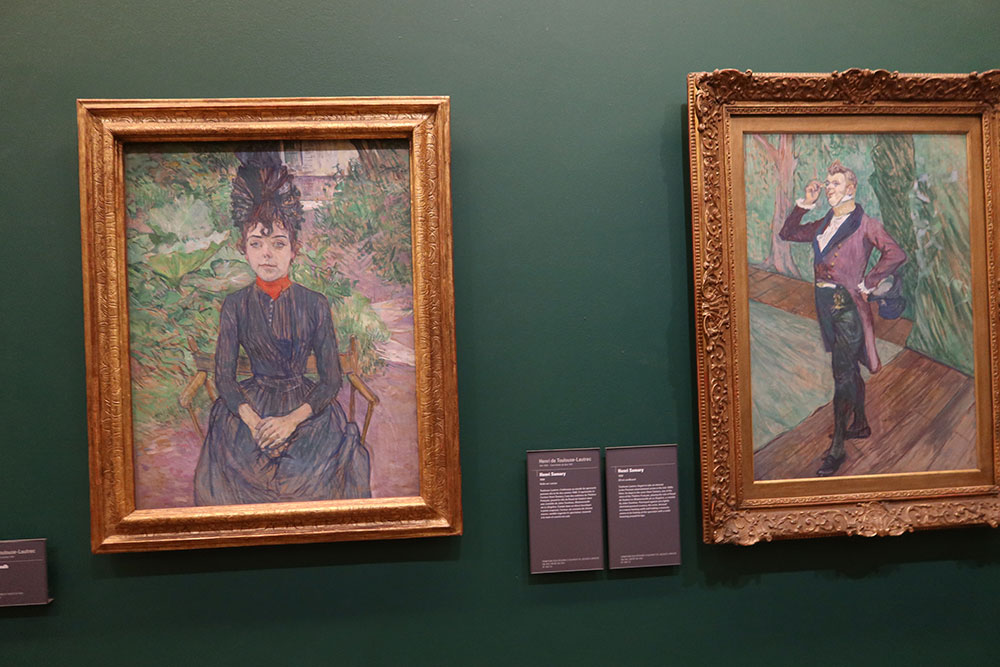
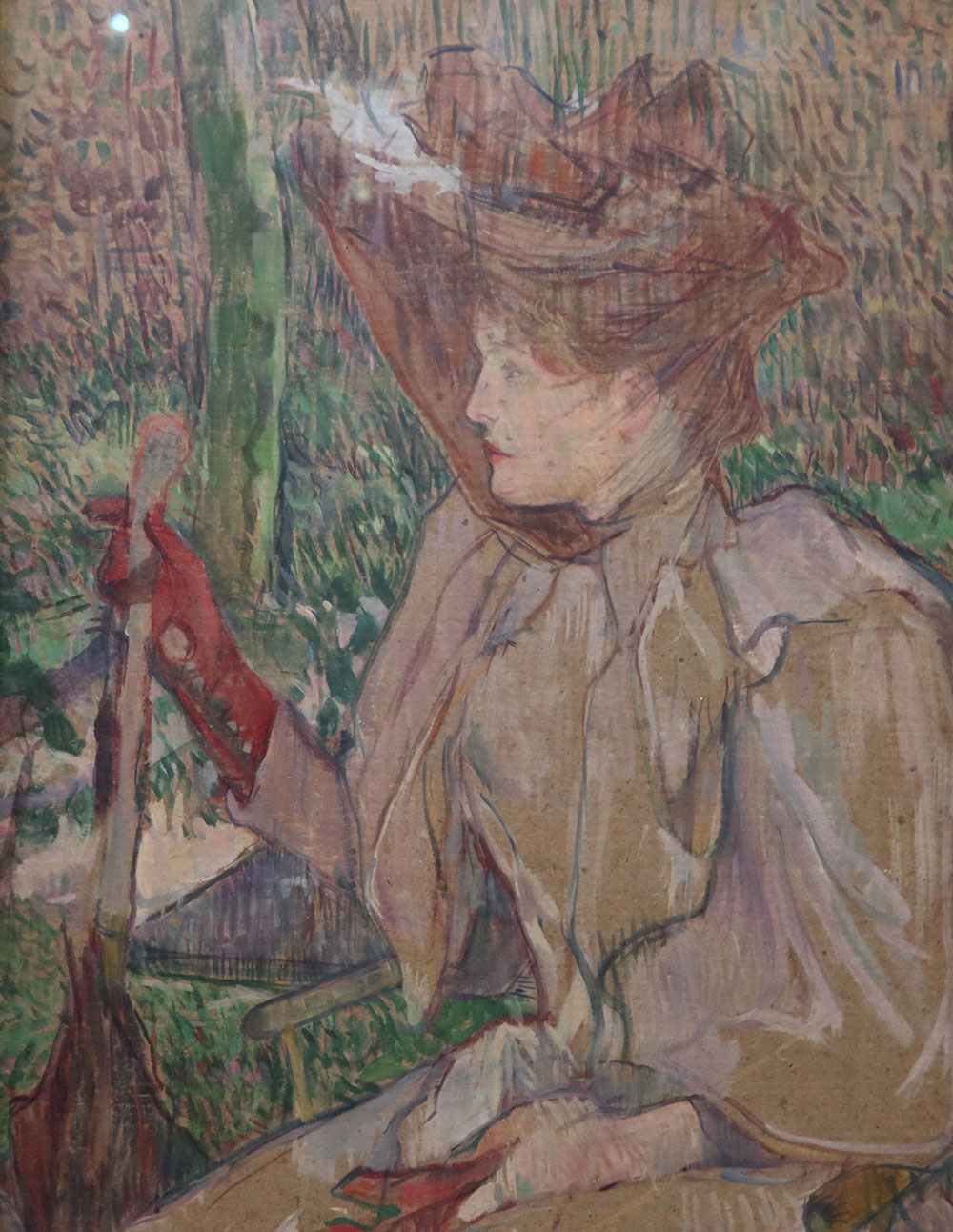
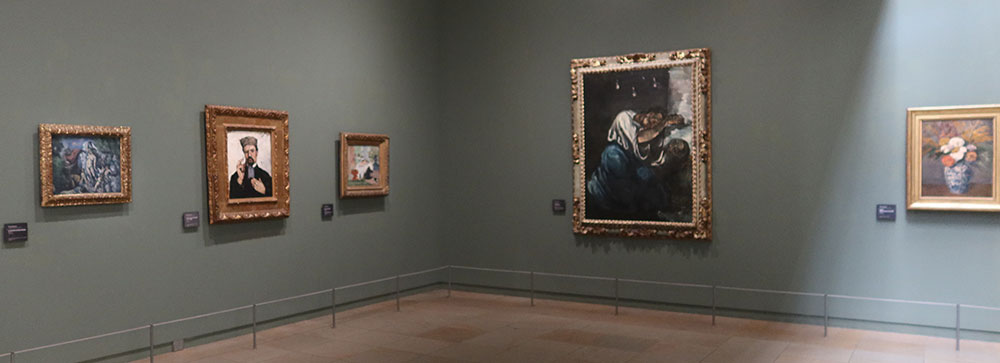
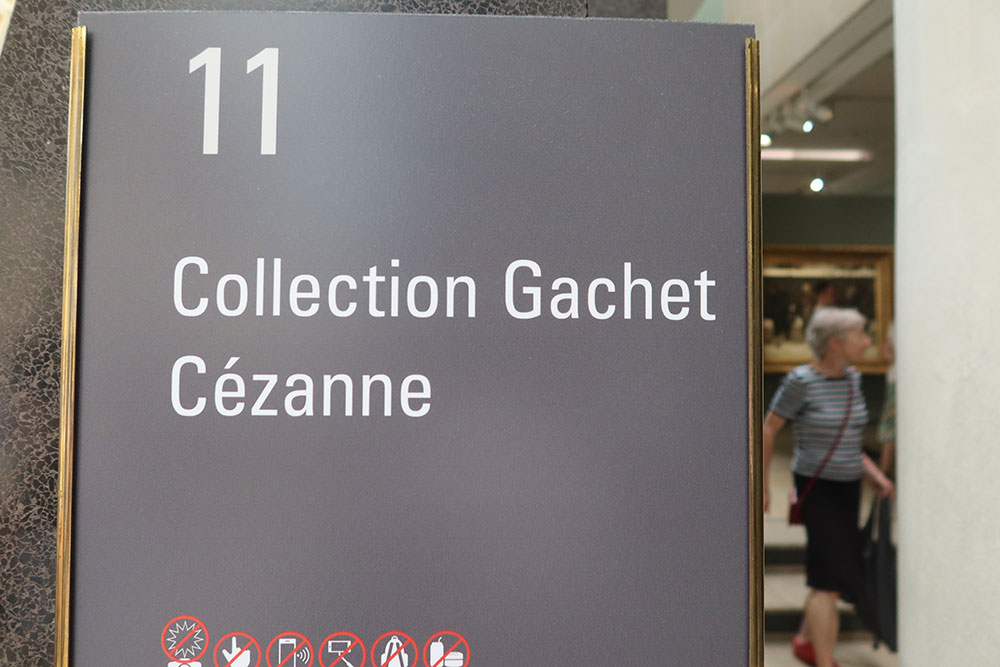
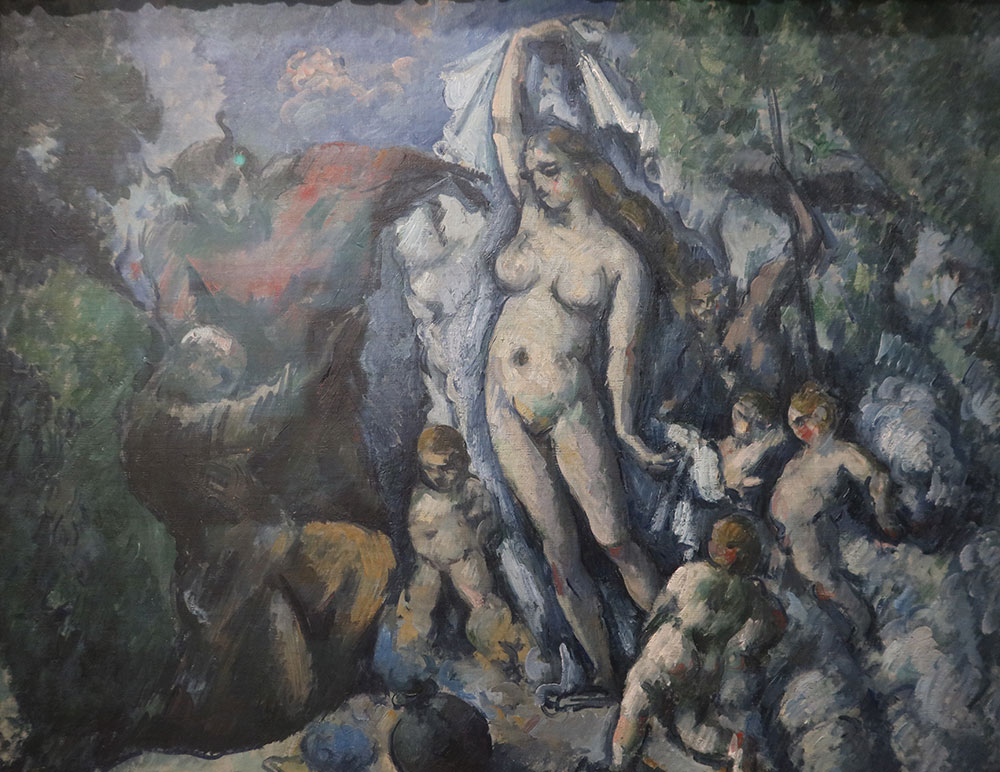
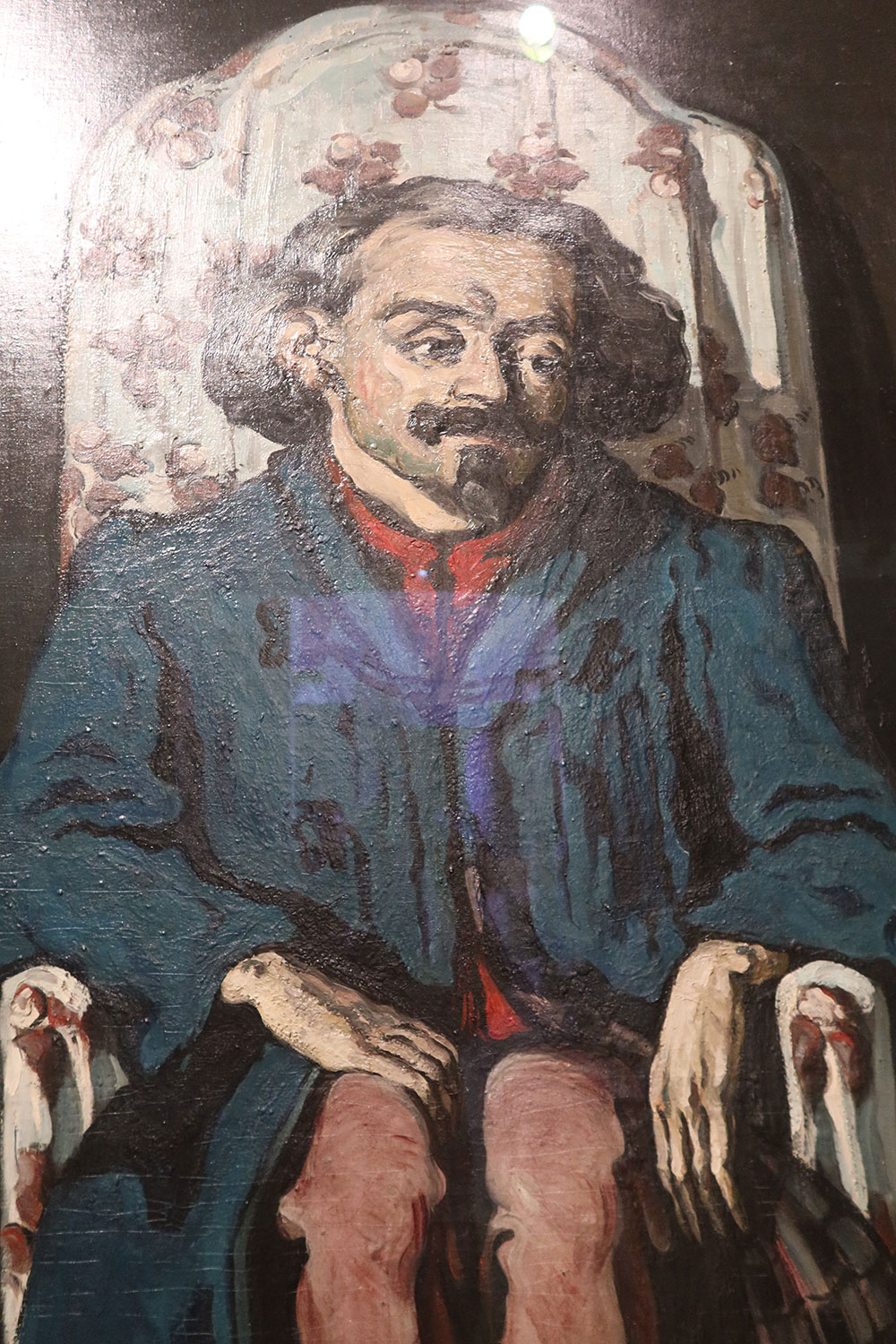
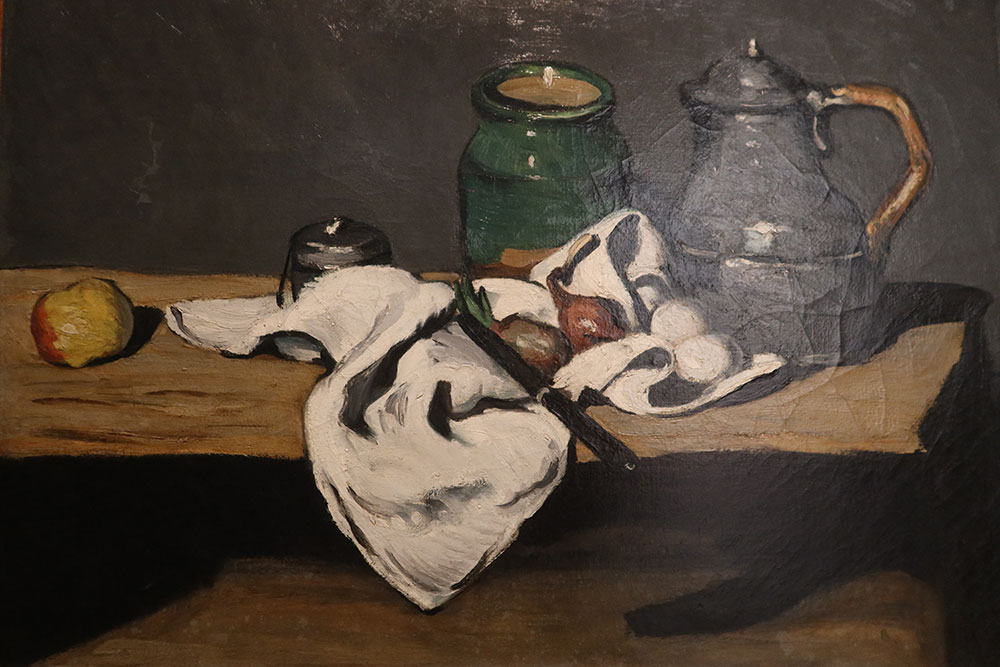
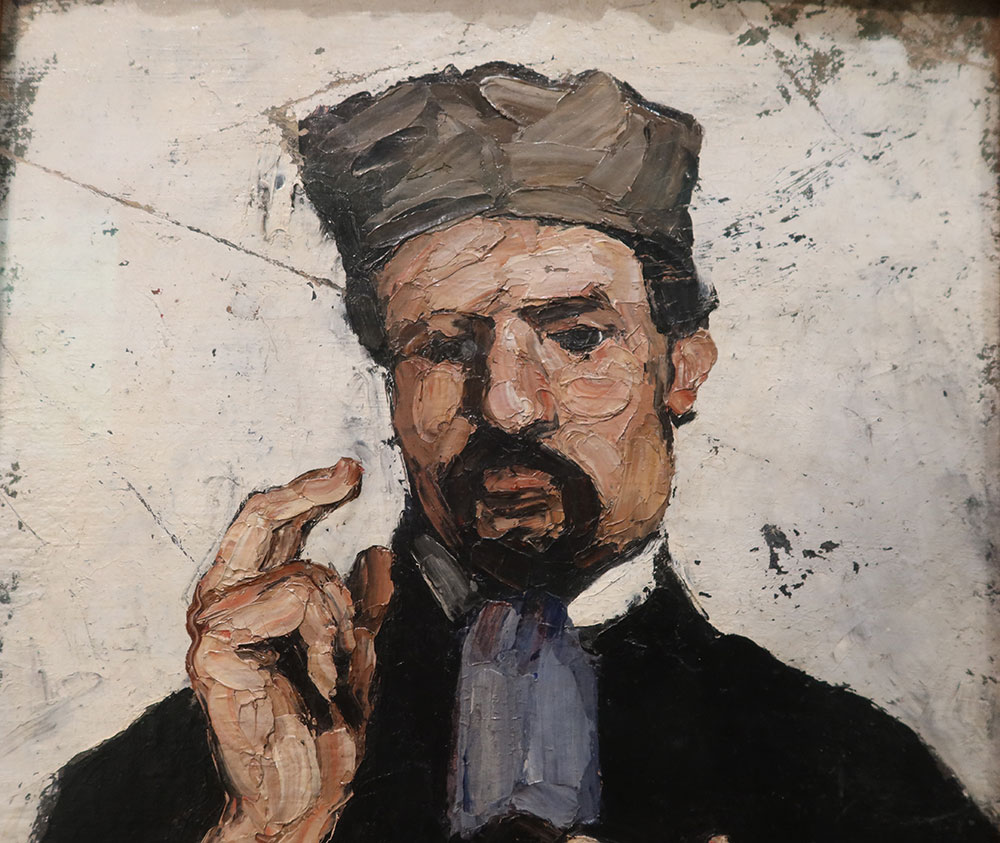
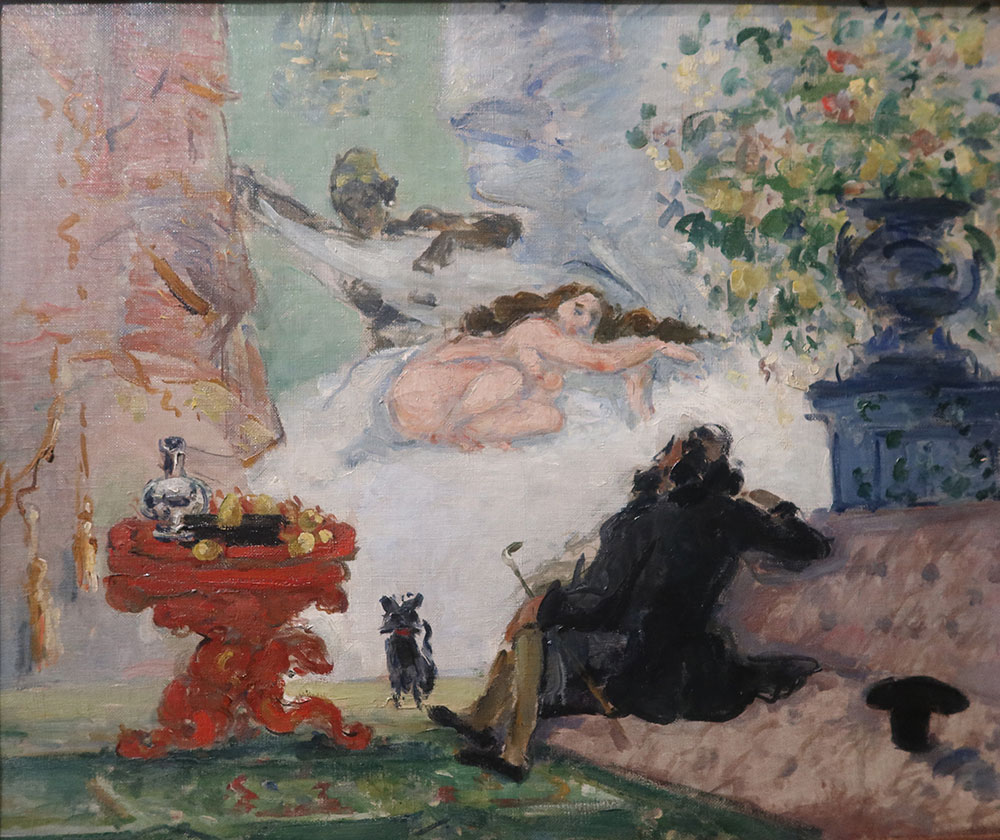
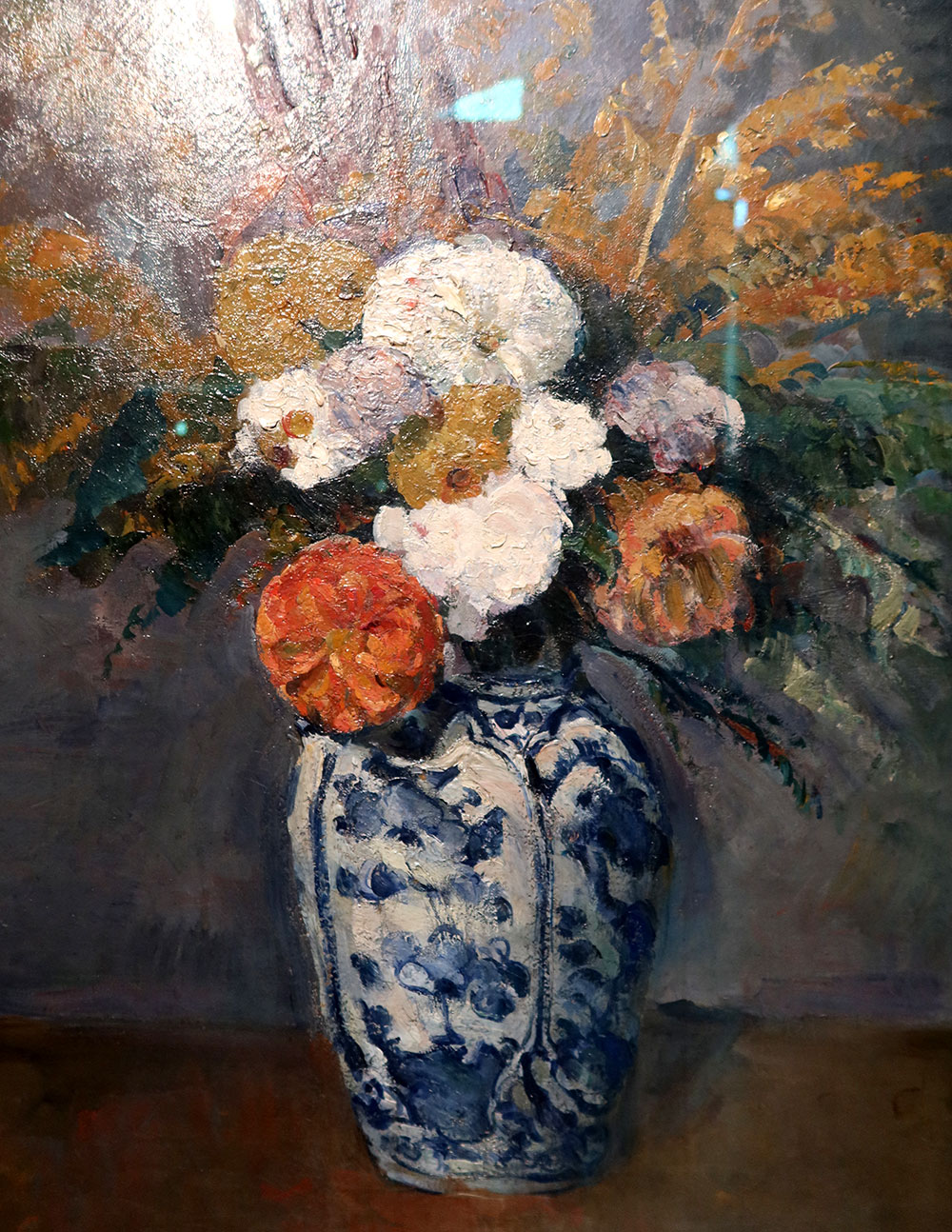
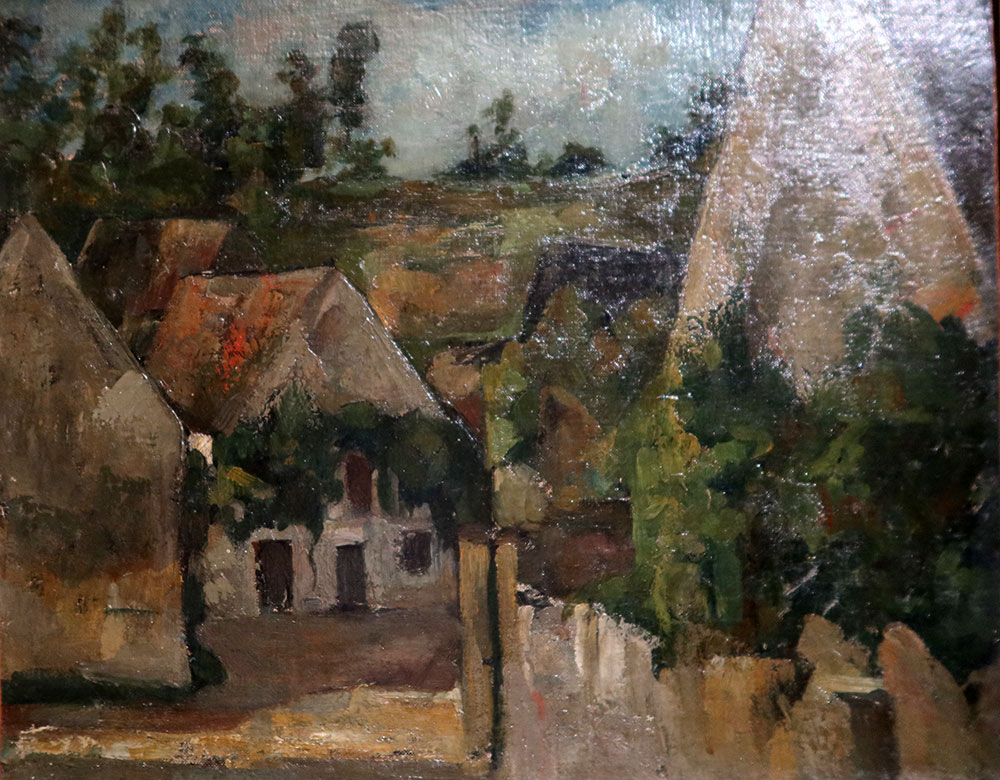
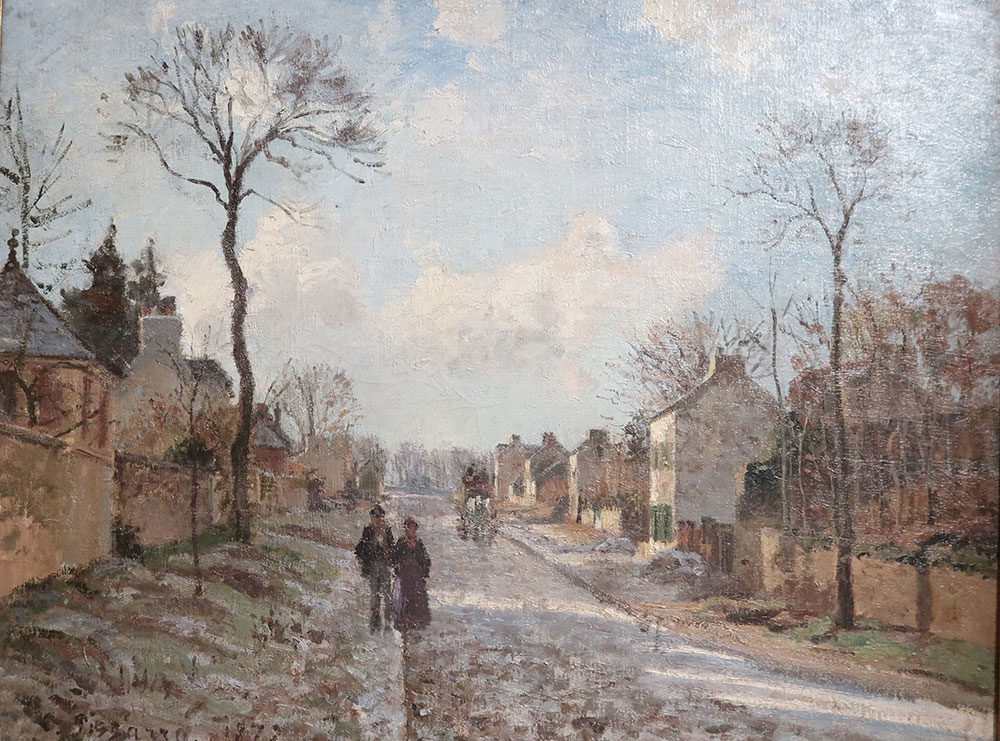
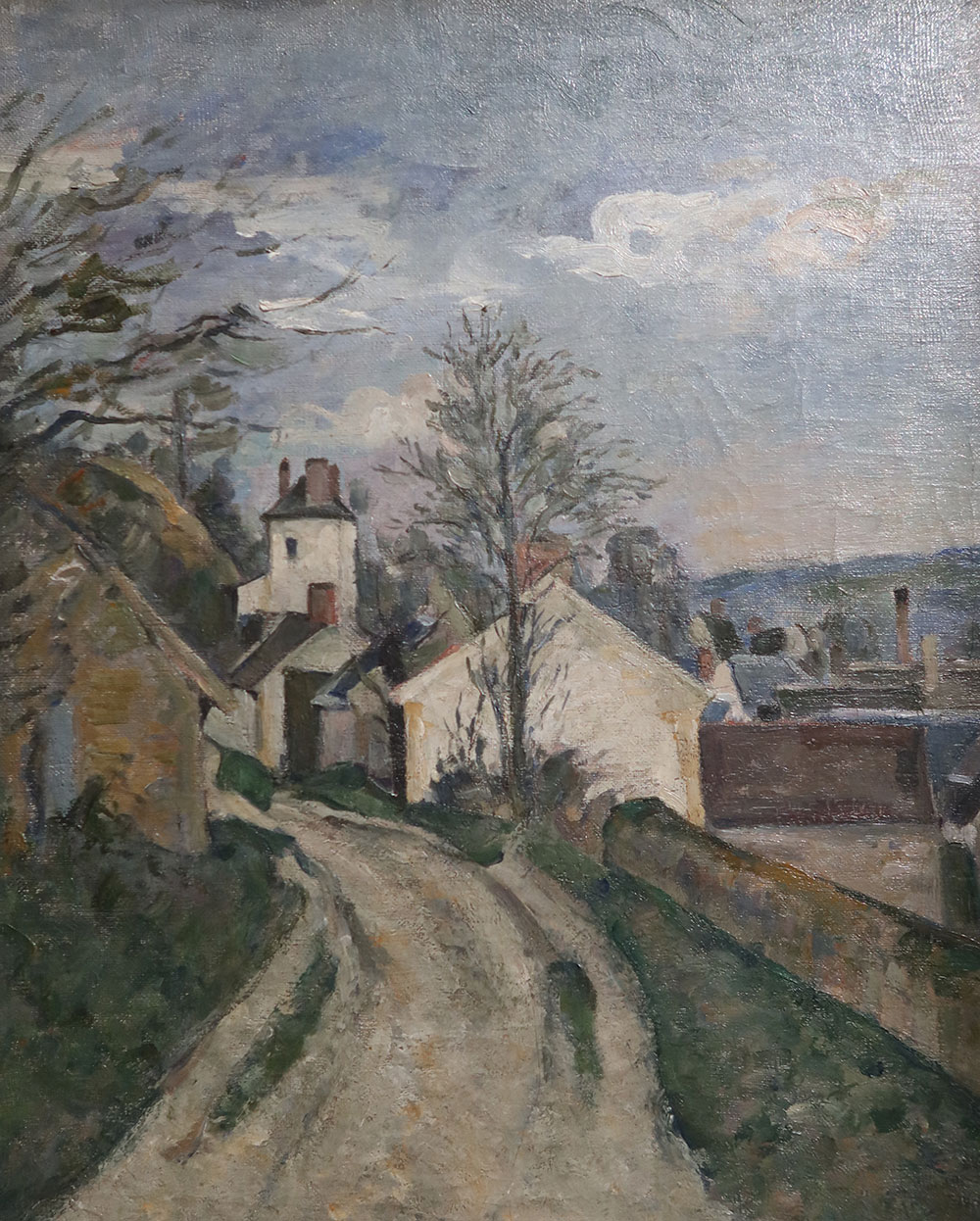
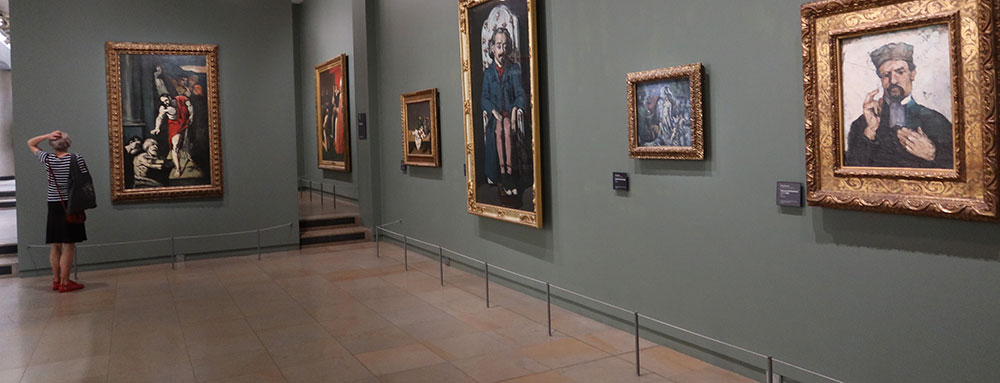
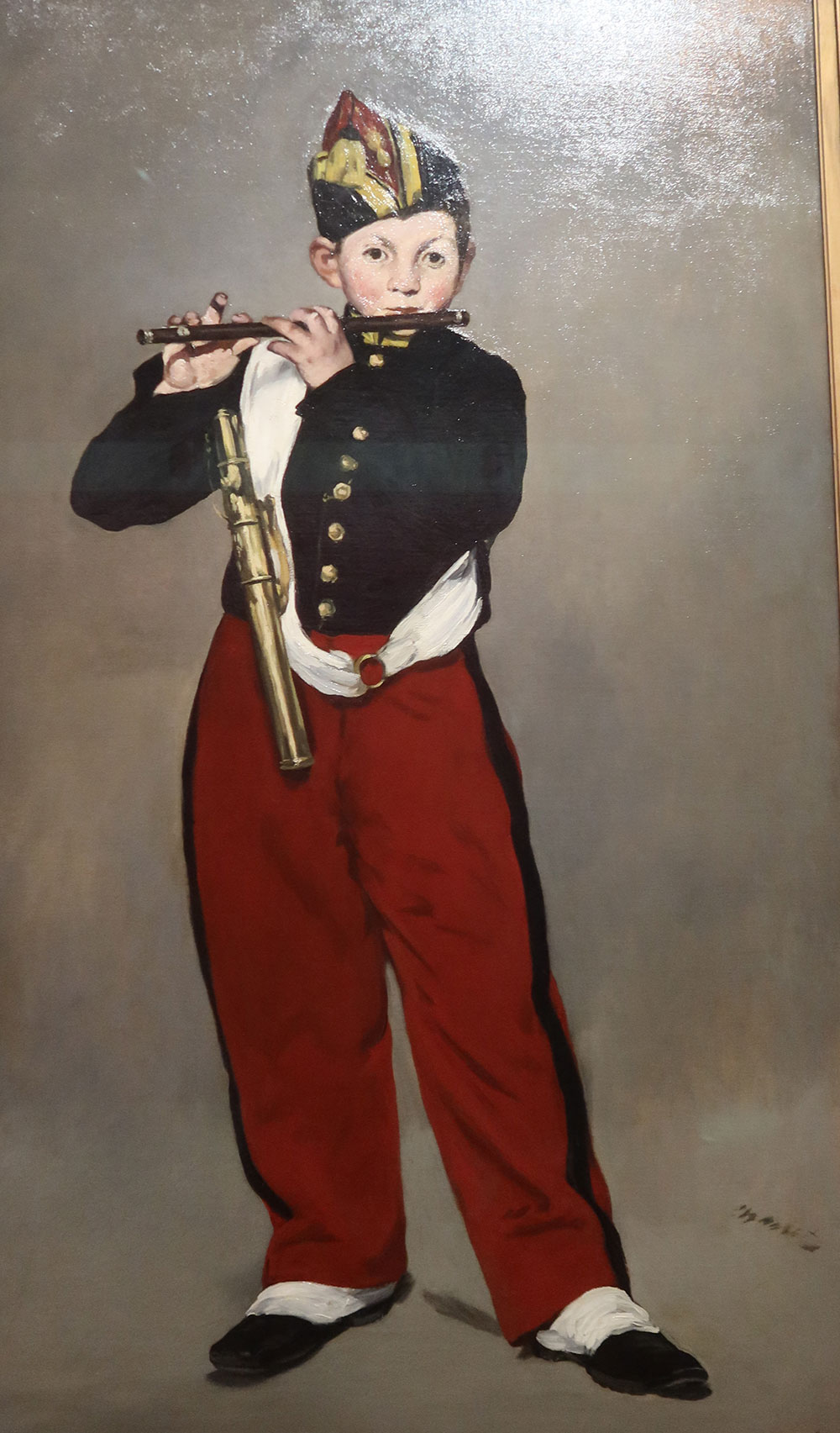
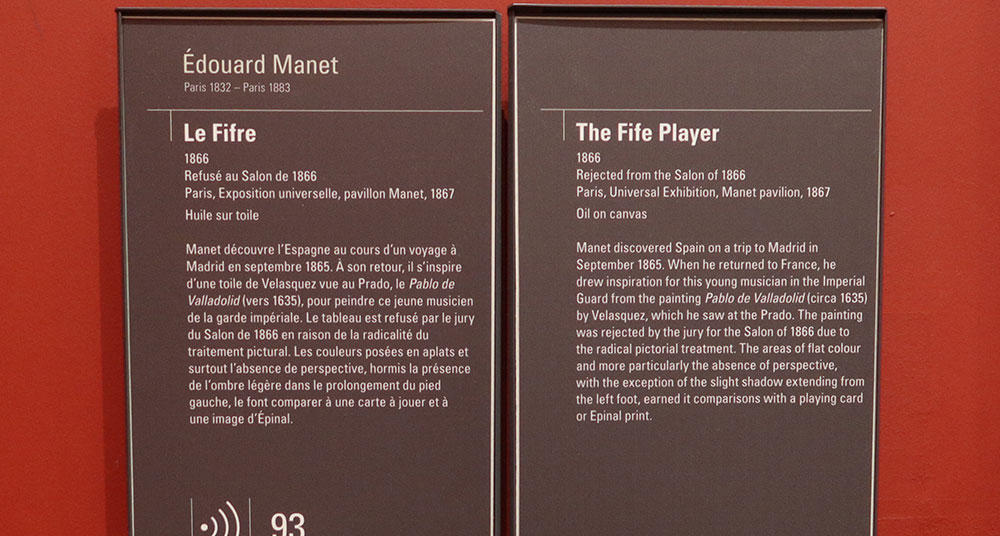
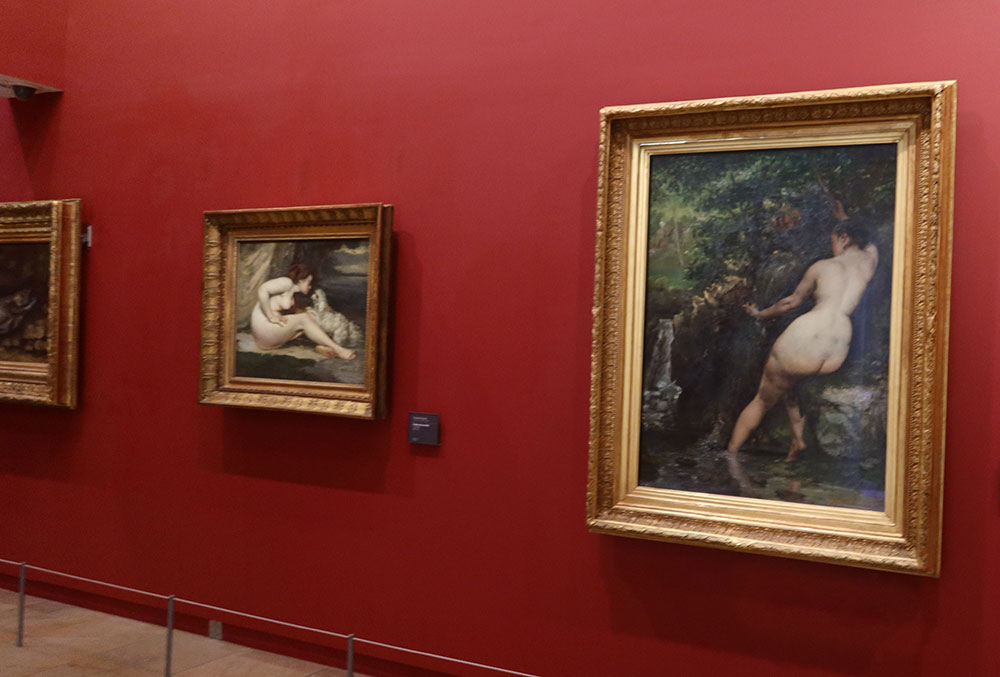
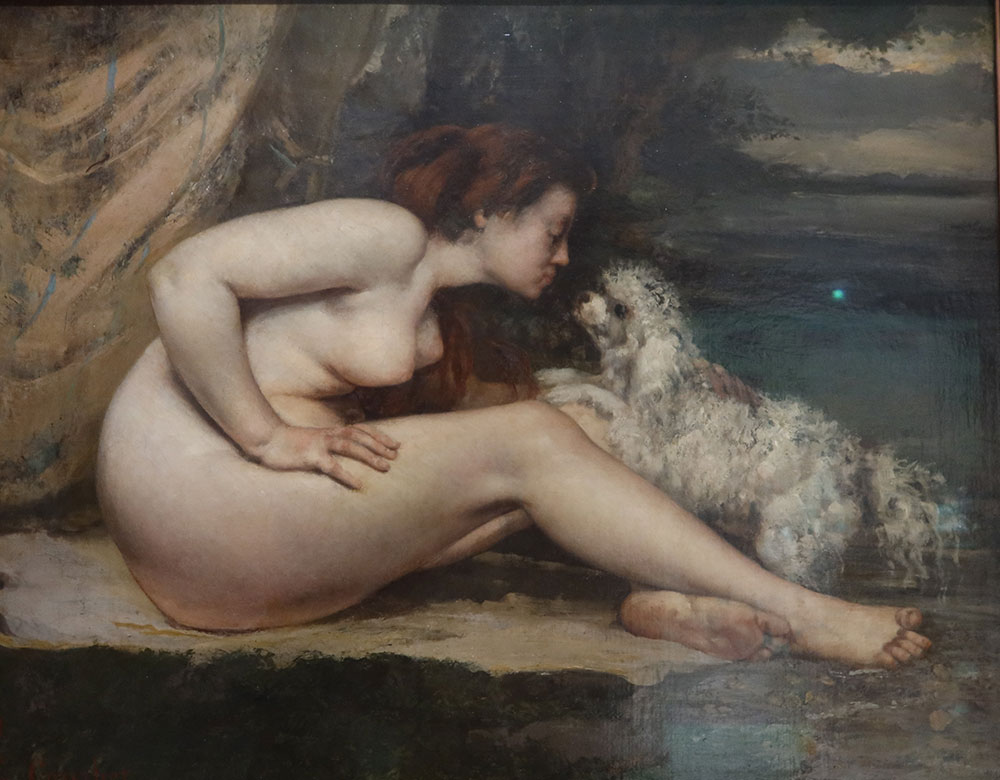
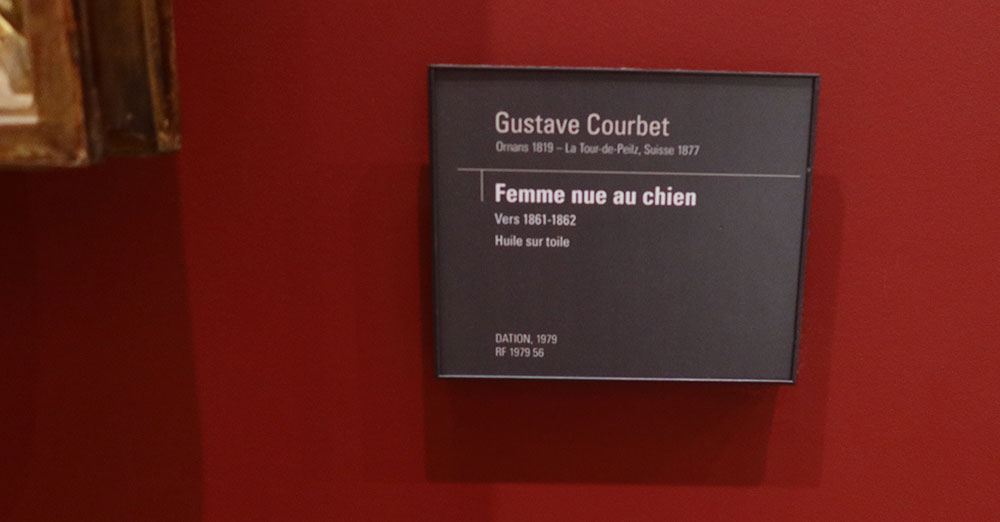
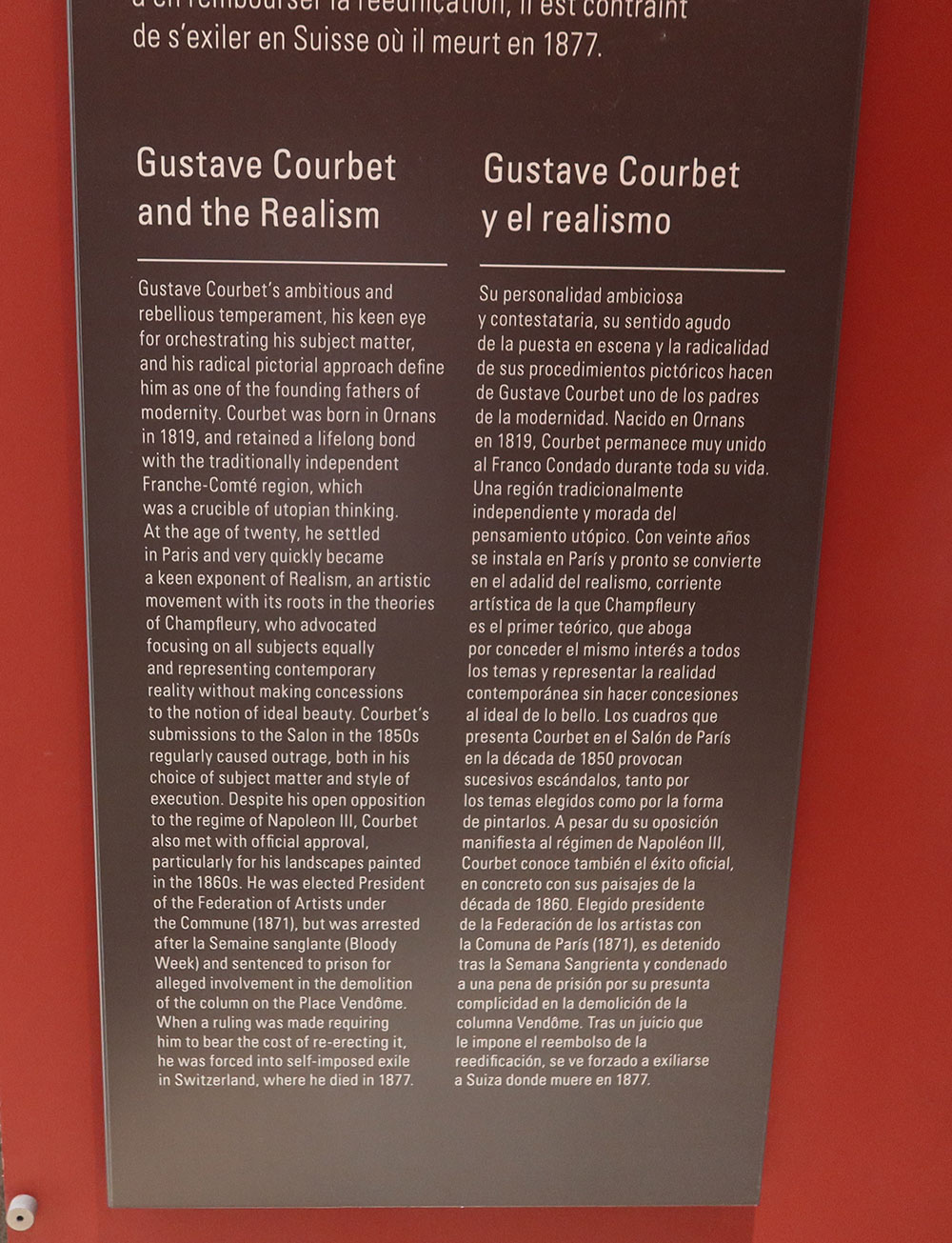
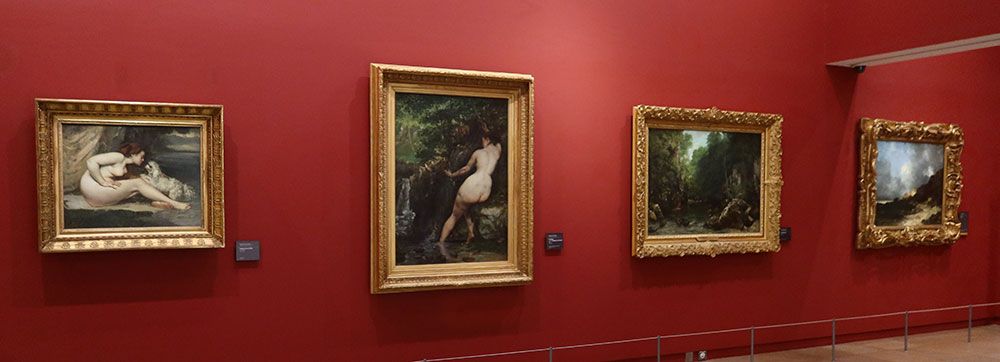
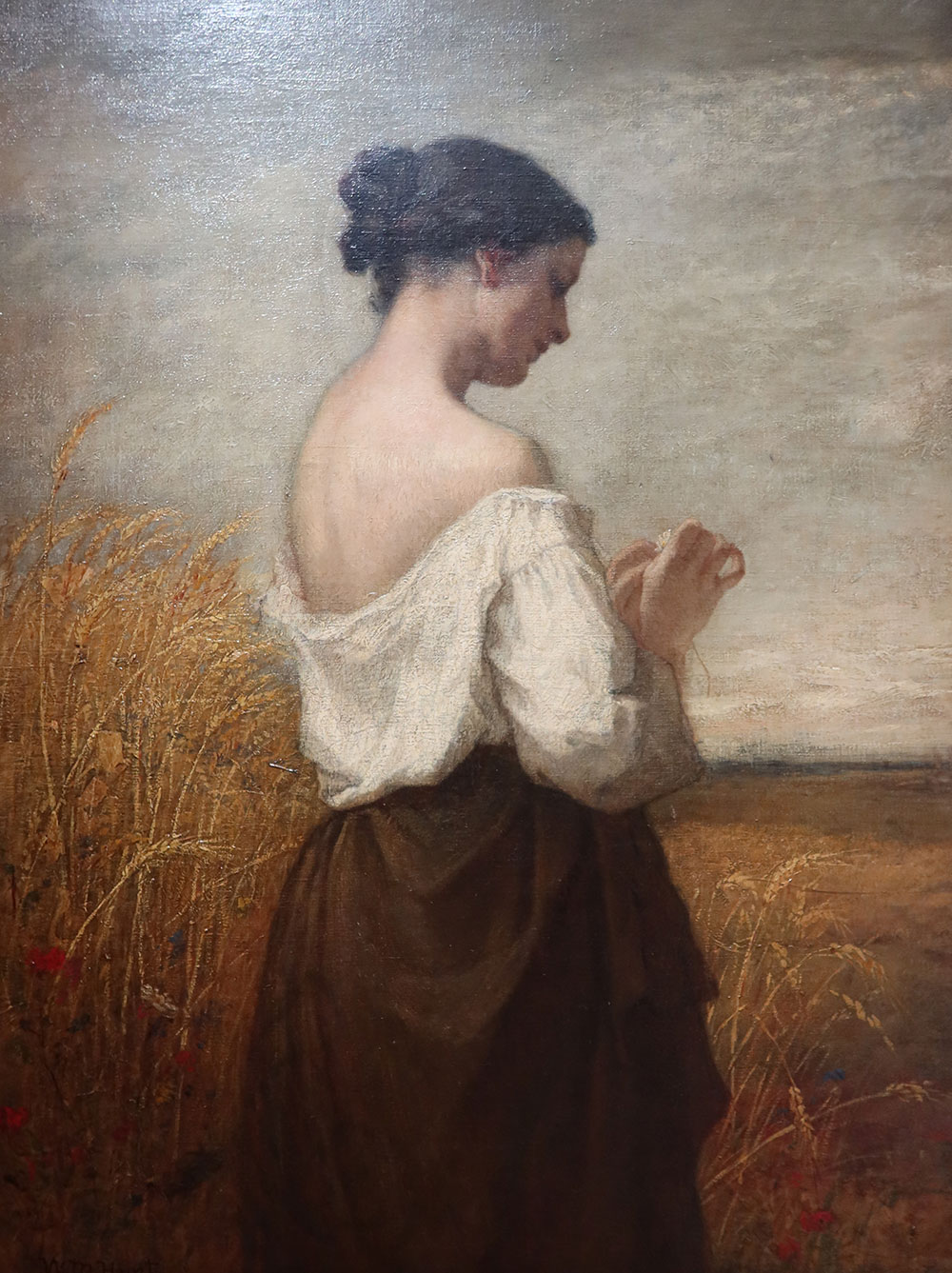
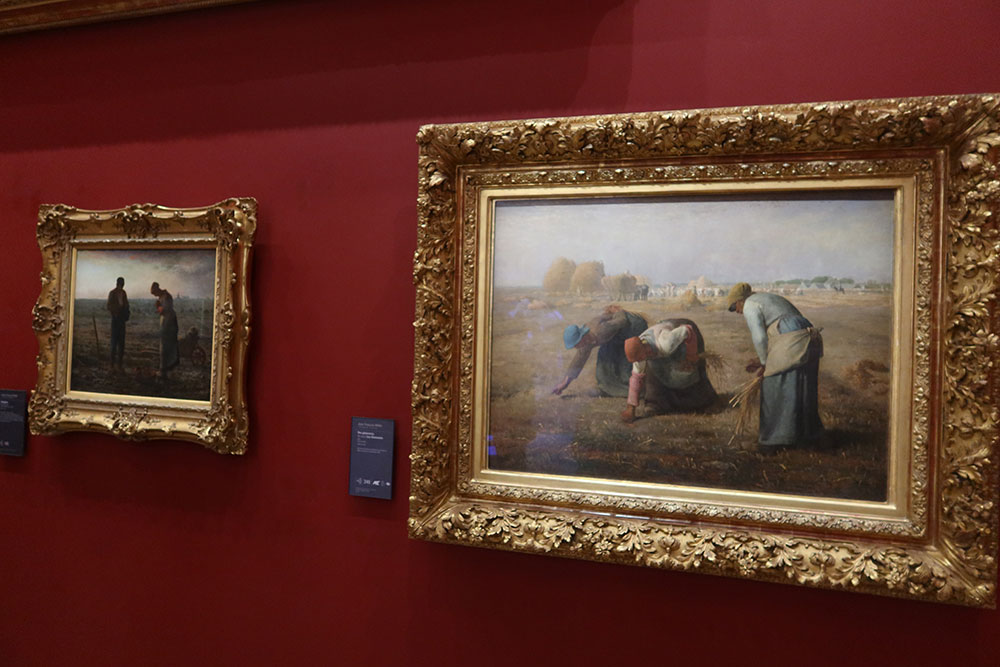
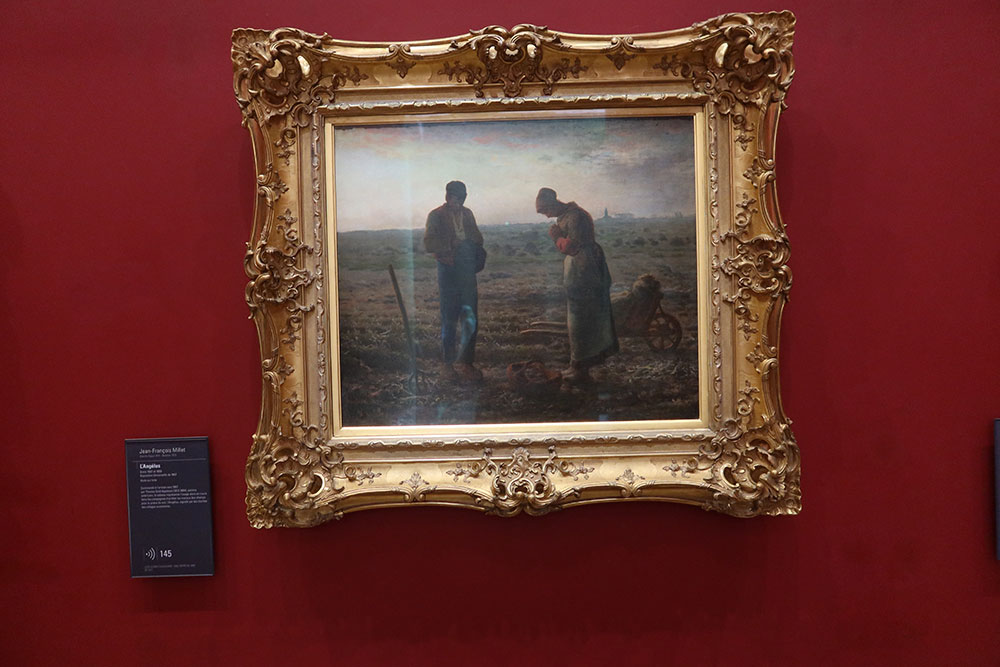
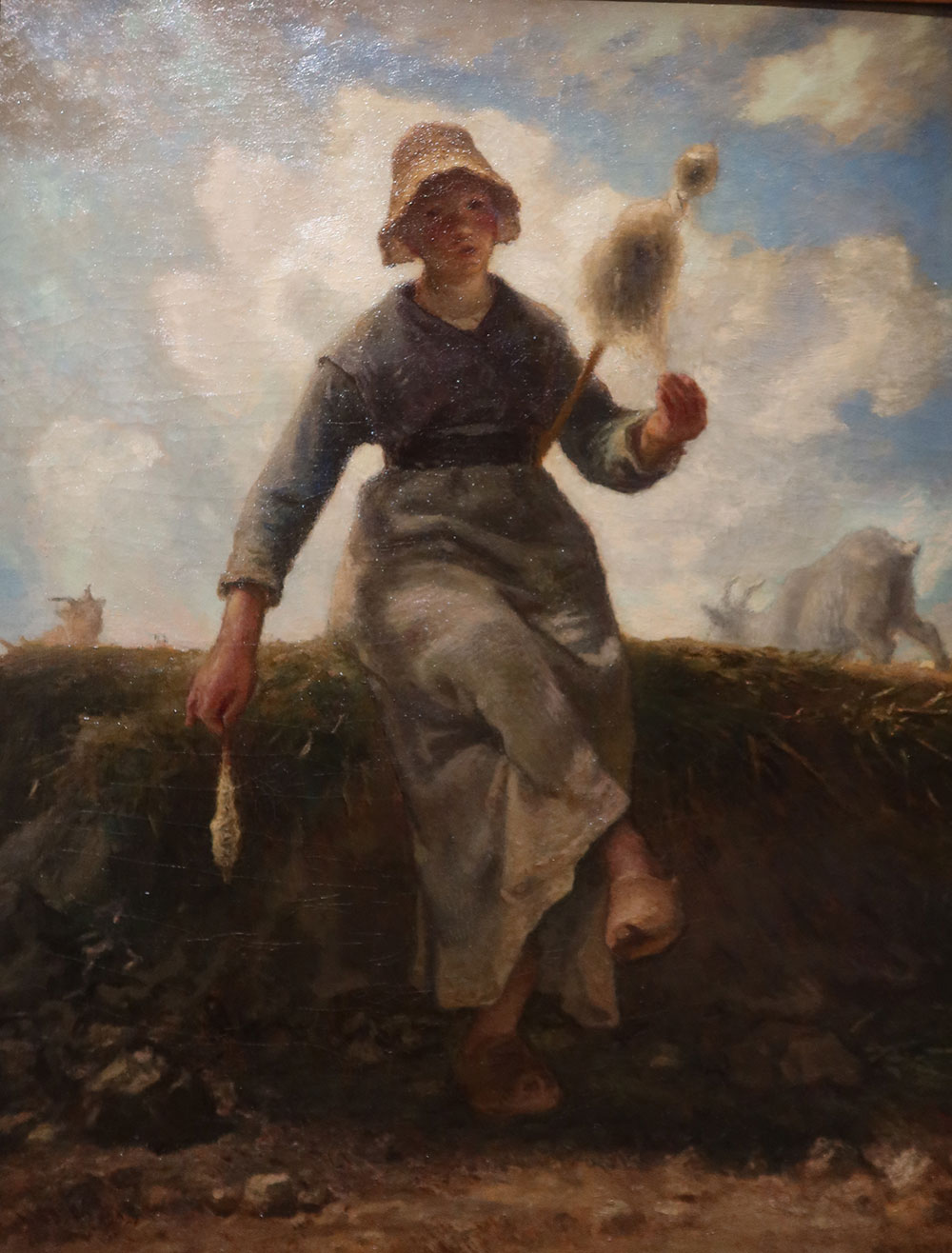
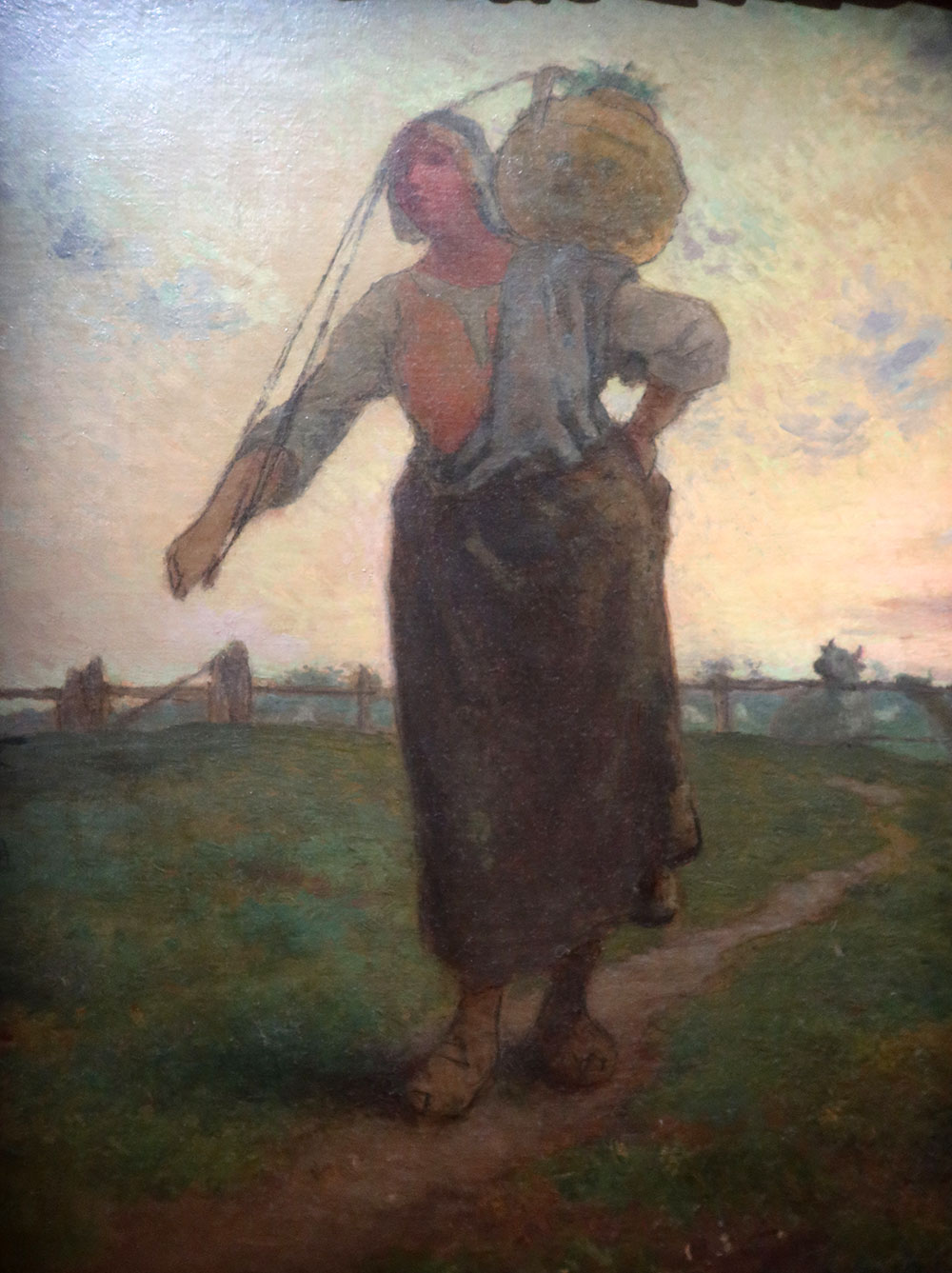
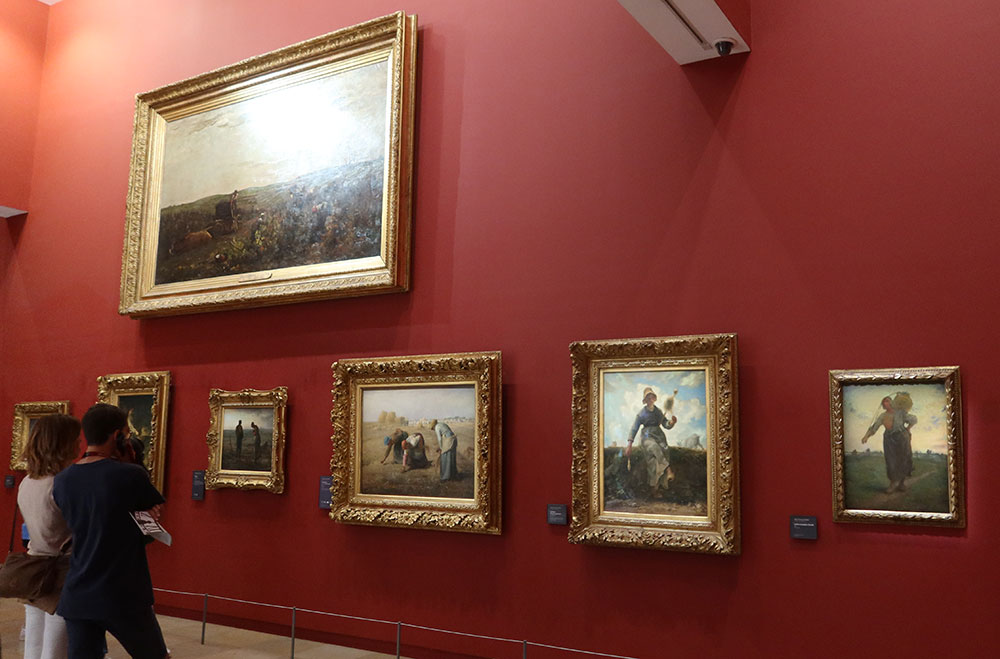
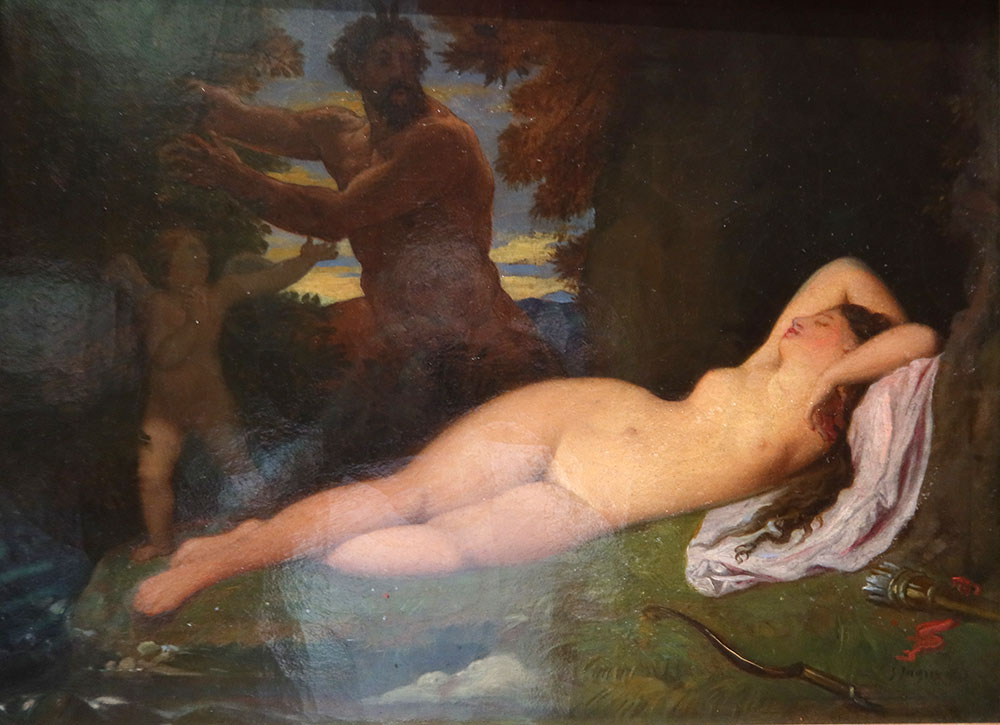
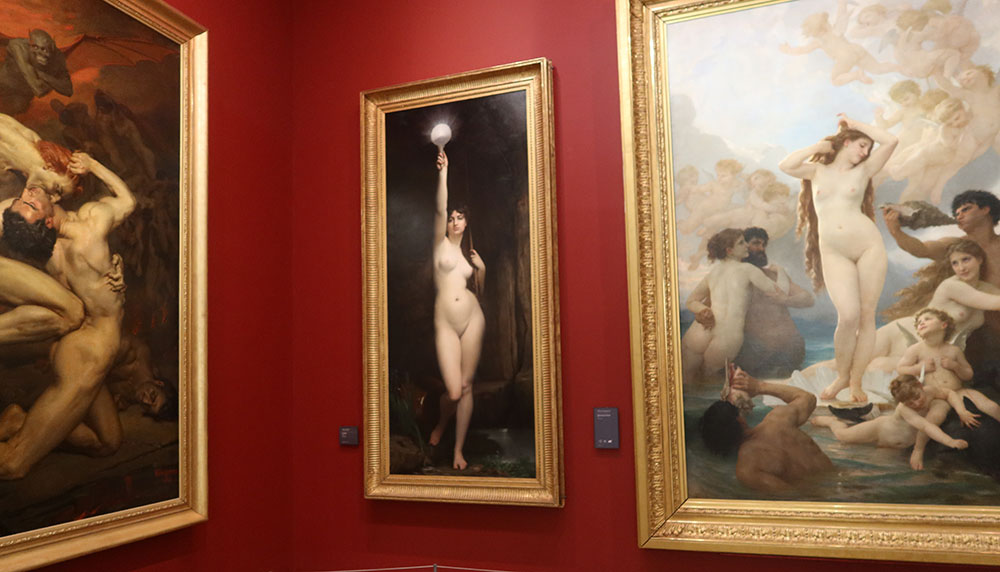
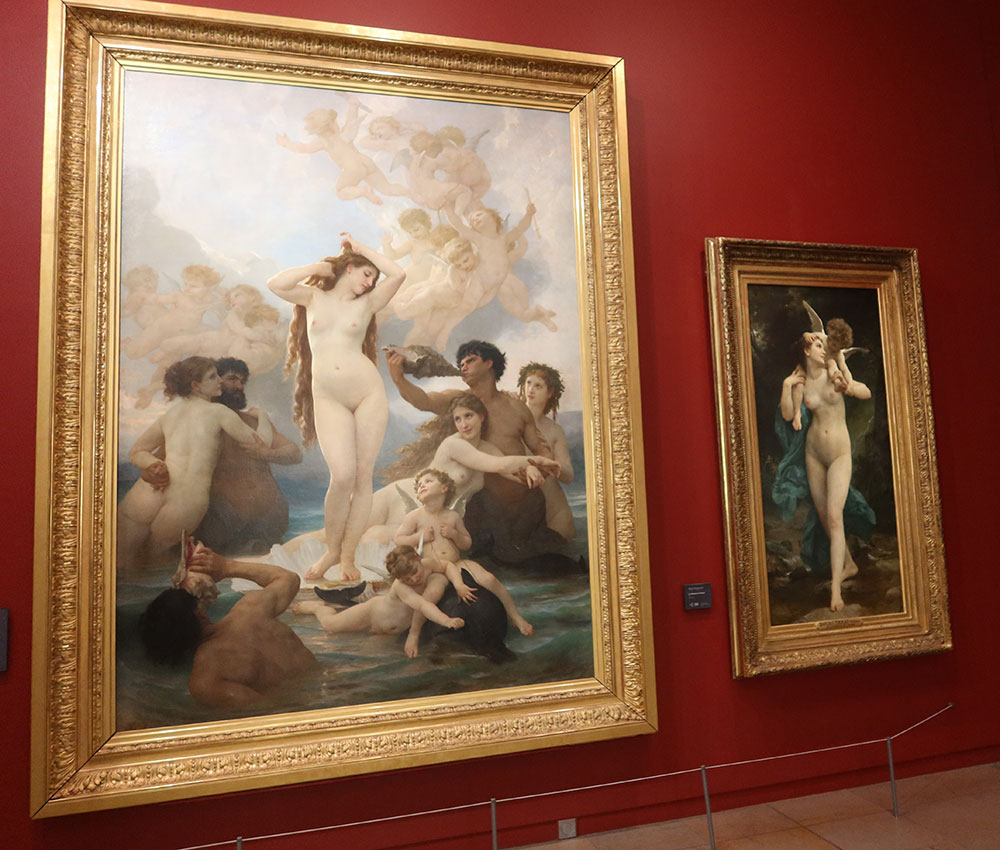
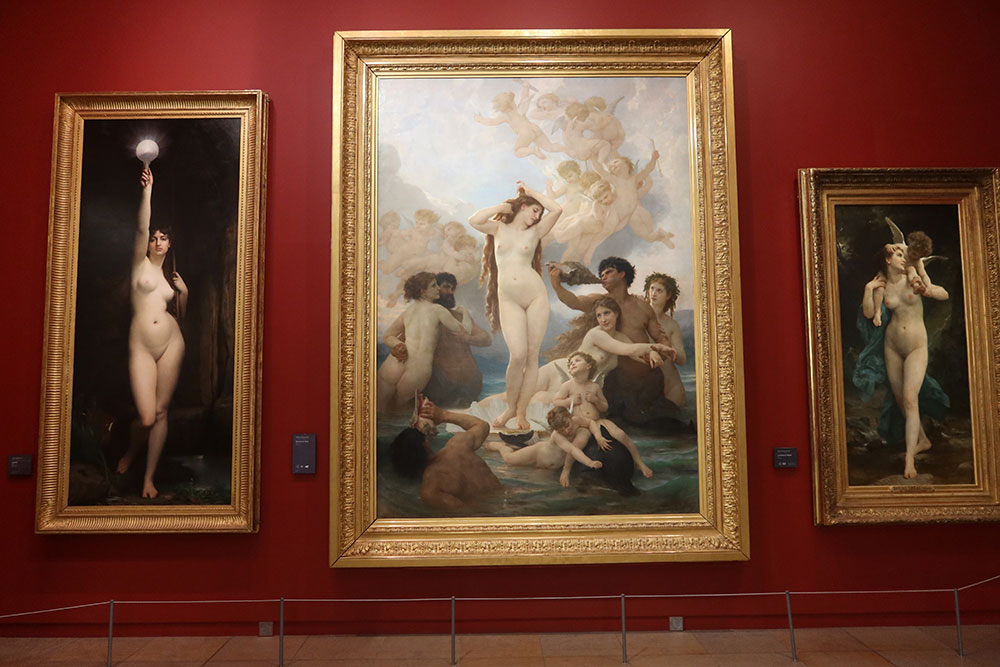
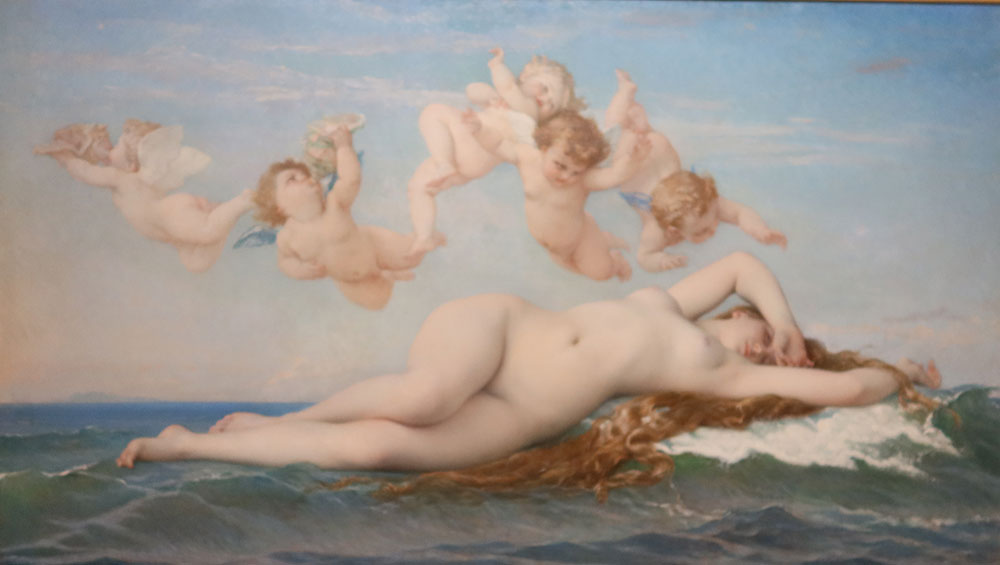
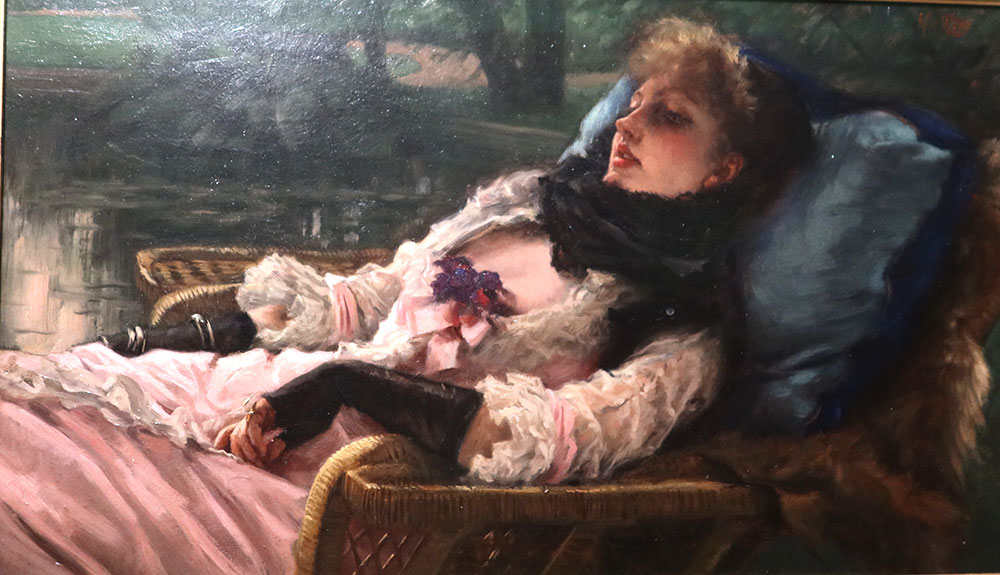
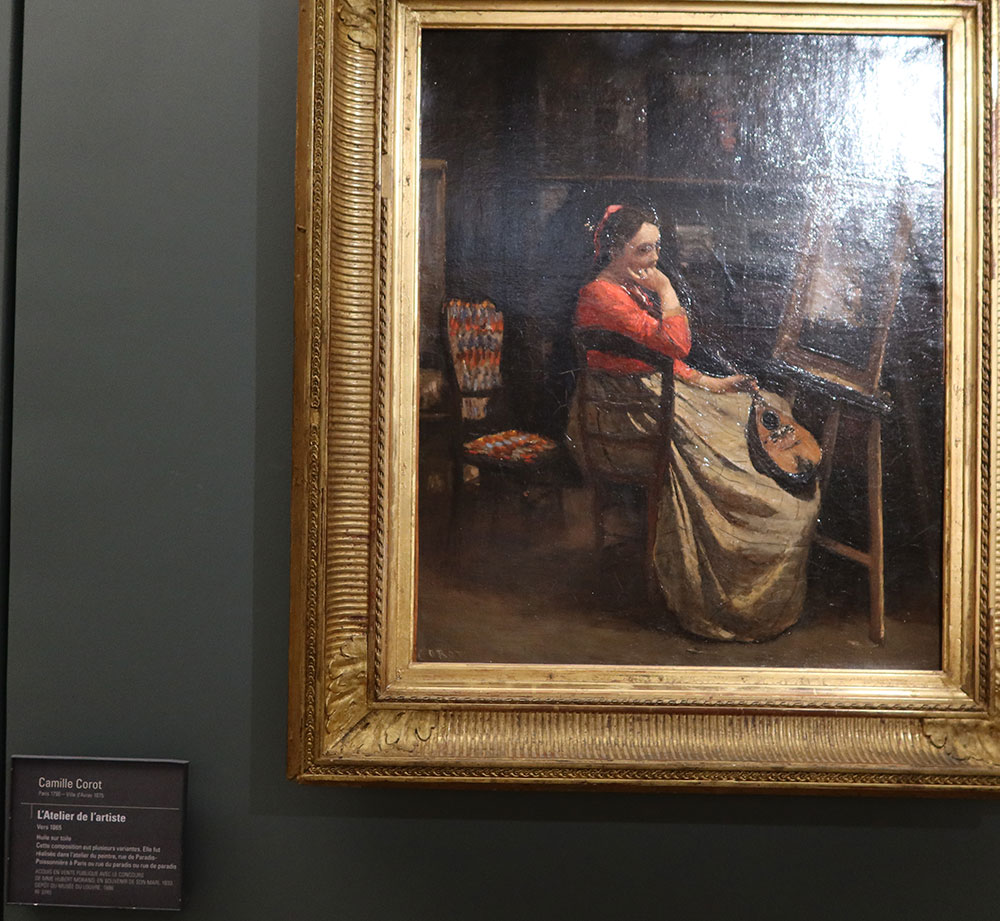
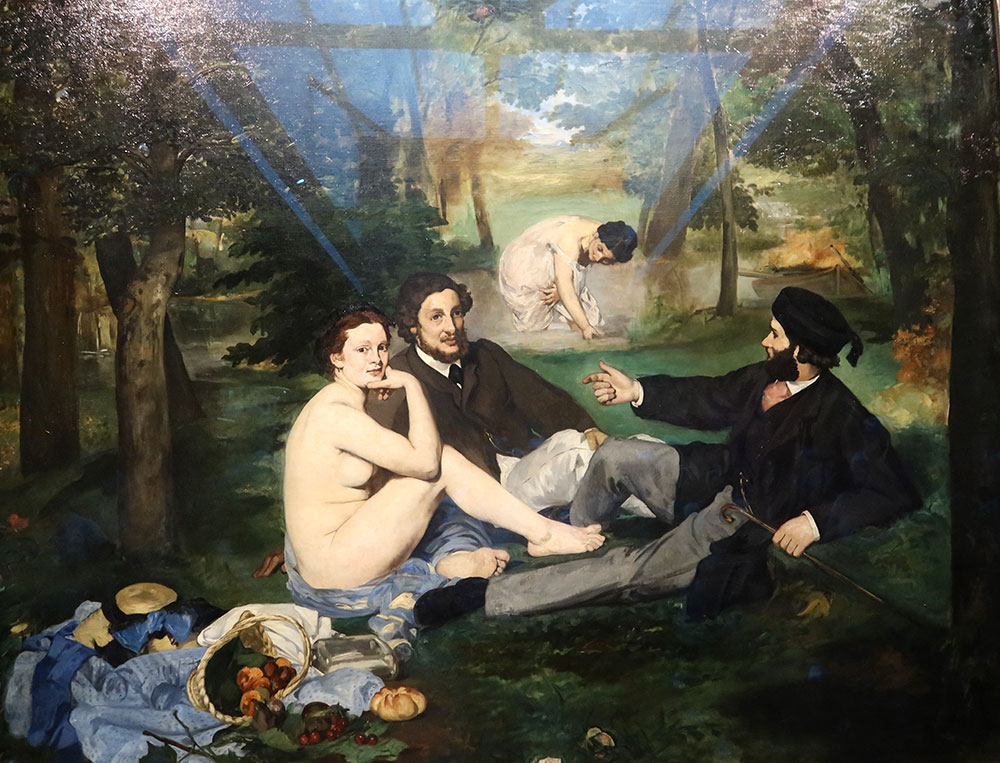
The painting collection is organised to reflect the full range of production in the period rather than privileging any single tendency. Academic works by William Bouguereau, Jean-Léon Gérôme, and Alexandre Cabanel are presented alongside the avant-garde Realism of Gustave Courbet and Jean-François Millet, the challenging urban modernity of Édouard Manet, and the Impressionist work of Claude Monet, Pierre-Auguste Renoir, Edgar Degas, Berthe Morisot, Alfred Sisley, and Camille Pissarro. The Post-Impressionist holdings include significant works by Paul Cézanne, Paul Gauguin, Georges Seurat, Henri de Toulouse-Lautrec, and Vincent van Gogh. This commitment to representing the period rather than a curated version of it has given the collection an unusual depth of historical context.
Sculpture and the Decorative Arts
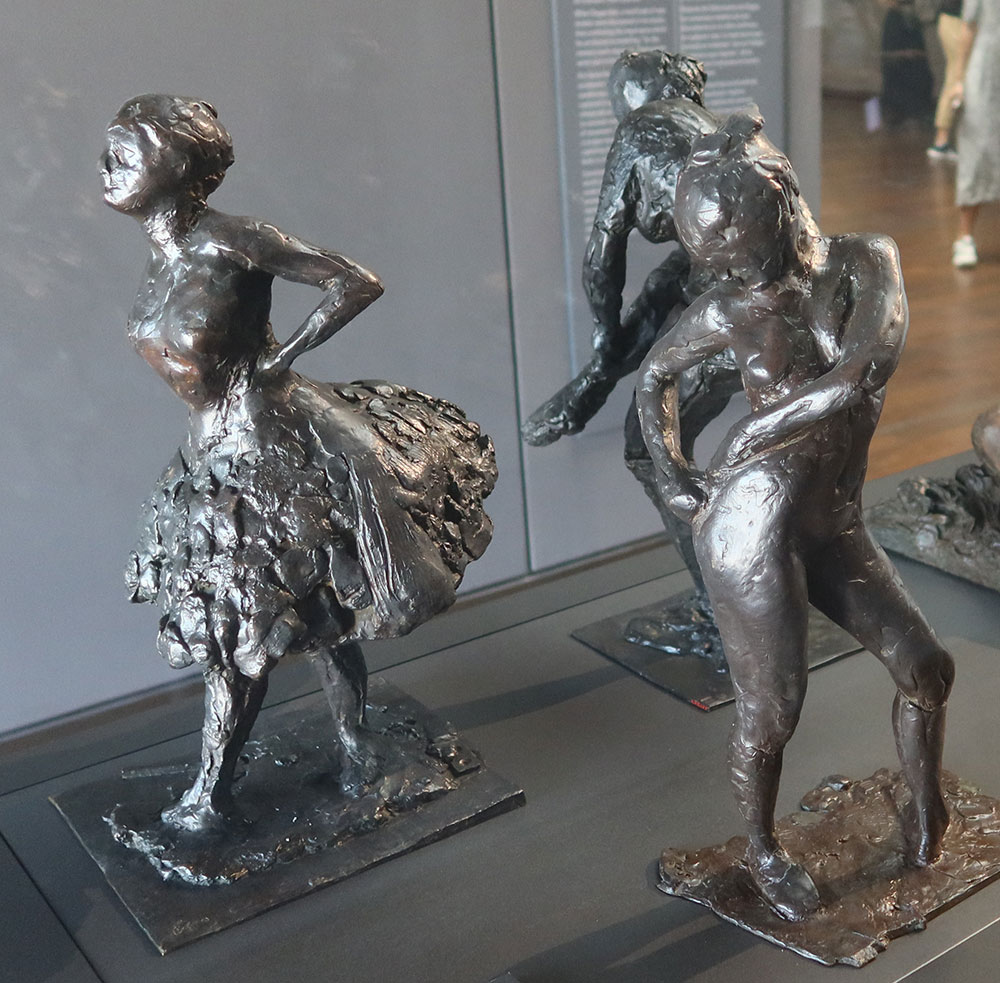
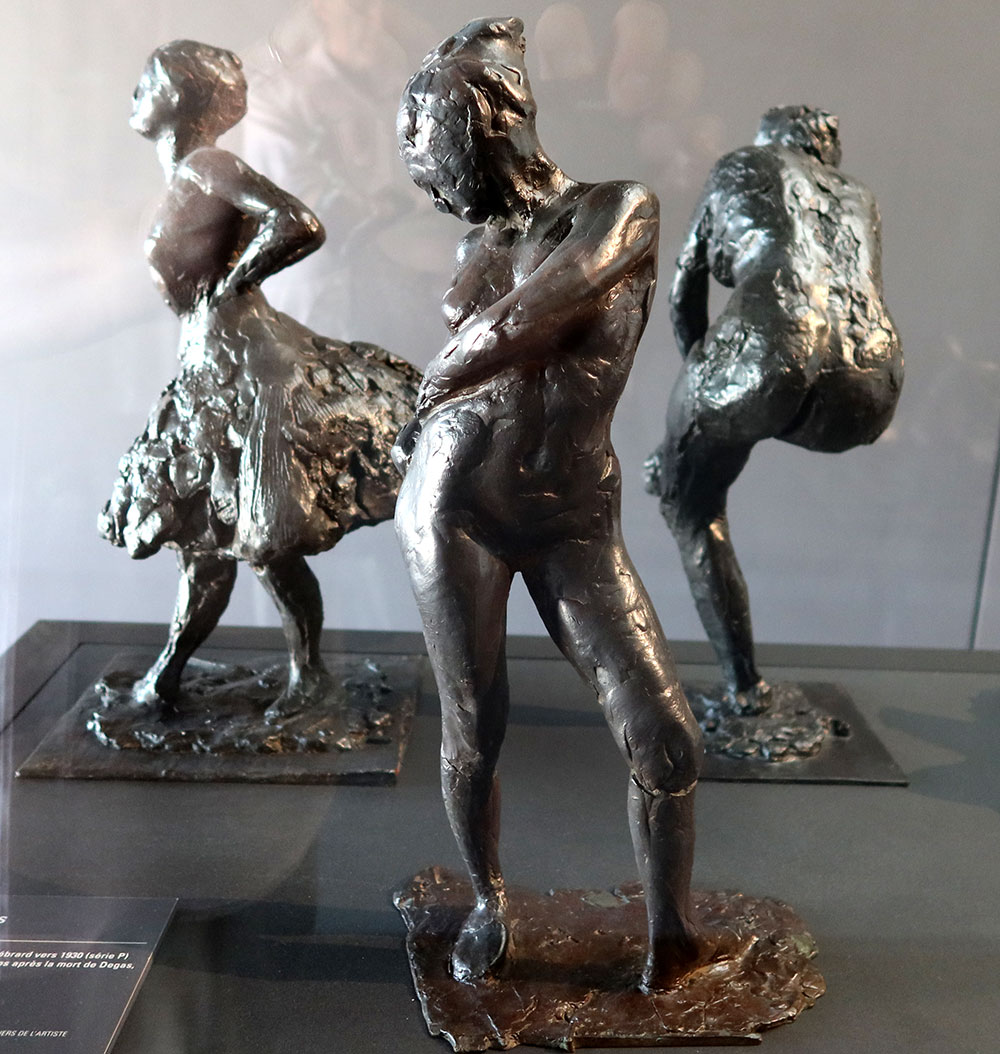
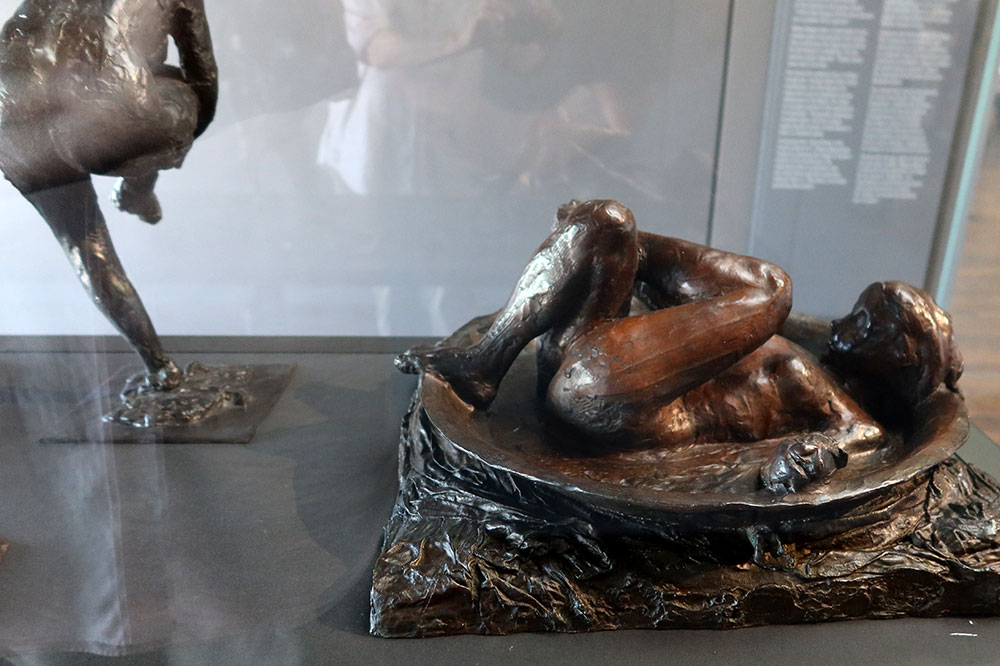
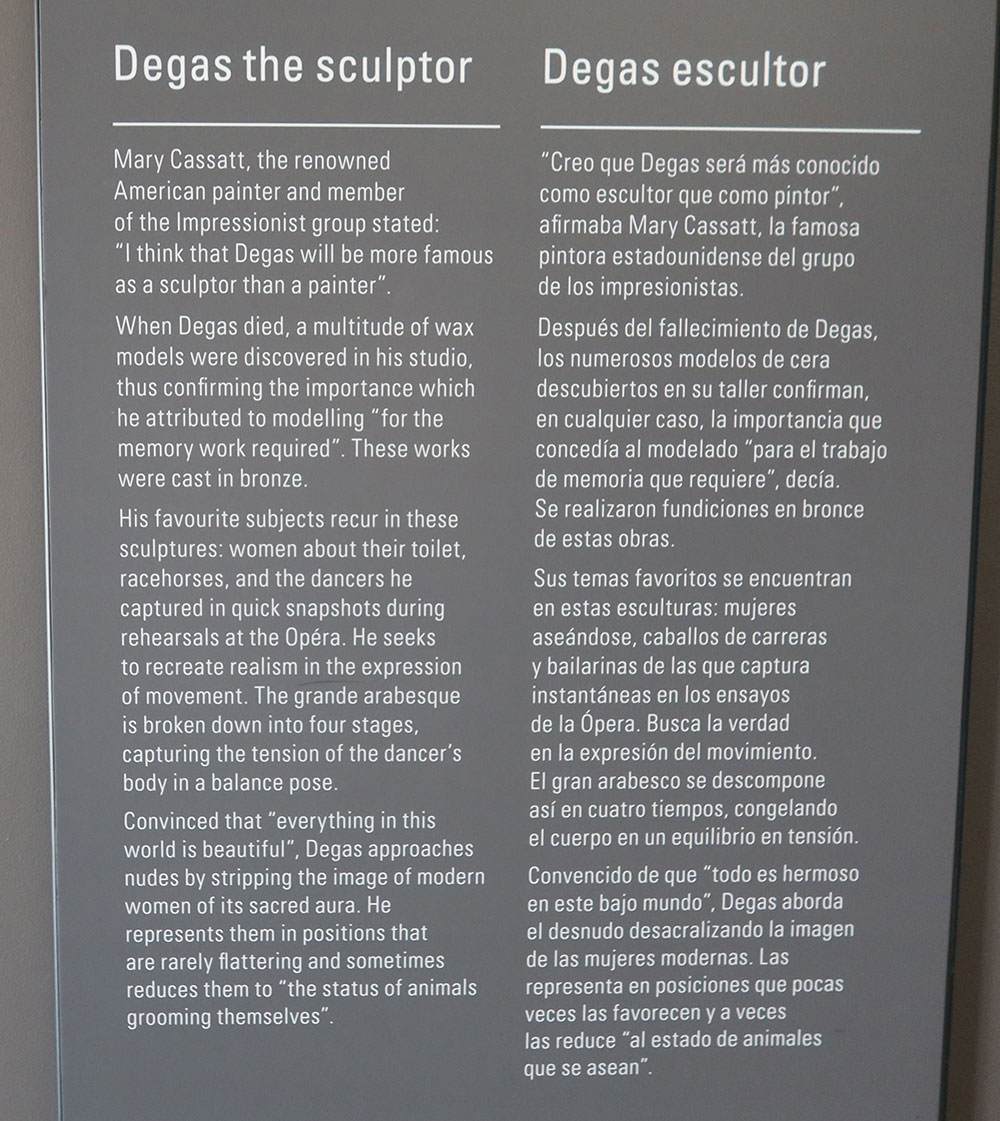
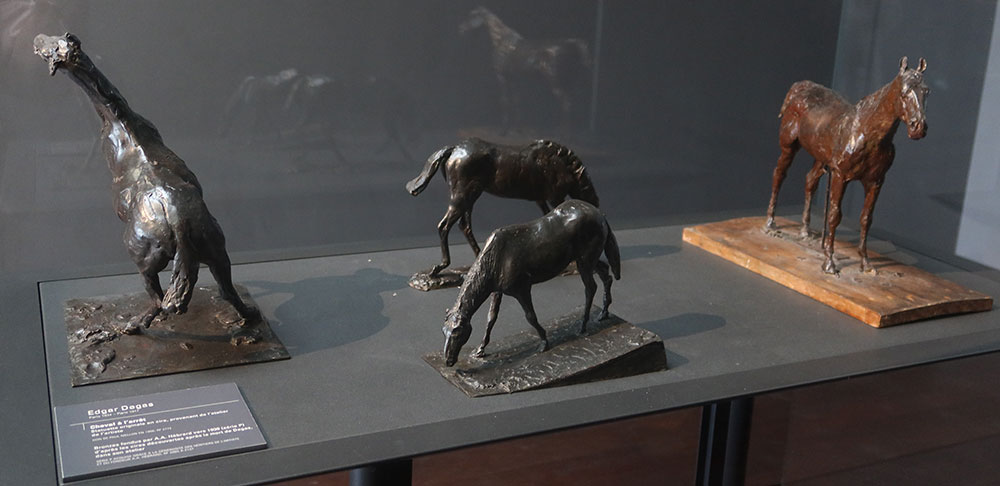
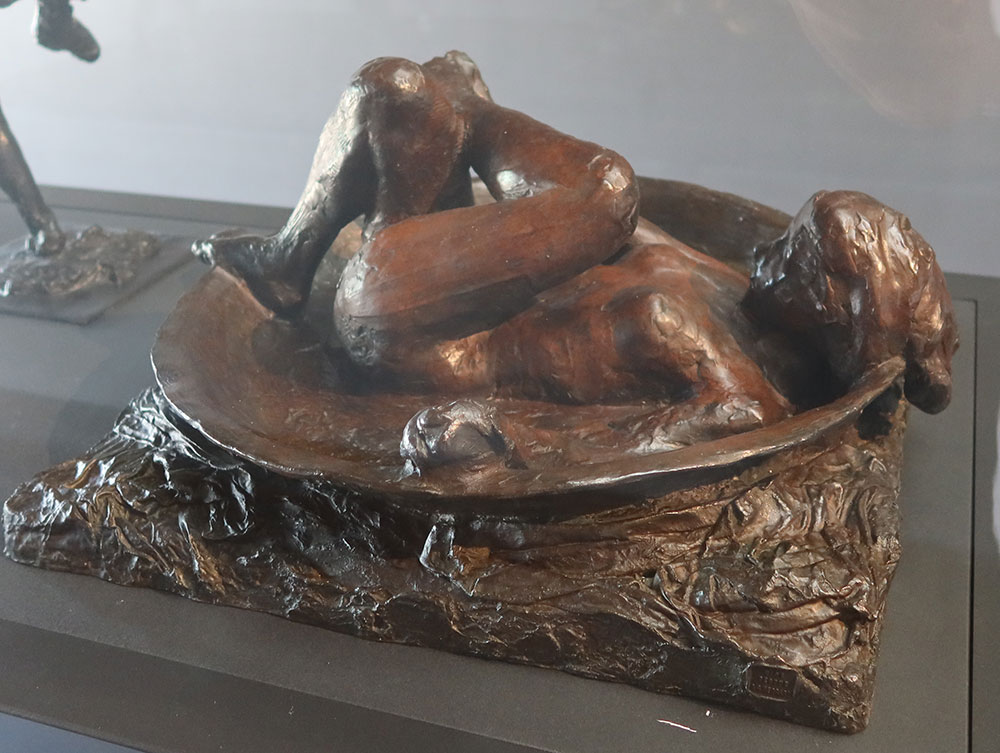
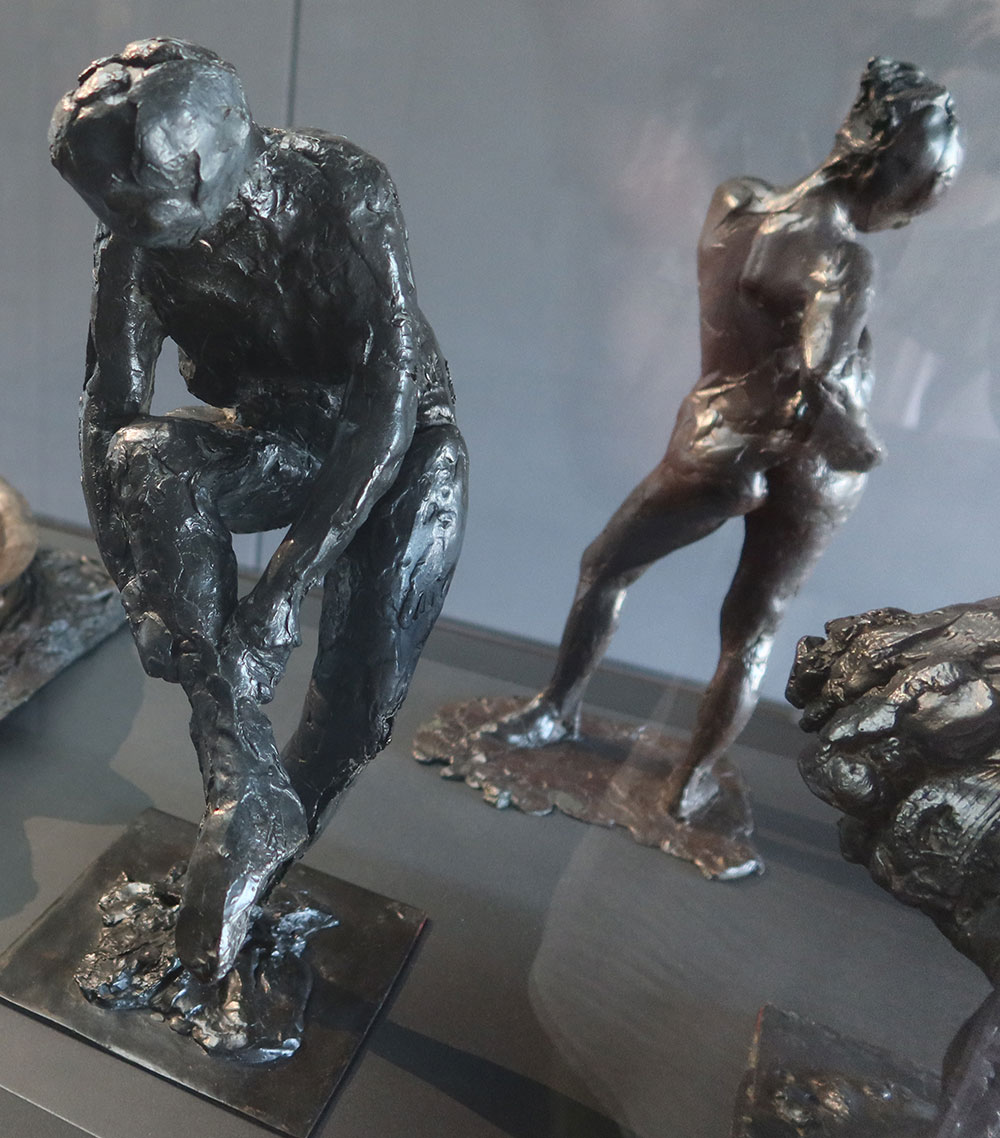
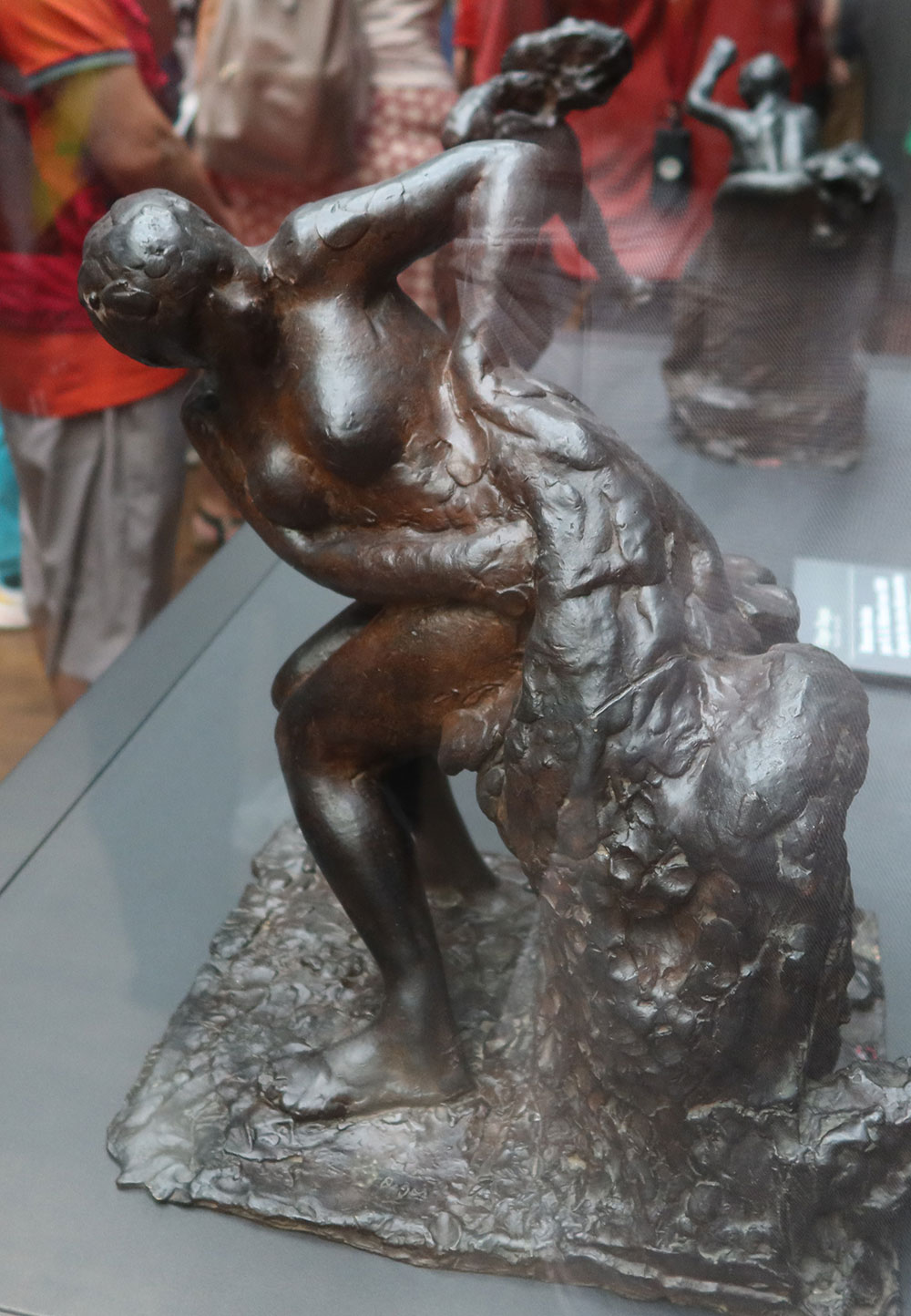
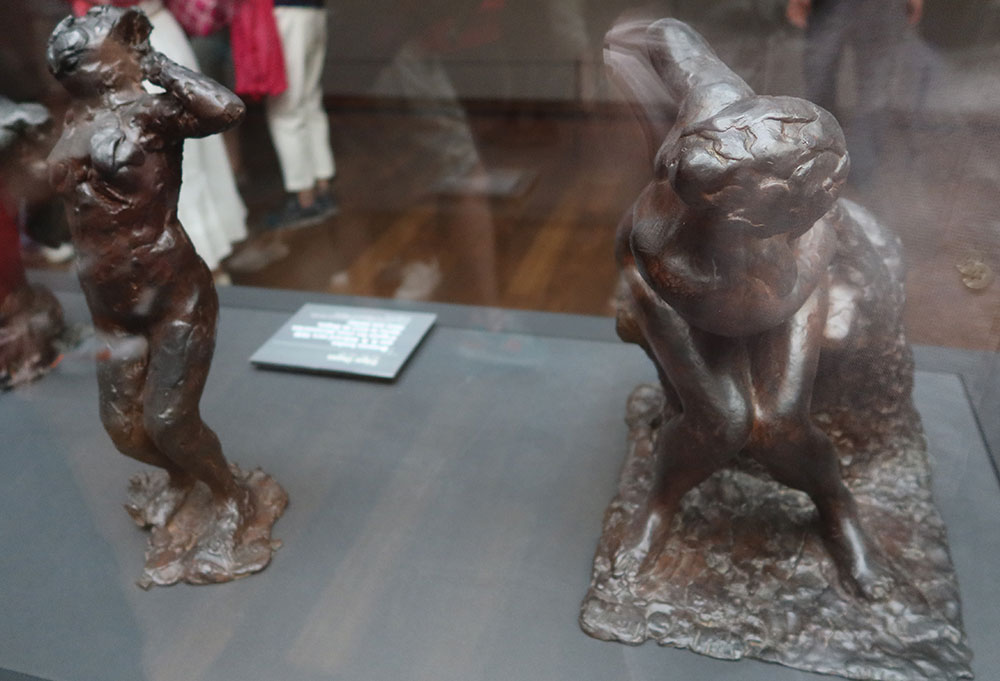
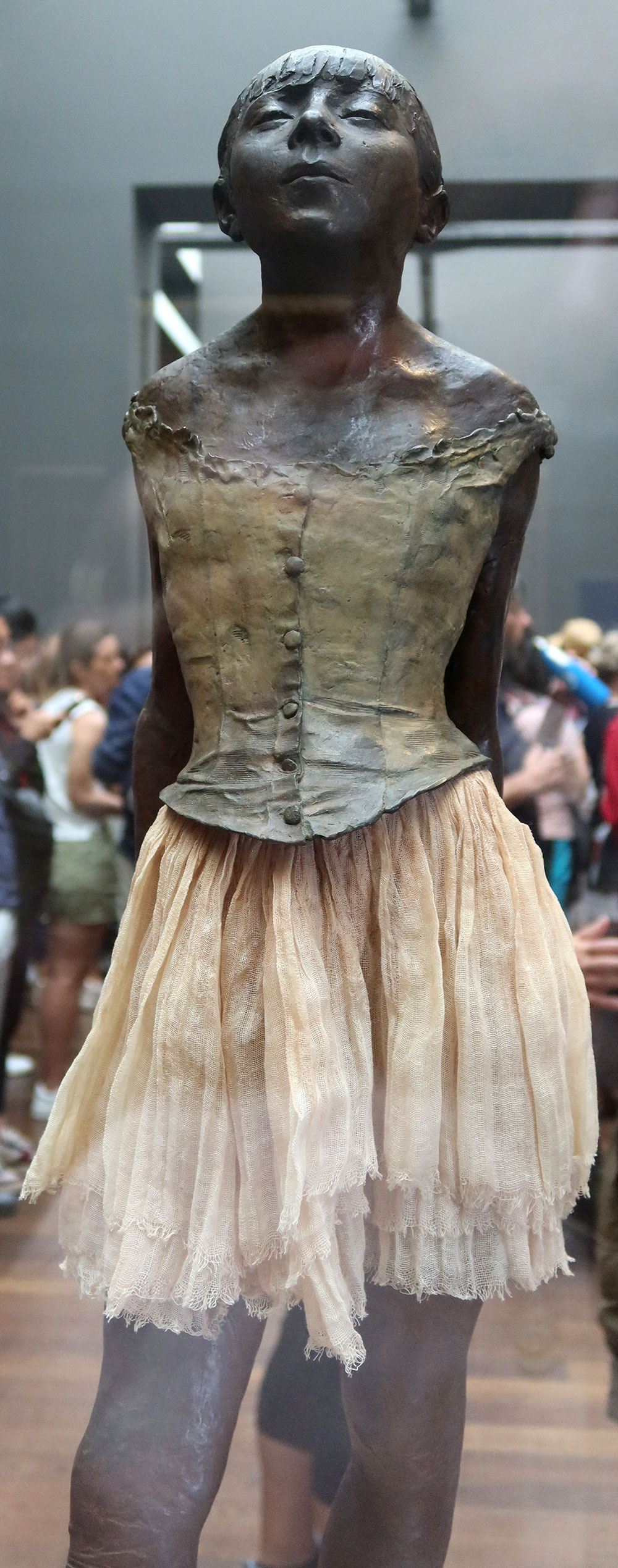
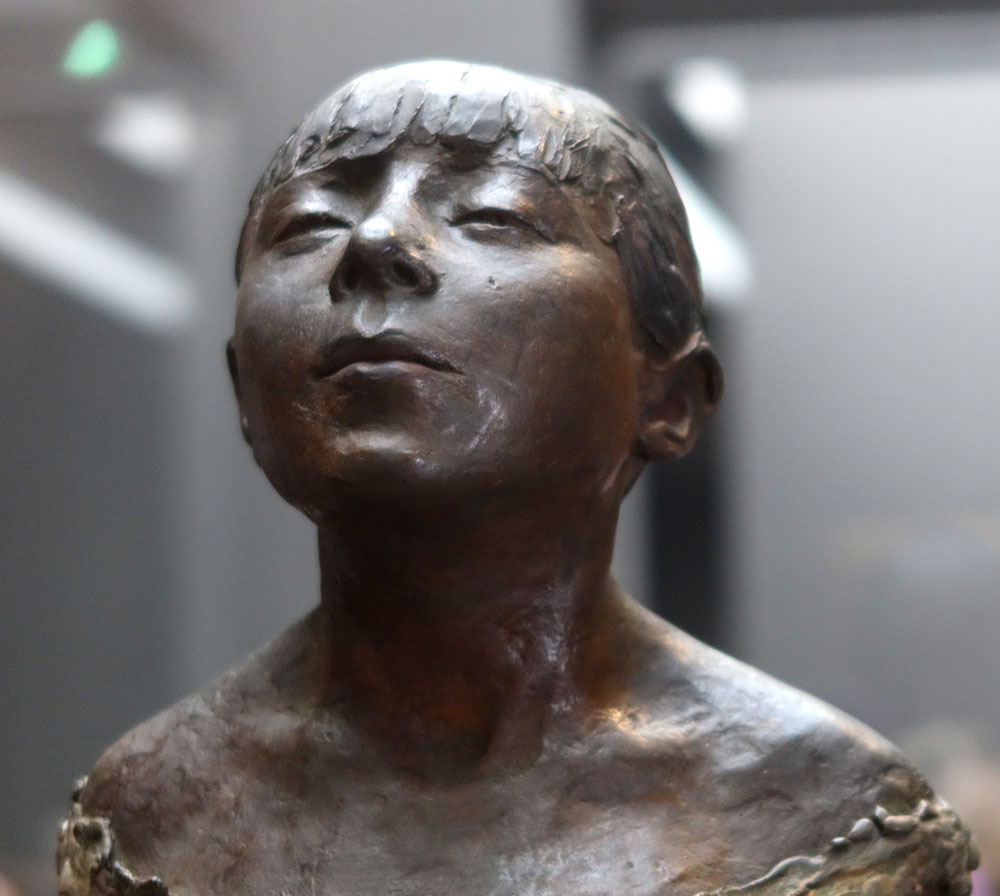
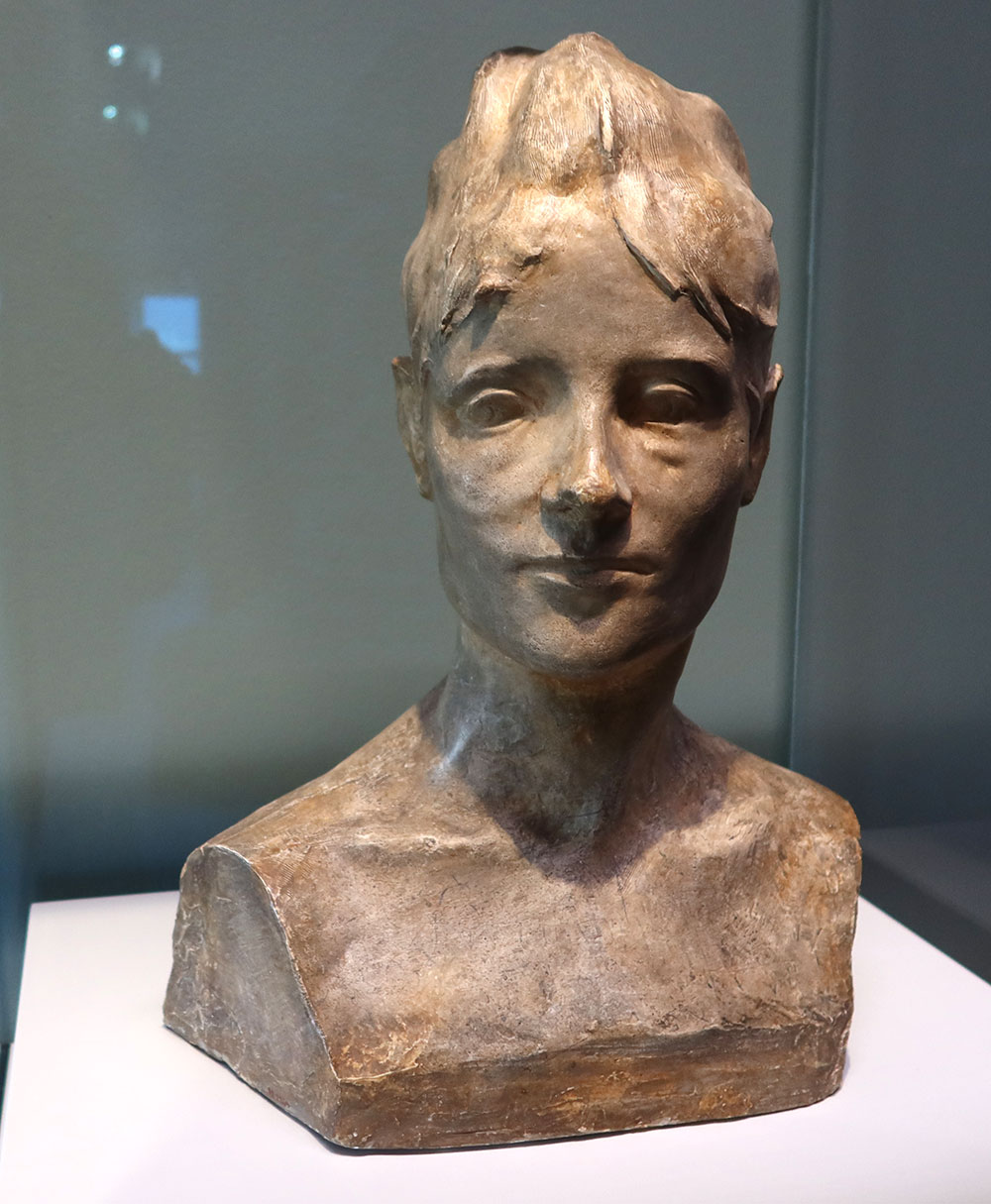
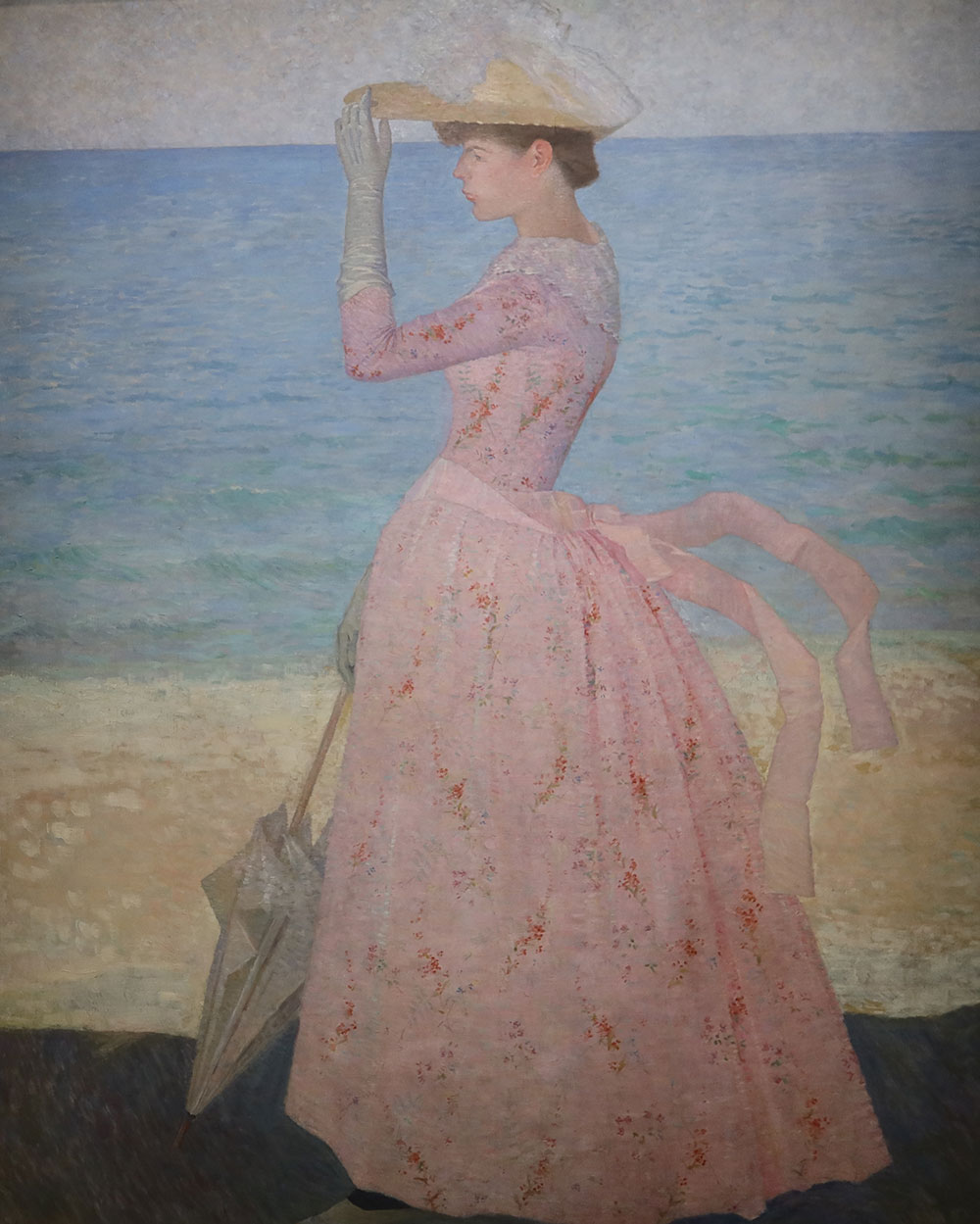
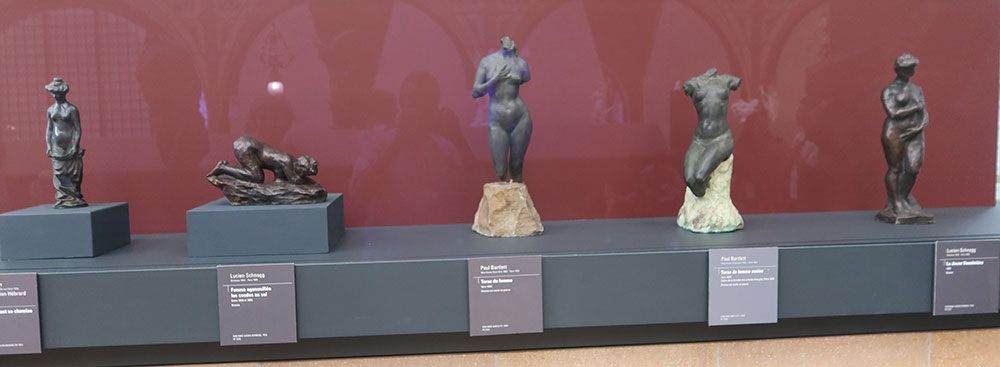
The sculpture collection, which currently exceeds 2,200 works, is one of the more underacknowledged aspects of the institution’s holdings. The central nave proved well-suited to large-scale sculpture, and the opening in 1986 was accompanied by 1,200 sculptures drawn from the Louvre, state loans, and the Musée du Luxembourg. Works by Auguste Rodin, Camille Claudel, Jean-Baptiste Carpeaux, and Aristide Maillol are particularly well represented, and the collection extends from the academic monumental tradition through to work that challenged it directly. The museum has been methodical in filling gaps: acquisitions such as Camille Claudel’s Maturity and the complete set of Honoré Daumier’s Célébrités du Juste Milieu reflect a long-term approach to building coherence across disciplines.
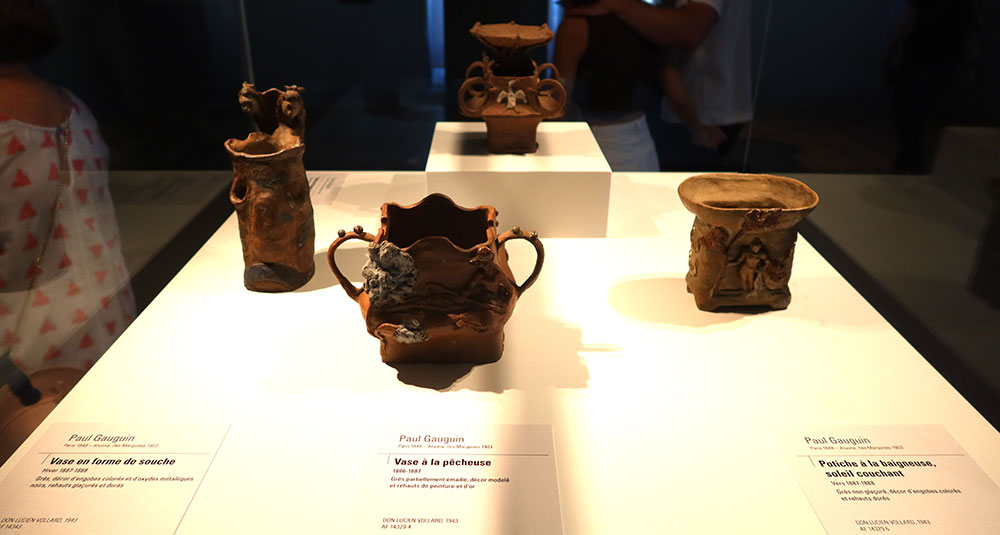
The decorative arts and design collection provides an important institutional counterpoint to the fine arts holdings. Art Nouveau objects by Émile Gallé and Hector Guimard are held alongside furniture and applied works, situating the period within the broader design thinking of the late nineteenth century. For museum professionals working across curatorial disciplines, the Orsay’s approach to treating design not as a secondary category but as an integral element of the period’s cultural production remains a useful model.
The Photography Collection and Its Significance
The museum’s photography collection was developed from its inception as a distinct curatorial strand rather than as an archival adjunct. The period 1848 to 1914 encompasses the medium’s early development through to its maturity as both documentary and artistic practice, and the Orsay has assembled holdings that reflect this range. For institutions considering how photography might be integrated into collections that span media, the Orsay’s model — which places photography within the same chronological and thematic framework as its painting and sculpture — offers a particular approach to legitimisation and contextualisation.
Acquisition Strategy and Collection Development
The museum’s acquisitions policy, formalised in 1978 before the institution opened, was designed to round out, balance, and strengthen the inherited collections in order to represent the 1848 to 1914 period as comprehensively as possible. In practice, this has meant pursuing works across all disciplines, with particular attention to gaps in the holdings of women artists, non-French artists working within France, and movements underrepresented in the founding collection.
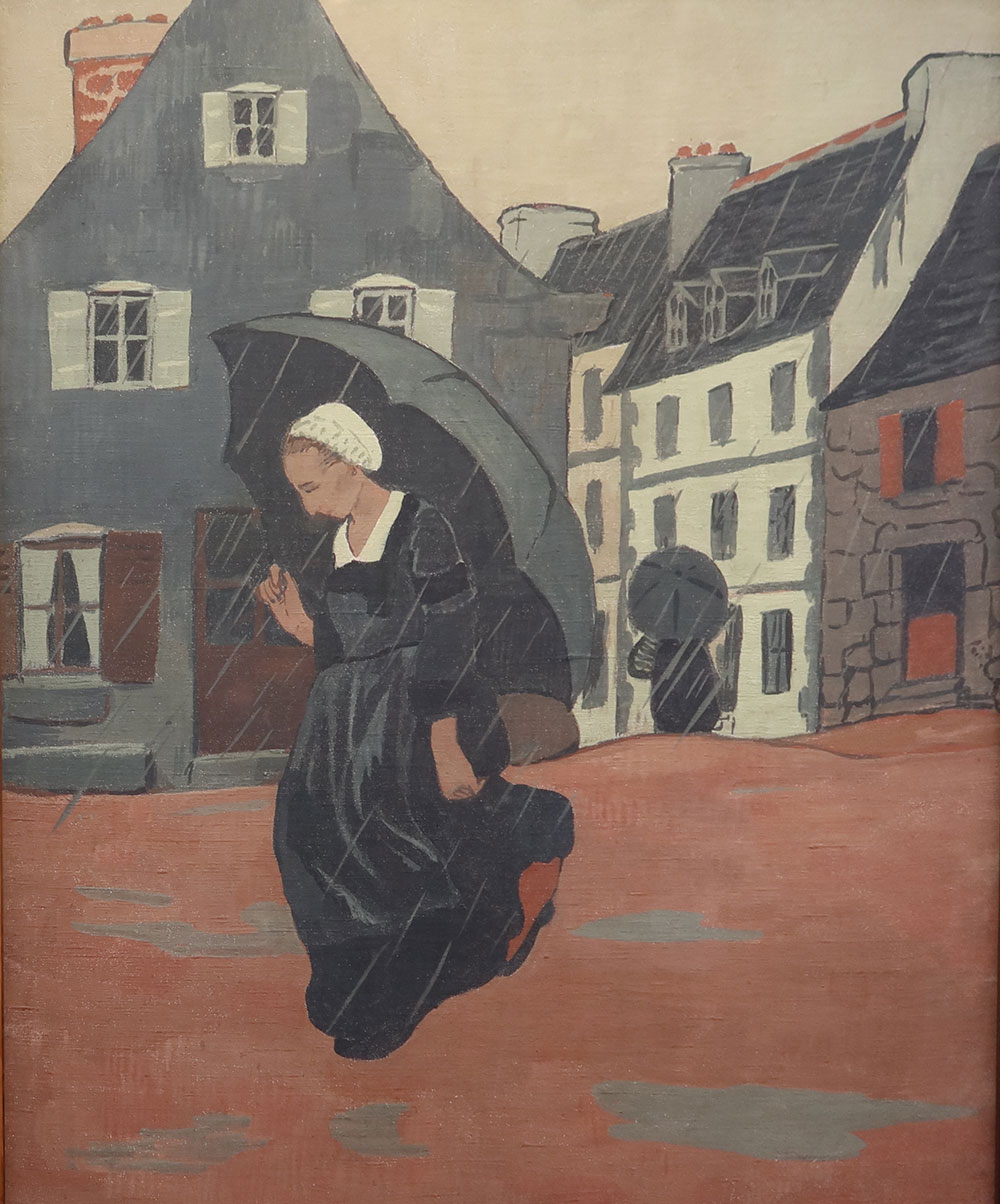
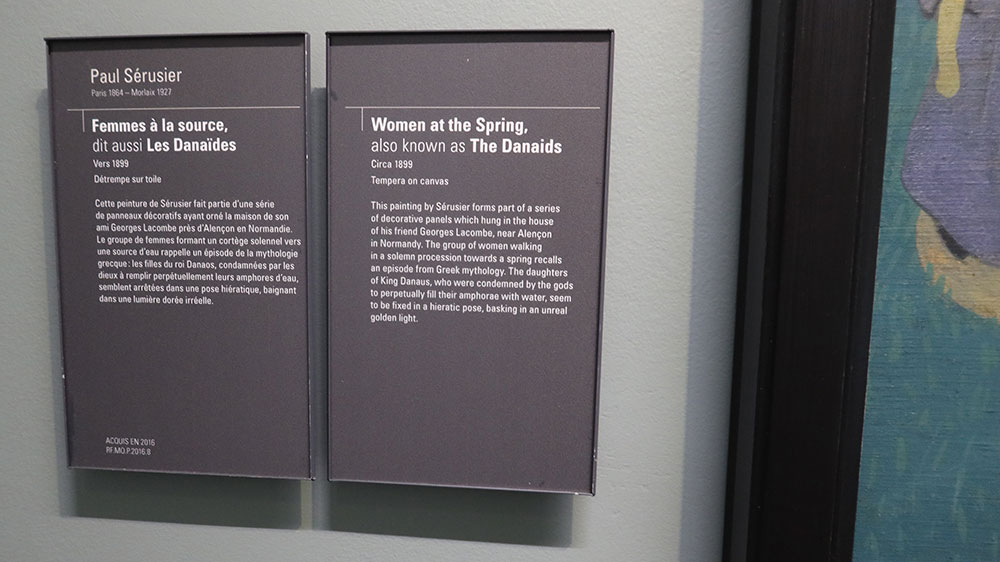
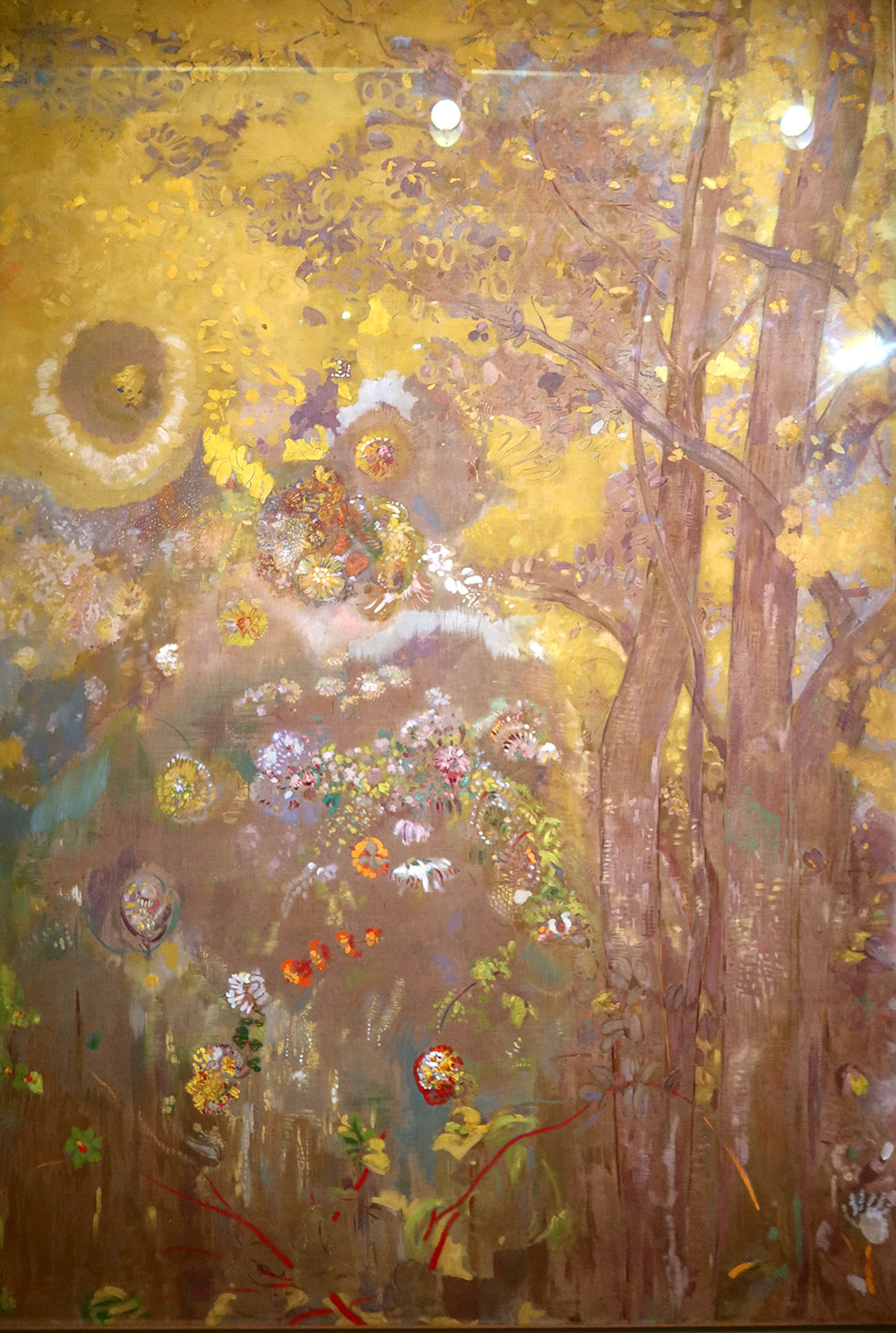
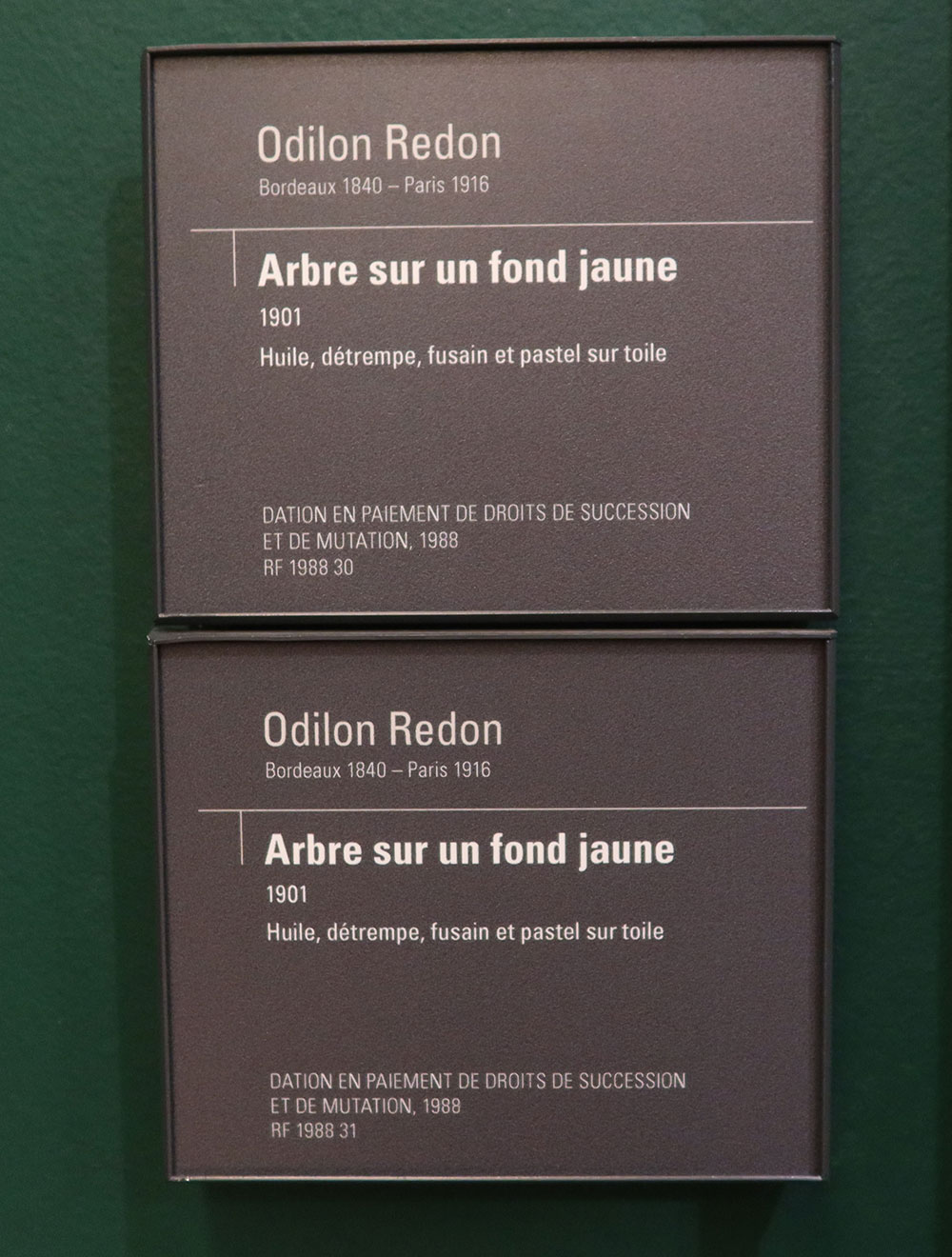
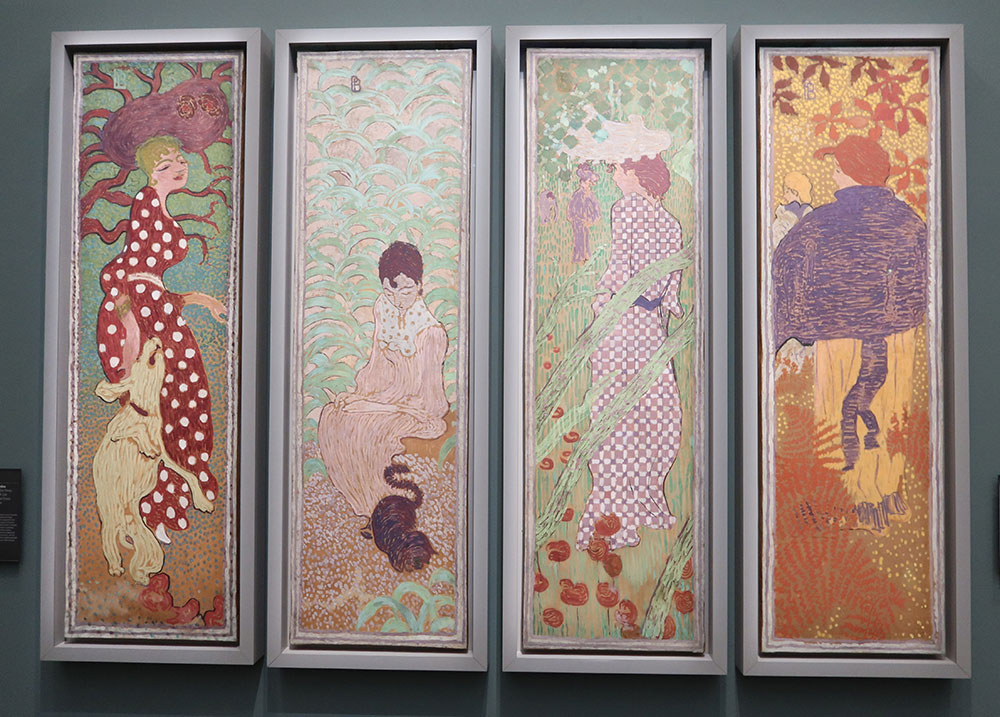
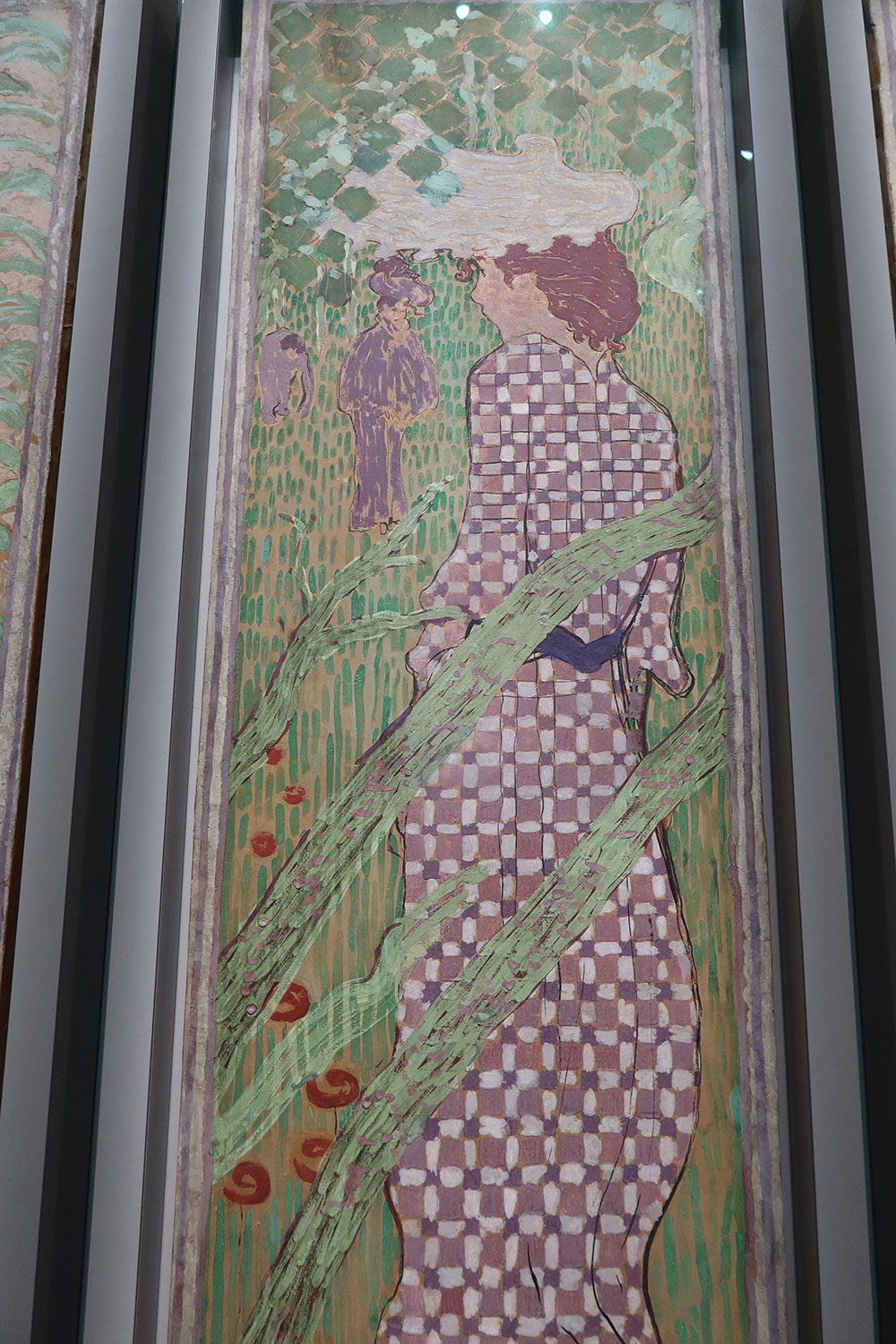
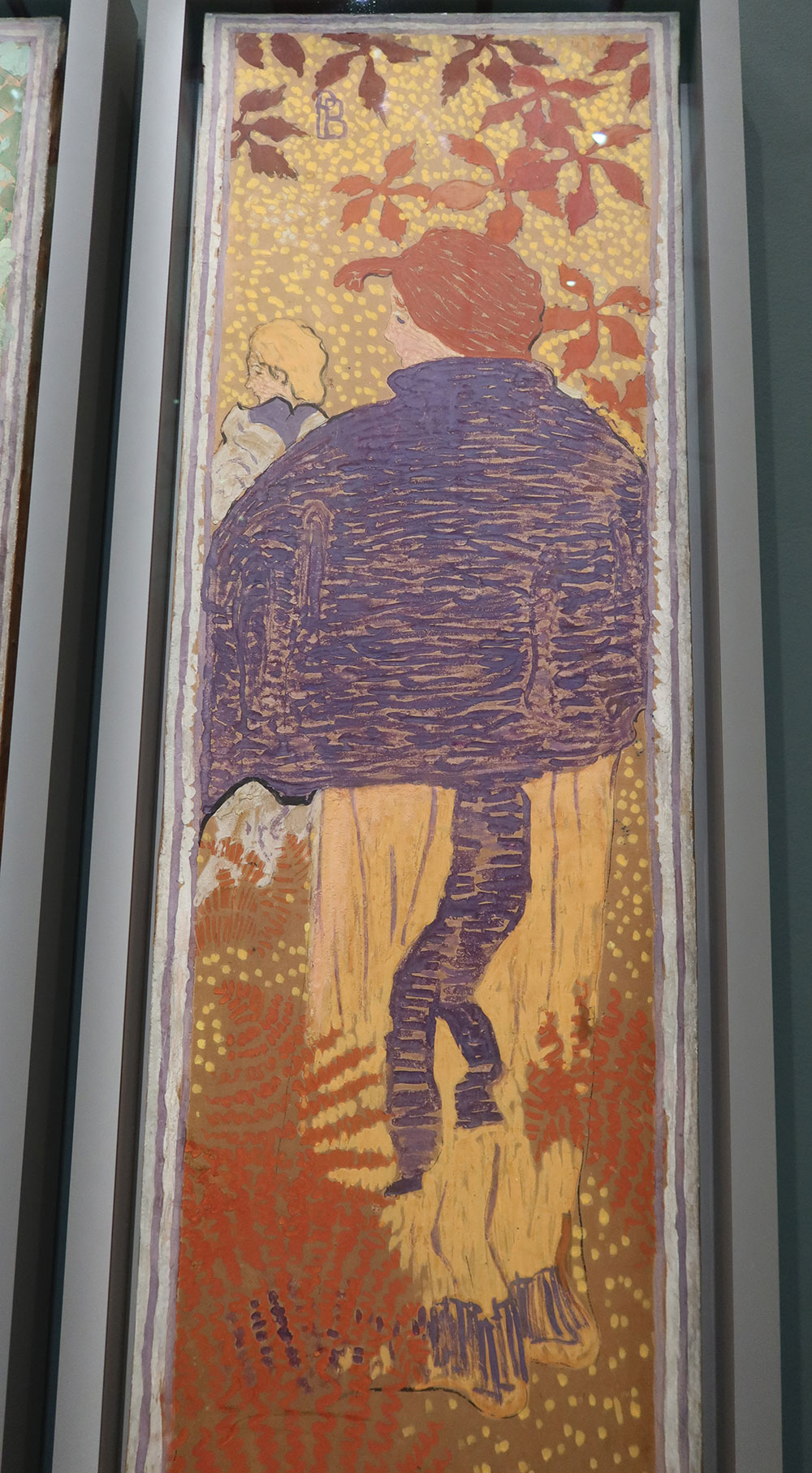
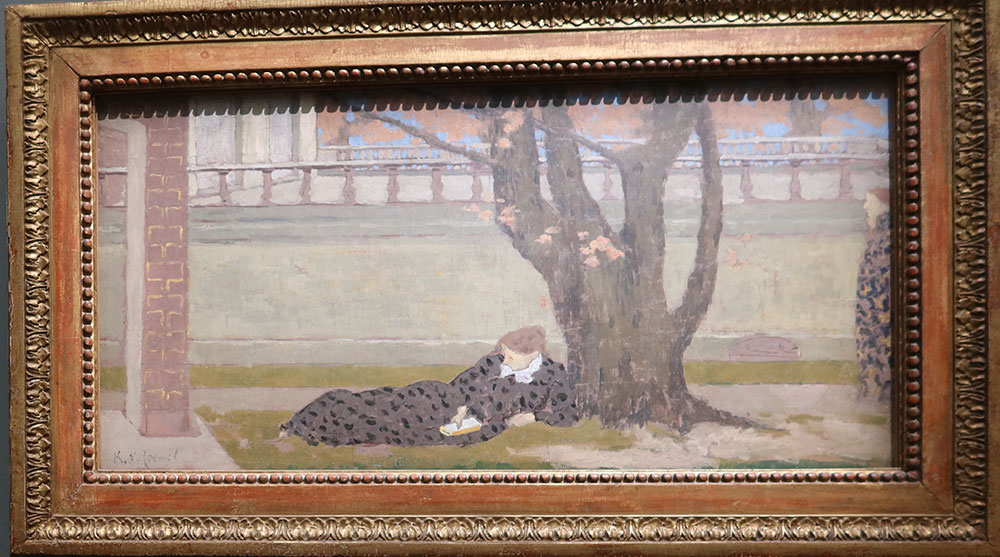
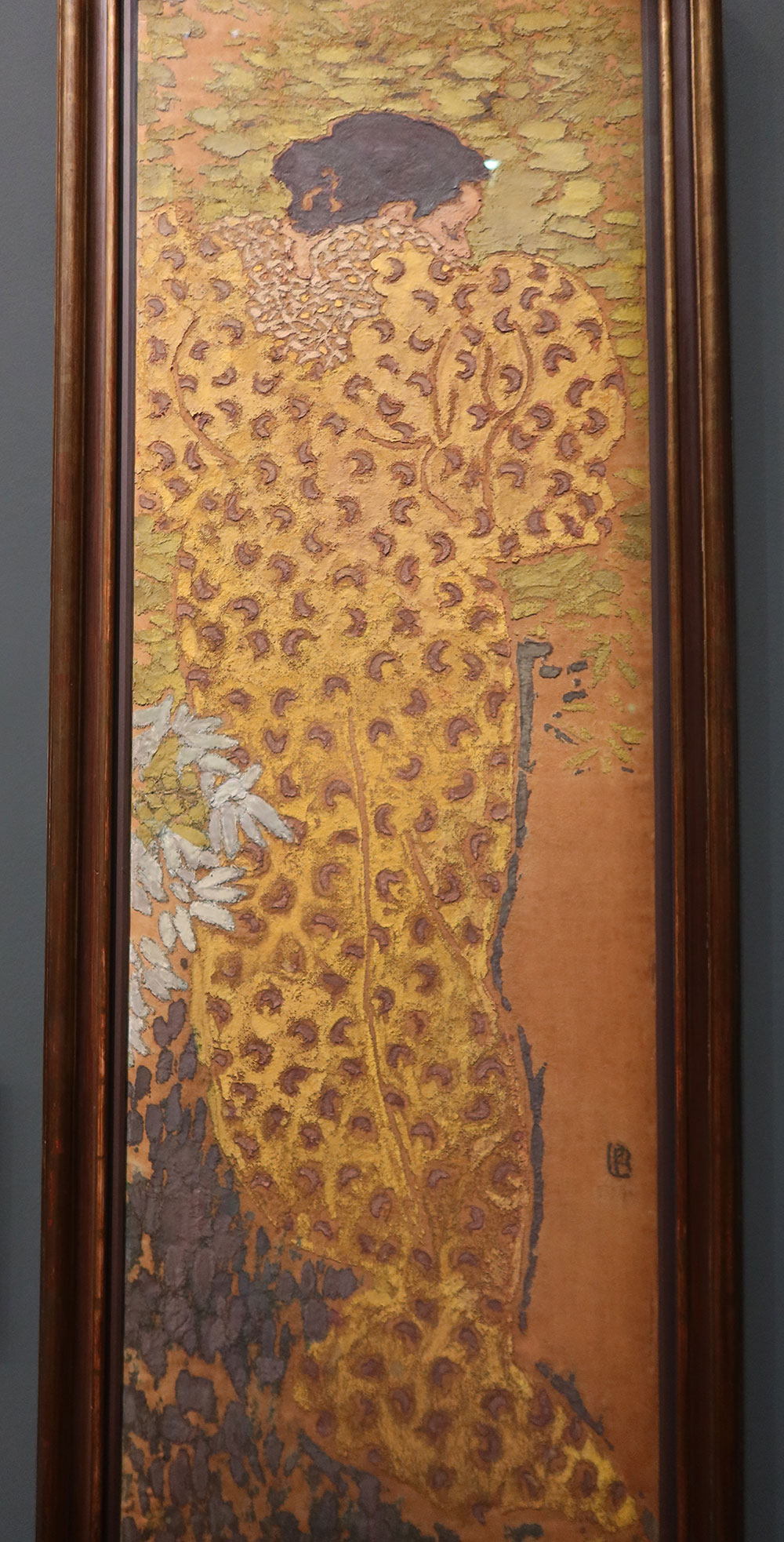
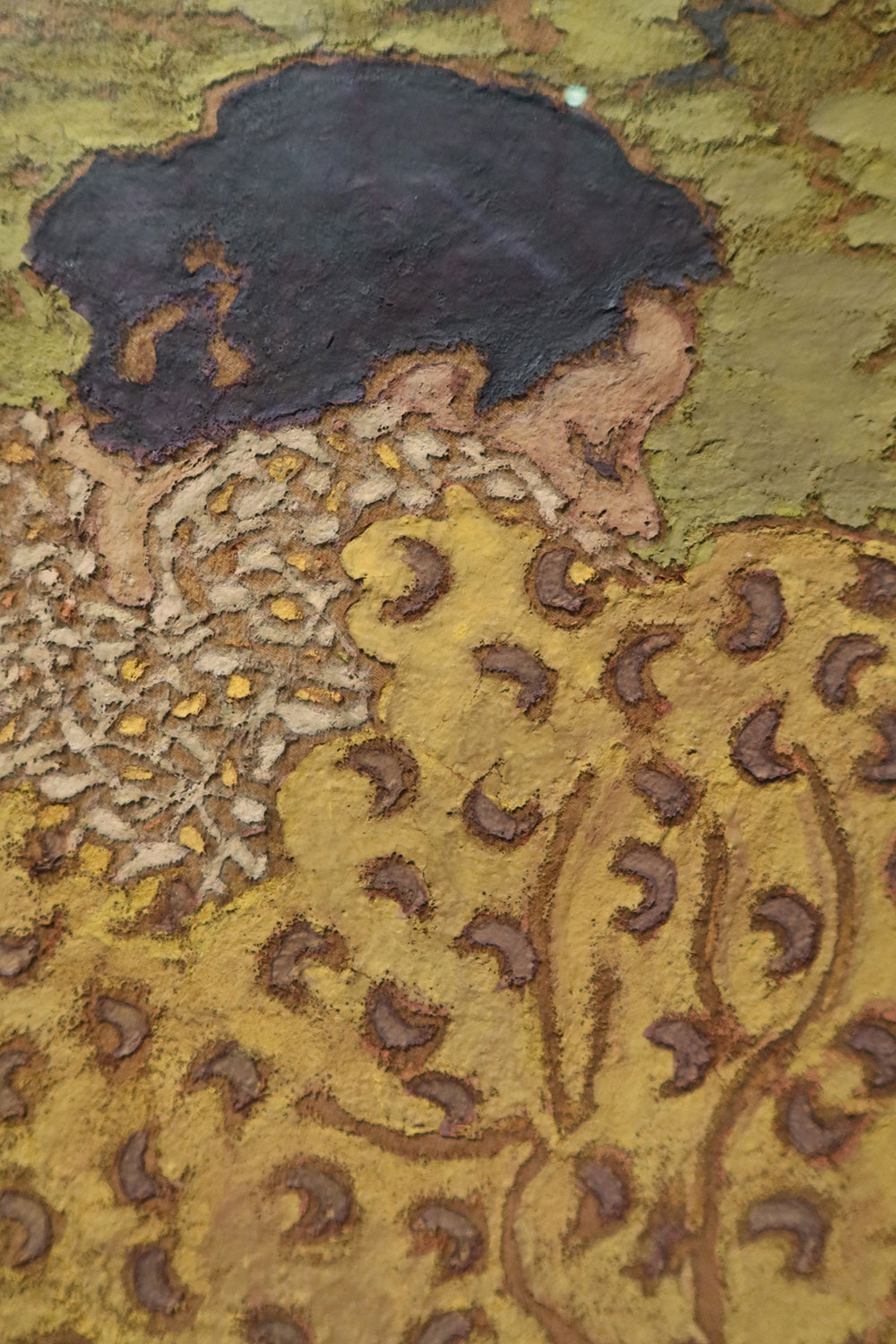
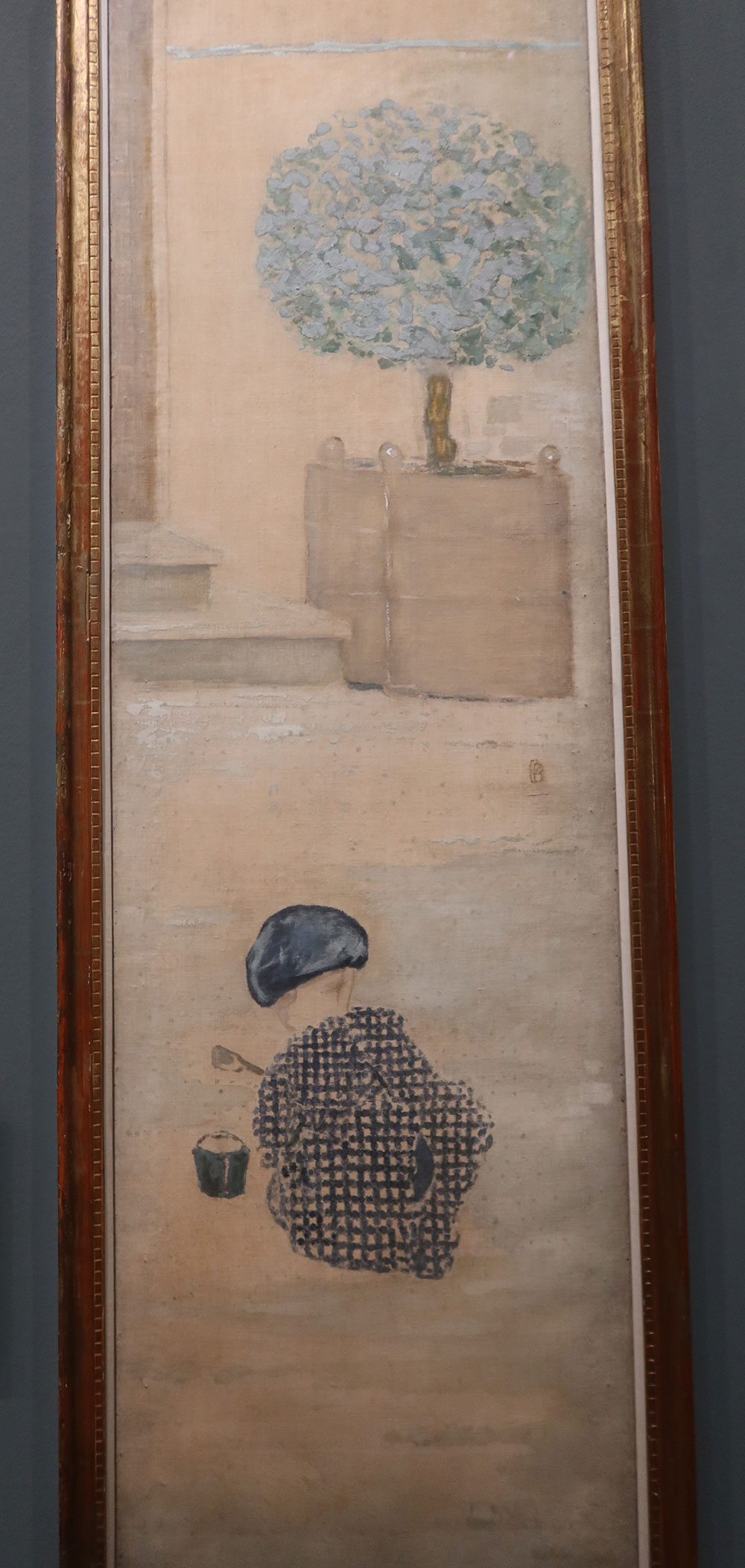
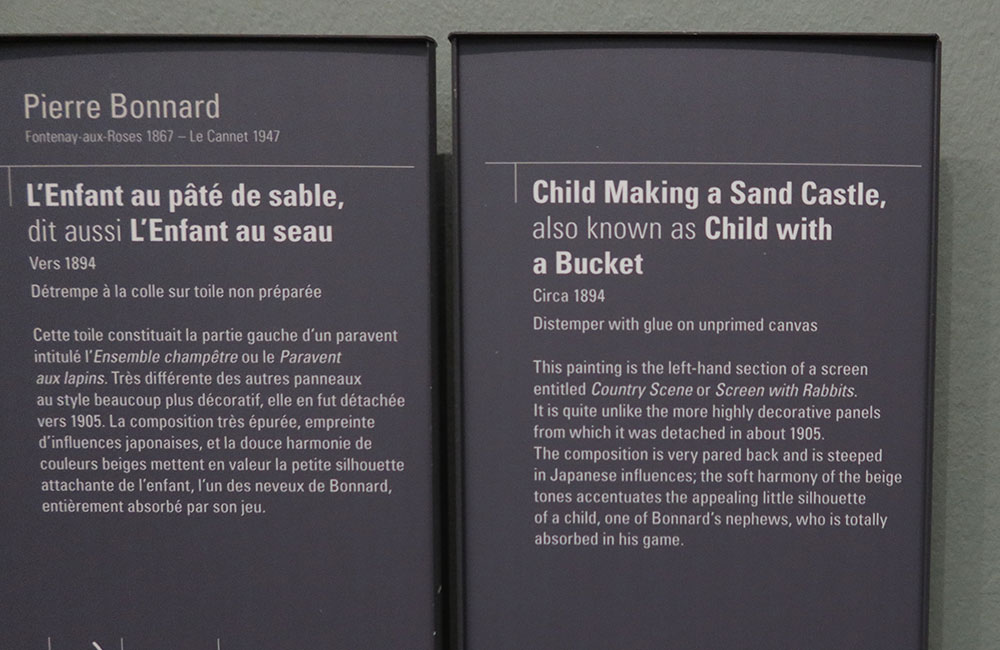
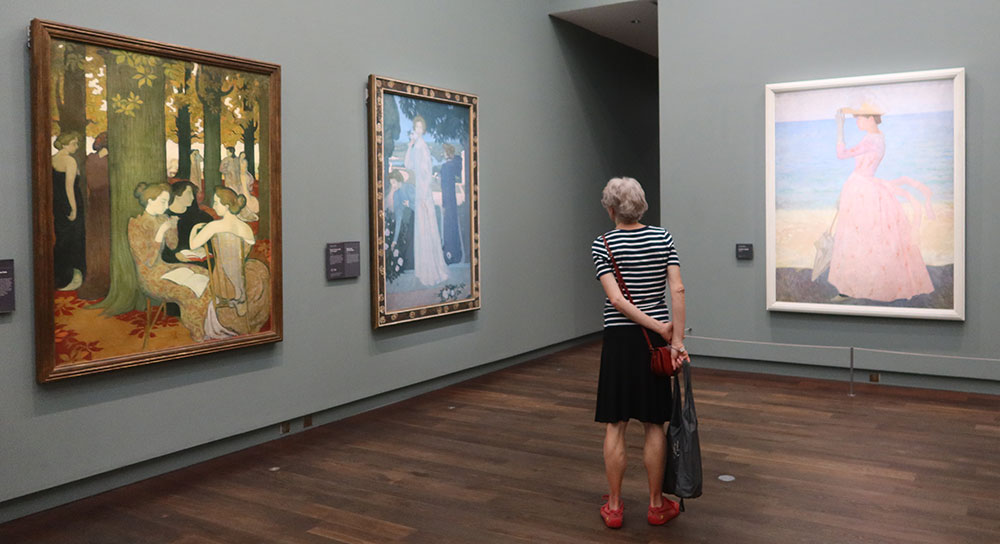
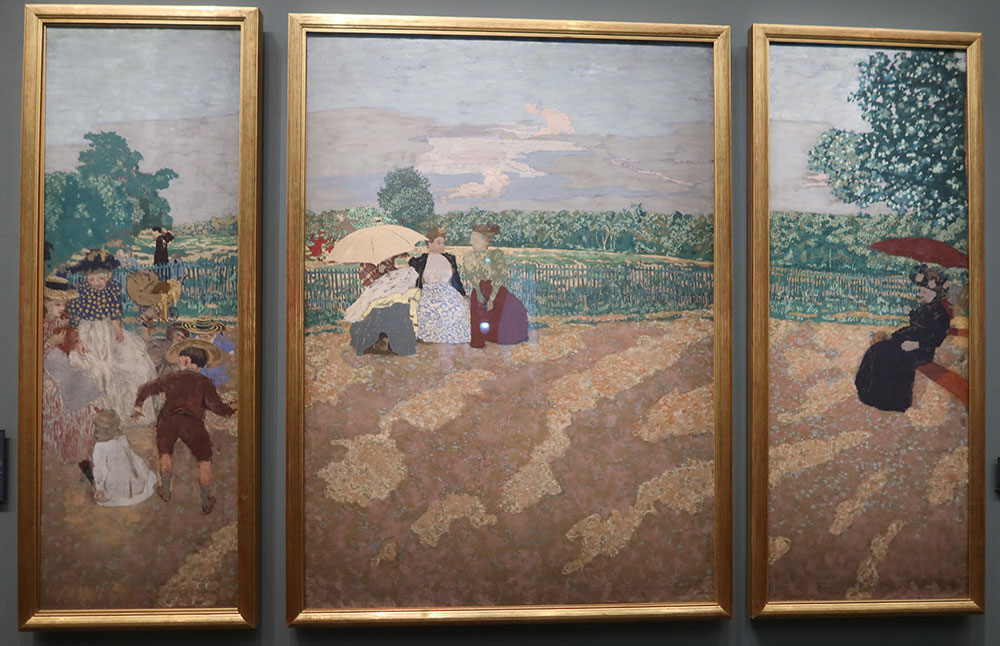
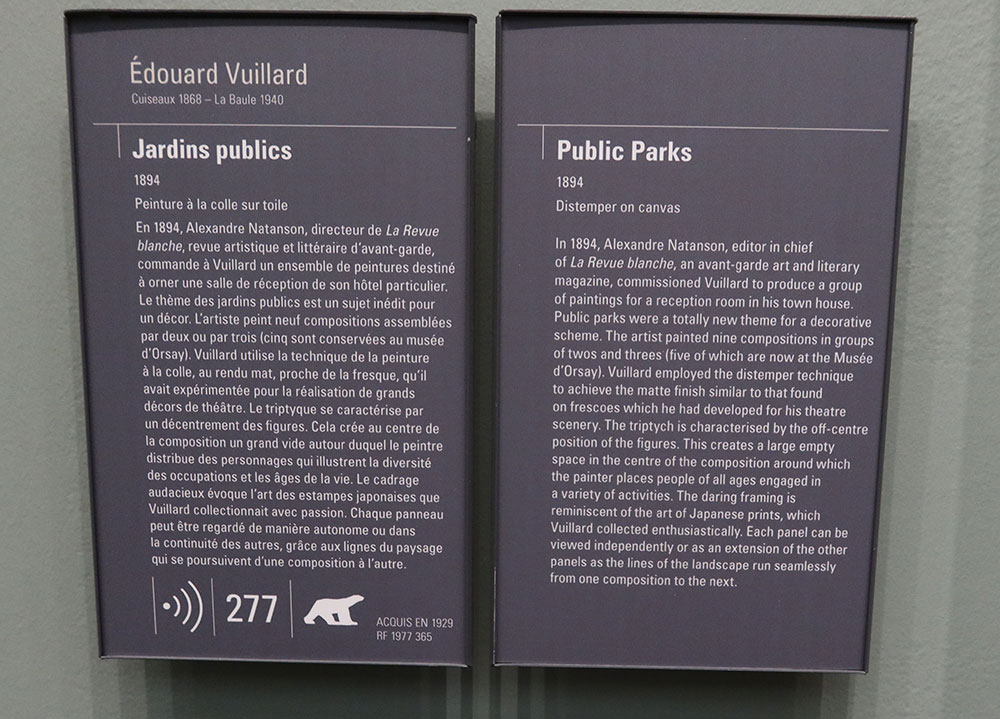
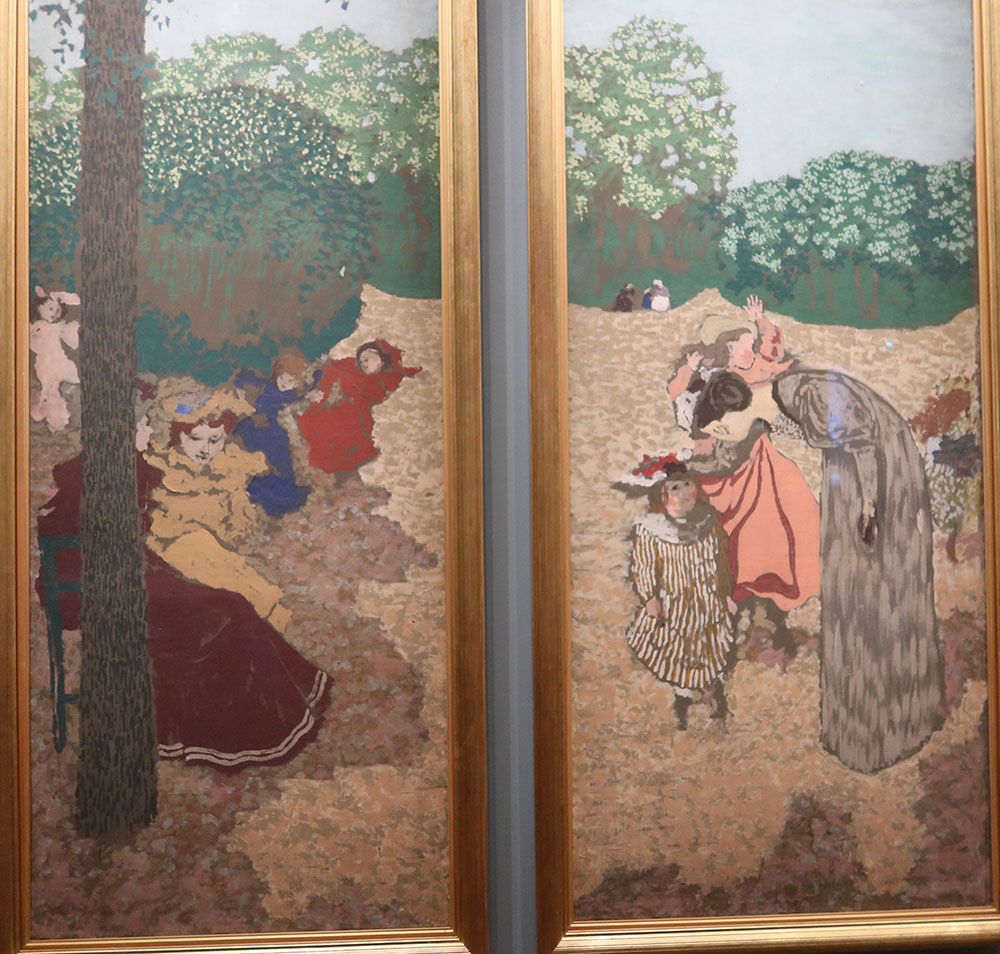
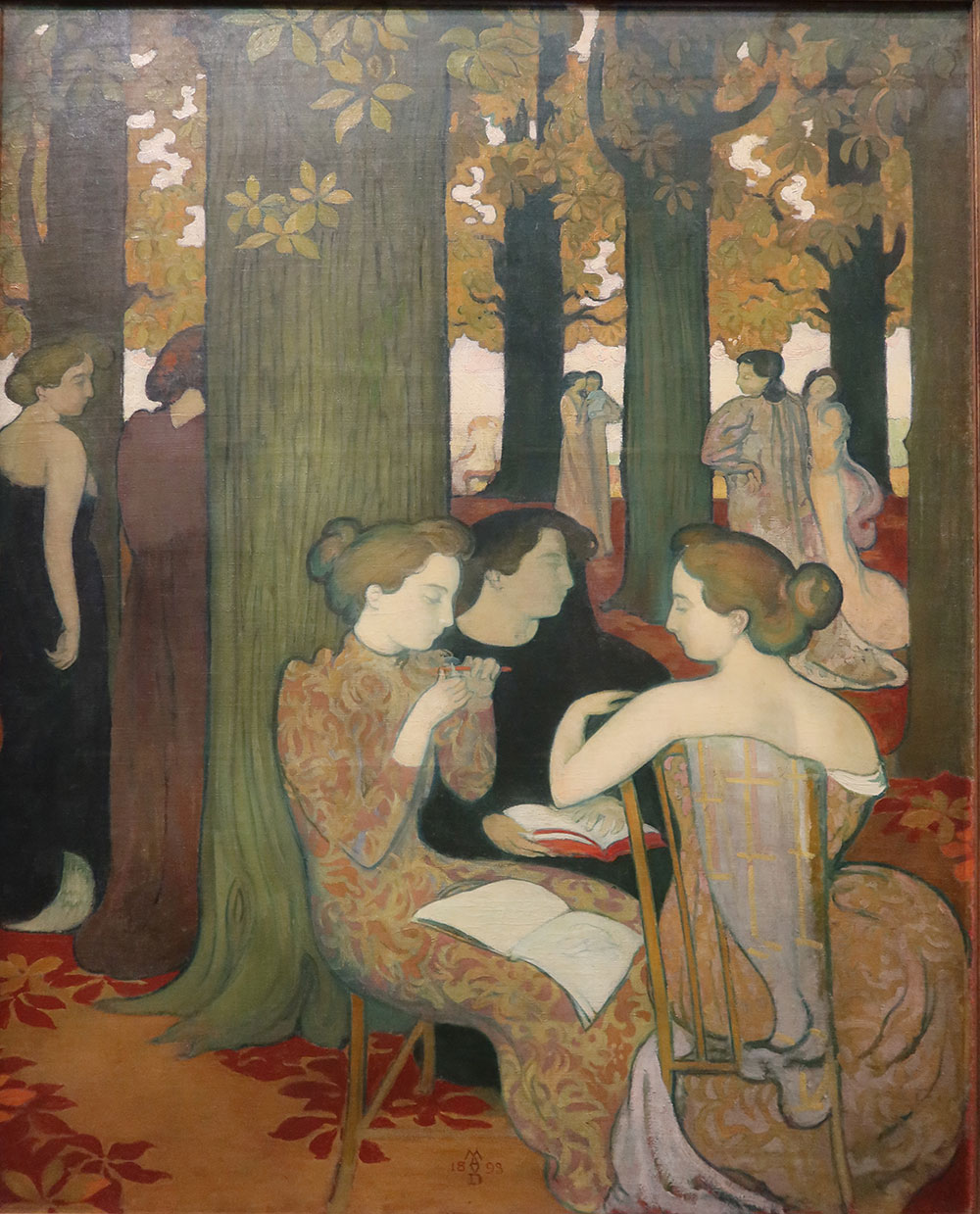
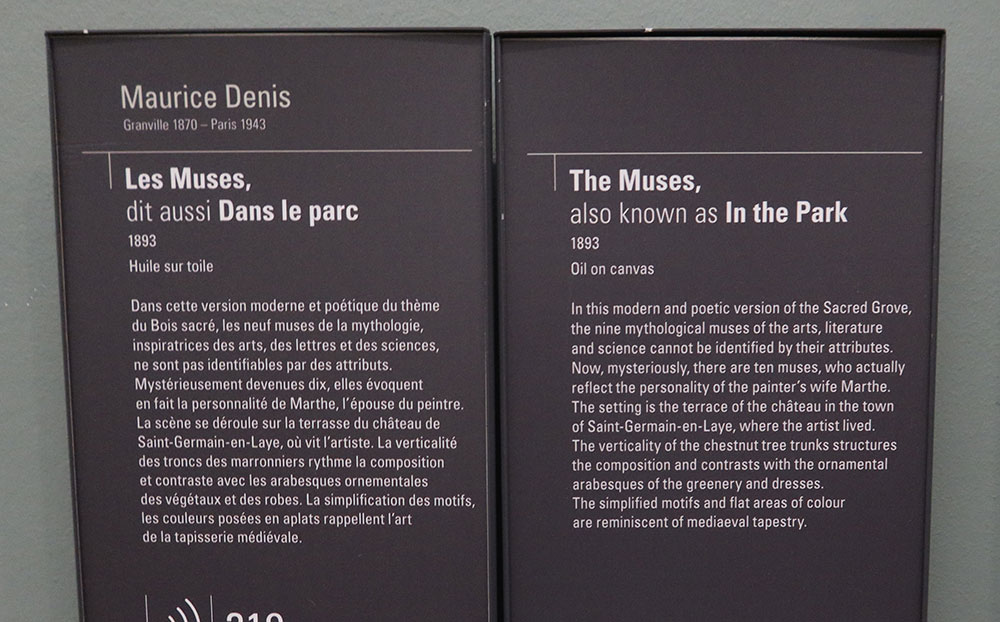
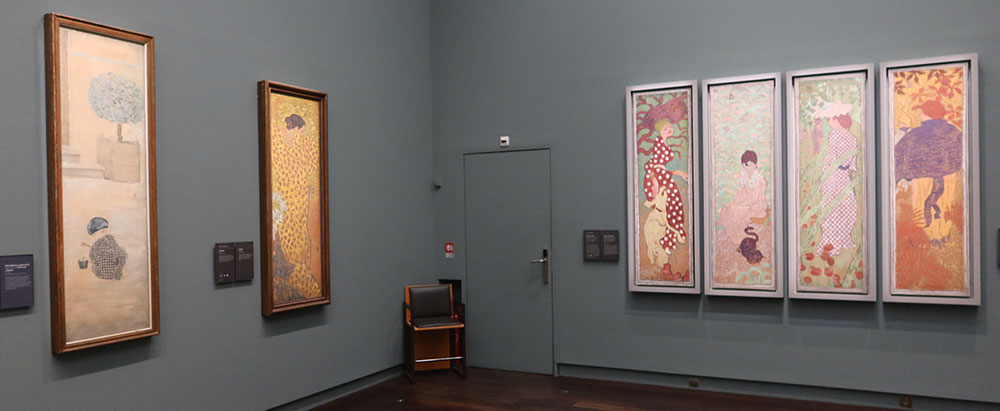
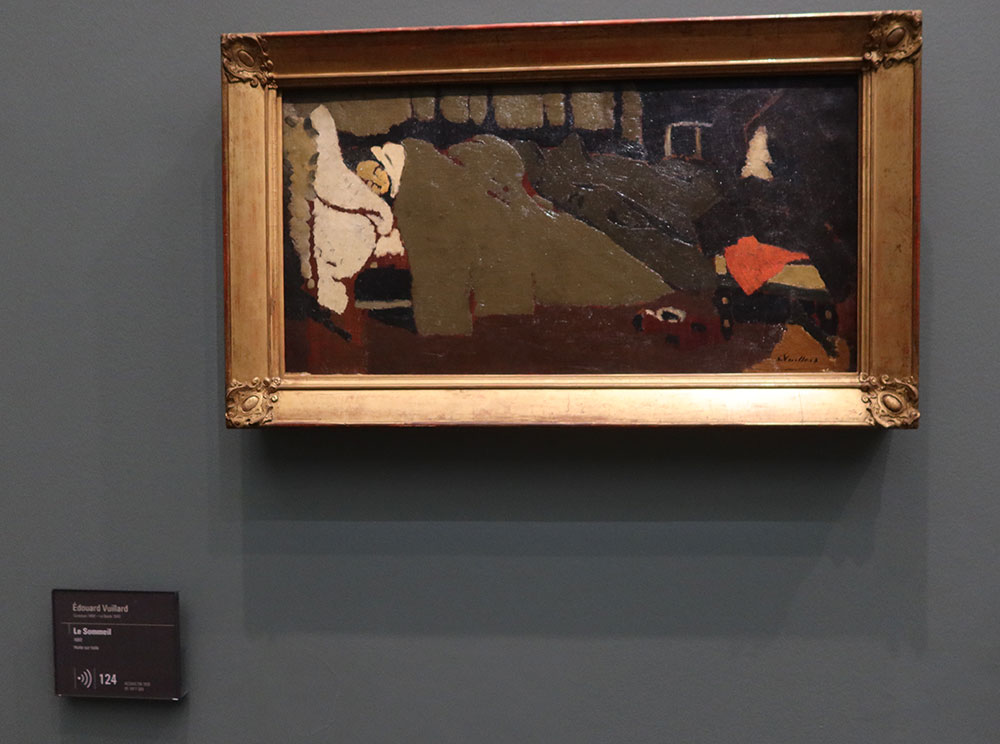
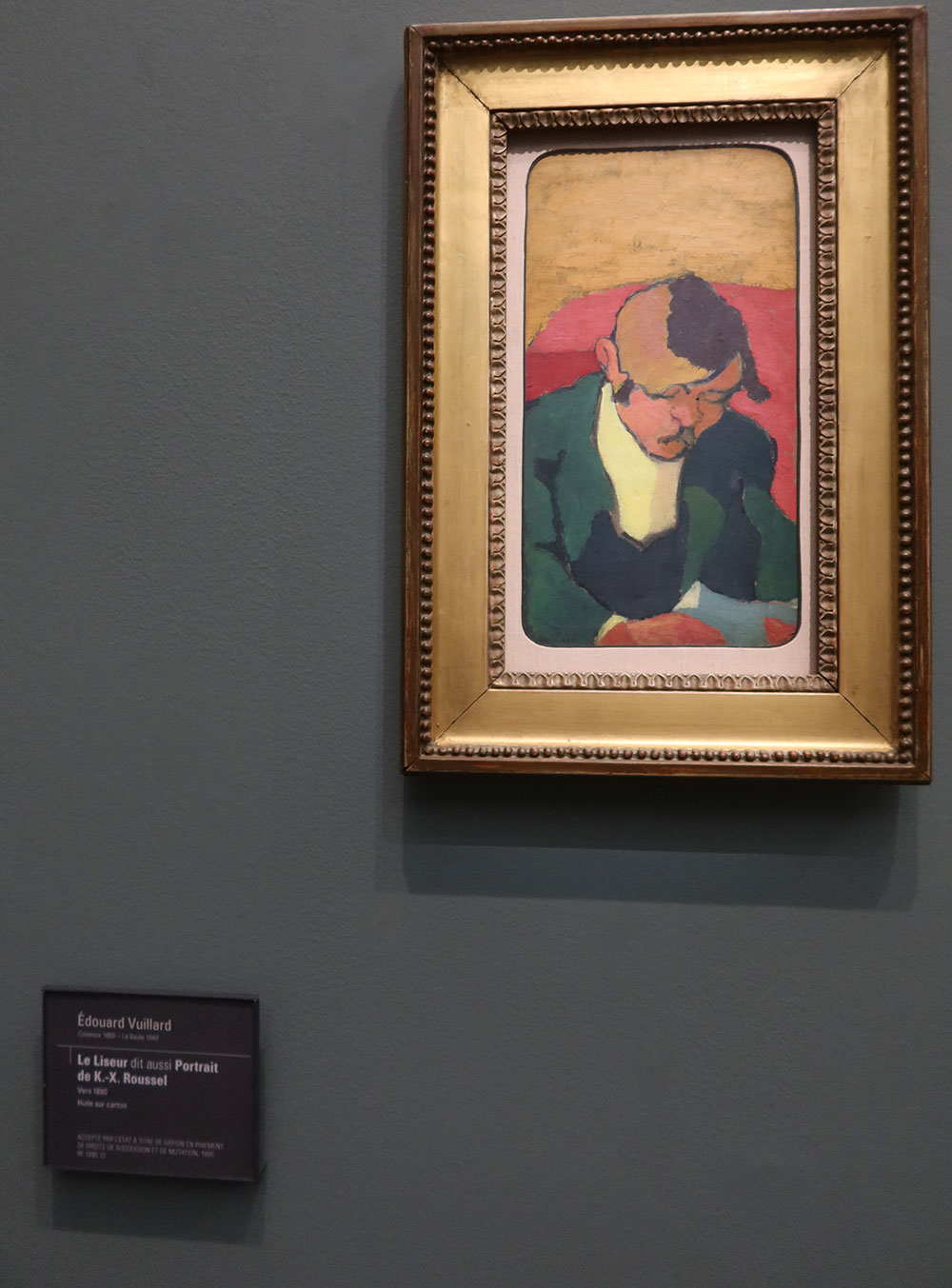
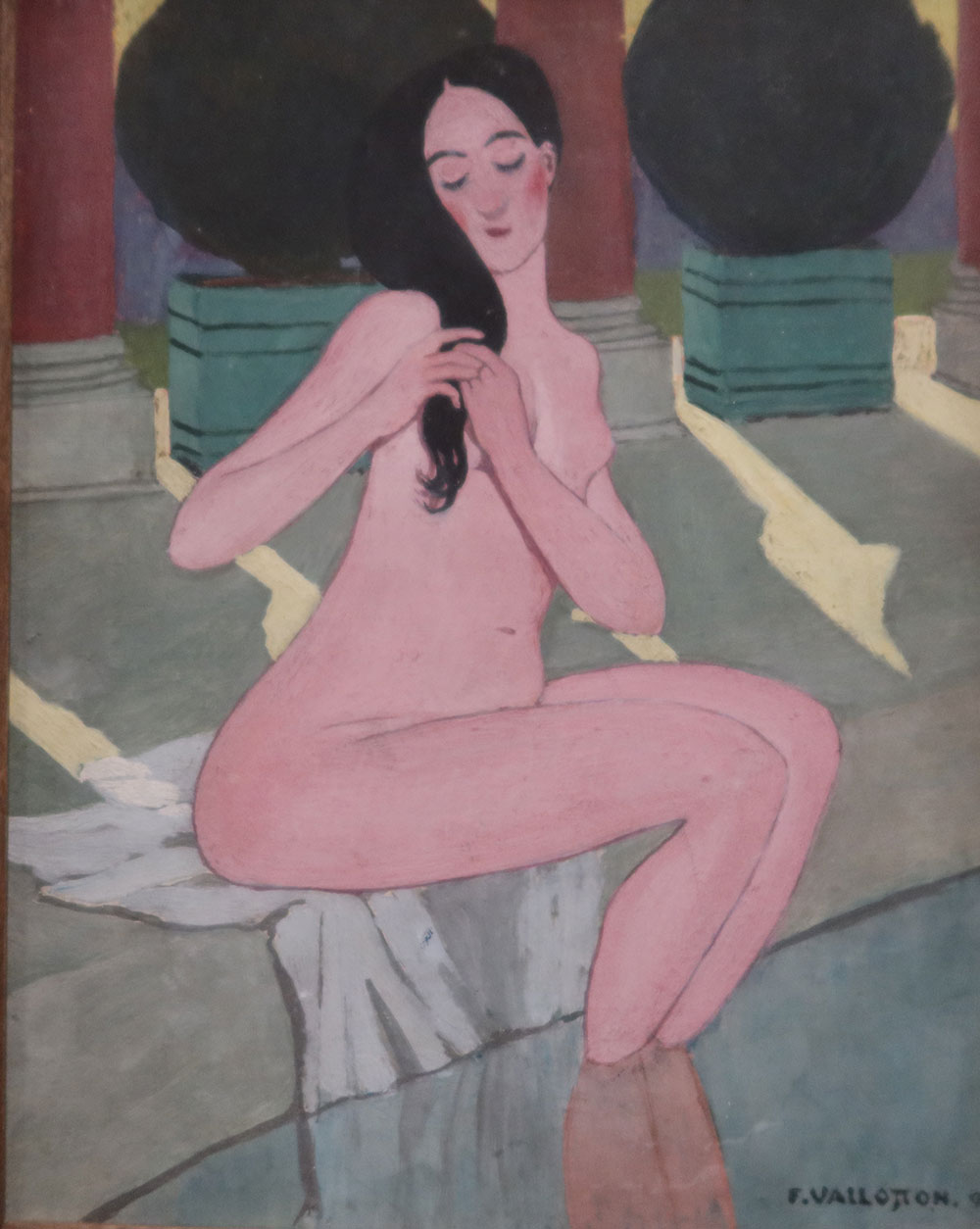
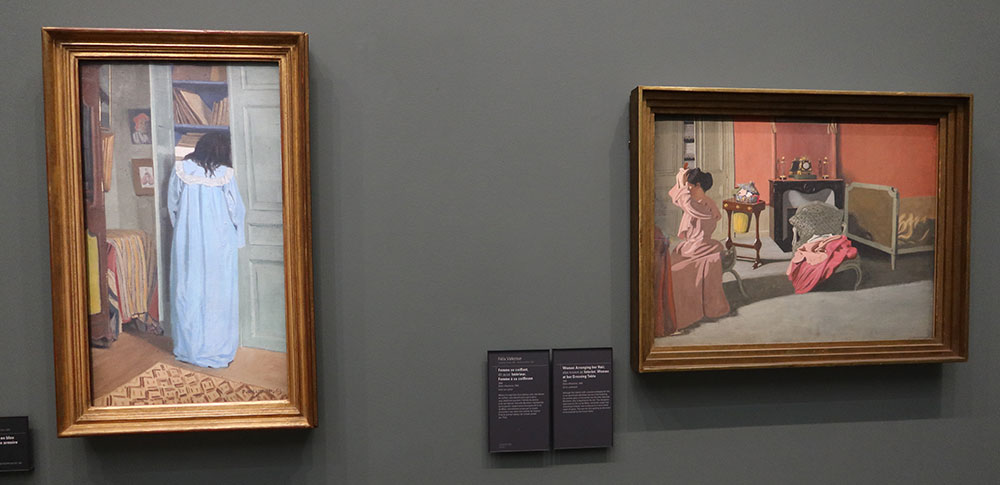
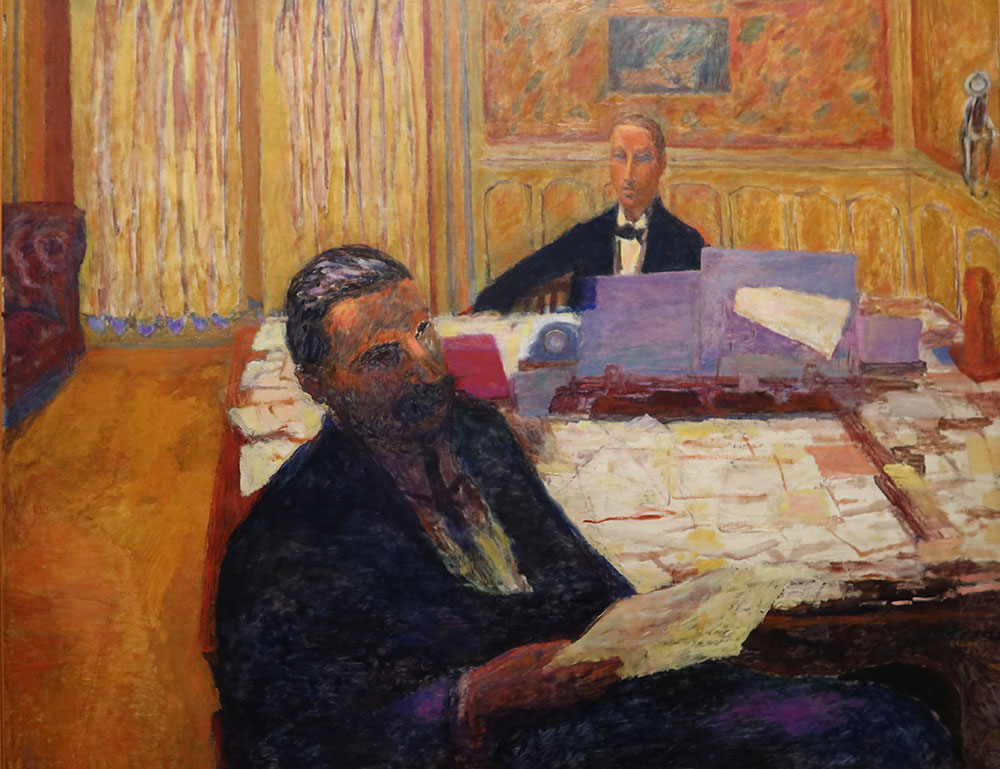
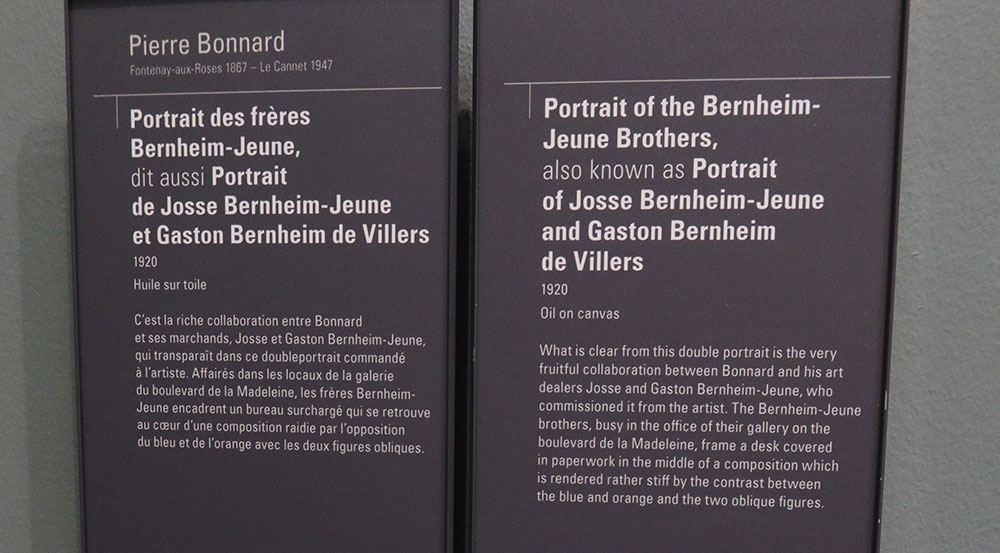
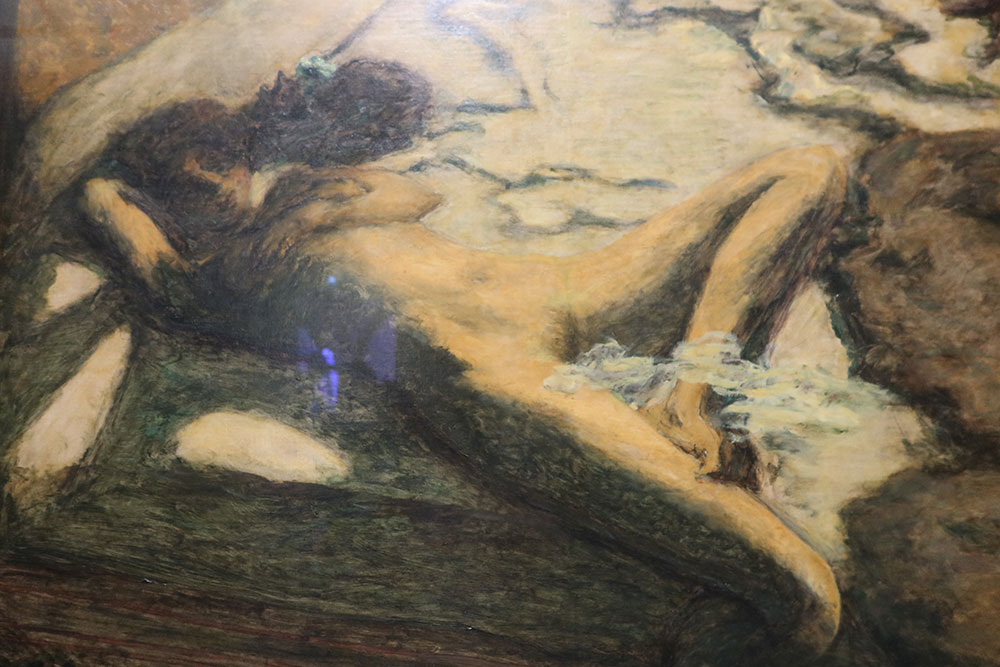
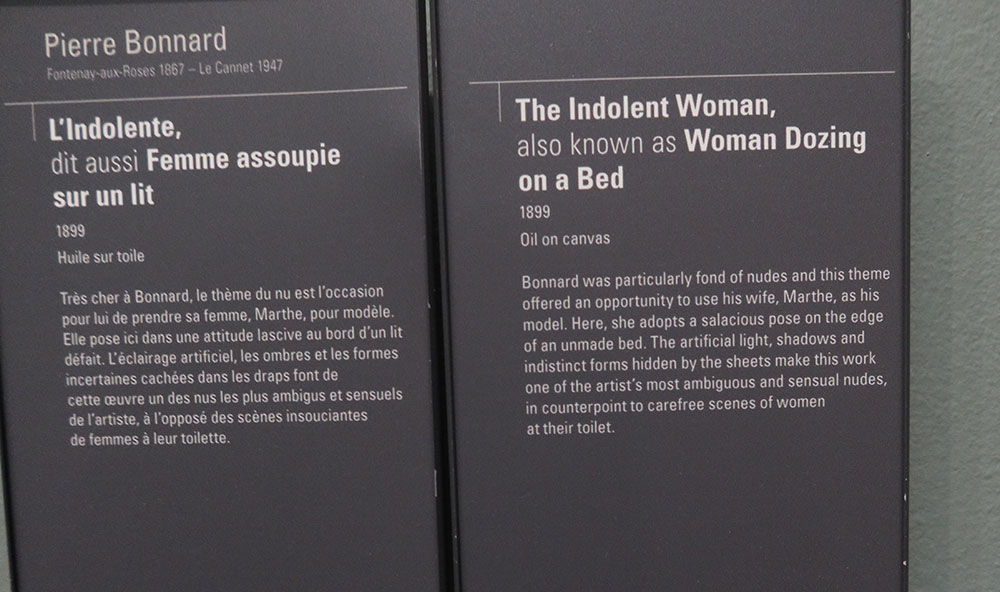
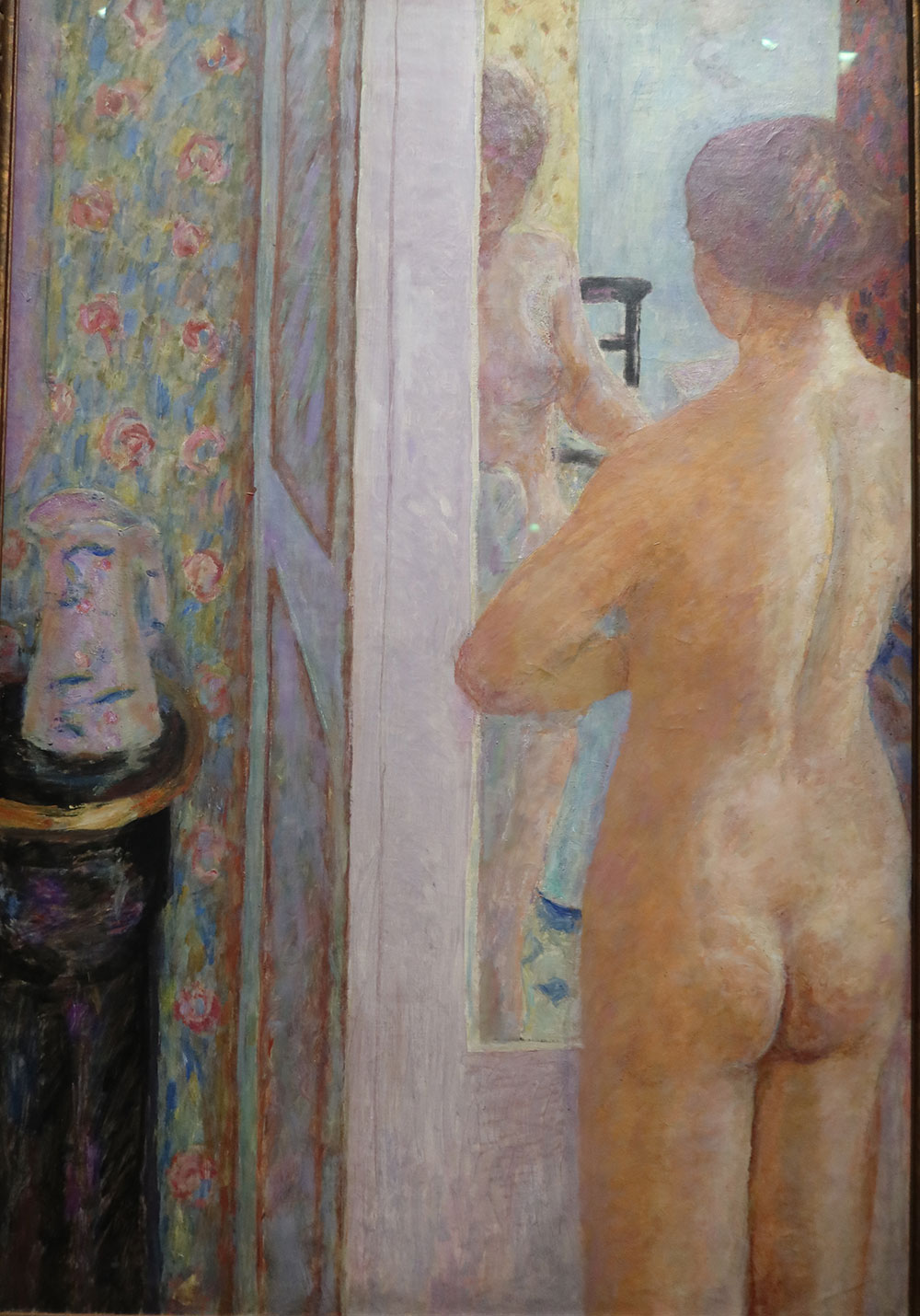
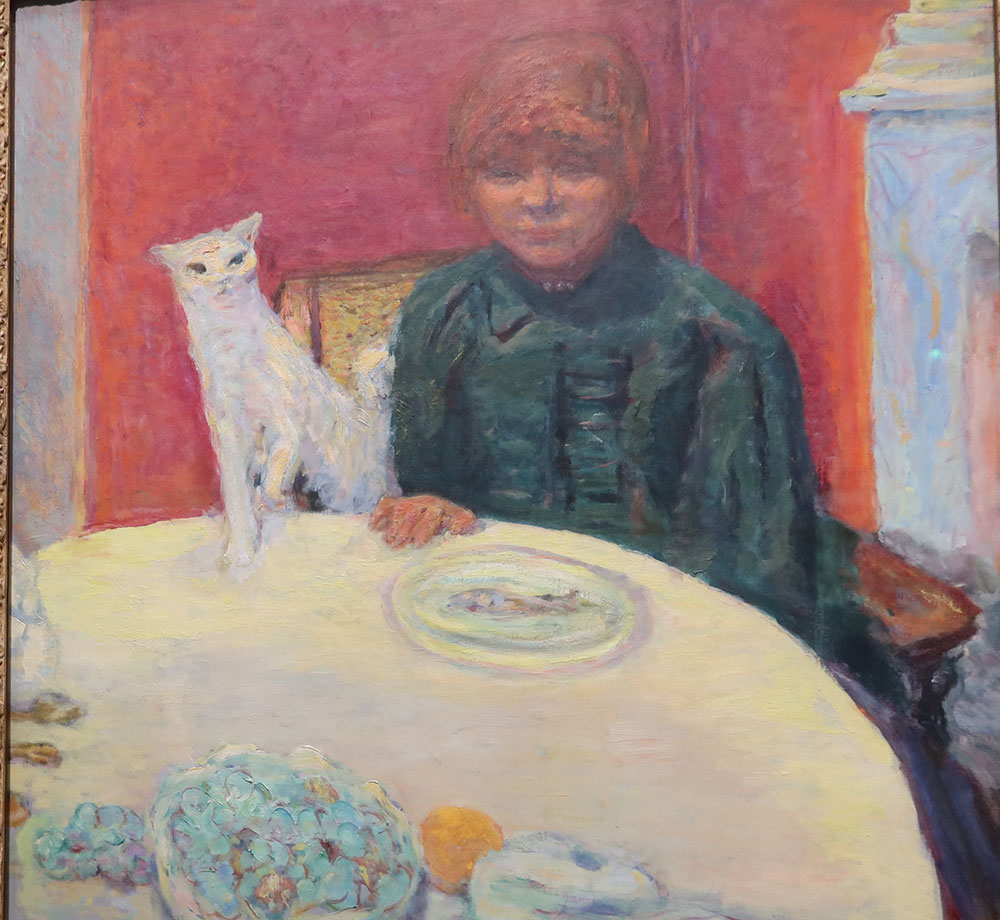
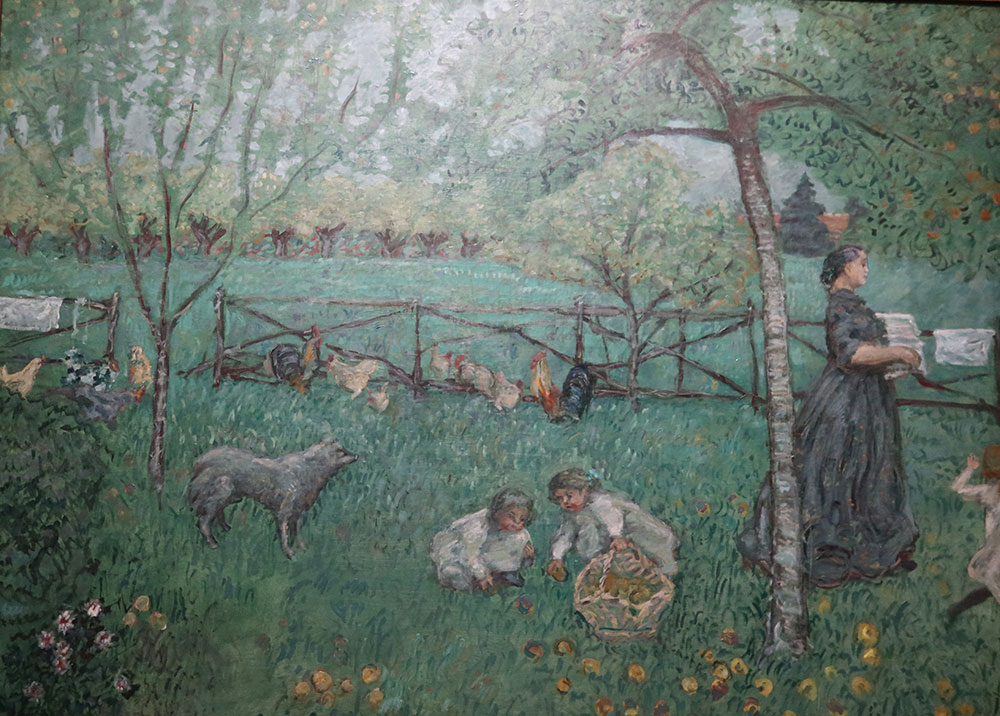
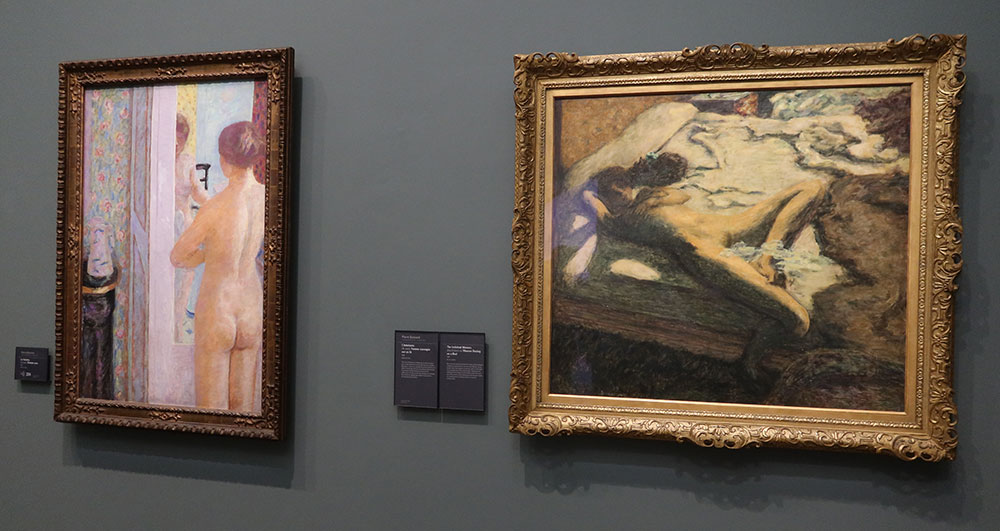
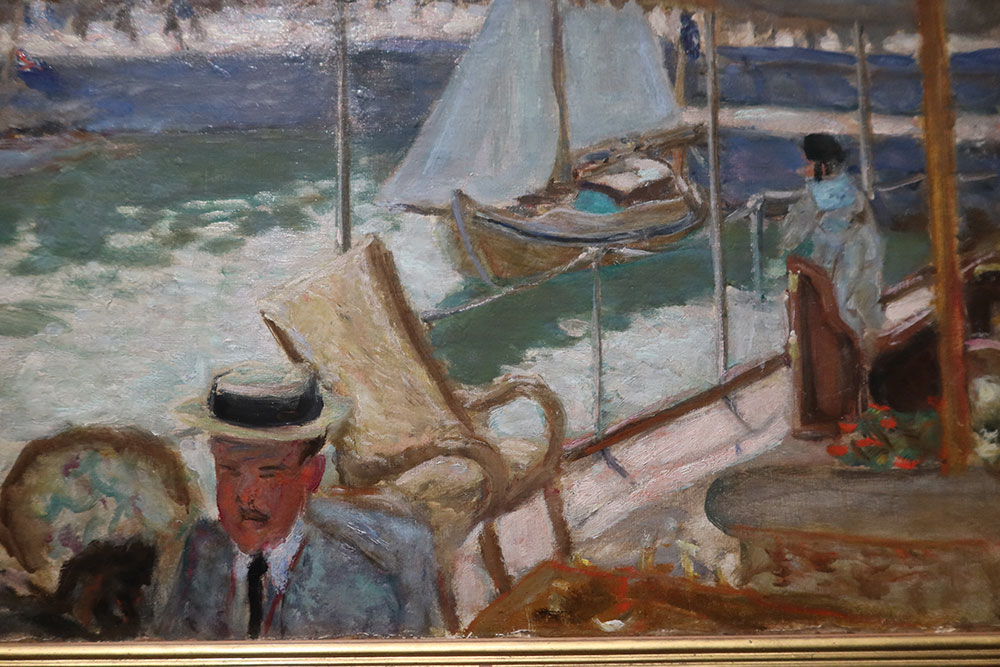
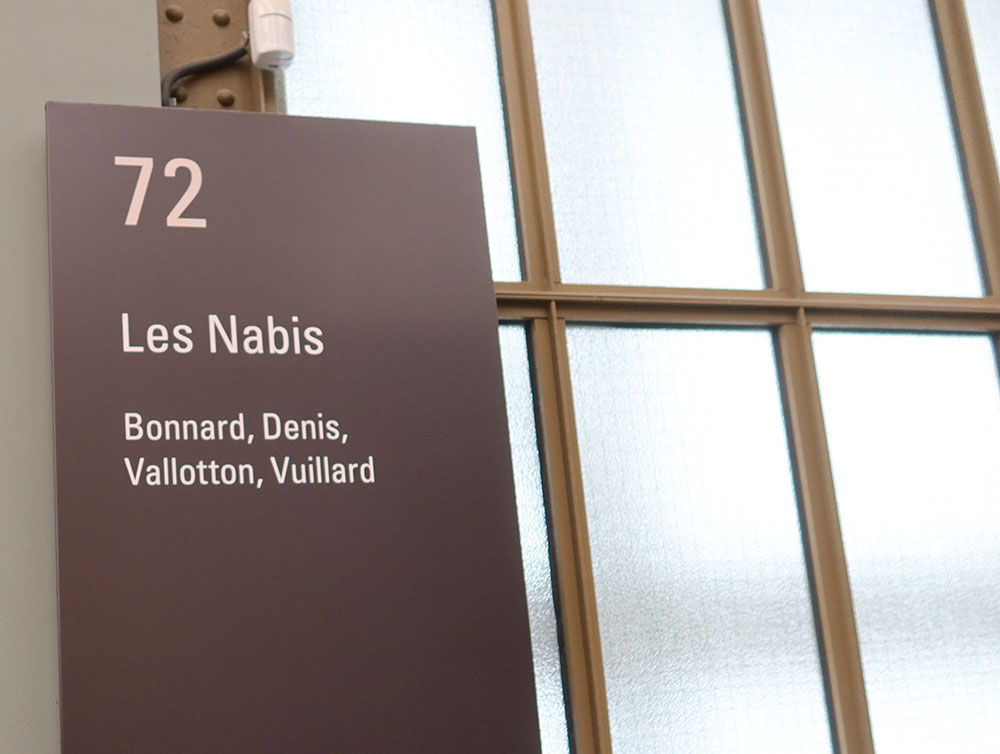
A significant milestone in the collection’s development came in 2016 with the Marlene and Spencer Hays donation, a gift of around 600 works largely favouring Post-Impressionist artists including Bonnard, Vuillard, Maurice Denis, Odilon Redon, and others. The museum chose to keep this collection intact rather than dispersing it across existing thematic displays, marking the largest donation of foreign art to France since the Second World War. The current curatorial leadership has also placed visible emphasis on highlighting women artists within the collection; in early 2026 the museum’s chief curator for paintings and graphic arts, Leïla Jarbouai, discussed the ongoing work to bring these holdings into greater prominence within the permanent hang.
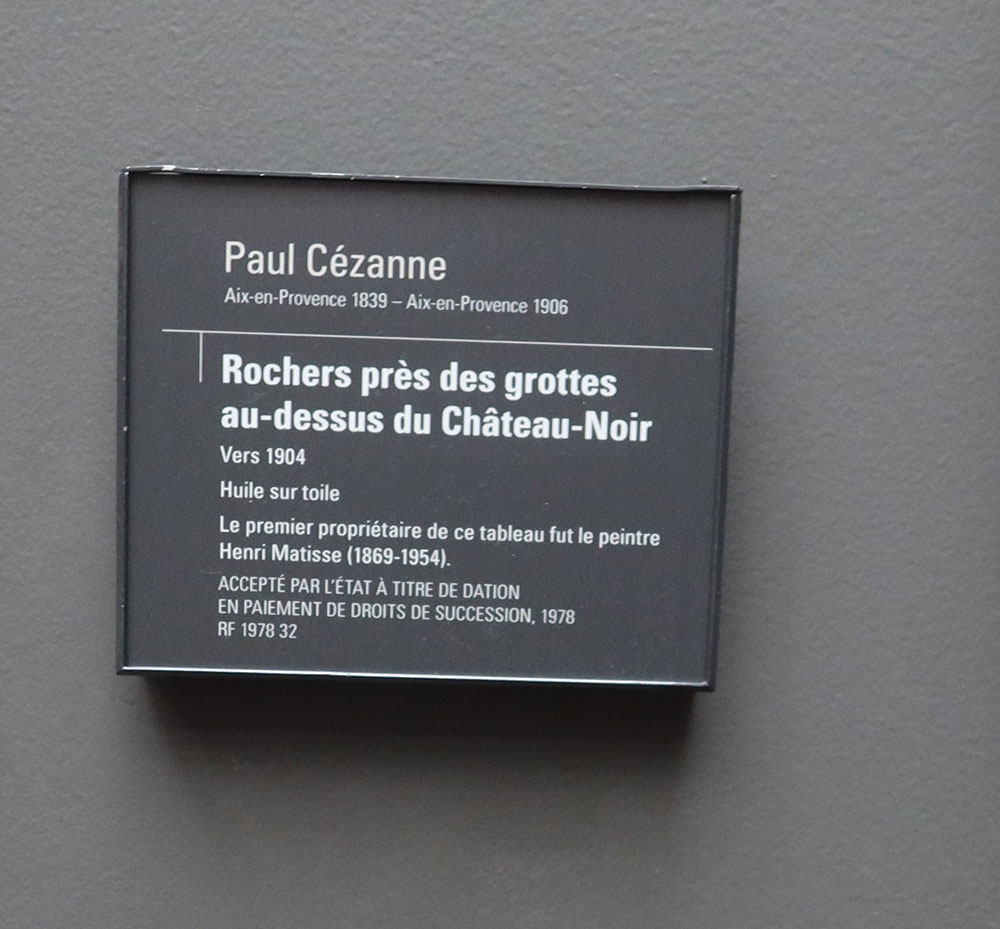
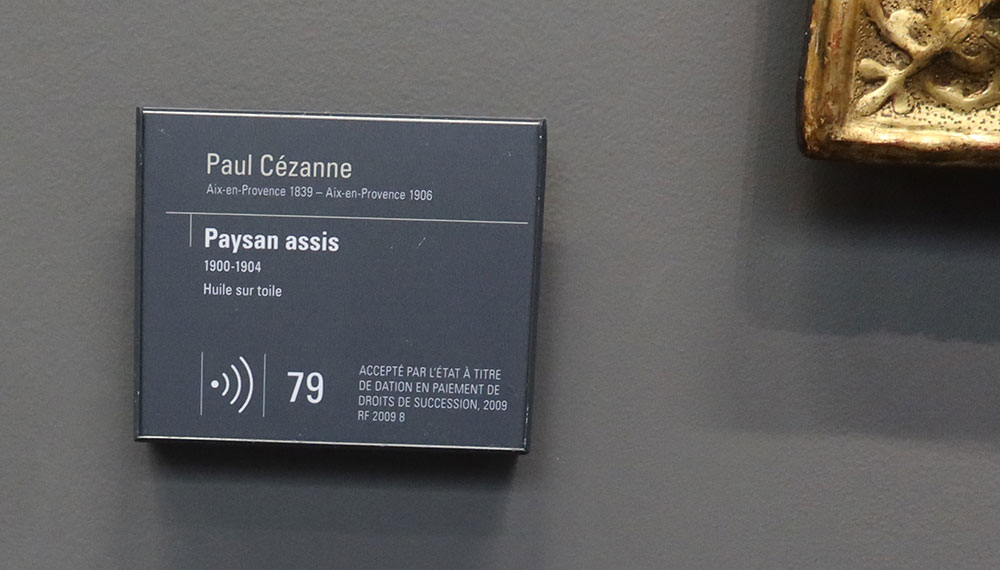
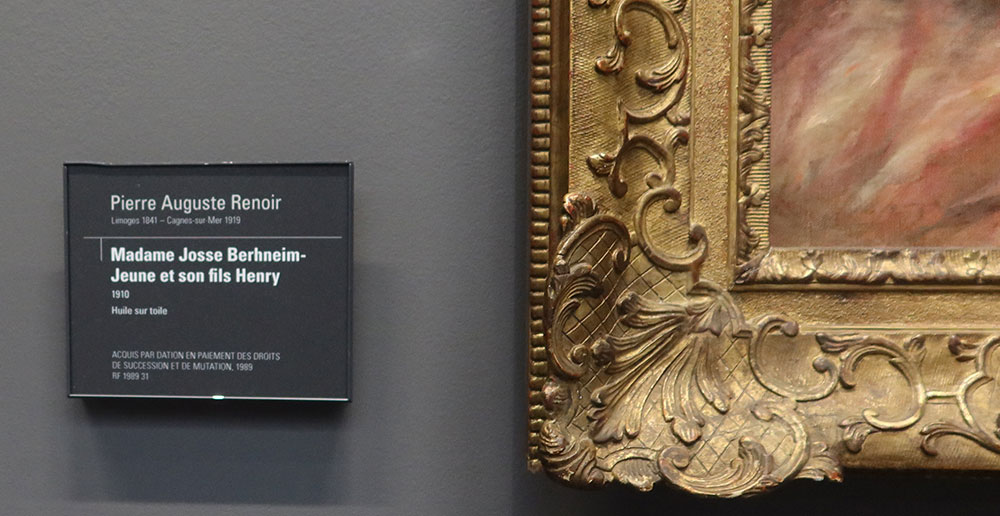
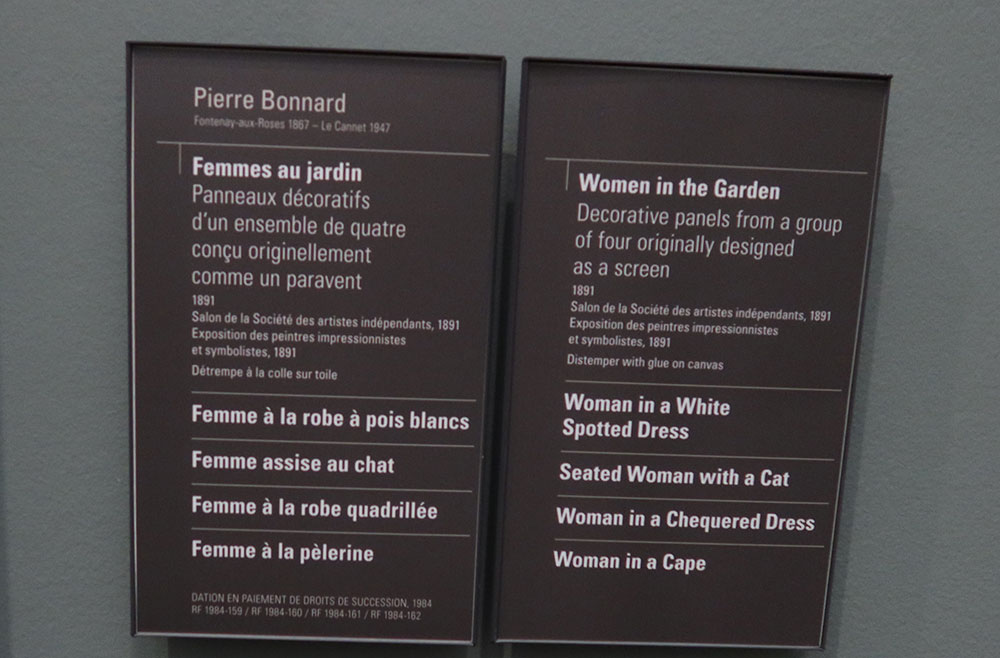
Recent acquisitions reflect this direction. Works entering the collection in January and February 2026 alone included a self-portrait by Gustave Caillebotte, a work by Edgar Degas described as a physiognomical study, and decorative panels by Emma Schlangenhausen and Hild Van Exner — each representing a considered effort to expand or nuance an existing area of the holdings. The museum also benefits from France’s dation mechanism, which allows taxpayers to discharge inheritance obligations through the transfer of works of art to national collections.
Renovation and Institutional Development
The museum entered its fortieth anniversary year in 2026 with a major renovation project underway. From 10 March 2026, works on the entrance hall, forecourt, and glass canopy will proceed in phases through to the summer of 2028. The project is directed by Marie-Suzanne de Ponthaud, chief architect of historic monuments, and is focused on restoring the weatherproofing and energy performance of the canopy, resurfacing the esplanade with Vosges granite to create material continuity between interior and exterior, and redesigning the visitor reception areas to separate the entrance and exit flows. The renovation is supported financially by Louis Vuitton under a renewed partnership running from 2026 to 2030.
The museum will remain open and fully accessible to the public throughout this period. For peer institutions planning visits, research partnerships, or loan negotiations, it is worth noting that time-slot reservation has been made mandatory from March 2026 onwards, and entrance arrangements may be subject to modification as successive phases of construction progress. The museum’s website at musee-orsay.fr is the appropriate first point of contact for current access information.
The 2026 exhibition programme reflects an institution that remains willing to move between historical reassessment and contemporary engagement. The year opens with a major survey of Renoir’s early career (17 March to 19 July), followed later in the year by an exhibition dedicated to Mary Cassatt, a retrospective of Auguste Bartholdi, and an installation by the American artist Jenny Holzer. The centenary of Claude Monet’s death in 1926 is being marked in collaboration with the Musée de l’Orangerie.
Institutional Leadership
Annick Lemoine is appointed president of the museum from 19 March 2026, following the death of Sylvain Amic. The transition comes at a moment of active institutional development: renovation work is under way, a substantial anniversary programme is in motion, and several active collection development threads are being pursued concurrently. For institutions considering approaches to the museum regarding loans, collaborations, or research access, this period of leadership transition is worth taking into account.
Relevance for Gallery and Museum Professionals
The Orsay’s example remains instructive in several respects. Its commitment to representing an entire period of production — including Academic work that was long out of fashion — rather than narrowing the collection to a canonical avant-garde narrative has given it an unusual ability to support revisionist scholarship. The integration of photography, decorative arts, and architecture into a single institutional framework from the outset demonstrates what is possible when a museum’s founding brief is written broadly enough. And the museum’s willingness to keep significant donated collections intact, as with the Hays gift, offers a model for managing large benefactions in ways that preserve donor intent while enriching the permanent display.
The renovation now under way offers a further lesson in the relationship between heritage preservation and institutional modernity. The decision to treat the canopy restoration as a matter of environmental performance as well as architectural conservation reflects the priorities that national cultural institutions are increasingly required to articulate. That the museum is doing so while remaining open and maintaining its full exhibition programme suggests a level of operational planning that other institutions managing building works might consider as a benchmark.
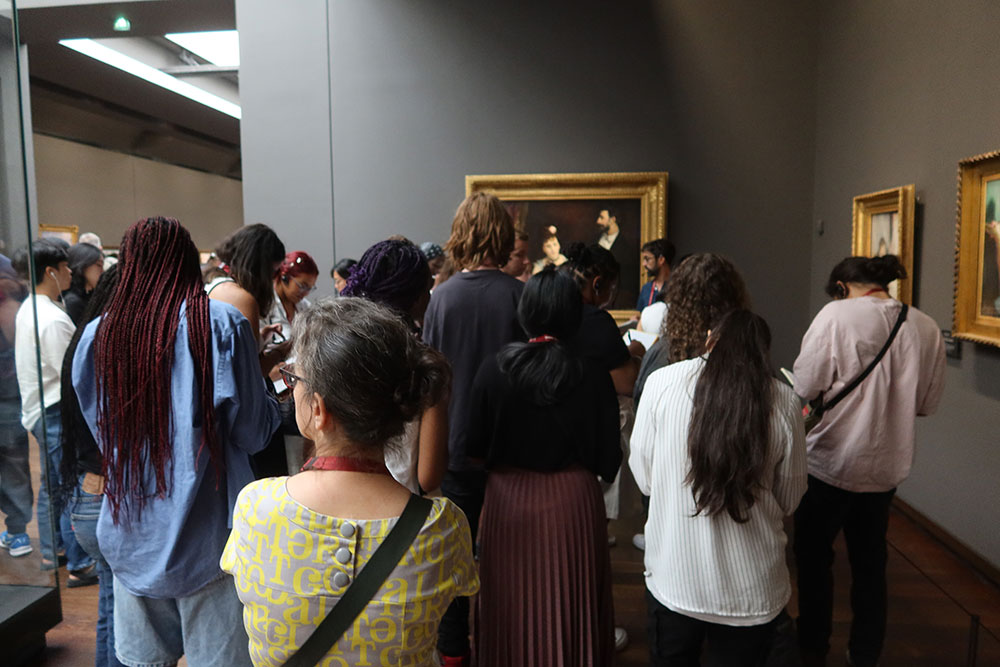
The museum receives approximately 3.7 million visitors annually, ranking it among the most visited art institutions in Europe and the world. For gallery and museum professionals, it functions as both a reference collection and an active institutional interlocutor. T
Musée d’Orsay — 1 Rue de la Légion d’Honneur, 75007 Paris, France. musee-orsay.fr