
Stone, Light, and the Grammar of Belief:
The Art and Enduring Significance of Chartres Cathedral
There are buildings that endure, and then there are buildings that teach. Chartres Cathedral — formally the Cathédrale Notre-Dame de Chartres — occupies a rare position in the history of human making: it is both an architectural document of the highest order and an inexhaustible subject of visual and intellectual study. For professionals working in art institutions and galleries, it represents not merely a historical artefact but a sustained argument about how form, programme, and material can operate together to produce something that exceeds the sum of its intentions.
A Cathedral Built Twice, and Better for It
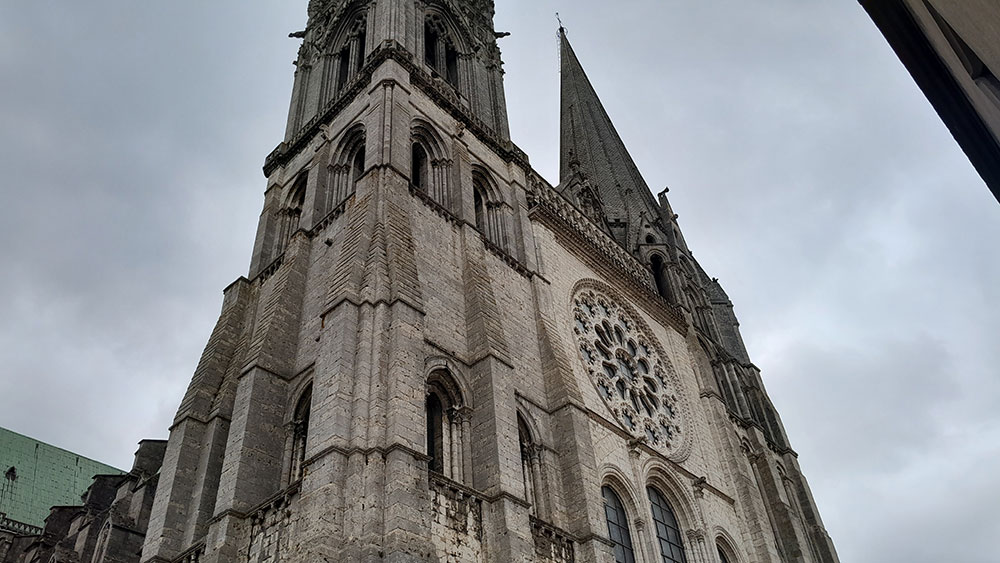
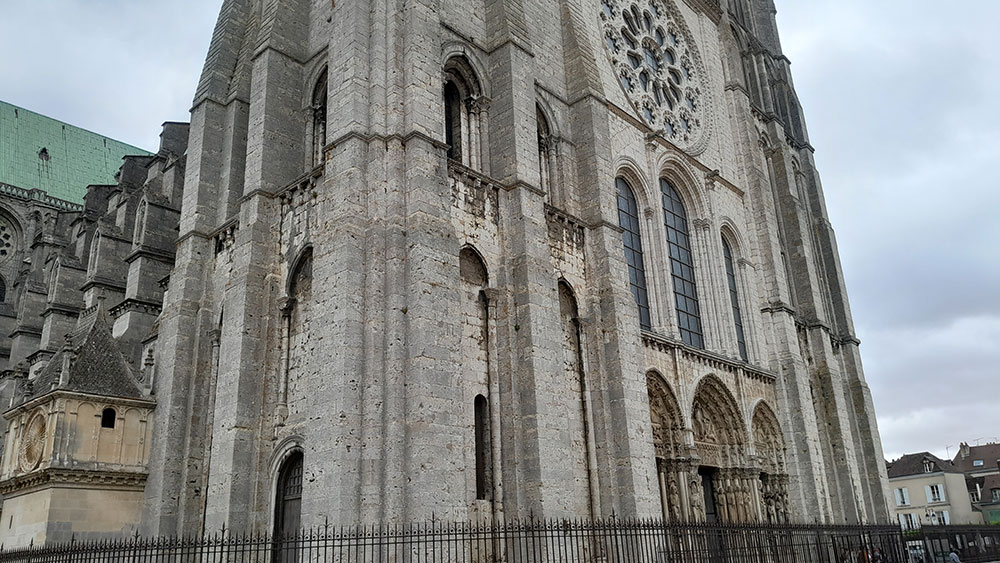
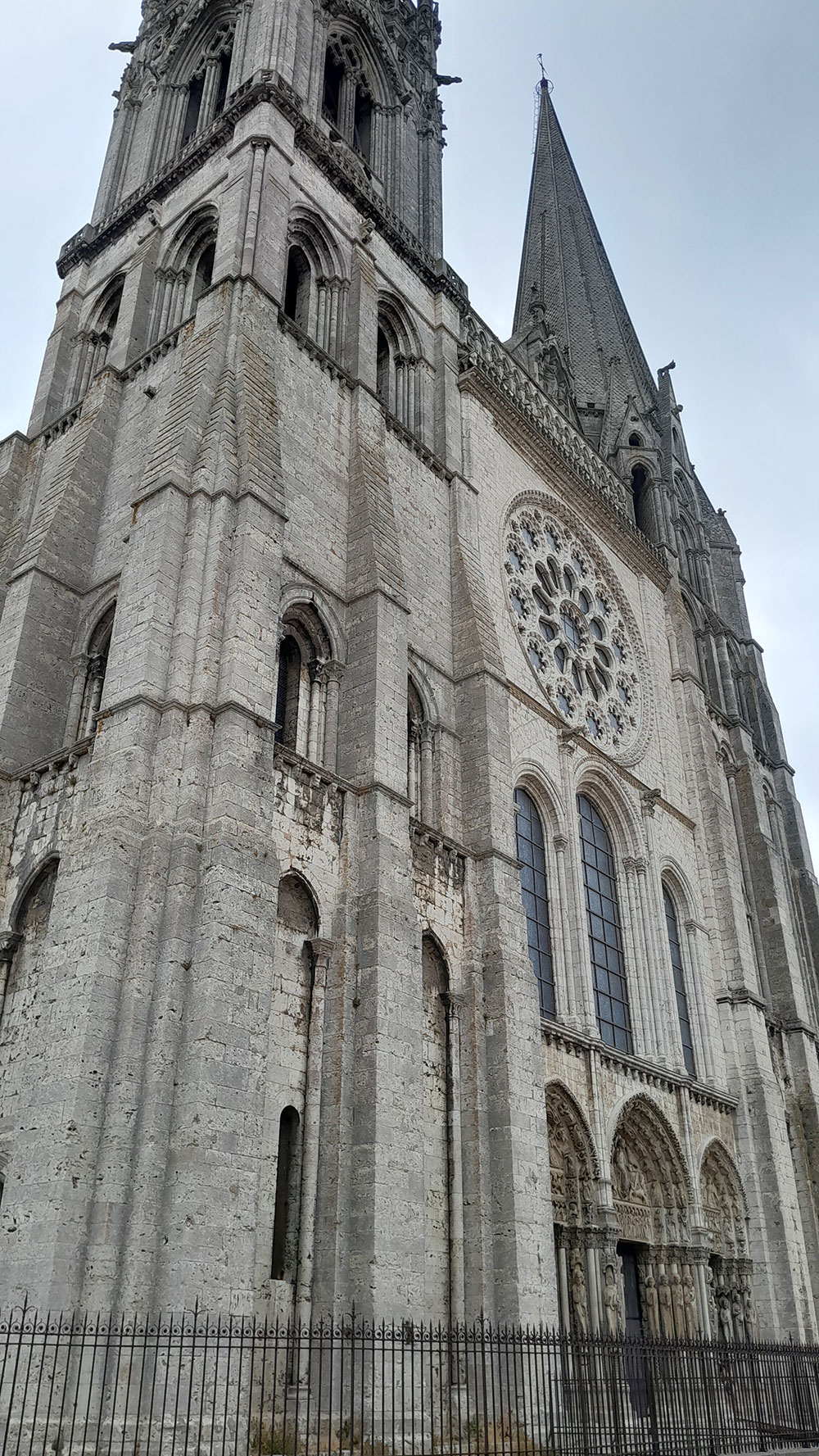
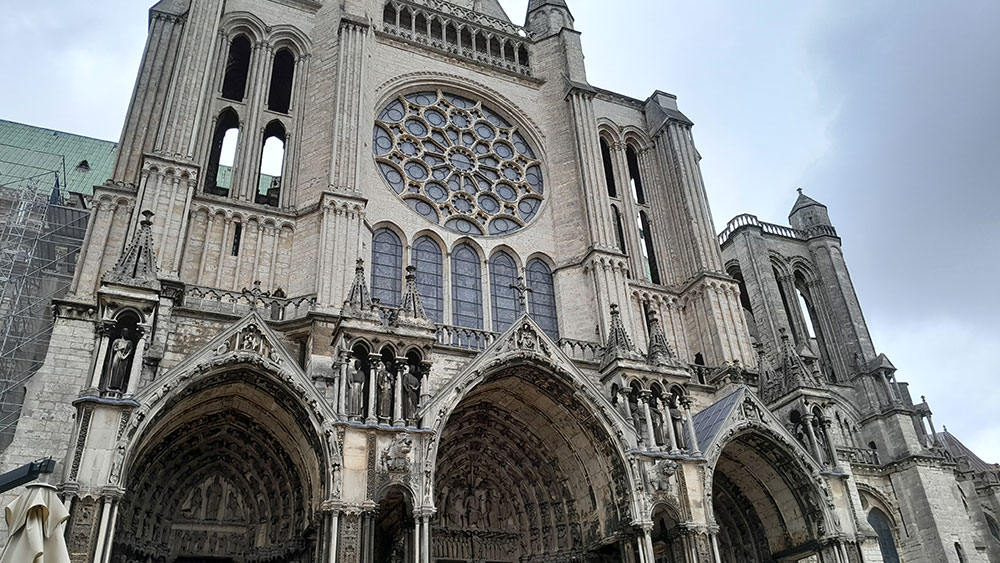
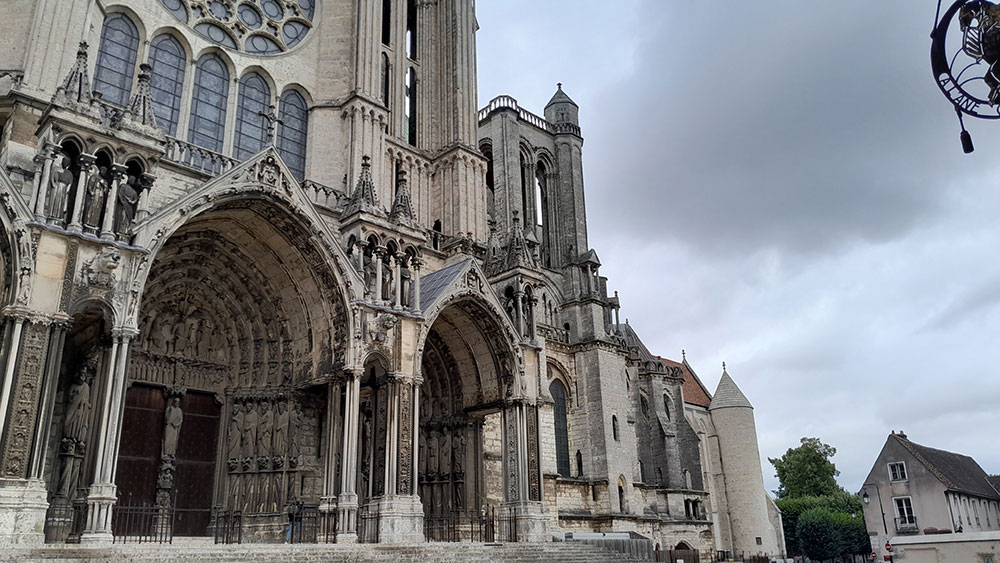
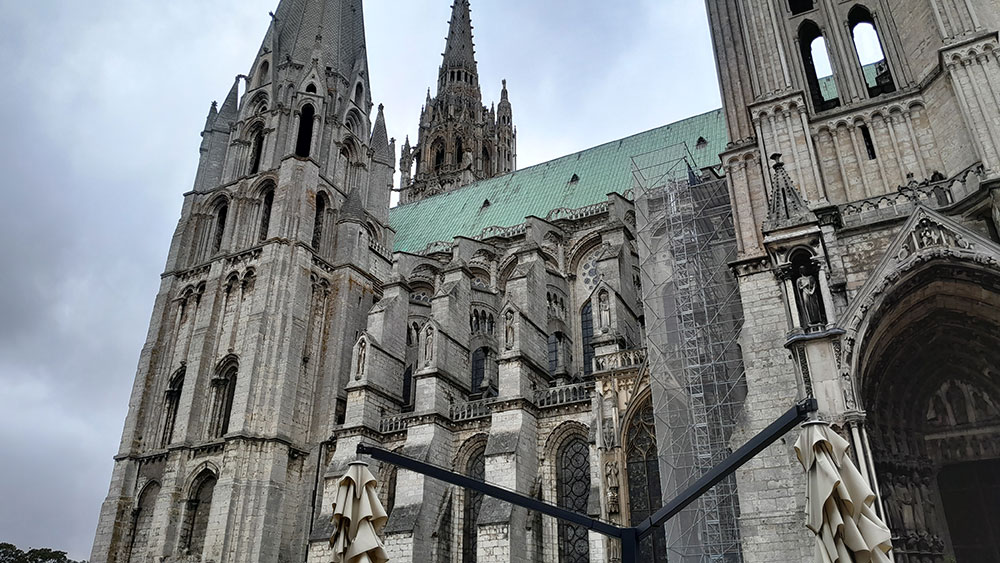
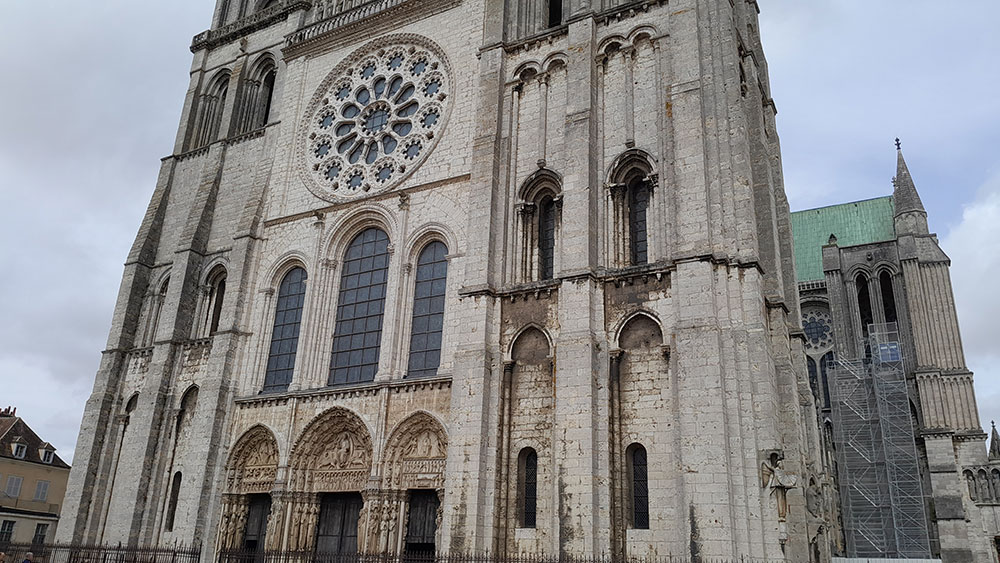
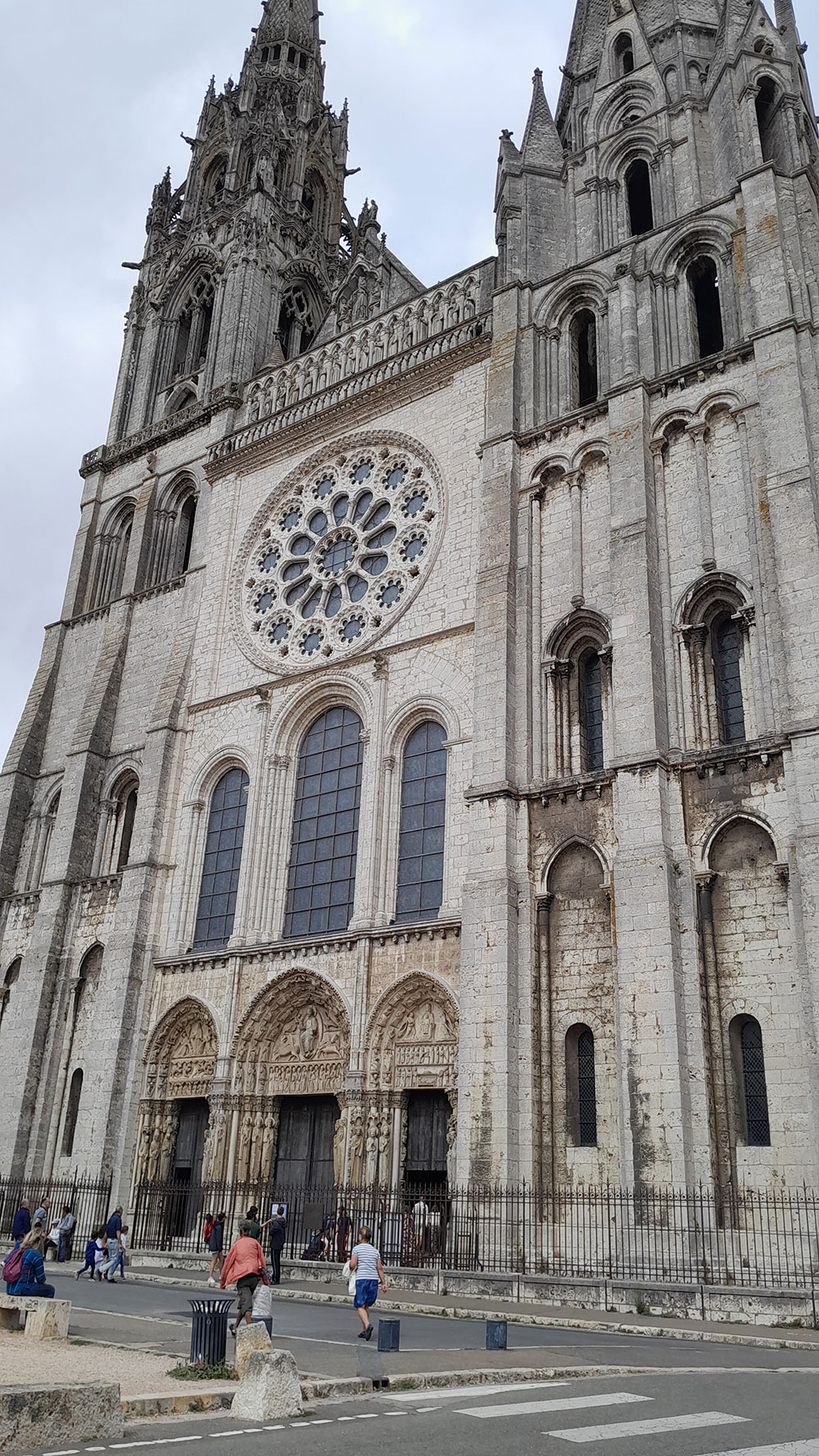
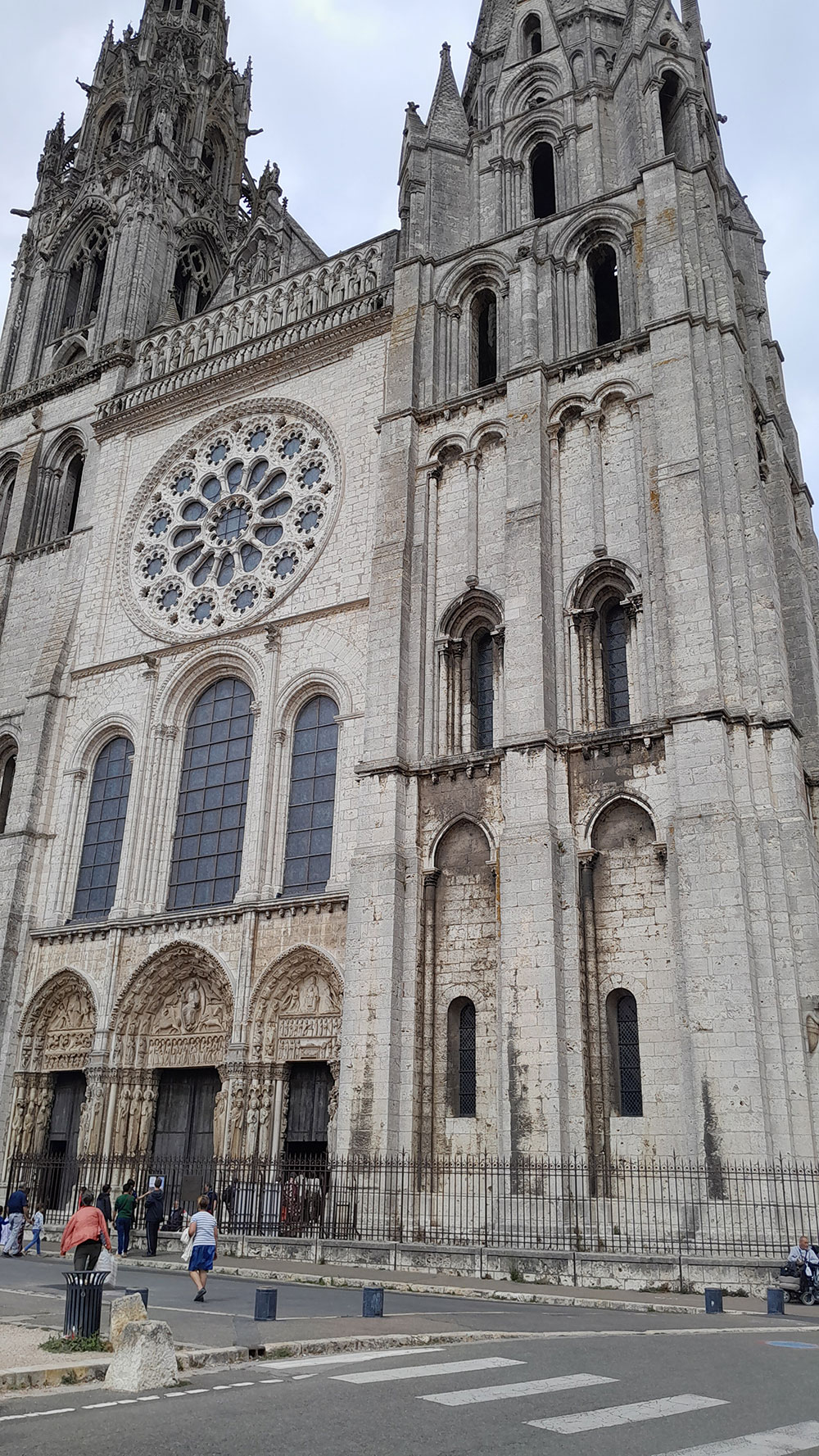
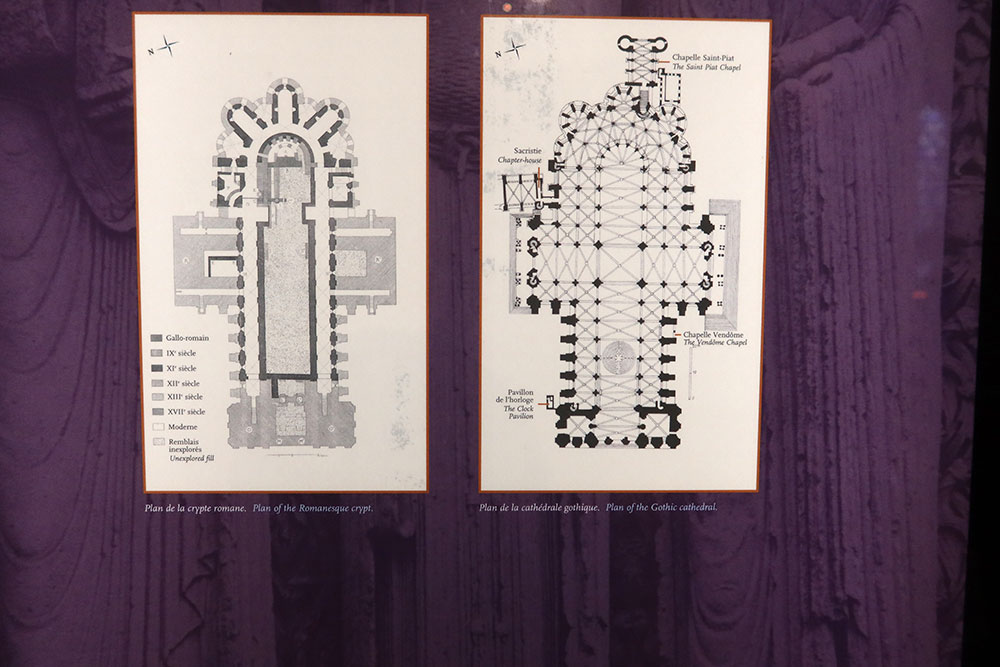
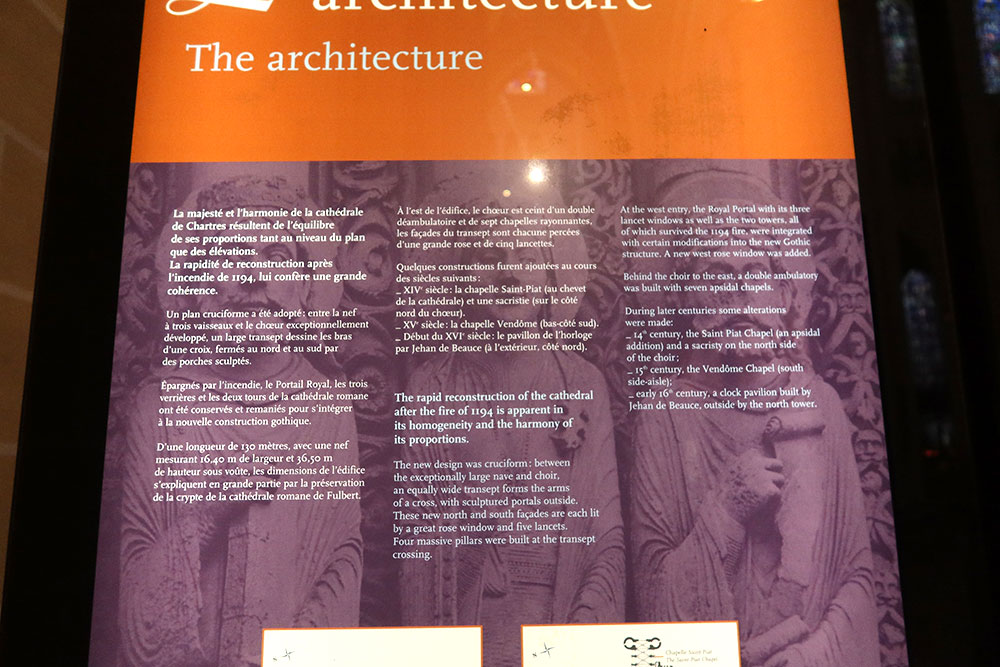
The cathedral that stands today on the Beauce plain southwest of Paris is substantially the product of a single, concentrated building campaign following the catastrophic fire of 1194, which destroyed much of an earlier Romanesque structure. What survived — the Royal Portal on the western facade, the lower towers, and the crypt — was incorporated into the new design. The speed of reconstruction was by medieval standards extraordinary. The main structure was largely complete by around 1220, giving Chartres an architectural consistency unusual for Gothic cathedrals of comparable ambition, most of which accumulated across centuries and reflect the stylistic preoccupations of successive generations.
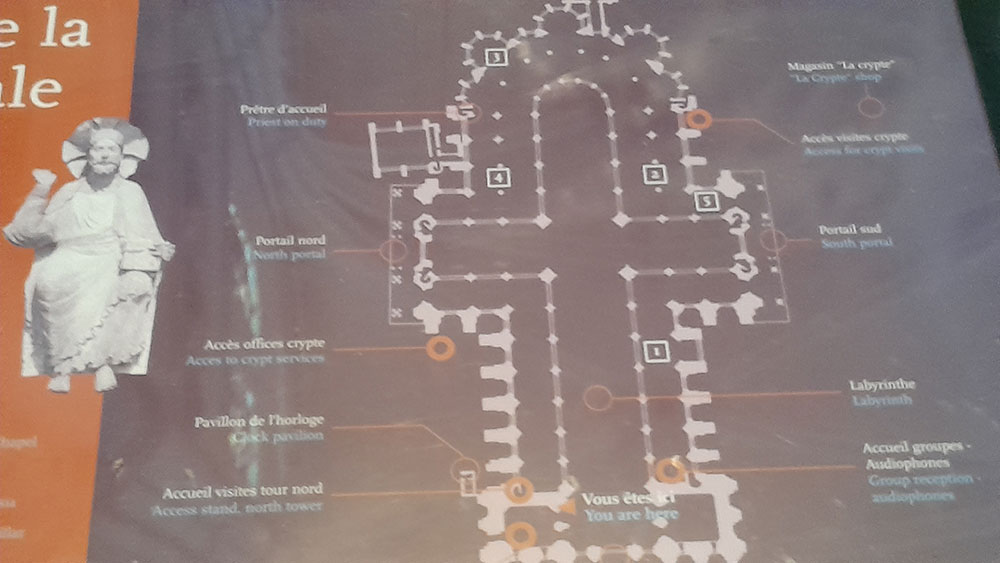
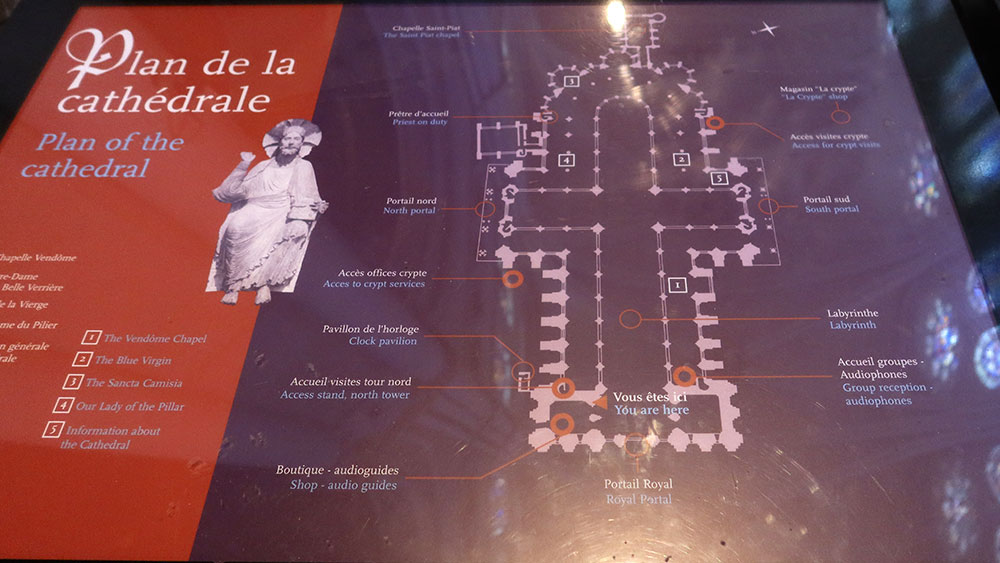
This relative unity of conception is one of the reasons art historians return to Chartres when they wish to understand the Early Gothic programme in its most coherent expression. The building does not argue with itself. Its nave, choir, transept, and chapels form a legible whole — a quality that rewards the kind of sustained looking that institutions devoted to visual experience encourage in their visitors and scholars.
Structure as Visual Argument
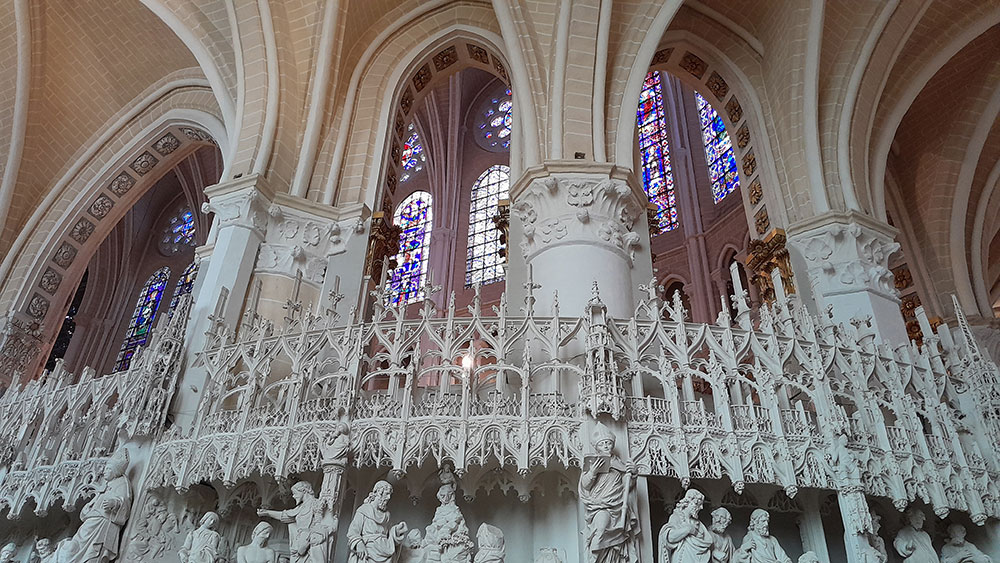
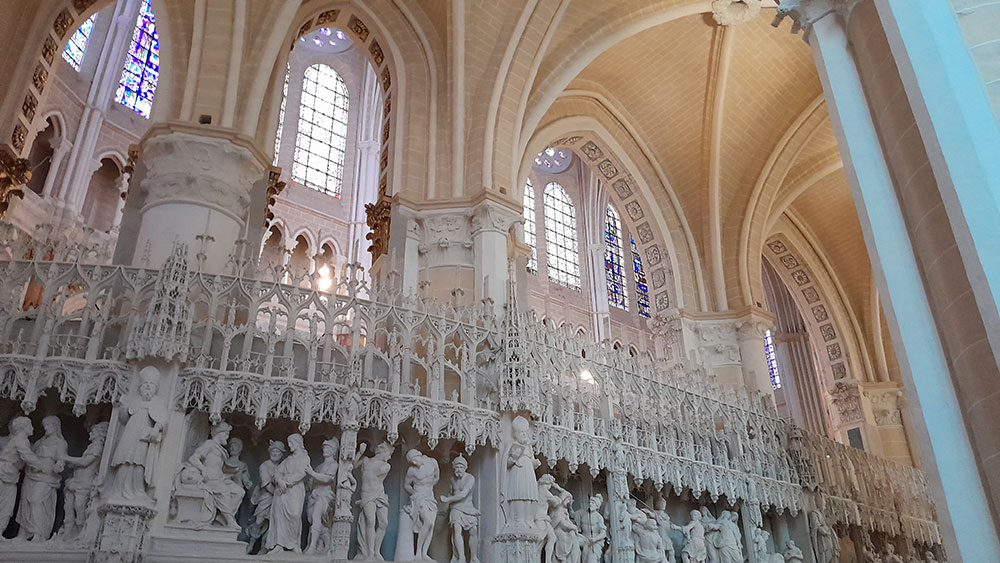
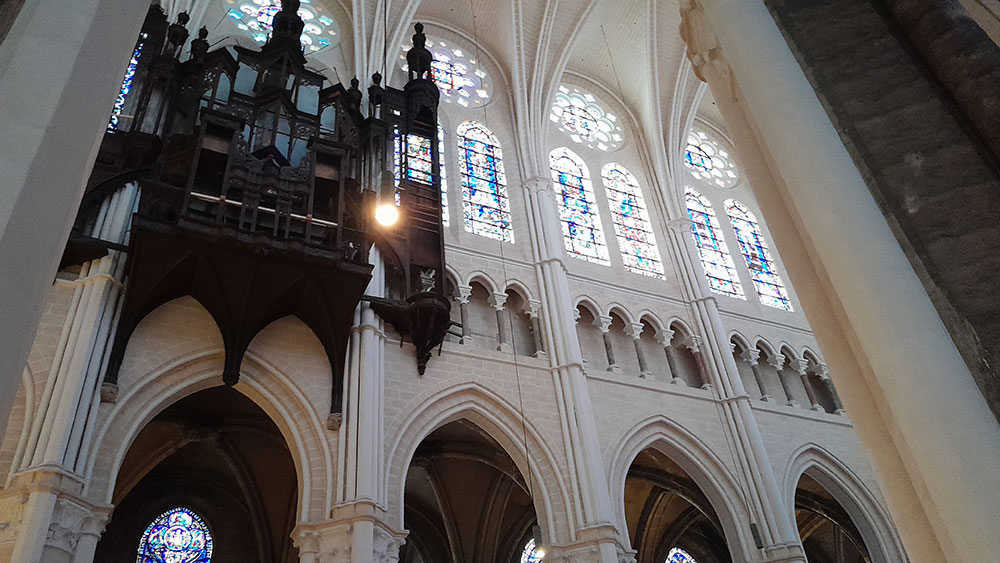
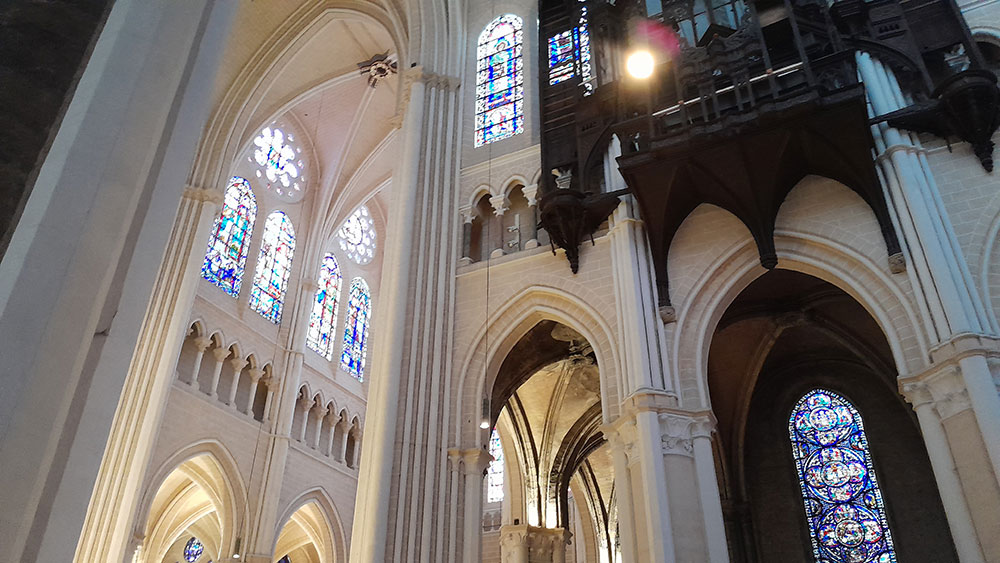
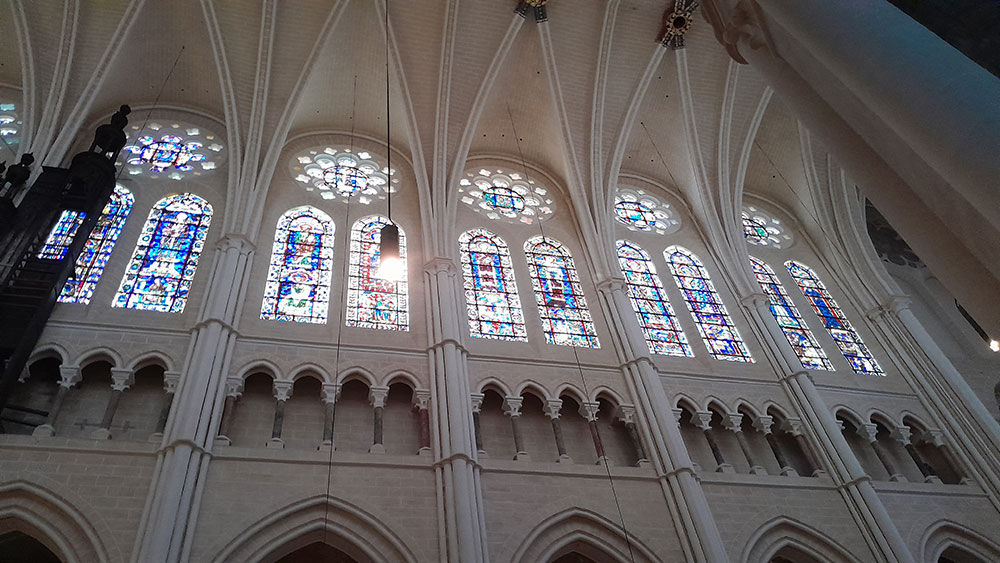
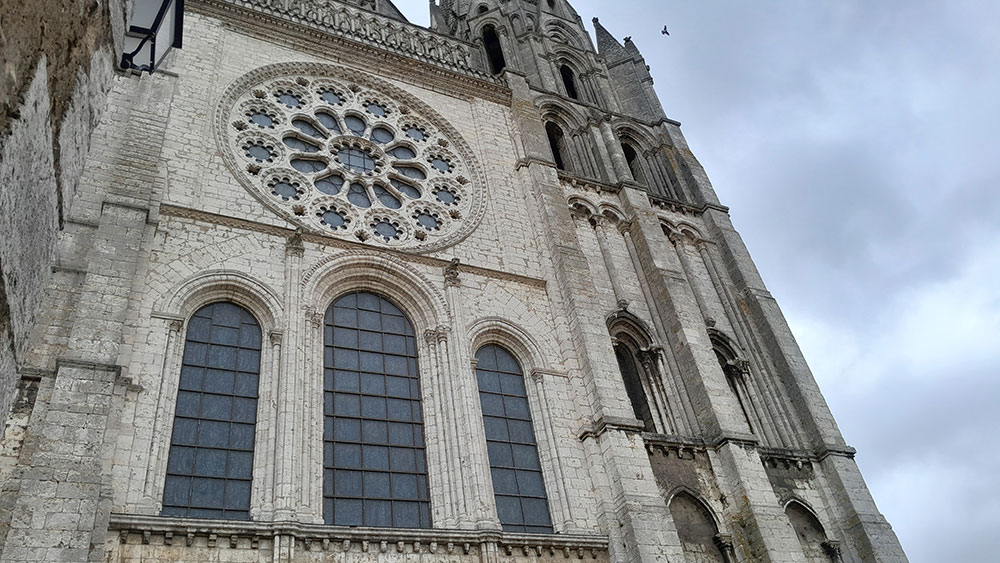
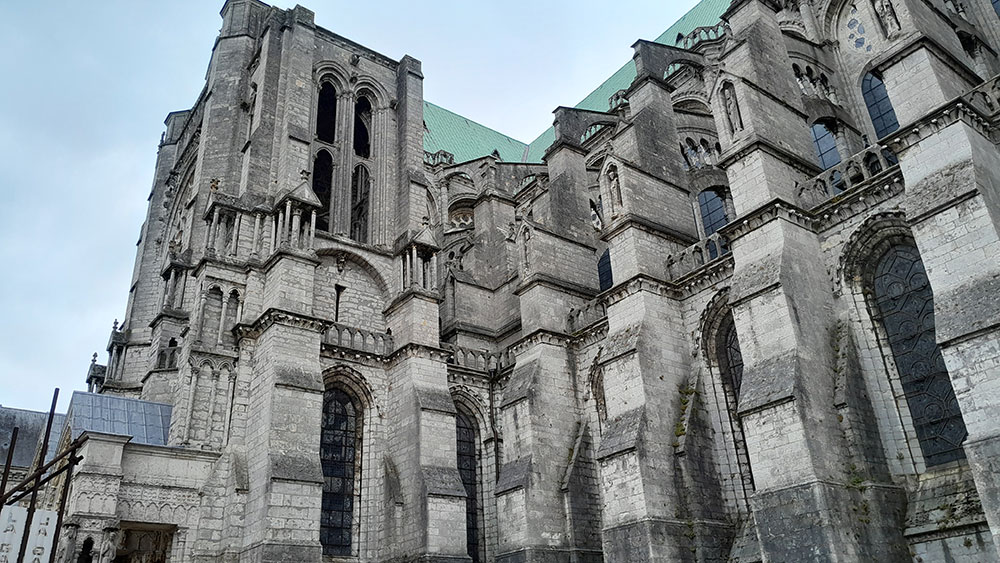
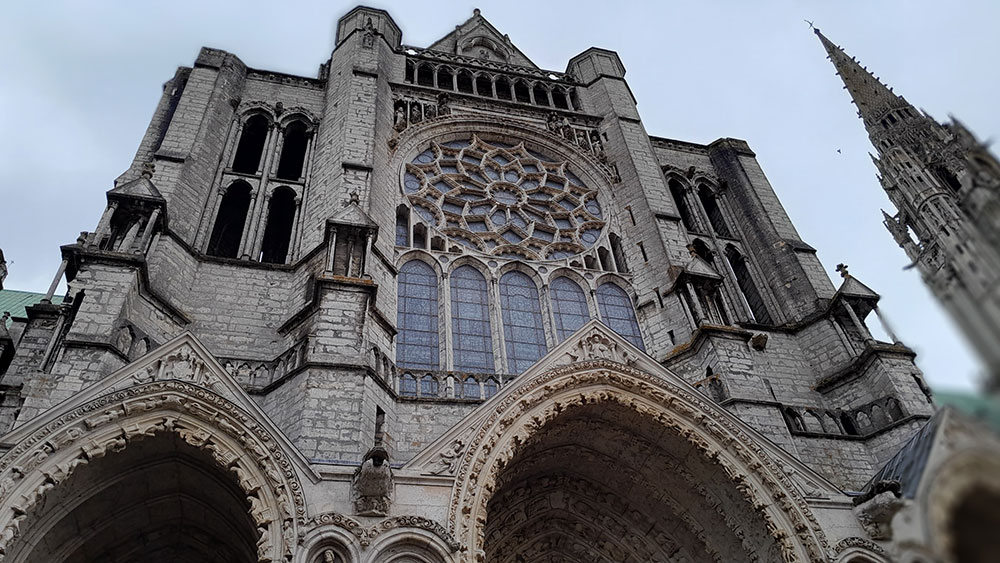
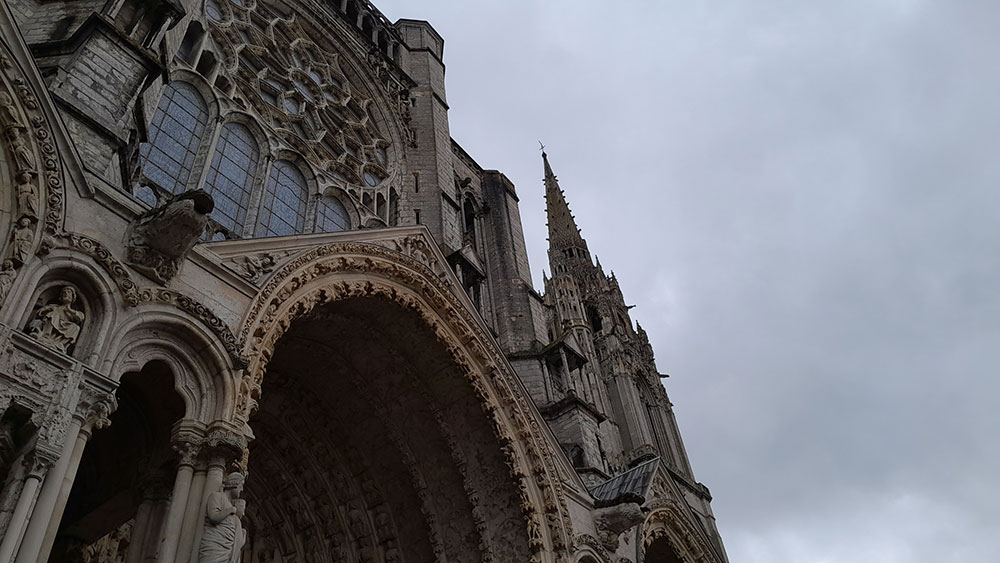
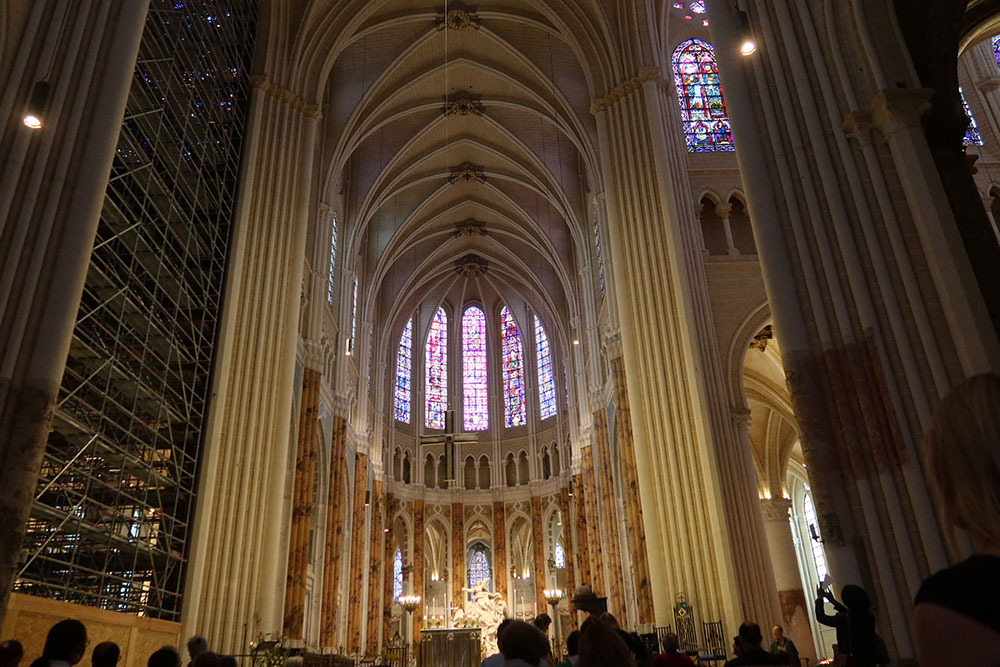
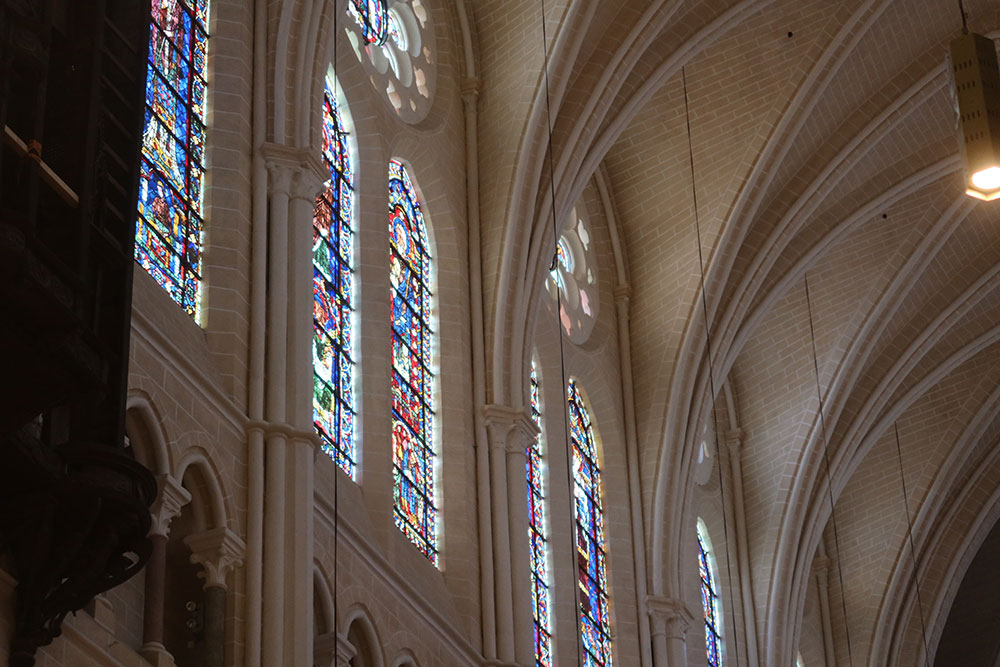
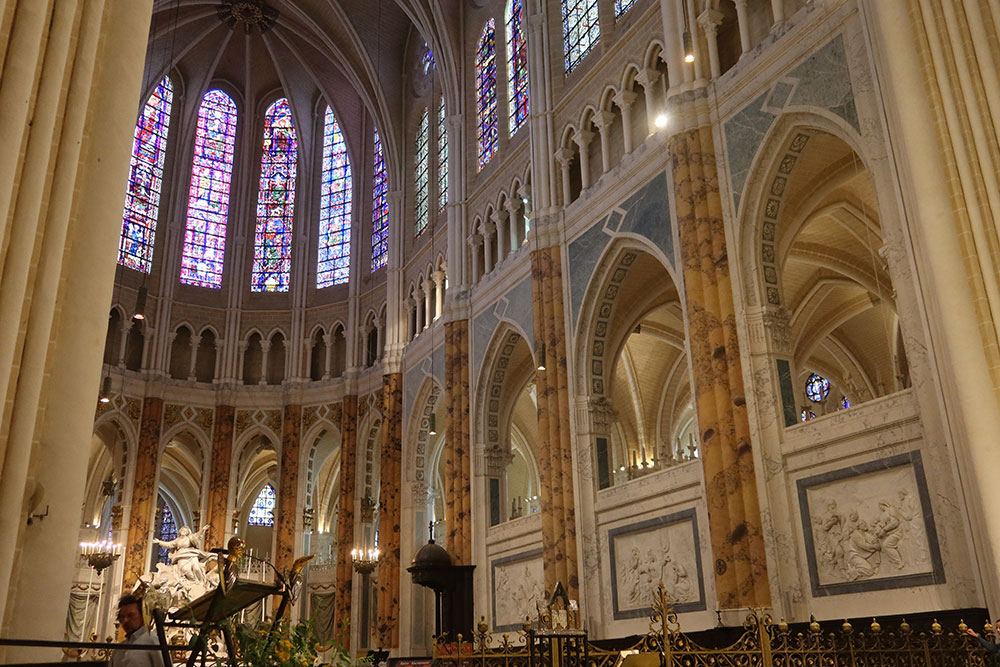
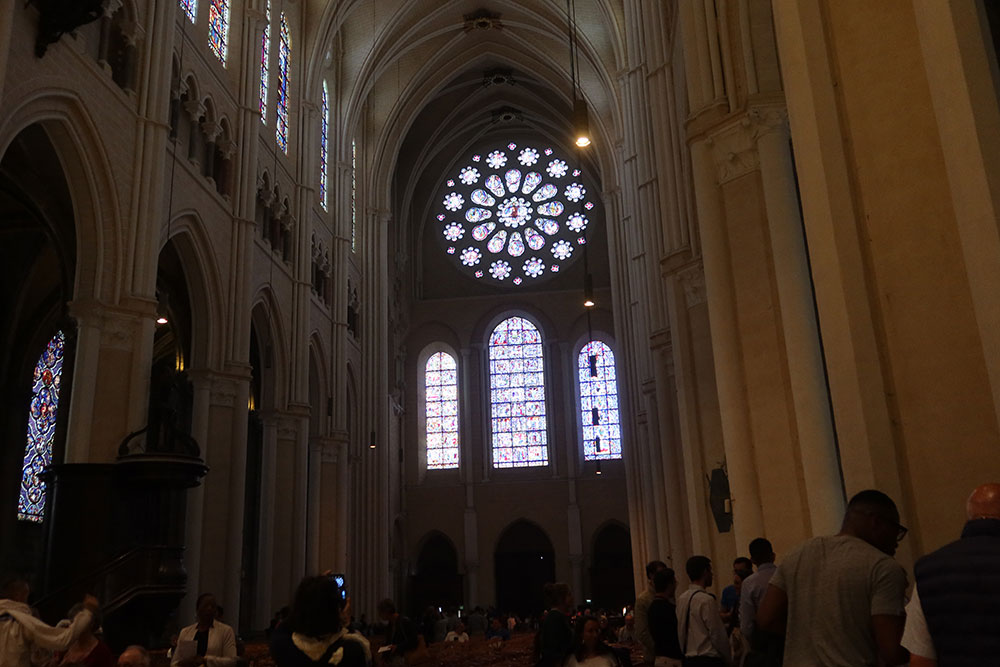
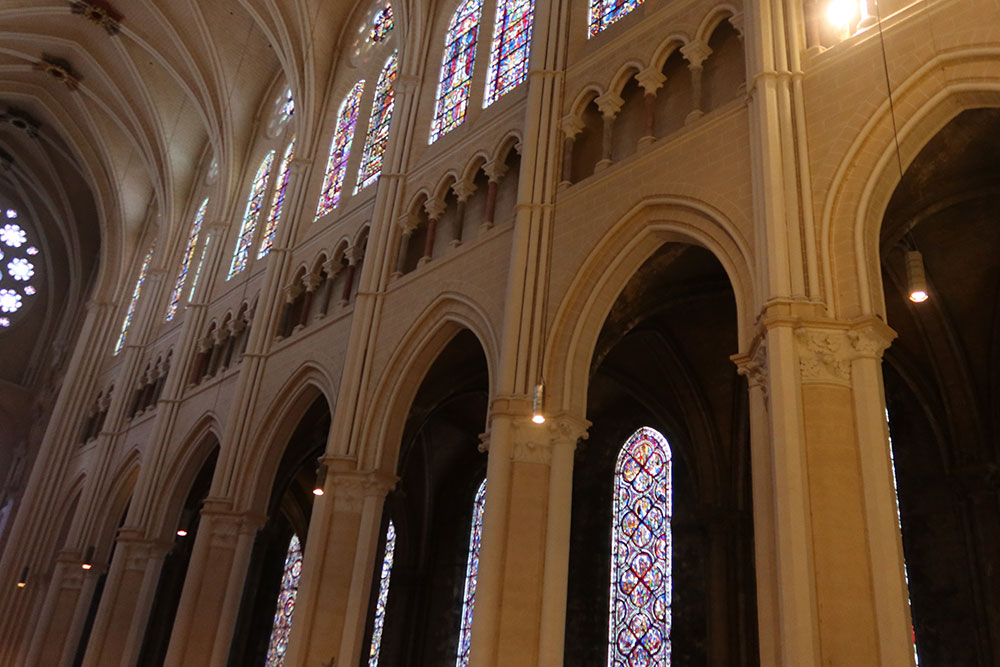
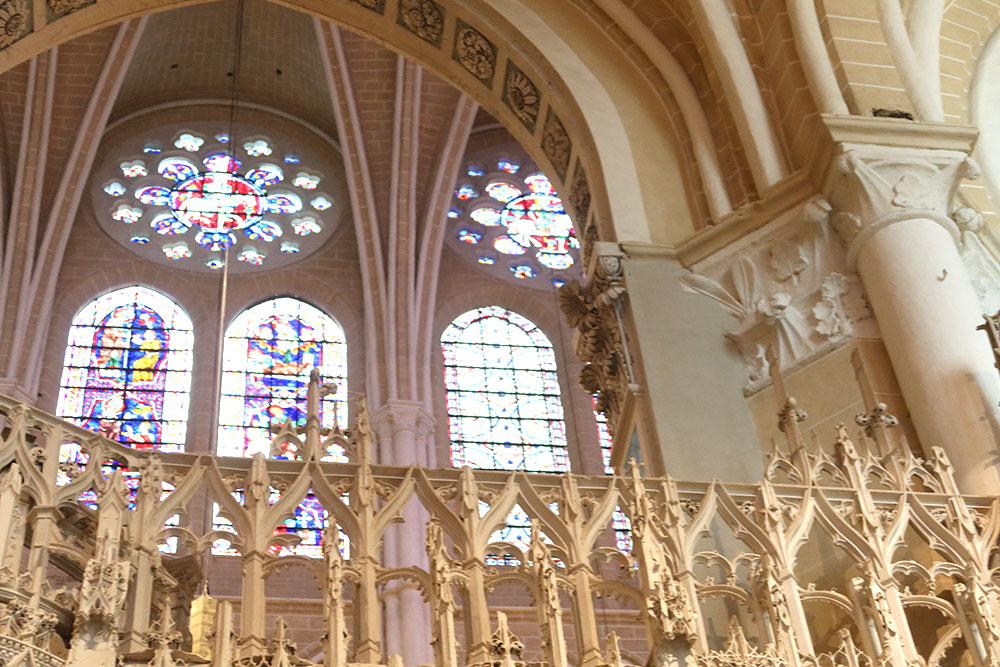
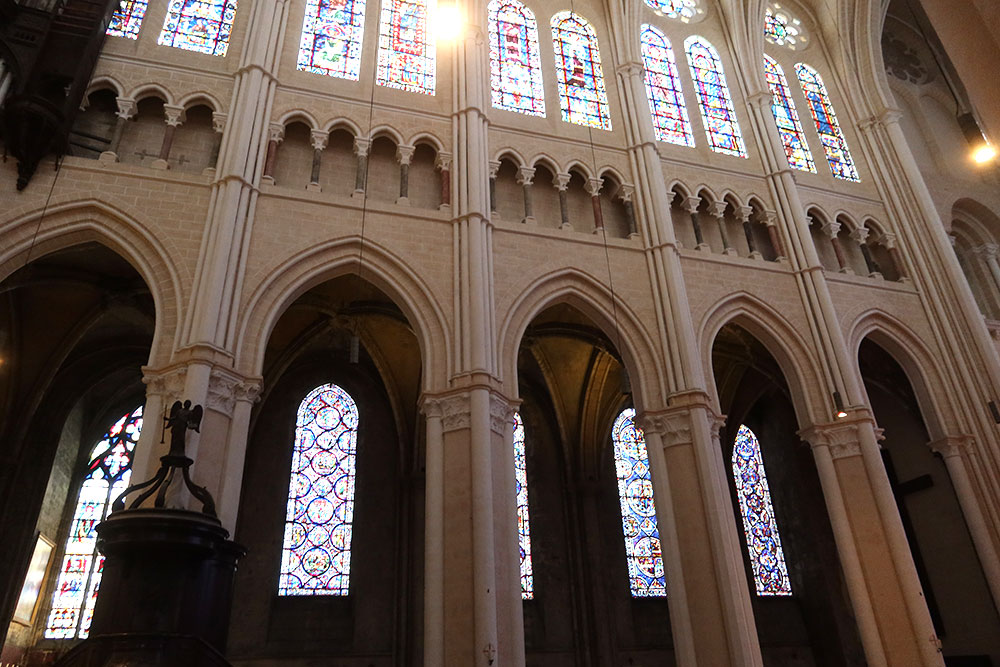
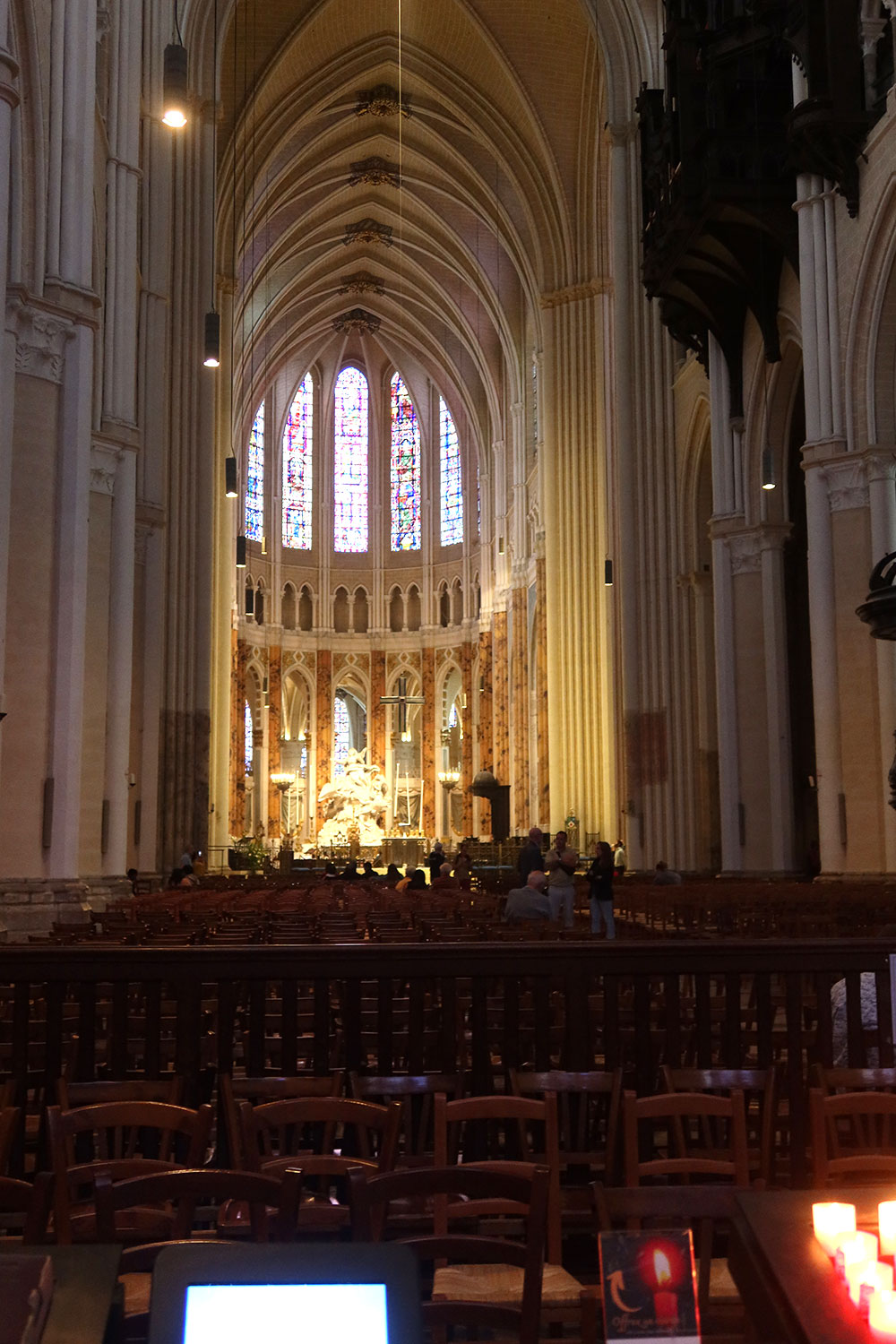
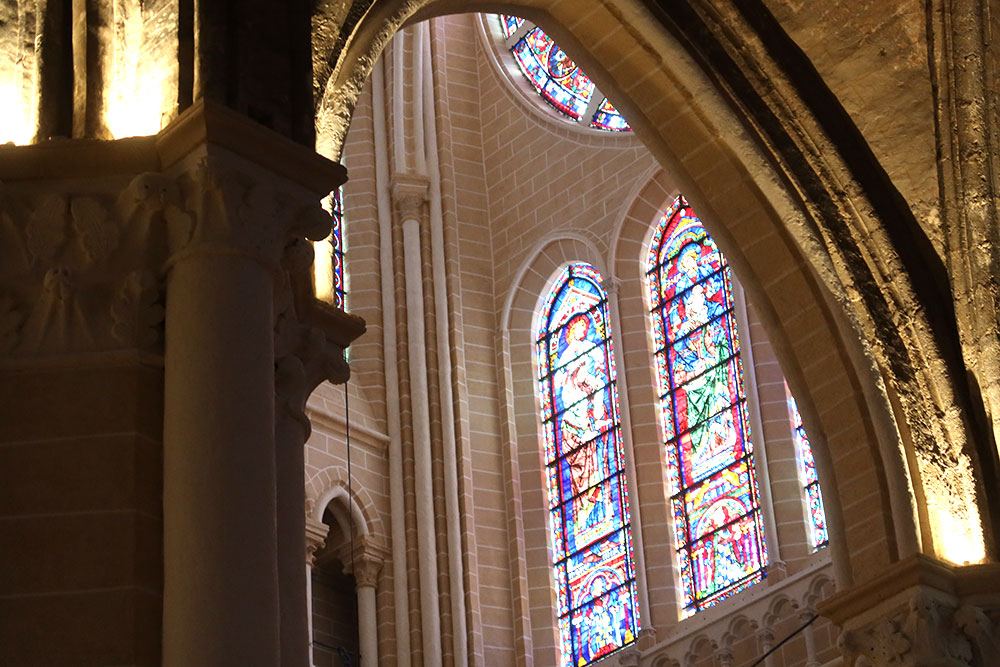
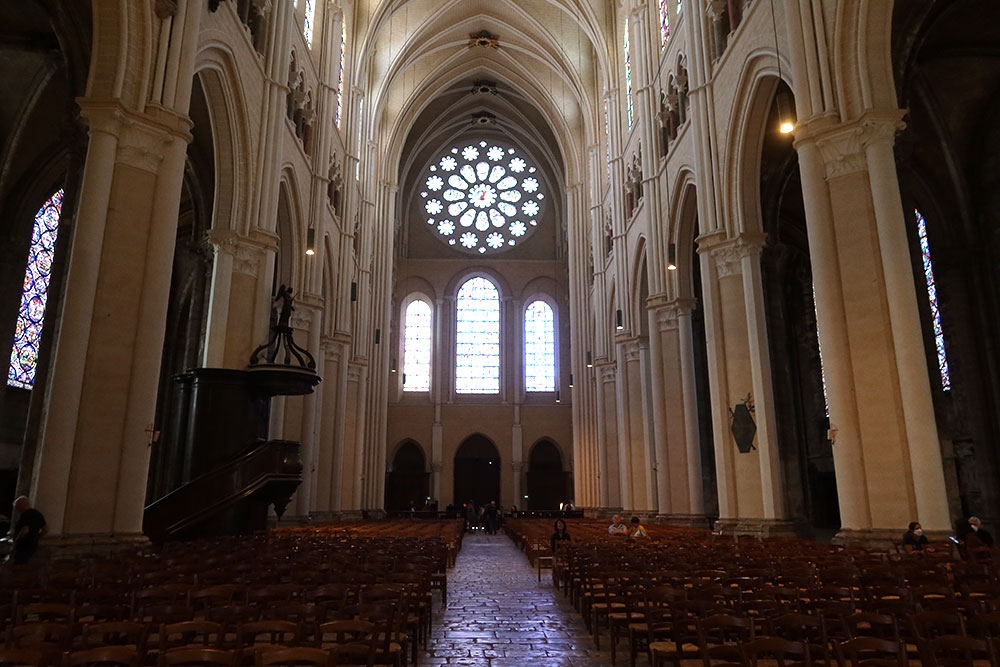
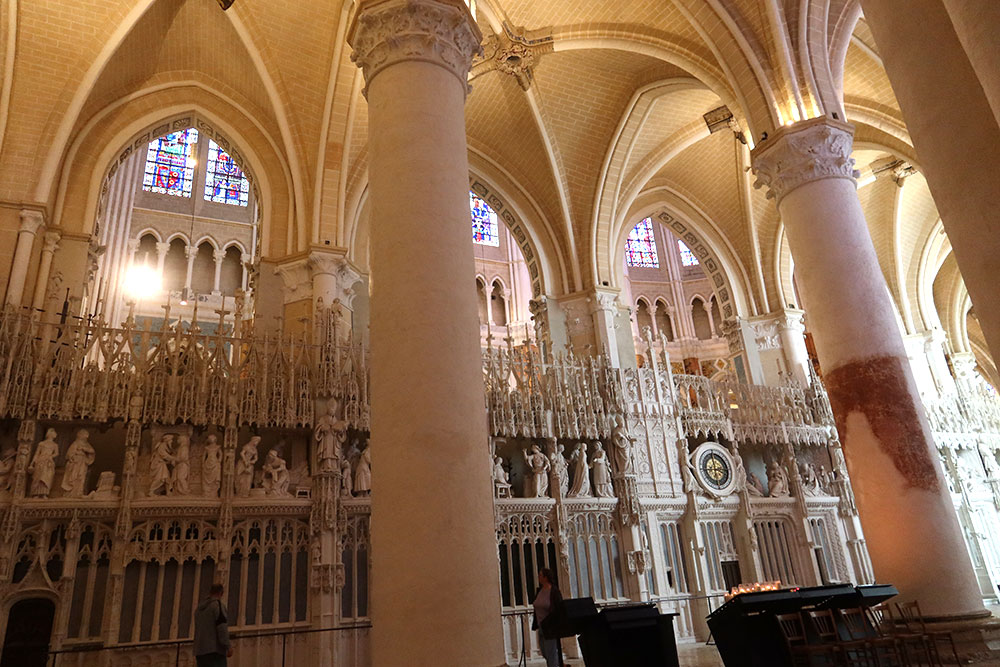
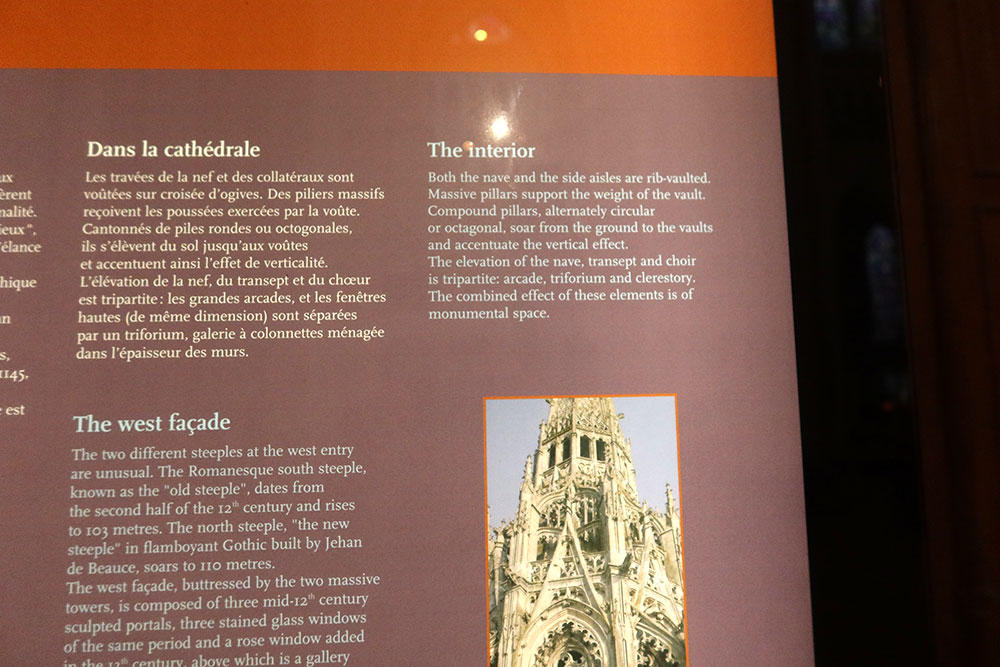
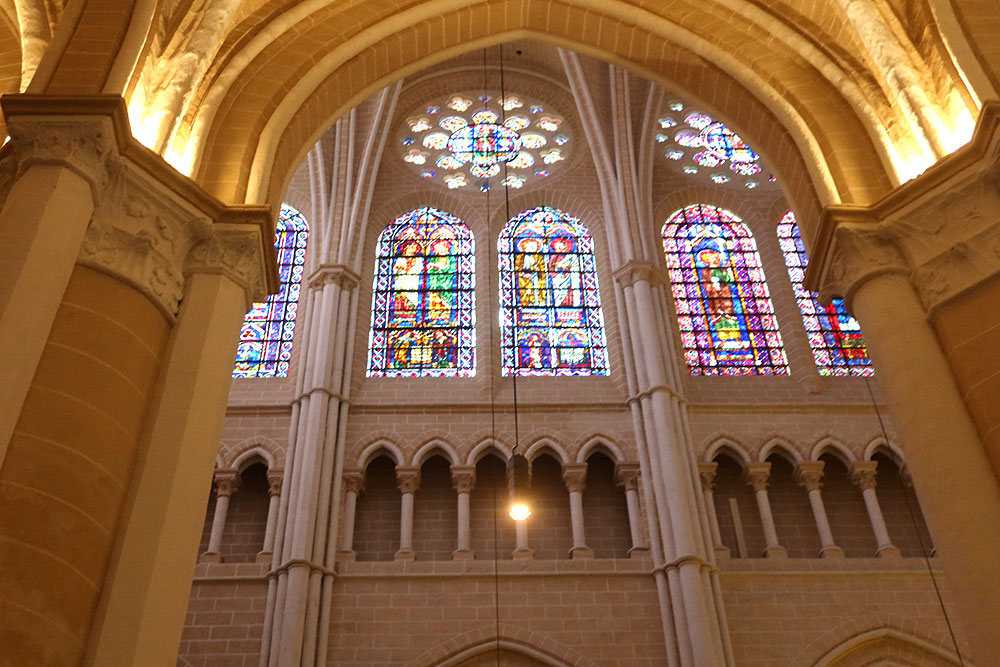
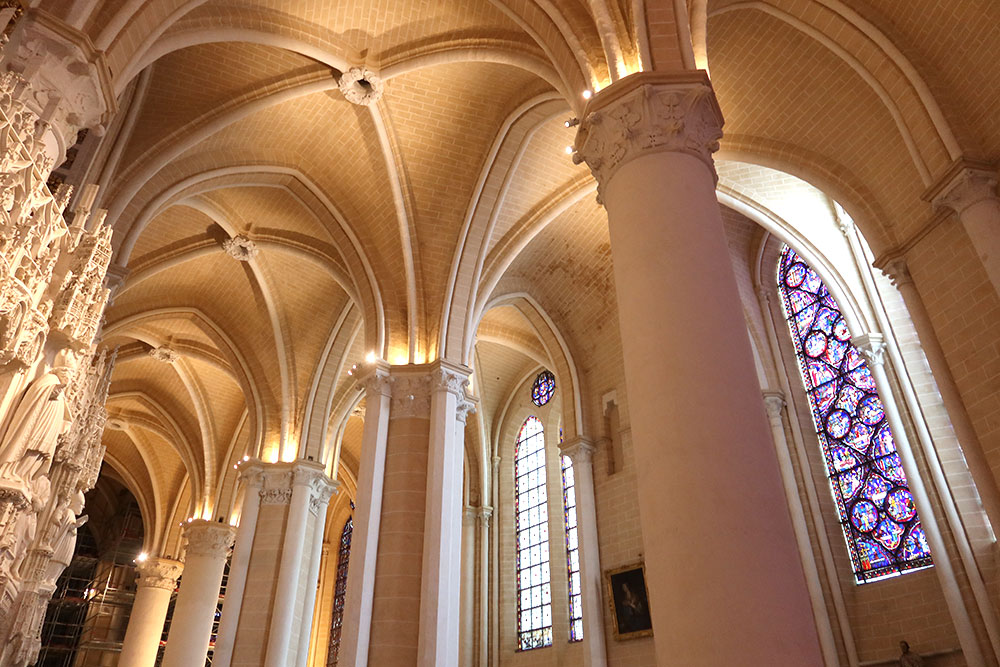
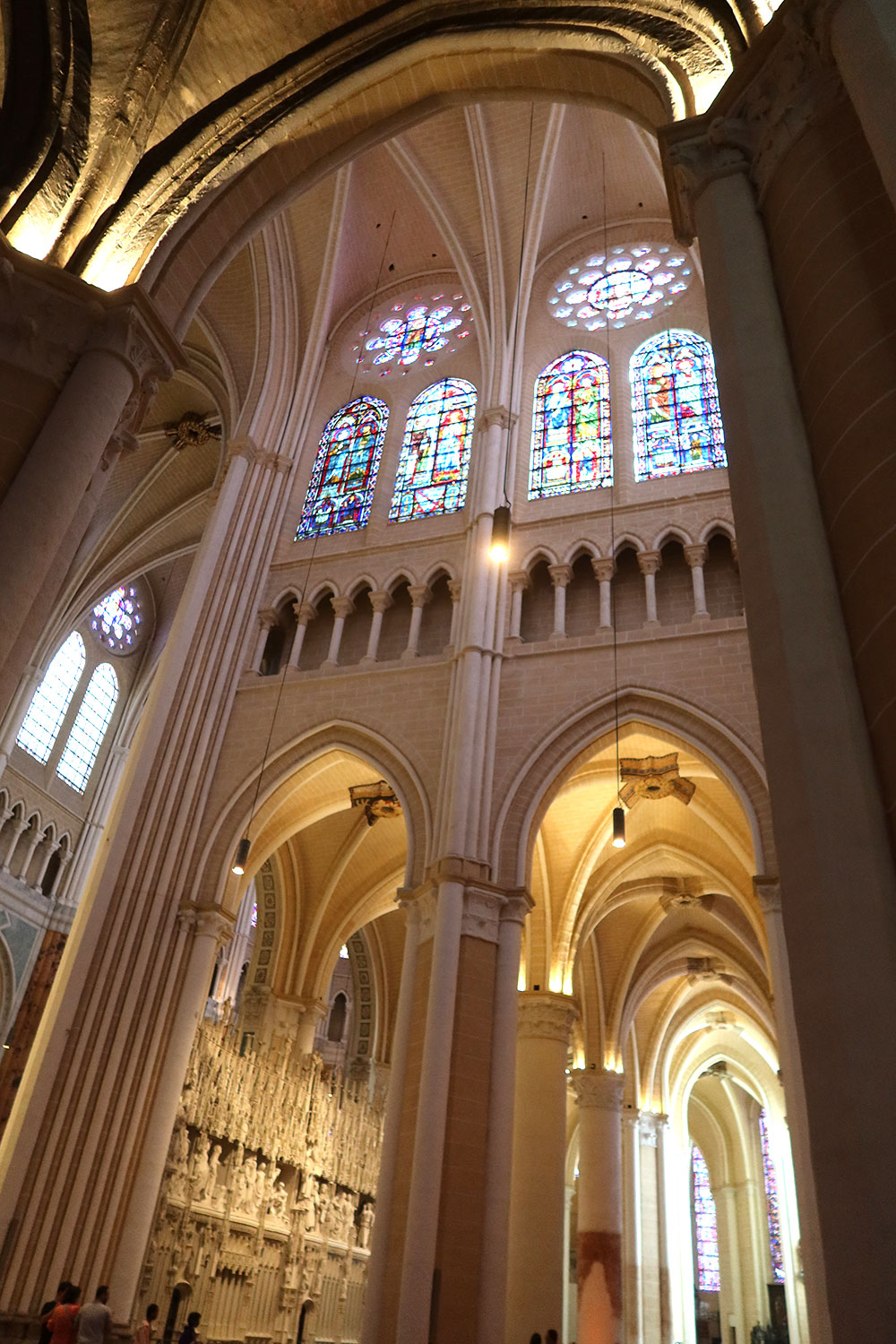
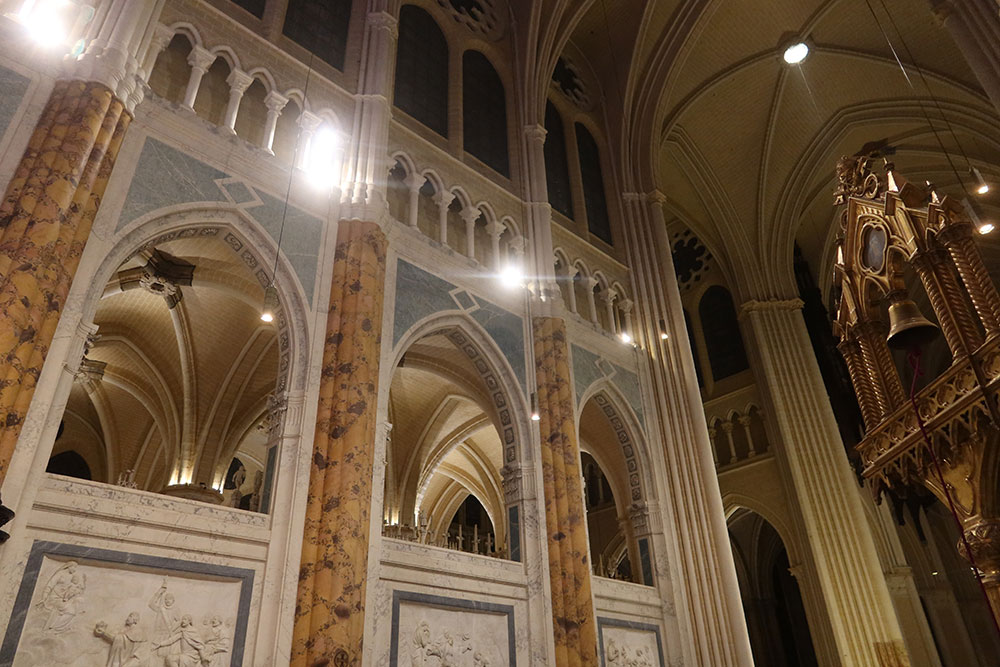
To enter Chartres is to encounter an engineered atmosphere. The architects of the rebuilding — whose names remain unknown, which is itself a historically significant fact about medieval authorship and collective making — deployed the full vocabulary of Gothic structural innovation with notable discipline. Flying buttresses transfer the lateral thrust of the high vault away from the walls, allowing those walls to become, in essence, frames for glass rather than load-bearing solids. The triforium and clerestory together create a layered elevation whose proportions have been analysed and debated by architectural historians for generations.
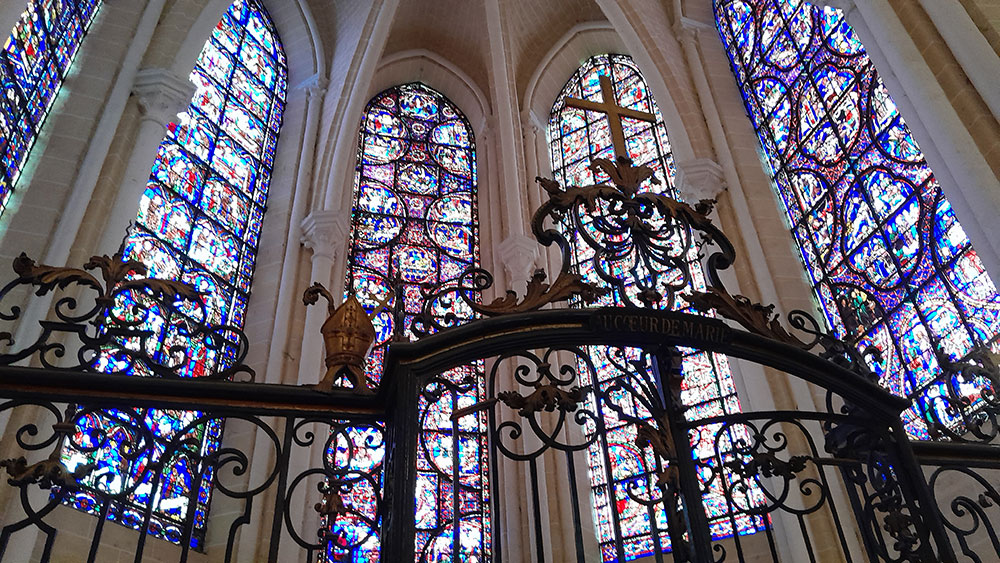
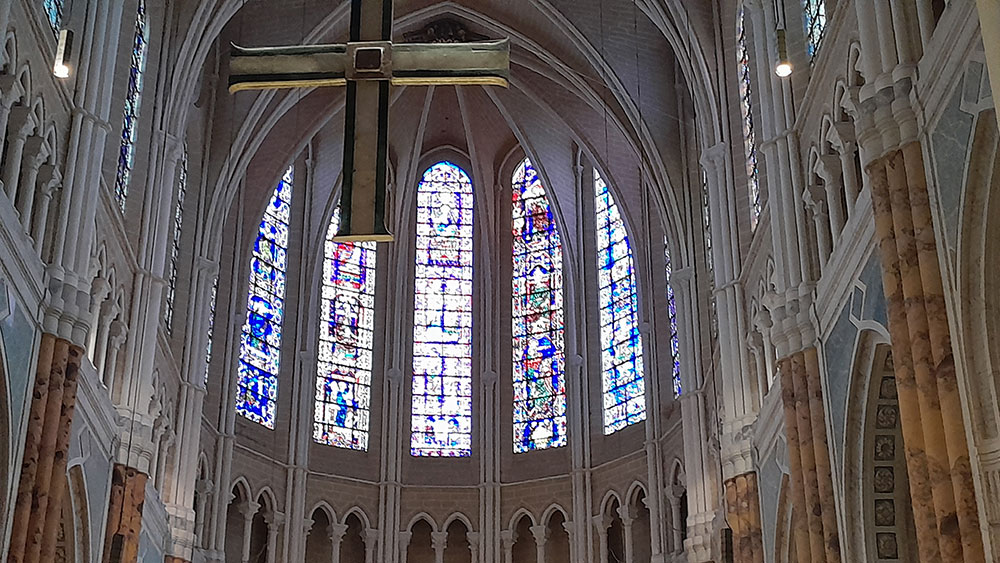
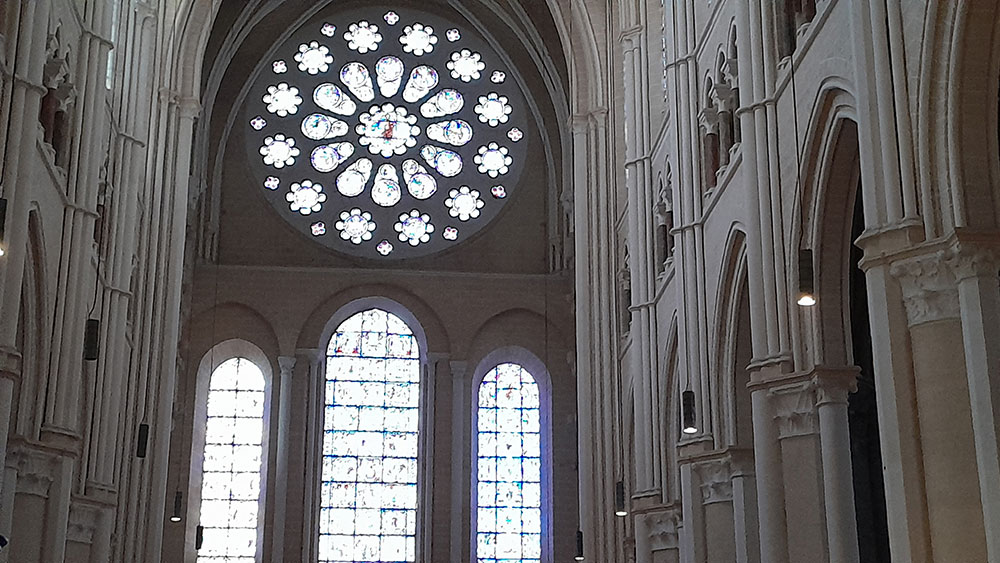
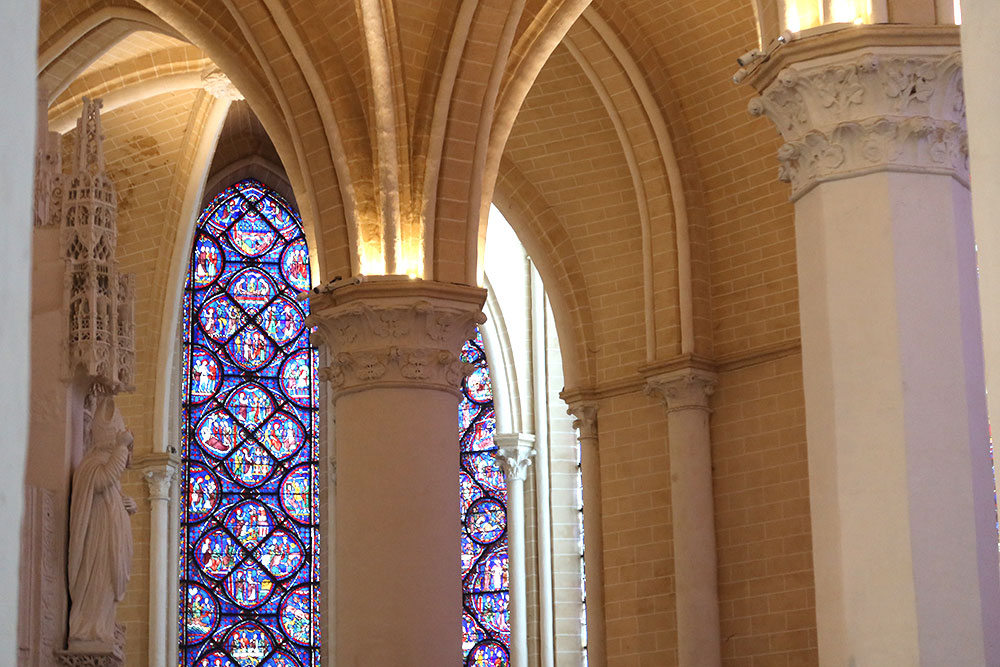
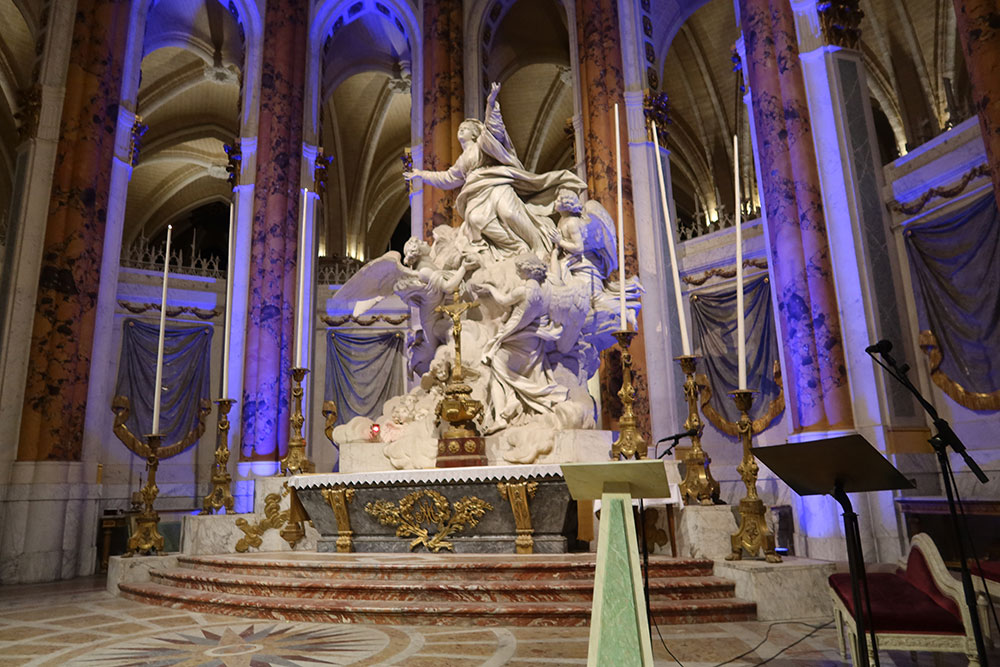
What this engineering achieves is a visual argument for the immateriality of the divine. The nave walls, rather than pressing down upon the worshipper, seem to dissolve upward into colour and air. This was not accidental decoration but considered theology made spatial. For gallery and museum professionals accustomed to thinking about how exhibition design shapes the encounter with objects, Chartres offers a medieval precedent of unusual sophistication: a building in which the architecture is itself the primary medium, and everything contained within it is made more resonant by the context the architecture creates.
The Windows: An Unmatched Collection
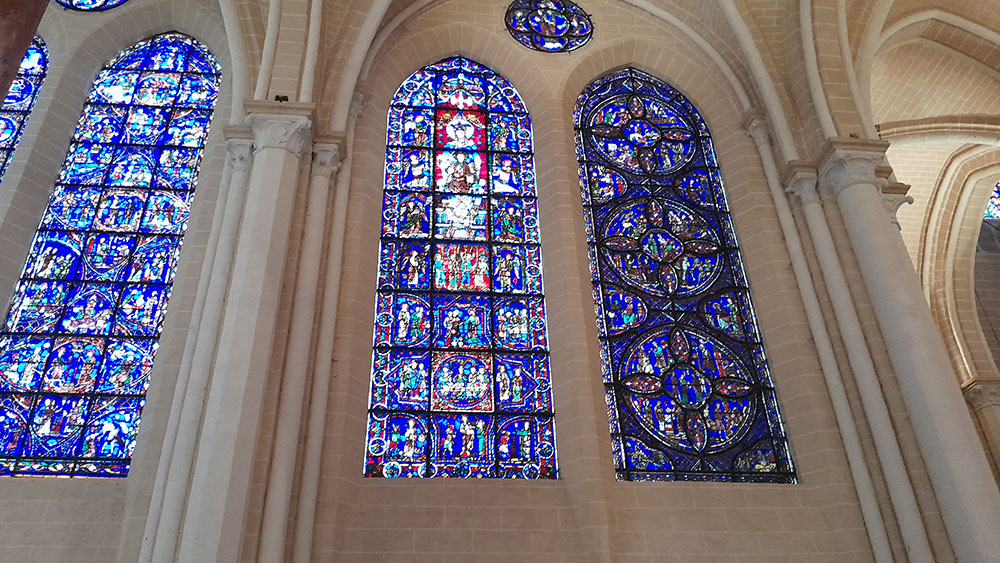
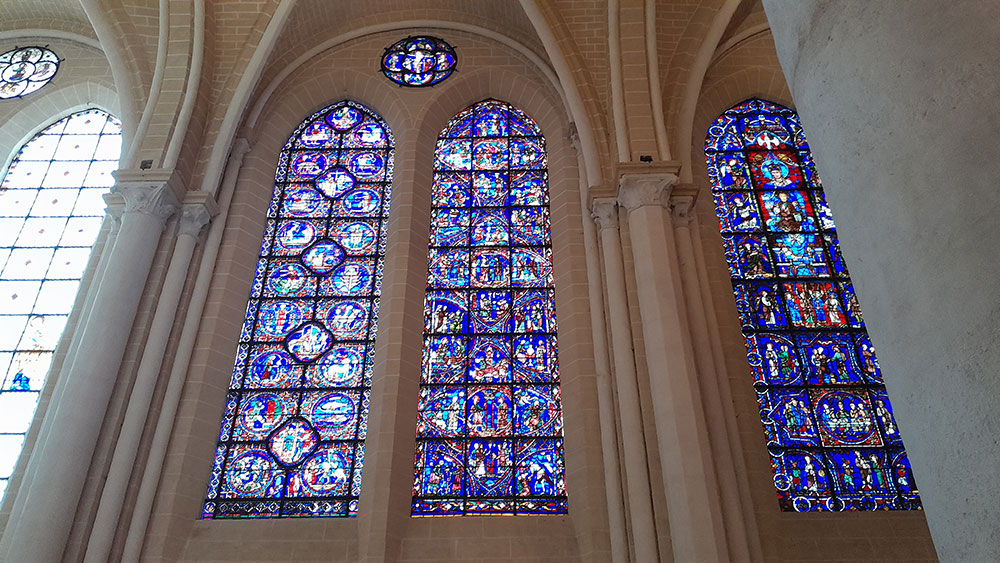
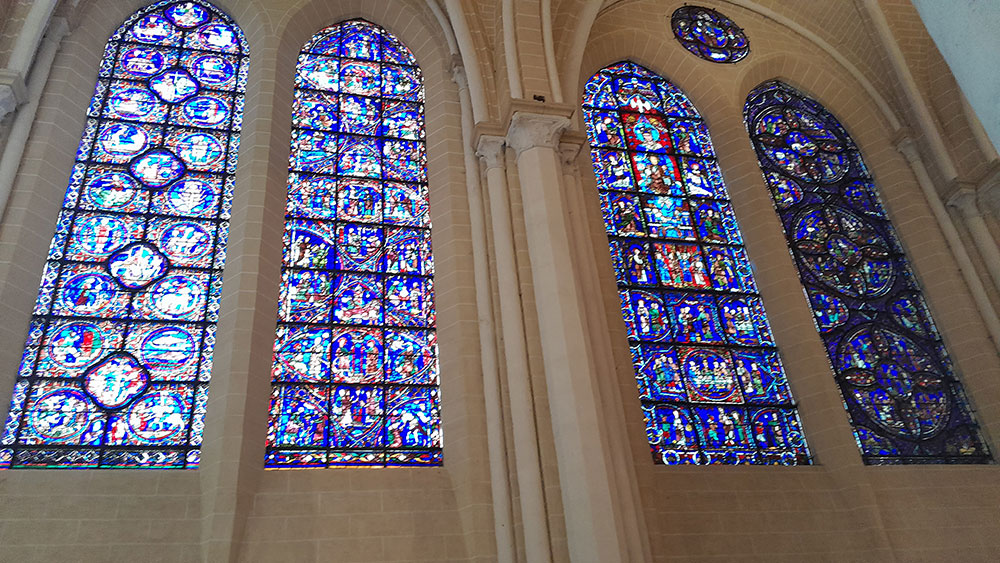
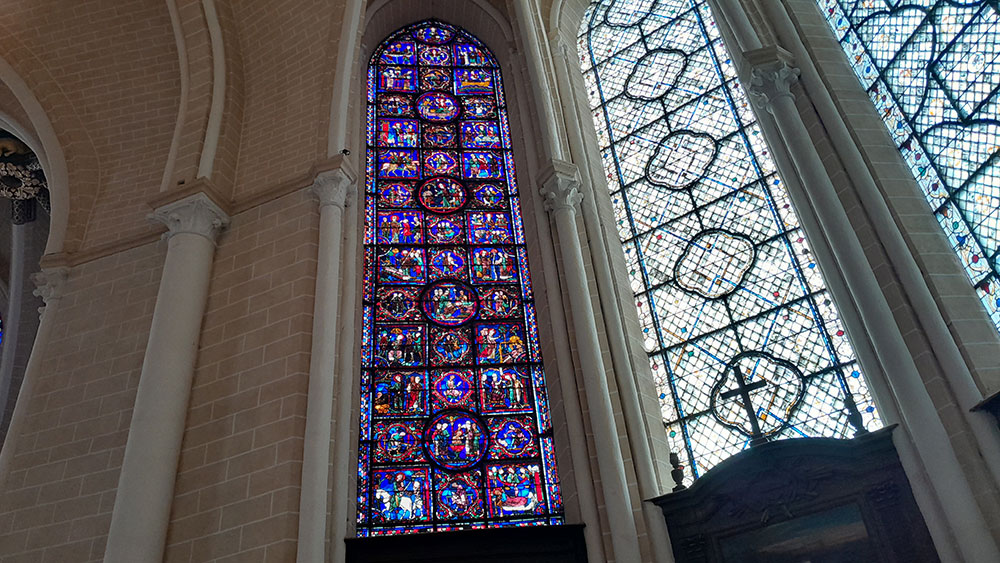
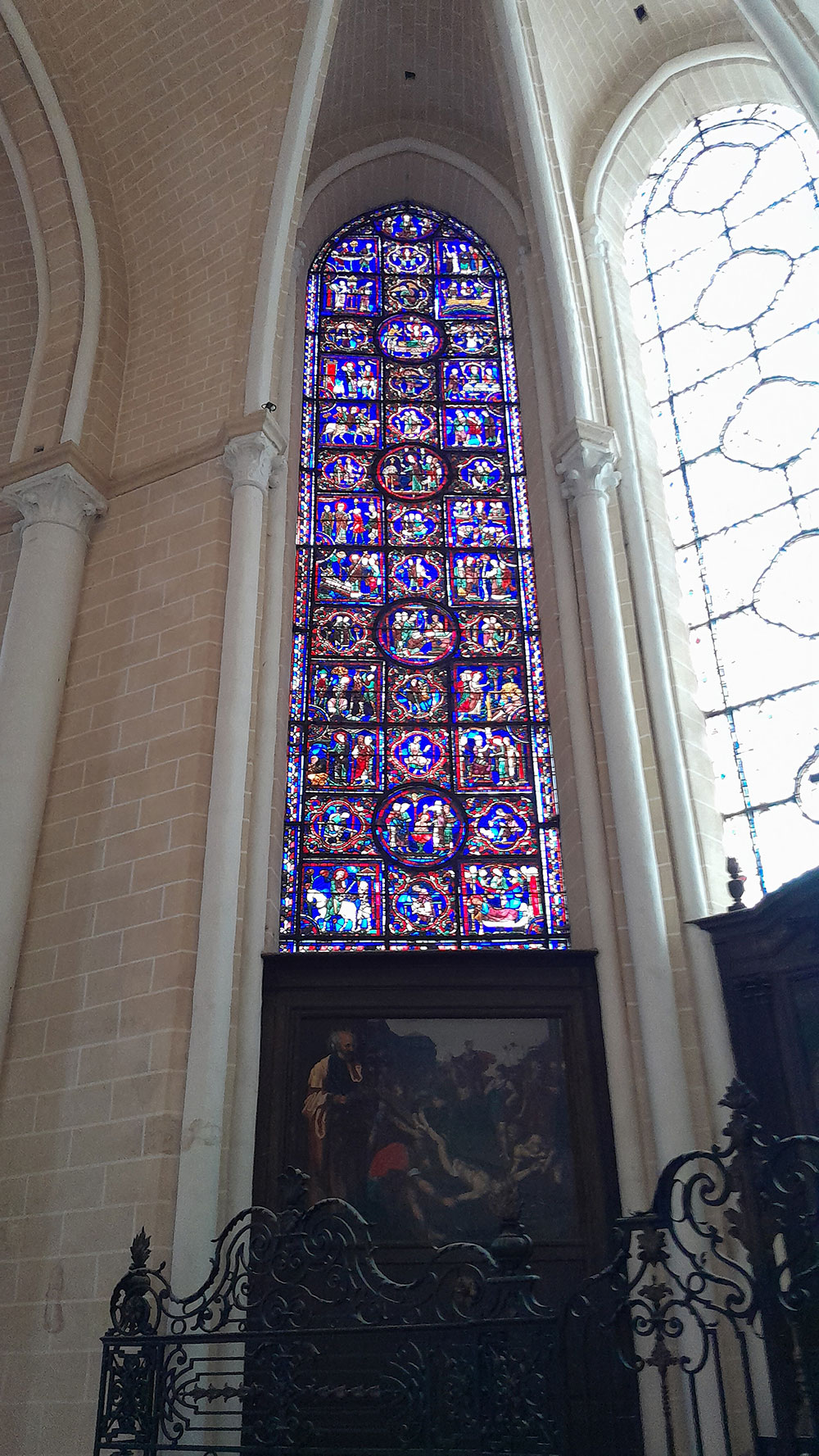
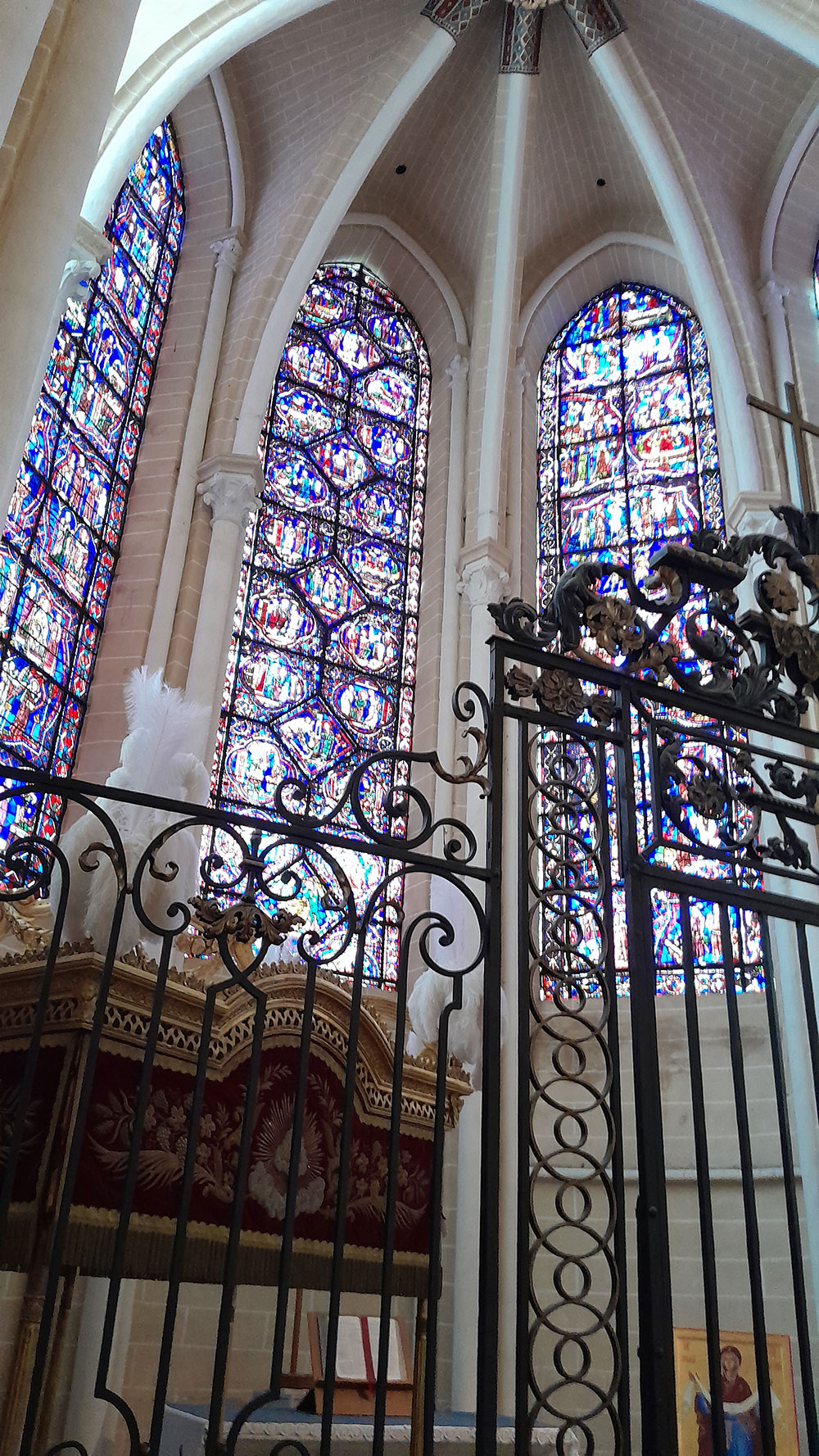
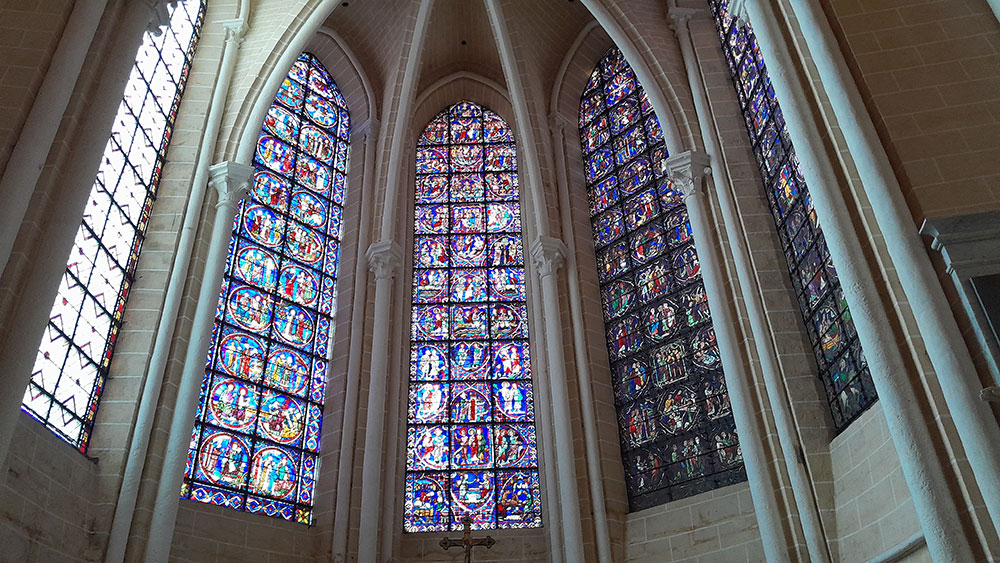
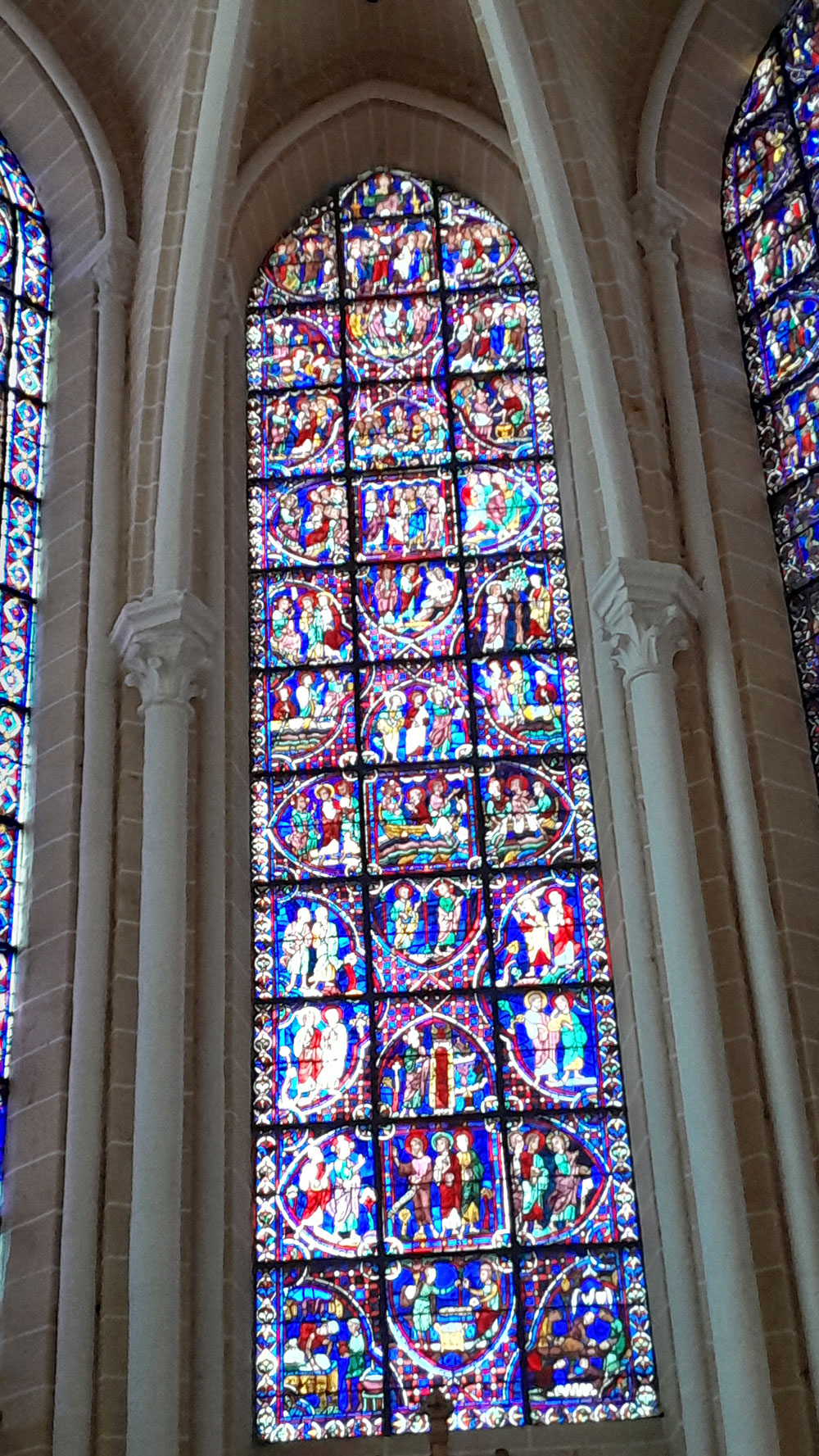
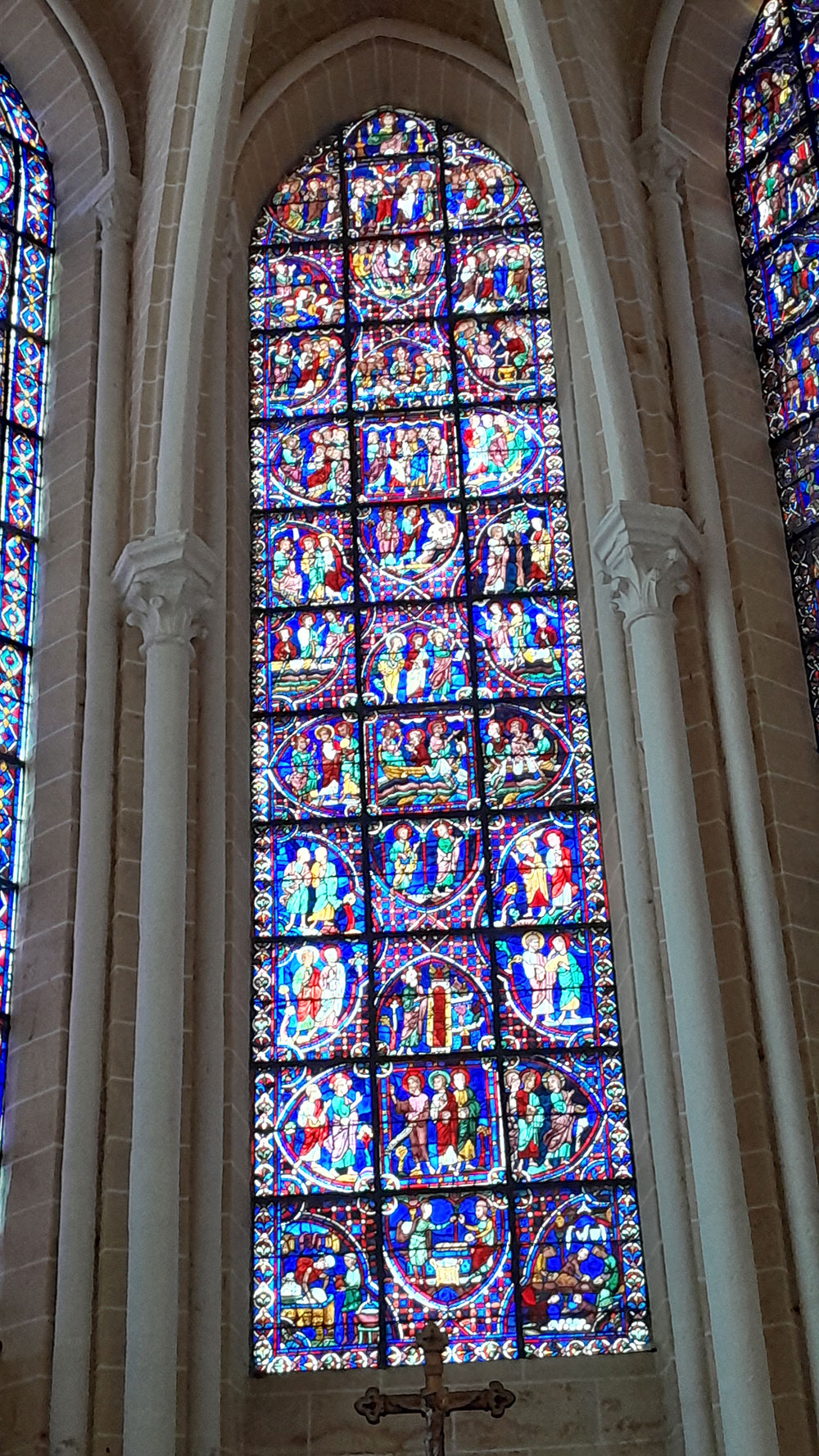
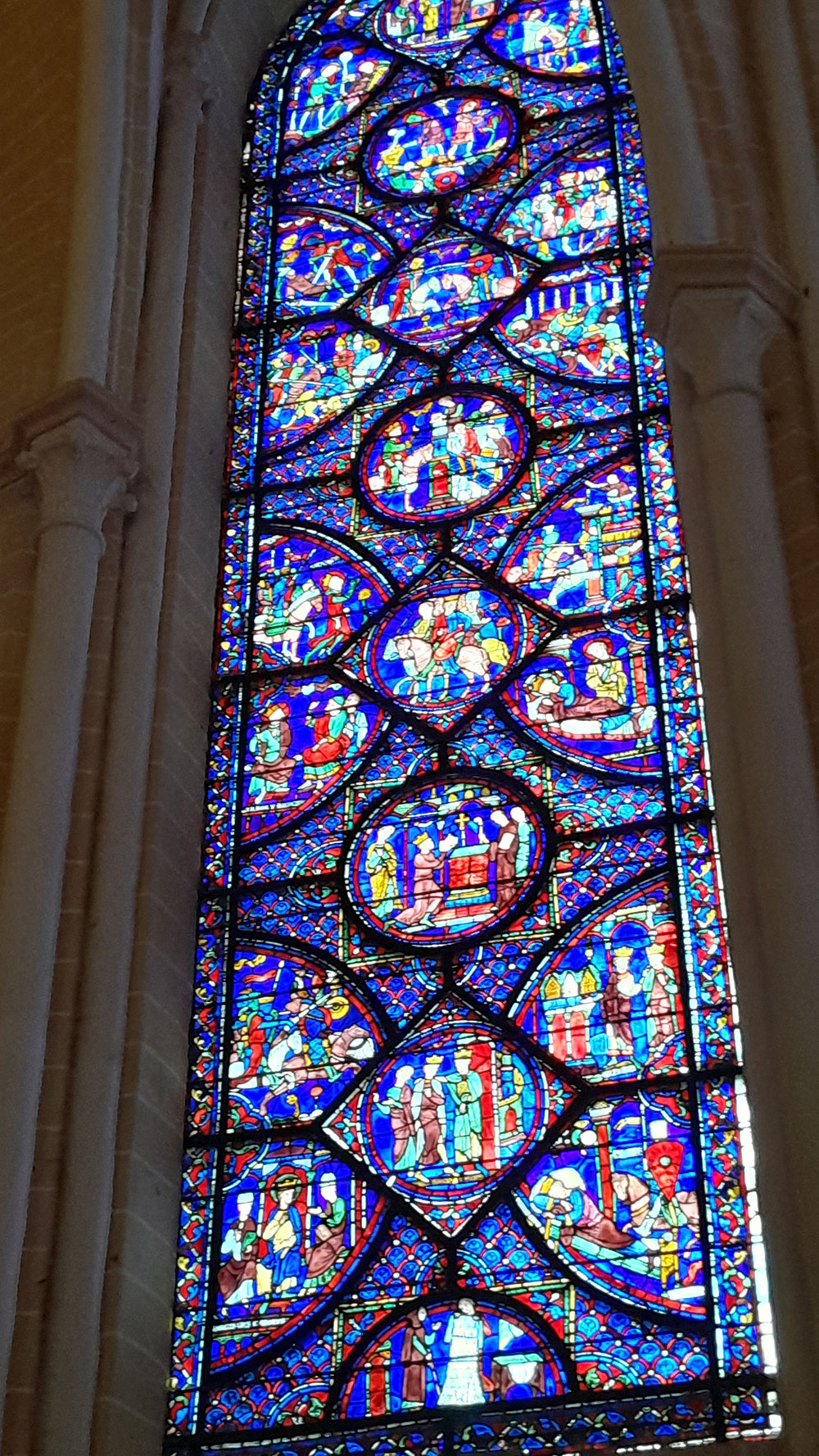
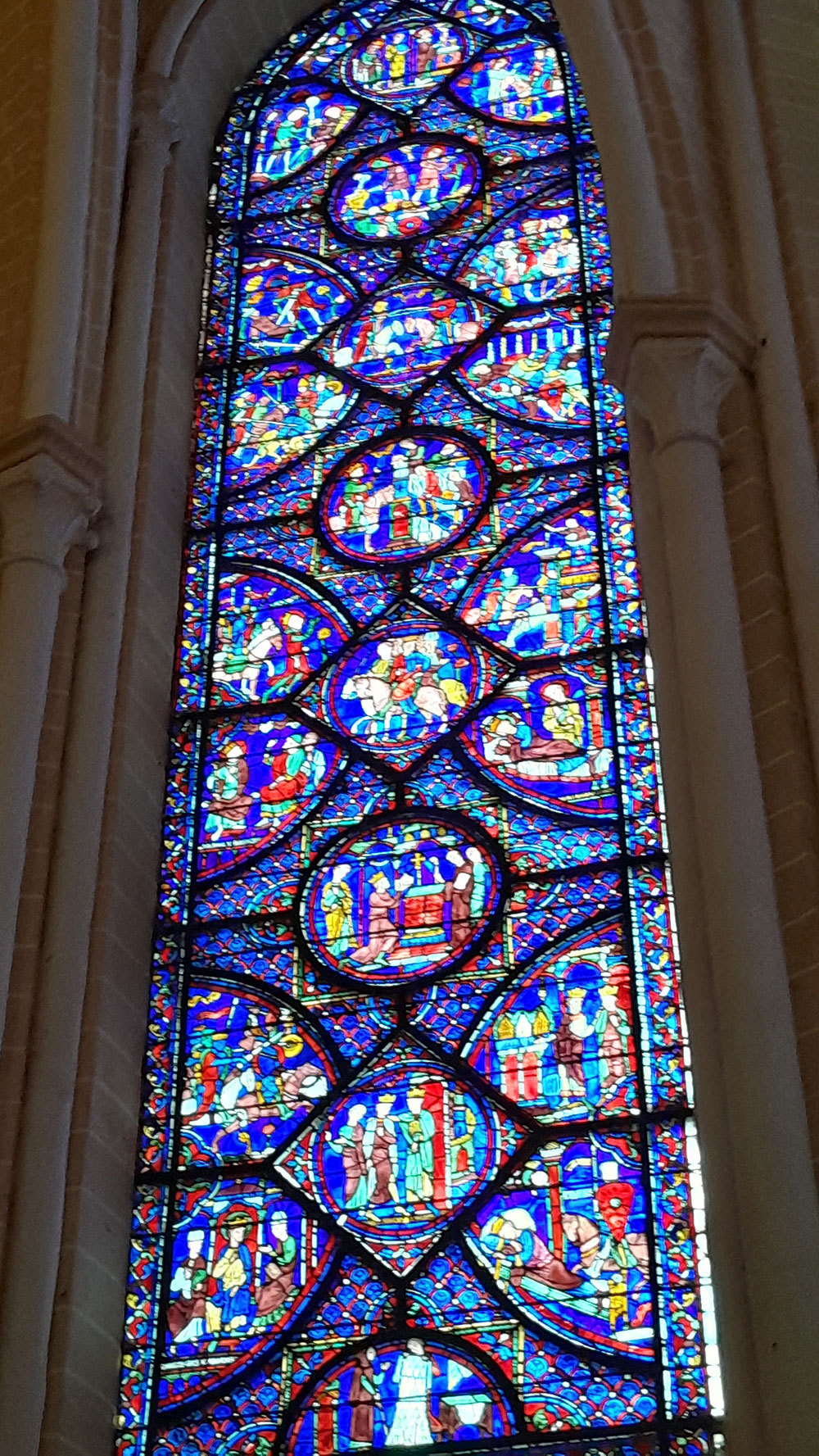
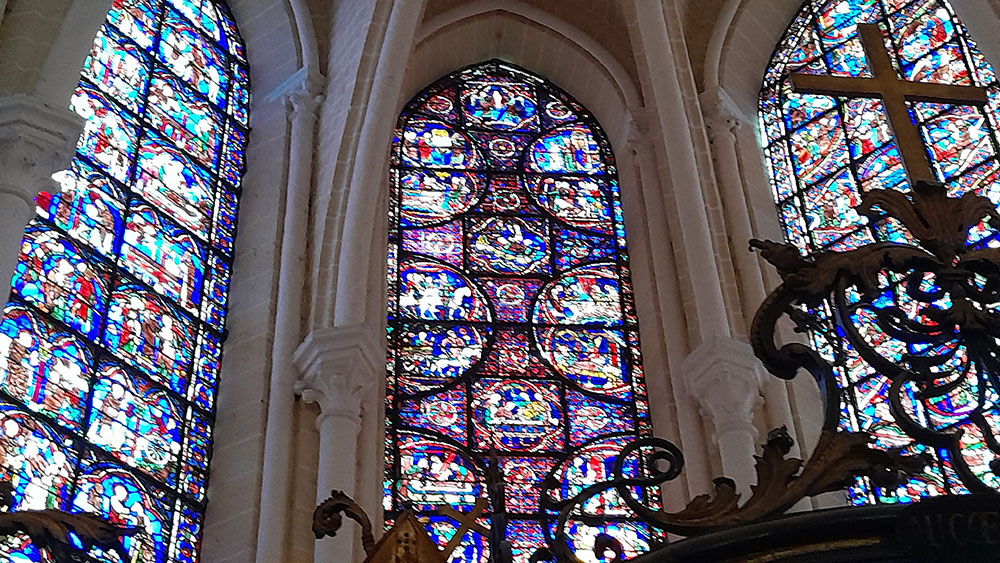
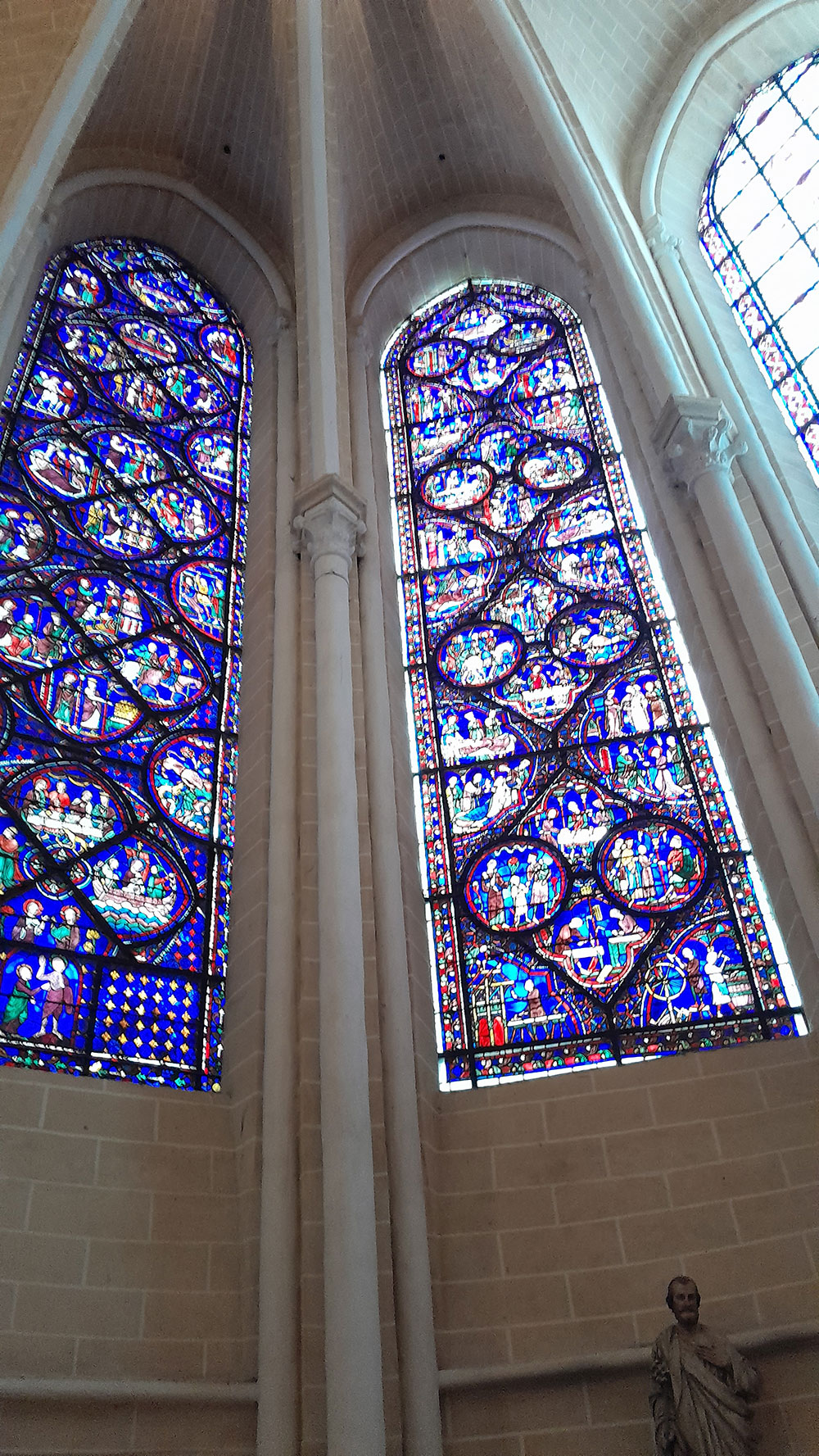
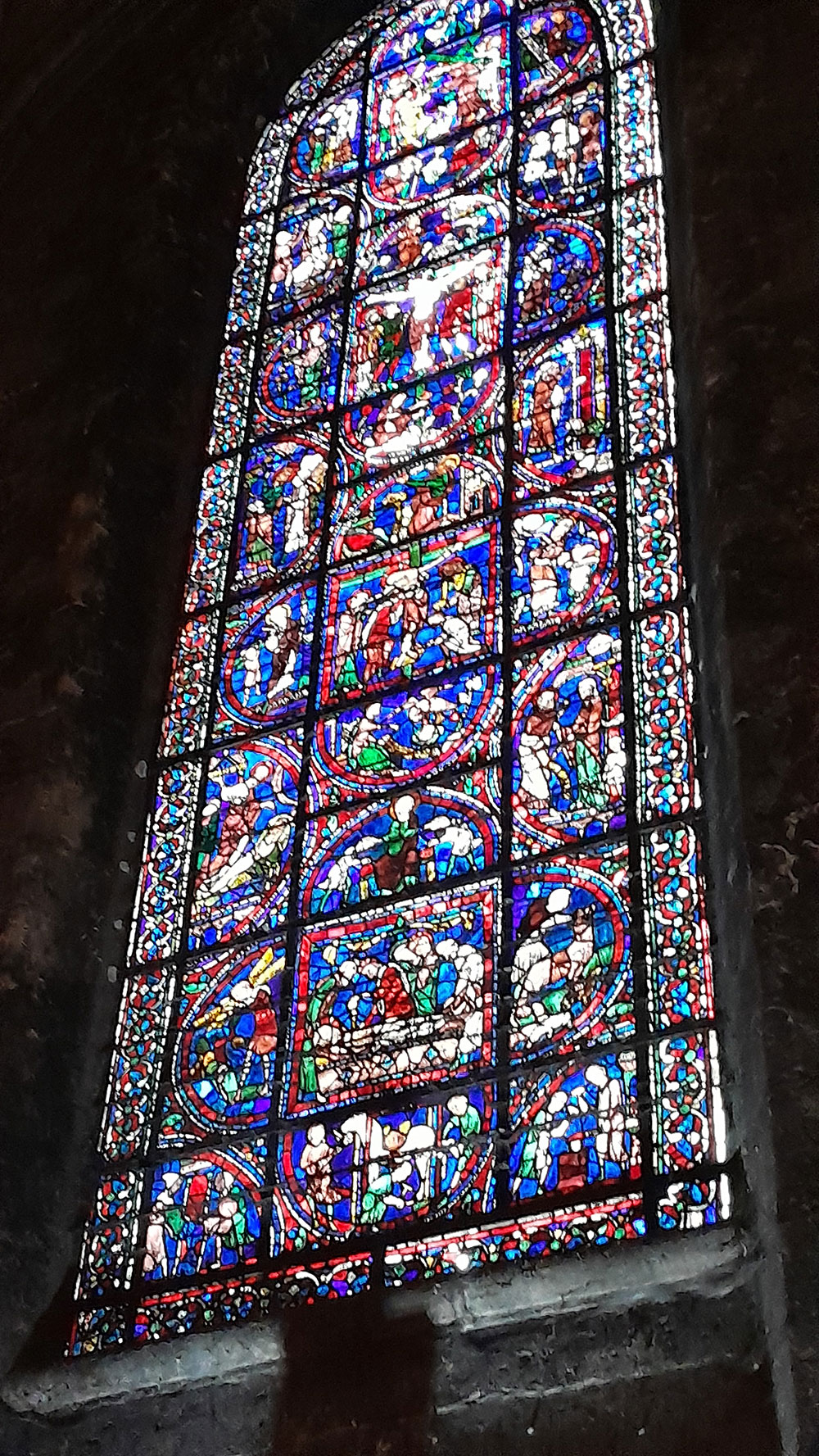
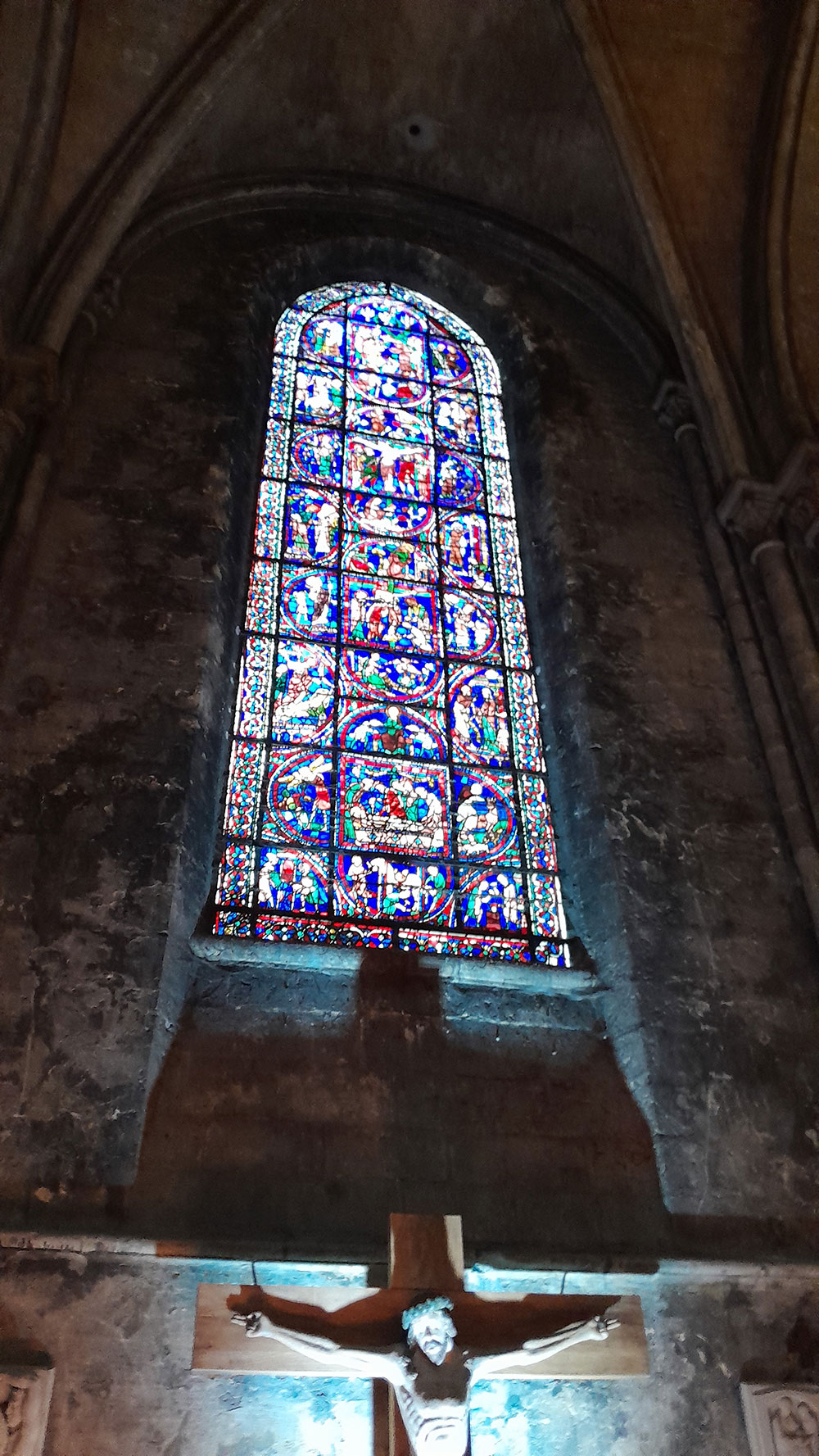
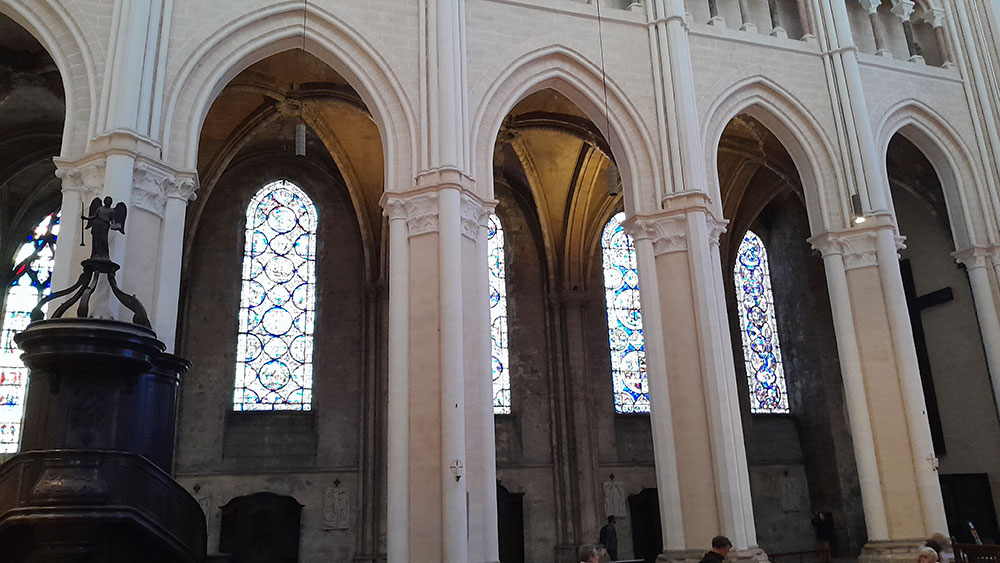
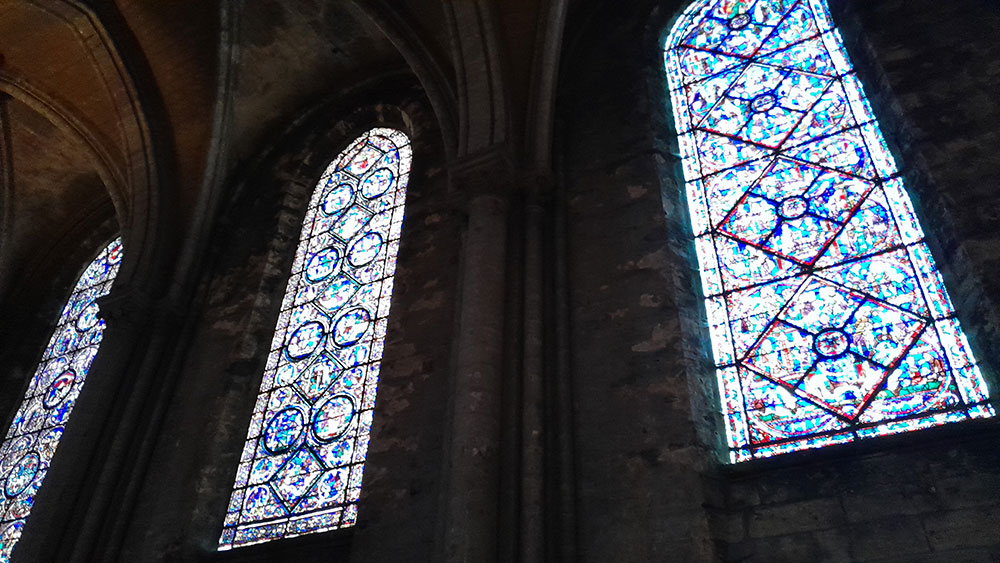
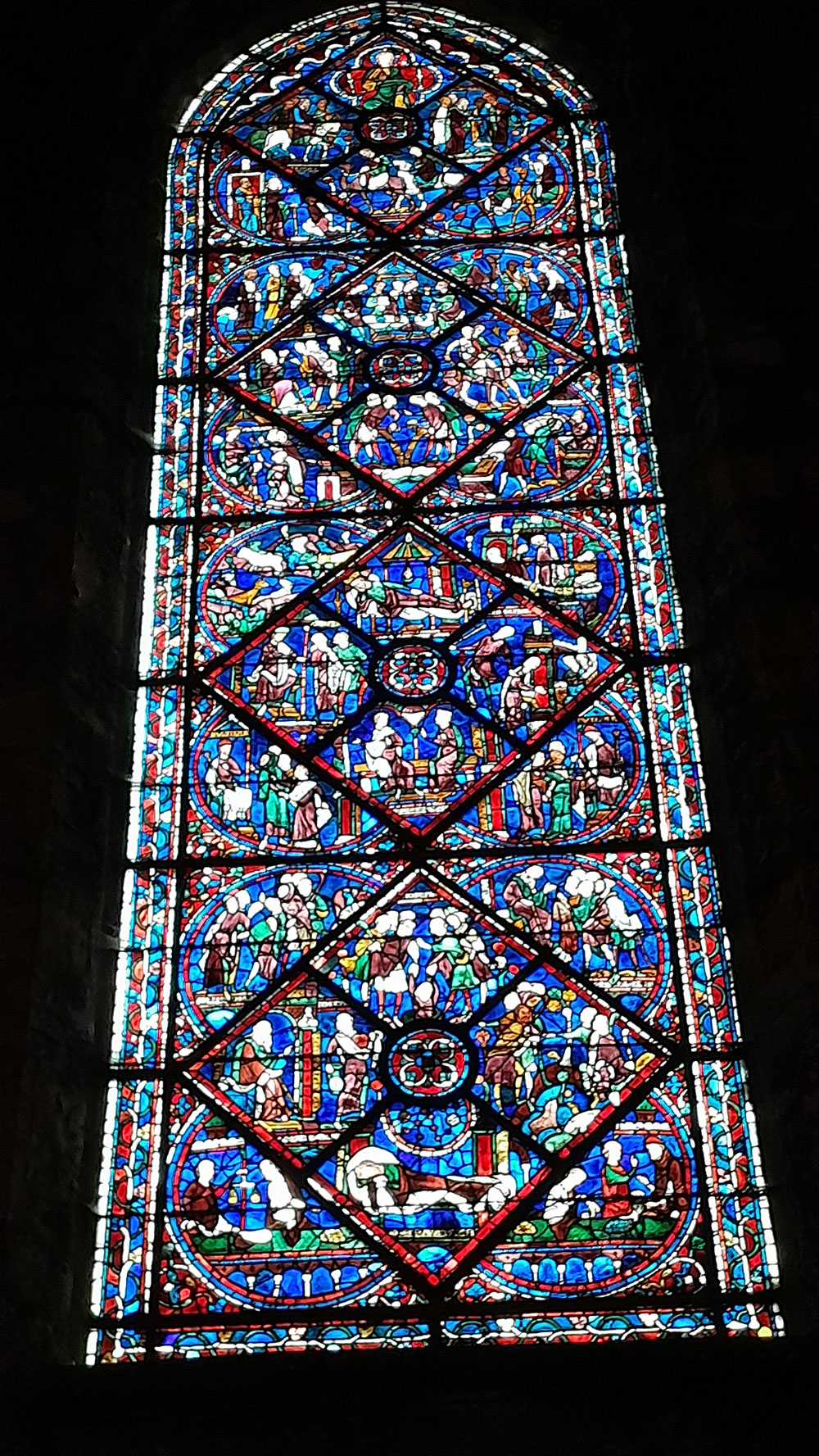
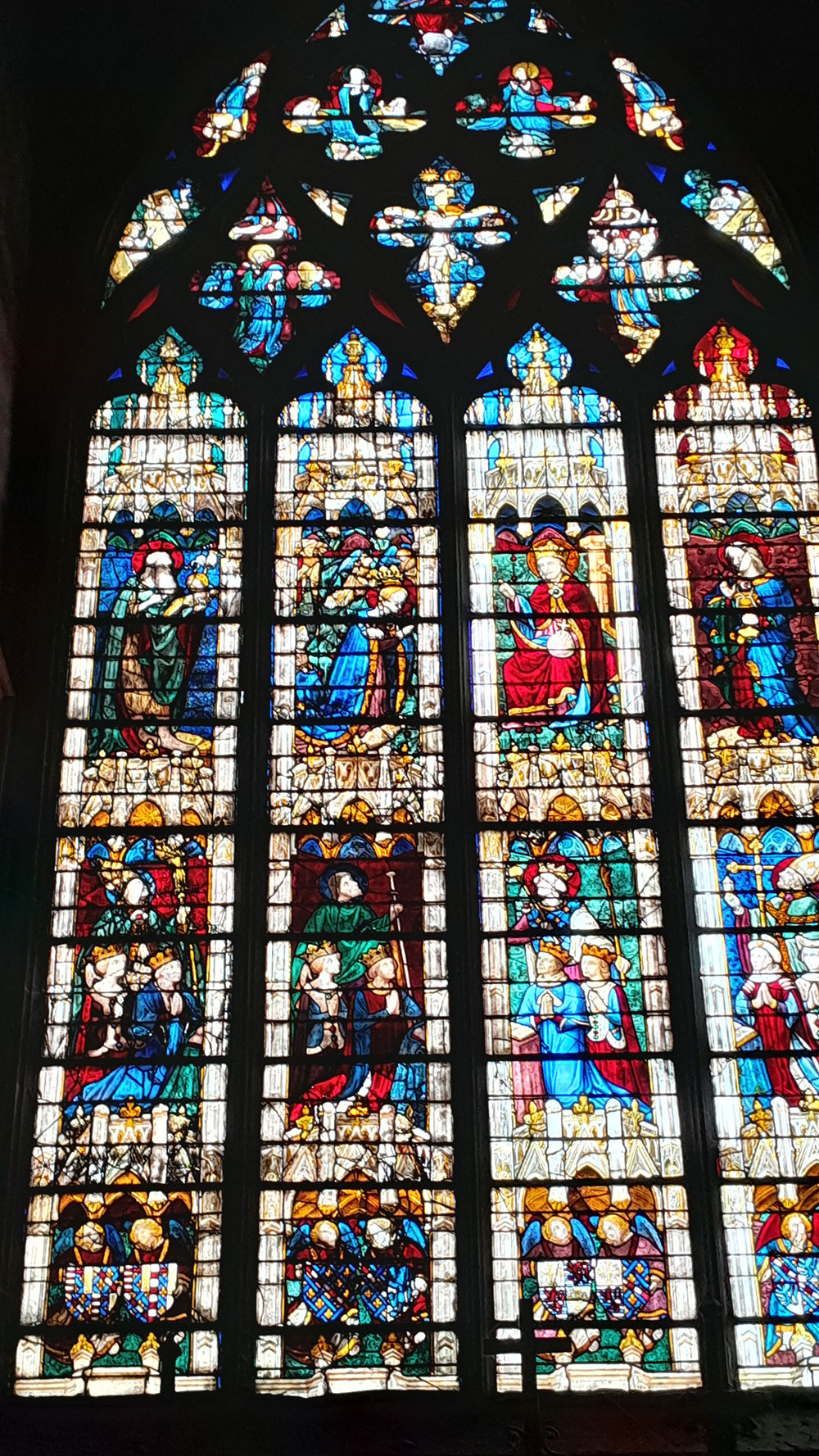
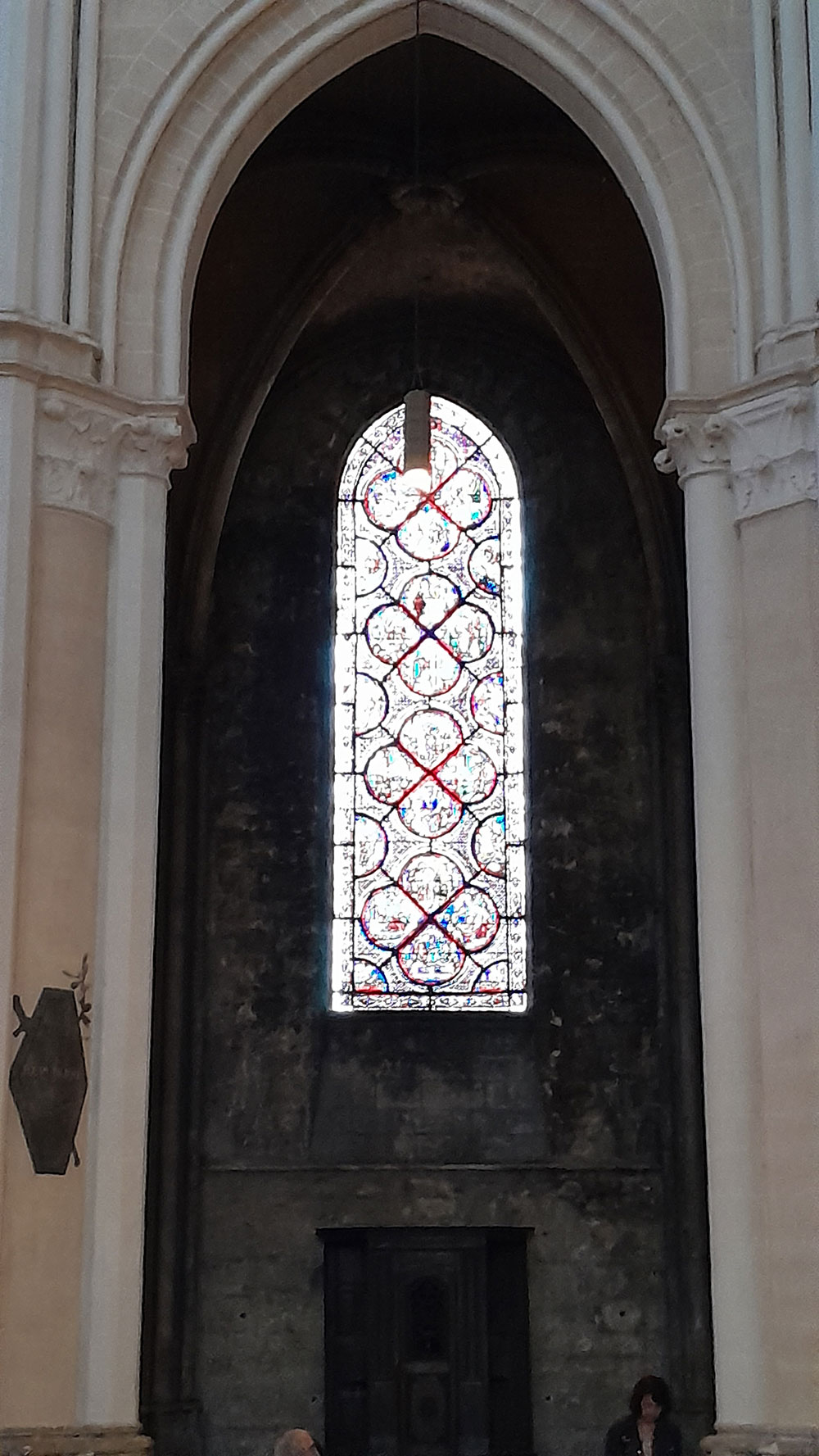
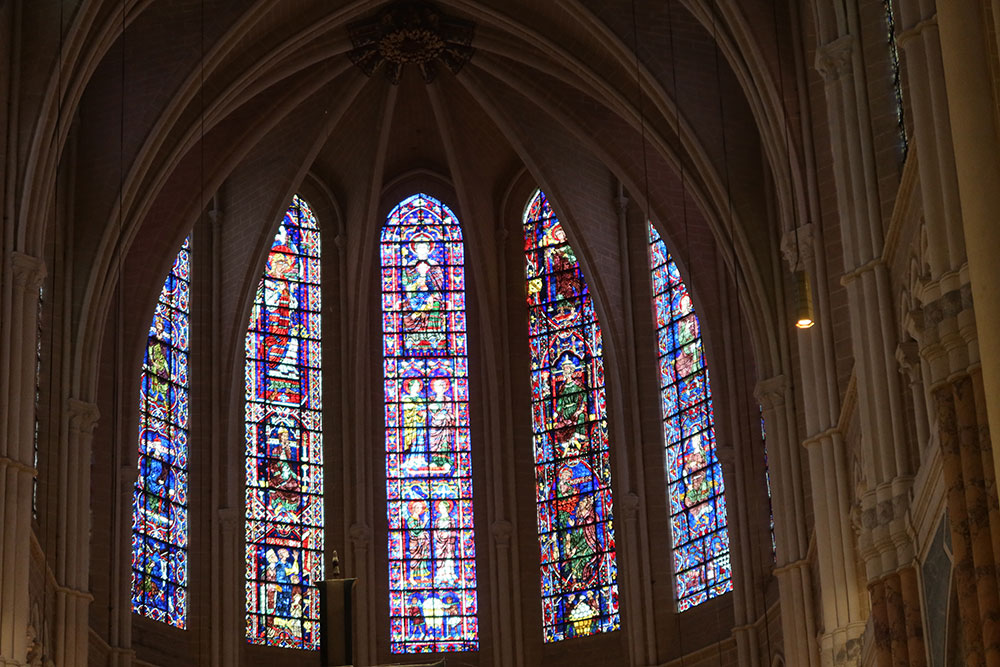
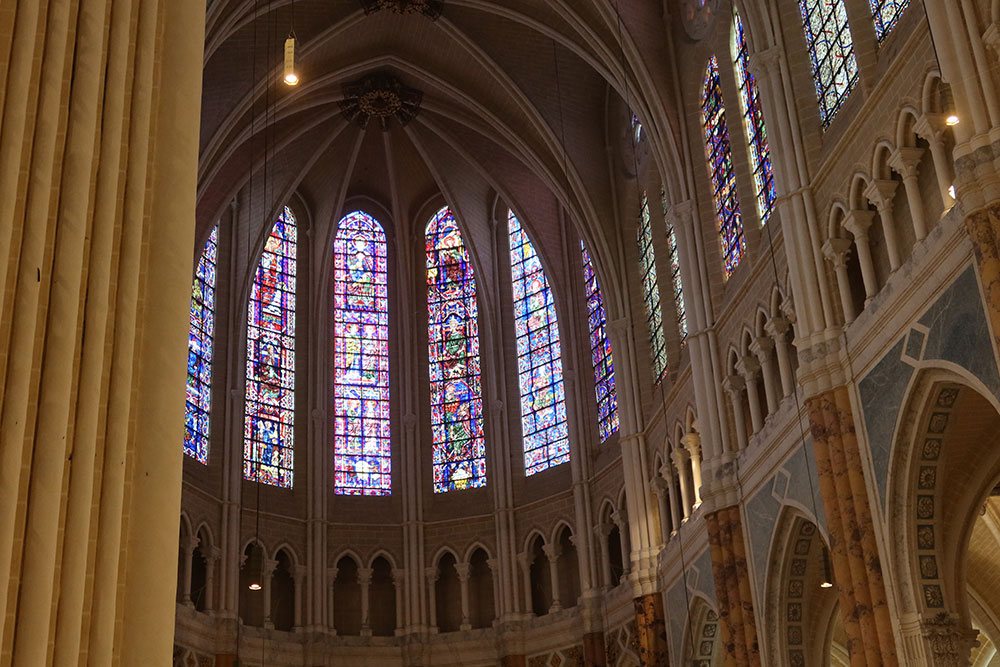
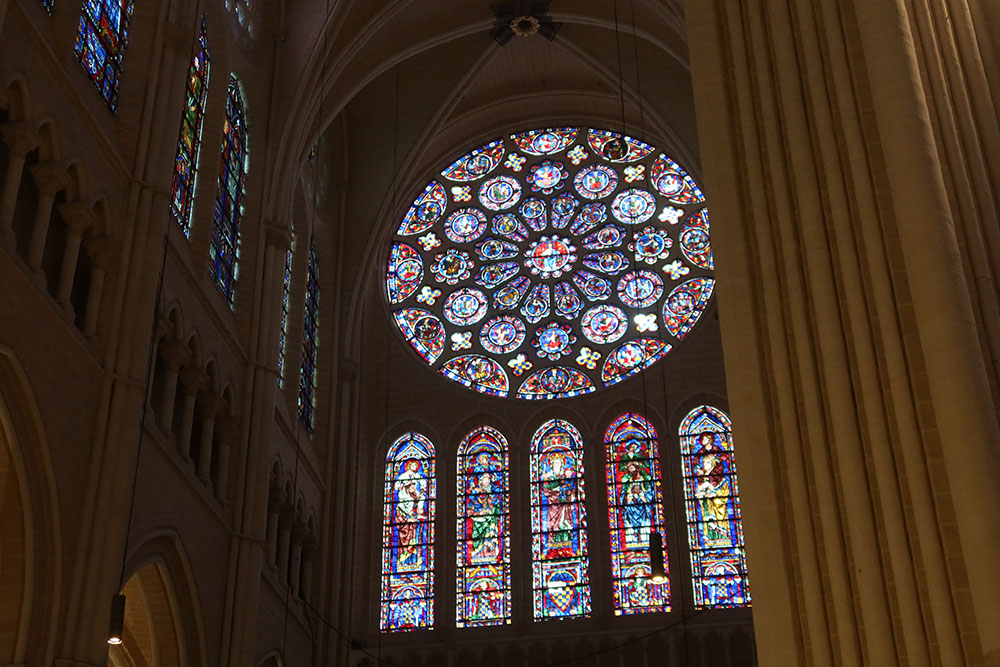
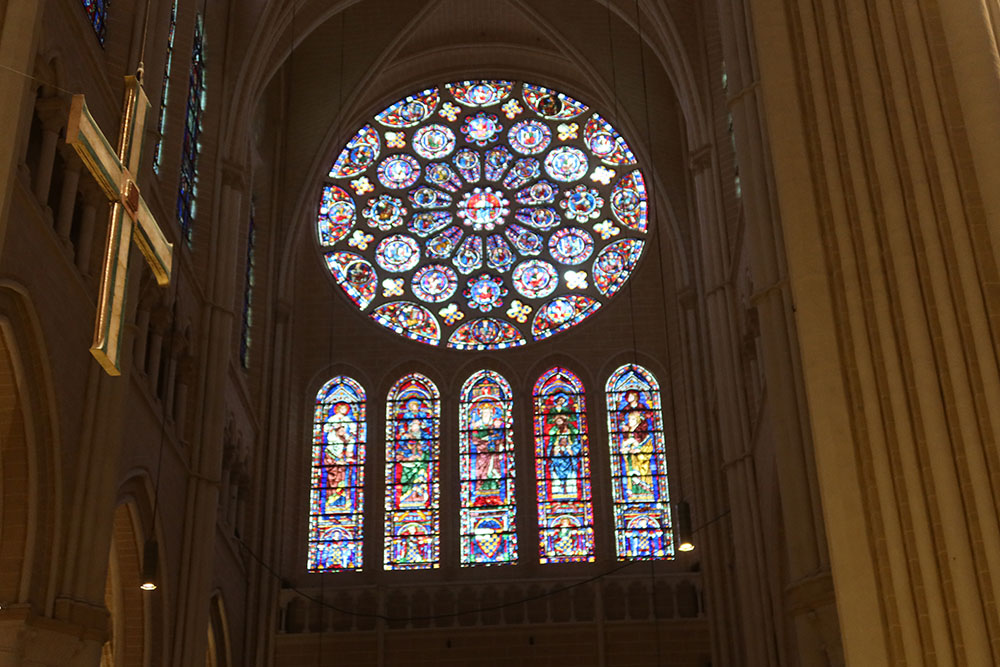
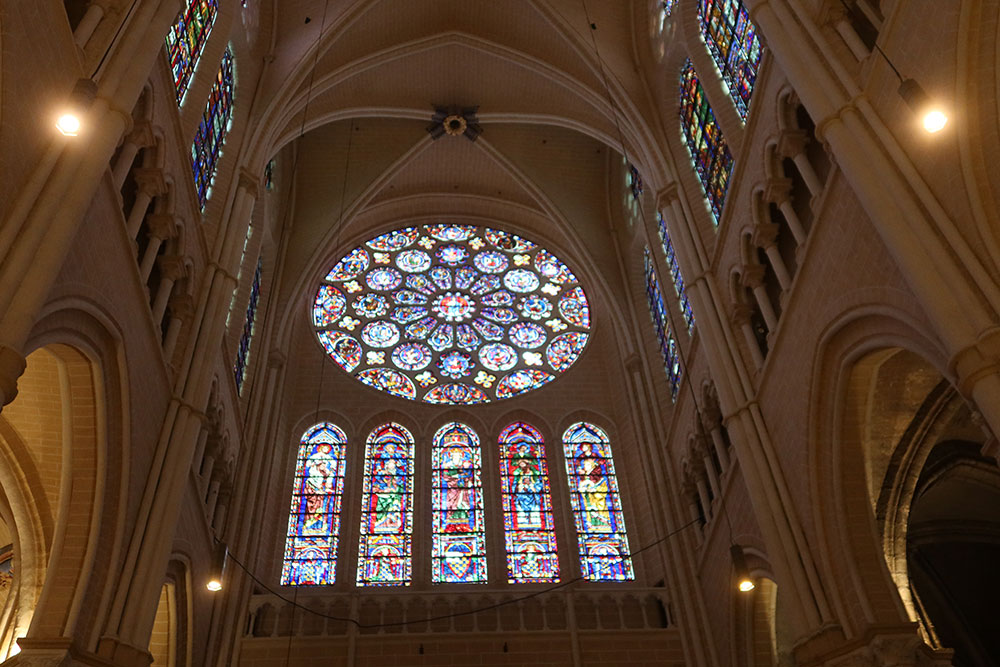
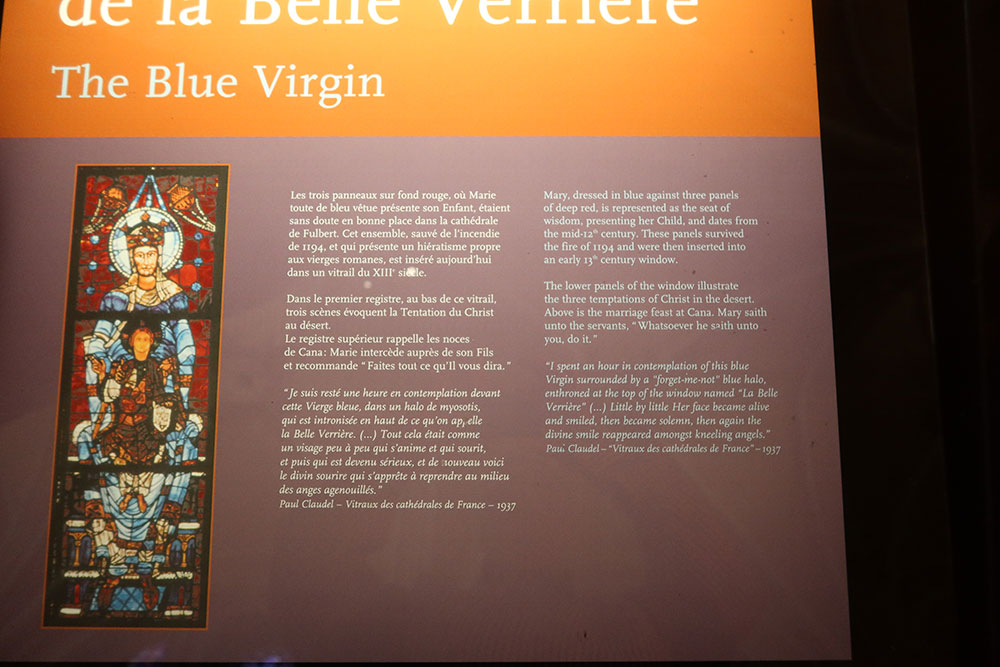
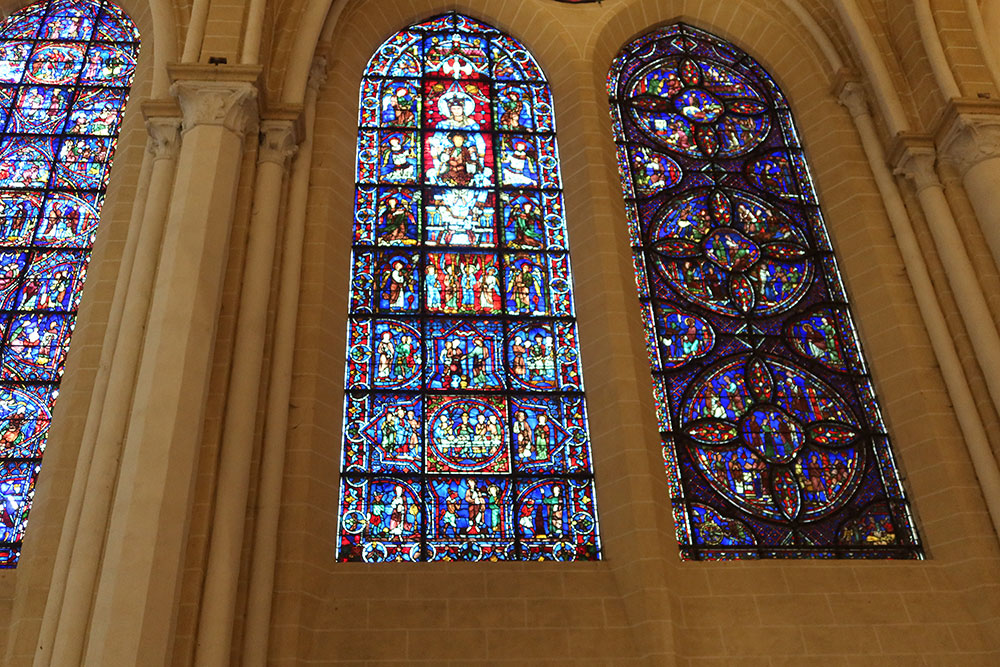
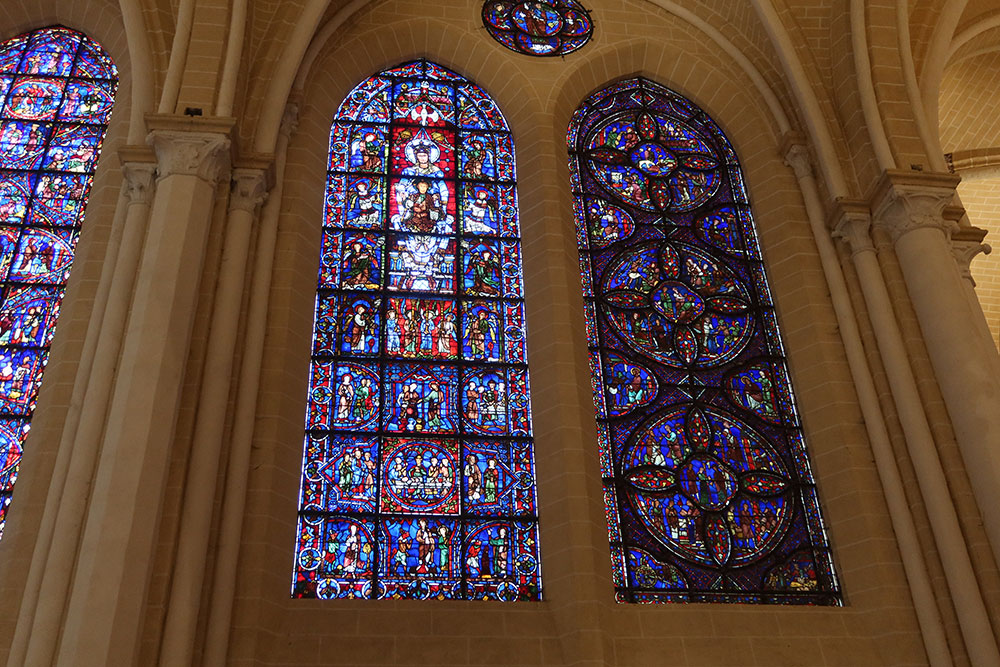
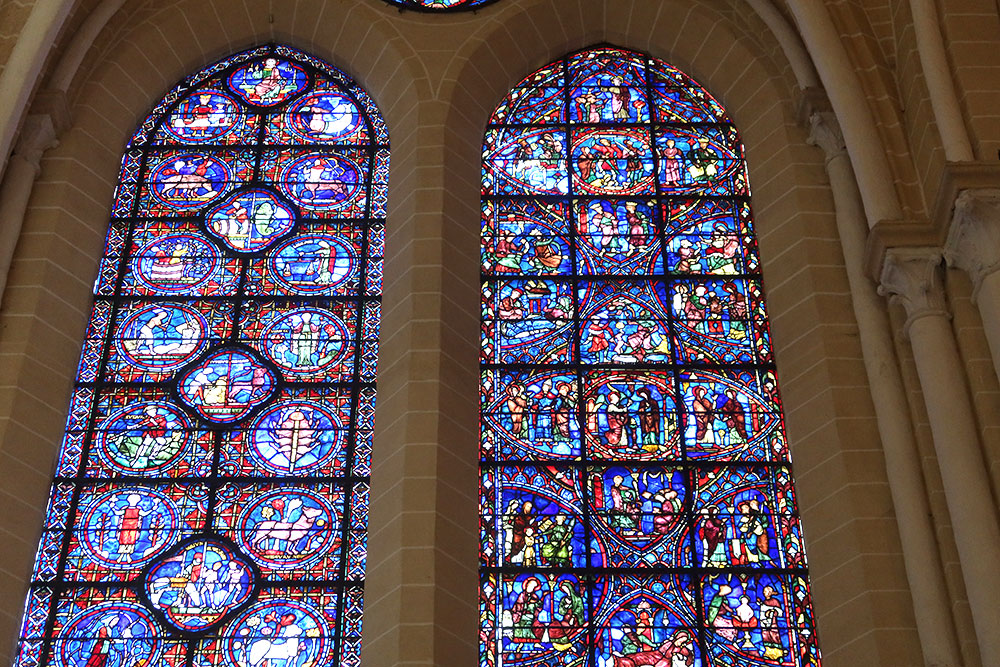
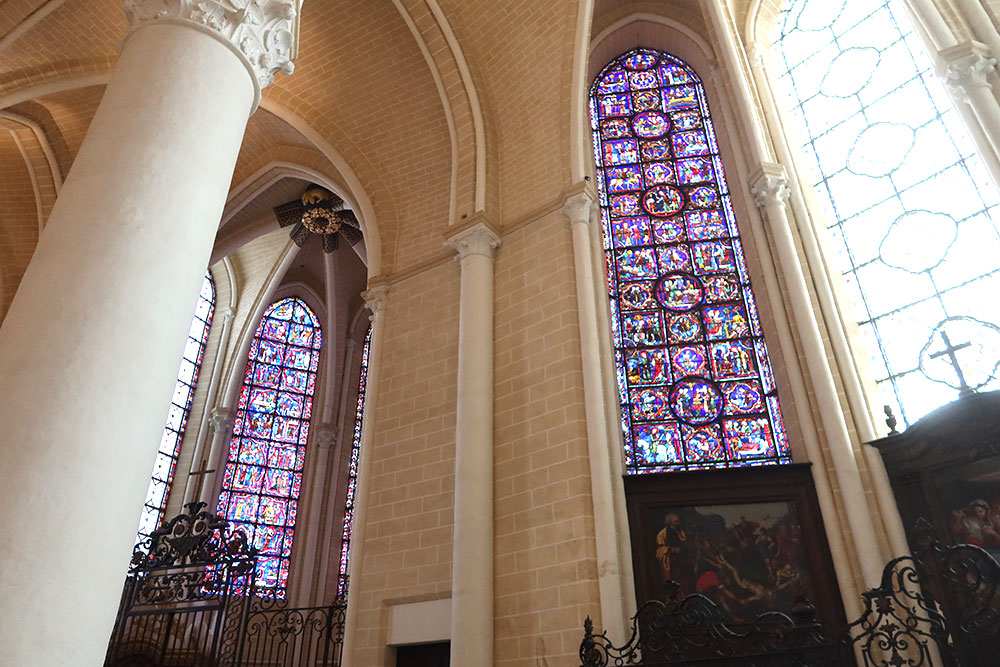
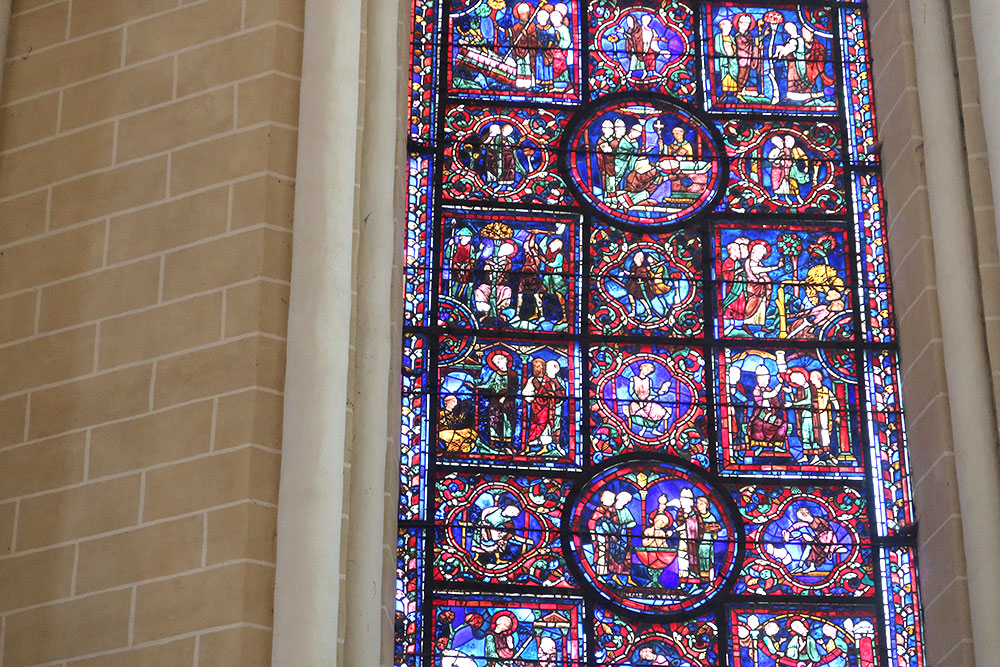
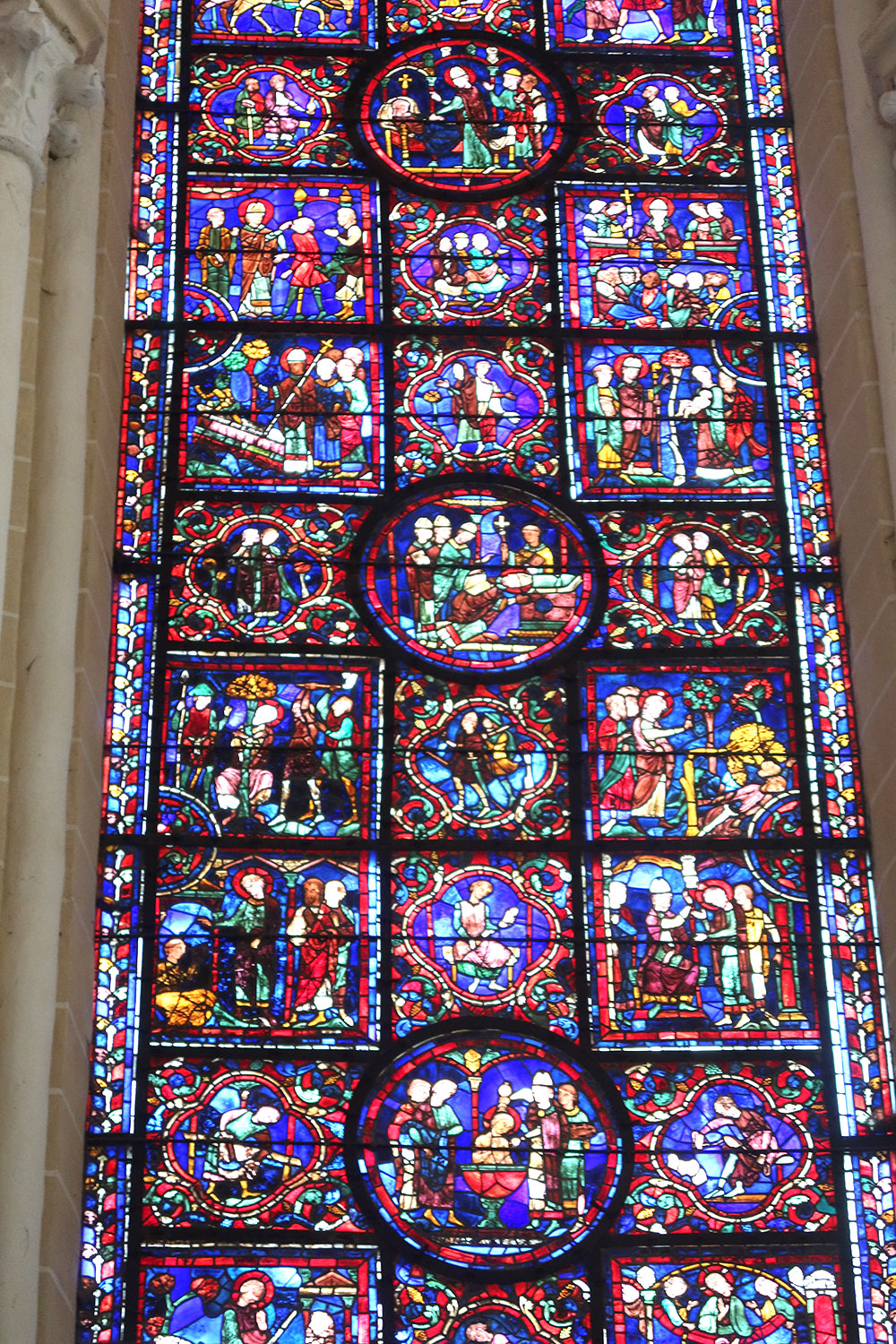
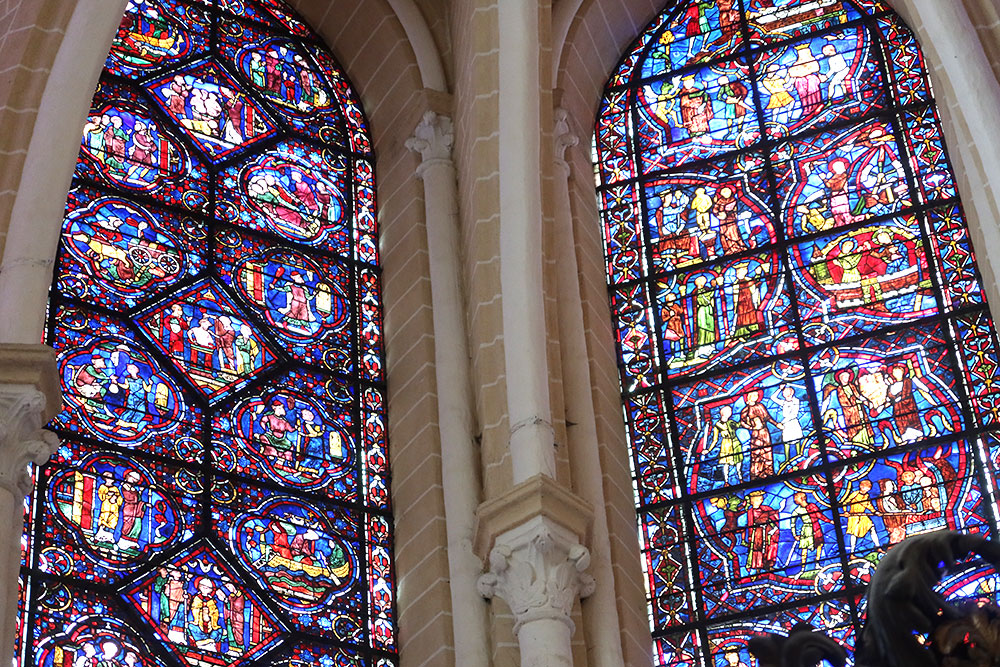
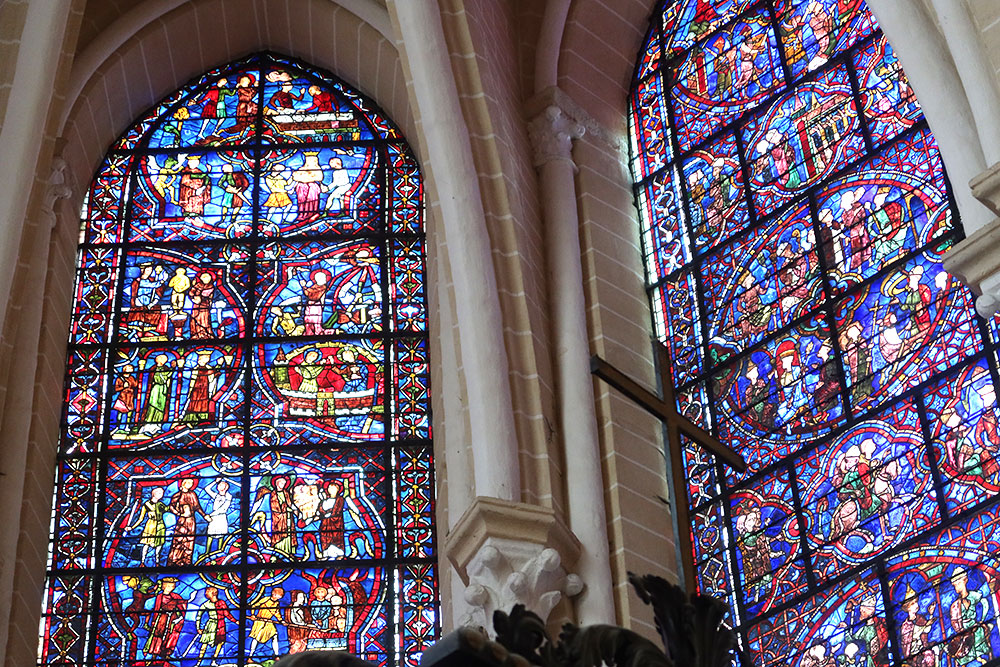
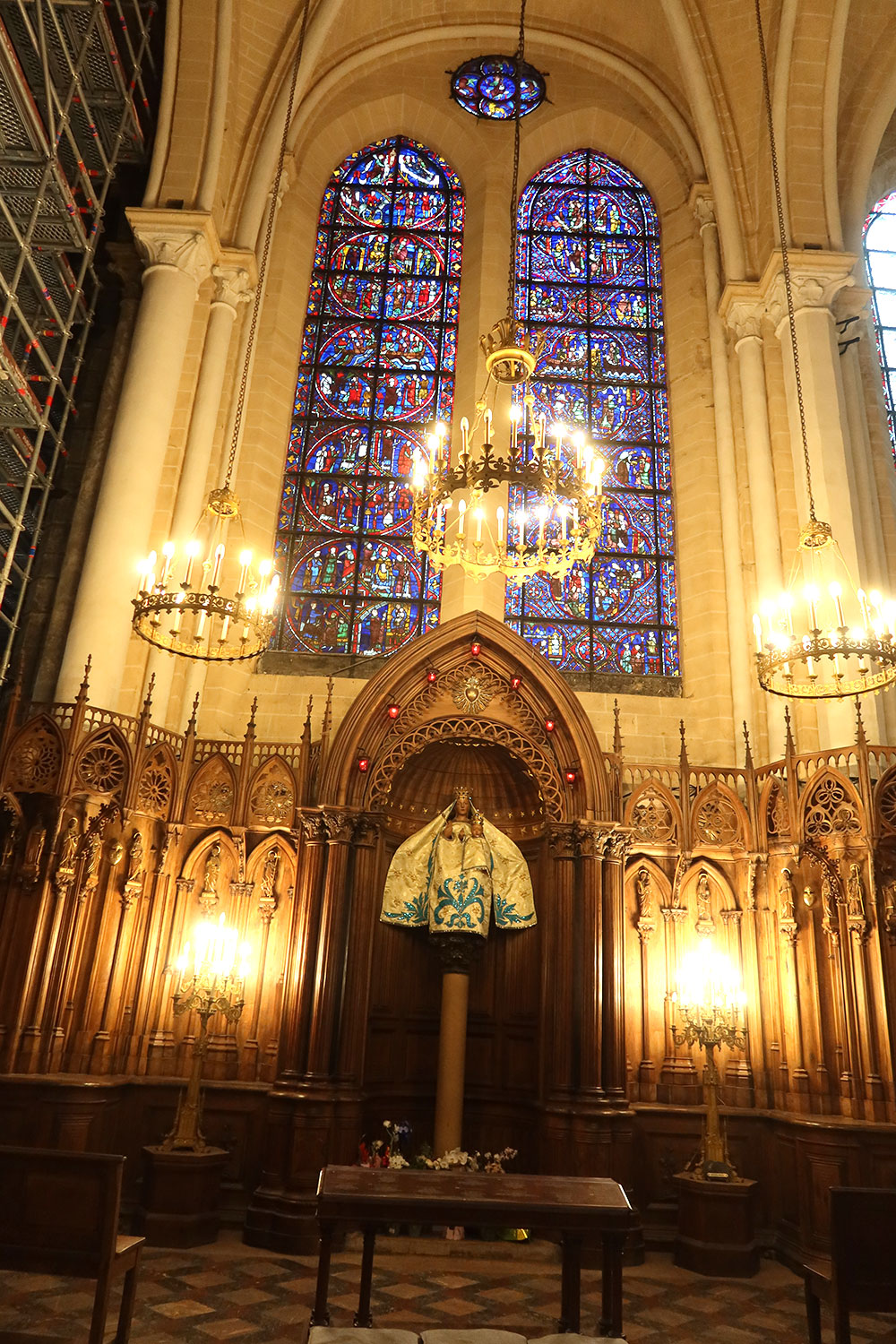
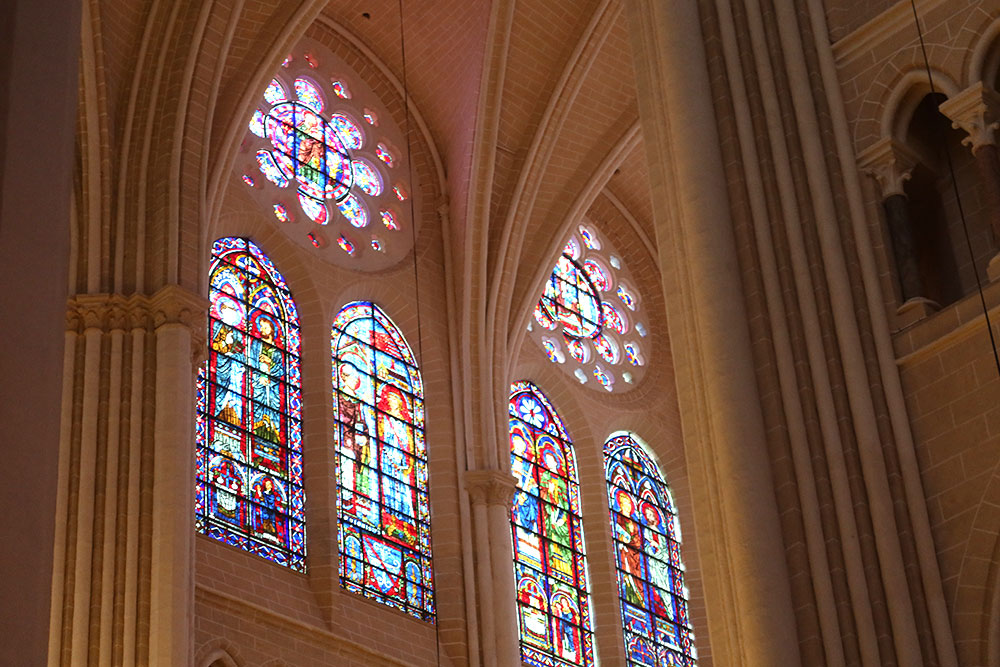
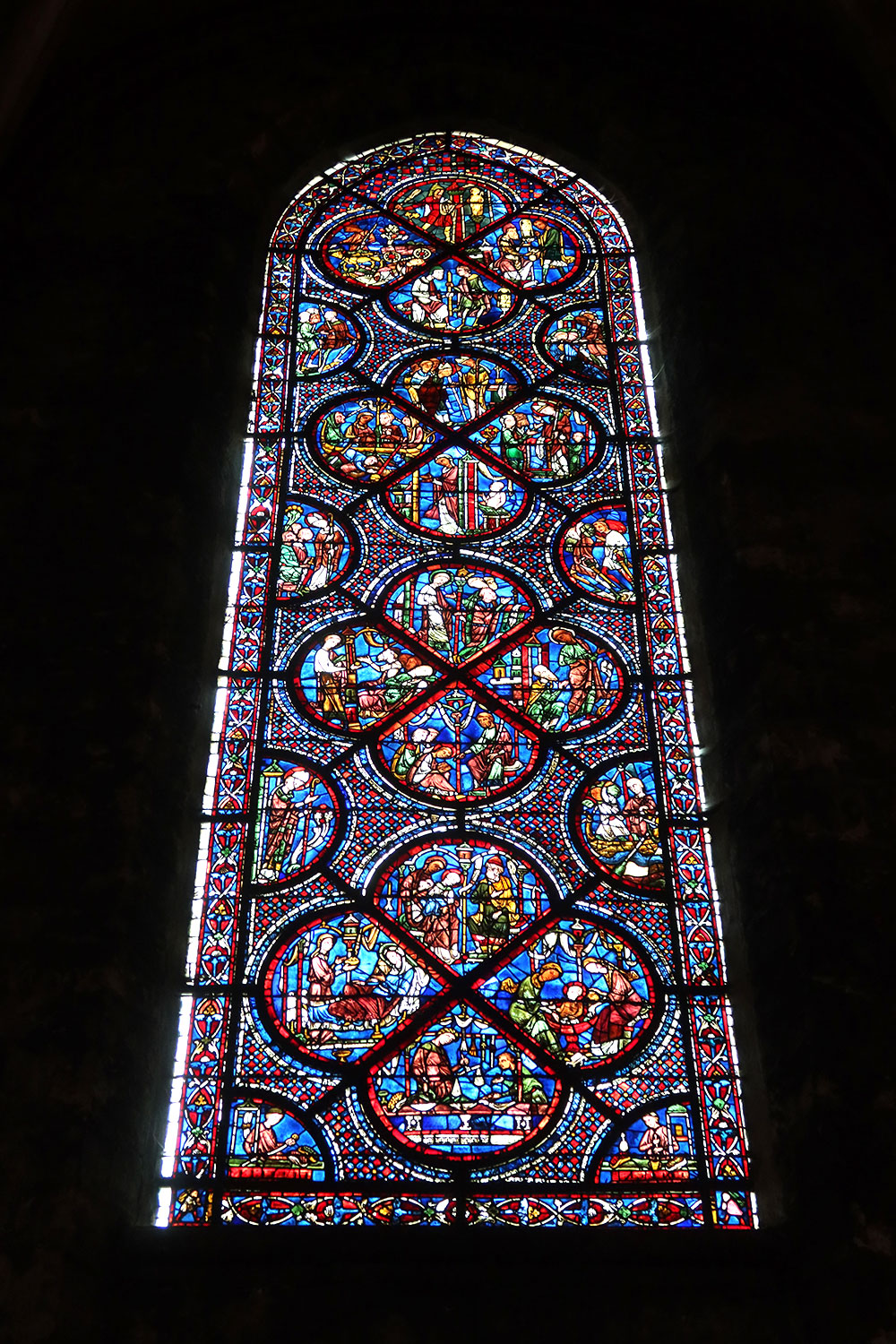
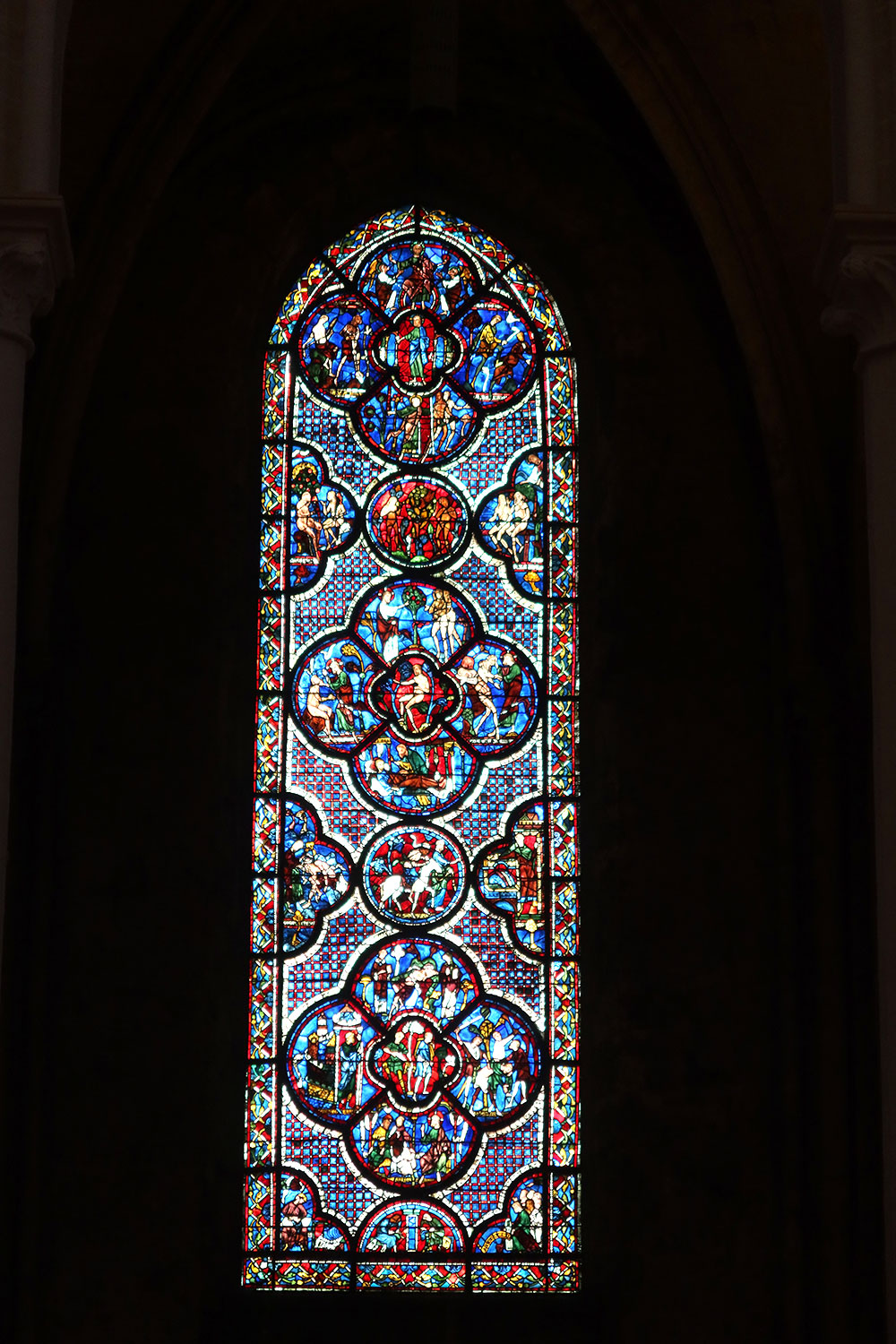
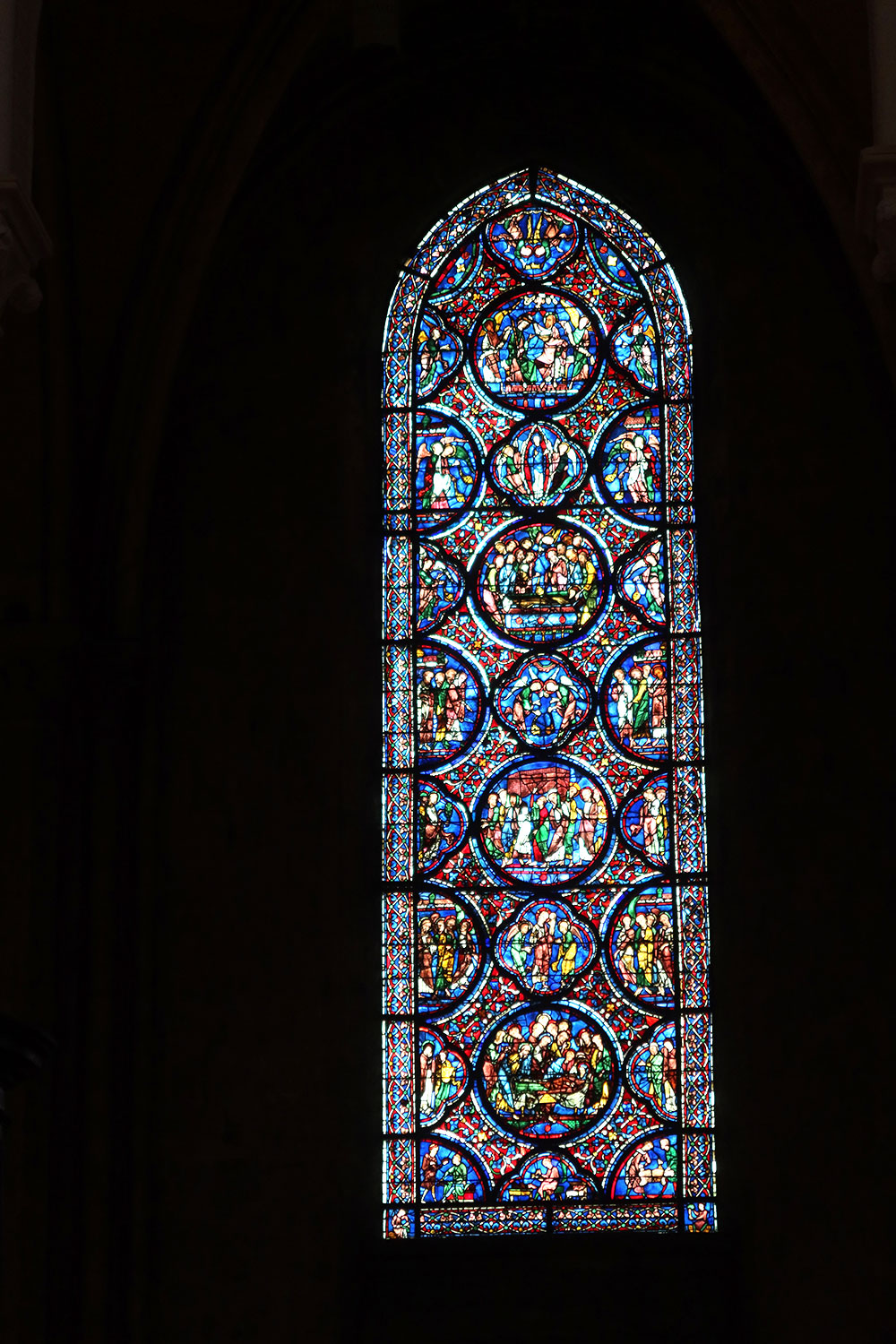
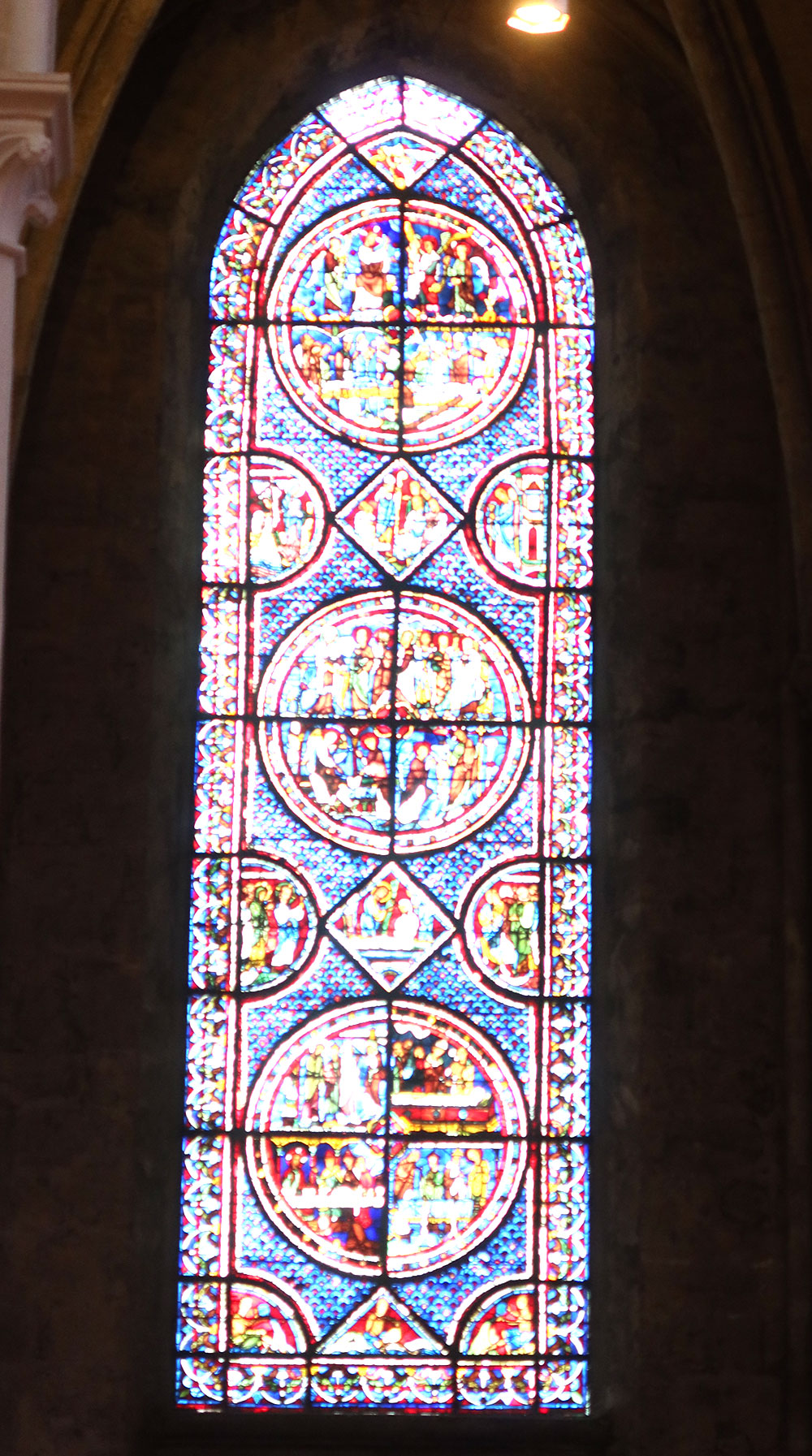
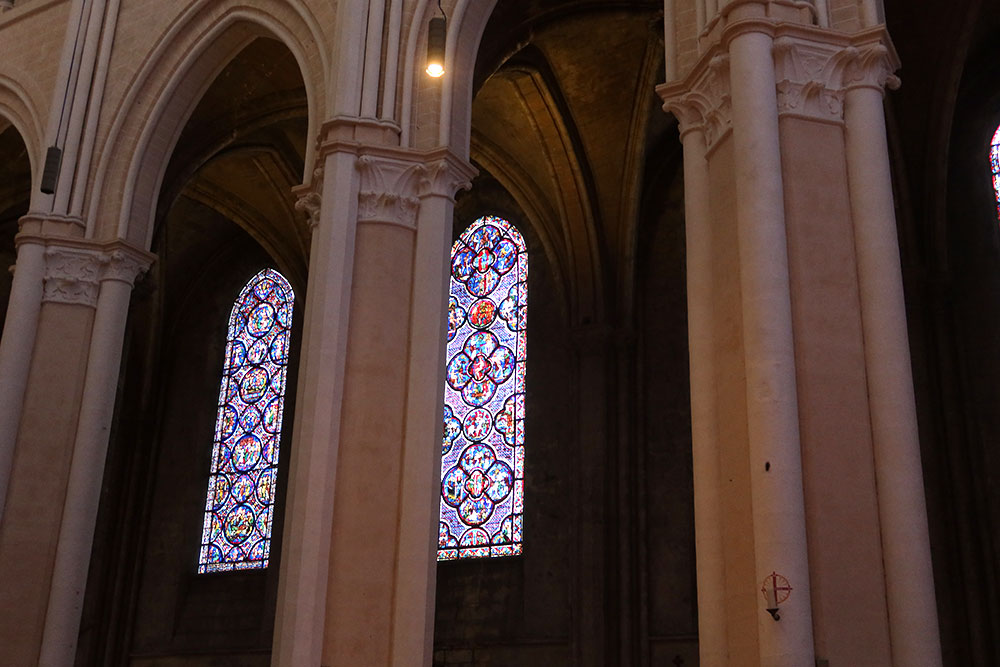
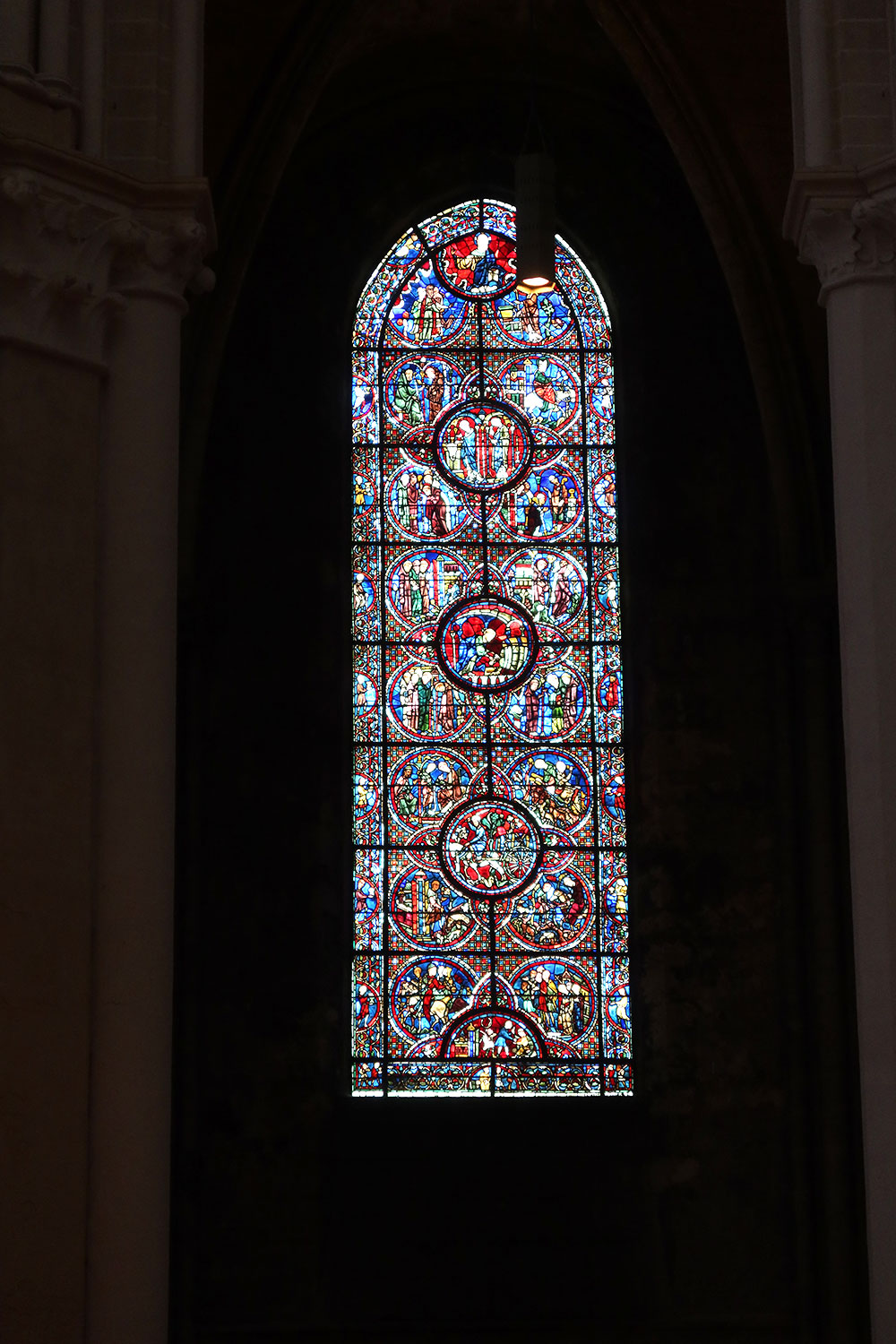
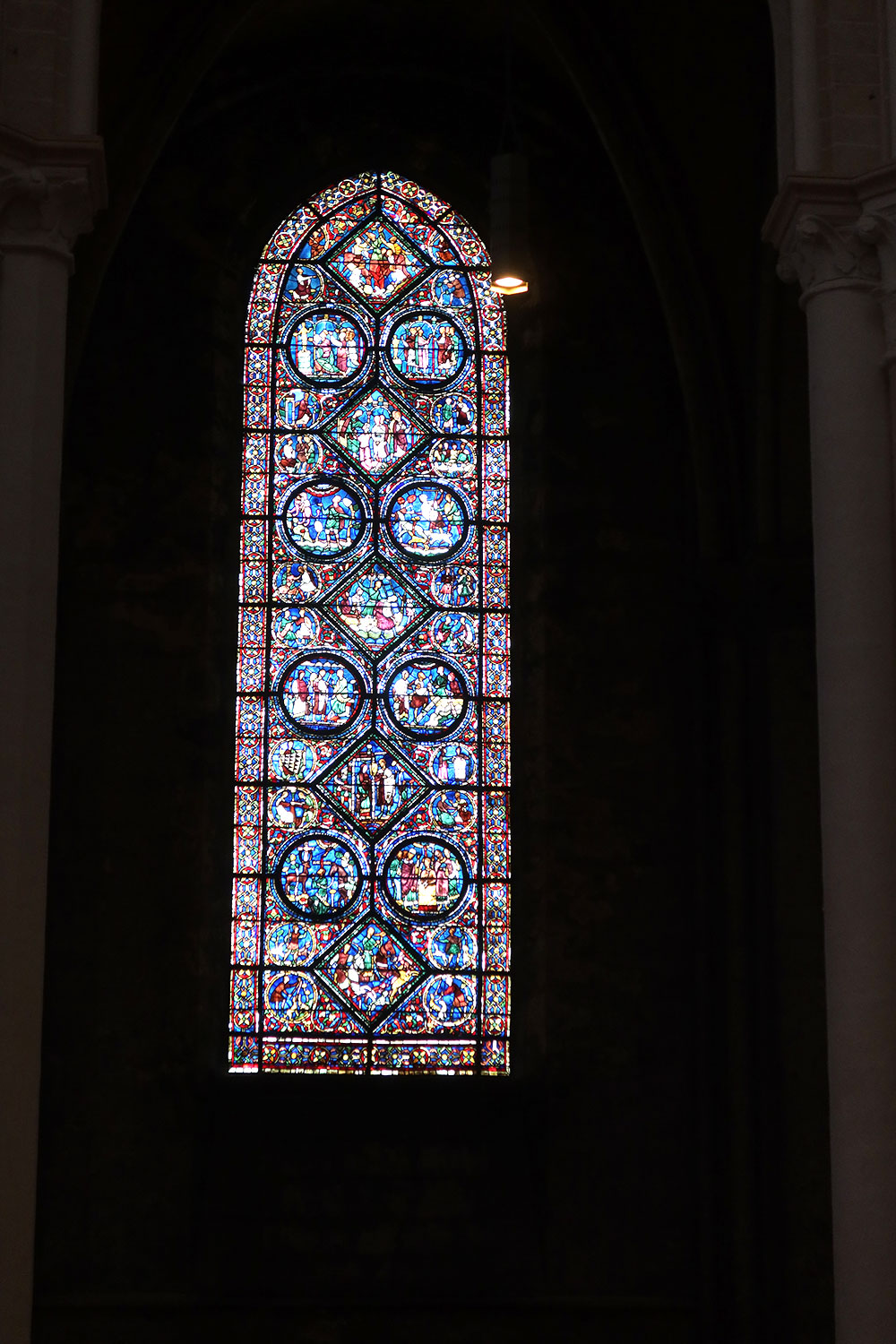
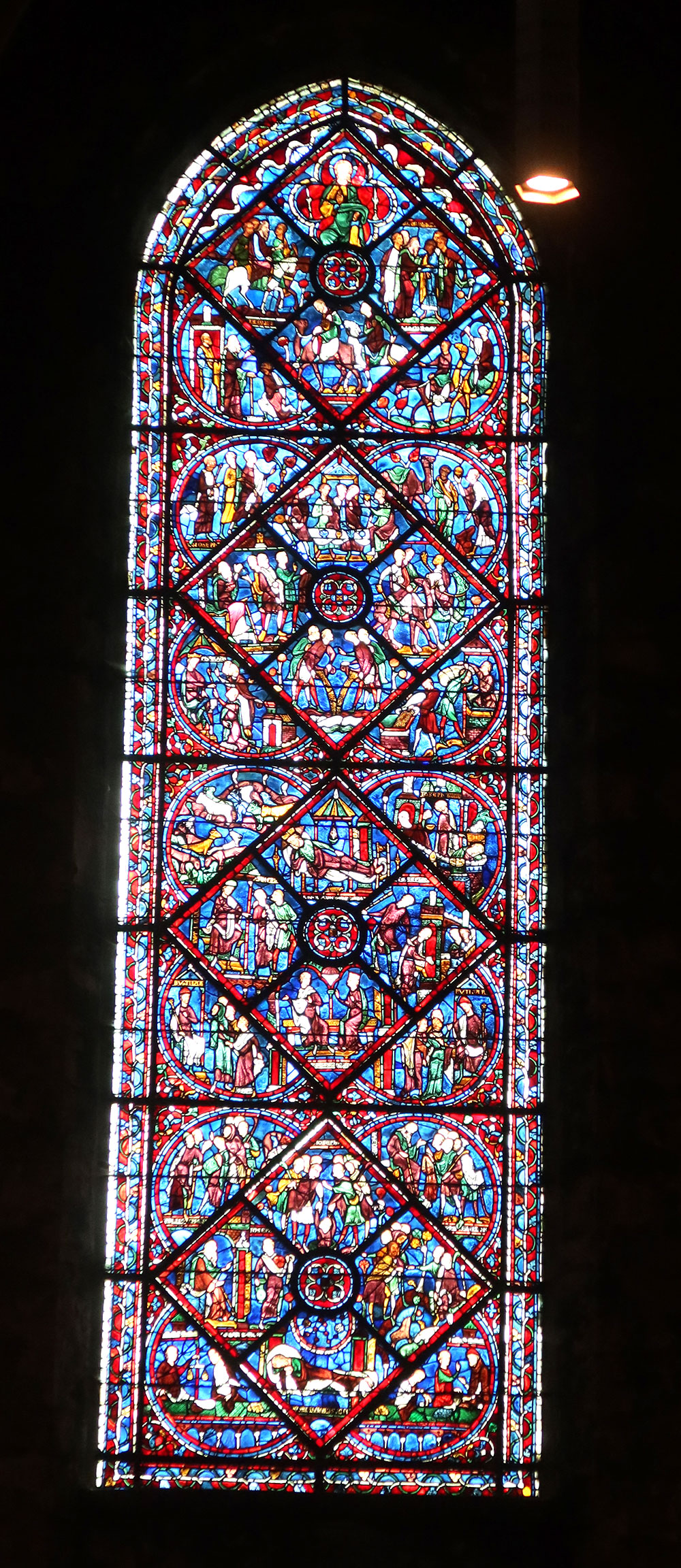
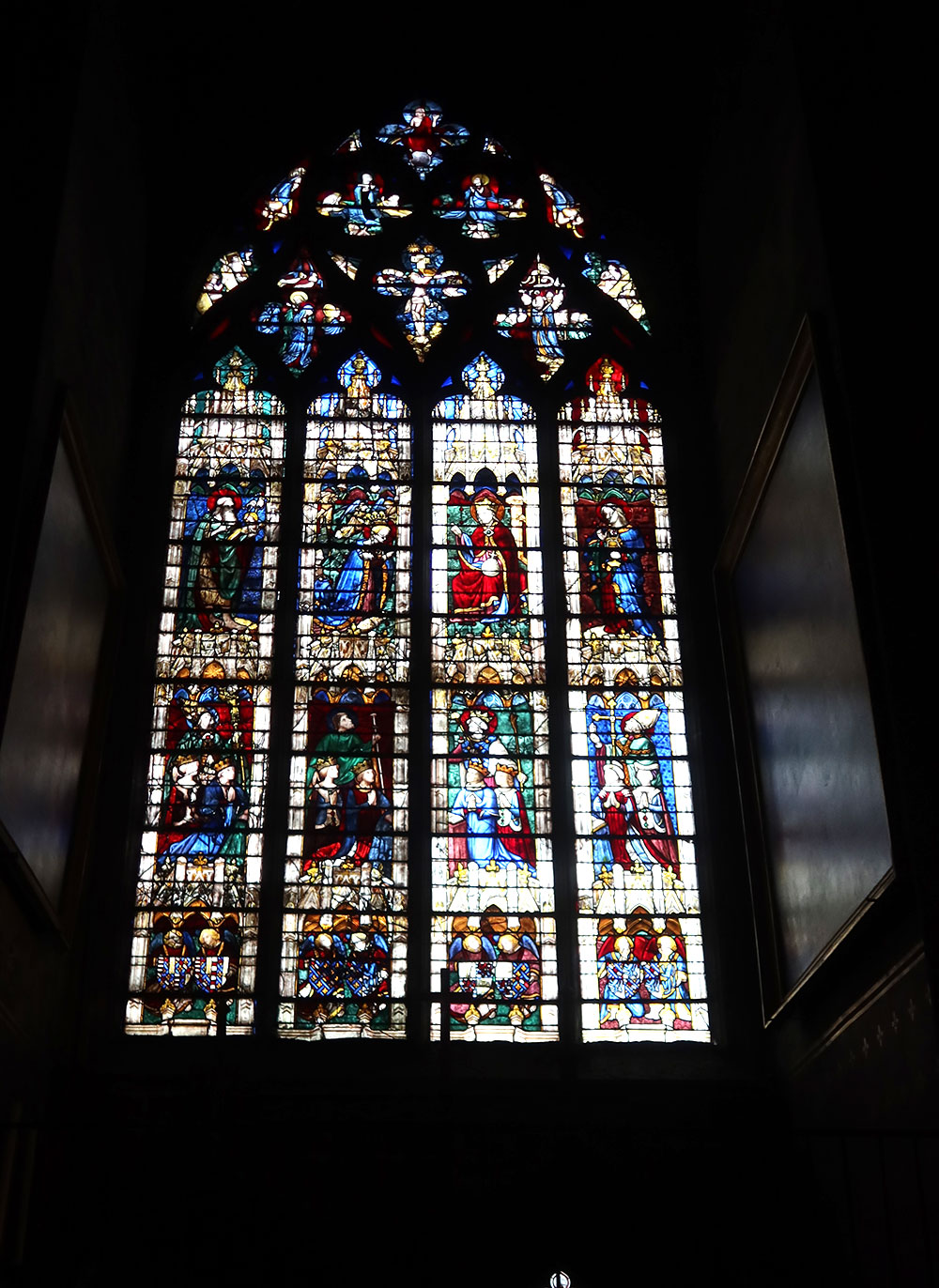
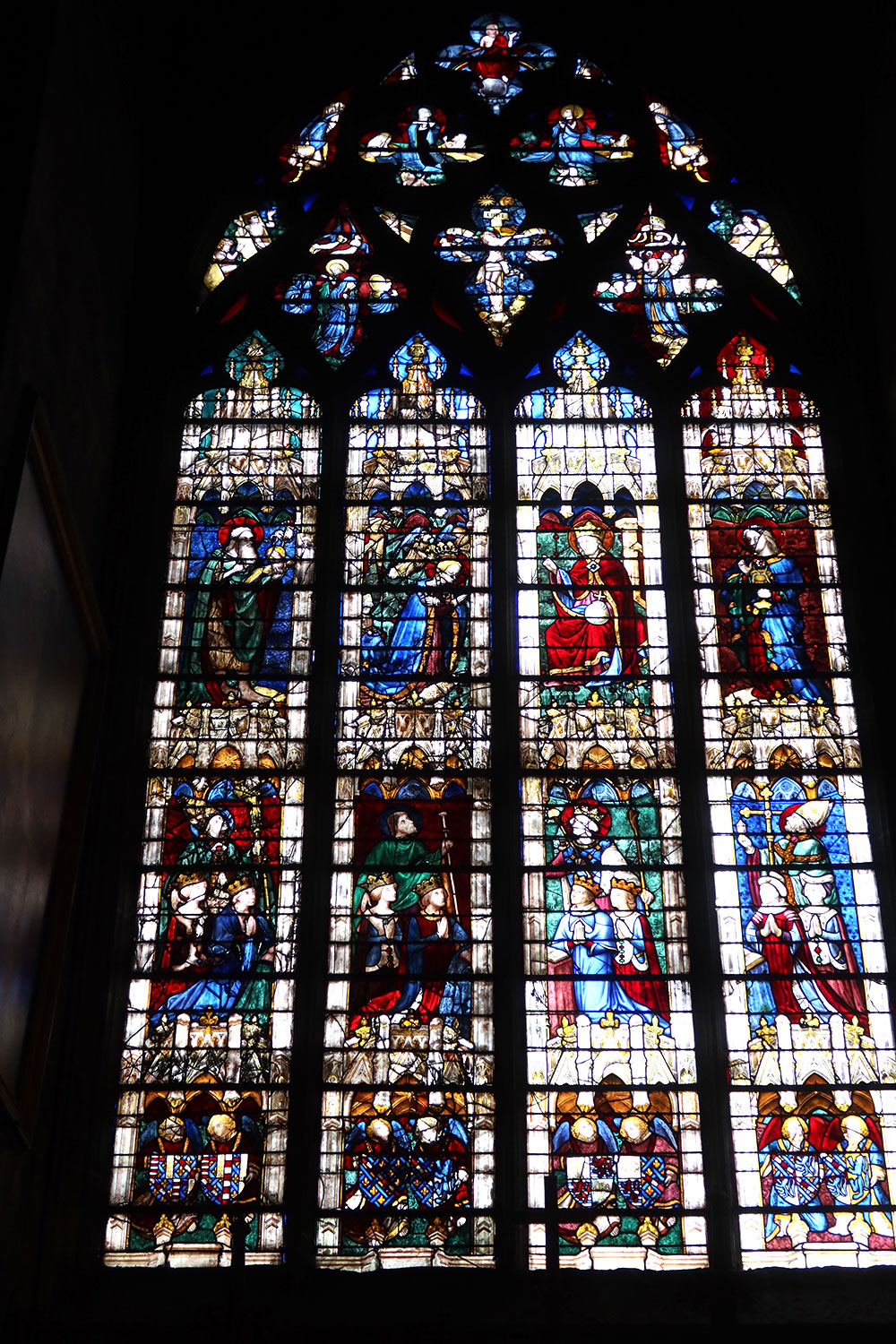
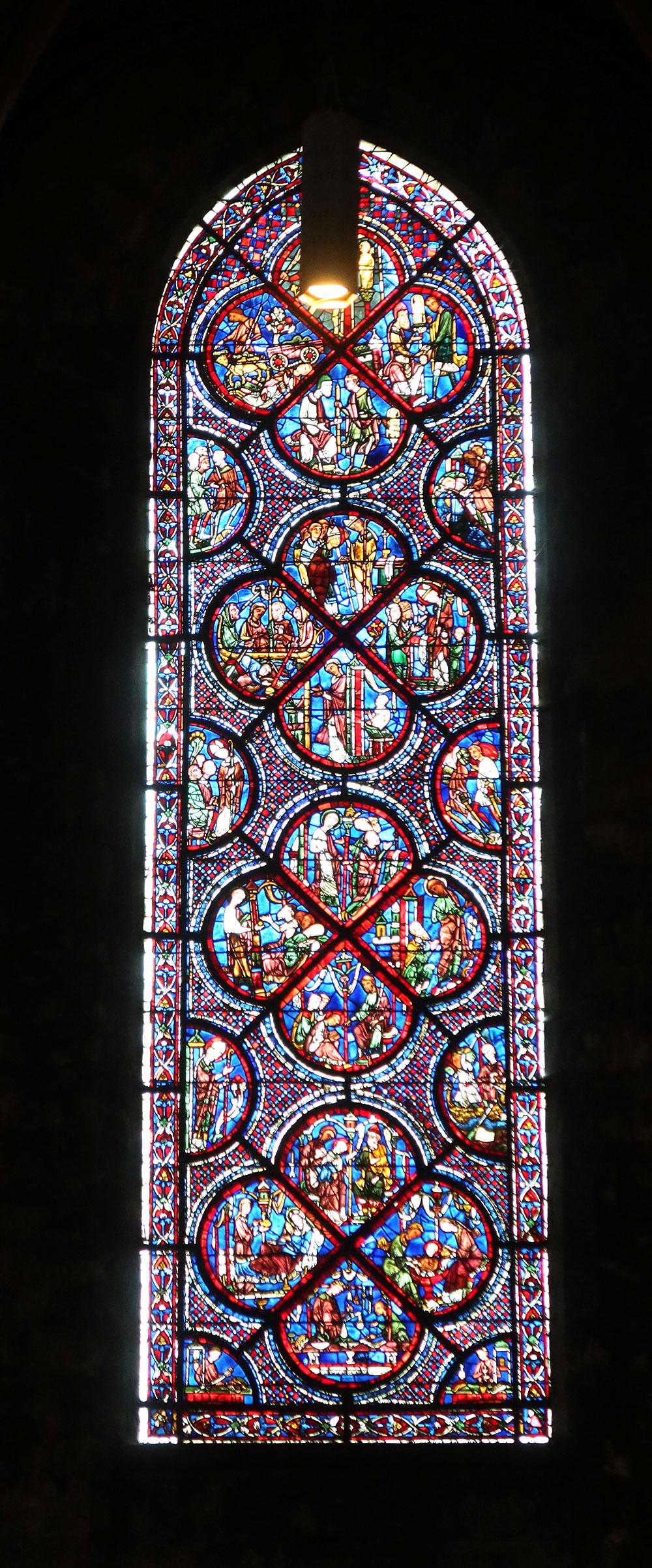
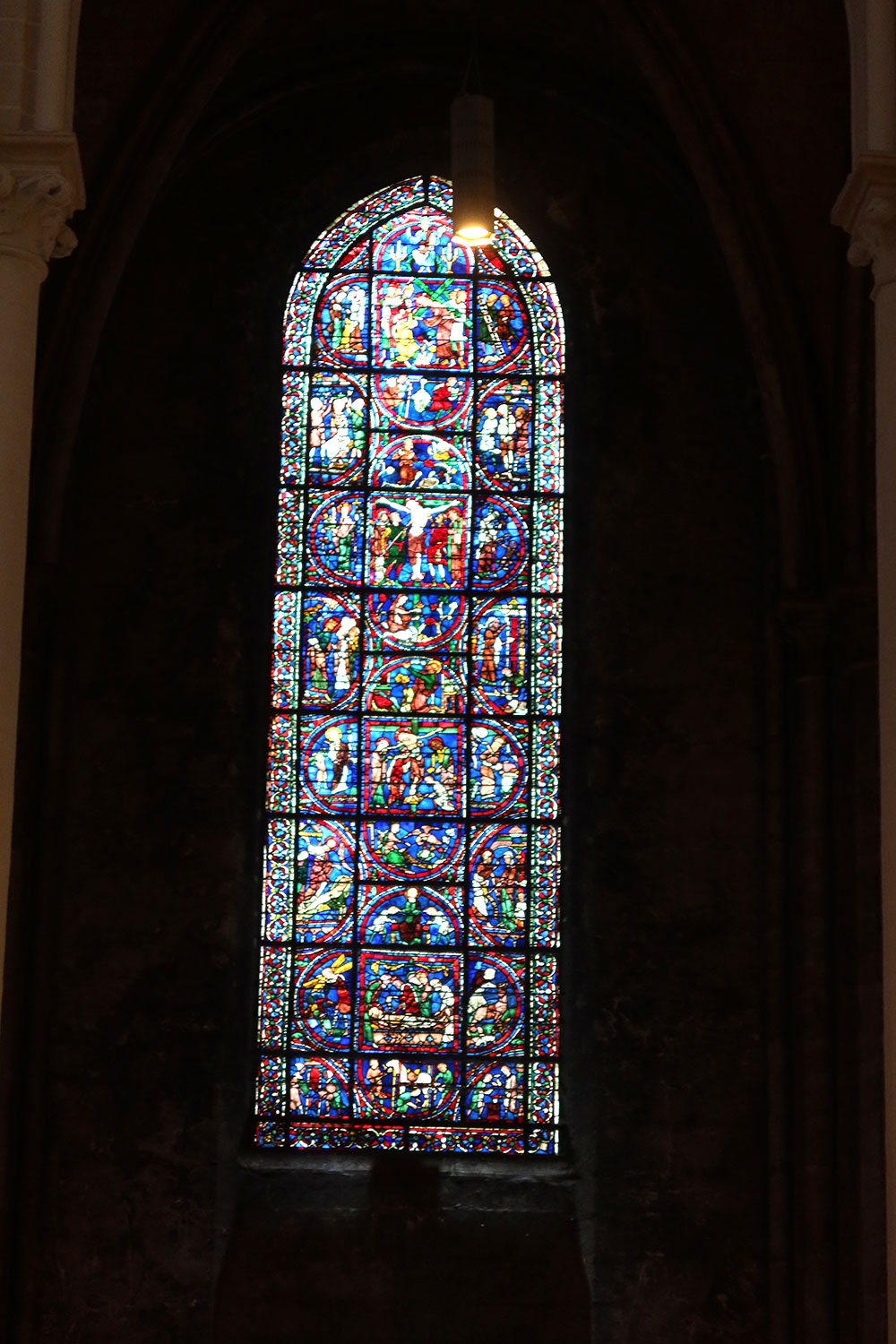
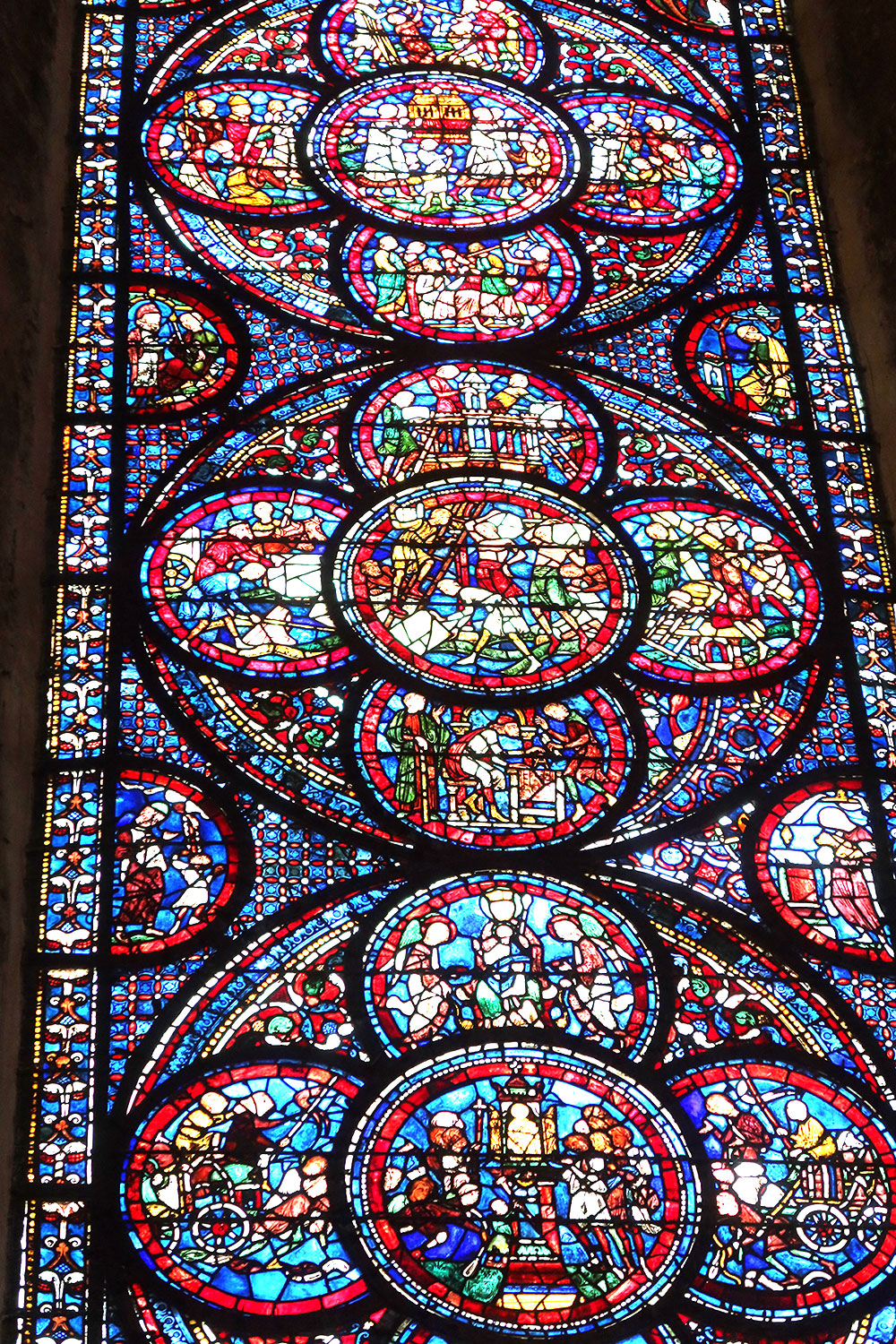
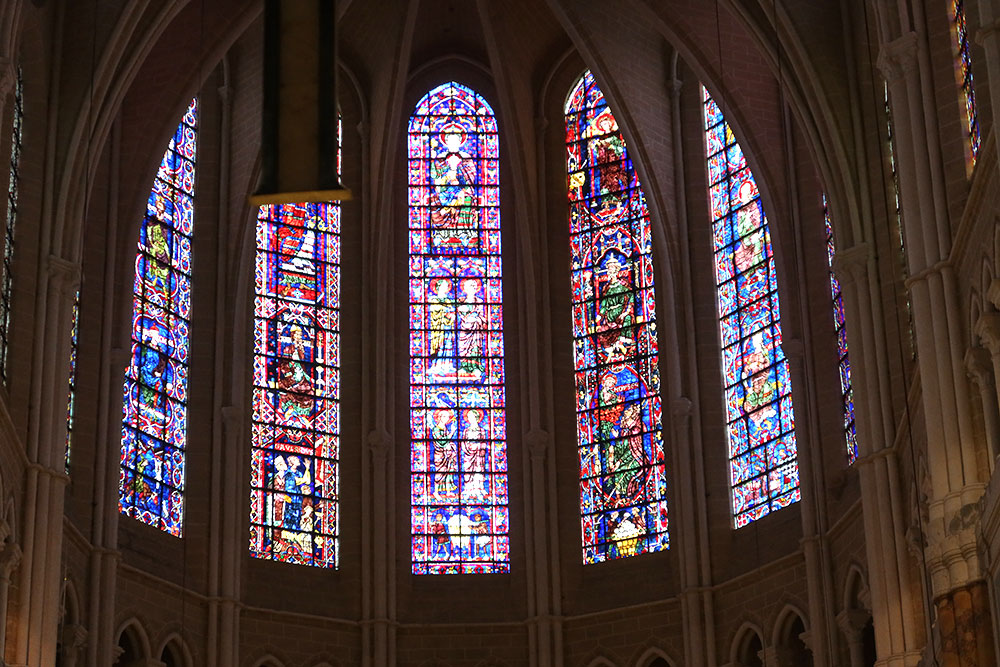
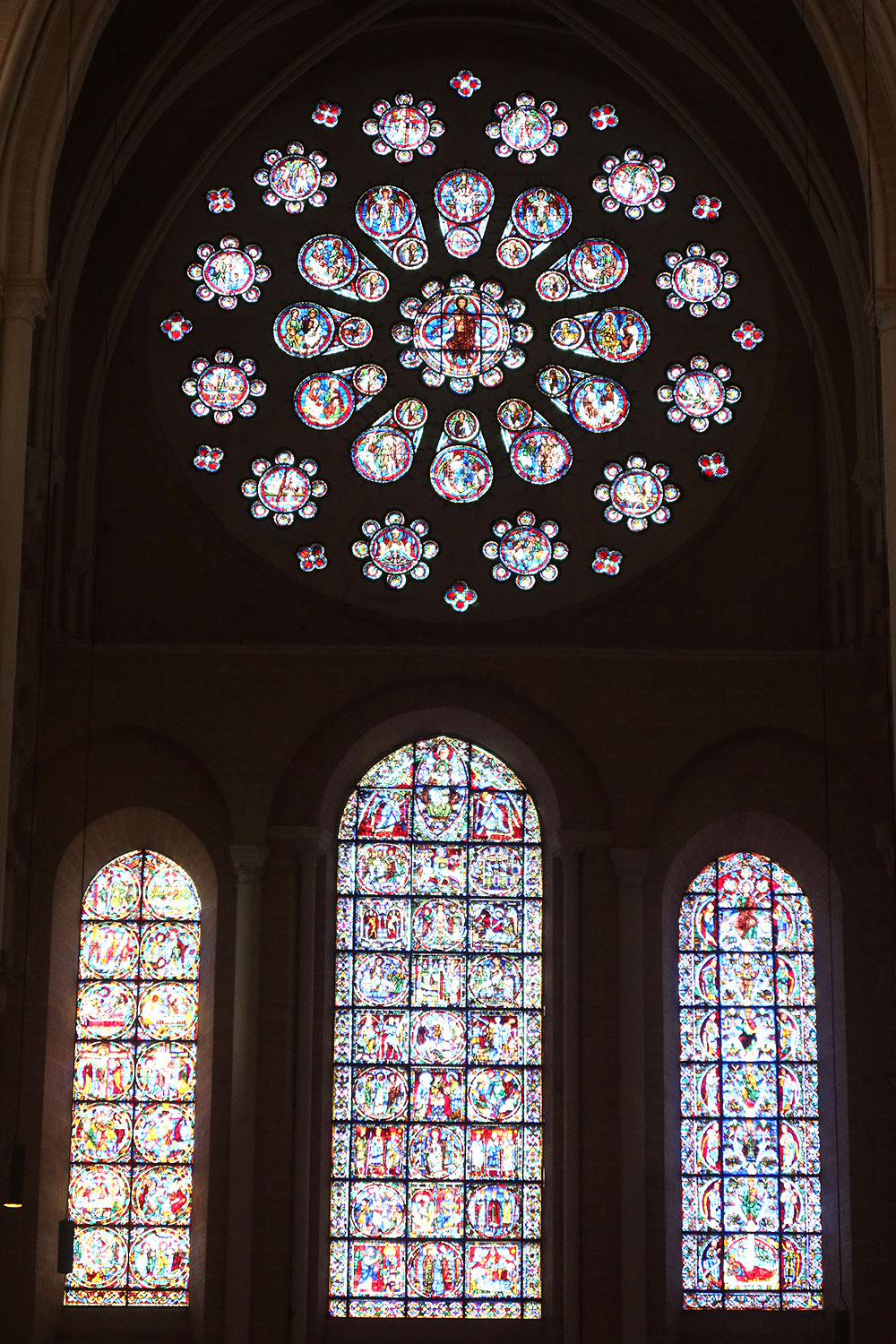
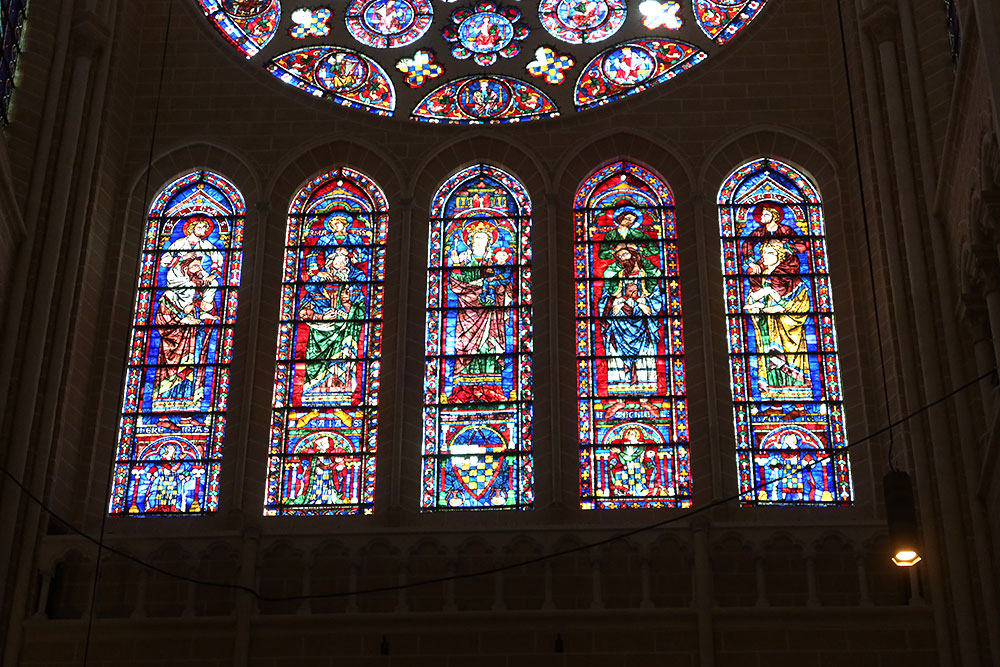
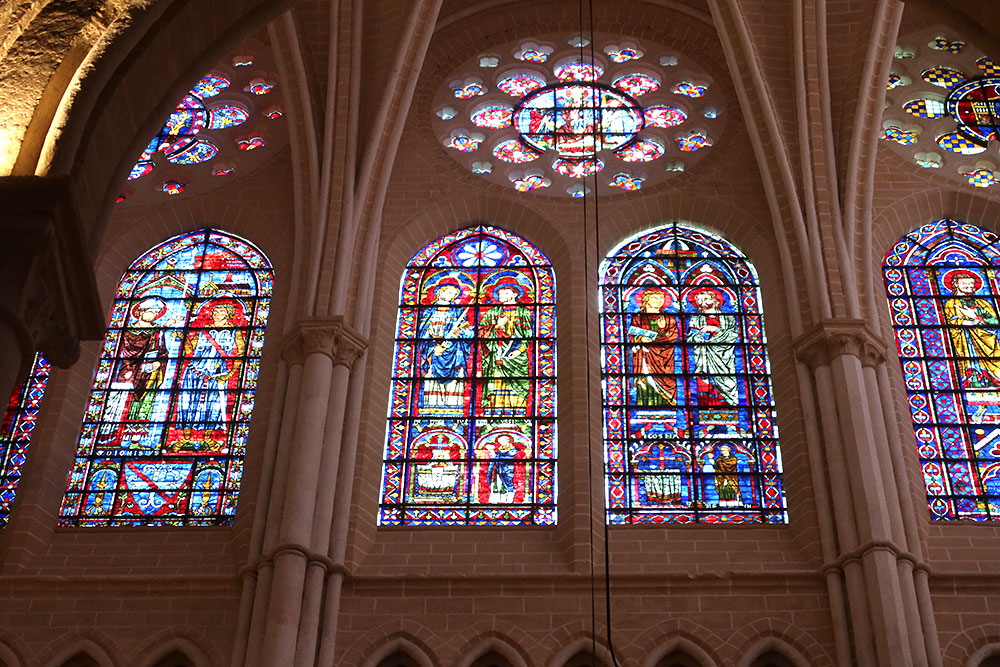
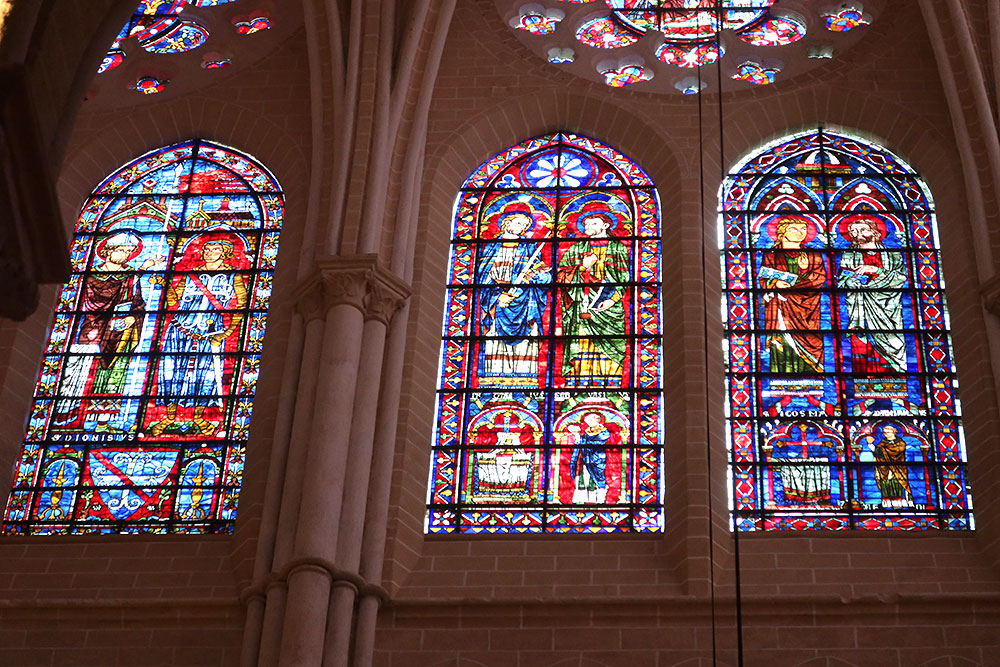
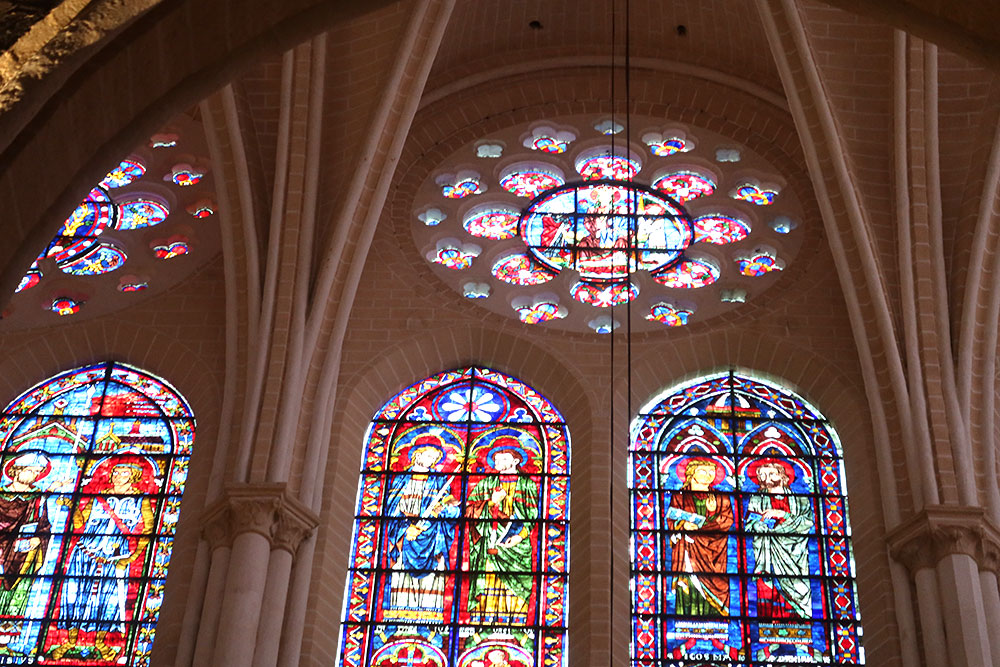
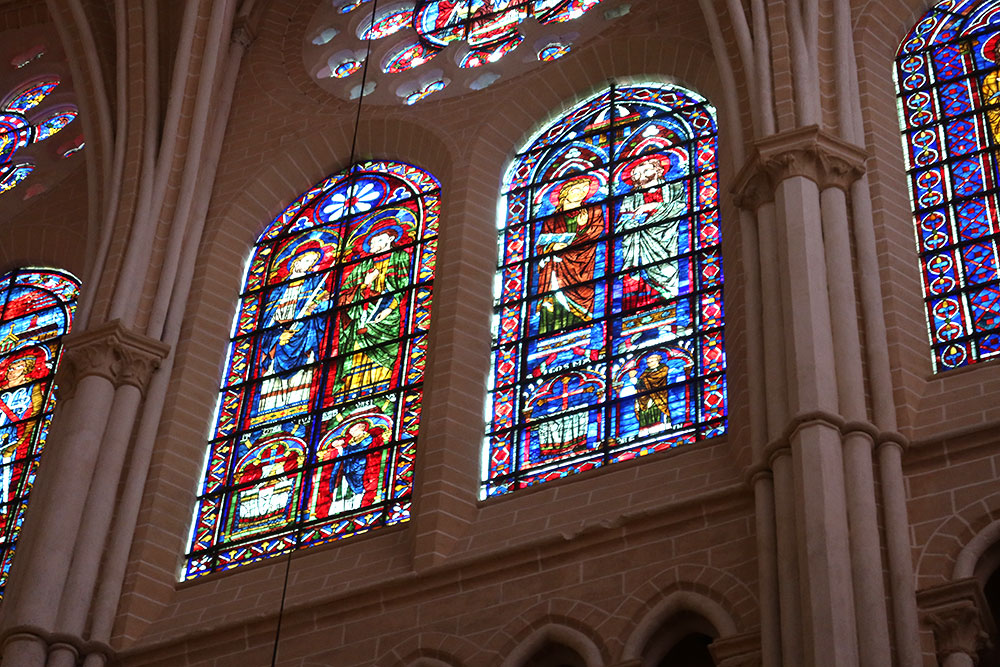
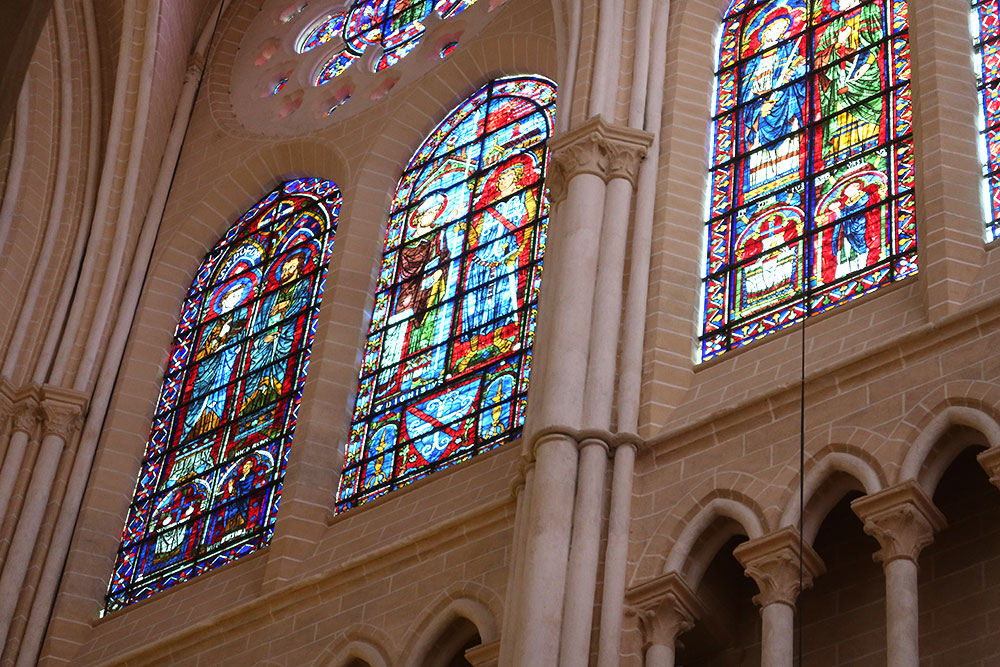
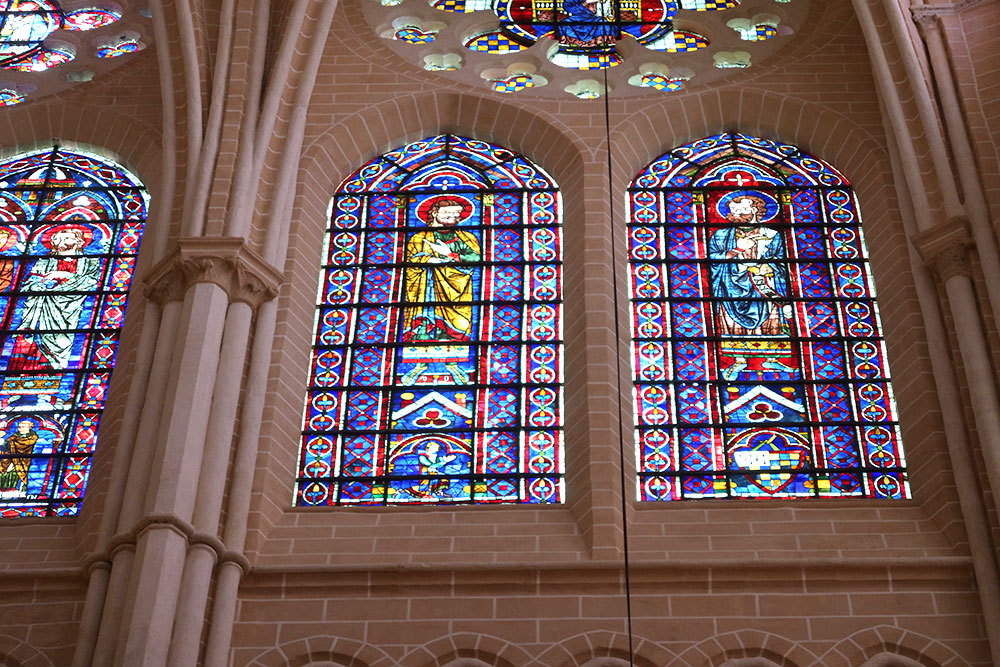
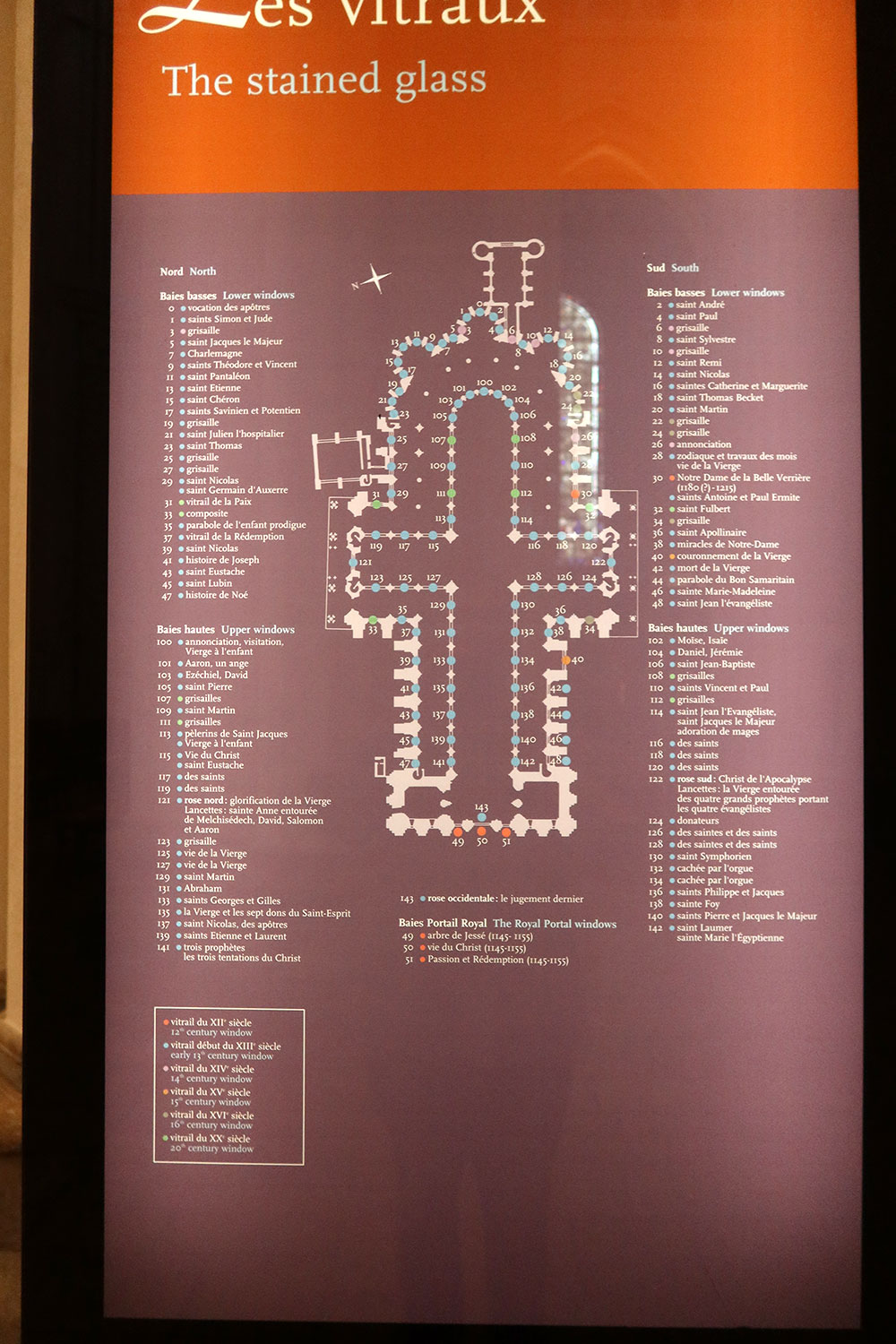
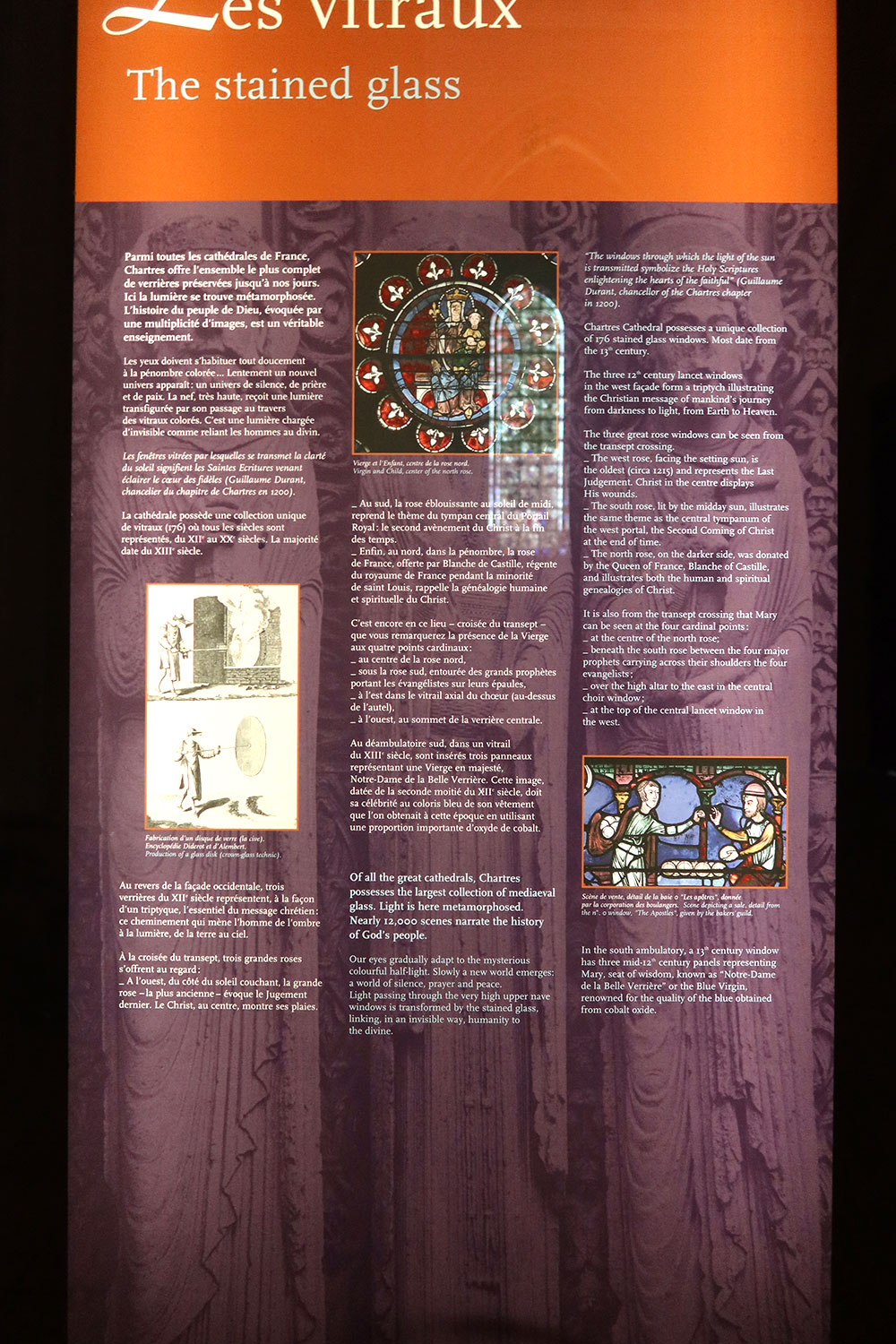
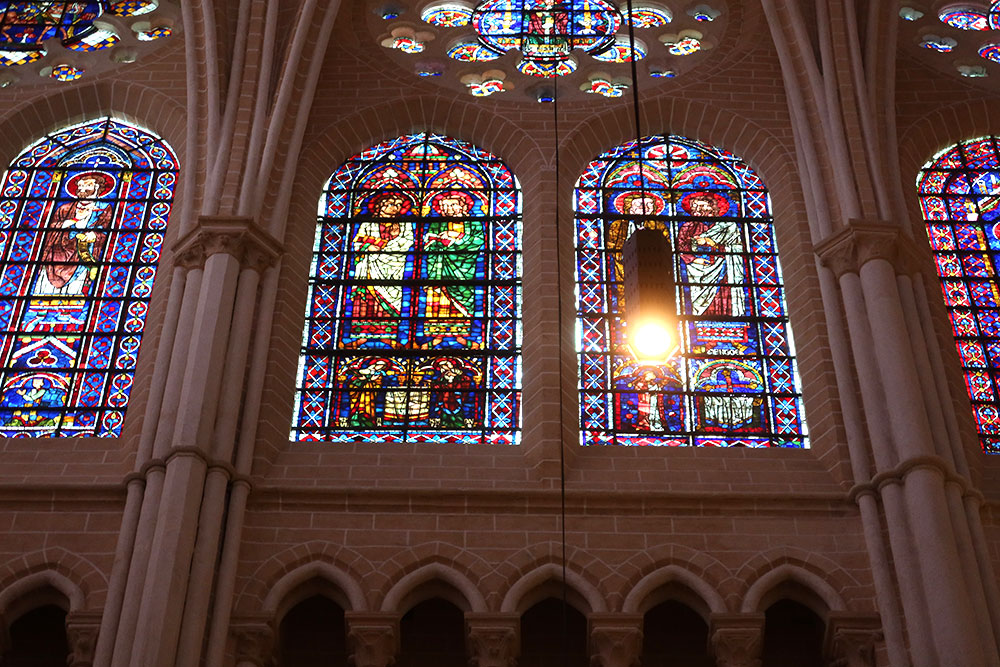
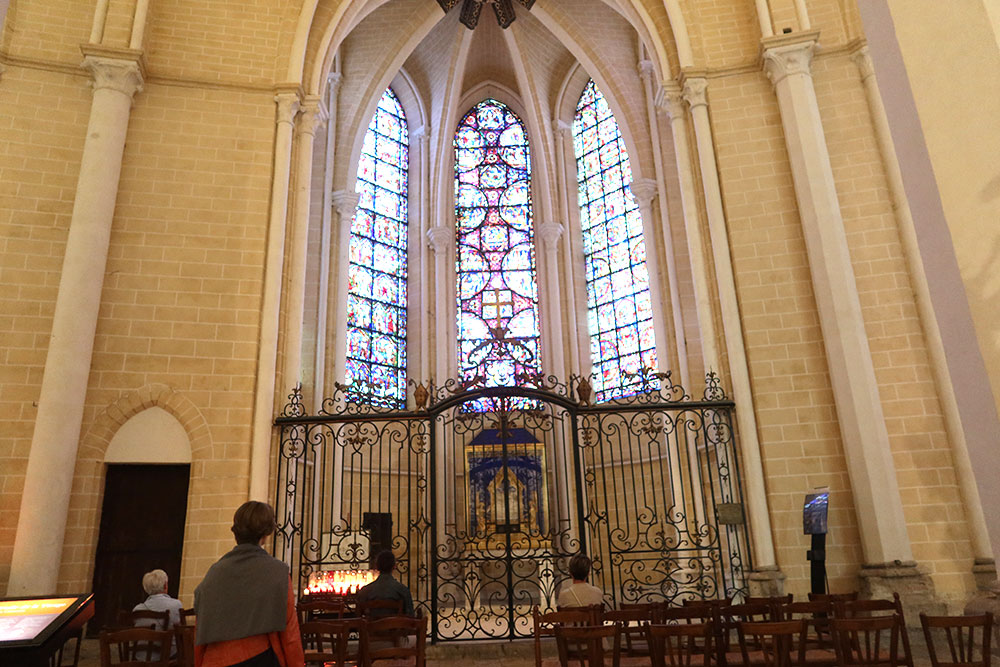
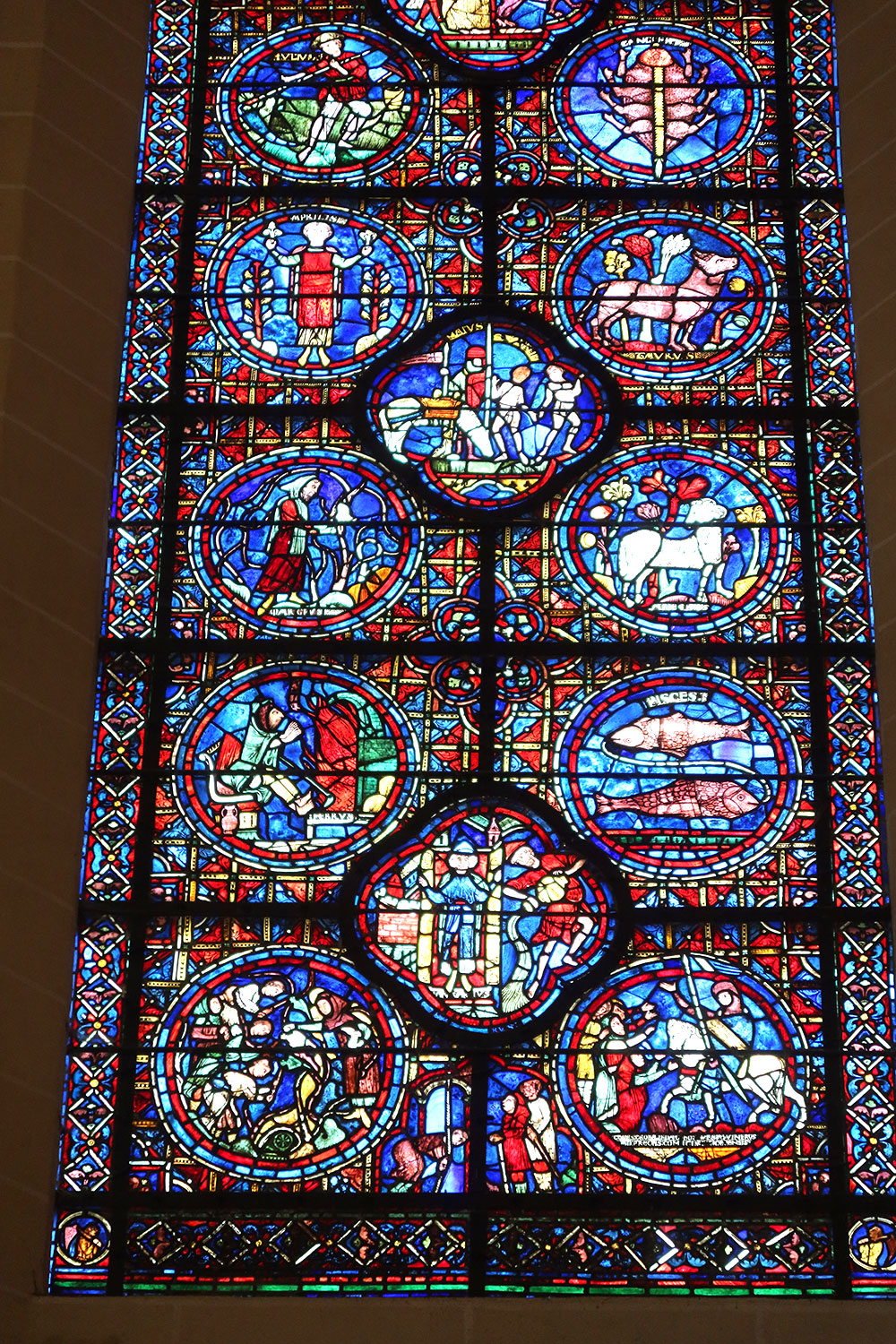
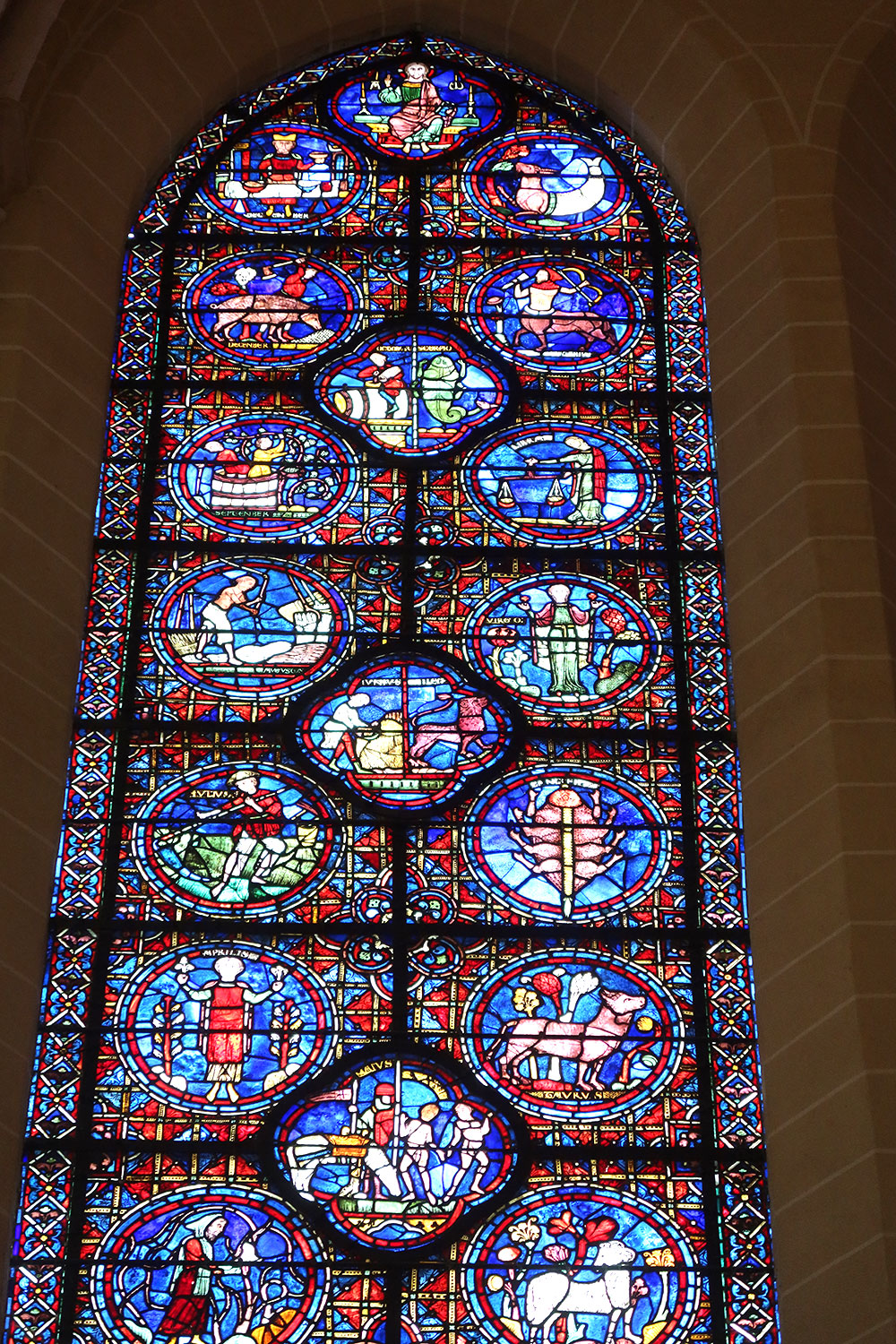
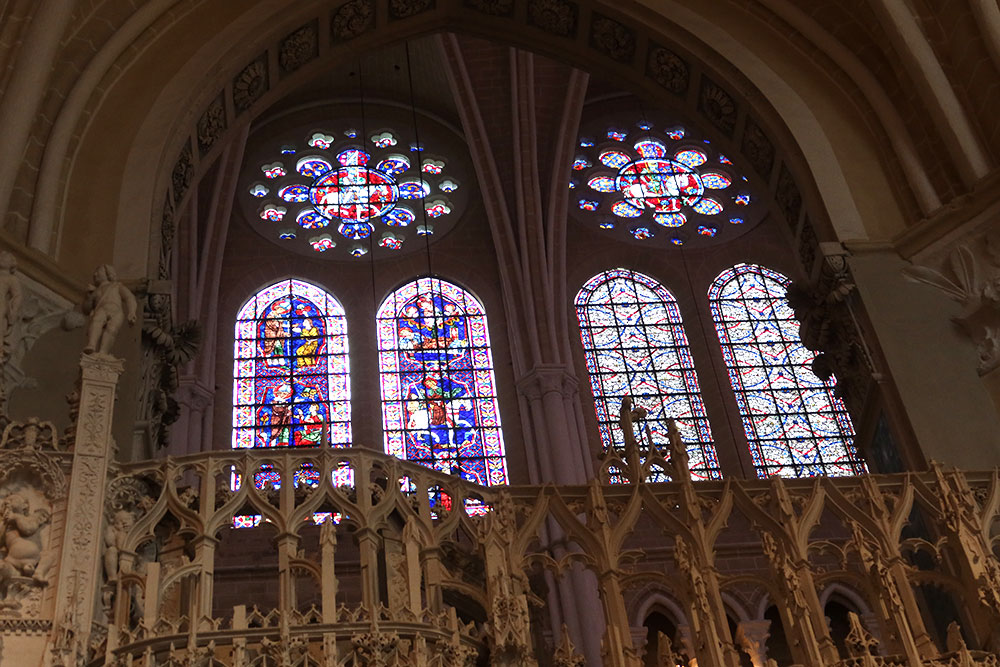
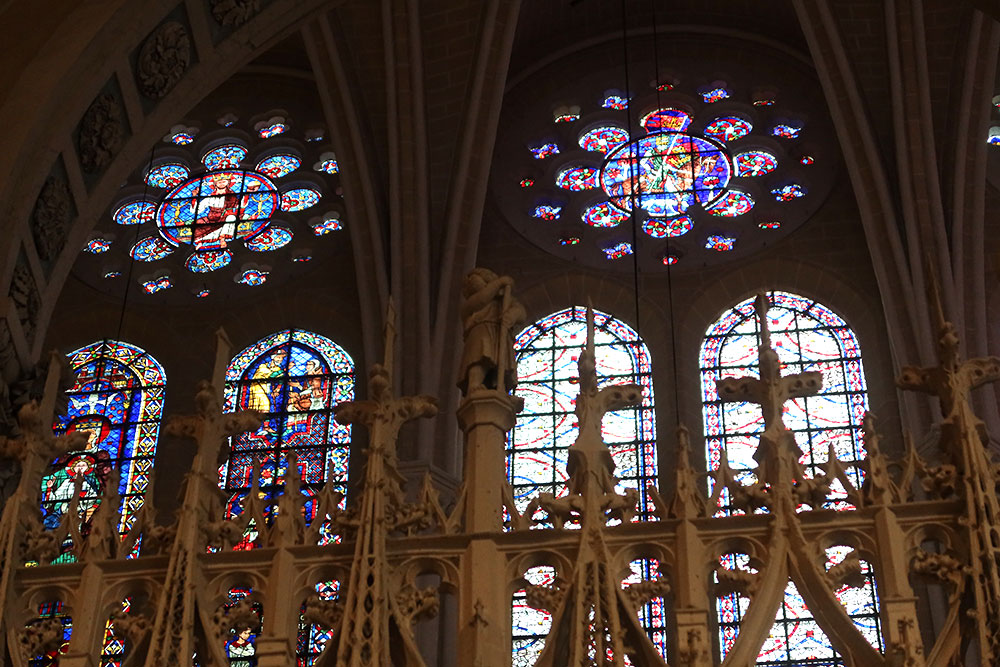
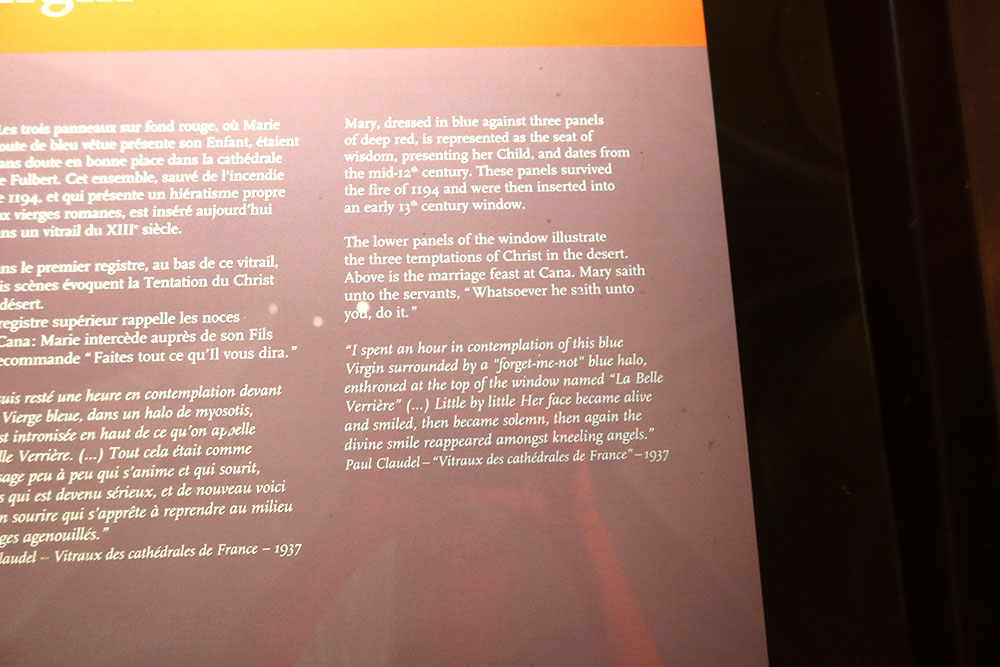
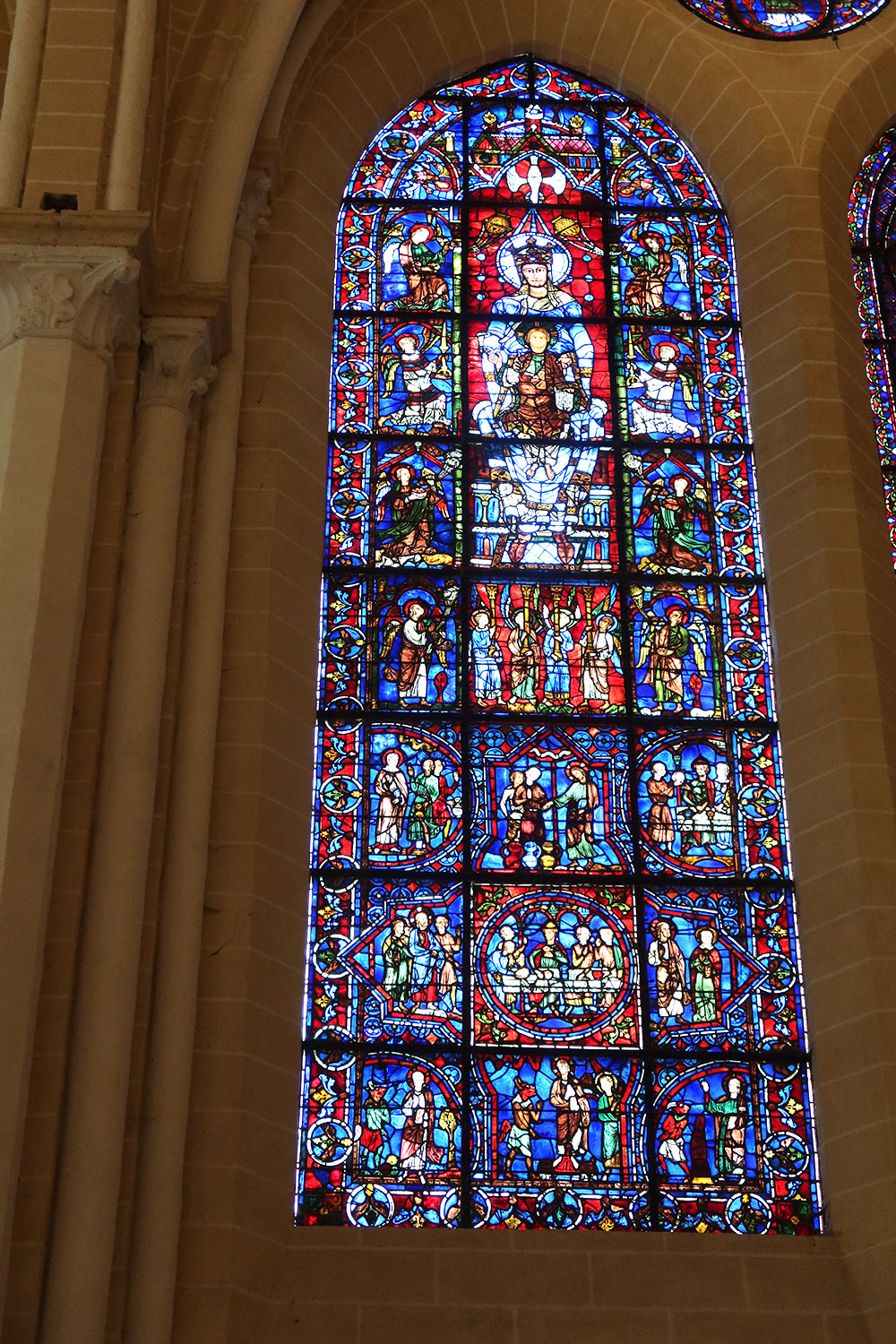
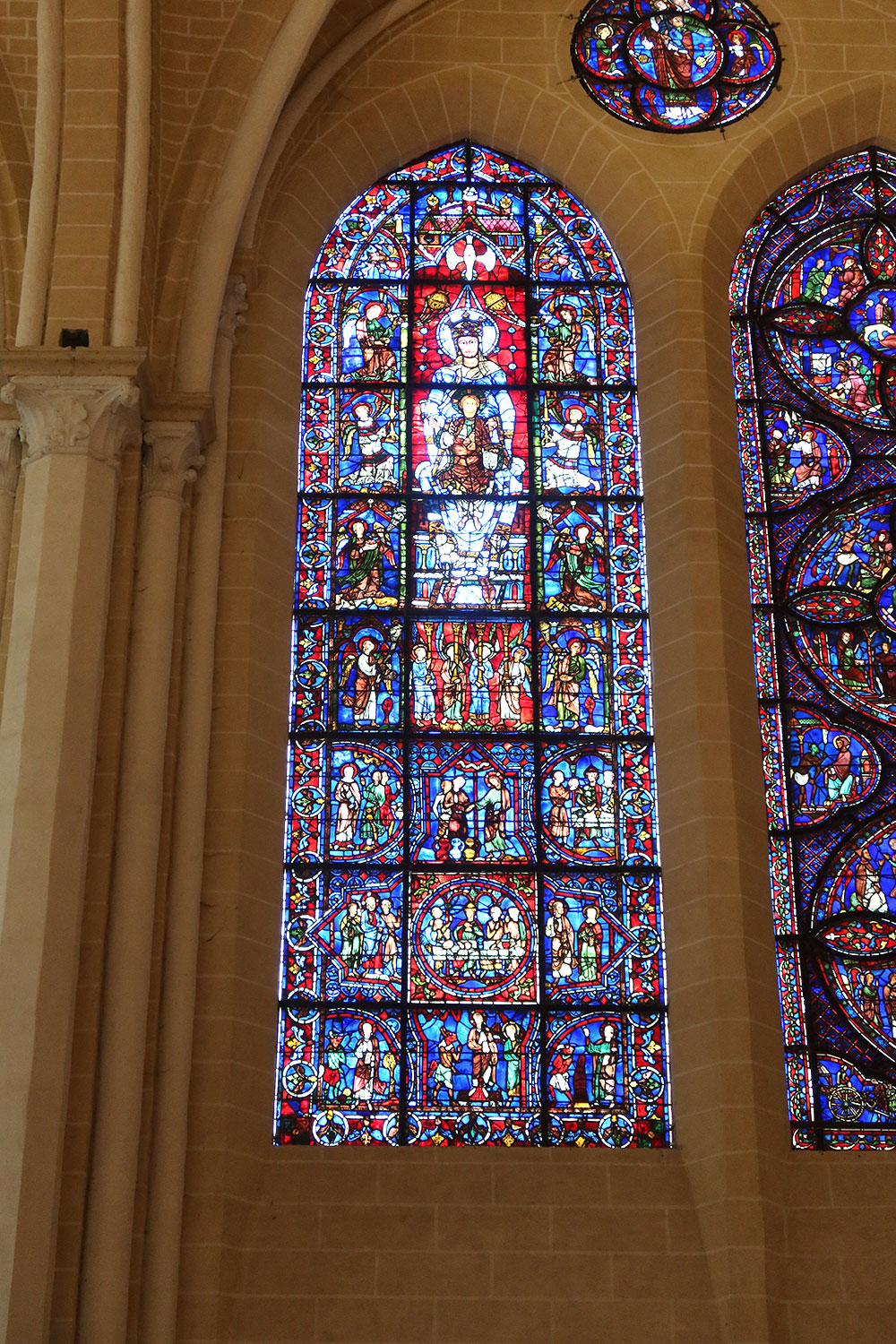
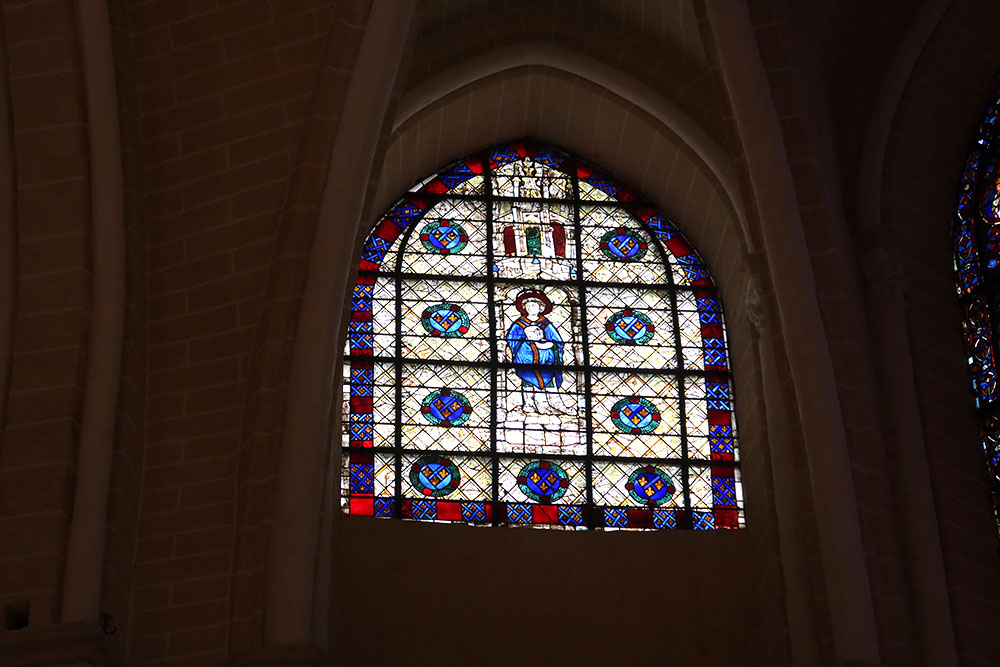
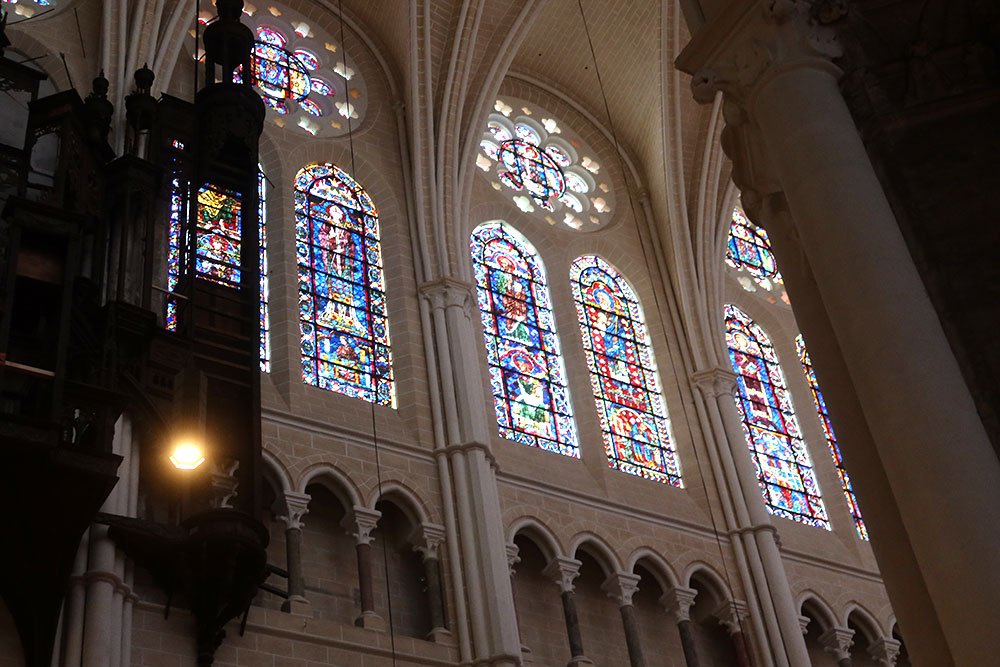
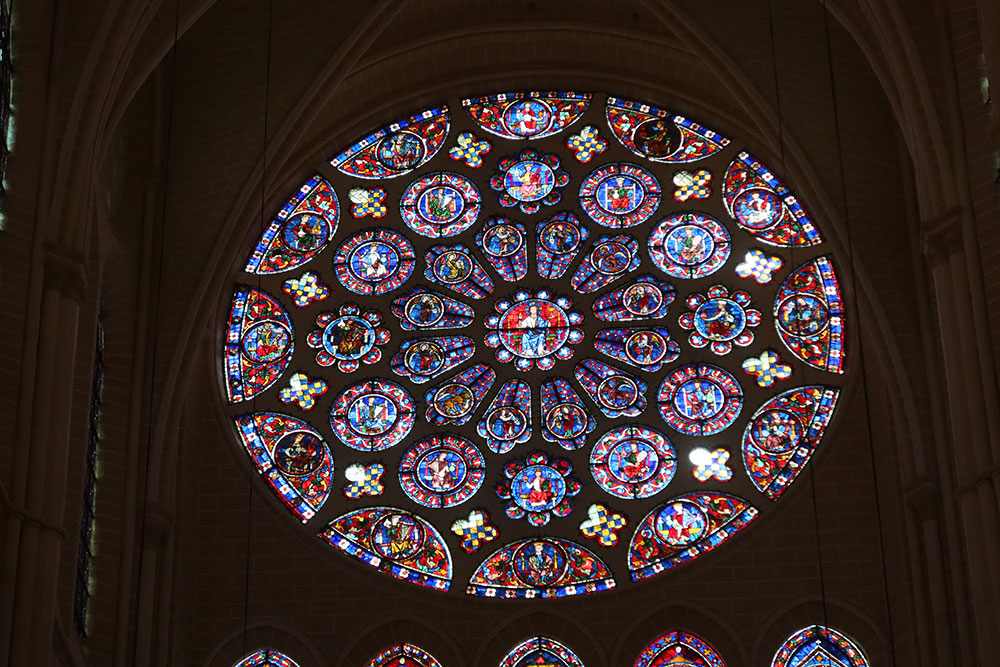
Chartres contains the largest and most complete collection of medieval stained glass surviving anywhere in the world. Approximately 176 windows, covering some 2,600 square metres of glazed surface, present a pictorial programme of considerable complexity, encompassing scenes from the Old and New Testaments, lives of the saints, typological comparisons between prefiguration and fulfilment, and donor panels in which the guilds and trades of Chartres appear alongside the figures they commissioned. The glass dates primarily from the first decades of the thirteenth century, with some windows from the twelfth century surviving the 1194 fire.
The windows present several distinct areas of interest. As objects of craft, they document the technical mastery of medieval glassmakers at a moment of extraordinary refinement. The famous "Chartres blue" — a saturated cobalt tone achieved through specific mineral formulations — has been the subject of considerable scientific study, and the colour relationships between adjacent panels reveal compositional thinking of a high order. As narrative programmes, the windows constitute one of the most ambitious pictorial encyclopaedias produced in the medieval West, structured to be legible at multiple distances and under the variable light conditions of a northern European interior.
The question of how the windows were intended to be read — whether sequentially, thematically, or as individual devotional objects — remains productively open. Scholars including Meredith Gill and Madeline Caviness have contributed substantially to understanding the programme, but the sheer scale of the glazing means that there is still significant scholarly work to be undertaken. For institutions whose programmes engage with questions of image and meaning, narrative and materiality, the Chartres windows represent an inexhaustible primary source.
Sculpture and the Royal Portal
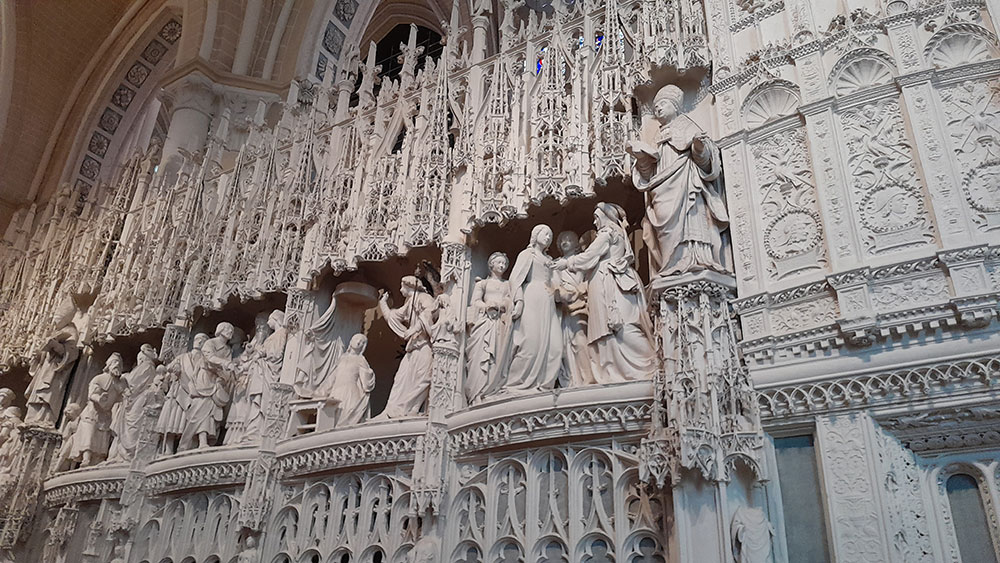
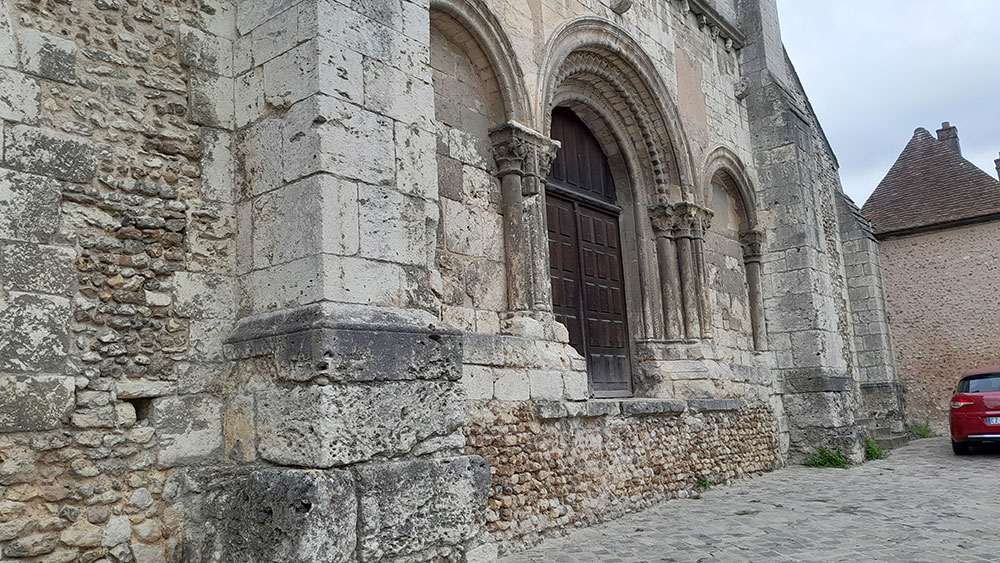
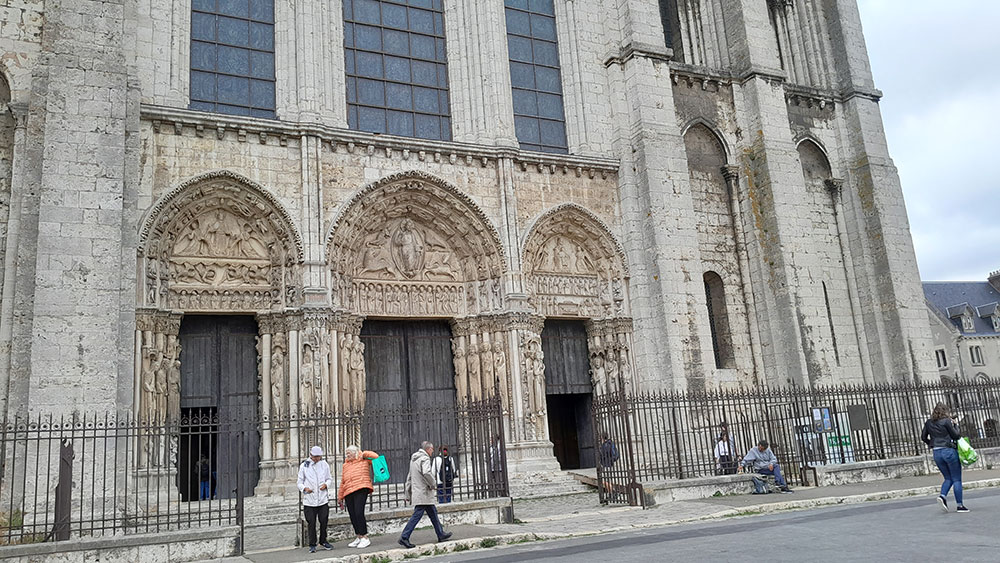
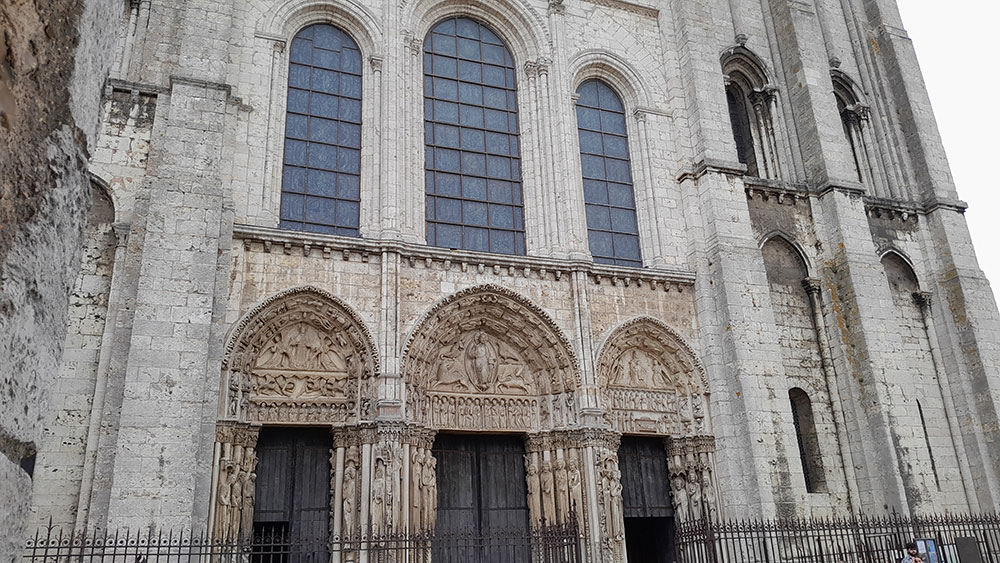
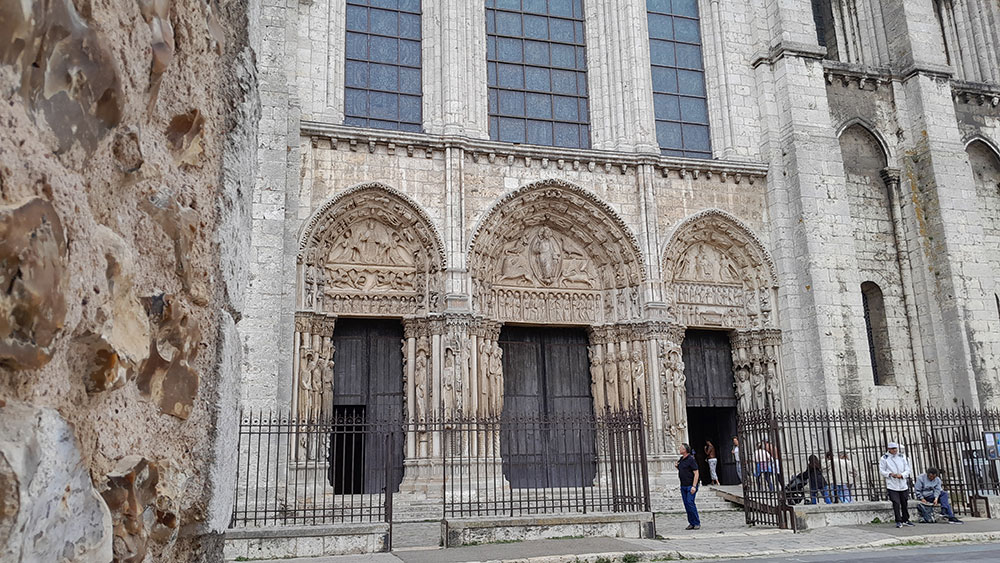
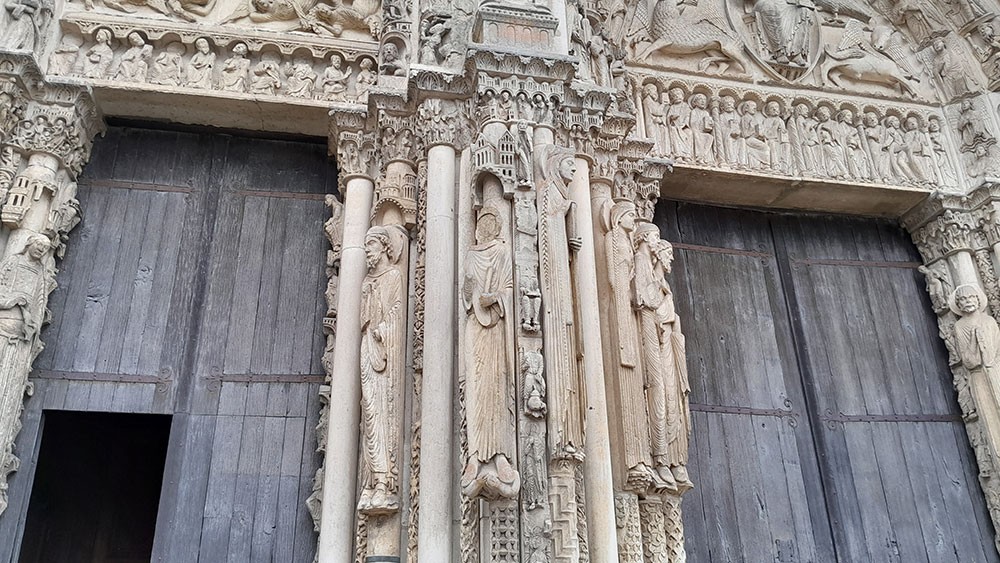
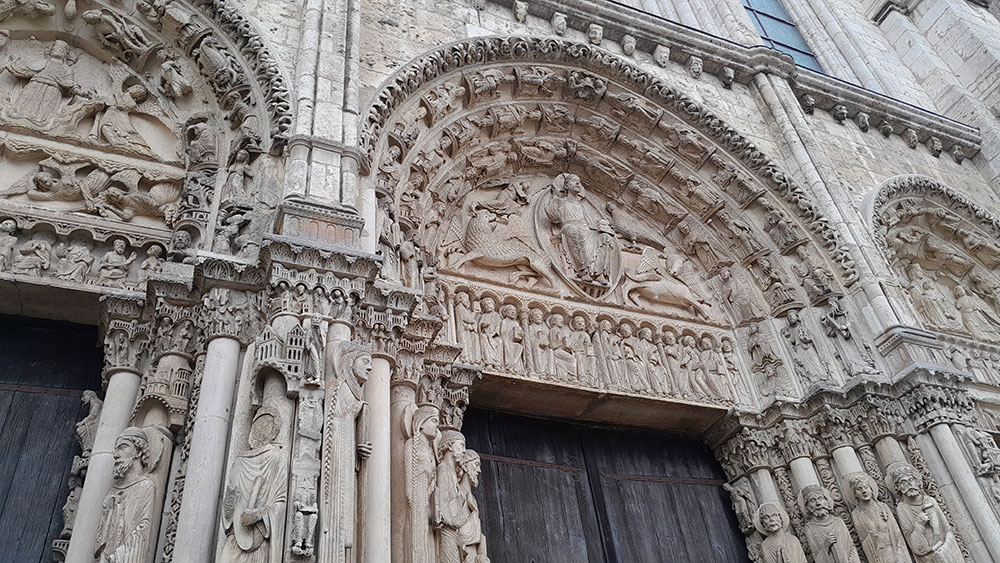
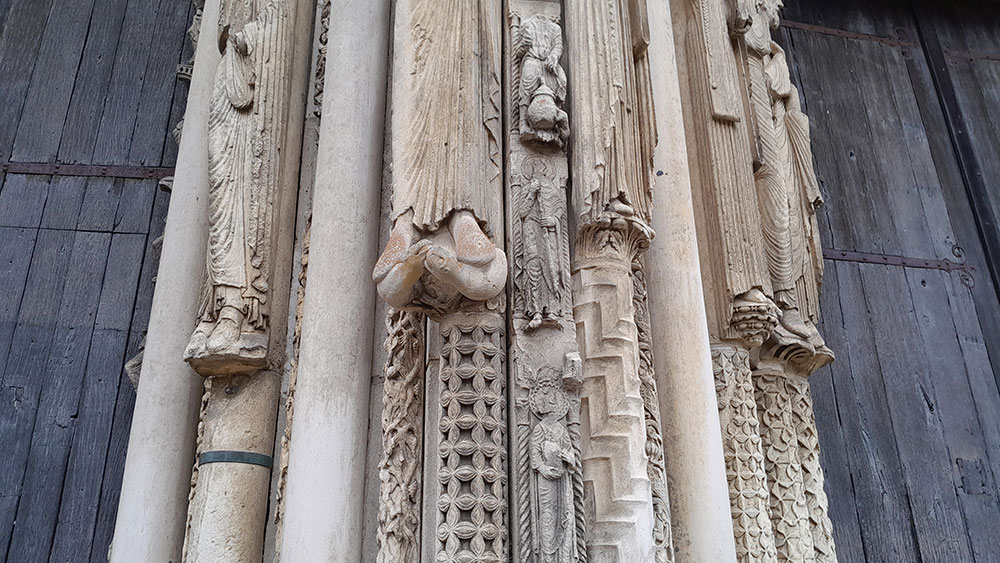
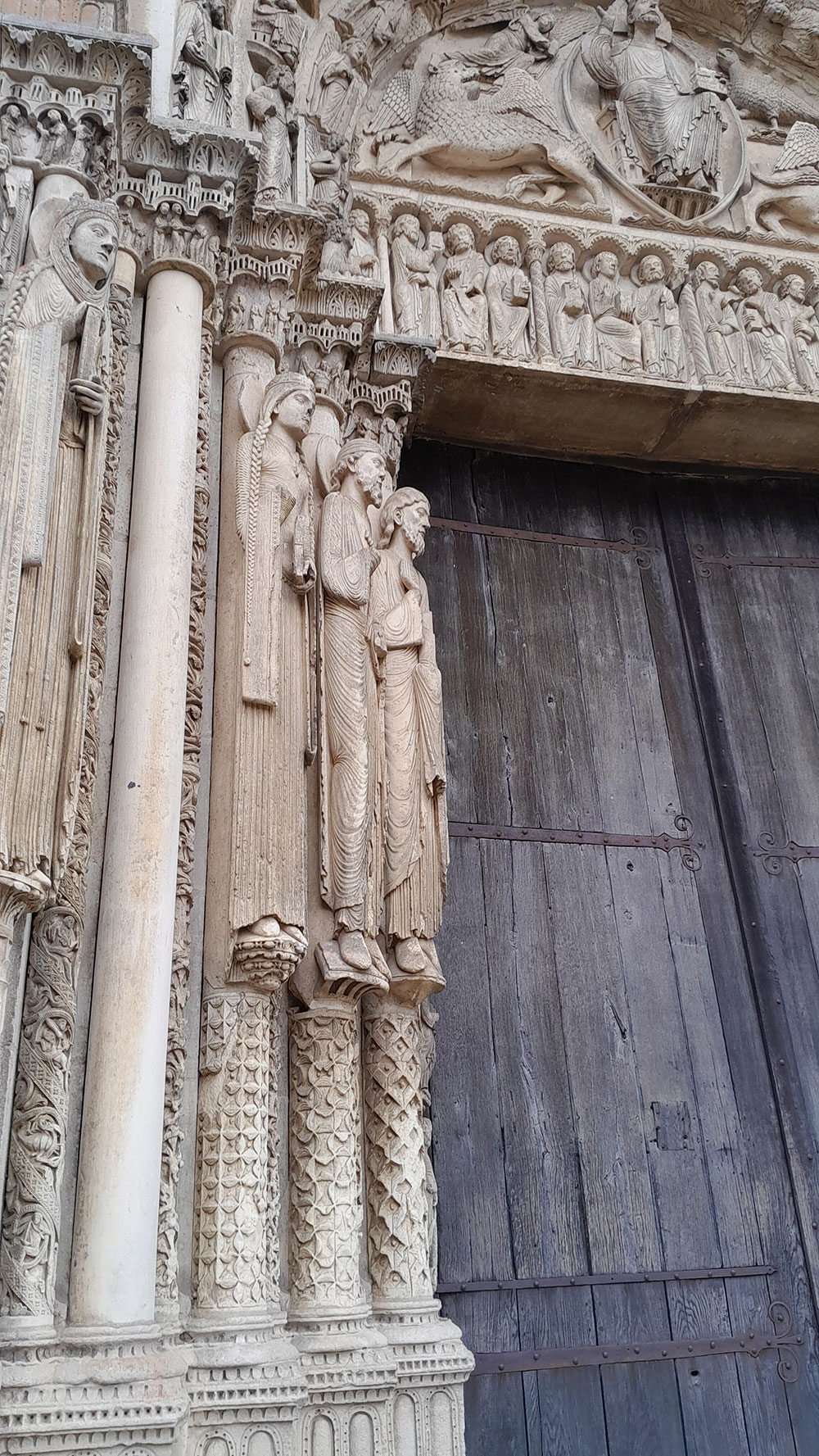
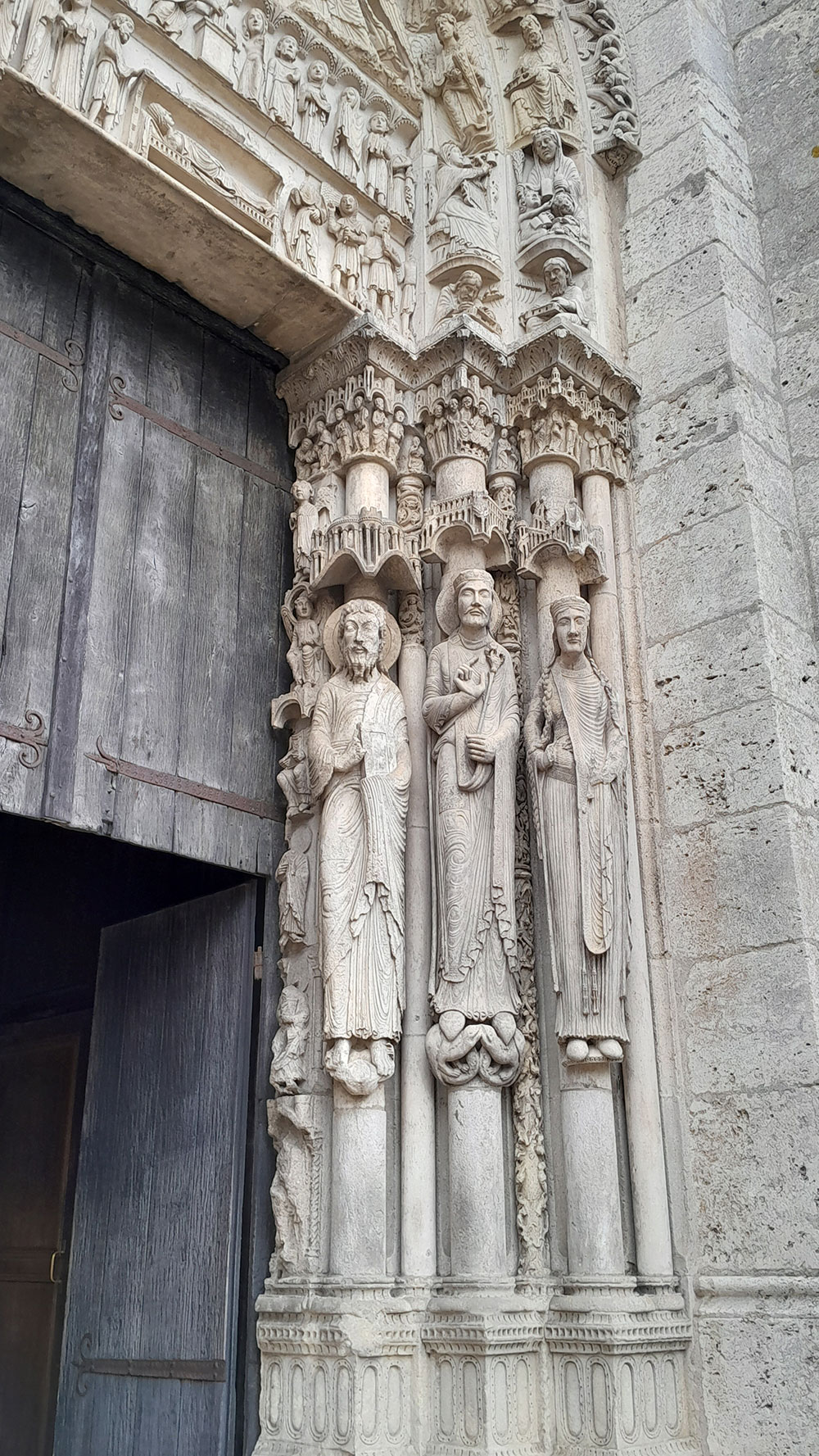
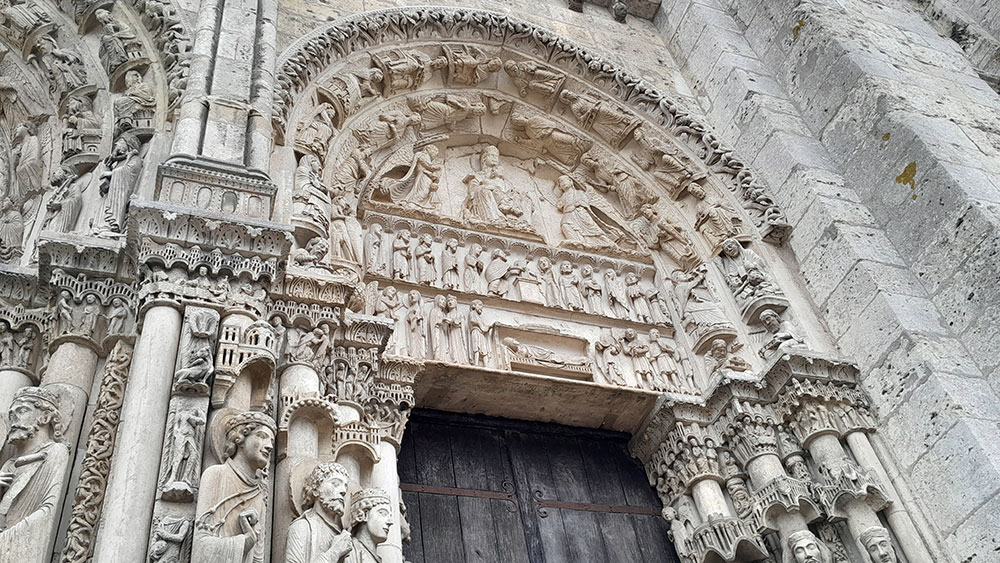
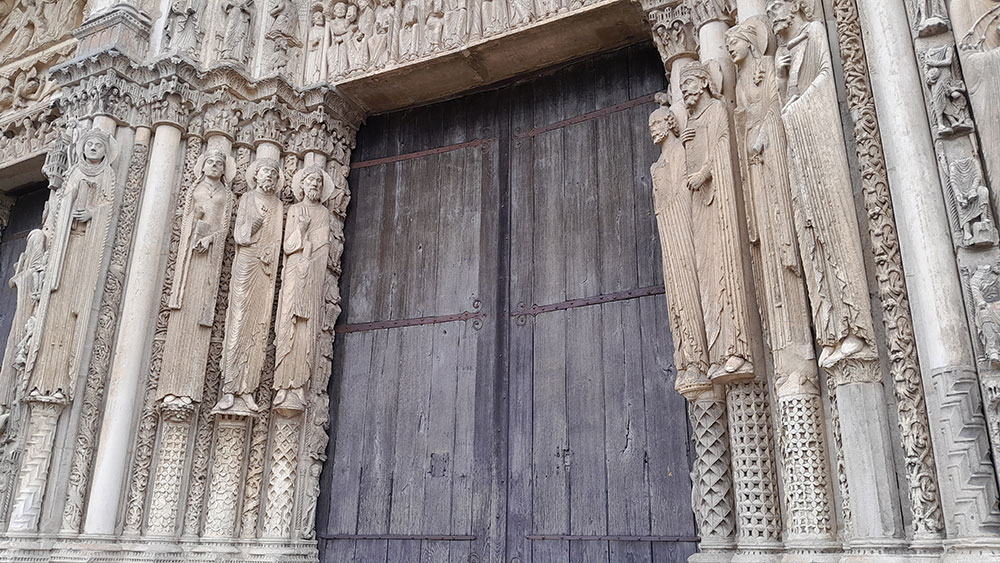
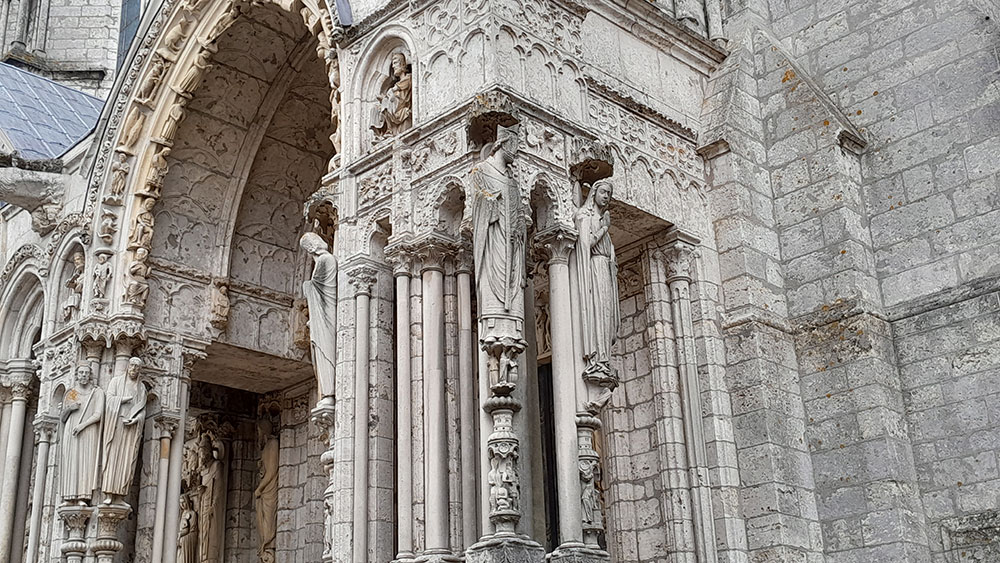
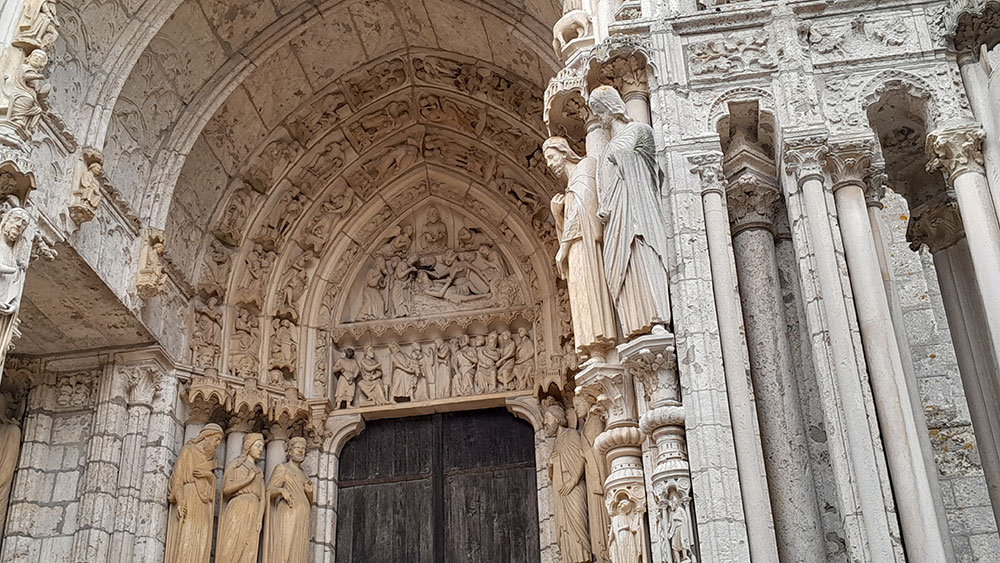
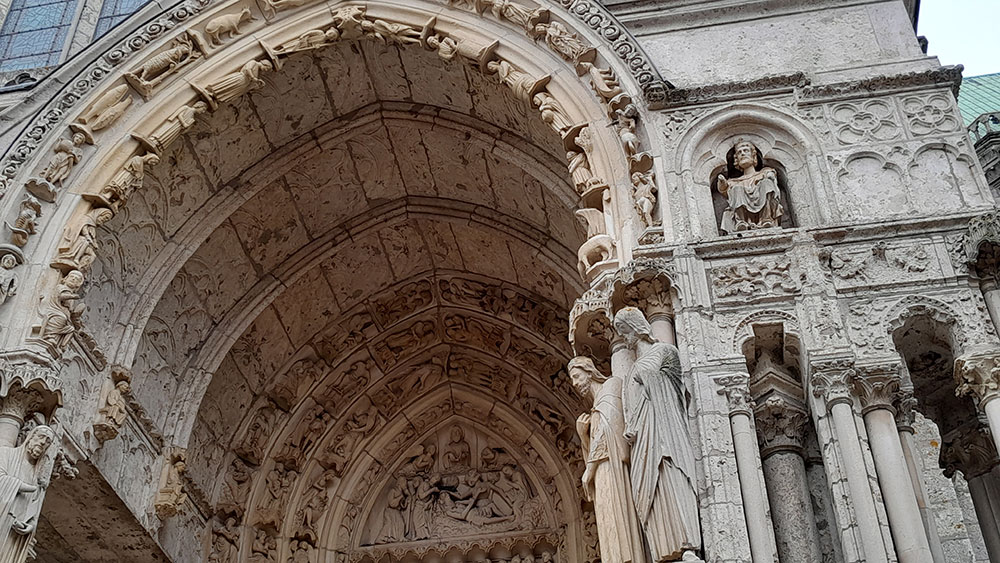
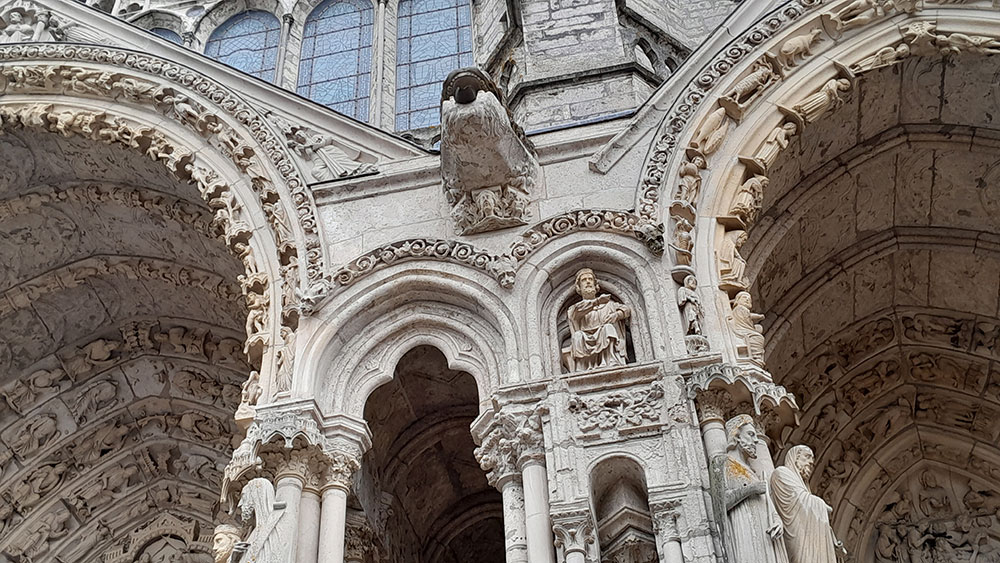
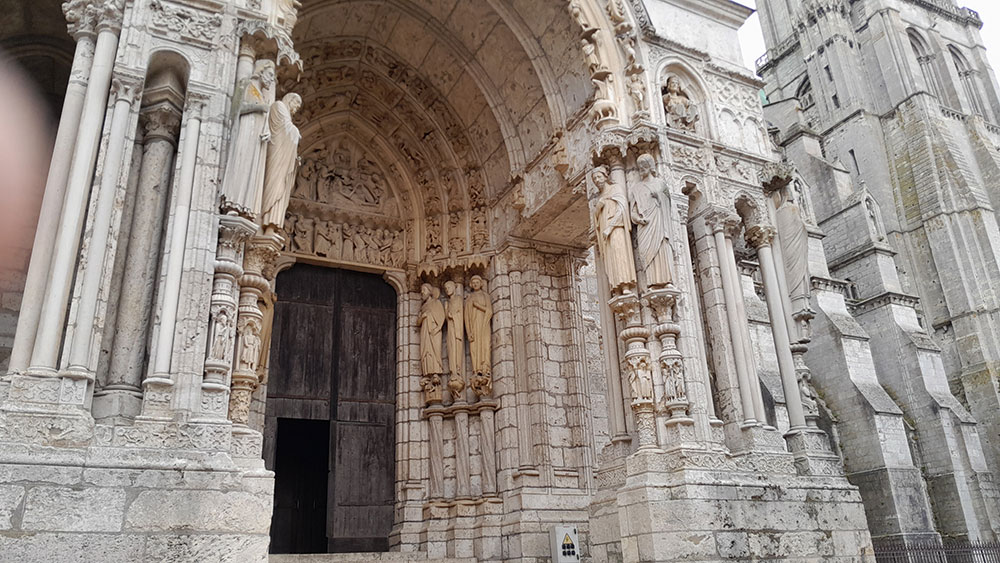
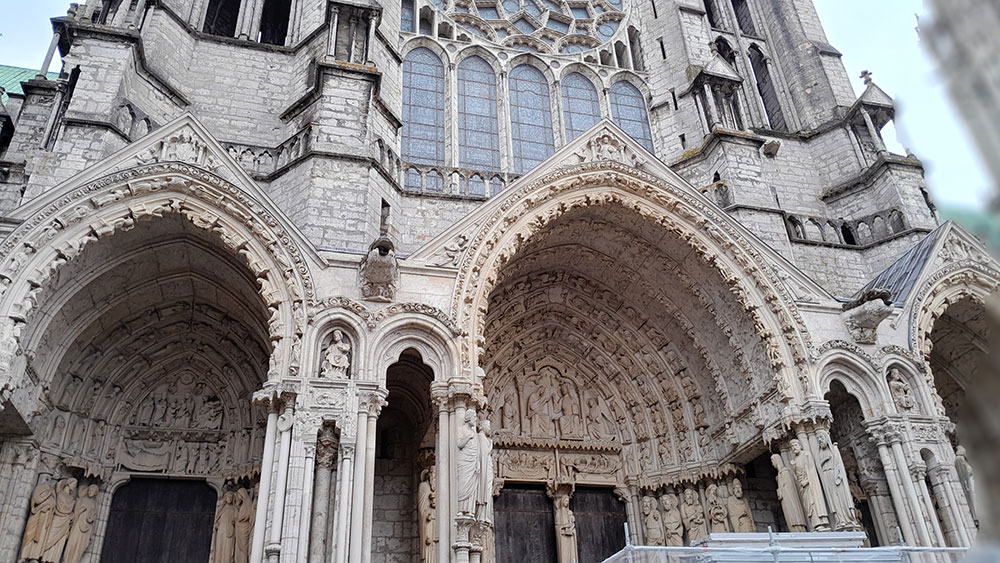
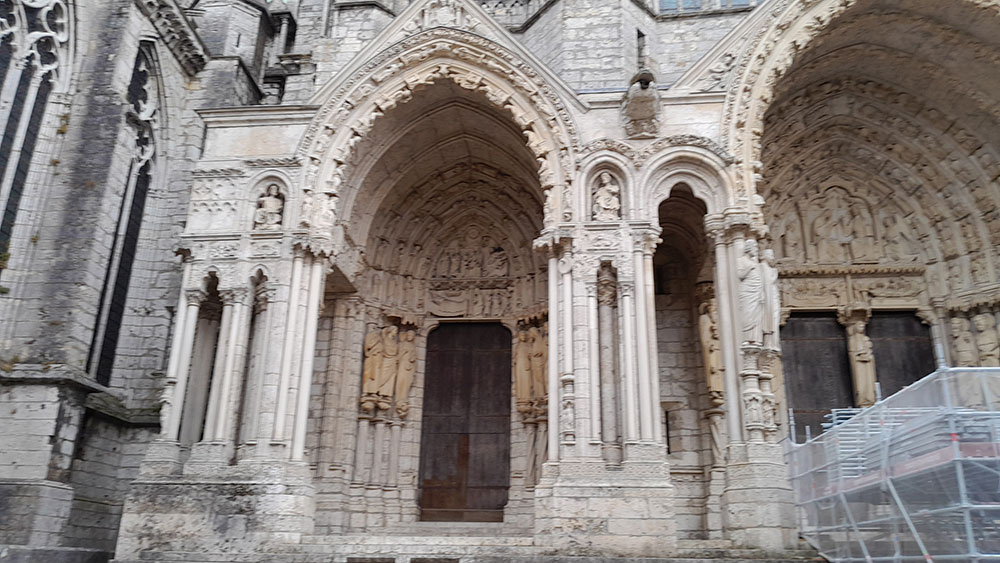
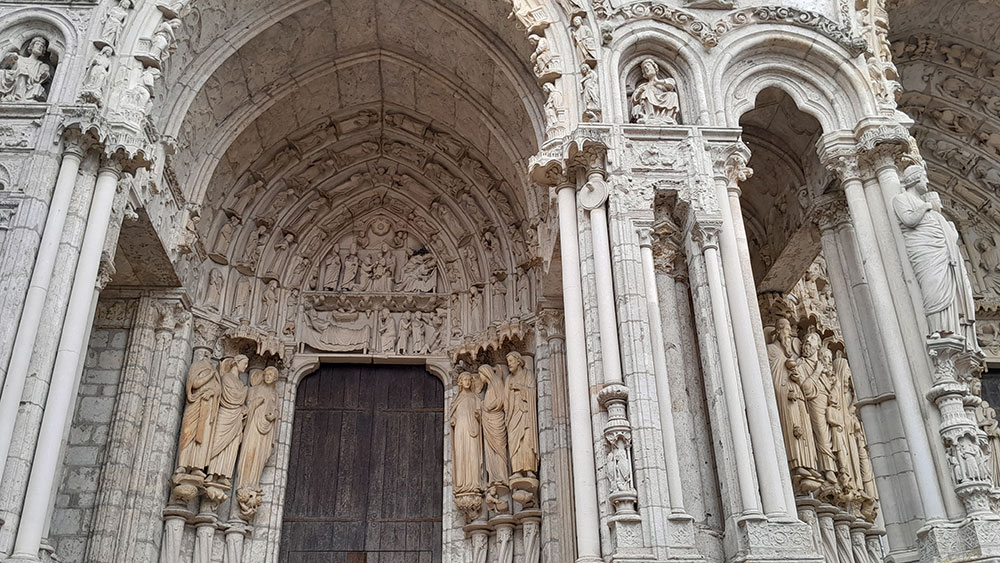
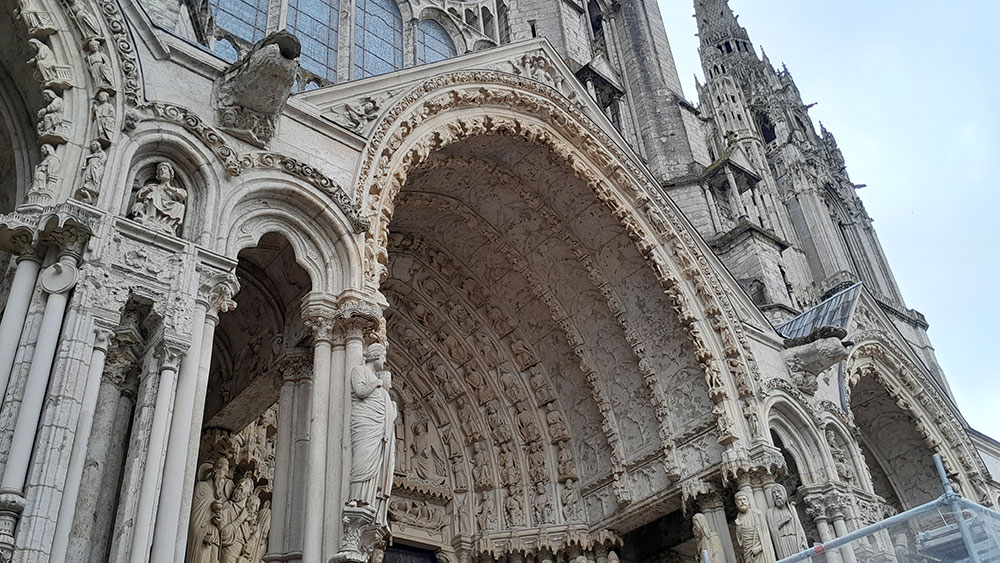
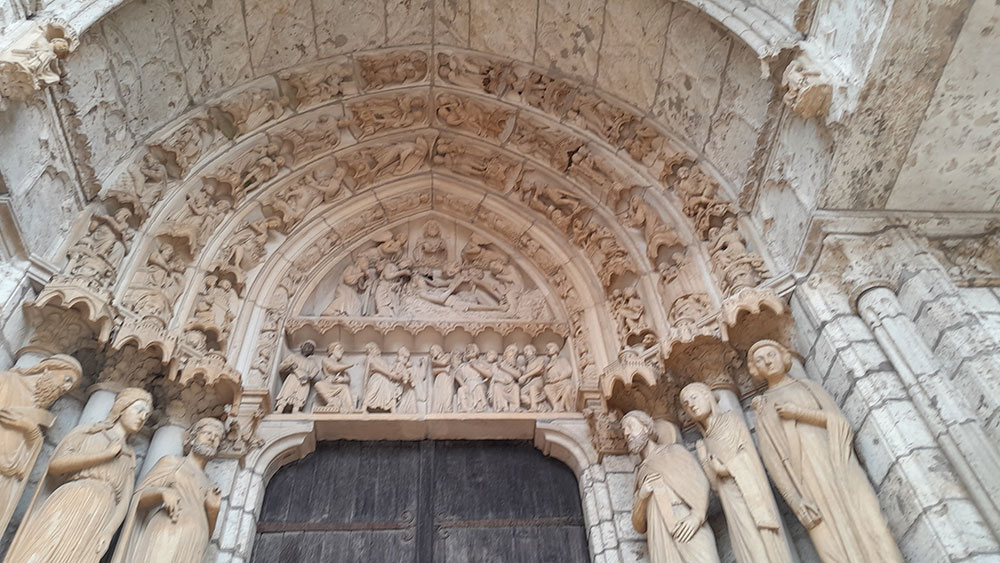
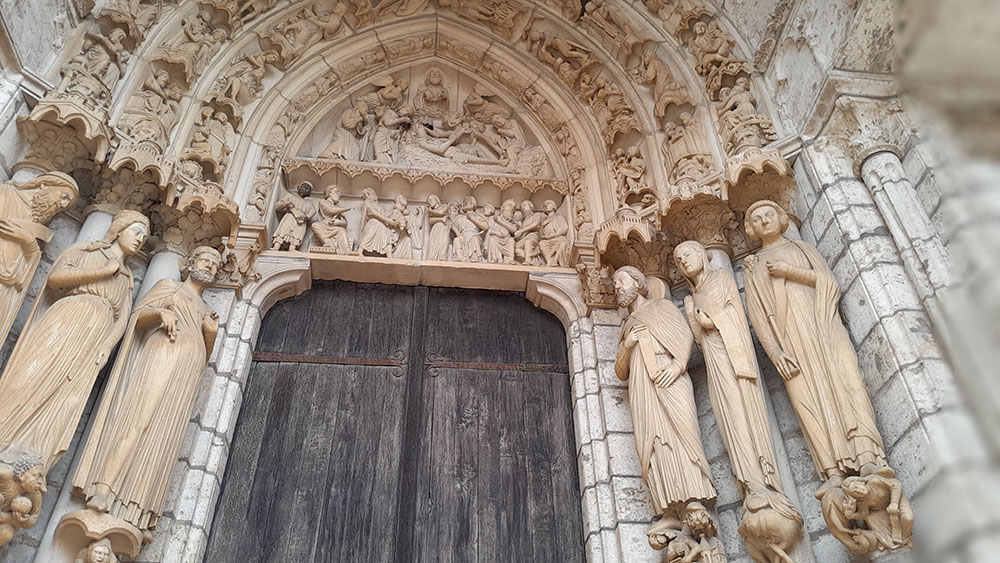
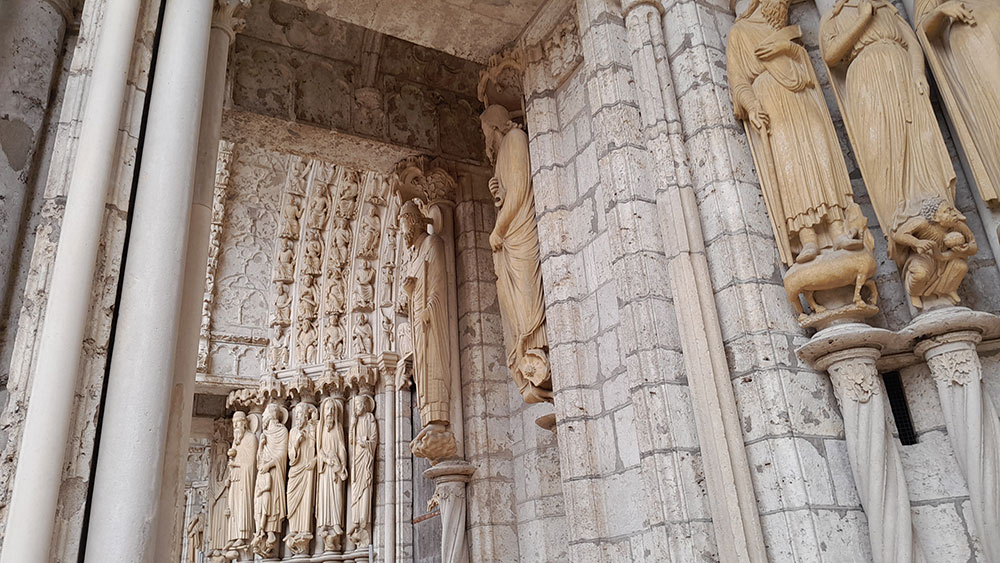
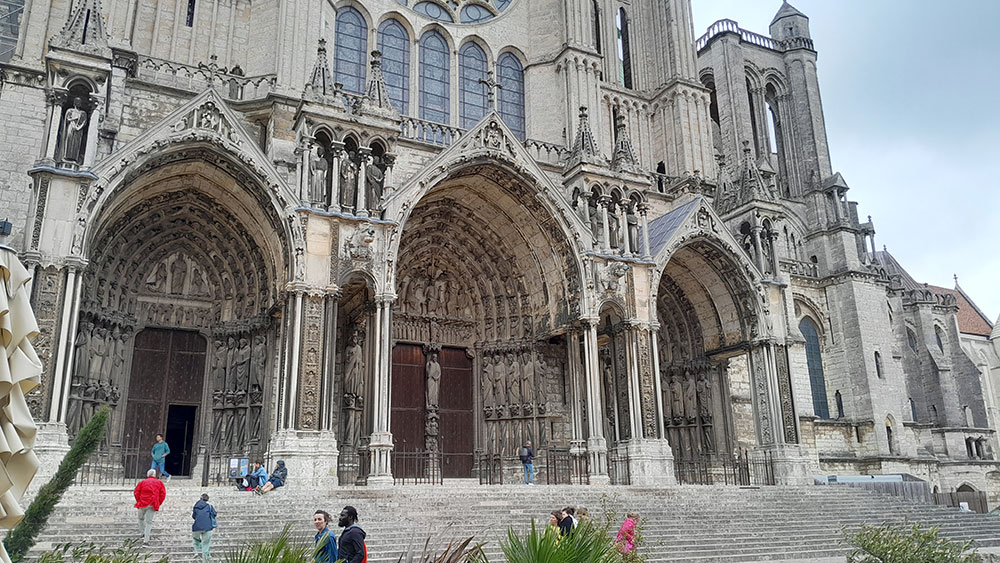
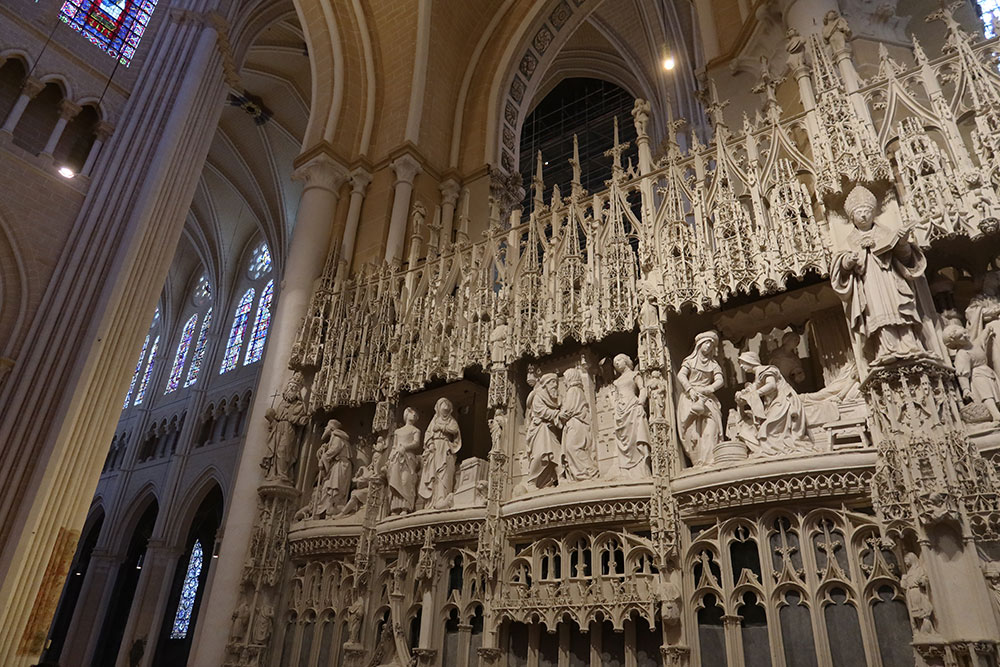
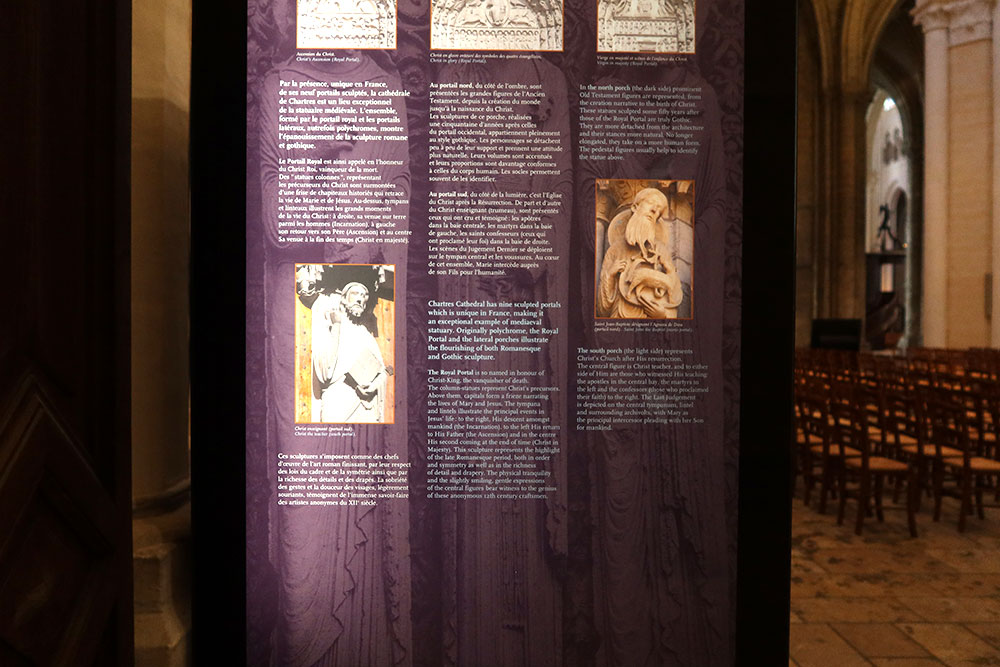
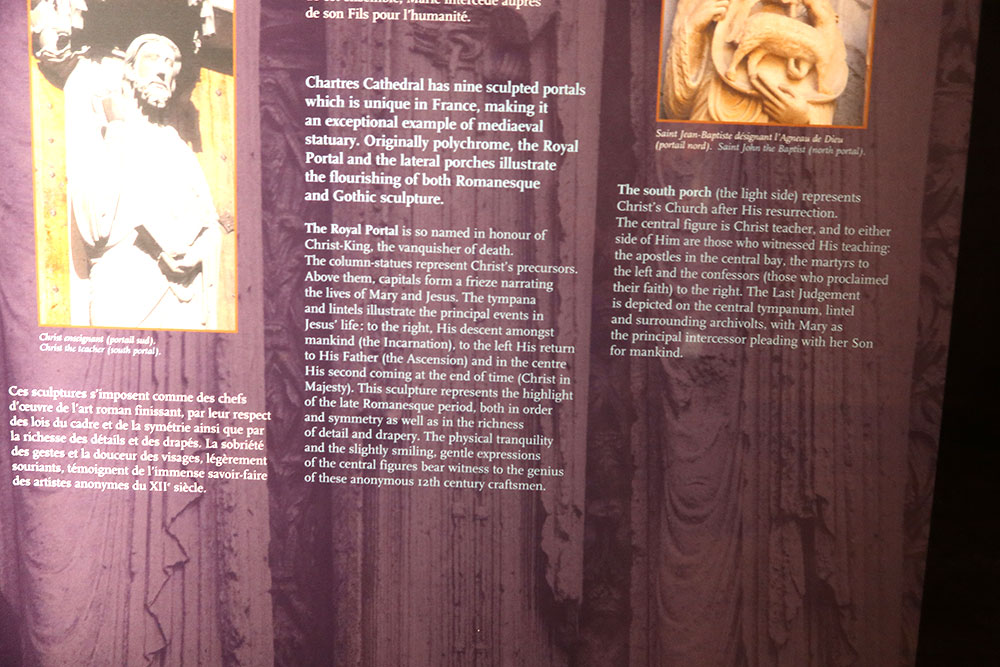
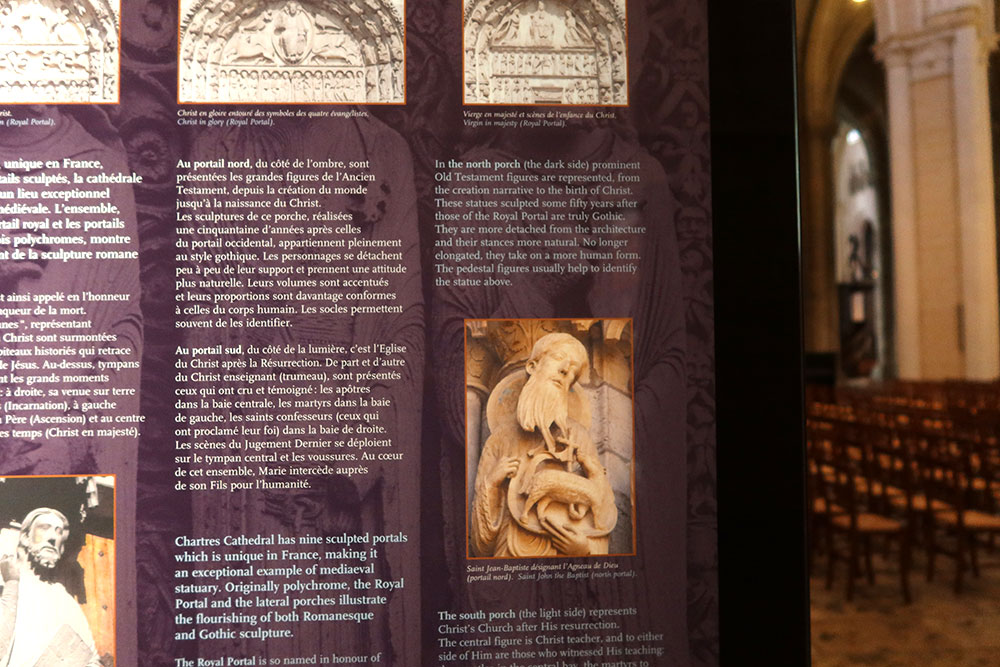
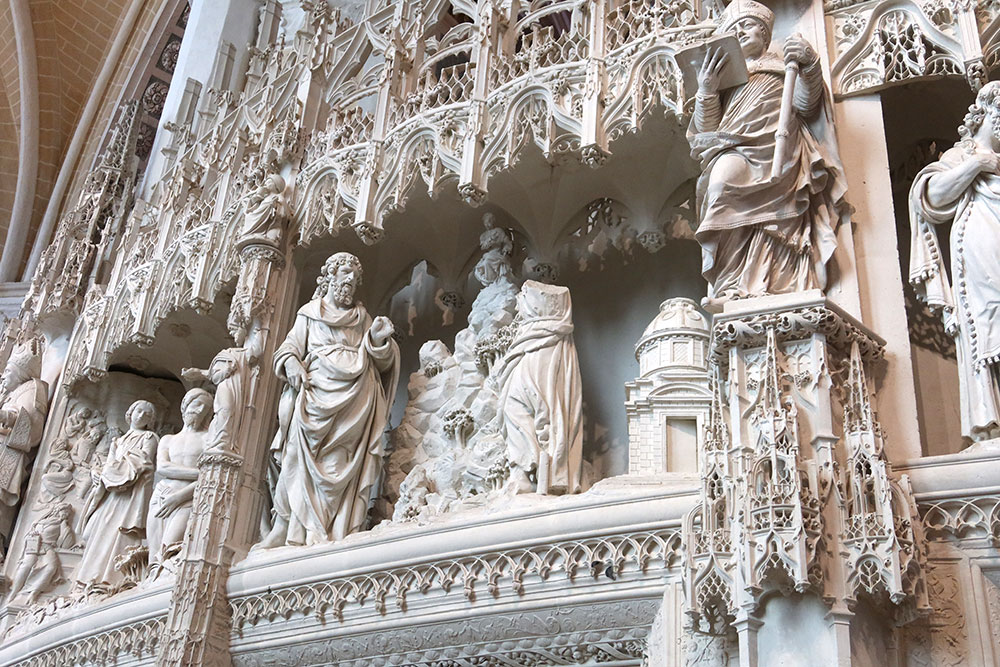
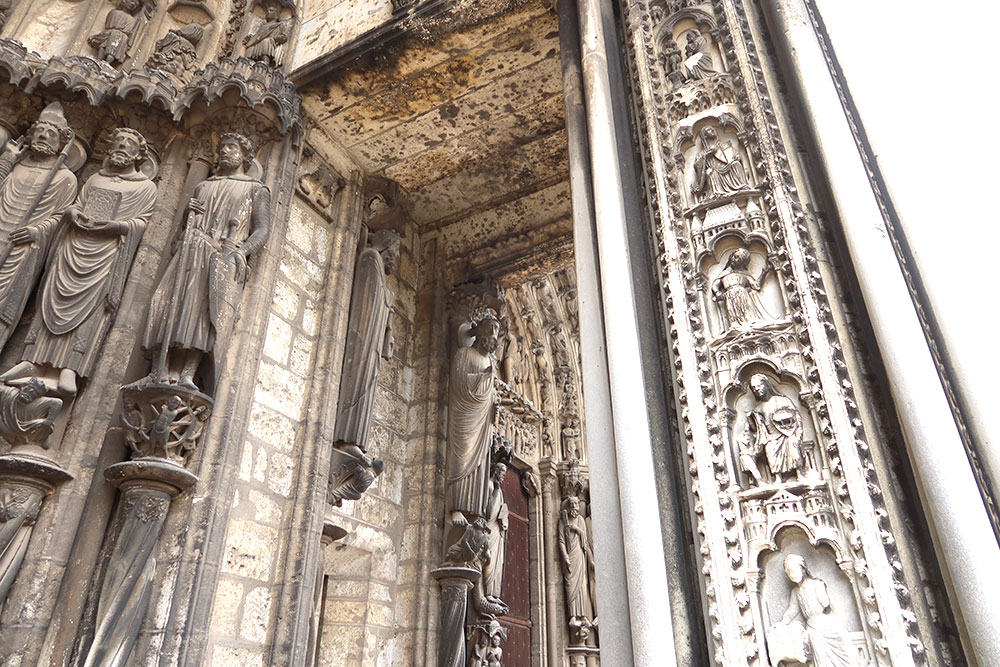
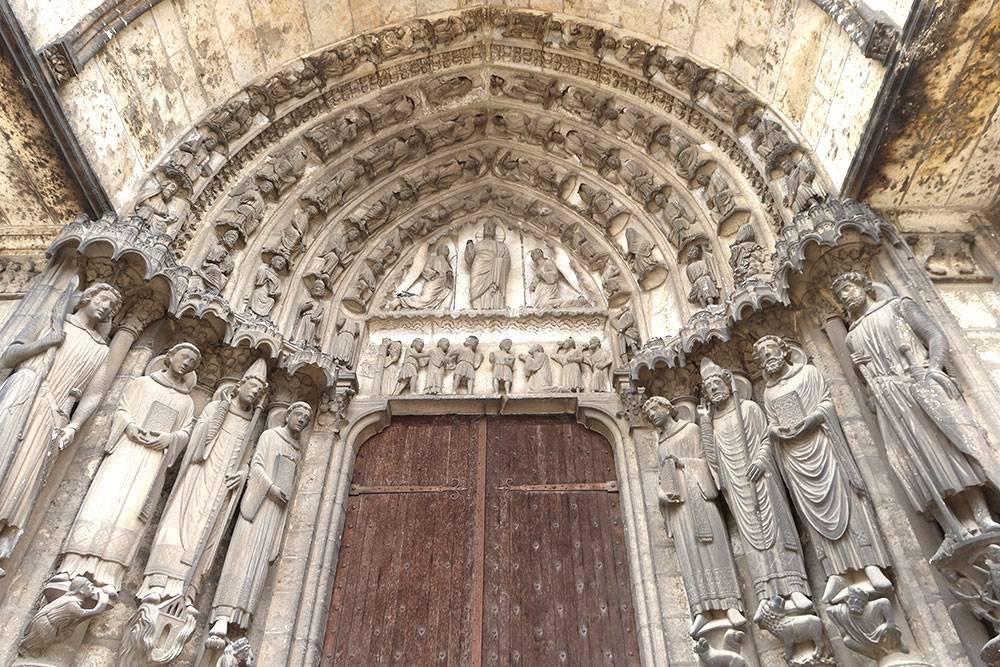
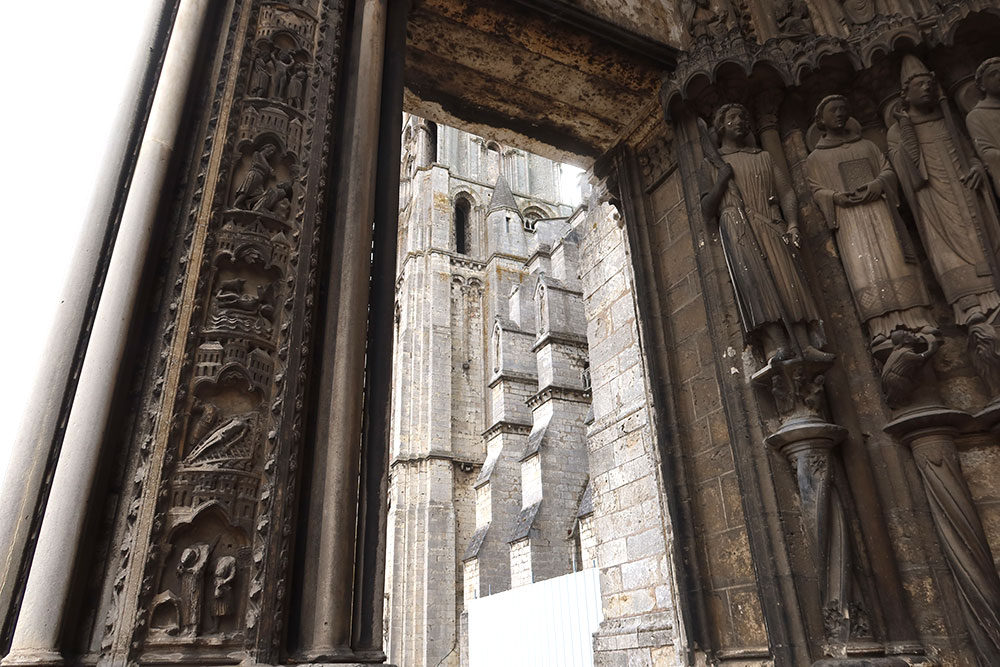
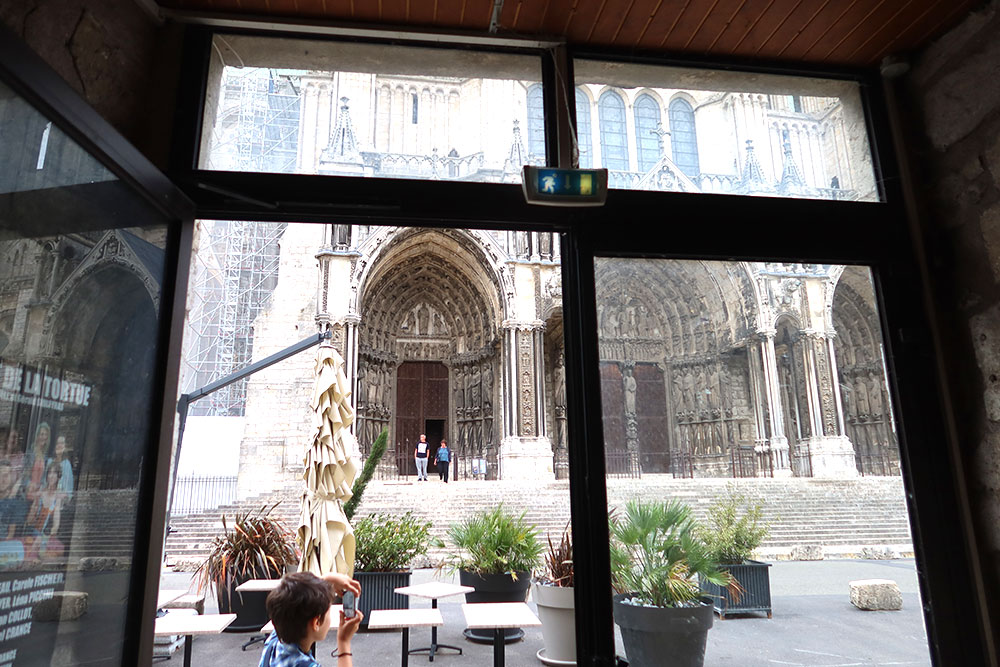
The west facade's Royal Portal, dating from approximately 1145 to 1155 and therefore predating the main body of the cathedral, is among the foundational works of French Gothic sculpture. The column figures — elongated, hieratic forms attached to the jambs — represent an early and decisive step in the development of monumental sculptural figuration in the West. These are not yet fully emancipated from the architectural support to which they belong, but they possess an expressive individualism, particularly visible in the treatment of drapery and facial type, that distinguishes them from the more schematic sculpture of the preceding Romanesque period.
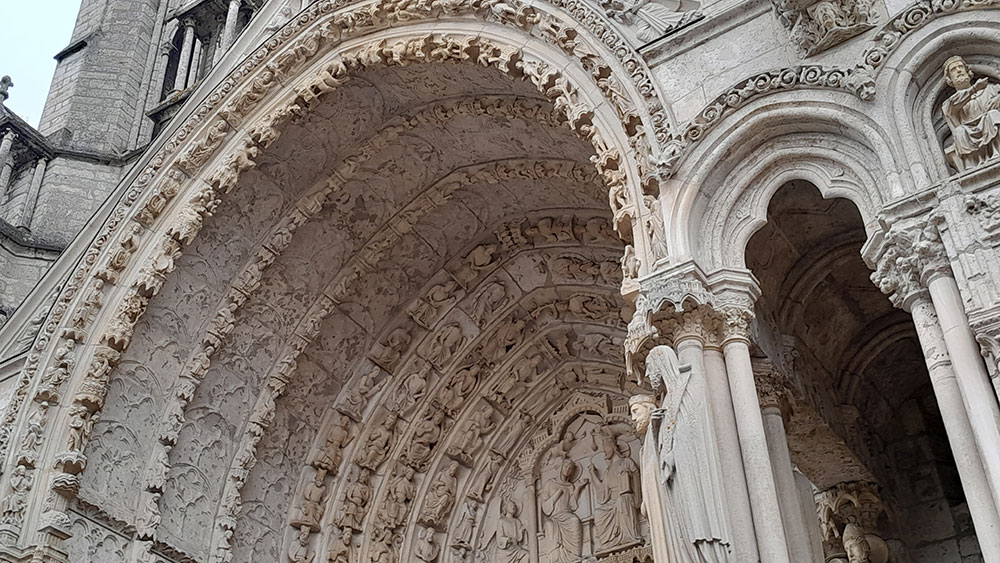
The tympana of the three portals present the Ascension, the Virgin in Majesty, and the Last Judgement — subjects that together constitute a theological statement about the arc of sacred history and the position of humanity within it. The carving demonstrates the sustained programme thinking characteristic of the Chartres workshop: these are not isolated images but components of a coordinated visual argument. The skill with which the sculptors managed the compositional challenge of filling irregular tympanum fields, while maintaining legibility and hierarchical clarity, remains instructive for anyone whose professional interest lies in the relationship between image and architectural support.
The Question of Conservation
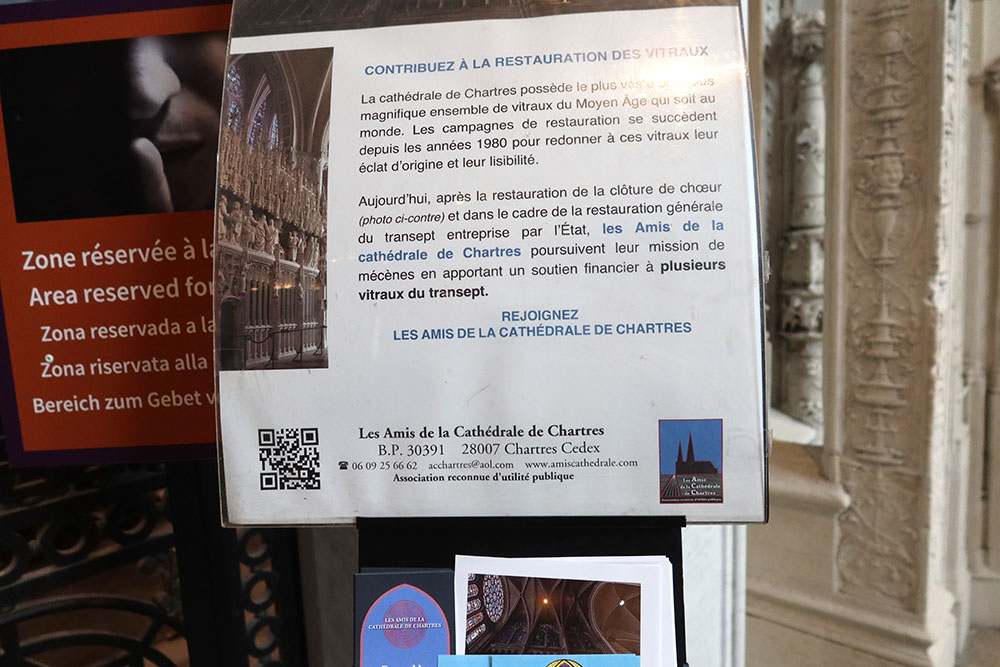
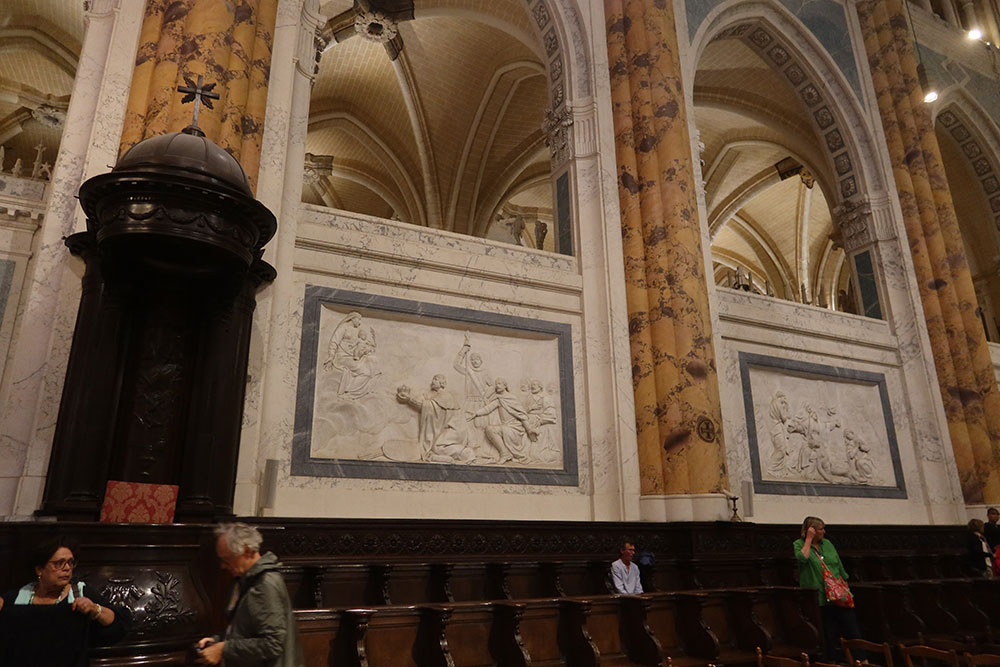
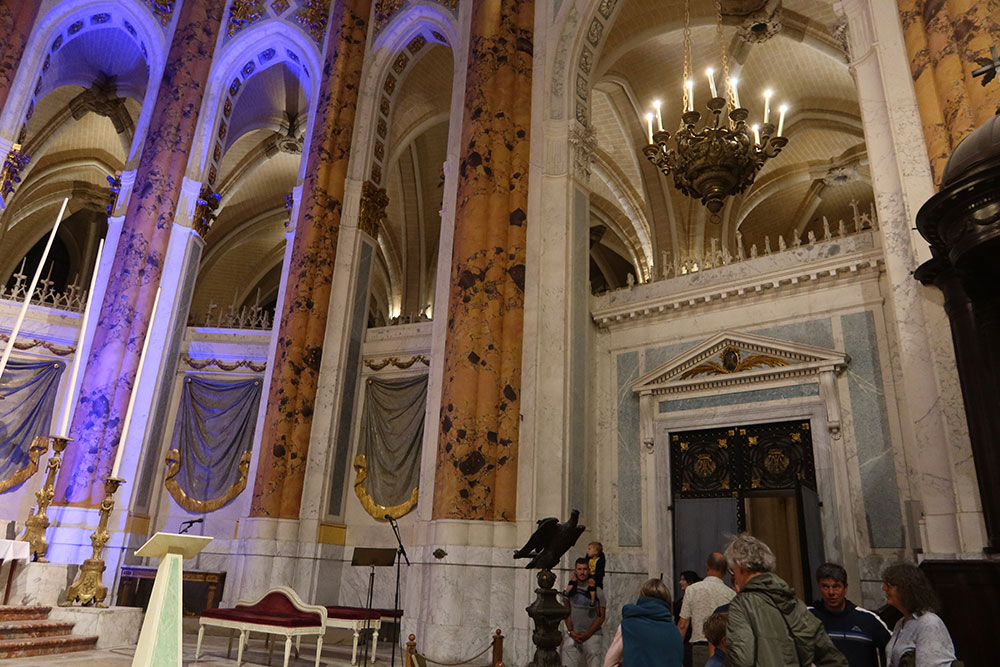
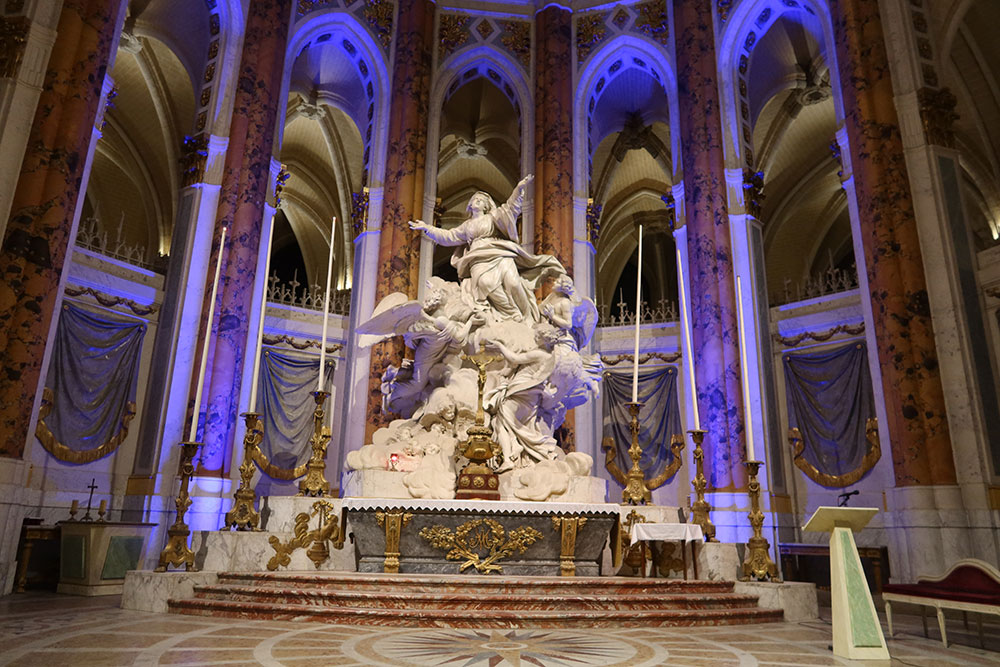
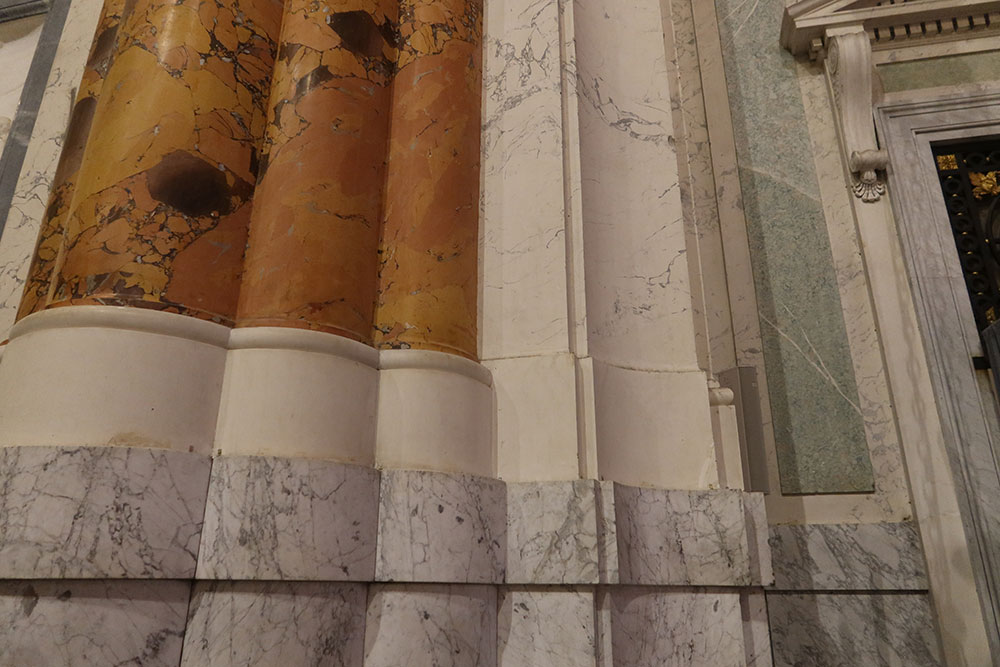
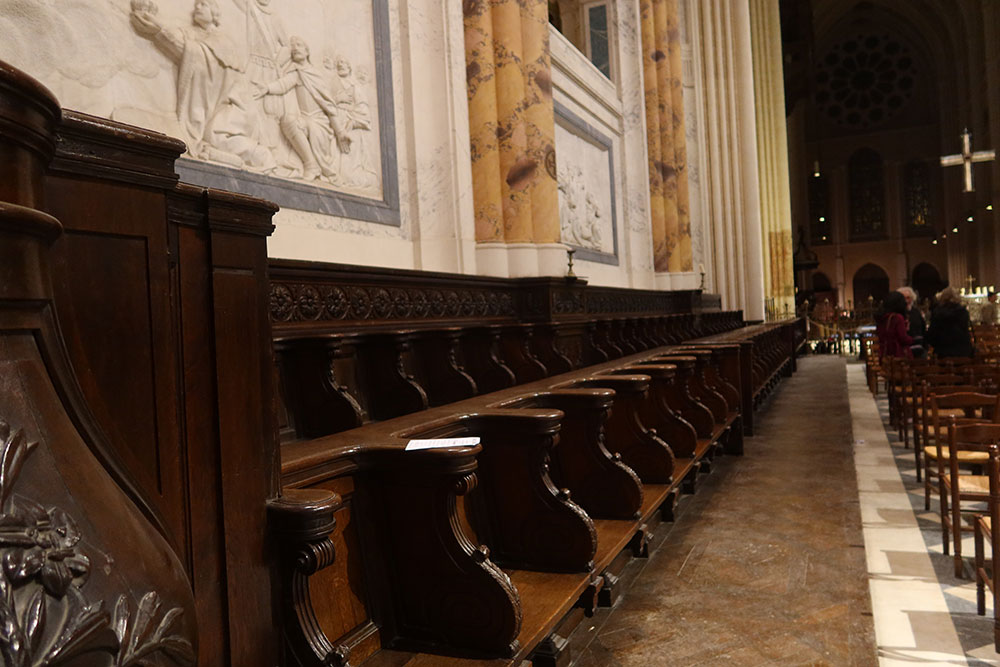
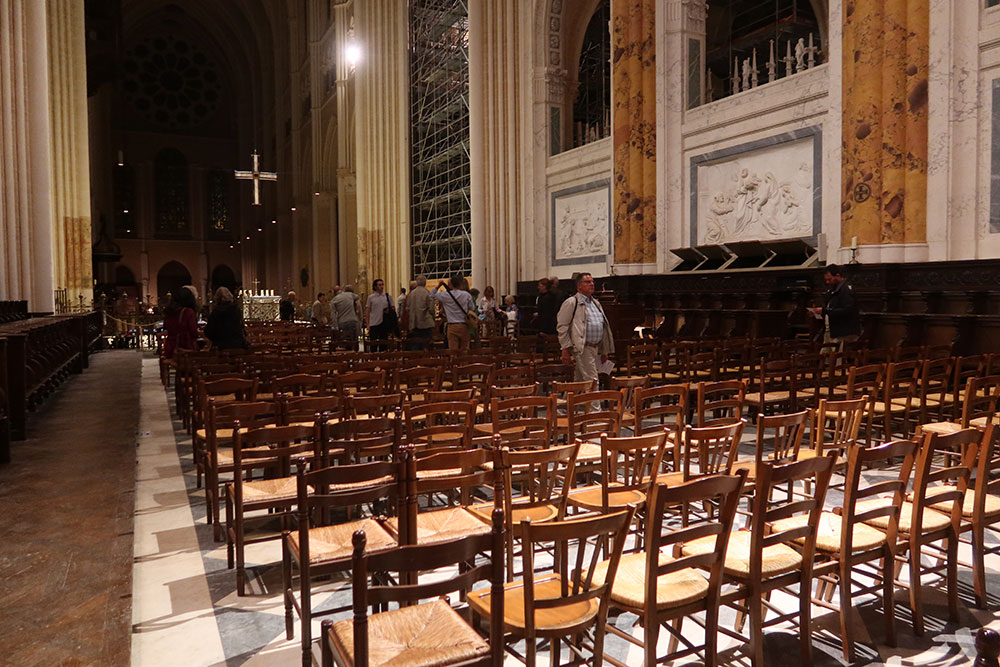
No discussion of Chartres in a professional context can avoid the conservation debates that have attended the cathedral's interior restoration programme, which began in the early 2000s and gathered significant attention and controversy from approximately 2009 onward. The cleaning of the interior stonework, which removed centuries of accumulated grime and limewash to reveal a lighter, creamy surface, prompted substantial disagreement among scholars, architects, and conservators. Critics argued that the darker interior, shaped by centuries of candle smoke and medieval polychromy, was itself historically authentic and that its removal constituted an irreversible alteration of the building's character.
The debate at Chartres is, in miniature, the debate that conservation professionals face repeatedly: what is the object of preservation, and at what historical moment is it legitimate to arrest a building's or artwork's ongoing transformation? For institutions engaged with conservation ethics — whether of paintings, works on paper, or three-dimensional objects — the Chartres controversy provides a richly documented case study in which technical, aesthetic, historical, and philosophical arguments were made with considerable sophistication by all parties. The International Society of Medievalists and numerous heritage organisations produced position papers that remain valuable reading.
Chartres as Pedagogical Resource
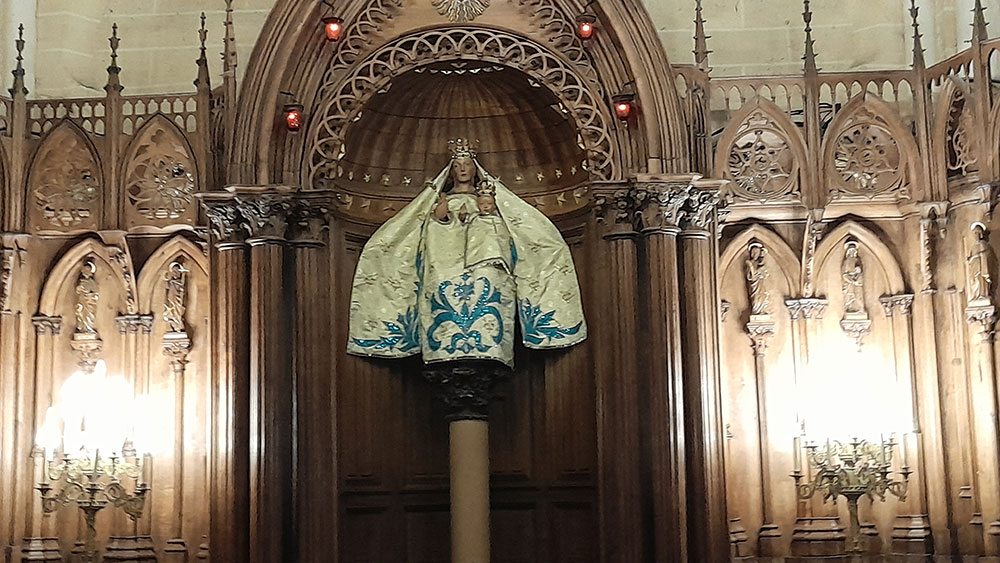
For art institutions considering how to engage with Chartres in their programming, the cathedral offers entry points at multiple levels of specialism. At the most accessible level, it serves as a case study in the relationship between architecture and its social and theological context — an early and unusually well-documented example of a building understood from its inception as a complete artwork rather than a container for artworks. At a more specialist level, its glass, sculpture, and architectural fabric support research and exhibition programming across a remarkable range of themes: medieval patronage and the role of guilds in artistic production; the theology and iconography of the Virgin, to whom the cathedral is dedicated; the history of colour and material in pre-modern Europe; and the long intellectual tradition of architectural ekphrasis, from Henry Adams's Mont Saint Michel and Chartres to the more recent scholarly literature.
Adams's 1904 study, though now a century old and in some respects superseded by subsequent scholarship, remains a remarkable document of sustained aesthetic engagement. His account of Chartres as an expression of feminine, non-rational energy — deliberately contrasted with the masculine, mechanistic energy he associated with modernity — is historically interesting both for what it illuminates about the building and for what it reveals about early twentieth-century cultural anxiety. Reading Adams alongside contemporary scholarship on gender and patronage in Gothic art opens productive critical conversations about how canonical monuments are constructed through interpretation as much as through stone and glass.
UNESCO Designation and Its Implications
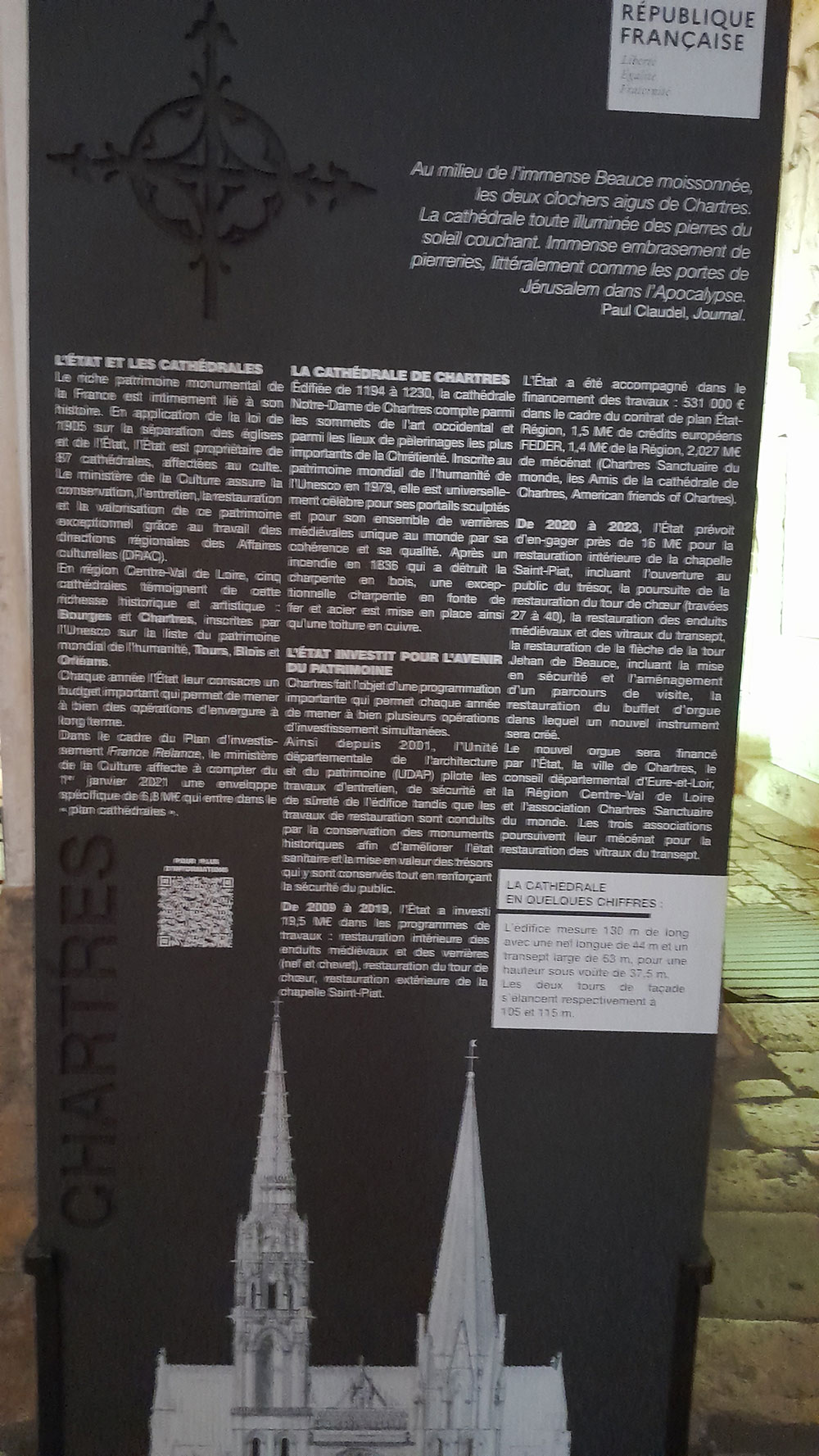
Chartres was inscribed on the UNESCO World Heritage List in 1979, recognised as an outstanding example of Gothic art at its height and for its exceptional preservation of the original fabric, sculpture, and glass. The designation brings with it both resource and obligation, and the site's management — which involves the French state, the Diocese of Chartres, and an array of international scholarly and conservation bodies — provides an instructive model for institutions grappling with questions of governance and public access in relation to significant cultural property.
Why Chartres Continues to Matter
The significance of Chartres for art and cultural institutions in the twenty-first century does not rest on sentiment or on the kind of reflexive reverence that attaches itself to famous works. It rests on the building's sustained capacity to pose genuine questions. How does material — stone, glass, iron, pigment — acquire meaning through form? How do programmes of images operate differently depending on scale, location, and the conditions under which they are encountered? What are the ethics of intervention in an object that exists simultaneously as historical document and as living institution? How do interpretive traditions shape what we see when we look at canonical works?
These are not questions that belong exclusively to medievalists or to specialists in sacred architecture. They are questions that any institution engaged with art and its interpretation will recognise as central to its own work. Chartres is, among other things, a very old argument about why visual experience matters and what a society is prepared to invest in producing it. That argument, made in stone and light on the Beauce plain some eight centuries ago, has not yet concluded.
Further Resources
The cathedral's official site, which provides information on visiting, current conservation work, and associated scholarship, can be found at cathedrale-chartres.org. The Centre International du Vitrail, also based in Chartres and dedicated to the study of stained glass in all periods, maintains a complementary scholarly programme at centre-vitrail.org.
For those wishing to engage with the primary scholarly literature, the corpus assembled by the Corpus Vitrearum Medii Aevi, accessible through its international network at corpusvitrearum.org, provides systematic documentation of medieval stained glass internationally, with substantial Chartres holdings.