
A Layered Legacy
One of France's oldest municipal museums, the Musée des Beaux-Arts d'Angers holds a collection shaped by two centuries of bequests, civic ambition, and scholarly stewardship — housed within a Gothic mansion that is itself a work of art.
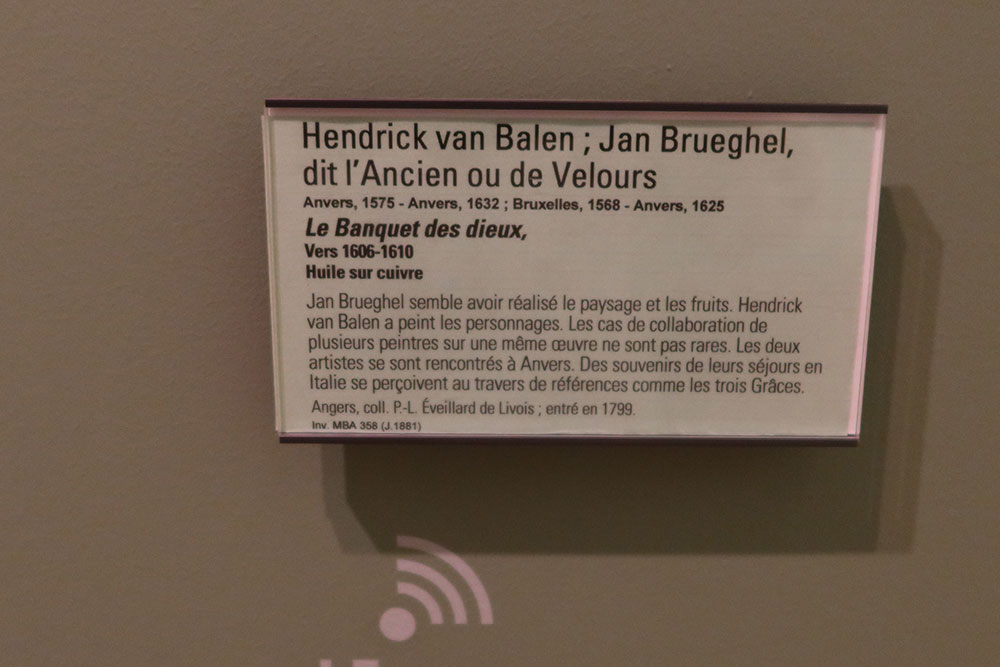
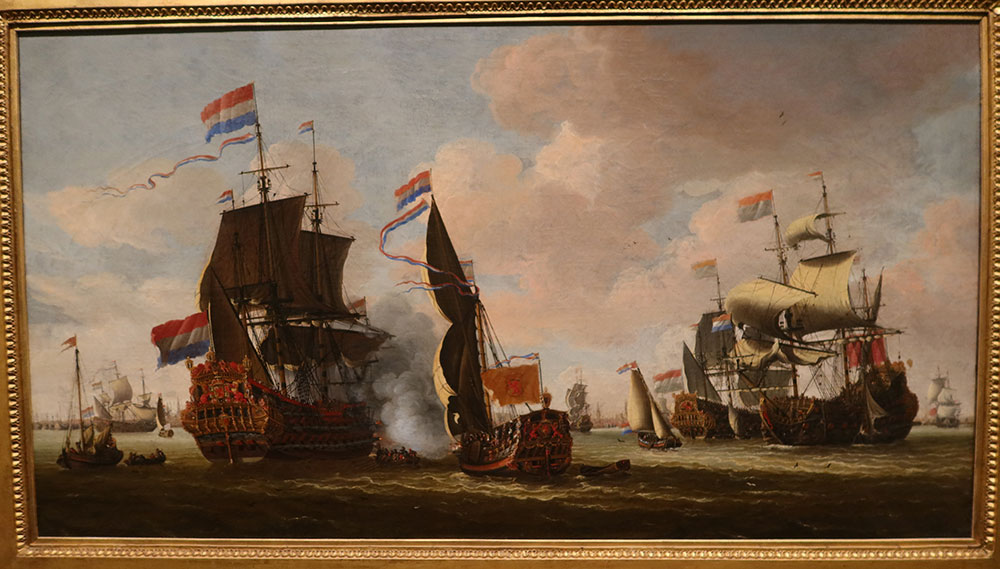
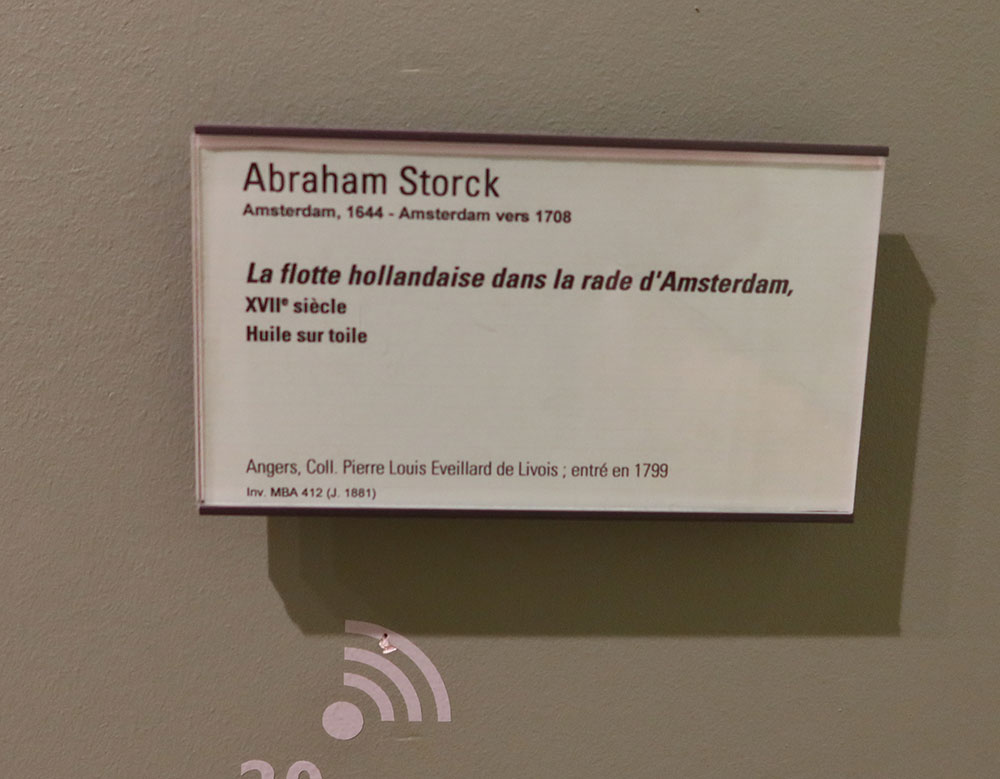
The Musée des Beaux-Arts d'Angers opened its doors in 1801, making it among the earliest public museums established in France following the Revolution. Its founding collection was assembled from two principal sources: state deposits made in the wake of revolutionary confiscations, and a portion of the estate of Pierre Louis Éveillard de Livois (1736–1790), an Angevin collector of considerable means whose holdings were seized from his heirs. That dual origin — institutional mandate alongside private passion — has defined the museum's character ever since.
The museum is housed primarily within the Logis Barrault, a late fifteenth-century private mansion built for Olivier Barrault, treasurer of Brittany and mayor of Angers. Constructed between 1486 and 1493, the building is an assured example of Flamboyant Gothic domestic architecture, classified as a Monument historique since 1902. After passing to the Church in the seventeenth century — where it served as a seminary — the complex became national property during the Revolution. By 1797 it was receiving collections intended to serve as instructional material for students at the newly established central school. The building carries this accumulation of purpose visibly: ecclesiastical additions, a large classical wing with a vaulted refectory now used as a public reception space, and a series of connecting galleries designed for later expansions.
The Fine Arts Collection
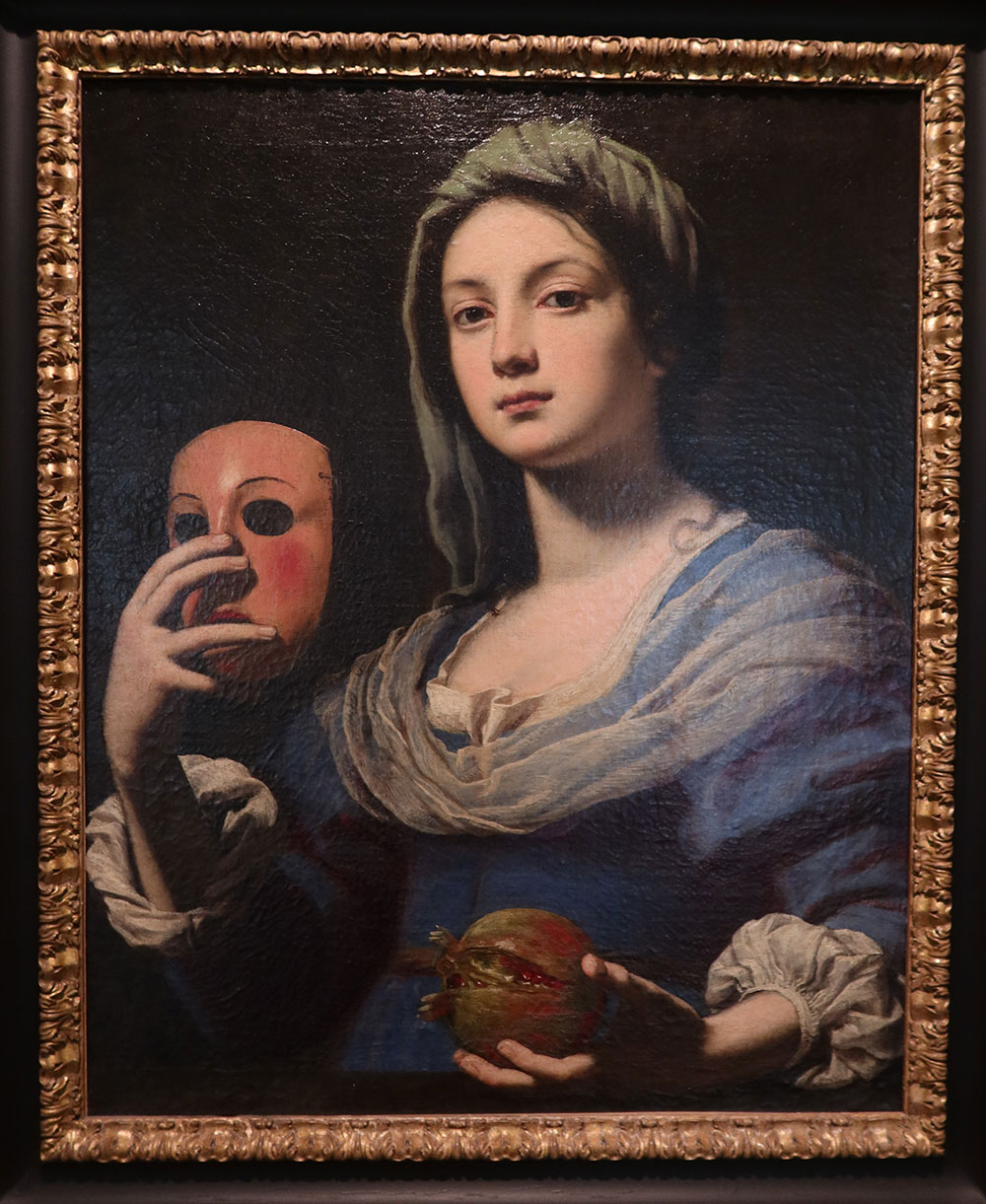
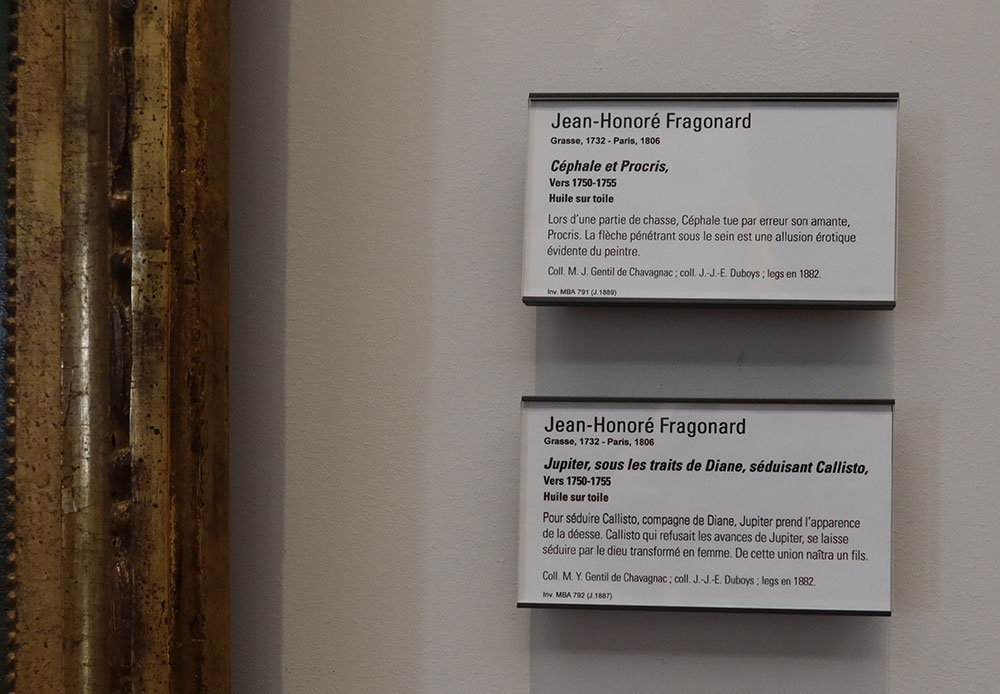
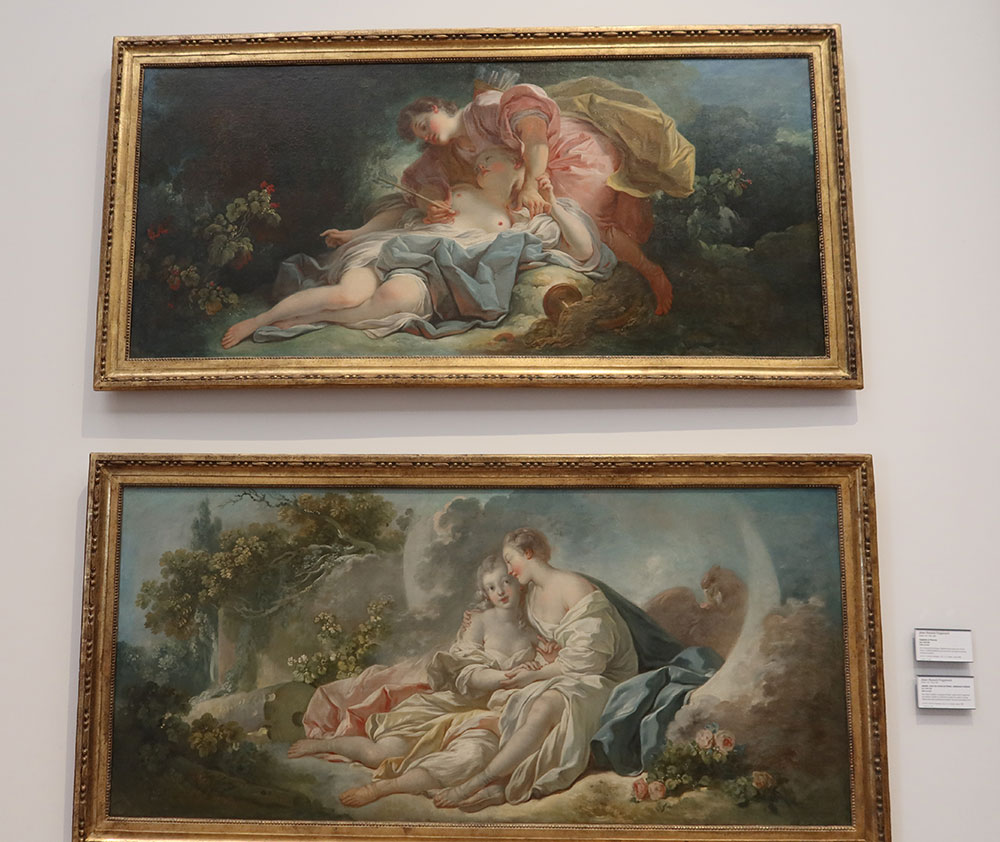
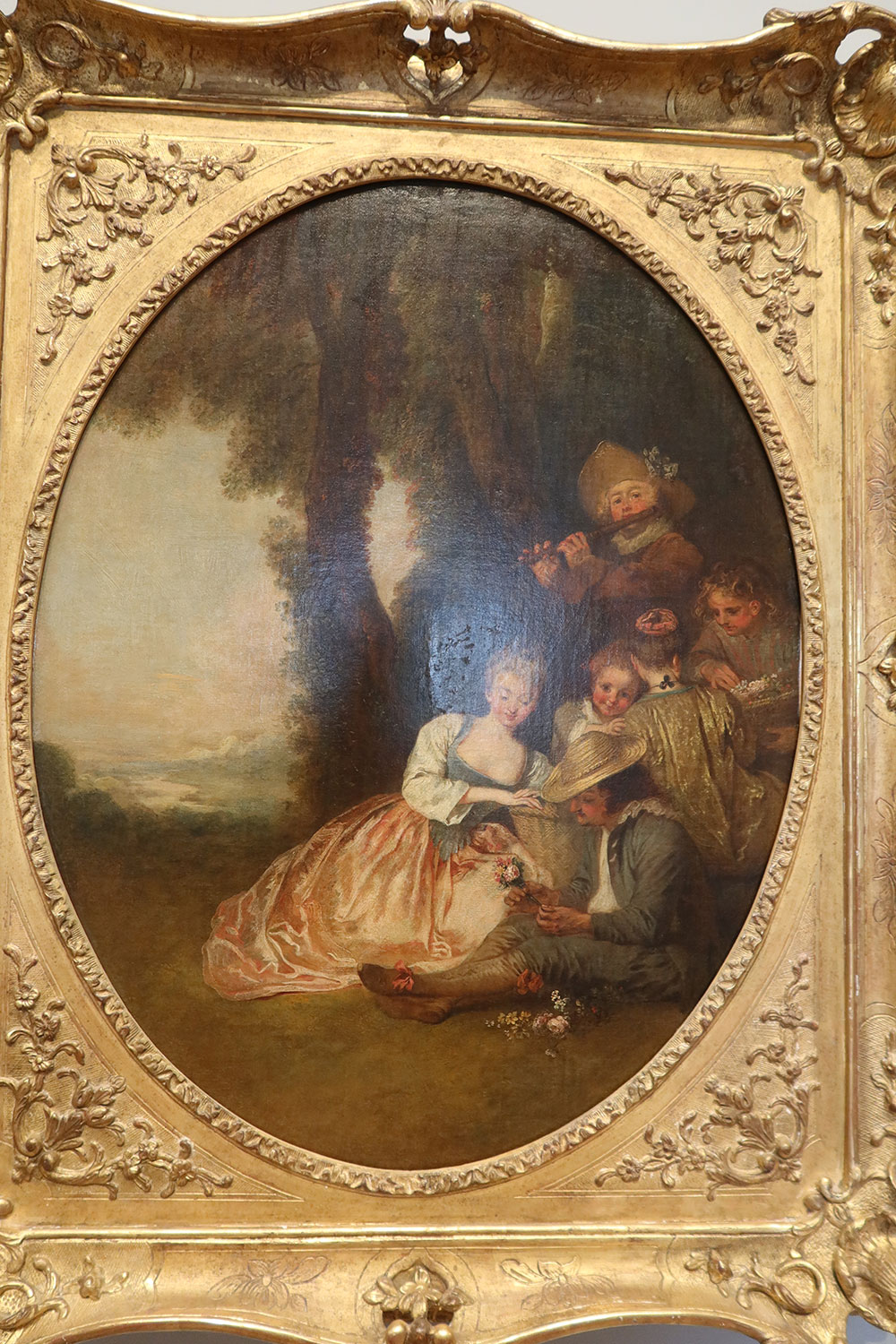
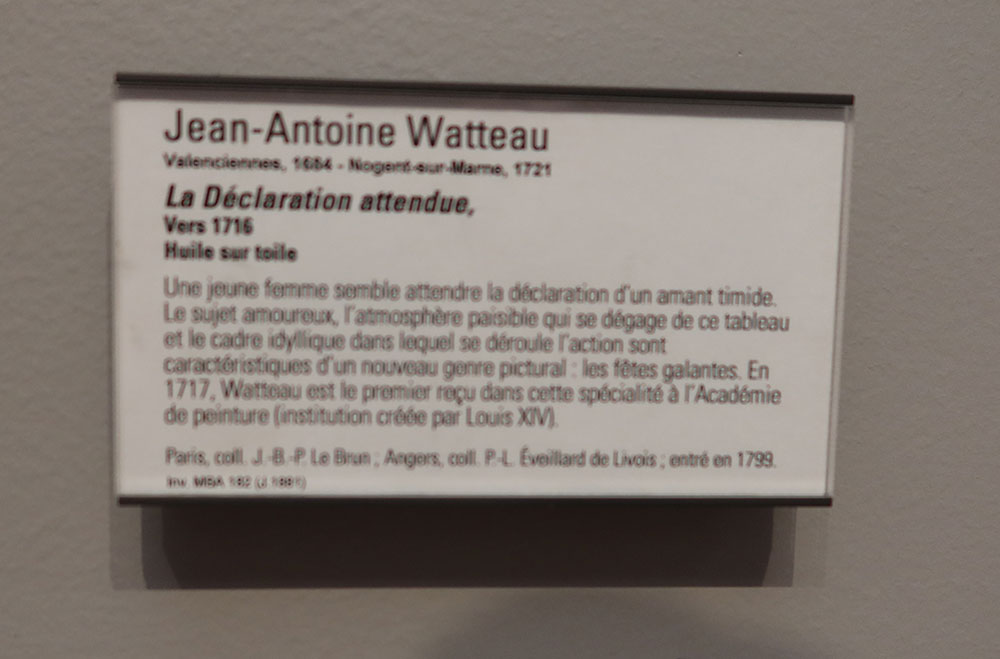
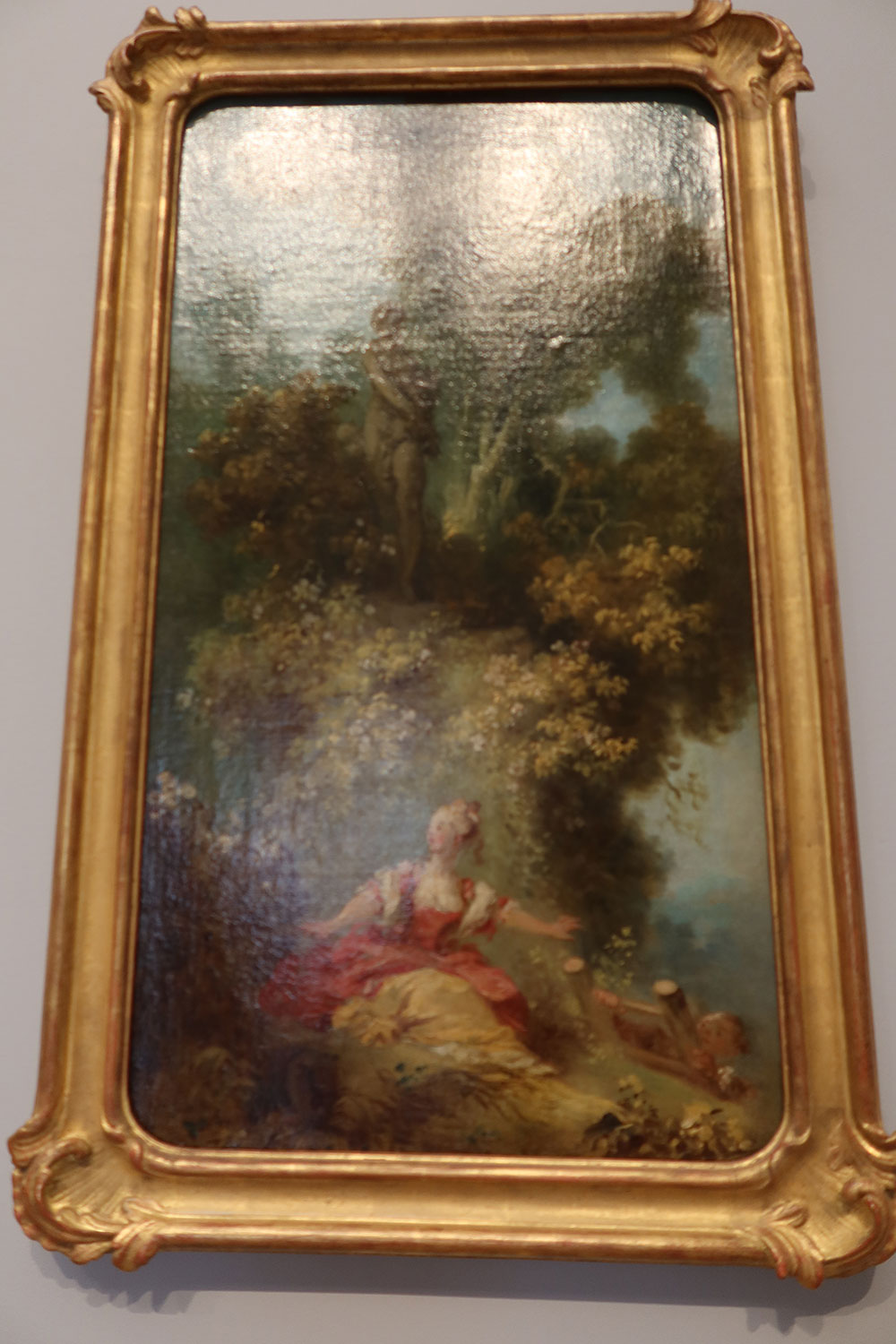
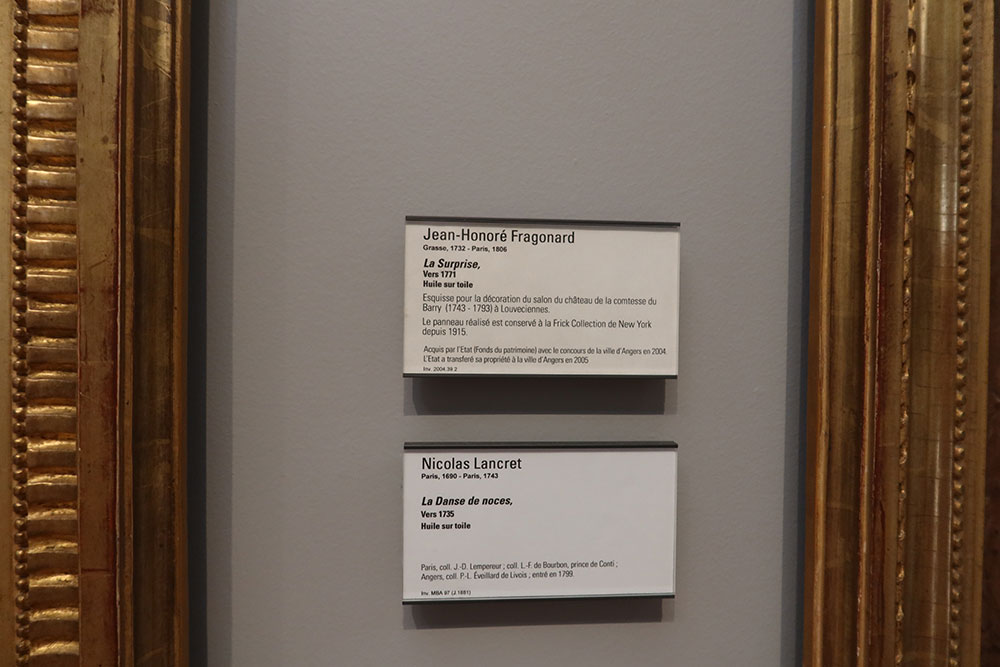
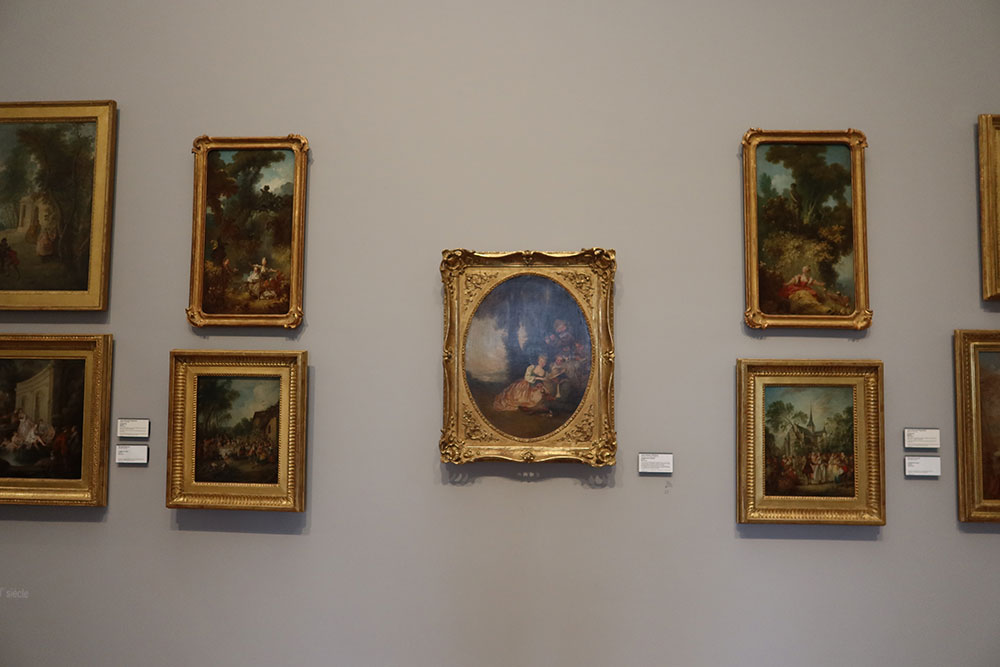
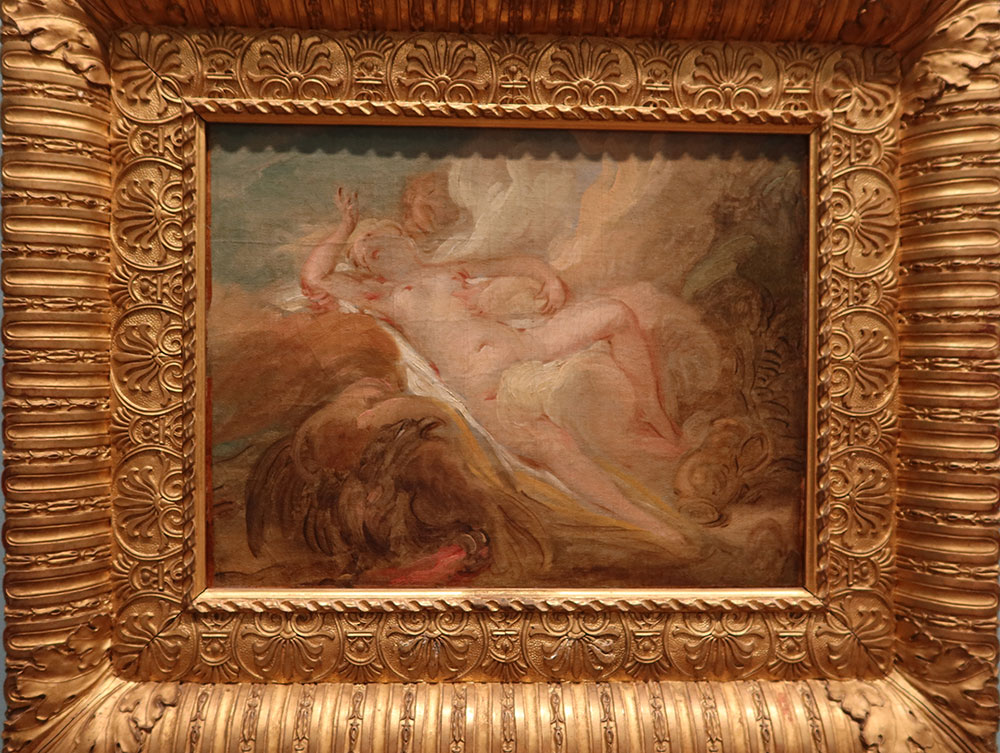
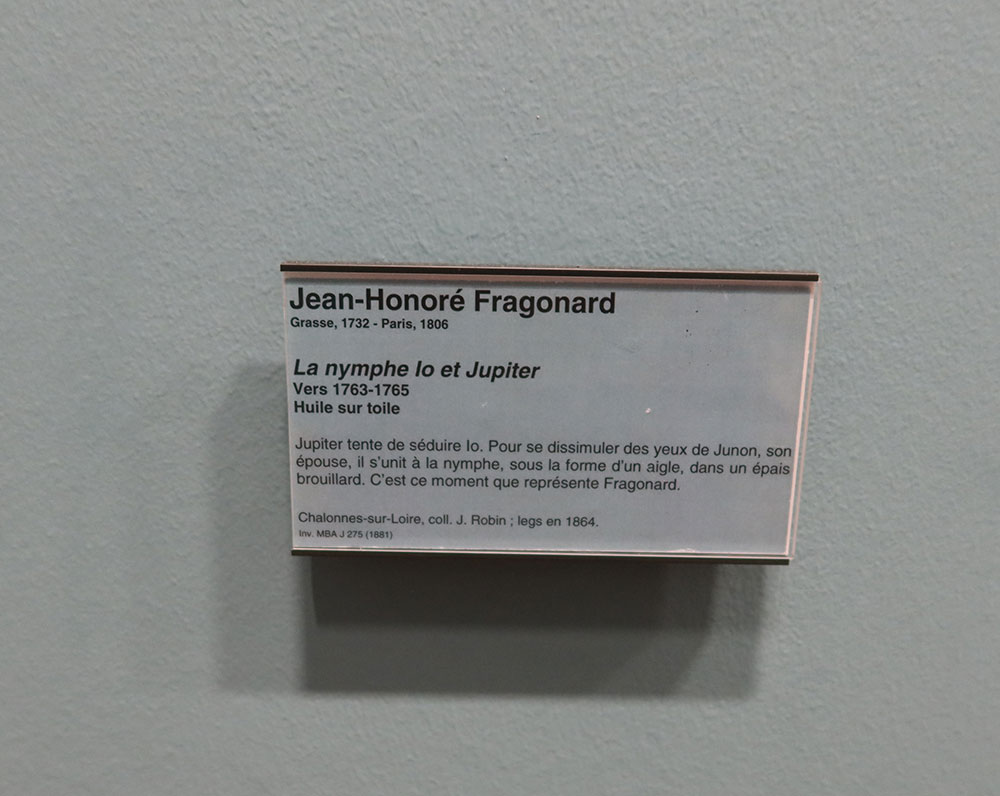
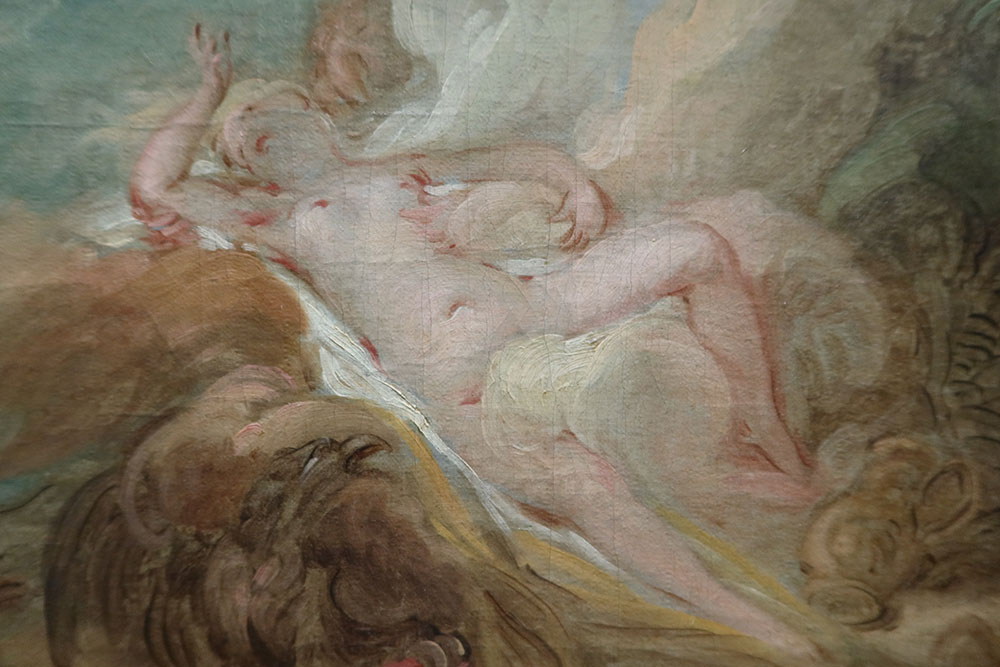
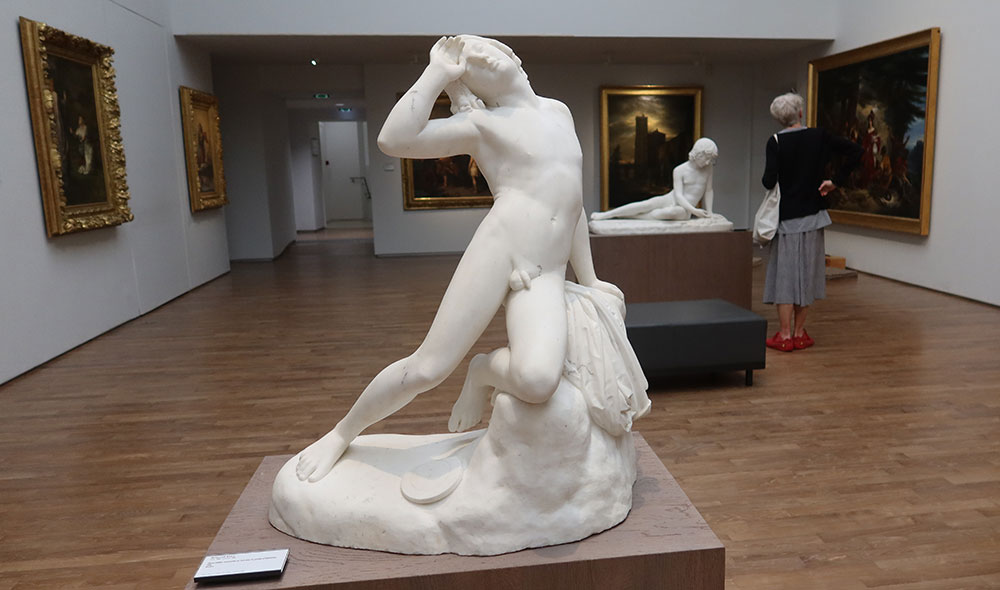
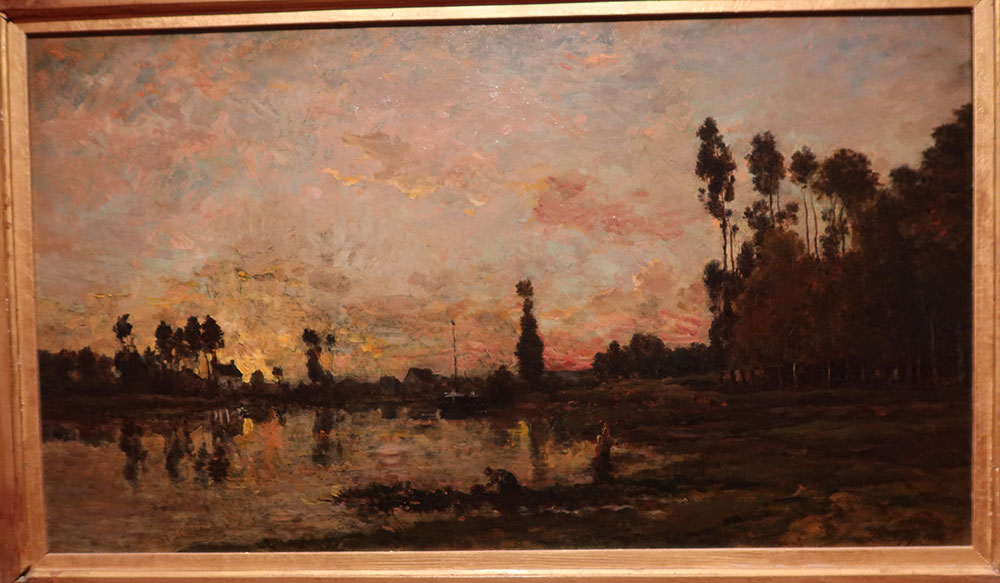
The permanent fine arts circuit spans three floors and presents more than 300 paintings, sculptures, and decorative objects, offering a broadly chronological survey of Western art from the fourteenth century to the present day. The collection's acknowledged strength lies in French eighteenth-century painting, where works by Watteau, Boucher, Chardin, Fragonard, and Jean-François de Troy are represented with notable depth. These are not isolated examples but rather coherent groupings that allow visitors — and researchers — to read the formal preoccupations and social functions of the period with some nuance.
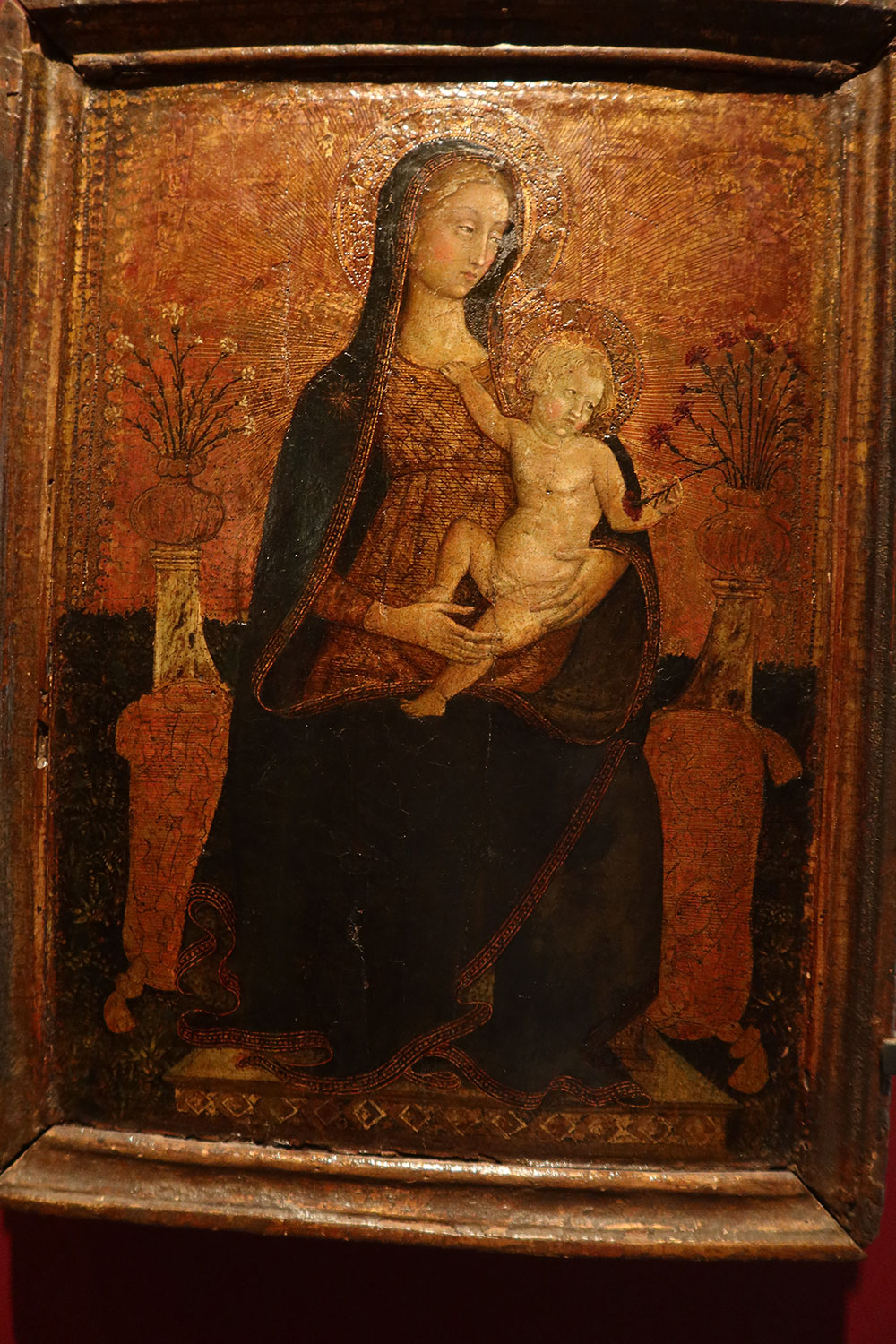
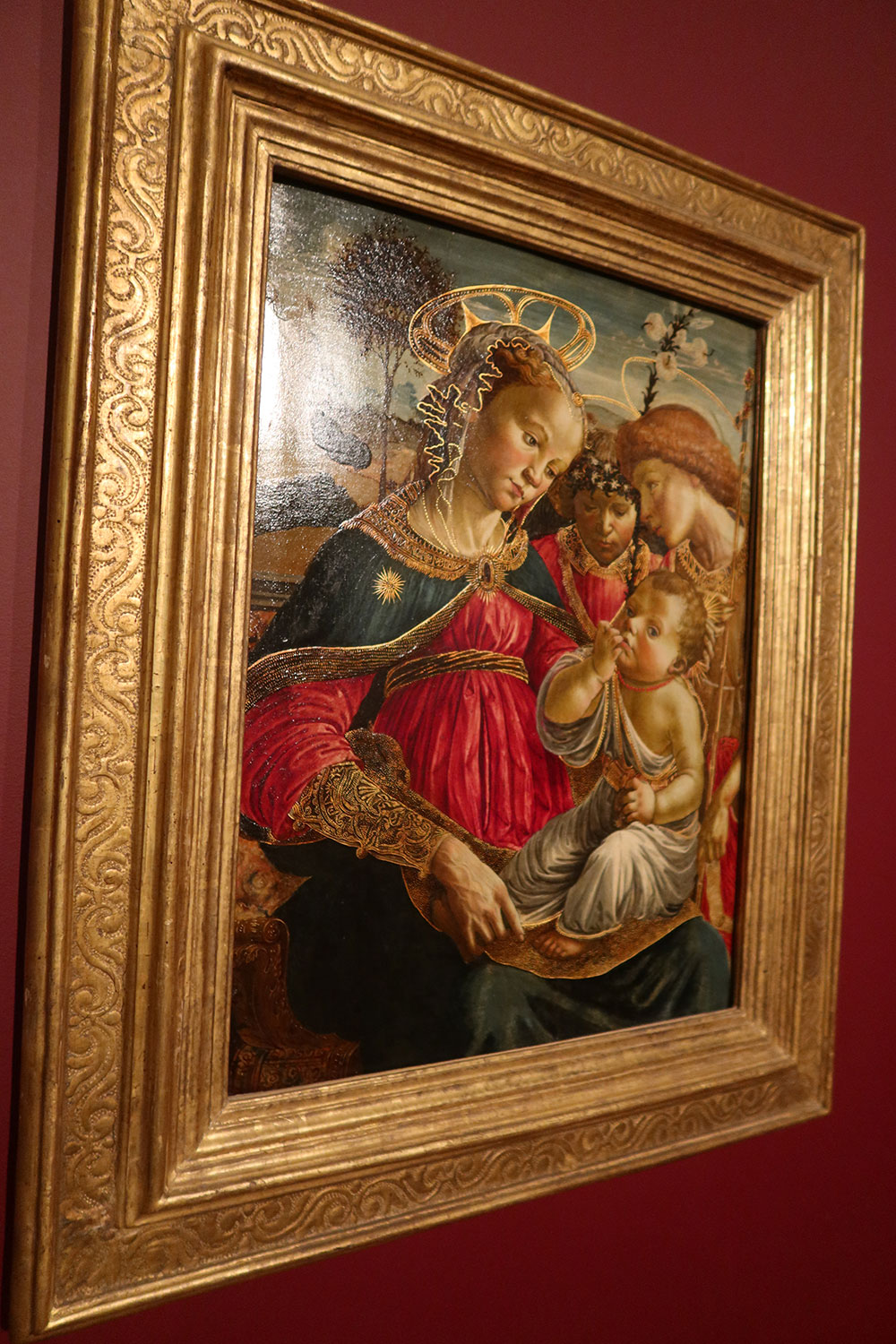
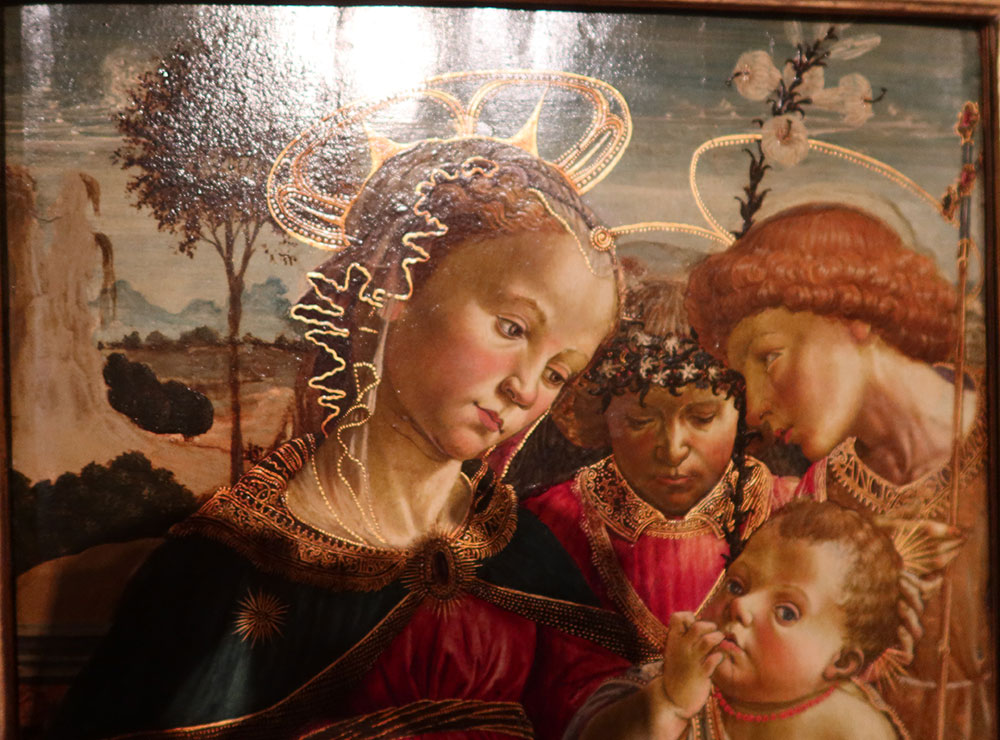
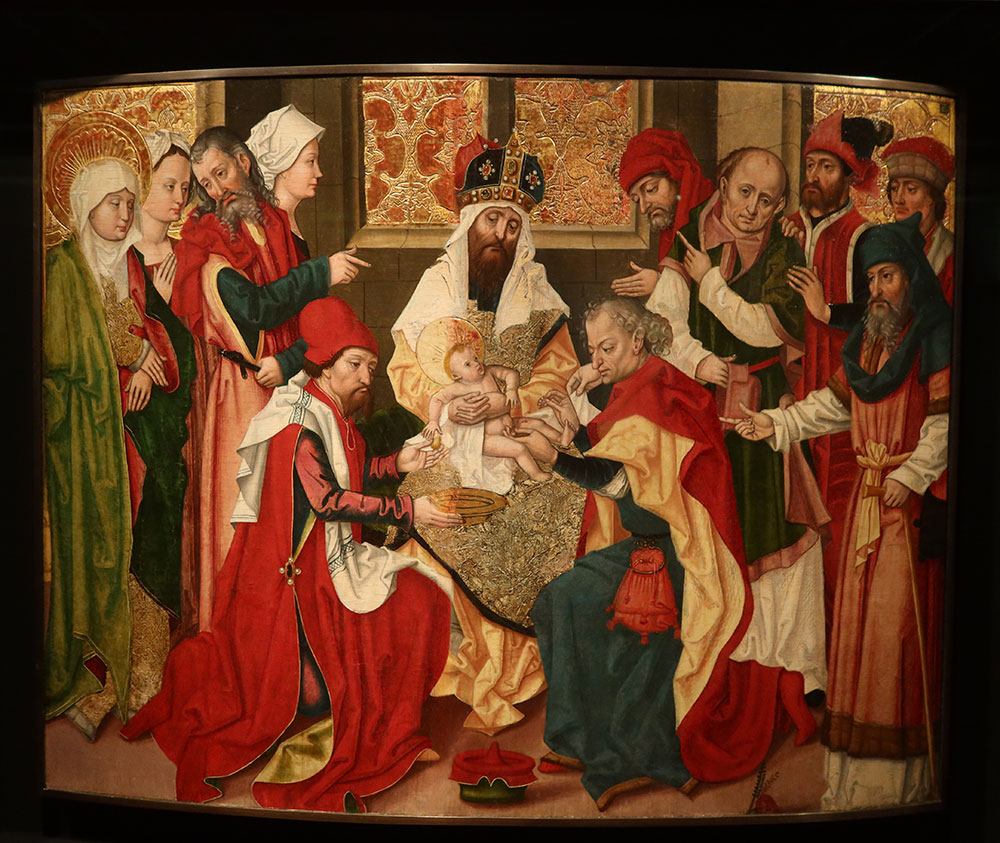
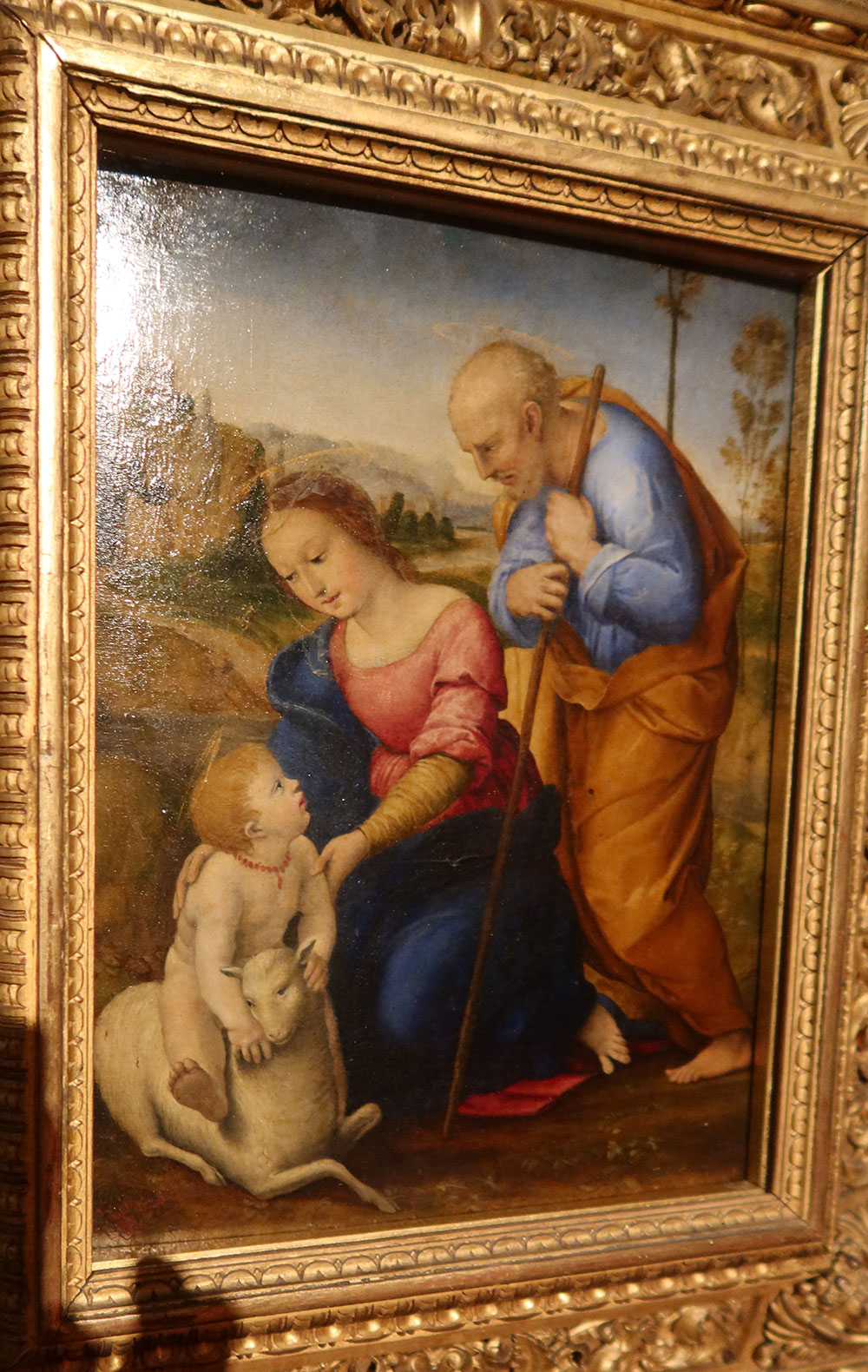
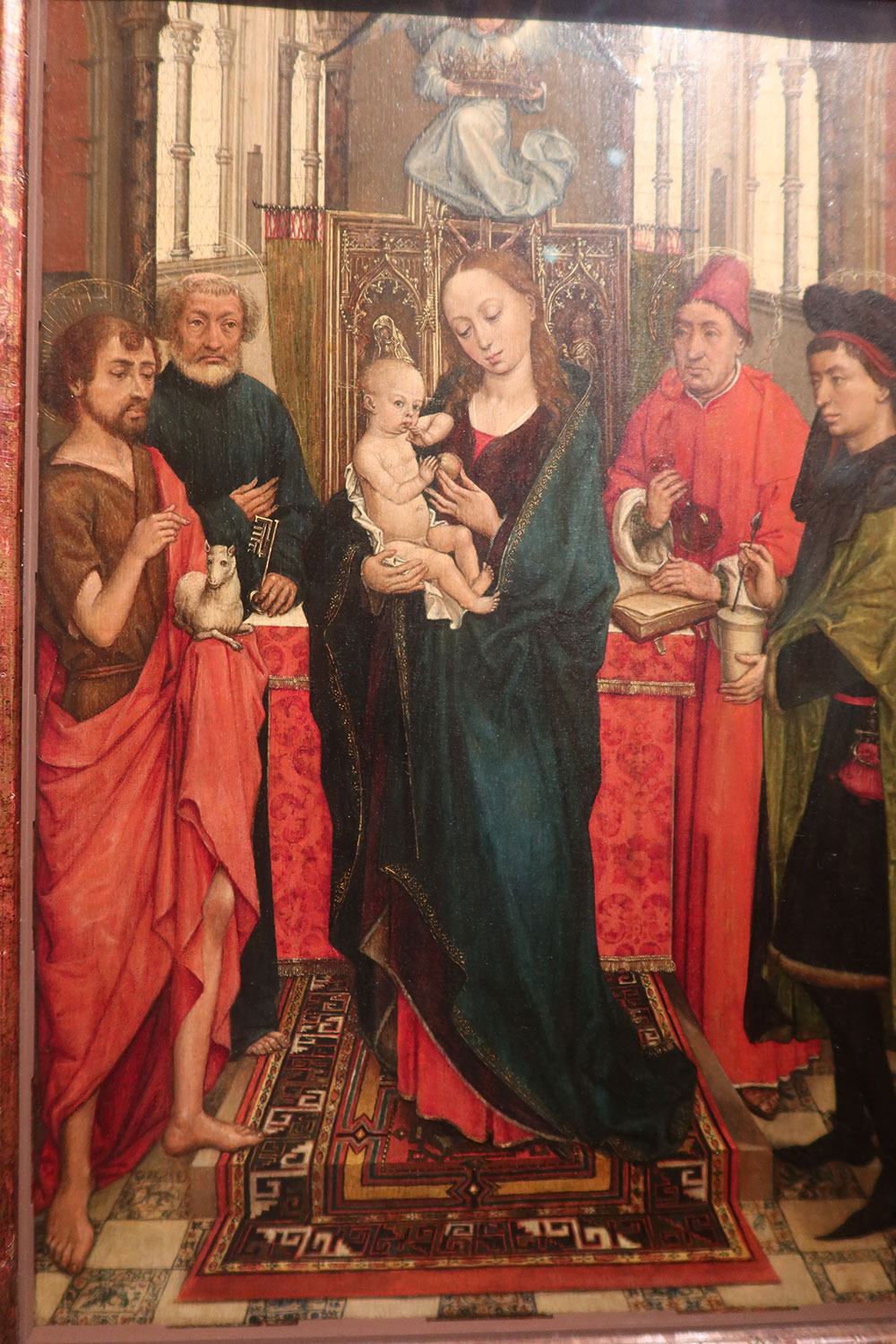
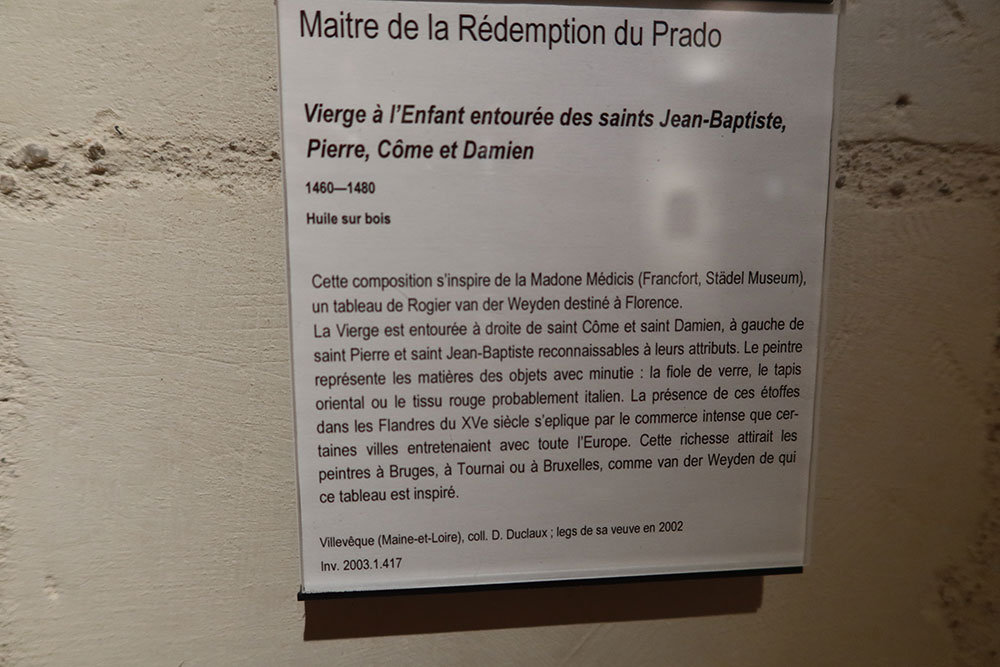
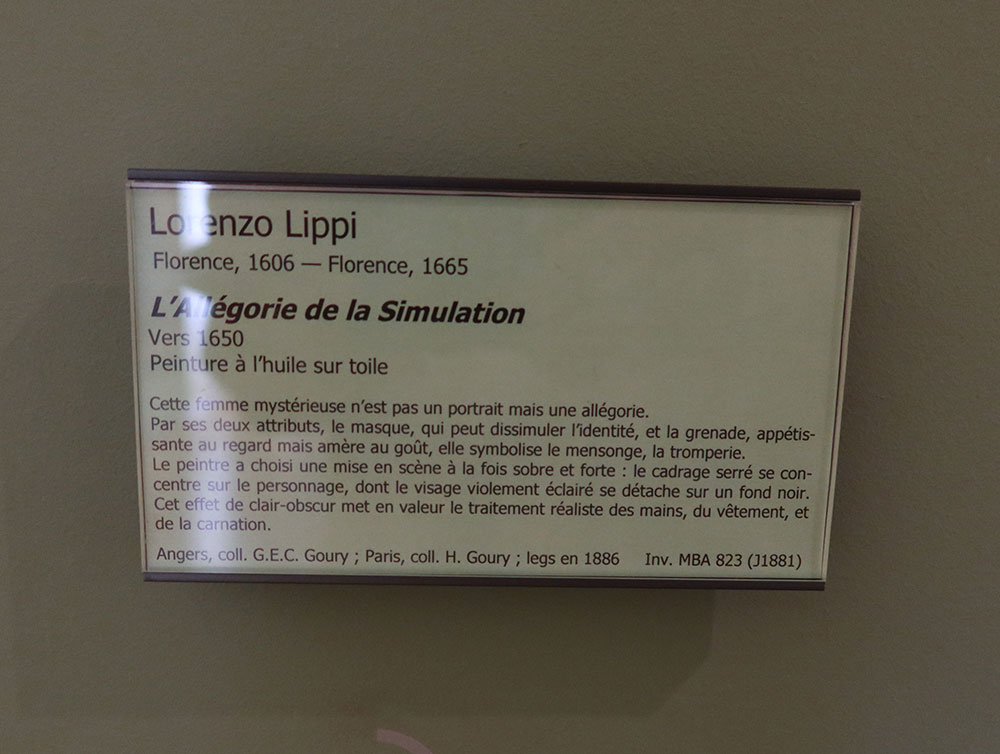
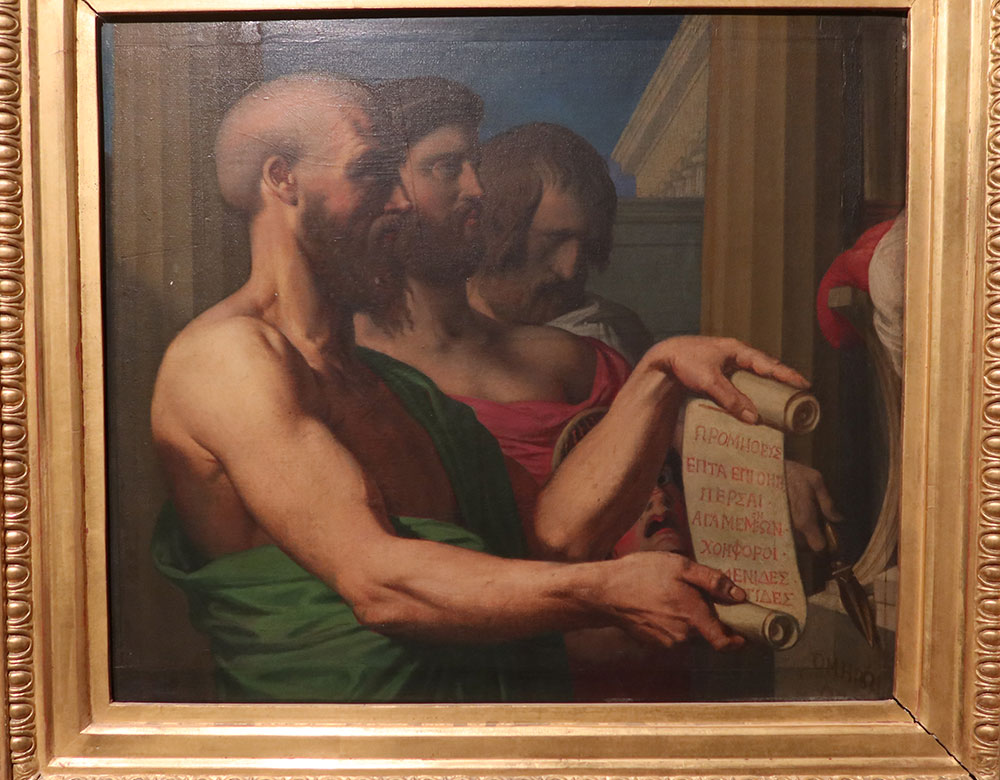
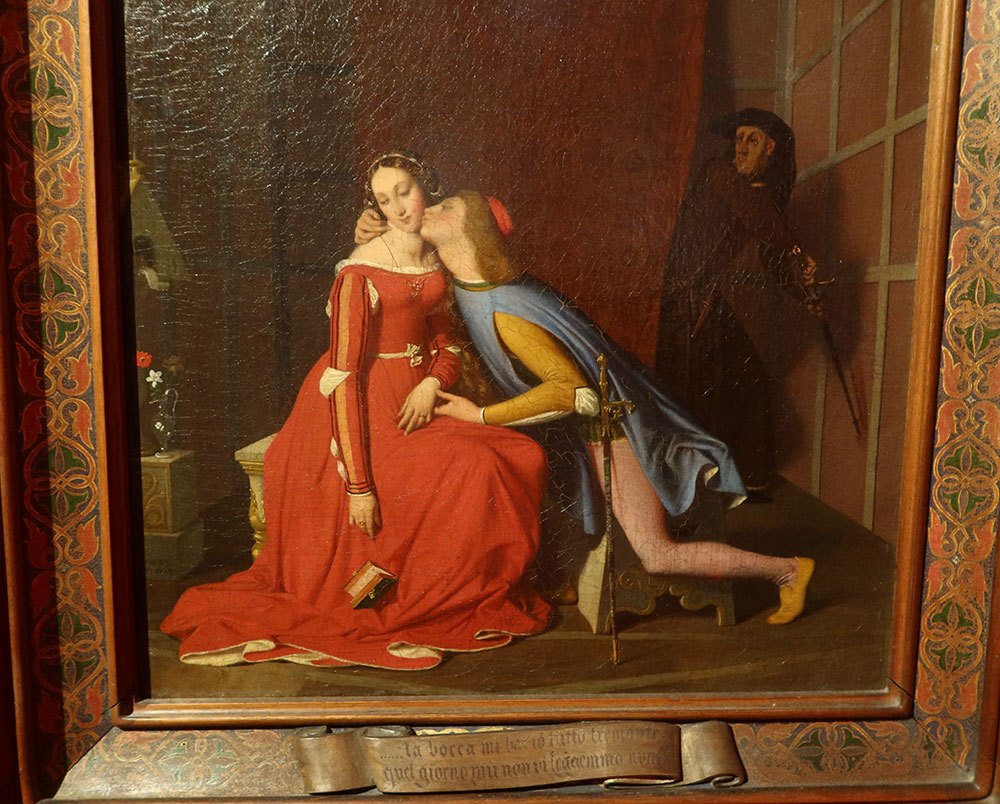
The galleries dedicated to earlier centuries open with French, Italian, and Northern European primitives from the fourteenth and fifteenth centuries. Italian and Flemish schools of the seventeenth century are represented by, among others, Jacob Jordaens, Philippe de Champaigne, Lorenzo Lippi, and Giambattista Tiepolo. Francesco Guardi is present in a section covering the Italian eighteenth century, while Jean-Auguste-Dominique Ingres — including his celebrated Paolo and Francesca — anchors a thoughtful reading of the transition into the nineteenth century.
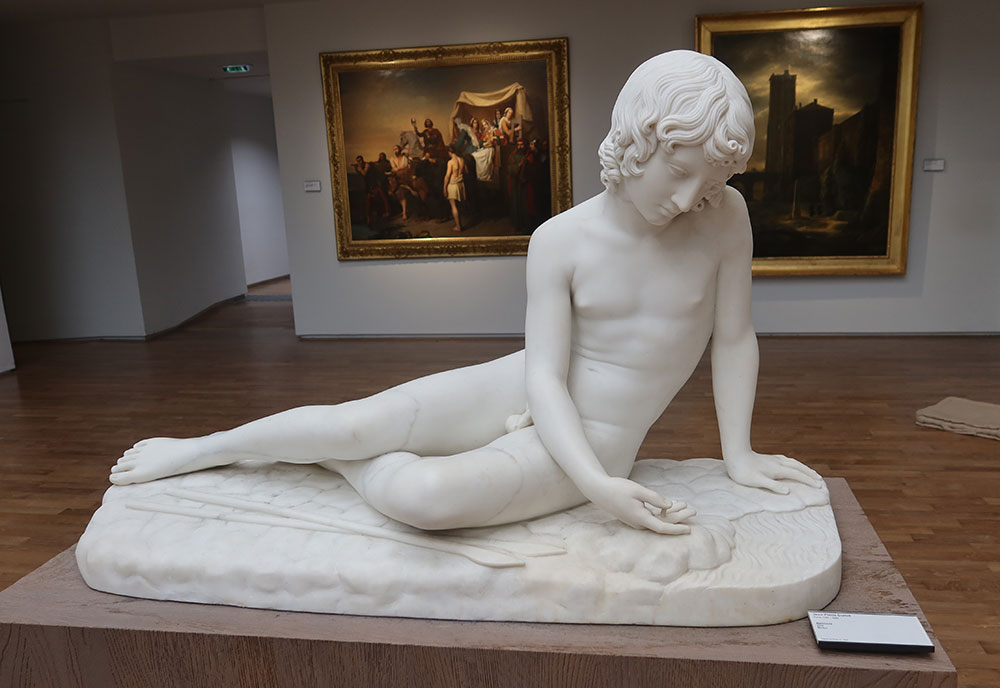
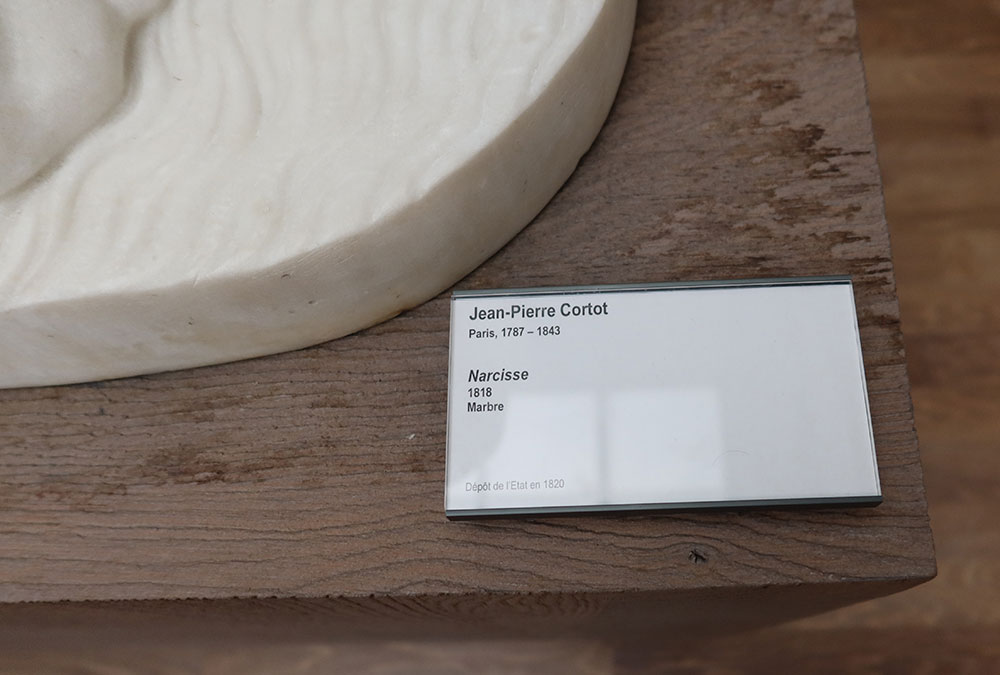
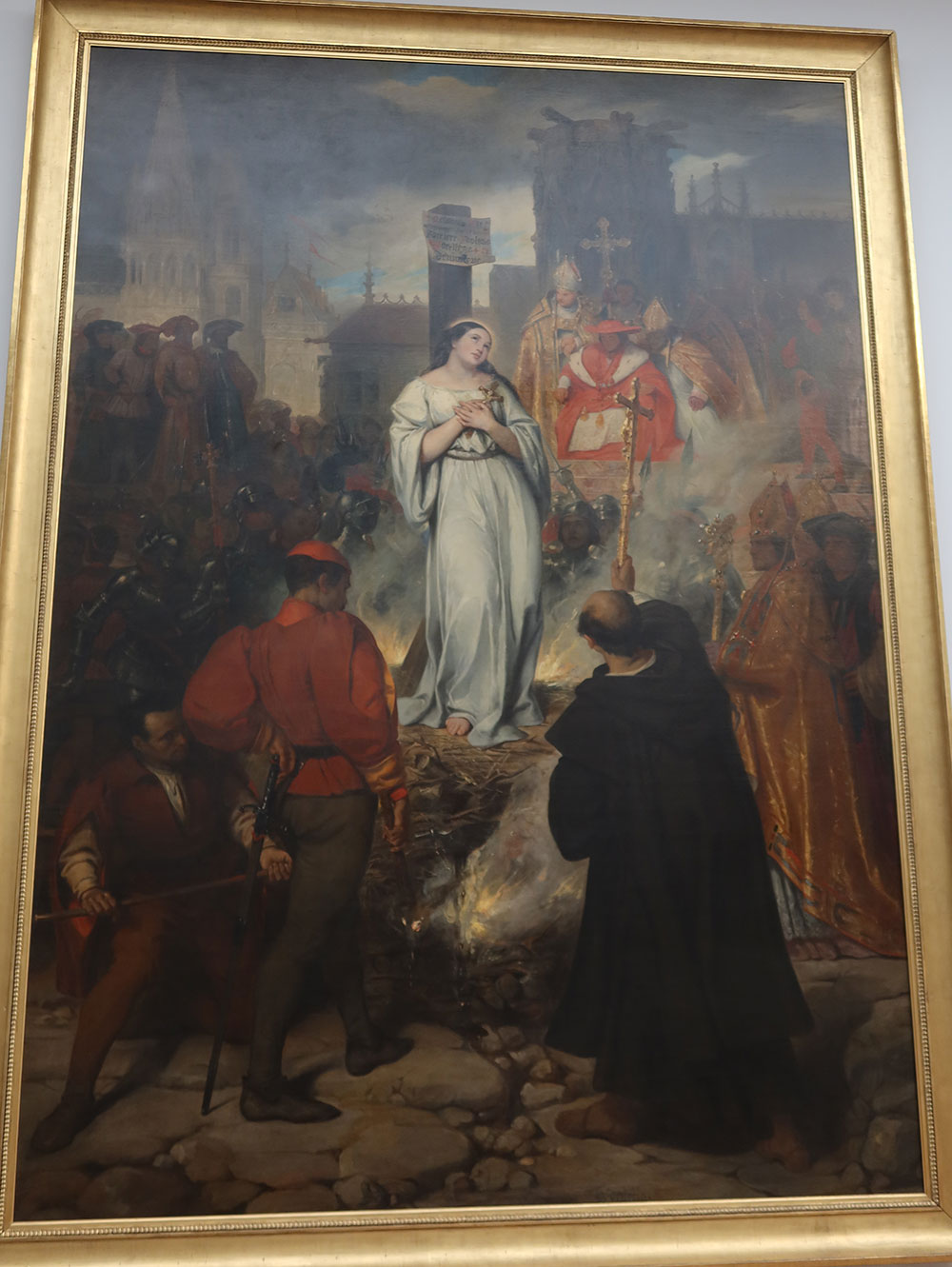
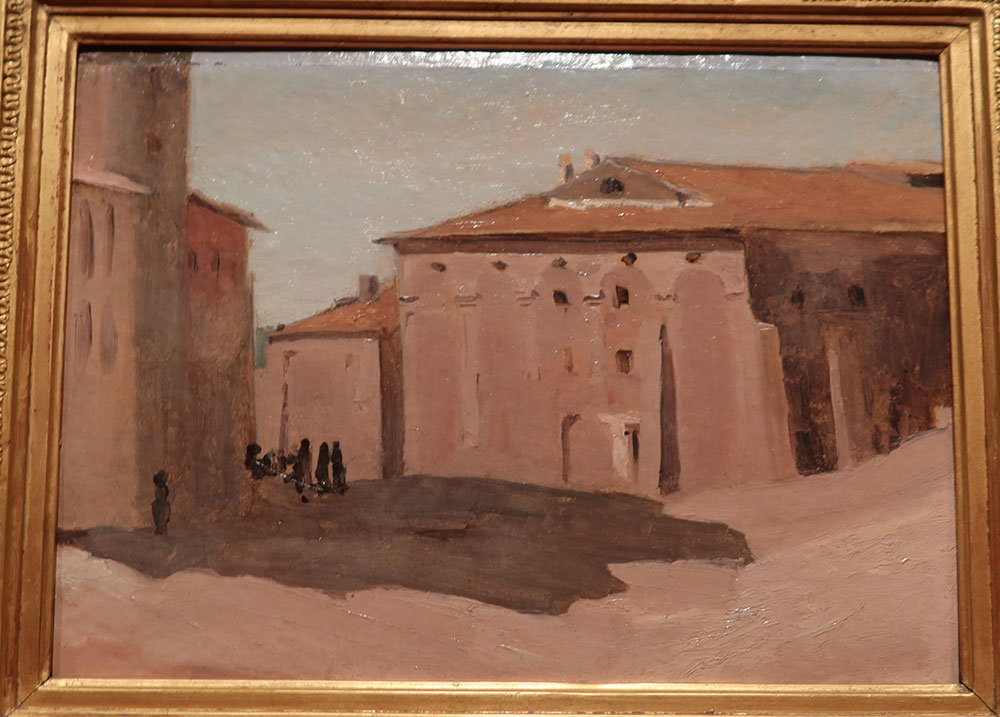
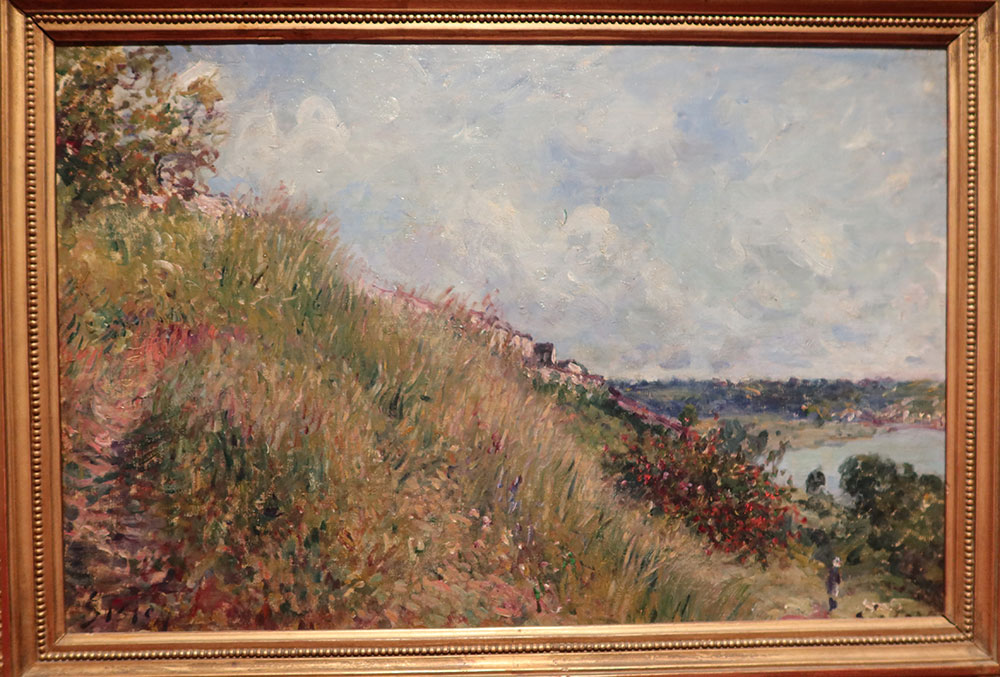
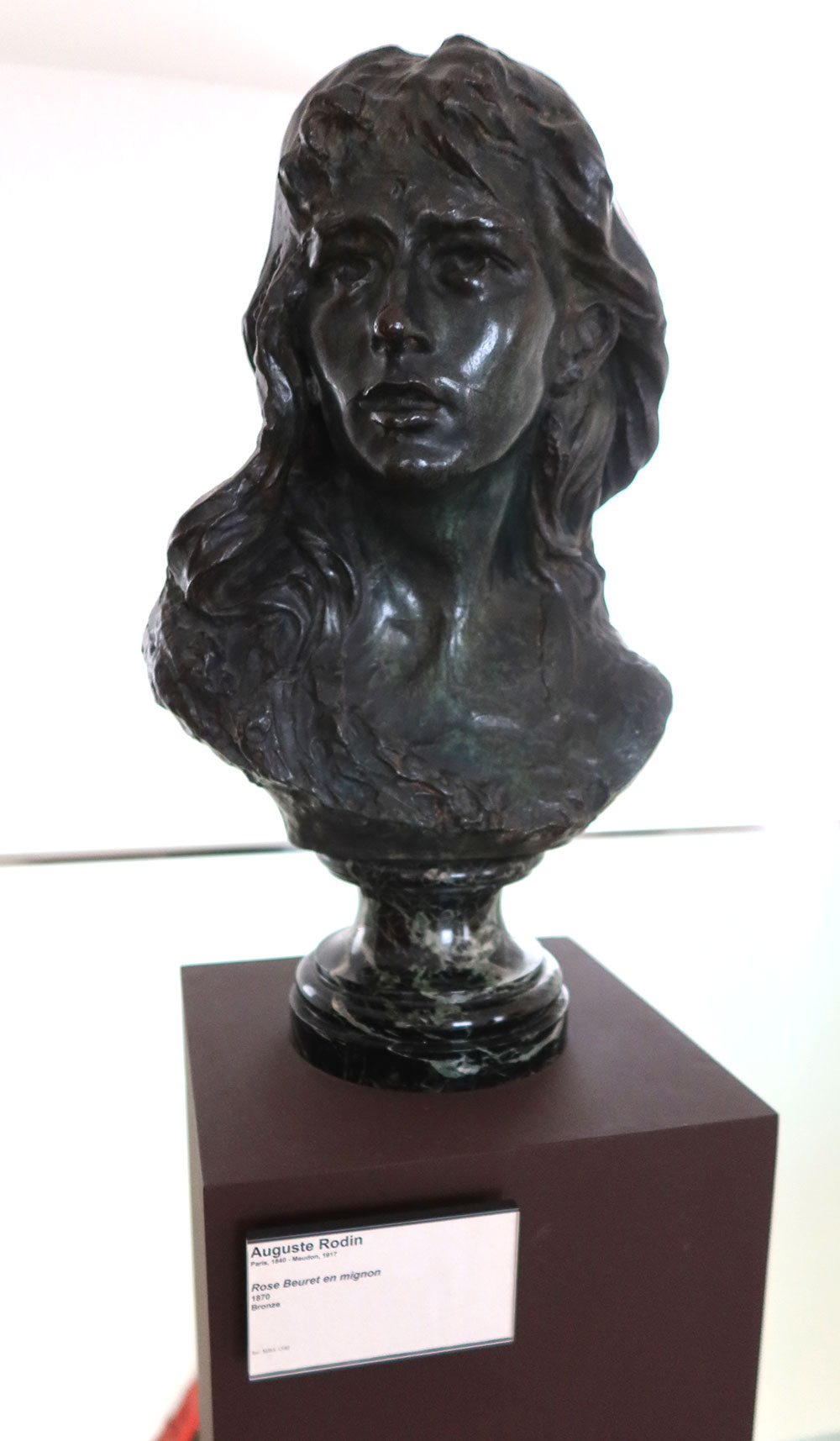
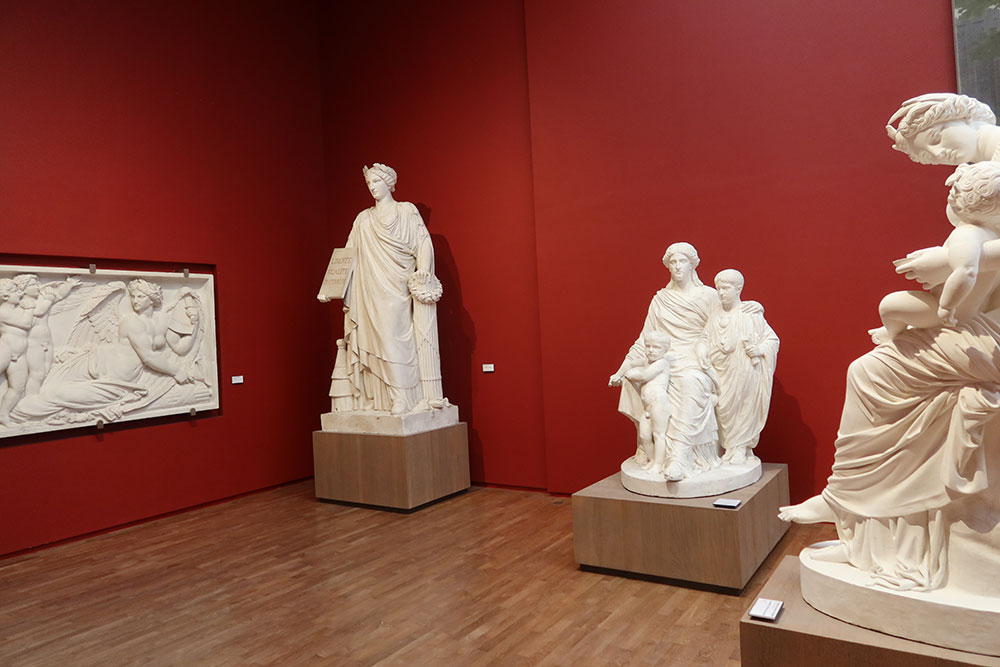
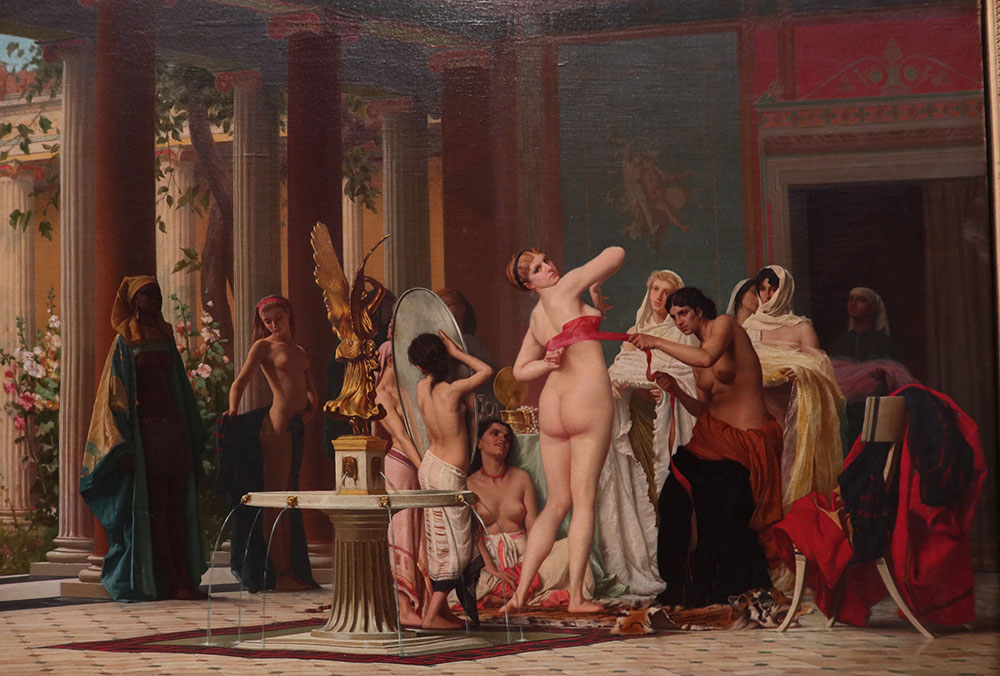
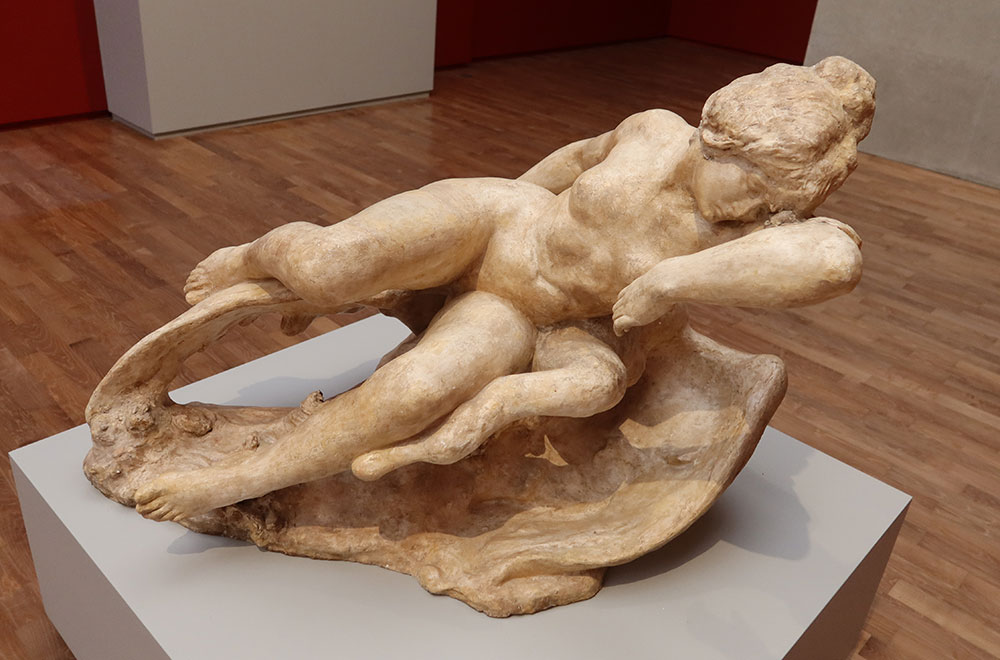
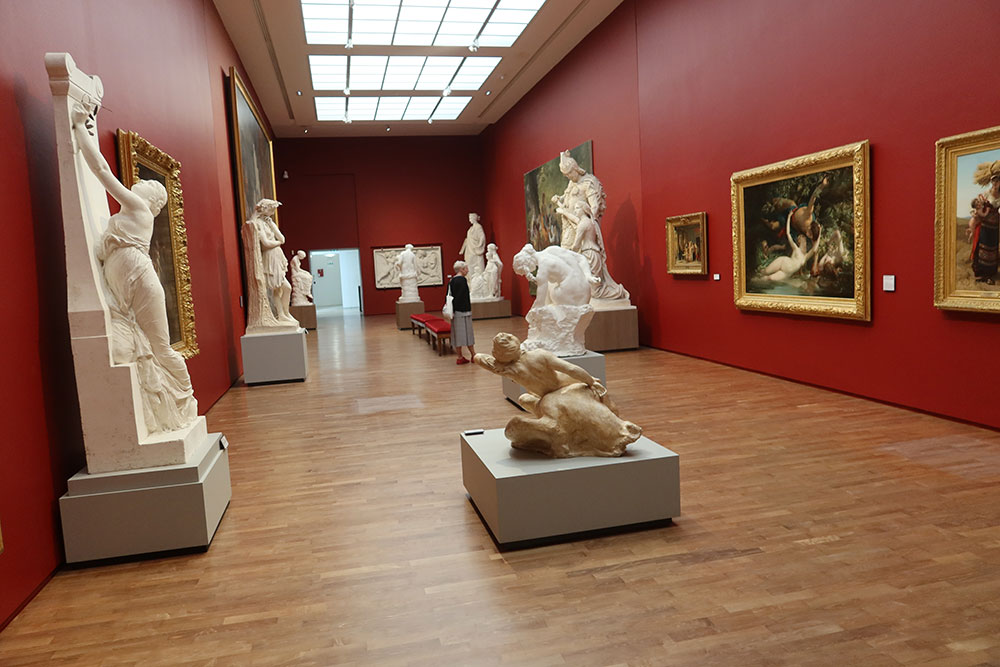
The Galerie Beaurepaire, constructed and opened to the public in 1887, holds the museum's academic paintings and sculptures of the nineteenth century, including significant works by artists of Angevin origin: Guillaume Bodinier (1795–1872) and Jules Eugène Lenepveu (1819–1898). Modern and contemporary holdings extend the survey into the twentieth and twenty-first centuries, with works by figures including Claude Monet and Niki de Saint Phalle. The latter's presence is a reminder that the museum has historically been willing to engage with artists whose work sits outside the canonical institutional comfort zone.
Bequests That Defined the Collection
The museum's collection bears the unmistakable shape of private generosity directed towards public ends. Two bequests in particular deserve attention from professionals evaluating the institution's scope and method.
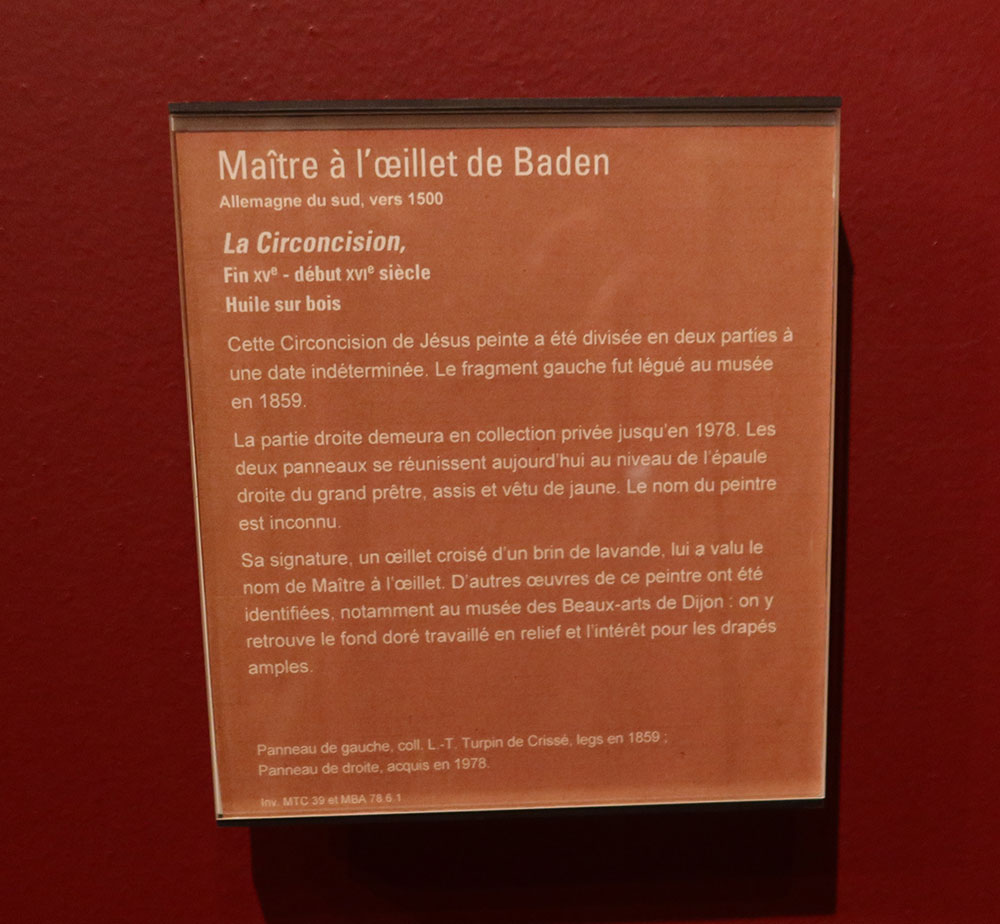
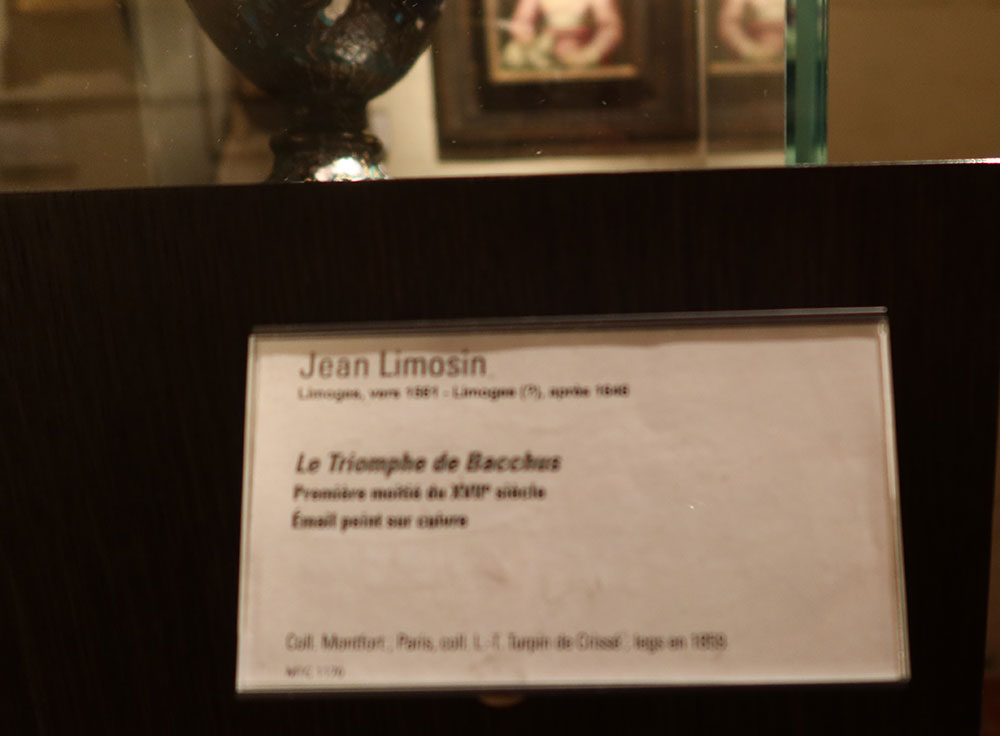
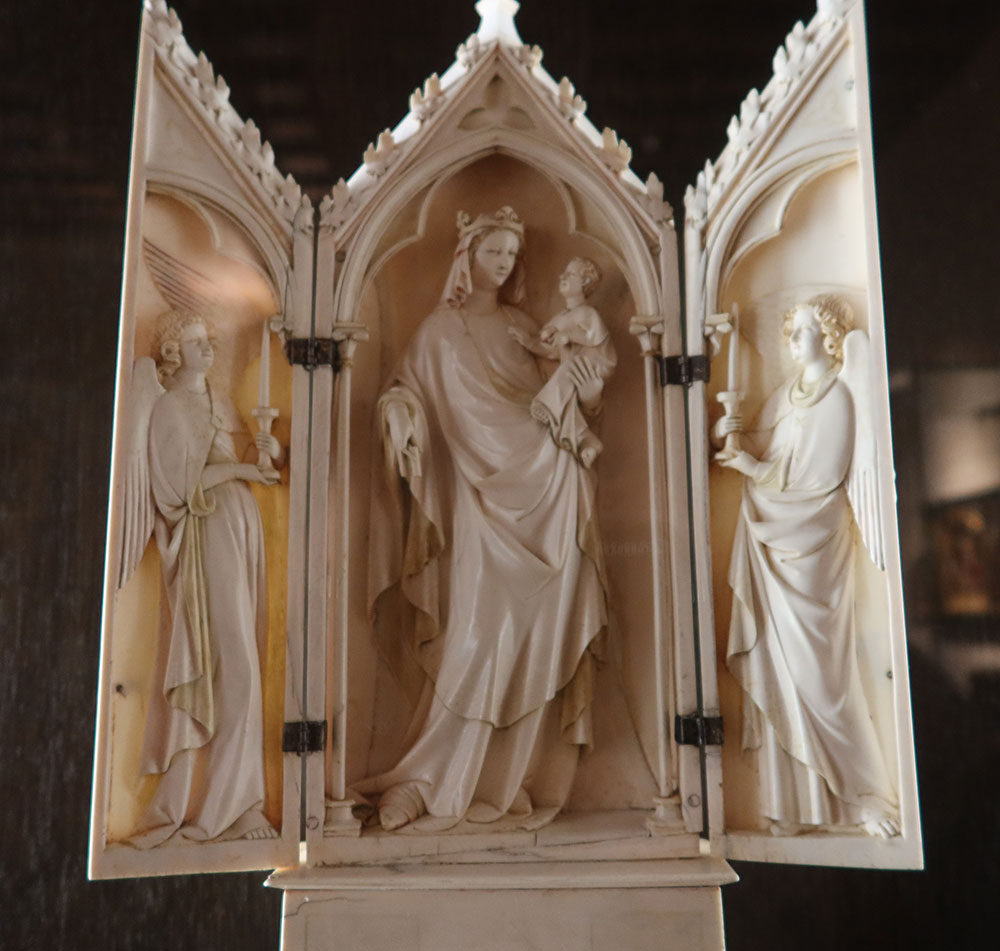
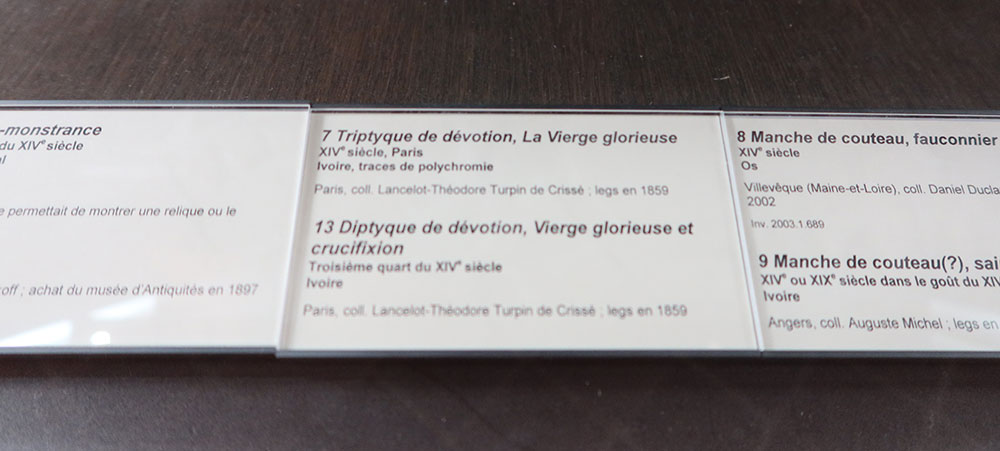
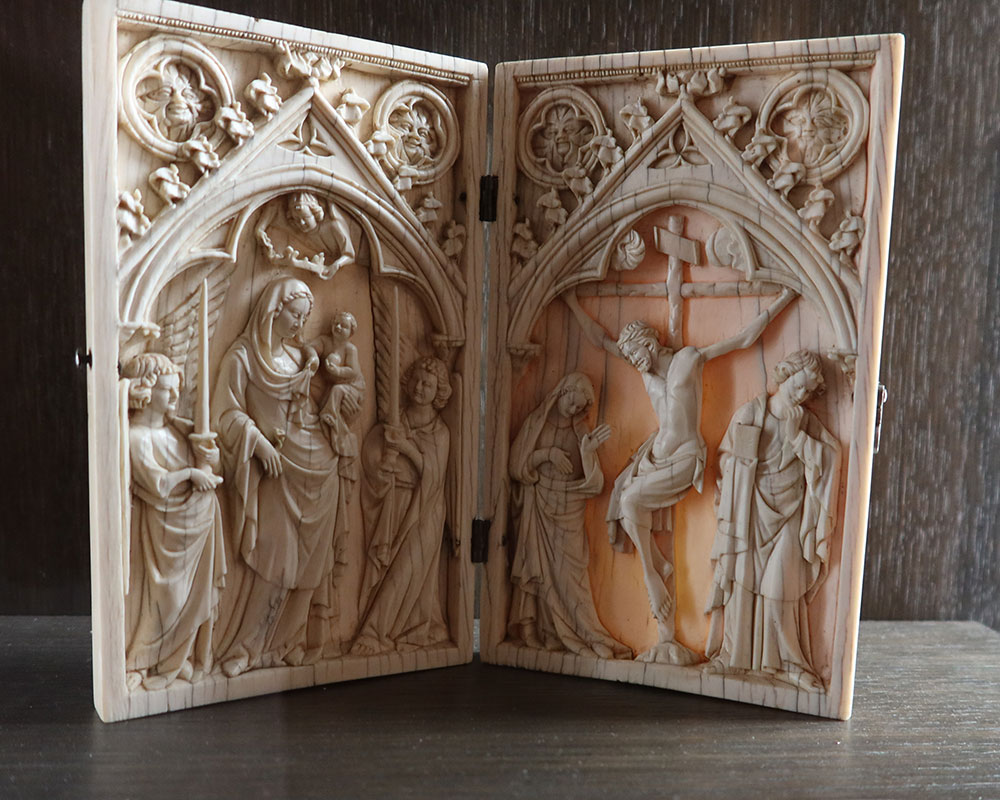
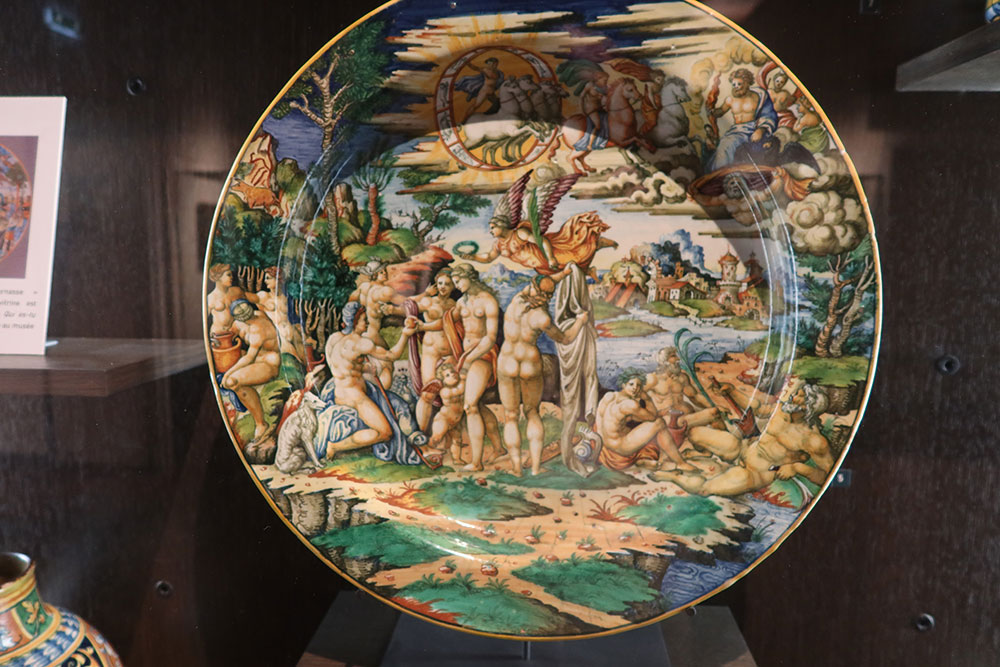
Lancelot-Théodore Turpin de Crissé (1782–1859), painter and gentleman collector, bequeathed an extensive and eclectic holding to the museum upon his death. The legacy encompassed Egyptian, Greek, and Roman antiquities; ancient bronzes; Greek ceramics; glassware; enamels; and a varied range of paintings, including several primitives and works by Ingres. These holdings are now presented in the so-called Salle de la Cheminée alongside pieces from the 2003 bequest of Daniel Duclaux (1910–1999), a wealthy industrialist whose collection of medieval and Renaissance applied arts — ivories, enamels, Limousin ceramics, Hispano-Moorish pieces, Flemish tapestries — considerably enriched the museum's pre-modern holdings.
The Duclaux bequest also transferred to the city of Angers the Château de Villevêque, a twelfth-century fortified residence in which Duclaux had lived from 1981 onwards. A portion of his collection — some 900 works in total, including furniture, manuscripts, incunabula, stone sculptures, and polychrome wooden pieces — remains on display at the Musée-Château de Villevêque, now administered as a satellite of the Beaux-Arts. The management of this geographically dispersed but intellectually coherent patrimony represents a model of considered institutional stewardship that other regional museums might study with profit.
The History of Angers Circuit
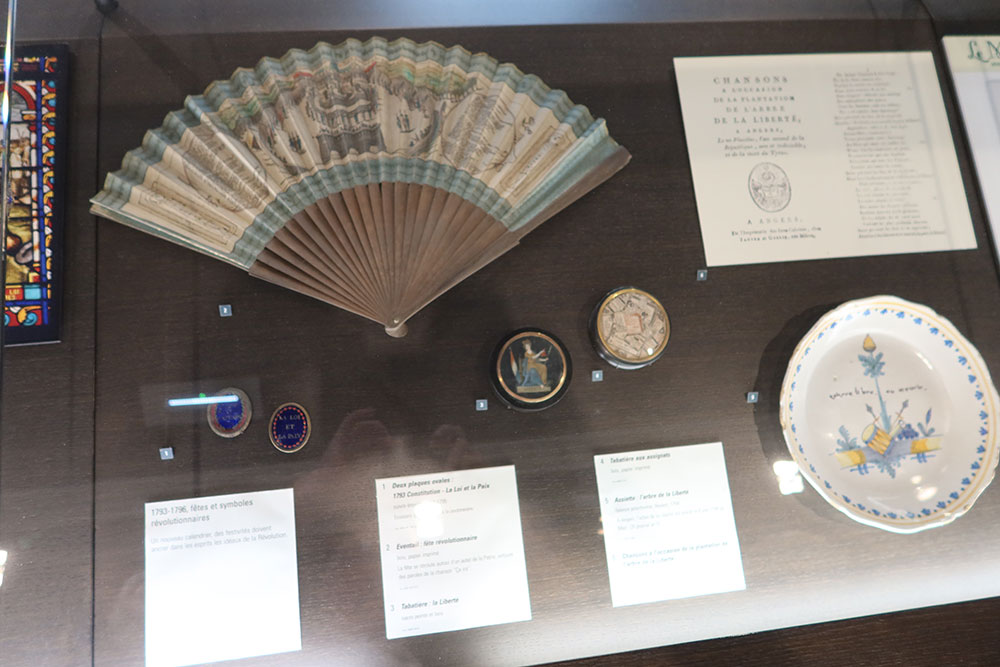
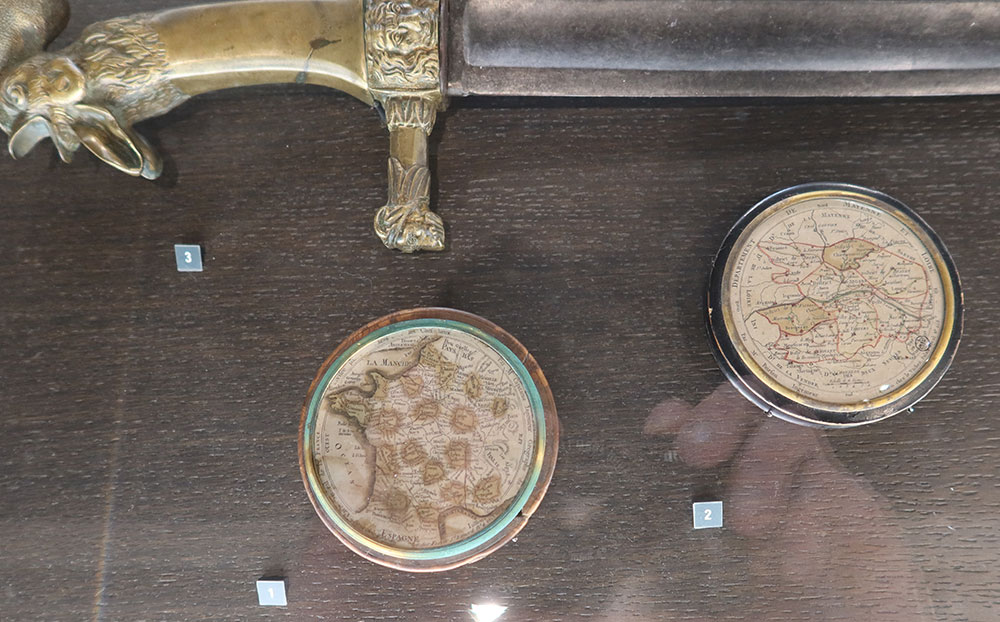
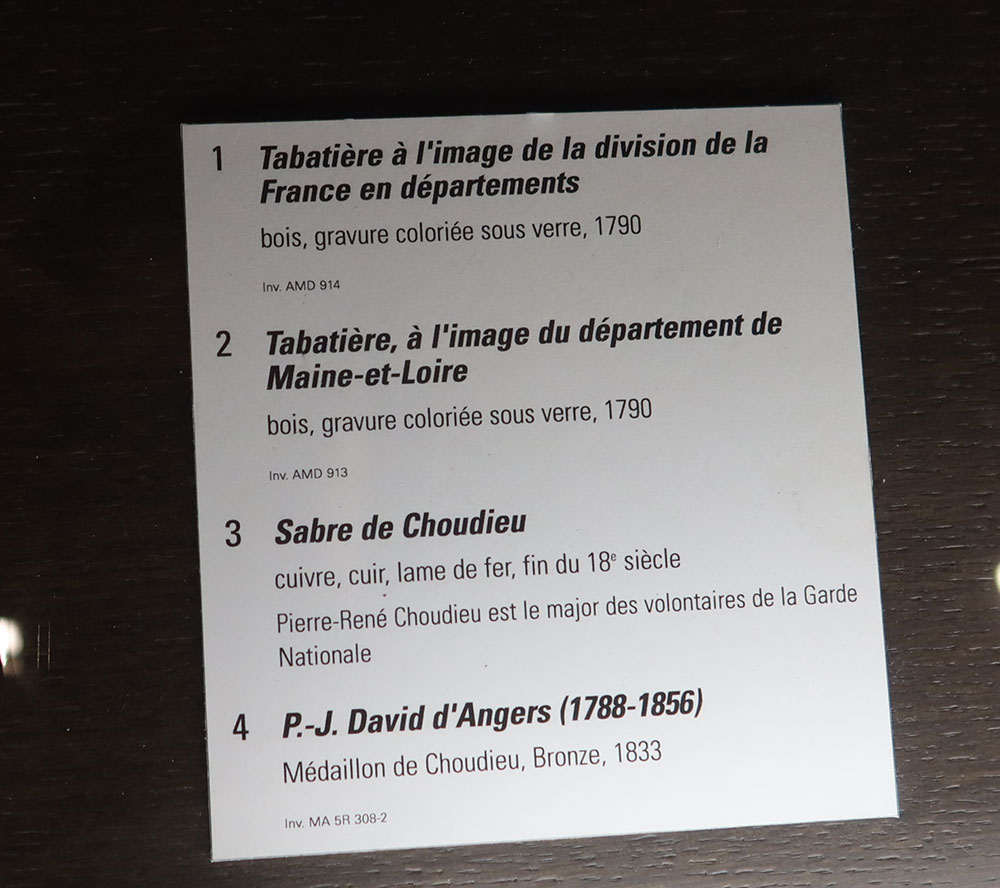
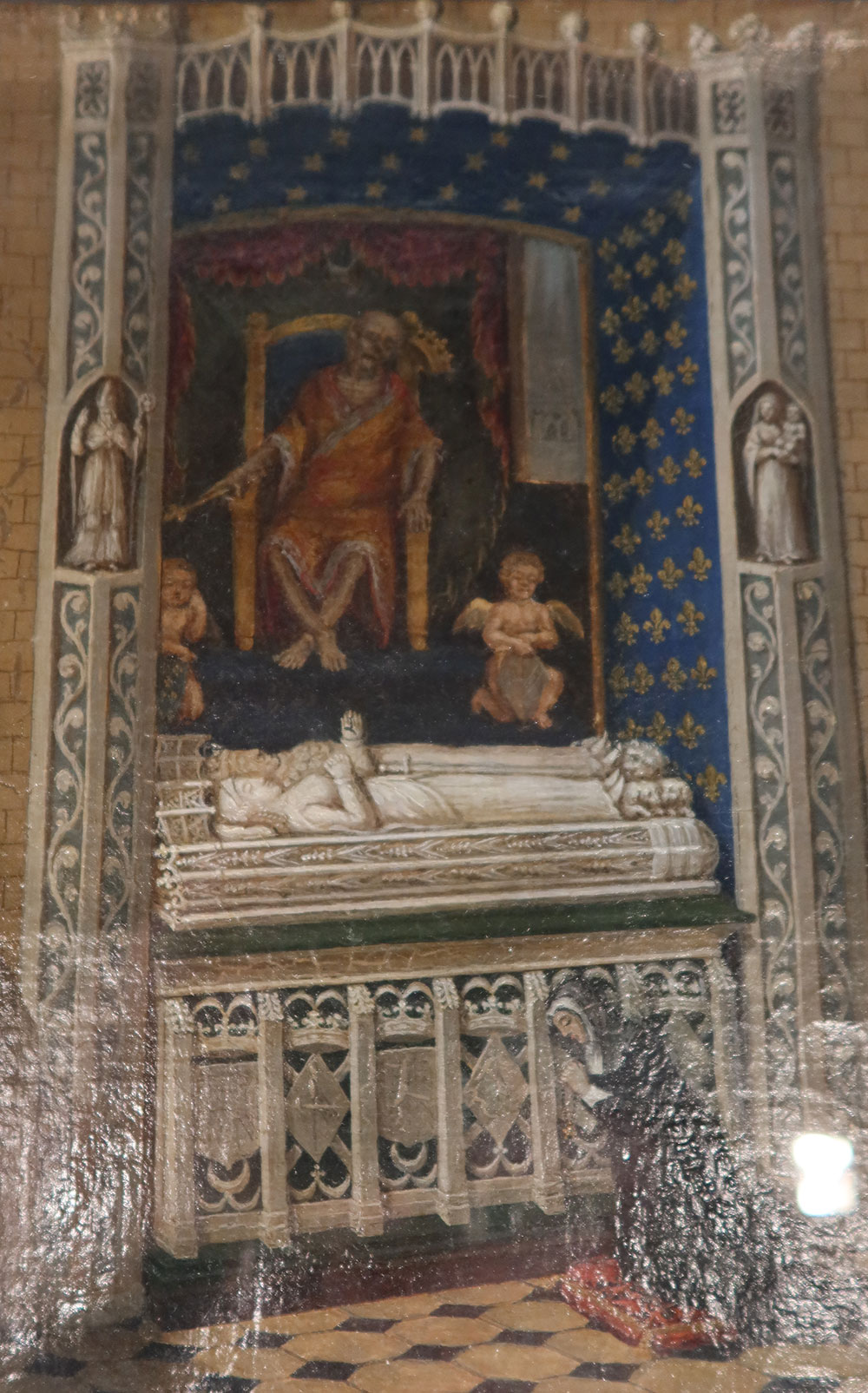
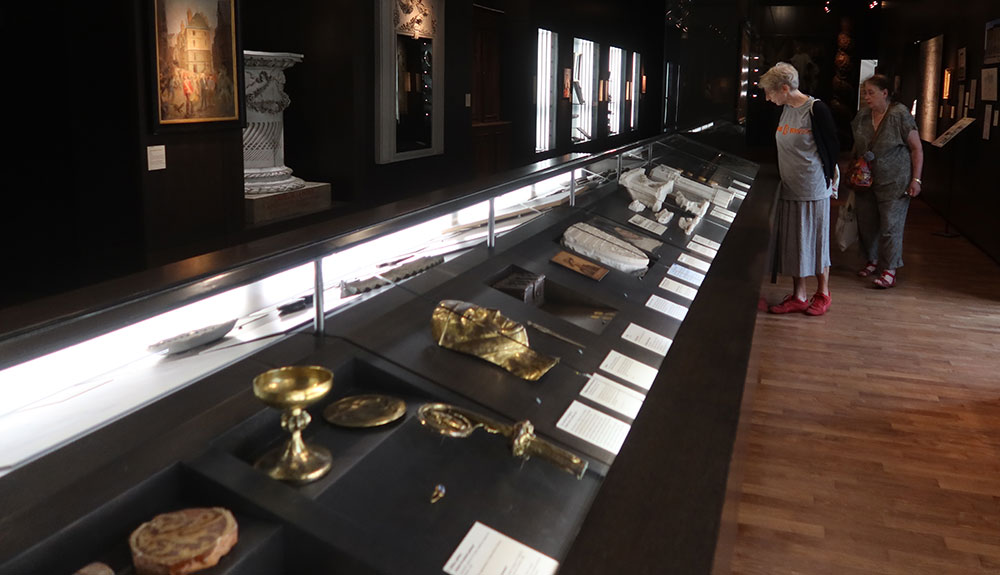
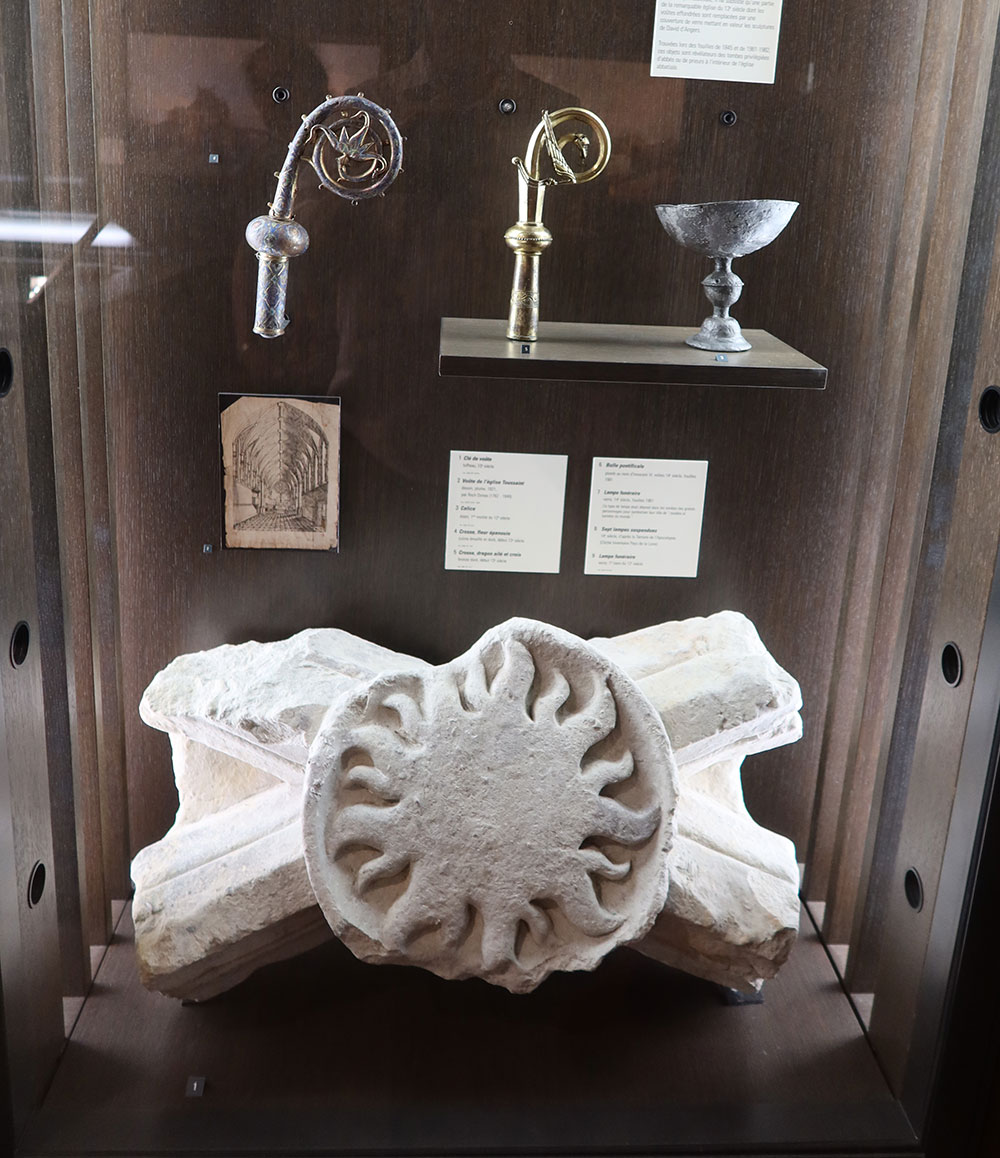
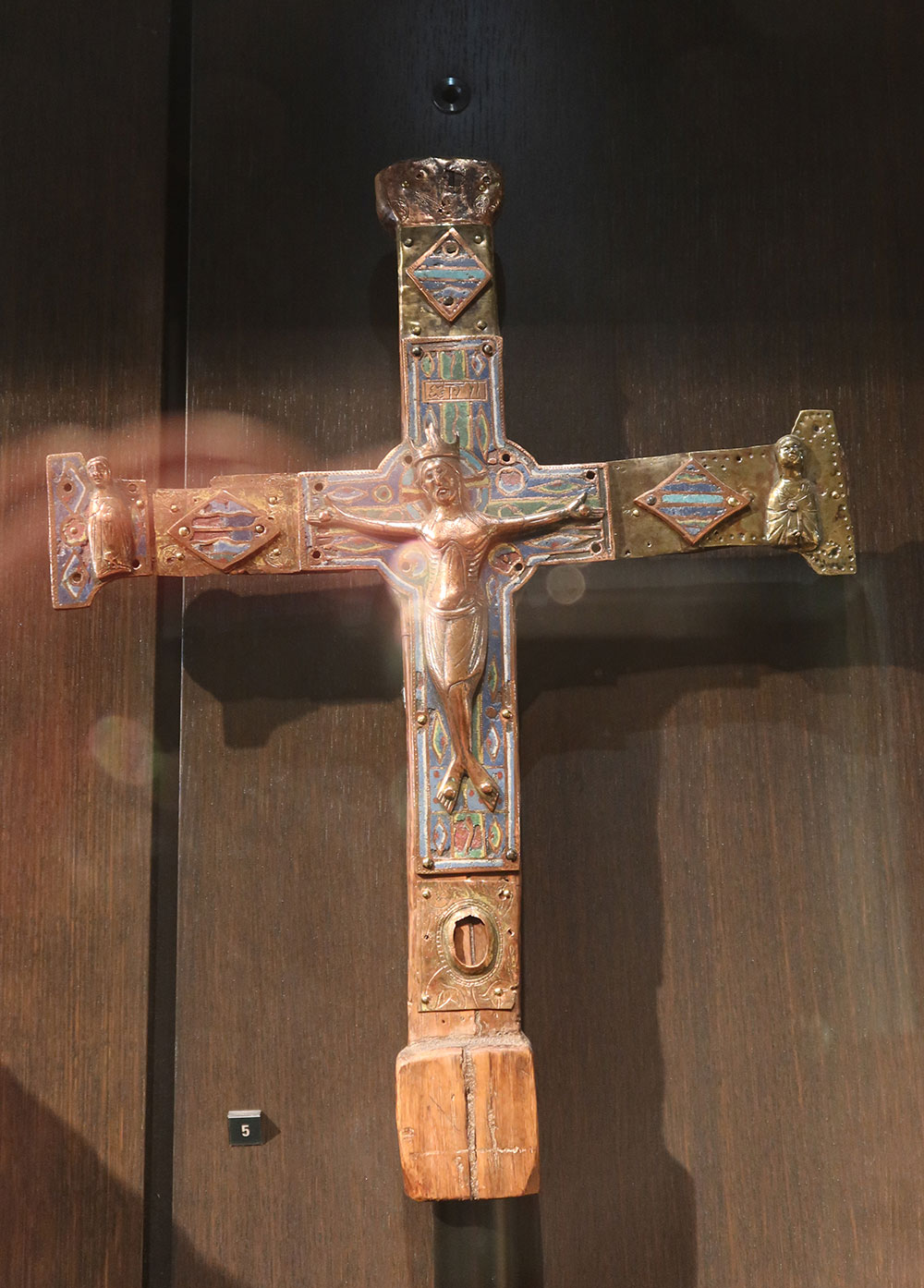
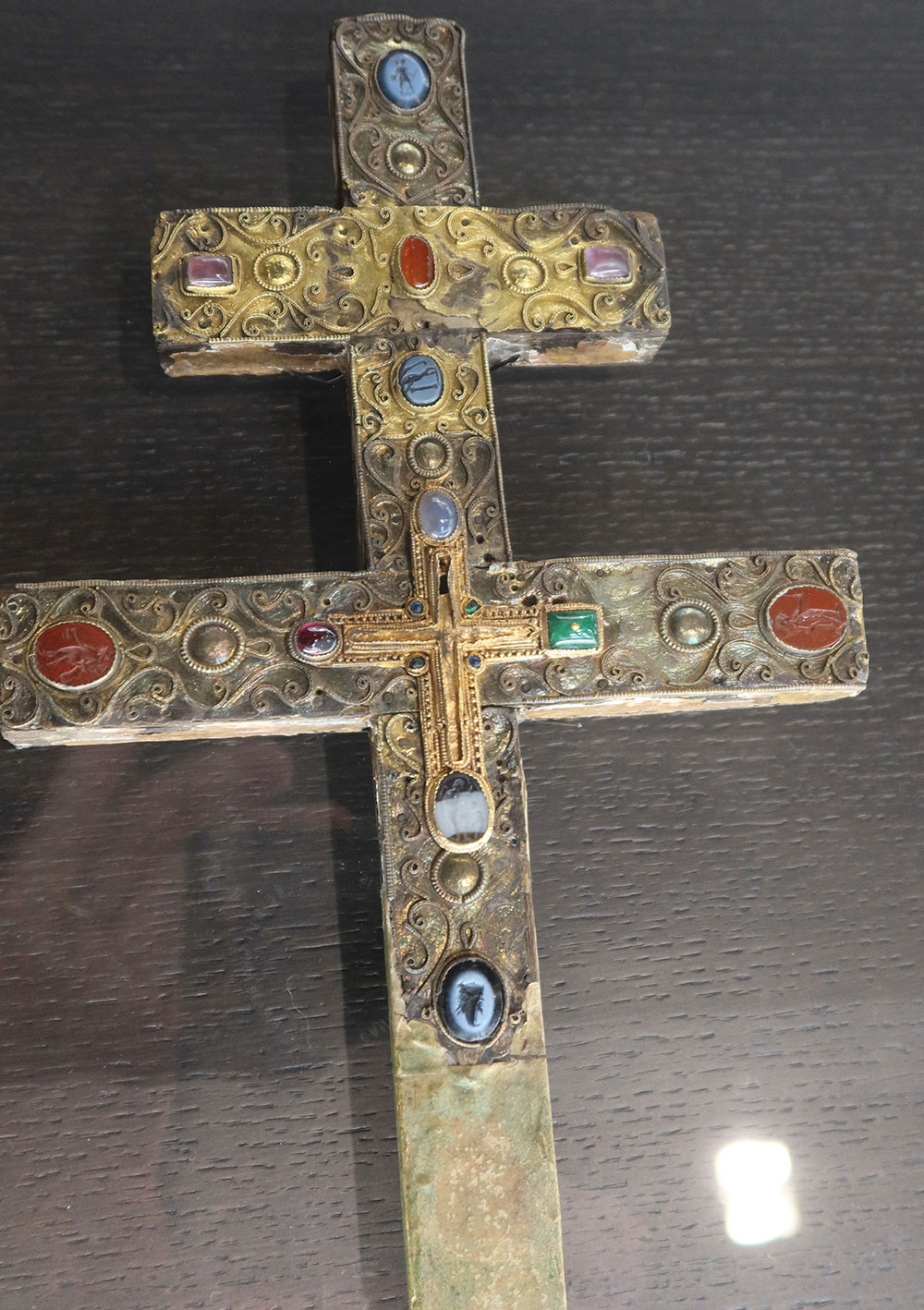
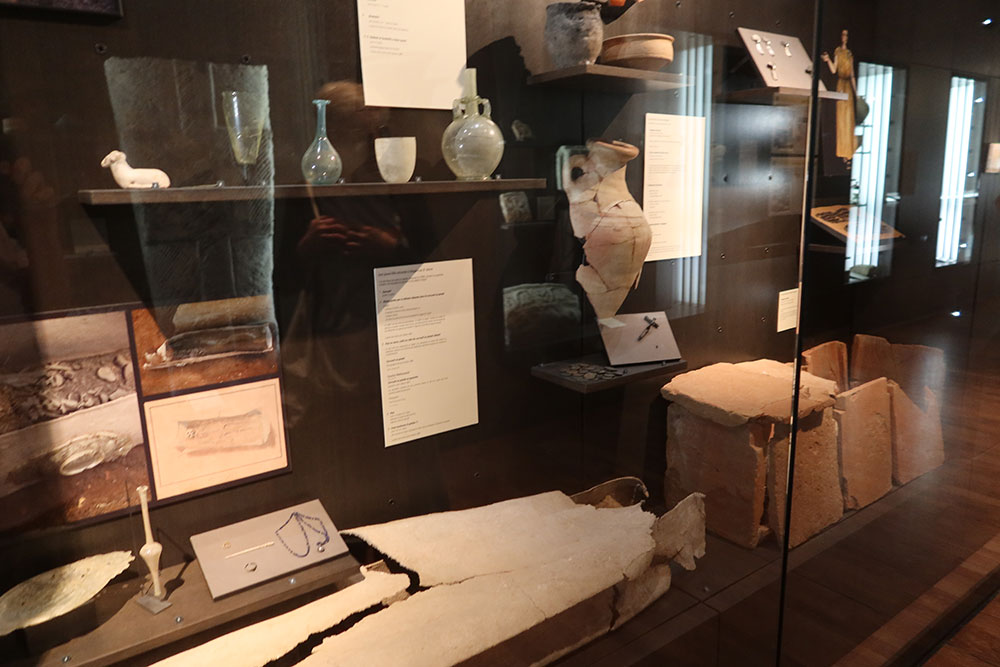
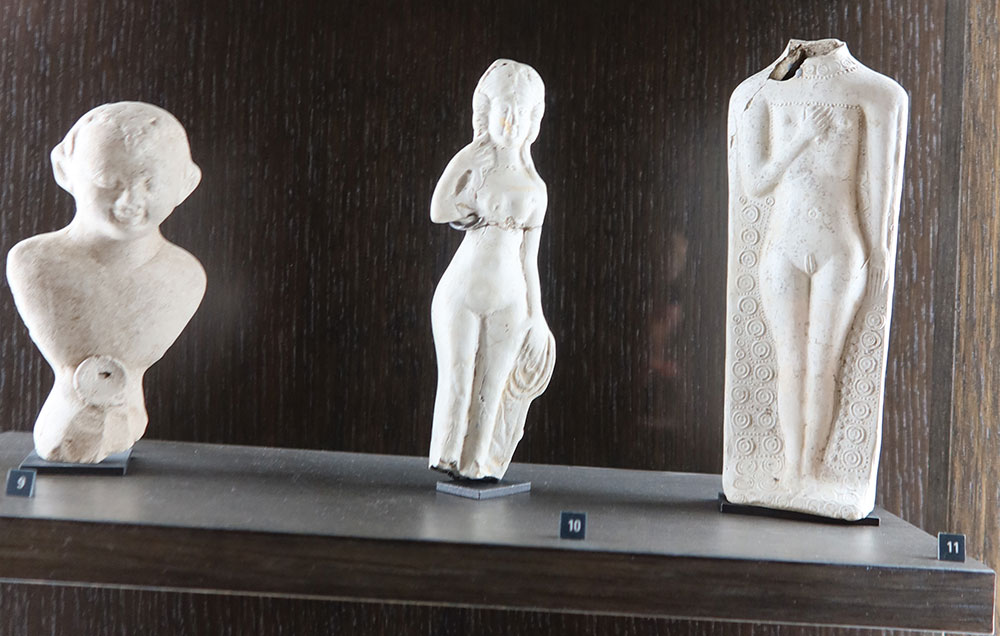
Running alongside the fine arts survey is a permanent circuit dedicated to the urban history of Angers, from Neolithic occupation through to contemporary development. Archaeology, civic objects, trade guild silver and pewter, printed textiles, and documentary photographs sit alongside portraits and views of the city in a display that consciously situates the aesthetic within the social. Fourth-century silver fibulae recovered from excavations, a twelfth-century ivory horn from the cathedral, the keys of the city, and a painted altarpiece of the patrie all appear in a sequence designed to give context as much as connoisseurship.
The integration of civic history into a beaux-arts museum is not without its methodological tensions, and the Angers team has navigated these with plans, photographs, and architectural models that contextualise objects without reducing them to illustration. For institutions grappling with questions of decolonisation, community ownership, or the social function of the museum, this circuit offers one worked example of how historical layering can be made productive rather than merely accumulative.
Architecture, Renovation, and Scale
Between 1999 and 2004 the museum underwent substantial renovation and enlargement under two architects: Gabor Mester de Parajd, Chief Architect of Historic Monuments, and Pierre-Eric Schirmann. The project was considerable: the total floor area now approaches 7,000 square metres, including a 550-square-metre temporary exhibition hall and 1,000 square metres of public reception space. The renovation balanced the requirements of a classified historic building with those of a functioning contemporary museum — climate control, accessibility, visitor flow, and conservation-grade storage — without erasing the building's layered character.
David d'Angers and the Broader Museum Network
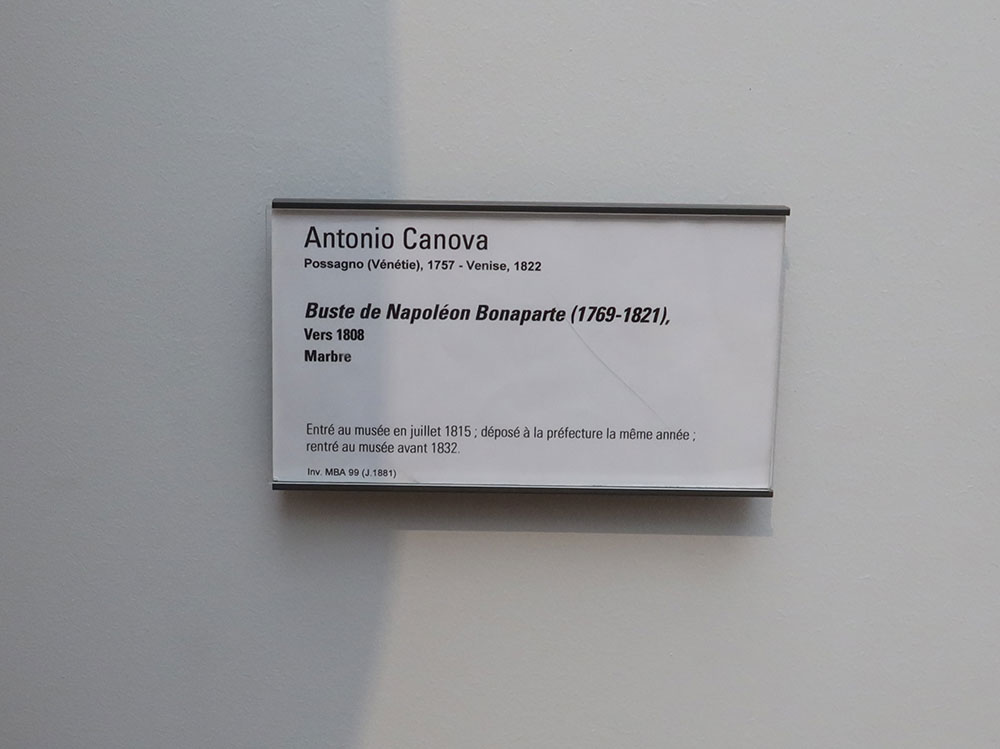
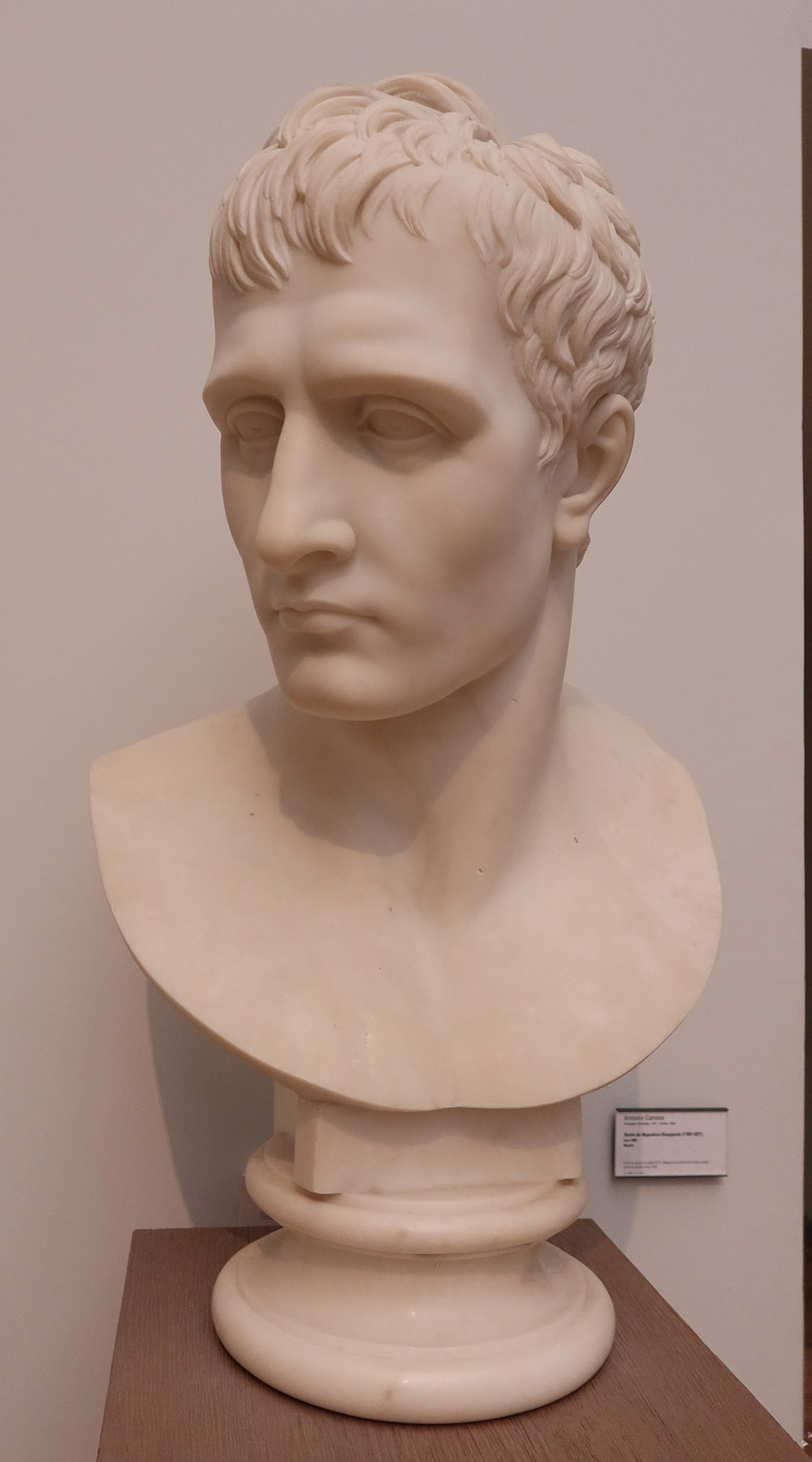
The Musée des Beaux-Arts sits at the centre of a network of seven municipal establishments in Angers — six museums and an artothèque — collectively holding more than 50,000 works and 830,000 natural history specimens. The David d'Angers Gallery, housed in the restored thirteenth-century Toussaint abbey church since 1984 (when François Mitterrand inaugurated the new installation), holds the most comprehensive collection of work by the sculptor Pierre-Jean David, known as David d'Angers (1788–1856). Medallions, busts, plaster casts, drawings, and monumental bronze and marble sculptures chart a career that engaged with virtually every significant public and intellectual figure of the early nineteenth century — Goethe, Balzac, Victor Hugo, Paganini, and Bonaparte among them. The sculptor's regular donations to his native city form the core of a holding that has no equivalent elsewhere.
The Musée Jean-Lurçat et de la Tapisserie Contemporaine, occupying the twelfth-century Hôpital Saint-Jean, adds another dimension to the network's reach. Jean Lurçat's ten-panel cycle Le Chant du Monde (1957–1966), conceived as a response to the medieval Apocalypse tapestries held at the Château d'Angers, establishes Angers as a site of significance for the history of textile art specifically, and for the relationship between contemporary art and medieval precedent more broadly.
For professionals researching collection provenance, the museum's holdings include a number of Musées Nationaux Récupération (MNR) works — paintings recovered after the Second World War whose original ownership has not been fully resolved. Their presence is acknowledged in the display, consistent with current French policy on the transparency of wartime restitution cases.
The Musée des Beaux-Arts d'Angers does not present itself as a Paris satellite or a regional consolation prize. Its collection is the product of sustained local patronage, careful curatorial stewardship, and an honest engagement with the building and city that house it. For institutions considering partnership, loan agreements, or study visits — particularly those with interests in eighteenth-century French painting, medieval applied arts, or the history of public sculpture — it merits closer attention than its location in the Loire Valley might initially suggest. musees.angers.fr