

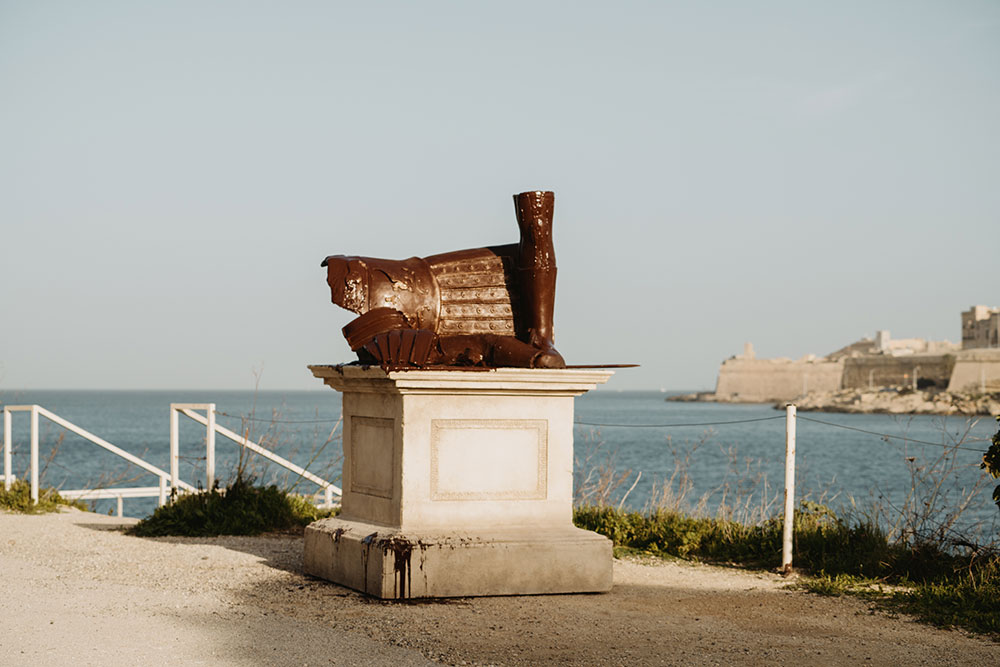
Arts Council Malta returns to the Arsenale this May with a proposition that runs counter to the noise of contemporary life. No Need to Sparkle; Experiments in Love and Revolution, the group exhibition curated by Margerita Pulè and featuring the work of Adrian MM Abela, Charlie Cauchi and Raphael Vella, opens at the Artiglierie on 9 May 2026 and runs until 22 November. It marks Malta's fifth participation in La Biennale di Venezia since the country re-entered with its own national pavilion in 2017.
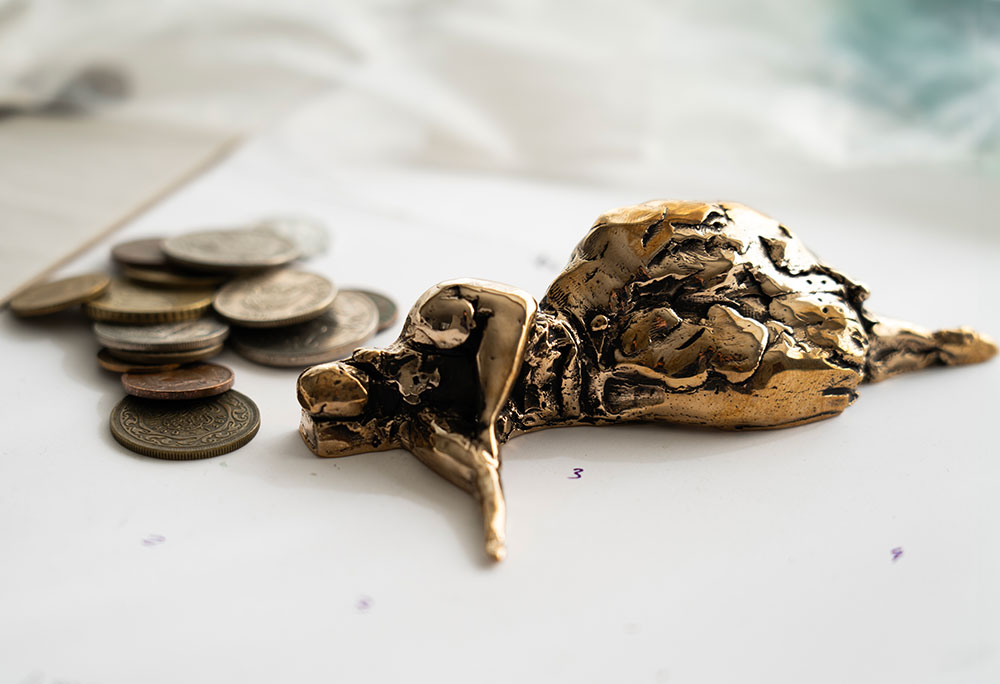
Adrian_MM_Abela - Sleeping Lady
The exhibition's title is drawn from Virginia Woolf's essay A Room of One's Own, and the borrowing is deliberate. Pulè has framed the pavilion as a considered response to fractured, accelerated times — a space in which doubt is repositioned not as a symptom of paralysis but as a form of active engagement. In her words, the pavilion is proposed as an antidote, allowing room for resistance through reflection, dialogue and strangeness. It is a curatorial stance that asks something of its audience: to sit with uncertainty, and to find in that discomfort a means of understanding the world with greater openness.
Each of the three artists presents a newly commissioned screen-based and multimedia installation. Taken together, the works draw on protest history, prehistoric mythology, questions of identity, and the mechanics of cinema, placing myth, archival material and contemporary media alongside one another to examine how belief systems form and dissolve. Large-scale sculpture, hand-drawn works, live-action film and stop-motion animation all feature across the three bodies of work, creating what the exhibition describes as layered fictions and shifting narratives.
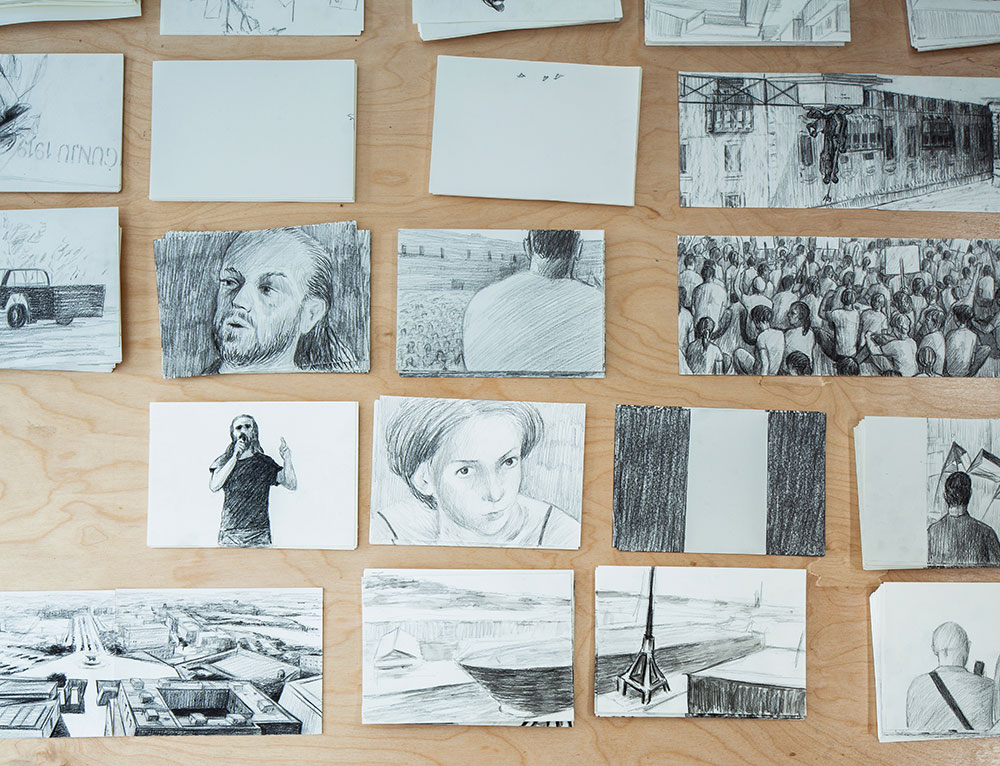
Adrian MM Abela, who lives and works in Los Angeles and holds an MFA in sculpture from UCLA, brings his characteristic movement between poetry and material inquiry to Declaration of Dependance. The work combines digital technologies, sculptural elements and hand-drawn pieces to construct an environment that interrogates Malta's founding narratives and prehistoric myths, and by extension, asks where any of us locate ourselves within inherited history. Abela's atelier has long been shaped by paradoxes of identity and knowledge, and the Venice commission extends that territory into the archaeological and the mythological.
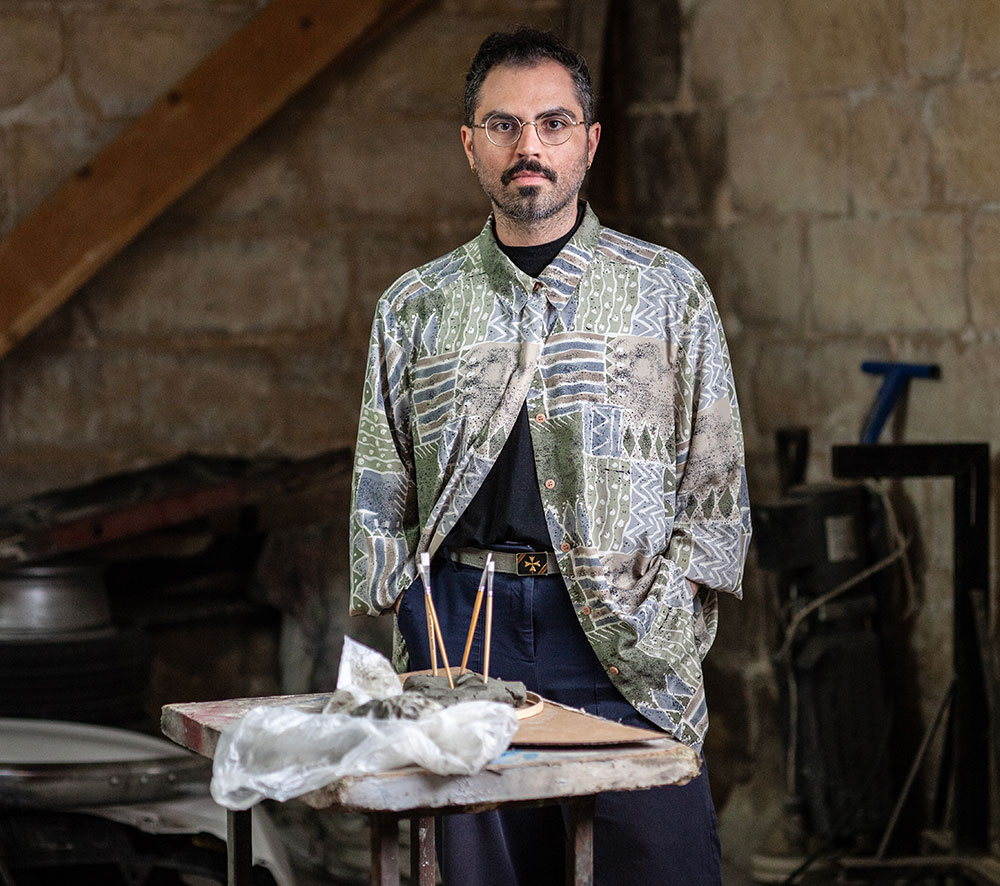
Adrian MM Abela by Julian Vassallo
Charlie Cauchi's Dolce takes as its starting point the cinema of Federico Fellini — specifically La Dolce Vita — to examine the illusion-making apparatus of film and the consequences of a moment in which the boundary between fact and fiction has become structurally unstable. Cauchi, an interdisciplinary artist and filmmaker based in Malta with a background in film studies from Queen Mary University of London, brings a rigorously personal sensibility to work that nonetheless addresses universal questions of authenticity, labour and global image-making. Her presence in the pavilion carries additional historical weight: she is the first female artist to represent Malta at the International Art Exhibition of La Biennale di Venezia.
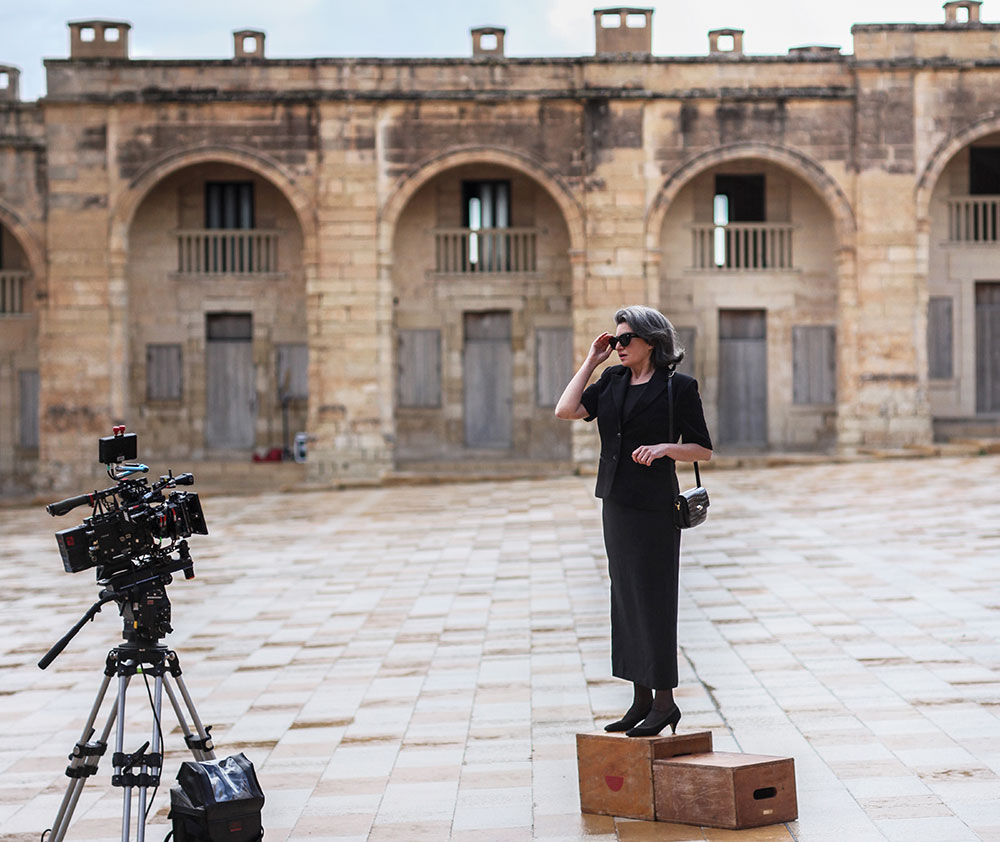
Charlie Cauchi by Julian Vassallo
Raphael Vella's contribution, Praying For A Revolution That Will Never Come, draws from a century of archival footage documenting struggles for autonomy and self-determination in Malta. A full professor at the University of Malta and an artist whose work spans drawing, installation and stop-motion animation, Vella removes these historical images from their original contexts, allowing the certainty and righteousness once attached to them to fall away. What remains, in the work's considered framing, is the bare act of resistance itself — stripped of narrative, stripped of outcome.
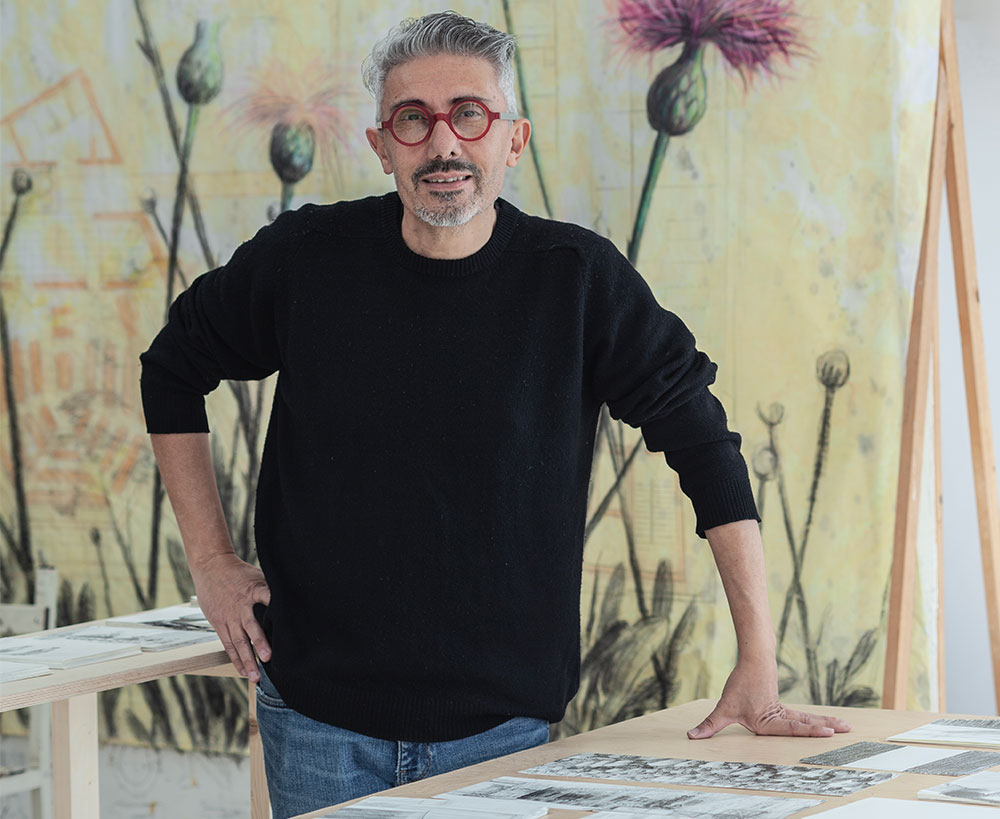
Raphael Vella by Julian-Vassallo
Pulè, who founded Unfinished Art Space and whose curatorial work has consistently engaged with experimental, site-specific and research-led methodologies, brings a doctoral rigour to the pavilion's conceptual underpinning. Her curatorial framework refuses the comfort of resolution. The exhibition does not propose answers to the crises it names — the fractured information landscape, the erosion of shared reality, the political and environmental pressures of the present — but instead creates conditions in which those questions can be held differently.

Margerita Pulè by Alexandra Pace
It is a measure of Arts Council Malta's sustained commitment to the Biennale that this fifth pavilion arrives with such a clearly articulated intellectual position. Since 2017 the national programme has moved through varied conceptual terrain, from the heterotopias of Maleth / Haven / Port to the archival ambitions of I WILL FOLLOW THE SHIP, and the current edition continues that trajectory of serious, research-grounded exhibition-making. The project is led by the Internationalisation team at Arts Council Malta, headed by Dr Romina Delia, with the pavilion produced by Unfinished Art Space with R Gallery.
No Need to Sparkle; Experiments in Love and Revolution opens at the Artiglierie, Arsenale, Venice on 9 May 2026 and runs to 22 November 2026.