
A West Coast Institution at the Forefront of Modern and Contemporary Art
The San Francisco Museum of Modern Art: Collection, Architecture, and Civic Mission
Founded in 1935, the San Francisco Museum of Modern Art — known universally as SFMOMA — holds the distinction of being the first museum on the West Coast devoted solely to modern and contemporary art. That founding identity, shaped under the leadership of director Grace L. McCann Morley, has remained a defining thread through nearly nine decades of institutional development, even as the museum's scale, collection, and physical presence have transformed considerably.
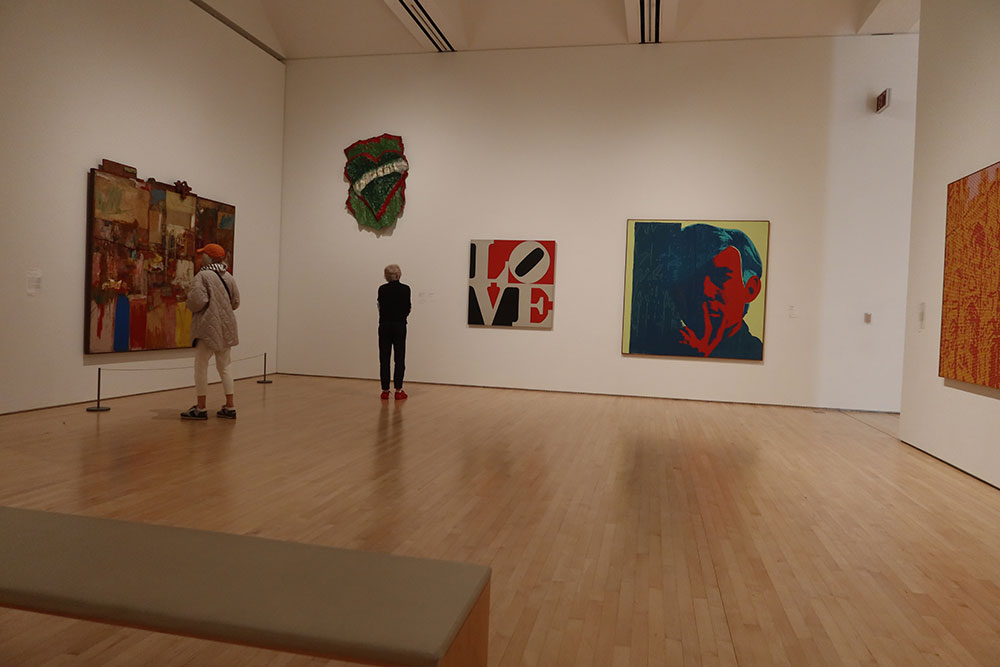
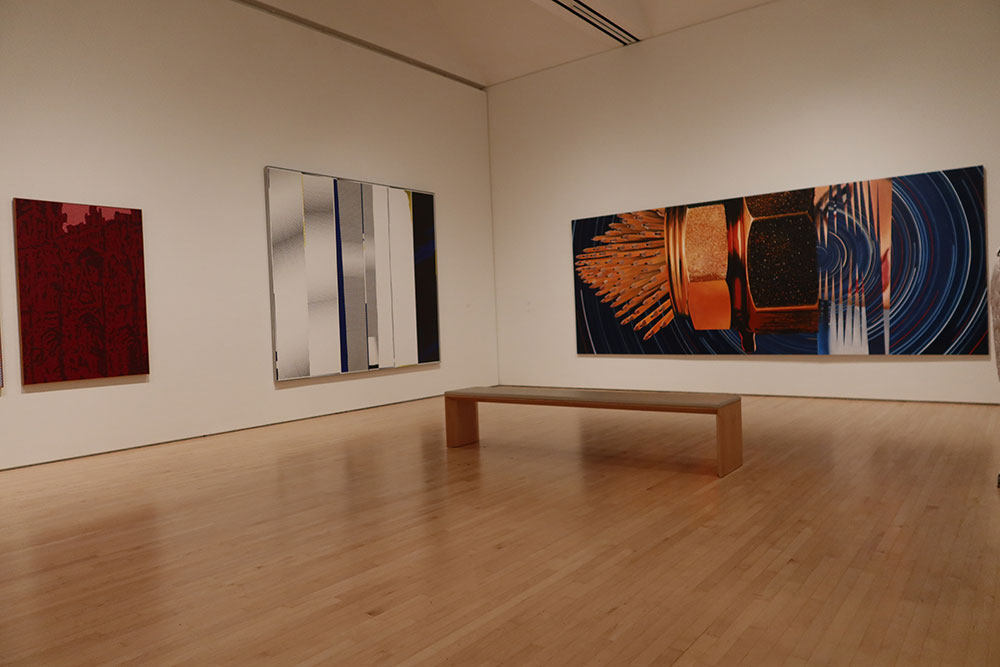
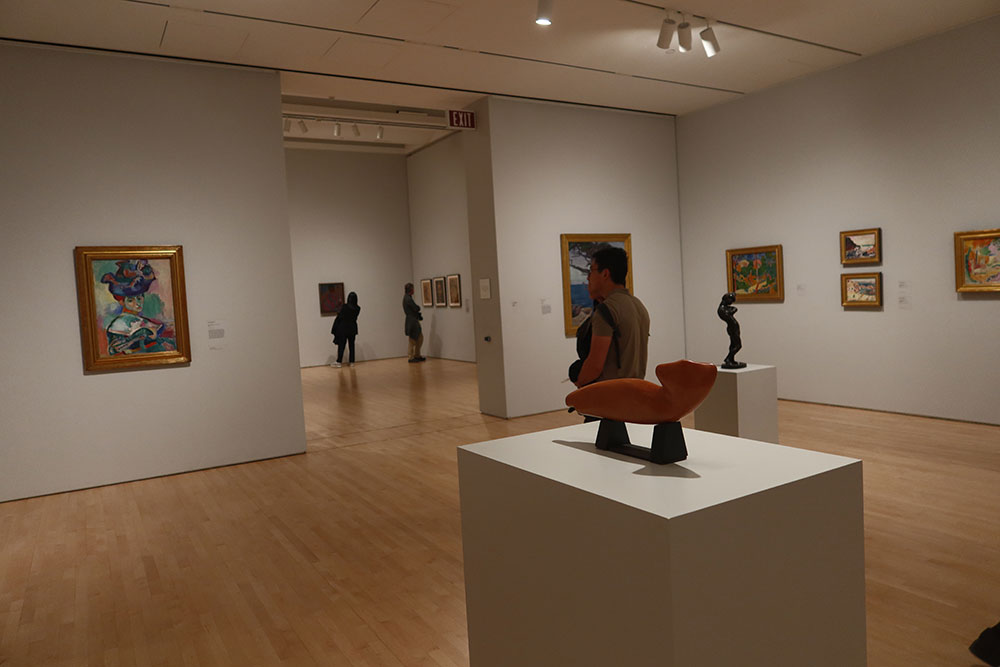
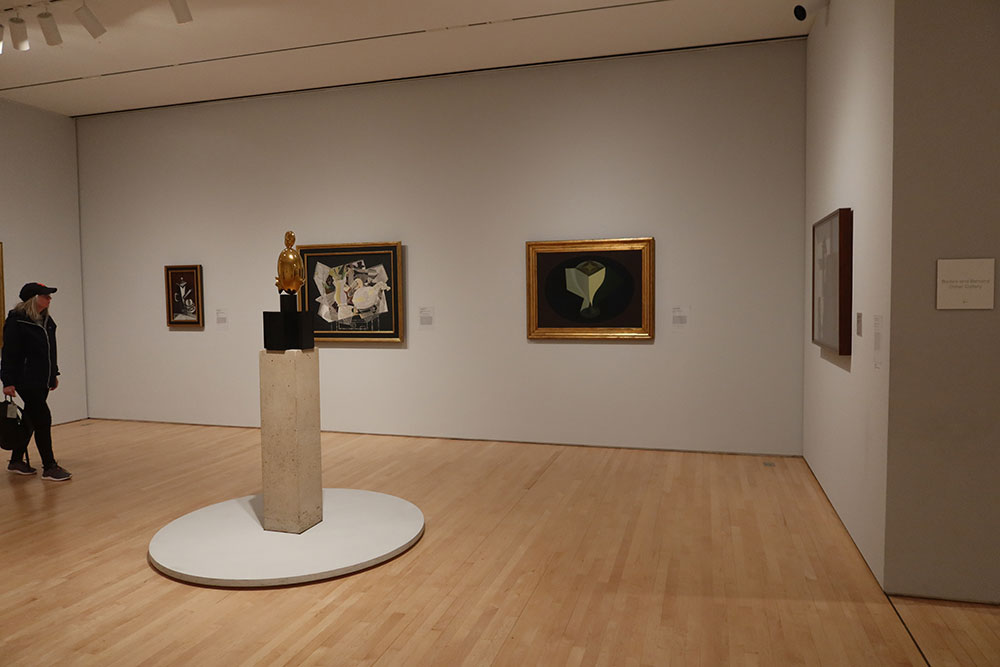
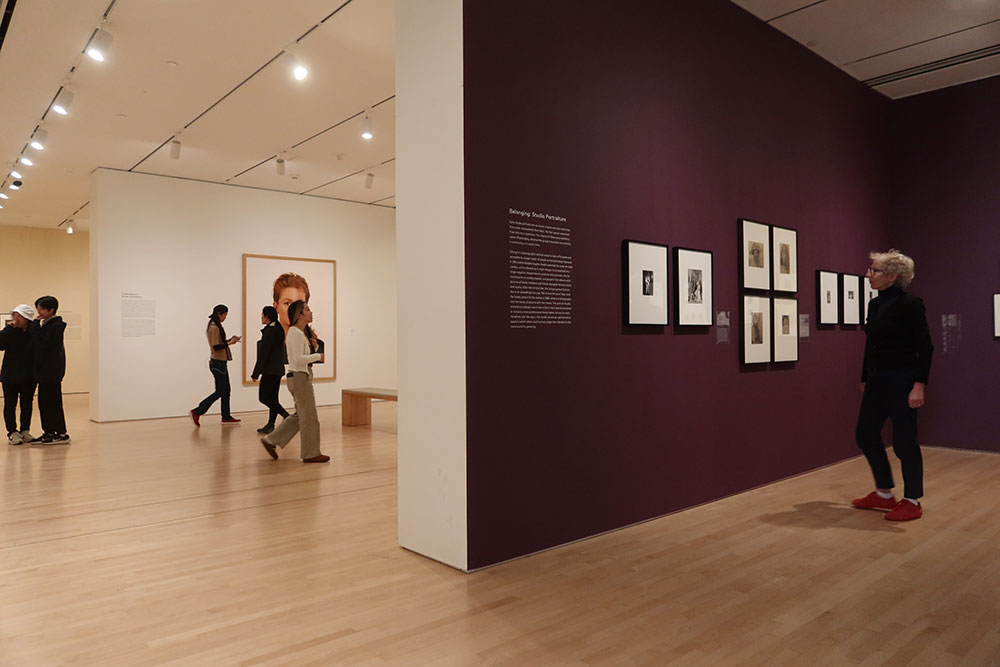
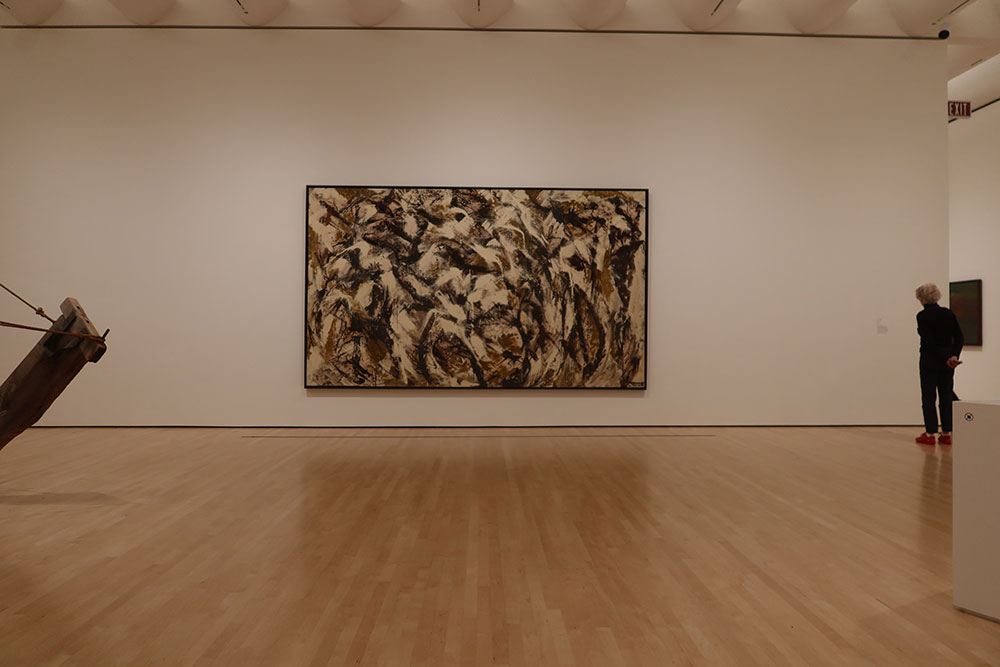
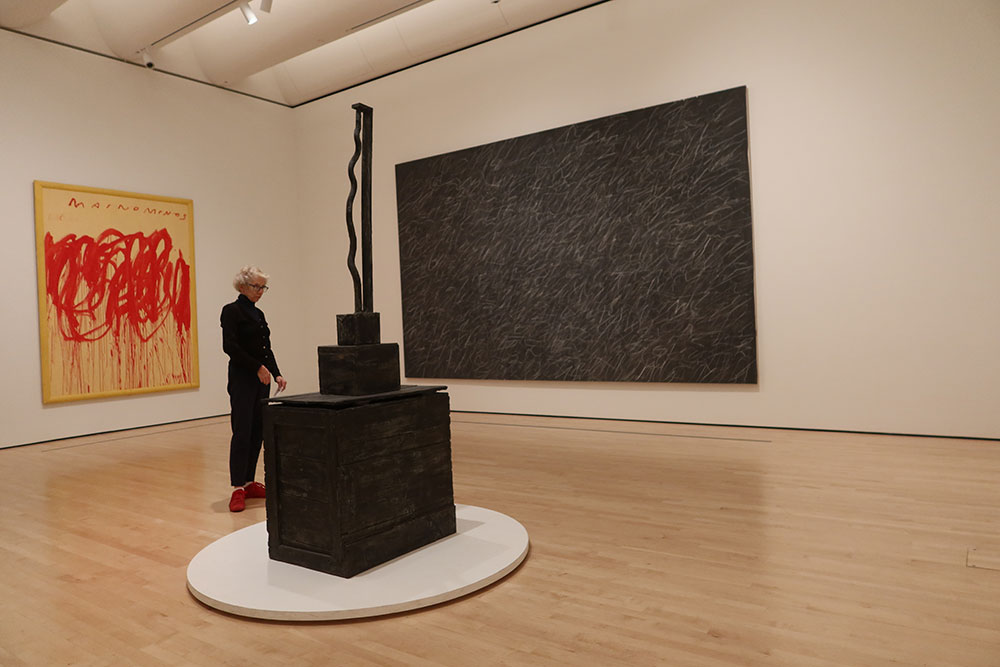
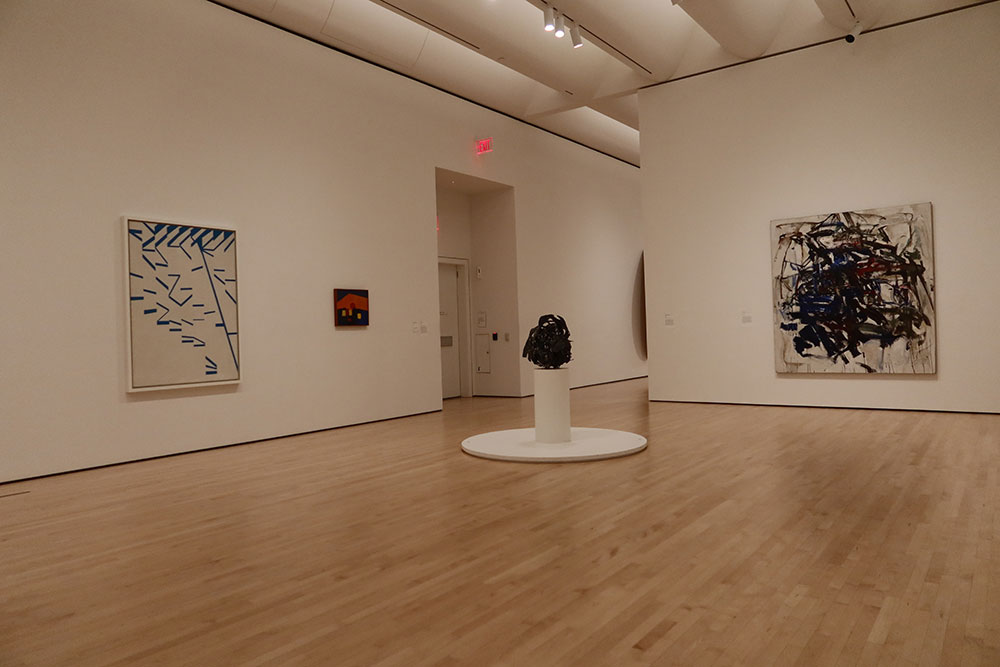
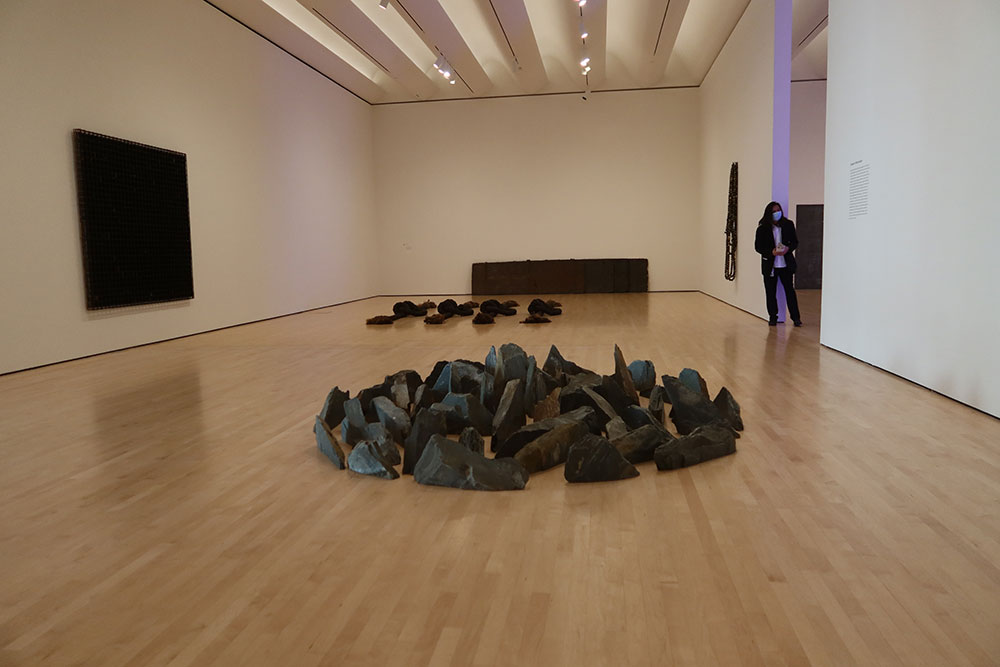
Today, SFMOMA is housed at 151 Third Street in San Francisco's South of Market neighbourhood, within a building that is itself a significant work of architecture. The museum occupies over 170,000 square feet of exhibition space — making it one of the largest institutions of its kind in the United States — and its collections now exceed 36,000 works across painting and sculpture, photography, architecture and design, and media arts.
A Building in Two Acts
The museum's current home was inaugurated in January 1995, designed by Swiss architect Mario Botta. His building, with its characteristic striped granite facade and central oculus, gave SFMOMA a confident civic presence and a new level of prominence within the cultural landscape of the Bay Area. For two decades, the Botta building served the institution well, though the growth of the permanent collection and the acquisition of the Doris and Donald Fisher Collection eventually demanded more space than it could provide.
In May 2016, following a three-year closure, SFMOMA reopened with a major expansion designed by the Oslo and New York-based architecture firm Snøhetta. The addition more than doubled the museum's gallery space and increased publicly accessible areas to nearly six times what the Botta building had offered. Snøhetta's expansion runs contiguously along the rear of the existing structure, integrating the two buildings into a largely seamless whole. The eastern facade of the new wing, comprising over 700 uniquely shaped fiberglass reinforced polymer panels, draws its formal language from the rippling horizontal patterns of San Francisco Bay, catching light differently throughout the day and providing a distinctive counterpoint to Botta's earthier materiality.
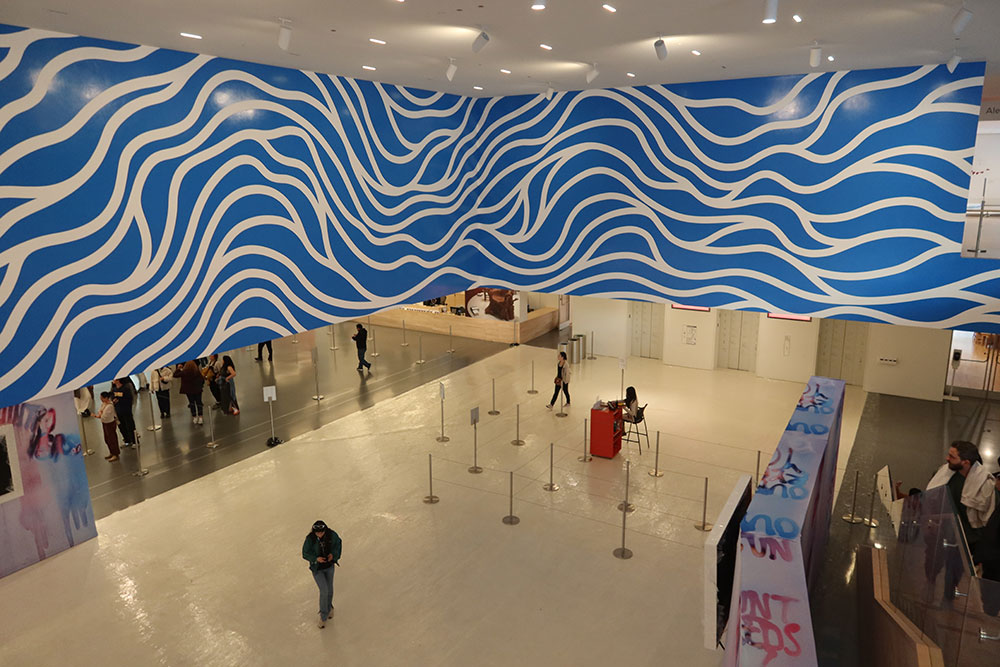
Inside, the expansion introduced what the architects call the City Gallery — a cascading series of stairs along the new facade that frames views across downtown San Francisco. An atrium floods the building's core with natural light through a new oculus, and a sculptural stair draws visitors upward through the public floors. Approximately 45,000 square feet of space across the lower floors remains accessible to the public without admission fees, with rotating art installations and a programme of free events that reinforces SFMOMA's commitment to remaining a genuinely open civic institution.
The Permanent Collection
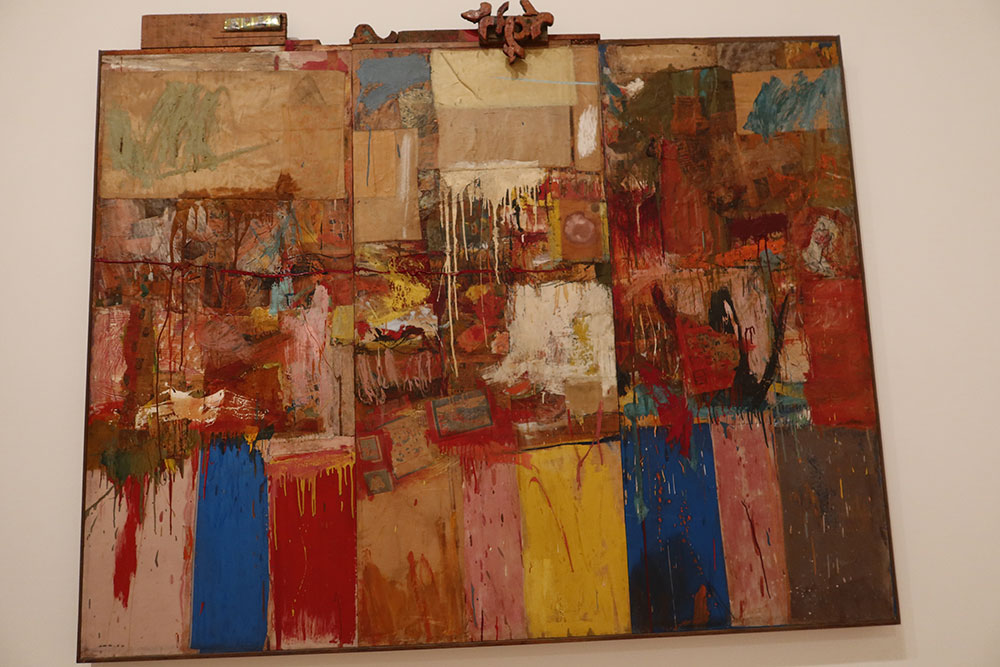
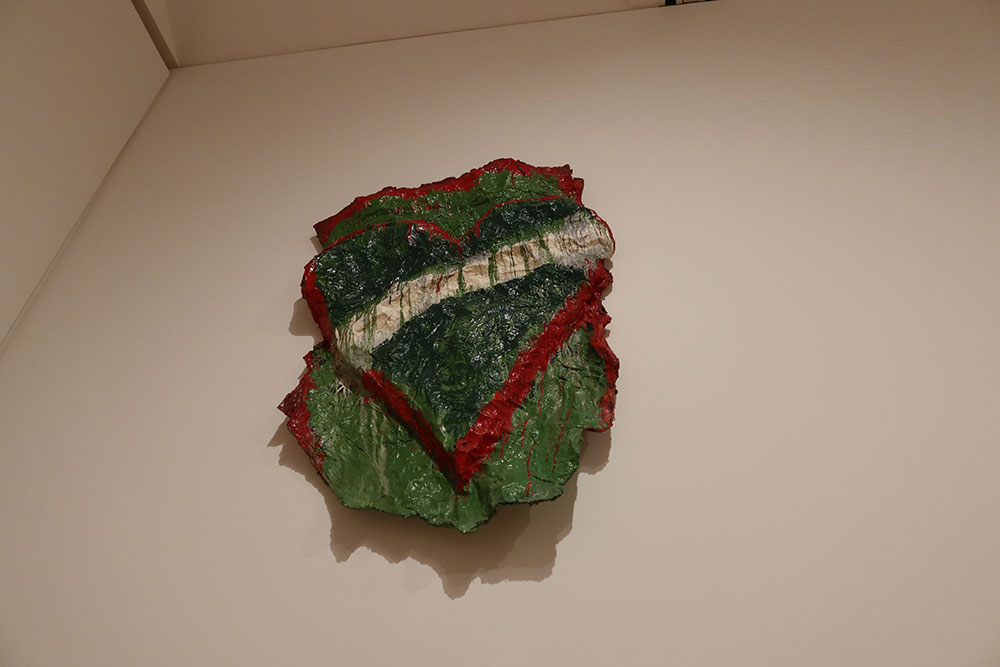
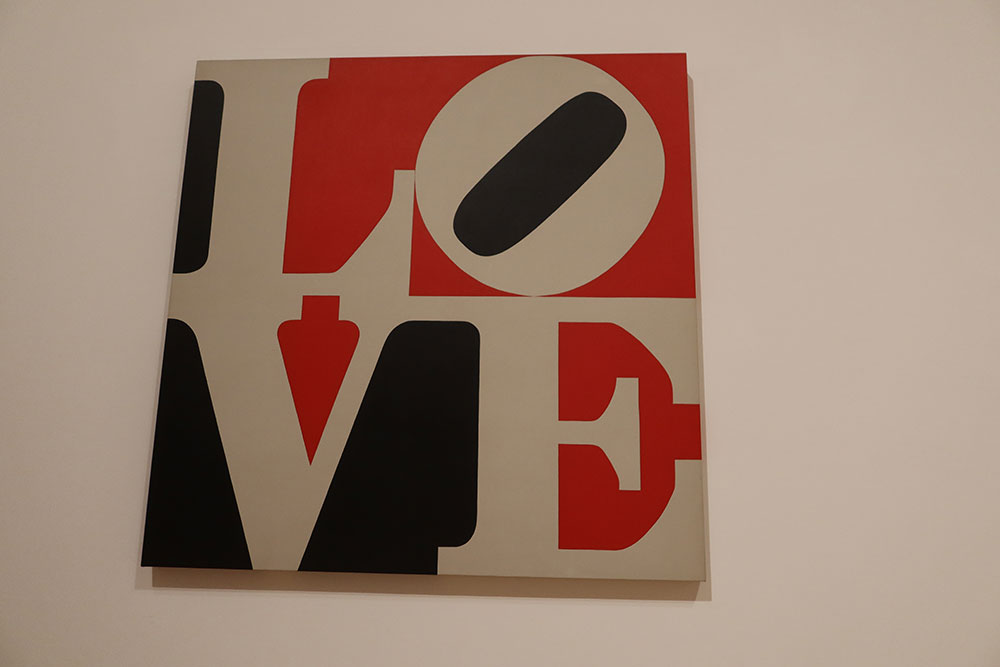
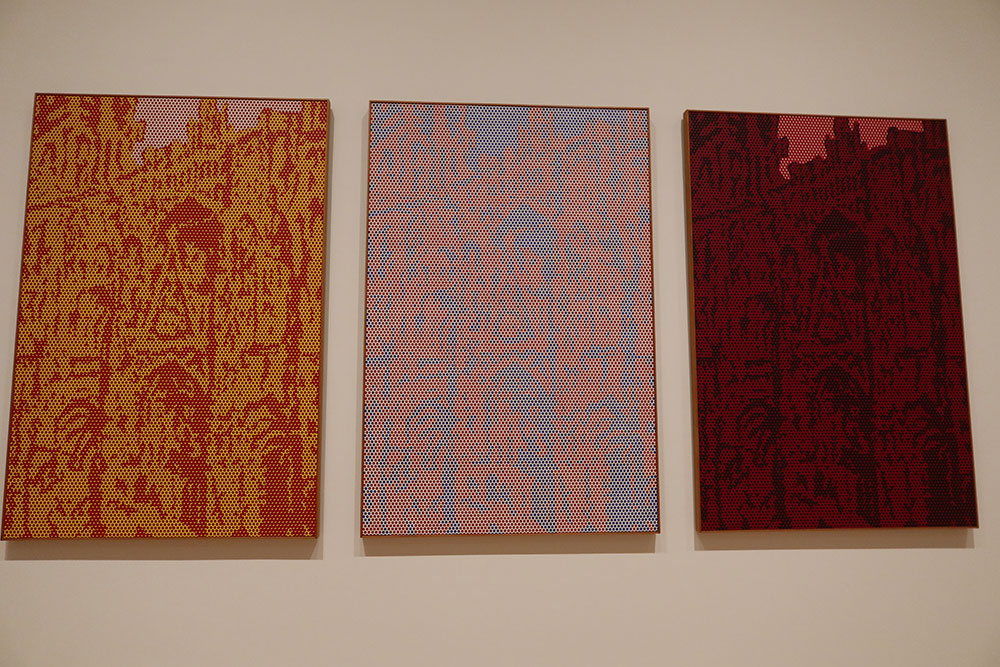
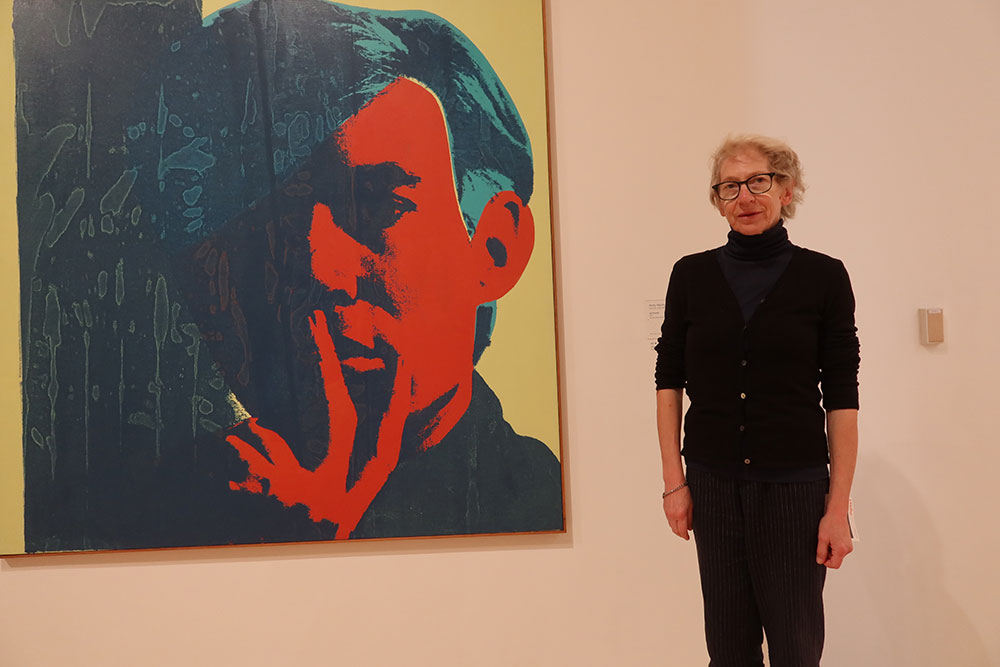
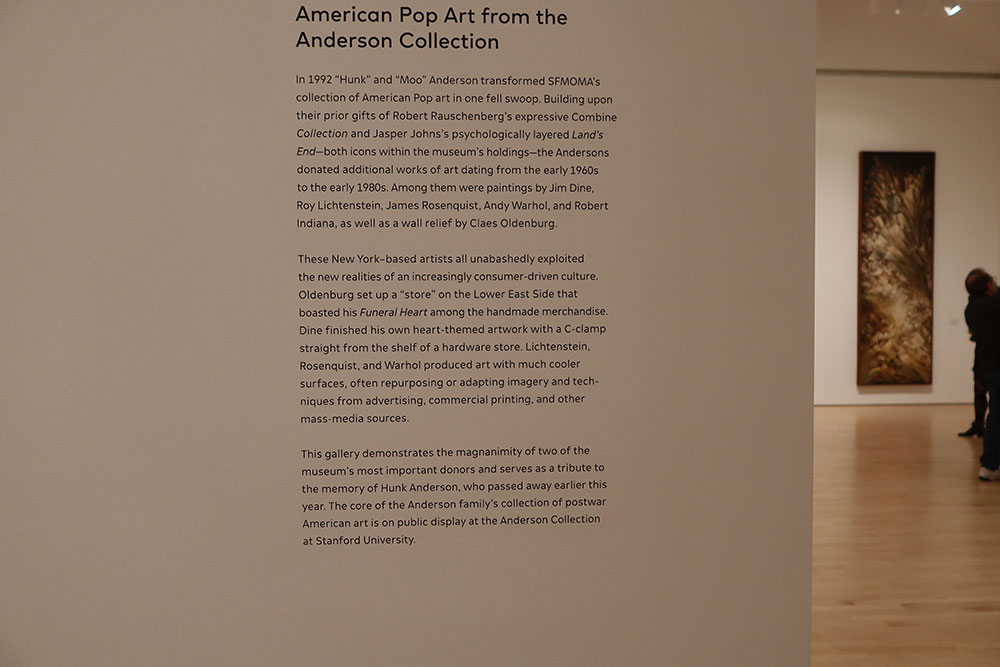
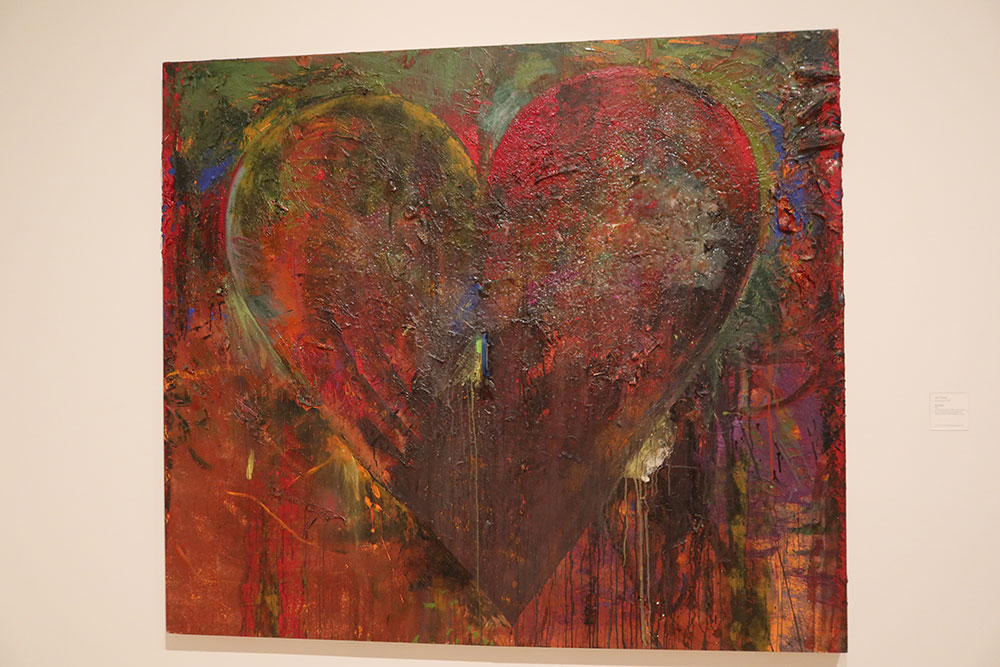
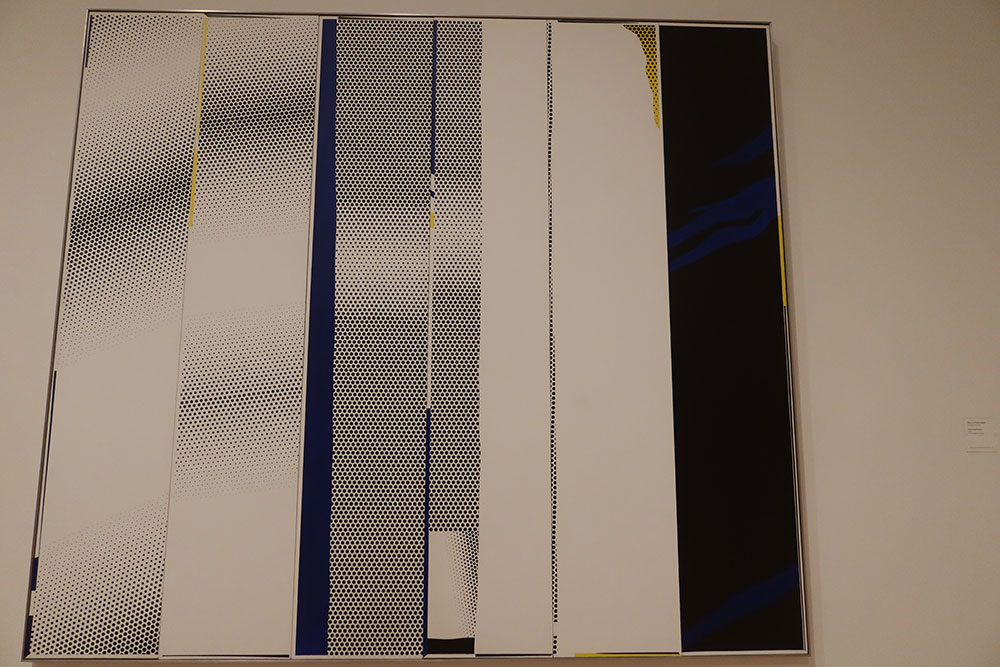
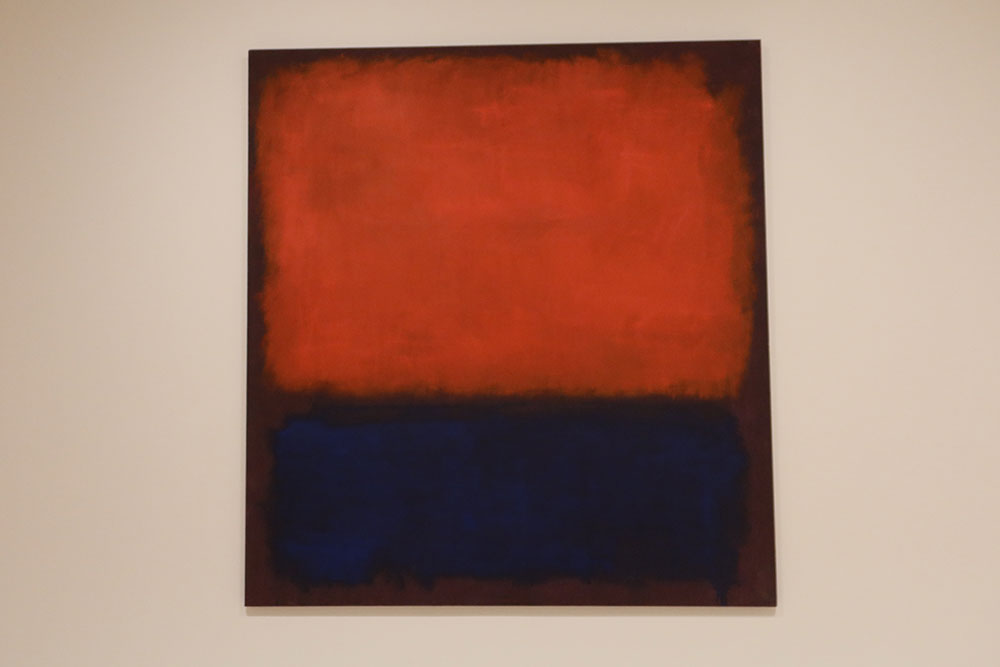
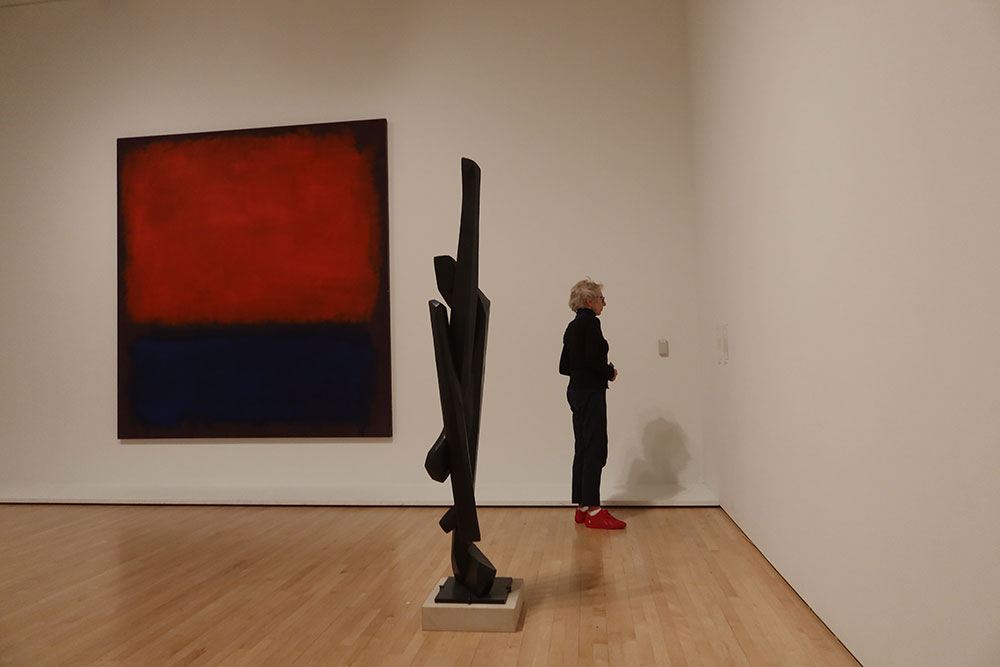
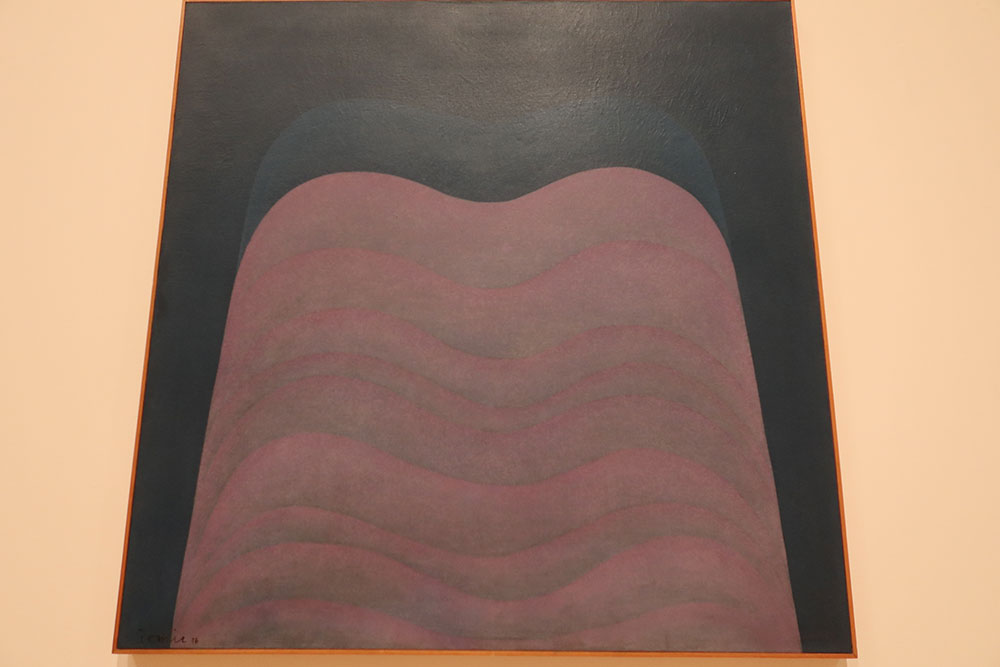
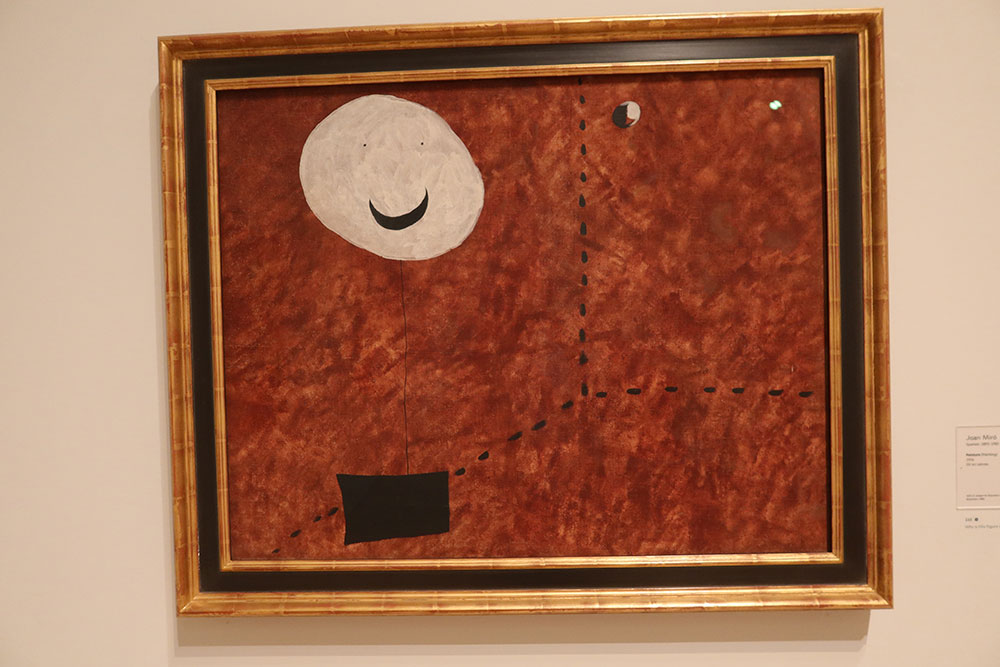
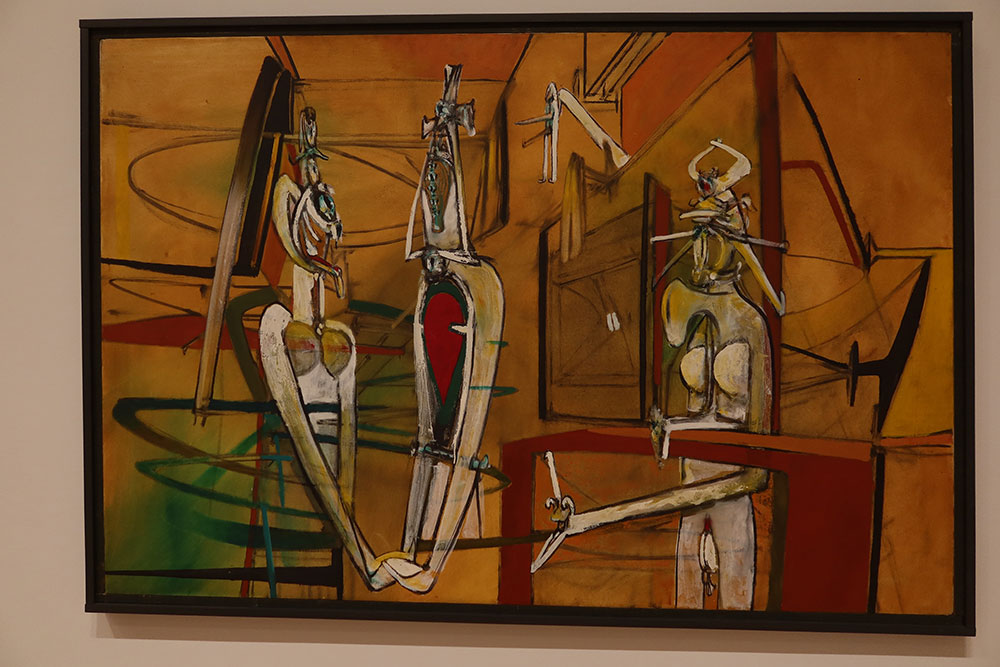
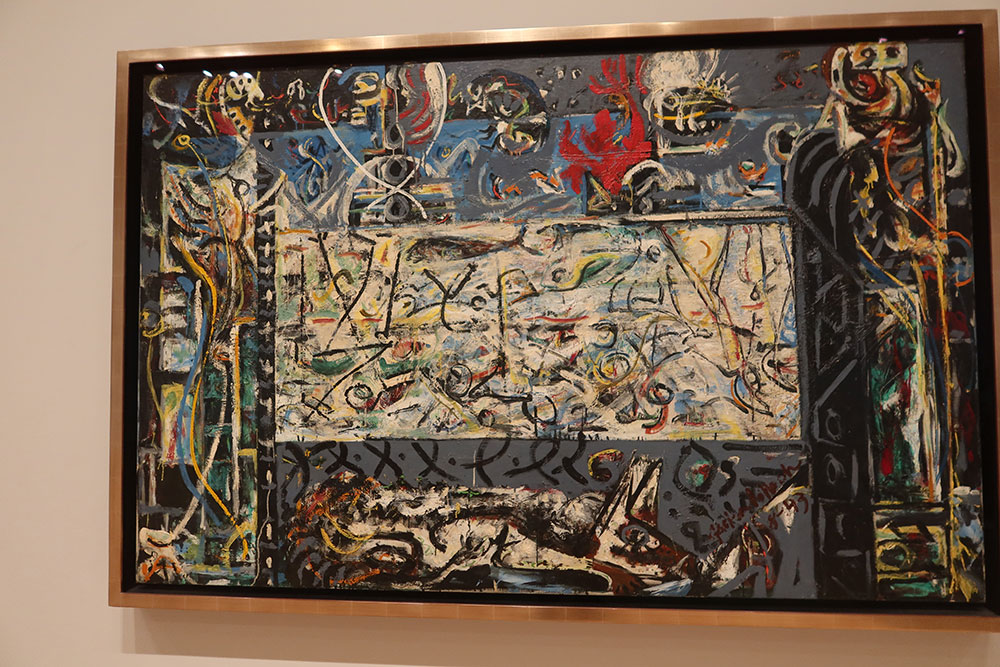
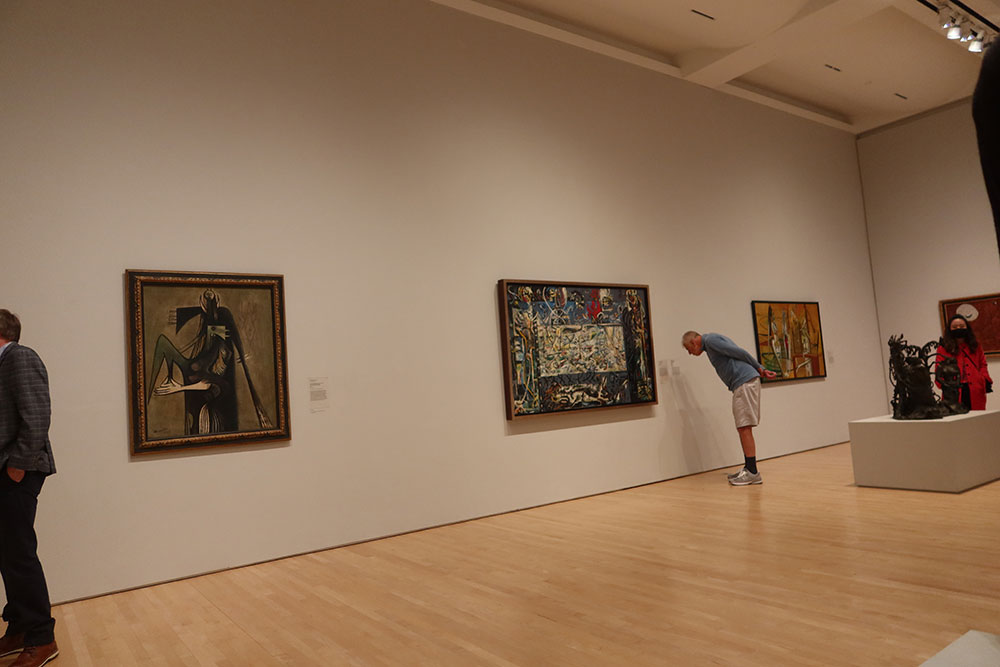
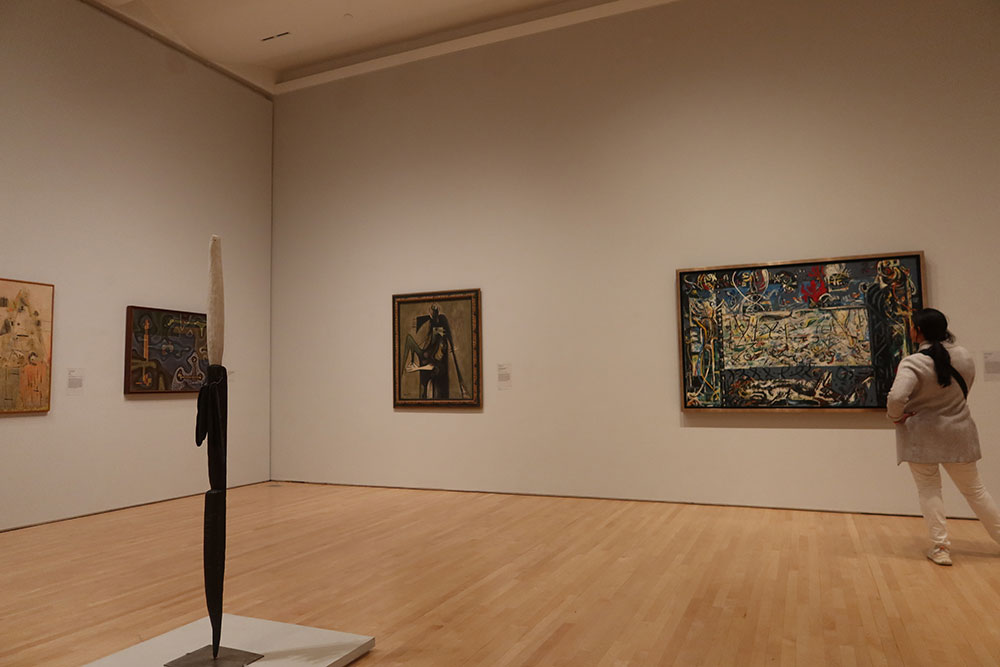
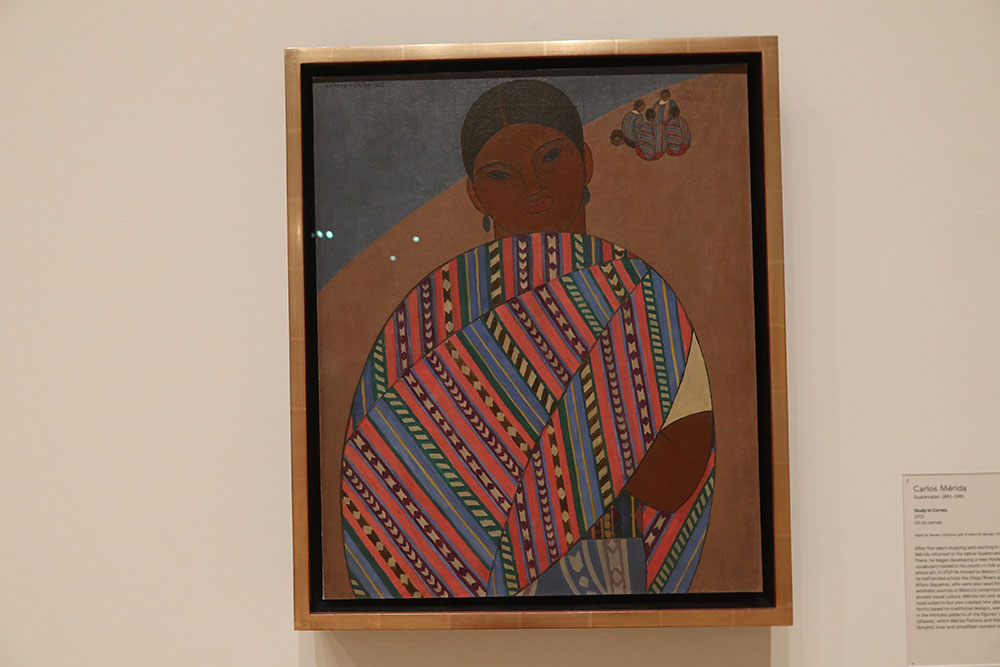
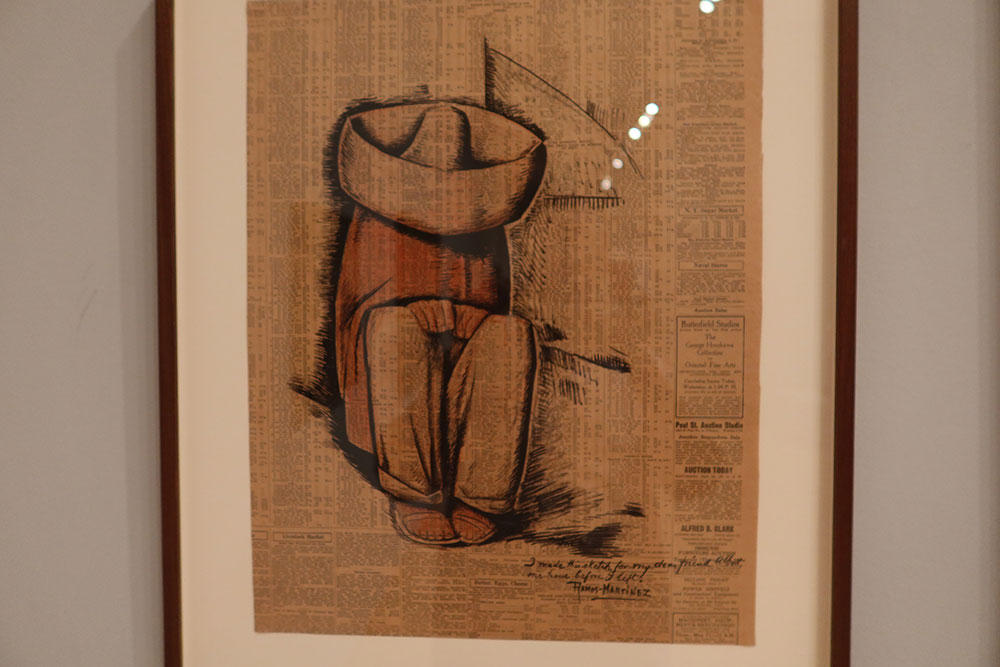
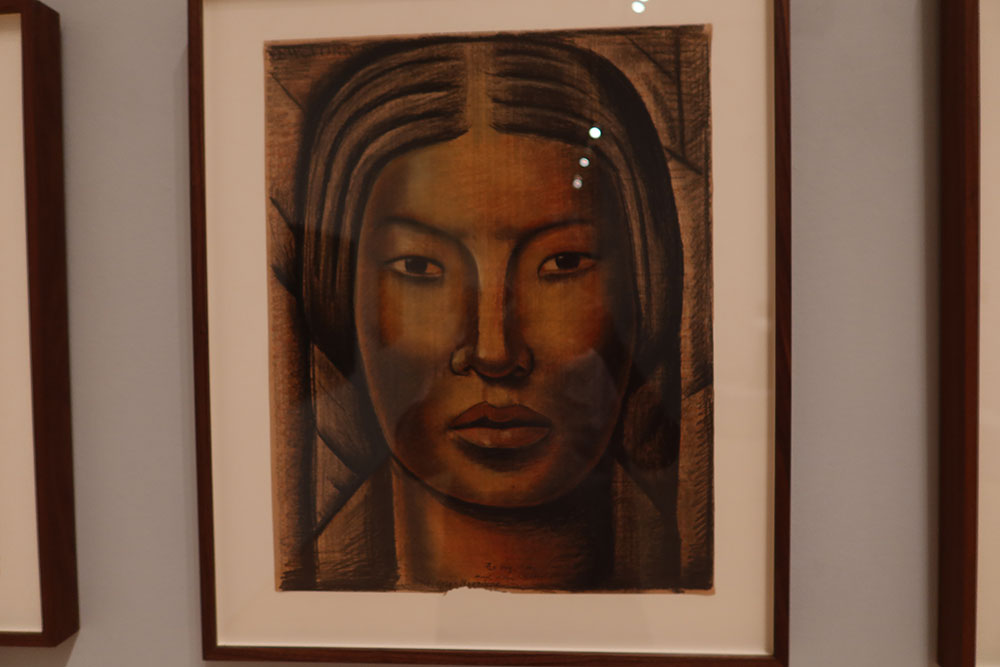
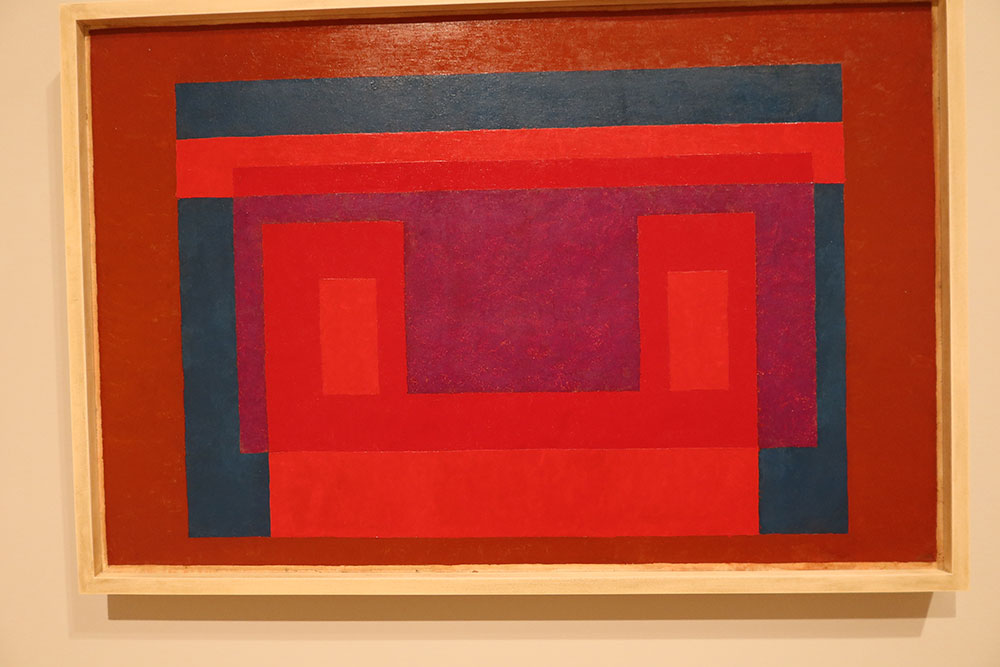
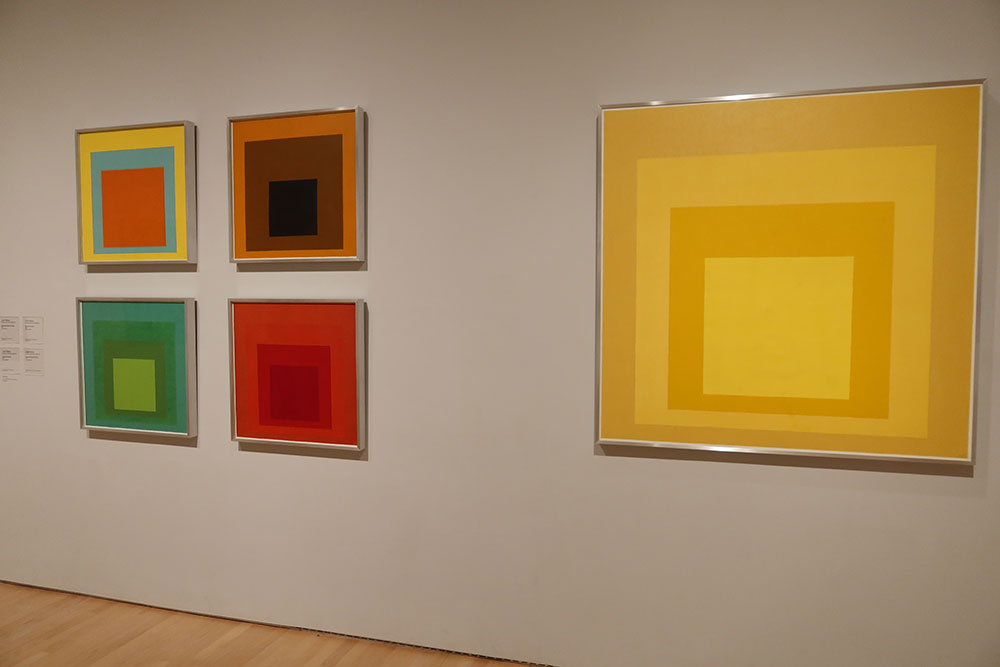
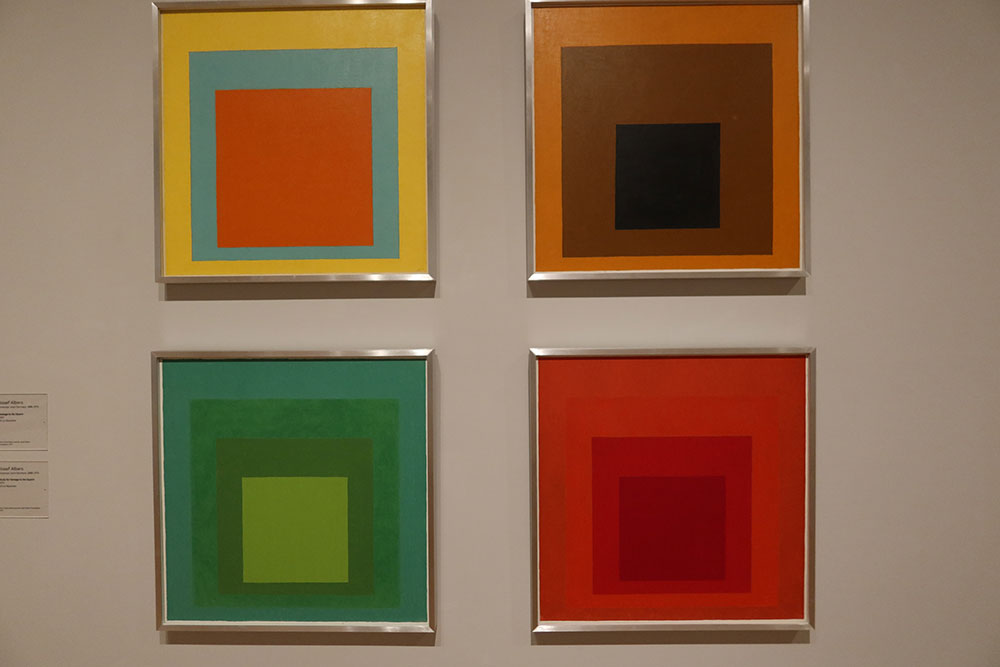
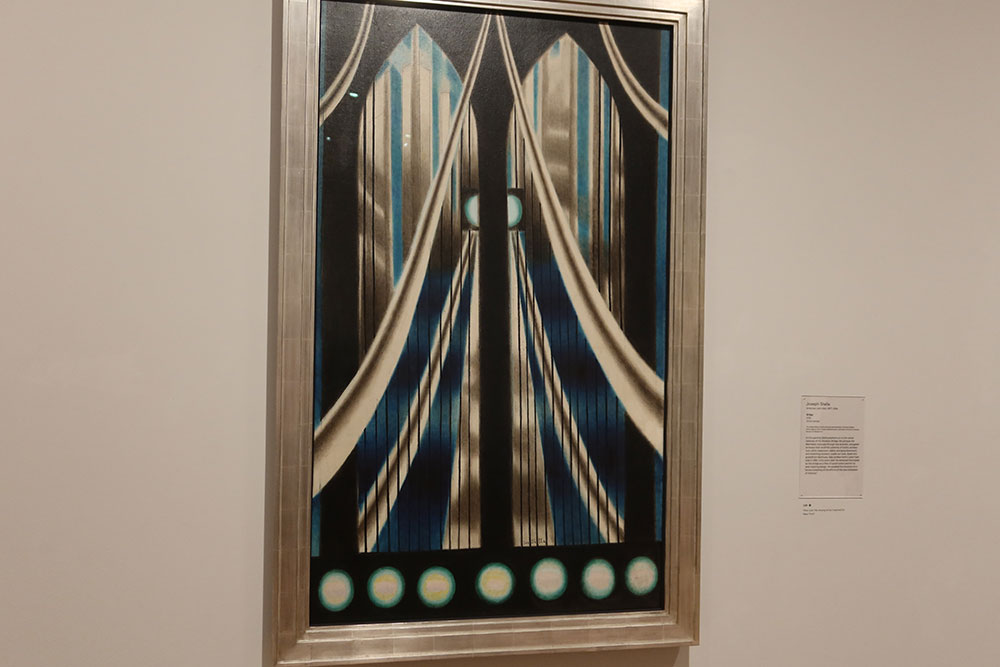
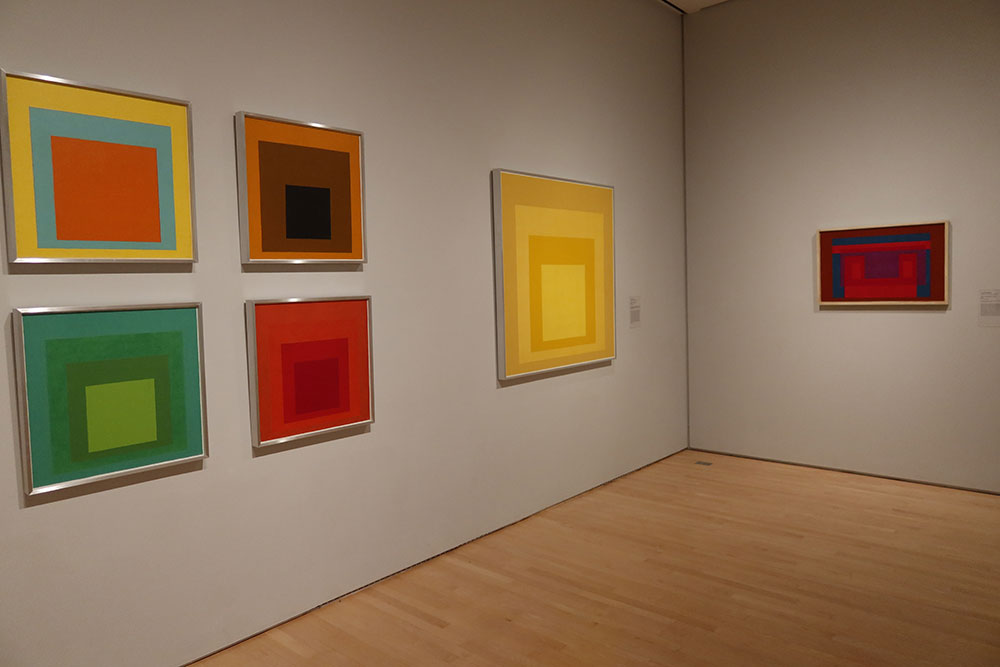
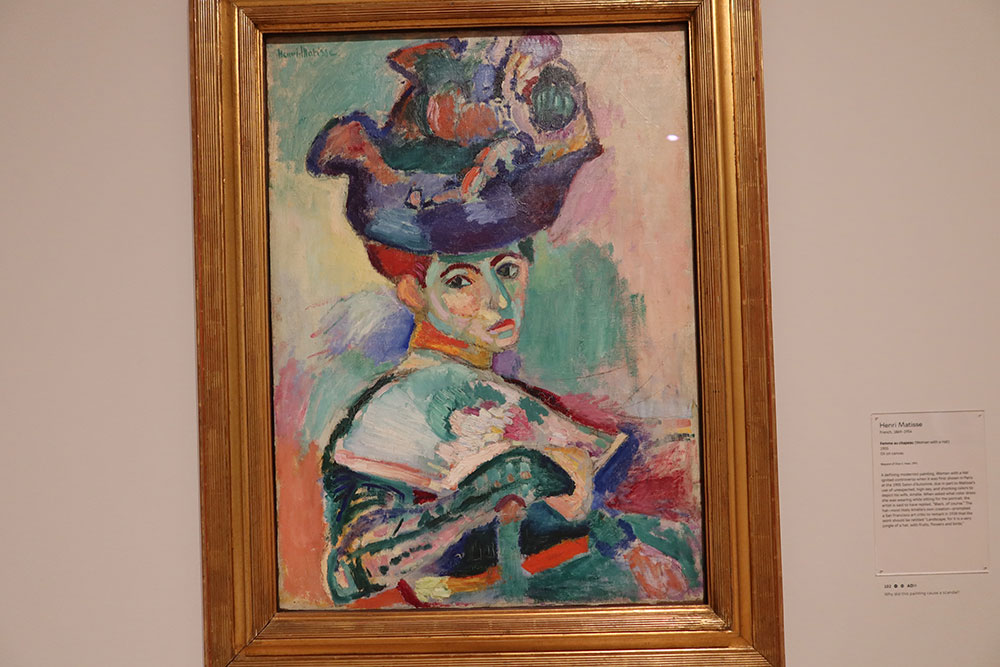
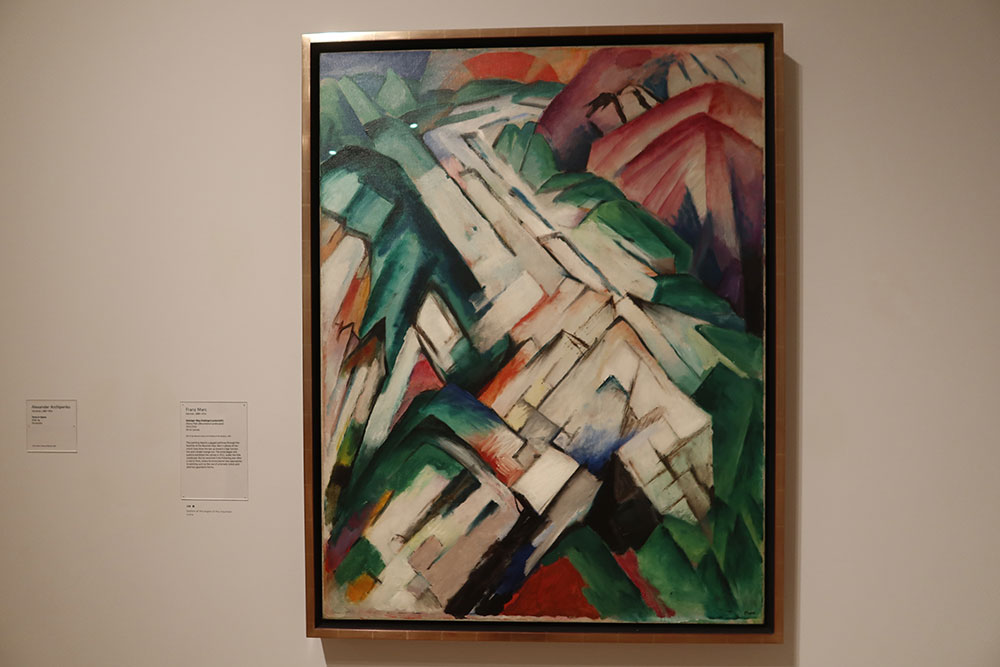
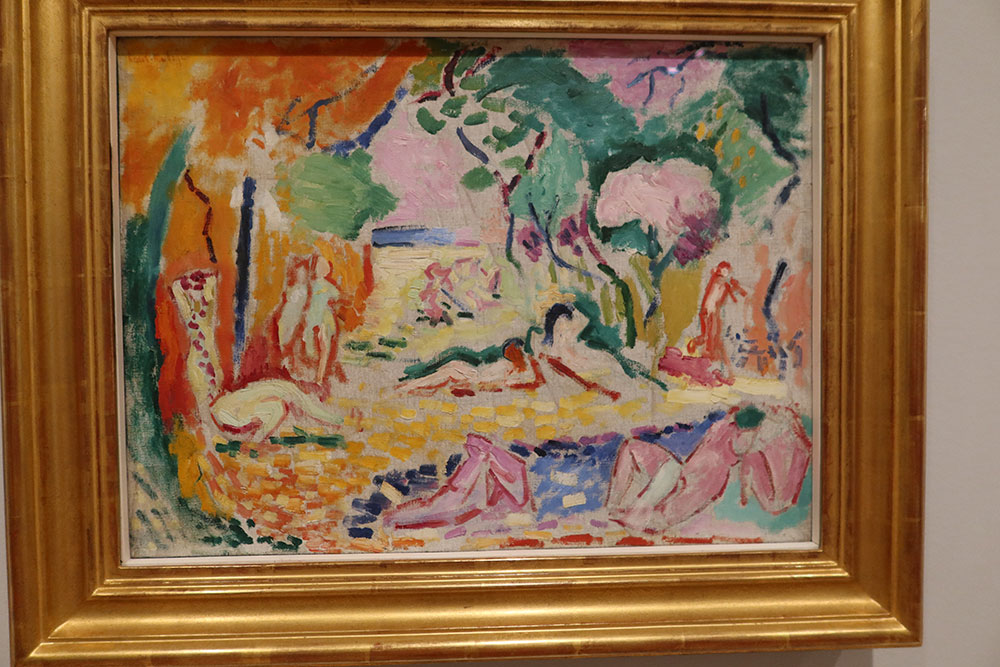
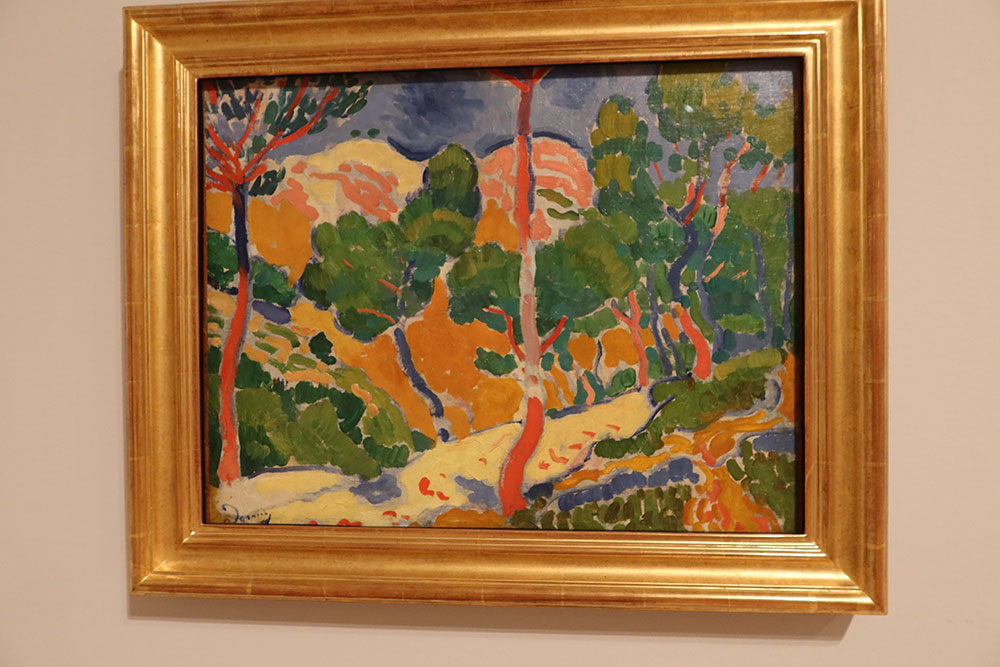
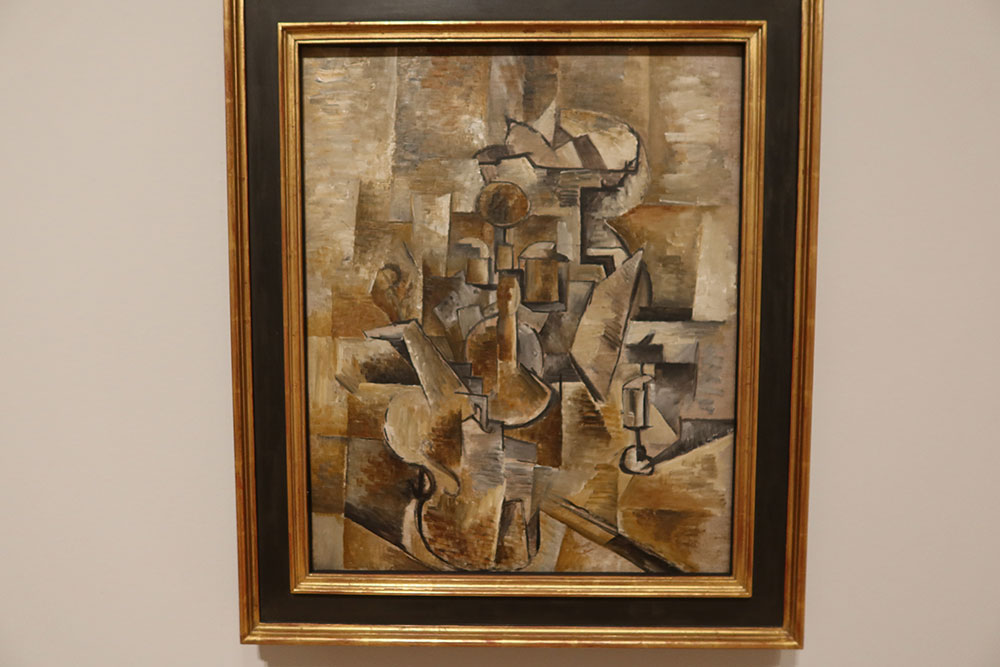
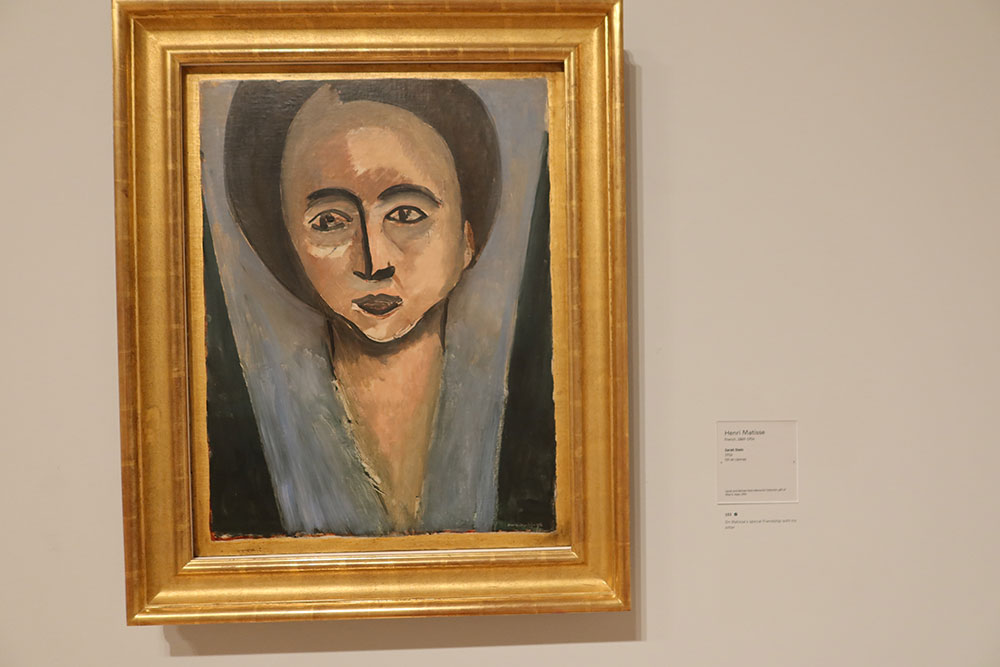
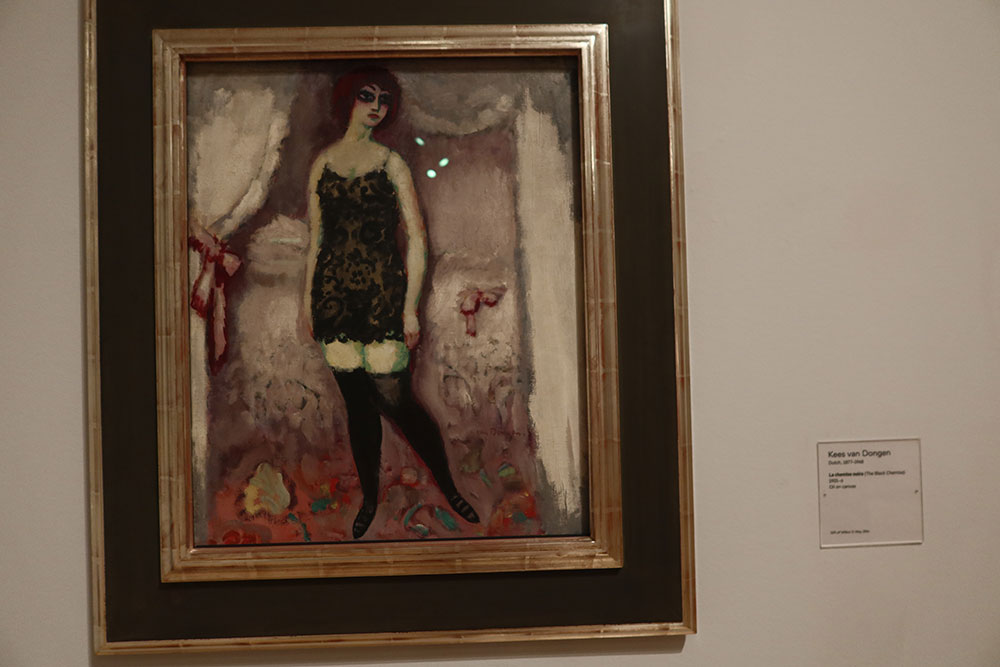
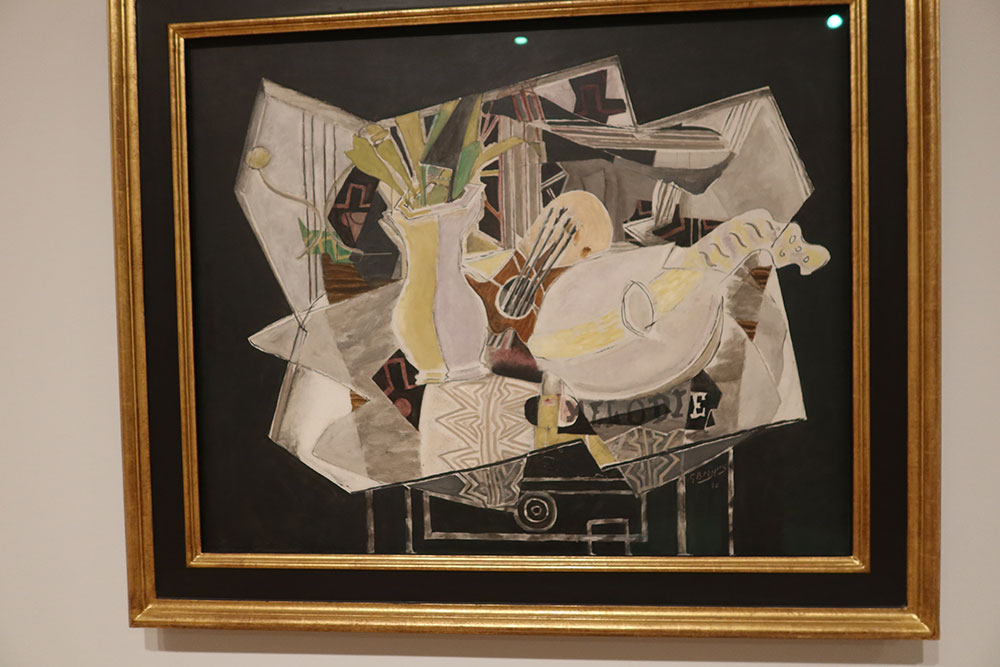
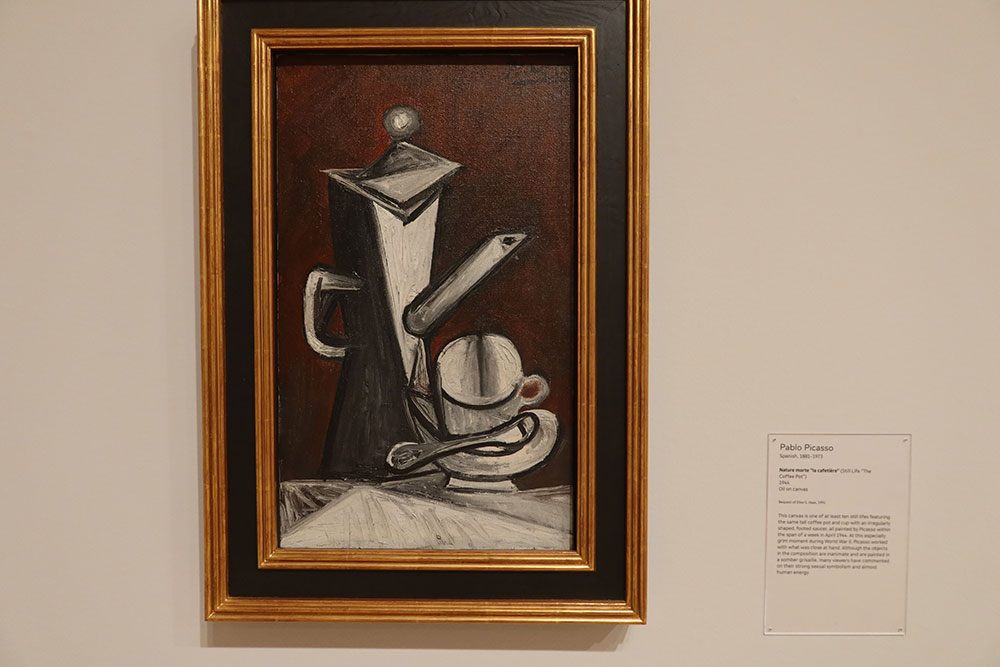
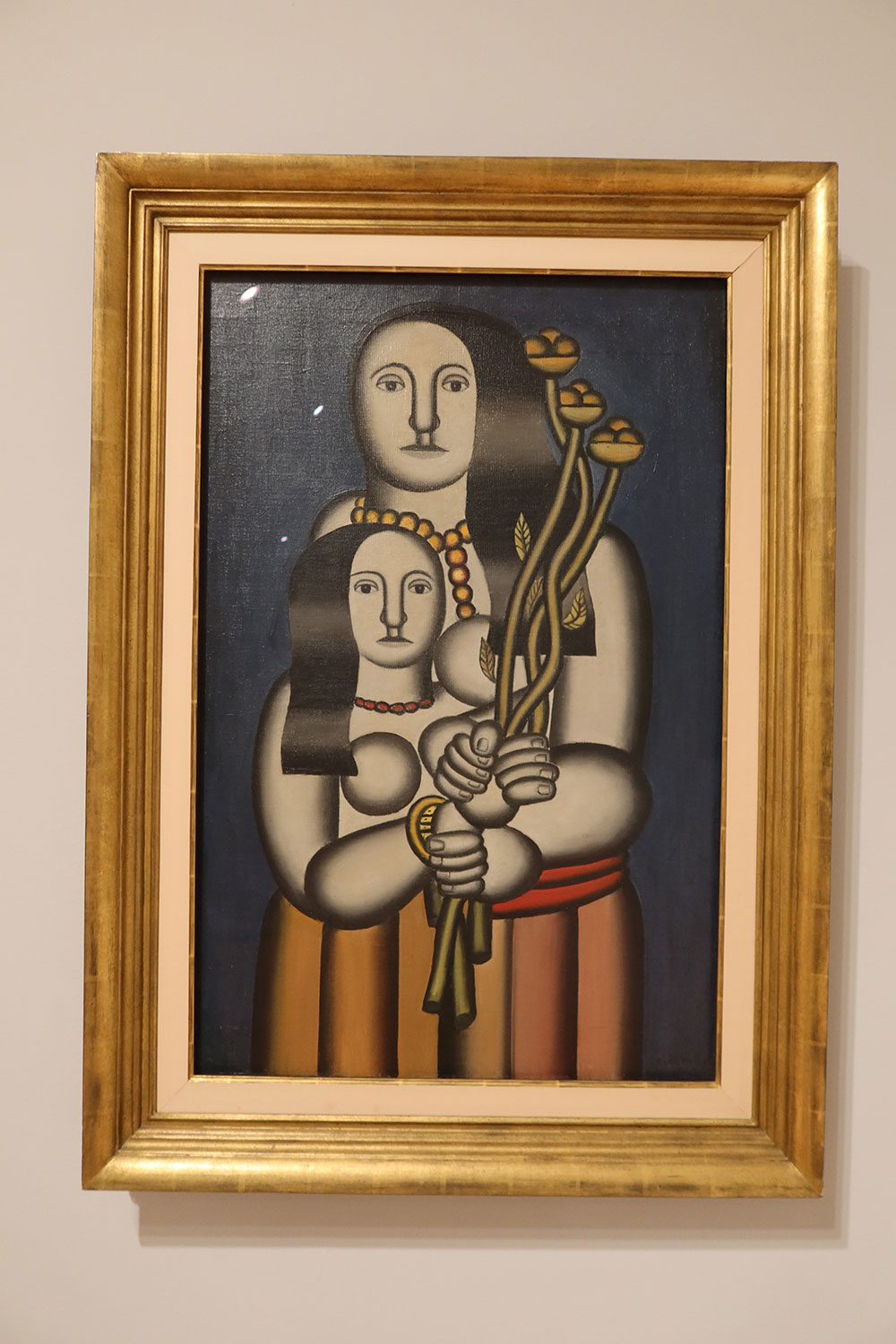
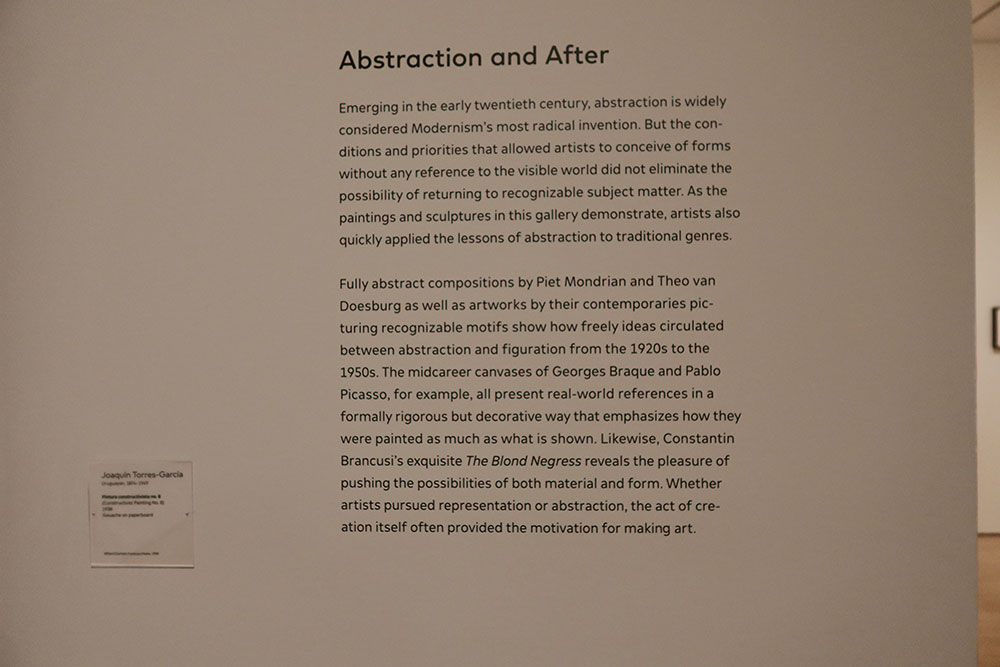
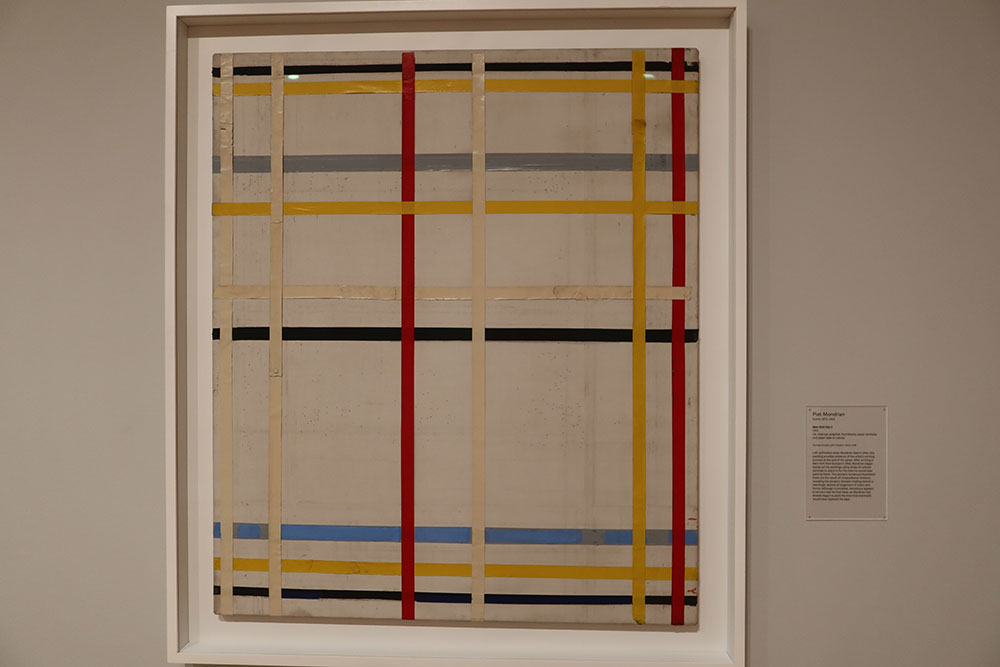
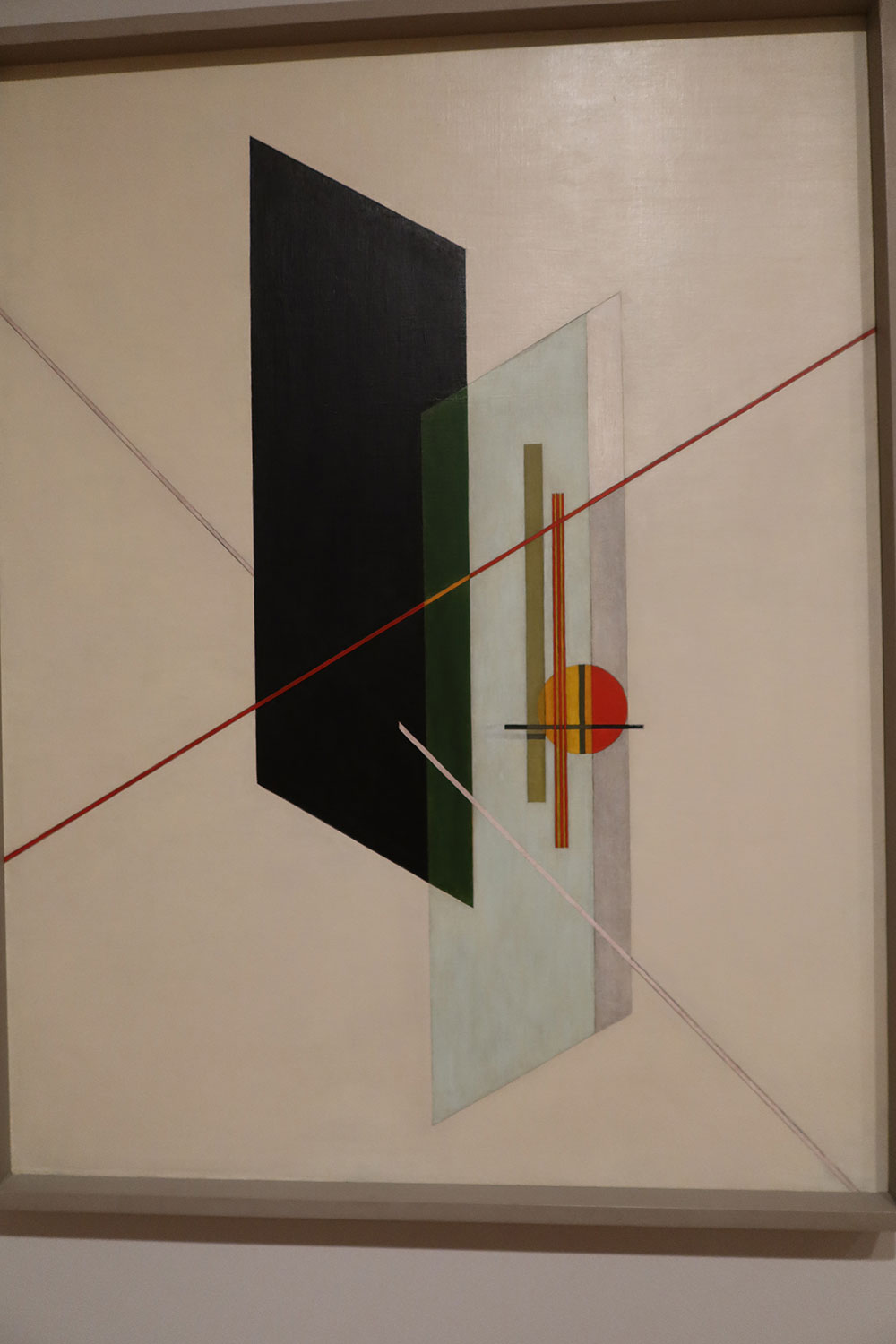
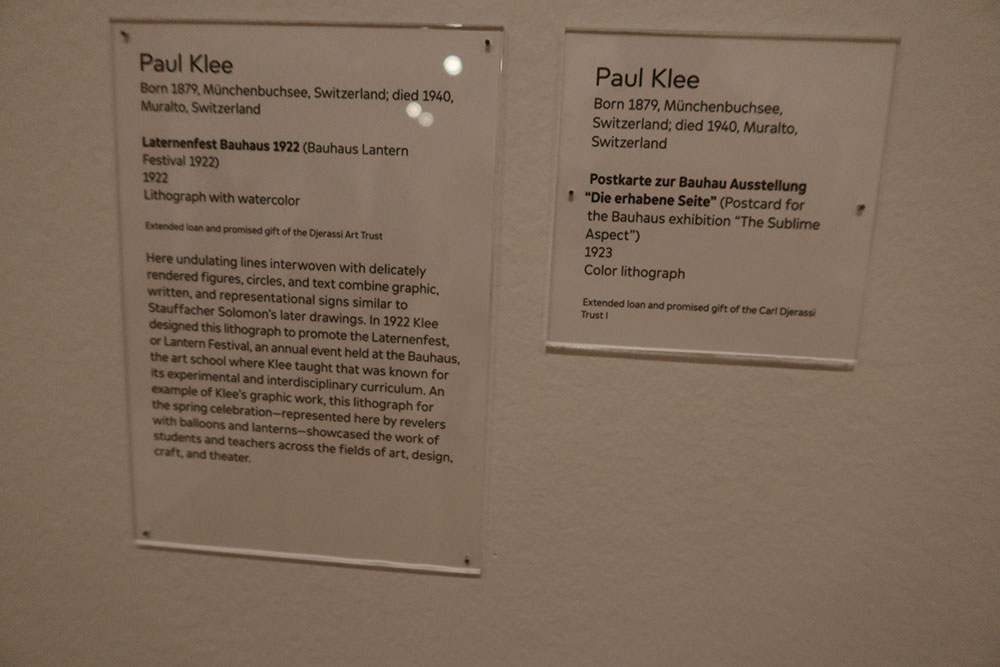
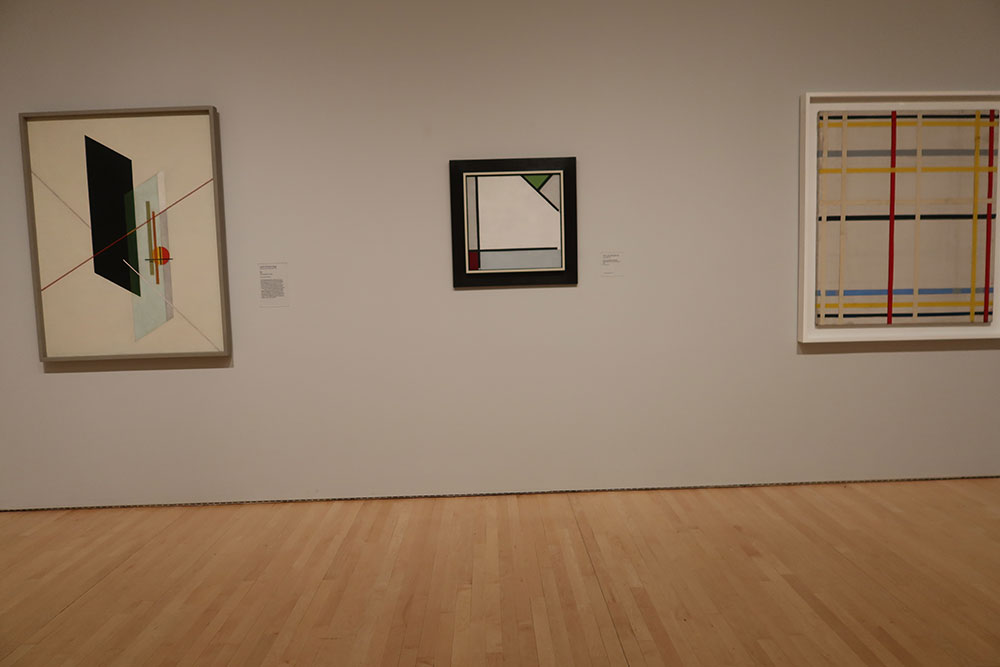
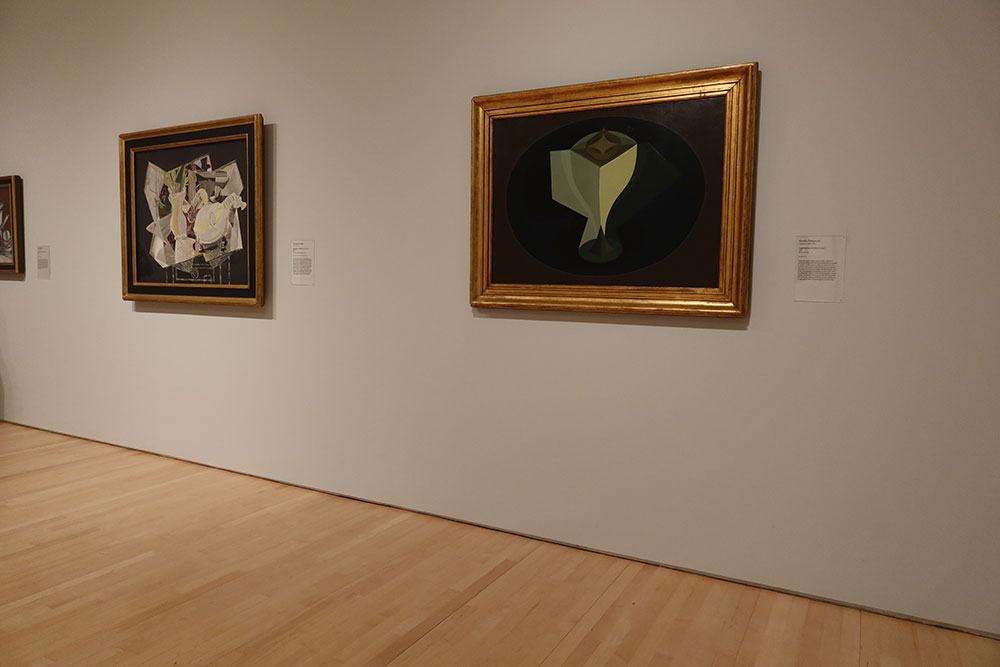
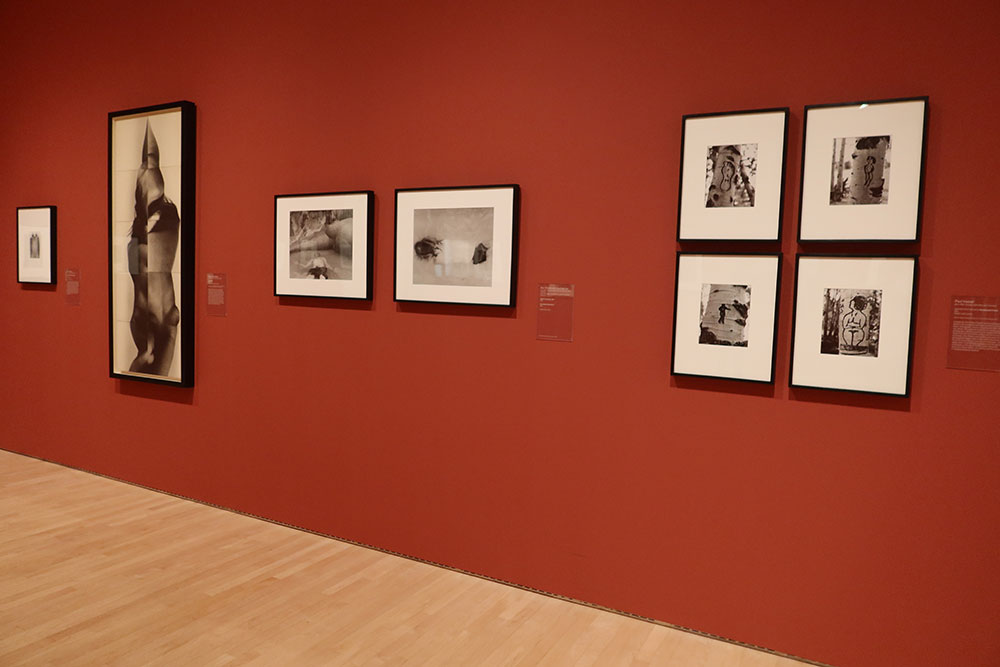
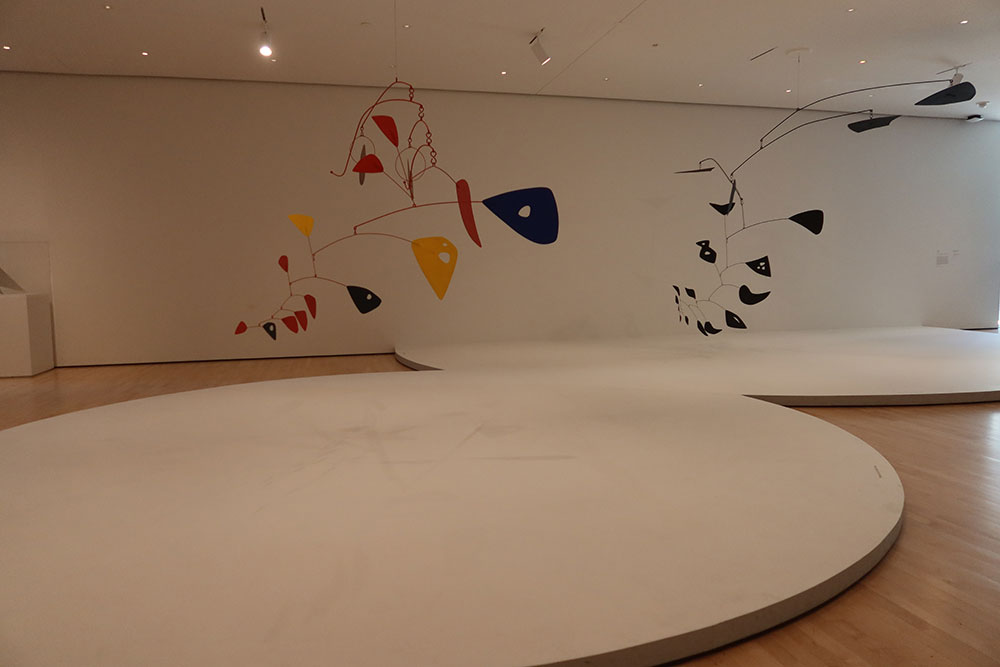
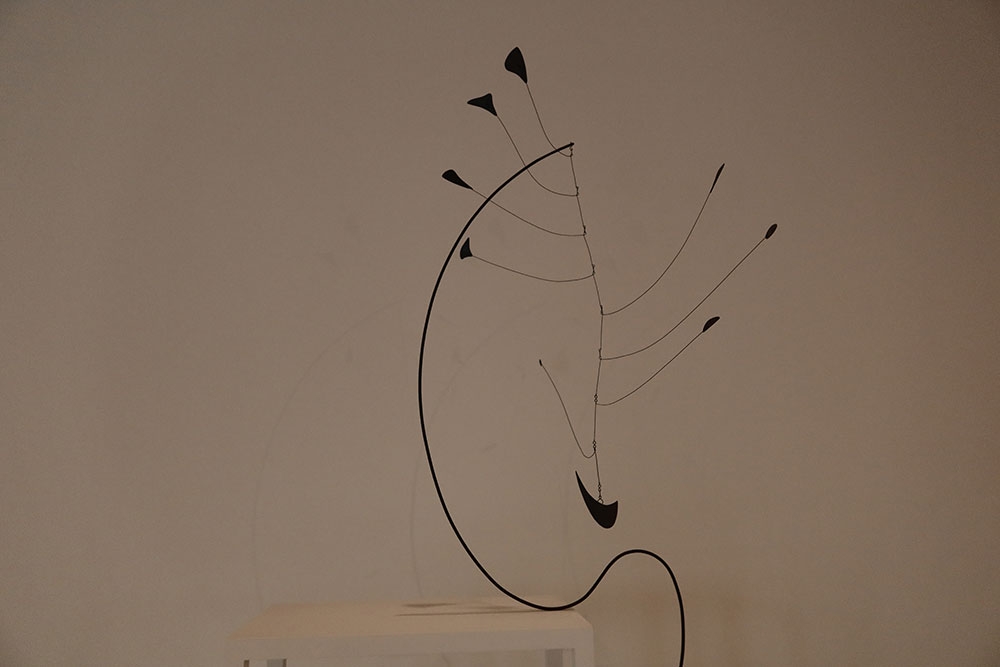
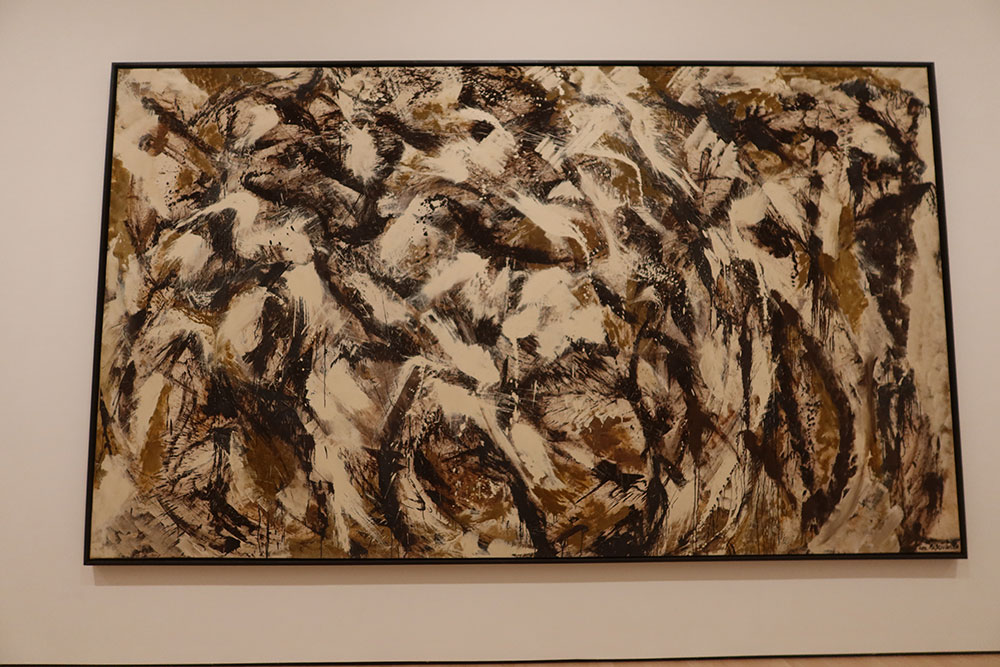
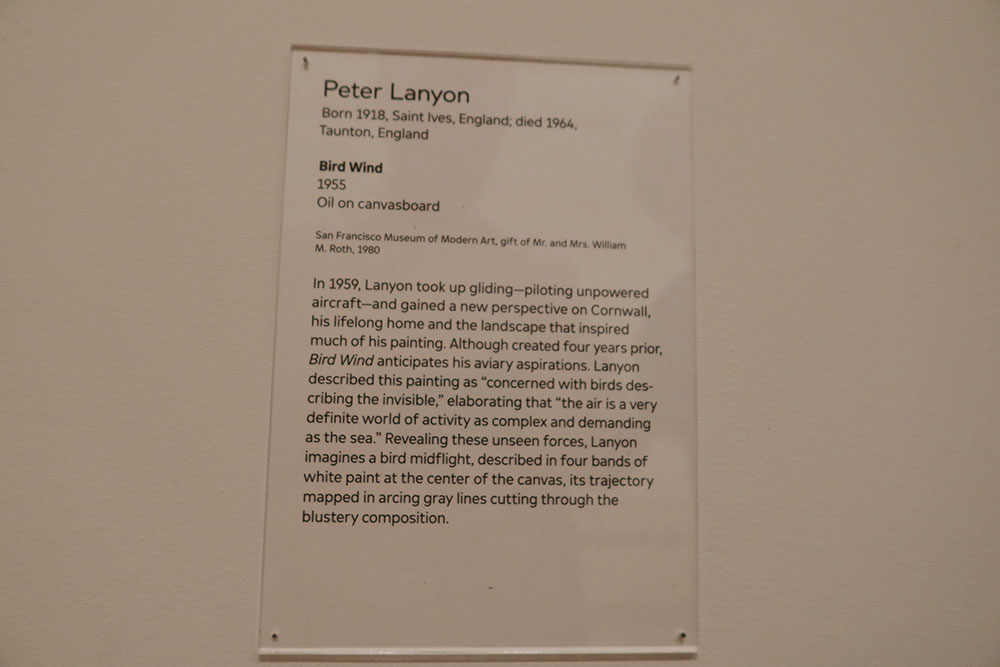
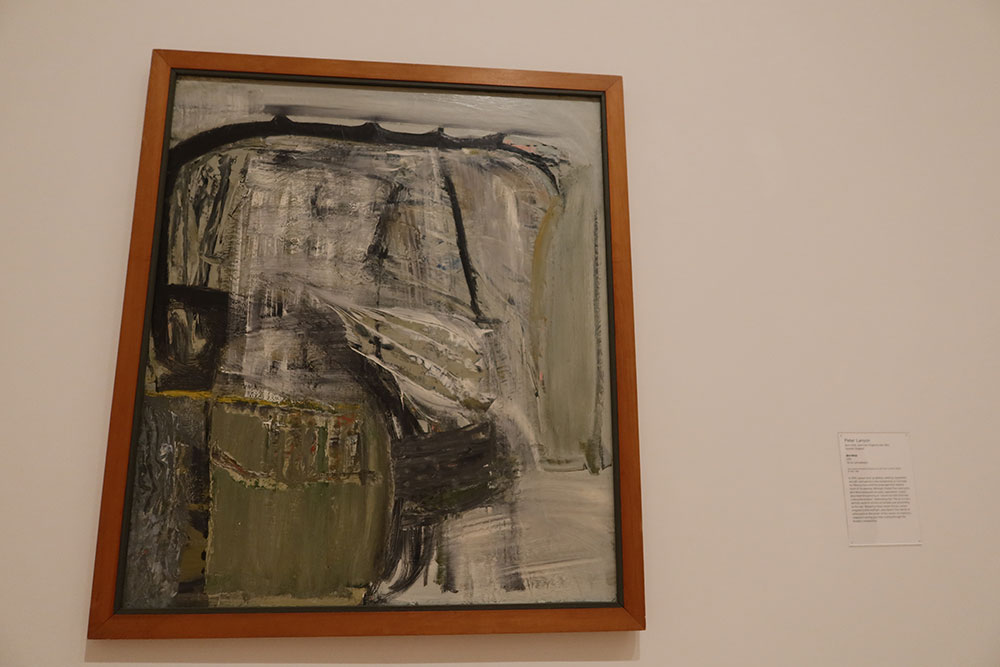
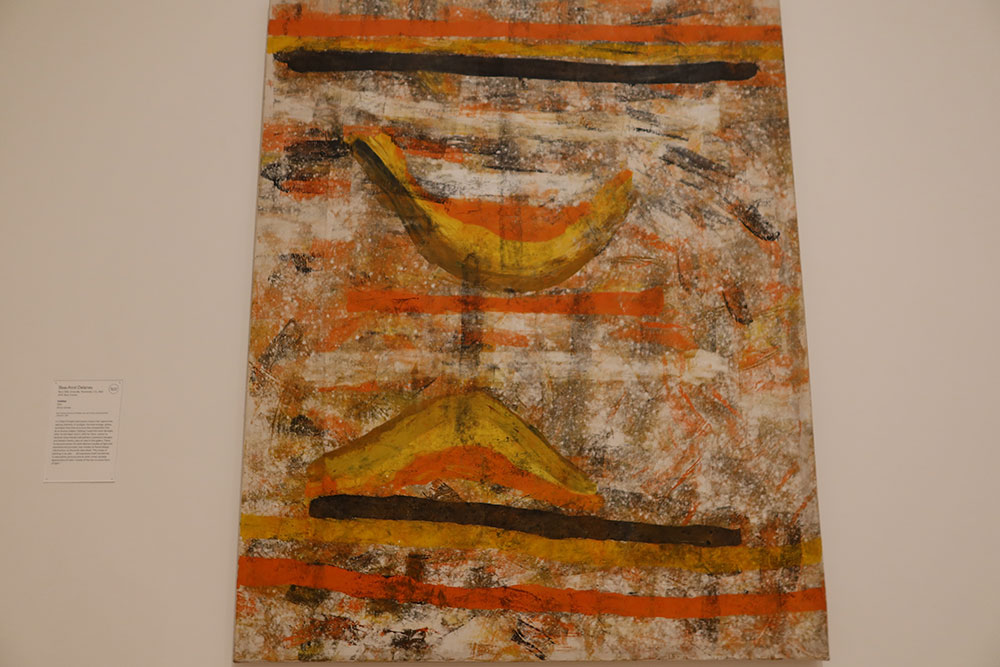
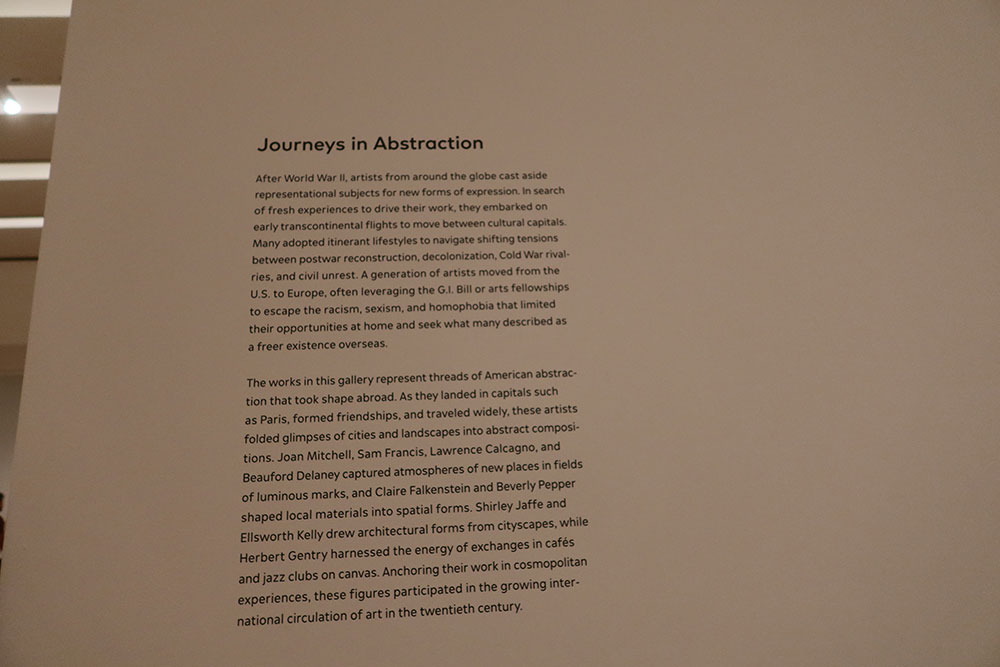
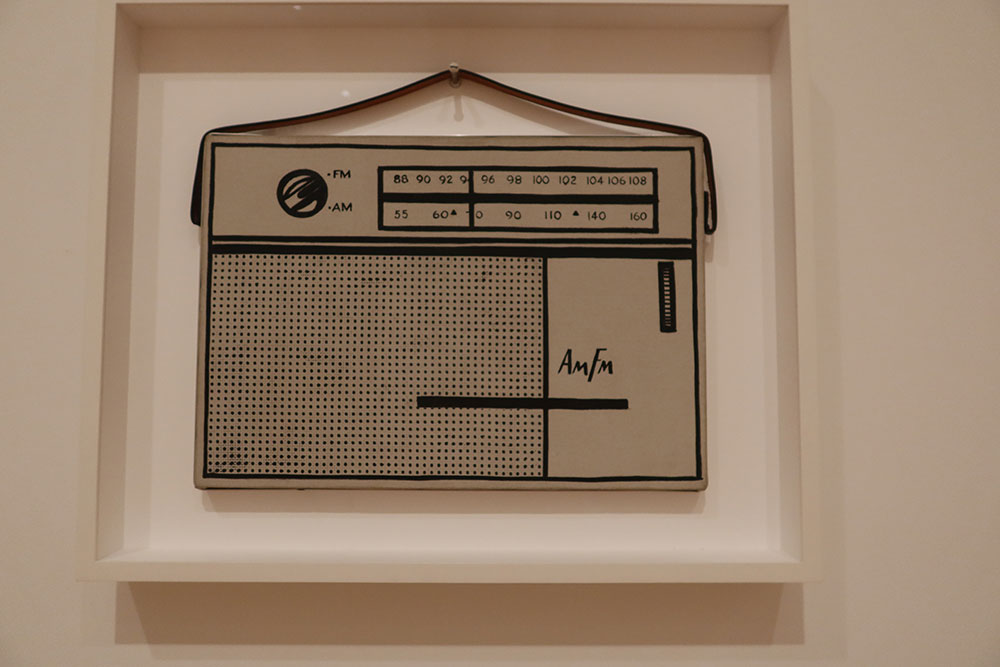
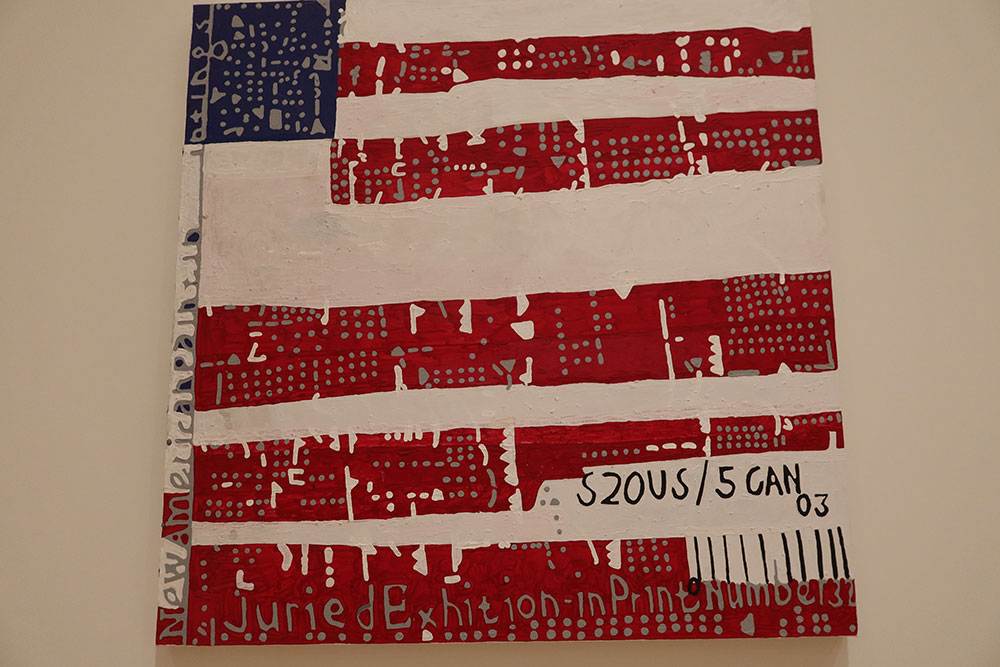
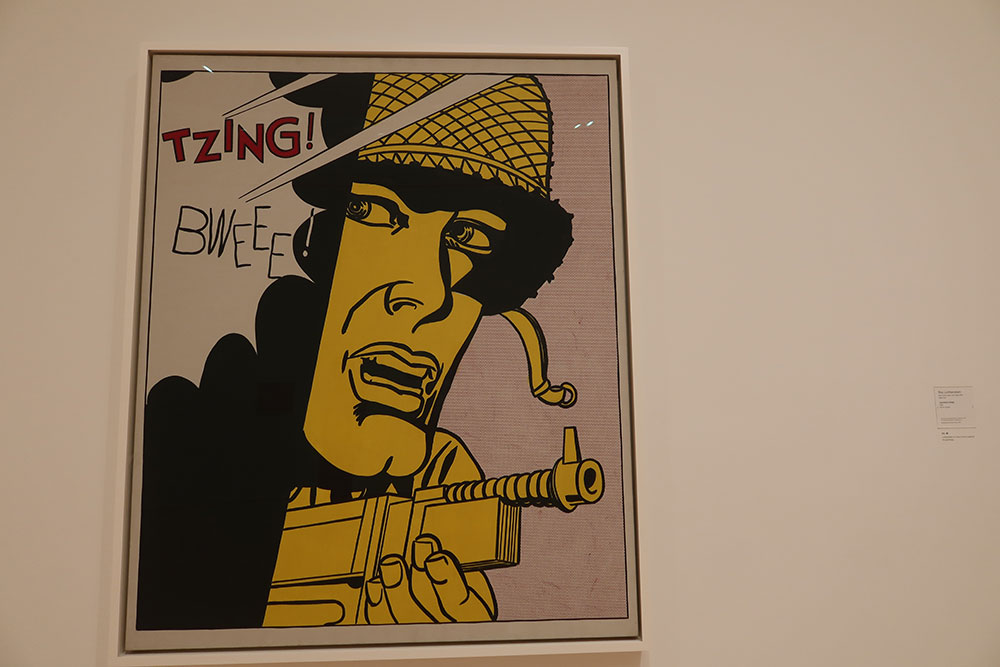
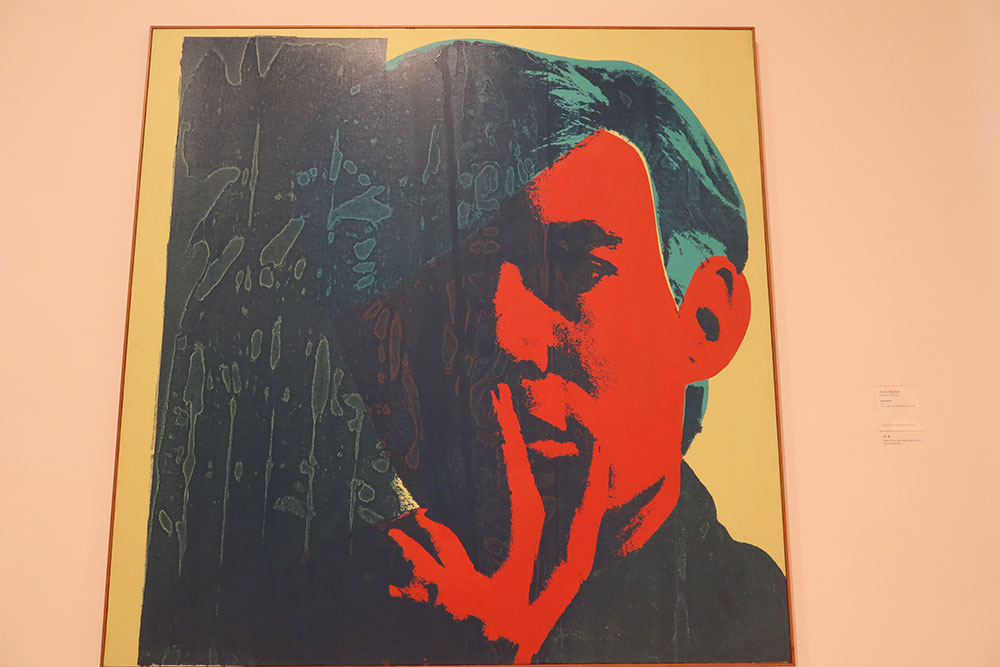
The permanent collection is the institutional bedrock on which SFMOMA's reputation rests. The museum's early directors were purposeful in establishing a collecting ethos that prioritised the art of its own time rather than historical survey. This led to landmark acquisitions and early institutional support for artists who would go on to define the twentieth century. SFMOMA presented the first solo museum exhibitions of Arshile Gorky, Clyfford Still, Jackson Pollock, and Robert Motherwell, among others — a record that speaks to curatorial confidence and foresight during a period when American abstract art was far from universally acknowledged.
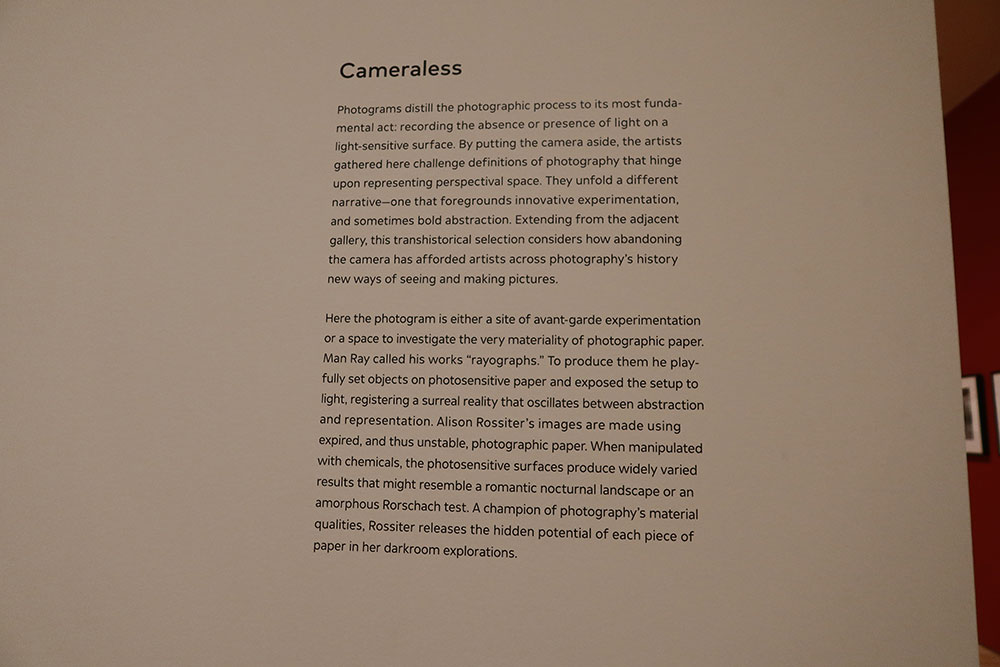
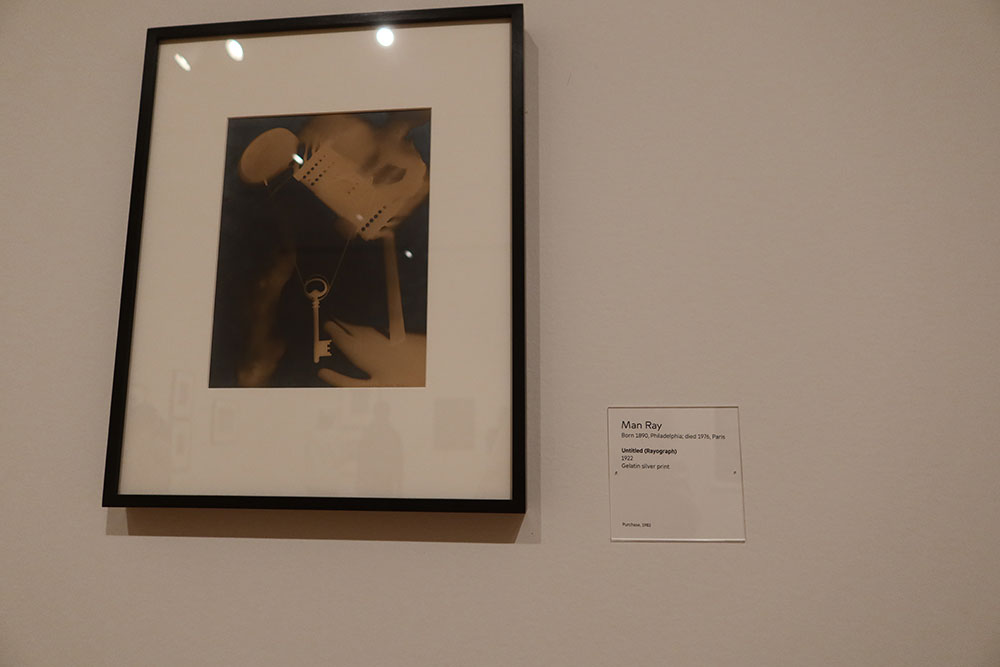
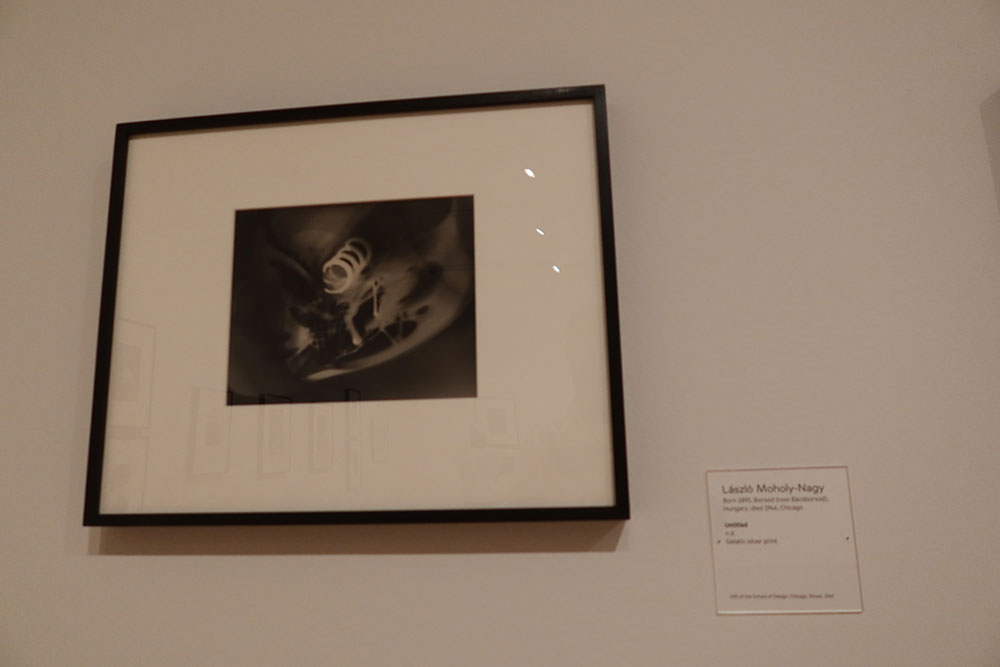
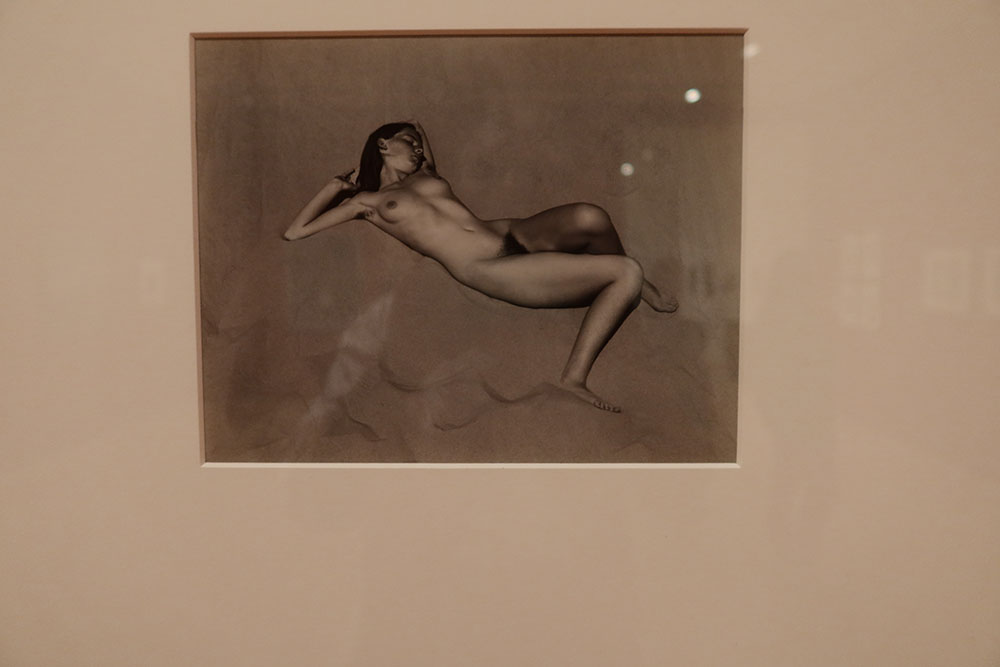
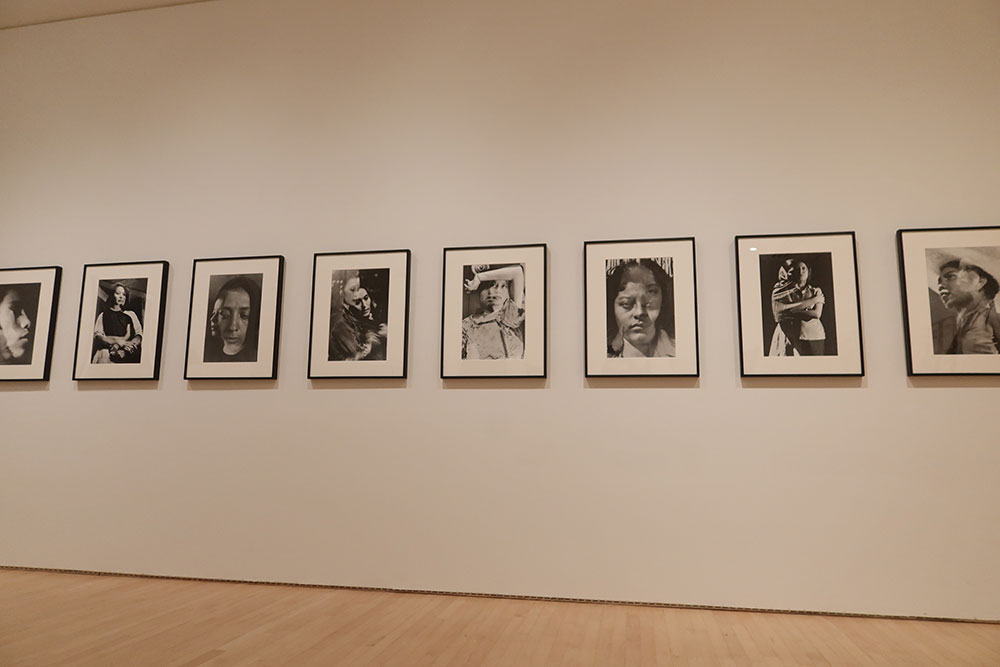
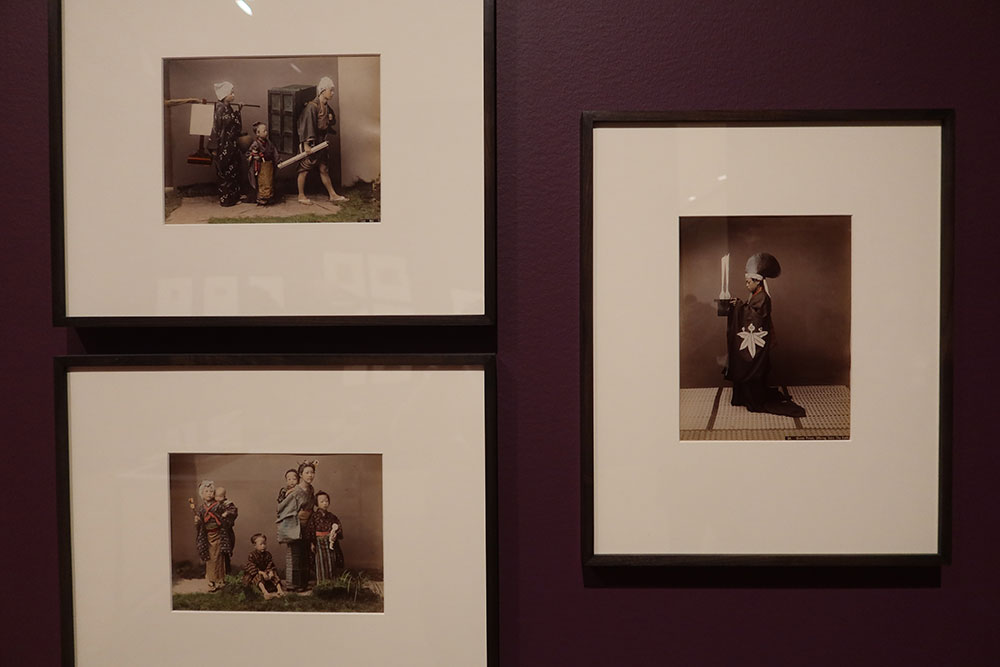
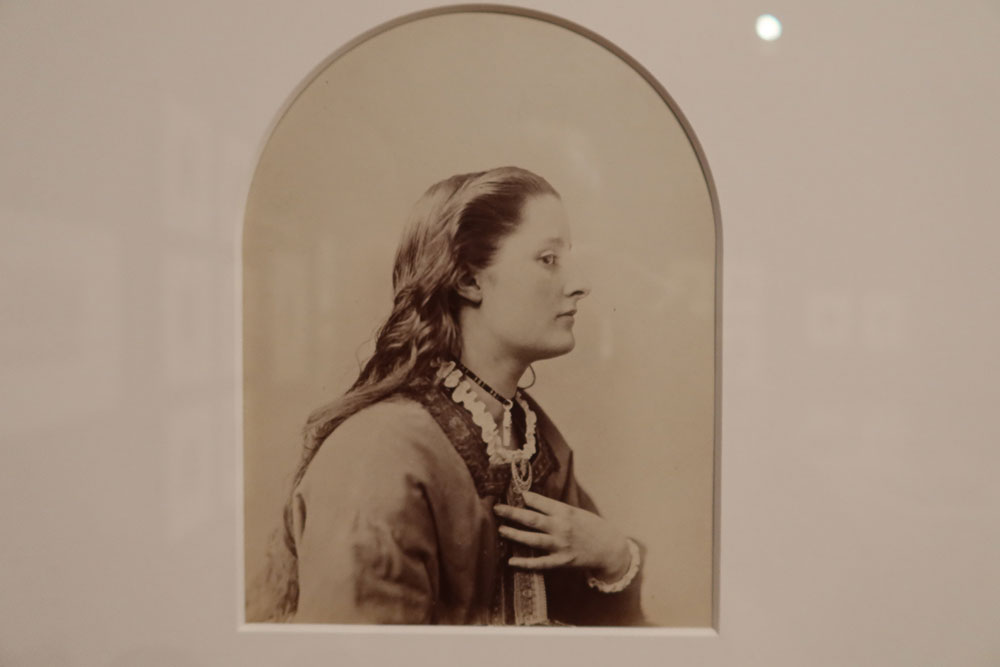
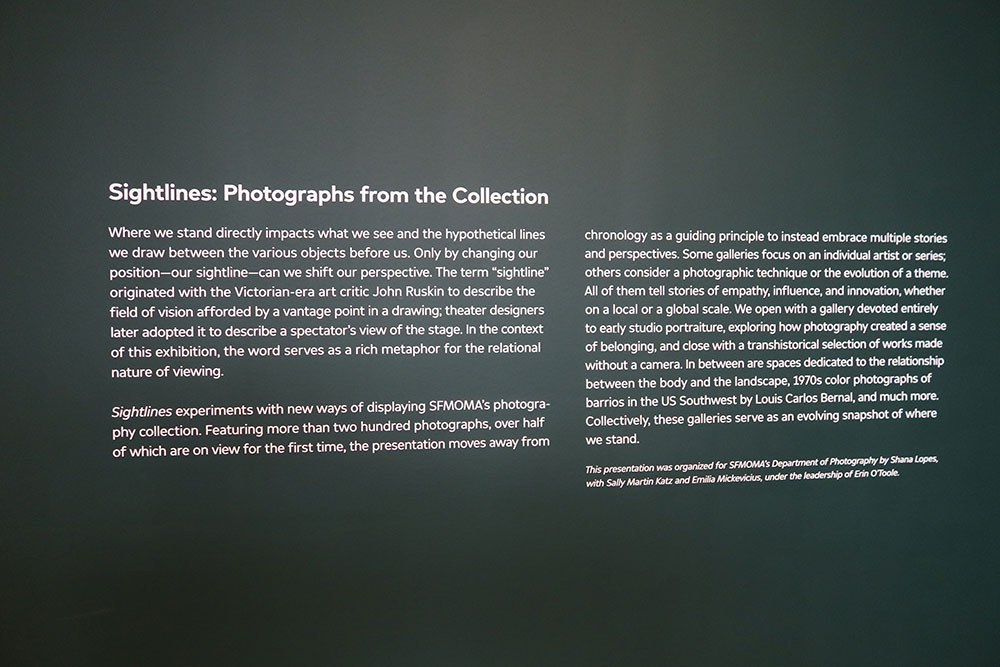
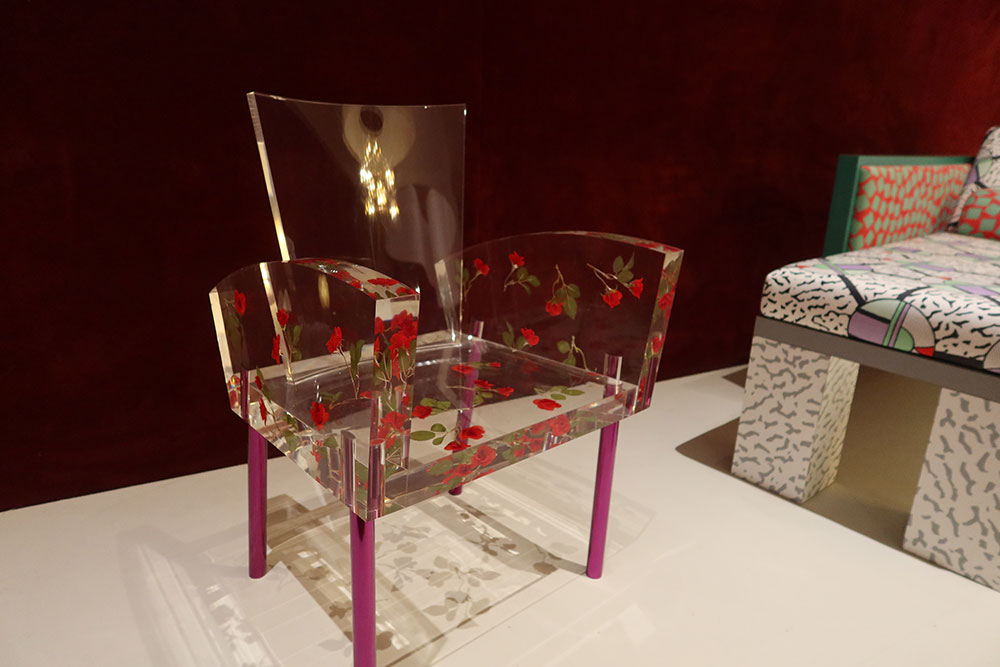
The collection today spans a broader range of media and movements than any single founding rationale might suggest. Photography has been a particular area of institutional strength, supported in part by the Prentice and Paul Sack Photographic Trust and an ongoing commitment to collecting work that reflects both the history and the present of the medium. The architecture and design holdings and the media arts collection have also grown substantially, reflecting the museum's recognition that the material culture of modernity extends well beyond the conventional boundaries of painting and sculpture.
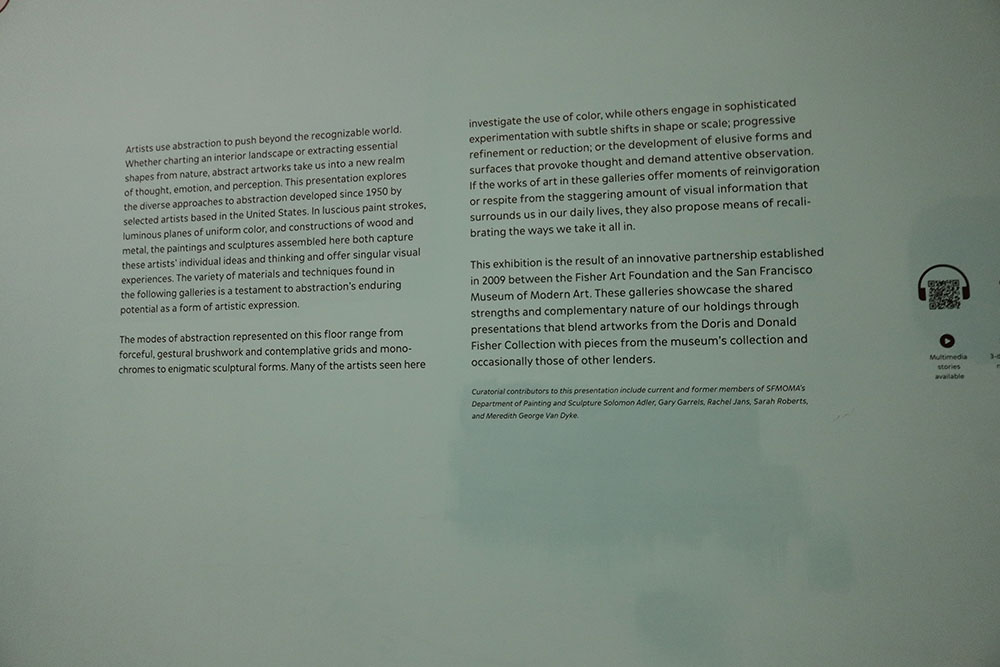
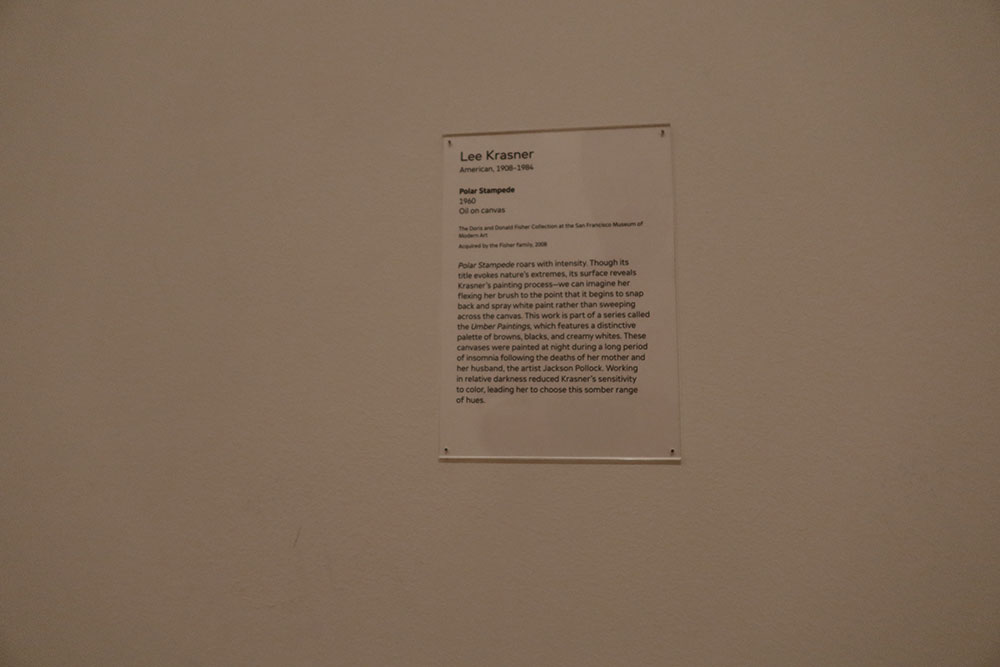
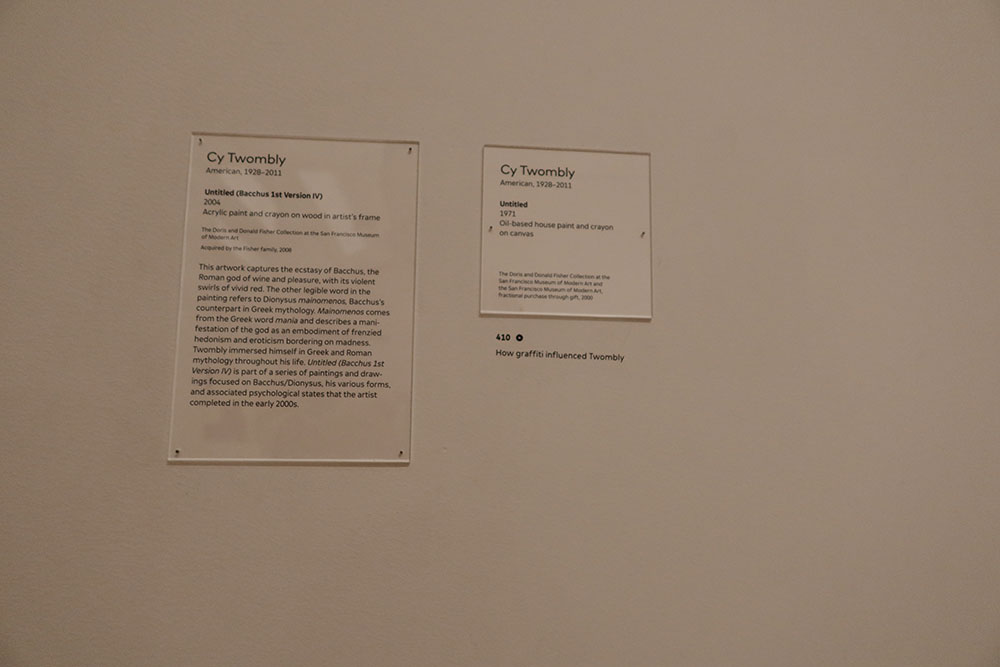
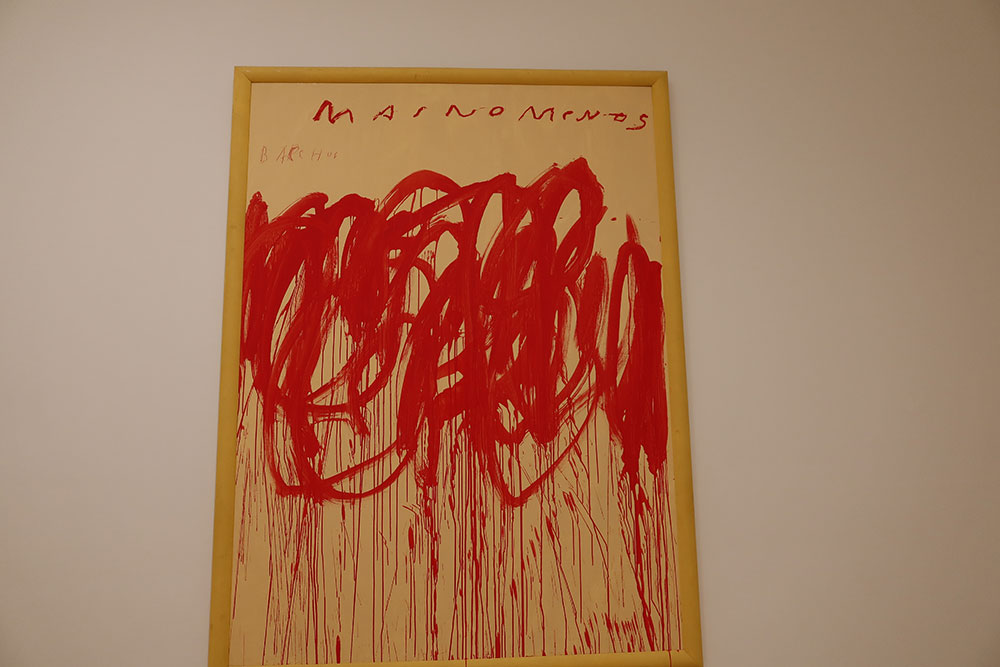
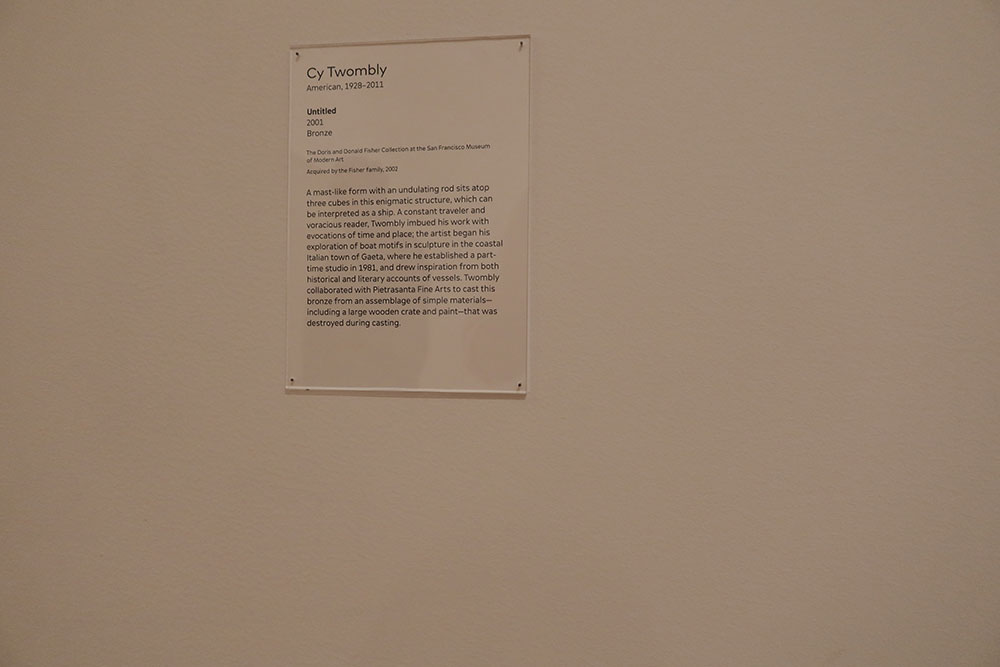
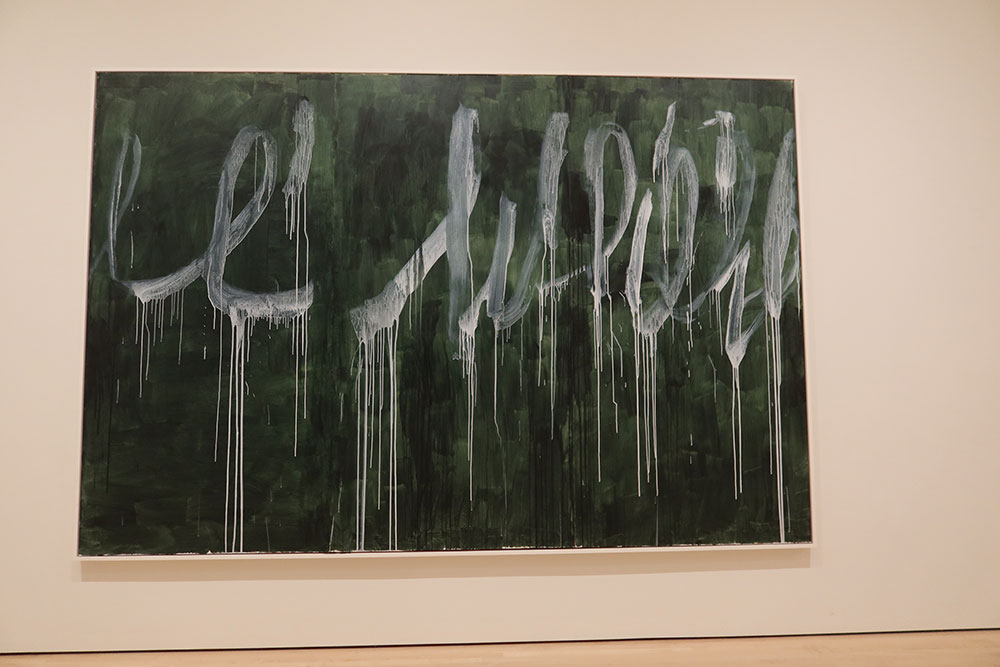
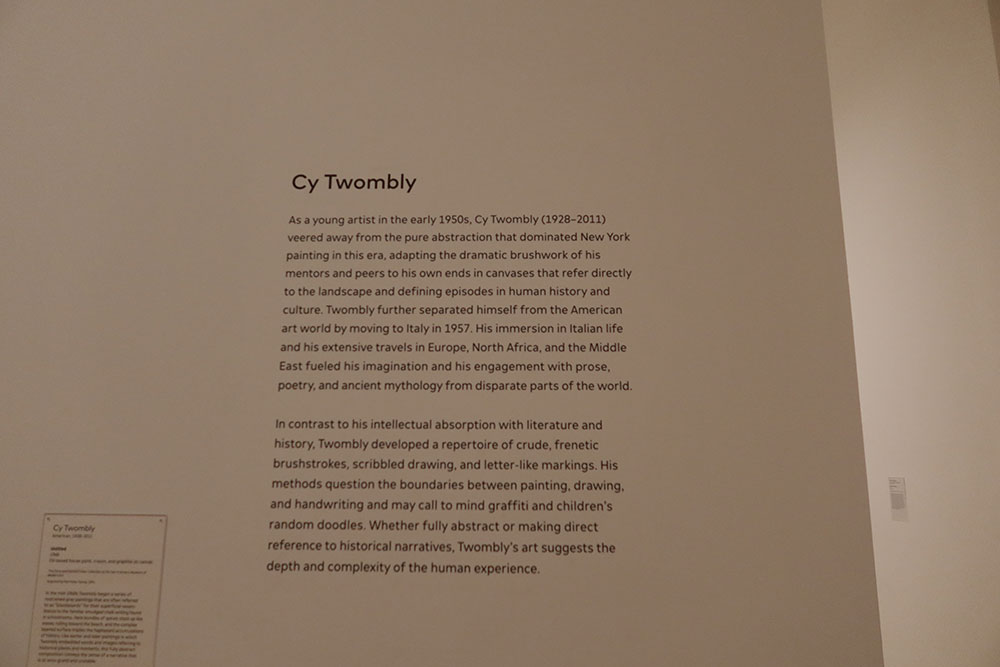
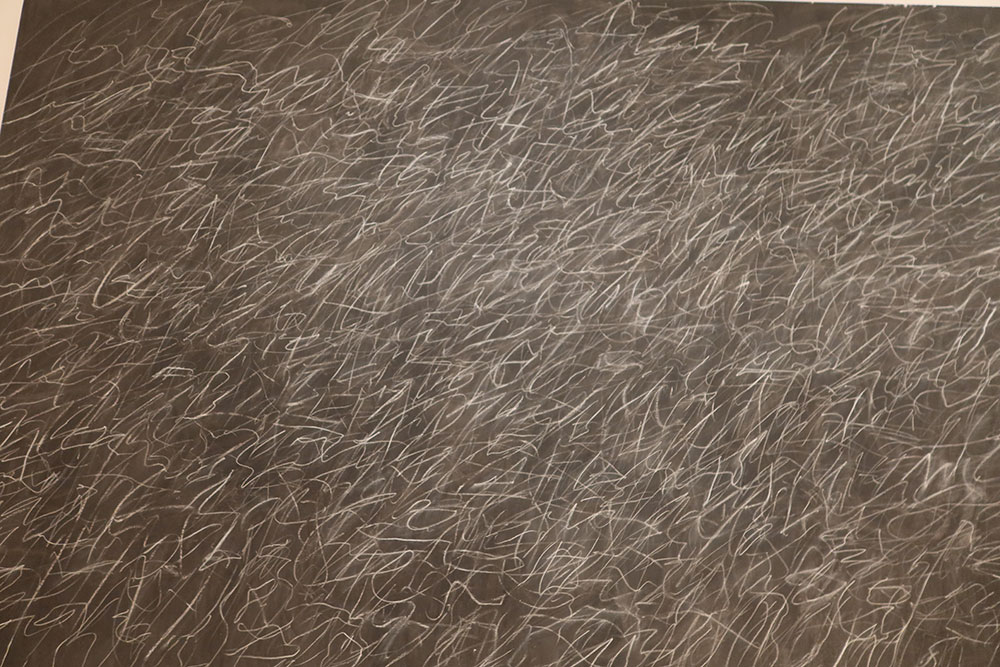
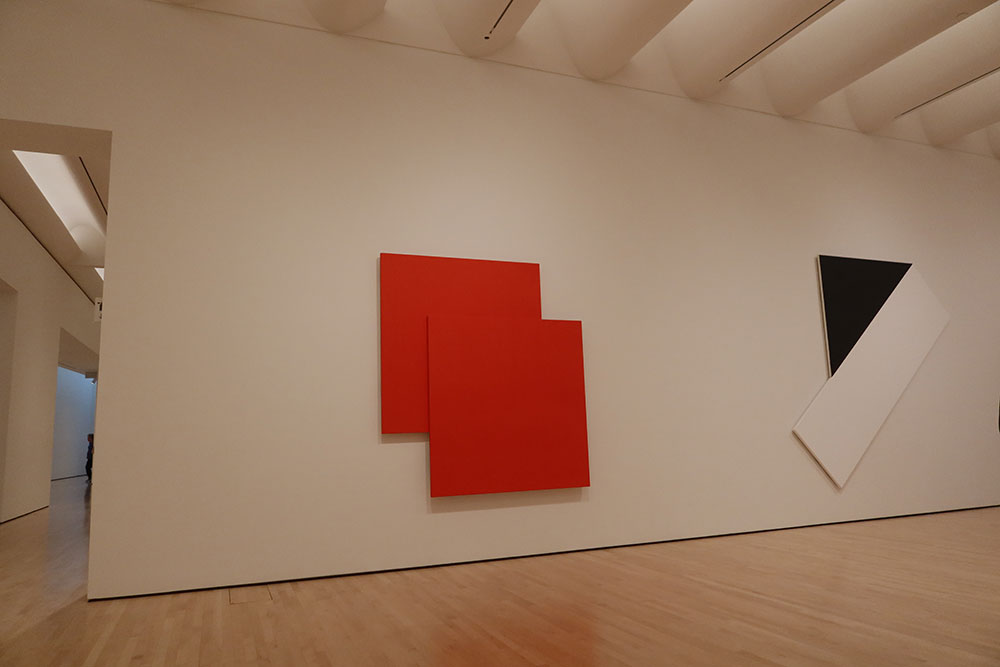
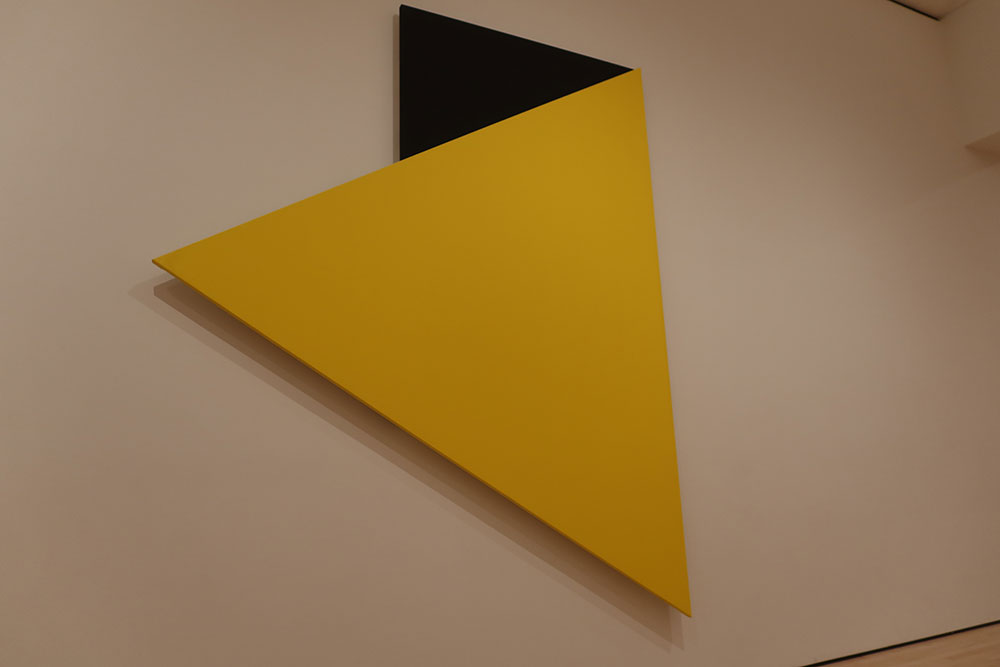
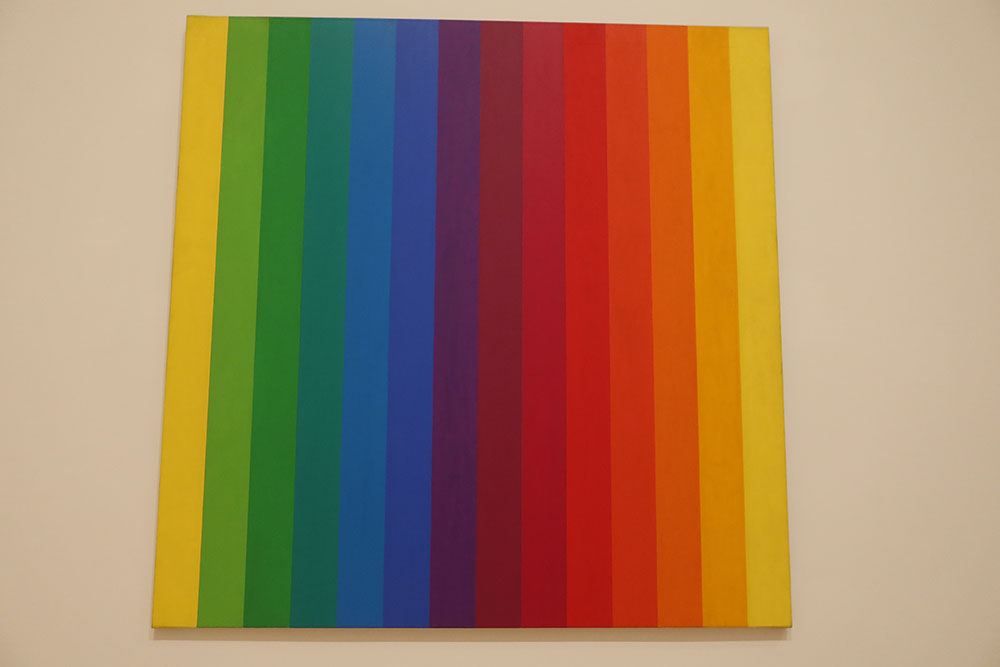
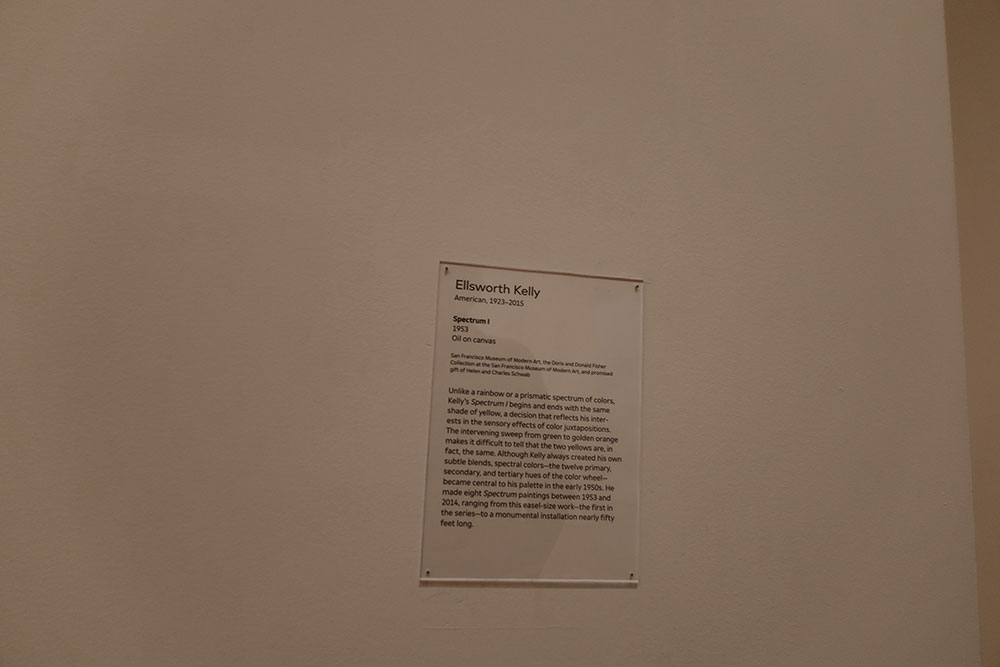
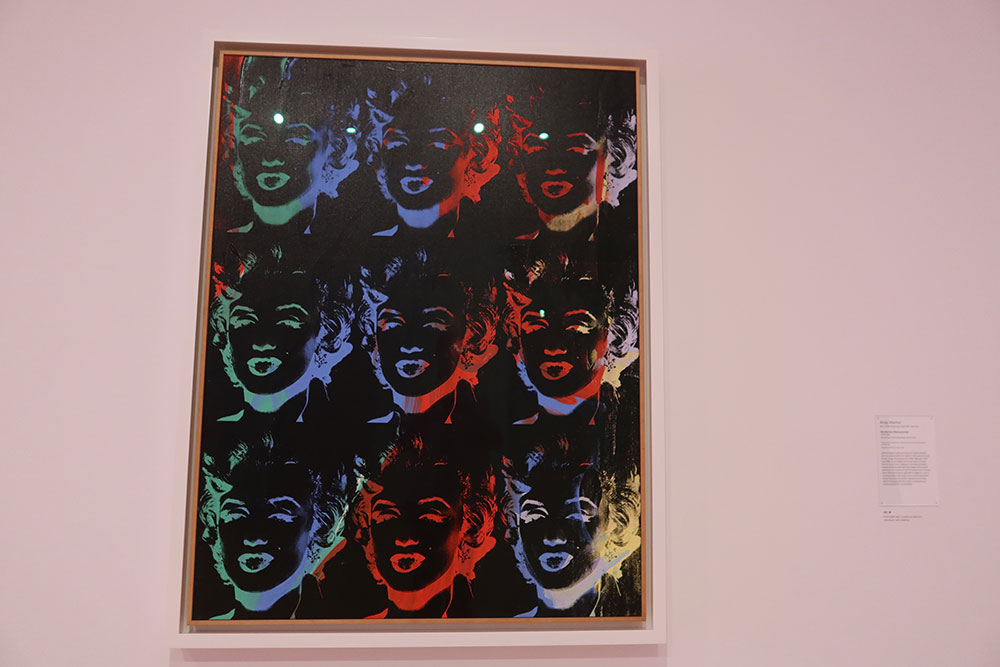
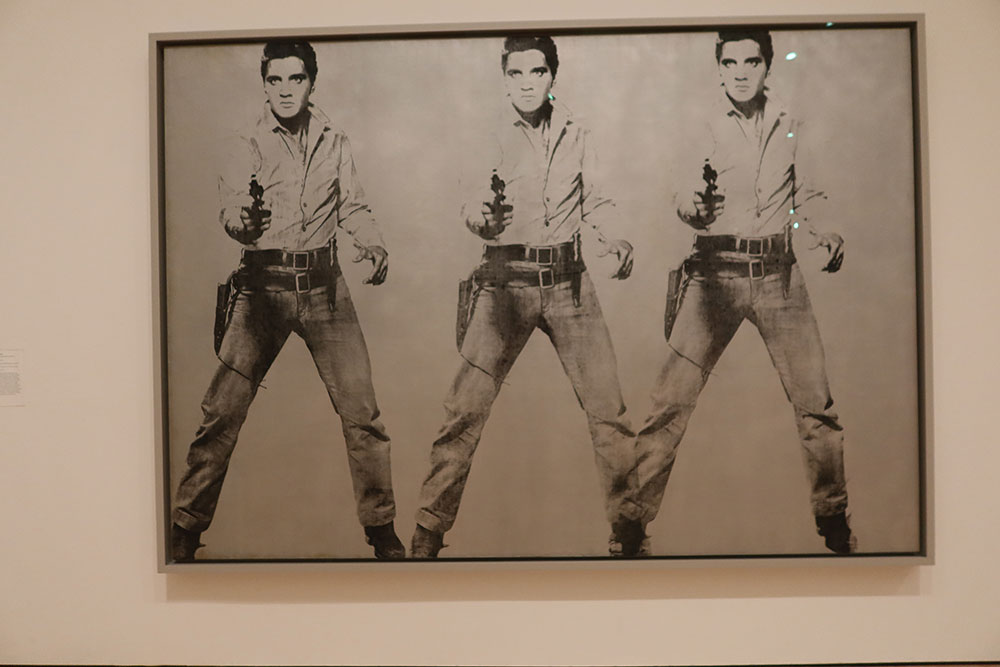
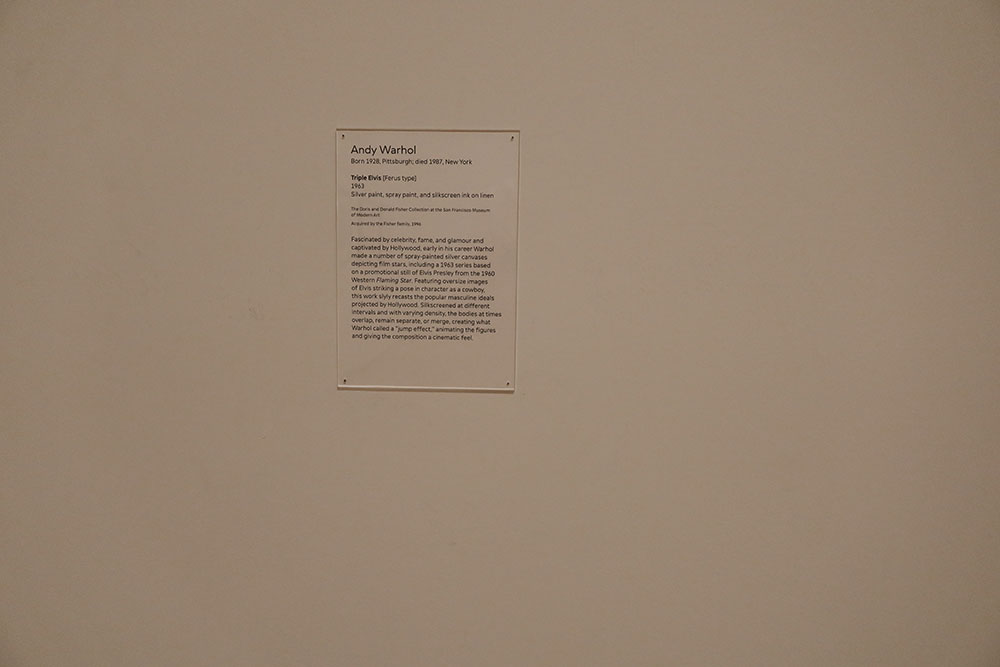
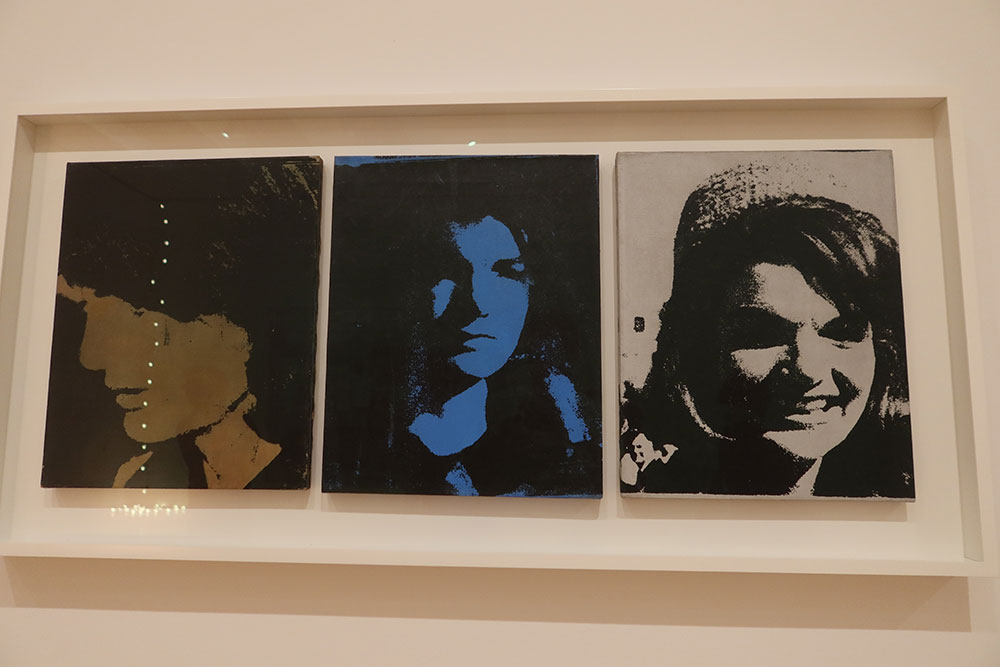
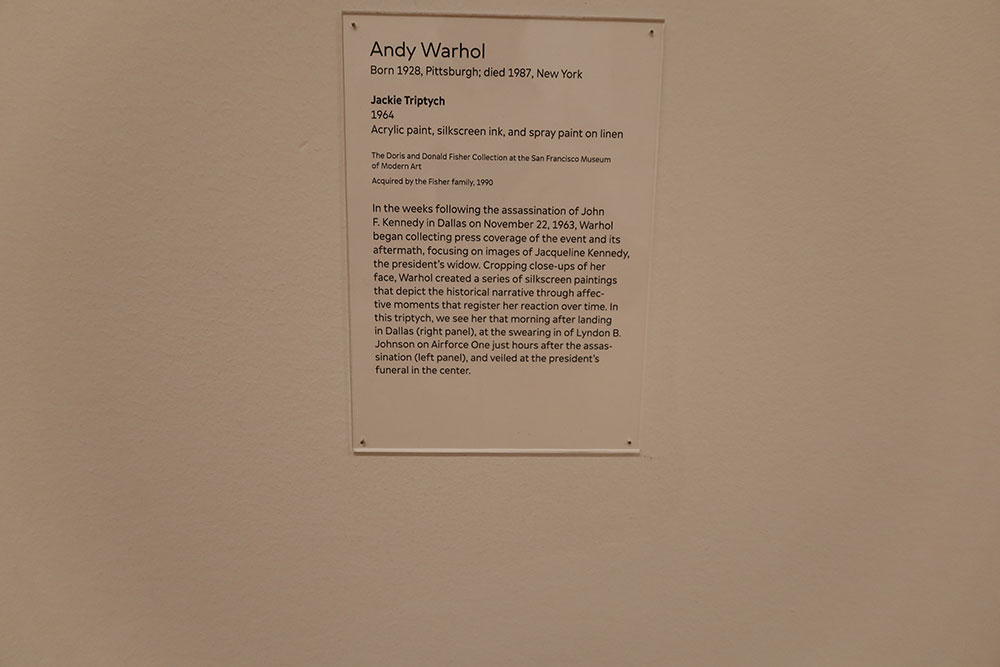
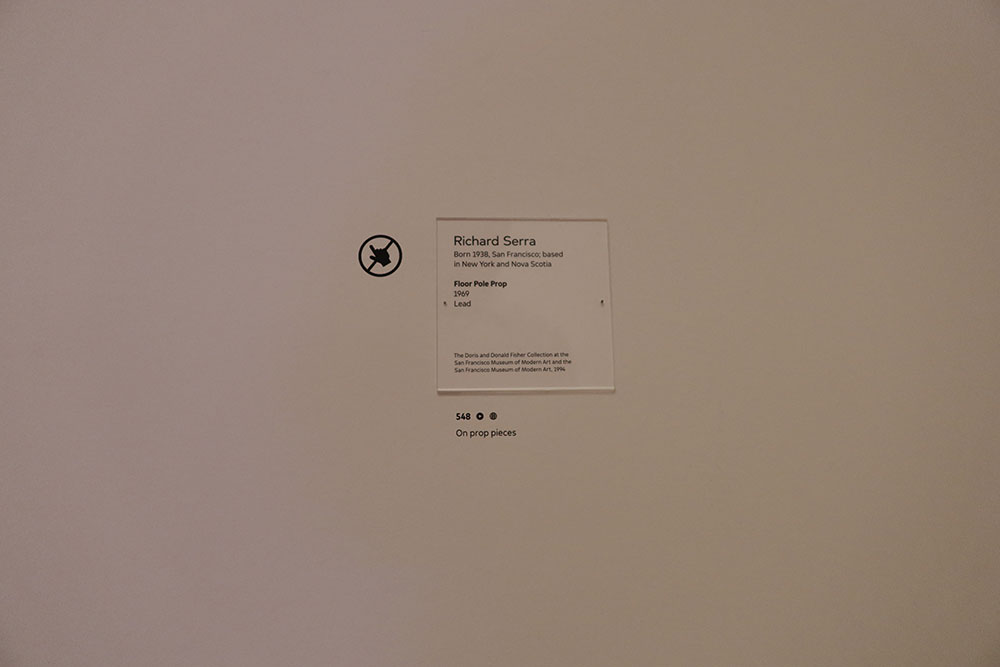
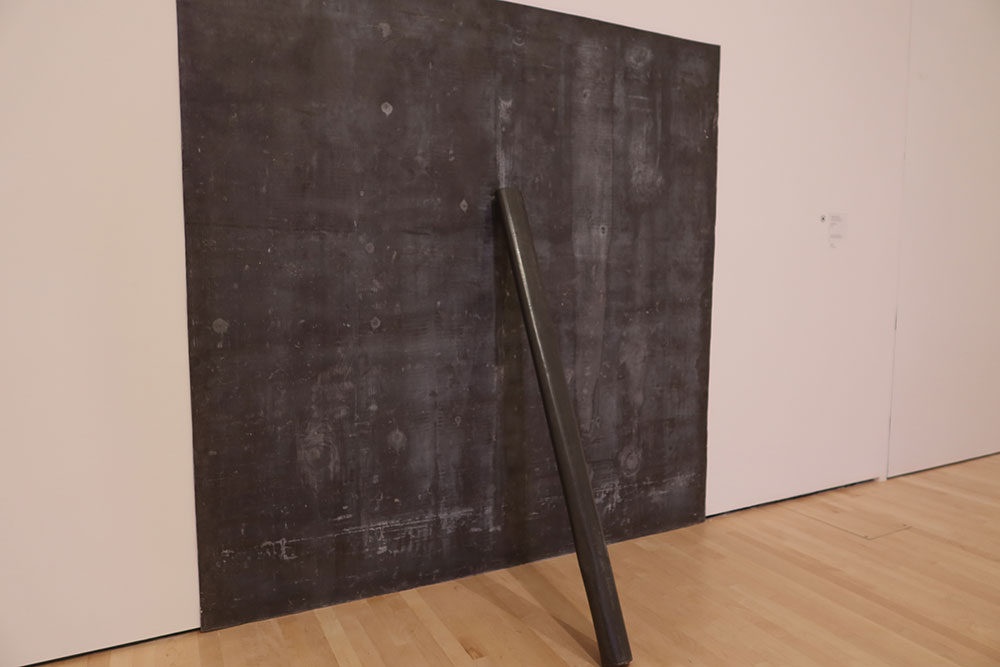
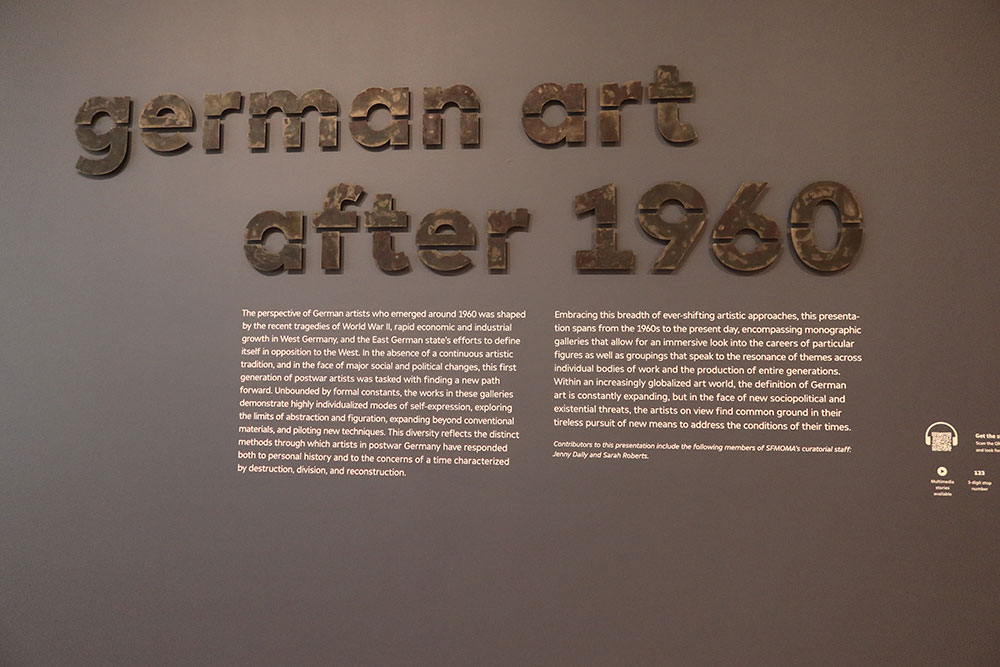
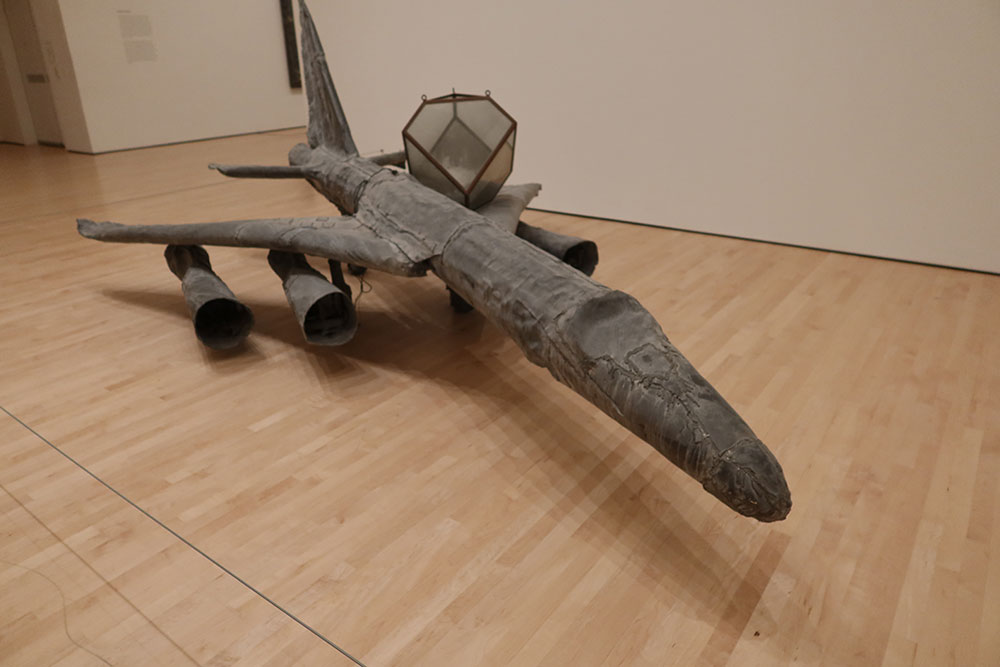
The custodial relationship established in 2009 with the Doris and Donald Fisher Collection added significant depth to the contemporary holdings. The Fisher Collection, assembled by the founders of Gap Inc., includes approximately 1,100 works by artists including Gerhard Richter, Richard Serra, Ellsworth Kelly, Anselm Kiefer, and Cy Twombly, among many others. This gift fundamentally altered the scale and international character of what SFMOMA could offer its visitors and brought the museum into dialogue with collections of comparable depth elsewhere in the world.
Exhibition Practice and Regional Commitment
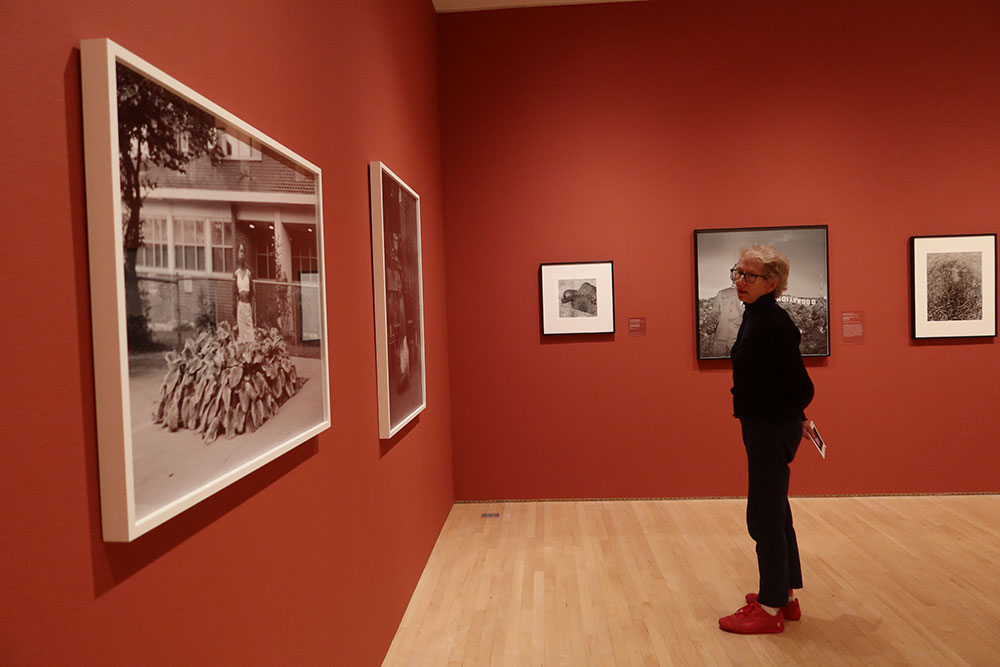
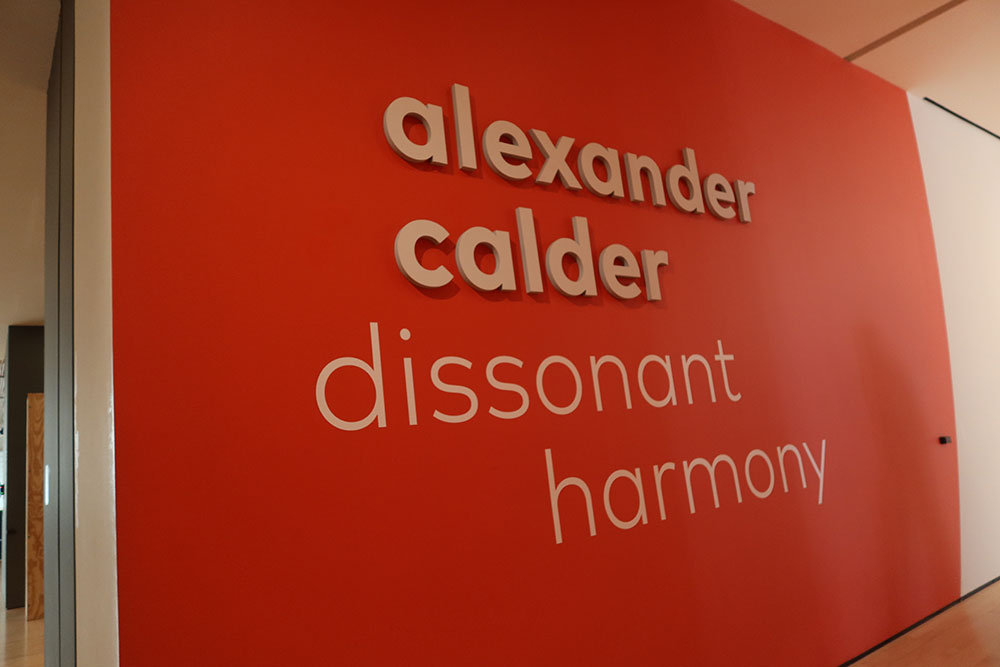
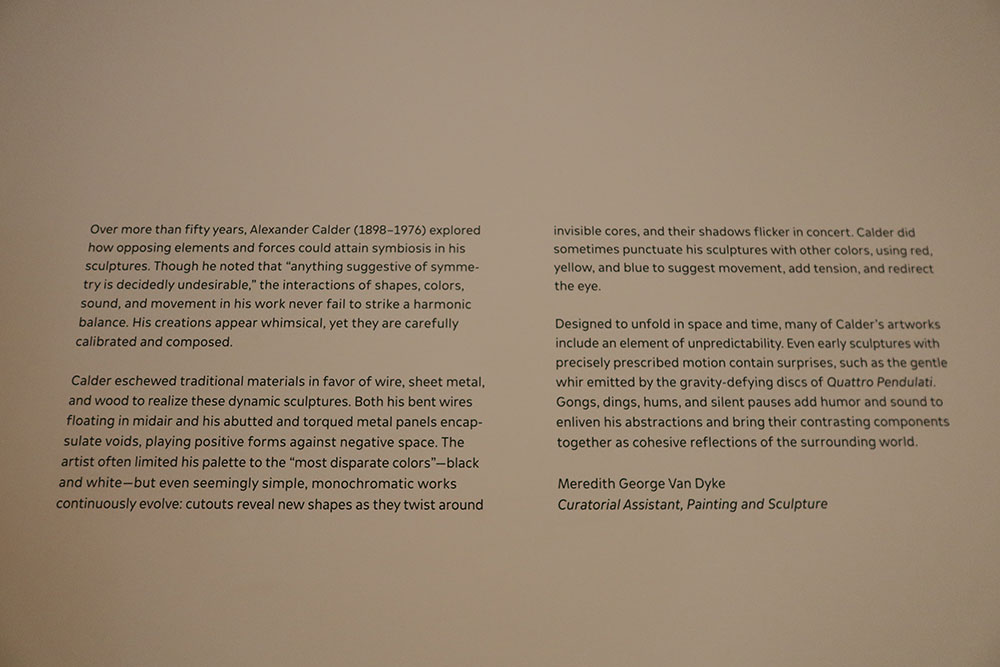
SFMOMA's exhibition programme balances its responsibilities to the permanent collection with a sustained engagement with living artists and with the broader field of contemporary art. The museum has maintained a particular attentiveness to work emerging from the Bay Area and the wider West Coast — a regional focus that distinguishes it from the more internationally orientated programming that characterises many institutions of comparable scale.
Education, Access, and Public Engagement
SFMOMA's approach to public programming reflects a considered view of what a museum's responsibilities extend to beyond the exhibition of art. The Koret Education Center, located on the museum's lower floors, offers family studio activities at no charge, independent of general admission. The museum also operates a robust digital infrastructure, including an audio guide programme accessible via the institution's website that allows visitors to engage with individual works in greater depth during their visit.
Free admission for Bay Area residents is offered on the first Thursday of each month.
For professionals working in the field, SFMOMA represents a useful case study in how an institution can sustain momentum across multiple dimensions simultaneously — managing a significant expansion project, integrating a major gift collection, deepening its public access commitments, and continuing to develop an exhibition programme of international interest — without losing the clarity of purpose that has defined it since its founding.
SFMOMA is located at 151 Third Street, San Francisco, sfmoma.org