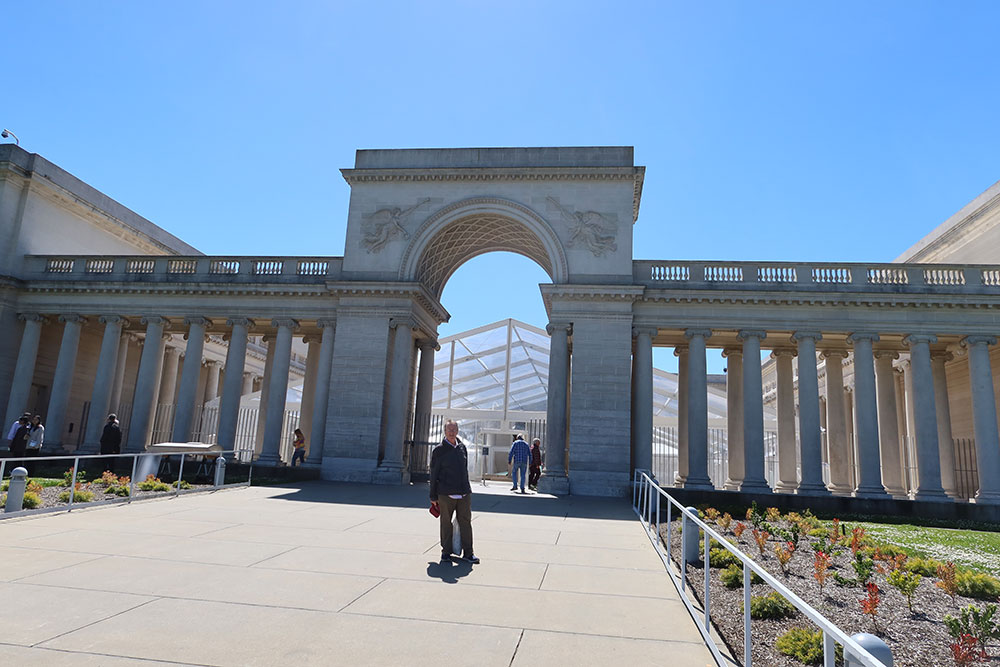

Legion of Honor San Francisco April 2023
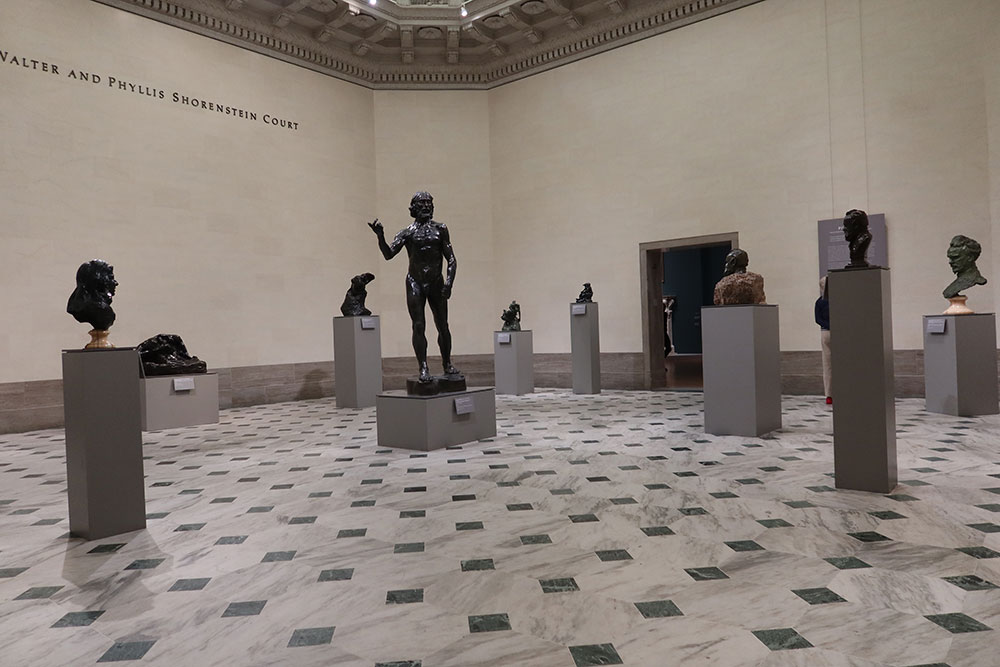
The California Palace of the Legion of Honor: A Century of Collecting, Commemoration, and Critical Inquiry
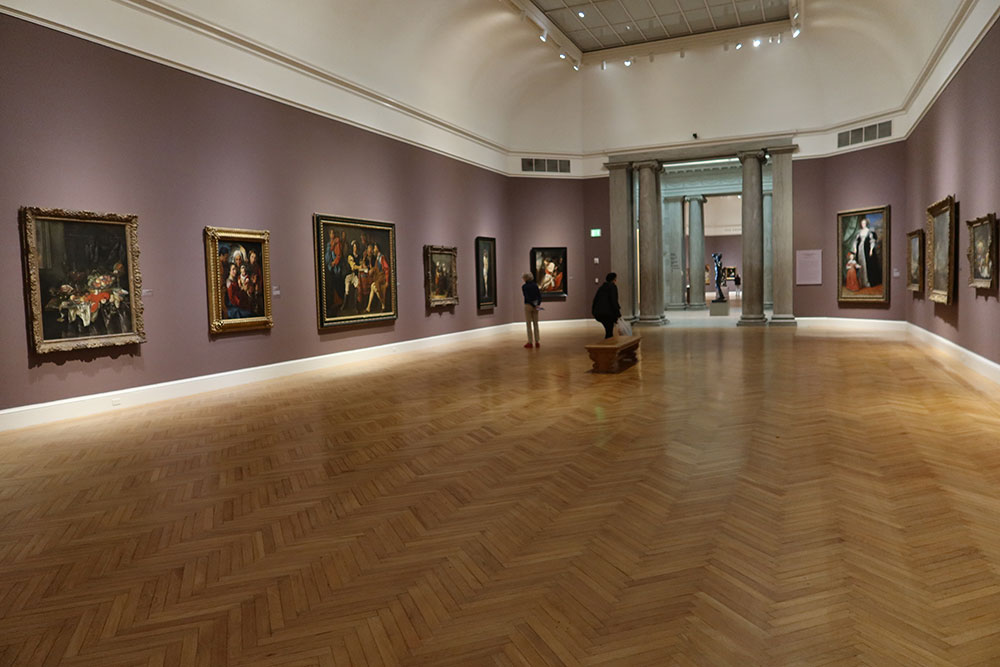
The Legion of Honor in San Francisco rewards close attention — not simply as a repository of European art, but as an institution whose founding conditions continue to shape its collecting philosophy, its architectural identity, and its relationship to contemporary artistic discourse.
The museum stands on the headlands above the Golden Gate, where the Pacific Ocean spills into San Francisco Bay, a gift of Alma de Bretteville Spreckels to the city. Its origins are inseparable from a particular strain of early twentieth-century American philanthropy: the ambition to transplant European cultural authority onto Pacific soil. Alma Spreckels persuaded her husband, sugar magnate Adolph B. Spreckels, to construct a permanent replica of the Palais de la Légion d'Honneur, with the French government granting permission after the close of the 1915 Panama-Pacific International Exposition. She was guided in her collecting, in part, by her friendship with the expatriate dancer Loie Fuller, who brought Rodin to her attention during a 1914 trip to Europe, a connection that would prove foundational to the institution's permanent holdings.
The building itself is a full-scale replica, by architect George Applegarth and Henri Guillaume, of the Palais de la Légion d'Honneur in Paris — a neoclassical structure whose 4,500-pipe symphonic organ is hidden behind a trompe-l'œil ceiling painted to resemble a marble apse. Dedicated as a memorial to the 3,600 California men who lost their lives on the battlefields of France, the museum opened on Armistice Day, November 11, 1924. That dual mandate — honouring the dead while serving the living — has exerted a particular gravitational pull on the institution ever since, lending it a solemnity that distinguishes it from other American encyclopaedic museums of comparable scale.
The permanence of that mission is made tangible each November, when the Book of Gold is brought from the archives and placed on view. Alma Spreckels had military records searched for the names and hometowns of Californian soldiers who served and died in the First World War, and a calligrapher inscribed roughly 3,600 names into the volume — a process that took eight years to complete. This act of careful documentation, undertaken long before the museum opened its doors, speaks to the institutional seriousness with which Spreckels approached her commission.
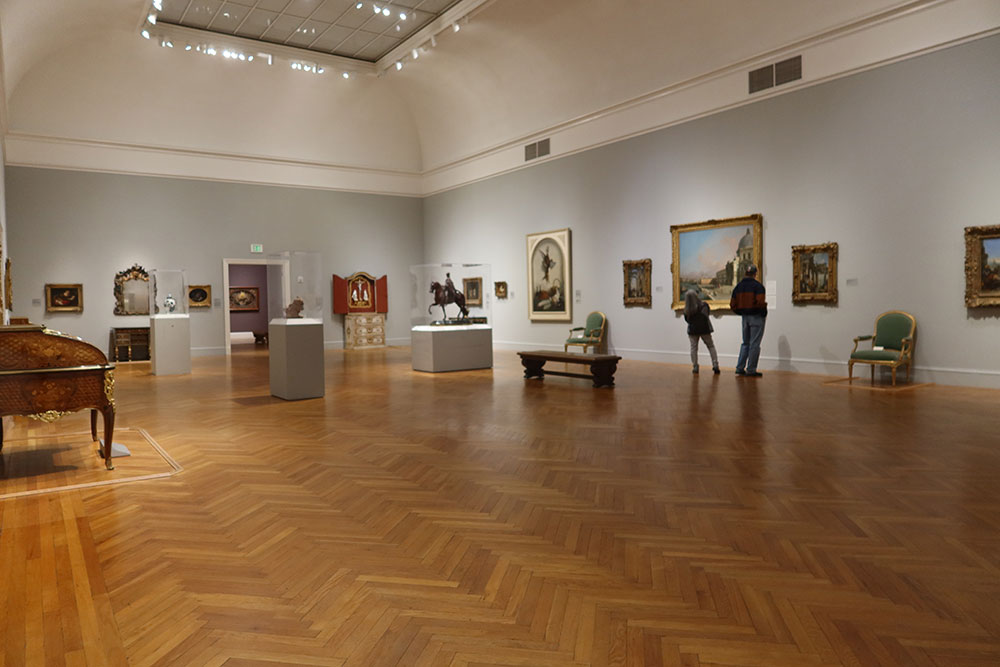
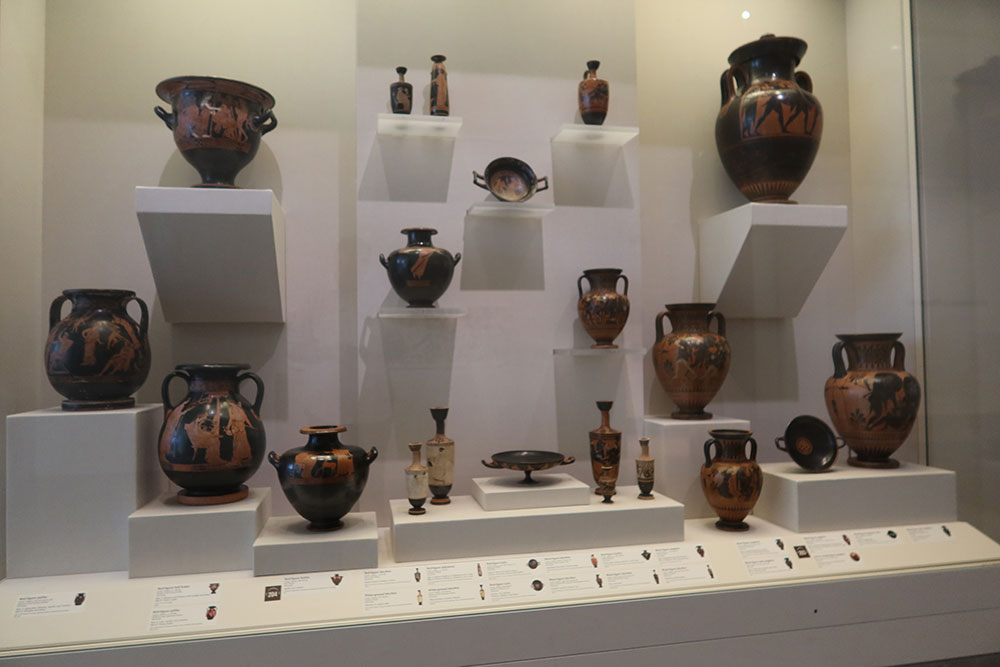
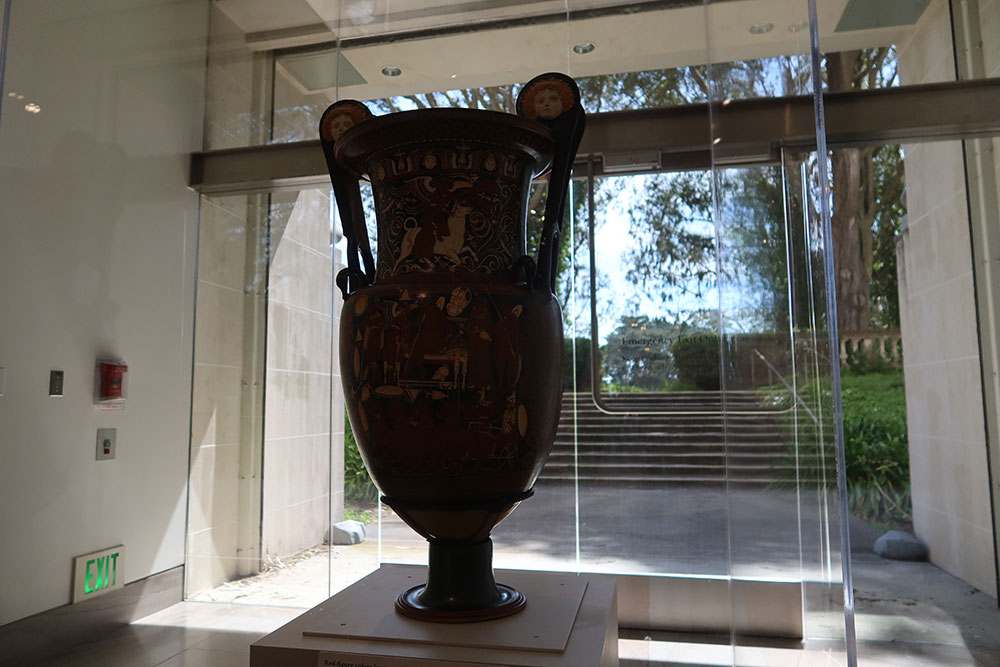
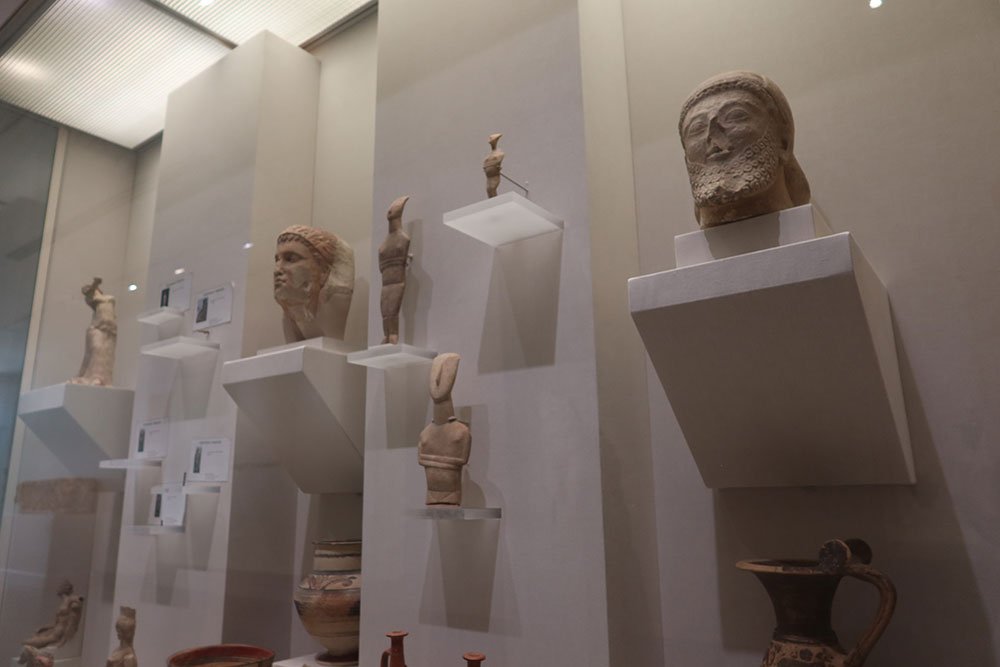
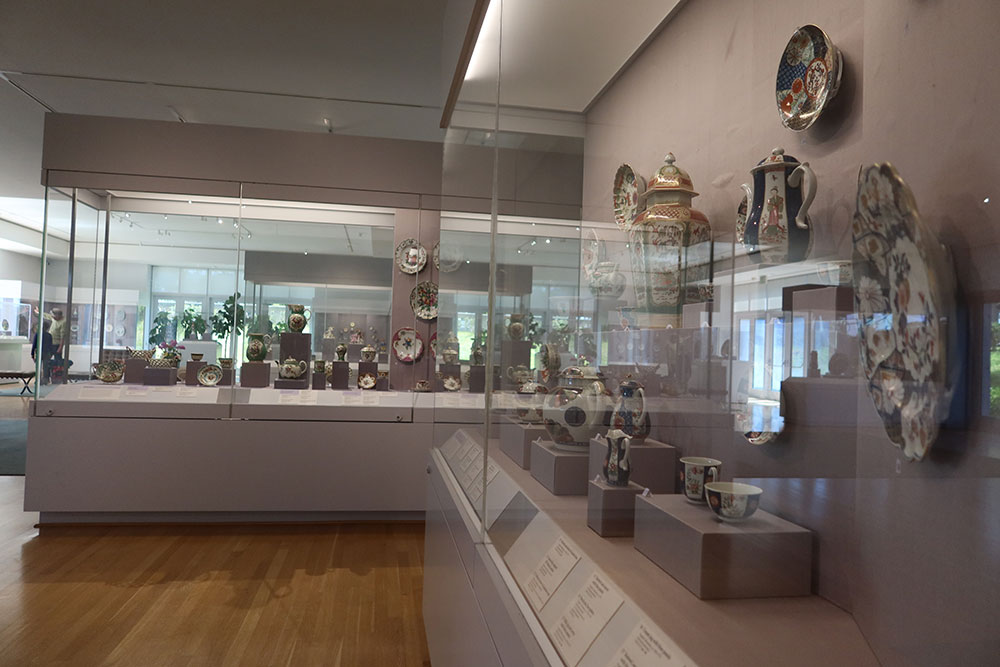
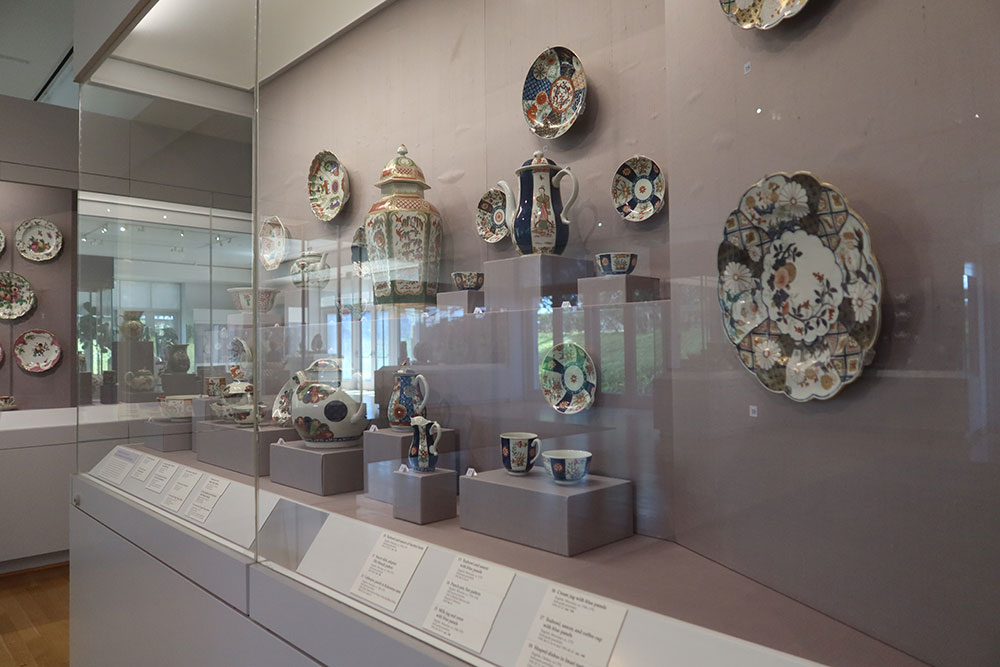
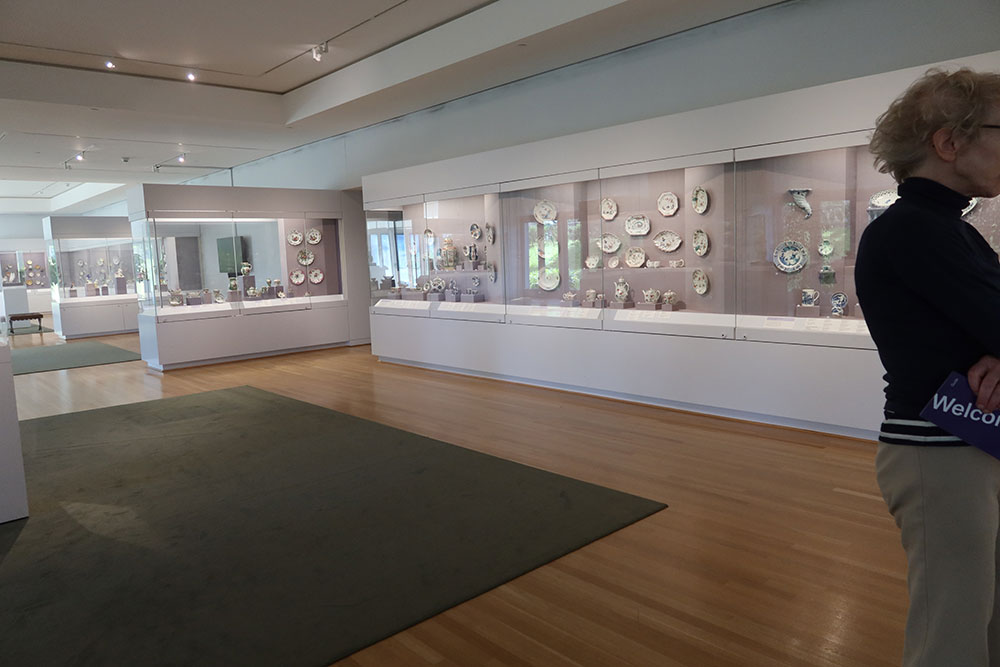
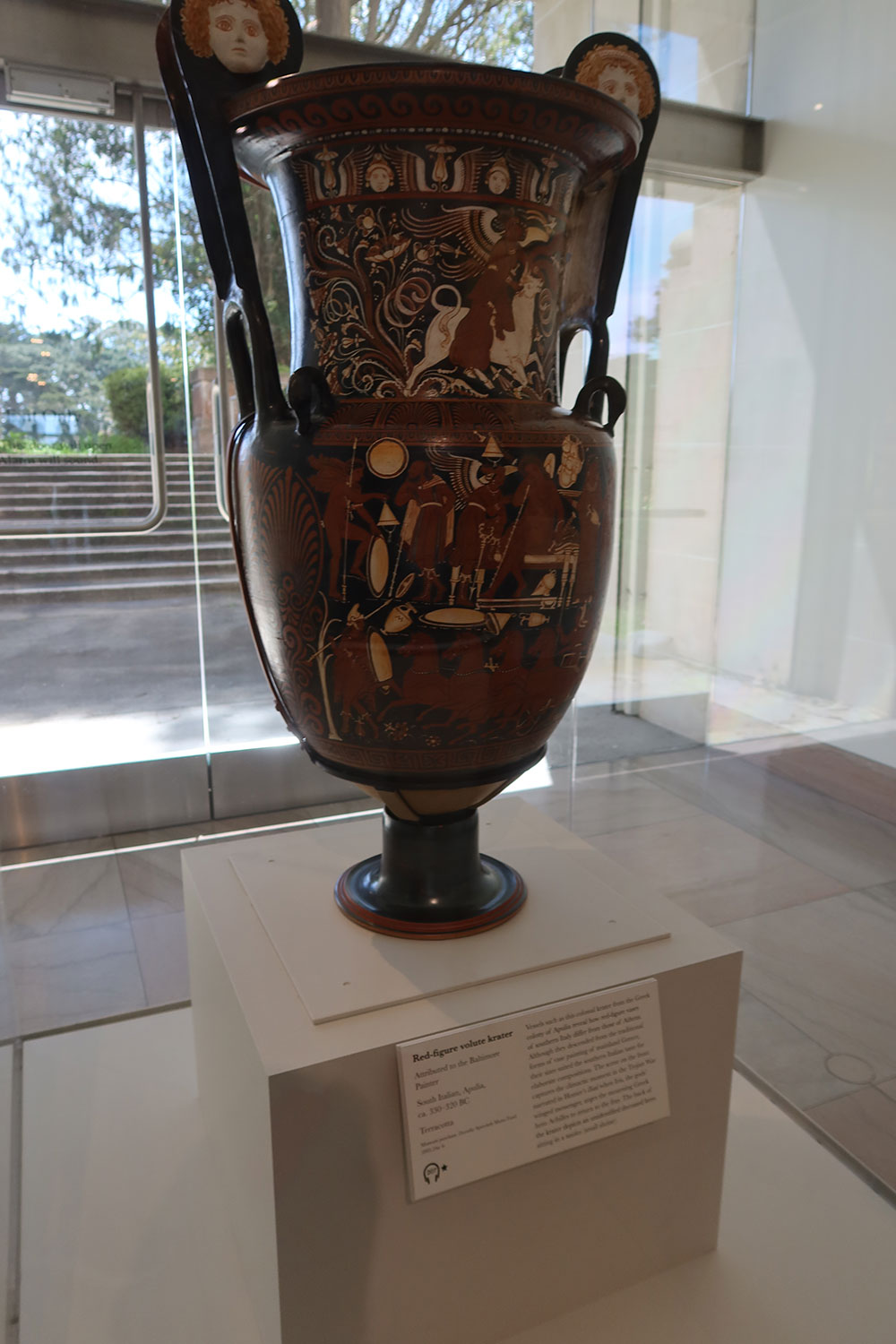
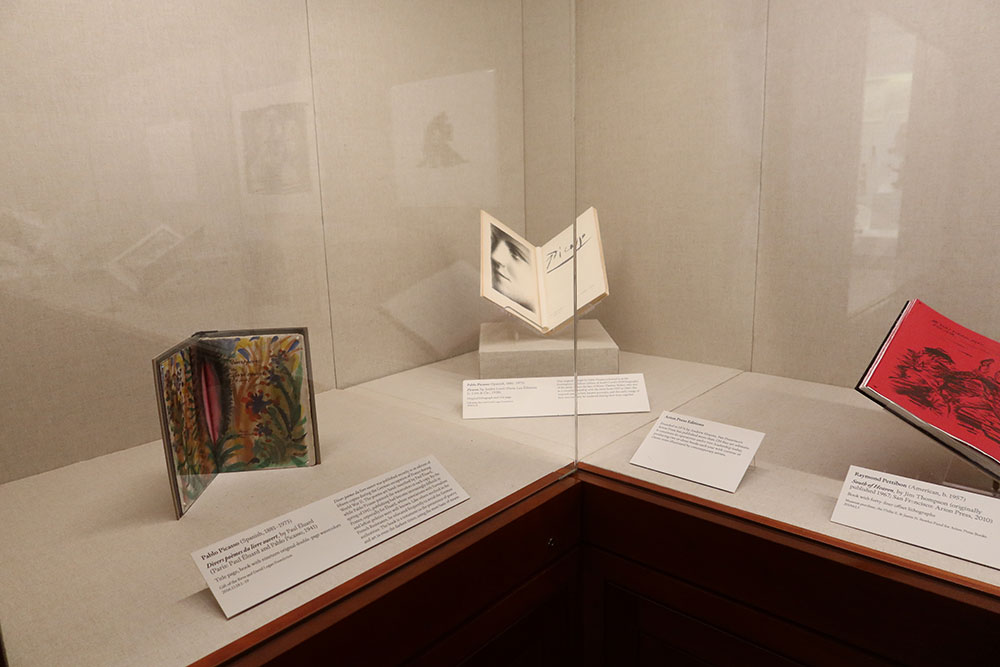
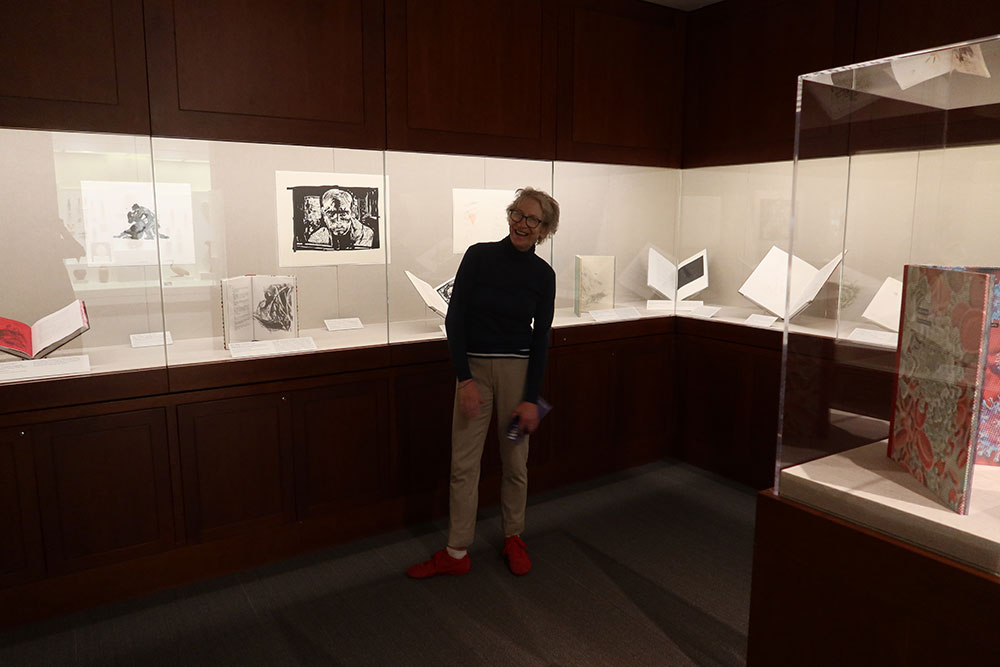
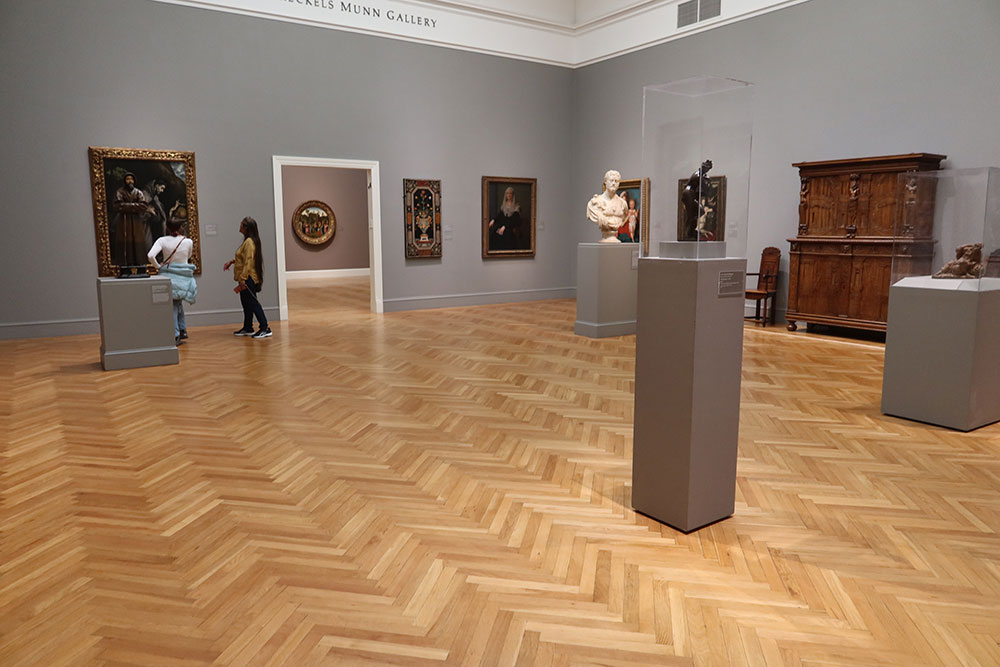
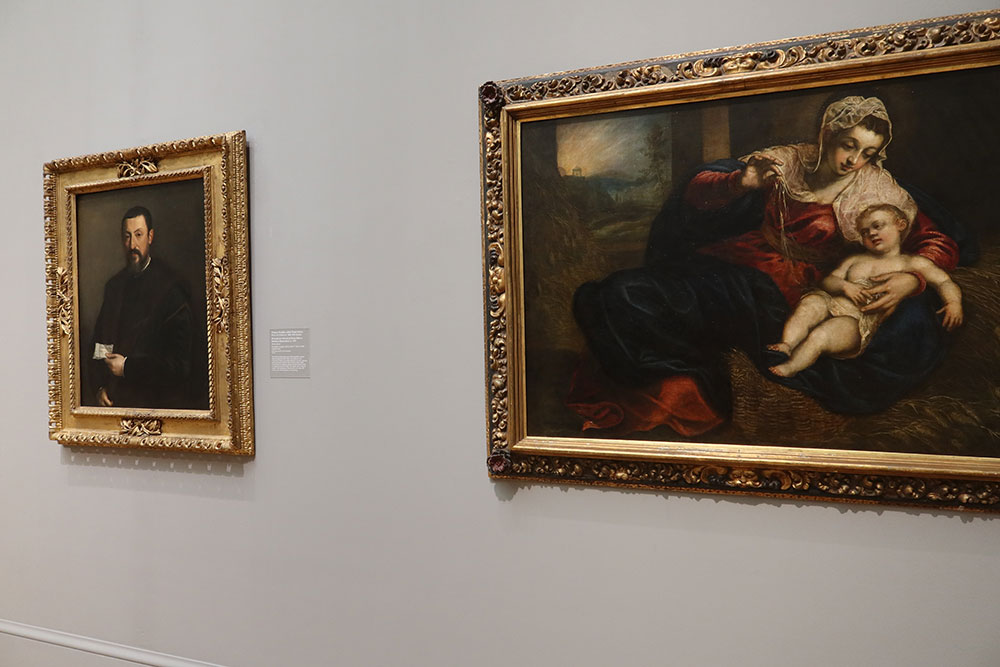
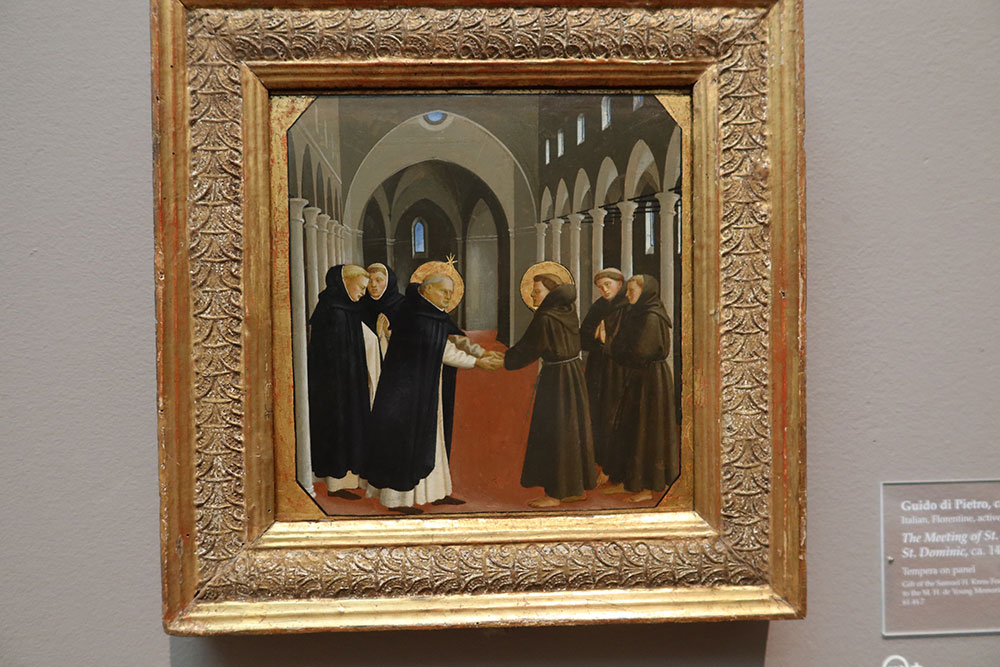
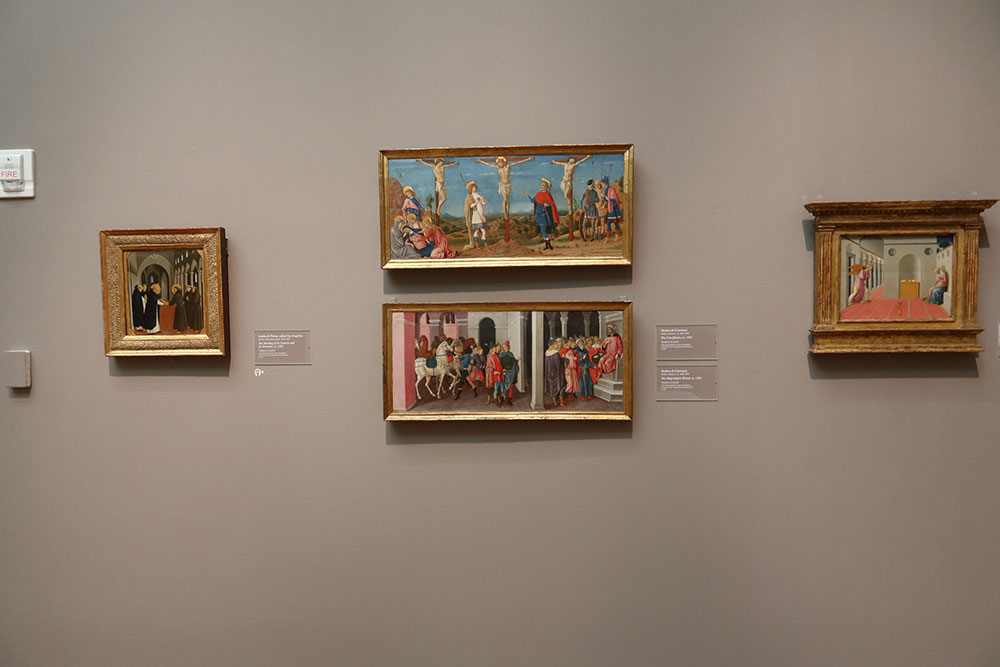
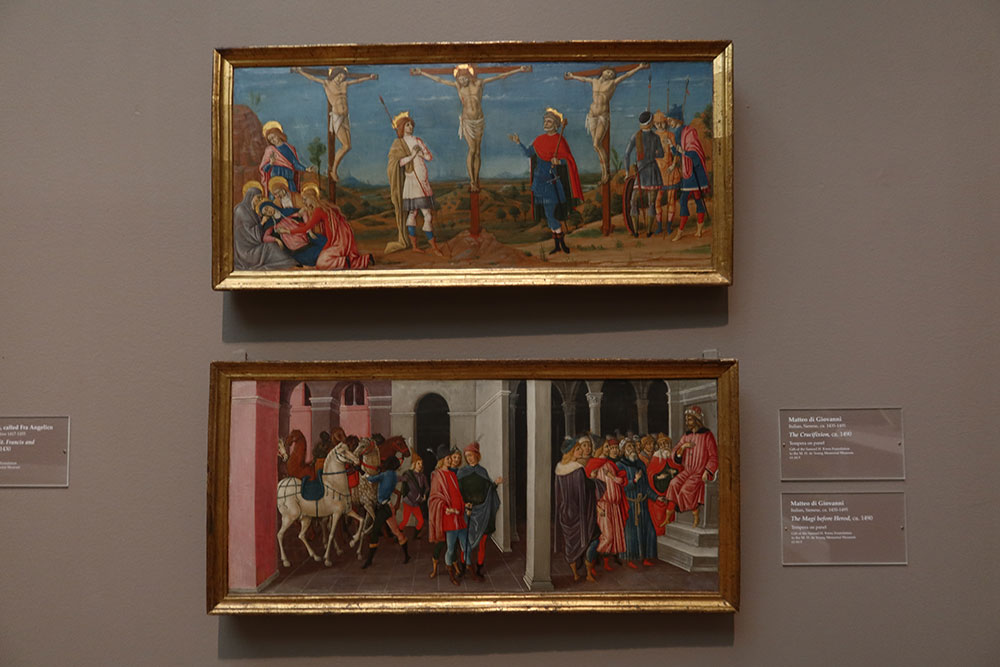
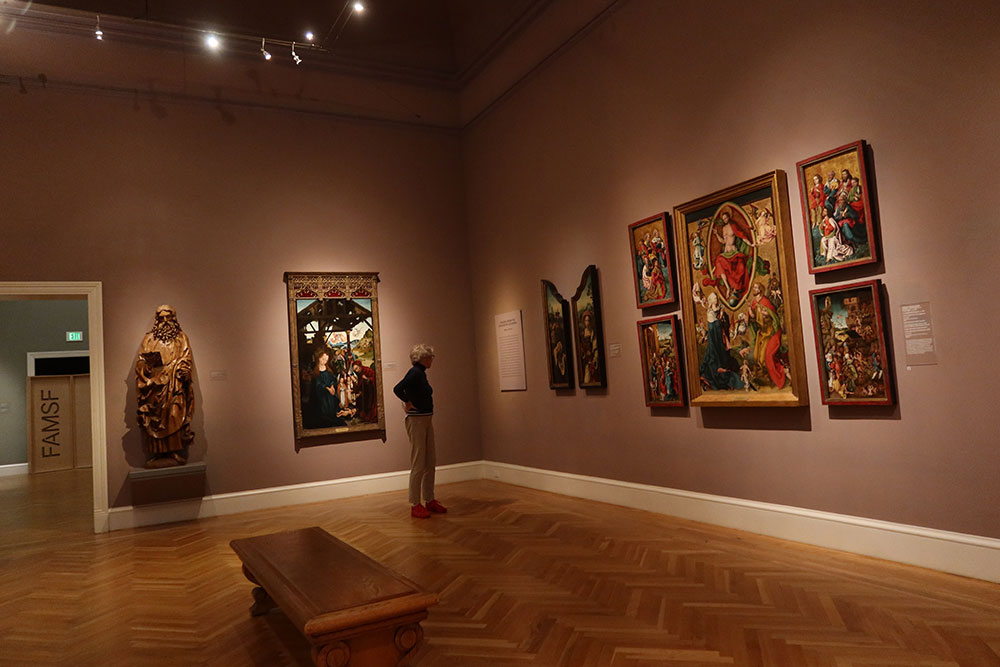
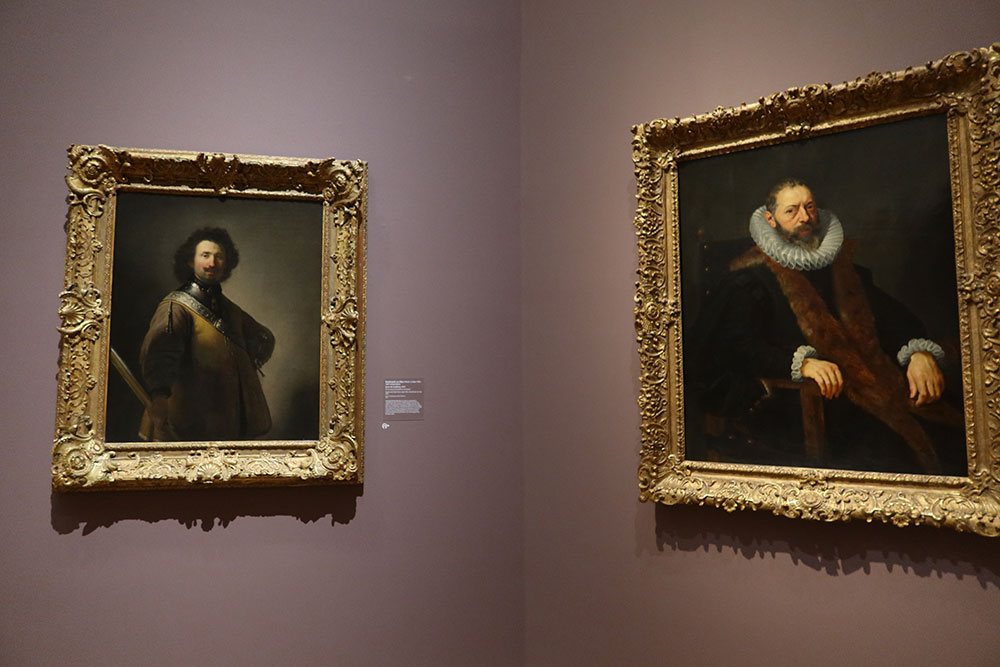
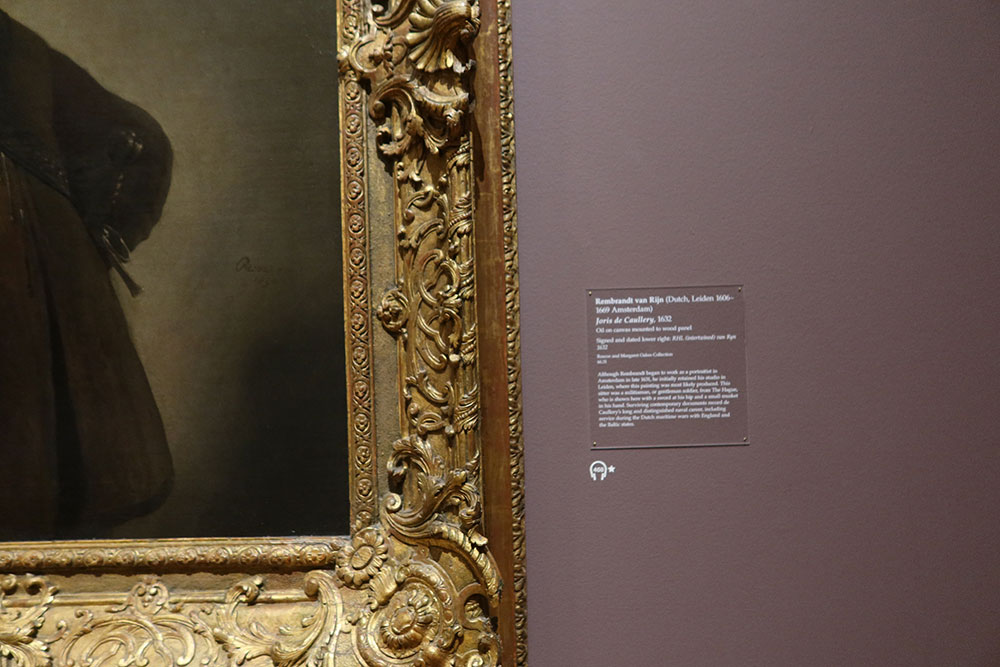
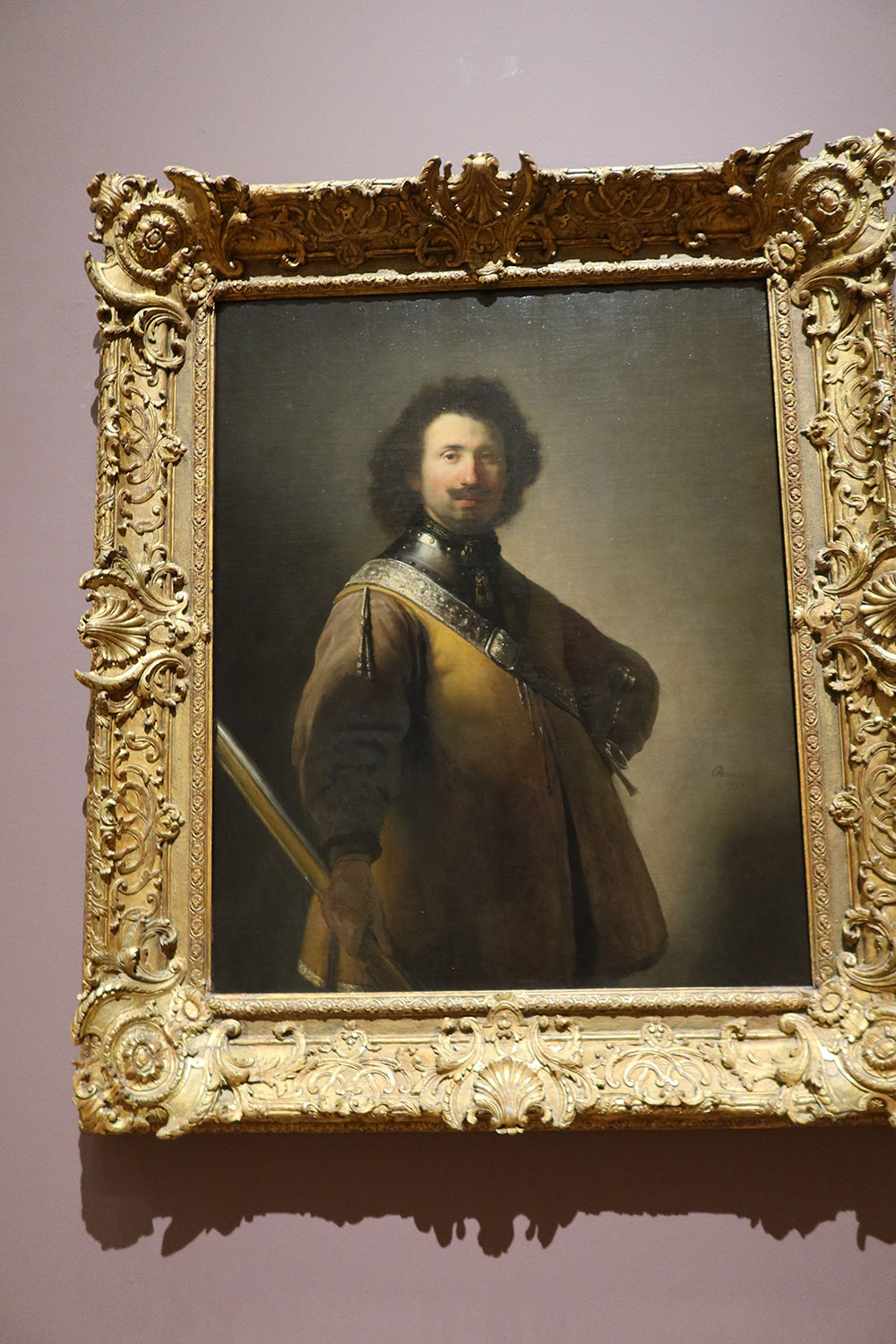
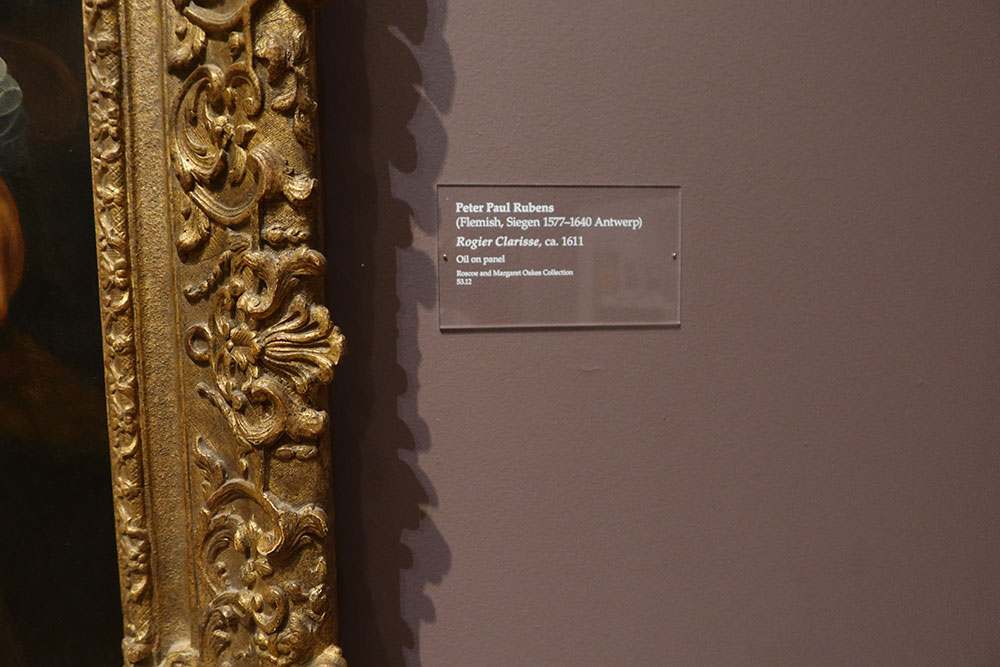
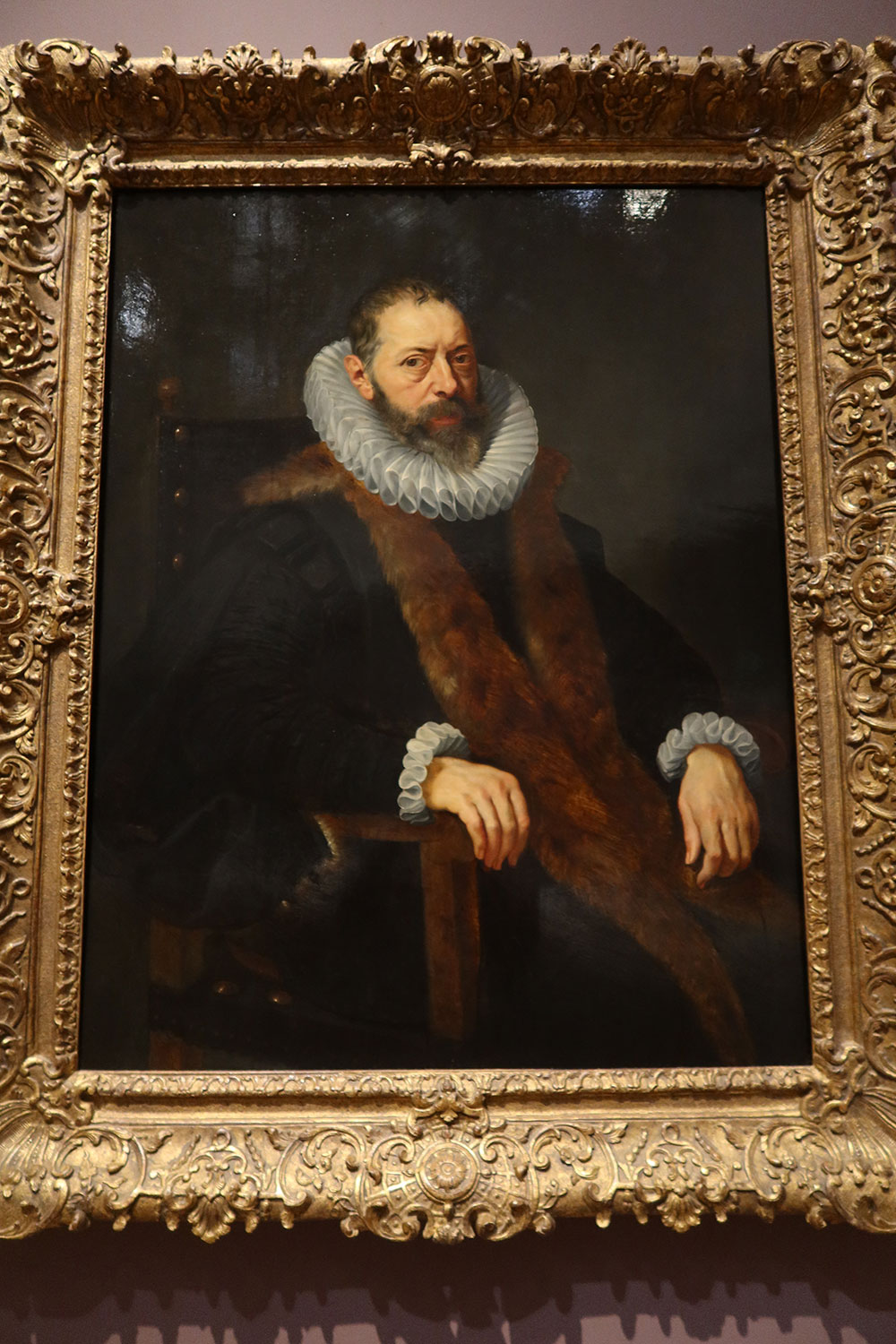
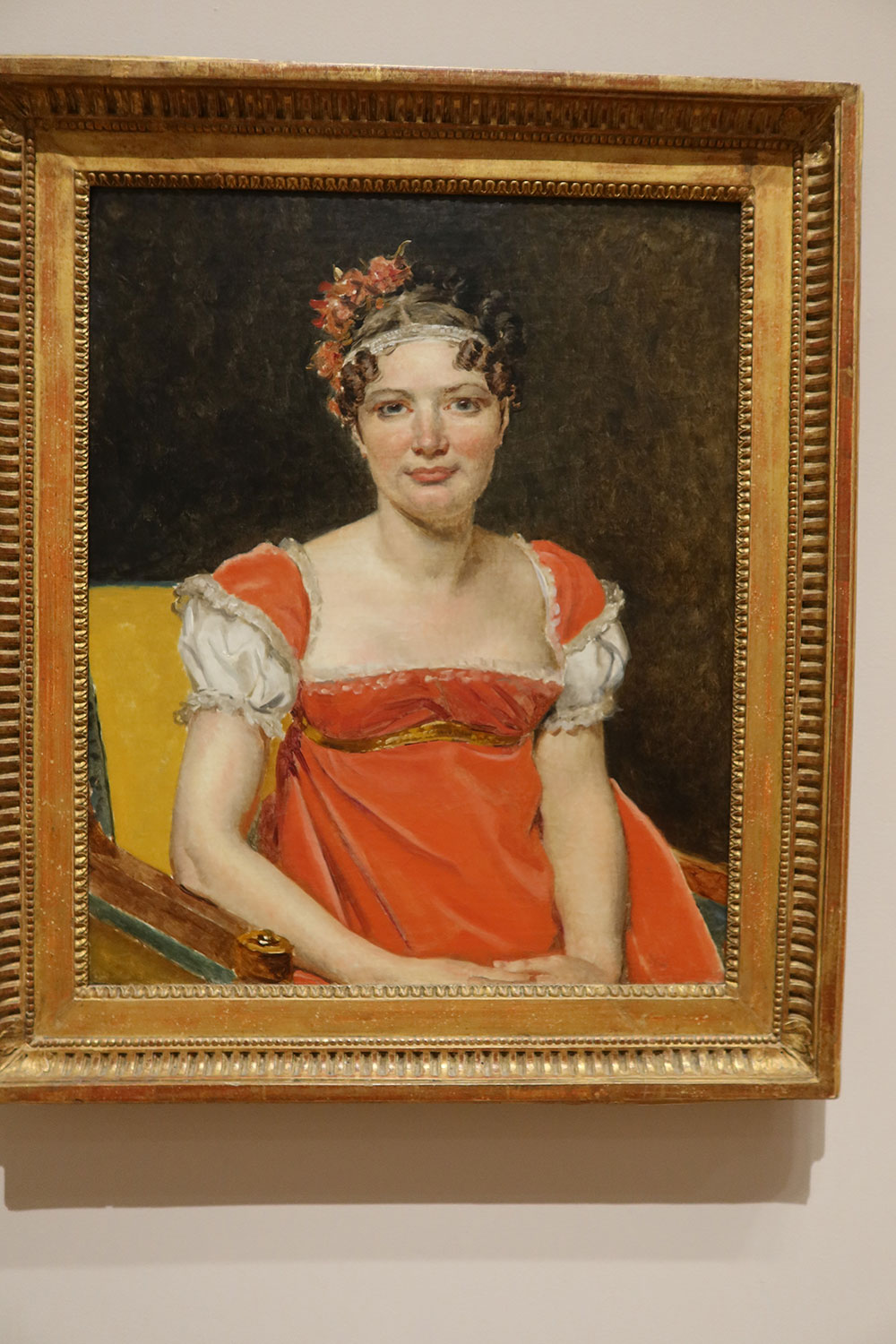
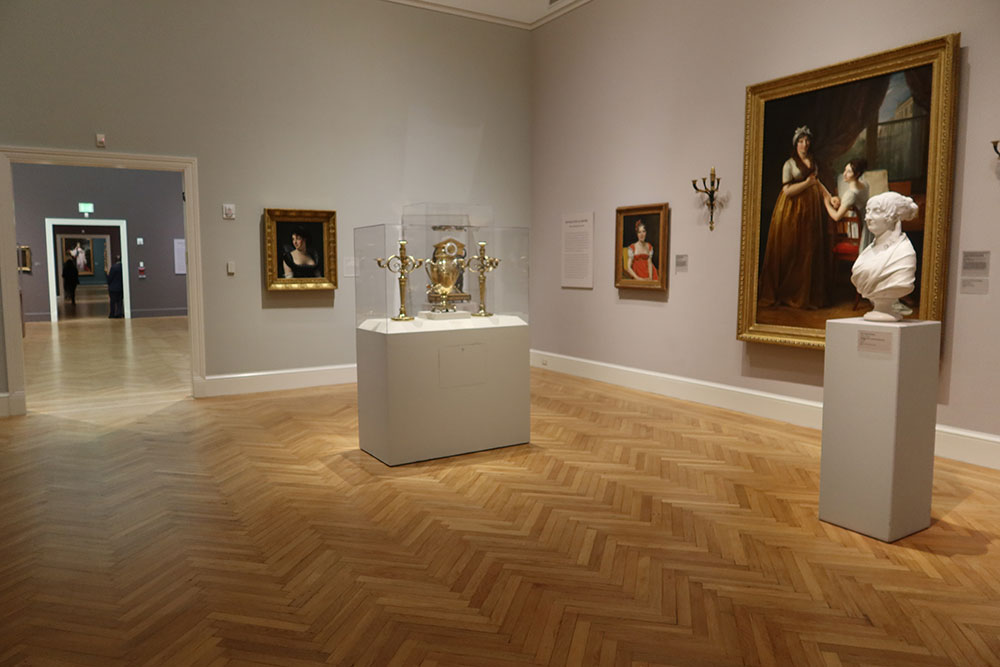
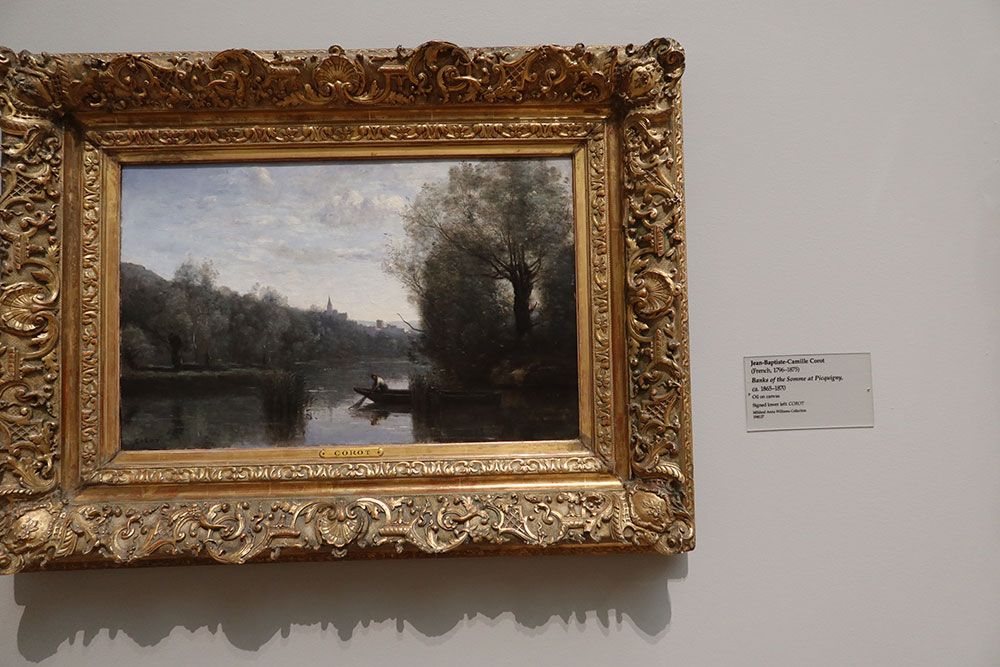
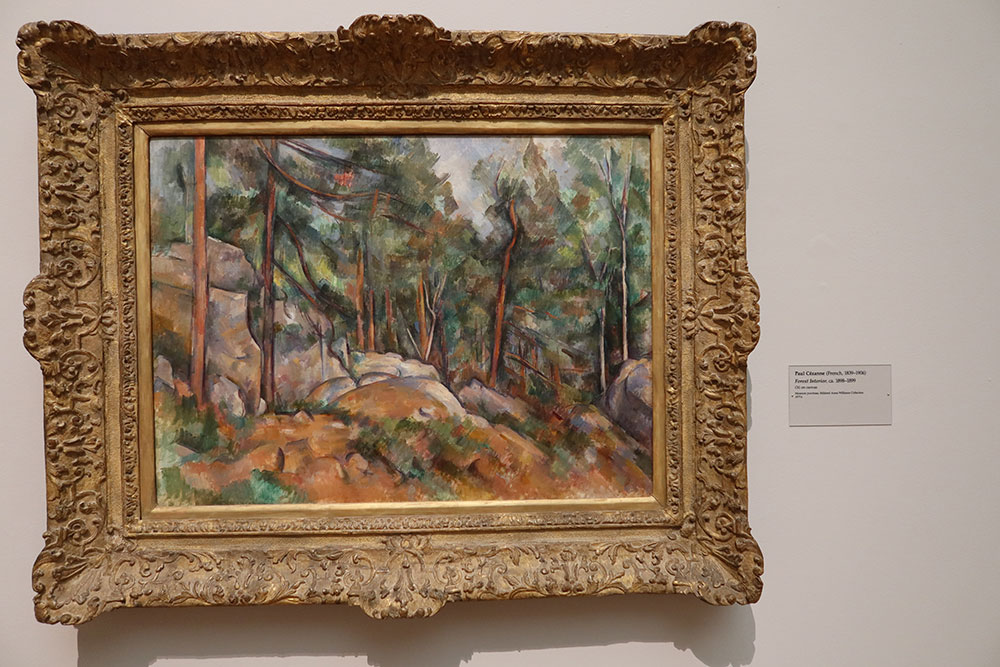
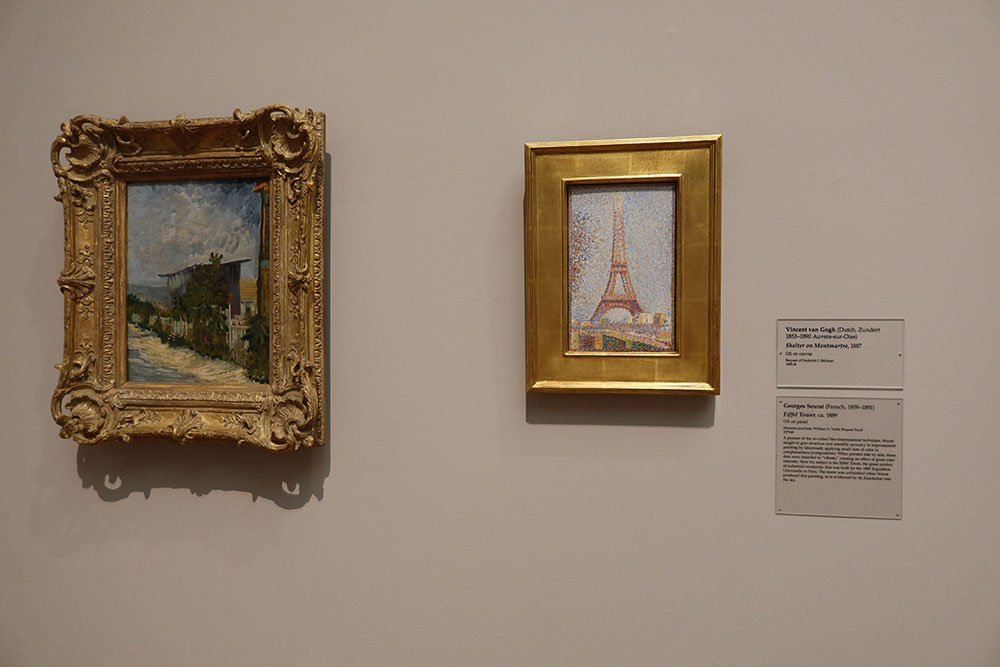
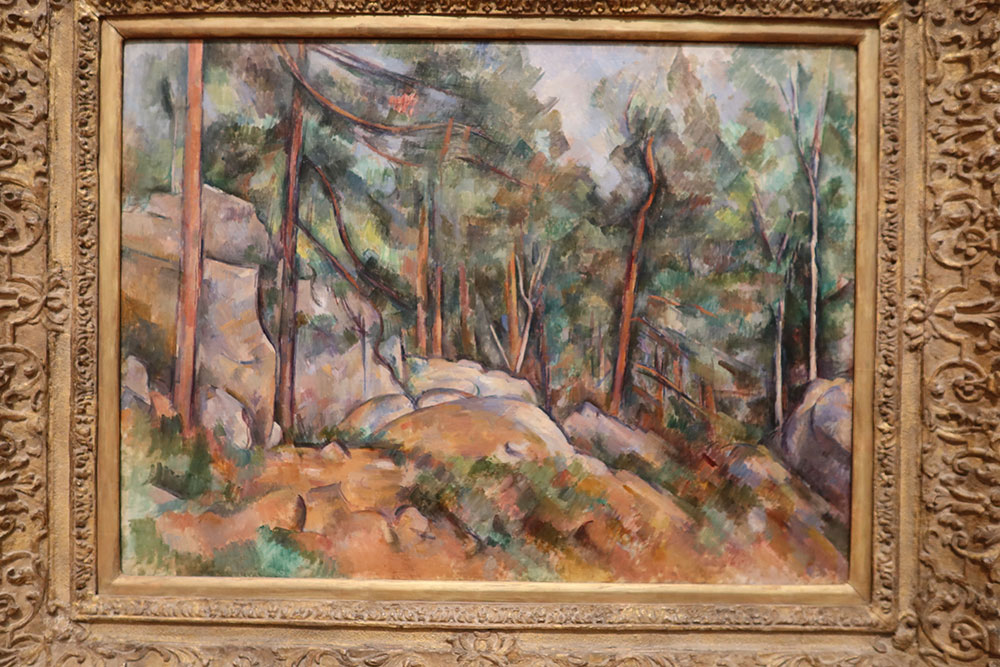
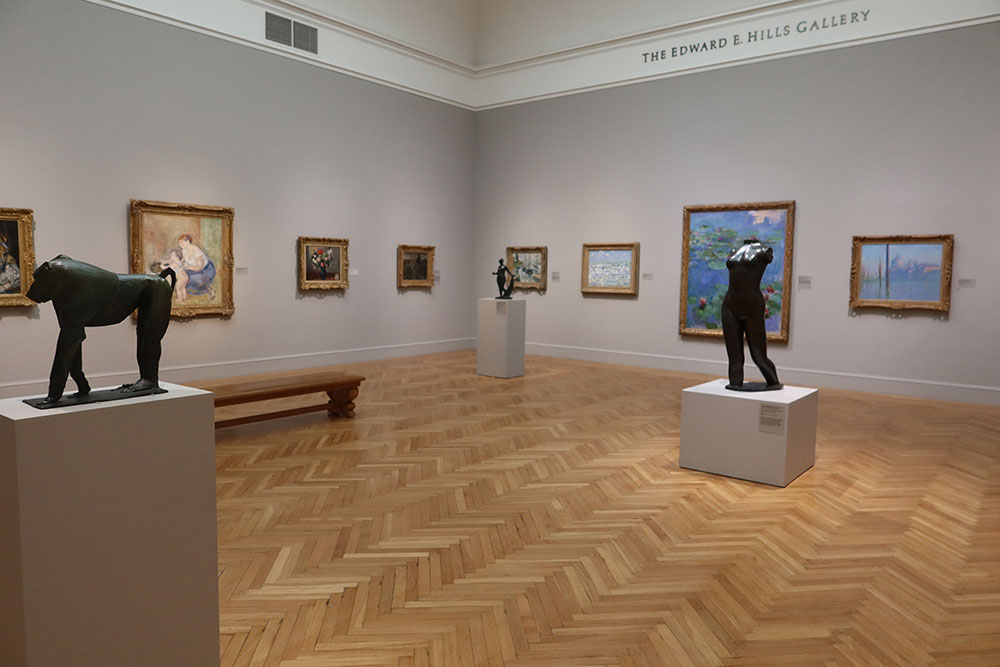
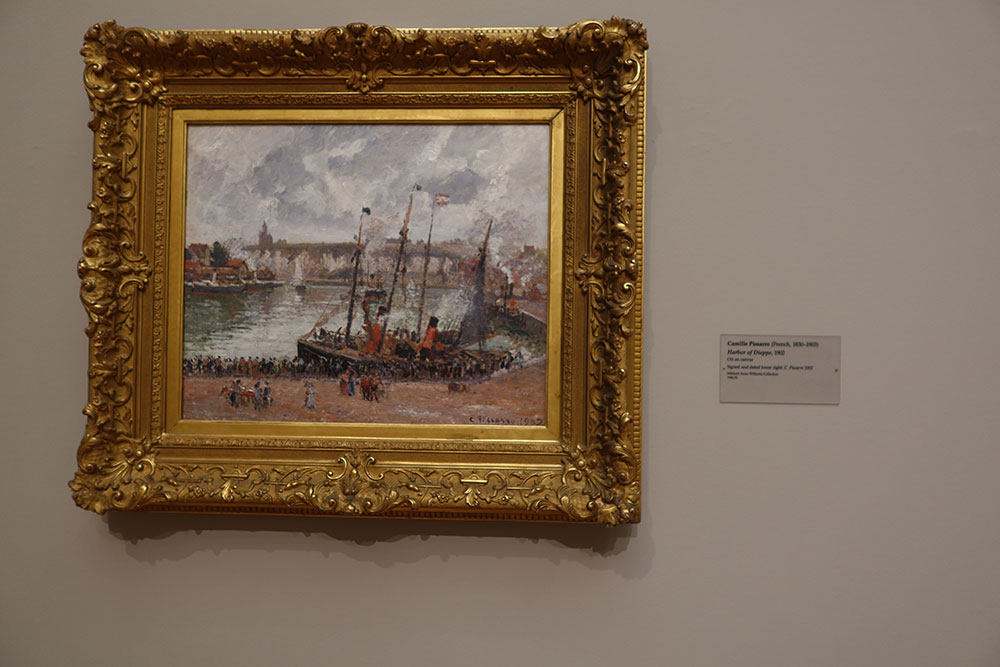
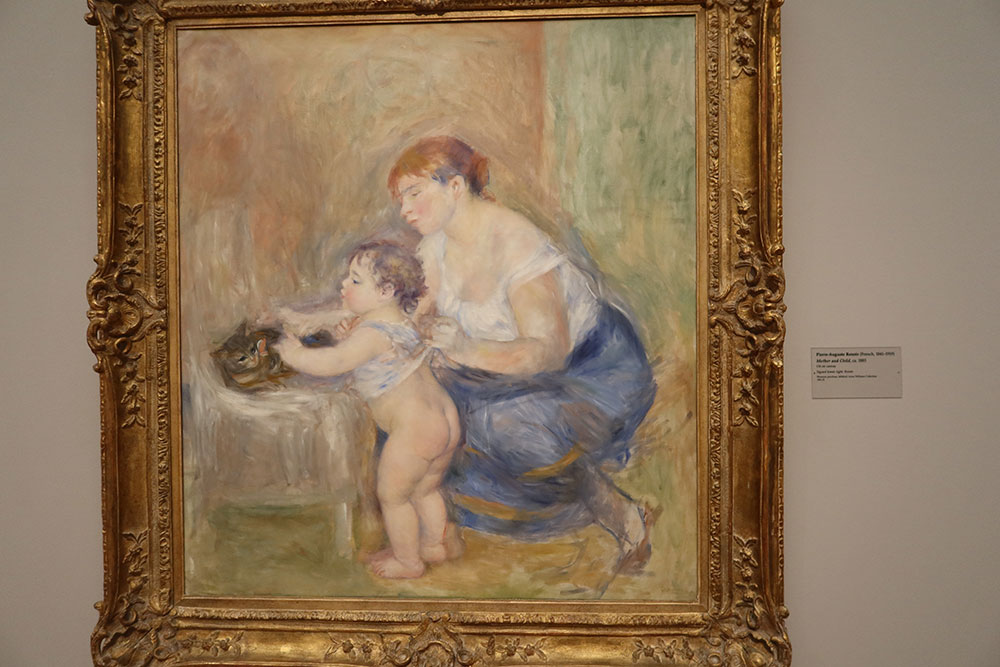
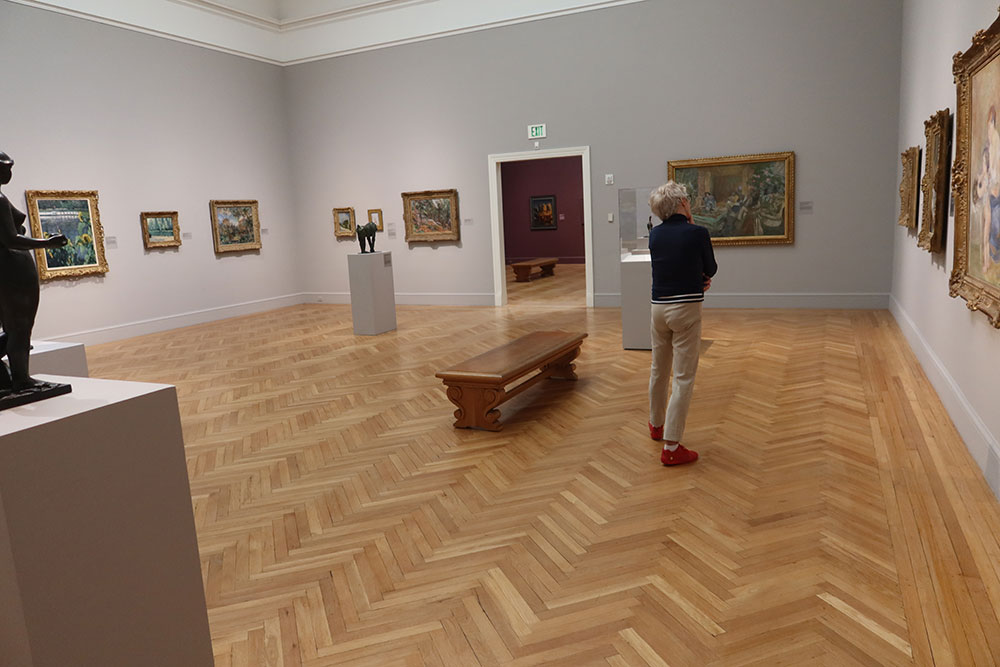
From an art-historical perspective, the permanent collection reflects both the breadth of Spreckels' ambition and the coherence of her particular passions. The Legion of Honor displays a collection spanning more than 6,000 years of ancient and European art and houses the Achenbach Foundation for Graphic Arts — with more than 90,000 items, the largest repository of works on paper in the western United States. The Hall of Antiquities presents ancient works from Egypt, the Near East, Greece, and Rome. The decorative arts holdings are substantial, and the European paintings collection is particularly strong in French atelier work from the seventeenth through to the nineteenth centuries, including Impressionist and Post-Impressionist canvases from Monet, Renoir, Degas, and Pissarro.
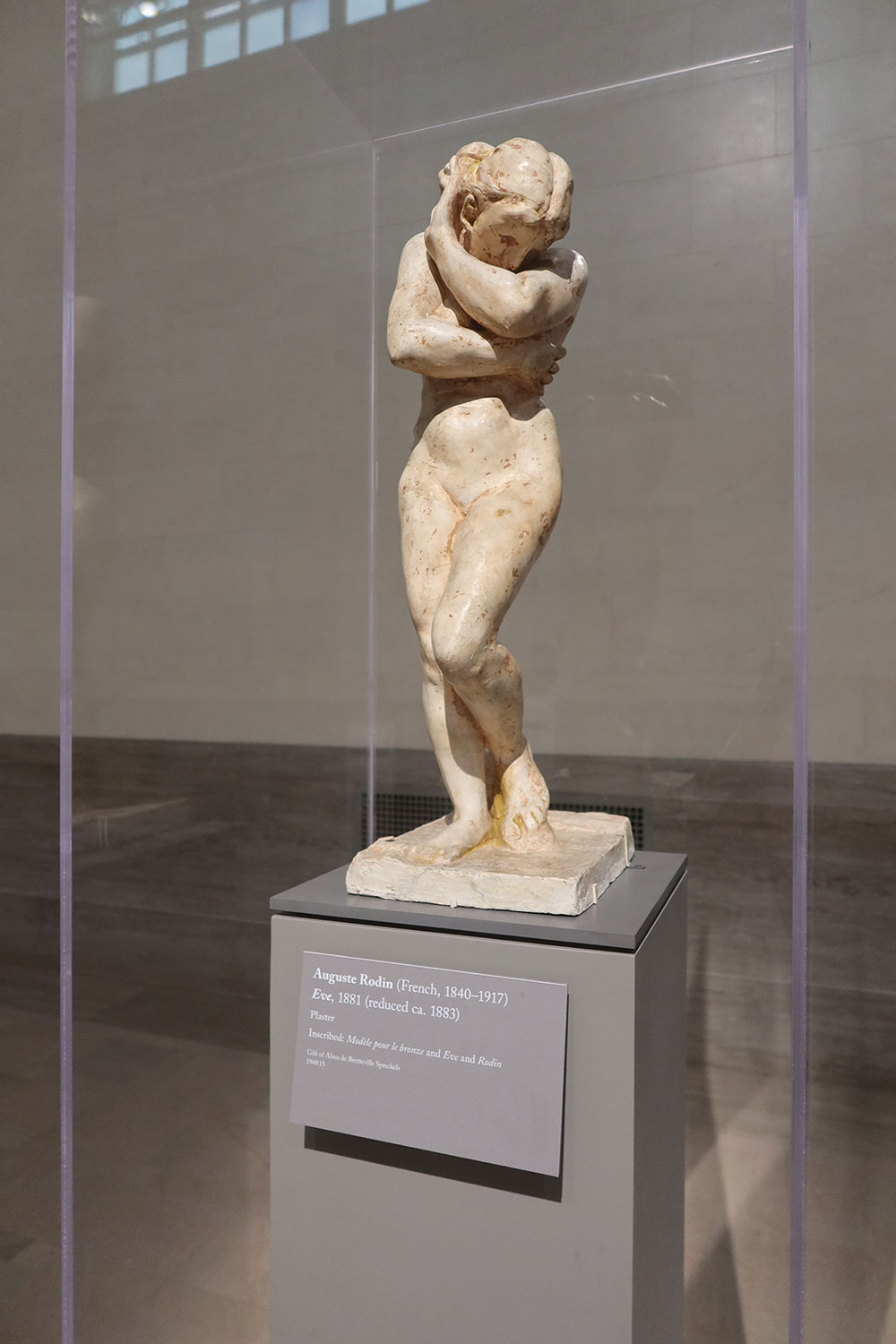
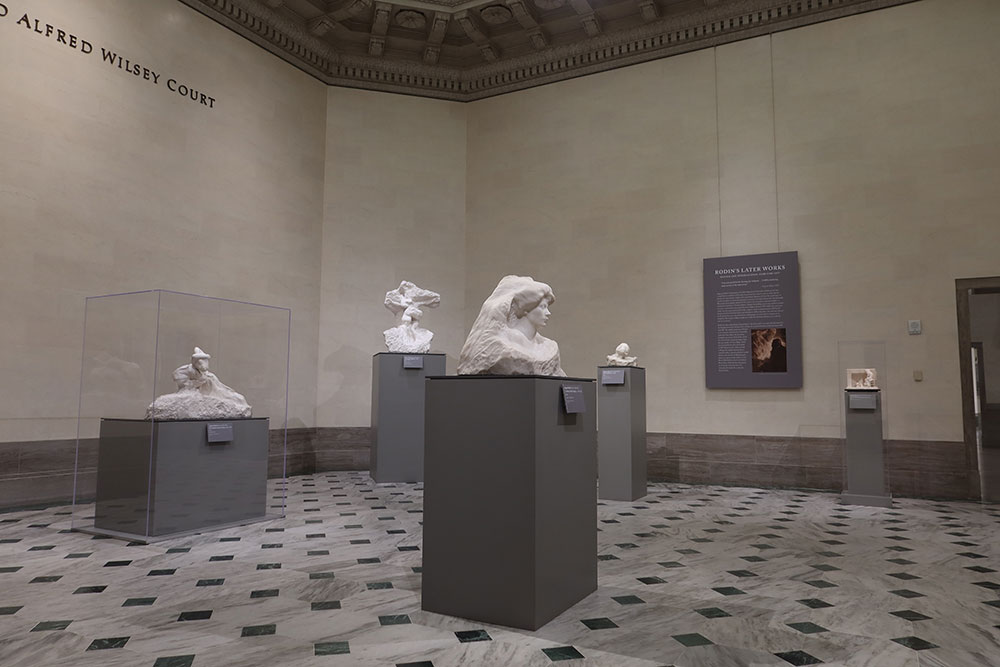
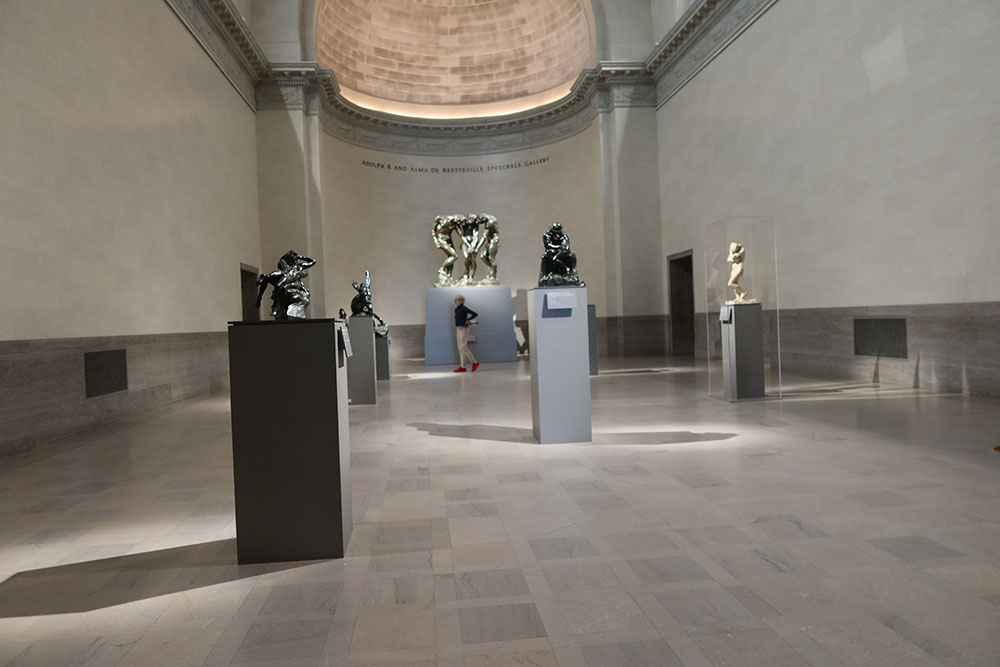
The Rodin holdings remain among the most significant outside Paris. The collection includes not only monumental bronze sculptures but also smaller studies, terracotta models, and drawings, offering an unusually intimate window into Rodin's working methods. The Thinker occupies the central courtyard, where it has greeted visitors since the museum's opening — a positioning that speaks to the foundational importance Spreckels placed upon that particular atelier lineage.
The institutional story of the past century has not been without complexity. The site itself carries contested histories: the land on which the Legion of Honor stands was once a city-owned cemetery, established in 1870 and closed in 1909, which held approximately 29,000 remains, including a Chinese burial ground and a Potter's field. These are histories the museum has had to reckon with in recent decades, as broader critical conversations about the provenance of collections and the politics of memorial architecture have reshaped the professional field.
Those conversations have been particularly visible in the centennial exhibition programme, Legion of Honor 100, which commenced in November 2024 and extended across the following twelve months. The centennial included exhibitions exploring the artistic exchange between Berthe Morisot and Édouard Manet, Wayne Thiebaud's six-decade career including his rarely viewed appropriations, and an exhibition tracing the institution's own history, with new displays drawn from the permanent collection featuring founding gifts from the French government and Alma Spreckels.
The Manet and Morisot exhibition, which ran from October 2025 through March 2026, was the first major exhibition dedicated to the artistic exchange between these two French Impressionists. Organised in collaboration with the Cleveland Museum of Art, it drew upon recent scholarship revealing that, by the final years of his life, Manet increasingly followed Morisot's example — her choice of subjects, her palette, and even her rapid, fluttering handling of paint. That curatorial argument — crediting Morisot with influence rather than subordinating her atelier to Manet's — represents the kind of revisionary scholarship that signals an institution actively interrogating the assumptions embedded in its own holdings.
Culminating the centennial programme is the first major exhibition on the United States West Coast dedicated to Yinka Shonibare, a British-Nigerian artist whose work interrogates racialized power structures through sculpture, tapestry, and film, spanning the past 25 years to the present. Beginning in the museum's Court of Honor, Shonibare's work will be presented within and throughout the Legion of Honor's European art collection and neoclassical architecture, allowing visitors to confront both the historical themes of his work — including the British Empire's entanglement with the international slave trade — and more immediate contemporary issues such as migration, homelessness, and climate change. That this exhibition should close a centennial dedicated to a museum born of French neoclassical ideals and colonial-era philanthropy is a curatorial decision of considerable intellectual integrity. Shonibare's 2024 work Monument to the Restitution of the Mind and Soul was recently acquired by the Fine Arts Museums of San Francisco in anticipation of the exhibition.
Together, the Legion of Honor and its sister institution, the de Young Museum, form San Francisco's largest public arts institution. The two museums operate under a shared ticketing arrangement, with admission to one granting same-day entry to the other, and a free Saturday programme extends access to all residents of the nine Bay Area counties. A new multilingual audio tour, developed with support from Google.org, is available in Spanish, Mandarin, Cantonese, and English, reflecting the spoken languages most widely used among San Francisco residents. That commitment to linguistic access, alongside the free Saturday model, reflects an access agenda that is worth noting for institutions navigating similar tensions between geographic remoteness, entrance cost, and community reach.
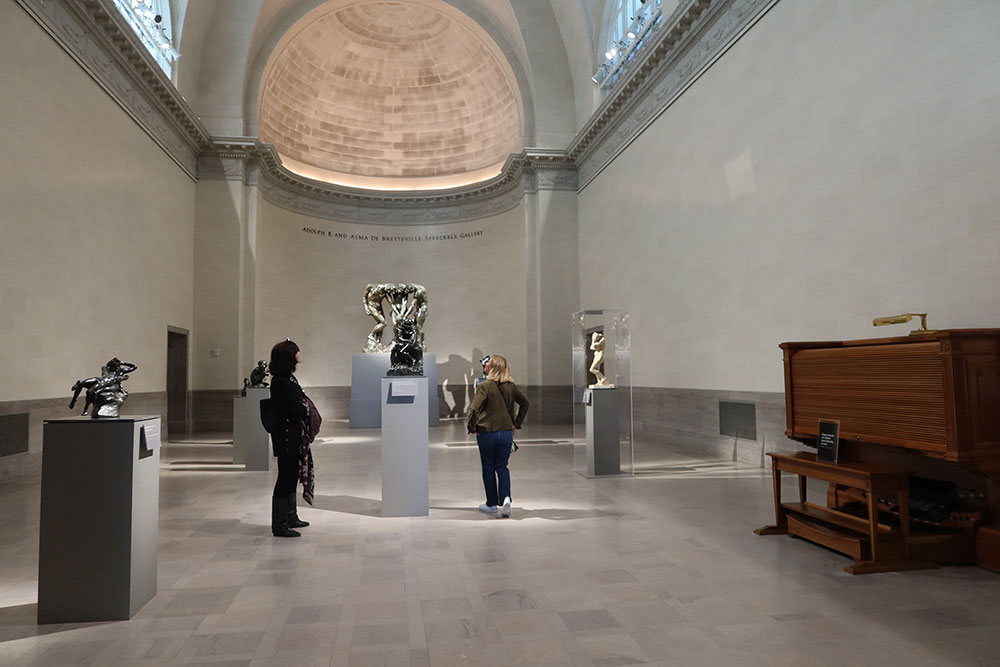
The organ concerts that take place each Saturday afternoon in the Spreckels Gallery — with the instrument's 4,500 pipes hidden behind the trompe-l'œil ceiling and its music projected through canvas painted to resemble stucco — remain one of the more unusual public programmes in American institutional life. They are a reminder that the Legion of Honor was conceived not only as a gallery, but as a civic and ceremonial space — a place, in the words of its founders, intended to honour the dead while serving the living. A century on, that founding intention continues to inflect the choices the institution makes about whose work it presents, and what questions it is willing to ask of its own walls.
The Legion of Honor is located at Lincoln Park, 100 34th Avenue at Clement Street, San Francisco, California 94121 open Tuesday through Sunday, 9:30 am to 5:15 pm. famsf.org