

Museum Island, Berlin
The Pergamon, the Altes Museum and the Bode-Museum: Overview of Collections, Closures and the Road to 2027
Berlin's Museumsinsel — a UNESCO World Heritage Site since 1999 — remains one of the most concentrated gathering points of antiquity and European art in the world. Spread across a small island in the River Spree in the historic centre of the city, its five institutions together house collections that span from the seventh century BC to the early modern period, drawing on more than three centuries of Prussian and German collecting, excavation and acquisition. For professionals working in art institutions and galleries, understanding the current state of these museums — what is on display, what is closed, and what changes are expected — is increasingly relevant as the island undergoes its most significant period of transformation since the post-war reconstruction.
The three institutions examined here — the Pergamonmuseum, the Altes Museum and the Bode-Museum — each tell a distinct story about how Berlin assembled and exhibited the material culture of antiquity and the European Middle Ages. Together, they also illustrate the institutional challenges facing large heritage organisations managing vast collections in ageing buildings.
— — —
The Pergamonmuseum: History, Closure and the 2027 Partial Reopening
The Pergamonmuseum was constructed between 1910 and 1930 to the designs of Alfred Messel, completed under Ludwig Hoffmann, and built on the orders of Emperor Wilhelm II. Its immediate predecessor — a smaller structure on the same site — had opened in 1901 to display excavation finds from the Berlin museums, but proved structurally inadequate within a decade. The new three-wing complex was conceived on an altogether different scale, designed to accommodate not individual artefacts but entire architectural ensembles — reconstructed in situ at full or near-full size.
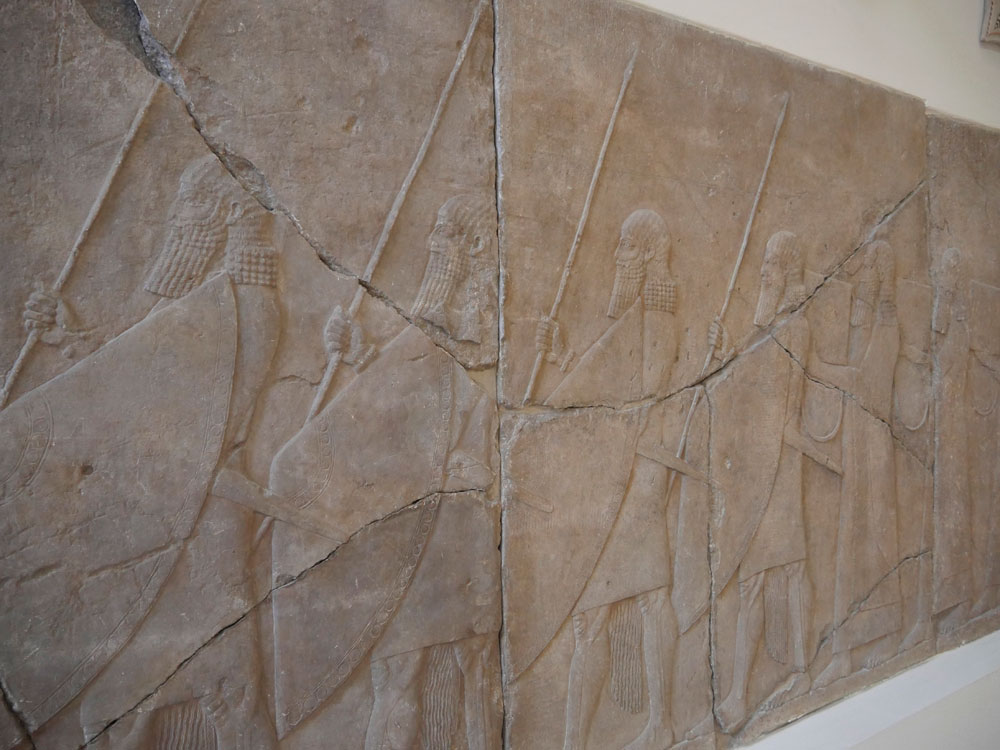
The driving force behind the museum's ambition was the excavation fever that overtook German scholarship in the final decades of the nineteenth century. Following the discoveries at Troy associated with Heinrich Schliemann, German researchers conducted systematic digs at Pergamon, Miletus, Babylon, Uruk, Assur and sites across Egypt. Under arrangements with the Ottoman Empire that permitted the export of significant finds, monumental architectural elements — friezes, gateways, processional ways — were transported to Berlin, creating a collection that could not be housed in any conventional gallery format. The Pergamonmuseum was, in essence, purpose-built to be a container for architecture.
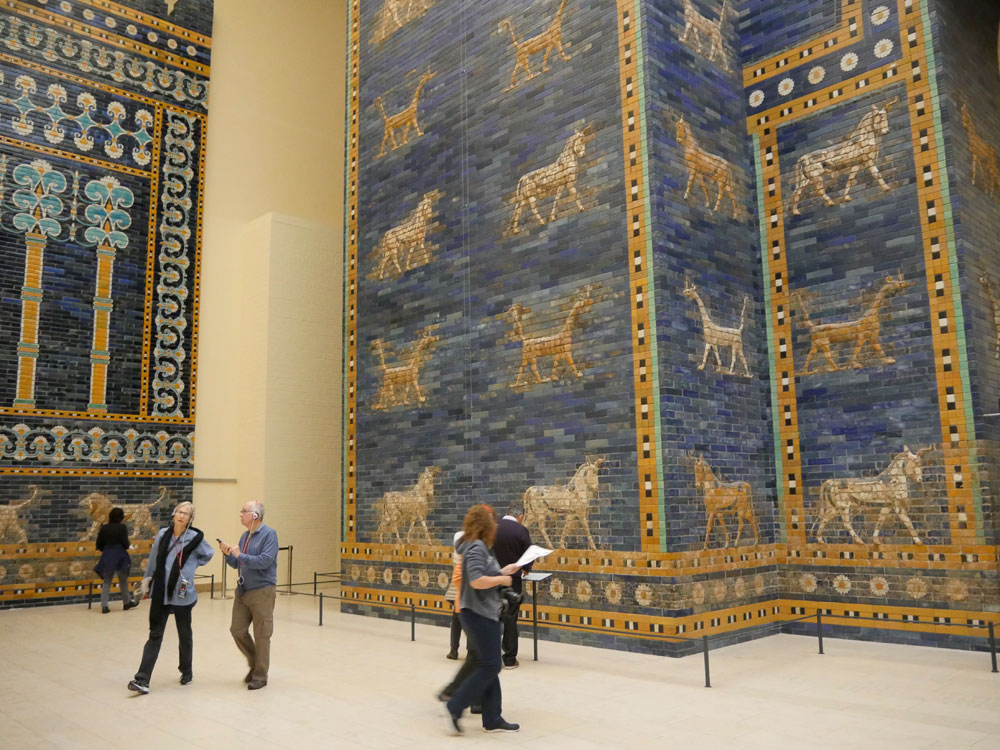
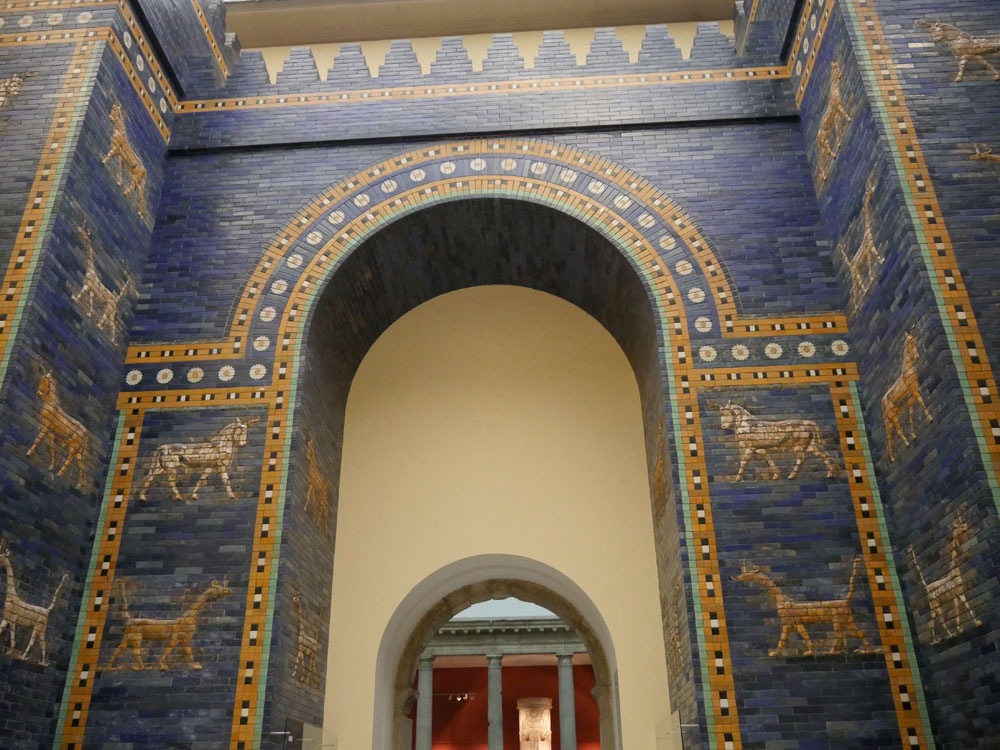
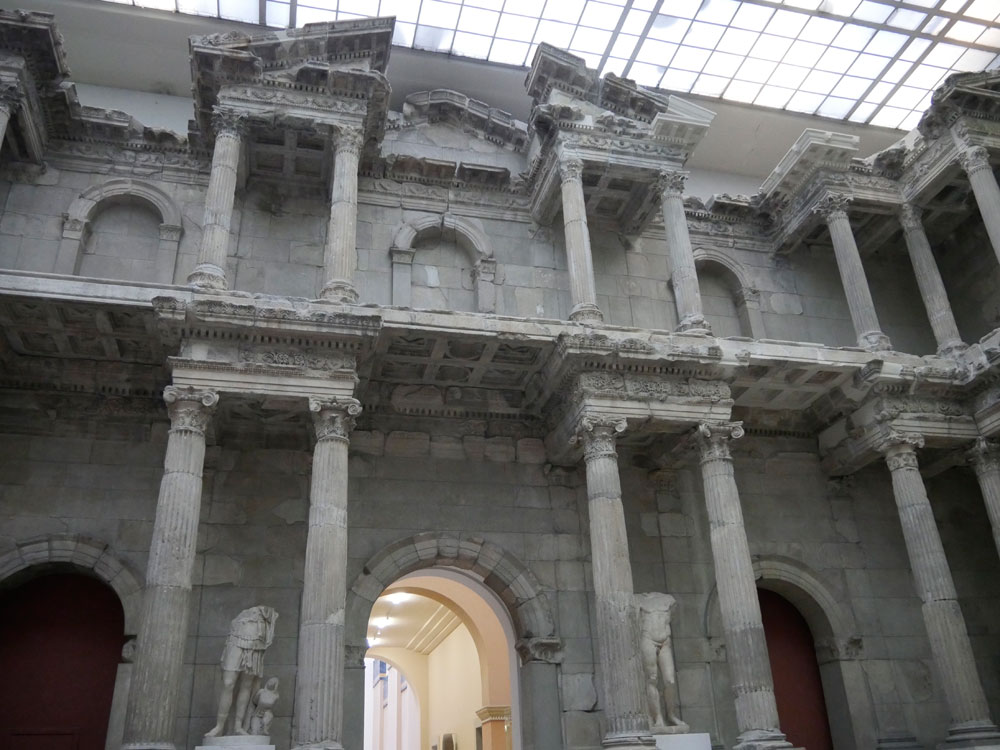
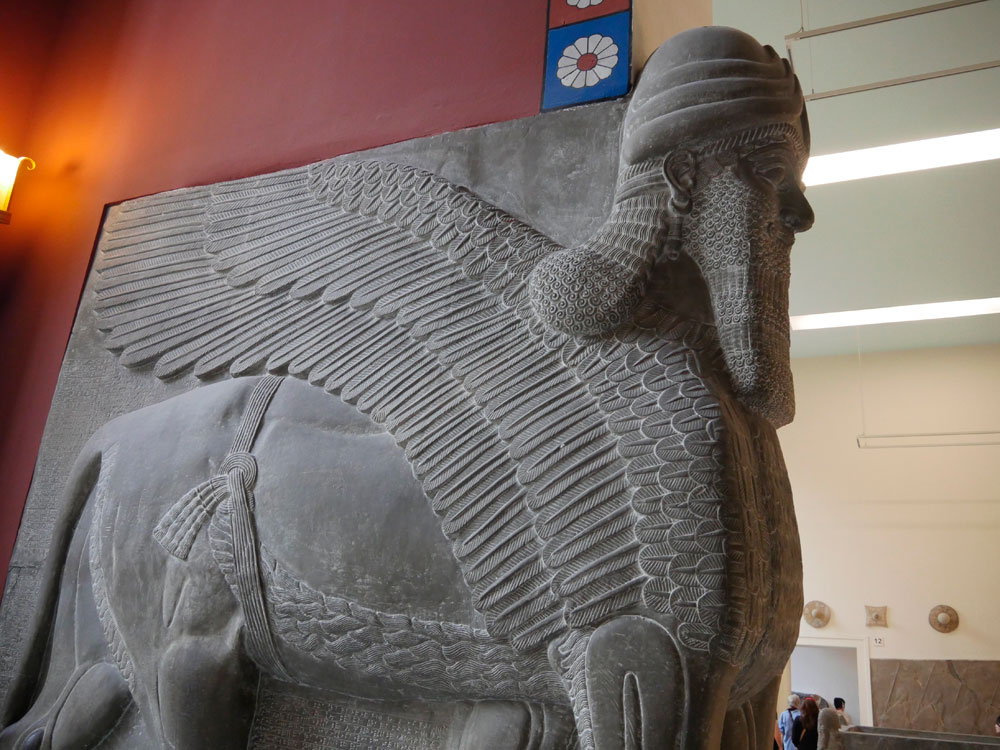
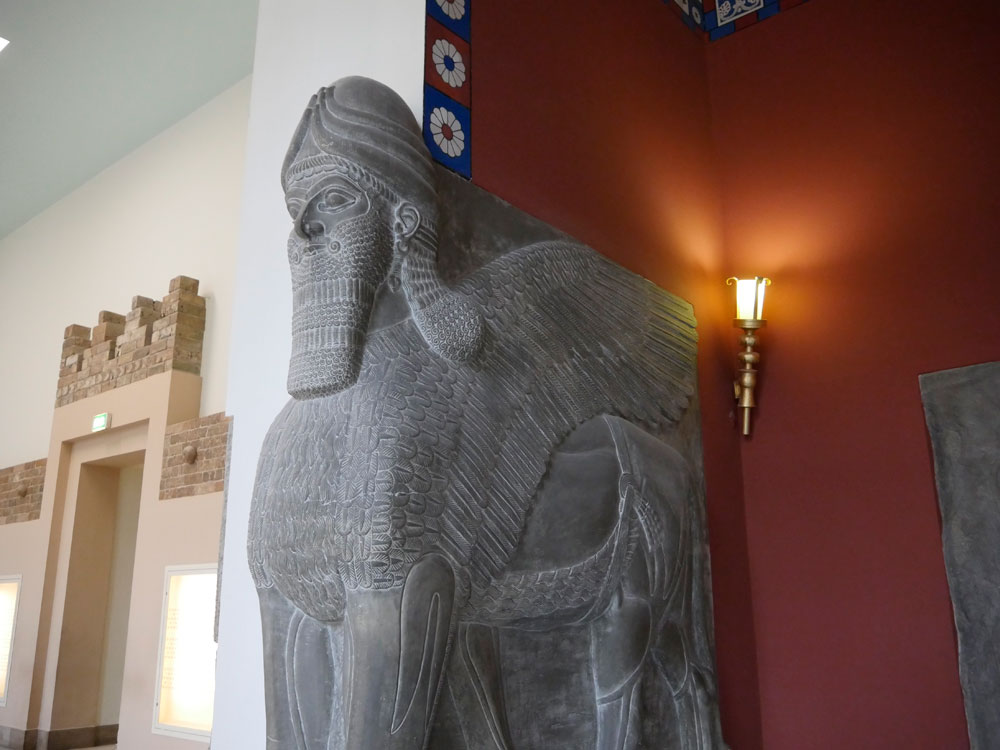
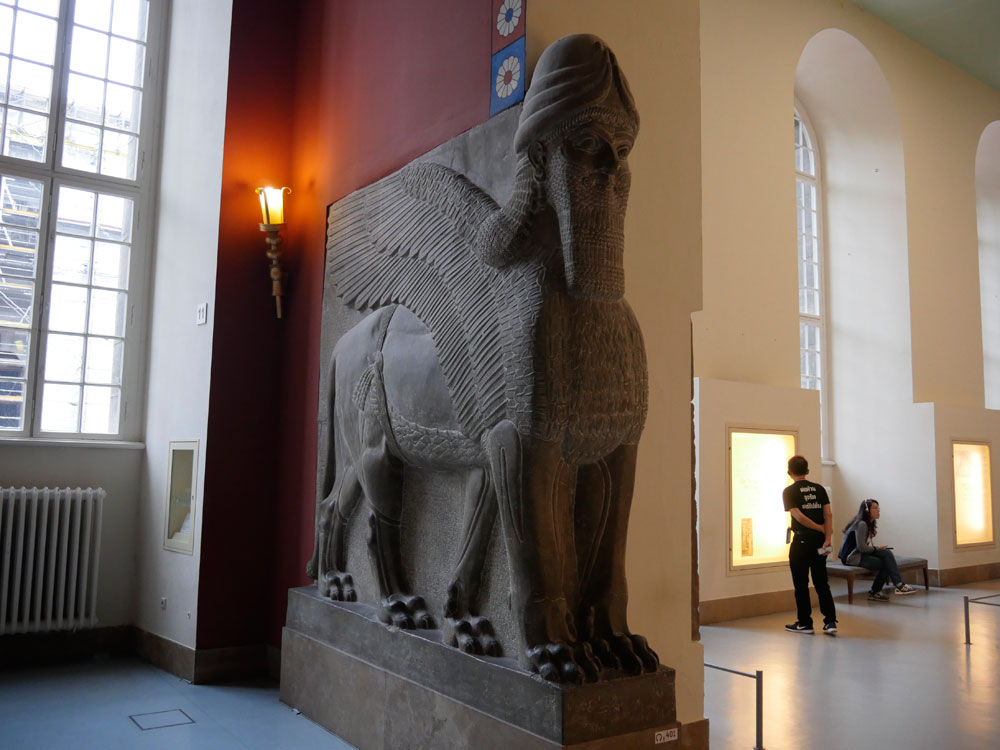
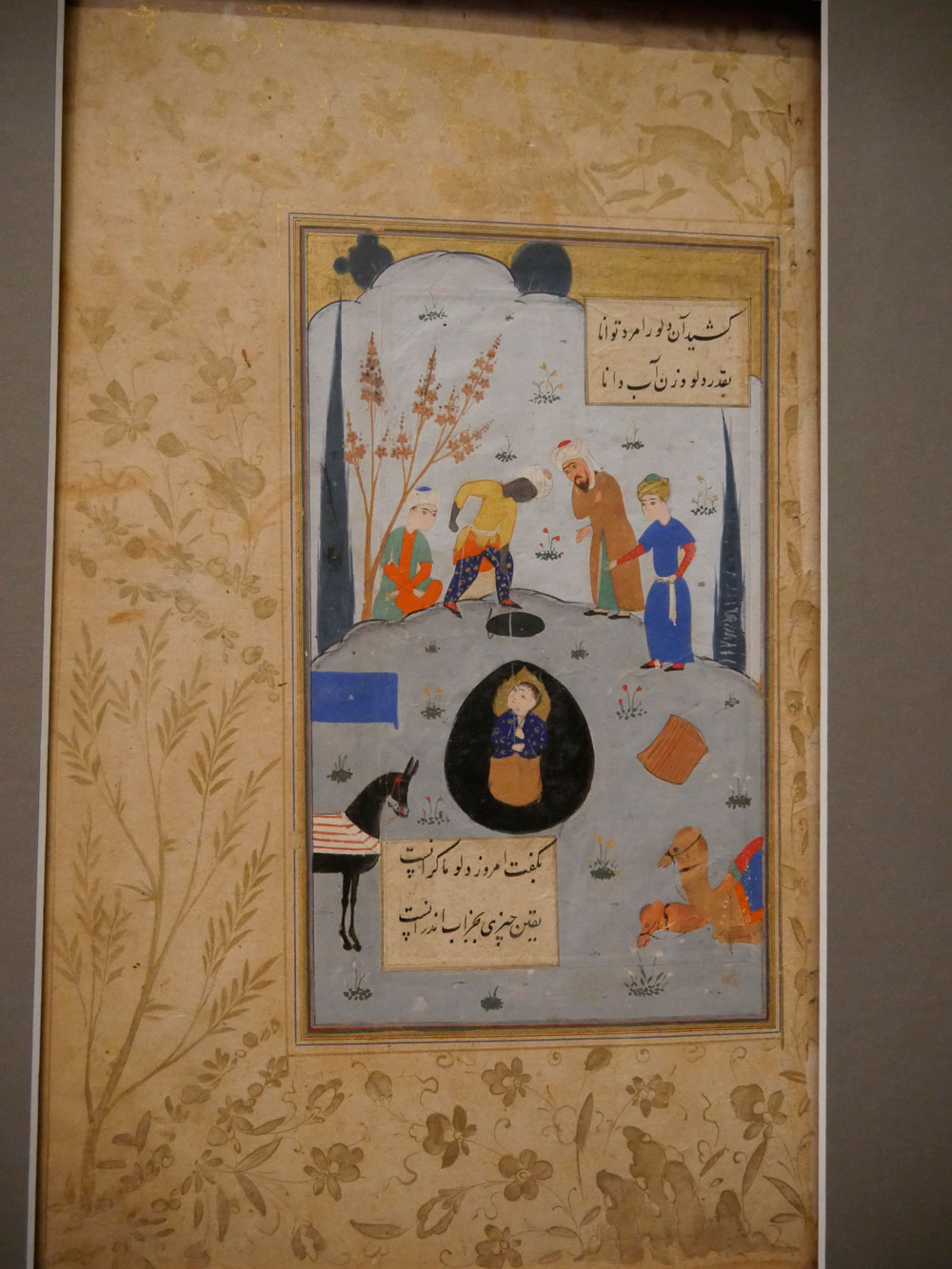
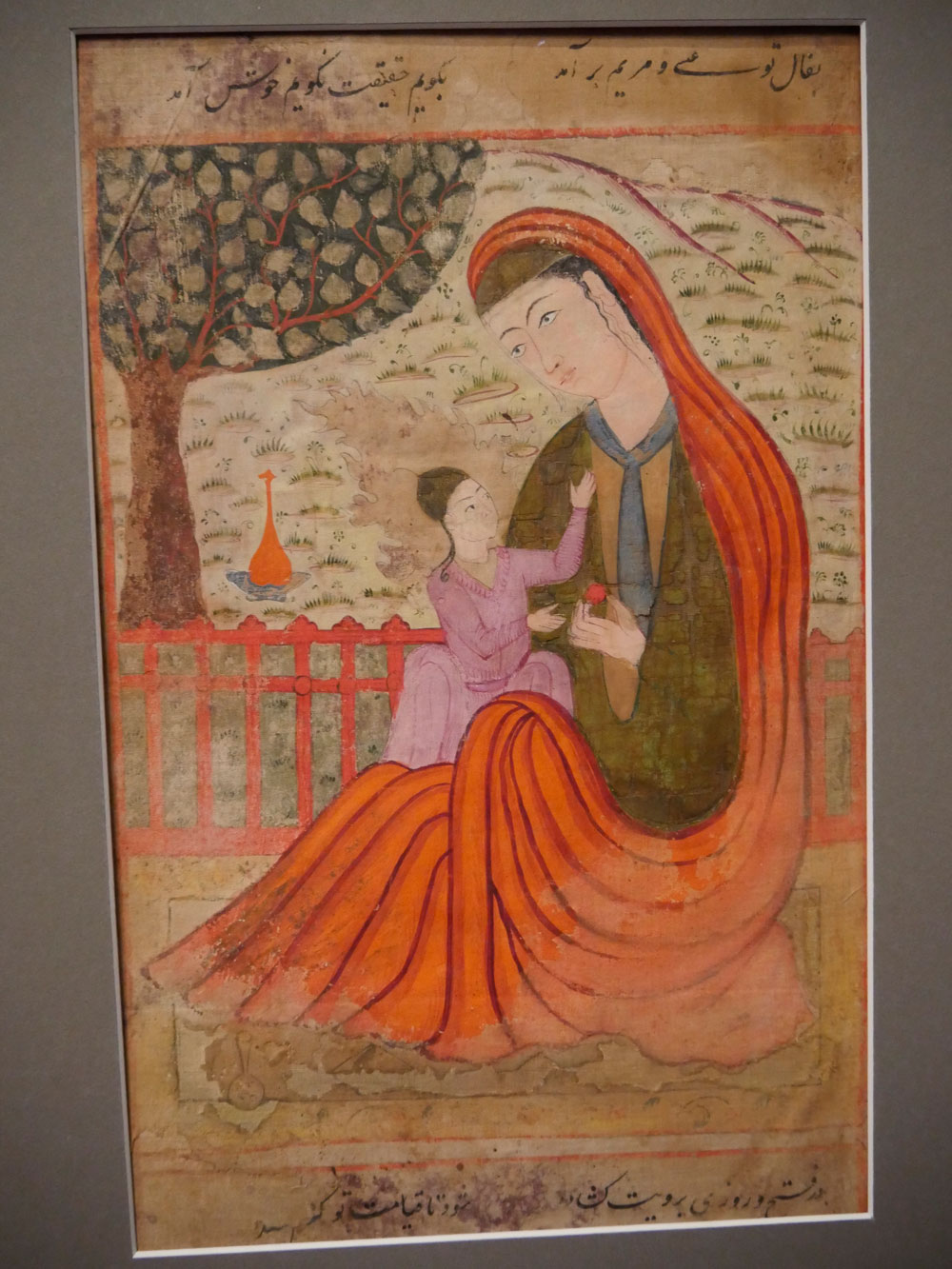
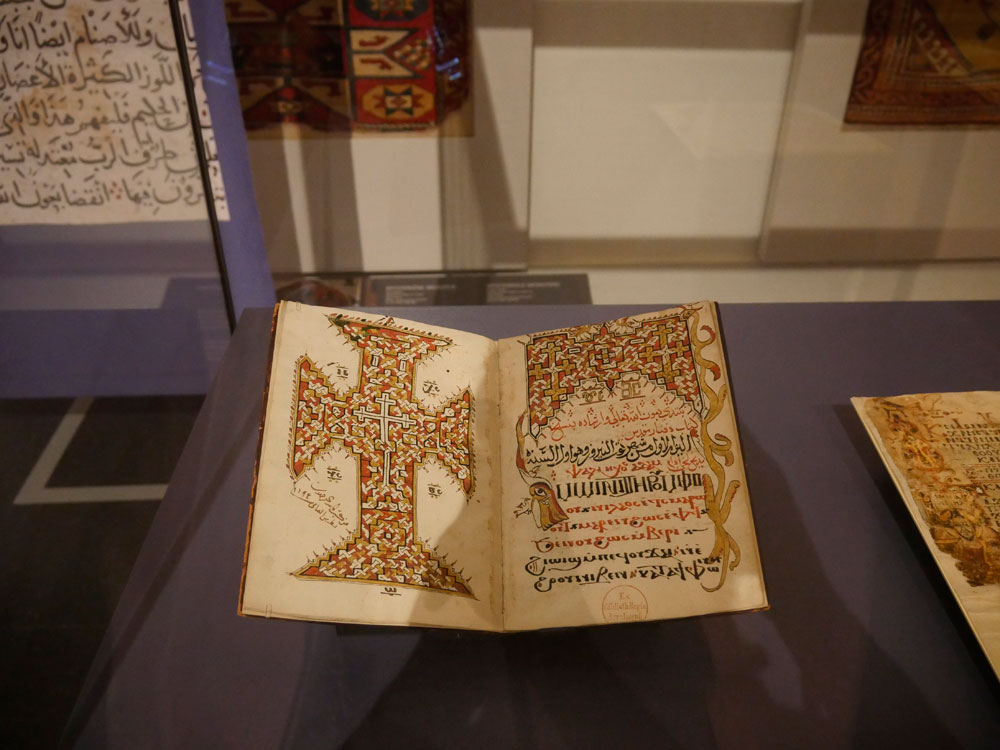
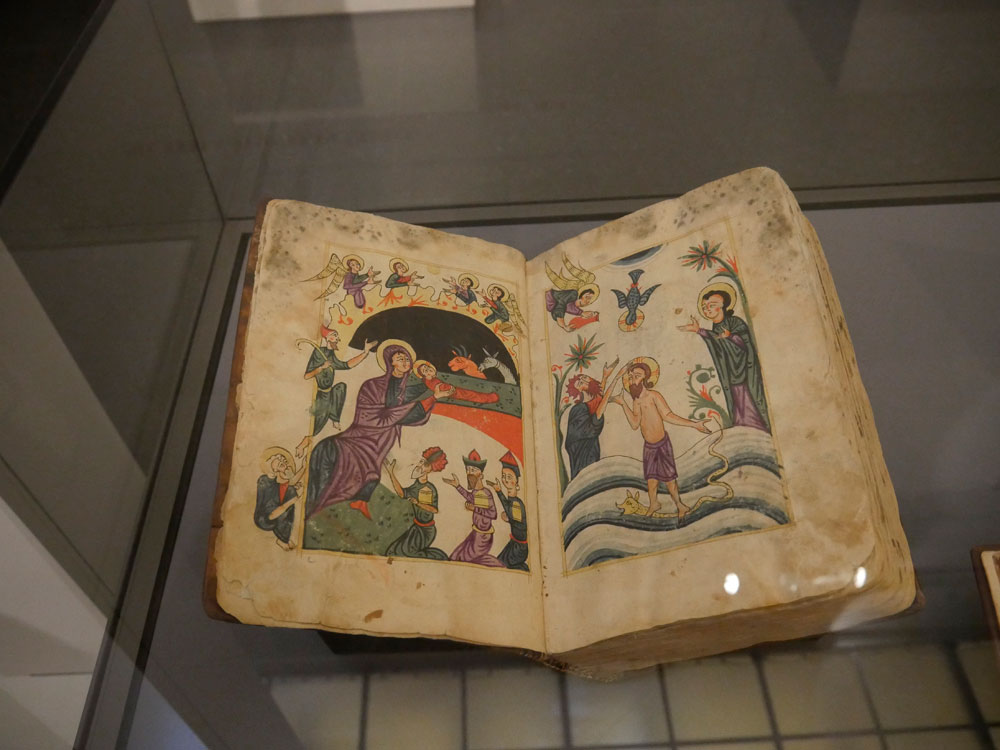
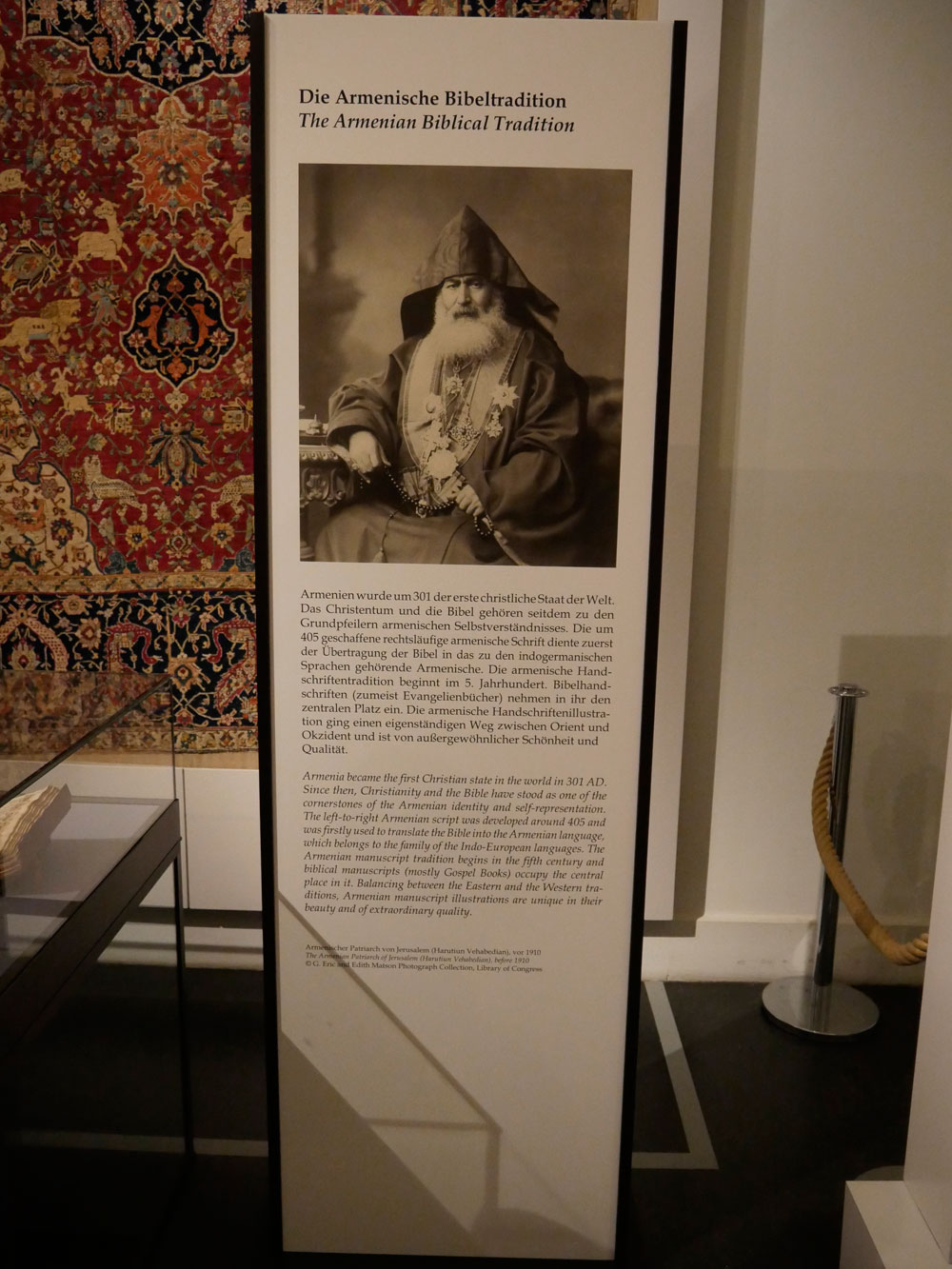
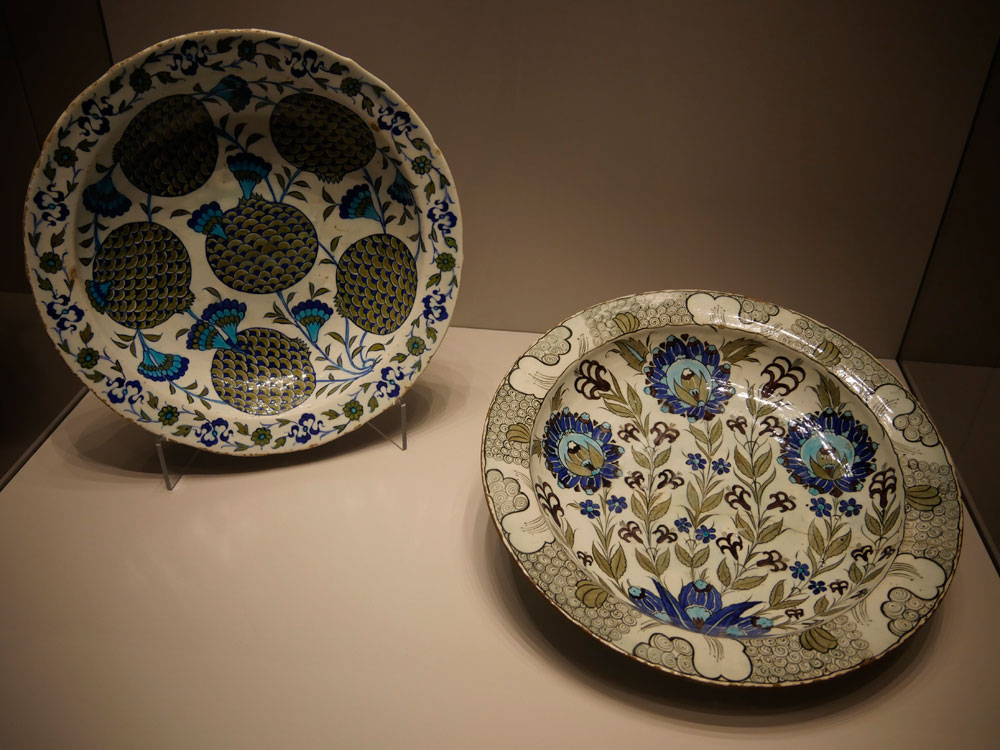
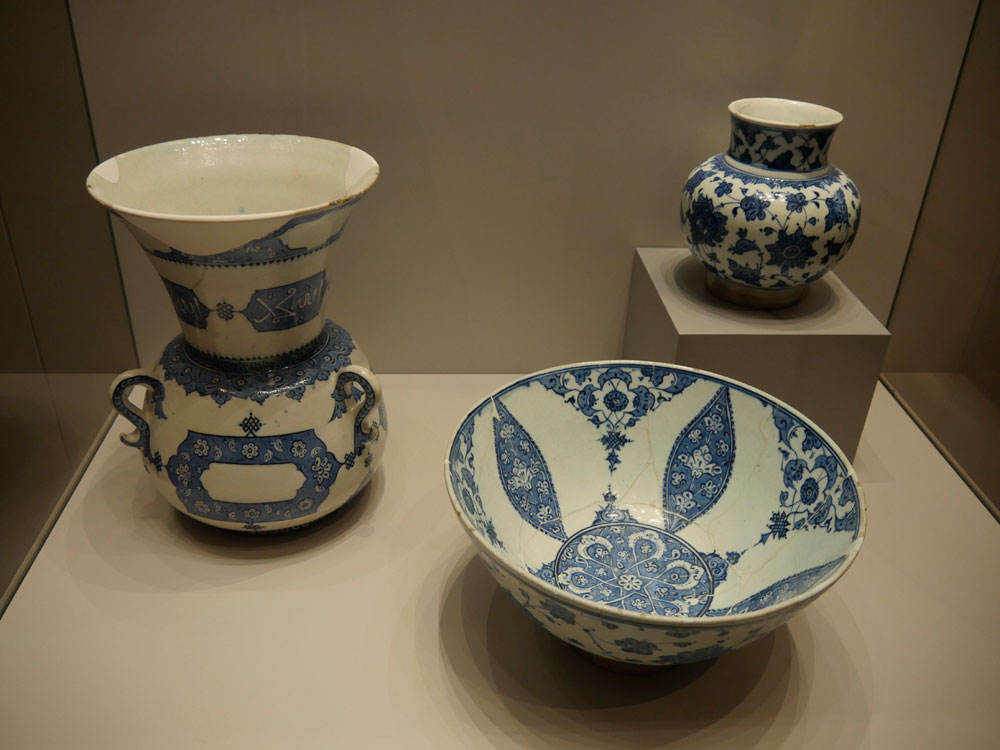
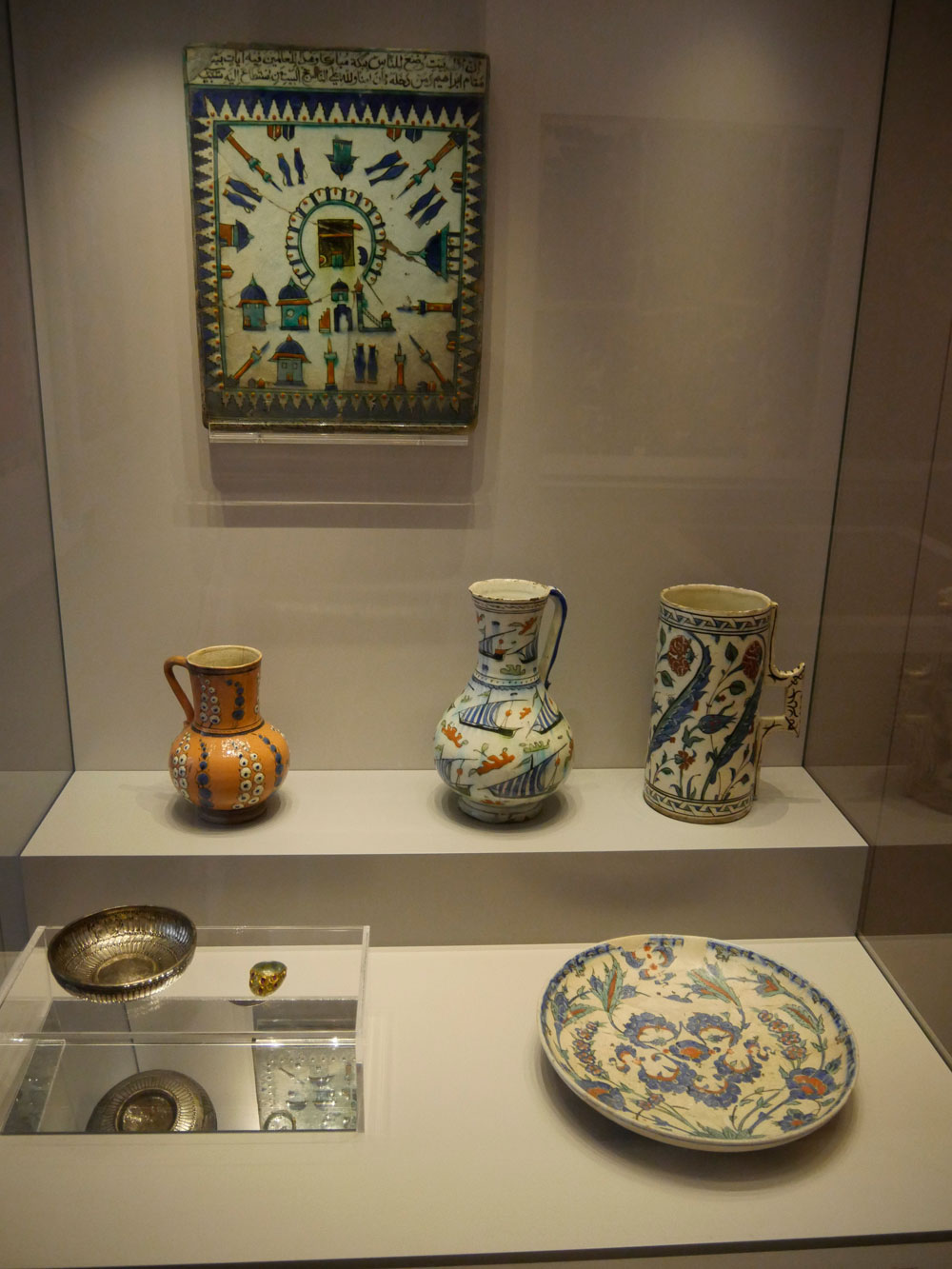
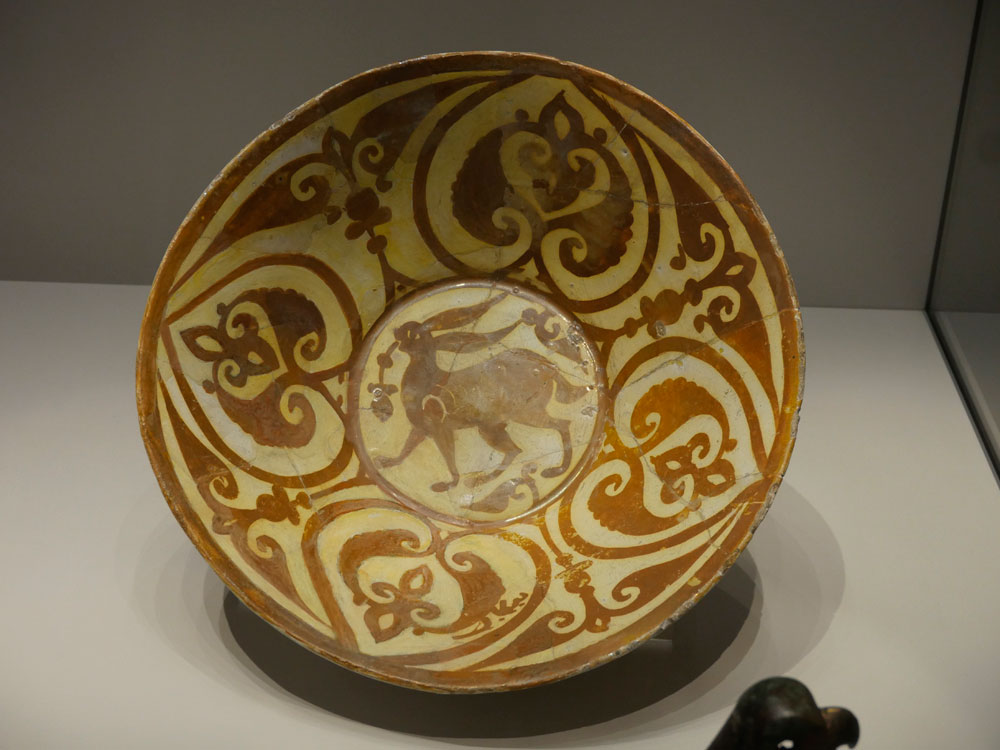
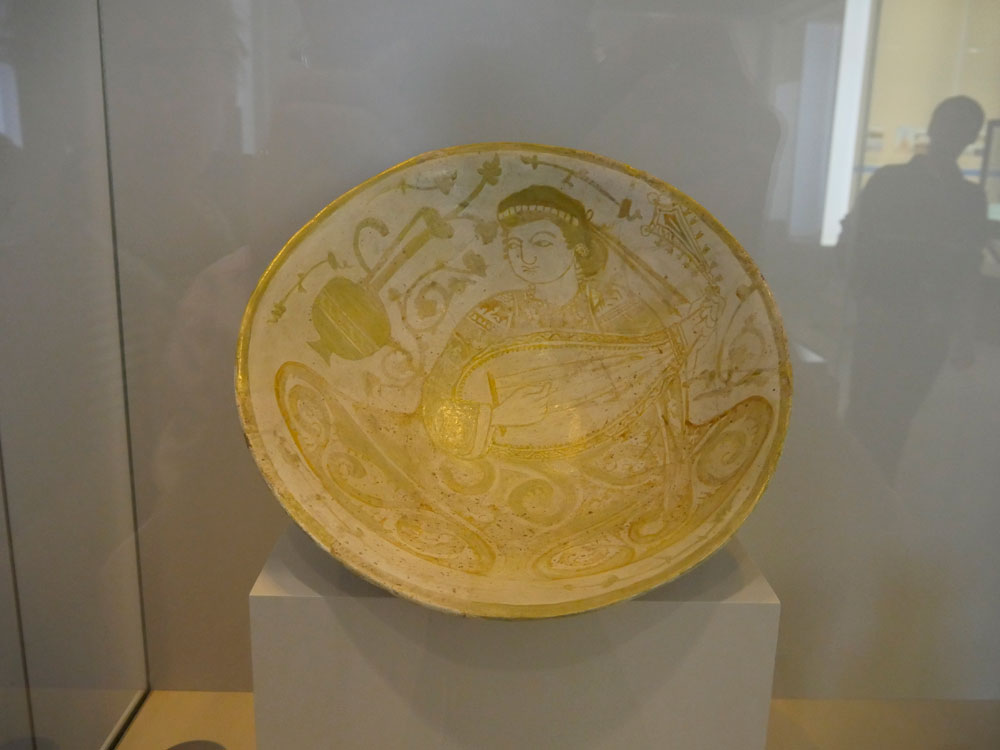
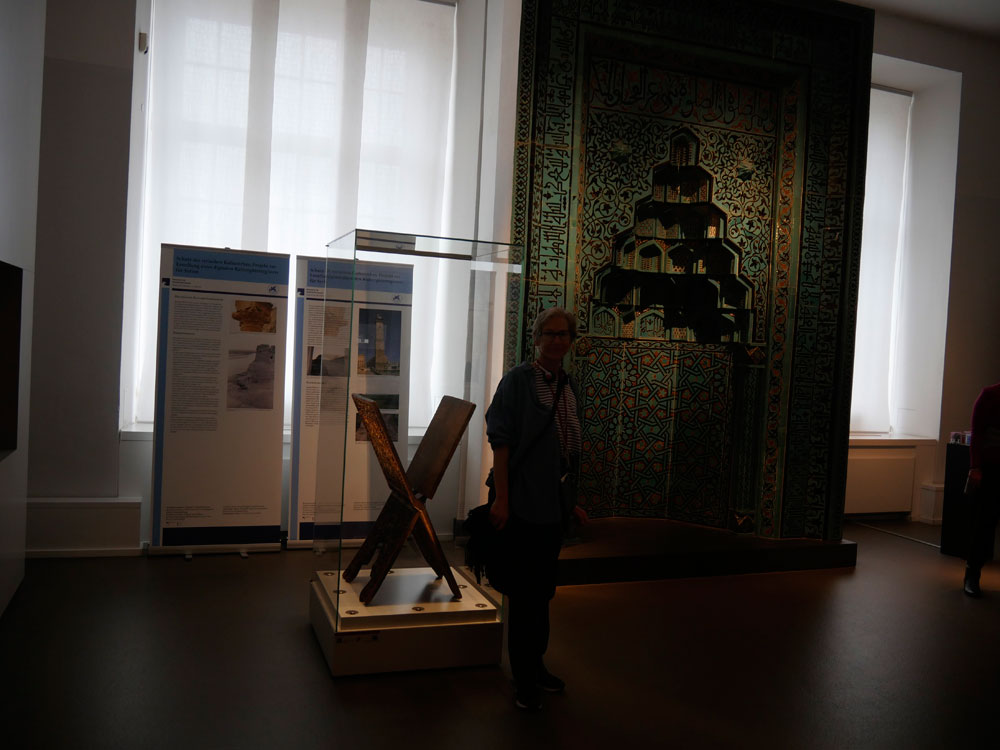
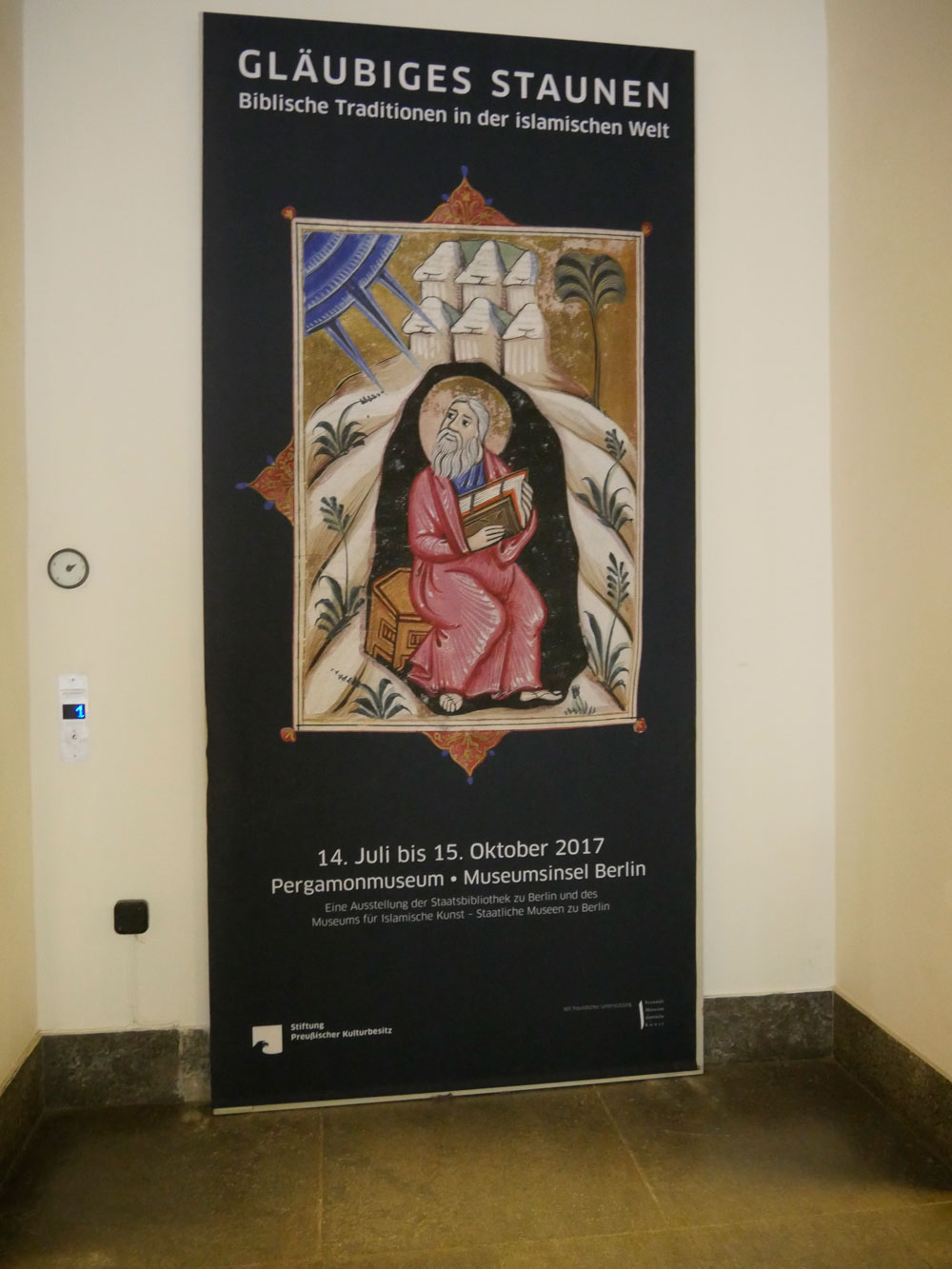
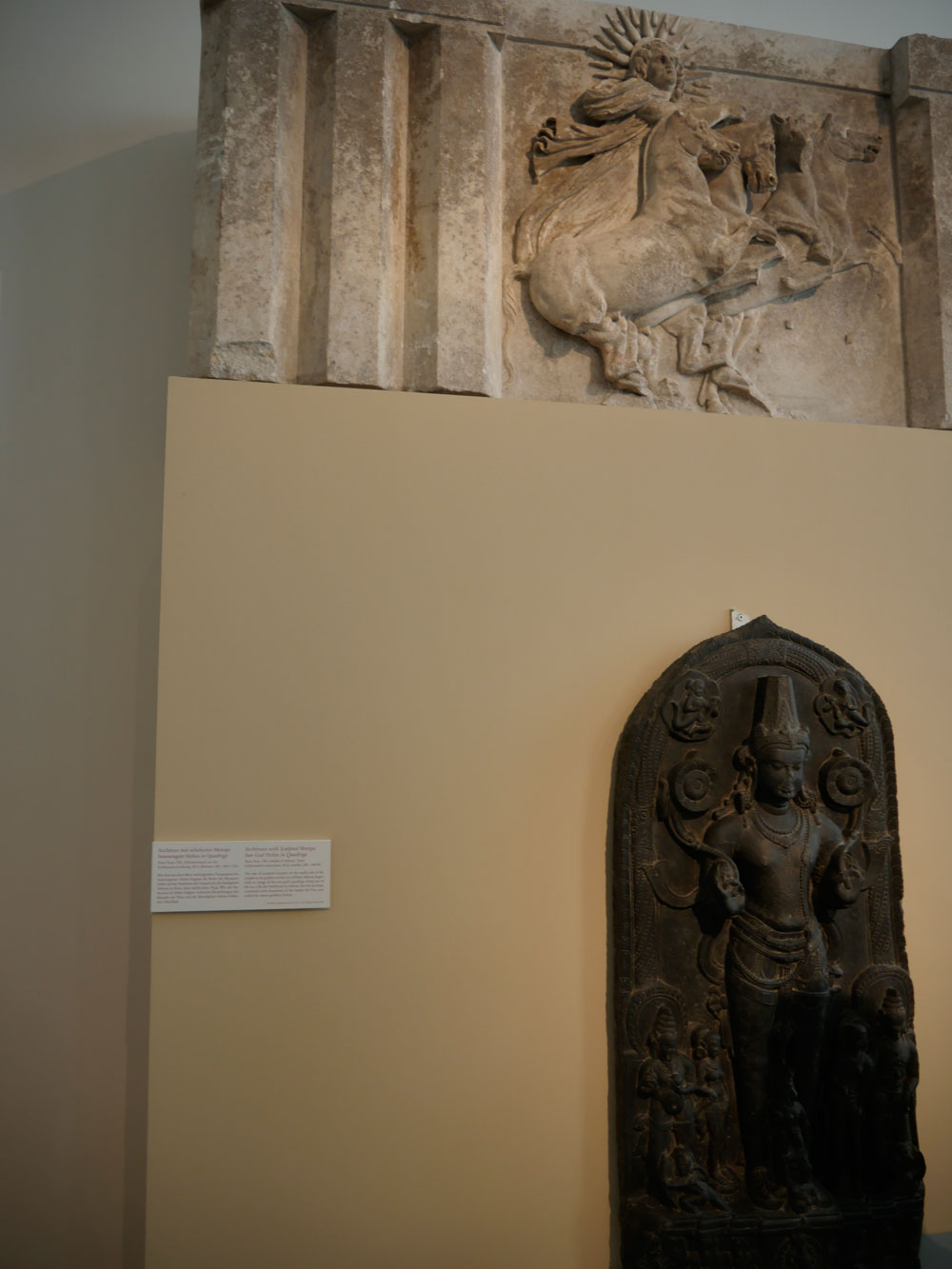
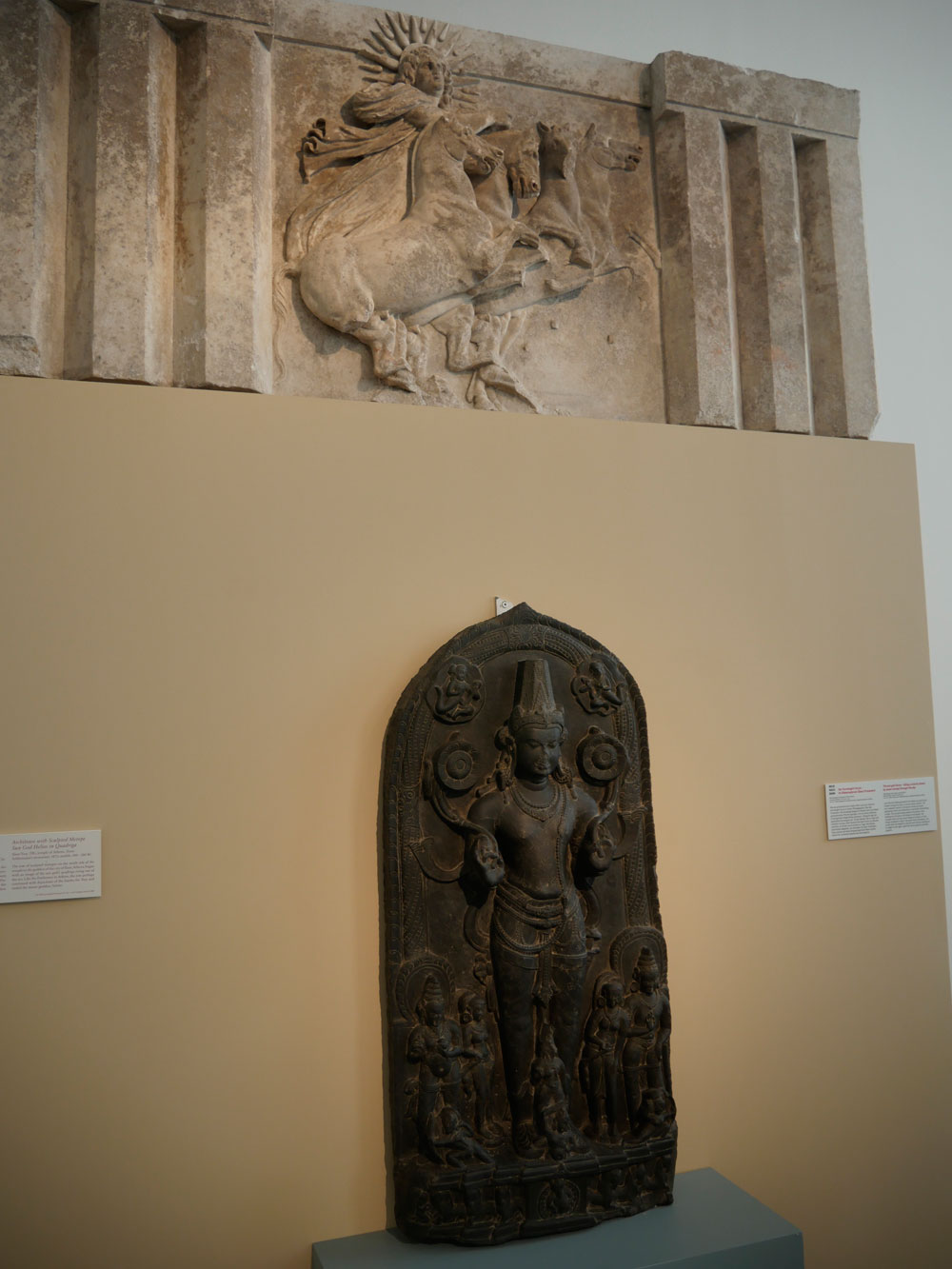
Its centrepiece is the Pergamon Altar, dated to approximately 180–160 BC and representing the pinnacle of Hellenistic sculptural achievement. The altar's Great Frieze, stretching 113 metres, depicts the Gigantomachy — the mythological struggle between the Olympian gods and the Giants — in a register of carving whose dynamism and scale have no parallel in the ancient world. Alongside the altar, the museum's middle section houses the Market Gate of Miletus (from Roman antiquity) and the Processional Way of Babylon together with the Ishtar Gate, constructed more than 2,600 years ago and faced with shimmering turquoise-glazed brick. The Museum für Islamische Kunst, housed in the upper floor of the south wing, holds among its treasures the Mshatta Façade — a richly carved stone relief from an eighth-century Umayyad desert palace in present-day Jordan — as well as the Aleppo Room and the Alhambra Cupola.
The Pergamonmuseum suffered severe damage during the Allied bombing of Berlin in the closing stages of the Second World War. Many objects had been moved to protective storage, but in 1945 the Red Army removed the museum's portable holdings, either as acknowledged war booty or during the chaos of the city's fall. The majority of items were returned to East Germany in 1958, though significant portions of the collection remain in Russian museums — notably the Pushkin Museum in Moscow and the Hermitage in St Petersburg. A treaty arrangement for their return has been blocked by Russian restitution law since at least the early 2000s.
The museum was added to the UNESCO World Heritage List in 1999 as part of the Museumsinsel complex, recognised both for its architecture and for its role in the evolution of museums as social and architectural phenomena. In the same year, the Prussian Cultural Heritage Foundation (Stiftung Preußischer Kulturbesitz, or SPK), which oversees the Berlin State Museums, released a comprehensive refurbishment plan — the Museumsinsel Master Plan — to modernise and integrate the island's five institutions, including the creation of an Archaeological Promenade connecting buildings at basement level.
The execution of this plan has been considerably more troubled than its conception. Contractual disputes, engineering difficulties, insufficient budgeting and coordination failures have accumulated over more than two decades. A 2023 investigation by Der Spiegel, which described the project as 'Das Pergamonster', found a pattern of planning failures extending across twenty-five years of construction files. Rising costs — at least €60 million above initial estimates attributable solely to construction price inflation since the original budget was set — compounded problems caused by the discovery of nineteenth-century pump houses buried in the foundations during the initial 1910–1930 construction phase.
The Pergamonmuseum closed entirely to visitors on 23 October 2023. This followed a phased closure process in which the north wing had been taken out of service earlier as part of the first phase of construction. The full closure was necessary to allow the second phase — focused on the south wing — to proceed. The south wing had deteriorated to a point where its structural condition affected both the stability of the building and the safety of the exhibits. The collections of the Museum of the Ancient Near East, the Collection of Classical Antiquities and the Museum for Islamic Art have all vacated their exhibition spaces for storage, intermediate sites and restoration. Only the large architectural objects — the Ishtar Gate, the Processional Way and the Market Gate of Miletus — remain in the building, too large and complex to move.
The museum's current access point for visitors is the Pergamonmuseum. Das Panorama, located directly opposite the Museumsinsel. This permanent installation, open since 2018, centres on a 360-degree panoramic painting by Berlin-based artist Yadegar Asisi depicting the ancient city of Pergamon. It is accompanied by original antiquities from the collection, including elements of the Telephos Frieze, and a digital reconstruction of the Pergamon Altar produced by the Fraunhofer Institute for Computer Graphics Research. Selected pieces from the Antikensammlung are also displayed here during the closure period, and the Museum of the Ancient Near East has been preparing additional material for exhibition at this site.
Beyond Berlin, the SPK has arranged for selected objects to serve as loans to partner institutions. Collaborations have been prepared with the Hamburger Bahnhof, the Kupferstichkabinett (Museum of Prints and Drawings) and the Louvre in Paris. A virtual tour of the former permanent exhibition of the Vorderasiatisches Museum has also been made available online.
What Changes in 2027
The partial reopening anticipated for spring 2027 is a significant milestone, though it represents considerably less than a full return to operation. The north wing and the middle section of the museum — including the Altar Hall and the Hall of Hellenistic Architecture — are expected to reopen to the public. This will allow visitors to see the Pergamon Altar once more, restored after years of inaccessibility, and to walk through the Hellenistic architectural sequence.
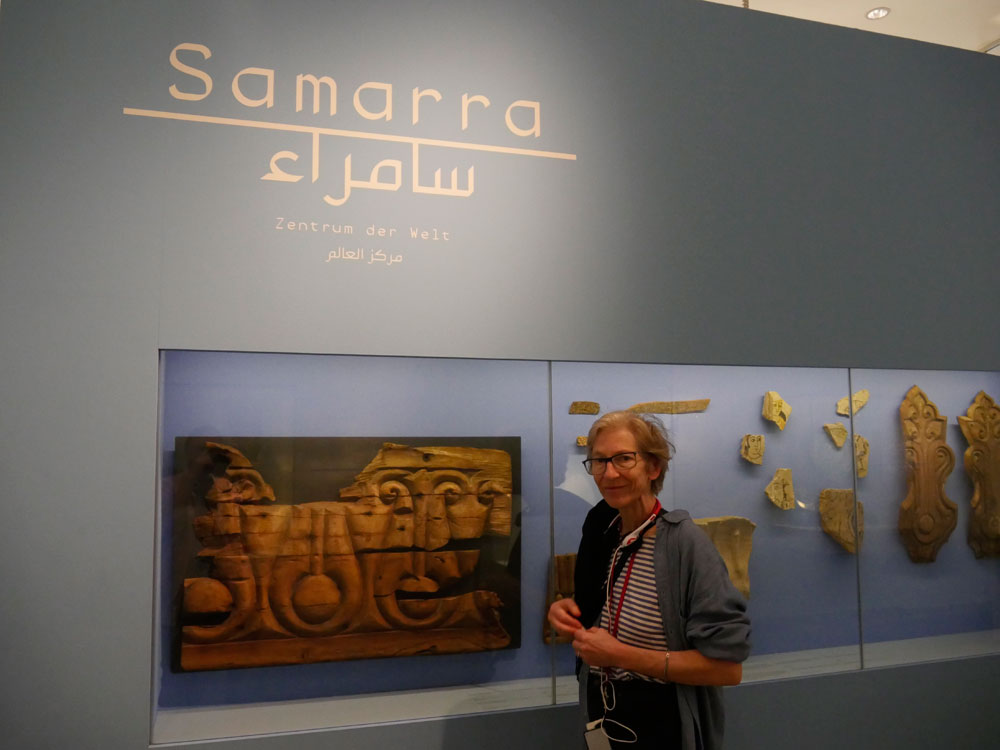
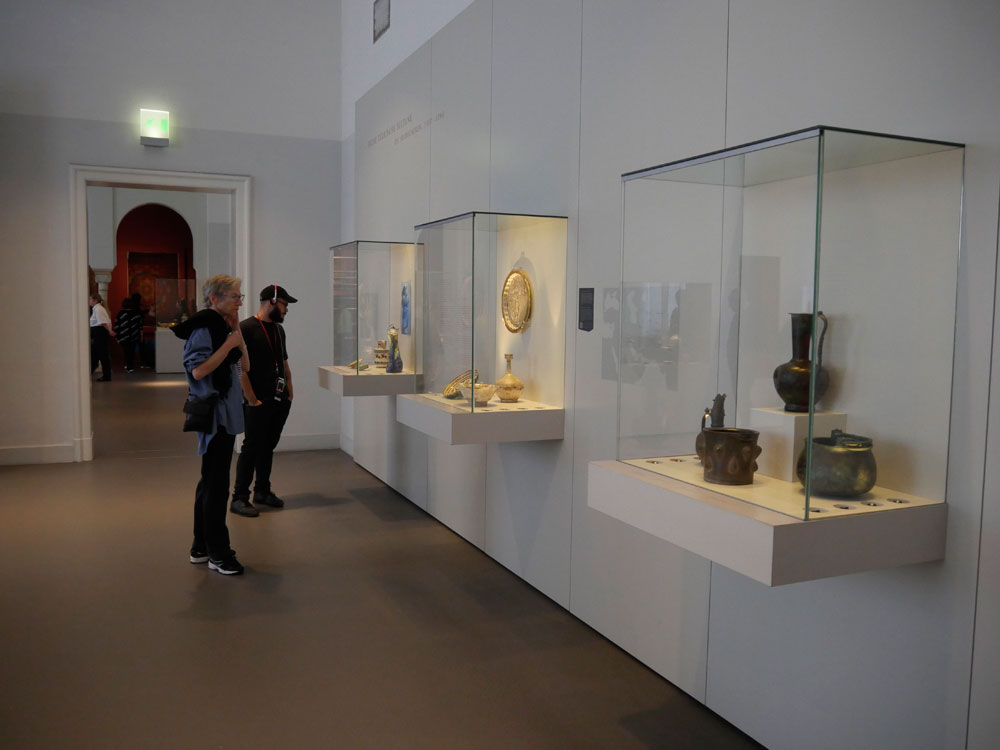
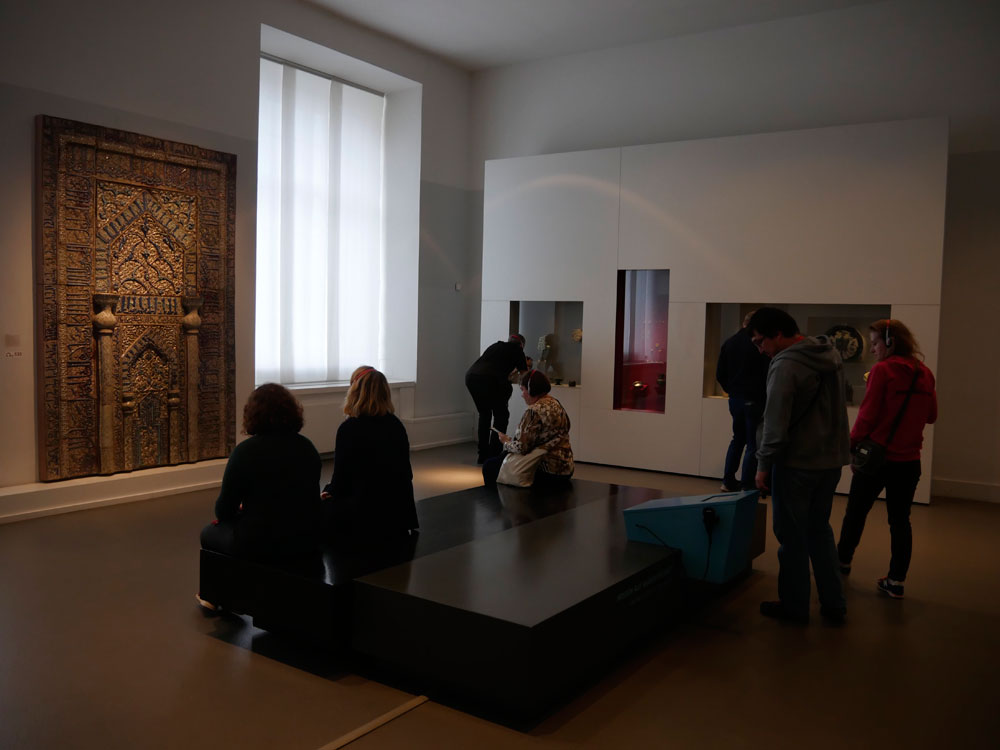
The north wing will also house the Museum für Islamische Kunst in a new permanent exhibition configuration, spread across both floors of the wing rather than its previous single-floor location in the south wing. During the closure, major permanent installations from this collection — including the Mshatta Façade, the Aleppo Room and the Alhambra Cupola — have been dismantled, restored and will be reinstalled in this new arrangement. The middle section will continue to display the large-scale architectural works from the Antikensammlung.
The south wing, however, will remain closed in 2027, continuing through a second phase of construction. A new fourth wing is being added to the complex — a structural extension that will physically connect the Pergamonmuseum to the broader Museumsinsel network and complete the Archaeological Promenade. A pedestrian bridge over the Kupfergraben waterway is also to be rebuilt. The complete reopening of the entire complex, including all renovated sections and the new wing, is not projected until 2037. For context, the 2027 reopening makes approximately two-thirds of the museum's total floor area accessible; the remainder awaits the later phase.
The reopening also coincides with a milestone for the Museumsinsel as a whole: 2027 marks the two-hundredth anniversary of the island as a museum quarter, an occasion that the Berlin State Museums are treating as an opportunity for programmes and events across all five institutions.
The Altes Museum: Prussia's First Public Museum
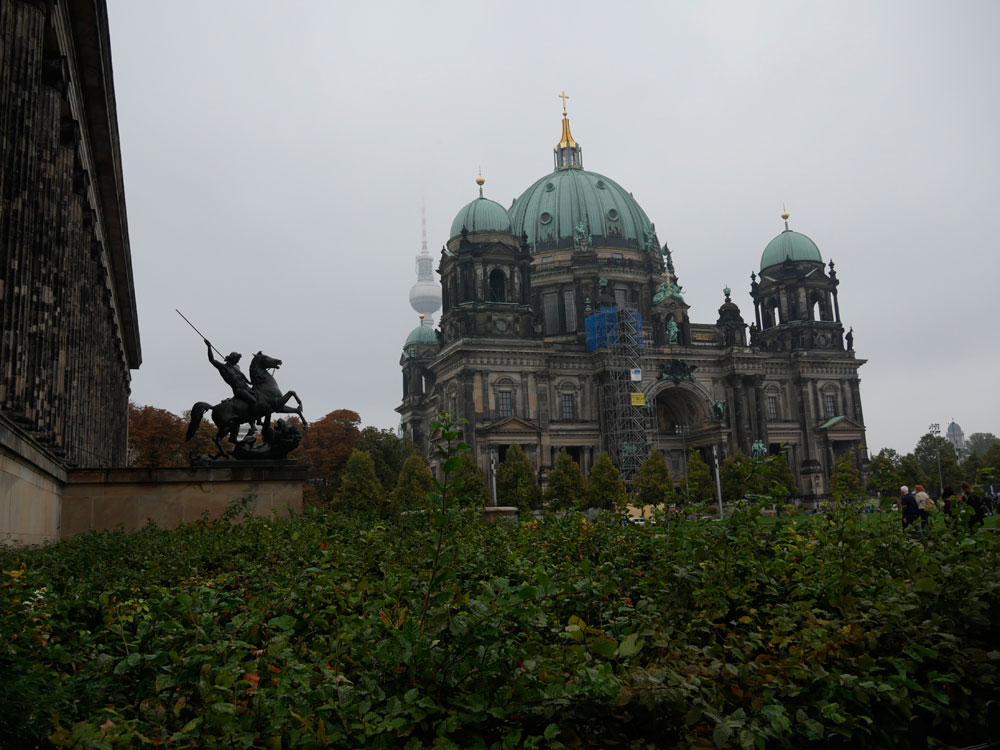
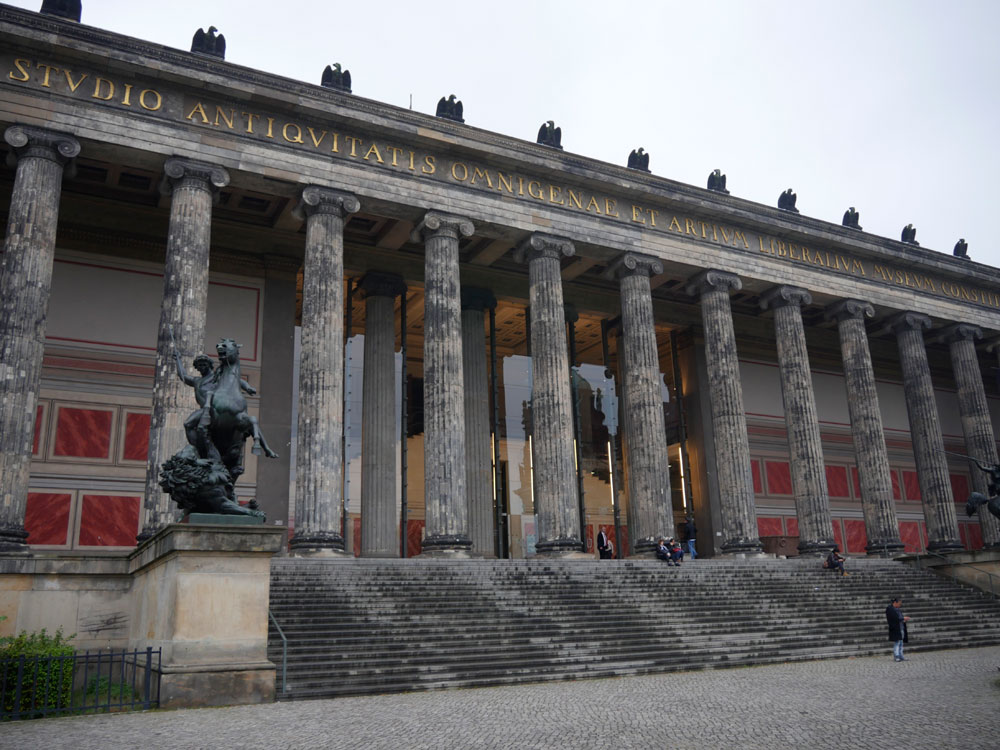
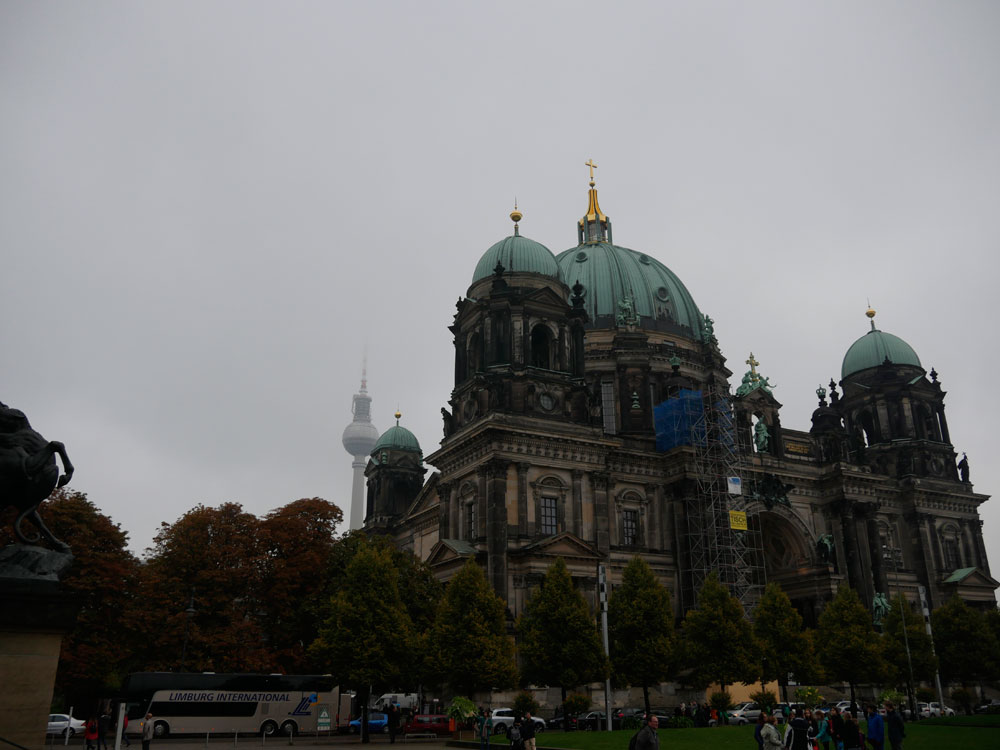
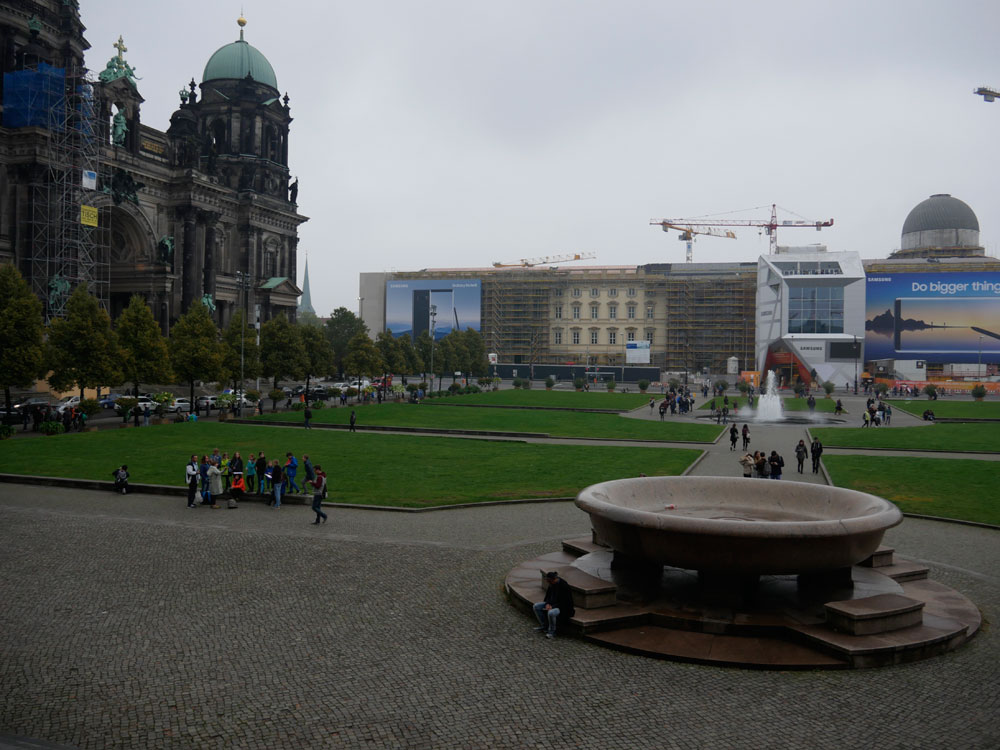
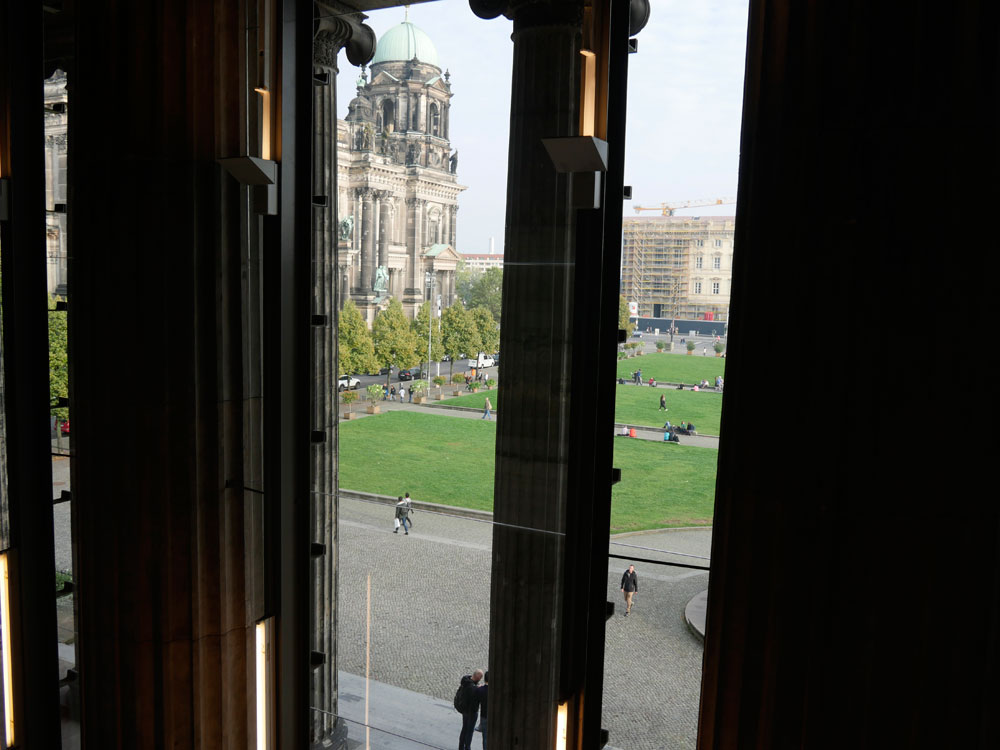
The Altes Museum is the oldest building on the Museumsinsel and the oldest public museum in Berlin. Designed by Karl Friedrich Schinkel and built between 1823 and 1830, it was conceived as part of a deliberate civic programme to make the royal Prussian art collection accessible to the public. Its location in the Lustgarten, adjacent to the Berlin Palace, the Arsenal and the Cathedral, was deliberate — Schinkel and his patrons understood the museum as a fourth component in a rectangle of power, adding culture to politics, military and church.
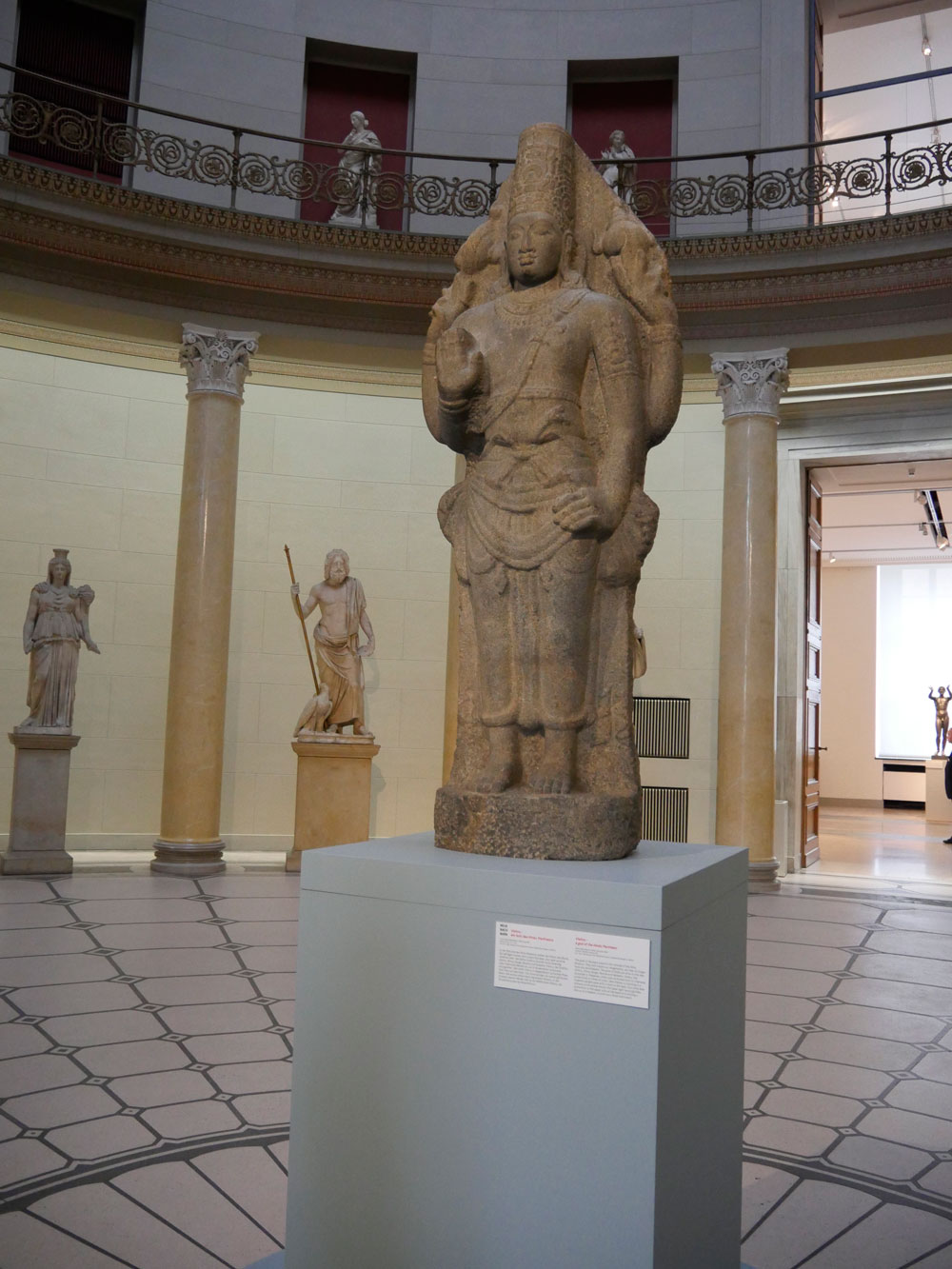
The building is one of Schinkel's most considered works of neoclassical architecture. Its monumental colonnade of eighteen fluted Ionic columns, the wide vestibule and above all the light-flooded central rotunda — an explicit reference to the Roman Pantheon — constituted a new typology for museum architecture. The rotunda, with its ancient statues arranged beneath coffered ceilings, was designed to produce in visitors a sense of transition from the everyday world into a space consecrated to art and knowledge. The Collection of Classical Antiquities looks back on a history of more than 350 years; its foundations were laid by the Brandenburg Elector Friedrich Wilhelm I, and its first major public home was this building.
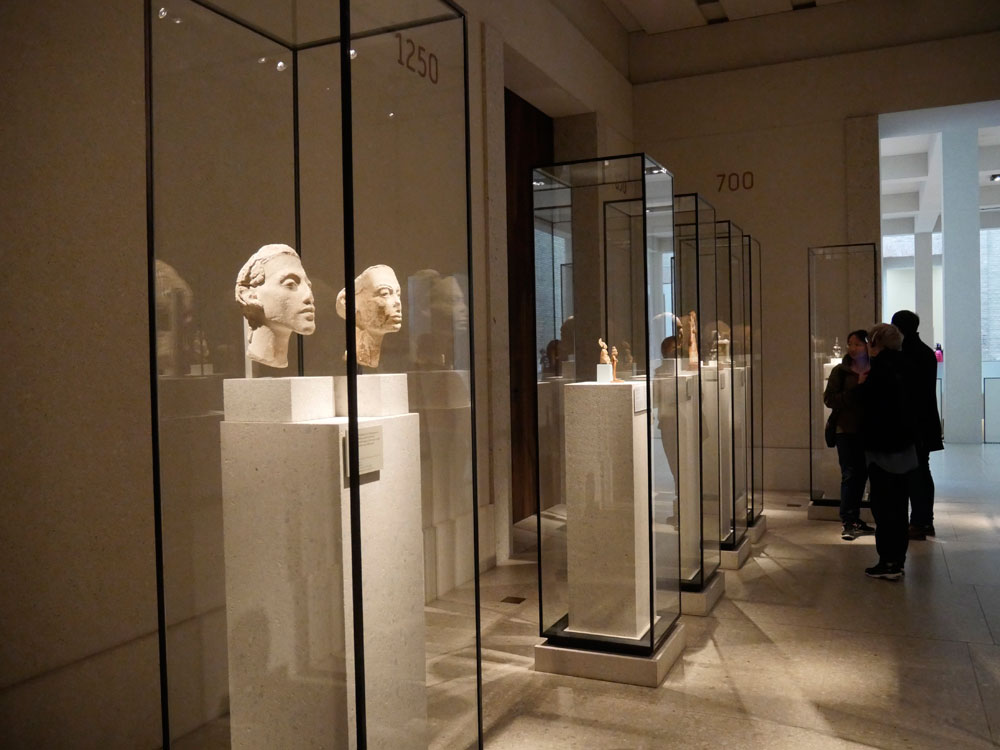
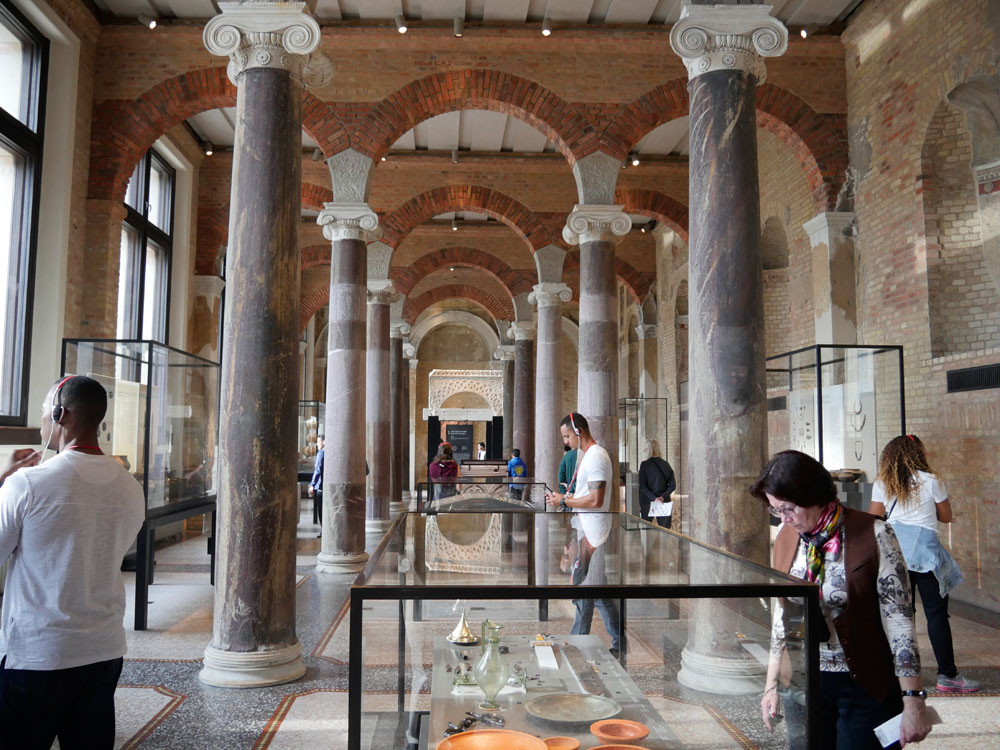
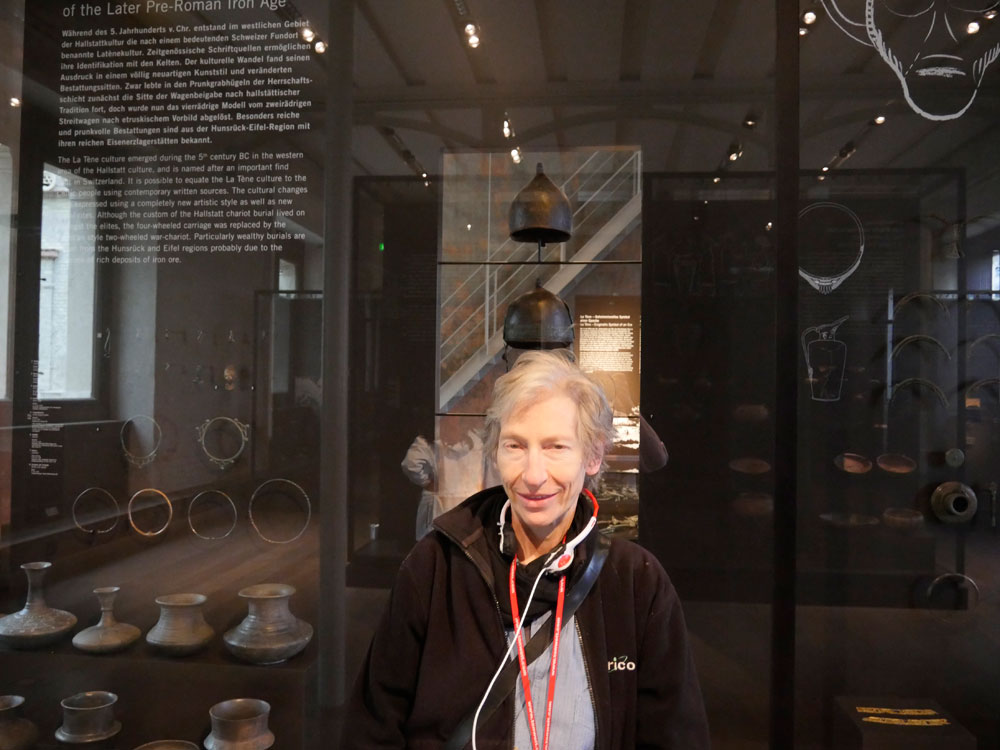
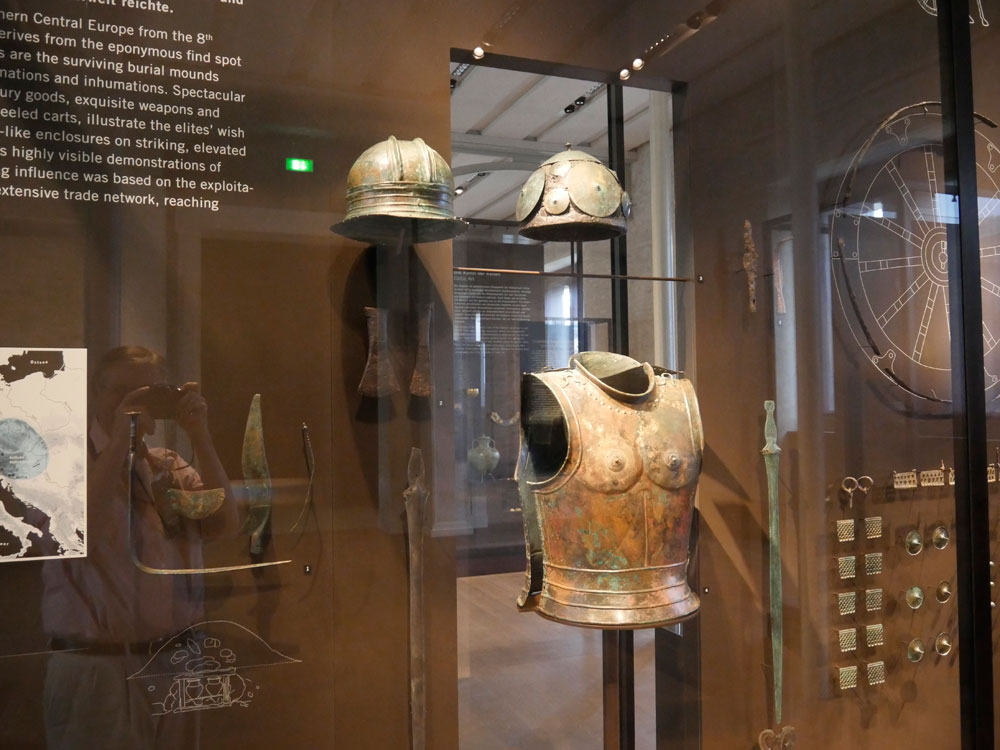
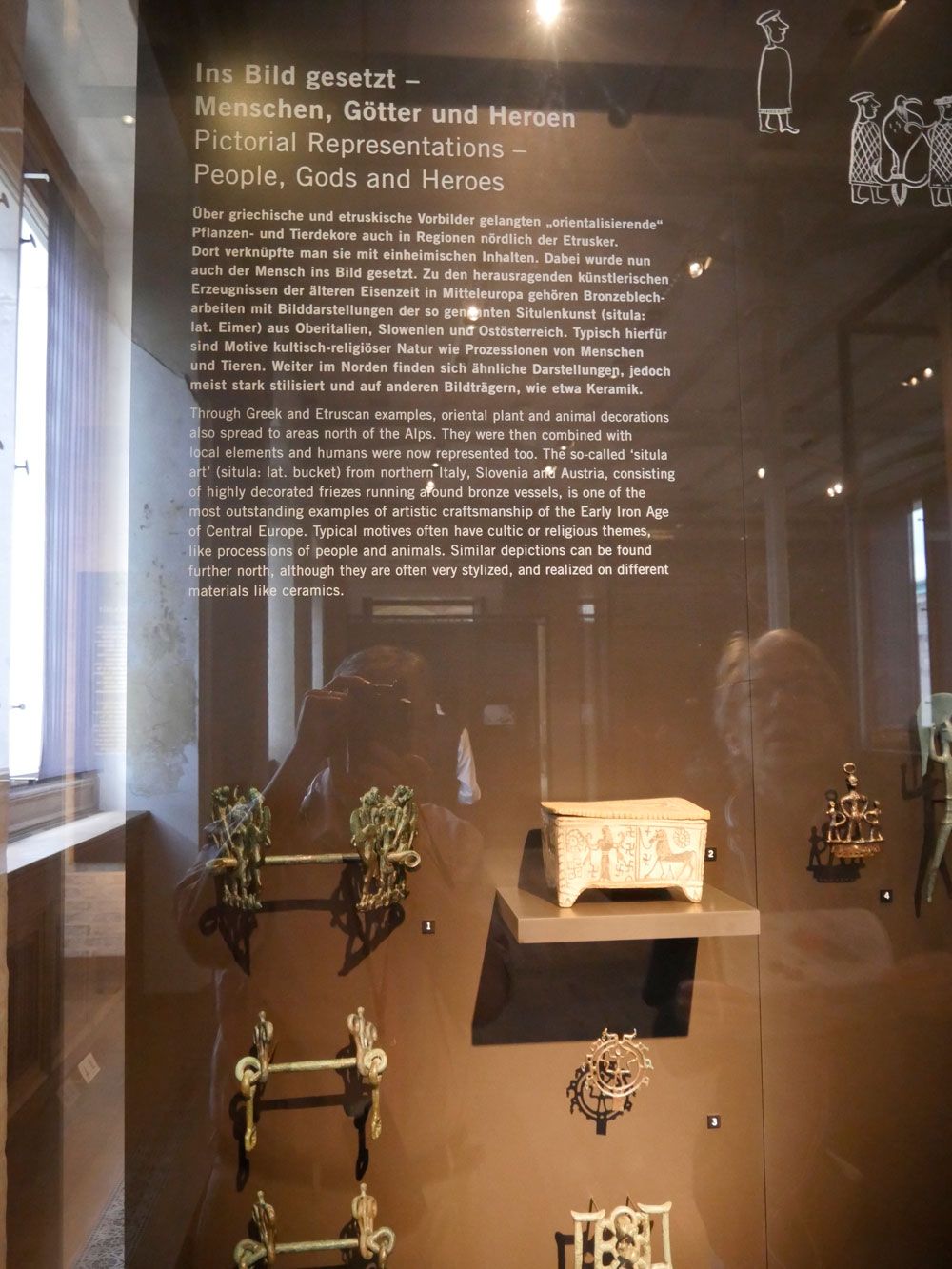
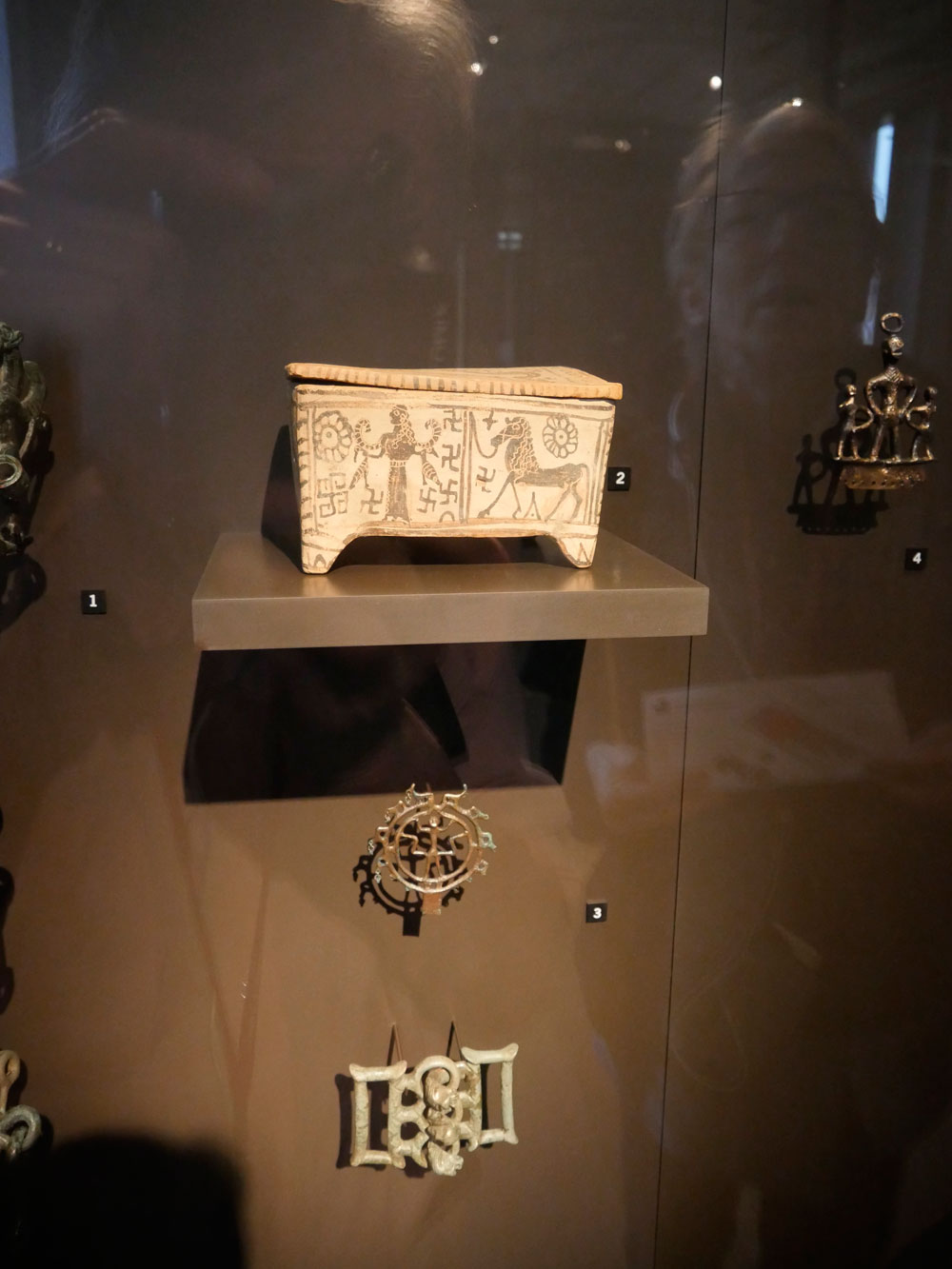
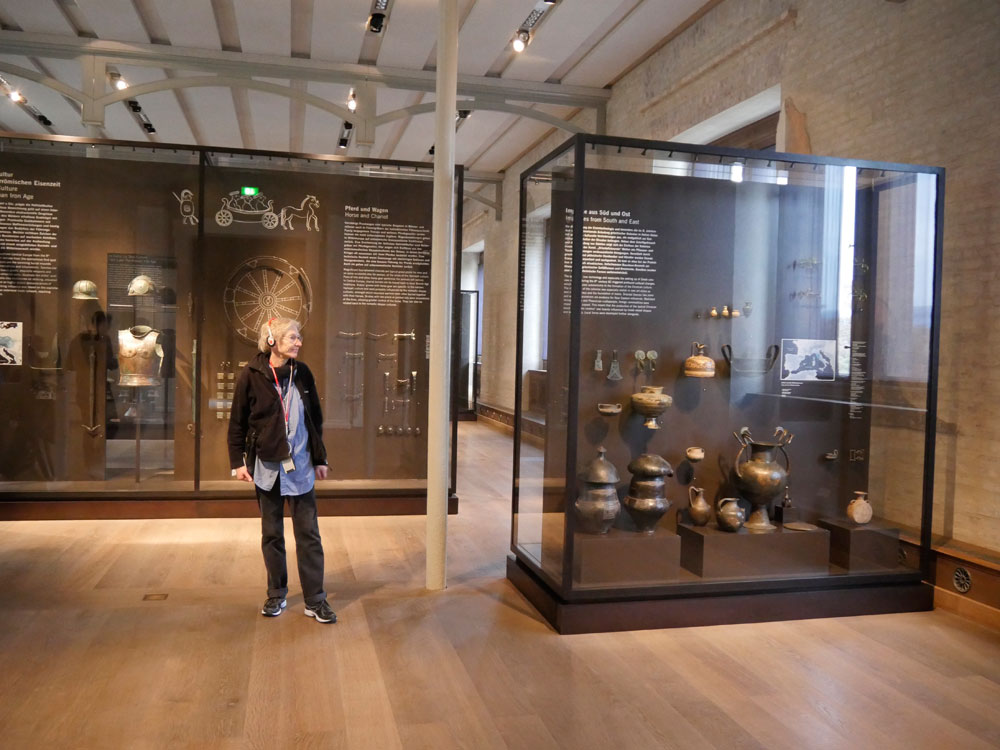
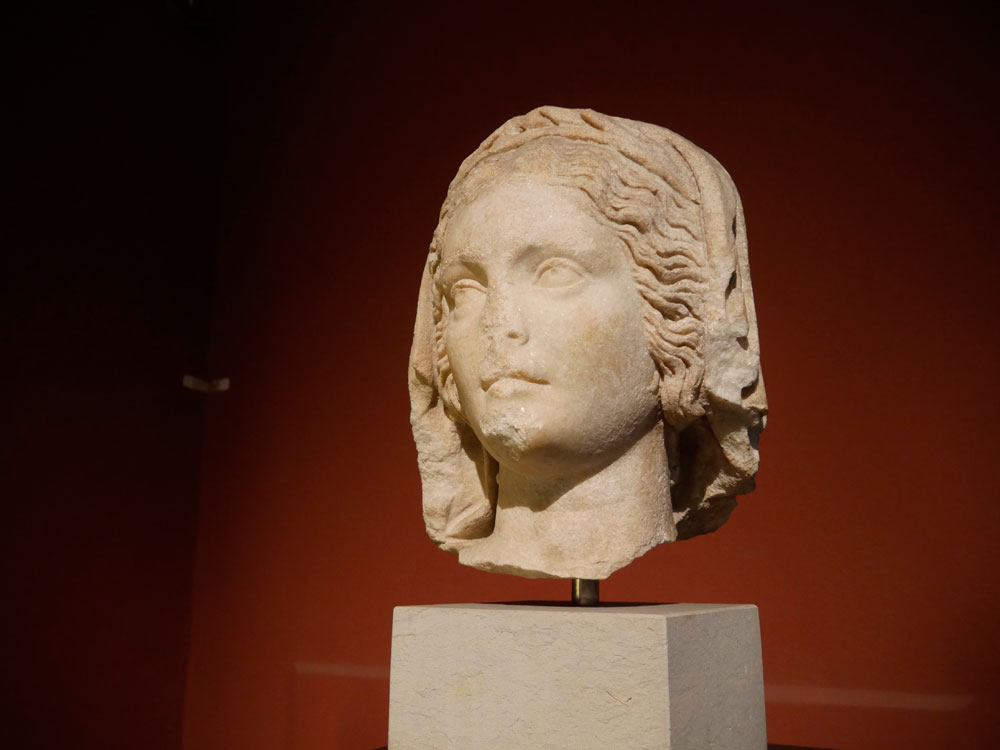
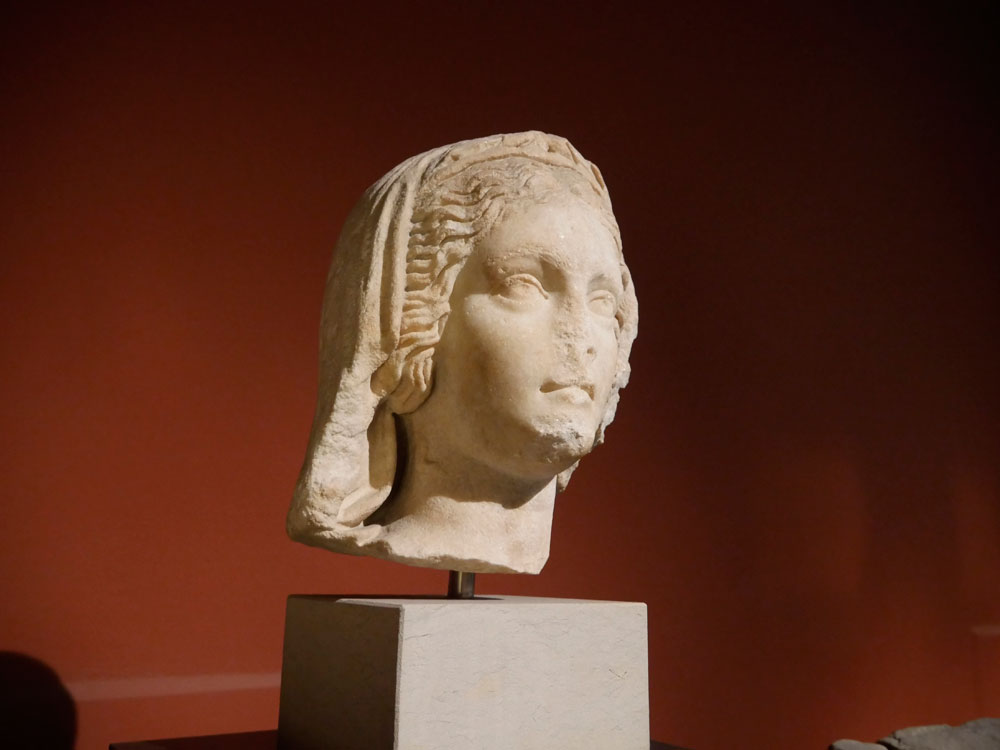
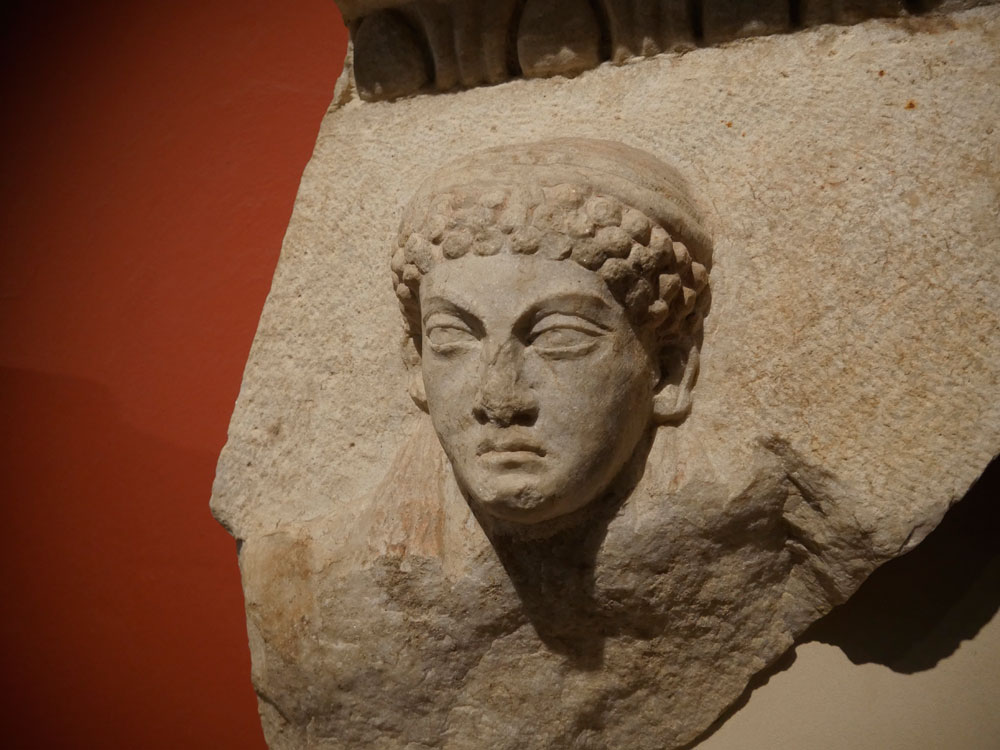
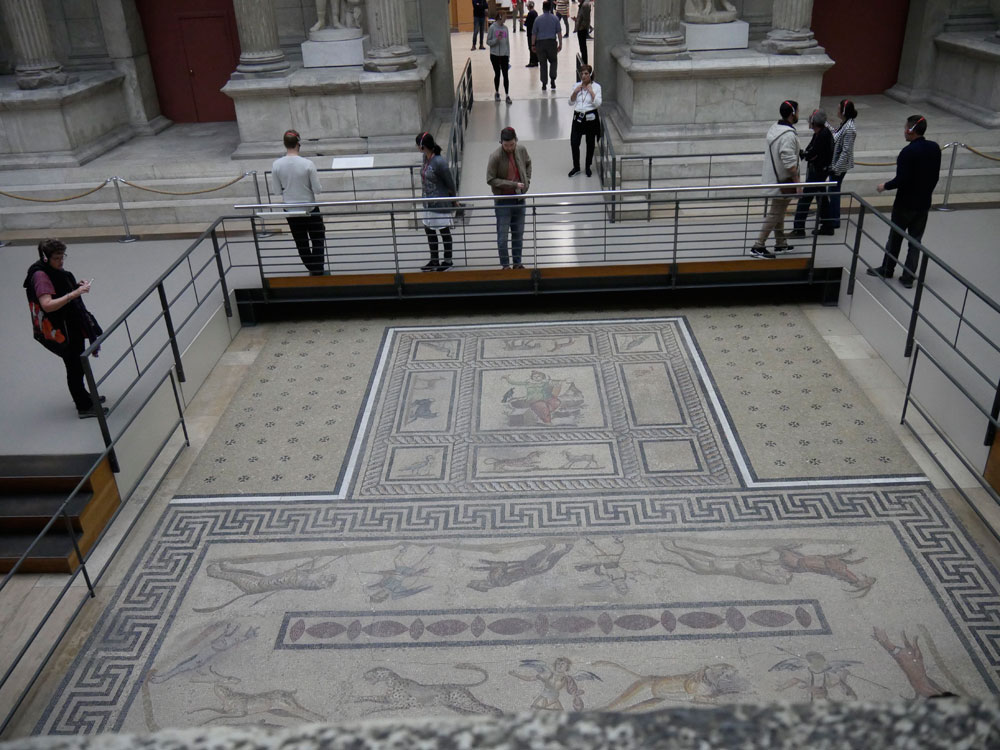
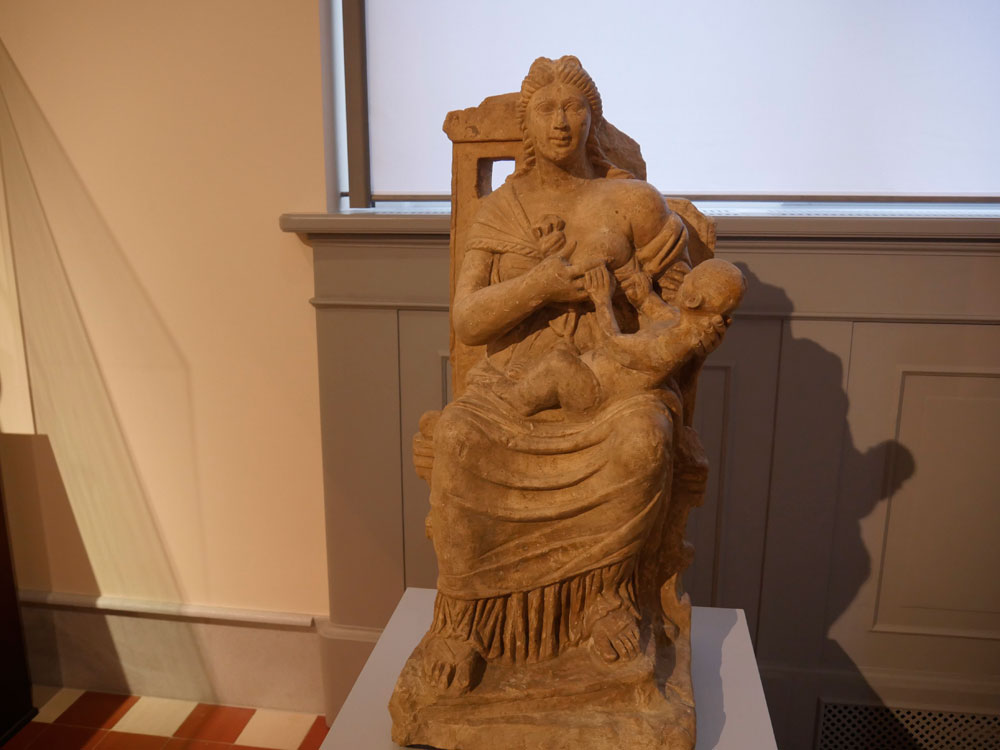
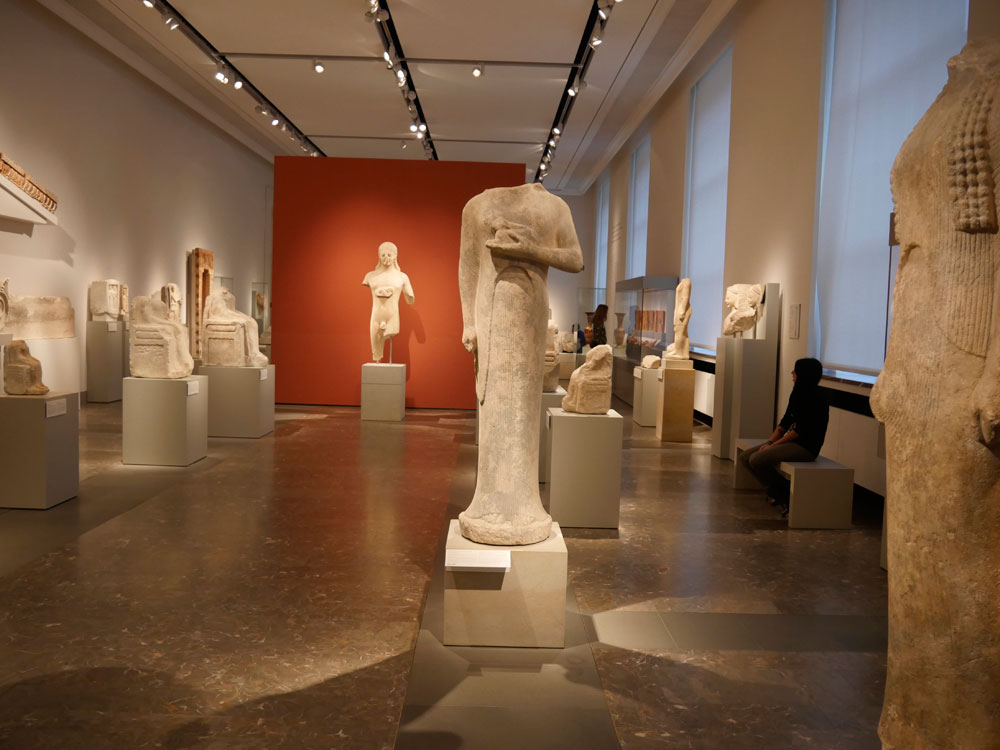
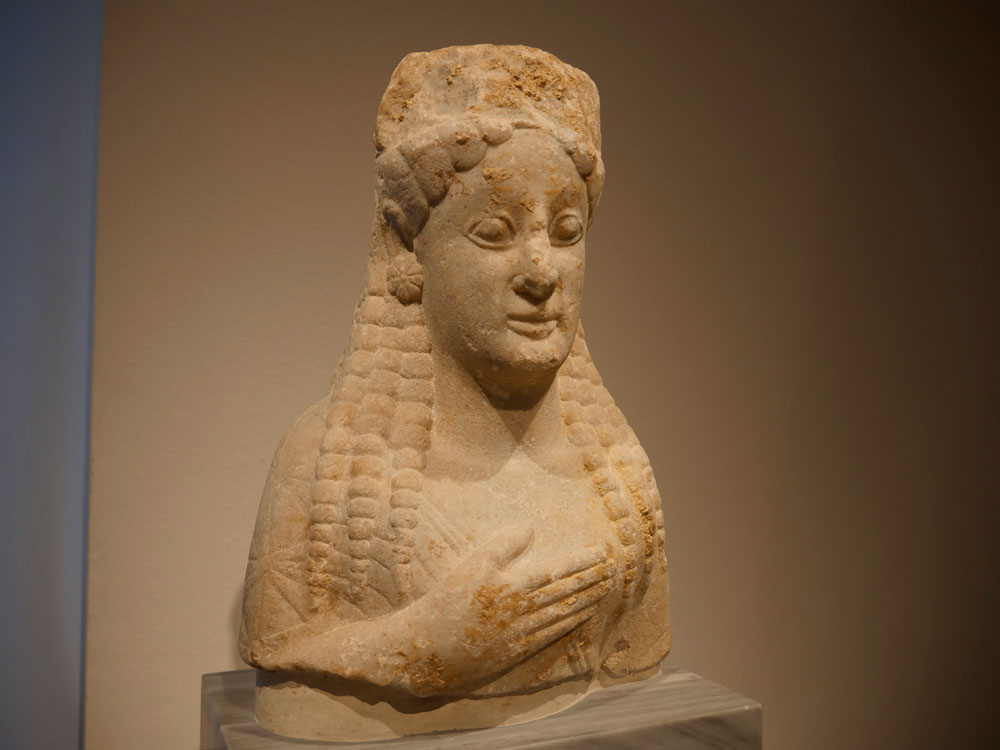
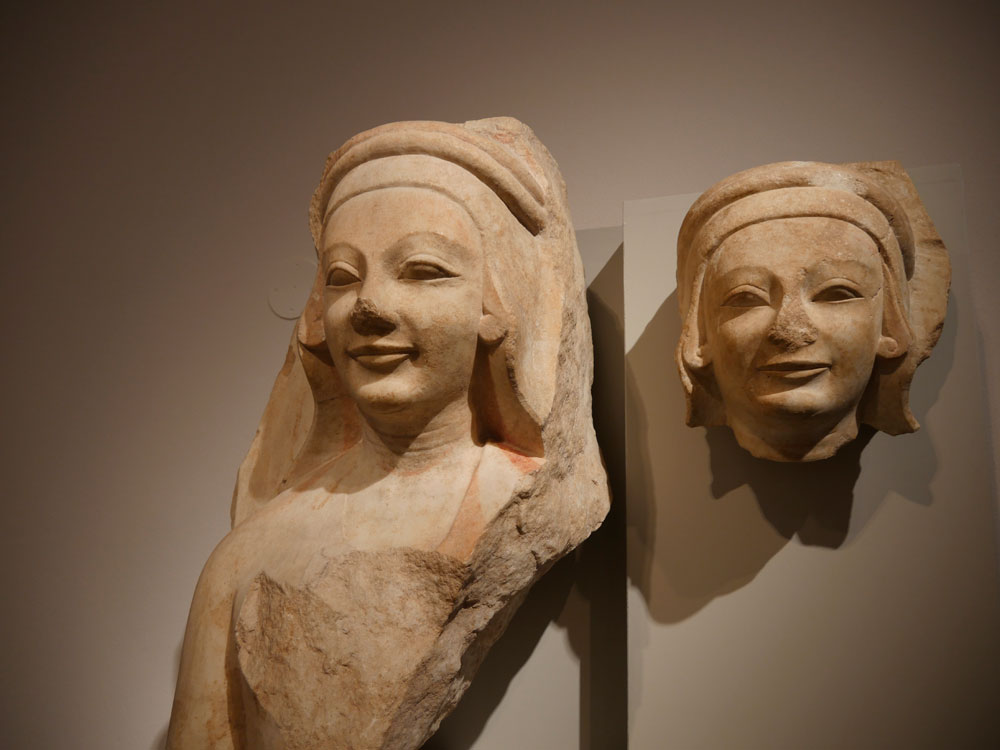
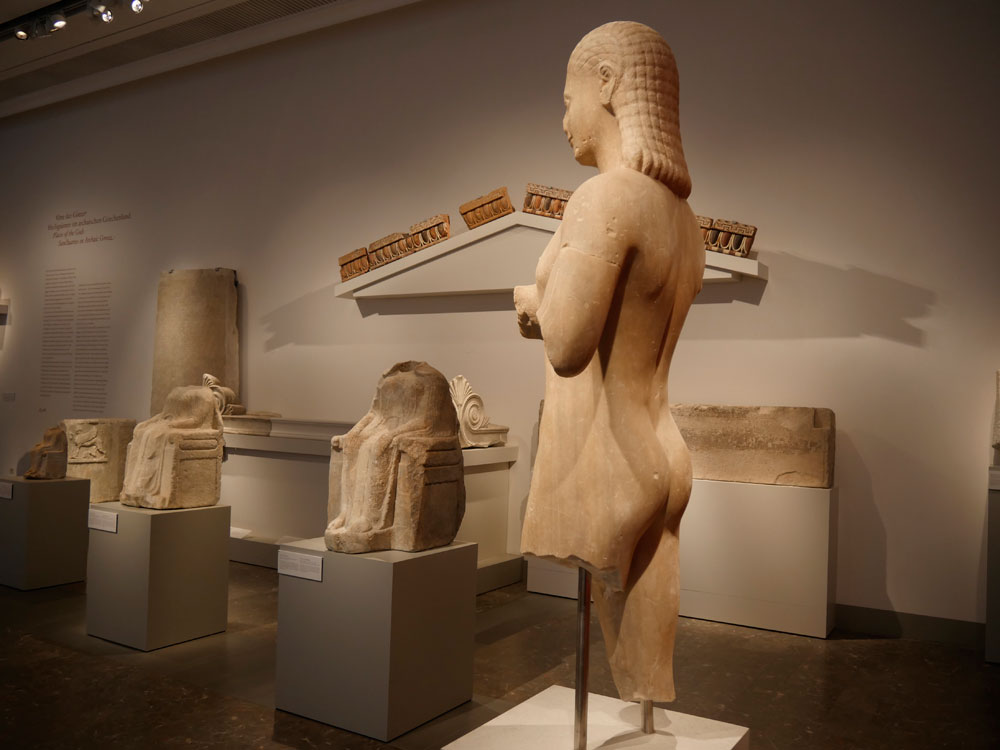
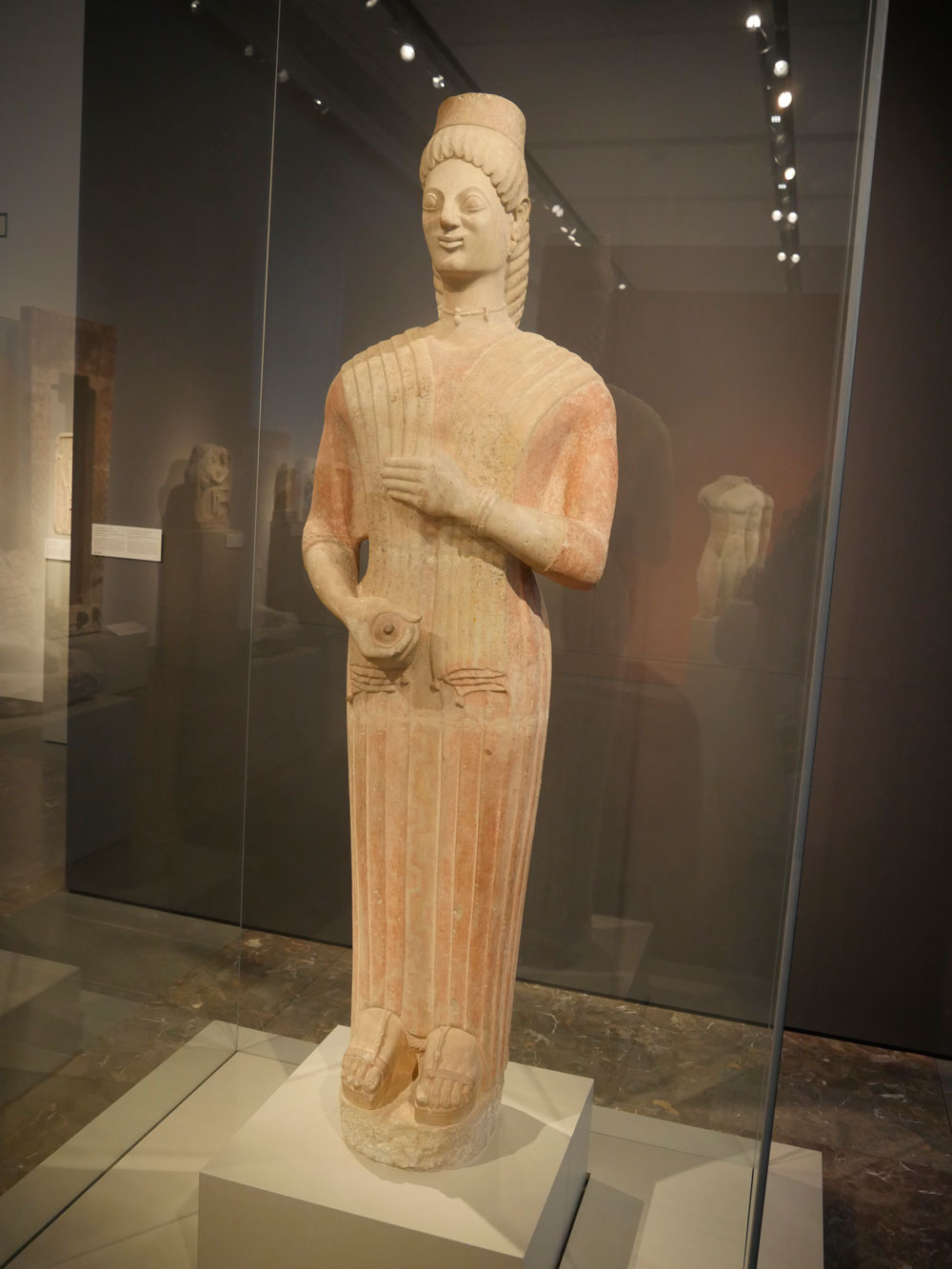
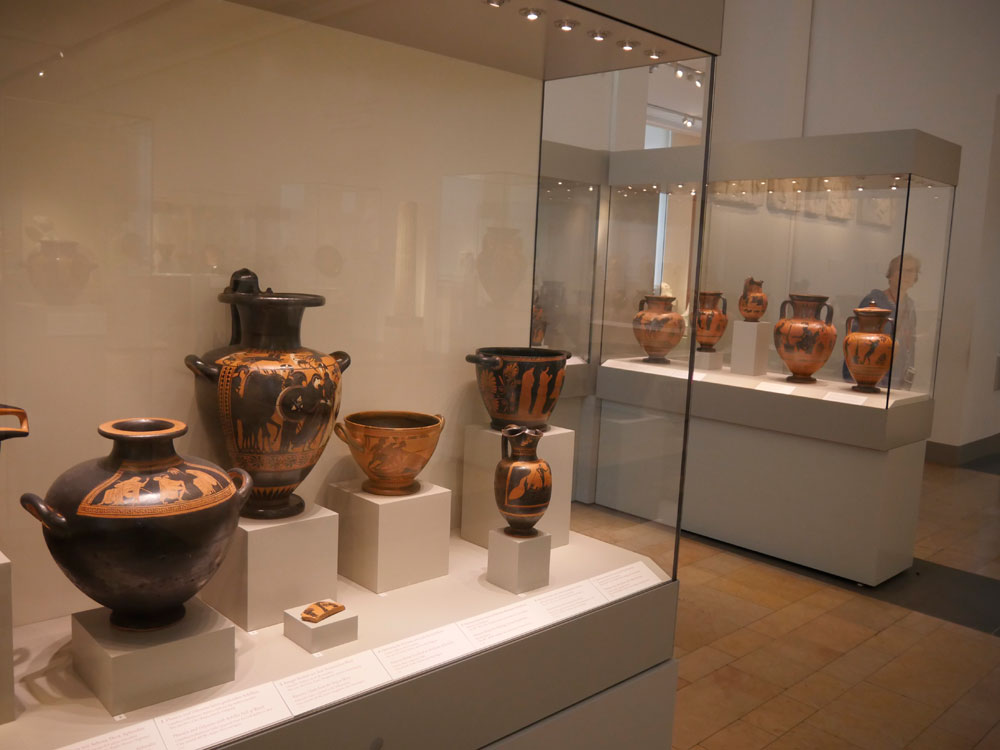
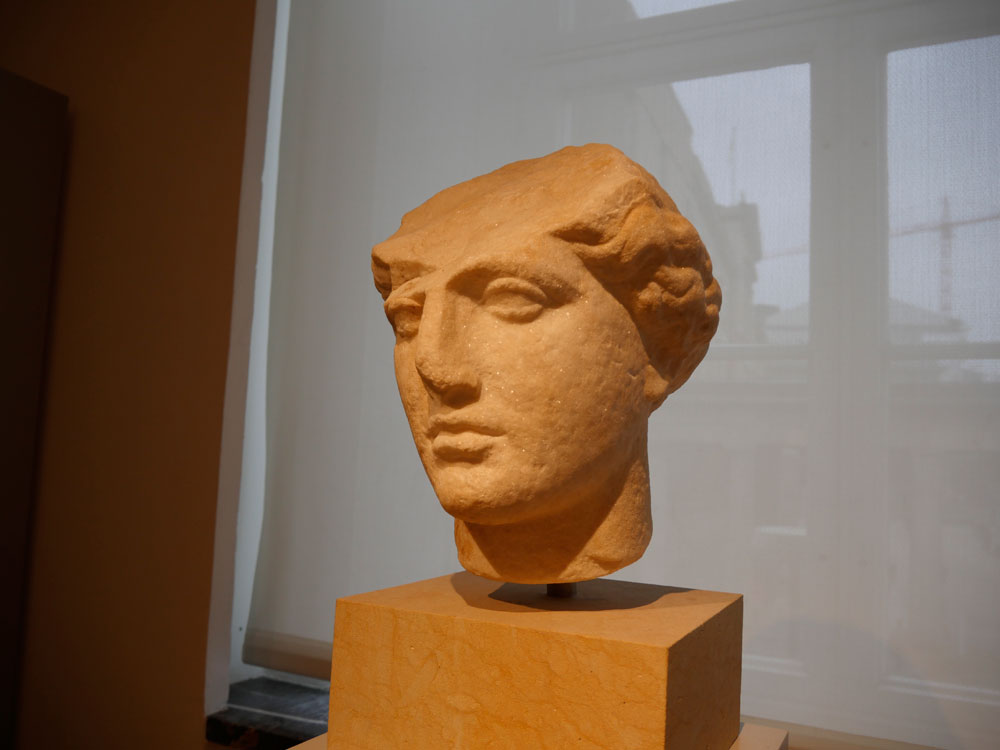
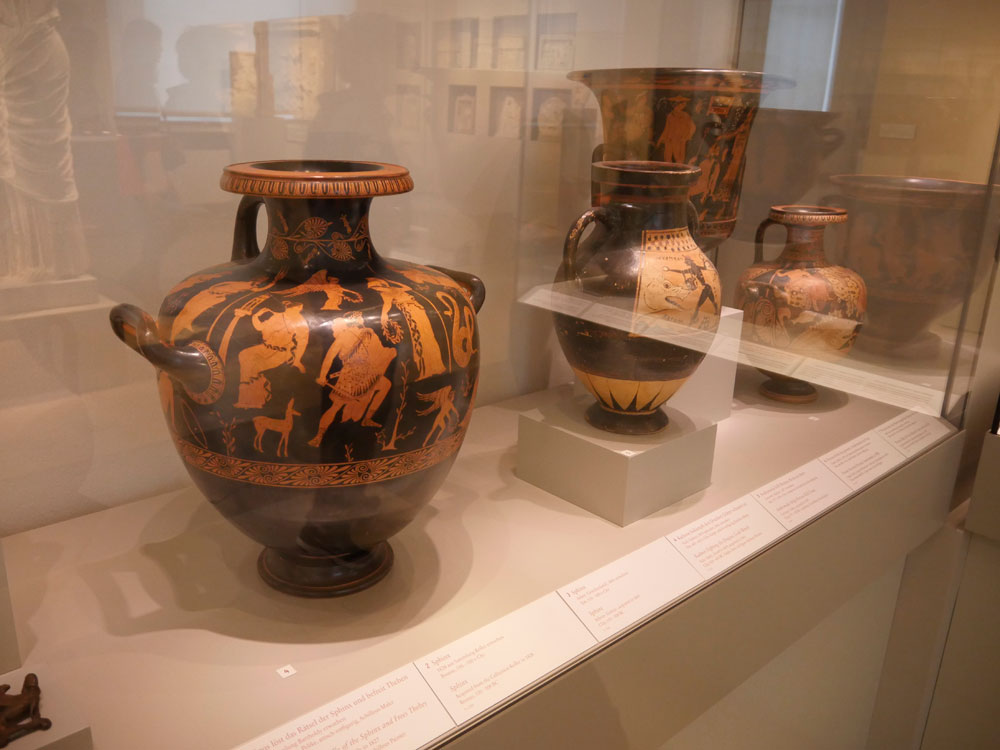
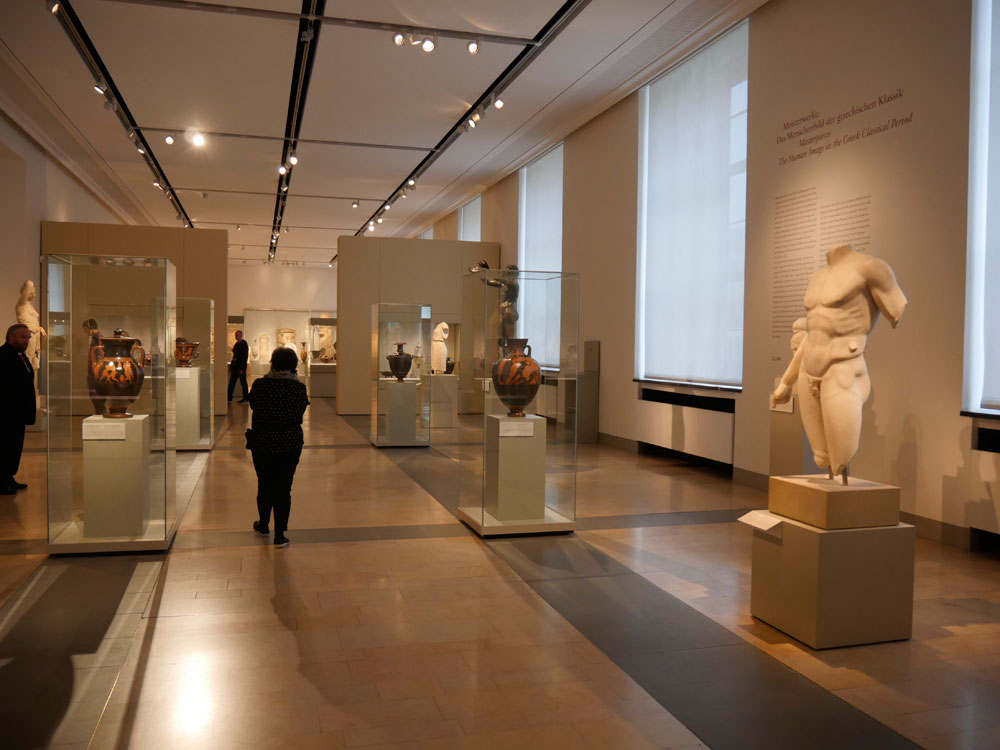
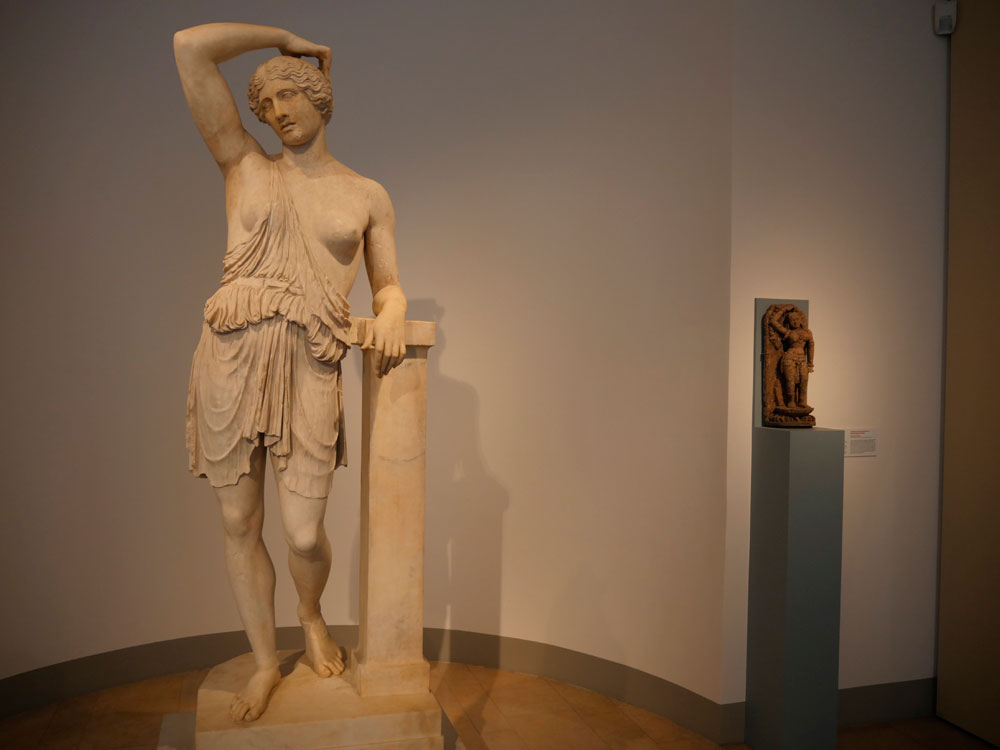
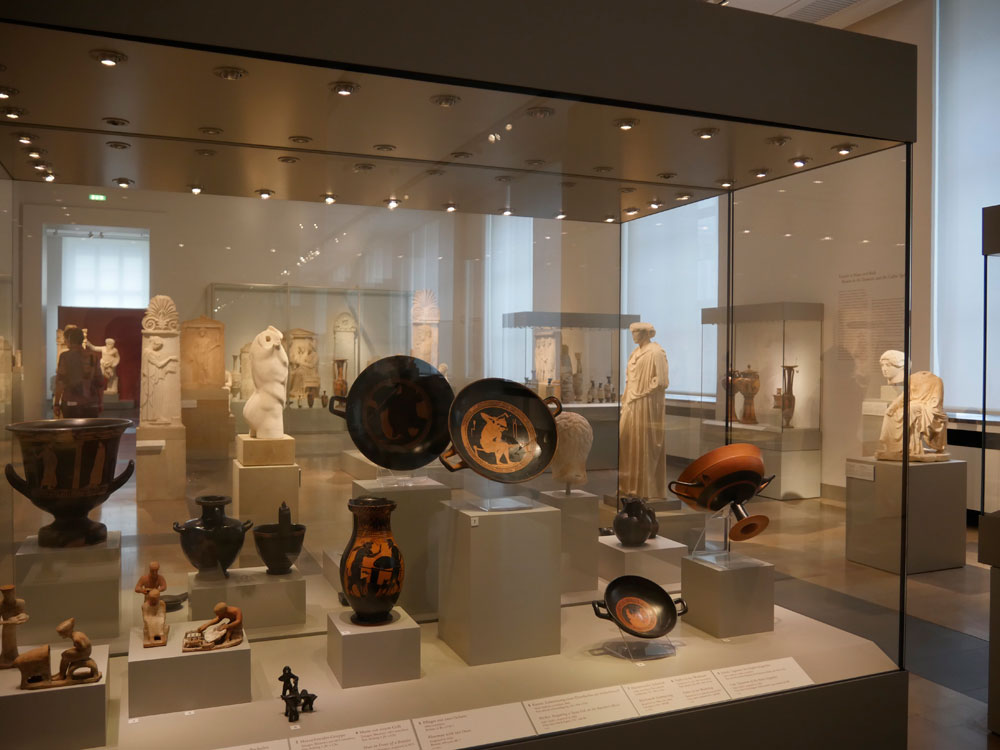
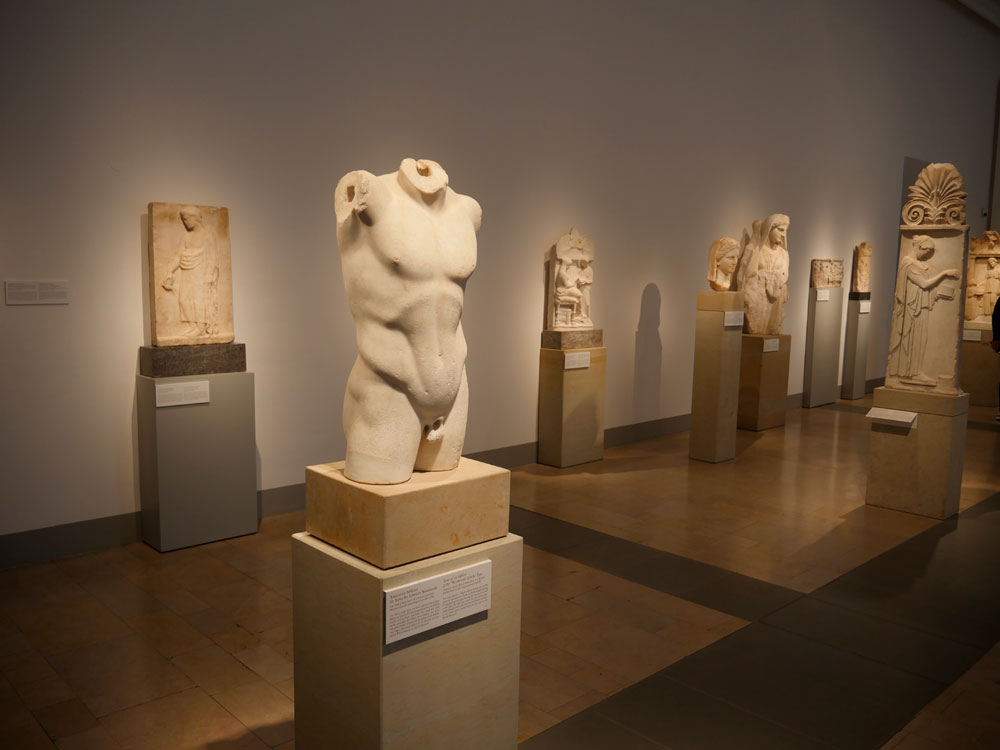
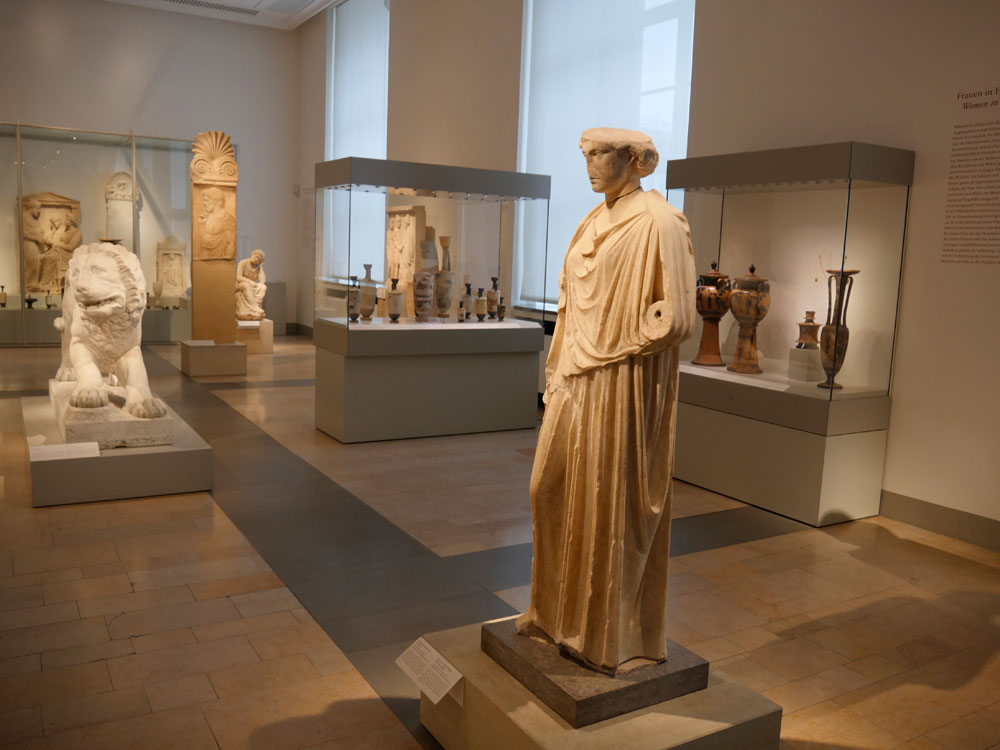
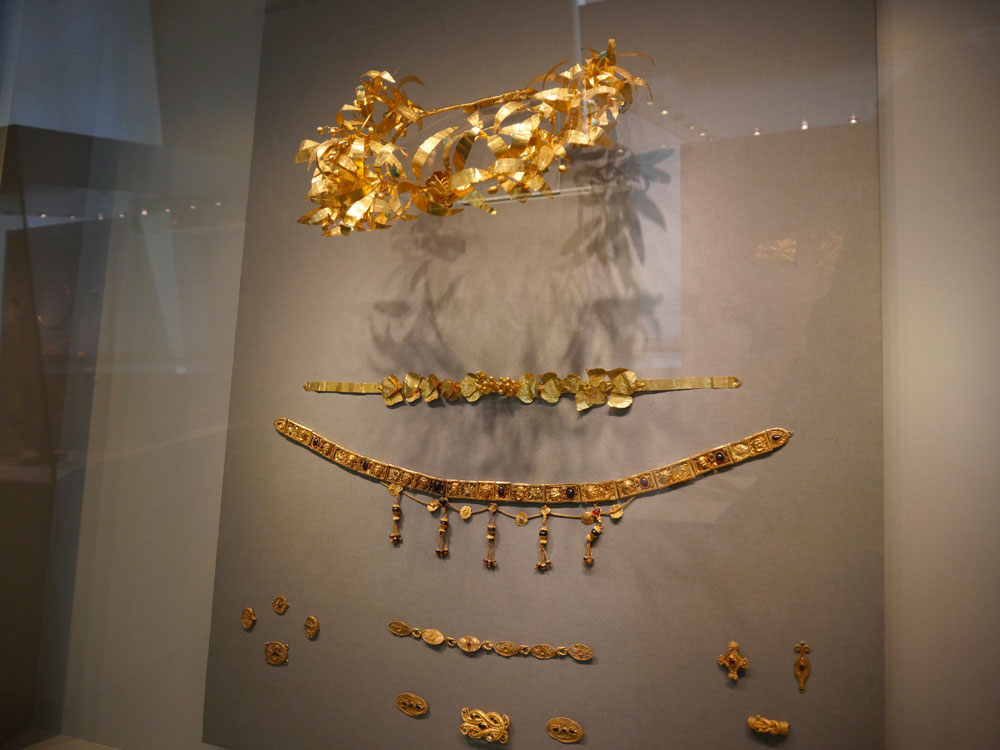
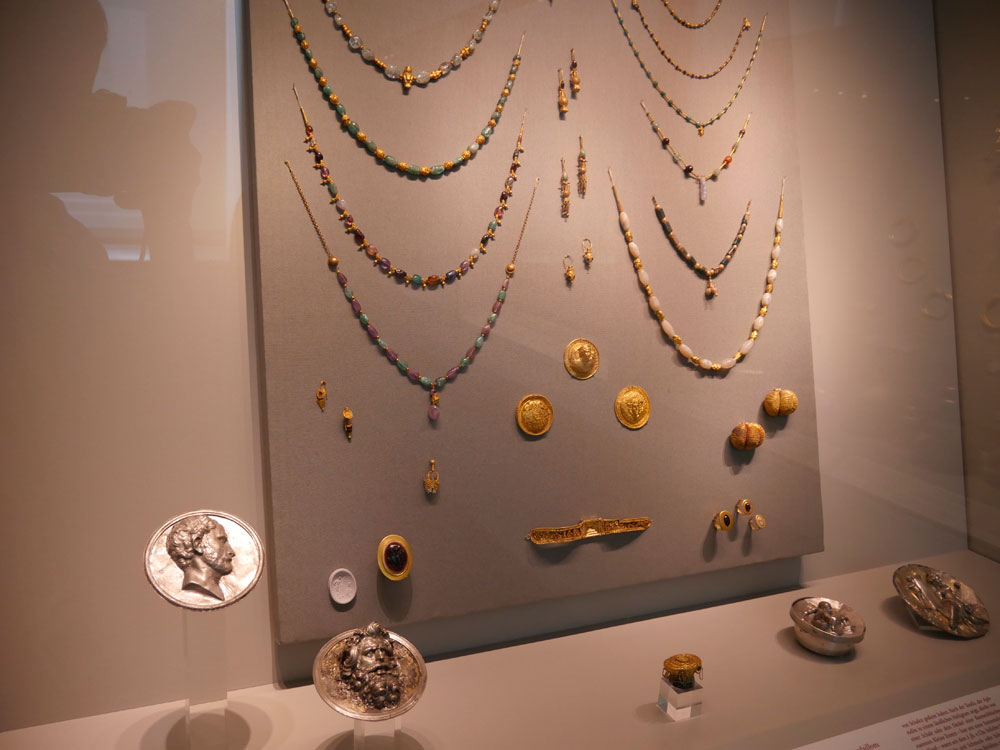
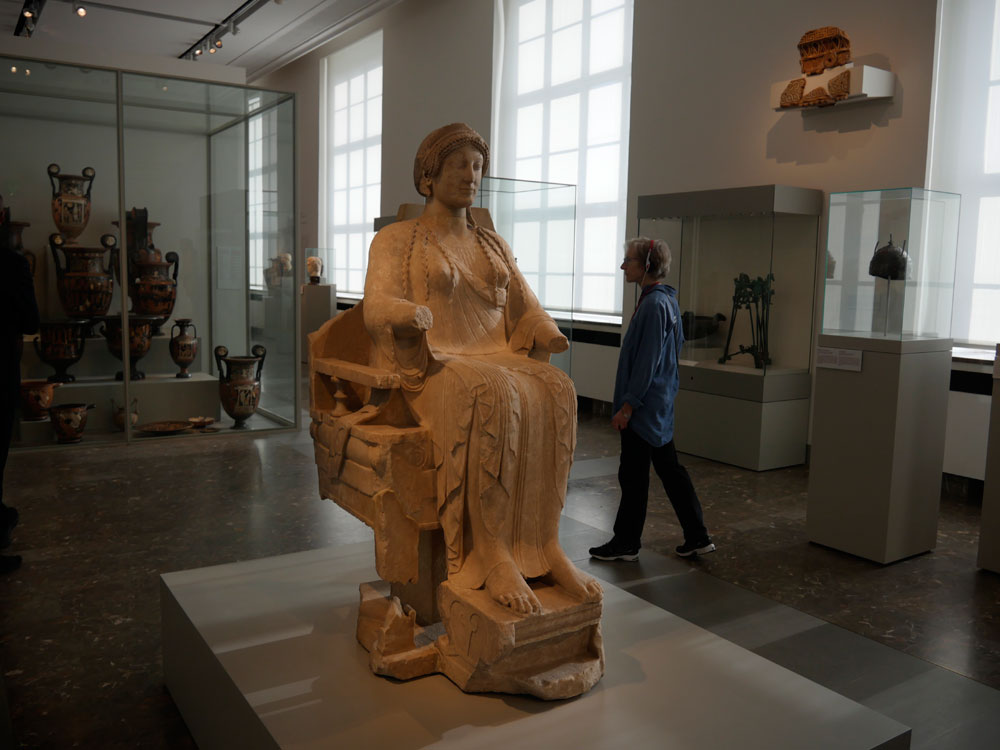
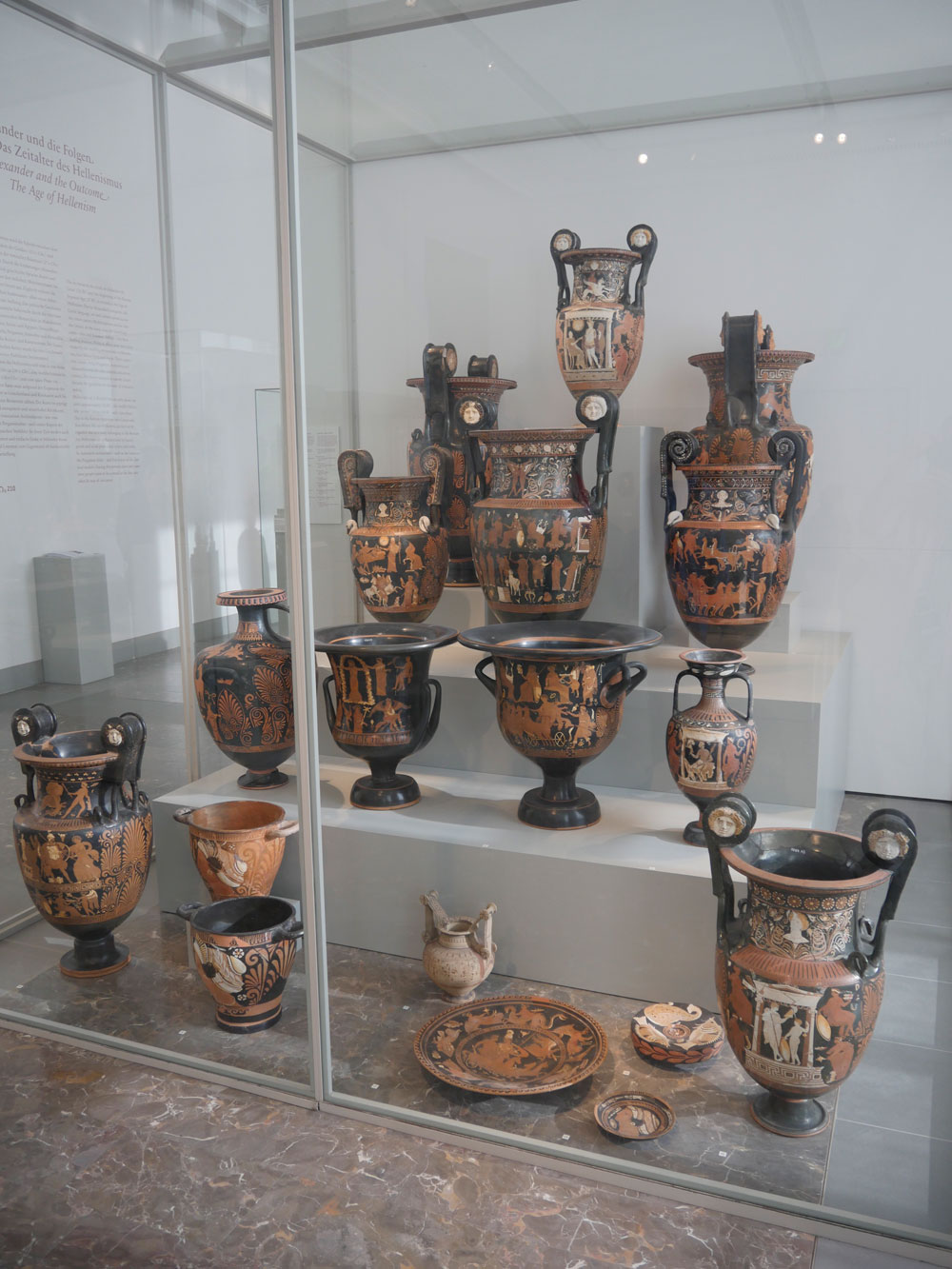
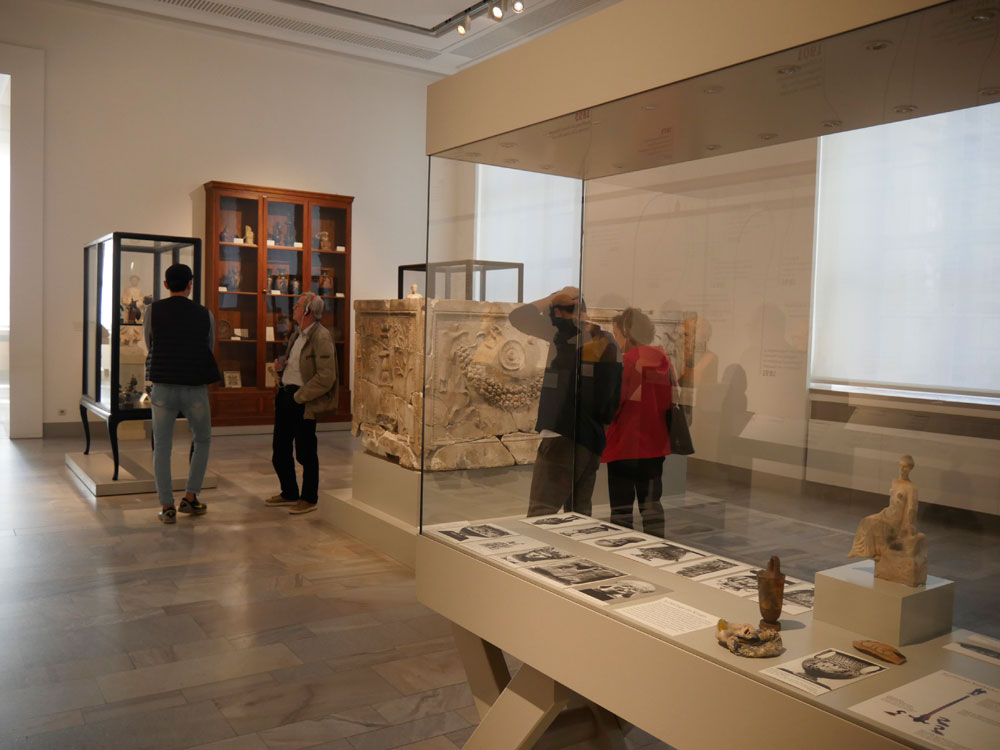
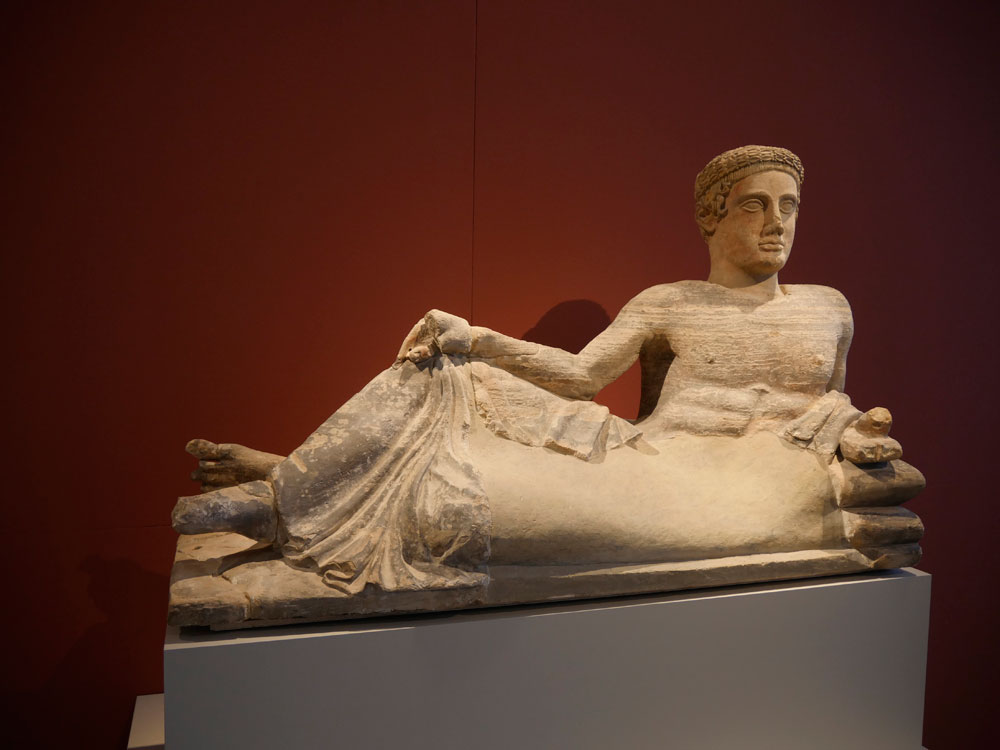
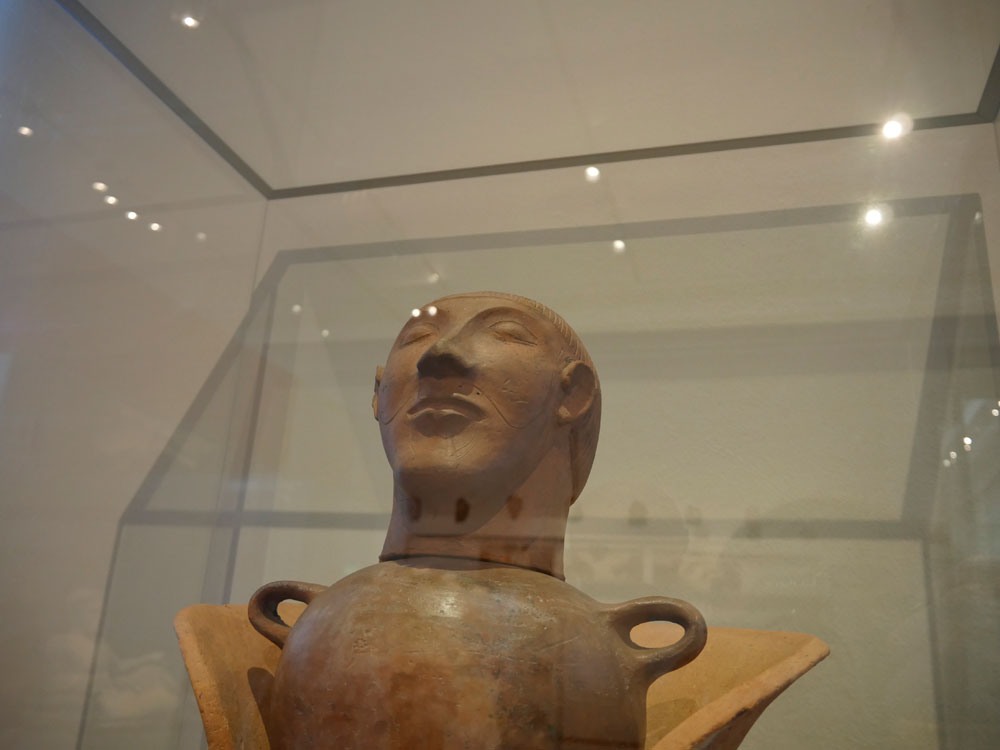
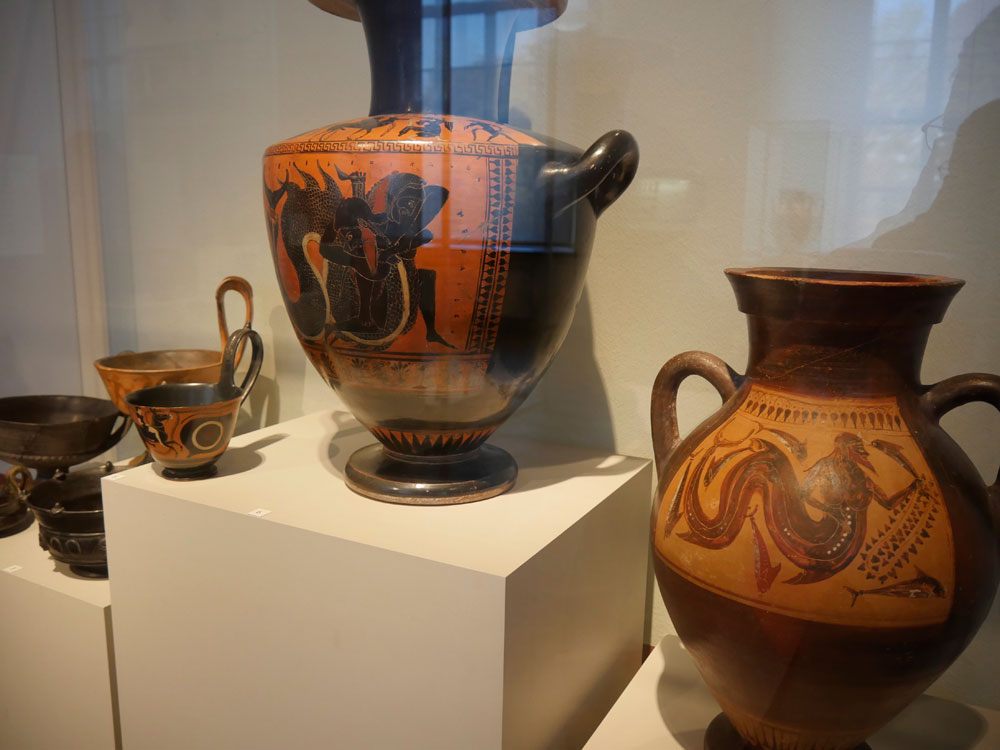
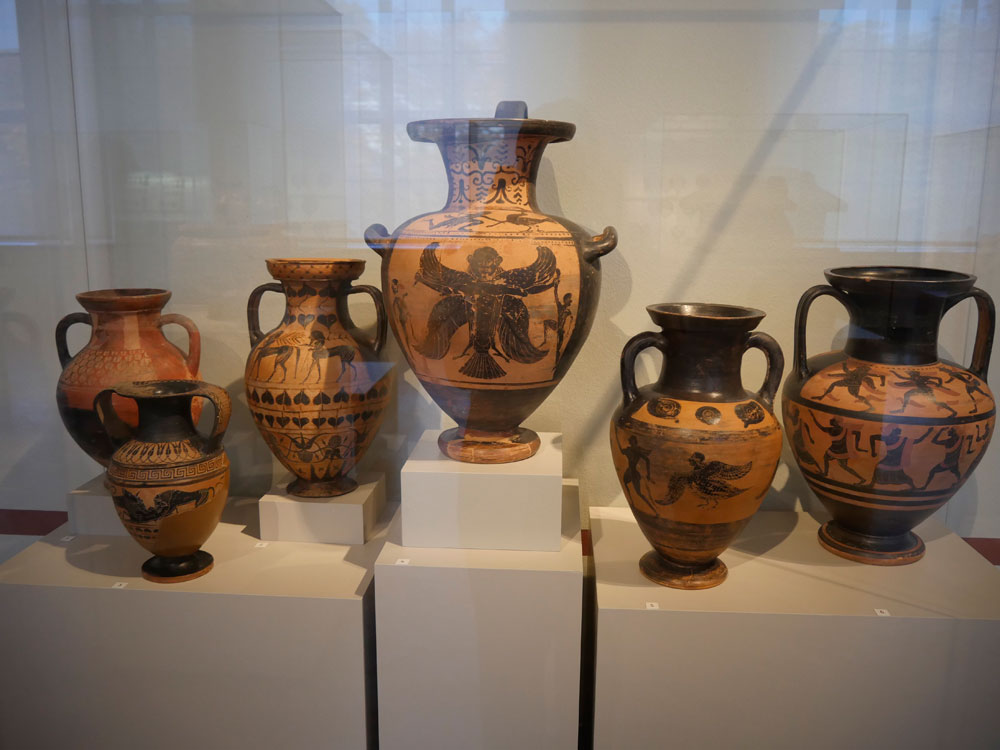
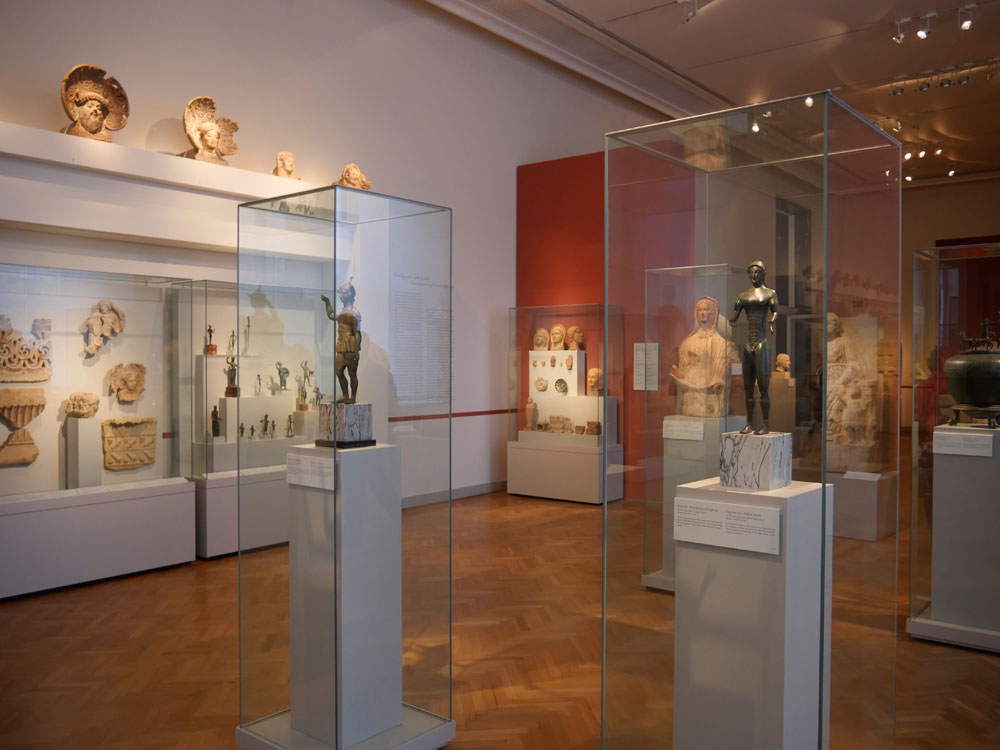
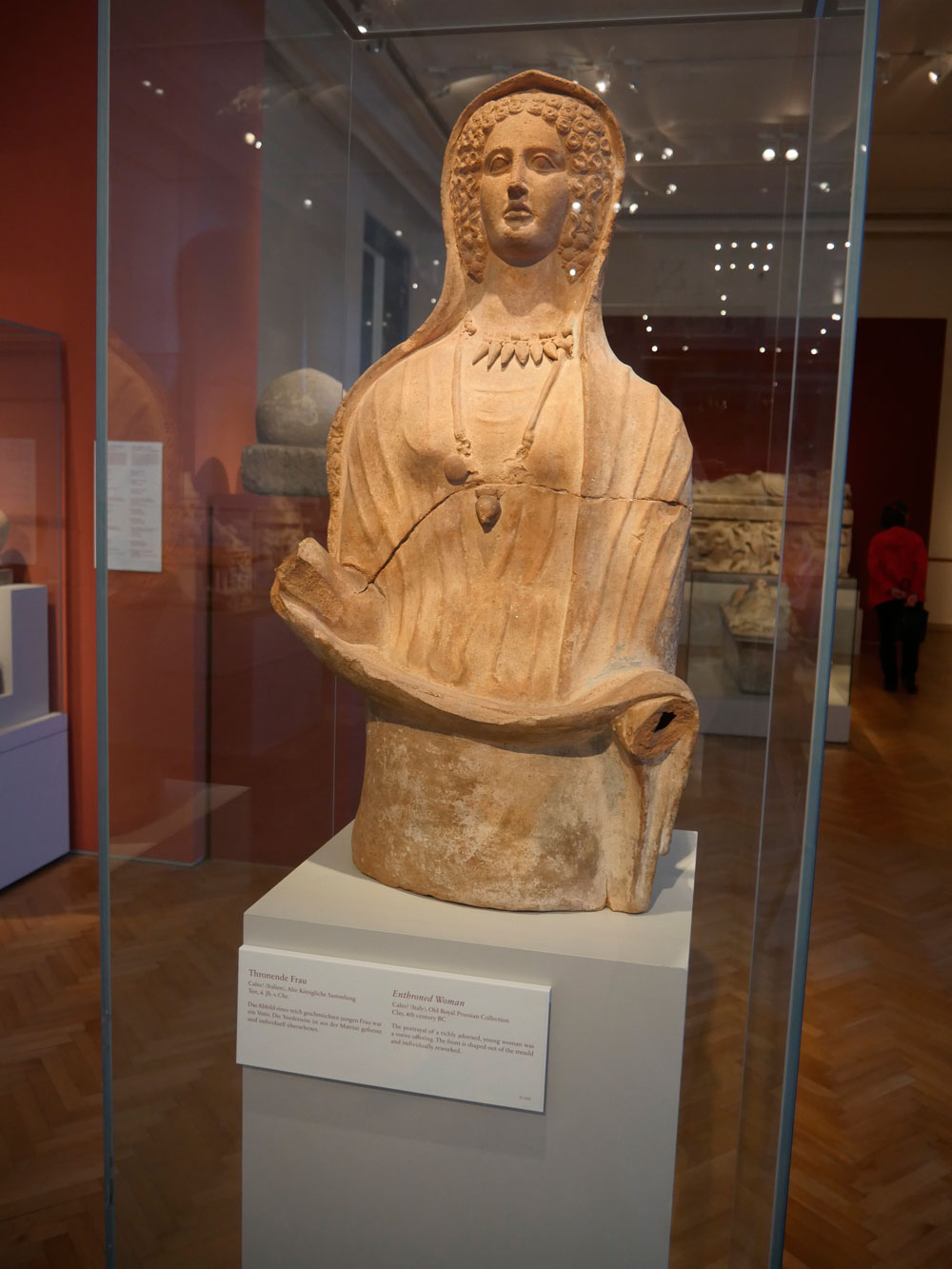
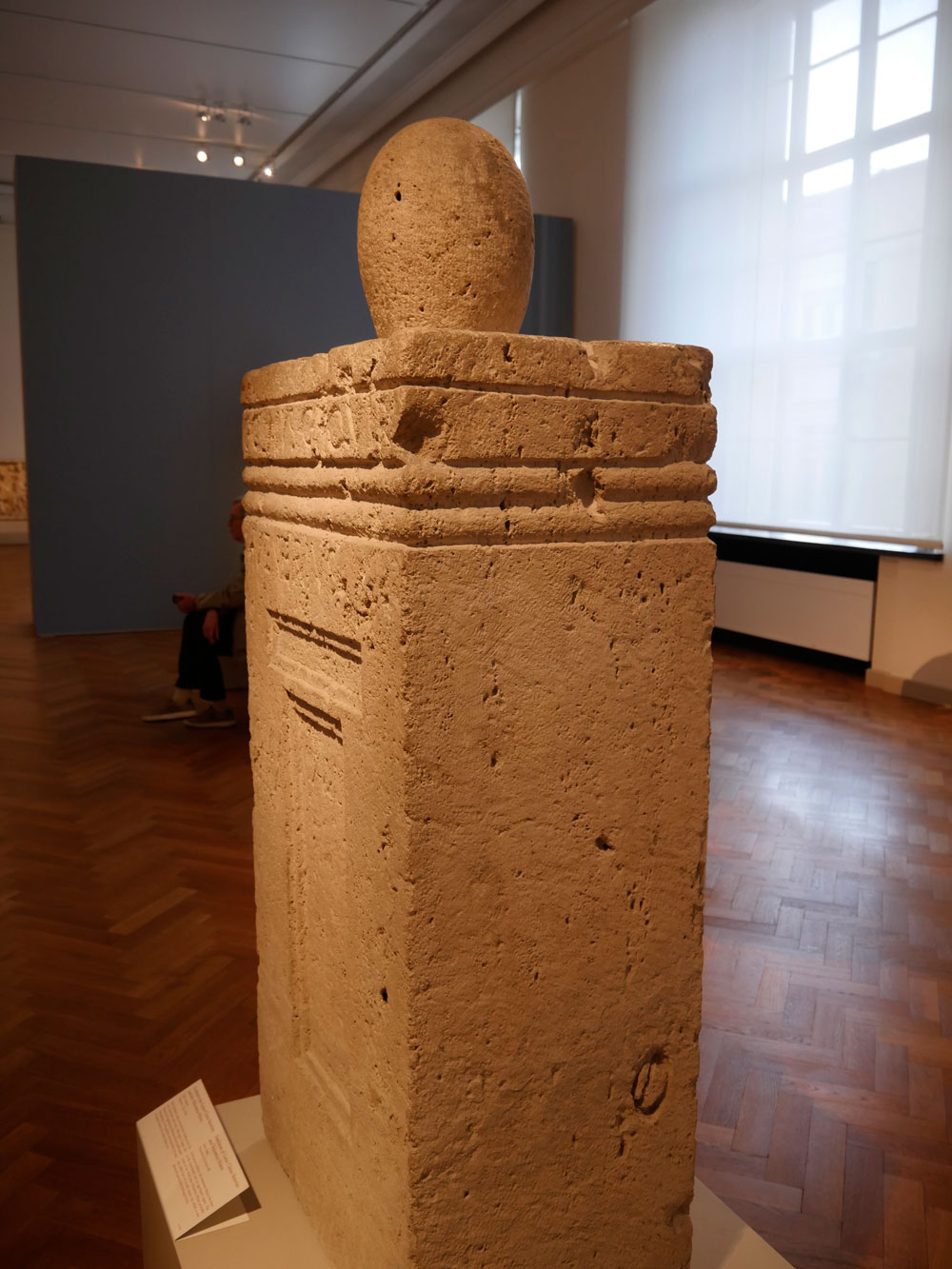
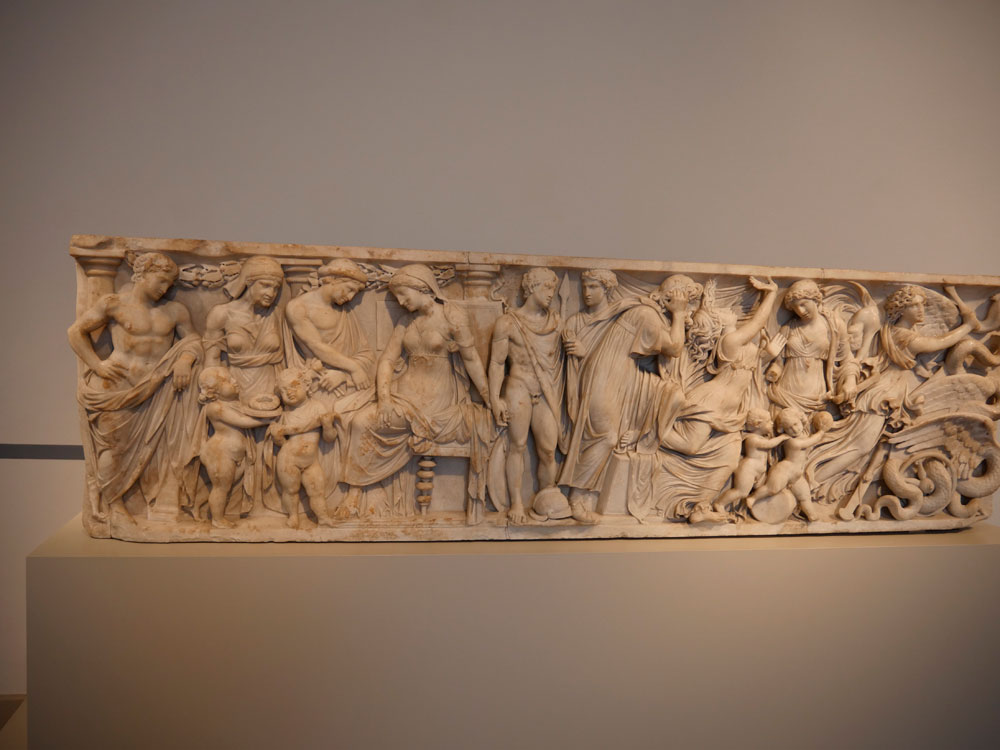
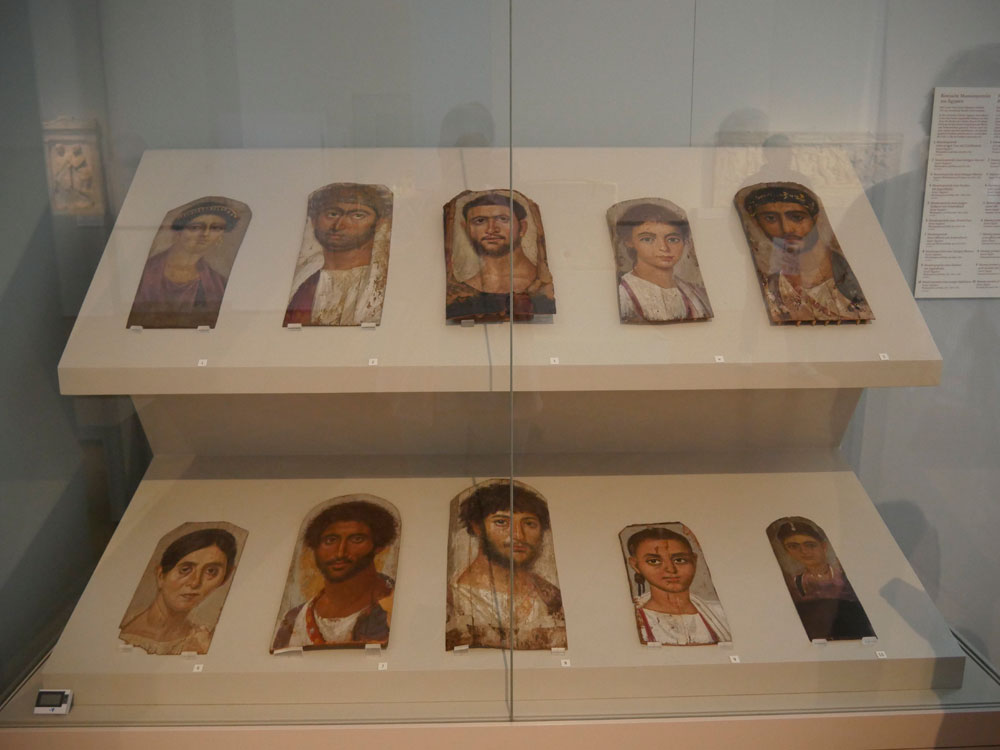
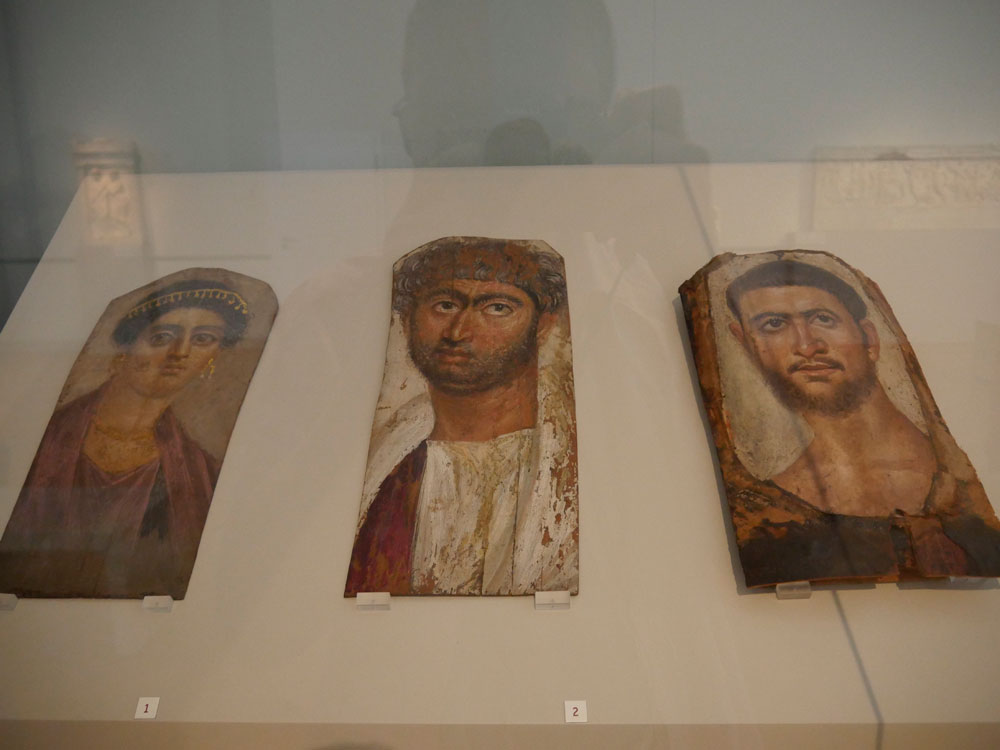
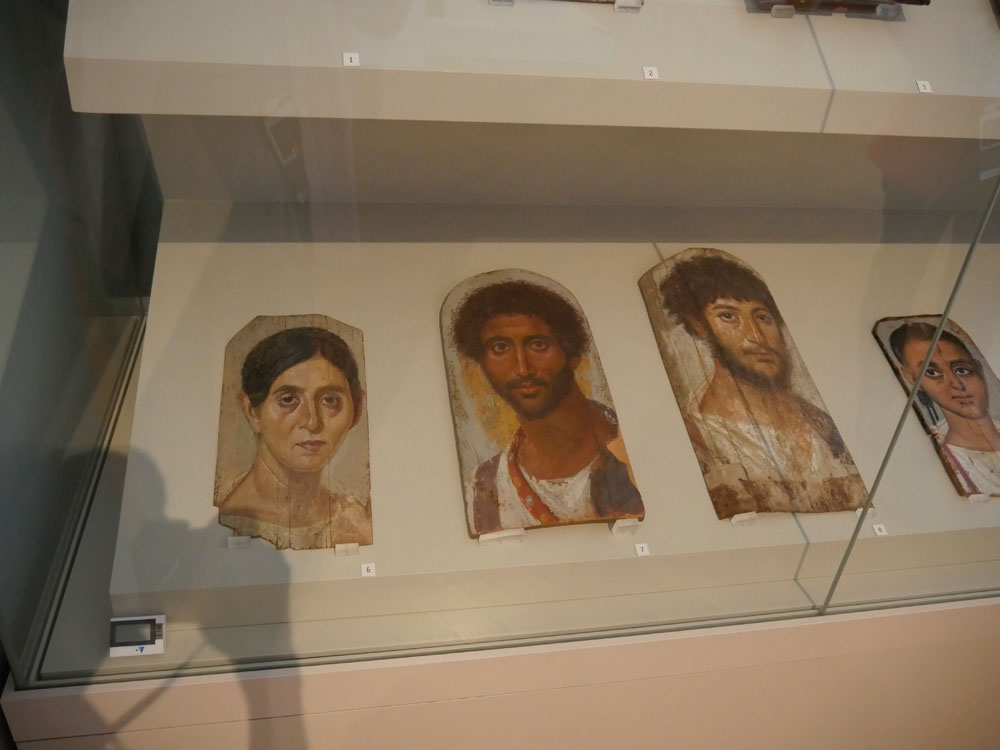
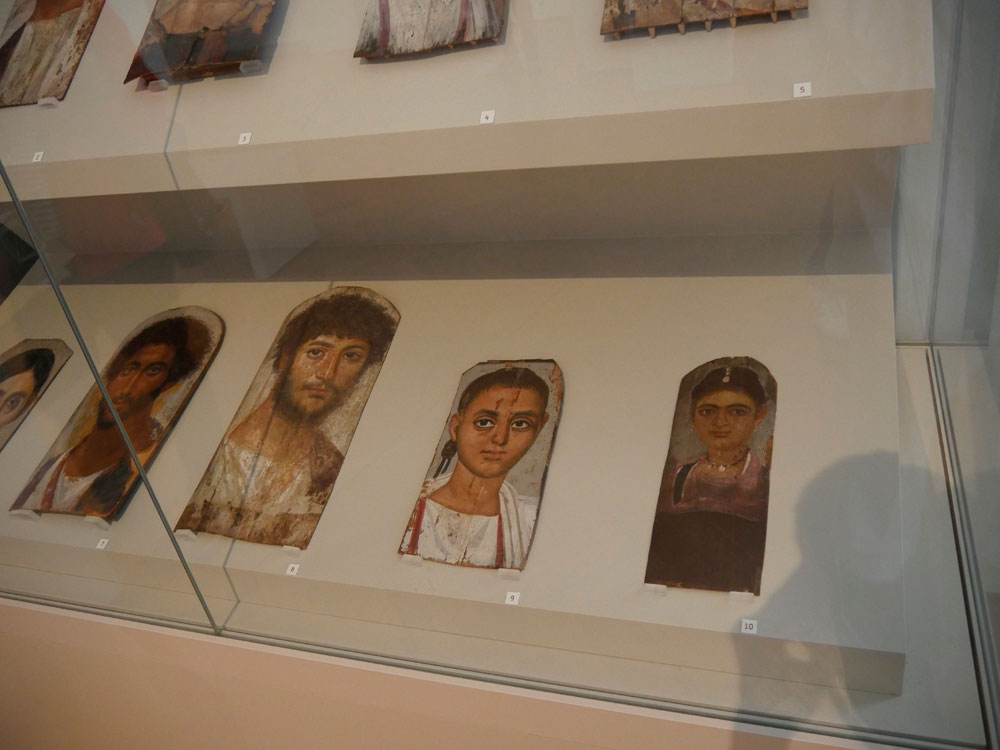
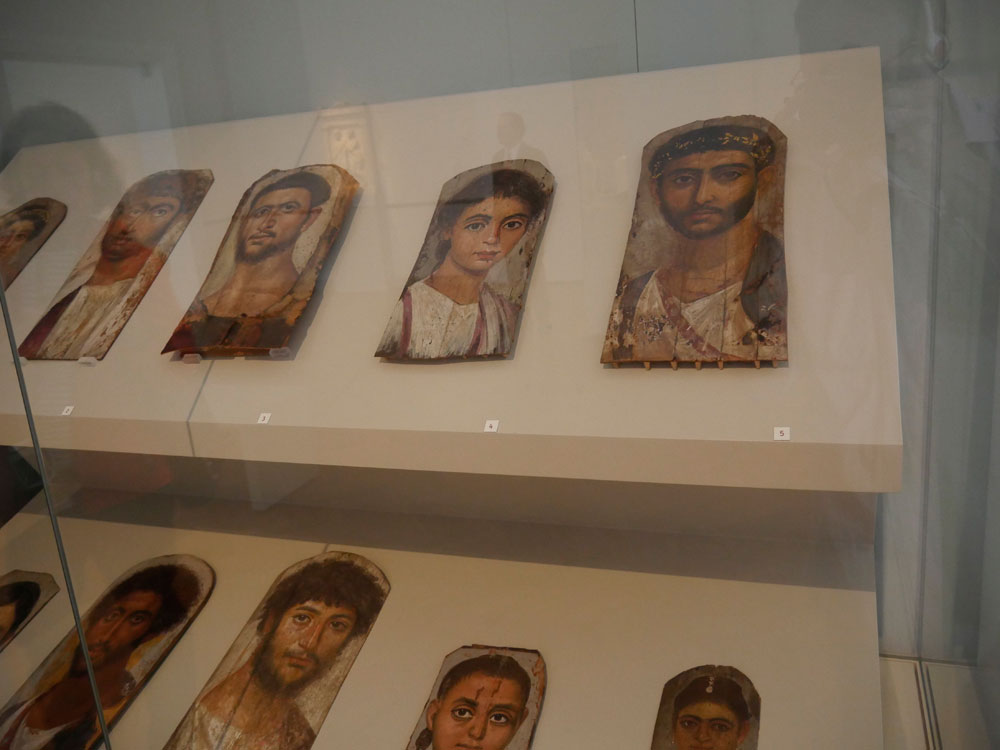
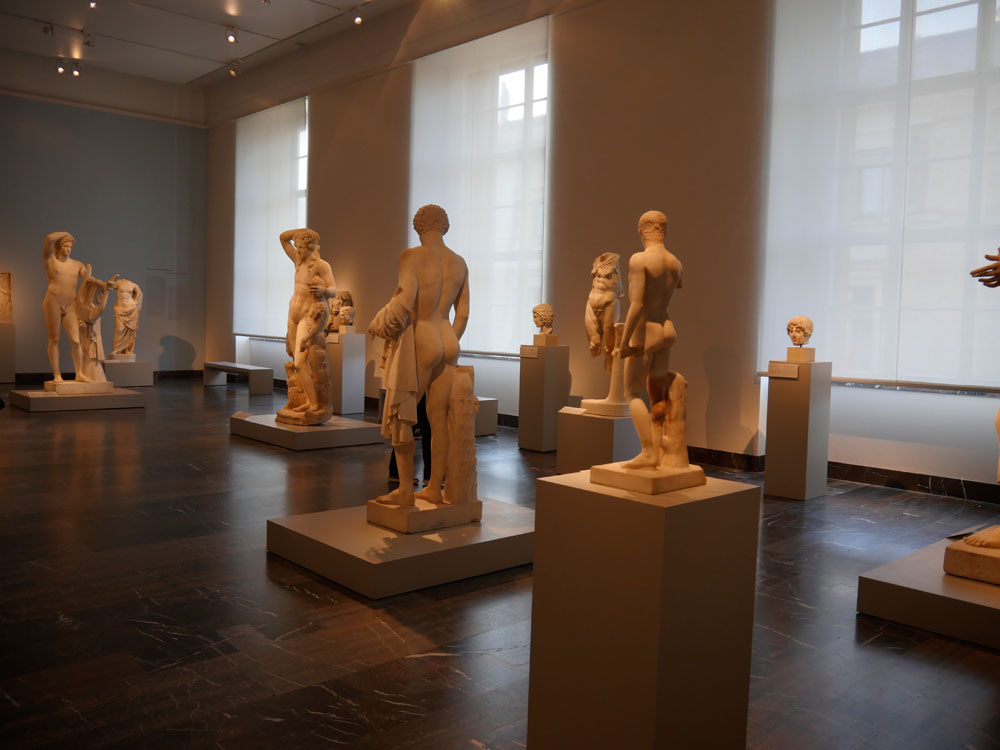
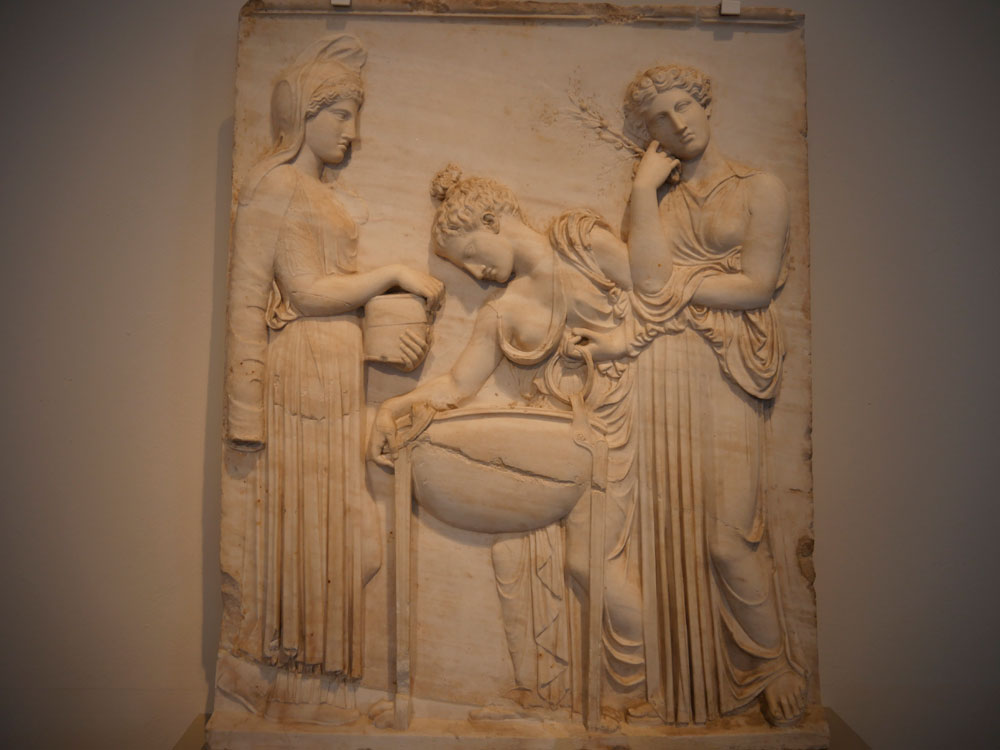
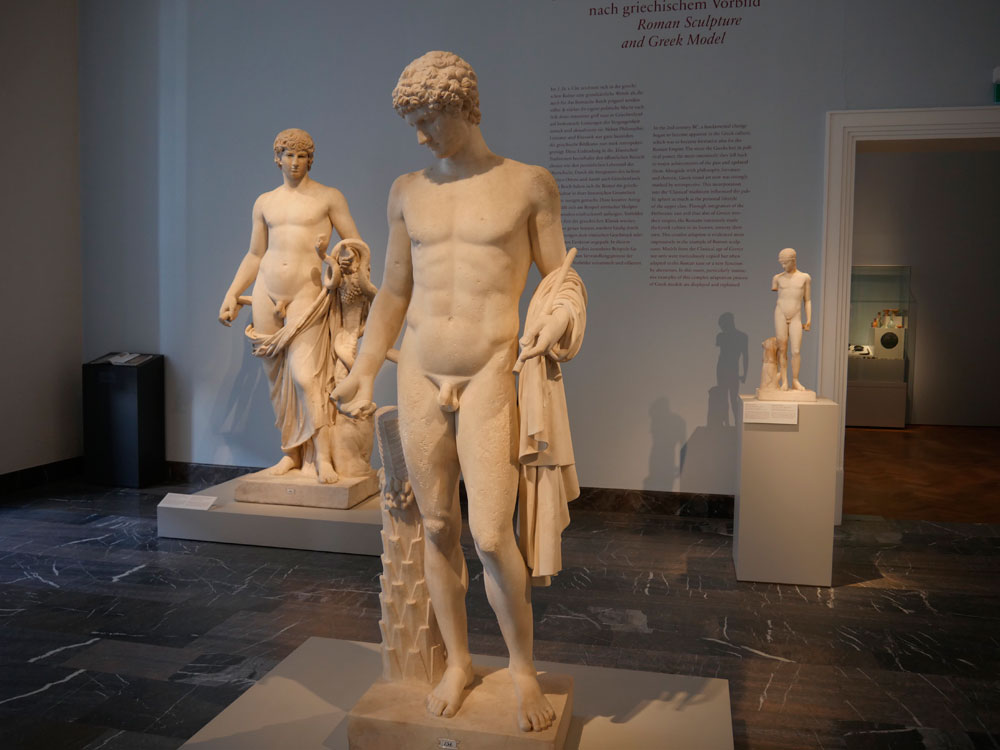
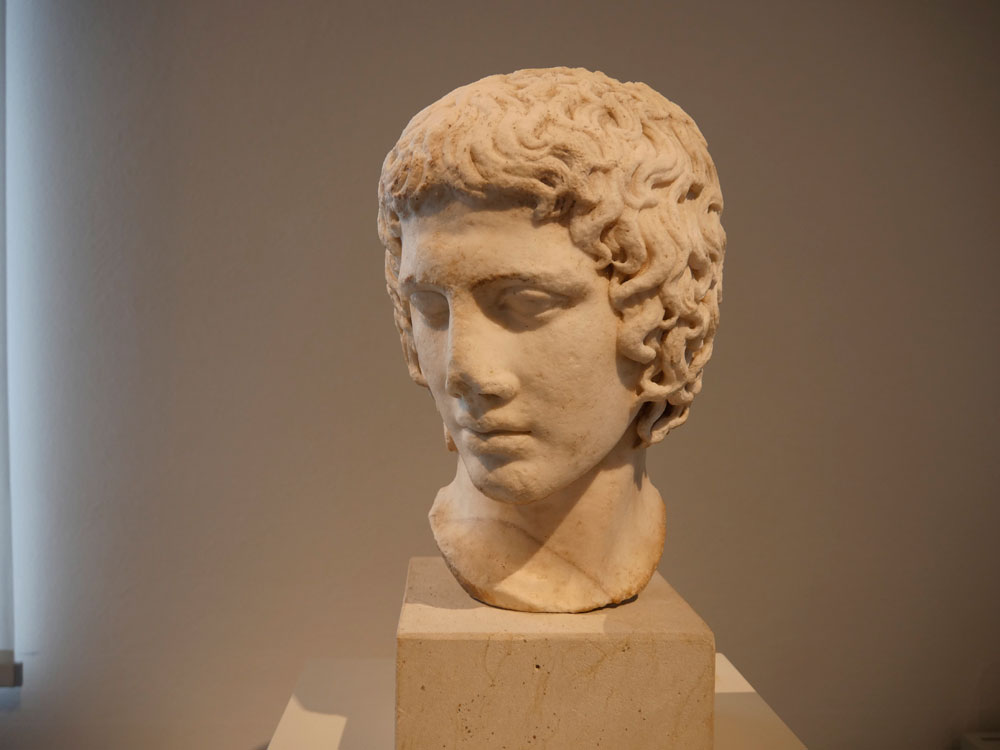
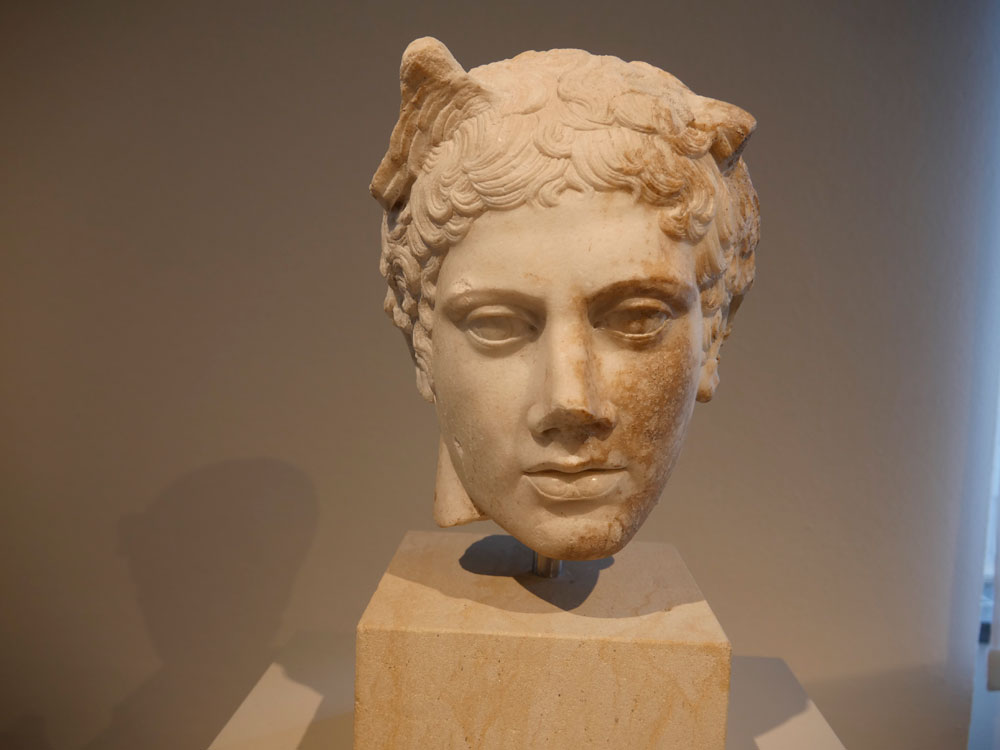
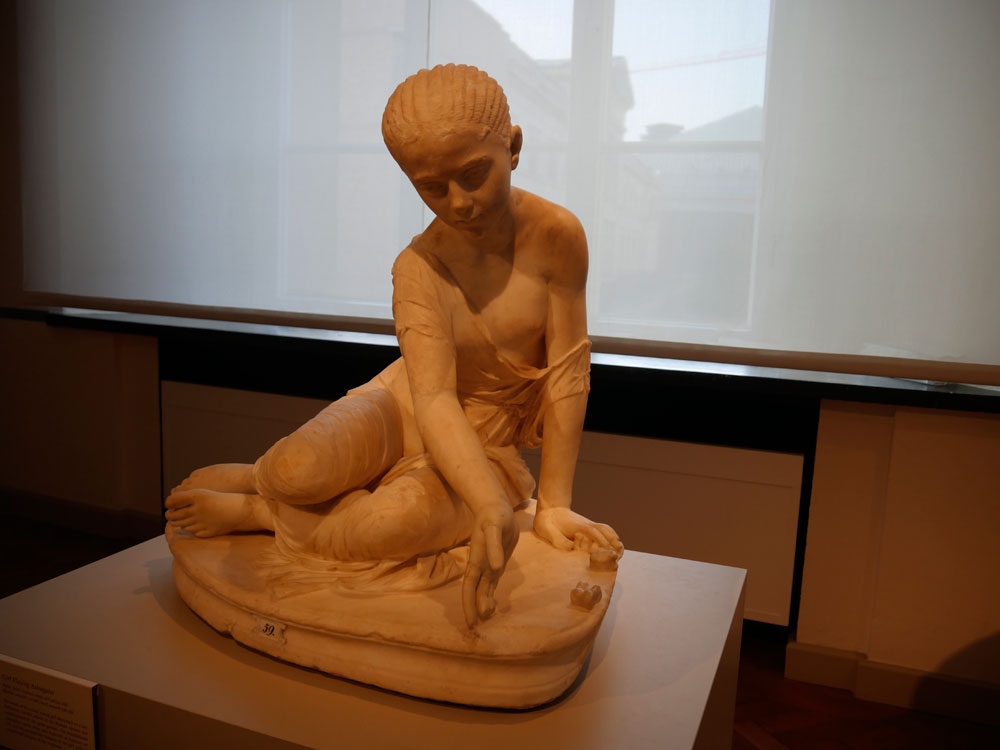
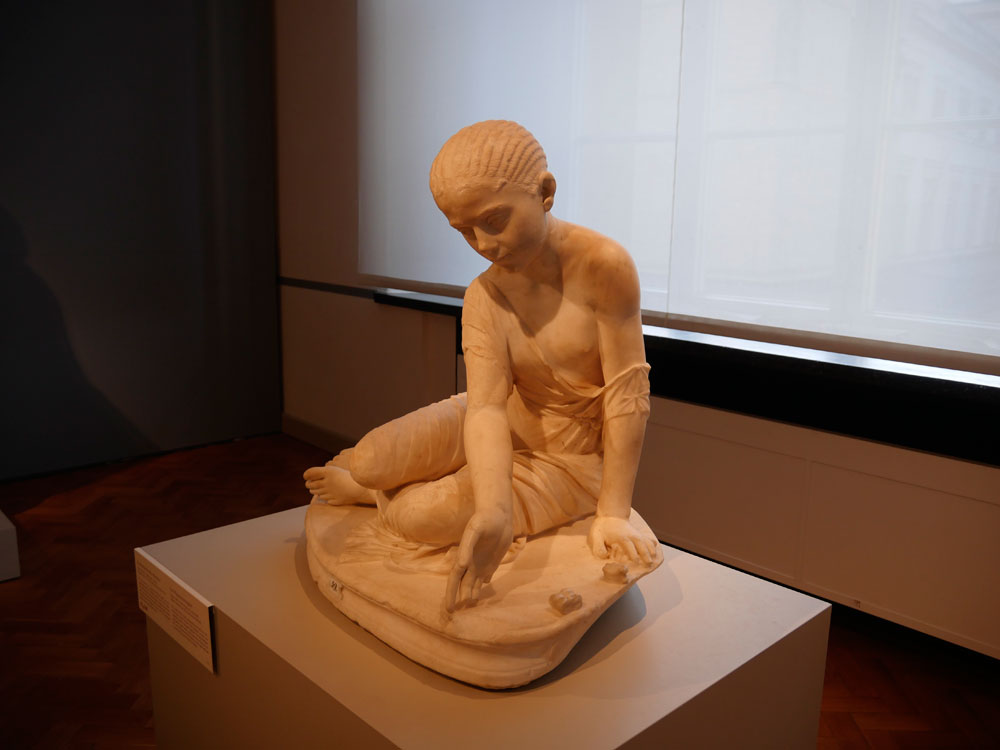
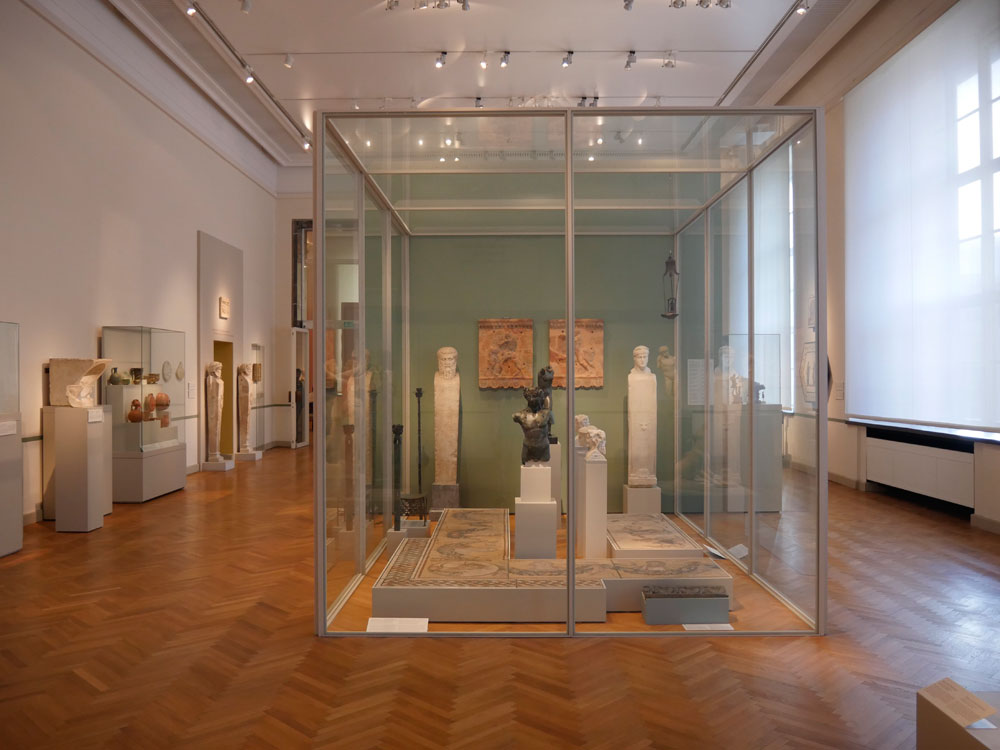
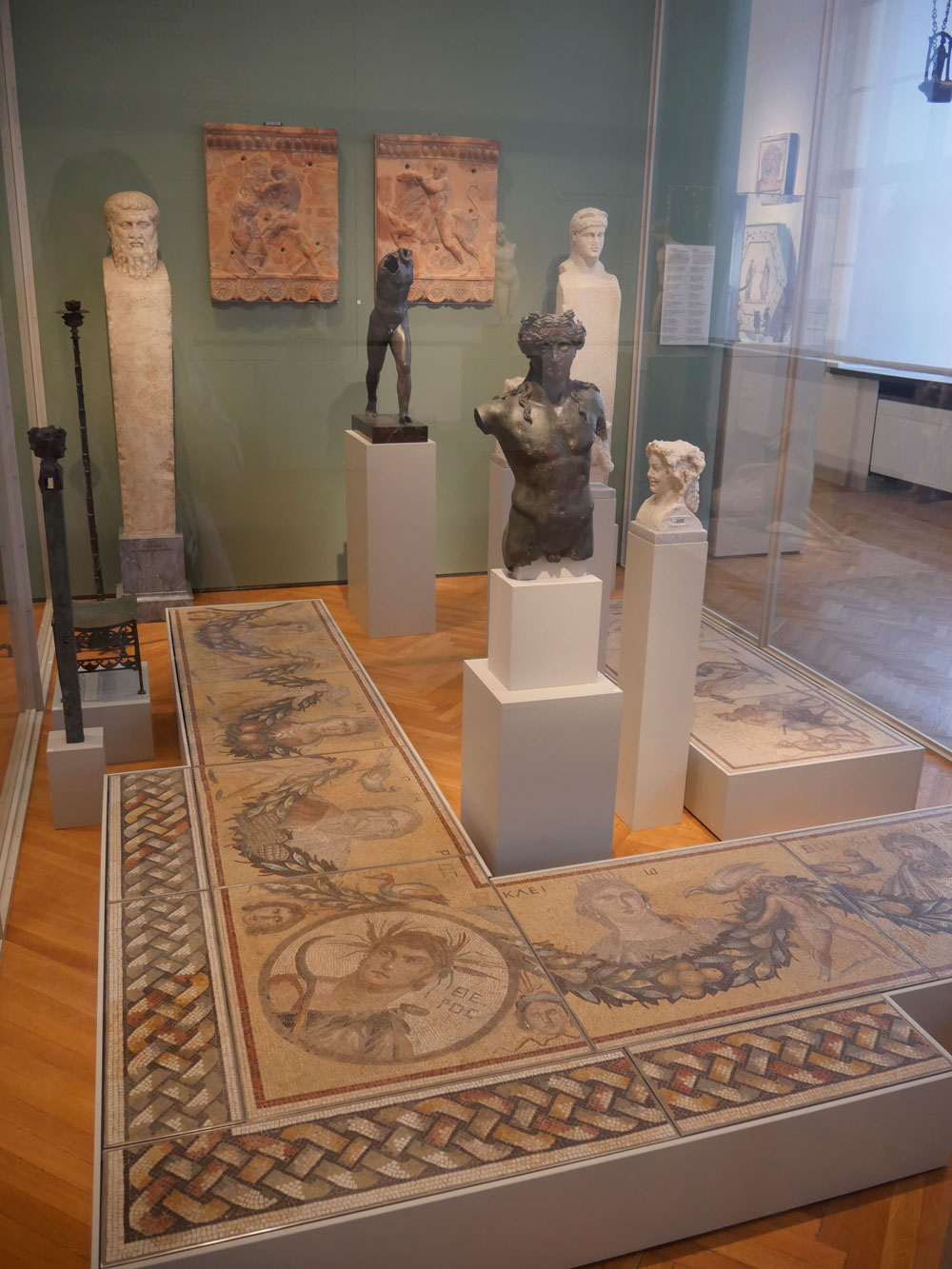
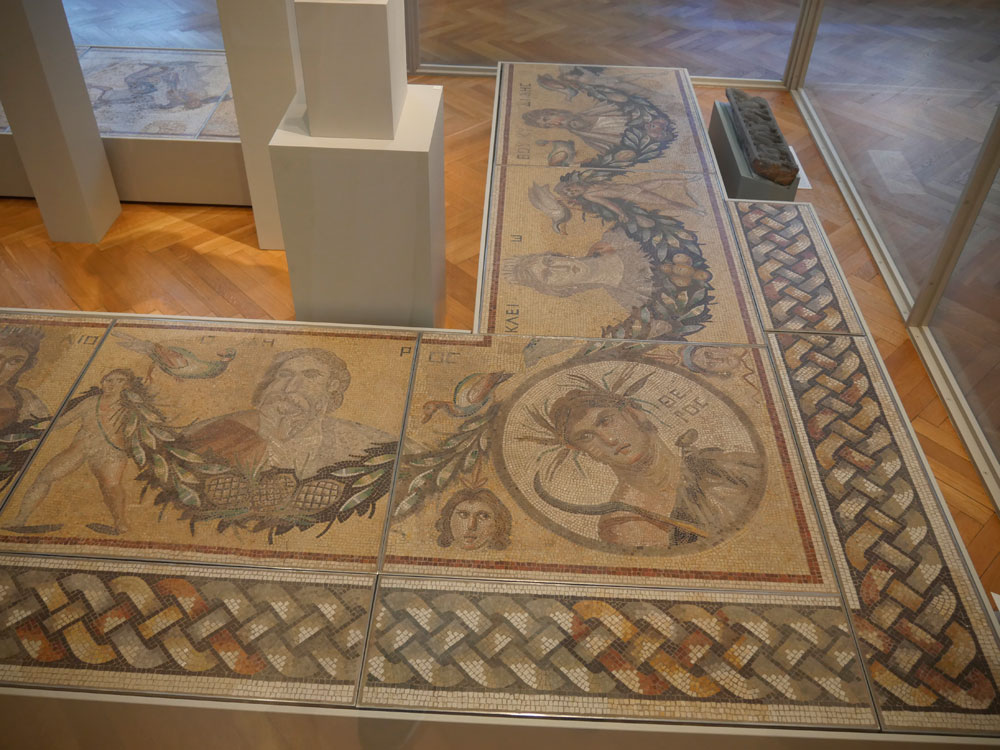
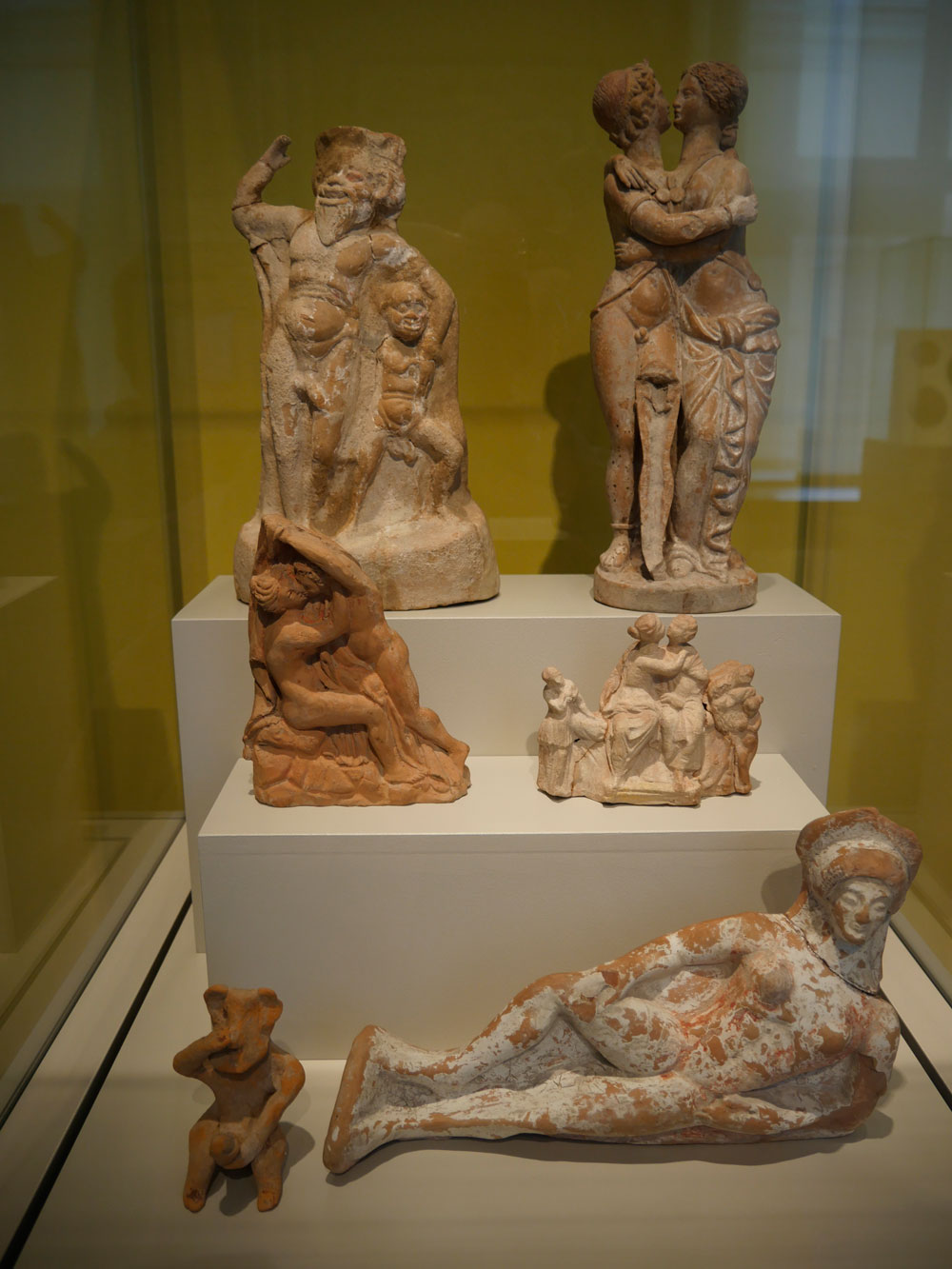
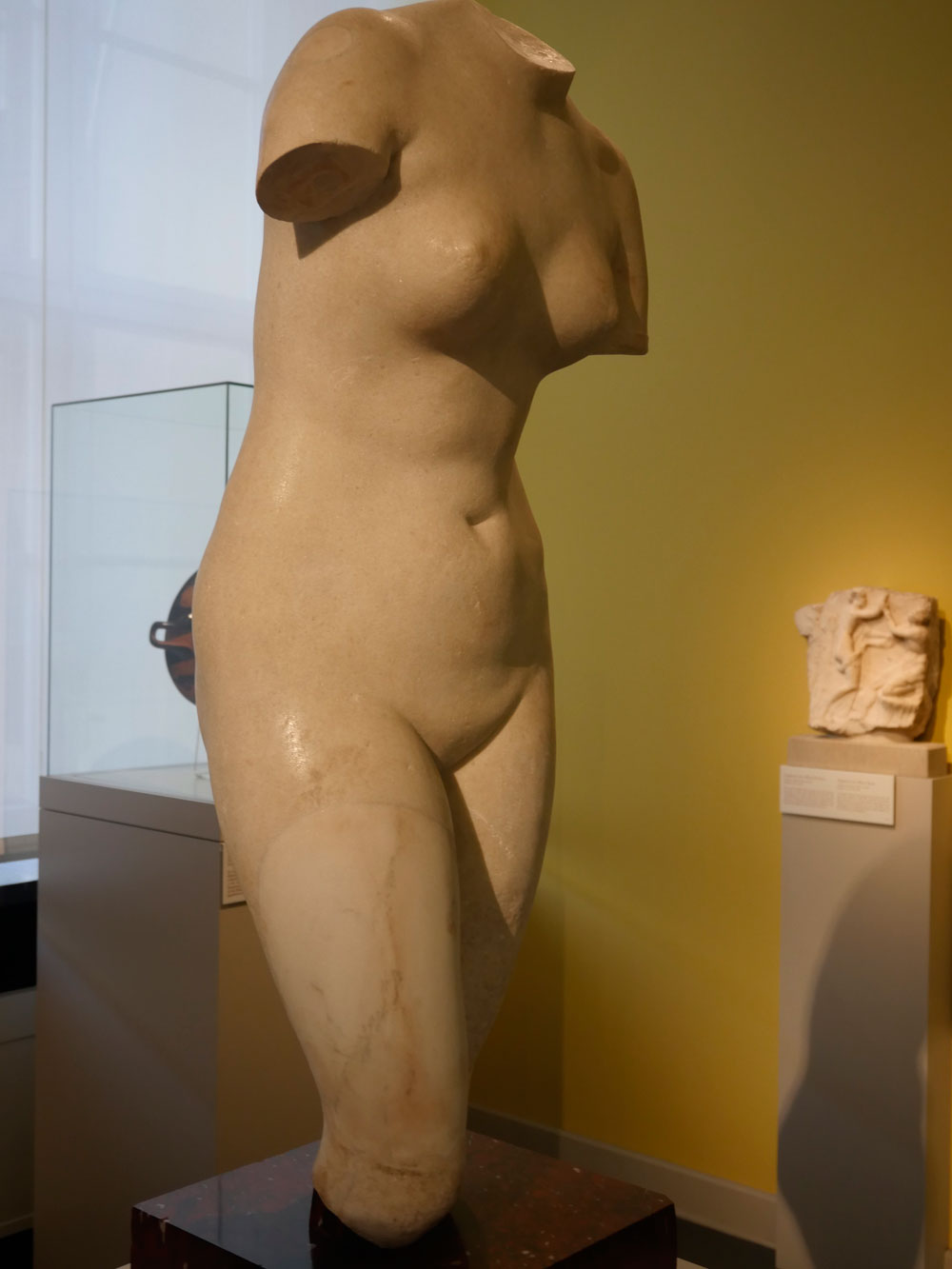
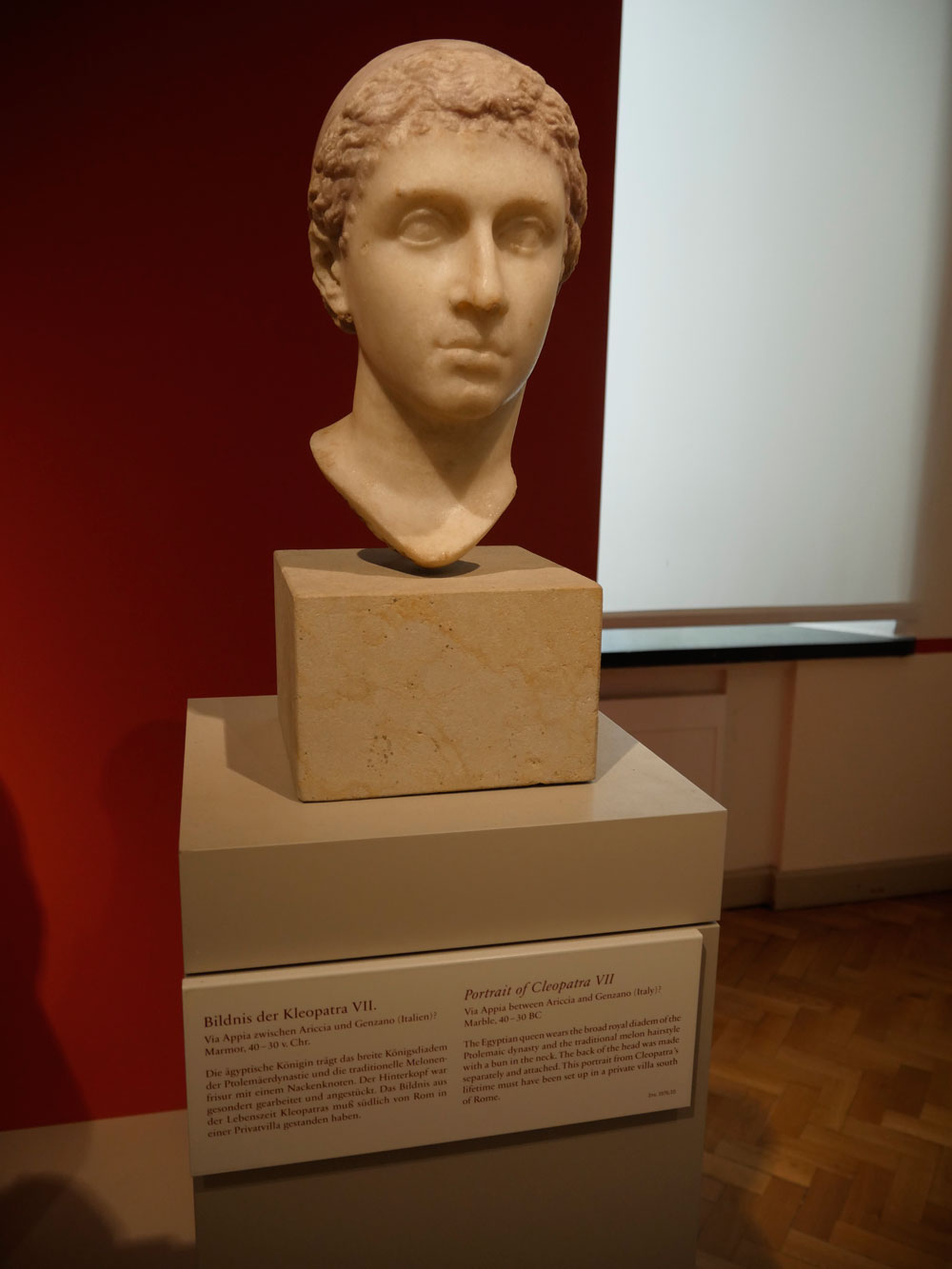
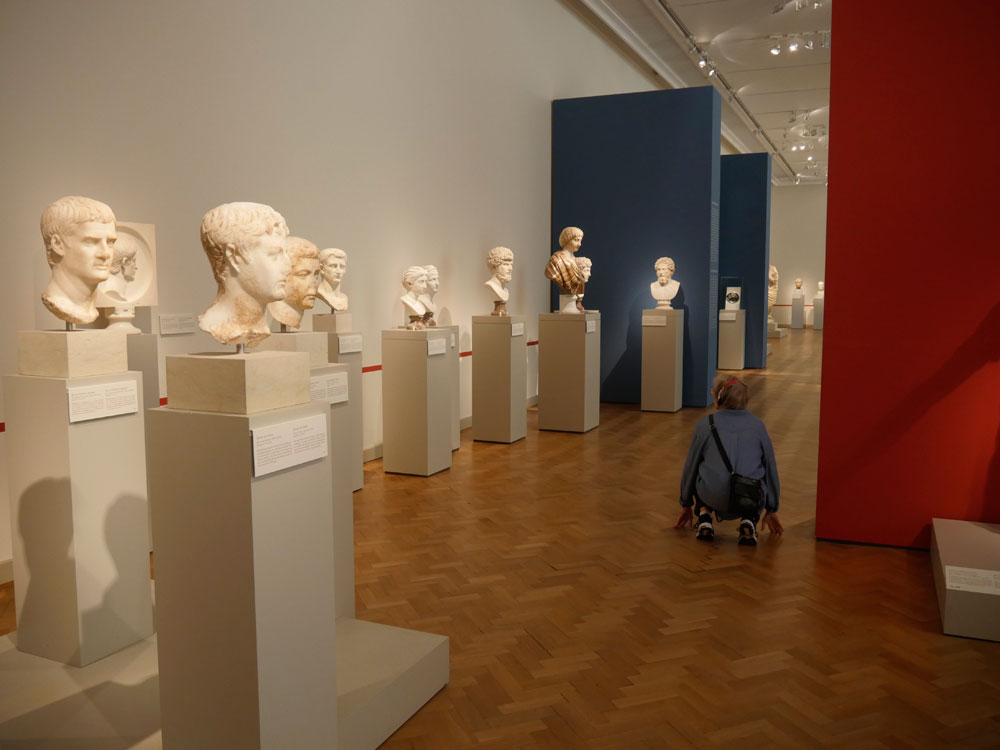
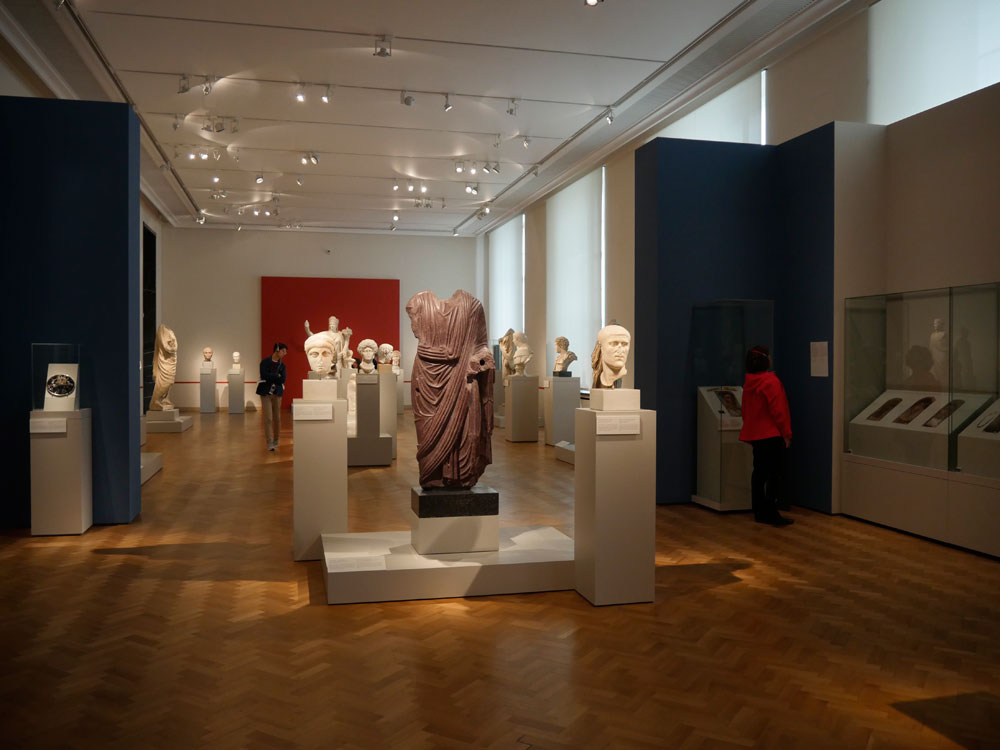
Since 2011, the main floor of the Altes Museum has presented Greek art from the ninth to the first century BC in a thematic arrangement rather than a purely chronological or genre-based one. Sculptures of the Archaic, Classical and Hellenistic periods are grouped alongside vases, funerary and votive reliefs, architectural fragments, bronzes, gold and silver jewellery, and small art. Highlights include the so-called Berlin Goddess, the bronze Praying Boy and the Enthroned Goddess from Taranto. The upper floor houses Etruscan and Roman material — ceramics, urns, sarcophagi, mummy portraits, sculptures and mosaics — including the busts of Caesar and Cleopatra and the Hildesheim Silver Treasure. The Altes Museum also holds the world's largest collection of Etruscan art outside Italy.
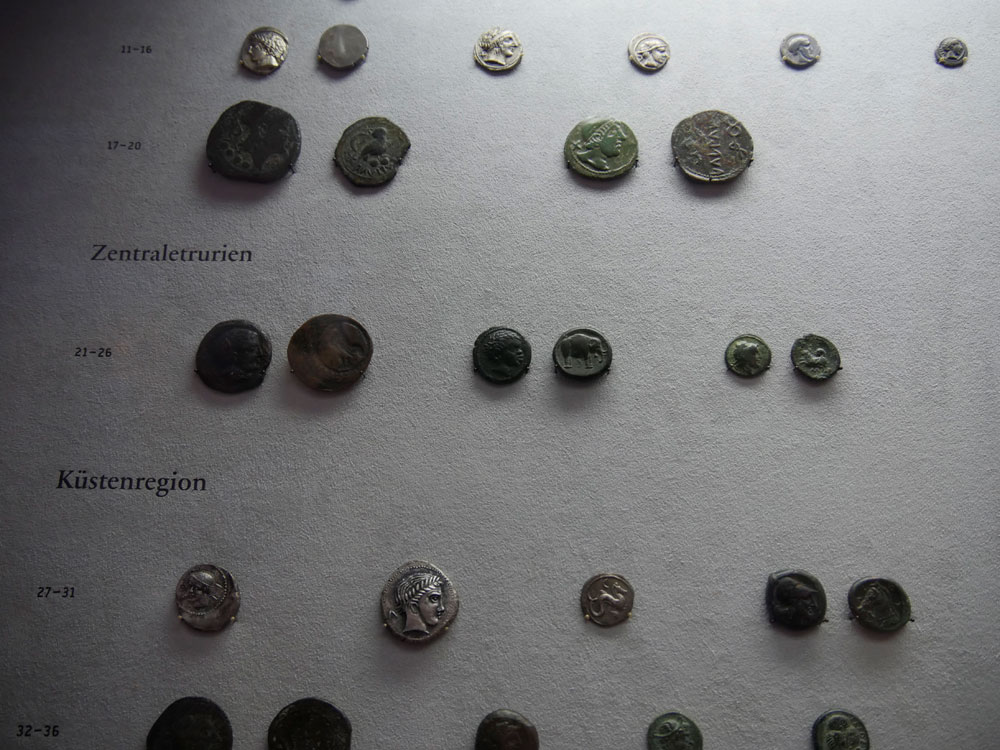
The Numismatic Collection's holdings of ancient coins, formerly exhibited in the Pergamonmuseum, are now displayed separately at the Altes Museum in a dedicated room beneath Schinkel's characteristic blue canopy ceiling. The collection spans from the seventh century BC to the third century AD, with over 1,300 coins presented.
A special exhibition running from July 2025 to May 2026 — Foundation on Antiquity: Berlin's First Museum — marked the museum's own history, taking visitors back to its founding years. The exhibition featured Schinkel's visionary architecture alongside artworks and objects that had captivated visitors in 1830, including a large-scale model of the original exhibition halls and rare historical images. The exhibition was also framed as an invitation to reflect on the future presentation of the collection. From 2027, the presentation of the Antikensammlung in the Pergamonmuseum will be accessible once more via a new tempietto entrance at the historical central wing entrance, with the James-Simon-Galerie serving as the primary entry point to both buildings.
— — —
The Bode-Museum: Sculpture, Byzantium and the Coin Cabinet
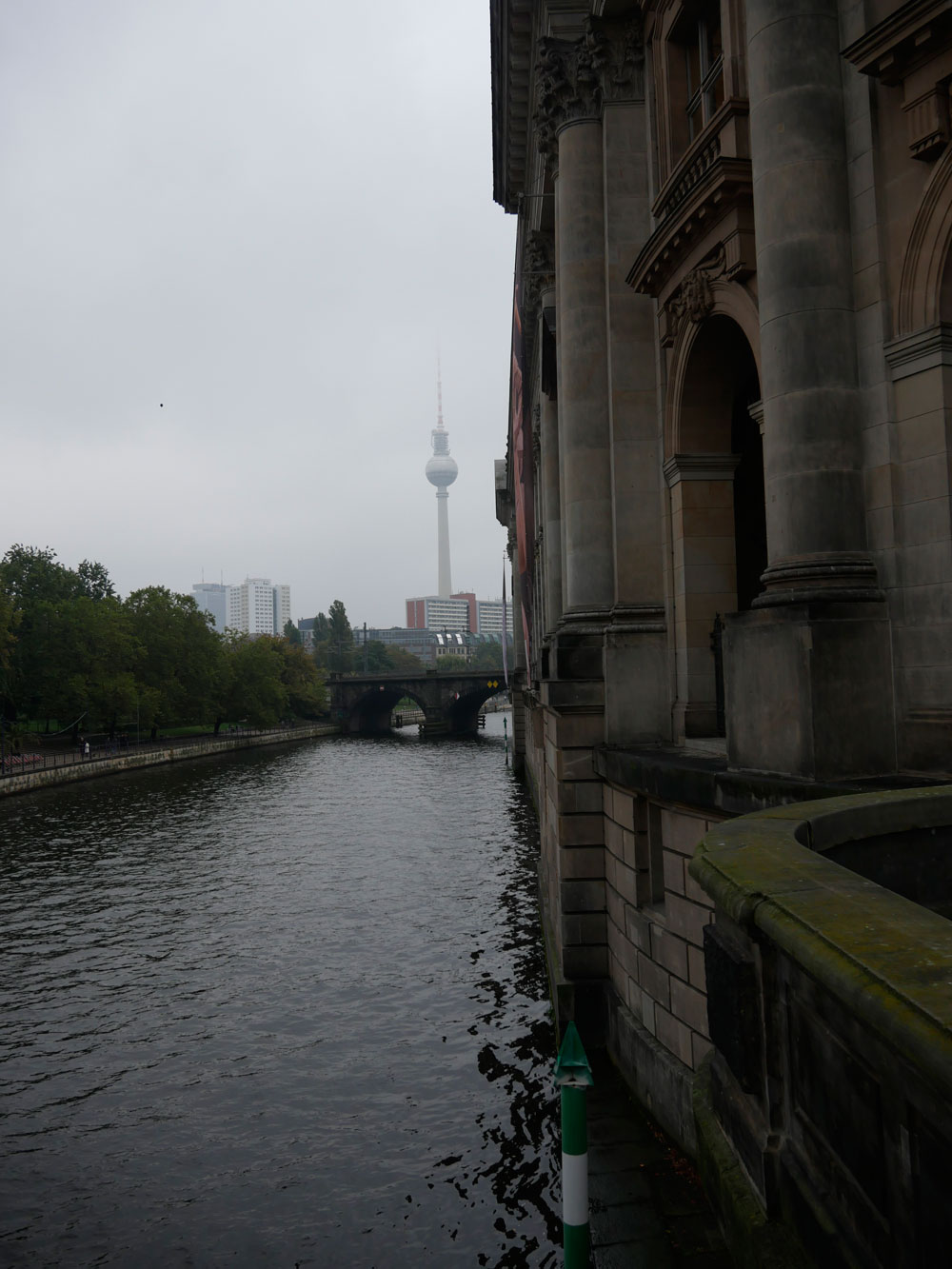
The Bode-Museum occupies the northern tip of the Museumsinsel island, where the arms of the Spree divide around it. Designed by Ernst von Ihne and opened in 1904 as the Kaiser-Friedrich-Museum — named in honour of Emperor Friedrich III — the building was conceived as a monument to Wilhelmine cultural ambition. Its neo-baroque architecture, with a great copper dome visible from a considerable distance, was intended to suggest a vessel of culture pressing through the water. The institution was renamed the Bode-Museum in 1956 by the GDR Ministry of Culture, in recognition of its founding director Wilhelm von Bode, whose vision of collections and whose four decades of building the holdings had defined the institution.
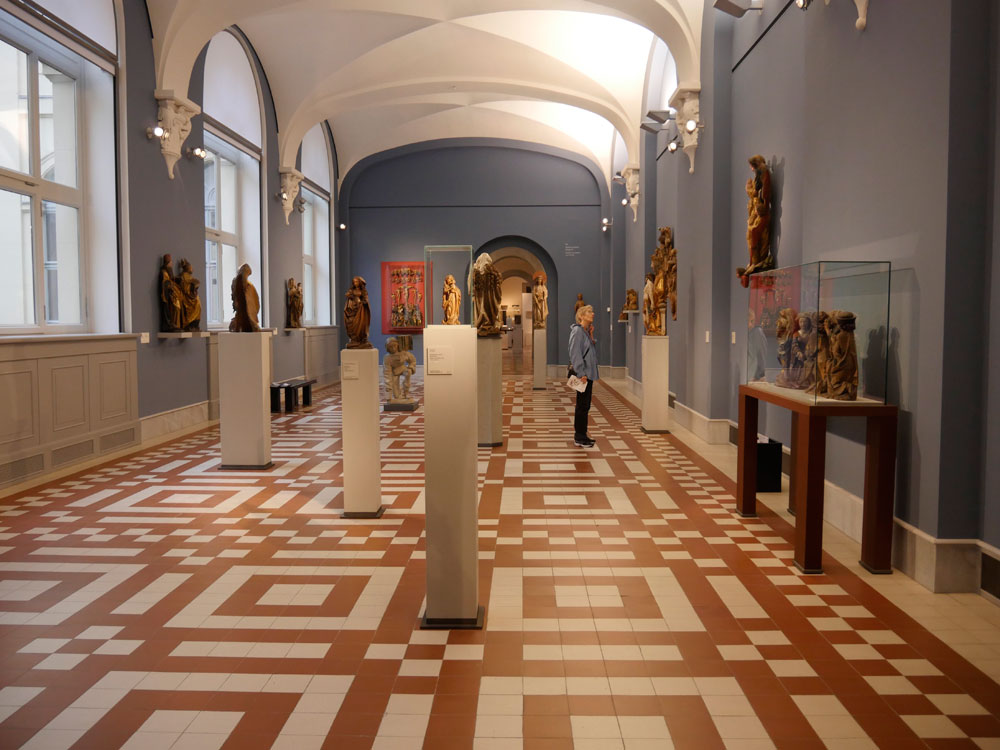
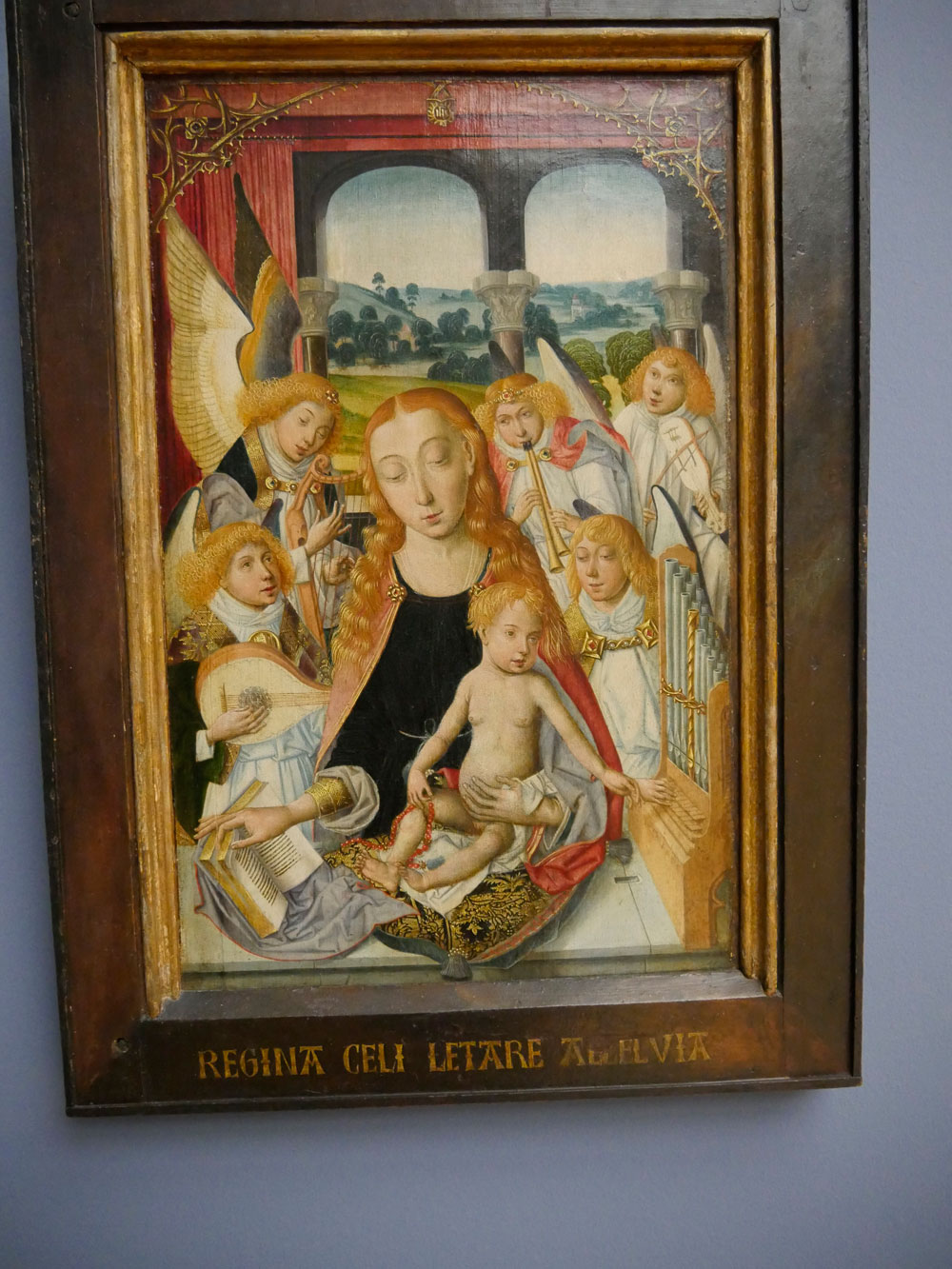
Wilhelm von Bode was both the practical architect of the museum's collections and the conceptual force behind its display philosophy. He believed that paintings, sculptures and decorative arts should be shown together, as they would have been encountered in the upper-middle-class private collections of earlier centuries — a model he called 'style rooms'. This idea of contextual display, radical for its time, continues to inform how the collections are presented today, with works from the Gemäldegalerie integrated into the sculpture displays to create dialogues across media and period.
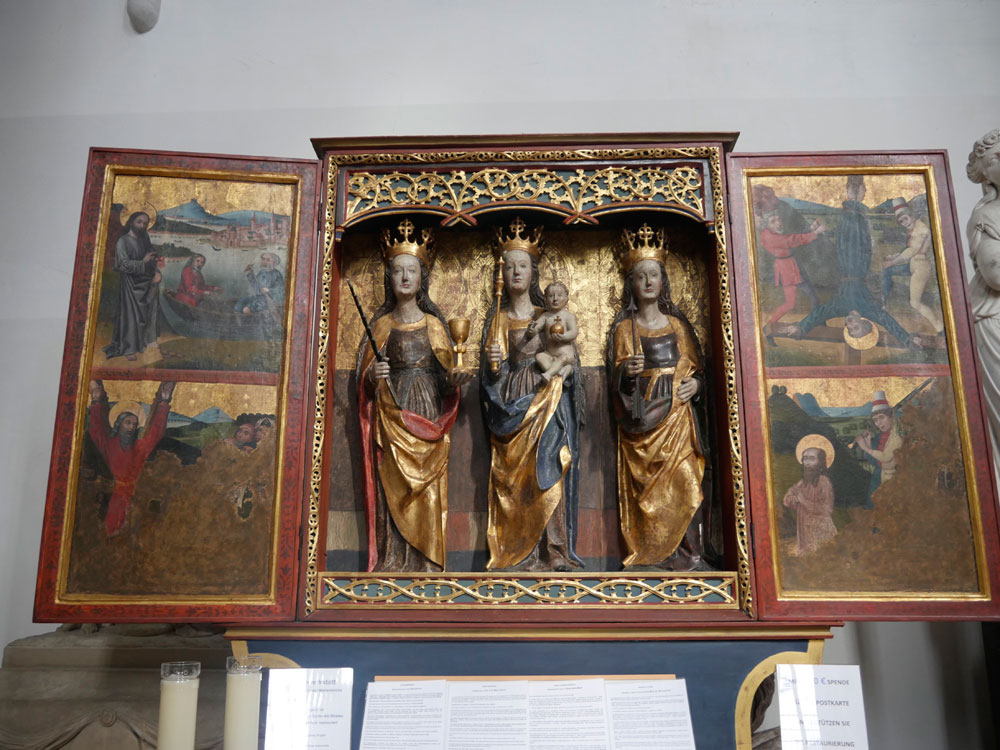
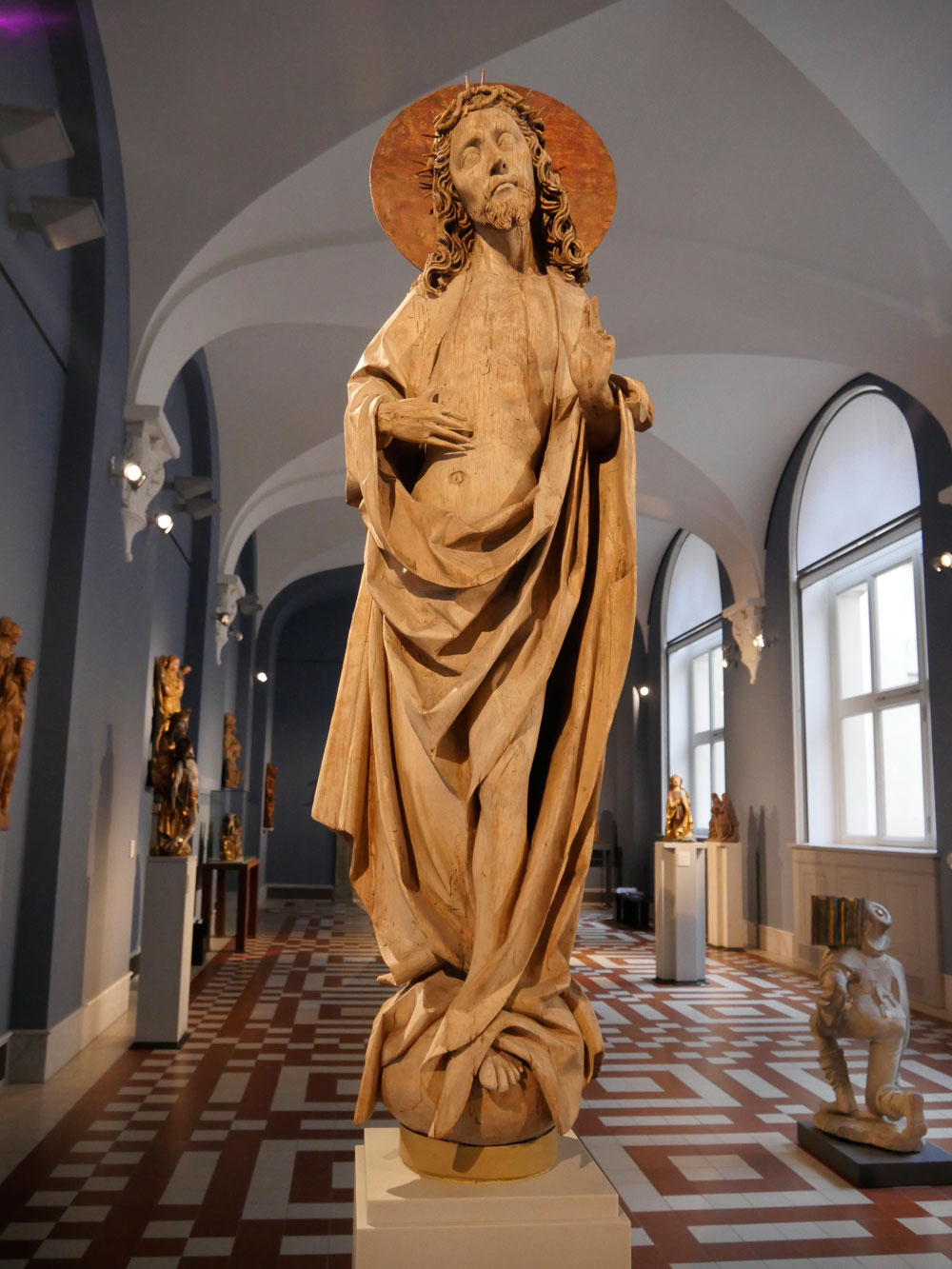
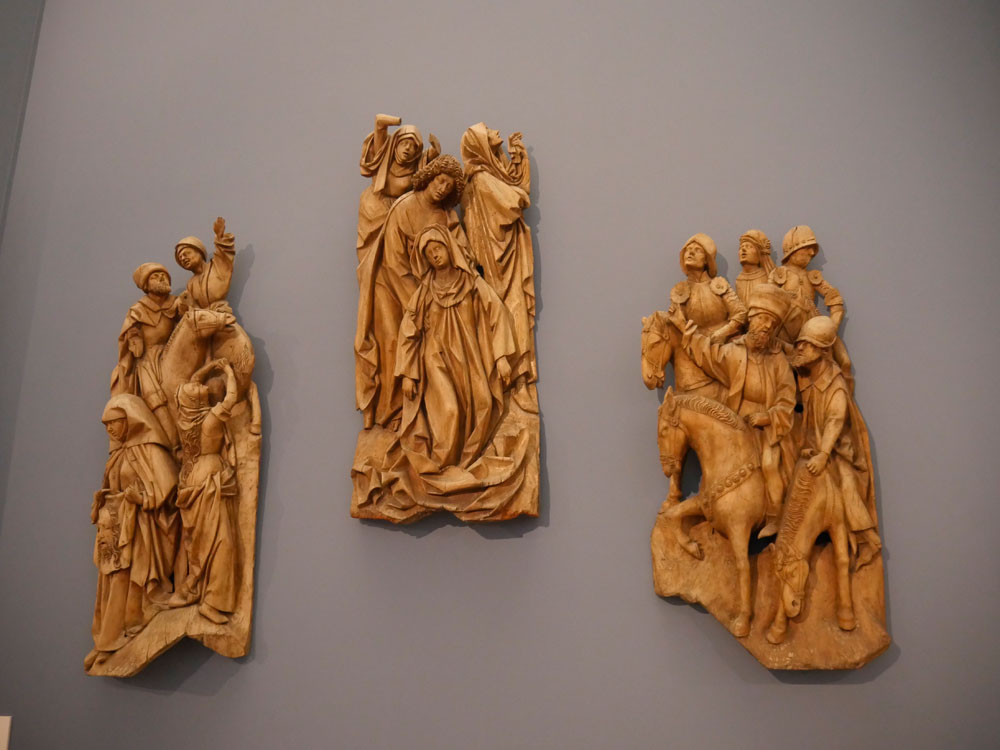
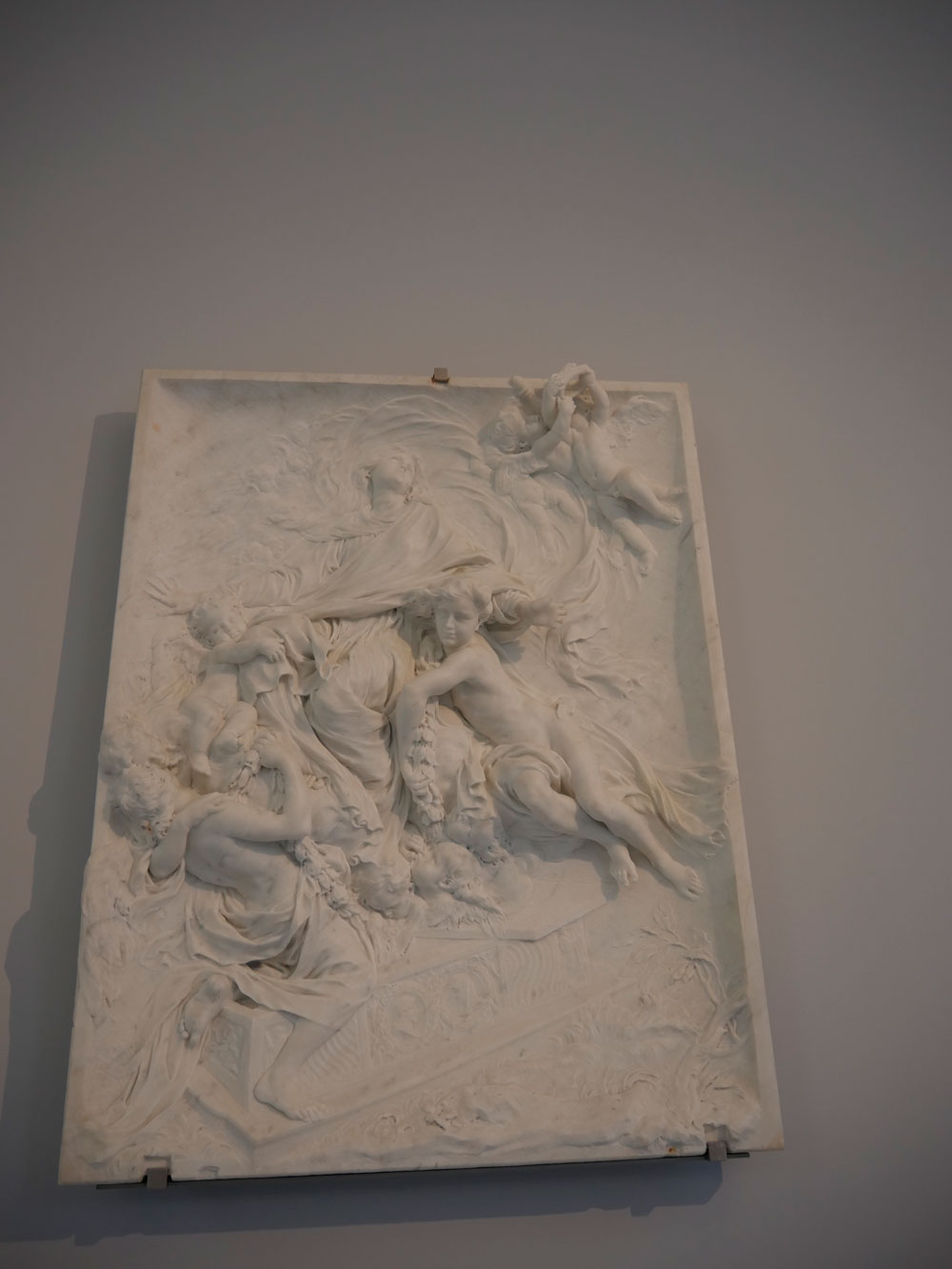
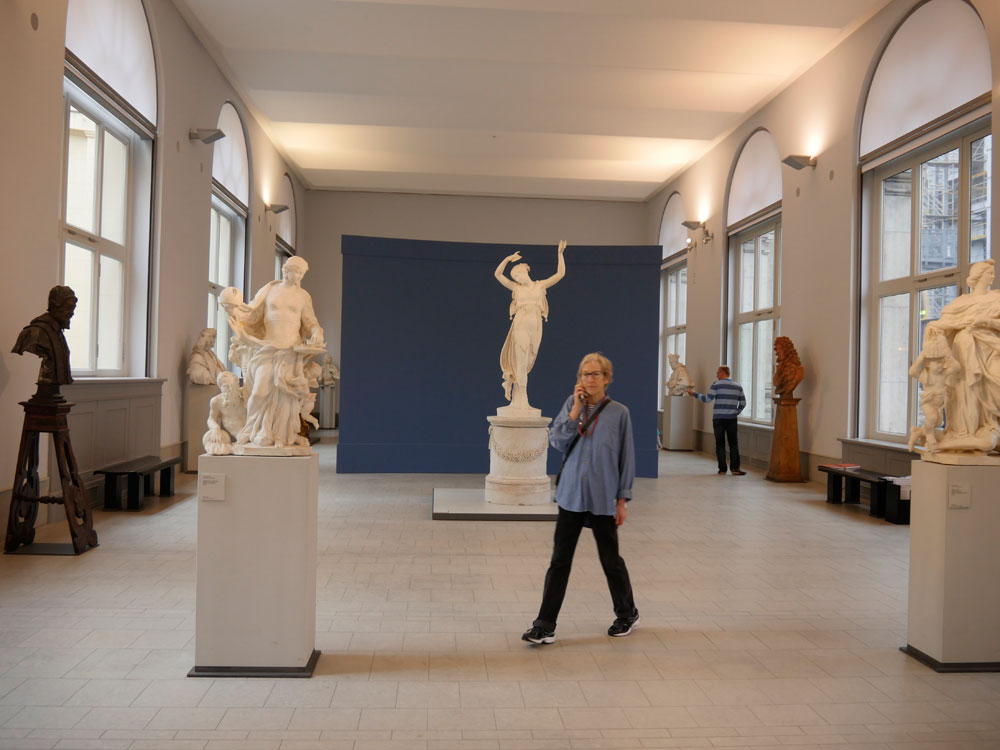
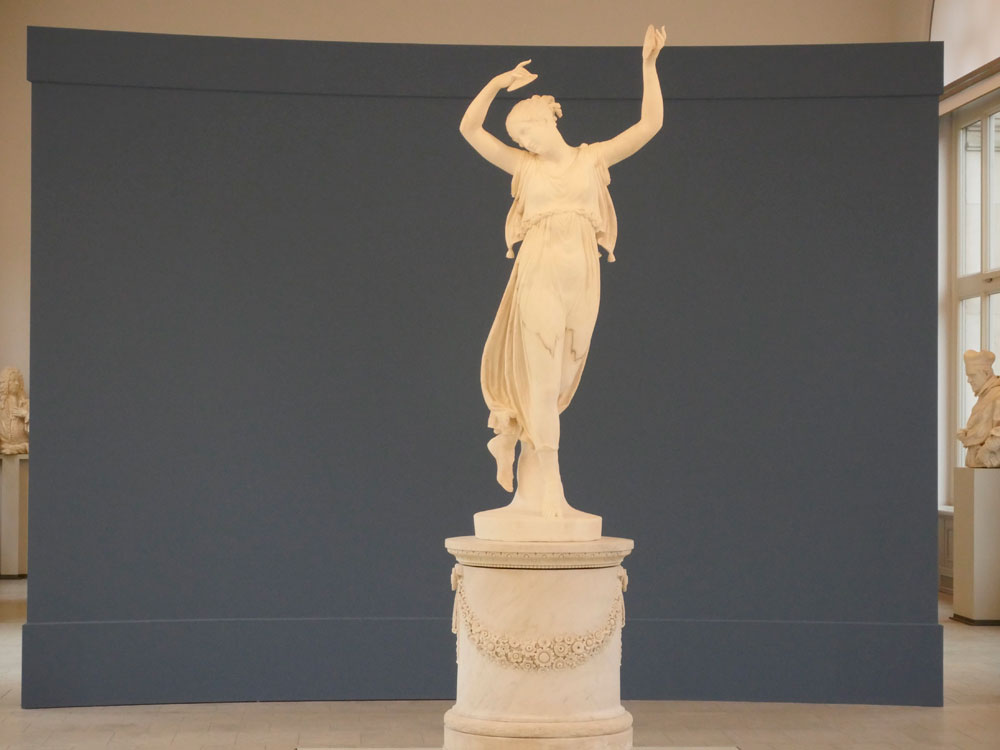
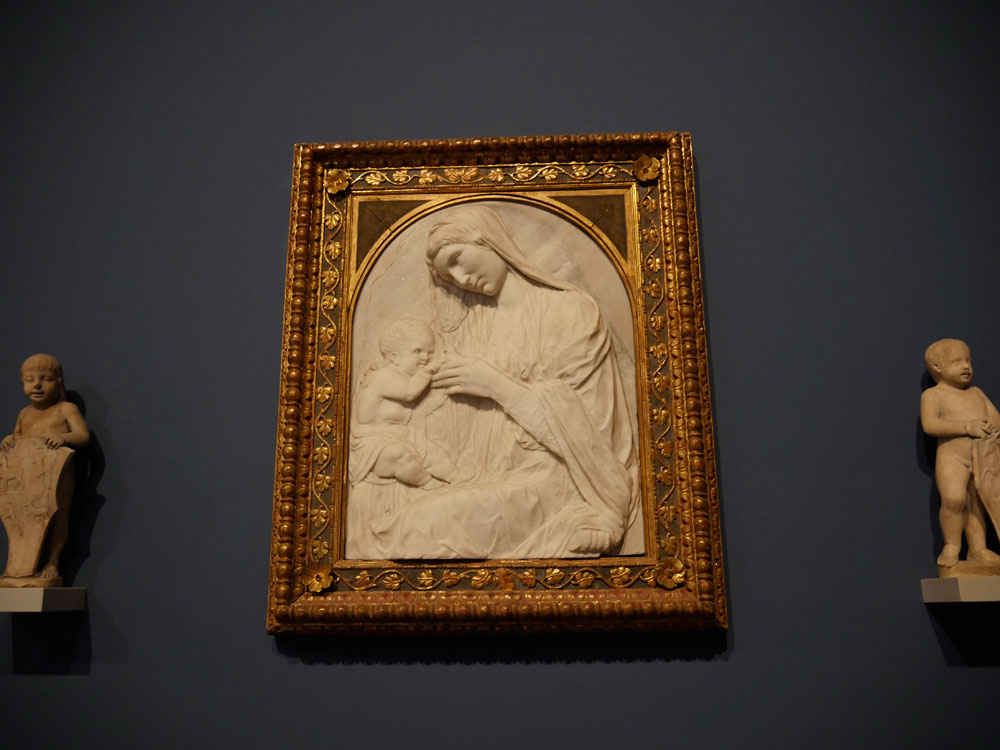
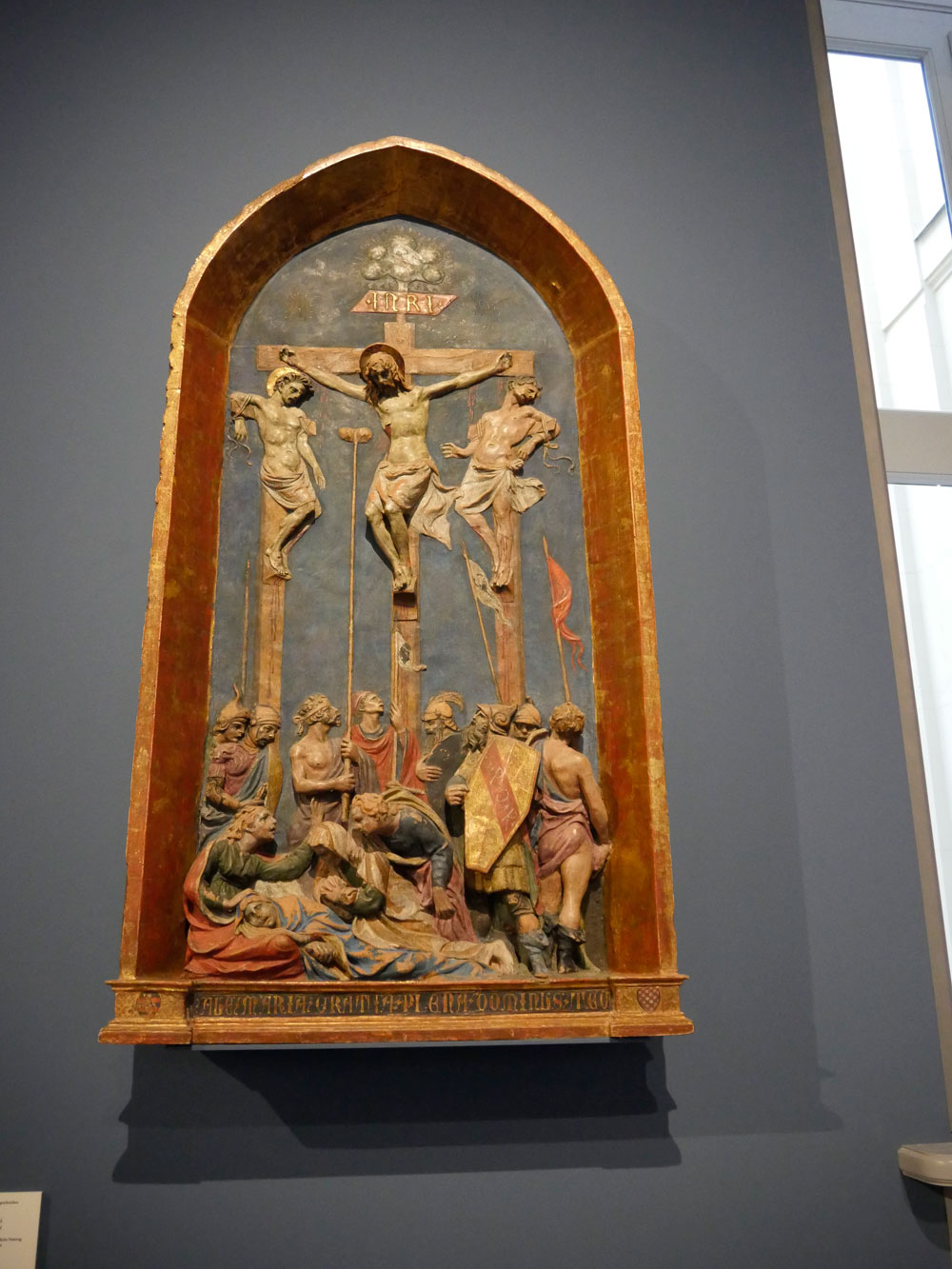
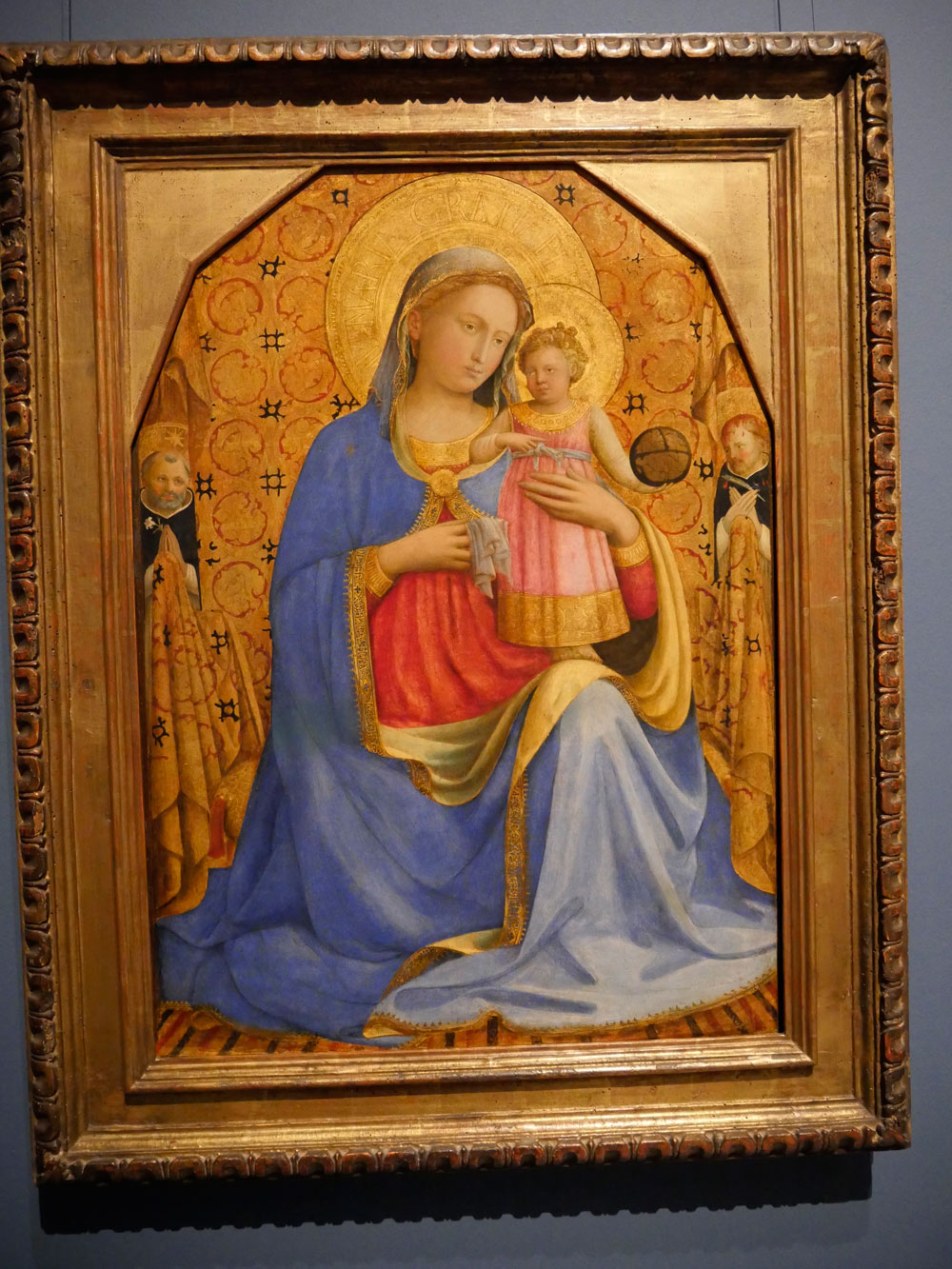
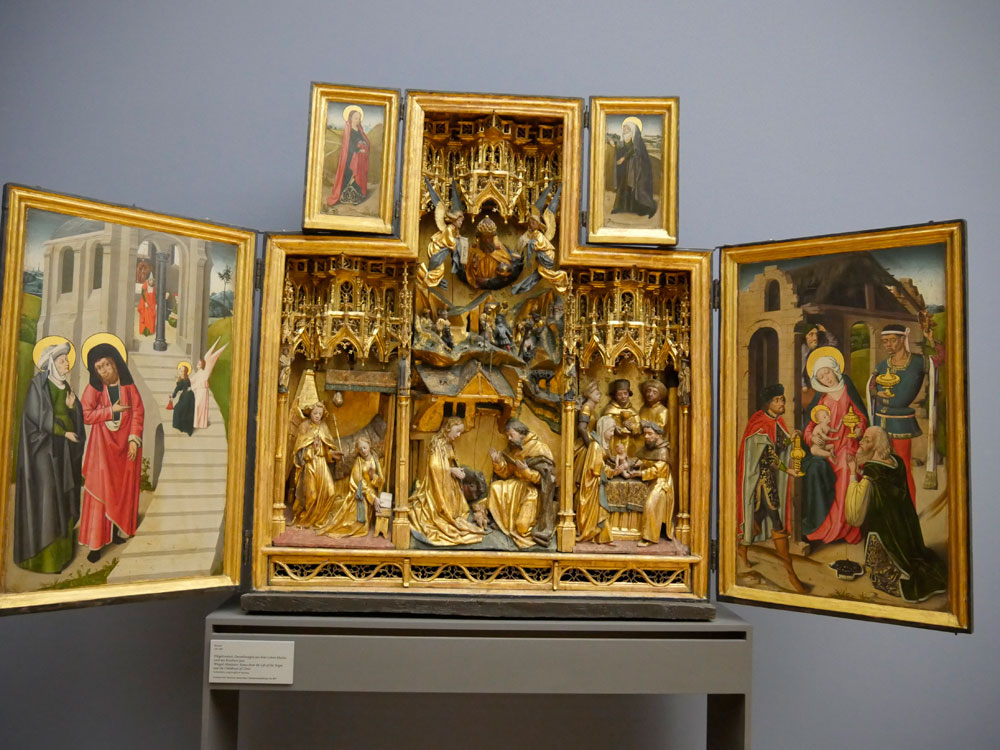
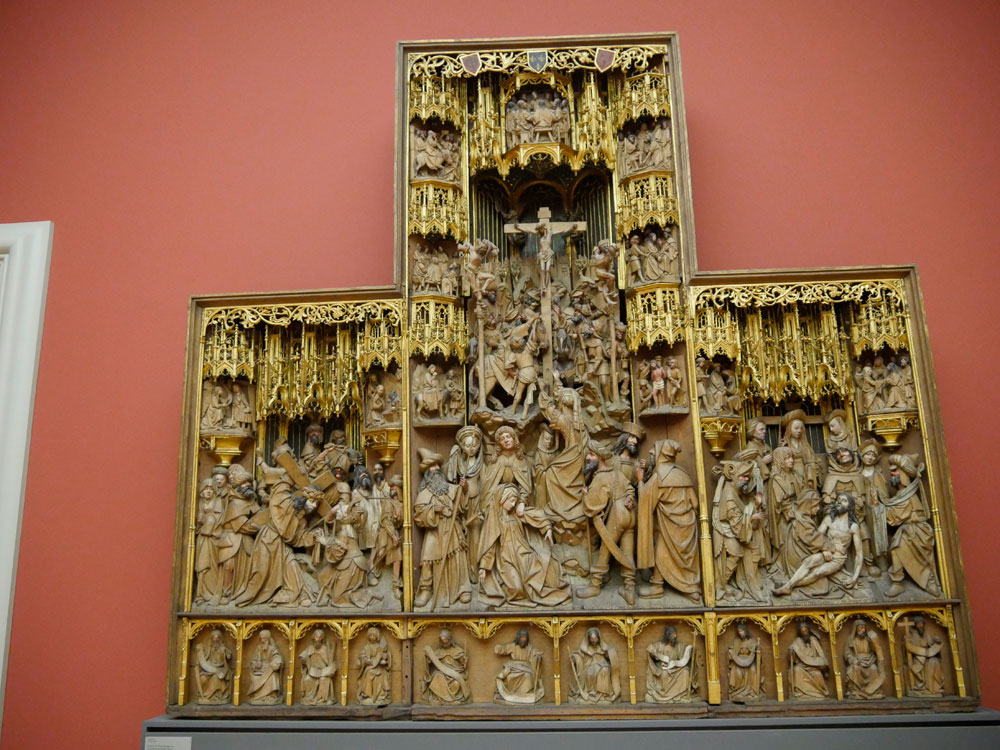
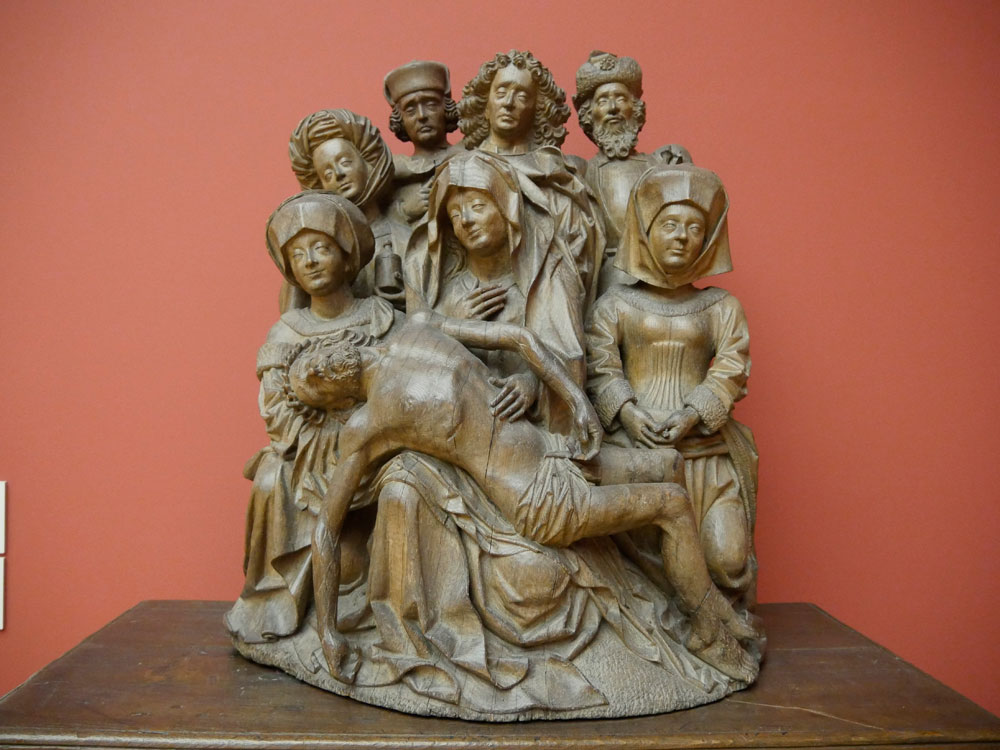
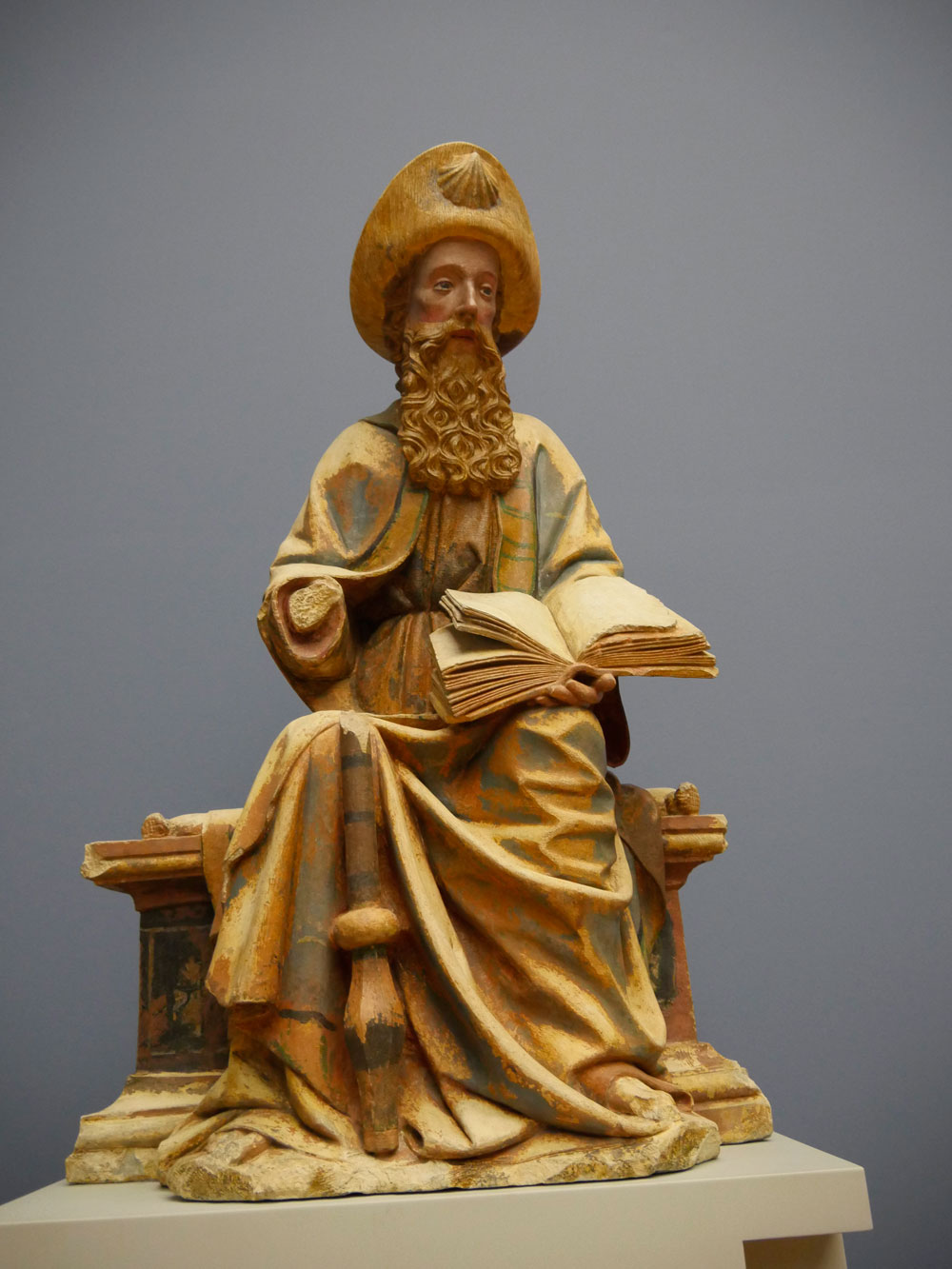
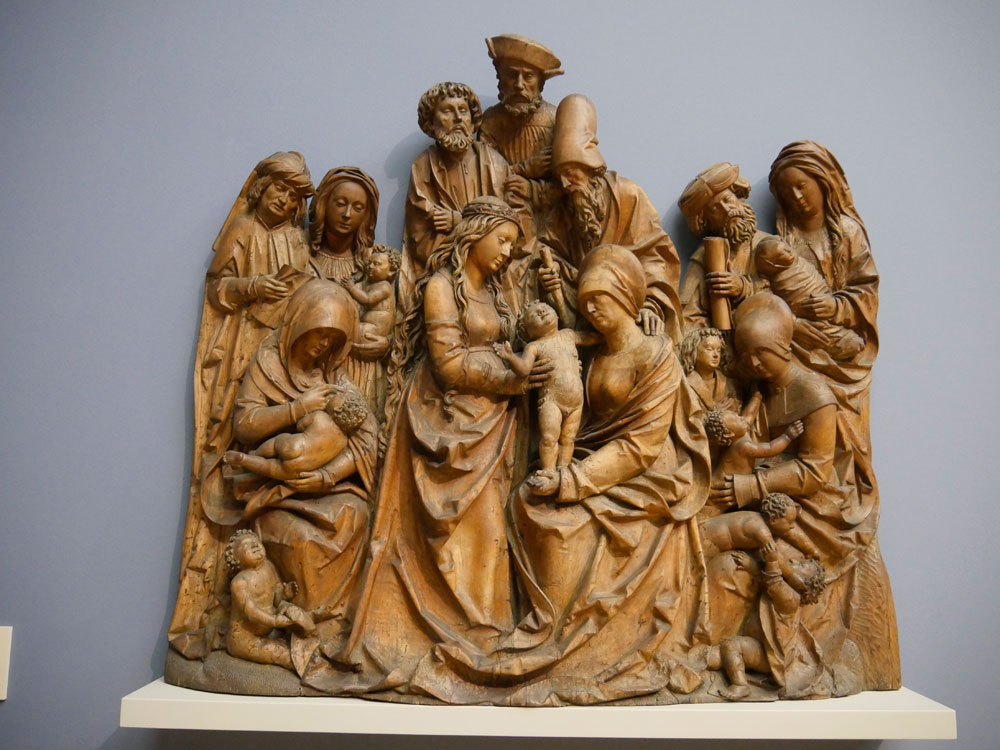
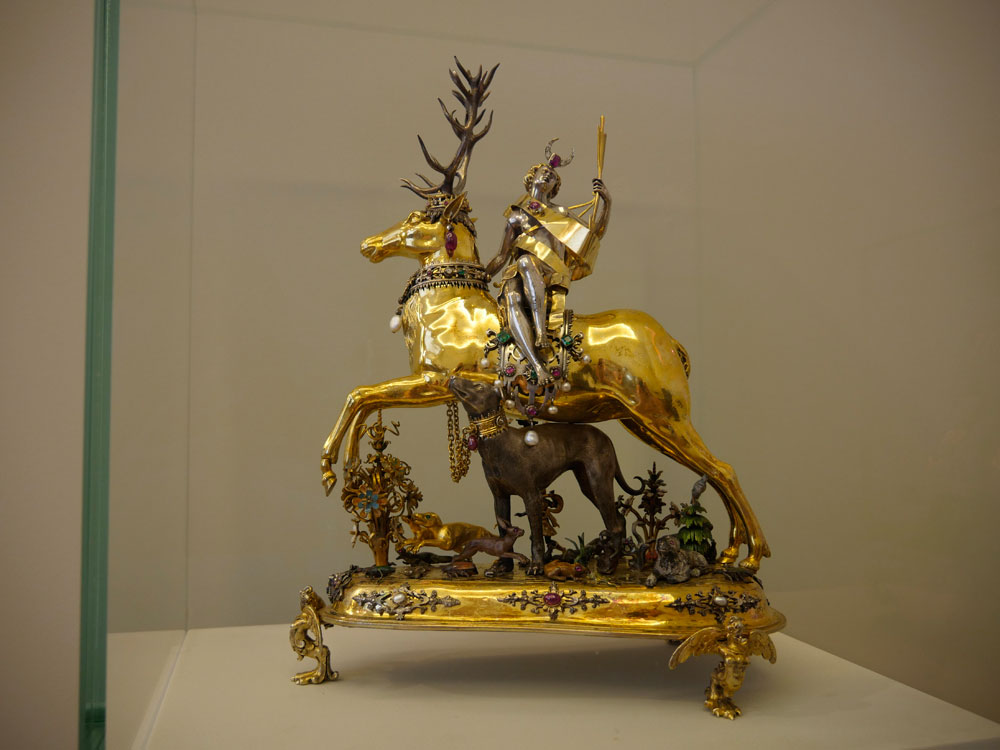
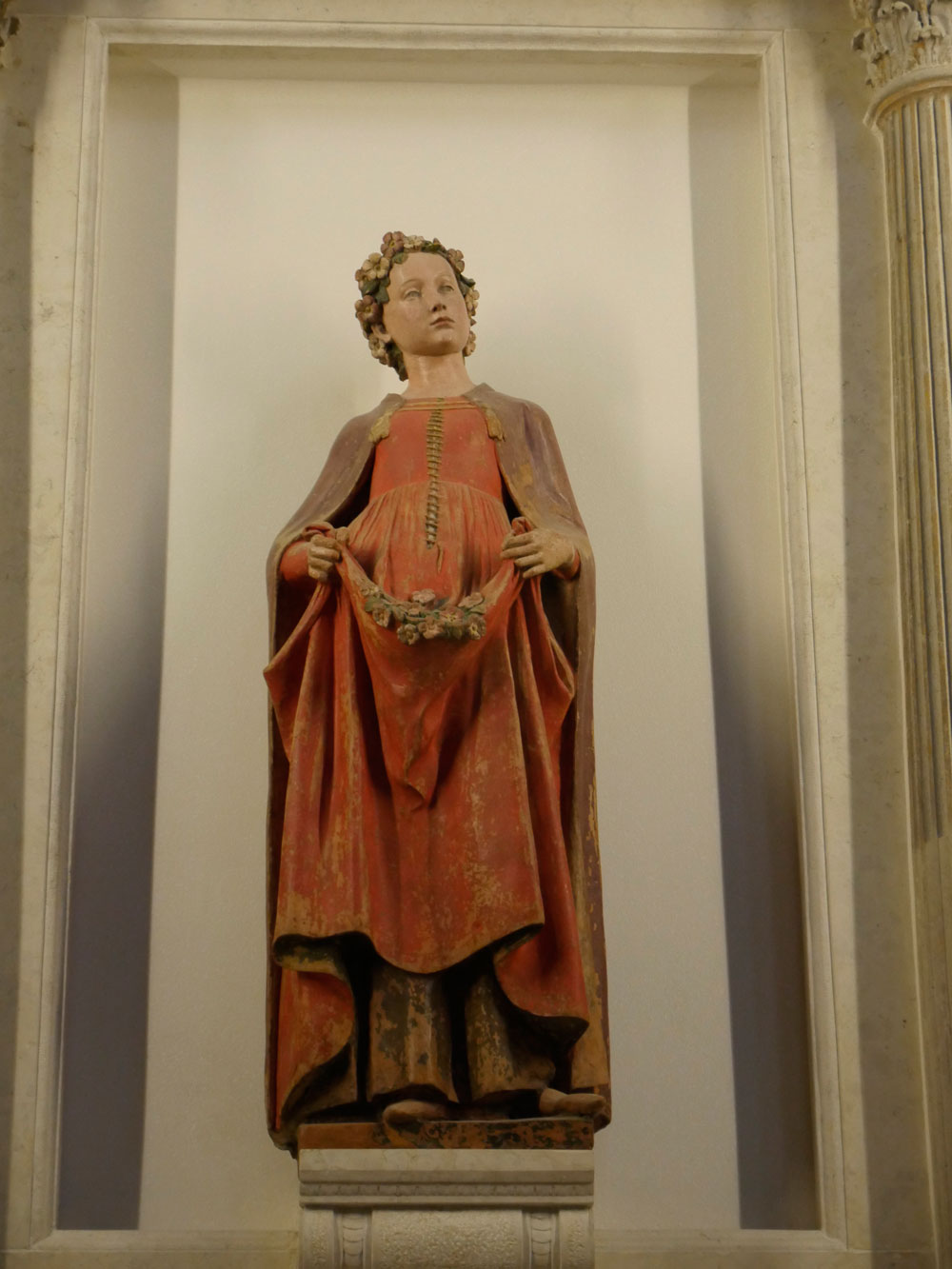
The museum's Skulpturensammlung (Sculpture Collection) is one of the largest and most comprehensive collections of European sculpture in the world. Tracing from the early Middle Ages to the late eighteenth century, it includes approximately 1,700 works spanning Romanesque, Gothic, Italian Renaissance, German late Gothic, South German Renaissance and Prussian Baroque. Significant holdings include Donatello's Pazzi Madonna, works by Tilman Riemenschneider, Antonio Canova's Dancer, and Bernini's Satyr with Panther. Writing at the museum's reopening in 2006, Neil MacGregor, then director of the British Museum, described it in the Financial Times as the most comprehensive display of European sculpture anywhere — a claim that the scope of the permanent collection continues to support.
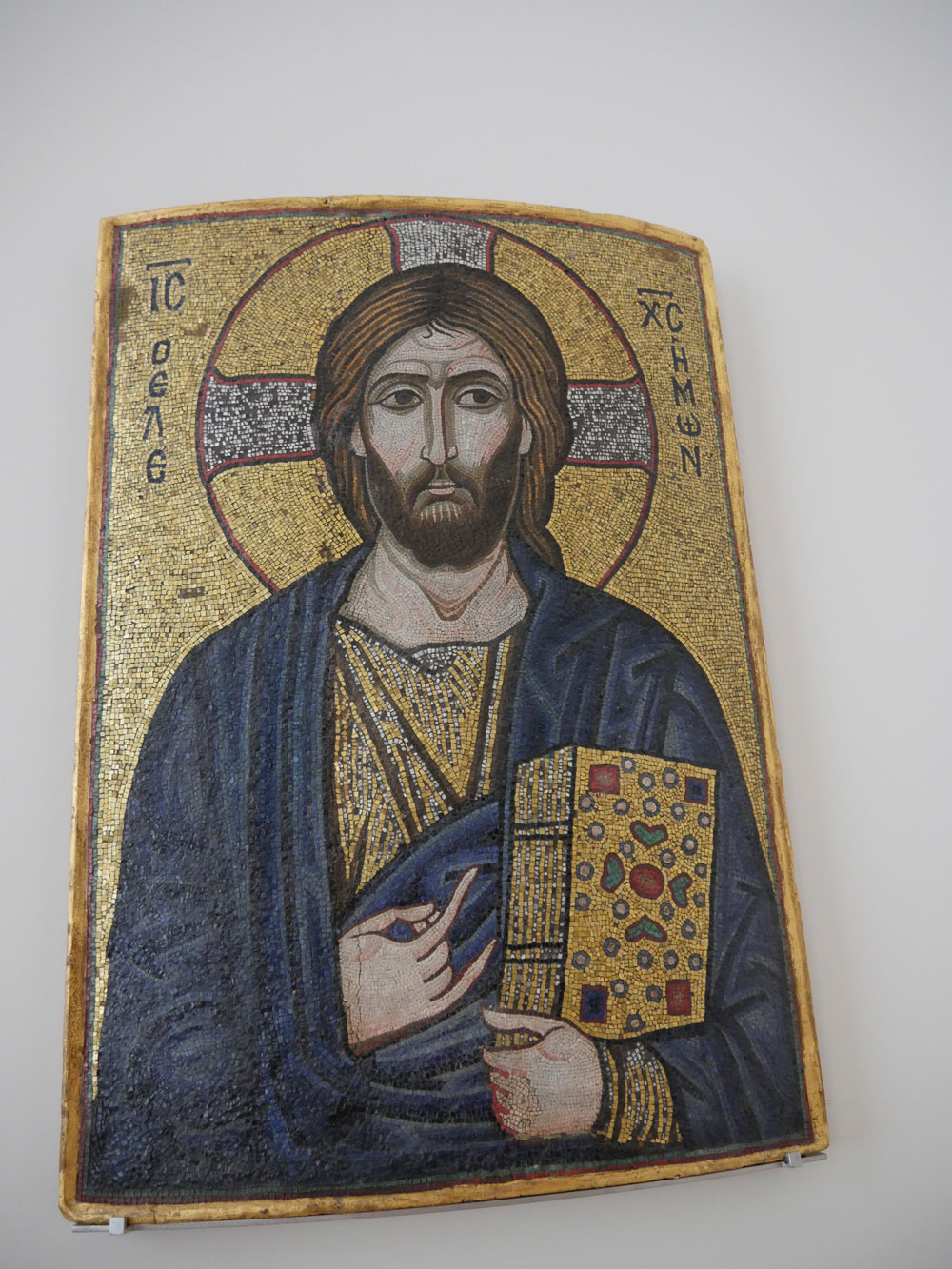
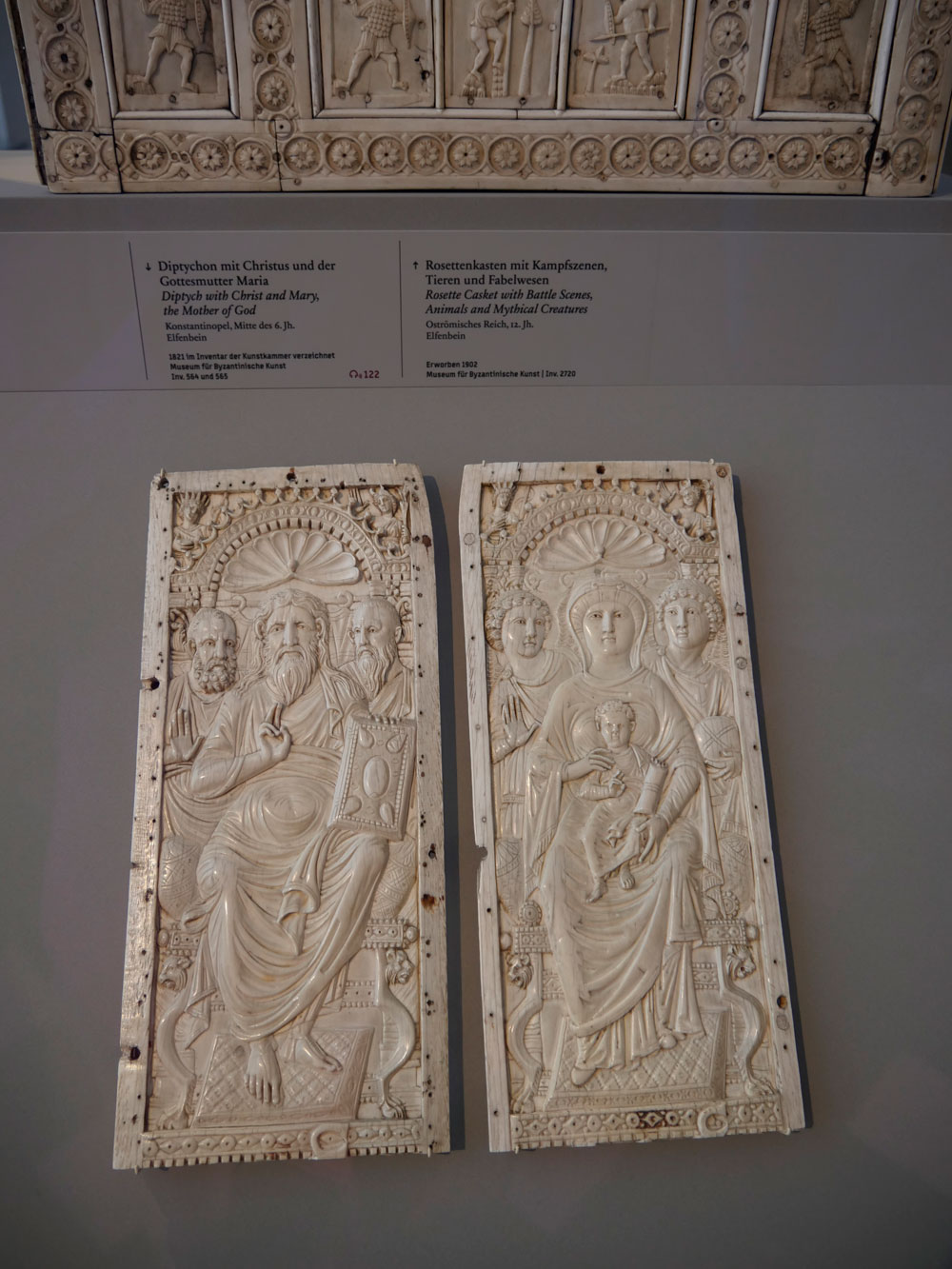
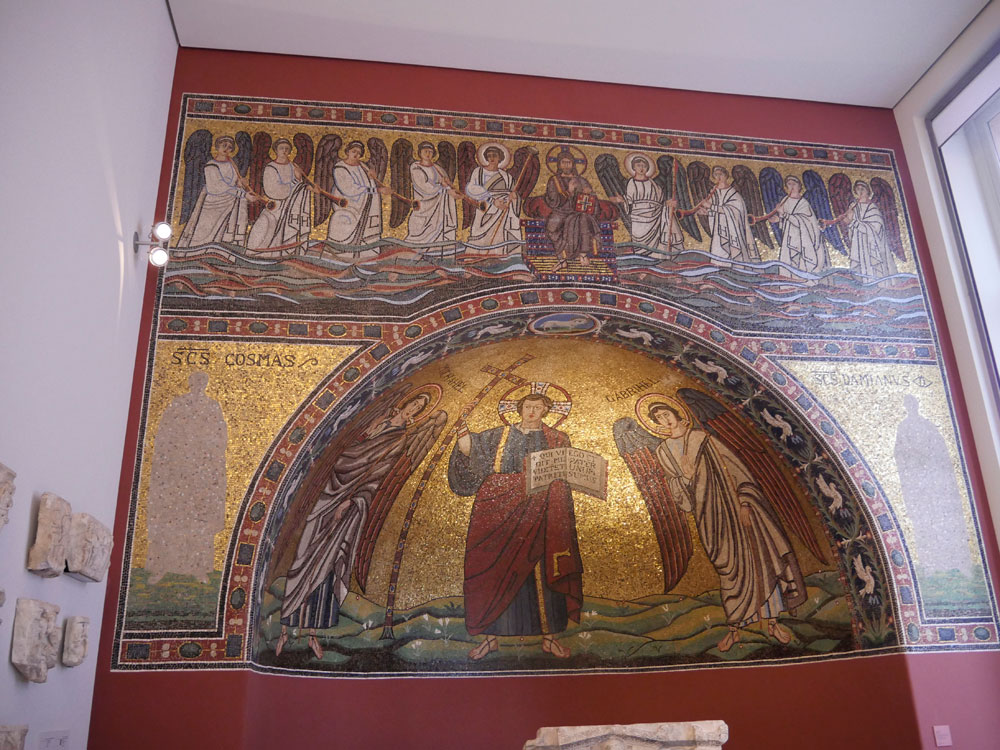
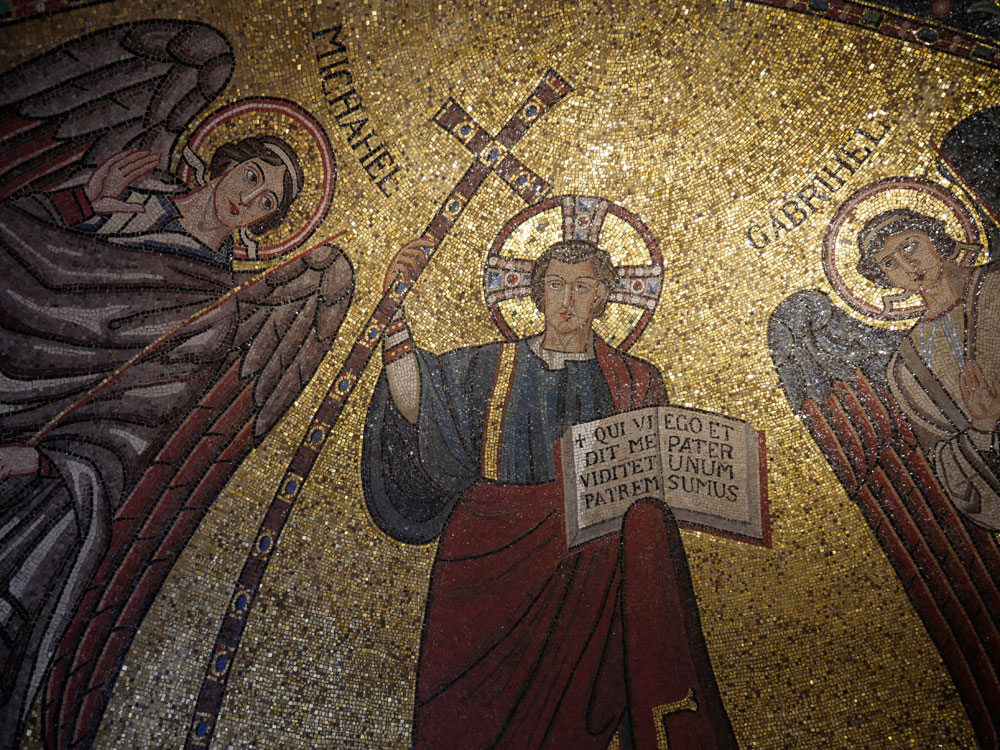
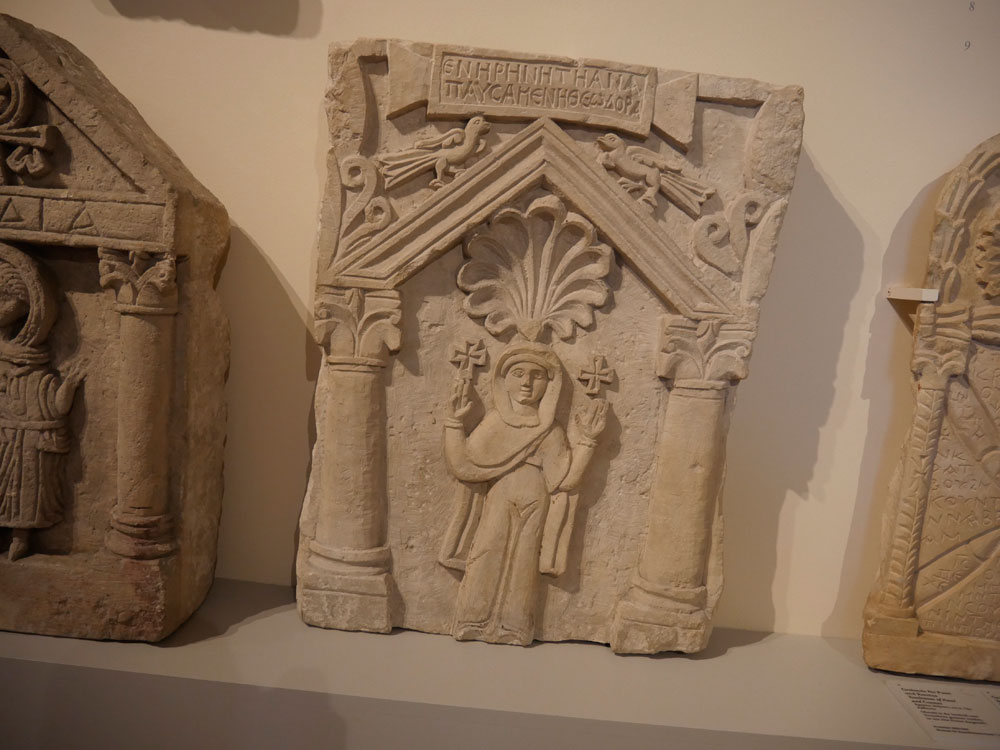
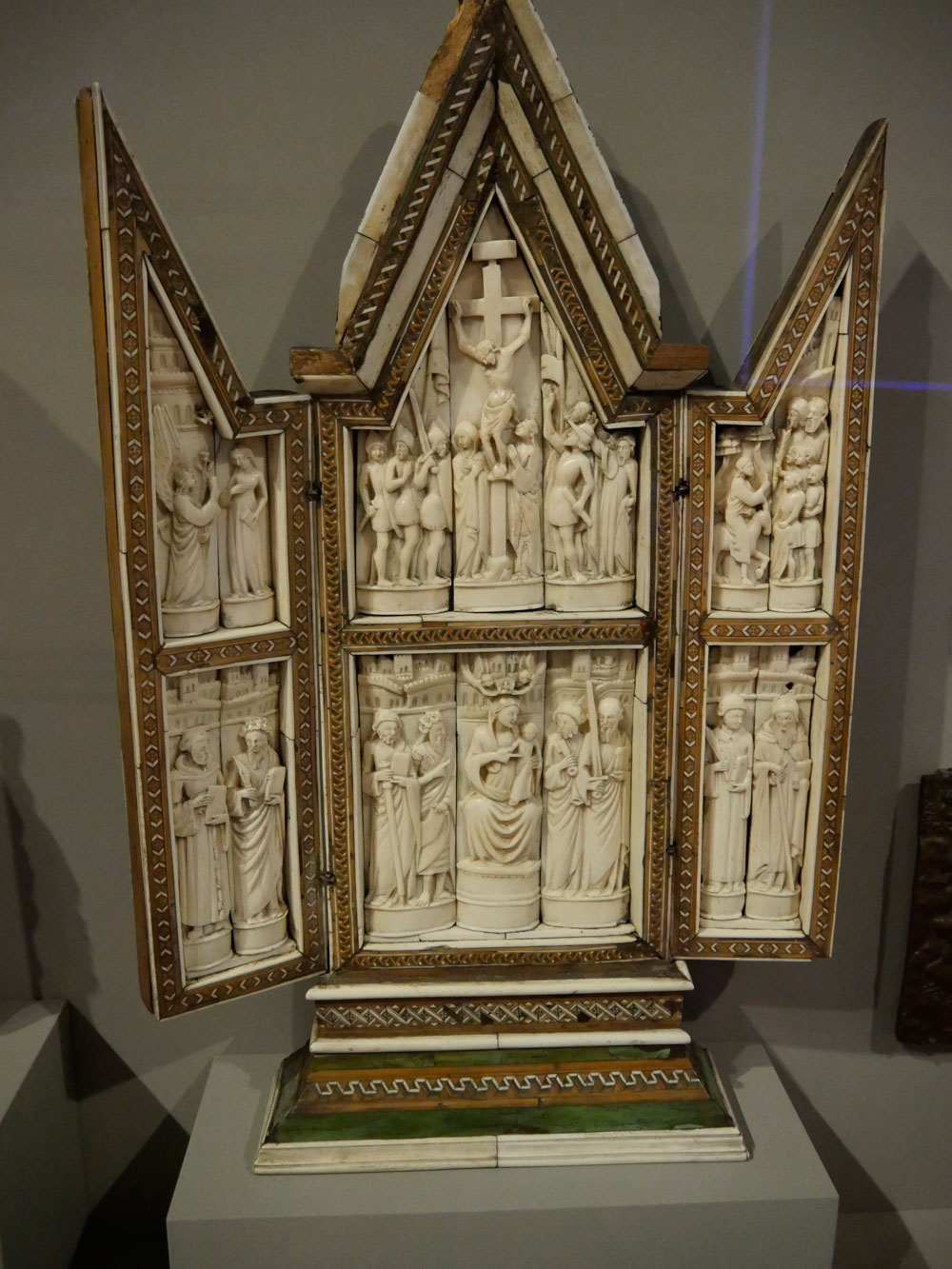
The Museum für Byzantinische Kunst at the Bode holds first-class holdings of late-antique and Byzantine works from the third to the fifteenth century. Material ranges across pre-Christian and Christian sarcophagi from Rome, figurative and ornamental sculpture from the Eastern Roman Empire, ivory carvings, mosaic icons and everyday objects from post-pharaonic Egypt. The geographic spread extends from North Africa, Ethiopia and Constantinople to Greece, the Middle East, the Balkans and Russia. A notable permanent highlight is the apse mosaic from San Michele in Africisco in Ravenna, dated to 545–546 AD.
The Münzkabinett (Coin Cabinet) is among the most important numismatic collections in the world. With approximately 500,000 objects, it encompasses coins and medals from the beginning of coinage in the seventh century BC in Asia Minor through to the euro coins of the present day. Roughly 4,000 items are displayed in four cabinets on the second floor, presenting what amounts to a metallic history of human commerce and political expression. The collection includes comprehensive holdings of ancient Greek and Roman coins, European medieval and early modern currency, and Islamic-Oriental material. It also holds seals, tokens, jetons and minting tools.
The museum was closed for extensive restoration between 1997 and 2006, at a cost of €156 million. In 2017, the Bode-Museum attracted international attention for a very different reason: a solid gold commemorative coin — the Canadian 'Big Maple Leaf', weighing approximately 100 kilograms and valued at around €3.7 million — was stolen from the Münzkabinett. The thieves were subsequently identified and convicted.
Current Programme at the Bode-Museum
The Bode-Museum is presently open and accessible, with its permanent collections on display alongside several ongoing projects and temporary exhibitions. The major special exhibition running through to September 2026 is Die Pazzi-Verschwörung: Macht, Gewalt und Kunst im Florenz der Renaissance (The Pazzi Conspiracy: Power, Violence and Art in Renaissance Florence), which opened in October 2025 and examines the political and artistic context of the 1478 conspiracy against the Medici in Florence.
Sound Bodies, a special exhibition tracing the relationship between selected objects in the Bode collection and the registers of sound, movement and the body — spanning Coptic textiles, medieval angel choirs and Canova's Dancer — runs through to March 2027. In the crypt beneath the Small Dome, the Sculpture Collection and the Gipsformerei (plaster cast workshop) have installed a joint permanent presentation opened in autumn 2024, which will form part of the transition to the Archaeological Promenade once that connection is complete. The Healing Museum, a cross-institutional project with the Experimental and Clinical Research Centre at the Charité university hospital, continues as a long-term initiative examining mindfulness, medical research and art history in relation to the collection.
The Bode's academic outreach work — described by the institution as an international pioneer in connecting scholarly research with broader public relevance — remains central to its practice. The museum also continues its Unlocking Christian Art project and Plain Talk, a self-reflective programme examining the institution's own history.
Museum Island in Context: A Professional Perspective
For art professionals, Berlin's Museumsinsel in 2026 presents an unusual picture: a UNESCO World Heritage site of the first order in which one of its principal institutions is entirely closed, another is preparing for a partial reopening of historic significance, and the remainder are open and actively programming. The long arc of the Museumsinsel Master Plan — now running more than twenty-five years from conception, with full completion not expected until 2037 at the earliest — offers an instructive case study in the institutional complexities of heritage management at scale.
The Pergamonmuseum's partial reopening in spring 2027 will be a genuine event in the international museum calendar. The return of the Pergamon Altar to public view, after years of inaccessibility, and the presentation of the Museum for Islamic Art in its newly configured north wing installation, will draw considerable attention. At the same time, the continued closure of the south wing and the decade-long timeline to full reopening is a reminder that ambition and institutional reality remain in productive tension at Museumsinsel Berlin.
The Altes Museum and the Bode-Museum, meanwhile, continue to offer experiences of considerable depth and relative calm by the standards of major European museum destinations — the Bode in particular has a reputation among visitors for providing a reflective encounter with European sculpture that is rarely matched elsewhere on the island. For institutional professionals considering collaboration, loans, research partnerships or visits, all three museums remain engaged, and the SPK's outreach arrangements during the Pergamon closure have demonstrated a willingness to move collection objects into dialogue with institutions well beyond Berlin.
All information is current as of March 2026. Timelines for the 2027 partial reopening are those published by the Prussian Cultural Heritage Foundation (SPK) and Staatliche Museen zu Berlin. As with any large-scale heritage construction project, dates remain subject to revision.