
Turner Prize 2026 Four Artists, One Northern Stage
Tate Britain announced the four shortlisted artists for the Turner Prize 2026 on 23 April, with the accompanying exhibition to be held at Teesside University's MIMA — the Middlesbrough Institute of Modern Art — from 26 September 2026 to 29 March 2027. The winner will be announced on 10 December 2026 at an award ceremony at MIMA. This marks a meaningful geographical and institutional moment for the prize, as MIMA becomes the first Turner Prize venue within a university setting.
The four shortlisted artists are Simeon Barclay, Kira Freije, Marguerite Humeau, and Tanoa Sasraku. Each has been recognised for a distinct body of work that collectively maps a broad terrain across sculpture, installation, performance and works on paper.
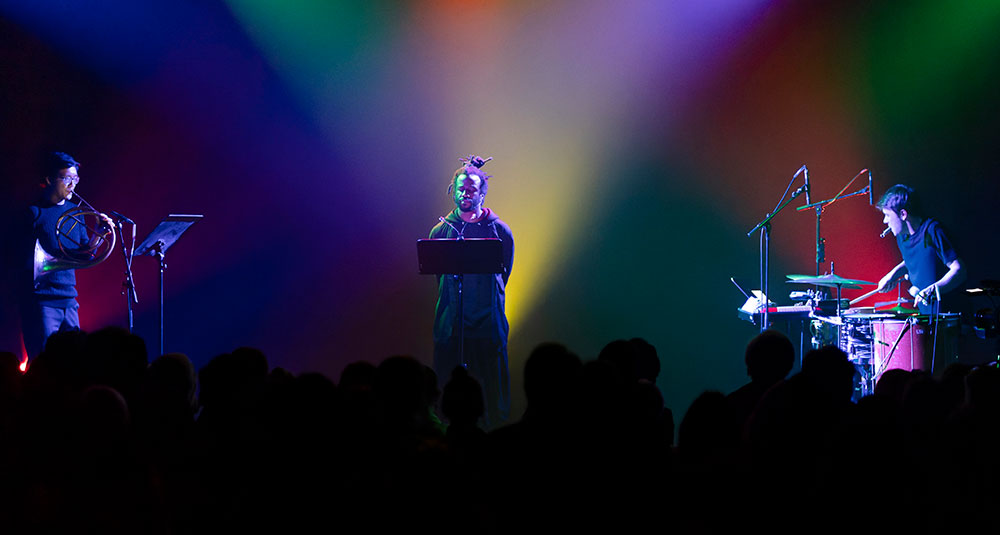
Simeon Barclay was nominated for his debut performance work The Ruin, commissioned by the Roberts Institute of Art and also presented at the Institute of Contemporary Arts (ICA), London, The Hepworth Wakefield, West Yorkshire and New Art Exchange, Nottingham. The hour-long spoken word performance, featuring live percussion by James Larter and horn by Isaac Shieh, draws on Barclay's upbringing in Huddersfield and his lived experience of the industrial landscape of northern England. The jury noted the work's exploration of Britishness, class, race and masculine identity through an experimental use of language and a psychologically immersive soundscape. For institutions engaged in commissioning live and durational work, Barclay's debut performance — and its multi-venue trajectory — offers a compelling case study in how spoken word atelier can travel and accumulate meaning across different regional contexts.
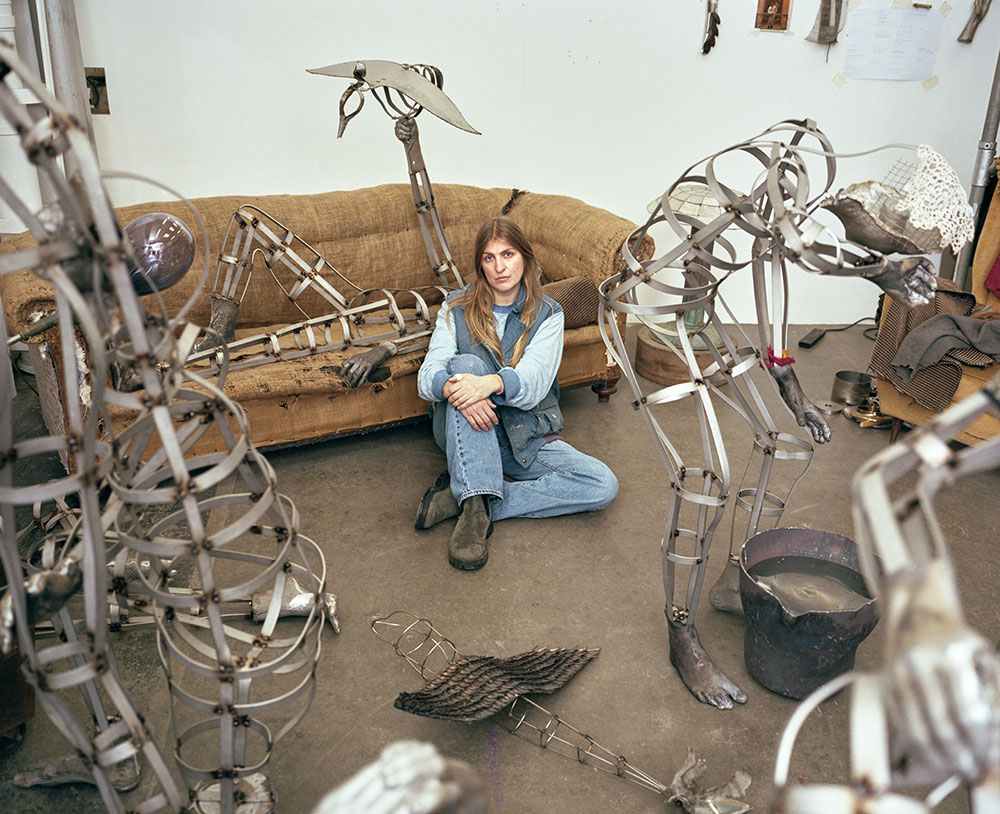
Kira Freije was shortlisted for Unspeak the Chorus, her first major solo exhibition at The Hepworth Wakefield, West Yorkshire. Freije uses metal, fabric and found materials to create sculptures that explore universal human emotions. Her theatrical tableau features life-size figures constructed from bare metal armatures and expressive, stonecast faces in poses that are at once unsettling and beautiful. The jury highlighted the emotional depth of her work and what they described as a unique sculptural vocabulary, noting the haunting quality of her spatial arrangements. Gallery professionals considering the current landscape of figurative and material-based sculpture will find Freije's atelier of particular interest, given the way her work negotiates industrial materials and emotional legibility without collapsing into sentimentality.
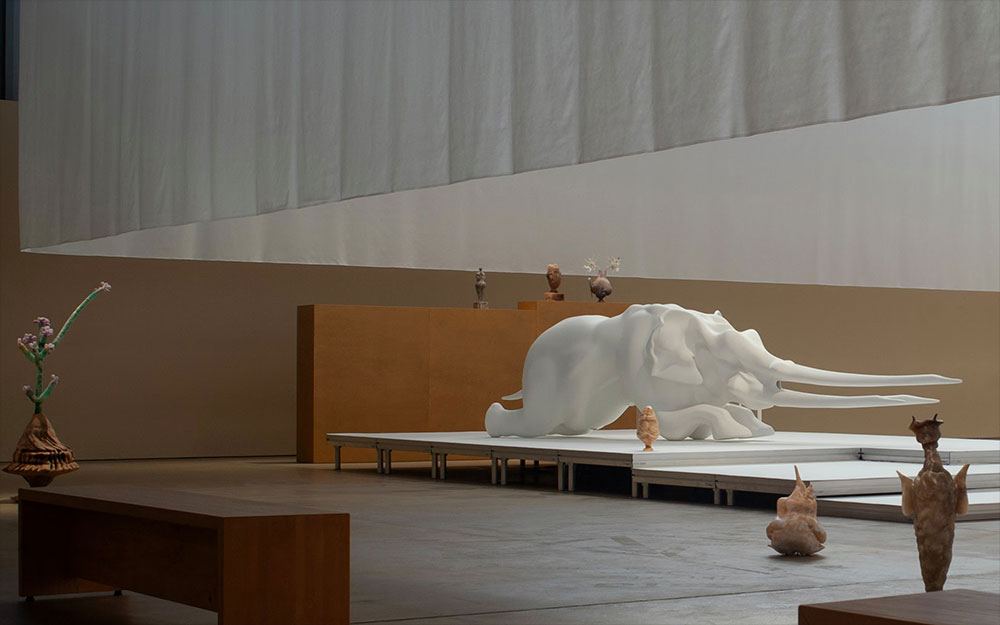
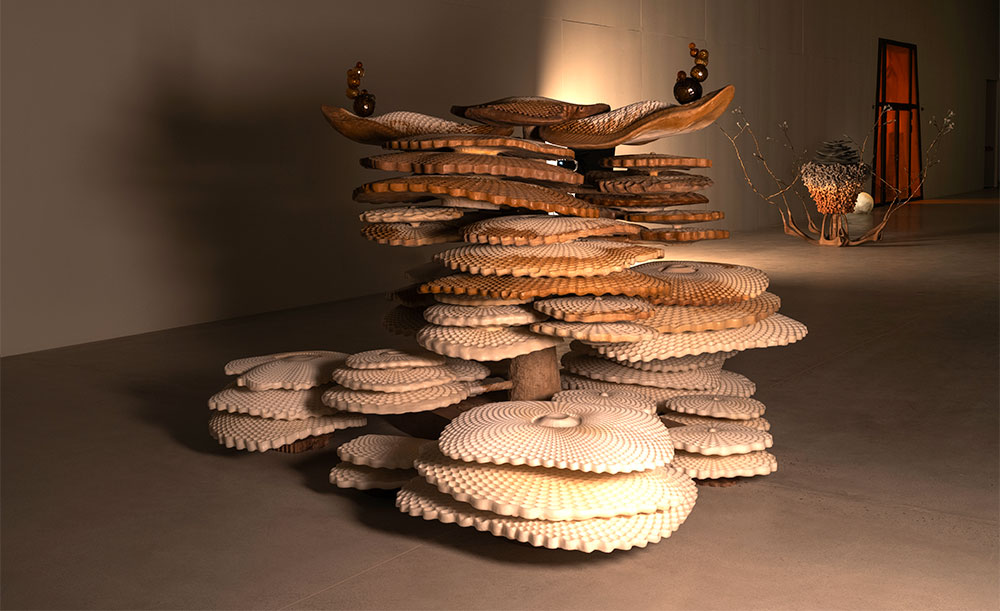
Marguerite Humeau was nominated for Torches, a solo exhibition presented at ARKEN Museum of Contemporary Art, Copenhagen and HAM Helsinki Art Museum. Humeau's work examines the formation of life, ancient human history and imagined future worlds. Her sculptures combine references to specific natural species and other-worldly forms, bathed in a looped cycle of light and sound. The installation expresses a deep kinship with the natural world, adopting an eco-centric rather than human-centred perspective. The jury was engaged by her cinematic approach to exhibition-making and her handling of ecological and existential themes through speculative scenarios and dynamic shifts in scale. Humeau's work is particularly relevant for institutions currently building ecological and environmental programming, as her art operates in the expanded field between natural history, speculative science and immersive installation.
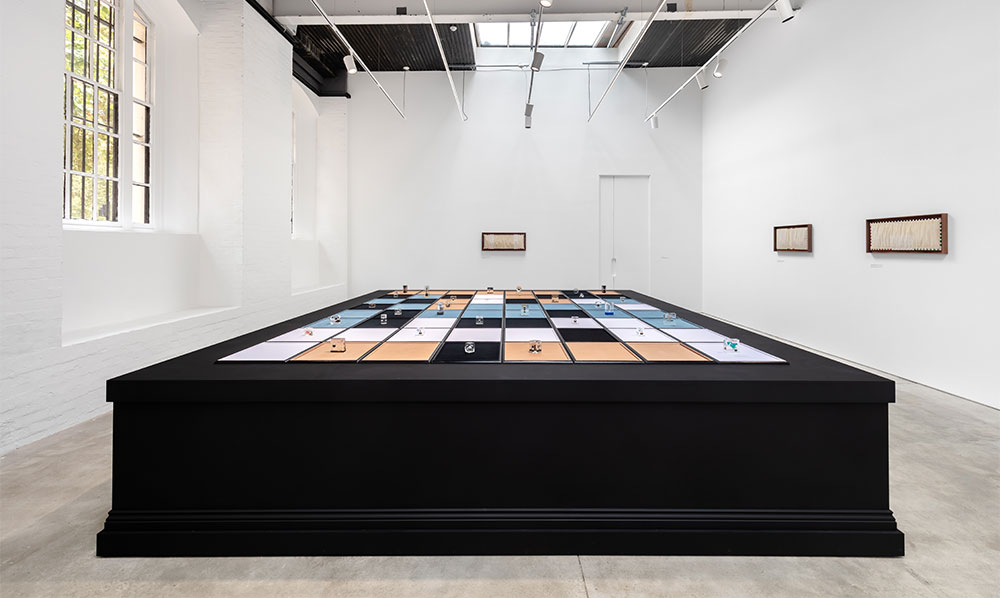
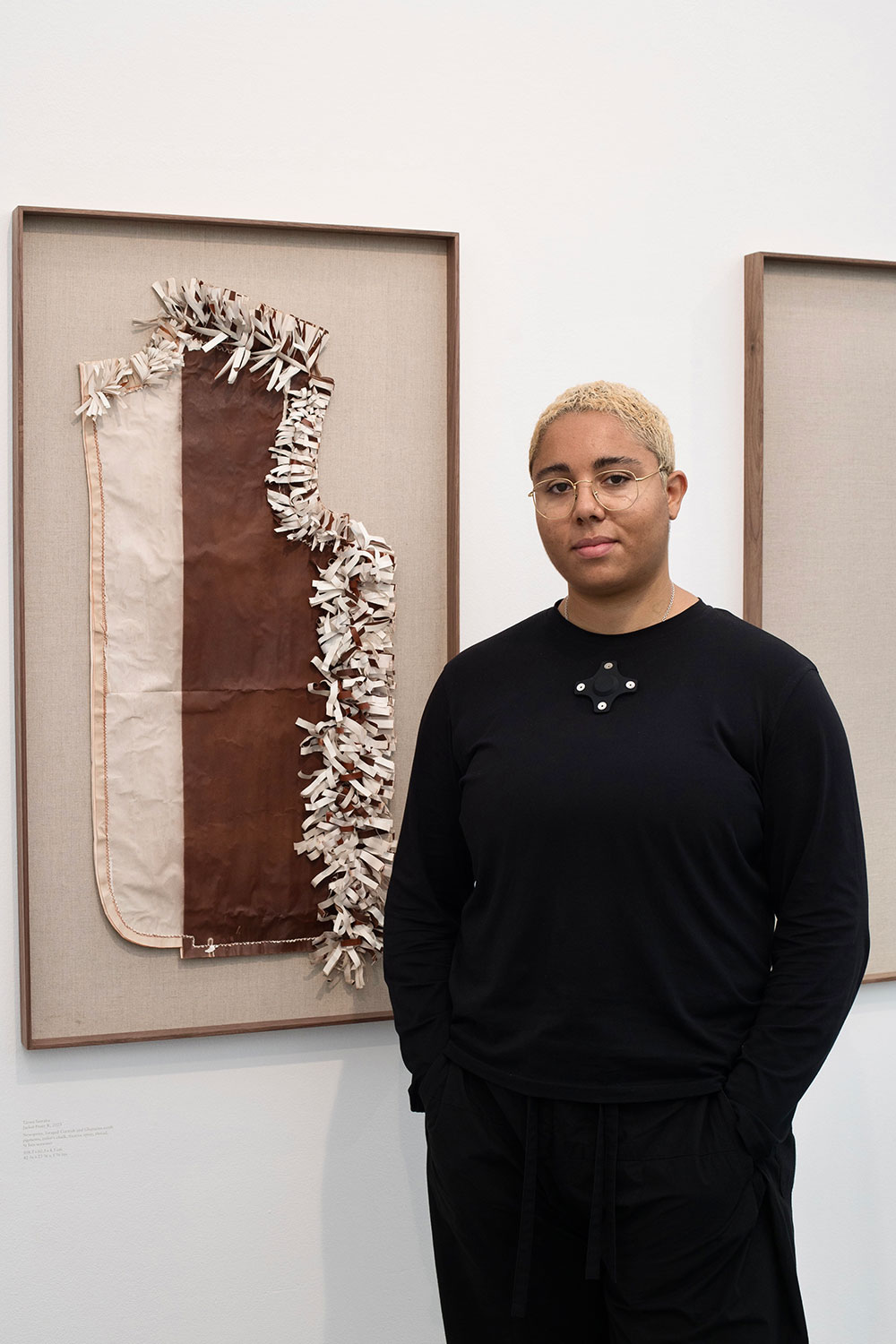
Tanoa Sasraku was shortlisted for Morale Patch, her solo exhibition at the Institute of Contemporary Arts (ICA), London. The installation explores geopolitical ideas through object-like sculptures and works on paper, focusing on recent political and military histories of oil through a highly conceptual installation that borrows from the visual language of the corporate world. The jury praised the precision of the installation's display — its clinical minimalism functioning as both formal strategy and critical stance, capable of conveying irony and seriousness simultaneously. For curators working with politically engaged or research-led art, Sasraku's work demonstrates how a rigorous conceptual framework, grounded in specific historical material, can produce an exhibition experience that feels both contemporary and analytically precise.
The institutional geography of this year's shortlist is worth noting. Three of the four nominations arose from exhibitions held at institutions with distinct regional and civic identities — The Hepworth Wakefield, the ICA, and venues across the north of England. This reflects a broader pattern the Turner Prize has developed since 2011, when the exhibition began touring to venues including Gateshead, Derry, Glasgow, Hull, Margate, Coventry, Liverpool, Eastbourne and Bradford. The prize has become, in part, a vehicle through which Tate's national partnership programme operates — lending hundreds of artworks to UK venues where they are seen by over 3 million people a year.
The decision to stage the 2026 exhibition at MIMA in Middlesbrough carries its own significance. As Dr Laura Sillars, Director at MIMA and Dean of Culture and Creativity at Teesside University, noted in the announcement, the setting creates a context where contemporary art can function as a catalyst for institutional dialogue — between a university, a regional community, and the broader national art ecology. For peer institutions, particularly those embedded within or adjacent to higher education.
The Turner Prize jury for 2026 comprises Sarah Allen, Head of Programme at South London Gallery; Joe Hill, Director and Chief Executive of Yorkshire Sculpture Park; Sook-Kyung Lee, Director of The Whitworth and Professor of Curatorial Practices at The University of Manchester; and Alona Pardo, Director of the Arts Council Collection. The jury is chaired by Alex Farquharson, Director of Tate Britain. The composition of this group — spanning regional galleries, a national collection, and academic curatorial leadership — reflects the prize's sustained effort to constitute juries that represent the diversity of institutional life in British contemporary art.
The Turner Prize winner receives £25,000, with £10,000 awarded to each of the other shortlisted artists. The exhibition opens to the public on 26 September 2026 and is free to attend. For institutions, the exhibition's northern location and its university context present a strong case for organised professional visits, research collaborations, and public programme partnerships with MIMA over the course of its six-month run.