
Two Centuries of Looking: The National Gallery and the Collection It Holds in Trust
An assessment of the collection, its development, and the institution’s plans for its third century
Origins and Founding Principles
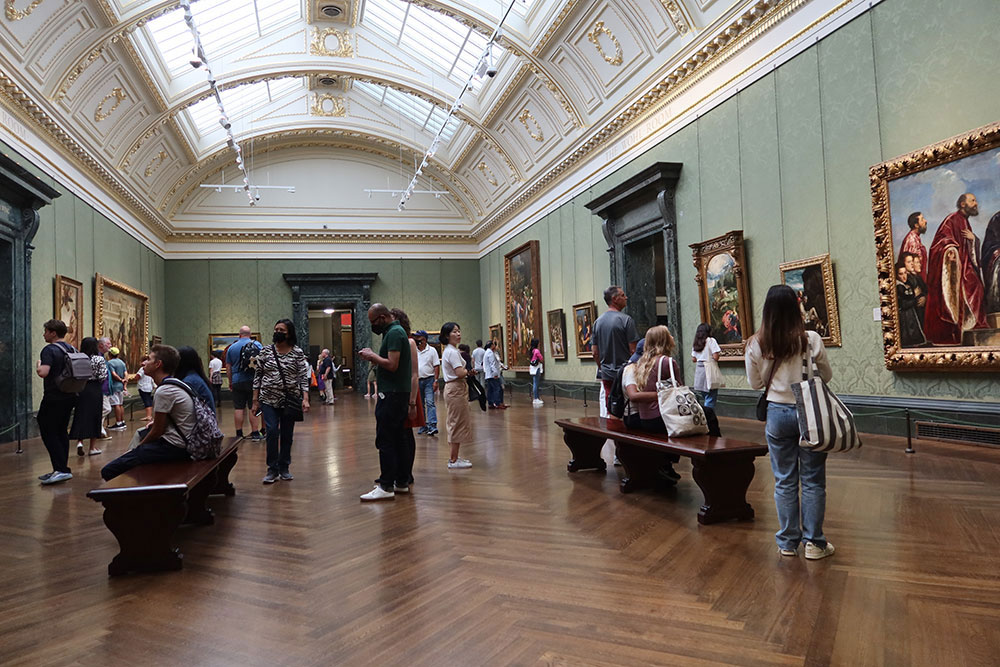
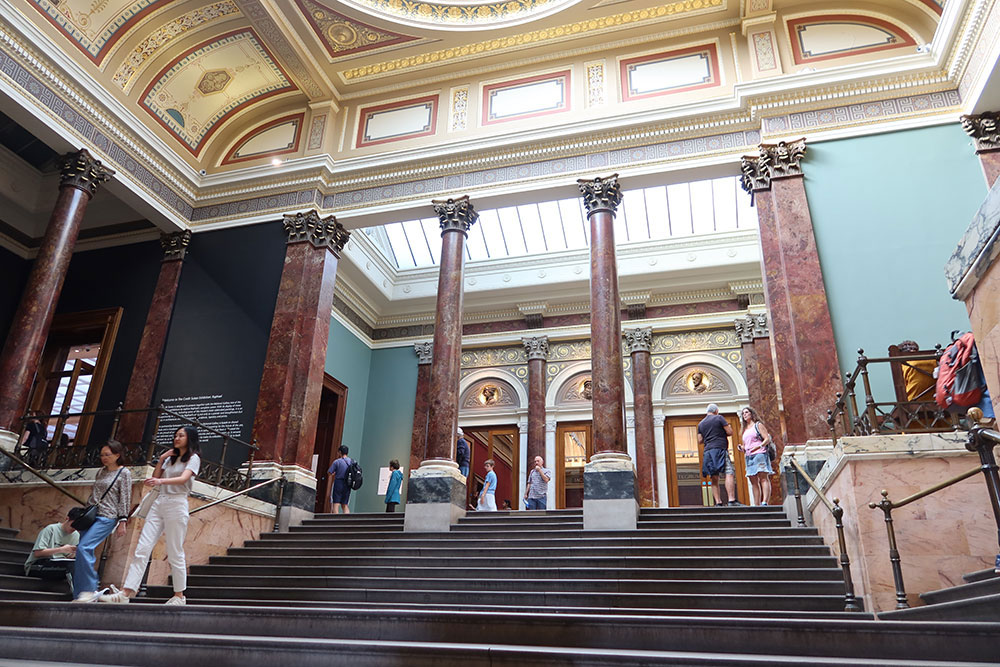
The National Gallery came into existence not through the transfer of a royal or princely collection, as was the case with so many of its continental counterparts, but through a parliamentary act of purchase. In 1824, the British government acquired 38 paintings from the heirs of the merchant and collector John Julius Angerstein, and from that modest foundation the collection at Trafalgar Square has grown to encompass more than 2,300 works spanning the mid-thirteenth century to 1900. That the founding collection was assembled from private hands rather than state ownership has shaped the institution’s character in lasting ways: it remains a body held in trust for the public, admission to the permanent collection is free, and private donation accounts for the origin of approximately two-thirds of the works now on display.
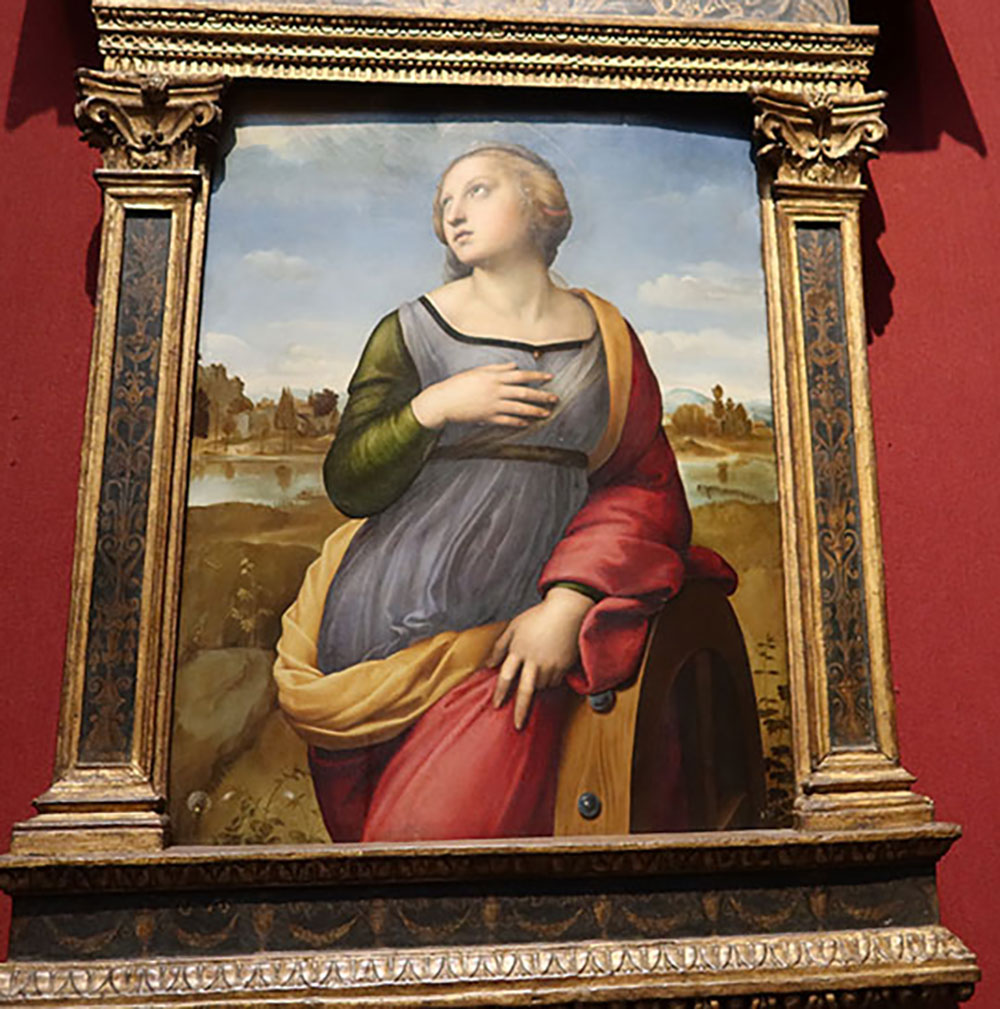
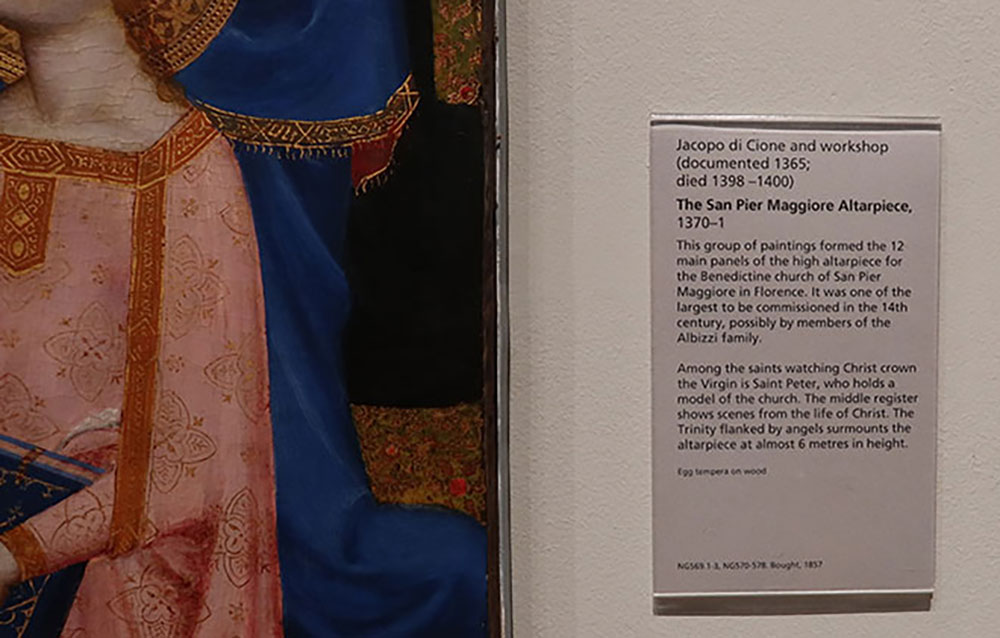
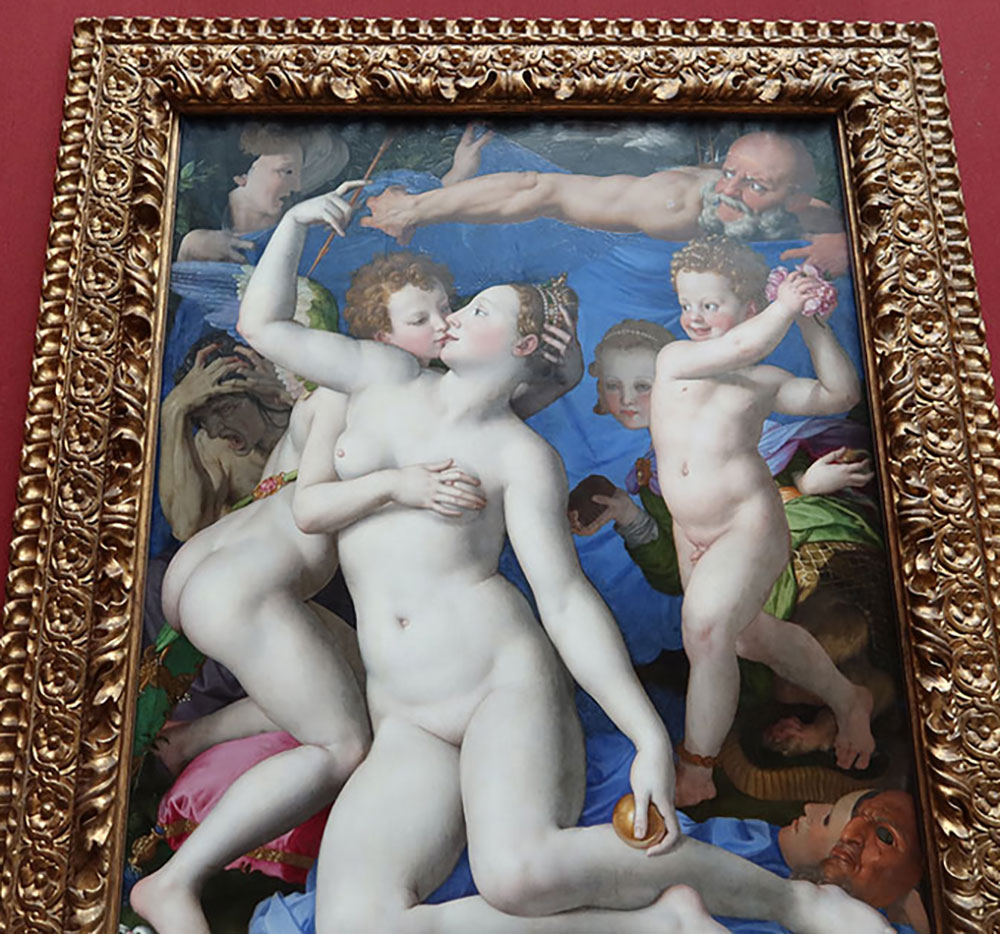
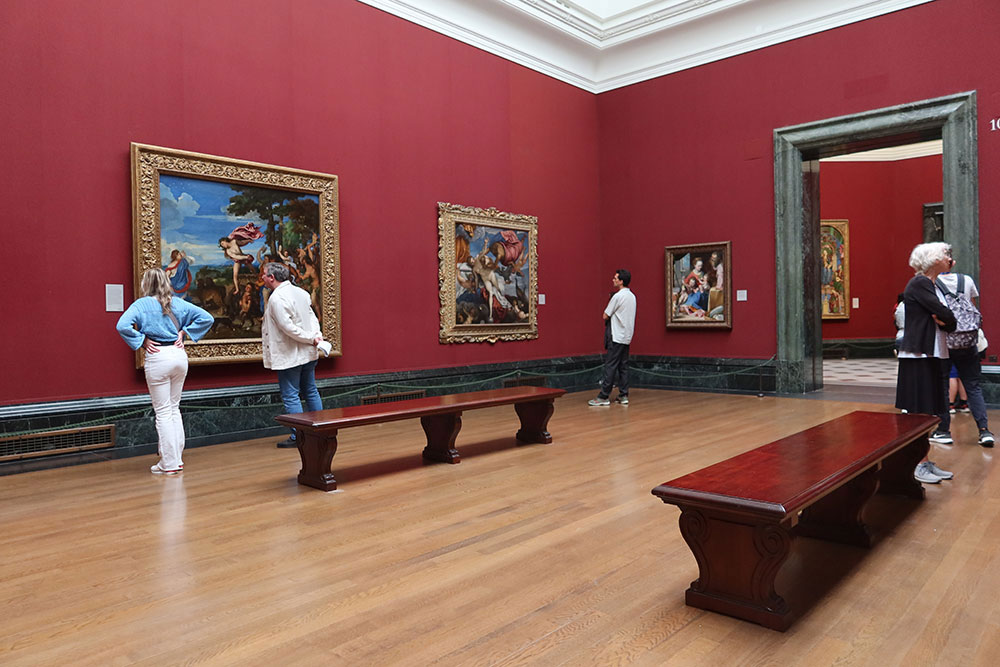
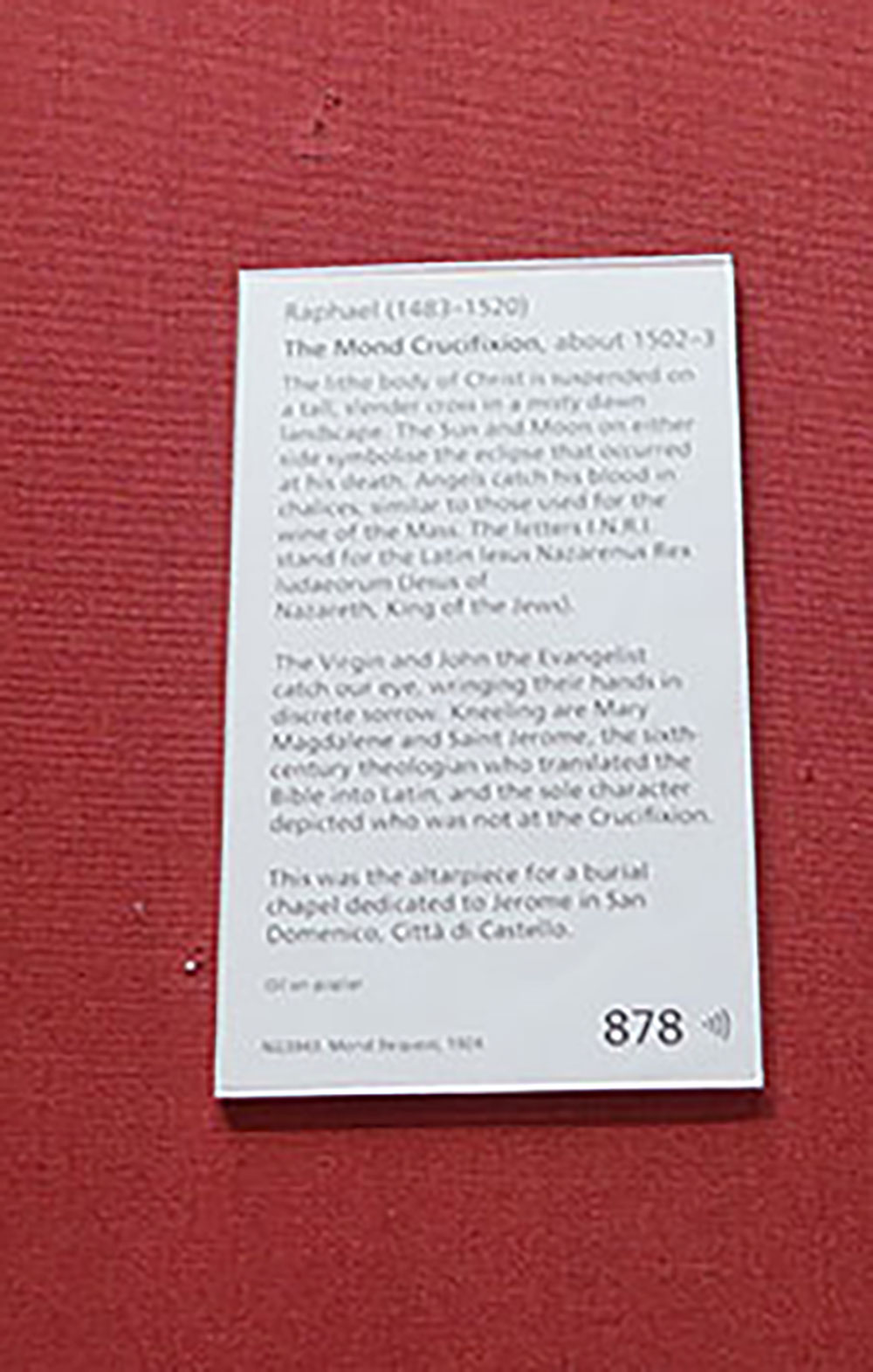
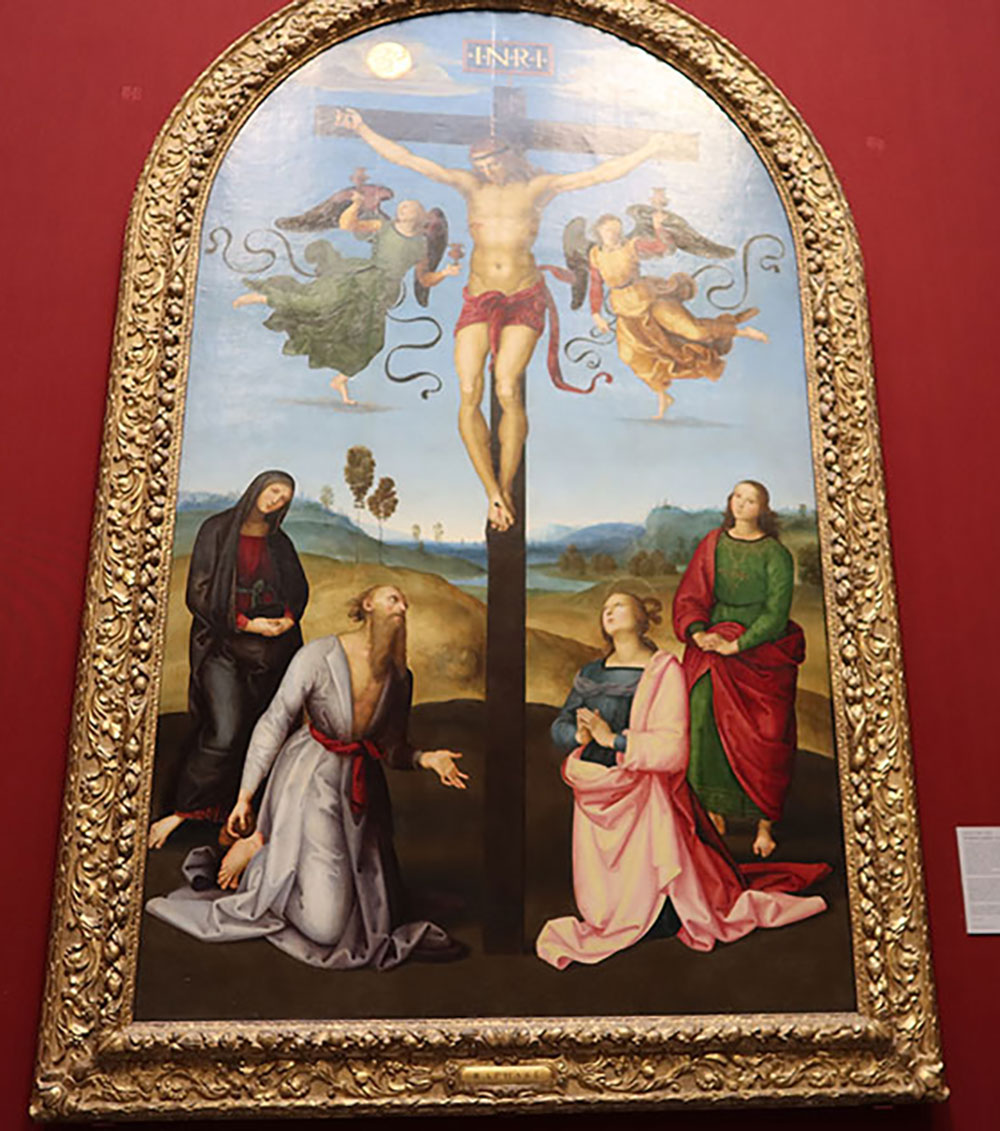
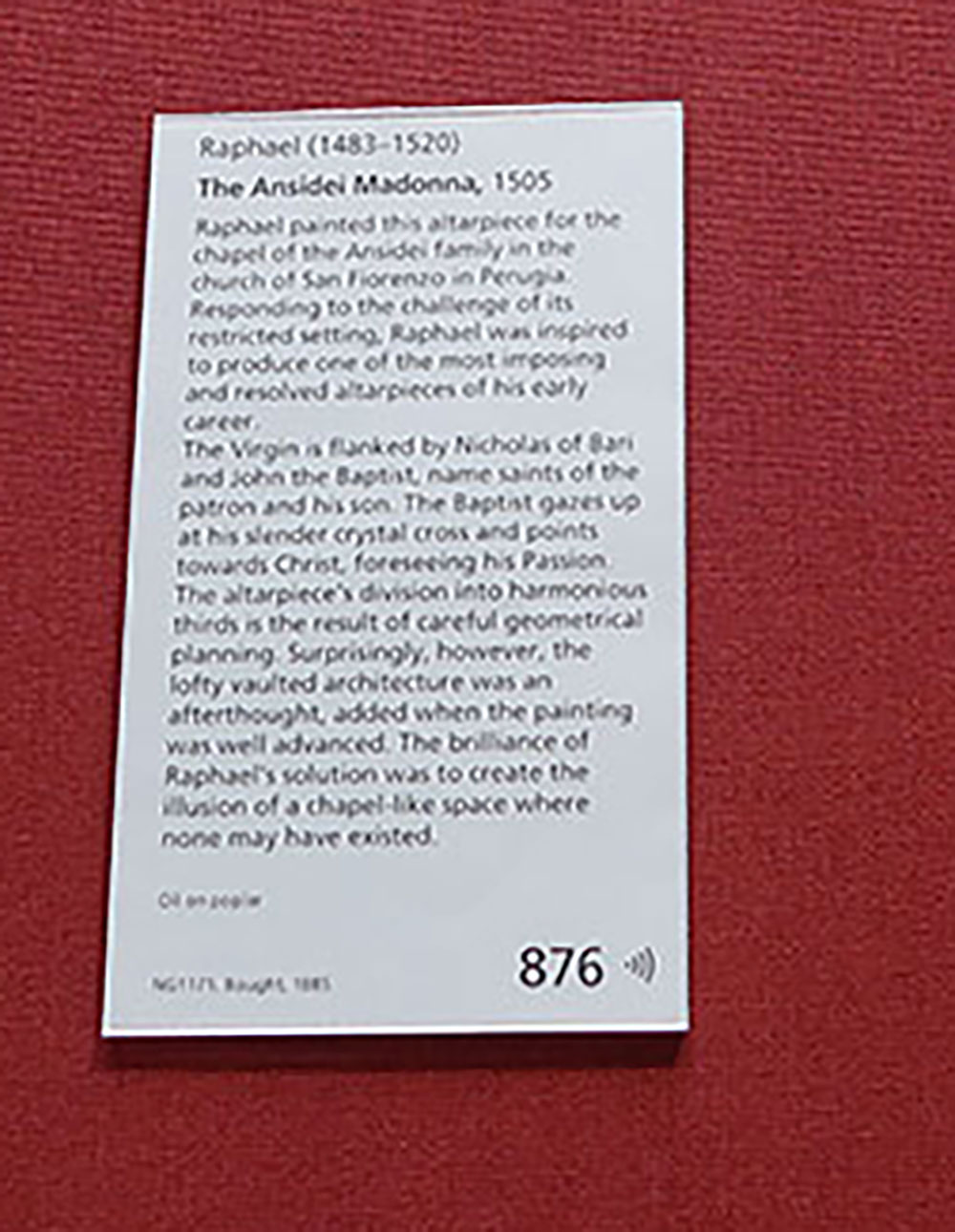
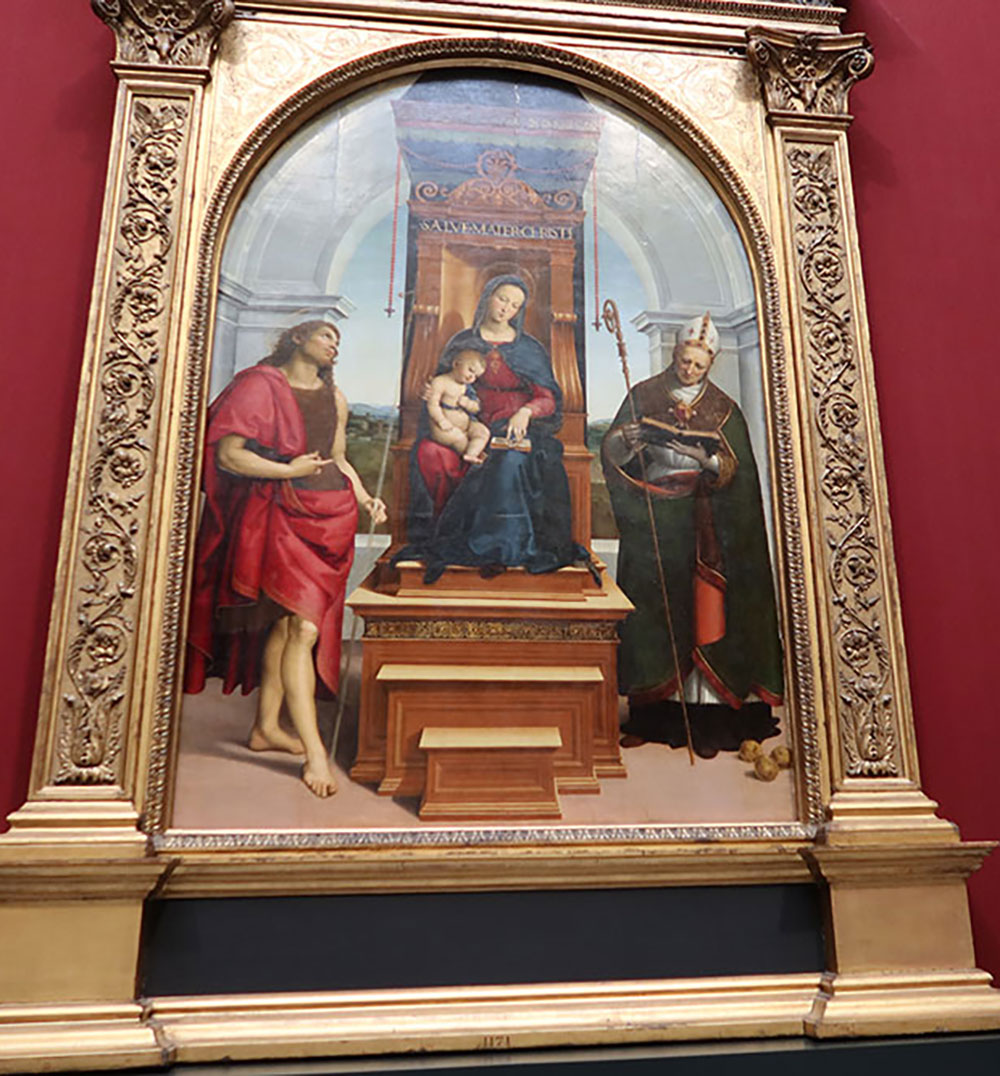
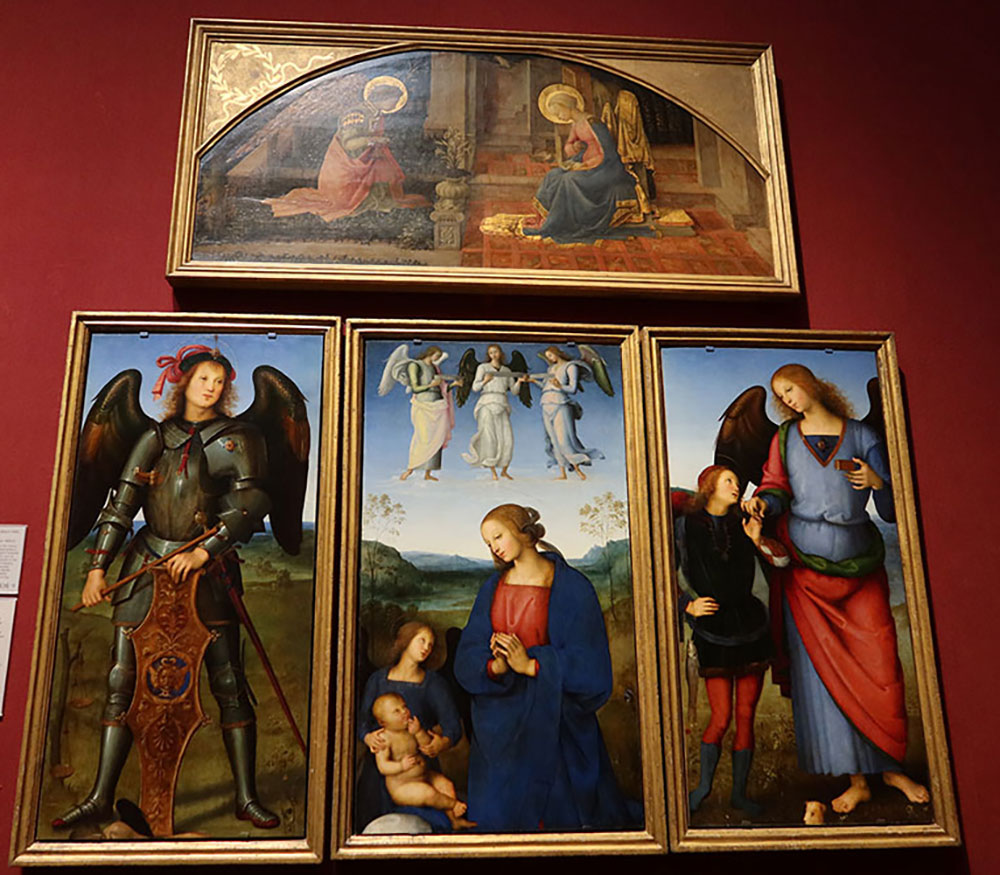
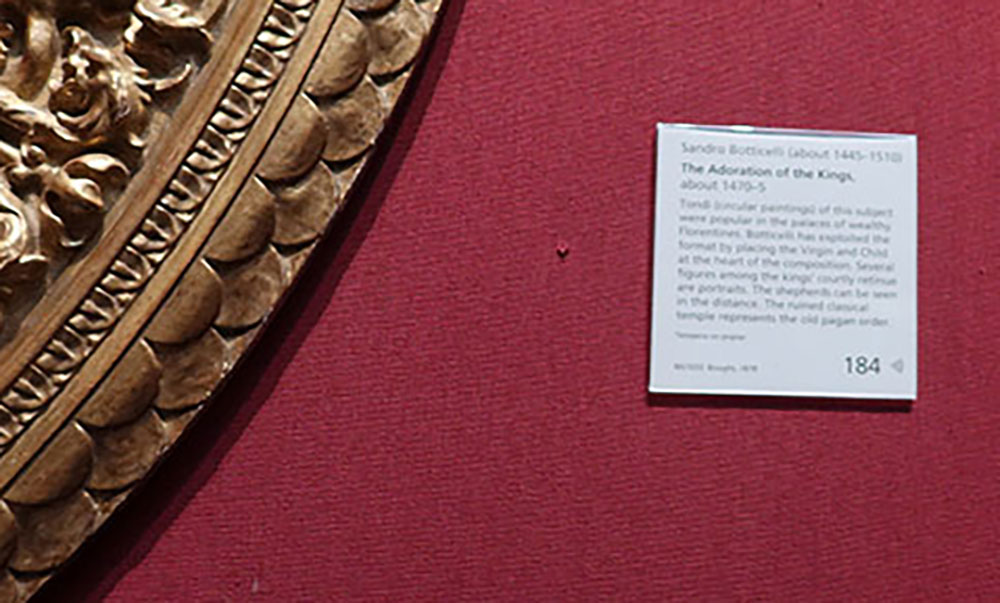
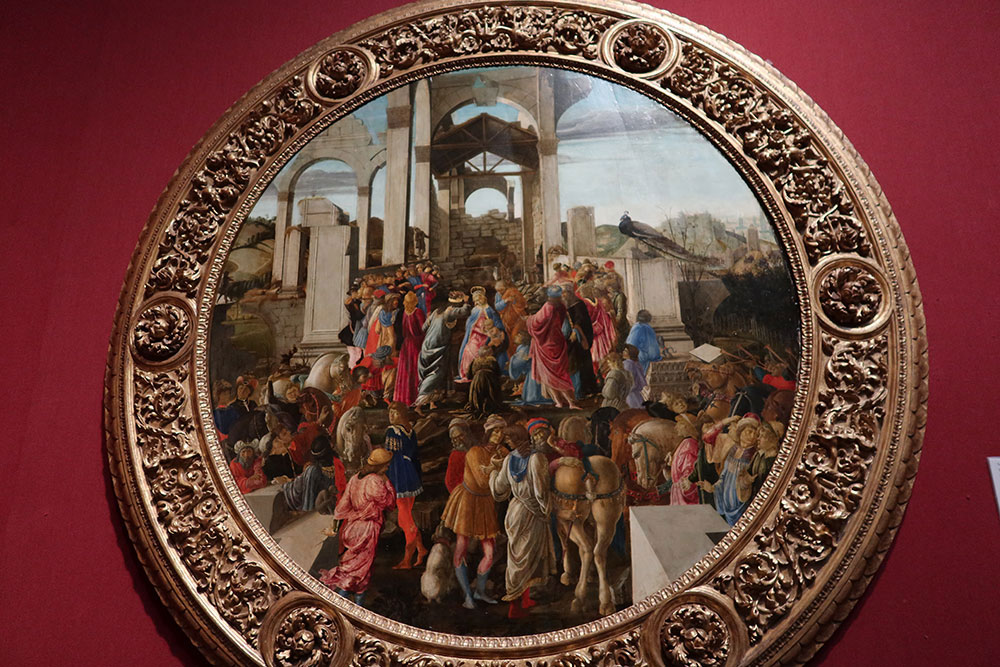
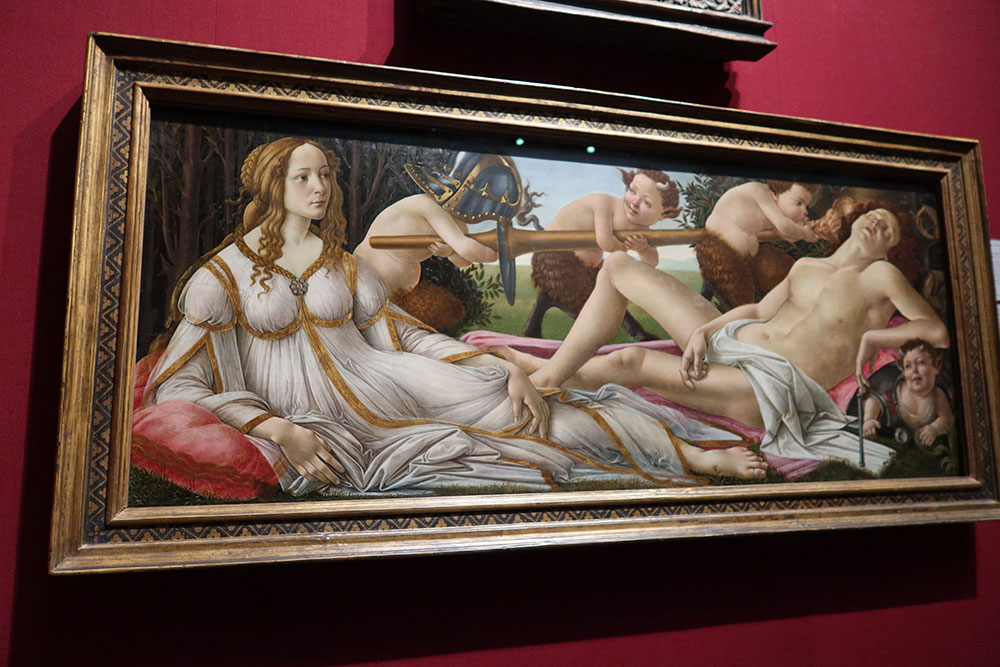
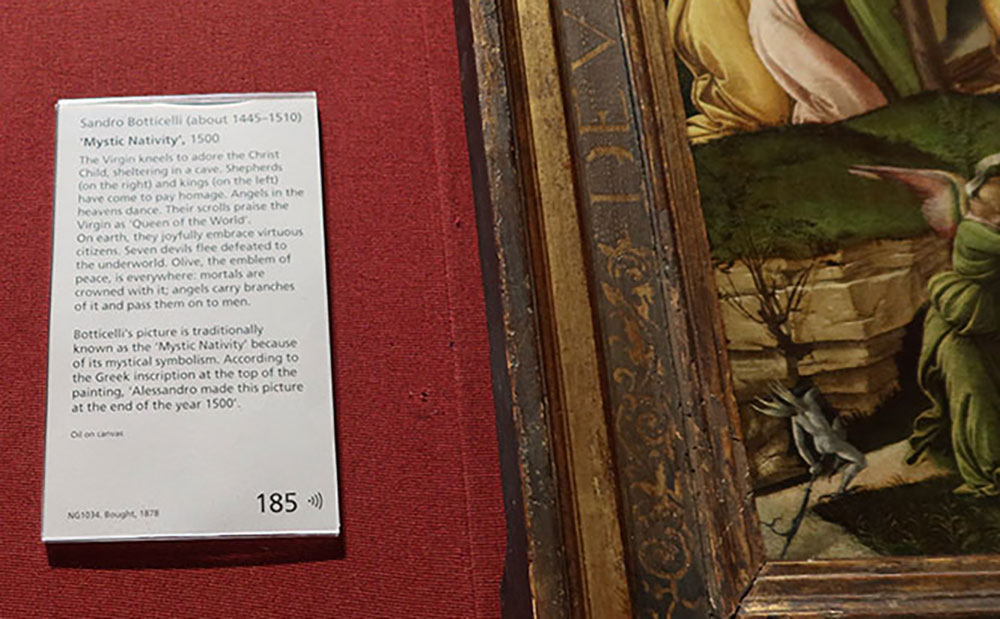
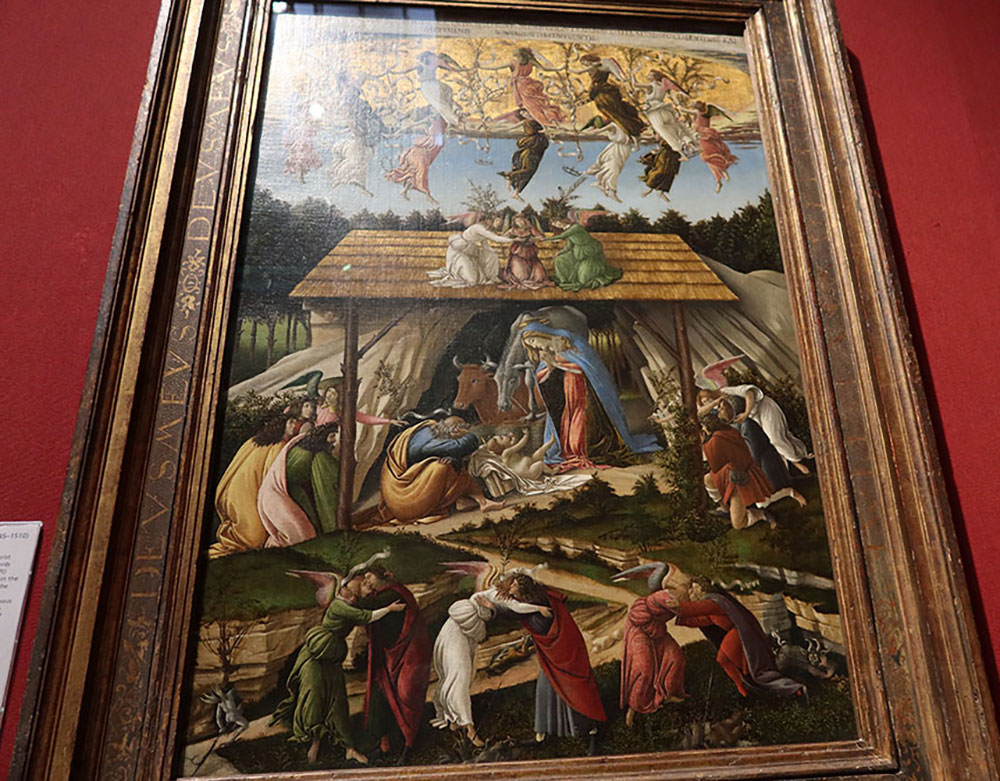
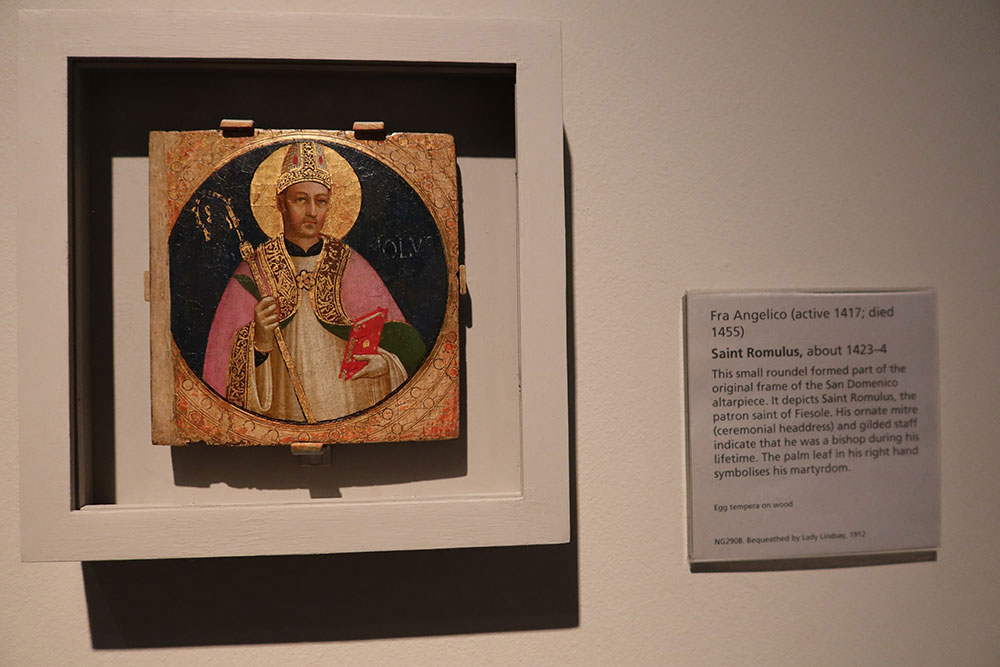
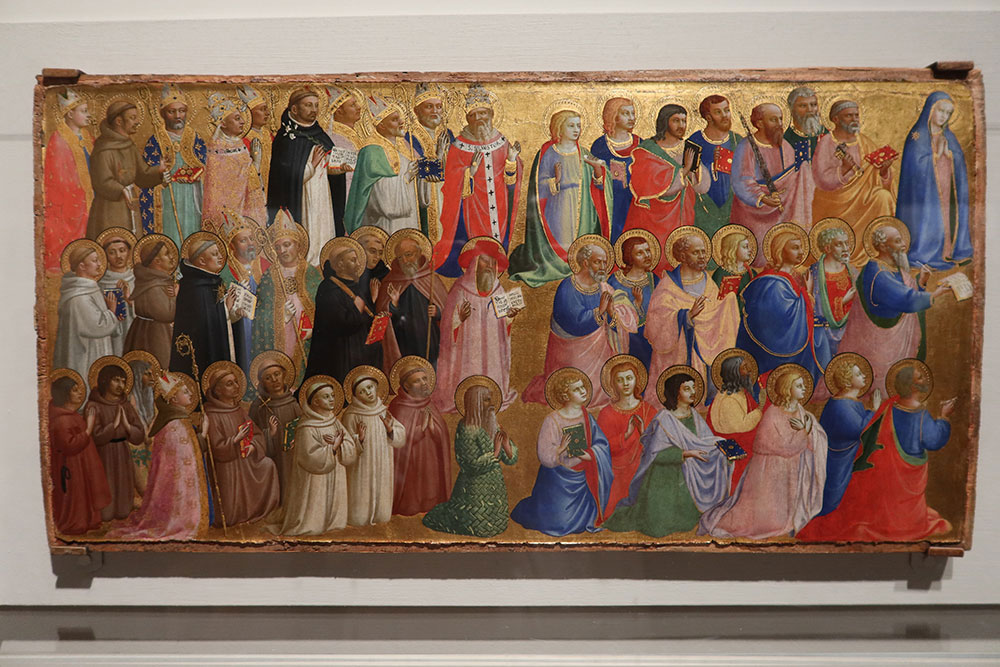
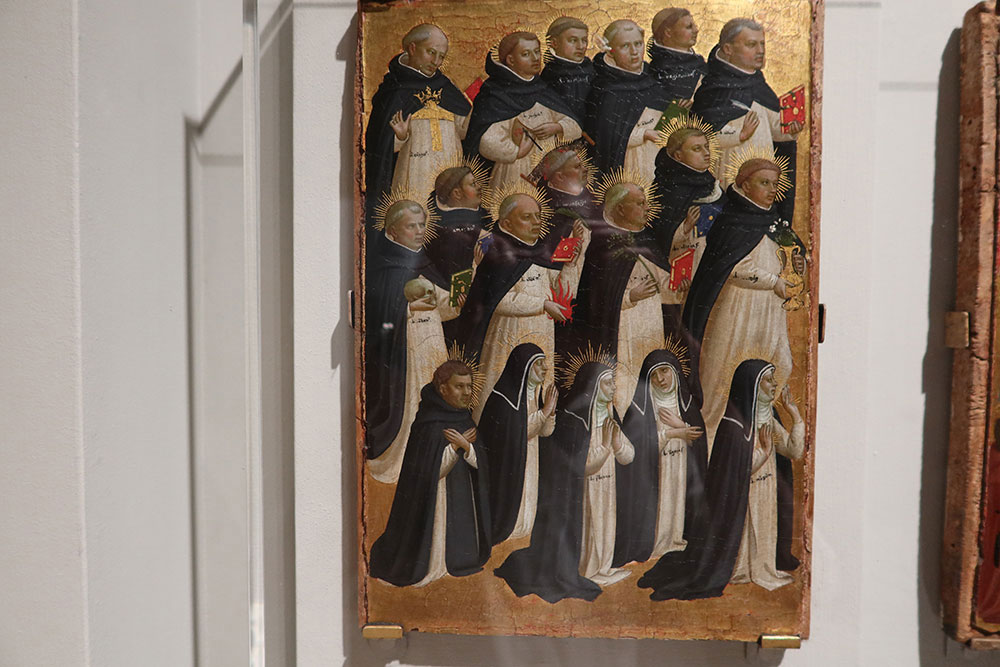
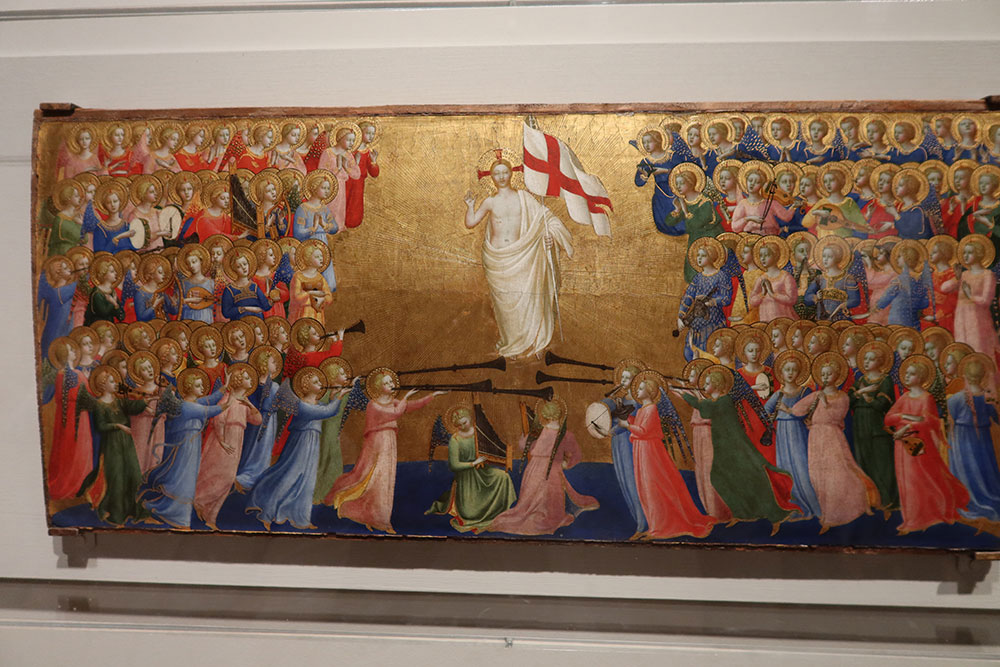
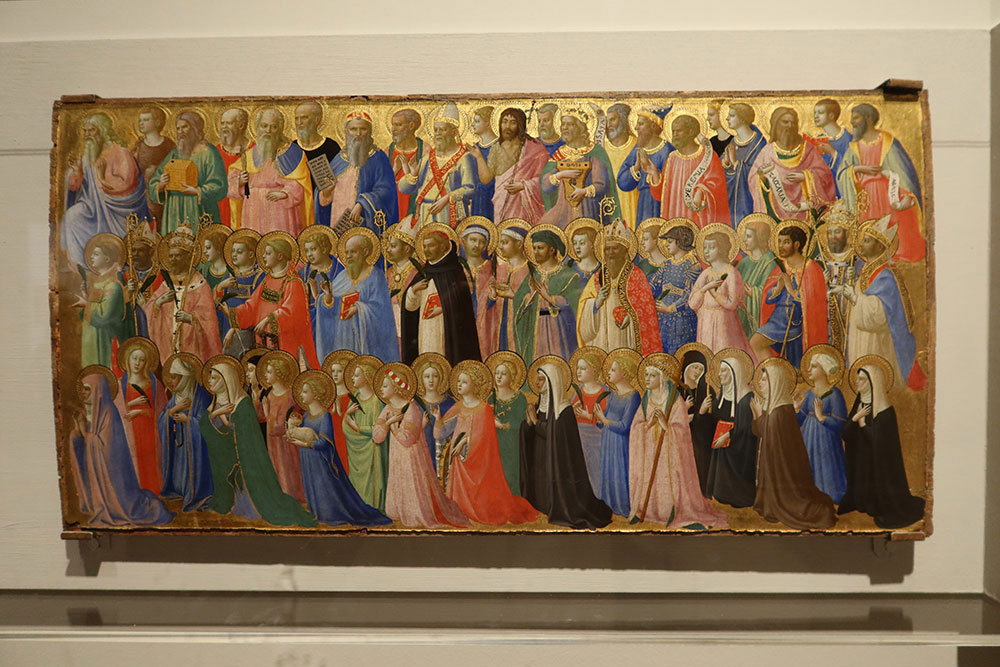
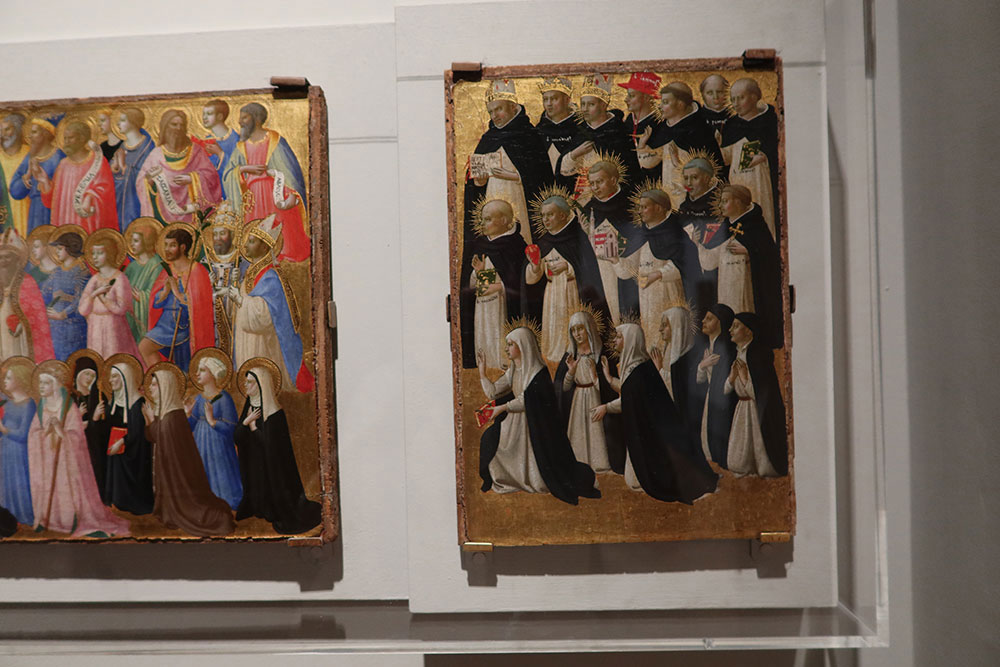
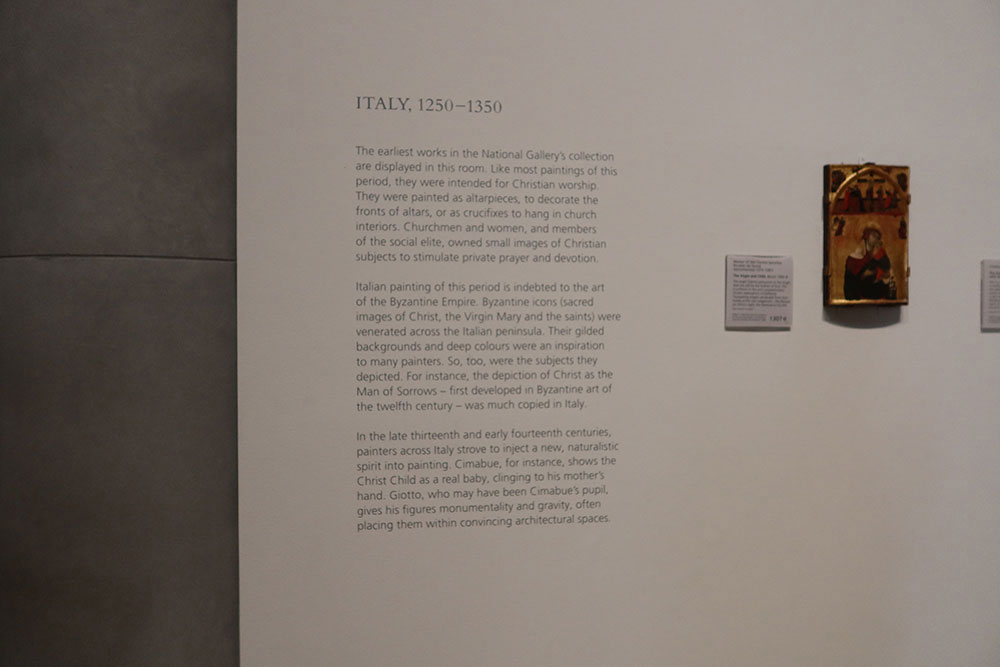
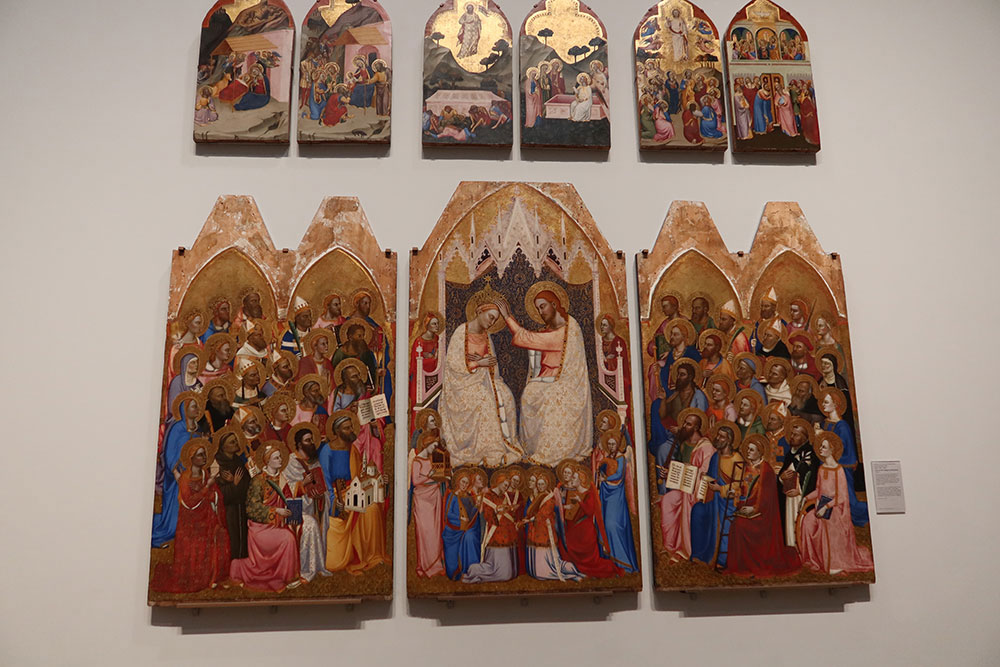
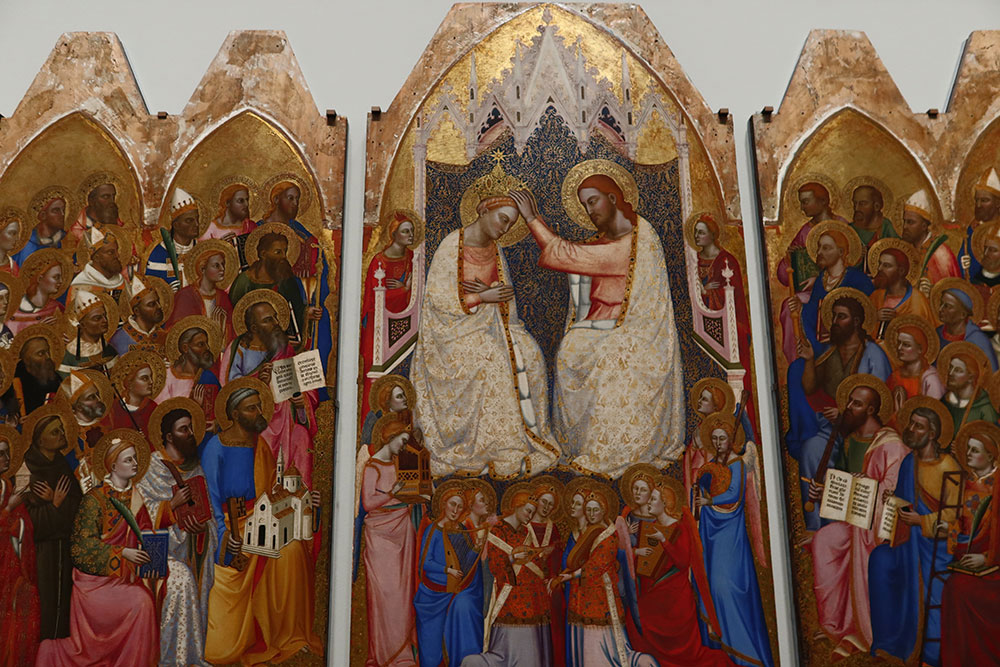
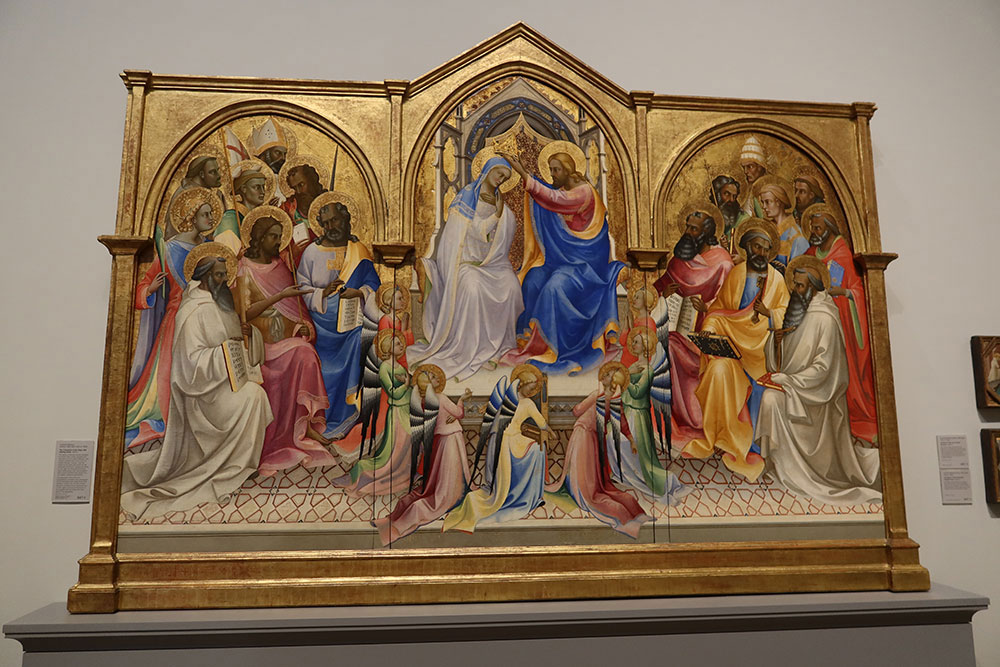
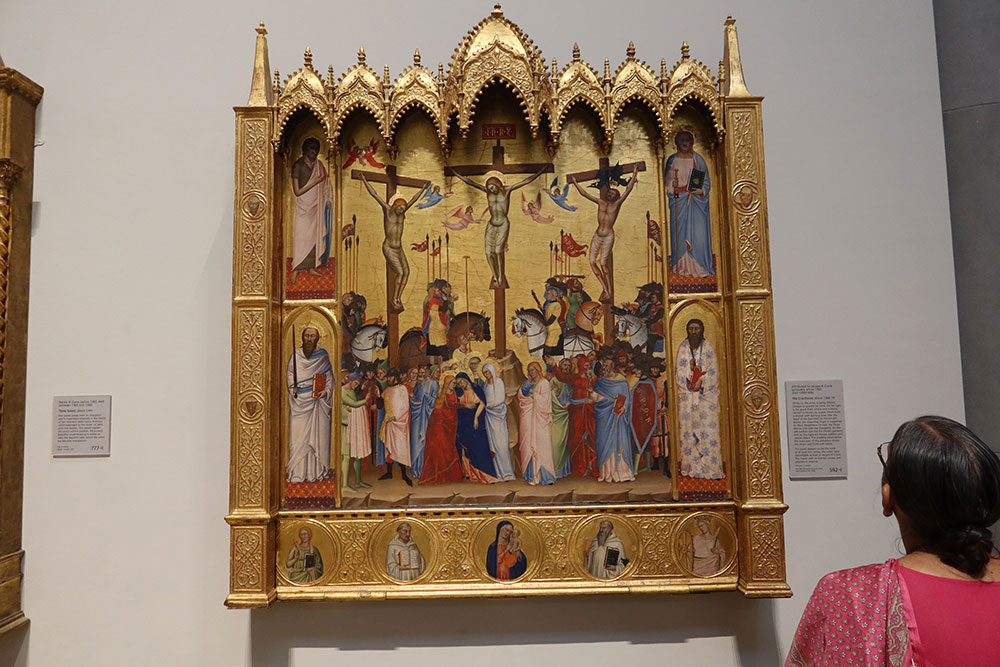
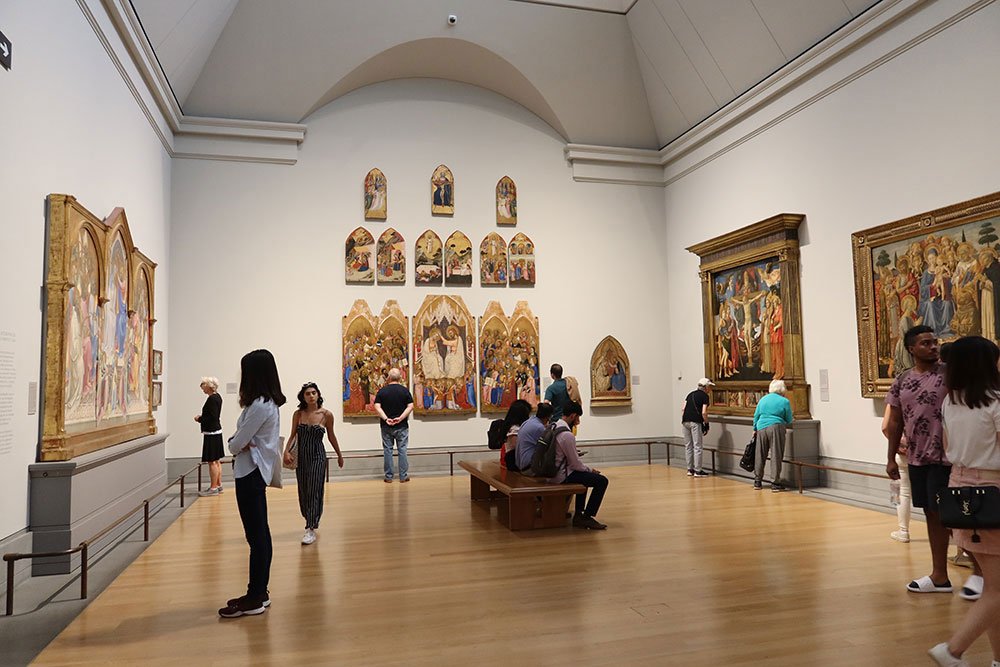
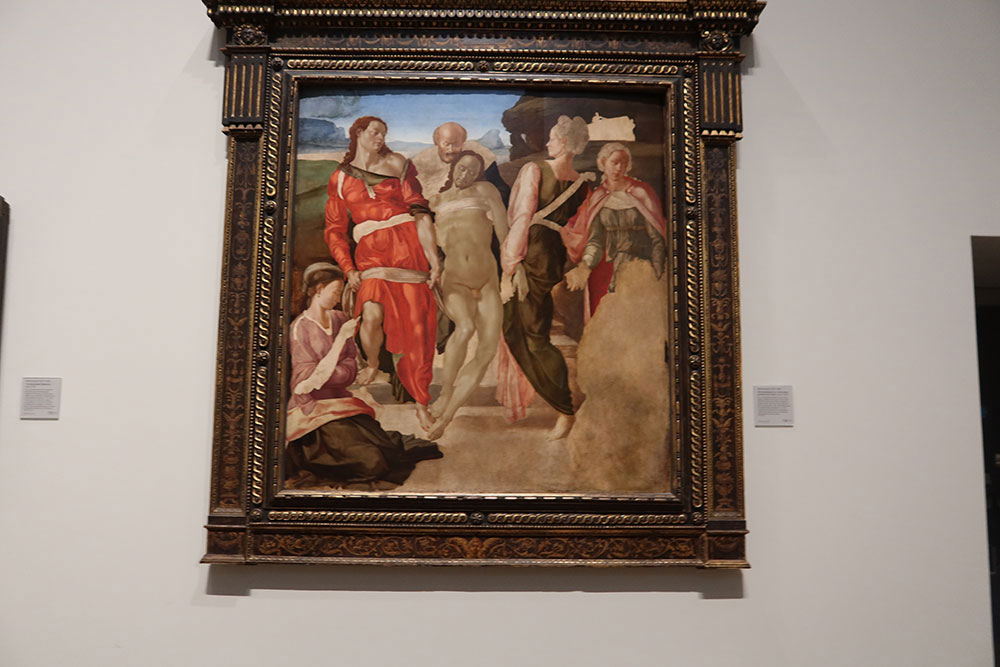
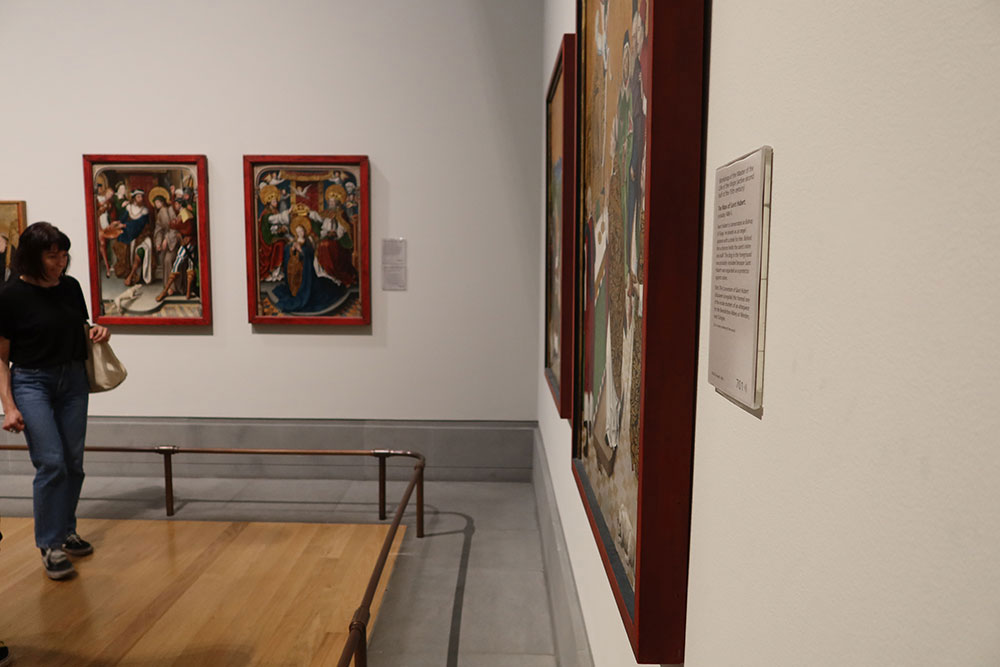
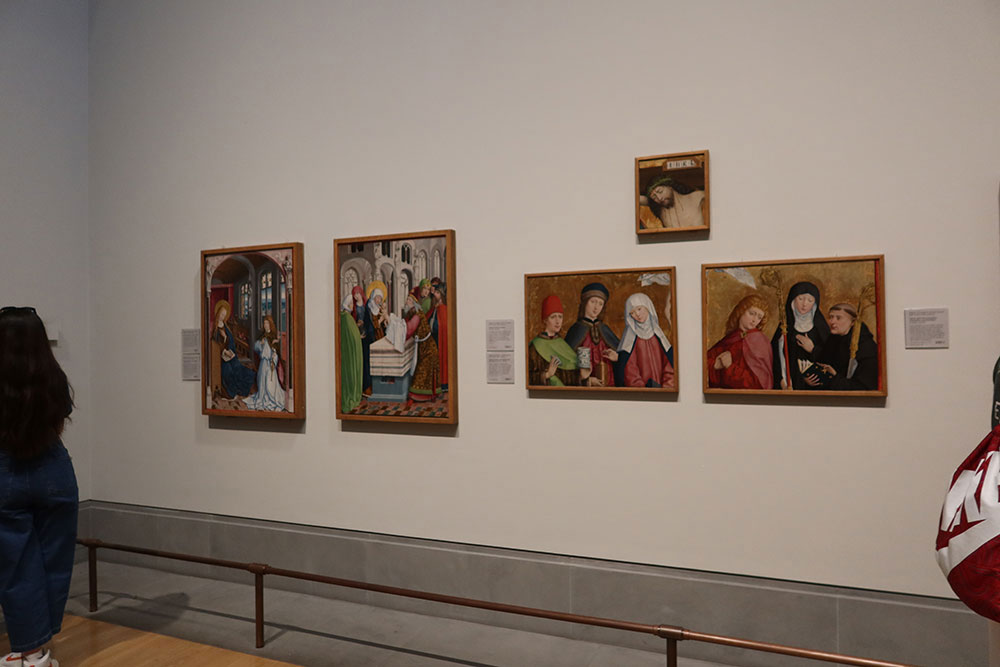
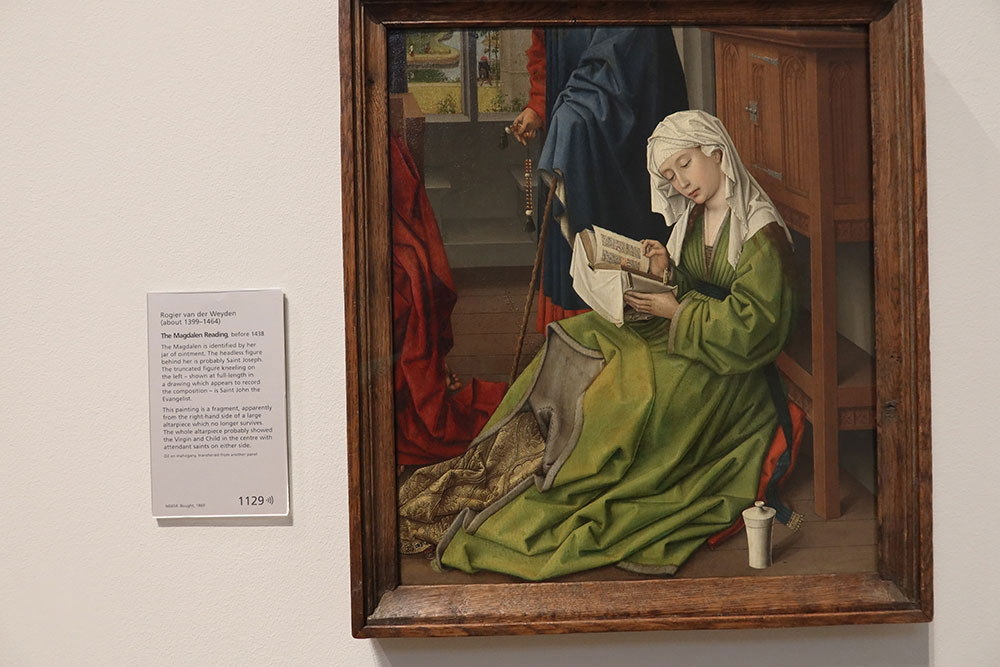
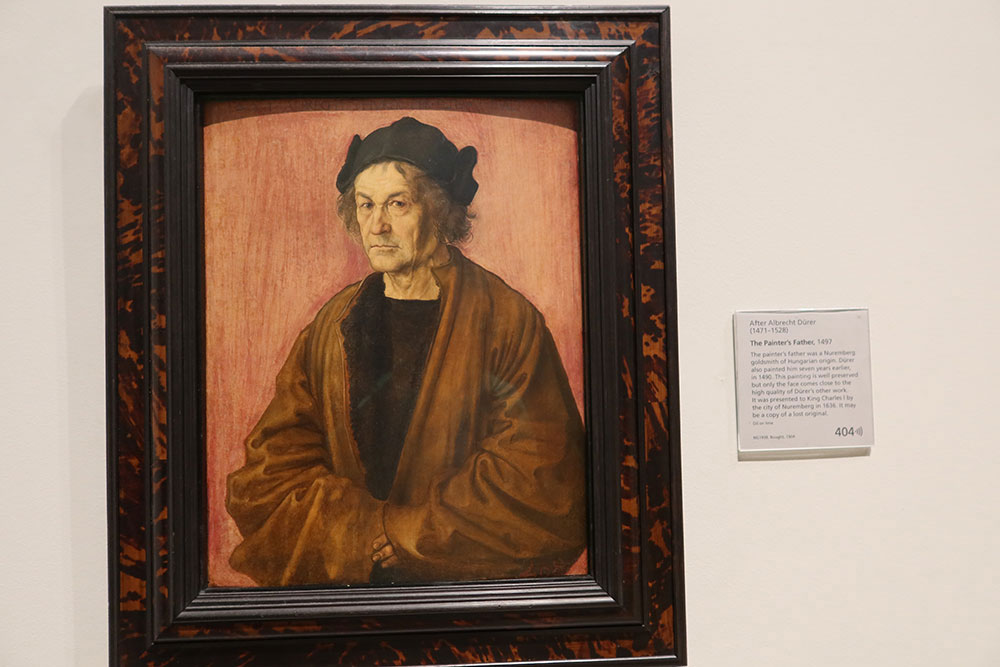
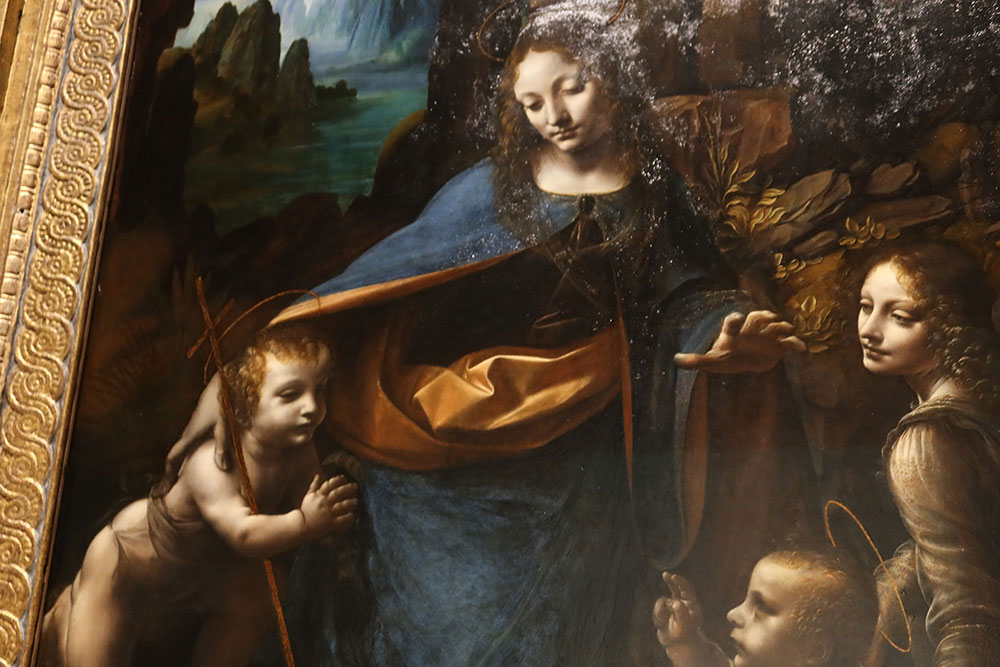
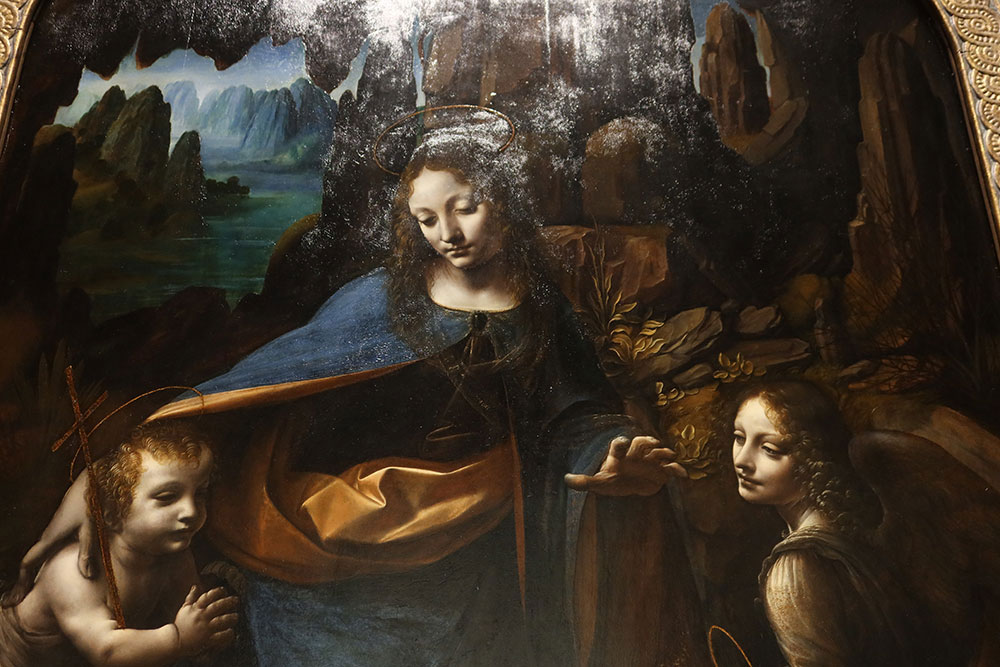
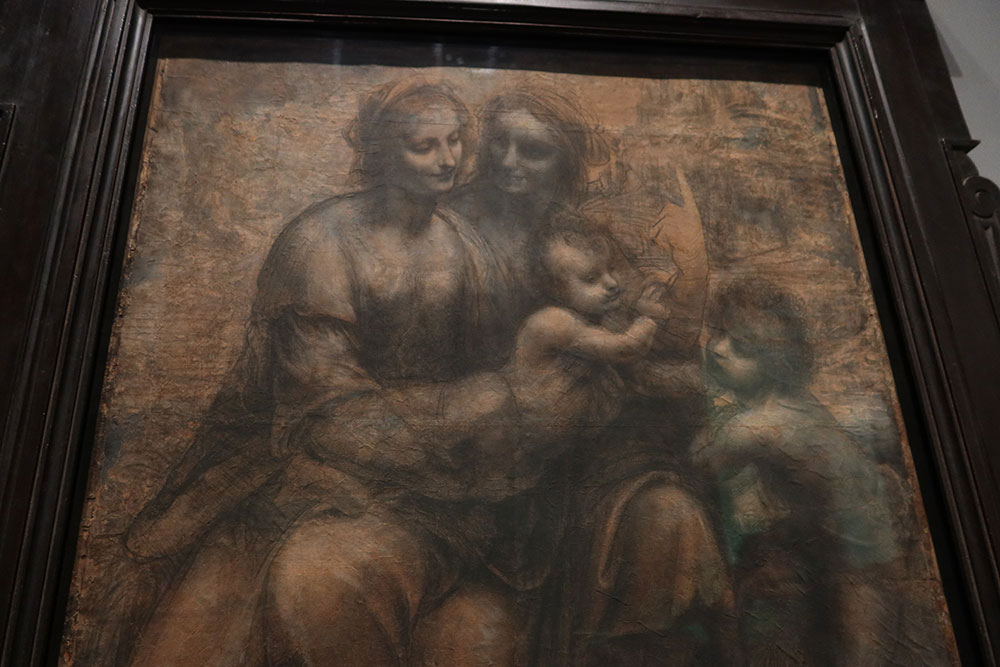
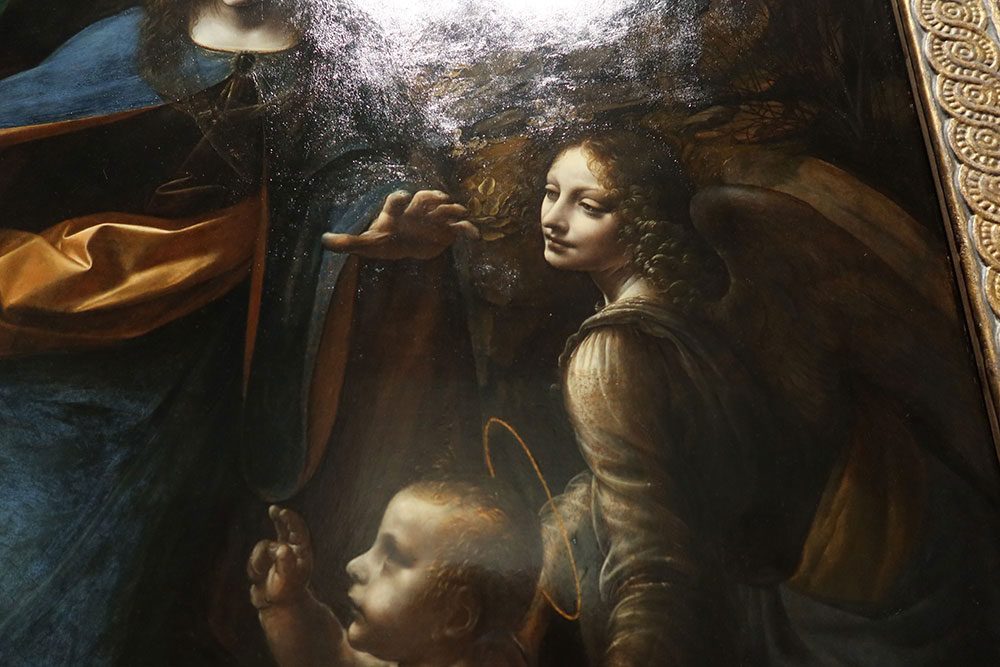
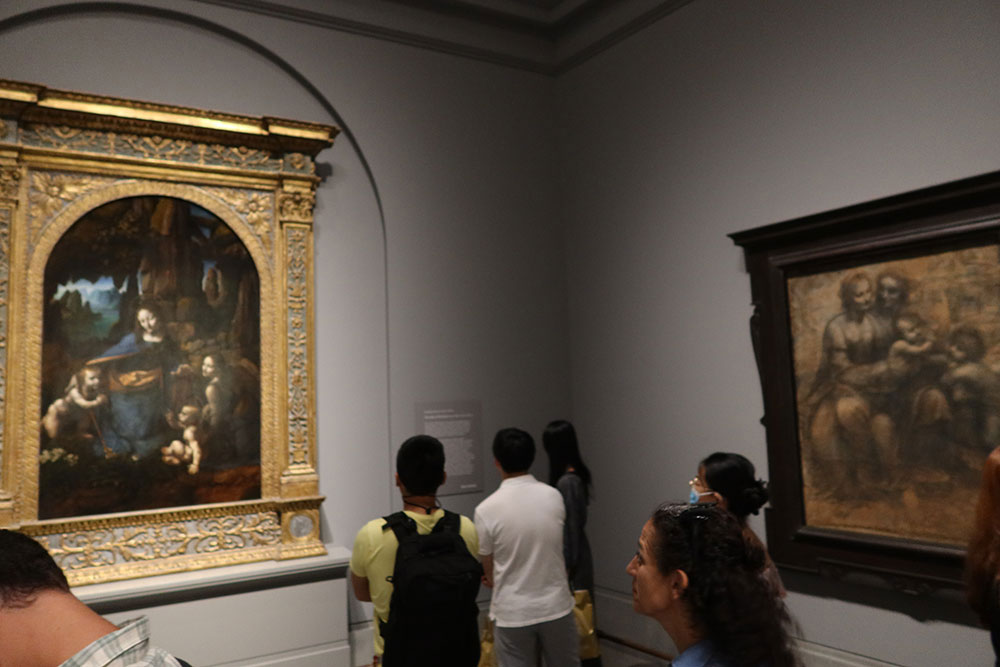
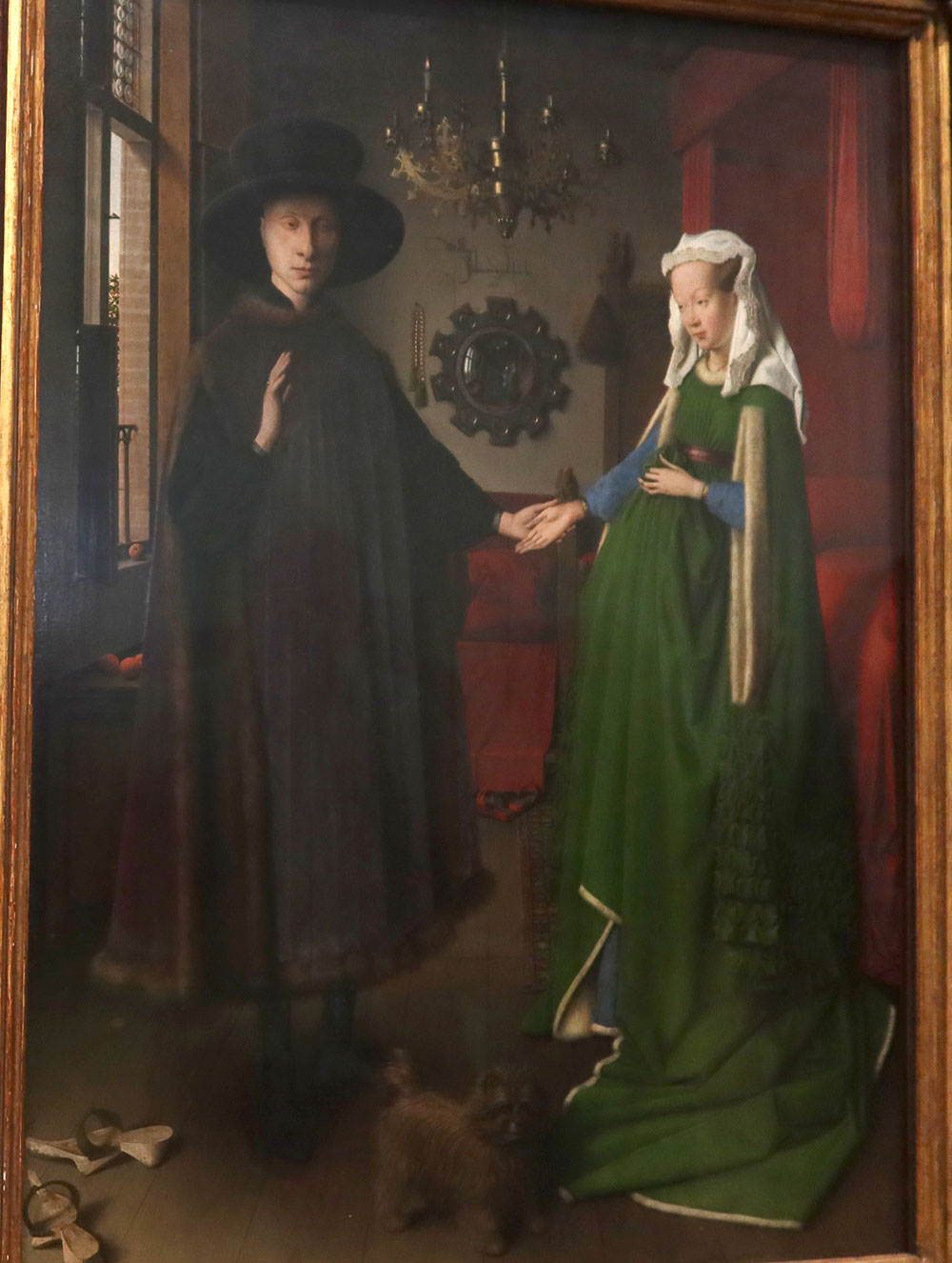
The institution’s early directors exercised considerable influence over the shape of the collection. Charles Lock Eastlake, who served as director from 1855 to 1865, made a series of acquisitions in Italy that gave the gallery its strength in early Renaissance painting — a legacy that remains one of the defining characteristics of the collection today. The Sainsbury Wing, which houses the earliest works, contains some of the most significant panels of the Italian and Northern European fourteenth and fifteenth centuries to be found outside their countries of origin. It is in this wing that visitors encounter works by Duccio, the Wilton Diptych attributed to an unknown artist of the International Gothic period, van Eyck’s ‘The Arnolfini Portrait’, and Botticelli alongside Raphael and Leonardo’s ‘The Virgin of the Rocks’.
The Scope and Character of the Collection
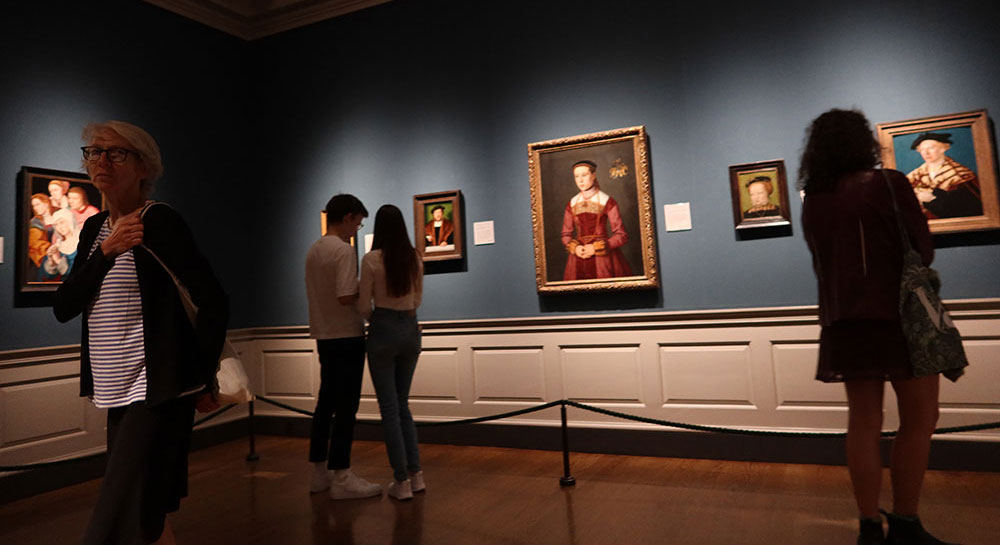
The collection is, by institutional design, a collection of paintings and paintings alone. There are no sculptures, decorative objects, or works on paper in the permanent display; the Gallery’s curatorial focus is singular and its depth within that scope considerable. The chronological range from approximately 1250 to 1900 encompasses the full arc of European painting from its post-Byzantine origins through the Impressionist and Post-Impressionist movements, and the collection holds significant works at each stage of that development.
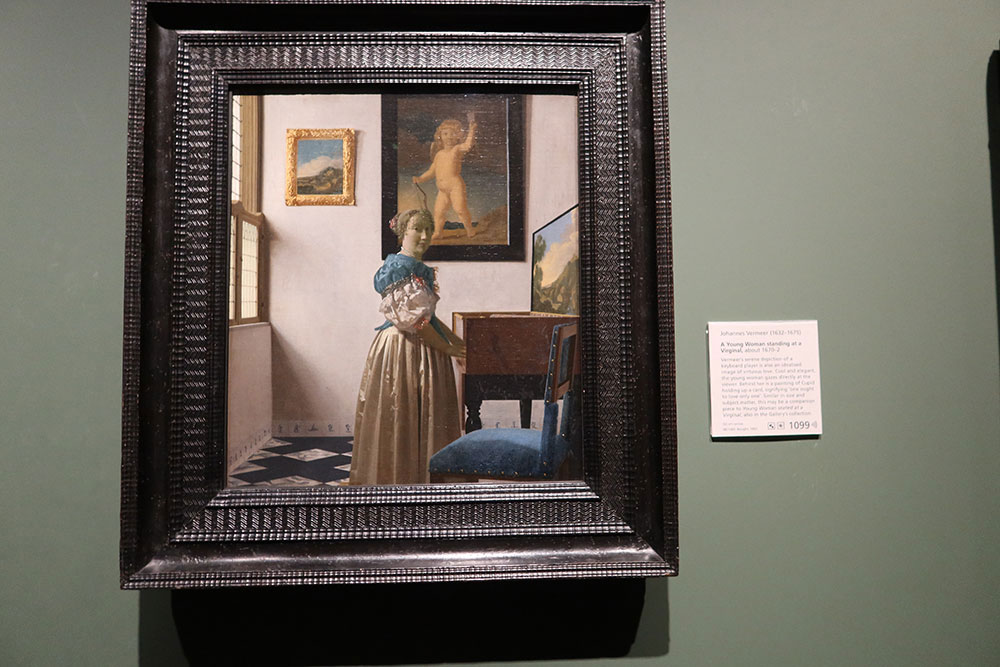
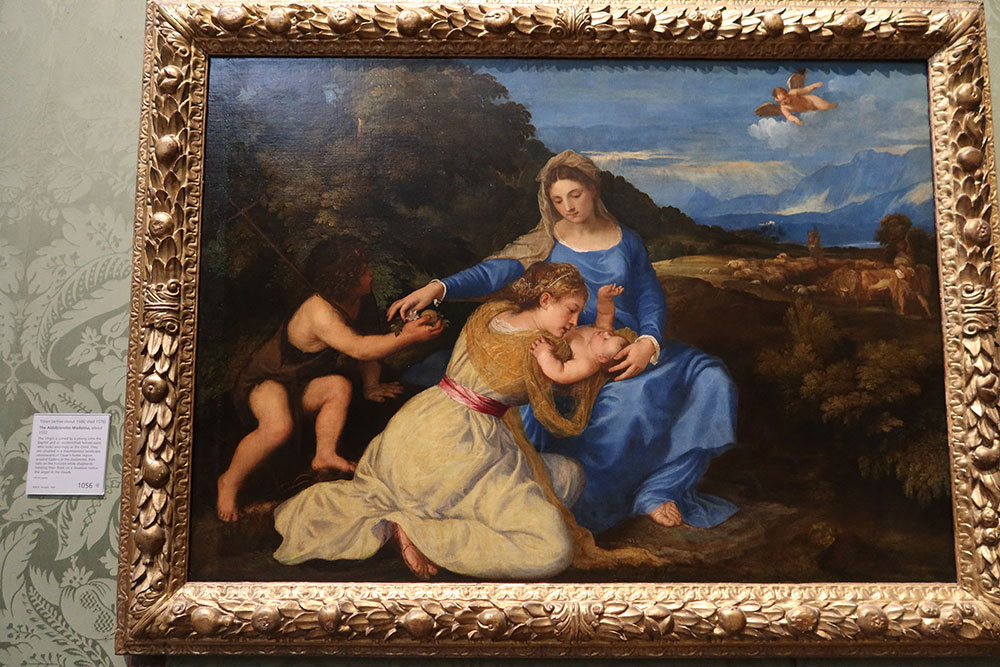
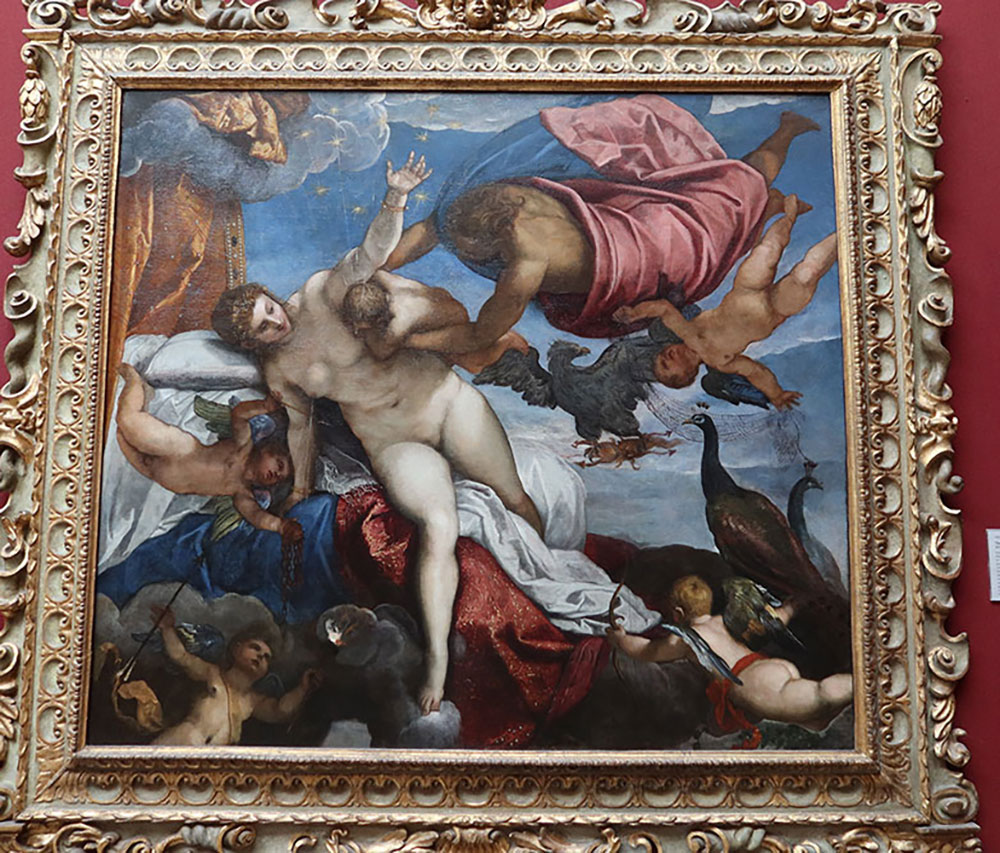
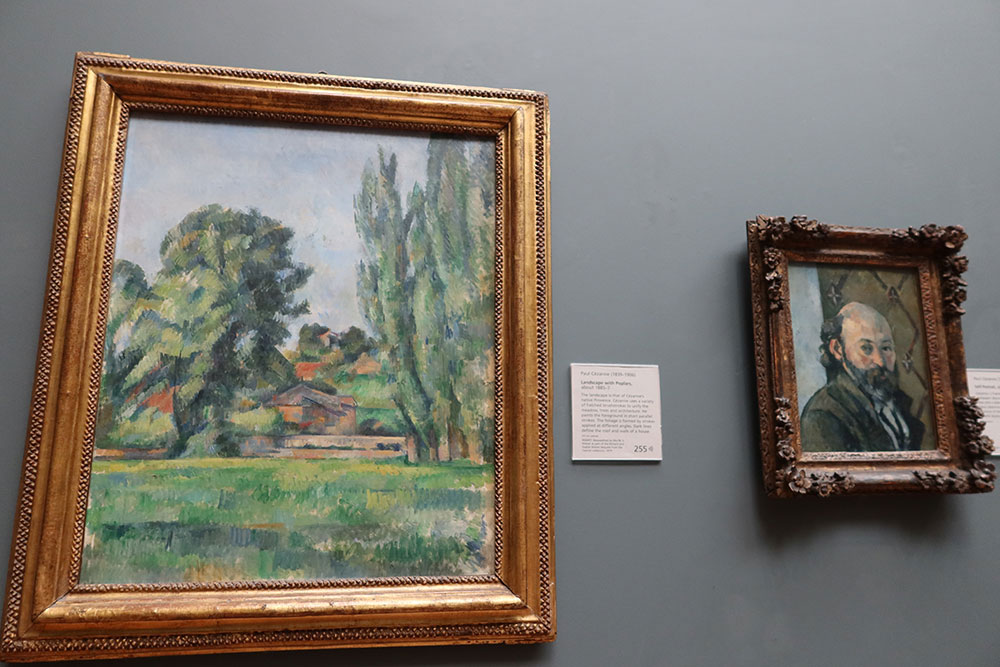
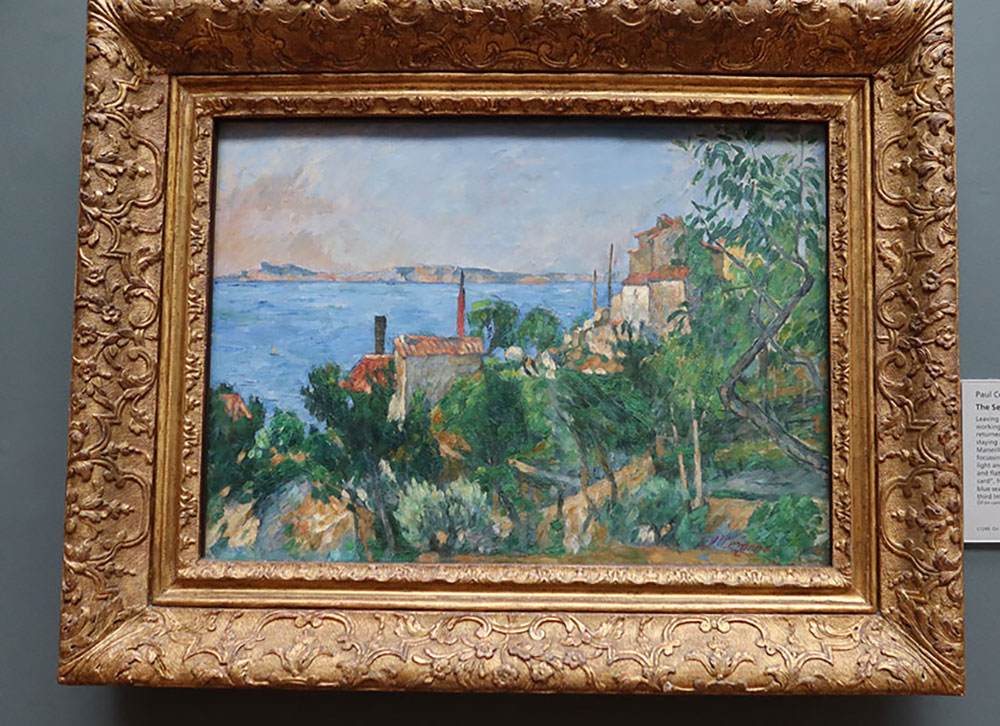
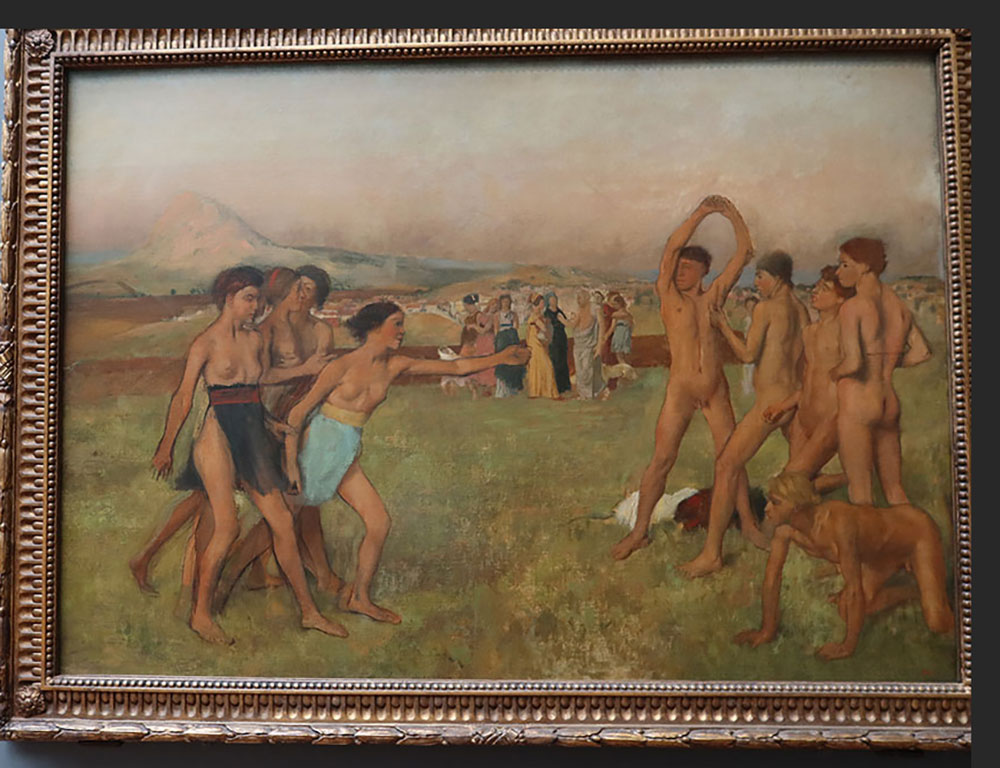
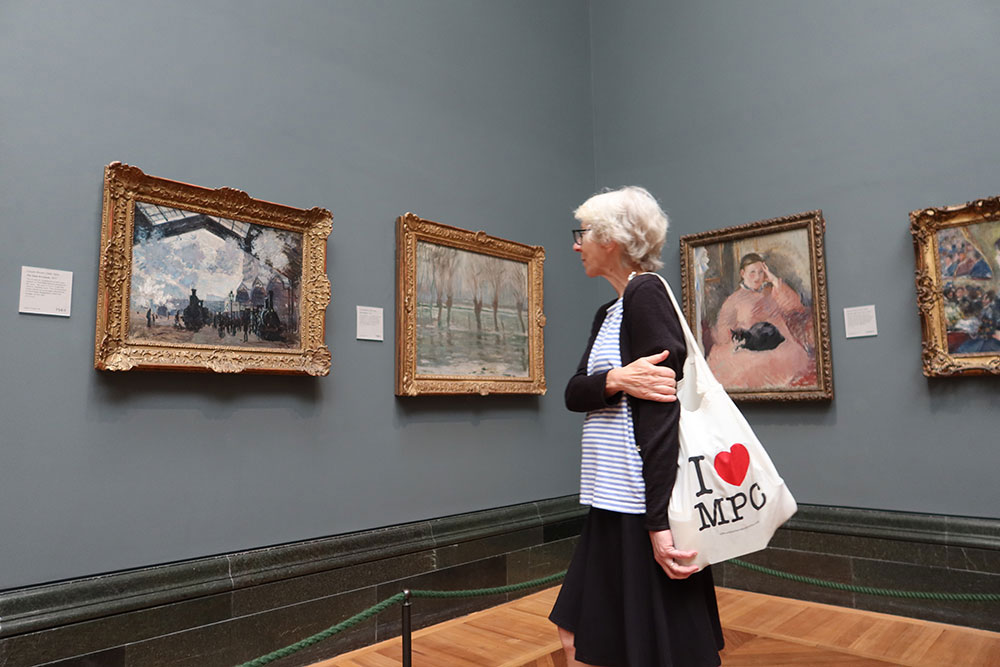
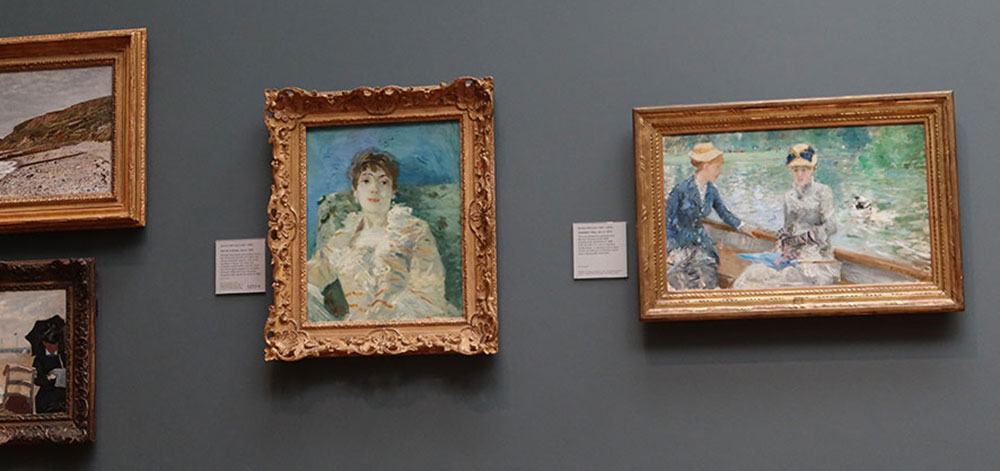
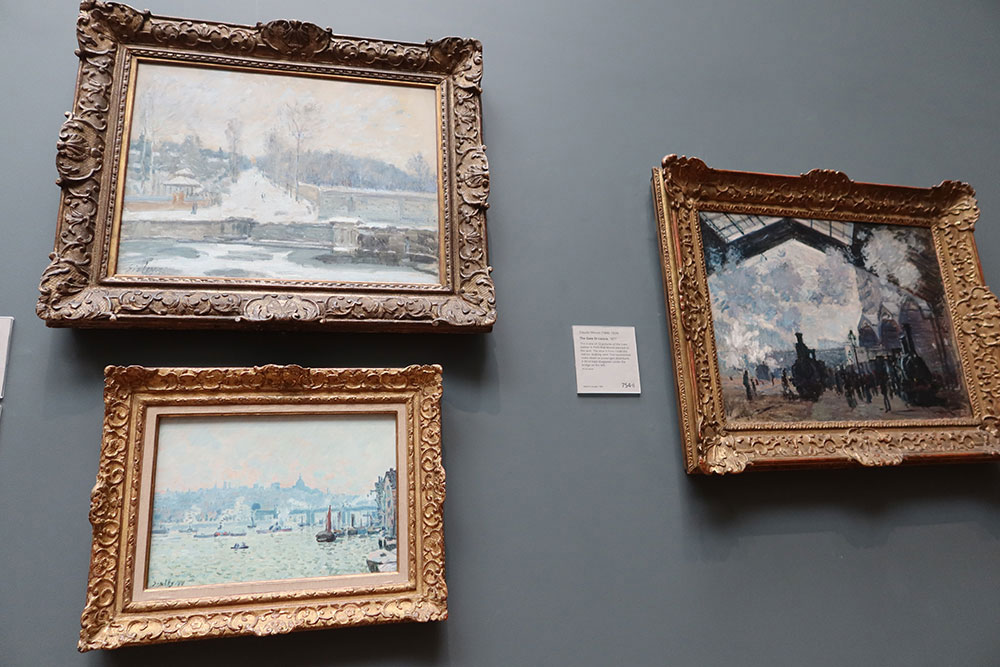
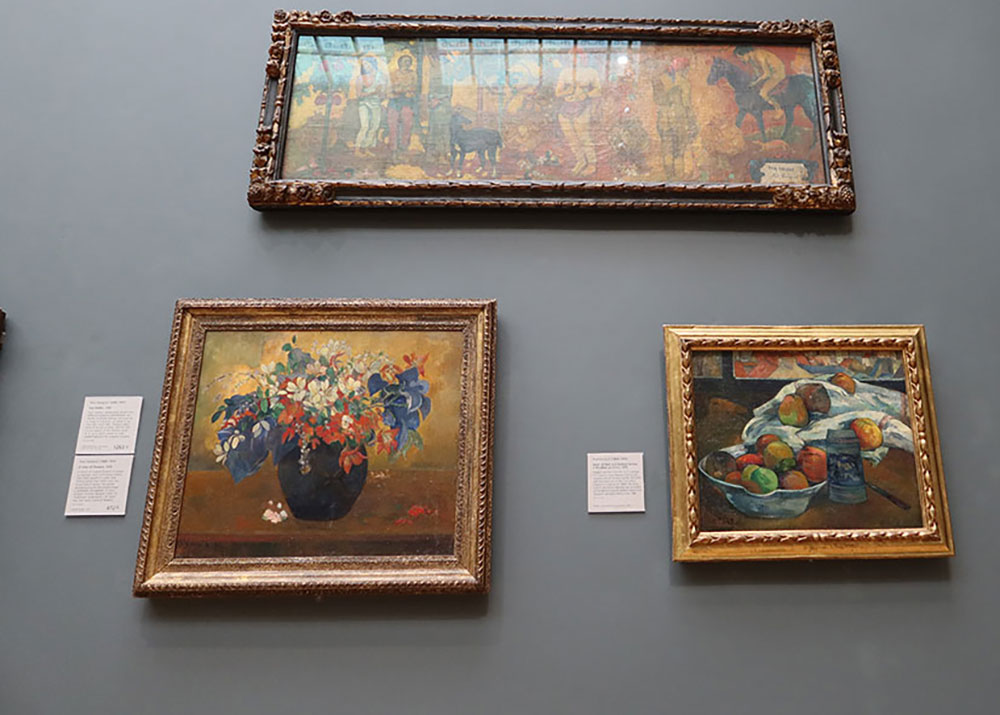
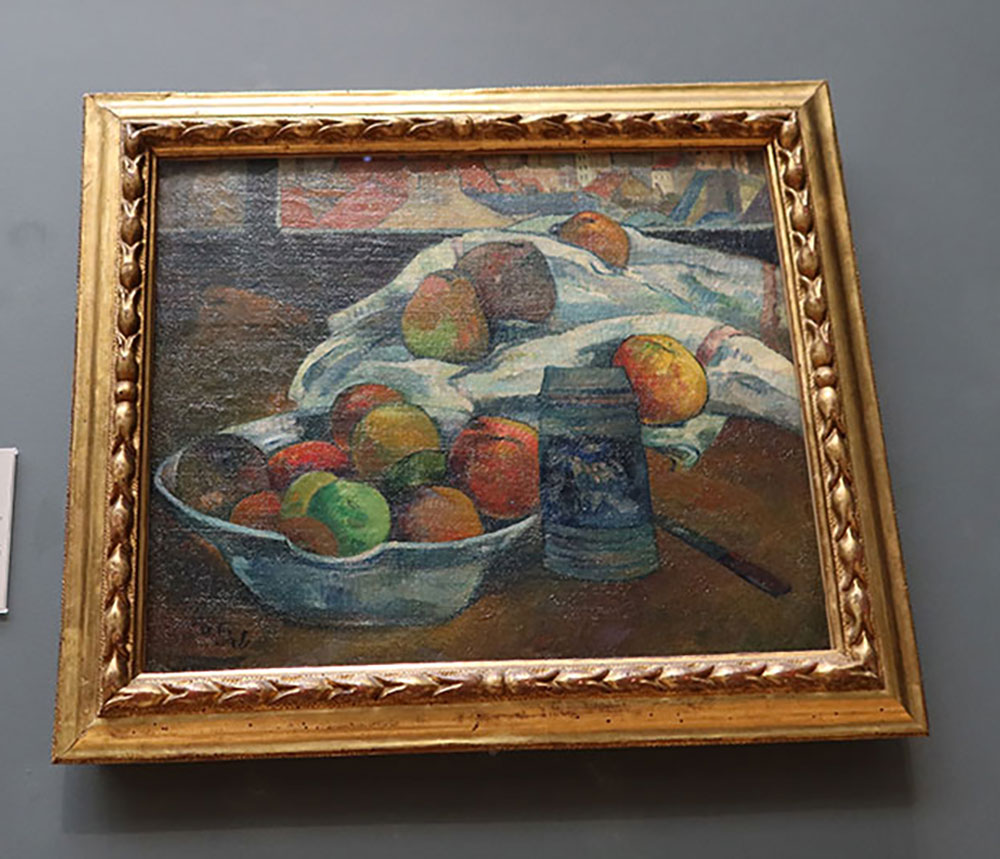
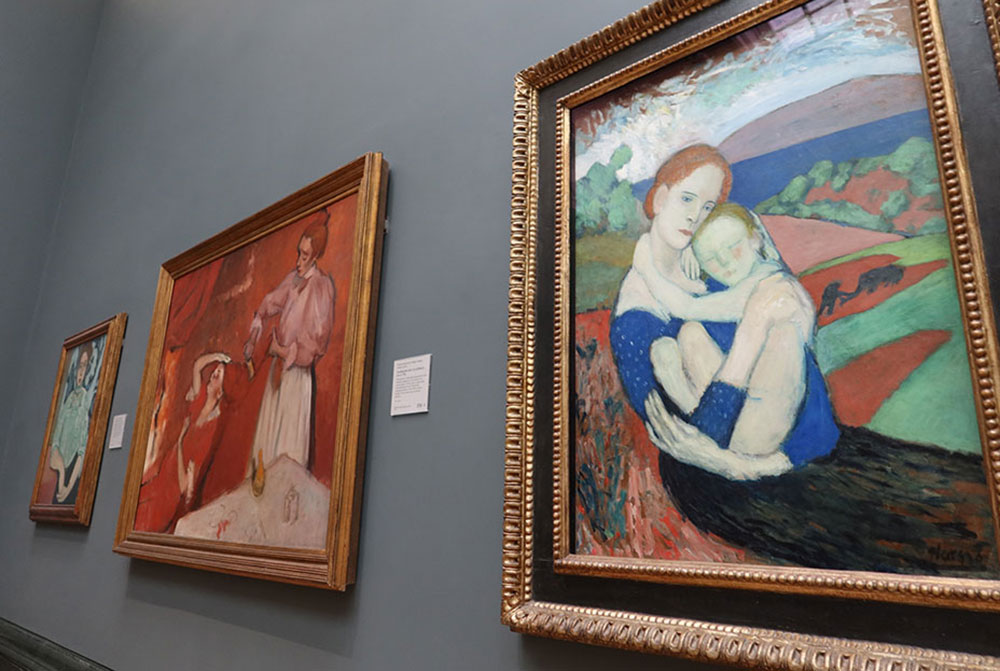
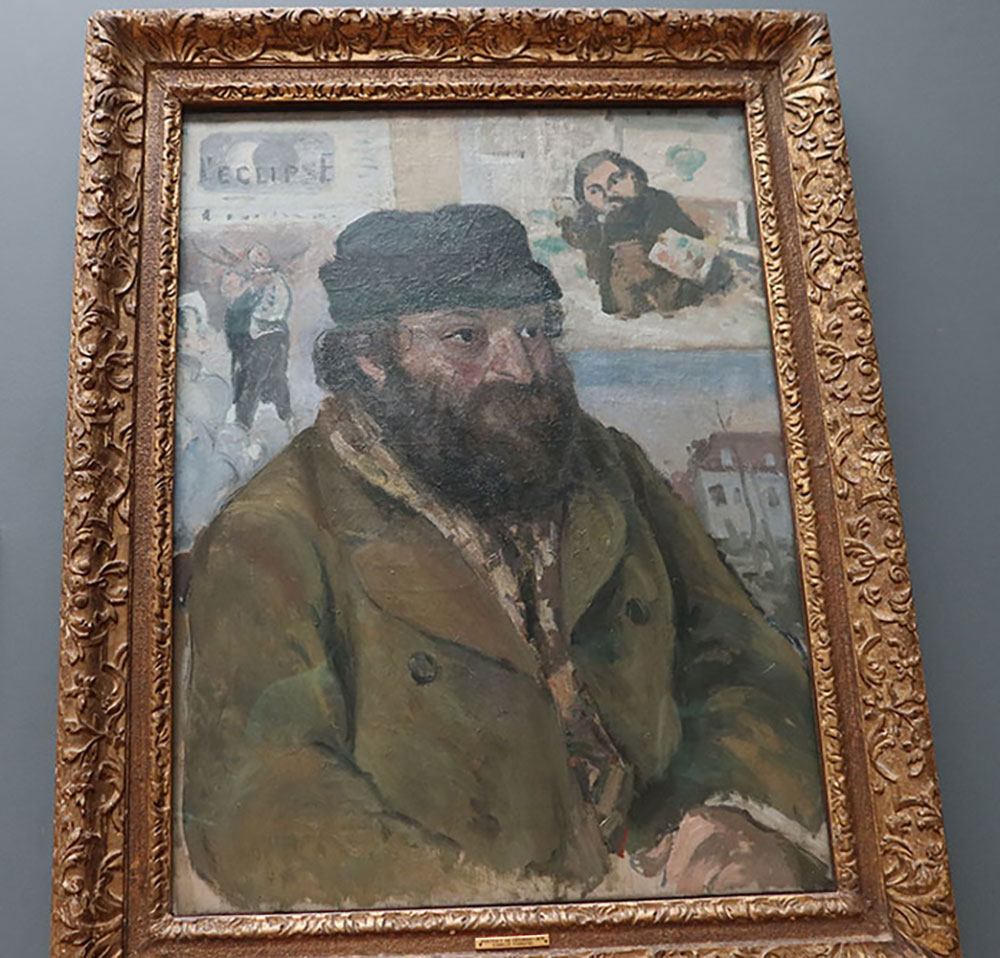
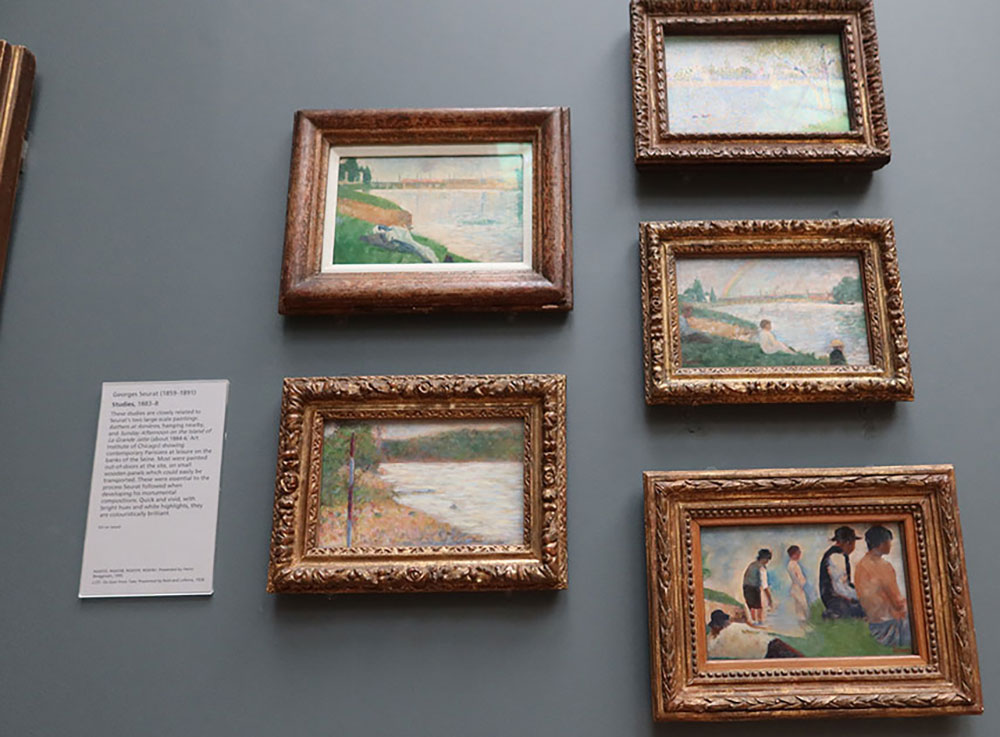
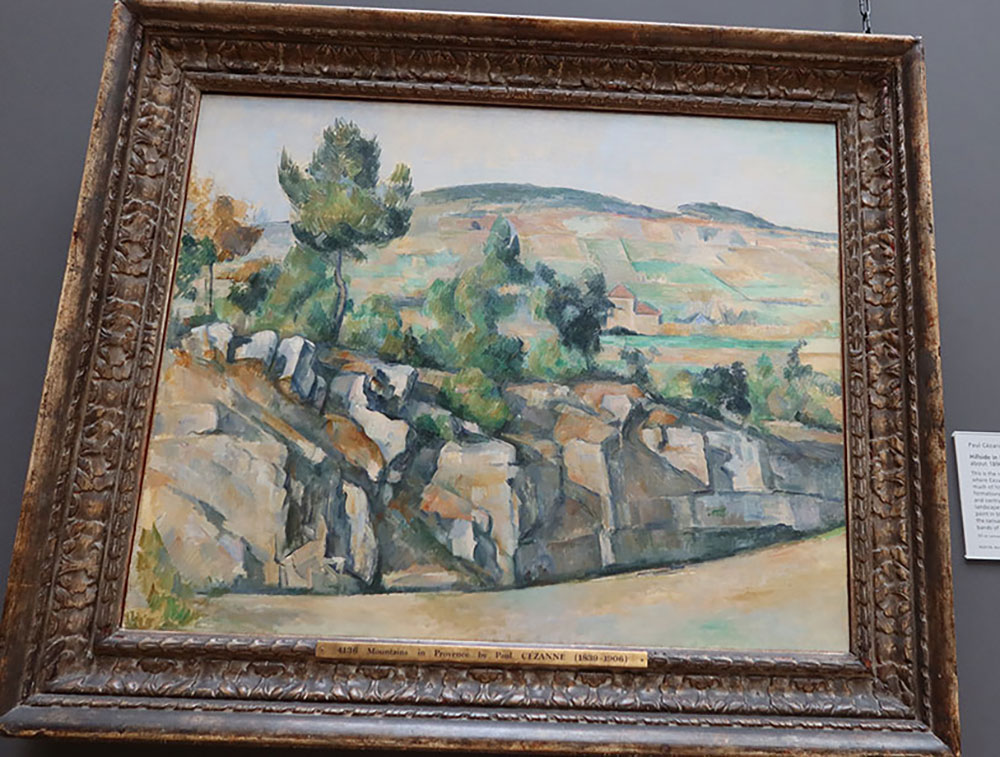
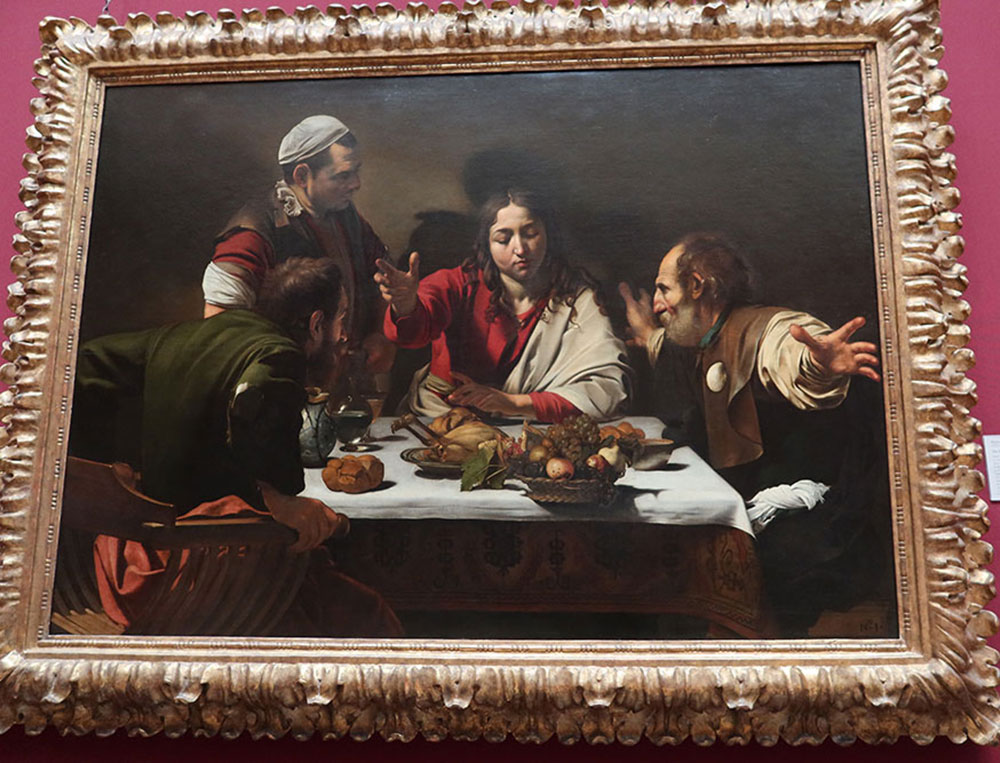
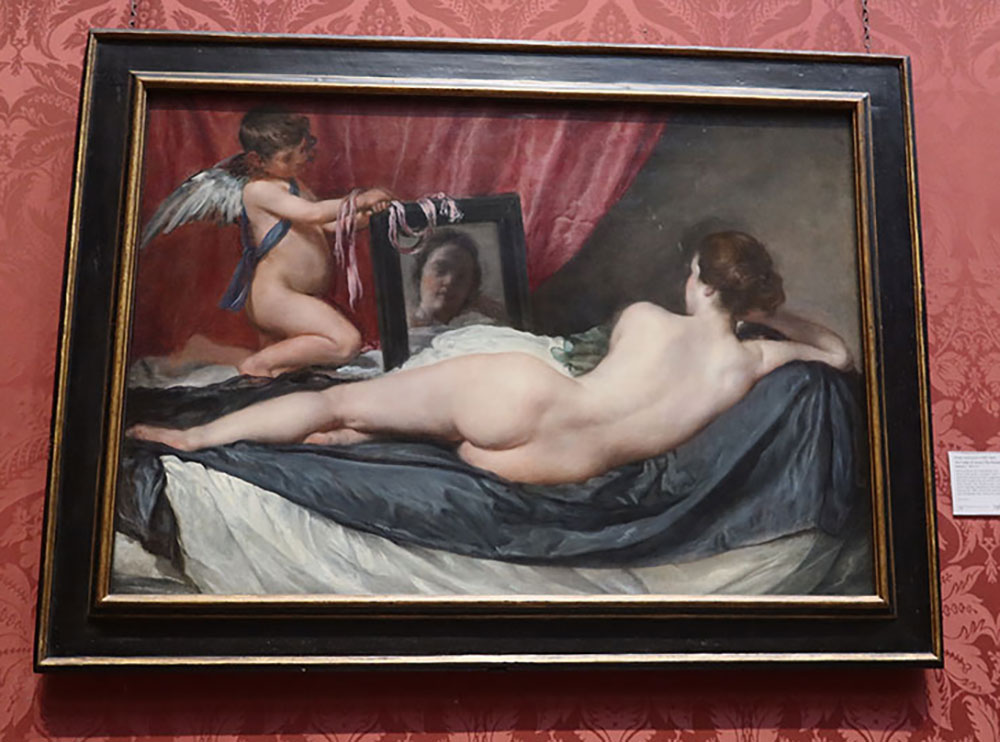
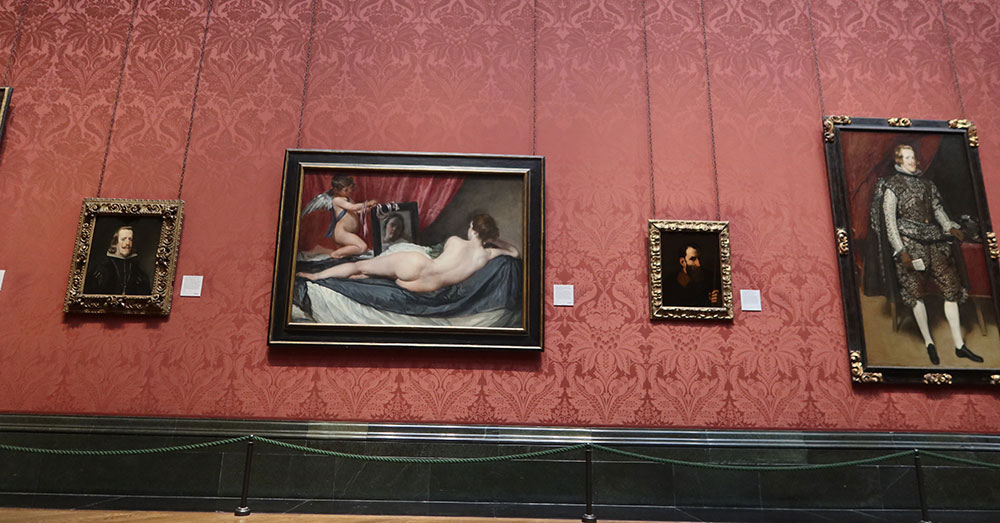
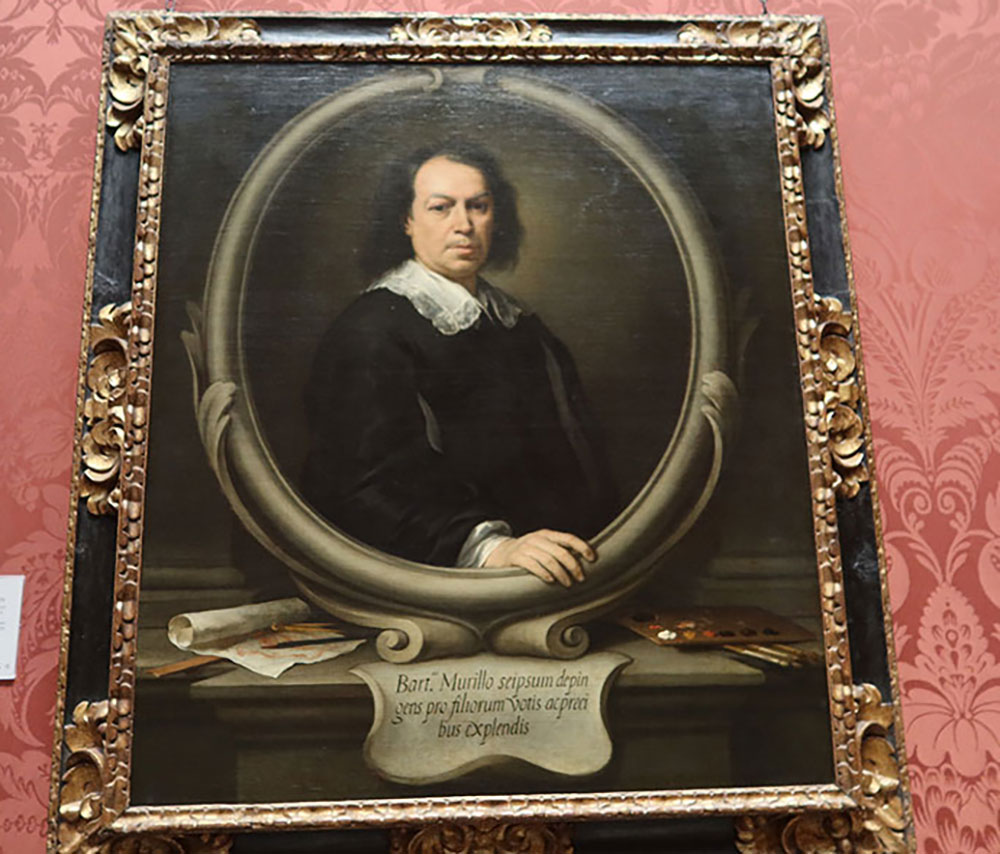
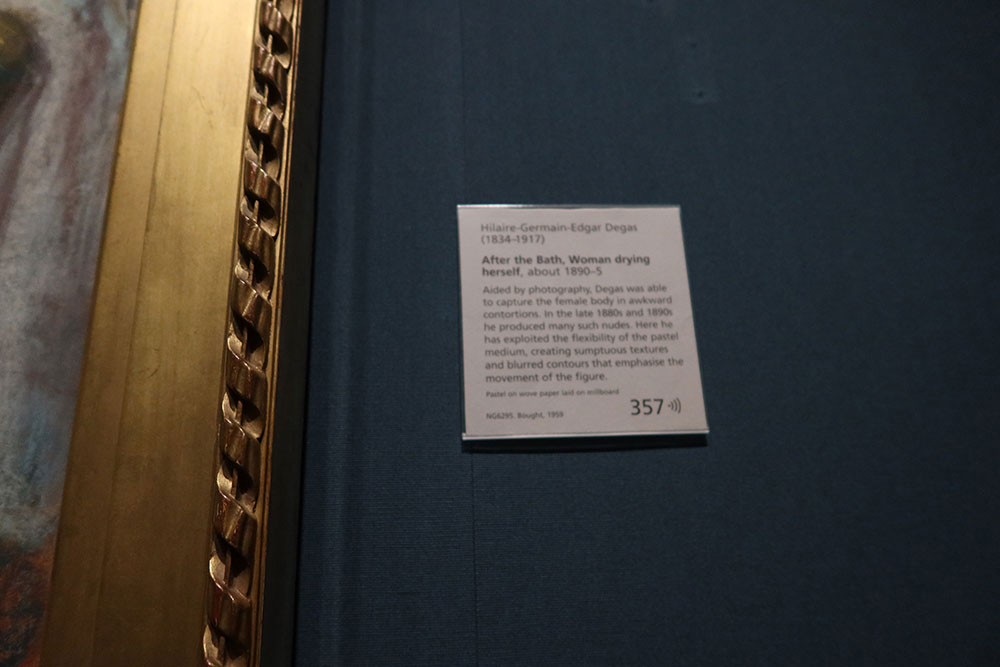
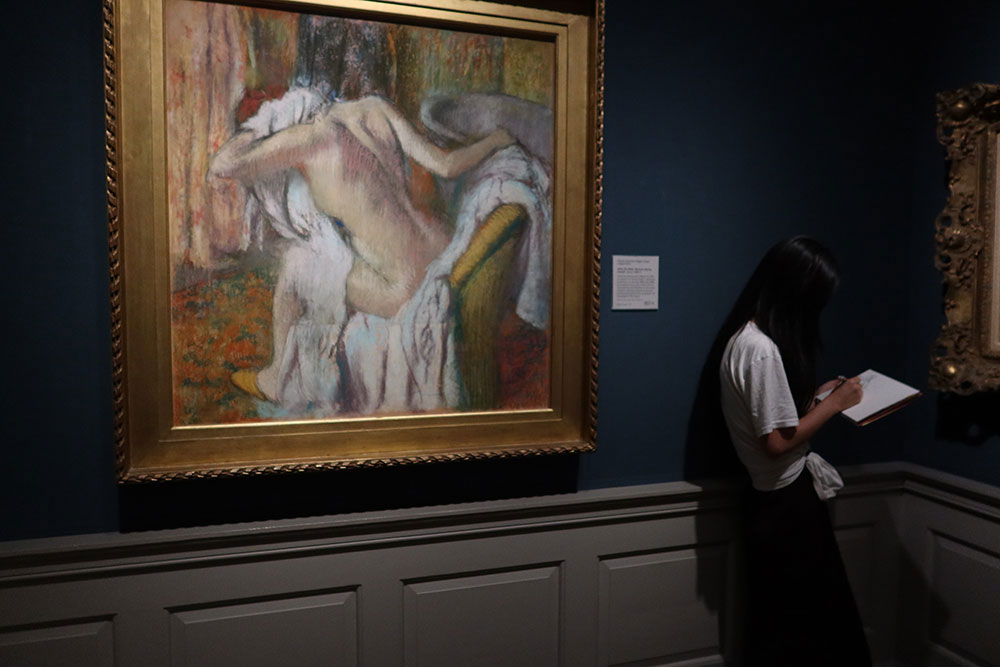
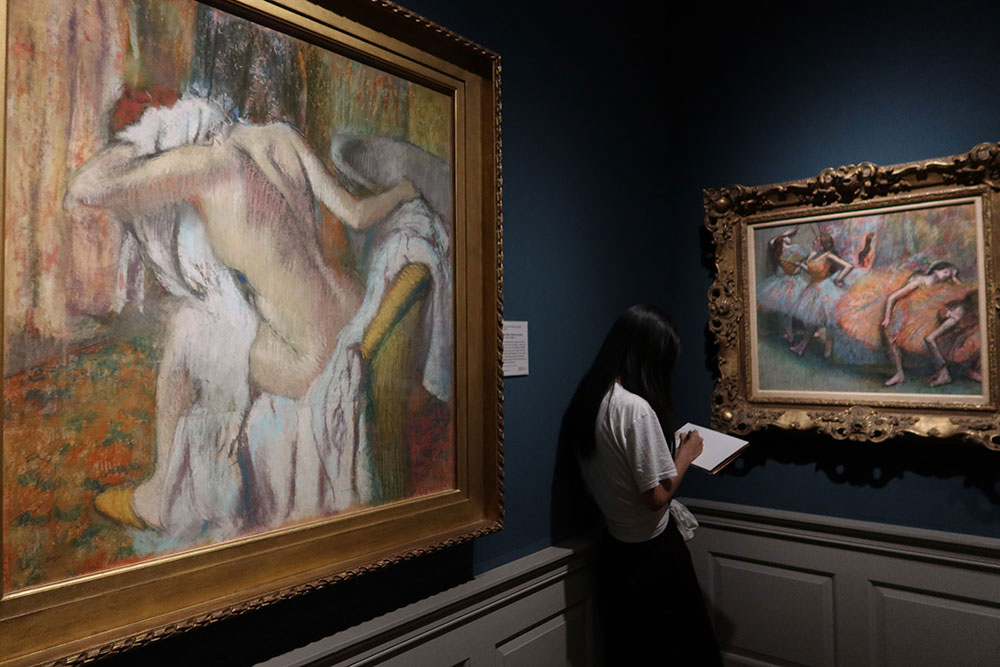
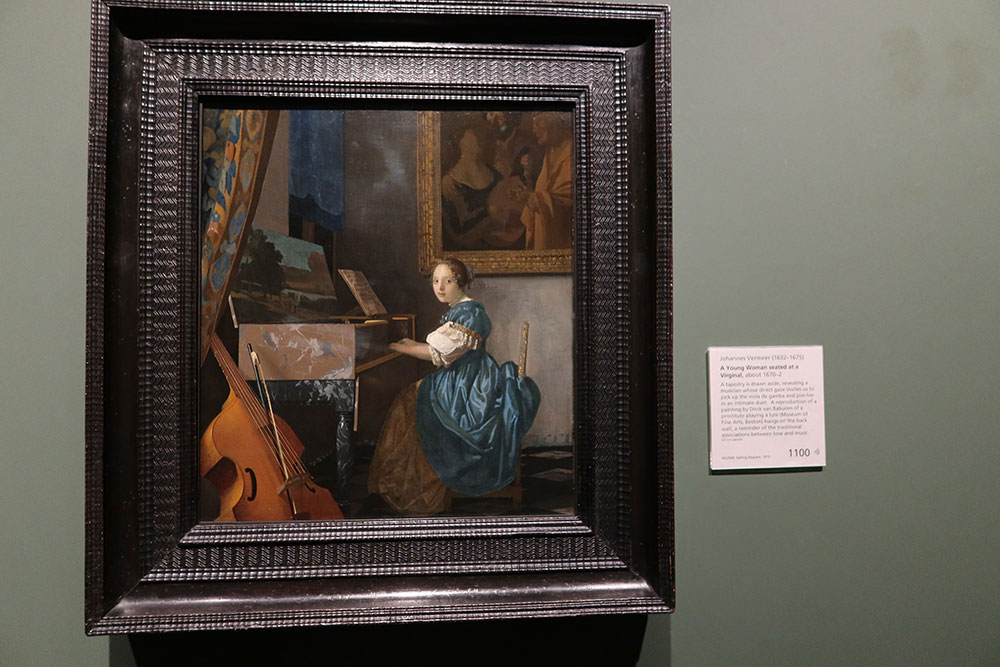
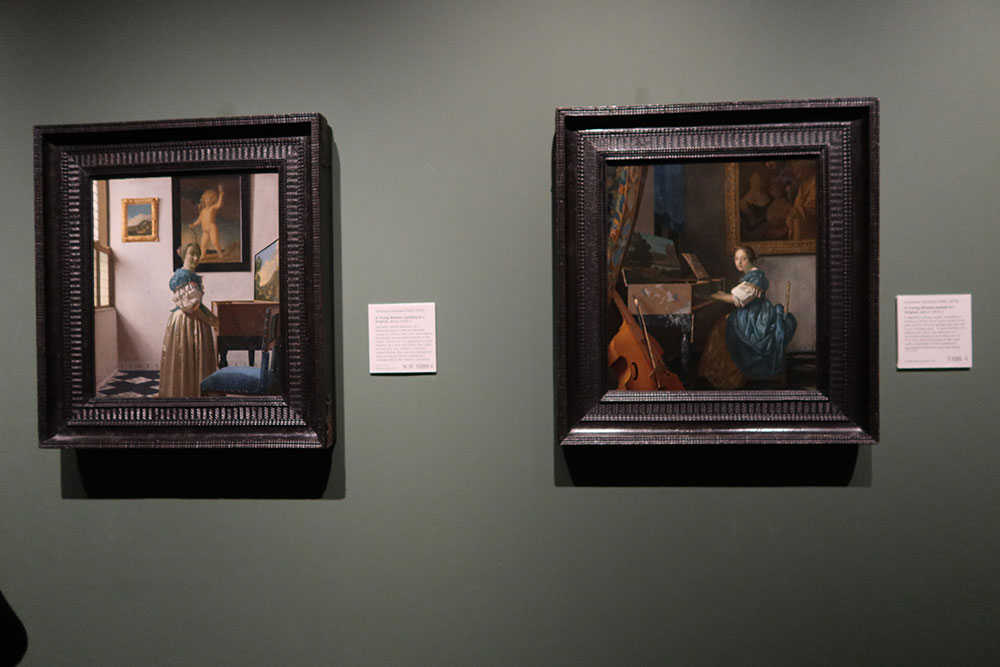
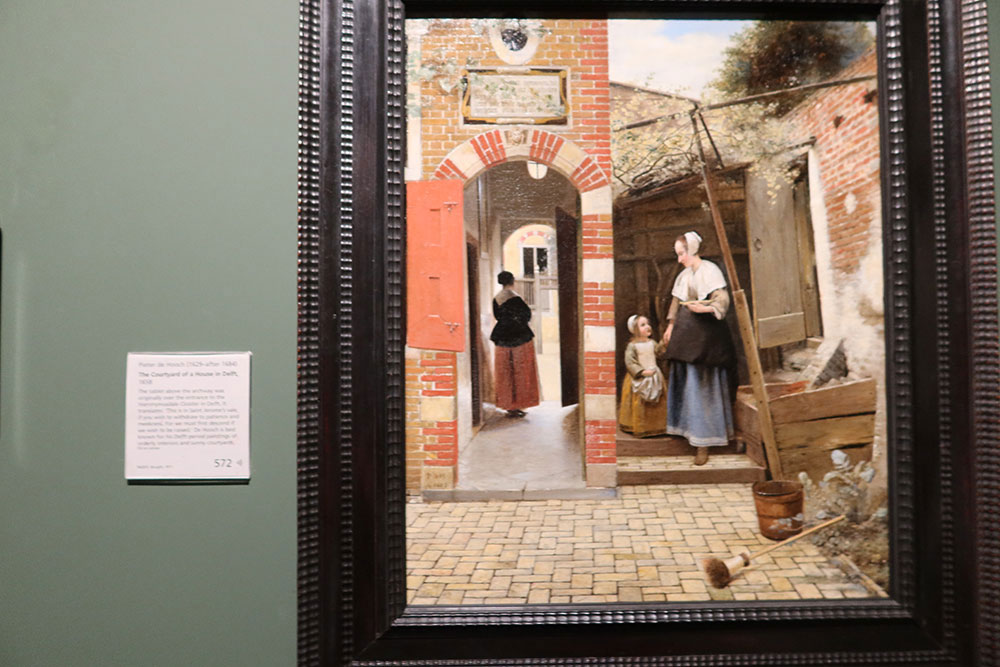
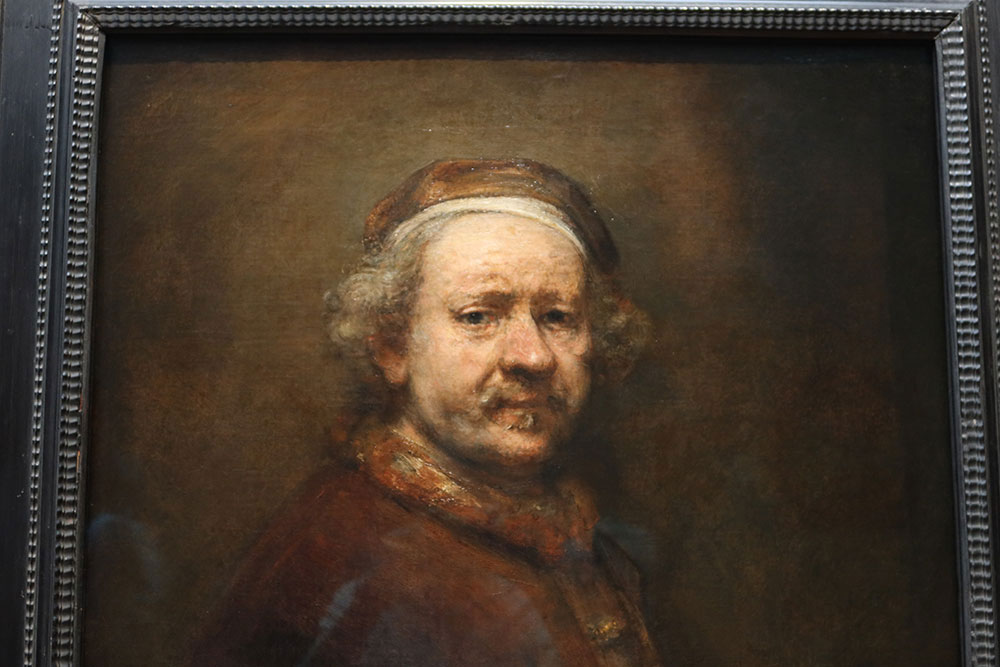
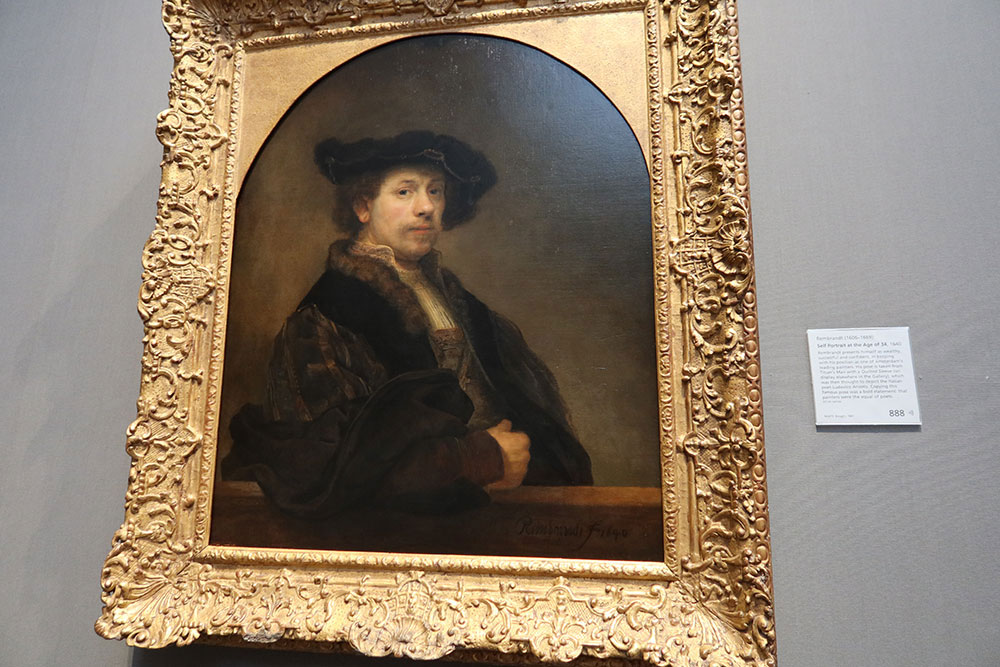
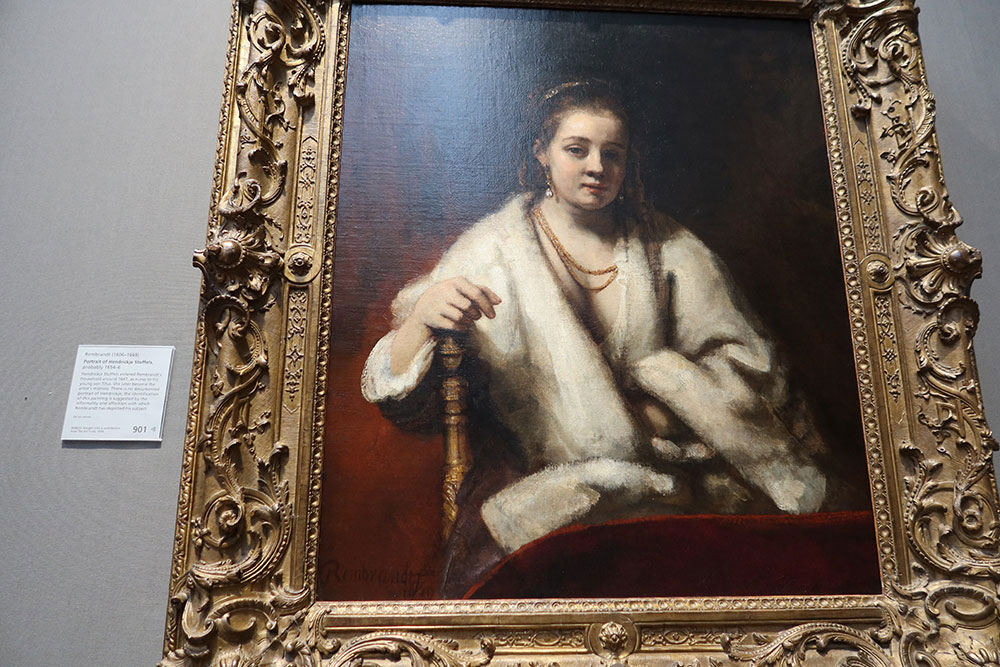
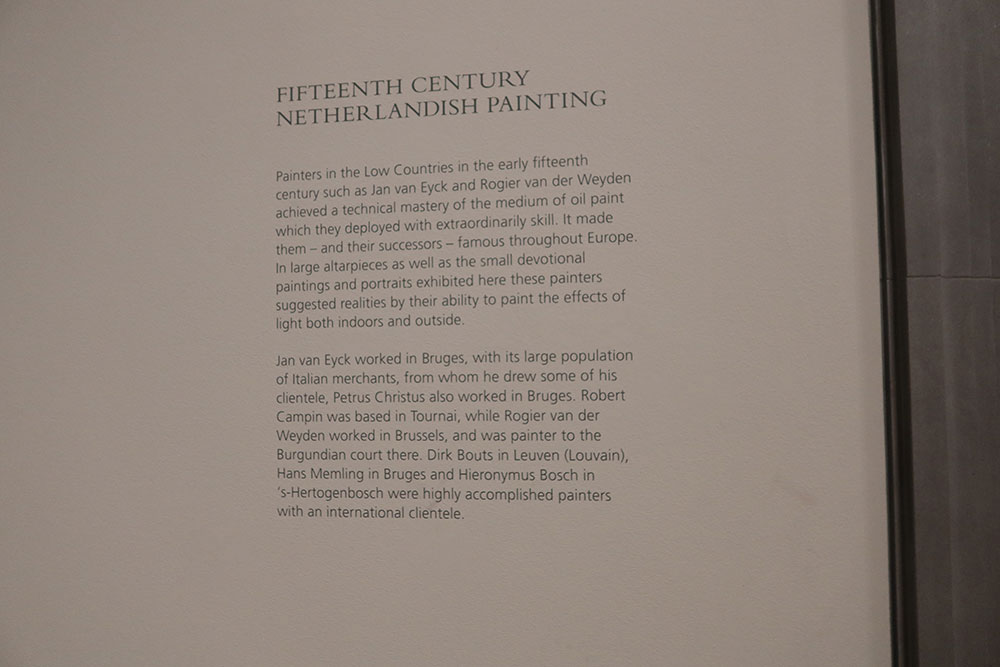
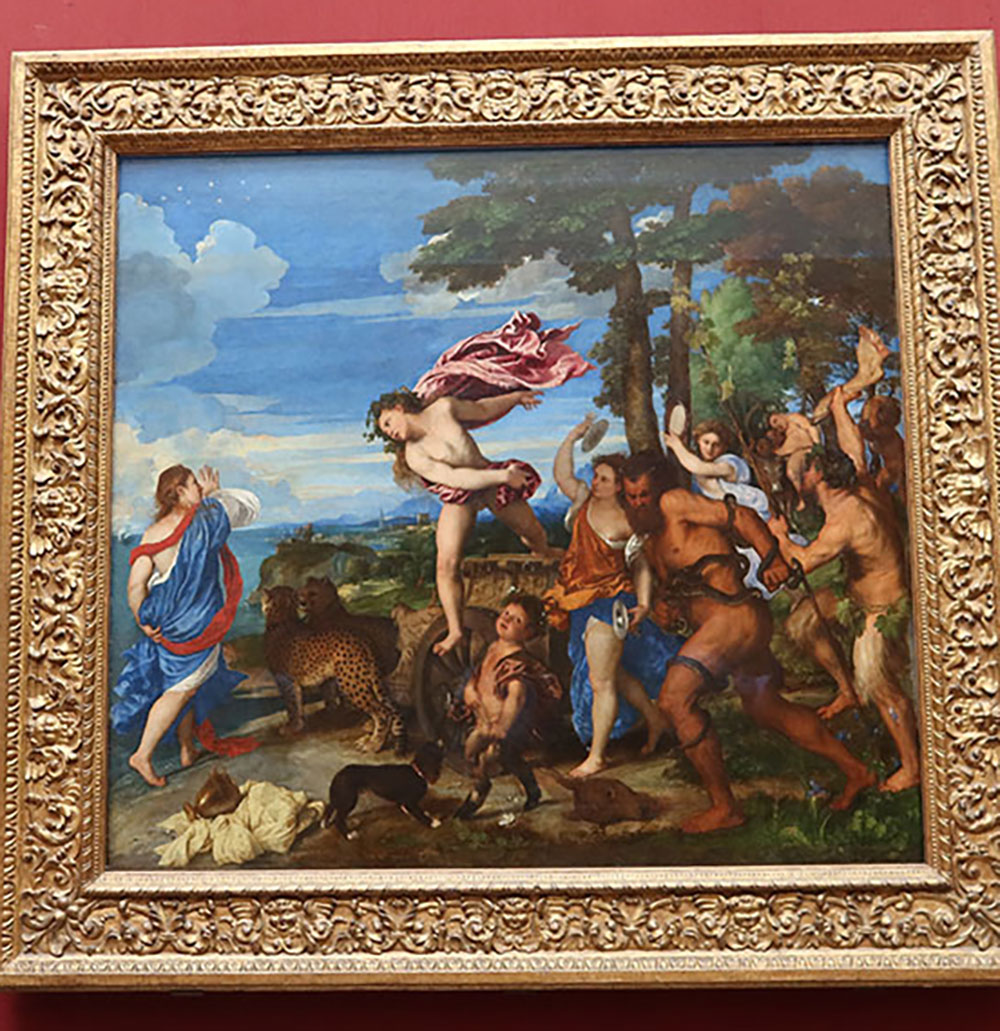
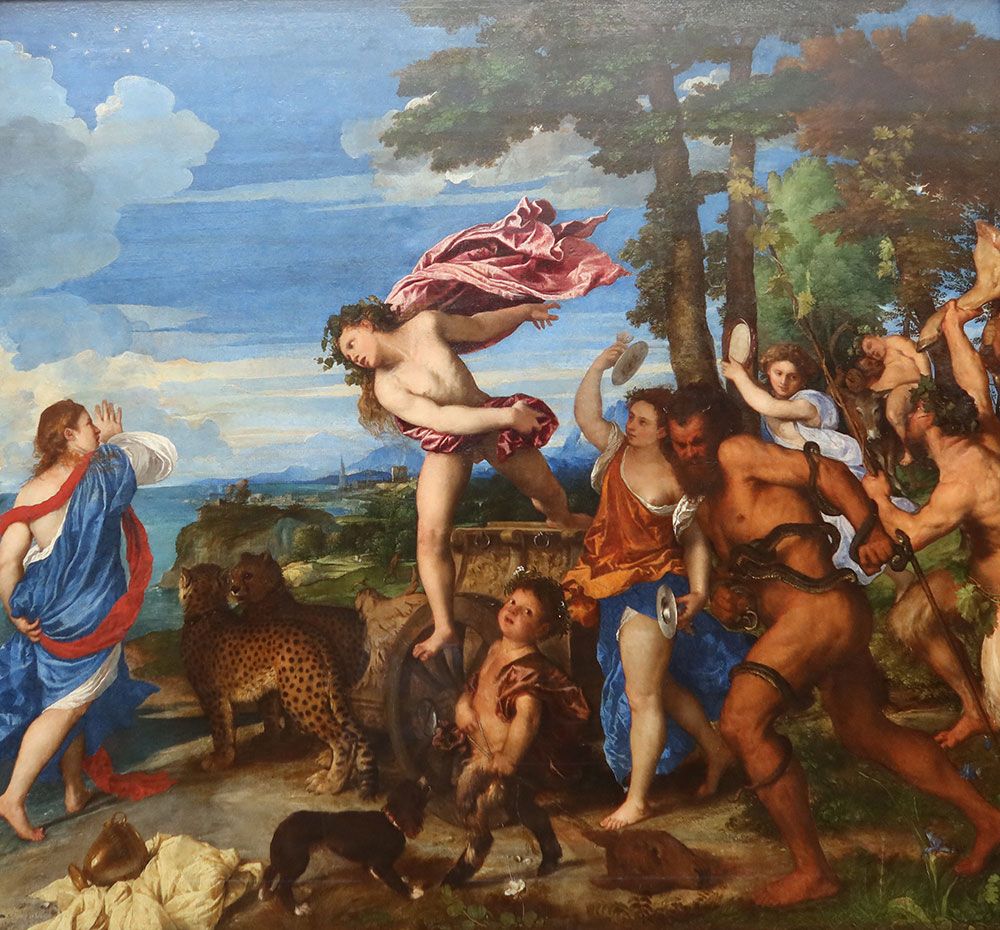
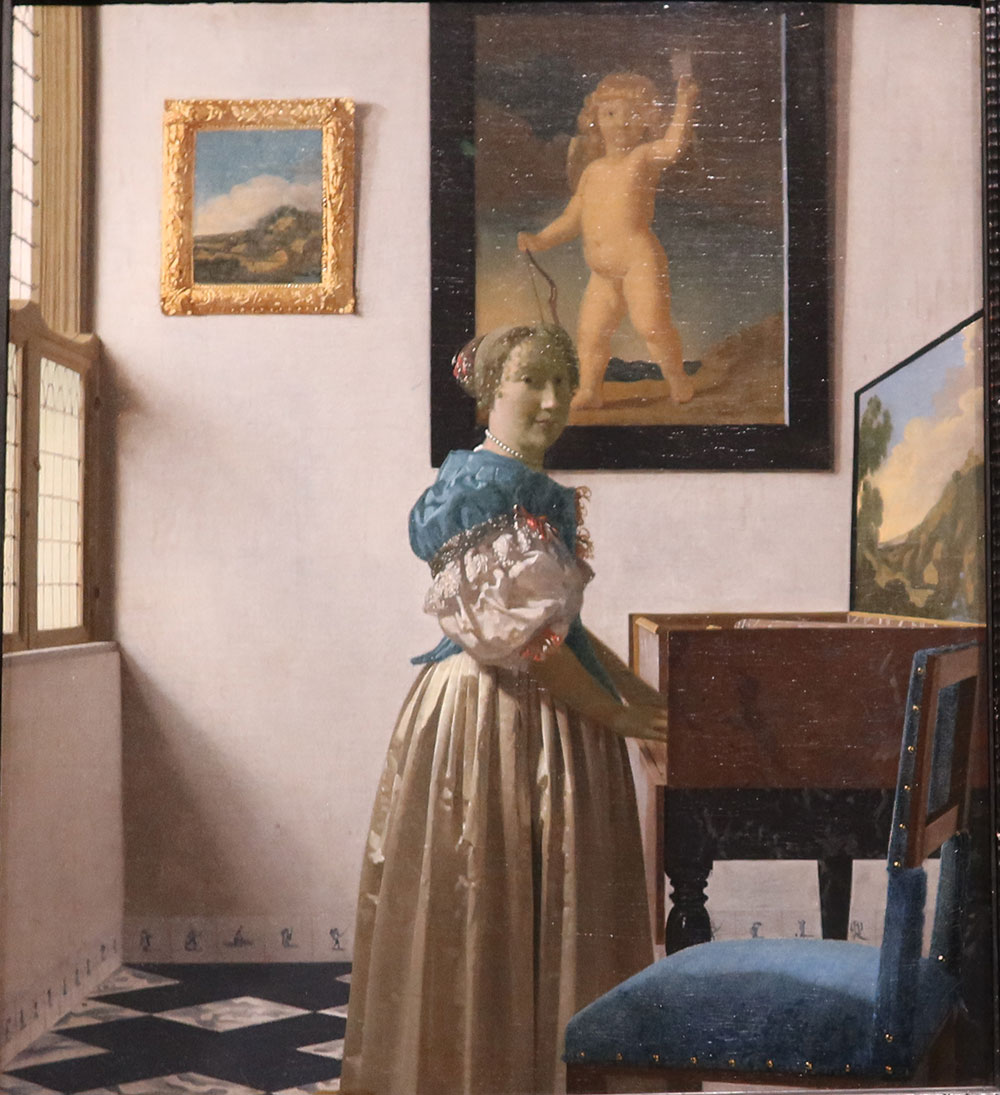
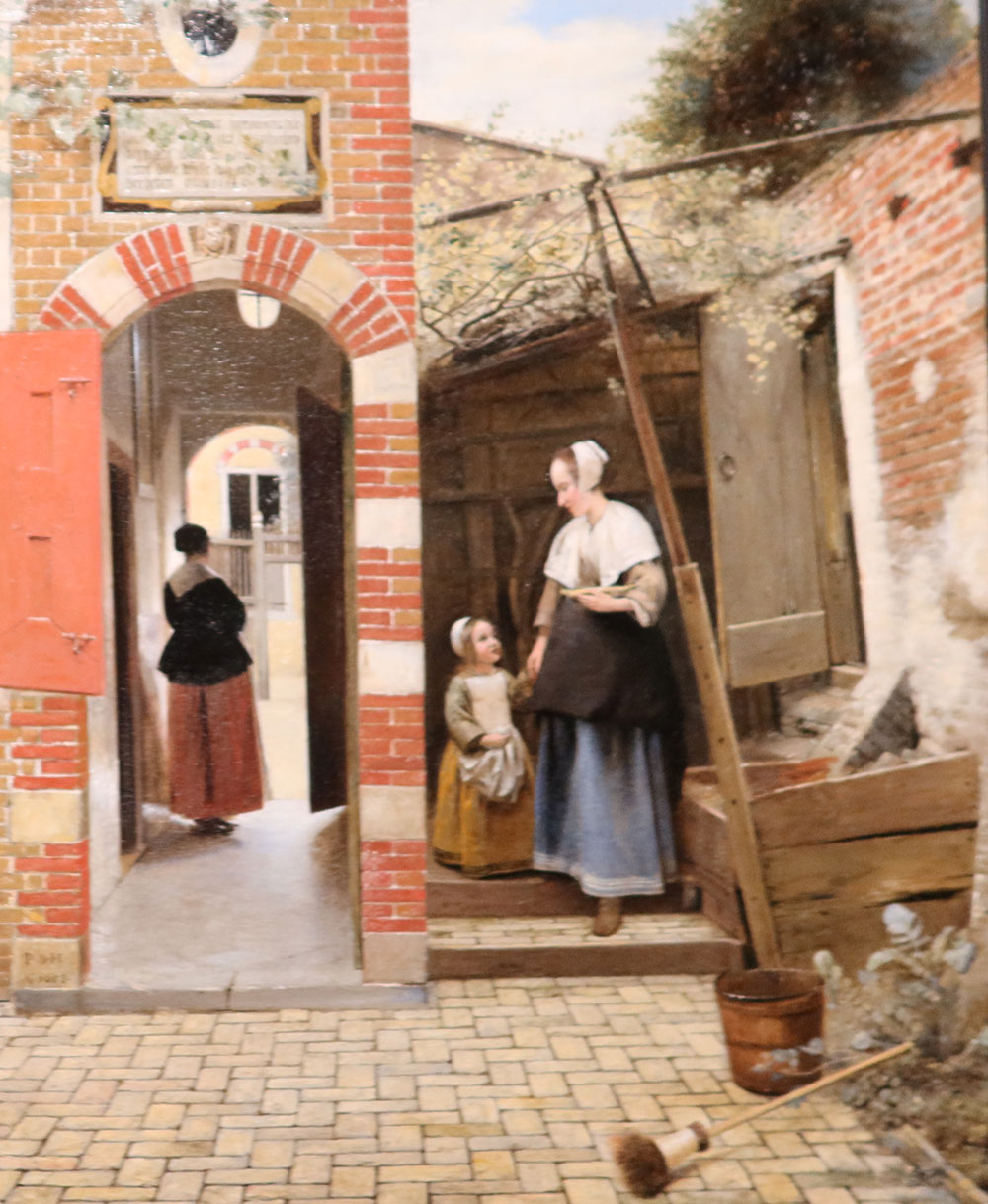
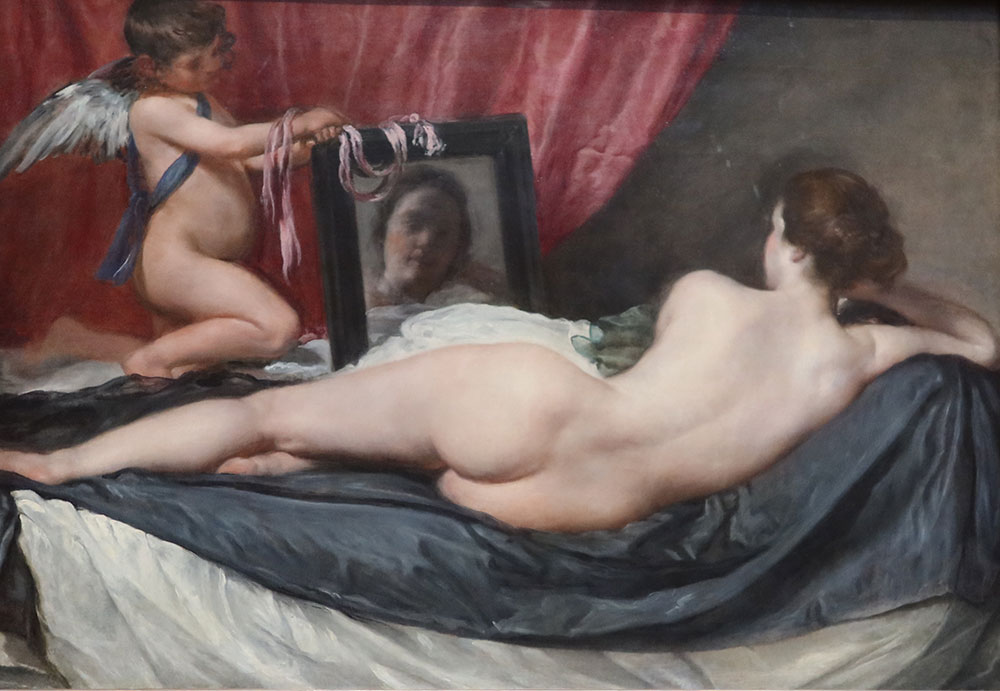
The Dutch and Flemish holdings are among the strongest of any public institution outside the Netherlands. Rembrandt is represented by a number of self-portraits as well as major works from across his career. Vermeer, Frans Hals, Rubens, and van Dyck are present in depth and quality. The Spanish collection, while smaller, contains works of the first importance: Velázquez’s ‘The Rokeby Venus’ and several works by Goya sit alongside substantial holdings of El Greco. The Italian Renaissance material extends from the Sienese and Florentine panels of the Sainsbury Wing through to Titian, Tintoretto, and Veronese. In the later galleries, the French collection takes particular strength, with works by Poussin and Claude forming a core around which holdings of Watteau, Ingres, Delacroix, Corot, and eventually the Impressionists — Monet, Degas, Renoir, Cézanne, Seurat — are arranged.
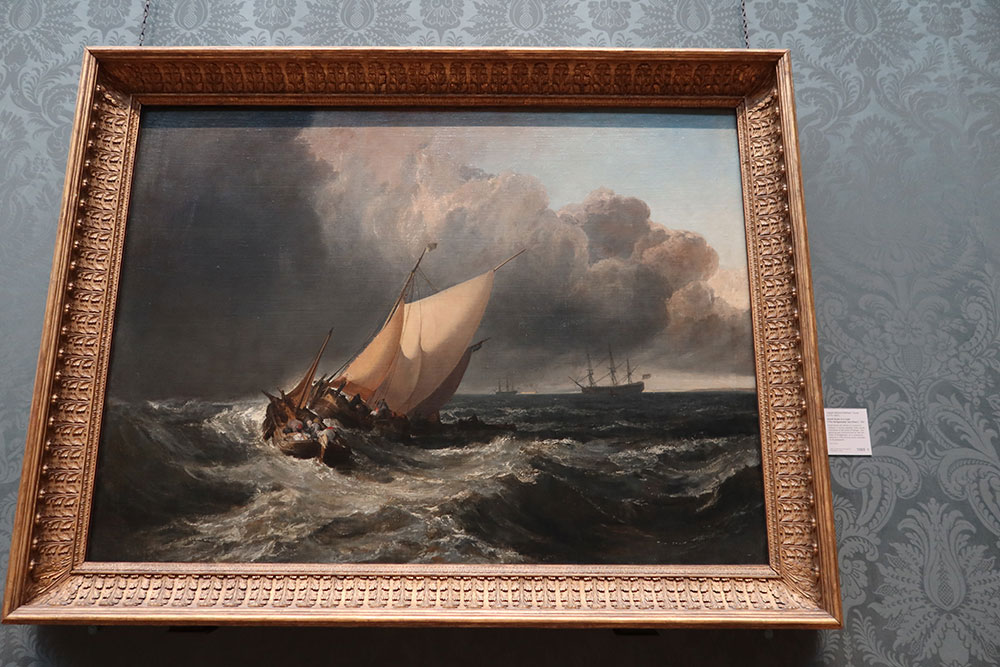
British painting occupies a more selective position within the collection than its continental equivalents, though the works present are of considerable distinction. Turner’s ‘The Fighting Temeraire’ has repeatedly been voted the nation’s favourite painting in public surveys, and the gallery holds it alongside a group of works that, taken together, represent the breadth of Turner’s achievement. A stipulation in Turner’s will that two of his paintings be displayed alongside works by Claude Lorrain is still honoured. Constable, Gainsborough, Hogarth, Reynolds, and Stubbs — whose monumental ‘Whistlejacket’ occupies its own wall in the main enfilade — are all present.
The Bicentenary Year and Its Outcomes
The National Gallery marked its two-hundredth anniversary in 2024 with a programme that sought to extend the institution’s reach well beyond Trafalgar Square. In total, the Gallery recorded approximately 4.7 million in-person visits across its London site, travelling exhibitions in the UK, and an Asian tour during the calendar year — a figure that reflects both the enduring public interest in the collection and the scale of the bicentenary programming. Digital engagement across social media platforms and the Gallery’s website reached in excess of 159 million views over the same period.
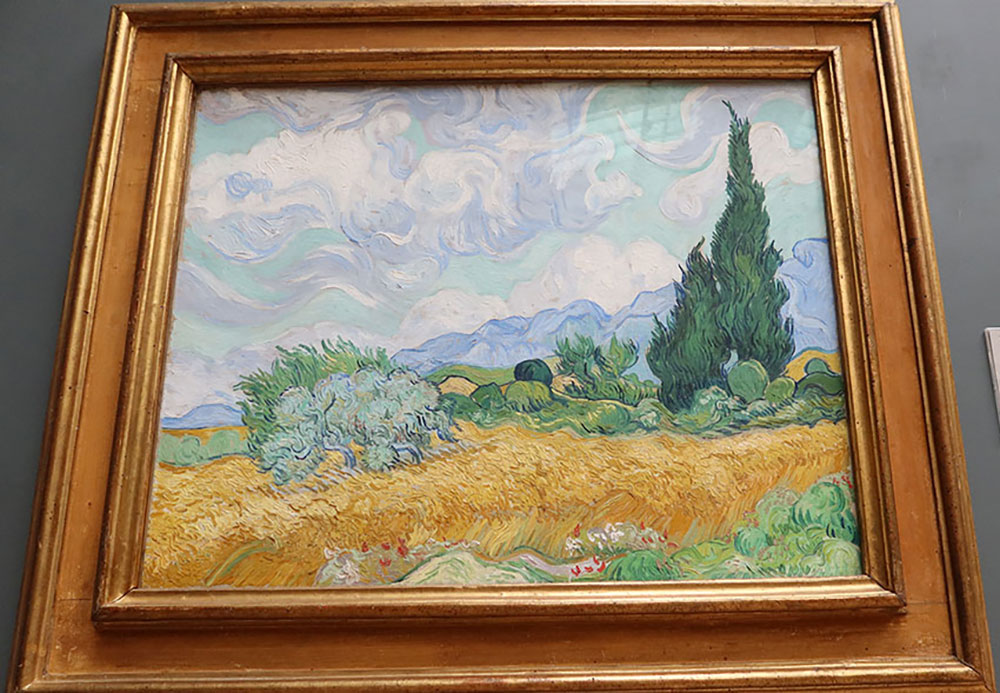
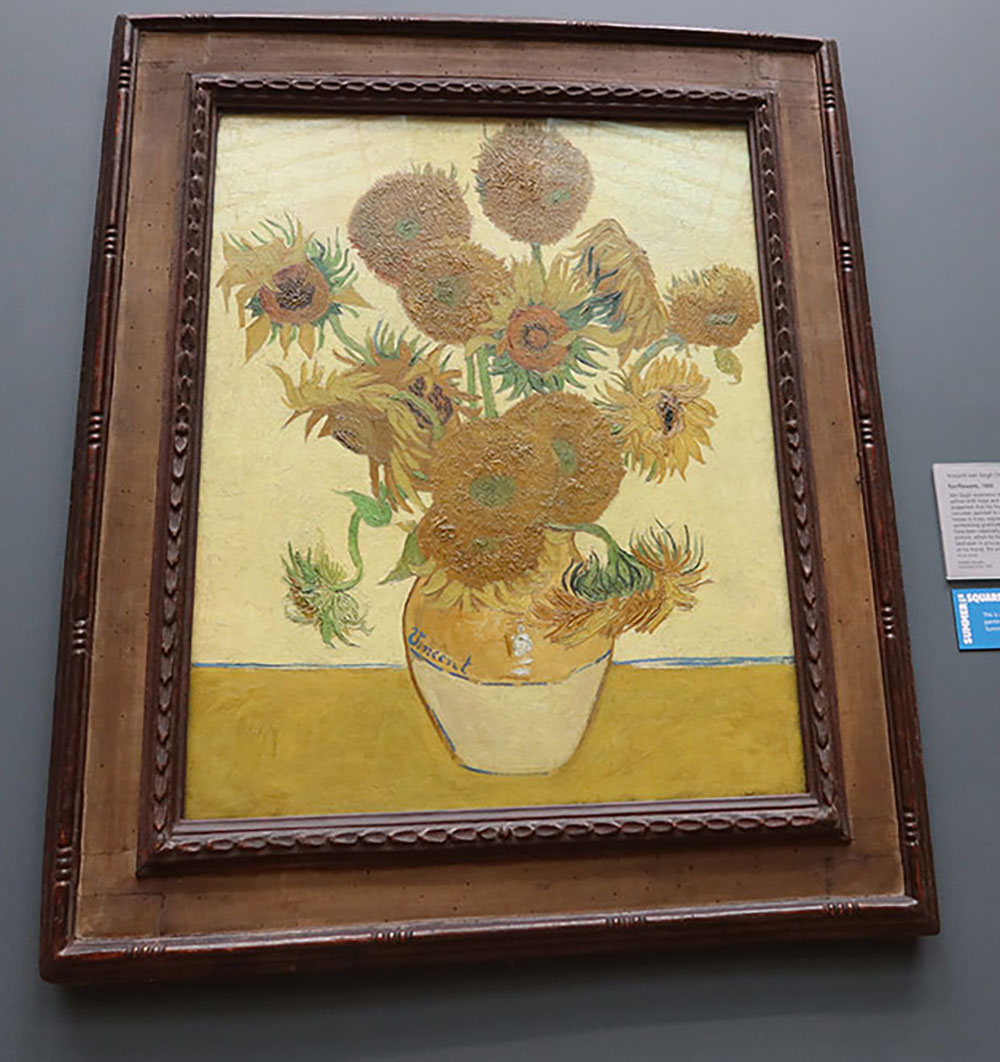
The exhibition ‘Van Gogh: Poets and Lovers’ was the centrepiece of the autumn programme, arriving exactly one hundred years after the Gallery acquired both ‘Van Gogh’s Chair’ and ‘Sunflowers’. It was the first major Van Gogh exhibition in the United Kingdom since 2010 and drew substantial international interest. The first full-scale exhibition of early Sienese painting to be mounted outside Italy — reuniting dispersed panels from collections around the world — ran earlier in the year and spoke directly to the Gallery’s strength in that area of the collection.
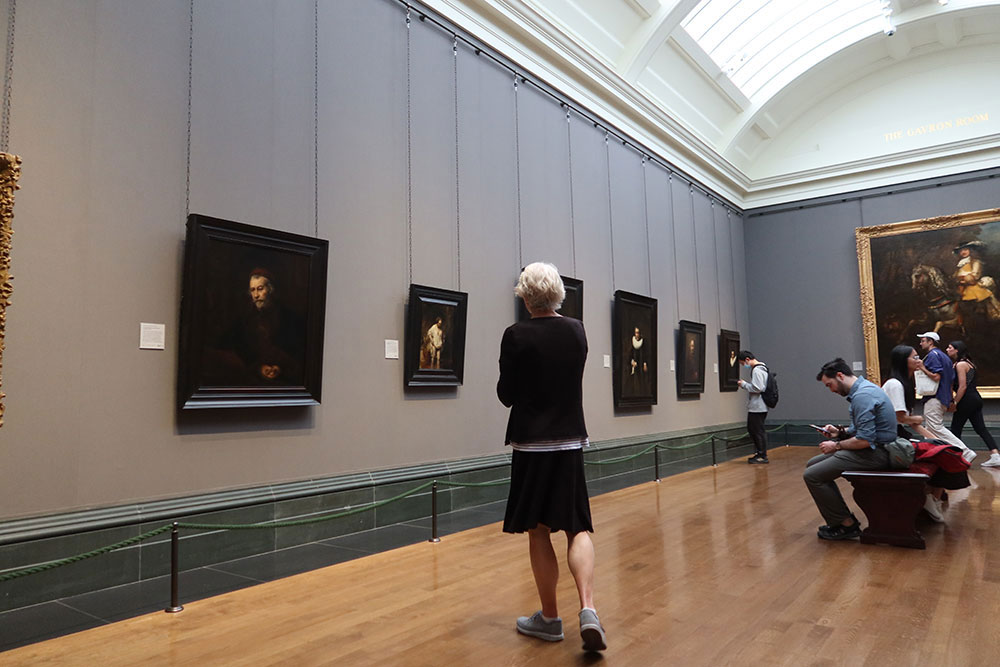
The bicentenary also prompted a wholesale rehang of the collection, the most thorough that institutional memory can recall. The Sainsbury Wing was substantially refurbished and reopened in May 2025 as the Gallery’s principal entrance. The new hang, which places over 1,100 works by approximately 400 artists in a revised chronological and thematic sequence, represents an opportunity to reassess how the collection’s internal relationships are communicated to visitors. For professionals engaged in collection display and interpretation, the rethought presentation offers a useful point of comparison.
Project Domani: The Next Expansion
In September 2025, the Gallery announced its most significant structural ambition since the opening of the Sainsbury Wing in 1991. Project Domani — the Italian word for ‘tomorrow’ — is a £750 million initiative to construct a new wing and transform the public realm between Leicester Square and Trafalgar Square. The new wing will be built on the site of St Vincent House, a 1960s building acquired by the Gallery in 1998 for precisely this purpose, and is planned to open in the early 2030s.
The project has attracted two donations of £150 million each — from the Crankstart Foundation and the Julia Rausing Trust — which the Gallery’s director, Sir Gabriele Finaldi, has described as the largest known cash donations to any cultural institution globally. A further £75 million has been pledged through the National Gallery Trust, its chairman, and anonymous donors, bringing total commitments to approximately £375 million at the time of the announcement. The remaining £375 million is yet to be raised, and will be directed toward acquisitions and an endowment to support the running costs of the new building.
The architectural competition attracted 65 submissions from international practices. Six firms were shortlisted in December 2025: Farshid Moussavi Architecture with Piercy & Company; Foster + Partners; Kengo Kuma and Associates with BDP; Renzo Piano Building Workshop with William Matthews Associates and Adamson Associates; Selldorf Architects with Purcell; and Studio Seilern Architects with Donald Insall Associates. A final appointment is expected by April 2026.
Alongside the physical expansion, Project Domani entails a significant change to the Gallery’s collecting remit. The institution’s holdings have historically extended to around 1900; Project Domani will allow acquisitions that take the collection into the full twentieth century and beyond. The ambition, as articulated by the director, is for Trafalgar Square to become the single place in the world where the complete history of Western painting — from its medieval origins to the present — can be encountered under one roof. Collaboration with Tate, the joint custodian of the National Collection, will be central to how the post-1900 holdings are developed and displayed.
Access, Learning, and the Public Role
Free admission to the permanent collection has been a founding principle of the institution and remains so. For professionals working in access and education policy, the National Gallery’s model — publicly funded for core operations, supplemented by exhibition income, commercial revenue, and philanthropic giving — continues to generate discussion about sustainability and replicability. The bicentenary year placed the Gallery’s educational reach under particular scrutiny, with initiatives including a touring art studio programme that visited 18 locations across the UK, working with 24 local arts organisations.
The Centre for Creative Learning, part of the bicentenary capital projects, opened in March 2025 following a redesign by Lawson Ward Studios that incorporated consultation with children, teachers, and families. The stated ambition is for the Gallery to function as what it terms ‘the nation’s art classroom’, and the design brief was shaped accordingly. For gallery educators and learning professionals, the renewed centre represents a case study in how an institution of this scale approaches the physical infrastructure of learning.
The National Gallery also maintains an Artist in Residence programme, a practice that has run for a number of years and that the institution has positioned as a means of bringing living practice into direct contact with the historical collection. The residency provides access to an on-site studio and the collection and its archives, and has typically resulted in work that engages with and responds to that material.
A Collection at a Threshold
The National Gallery enters its third century at an institution-defining moment. The bicentenary prompted a thorough reassessment of how the collection is displayed and interpreted; Project Domani proposes to extend both the physical fabric of the institution and the chronological scope of what it holds. The combination of these two ambitions — to display more of the existing collection and to acquire works that bring the history of Western painting into the present — will determine the character of the institution for the next generation of visitors and professionals.
For those working within the broader field of public art institutions, the trajectory of the National Gallery over the coming decade is worth close attention. The scale of the fundraising, the ambition of the collecting remit, and the question of how a collection defined by its historical depth will integrate works from the twentieth and twenty-first centuries all present practical and conceptual challenges that the sector will be watching.
The National Gallery collection and all exhibitions can be explored at nationalgallery.org.uk