
The Museum Berggruen, Berlin: A Collection Returning Home
History, Collection, and the Road to Reopening
The Museum Berggruen occupies a singular place in the landscape of European modernism — not only for the quality of its holdings, but for the personal narrative that brought them to Berlin. Situated in the western Stüler Building on Schloßstraße, directly opposite Charlottenburg Palace, the museum is the product of one man's life in exile, his decades building relationships with the century's defining artists, and ultimately, his decision to give that life's work back to the city that had driven him out.
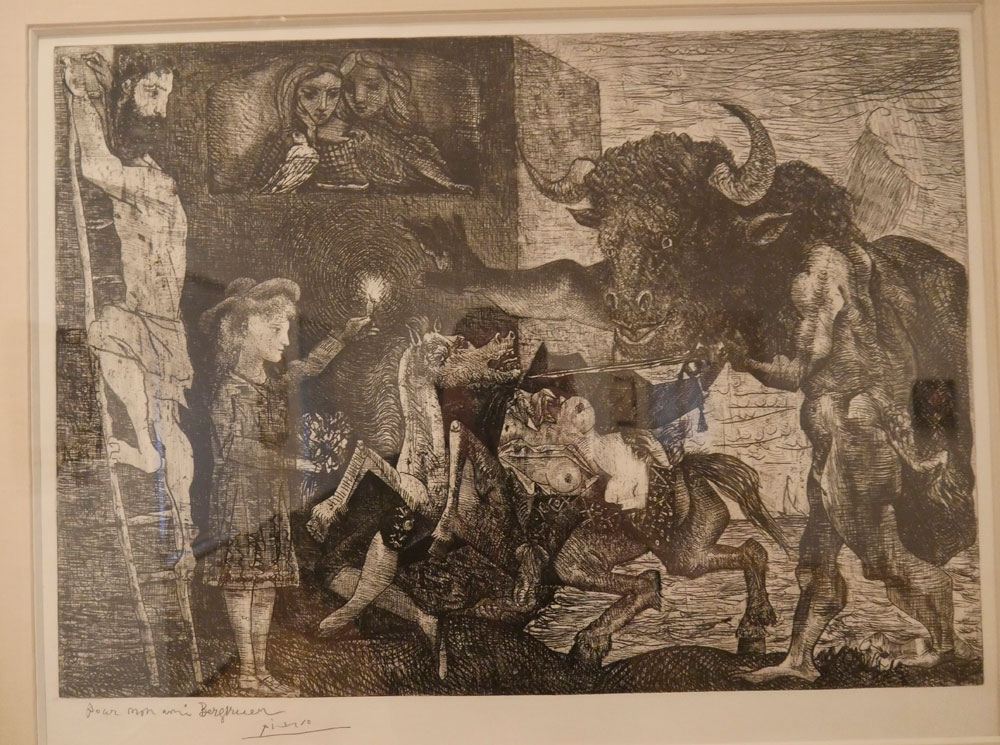
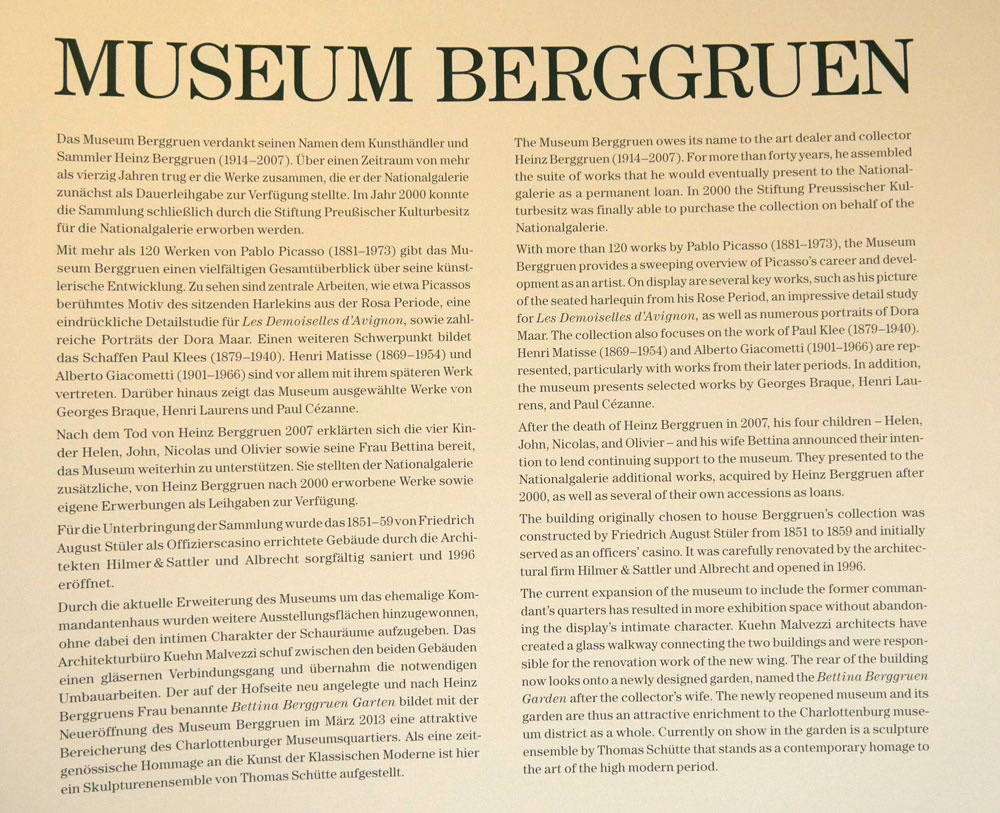
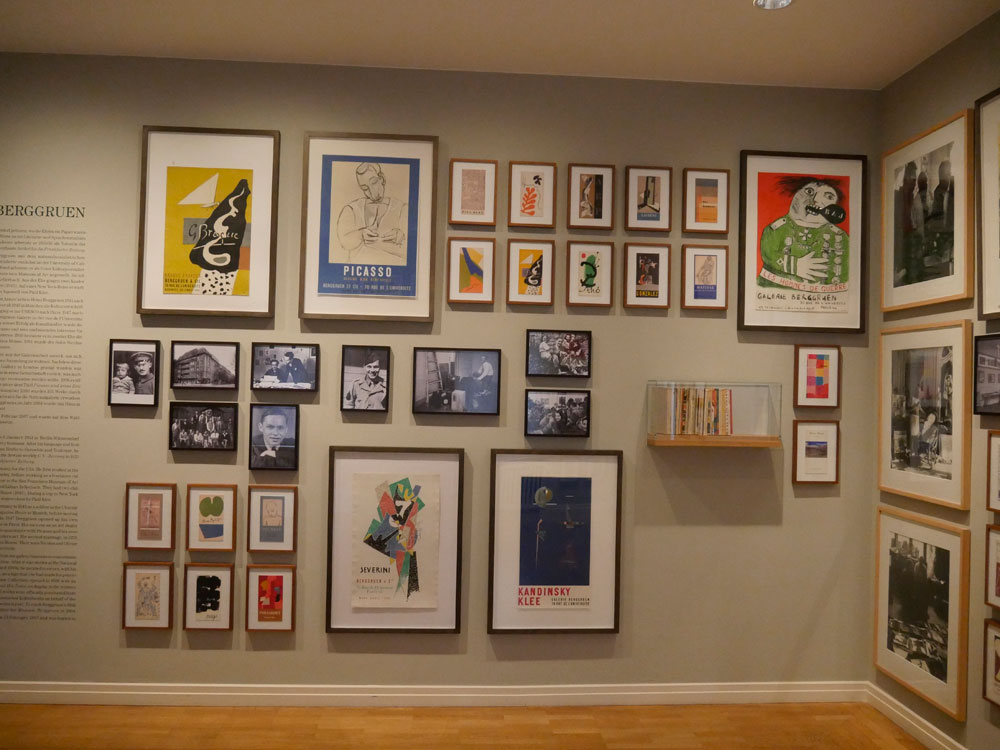
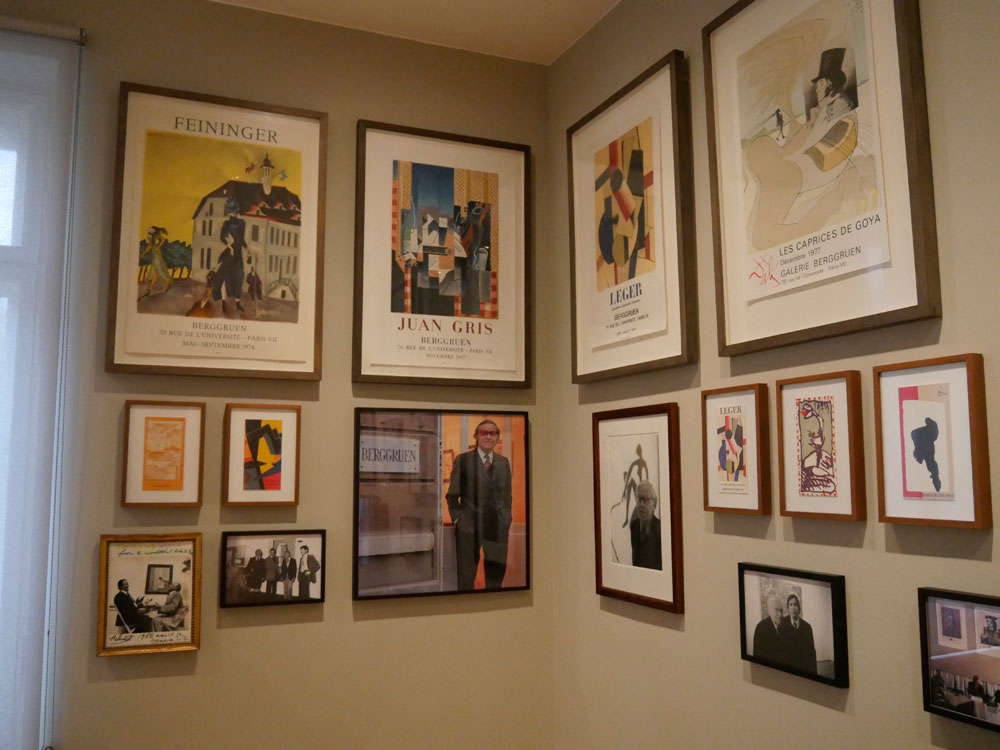
Heinz Berggruen was born in Berlin-Wilmersdorf in 1914. As a young Jewish man in the 1930s, he was forced to emigrate under National Socialist rule, eventually settling in the United States before returning to Europe after the Second World War. He opened his gallery in Paris in 1947 with no capital and no sponsors, guided, as those who knew him attested, by a quality of attention that was both intellectual and instinctive. He concentrated on a deliberately small group of artists — Pablo Picasso, Henri Matisse, Paul Klee, Alberto Giacometti — and assembled a collection of exceptional coherence over more than fifty years. Picasso granted him the privilege of being the exclusive dealer of his prints, a relationship that gave Berggruen unrivalled access to work from all of the artist's creative periods.
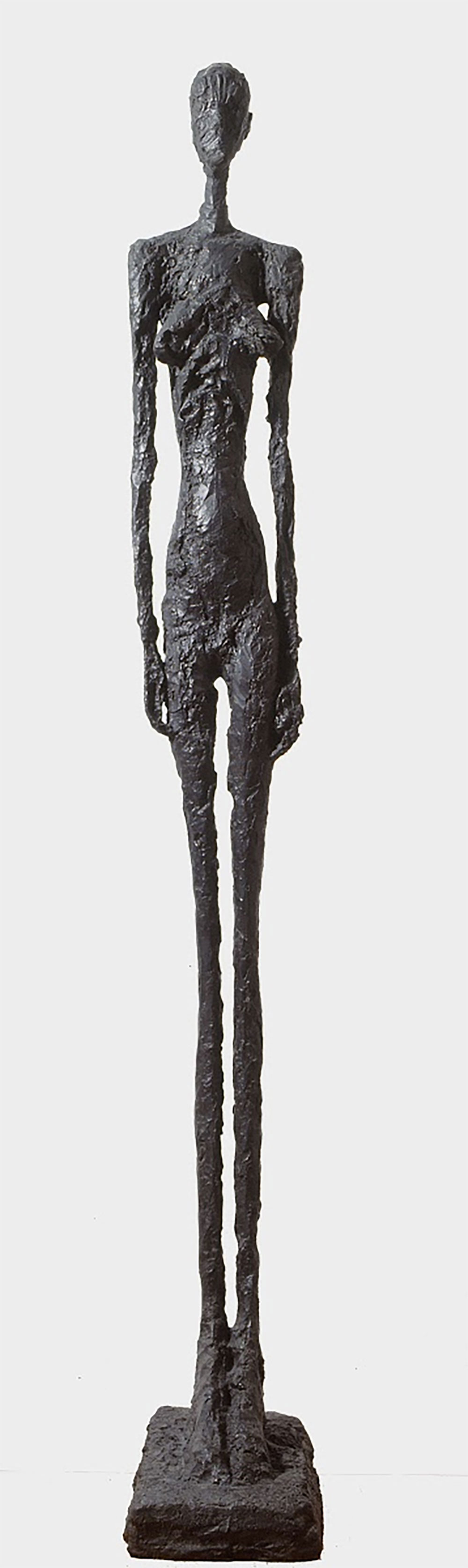
The collection first entered public view in 1988 at the Kunstmuseum in Geneva, and was subsequently placed on a five-year loan to the National Gallery in London, where it attracted considerable attention. When the opportunity arose to bring it to Berlin following reunification, Berggruen agreed. In 1996, the collection opened in the Stüler Building under the title Picasso and His Time, on permanent loan to the Prussian Cultural Heritage Foundation (Stiftung Preußischer Kulturbesitz, or SPK). The building itself — a neoclassical former officer's barracks designed by Friedrich August Stüler and built between 1851 and 1859 — had been refurbished for the purpose, its glass-domed rotunda providing an appropriate setting for Giacometti's *Large Standing Woman III*, which stood at the entrance.
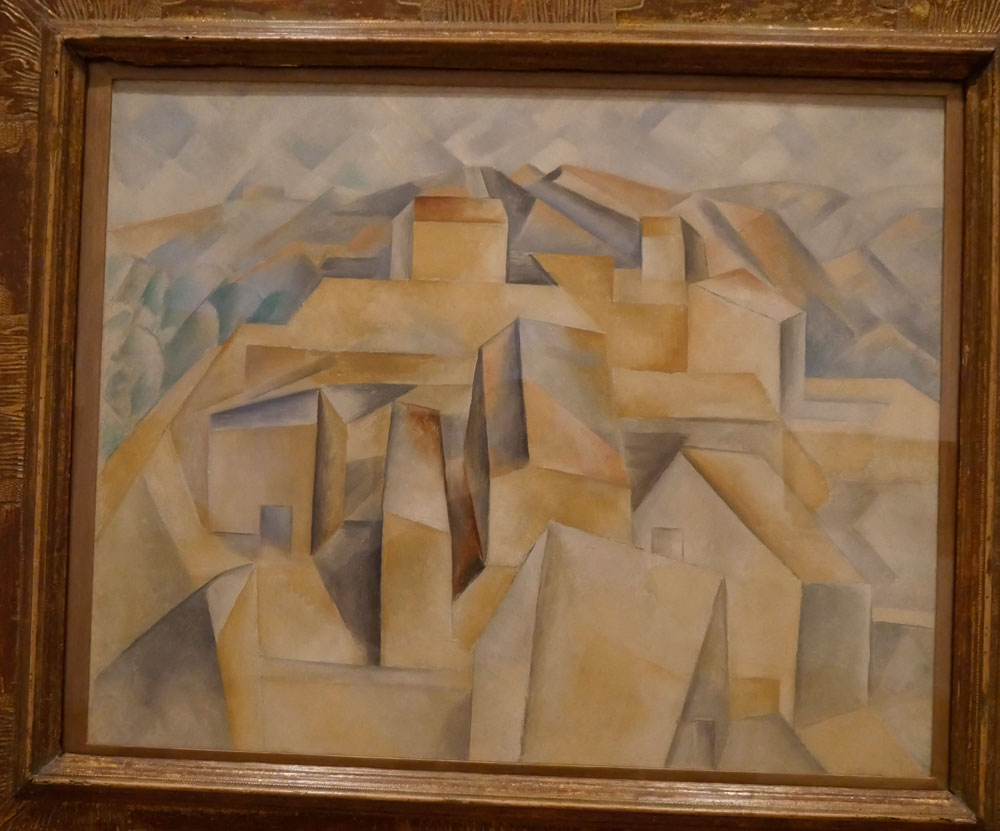
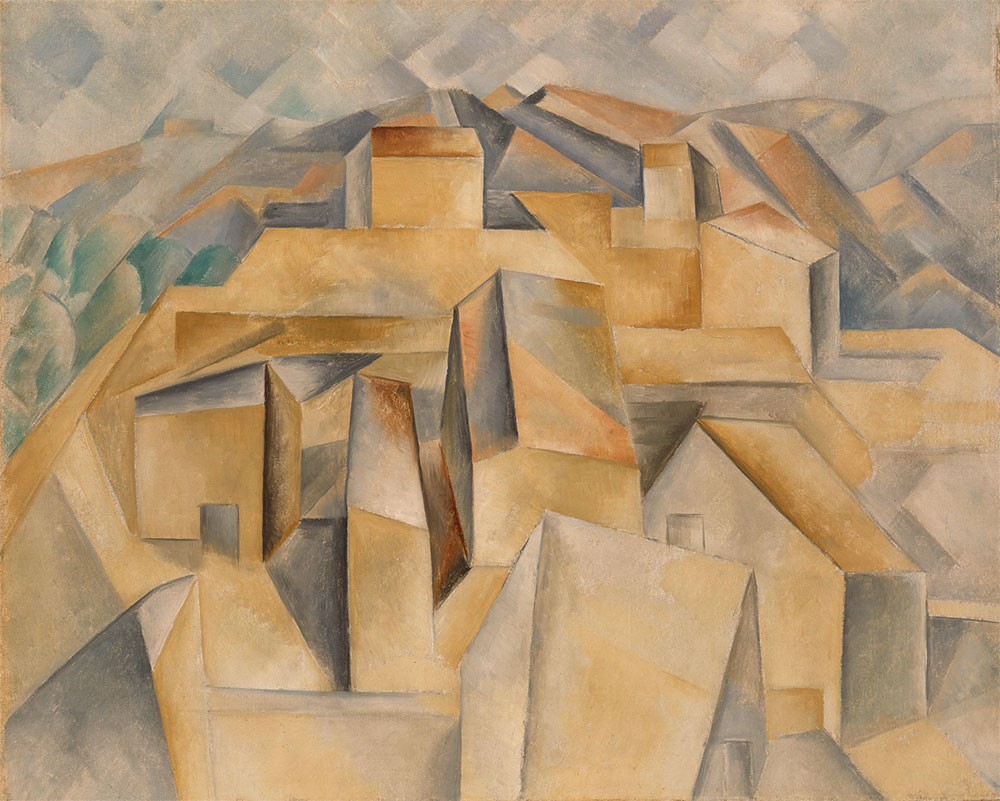
Berggruen described the gift to Berlin as a "gesture of reconciliation," and in December 2000, he formalised it by selling 165 works to the SPK for 253 million marks — a price widely understood to be far below the collection's estimated value of 1.5 billion marks. He continued to acquire new works after the museum opened, adding Picasso's 1909 painting Houses on the Hill (Horta de Ebro), purchased from the Museum of Modern Art in New York, among other significant pieces.
He died in Paris in February 2007, at the age of 93. Shortly before his death, in a final act of commitment to the institution, he purchased Giacometti's Standing Woman III — which had been on loan — and donated it outright to the SPK. The museum received 1.5 million visitors in its first decade.
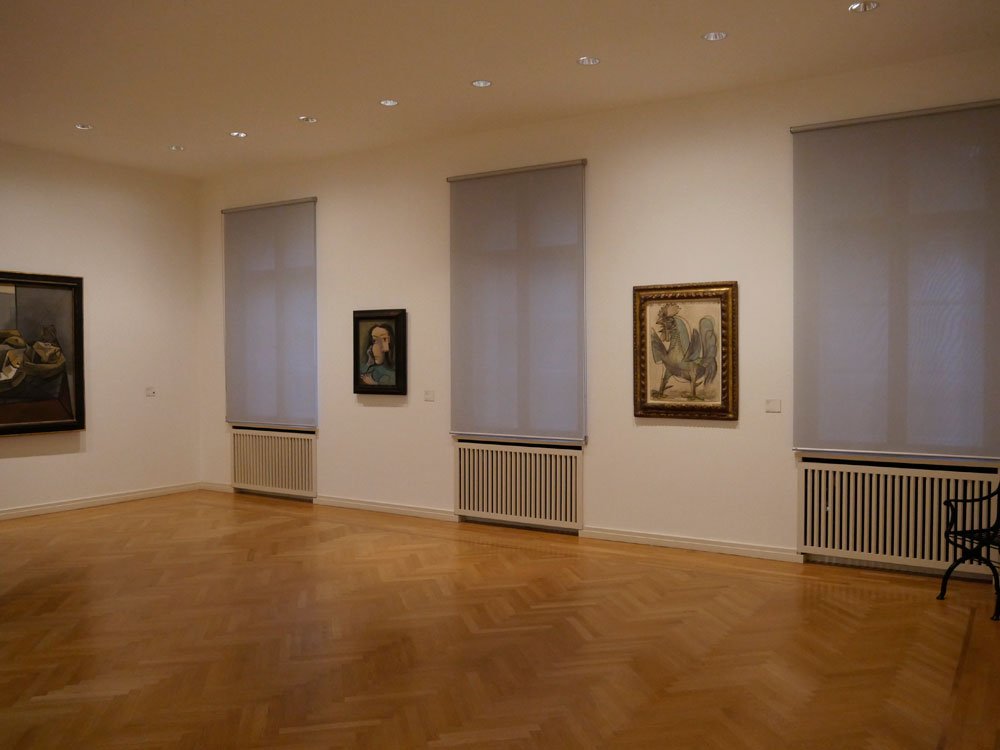
Following Berggruen's death, his family announced that they would make a further 50 works of classical modernism available to the museum and would continue to supplement the collection with their own acquisitions. To create space for this expanded holding, the neighbouring Kommandantenhaus on Spandauer Damm was incorporated into the museum, connected to the Stüler Building by a glass pergola designed by the Berlin architects Kuehn Malvezzi, who were selected through an architectural competition. A sculpture garden was created at the same time. The expanded museum reopened in March 2013, with approximately 1,200 square metres of exhibition space — roughly twice what had been available before.
The Permanent Collection
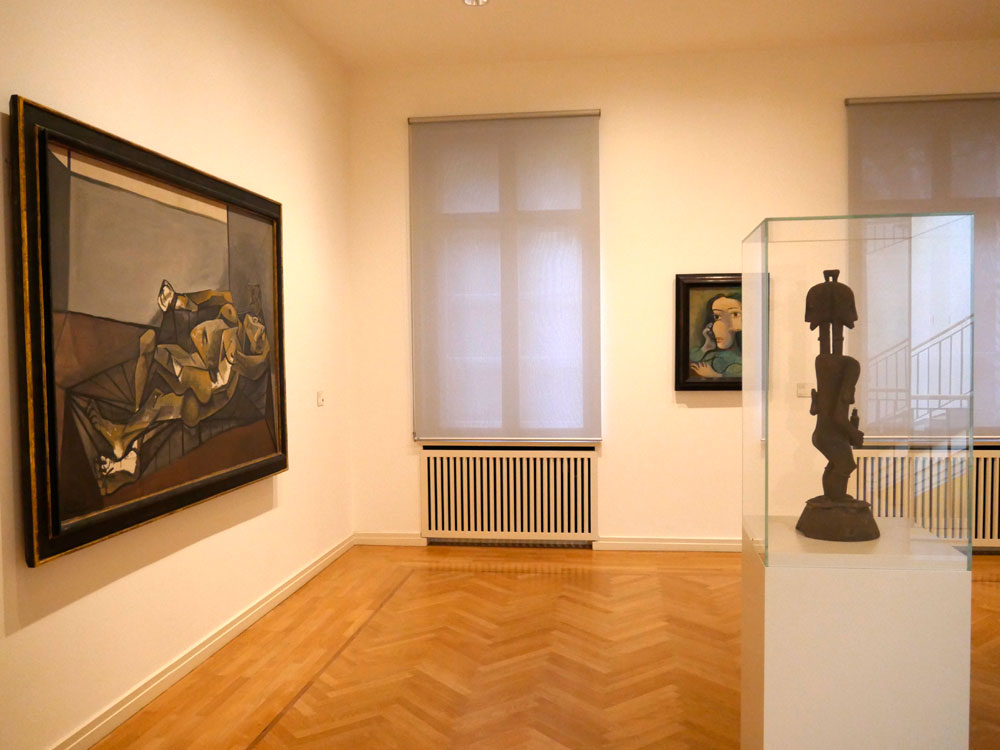
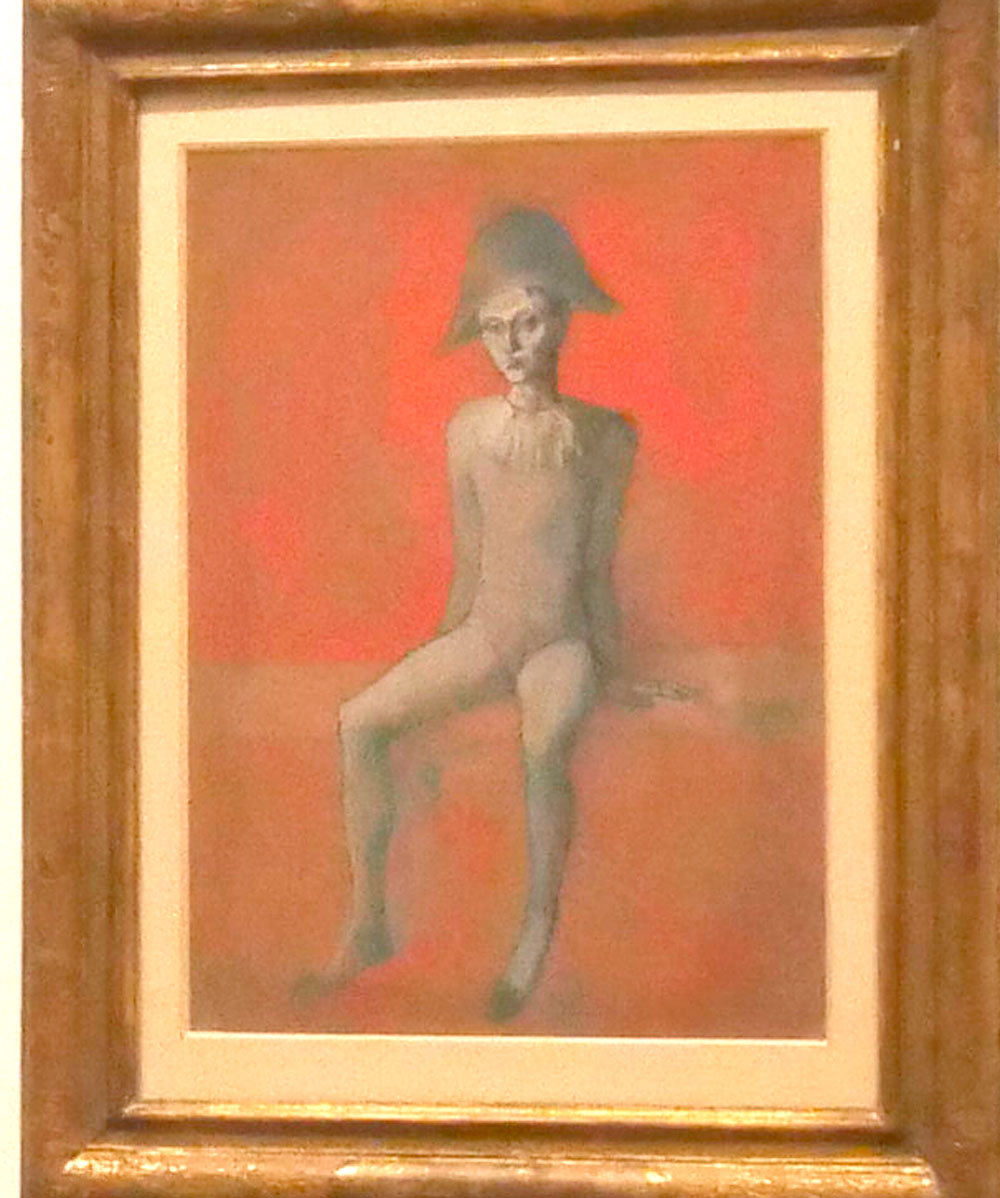
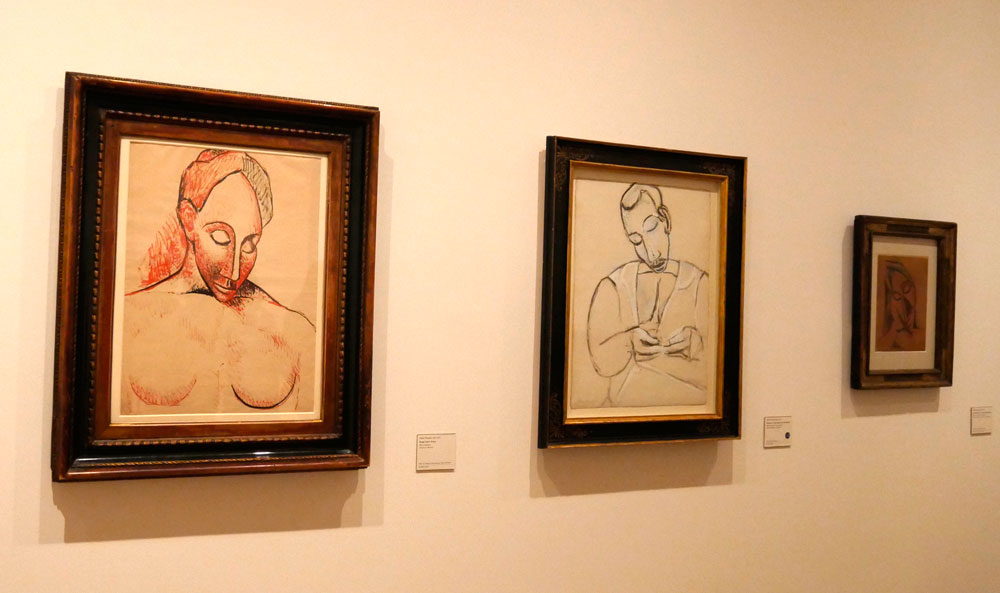
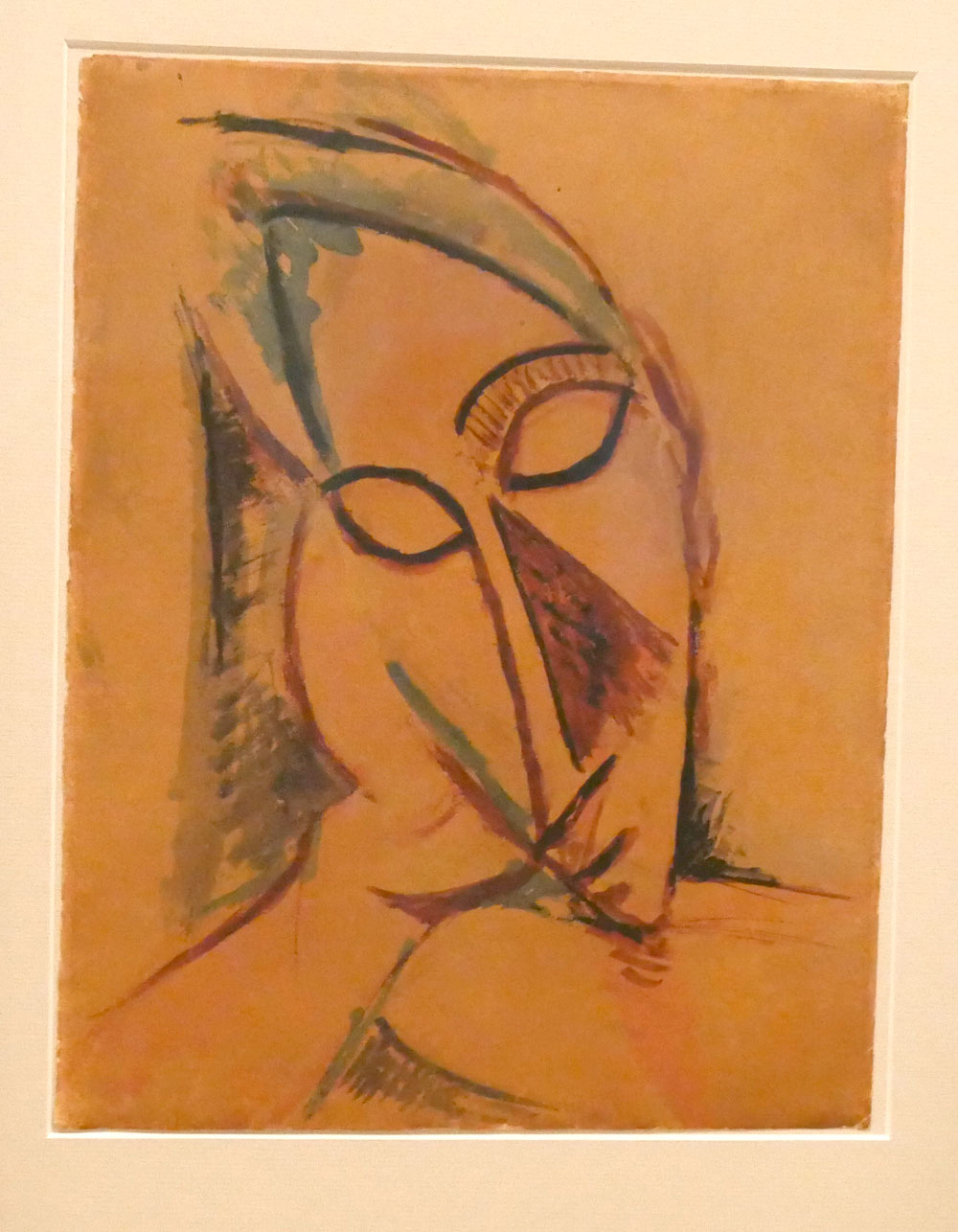
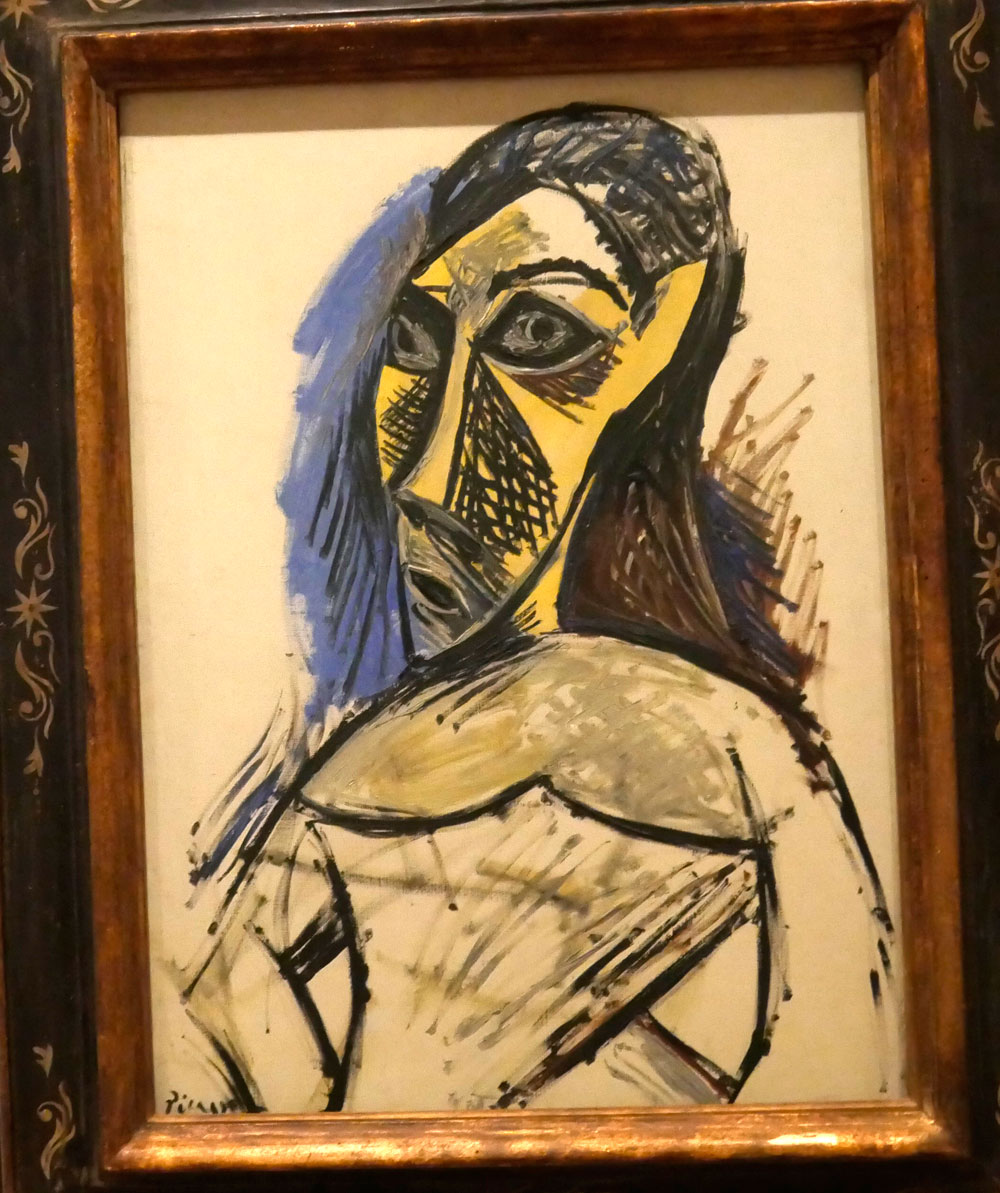
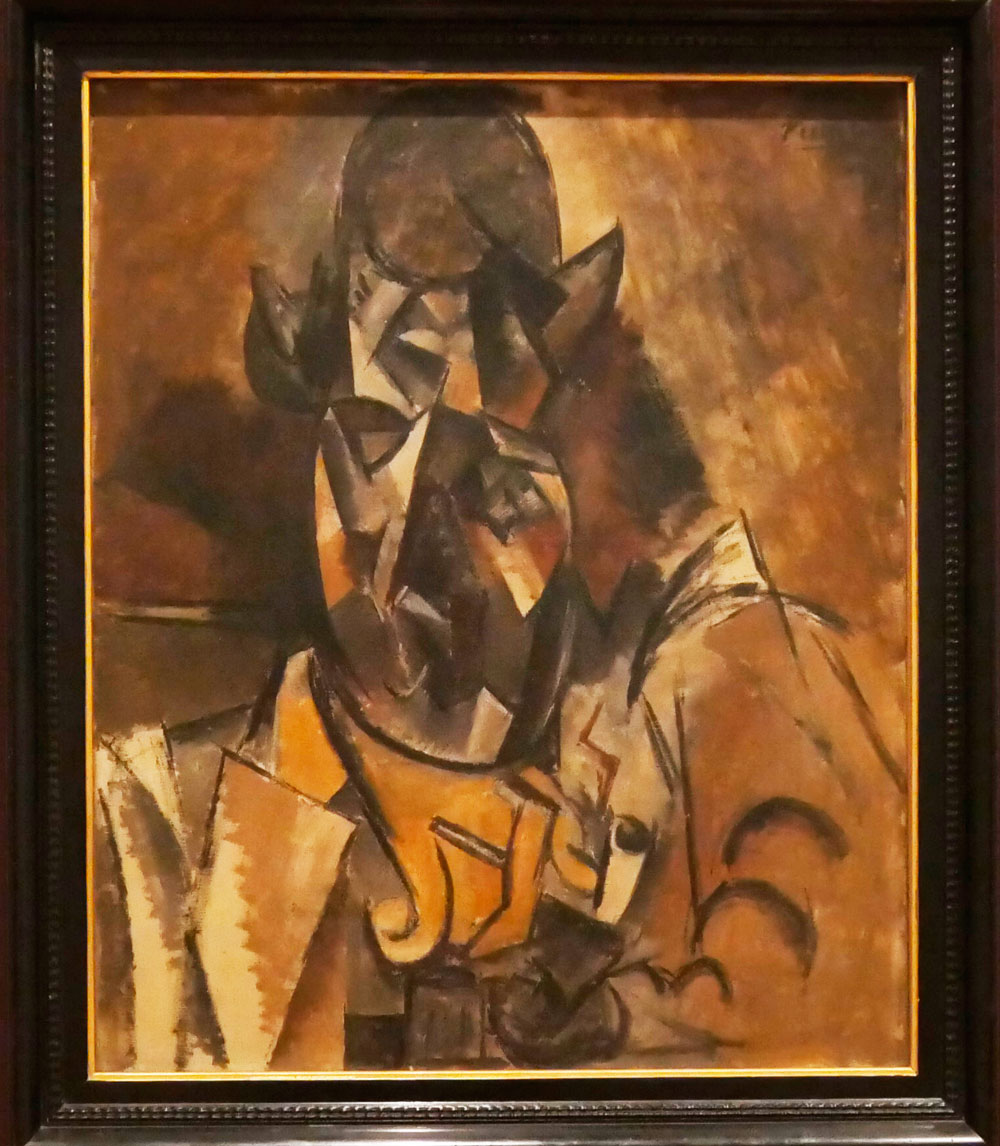
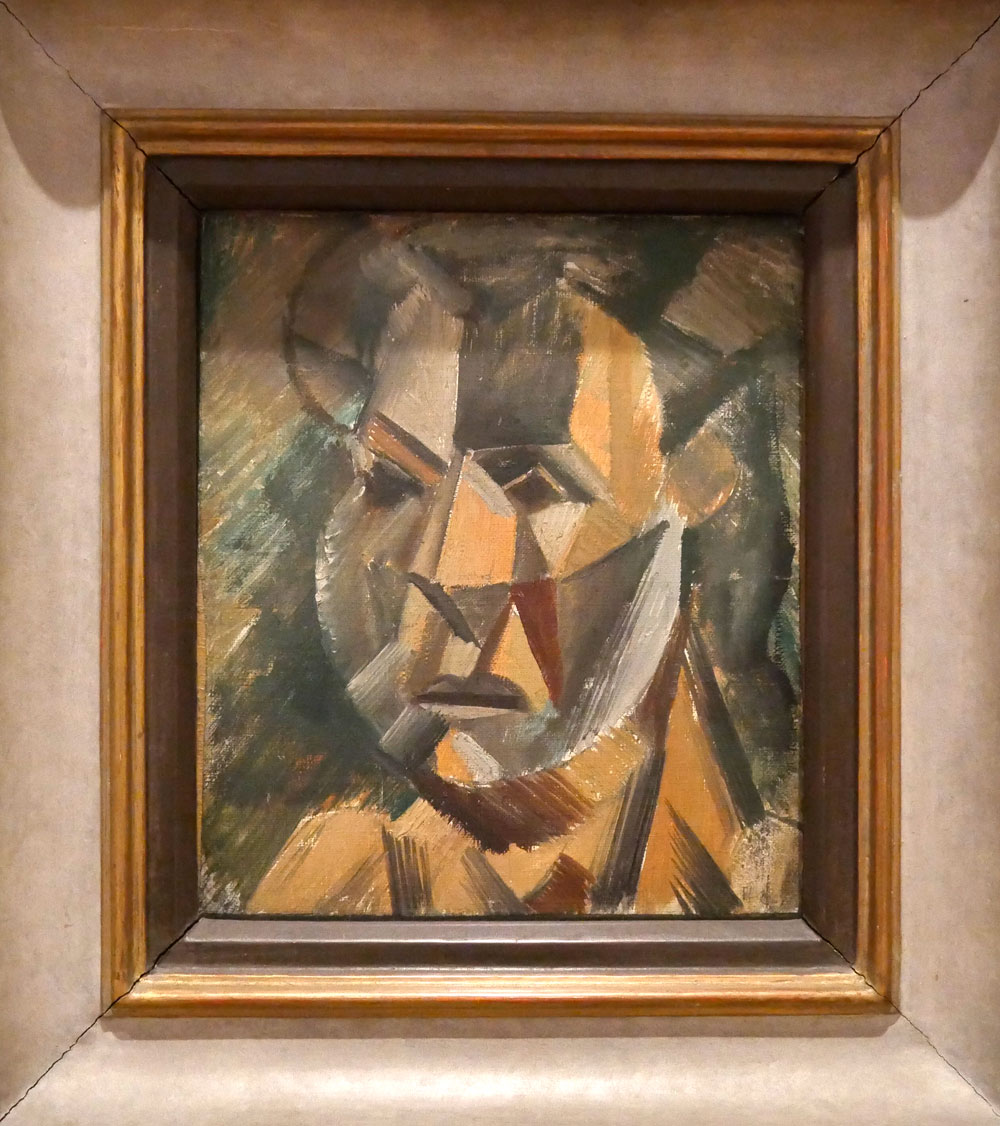
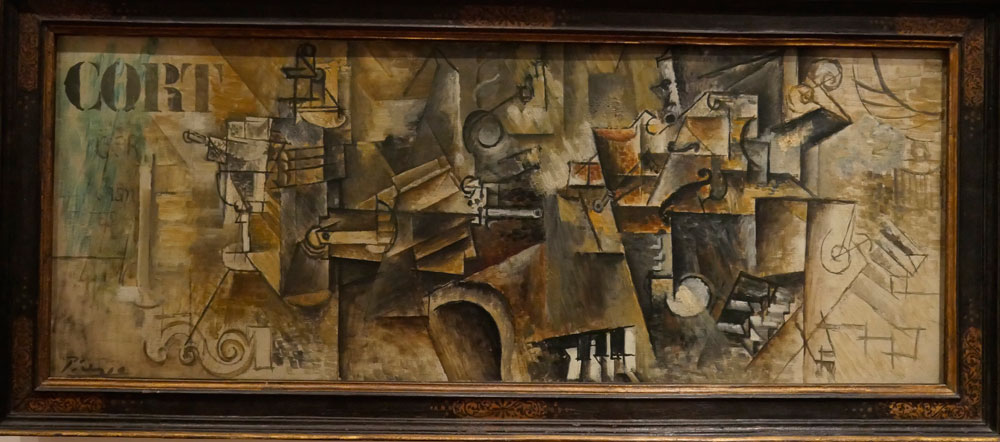
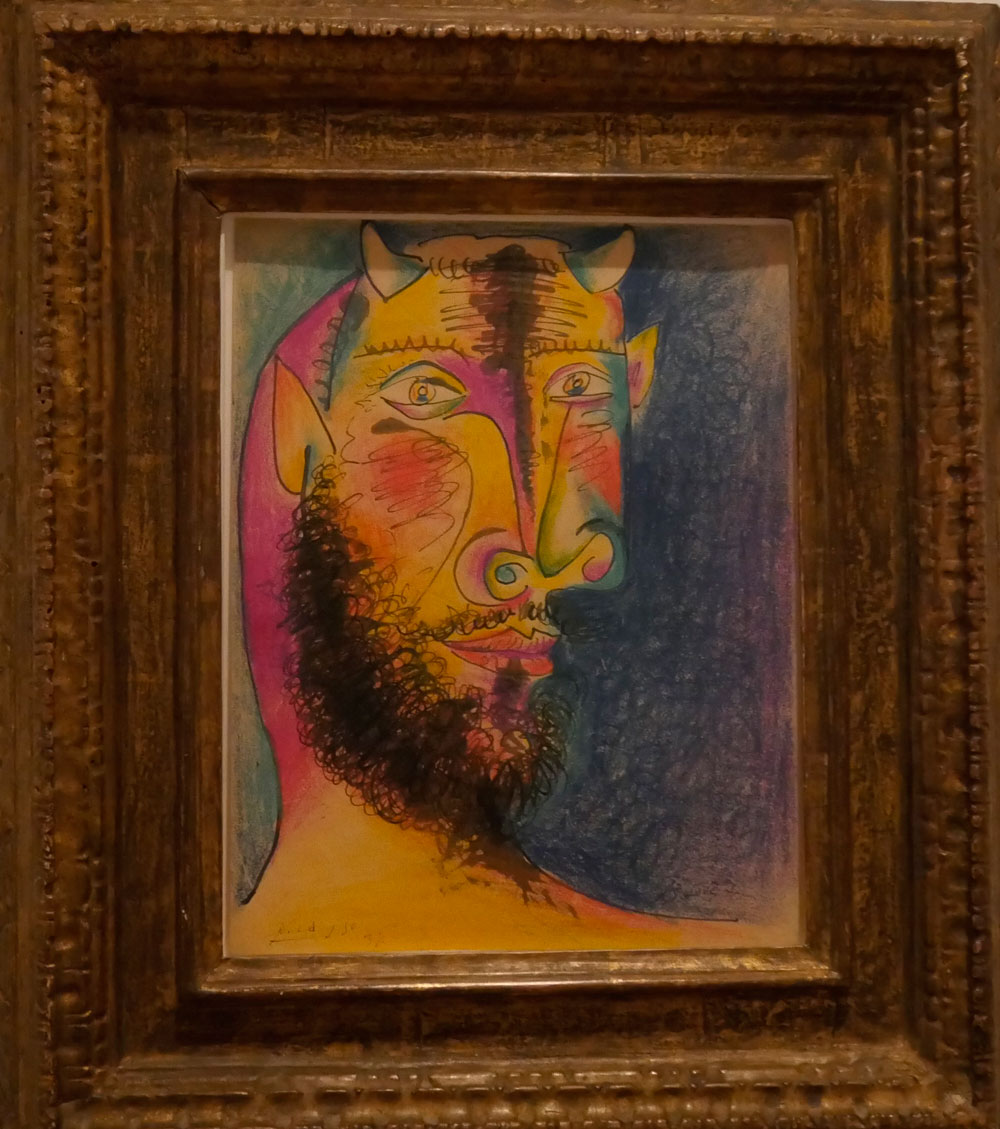
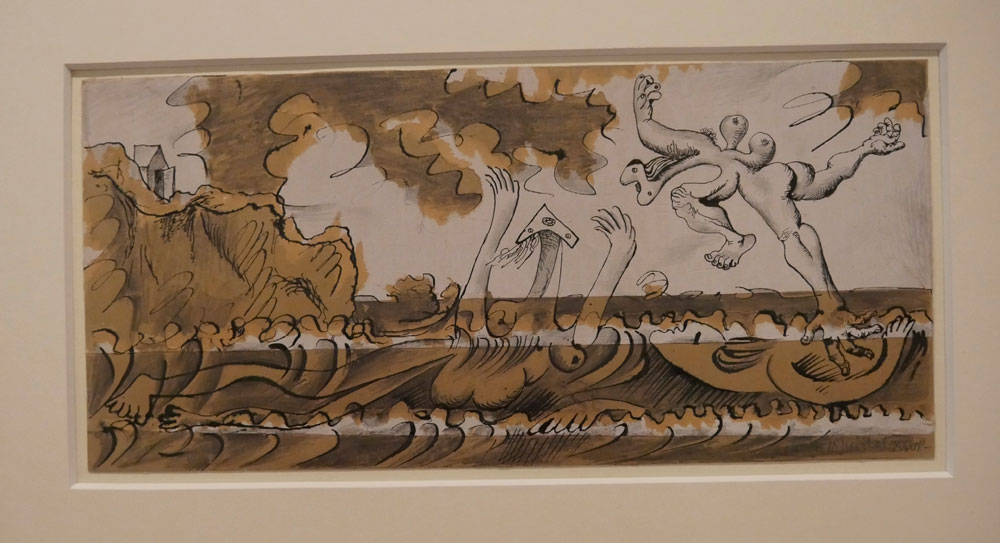
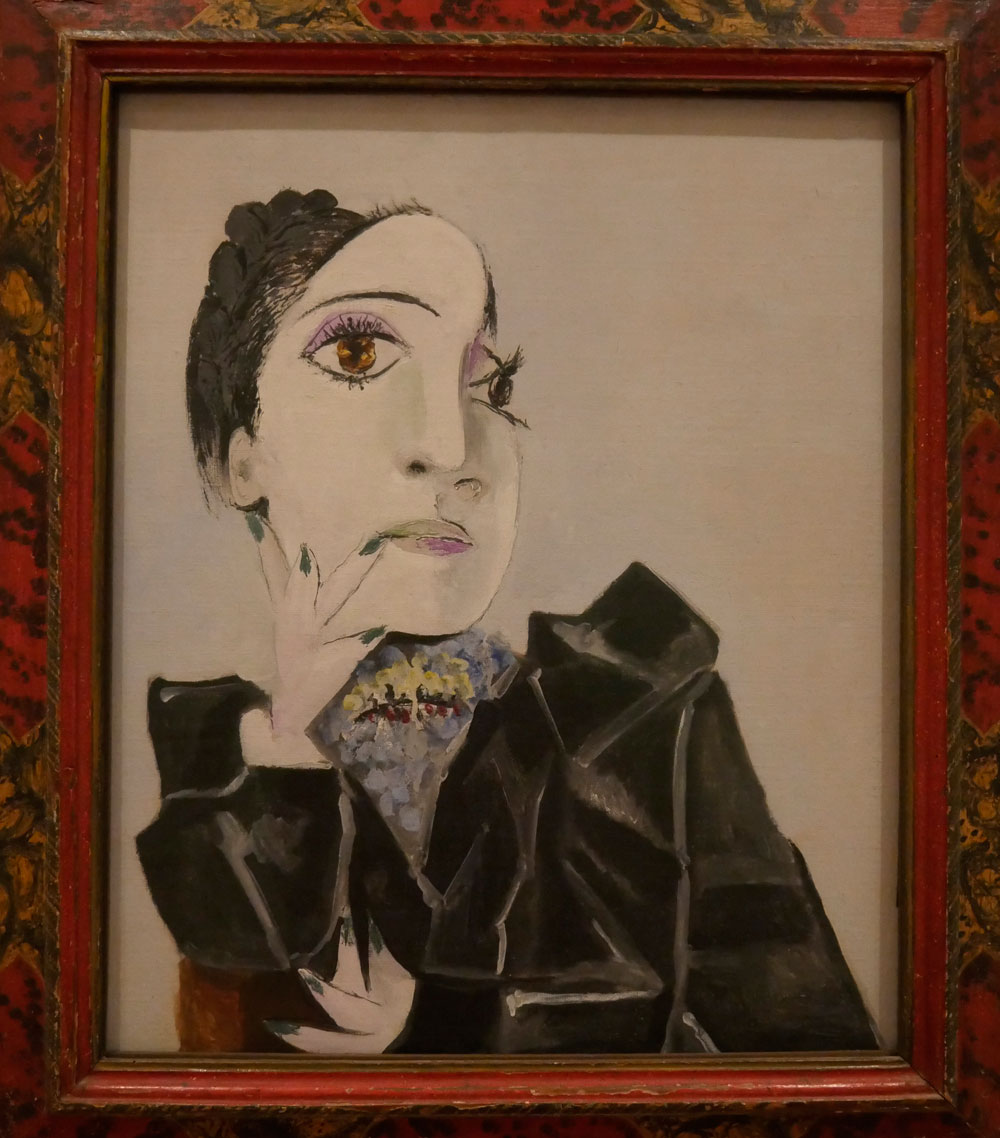
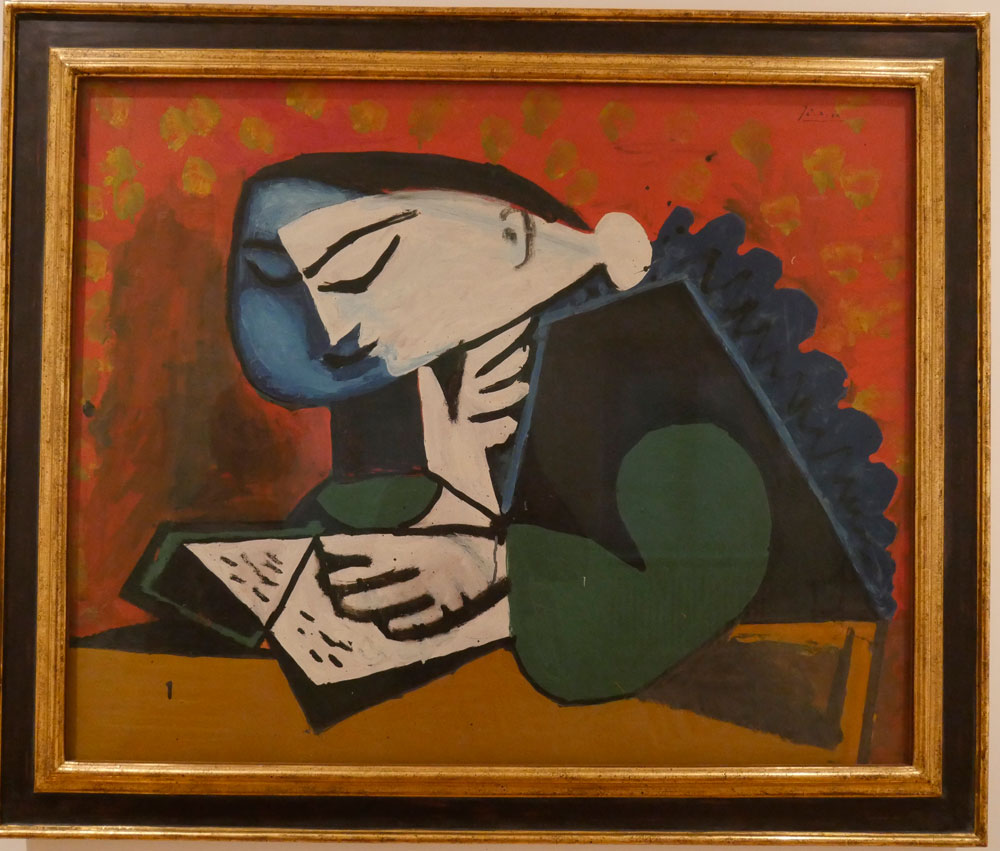
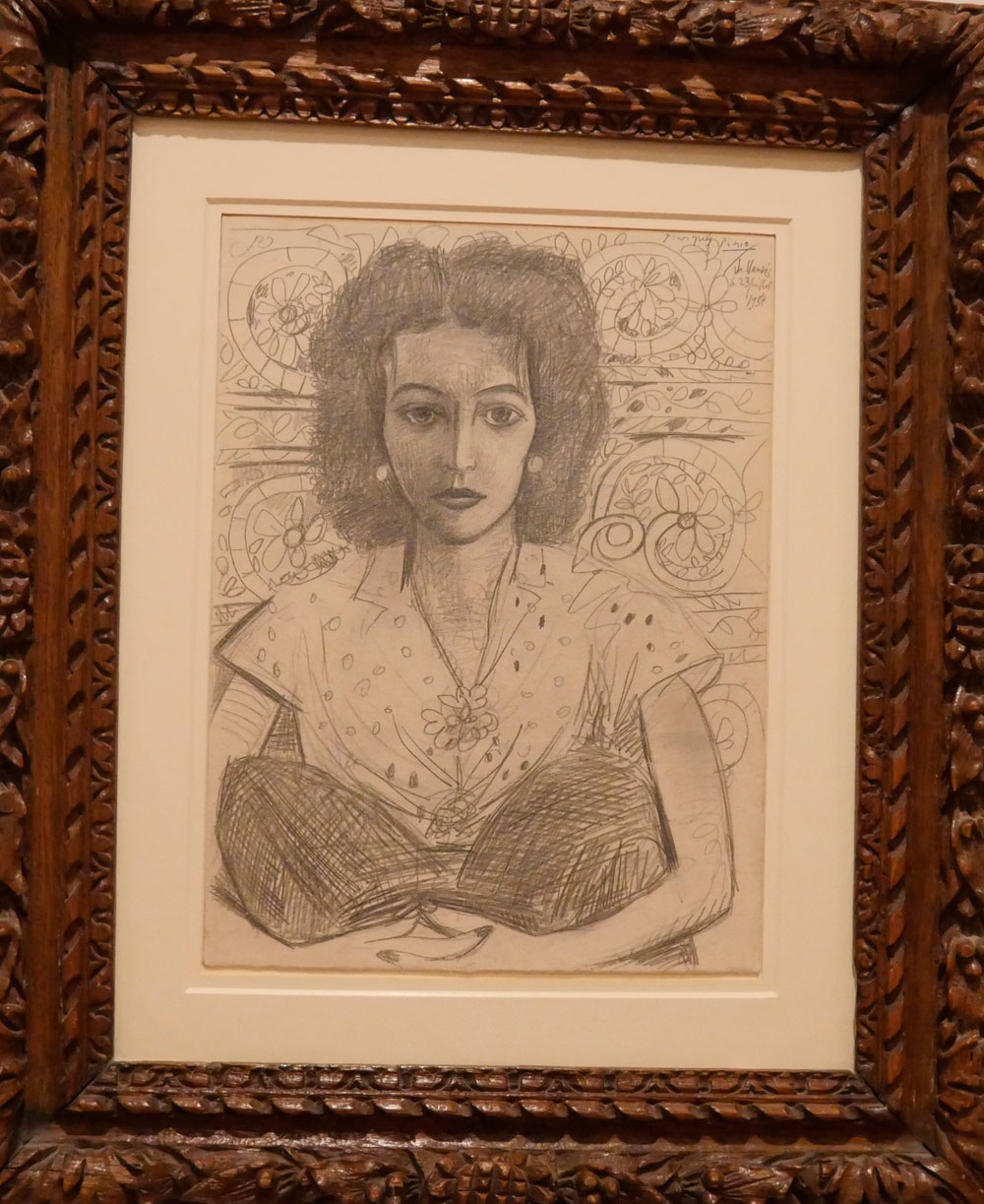
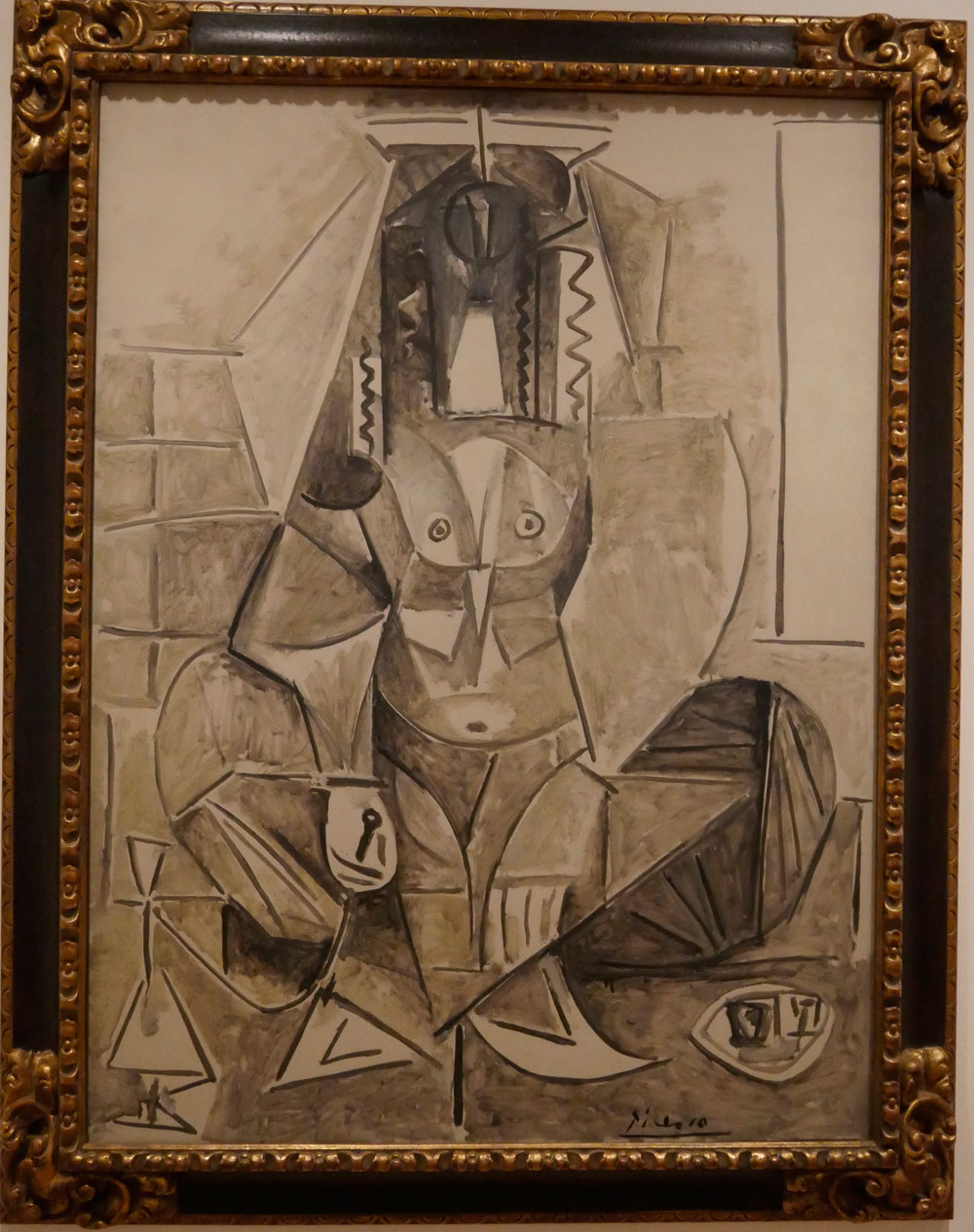
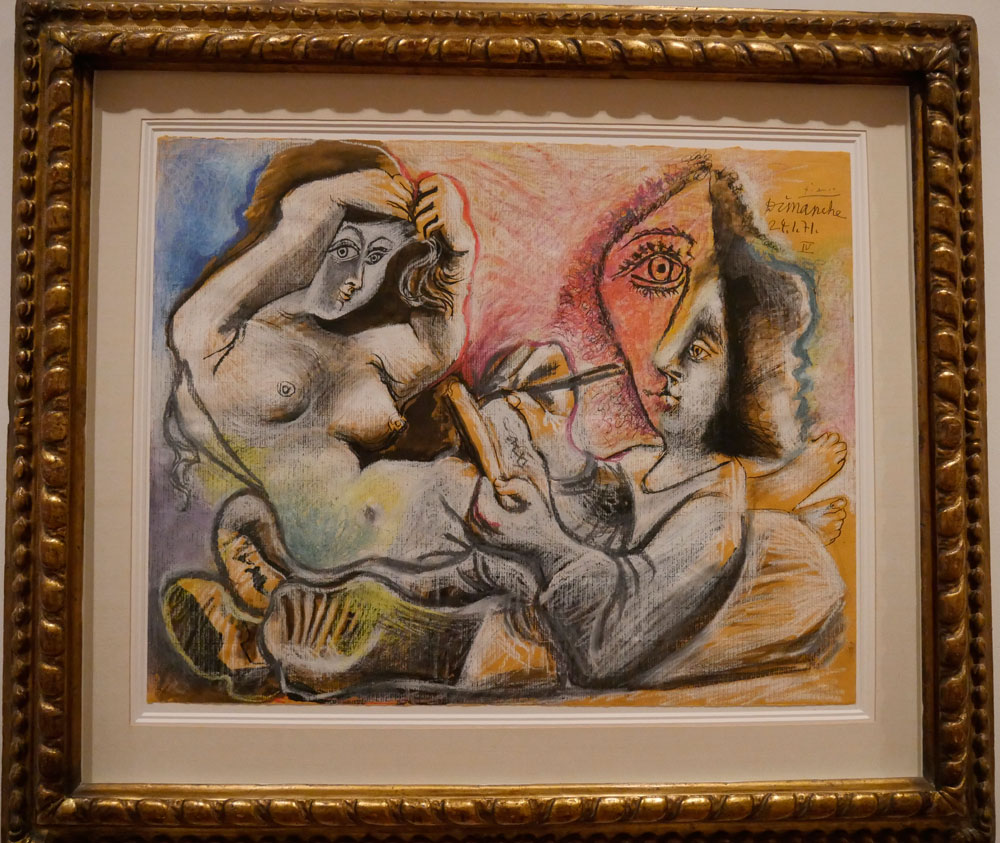
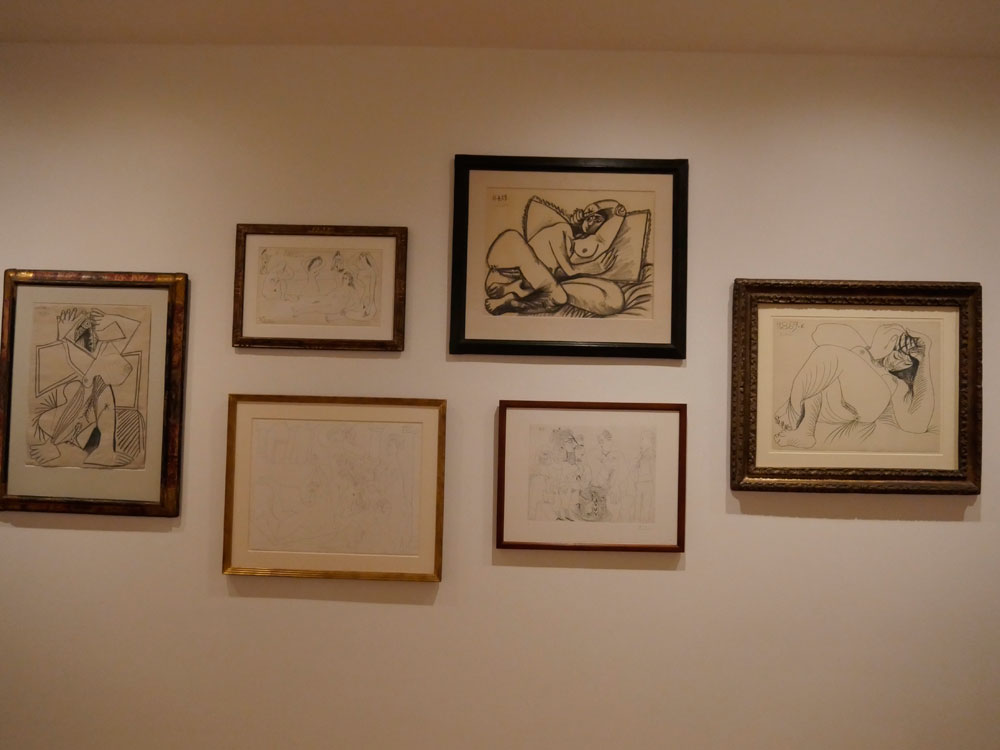
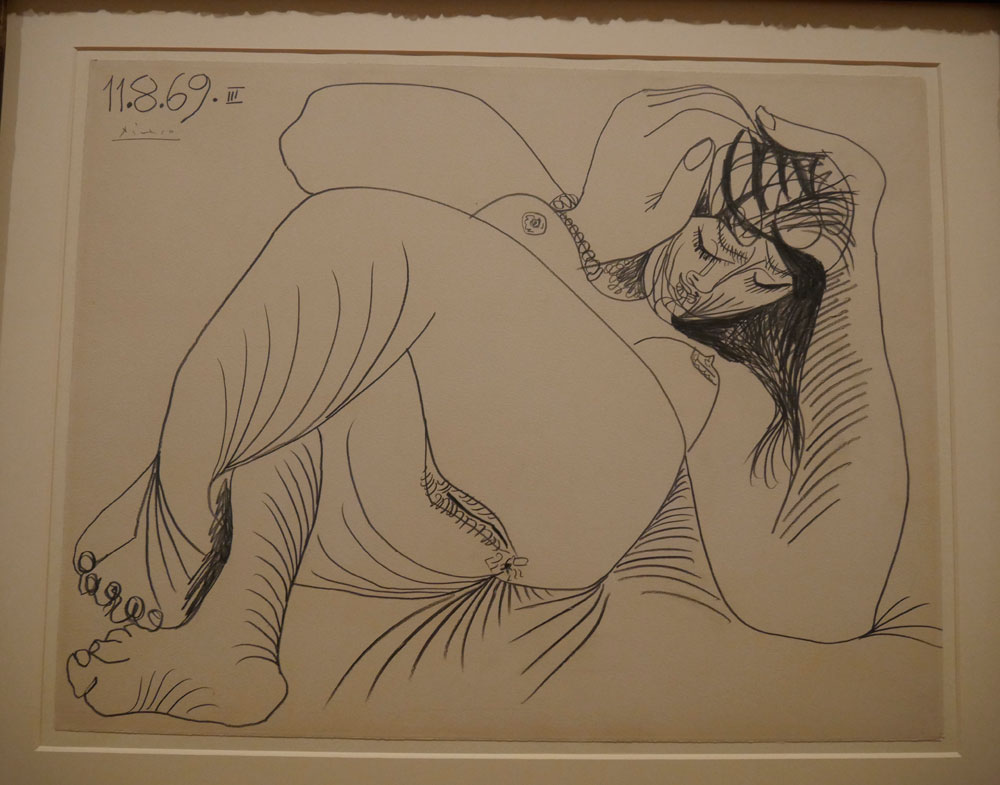
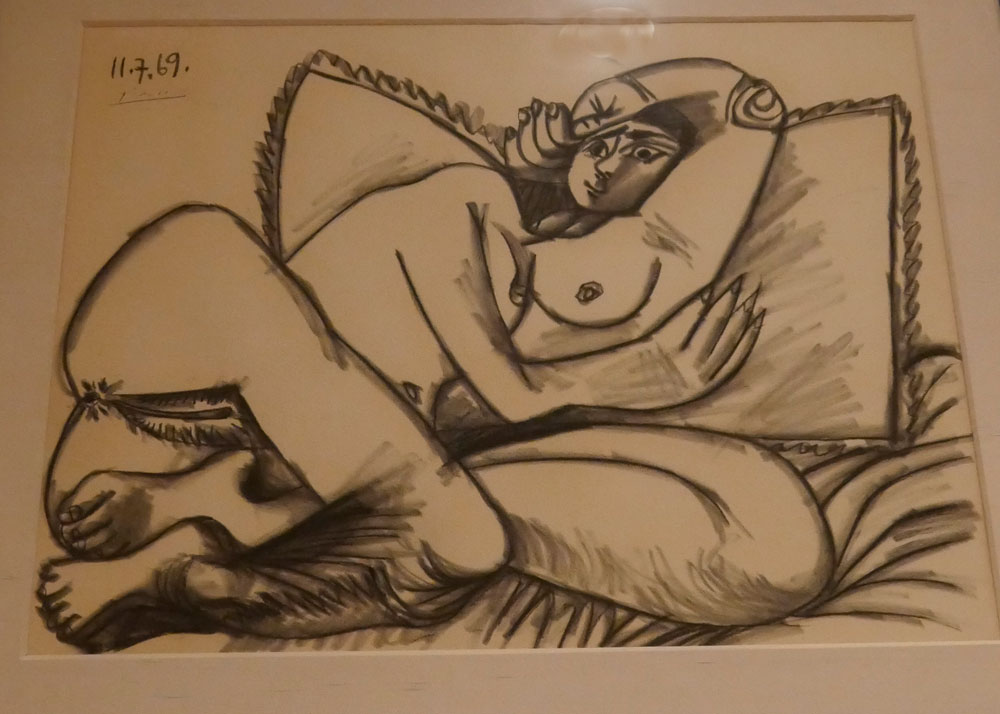
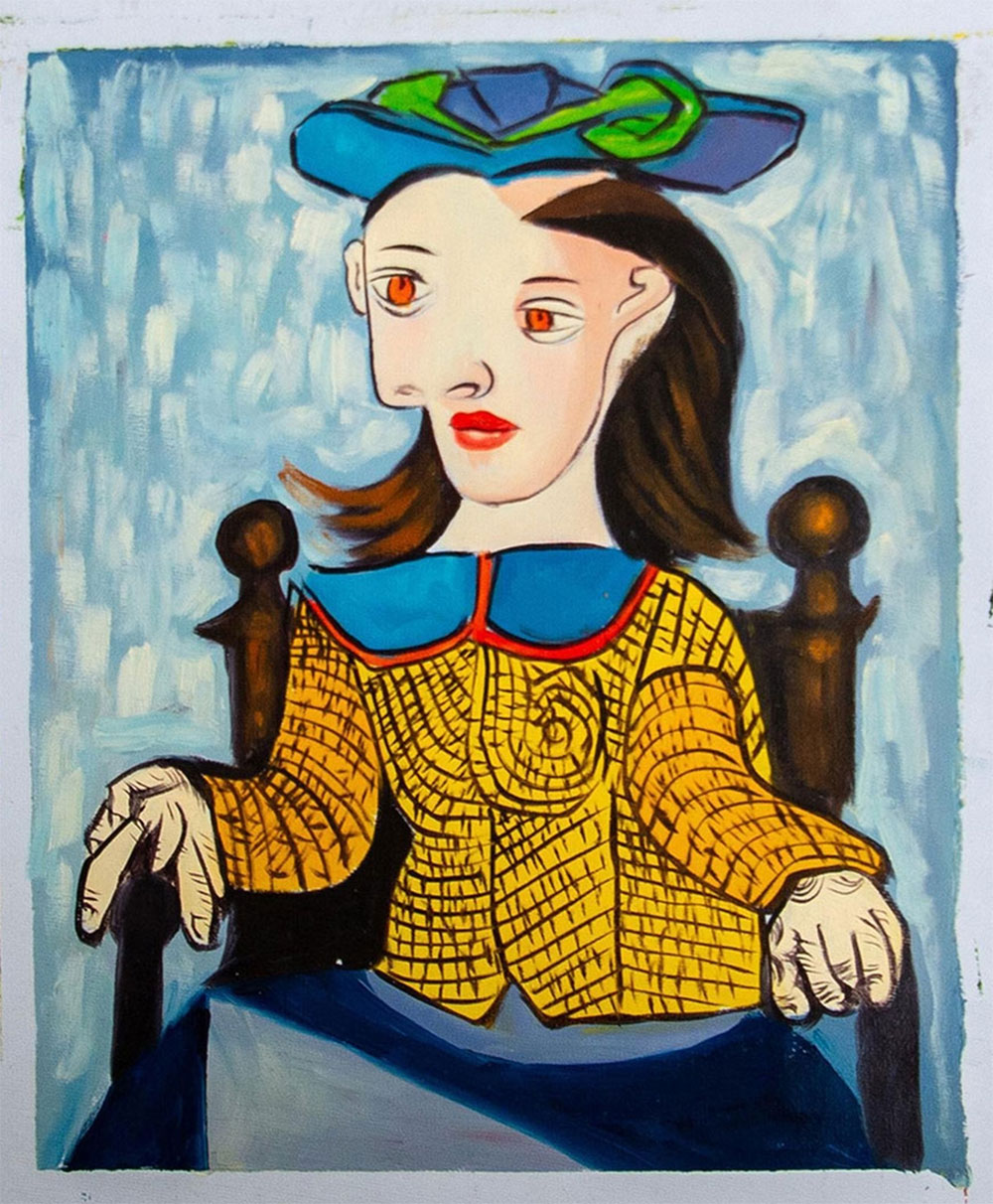
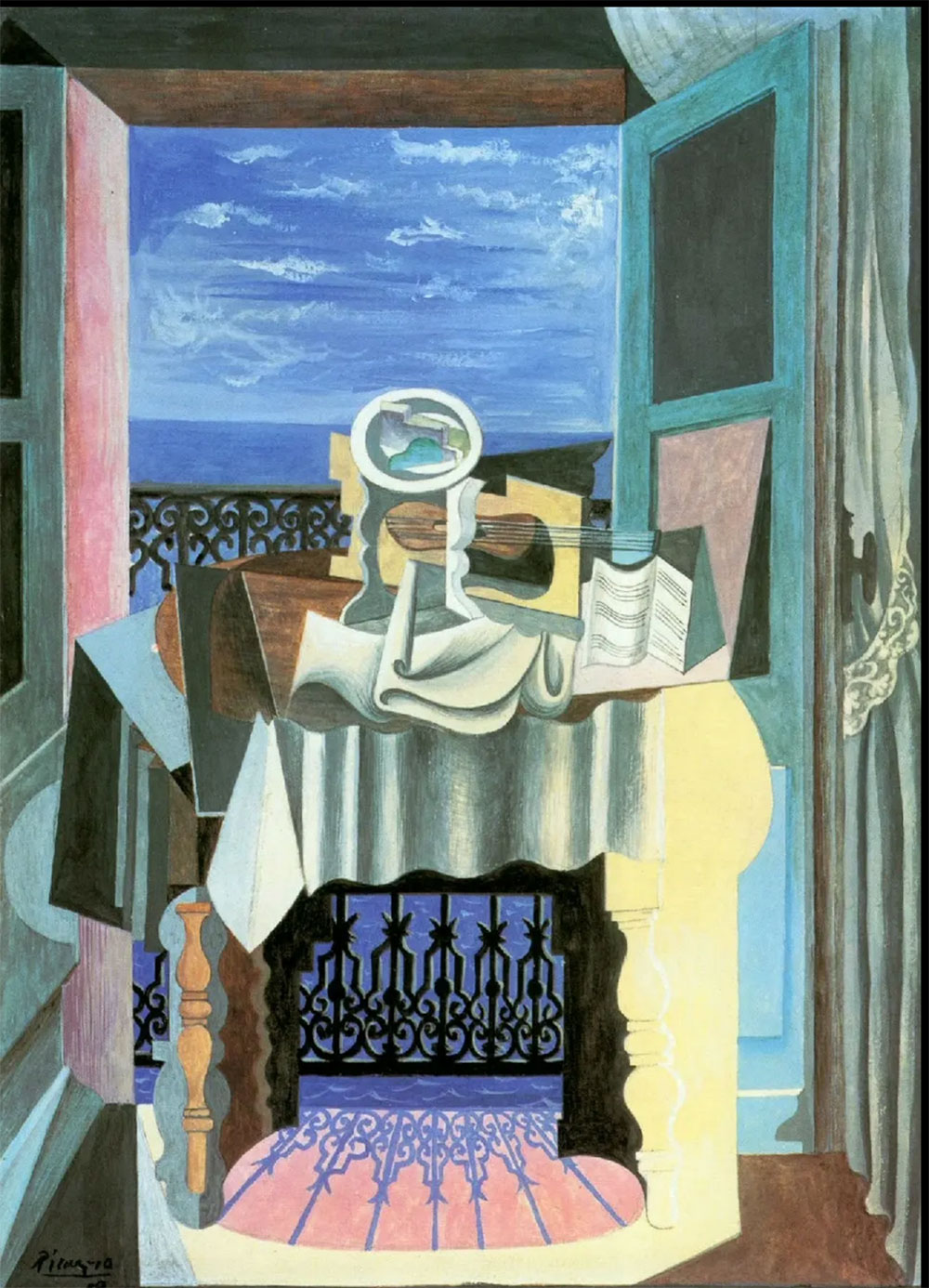
The collection is organised under the title *Picasso and His Time*, a framing that acknowledges both the centrality of Picasso's work and the broader artistic conversation it represents. More than 100 works by Picasso span the full range of his career, from a student sheet dated 1897 to paintings made a year before his death in 1973. The Blue and Pink periods are represented, as are the Cubist and Classical phases, and the increasingly layered synthesis of styles that characterises his work from the 1920s onwards. Among the most frequently discussed works are The Yellow Sweater 1939, top, and Nature morte devant une fenêtre à Saint-Raphaël 1919.
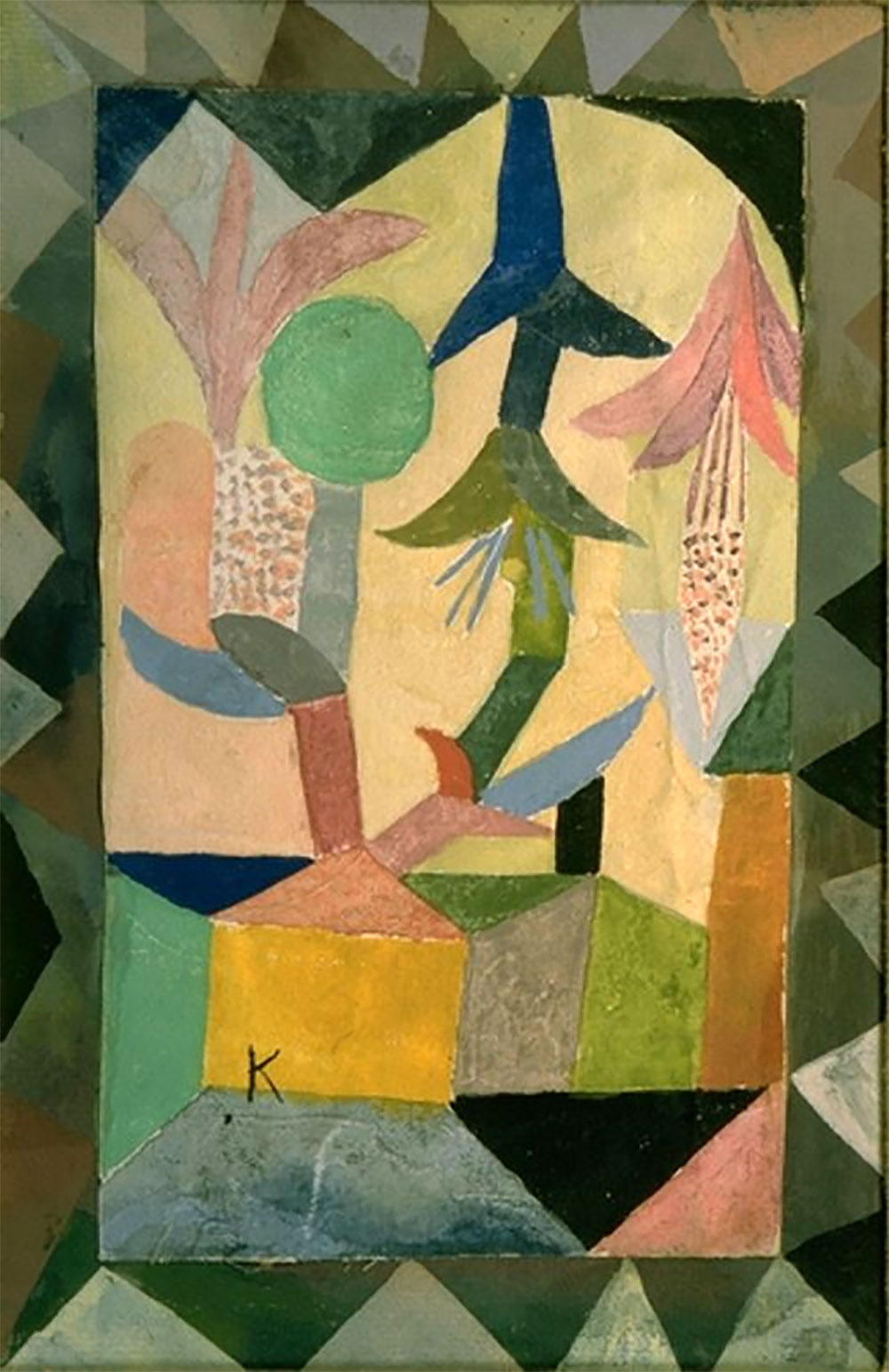
Paul Klee occupies the second focal point of the collection, with more than 60 small-format works on paper and canvas representing his output from 1917 to 1940. The scale and fragility of these pieces required careful thinking about their display, and the intimate rooms of the Kommandantenhaus wing proved particularly well suited to them. Works include pieces from his years at the Bauhaus and later compositions such as Sky Blossoms Over the Yellow House 1917.
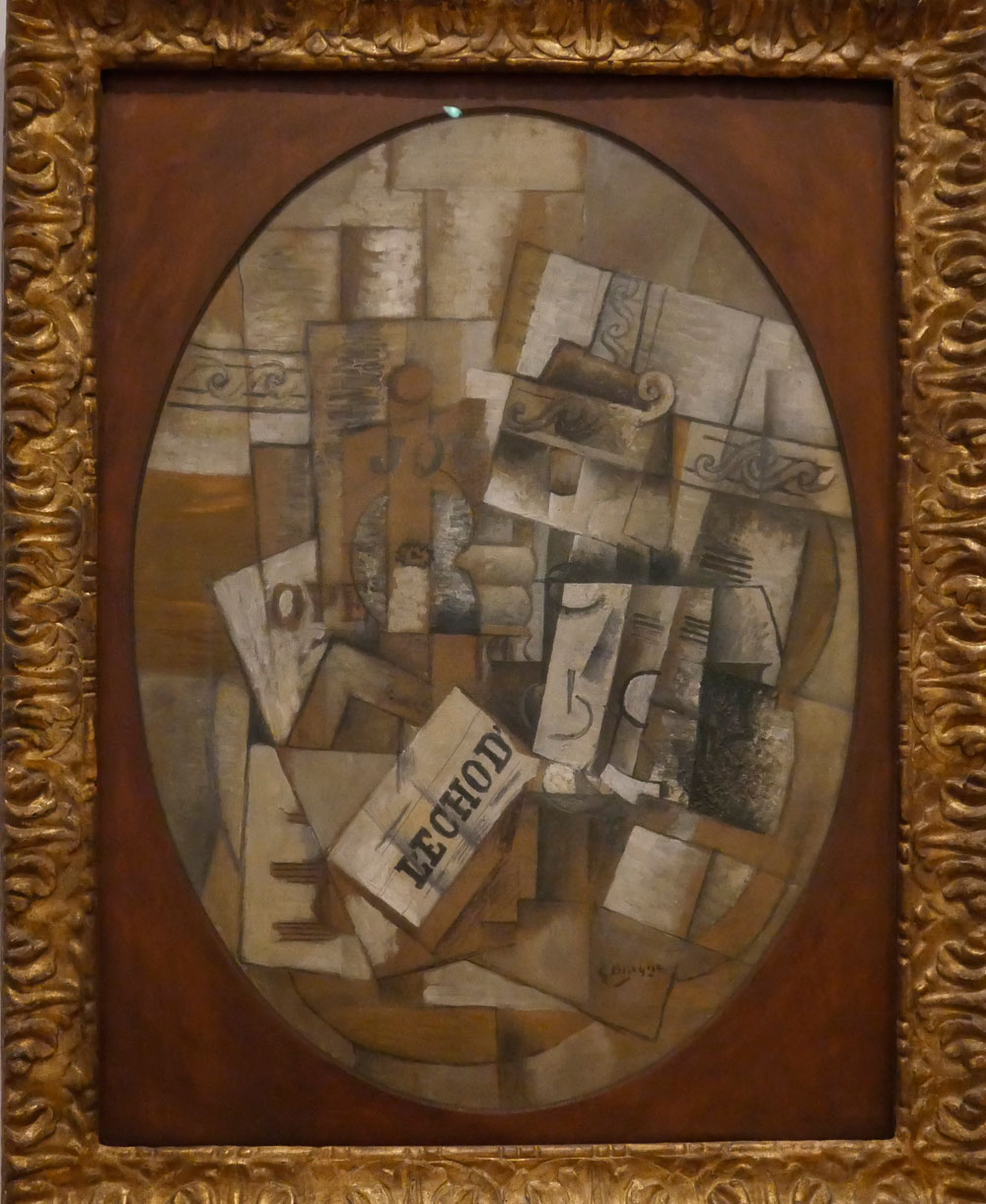
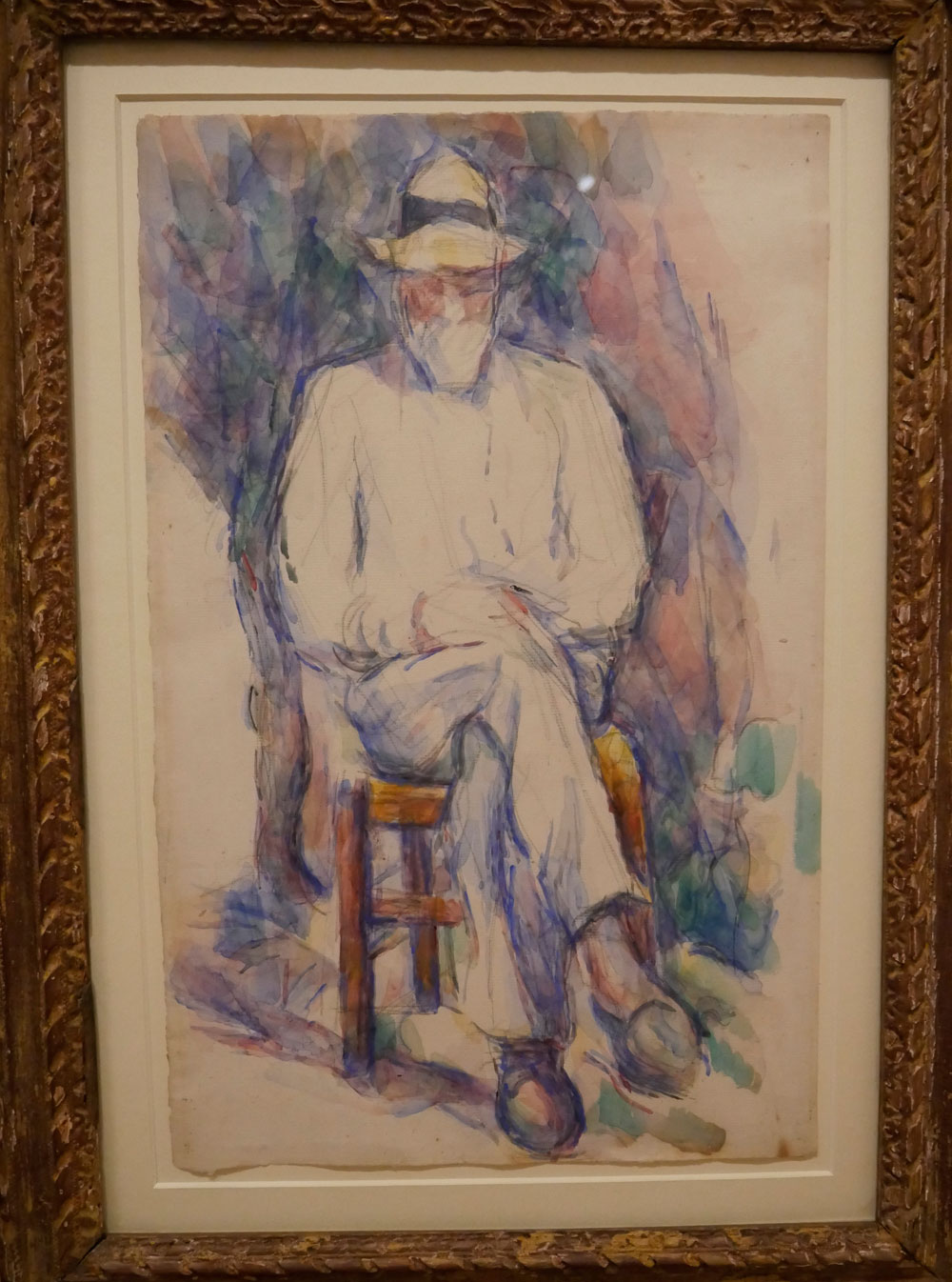
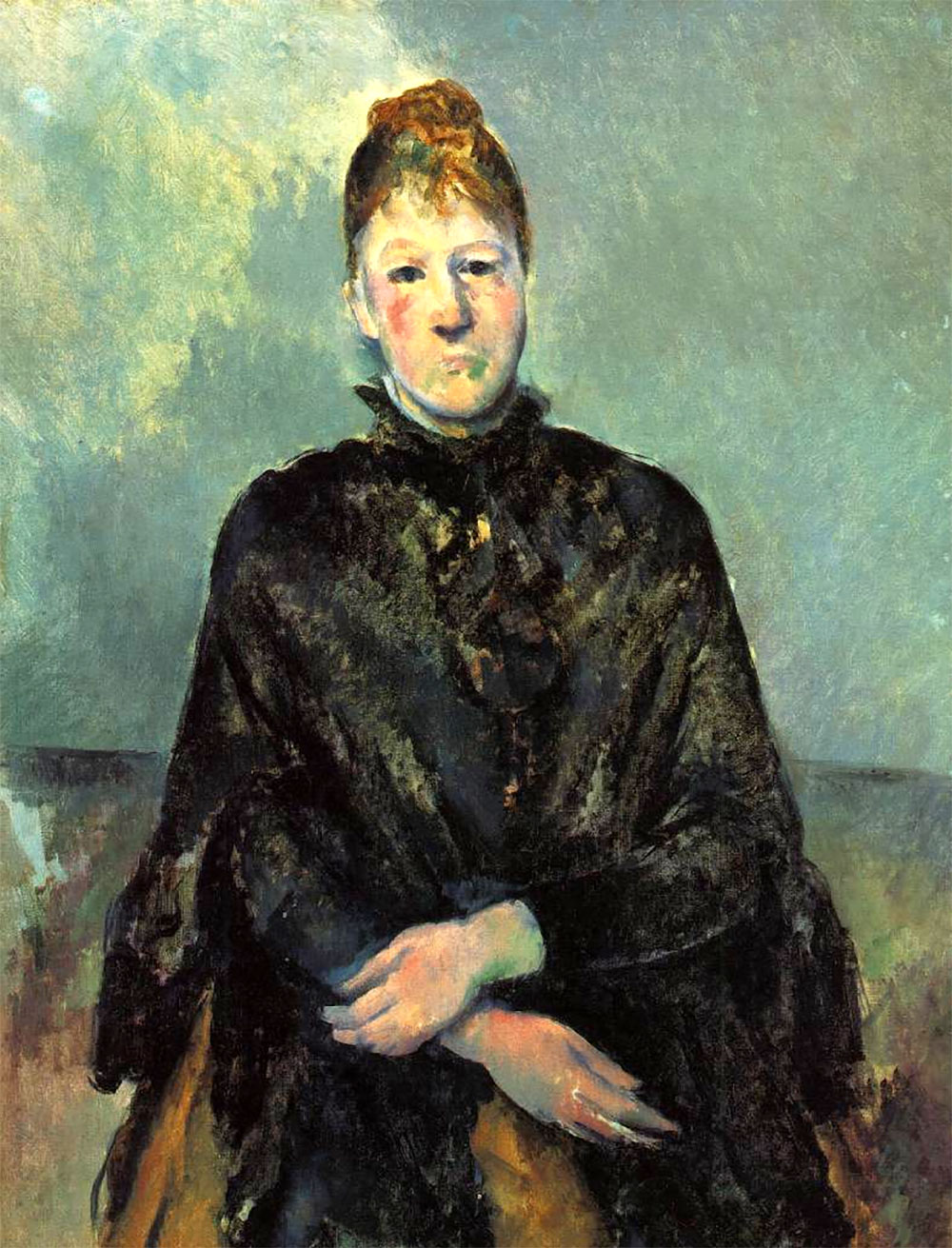
Henri Matisse is represented by more than 20 works, including a significant group of his late paper cut-out silhouettes — a body of work for which the Museum Berggruen holds the largest public exhibition in Germany. *Le cahier bleu* (1945) is among the collection highlights. Sculptural ensembles by Alberto Giacometti are distributed through the building, and a selection of African sculpture — objects that played a documented role in shaping the formal thinking of many European modernists — completes the core of the permanent display. Works by Georges Braque and Paul Cézanne, including Portrait de Madame Cézanne c. 1885, further fill out the collection's account of early twentieth-century modernism.
Renovation, the International Tour, and the Planned Reopening
In September 2022, the Museum Berggruen closed for a comprehensive structural renovation of the Stüler Building. The western Stüler Building — a protected heritage structure — had not undergone a thorough overhaul since restoration work completed in 1958 following wartime damage. The renovation, overseen by the Federal Office for Building and Regional Planning (Bundesamt für Bauwesen und Raumordnung) and carried out by the Berlin architectural practice merz merz GmbH & Co. KG, addresses the condition of the exterior shell as a priority, while also modernising the building's technical infrastructure, improving visitor circulation, making the building barrier-free, and incorporating sustainability measures including a planned photovoltaic installation on the roof.
Rather than allowing the collection to sit in storage for the duration, the museum embarked on an international touring exhibition titled *The Collection of Museum Berggruen / Nationalgalerie Berlin*. The tour has taken major works — including Picasso's *The Yellow Sweater* and *Large Reclining Nude*, Cézanne's *Madame Cézanne*, and Matisse's *Nude Skipping Rope* — to the National Museum of Western Art in Tokyo (October 2022 to January 2023), the National Museum of Art in Osaka (February to May 2023), UCCA Edge in Shanghai (June to October 2023), UCCA Beijing (November 2023 to February 2024), the Gallerie dell'Accademia in Venice (March to June 2024), and the Musée de l'Orangerie in Paris (October 2024 to January 2025). The collection was subsequently shown at the National Gallery of Australia in Canberra from May to September 2025.
As of the time of writing, a further stop has been confirmed: the Thyssen-Bornemisza National Museum in Madrid is presenting an exhibition of fifty works from the Berggruen holdings, focused specifically on the relationship between Picasso and Klee, running from October 2025 to February 2026.
The reopening of the Stüler Building in Berlin is now planned for 2026. The original target of 2025 was revised as building work progressed. Hermann Parzinger, President of the Prussian Cultural Heritage Foundation, has indicated that the renovation will create the conditions for the collection to be shown to the standard its works demand, while Klaus Biesenbach, director of the Neue Nationalgalerie, has observed that the public response to the touring exhibition — across Asia, Europe, and Australia — reinforces the international stature of the collection and sets a high standard for the Berlin presentation that will follow.
In 2026, the reopening of the Museum Berggruen represents one of the more significant moments in the German museum calendar. The renovated building will bring a collection that has spent four years travelling the world back to its permanent home in Charlottenburg, where it will be displayed in a building that finally has the technical infrastructure to match the quality of what it contains. Current information on the reopening schedule and any associated programming can be found via the Staatliche Museen zu Berlin at
smb.museum/en/museums-institutions/museum-berggruen