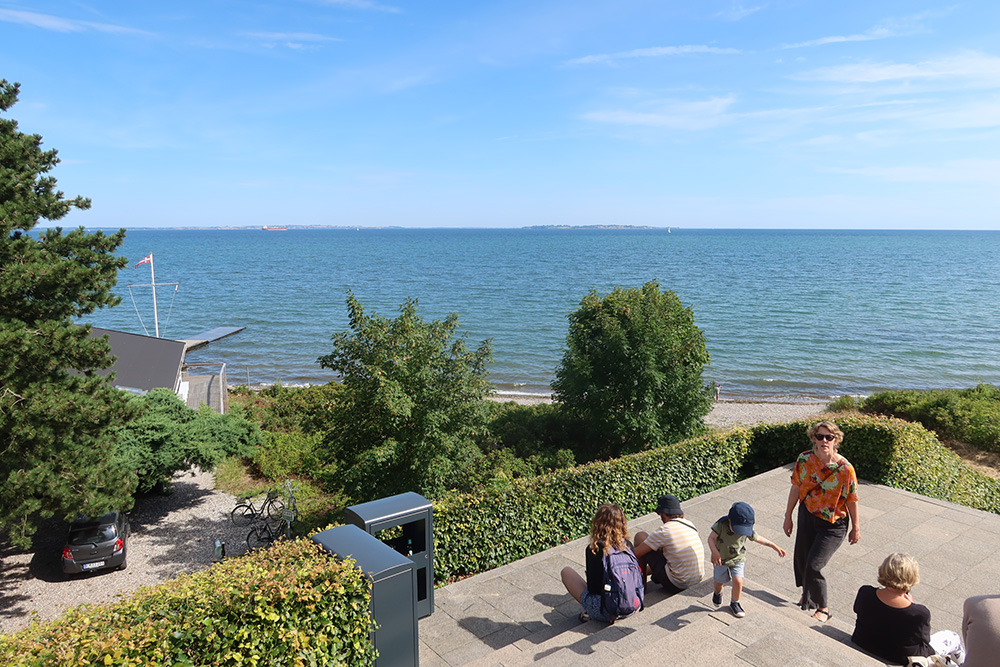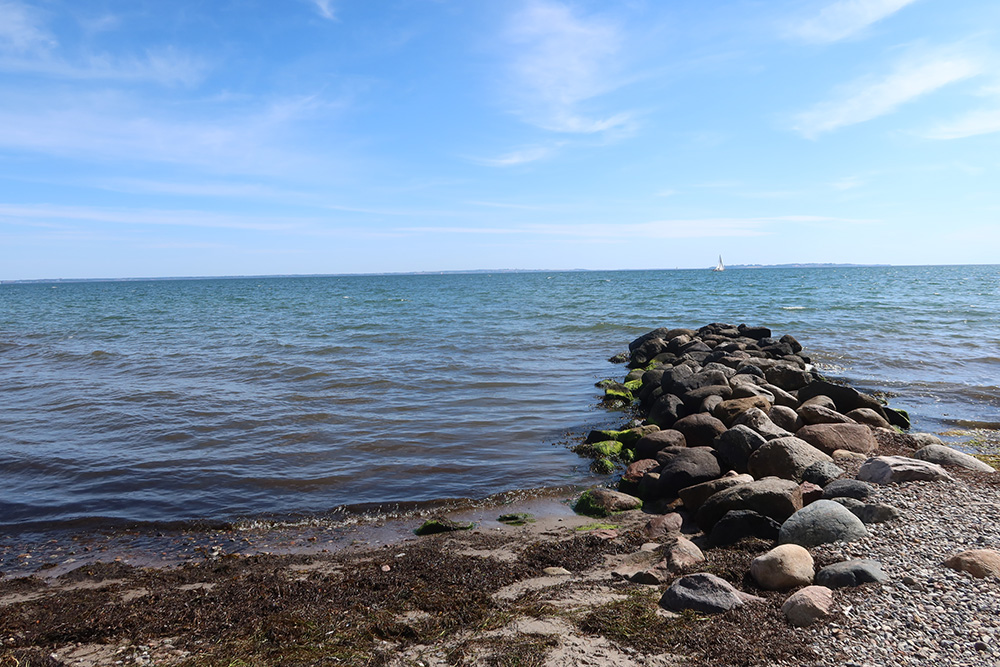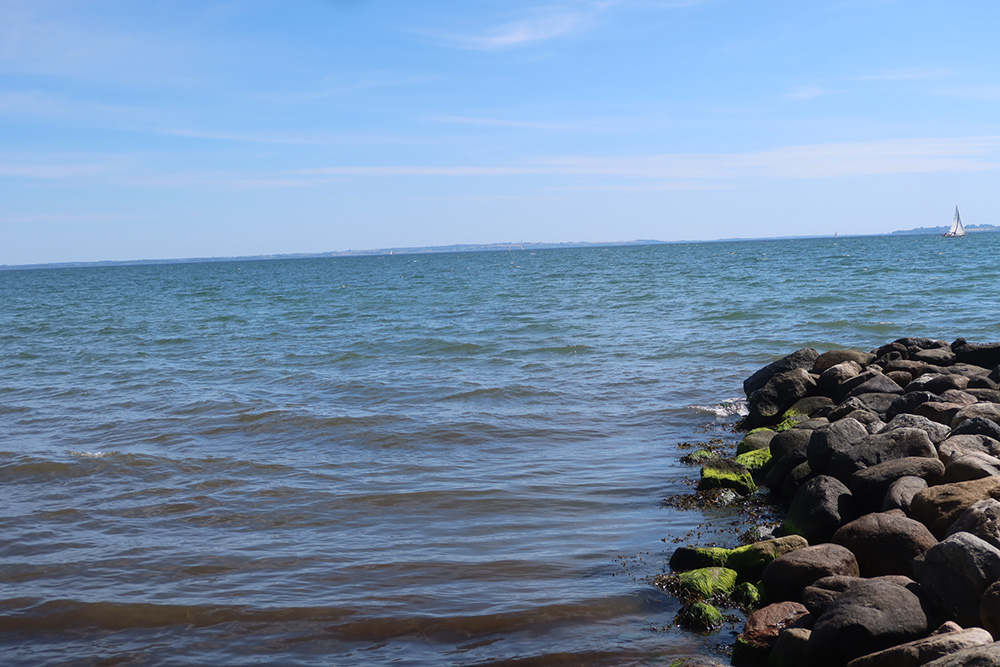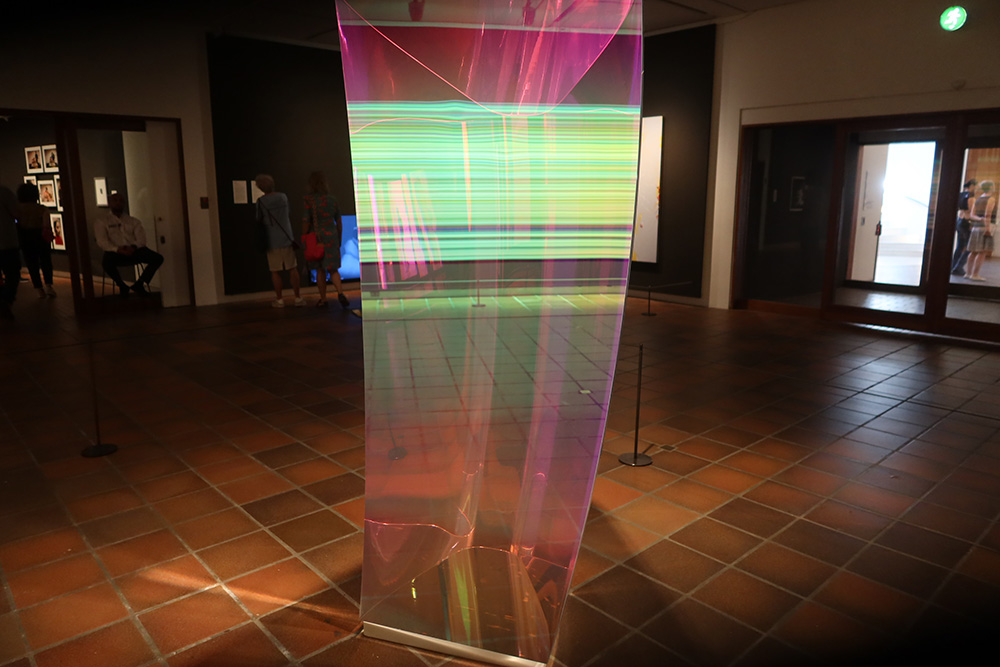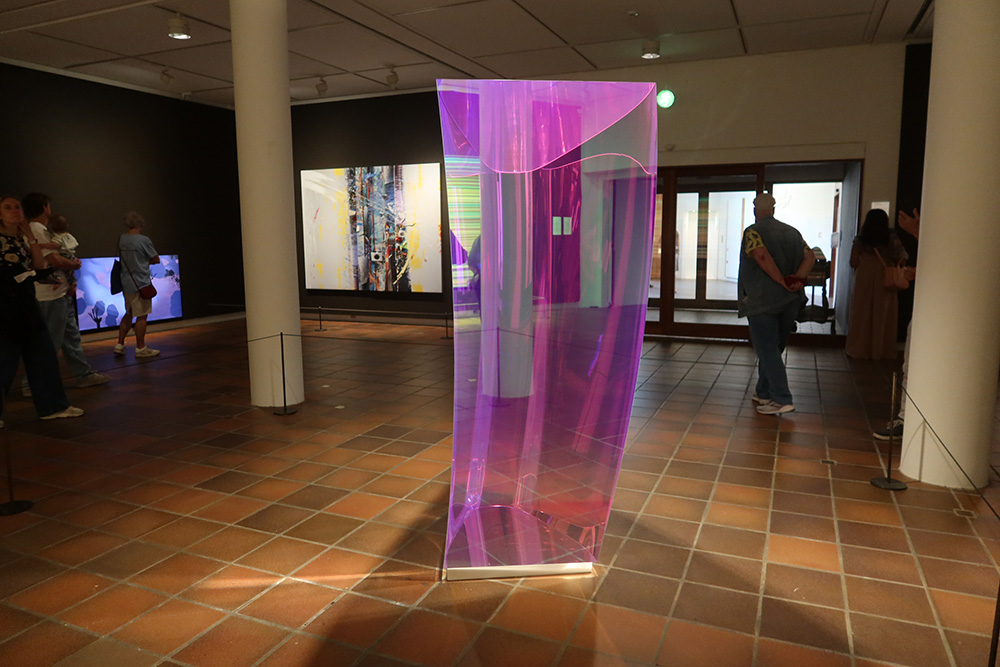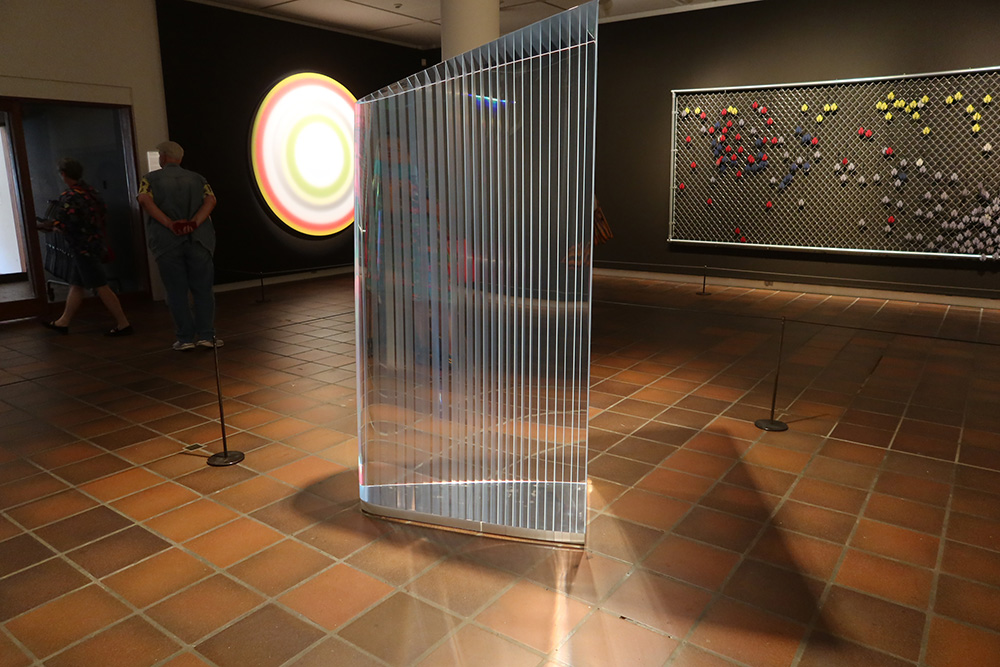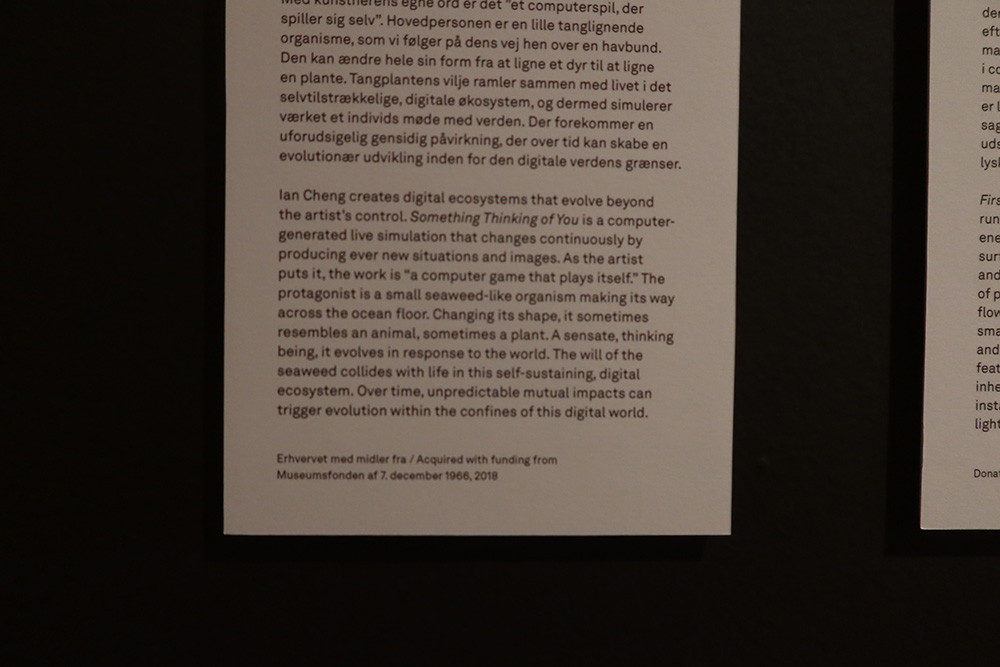

Situated in Humlebæk, some forty kilometres north of Copenhagen on the eastern coast of Zealand, the Louisiana Museum of Modern Art occupies a position in the international museum landscape that is as much a result of philosophical intent as of geography. Attracting over 700,000 guests annually, it is Scandinavia's most visited museum for modern and contemporary art. Louisiana offers a considered study in how a museum's founding vision can shape its identity across generations.
The institution's origins lie with Knud W. Jensen, a businessman, publisher and art patron who purchased the by then abandoned villa and surrounding property in 1955. The estate's name had nothing to do with the American state: it derived from the first owner of the property, hofjægermester Alexander Brun, who named the estate after his three wives, all called Louise. Jensen retained the name when he transformed the grounds into what he envisioned as a democratic cultural space — one that stood in deliberate contrast to the monumental public institutions of his era. He intended for the museum to be a home for modern Danish art, but after only a few years changed course, and instead of being a predominantly Danish collection, Louisiana became an international museum with many internationally renowned works.
The architecture of Louisiana is inseparable from its curatorial identity. In the mid-1950s, Jensen asked the architects Jørgen Bo and Vilhelm Wohlert to build a museum based on the old villa, with the basic conception of linking the architecture with its natural surroundings. Jensen had first approached Jørn Utzon for the commission, but Utzon was already commissioned to design the now iconic Sydney Opera House and declined. Bo and Wohlert's approach drew from several architectural traditions: Wohlert had studied at the University of California at Berkeley, where he became acquainted with the Bay Area architecture of the wooden houses surrounding the San Francisco Bay, though Louisiana also carries references to the traditional simplicity of Japanese building style. The result was a series of connected buildings in which two factors were considered critical from the beginning: coherence and gentleness.
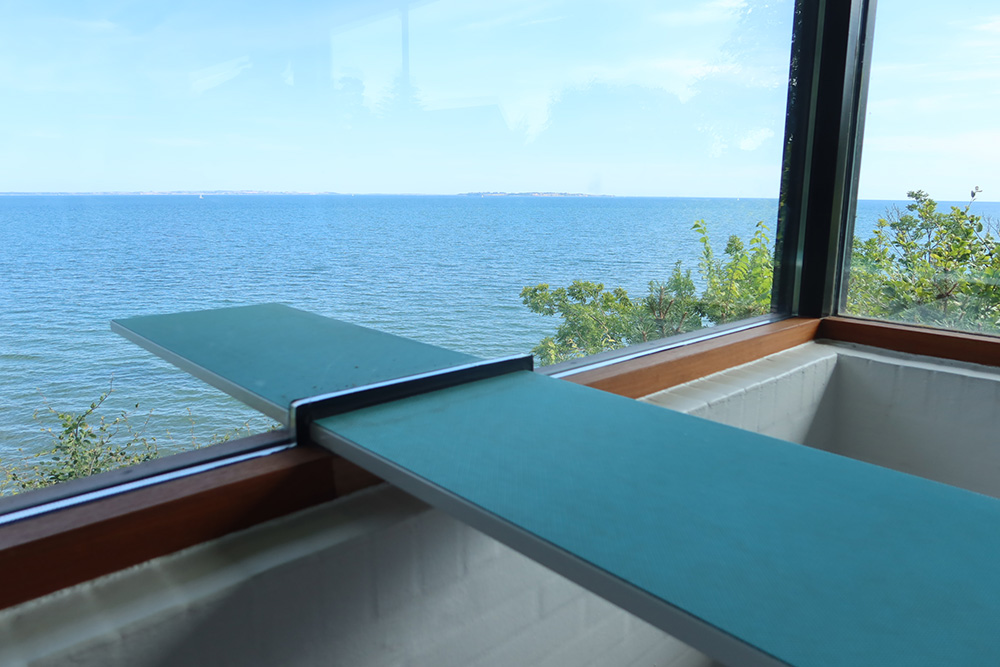
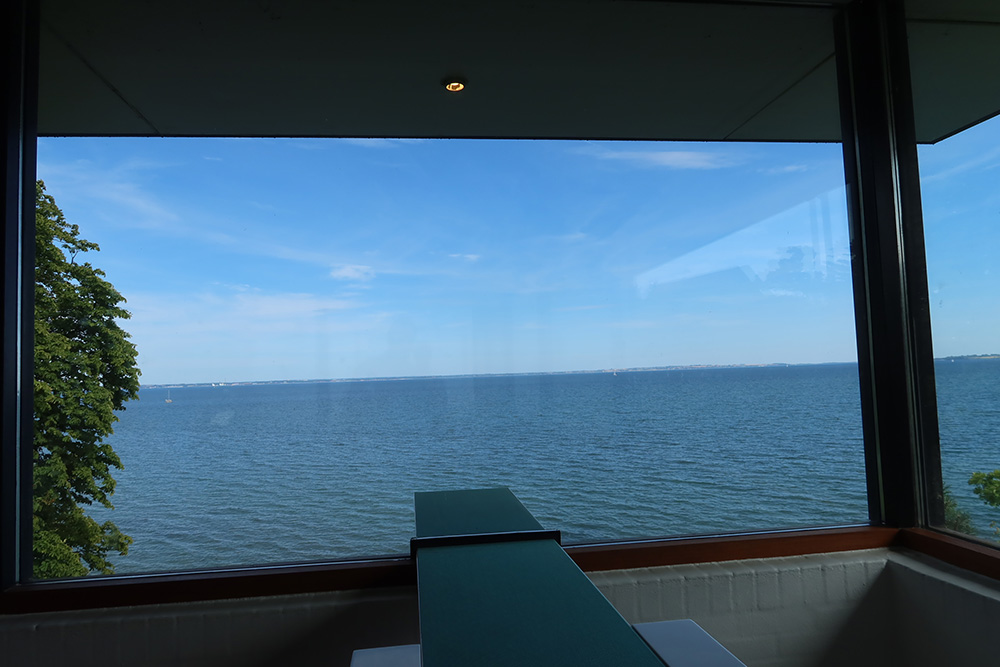
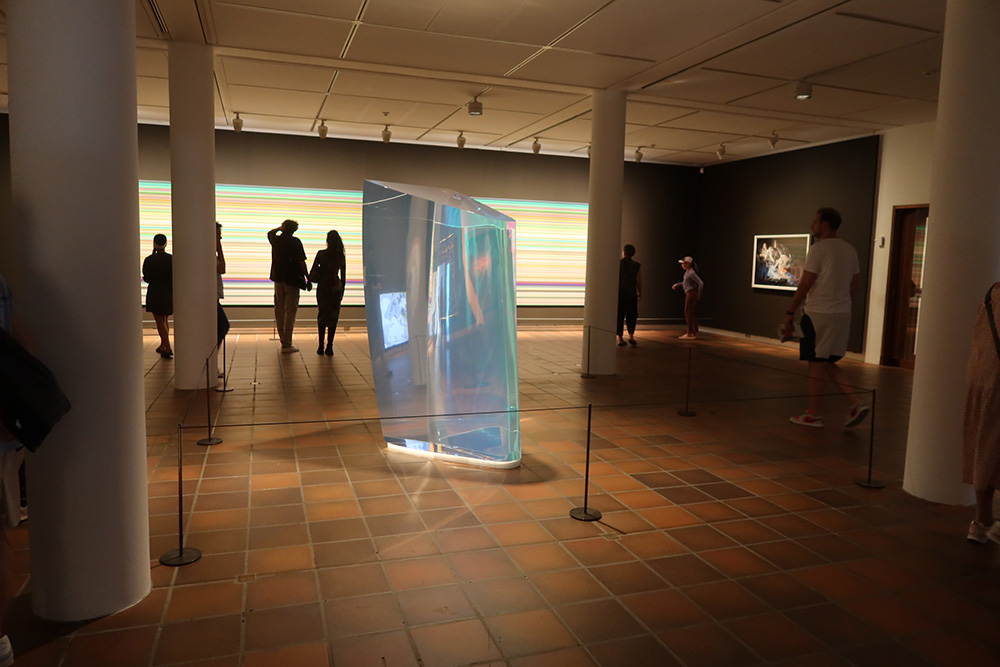
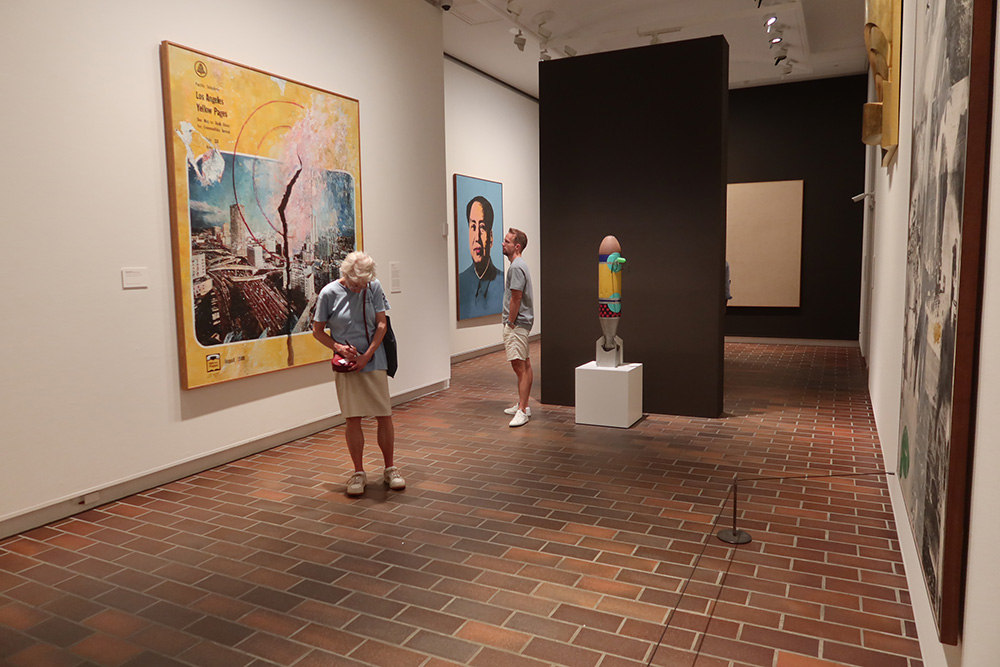
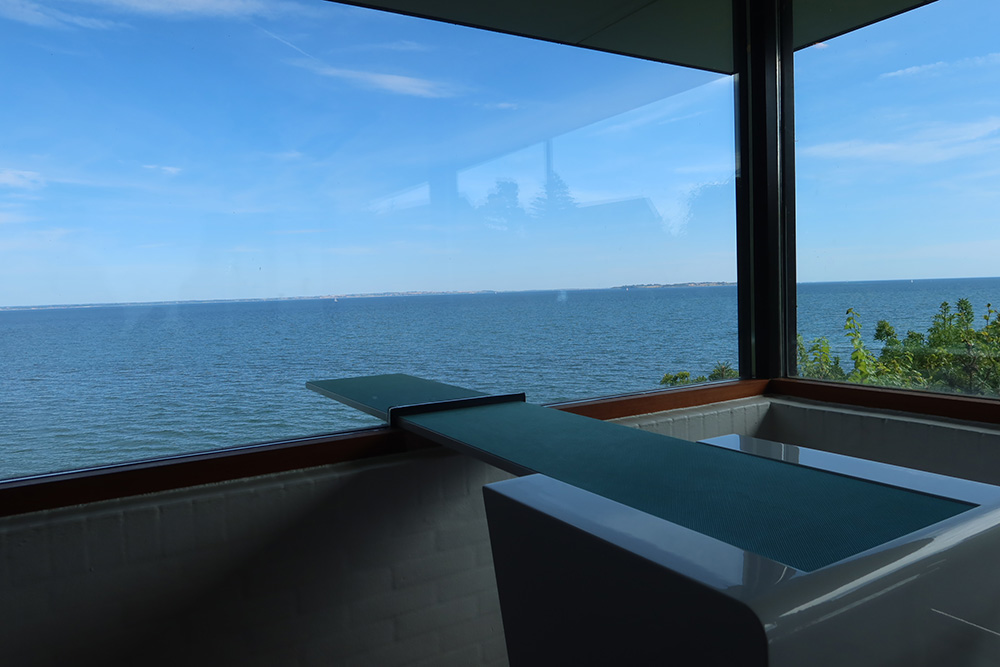
The museum opened in 1958 and has since undergone a series of expansions, all carried out by the original architects. All seven extensions and alterations were completed by Bo and Wohlert — supplemented by architect Claus Wohlert on the projects from the East Wing onwards — making it possible to maintain the original plan and fit the gradually larger Louisiana into the terrain, the trees, the lawns and the rest. The result is a building complex that moves through the landscape rather than imposing upon it: low-lying pavilions connected by glazed corridors that keep the Øresund coast in view and draw the park into the gallery experience.
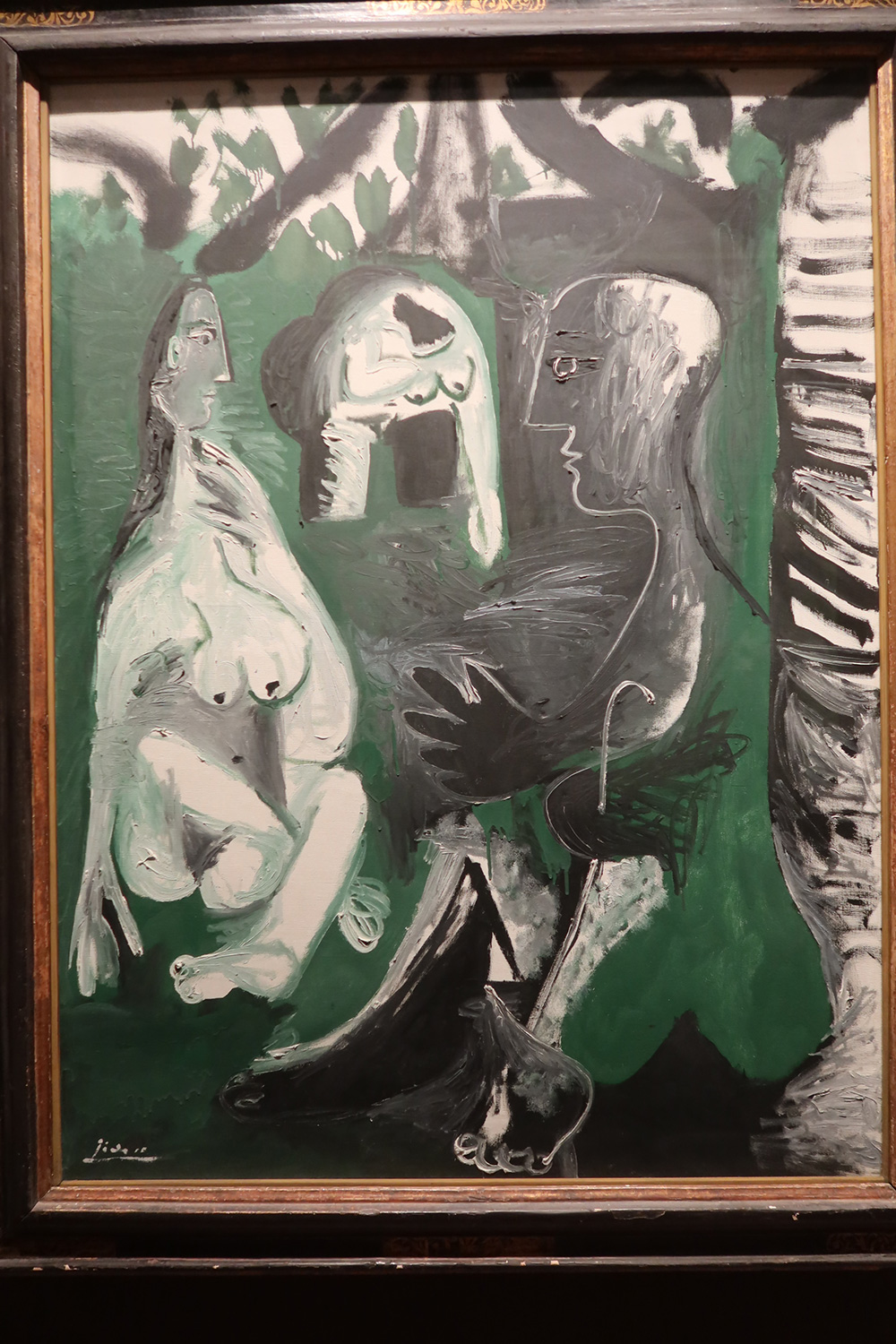
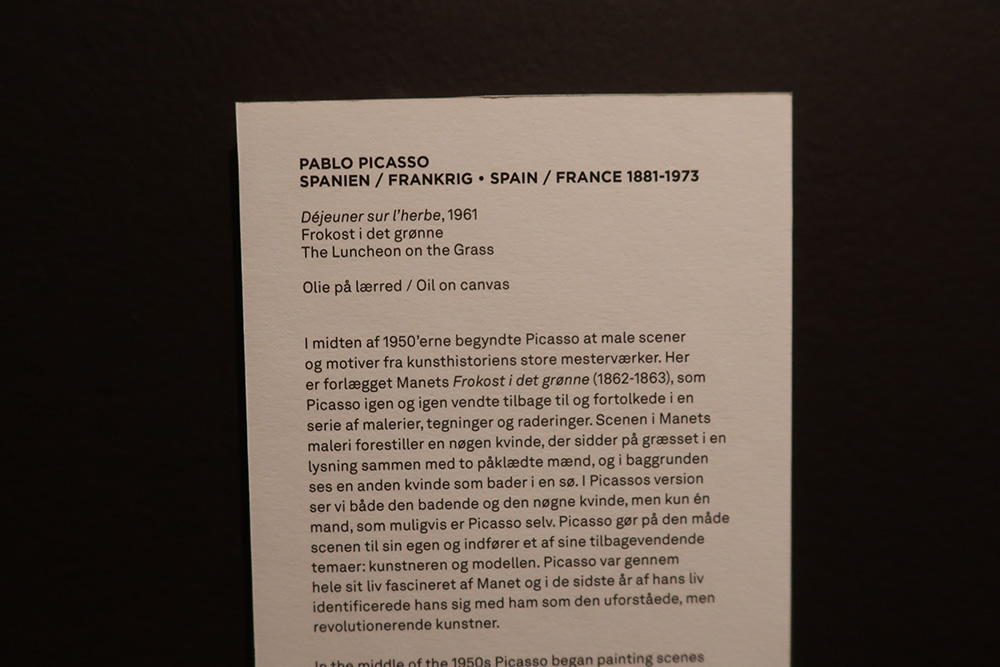
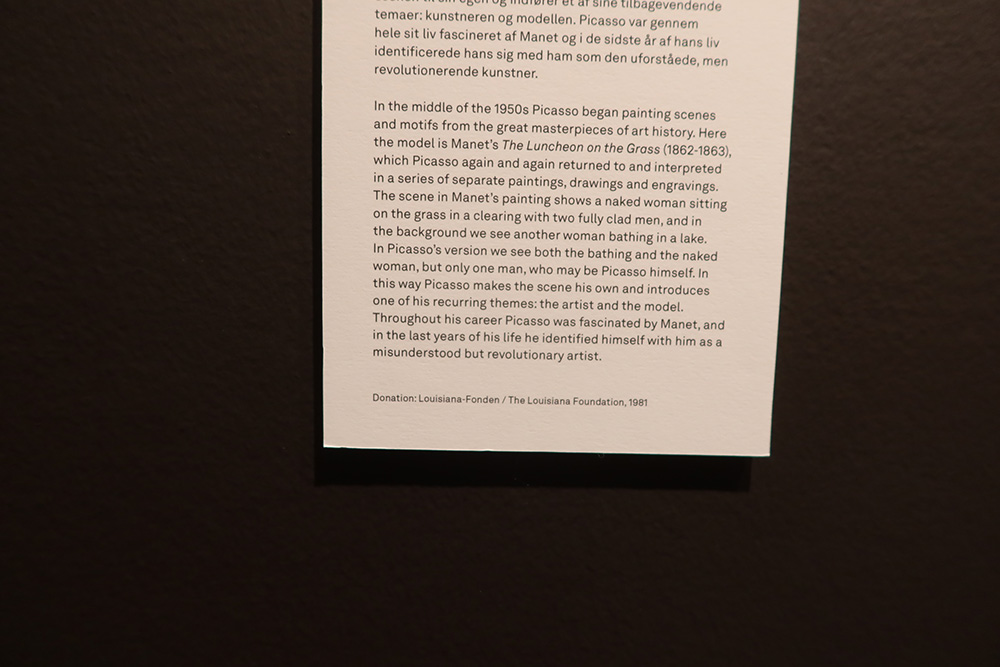
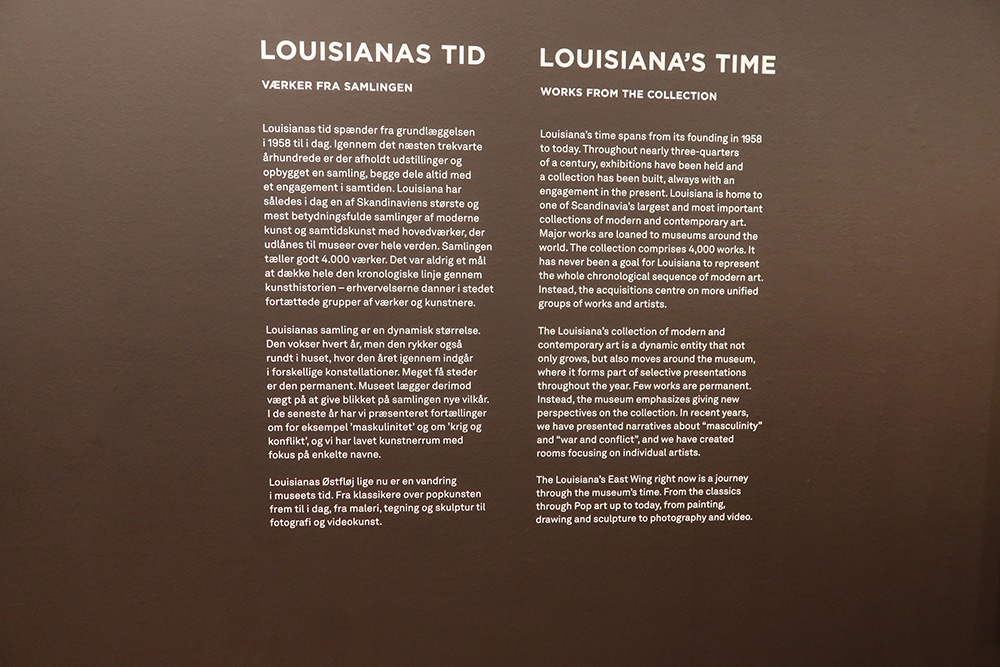
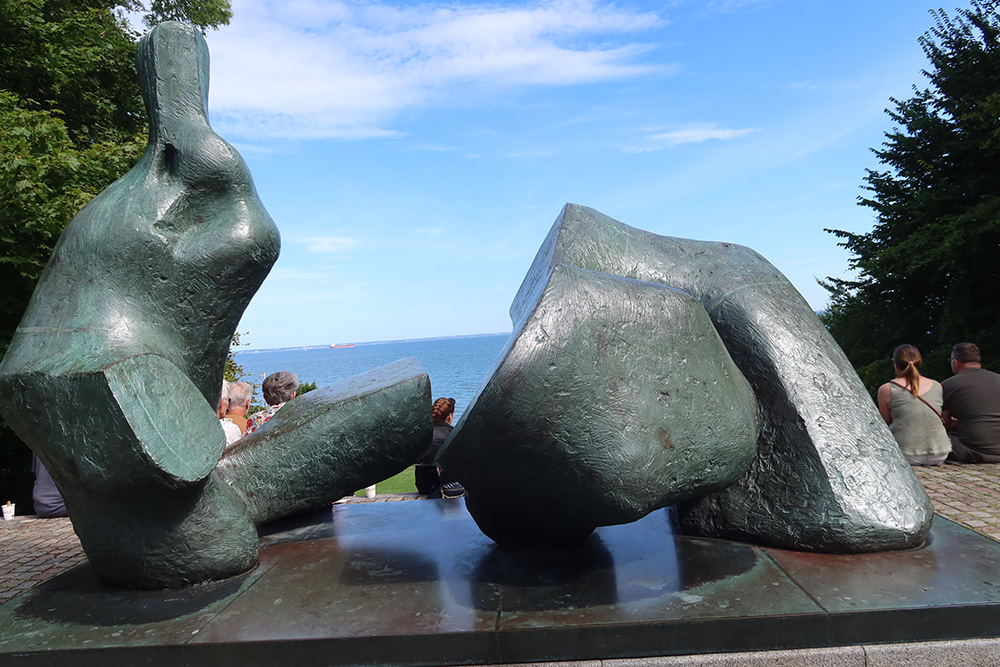
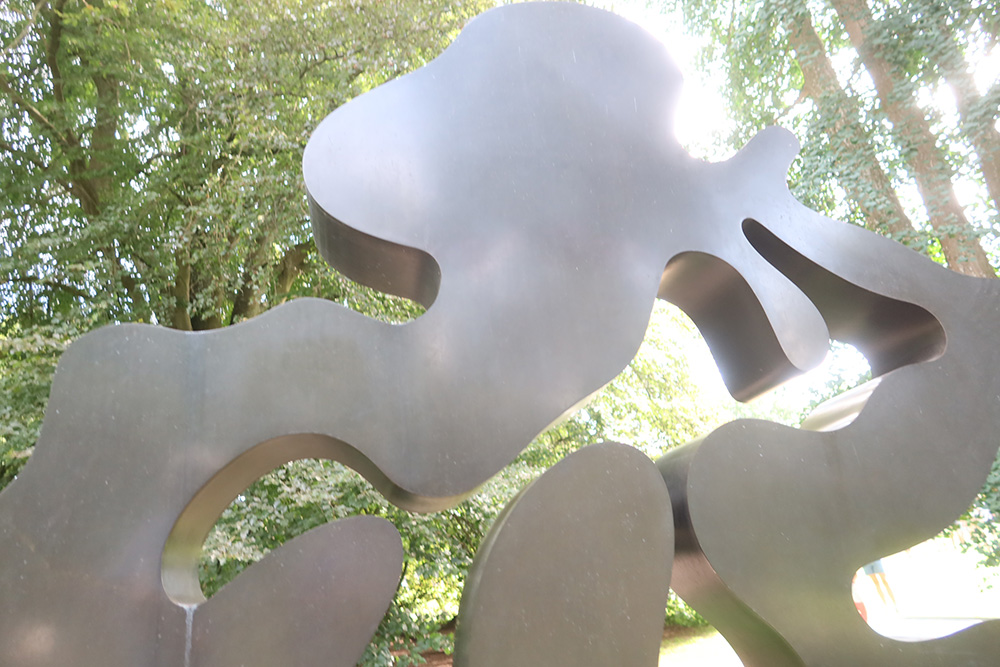
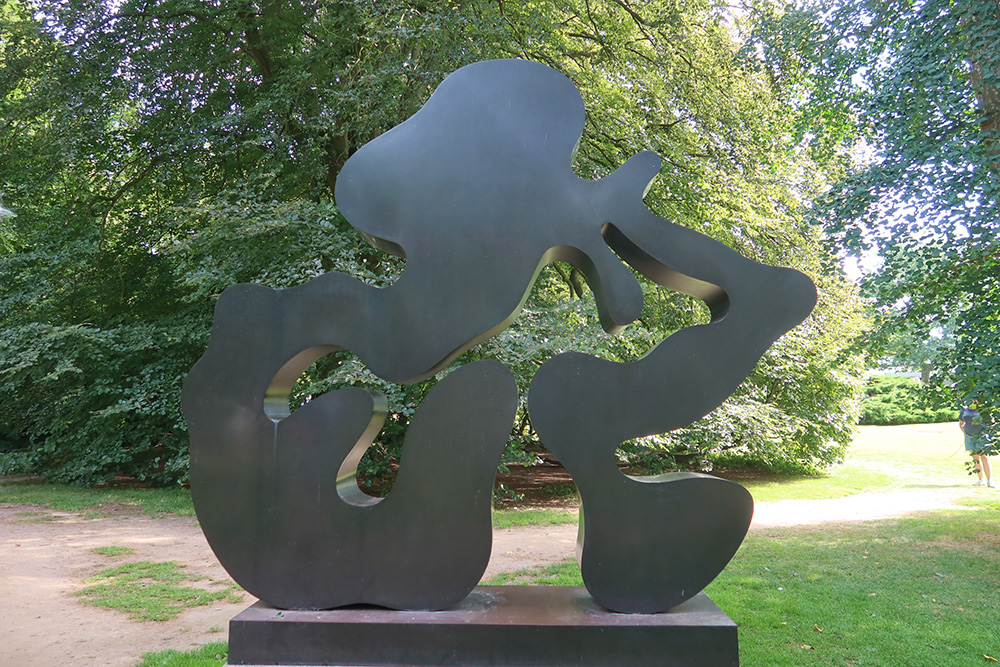
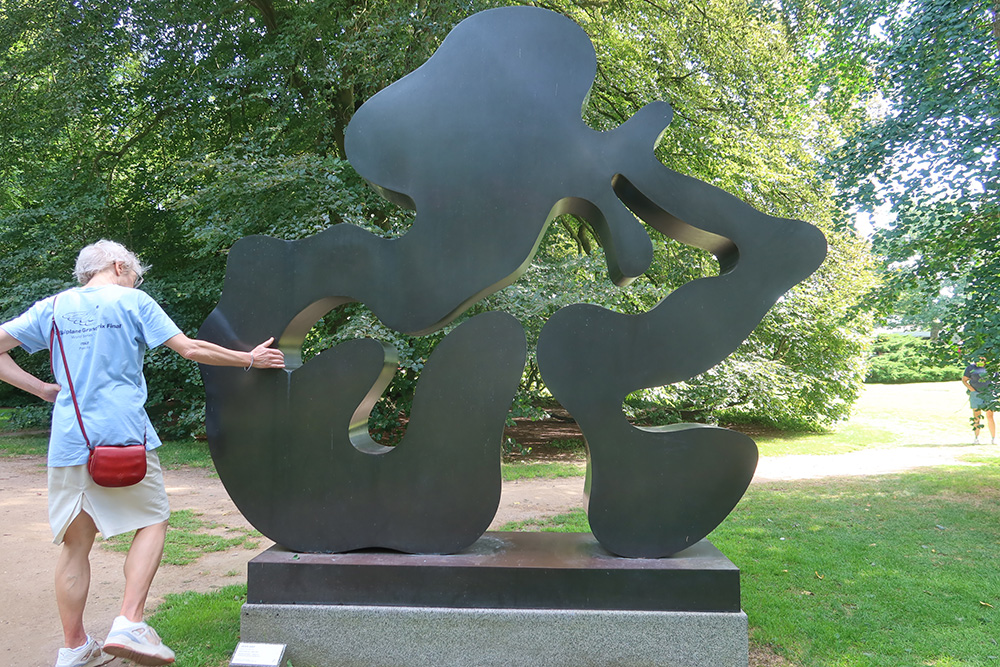
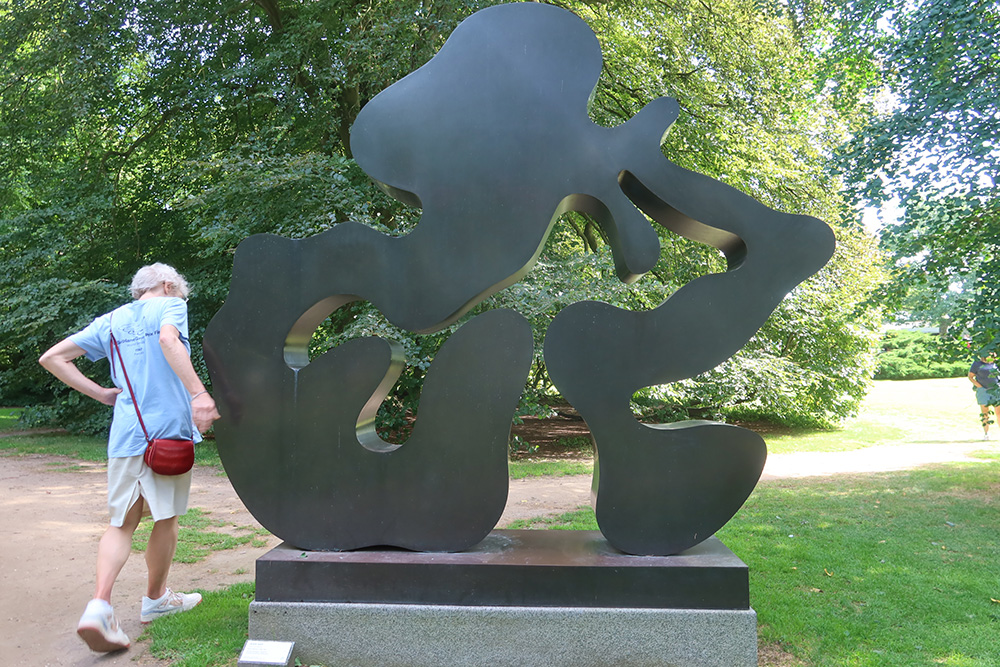
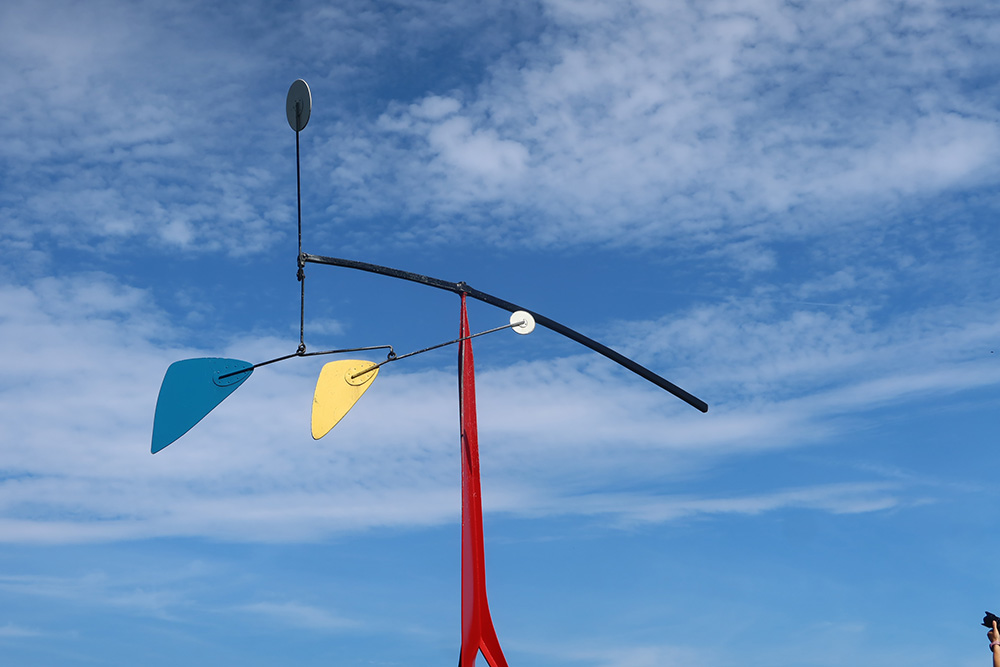
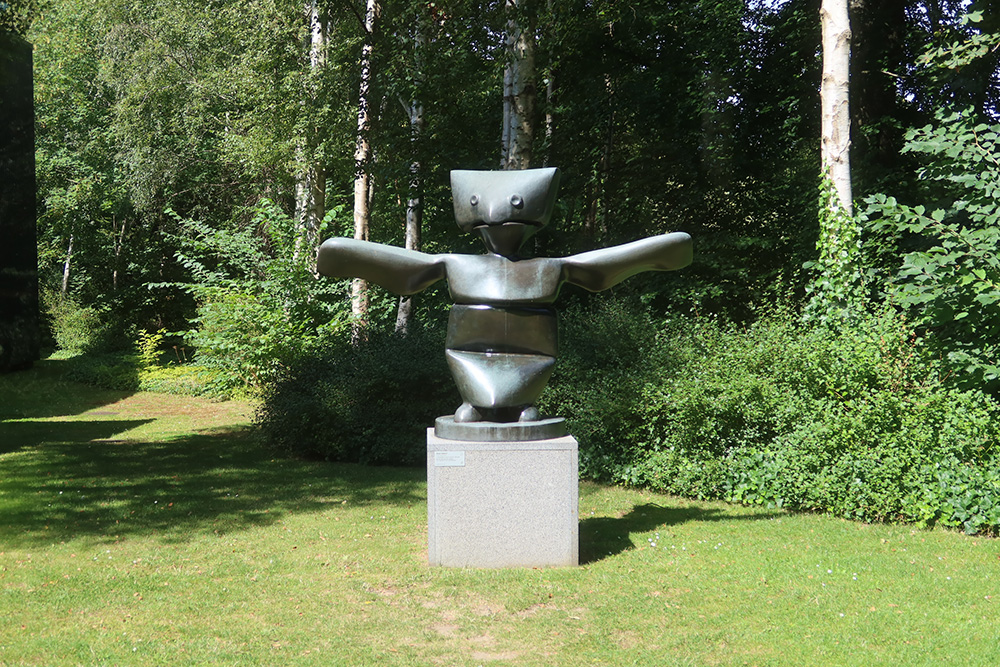
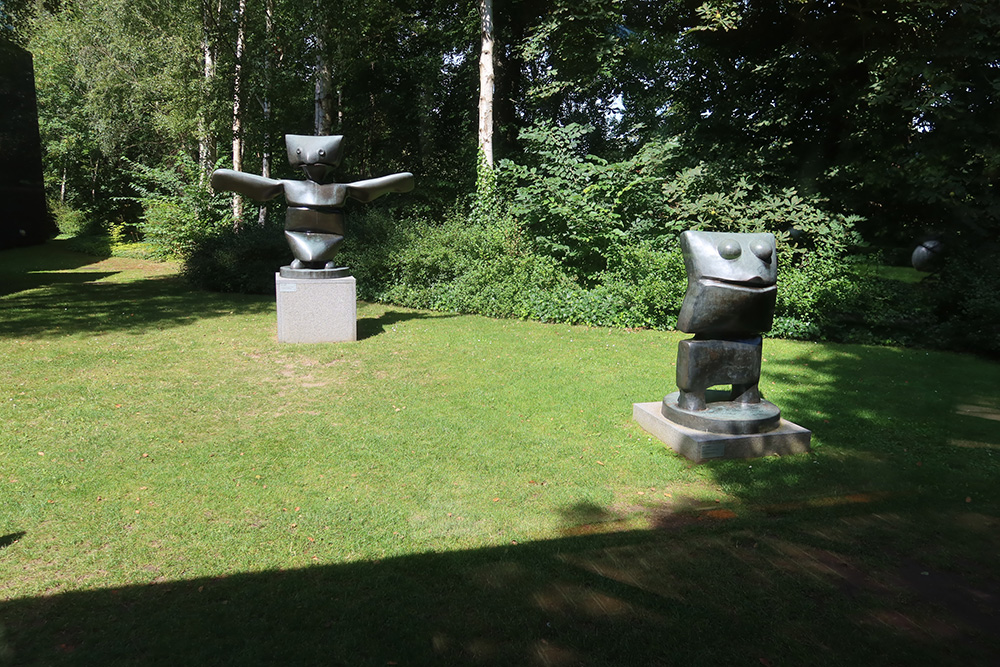
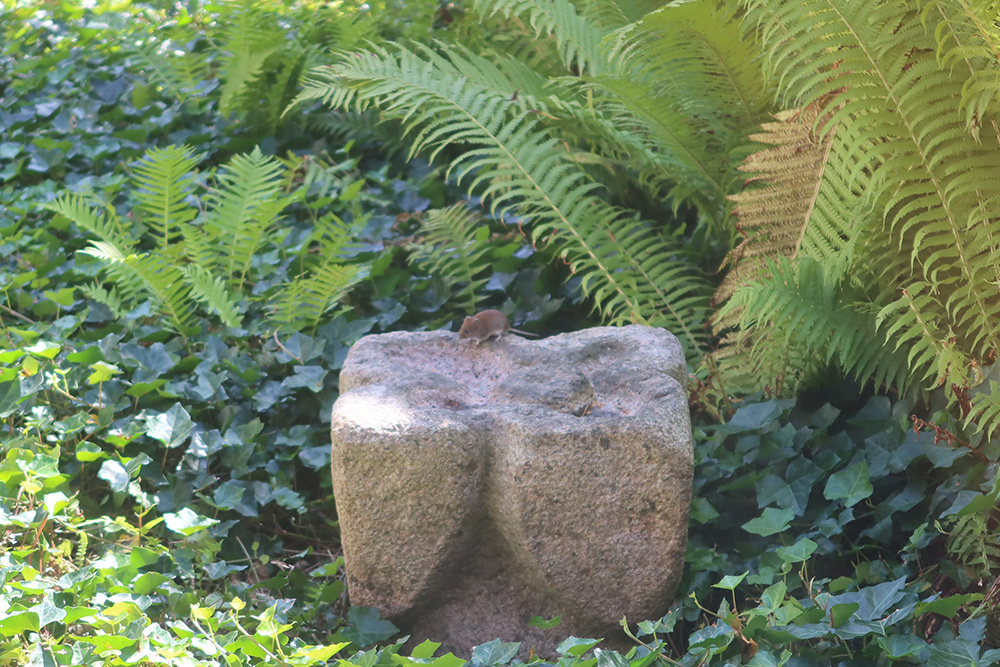
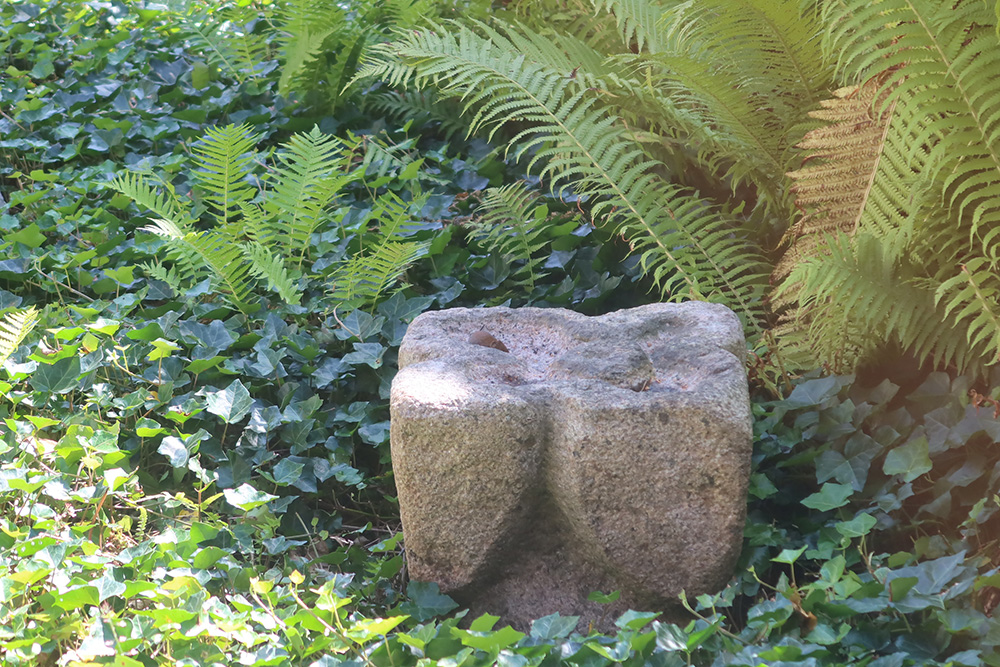
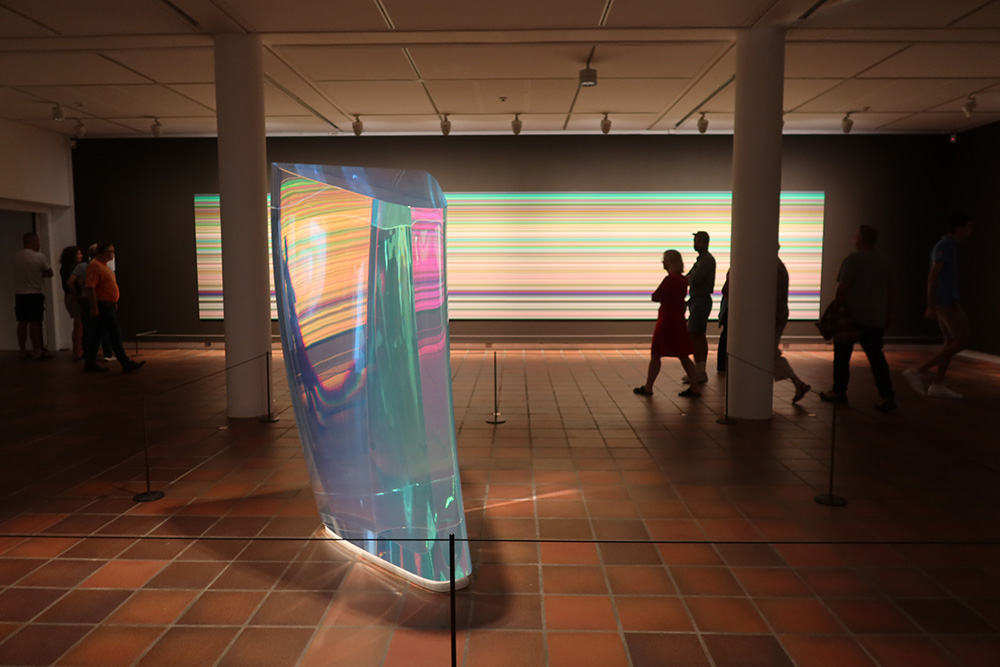
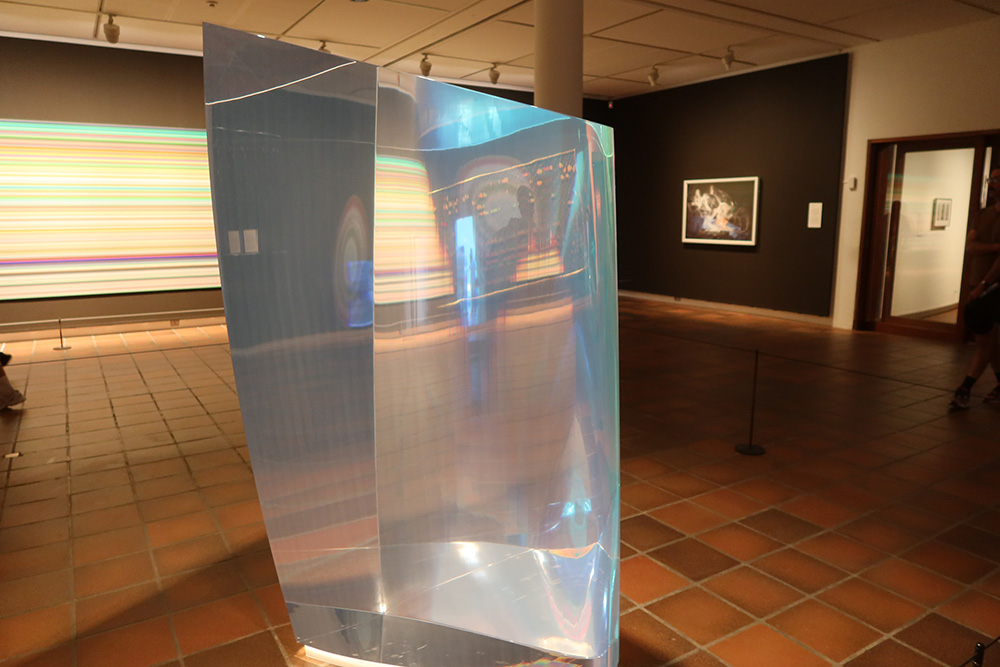
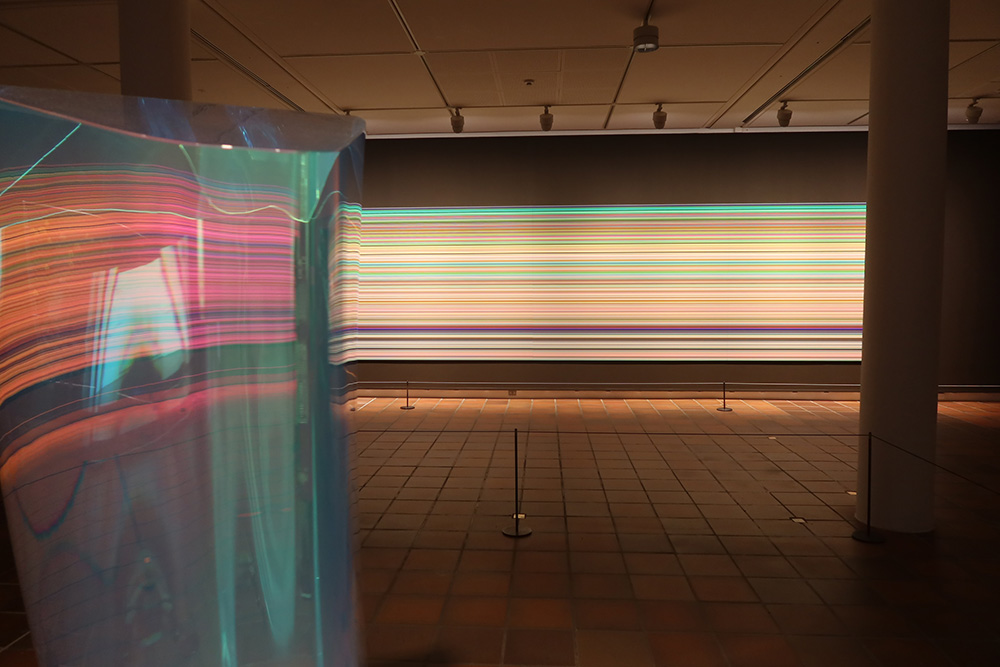
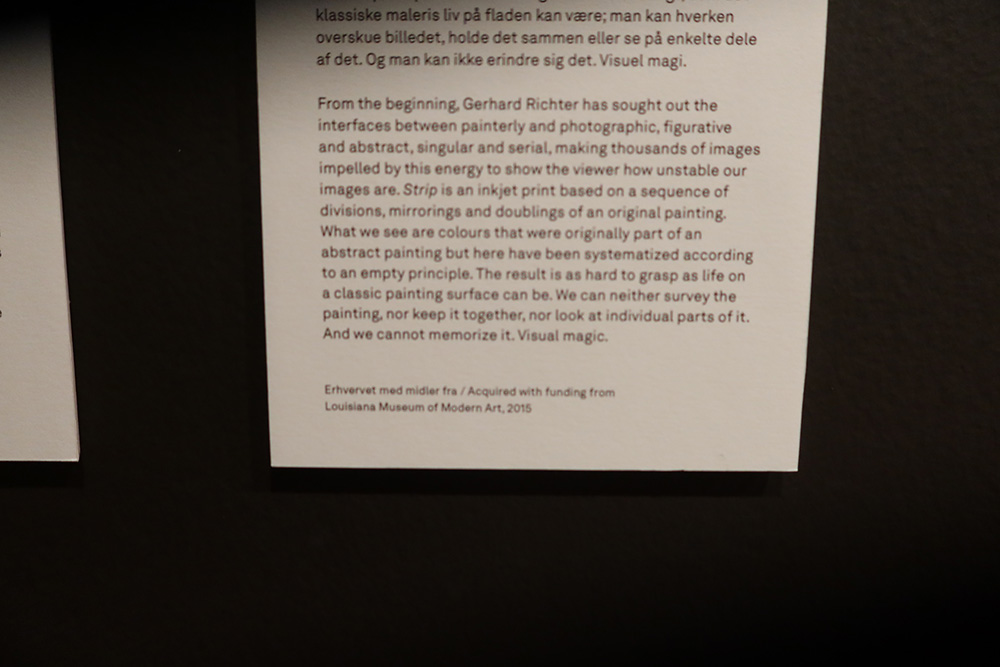
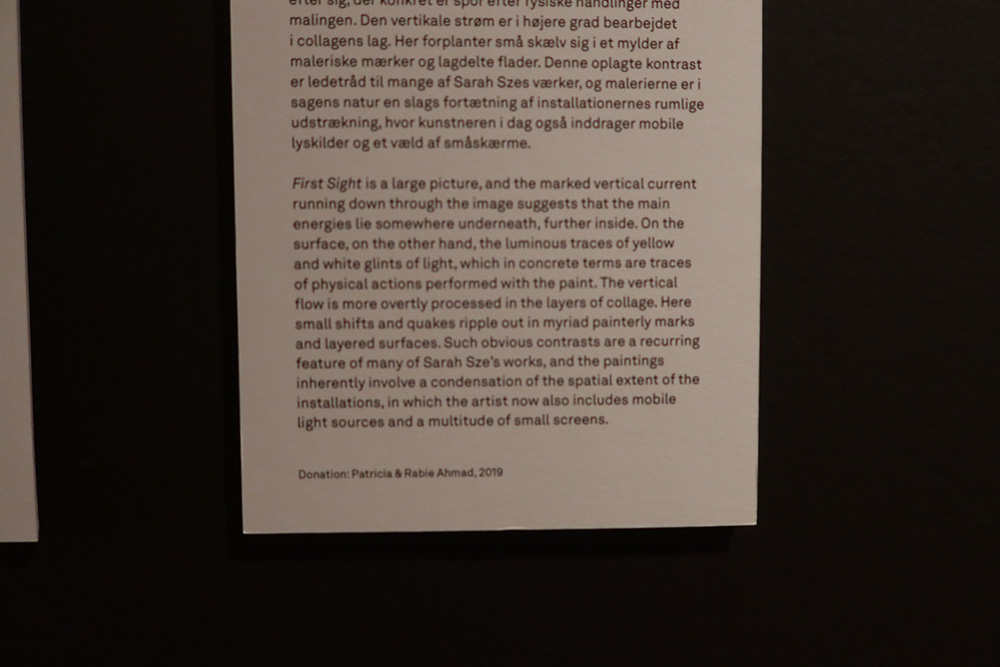
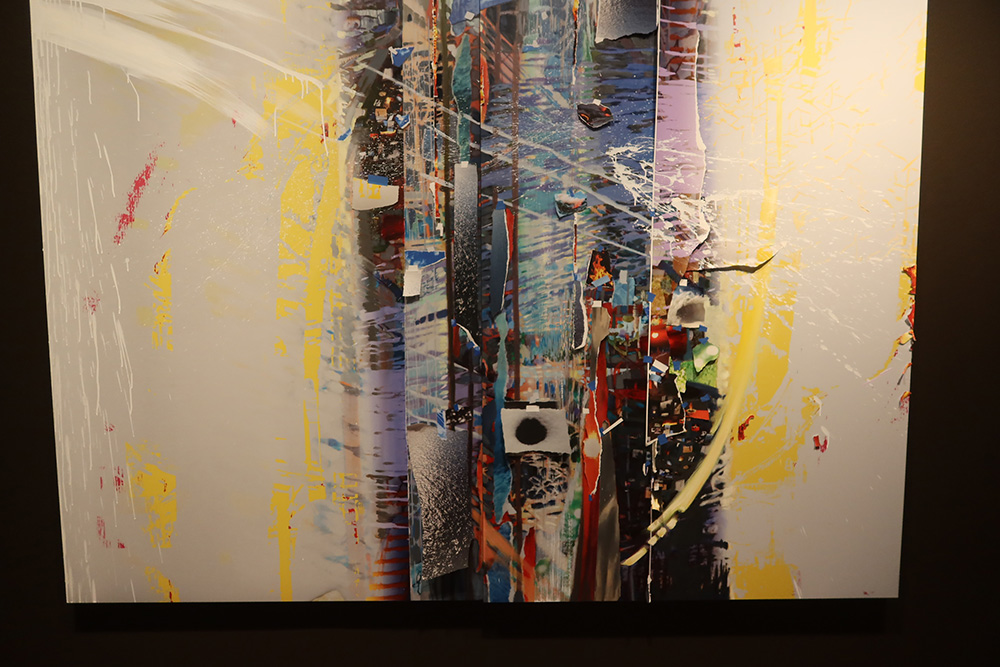
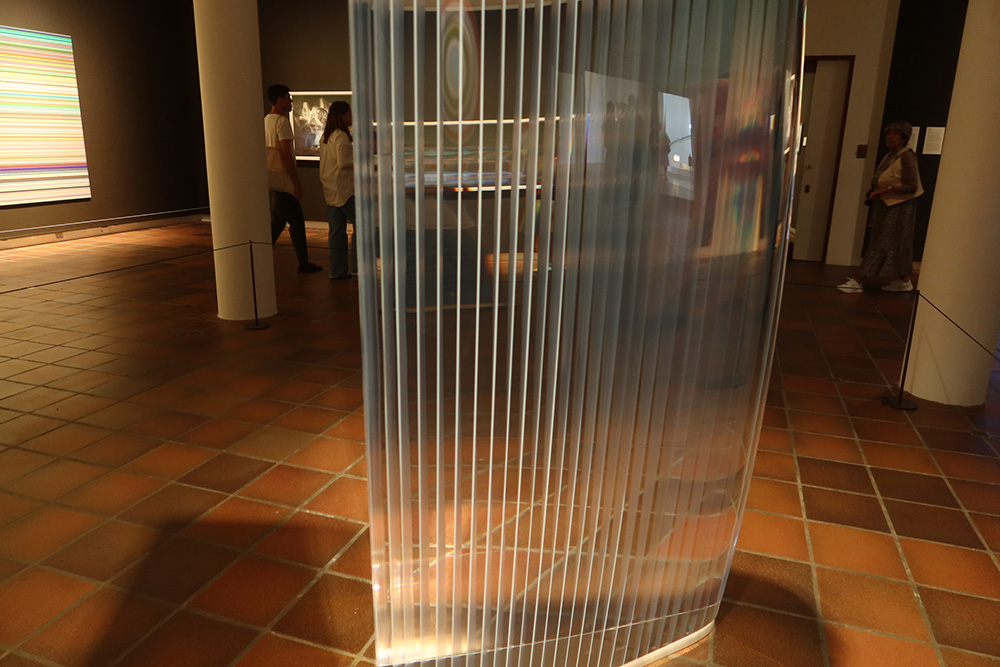
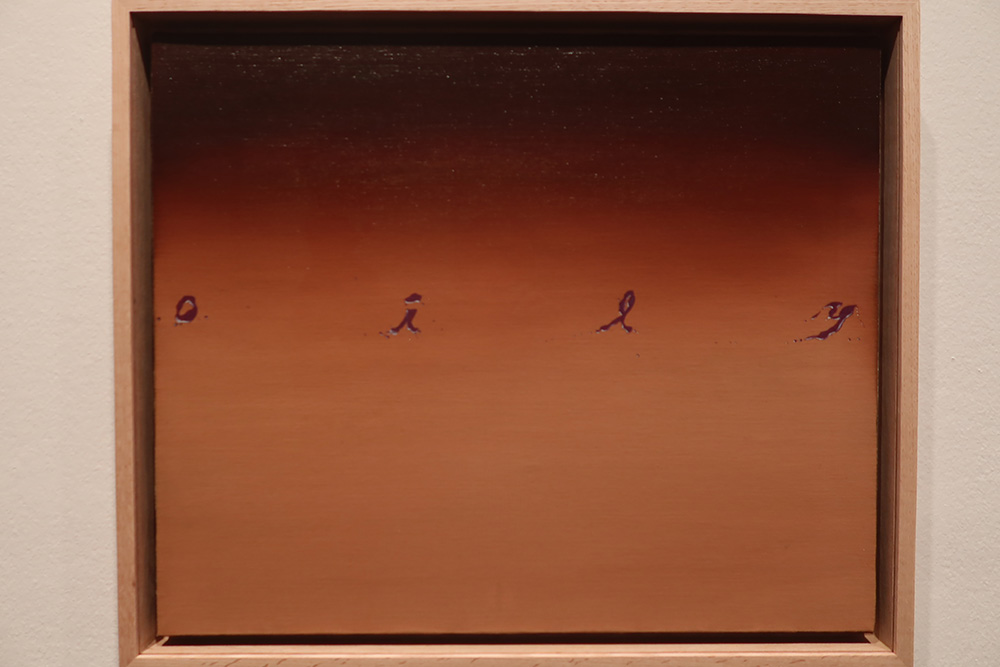
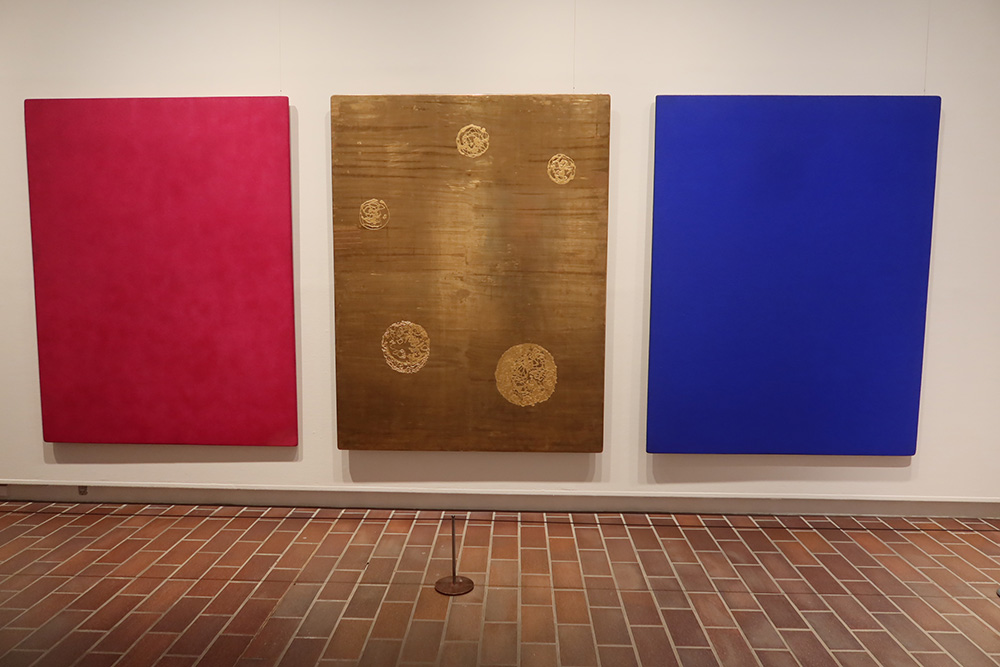
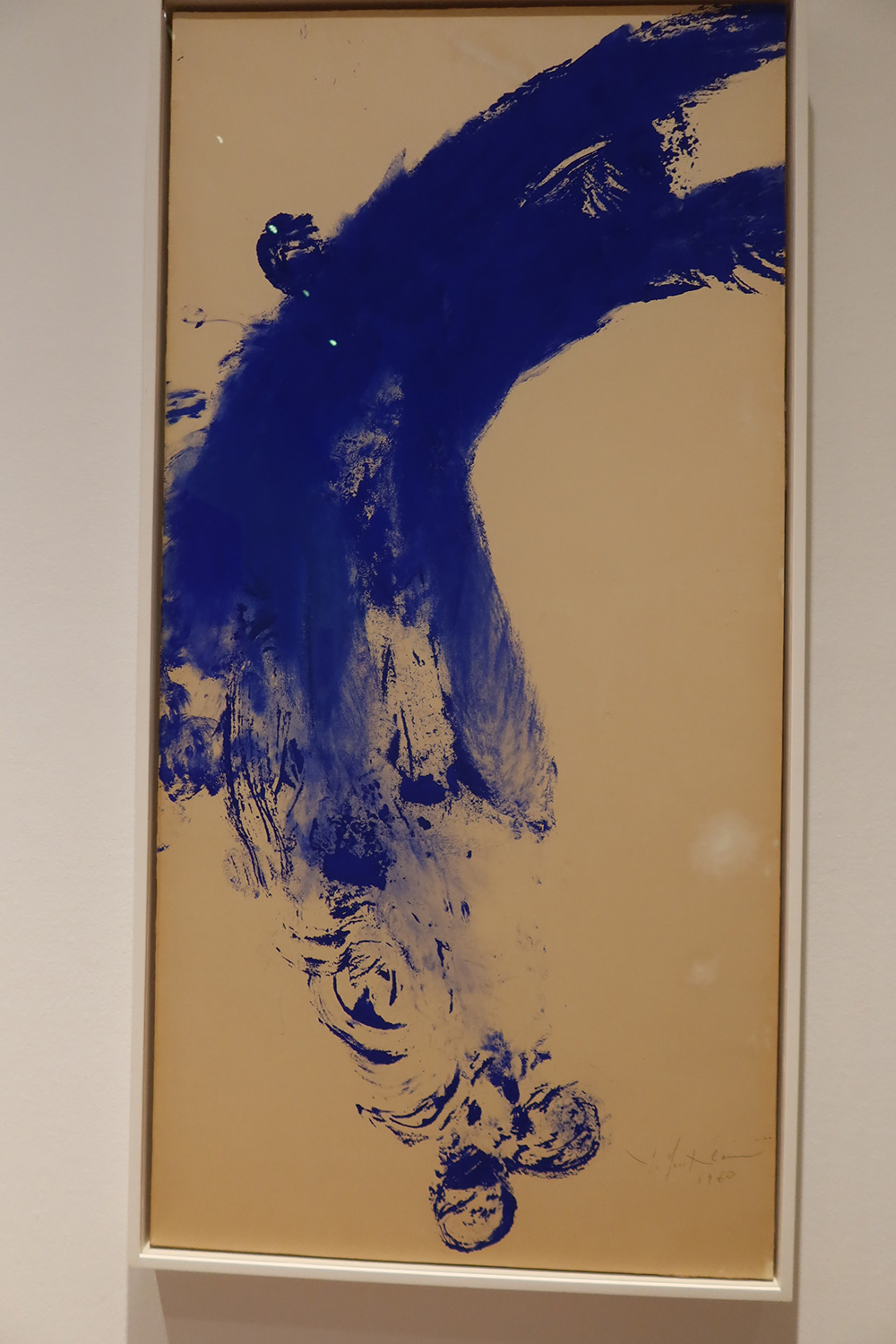
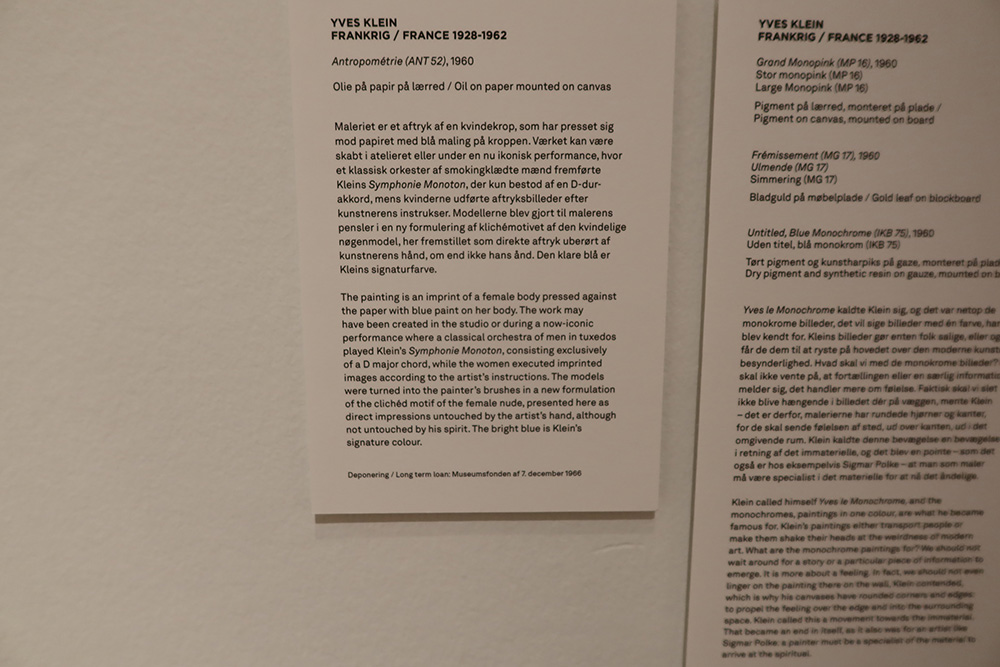
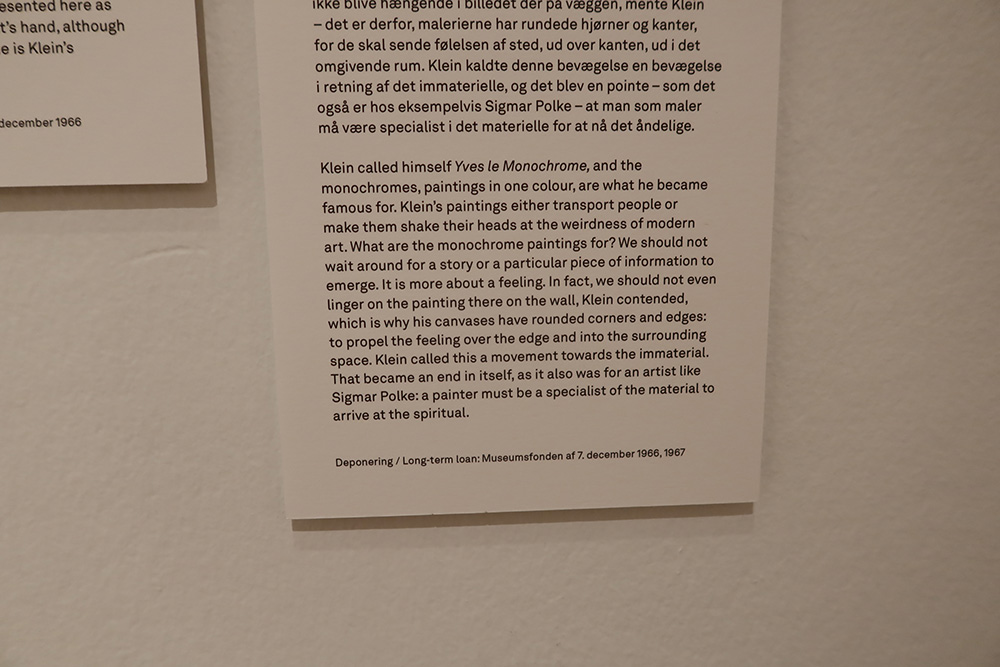
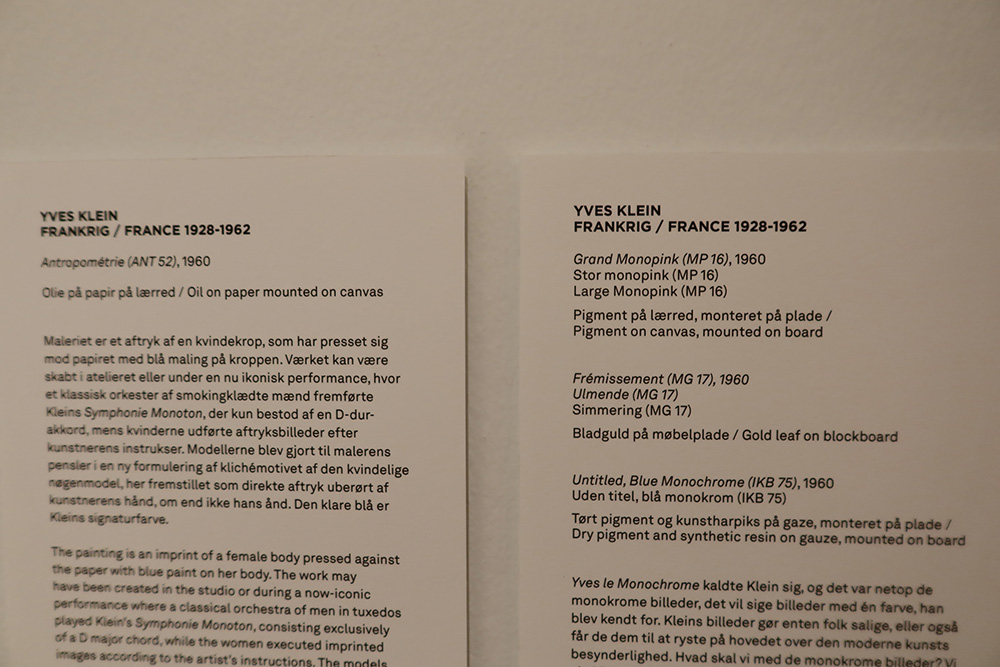
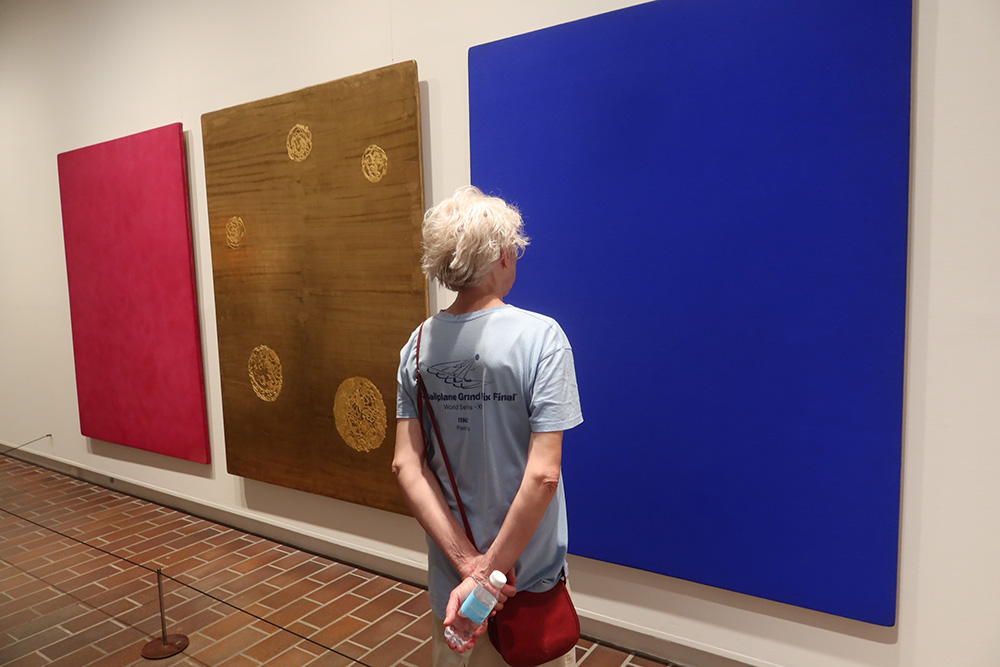
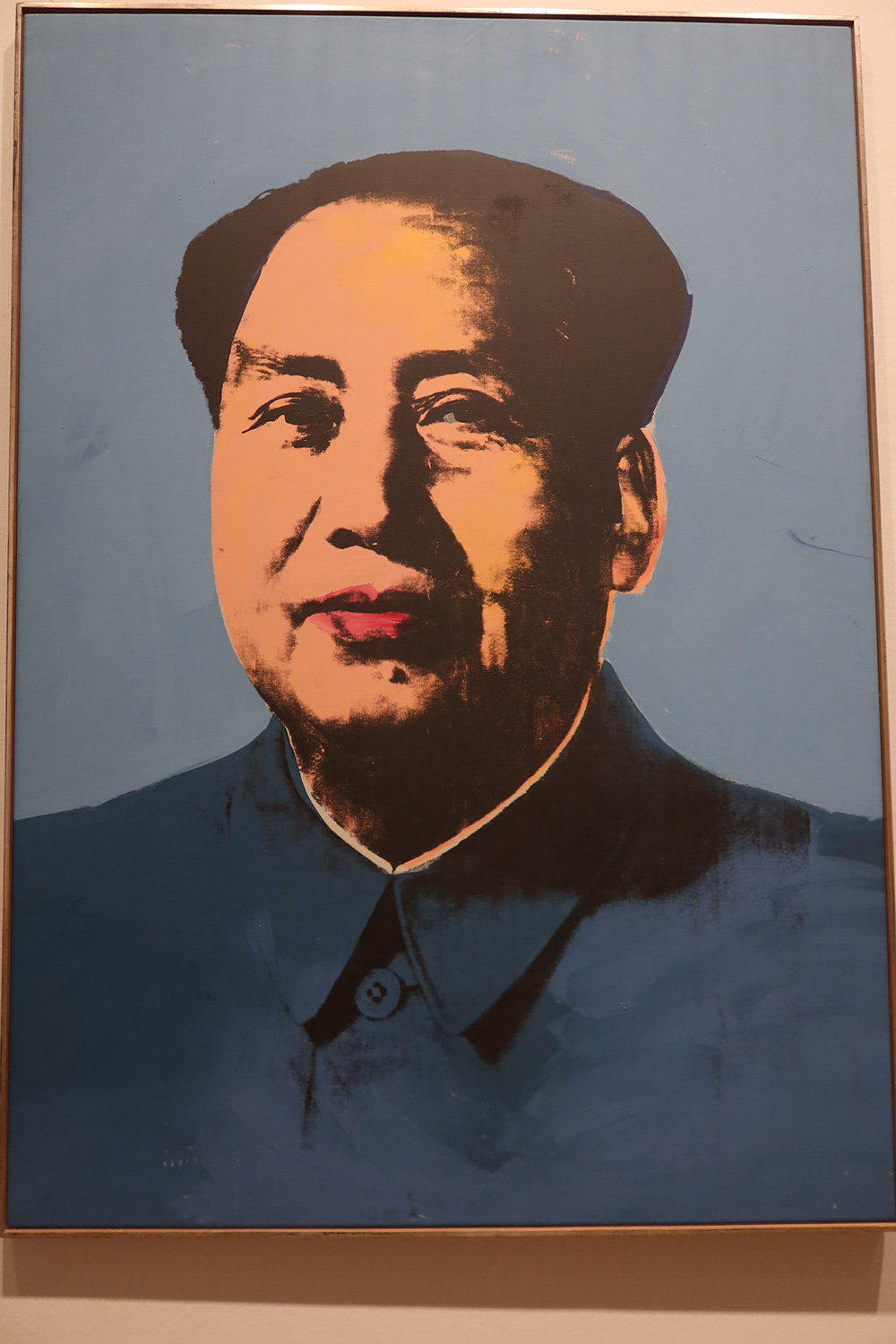
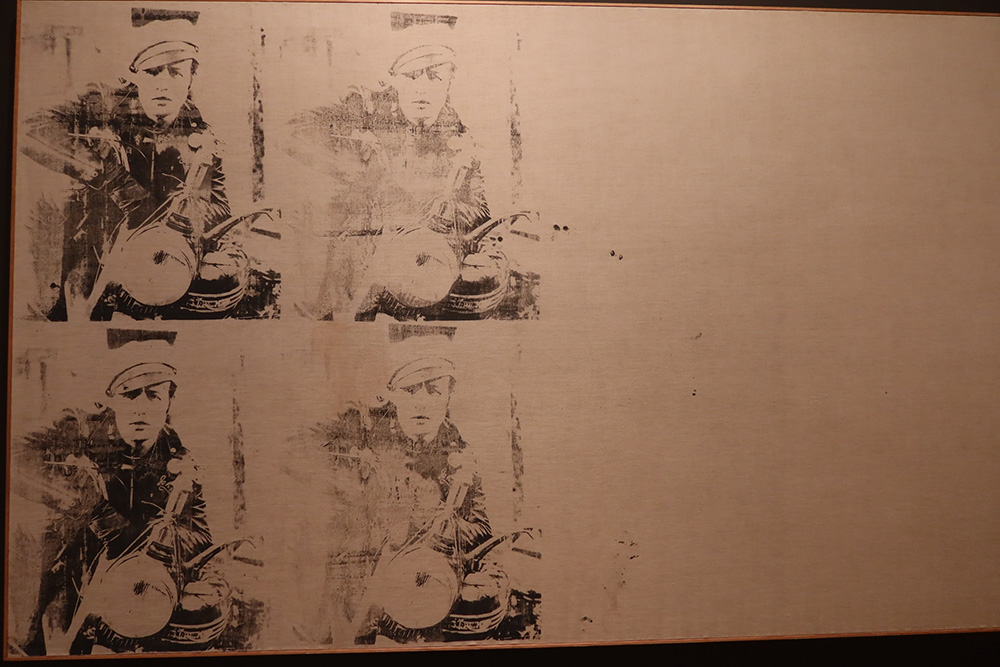
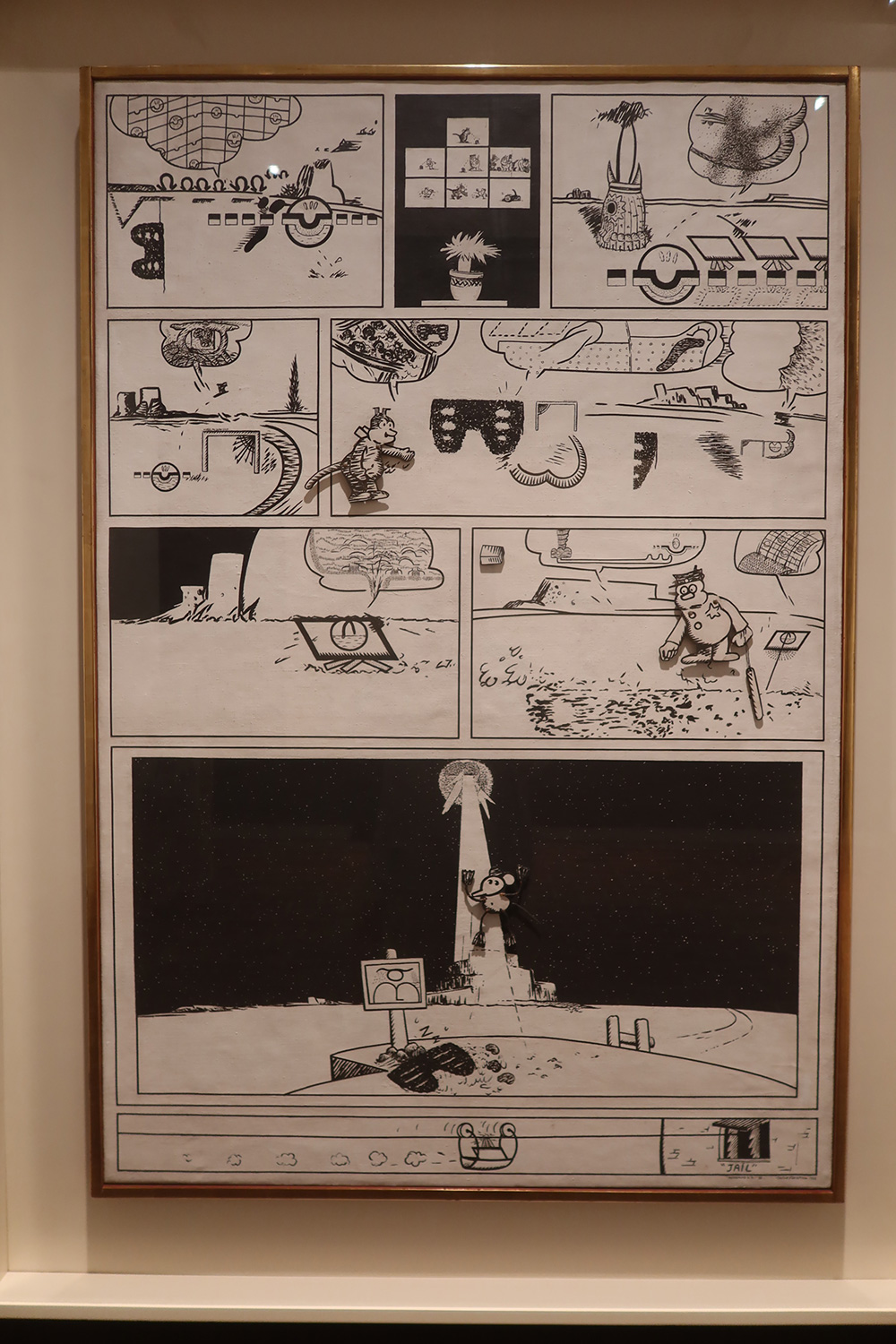
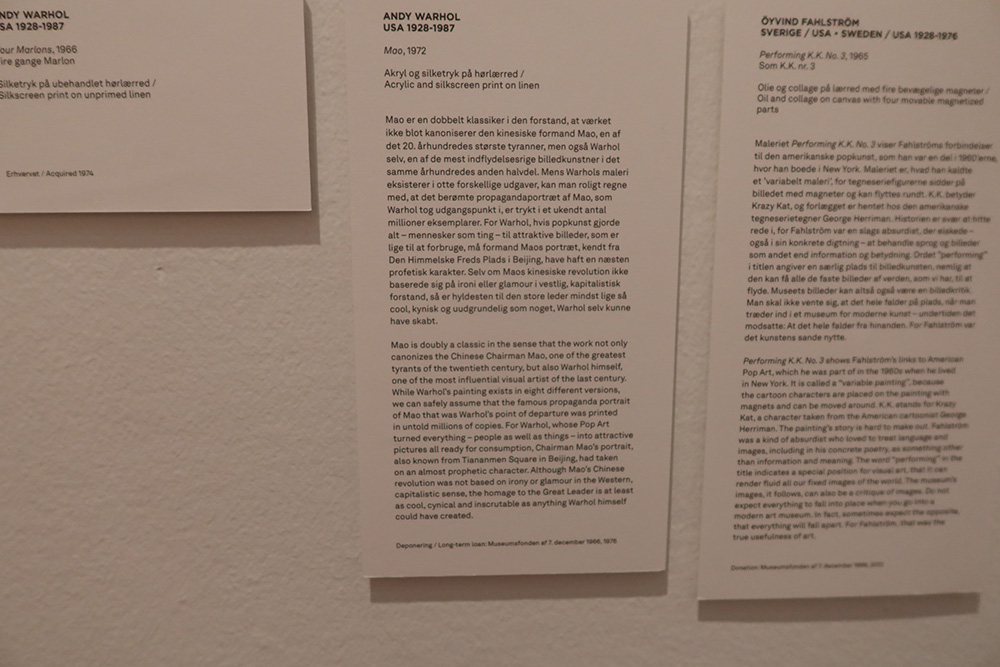
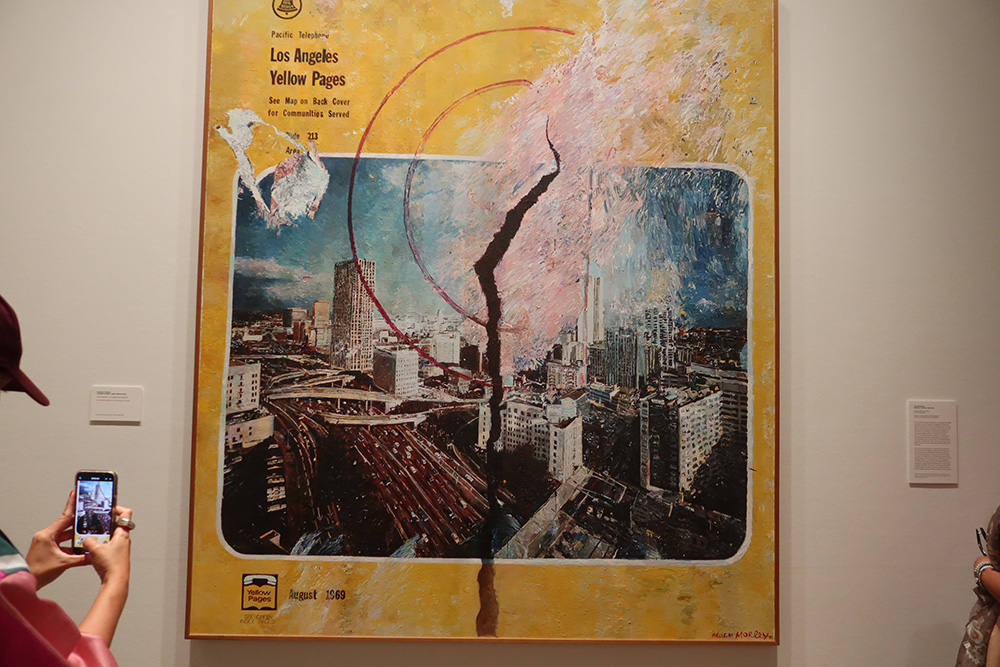
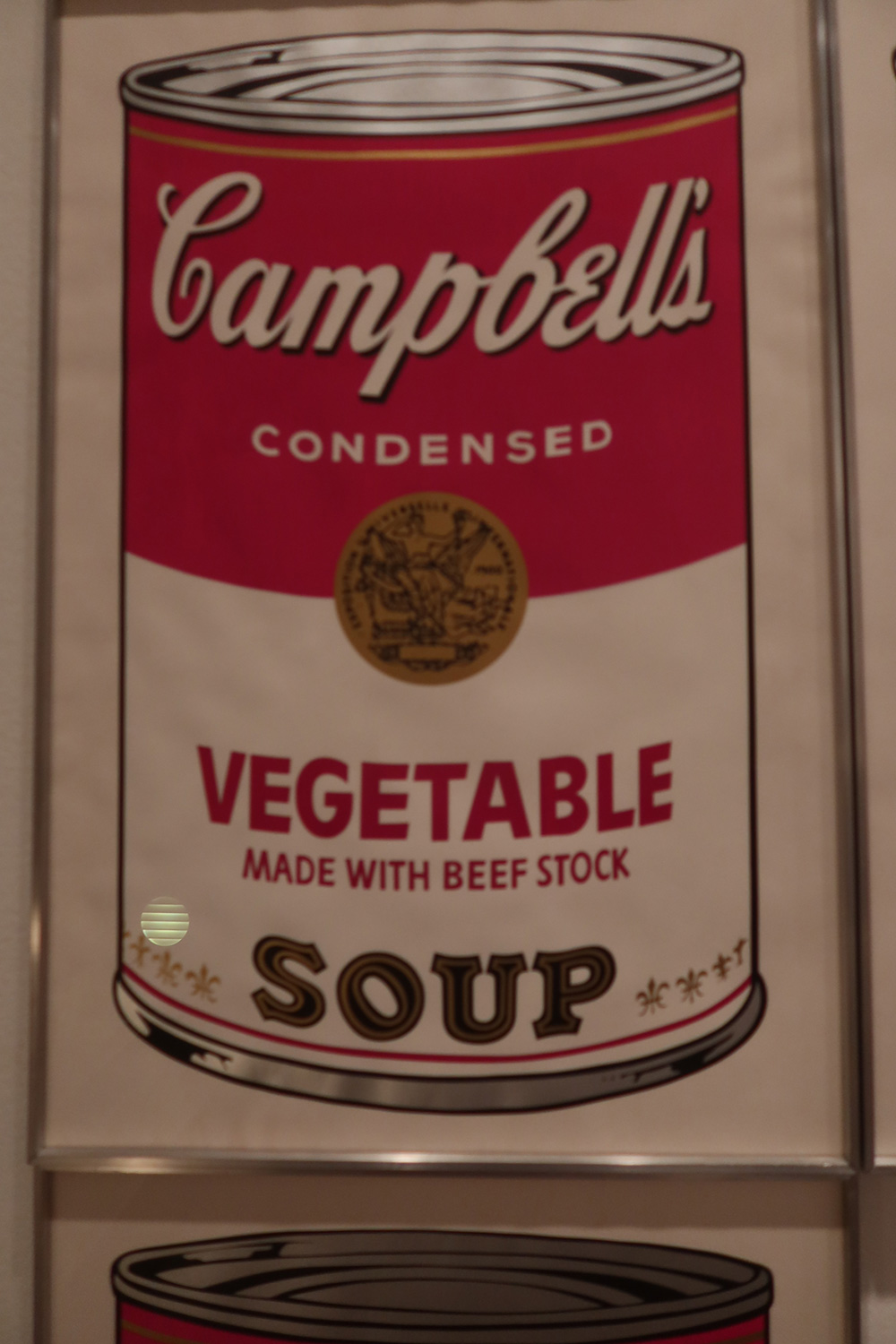
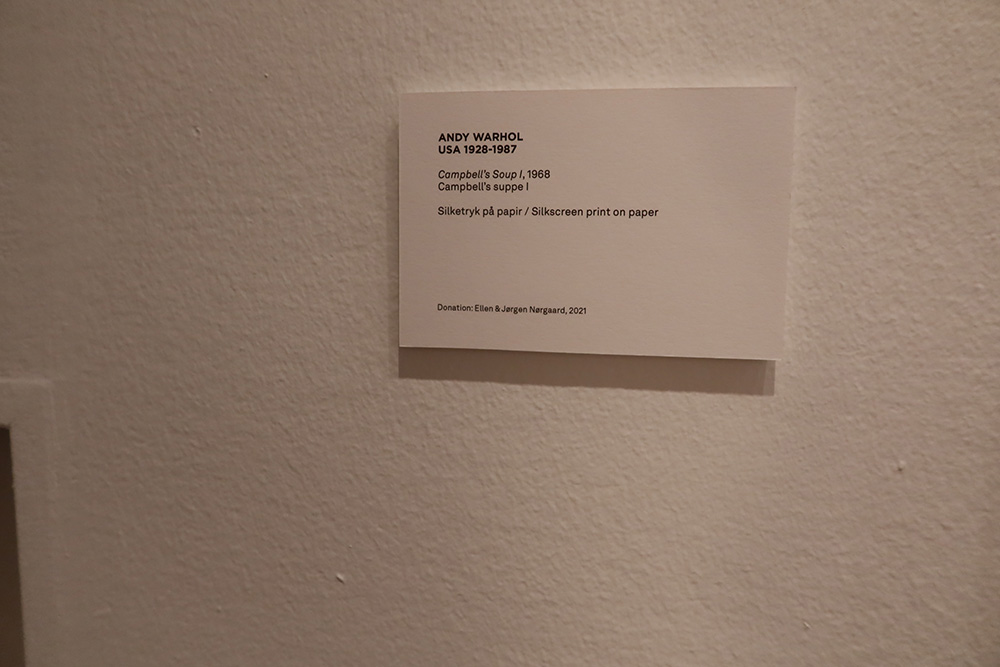
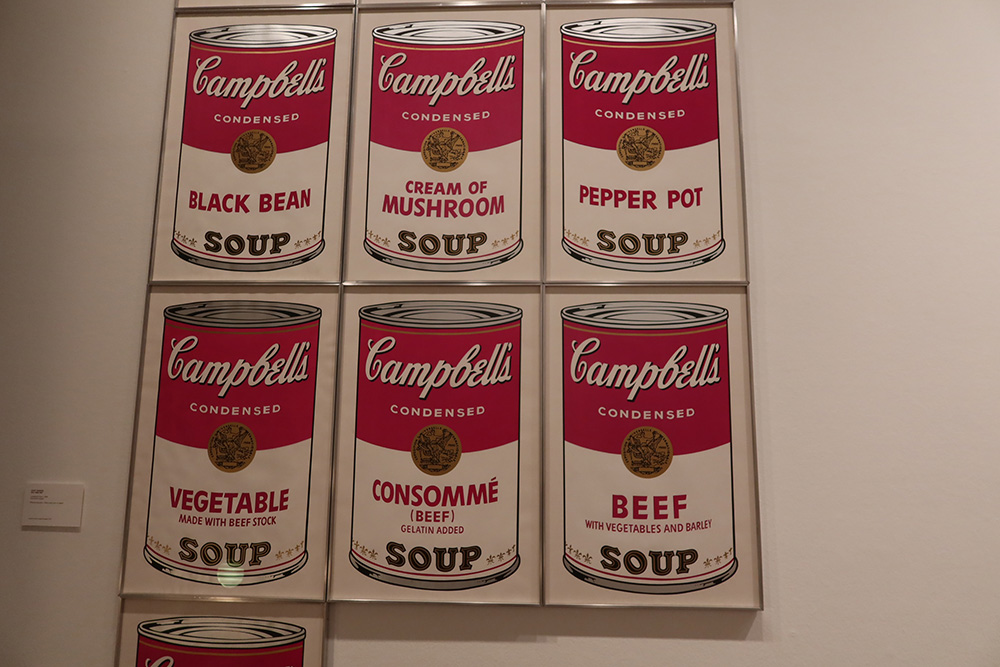
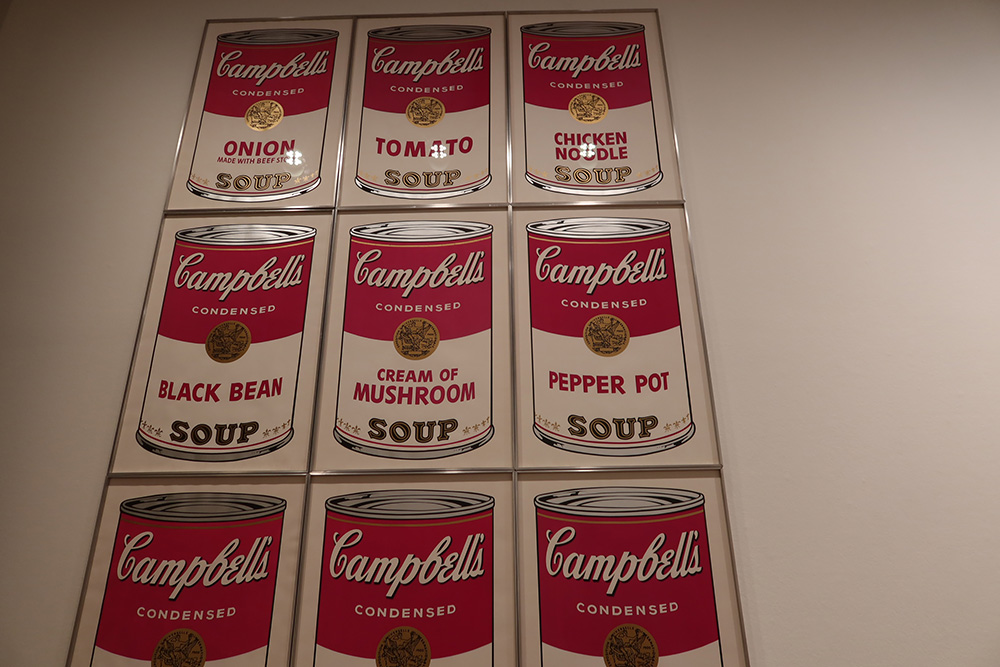
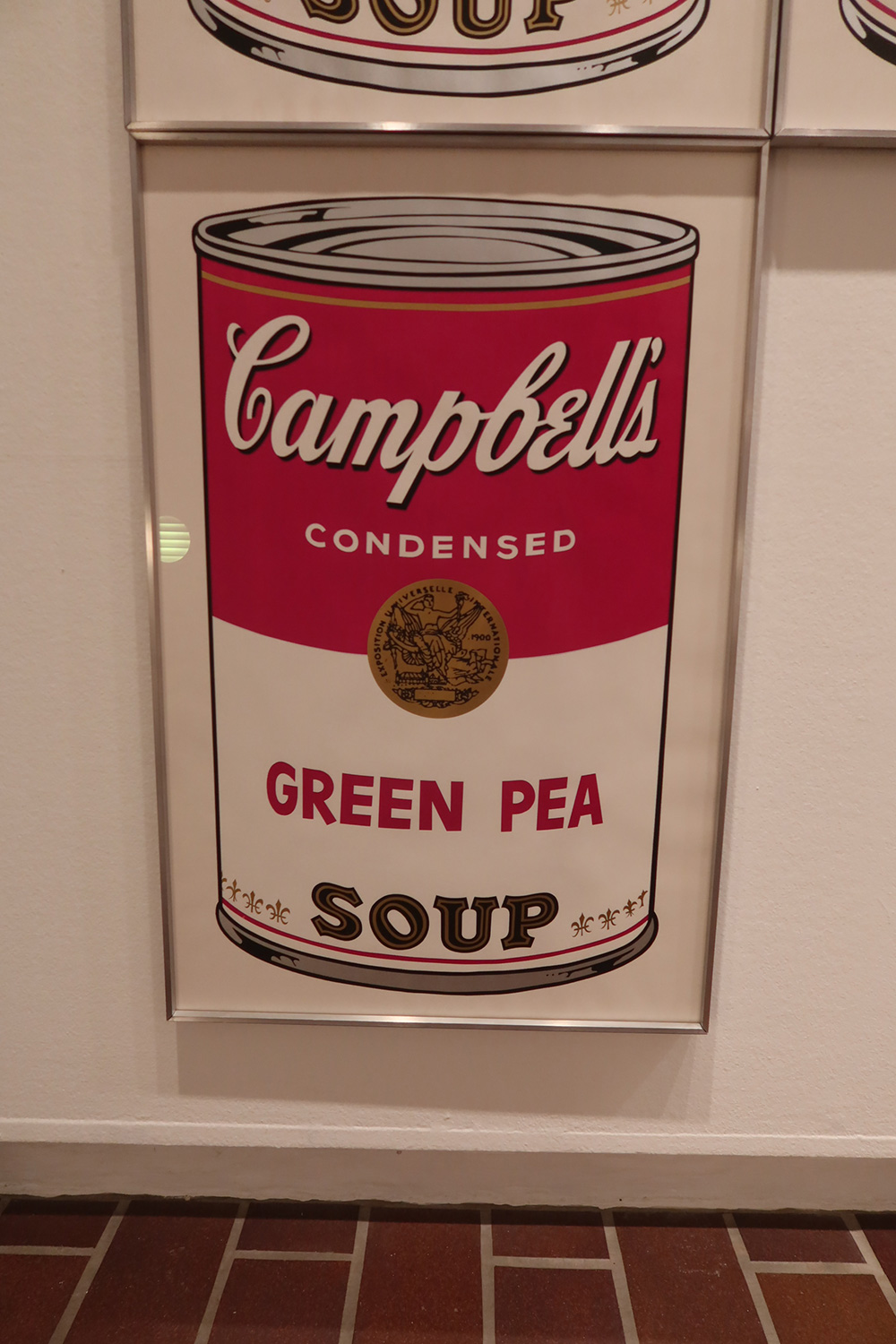
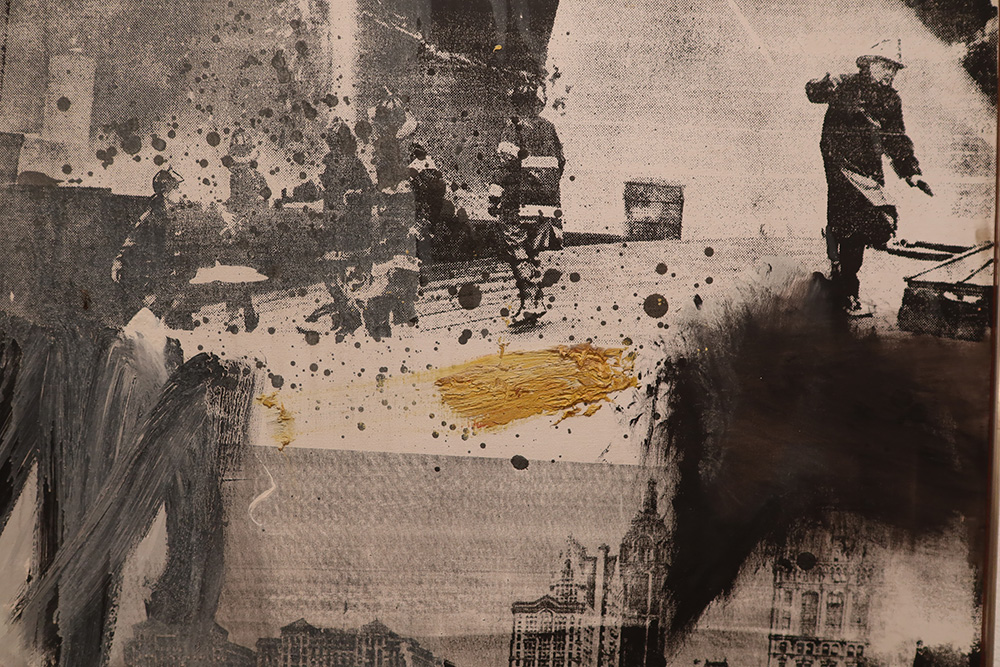
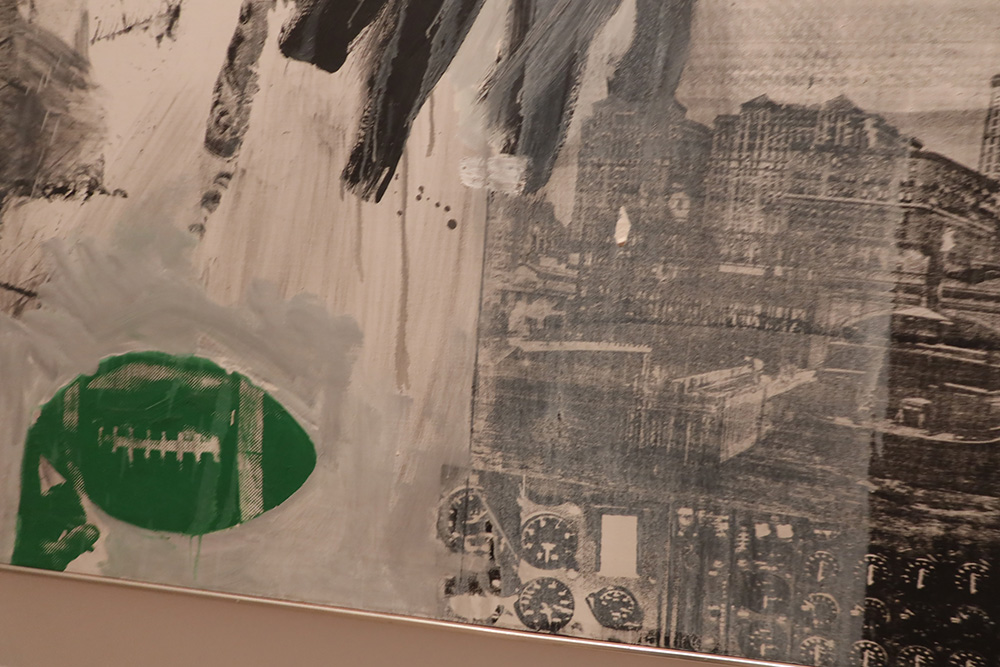
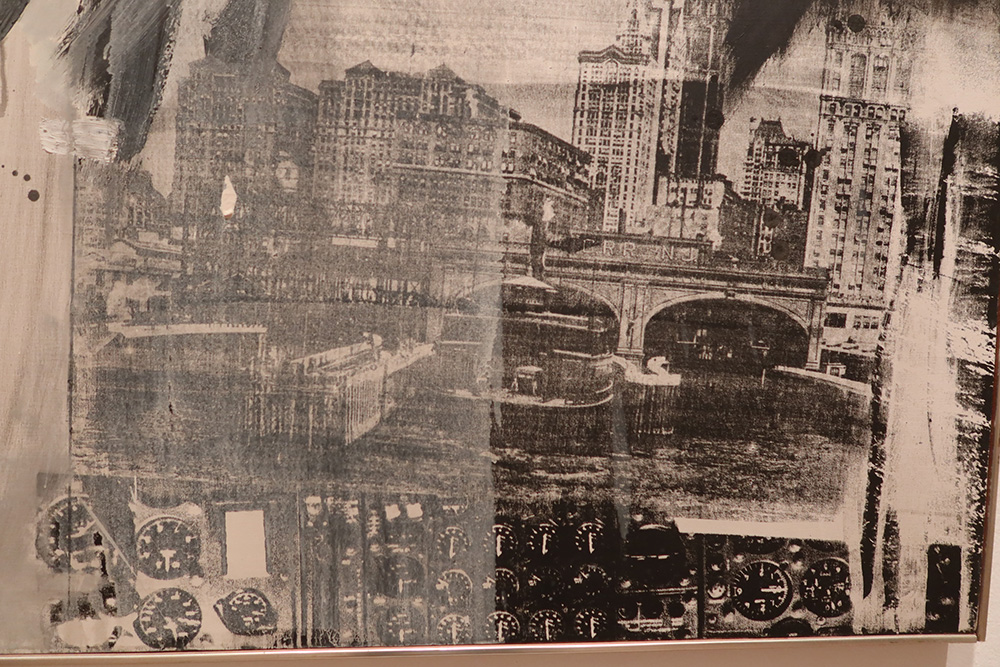
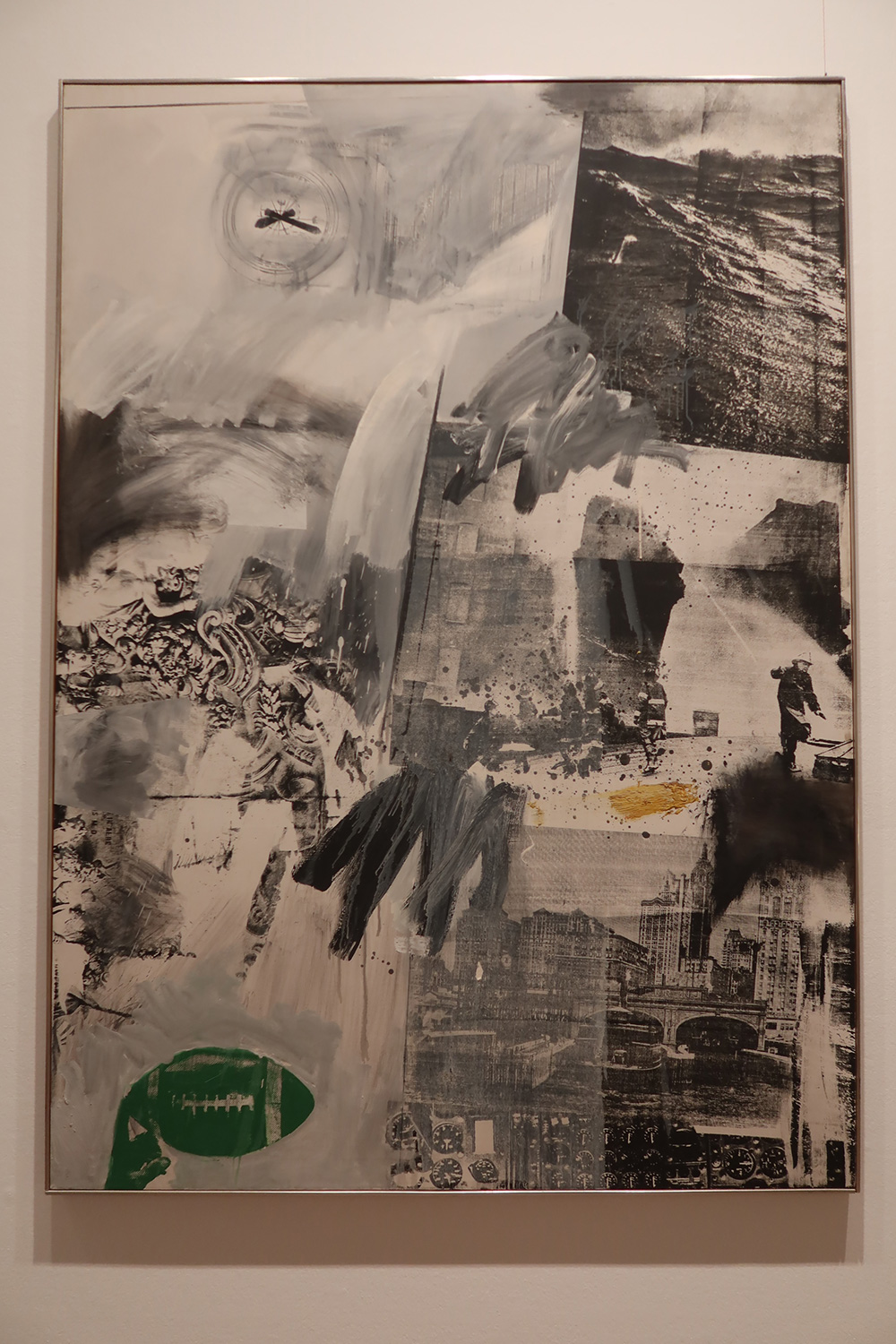
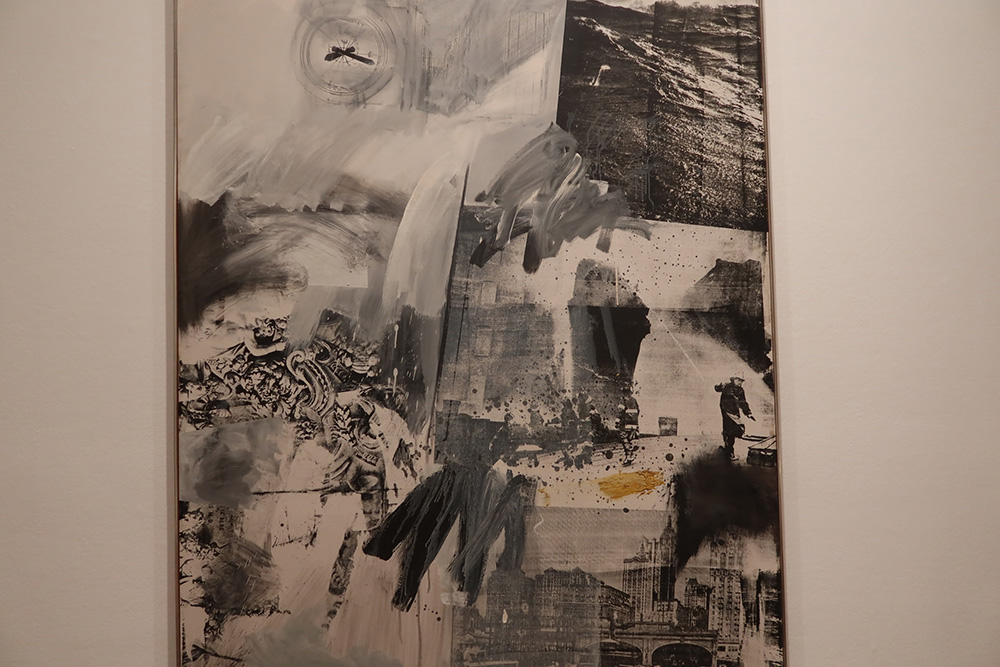
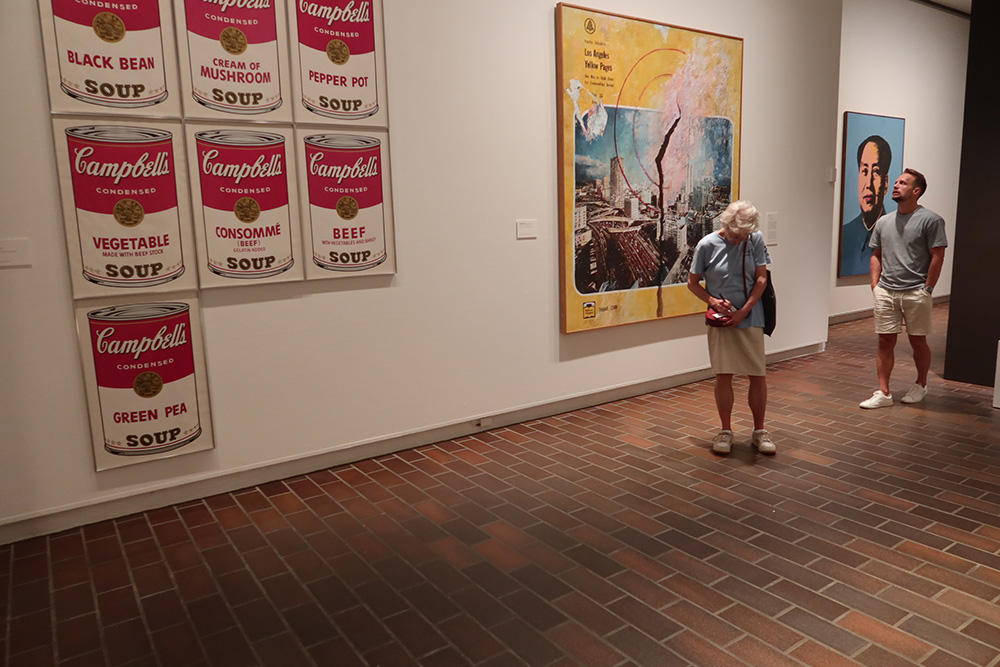
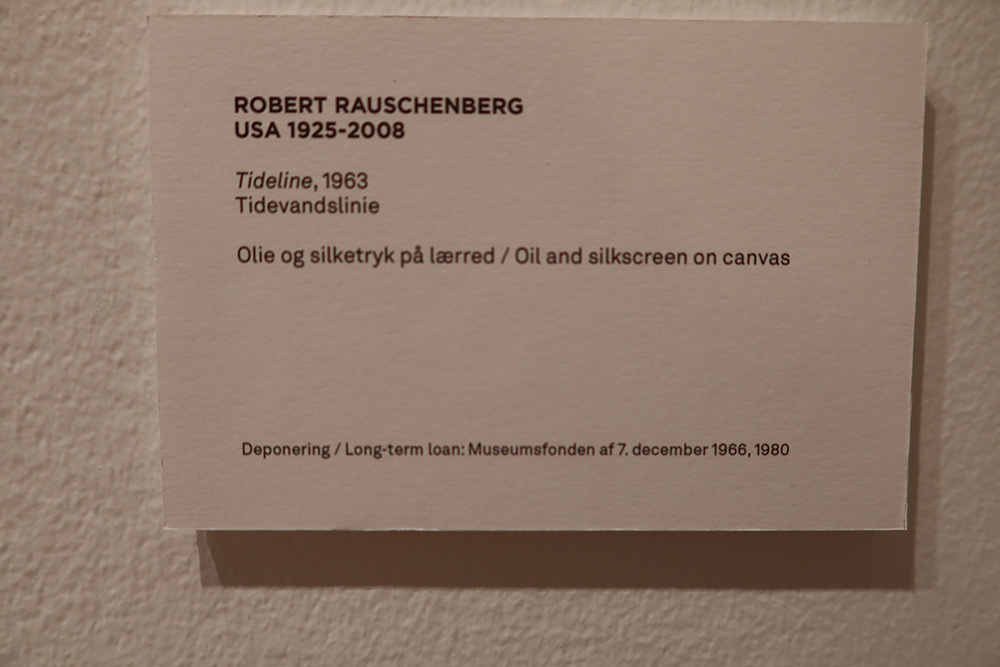
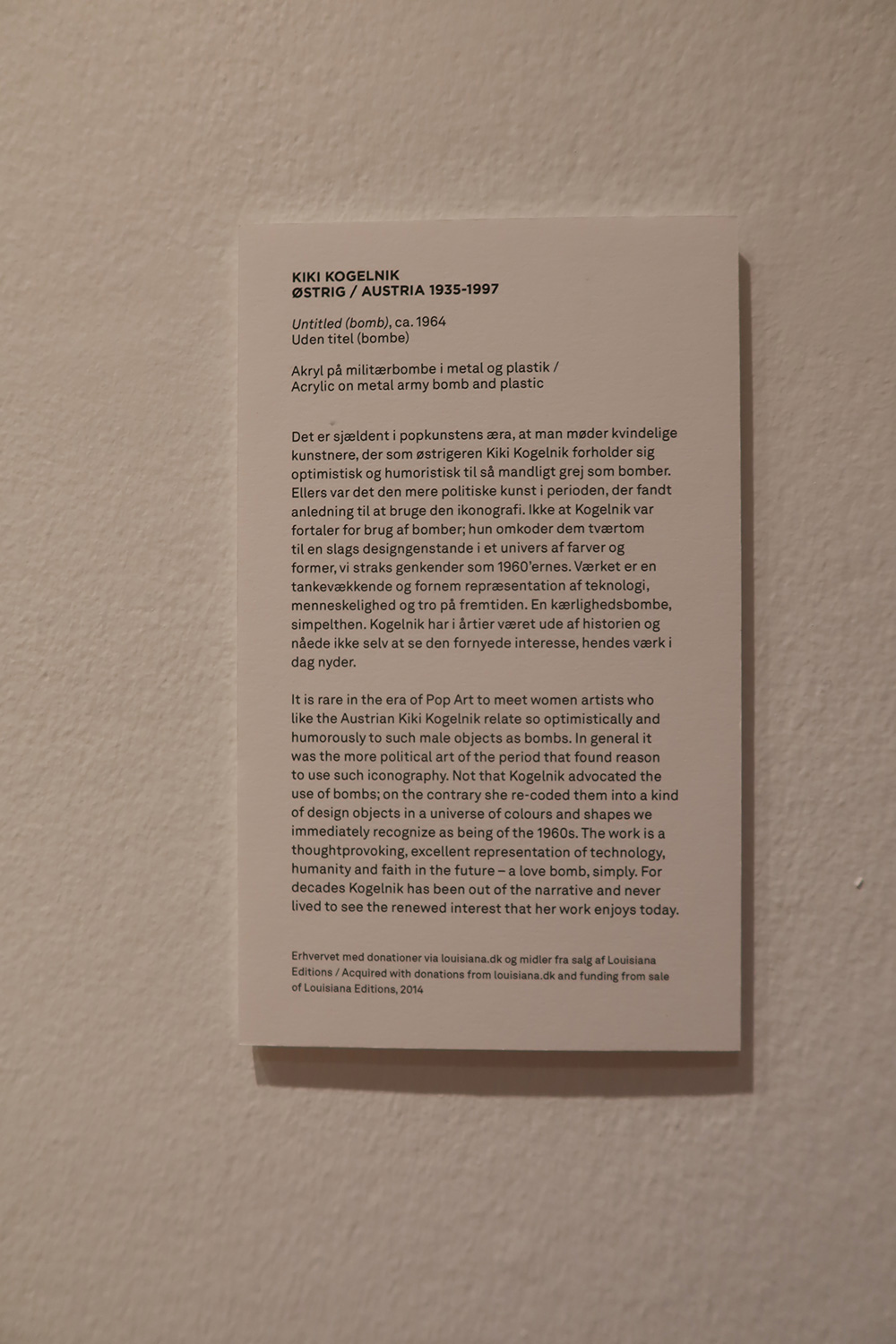
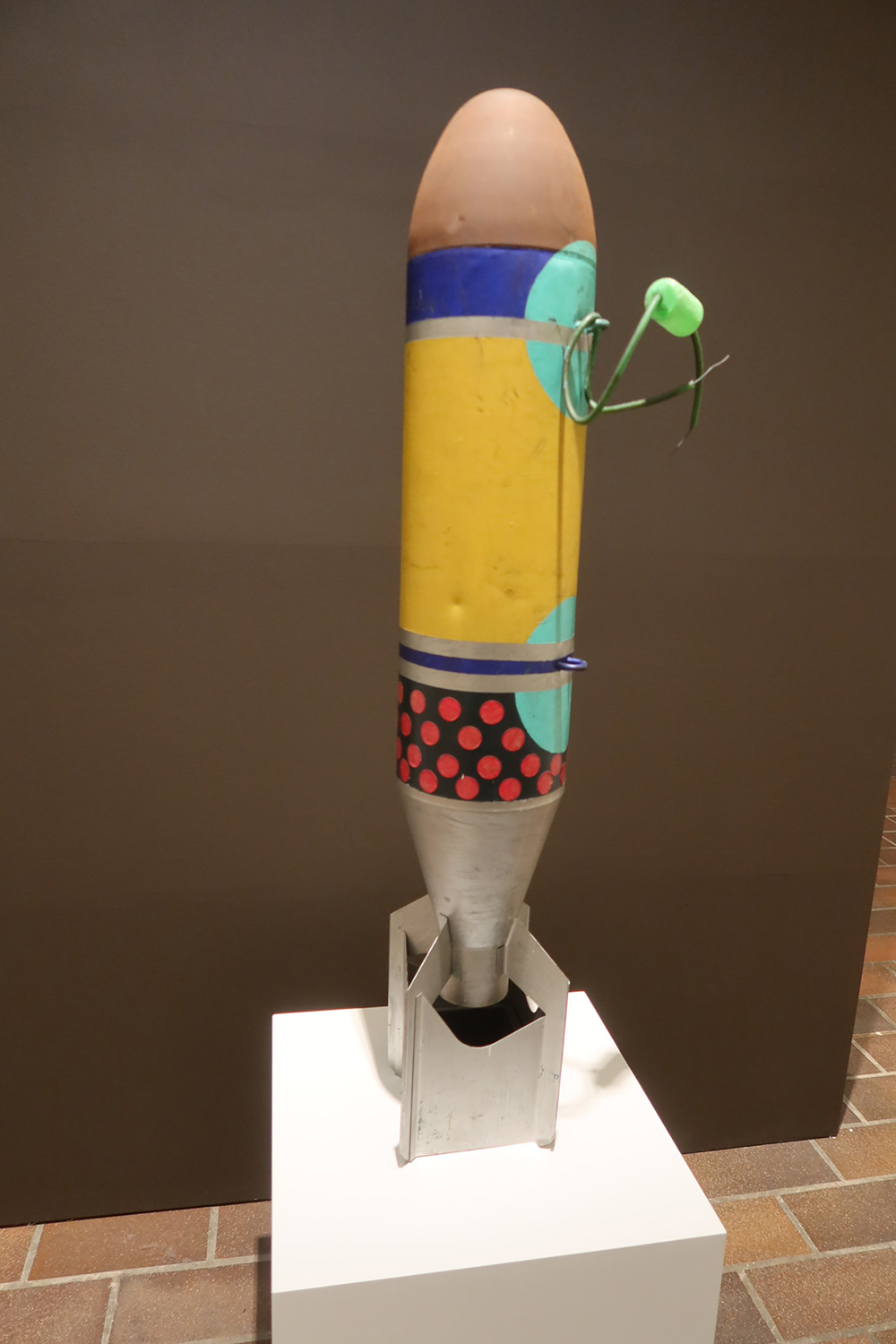
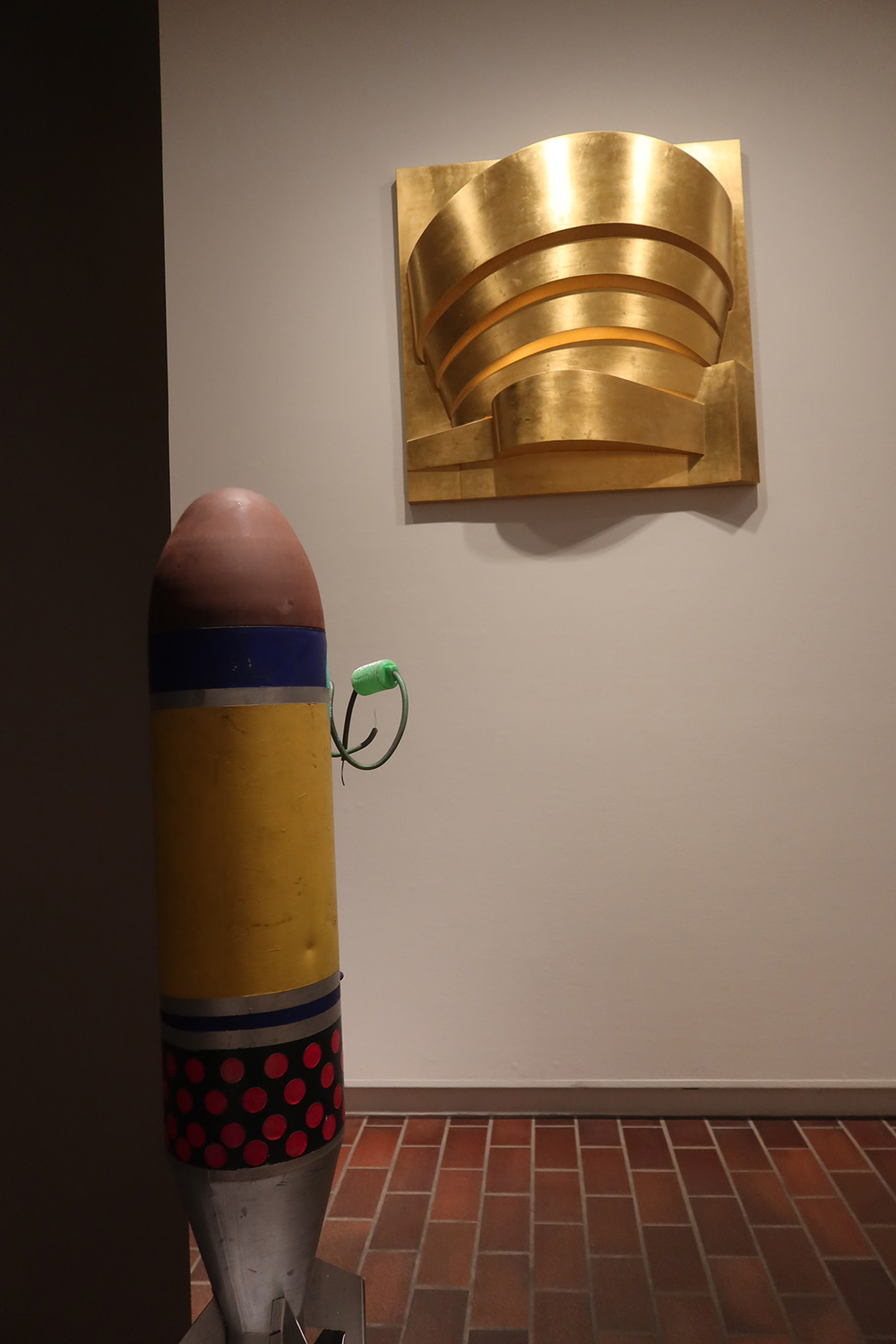
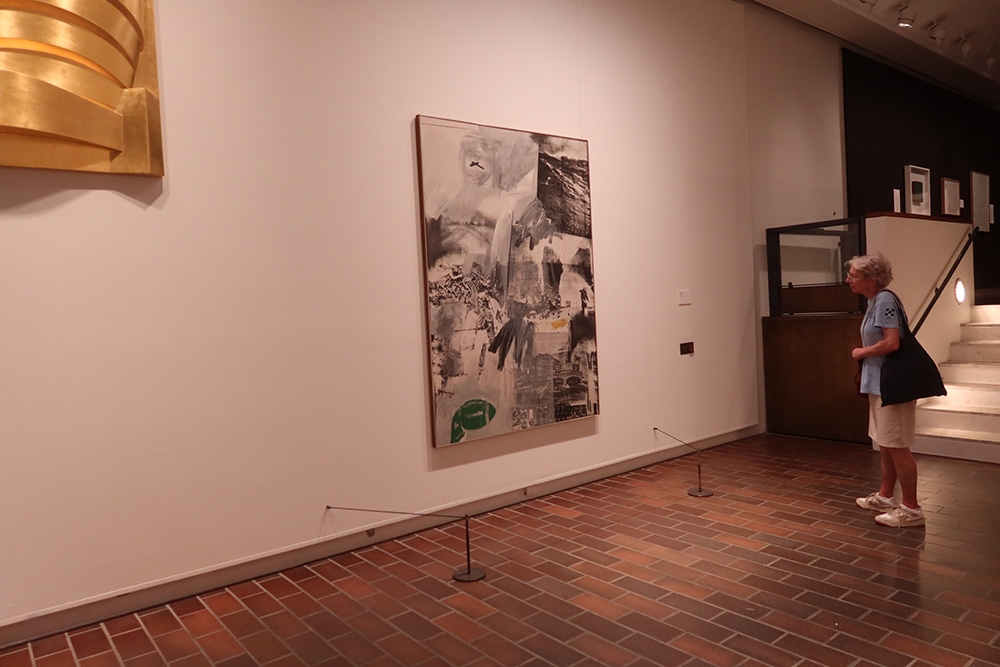
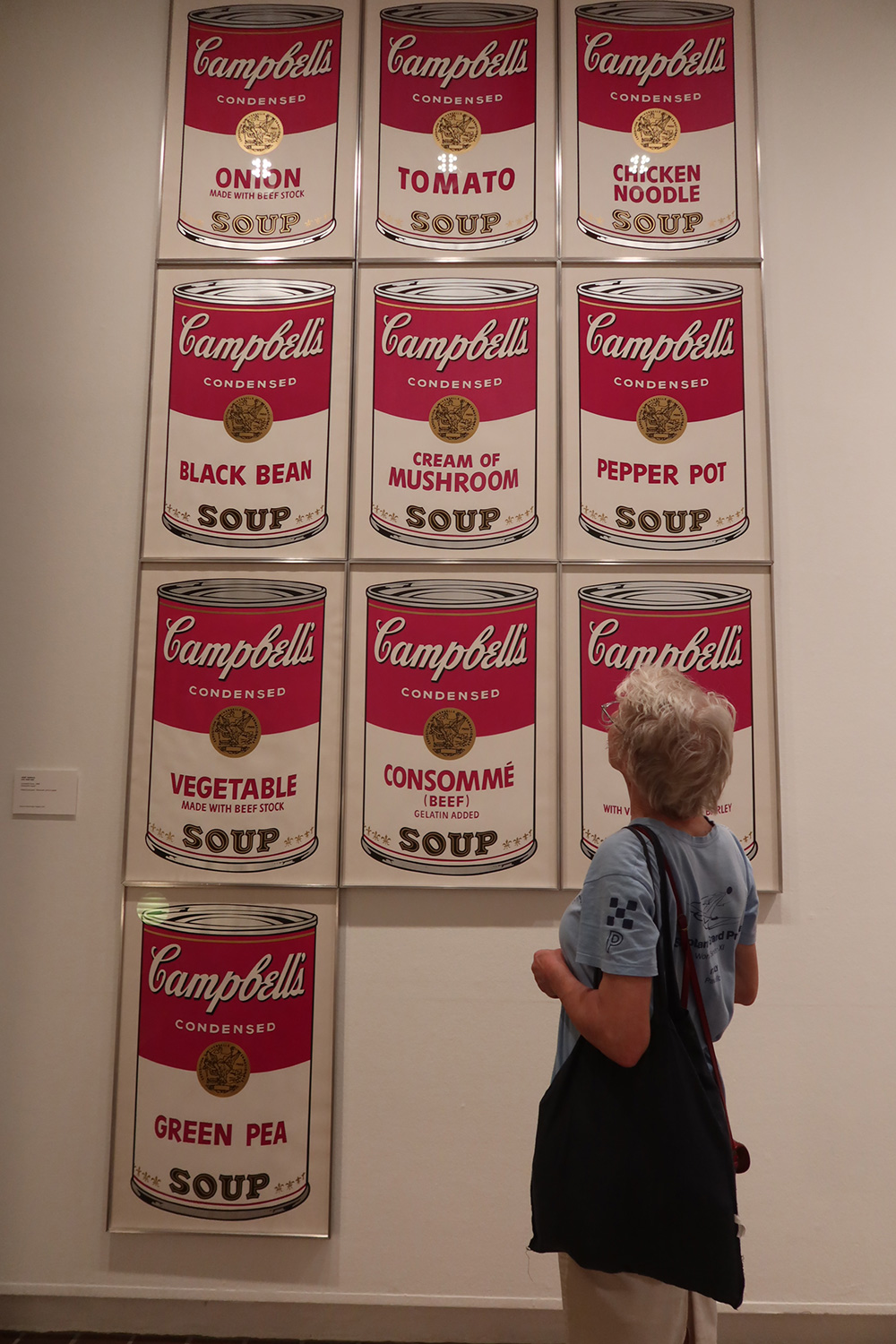
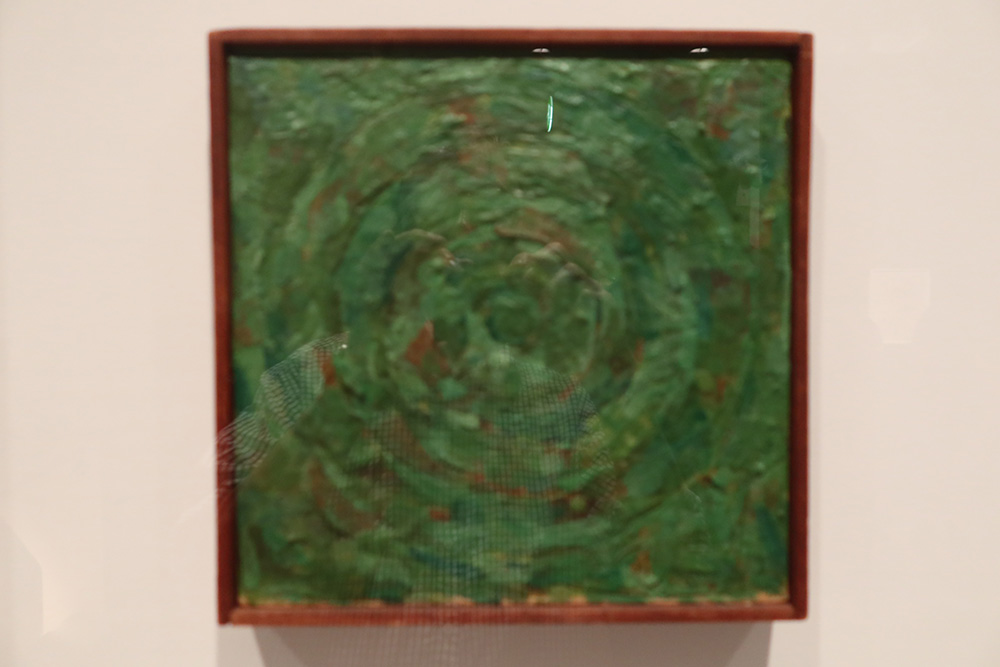
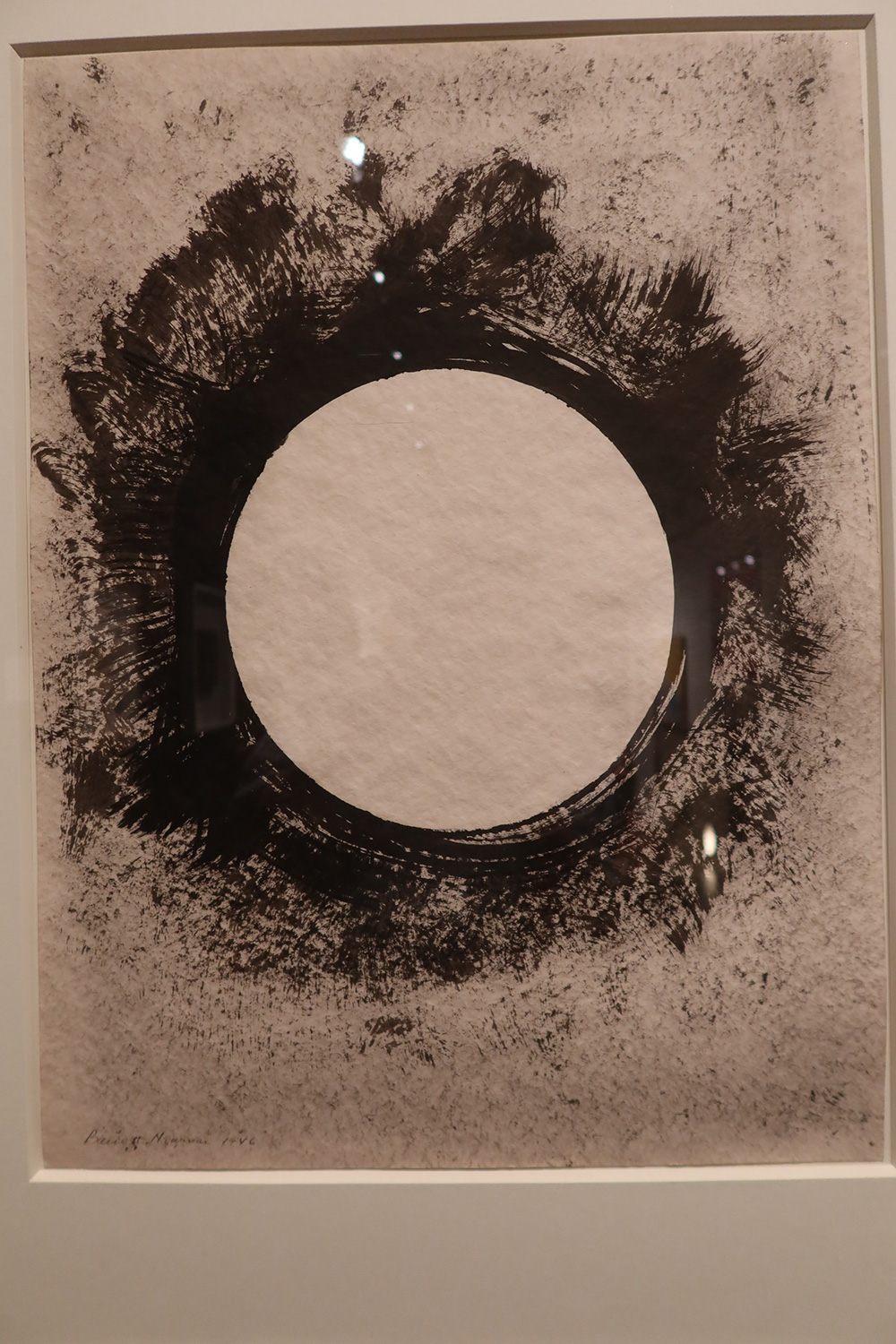
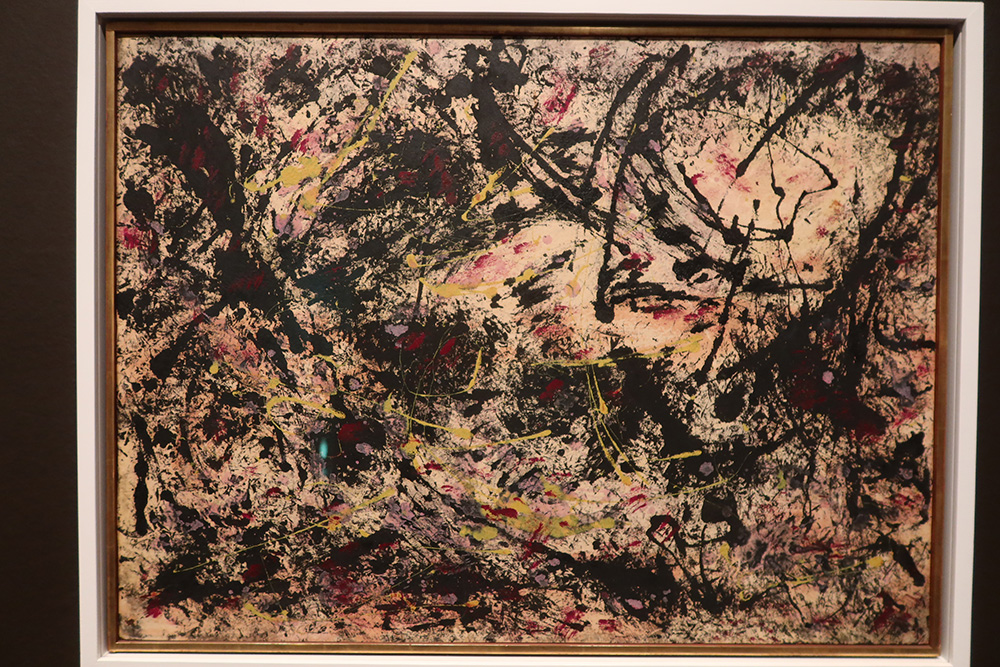
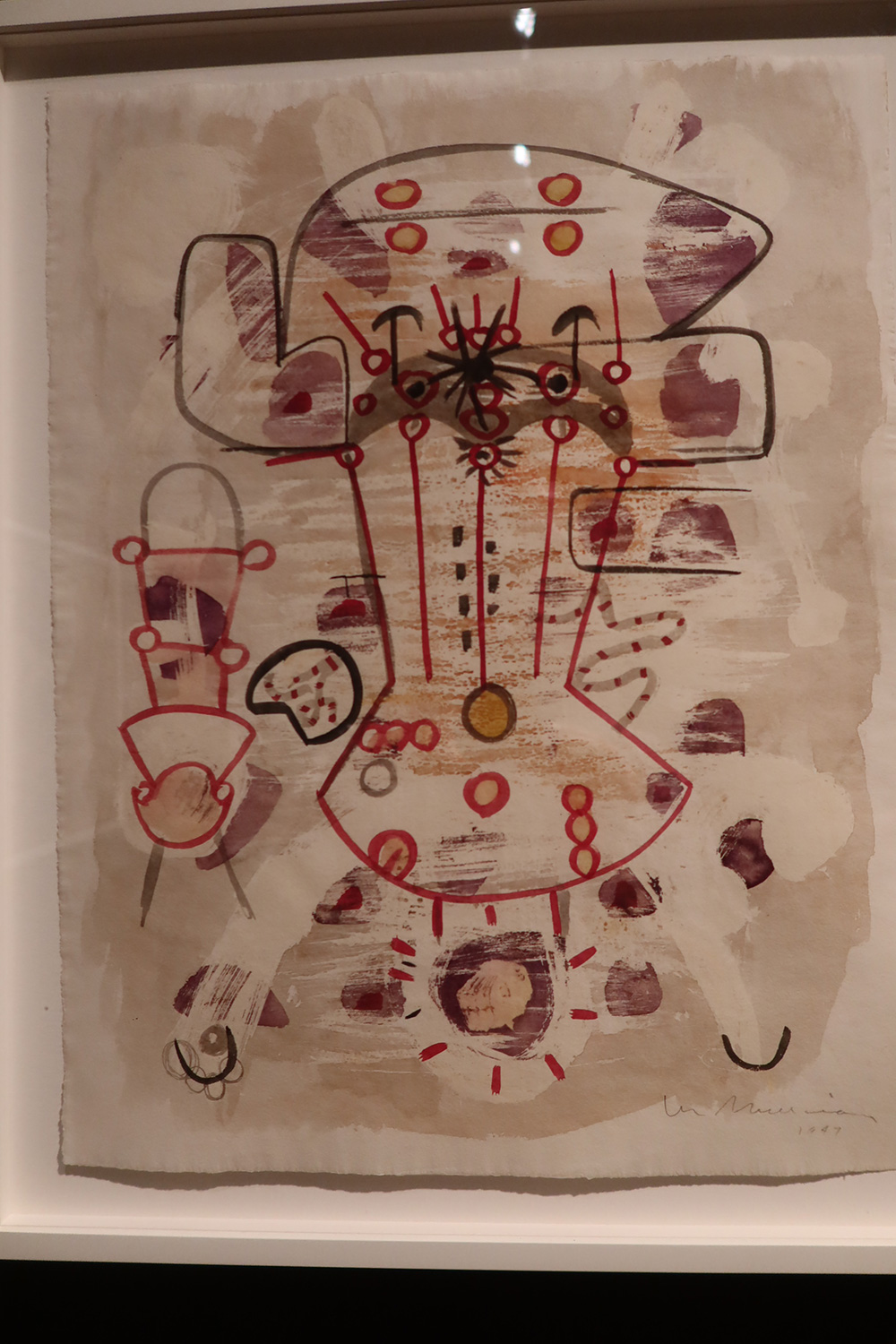
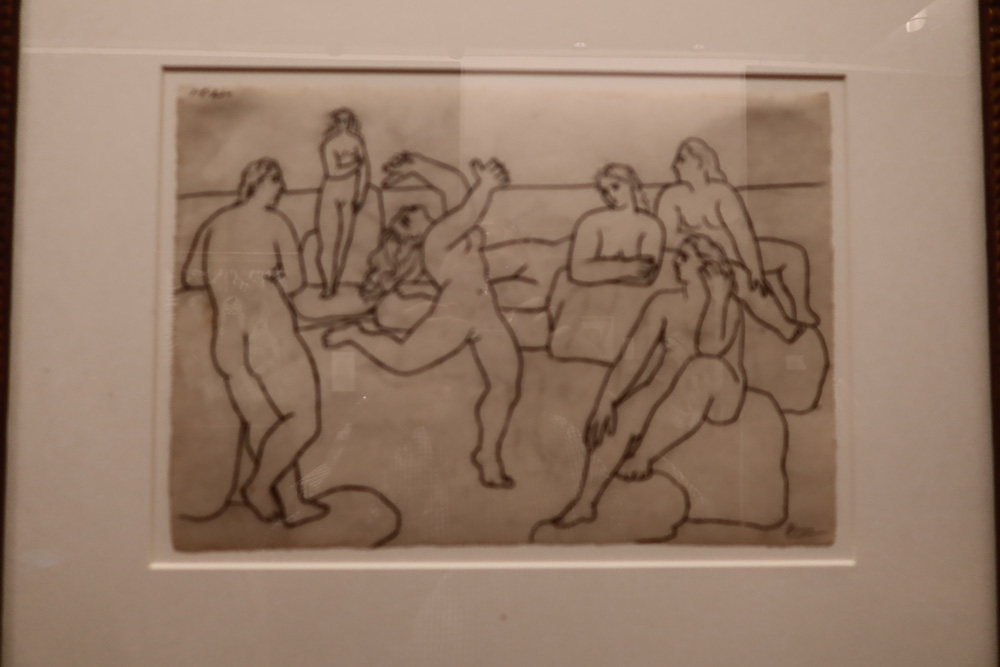
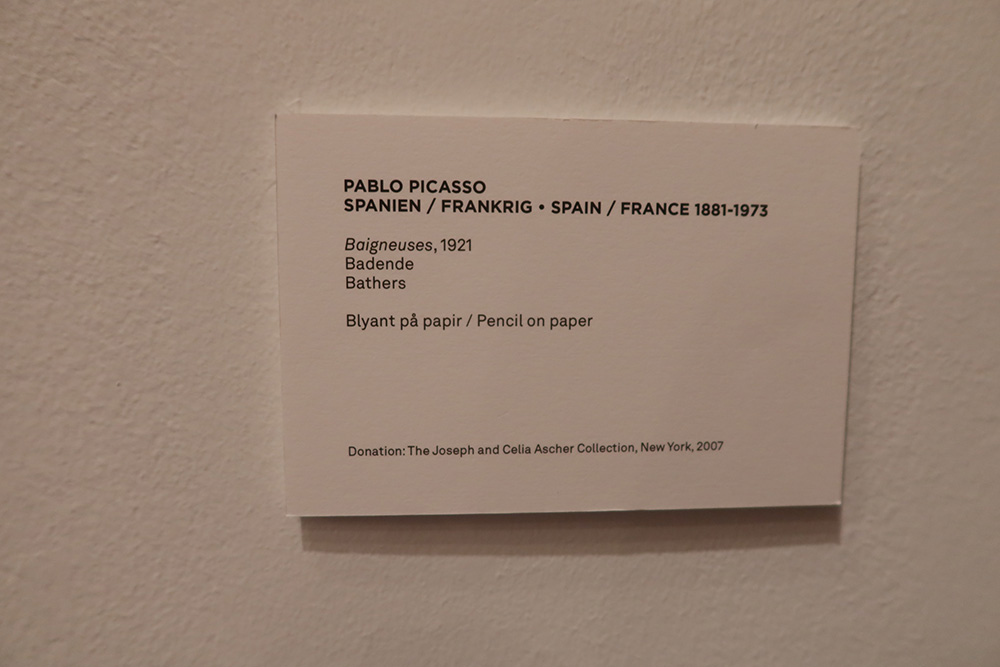
The museum's collection spans modern art paintings, photographic works, sculptures and videos dating from World War II onwards, including works by El Anatsui, Alberto Giacometti, Louise Bourgeois, Andy Warhol, Diane Arbus, Roy Lichtenstein, Anselm Kiefer, Pablo Picasso, Robert Rauschenberg, David Hockney, Gerhard Richter and Asger Jorn, among others. The Giacometti holdings are particularly significant — the museum has developed one of the more substantial collections of his sculpture outside Switzerland, and the works sit naturally within the architectural scale of the galleries. Perched above the sea, there is a sculpture garden between the museum's two wings with works by Henry Moore, Alexander Calder and Jean Arp.
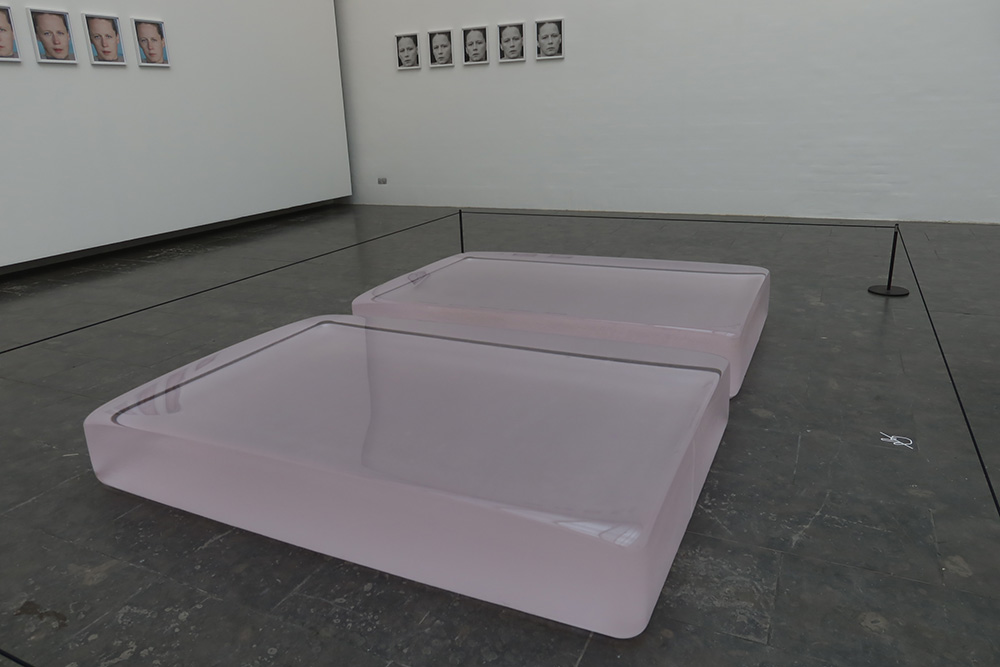
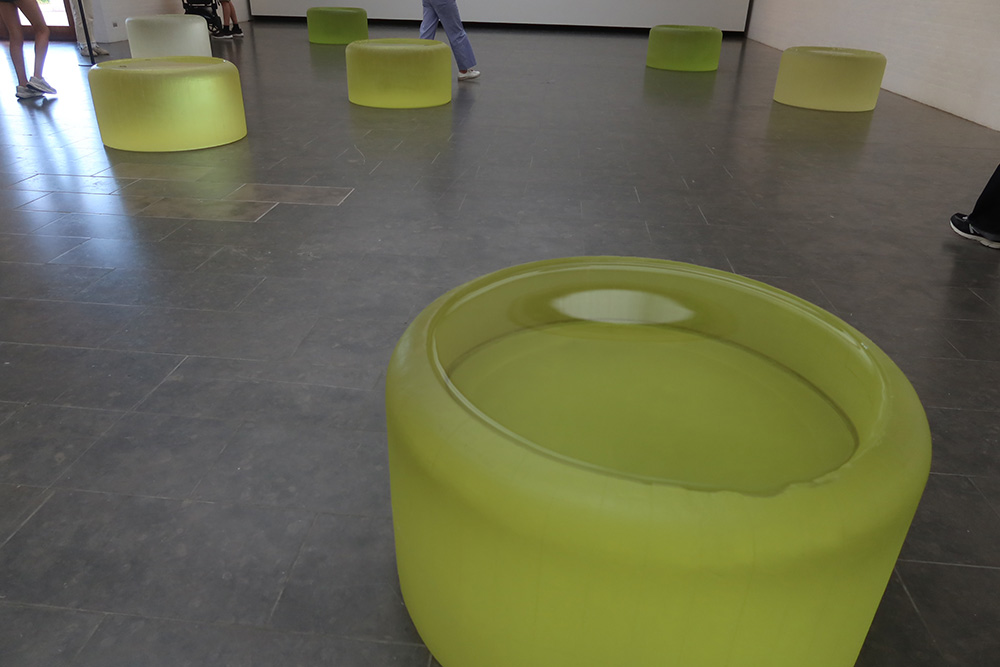
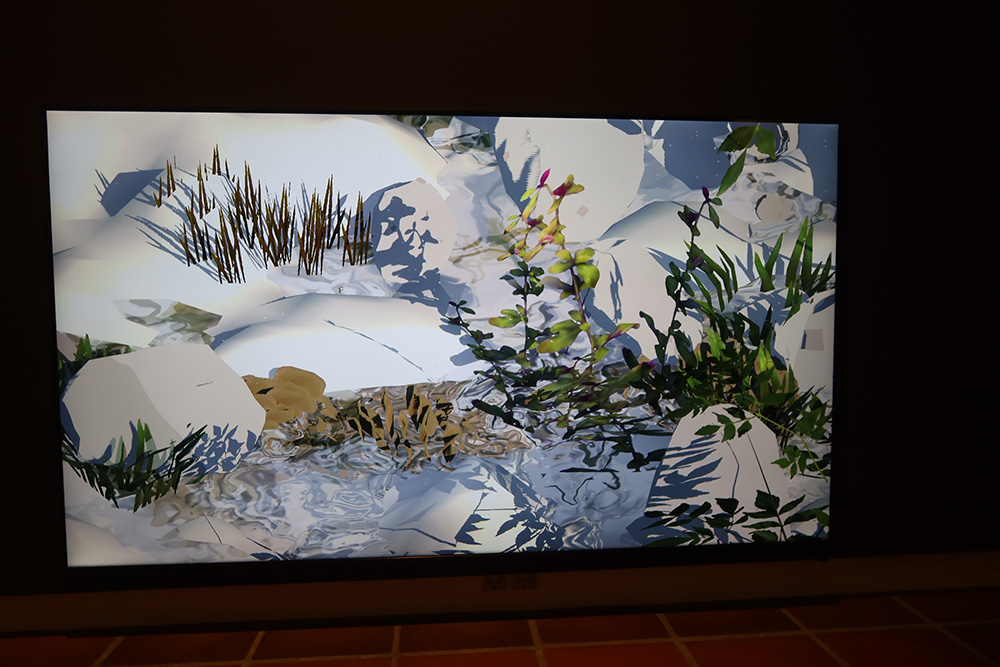
Recent acquisitions demonstrate an active and considered collecting strategy. New works span a wide range of media and artistic expression, featuring artists including Roni Horn, Yayoi Kusama, Pipilotti Rist, William Kentridge, Marina Abramović, Cecily Brown, Dana Schutz, Sophie Calle, Nan Goldin, Mona Hatoum, Arthur Jafa and Cindy Sherman. The breadth of this list suggests a programme that continues to test and expand the boundaries of what the permanent collection is asked to do.
Louisiana's programming extends well beyond the gallery walls. Jensen intended for the museum to be a mixture of art, architecture and nature, with music, film, dance and political debates all taking place at Louisiana. That pluralism remains embedded in the institution's character. The Children's Wing, which opened in 1994 as a three-storey space purpose-built for younger visitors, operates on the premise that small-scale experimentation with materials and ideas forms the foundation of a genuine engagement with art. It is a model of children's programming that many galleries have looked to for reference.
Louisiana Channel, a non-profit web television platform launched in 2012 and based at the museum, has developed into one of the world's largest archives of contemporary art on video. For institutions considering how to extend their reach beyond physical walls, Louisiana's investment in this platform offers a practical case study in digital engagement that has remained editorially coherent over more than a decade.
What visitors may find most instructive about Louisiana is not any single programme or acquisition, but the consistency with which Jensen's founding principles have been interpreted and maintained across different directorships and changing cultural conditions. The deliberate resistance to institutional grandeur, the insistence on the connection between art and landscape, and the commitment to genuine public accessibility have not been treated as historical curiosities but as working values. Louisiana's close contact and collaboration with the international arts and cultural milieu has remained one of the museum's greatest strengths — and the measure of that strength is that it continues to inform decisions rather than simply decorate the institution's self-description.
For those planning a visit or a professional study trip, the museum is accessible by train from Copenhagen's central station to Humlebæk, a journey of approximately forty minutes. Further information on exhibitions, programming and institutional partnerships is available at louisiana.dk.