
A Museum Built on Conviction: Six Thousand Years of Art in Four Buildings
Origins and Founding Vision
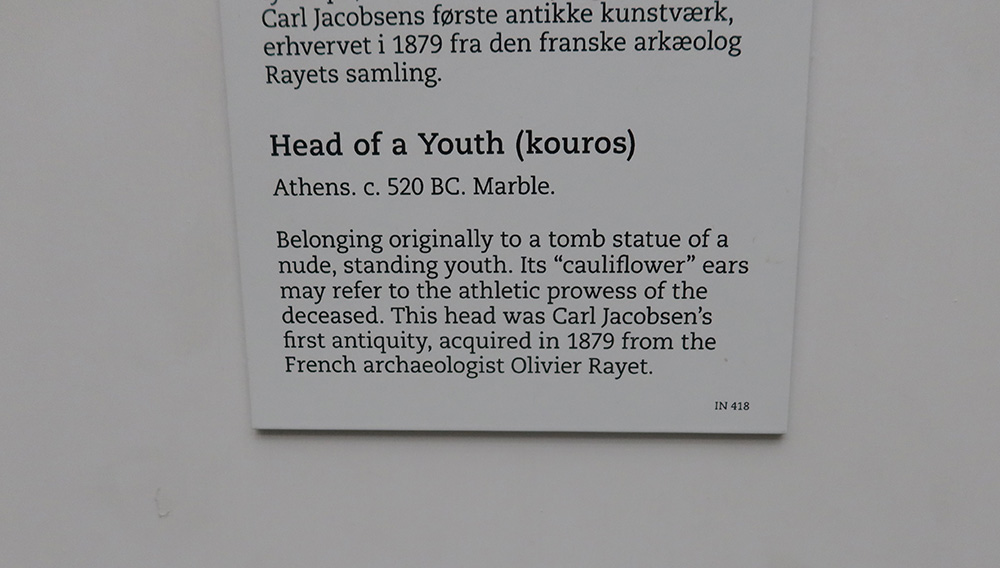
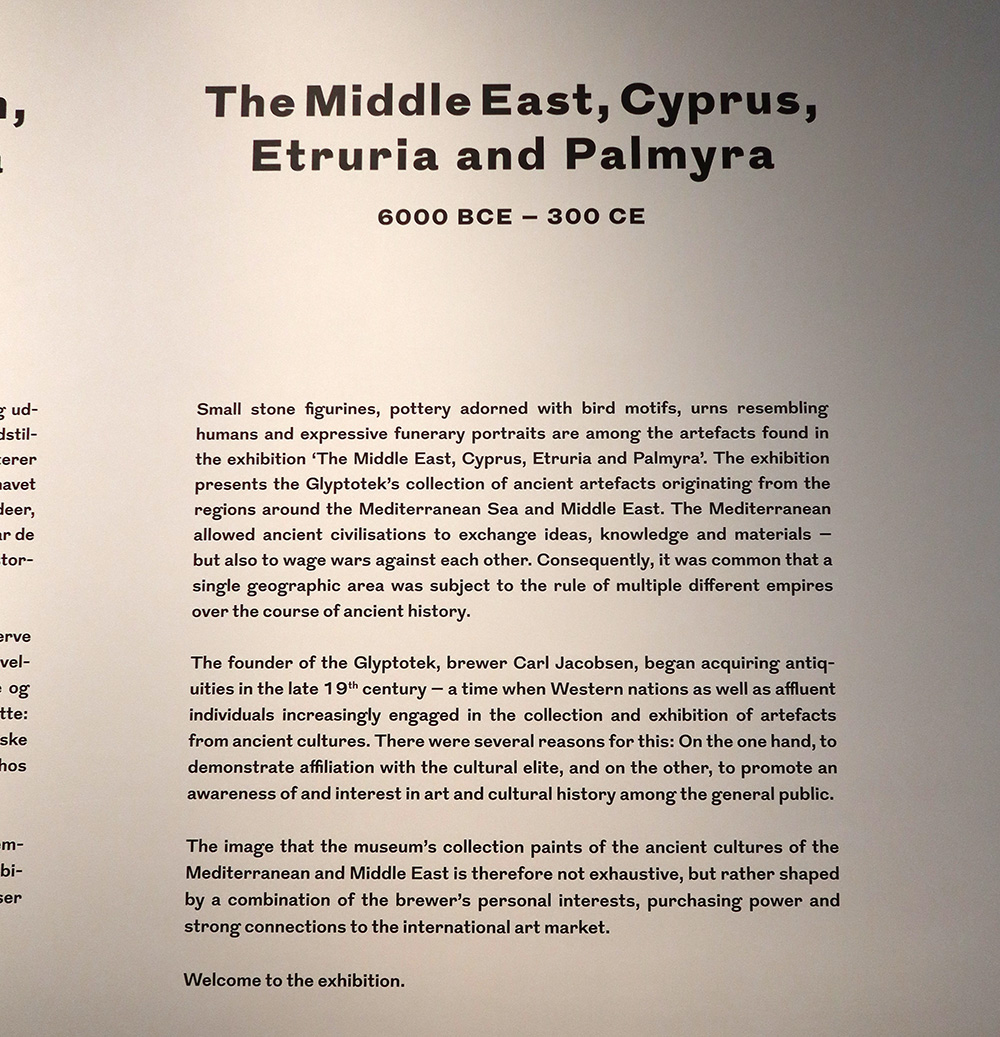
The Ny Carlsberg Glyptotek stands on Dantes Plads in central Copenhagen, a short distance south of the Tivoli Gardens, on a site that was once part of the city's old Western Rampart. It is a museum with a clear origin story: it was built by one man's determination to make a private collection public. Carl Jacobsen (1842–1914), son of the founder of the Carlsberg Breweries and himself one of the most consequential art patrons in Danish history, donated his collection to the Danish State and the City of Copenhagen in 1888, on the condition that a building of suitable character be provided to house it.
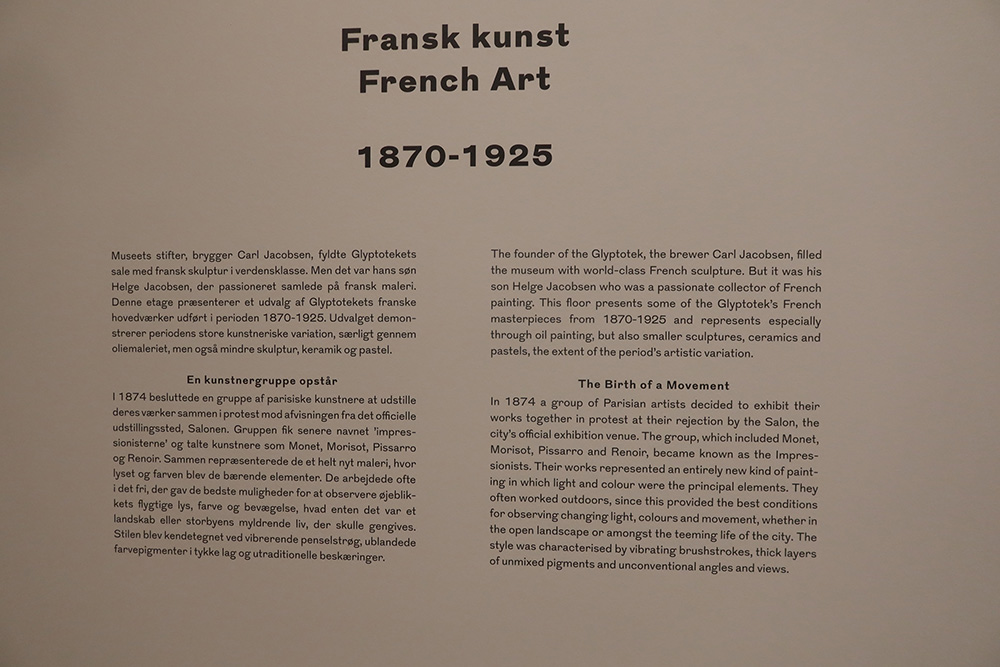
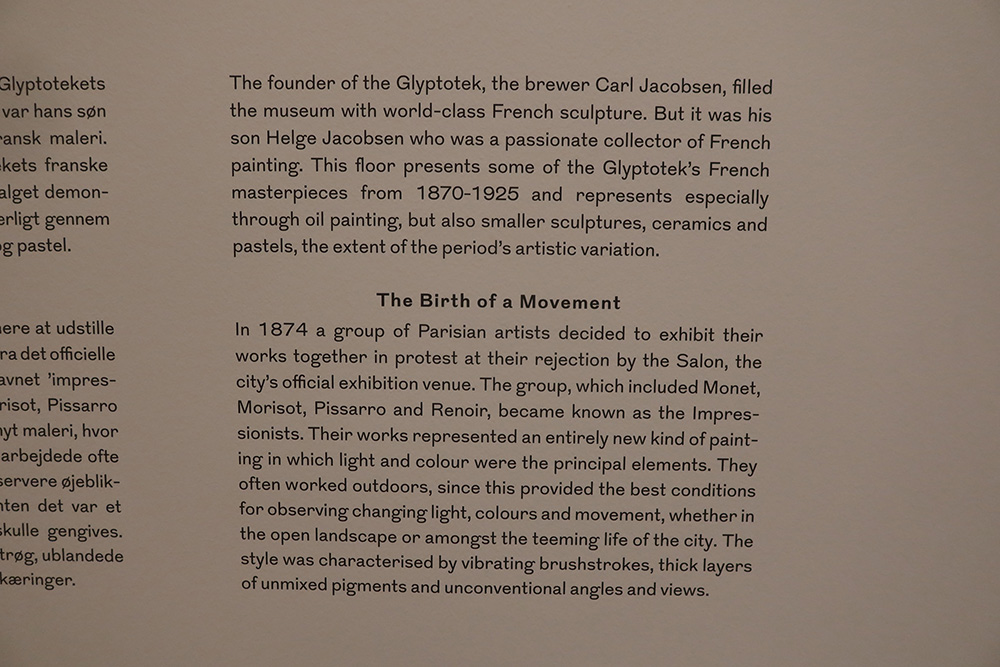
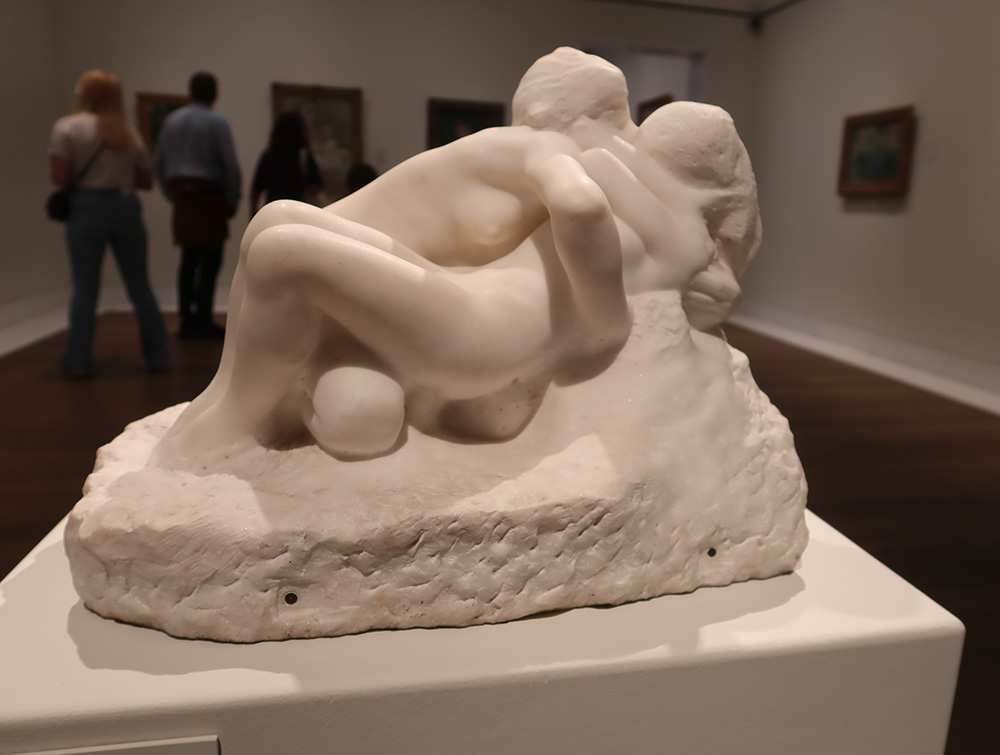
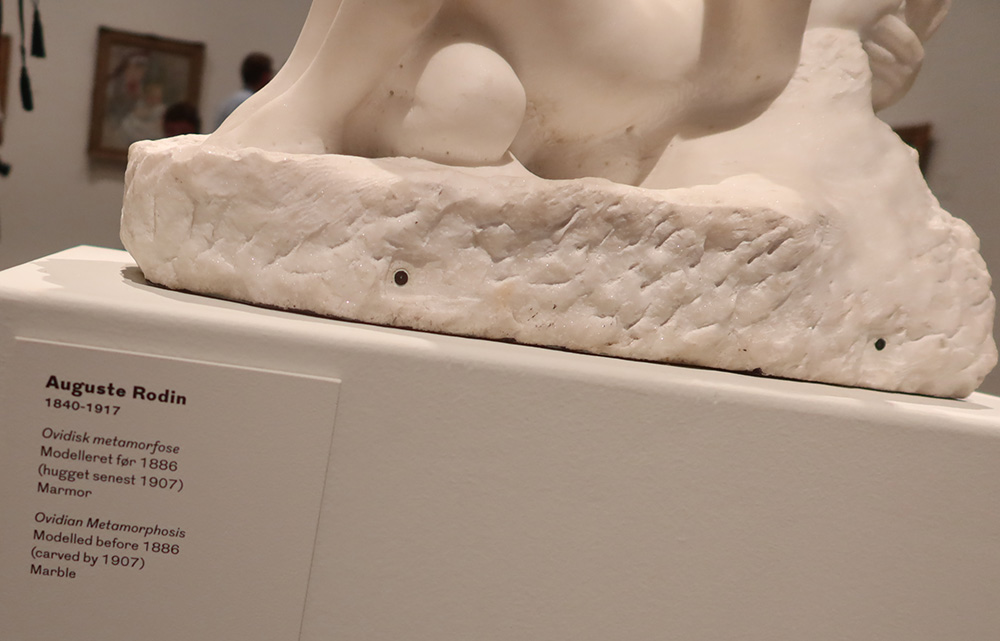
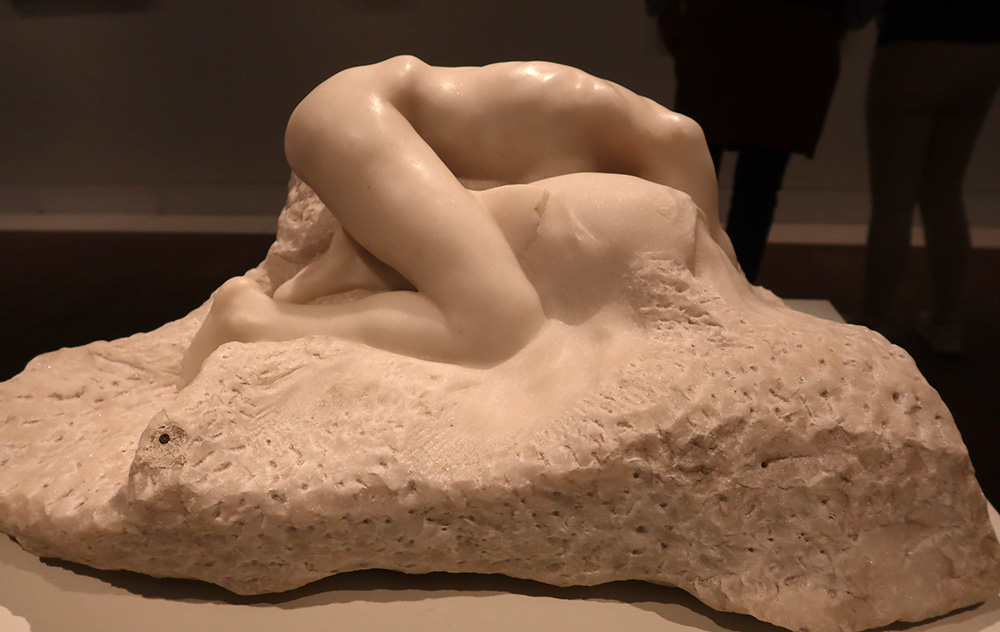
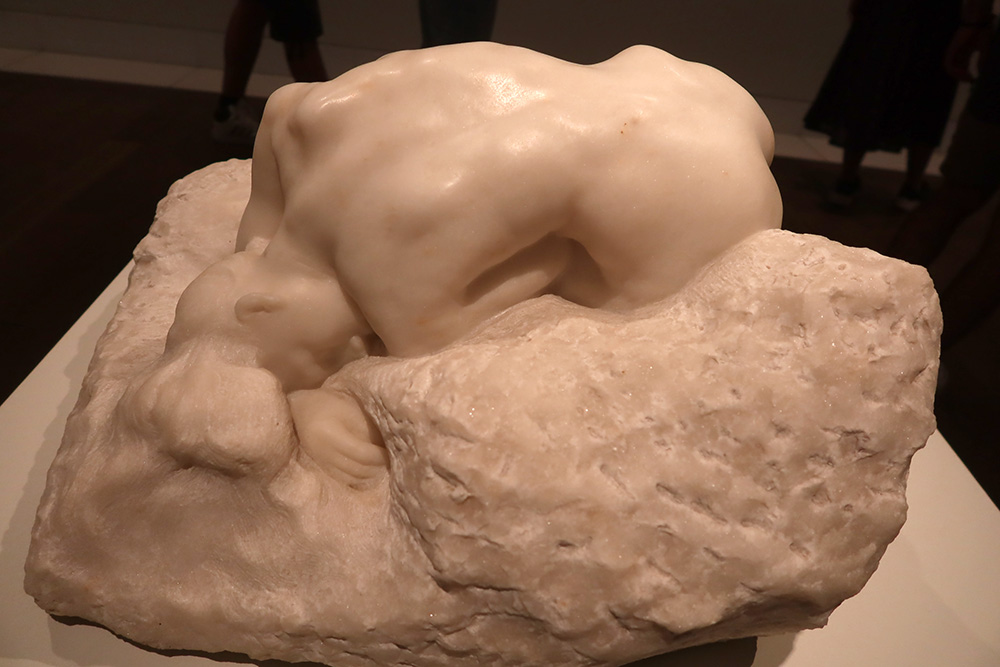
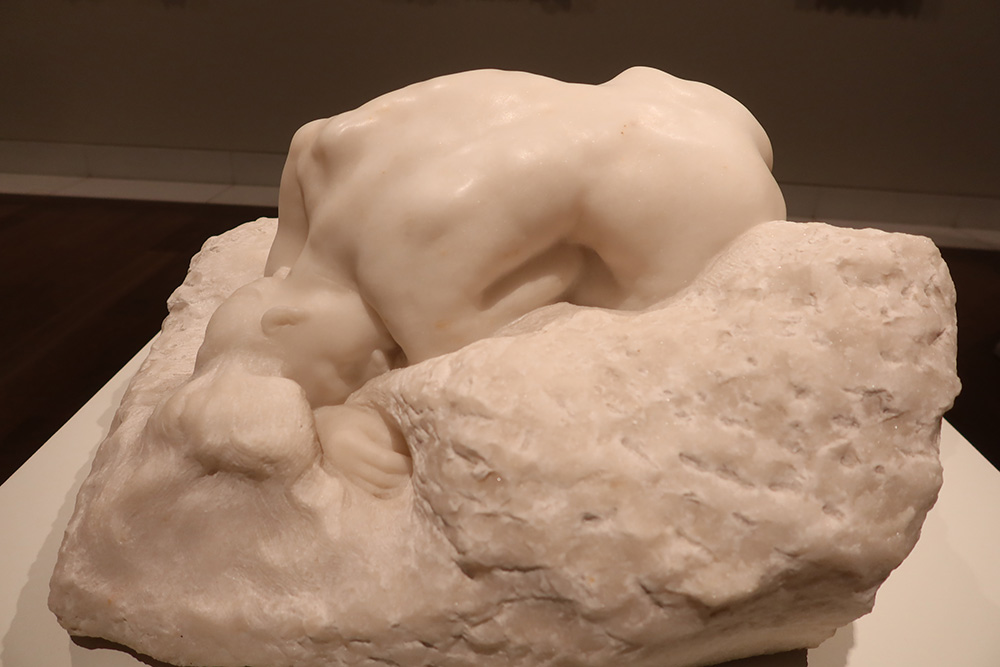
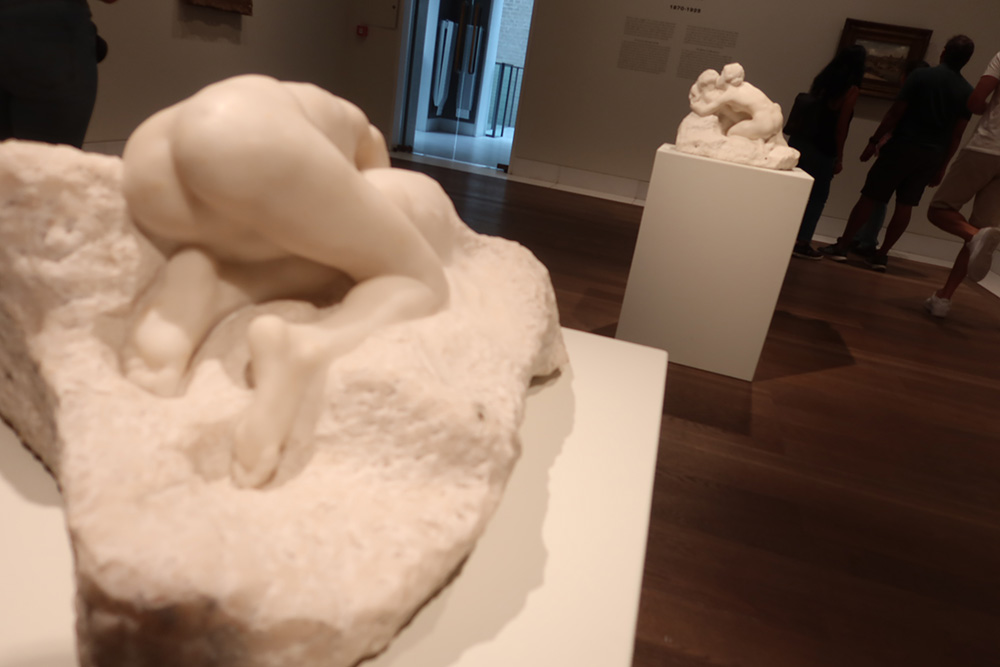
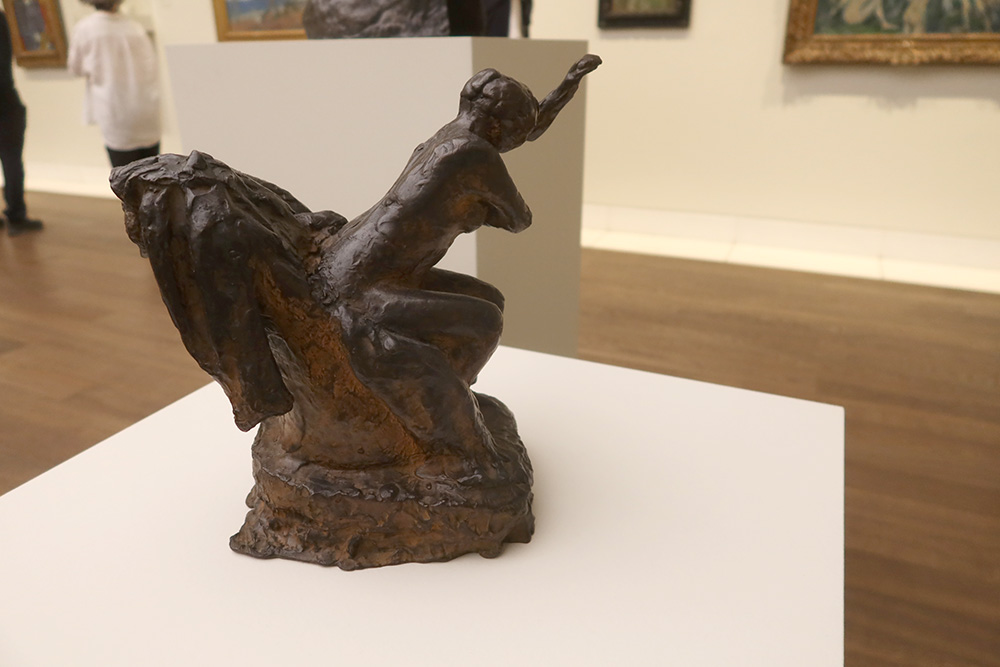
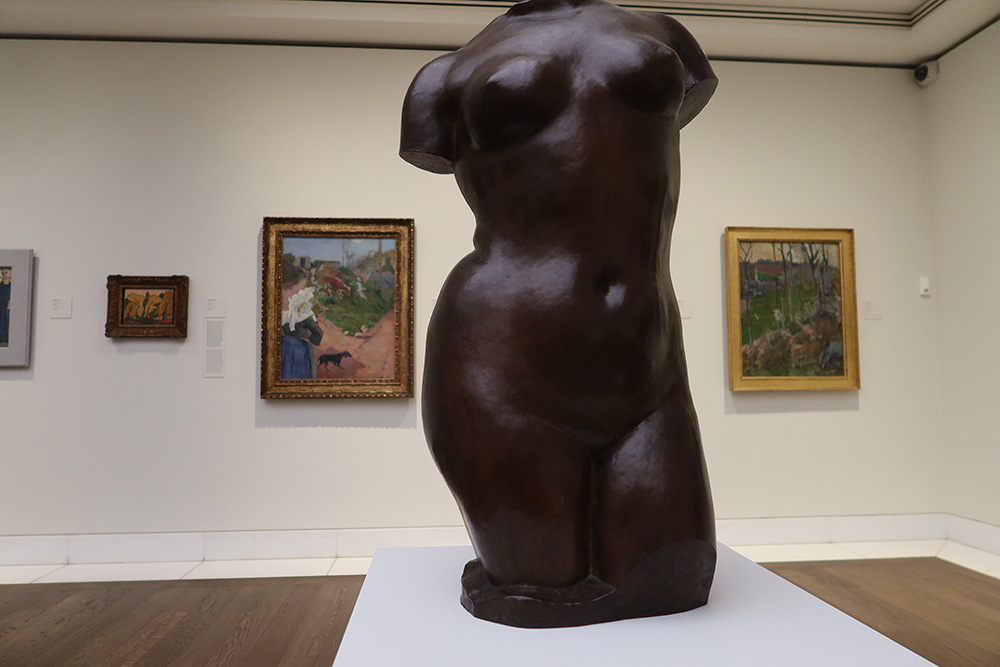
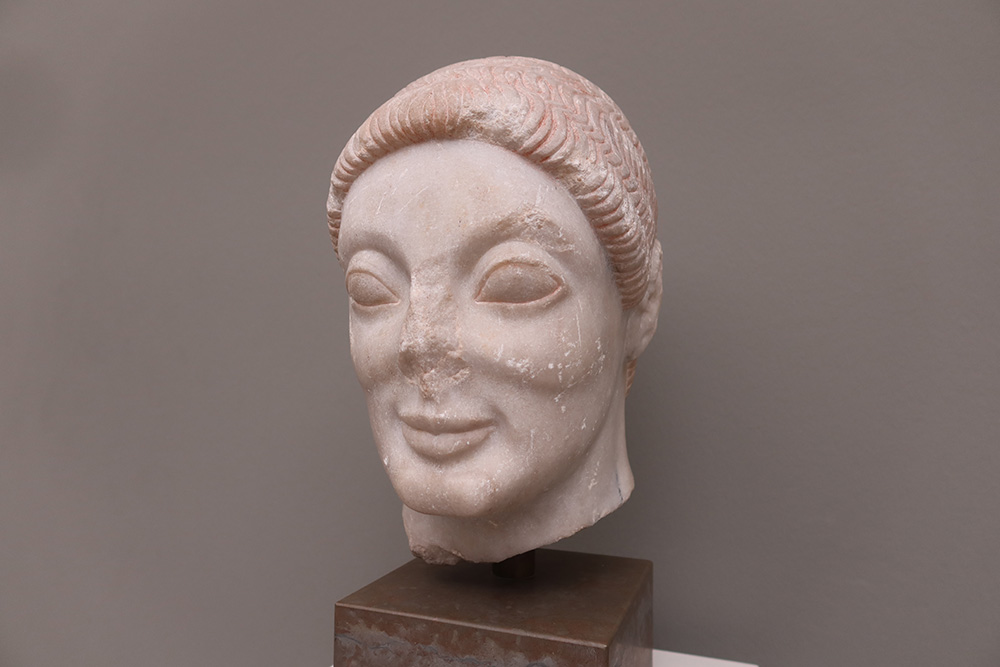
Jacobsen was not content with accumulation for its own sake. He collected with a declared philosophical purpose: he believed that sculpture, as three-dimensional art, came closest to the fundamental condition of human existence. It was this conviction that drove him toward ancient Mediterranean works — Greek marbles, Roman portrait busts, Etruscan urns — as well as contemporary French sculpture, which he encountered regularly at the annual Paris exhibitions. His admiration for artists such as Auguste Rodin was personal and sustained, and the collection he assembled in that field is today considered one of the most significant outside France.
The name he chose for his institution was deliberate. Drawing on Ludwig I's Glyptothek in Munich as a precedent, Jacobsen combined the Greek glyptos — meaning carving or sculpture — with theke, a place of collection and display. The word "museum" was consciously set aside. The Glyptotek was intended to be something more particular: not any ordinary repository, but, as Jacobsen described it, an oasis for the people of Copenhagen.
Architecture as Argument
The Glyptotek's buildings are not a unified design but a layered accumulation of four architectural interventions constructed across more than a century, each by a leading Danish architect of its time. Together they make a complex that is, in the words of the institution itself, a collage of architectural styles, moods and sensory impressions — and that description is accurate without being merely poetic.
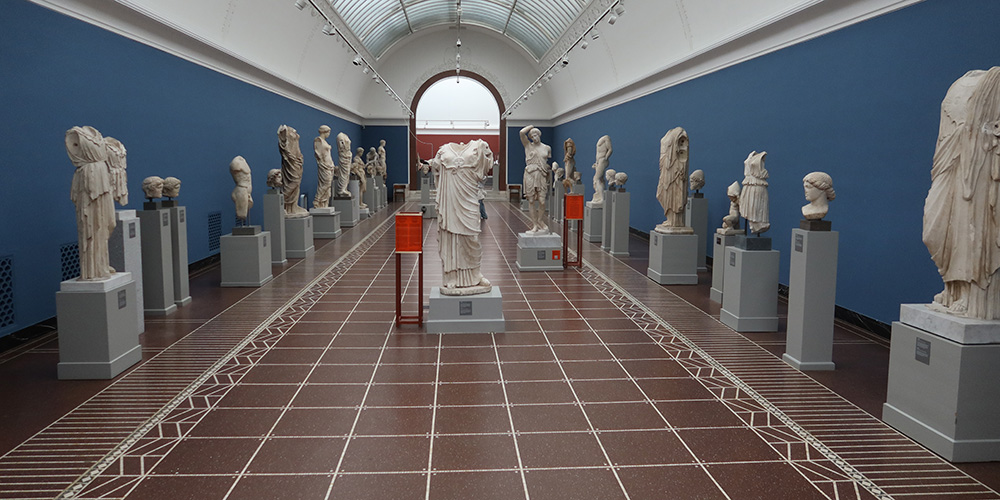
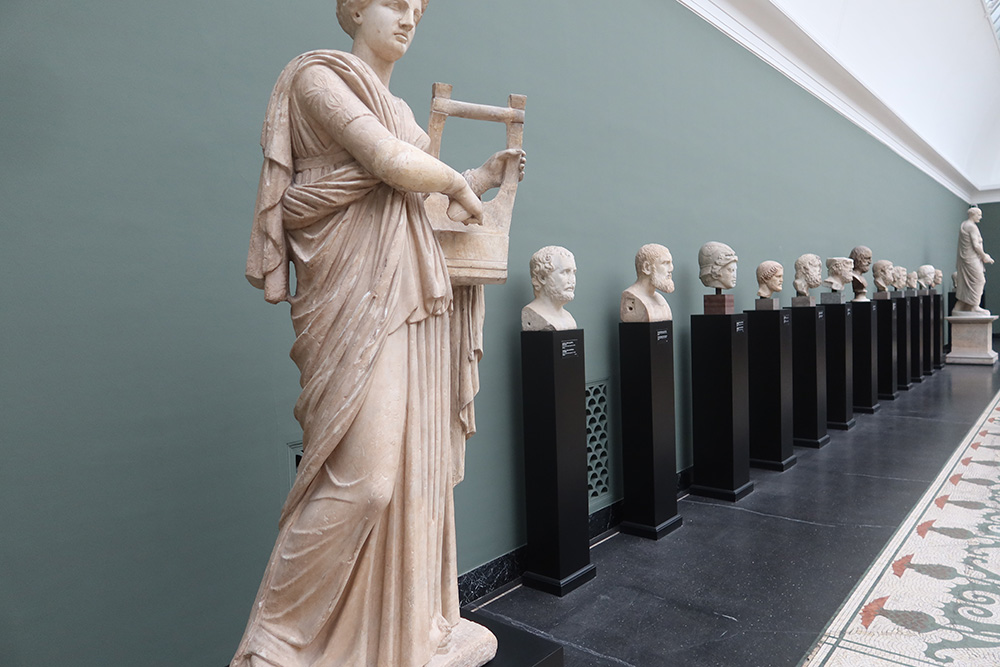
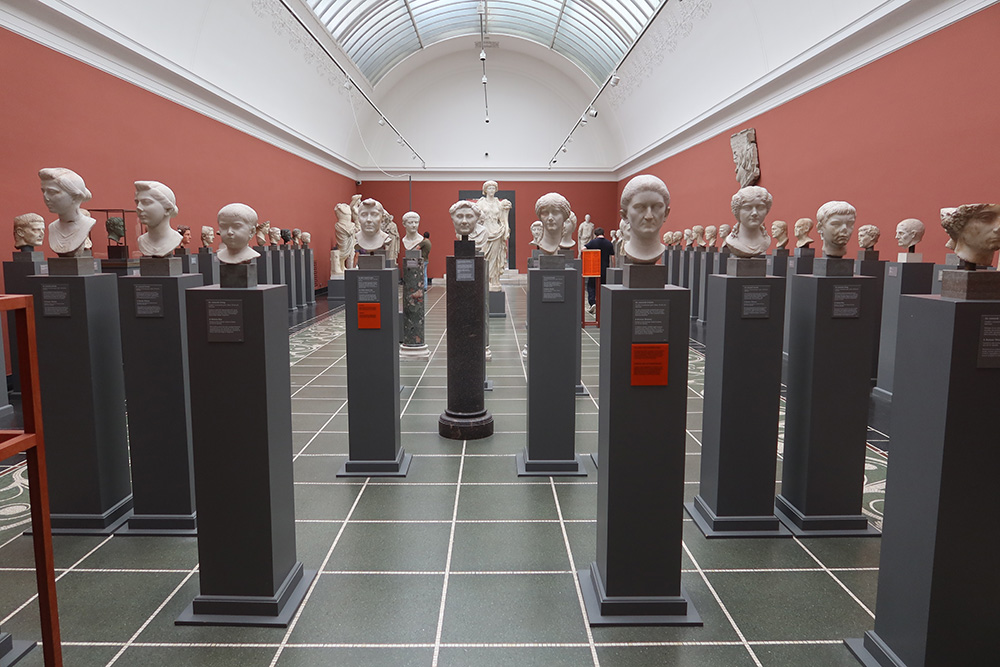
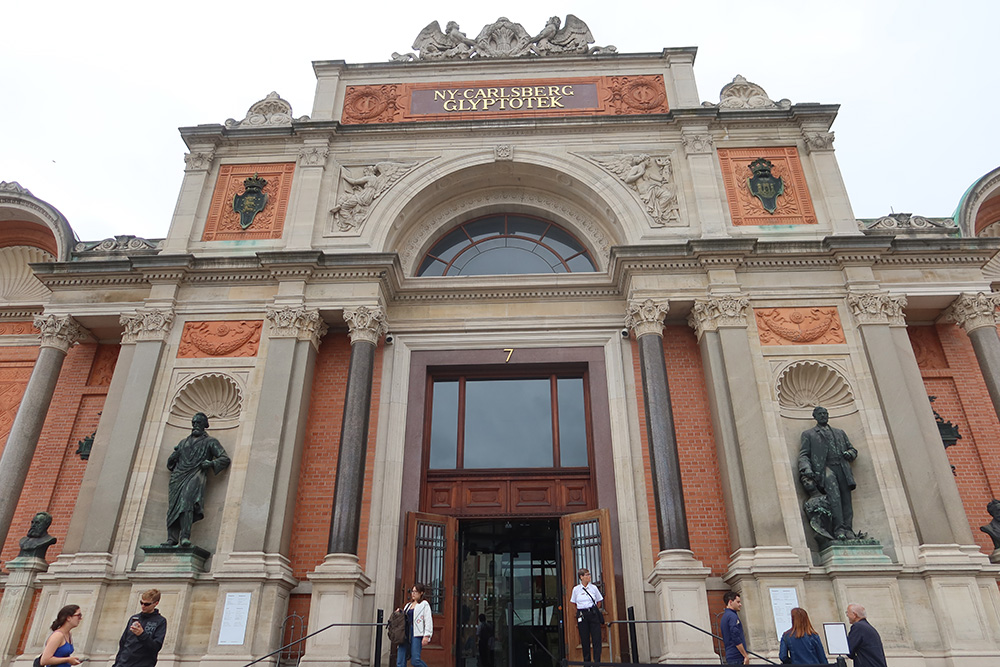
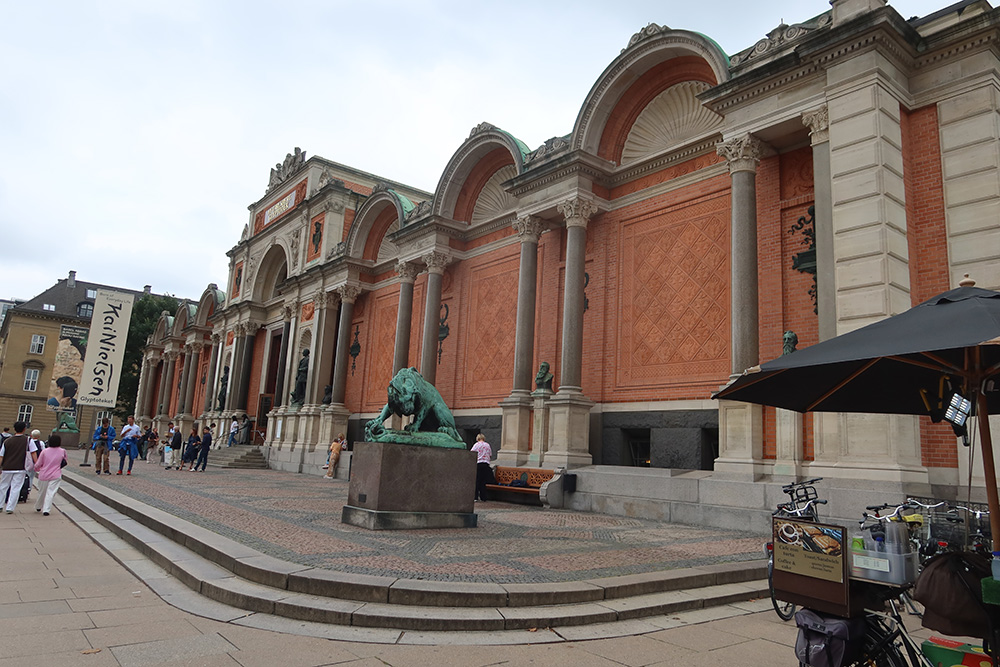
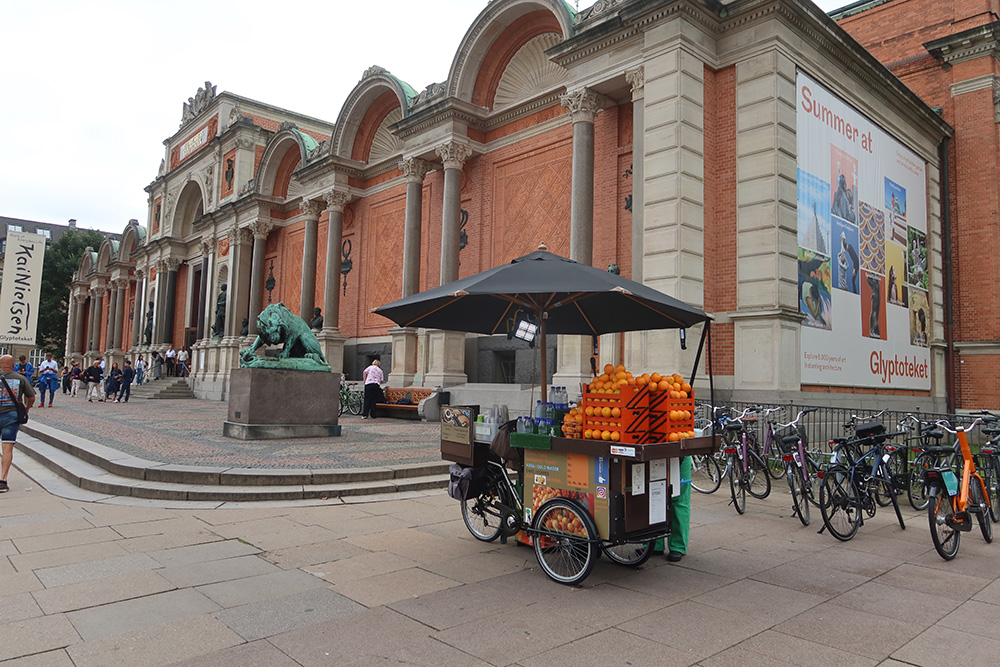
The oldest section, the Dahlerup Wing, was inaugurated in 1897. Designed by Vilhelm Dahlerup — the architect Jacobsen himself selected, drawing inspiration from Venetian Renaissance forms — it presents a red-brick façade with polished granite columns that communicates institutional seriousness while retaining warmth of material. It houses the French and Danish collections. Adjacent to it, the Kampmann Wing, completed in 1906 and designed by Hack Kampmann, is plainer in character: a neo-classical series of galleries arranged around a central auditorium, topped by a large glass roof that floods the space with the impression of an open Roman forum. Roman portrait statues of emperors and citizens stand between the columns of this Central Hall, placed as Jacobsen imagined they would have stood in life.
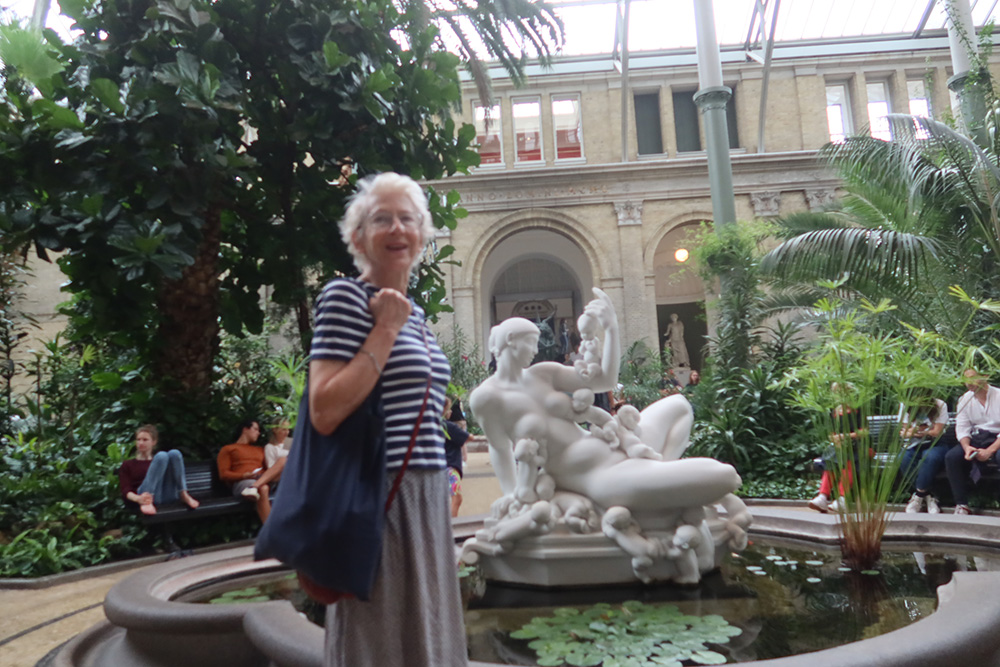
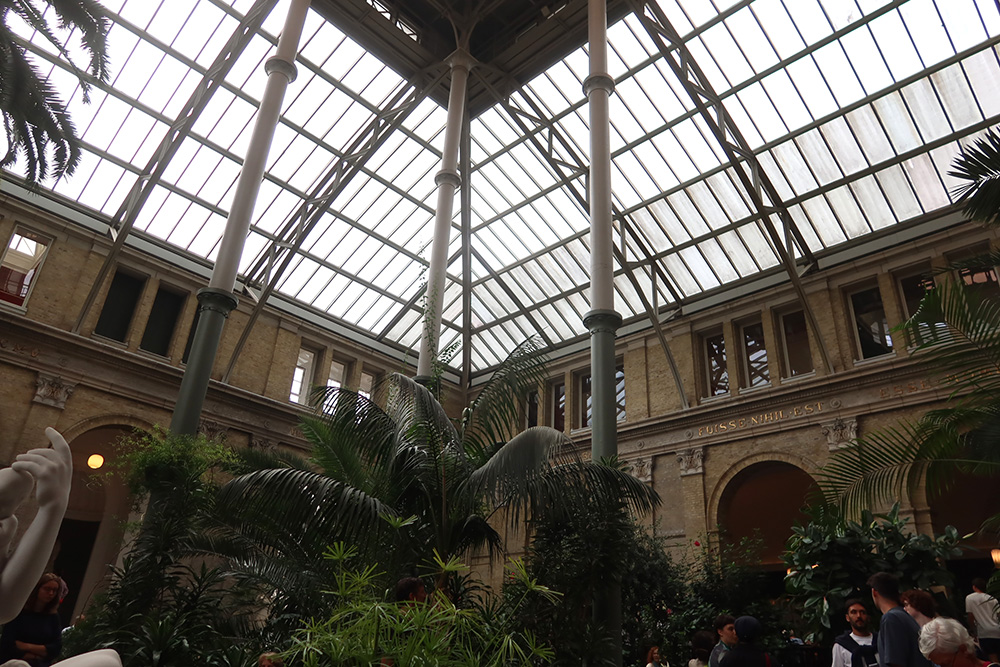
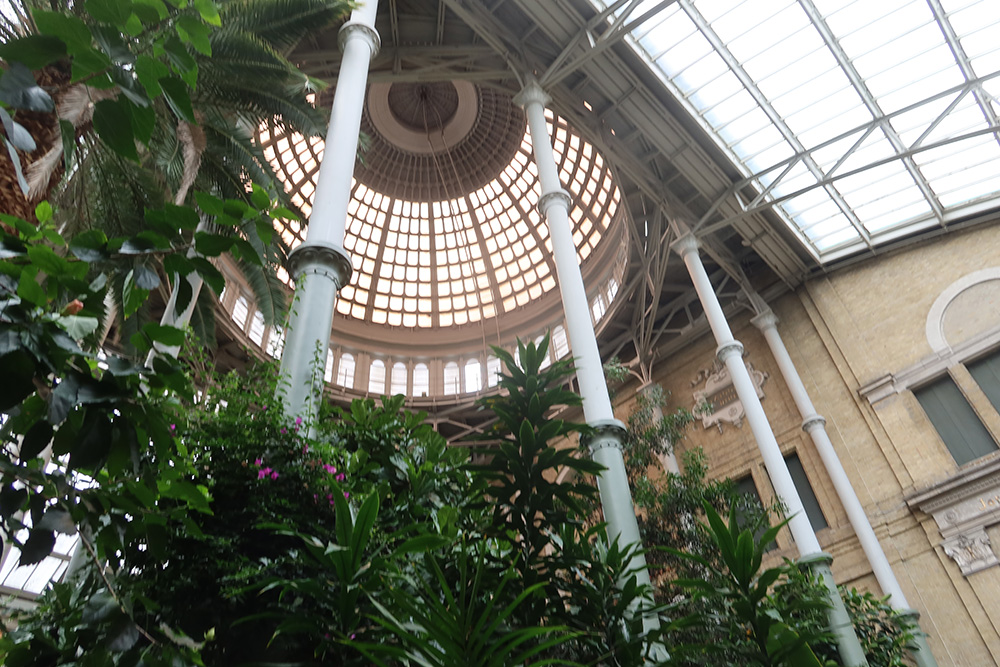
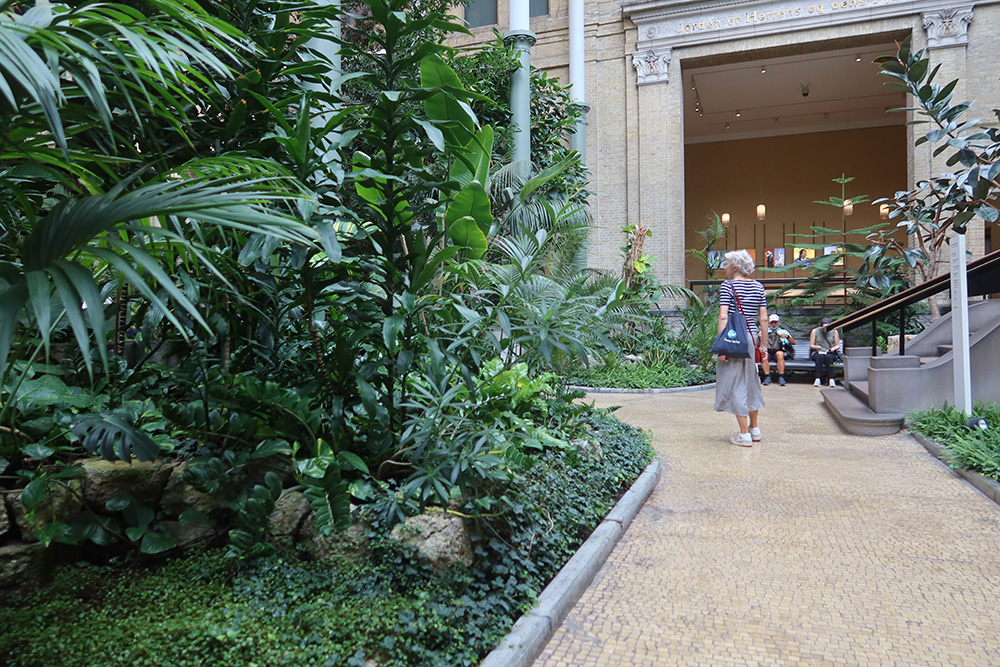
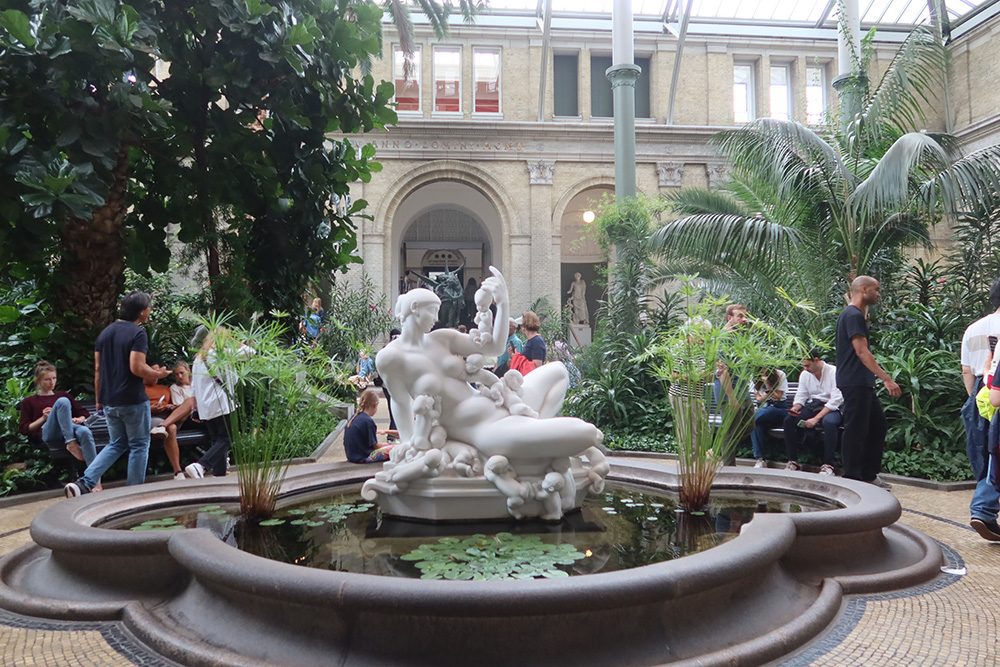
Connecting these two wings is the Winter Garden — the most immediately arresting space in the building. Designed also by Dahlerup and opened in 1906, it is covered by a copper and wrought-iron dome that suffuses the interior with a warm, honeyed Mediterranean light. Canarian date palms originally from the winter garden of Jacobsen's mother fill the space, their height and lushness creating an atmosphere that is explicitly climatic in intention: the visitor enters a sensory register associated with the cultures that produced the works on display throughout the museum. It is an architectural device that rewards sustained attention from professionals interested in how spatial sequencing conditions the experience of a collection.
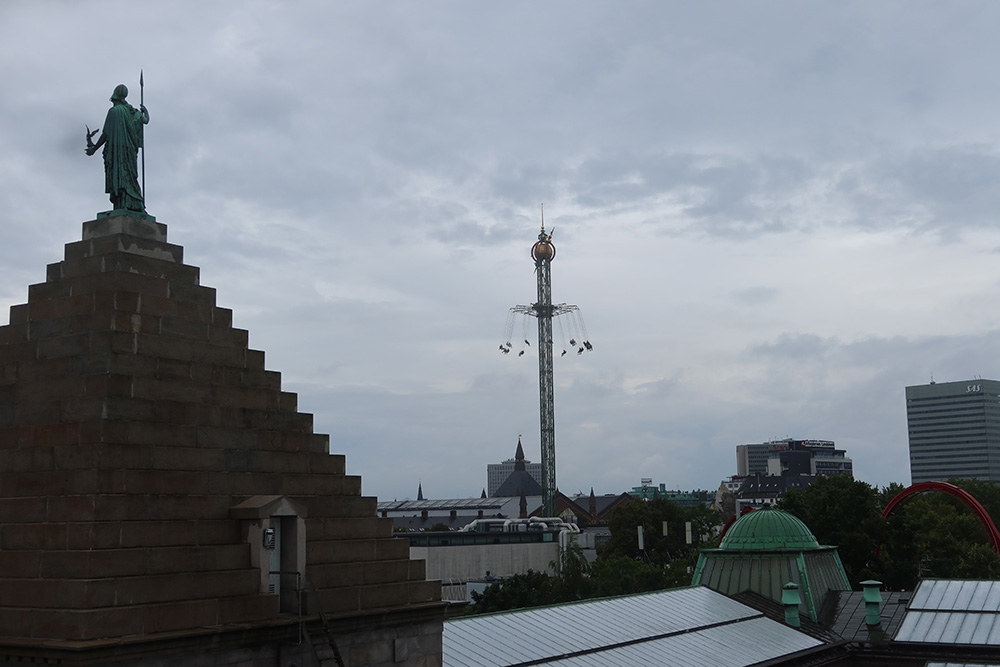
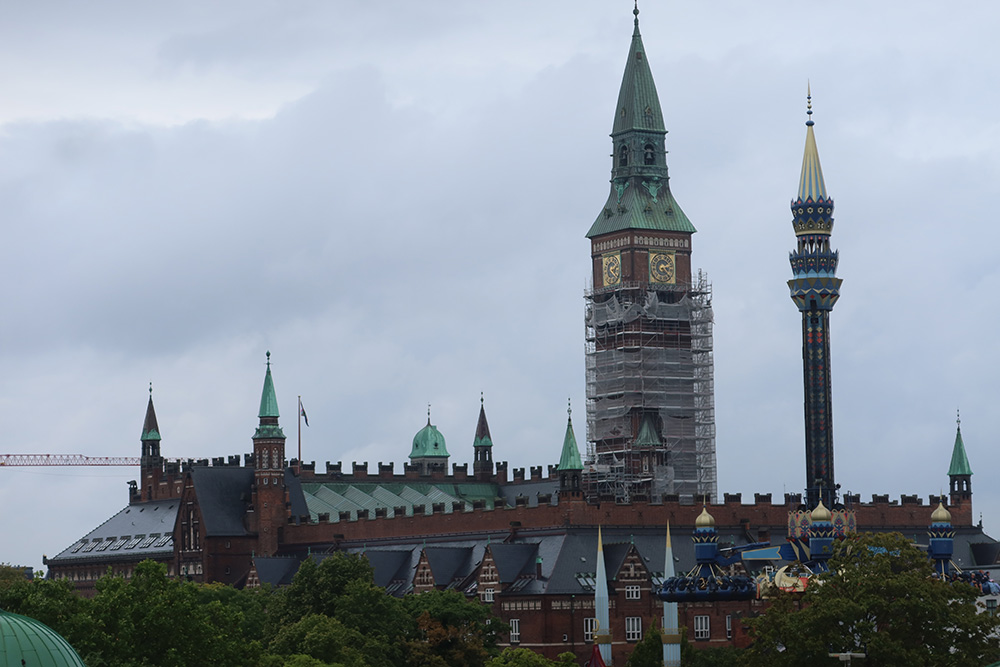
The fourth and most recent addition, the Henning Larsen Wing of 1996, occupies a former interior courtyard and takes a markedly different approach. Minimalist in disposition, it houses the museum's paintings and newer works under entirely artificial light — a necessary concession to conservation requirements. Its smooth, gently sloping walls carry references to ancient Egyptian architectural forms, and a marble staircase exploits the interplay of light and shadow in ways that continue the broader institution's long-standing emphasis on the relationship between natural illumination and the perception of art. From this wing, a rooftop terrace provides an overview of Copenhagen's layered roof landscape and the complex structure of the museum itself.
The Collection: Scope and Character
The Glyptotek holds more than 10,000 works spanning approximately 6,000 years and is organised into two principal departments: antiquities and modern art. It is the leading antiquities museum in the Nordic countries and holds one of Europe's most substantial collections of French art from the period 1800 to 1930.
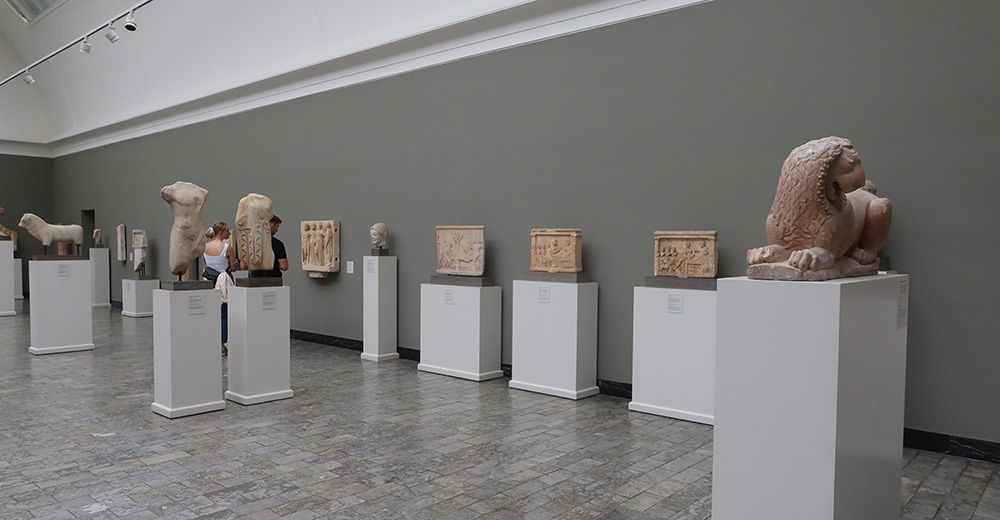
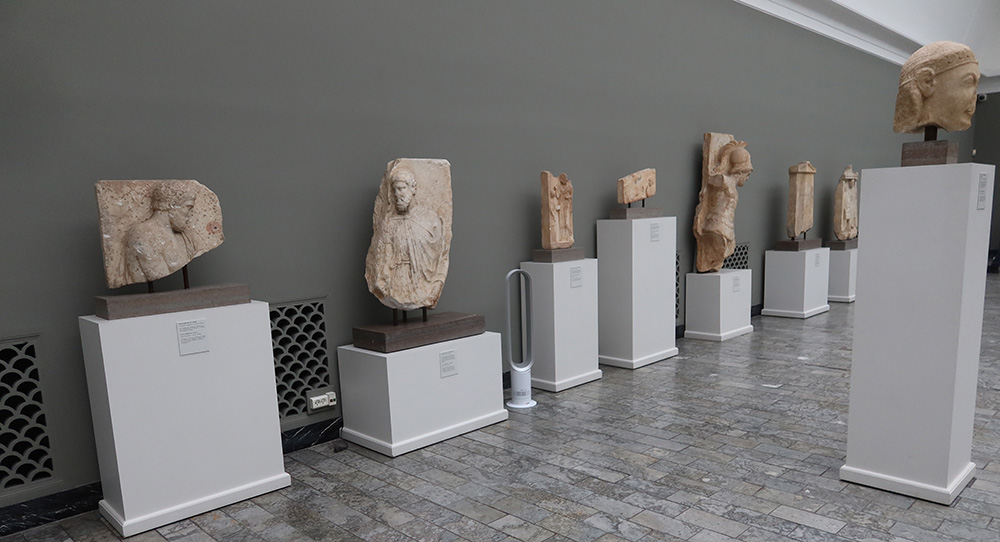
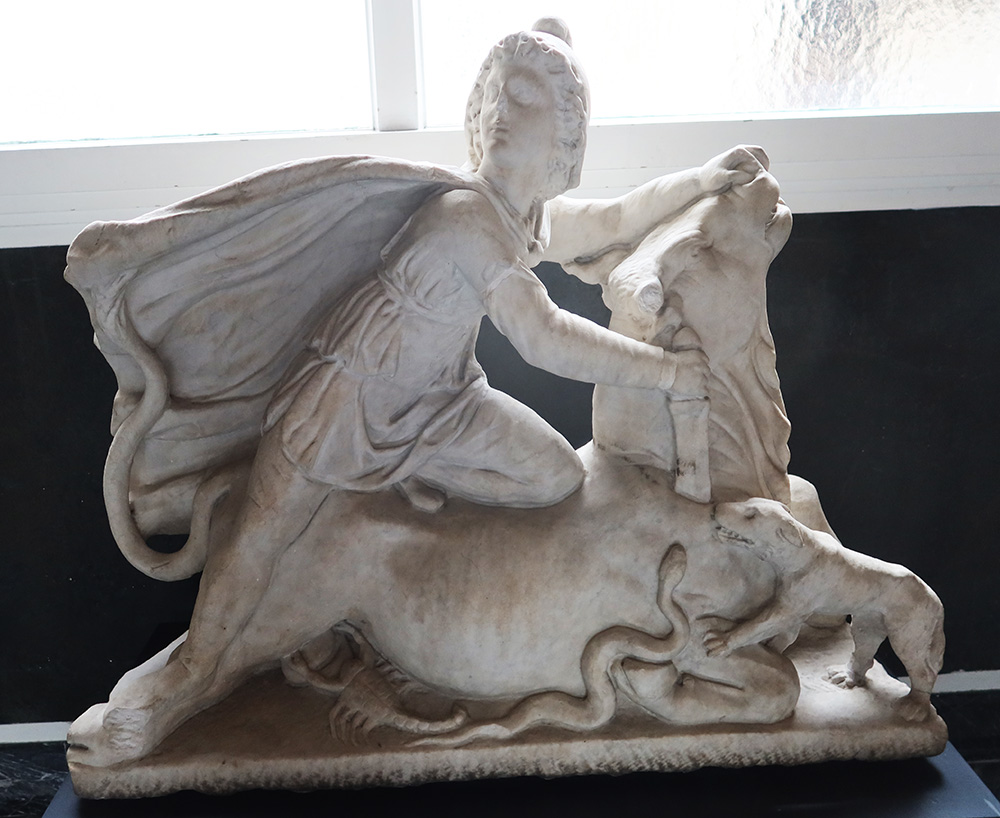
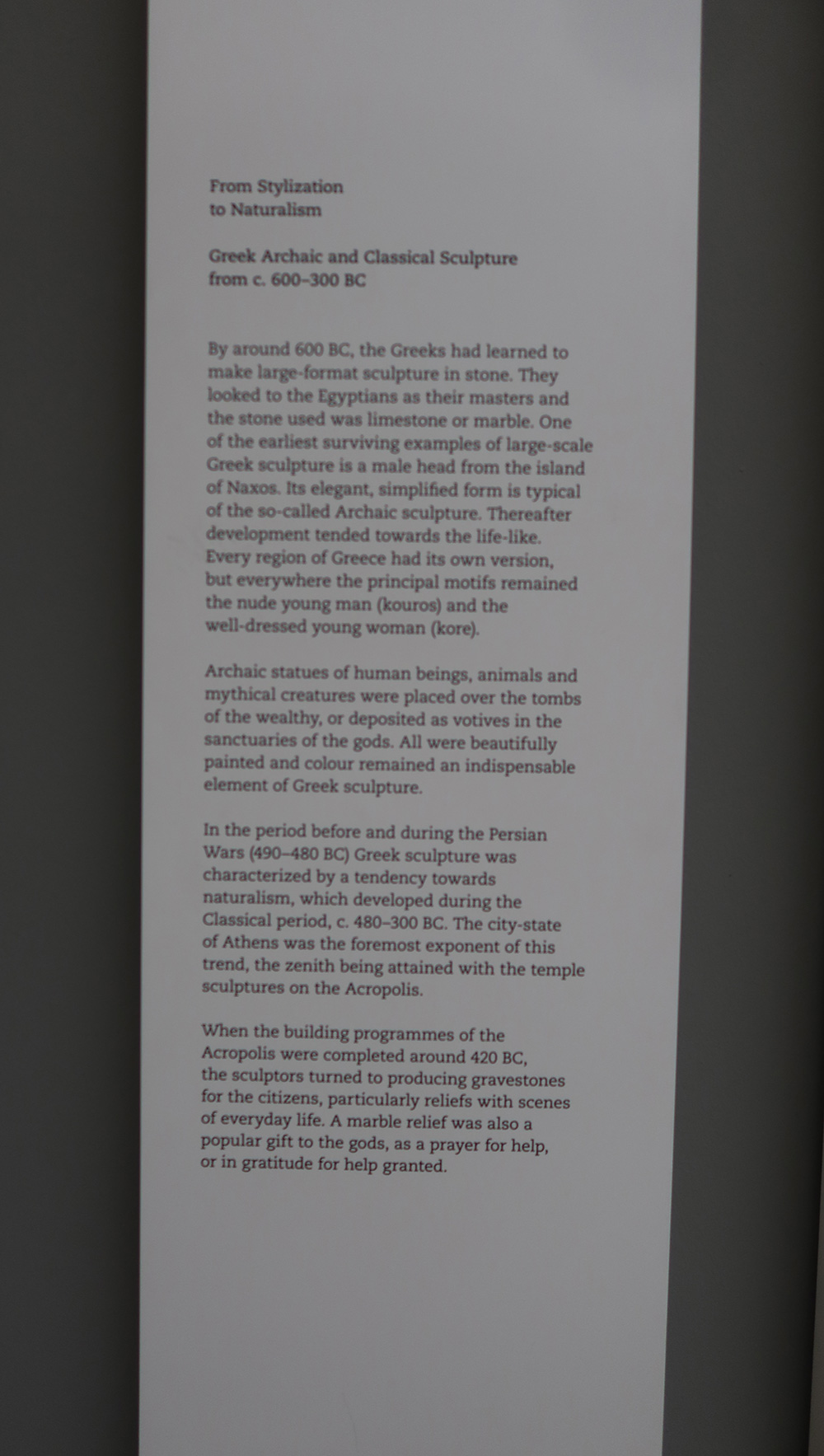
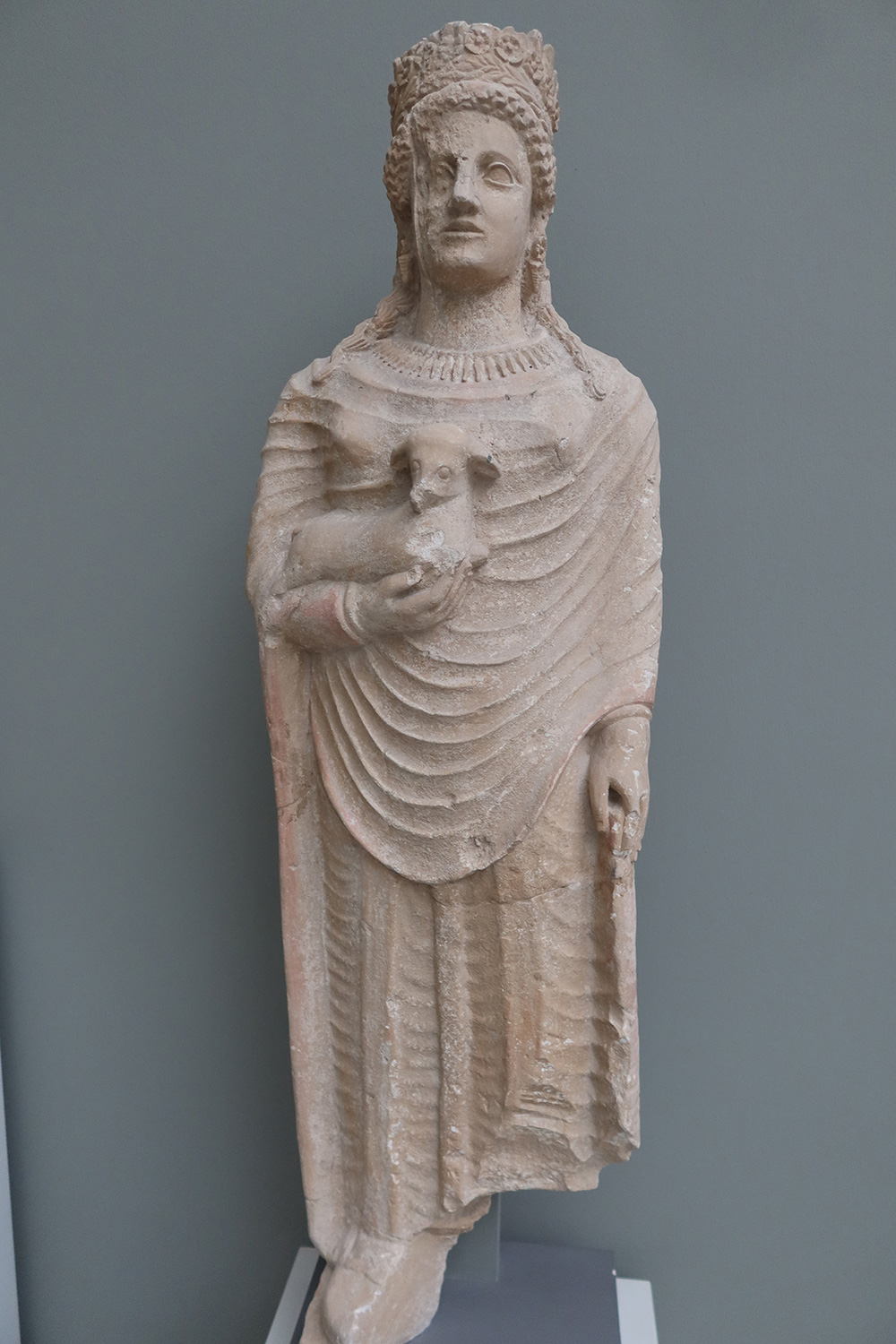
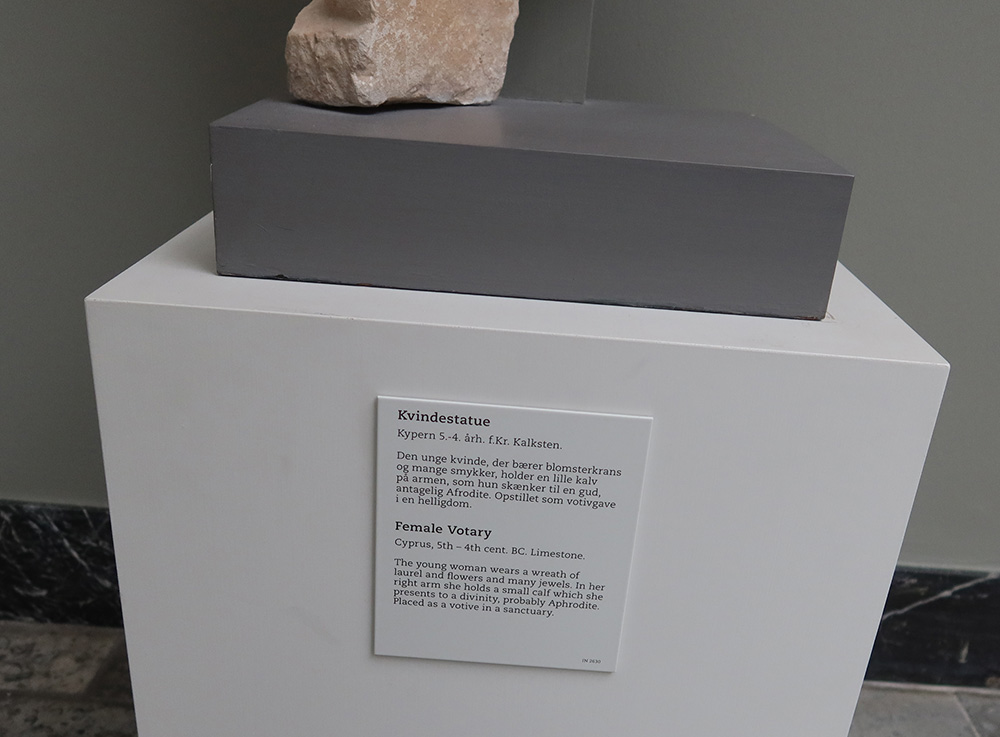
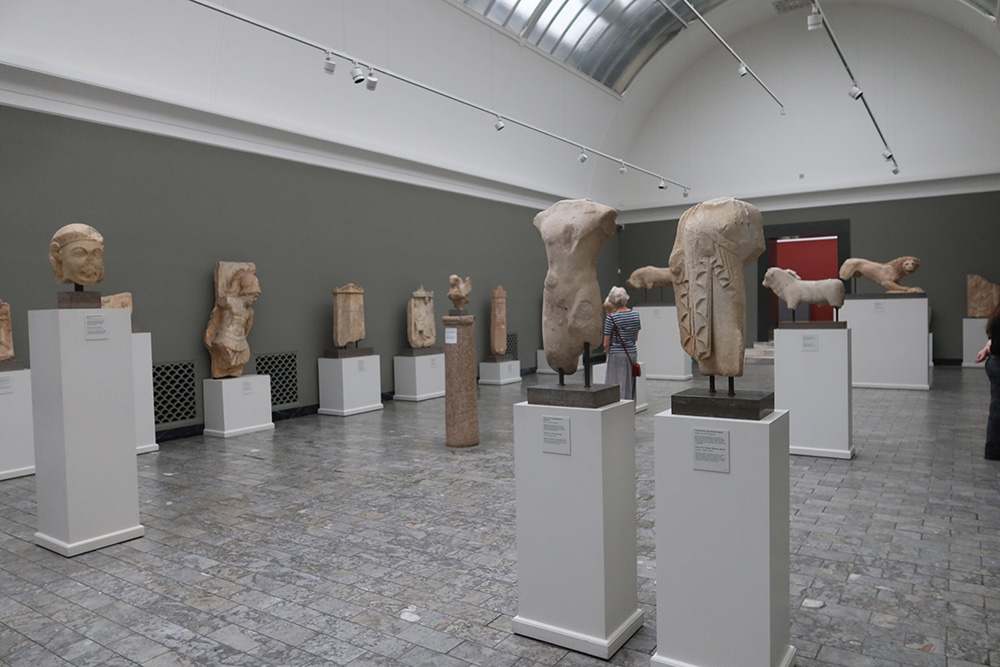
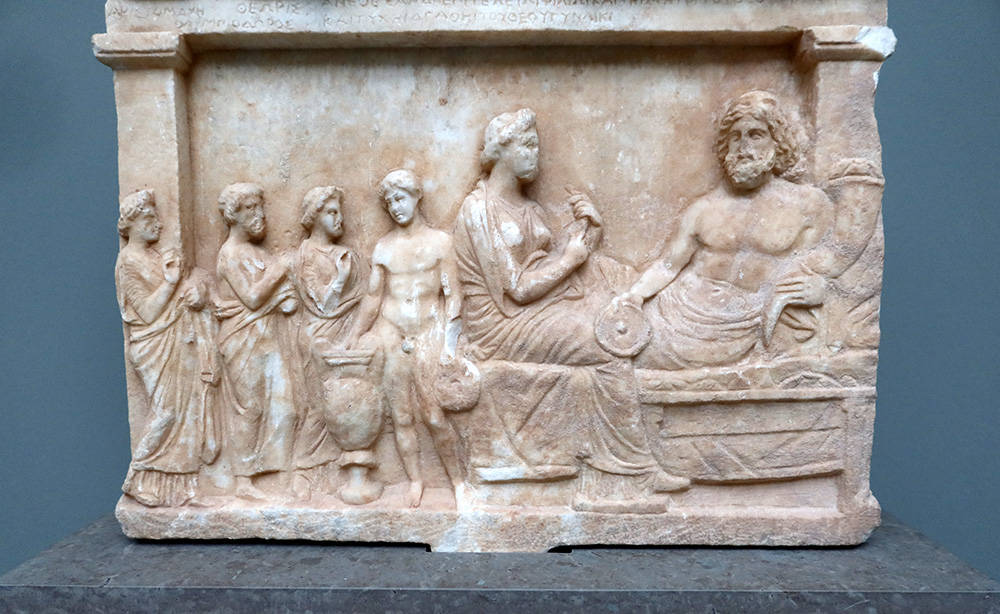
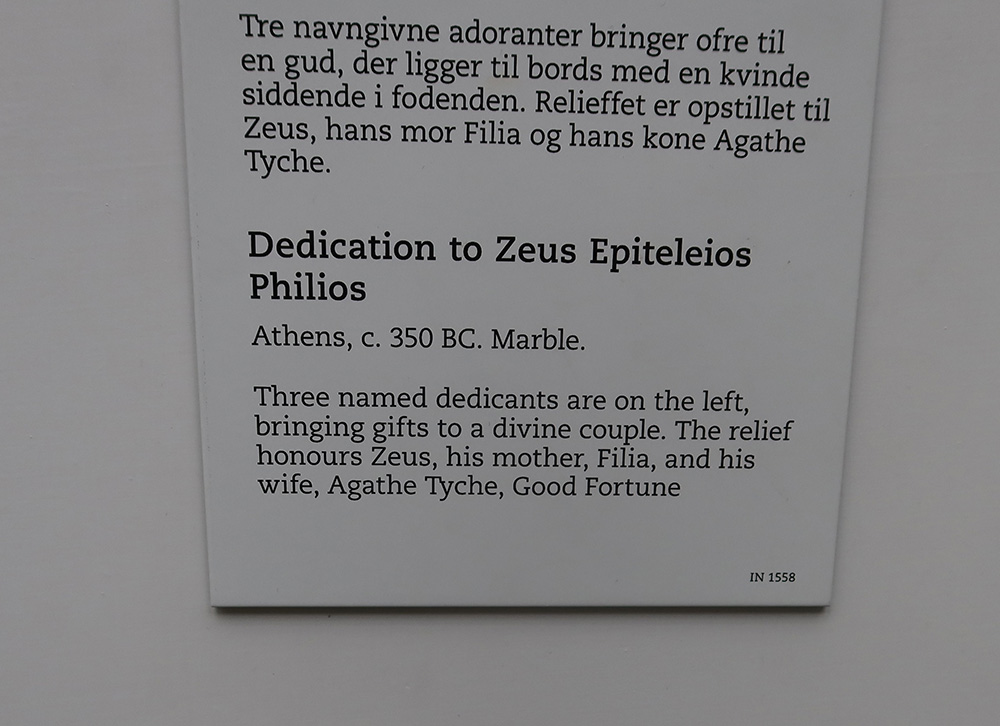
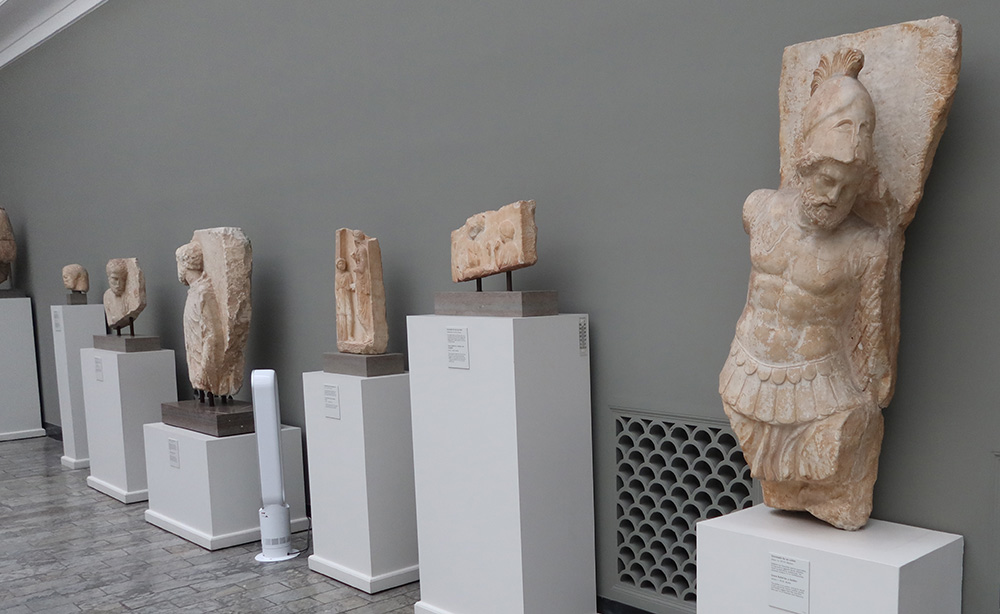
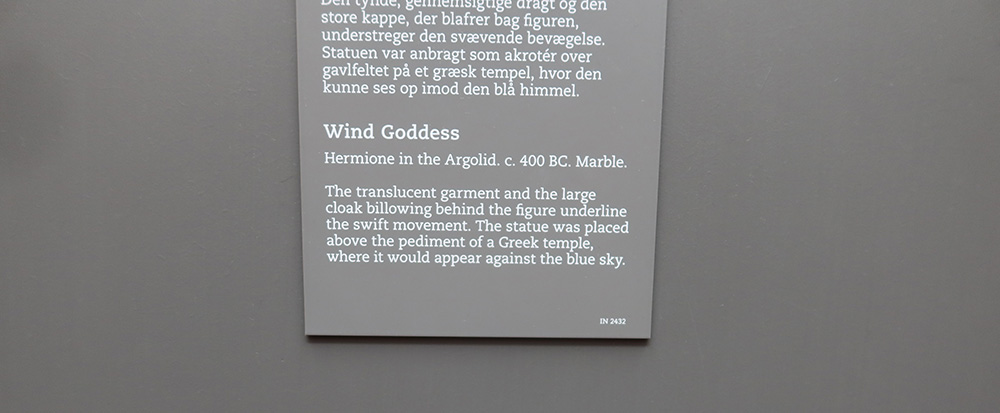
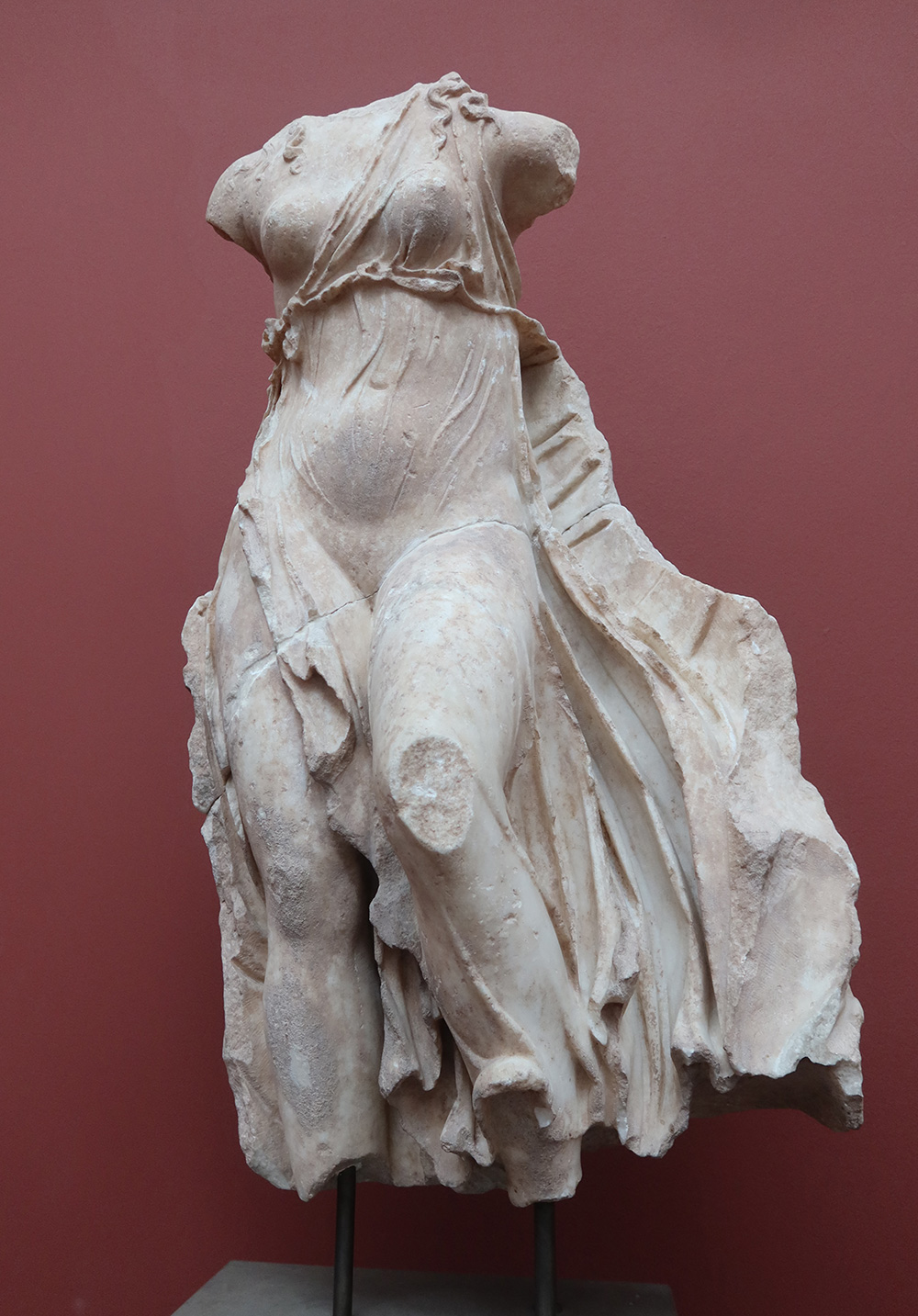
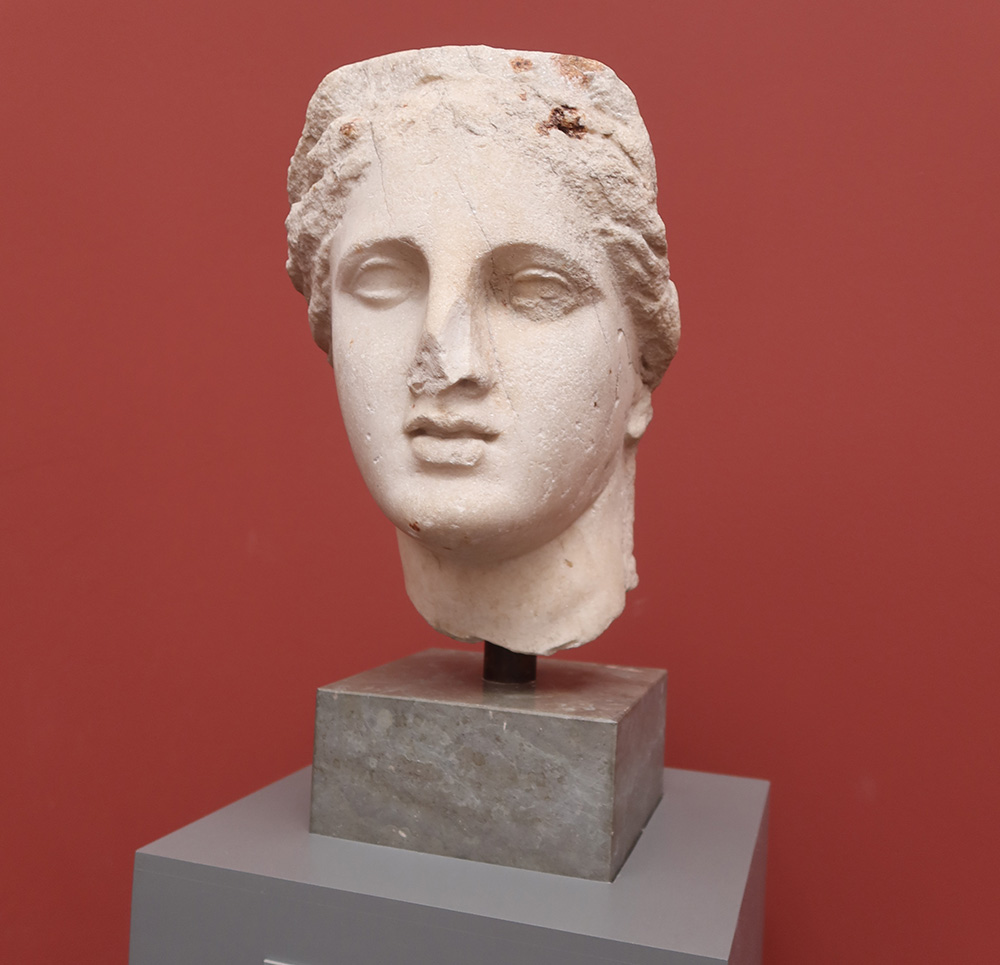
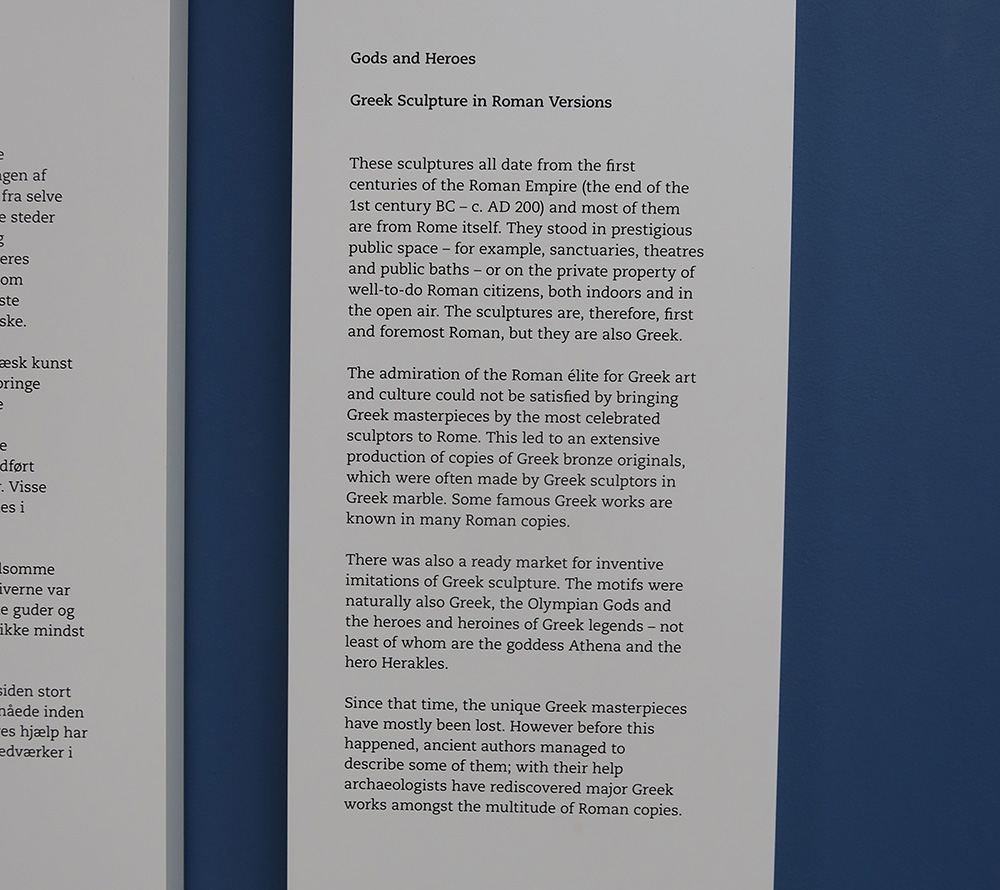
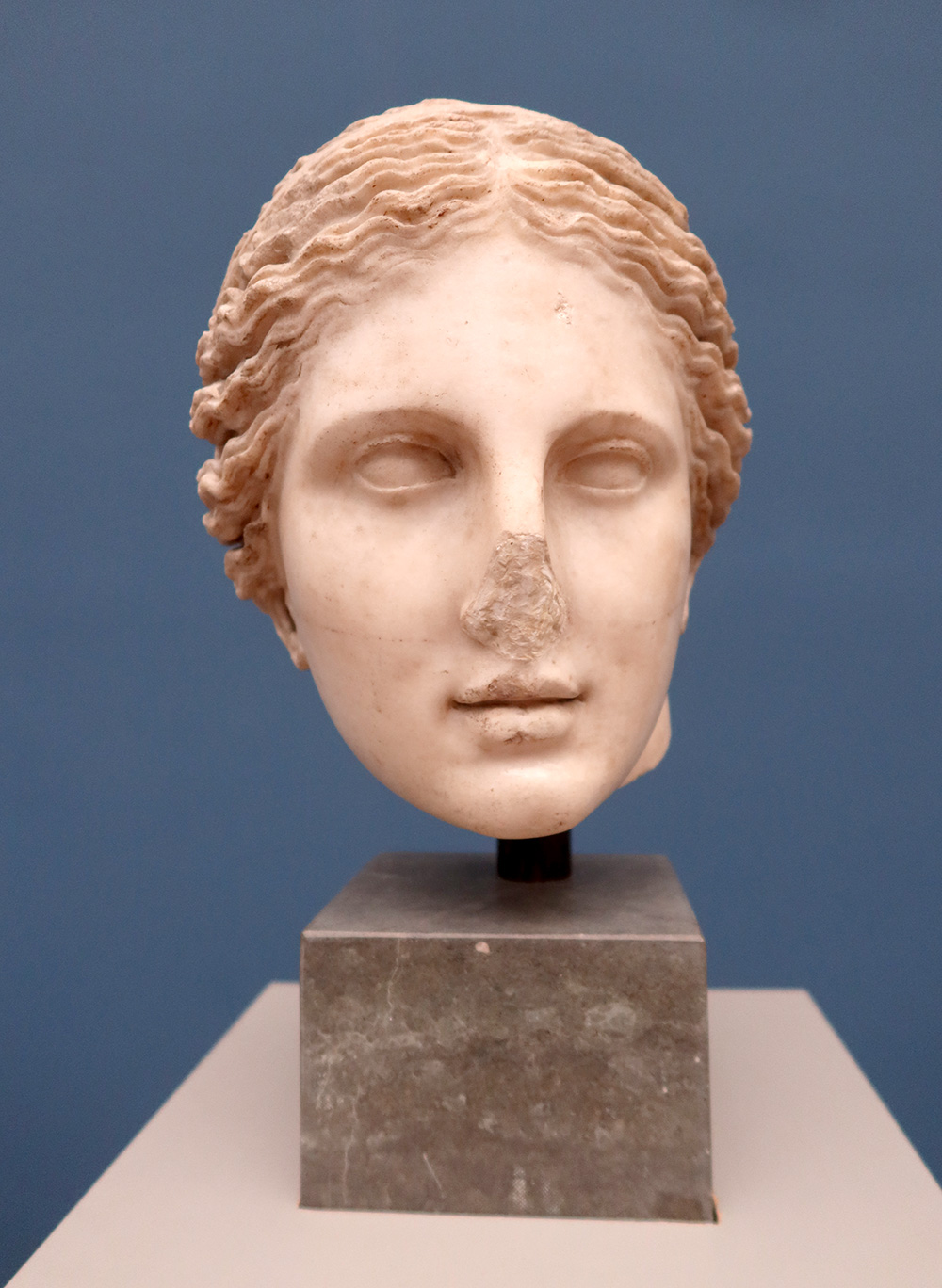
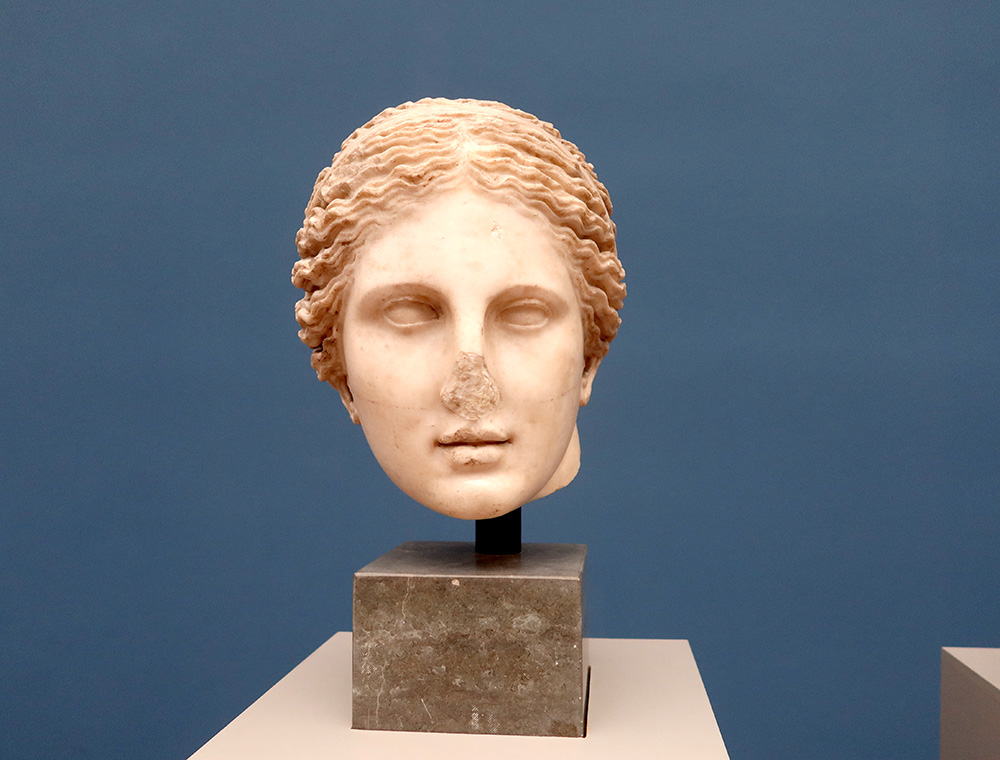
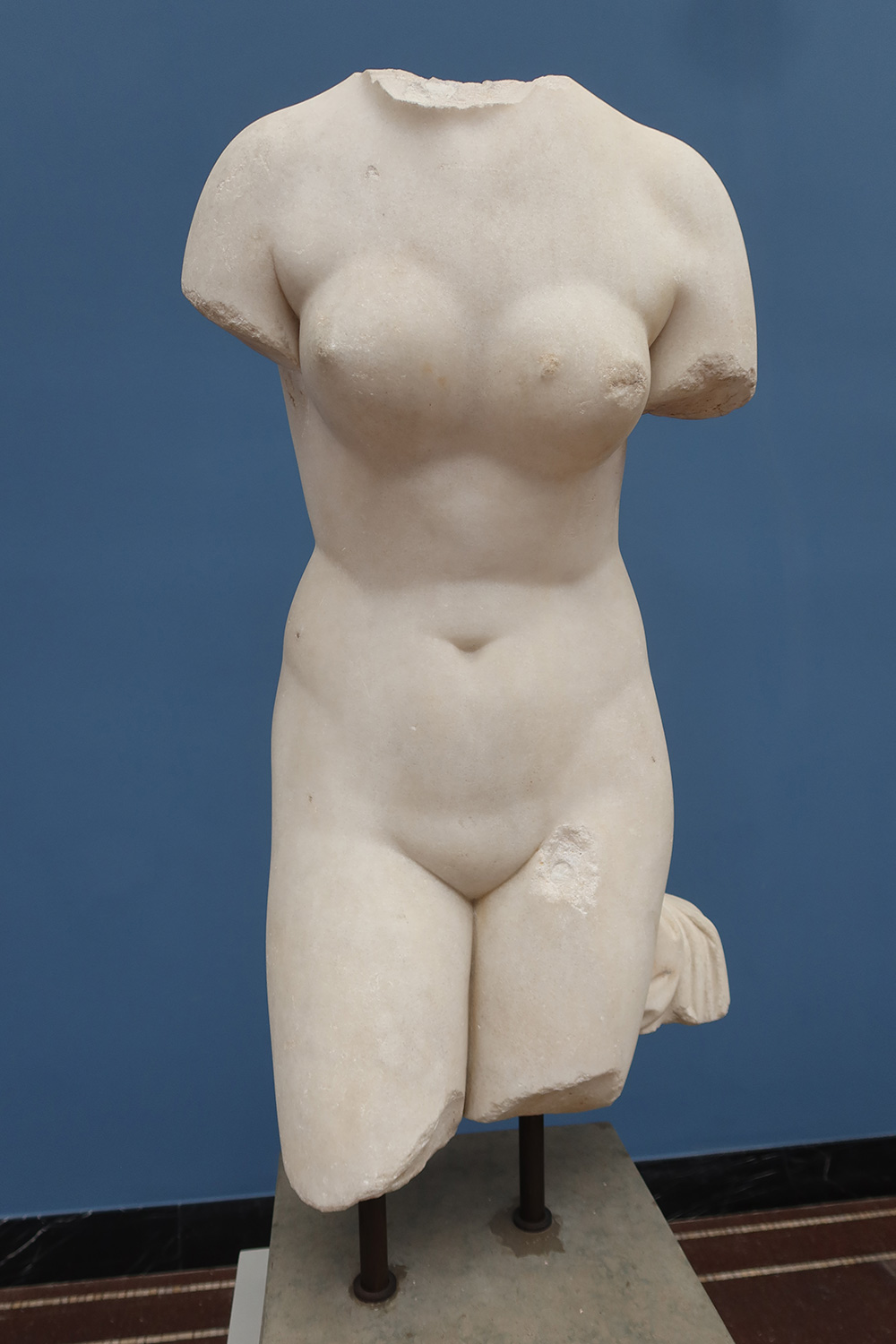
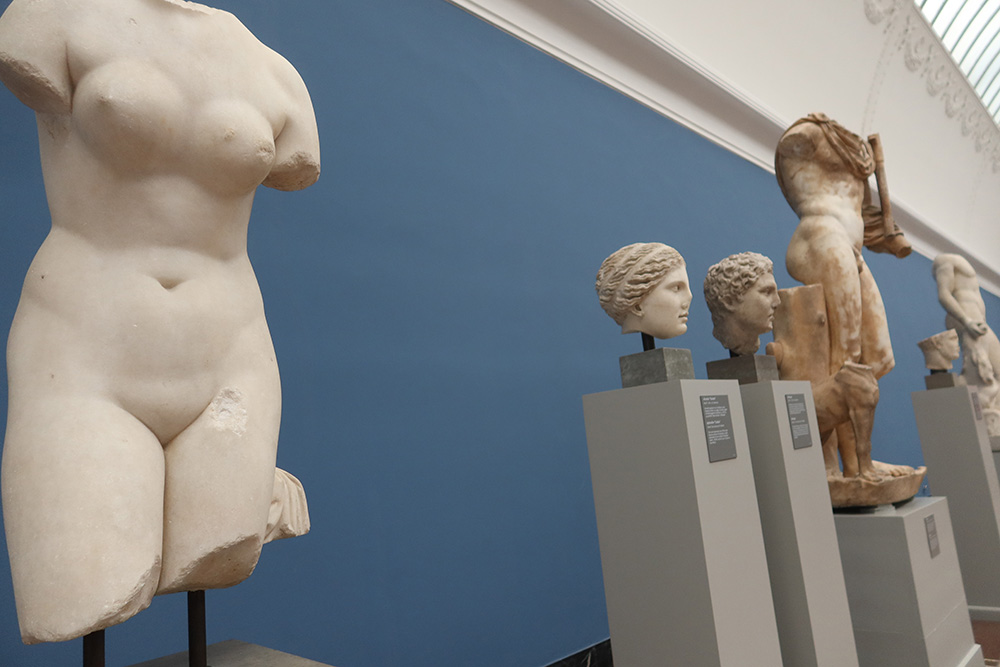
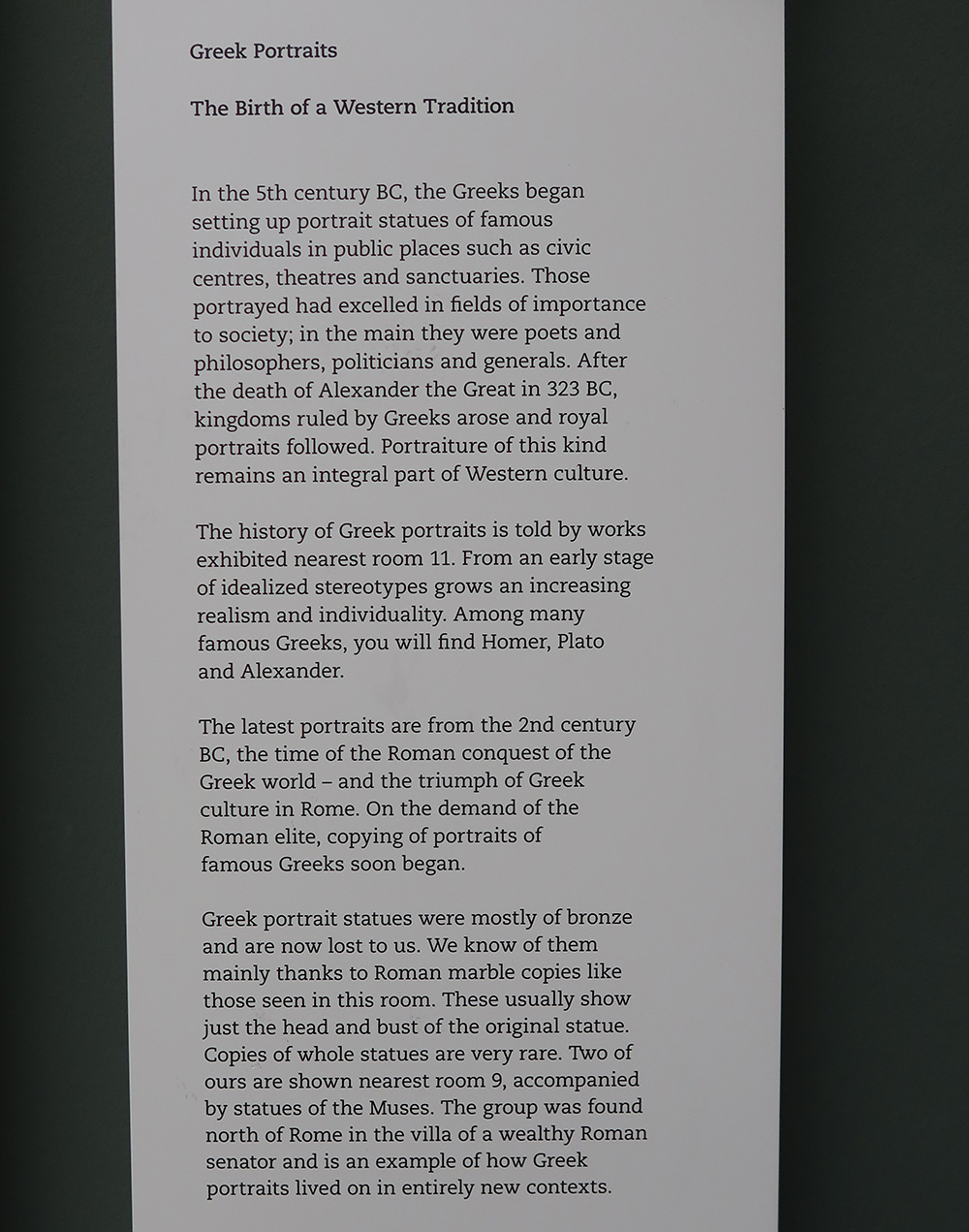
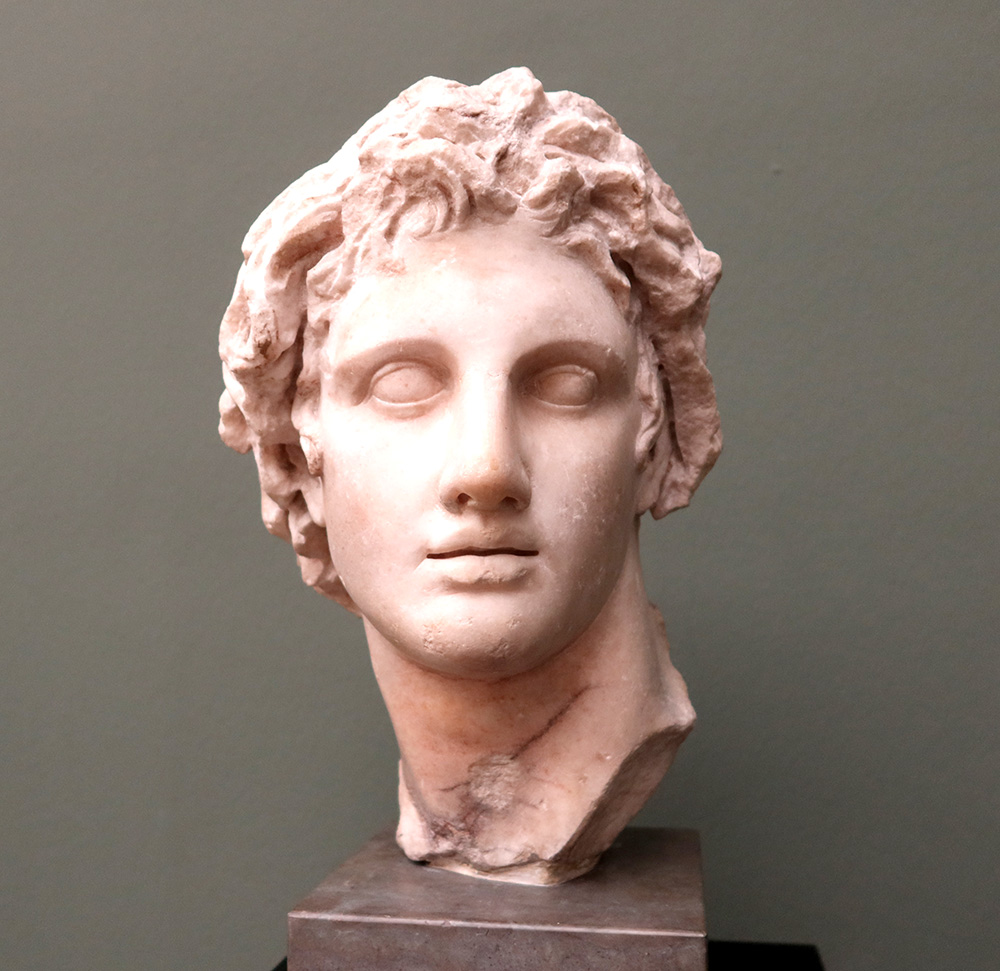
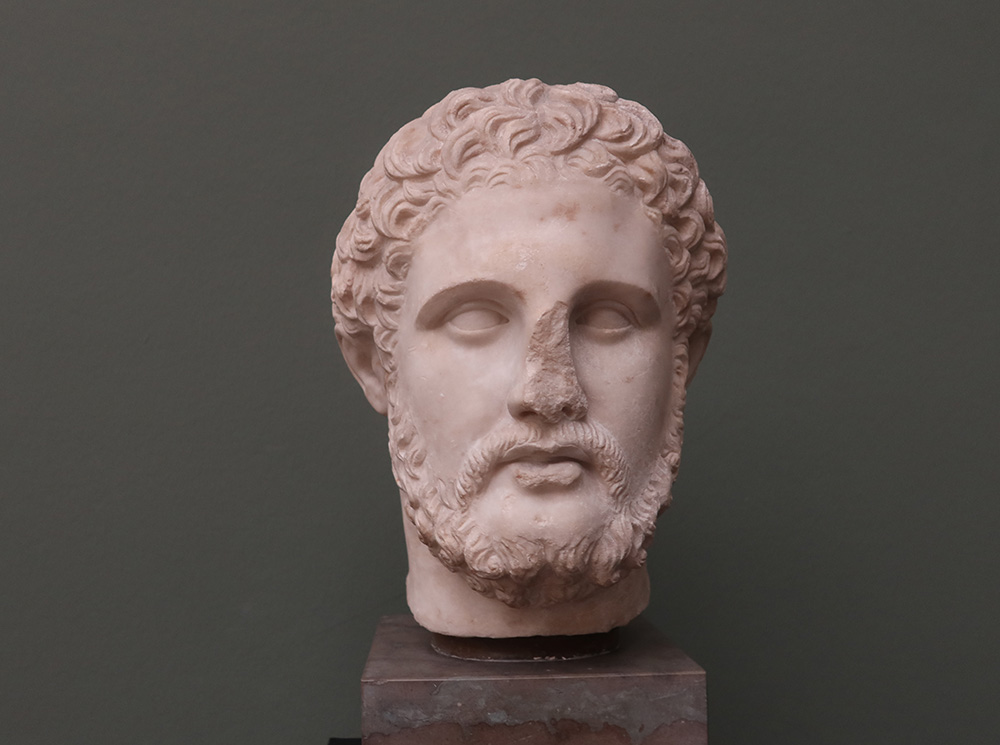
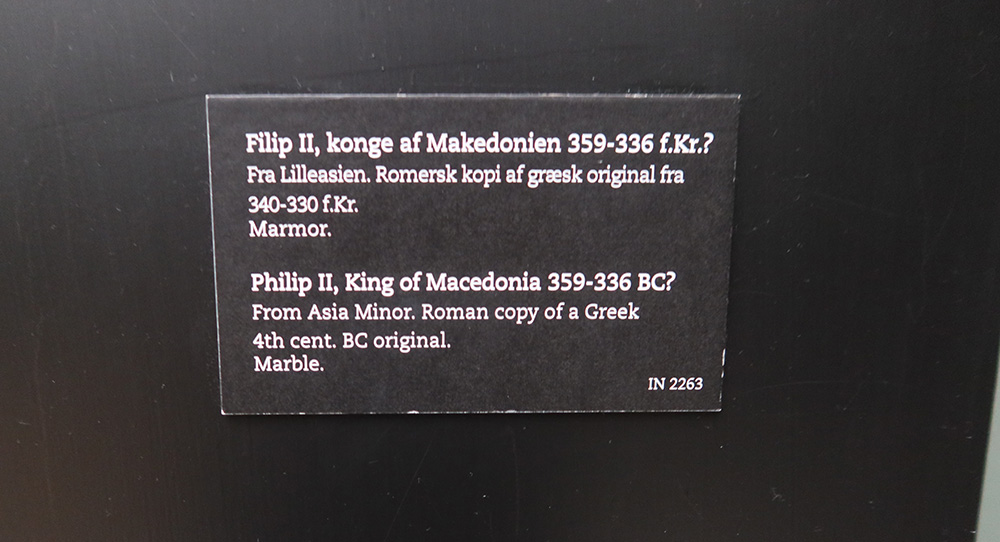
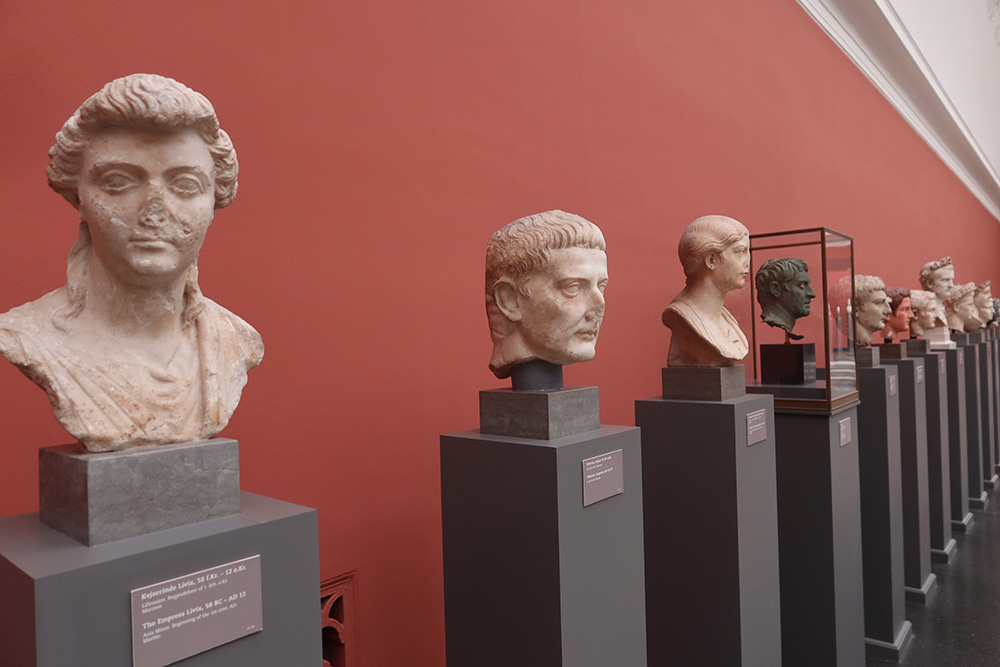
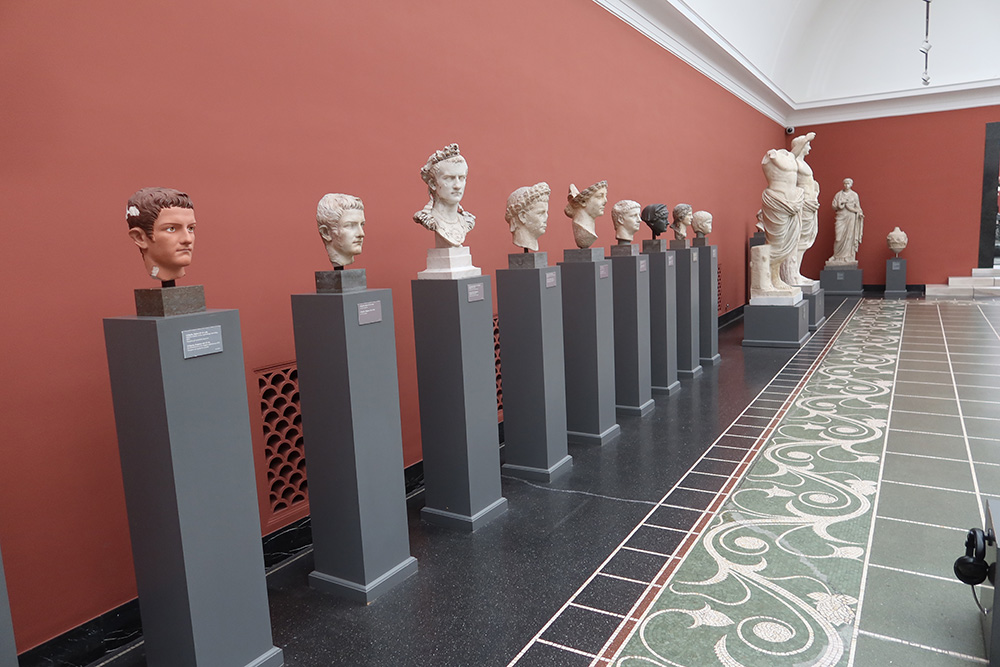
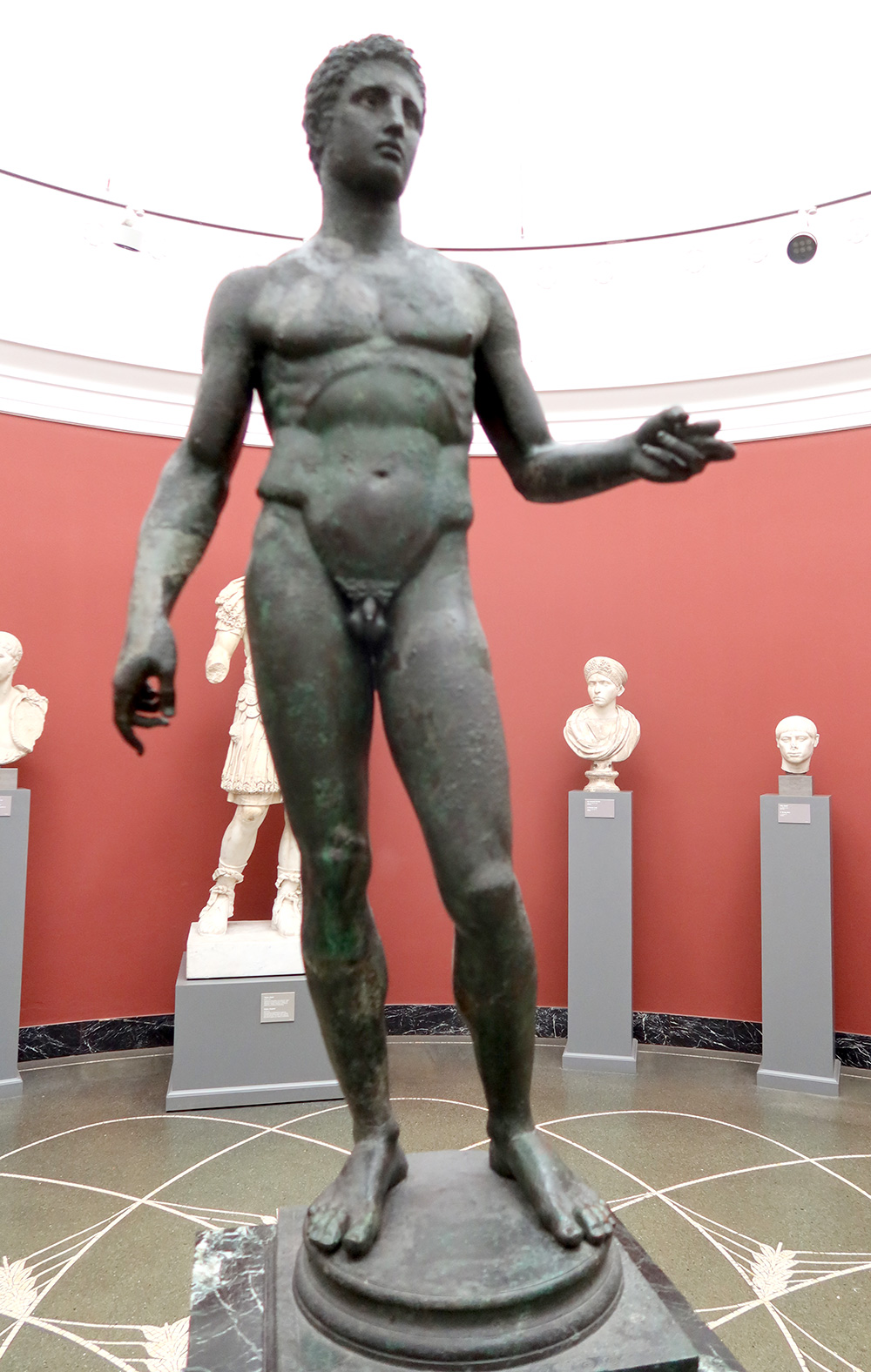
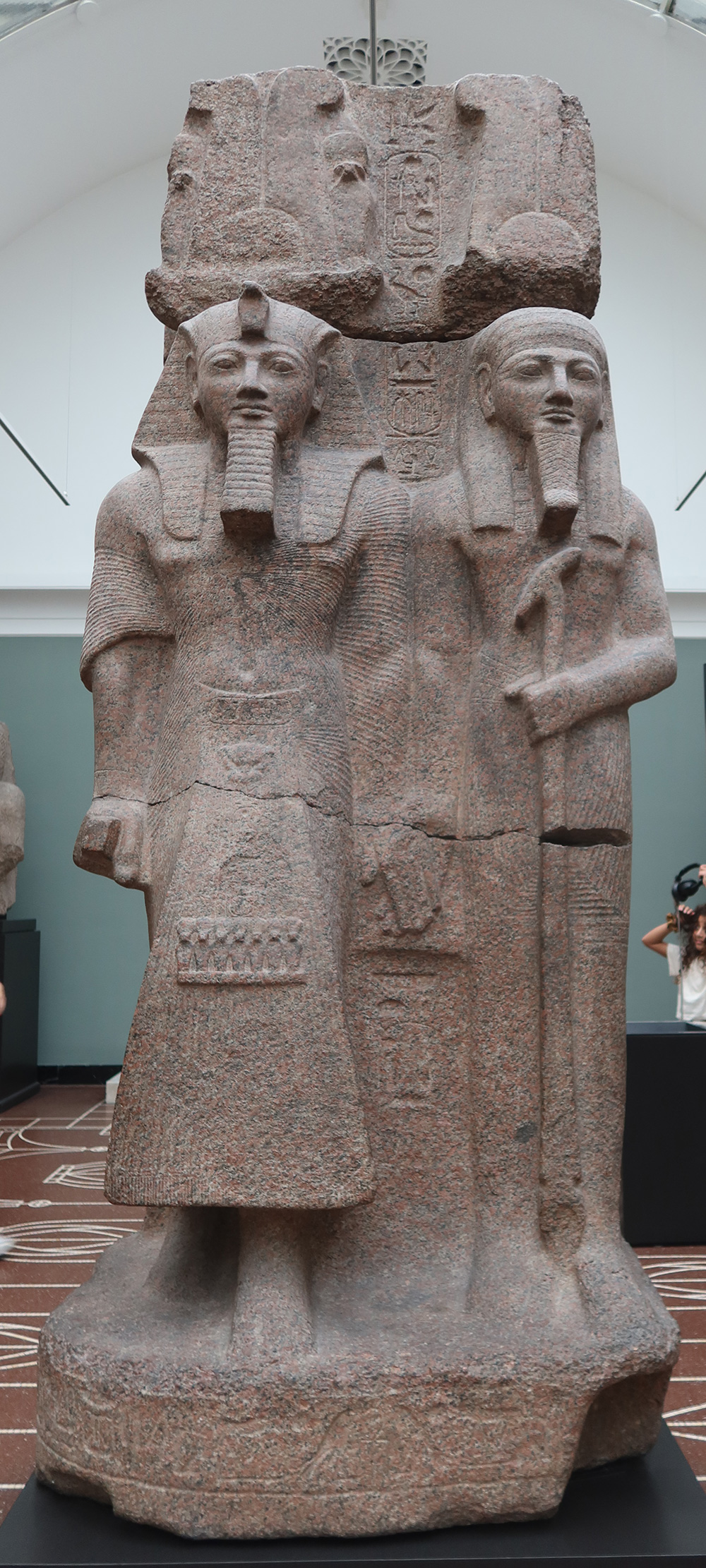
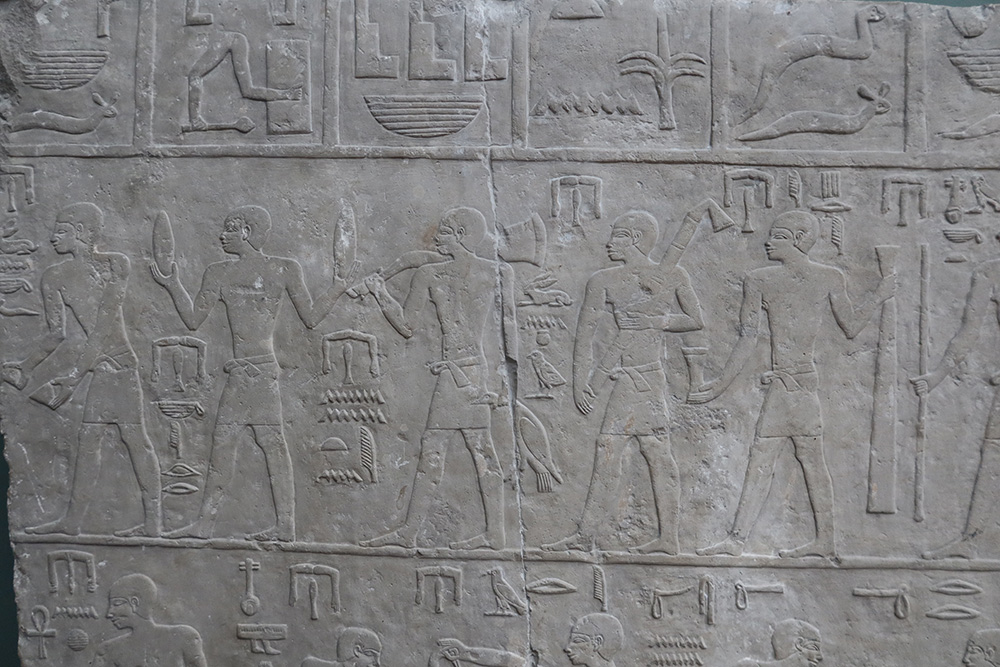
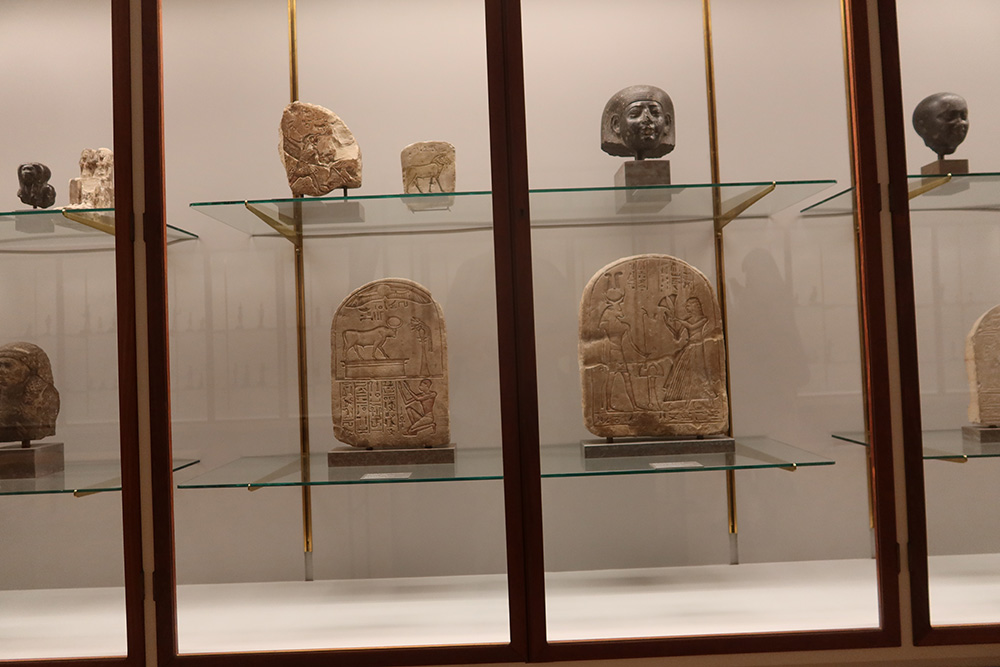
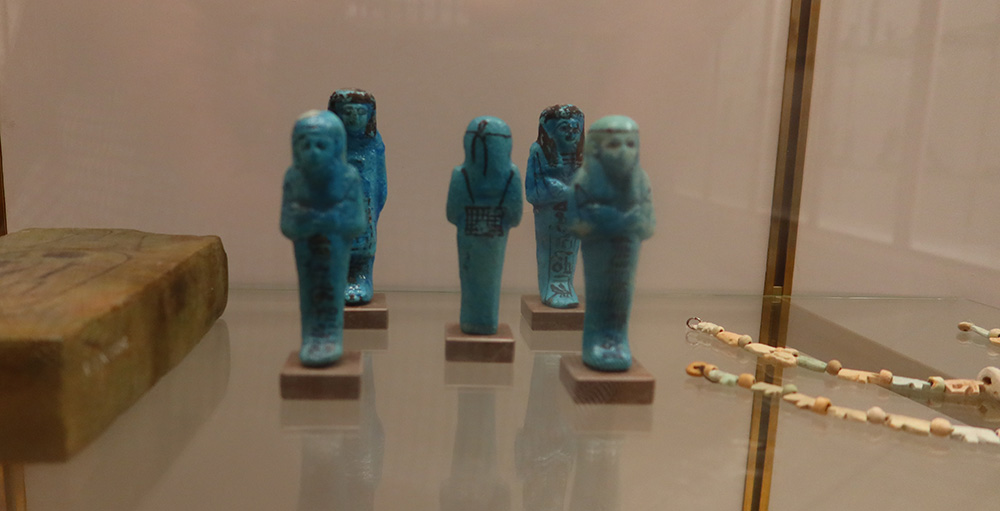
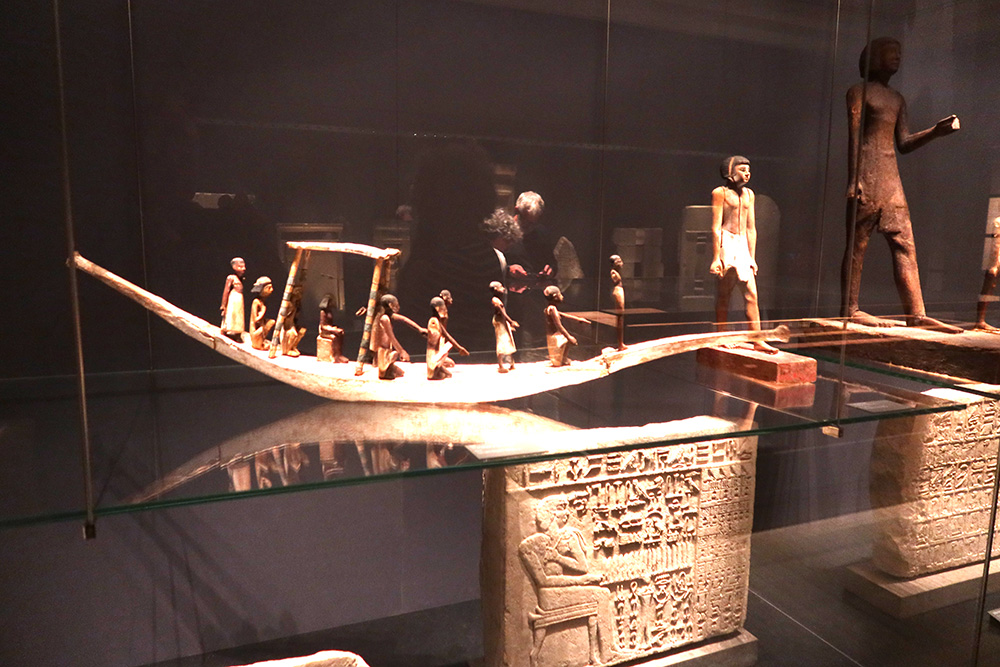
The Department of Antiquities draws on collections assembled partly through Jacobsen's own acquisitions and partly through excavations sponsored by the Ny Carlsberg Foundation in the early twentieth century, including work led by the English Egyptologist W.M.F. Petrie. The Egyptian holdings — more than 1,900 pieces dating from approximately 3000 BCE to 1 CE — include mummy portraits of notable quality, tomb artefacts, and documentary material from the ancient Near East. The Greek and Roman collections centre on portrait sculpture, with an extensive range of imperial busts and citizen heads that constitutes a serious research resource for scholars of ancient physiognomy, portraiture conventions and the social history of representation. The collection also contains a substantial group of Palmyrene portraits and Etruscan material.
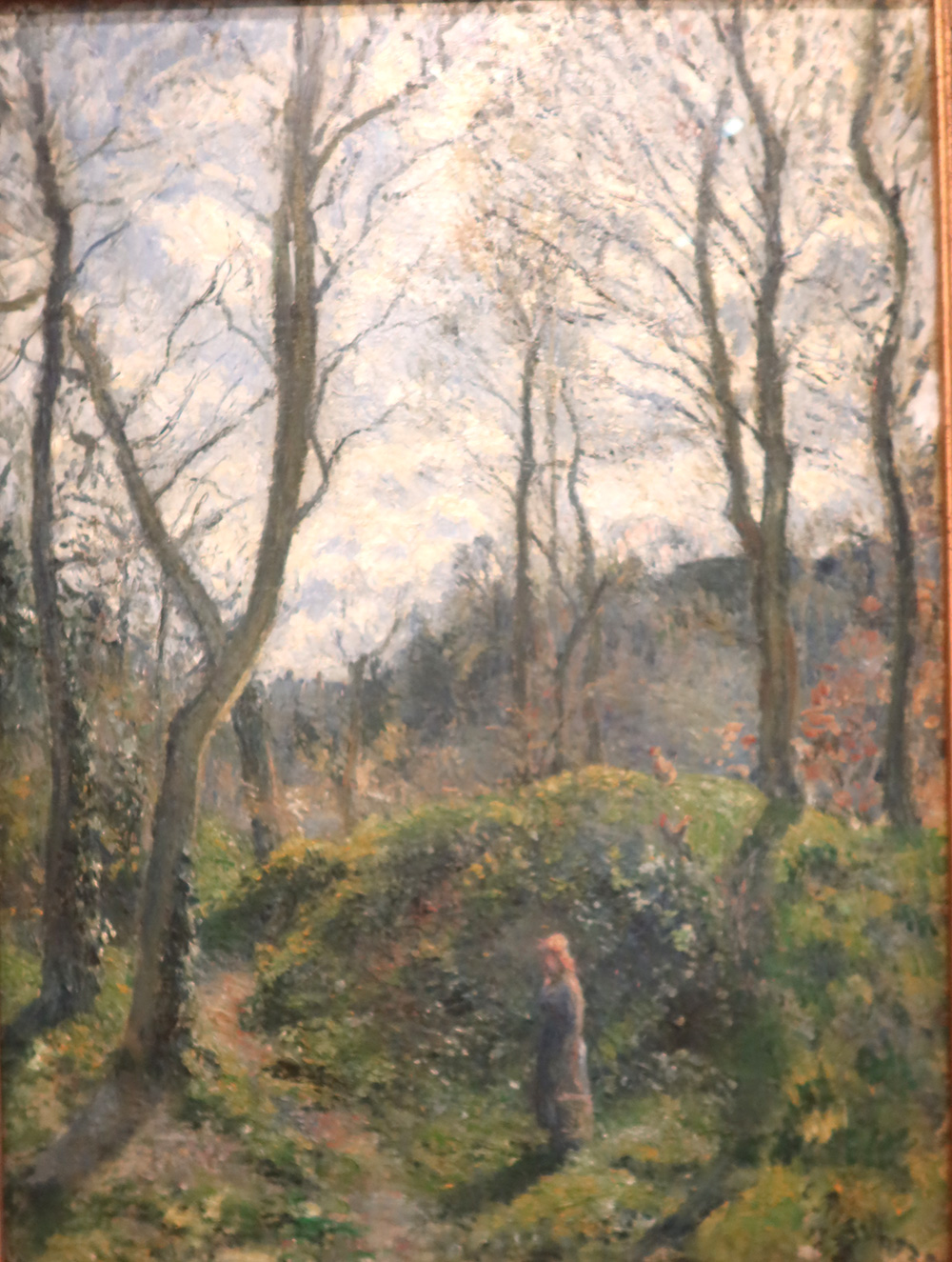
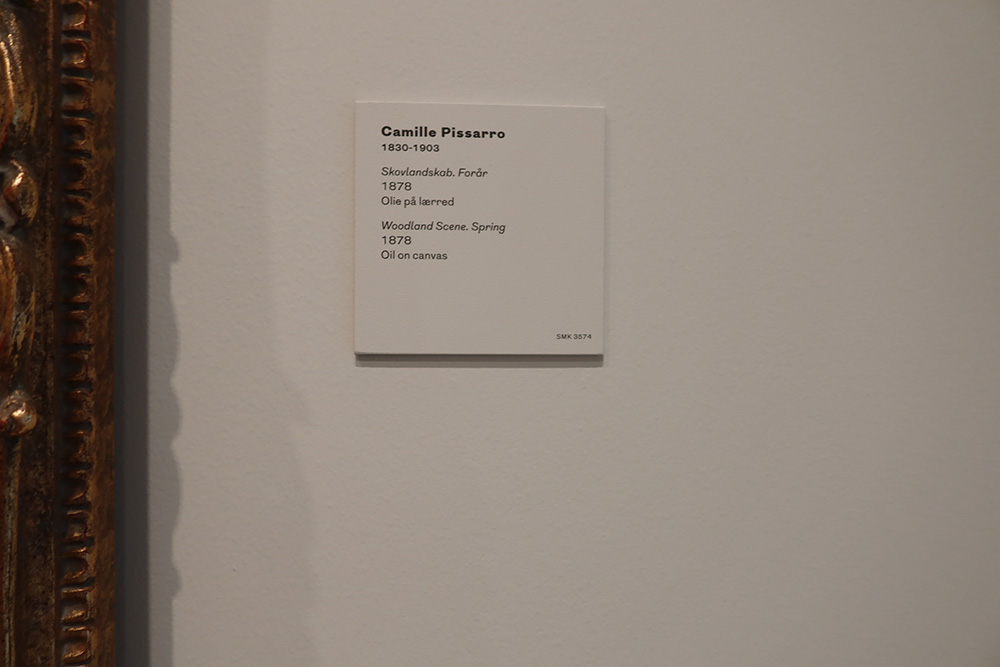
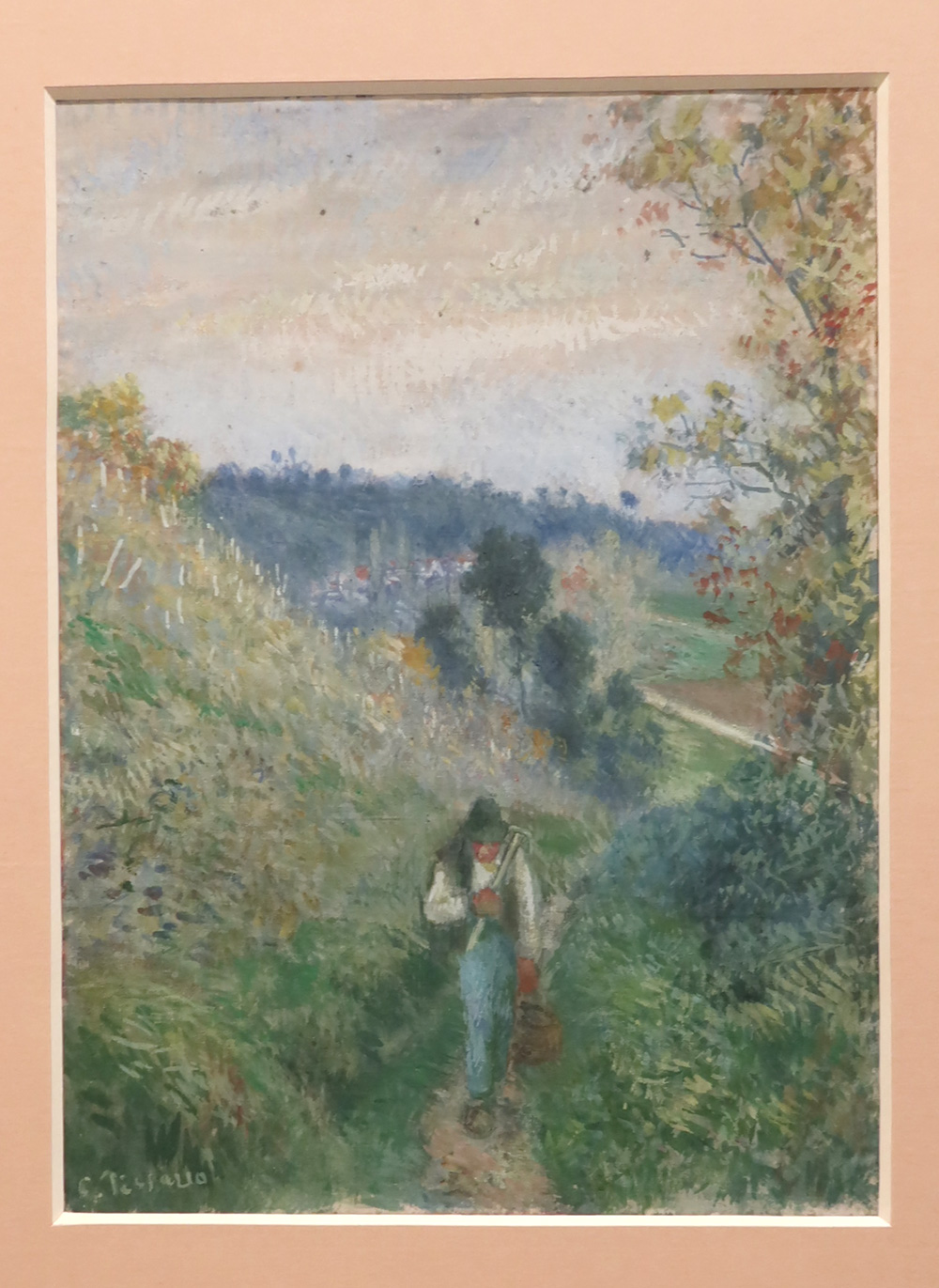
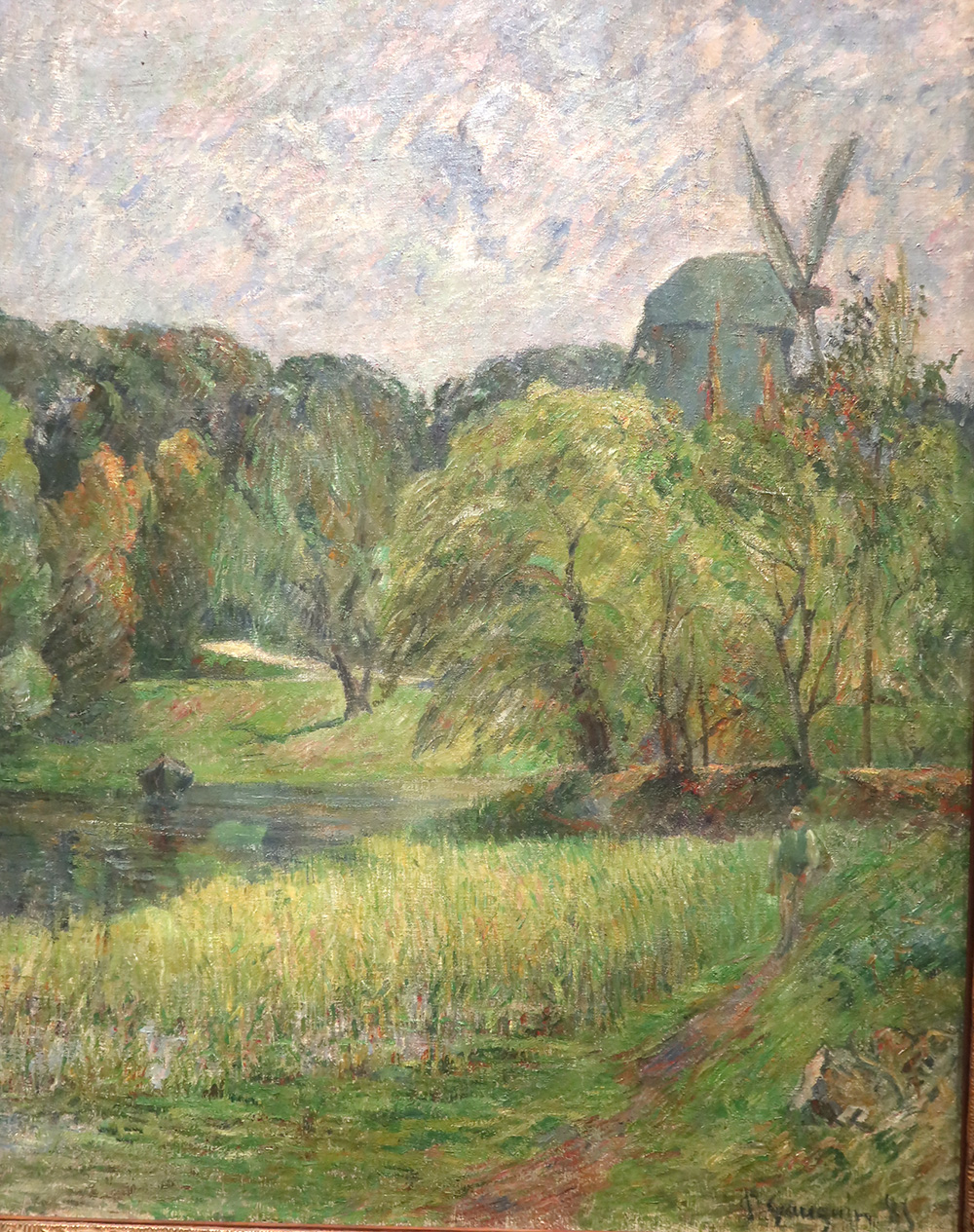
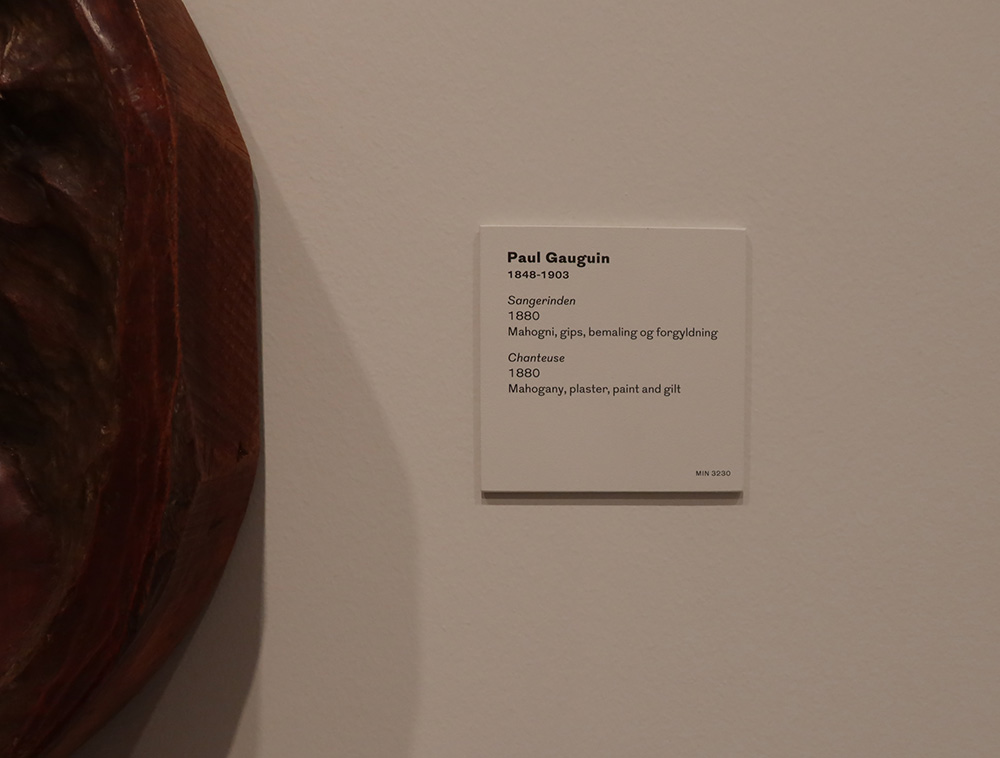
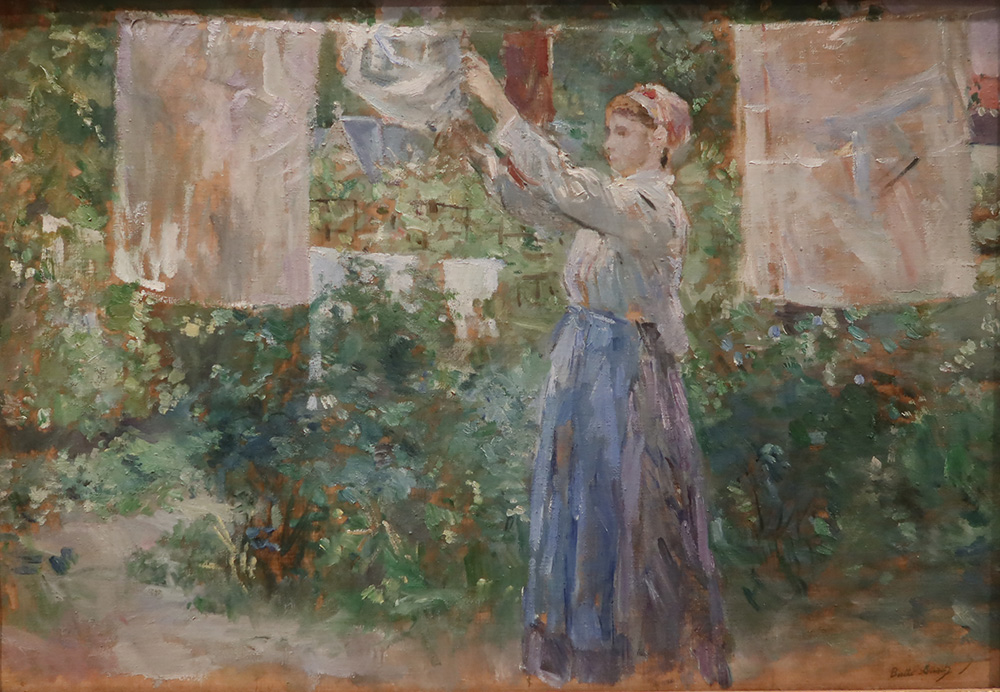
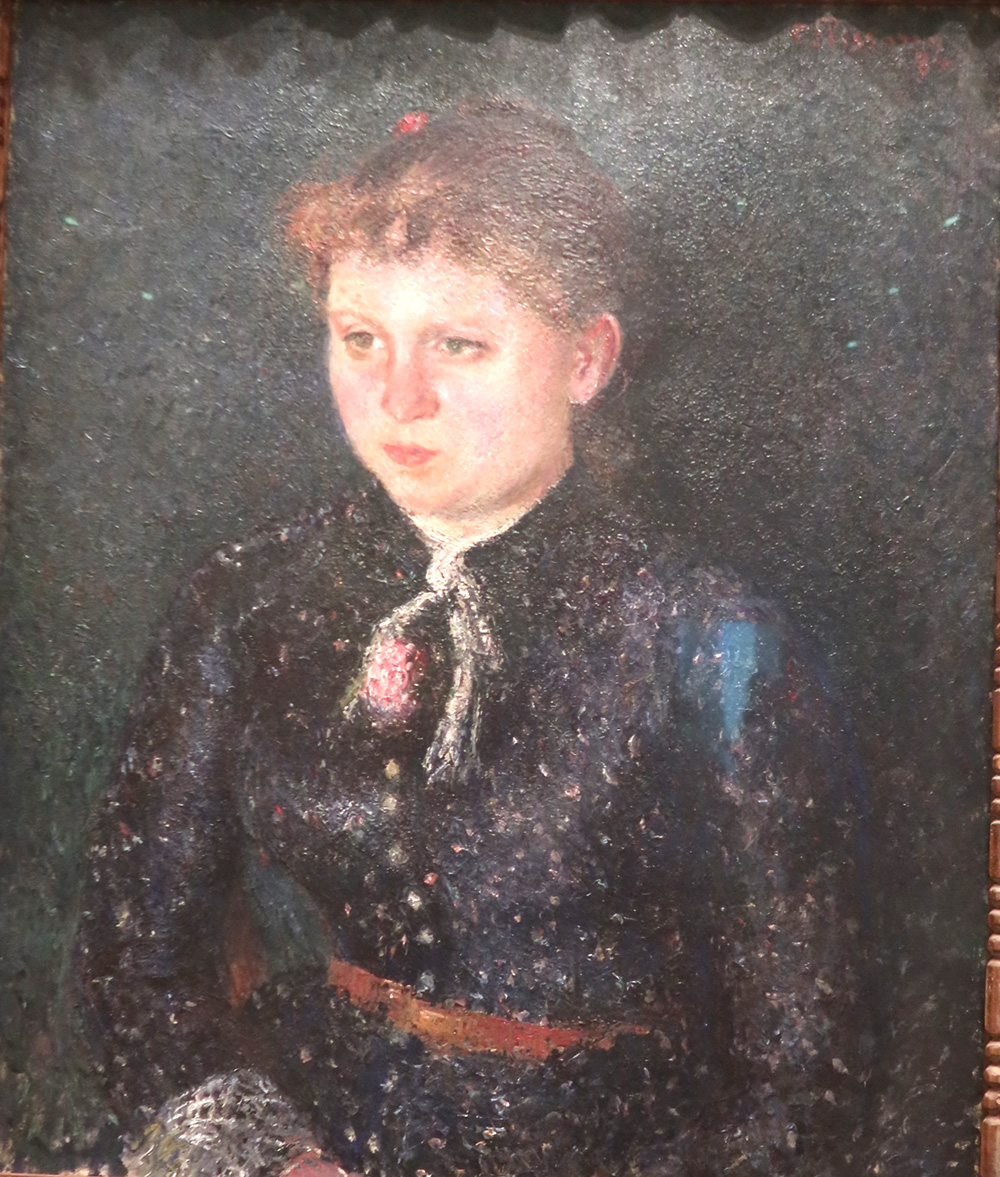
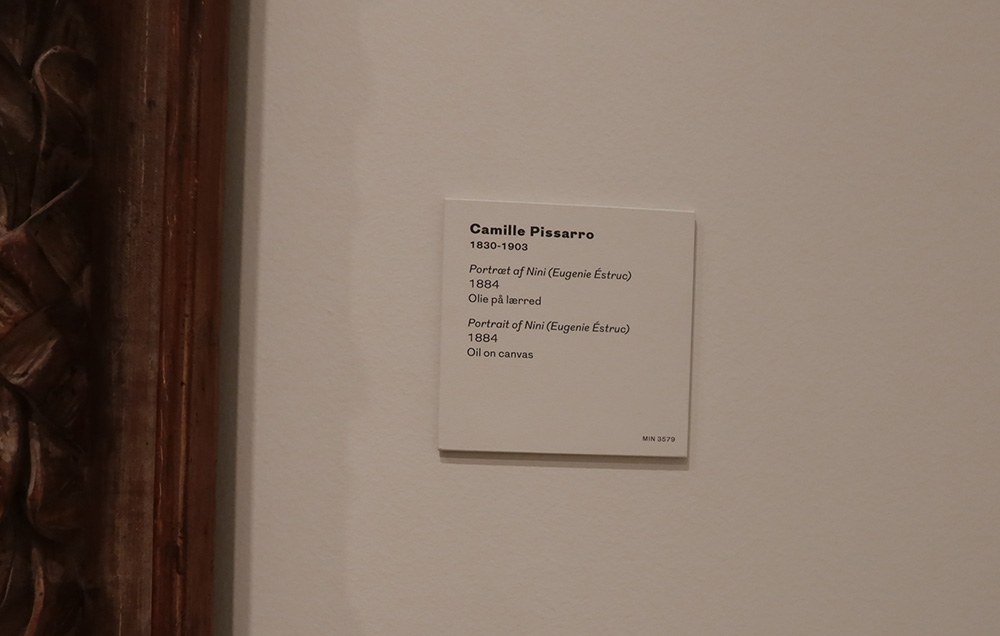
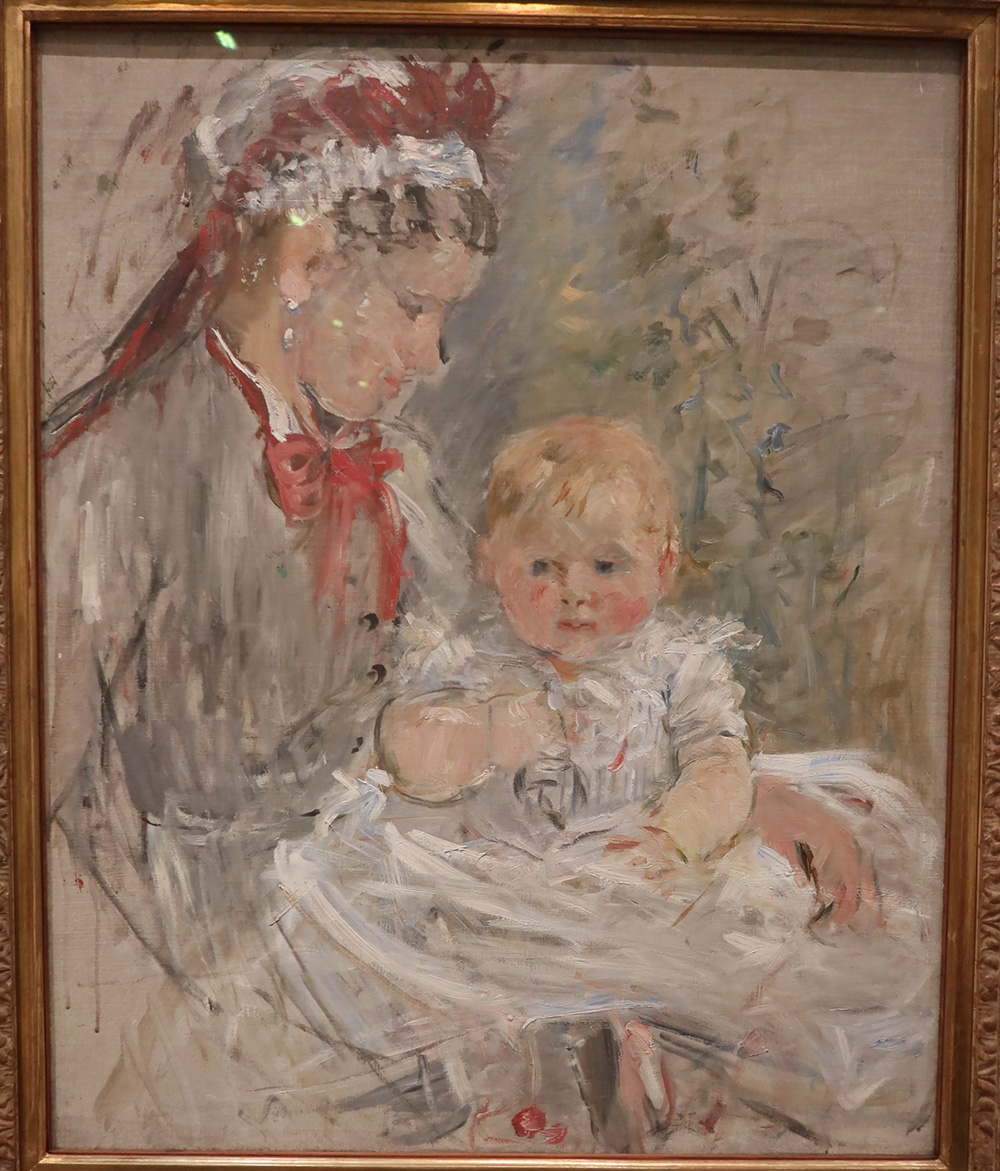
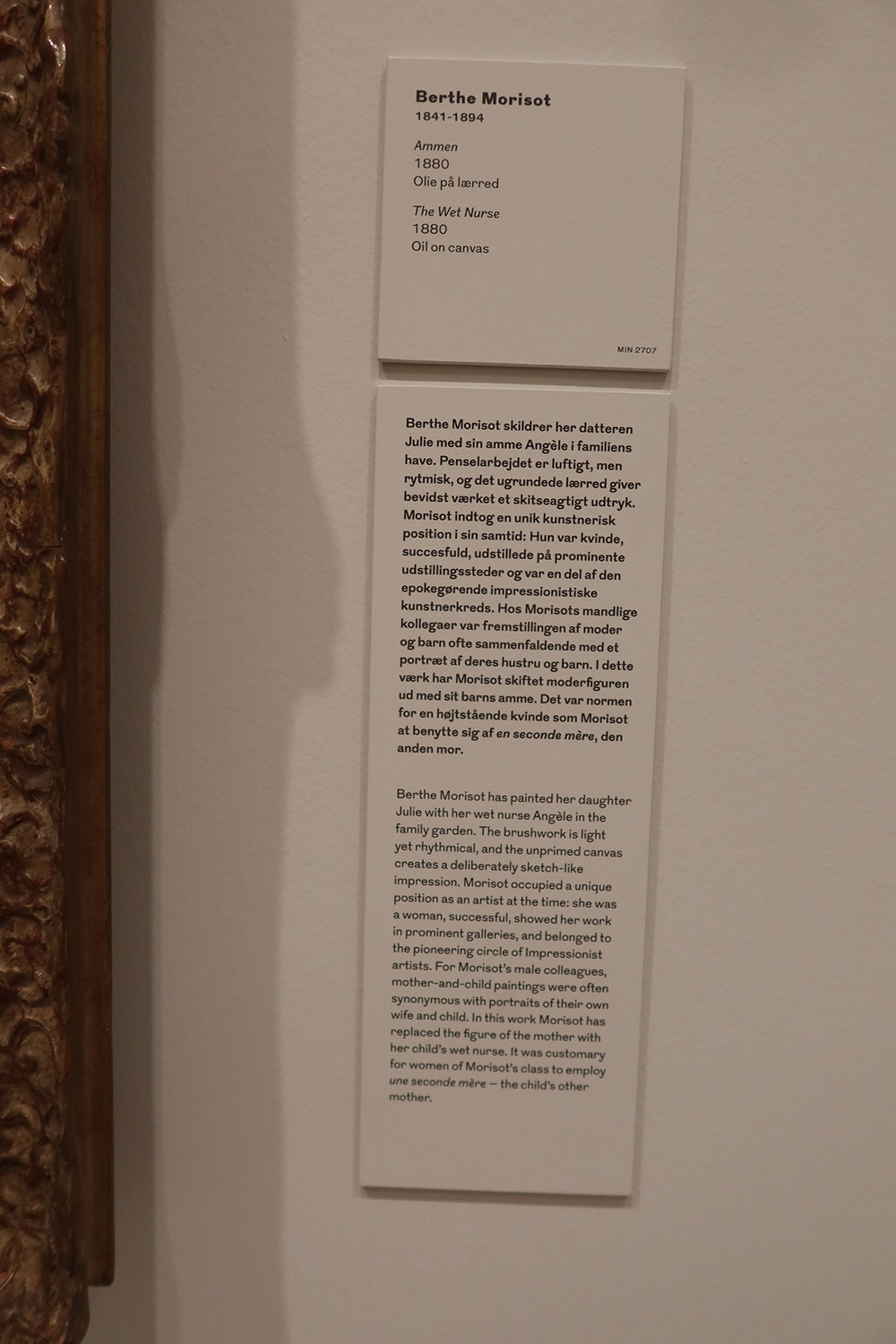
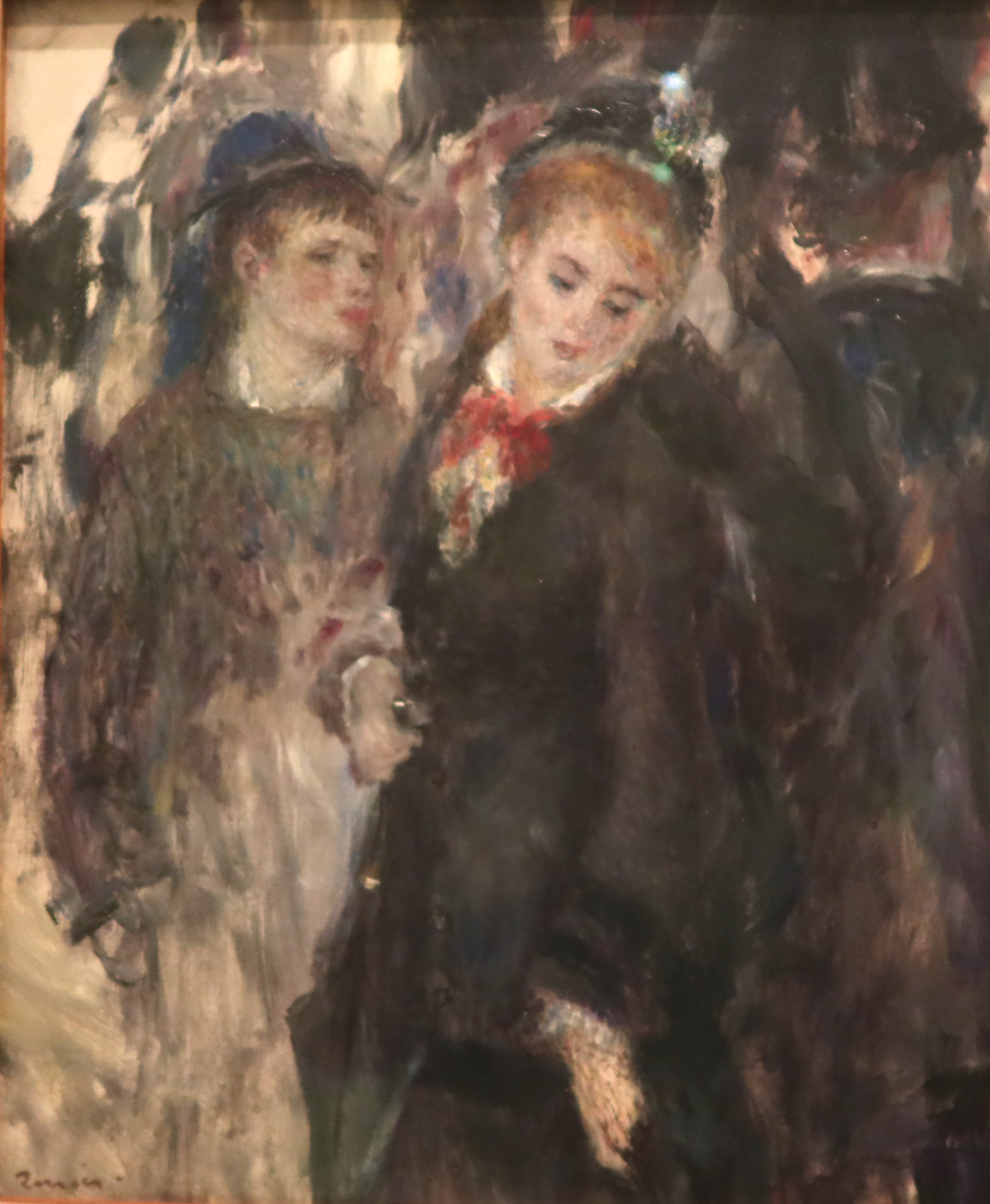
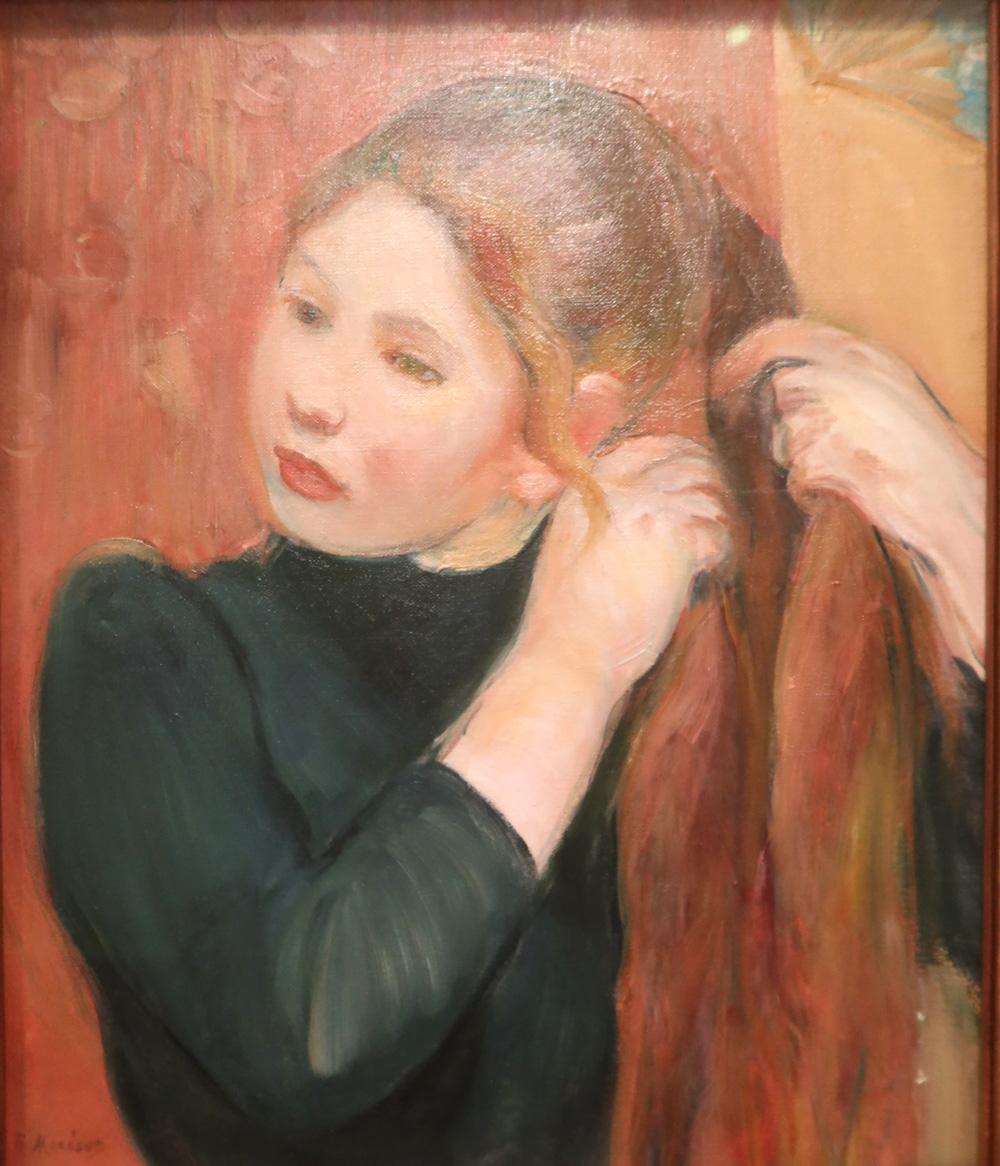
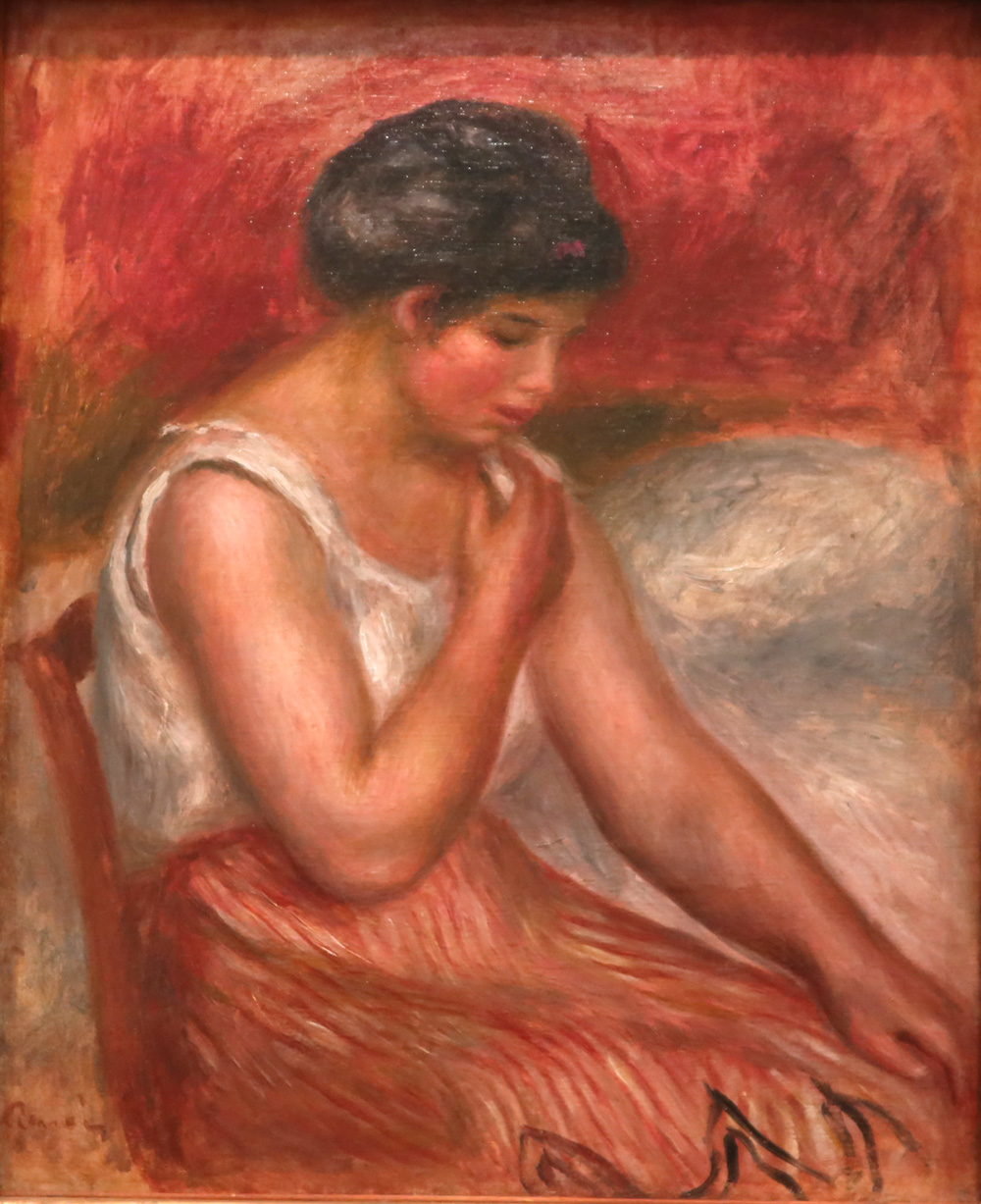
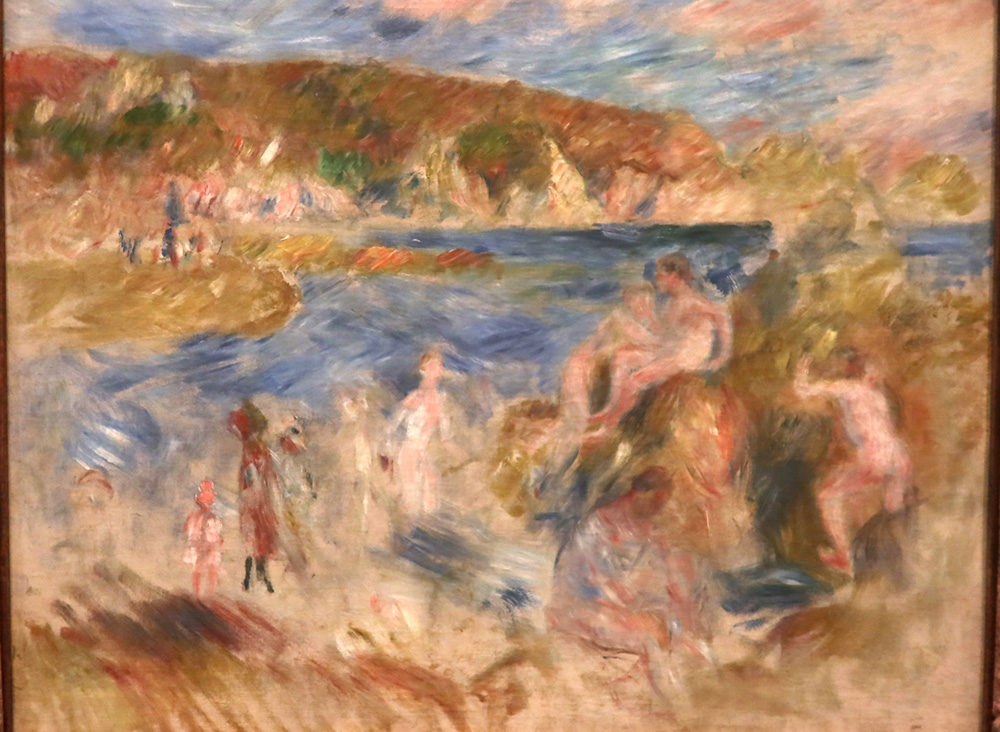
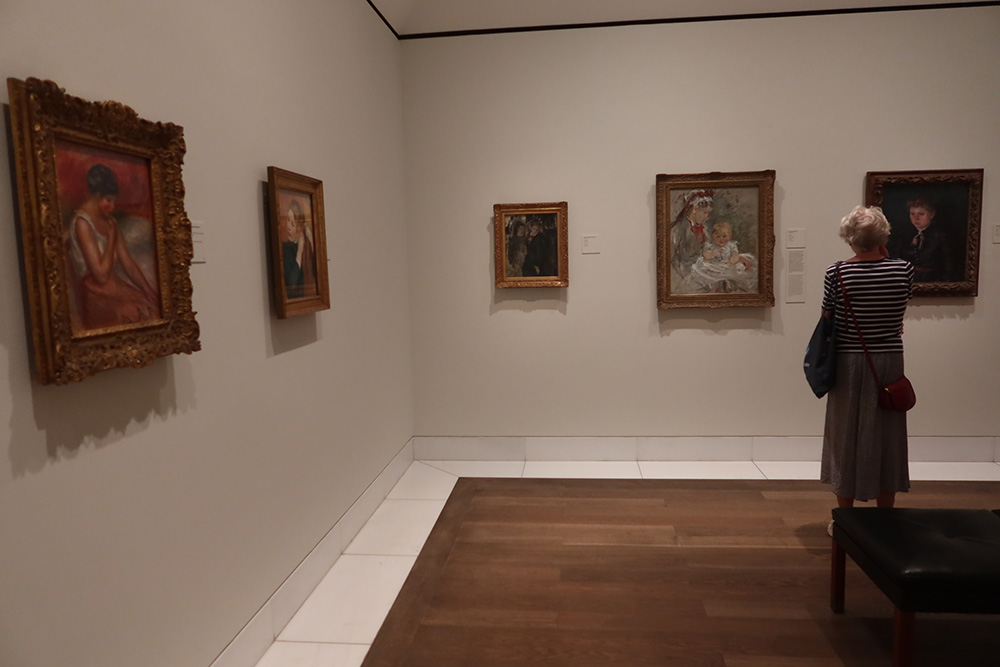
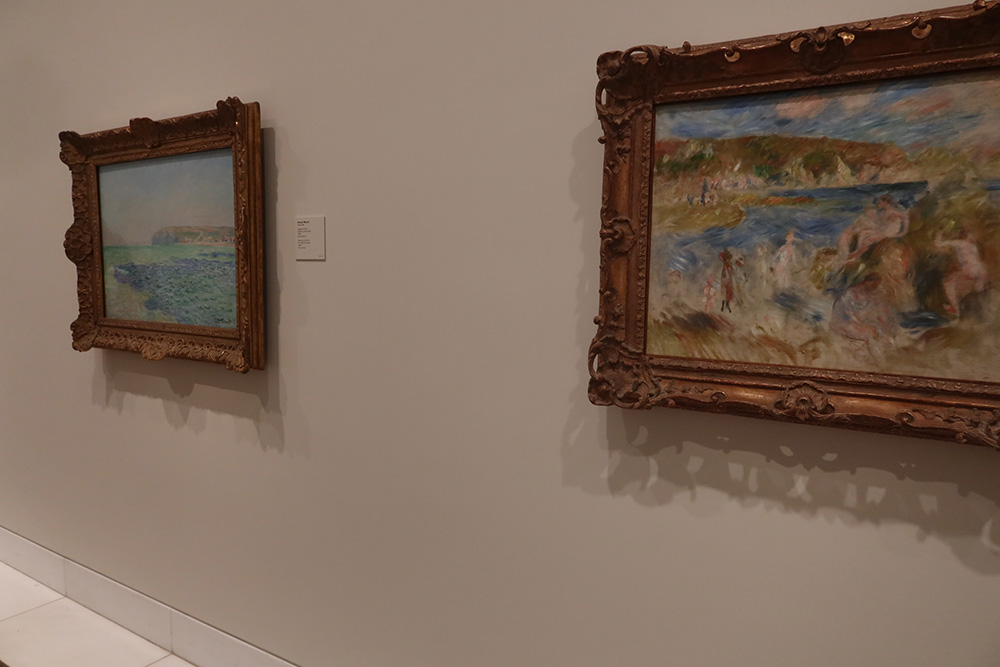
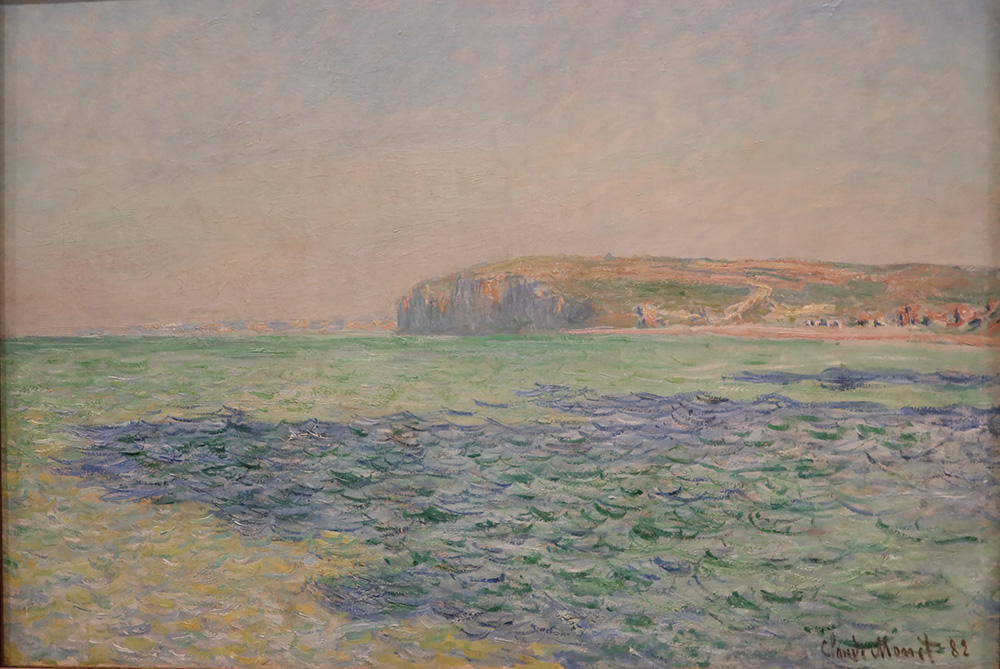
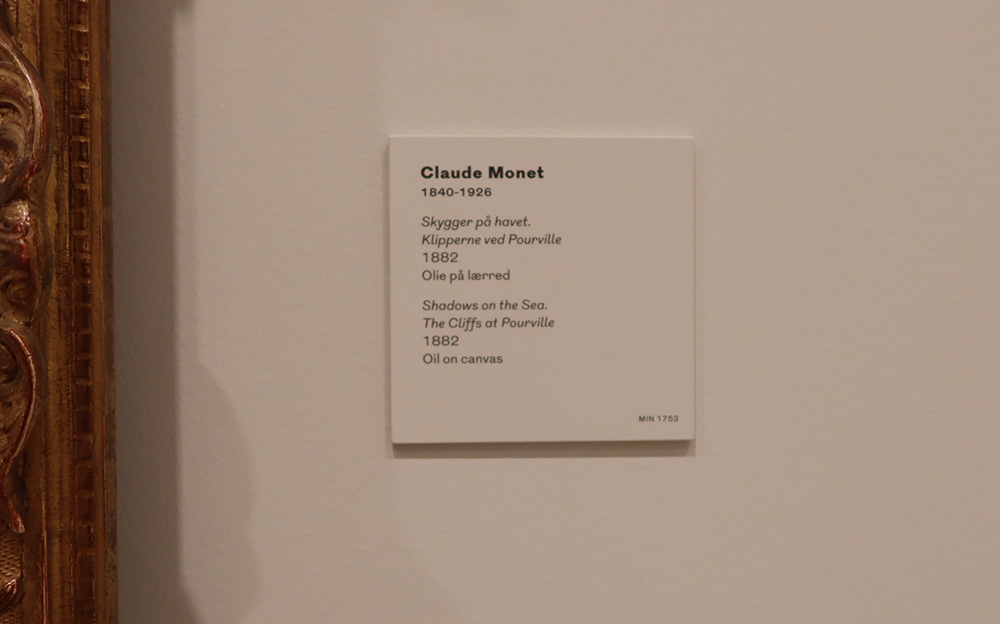
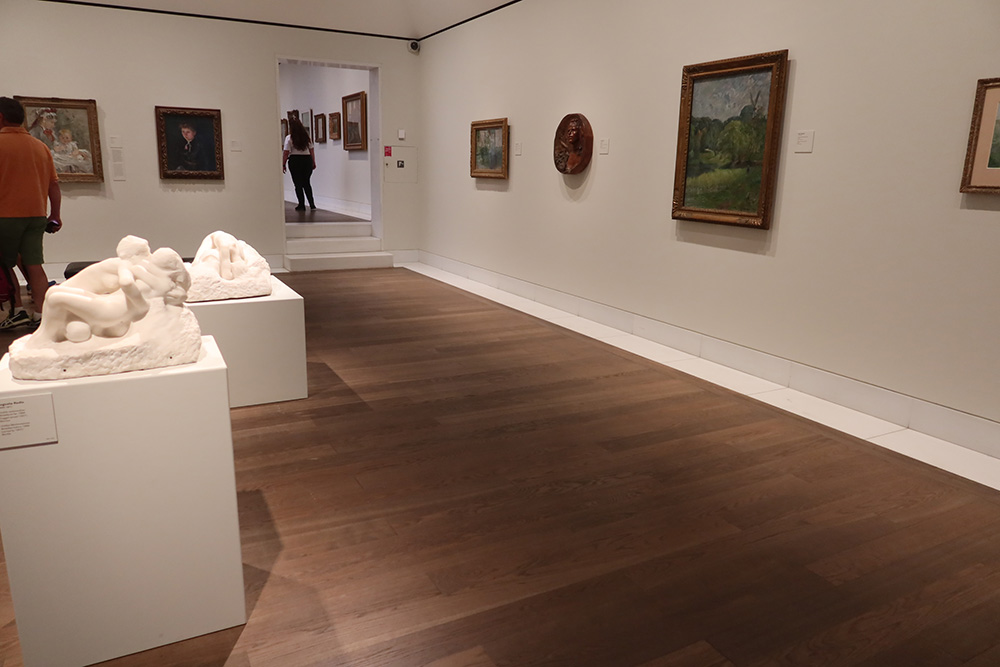
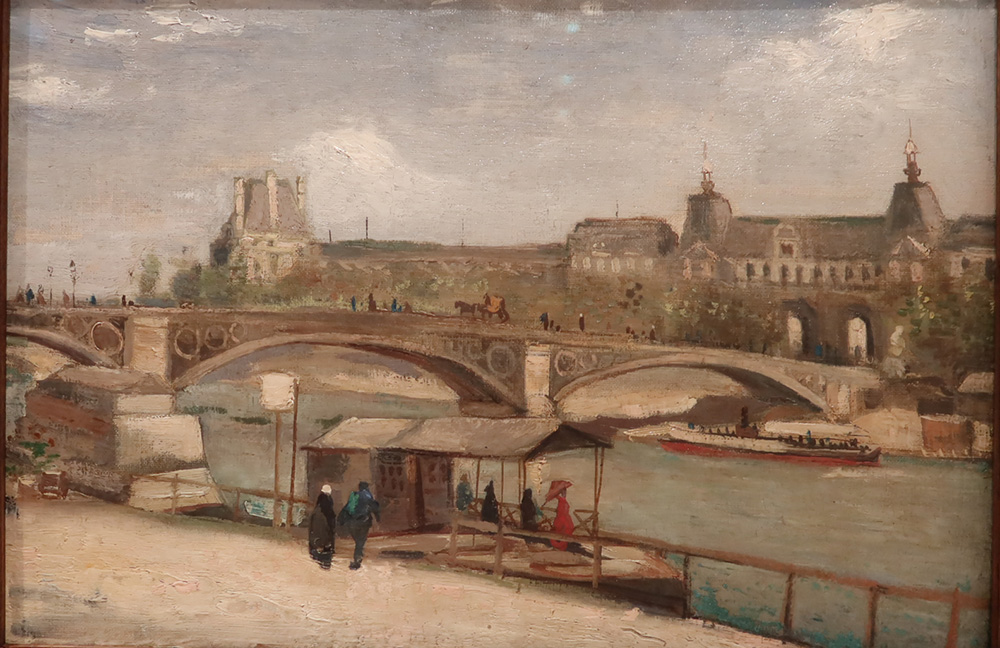
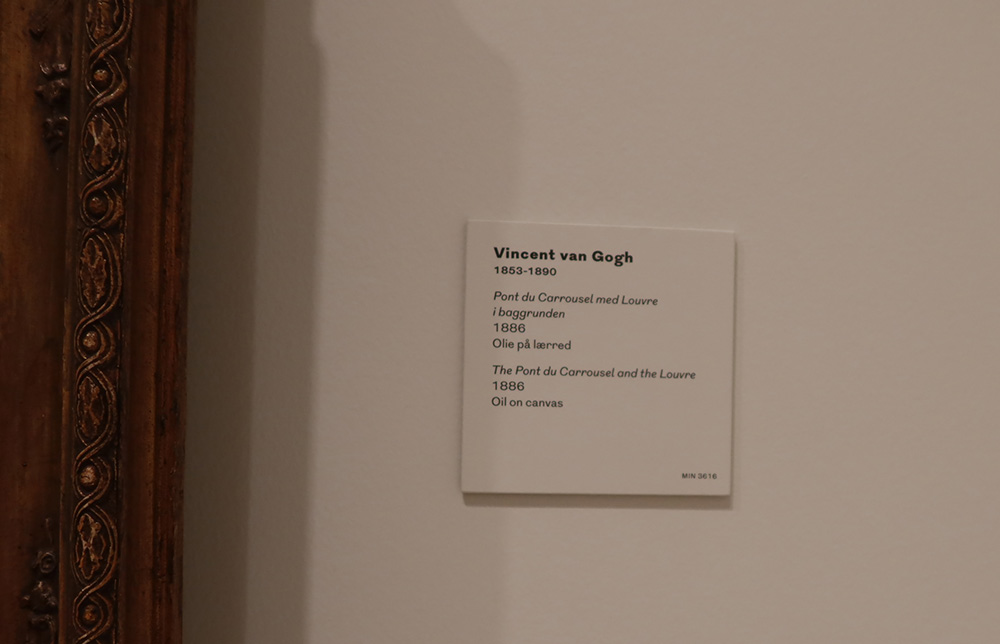
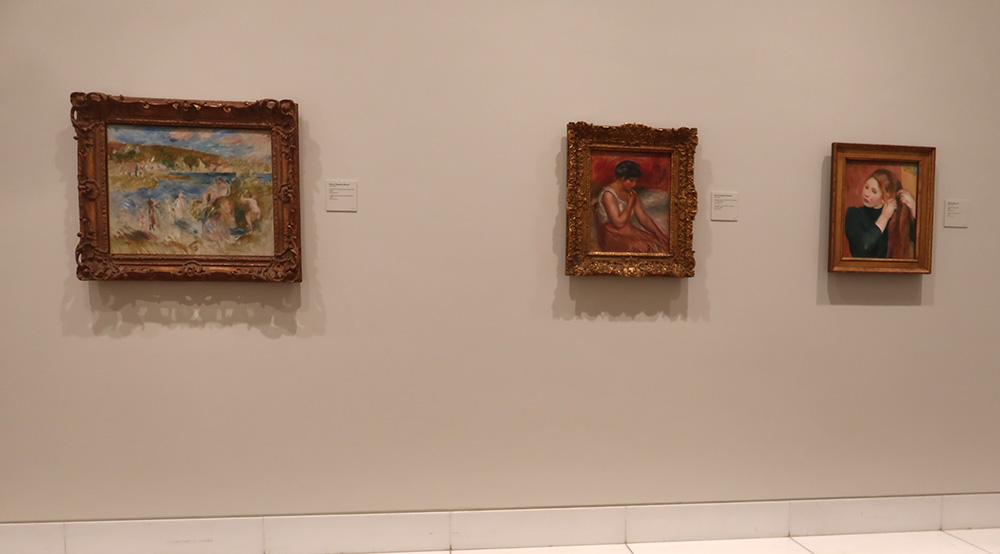
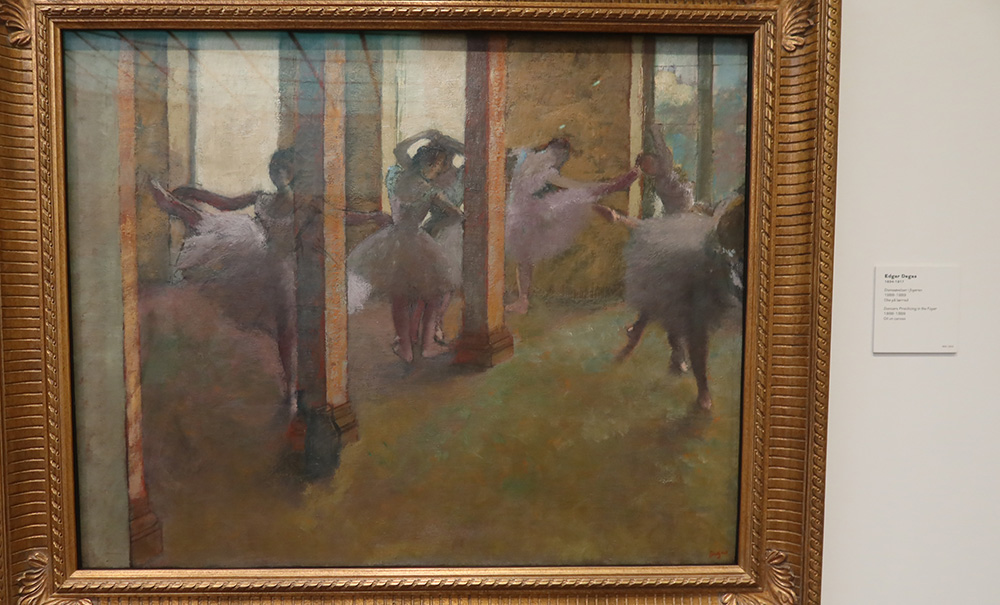
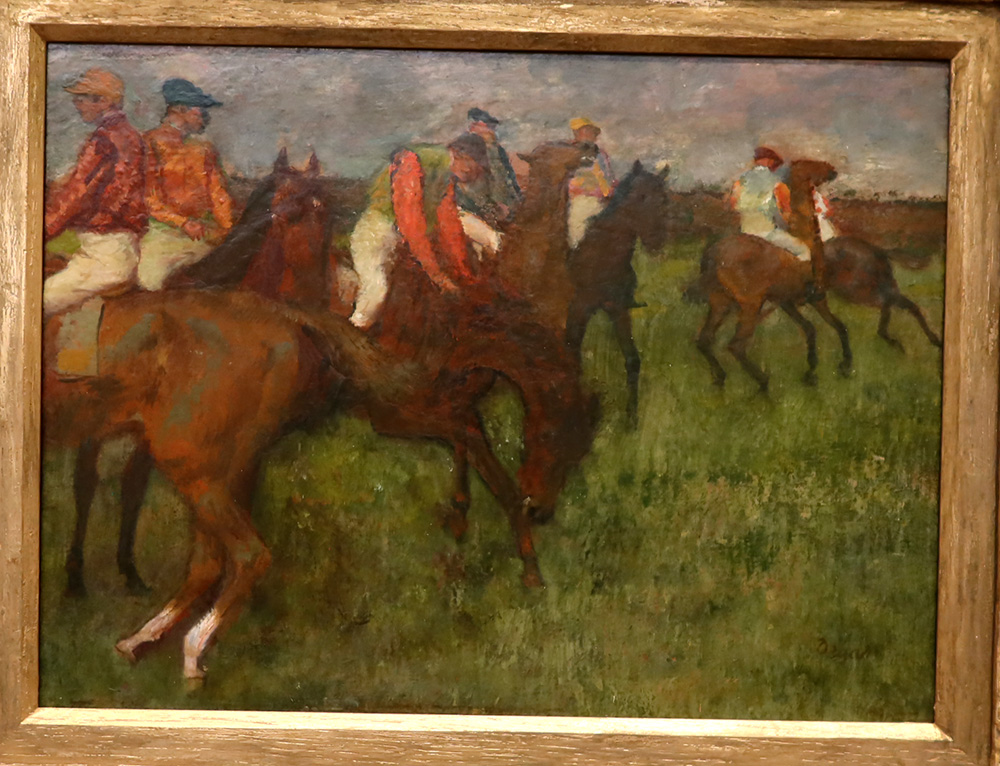
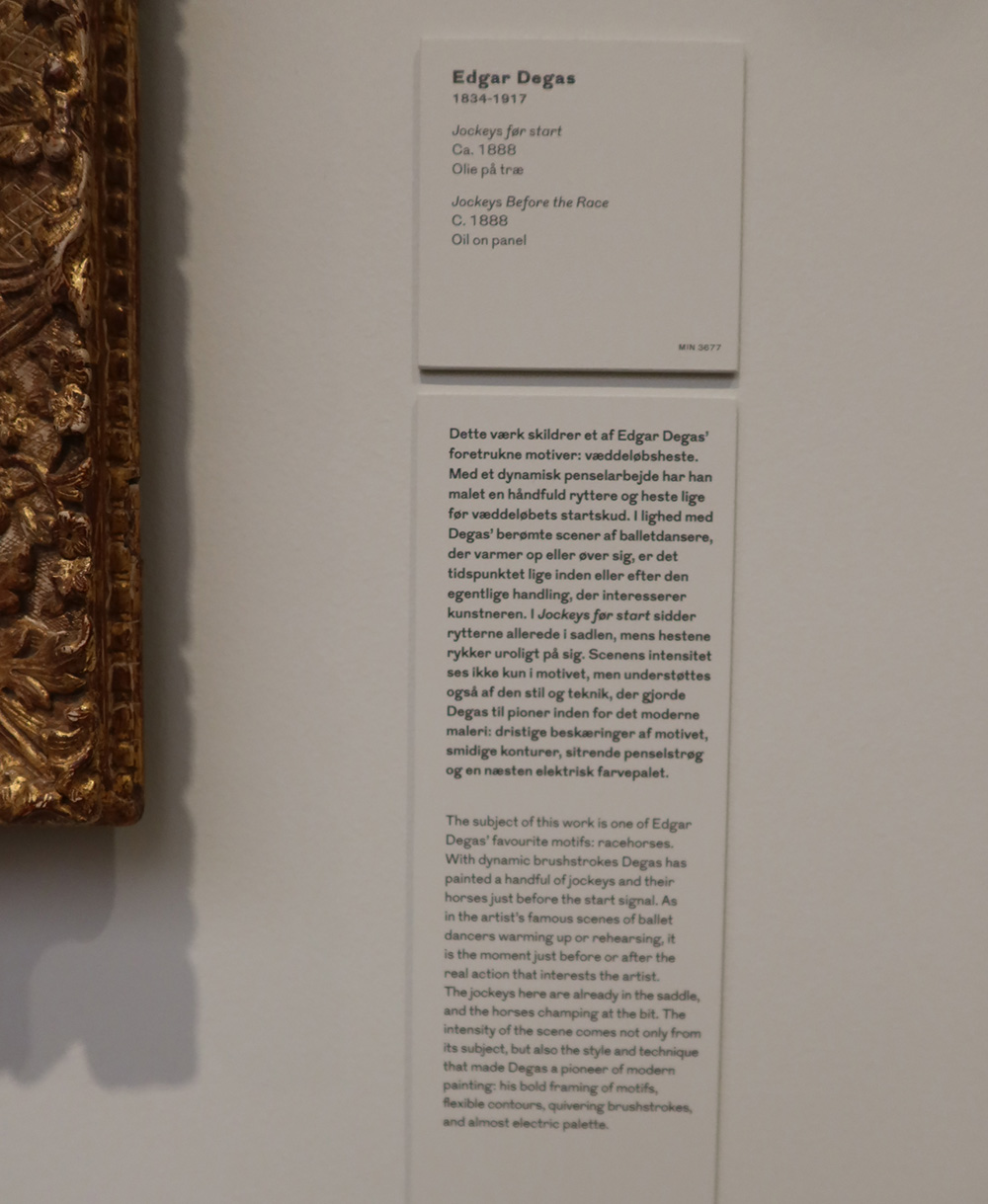
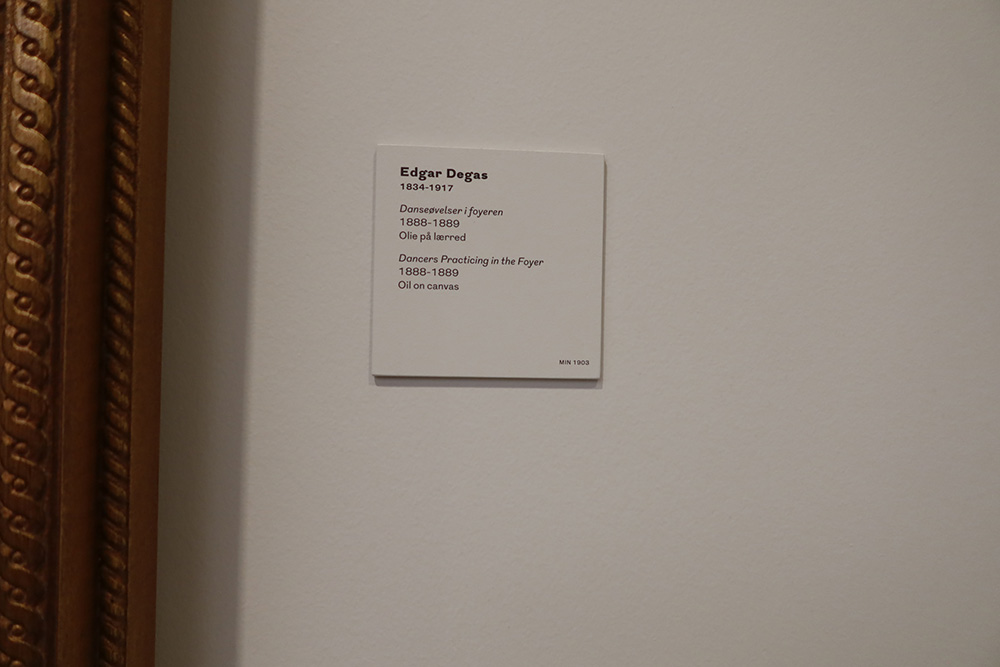
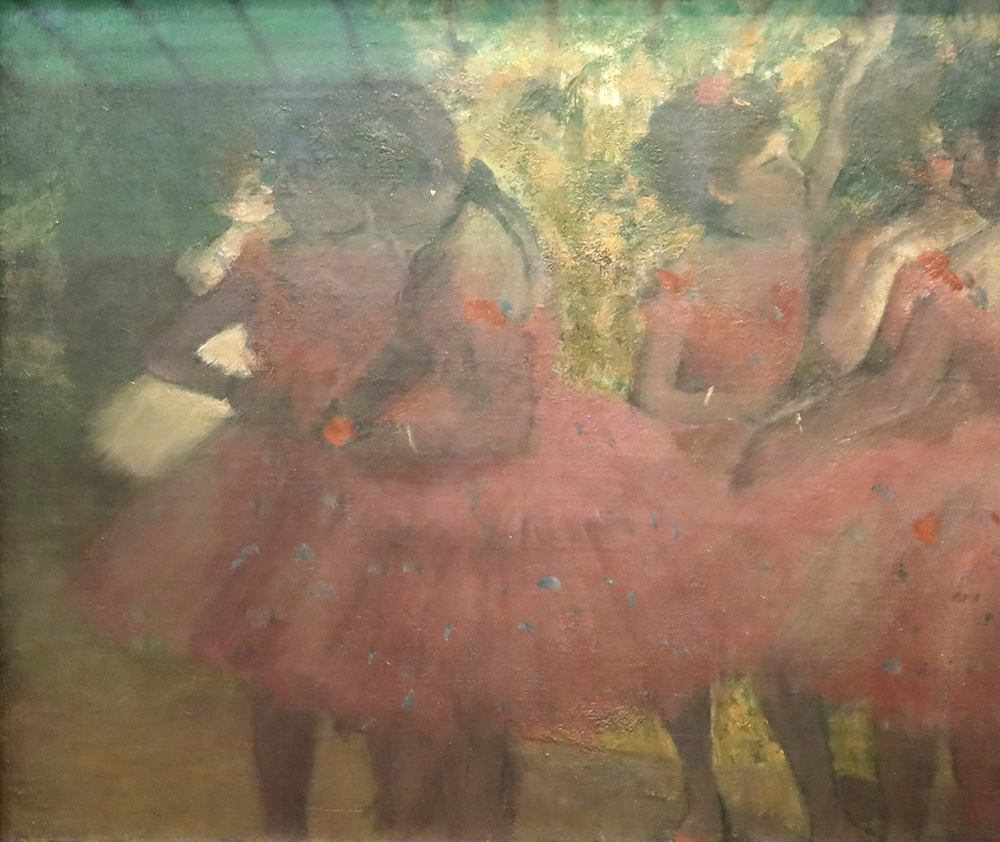
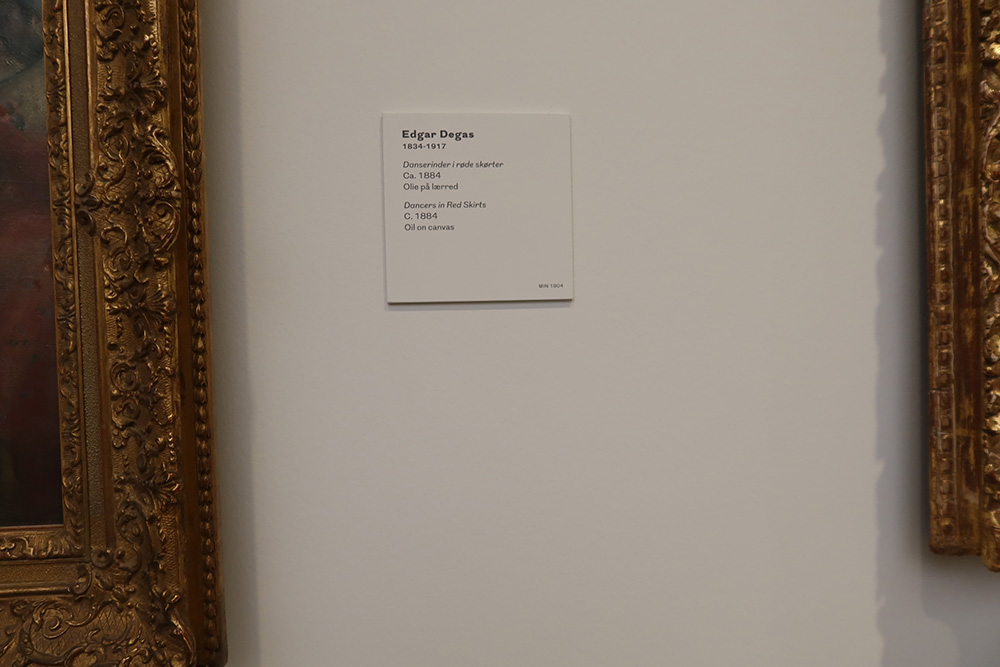
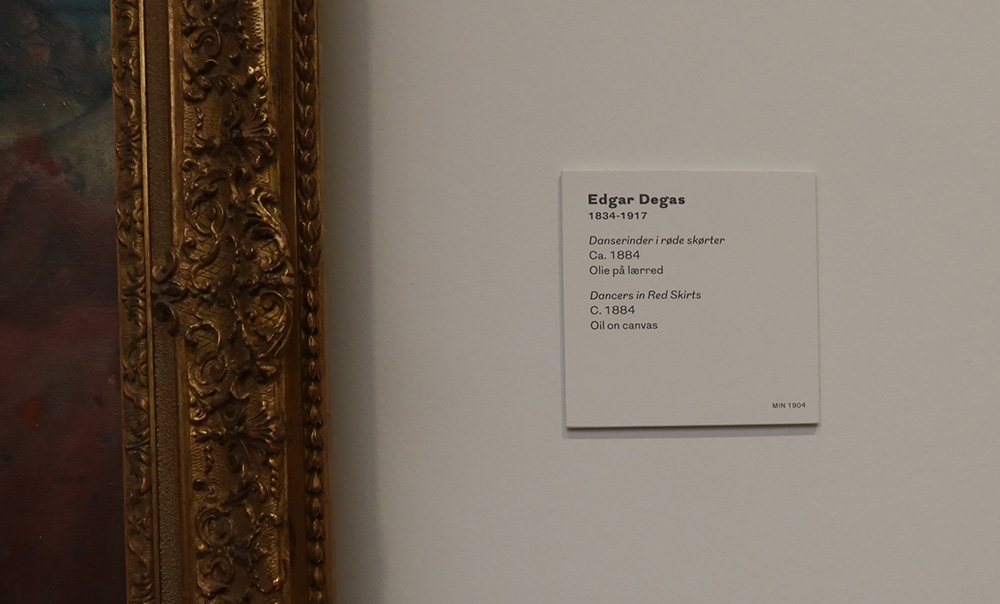
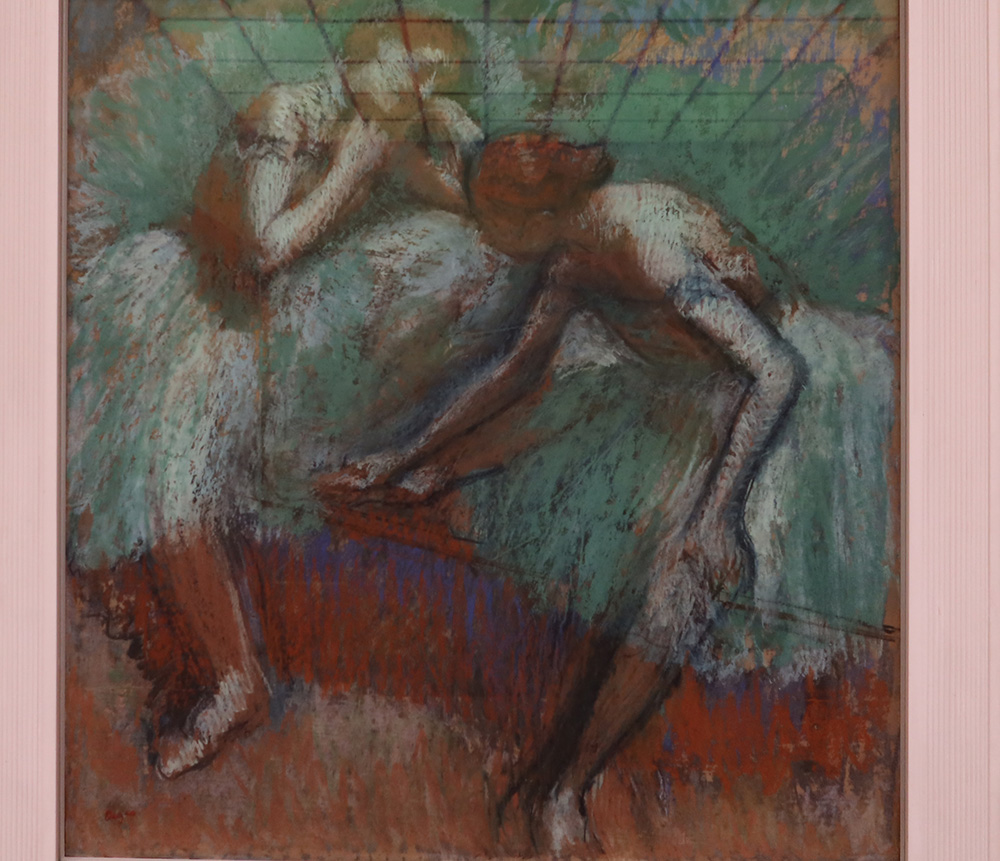
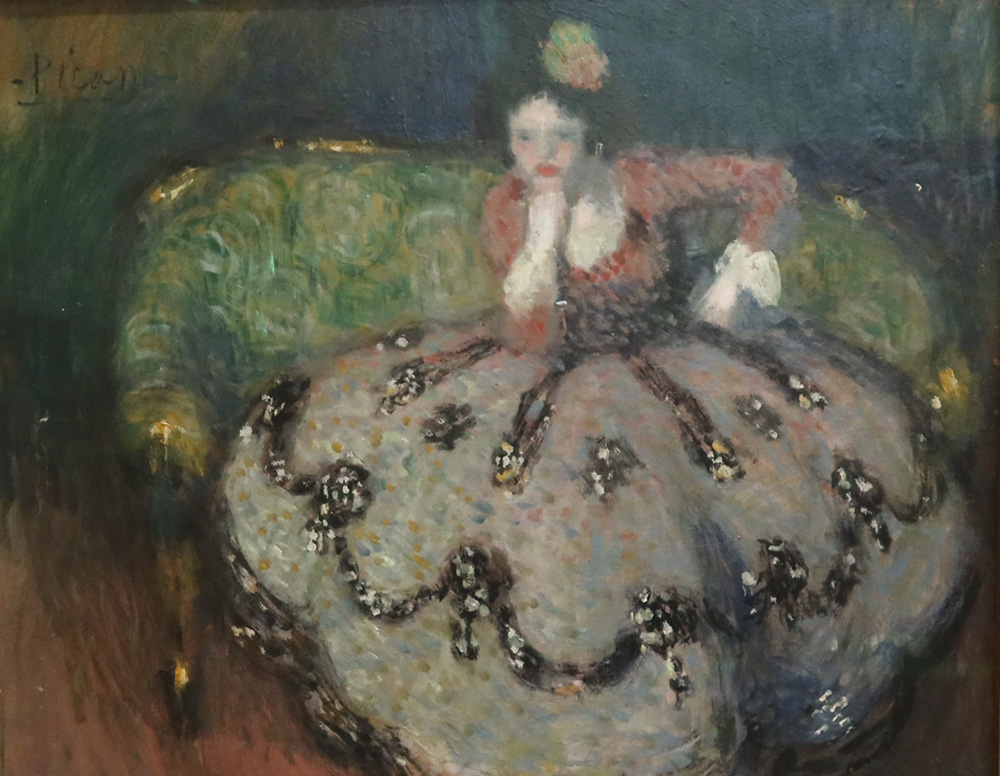
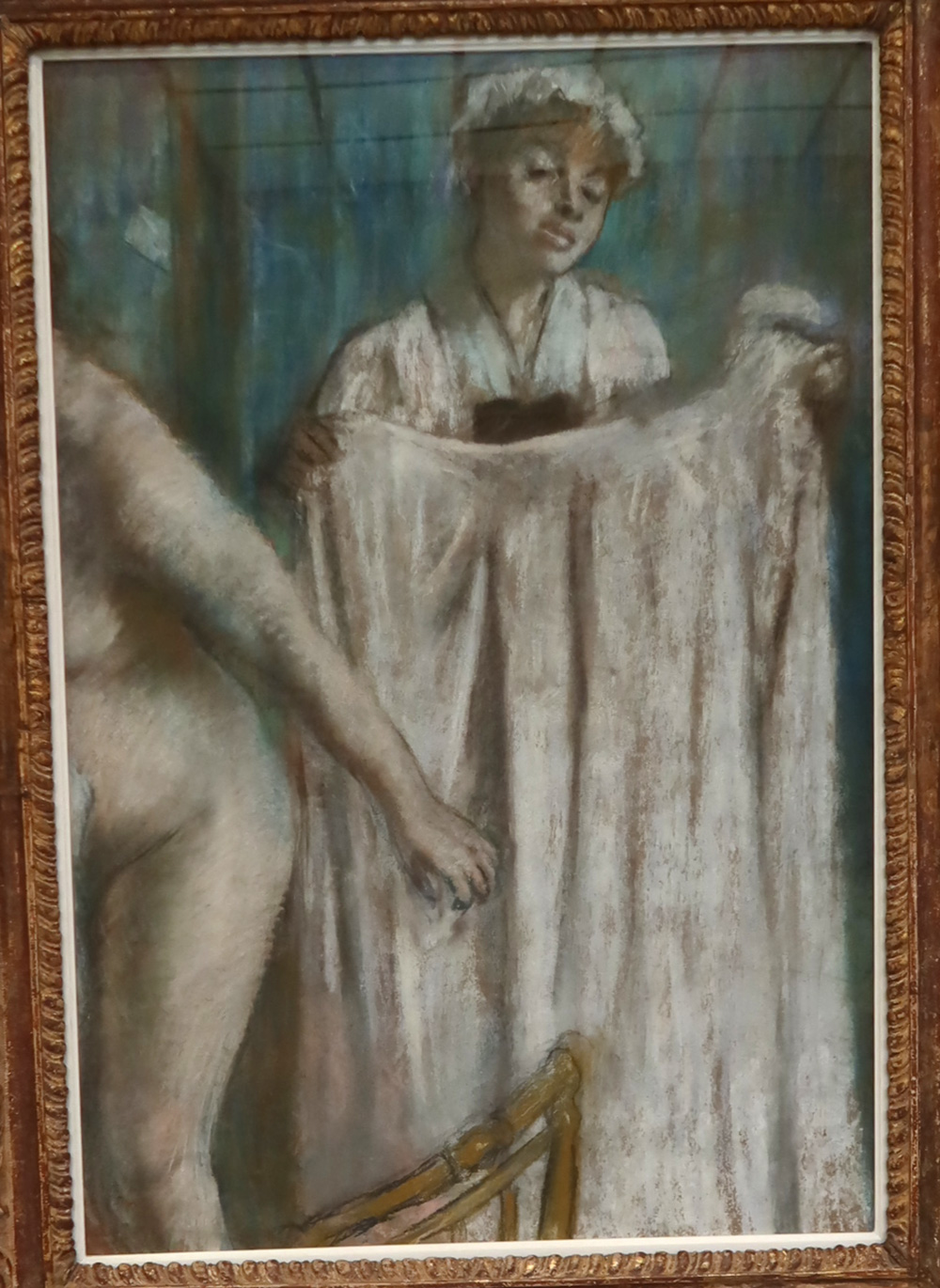
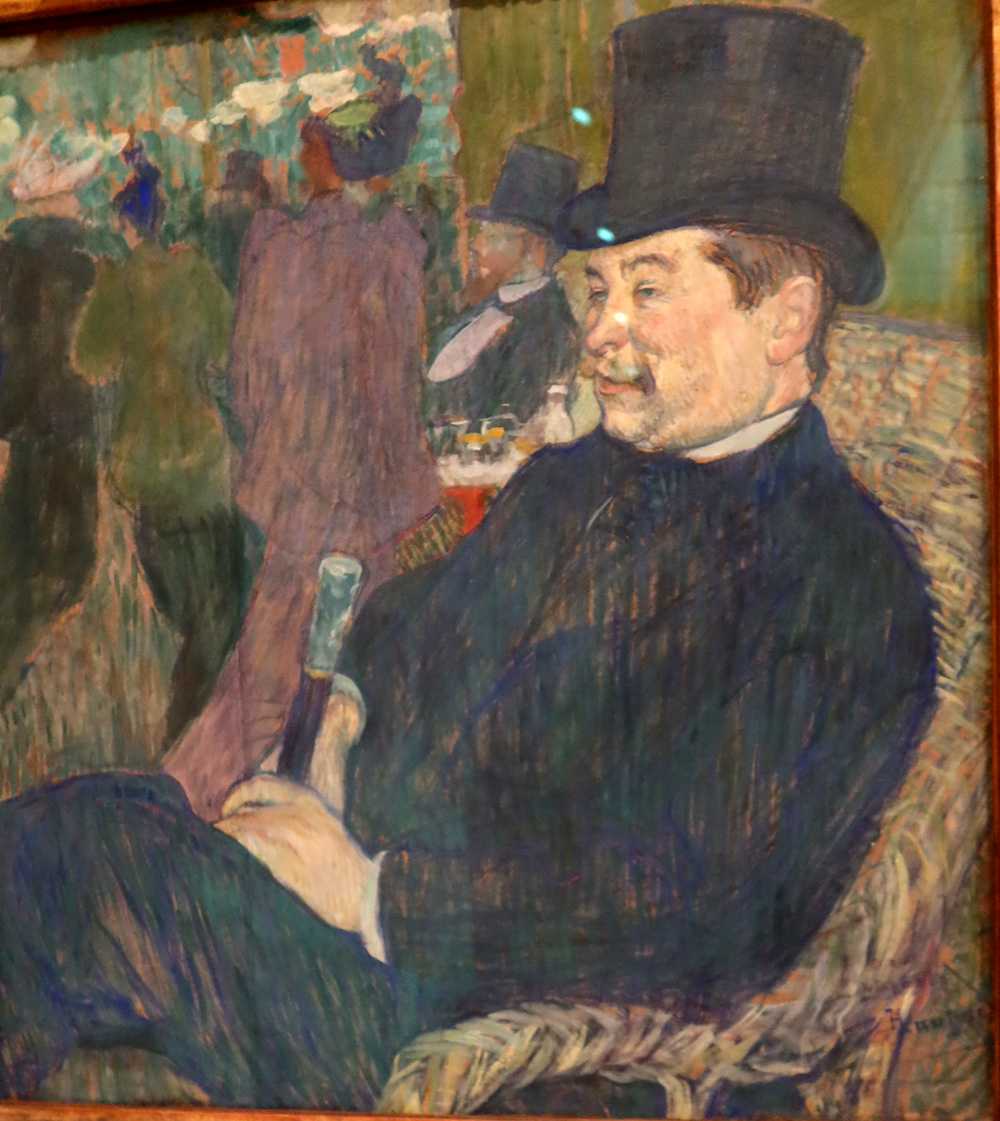
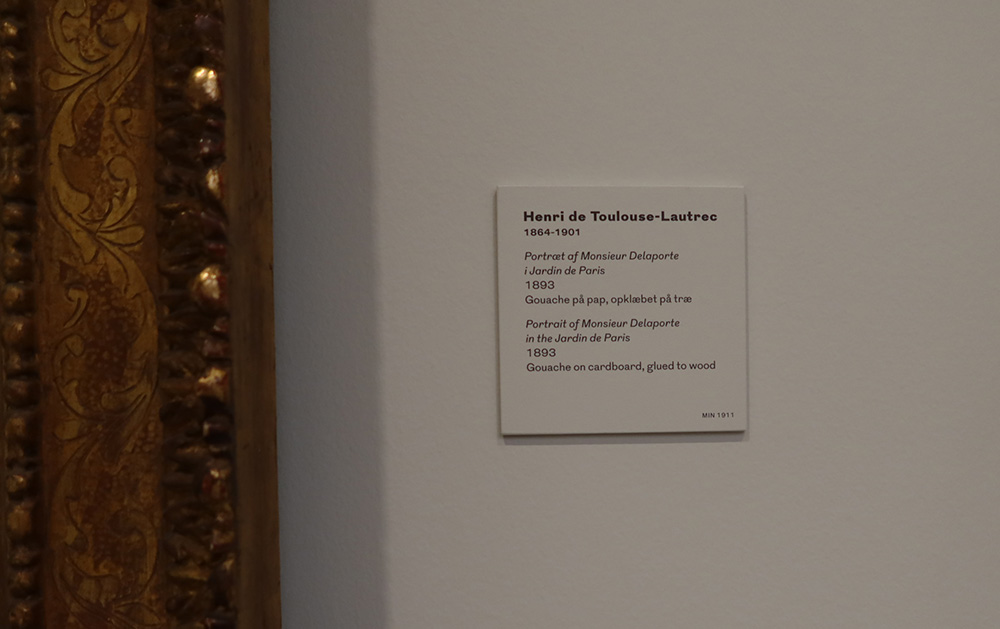
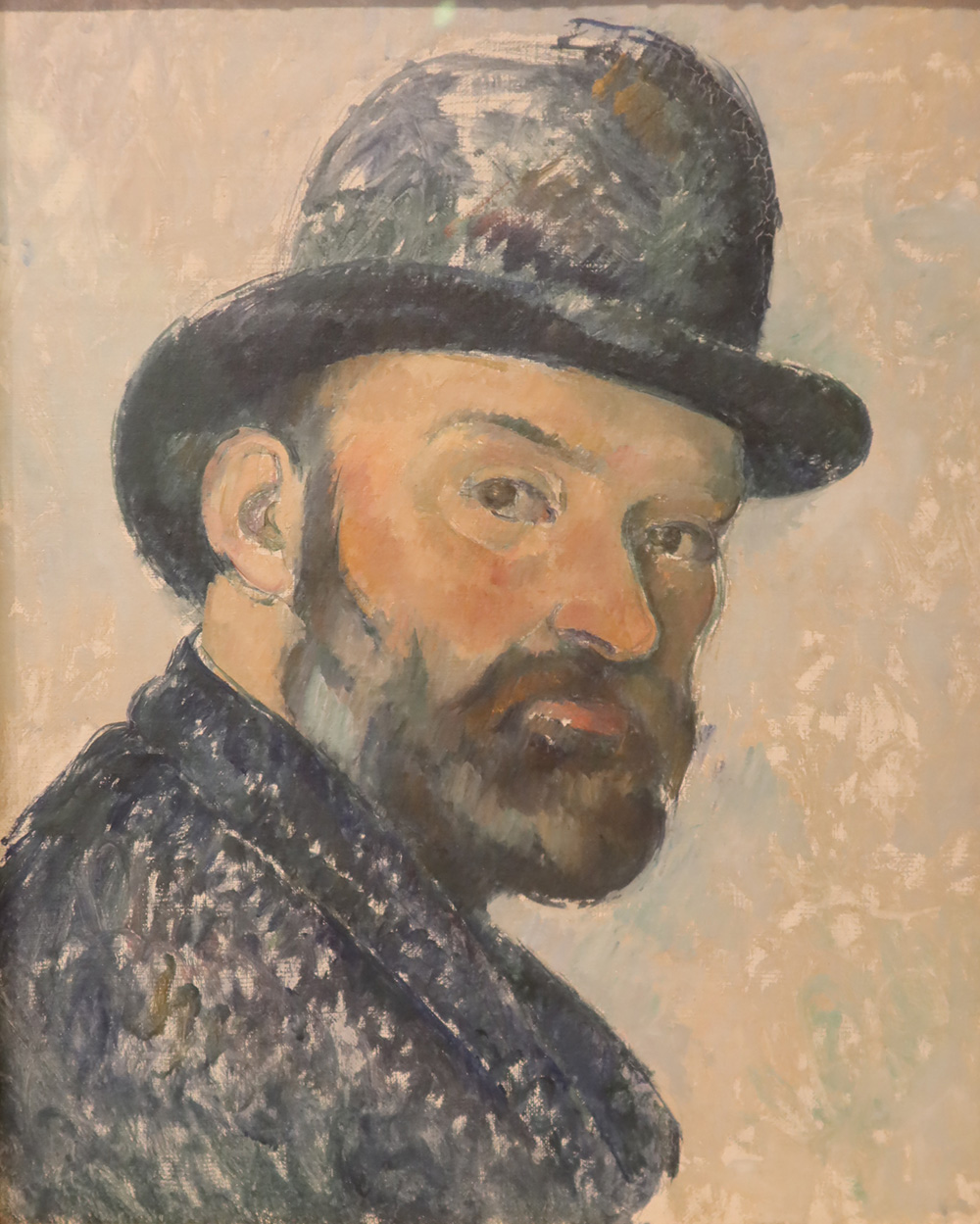
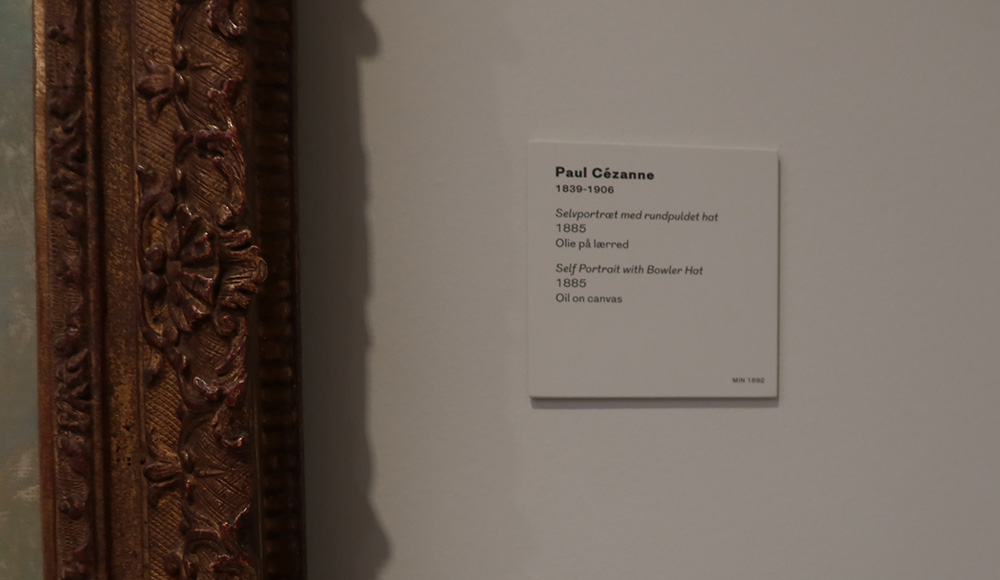
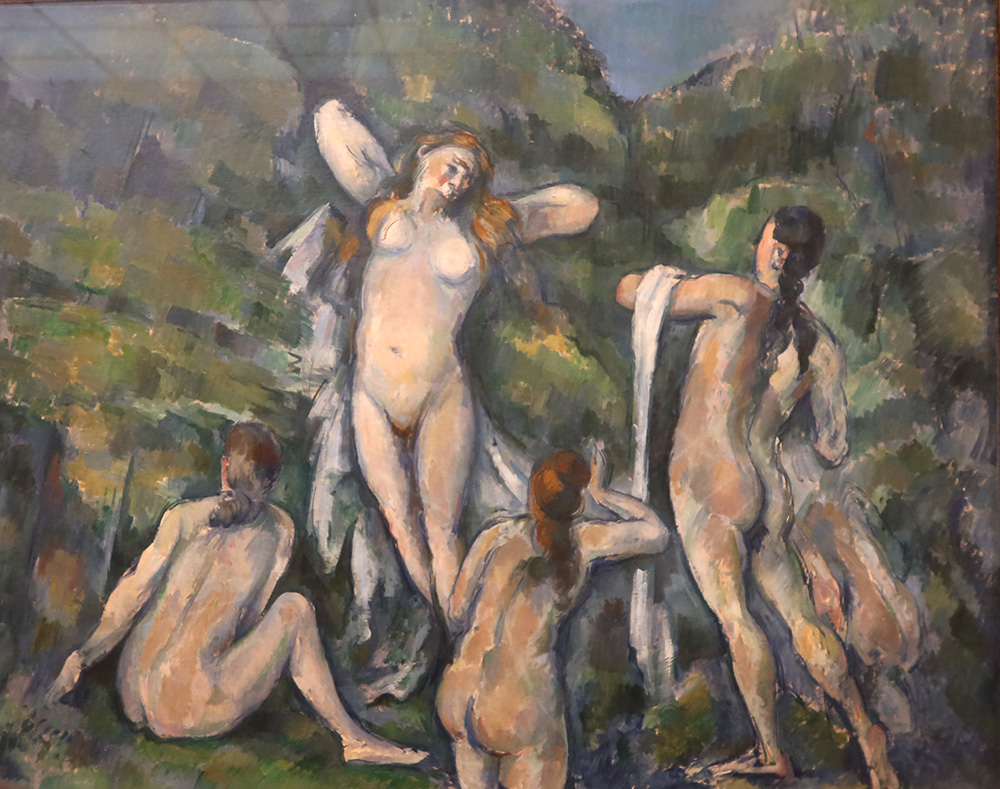
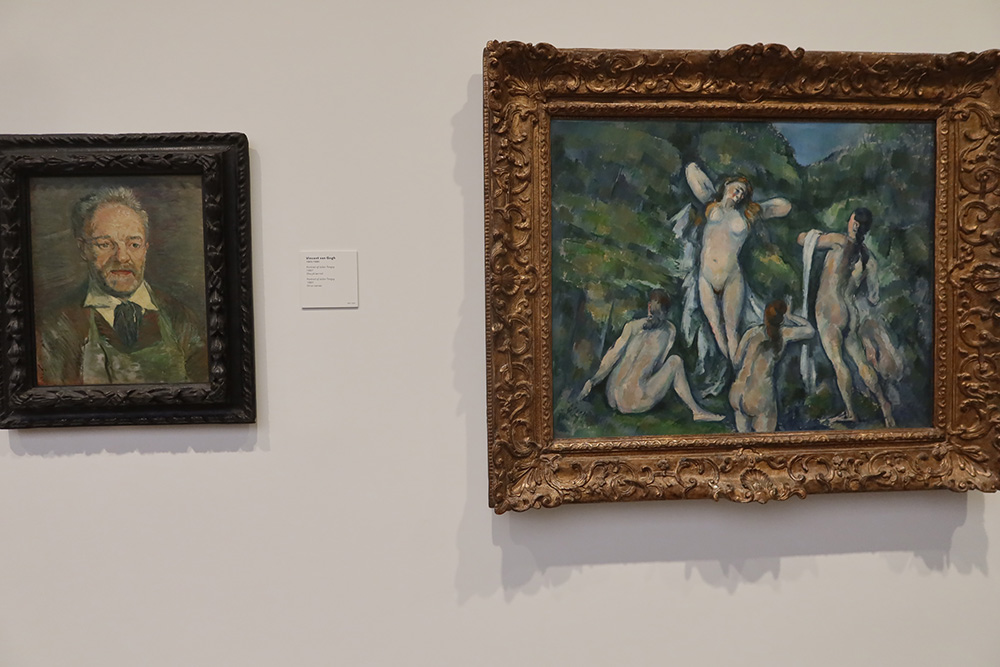
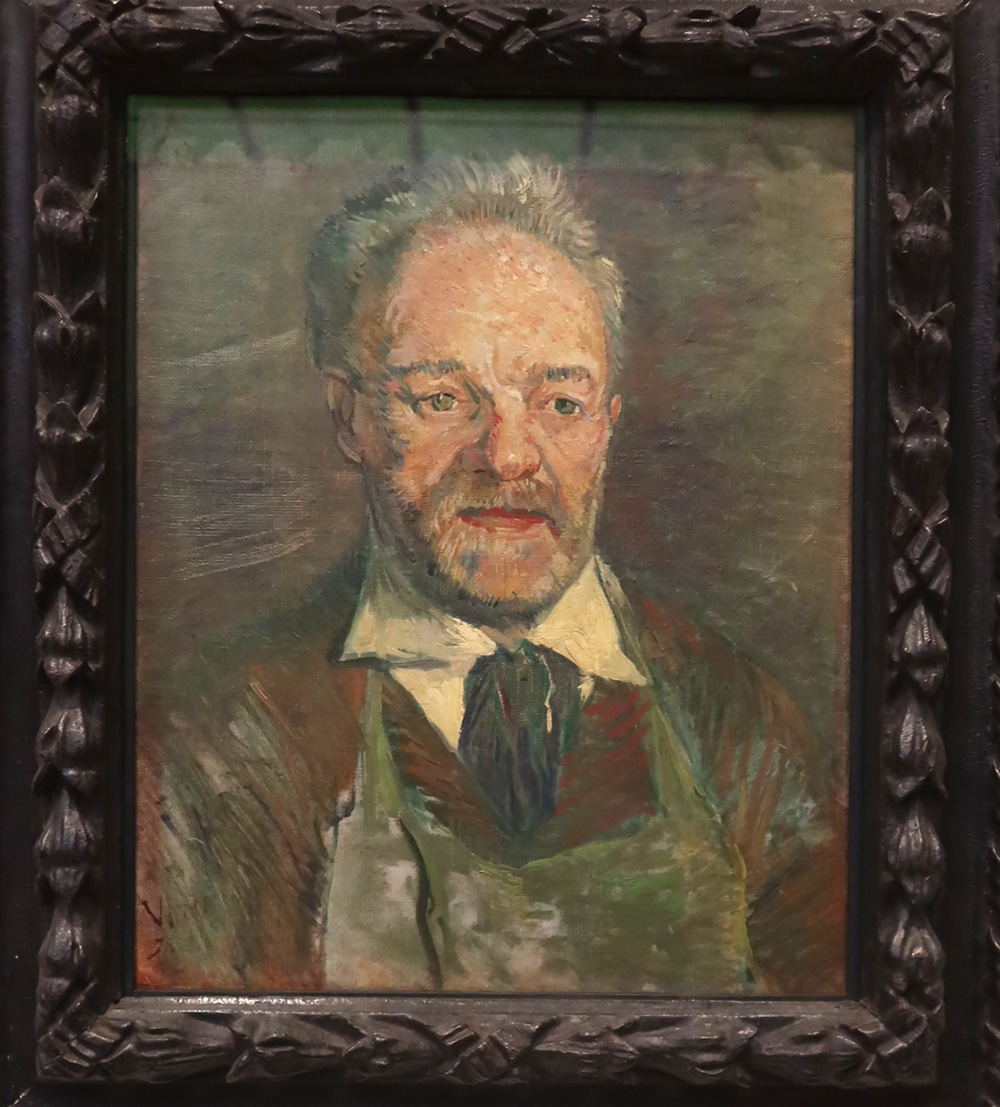
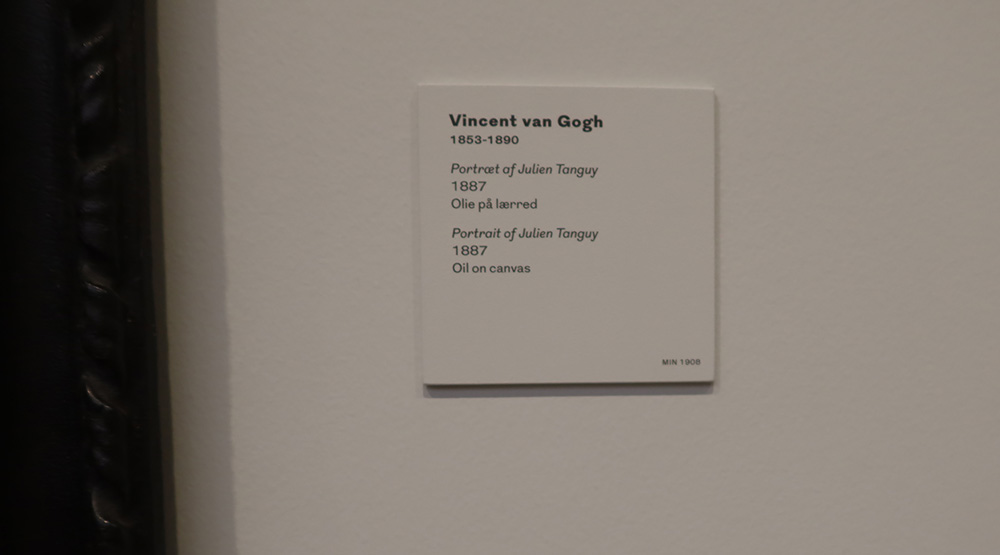
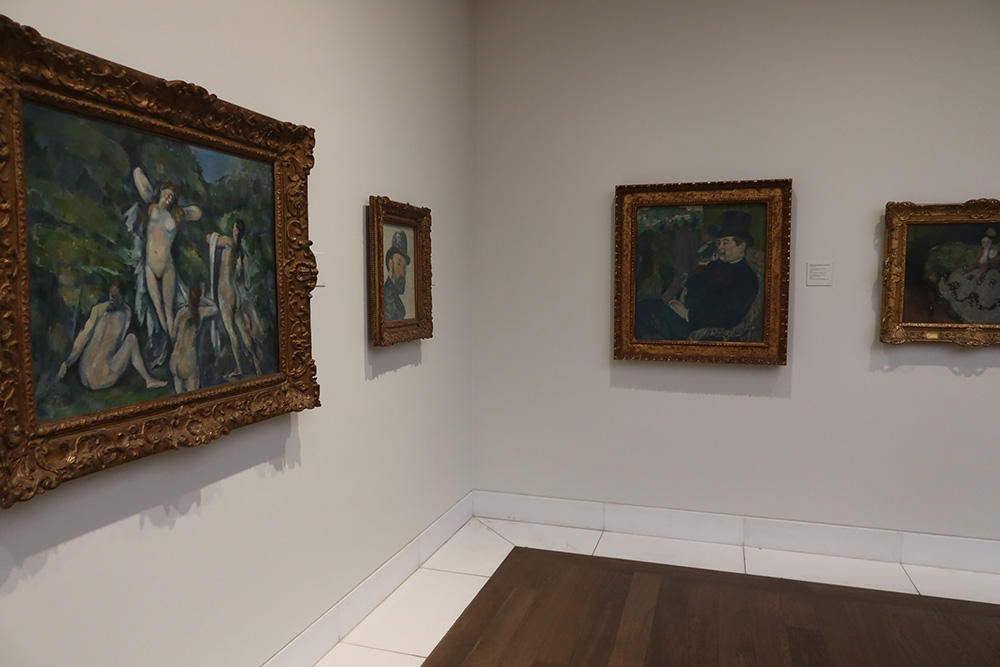
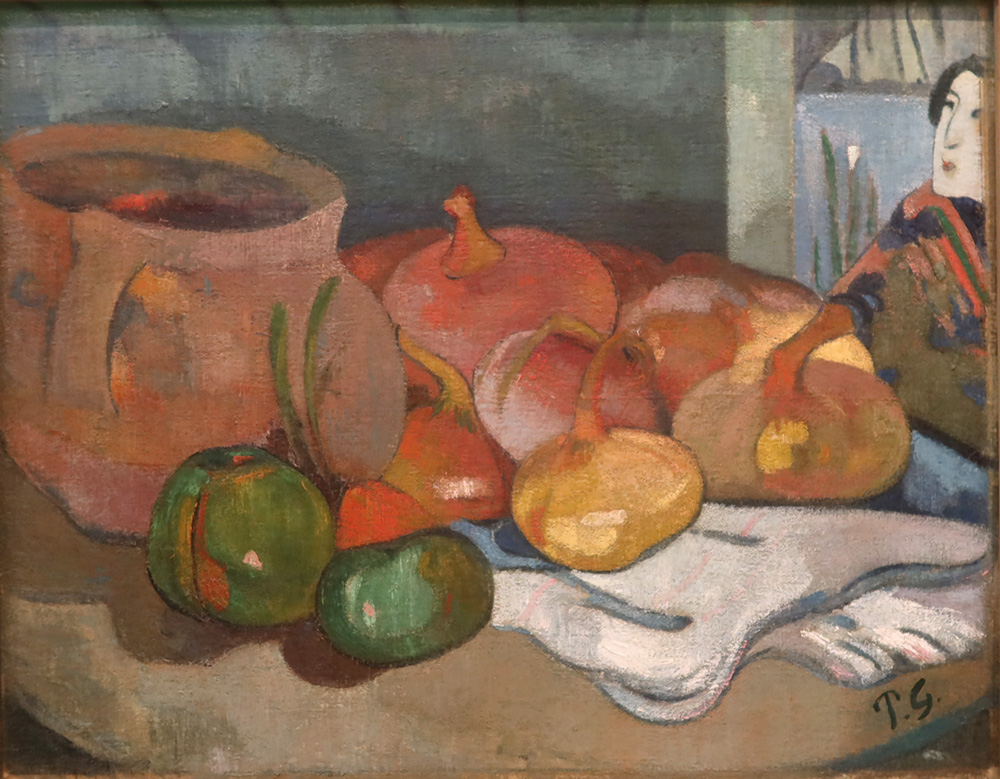
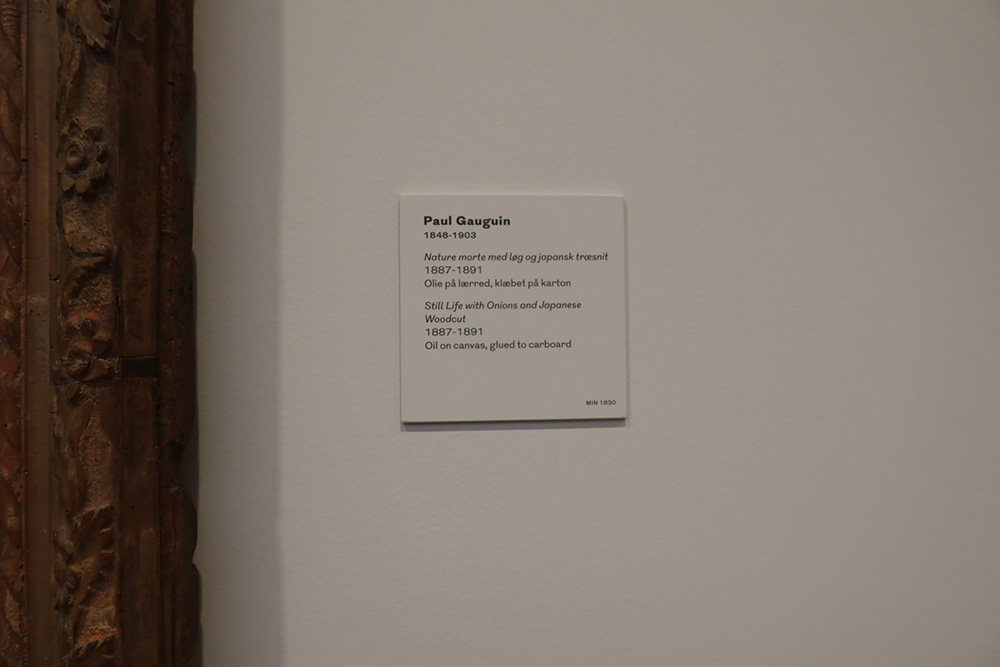
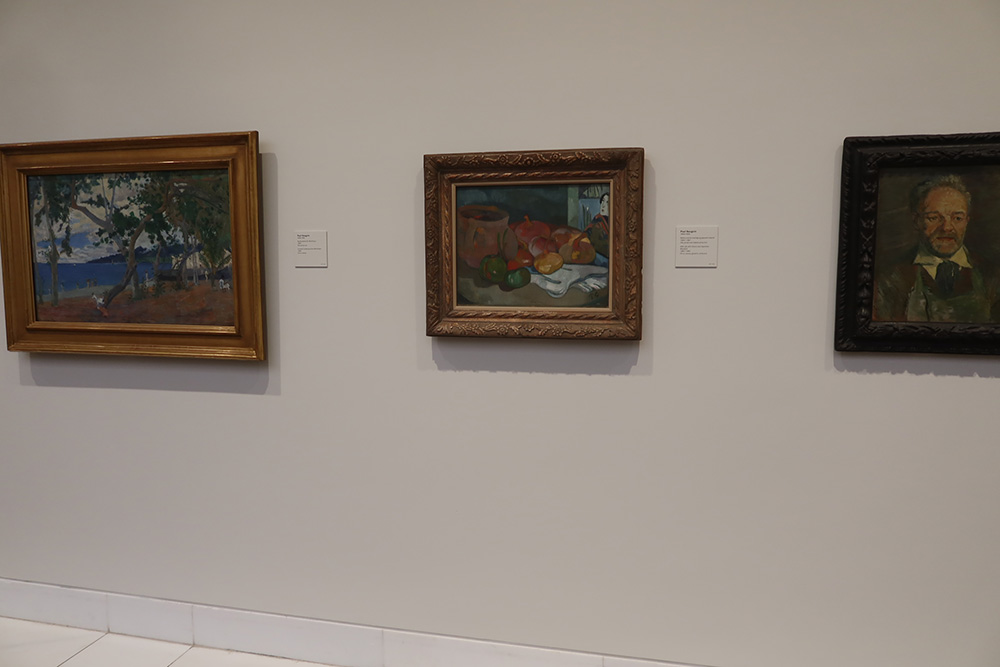
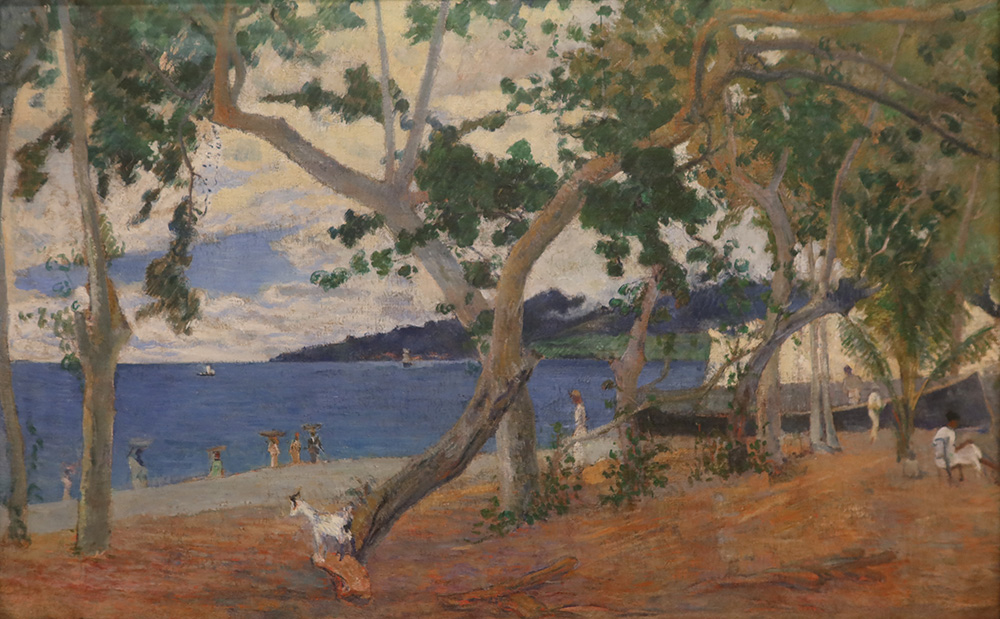
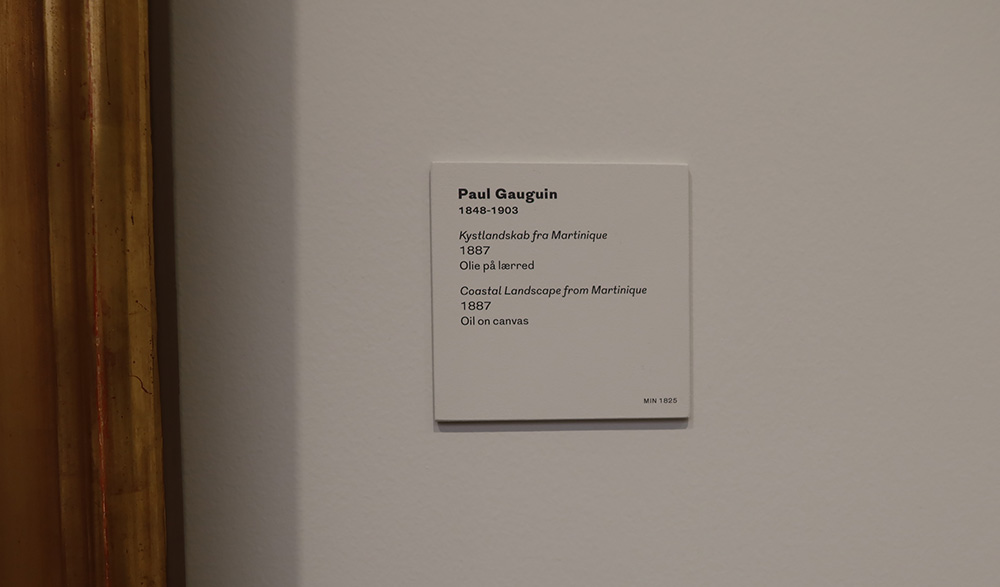
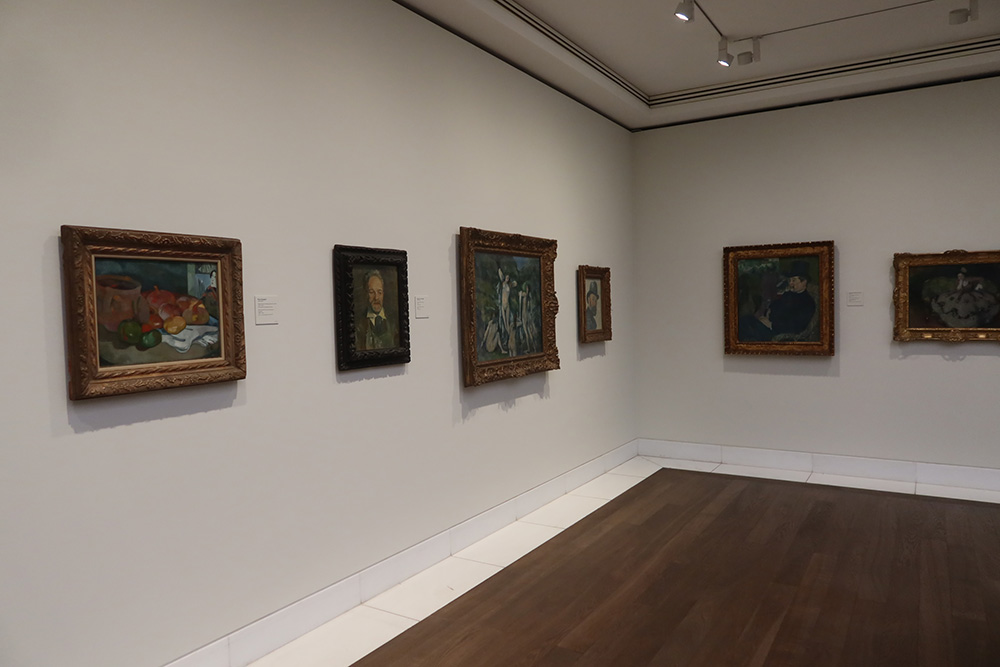
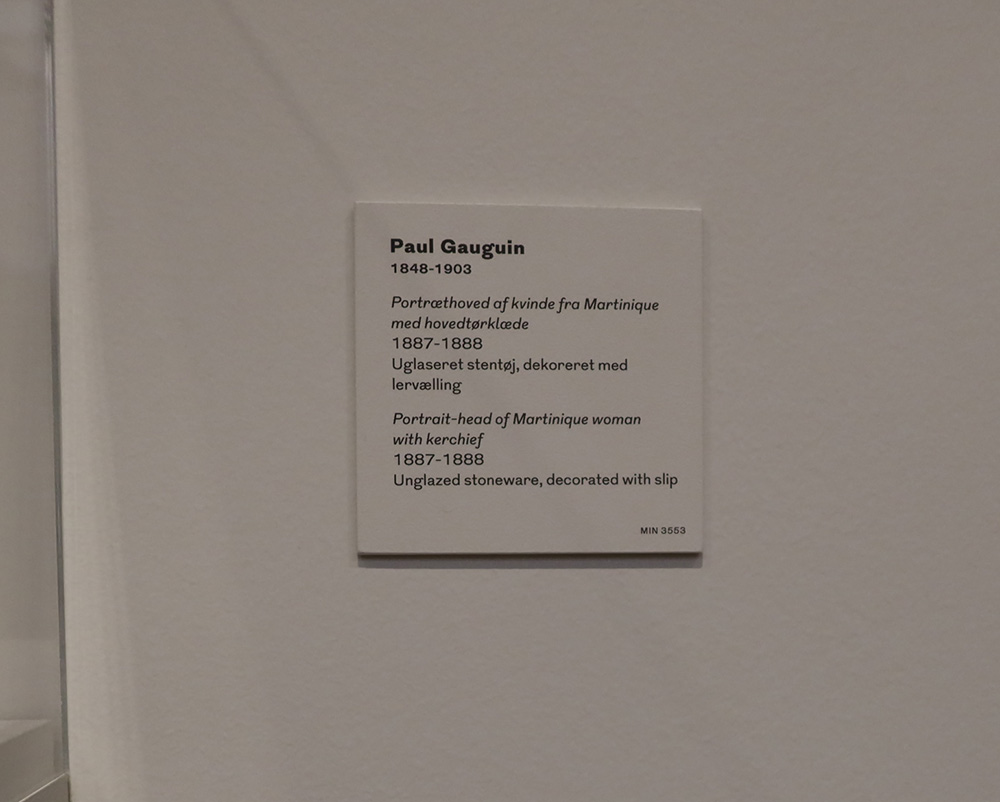
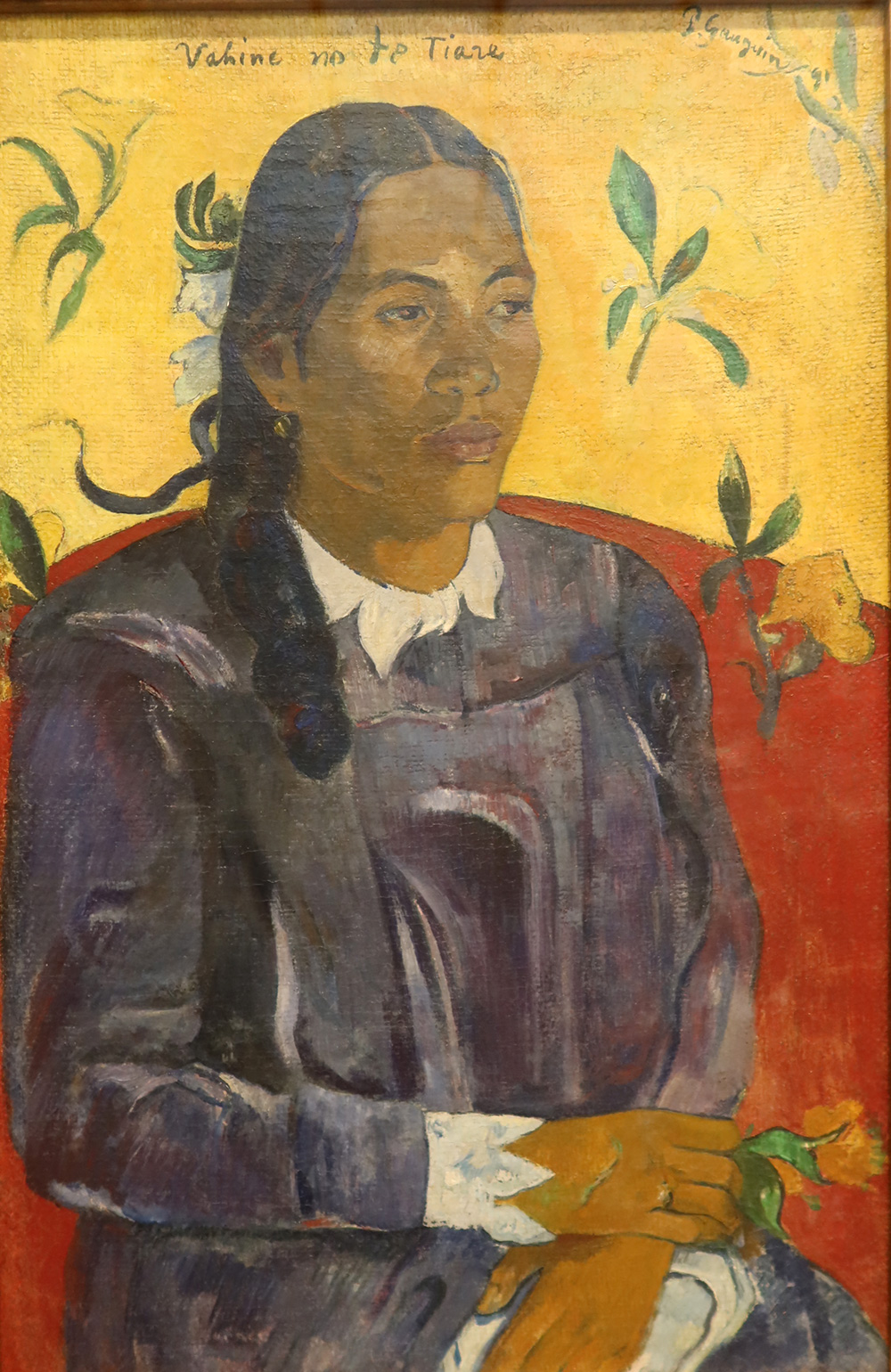
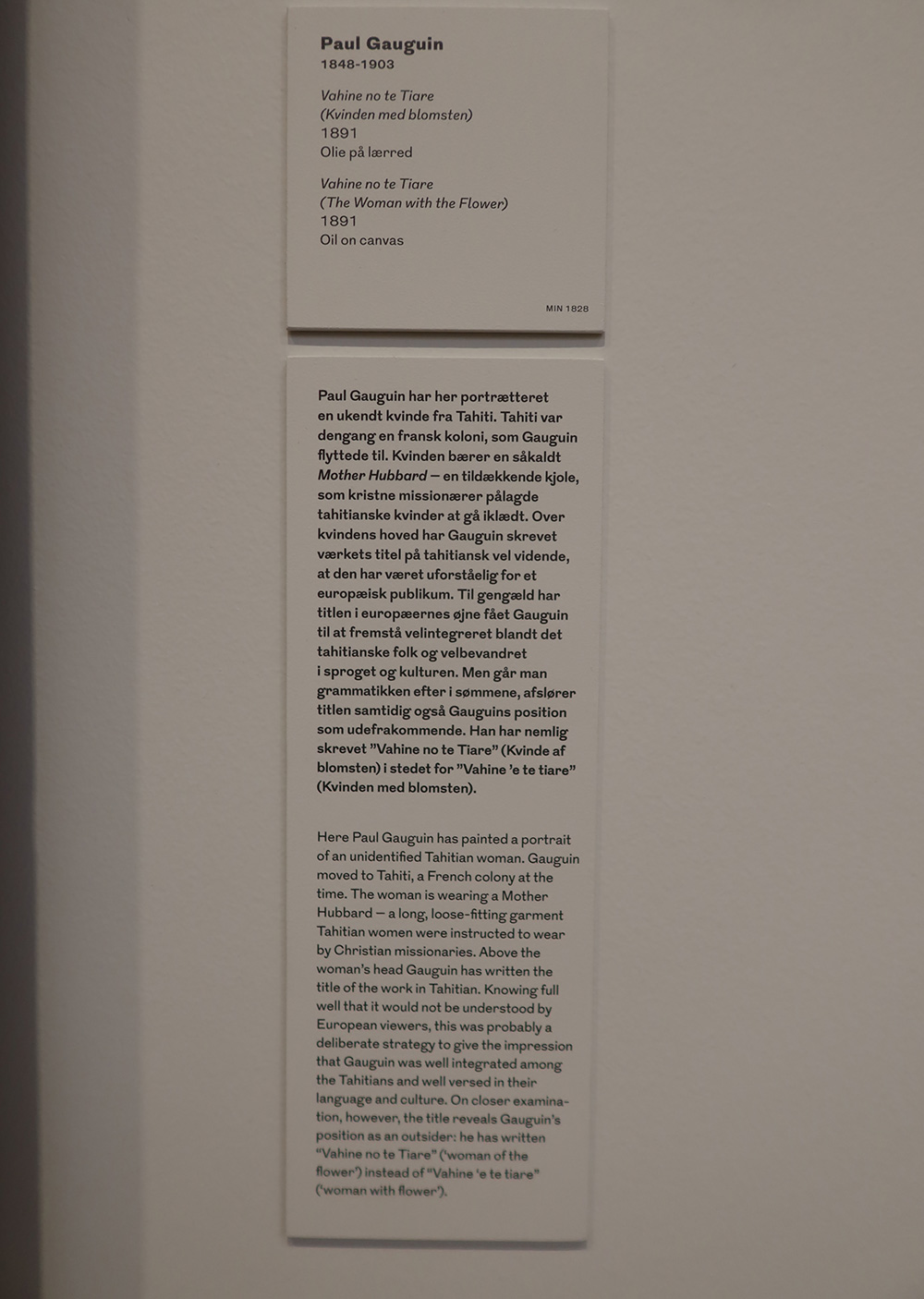
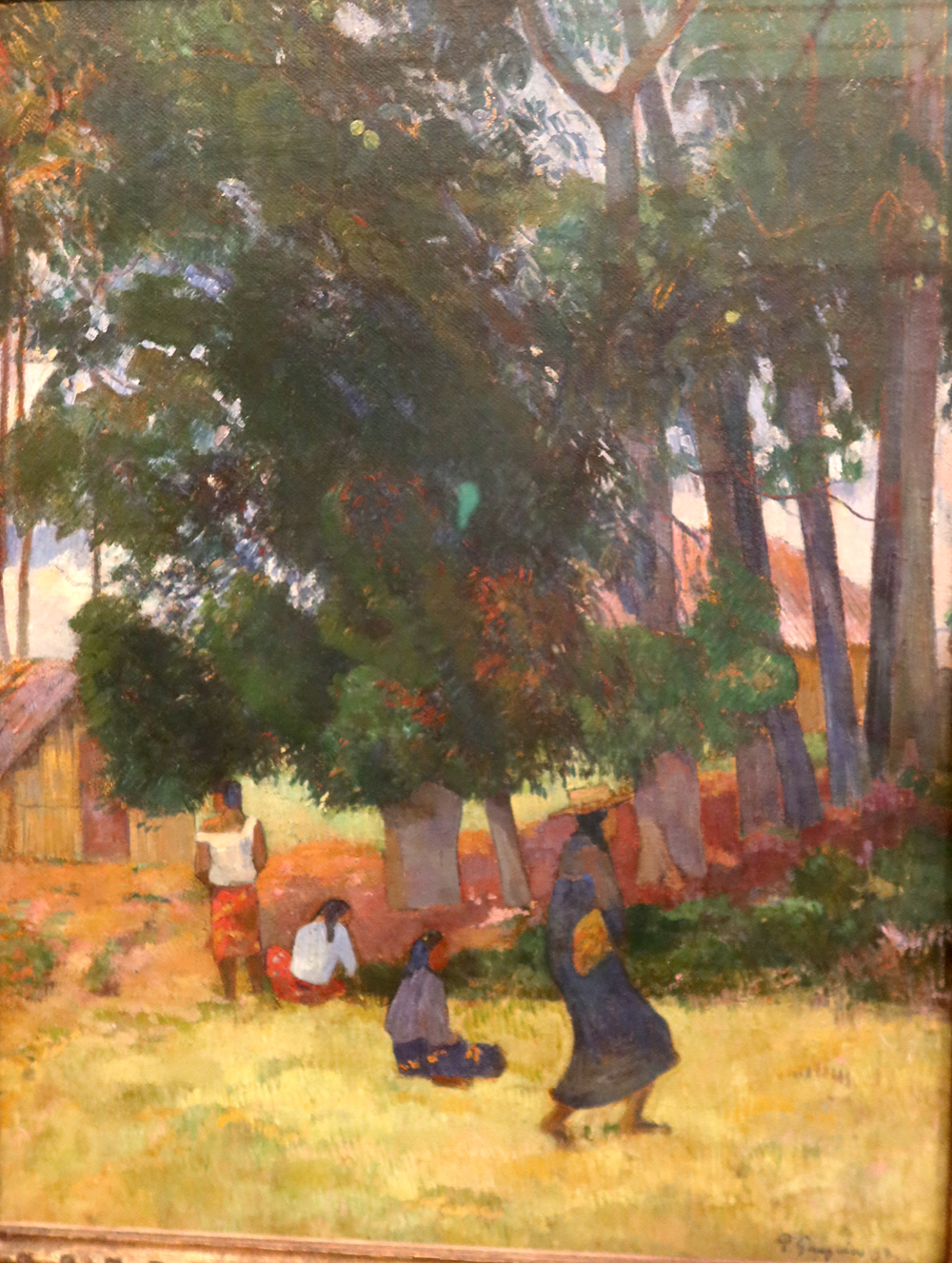
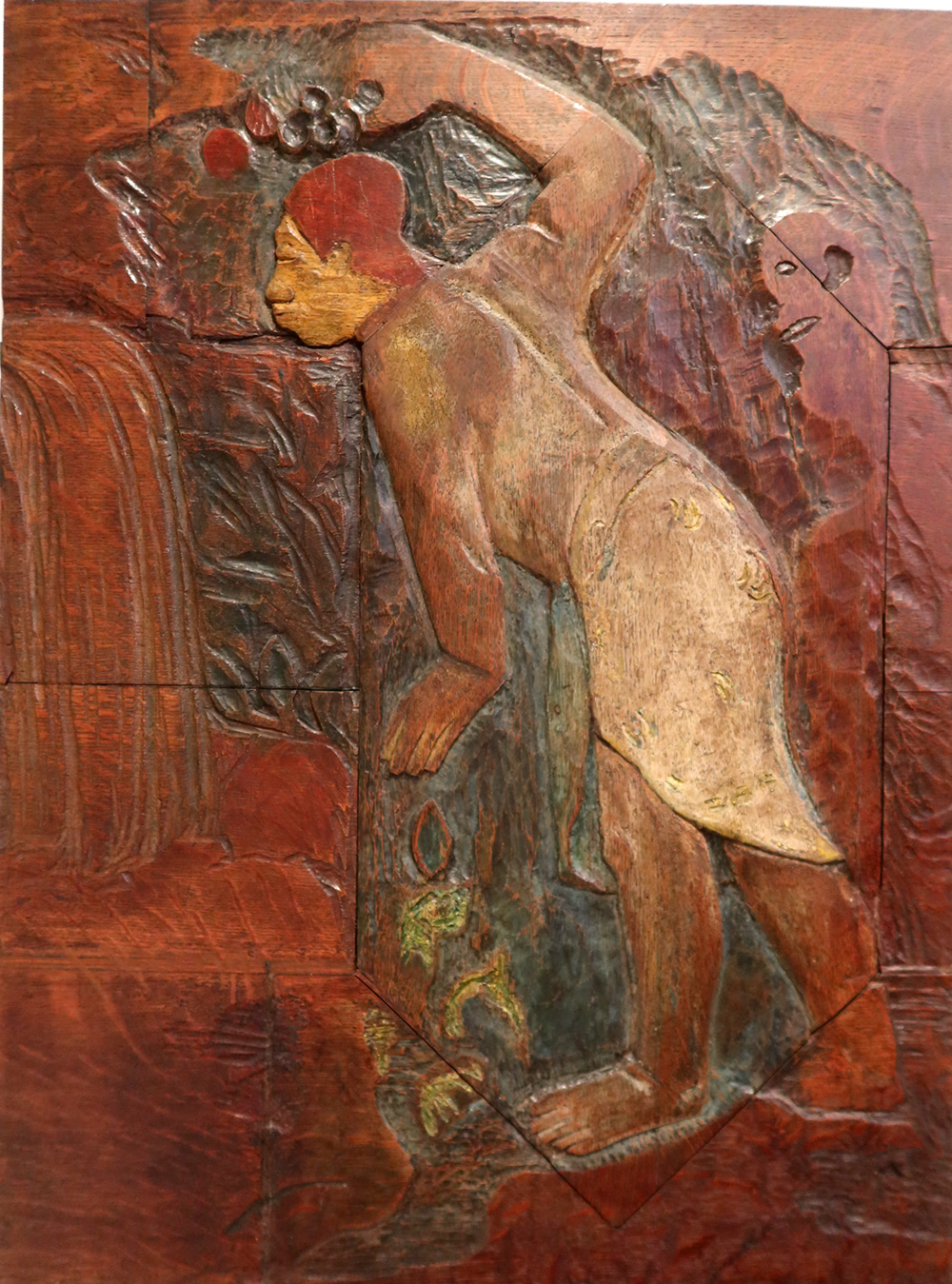
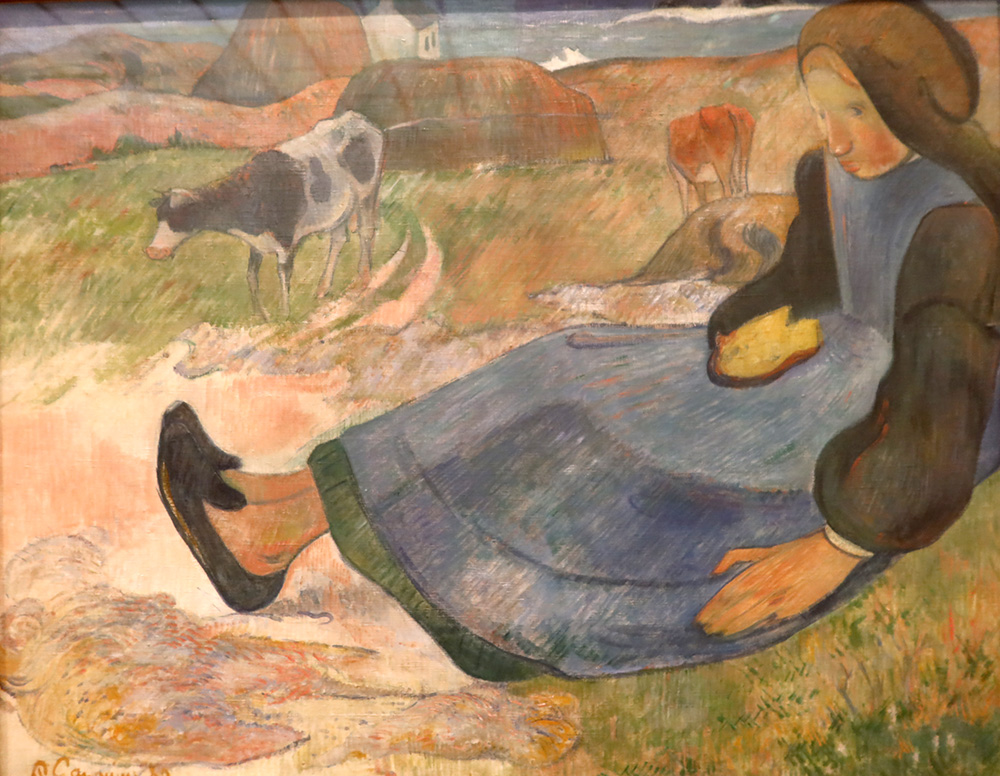
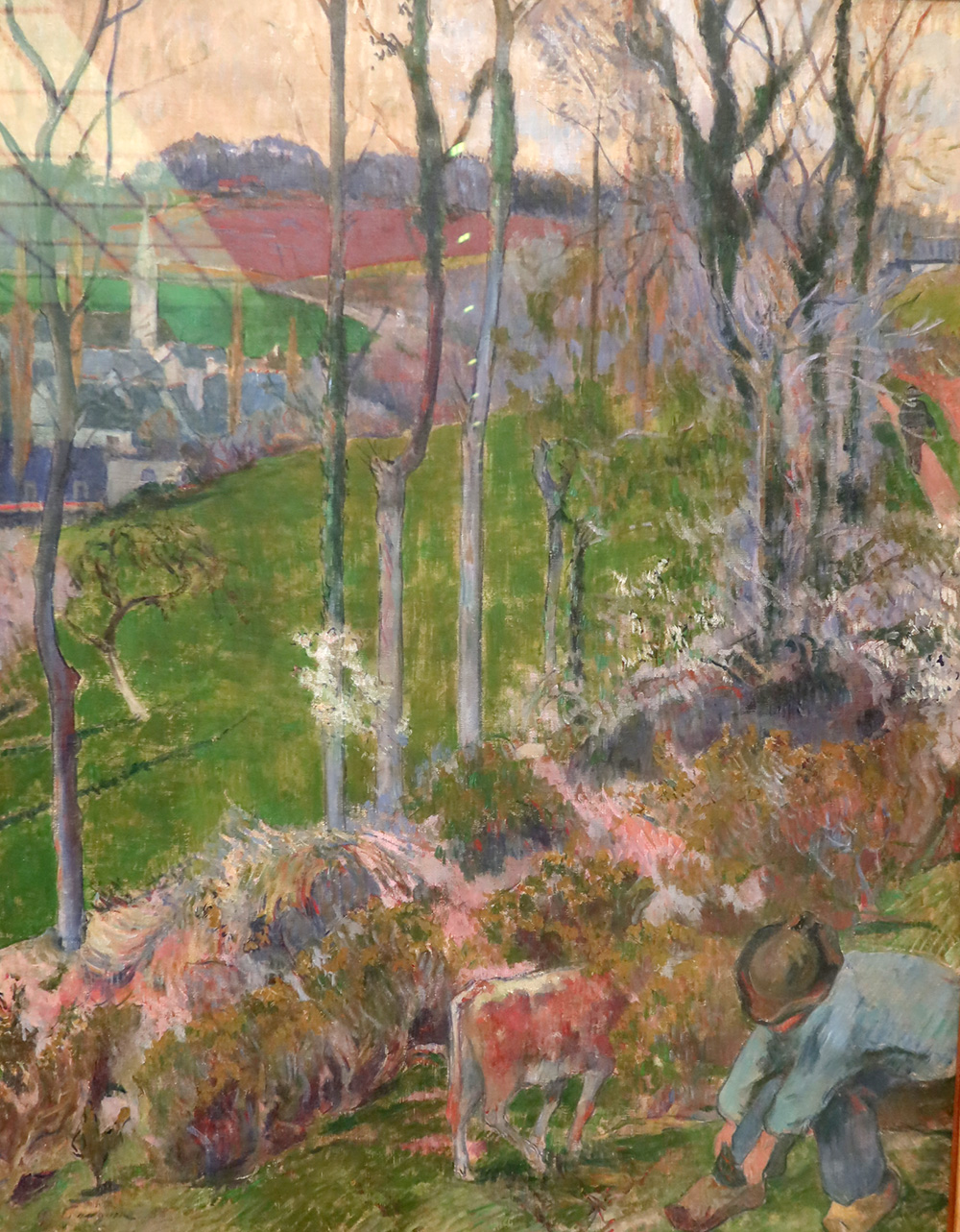
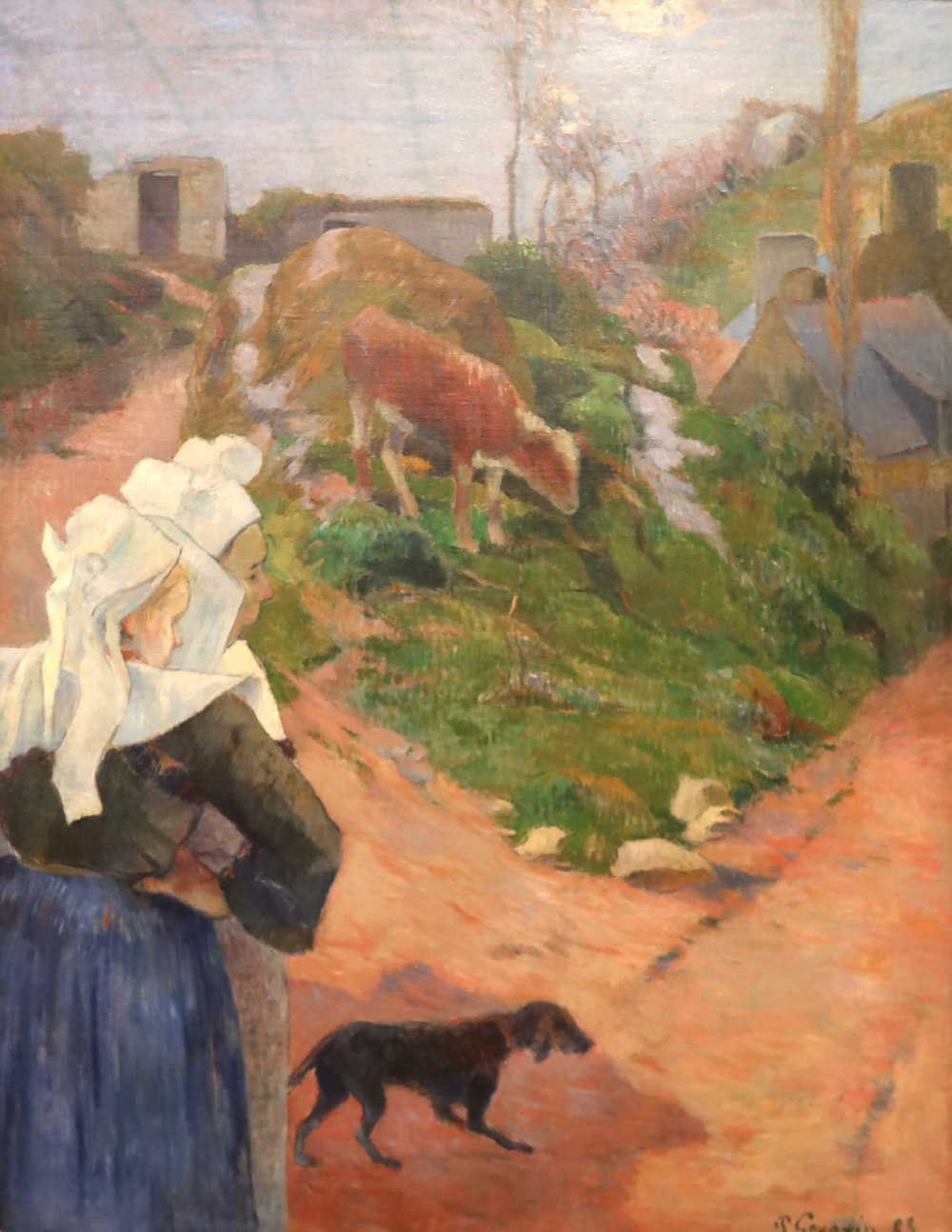
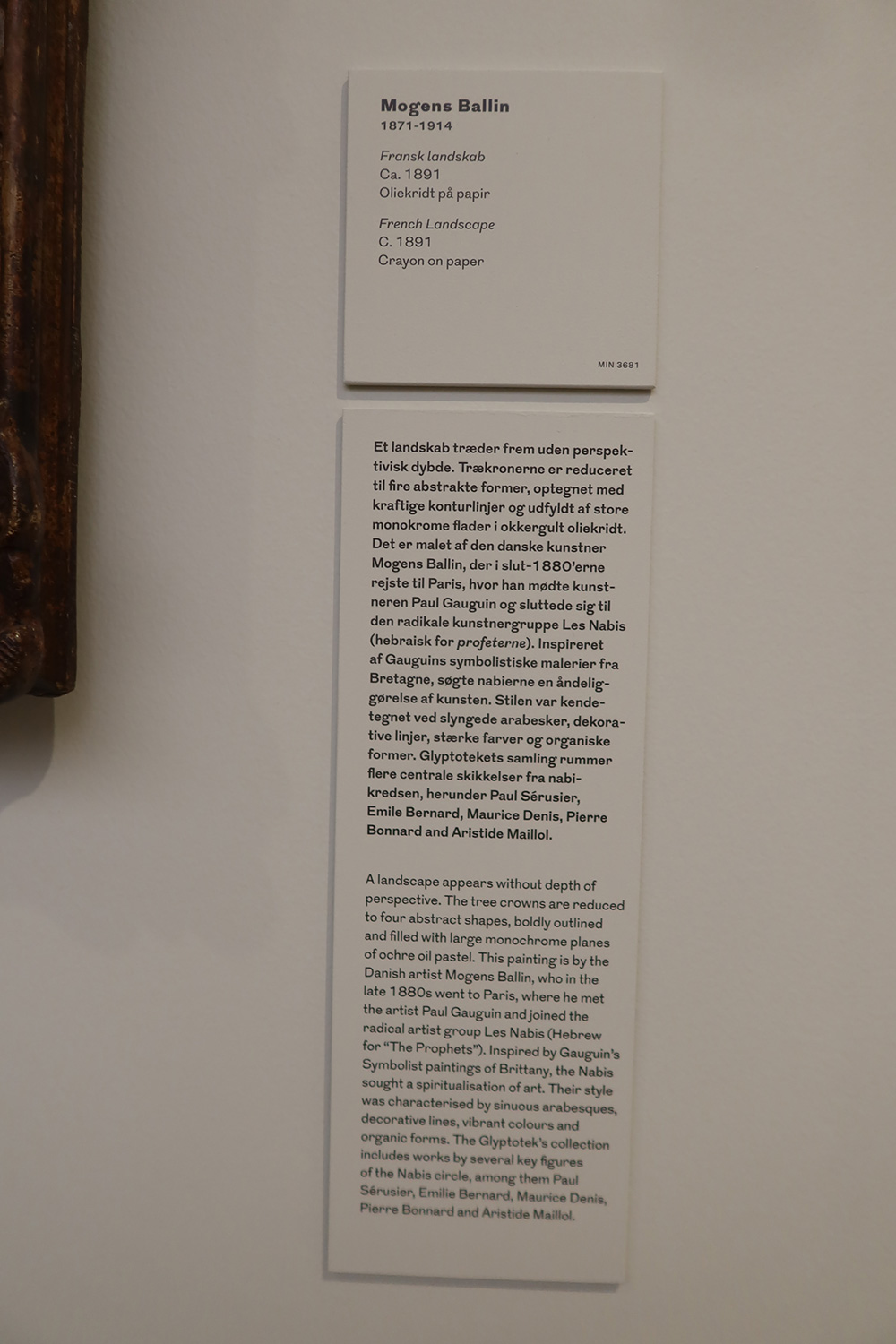
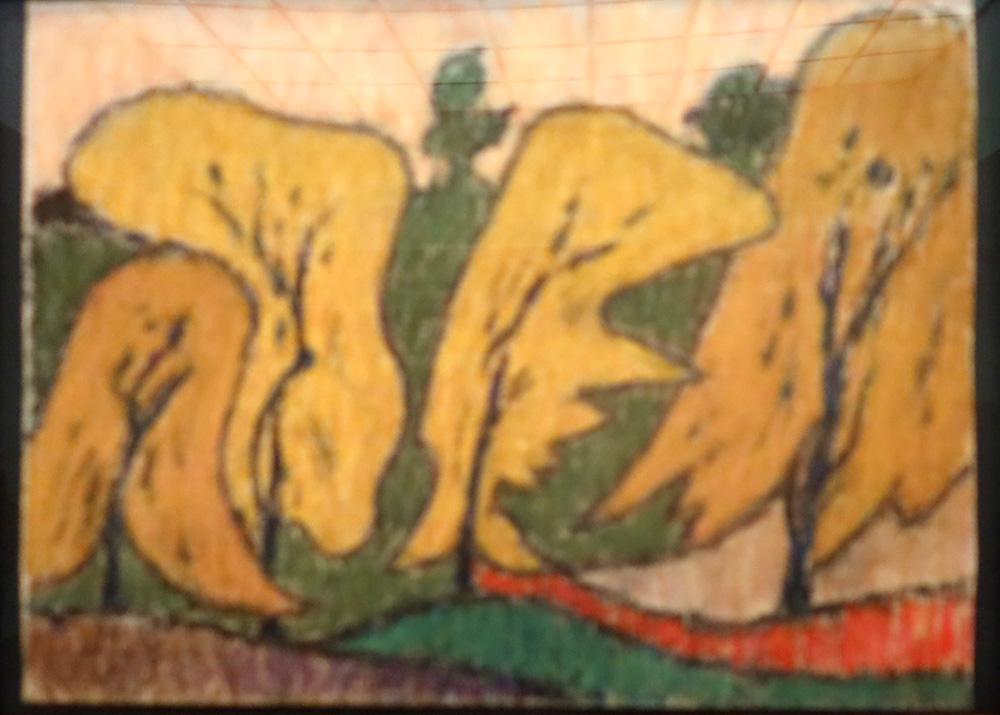
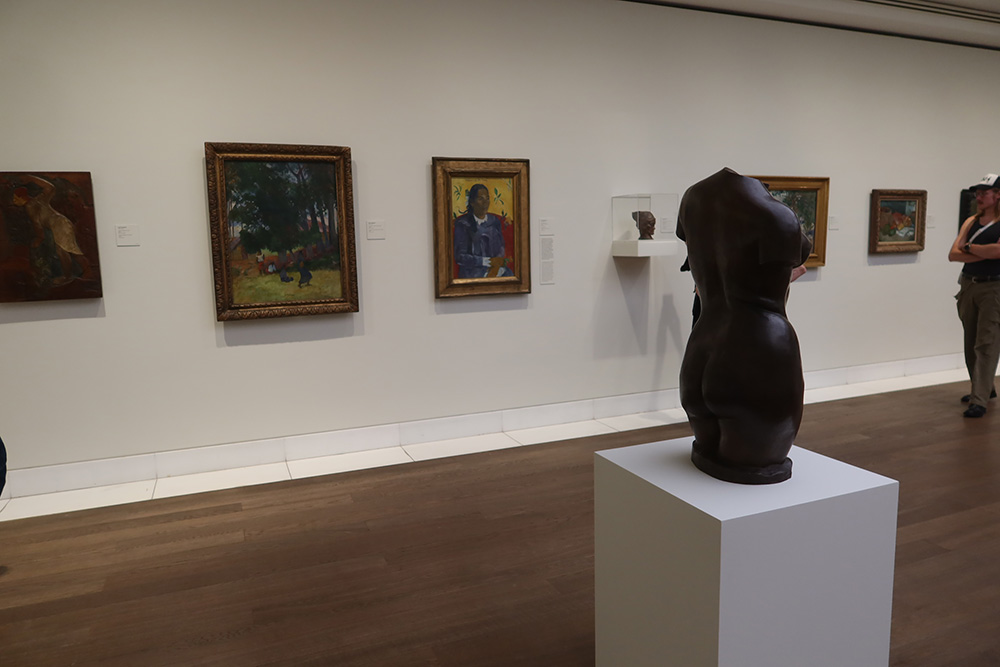
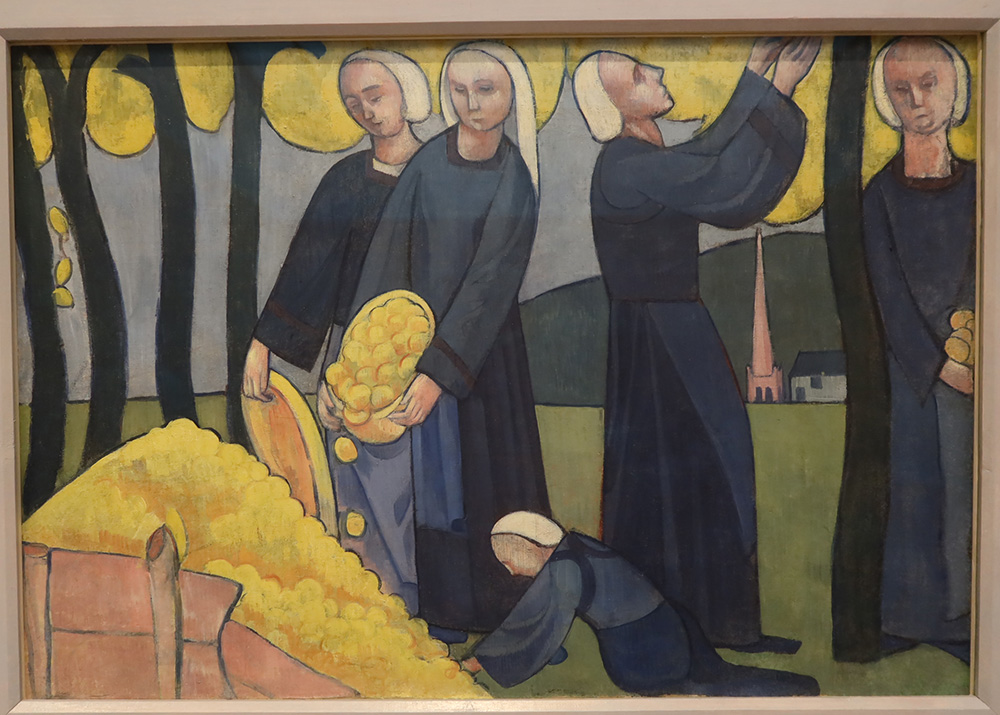
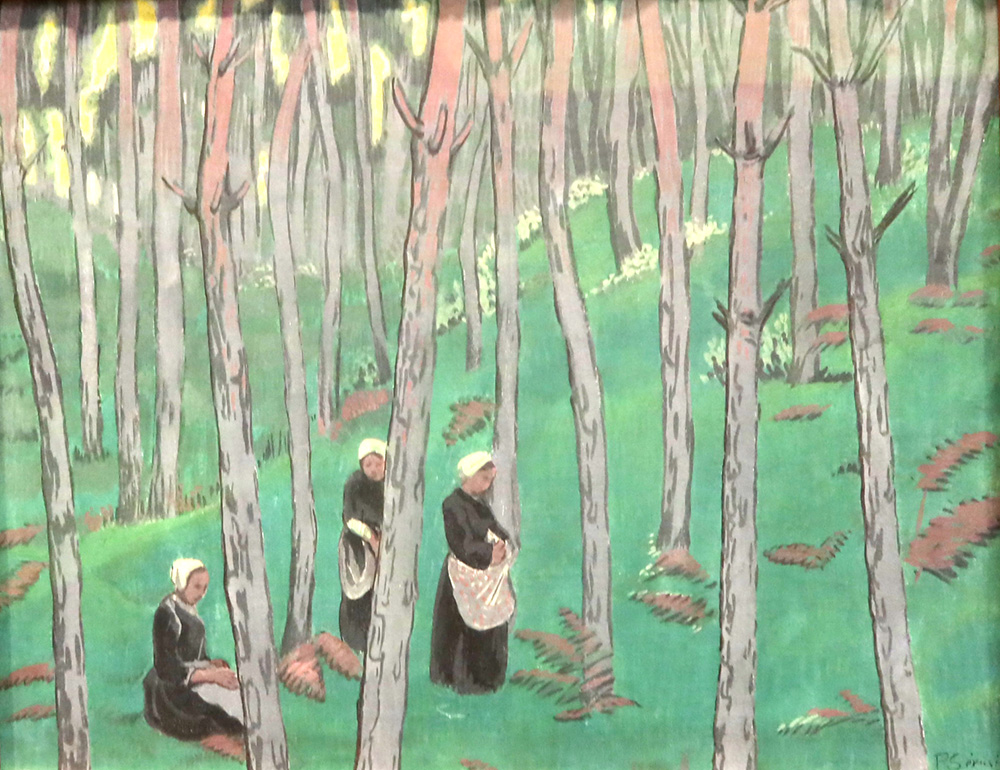
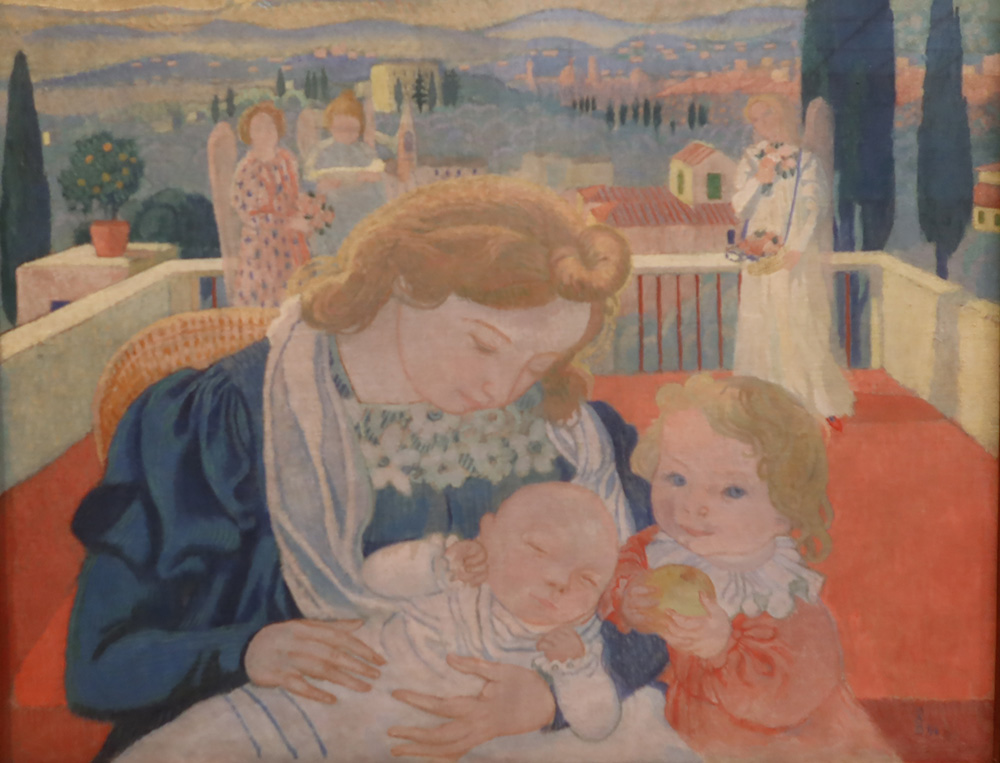
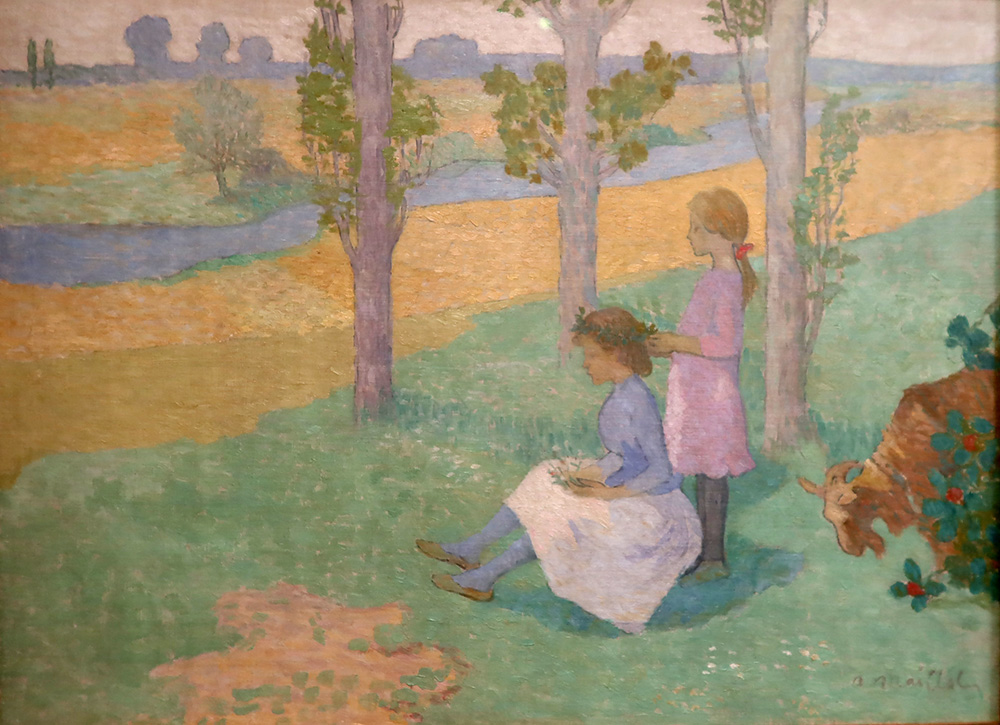
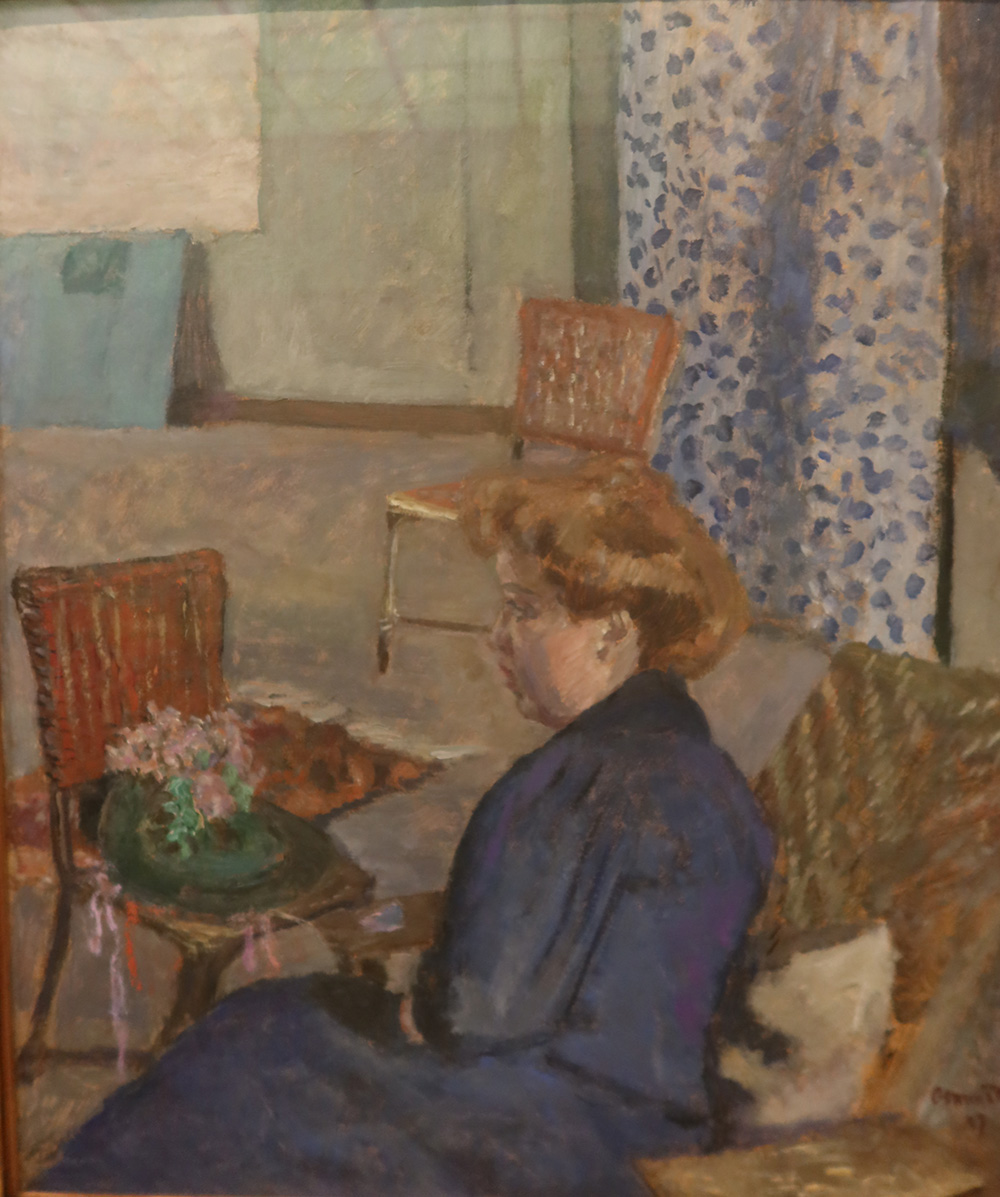
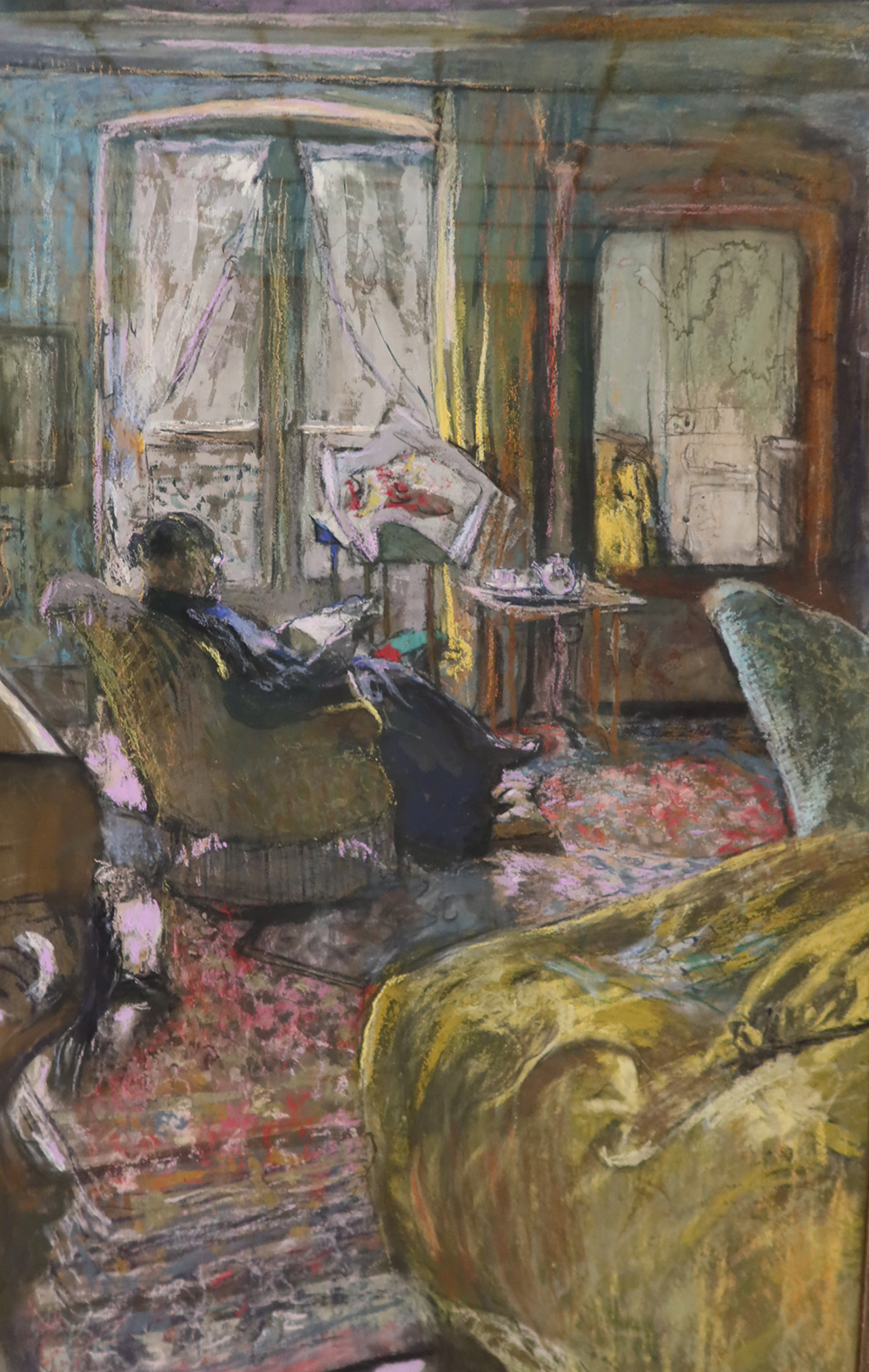
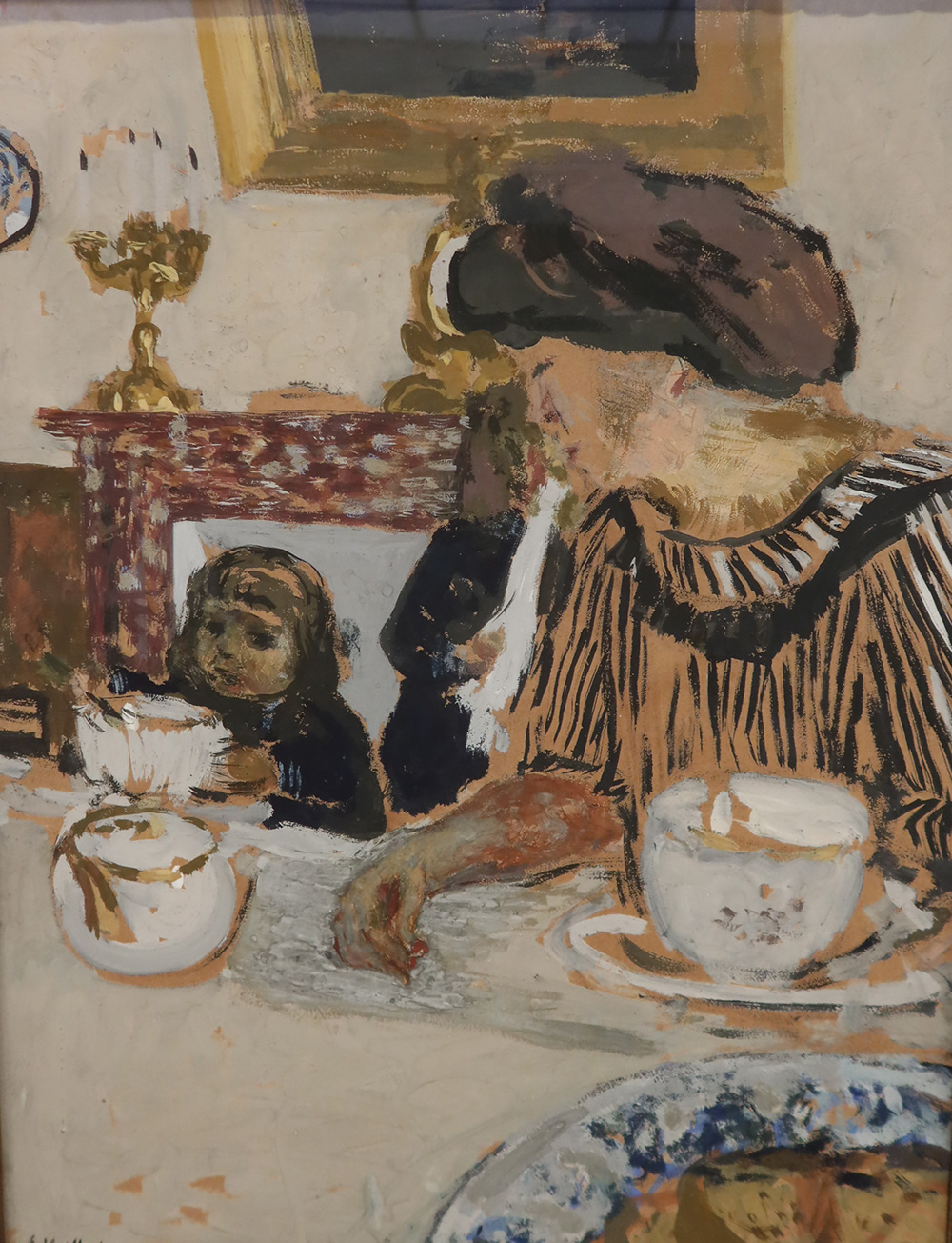
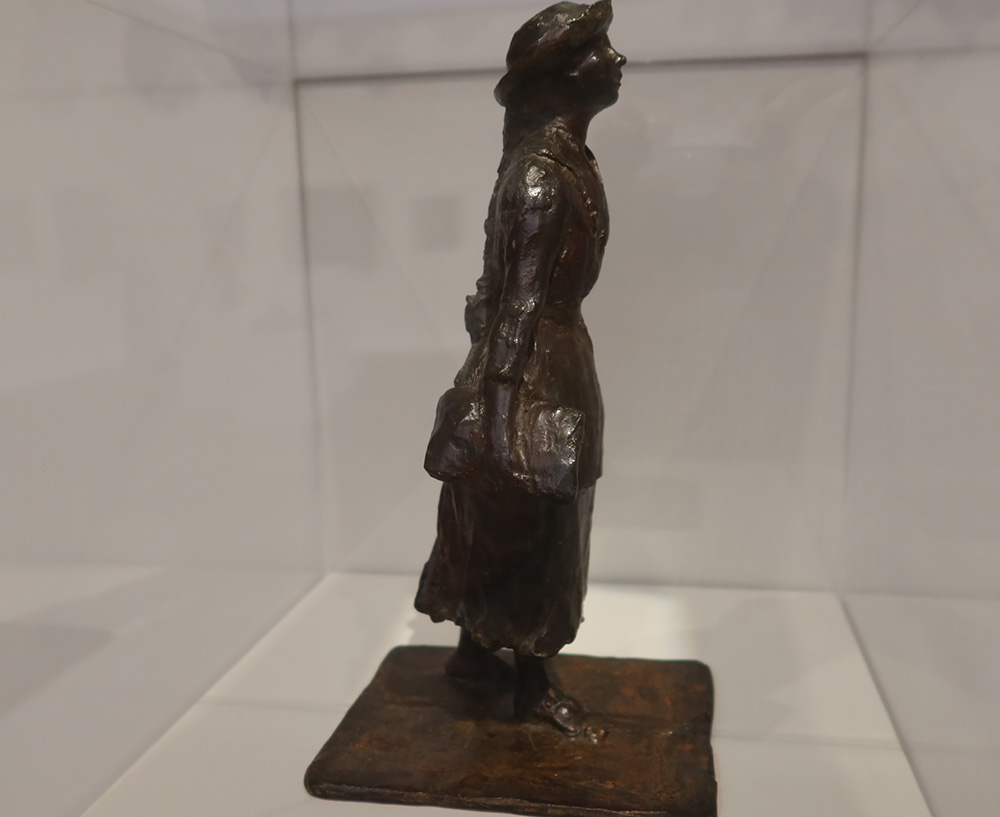
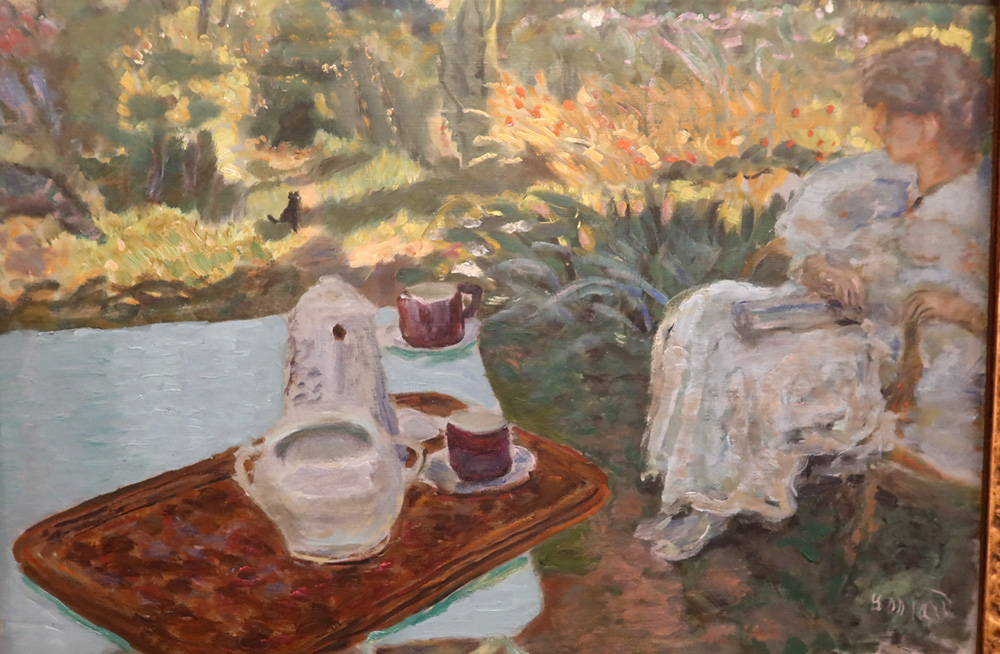
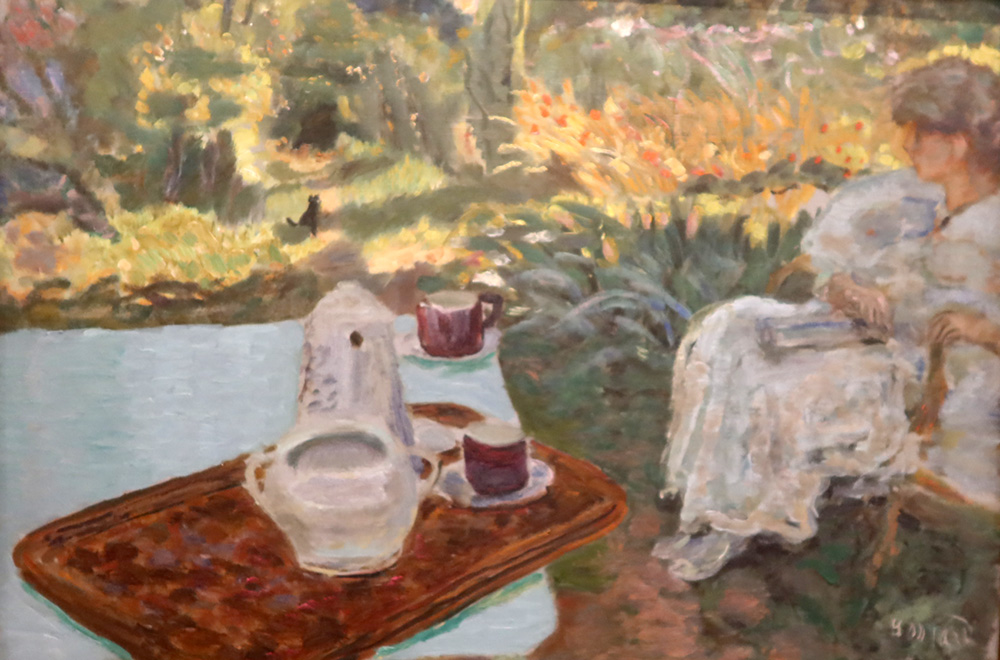
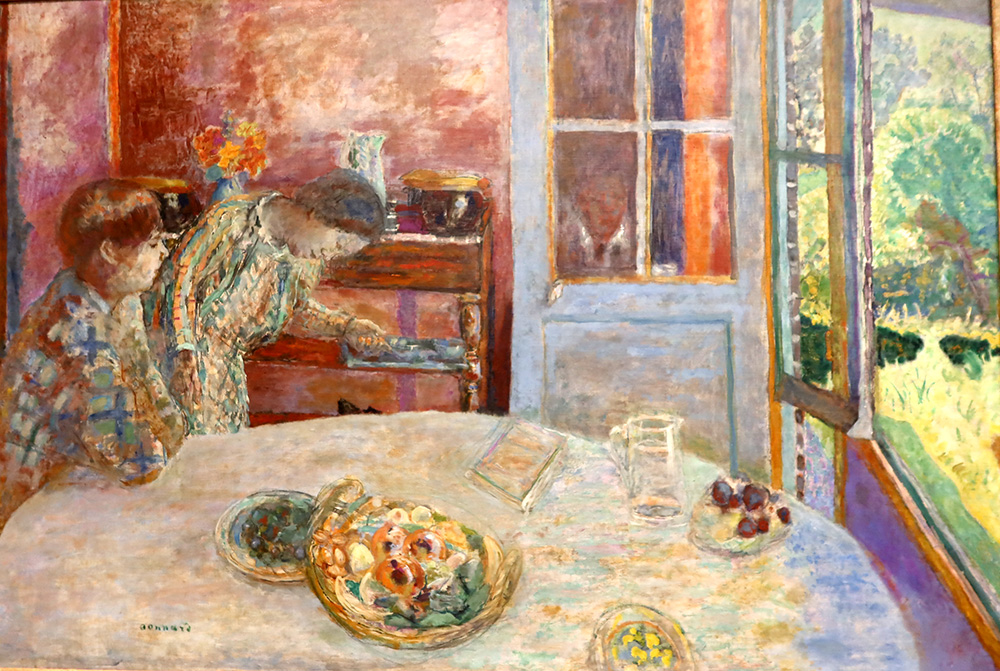
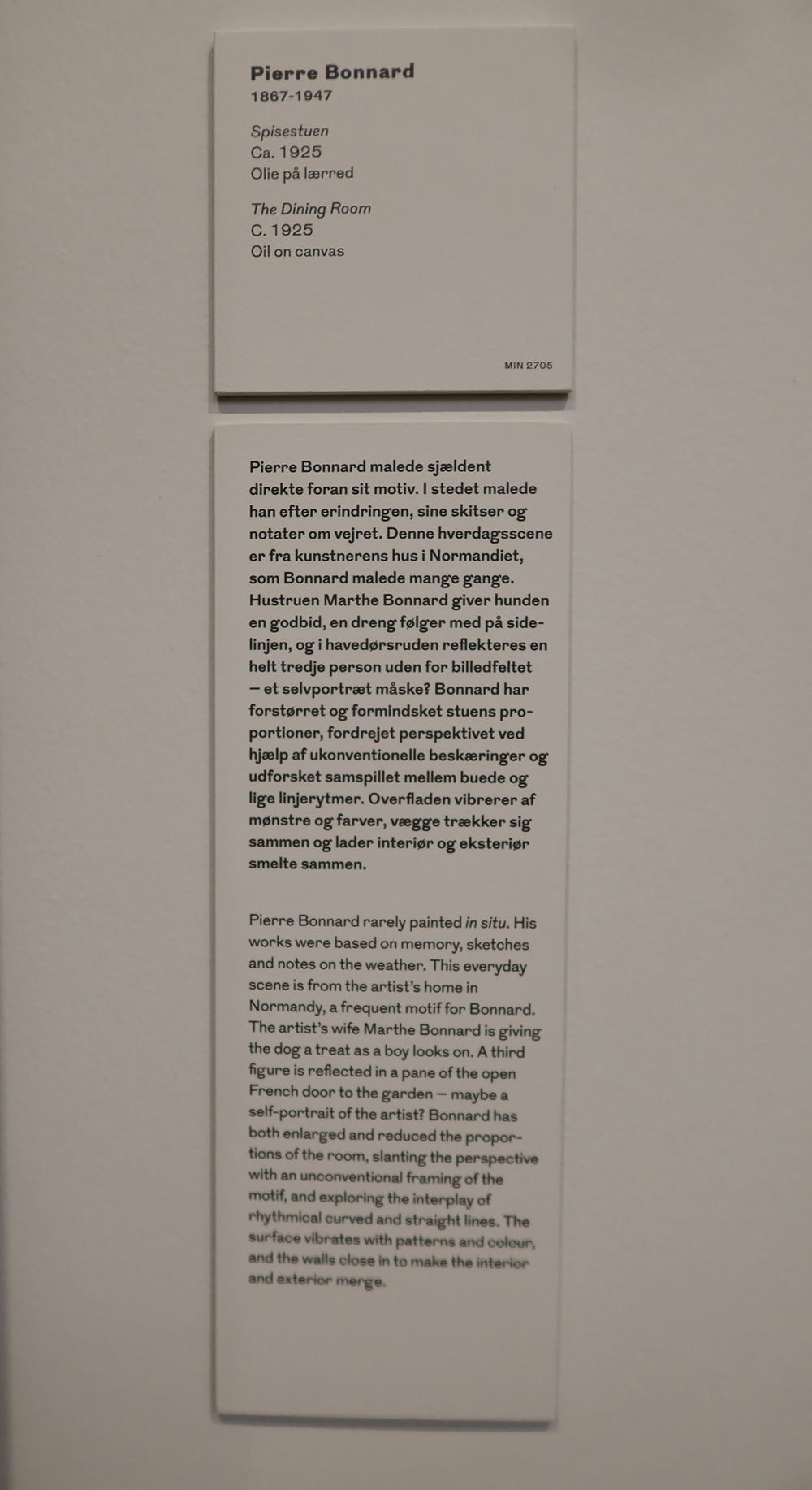
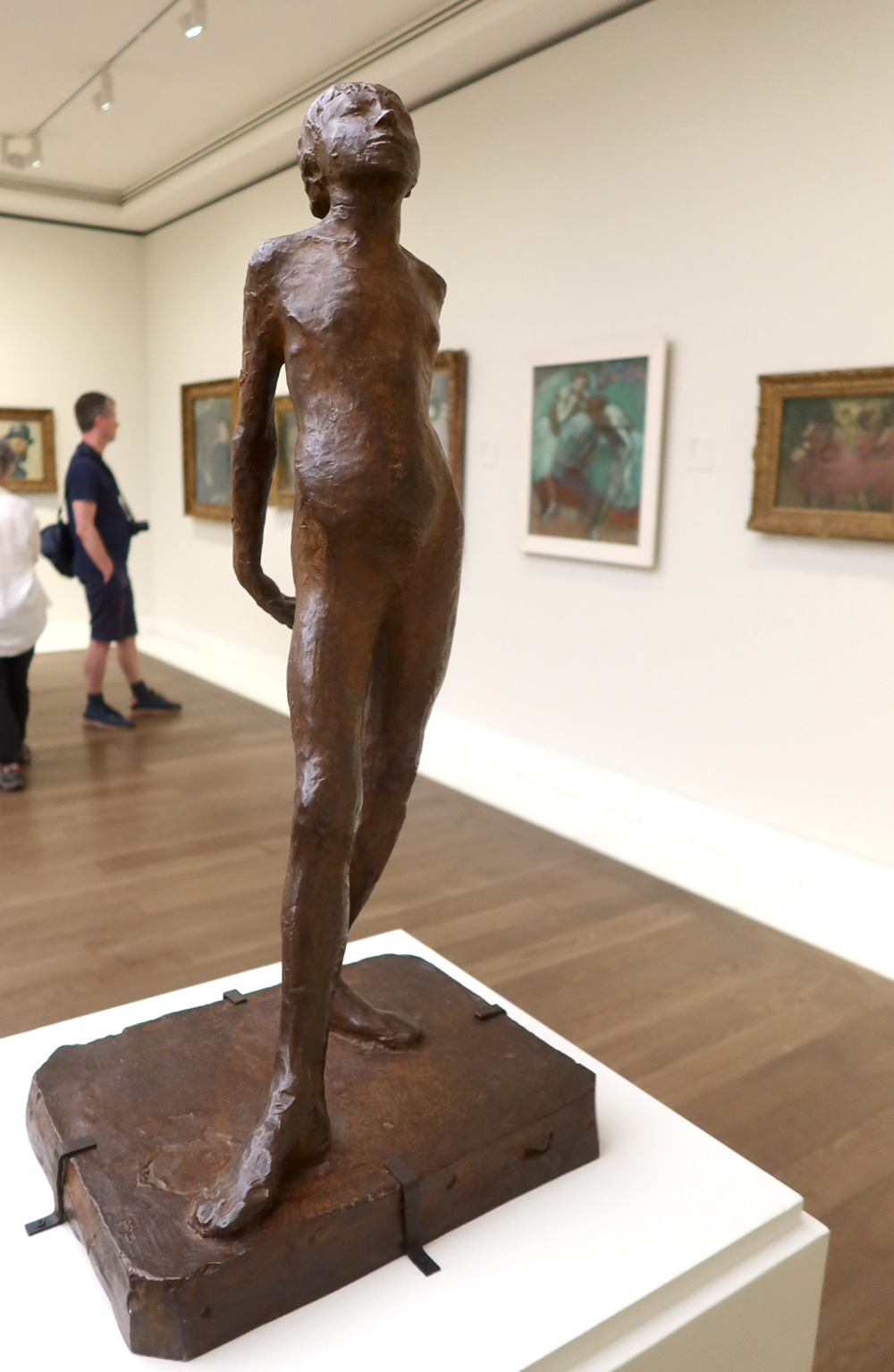
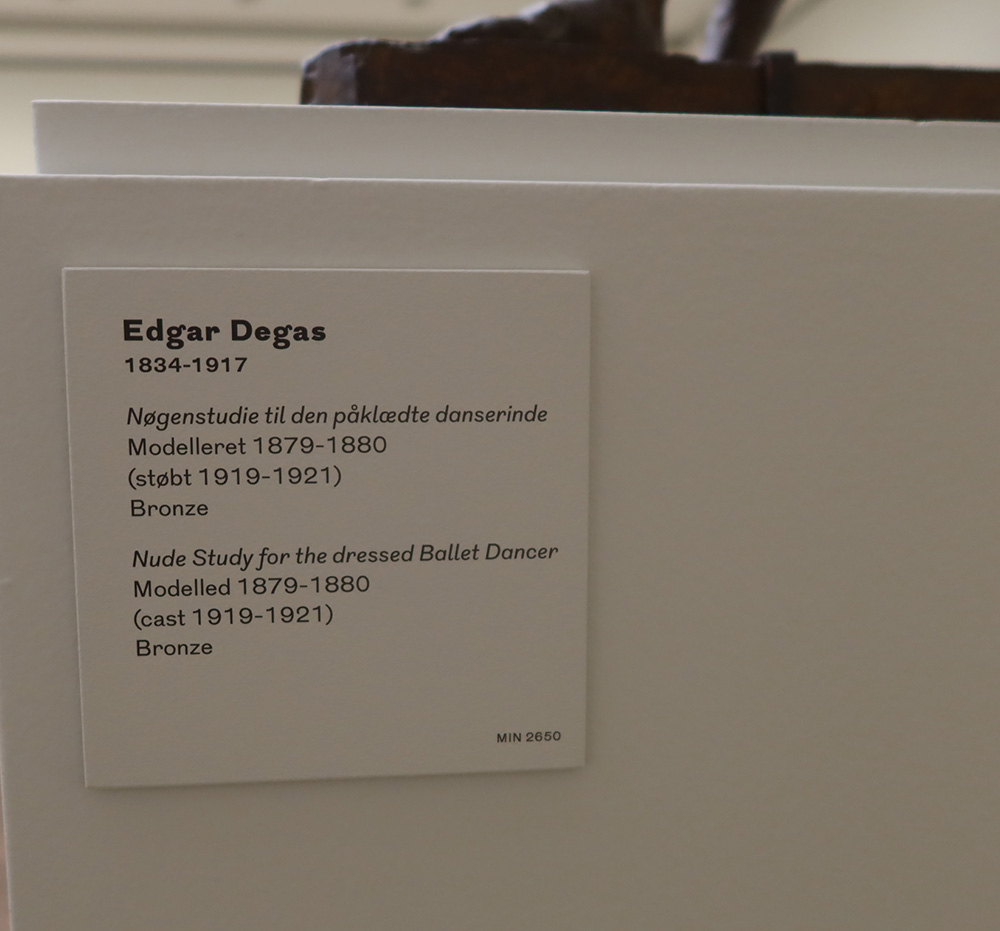
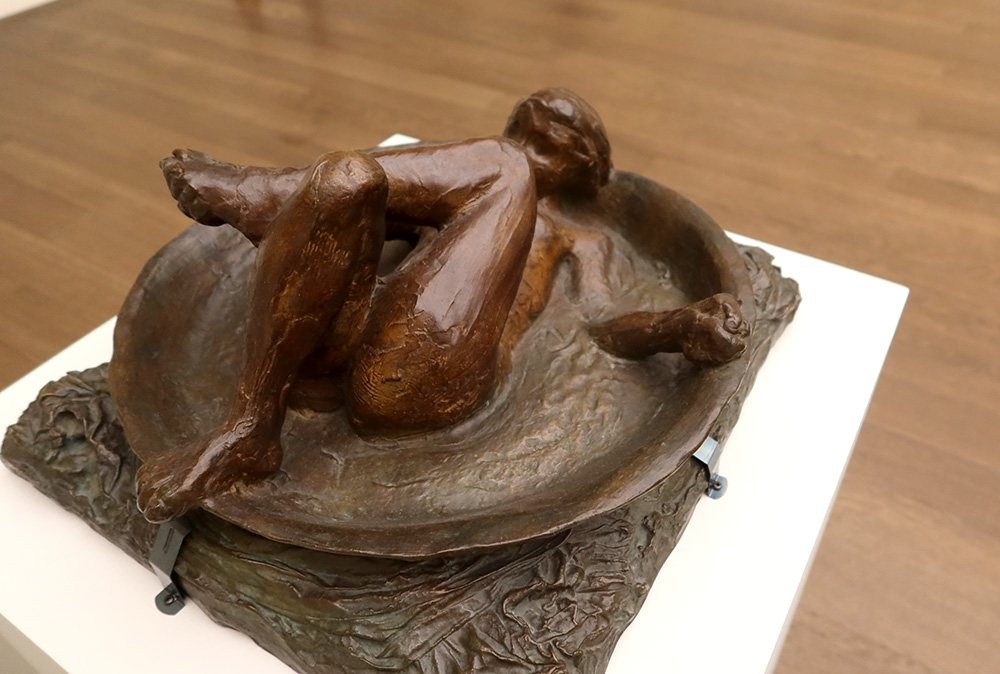
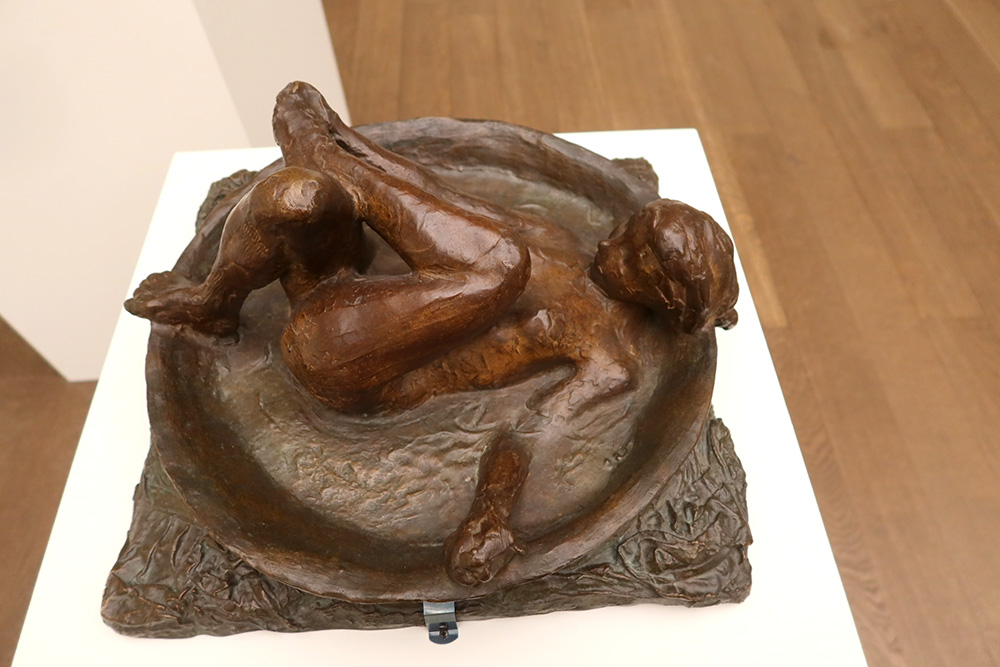
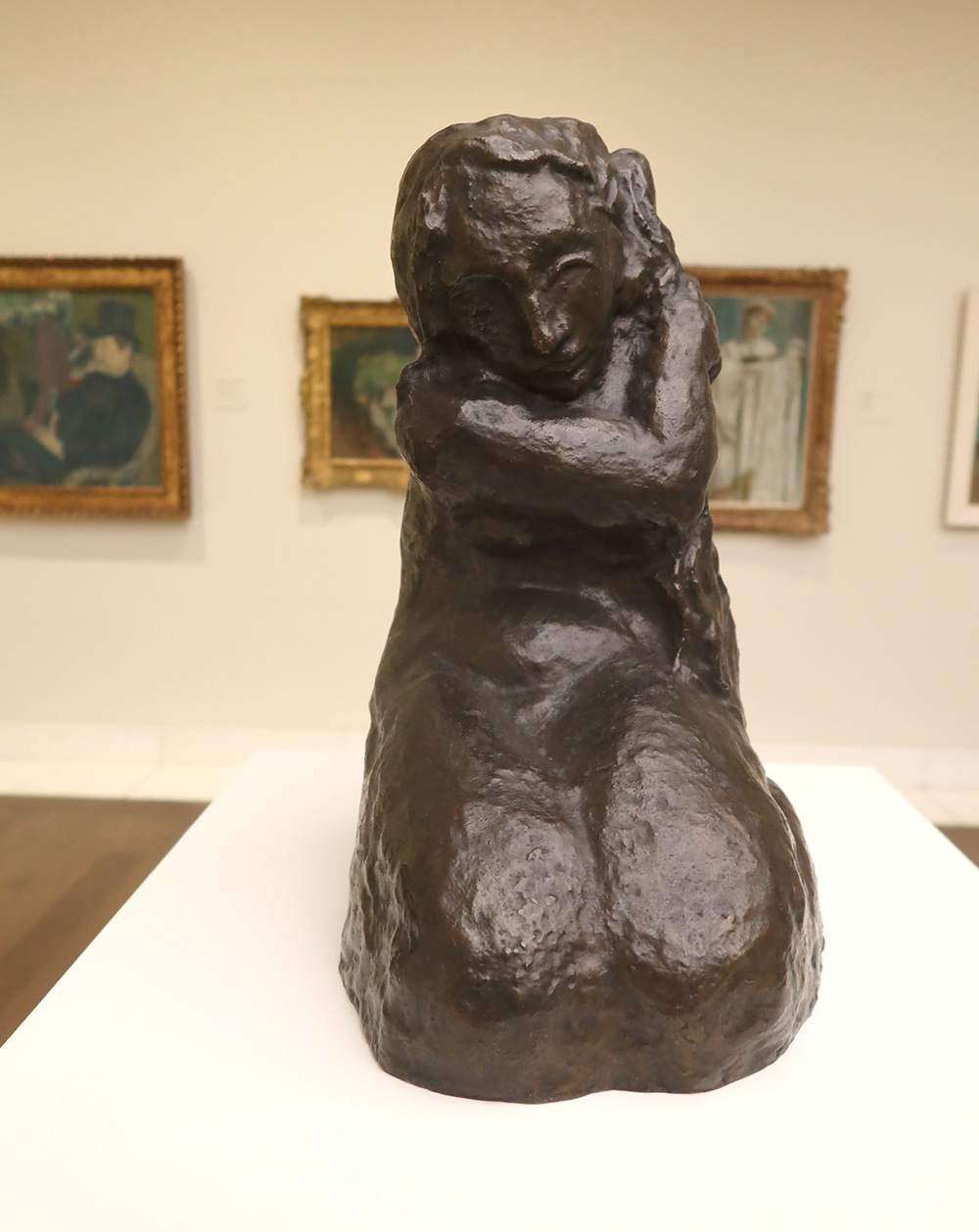
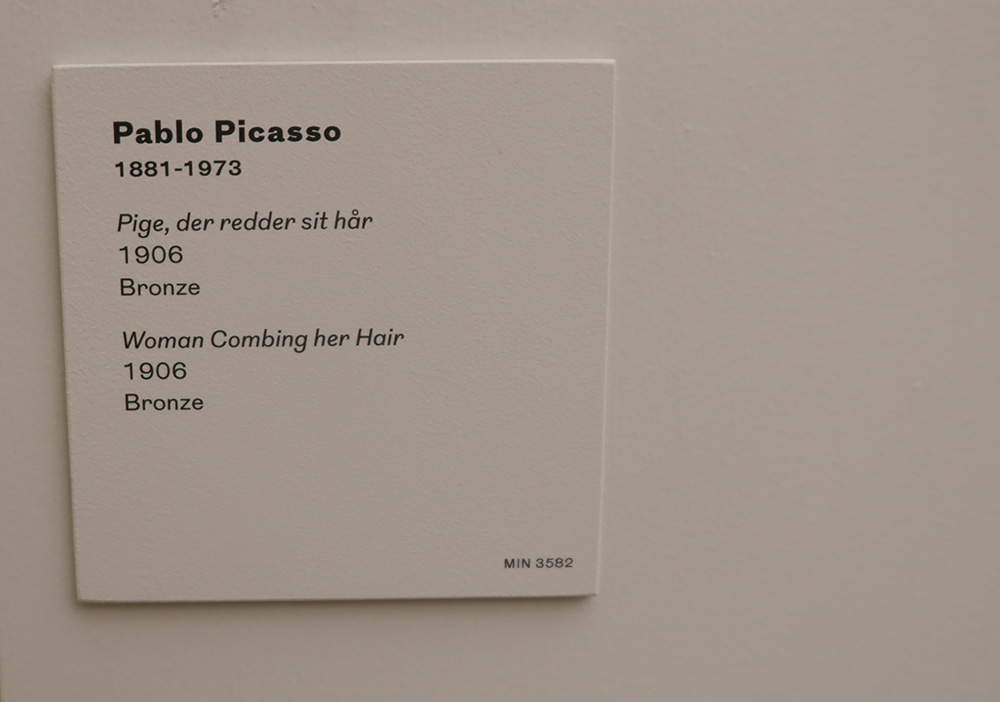
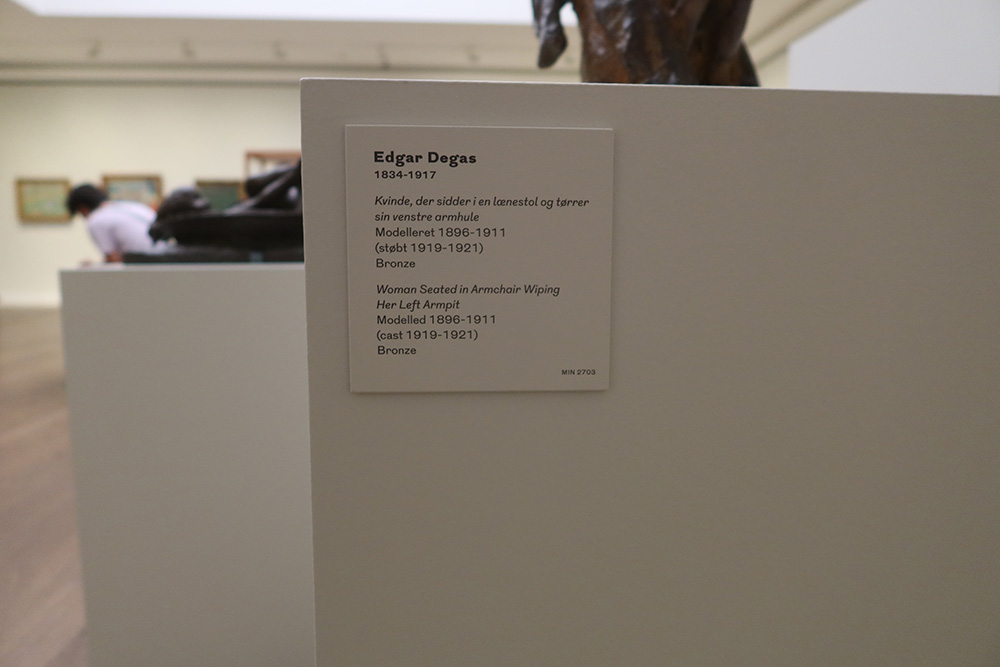
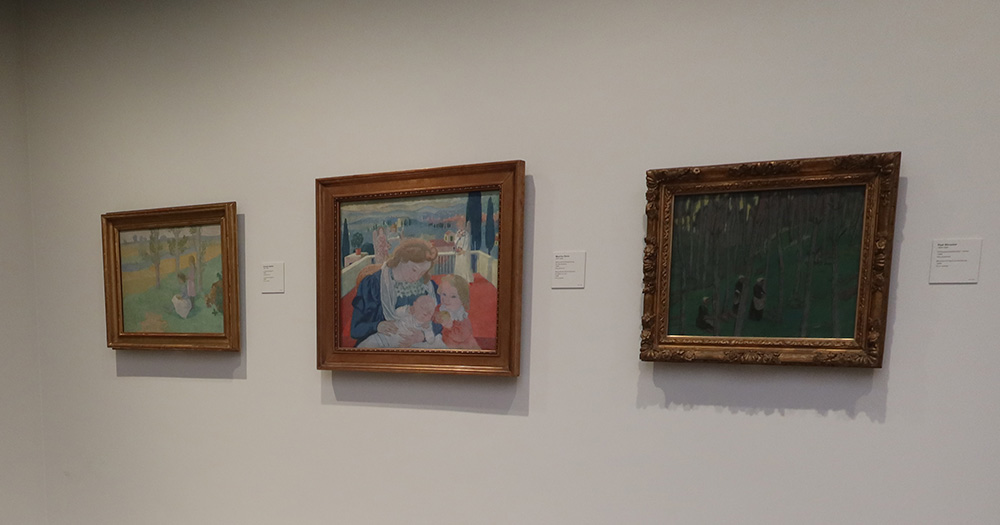
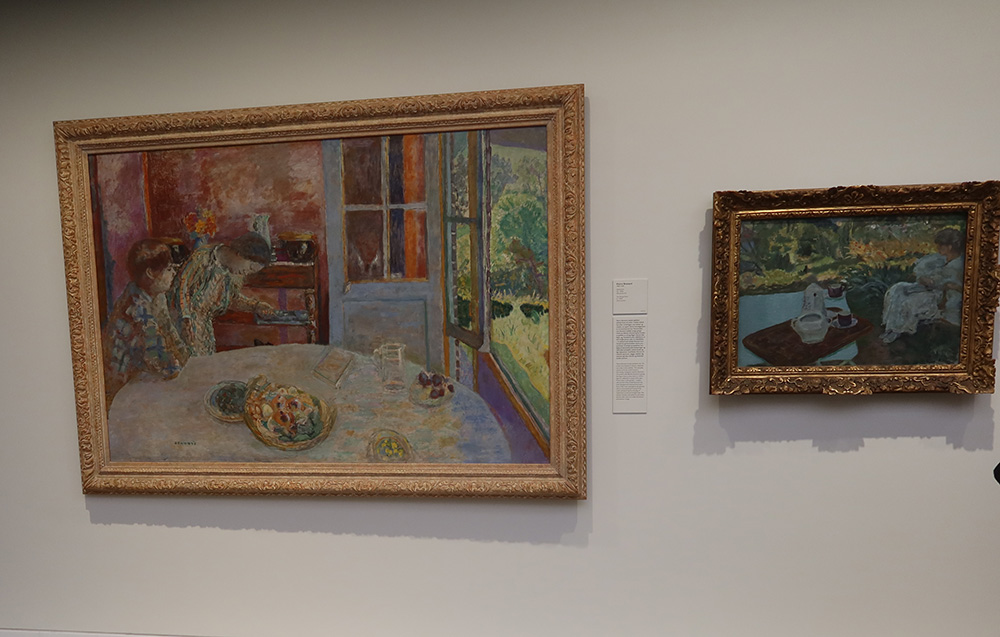
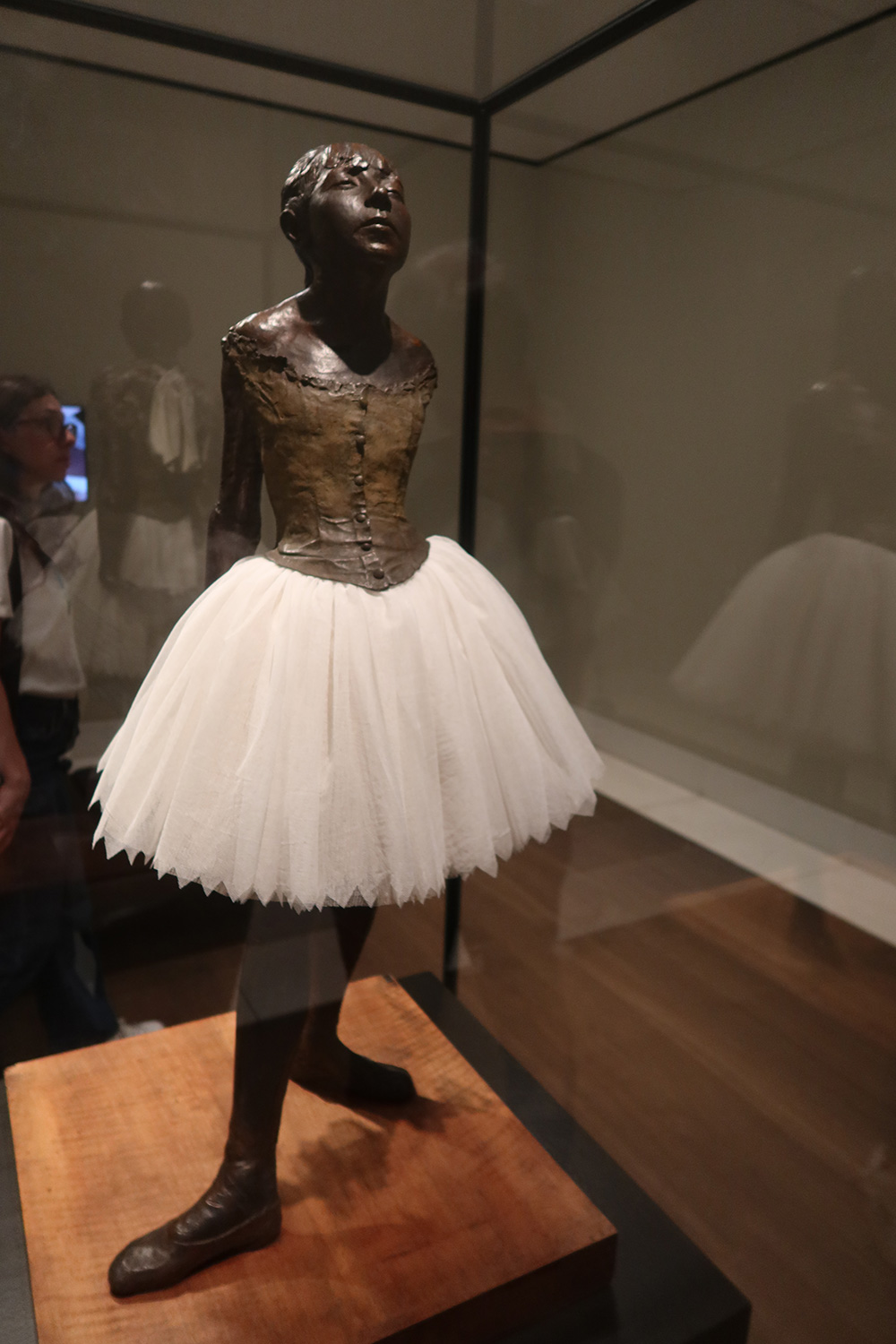
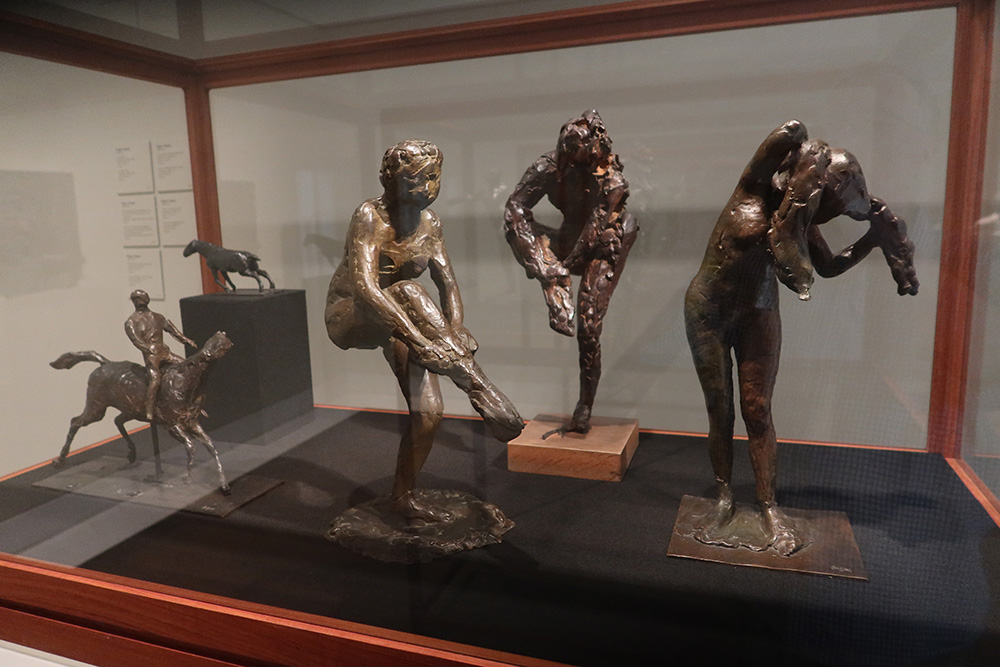
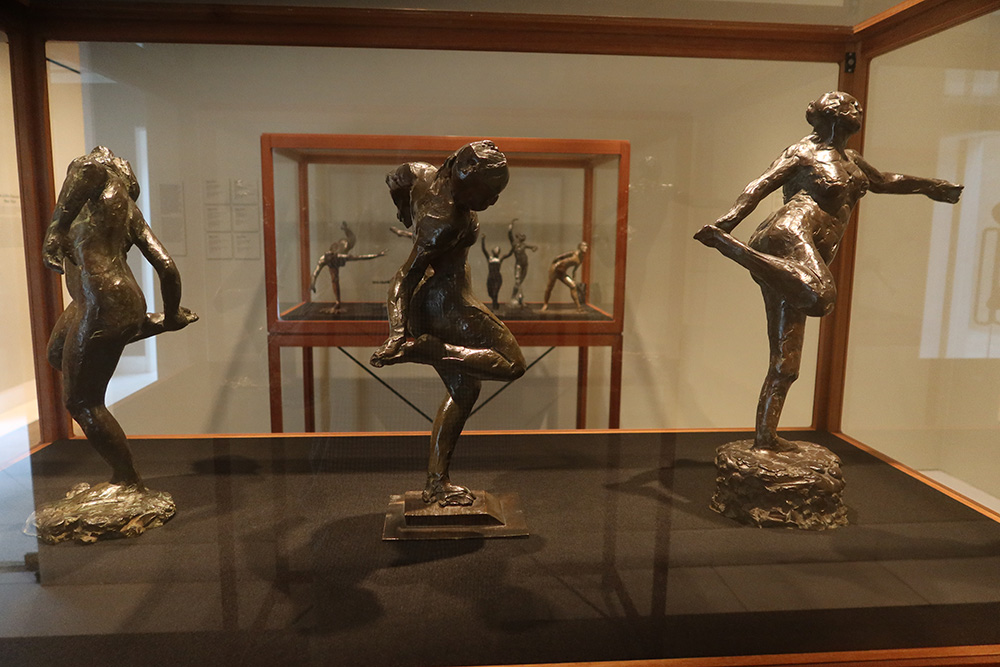
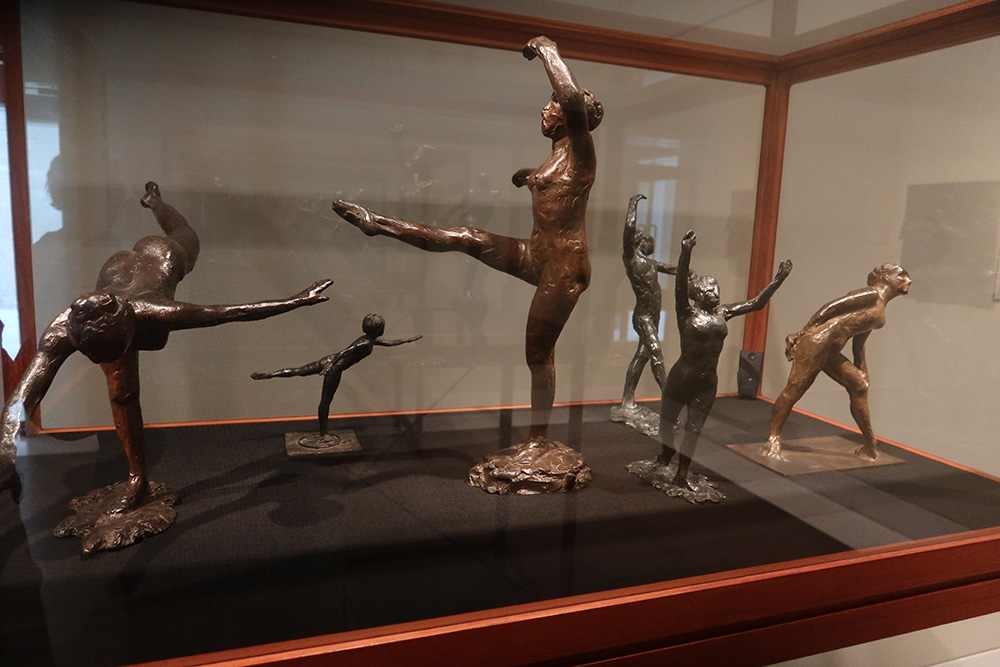
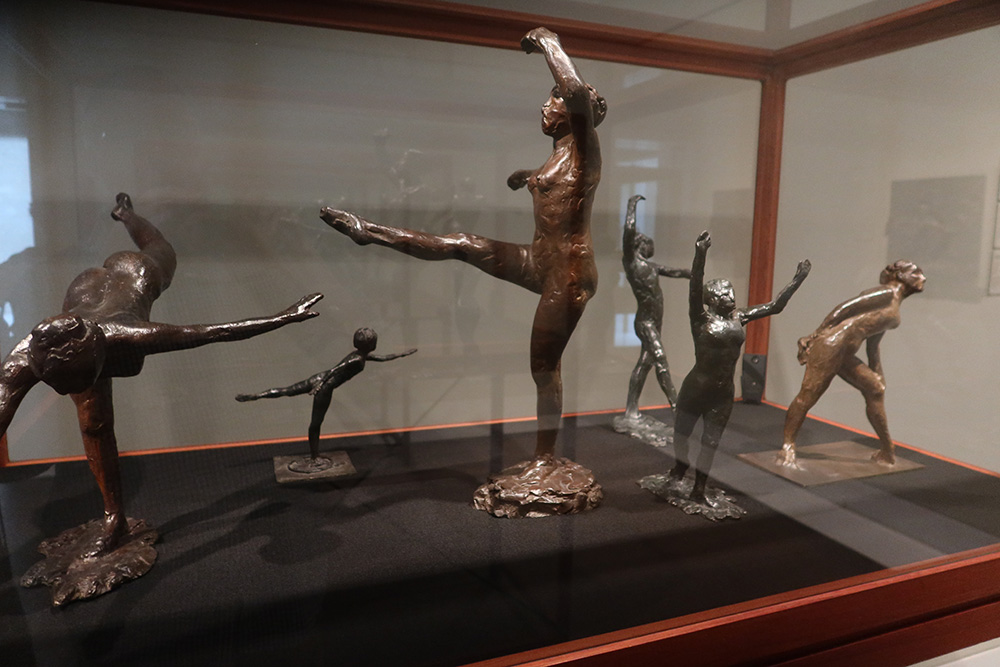
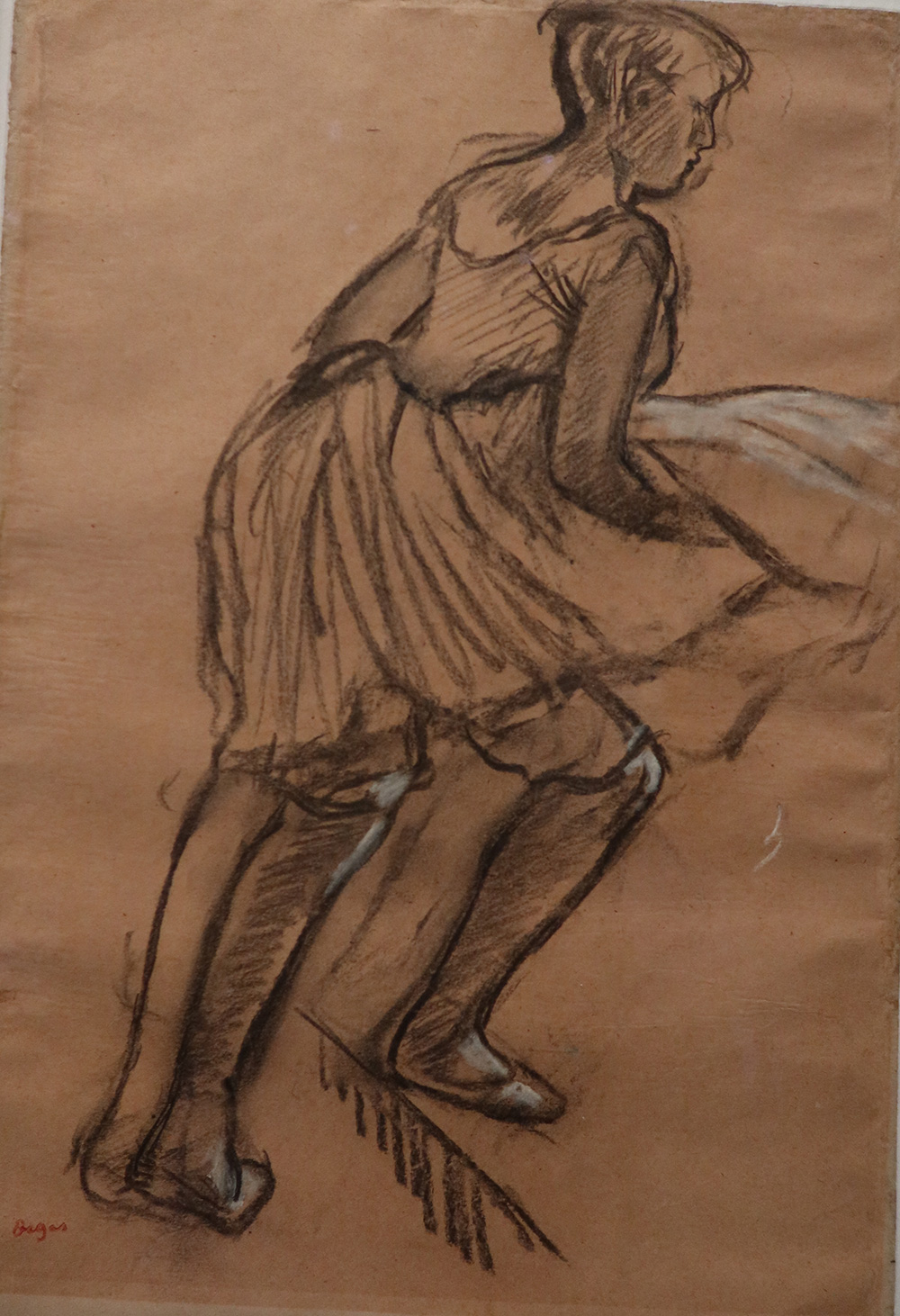
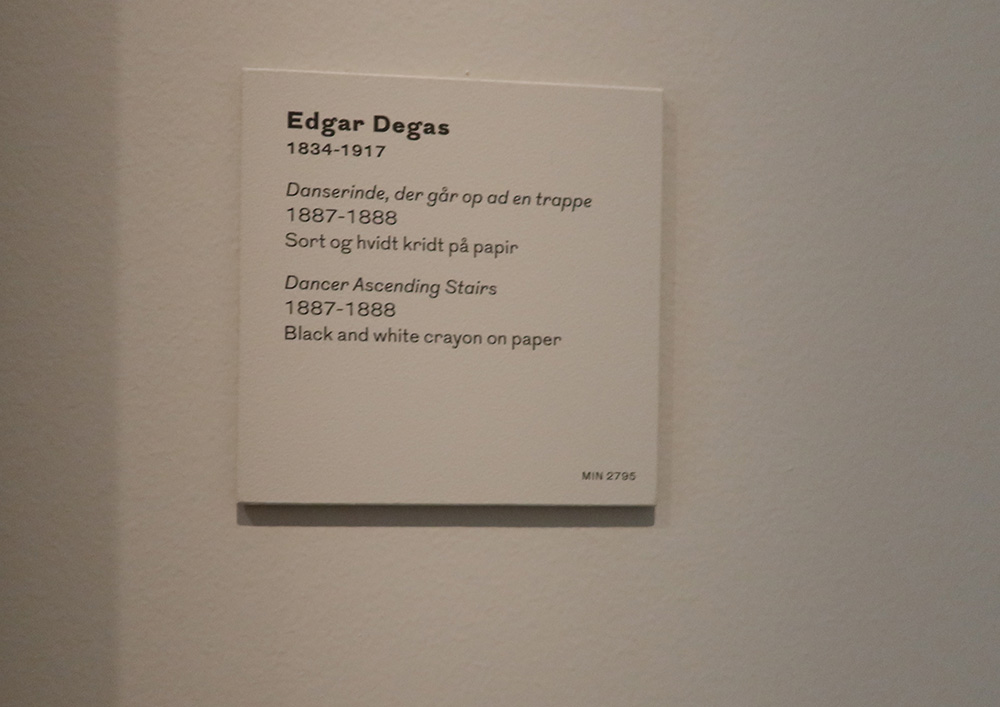
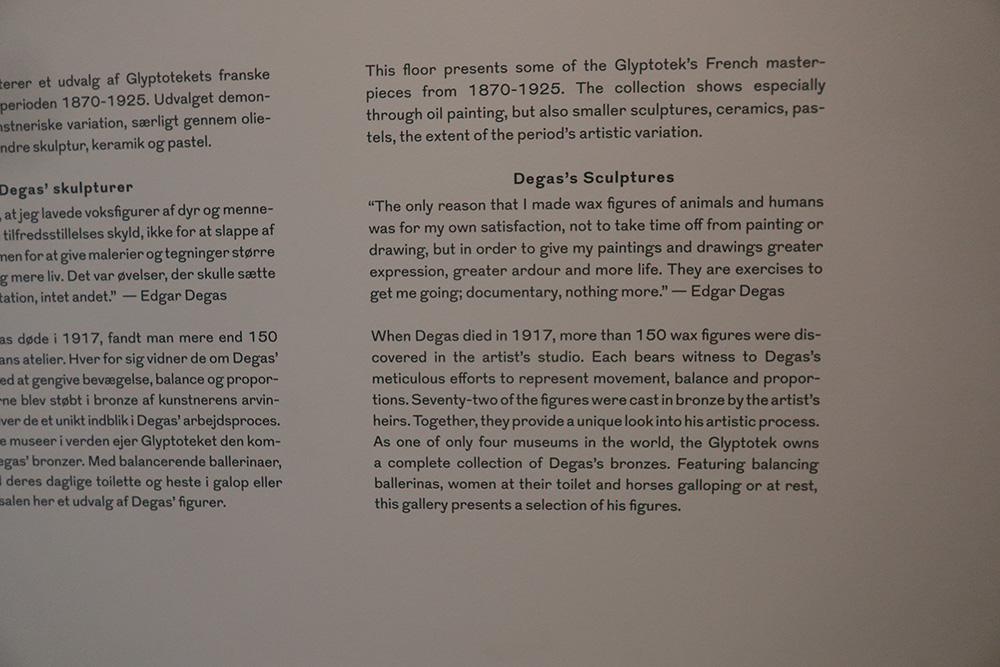
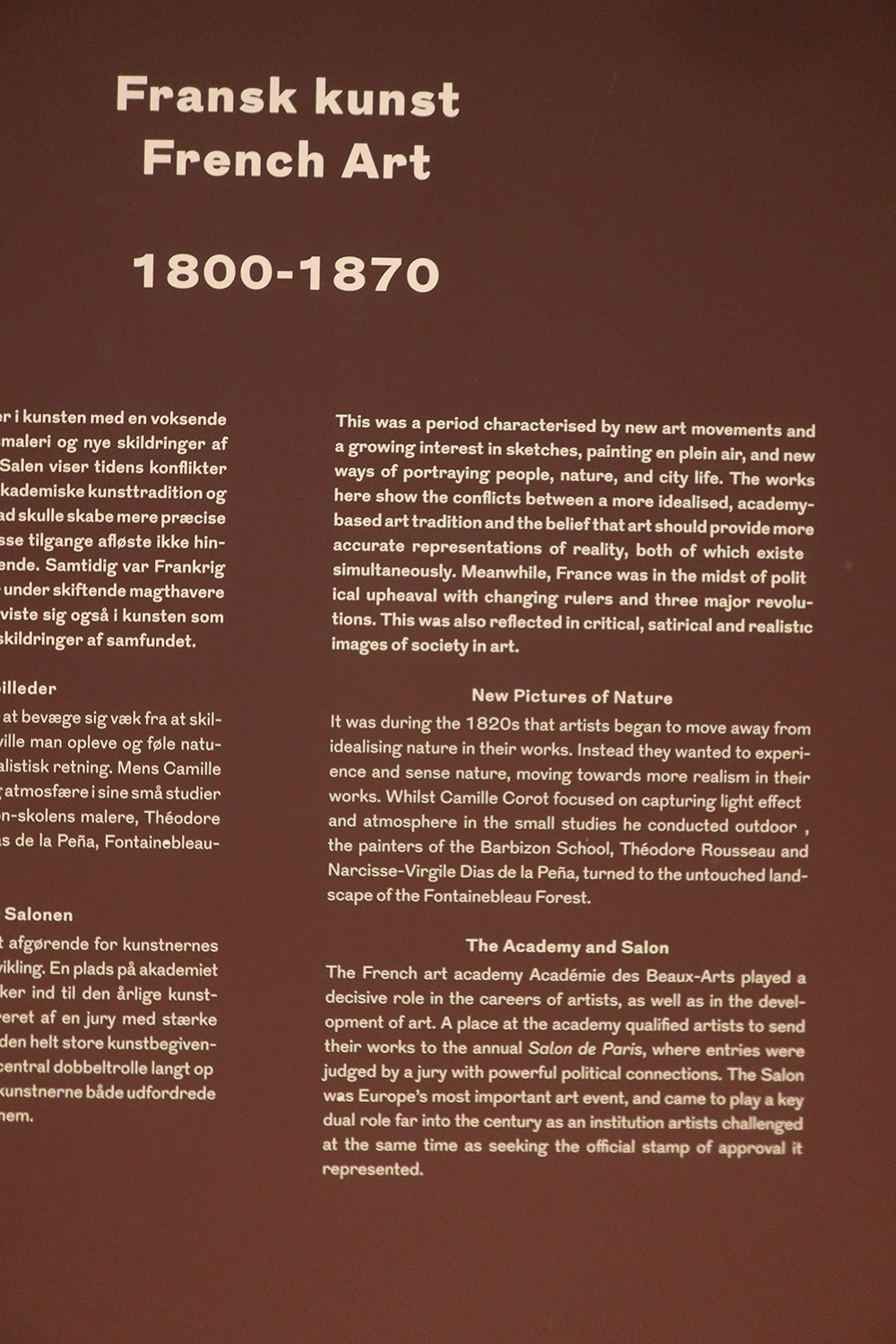
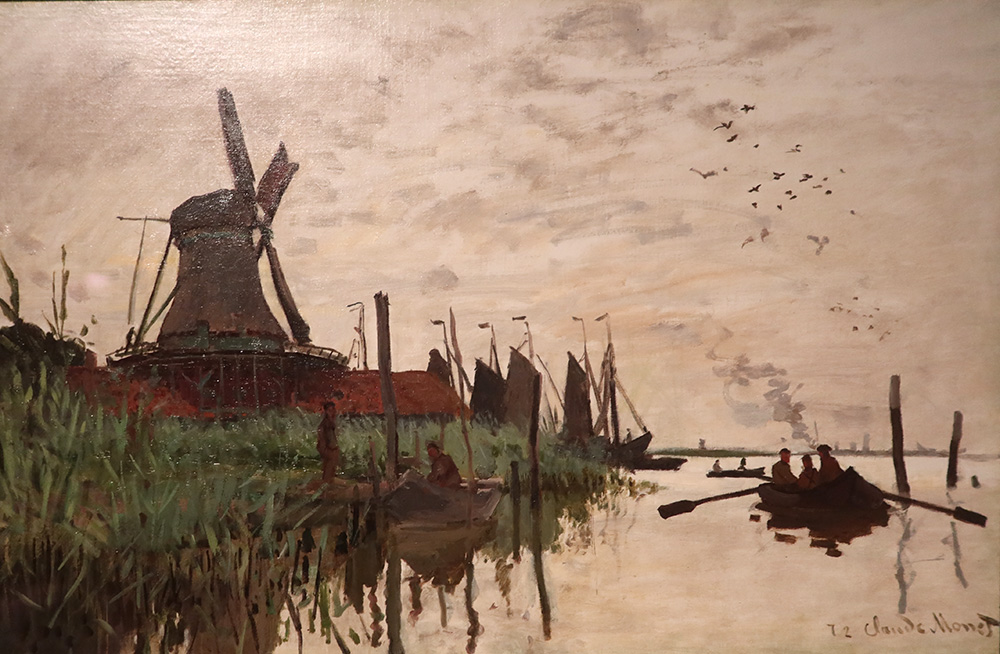
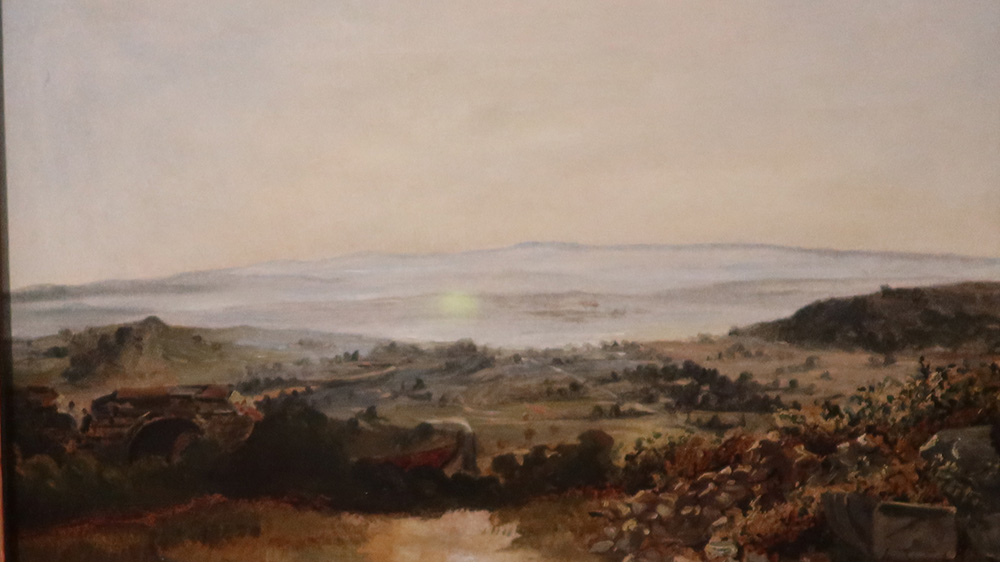
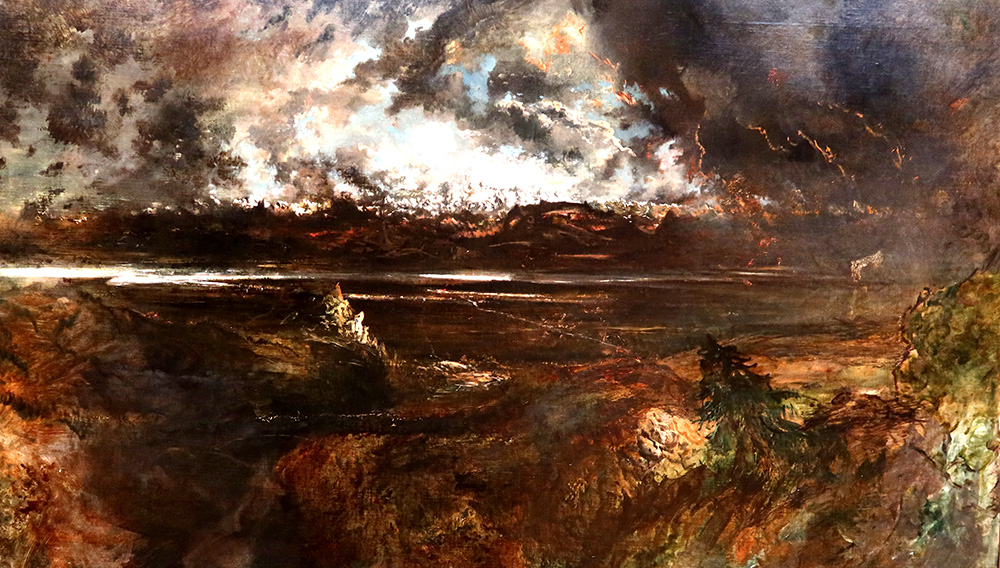
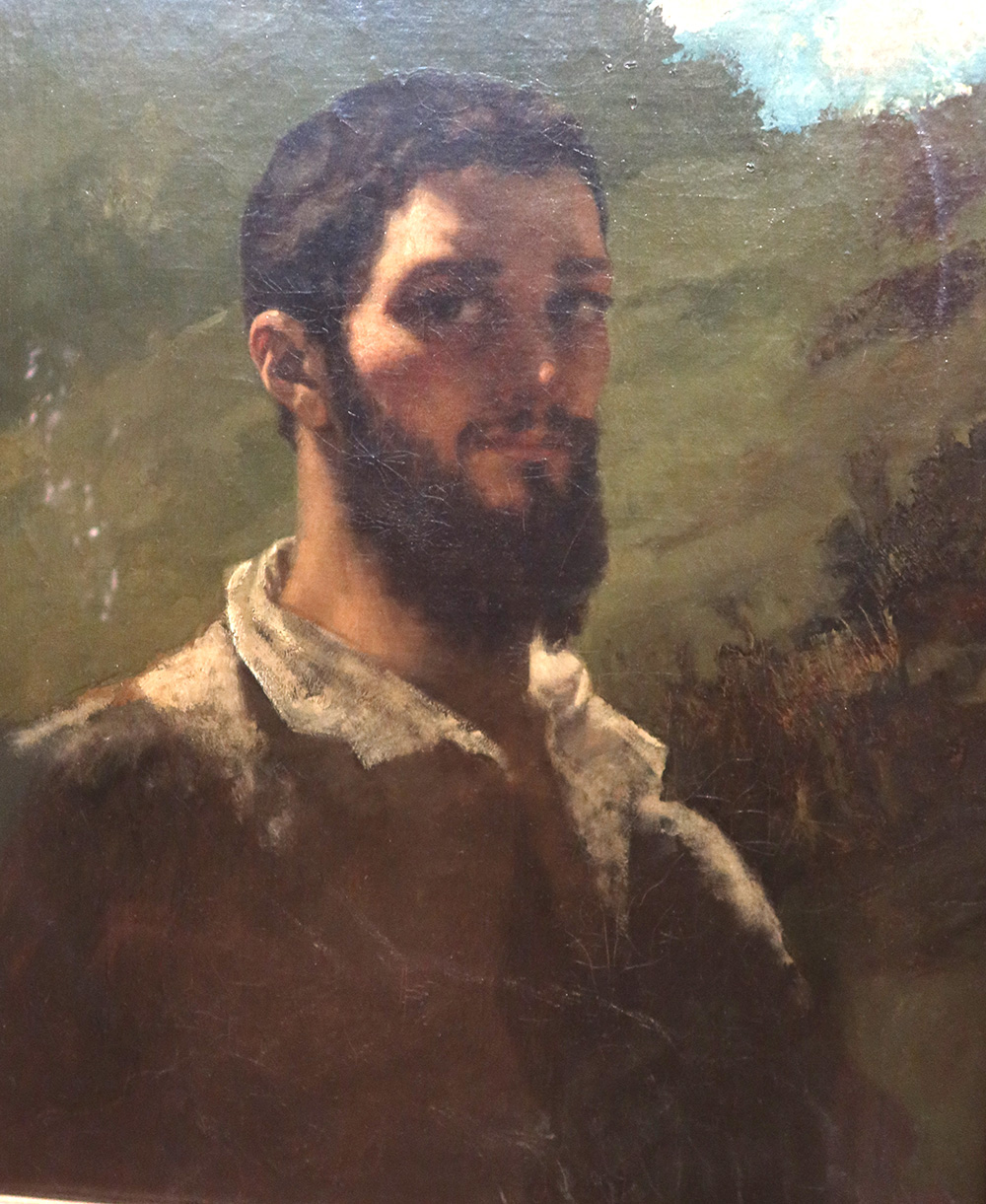
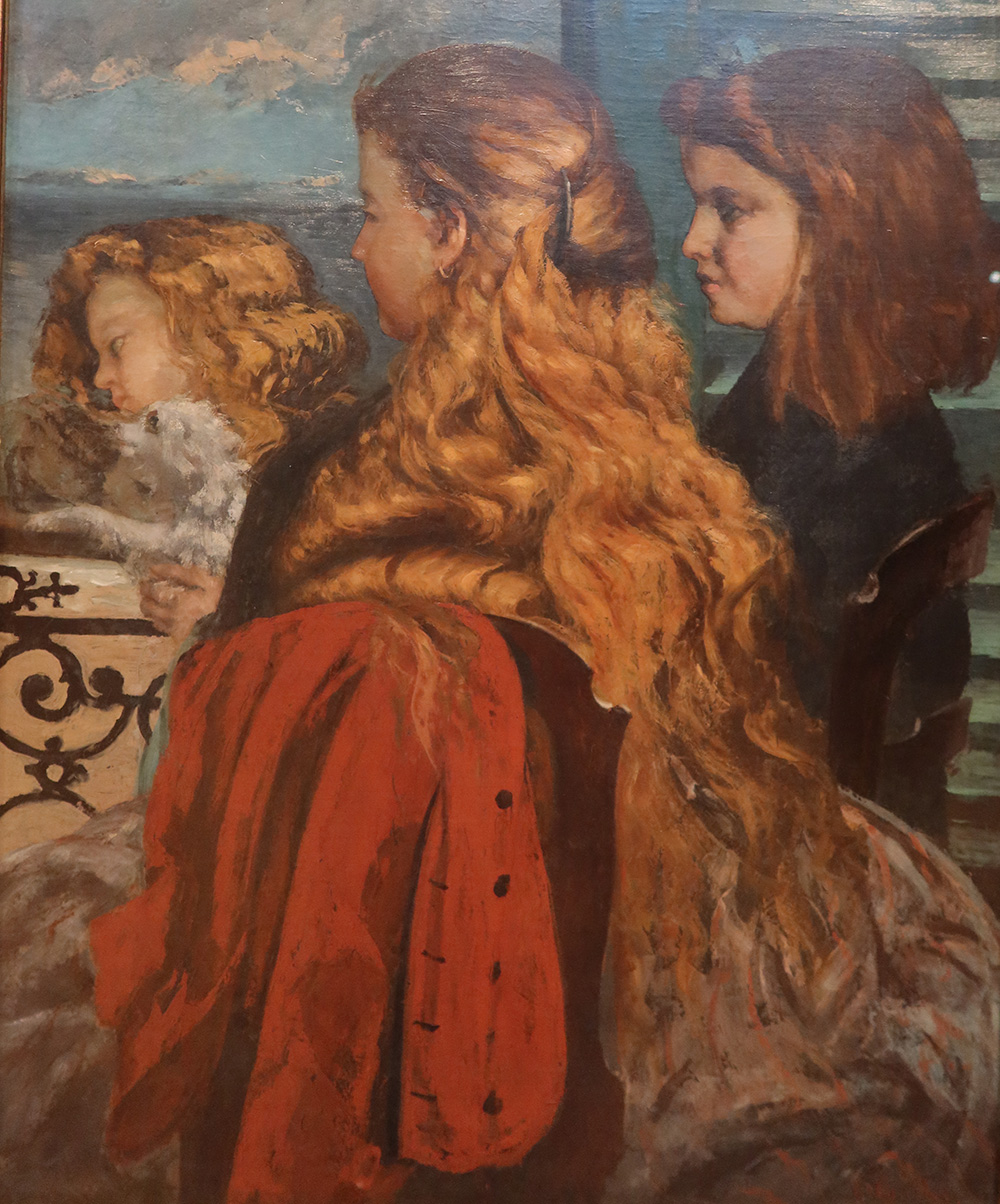
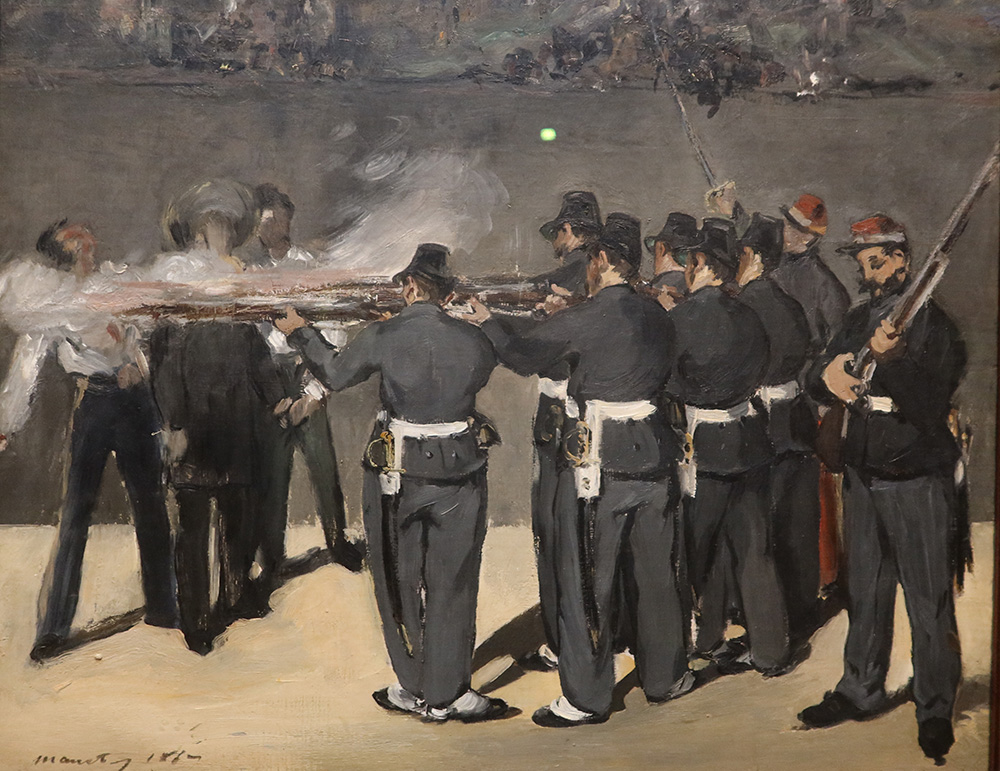
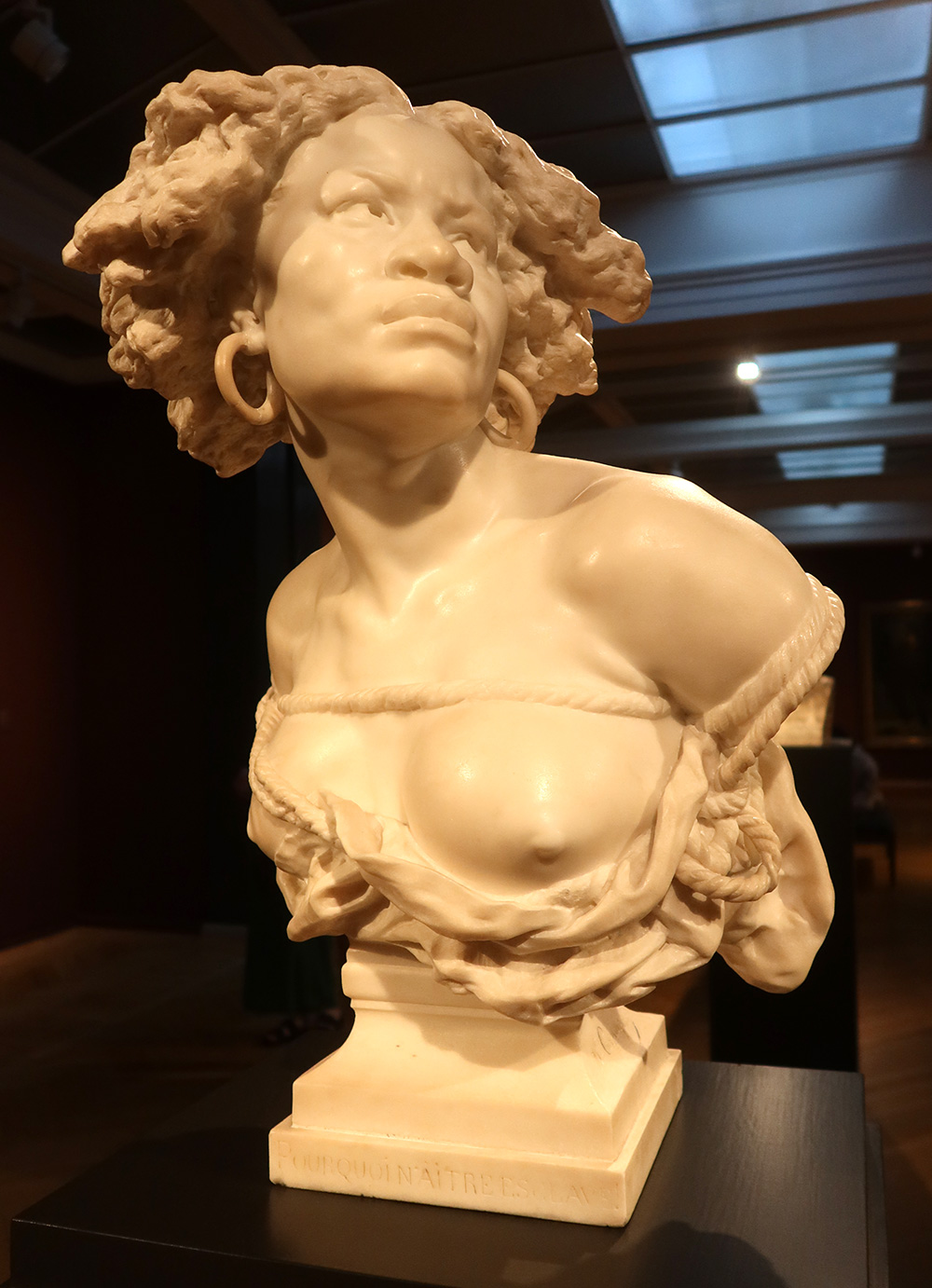
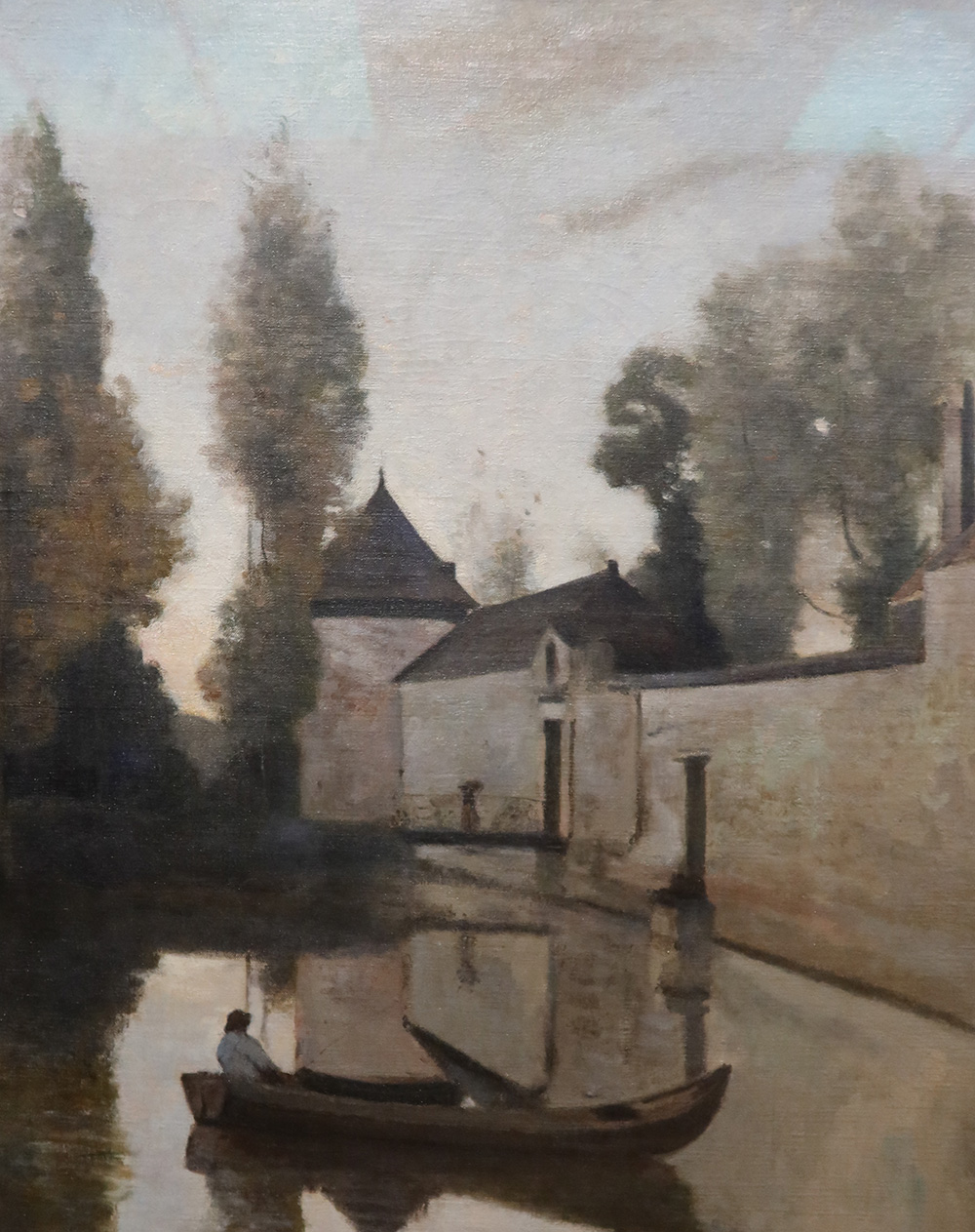
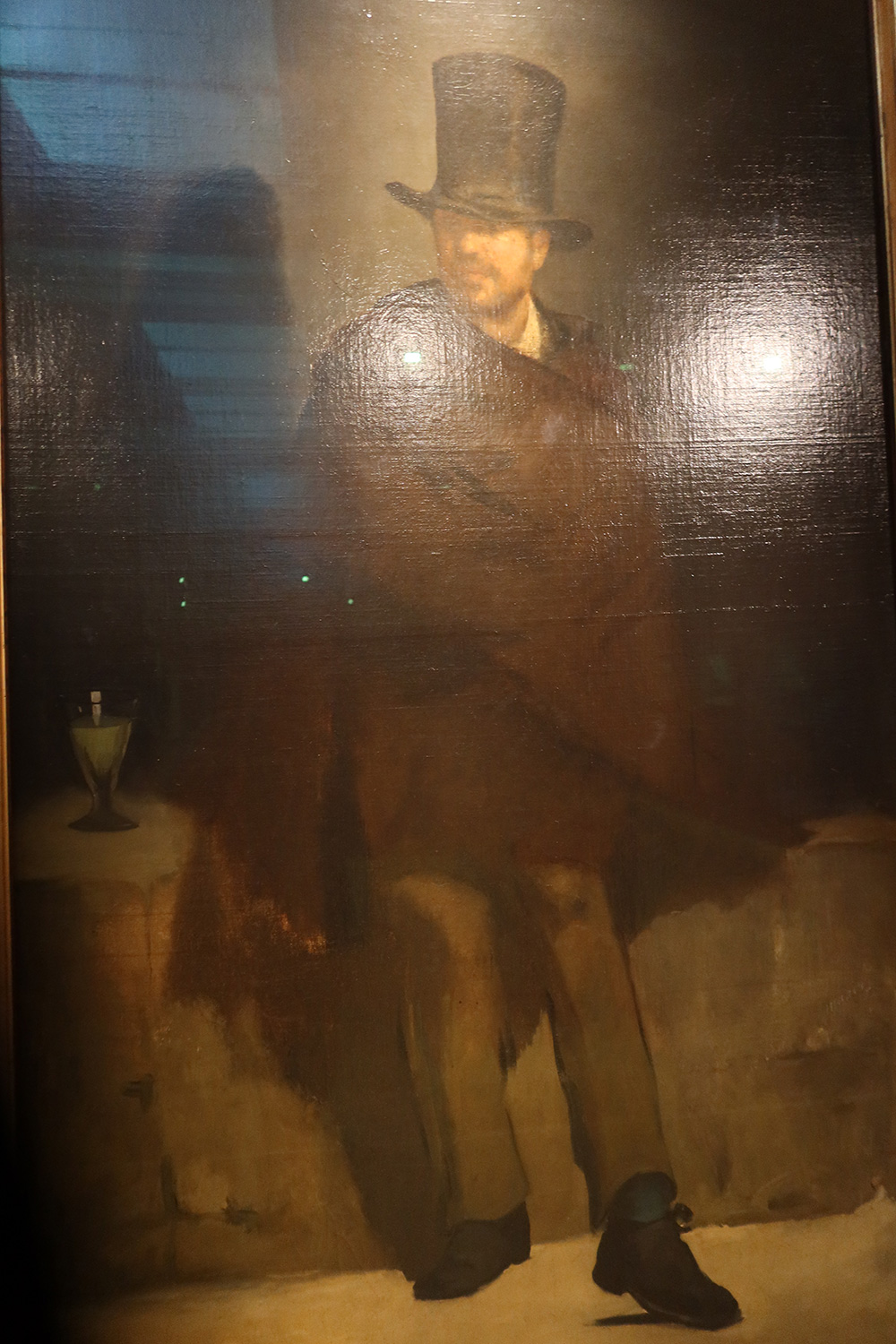
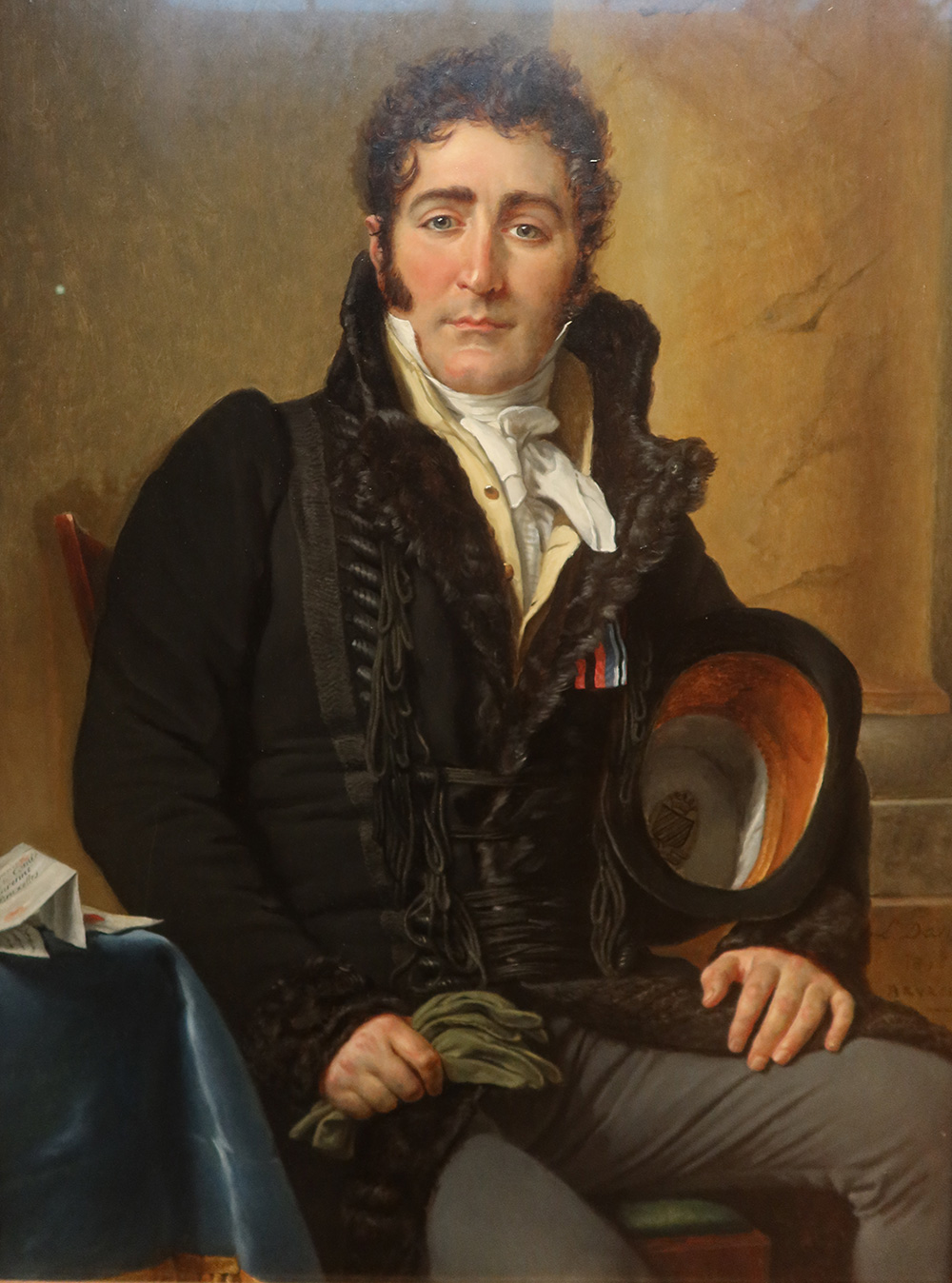
The modern collection is weighted heavily toward French nineteenth-century painting and sculpture. The French paintings range from Jacques-Louis David through the Impressionists and Post-Impressionists — Monet, Pissarro, Renoir, Degas, Cézanne, van Gogh, Toulouse-Lautrec and Bonnard are all represented — and the Glyptotek holds 47 works by Paul Gauguin, among them major canvases from his time in Tahiti, making this one of the most concentrated Gauguin holdings in Europe. The sculpture holdings include all of Degas's bronze works, including his celebrated series of dancers, alongside the Rodin collection, which is regarded as the most important outside France and includes major monumental works as well as studies and fragments that illuminate his process.
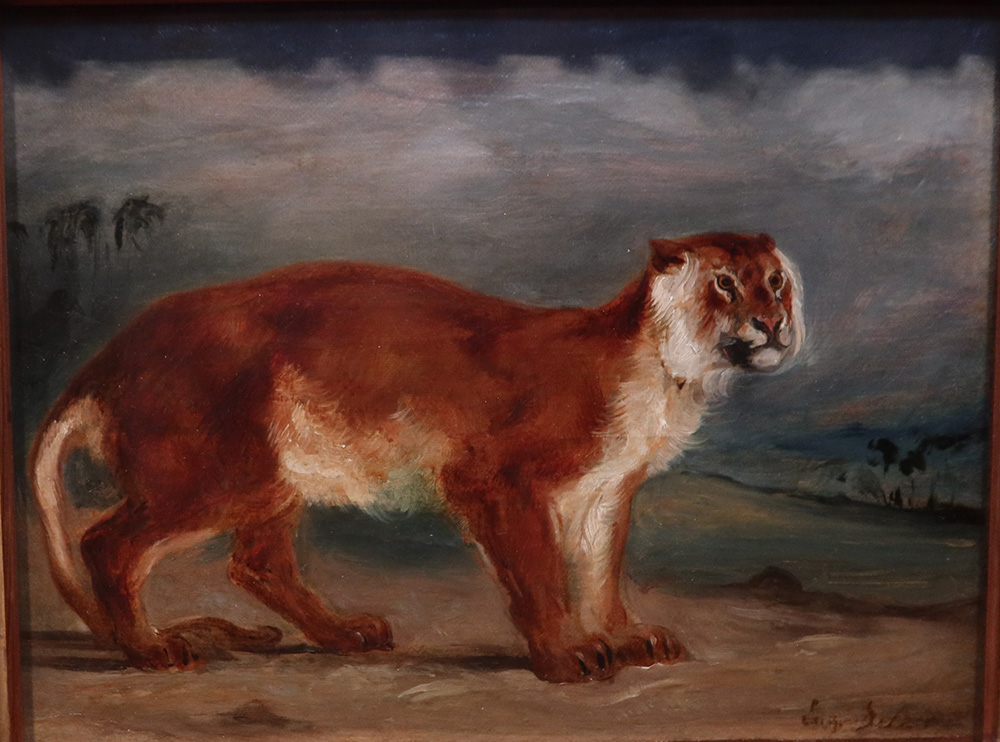
Danish Golden Age painting forms the third substantial strand of the permanent collection, situating the Glyptotek as a serious venue for the study of nineteenth-century Nordic art in its European context. A smaller group of twentieth-century works — including pieces by Arp, Ernst, Miró and others — extends the modern holdings into the interwar period.
Research, Curatorial Practice and Institutional Engagement
The Glyptotek's curatorial and research activity reflects the breadth of the collection. The research department includes specialists in Italian Renaissance art, French nineteenth and twentieth-century painting, Egyptian and Near Eastern archaeology, classical archaeology, and museology. Ongoing projects include an interdisciplinary inquiry into ancient polychromy — the original painted surfaces of Greek and Roman sculpture and architecture — with associated research into sensory experience, ancient textiles and provenance. Other active work addresses the collecting practices of Carl Jacobsen within their socio-economic and cultural-political context, the continuing influence of colonialism on museum collections and display, and the institutional reception of classical antiquity in a contemporary public context.
For institutions seeking to establish loan agreements, the Glyptotek lends to exhibition venues and museums whose security arrangements, fire prevention systems and professional standards for art handling meet its requirements. Loan enquiries are directed to the museum's Registrar. The institution employs approximately 180 staff across its various professional departments.
Governance and Funding
The Ny Carlsberg Glyptotek operates as an independent institution. It receives support from two principal sources: the Danish Agency for Culture and Palaces, which provides public funding, and the New Carlsberg Foundation, which maintains a direct institutional relationship with the museum dating from its founding. This dual funding model — state support combined with a private foundation tied to the original philanthropic impulse — has provided the Glyptotek with a degree of structural stability unusual among European art institutions of comparable scale.
Sustainability has been identified as a strategic priority, and the institution is developing integrated programmes to reduce its environmental impact across operations and programming. Climate management systems in the Henning Larsen Wing — installed as part of the adjustable environmental controls designed to protect delicate works — also serve the practical function of enabling the museum to accept loans of fragile and condition-sensitive international works that would otherwise present challenges.
Programming and Public Role
The Kampmann Wing auditorium is a working concert venue with an established reputation for acoustic quality. It hosts classical concerts — including the ongoing Helge Jacobsen concert series, which has brought international soloists and ensembles to the museum — as well as lectures, symposia, poetry readings and debates. The surrounding long halls share the auditorium's acoustic character, and the museum has been used as a performance space during open hours by groups including the early music vocal ensemble Musica Ficta. A summer concert series in August and September provides an additional annual programme of public events.
The café within the Winter Garden is a significant part of the visitor experience and is open to the public on days when the museum is closed to admission, an arrangement that reflects the institution's commitment to maintaining a civic presence within the city rather than operating as a purely closed cultural destination. The museum is open Tuesday through Sunday, with an extended evening opening on Thursdays, and offers free admission on the last Wednesday of each month.
Relevance
The Glyptotek offers a model worth examining on several levels. Its founding logic — a single collector's philosophical conviction translated into a lasting public institution — raises pertinent questions about the relationship between private patronage, public access and institutional identity that remain unresolved across the sector. Its architectural history illustrates how successive generations of a museum's leadership can commission additions that are stylistically distinct yet serve the existing collection without diminishing the coherence of the whole. And its curatorial practice — particularly its recent willingness to submit its own holdings to critical and decolonial scrutiny — reflects a seriousness of purpose that distinguishes it within the European museum landscape.
The institution is also a reminder that the relationship between architecture and collection need not be neutral. From the palm-filled Winter Garden to the Roman portrait corridor, the Glyptotek's spaces were designed to condition the experience of the works within them, creating an interpretive framework that operates through atmosphere and sequence rather than text alone. In a period when many institutions are reconsidering how their buildings communicate meaning to visitors, this is a proposition worth studying in detail.
Ny Carlsberg Glyptotek | Dantes Plads 7, Copenhagen V, Denmark www.glyptoteket.com